

Abs Exercises
Rectus Abdominis
All Abs Exercises (254)
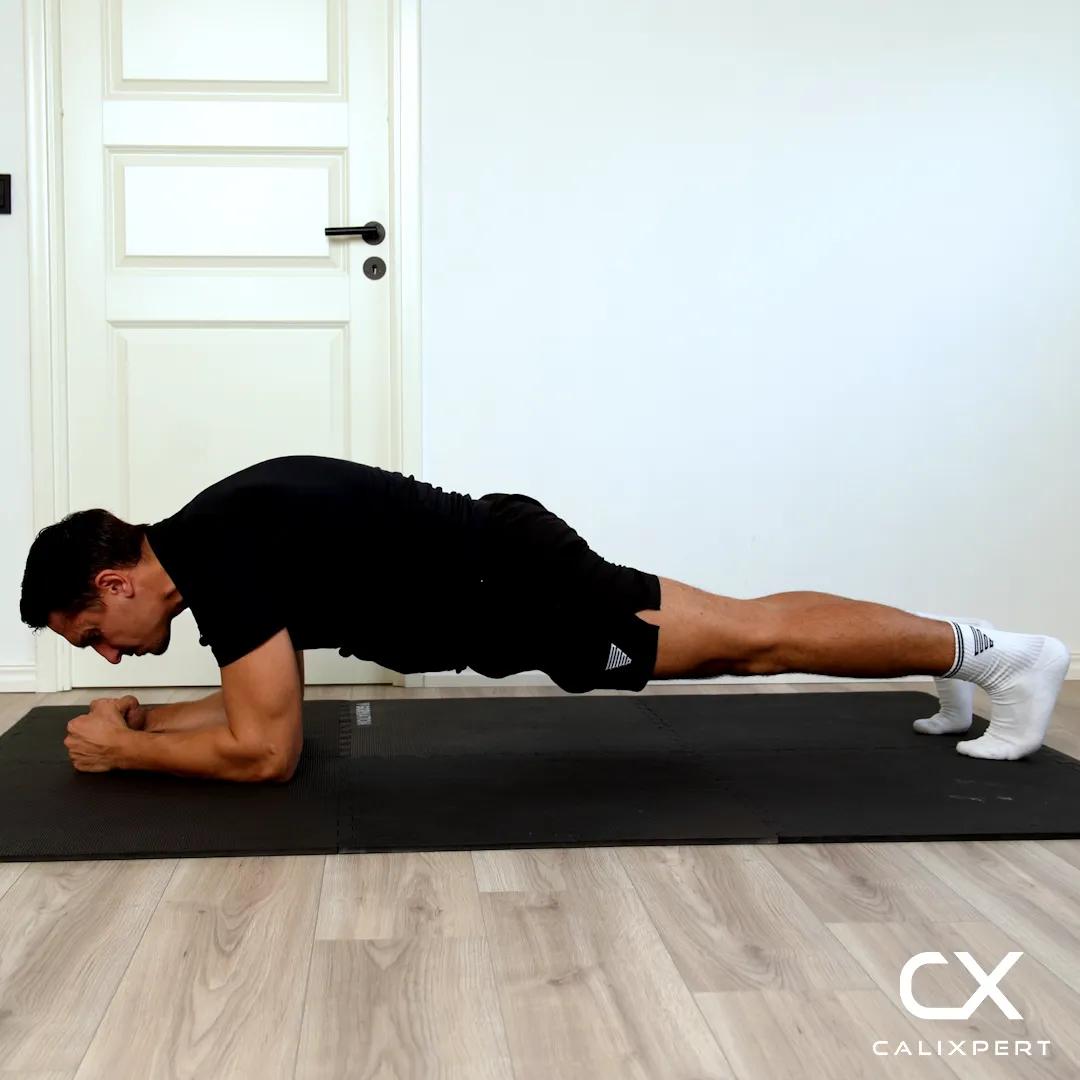
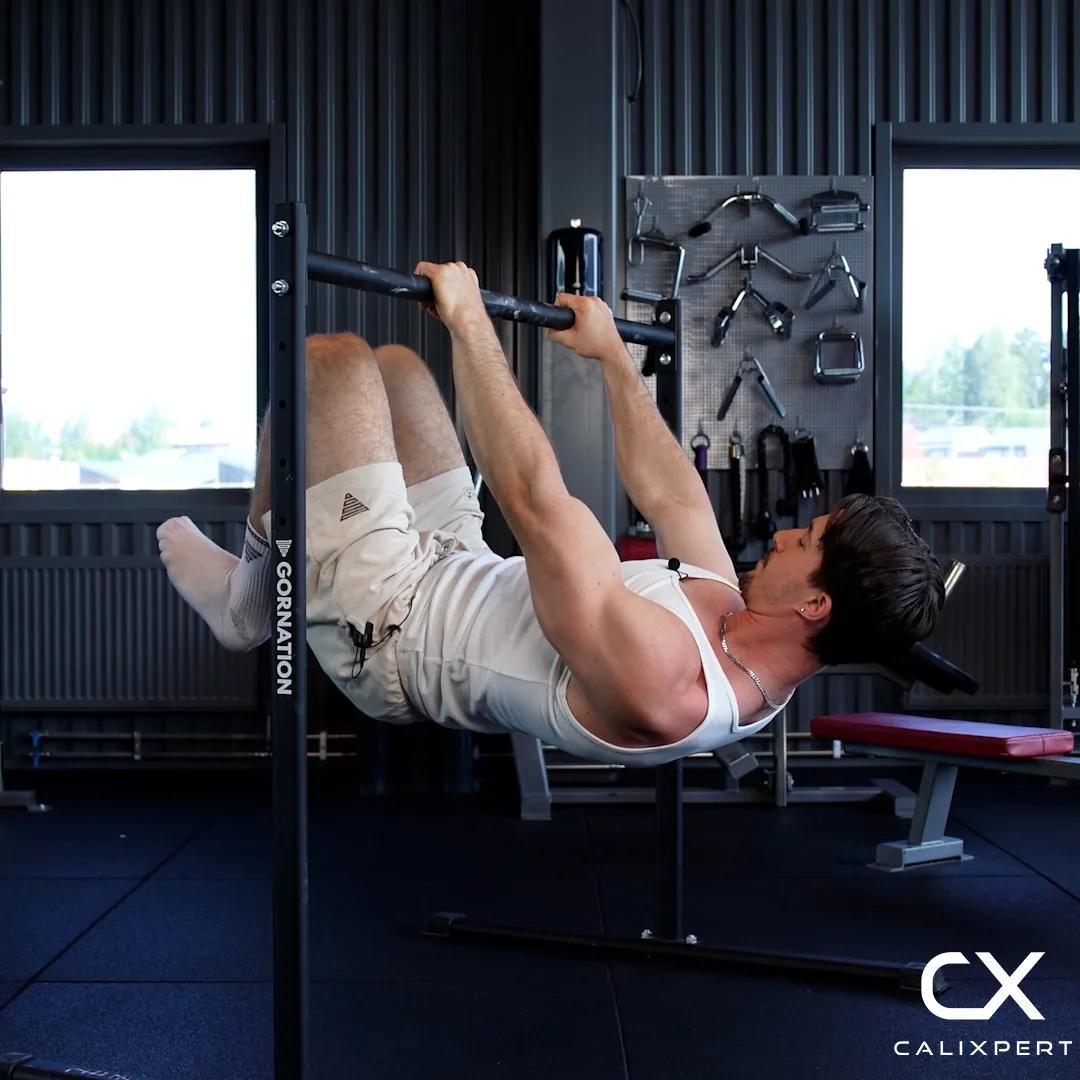
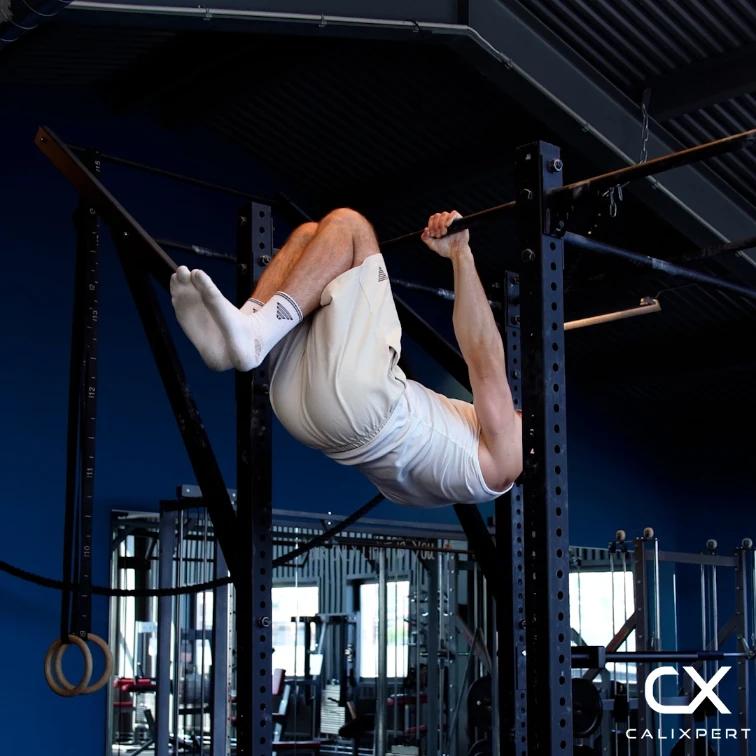
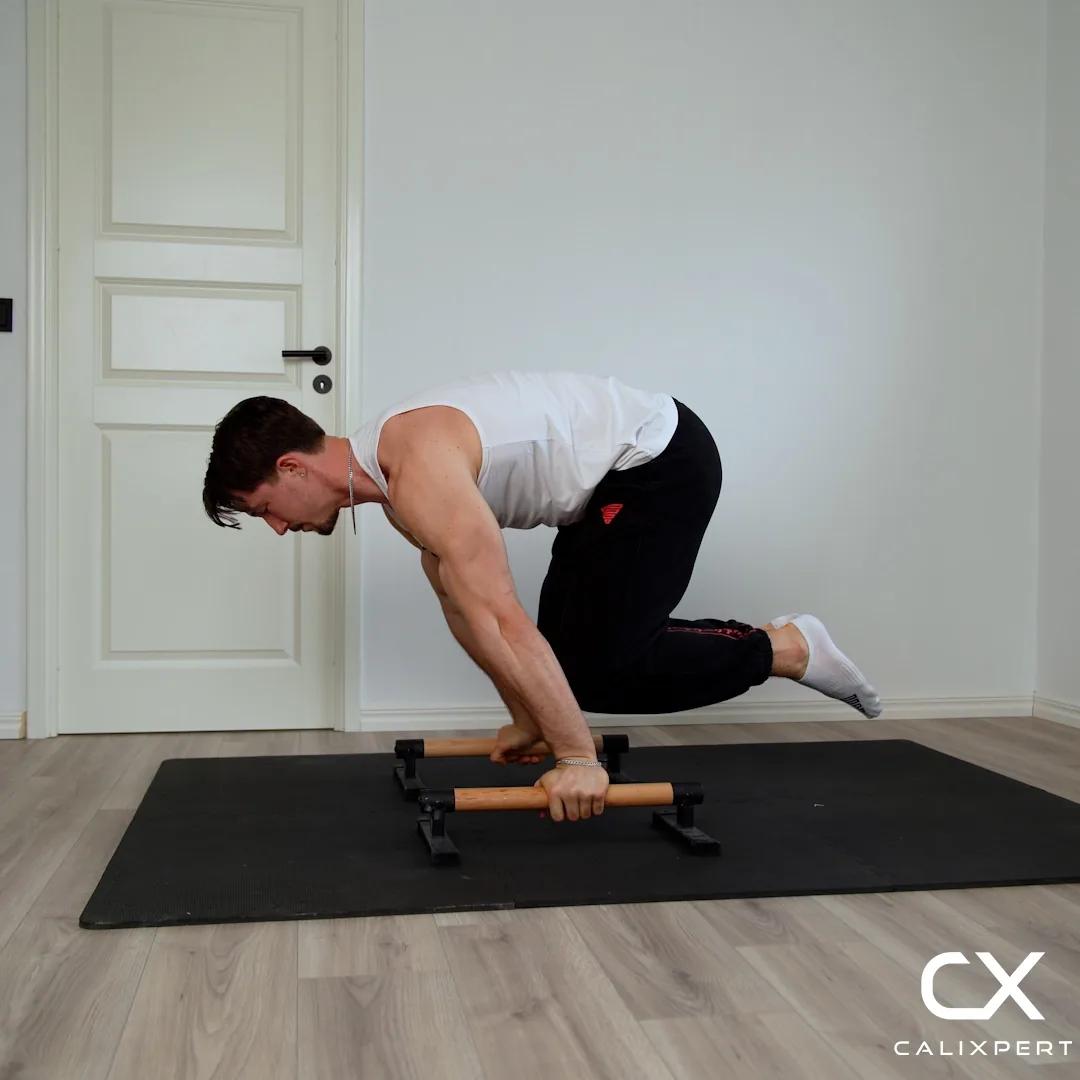
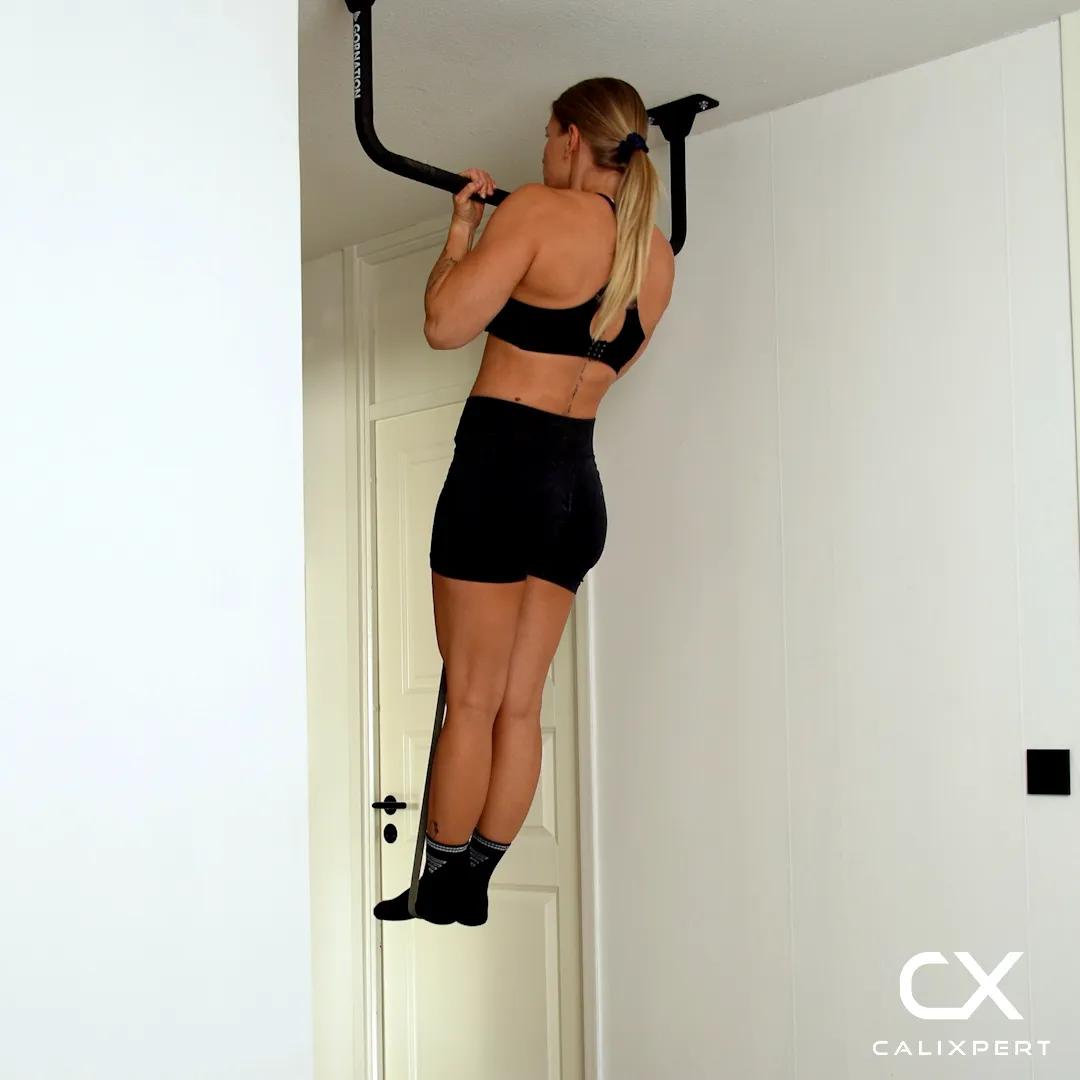
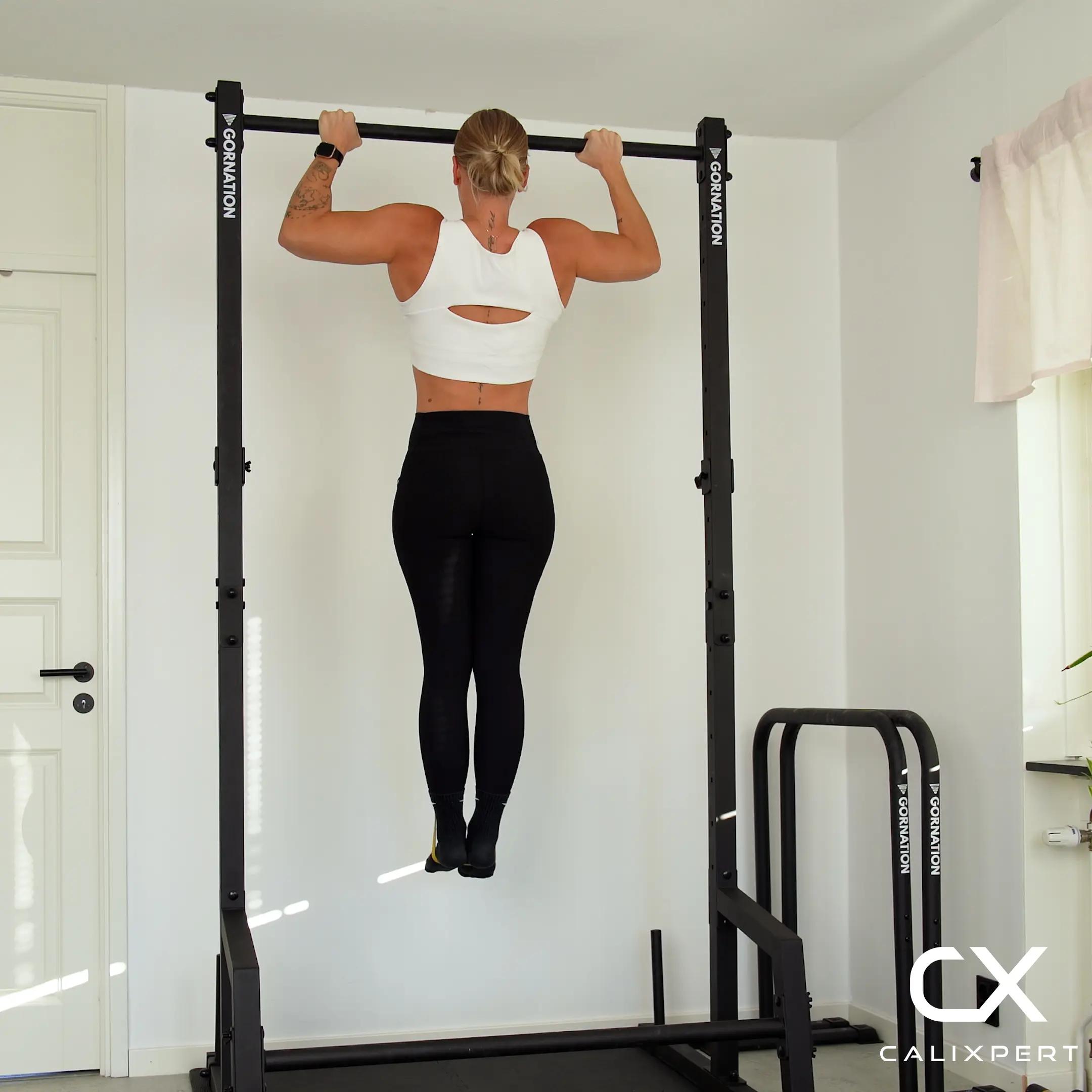
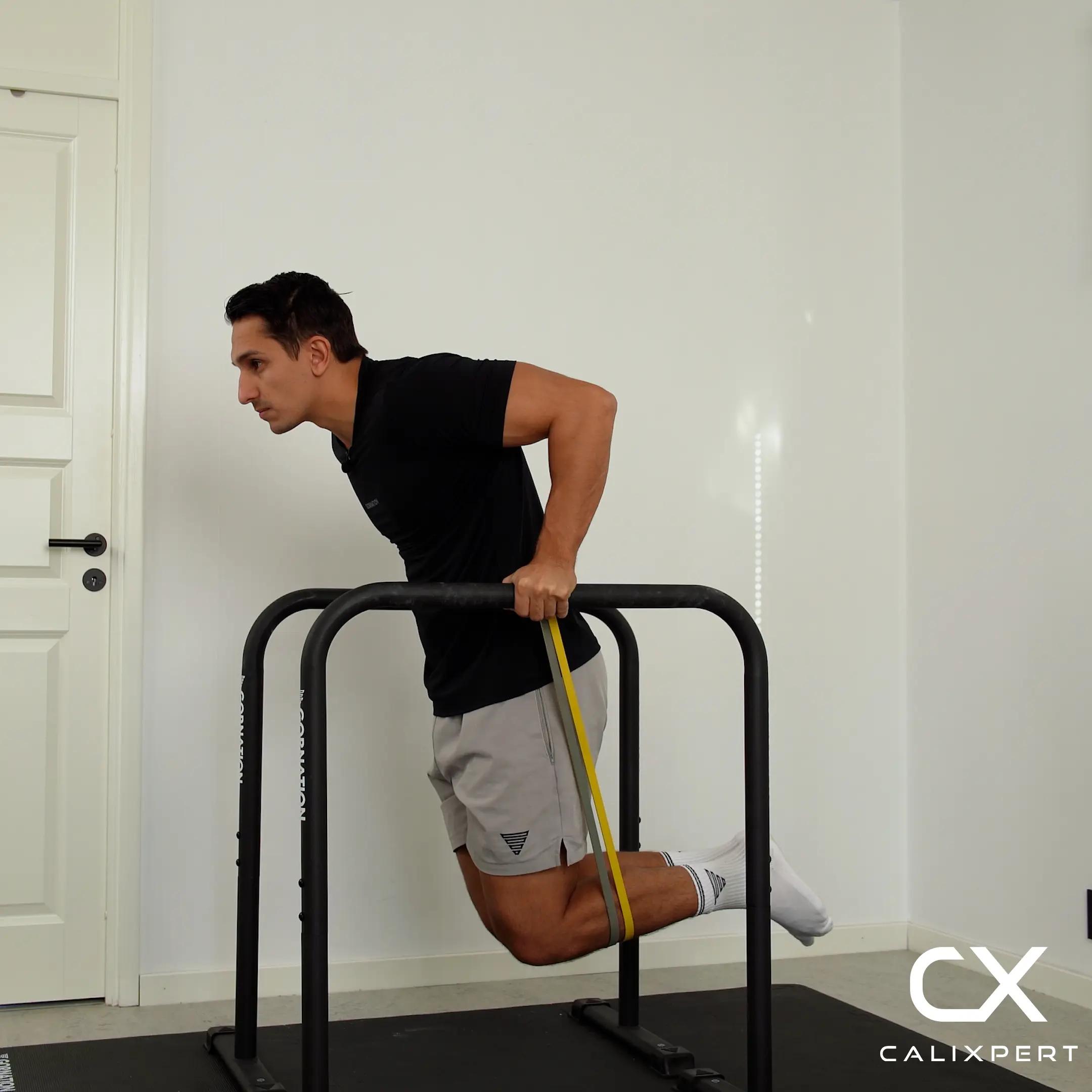
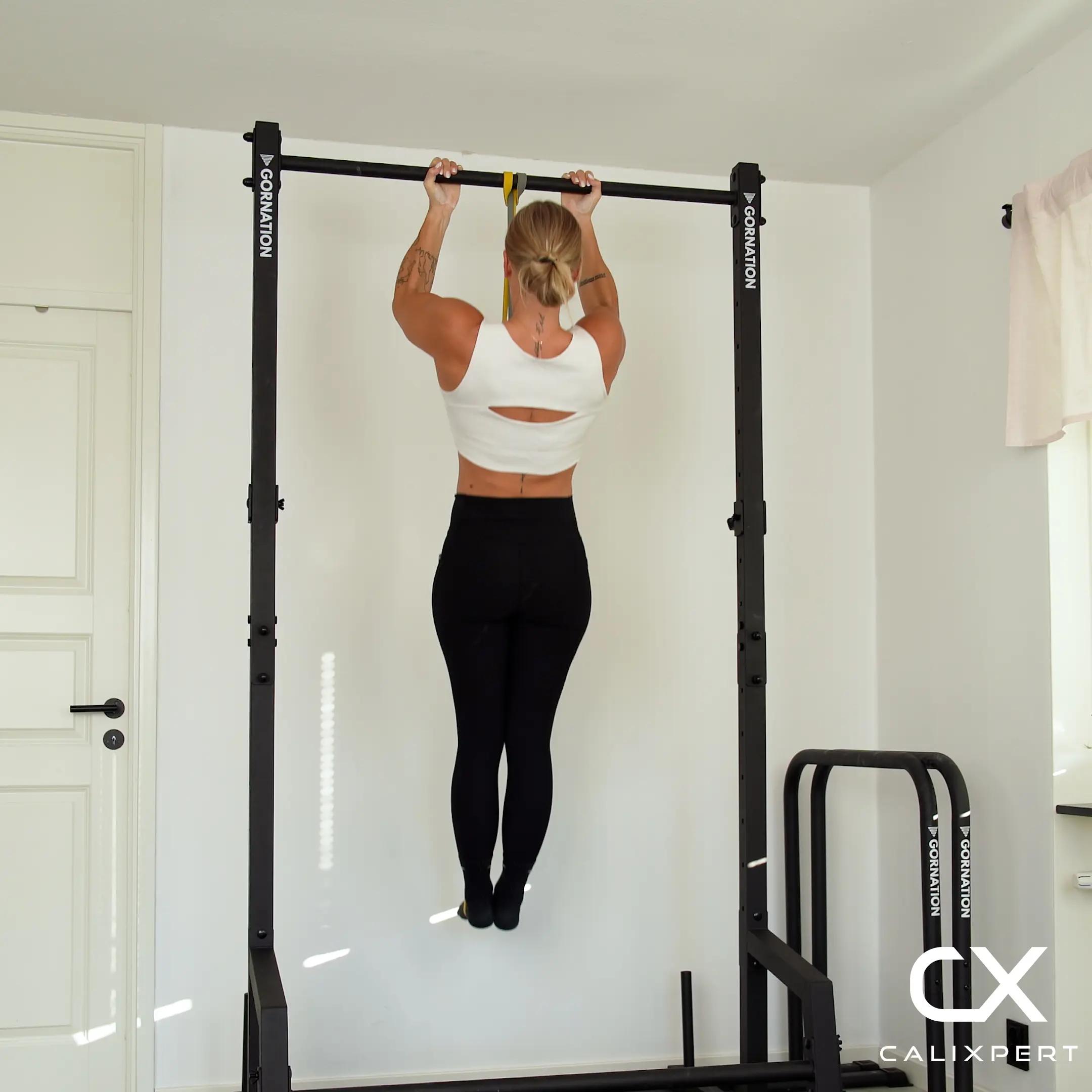
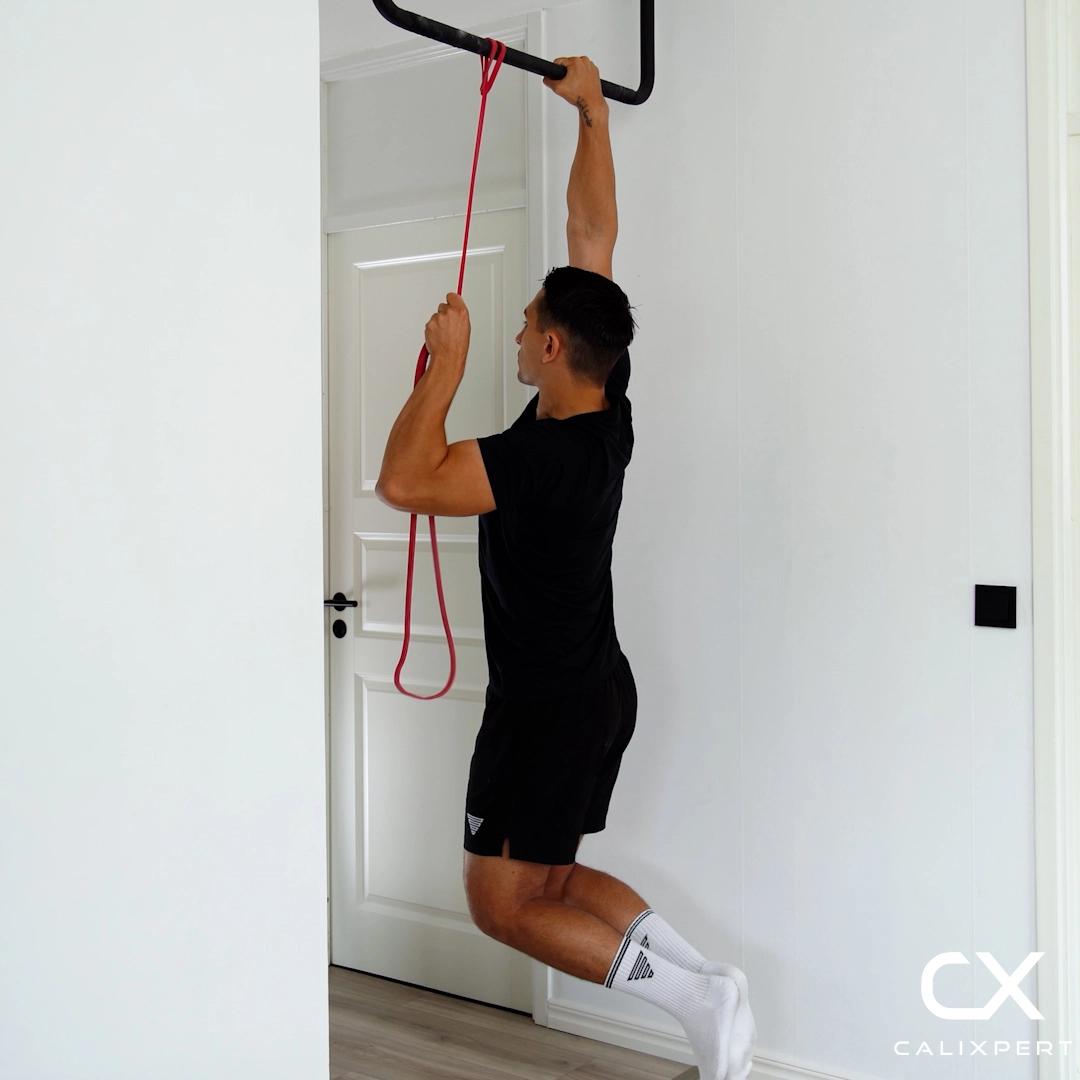
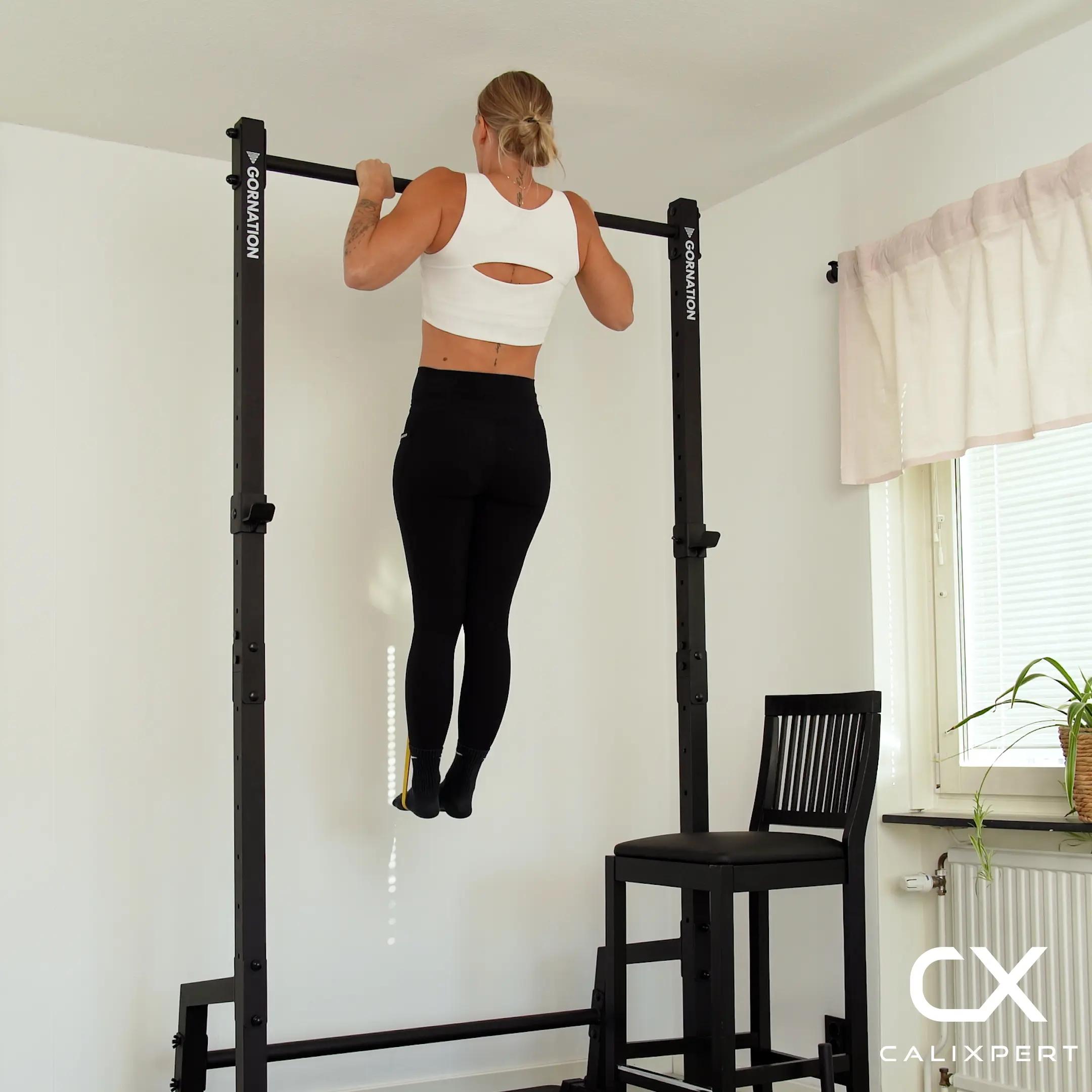
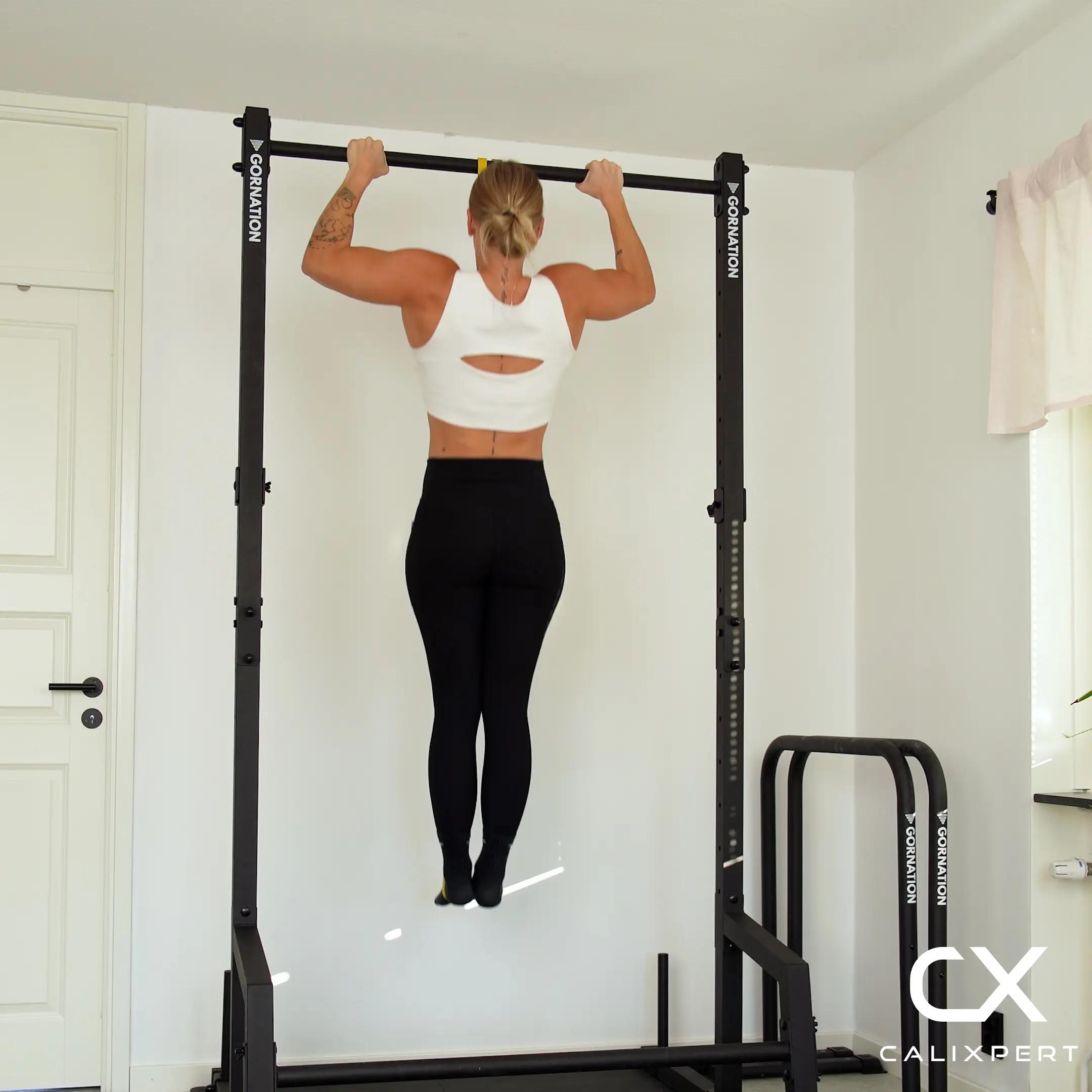
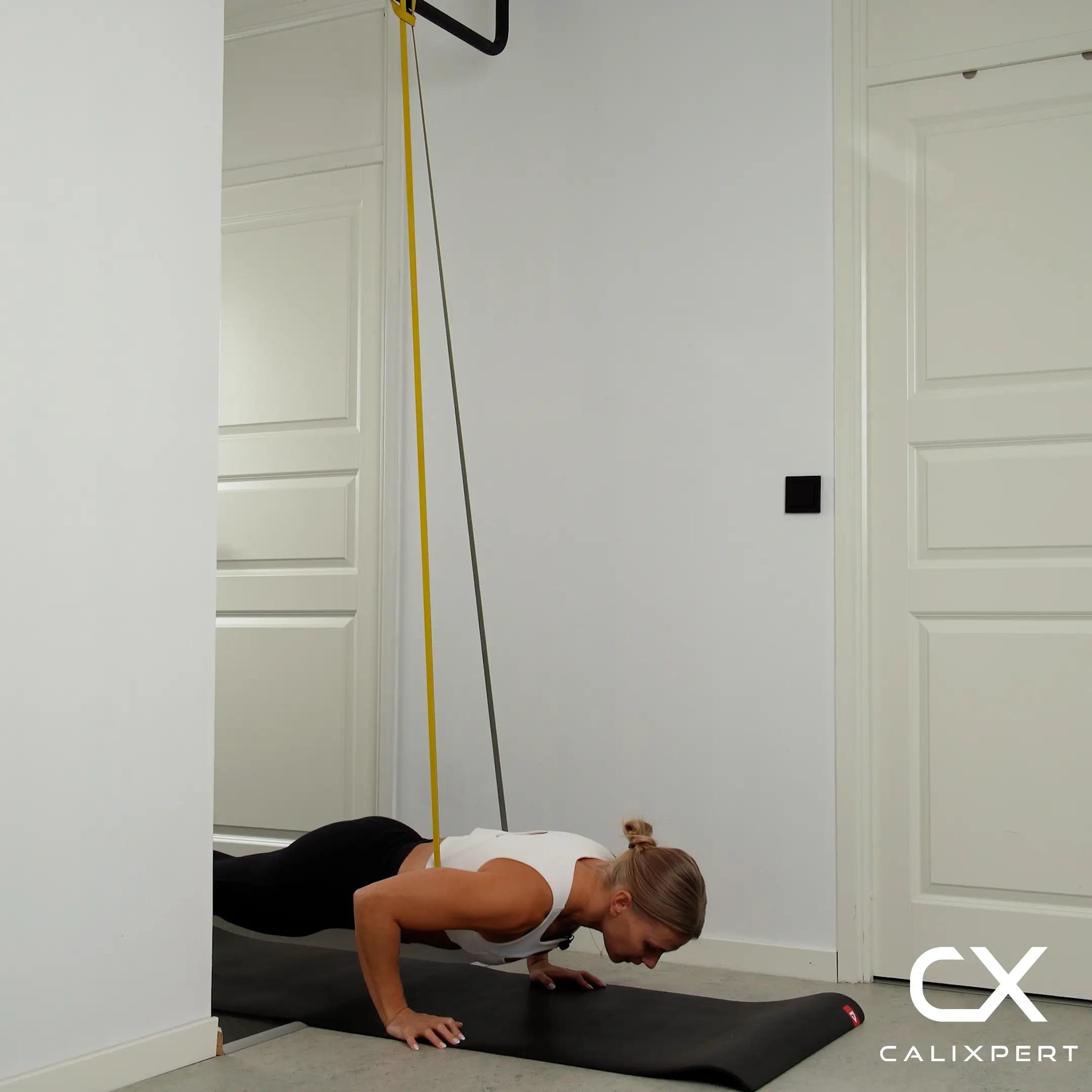
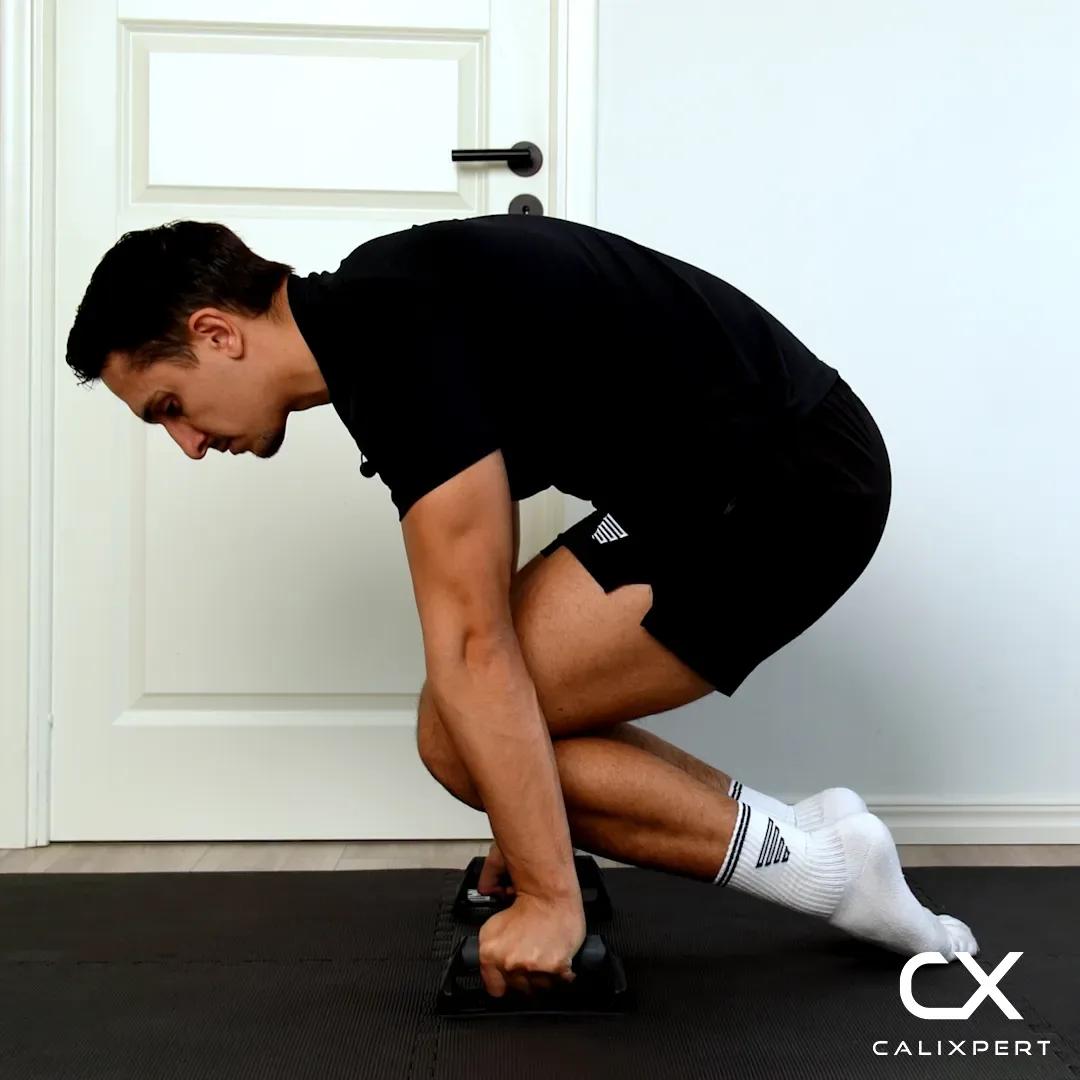
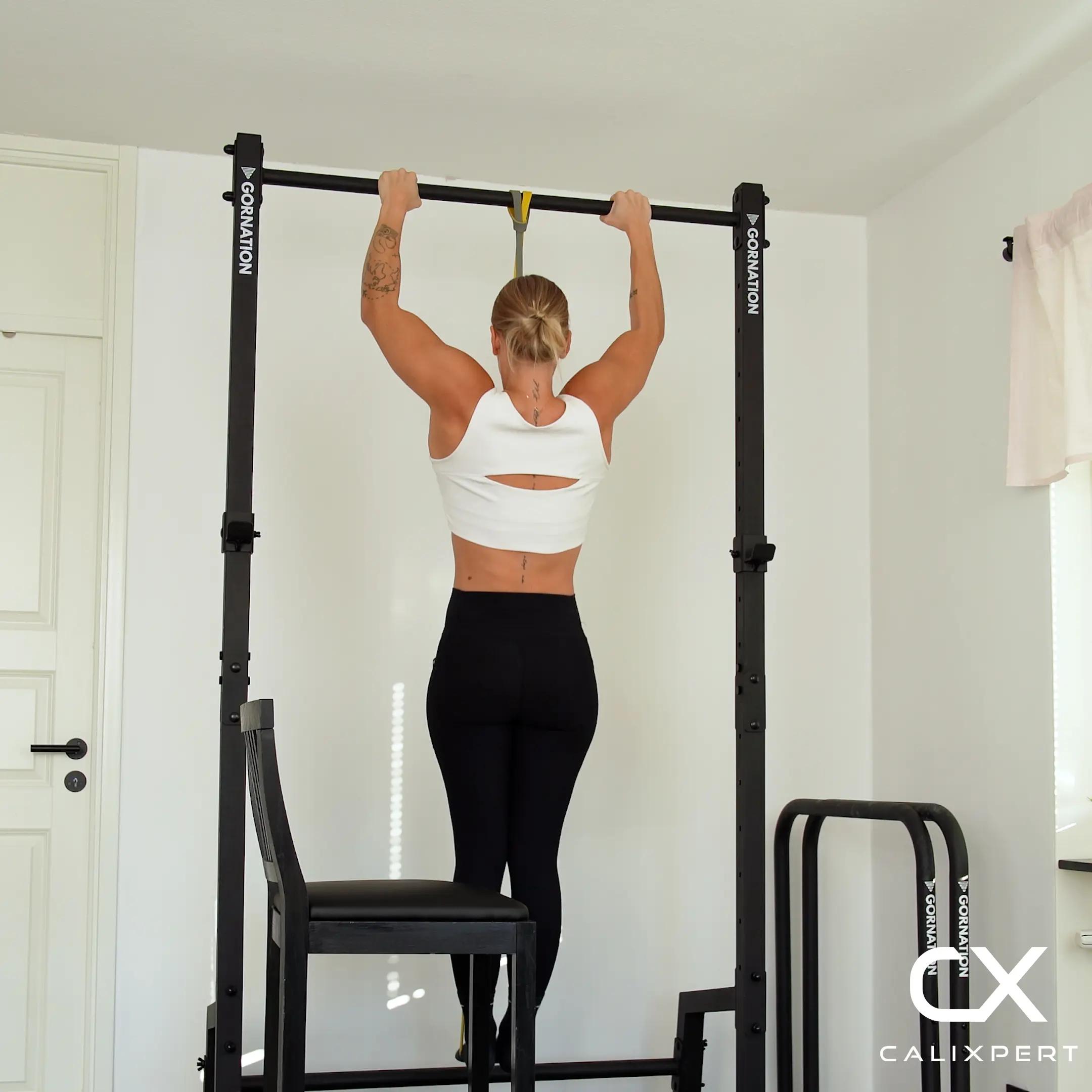
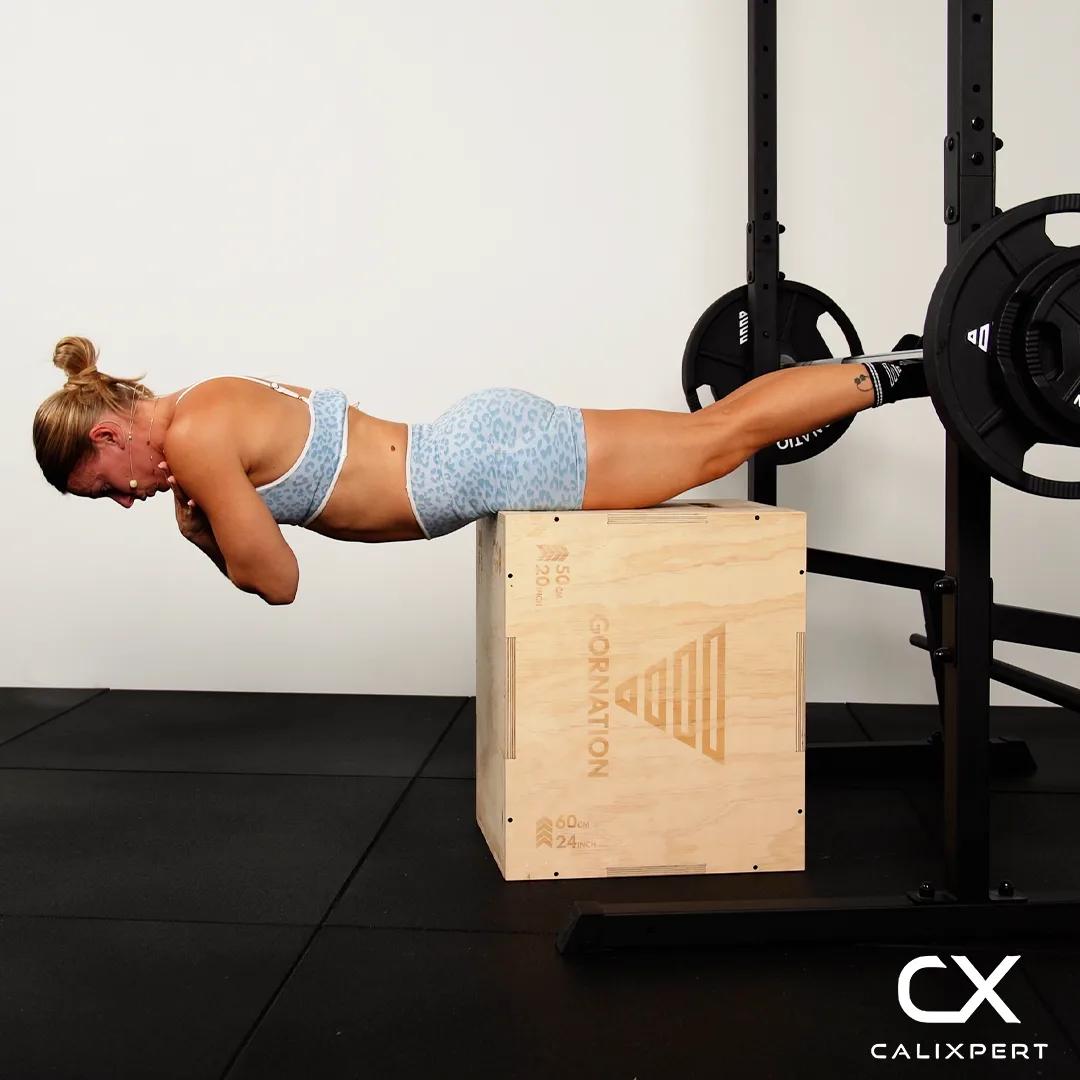
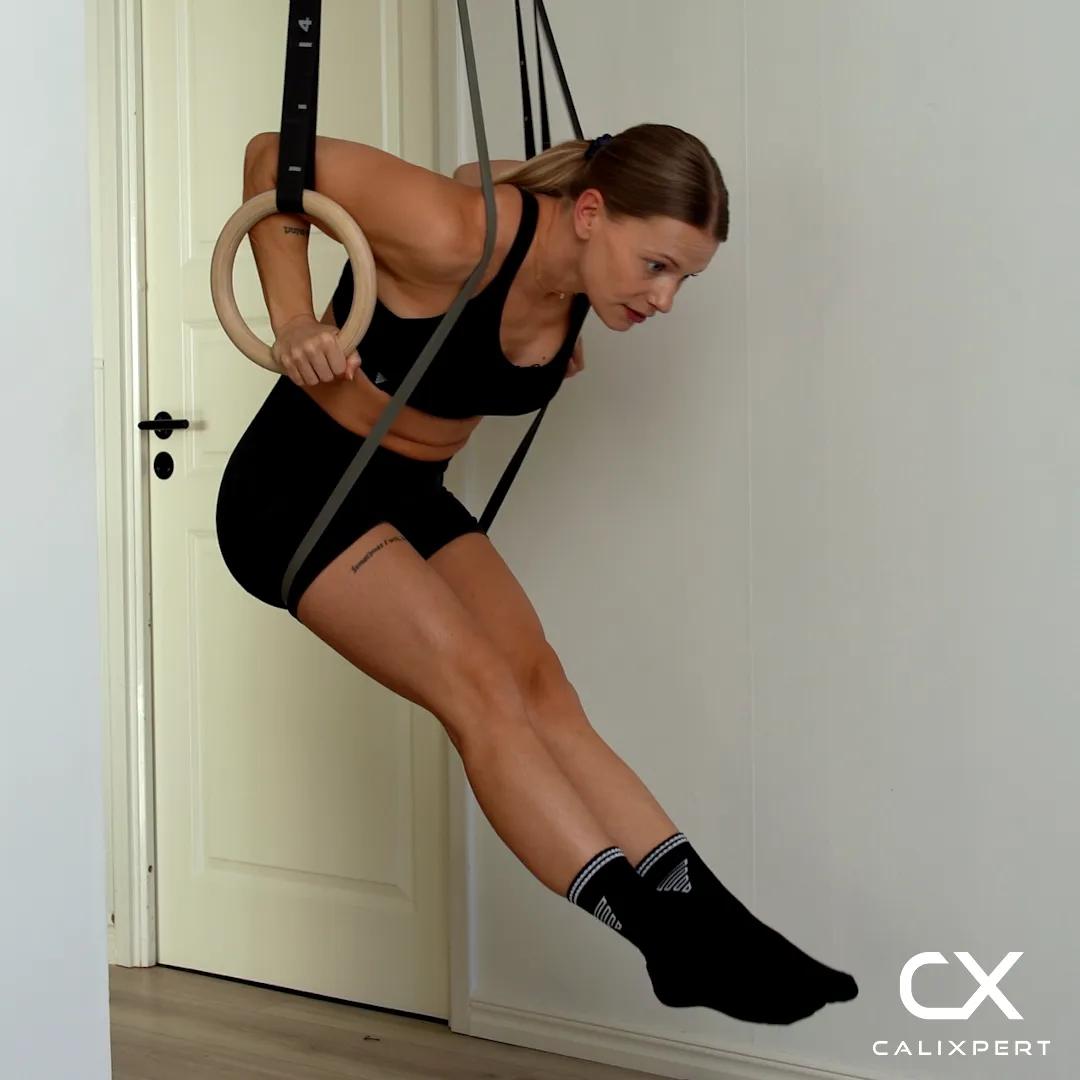
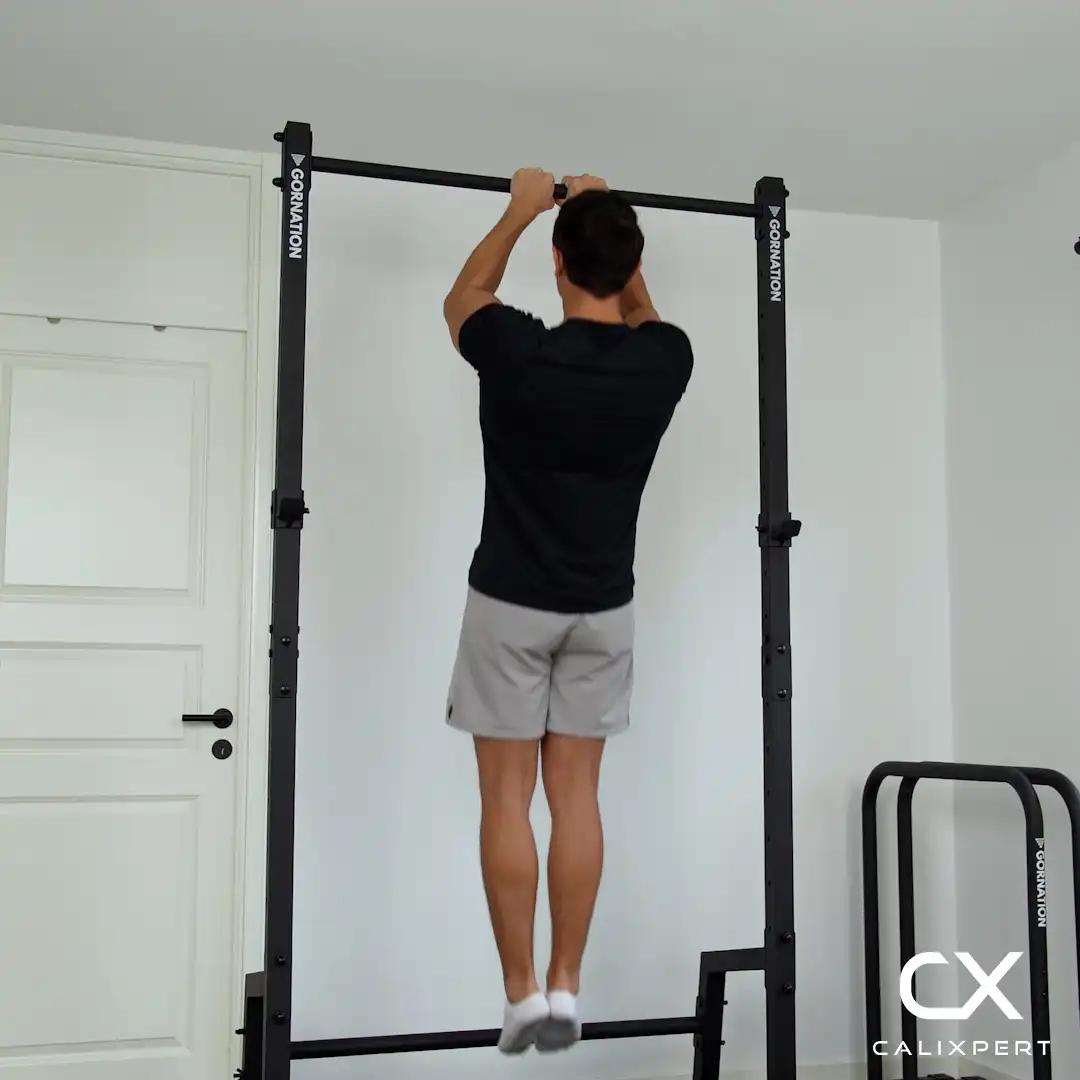
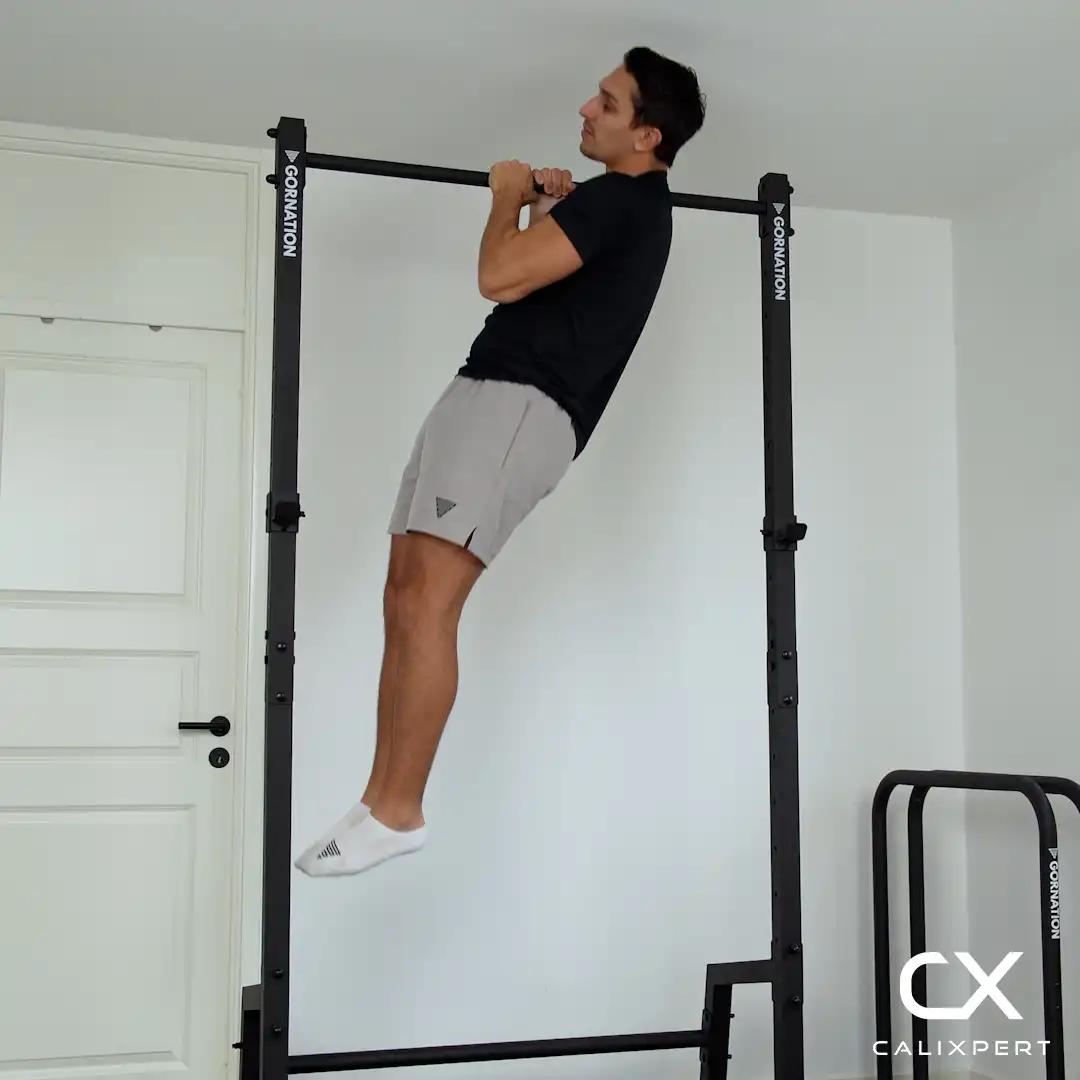
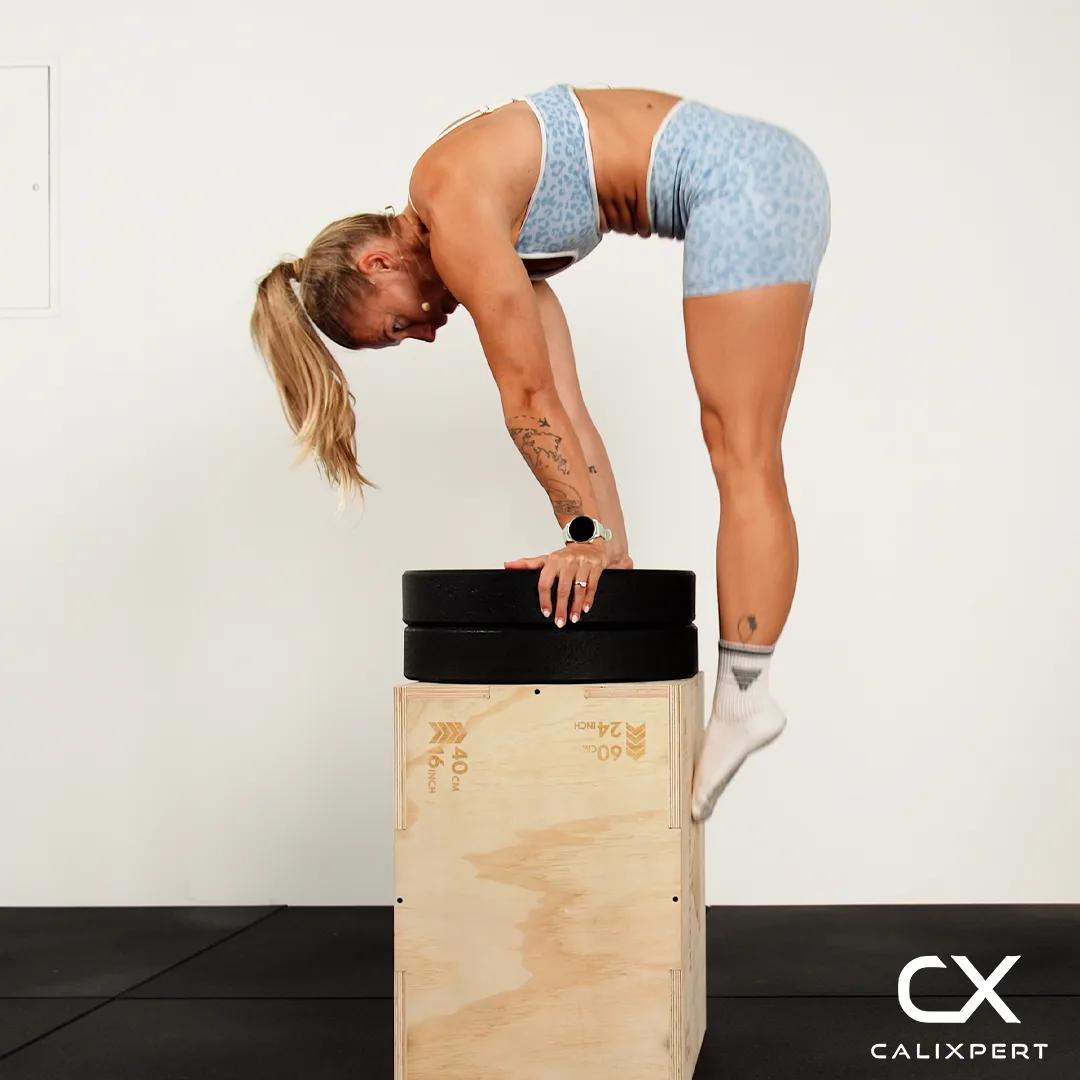
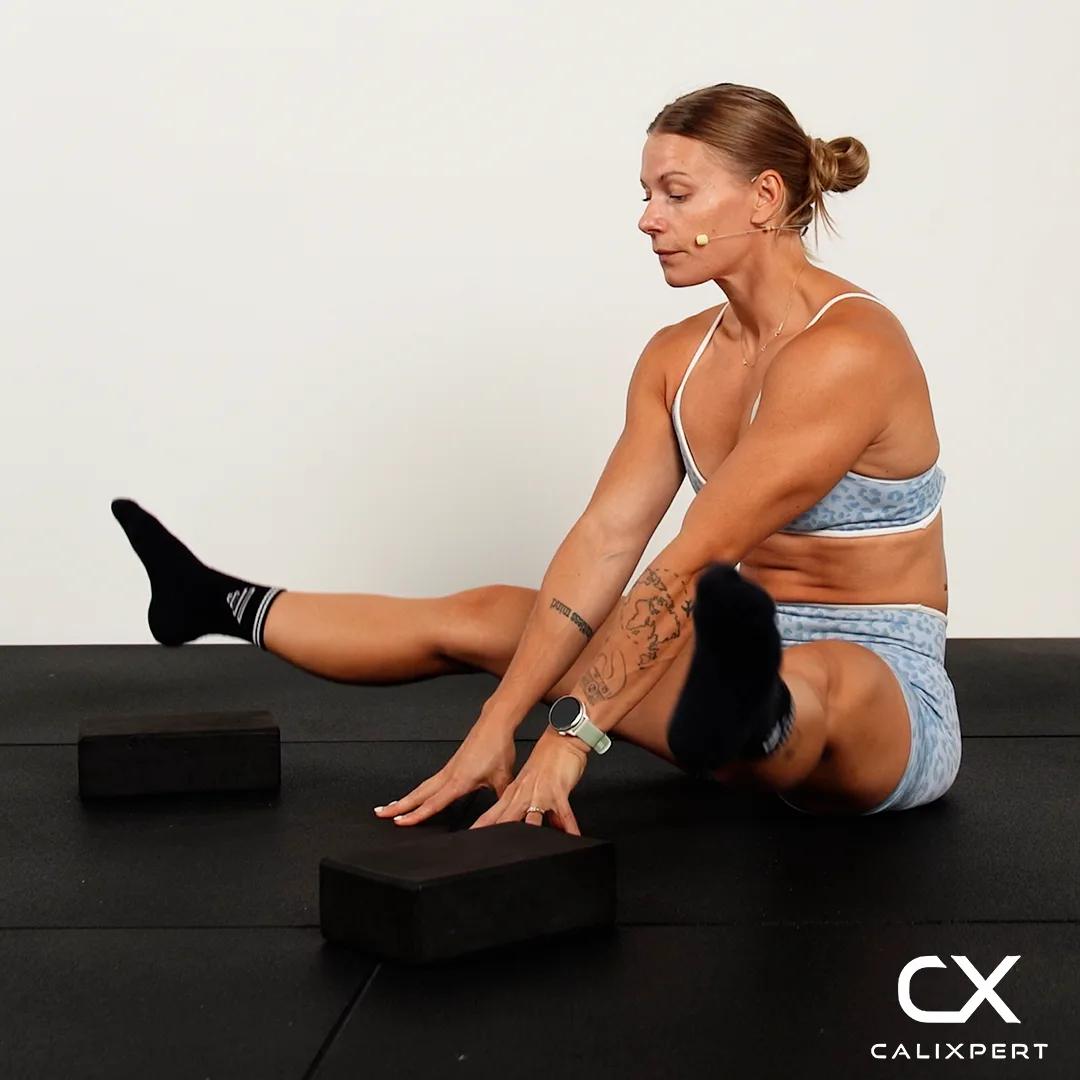
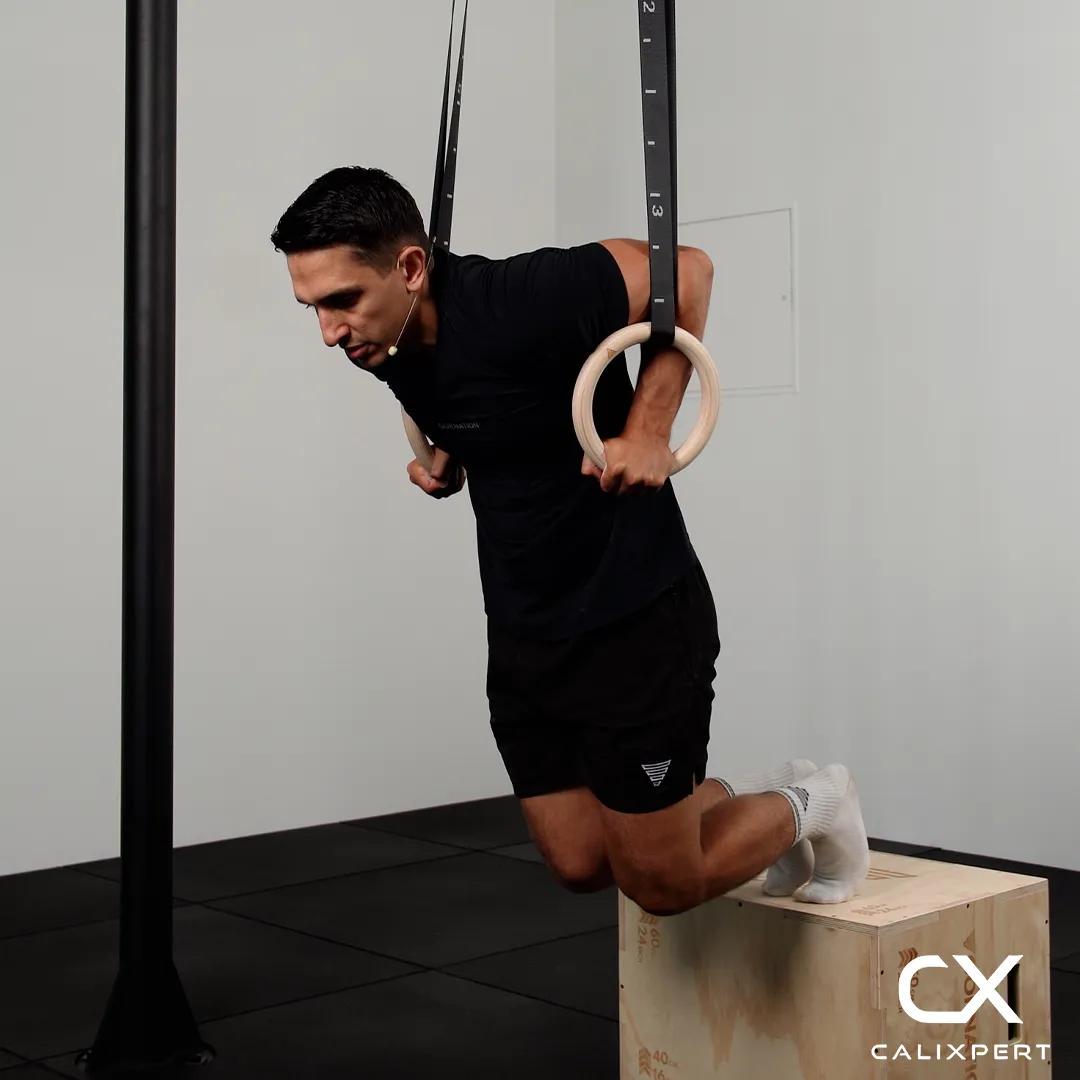
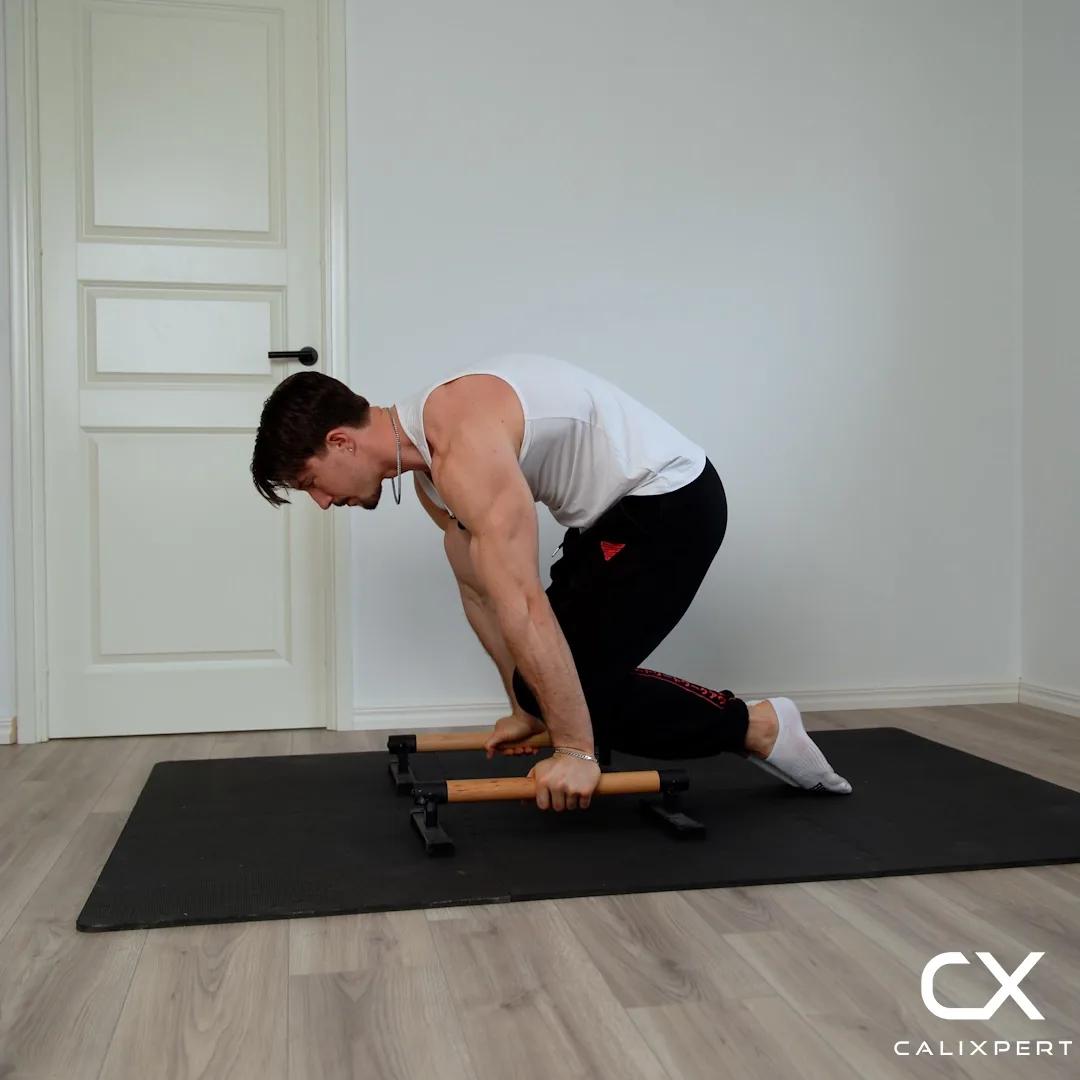
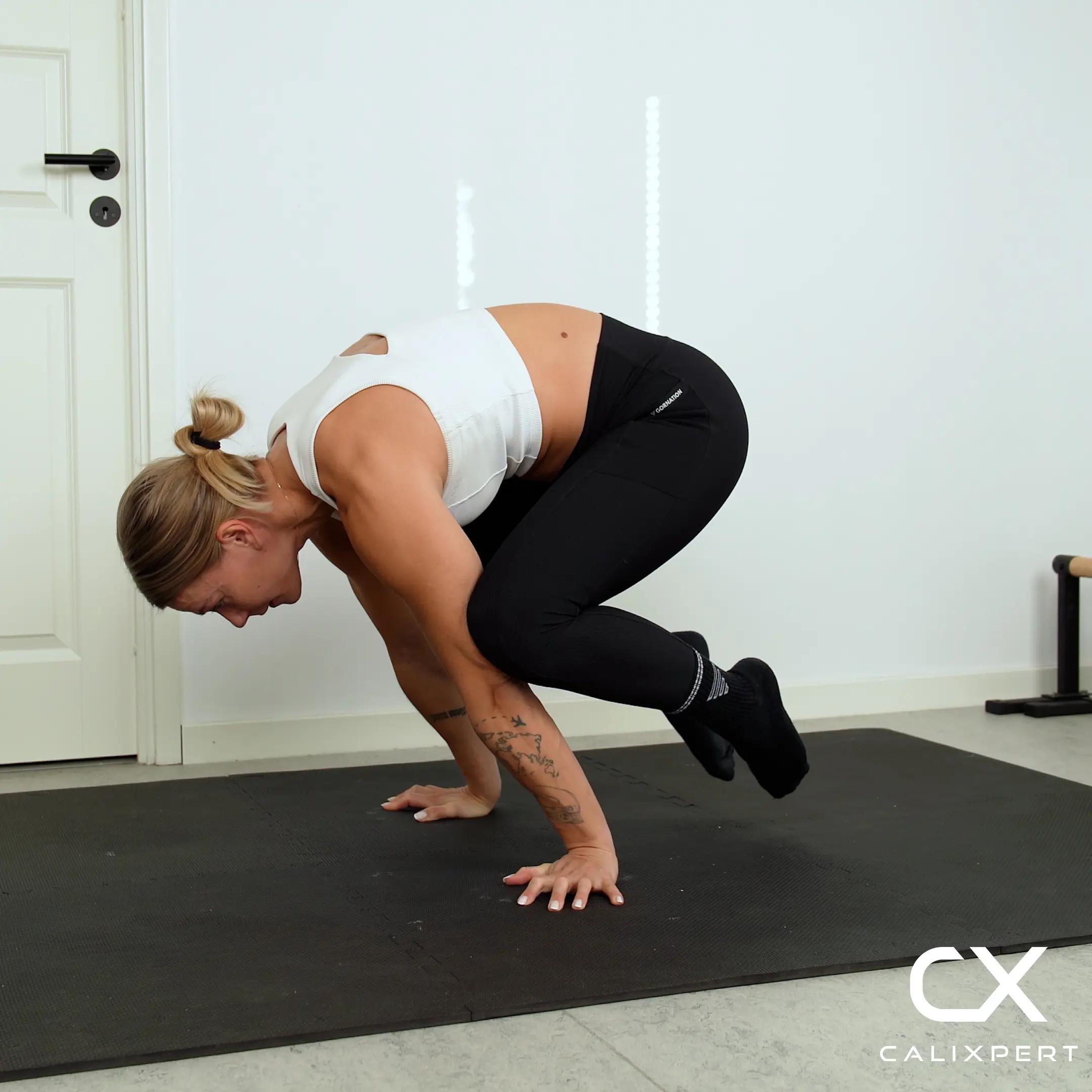
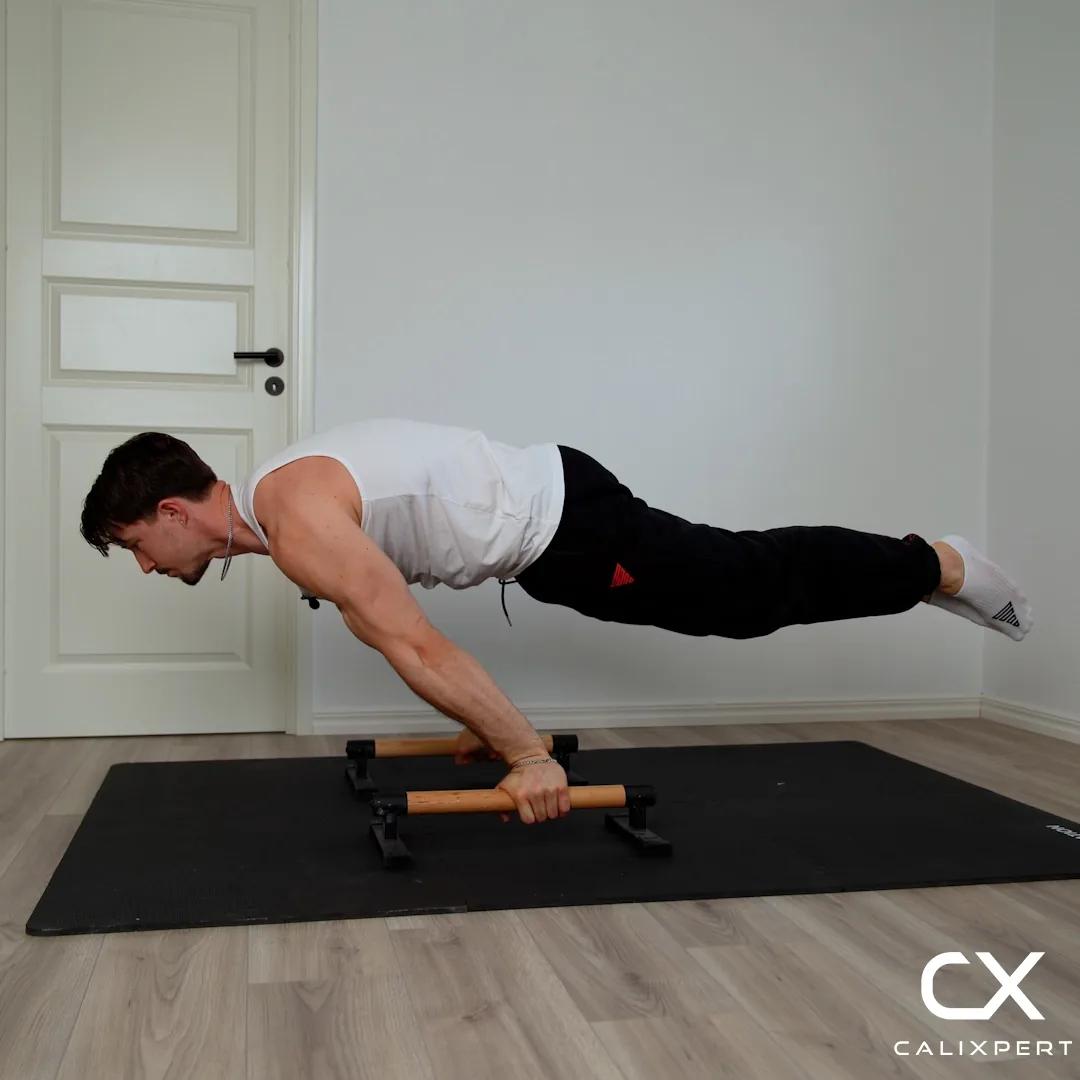
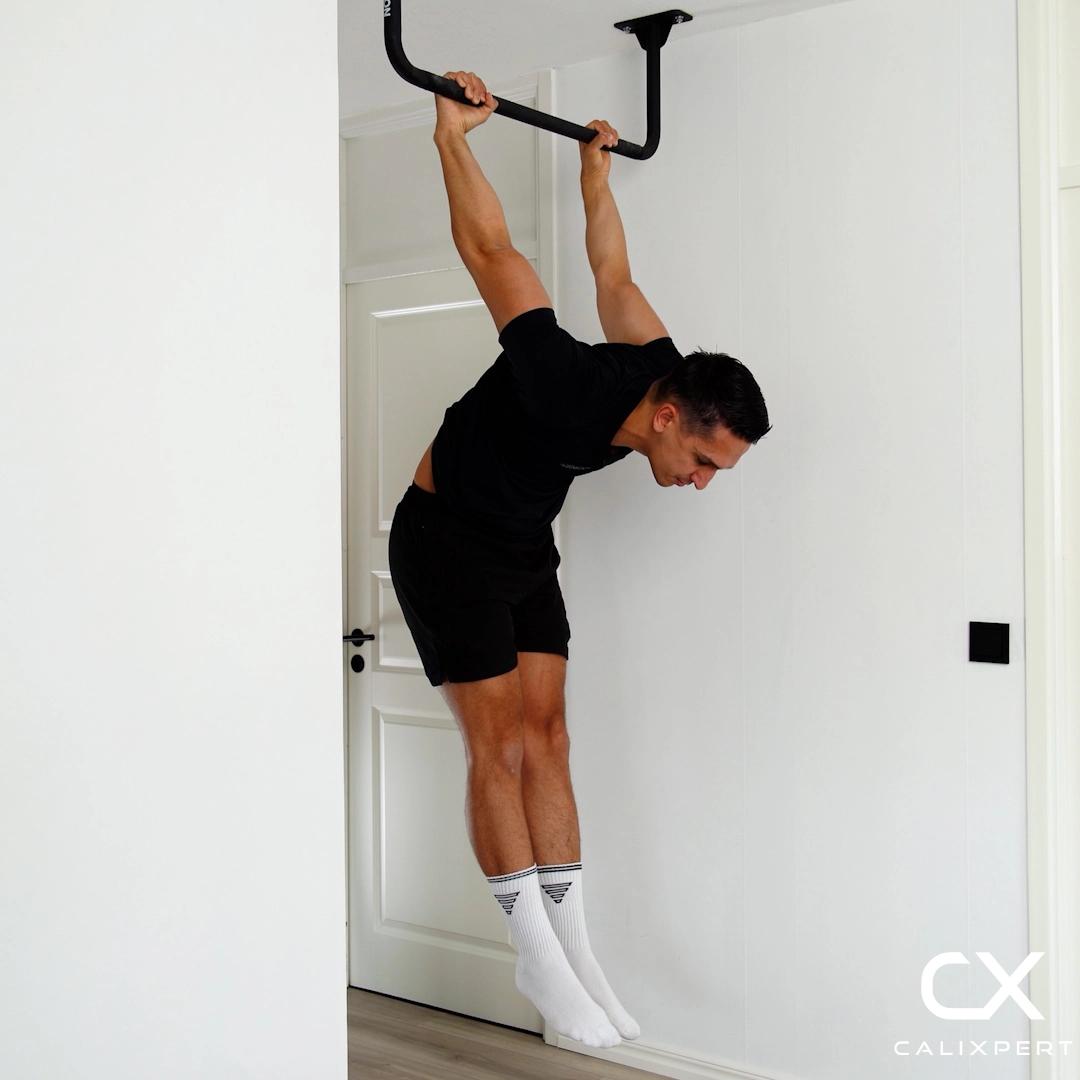
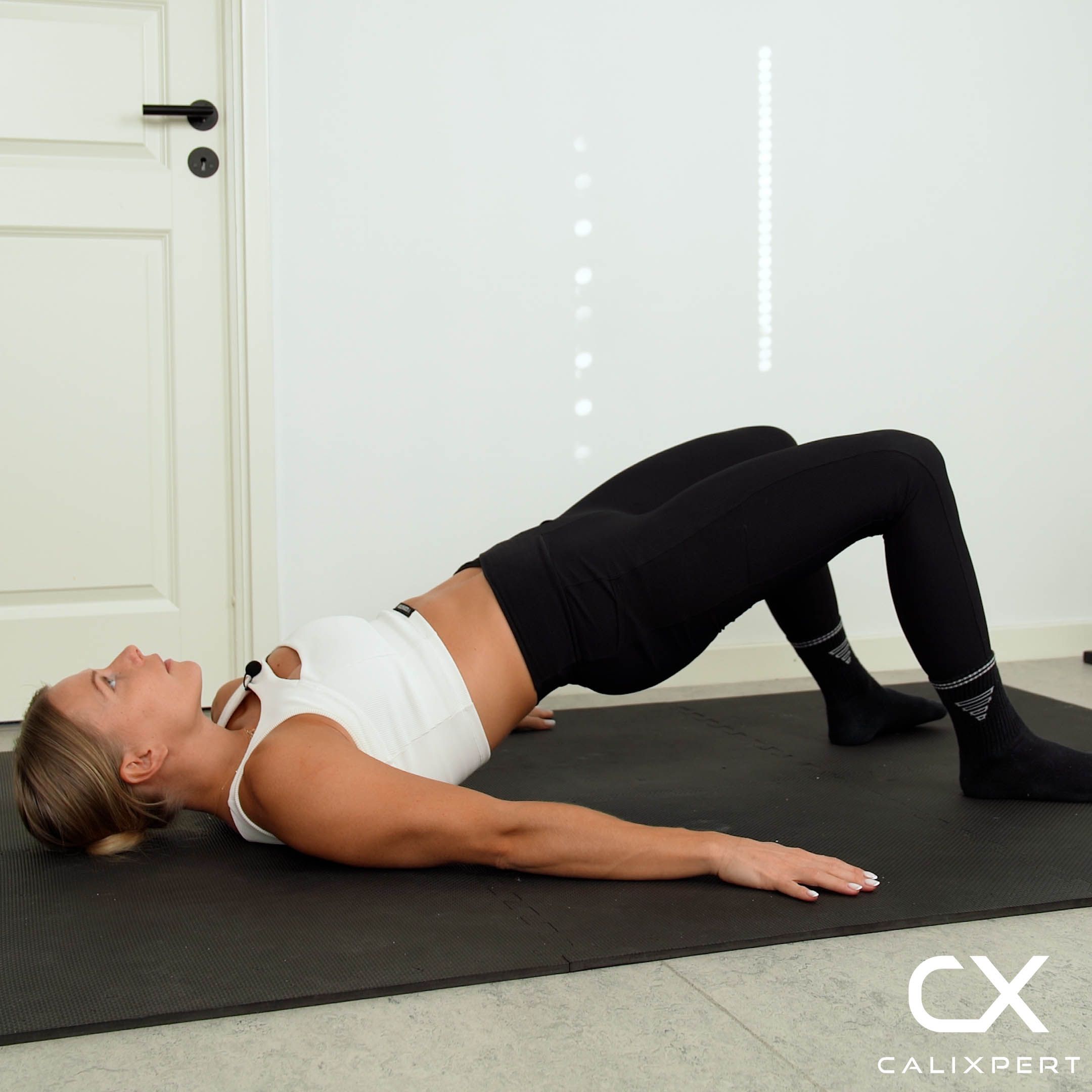
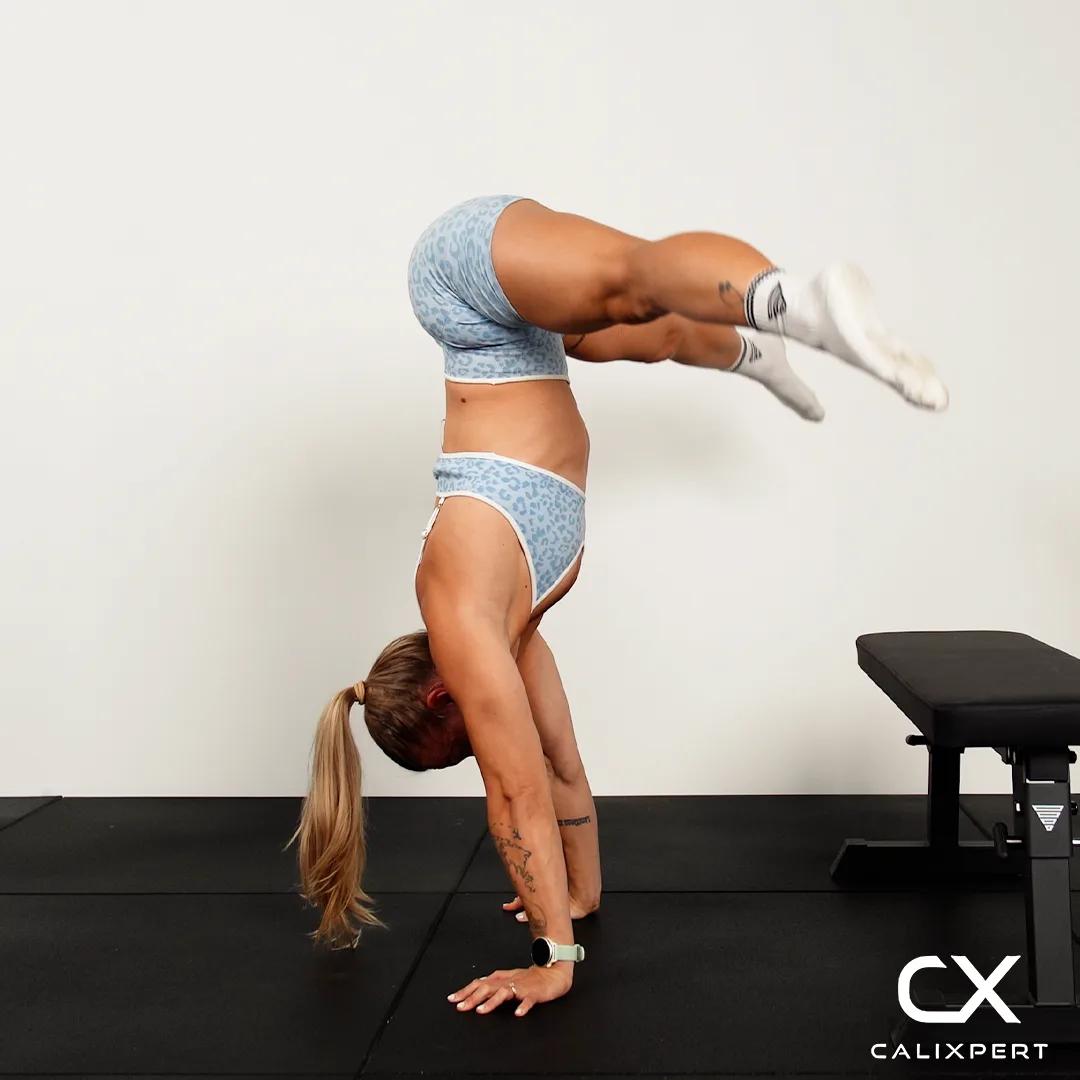
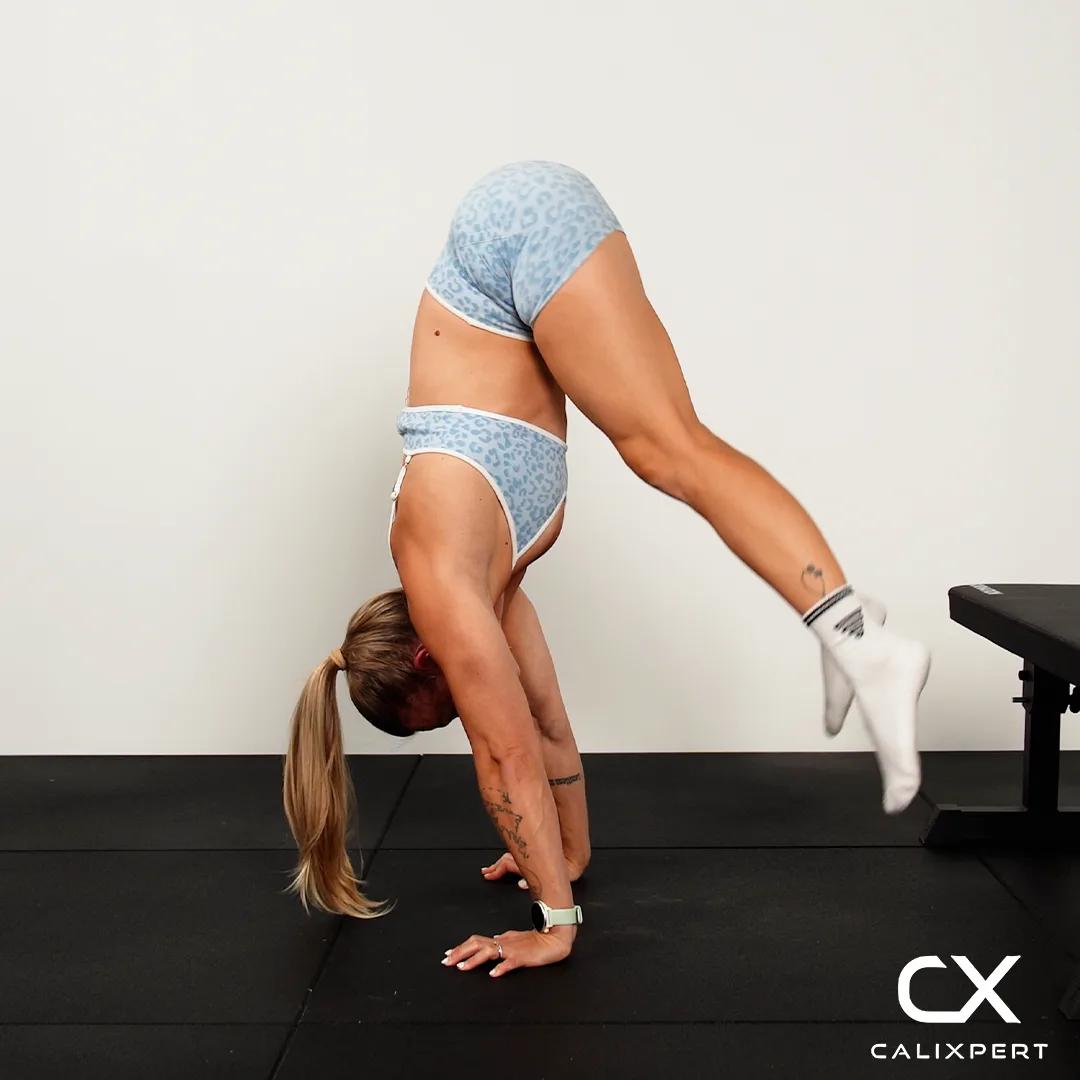
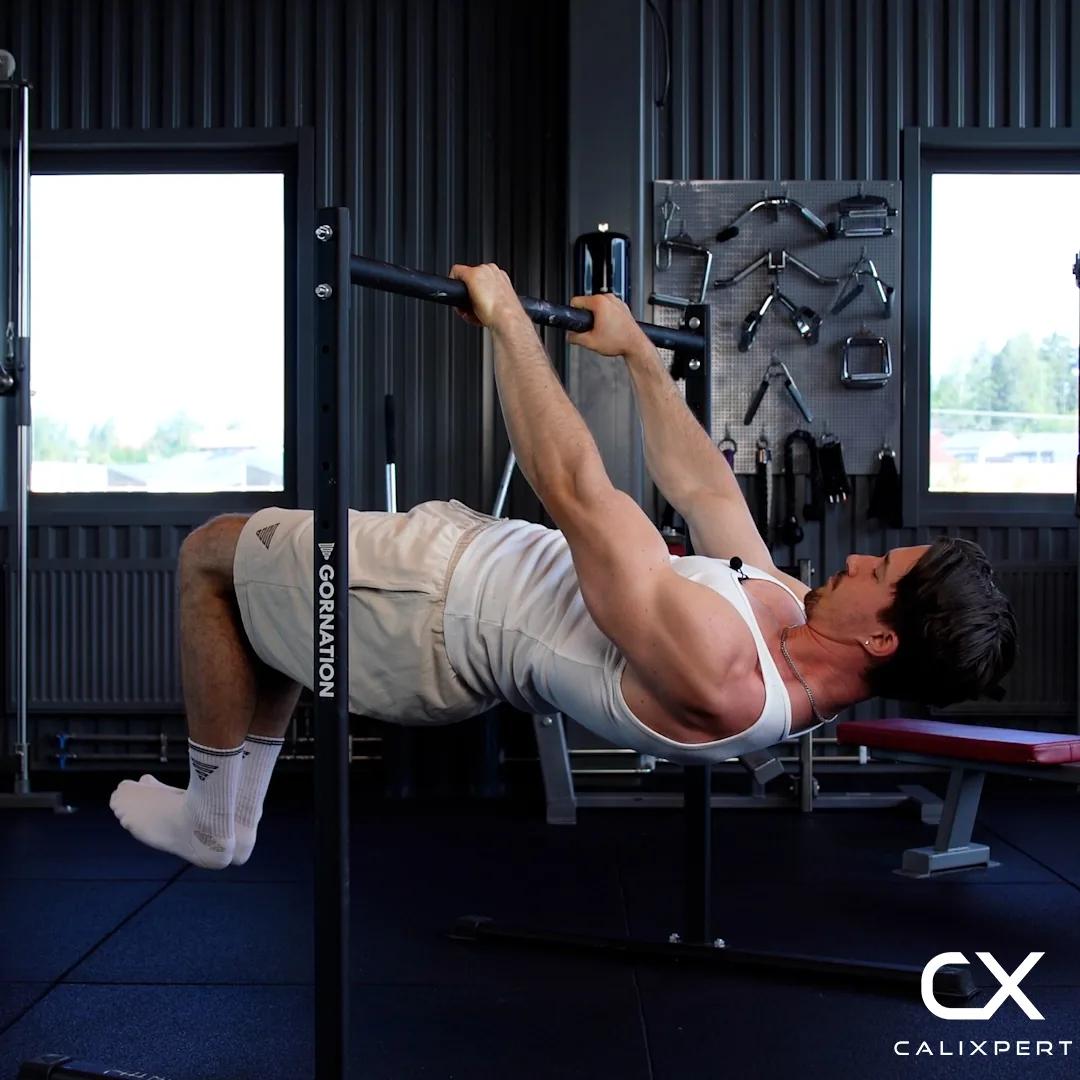
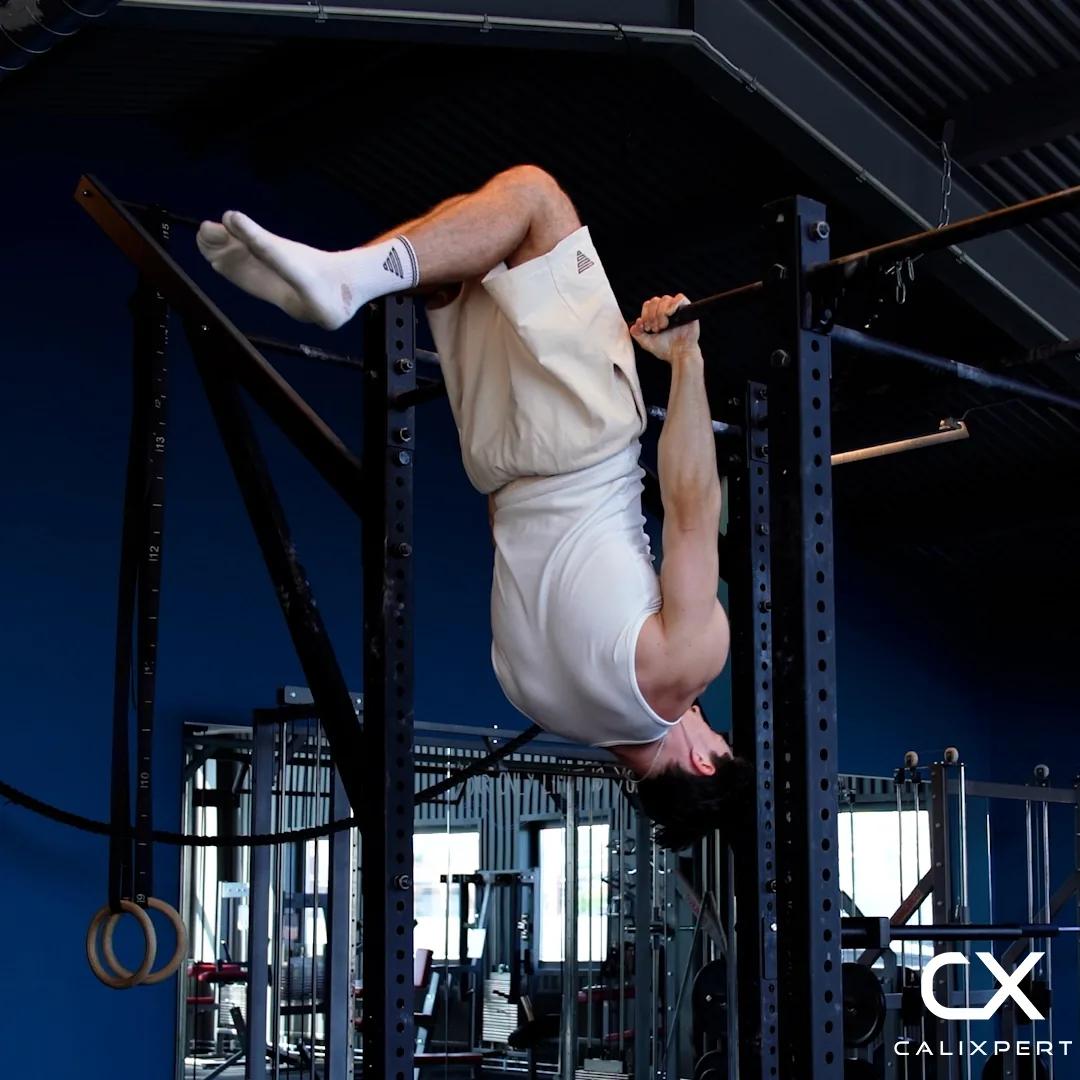
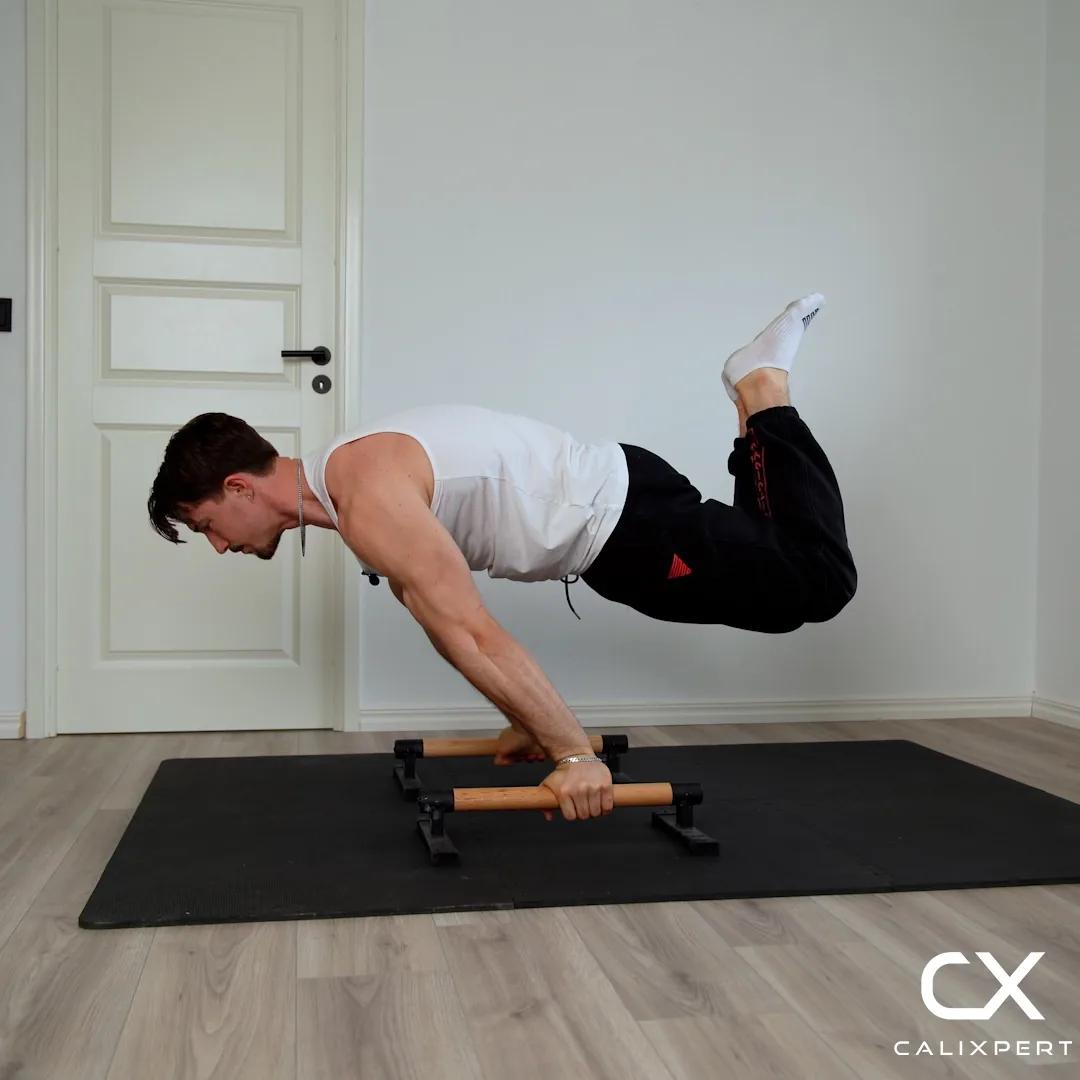
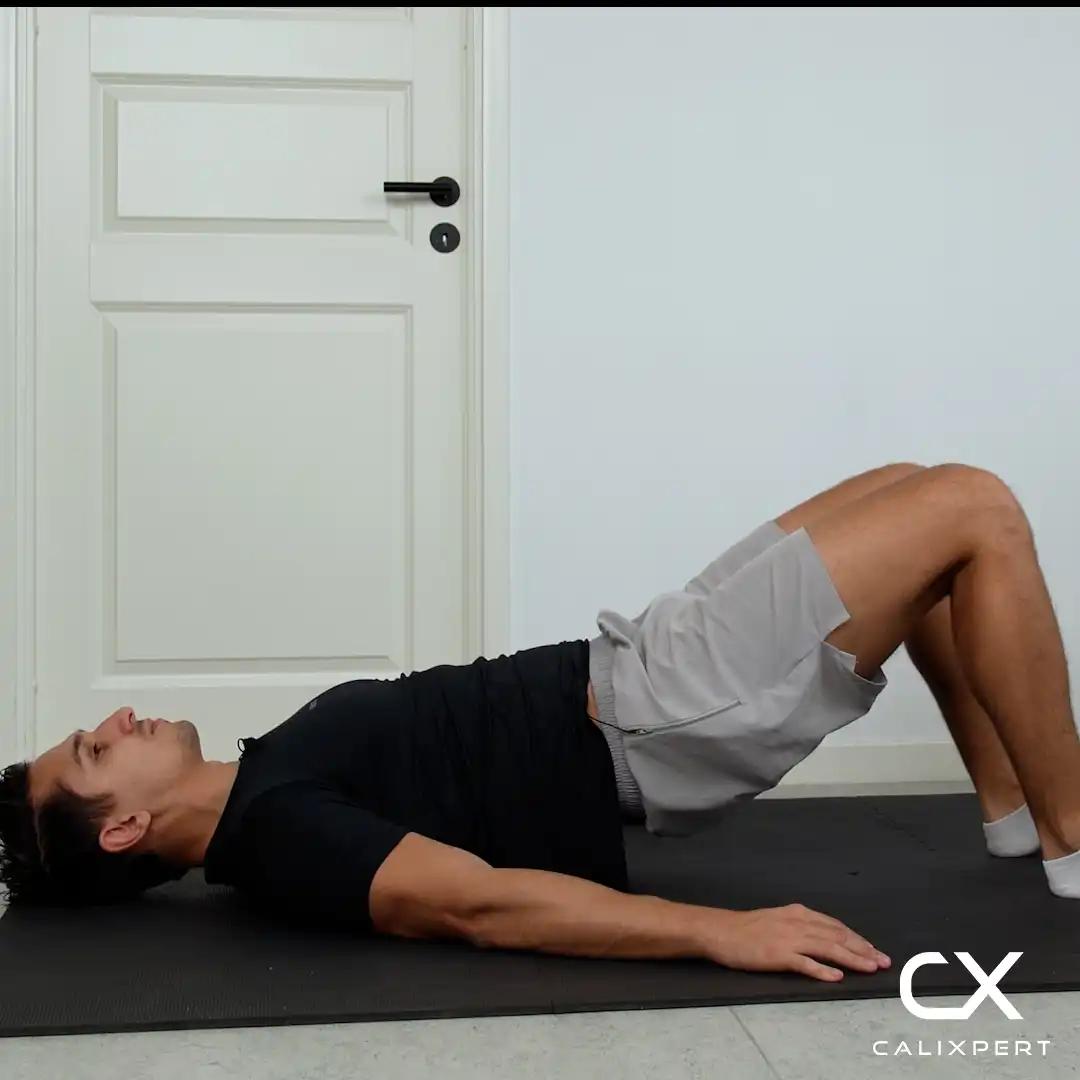
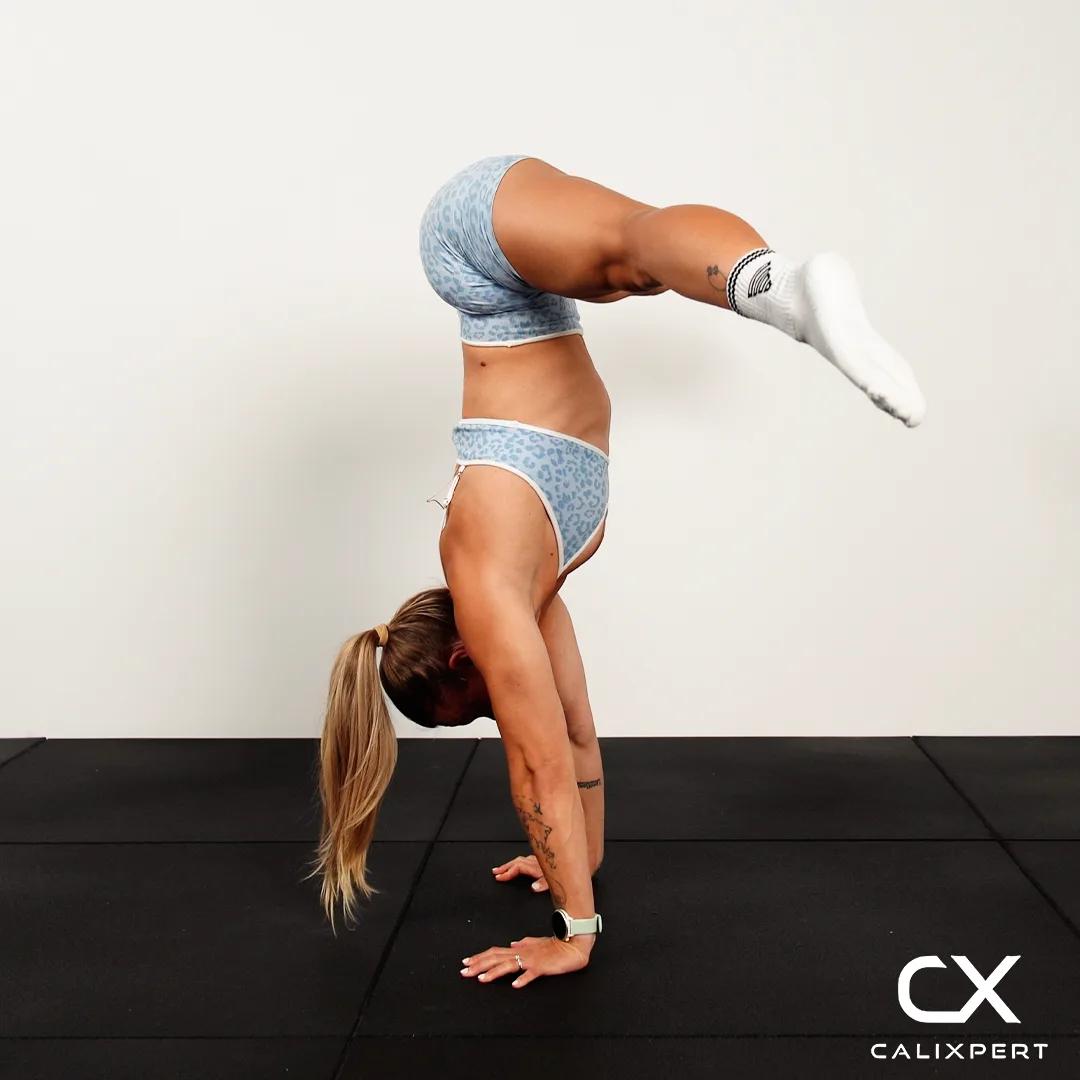
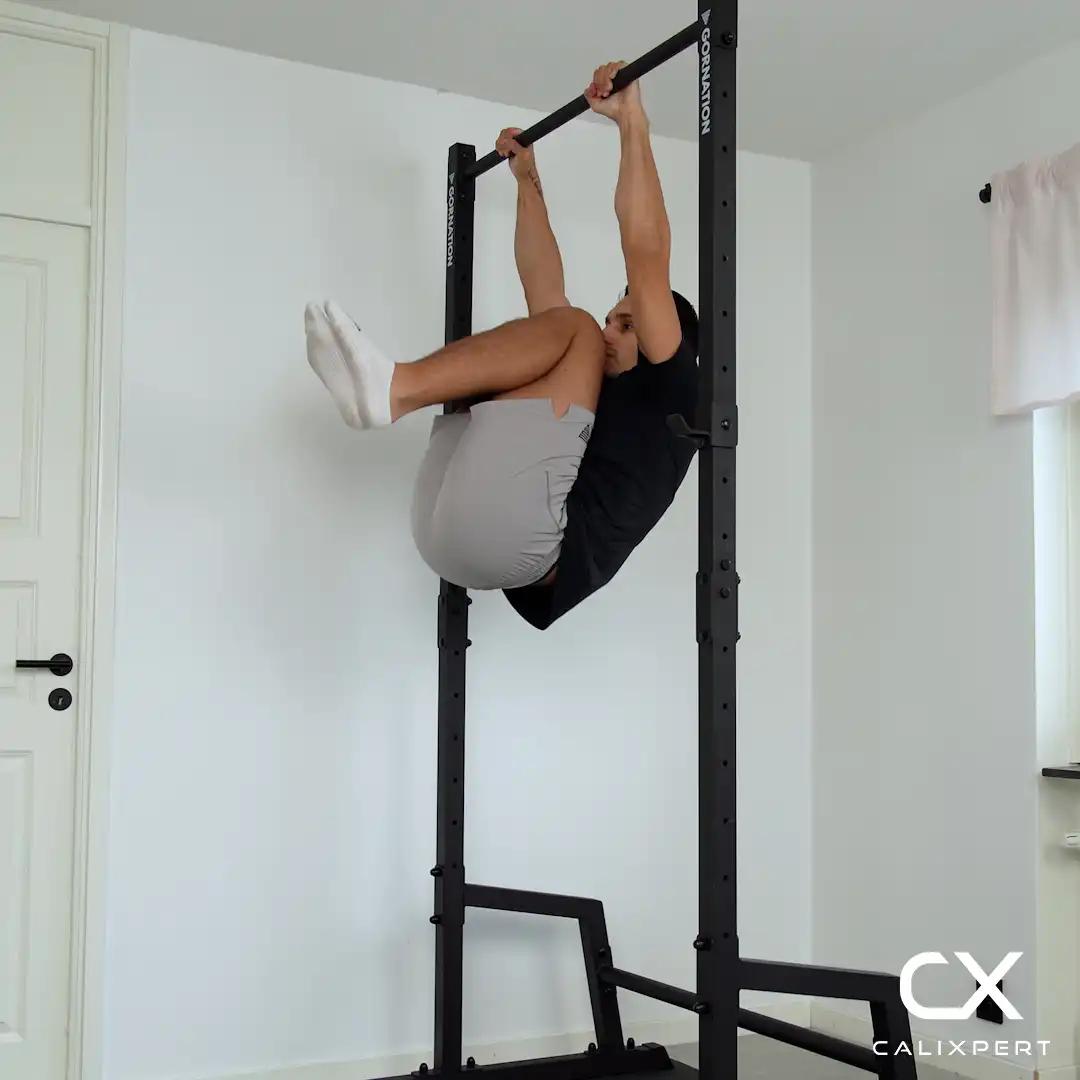
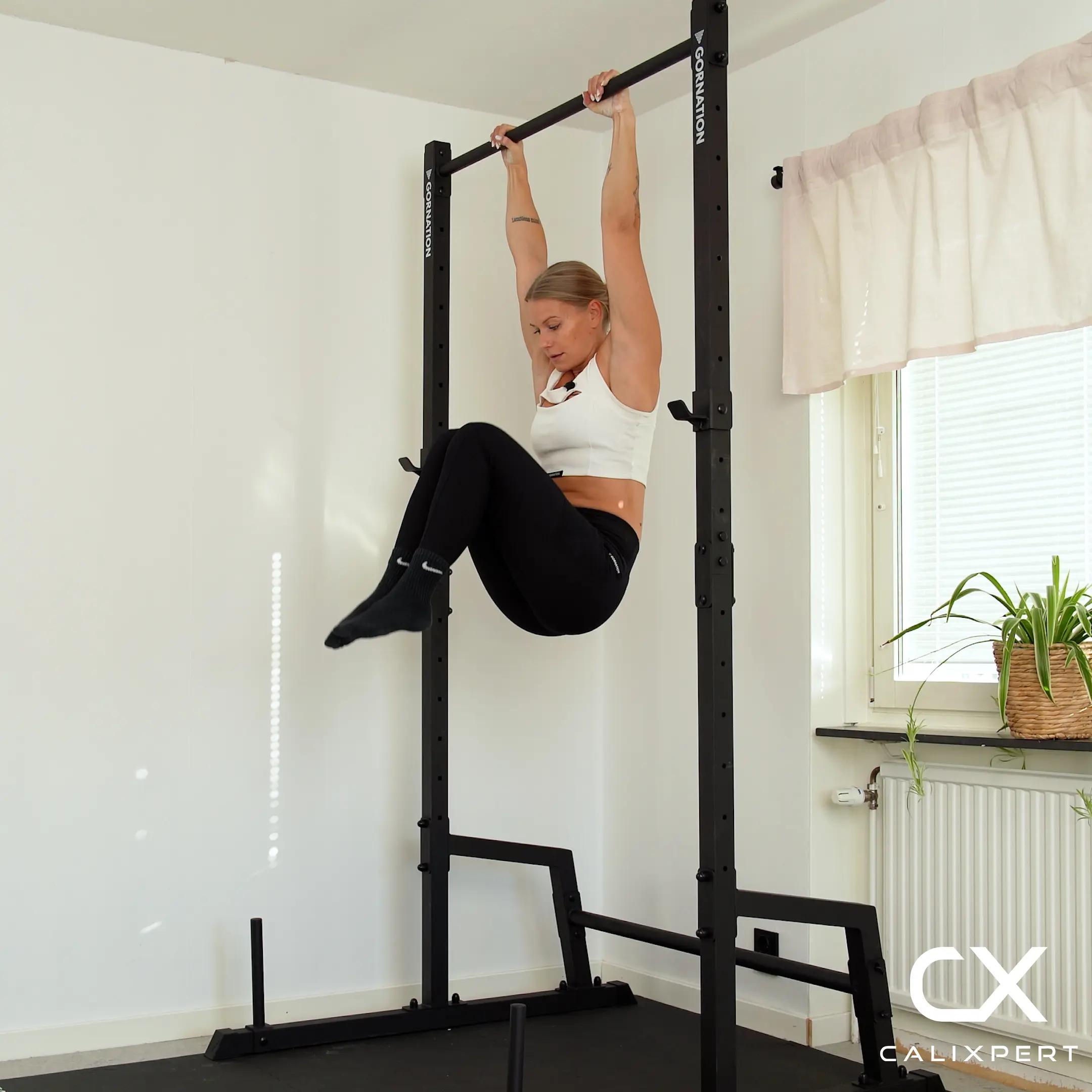
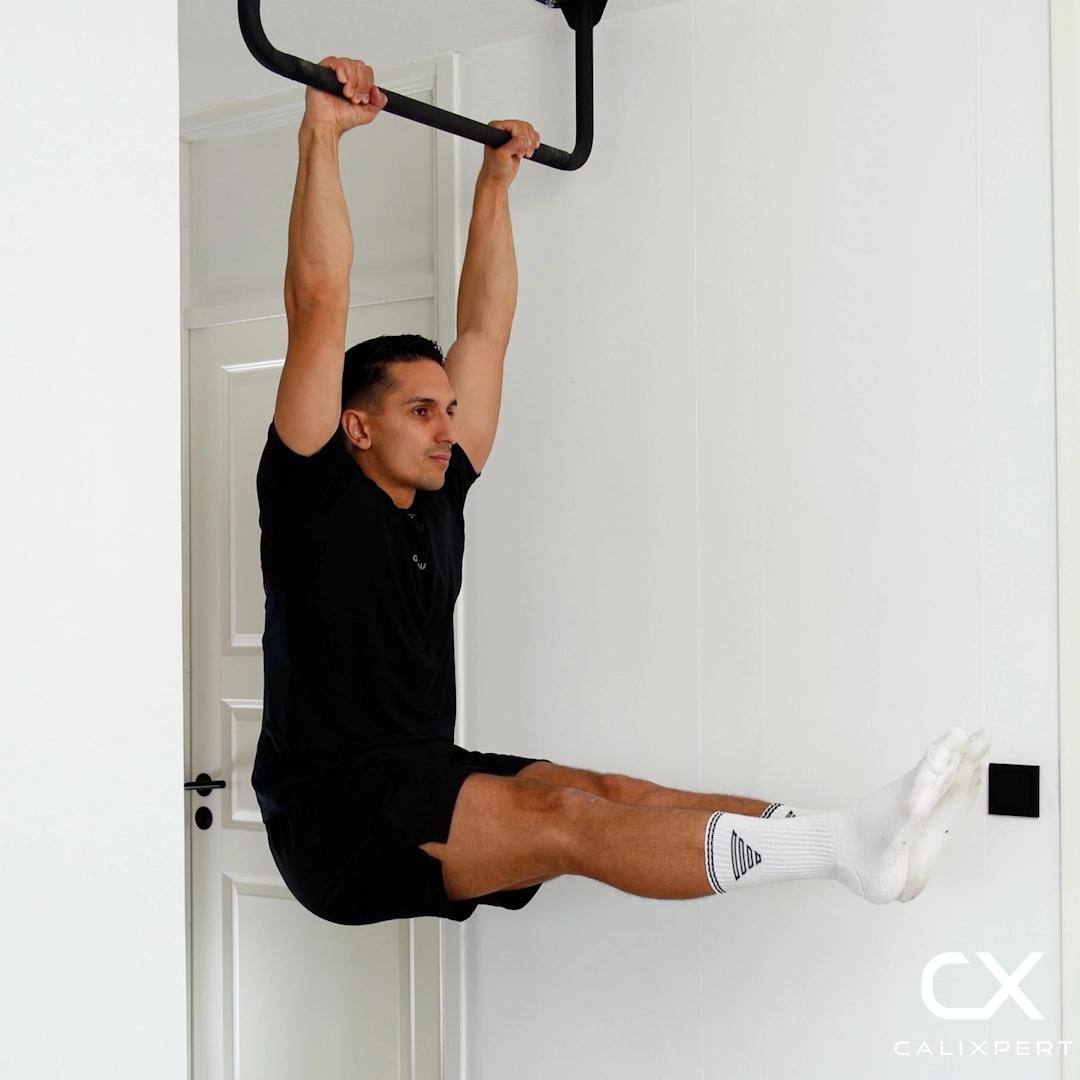
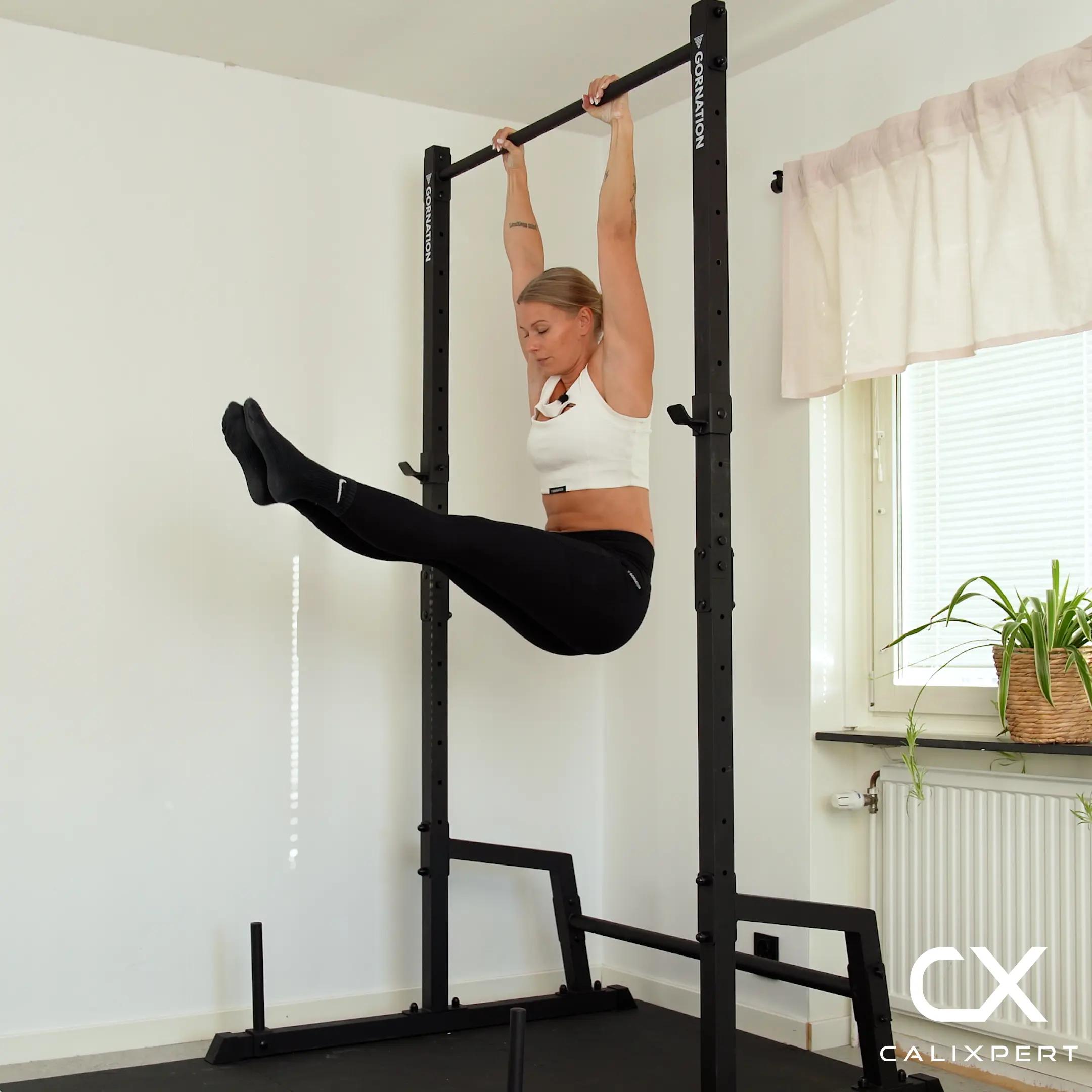
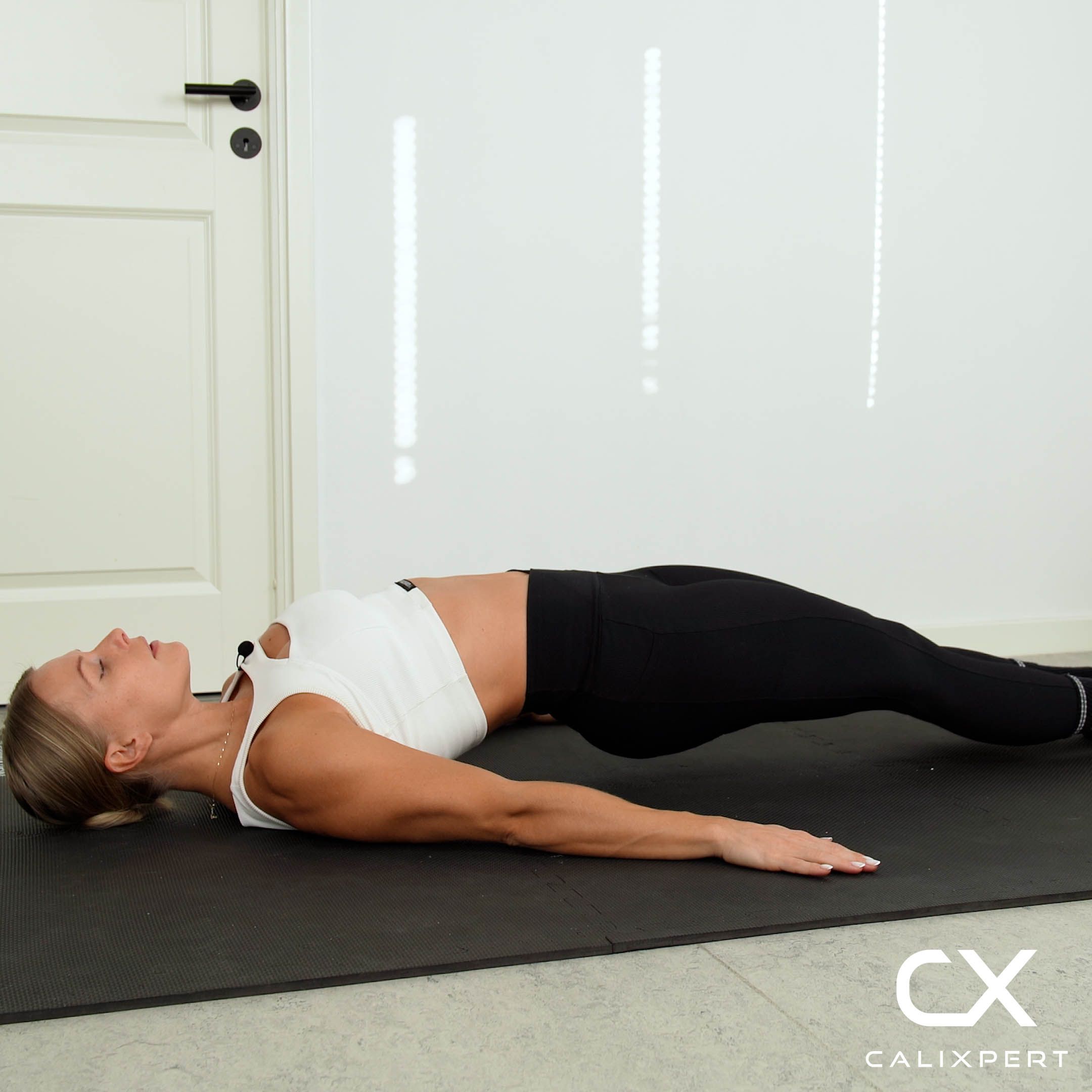
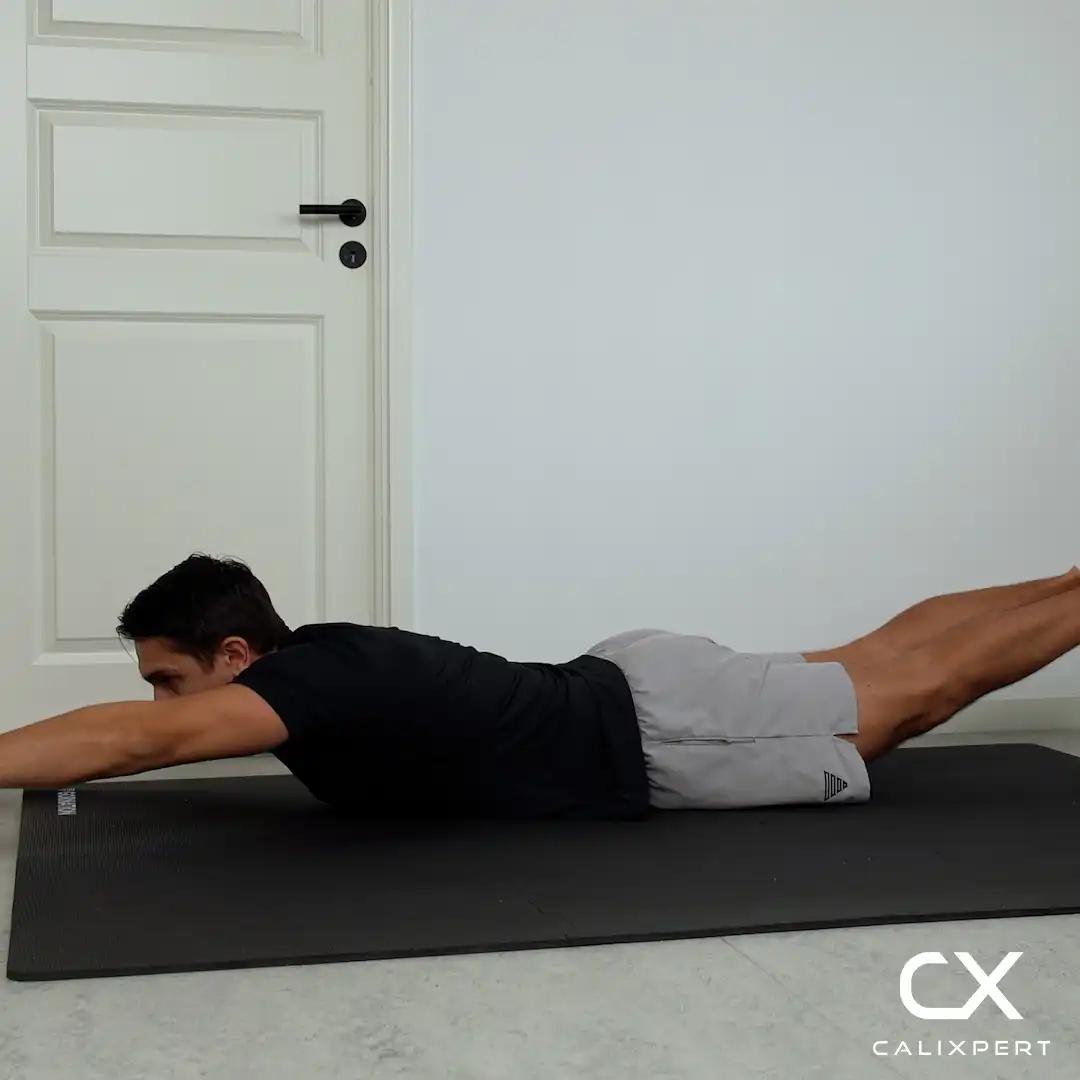
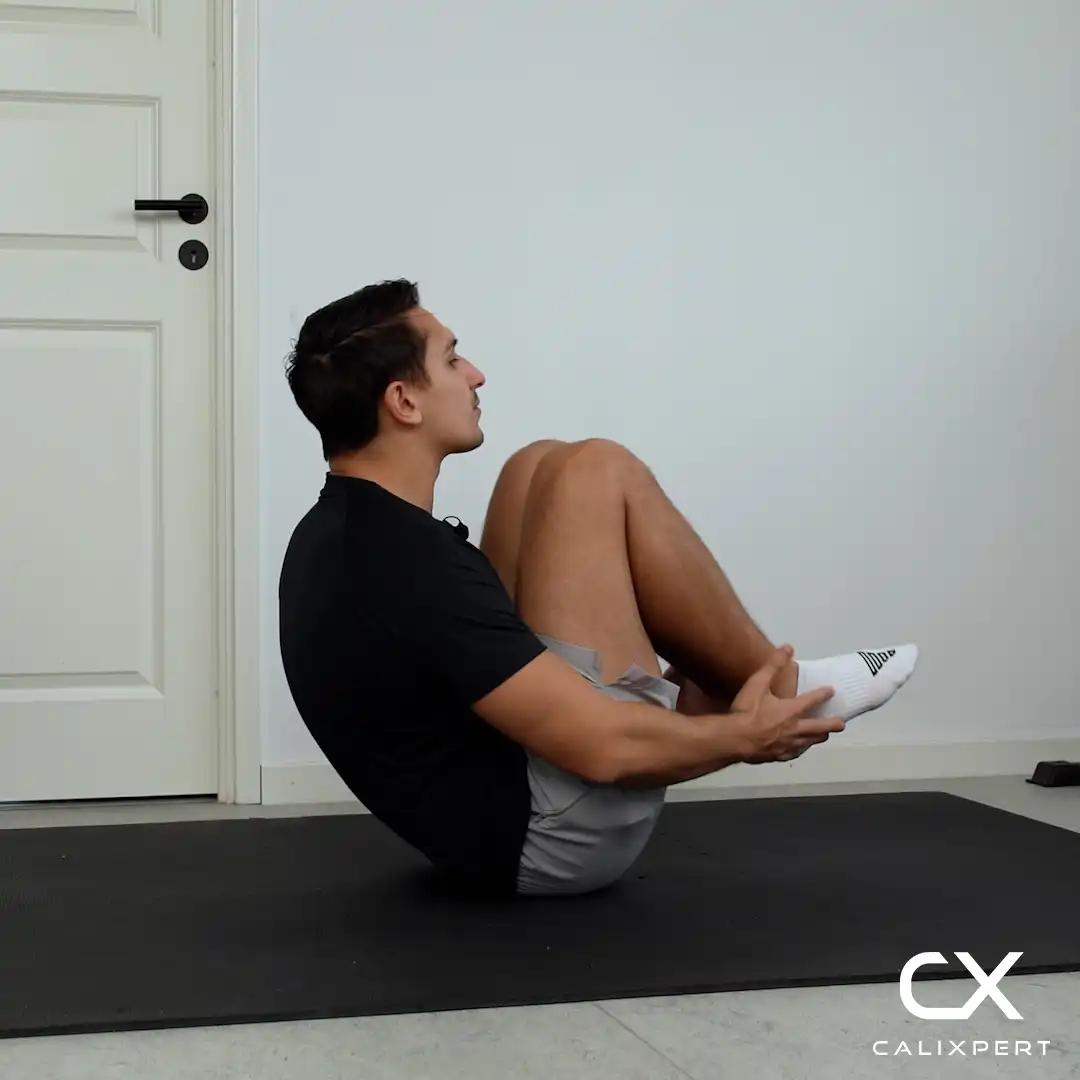
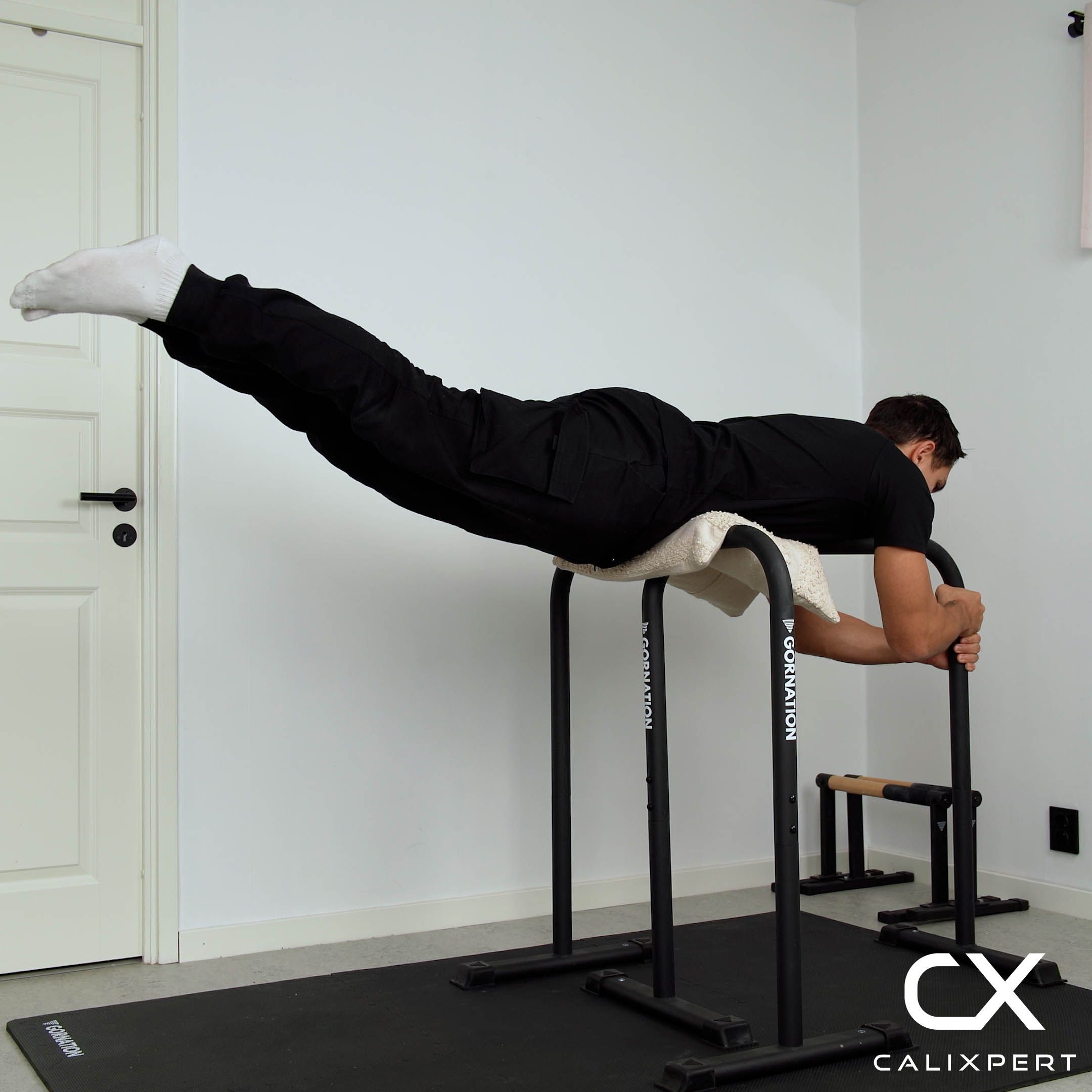
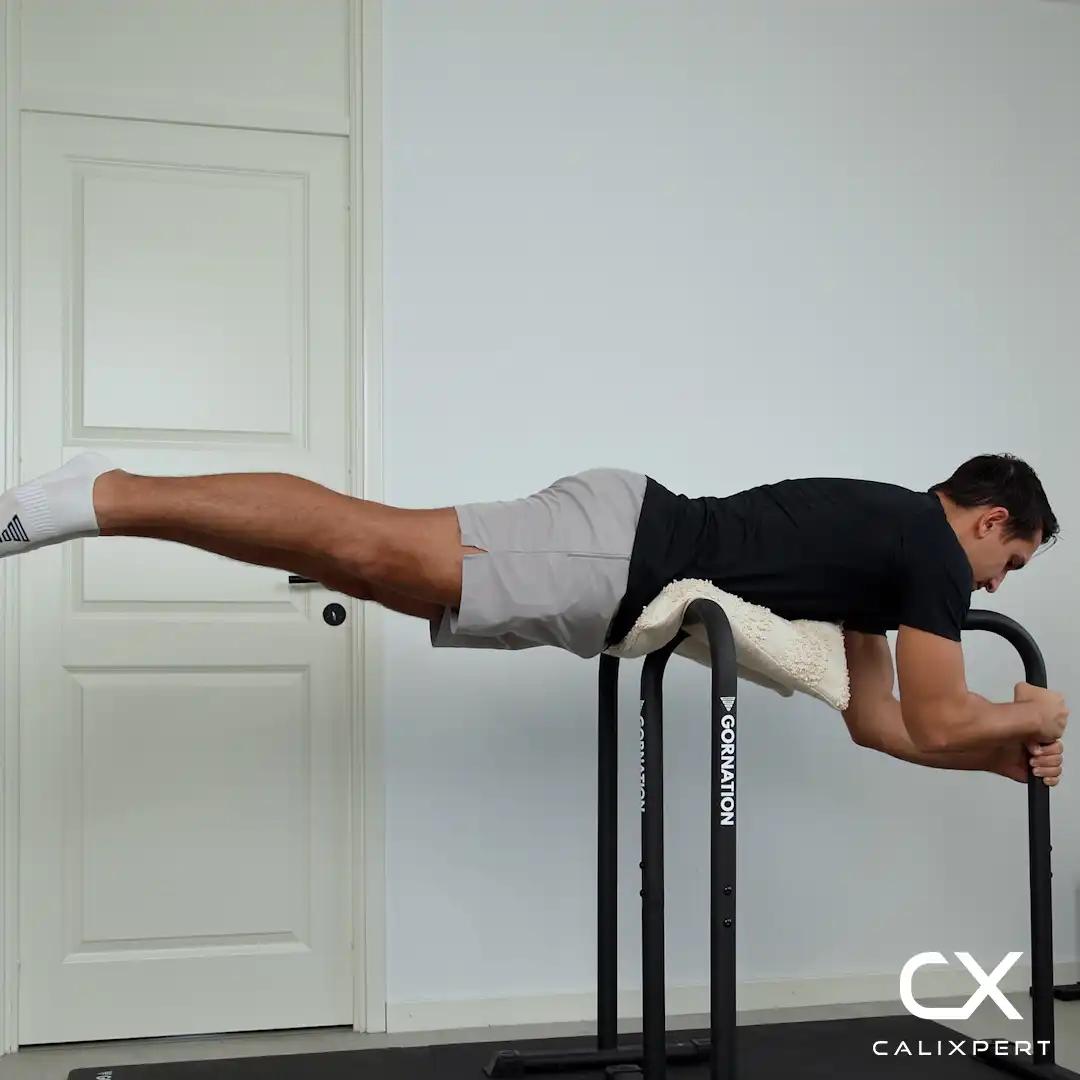
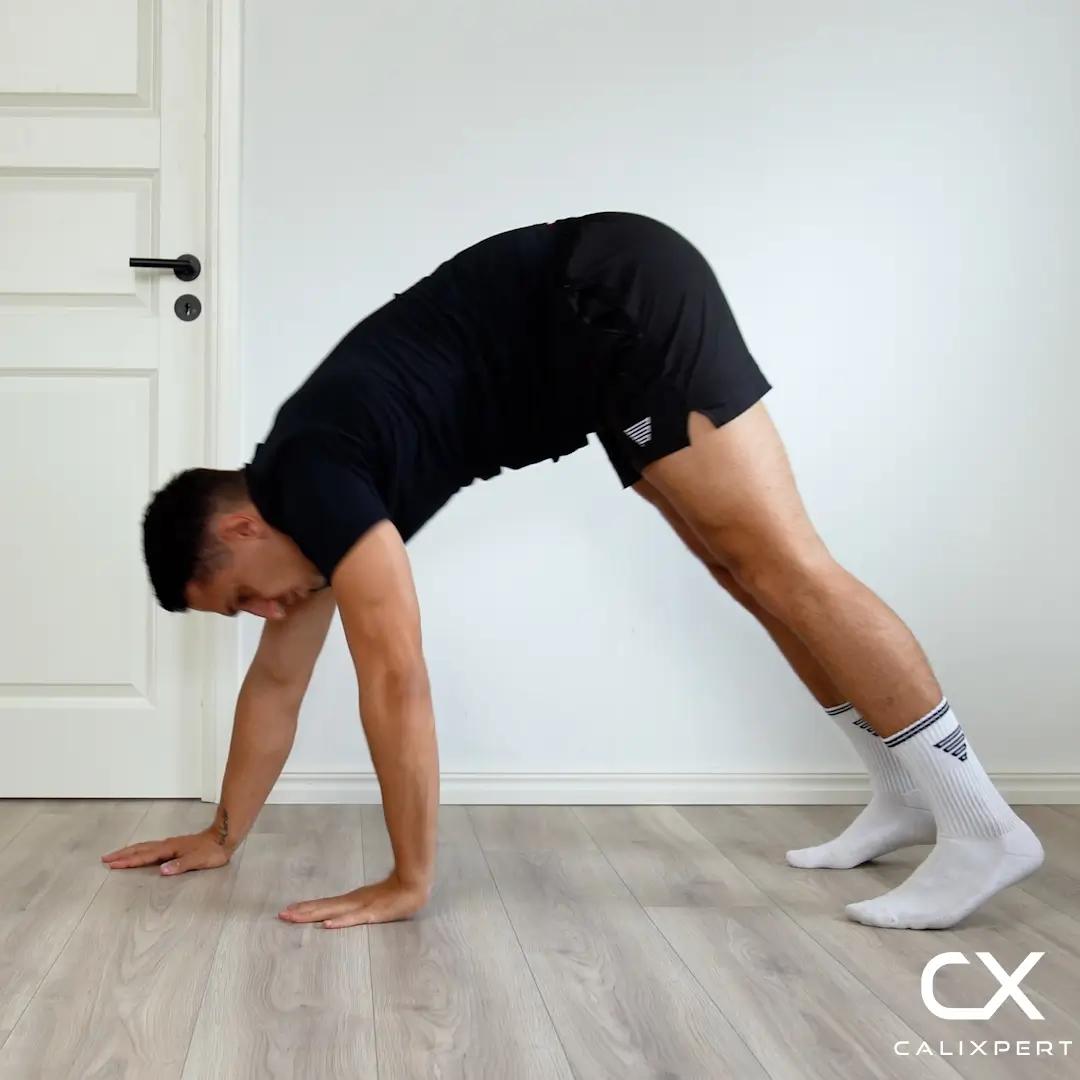
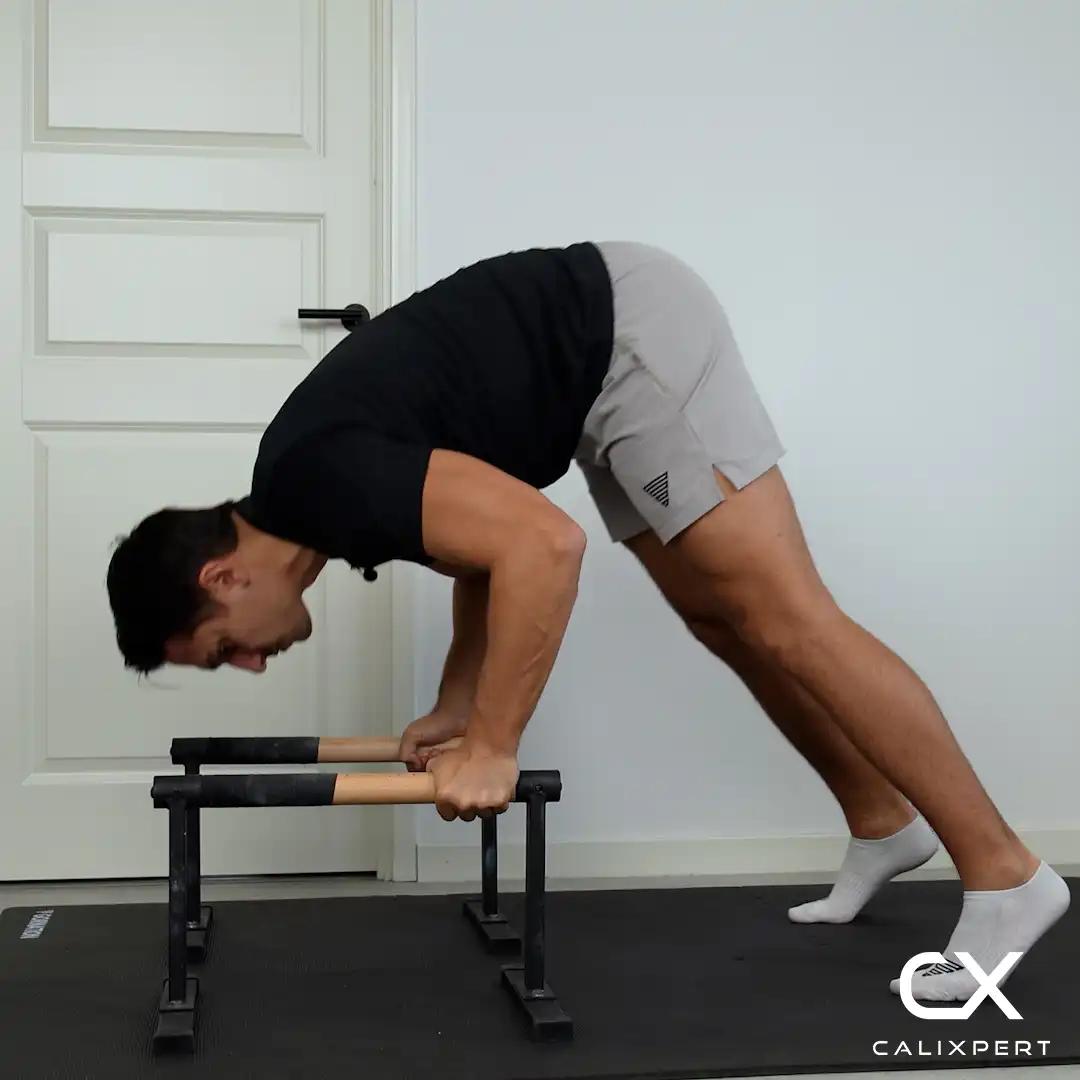
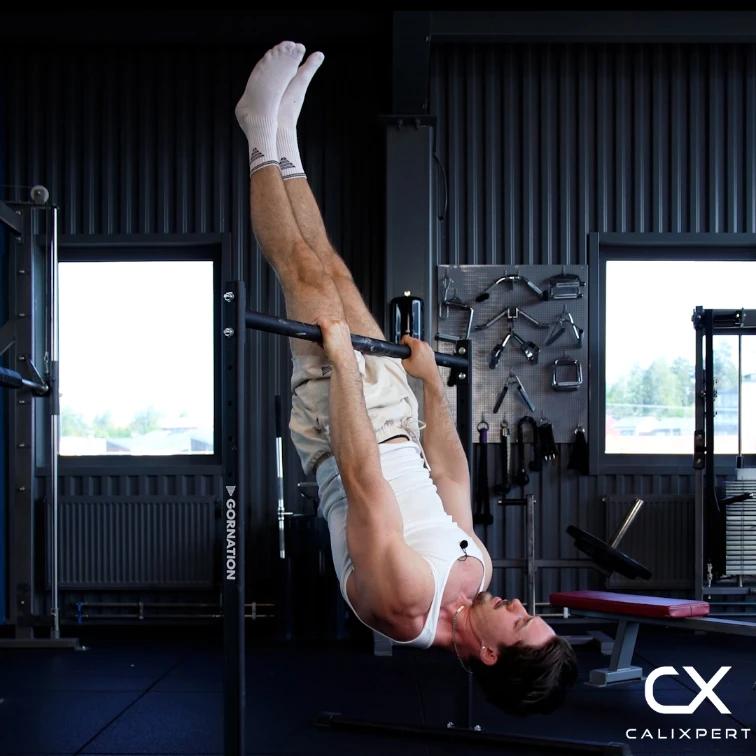
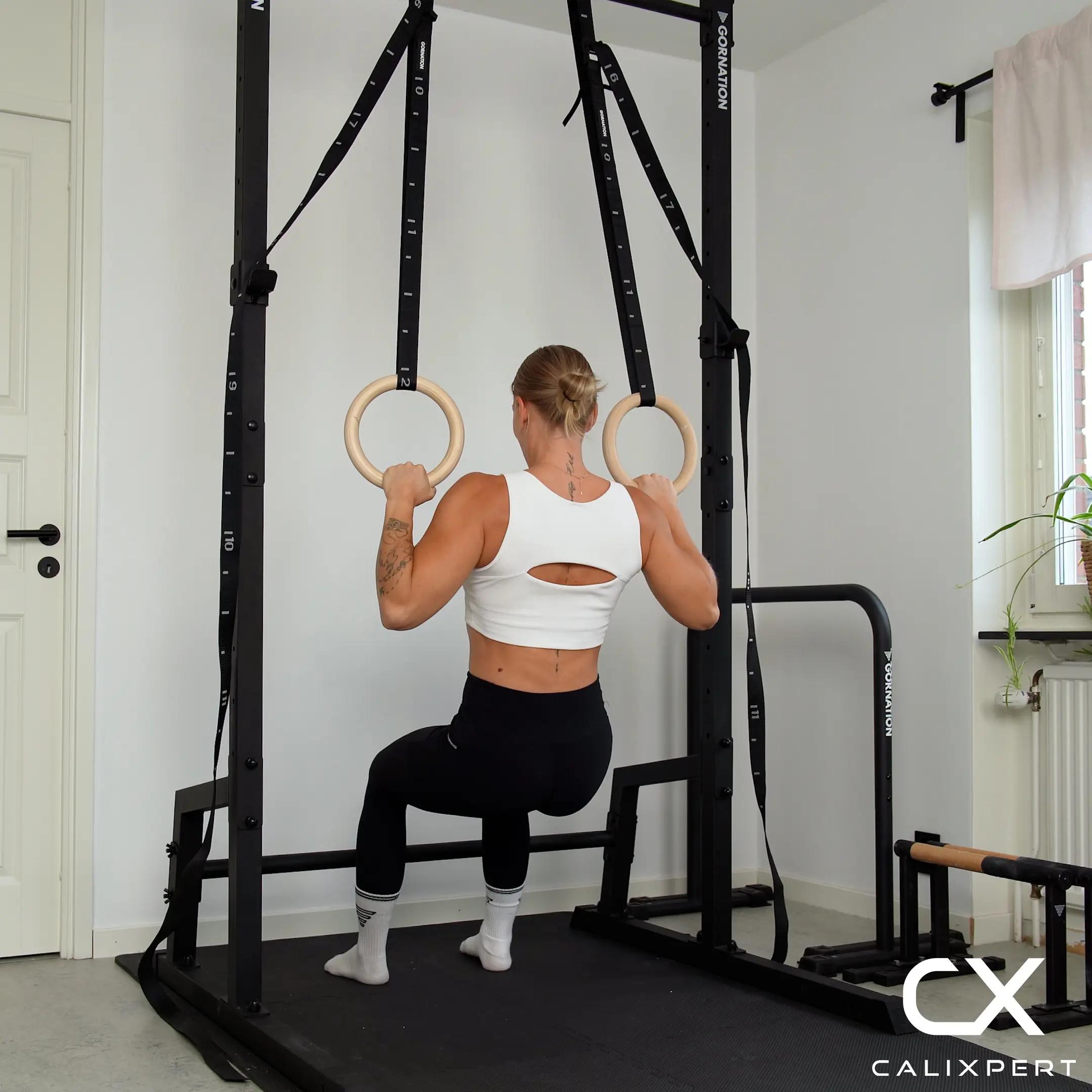
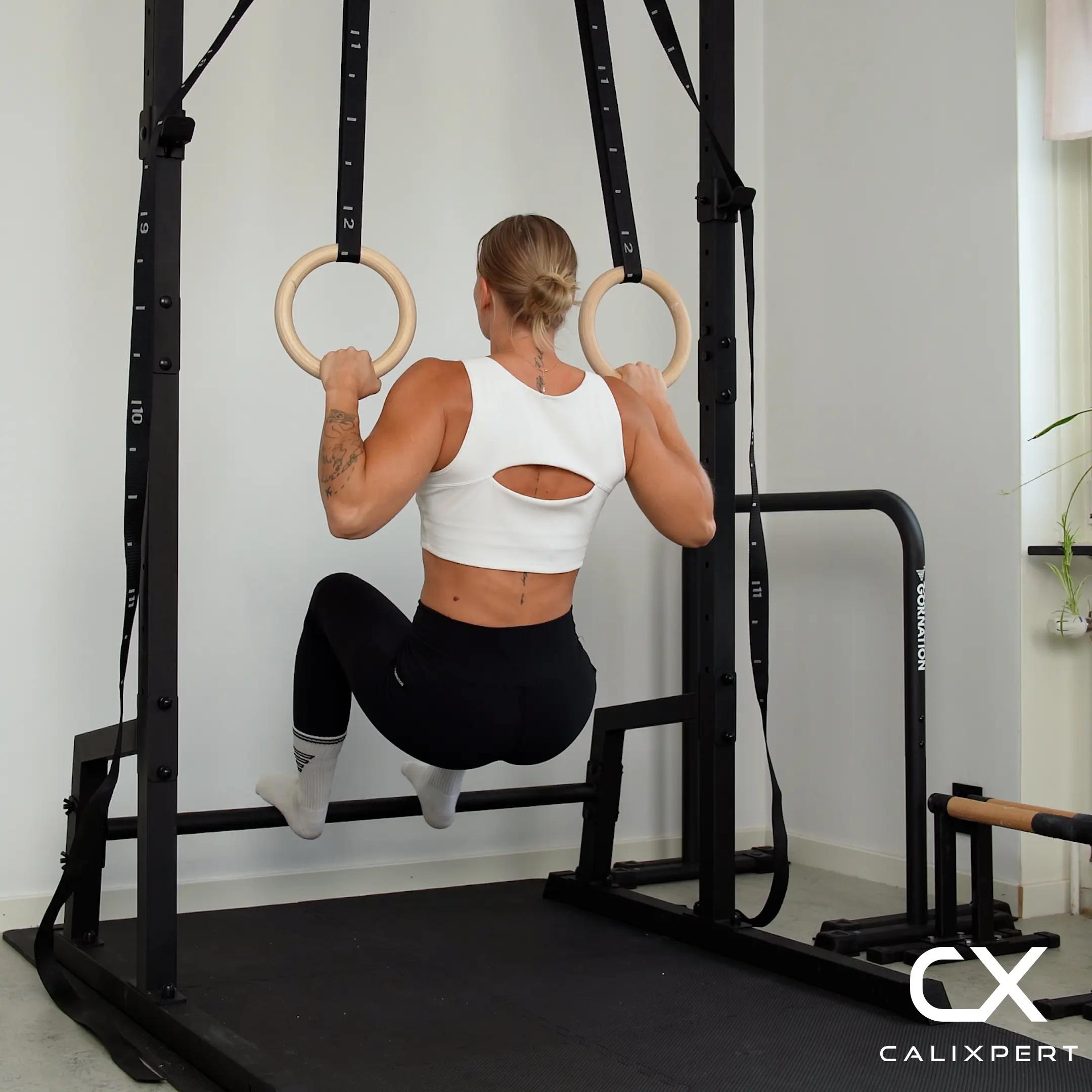
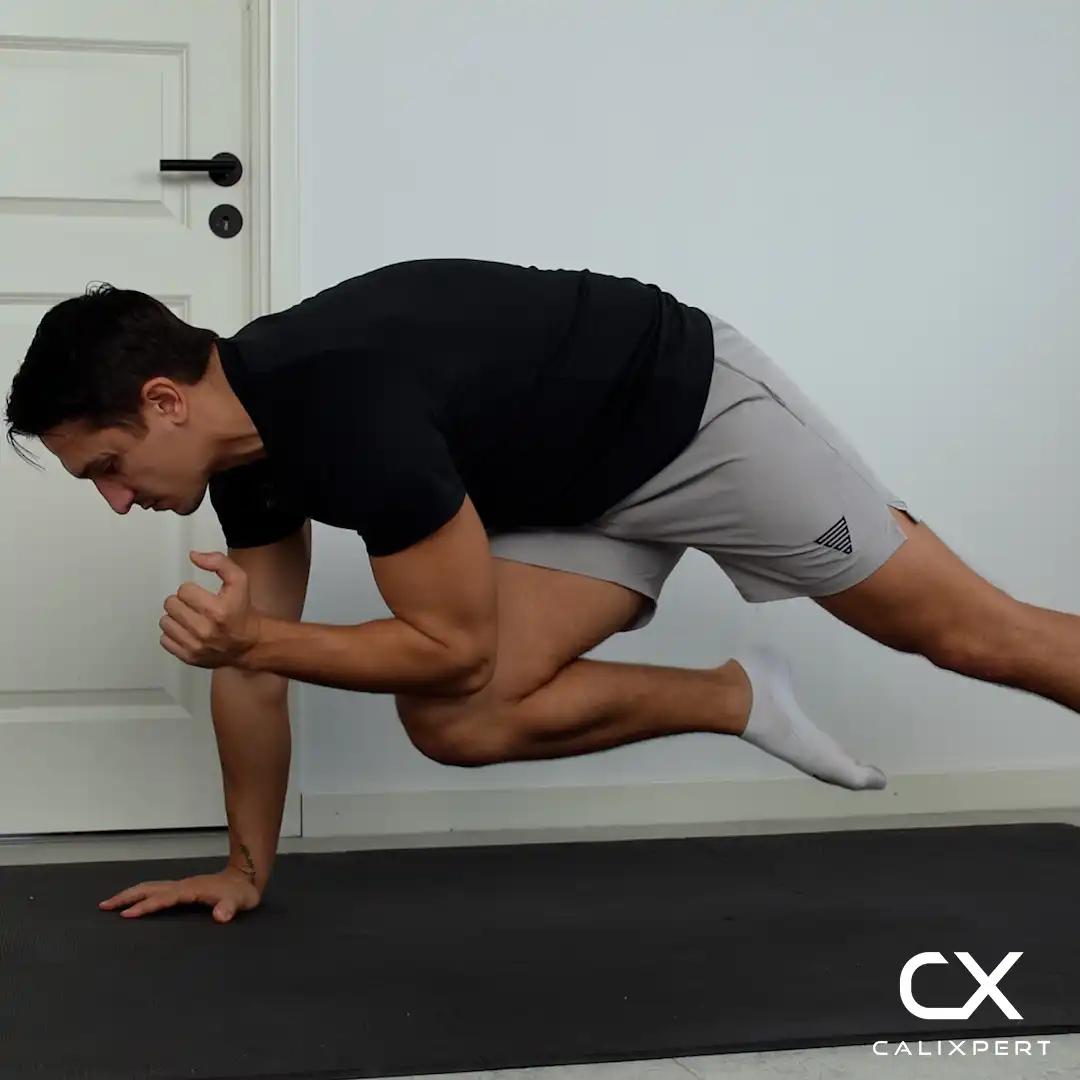
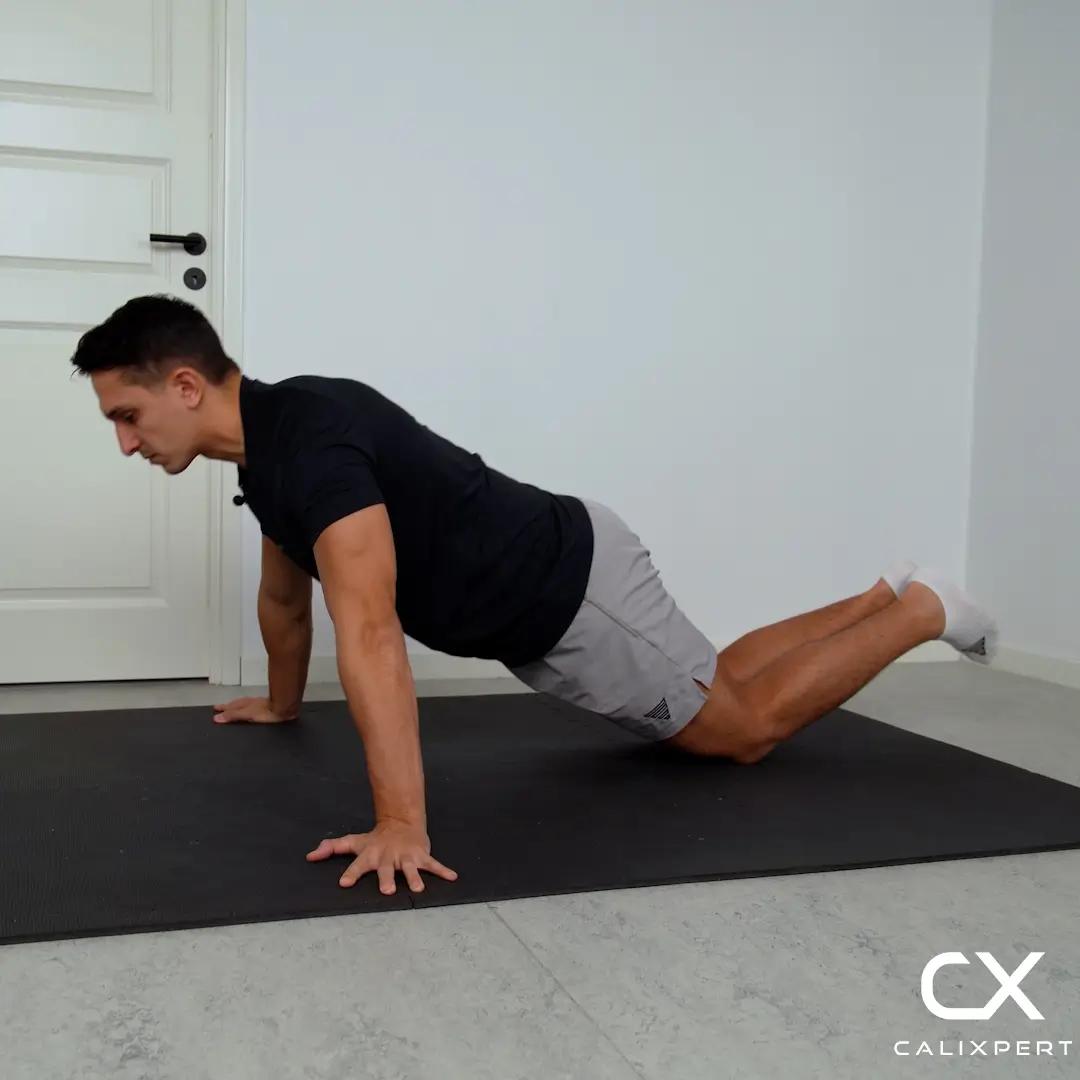
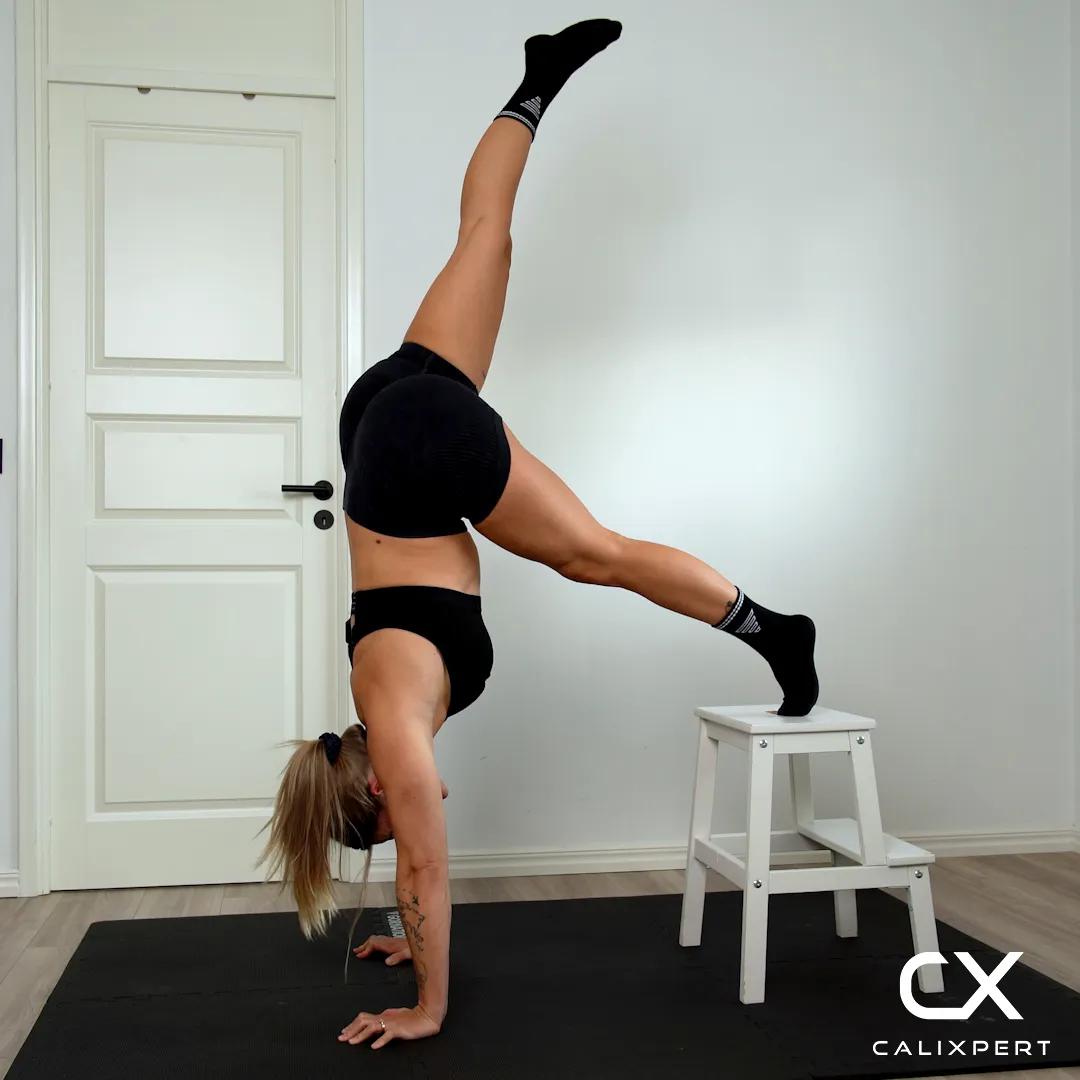
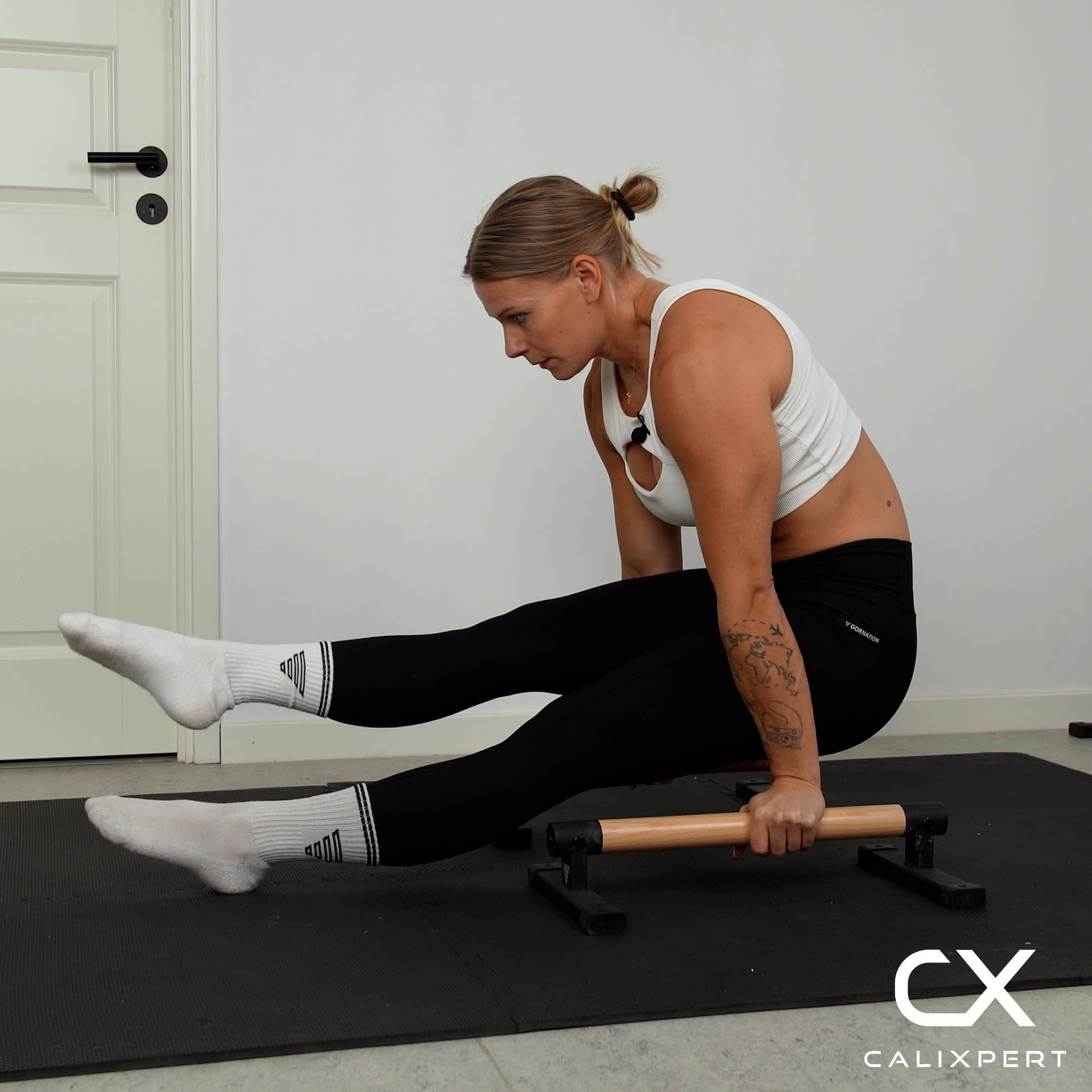
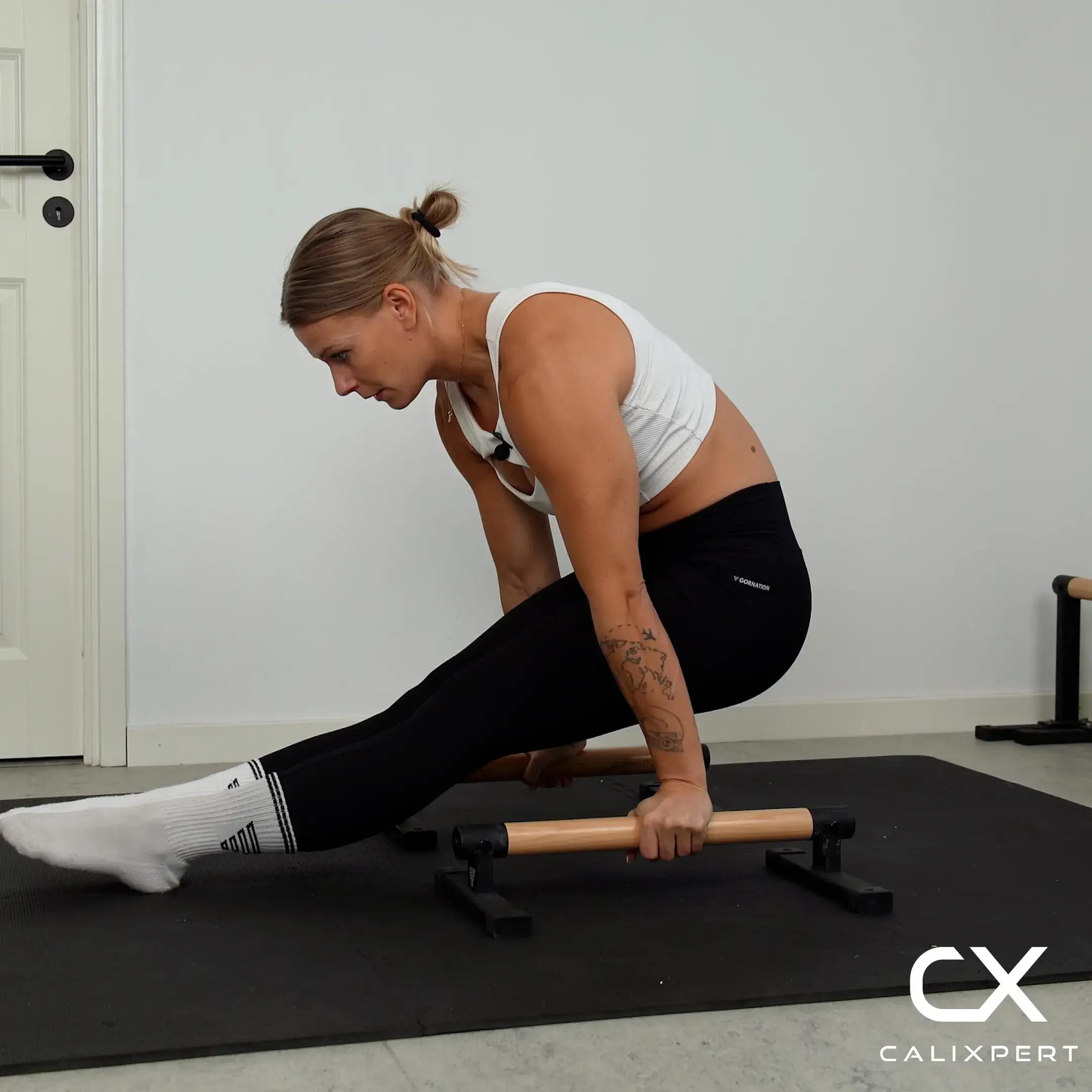
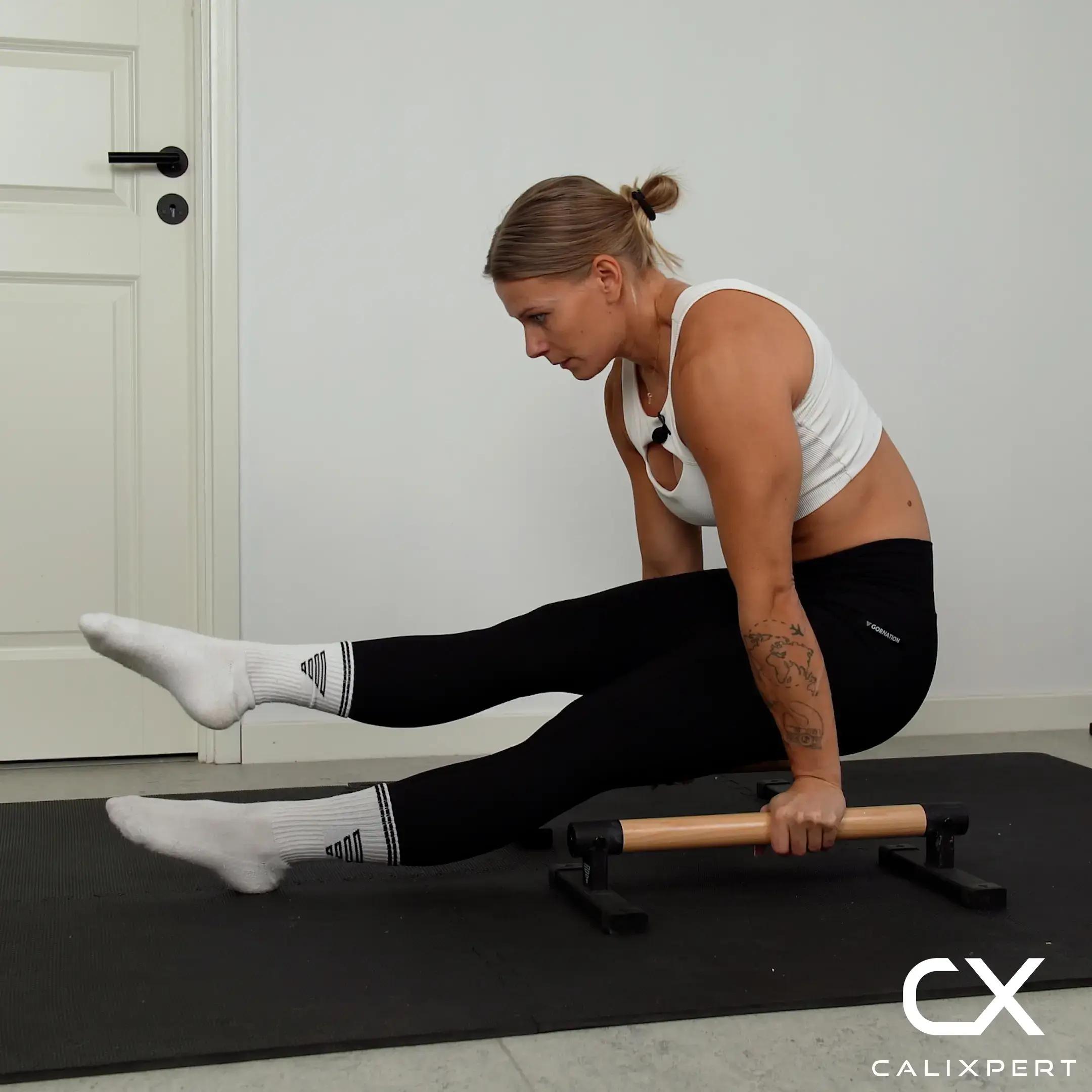
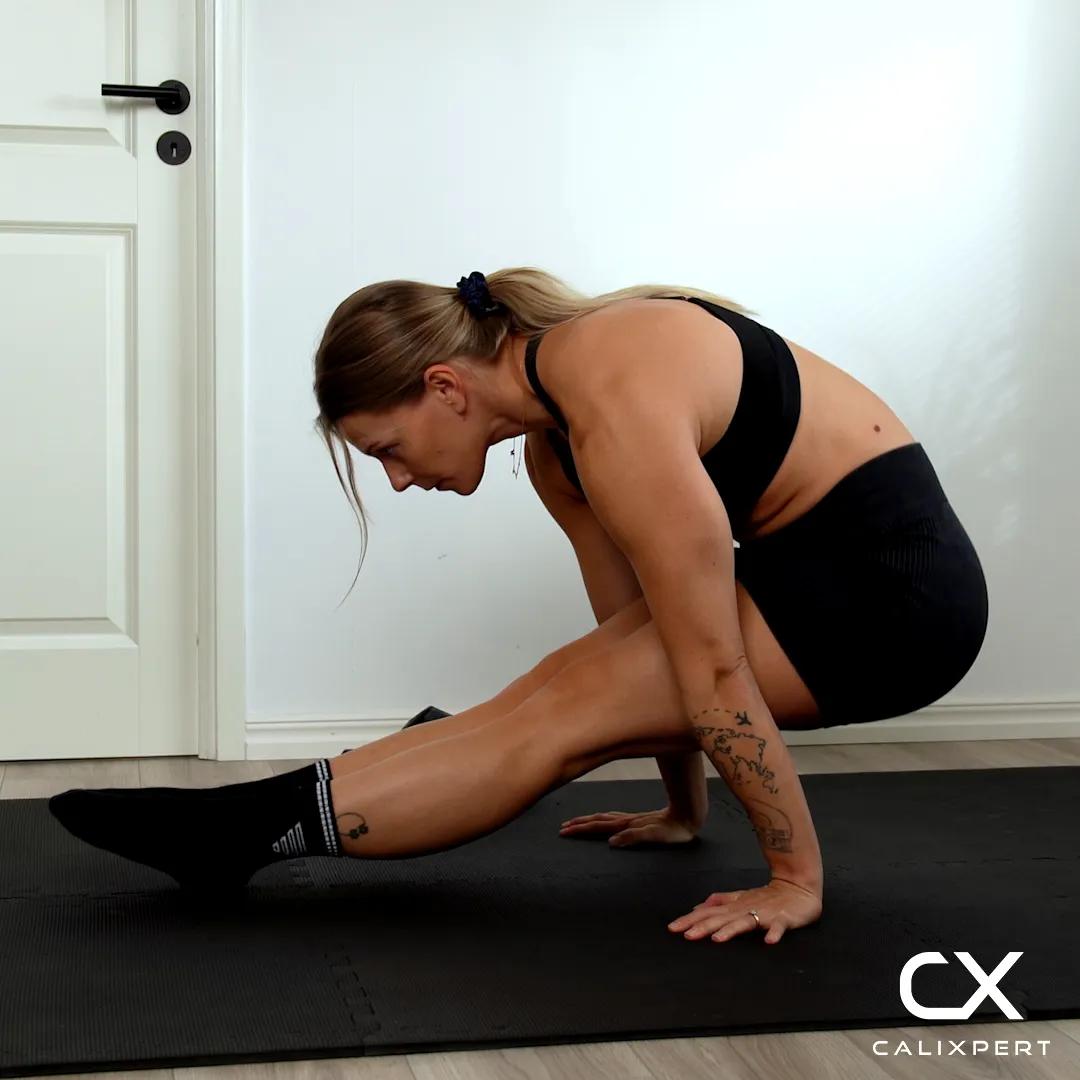
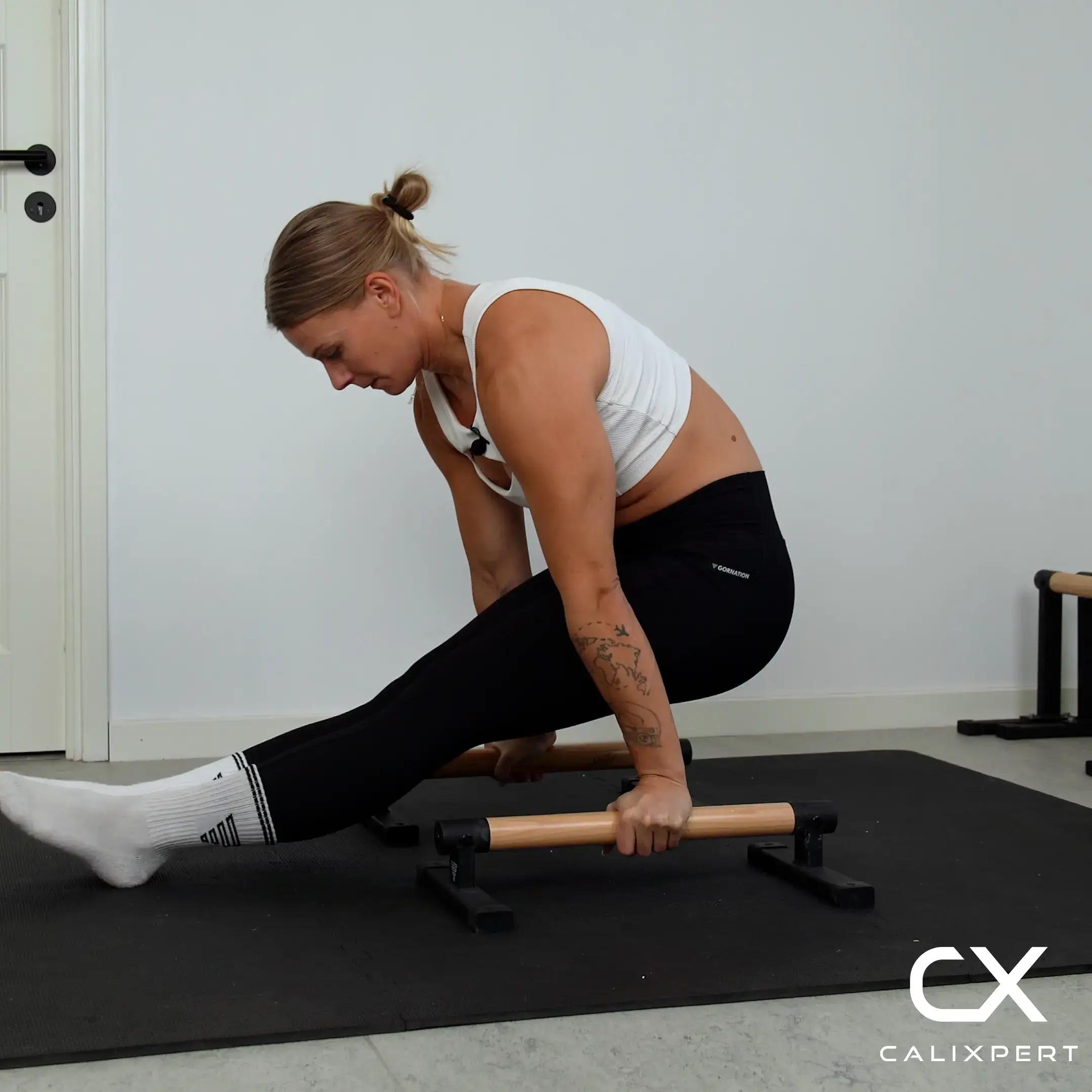
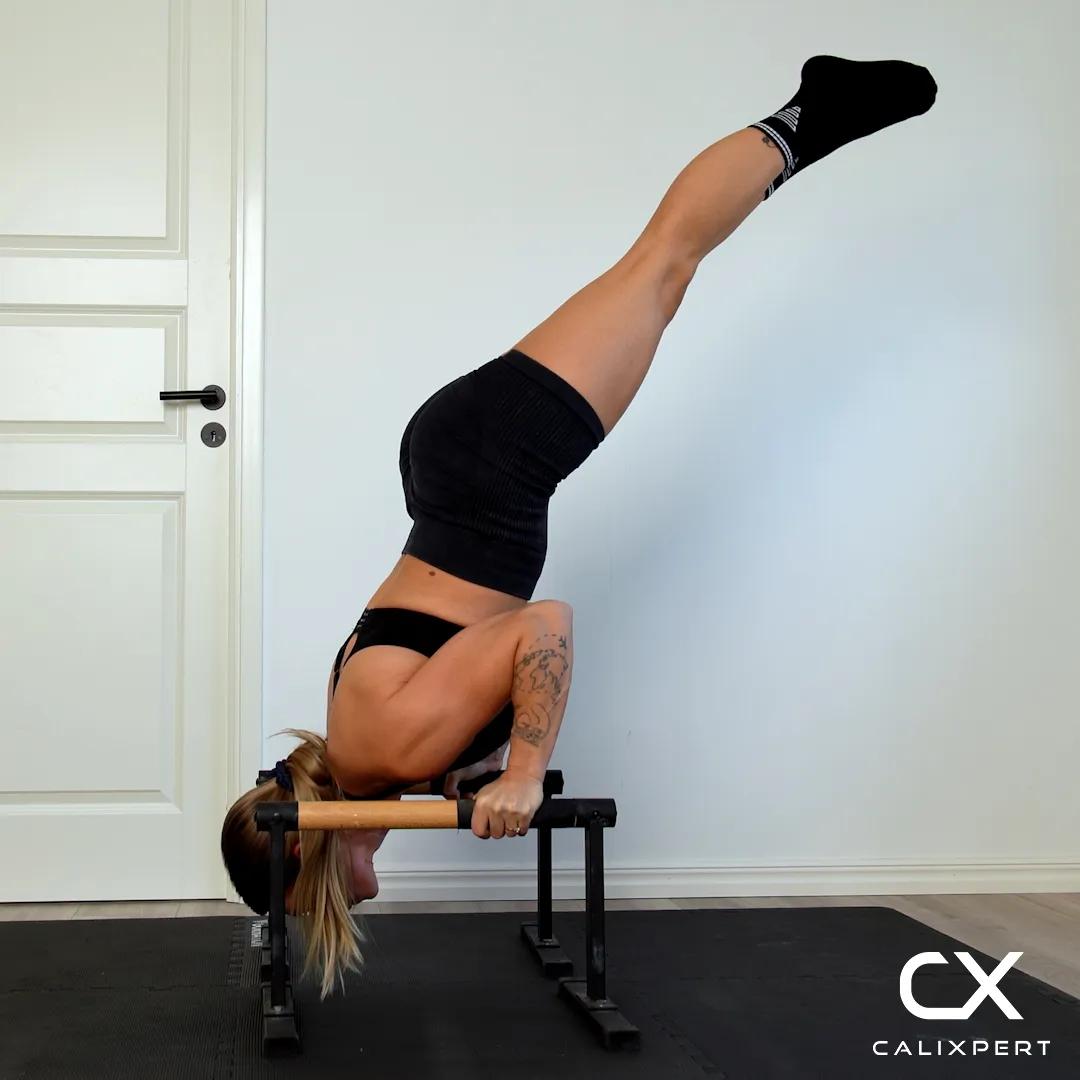
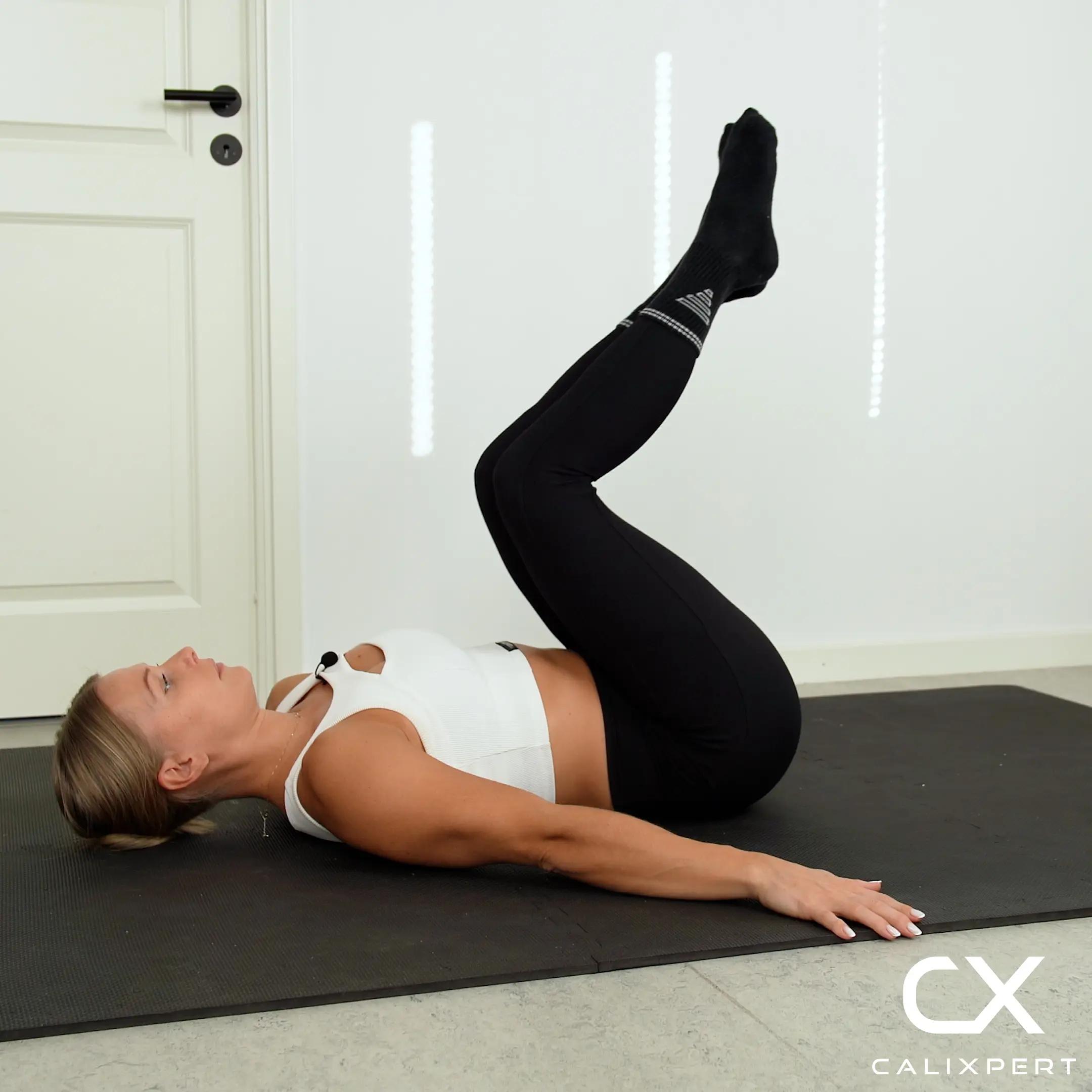
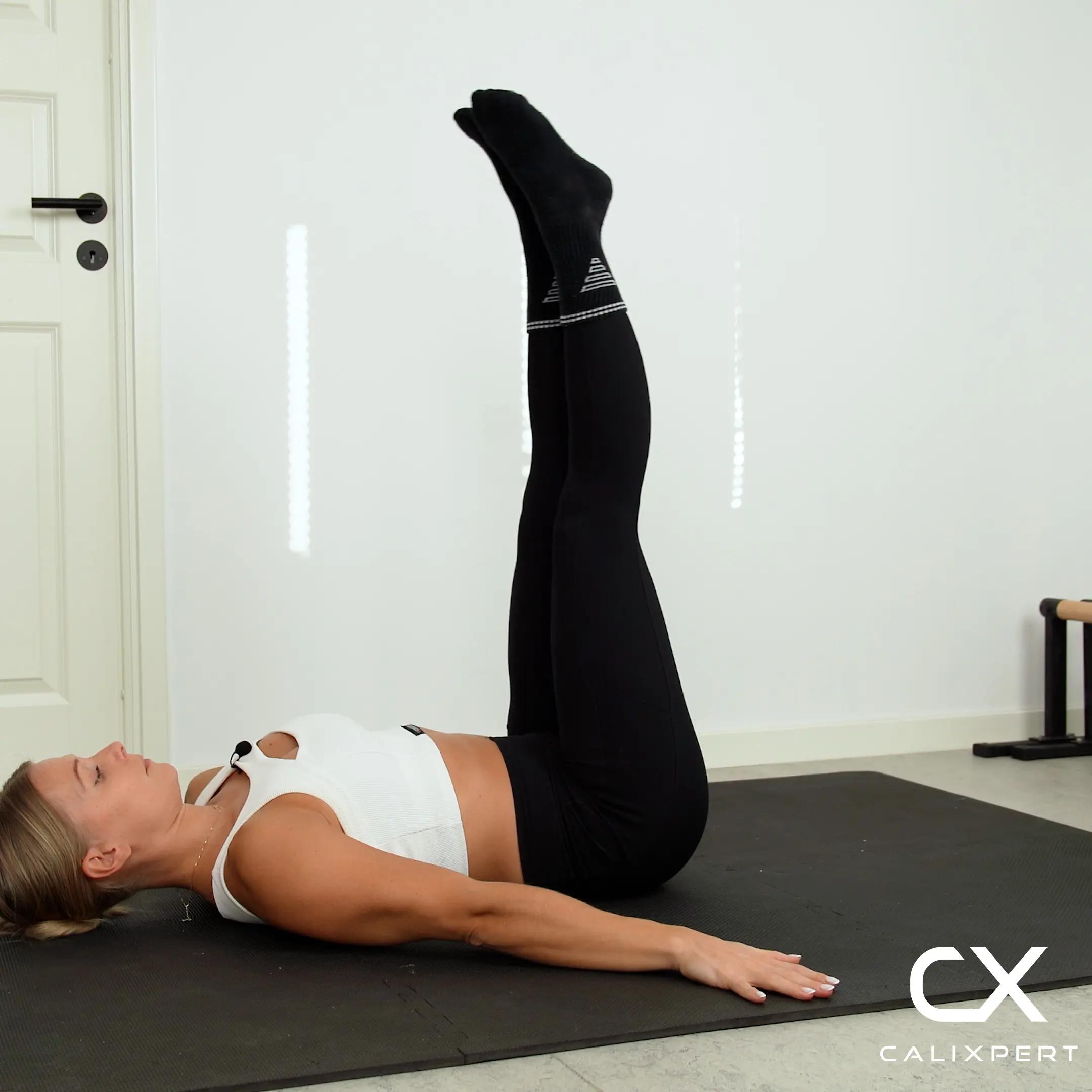
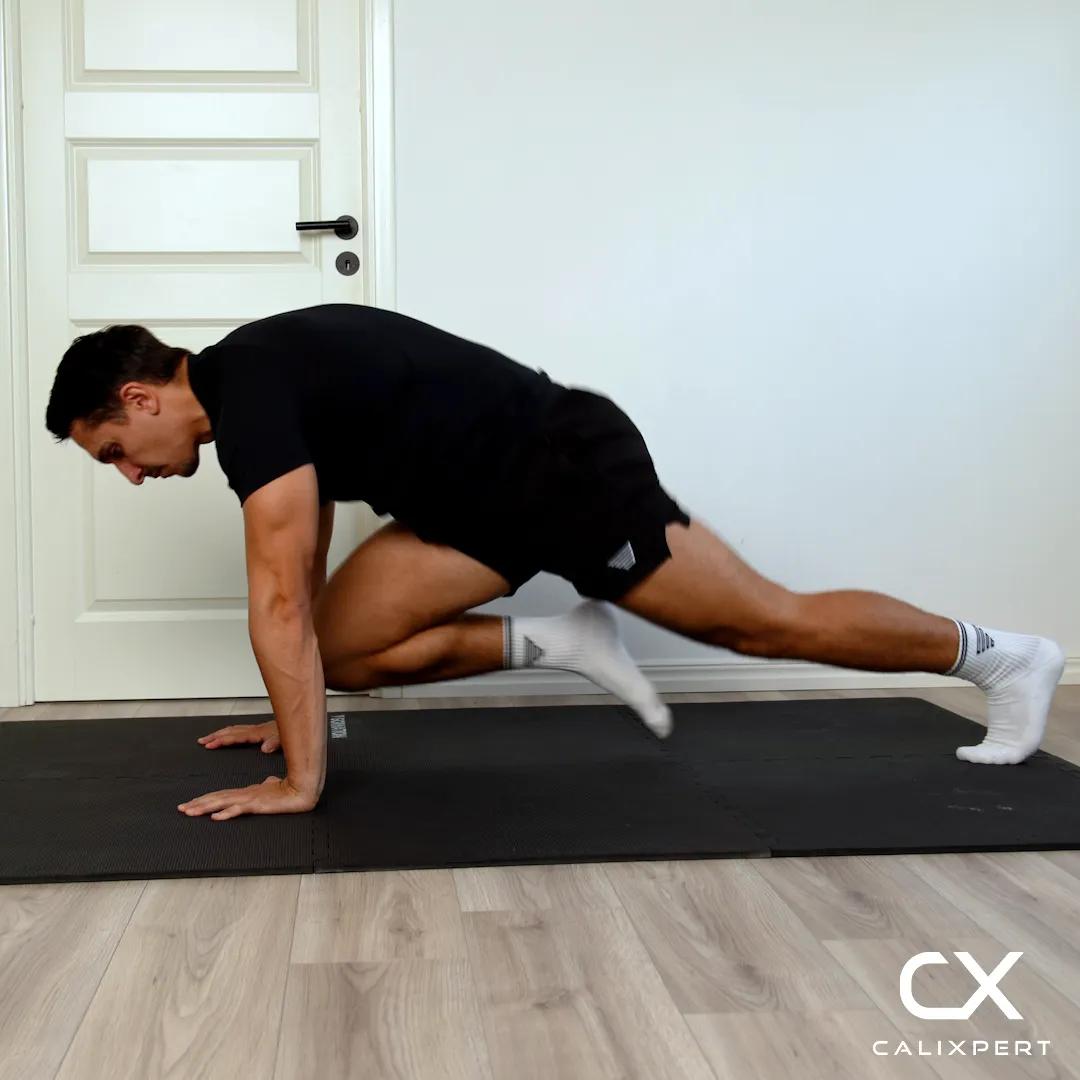
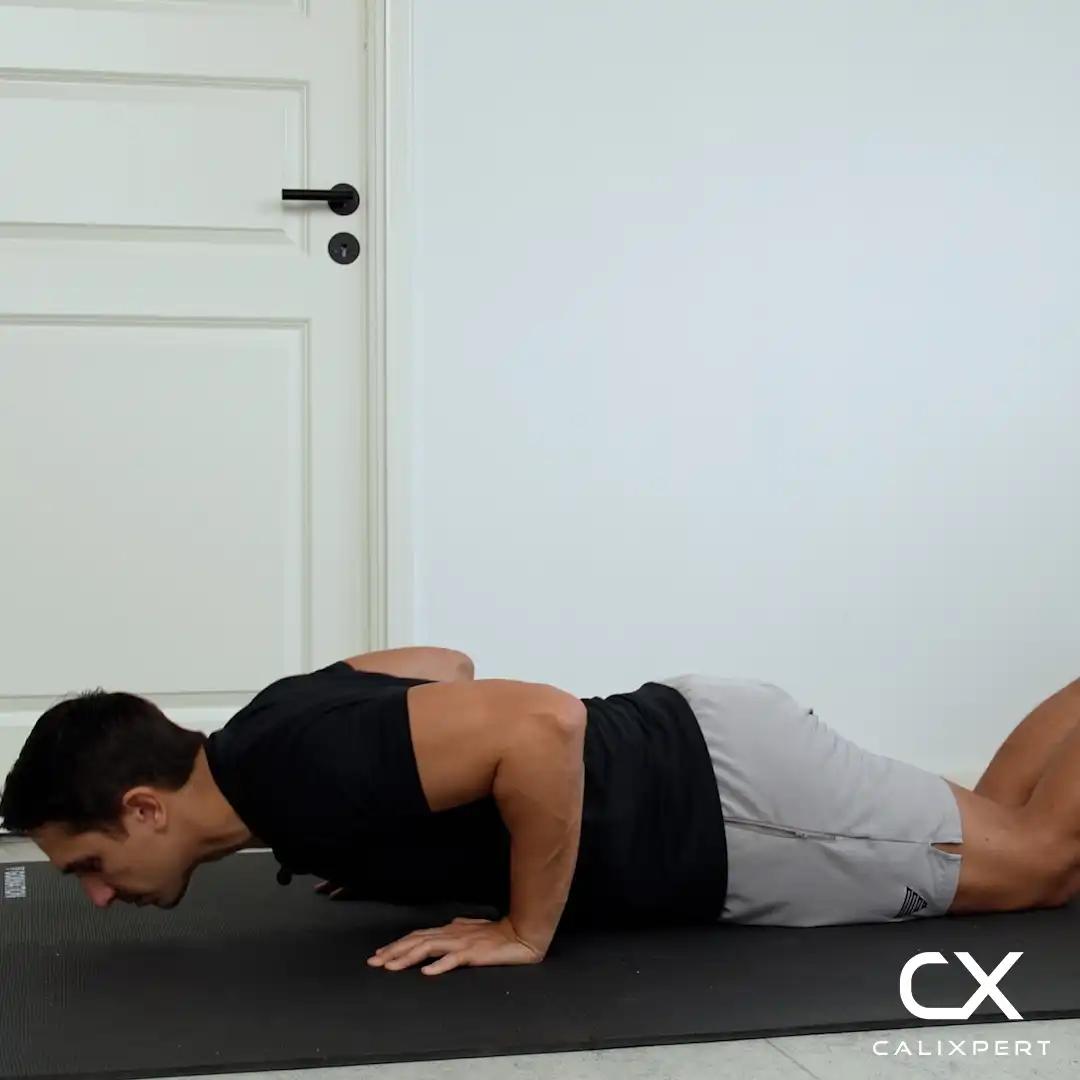
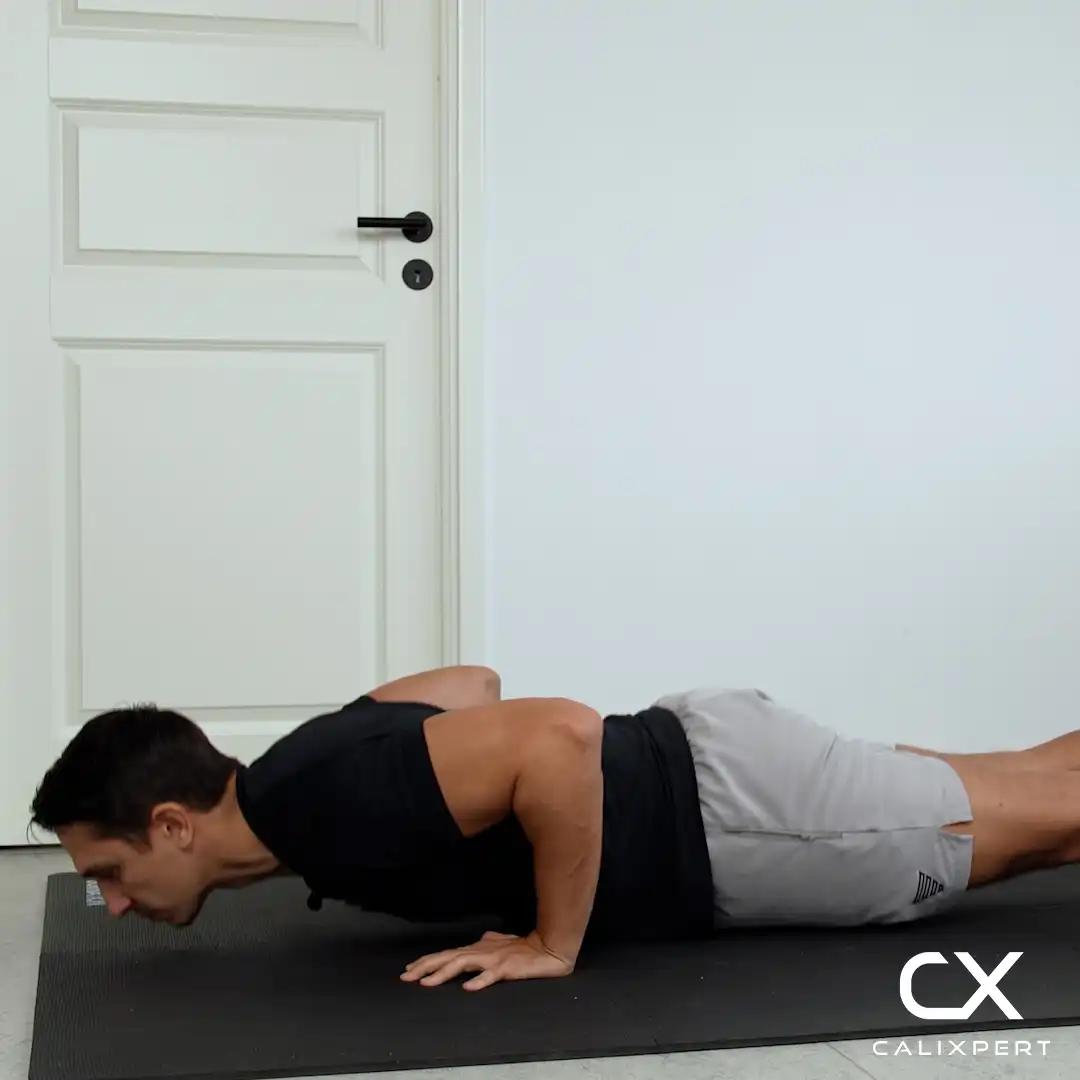
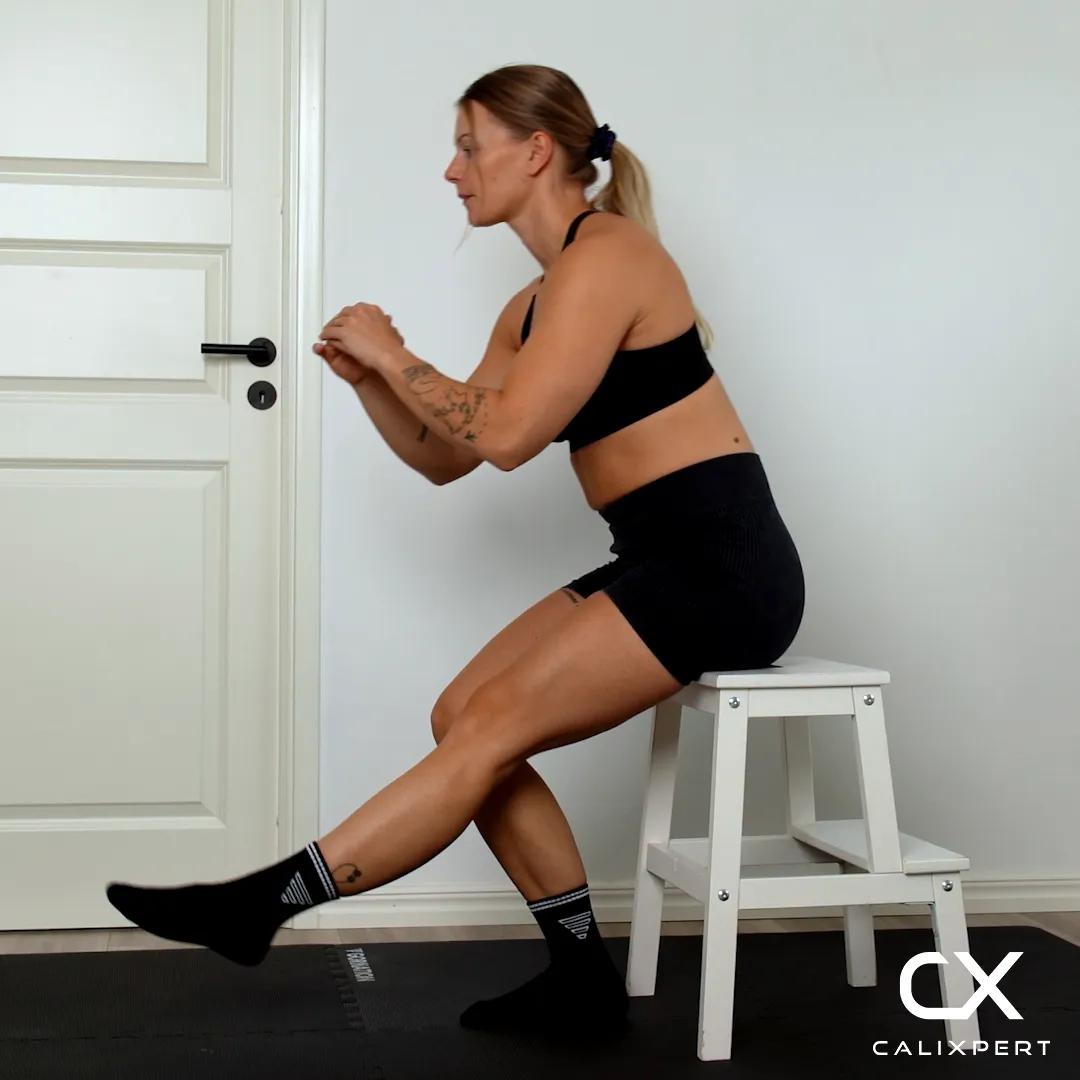
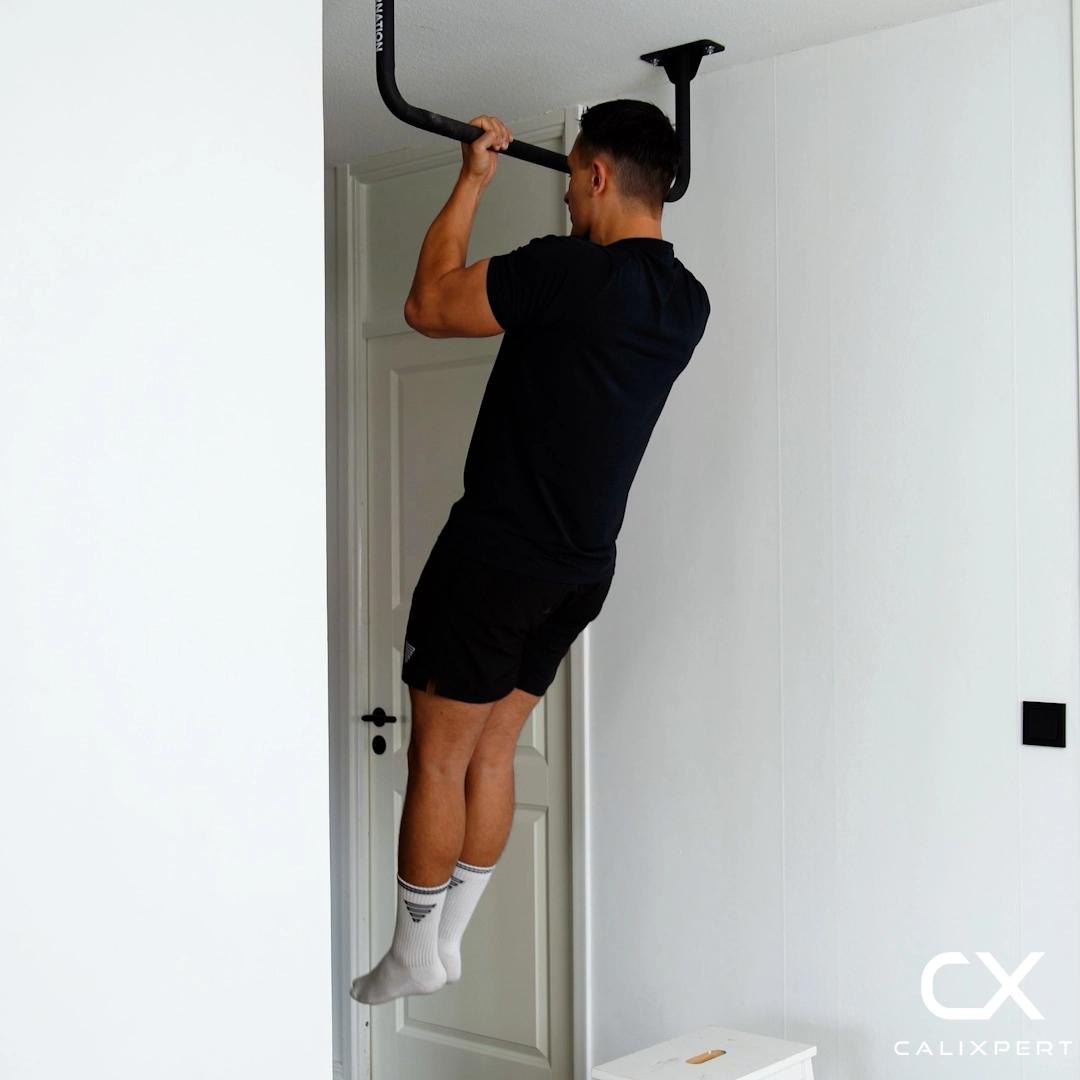
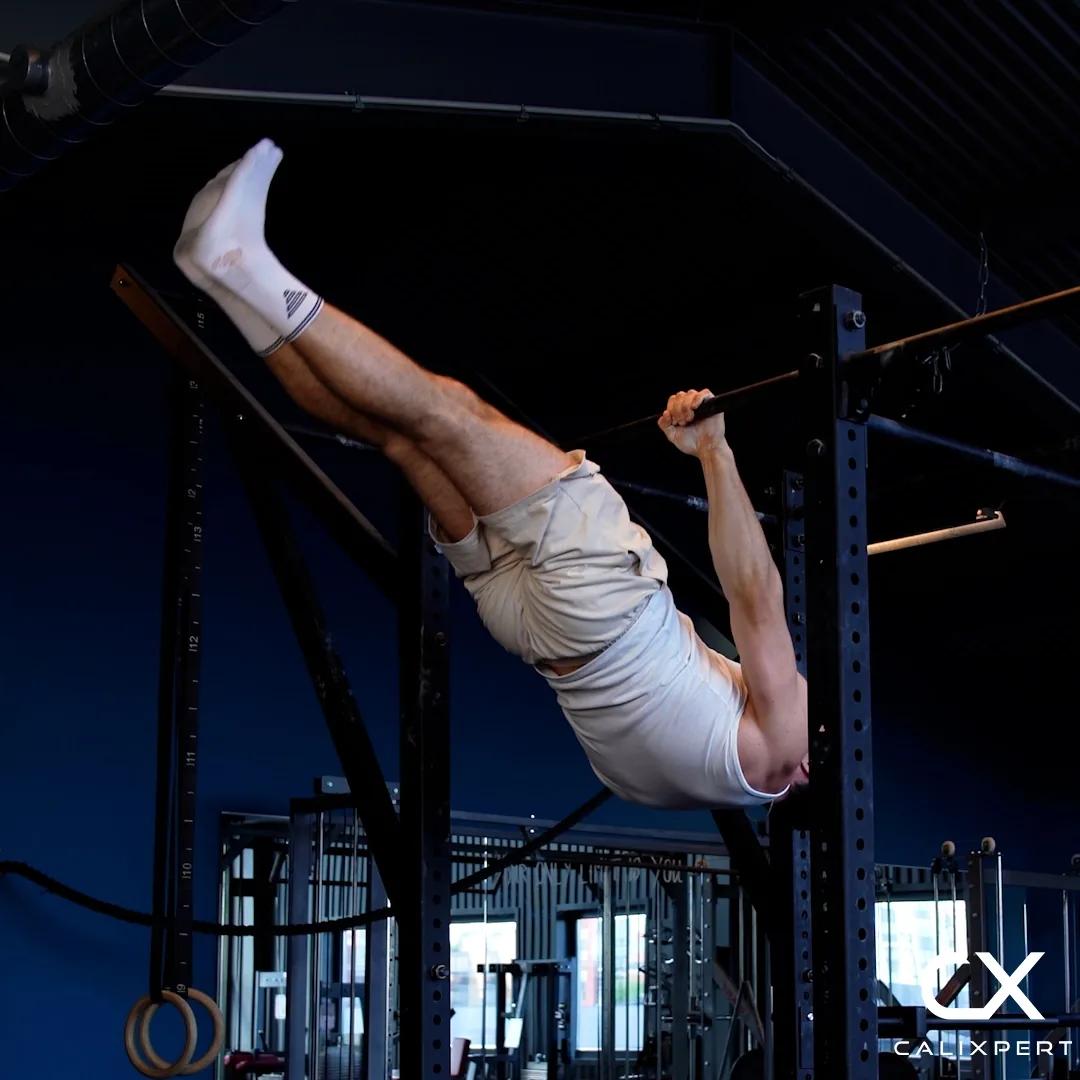
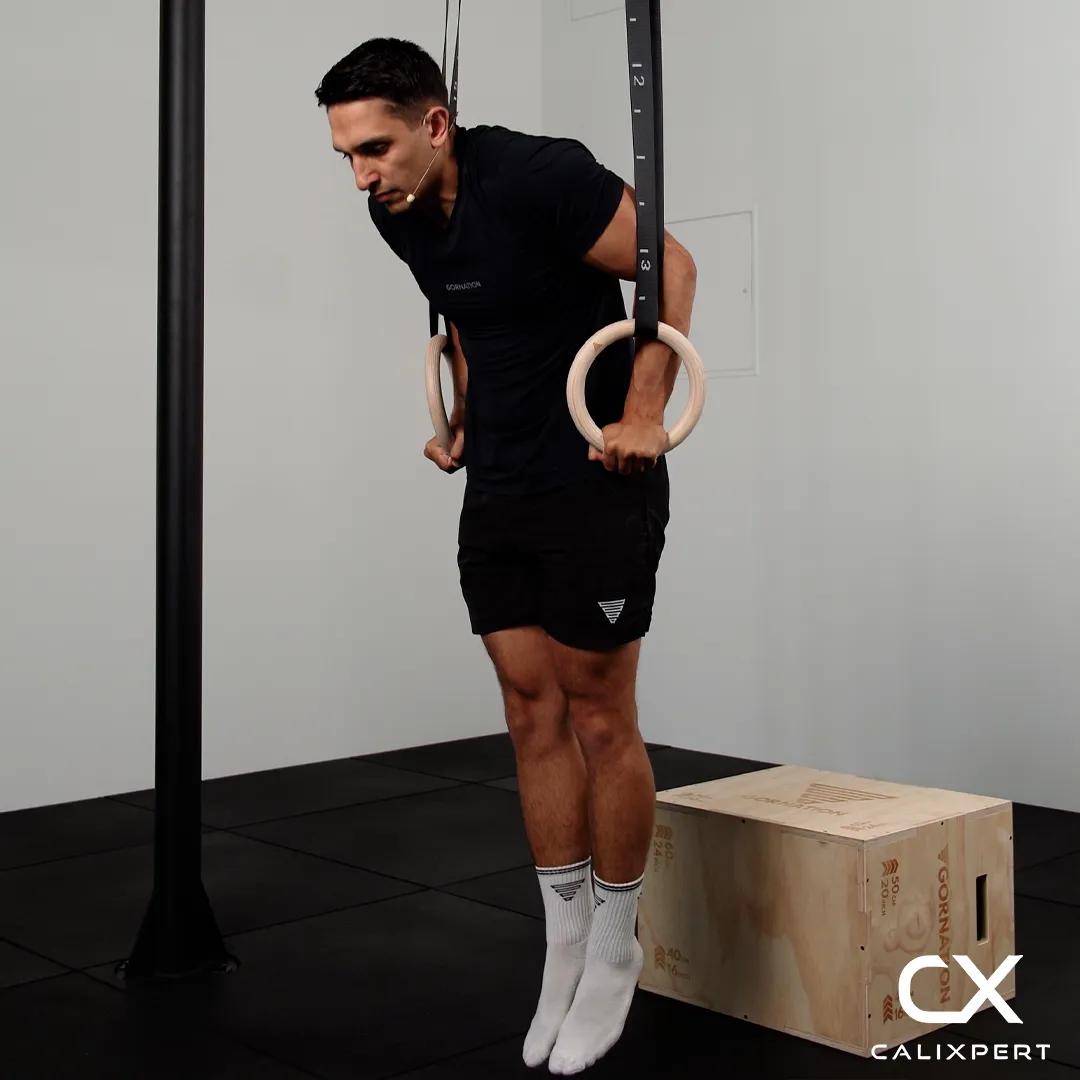
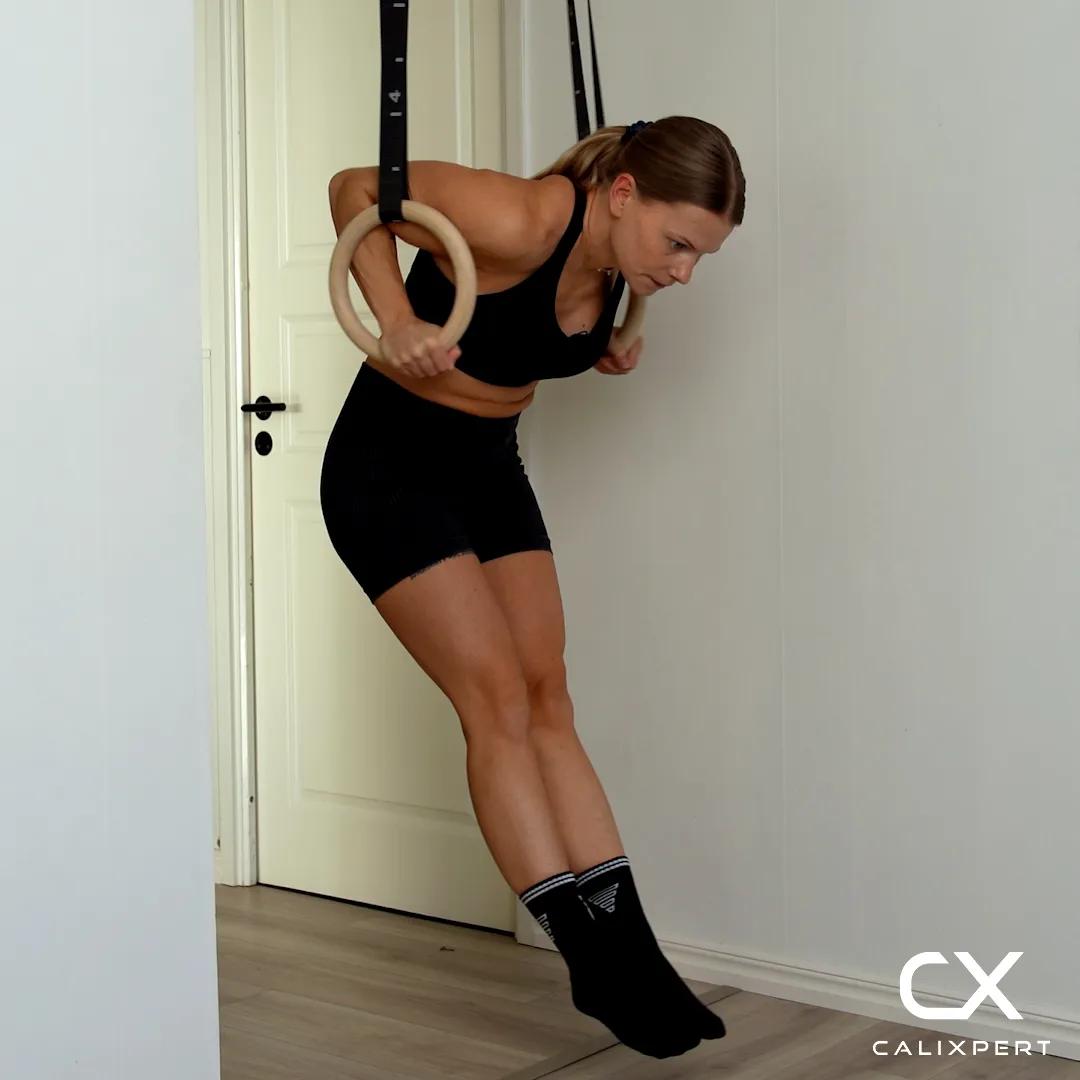
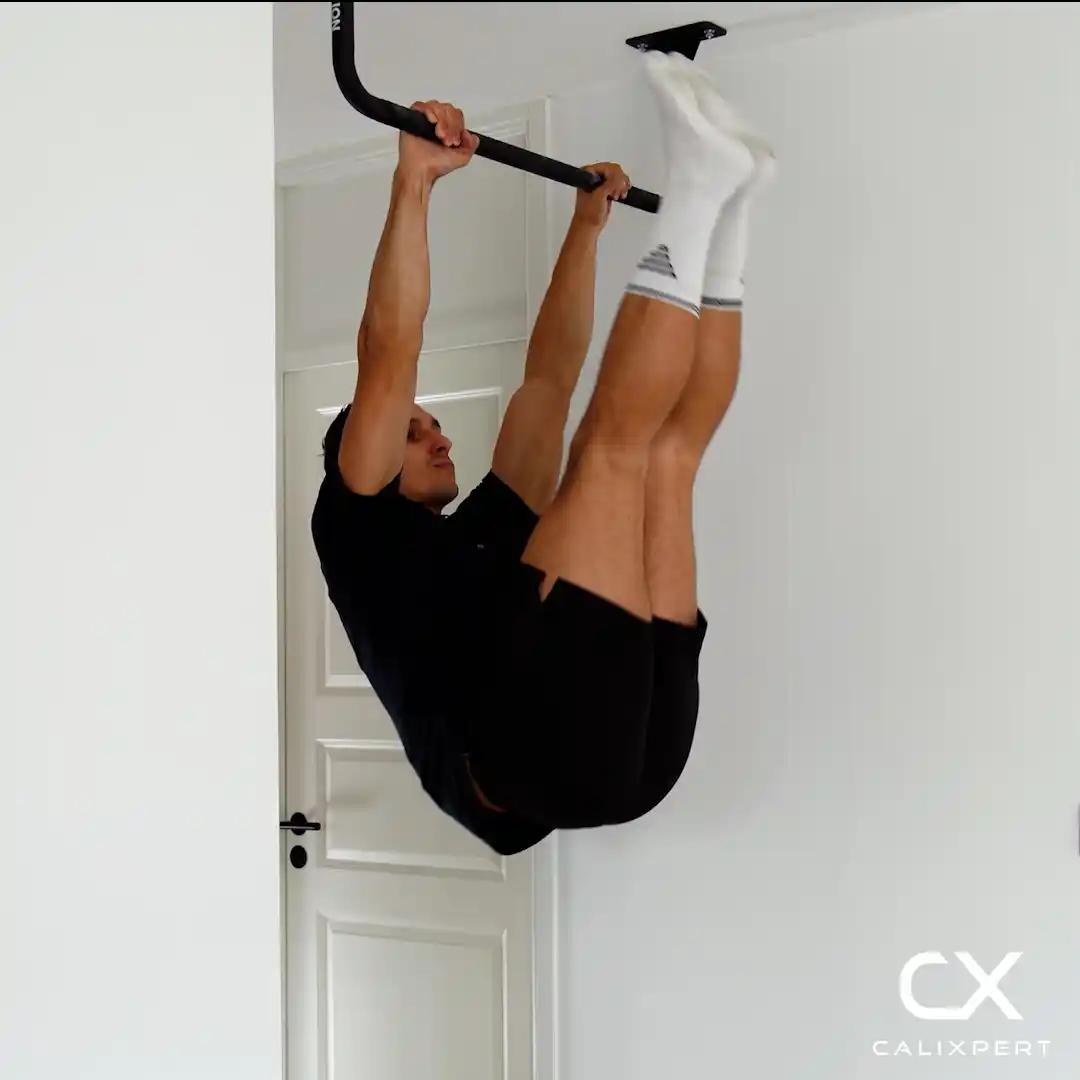
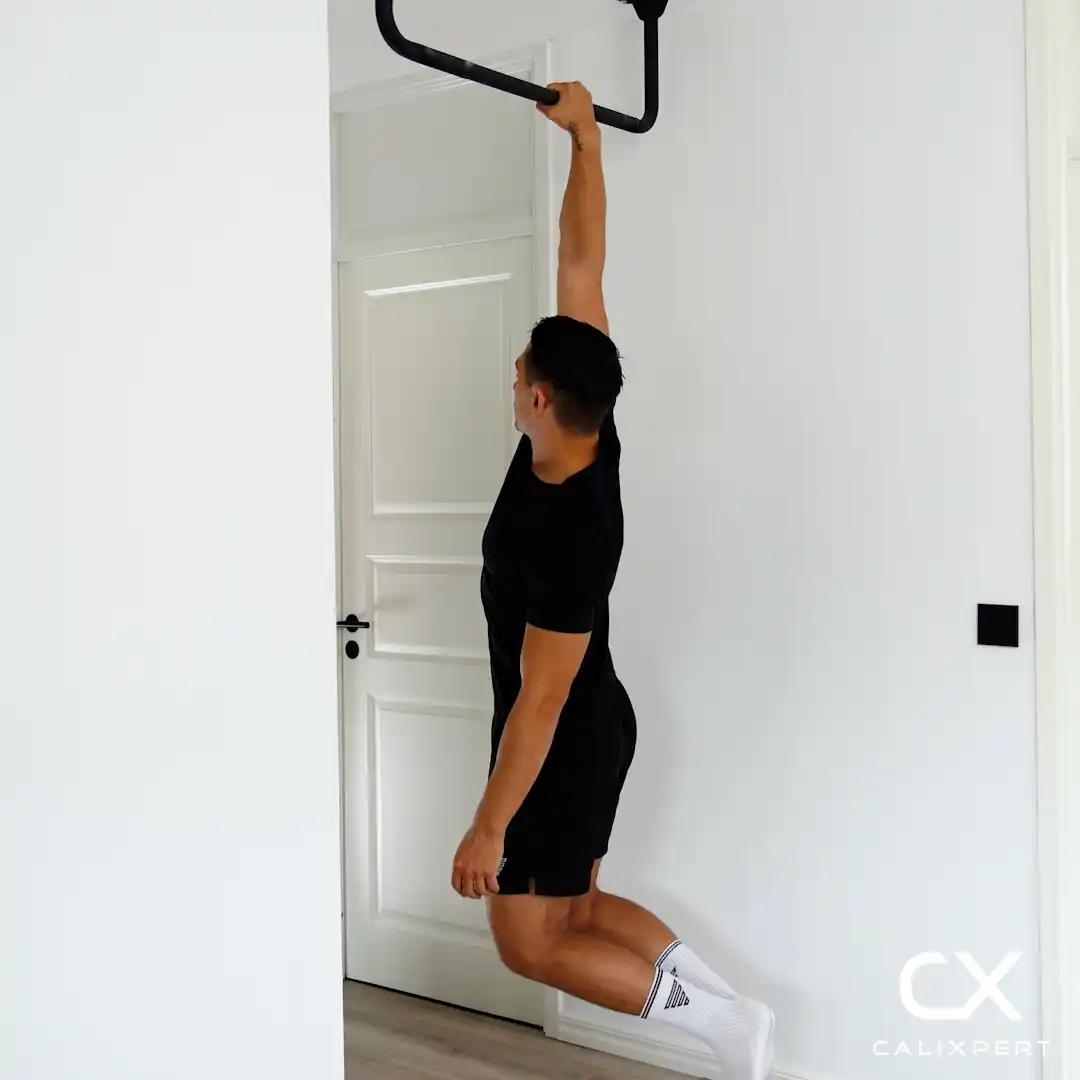
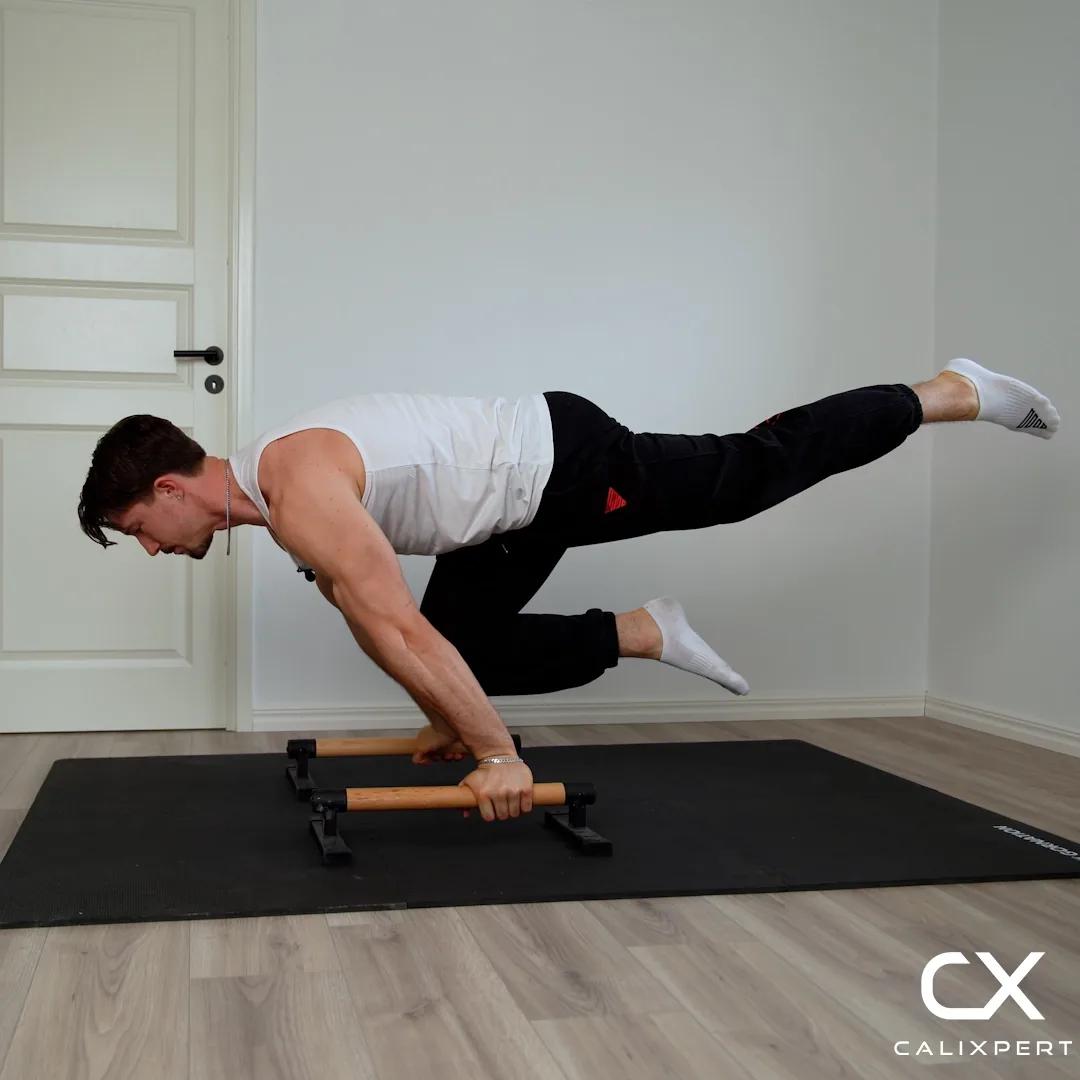
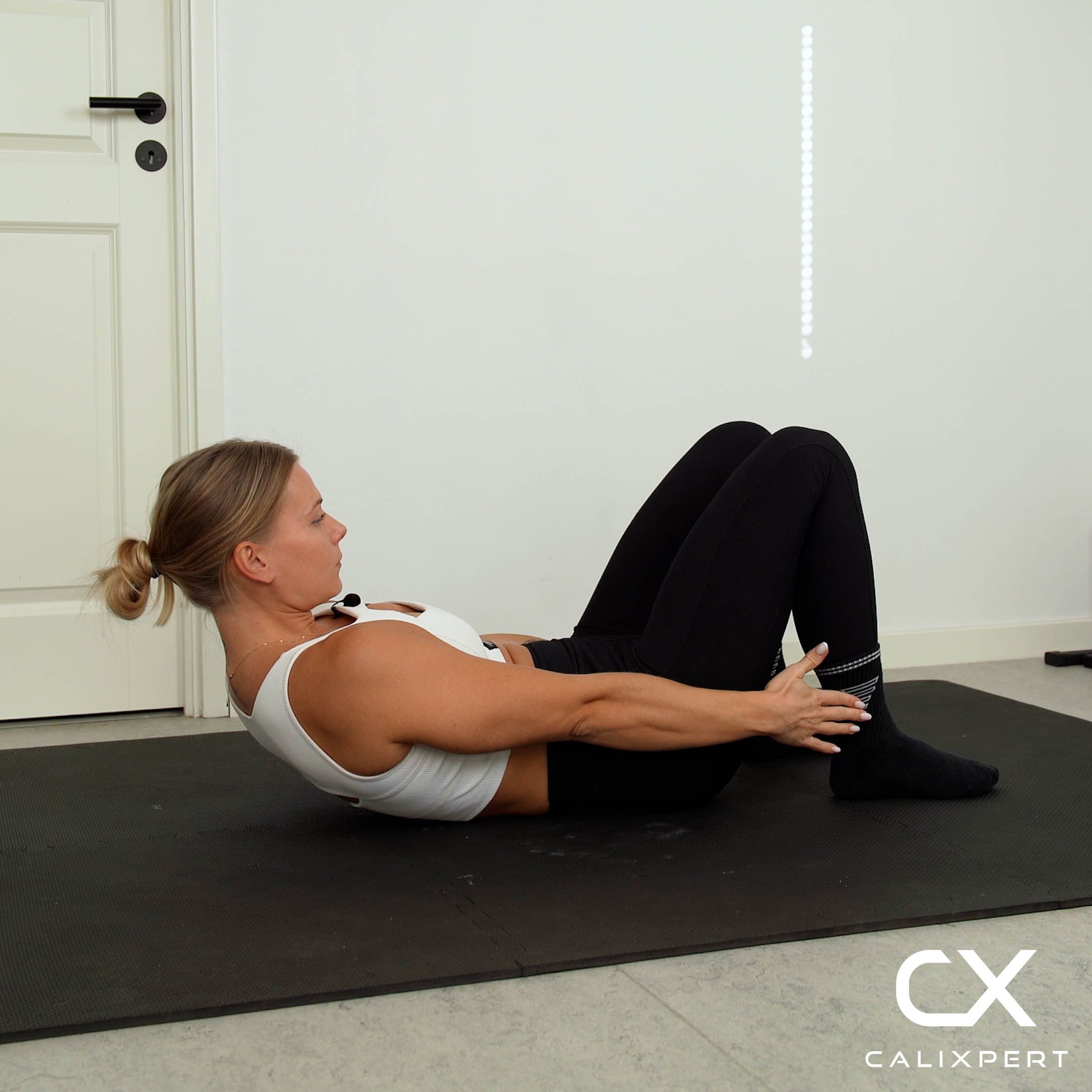
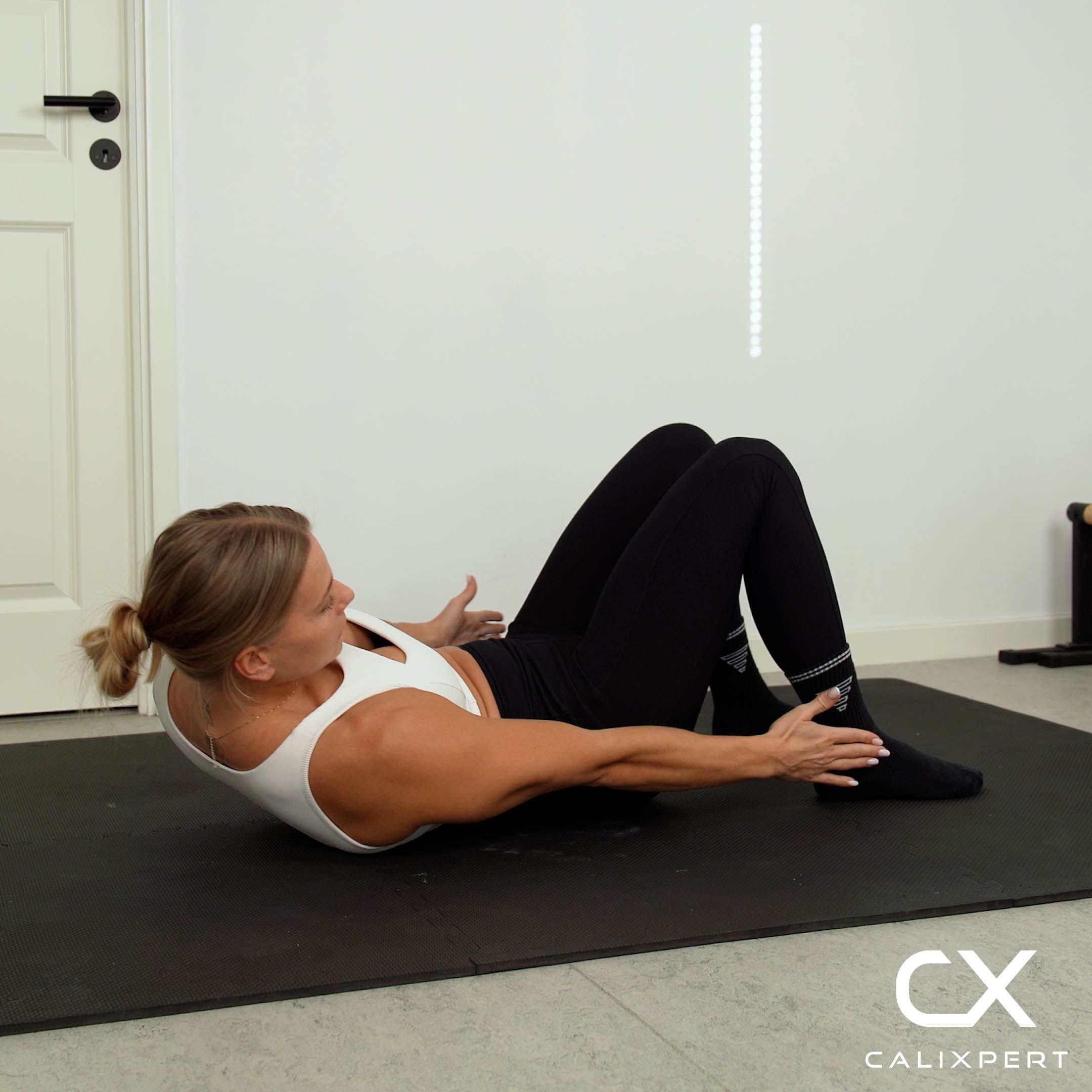
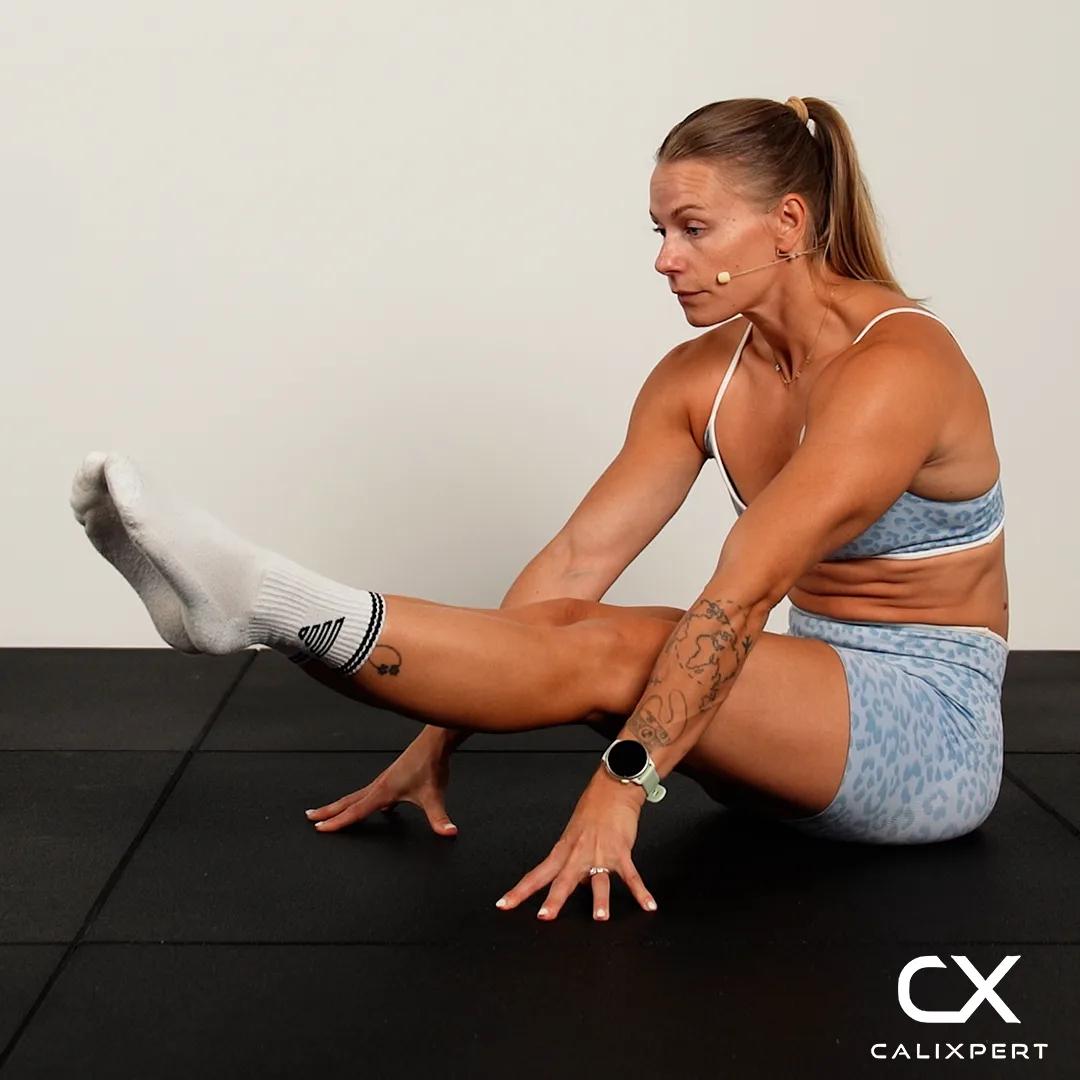
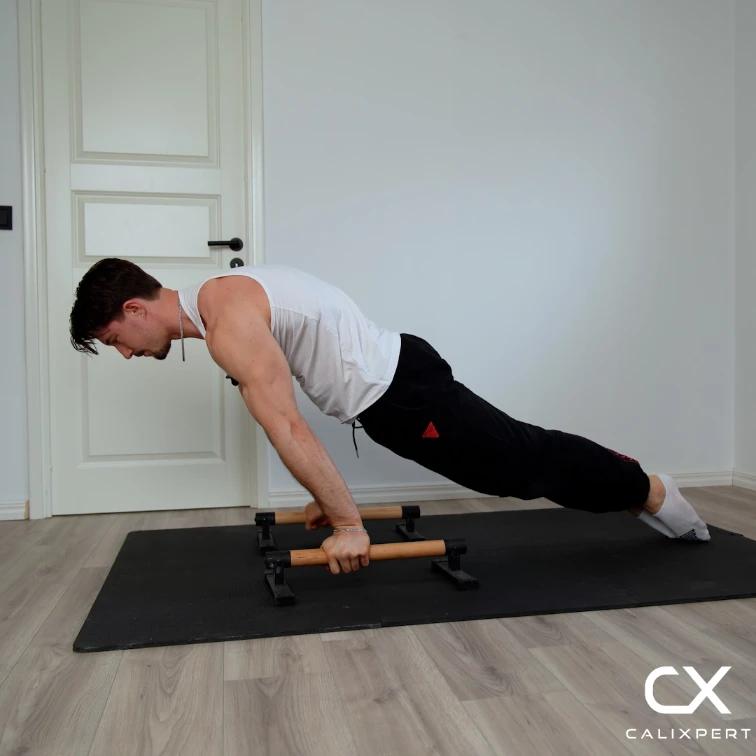
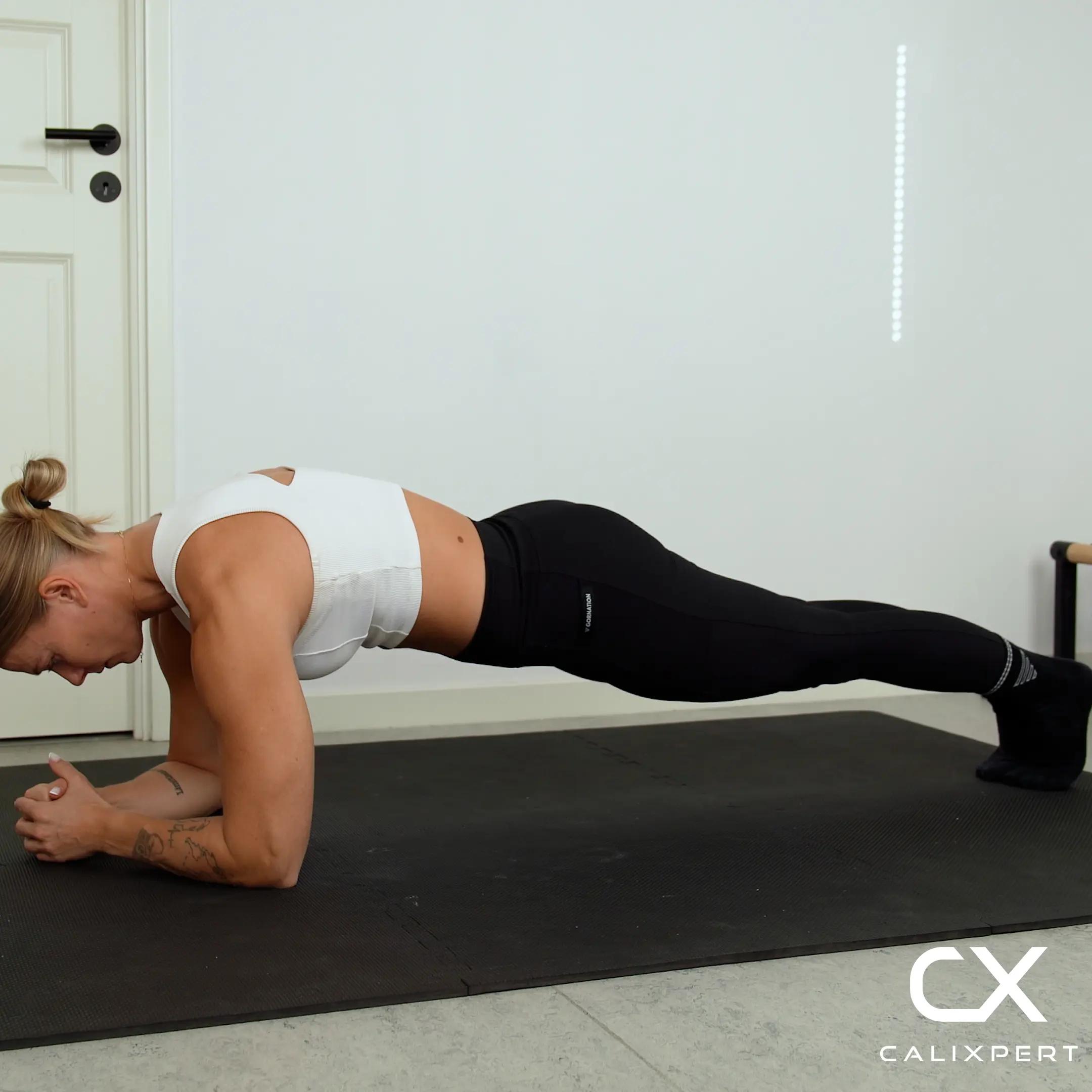
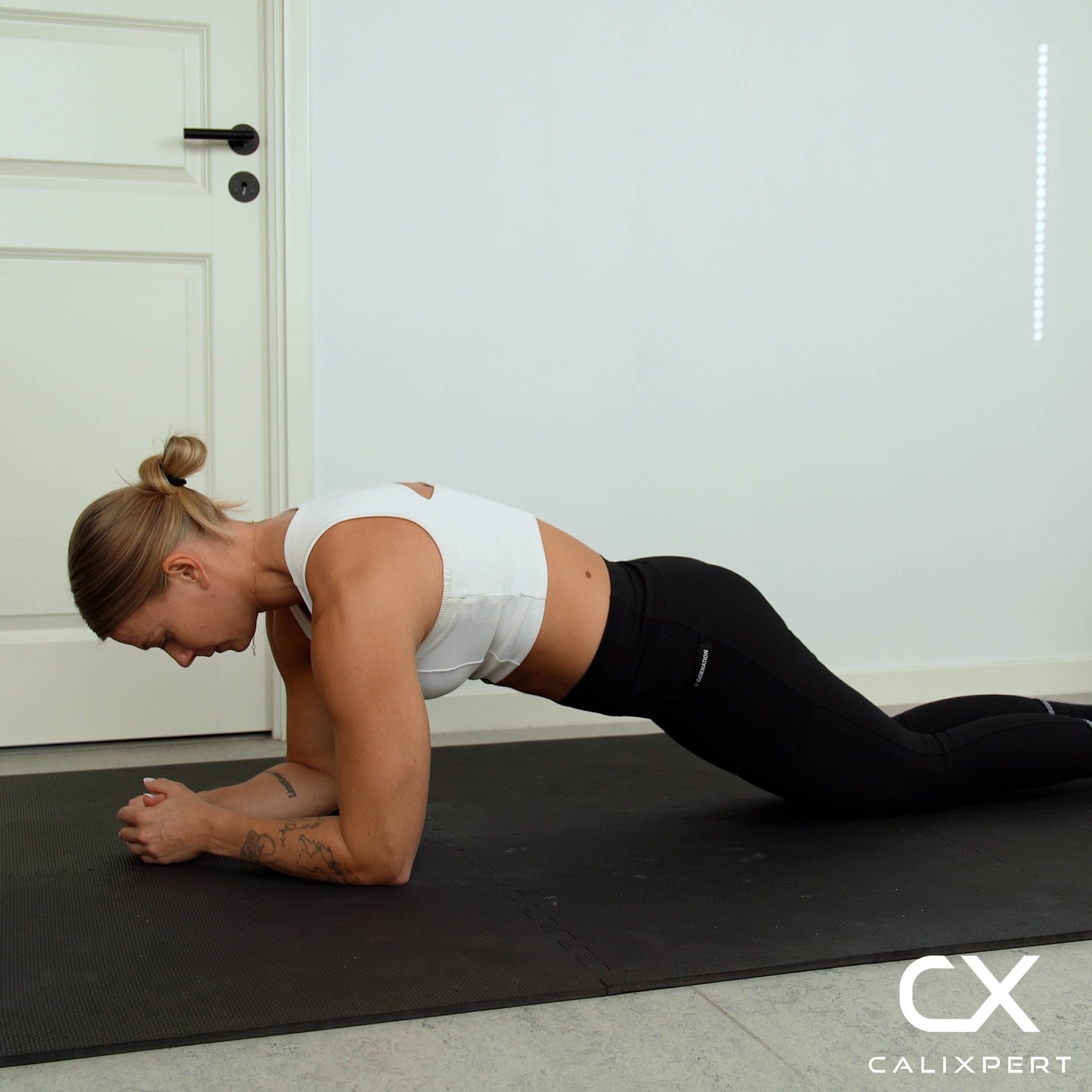
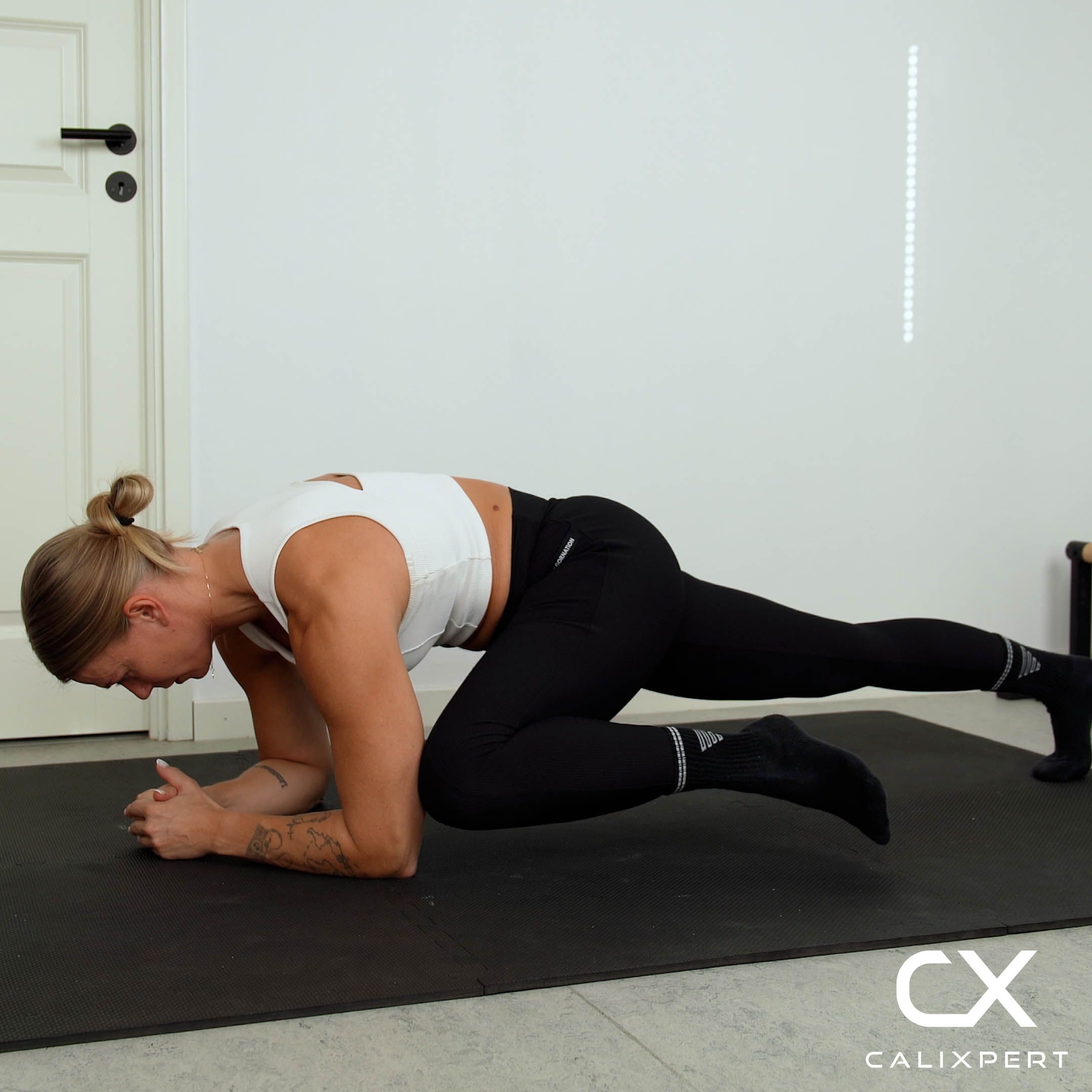
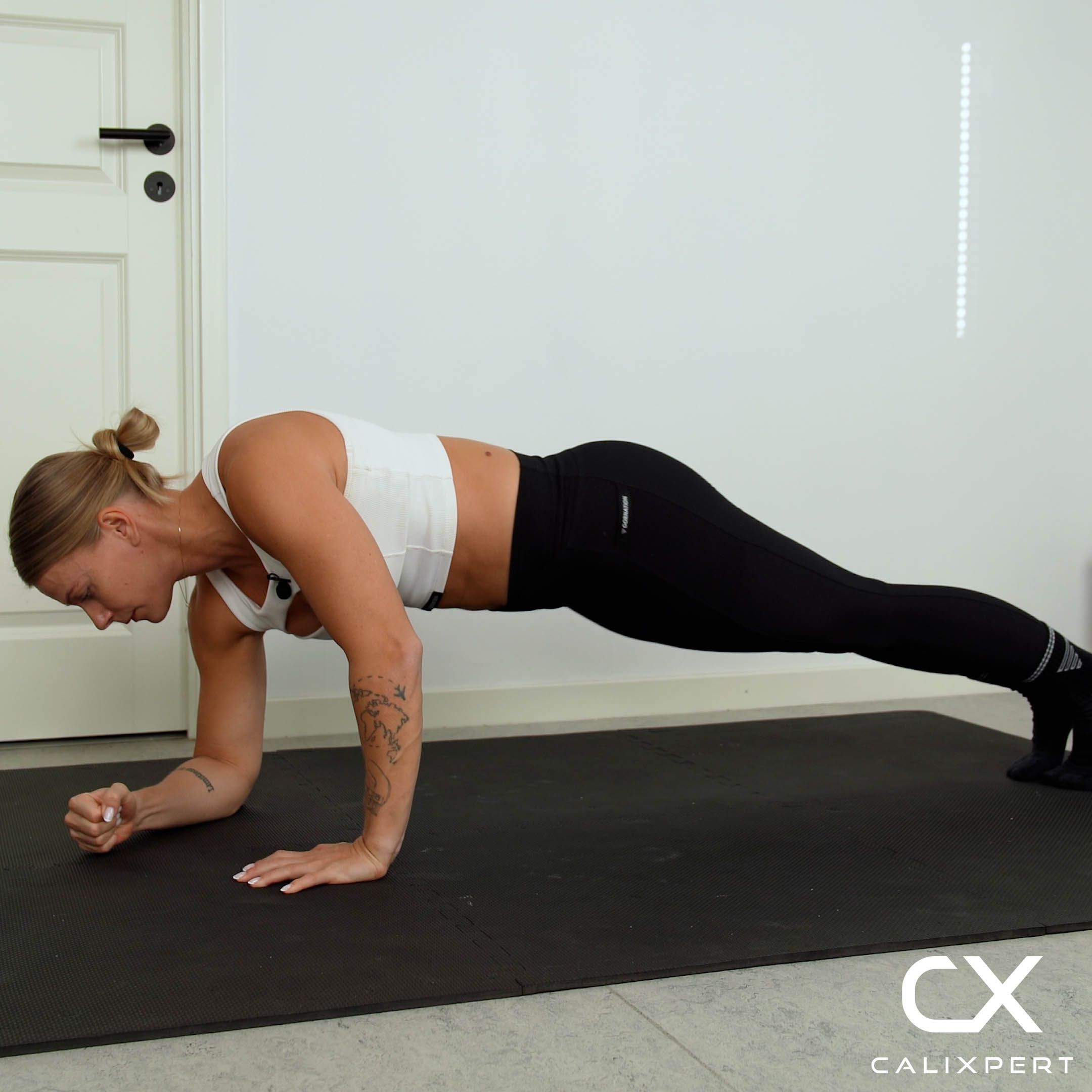
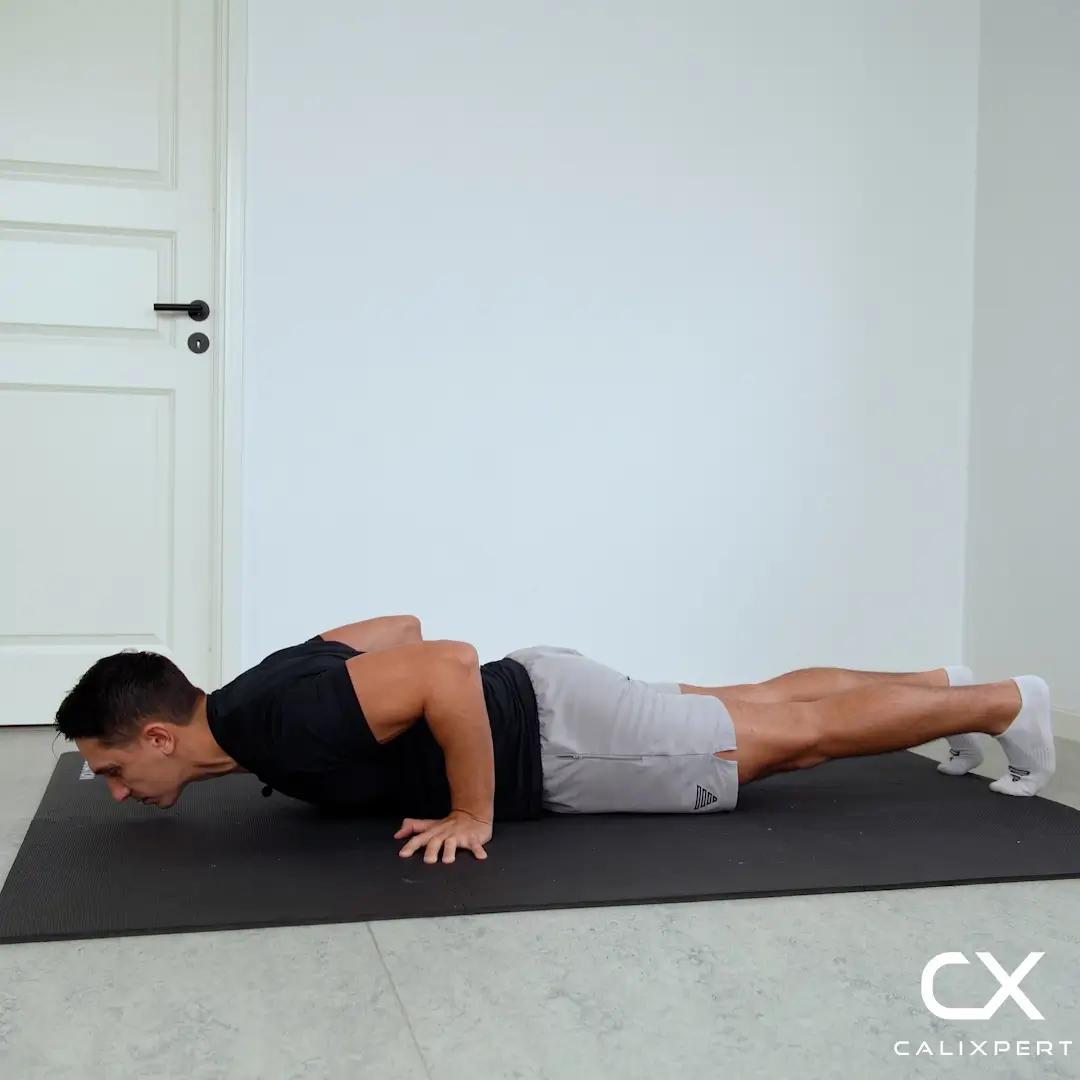
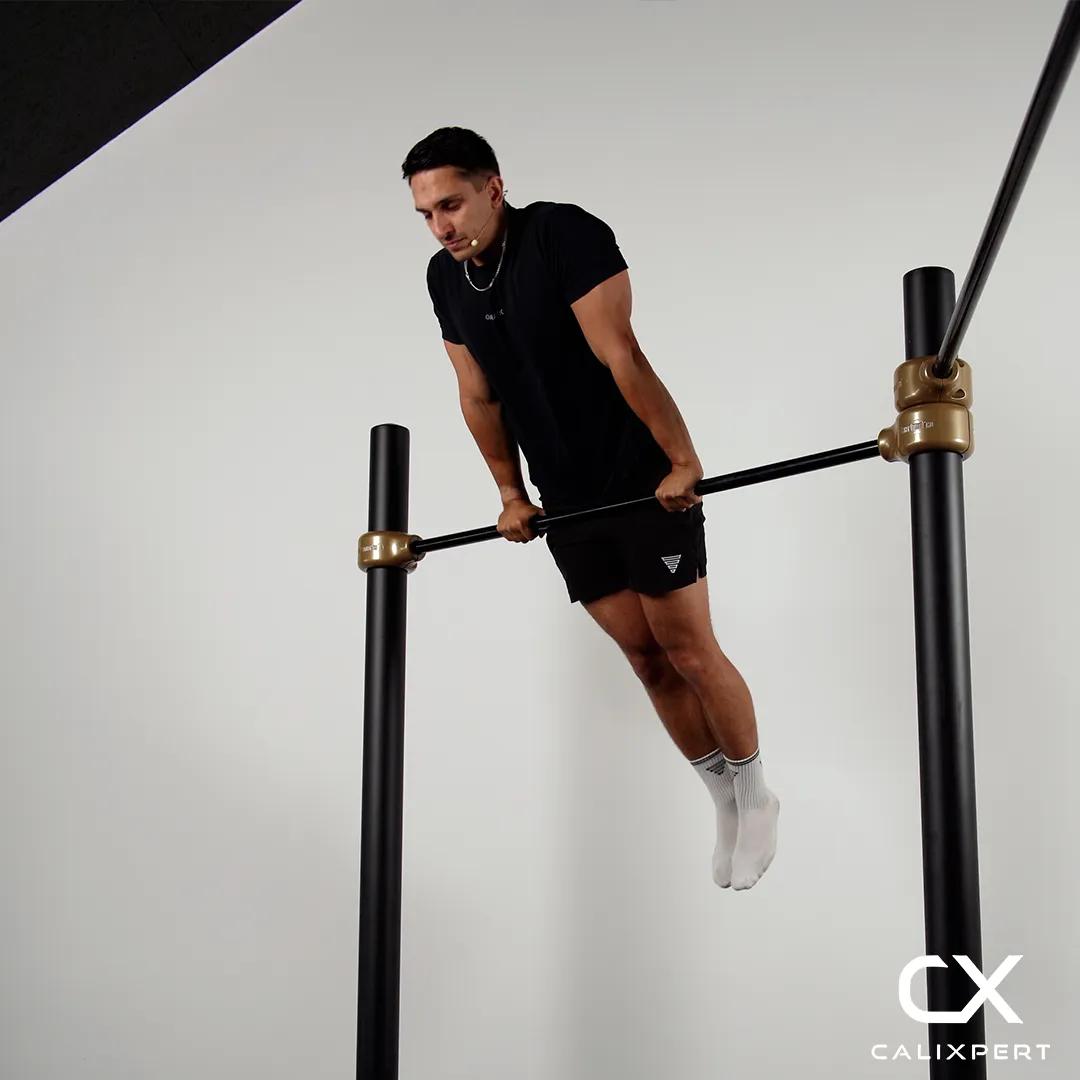
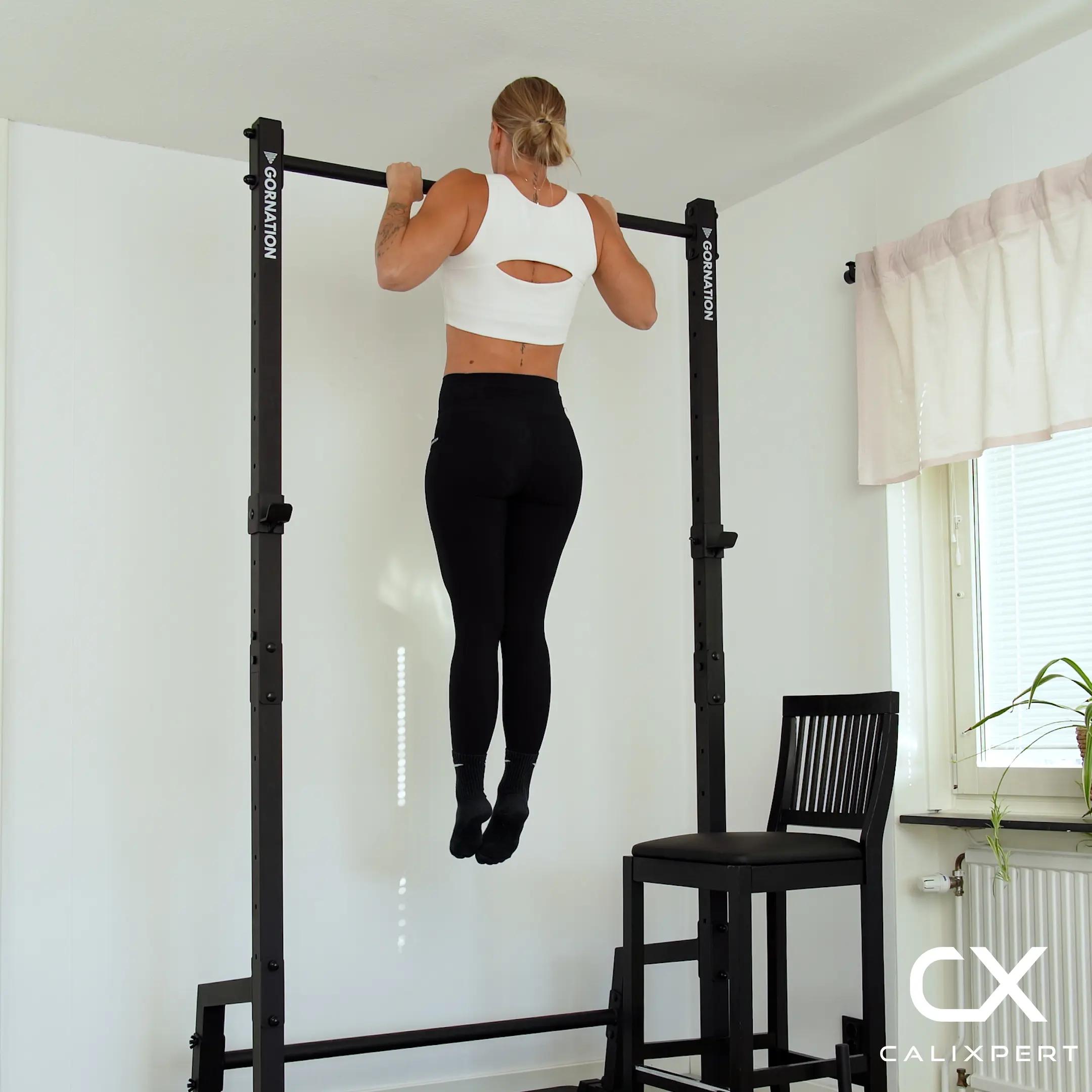
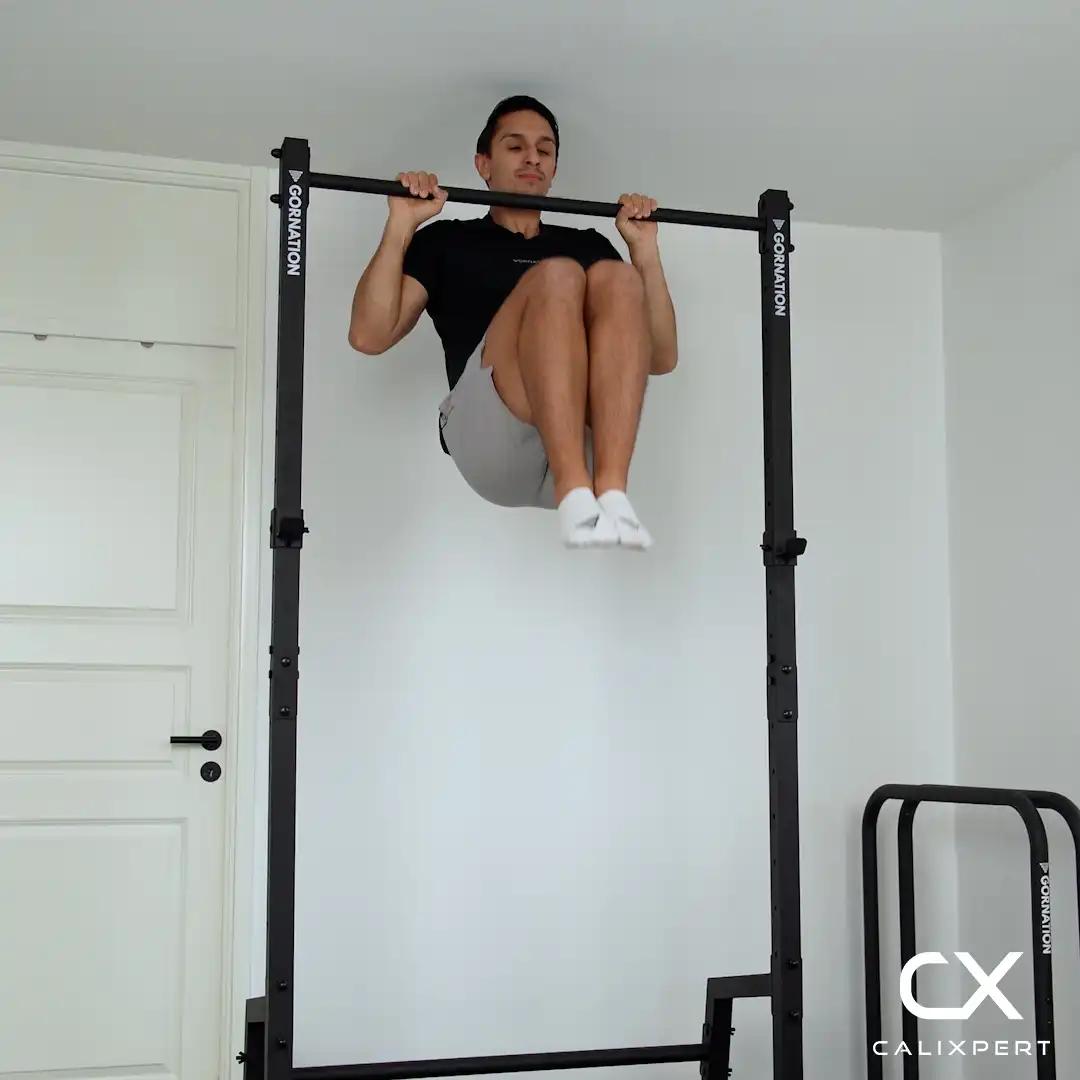
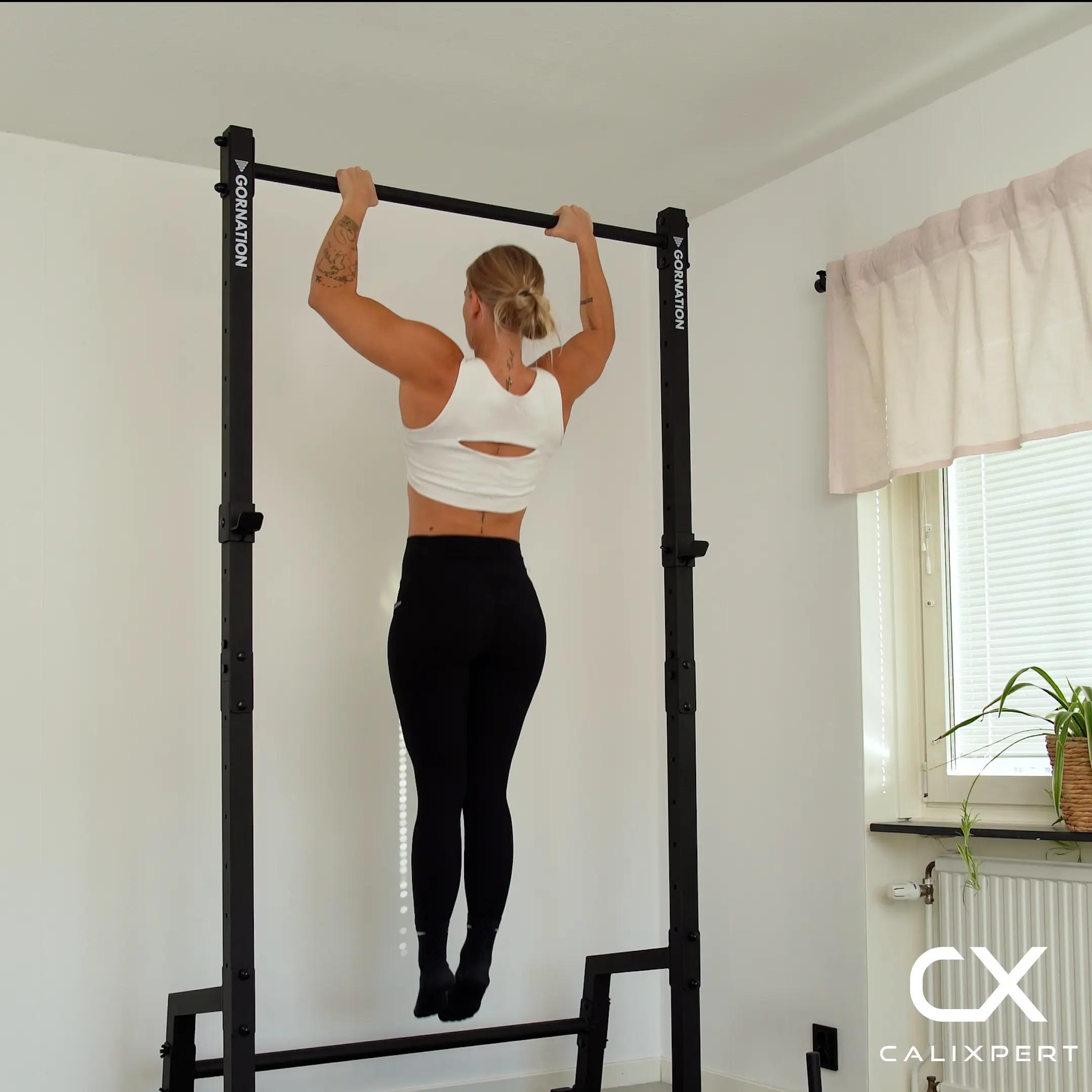
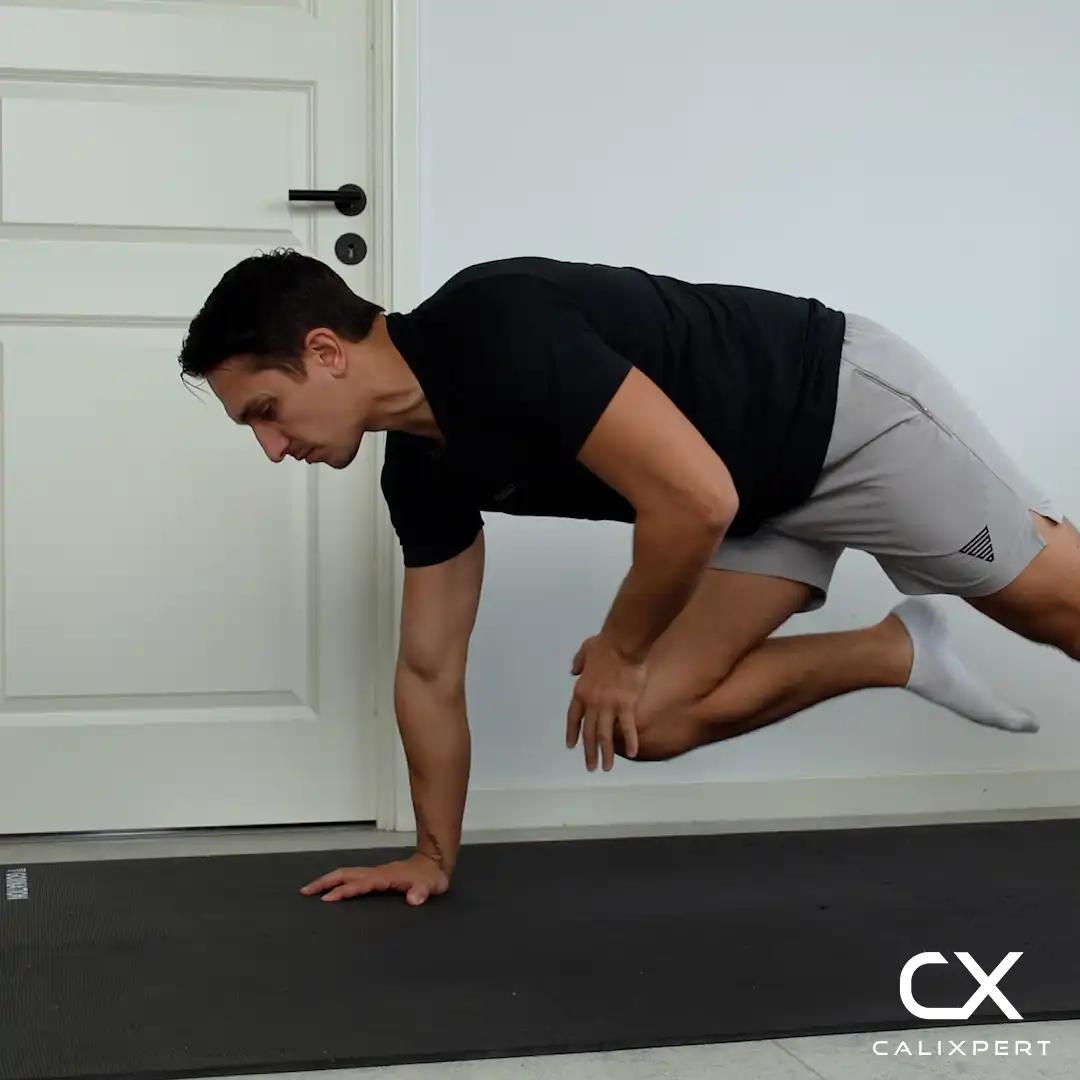
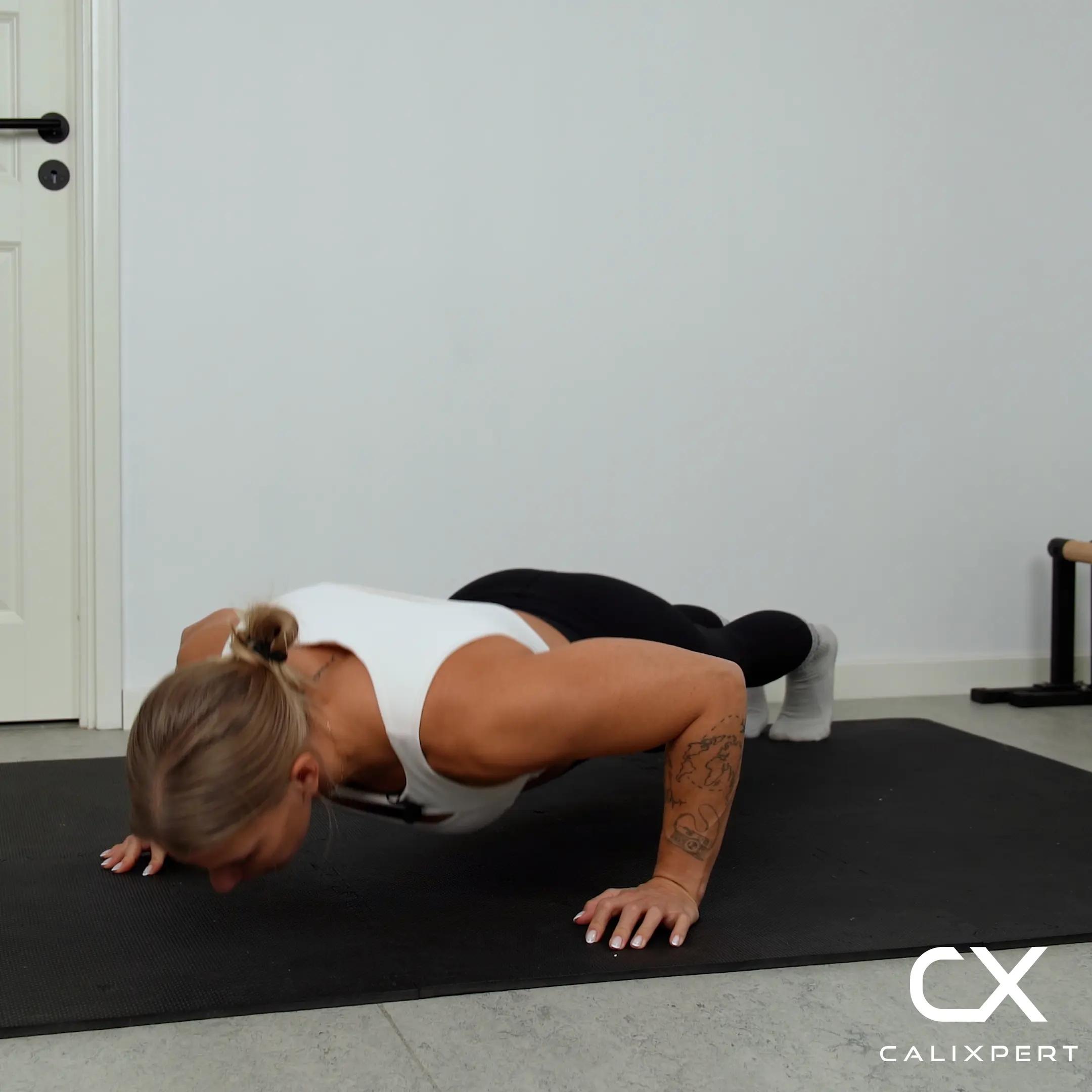
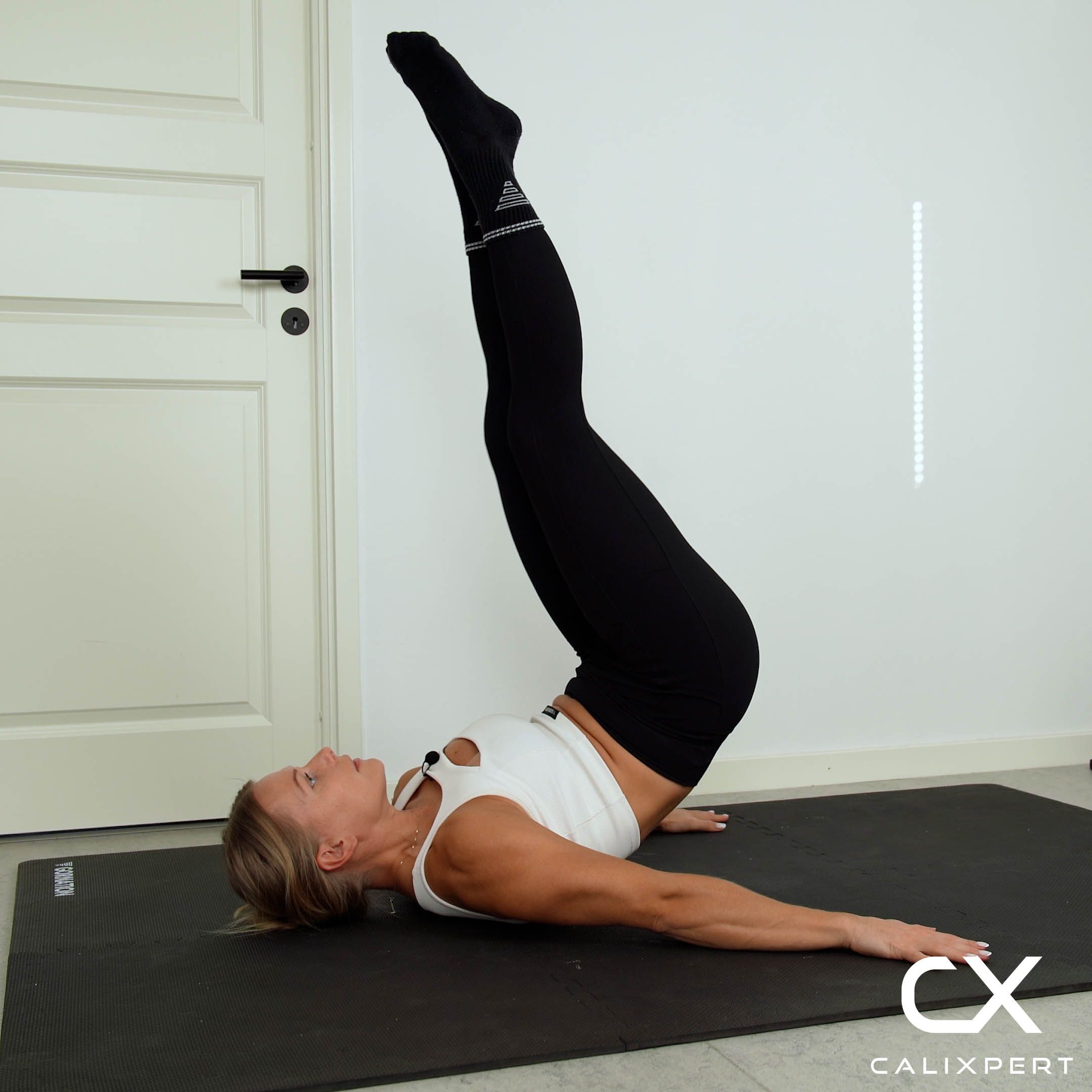
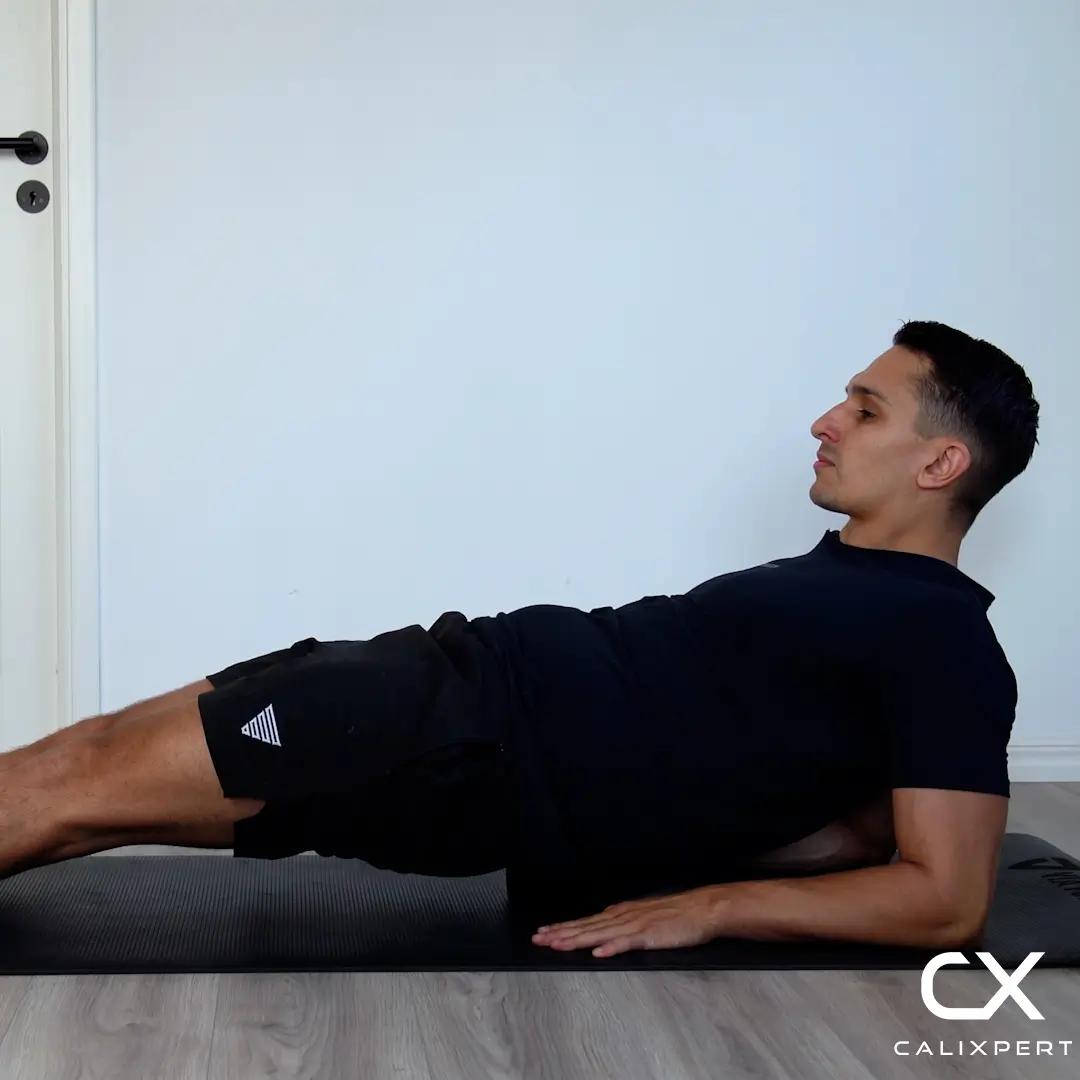
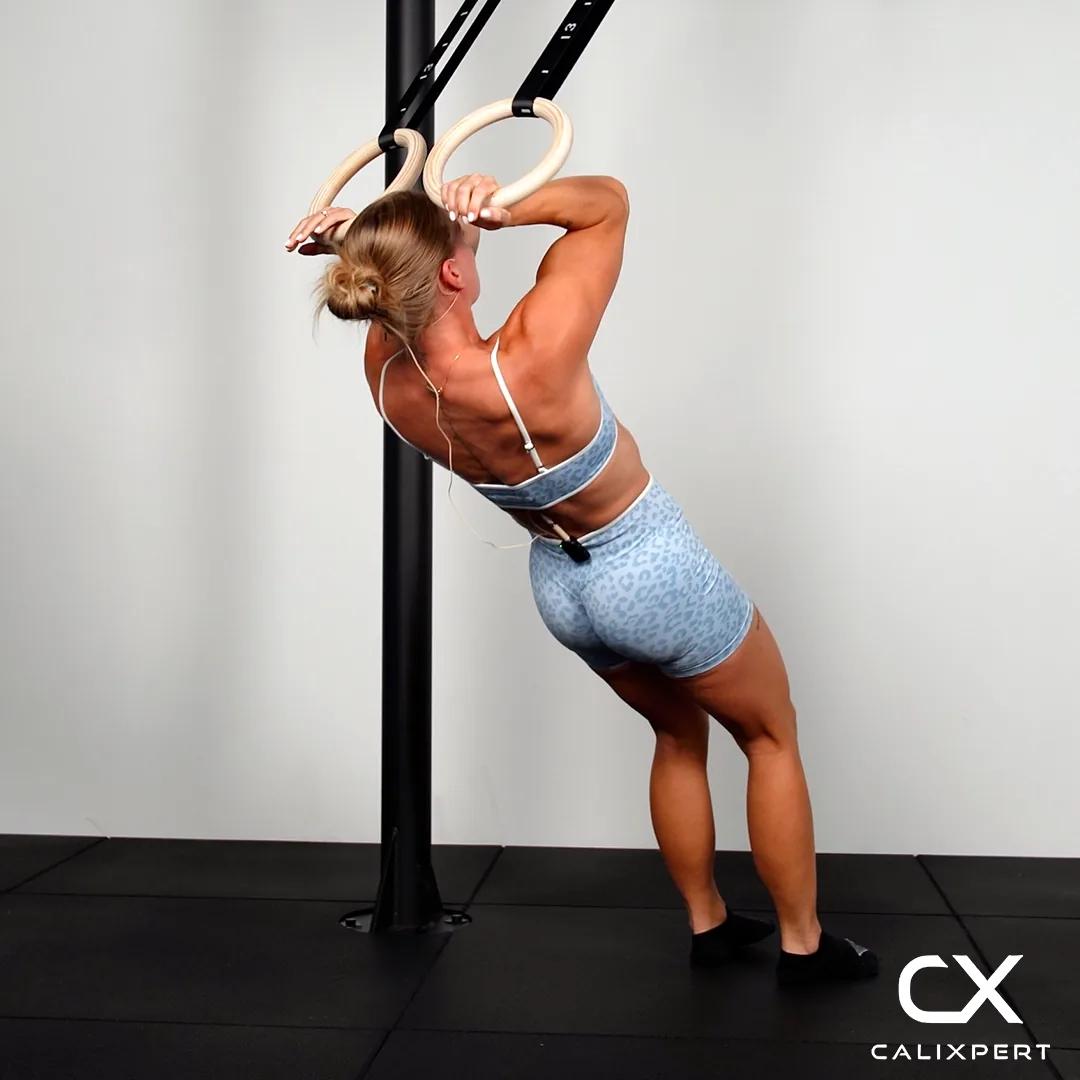
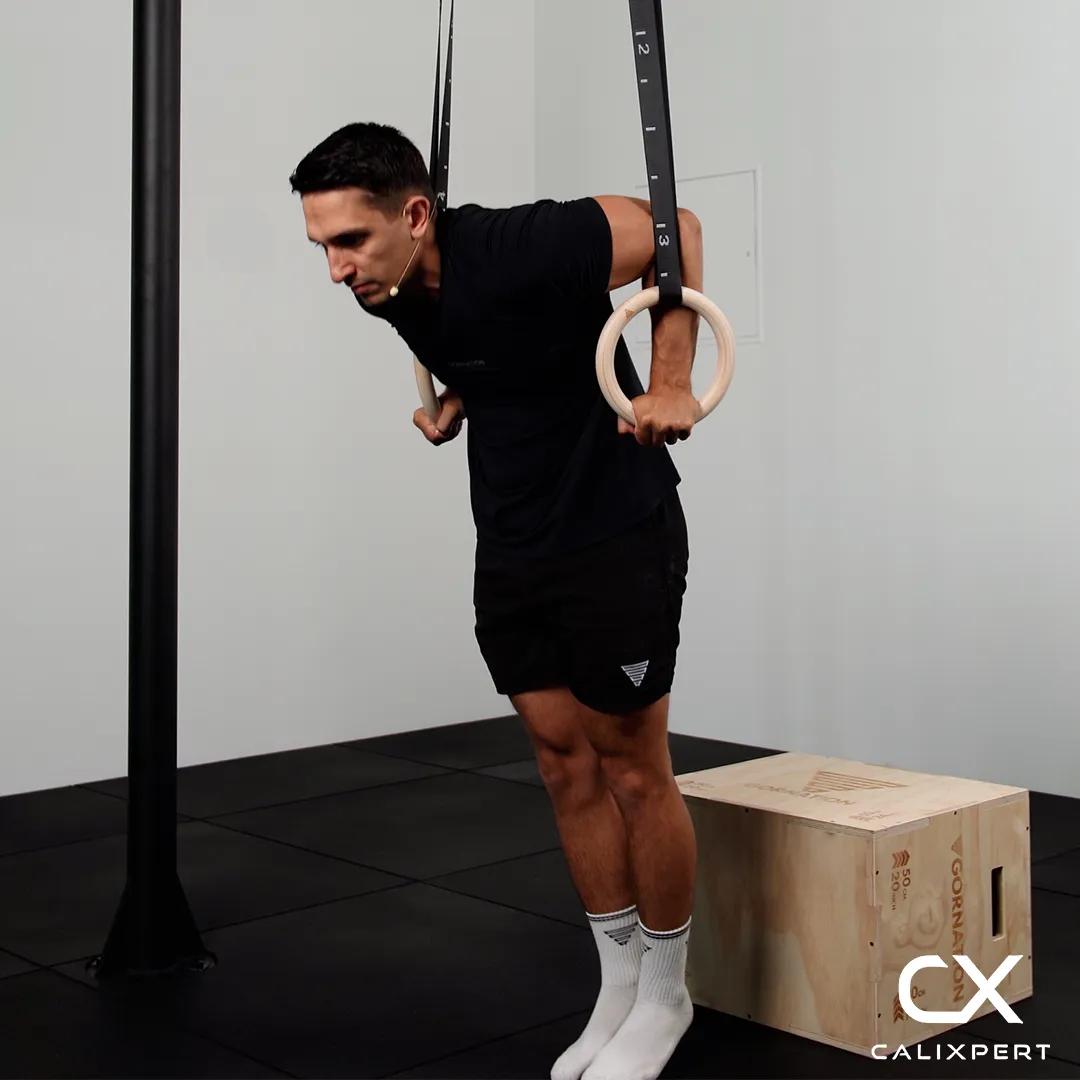
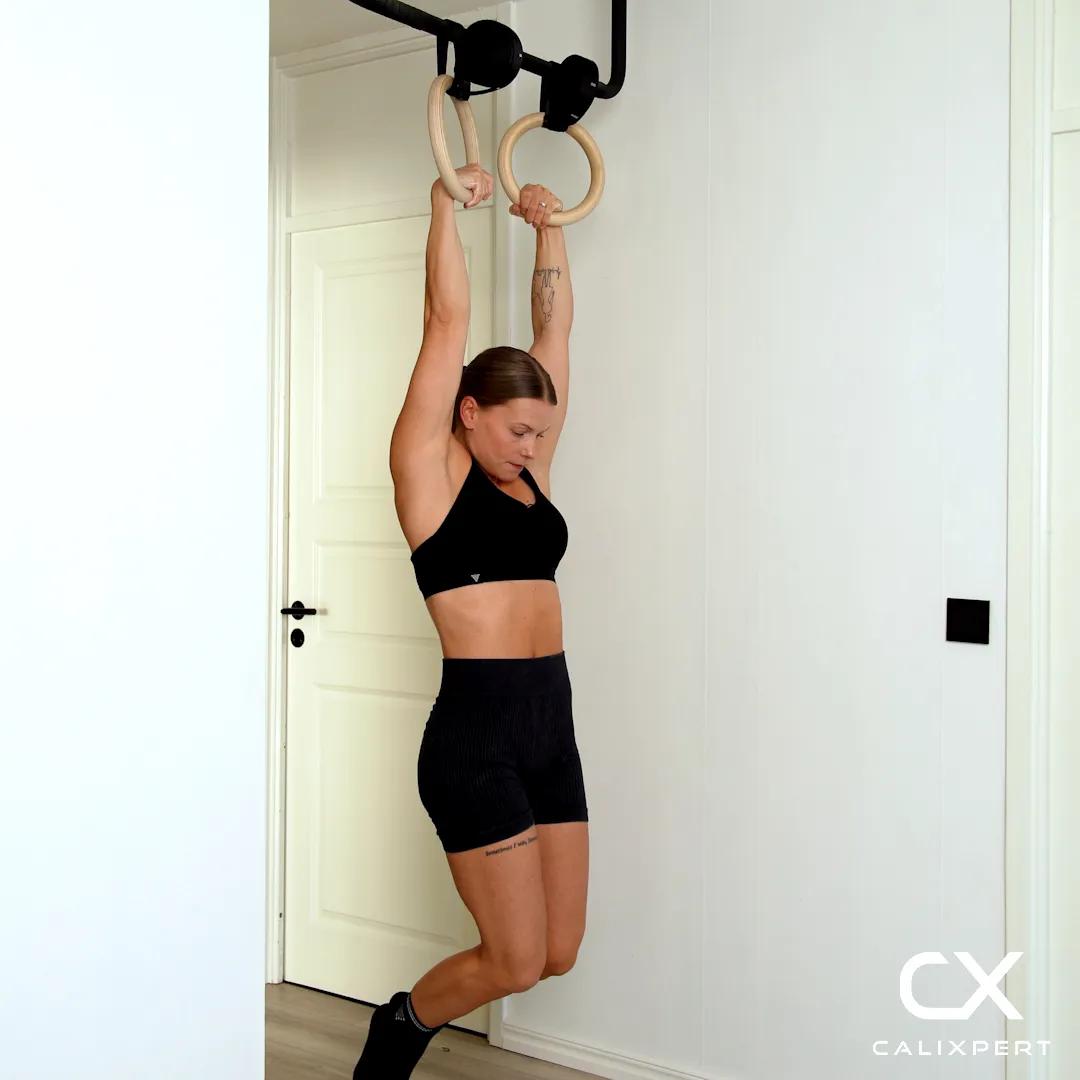
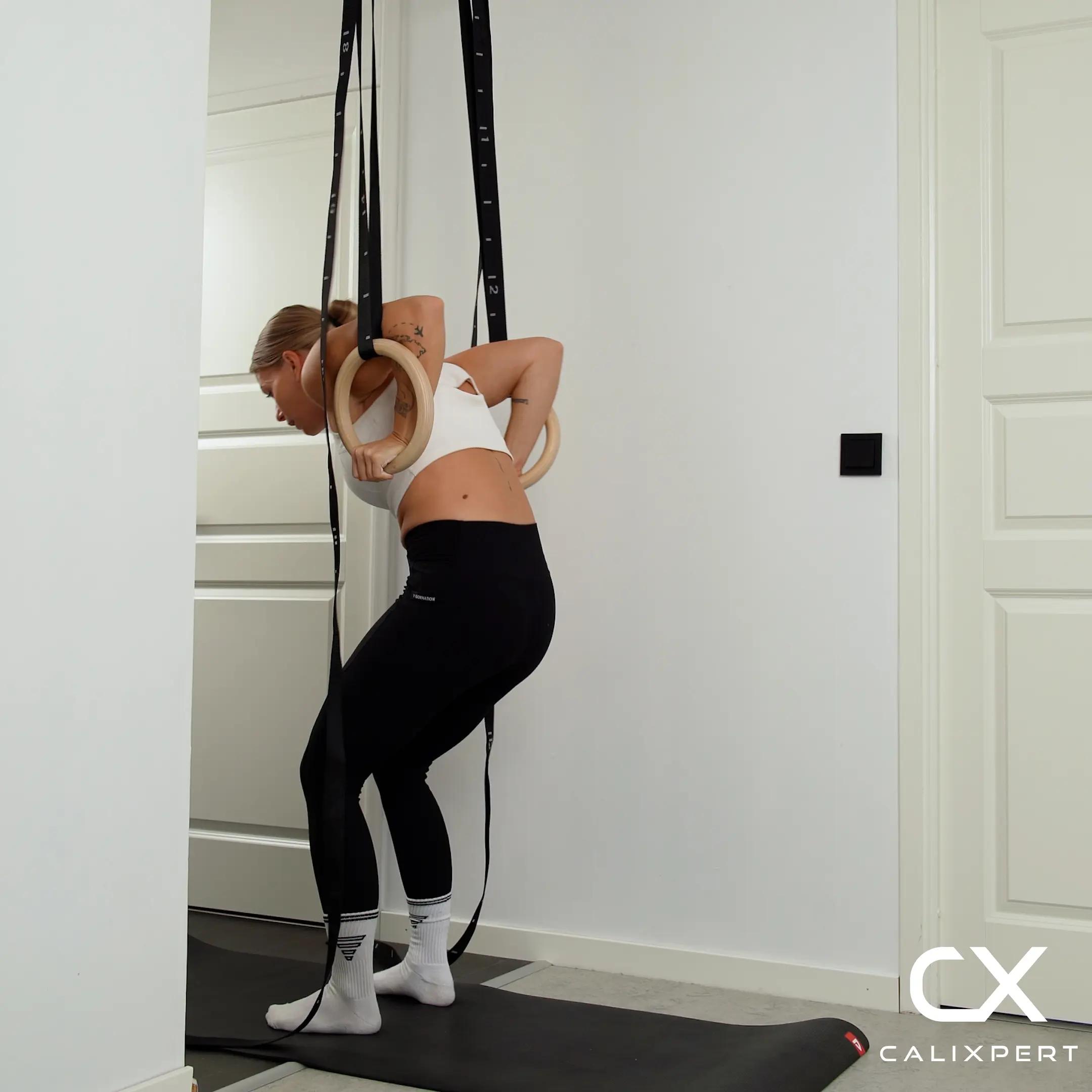
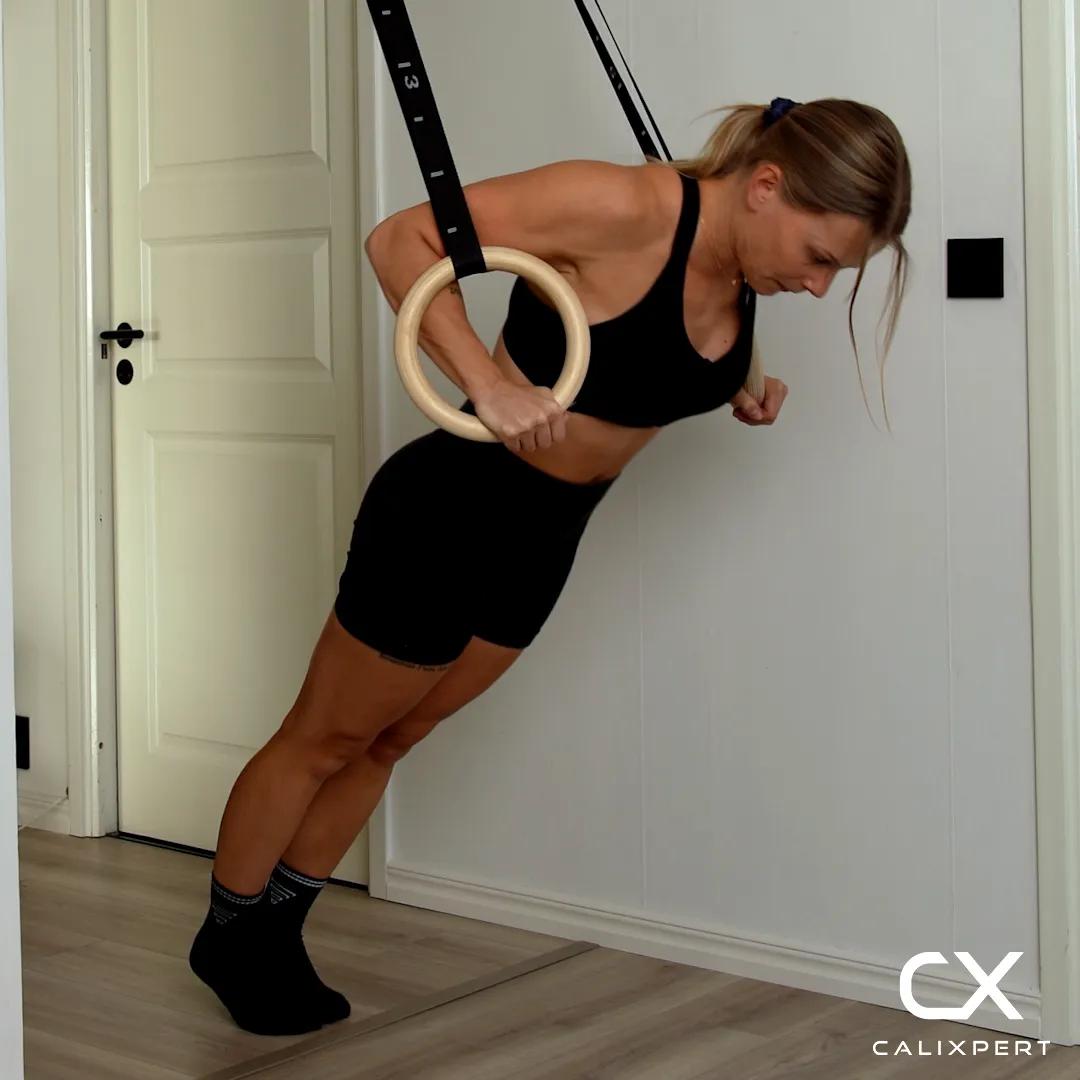
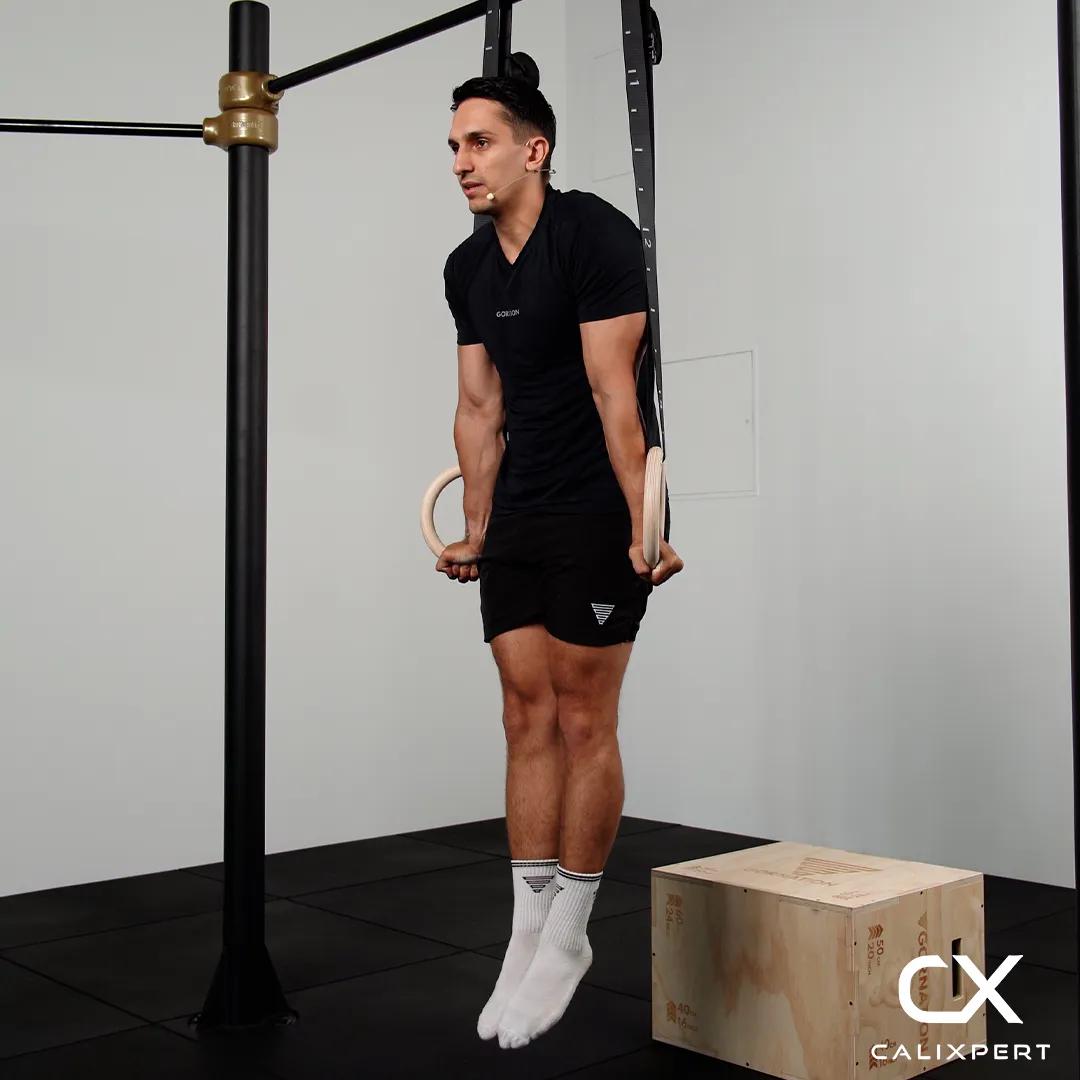
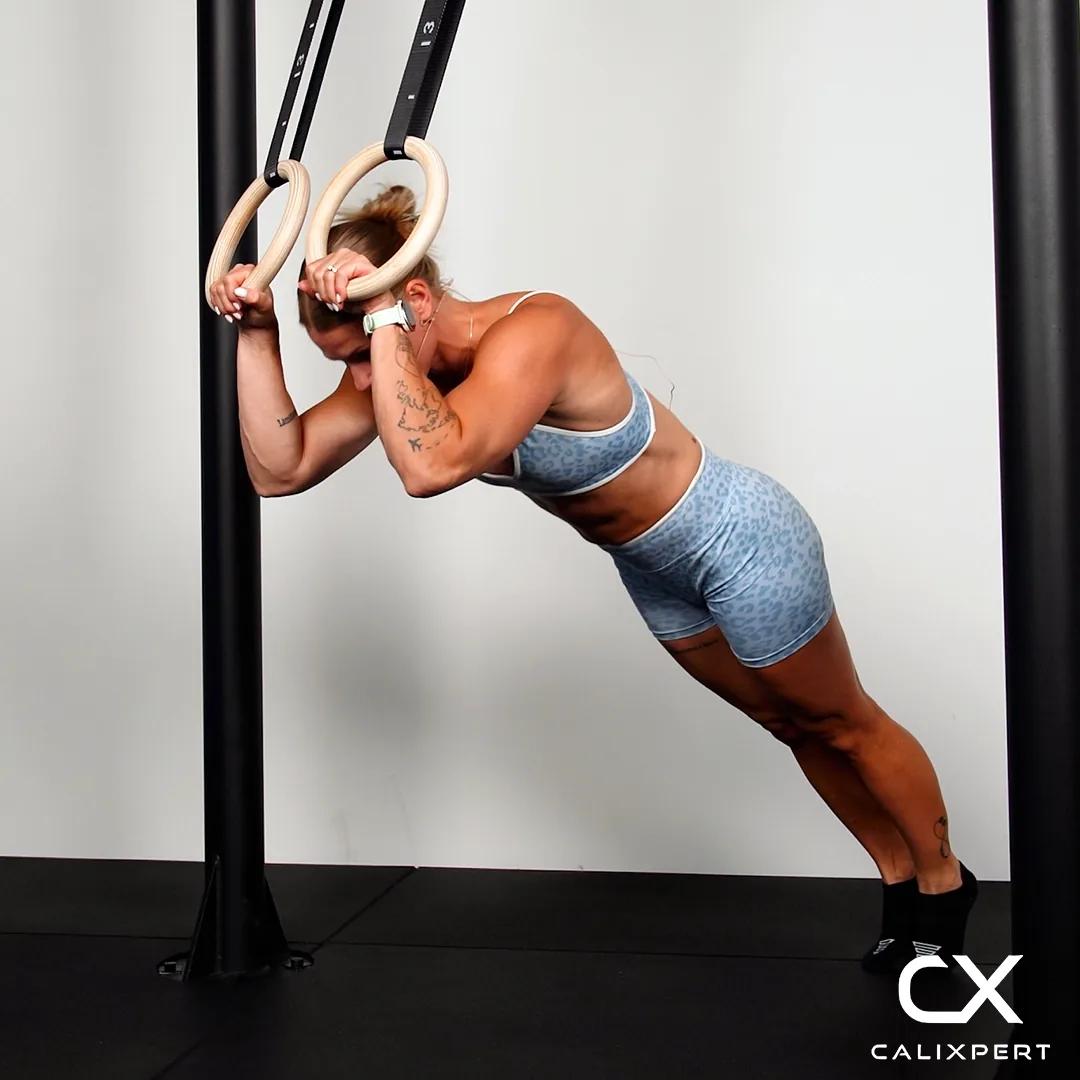
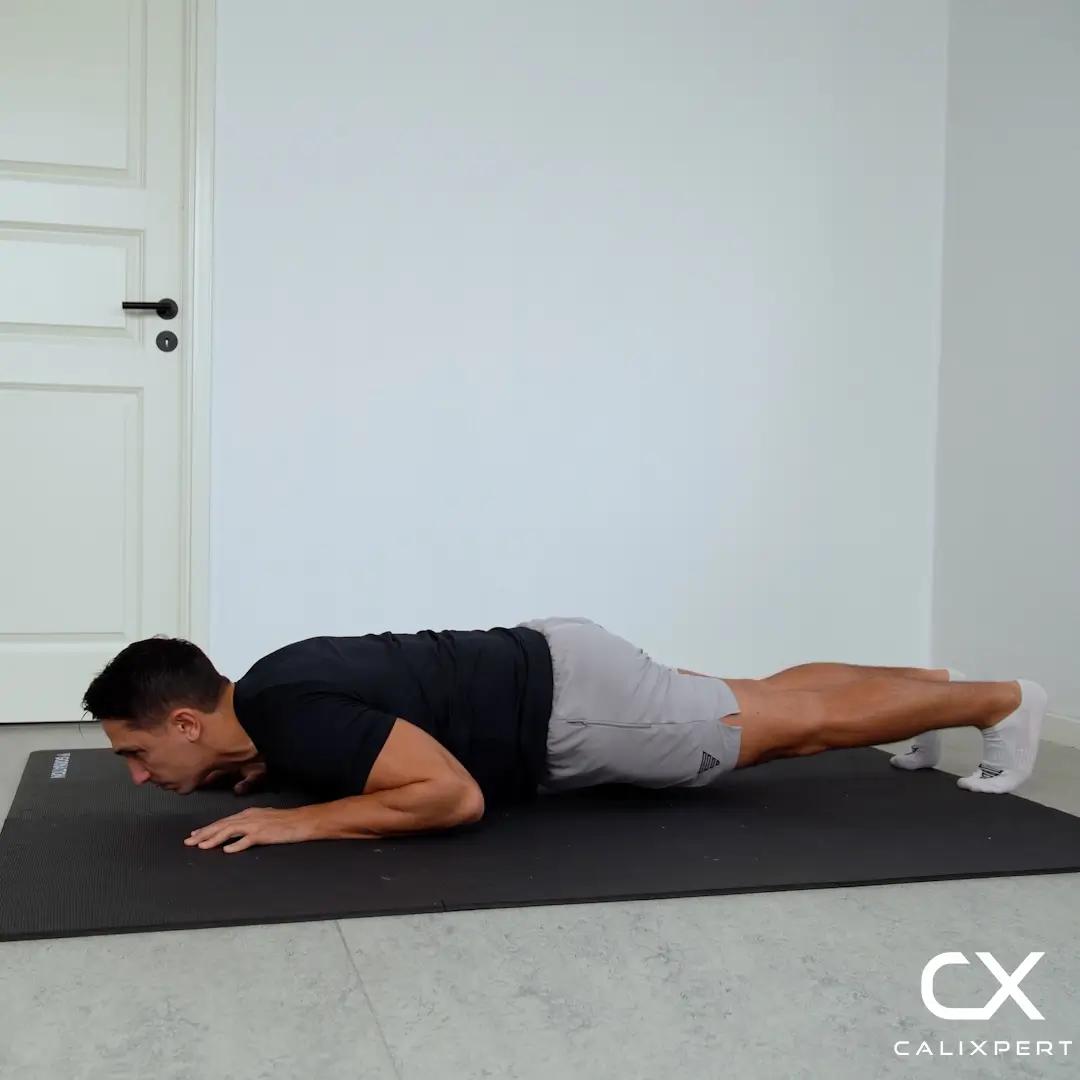
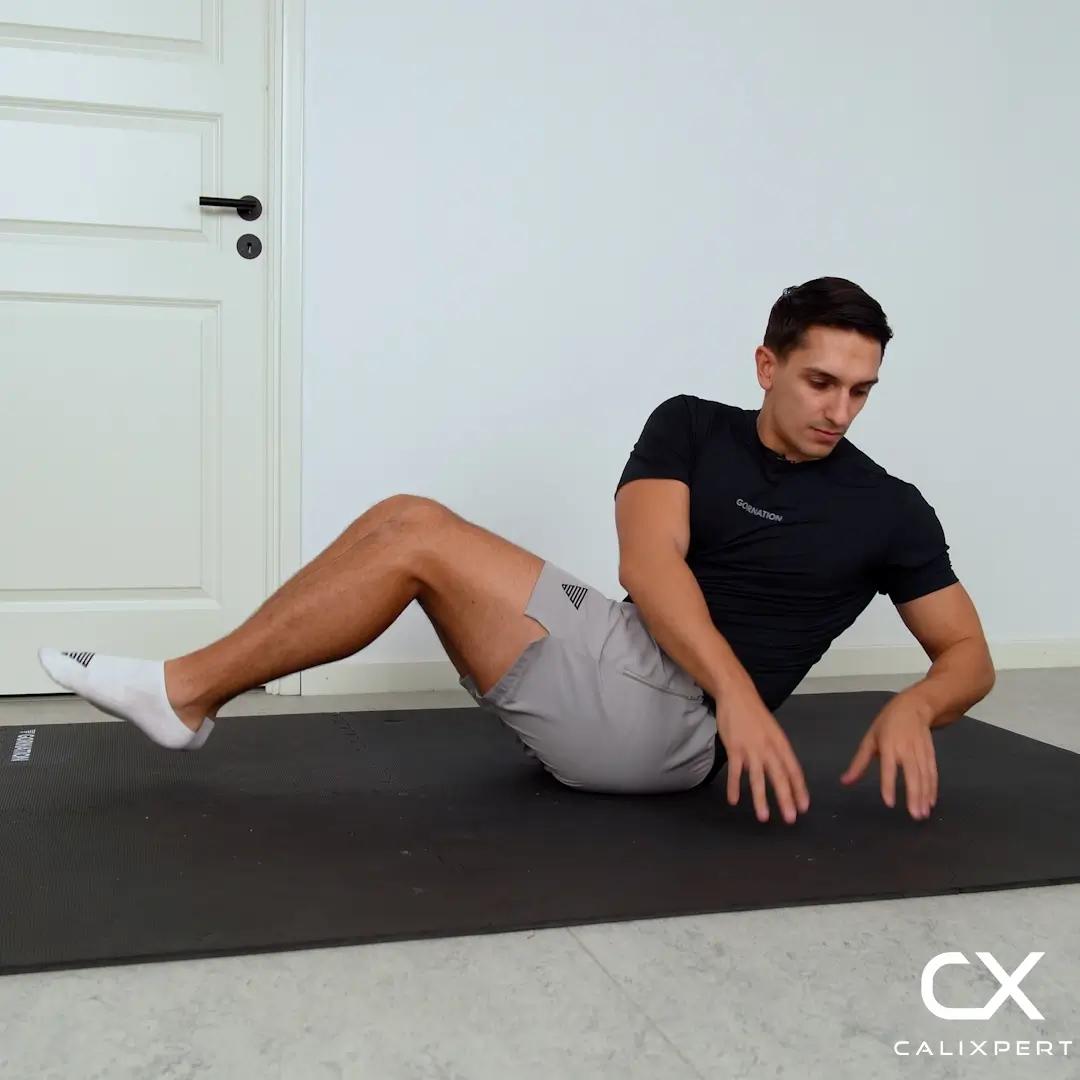
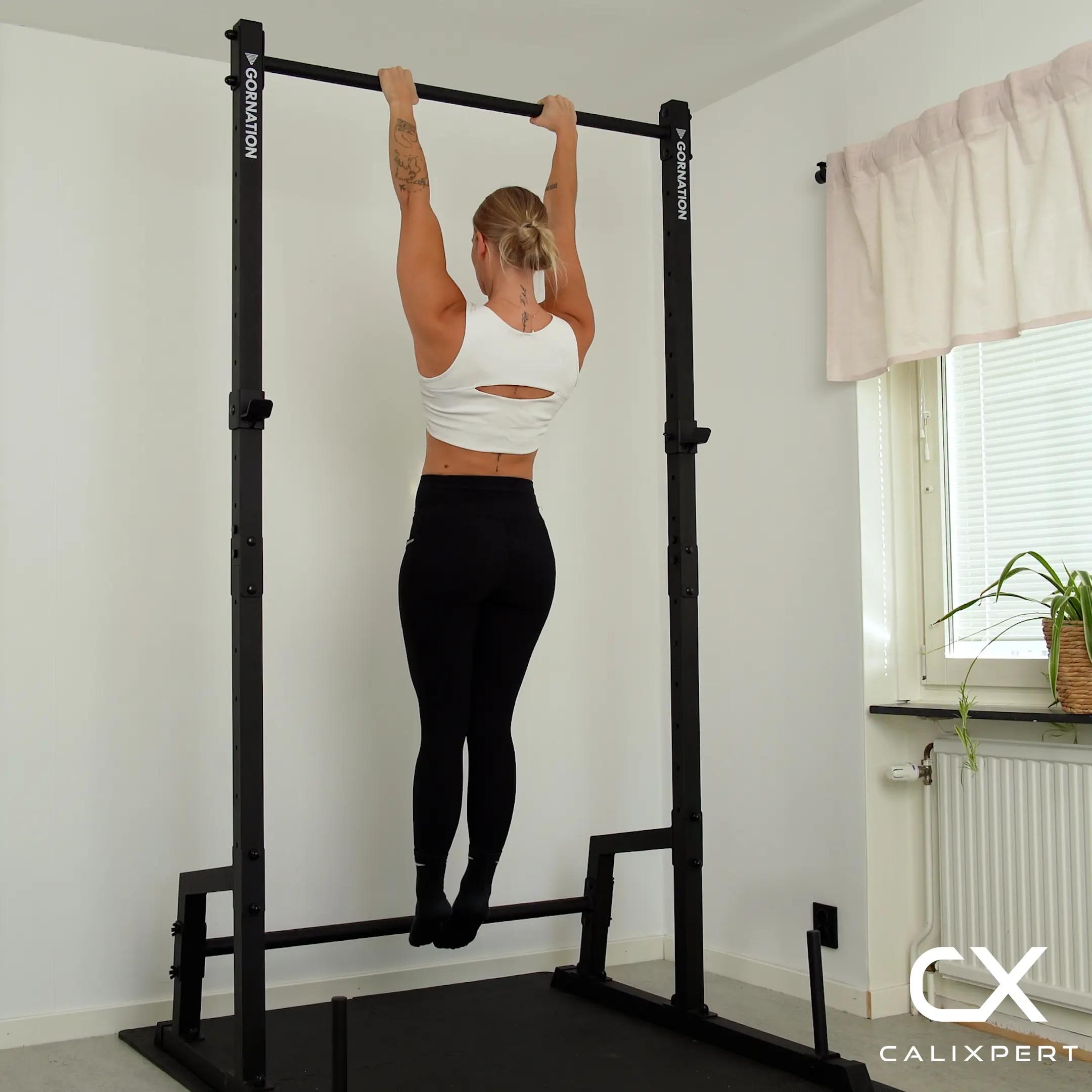
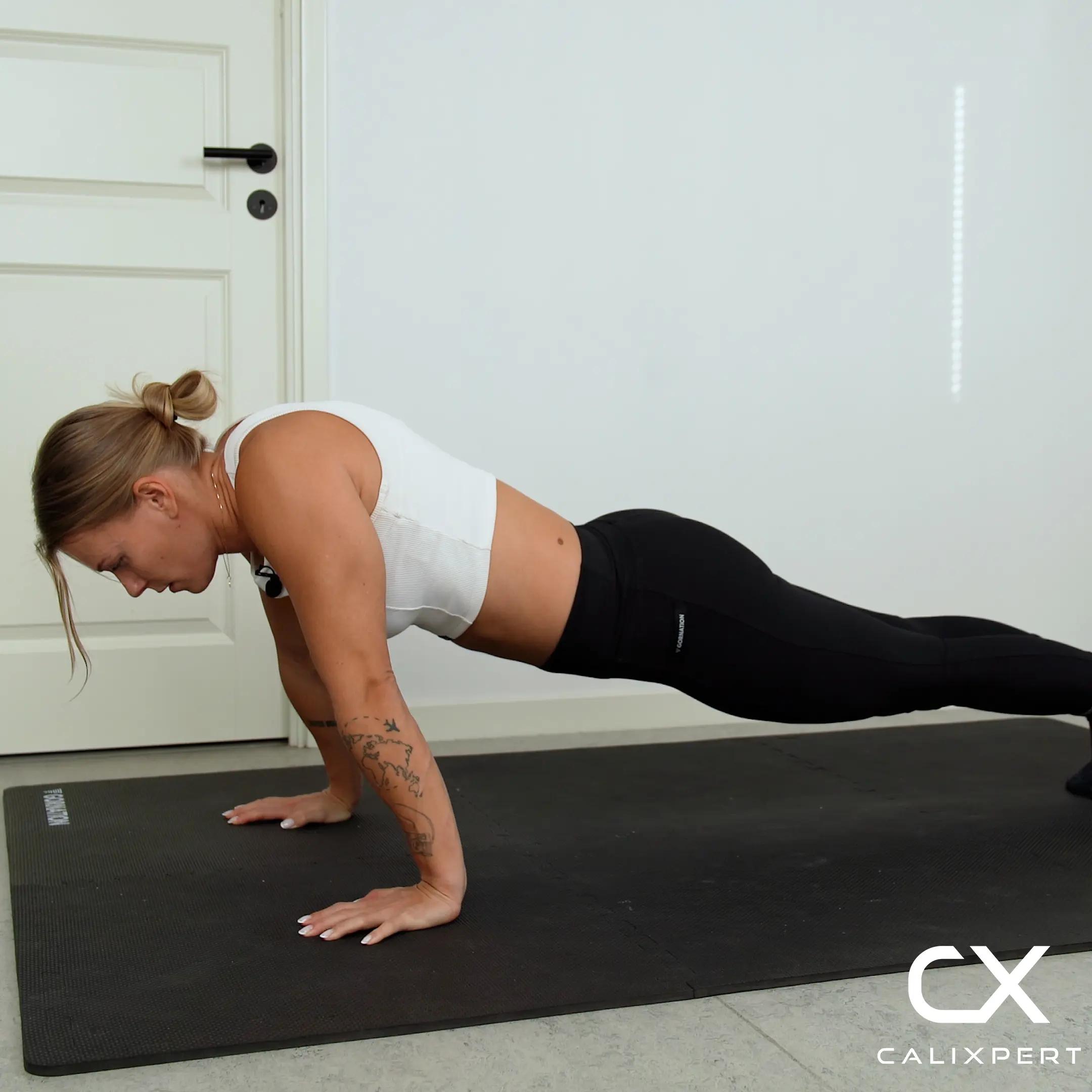
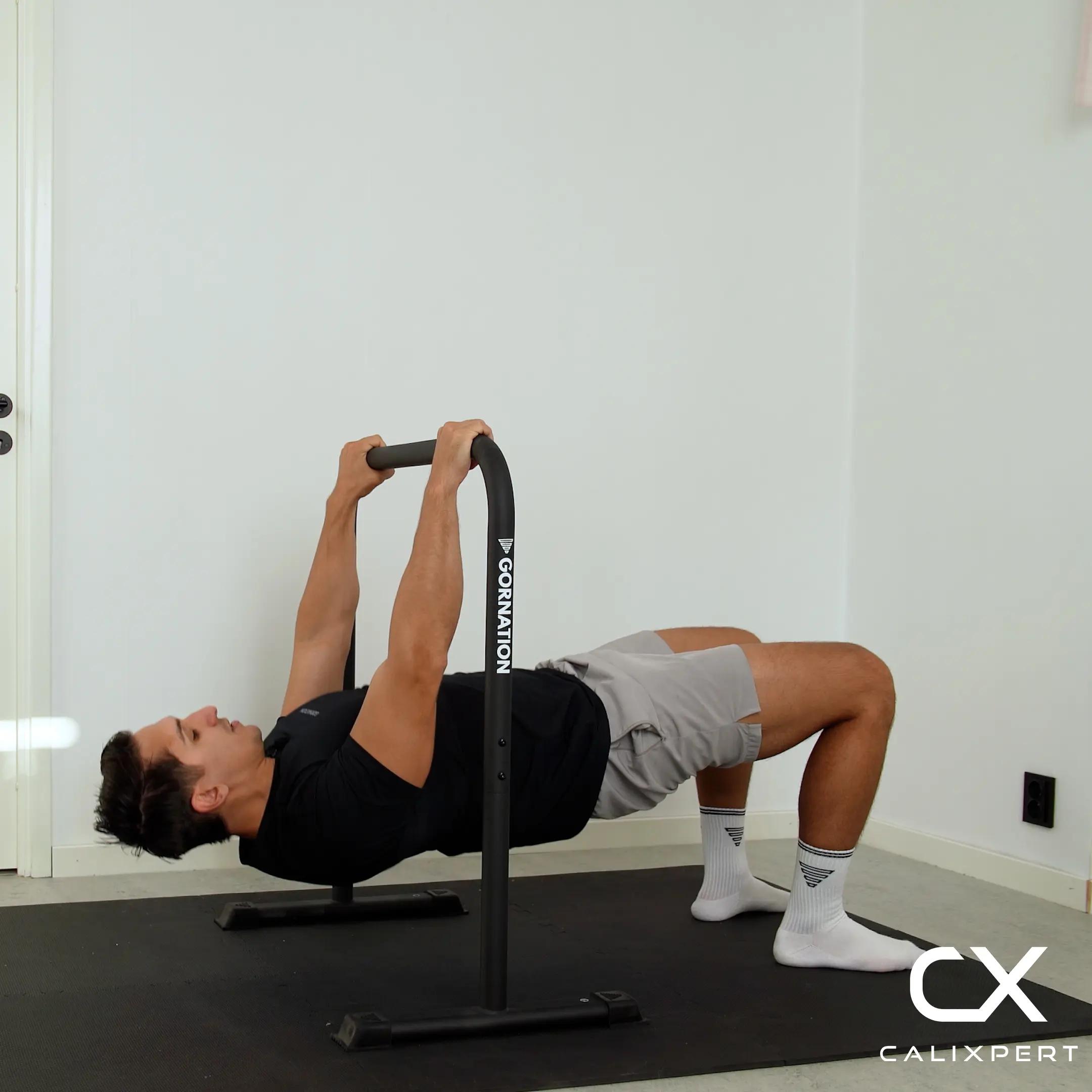
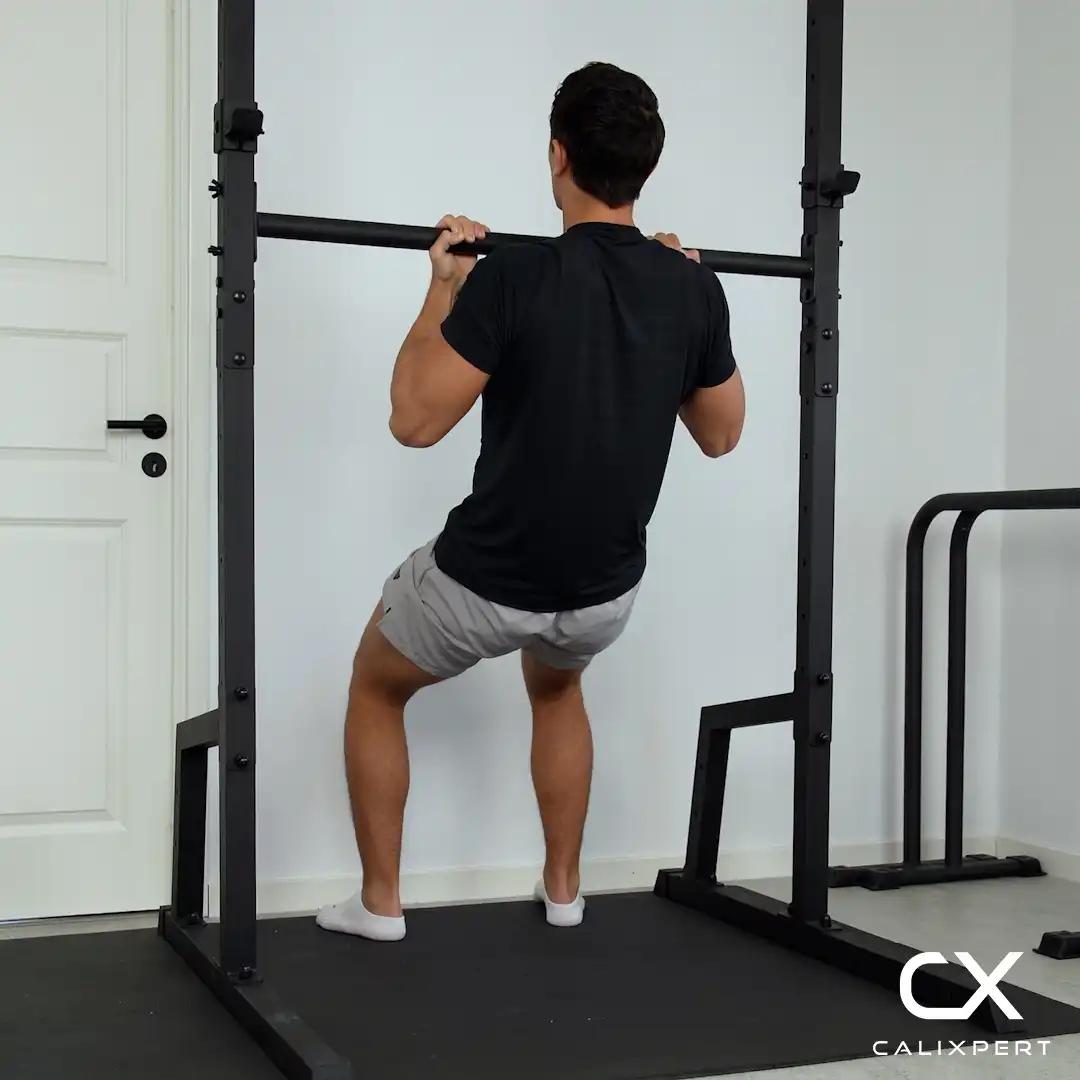
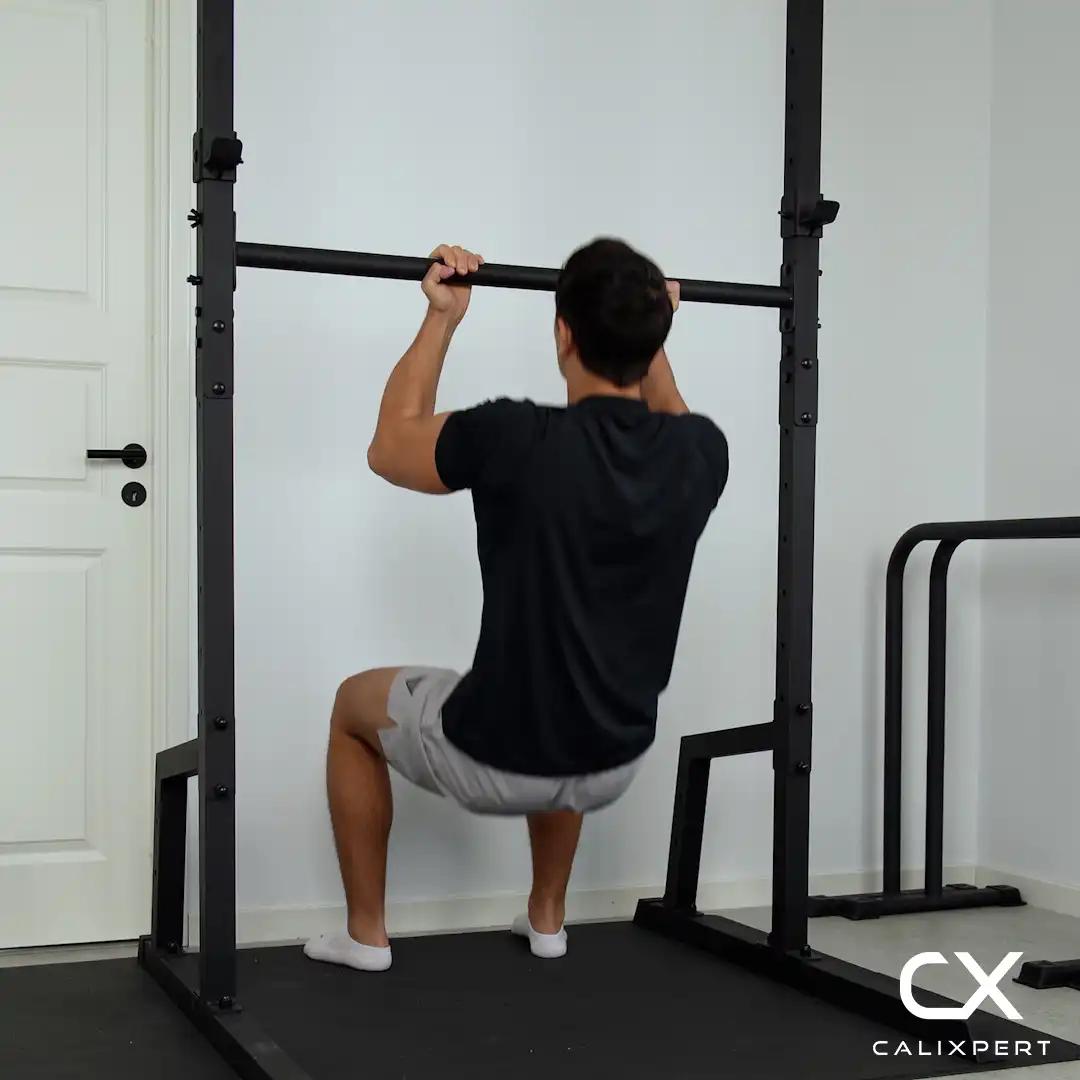
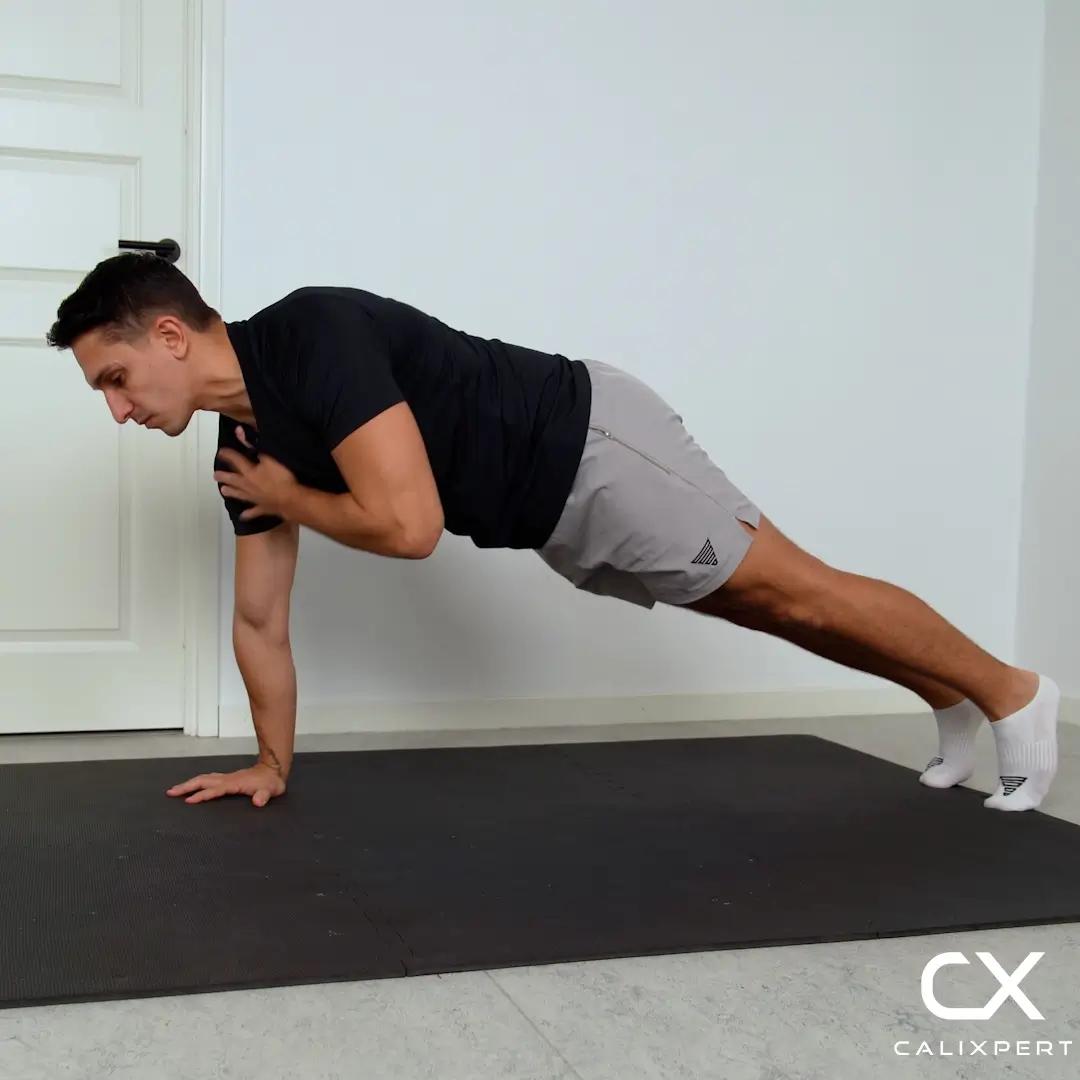
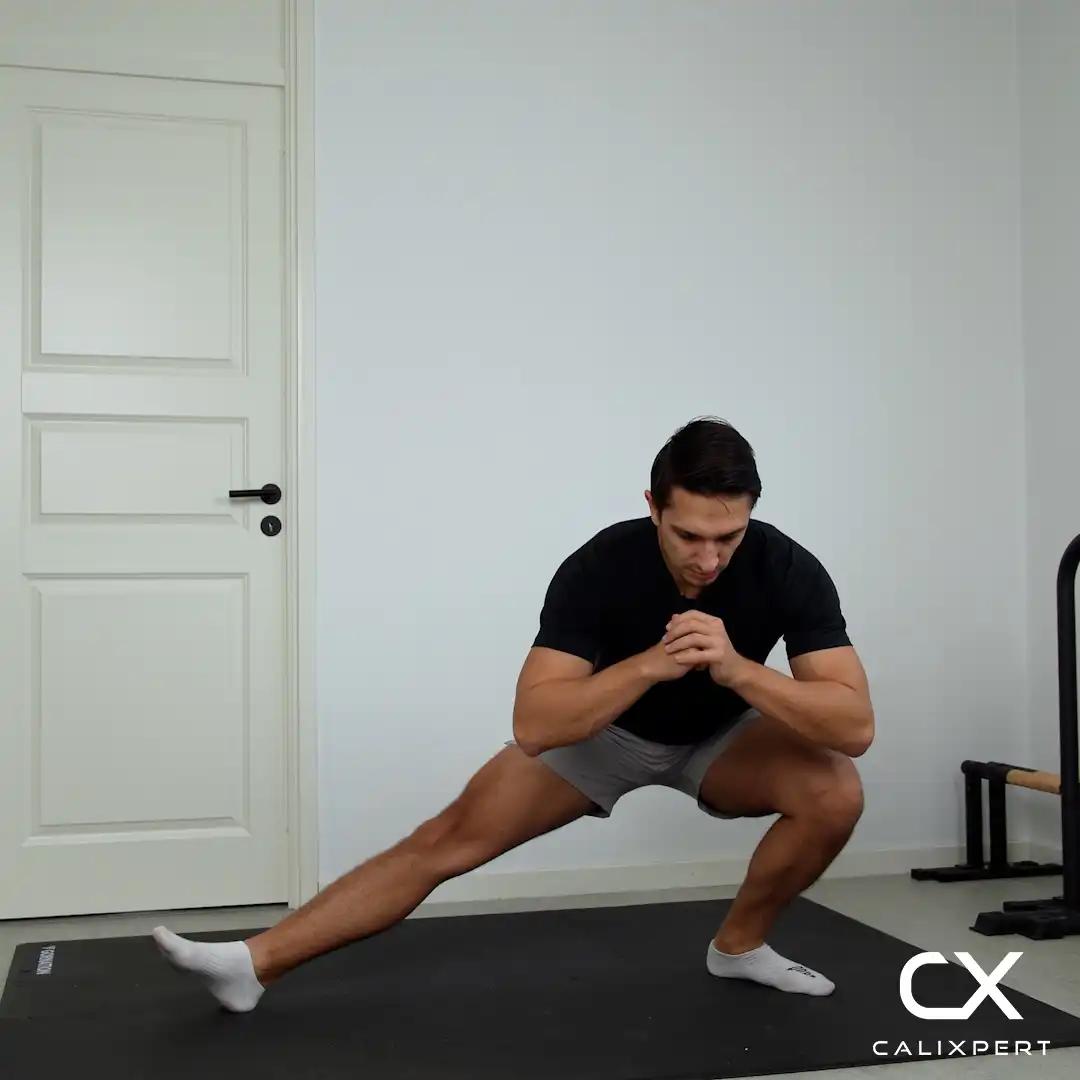
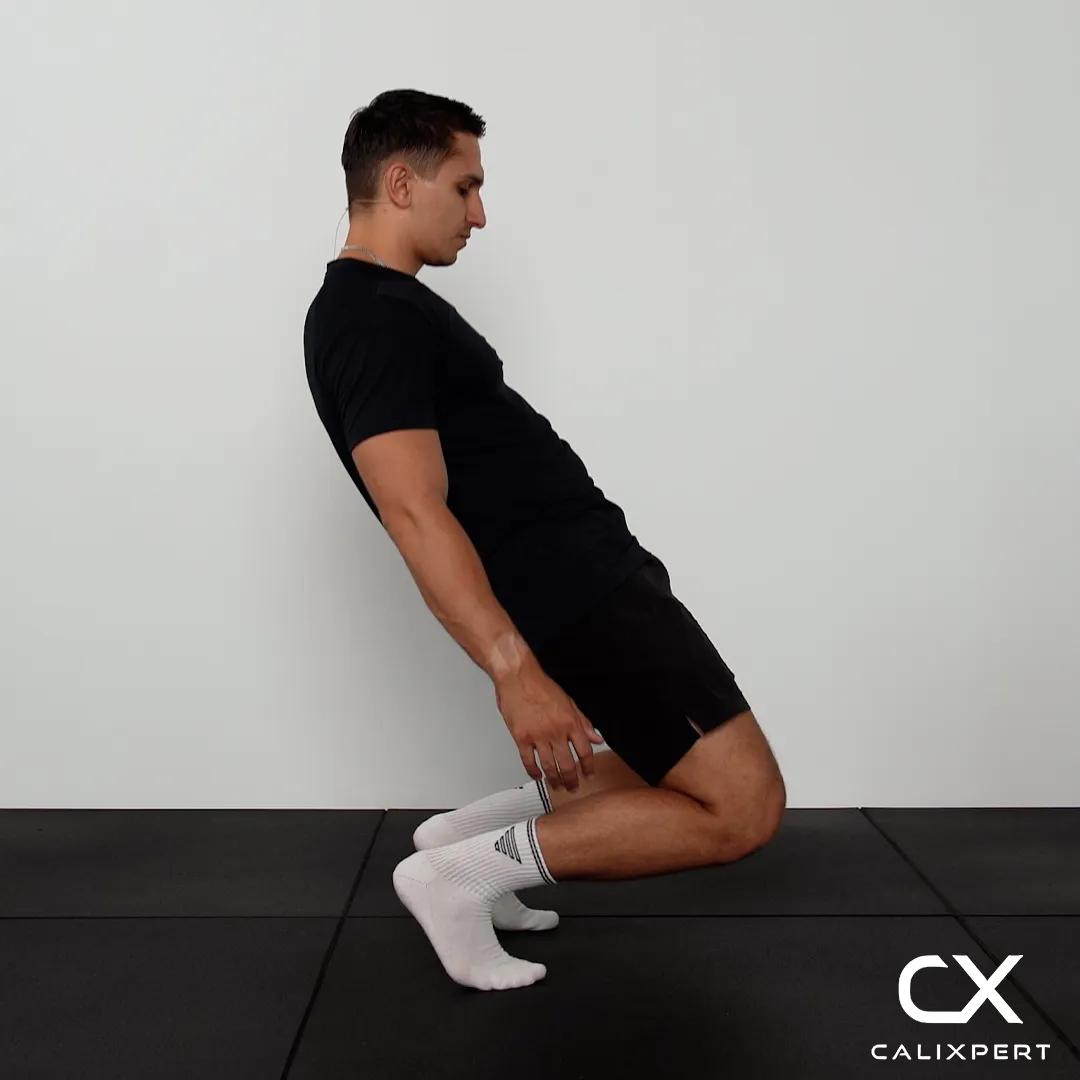
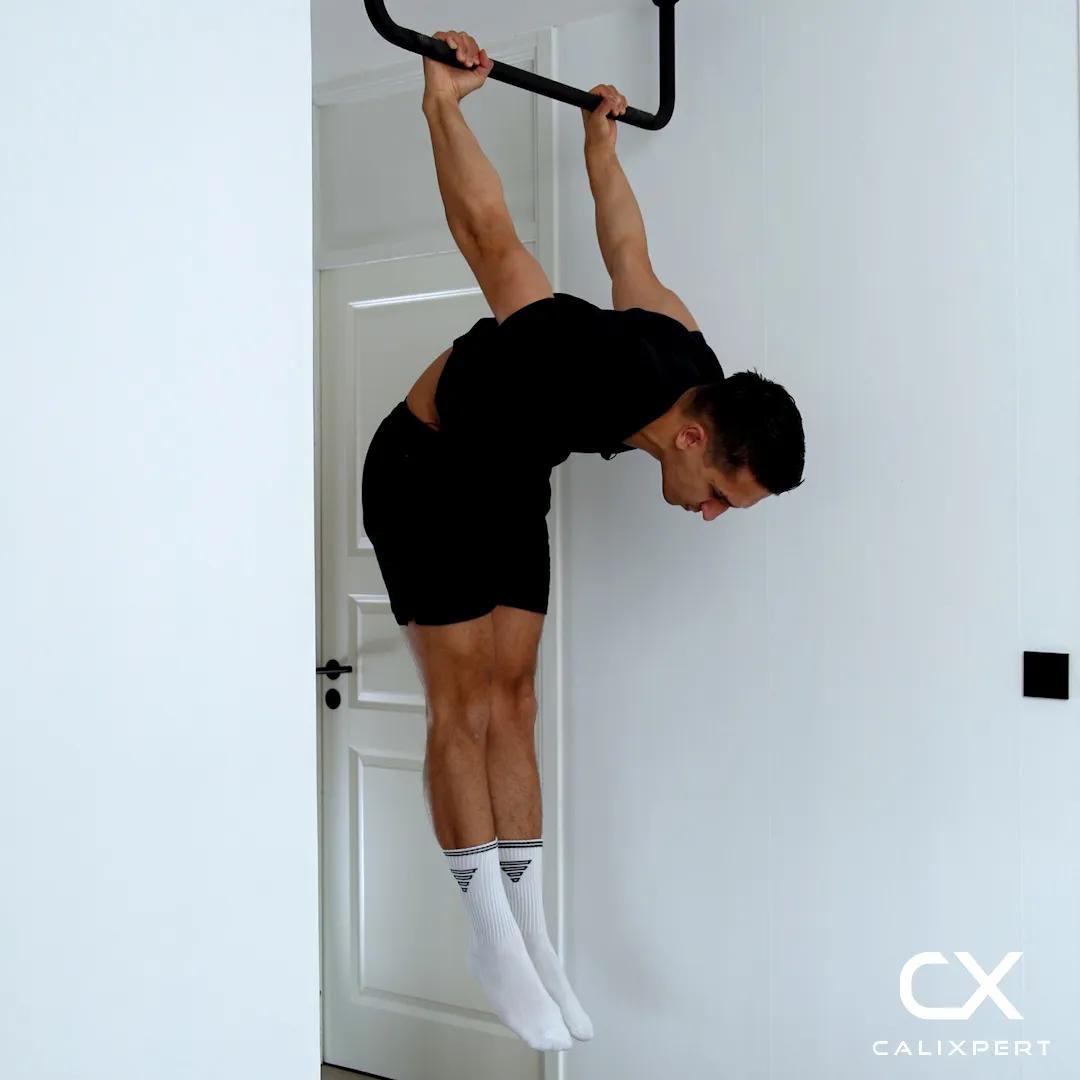
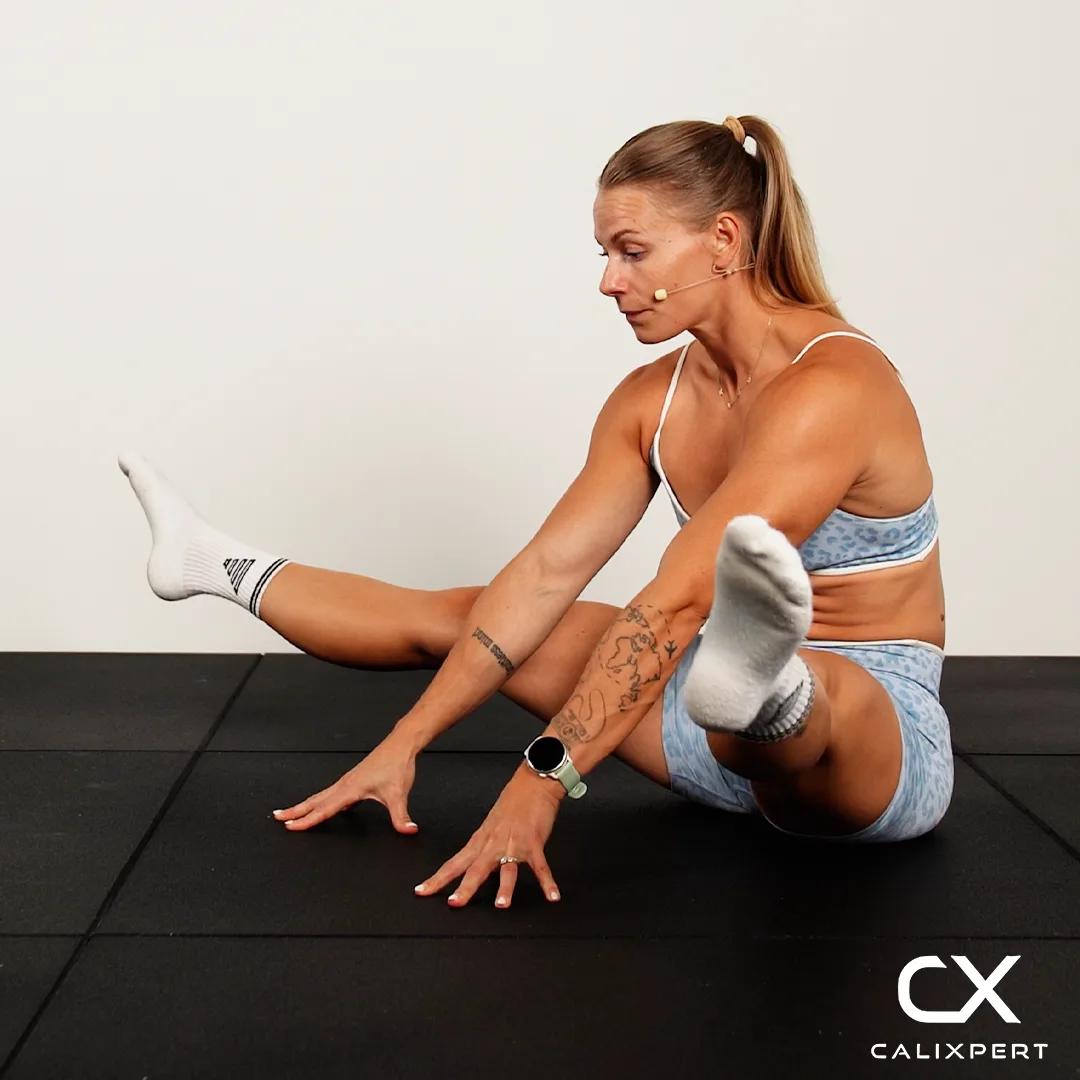
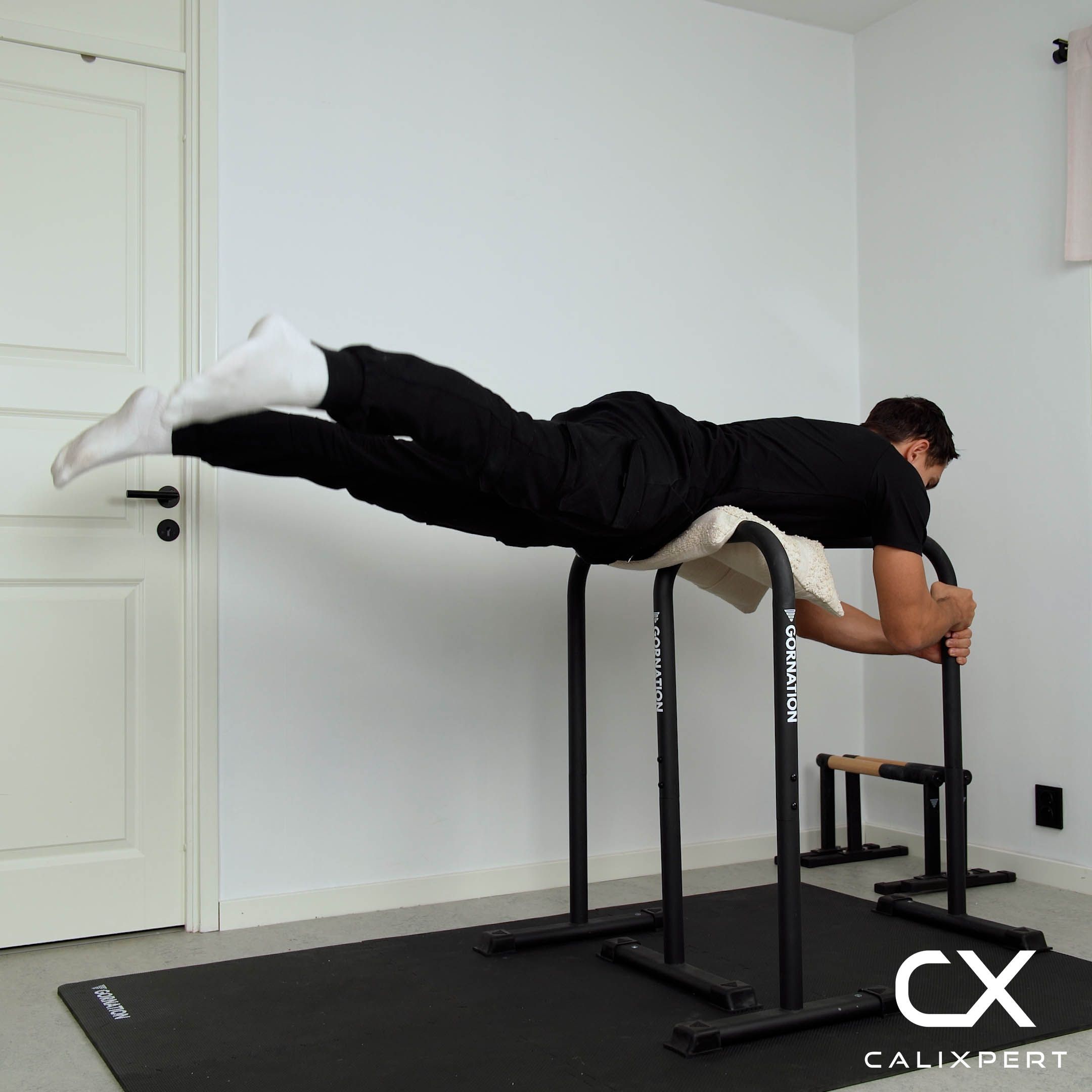
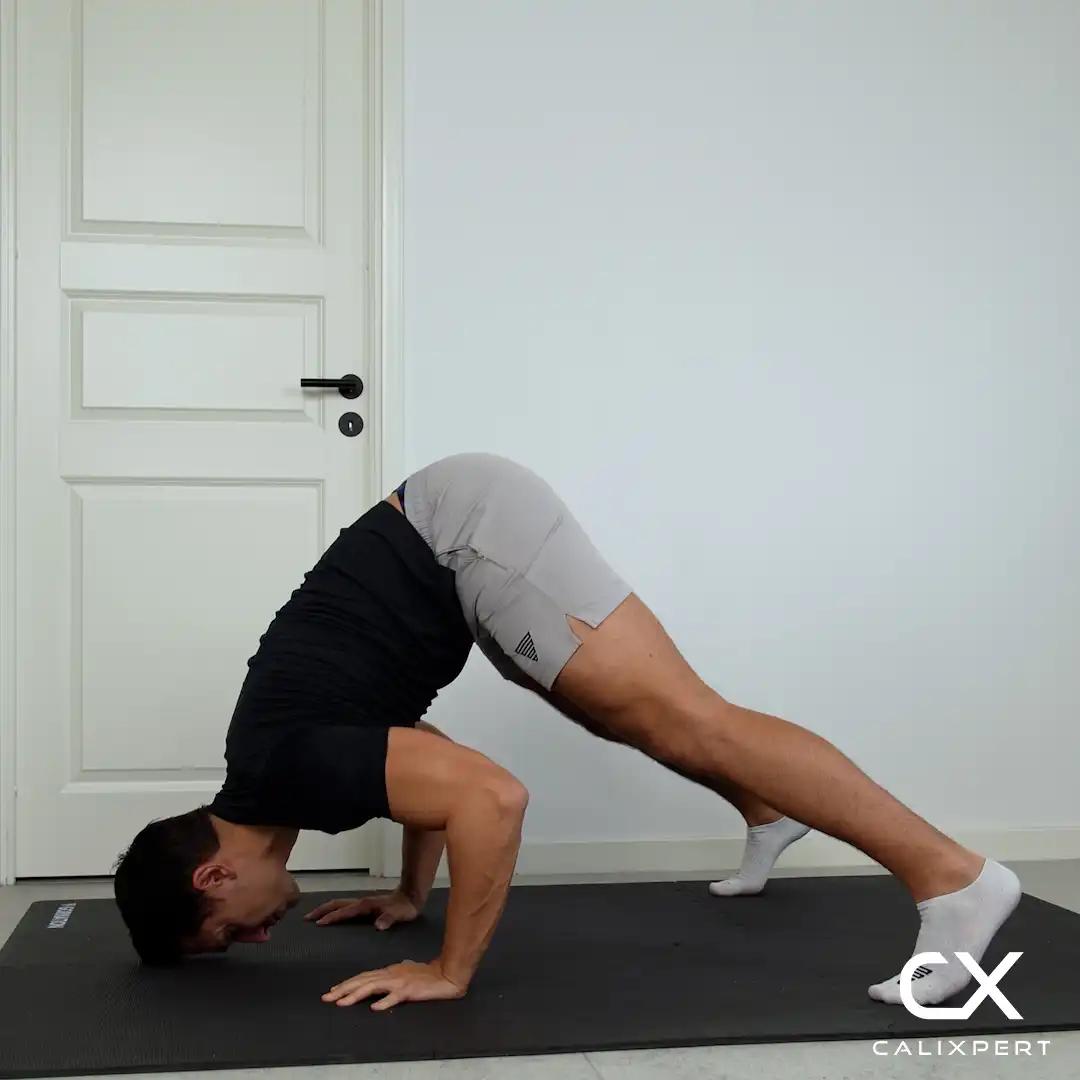
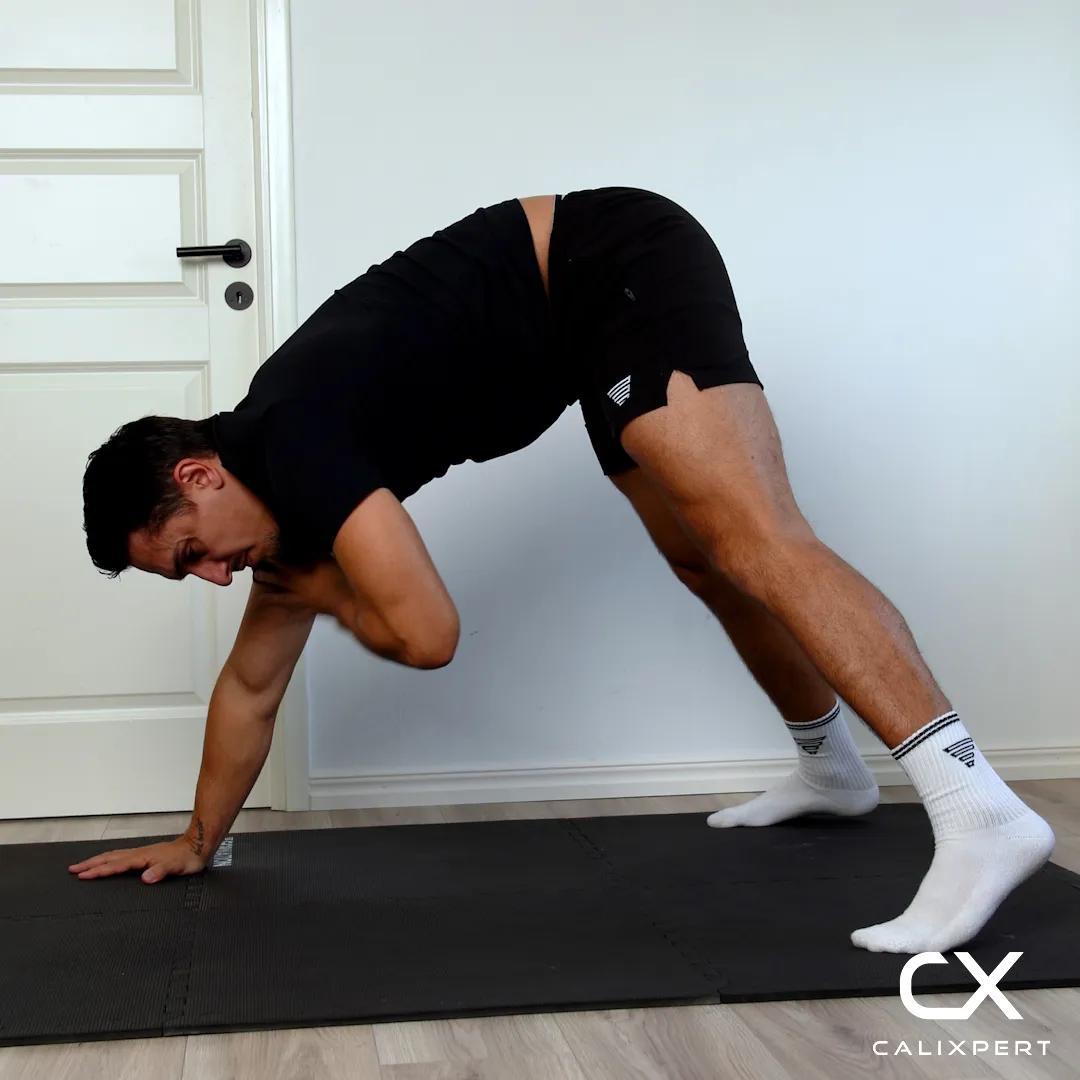
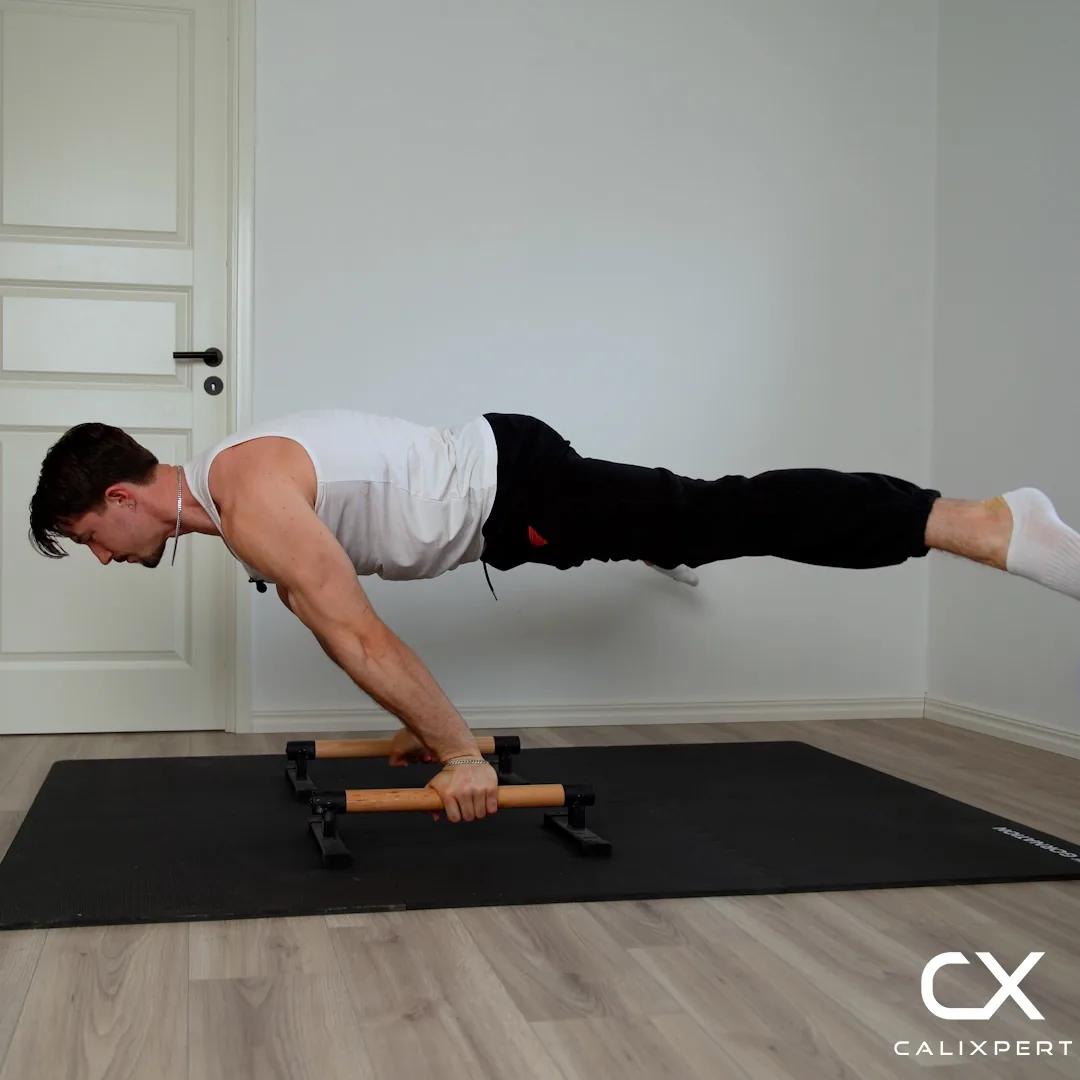
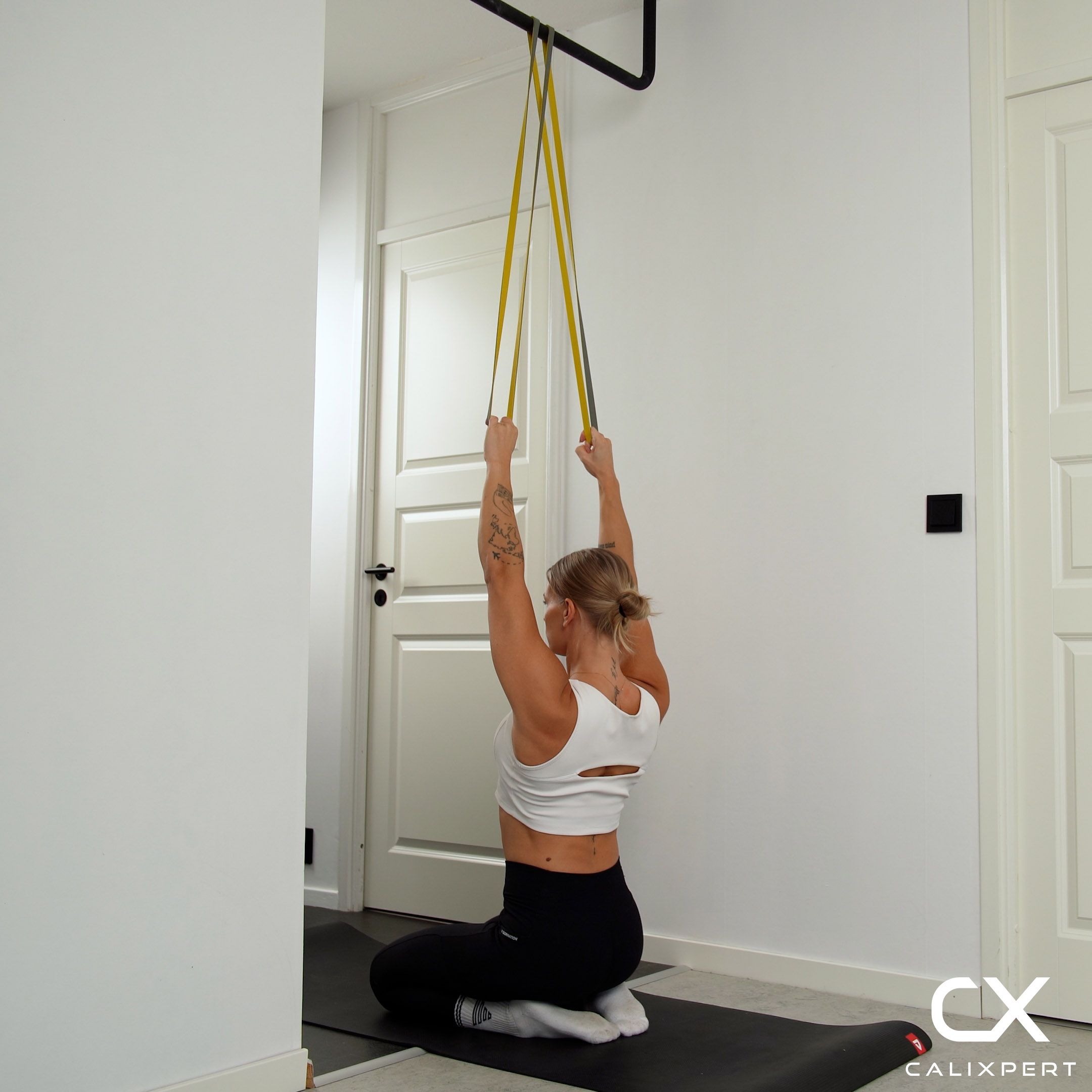
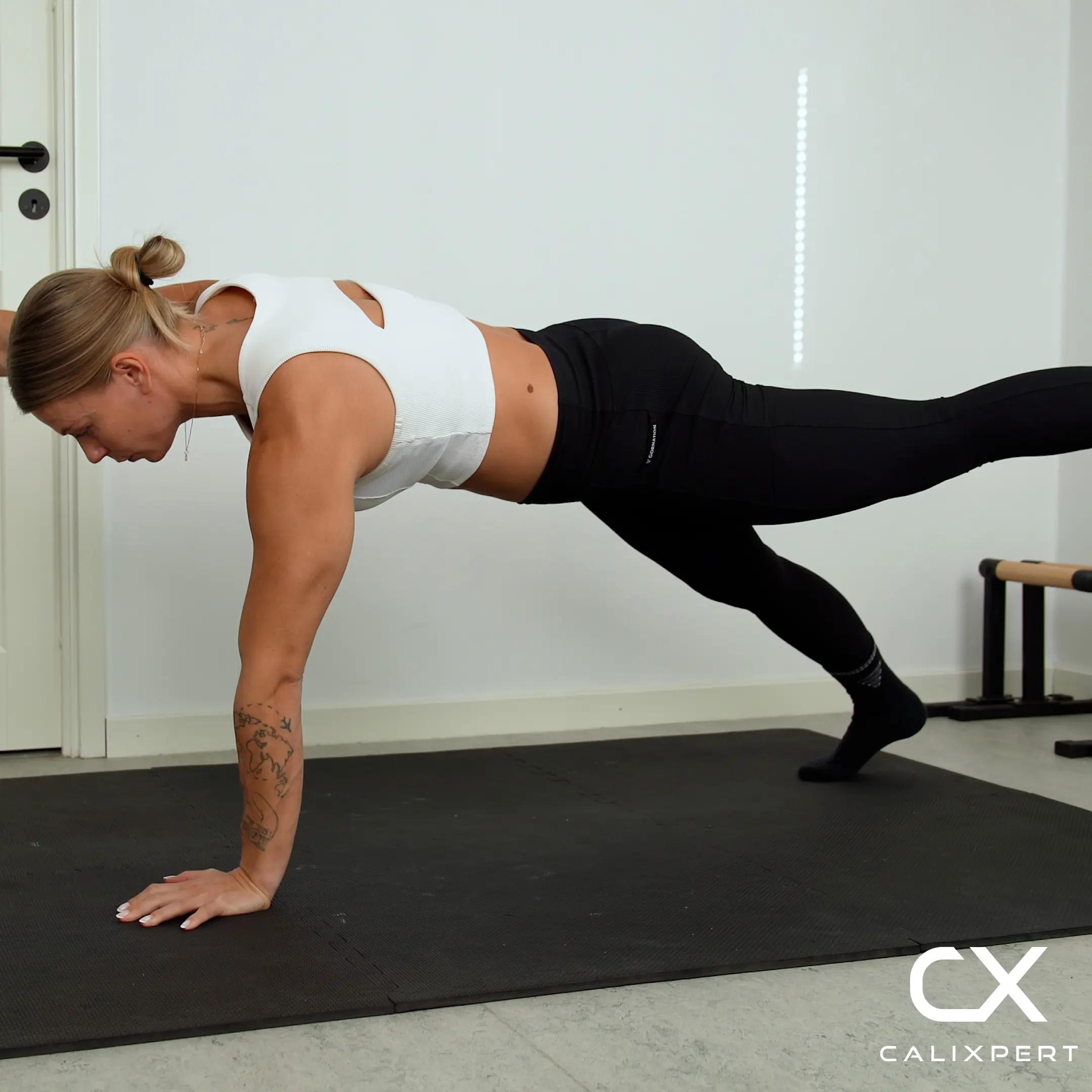
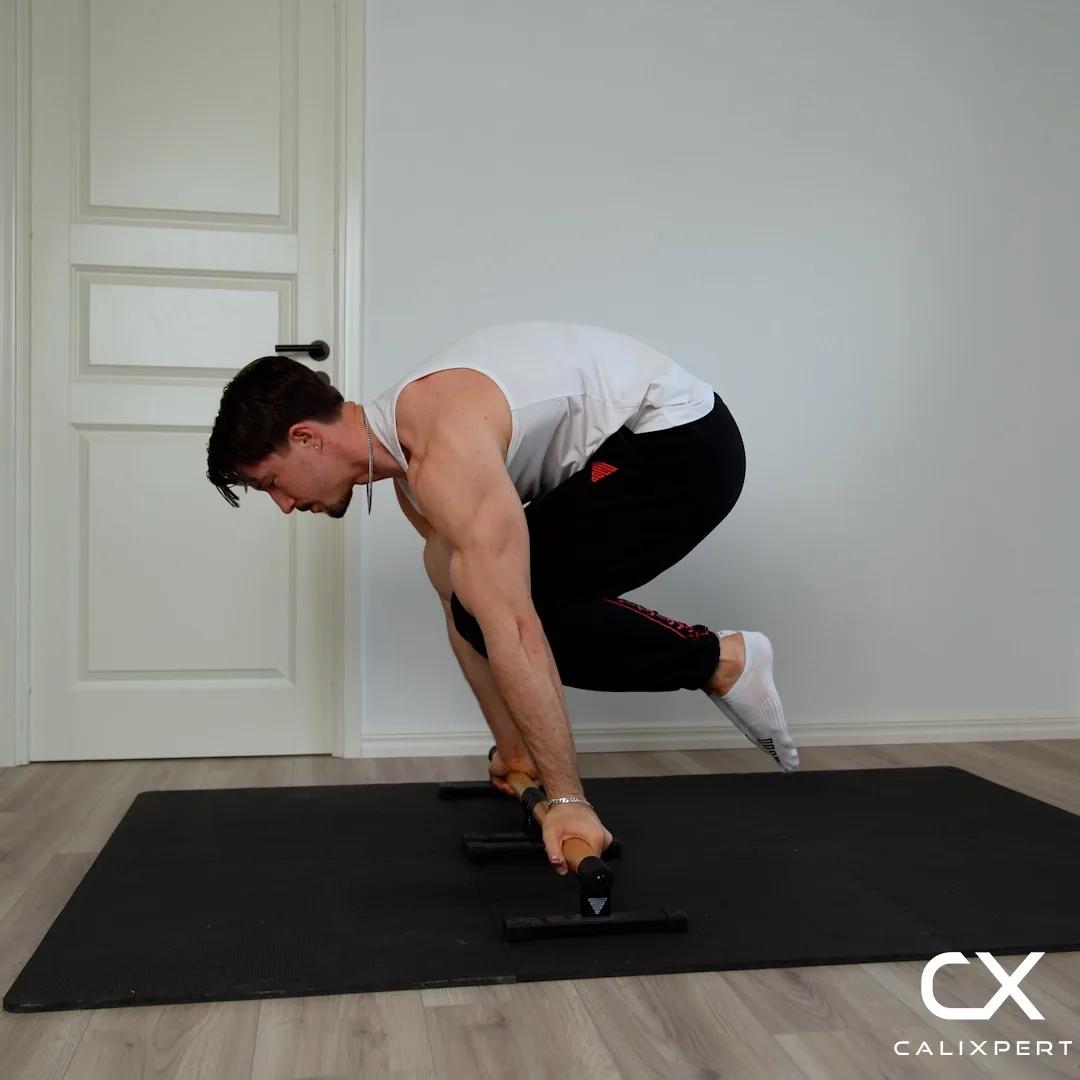
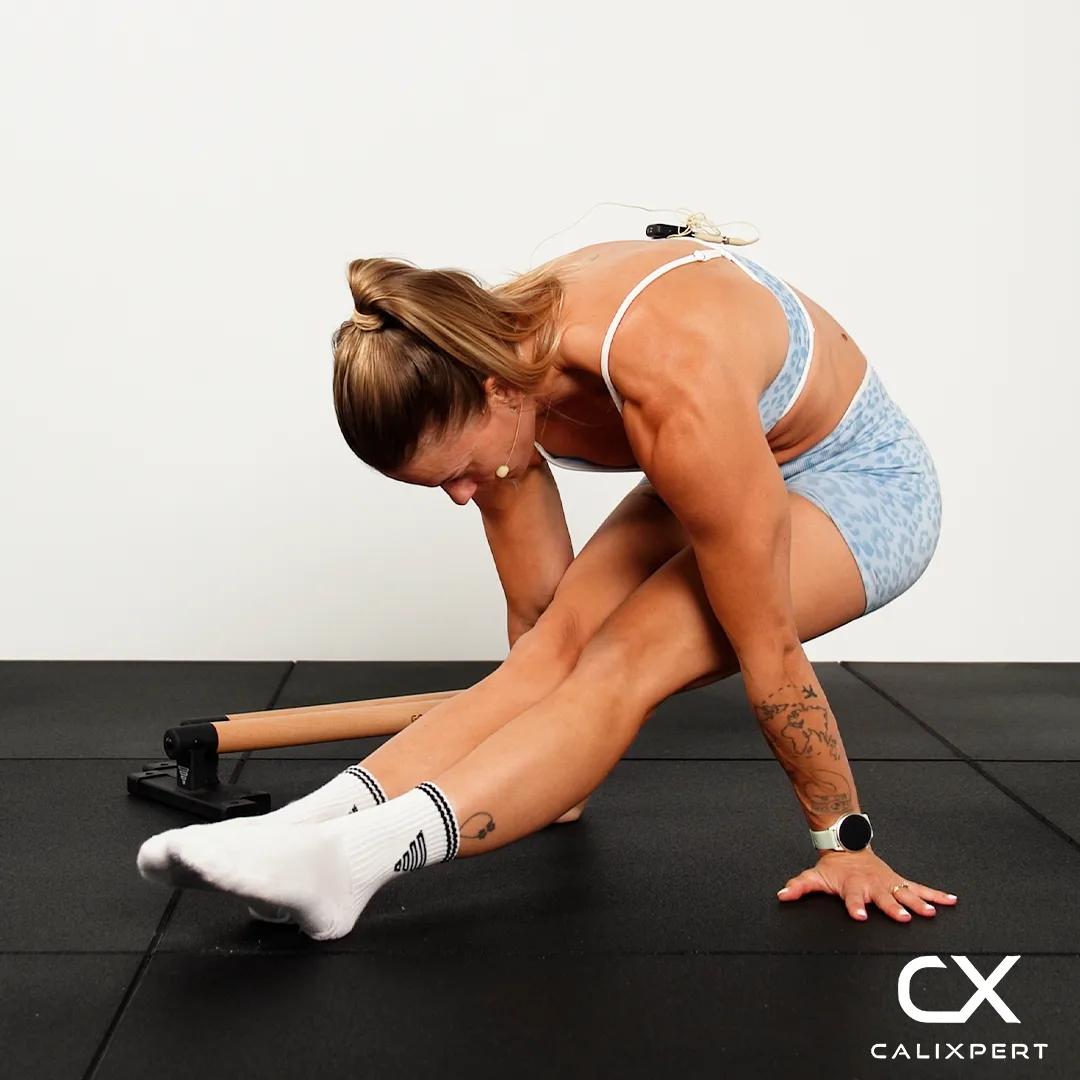
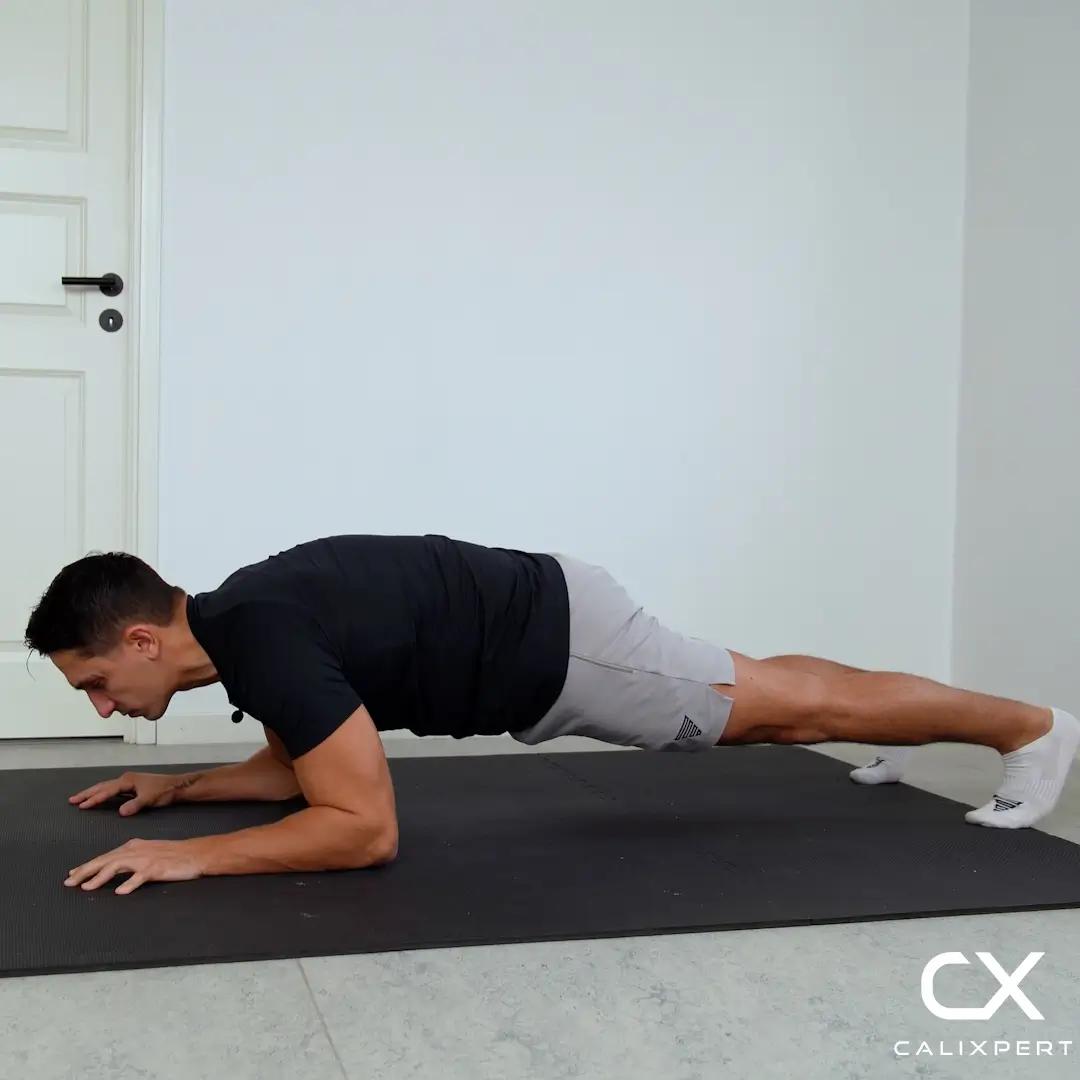
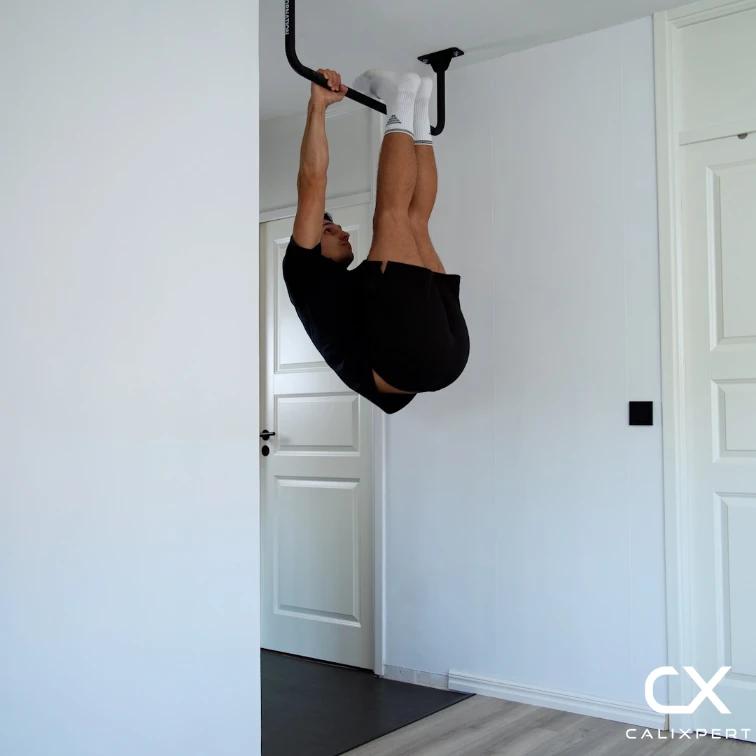
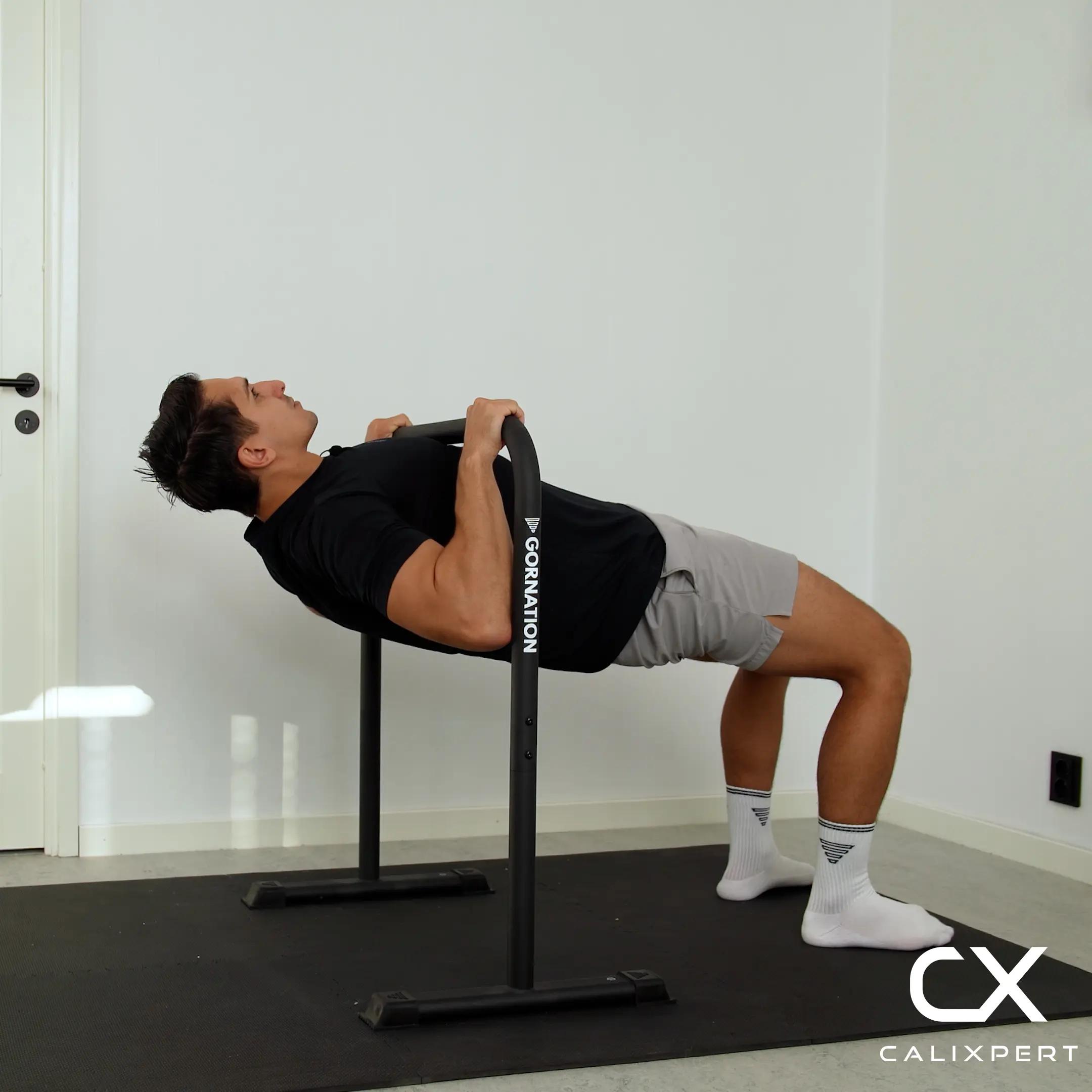
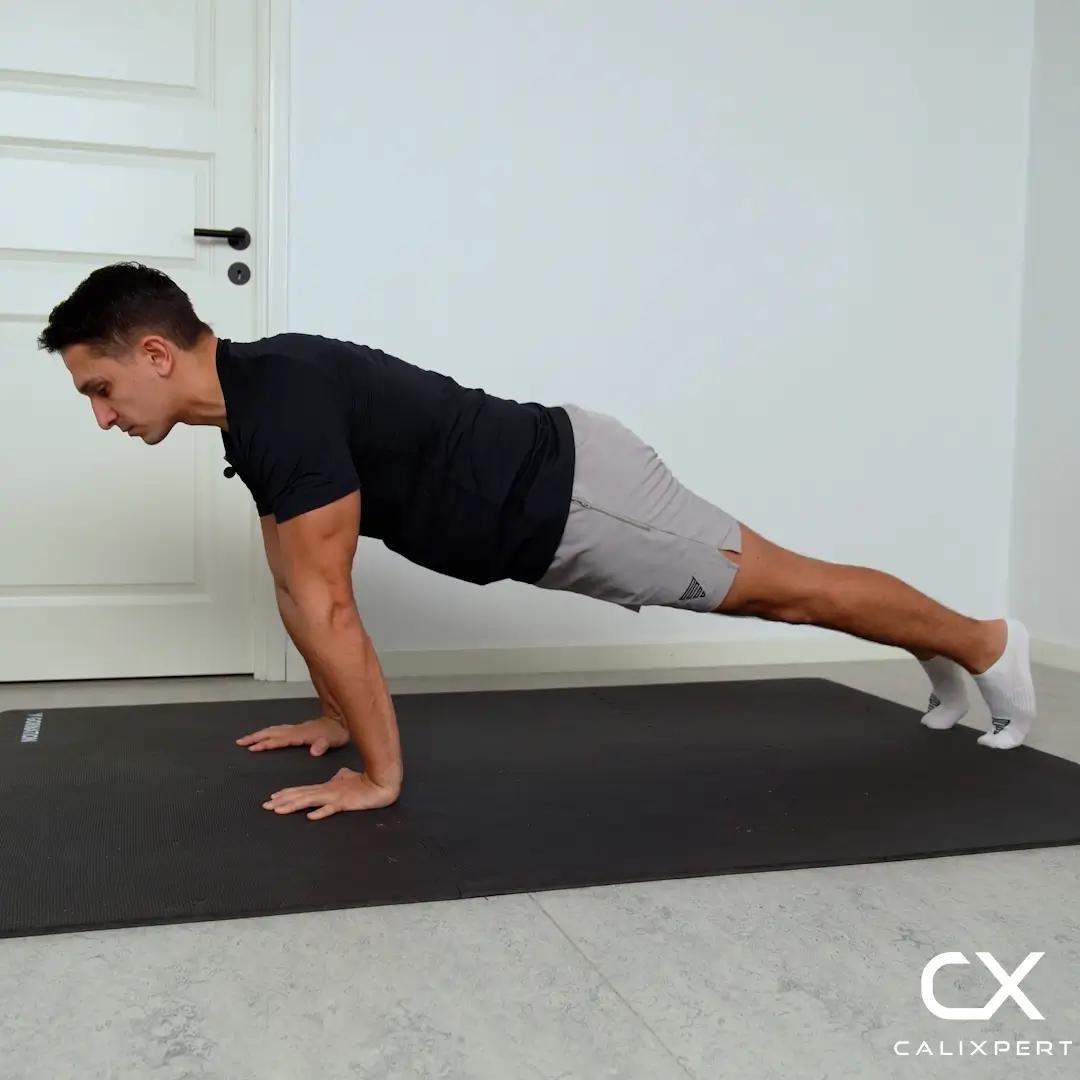
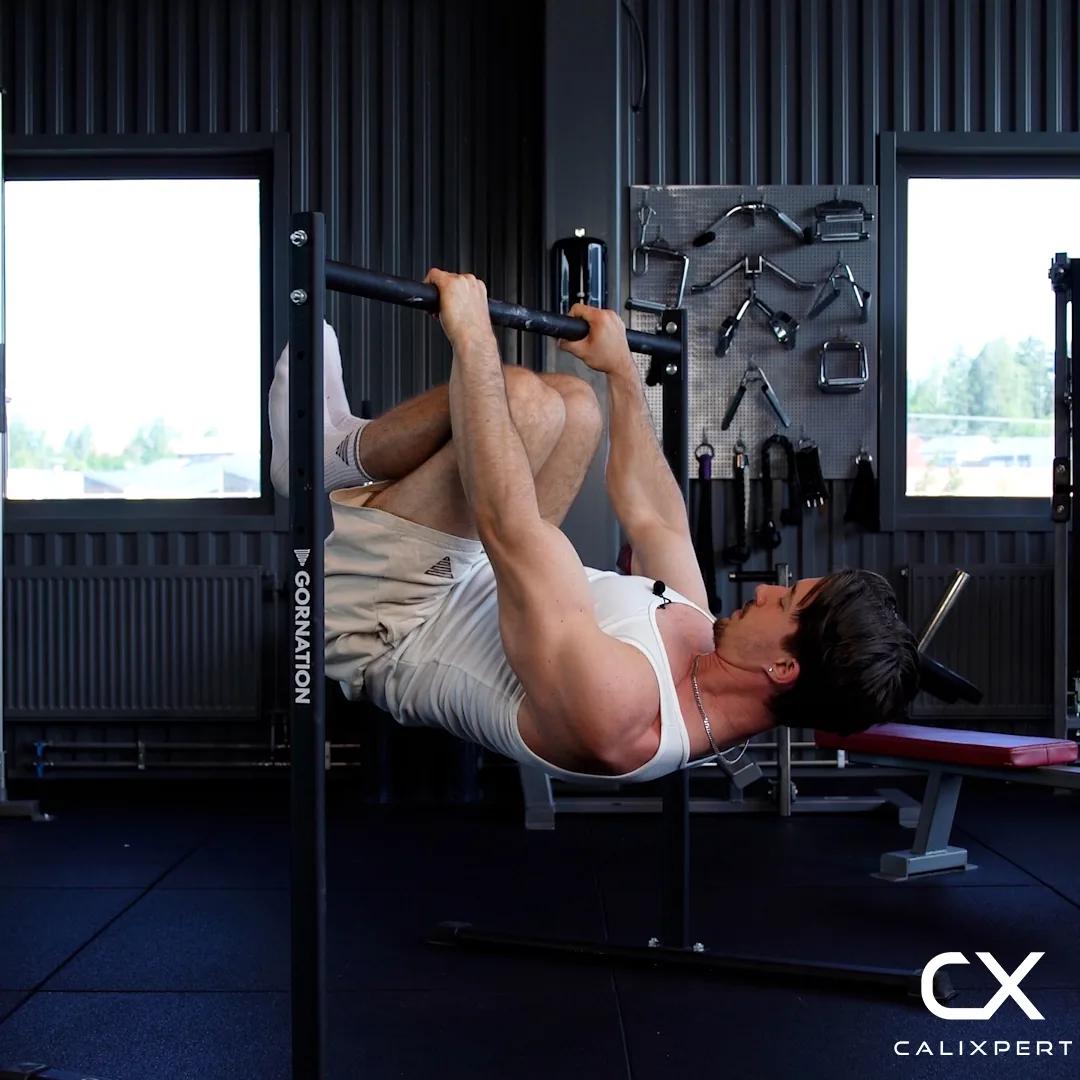
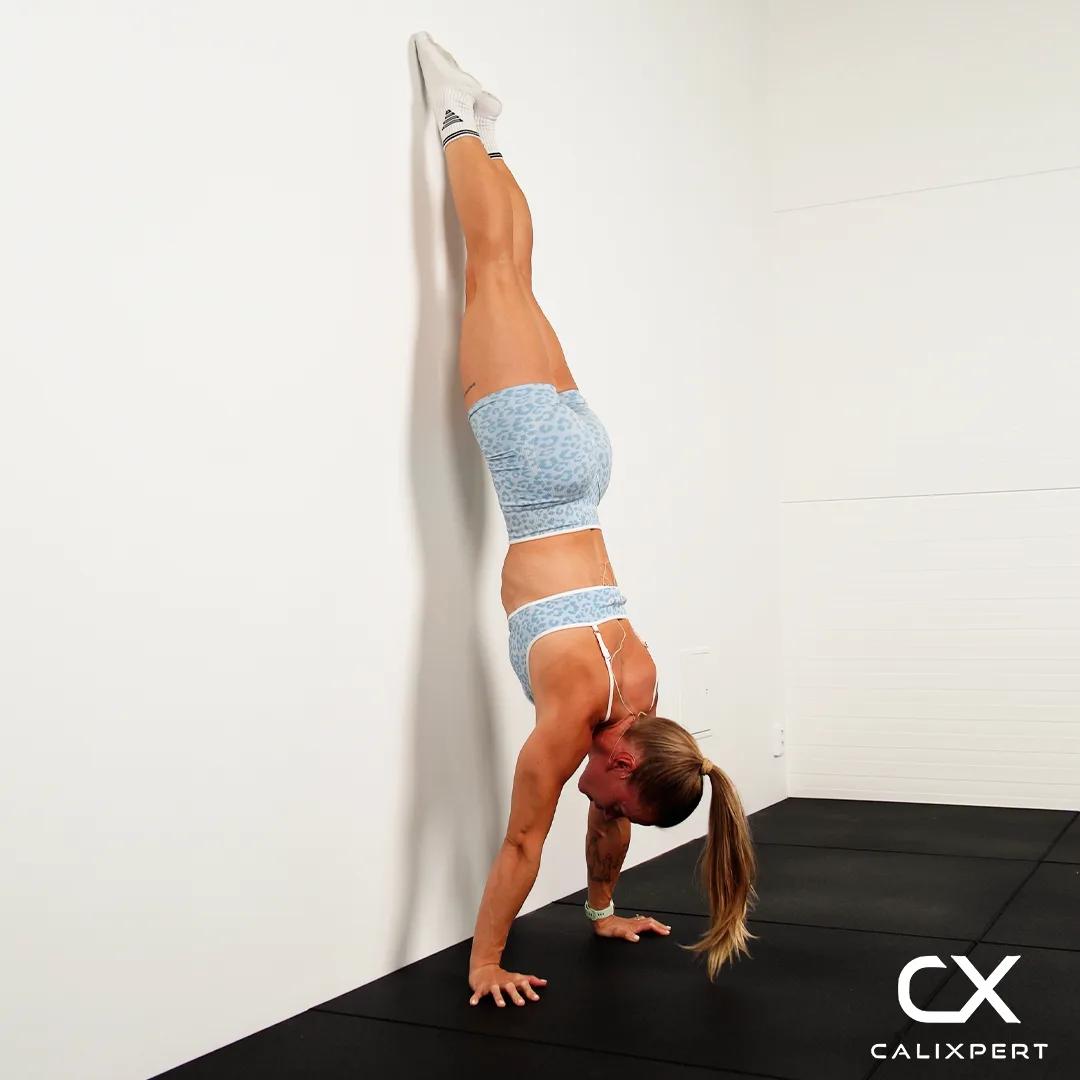
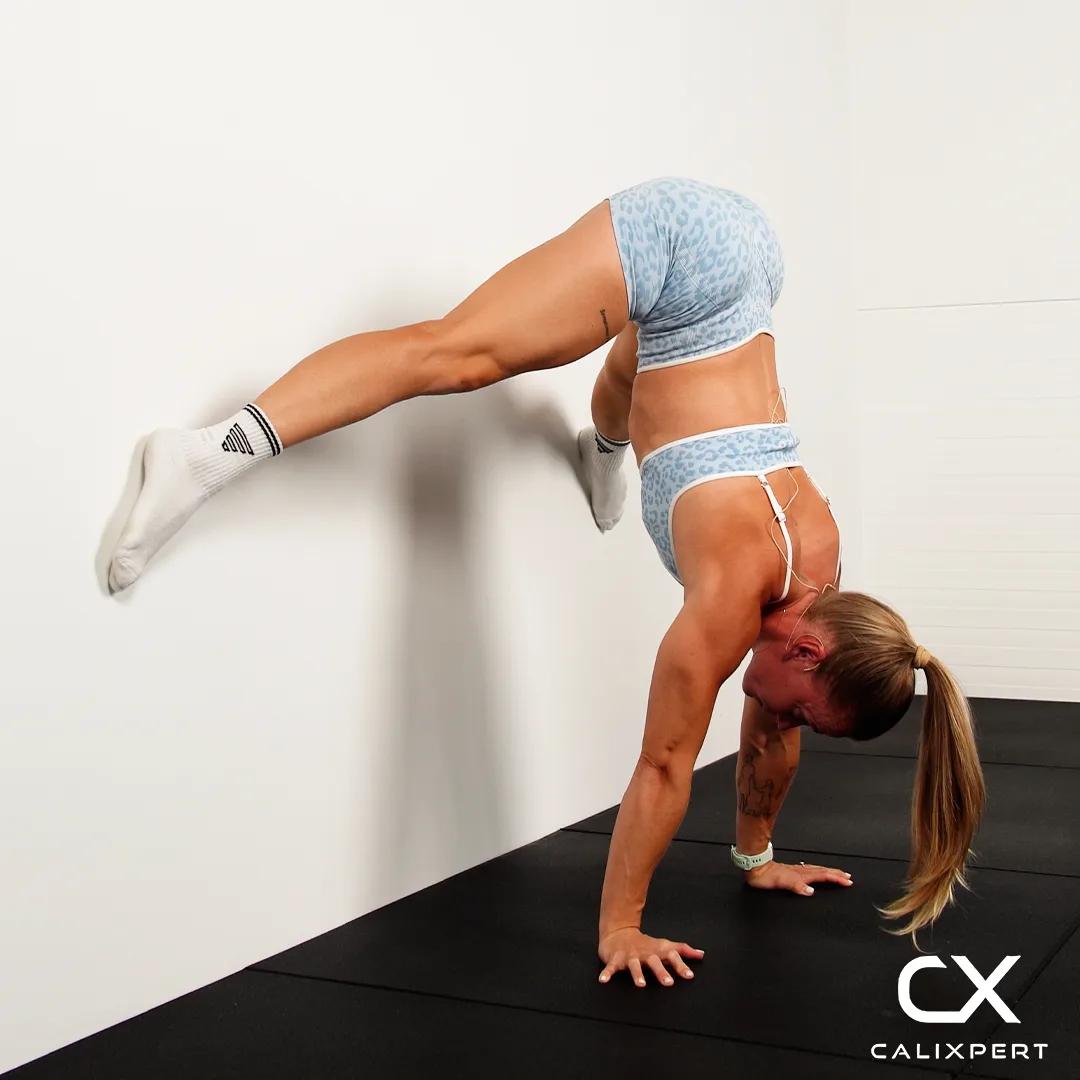
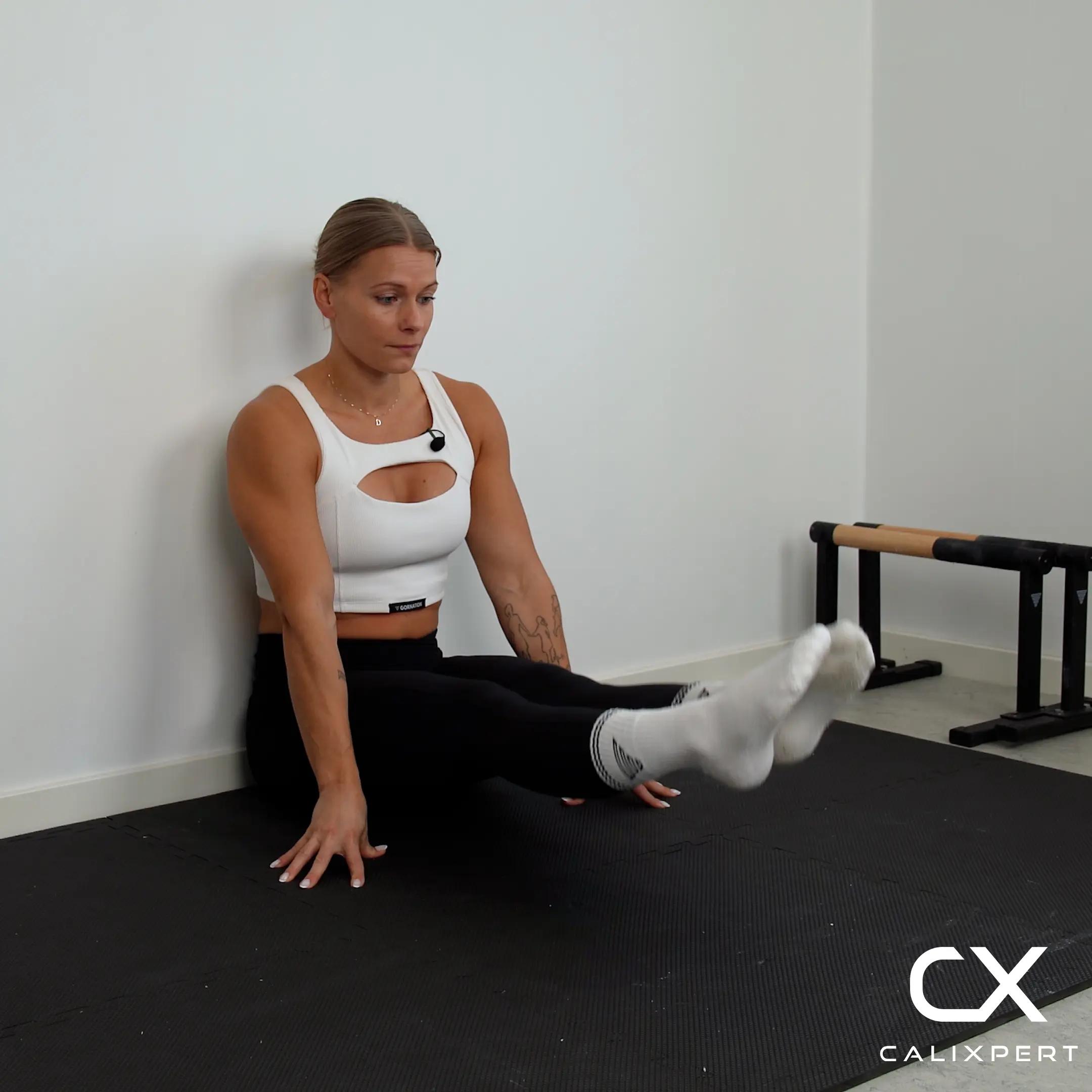
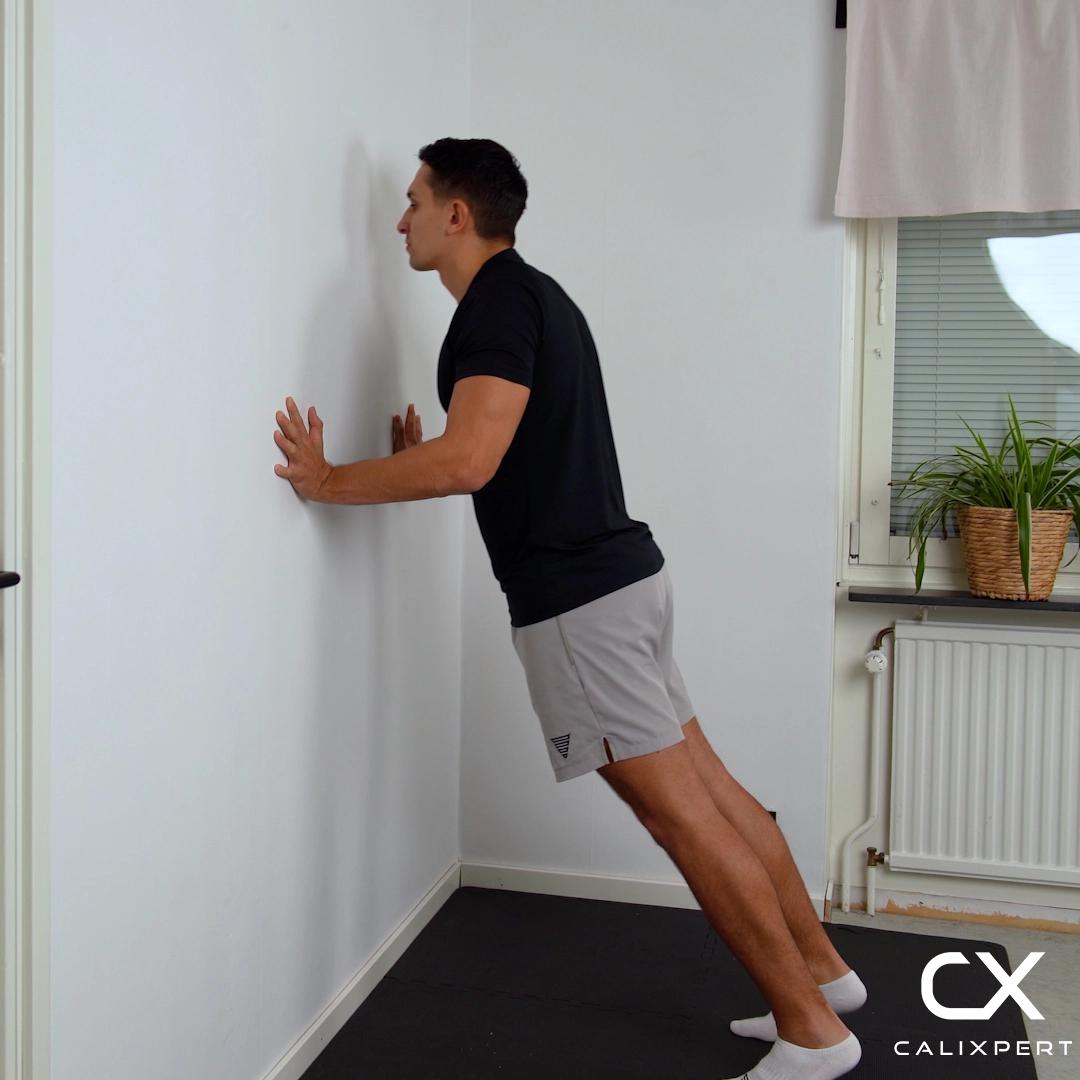
About the Abs
The rectus abdominis runs vertically along the front of your abdomen from your ribcage to your pelvis. It is the primary spinal flexor, responsible for pulling your chest toward your hips and your hips toward your chest.
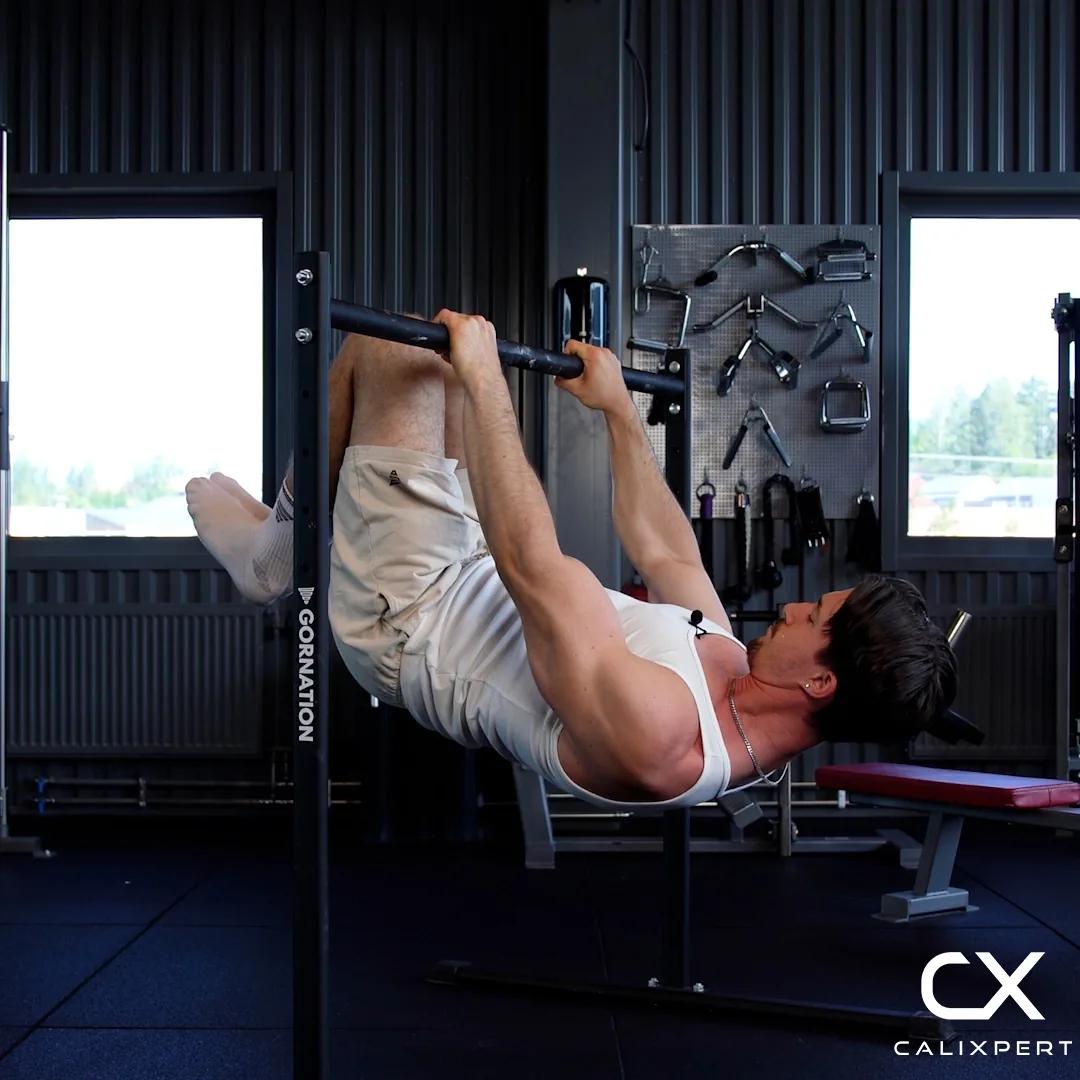
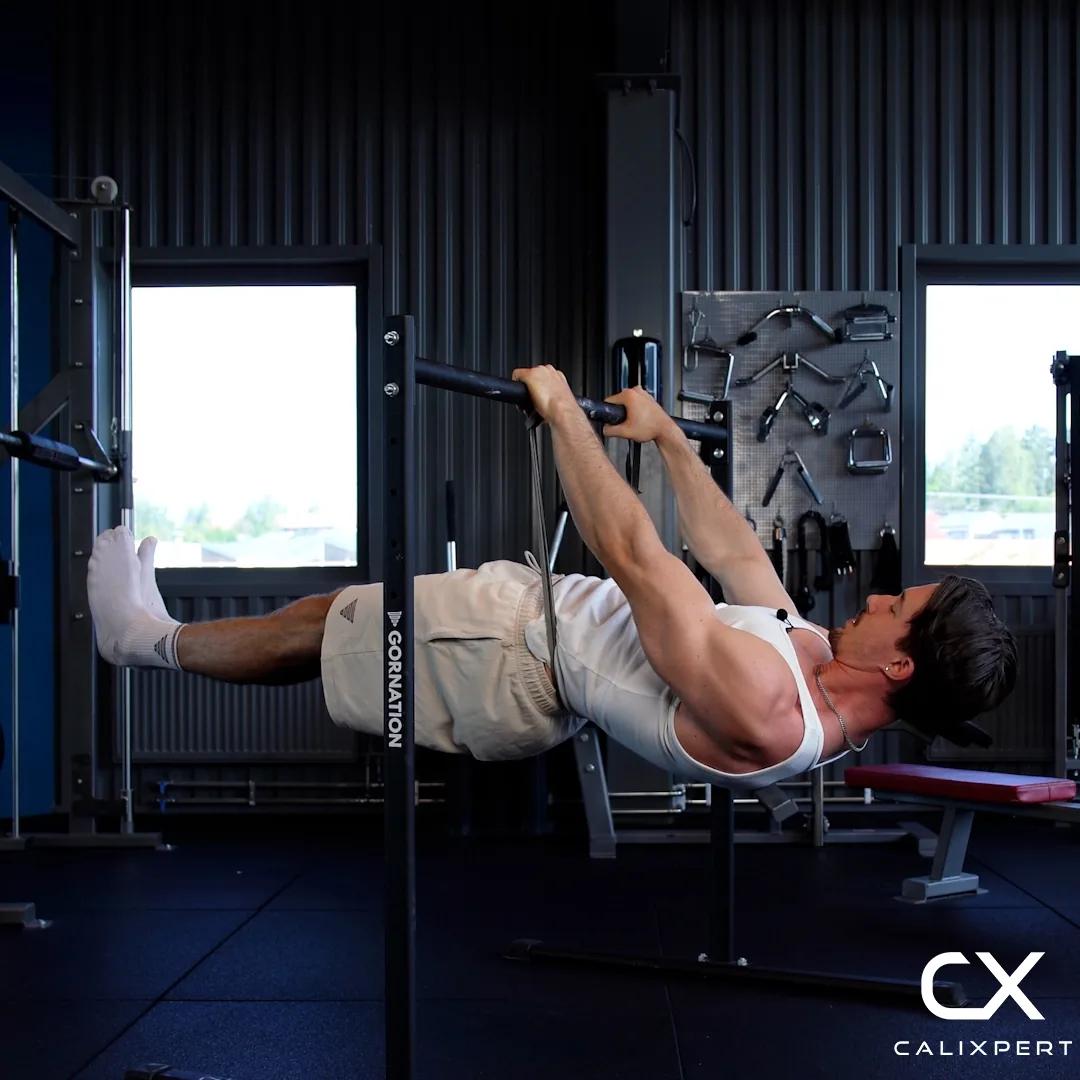
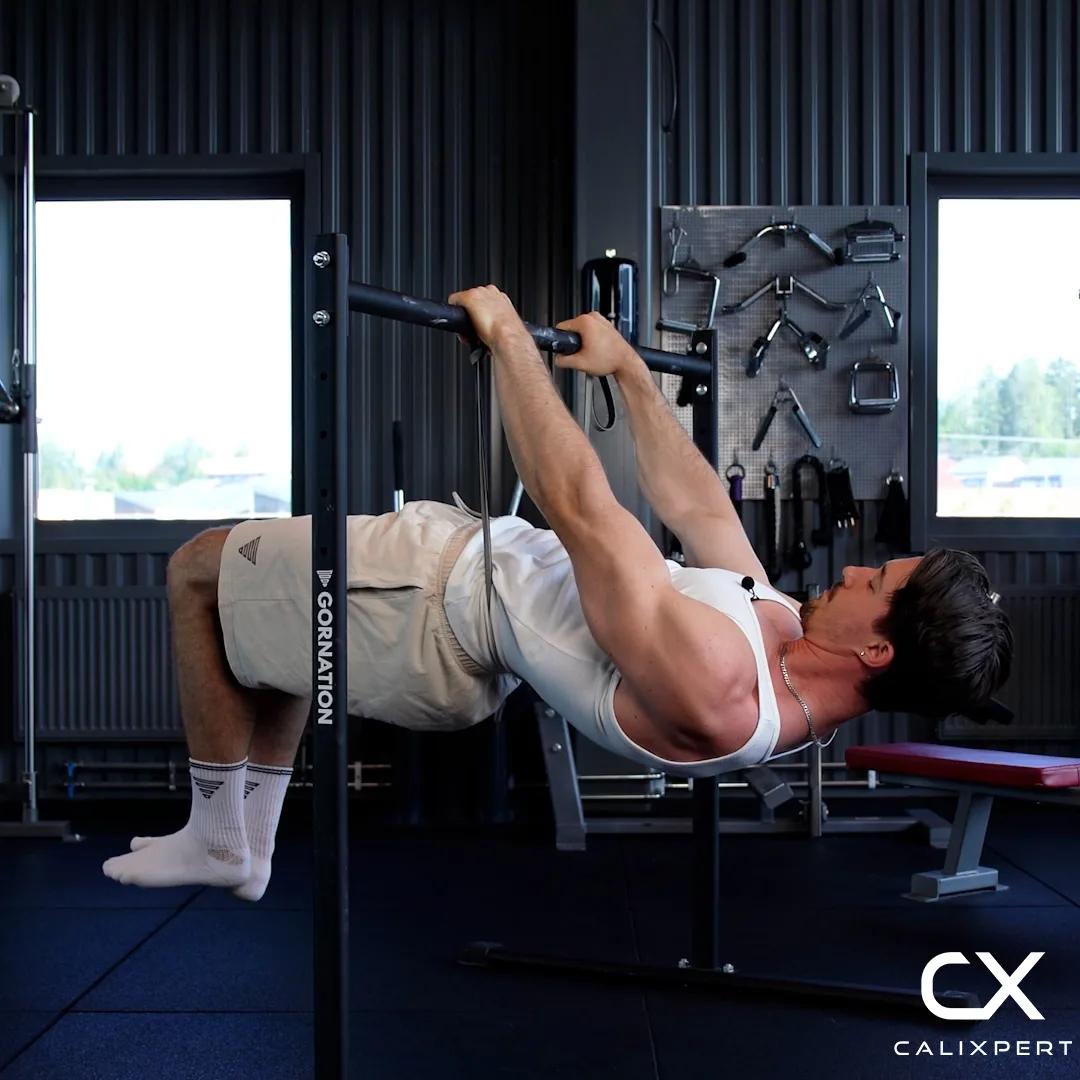
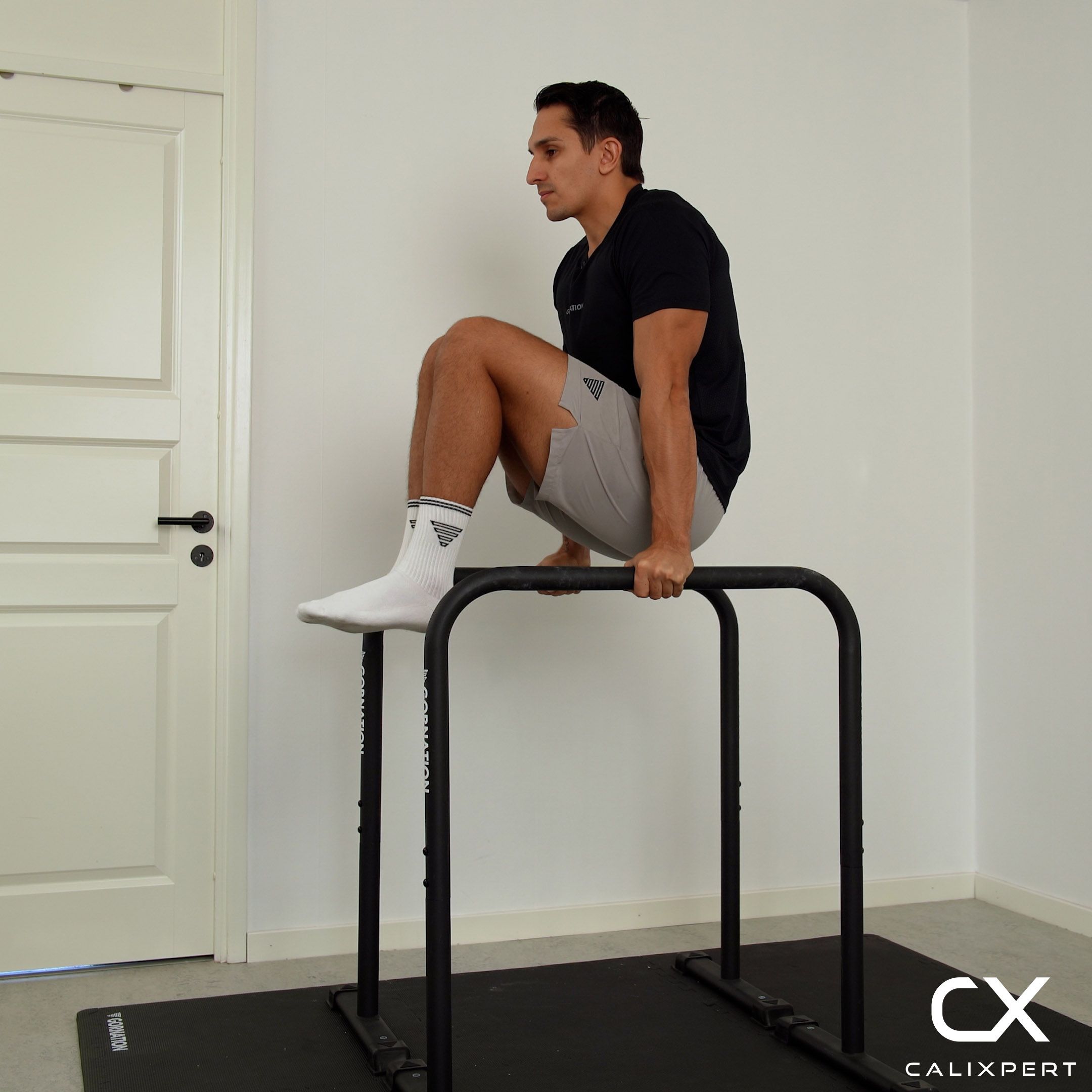
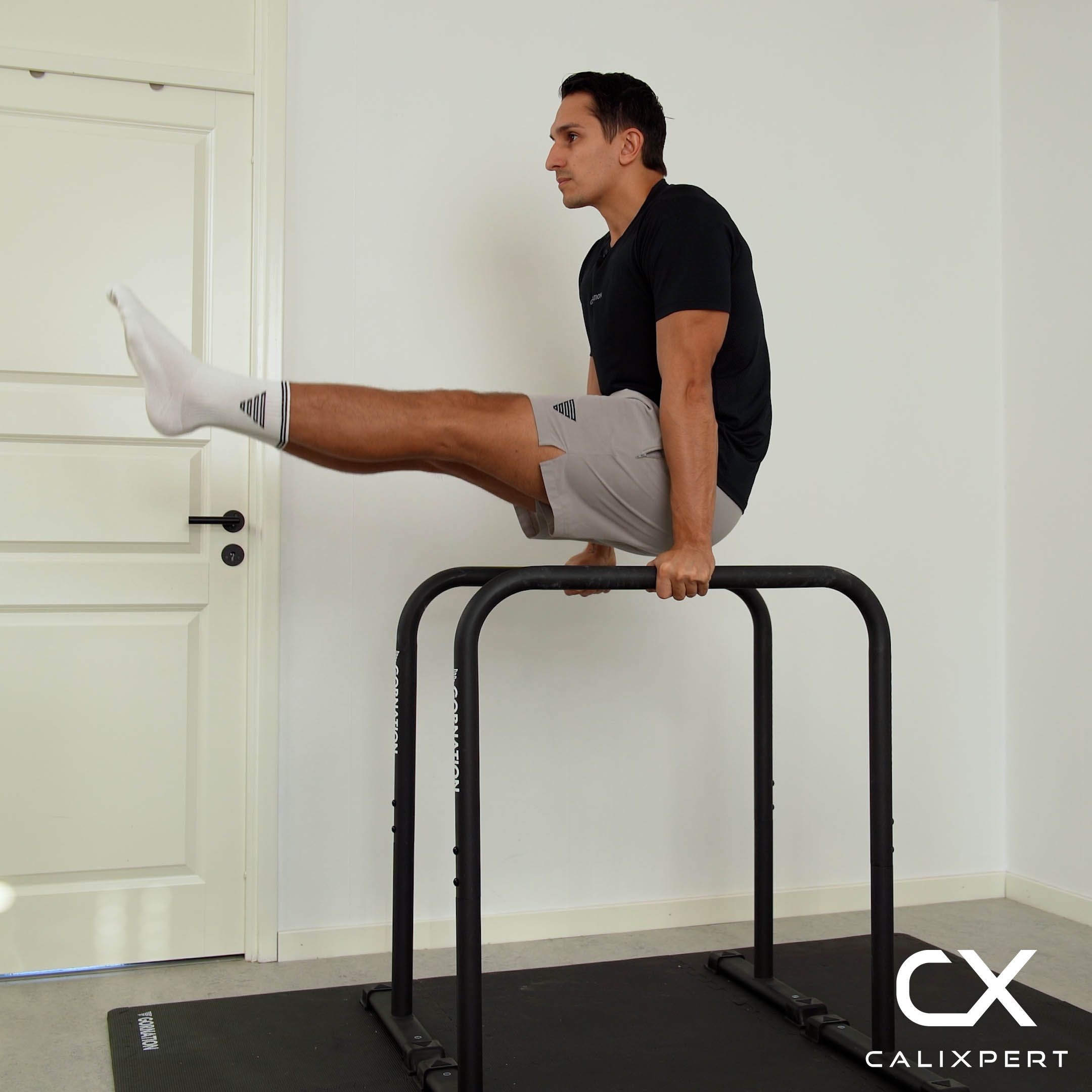
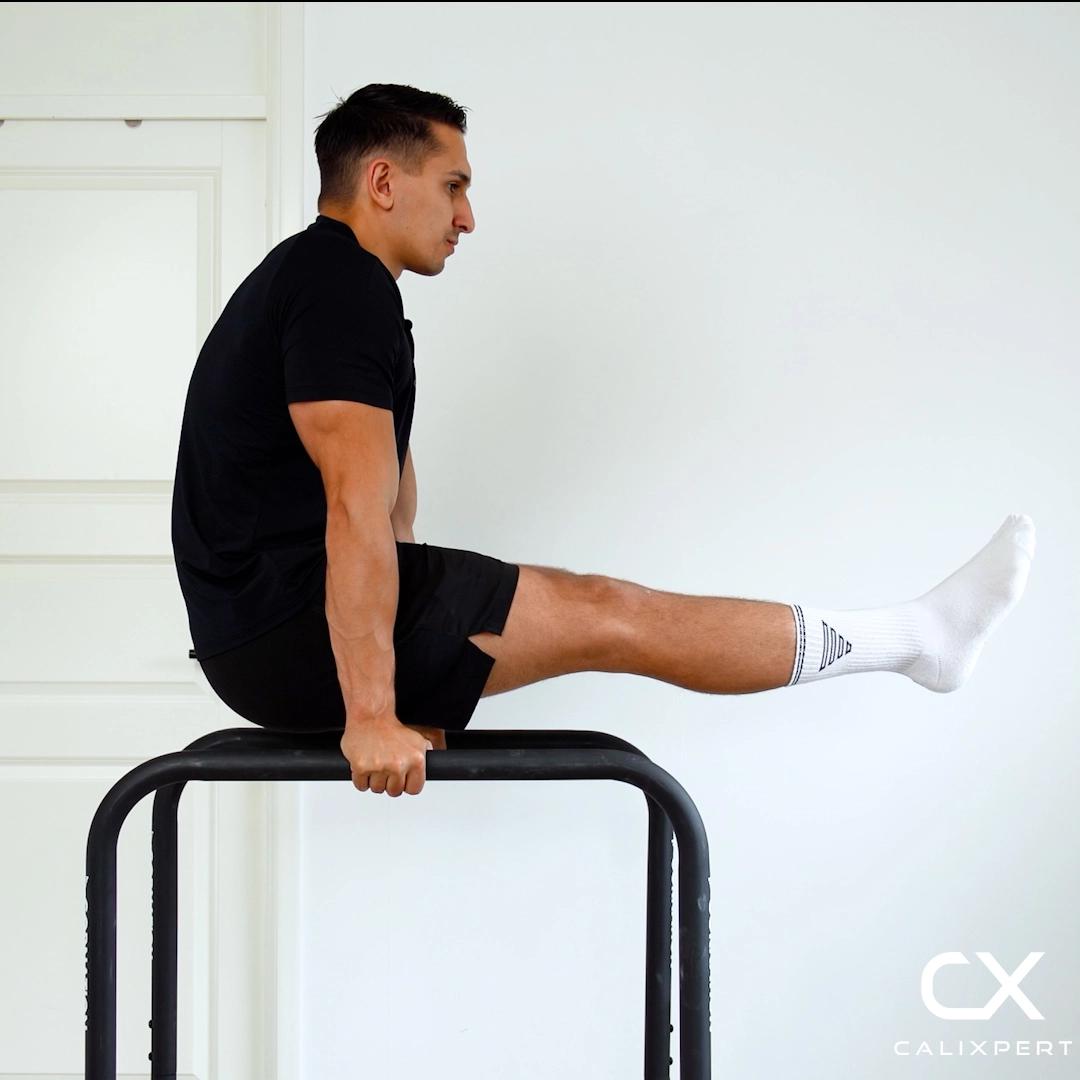
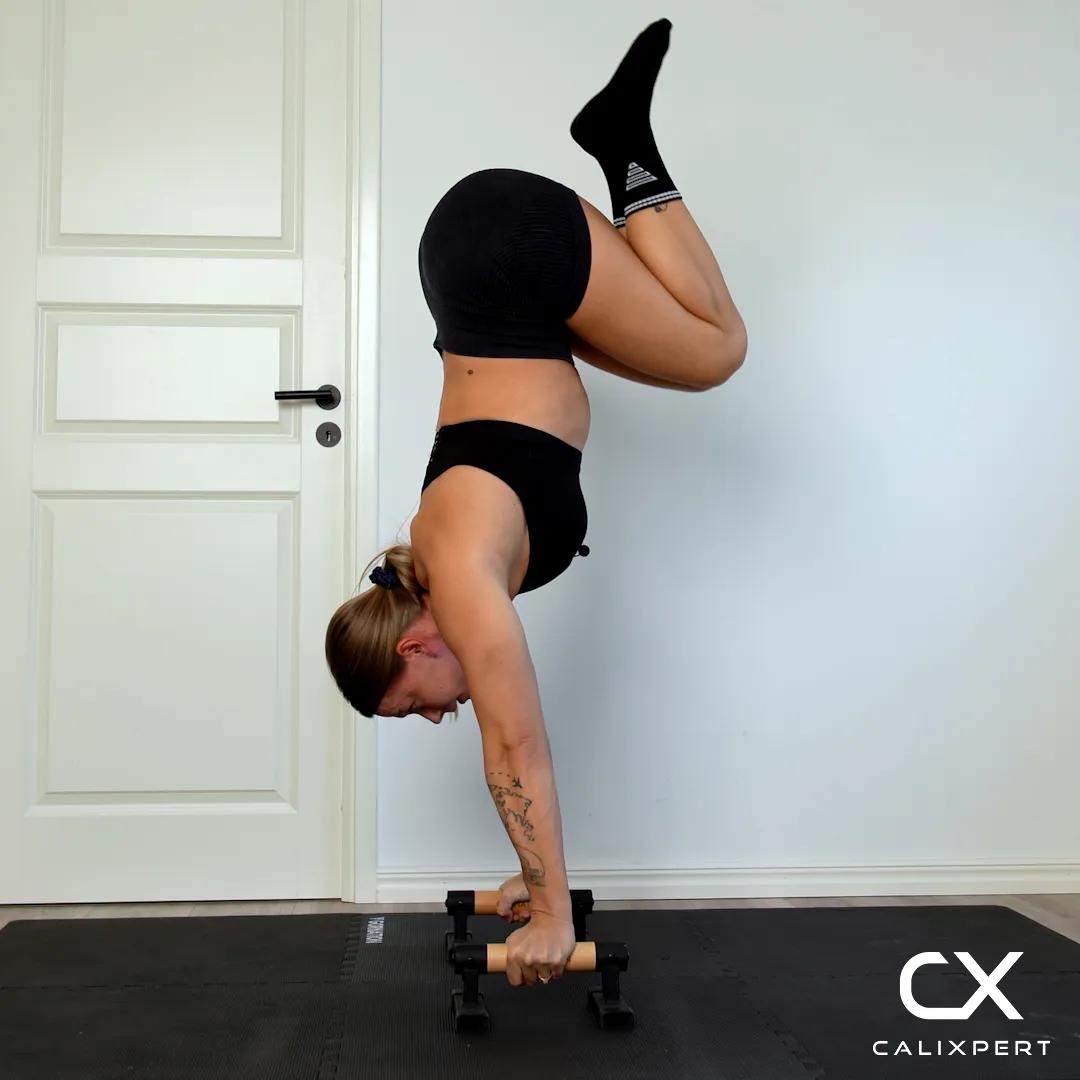
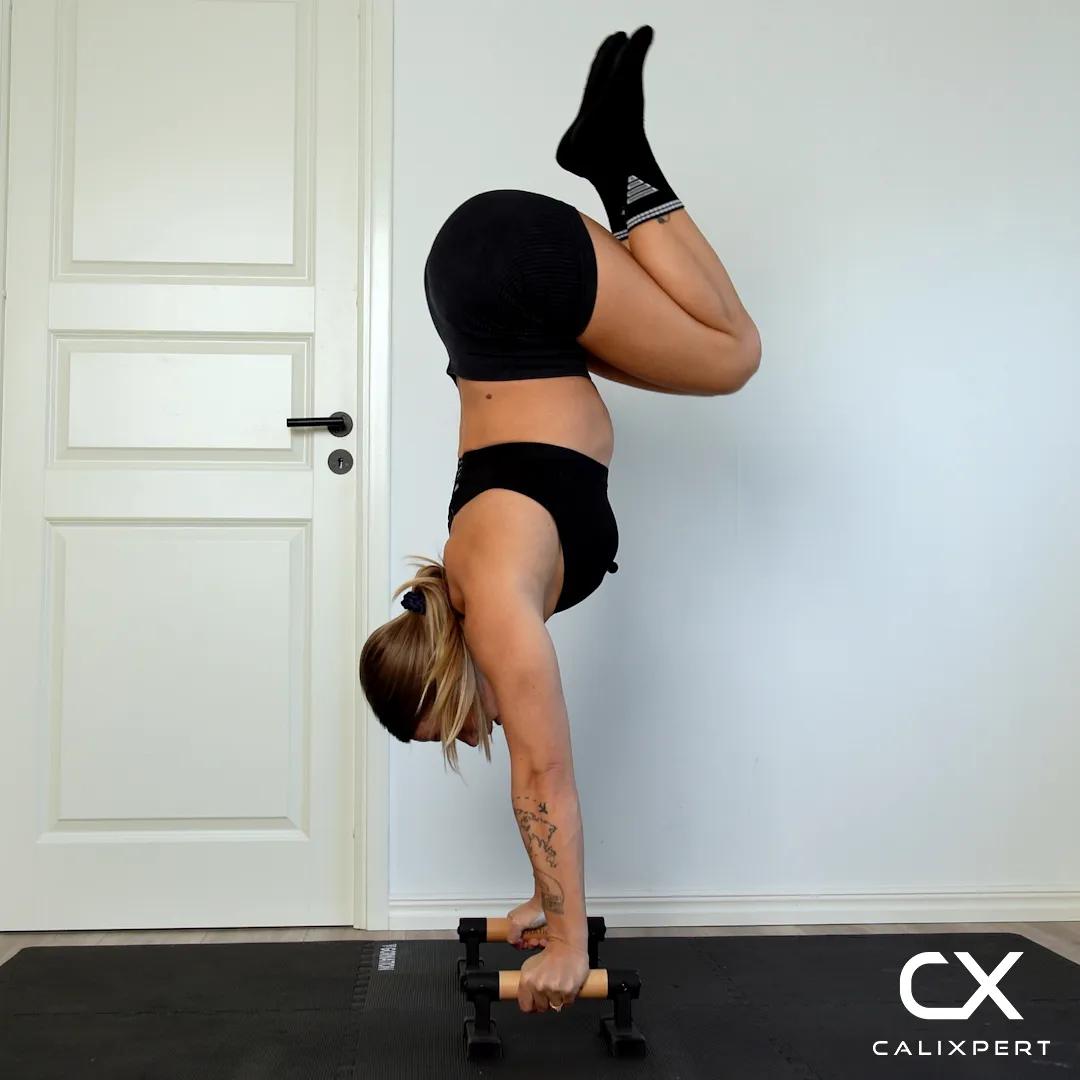
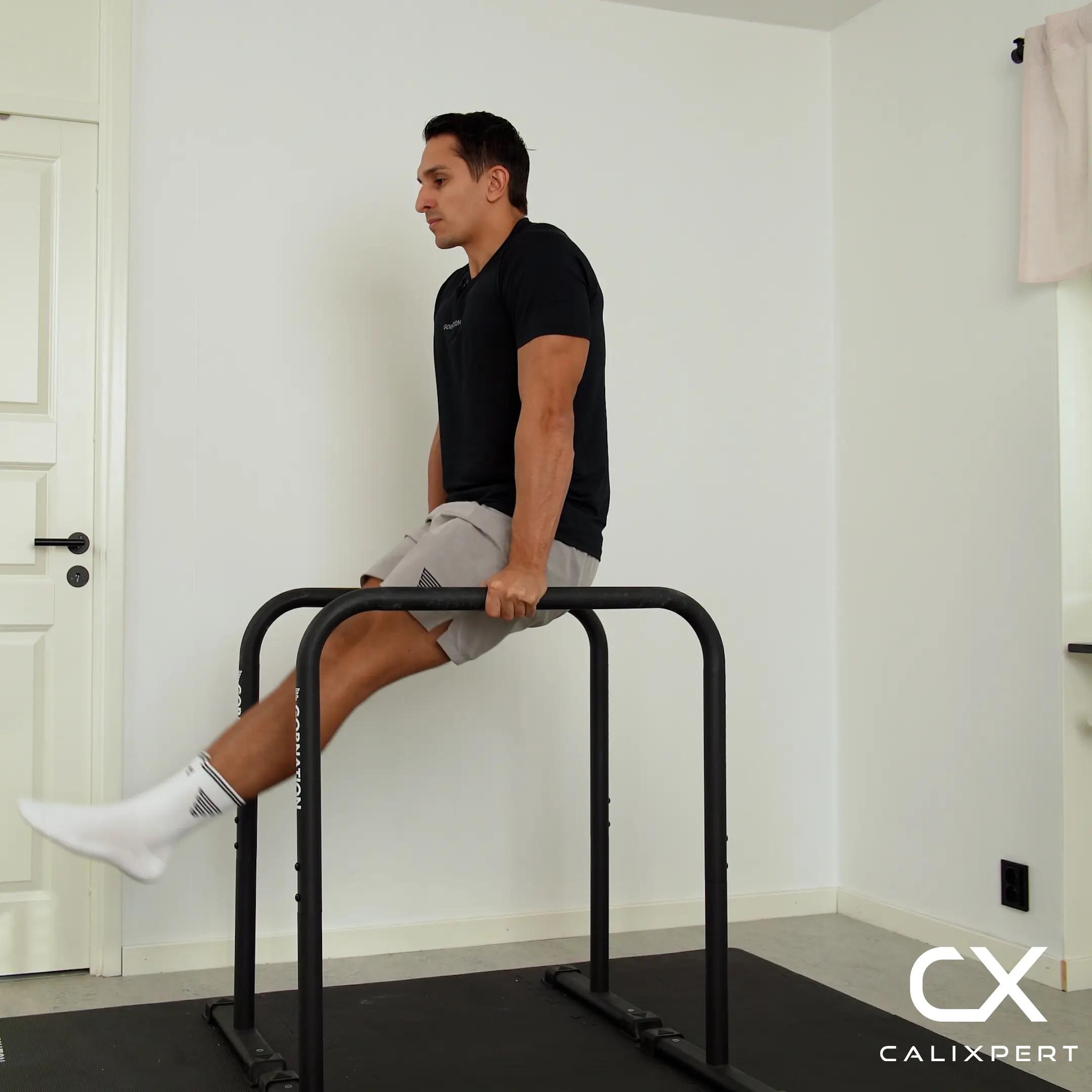
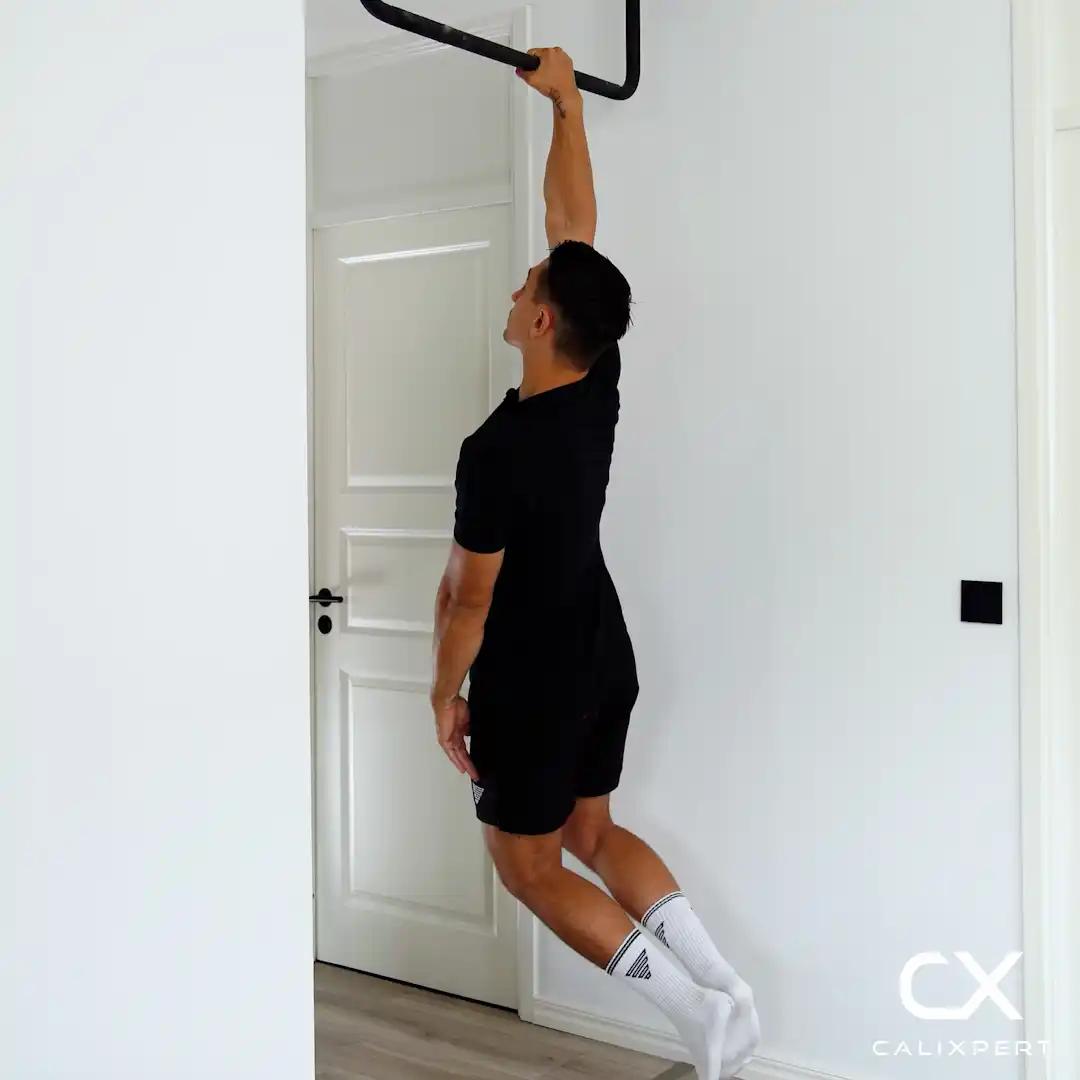
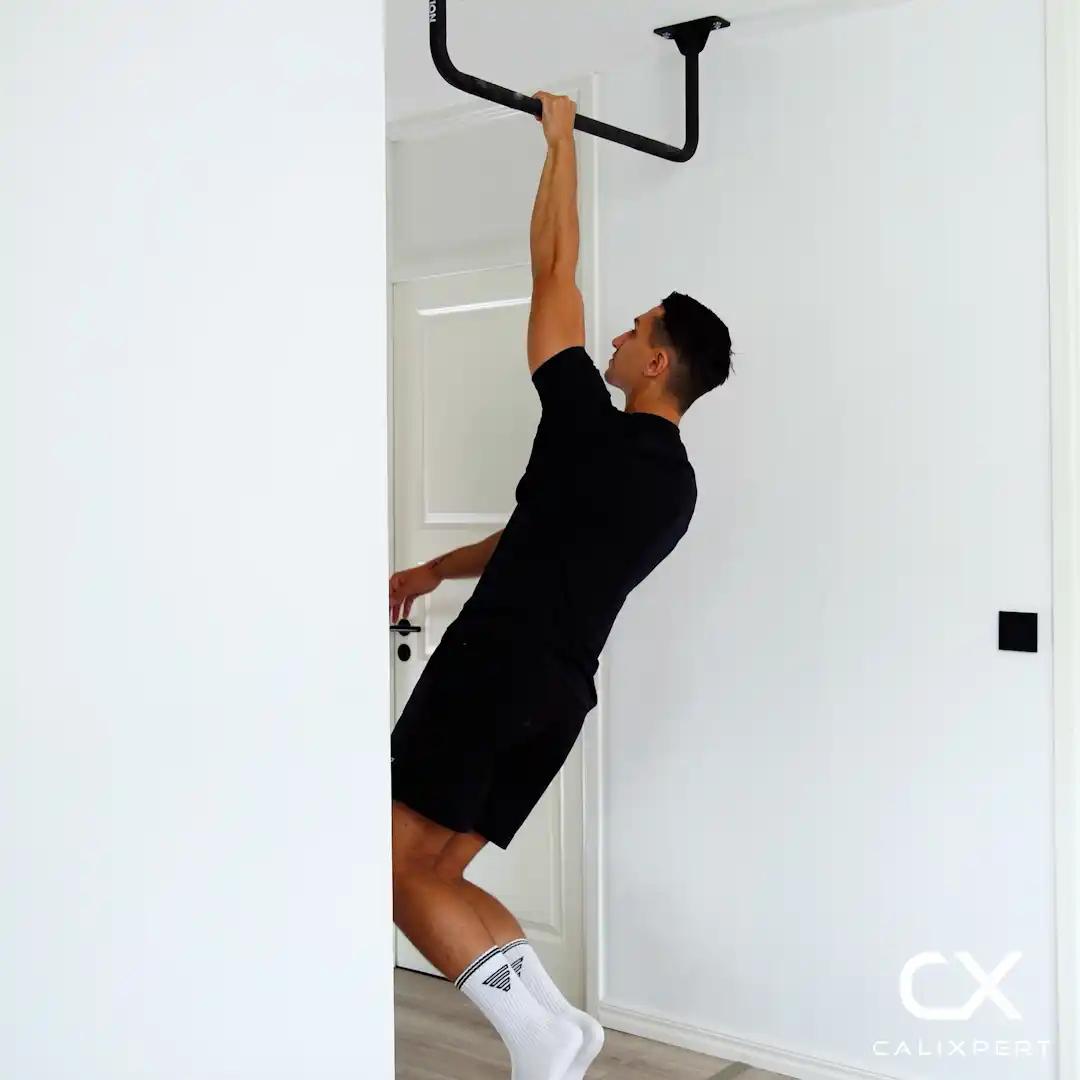
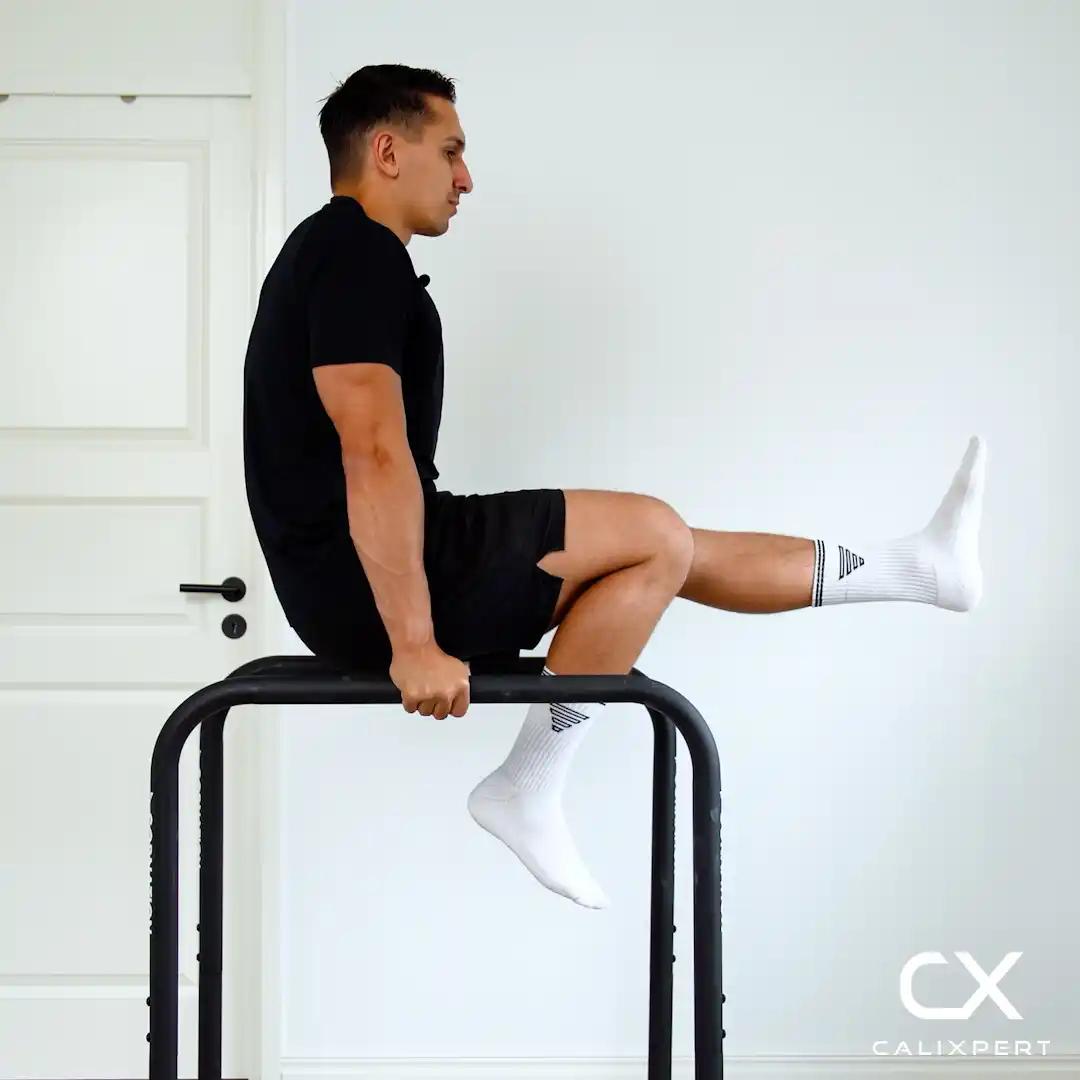
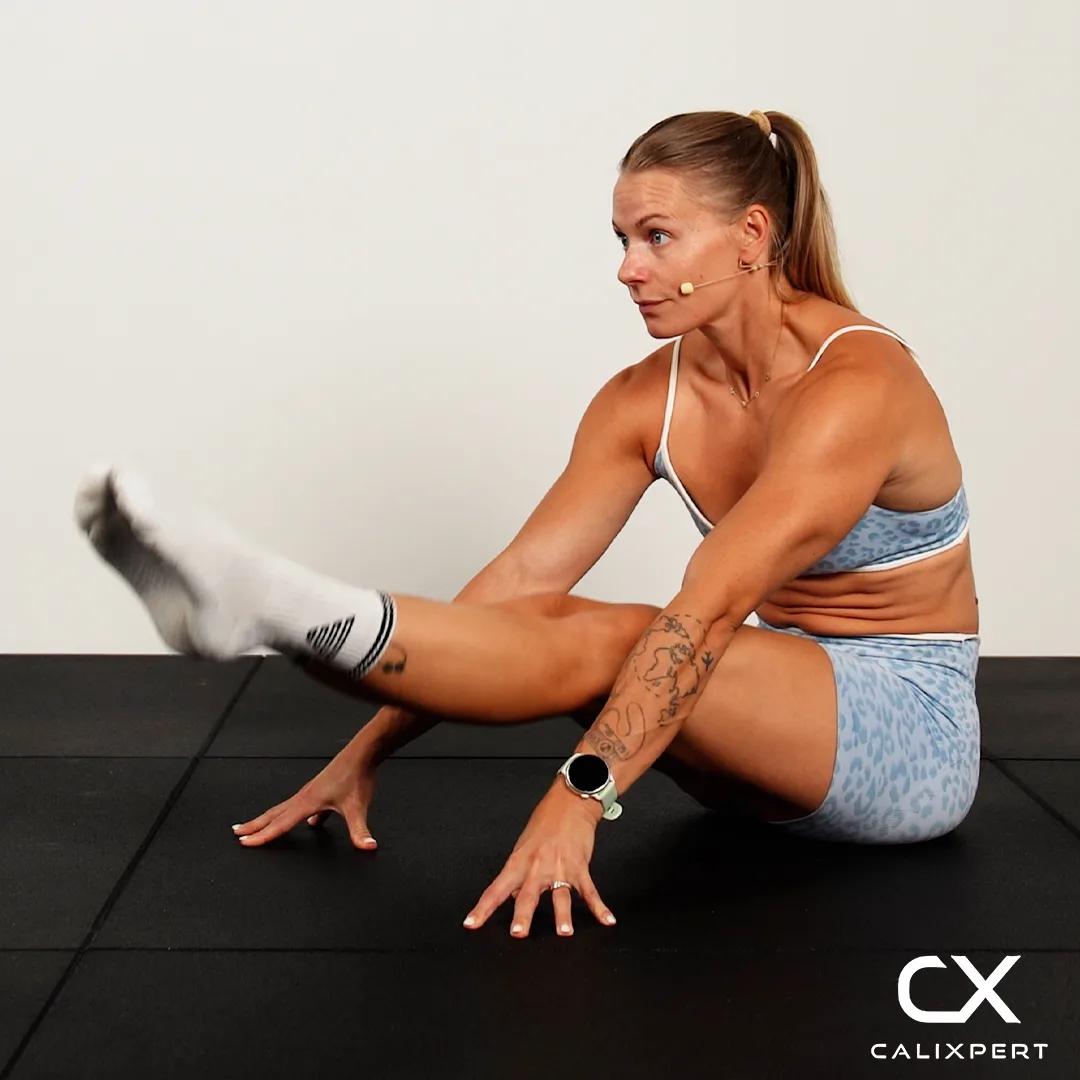
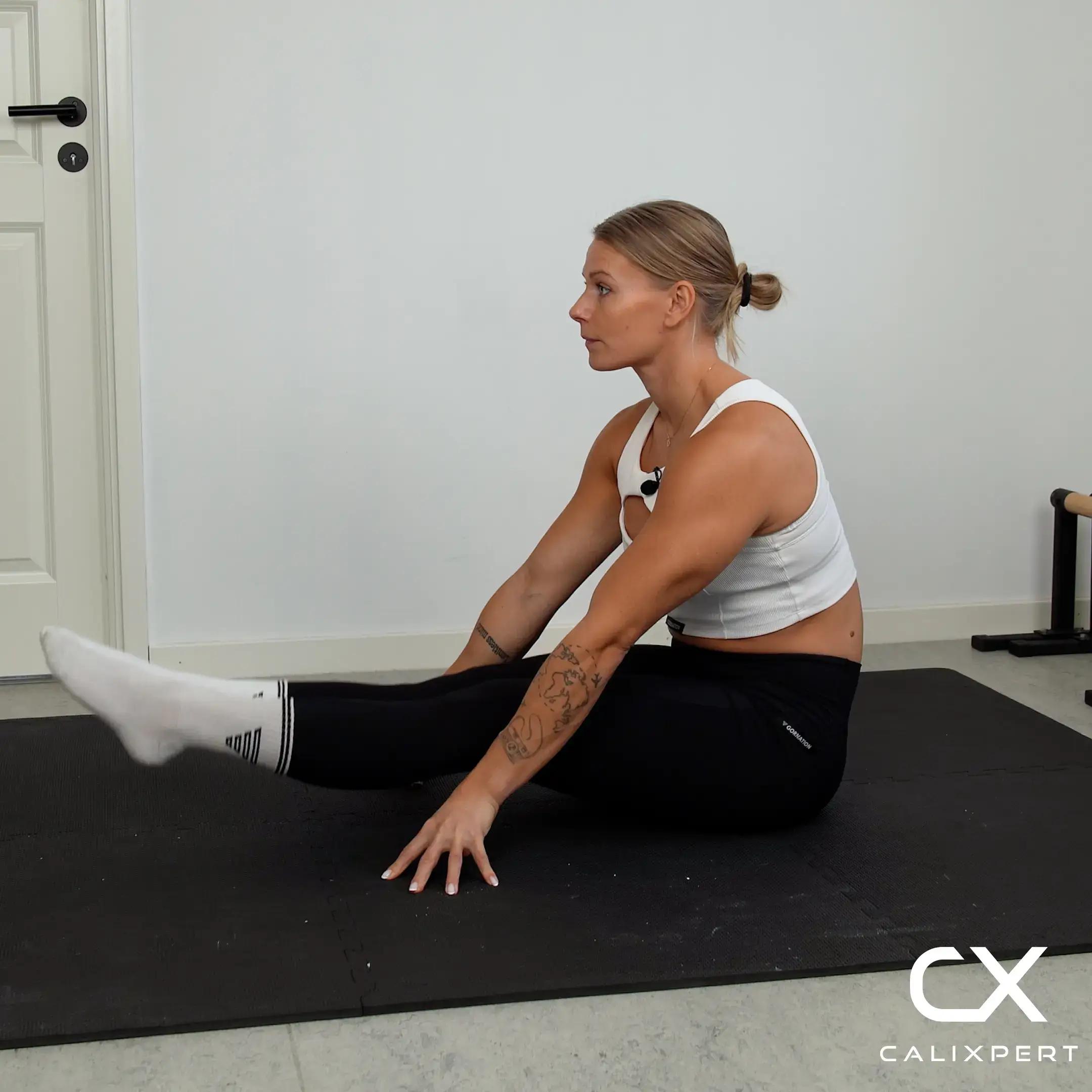
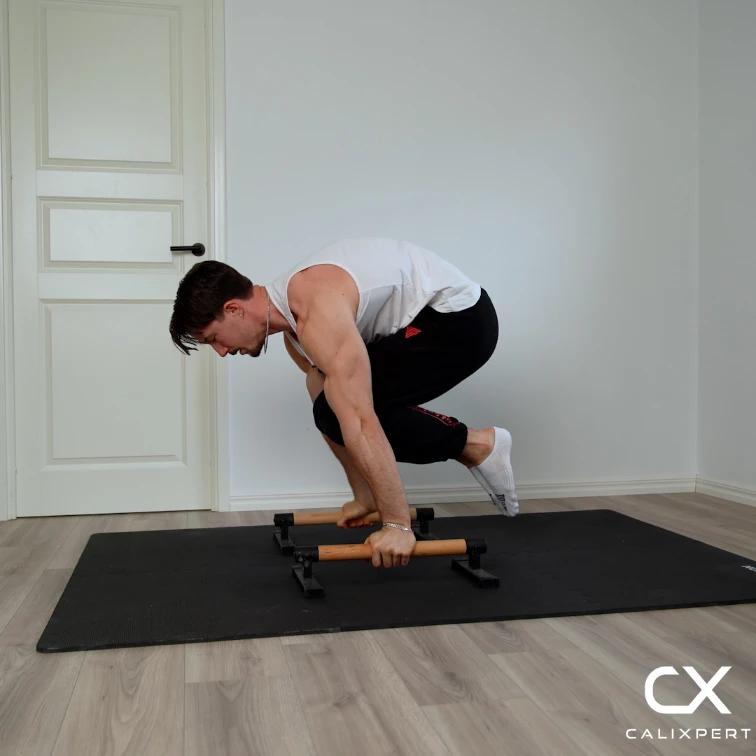
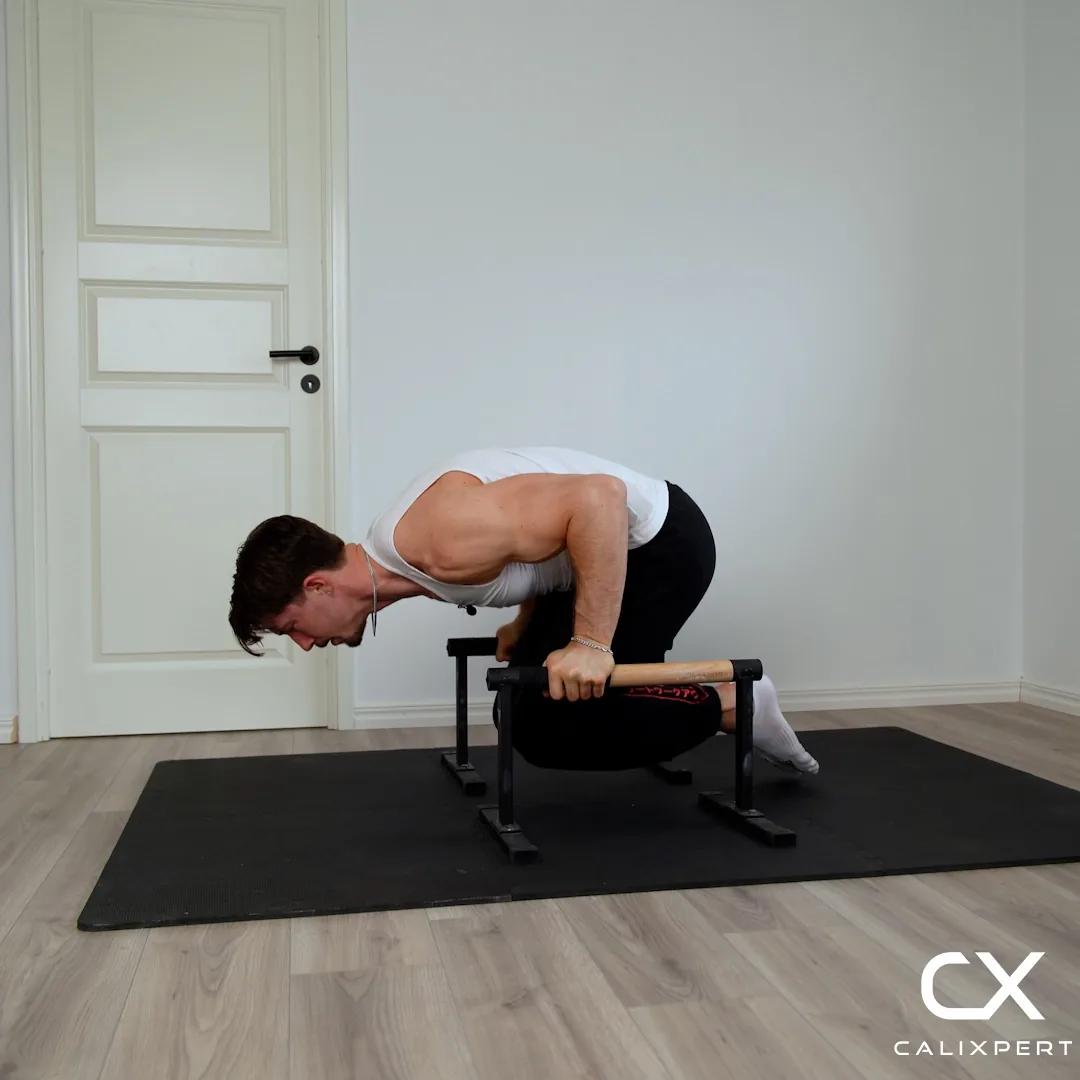
In calisthenics, the abs do far more than crunches suggest. Every L-sit, toes-to-bar, and front lever requires sustained isometric contraction of the rectus abdominis to maintain a rigid body position. The muscle works under compression, not just flexion.
Without a strong rectus abdominis, your lower back takes over in positions that require anterior core tension. This is one of the most common causes of lower back pain in athletes training bodyweight skills.
How to Train Your Abs
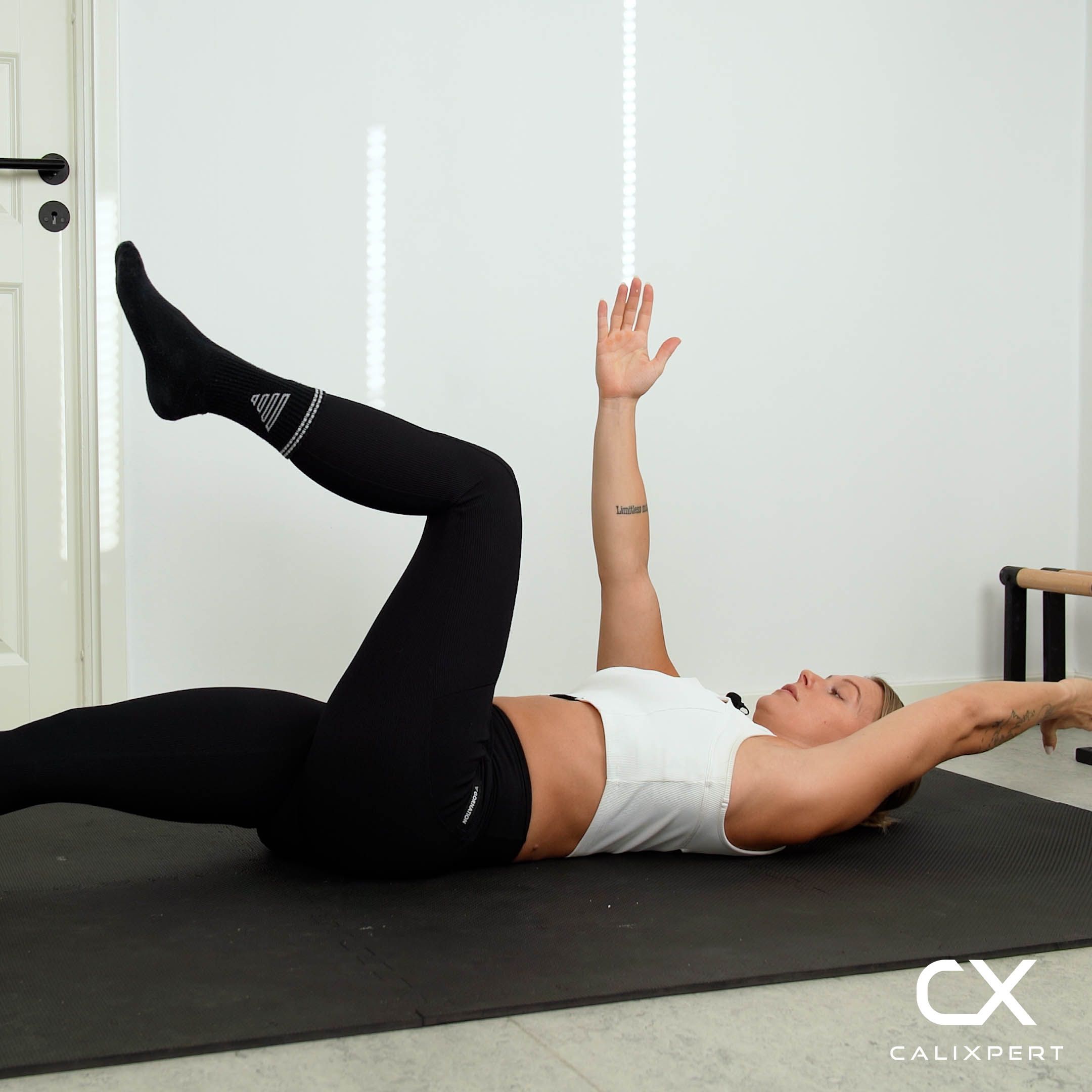
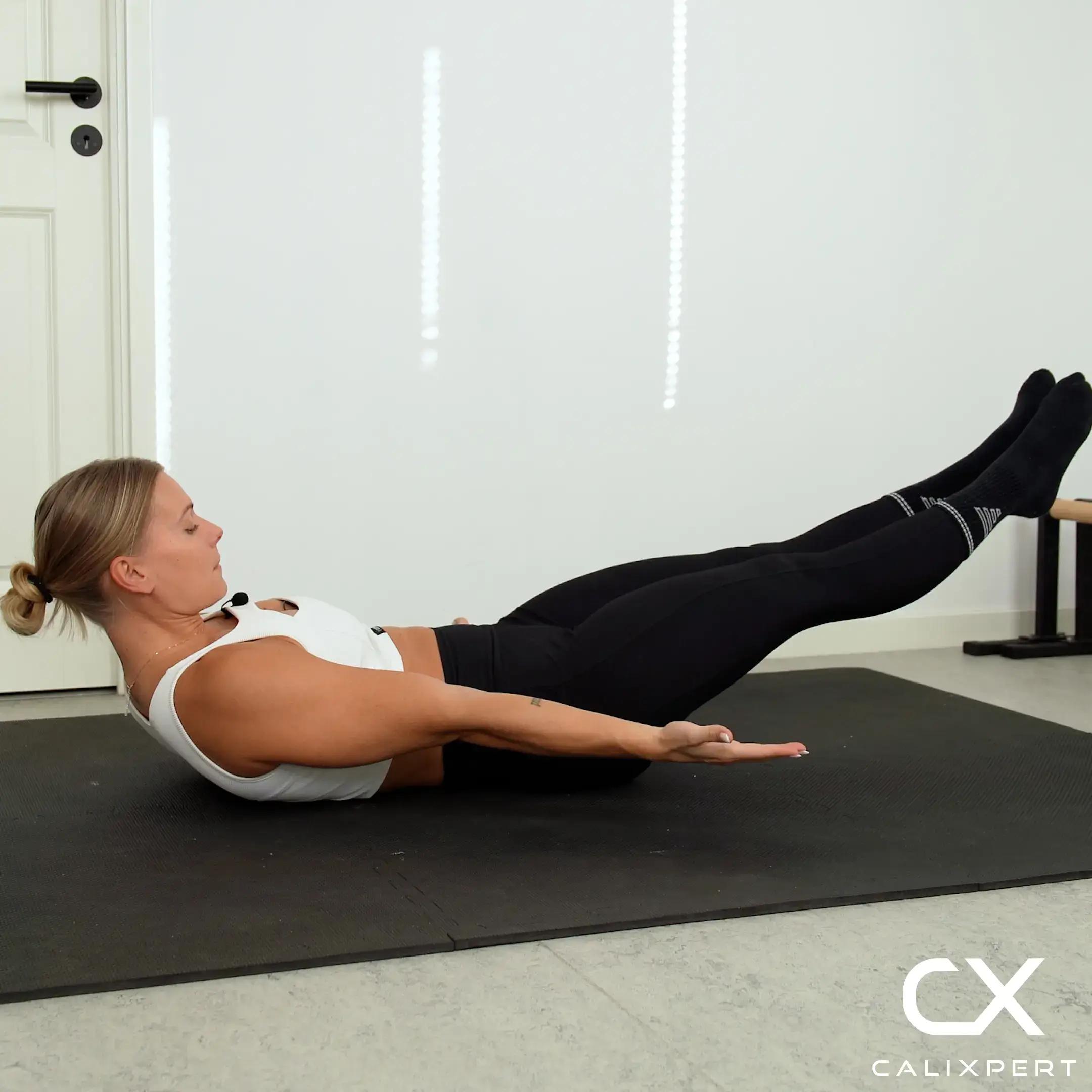
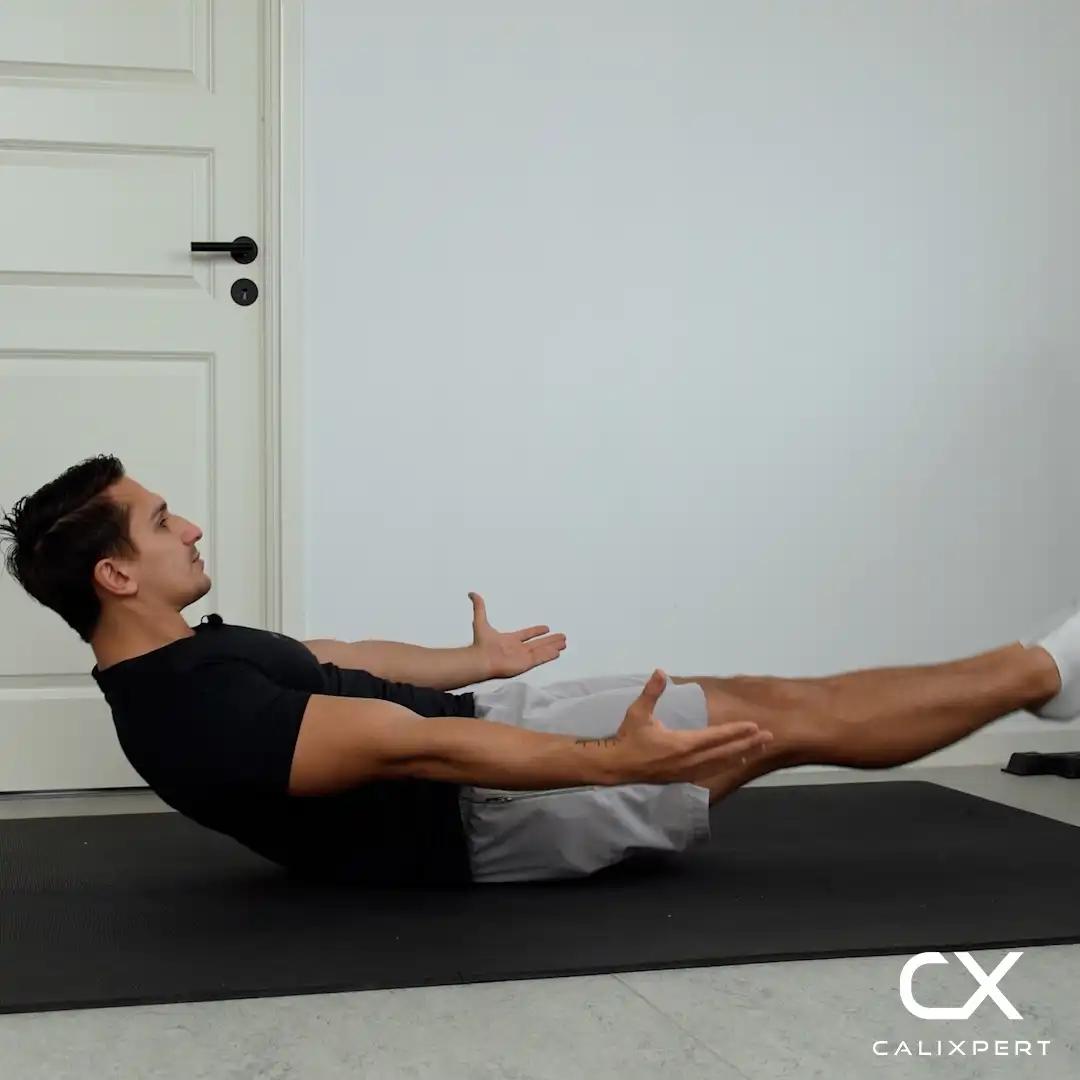
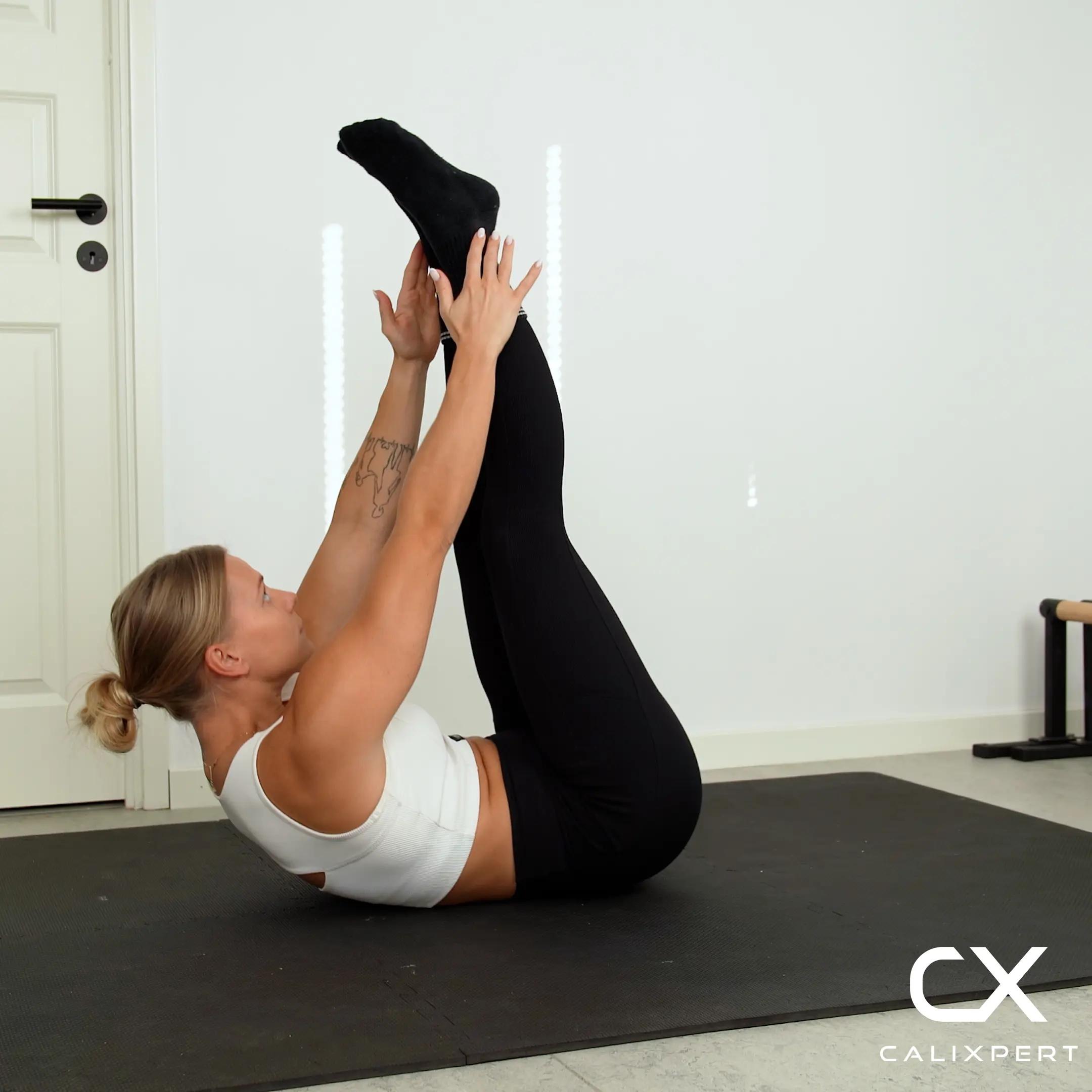
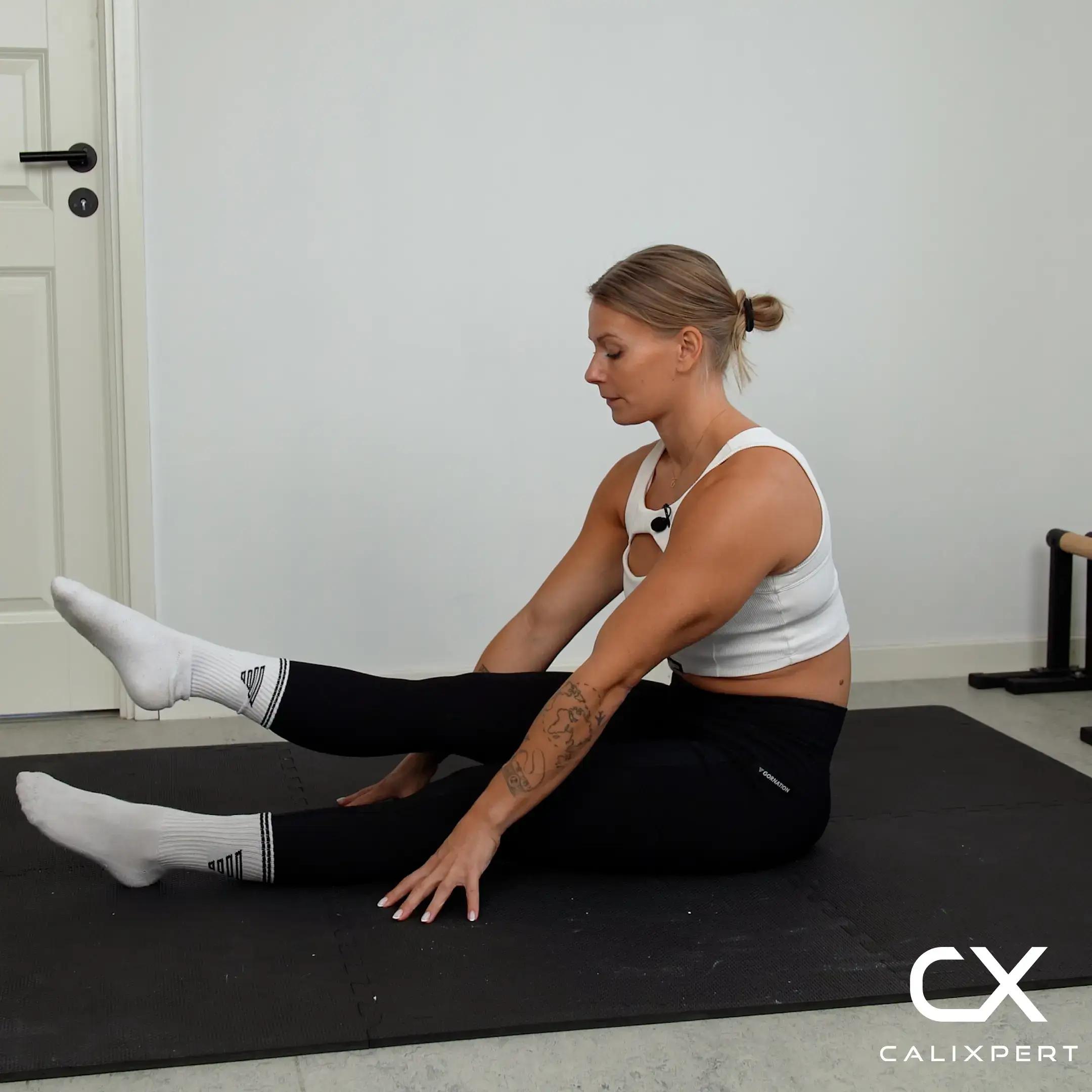
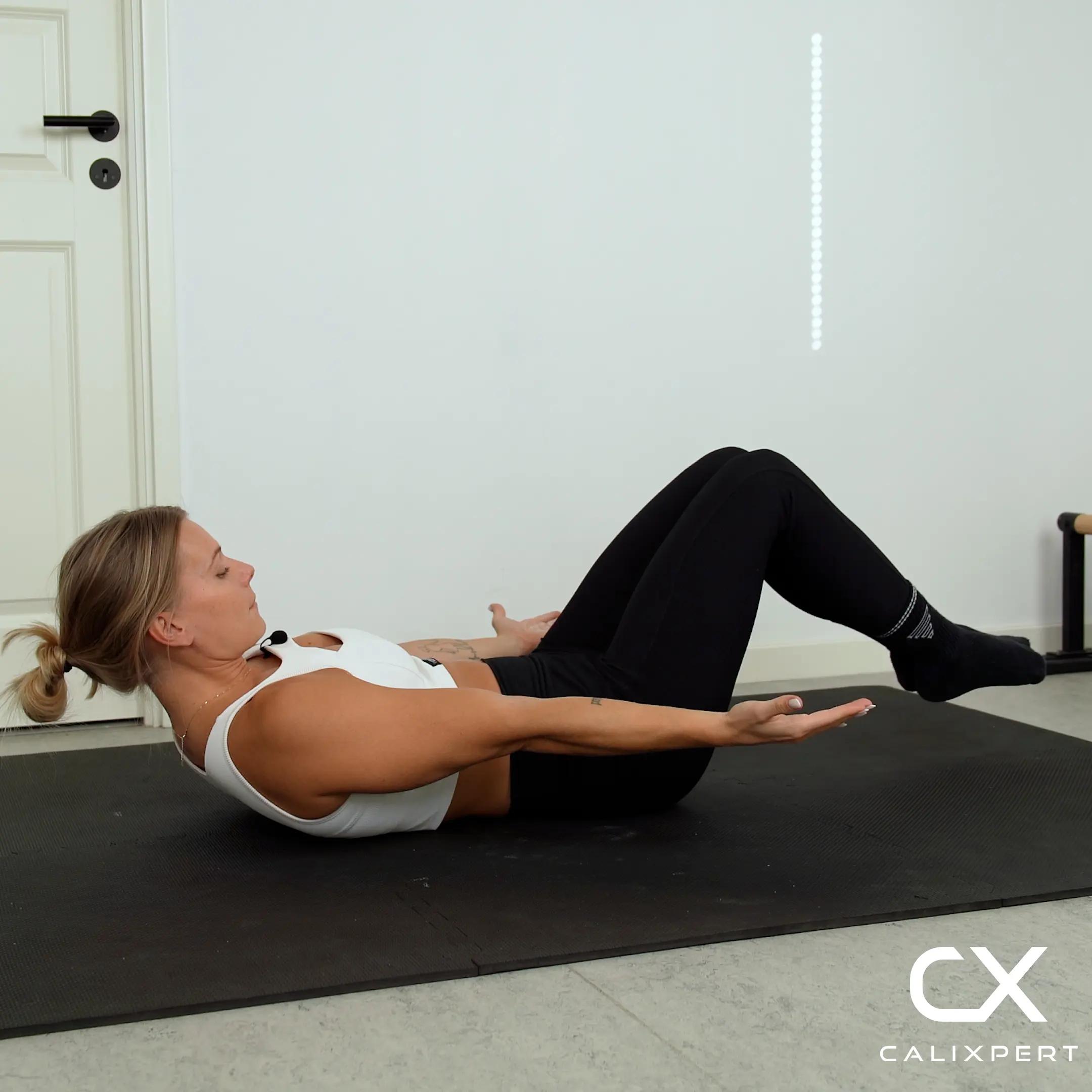
Hollow body holds are the foundation. Lying on the floor with your lower back pressed flat and your arms and legs extended a few inches off the ground, hold as long as possible while maintaining full spinal contact with the floor. This is the position your abs need to hold for almost every calisthenics skill.
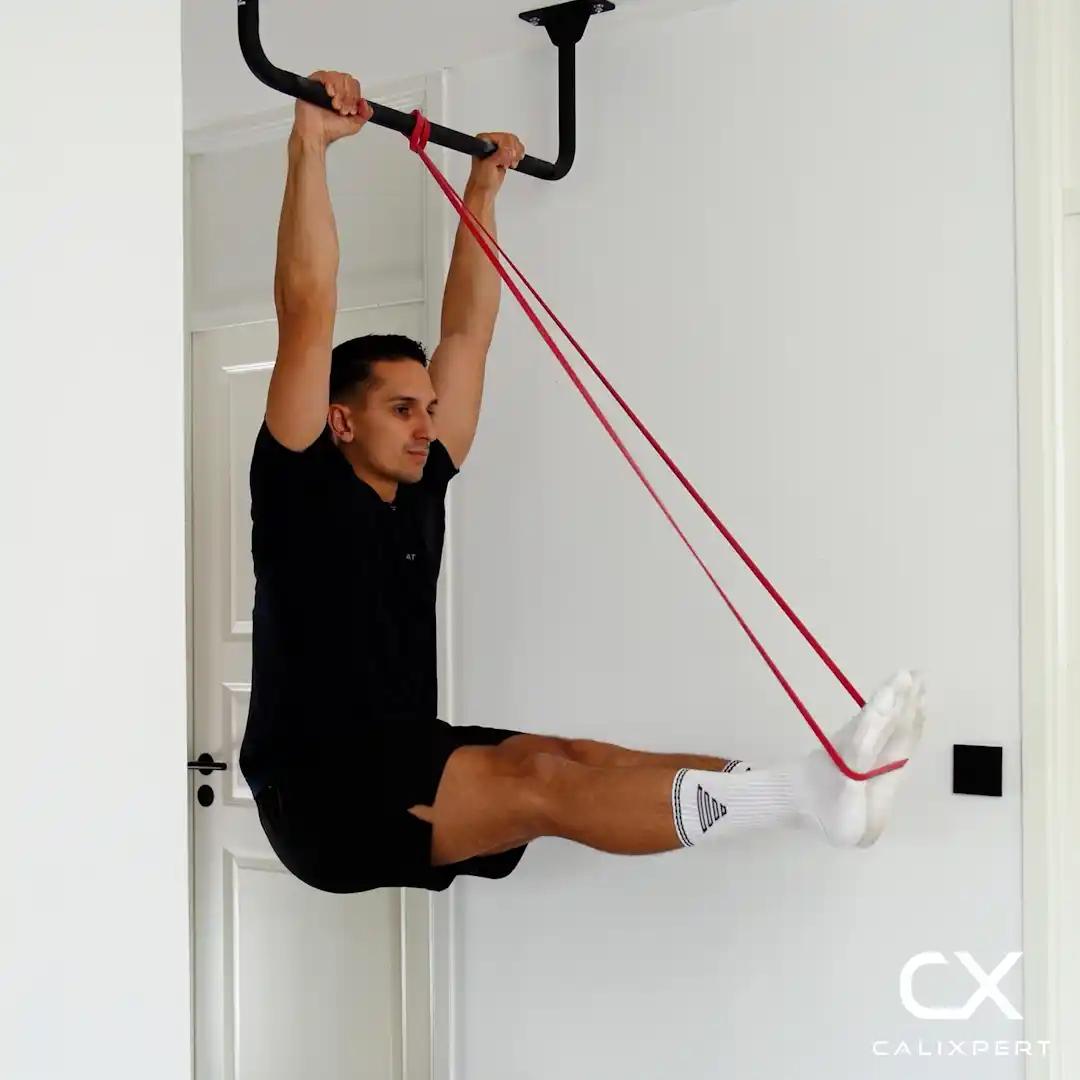
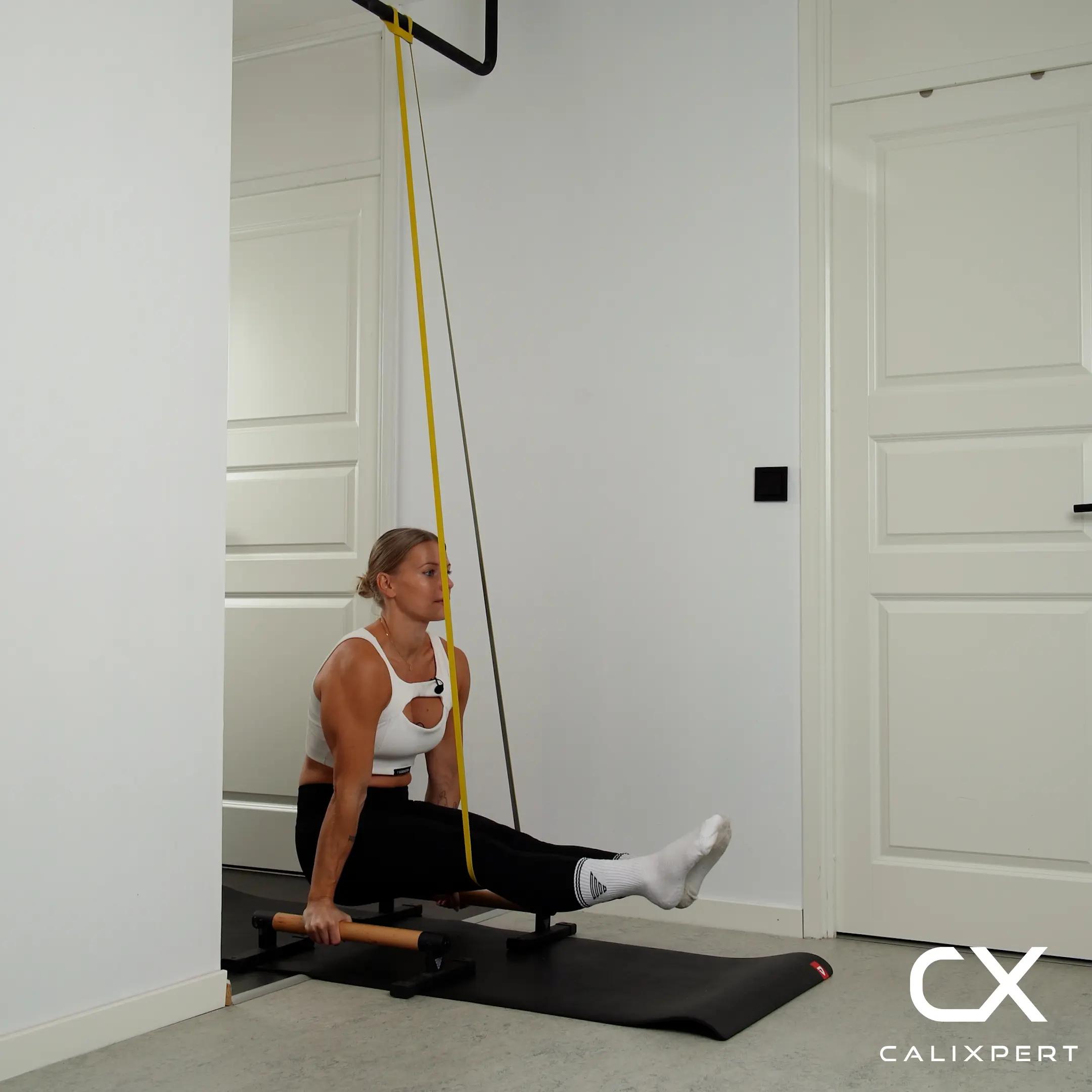
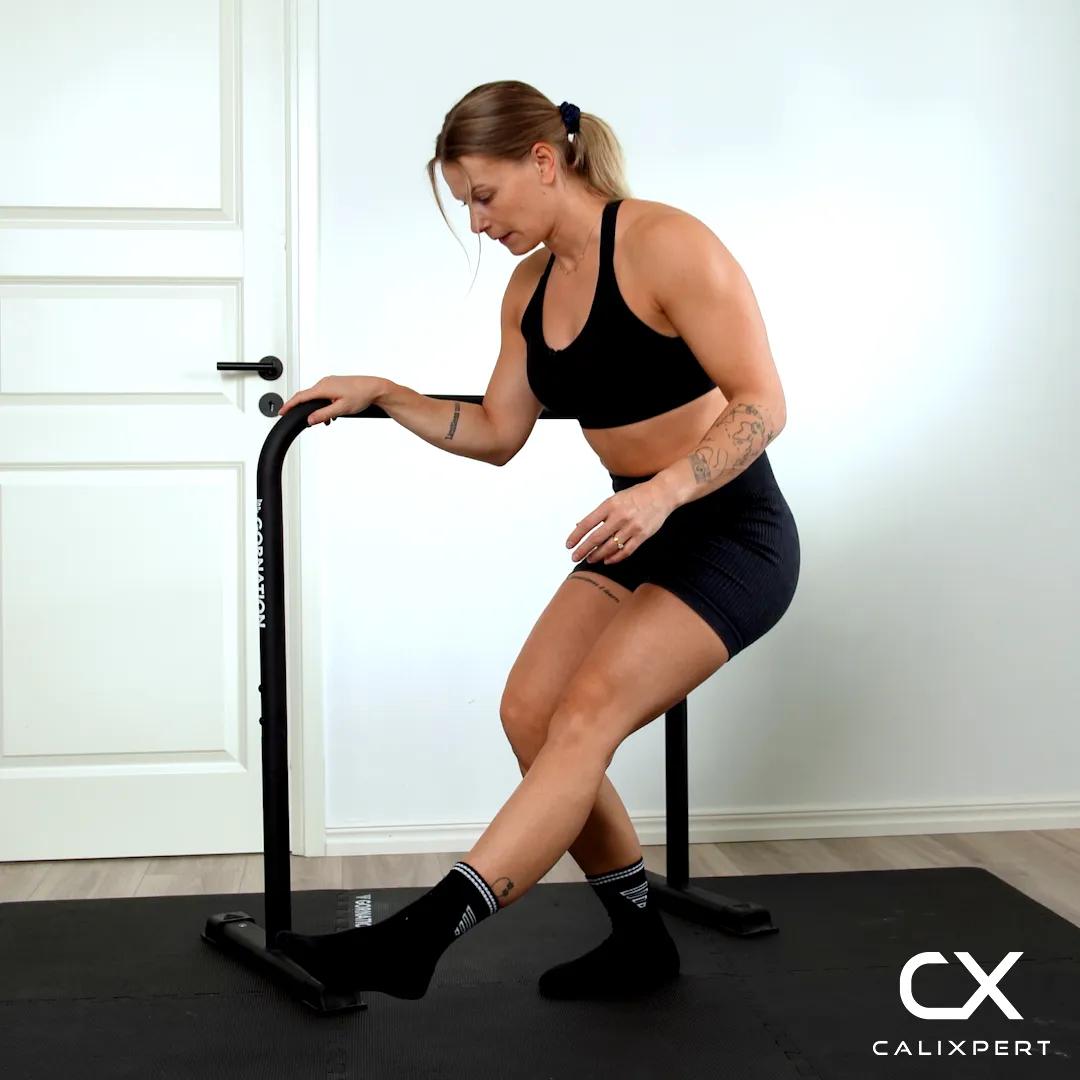
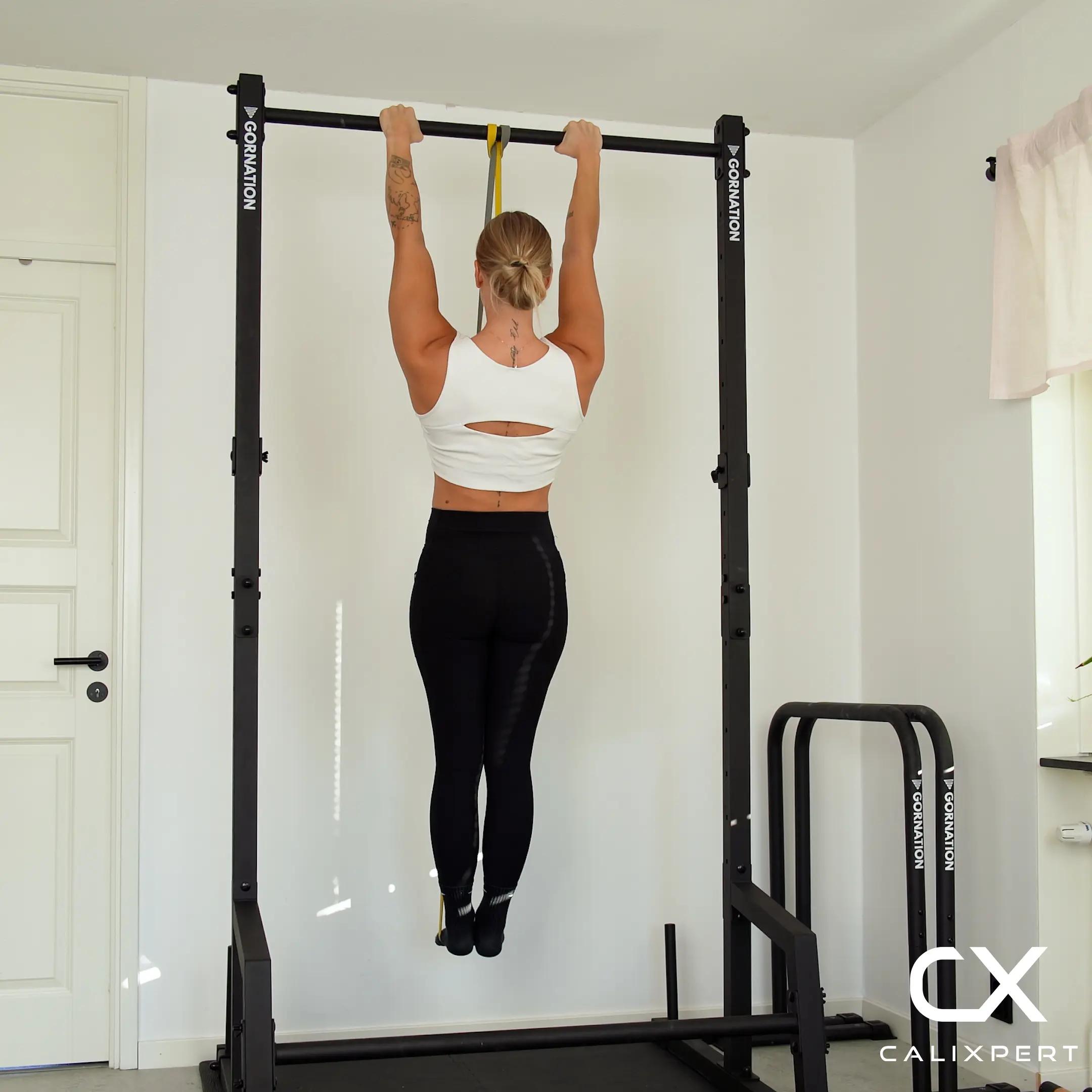
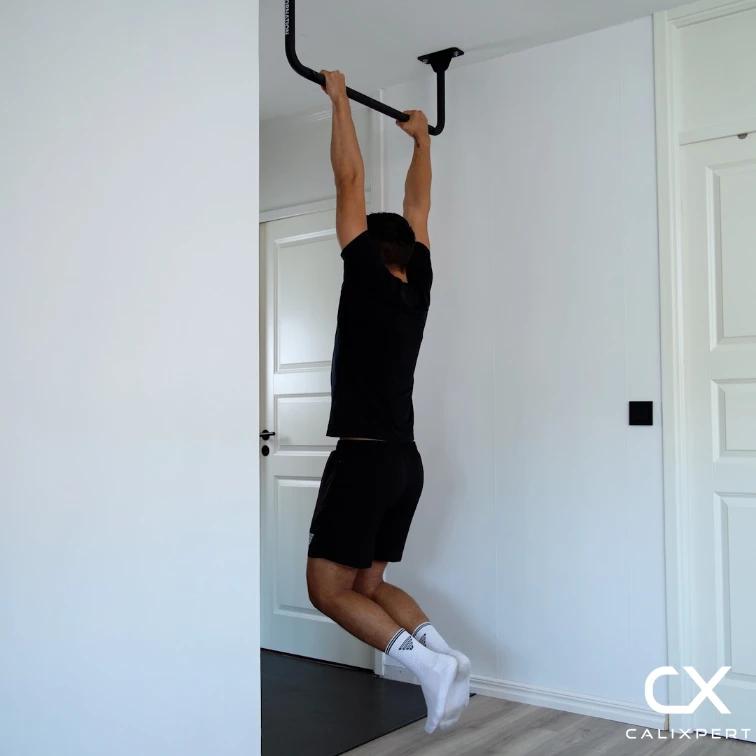
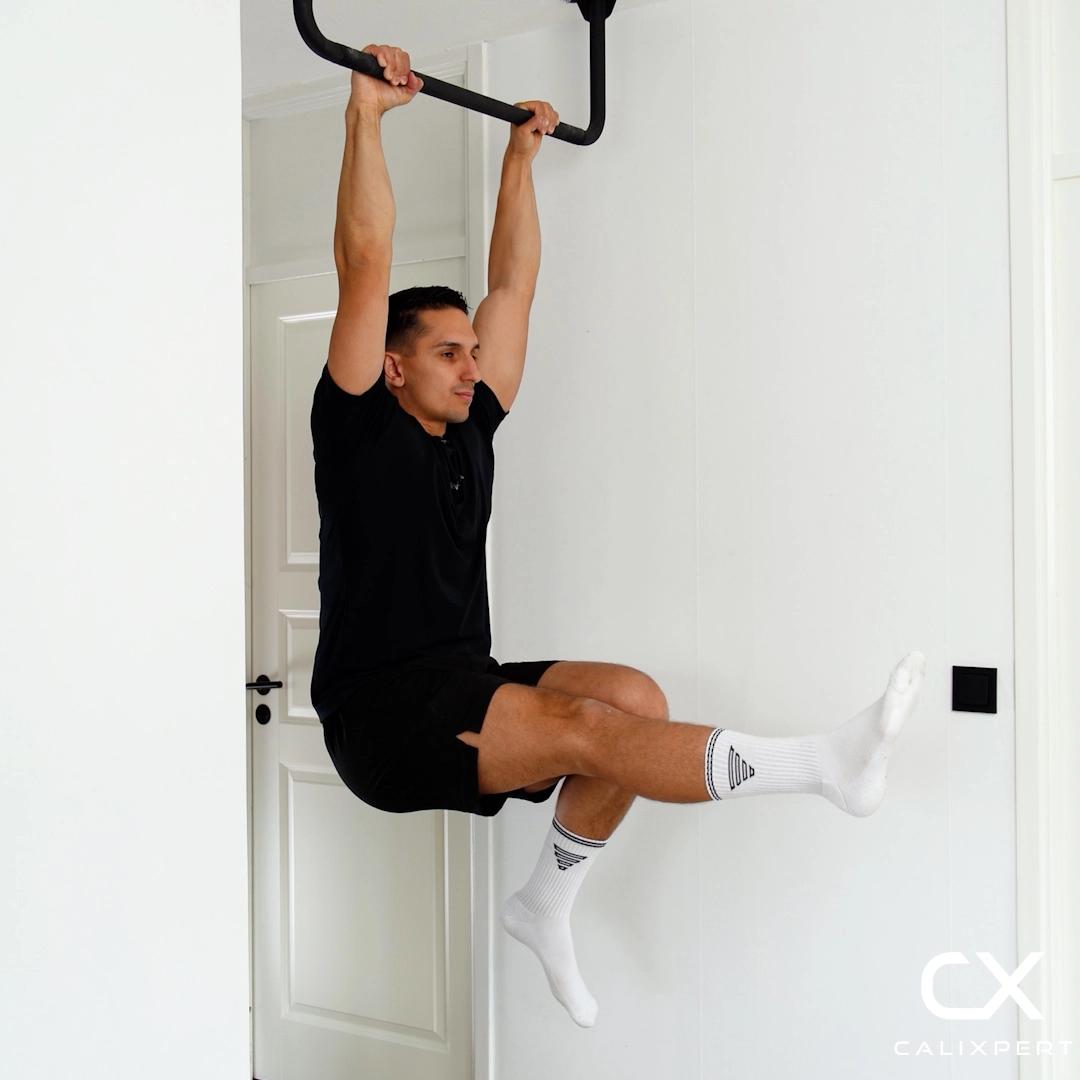
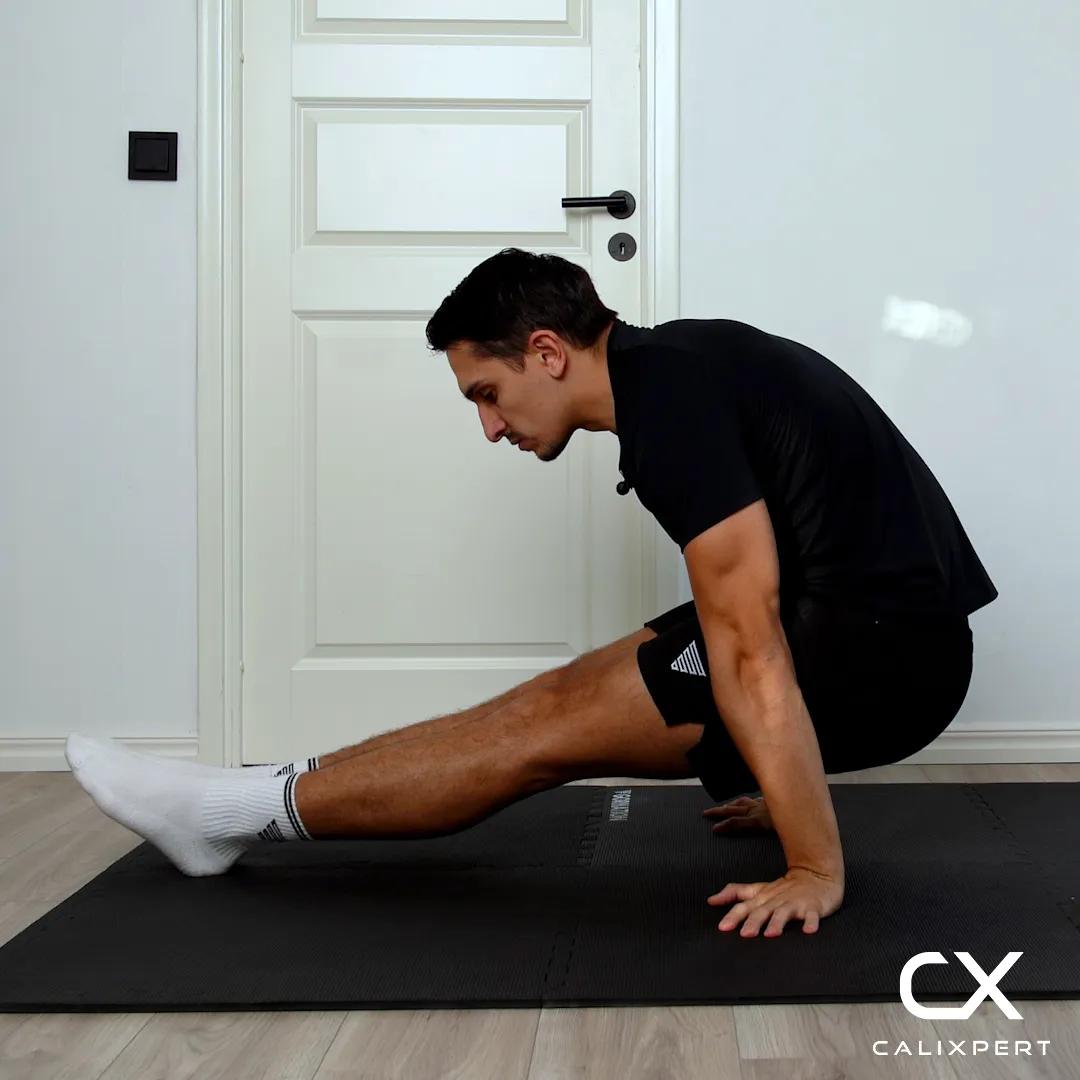
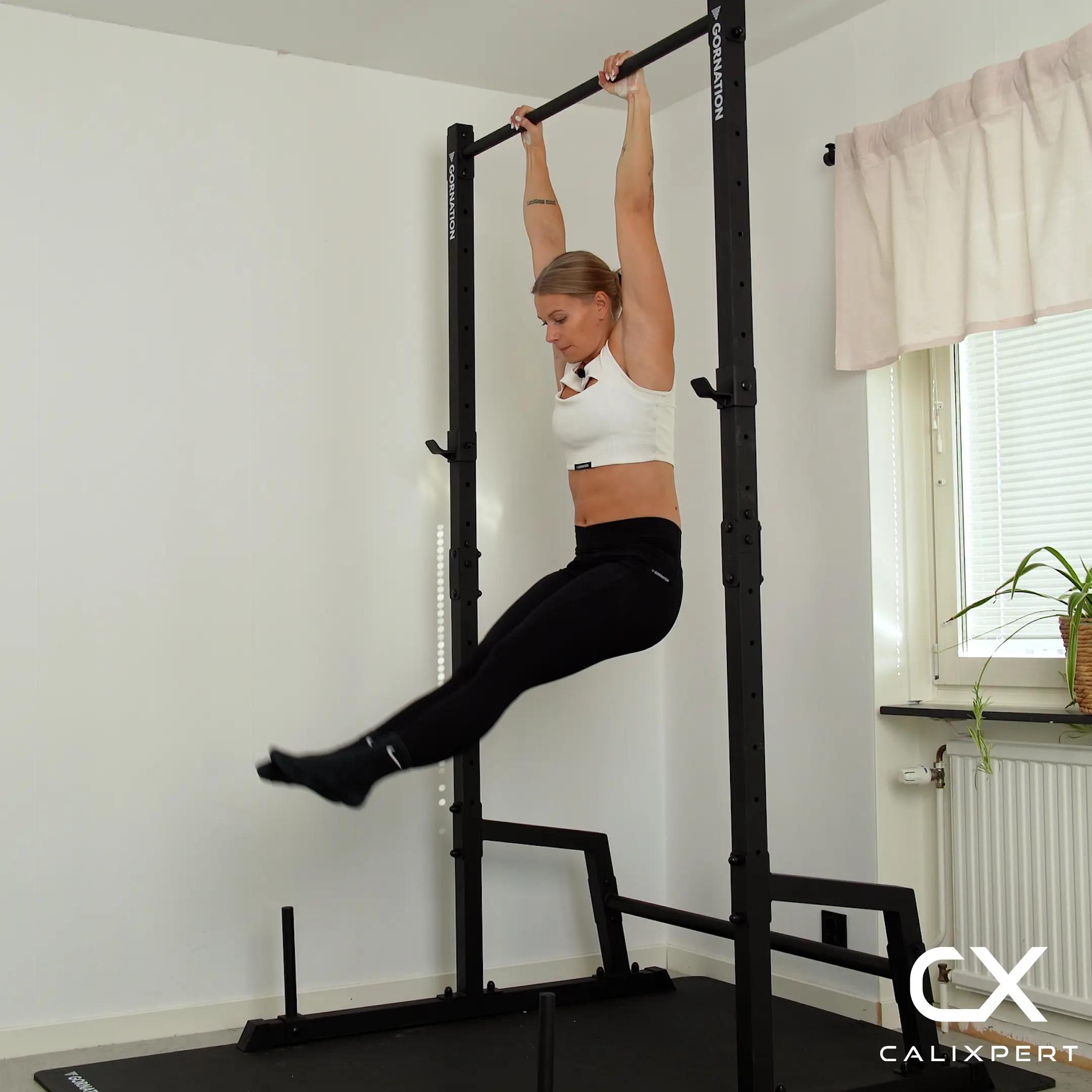
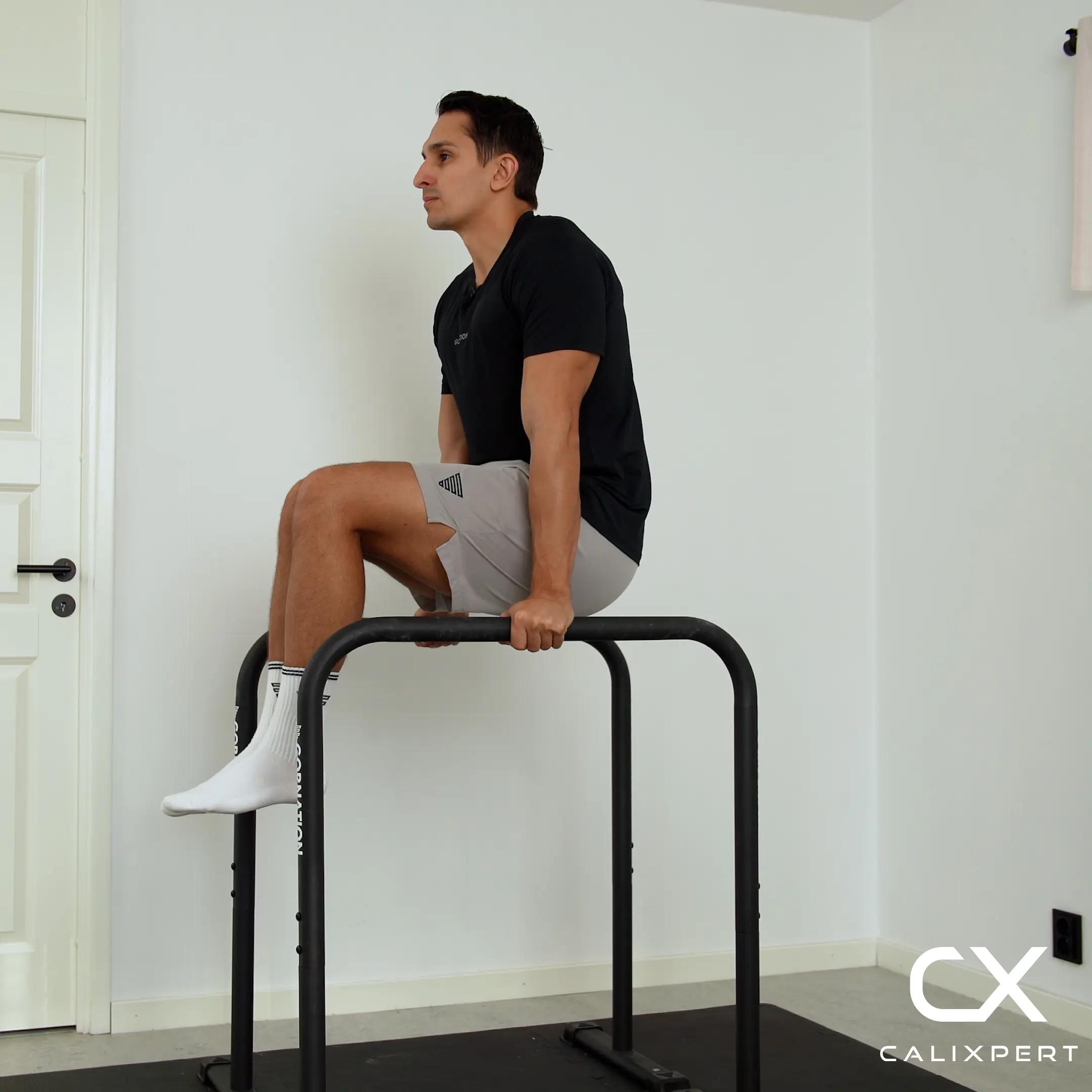
Progress from hollow body holds to tuck L-sits, L-sits, and hanging leg raises. Each step increases the lever arm your abs must control and the compression they must resist.
Crunches and sit-ups do not replicate the demands of calisthenics. They train a small flexion range. The skills you are working toward require isometric compression strength, not repeated flexion. Train accordingly.
Abs FAQ
L-sits require isometric compression strength, not dynamic flexion strength. Crunches train one contraction pattern. L-sits and hollow body holds train a different quality of abdominal engagement entirely.
Most athletes achieve a parallel L-sit in 6 to 12 weeks of consistent training with the right progressions. Hip flexor strength is usually the limiting factor, not abs.
The rectus abdominis recovers faster than most muscles. Three to four sessions per week with adequate rest is enough for most athletes. Daily training is appropriate for isometric hold work at low intensity, but not for high-intensity compression work.