Knee Diamond Push Ups
Knee diamond push-ups are a triceps-focused pushing exercise that places the hands in a narrow diamond position while using the knees as a support point to reduce load. This variation targets the triceps, chest, and front deltoids with a greater emphasis on the triceps than a standard knee push-up due to the close hand placement. For beginners building toward full diamond push-ups, knee diamond push-ups develop the pressing strength and elbow stability needed to handle the narrow grip under full bodyweight.
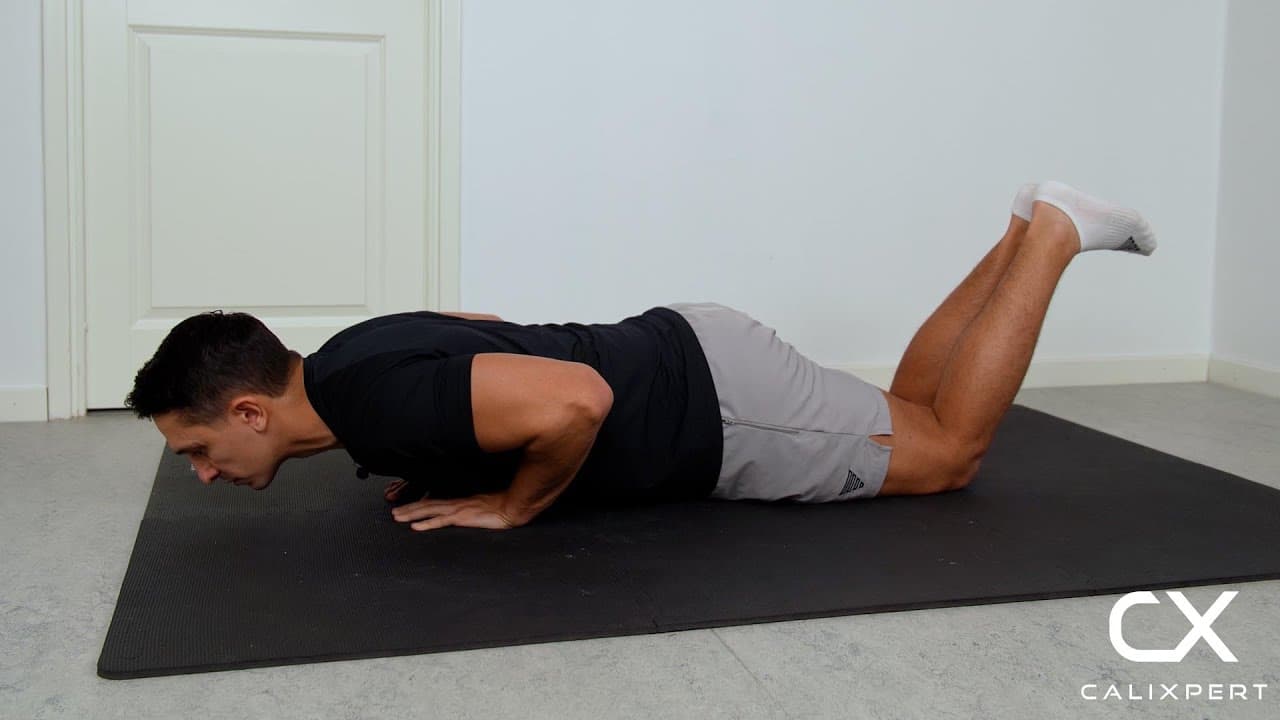
Knee diamond push-ups are a triceps-focused pushing exercise that places the hands in a narrow diamond position while using the knees as a support point to reduce load. This variation targets the triceps, chest, and front deltoids with a greater emphasis on the triceps than a standard knee push-up due to the close hand placement. For beginners building toward full diamond push-ups, knee diamond push-ups develop the pressing strength and elbow stability needed to handle the narrow grip under full bodyweight.
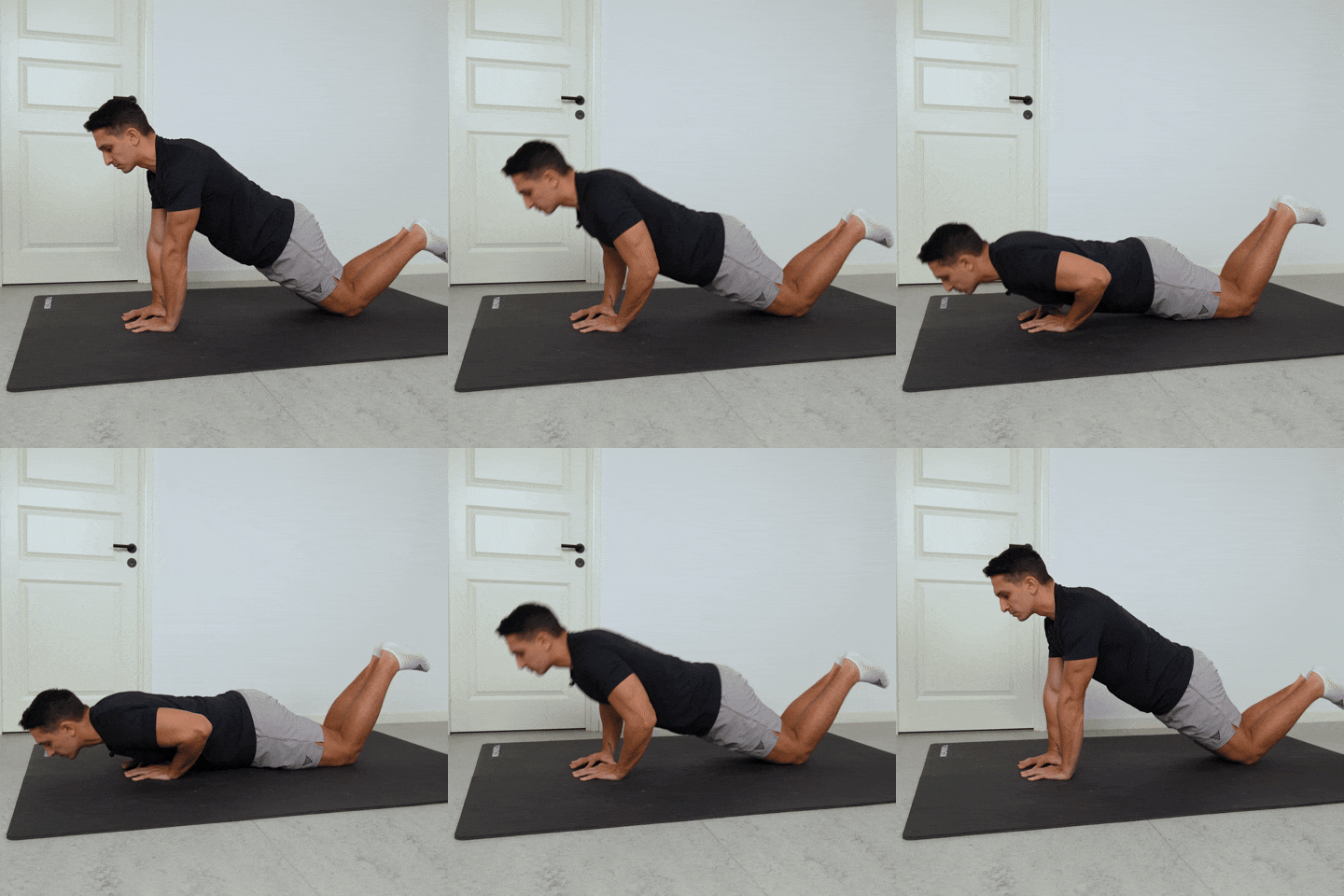
How to Do Knee Diamond Push Ups
1. Form the Diamond Hand Position
Place your hands on the ground with your thumbs and index fingers touching to create a diamond or triangle shape. Spread your remaining fingers outward to create a wider base of support. This wider finger spread gives you more stability and reduces wrist strain throughout the movement.
Thumbs and index fingers touching, fingers spread wide
2. Set Your Kneeling Position
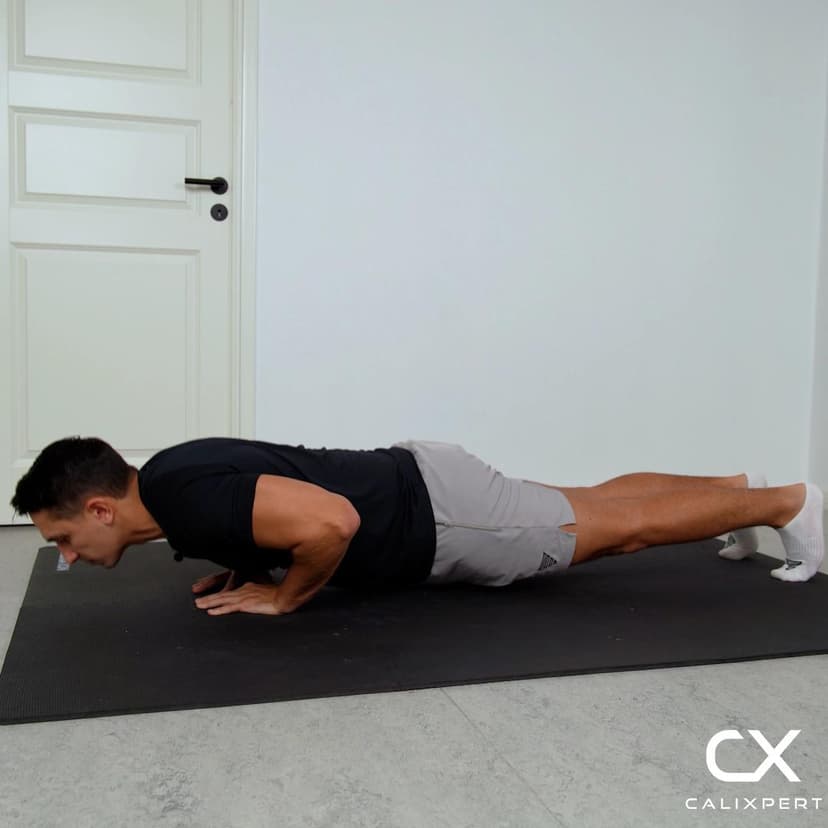
Walk your knees back until your body forms a straight line from your head to your knees. Position your hands so the diamond sits around the middle of your chest, not under your face or your stomach. Push your hips slightly forward, squeeze your glutes, and brace your core to lock your torso into a rigid plank from knees to shoulders.
Straight line from head to knees, no sagging hips
3. Lower With Elbows Tucked
Bend your elbows and lower your chest toward your hands in a controlled descent. Keep your elbows tracking close to your body throughout the entire lowering phase, not flaring out to the sides. Lower until your chest lightly touches the diamond shape formed by your hands. Look diagonally forward and keep your neck in a neutral position.
Elbows tight to your sides, not flared out
4. Press Back Up to Full Extension
Push through your palms and drive your body back to the starting position by fully extending your arms. Focus on squeezing the triceps at the top of the movement. Maintain the rigid core position and do not let your hips rise or sag during the press.
Squeeze the triceps hard at the top
5. Reset and Repeat With Control
Pause briefly at the top to confirm your body alignment is intact before starting the next rep. Every rep should begin from a fully locked-out position with core and glutes engaged. Avoid rushing through reps, as controlled tempo is what builds real pressing strength in this exercise.
Full lockout before every rep
Most people rush through knee diamond push-ups because they feel easy at first, but the real value is in keeping the elbows glued to your sides and lowering slowly. If your elbows are drifting out, the triceps are not doing their job. Slow the descent to a 3-second count and you will feel the difference immediately in the back of your arms.
Muscles Worked During Knee Diamond Push Ups
Secondary Muscles:
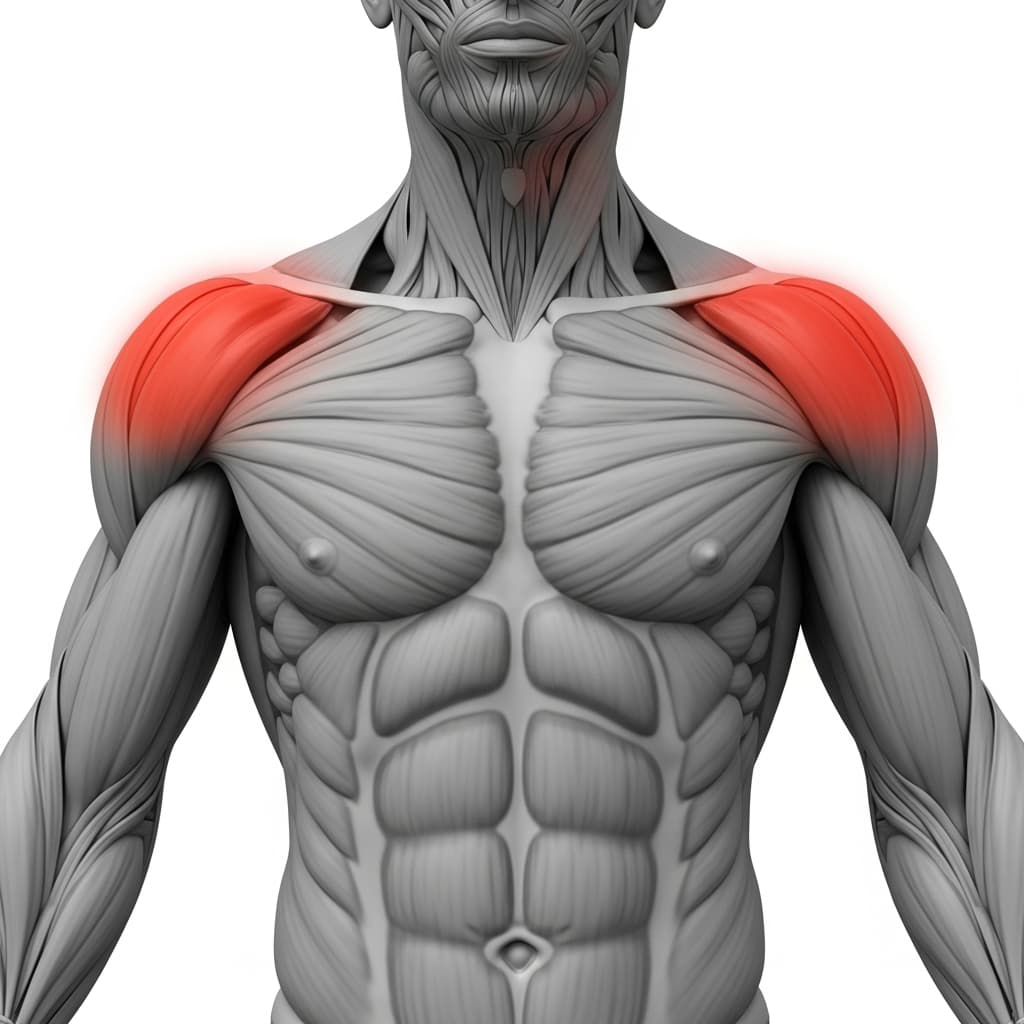
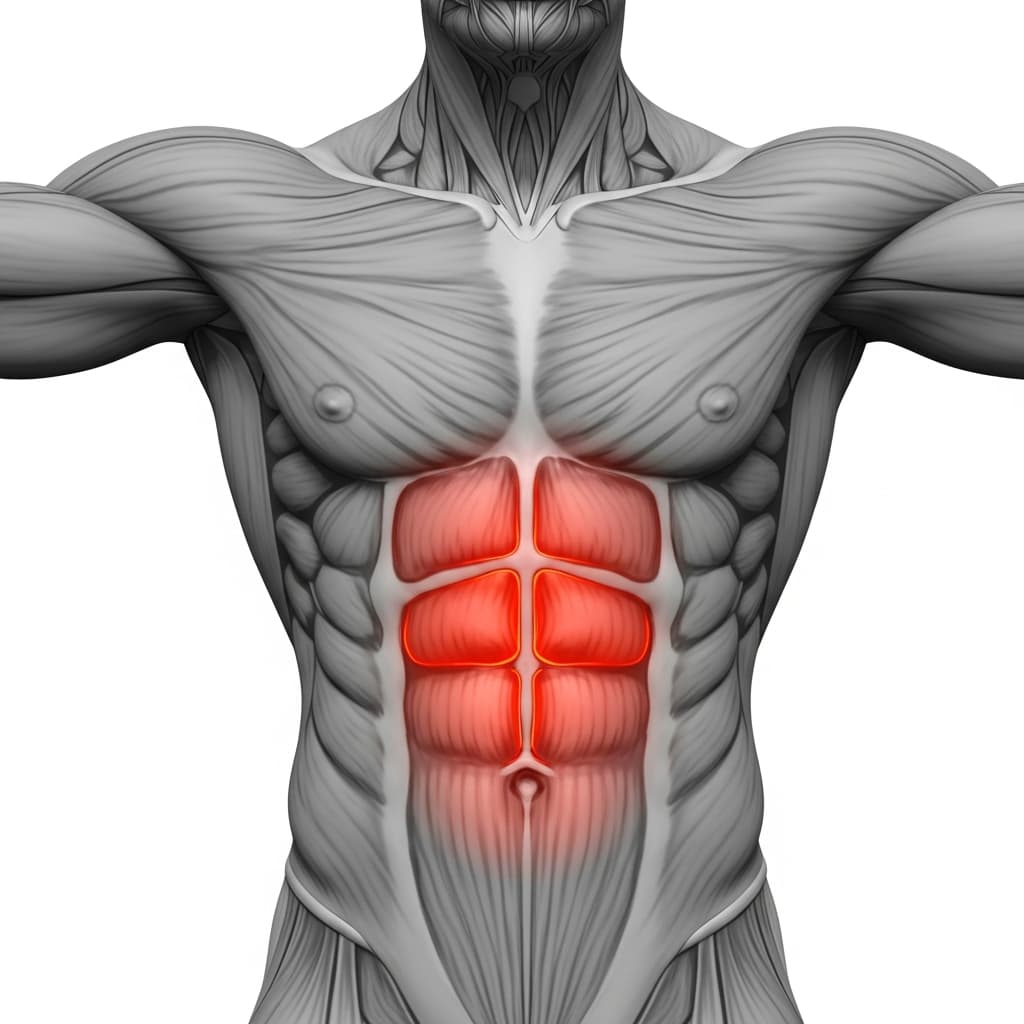
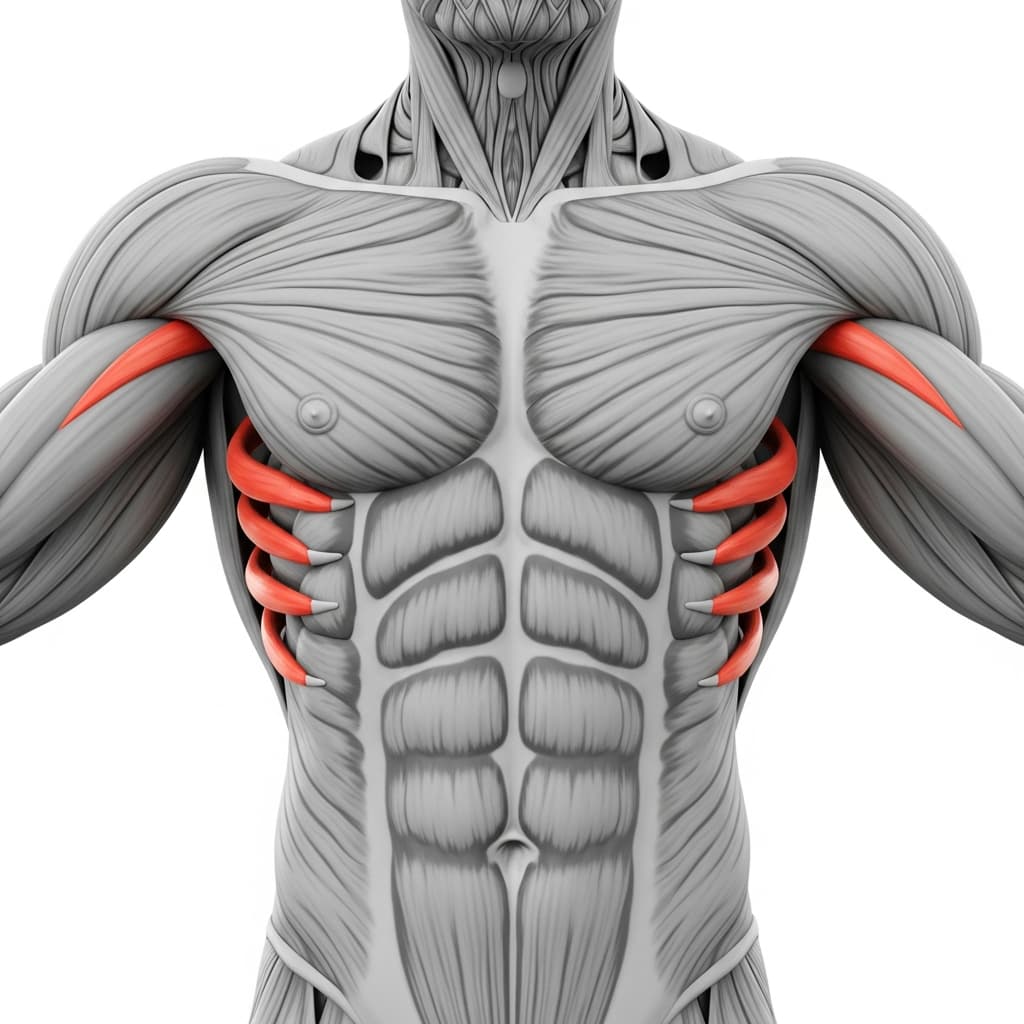
Primary Muscles
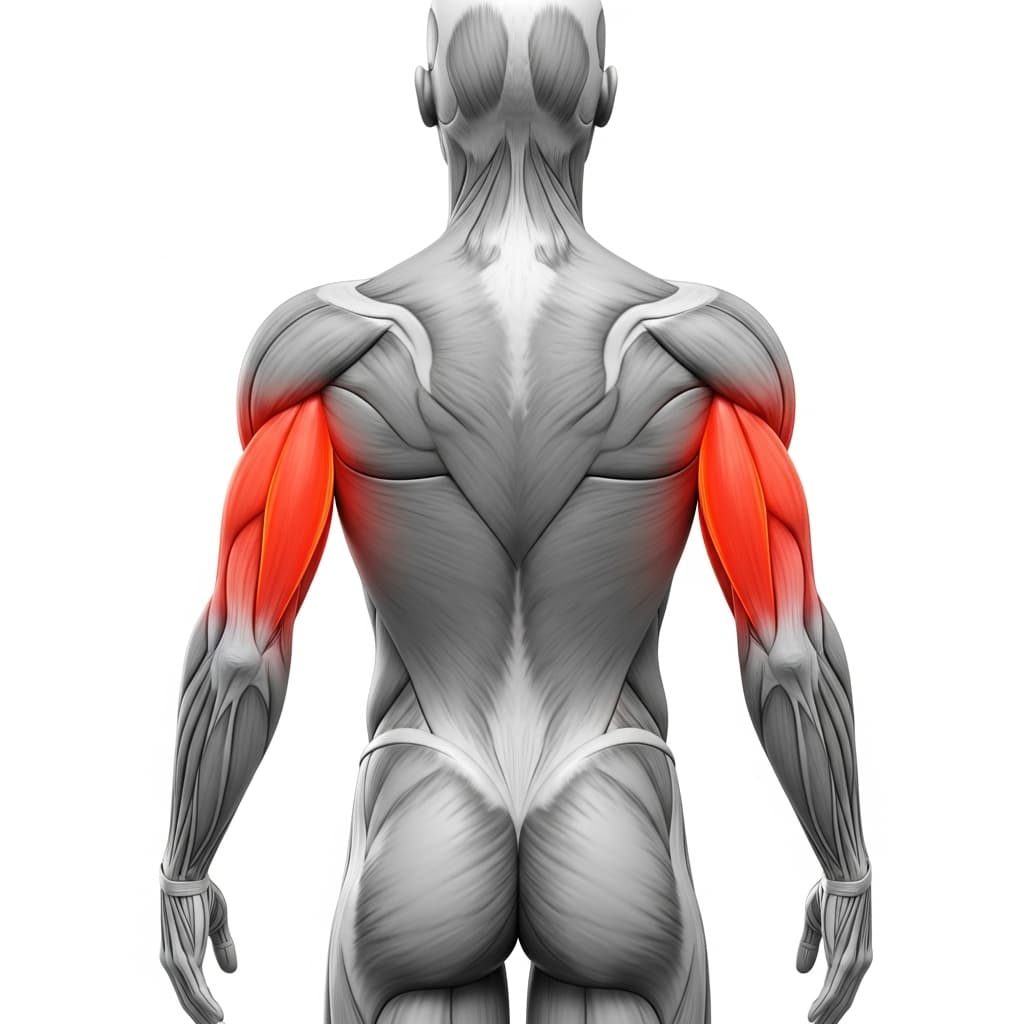
Triceps Brachii (Triceps) - The triceps extend the elbow during the pressing phase and are the primary driver of force production due to the narrow diamond hand position.
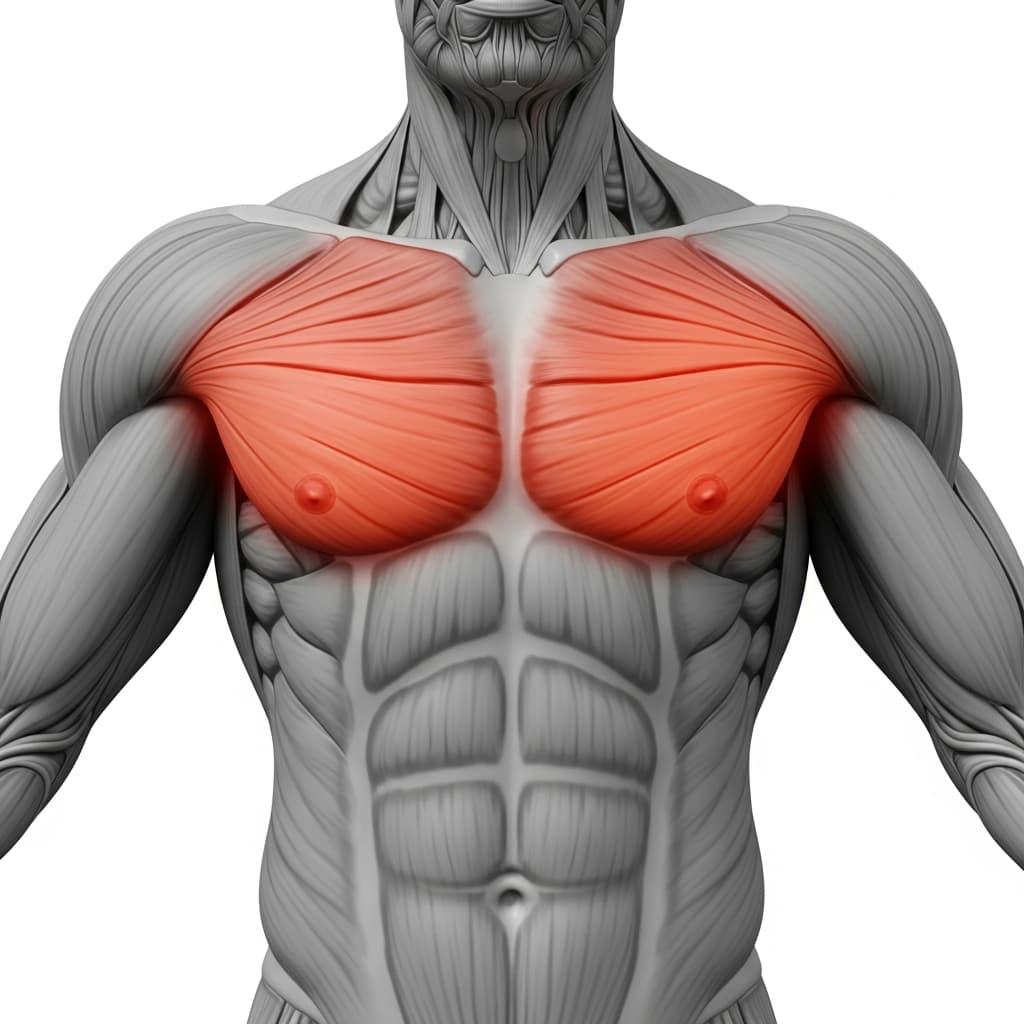
Pectoralis Major (Chest) - The chest assists in horizontal adduction of the upper arm during the push, working alongside the triceps to press the body away from the floor.
Secondary Muscles
Anterior Deltoid (Front Deltoid) - The front deltoids stabilize the shoulder joint and assist in the pressing motion as the arms extend from the bottom position.
Rectus Abdominis (Abs) - The abs brace the torso to maintain a rigid plank from head to knees, preventing the hips from sagging under load.
Serratus Anterior (Serratus Anterior) - The serratus anterior protracts the shoulder blades at the top of each rep, stabilizing the scapula against the ribcage during the lockout.
Benefits of Knee Diamond Push Ups
- Isolates the triceps more than any standard push-up variation due to the narrow hand placement and tucked elbow path
- Builds the pressing strength and elbow stability required to progress to full diamond push-ups and dips
- Reduces load compared to full push-up variations, allowing beginners to train the diamond position with proper form before adding full bodyweight
- Strengthens the serratus anterior and front deltoids, which supports shoulder health in all overhead and pressing movements
Who Is This Exercise For?
You should be able to perform at least 10 clean knee push-ups with a controlled descent before attempting knee diamond push-ups. If your wrists or elbows feel strained in a narrow hand position, spend time strengthening your wrist flexibility and triceps with easier pressing variations first.
Common Mistakes to Avoid
Flaring elbows out to the sides: Keep your elbows tucked close to your ribcage throughout the entire movement. When elbows flare out, the load shifts away from the triceps and places unnecessary stress on the shoulder joint.
Letting hips sag toward the ground: Squeeze your glutes and brace your core before every rep to keep a straight line from head to knees. Sagging hips turn this into a partial rep that skips core engagement entirely.
Placing hands too far forward: Position the diamond directly under the middle of your chest, not under your face or chin. Hands placed too far forward overload the shoulders and reduce the range of motion at the triceps.
Dropping to the floor instead of lowering with control: Use a 2 to 3 second descent on every rep. The lowering phase builds the most strength and control, and dropping wastes that entire portion of the exercise.