Diamond Push Ups
Diamond push-ups are a narrow-grip push-up variation that shifts the primary load onto the triceps and inner chest by bringing the hands together directly beneath the sternum. The close hand position forces the triceps to handle a much greater share of the pressing effort compared to a standard push-up, making this one of the most effective bodyweight triceps builders available. When performed with strict form and controlled tempo, diamond push-ups develop the pressing strength and elbow stability needed for dips, pseudo planche push-ups, and other advanced calisthenics movements.
Diamond push-ups are a narrow-grip push-up variation that shifts the primary load onto the triceps and inner chest by bringing the hands together directly beneath the sternum. The close hand position forces the triceps to handle a much greater share of the pressing effort compared to a standard push-up, making this one of the most effective bodyweight triceps builders available. When performed with strict form and controlled tempo, diamond push-ups develop the pressing strength and elbow stability needed for dips, pseudo planche push-ups, and other advanced calisthenics movements.
How to Do Diamond Push Ups
1. Form the Diamond Hand Position
Place both hands on the ground directly under your chest with your thumbs and index fingers touching to form a triangle or diamond shape. Spread your remaining fingers wide to create a larger base of support and improve wrist stability. The triangle should sit roughly at the center of your chest, not up near your face or down by your stomach.
Thumbs and index fingers touch, fingers spread
2. Set Your Push-Up Position
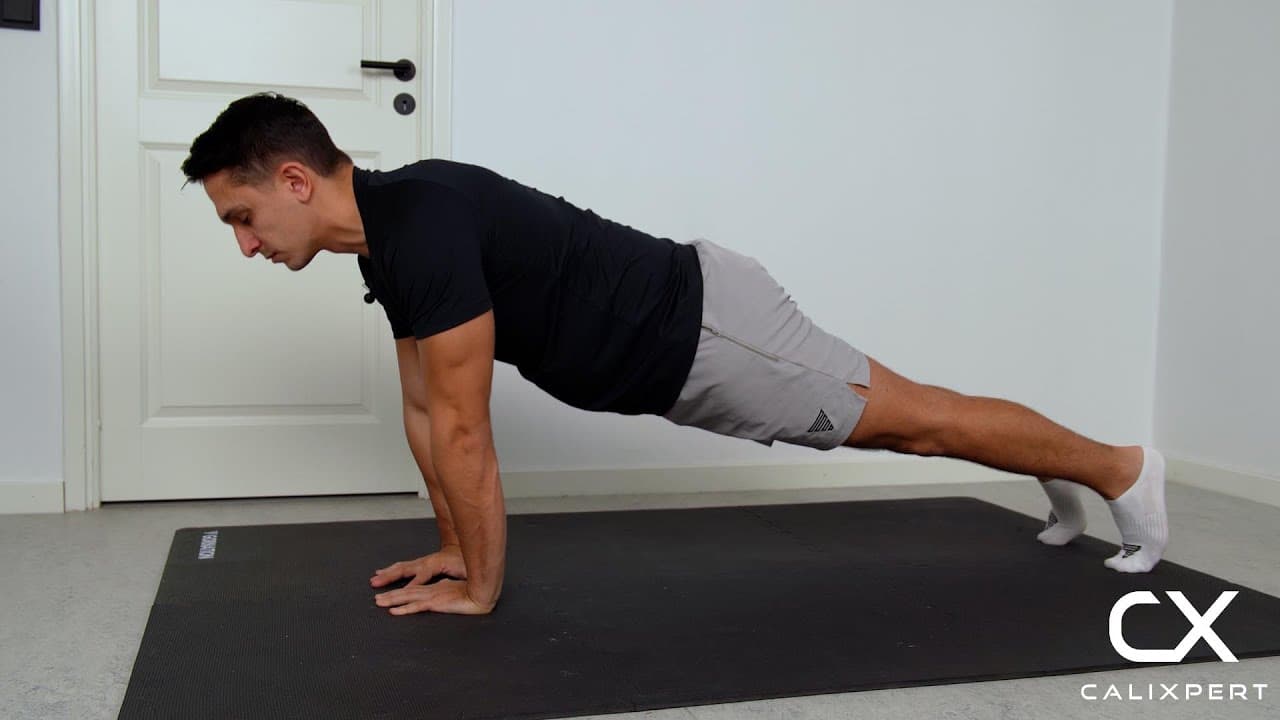
Extend your legs behind you and balance on your toes with your feet roughly hip-width apart. Your body should form one straight line from the crown of your head to your heels. Squeeze your glutes and brace your core before you begin the first rep. Look diagonally forward at the ground, not straight down, to keep your neck in a neutral position.
Straight line from head to heels
3. Lean Forward Over Your Hands
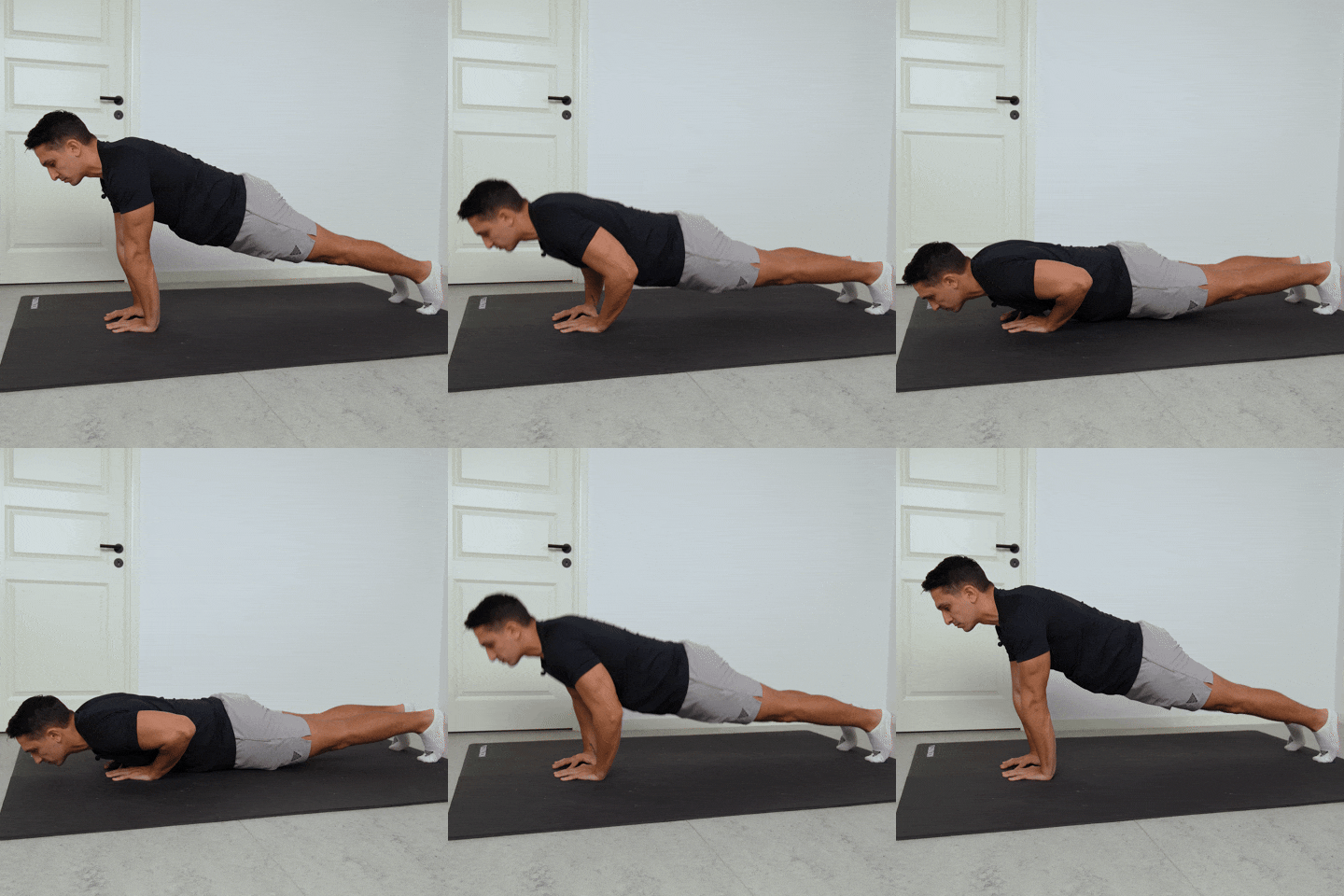
Shift your weight slightly forward so that your hands sit directly beneath the middle of your chest, not under your shoulders. This forward lean places the triceps and chest in a stronger pressing position and prevents the shoulders from taking over the movement. You should feel your weight centered over the diamond, not behind it.
Hands under mid-chest, not under shoulders
4. Lower With Elbows Tight
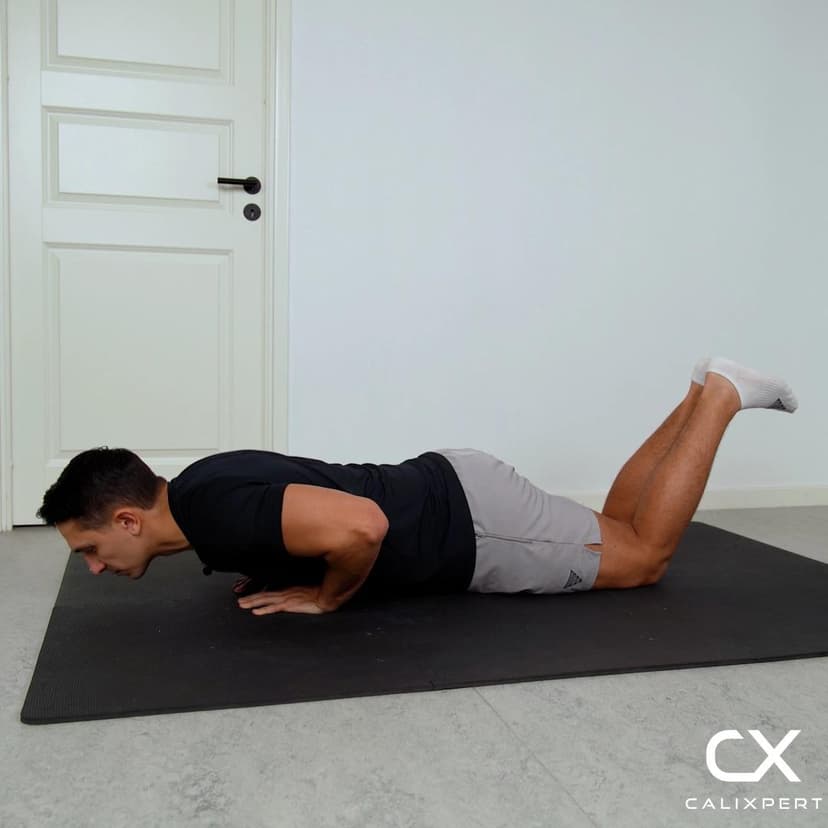
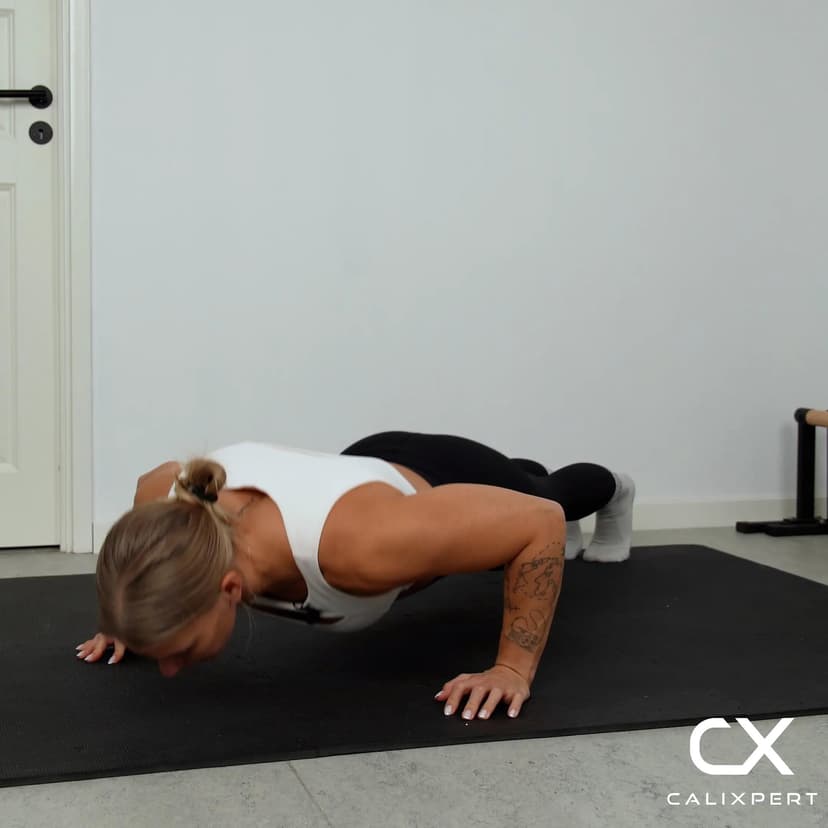
Bend your elbows and lower your chest toward your hands while keeping your elbows as close to your body as possible. The elbows should track backward along your ribs, not flare out to the sides. Continue lowering until your chest lightly touches or nearly touches the back of your hands. Maintain full body tension through the entire descent.
Elbows graze the ribs on the way down
5. Push Back Up to Full Extension
Press through your palms and drive your body back up to the starting position in one controlled motion. Keep your elbows tucked throughout the push and focus on squeezing the triceps hard at the top. Fully extend your arms at the top of each rep without locking the elbows aggressively. Reset your core brace before starting the next repetition.
Squeeze the triceps hard at the top
Most people fail diamond push-ups at the bottom because they let their elbows drift out when things get hard. The fix is simple: think about squeezing your elbows into your ribs on the way down, and you will immediately feel the triceps do the work instead of the shoulders. If you cannot get a full rep with elbows tight, elevate your hands on a surface and build up from there rather than compensating with sloppy form.
Muscles Worked During Diamond Push Ups
Secondary Muscles:
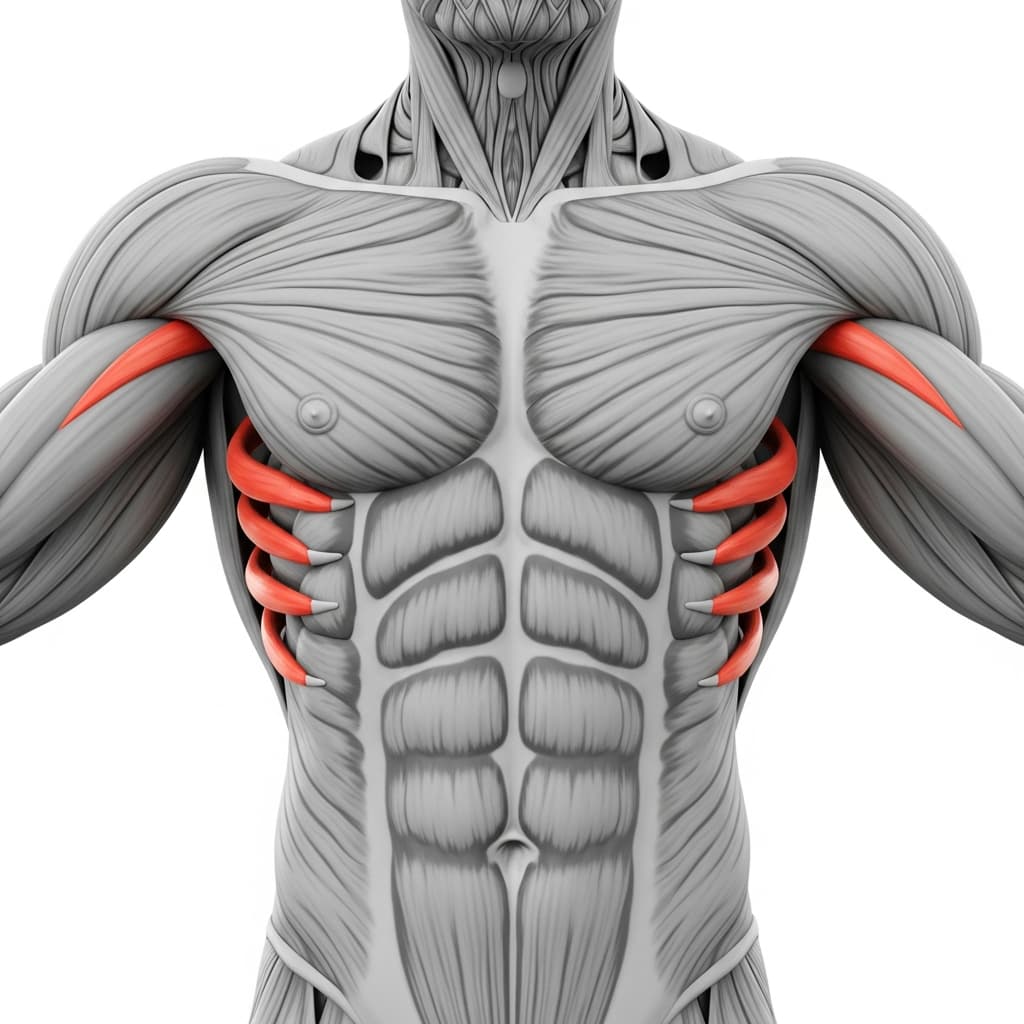
Primary Muscles
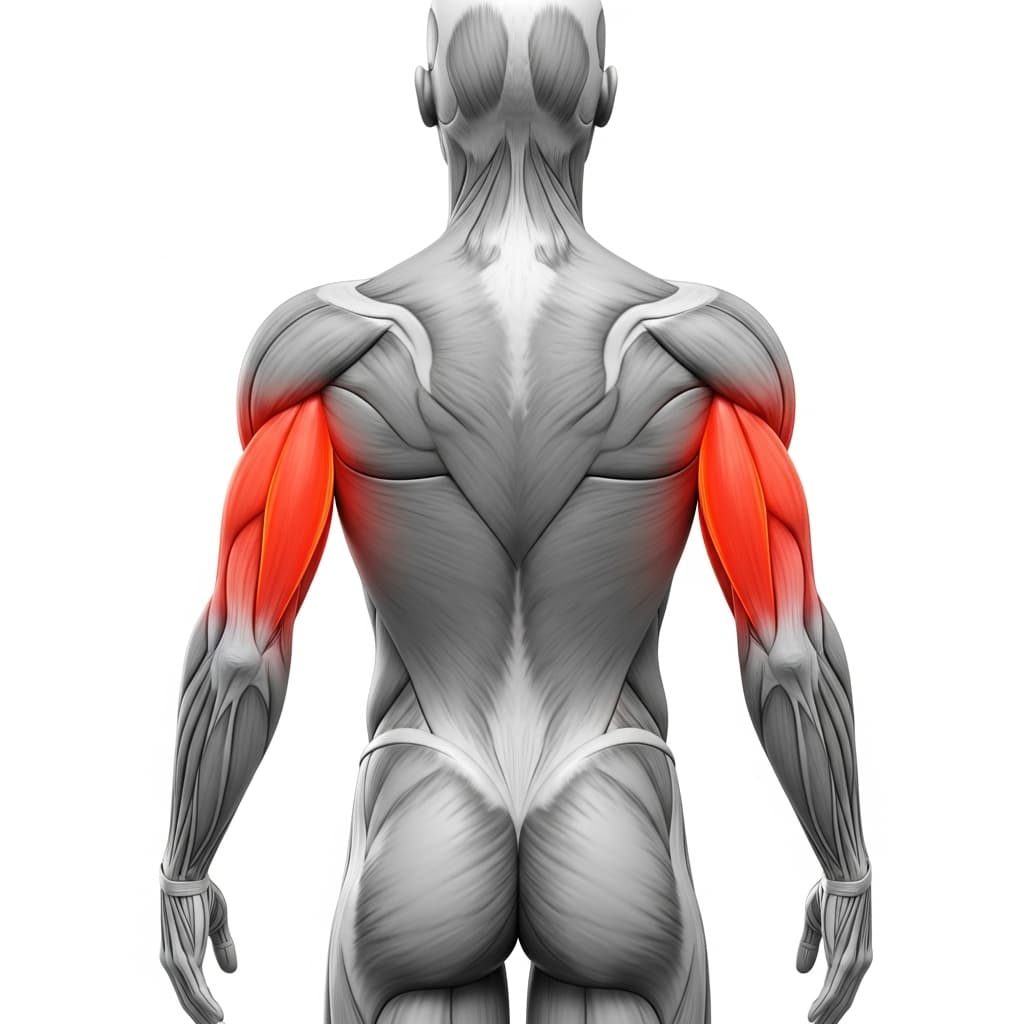
Triceps Brachii (Triceps) - The triceps extend the elbow during the pushing phase, and the narrow hand position forces them to handle the majority of the pressing effort throughout the full range of motion.
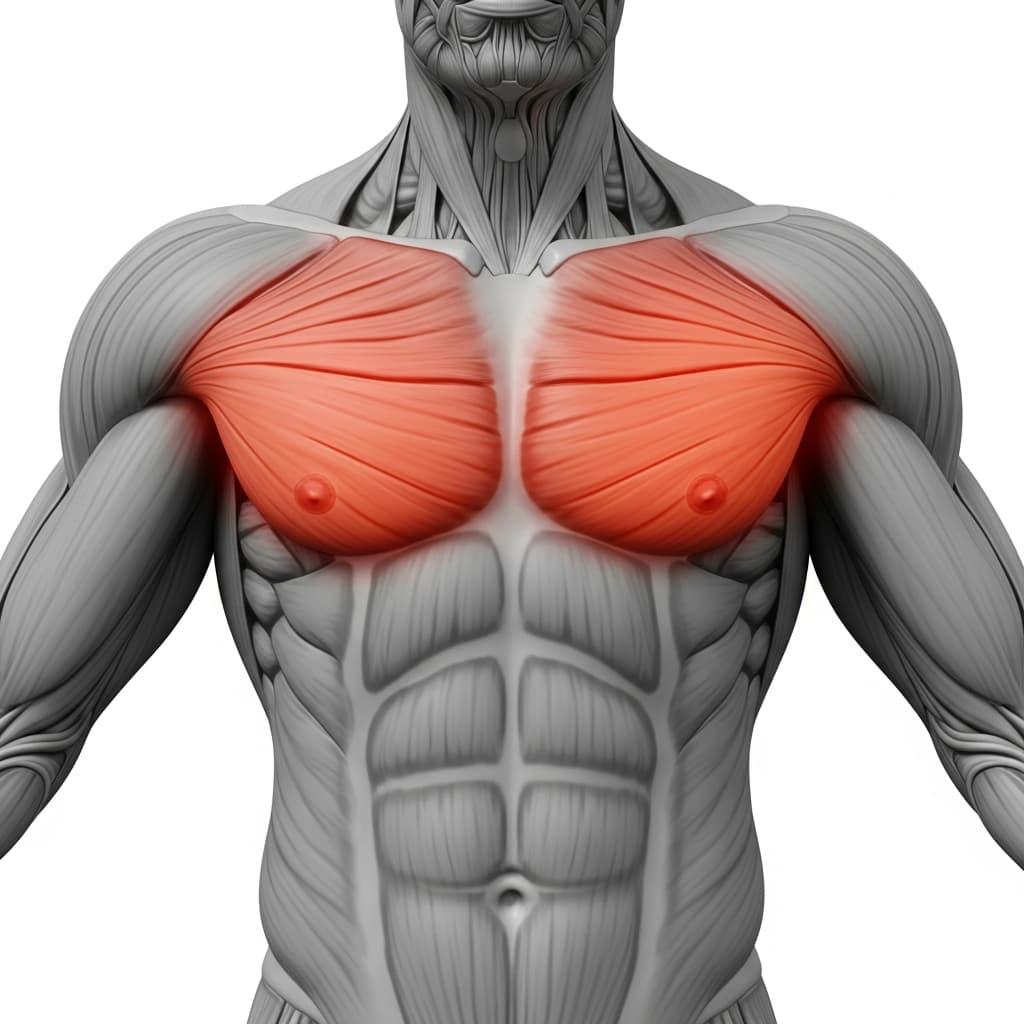
Pectoralis Major (Chest) - The chest fibers, particularly the inner and sternal portions, contract to adduct the arms during the press and control the descent as the hands are positioned close together beneath the sternum.
Secondary Muscles
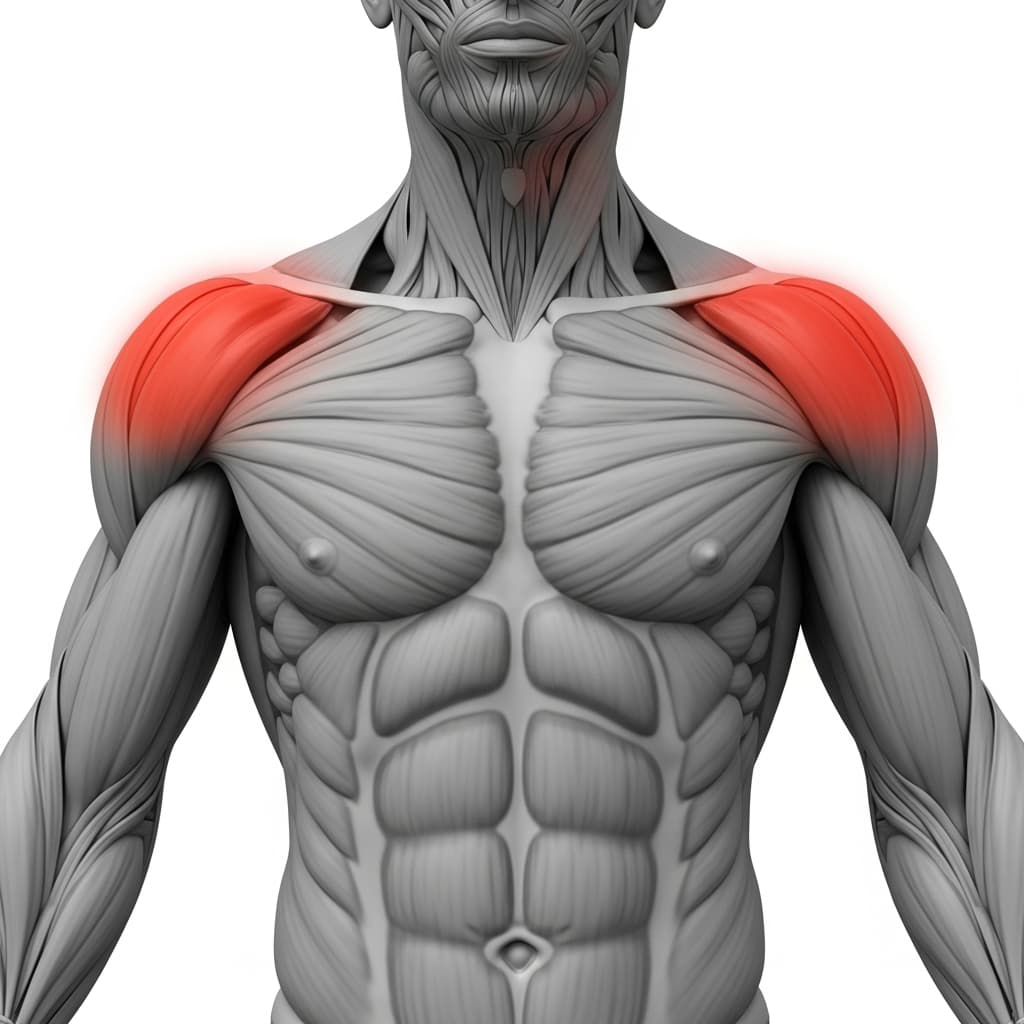
Anterior Deltoid (Front Deltoid) - The anterior deltoids assist in shoulder flexion during the upward press, stabilizing the shoulder joint under the forward-leaning body position.
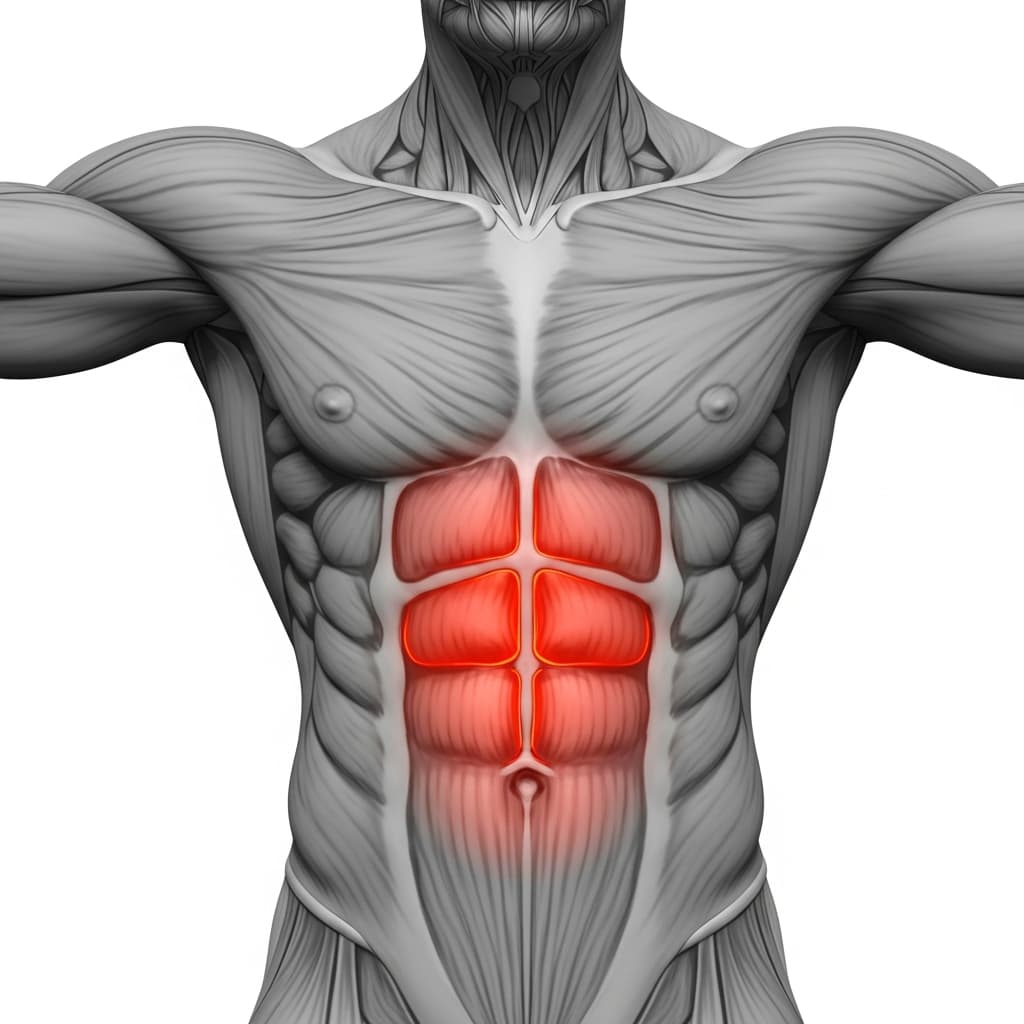
Rectus Abdominis (Abs) - The rectus abdominis braces isometrically throughout each rep to maintain a rigid straight-line body position and prevent the hips from sagging toward the floor.
Serratus Anterior (Serratus Anterior) - The serratus anterior protracts the shoulder blades at the top of each rep, stabilizing the scapulae against the ribcage during the pressing motion.
Benefits of Diamond Push Ups
- Develops triceps strength and size more effectively than standard push-ups due to the narrow hand position forcing the triceps to handle a greater share of the pressing load
- Builds inner chest activation that wider grip push-up variations cannot reach, filling in a common weak point in bodyweight pressing
- Strengthens elbow joint stability under load, which directly transfers to dips, handstand push-ups, and planche progressions
- Requires zero equipment and can be performed anywhere, making it one of the most accessible high-value triceps exercises in calisthenics
Who Is This Exercise For?
You should be able to perform at least 15 clean standard push-ups with full range of motion before attempting diamond push-ups. If your elbows flare out or your hips sag during regular push-ups, correct those patterns first because the narrower hand position will amplify both problems. Solid plank holds of 30 seconds or more with a braced core are a good indicator that your midline stability is ready for this variation.
Common Mistakes to Avoid
Letting the elbows flare outward: Keep your elbows tracking backward along your ribcage throughout the entire rep. When the elbows flare, the load shifts to the shoulders and away from the triceps, which defeats the purpose of the narrow grip.
Sagging hips and loose core: Squeeze your glutes and brace your abs before every rep as if someone is about to push you. A soft midline turns the diamond push-up into a sloppy half-rep that stresses the lower back instead of building the chest and triceps.
Placing hands too far forward: Position the diamond directly under the center of your chest, not up near your chin or throat. Hands placed too far forward overload the shoulders and reduce triceps engagement.
Cutting the range of motion short: Lower until your chest touches or nearly touches the back of your hands on every rep. Partial reps skip the bottom portion where the triceps are under the most stretch and where the most strength is built.