

Serratus Anterior Exercises
Serratus Anterior
All Serratus Anterior Exercises (115)
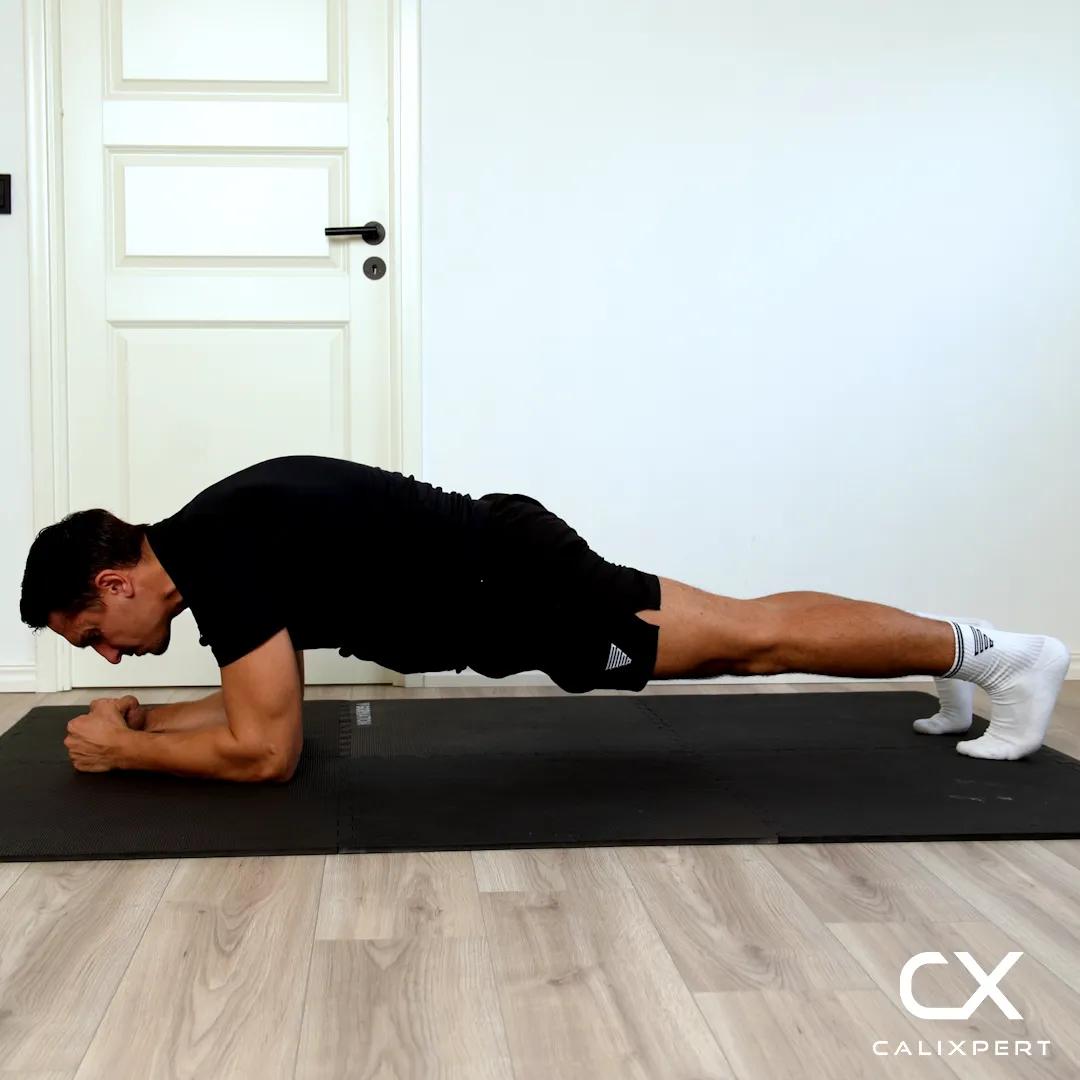
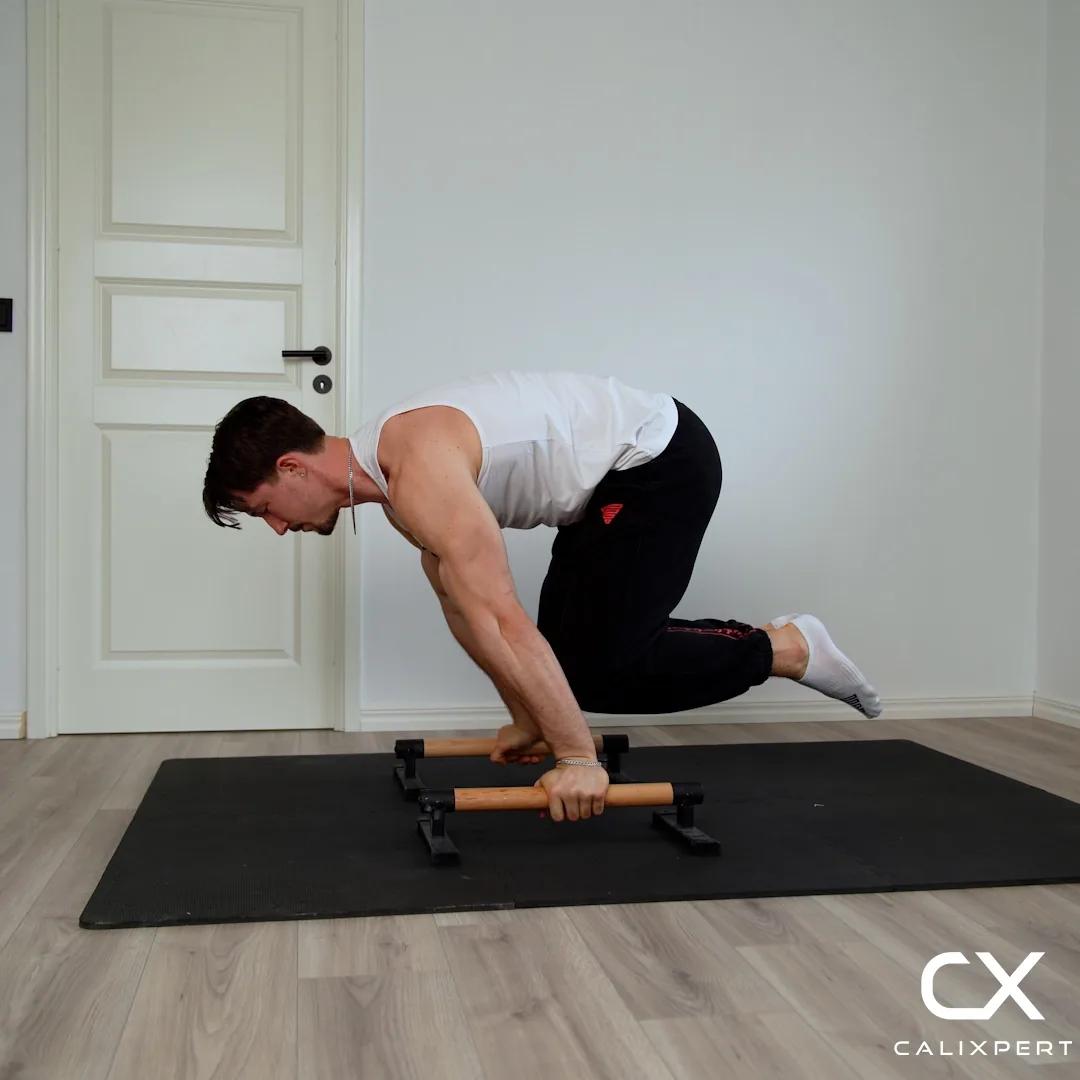
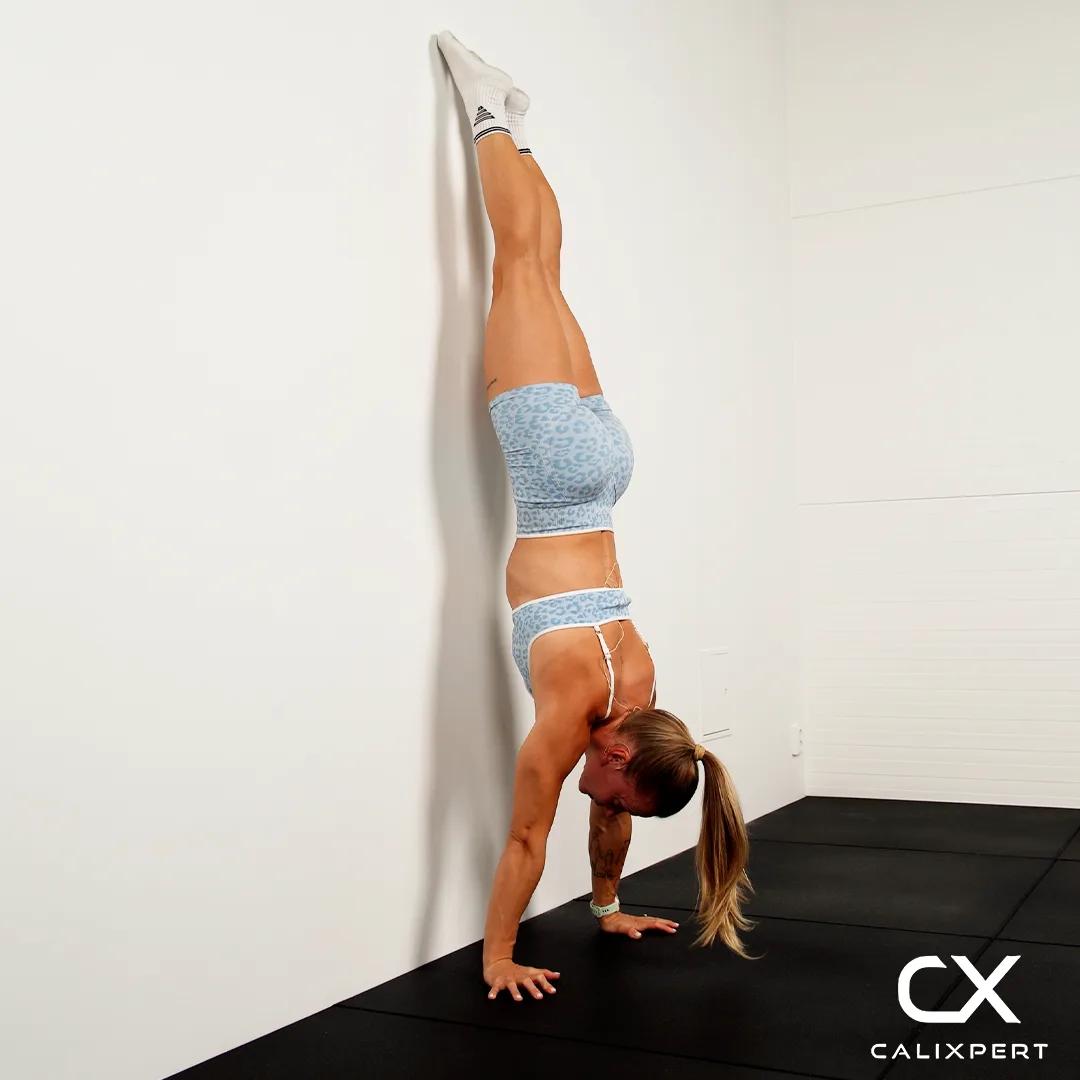
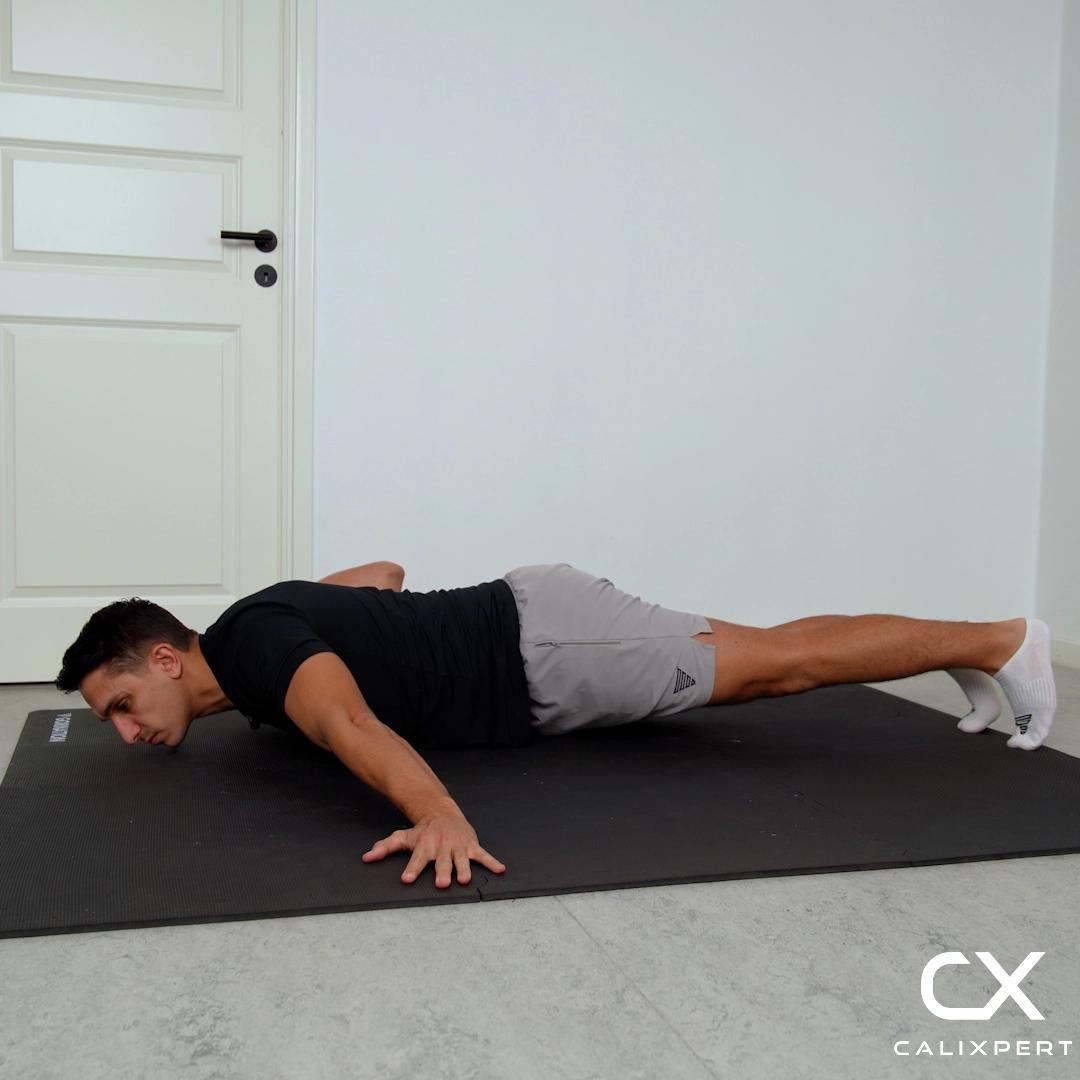
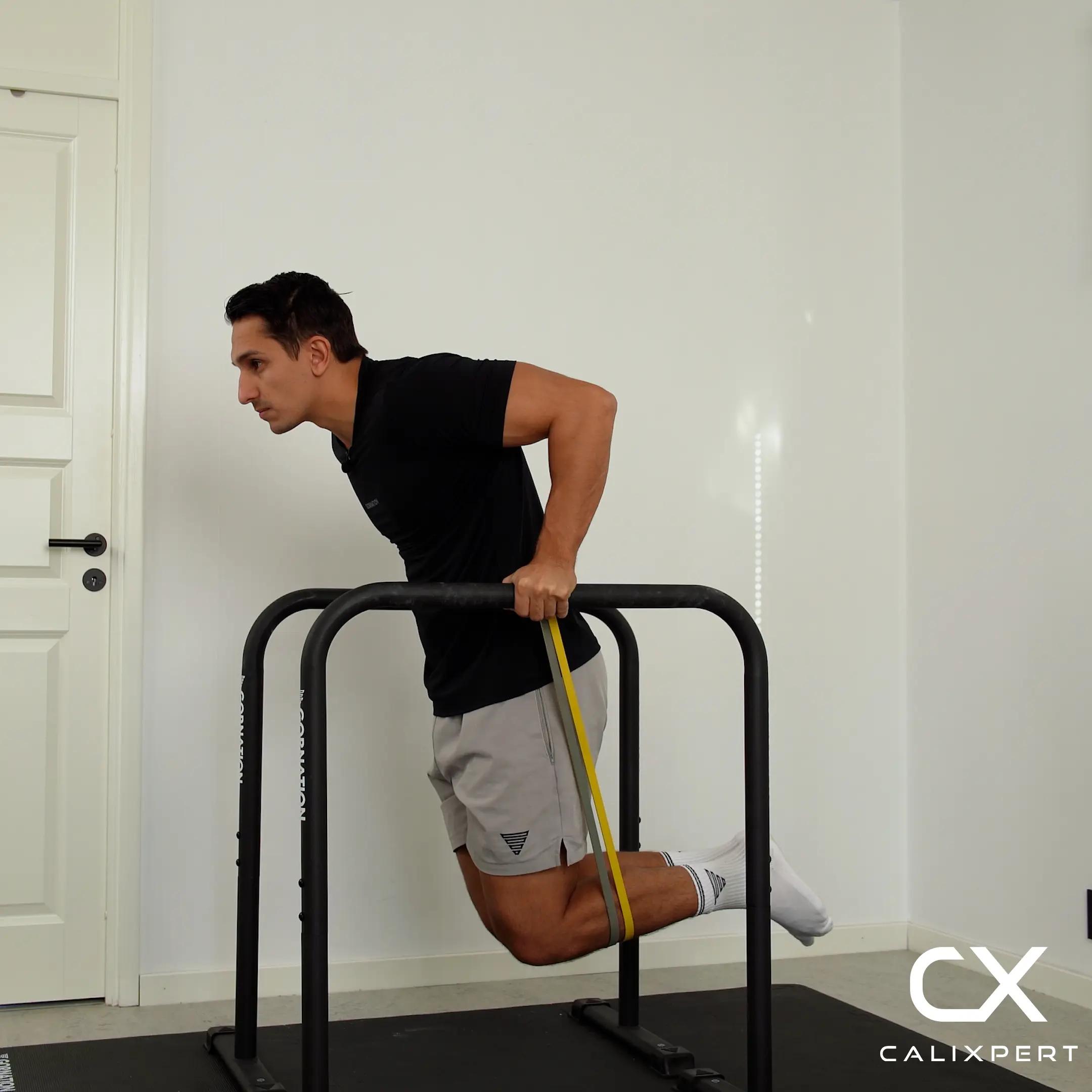
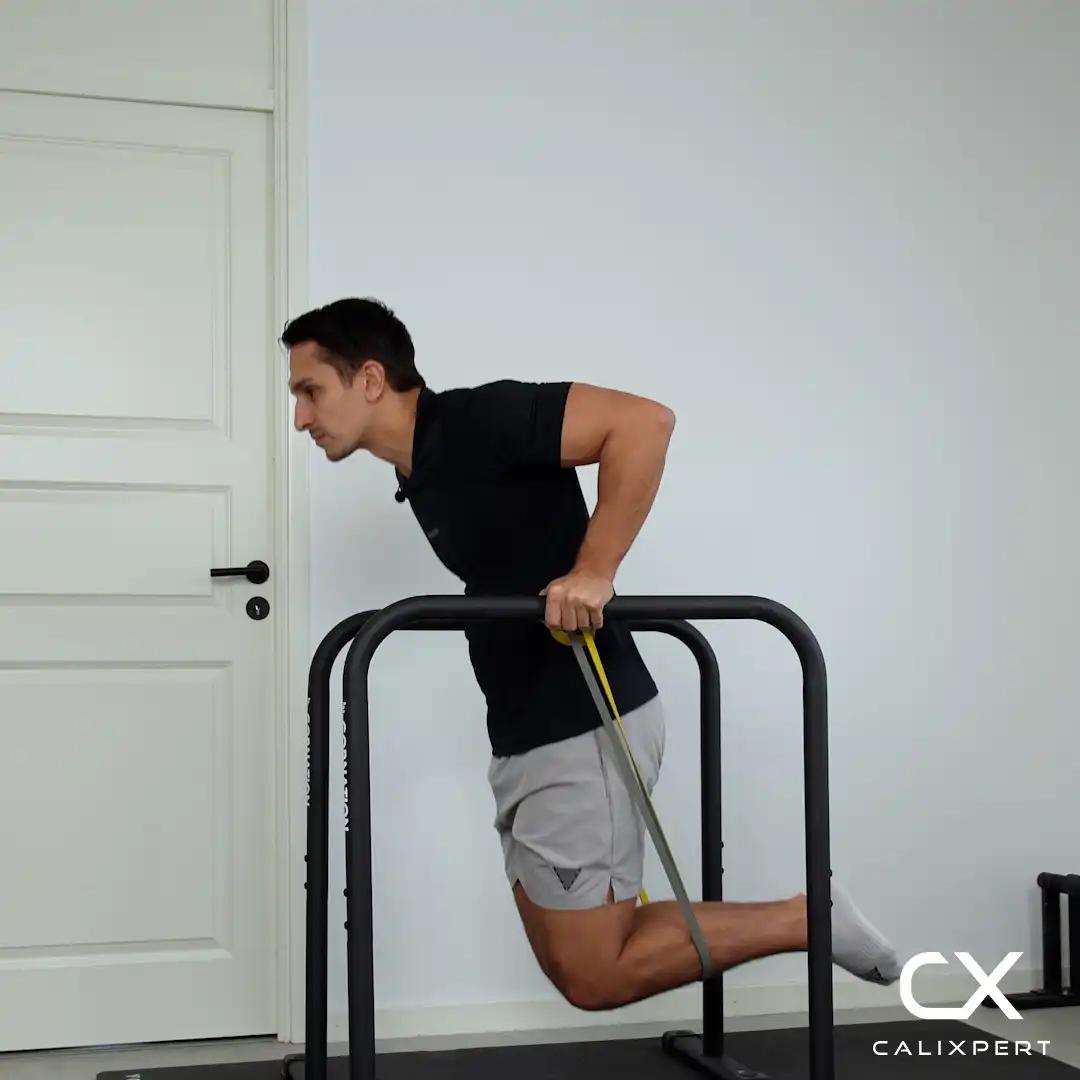
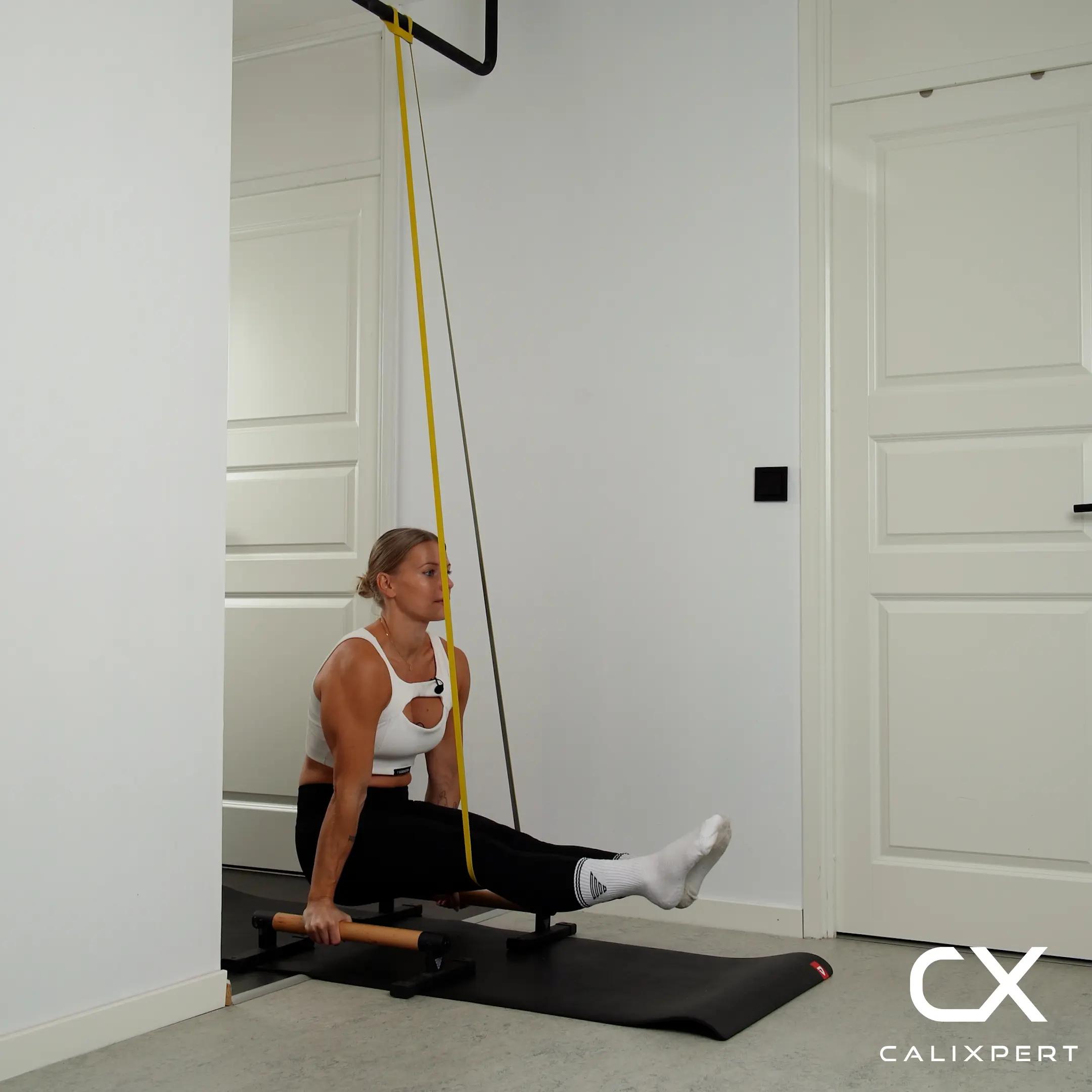
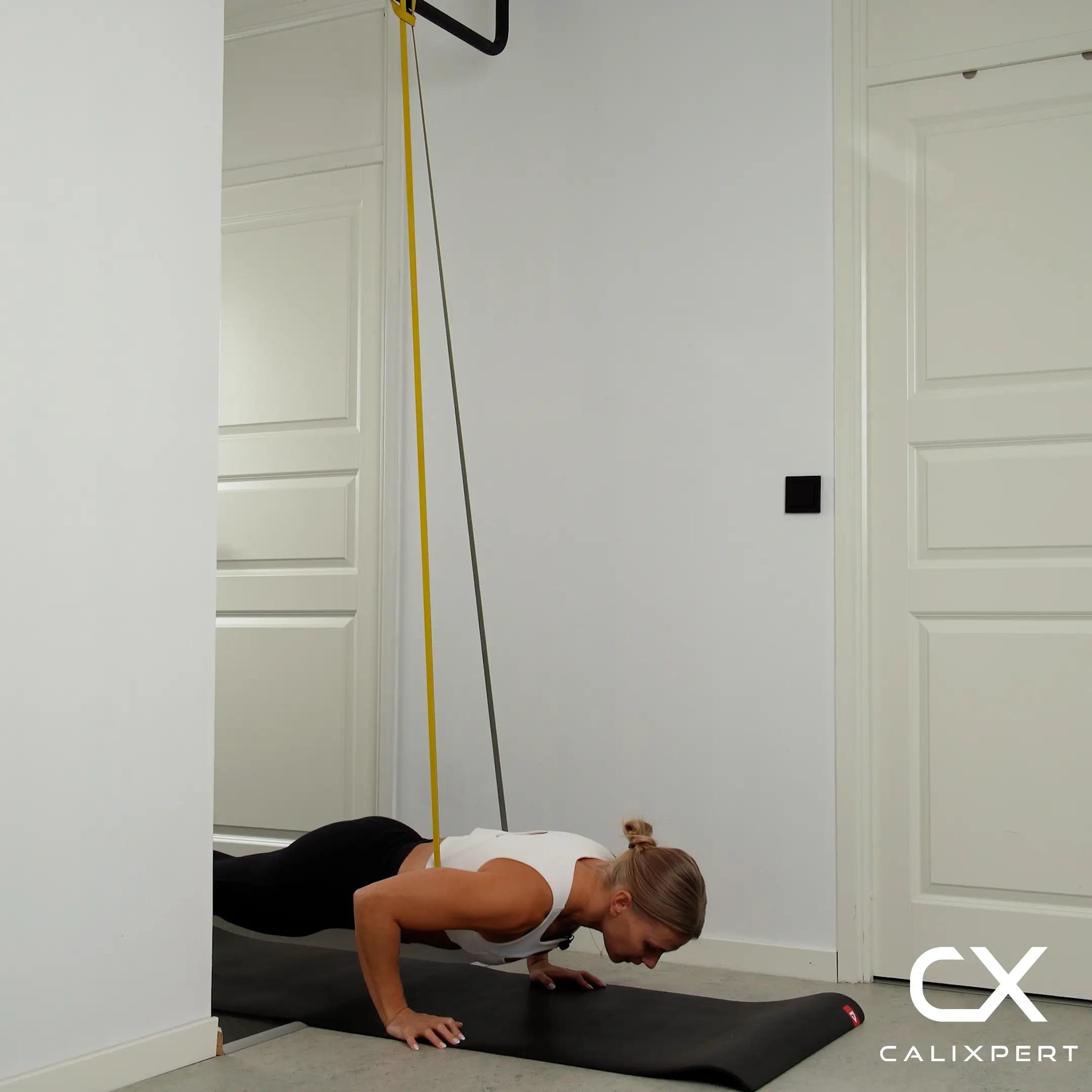
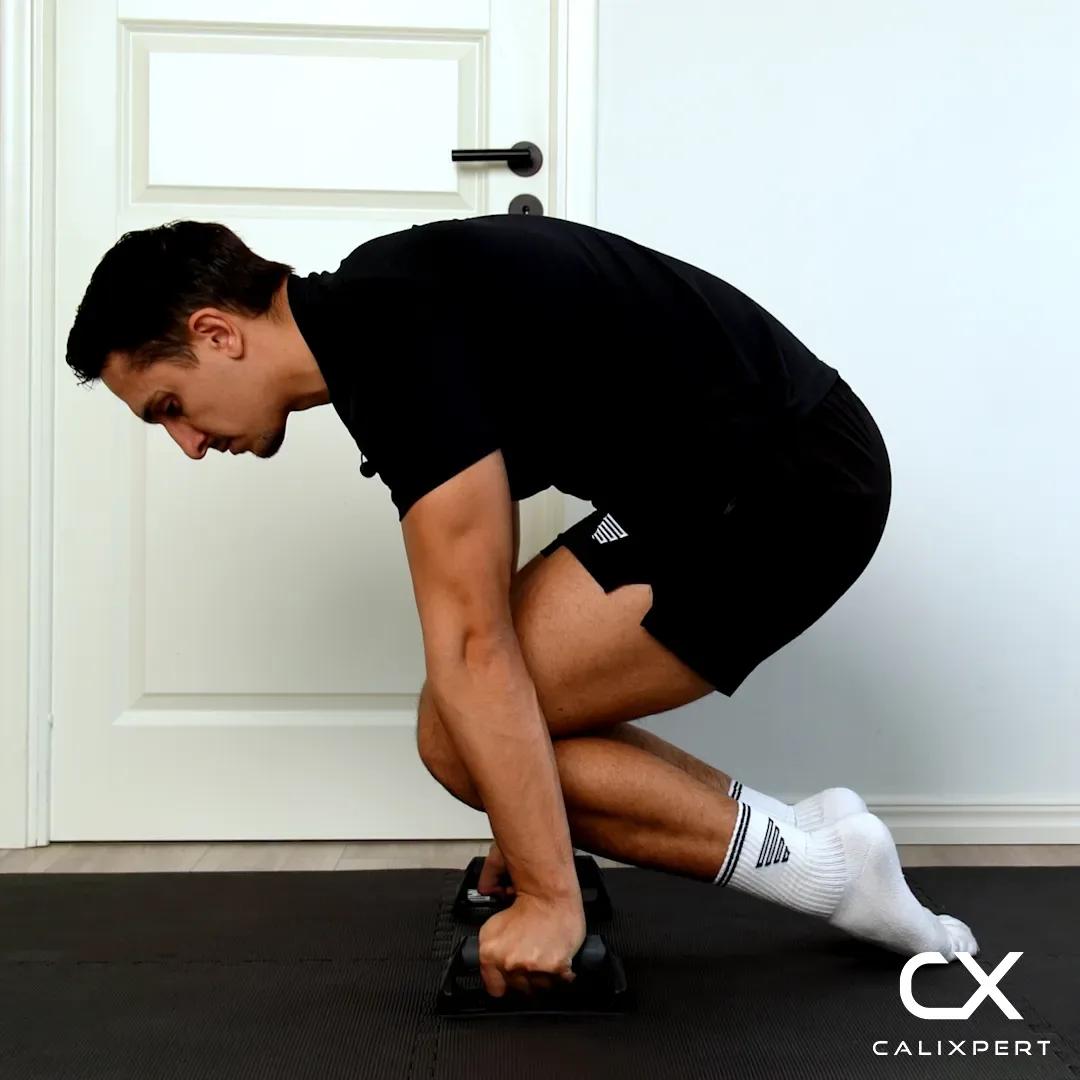
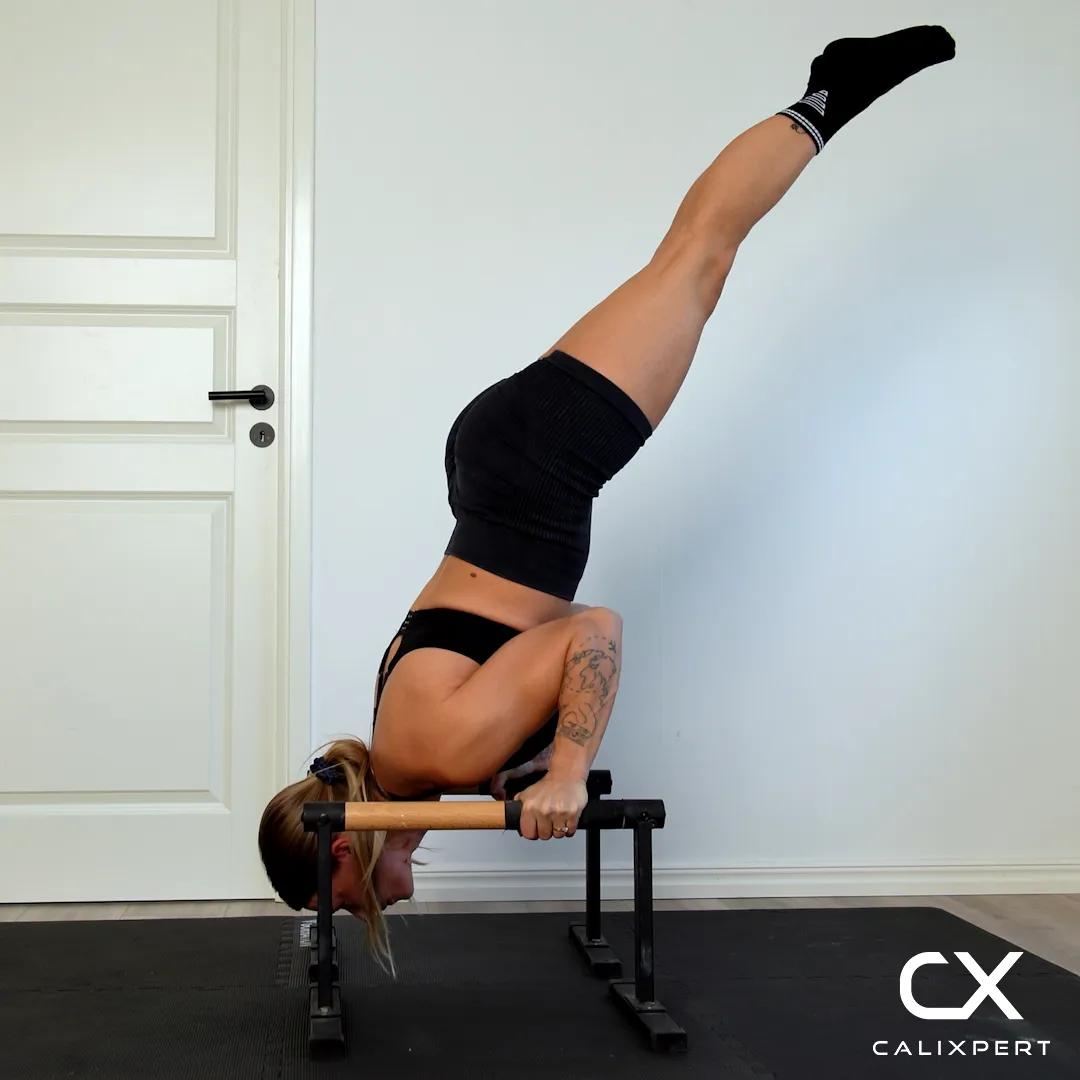
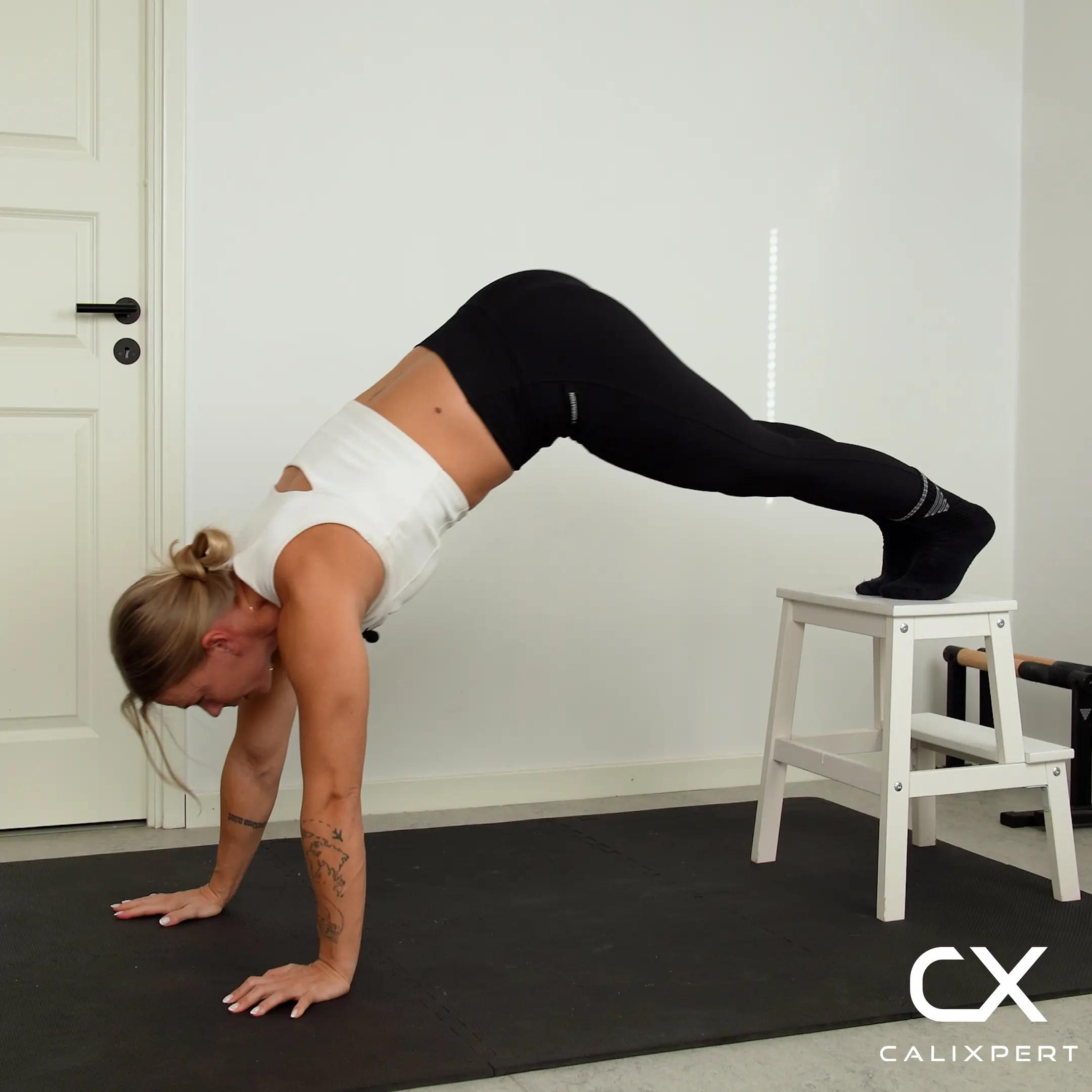
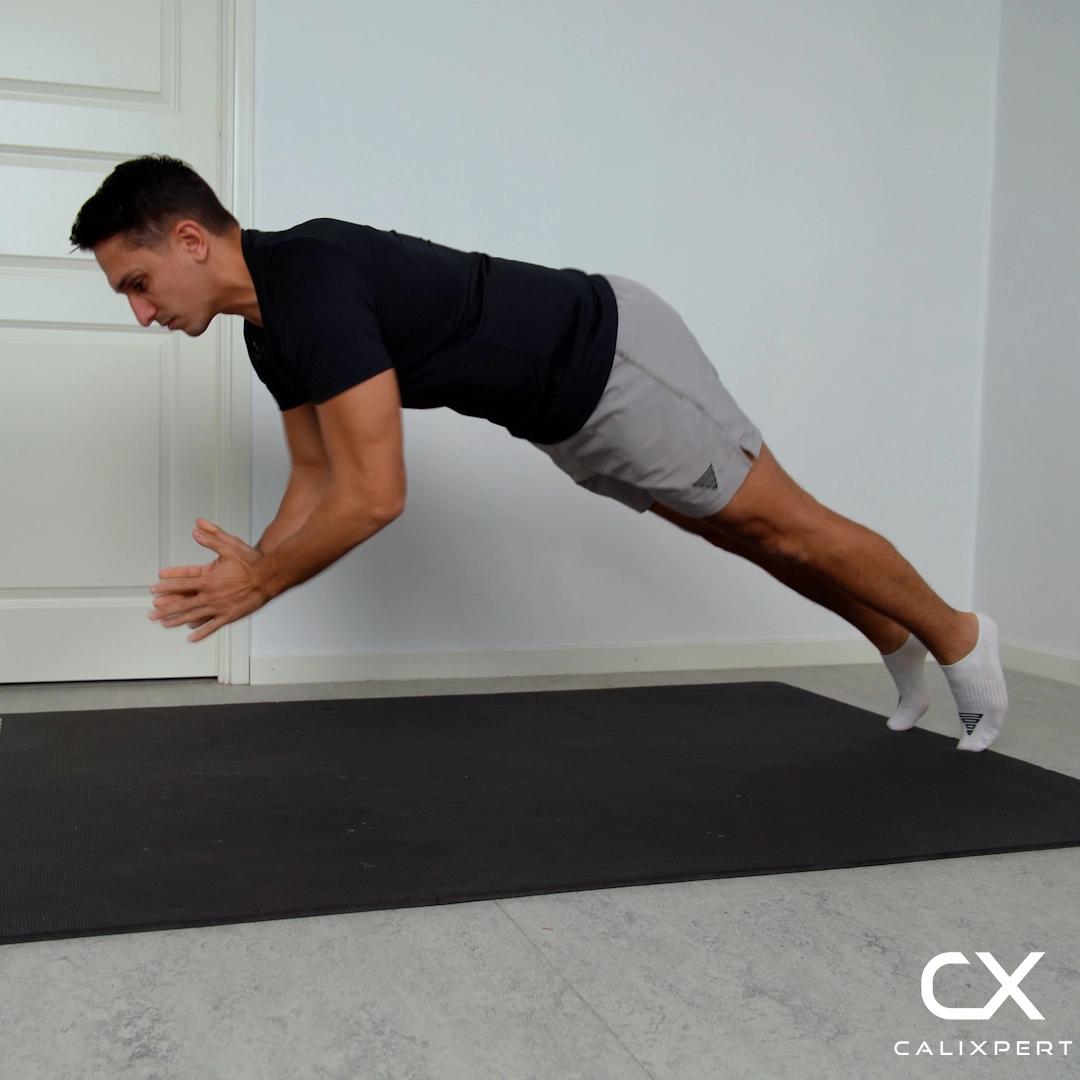
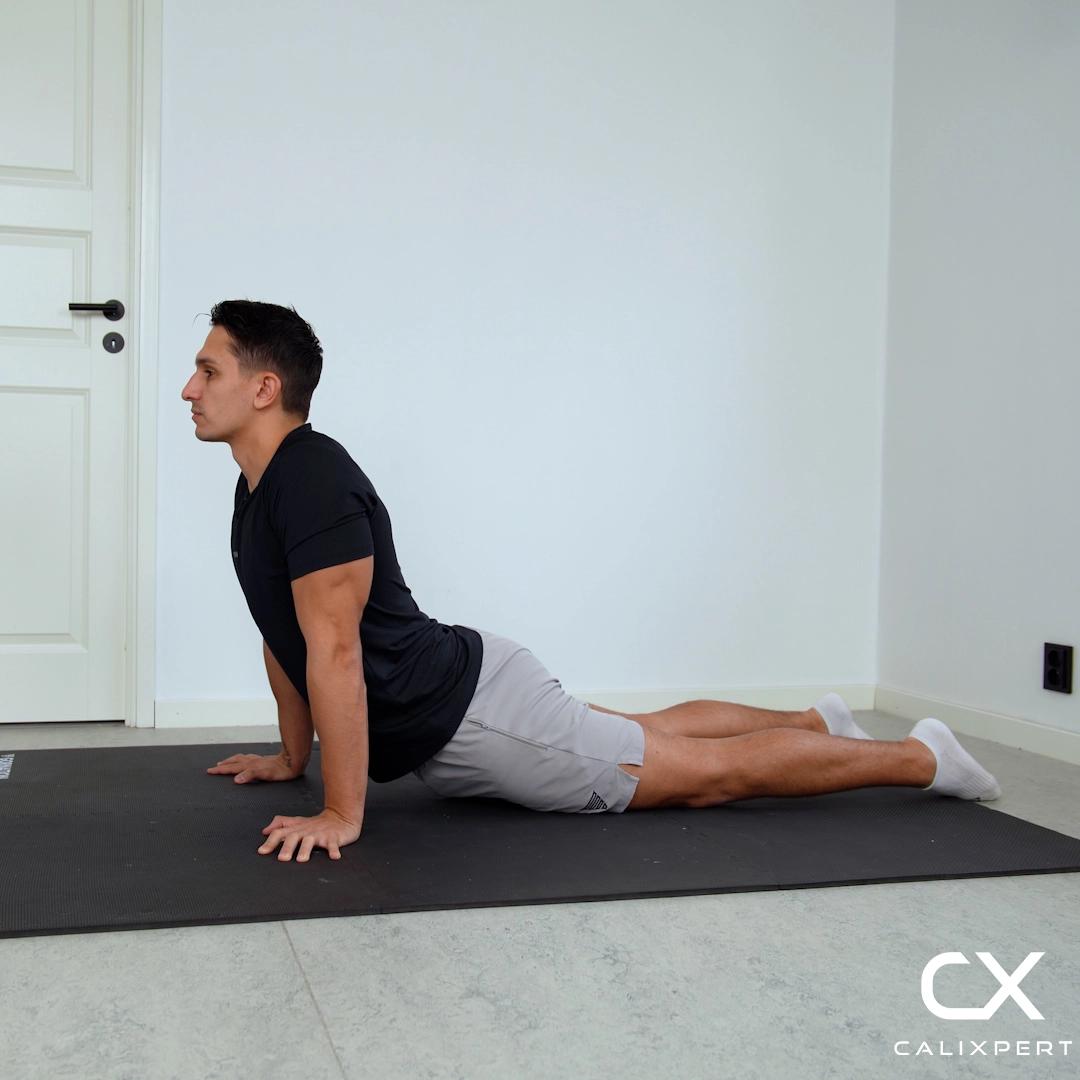
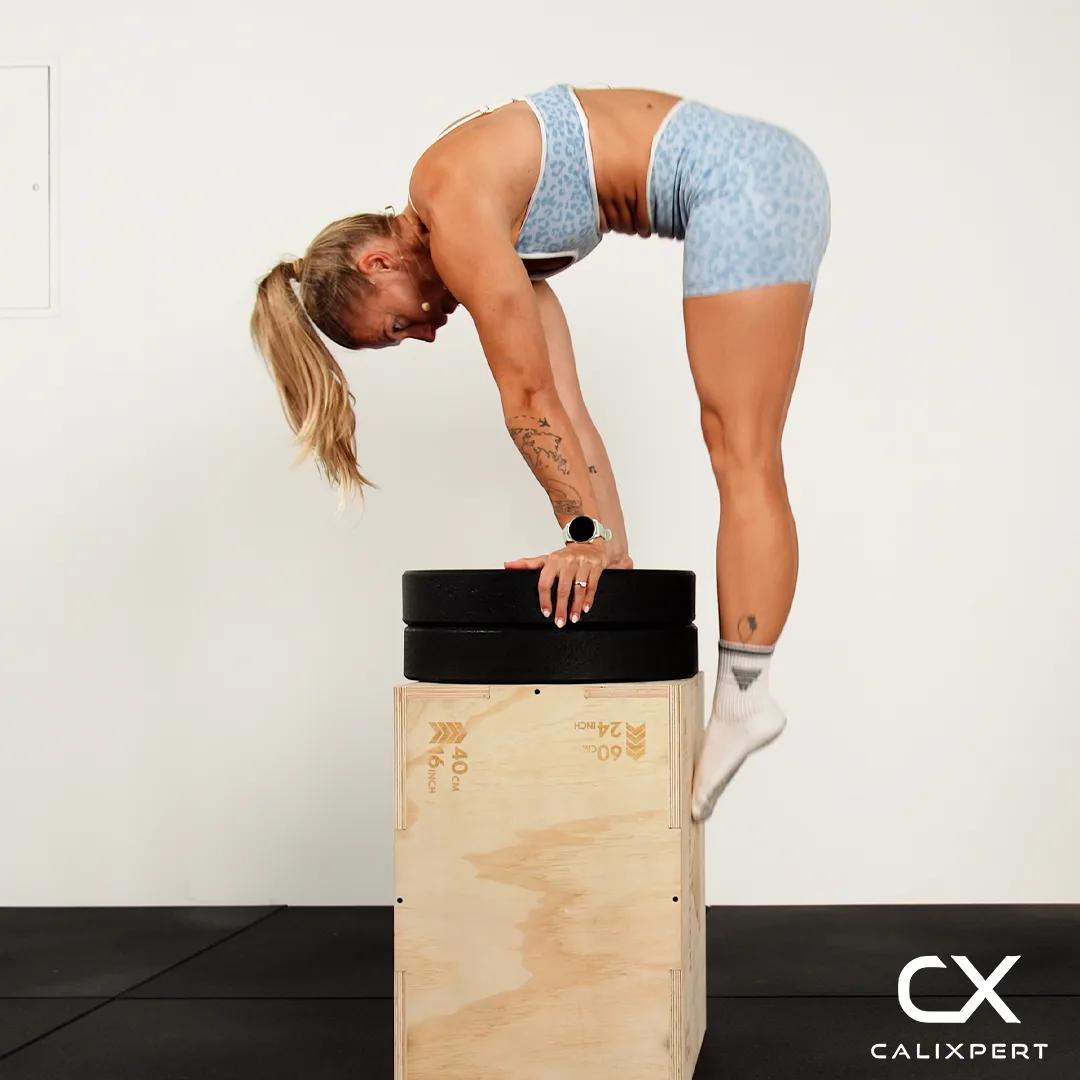
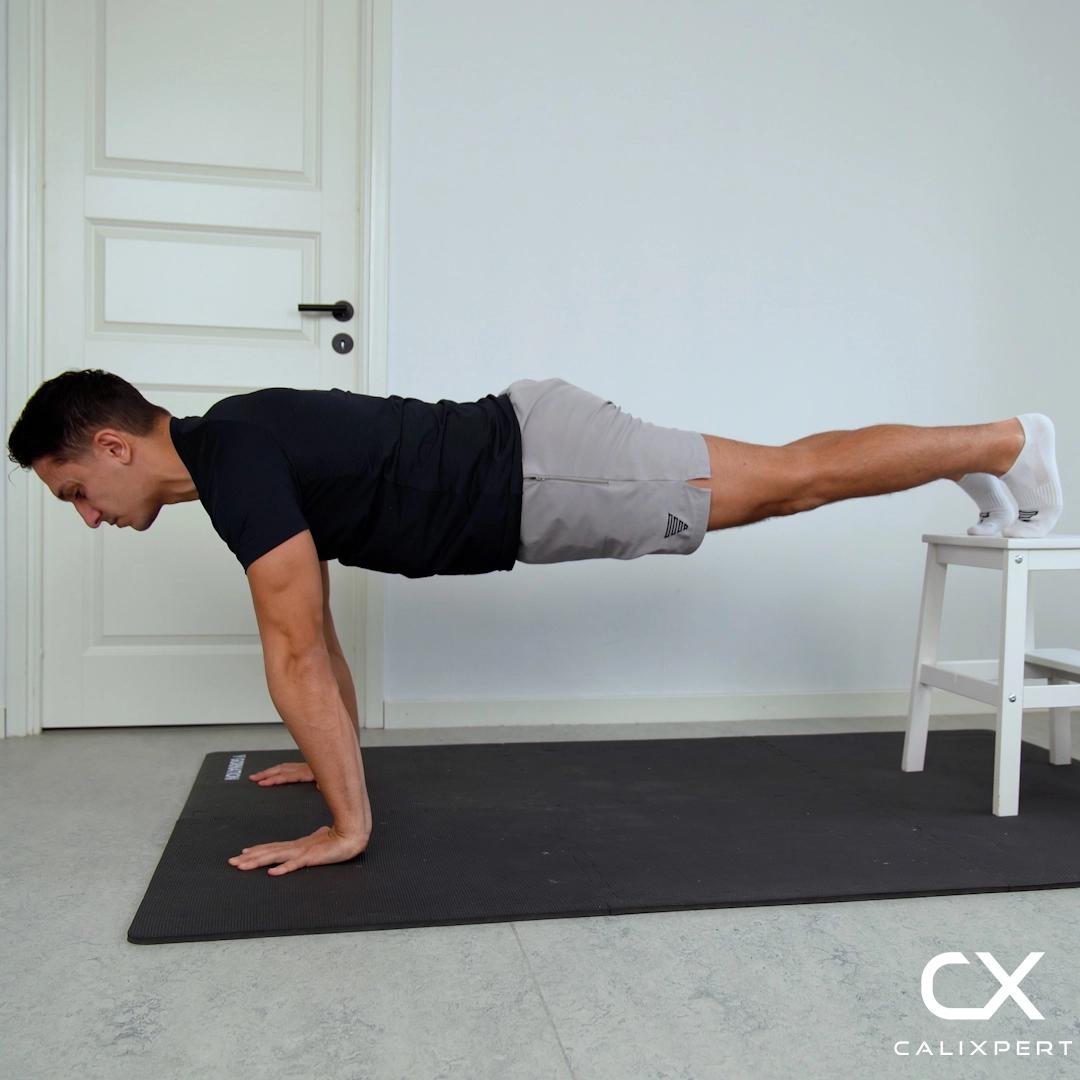
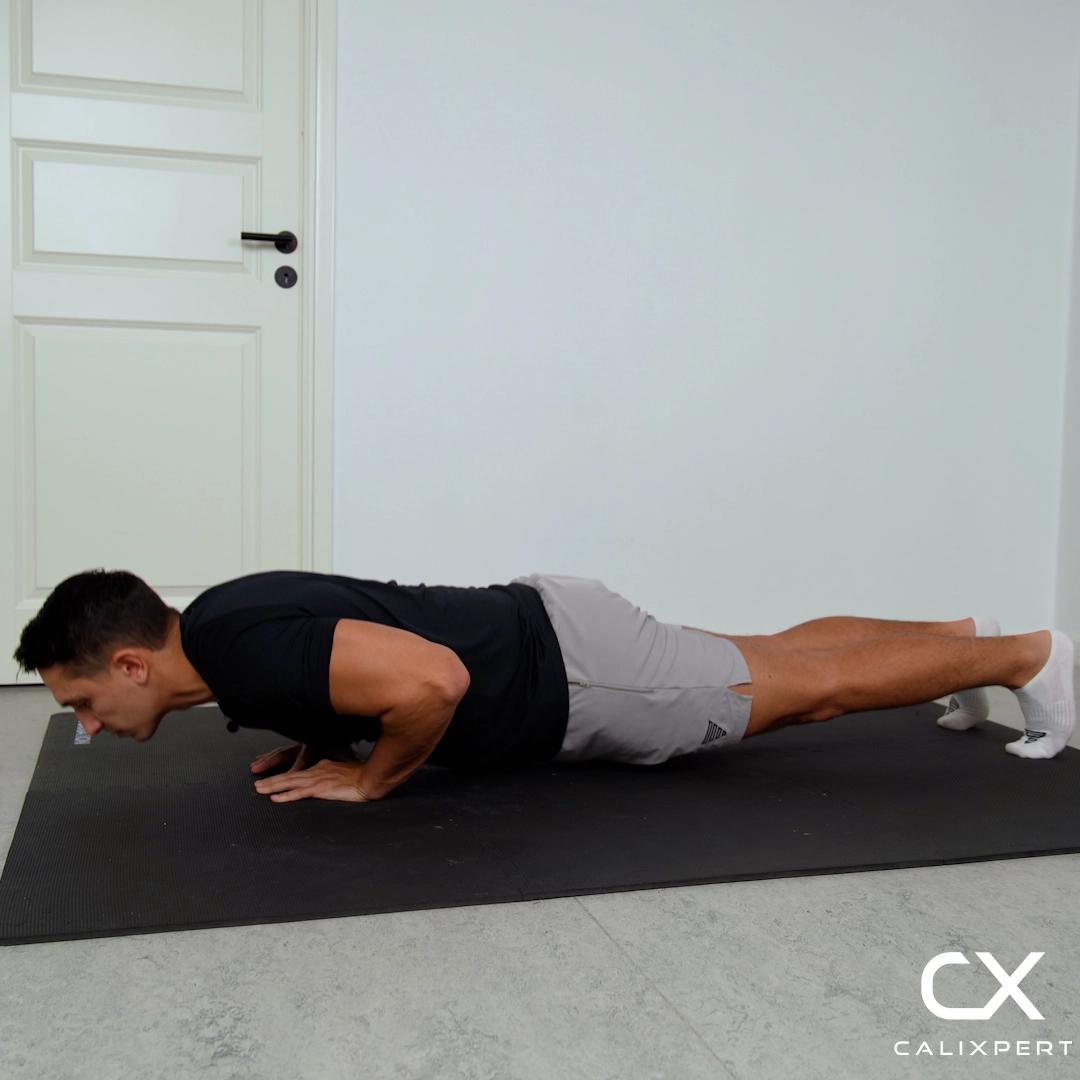
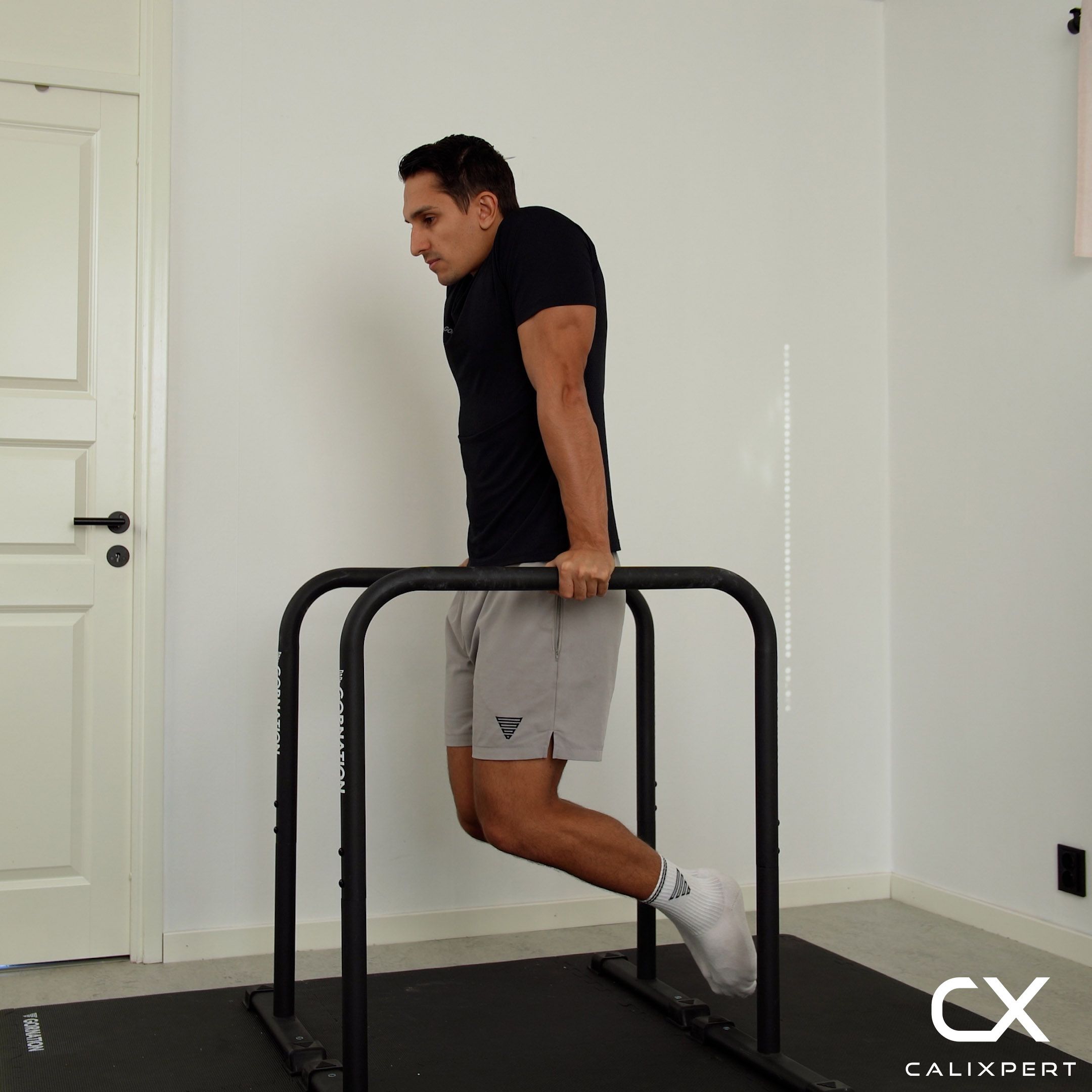
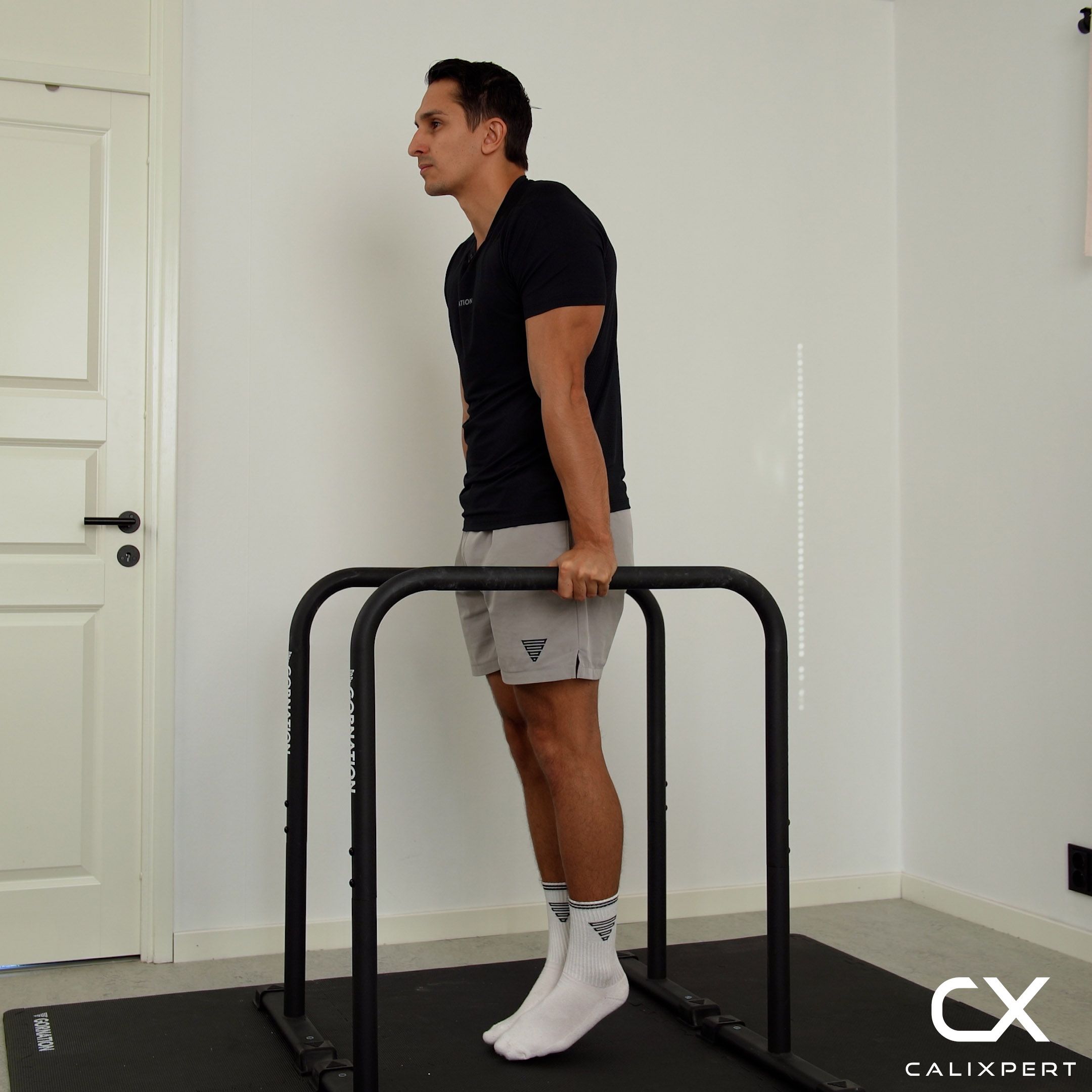
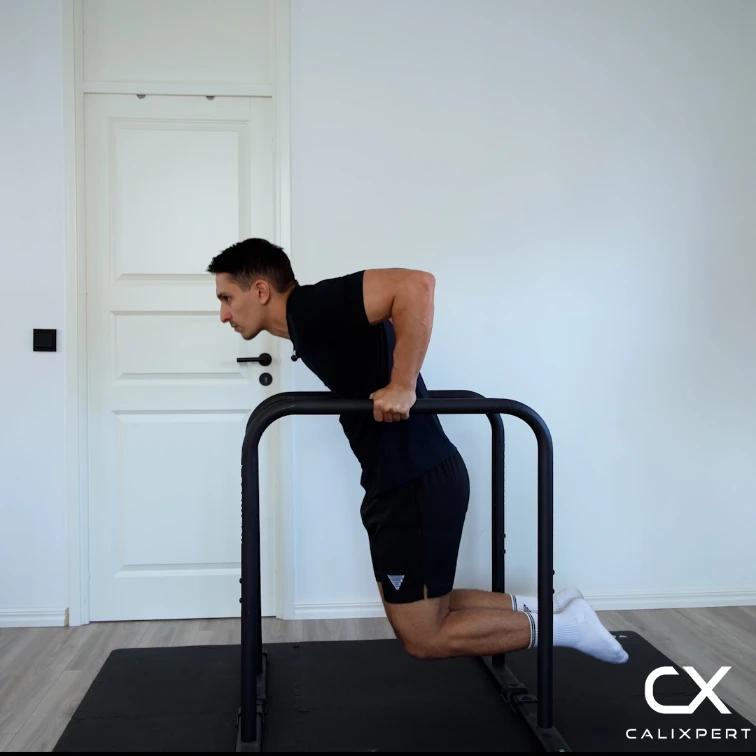
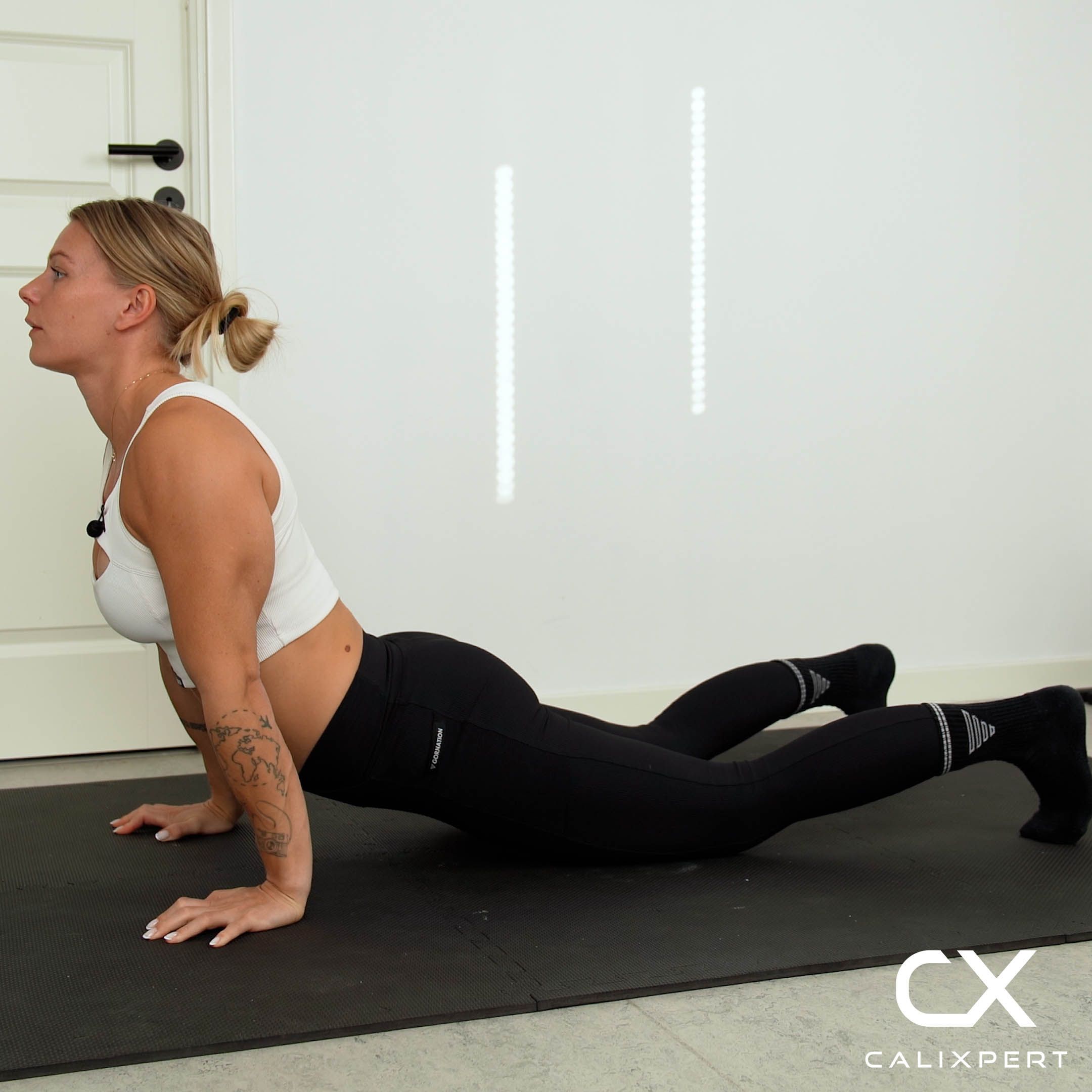
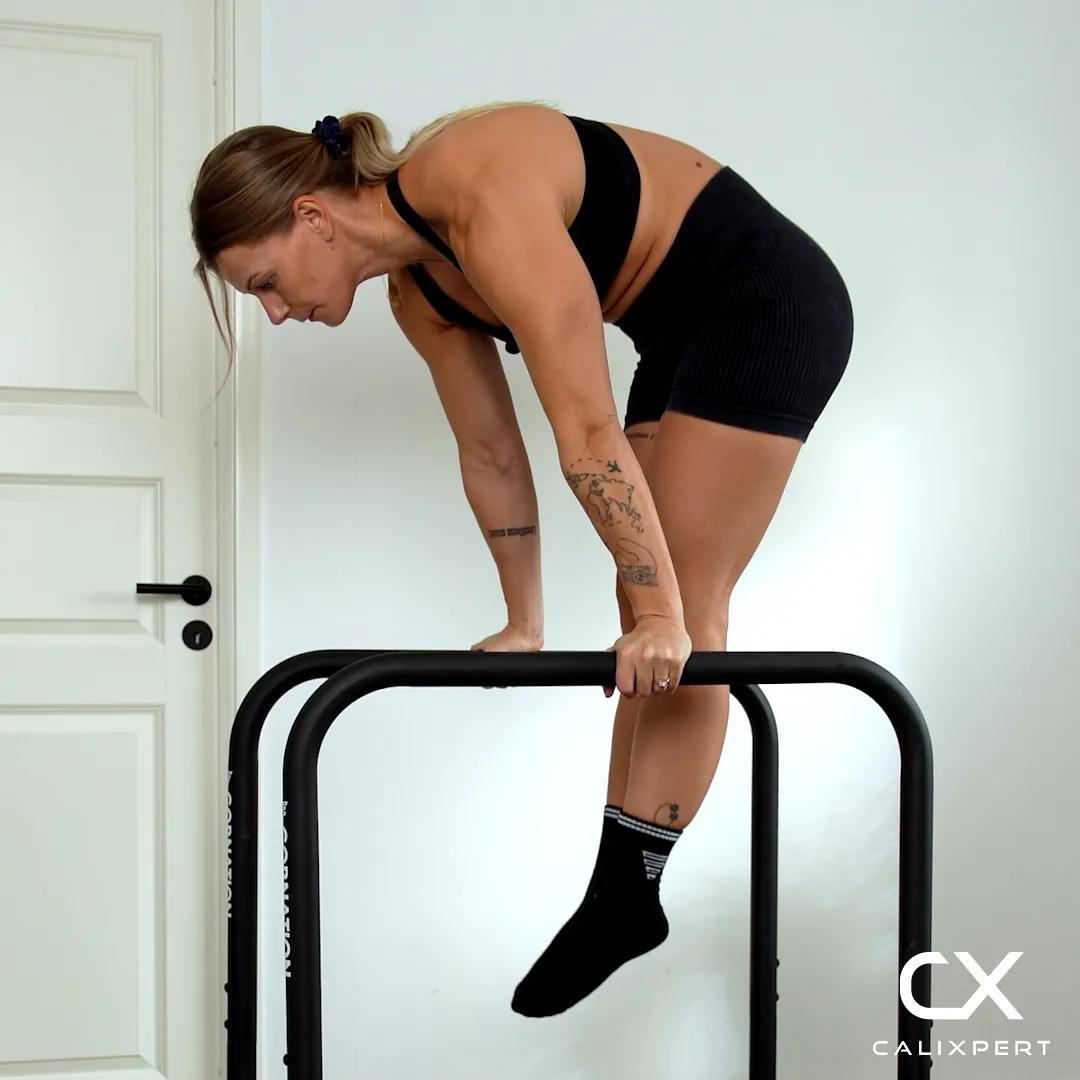
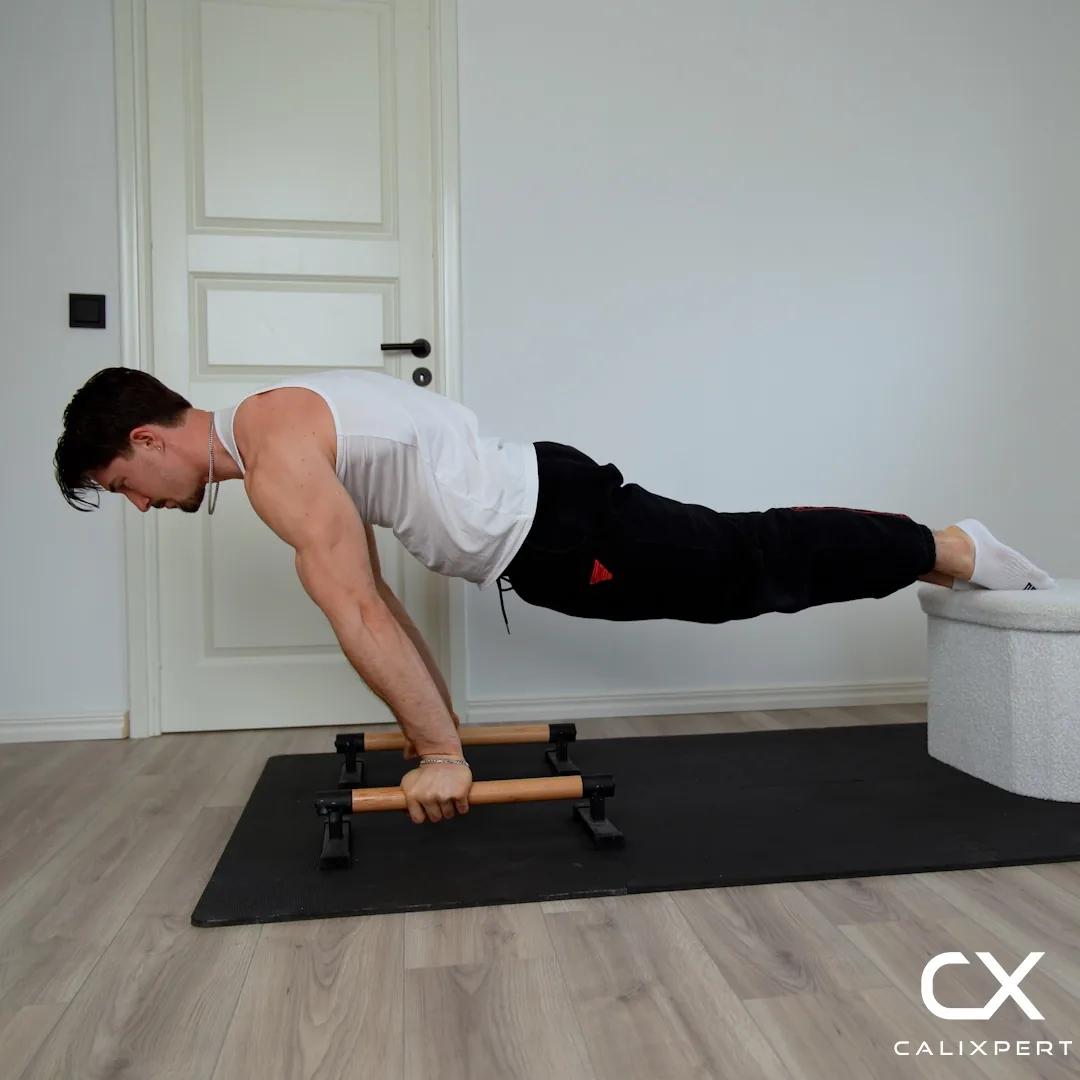
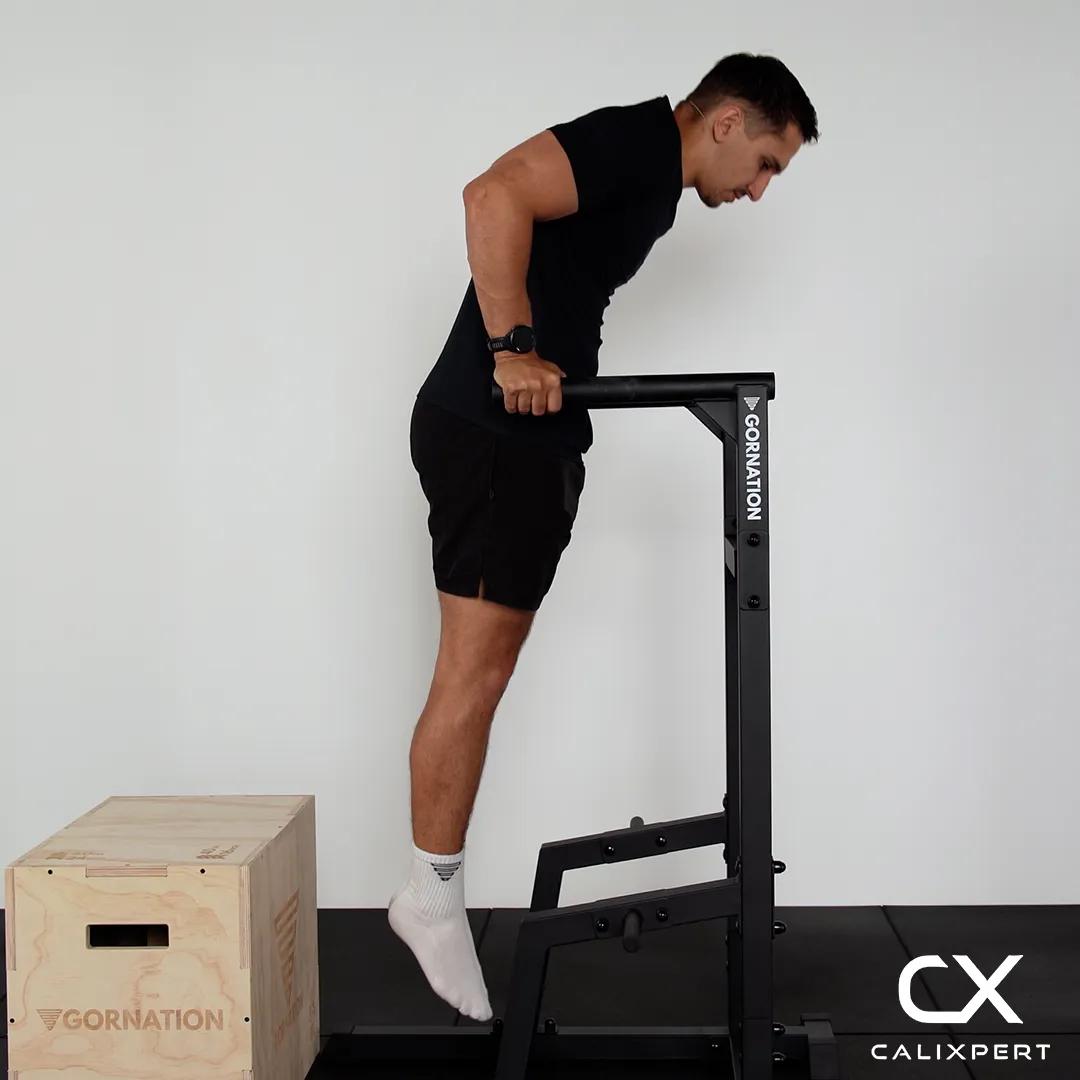
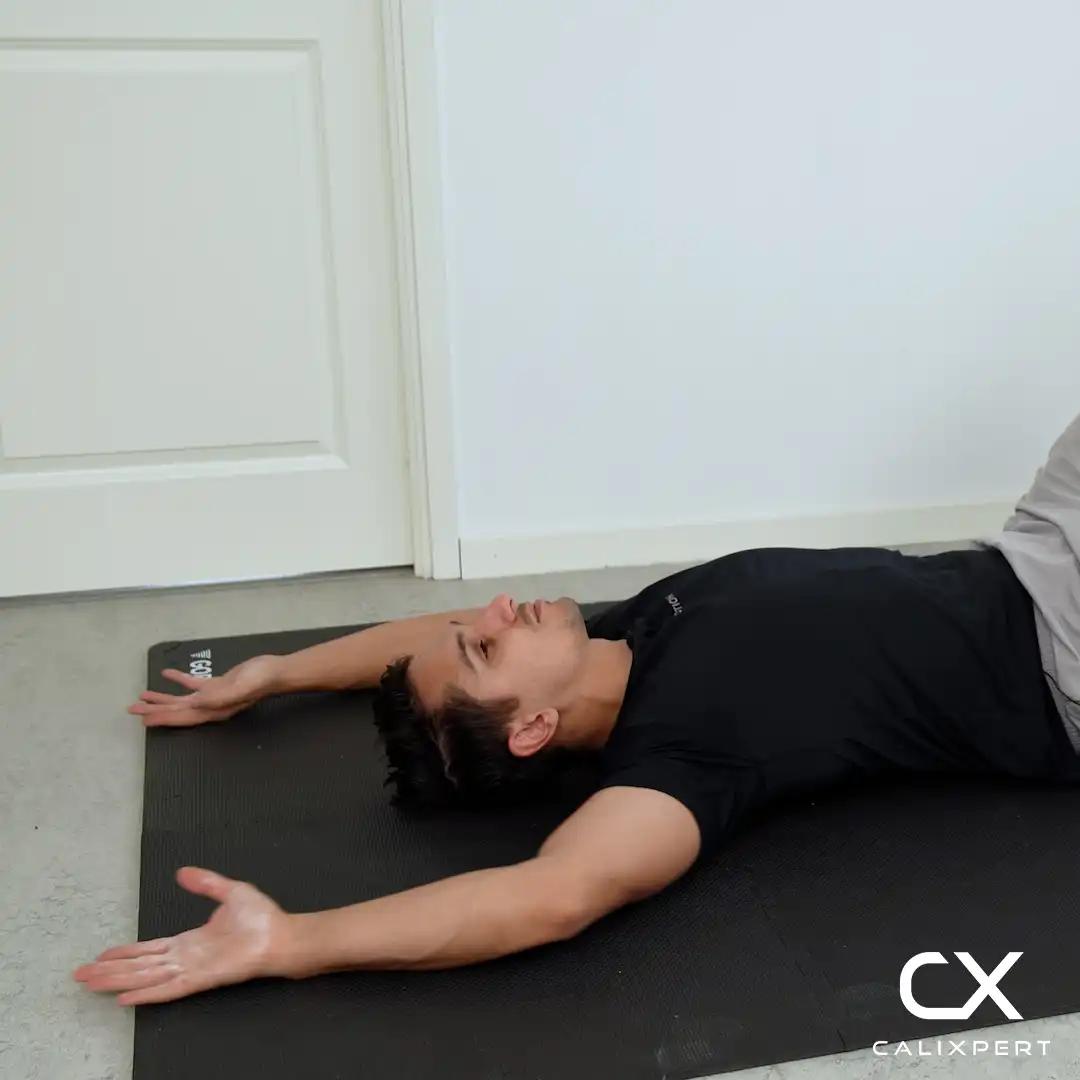
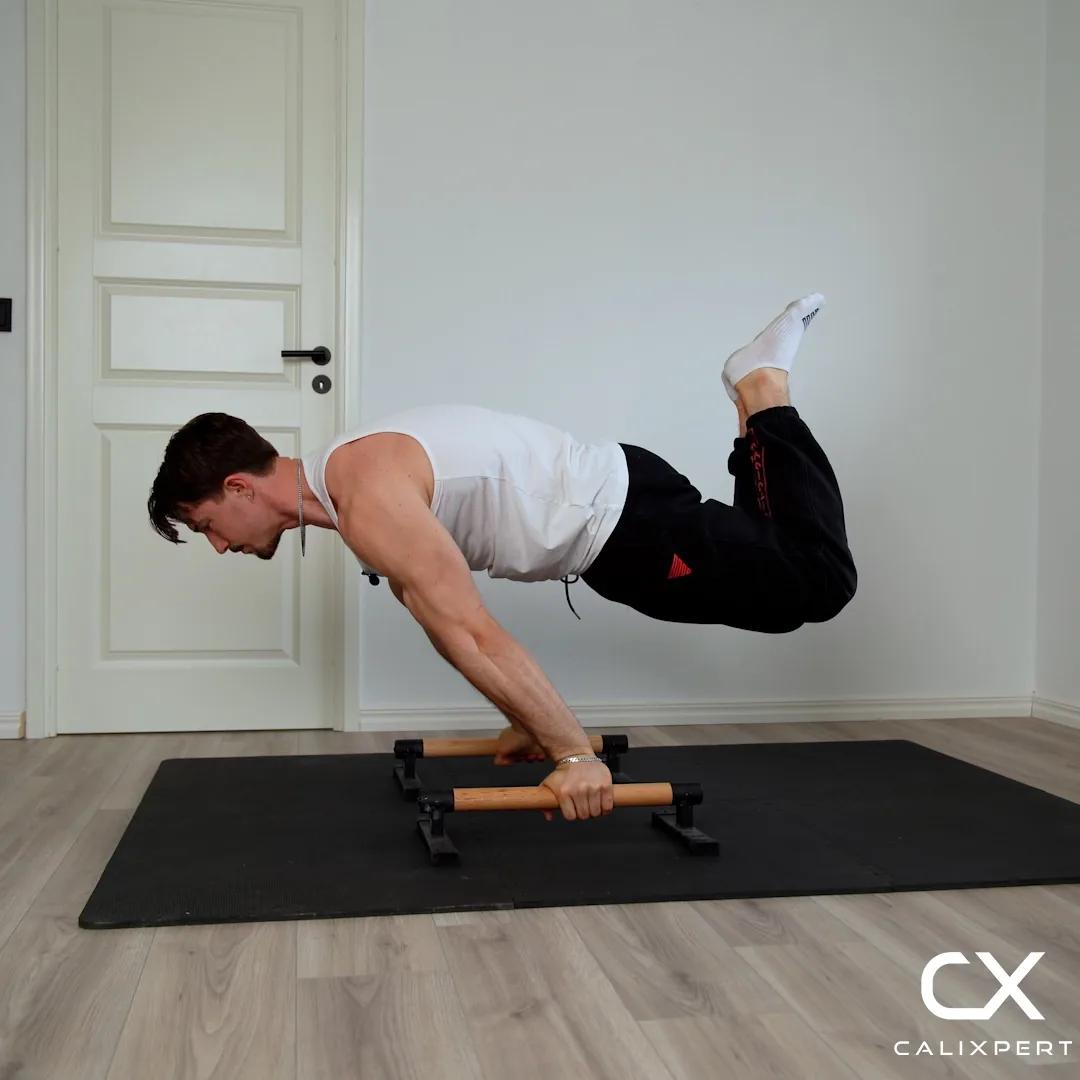
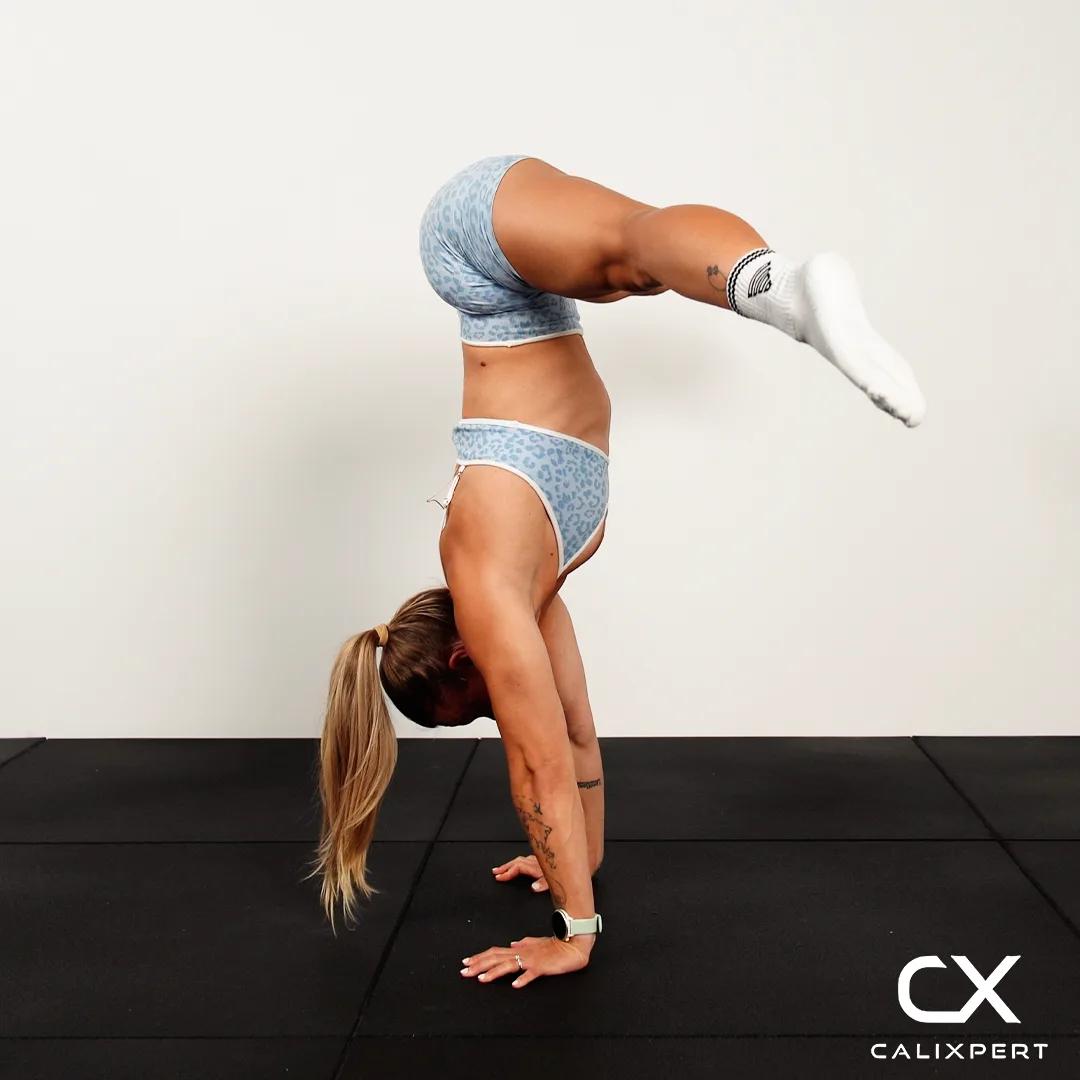
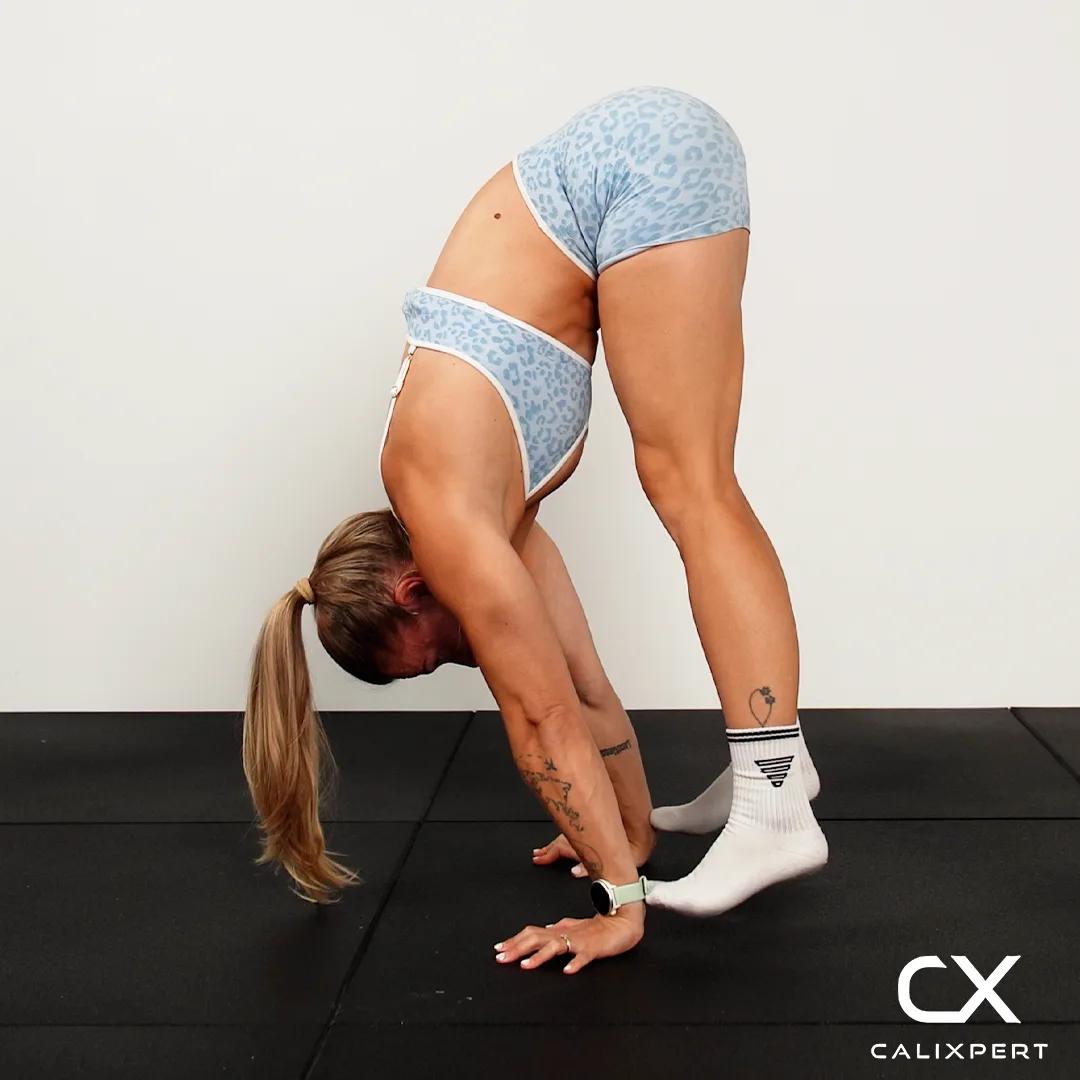
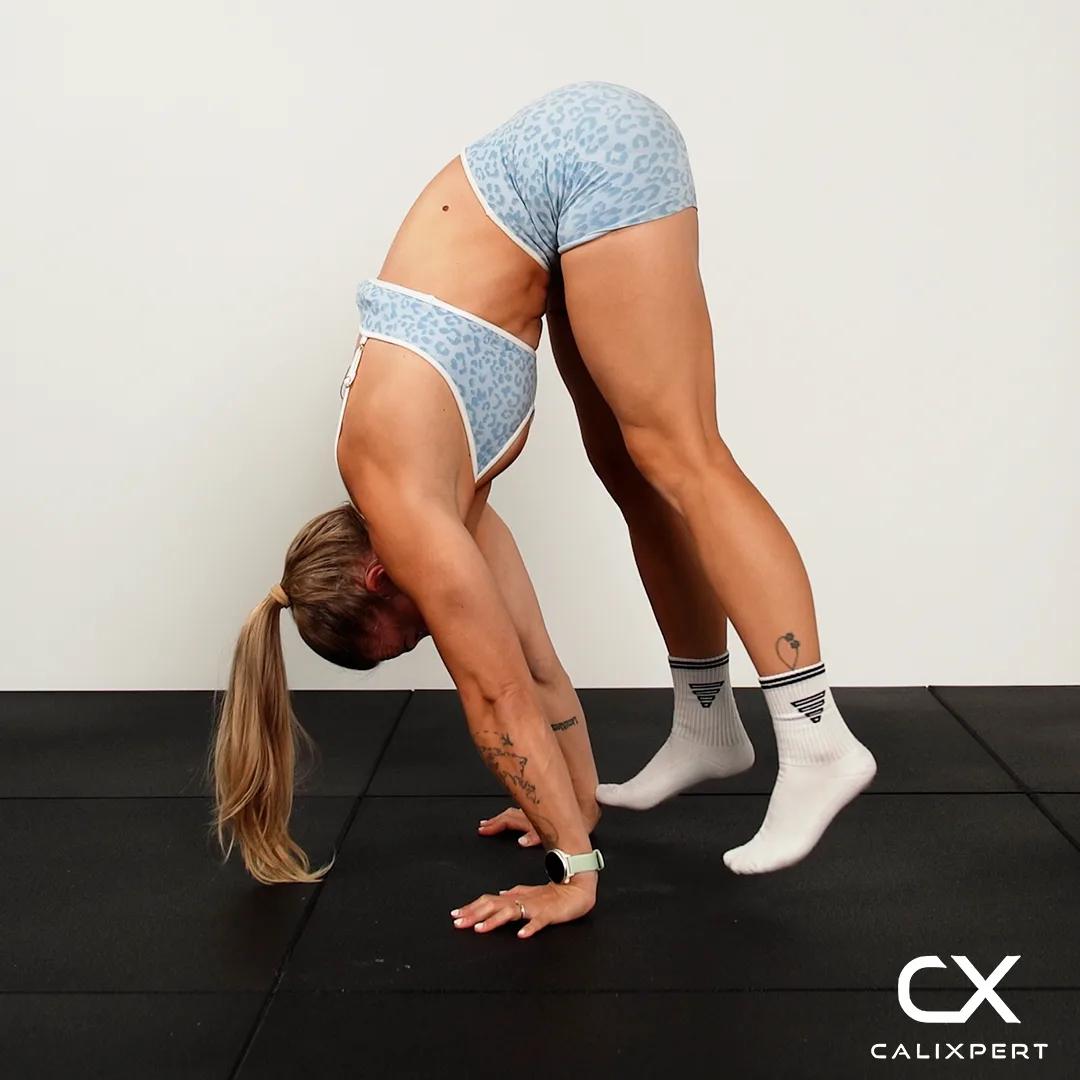
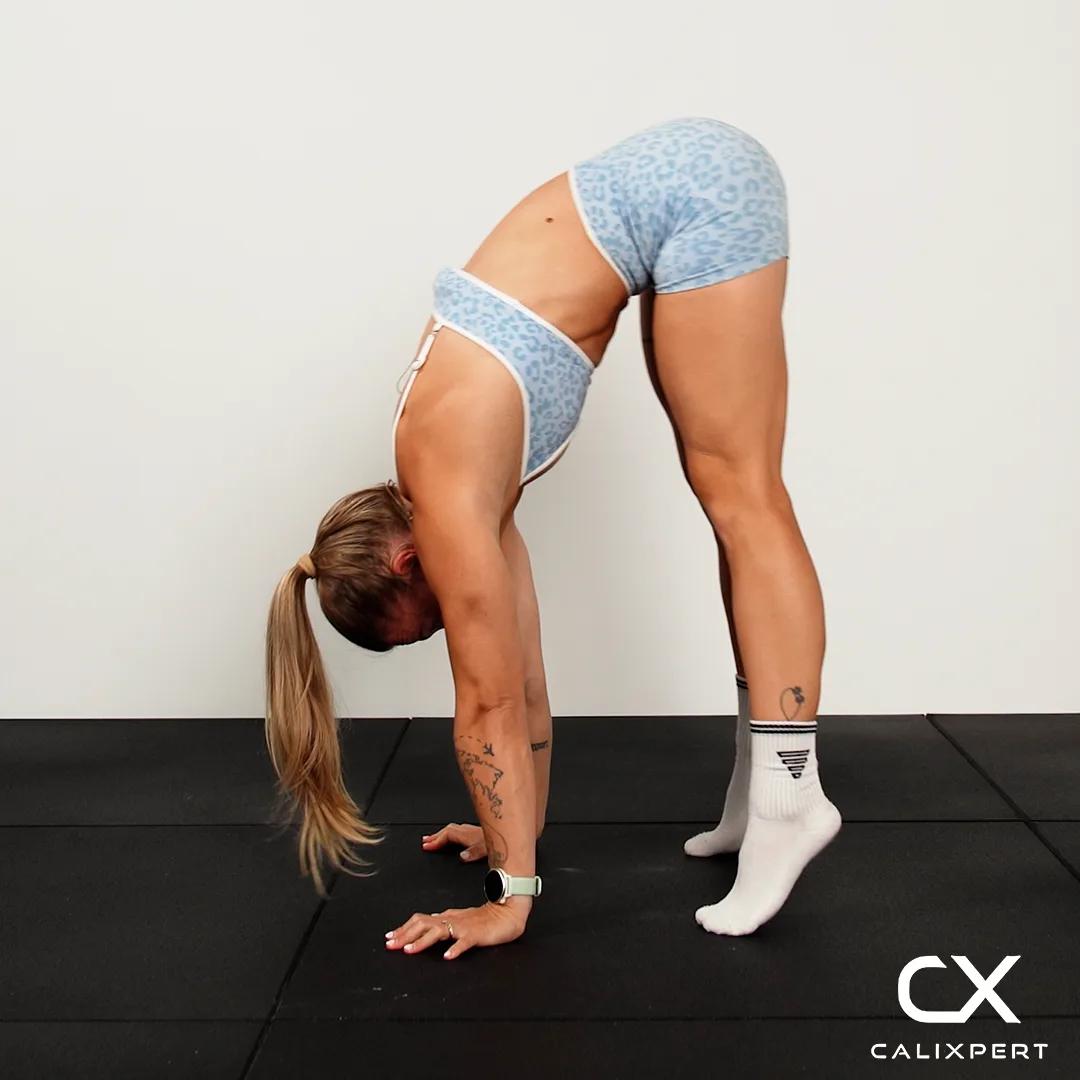
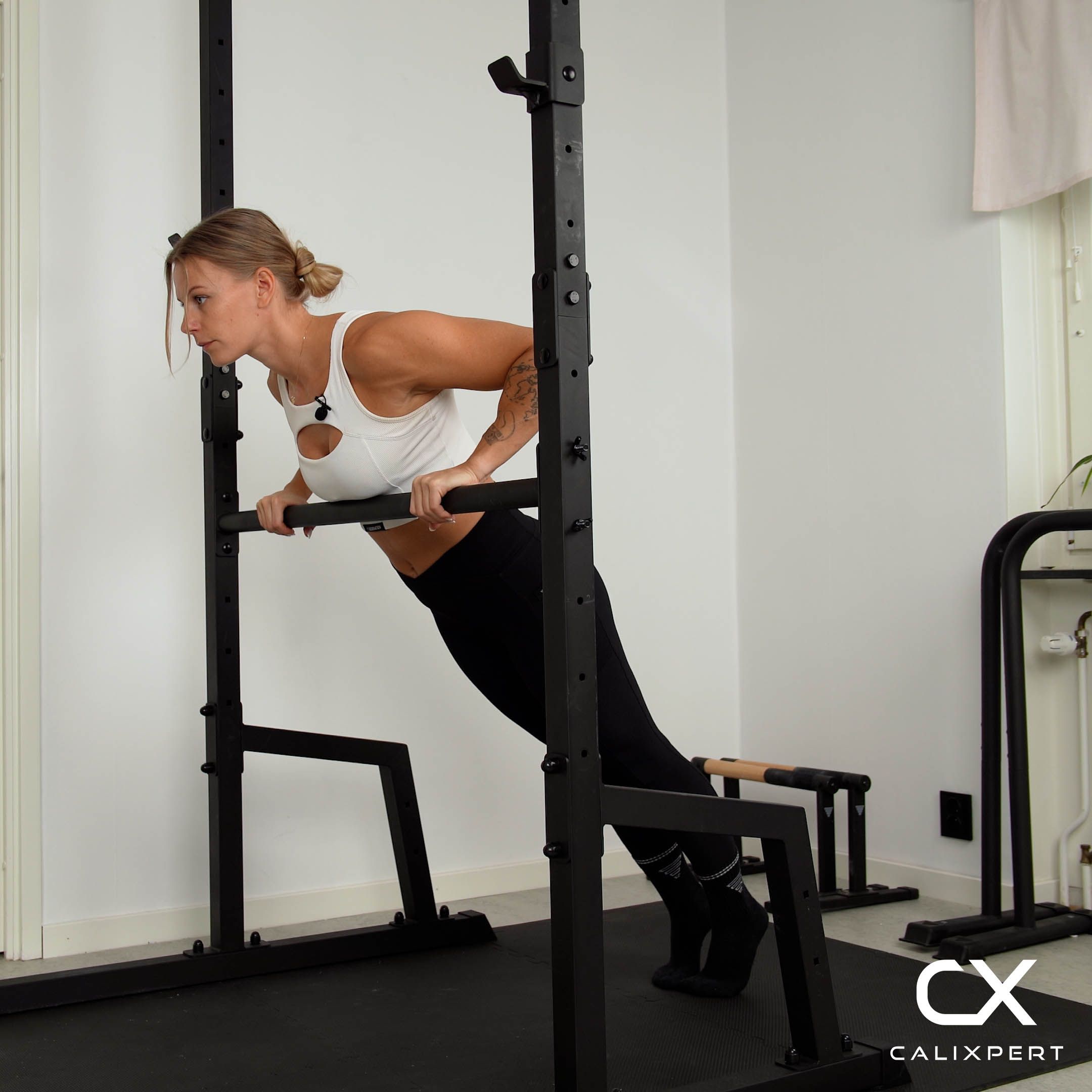
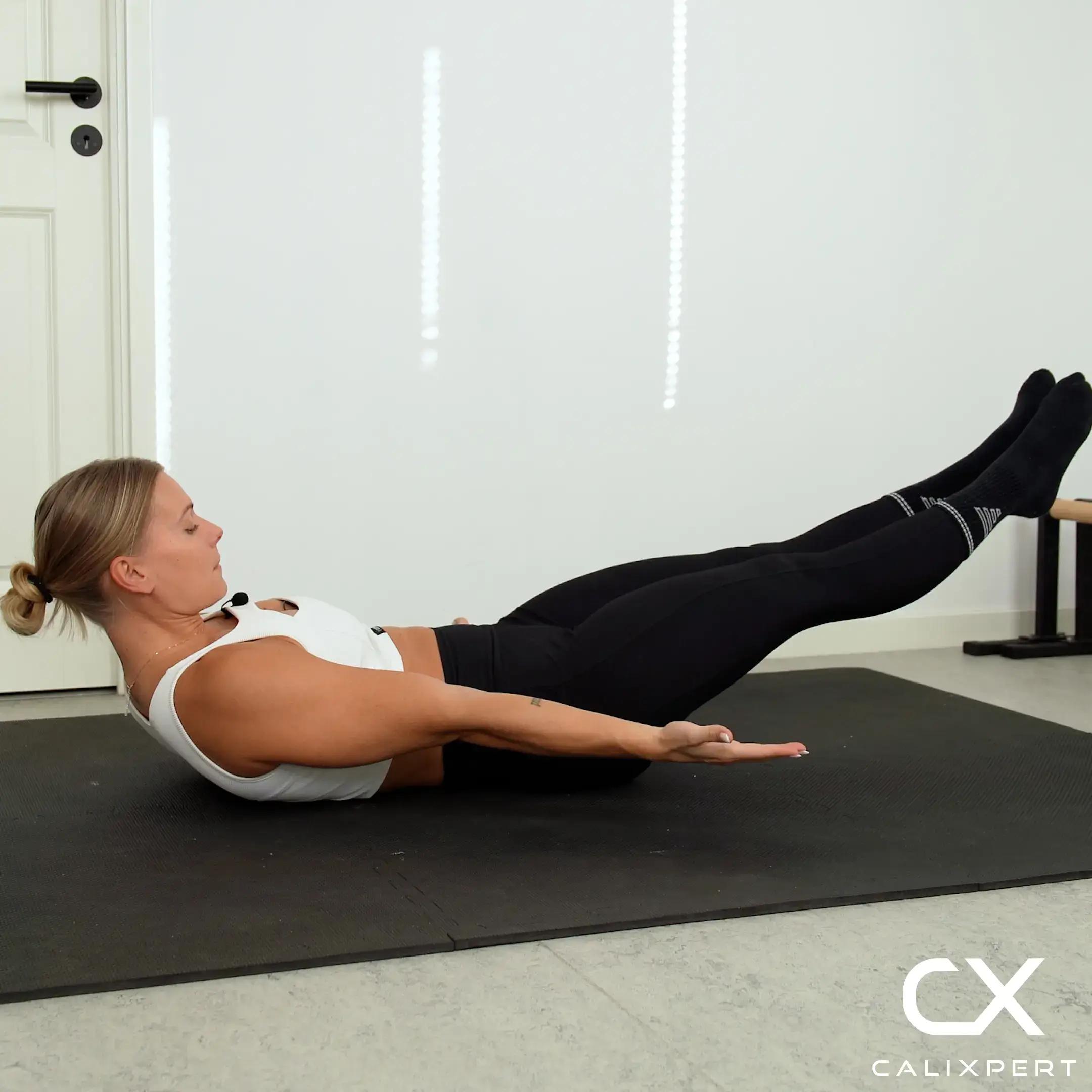
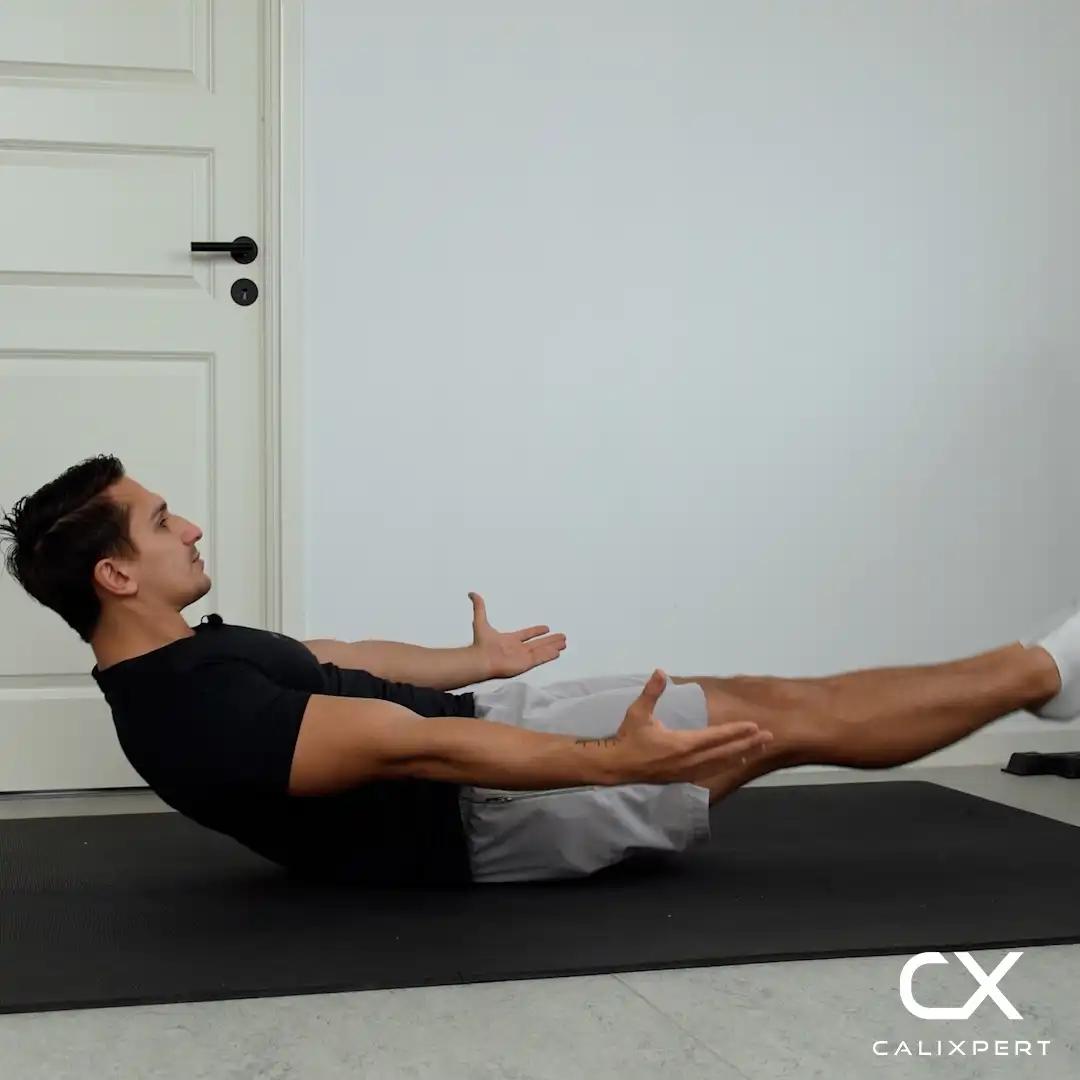
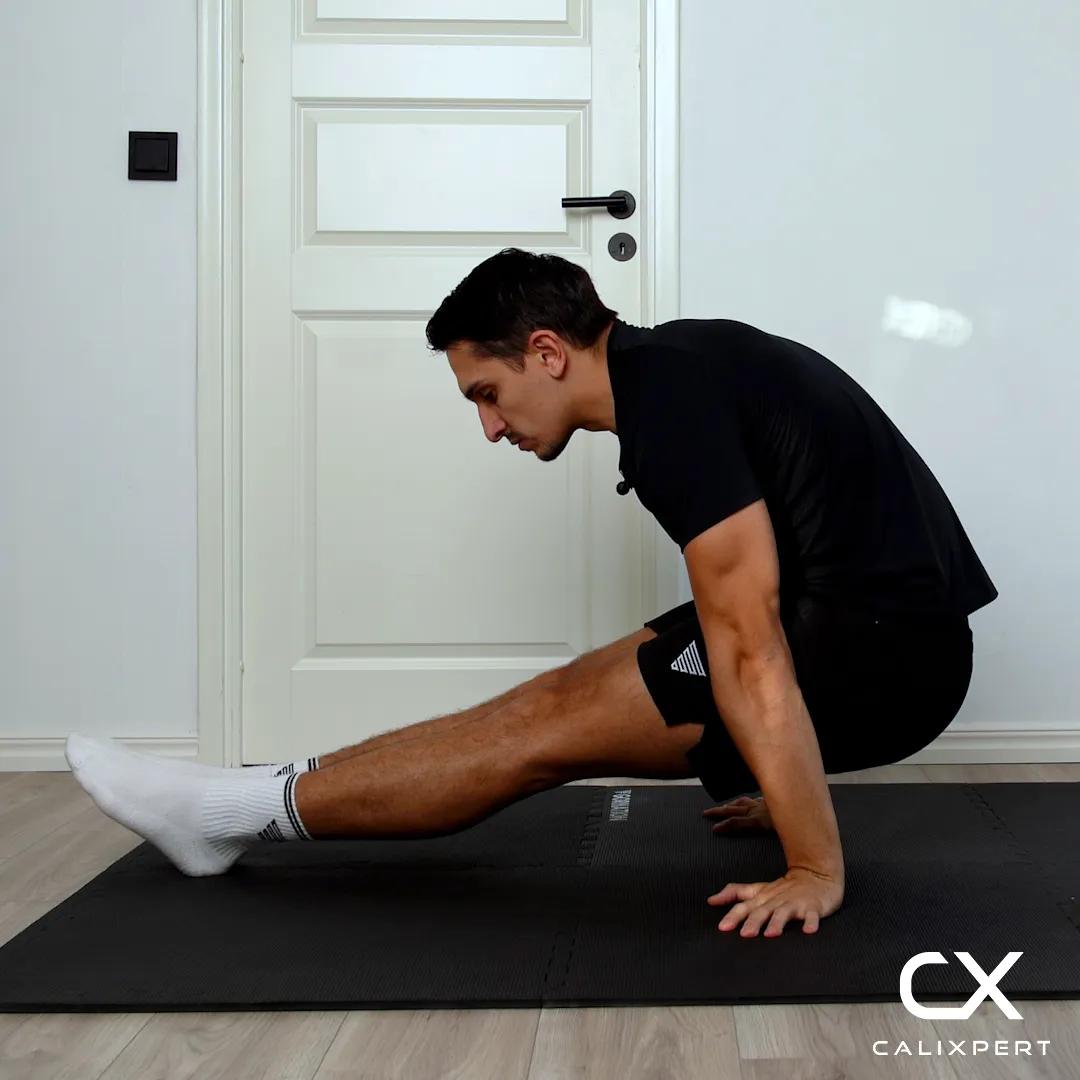
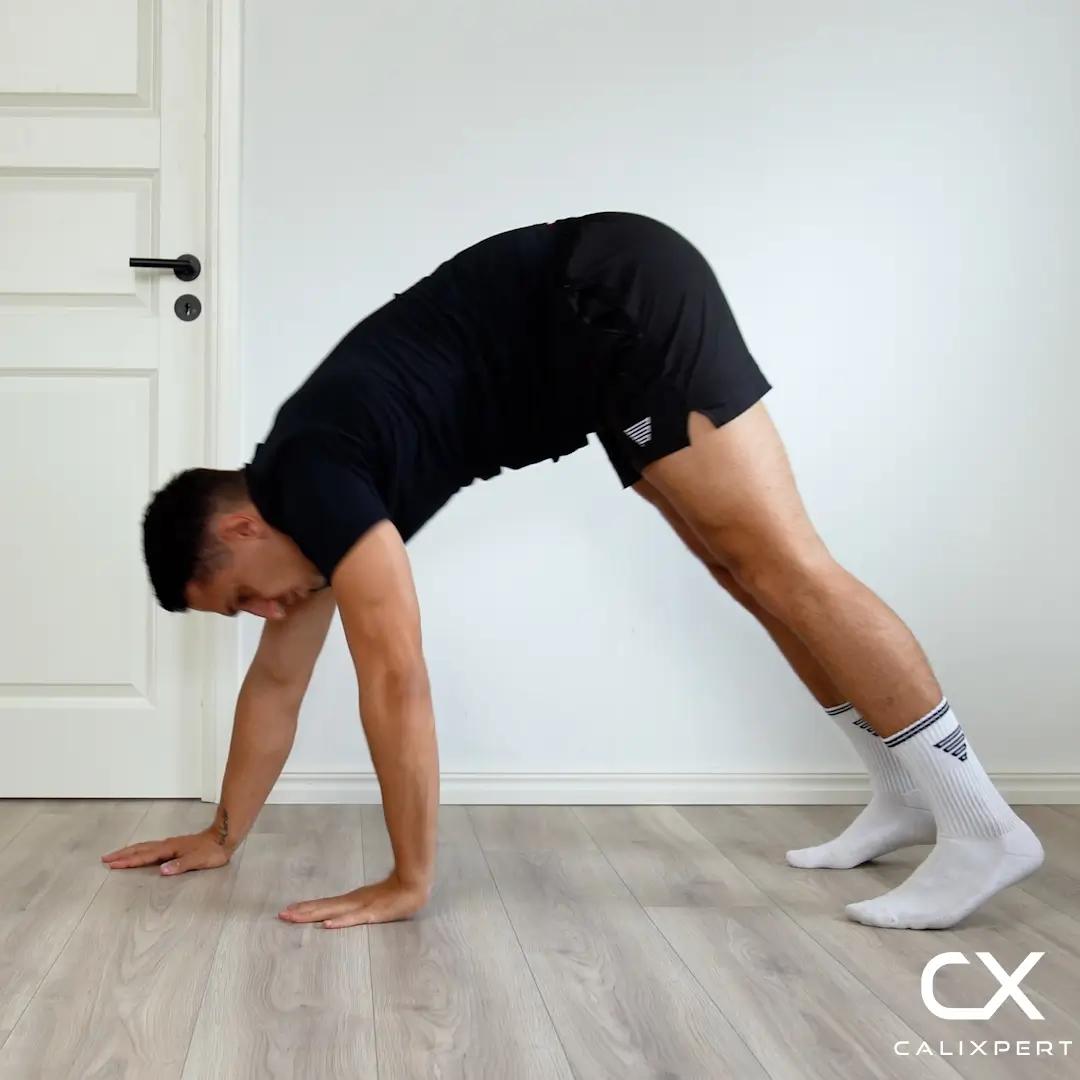
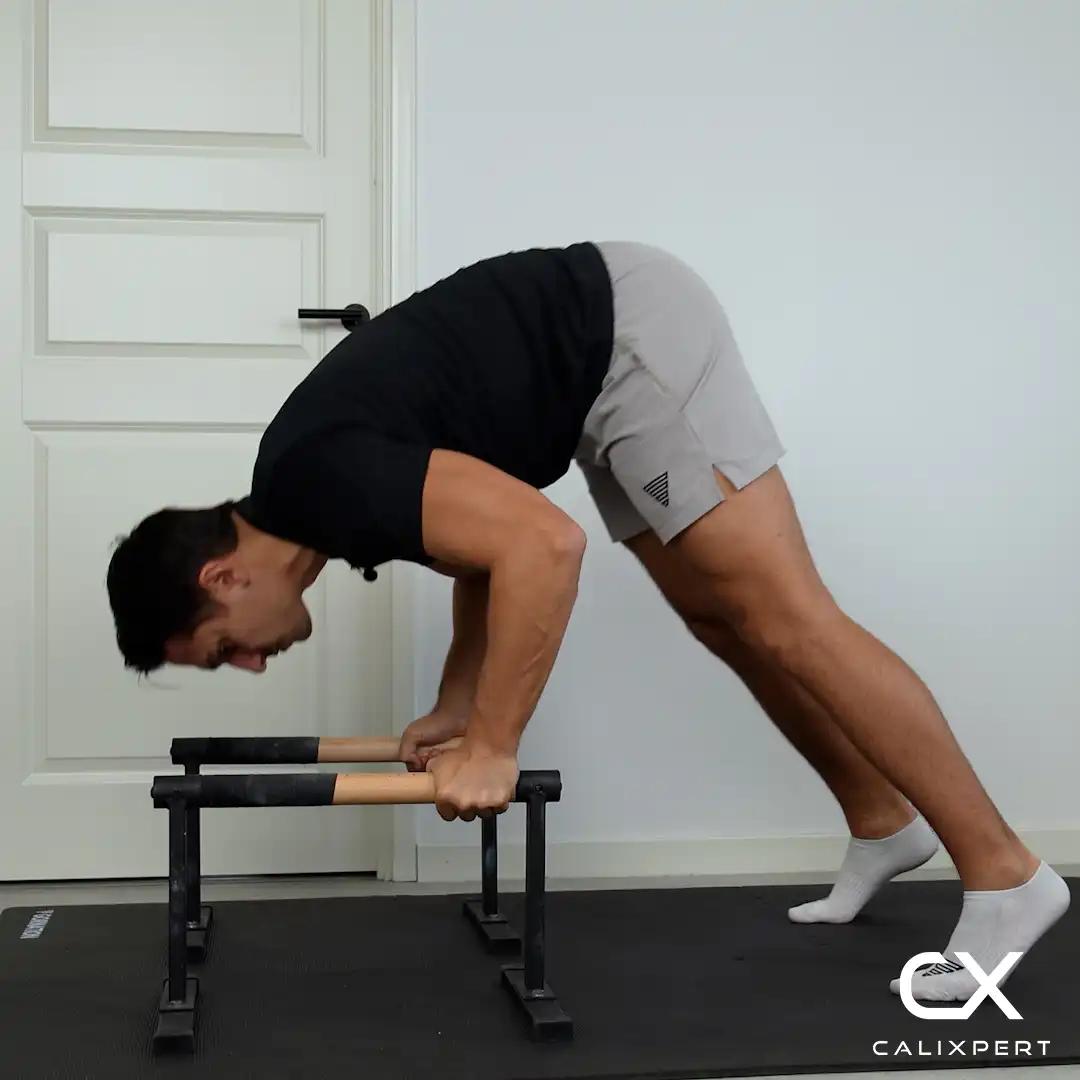
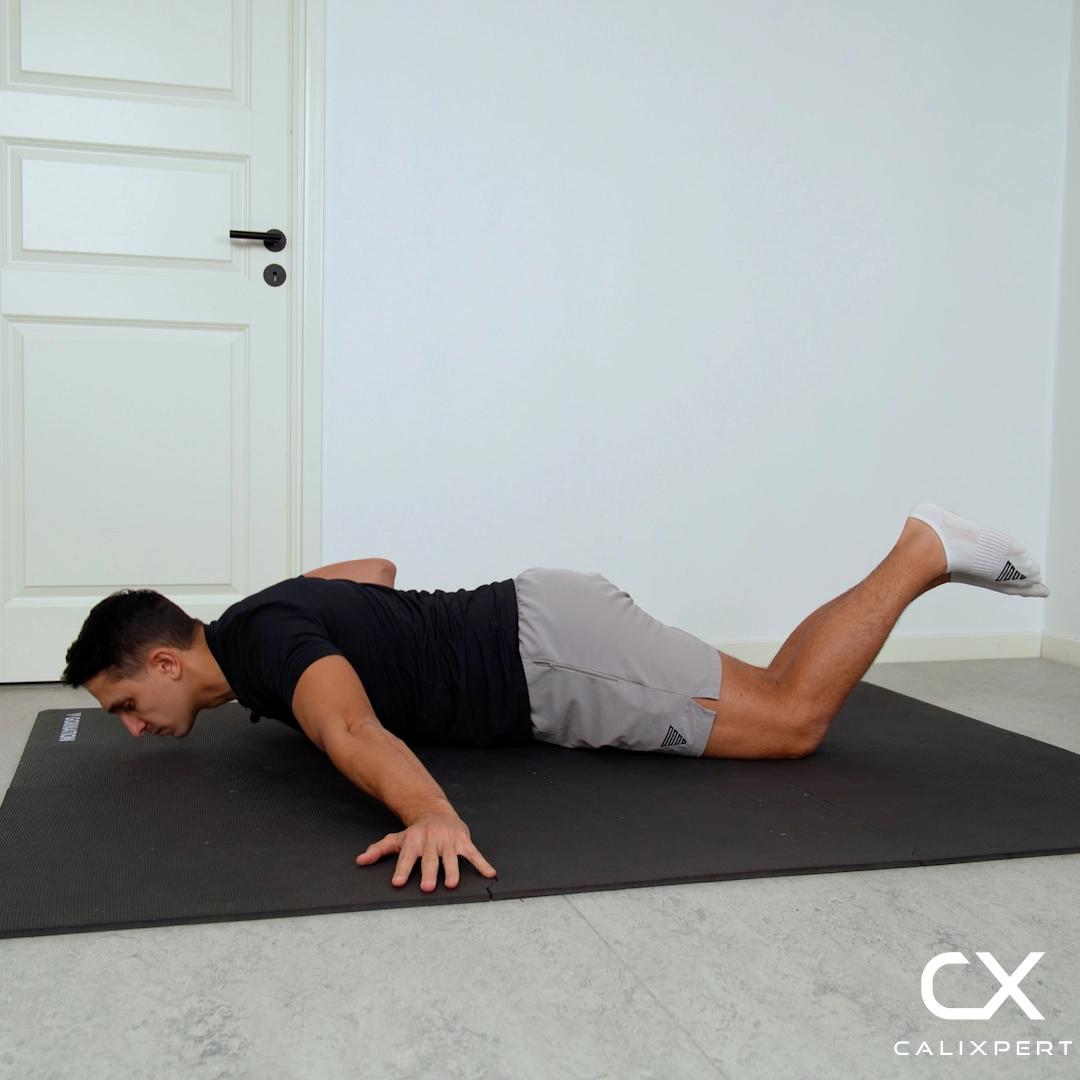
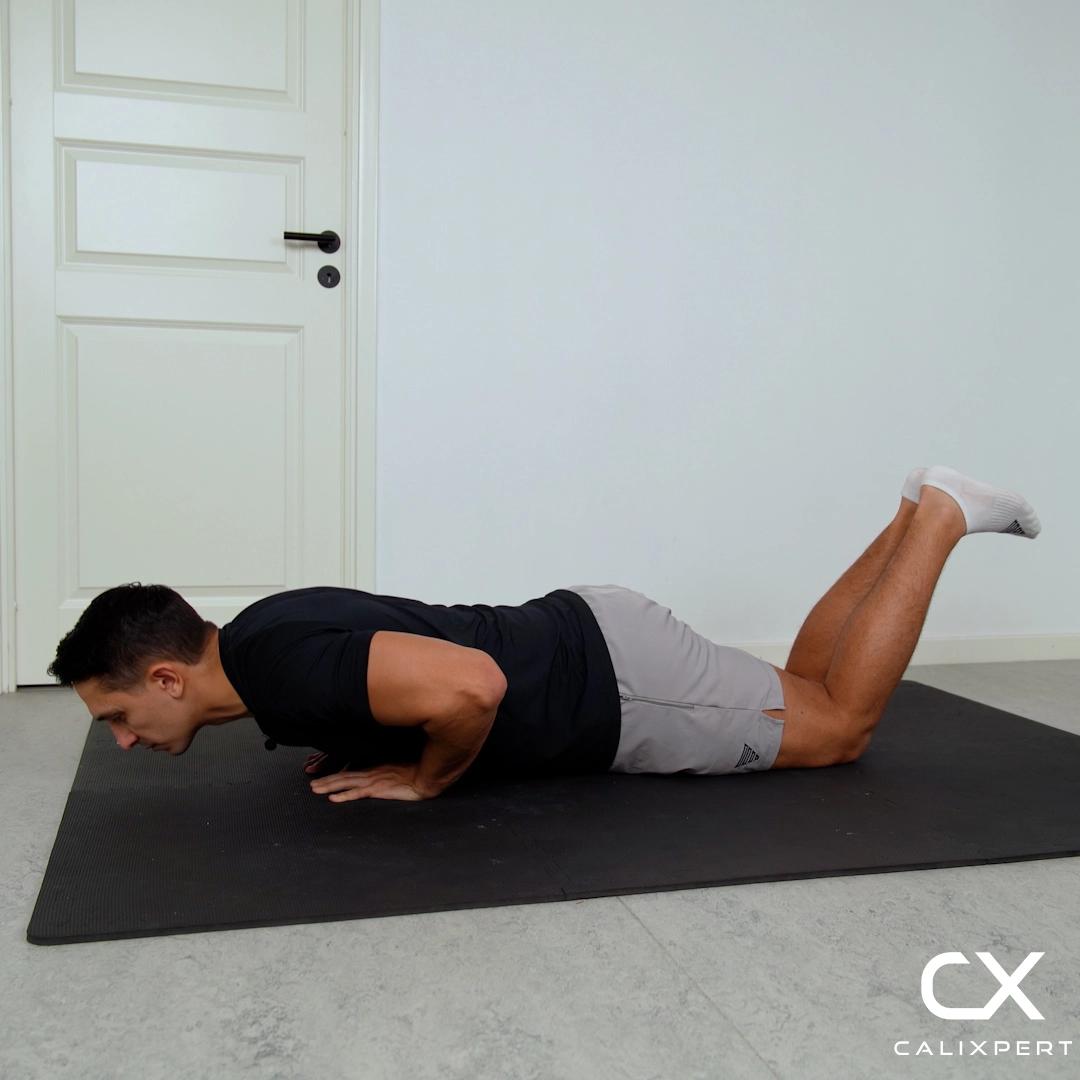
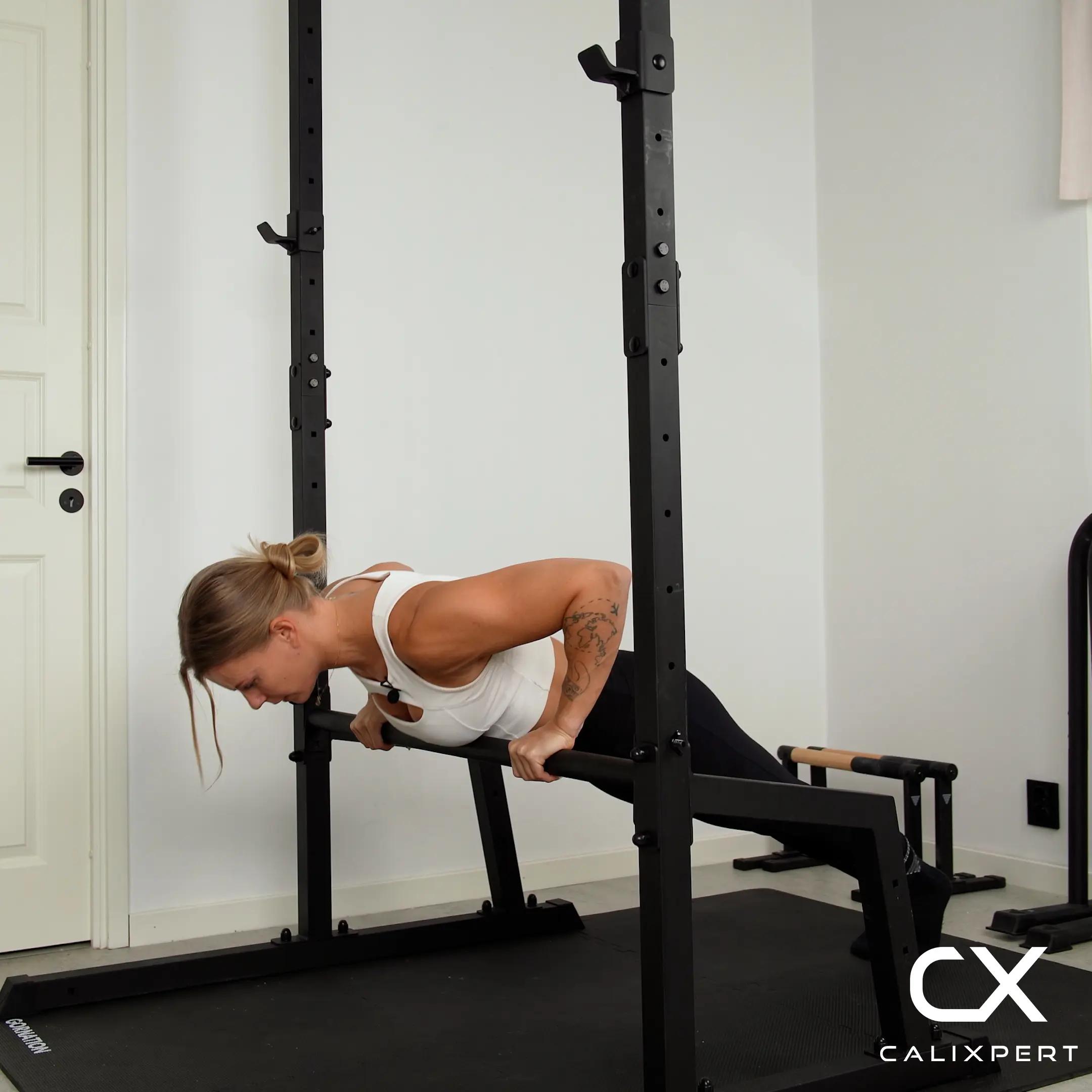
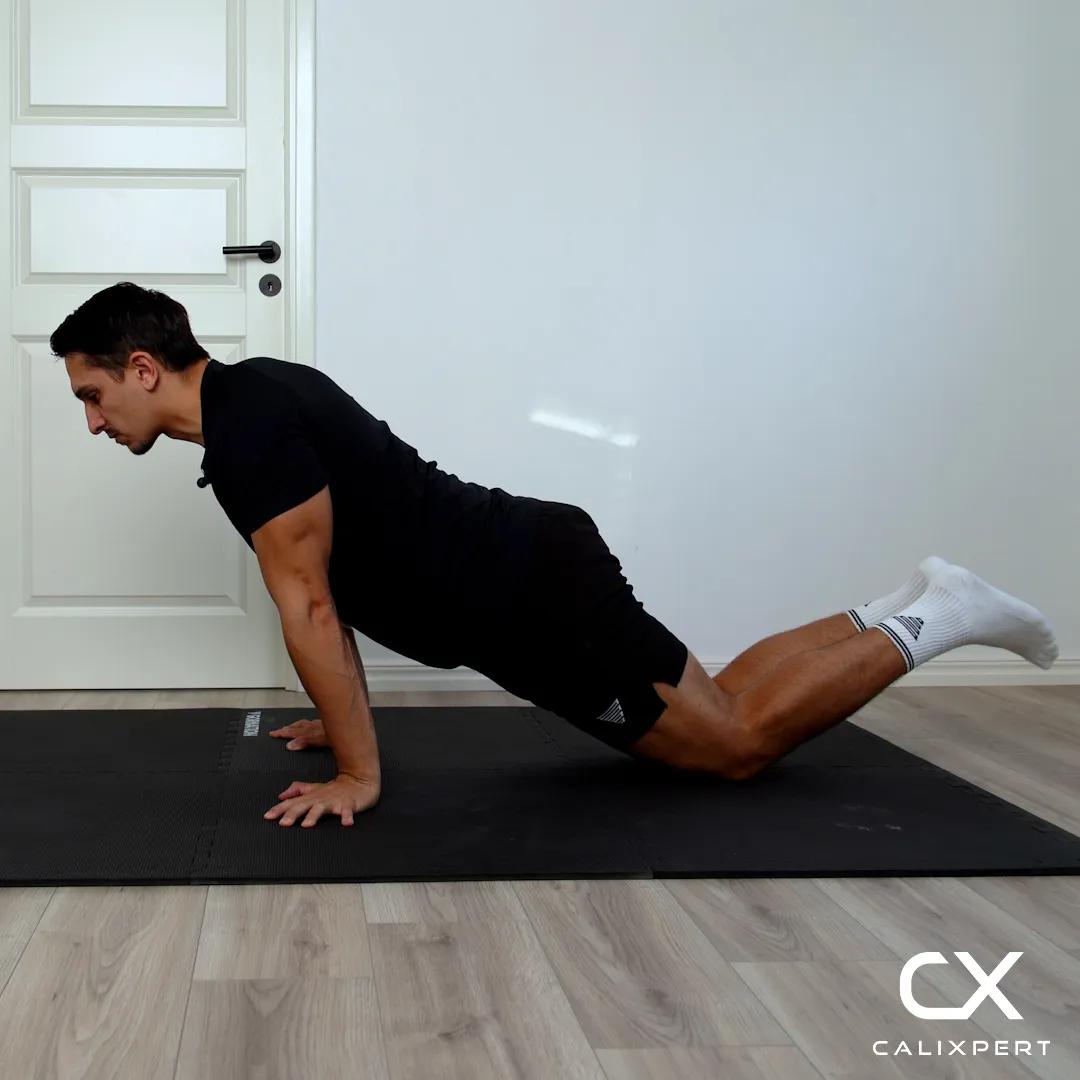
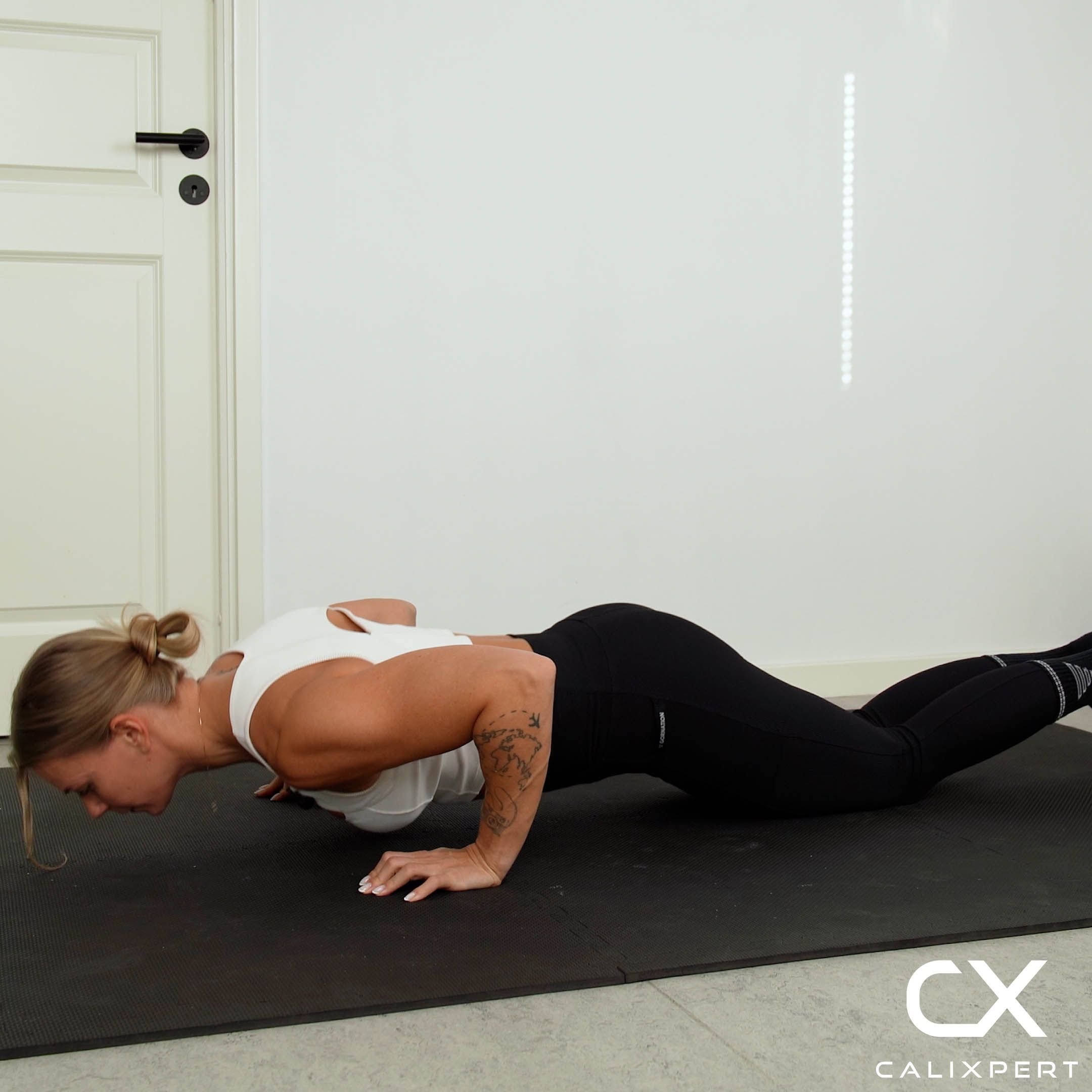
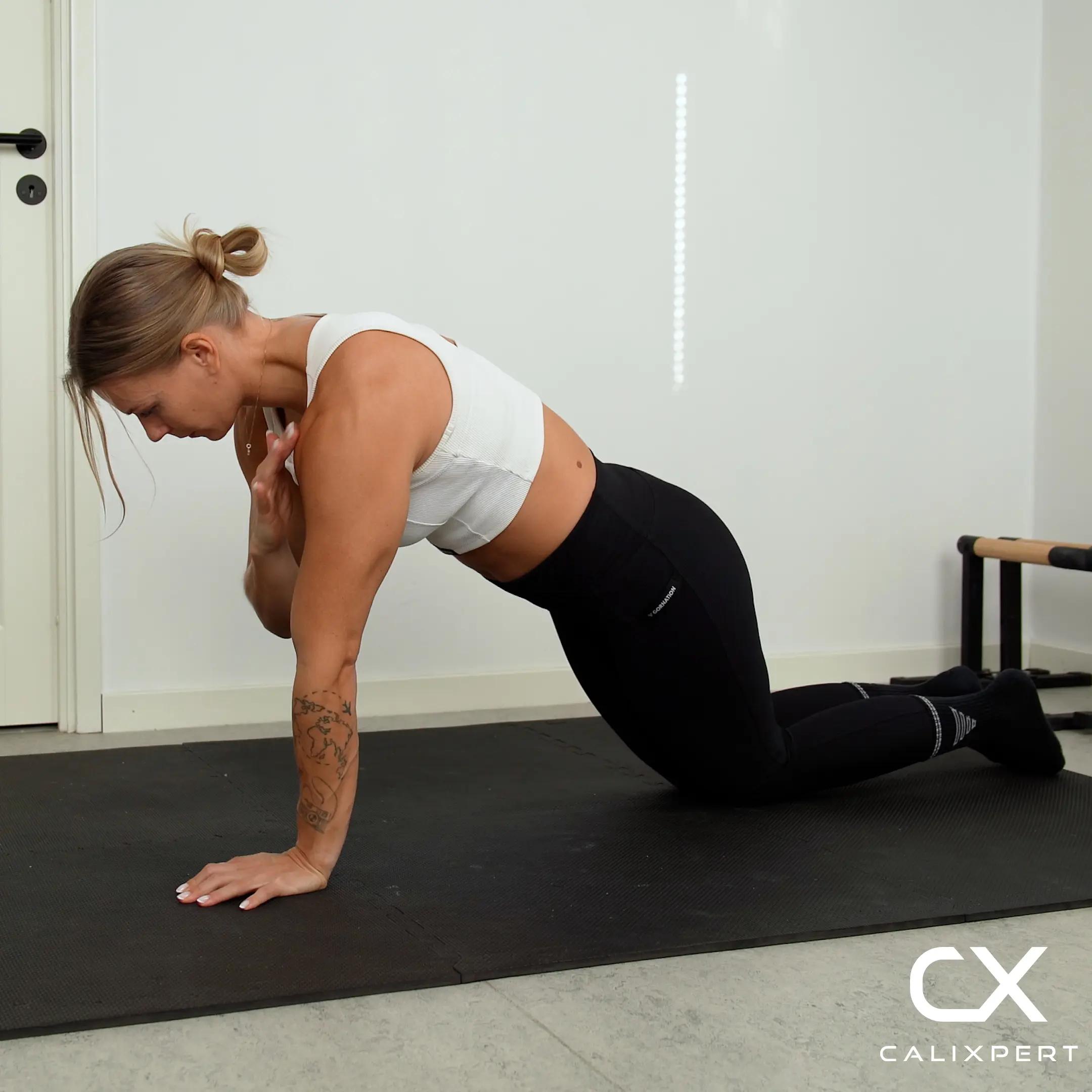
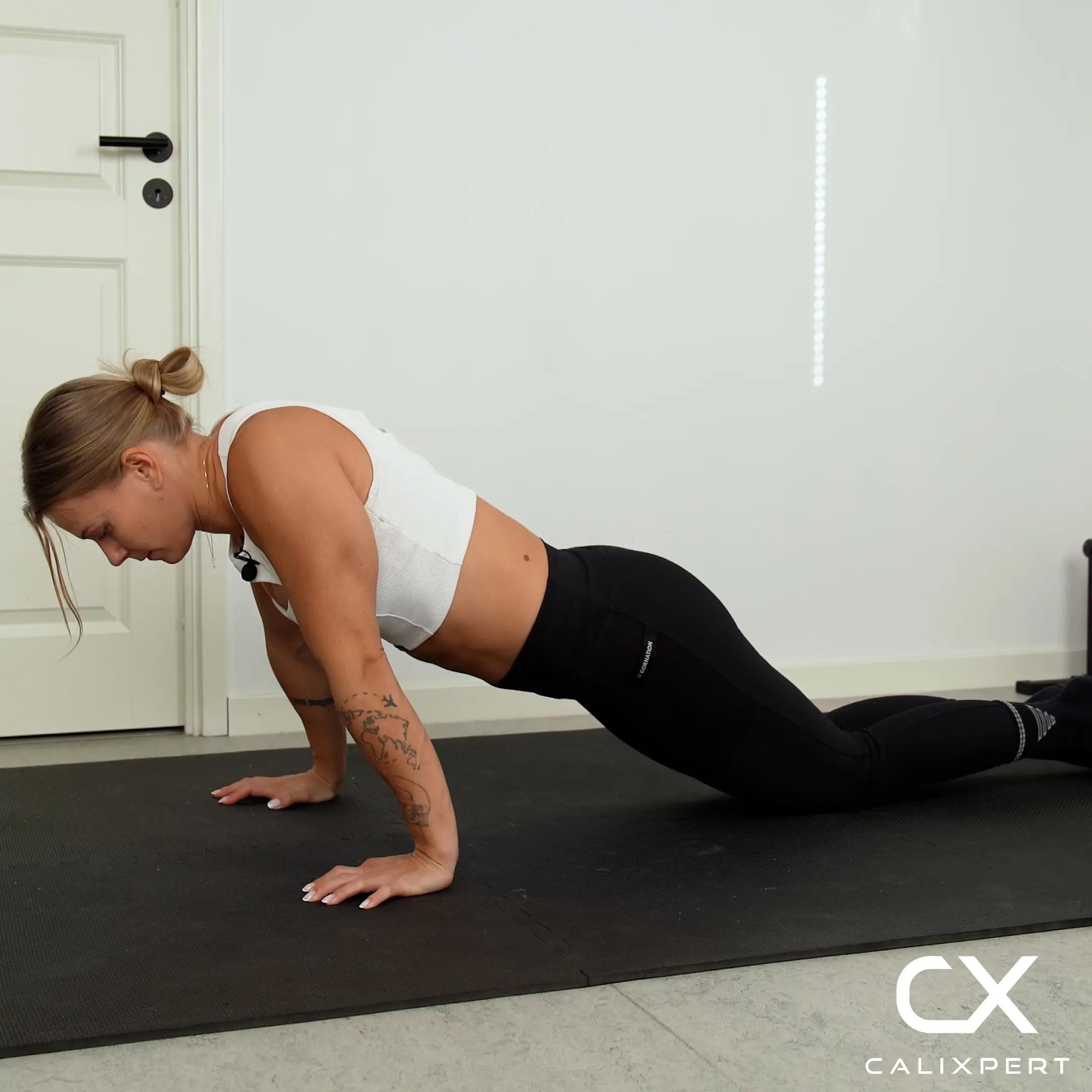
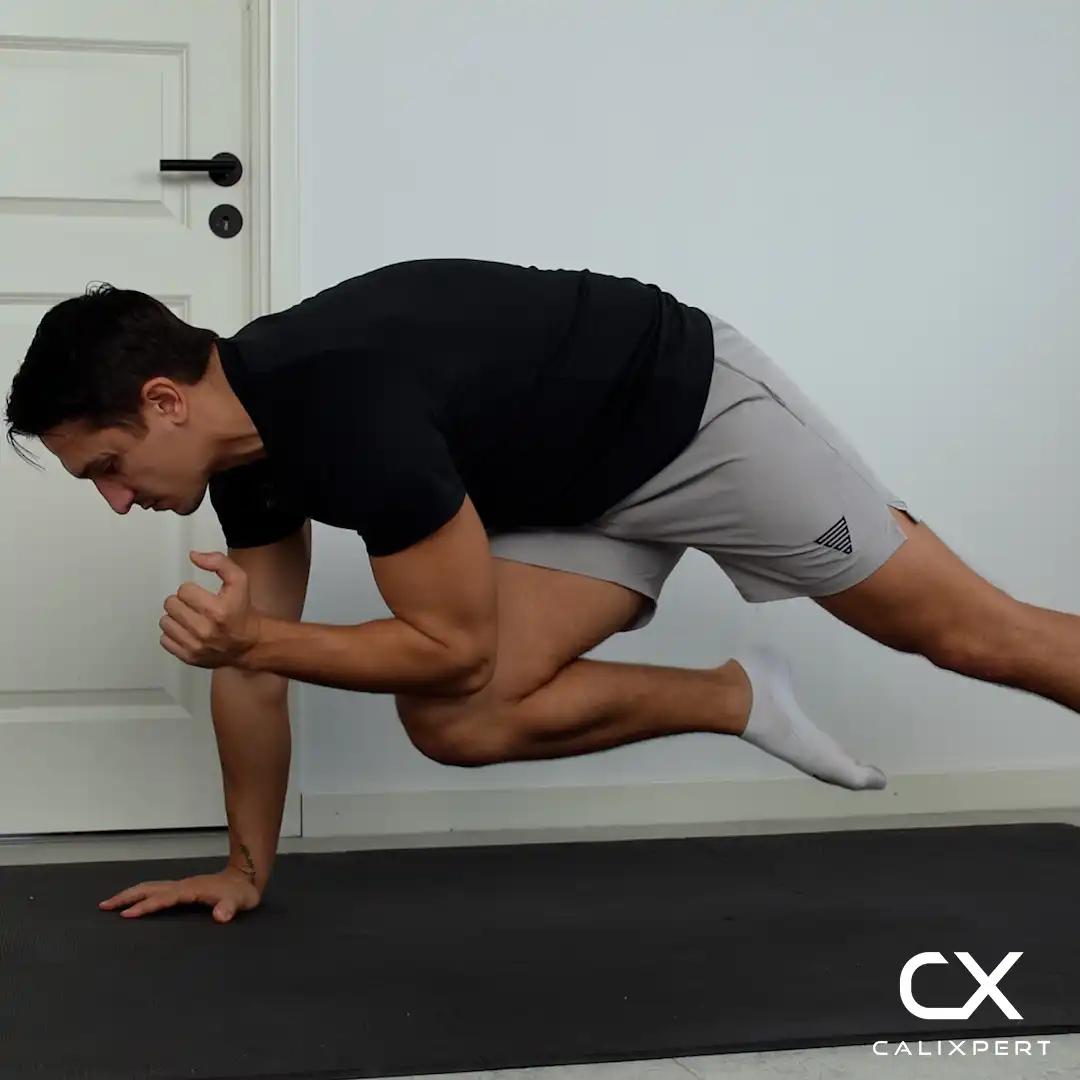
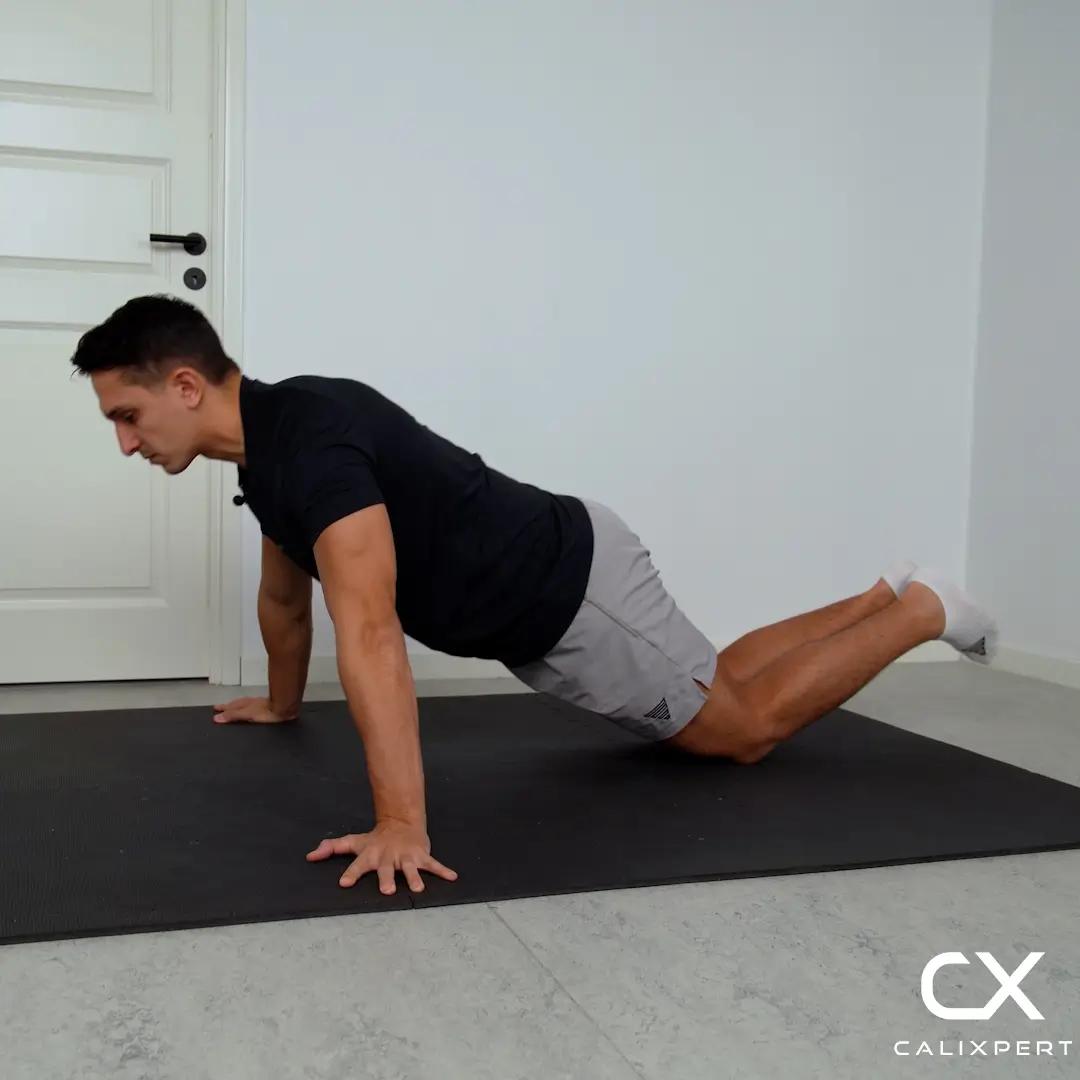
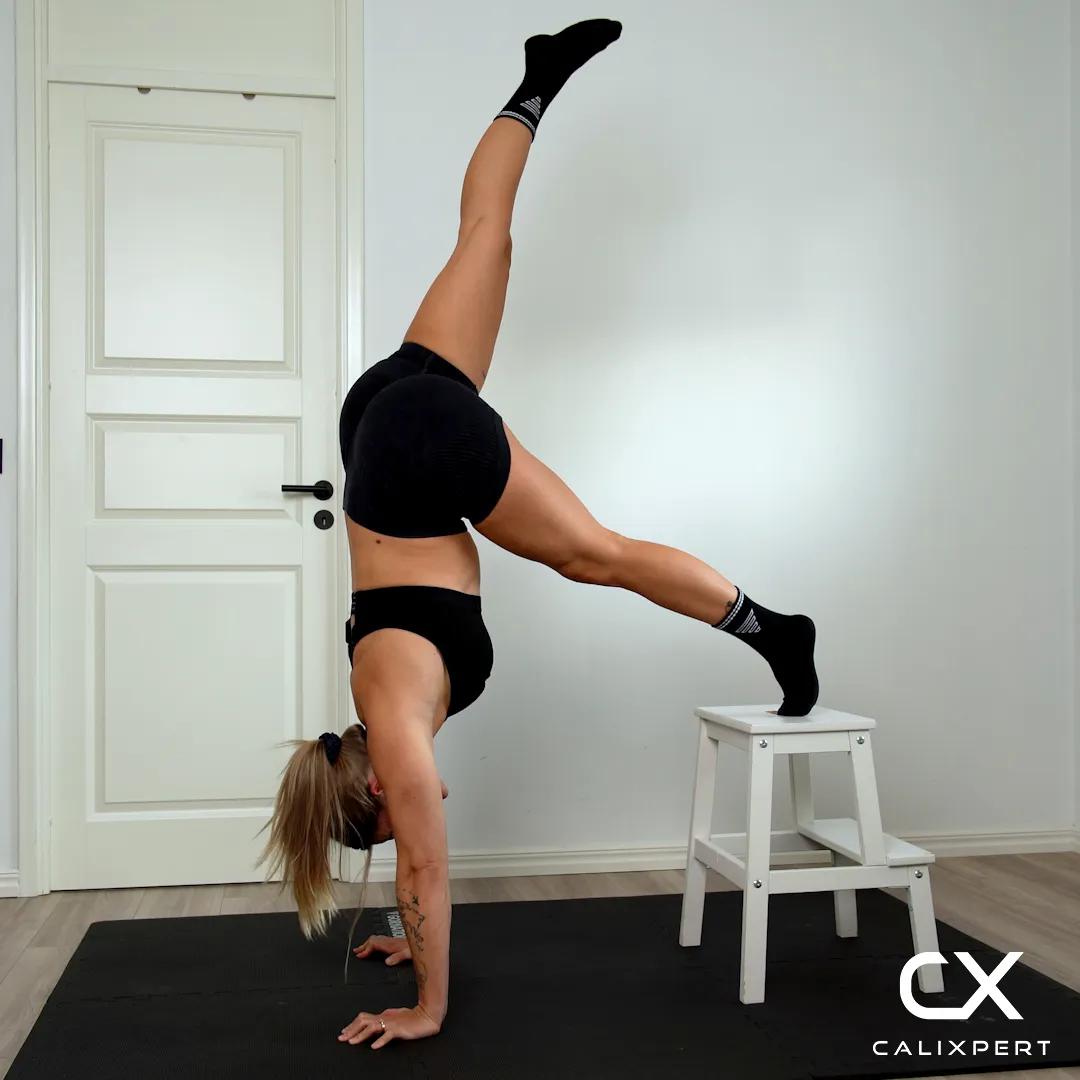
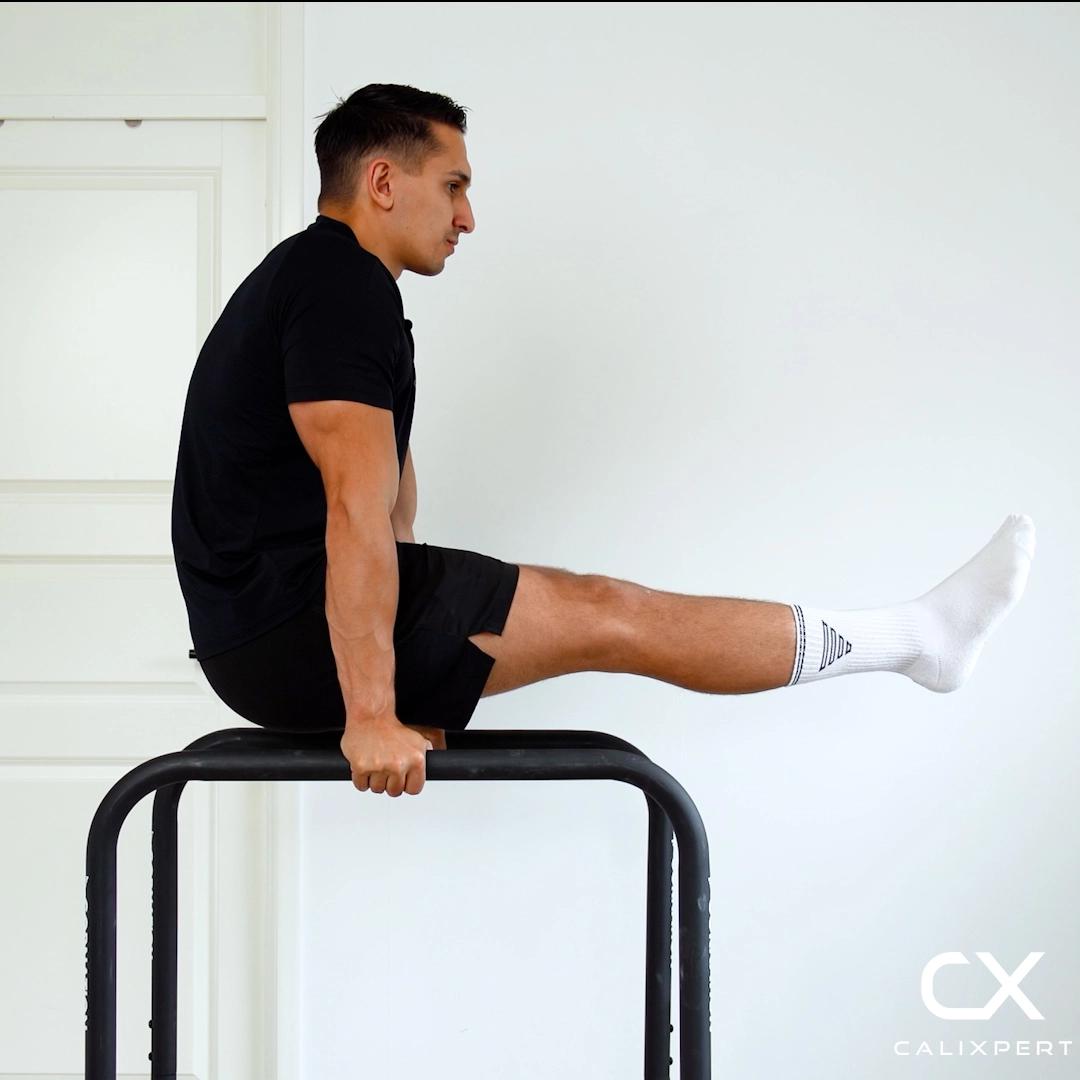
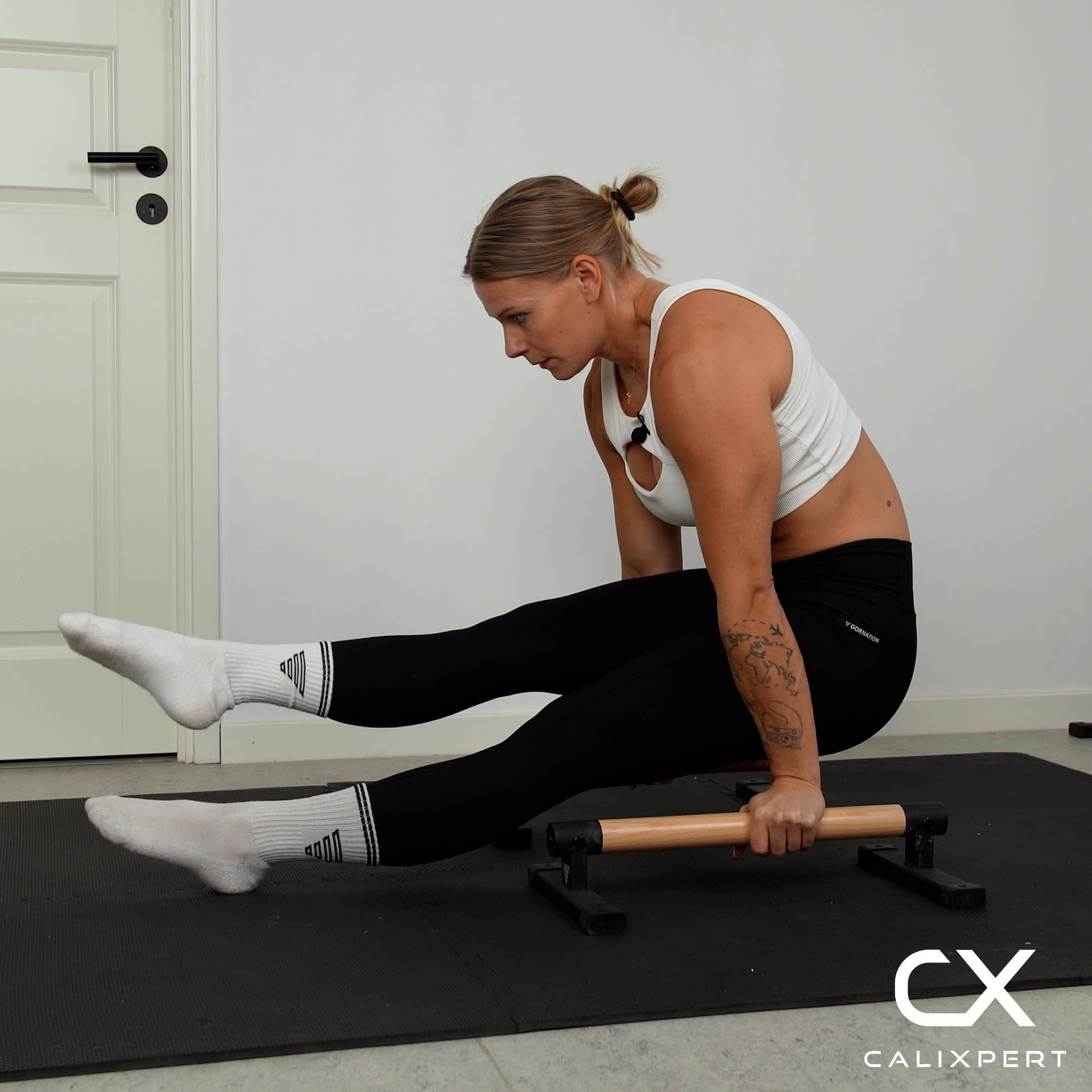
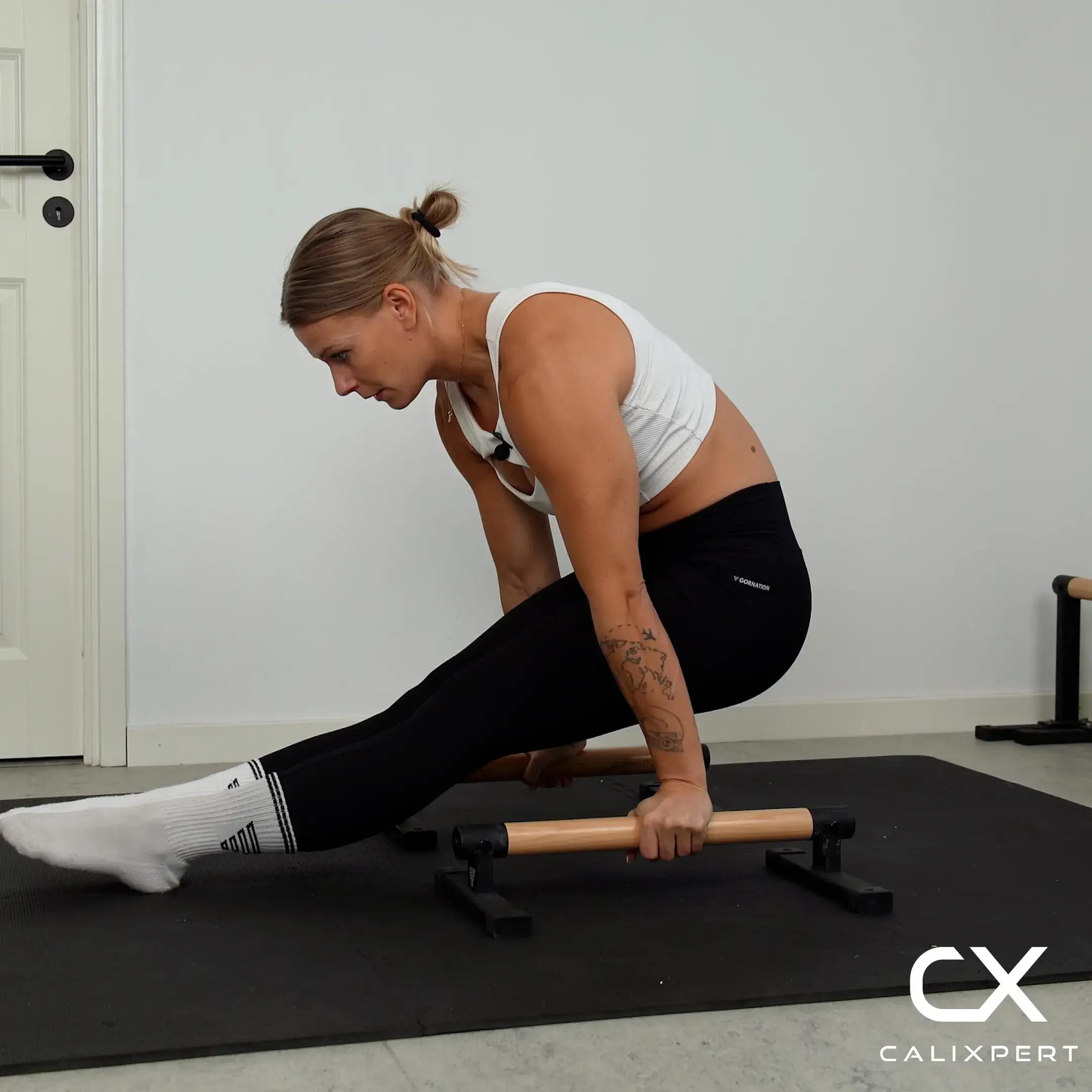
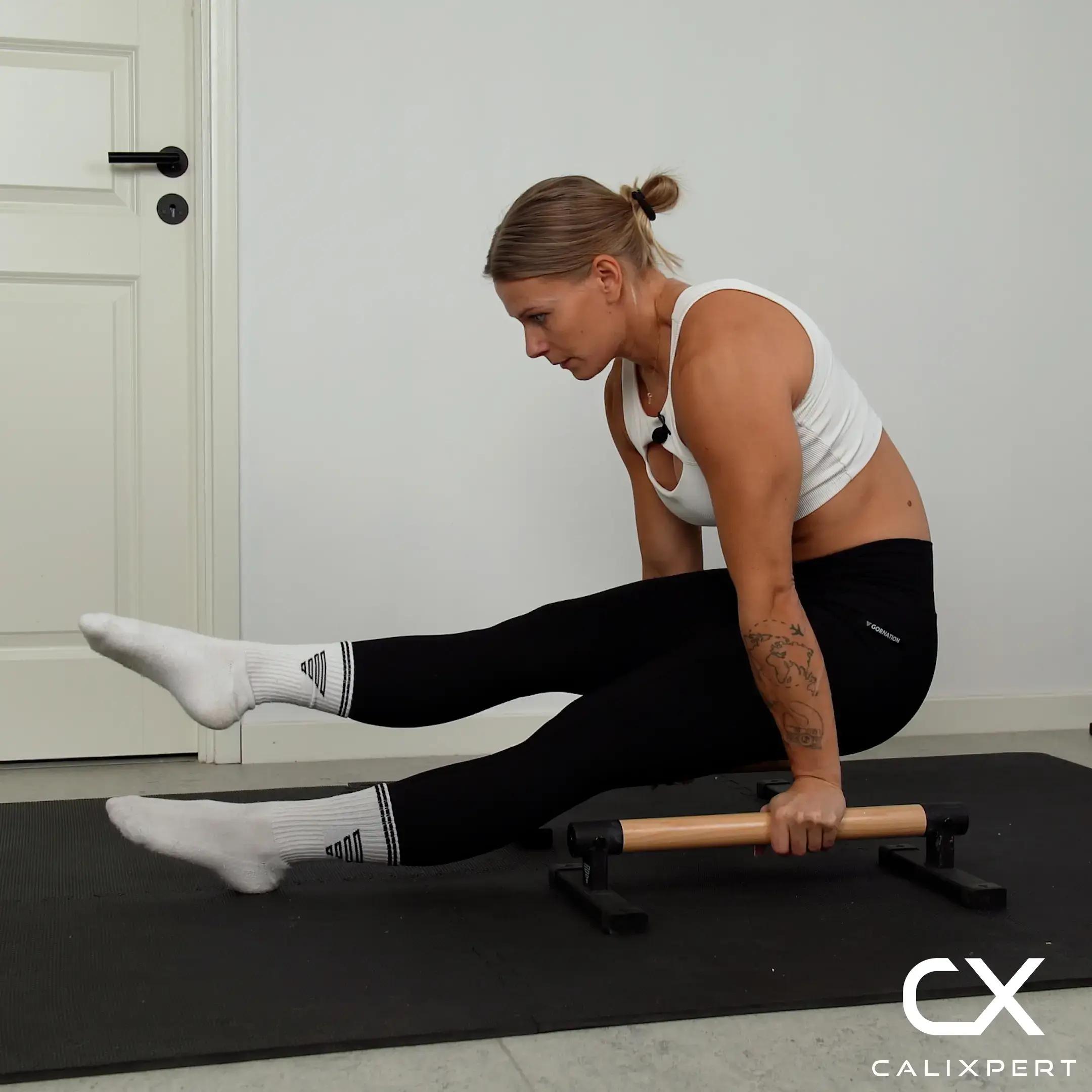
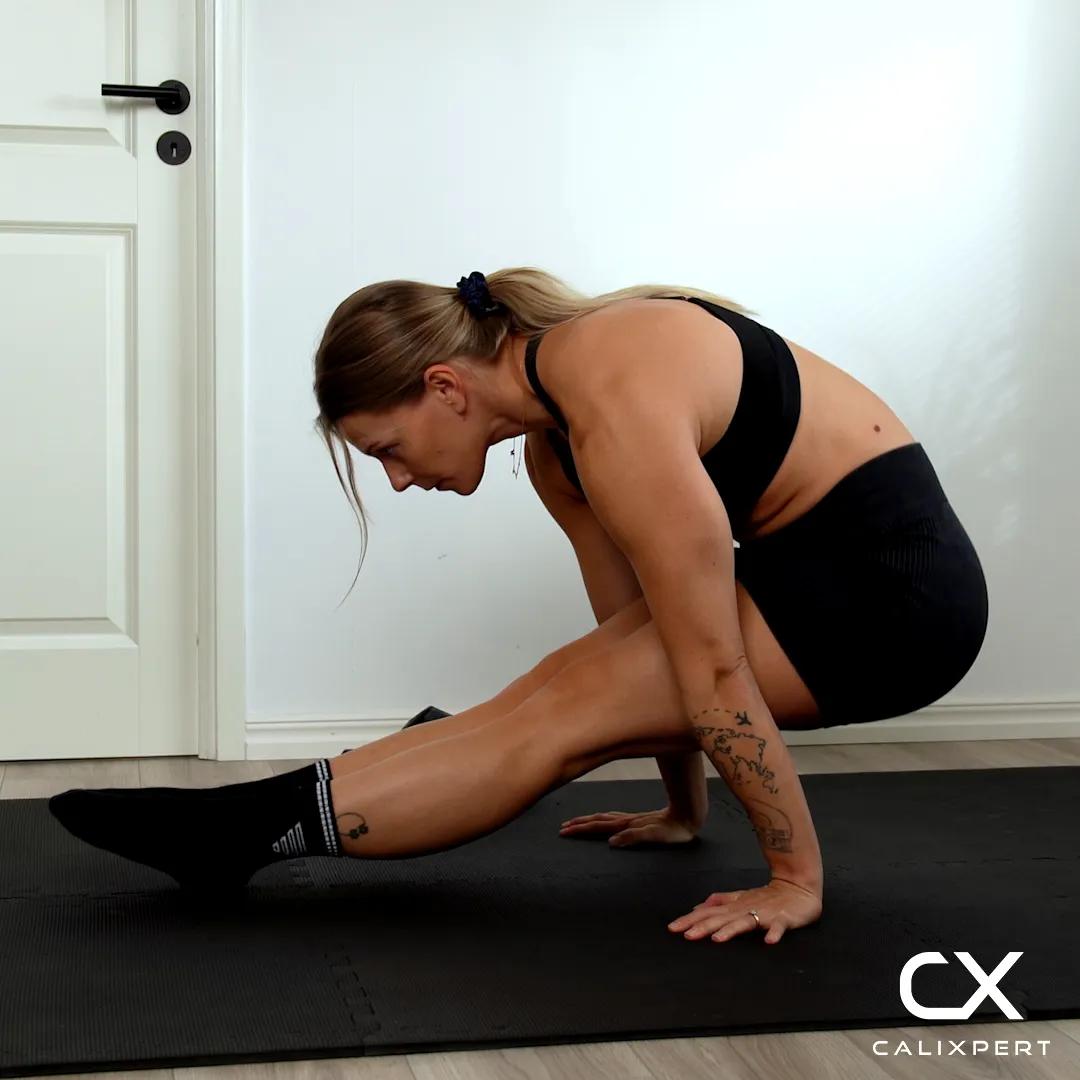
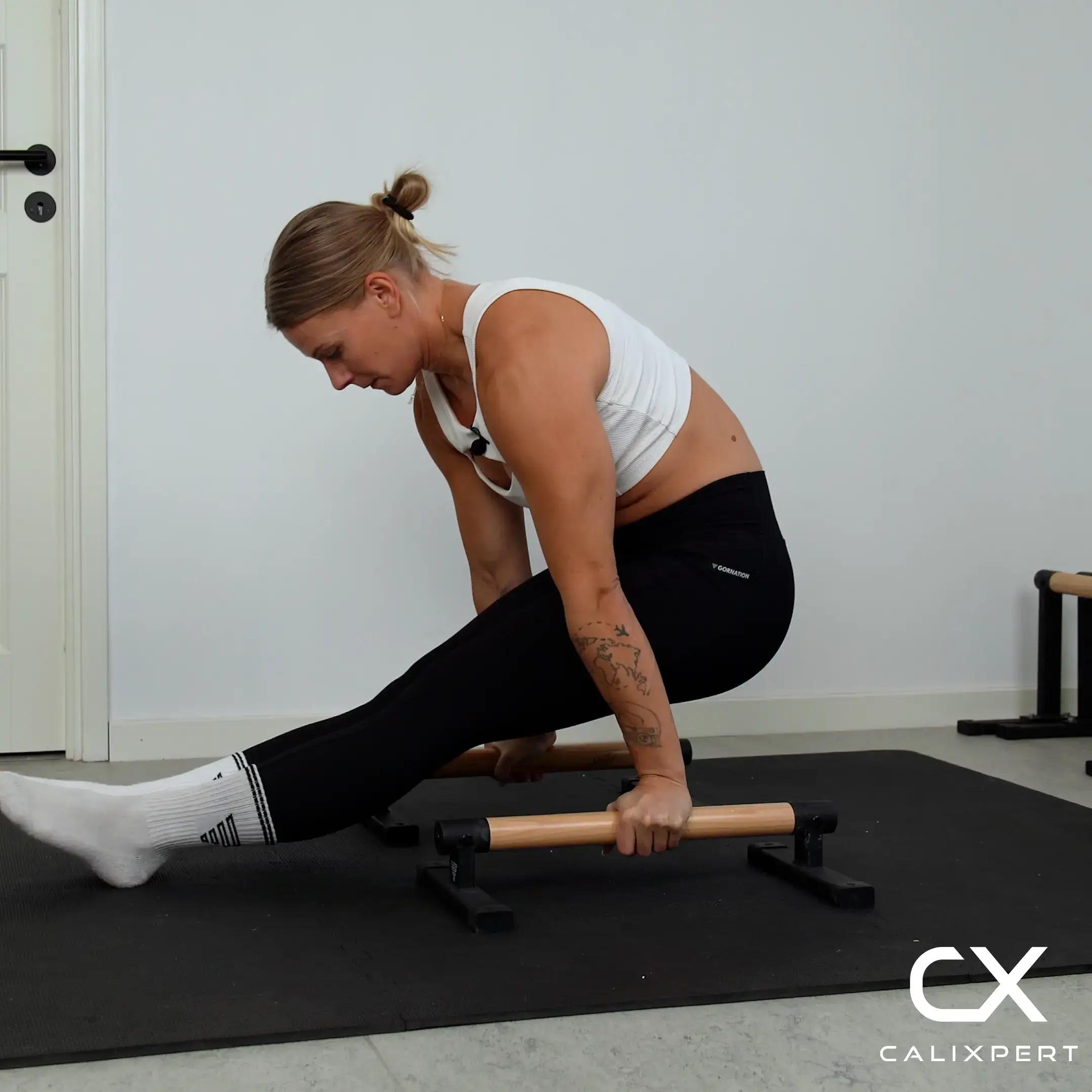
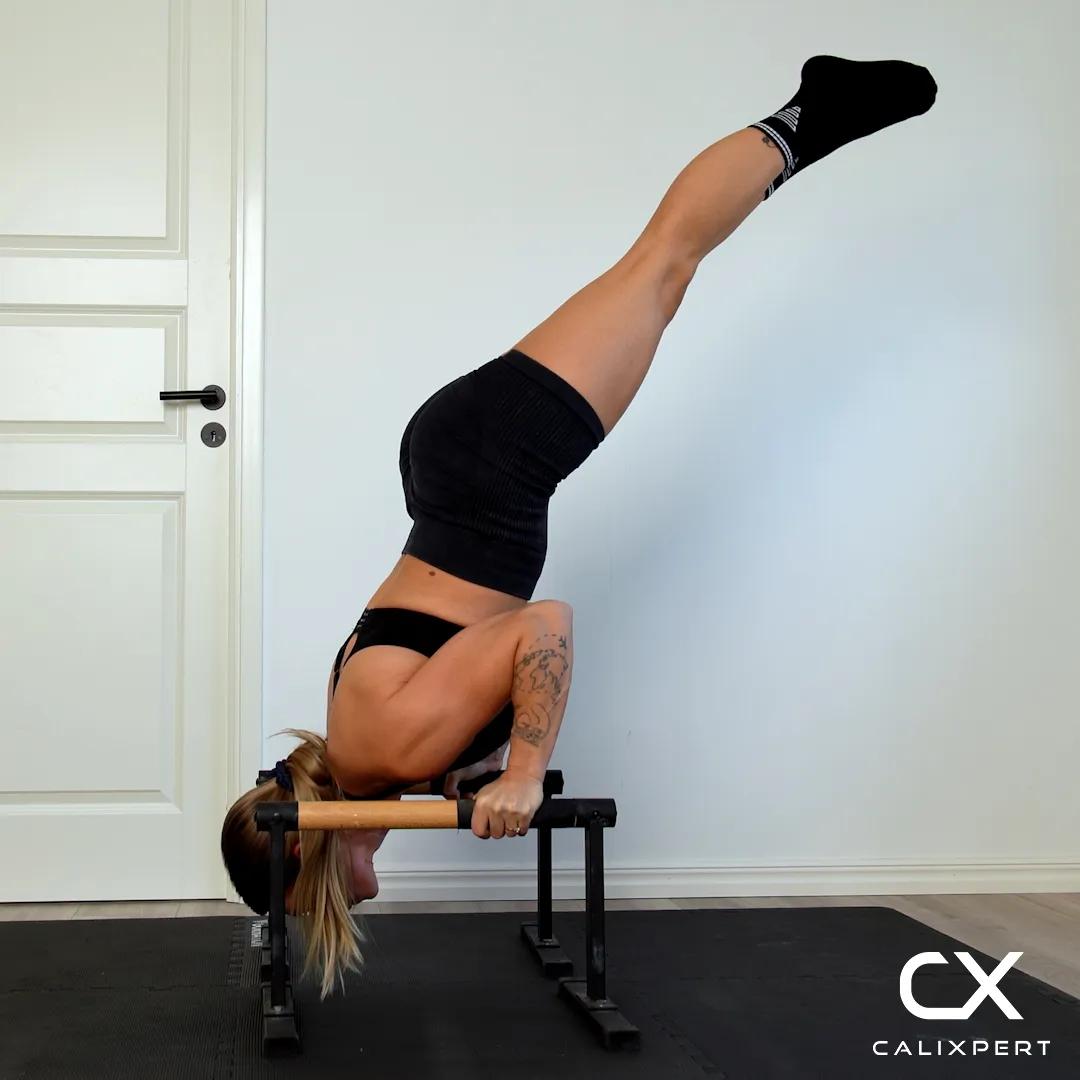
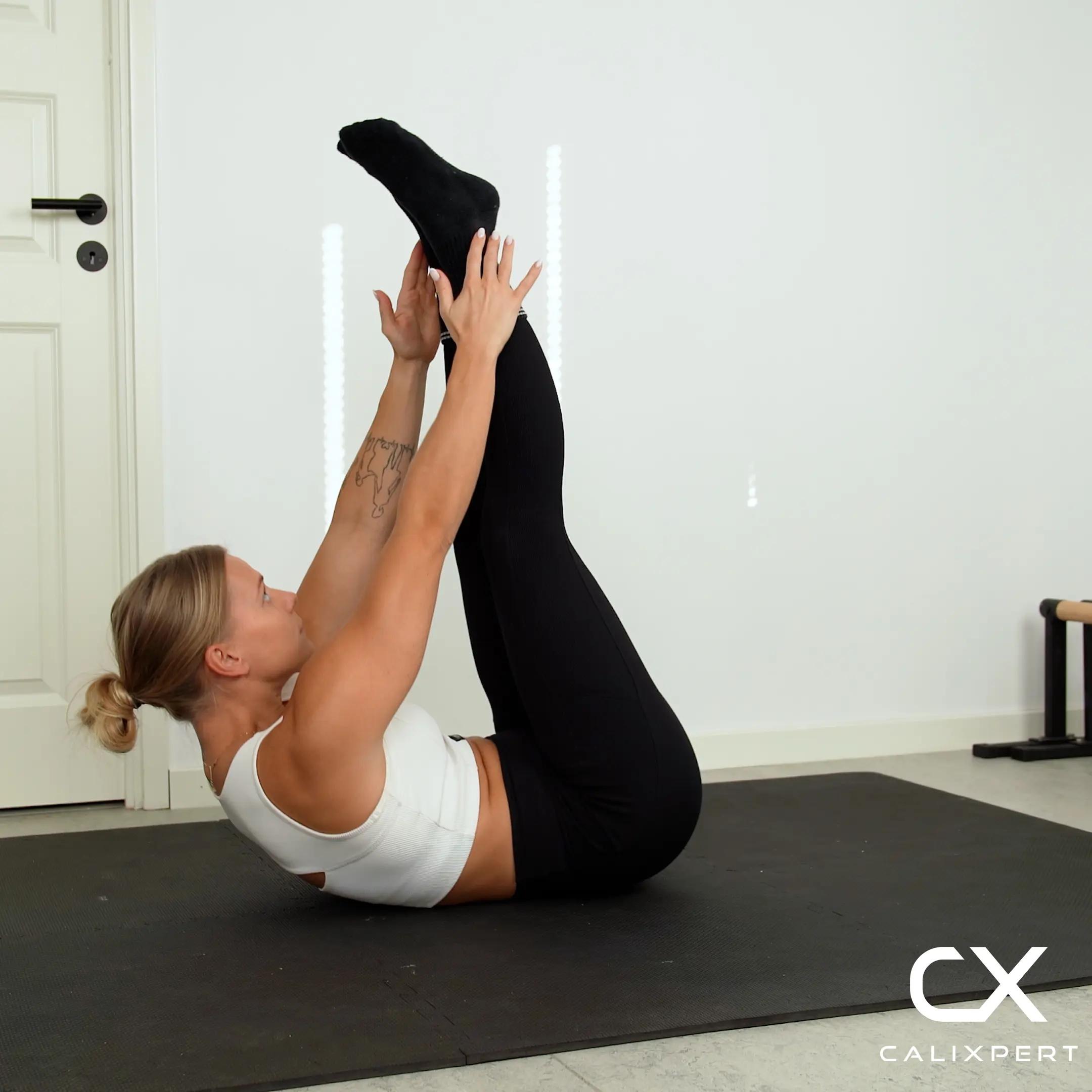
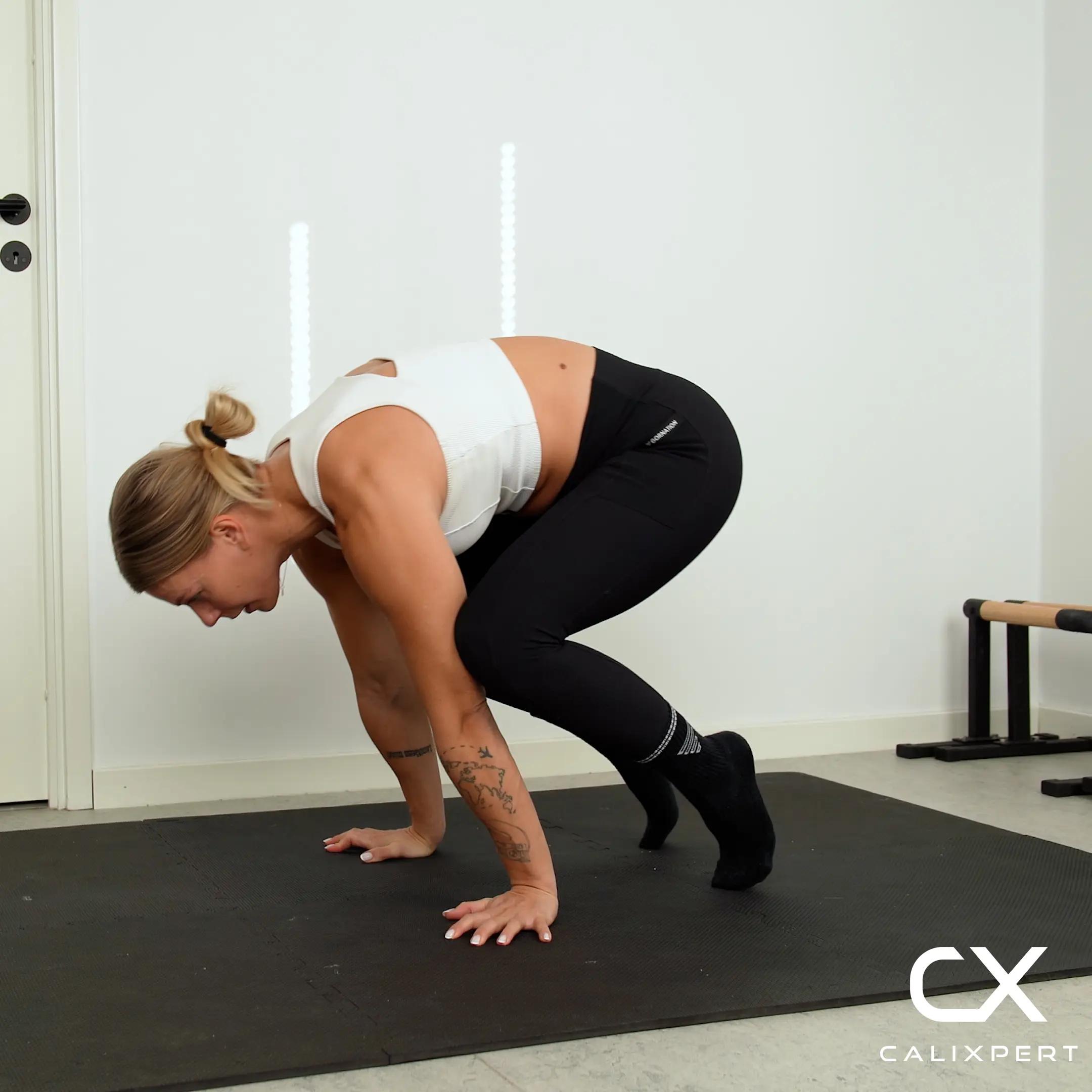
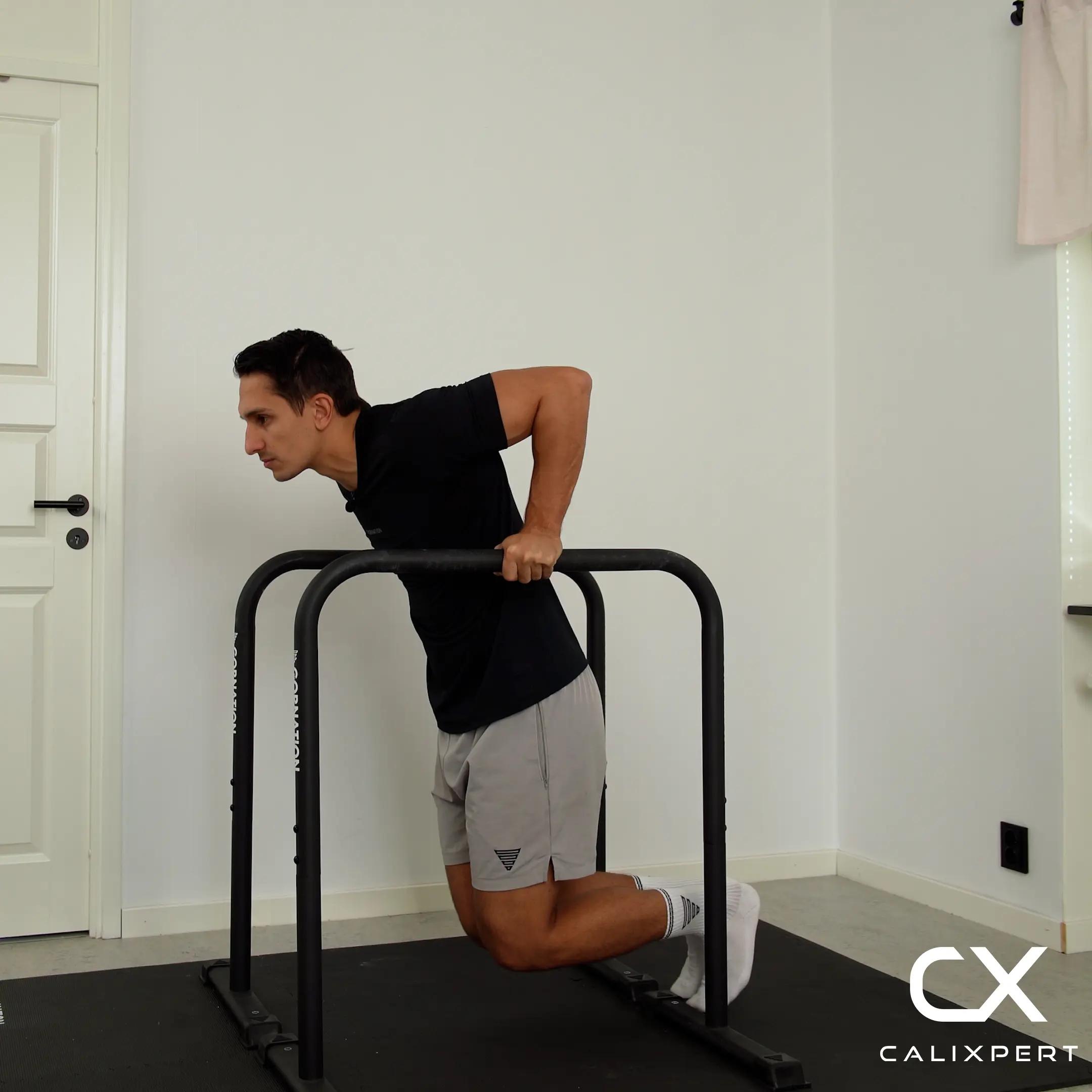
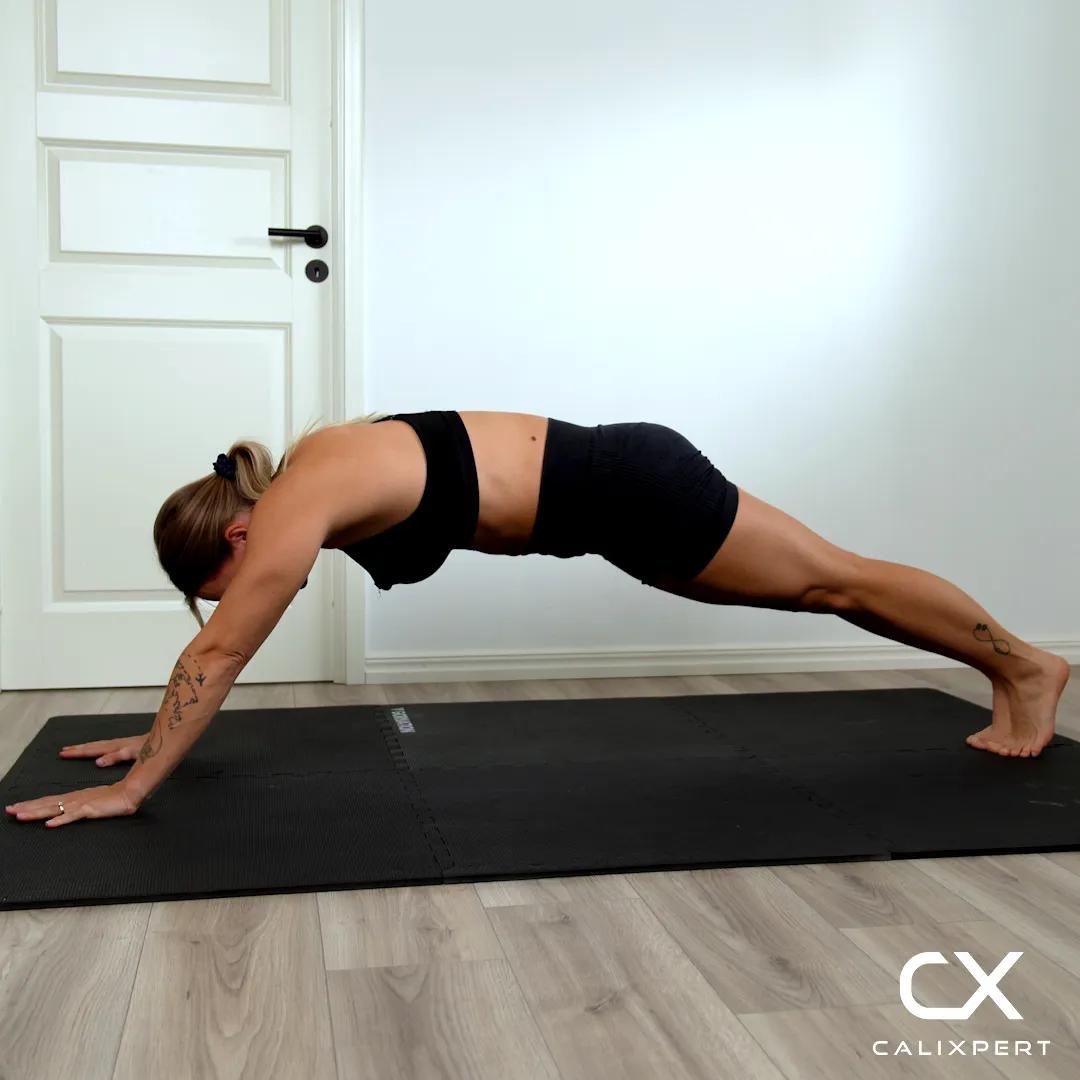
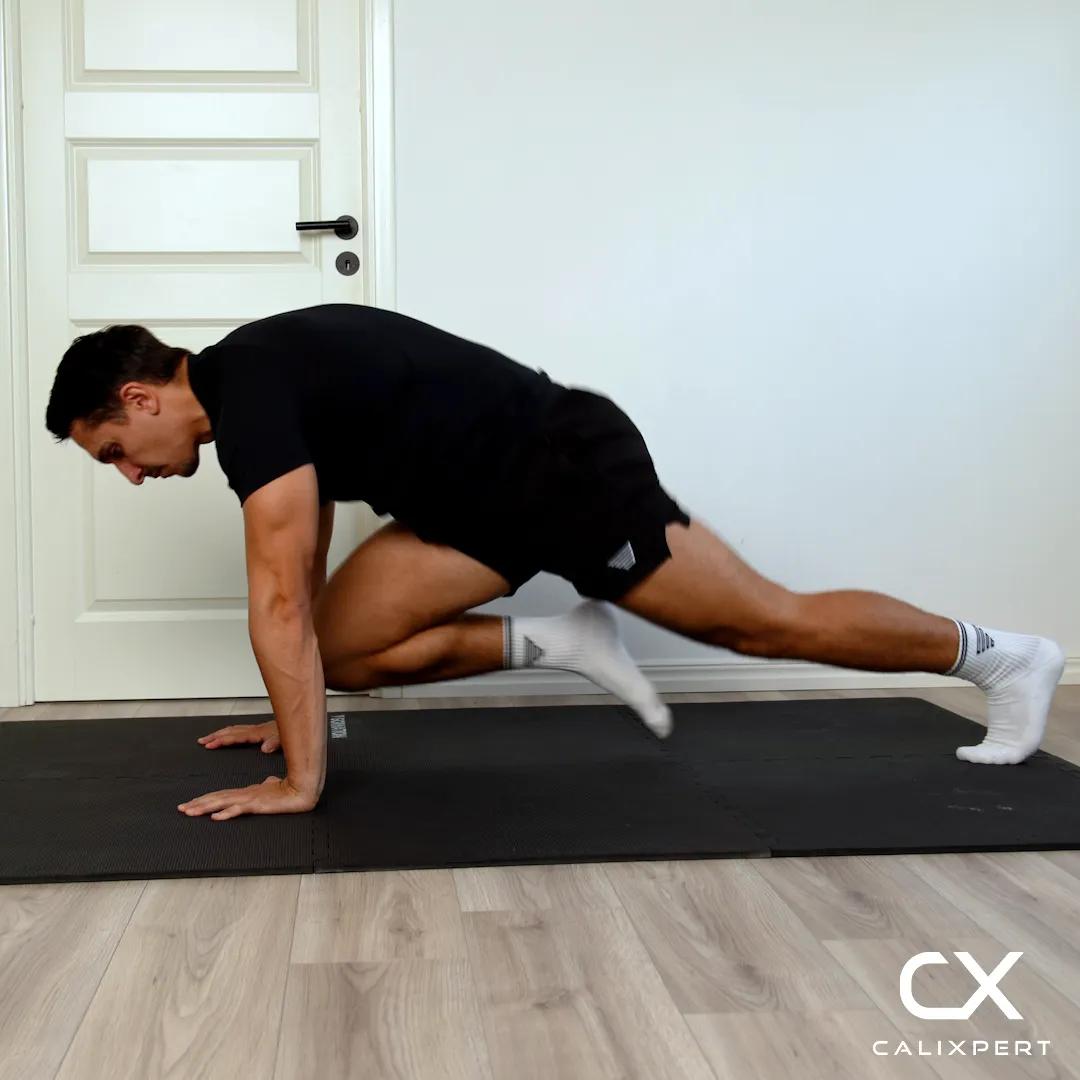
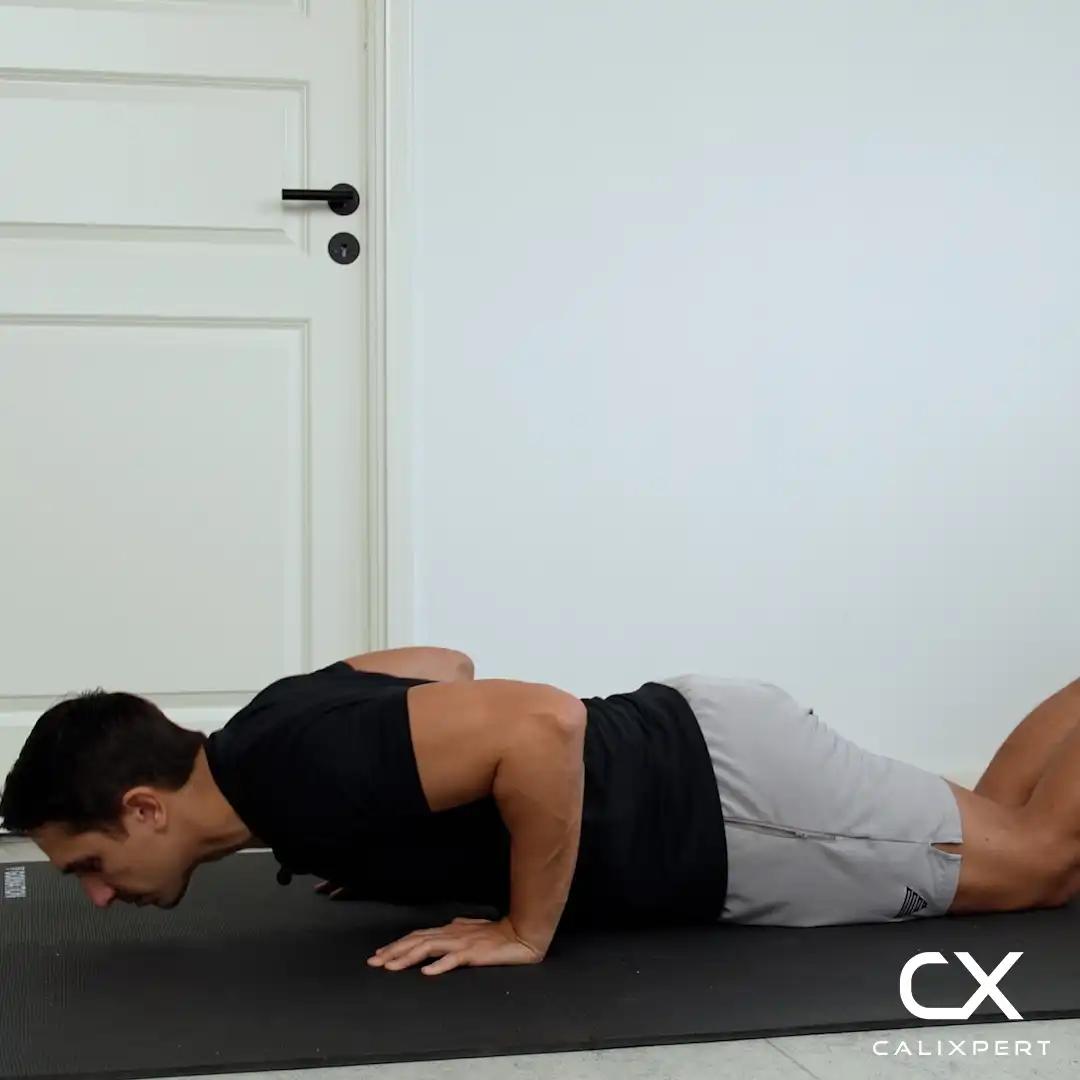
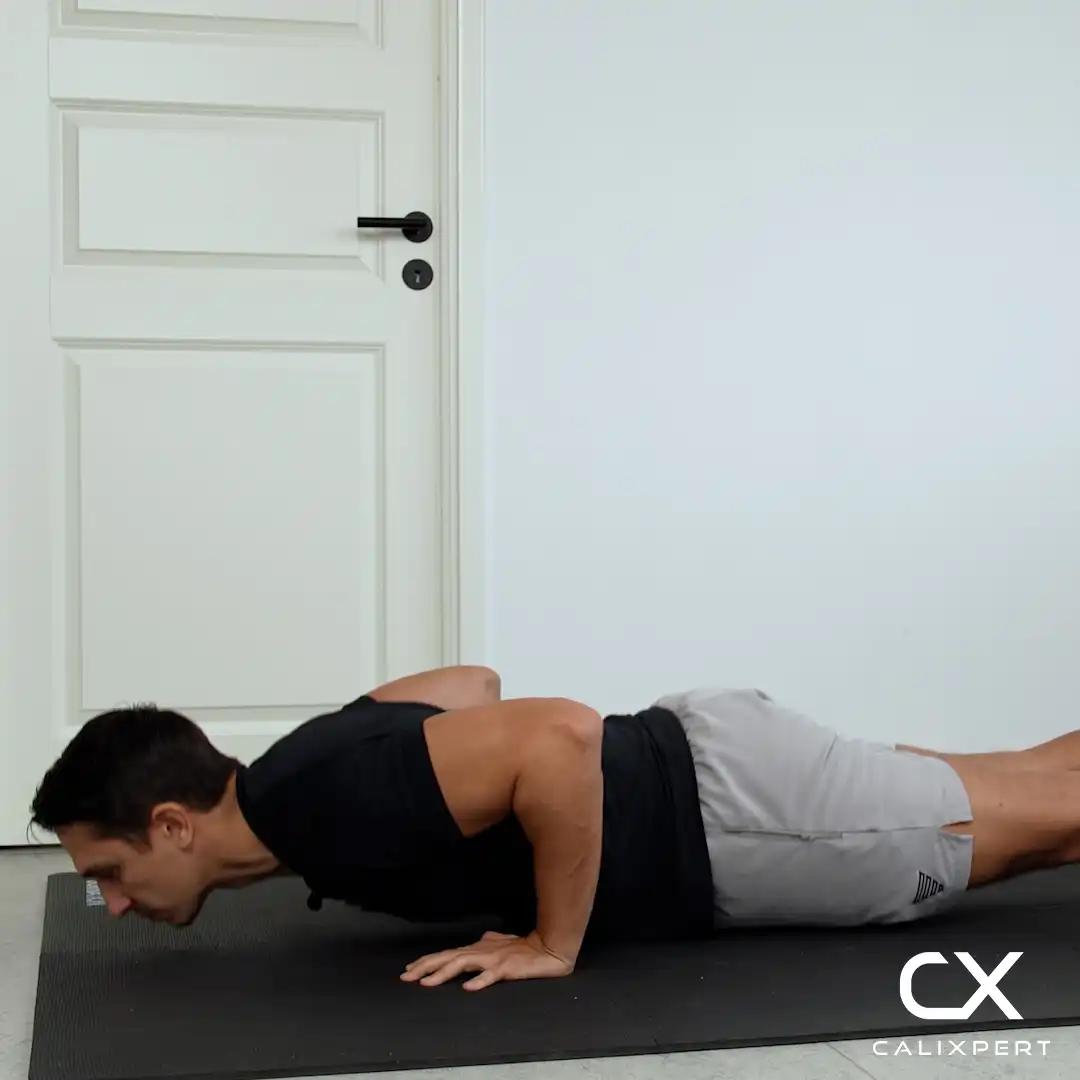
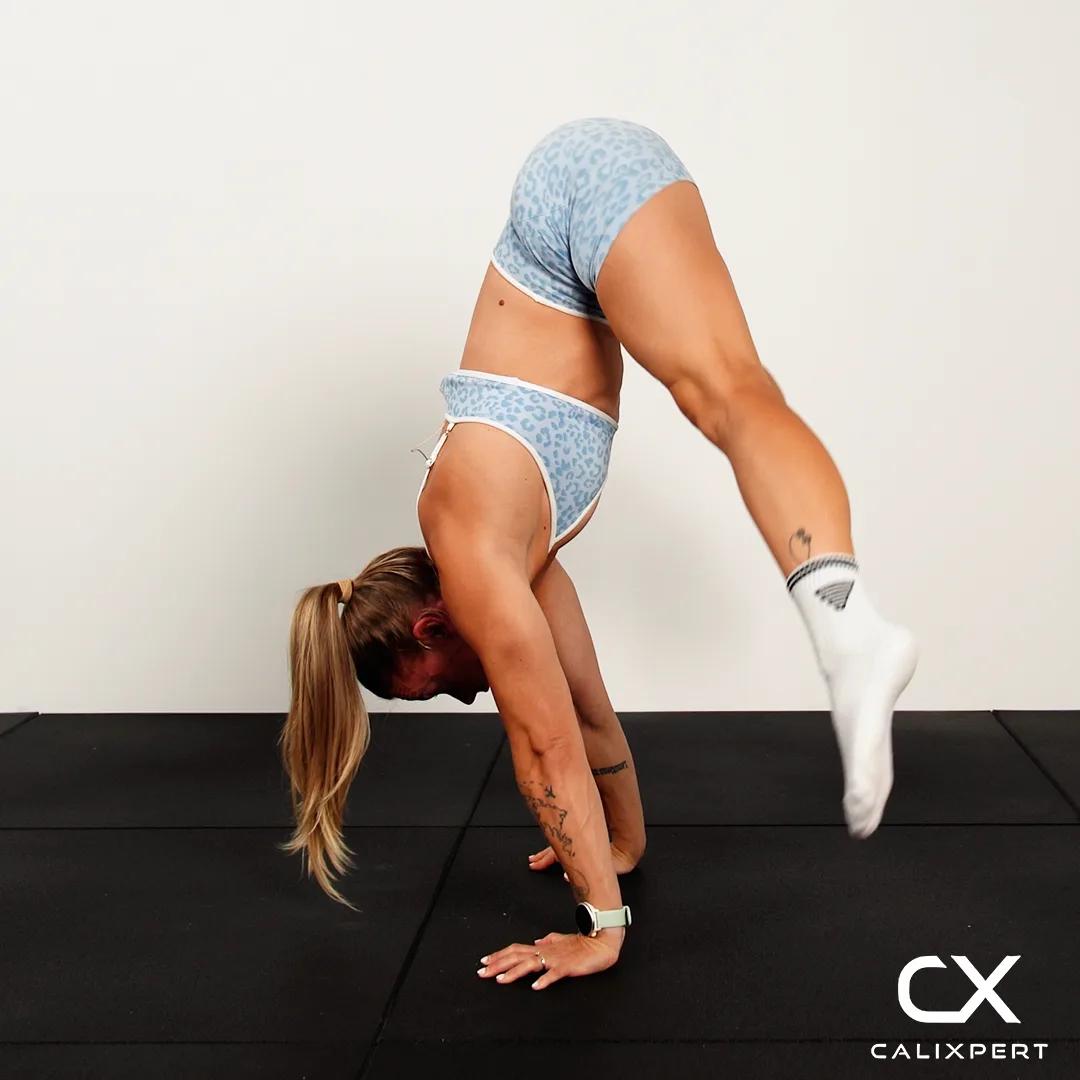
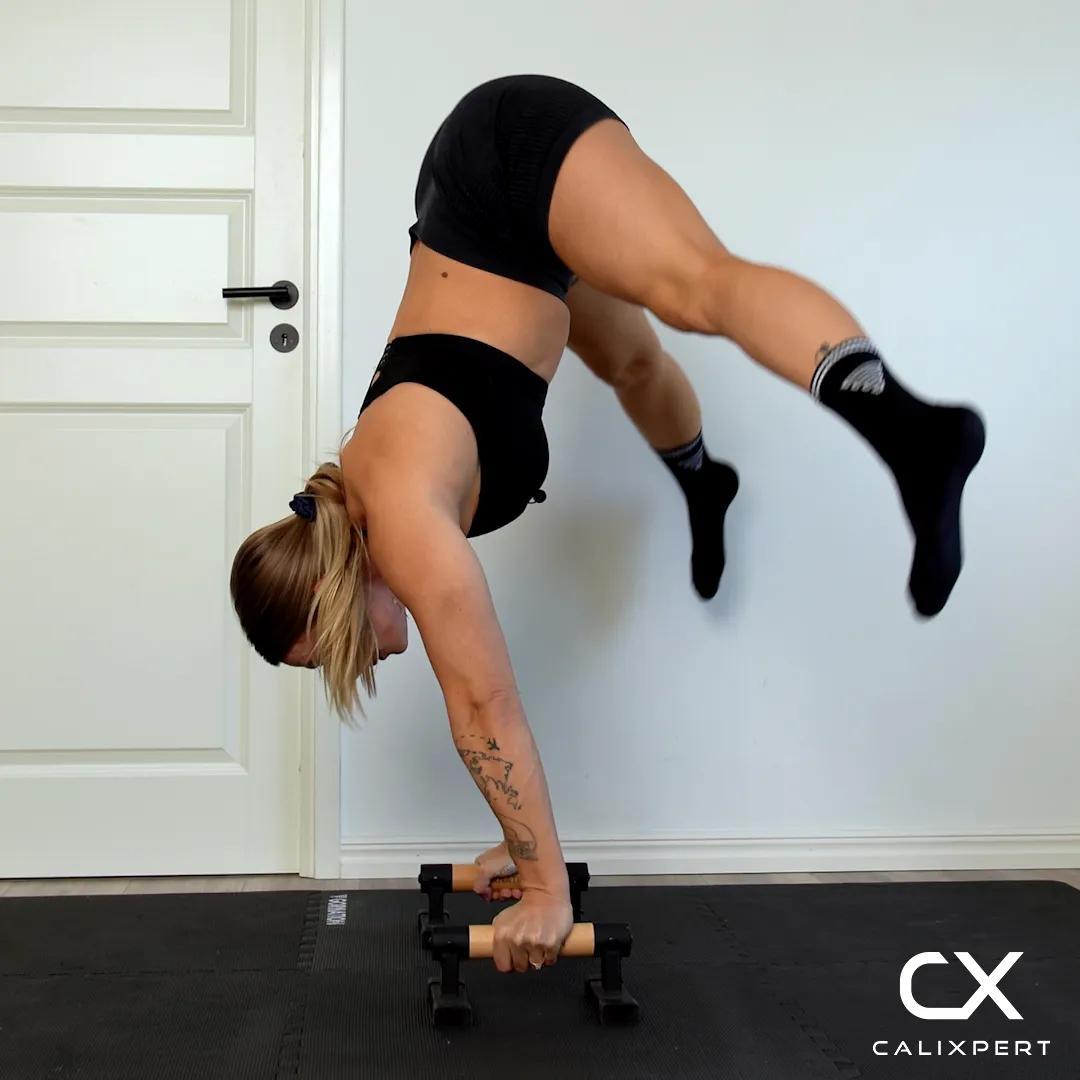
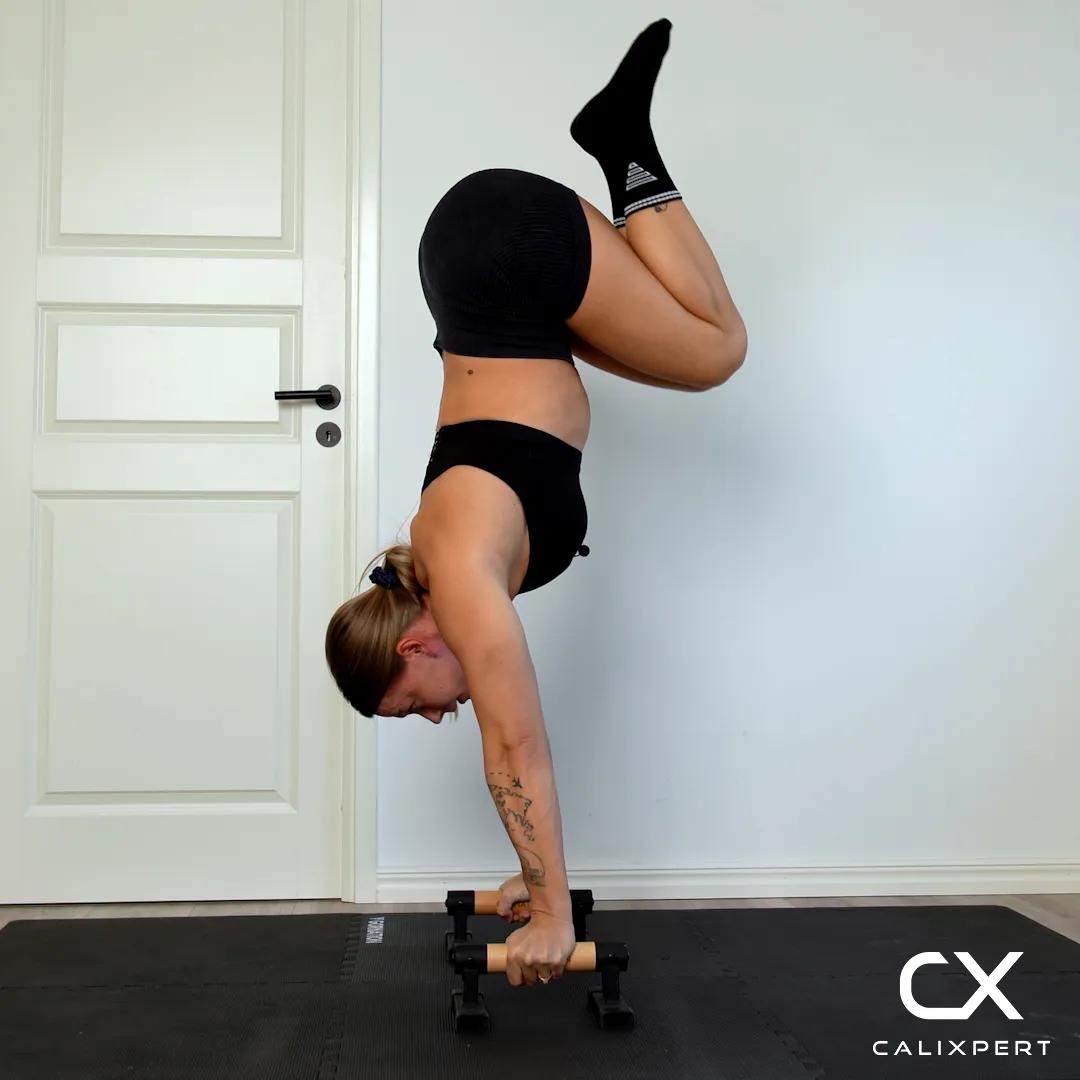
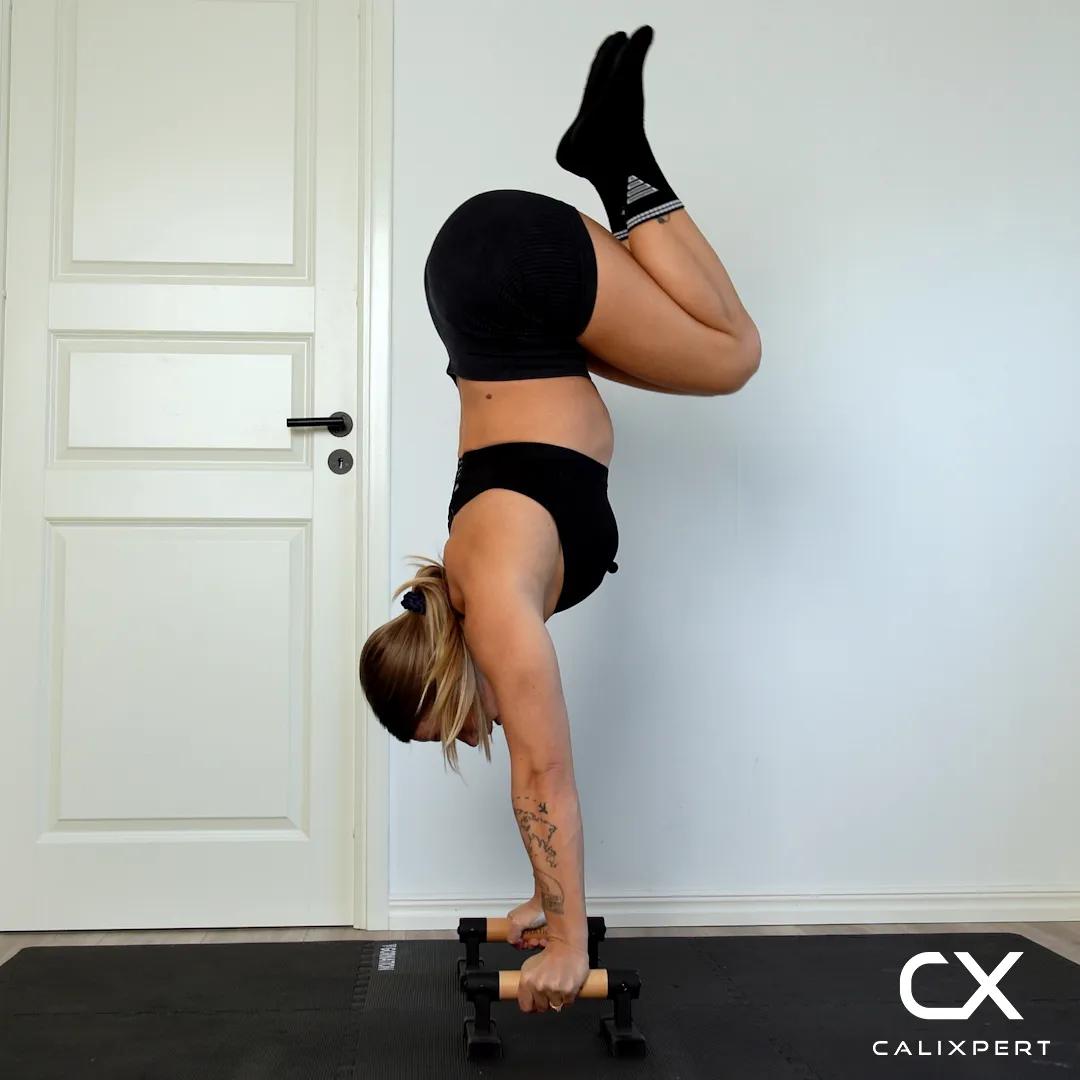
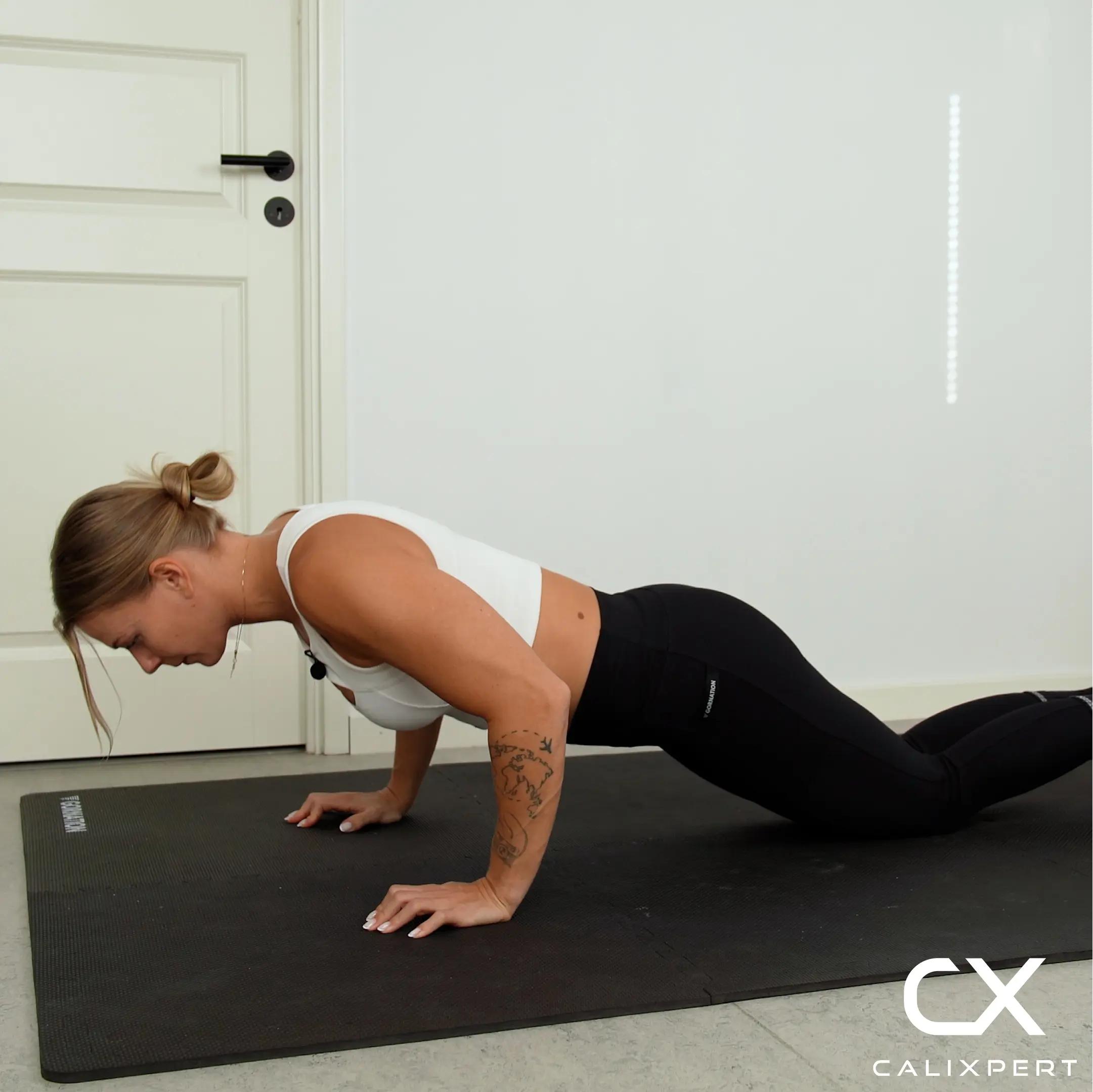
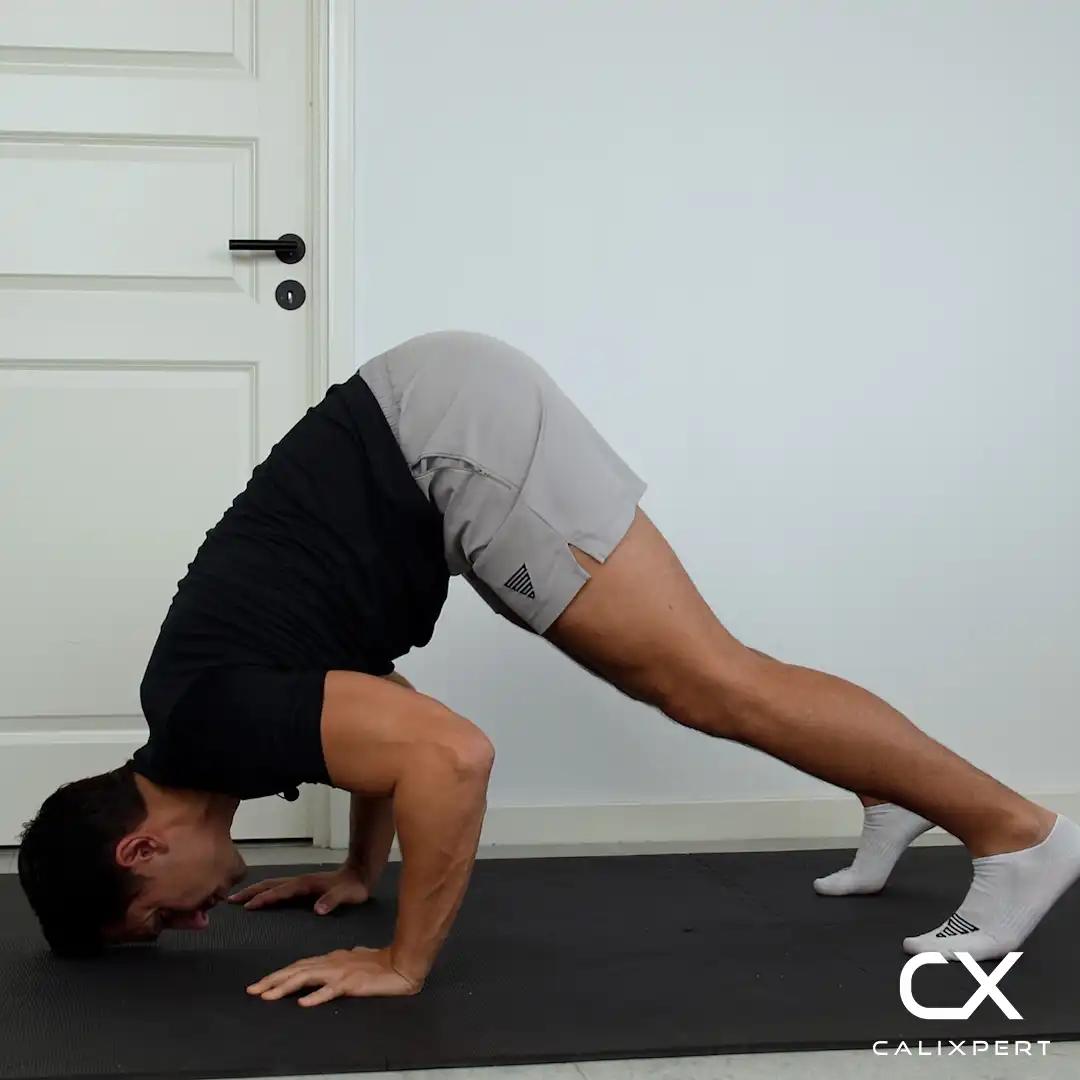
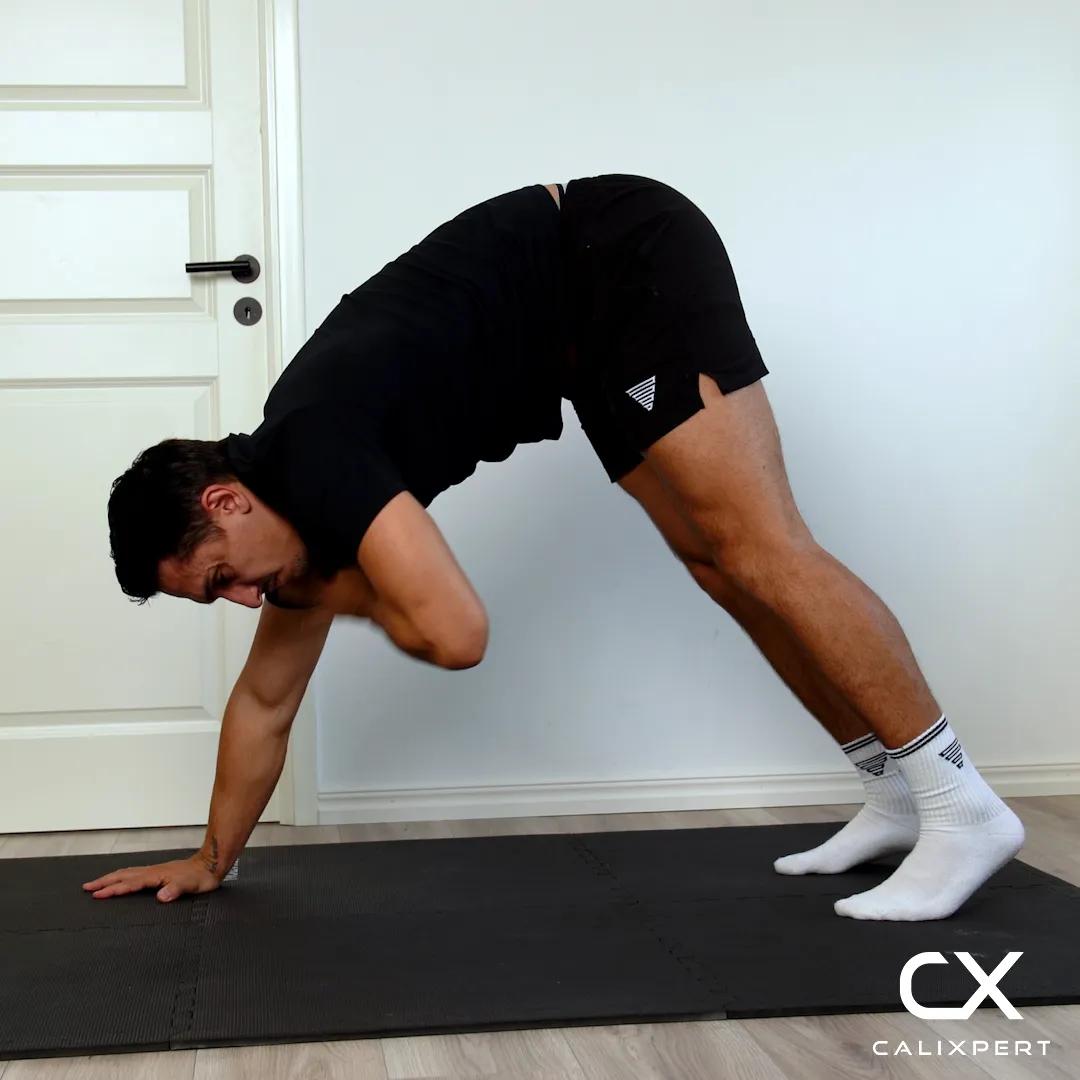
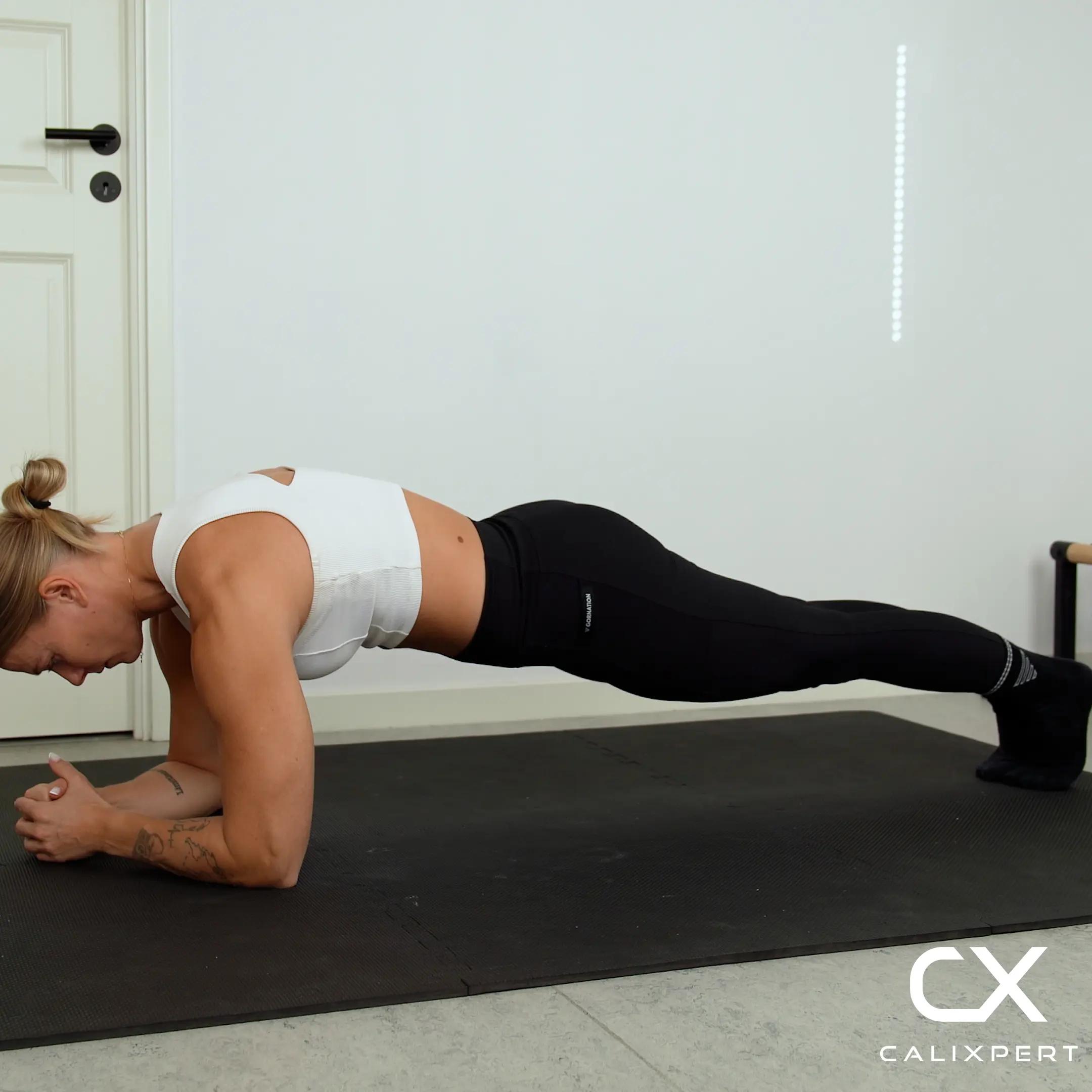
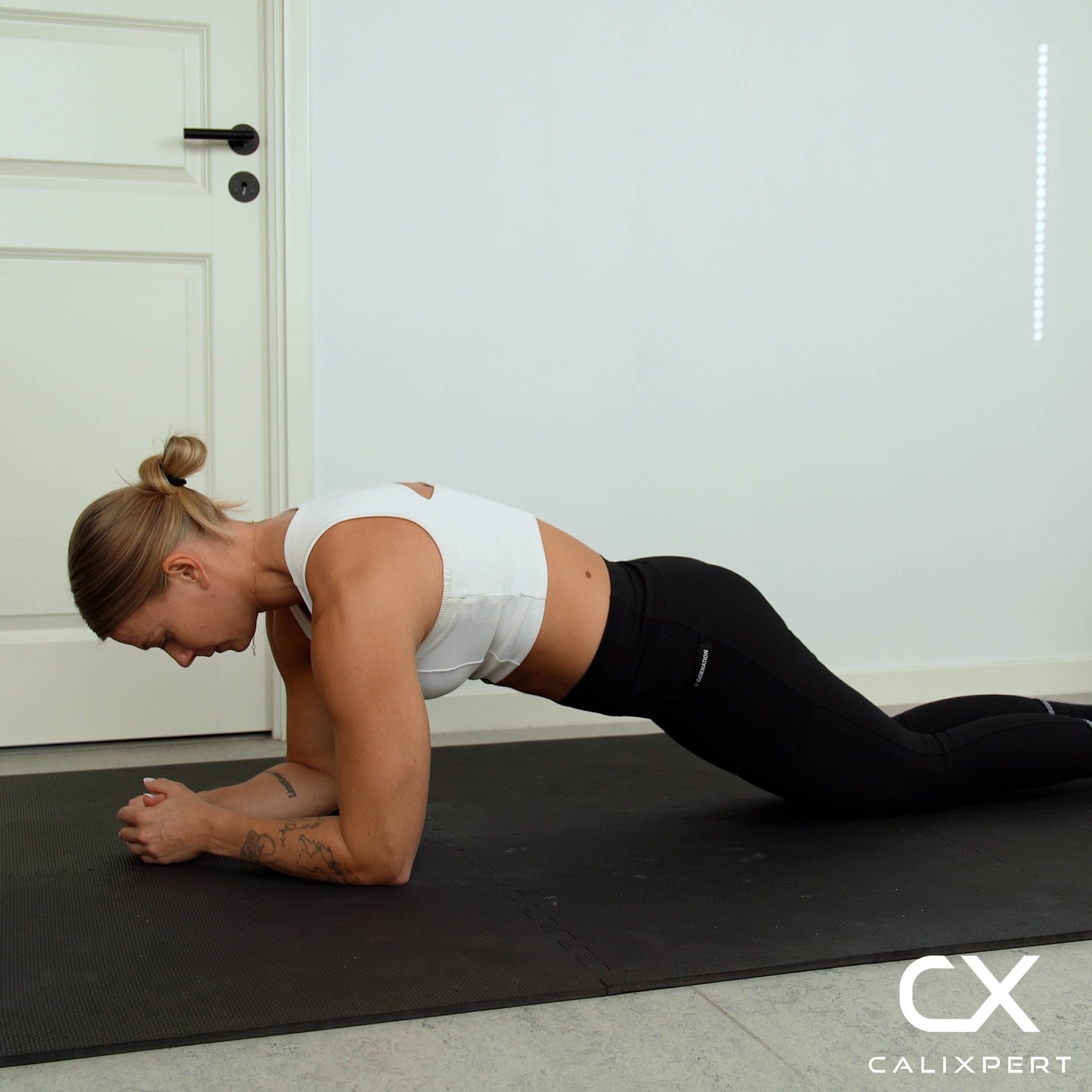
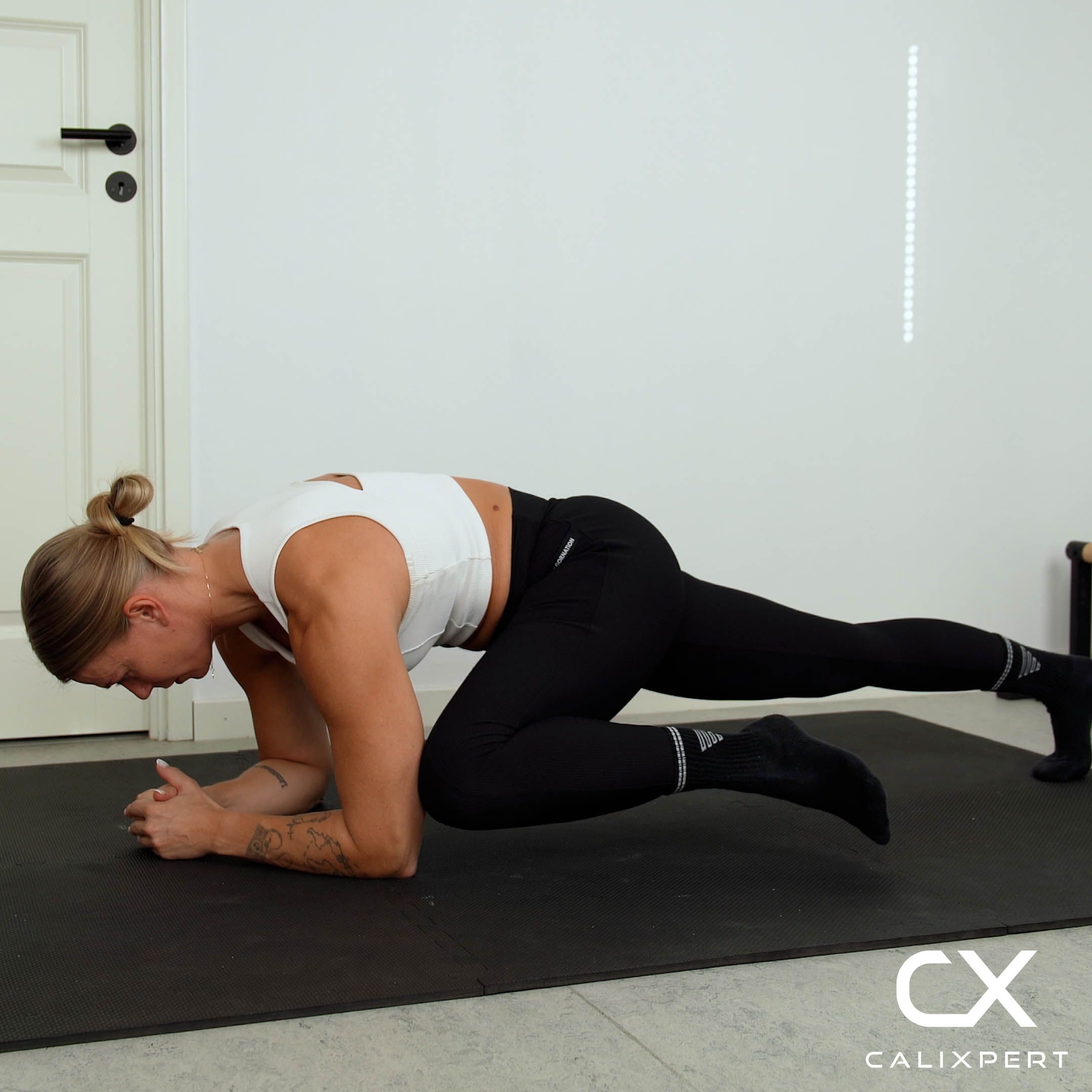
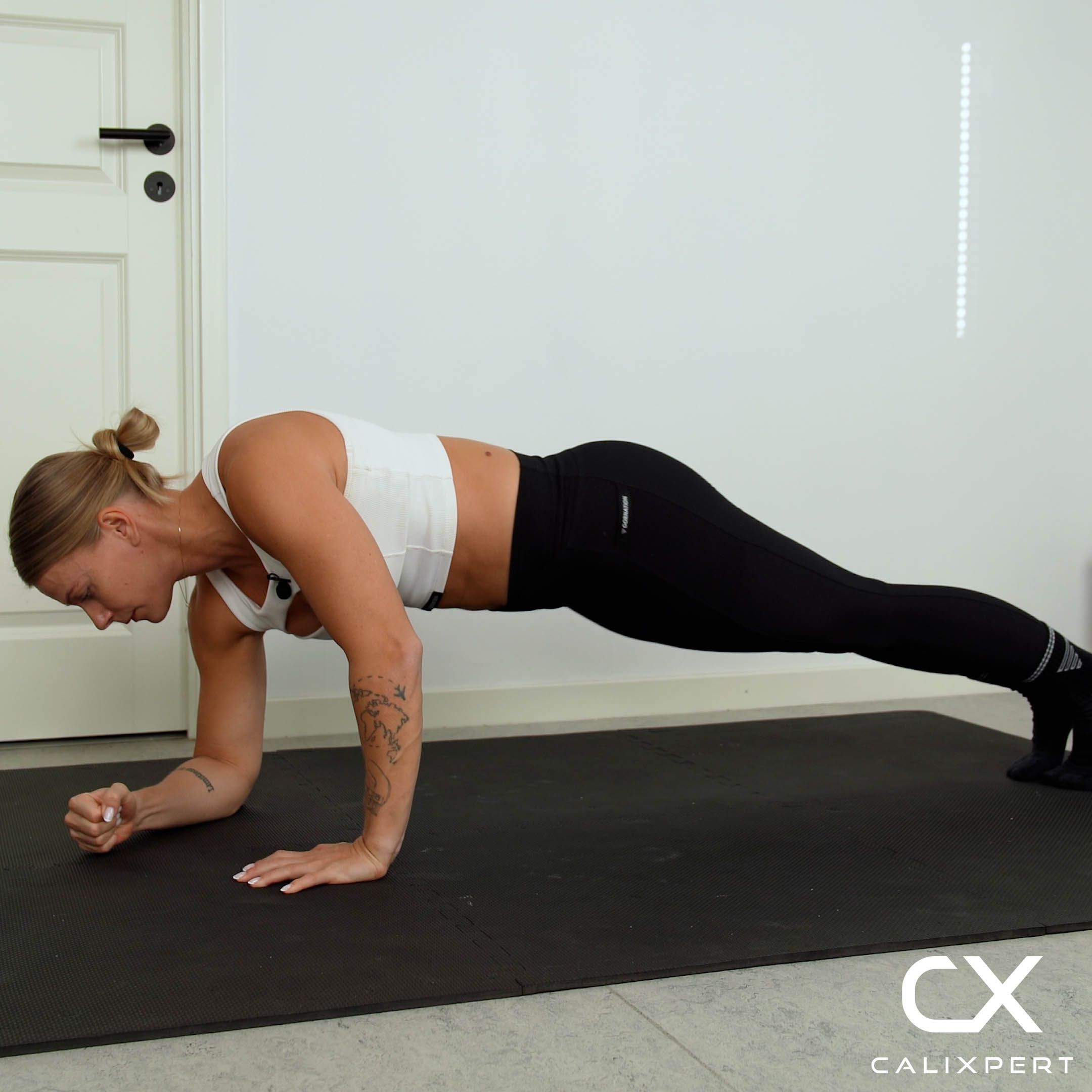
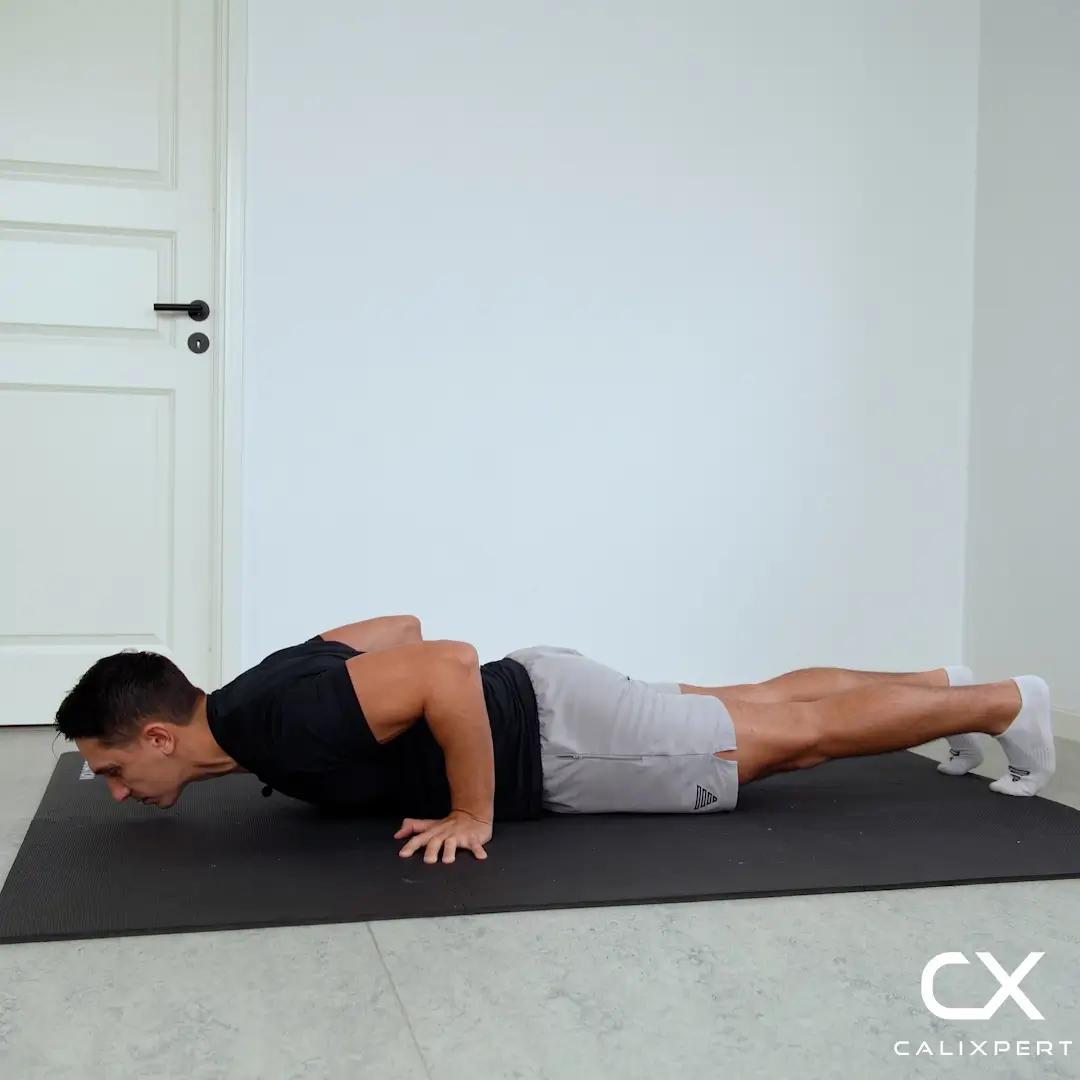
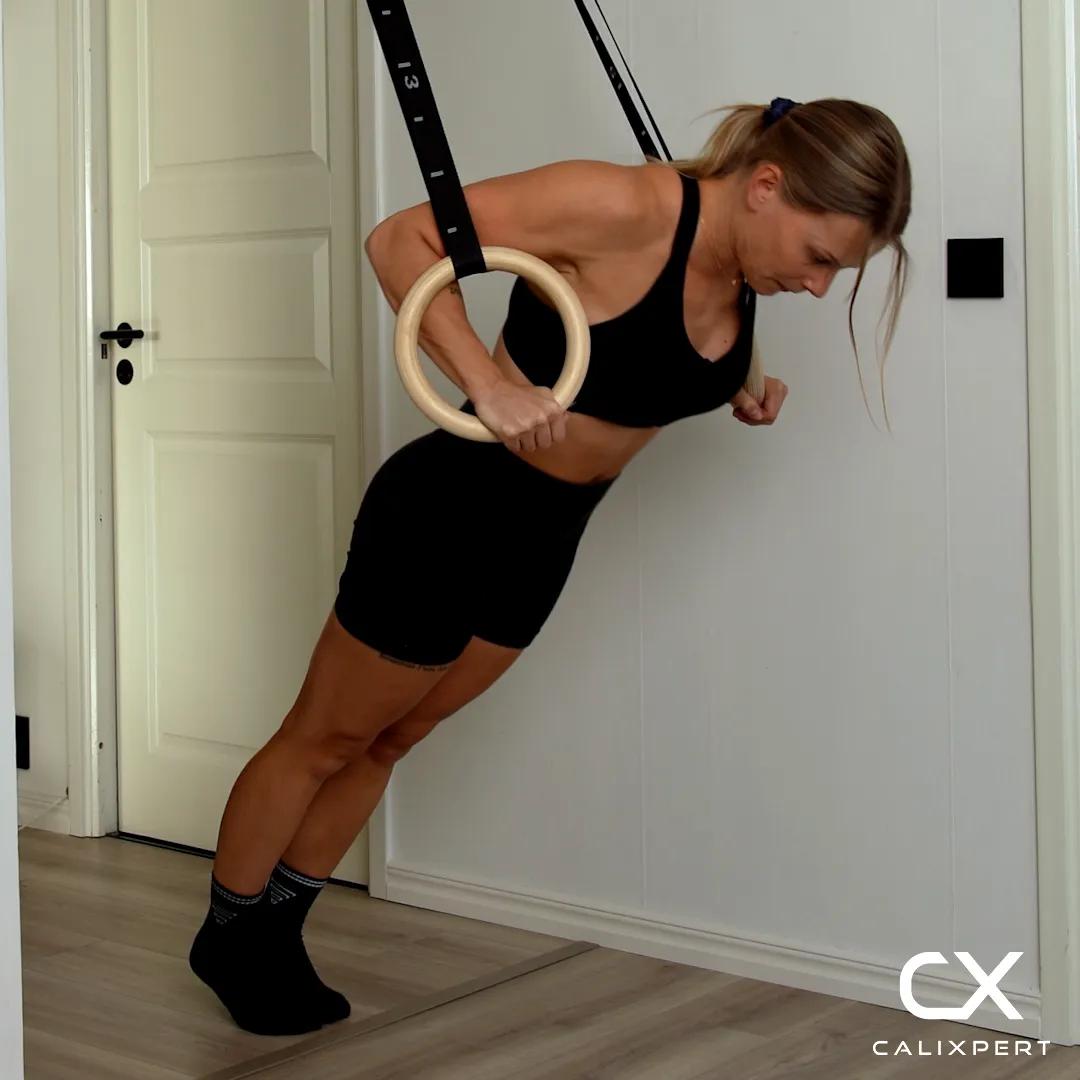
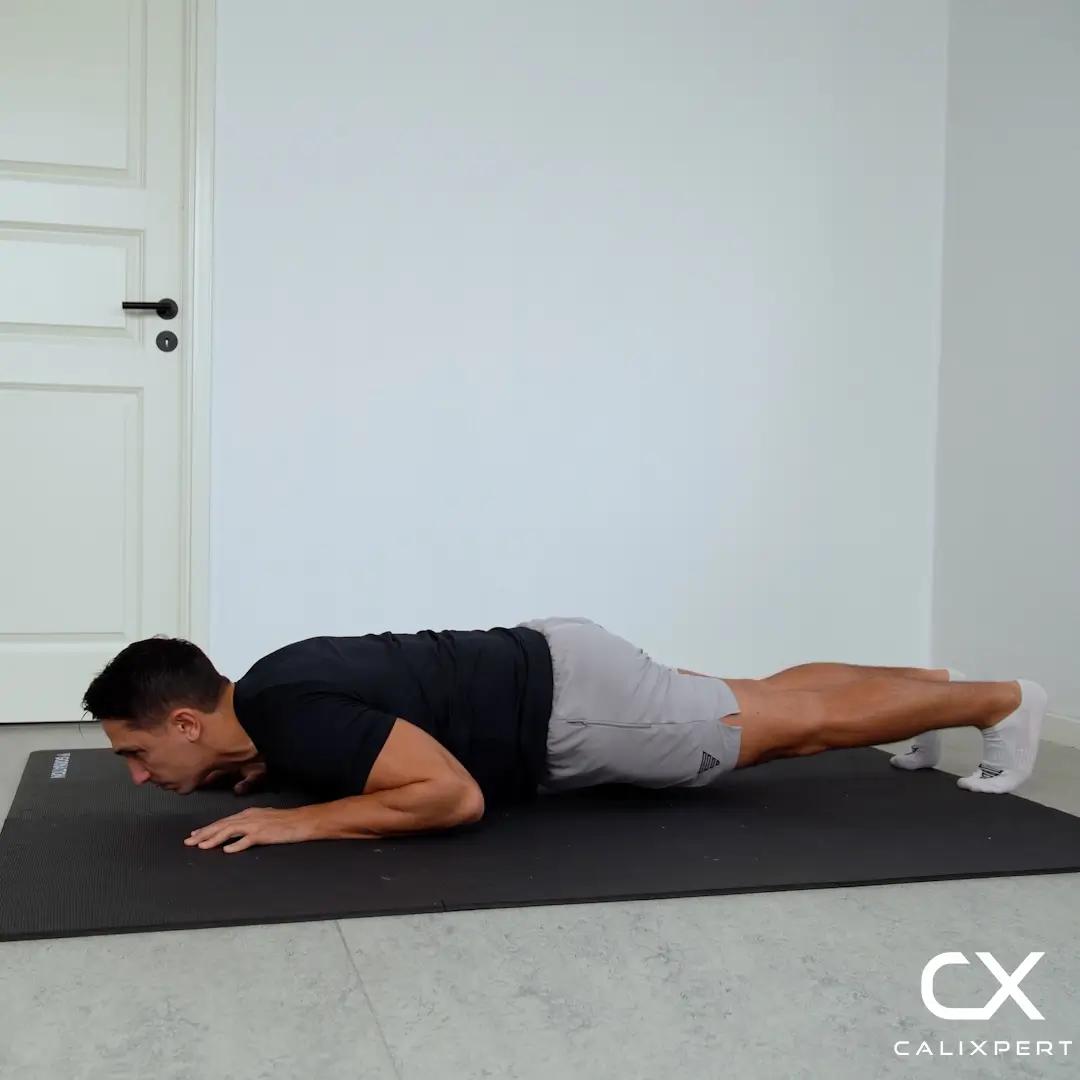
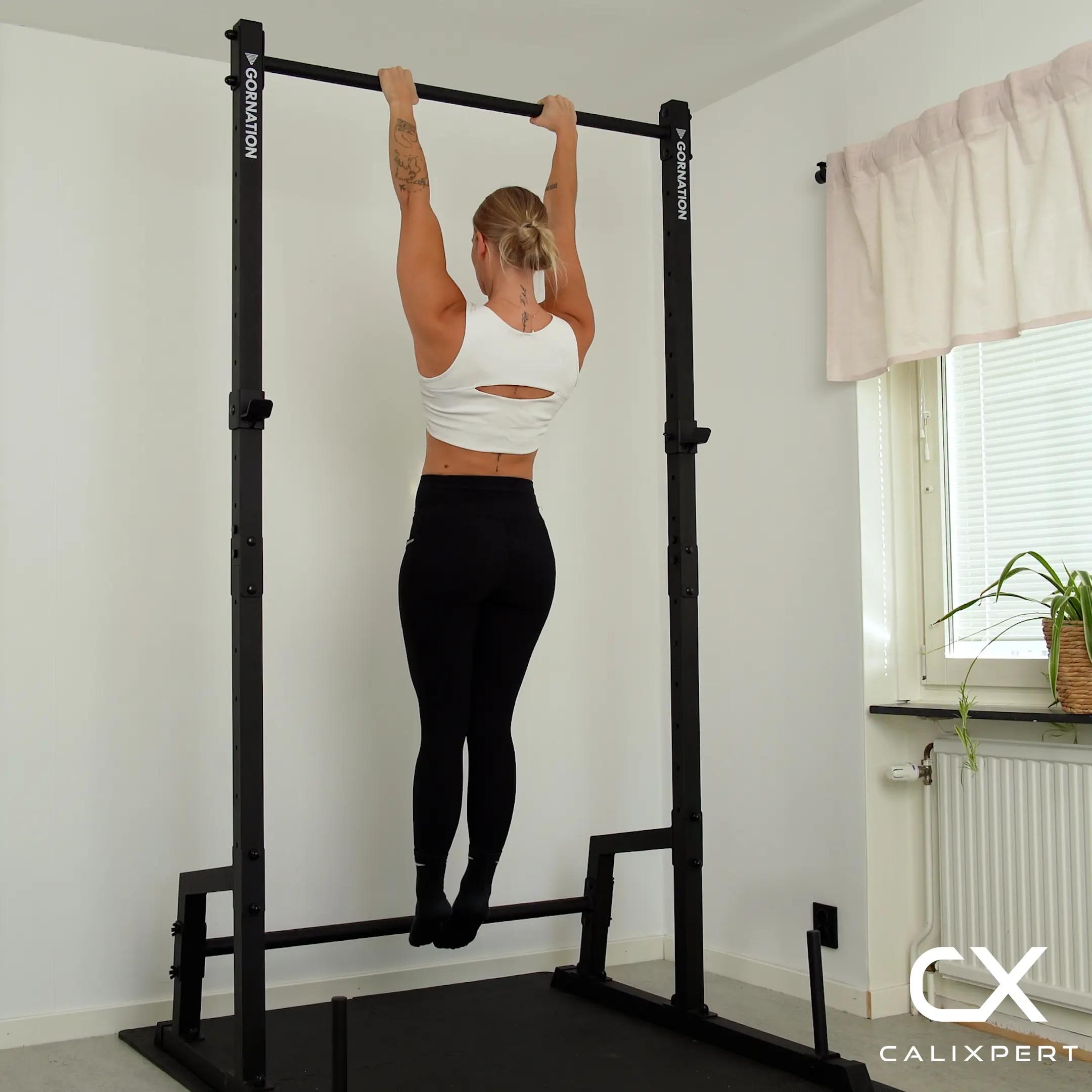
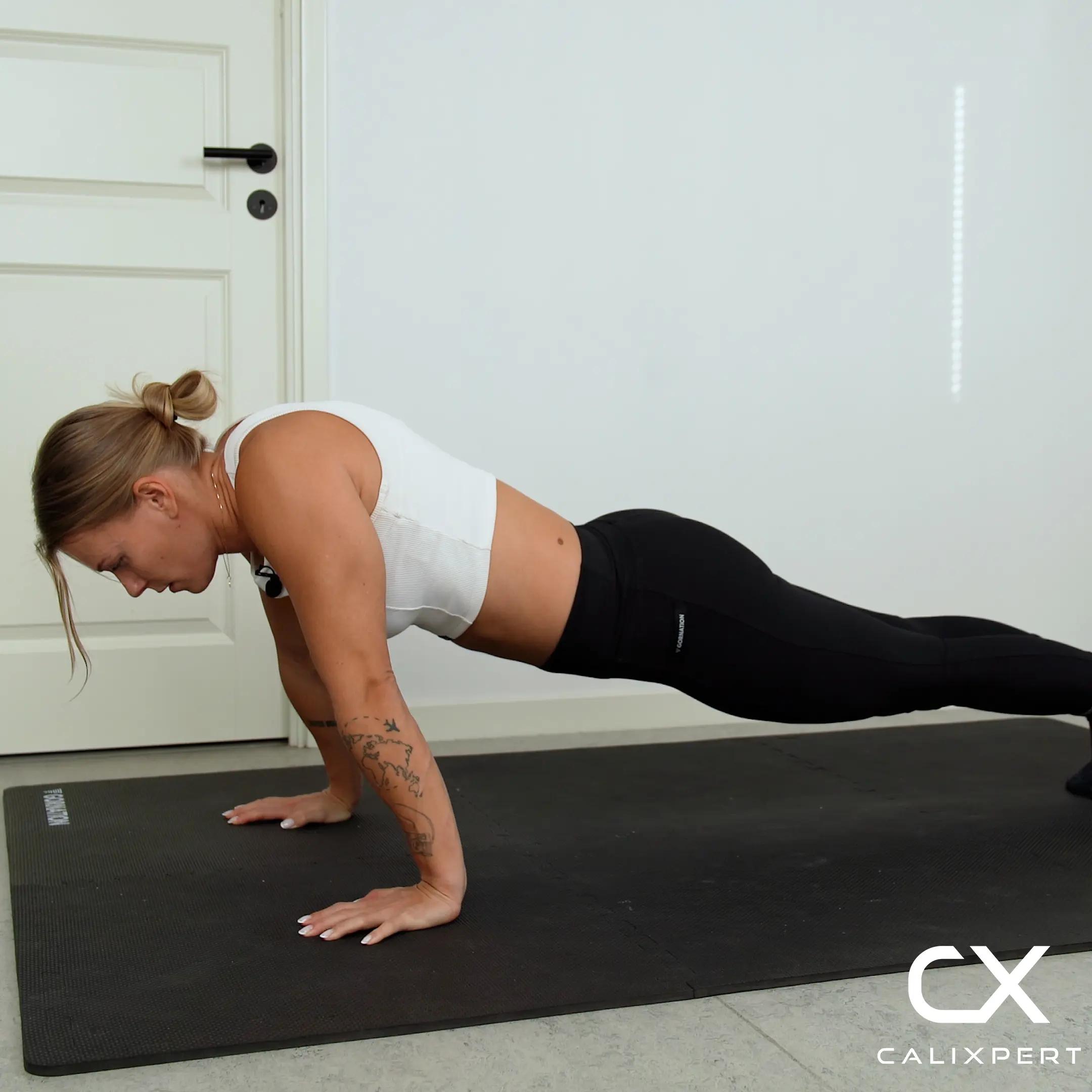
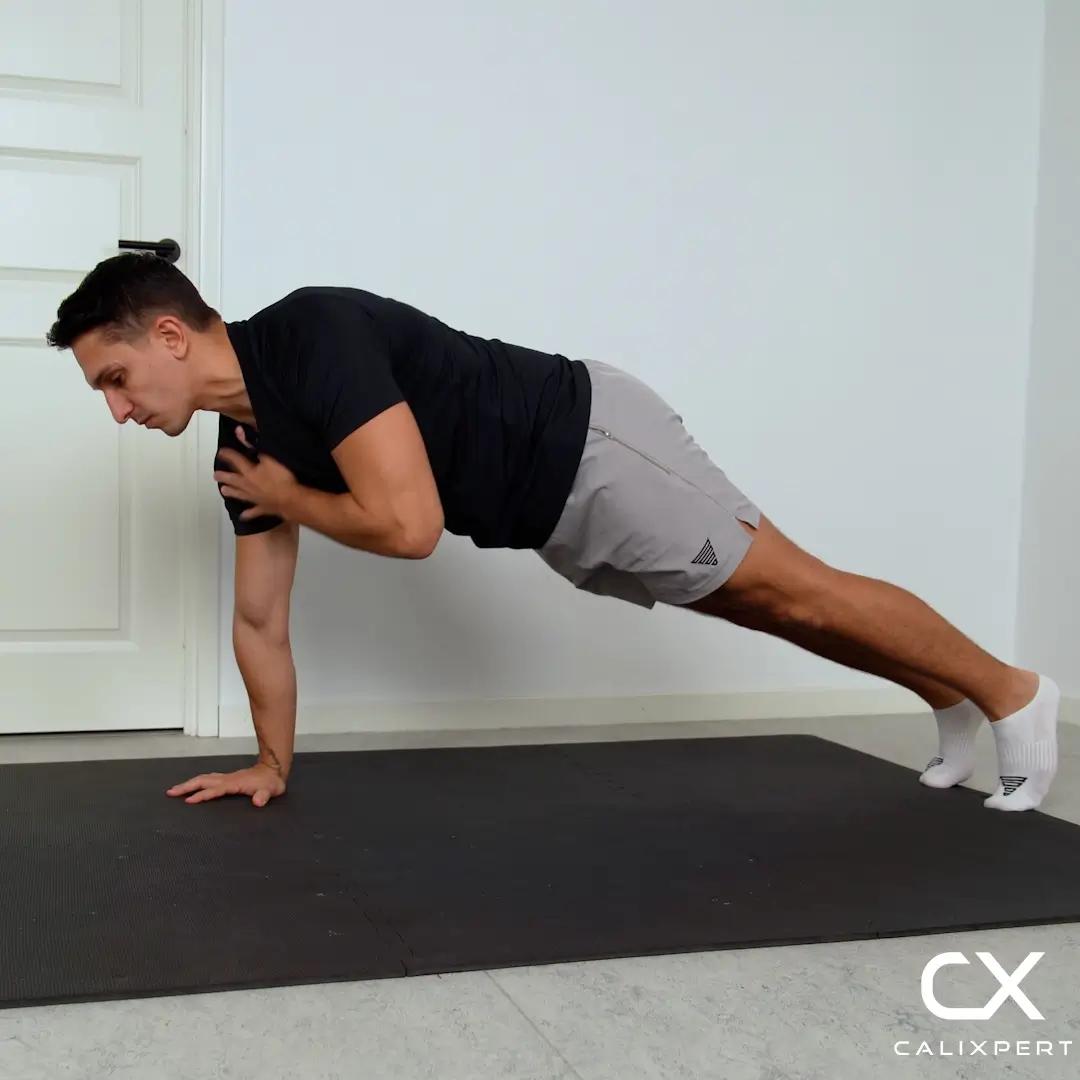
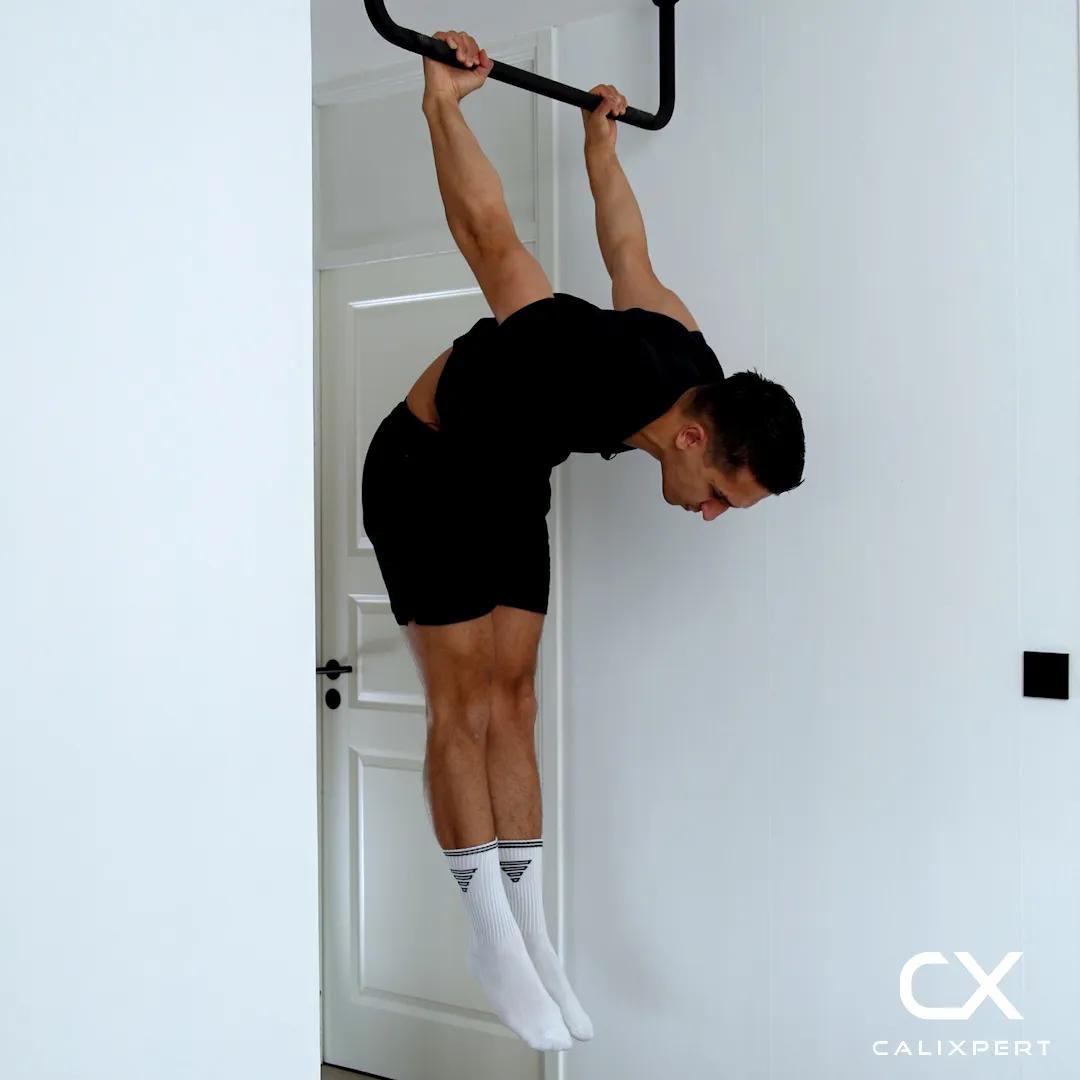
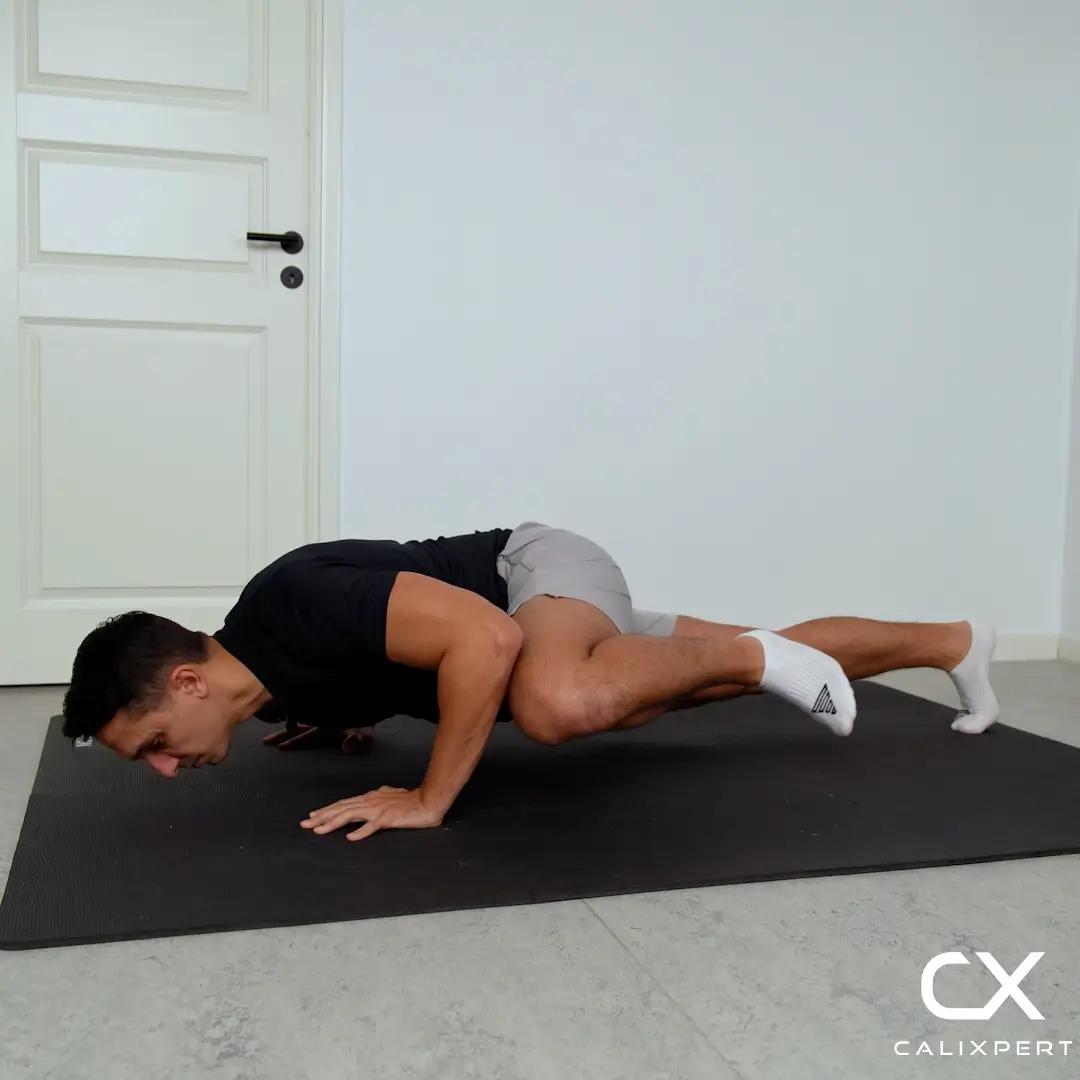
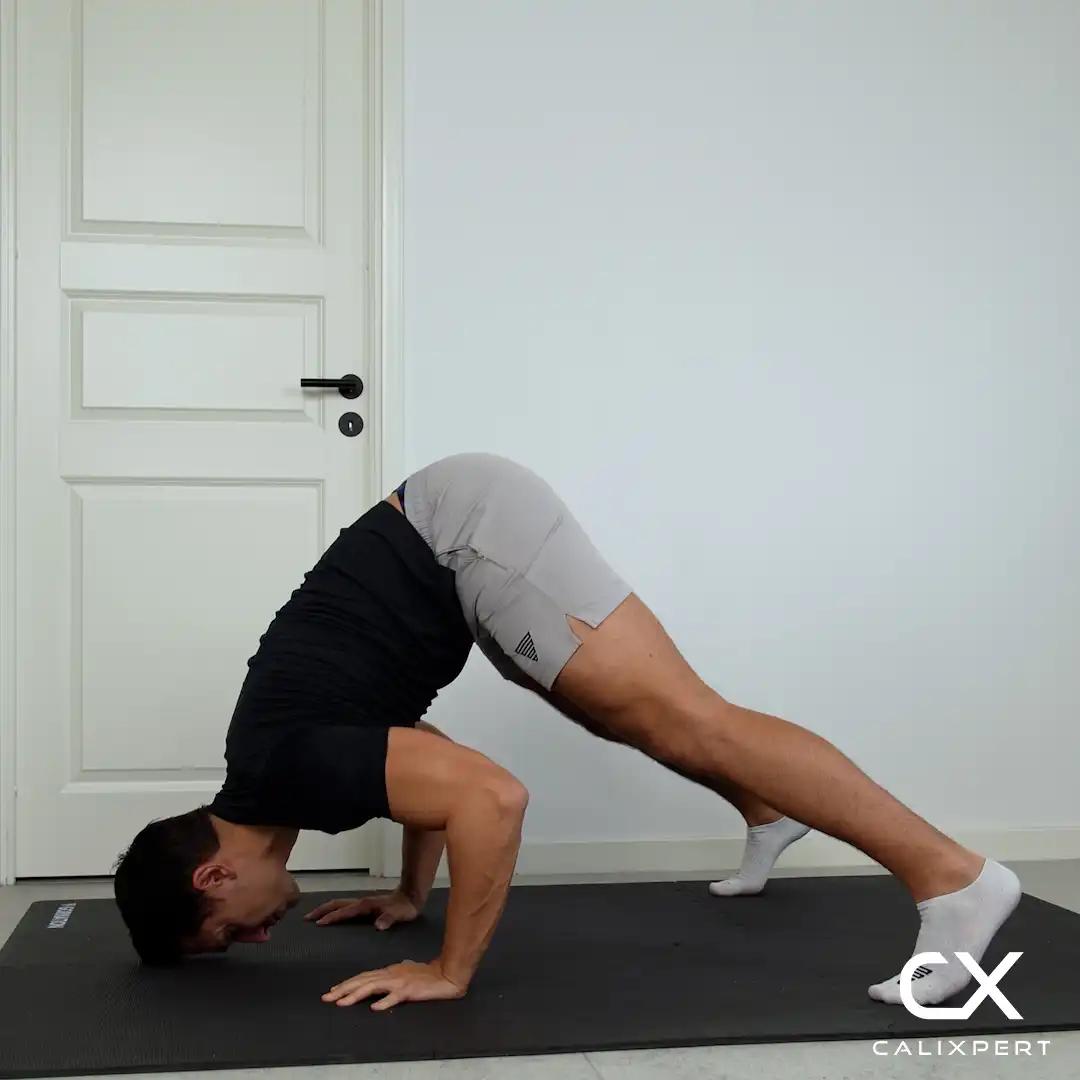
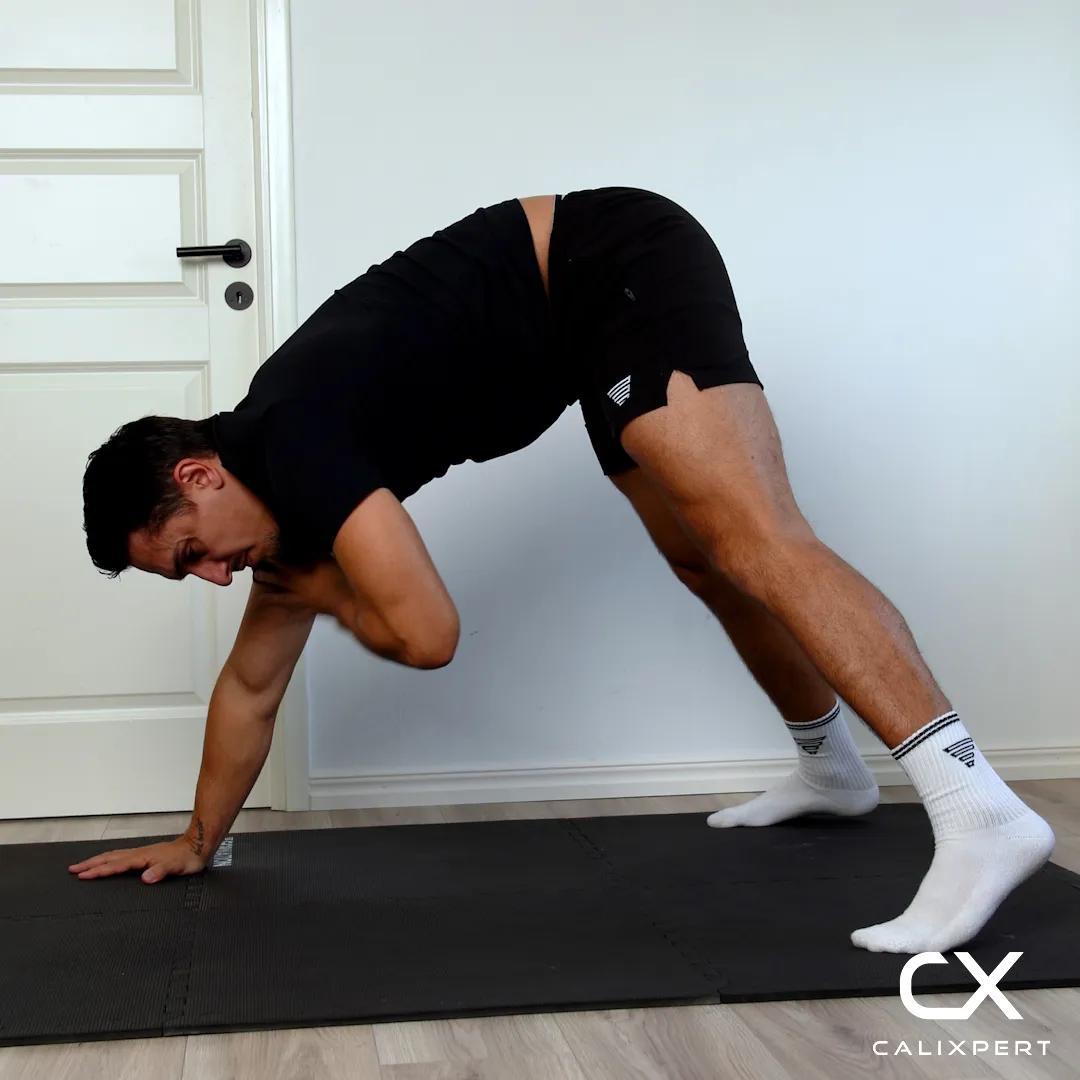
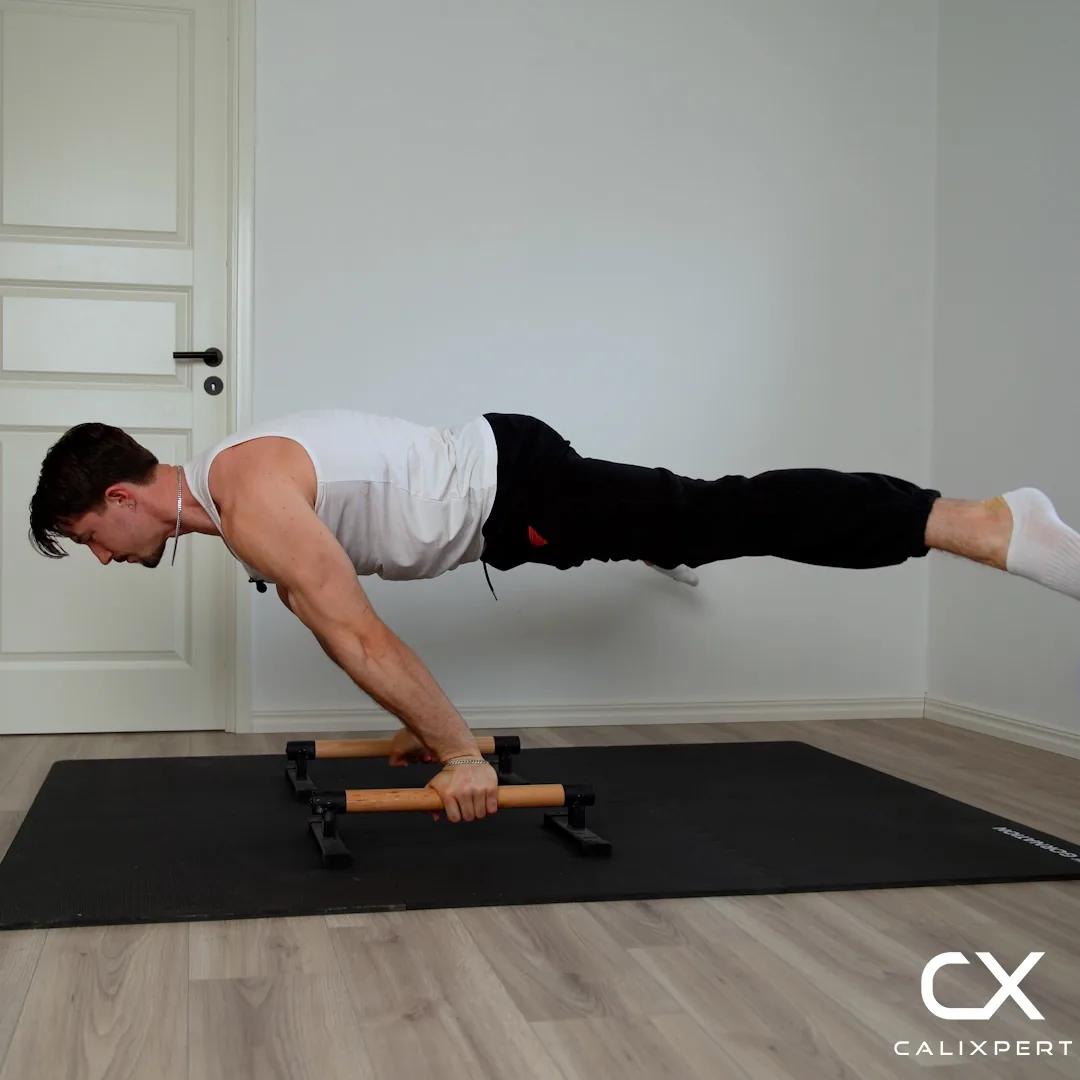
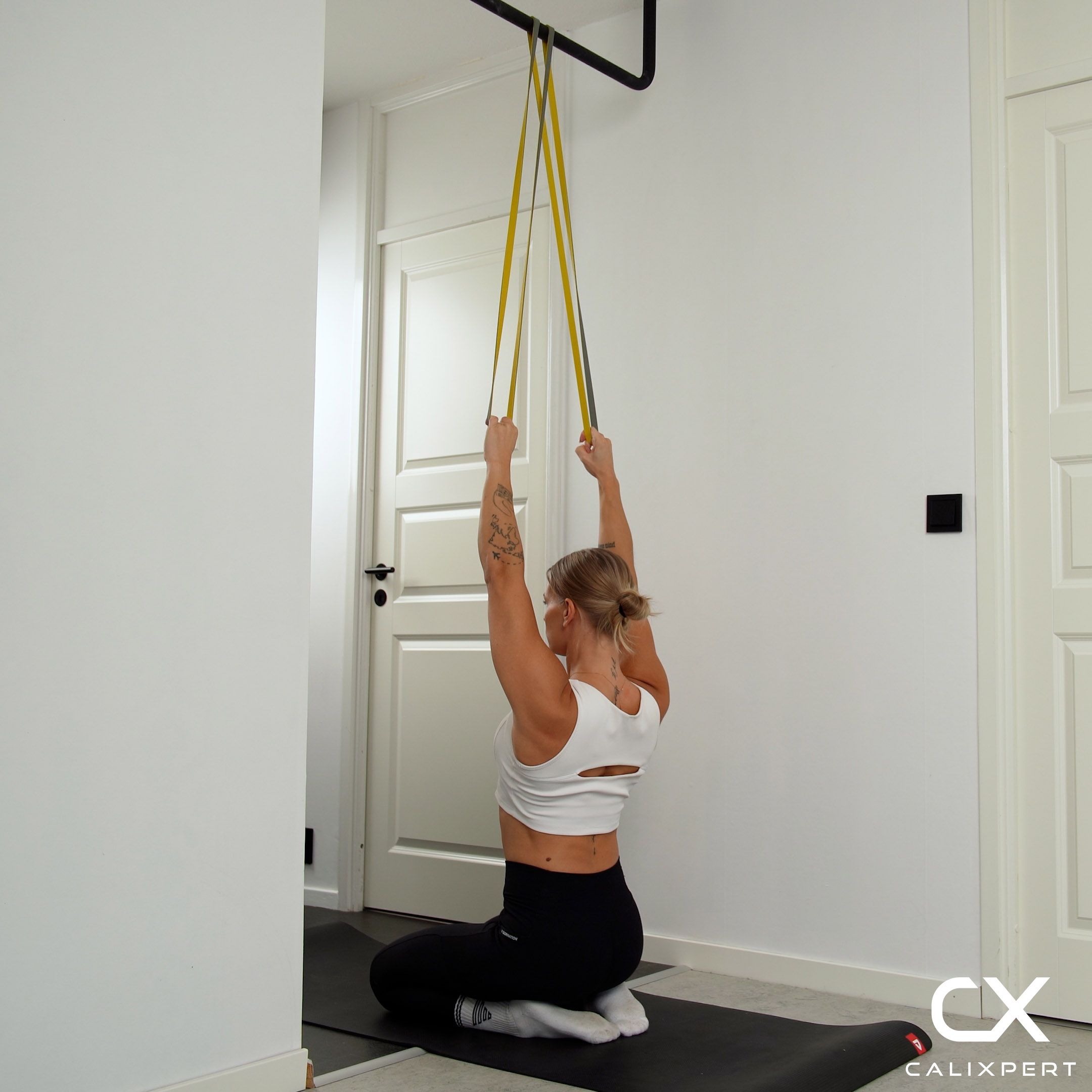
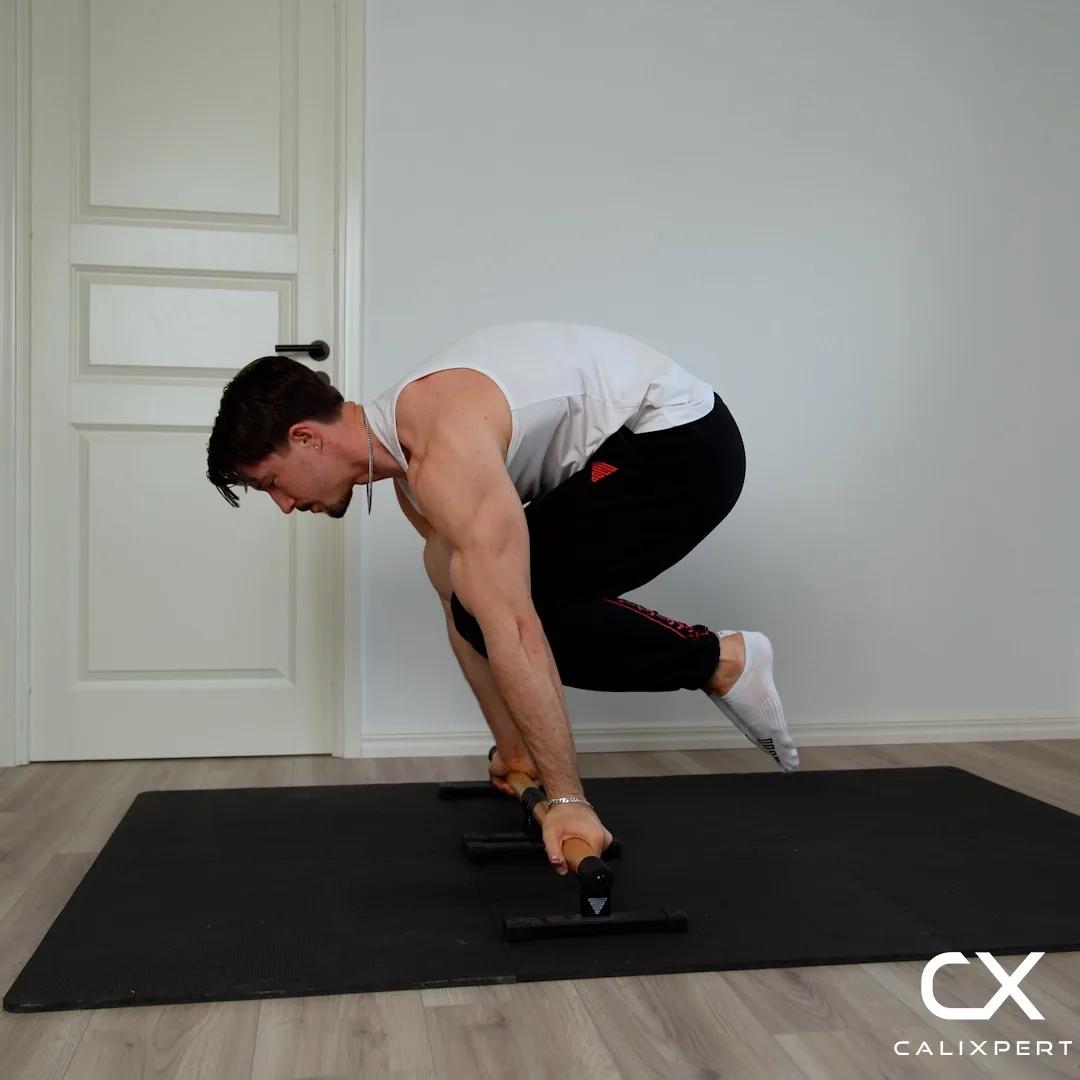
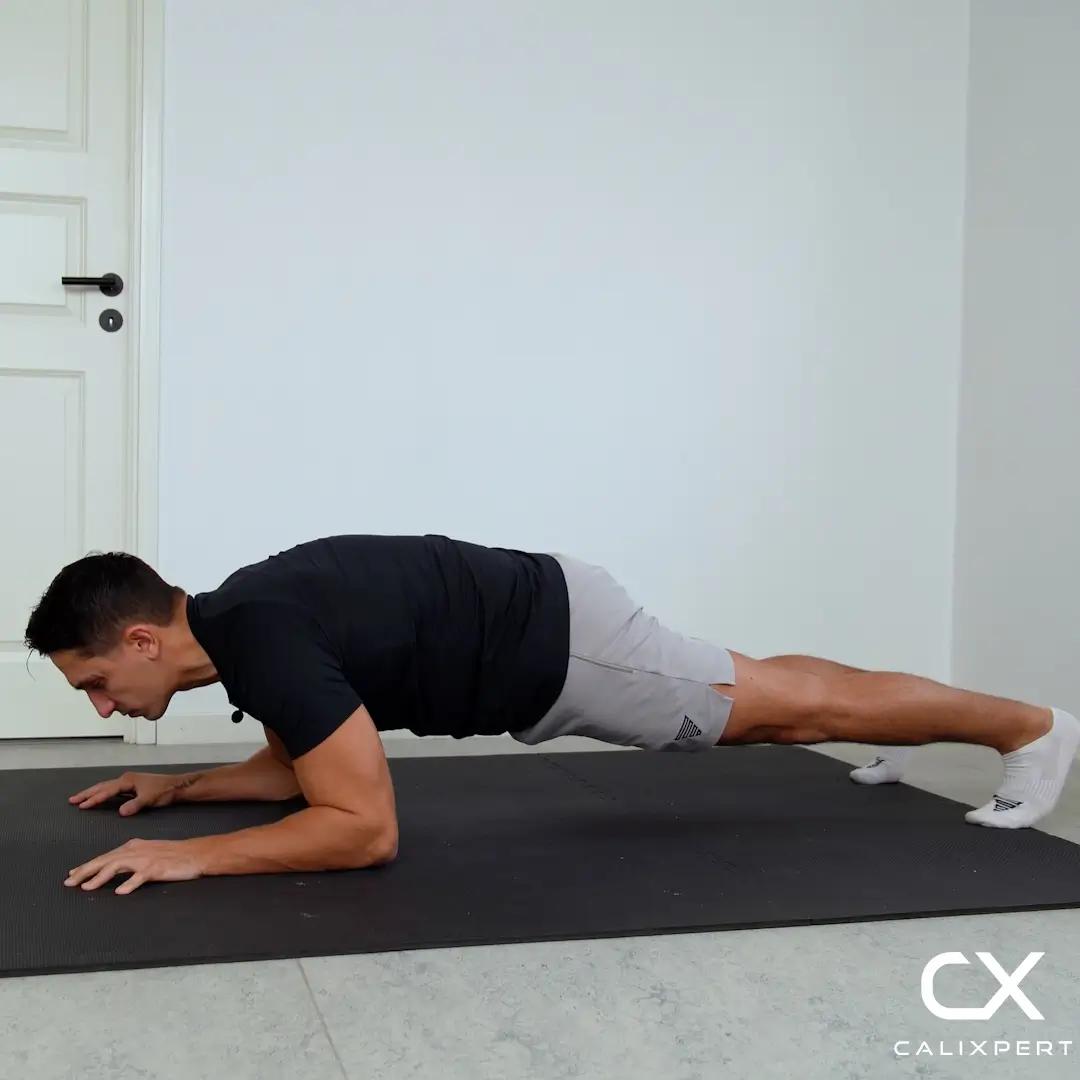
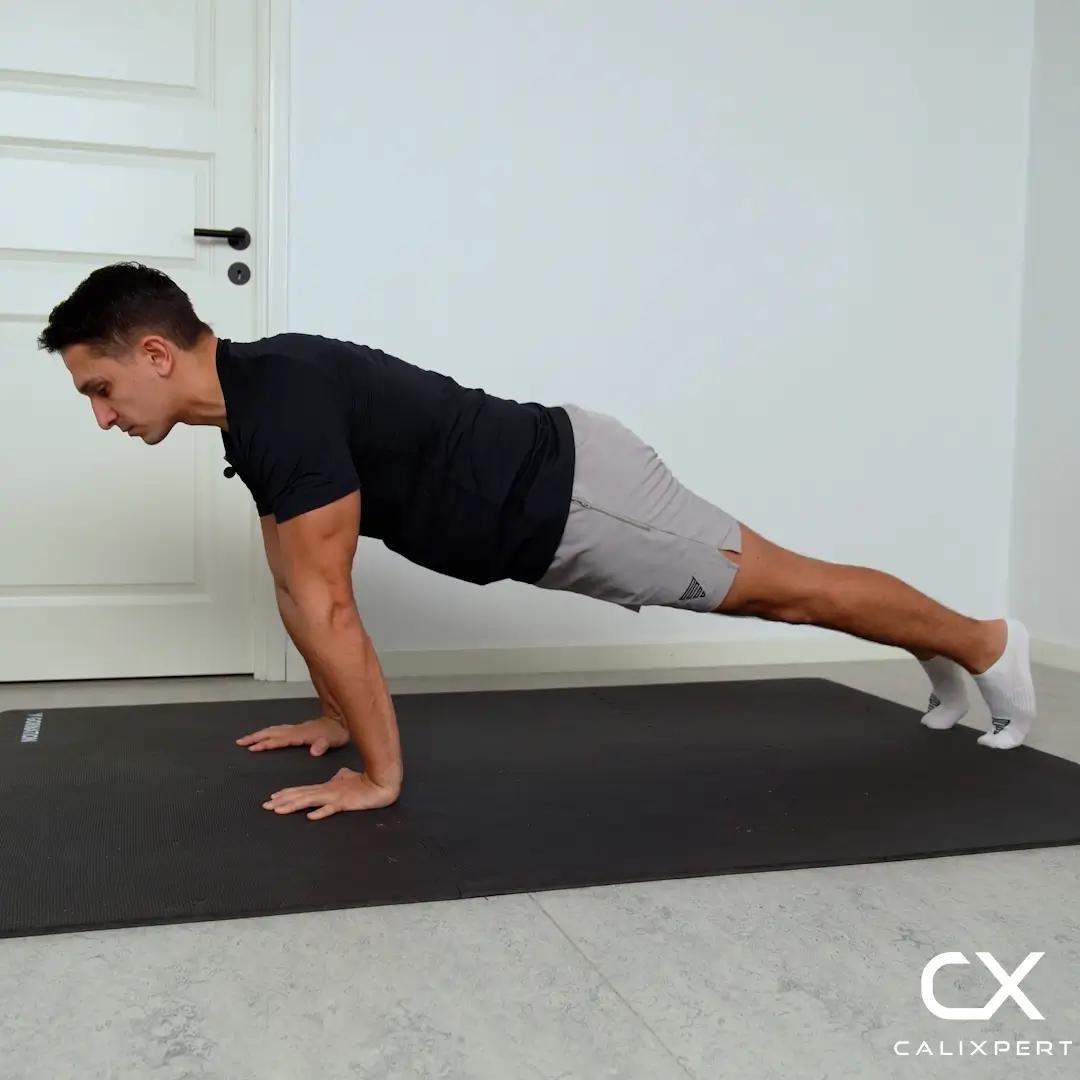
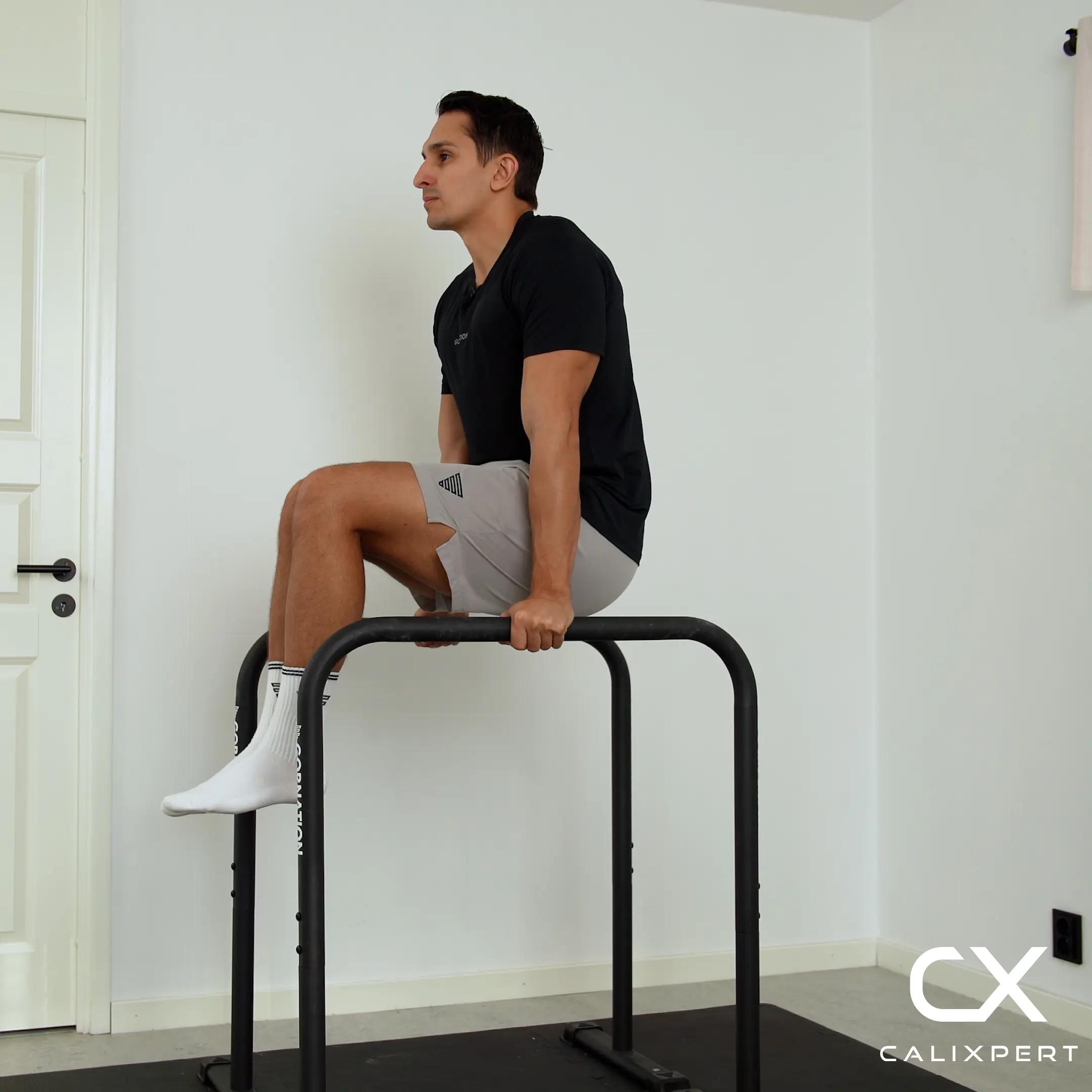
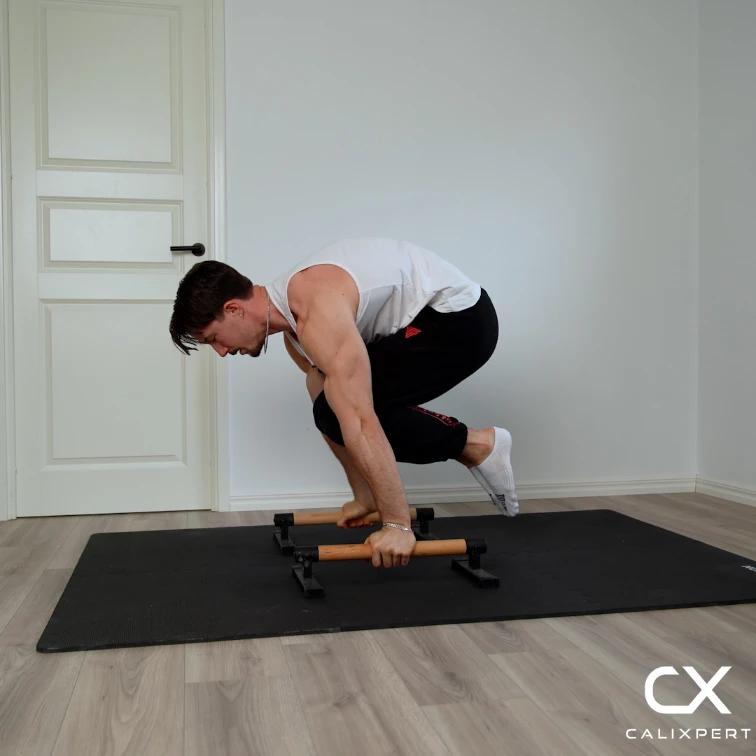
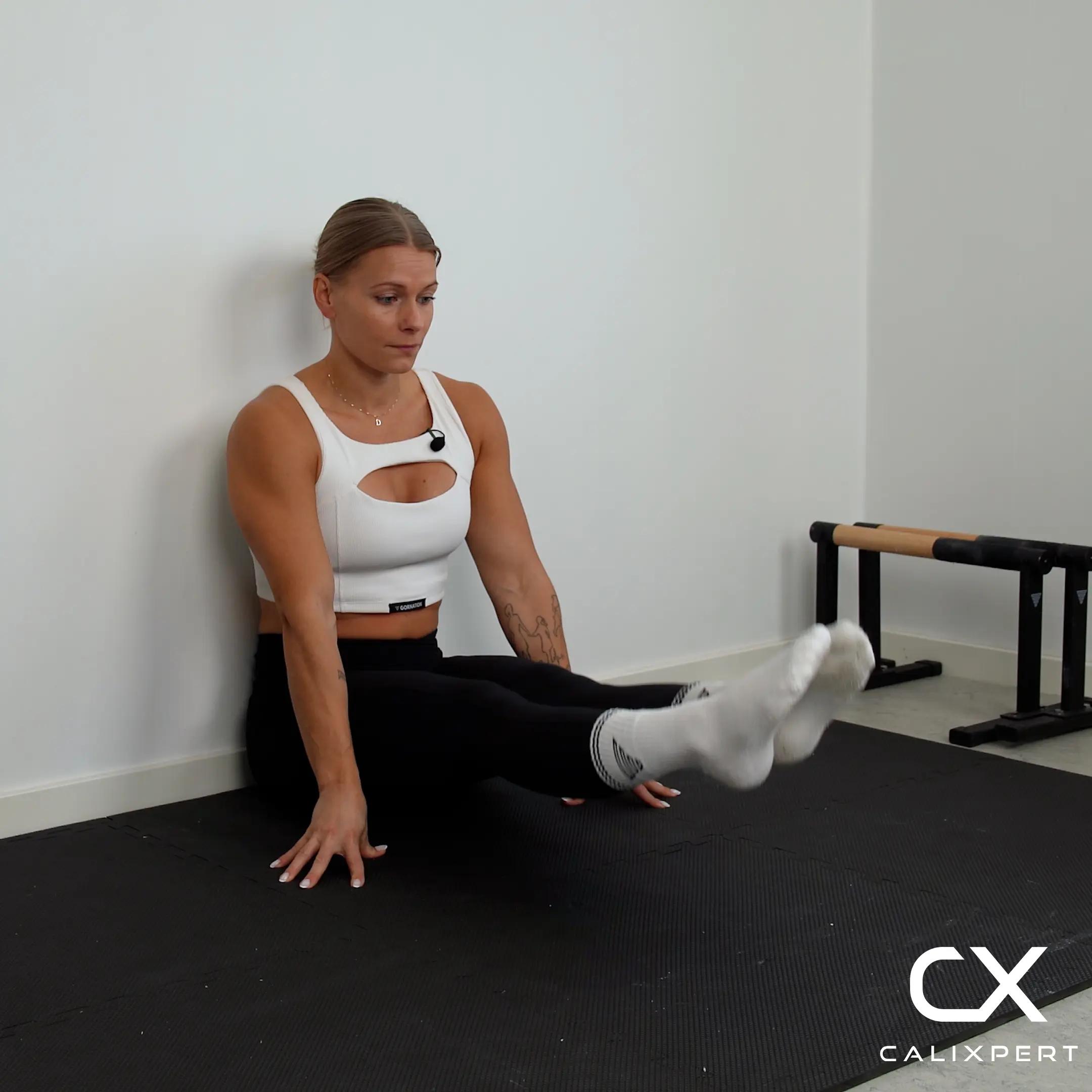
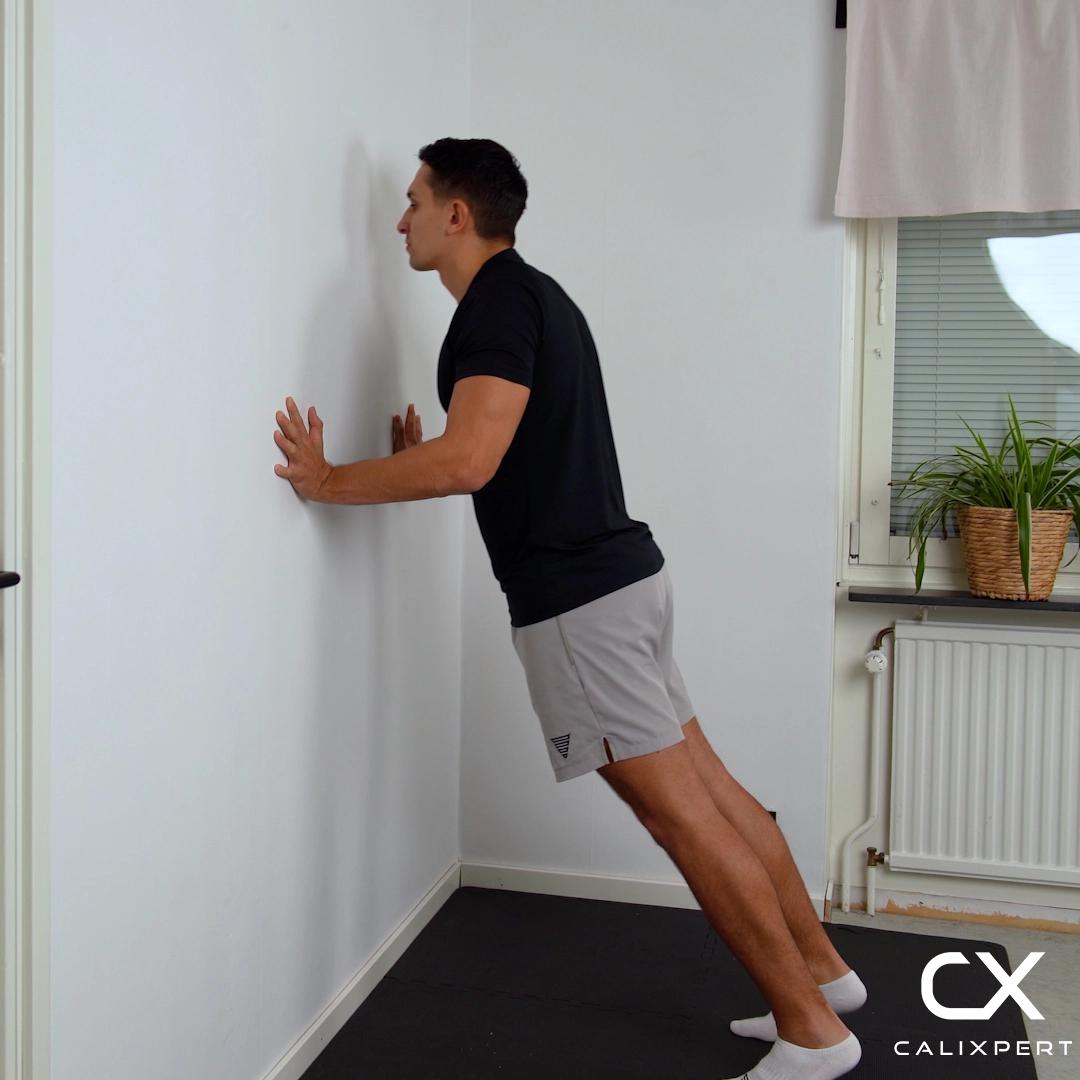
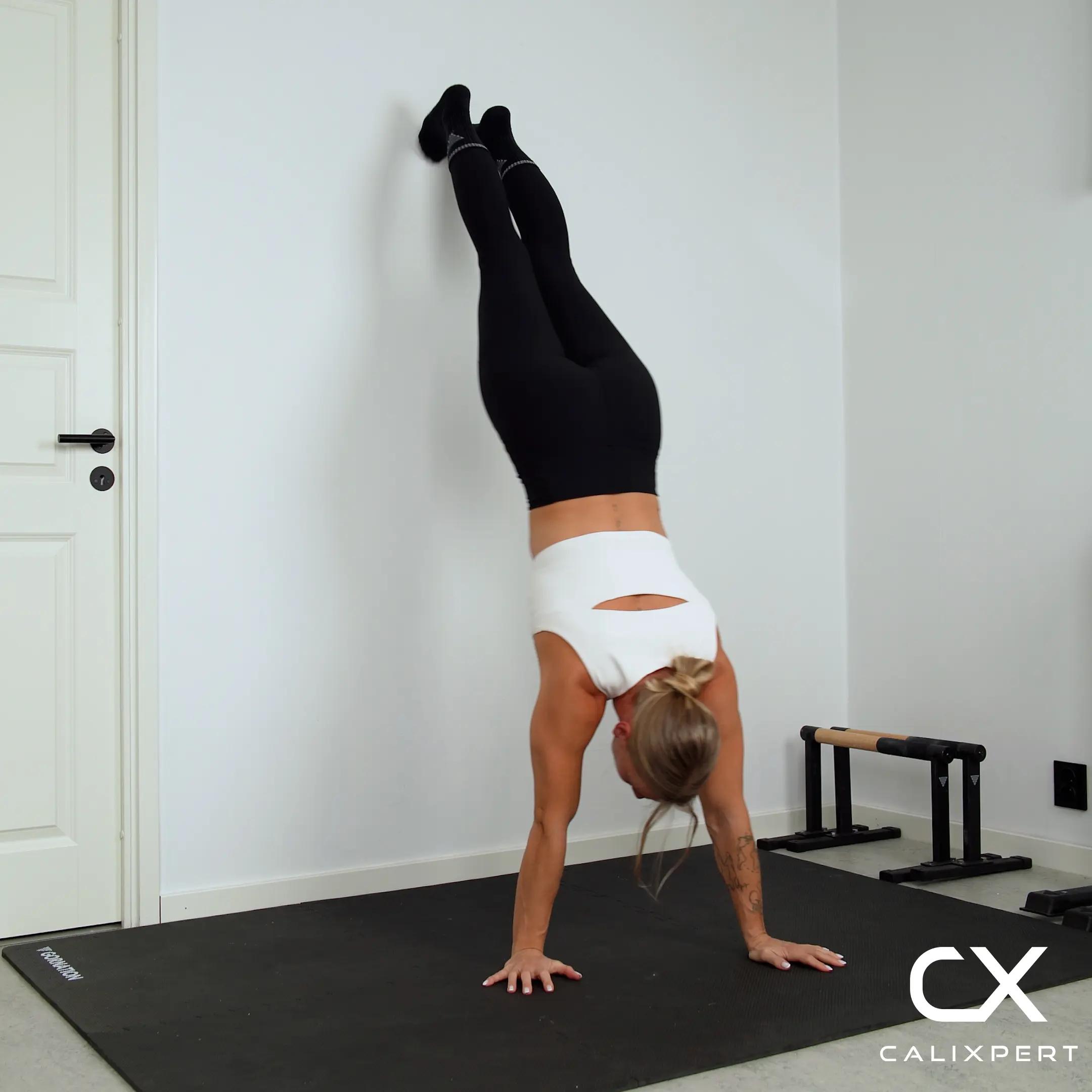
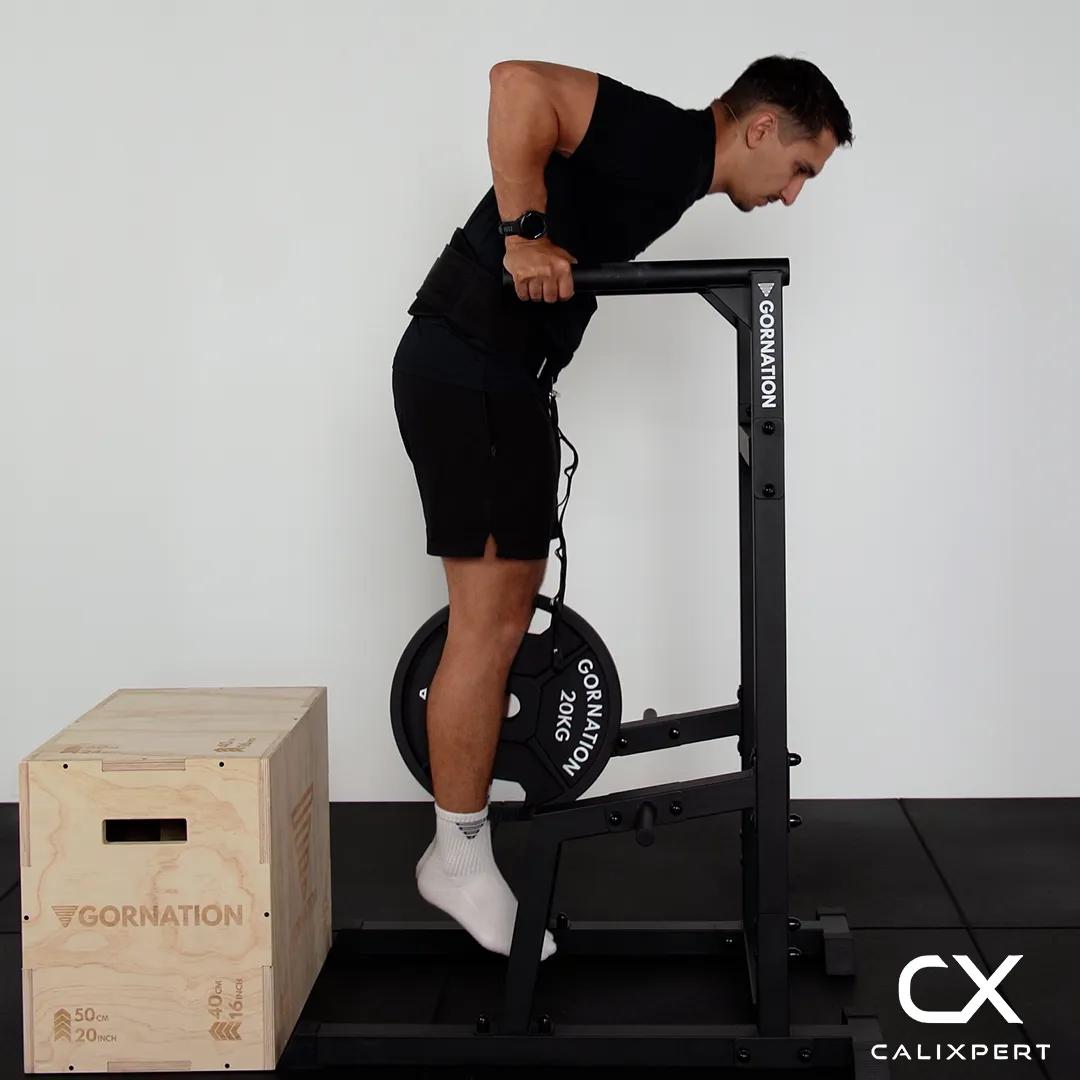
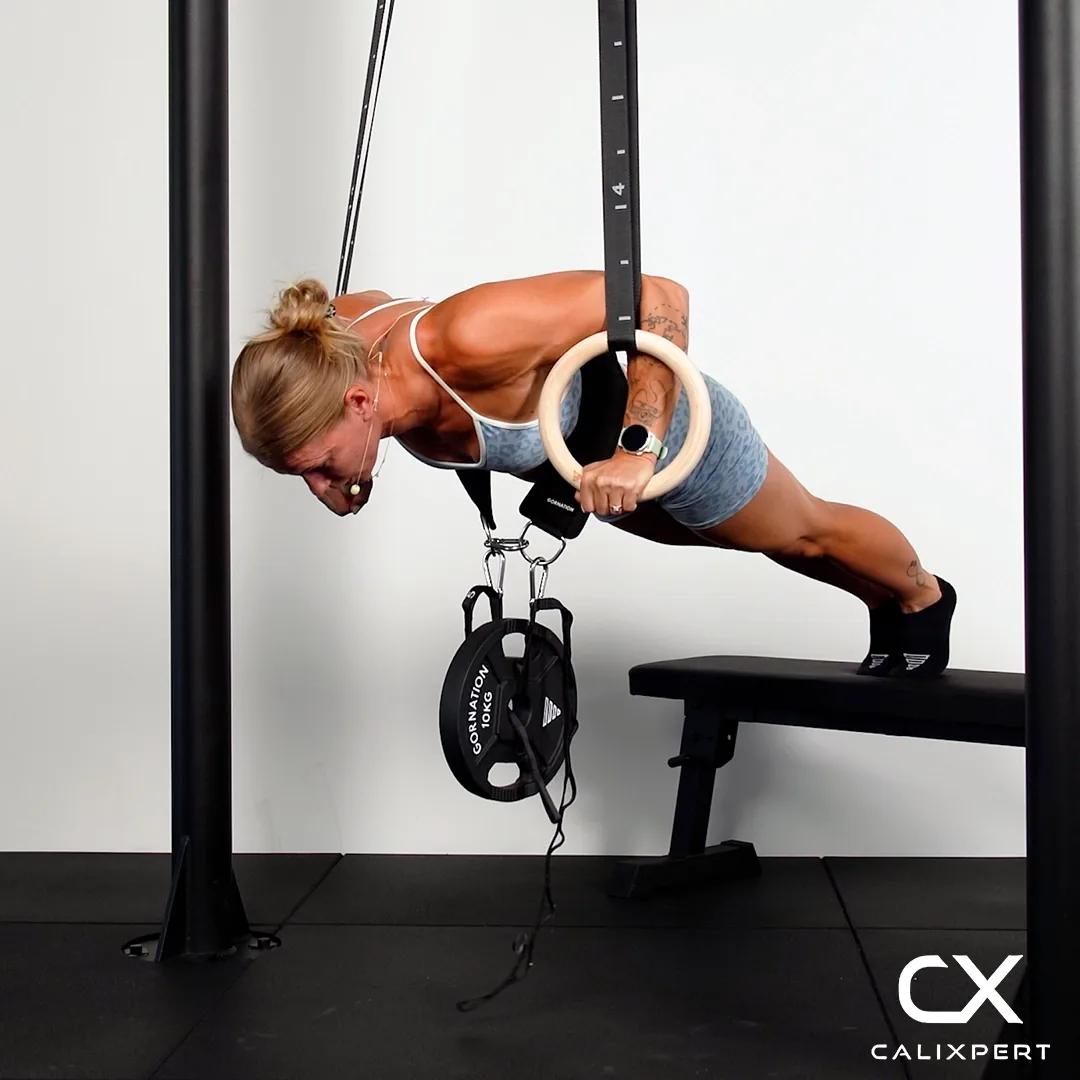
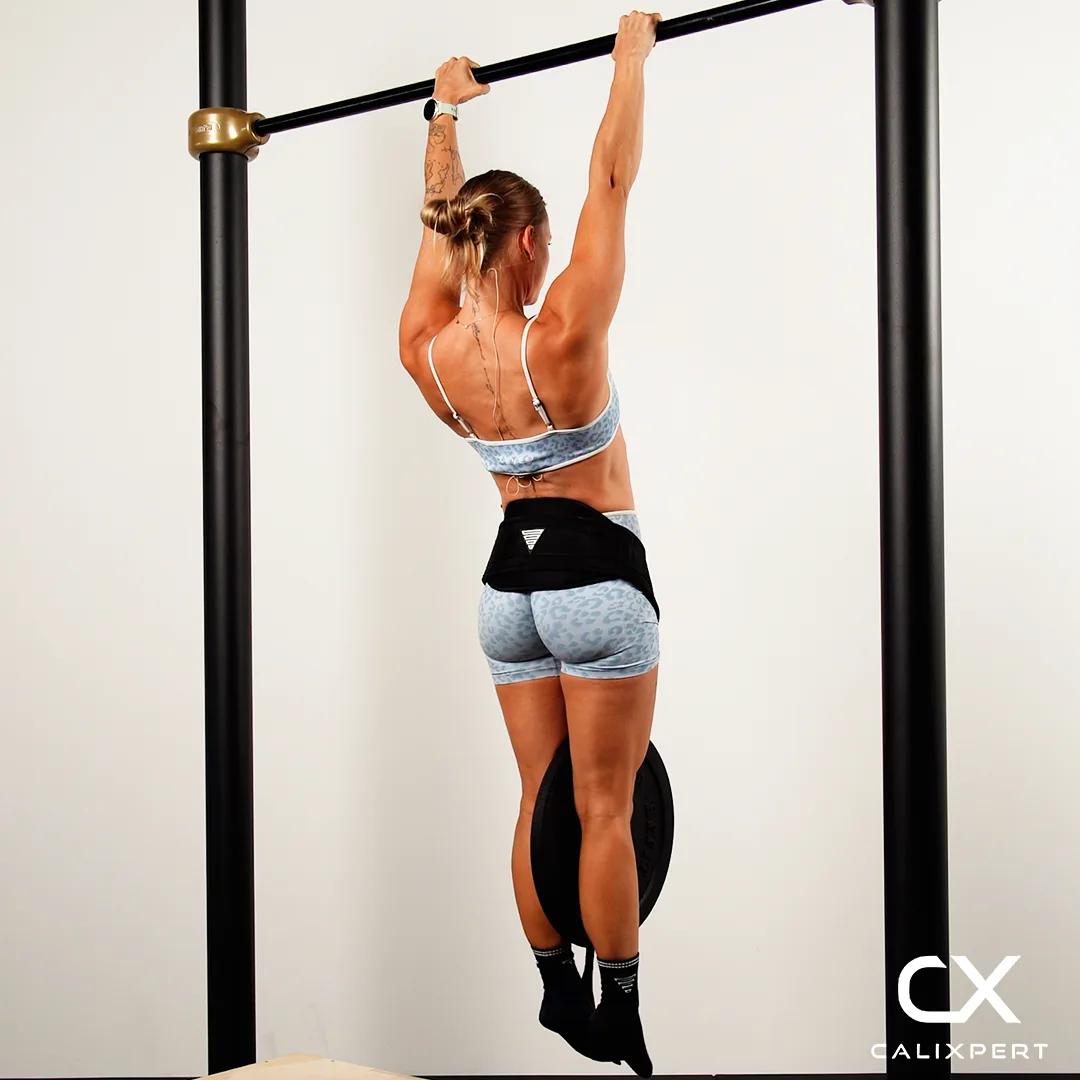
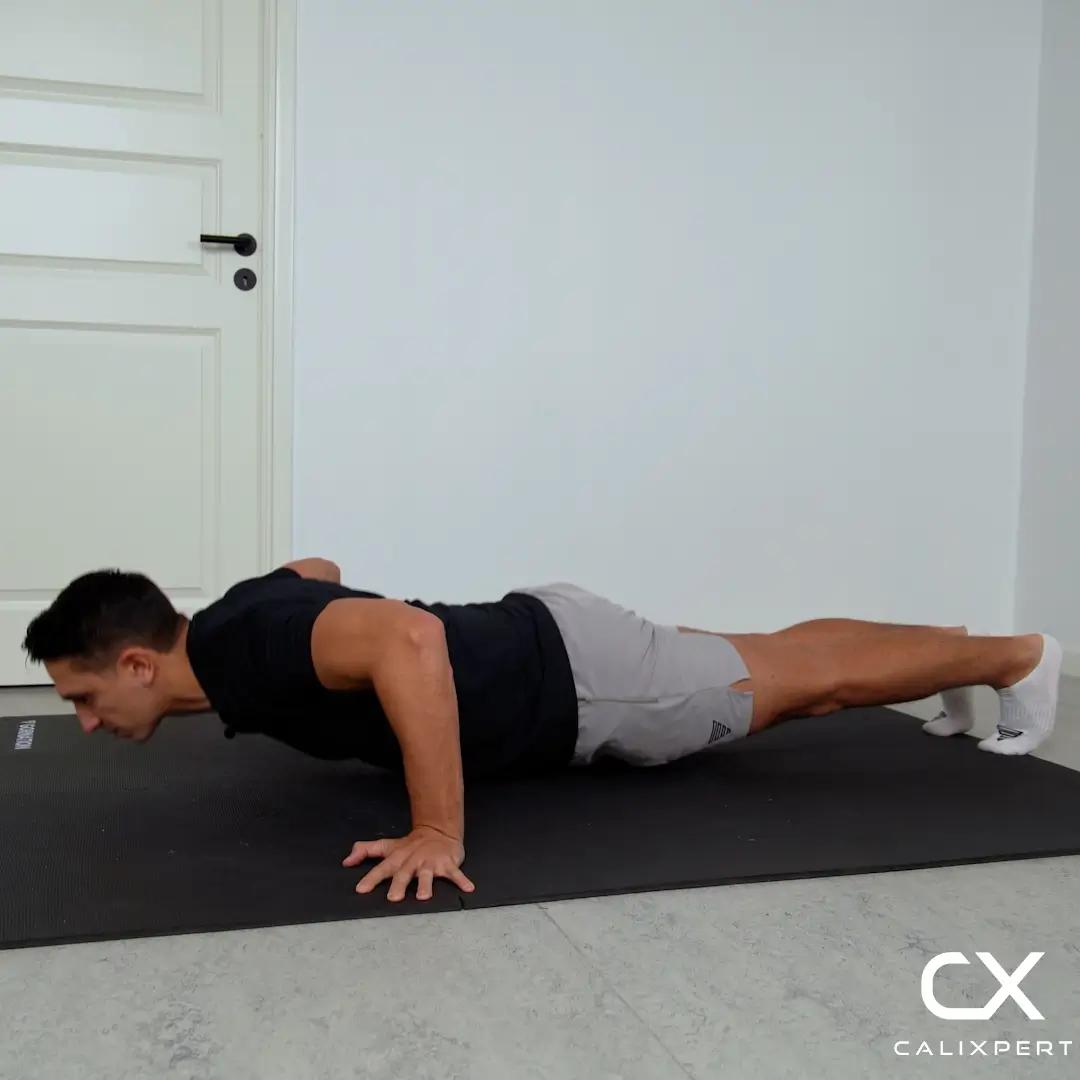
About the Serratus Anterior
The serratus anterior is a muscle on the side of your rib cage, running from your ribs to the inner edge of your shoulder blade. It pulls the shoulder blade forward around the rib cage and rotates it upward during overhead pressing.
In calisthenics, the serratus anterior is essential for overhead stability and scapular control. It is most active during push-ups, handstands, and ring support positions — any movement where the shoulder blade must remain flat against the rib cage under load.
Serratus weakness is one of the most common causes of shoulder blade winging, impingement, and instability in calisthenics athletes. Because it is never directly visible, it is also one of the most consistently overlooked muscles in training programs.
How to Train Your Serratus Anterior
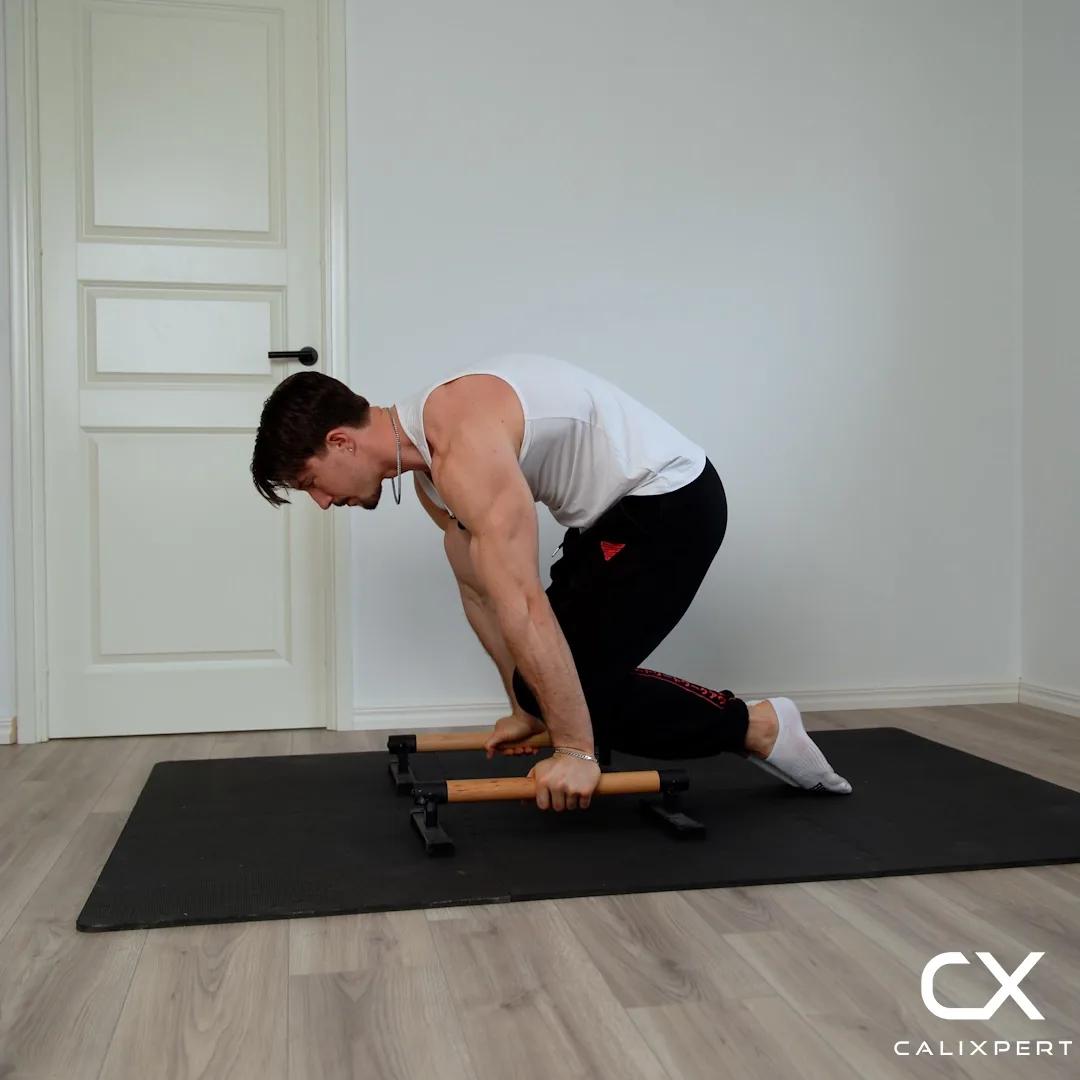
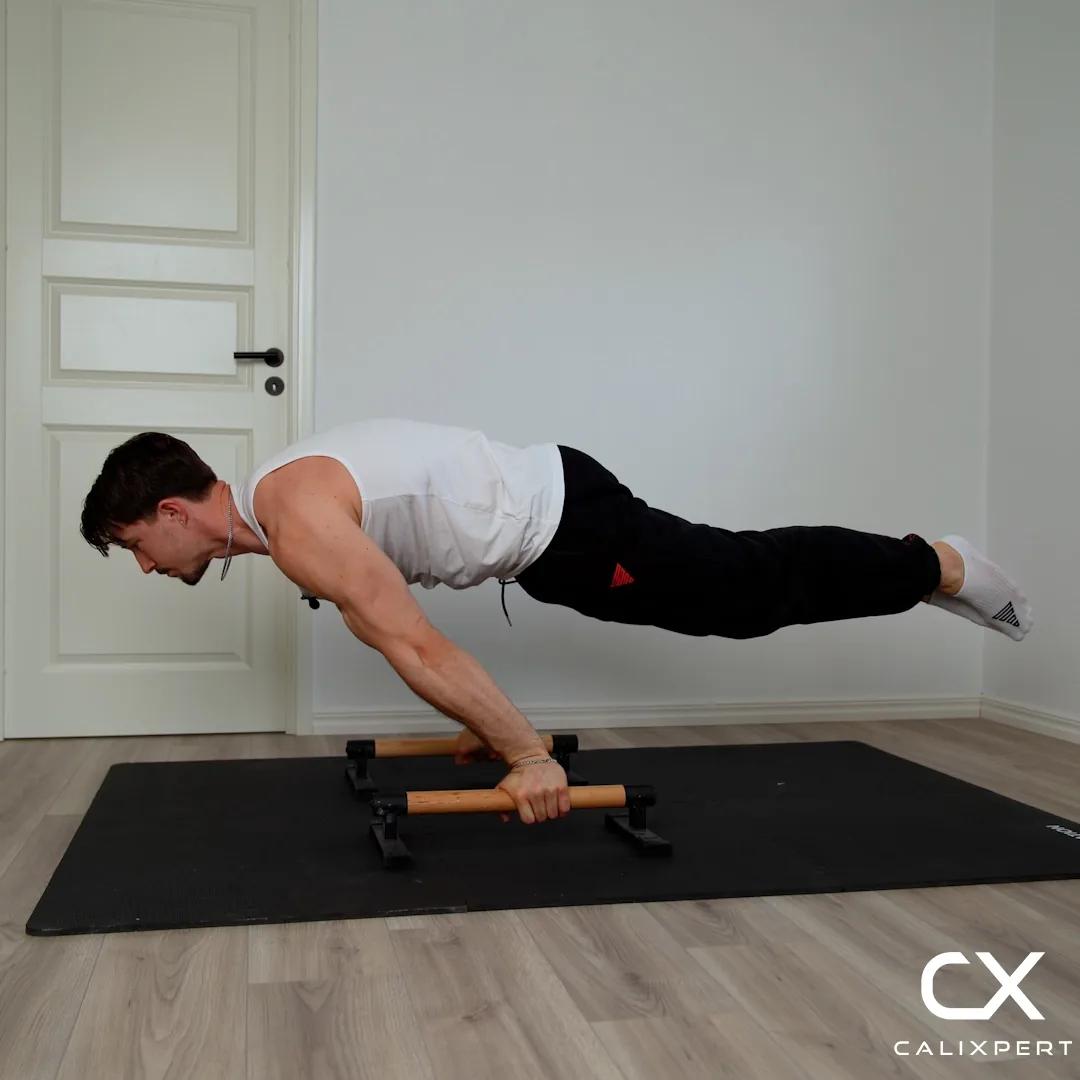
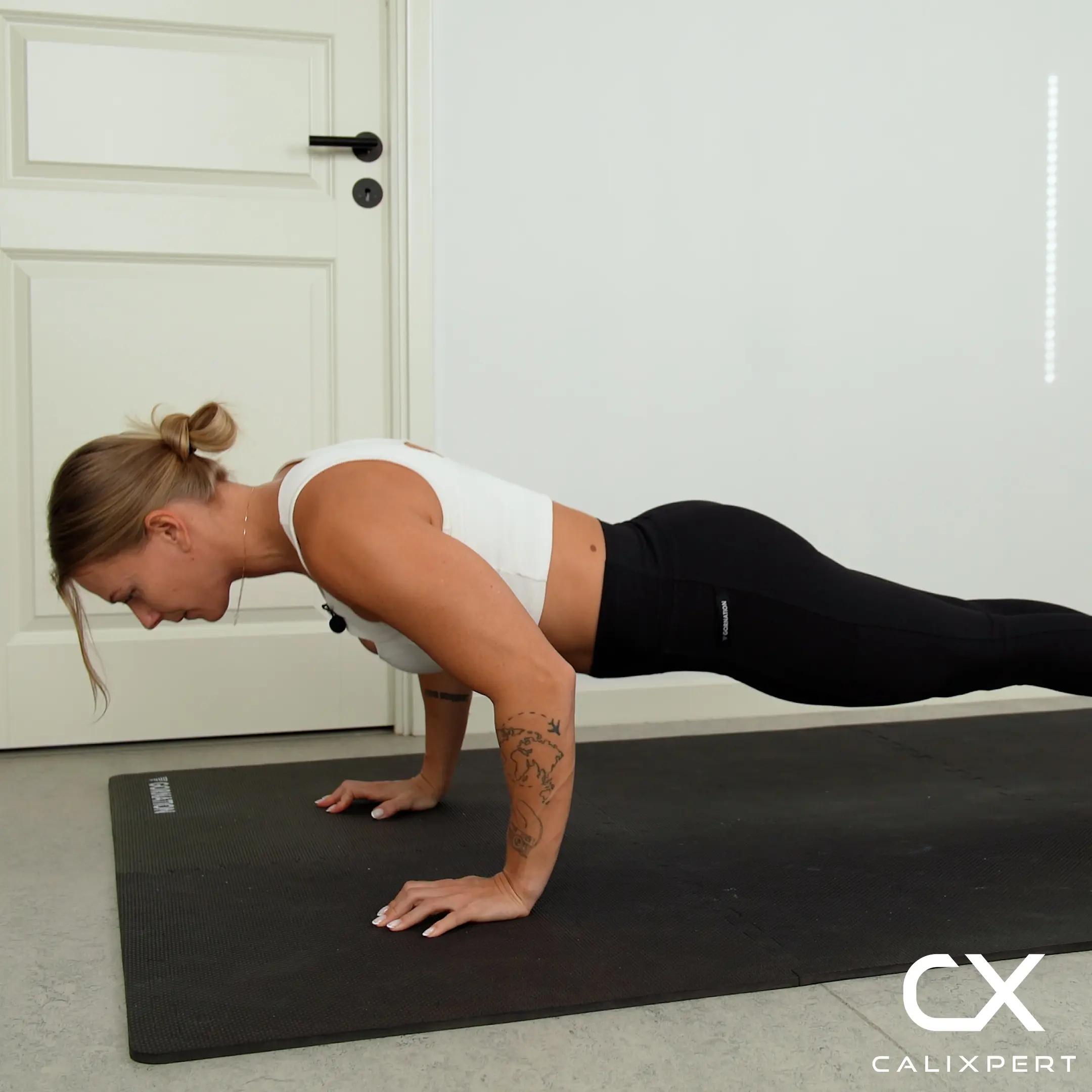
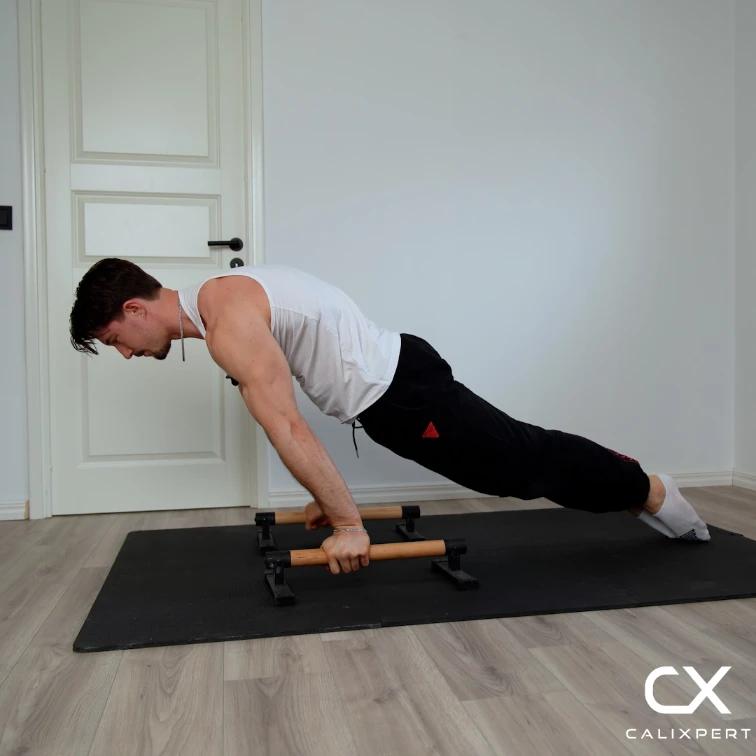
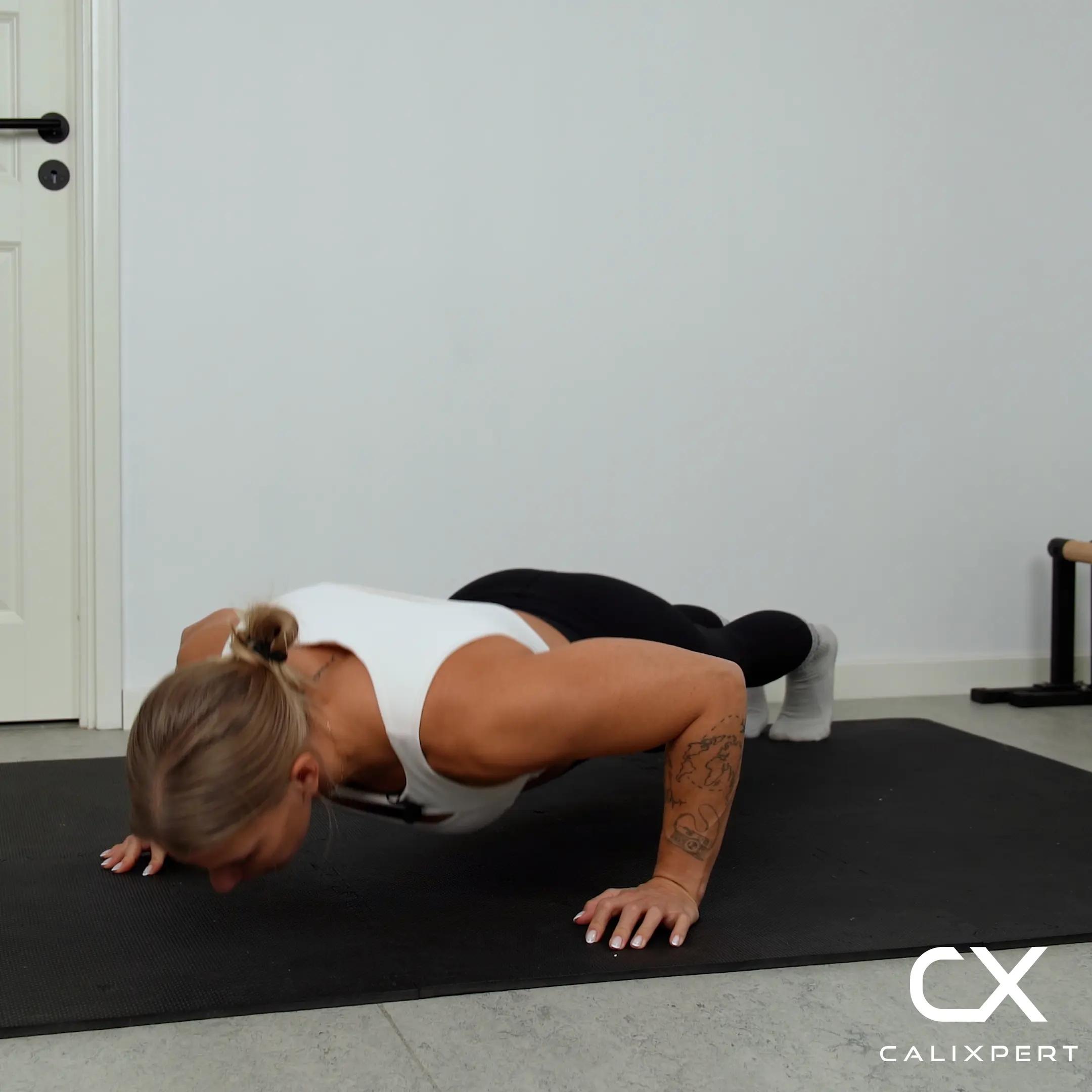
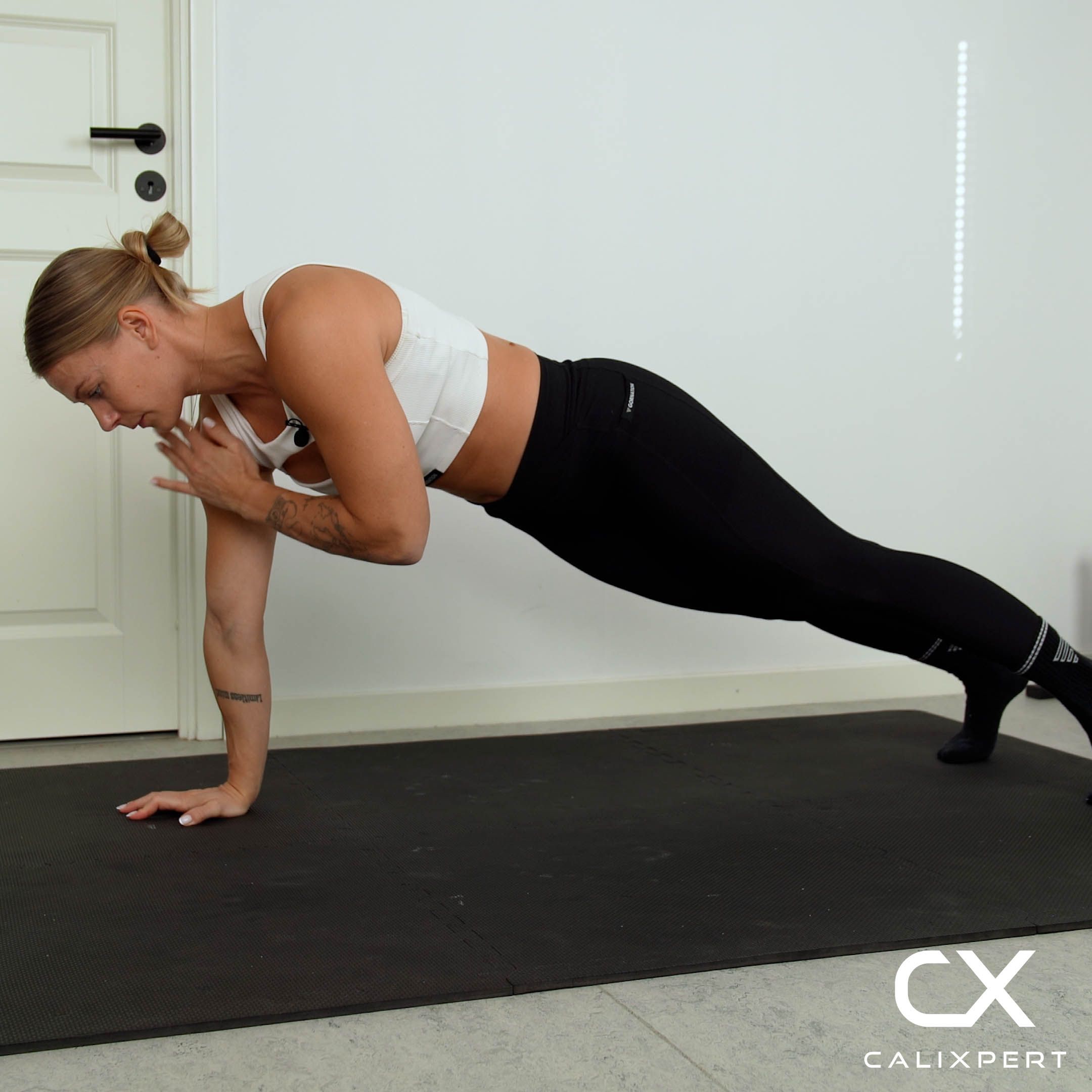
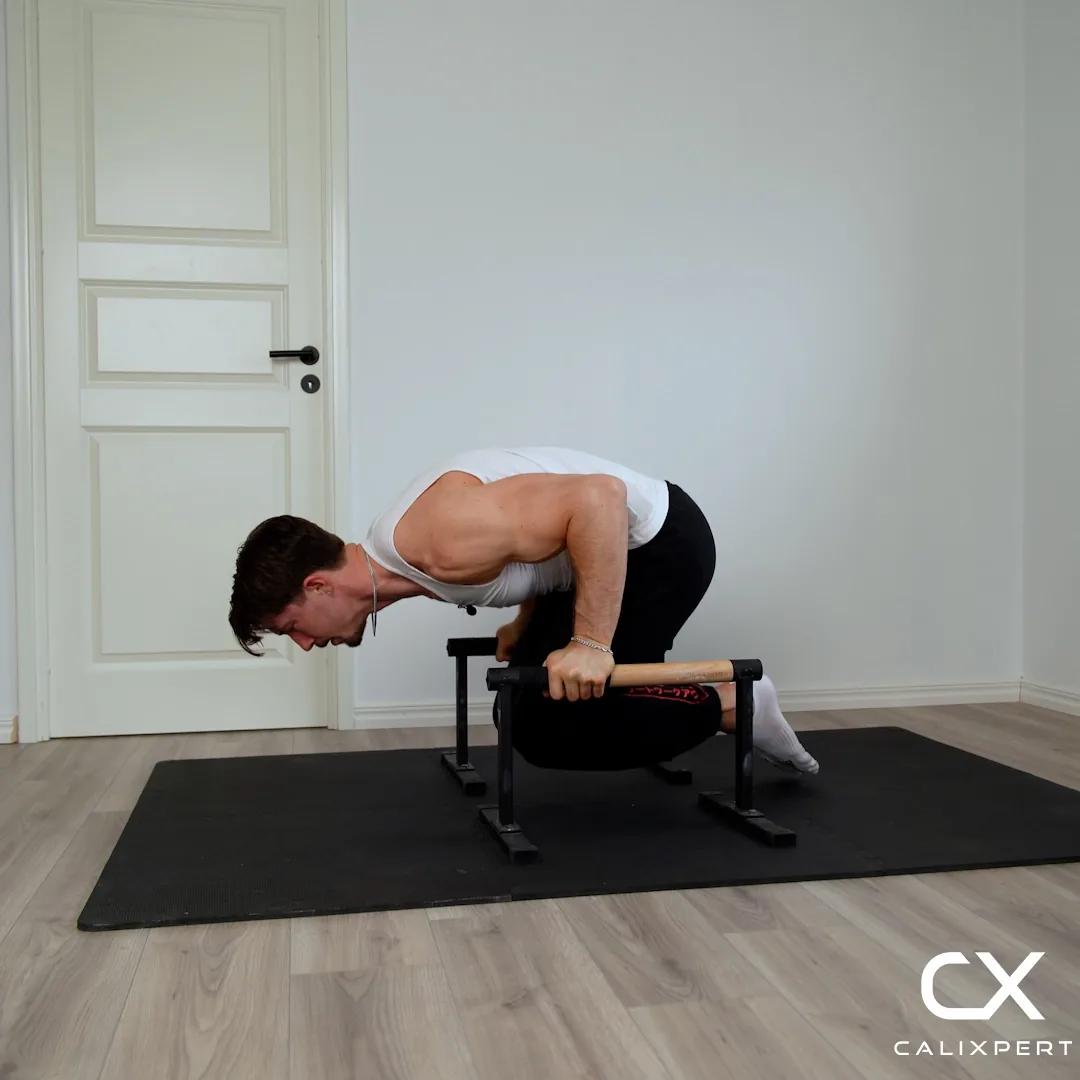
Scapular push-ups are the primary serratus exercise. In a standard push-up position, push your shoulder blades as far apart as possible without bending the elbows. Hold the protracted position for one to two seconds per rep. This is a small range of motion movement, but the serratus contraction should be very clear.
The push-up plus — a full range push-up with an additional protraction at the top — and ring support holds with active protraction both load the serratus. Include both in your pushing warm-up.
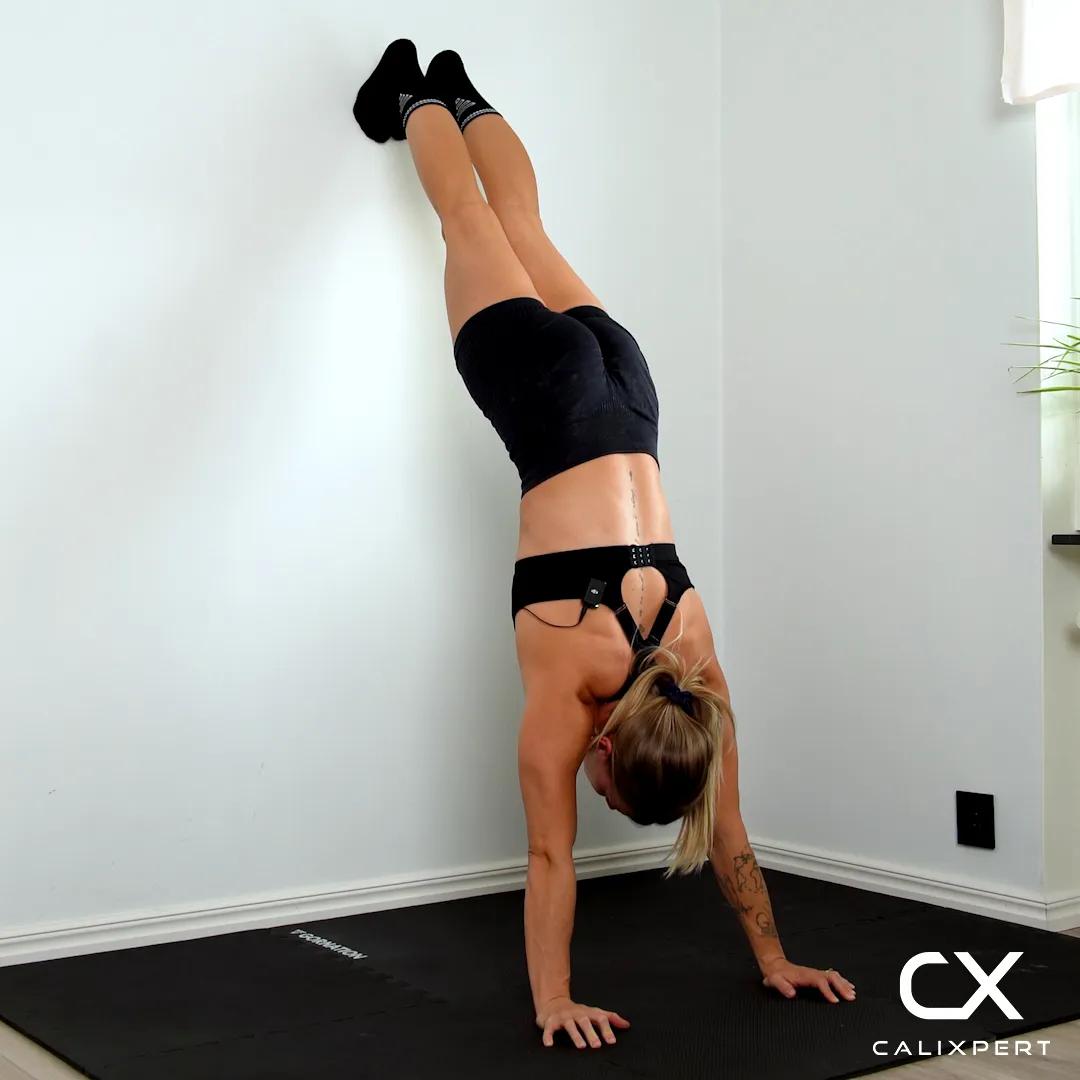
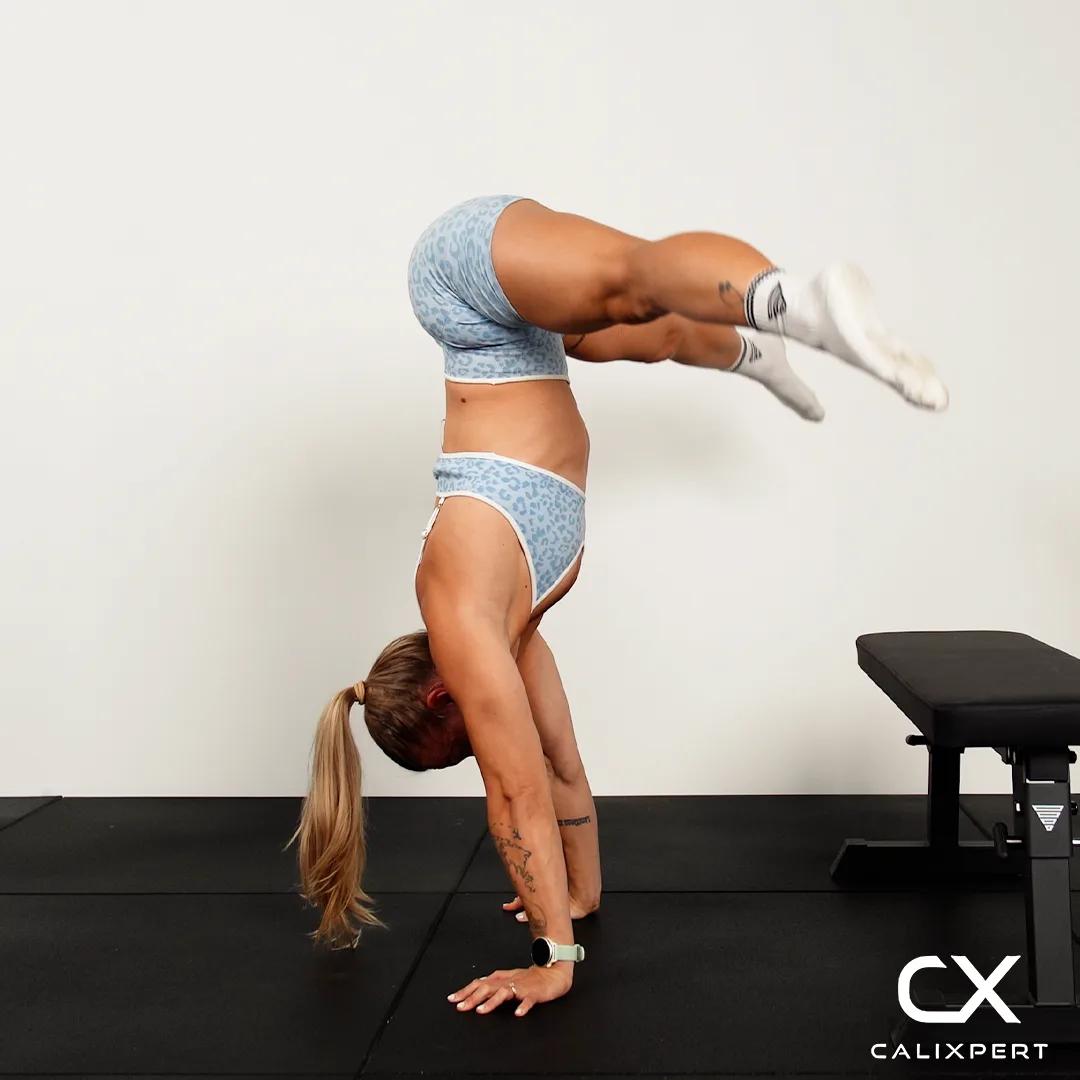
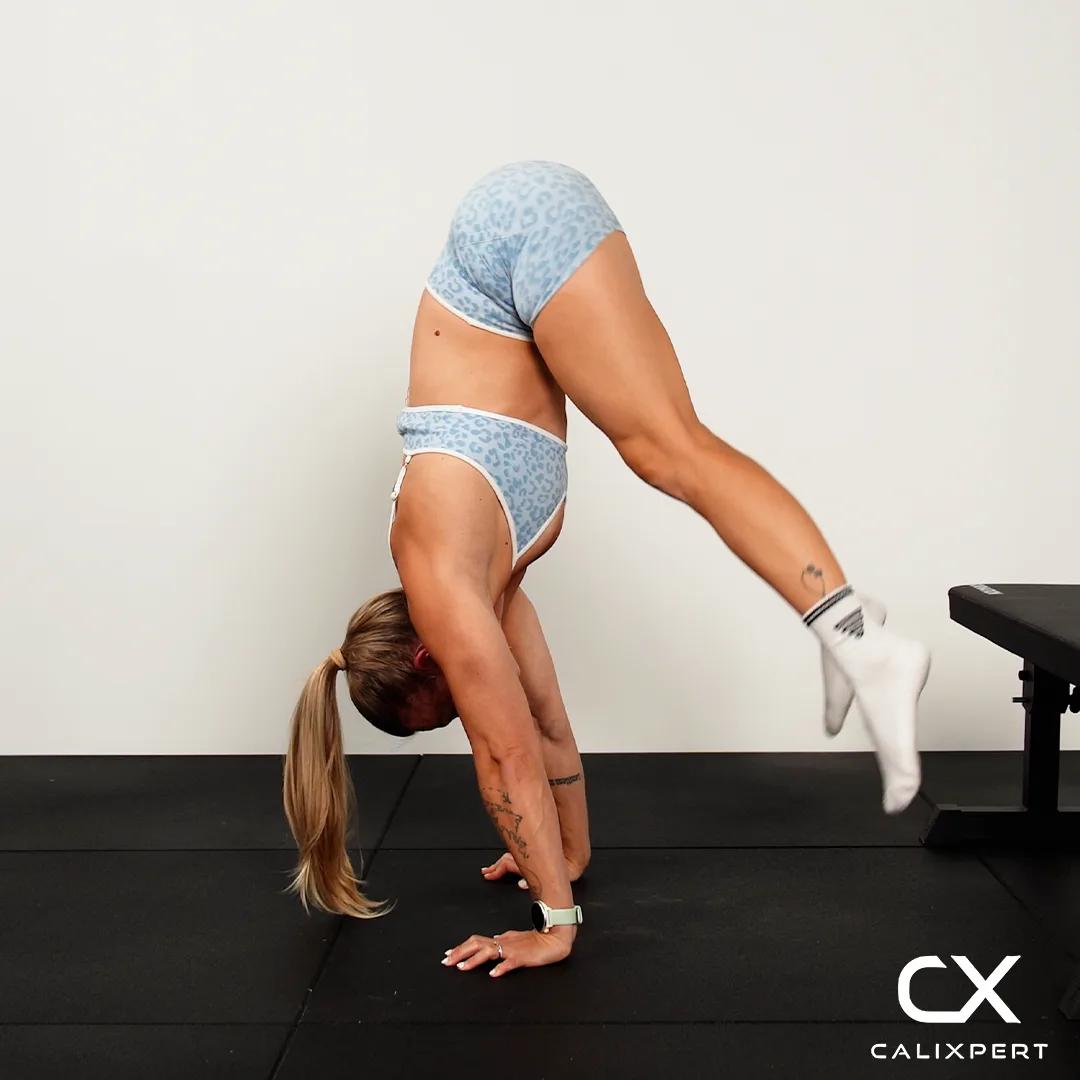
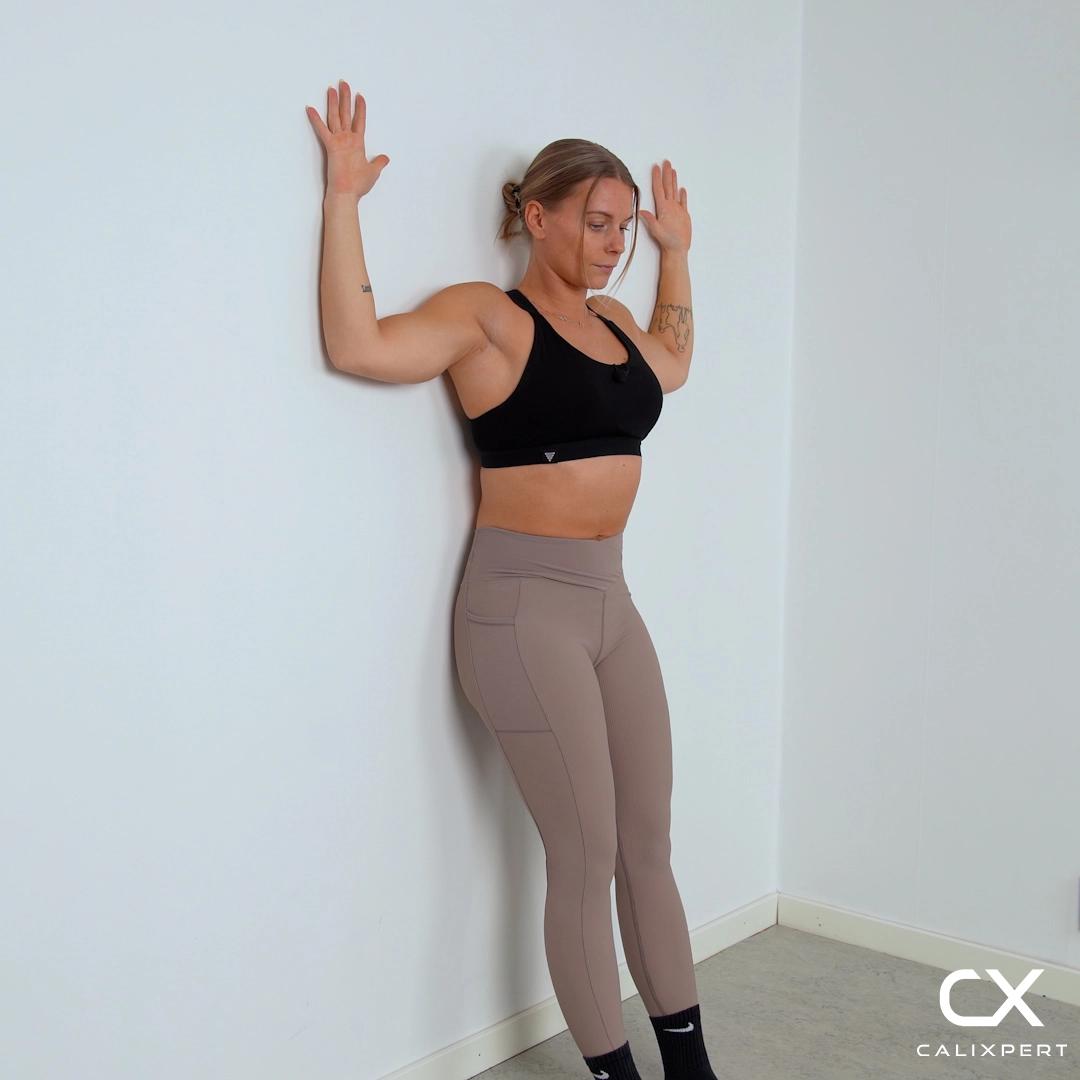
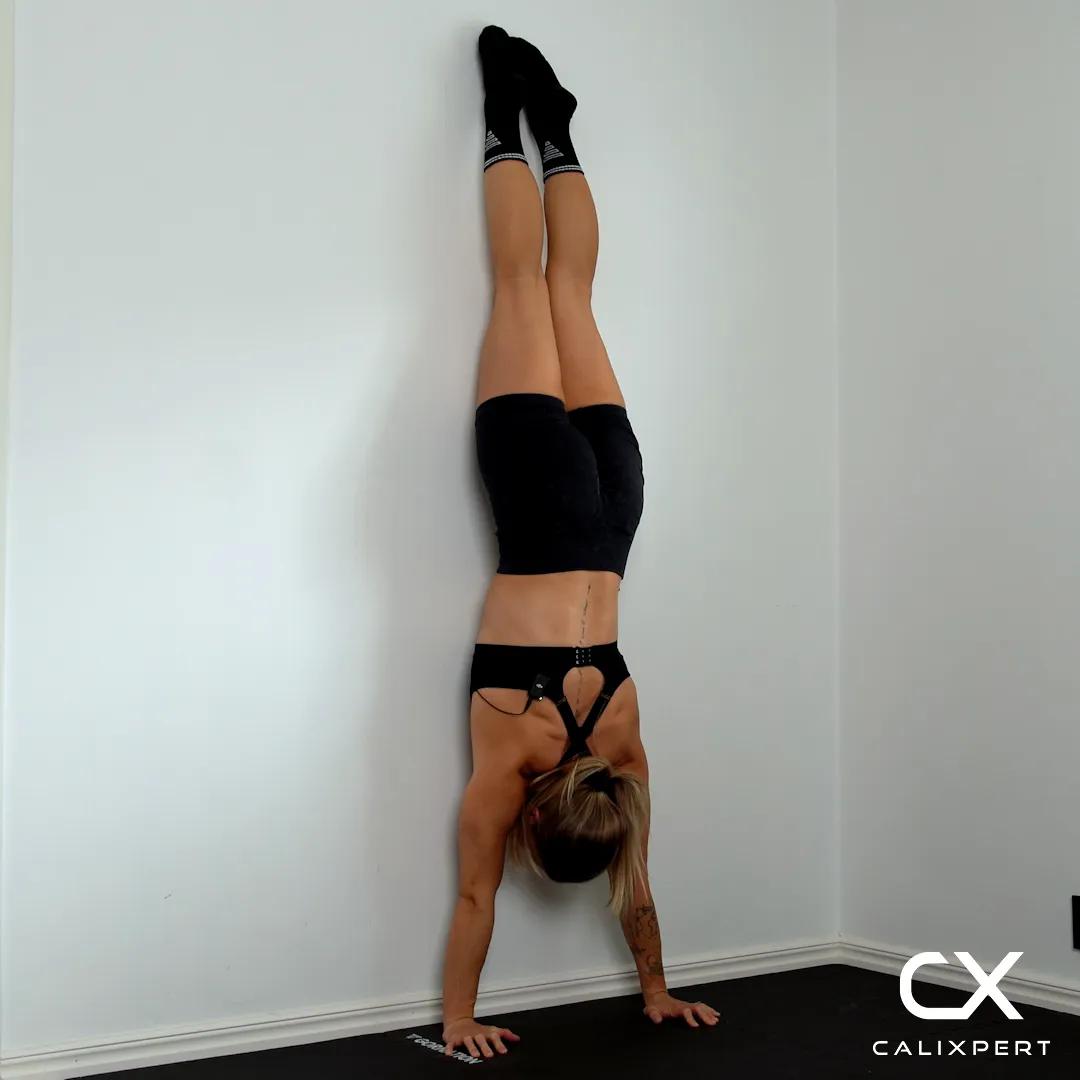
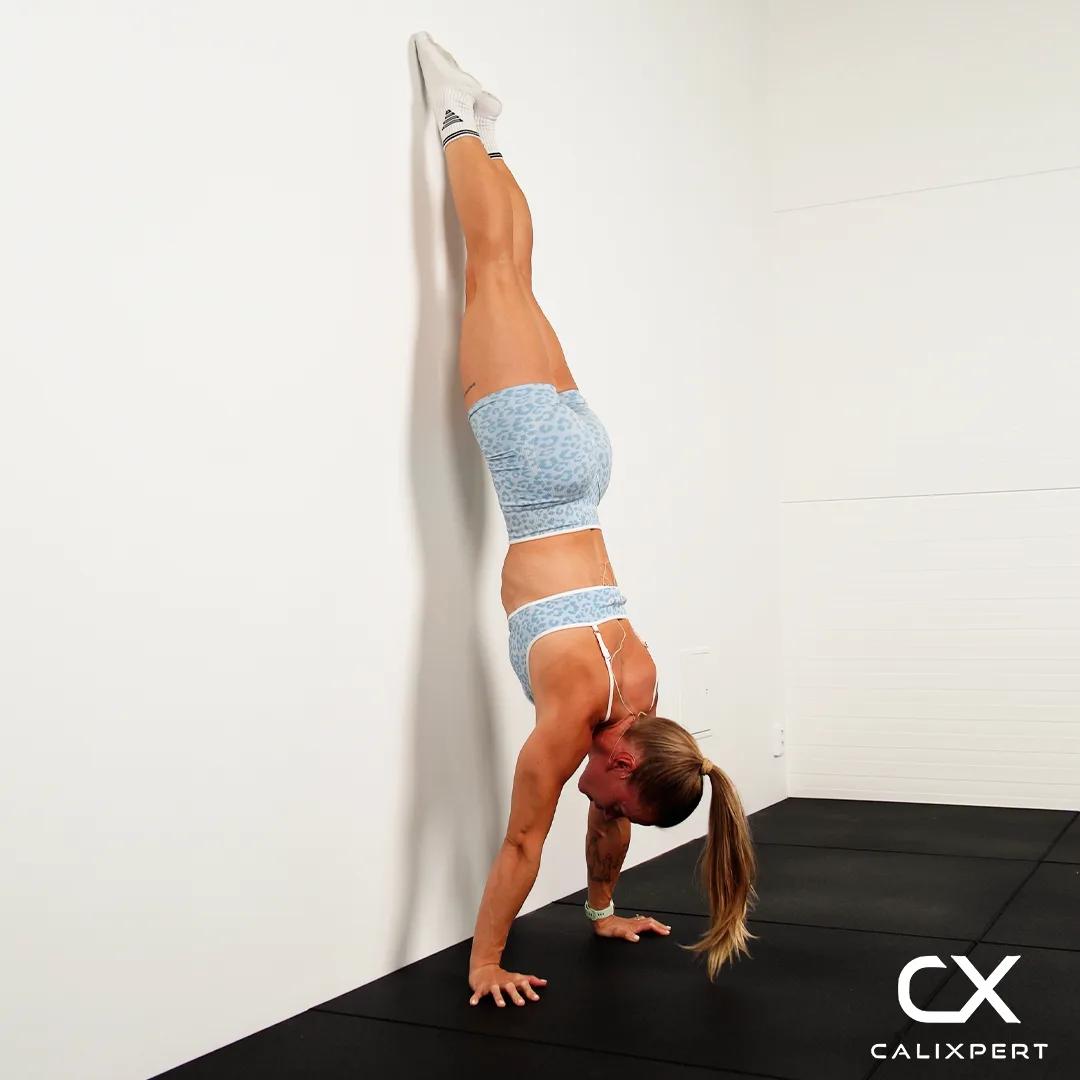
In handstand training, active serratus engagement keeps the scapulae from winging. Beginners often lack the motor control to engage it overhead. Drills against a wall with deliberate protraction cuing build the connection.
Serratus Anterior FAQ
Serratus anterior weakness is the primary cause. If your shoulder blades lift away from your rib cage during pushing movements, the serratus is not generating enough force to keep them flat. Scapular push-ups directly address this.
Yes. Serratus weakness shows up very early in calisthenics training and affects the quality of push-ups, rows, and overhead pressing from the start. Including scapular push-ups from day one prevents the compensation patterns that develop without it.
The serratus protracts and upwardly rotates the scapula, which positions the shoulder blade correctly for a vertical overhead press. Without it, the shoulder rounds forward or the blade wings, creating instability at the top of the handstand.