Active Plank
The active plank is a forearm plank variation where you deliberately drive your elbows and feet toward each other, creating intense internal tension that standard planks never reach. This sustained co-contraction targets the abs, hip flexors, shoulders, and glutes far more aggressively than a passive hold. When performed correctly, the active plank builds the deep core stability and full-body tension control that transfers directly to advanced calisthenics skills like front levers and L-sits.
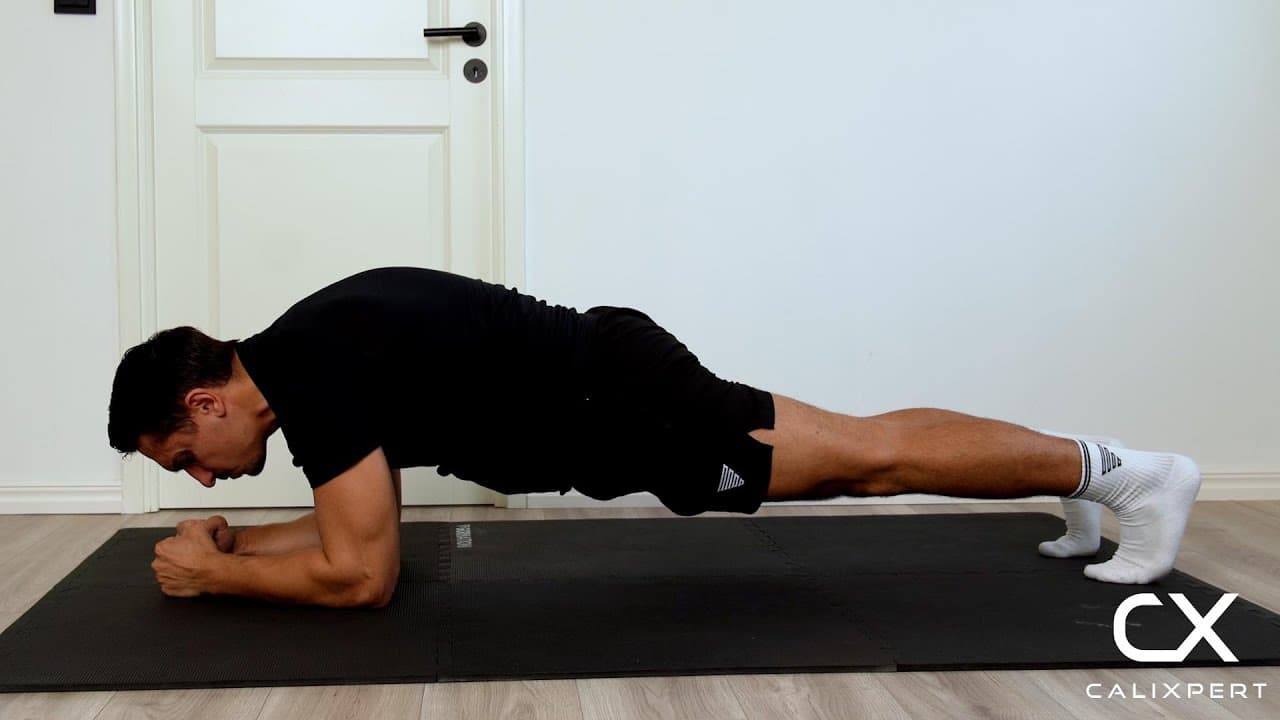
The active plank is a forearm plank variation where you deliberately drive your elbows and feet toward each other, creating intense internal tension that standard planks never reach. This sustained co-contraction targets the abs, hip flexors, shoulders, and glutes far more aggressively than a passive hold. When performed correctly, the active plank builds the deep core stability and full-body tension control that transfers directly to advanced calisthenics skills like front levers and L-sits.
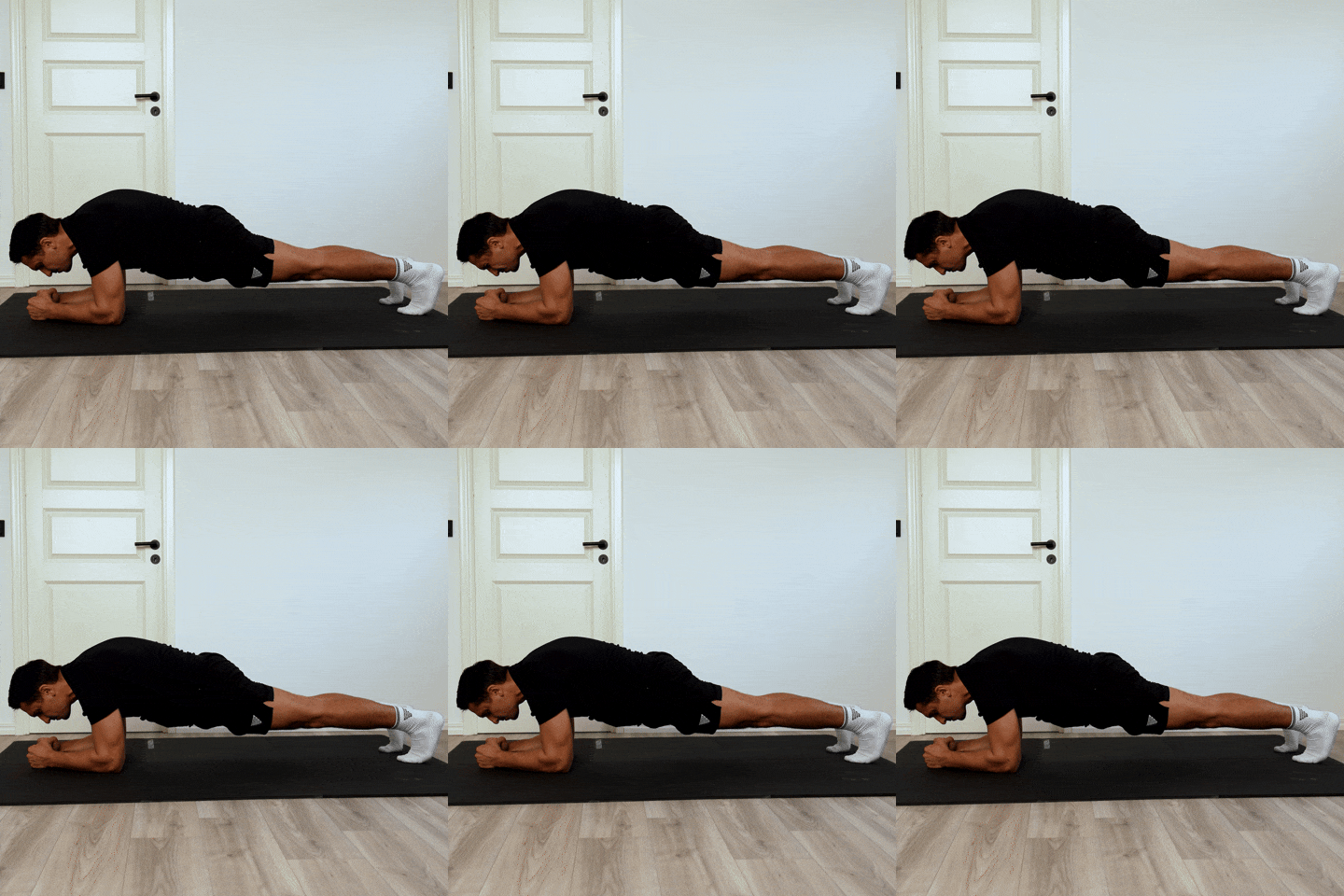
How to Do Active Plank
1. Set Up the Forearm Plank
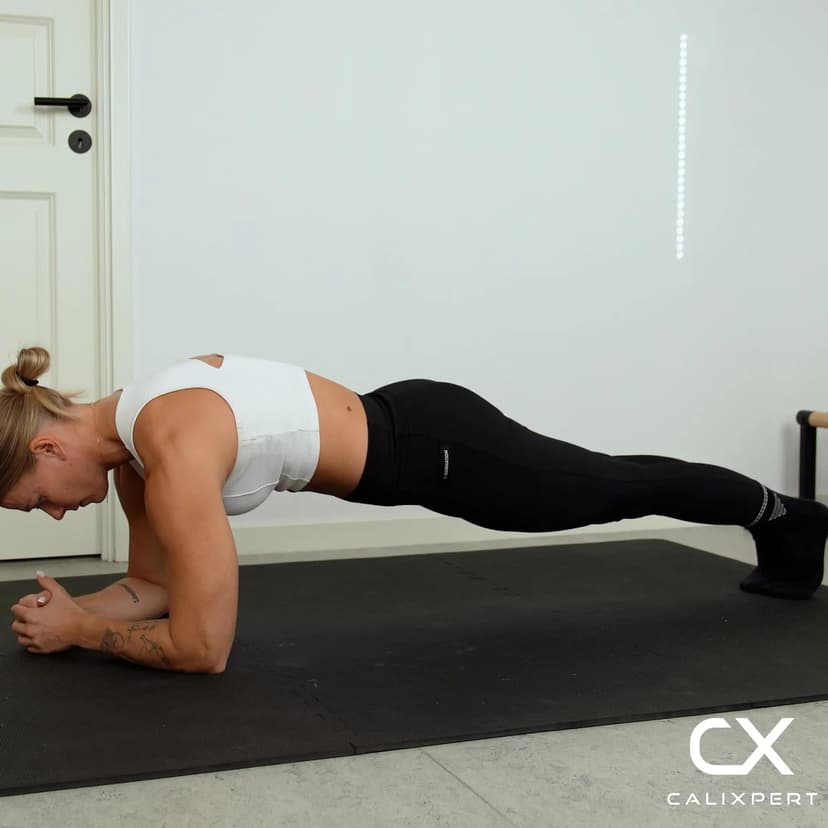
Place your elbows directly under your shoulders with your forearms flat on the floor, parallel to each other. Extend your legs straight behind you with your feet hip-width apart and toes tucked under. Your body should form one straight line from the crown of your head to your heels. Squeeze your glutes and brace your core before adding any active tension.
Elbows stacked directly under shoulders
2. Engage the Posterior Pelvic Tilt
Tuck your pelvis slightly under by contracting your abs and squeezing your glutes. This eliminates any arch in the lower back and locks your spine into a safe, neutral position. You should feel your lower abs engage immediately when you find the right tilt.
Tuck the tailbone toward the floor
3. Drive Elbows Toward Your Feet
Without actually moving your elbows, press them hard into the floor and try to drag them toward your toes. This isometric pull activates the abs and hip flexors far beyond what a passive plank demands. Your forearms should not slide, but the intent to move them is what creates the tension.
Pull elbows toward your feet, hard
4. Drive Feet Toward Your Elbows
At the same time, press your toes into the floor and try to drag your feet toward your elbows. This opposing force from both ends creates a powerful co-contraction through the entire anterior chain. The combined inward drive is what makes the active plank dramatically harder than a standard hold.
Feet and elbows squeeze inward together
5. Hold With Full-Body Tension
Maintain the inward driving force while breathing in controlled, shallow breaths through your nose. Do not let your hips rise or sag as fatigue sets in. Keep your neck neutral with your eyes looking at the floor about six inches in front of your hands. Hold for the prescribed duration, then lower your knees to the floor to exit.
Breathe, but never release the tension
Most people set up what looks like an active plank but never actually generate the inward force. The difference is night and day. If you can hold it comfortably for 60 seconds, you are not driving hard enough. A properly executed active plank should have your abs shaking within 15 to 20 seconds, even if you can hold a regular plank for two minutes.
Muscles Worked During Active Plank
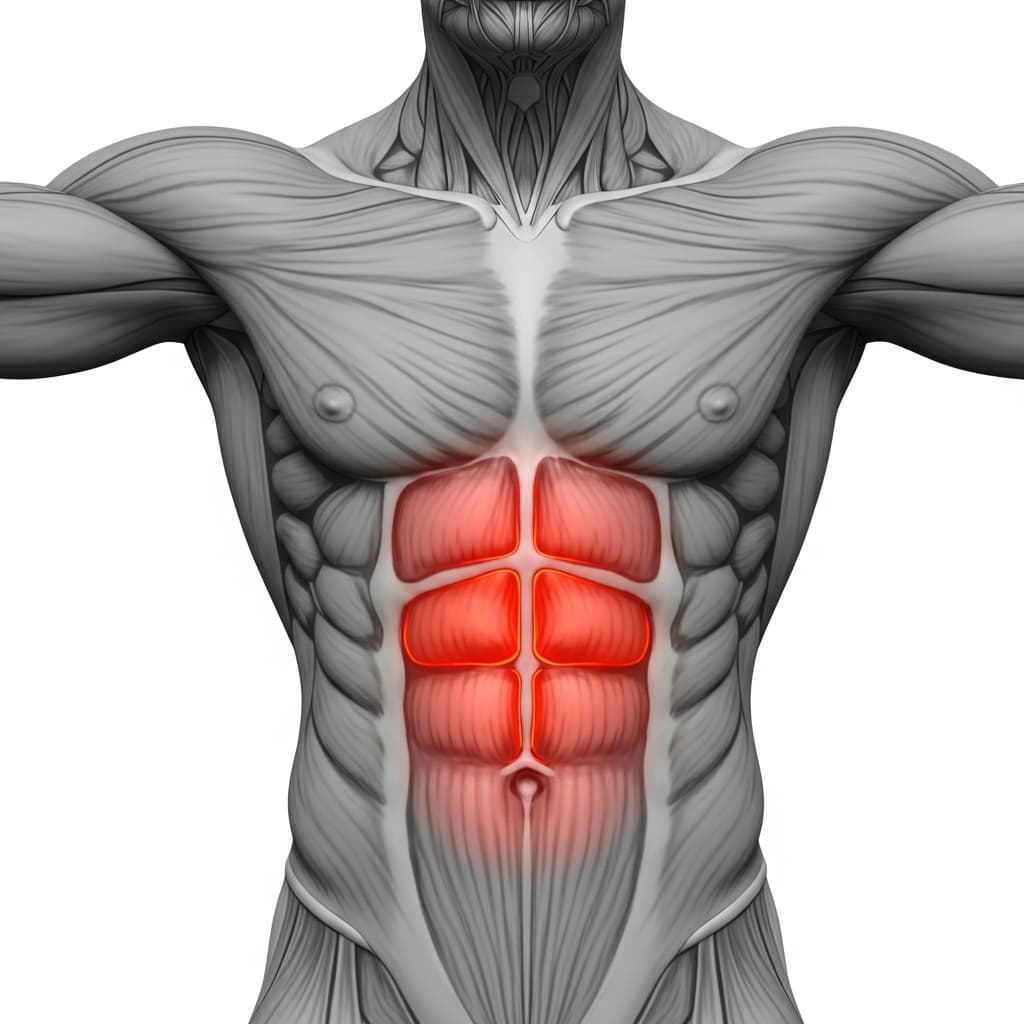
Primary Muscles:
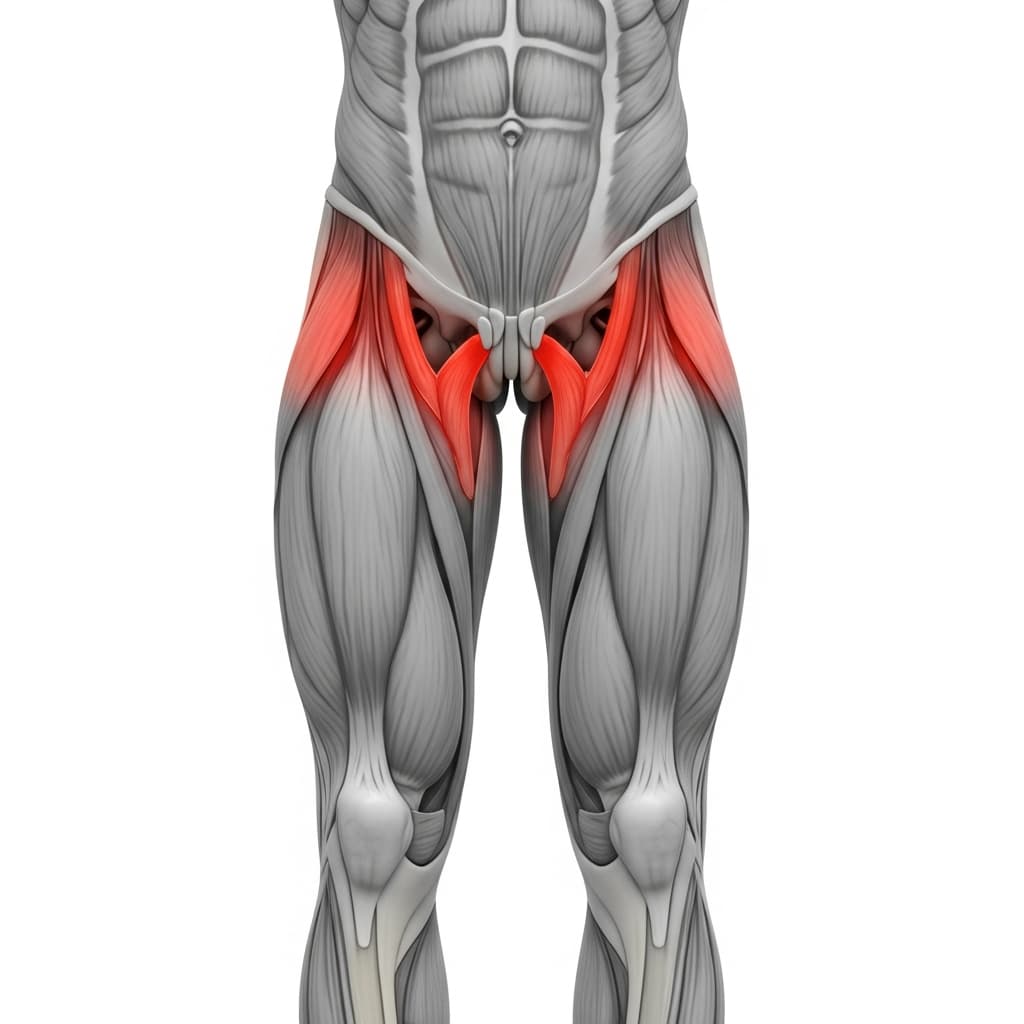
Secondary Muscles:
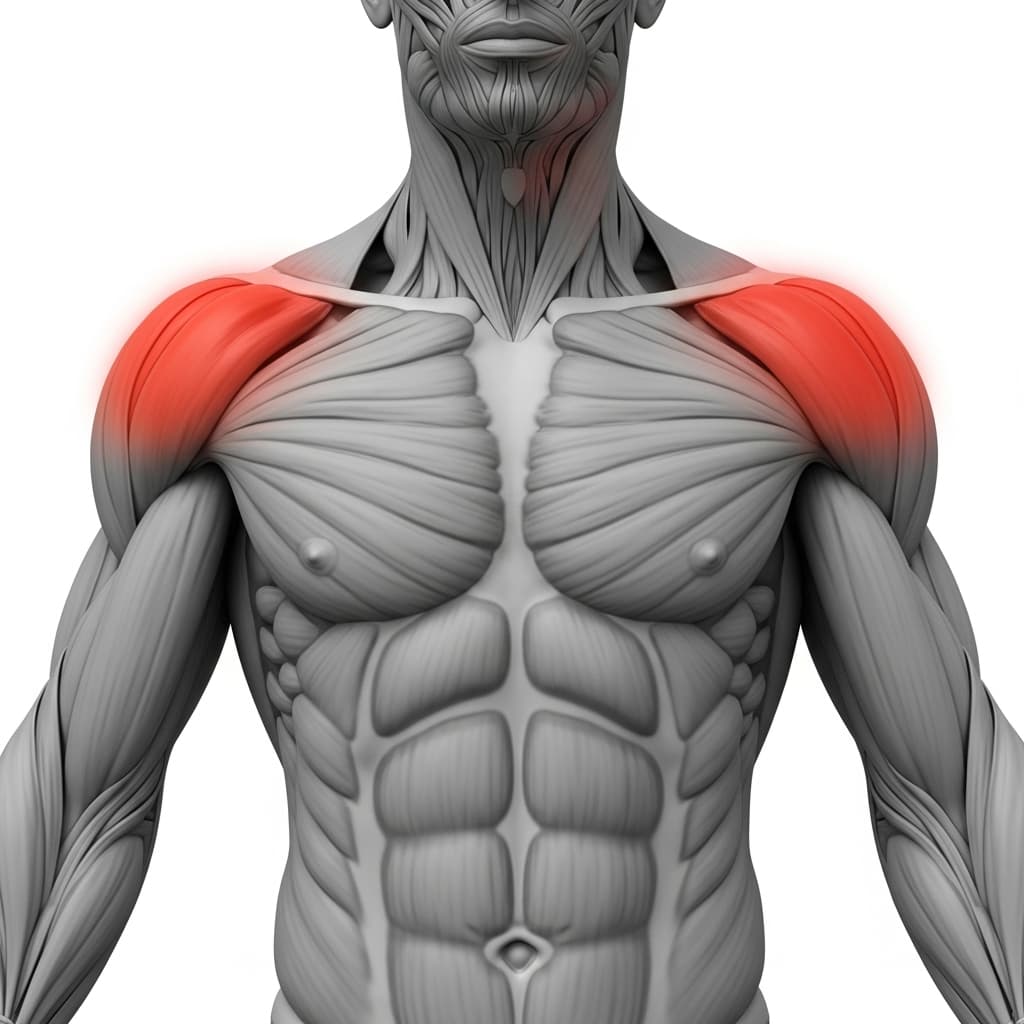
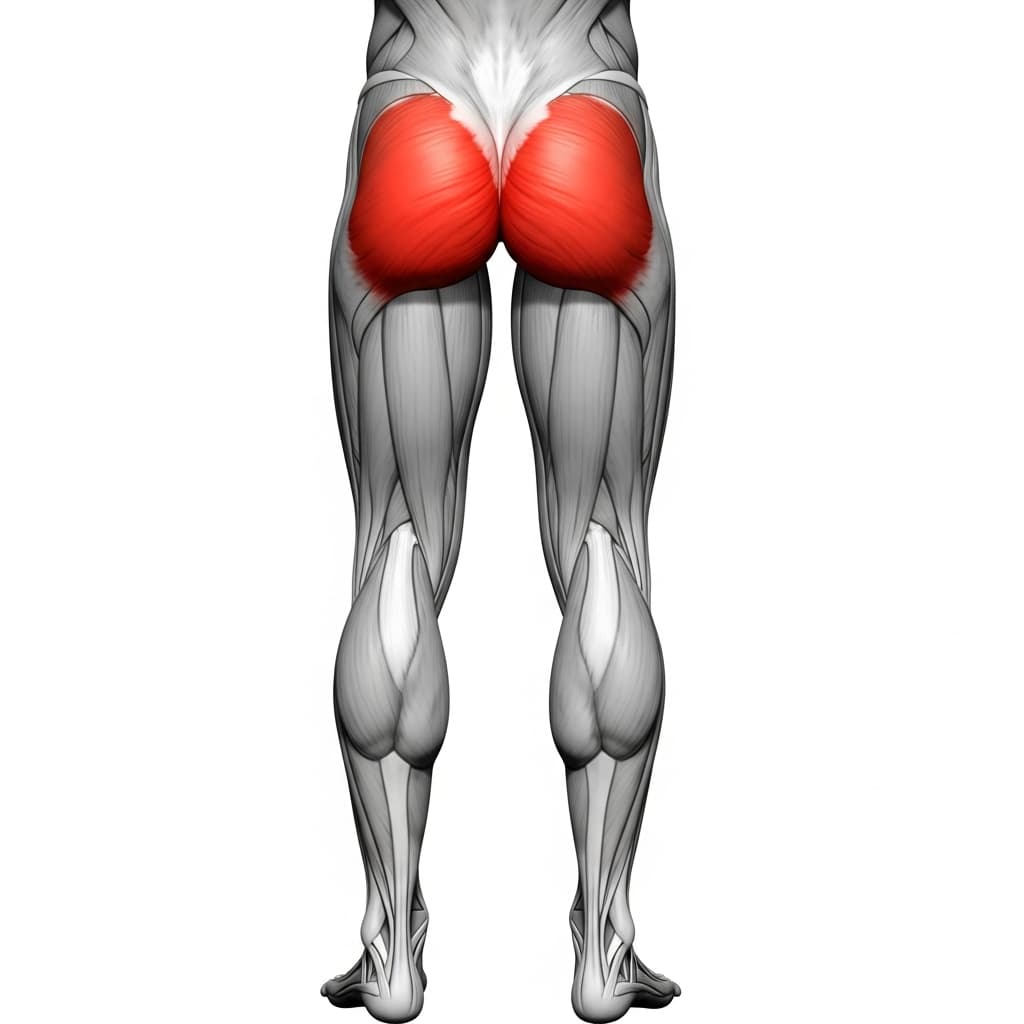
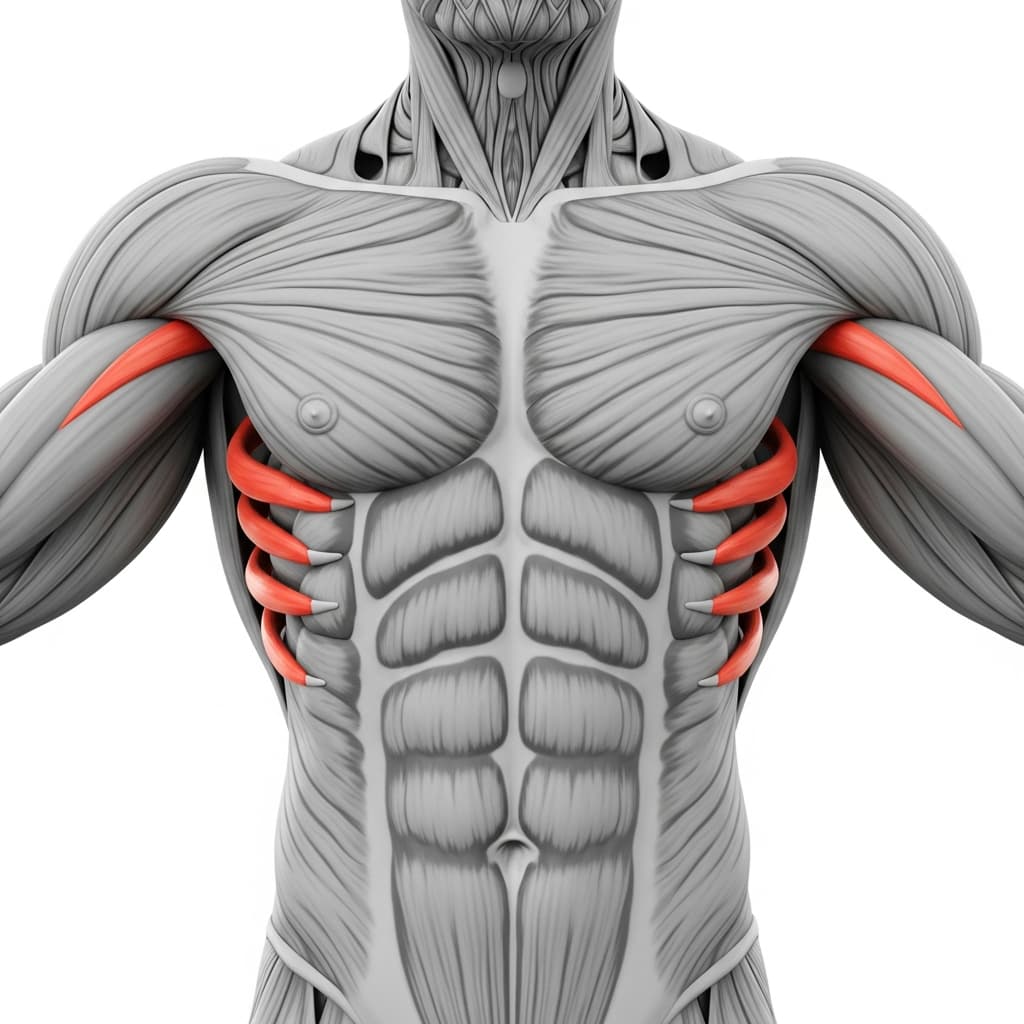
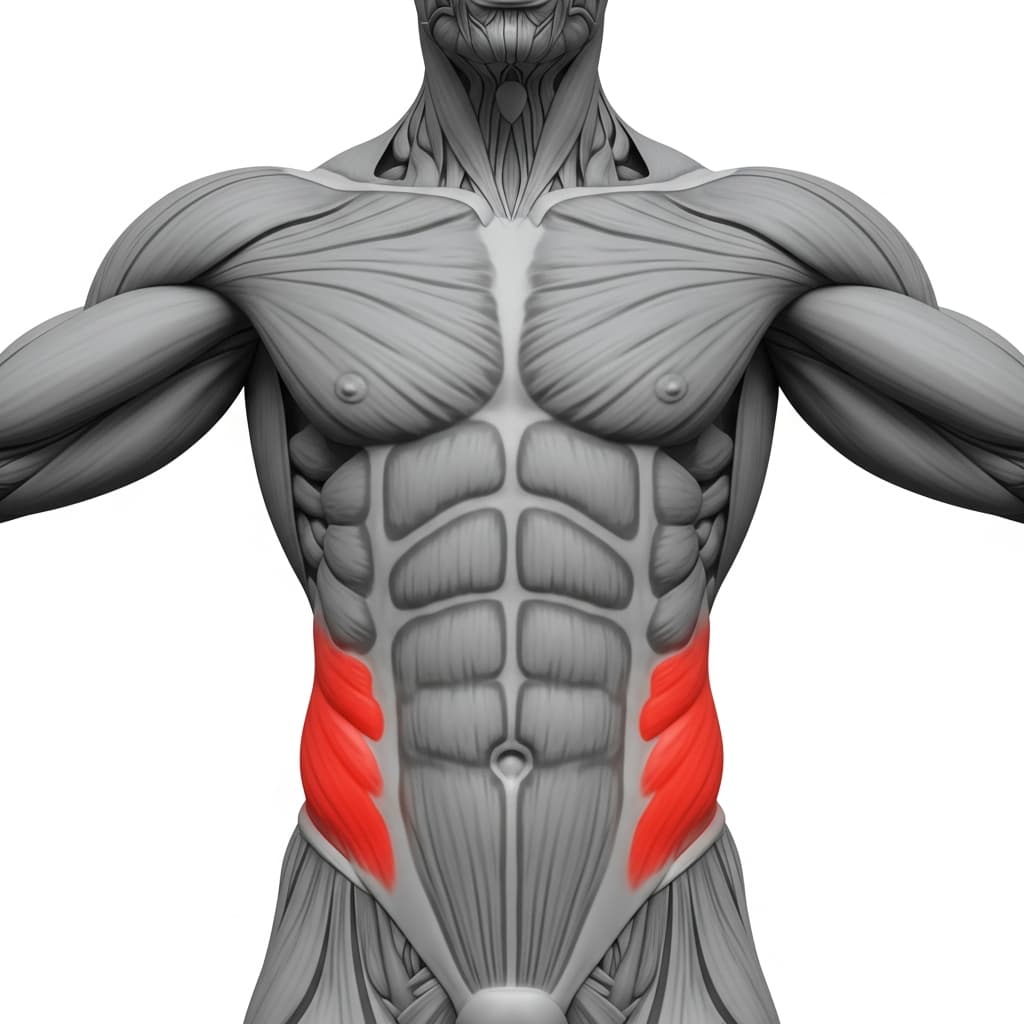
Primary Muscles
Rectus Abdominis (Abs) - The rectus abdominis contracts isometrically to resist spinal extension while simultaneously generating the inward pulling force between elbows and feet.
Secondary Muscles
Iliopsoas (Hip Flexors) - The hip flexors engage to drive the feet toward the elbows, creating the anterior chain tension that distinguishes the active plank from a passive hold.
Anterior Deltoid (Front Deltoid) - The anterior deltoids stabilize the shoulder joint and press the elbows into the floor as you drive them toward your feet.
Gluteus Maximus (Glutes) - The glutes contract to maintain the posterior pelvic tilt, preventing the hips from sagging and keeping the spine in a safe neutral position.
Serratus Anterior (Serratus Anterior) - The serratus anterior protracts the shoulder blades and pushes the floor away, maintaining upper back stability throughout the hold.
Obliques (Obliques) - The obliques fire isometrically to prevent any lateral rotation or side-to-side shifting while the inward driving forces act on the trunk.
Benefits of Active Plank
- Develops deep core stability through sustained co-contraction, which standard passive planks cannot achieve at the same intensity
- Trains the ability to maintain full-body tension while breathing, a skill that transfers directly to front levers, L-sits, and handstand holds
- Strengthens the hip flexors and serratus anterior through isometric loading, two muscle groups often neglected in basic core training
- Builds anti-extension strength that protects the lower back during heavy compound movements and dynamic calisthenics skills
Who Is This Exercise For?
You should be able to hold a standard forearm plank with a flat back for at least 30 seconds before attempting the active plank. If your hips sag or your lower back arches during a regular plank, master that position first. The active plank demands significantly more tension, so a weak baseline plank will lead to compensations that stress the lower back.
Common Mistakes to Avoid
Holding a passive plank instead of driving inward: The entire point of the active plank is the inward force between elbows and feet. If you are simply holding yourself up, you are doing a standard plank. Focus on actively trying to drag your elbows and toes toward each other on every second of every hold.
Letting the hips sag toward the floor: Sagging hips shift load onto the lower back and disengage the core. Tuck your pelvis under and squeeze your glutes before you begin driving inward. If your hips drop during the hold, the set is over.
Holding breath during the hold: Breath-holding causes early fatigue and spikes blood pressure. Practice short, controlled breaths through your nose while maintaining full tension. The ability to breathe under tension is a core skill that the active plank is designed to develop.
Placing elbows too far forward: When elbows drift ahead of the shoulders, the load shifts into the anterior deltoids and away from the core. Reset your elbows directly under your shoulder joints before every set.