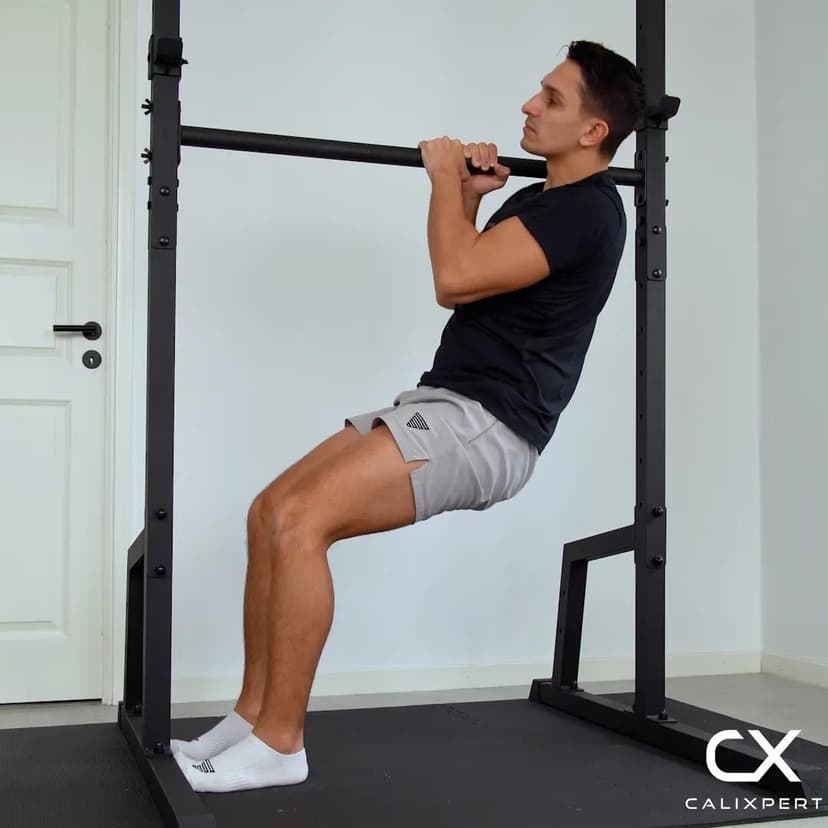
Seated Wide Pull Ups
Seated wide pull-ups are a bodyweight pulling exercise performed on a low bar that targets the lats, upper back, biceps, and rear deltoids through a wide-grip vertical pulling pattern. The seated position with legs extended in front removes all lower body momentum, forcing the back muscles to do the work through the full range of motion. This makes them one of the most effective beginner-friendly progressions for building the wide-grip pulling strength needed for full pull-ups.
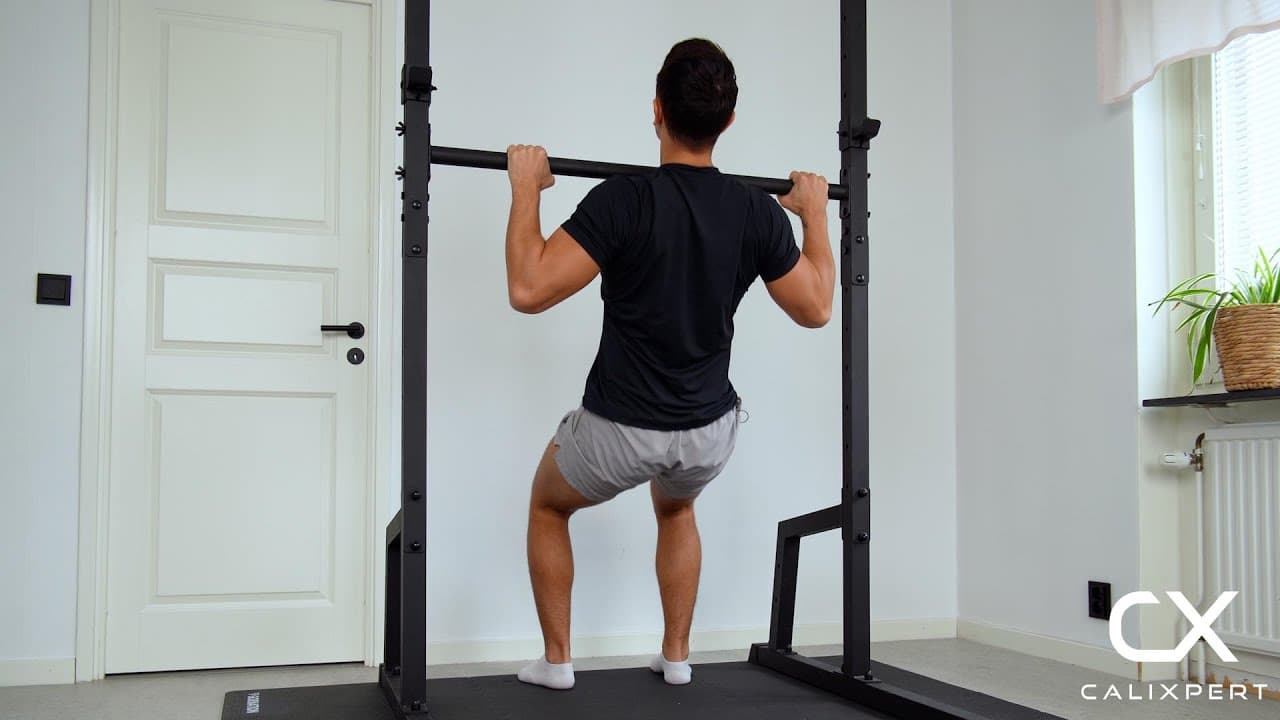
Seated wide pull-ups are a bodyweight pulling exercise performed on a low bar that targets the lats, upper back, biceps, and rear deltoids through a wide-grip vertical pulling pattern. The seated position with legs extended in front removes all lower body momentum, forcing the back muscles to do the work through the full range of motion. This makes them one of the most effective beginner-friendly progressions for building the wide-grip pulling strength needed for full pull-ups.
How to Do Seated Wide Pull Ups
1. Find a Low Straight Bar
Position yourself at a straight bar set at roughly chest height when seated on the ground. The bar needs to be low enough that you can reach it comfortably from a seated position. A Smith machine, squat rack with a barbell, or outdoor pull-up bars at a low setting all work well.
Bar at chest height when seated
2. Set Your Wide Grip
Grab the bar with your hands significantly wider than shoulder width. Wrap your thumbs fully around the bar for a secure grip, or place them over the bar if that feels more natural for your wrists. The wider hand position shifts more of the pulling load onto the lats and upper back.
Hands wide, thumbs locked around the bar
3. Position Your Body Underneath
Sit directly underneath the bar with your legs extended straight in front of you on the ground. Keep your torso upright and your back straight. Your body should be positioned so that when you pull, you travel straight up rather than swinging behind the bar.
Sit directly under, not behind the bar
4. Initiate With Your Scapula
Before bending your elbows, depress and retract your shoulder blades to engage the upper back. This scapular set activates the lats and stabilizers before the arms begin pulling. Skipping this step turns the movement into a biceps exercise.
Shoulders down and back before pulling
5. Pull Chin Over the Bar
Drive your elbows backward and pull your body upward until your chin clears above the bar. Keep your chest lifted and your core tight throughout the pull. The elbows should track backward, not straight down, to maximize lat engagement with the wide grip.
Elbows back, chin over the bar
6. Lower Under Control
Slowly extend your arms and lower yourself back to the starting position, resisting gravity the entire way down. Return to full arm extension and re-set your scapula before the next rep. A controlled 2 to 3 second descent builds more pulling strength than dropping quickly.
Slow descent, full extension at the bottom
Most people rush through seated pull-ups because they feel easier than hanging from a high bar. That is exactly why you should slow them down. Use a 2 to 3 second pull, pause with your chin over the bar, and take 3 seconds on the way down. You will build more pulling strength in 5 slow reps than 15 fast ones.
Muscles Worked During Seated Wide Pull Ups
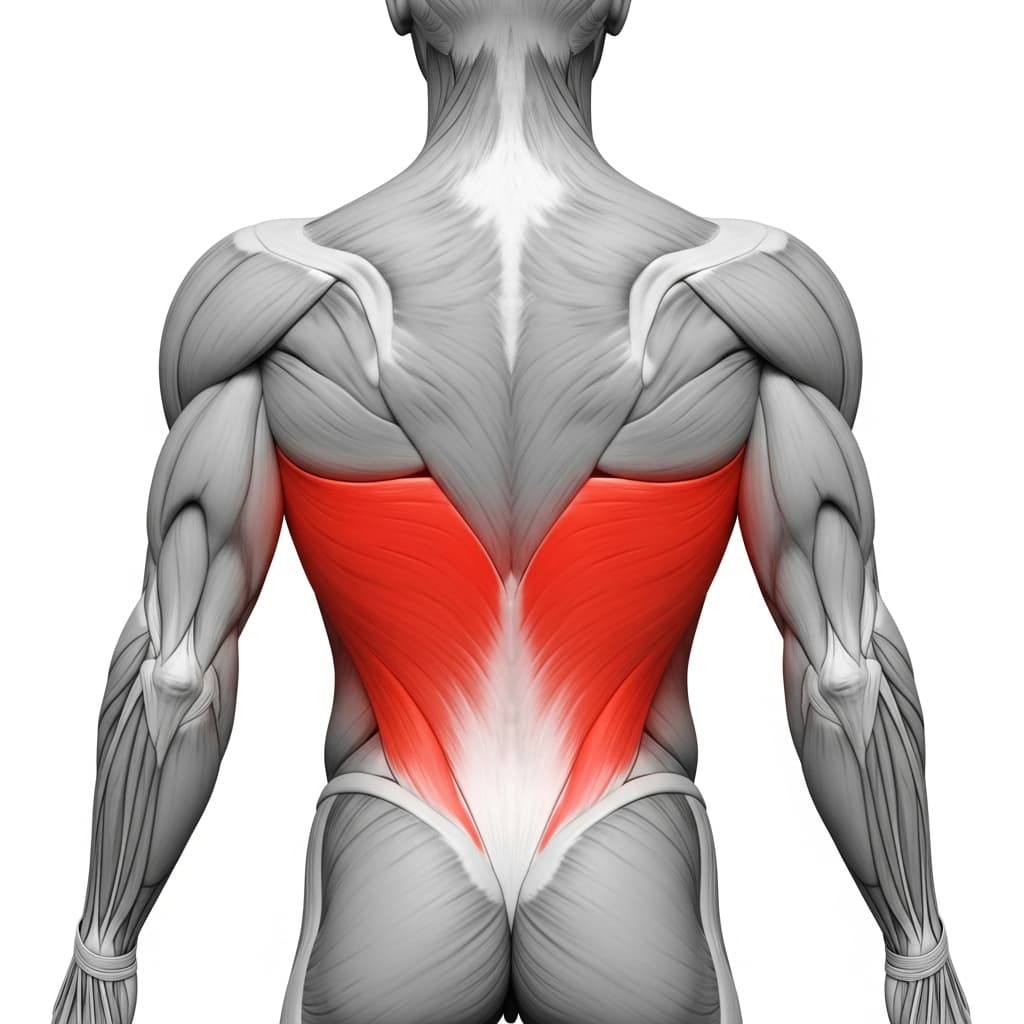
Primary Muscles:
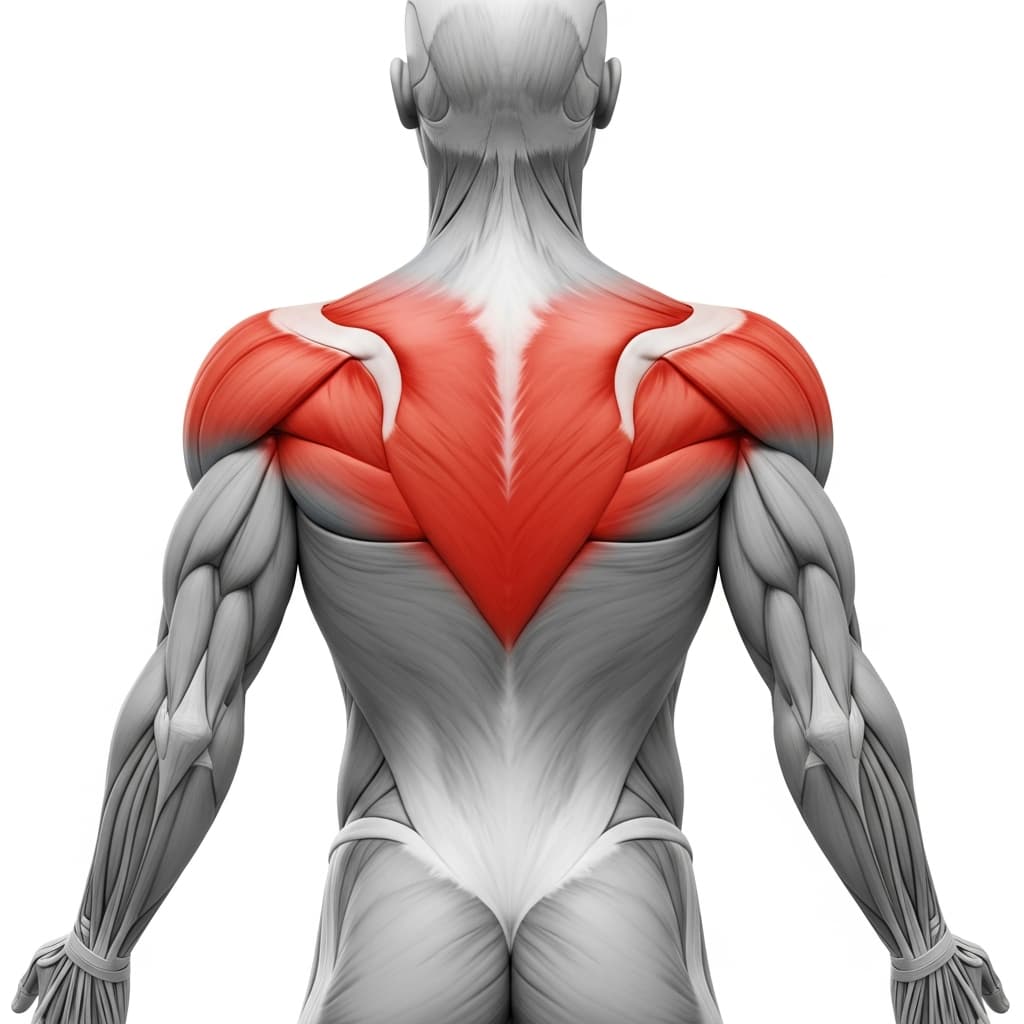
Secondary Muscles:
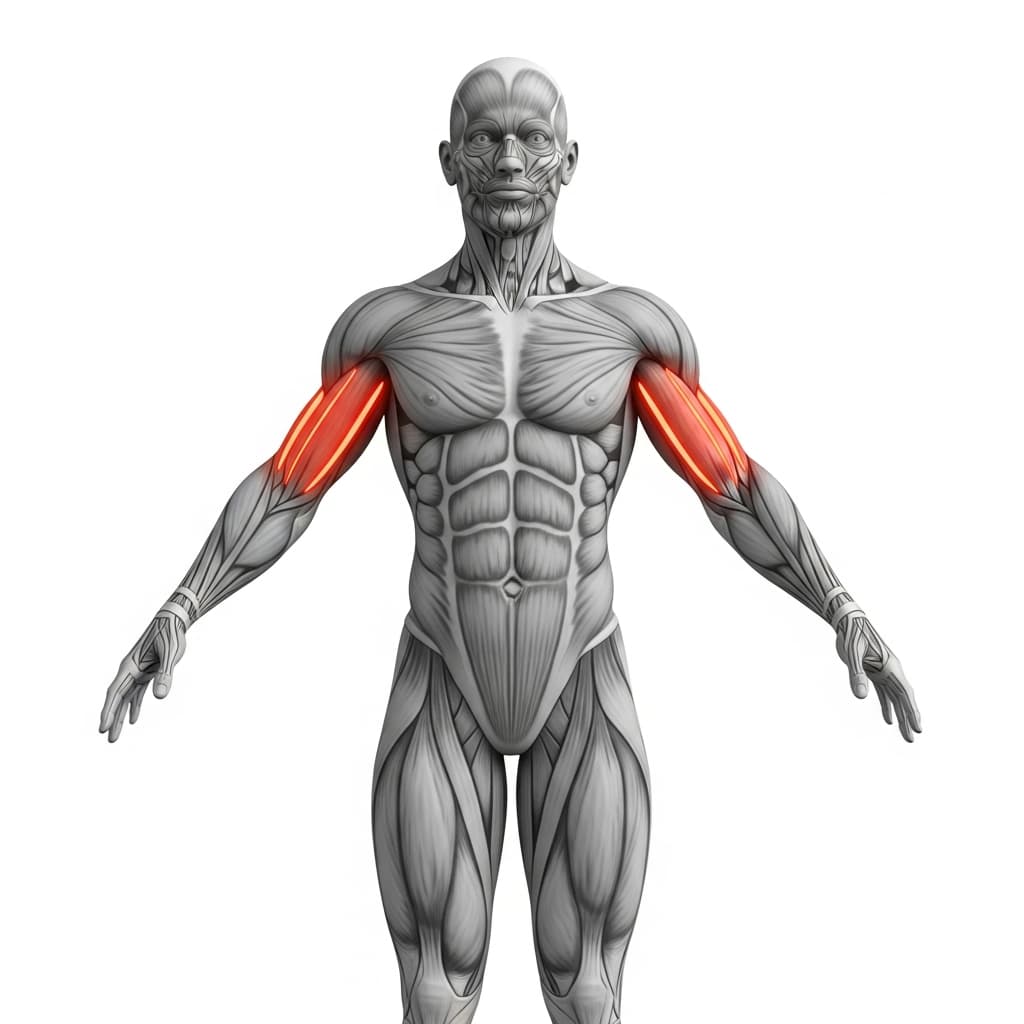
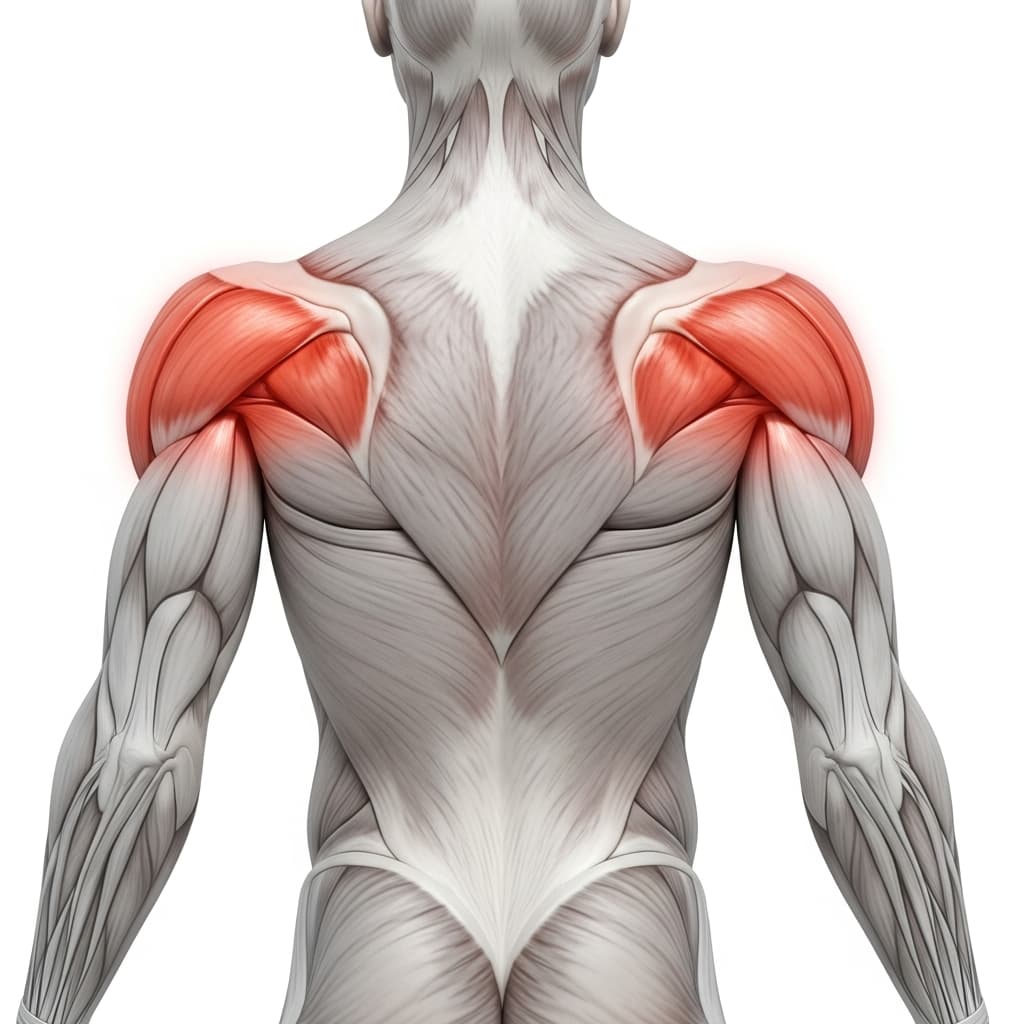
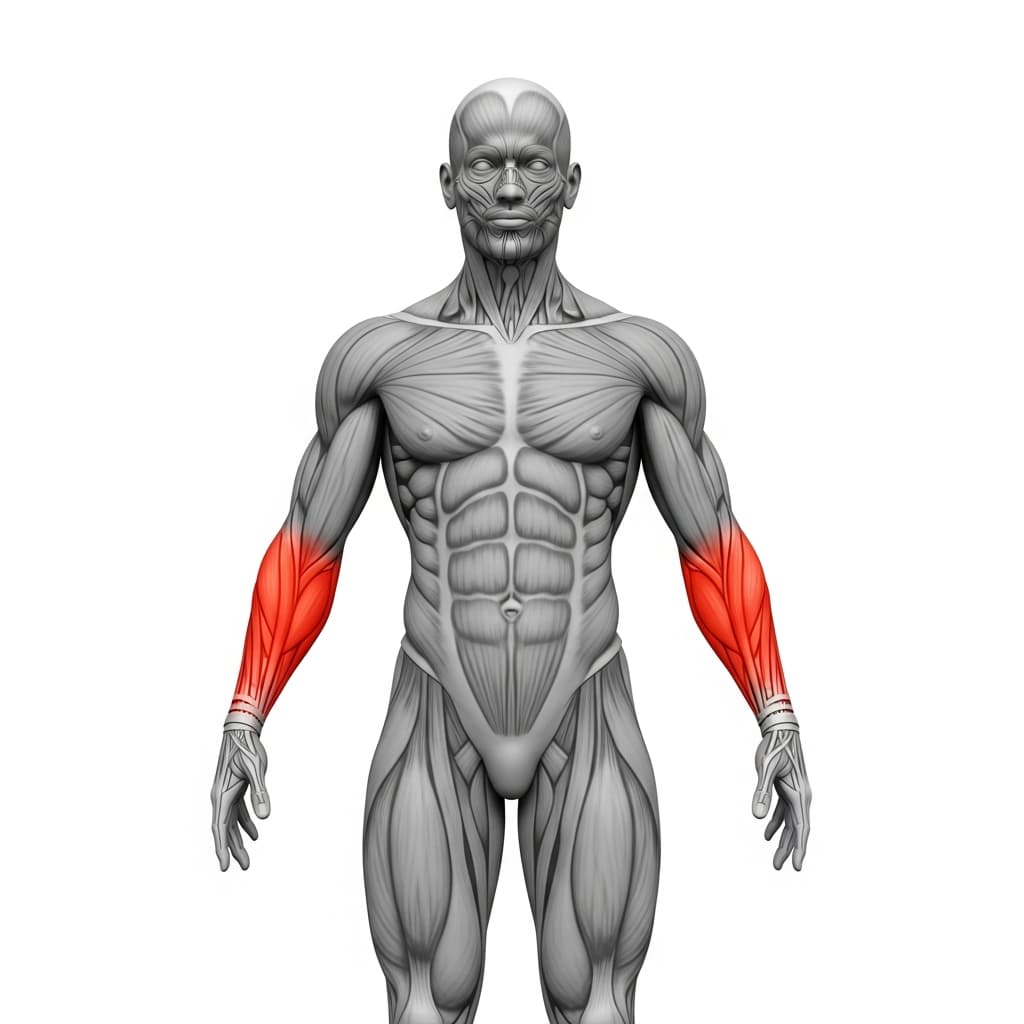
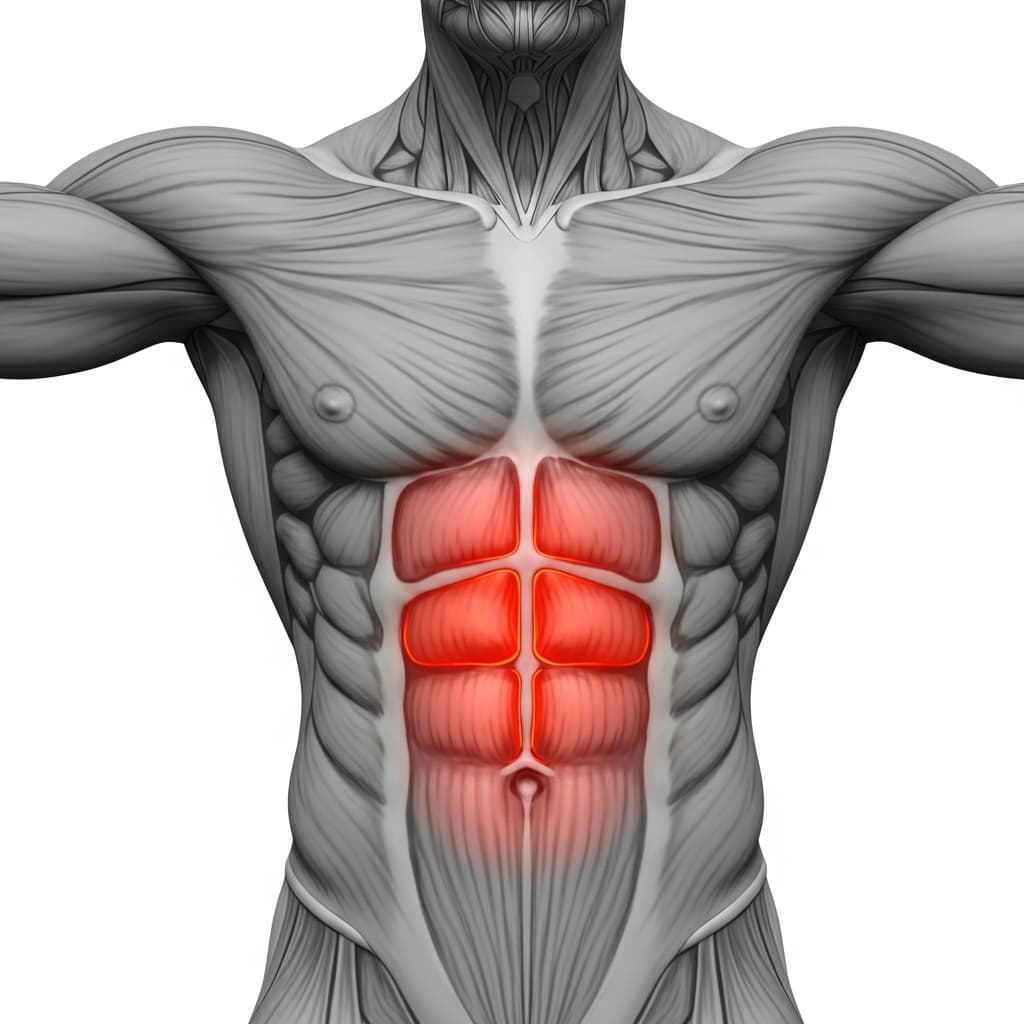
Primary Muscles
Latissimus Dorsi (Lats) - The lats drive the primary pulling force, adducting and extending the shoulder to lift your body toward the bar through the wide-grip arc.
Rhomboids & Upper Trapezius (Upper Back) - The upper back muscles, including the rhomboids and mid-traps, retract the shoulder blades at the top of each rep and stabilize the scapula throughout the pull.
Secondary Muscles
Biceps Brachii (Biceps) - The biceps flex the elbow during the pulling phase, assisting the lats through the mid and upper portions of the range of motion.
Posterior Deltoid (Rear Deltoid) - The rear deltoids assist in horizontal shoulder extension as the elbows drive backward during the wide-grip pull.
Forearm Flexors & Extensors (Forearms) - The forearm flexors maintain grip on the bar throughout each rep, working harder due to the wider hand placement.
Rectus Abdominis (Abs) - The abs stabilize the trunk and prevent the torso from swaying or arching during the seated pulling movement.
Benefits of Seated Wide Pull Ups
- Builds lat width and upper back thickness through a wide-grip pulling pattern that directly transfers to full pull-up strength
- Removes lower body momentum entirely, forcing strict pulling form that develops honest back strength without kipping or swinging
- Strengthens the scapular retractors and depressors, which protects the shoulder joint during all overhead and pulling movements
- Develops grip strength and forearm endurance under a wide hand position, which is harder to maintain than a standard-width grip
Who Is This Exercise For?
You should be comfortable holding a dead hang on a bar for at least 10 seconds and be able to perform basic scapular retractions before attempting seated wide pull-ups. If gripping a bar with a wide hand position feels unstable or causes wrist discomfort, start with a narrower grip on Australian rows until your grip and shoulder stability adapt.
Common Mistakes to Avoid
Sitting too far behind the bar: Position yourself directly underneath the bar so your pulling path is vertical. Sitting behind the bar changes the angle into a row and reduces the pull-up transfer you are training for.
Pulling with the arms instead of the back: Initiate every rep with a scapular depression and retraction before bending the elbows. If you feel the exercise mostly in your biceps, you are skipping the scapula activation step.
Using a grip that is too narrow: The wide grip is what differentiates this variation from a standard seated pull-up. Place your hands well outside shoulder width to properly target the lats and upper back through the intended pulling arc.
Pushing off the ground with legs: Keep your legs extended and relaxed on the floor throughout the movement. Any push from the legs removes load from the back muscles and defeats the purpose of the exercise.