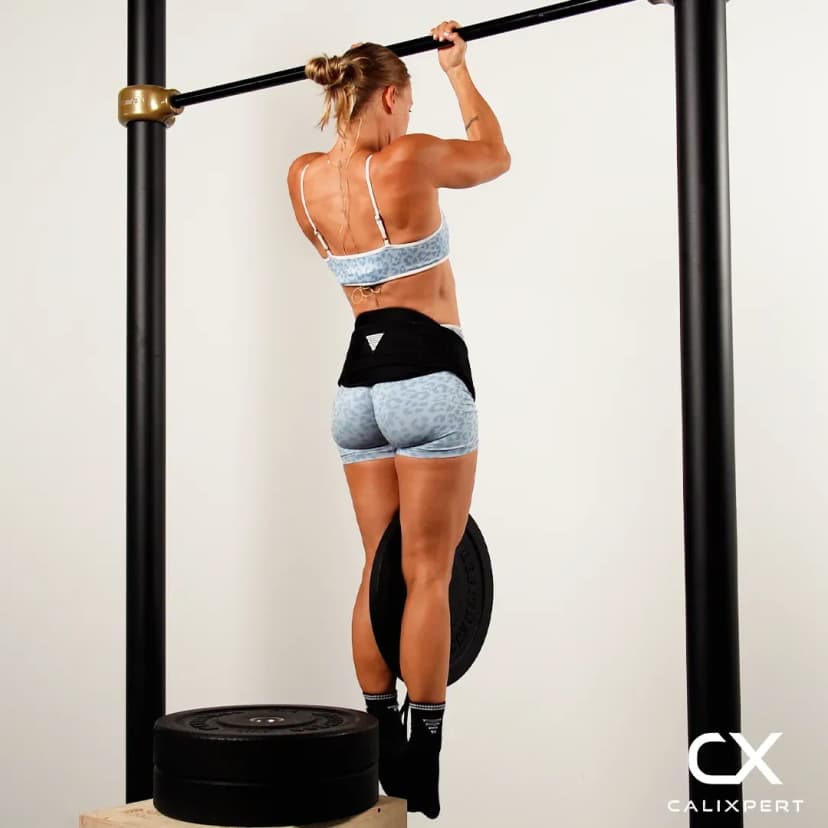
Wide Pull Ups
Wide pull-ups are a lat-dominant vertical pulling variation that uses a grip wider than shoulder width to shift emphasis onto the outer lats, rear deltoids, and upper back. The wider hand placement shortens the range of motion at the top but demands significantly more scapular control and lat engagement than a standard-width pull-up. Mastering wide pull-ups builds the back width and V-taper that directly transfers to advanced calisthenics pulling skills like muscle-ups and front levers.
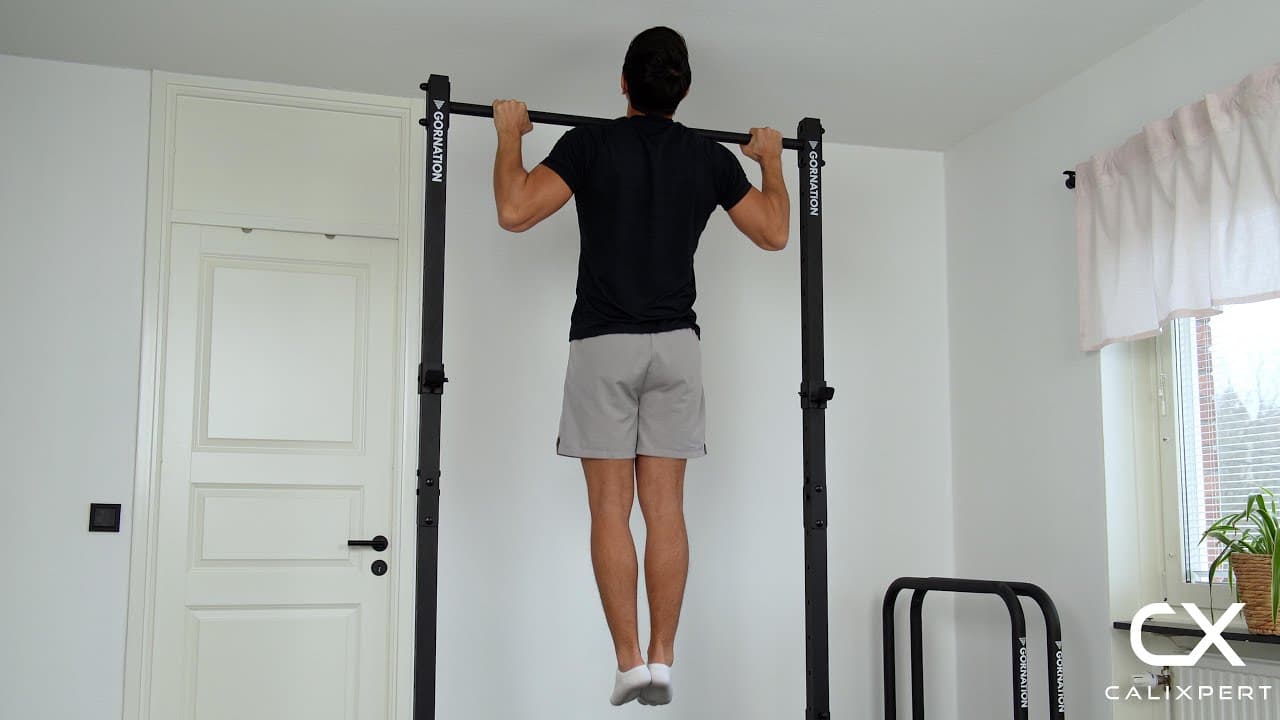
Wide pull-ups are a lat-dominant vertical pulling variation that uses a grip wider than shoulder width to shift emphasis onto the outer lats, rear deltoids, and upper back. The wider hand placement shortens the range of motion at the top but demands significantly more scapular control and lat engagement than a standard-width pull-up. Mastering wide pull-ups builds the back width and V-taper that directly transfers to advanced calisthenics pulling skills like muscle-ups and front levers.
How to Do Wide Pull Ups
1. Set Your Wide Grip
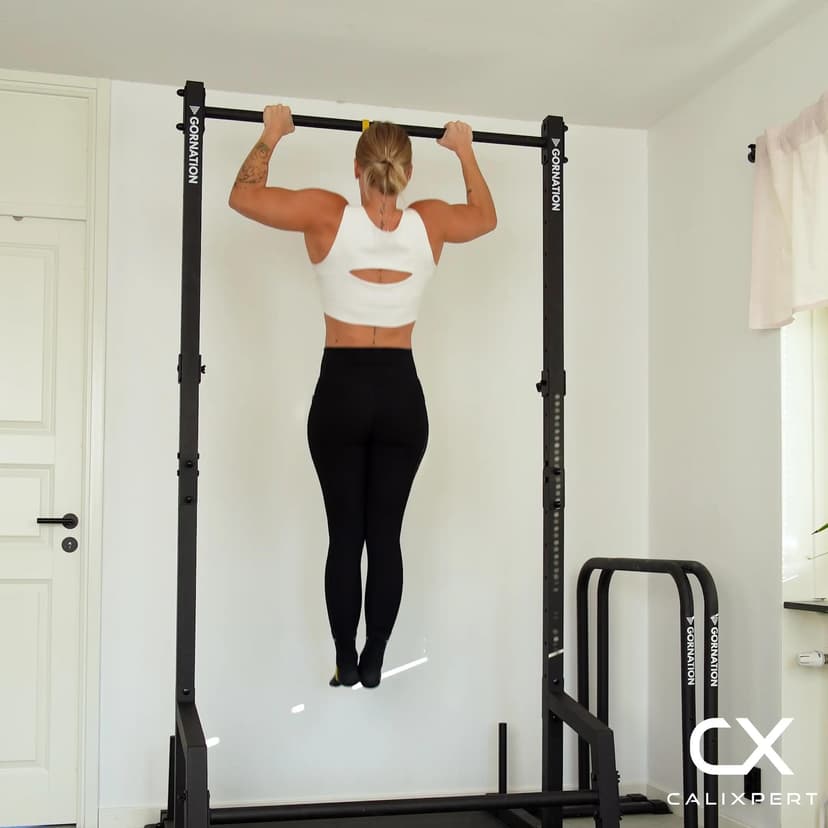
Grab a straight bar with your hands placed roughly 1.5 times shoulder width apart, palms facing away from you. Point your knuckles toward the ceiling and wrap your thumbs fully around the bar. This knuckle-up position tensions the forearms more effectively and allows you to transfer more pulling force into the back. Start with a moderately wide grip and gradually work wider over weeks as your shoulders adapt.
Knuckles to the ceiling, thumbs around
2. Set a Neutral Body Position
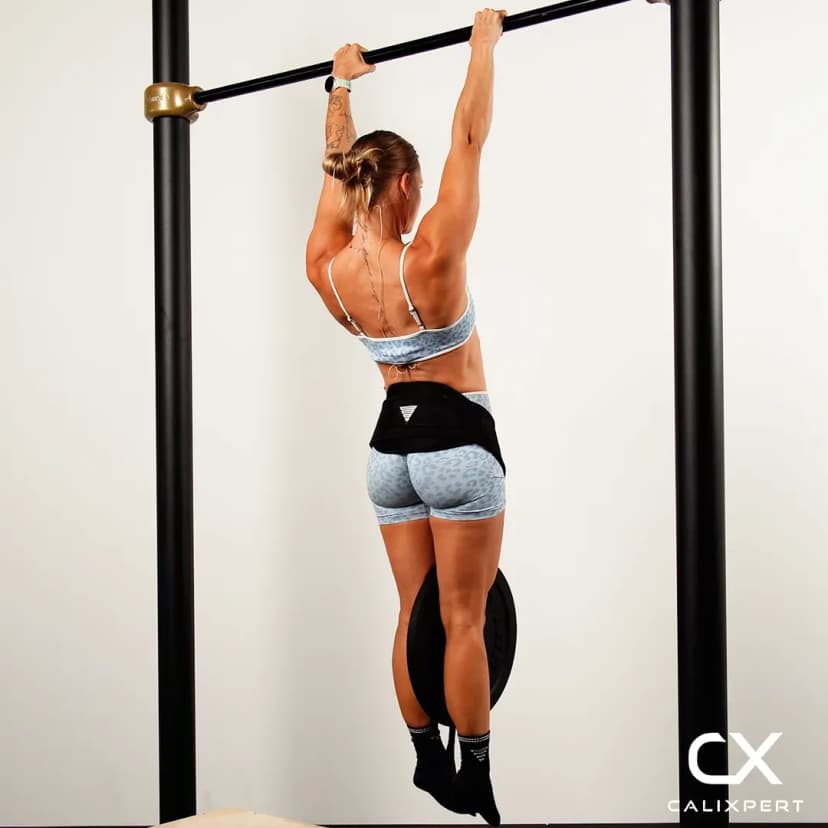
Hang from the bar with arms fully extended and tension your entire body from core through legs. Unlike a standard pull-up where a hollow body is common, wide pull-ups work best from a neutral, braced position. Keep your ribs down, glutes tight, and legs straight without crossing them. This full-body tension prevents swinging and keeps the pulling force directed straight up.
Brace everything, stay neutral
3. Initiate With the Scapula
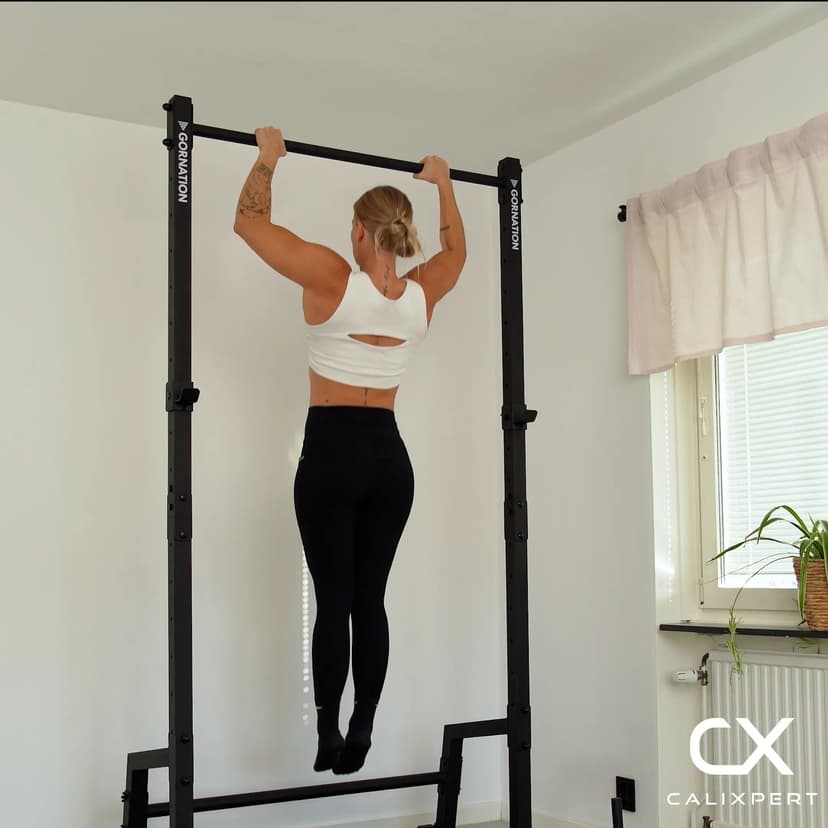
Before bending your elbows, depress your shoulder blades by pulling them down and slightly together. This scapular set activates the lower traps and lats before the arms get involved. Skipping this step shifts the load to the biceps and places the shoulder joint in a weaker position under the wide grip.
Shoulders down before elbows bend
4. Pull Elbows Straight Down
Drive your elbows directly downward toward the floor, not forward or backward. This straight-down elbow path is the key difference from a standard pull-up, where the elbows travel slightly forward then back. Keeping the elbows in a direct downward line maximizes lat engagement and forces the outer back to do the work. Maintain a slight arch in the upper back as you ascend.
Elbows straight down, not back
5. Squeeze Lats at the Top
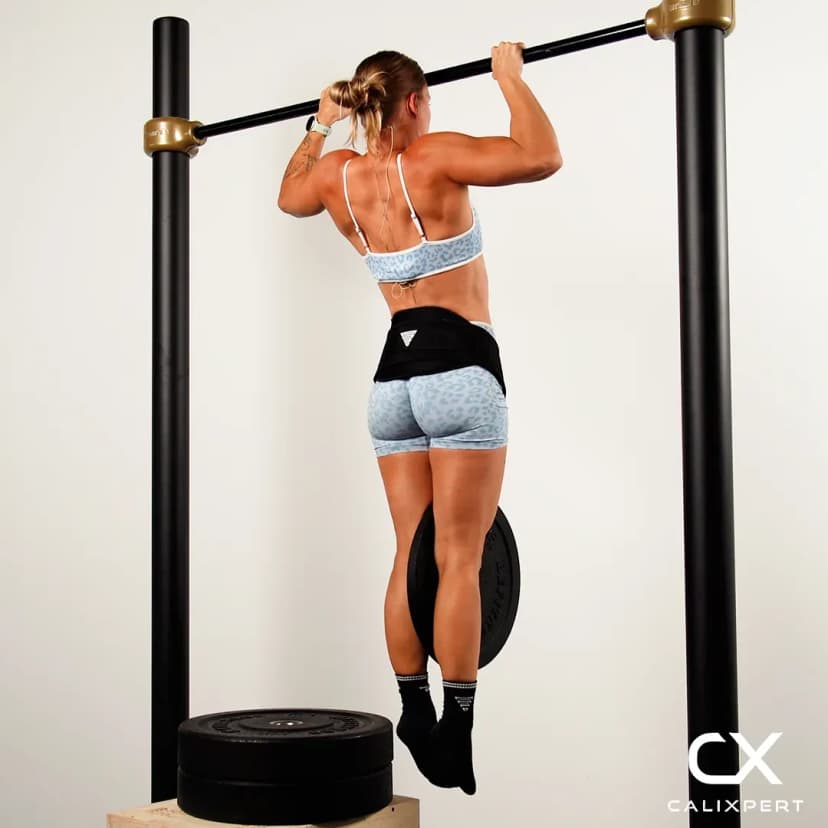
Continue pulling until your chin clears the bar. At the top, actively squeeze your shoulder blades together and lift your chest slightly toward the bar. Your chin should clear as a result of full pulling effort, not by craning your neck forward. Hold the top position for a brief moment to reinforce the lat contraction.
Chest to bar, chin over naturally
6. Lower Under Full Control
Slowly extend your arms on the descent, resisting gravity through the entire range. Lower until your arms are fully straight and your scapula returns to a neutral hanging position. Aim for a 3-second descent to build eccentric strength and protect the shoulder joint under the wider grip. Re-set your scapula at the bottom before initiating the next rep.
3-second descent, full extension
Most people grab as wide as possible and wonder why their reps feel weak and their shoulders hurt. The trick is to start only slightly wider than your normal pull-up grip and earn the width over time. Your knuckles should point straight up, your body stays neutral and braced, and the elbows pull straight down, not backward. When you get those three things right, you will feel the outer lats light up in a way no other pull-up variation can match.
Muscles Worked During Wide Pull Ups
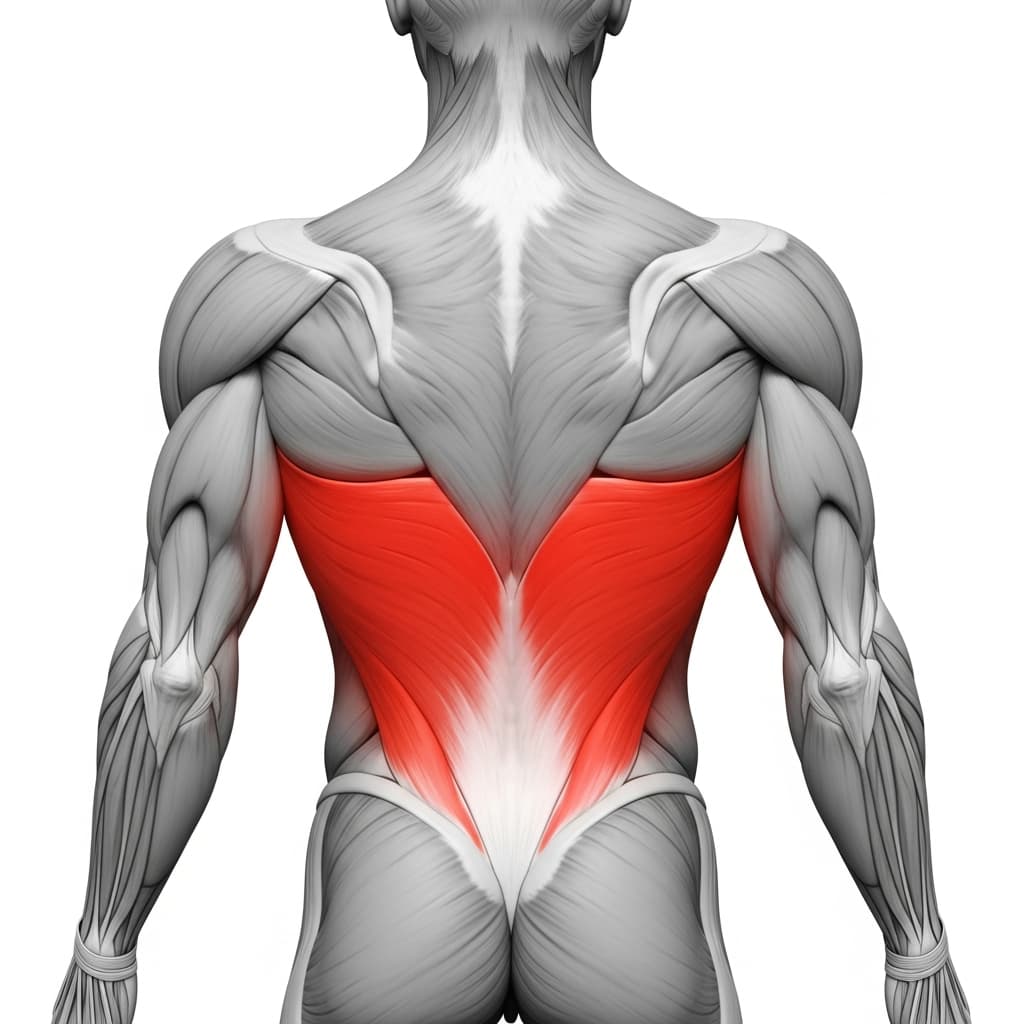
Primary Muscles:
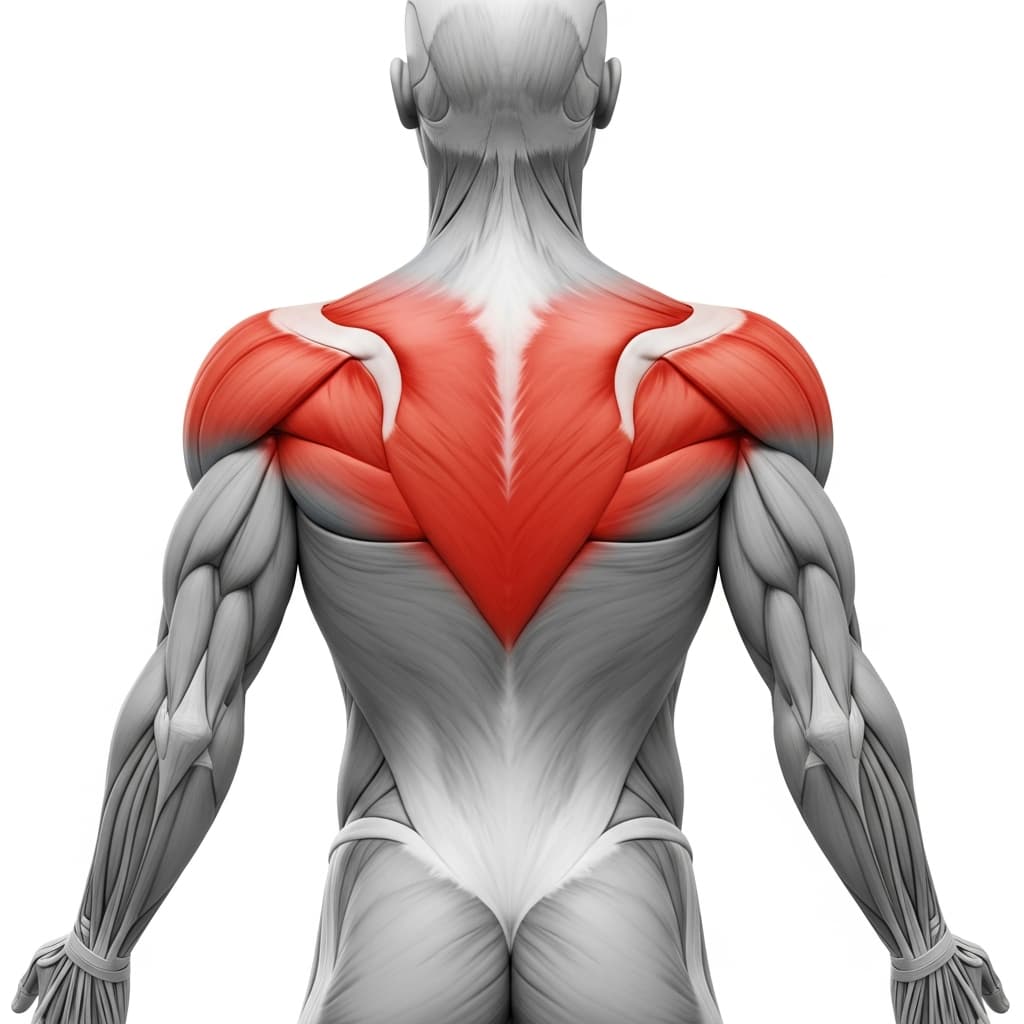
Secondary Muscles:
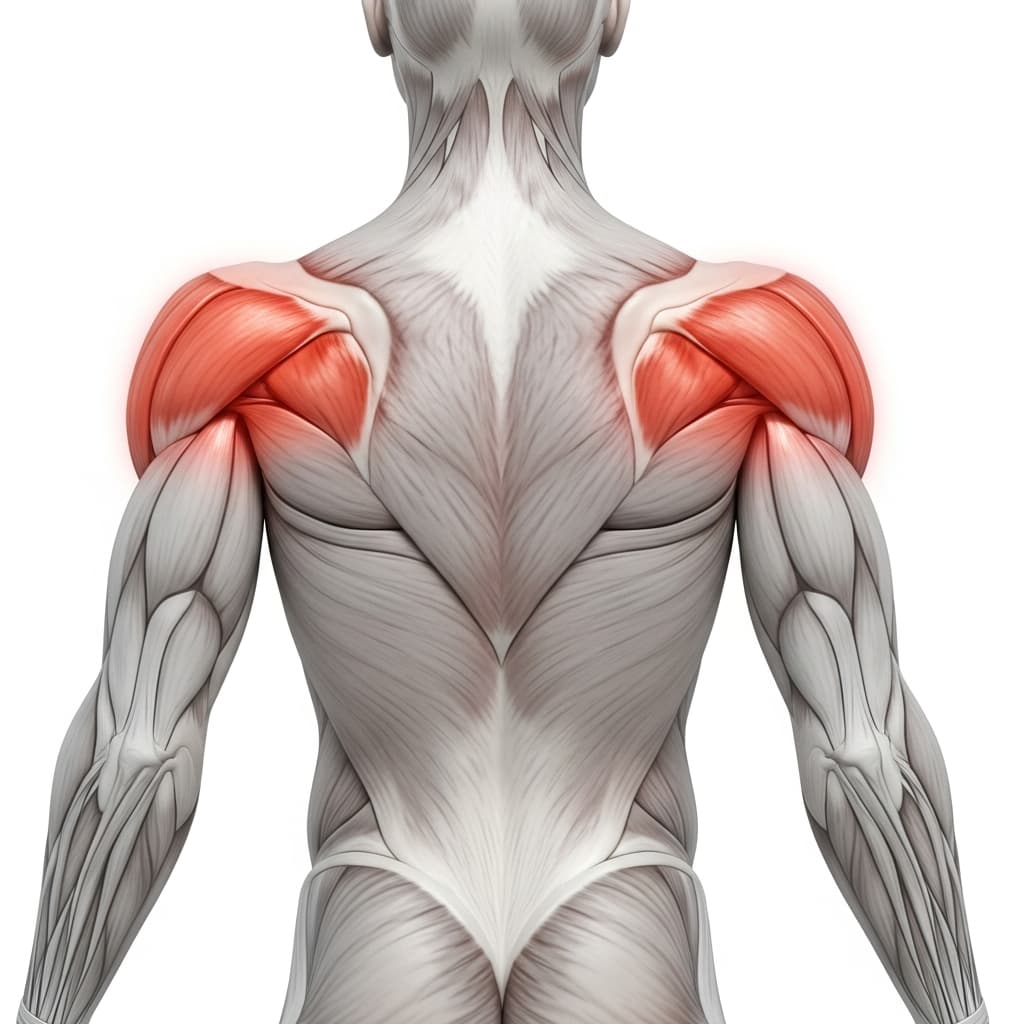
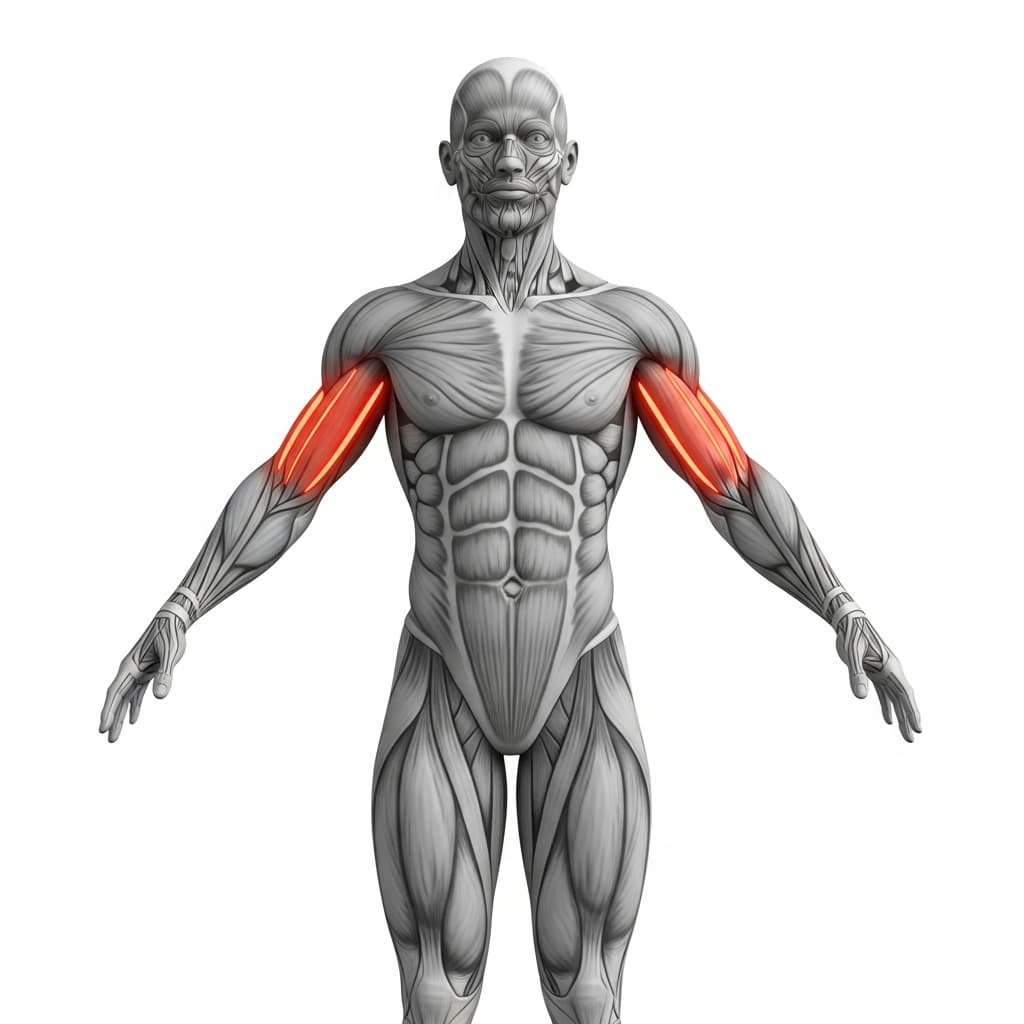
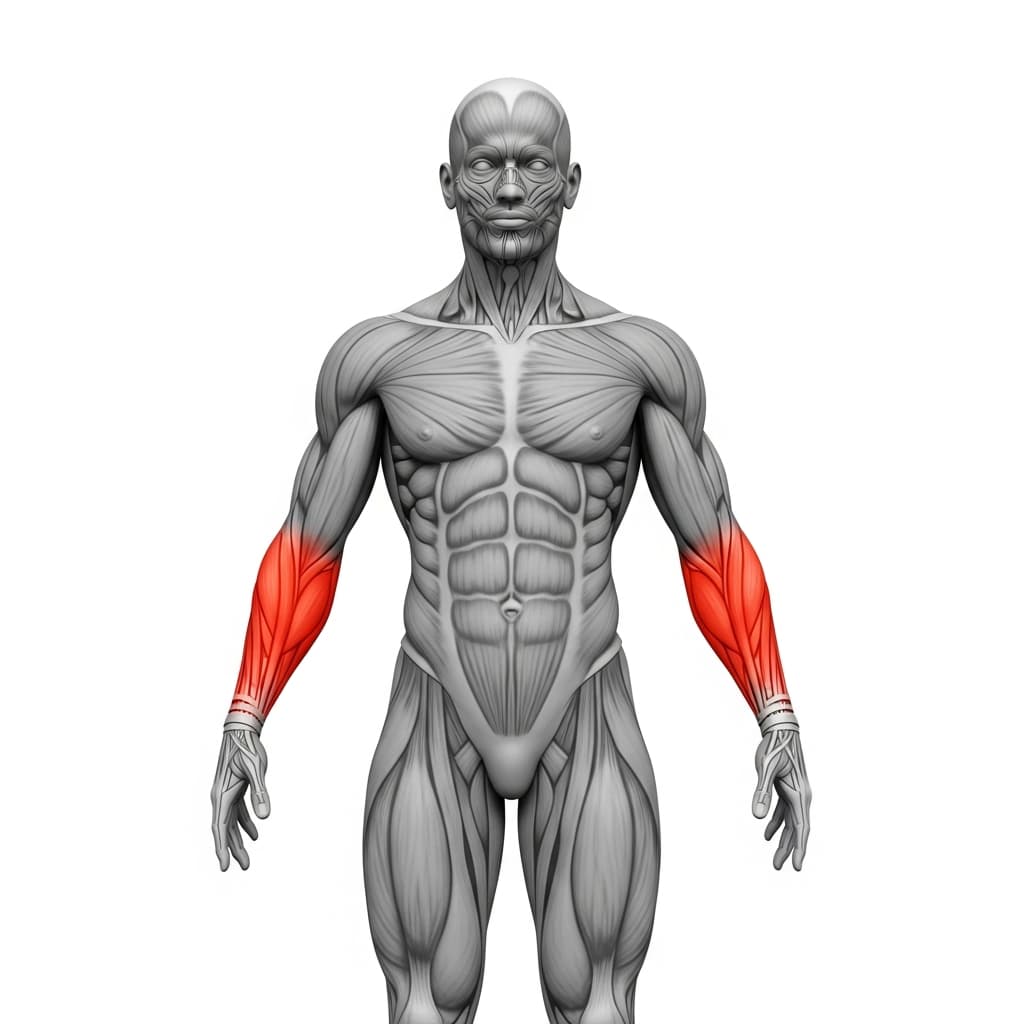
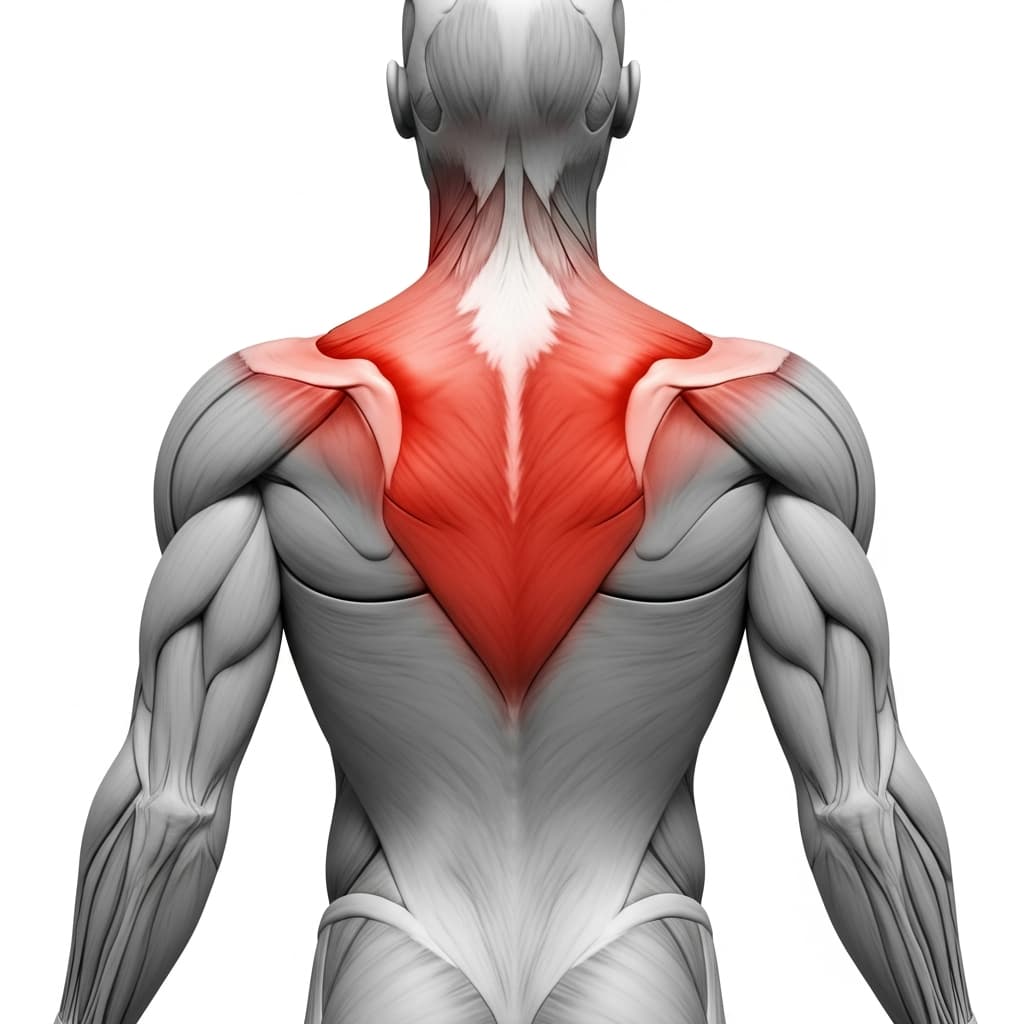
Primary Muscles
Latissimus Dorsi (Lats) - The lats perform shoulder adduction against bodyweight, pulling the upper arms from an overhead extended position downward, with the wide grip placing peak tension on the outer fibers responsible for back width.
Secondary Muscles
Rhomboids & Upper Trapezius (Upper Back) - The rhomboids and mid-traps retract the scapulae at the top of each rep, completing the pulling range of motion and stabilizing the shoulder blades against the wider grip angle.
Posterior Deltoid (Rear Deltoid) - The posterior deltoid assists in shoulder extension and horizontal abduction during the pull, working harder than in a standard pull-up due to the wider arm angle.
Biceps Brachii (Biceps) - The biceps flex the elbow during the pulling phase, though the wide pronated grip reduces their mechanical advantage compared to a chin-up or standard-width pull-up.
Forearm Flexors & Extensors (Forearms) - The forearm flexors maintain grip on the bar throughout each rep, with the wider hand spacing and knuckle-up position increasing the demand on wrist and finger flexor endurance.
Trapezius (Trapezius) - The lower and middle trapezius fibers depress and stabilize the scapulae during the scapular initiation phase and throughout the entire pulling movement.
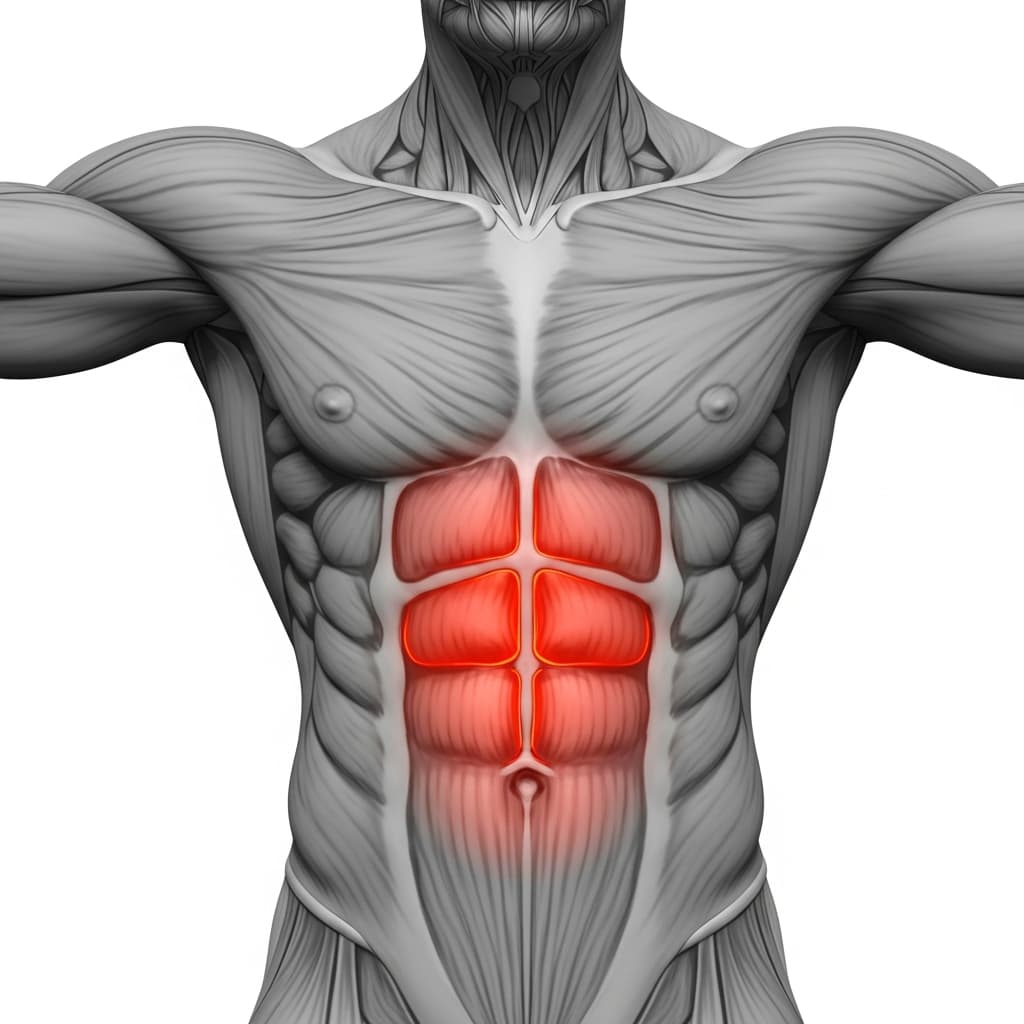
Rectus Abdominis (Abs) - The rectus abdominis and deep core stabilizers maintain a rigid, neutral torso position, preventing the body from swinging or arching excessively under the wide grip.
Benefits of Wide Pull Ups
- Builds outer lat width and the V-taper silhouette that standard pull-ups alone cannot fully develop
- Strengthens the scapular depressors and lower traps, which are critical stabilizers for muscle-ups, front levers, and all overhead pressing
- Develops grip strength and forearm endurance under a mechanically disadvantaged hand position, building transferable hanging capacity
- Increases shoulder stability and mobility through a wider range of horizontal abduction under load
Who Is This Exercise For?
You should be able to perform at least 5 clean standard pull-ups with full range of motion and controlled scapular movement before attempting wide pull-ups. If your shoulders feel pinched or unstable during a standard dead hang with a wide grip, work on shoulder mobility and scapular pull-ups at that width first. Grip endurance matters here more than in regular pull-ups, so a solid 20-second dead hang at wide width is the minimum baseline.
Common Mistakes to Avoid
Starting too wide: Begin with a grip only slightly wider than your standard pull-up width and increase gradually over weeks. Going extremely wide on day one limits your range of motion and places excessive stress on the shoulder capsule before the stabilizers have adapted.
Pulling elbows backward instead of down: In a wide pull-up, the elbows must travel straight down toward the floor. When you pull them backward like a standard pull-up, the upper back and traps take over and the outer lats disengage from the movement.
Skipping scapular initiation: Depress and slightly retract your shoulder blades before bending the elbows on every rep. Without this step, the biceps absorb most of the load and the shoulder joint sits in a vulnerable position under the wide grip.
Using a neutral or underhand grip: Wide pull-ups require a pronated grip with knuckles pointing to the ceiling. Turning the palms inward shifts the exercise into a different movement pattern and removes the lat-width emphasis that makes wide pull-ups valuable.
Craning the neck to clear the bar: Your chin should pass the bar as a result of pulling strength, not by jutting your head forward. If you cannot get your chin over without neck movement, the set is done, and you should lower with control.