

Biceps Exercises
Biceps Brachii
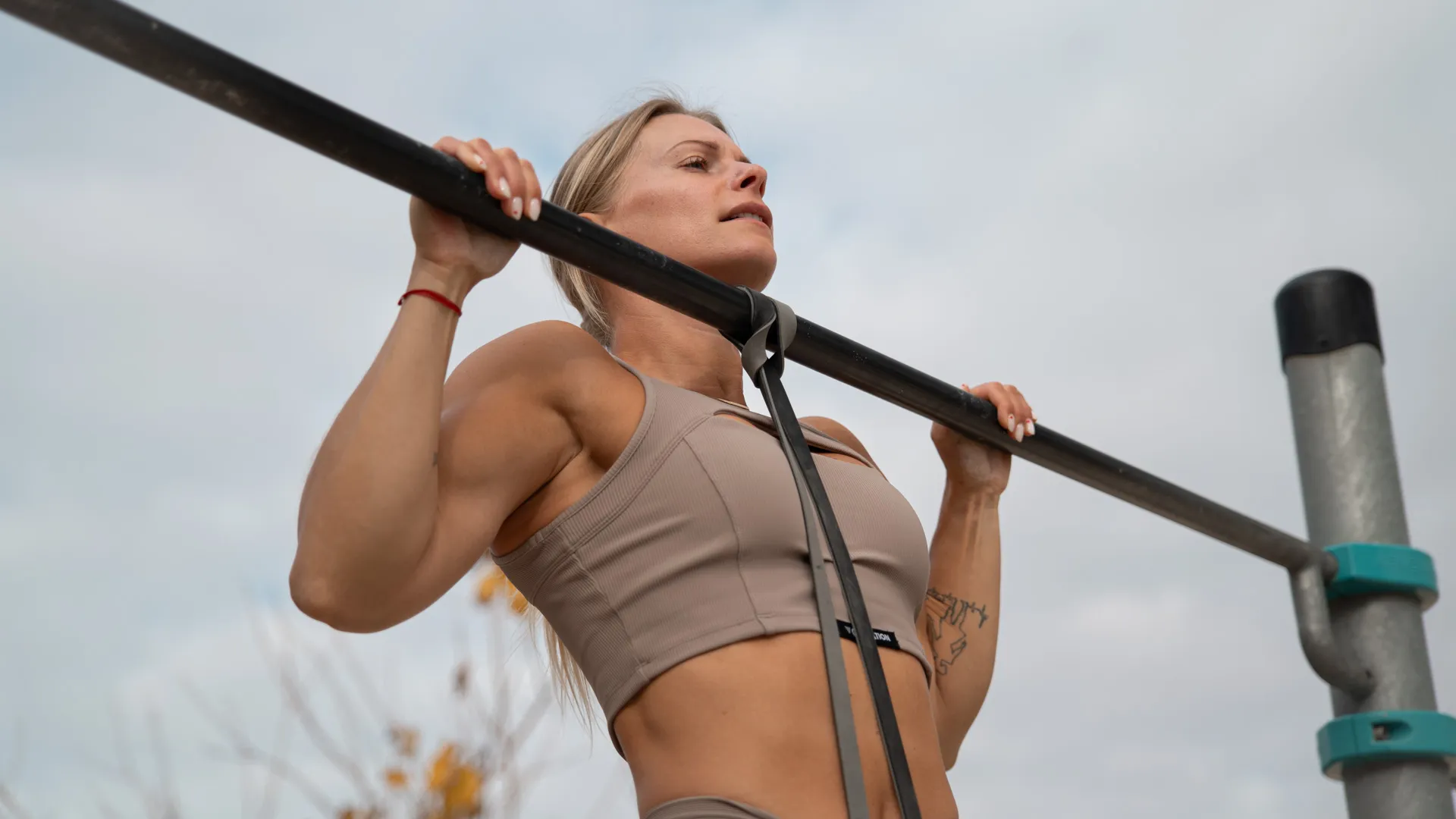
All Biceps Exercises (70)
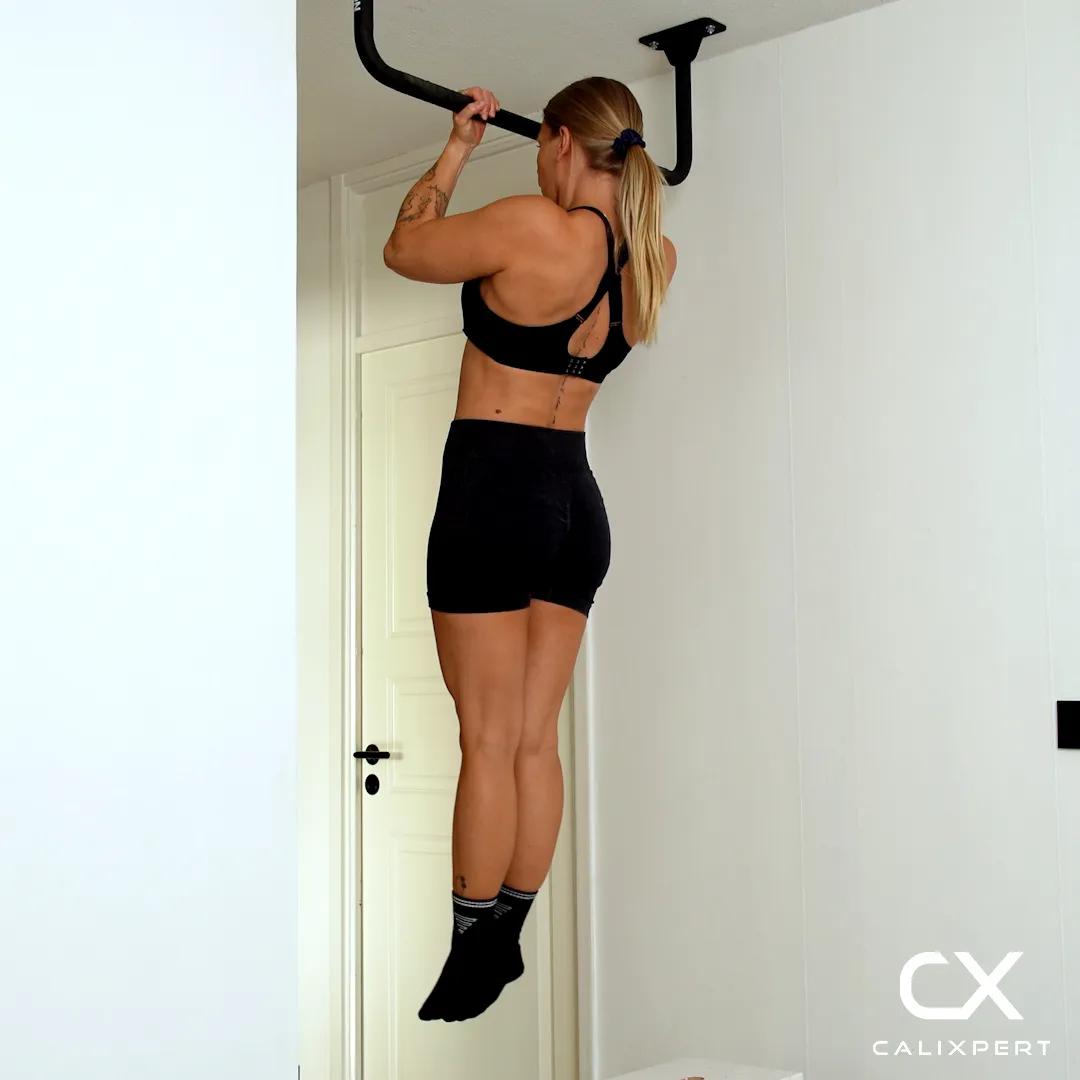
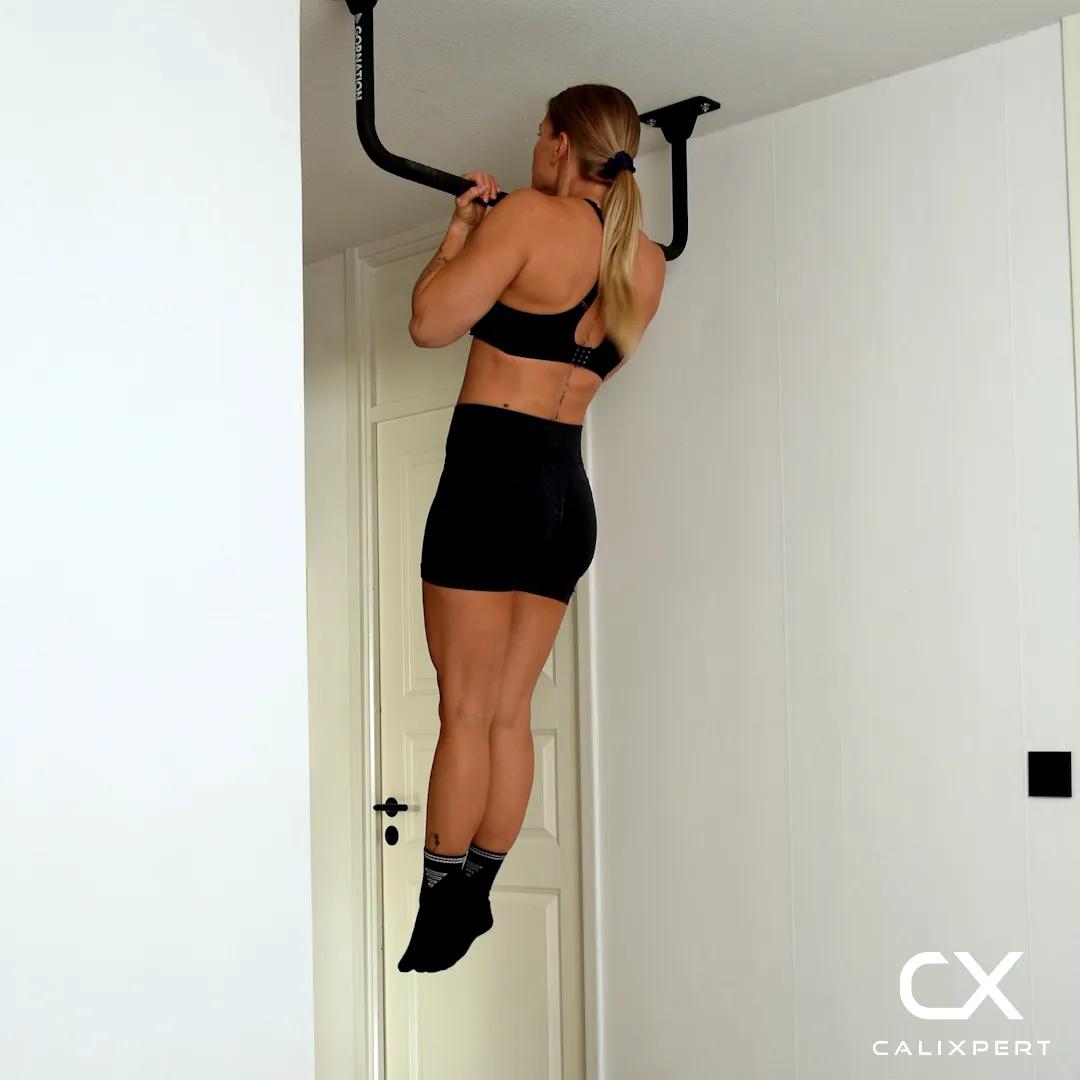
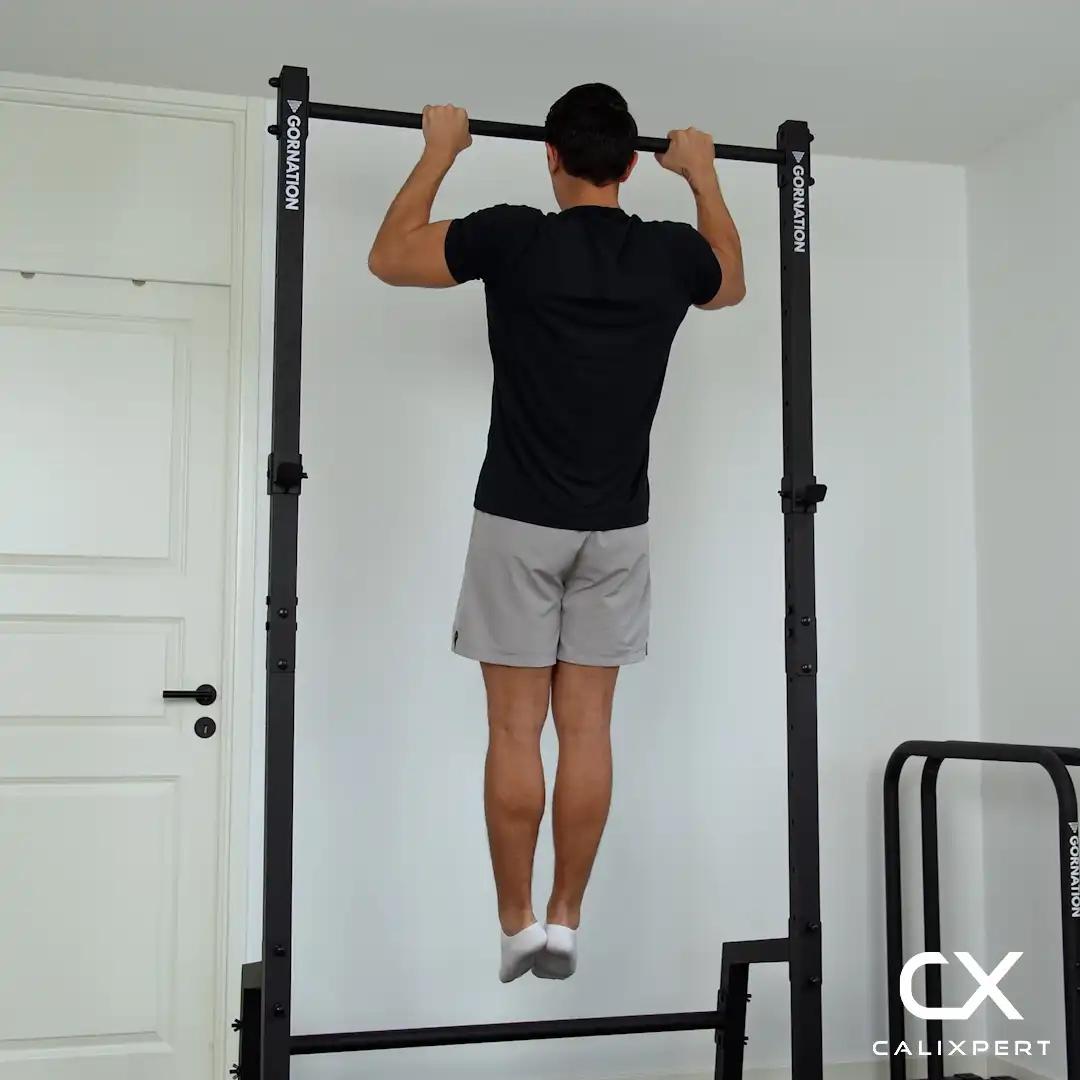
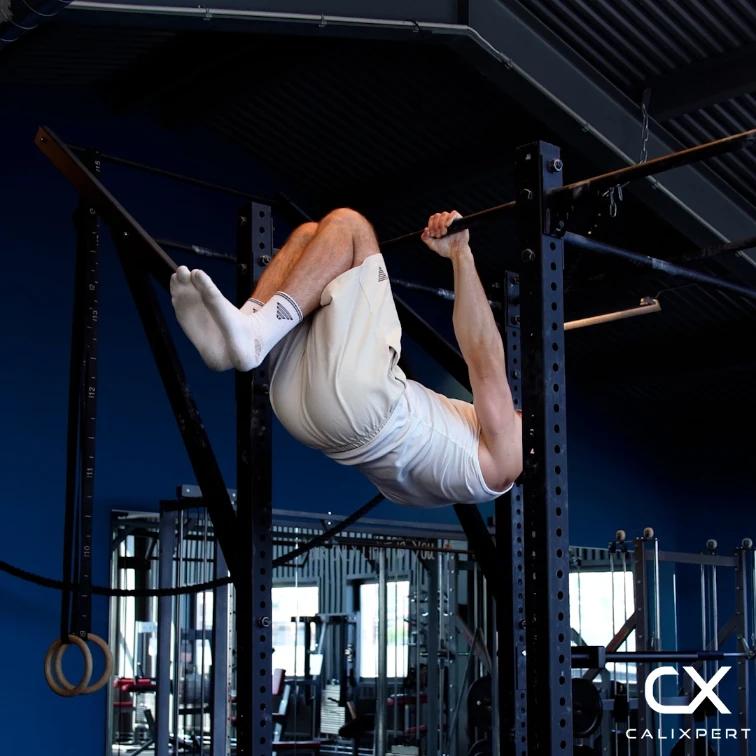
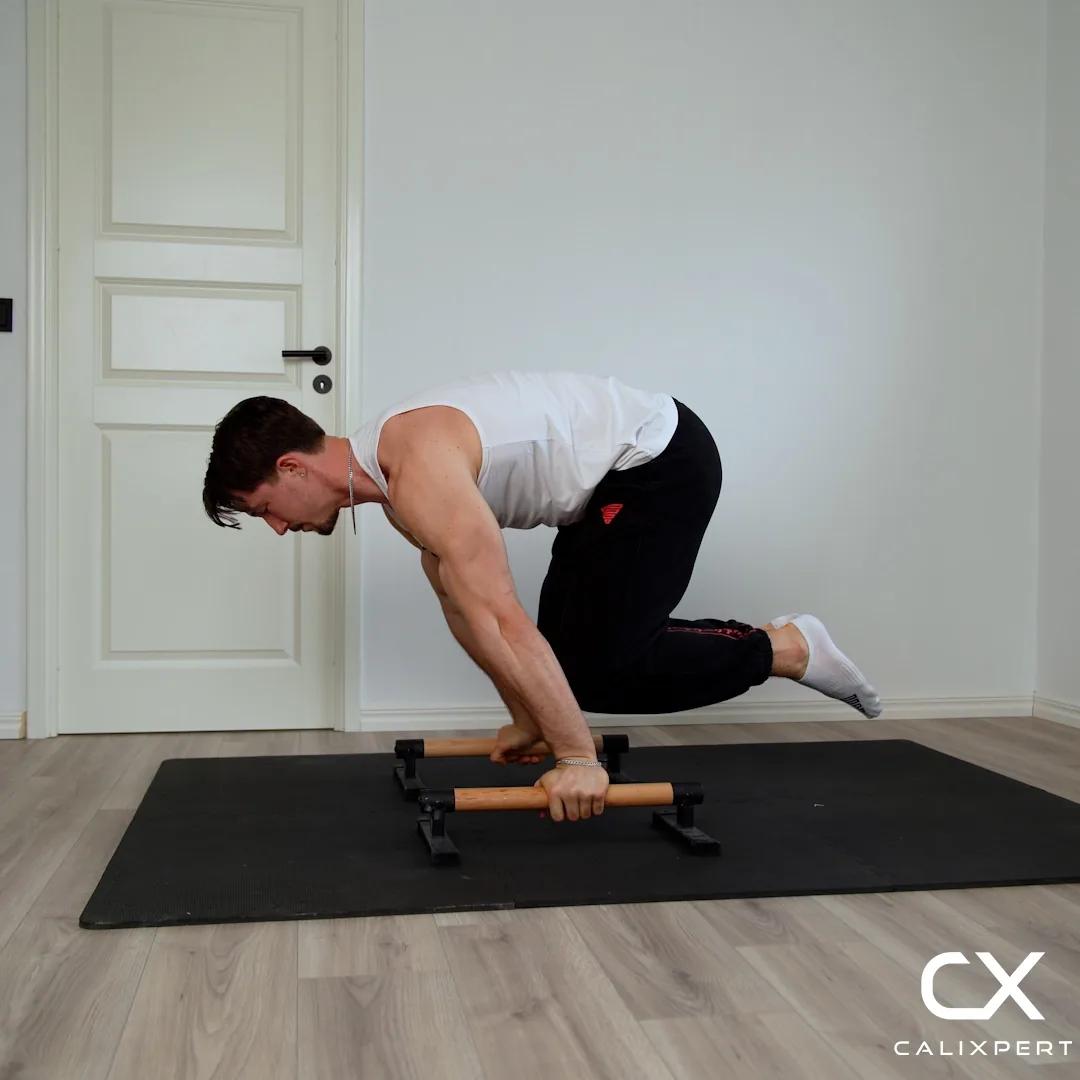
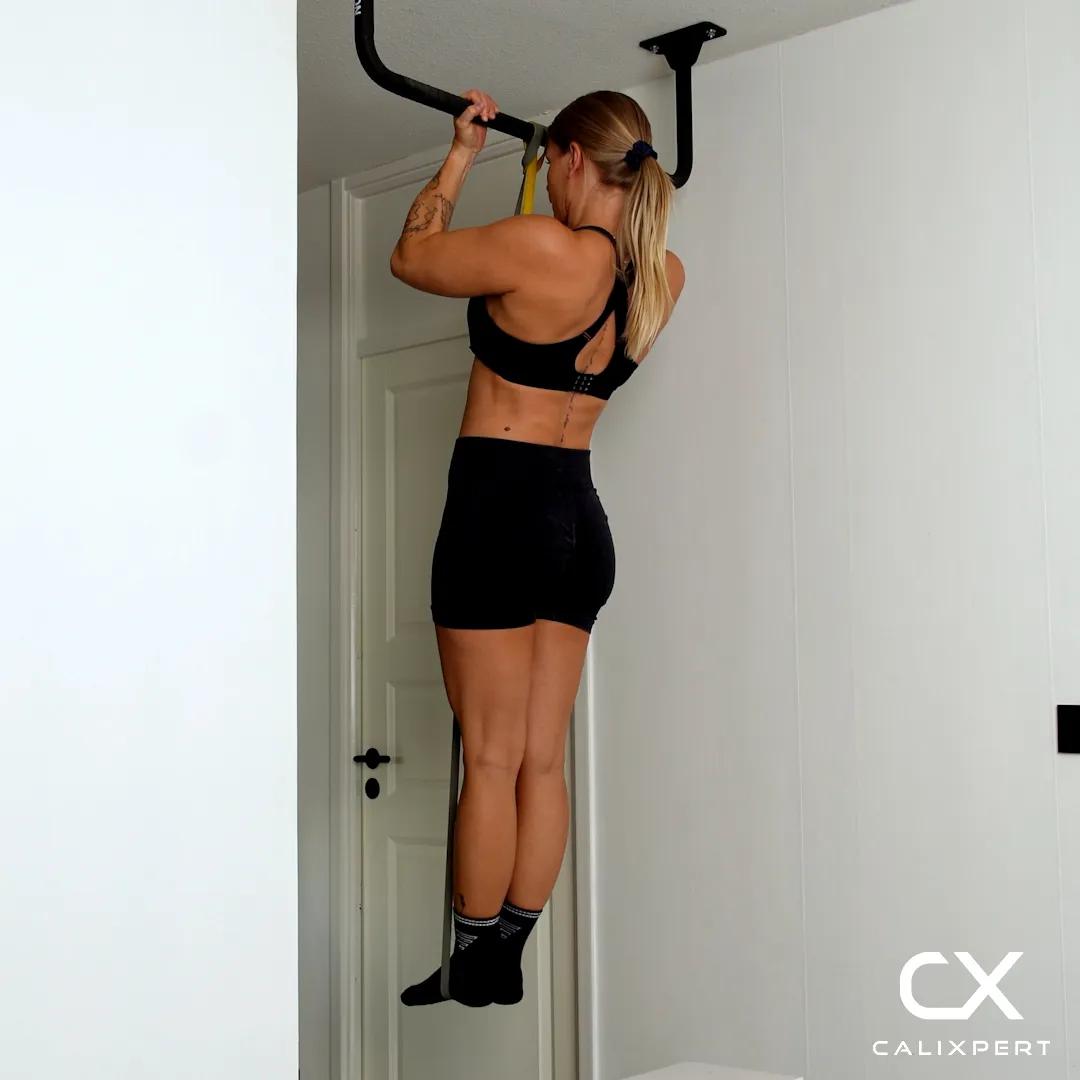
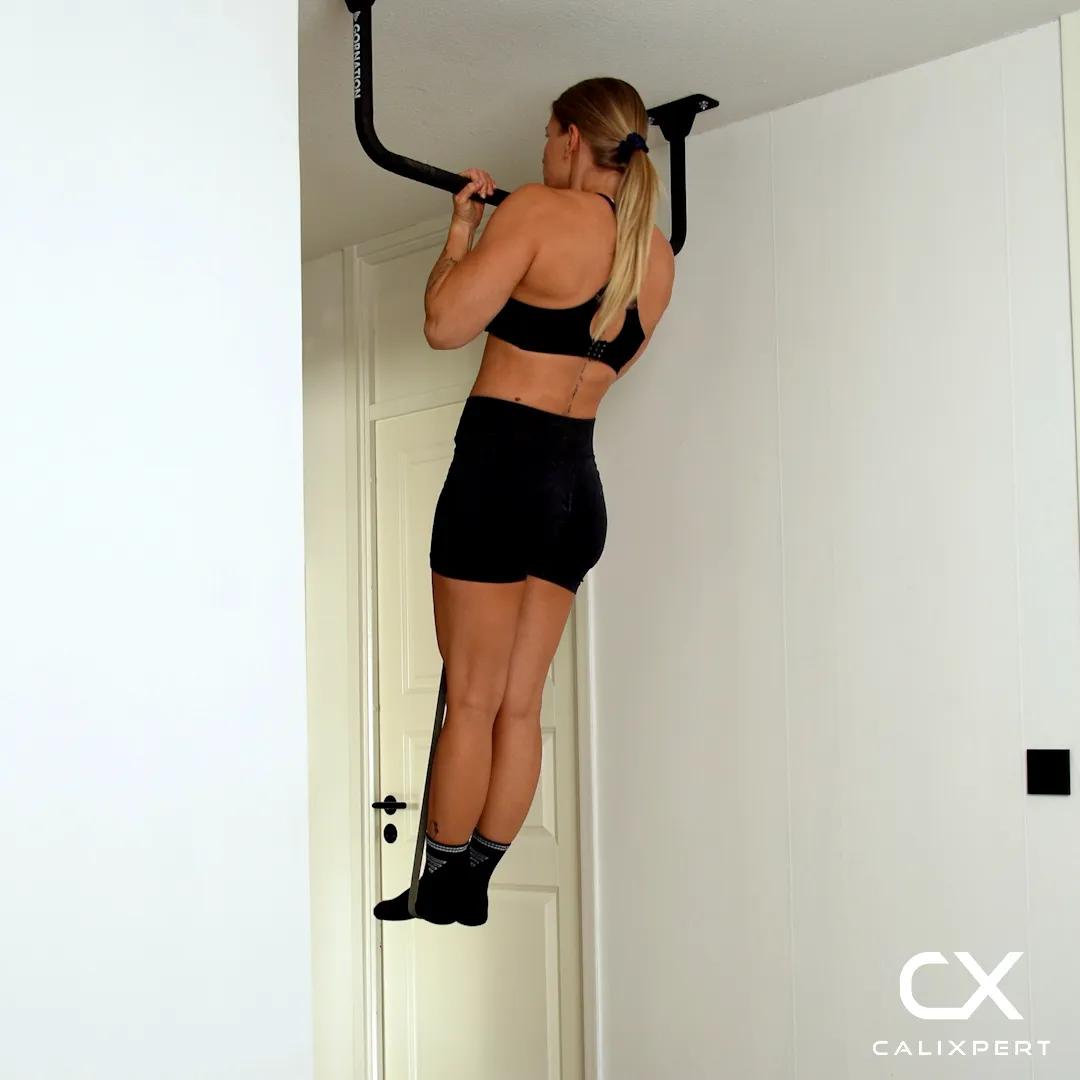
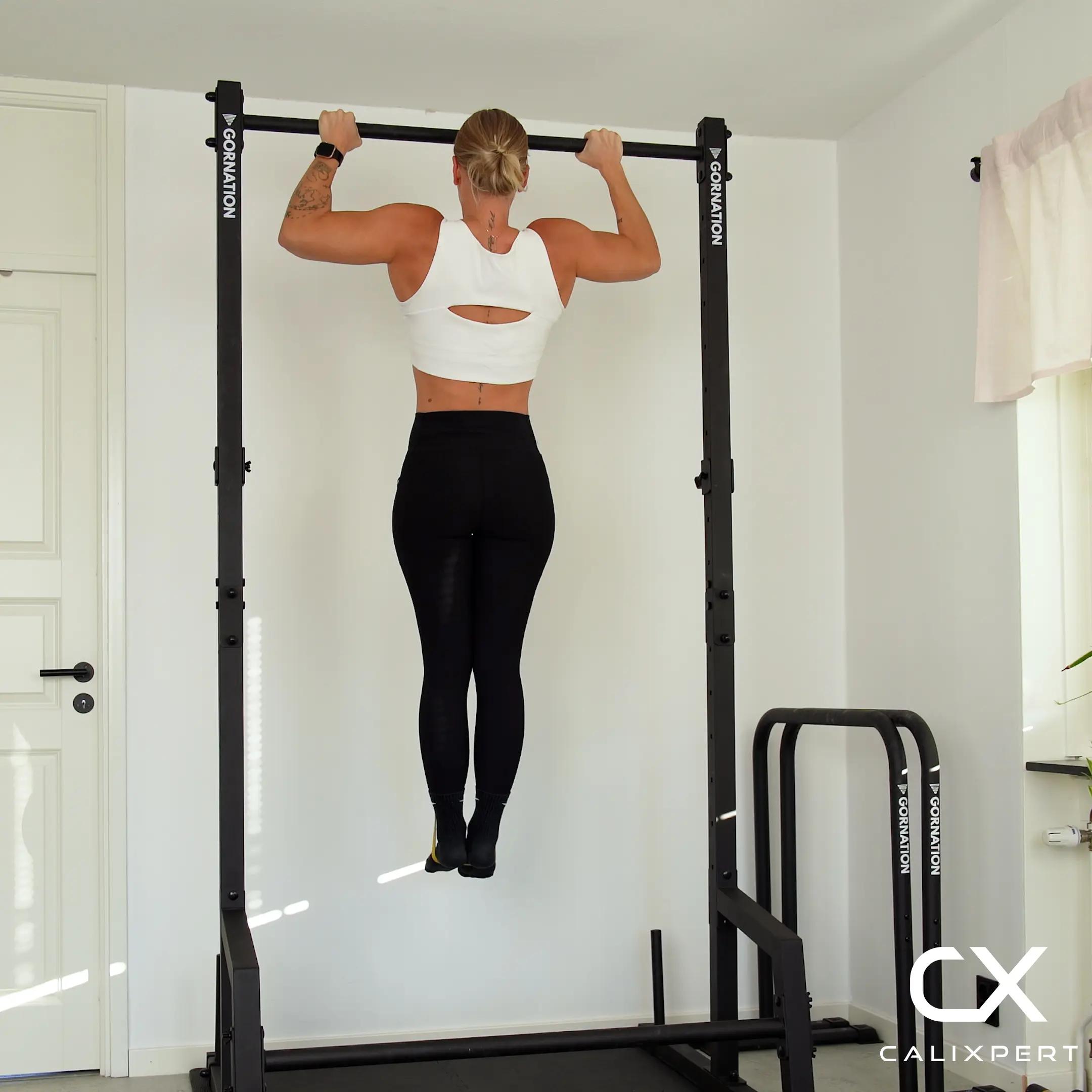
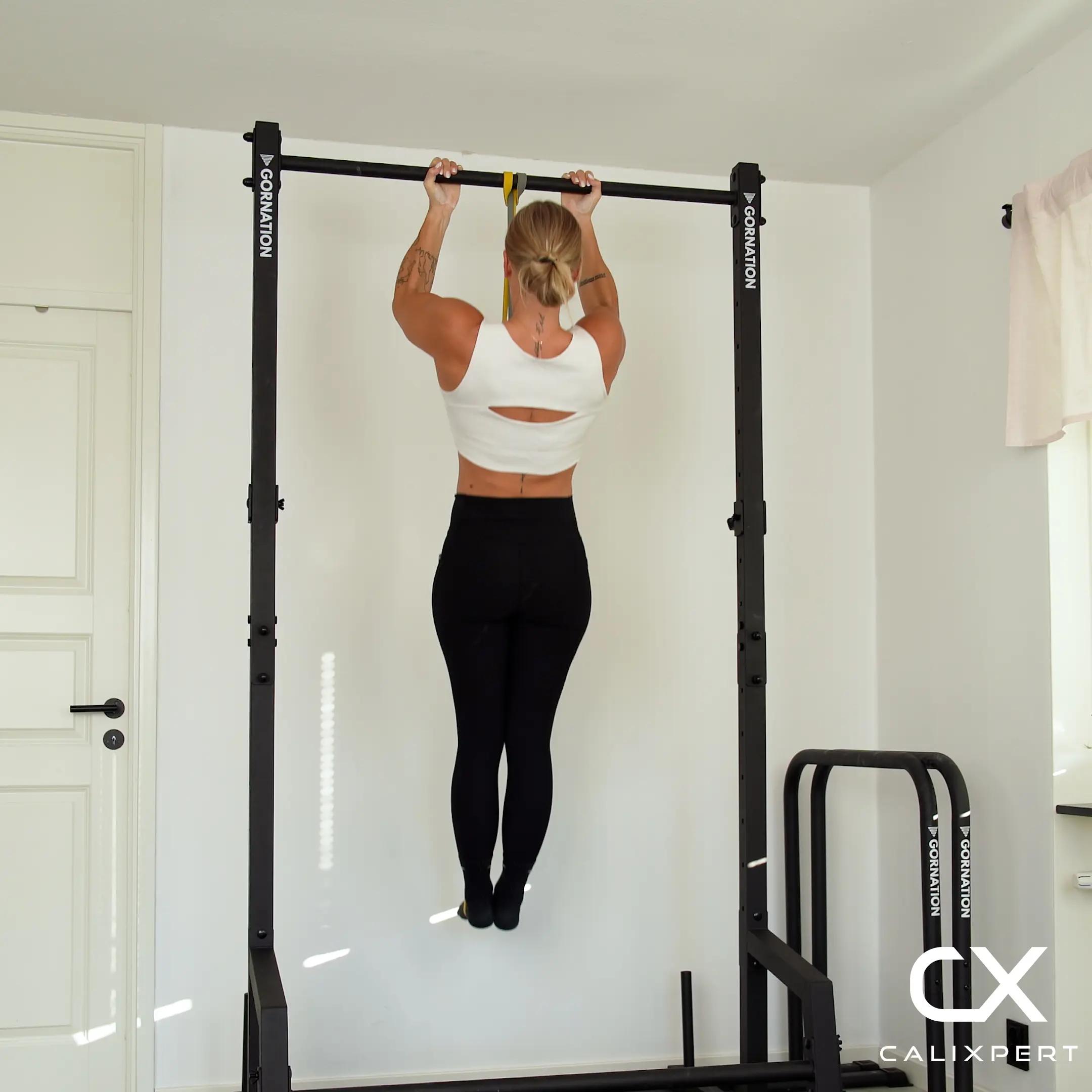
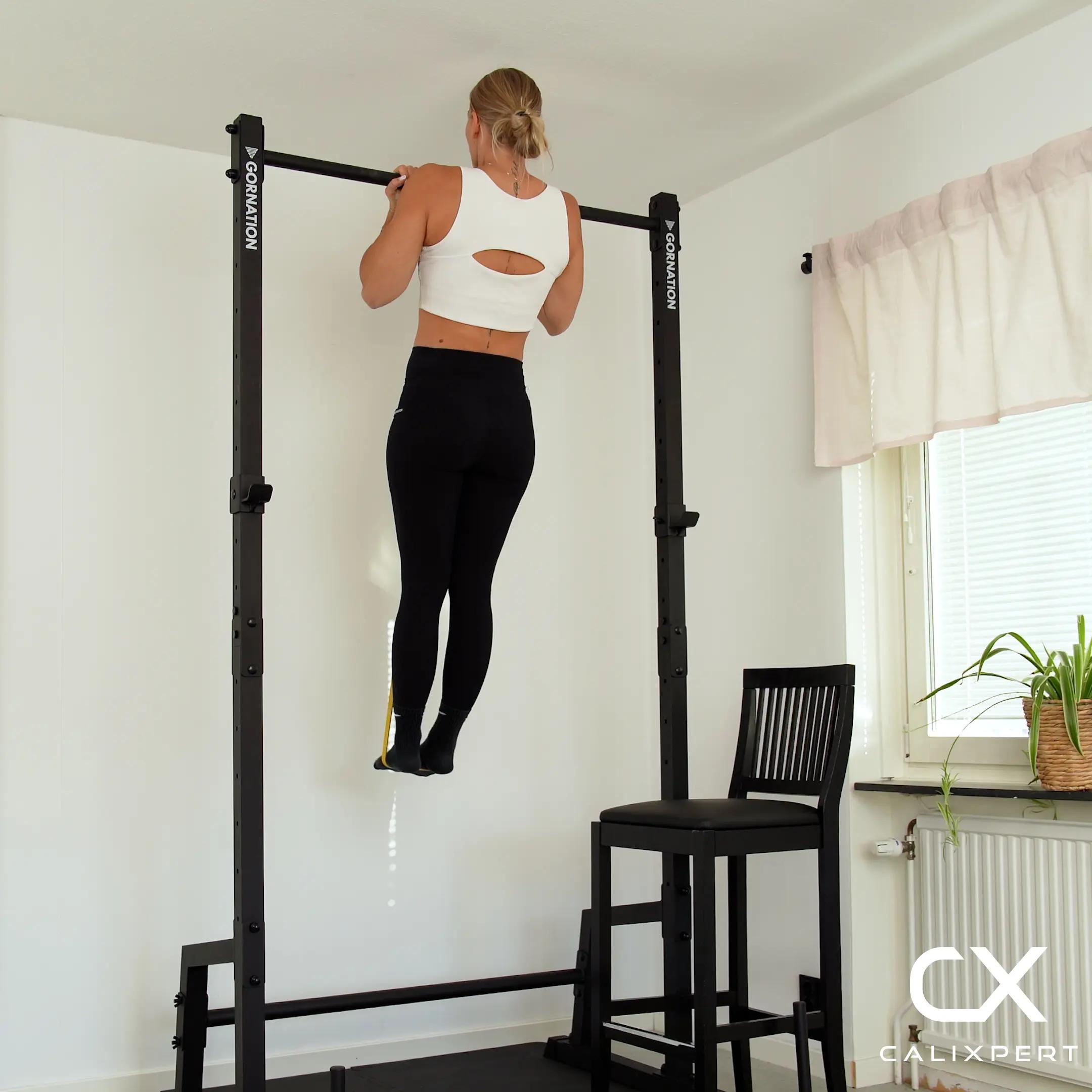

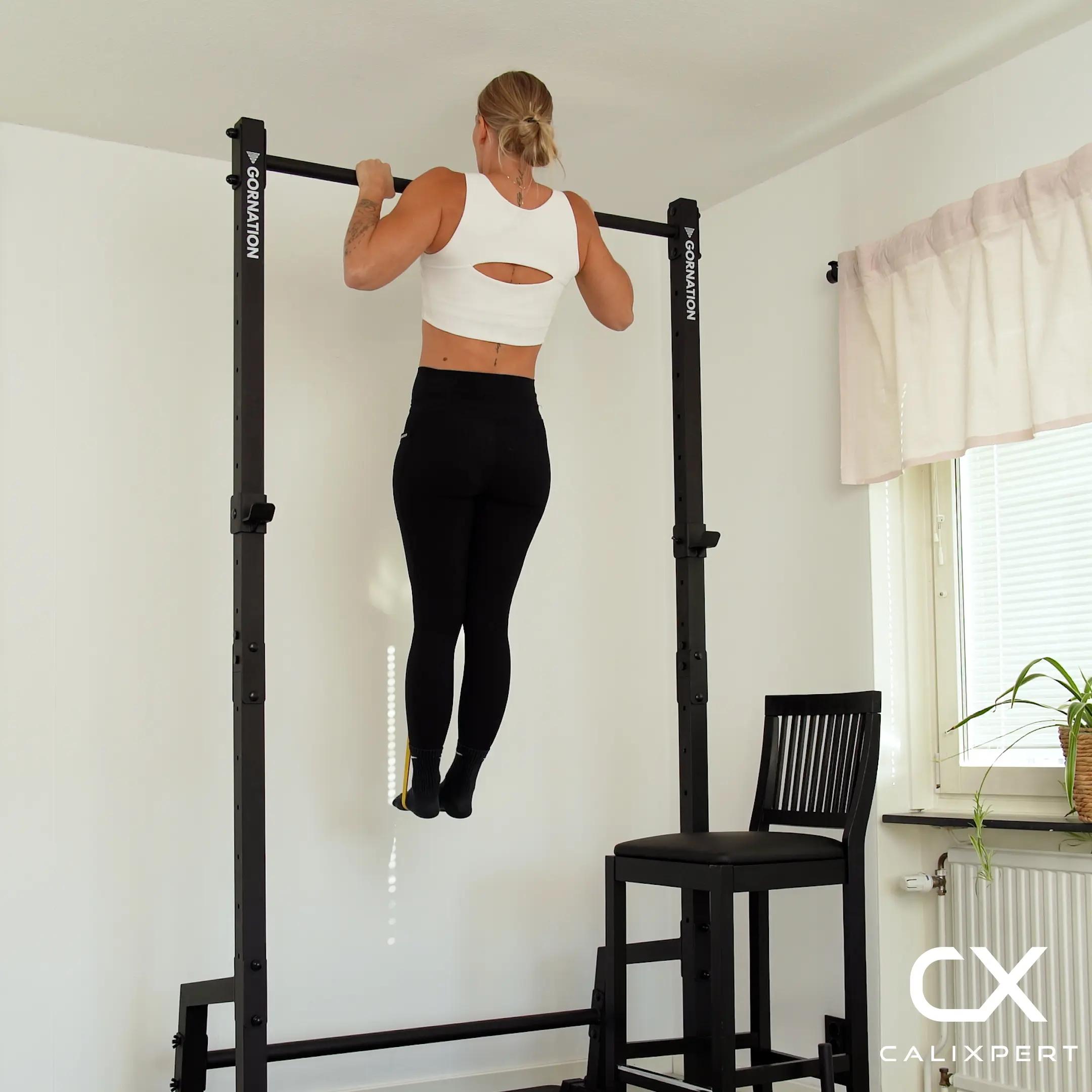
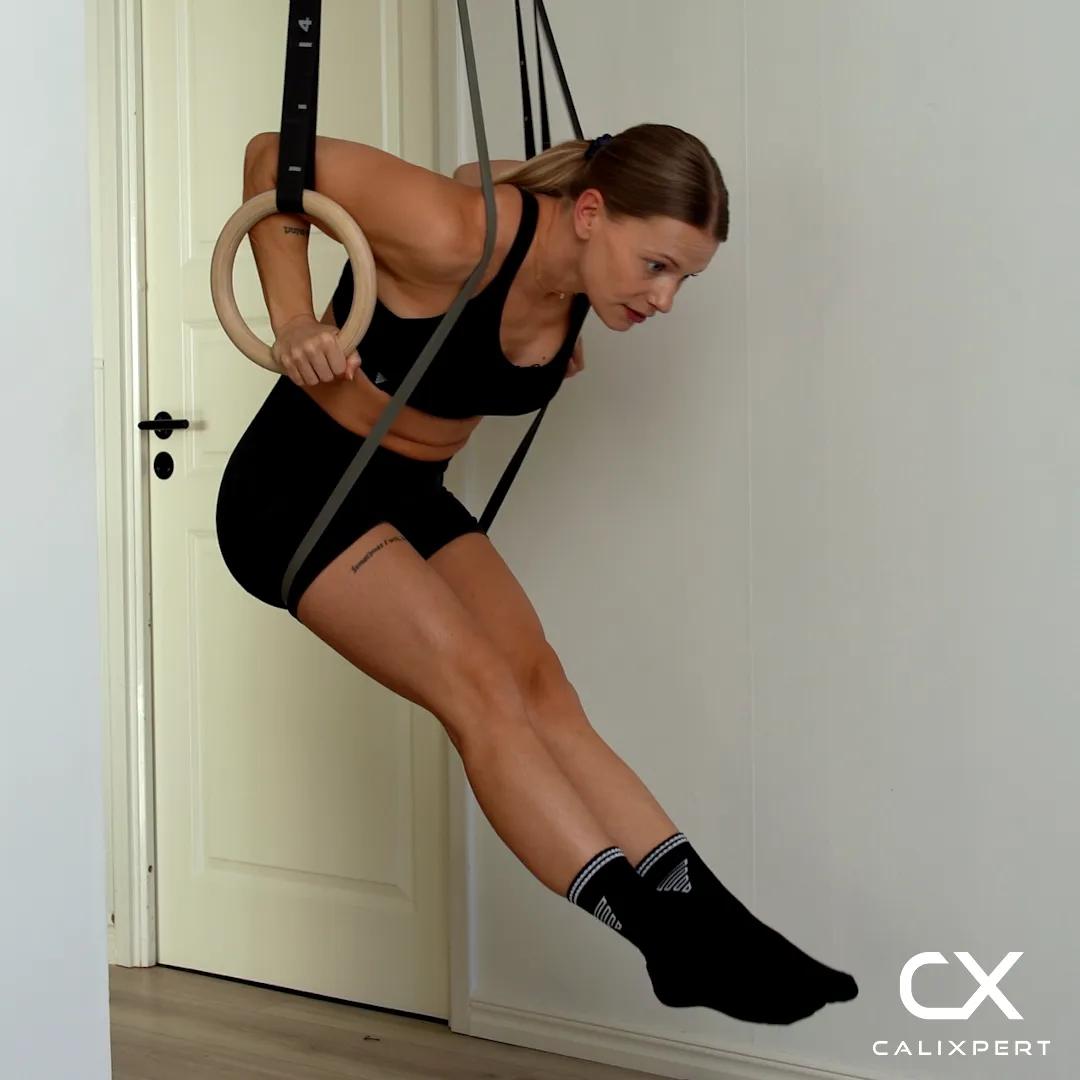
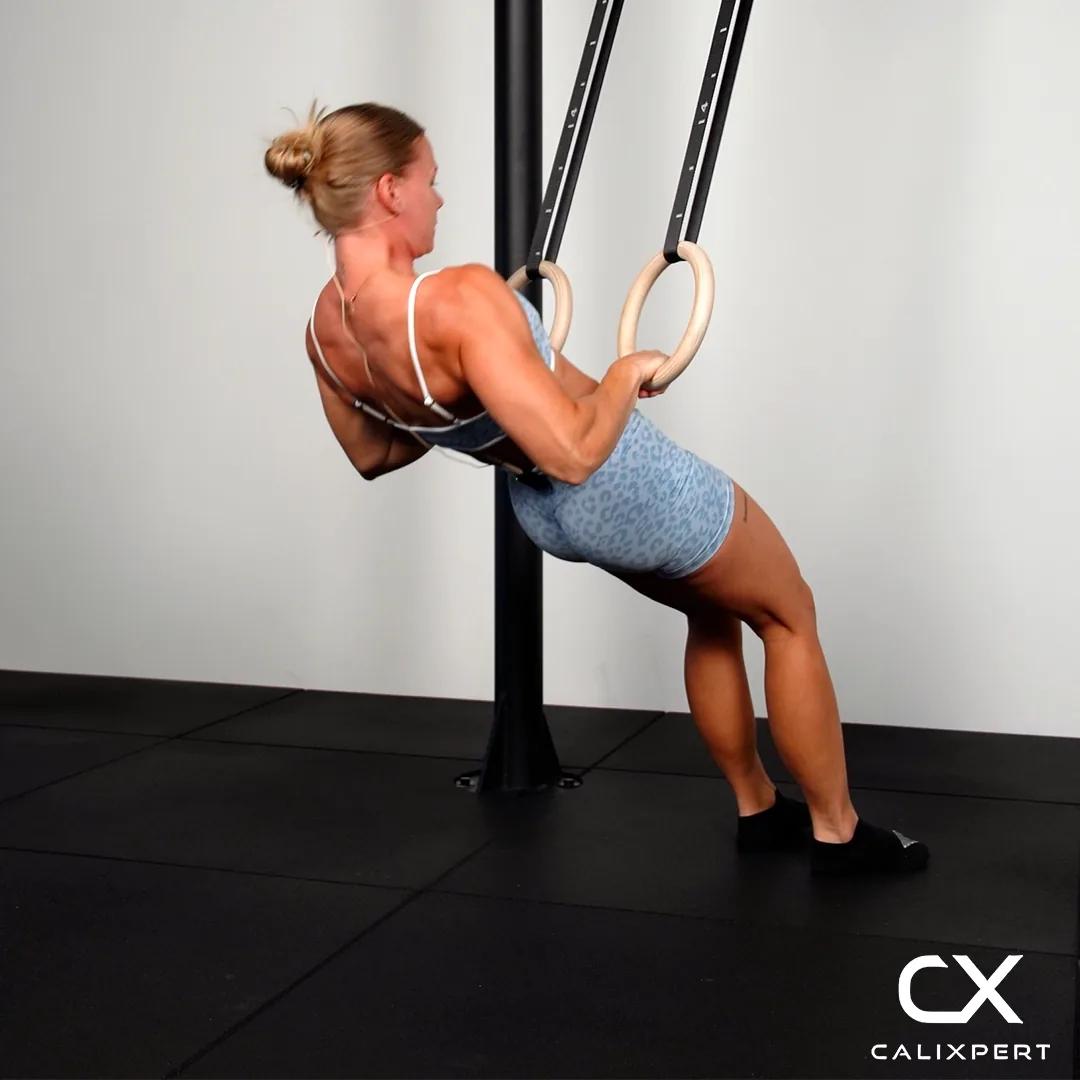
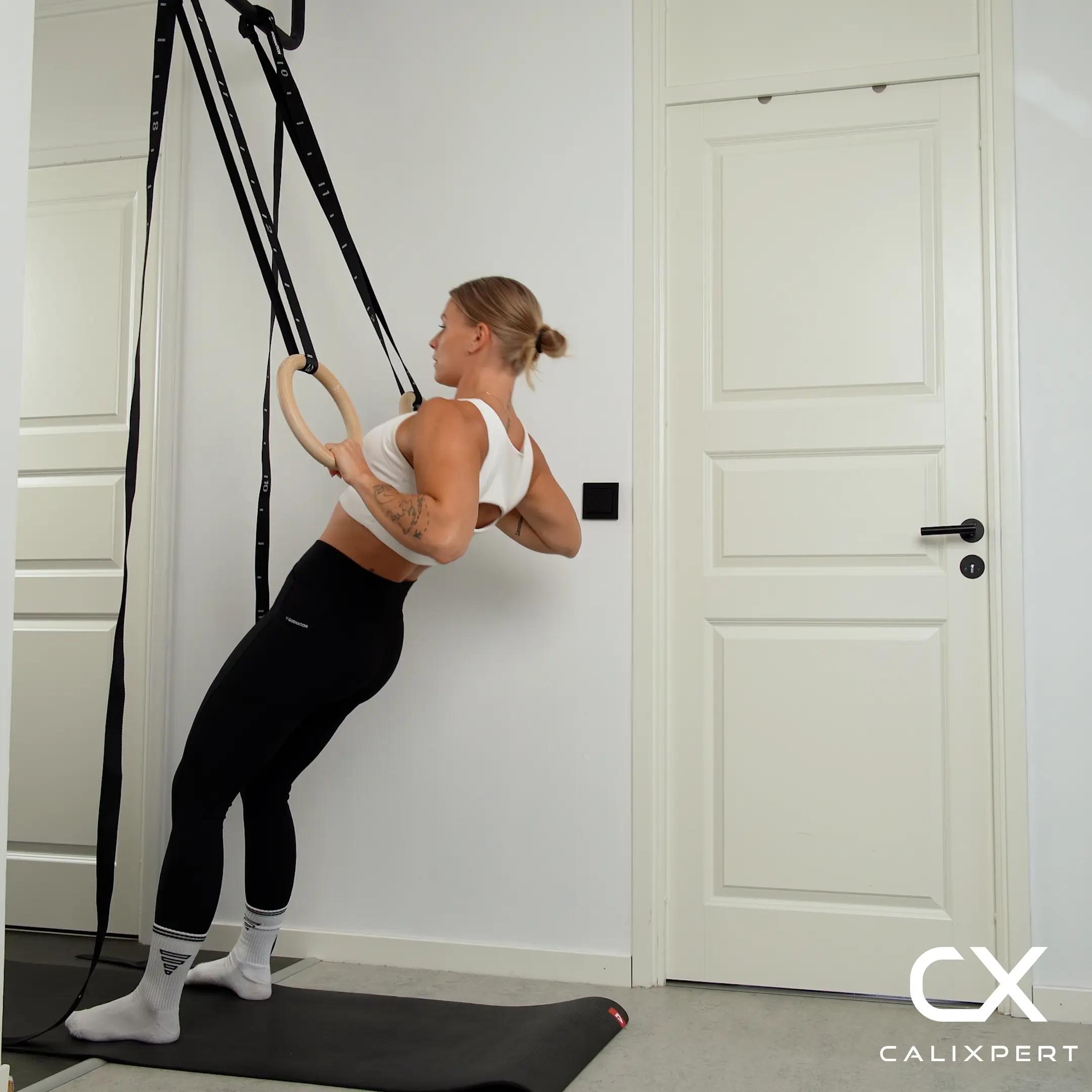
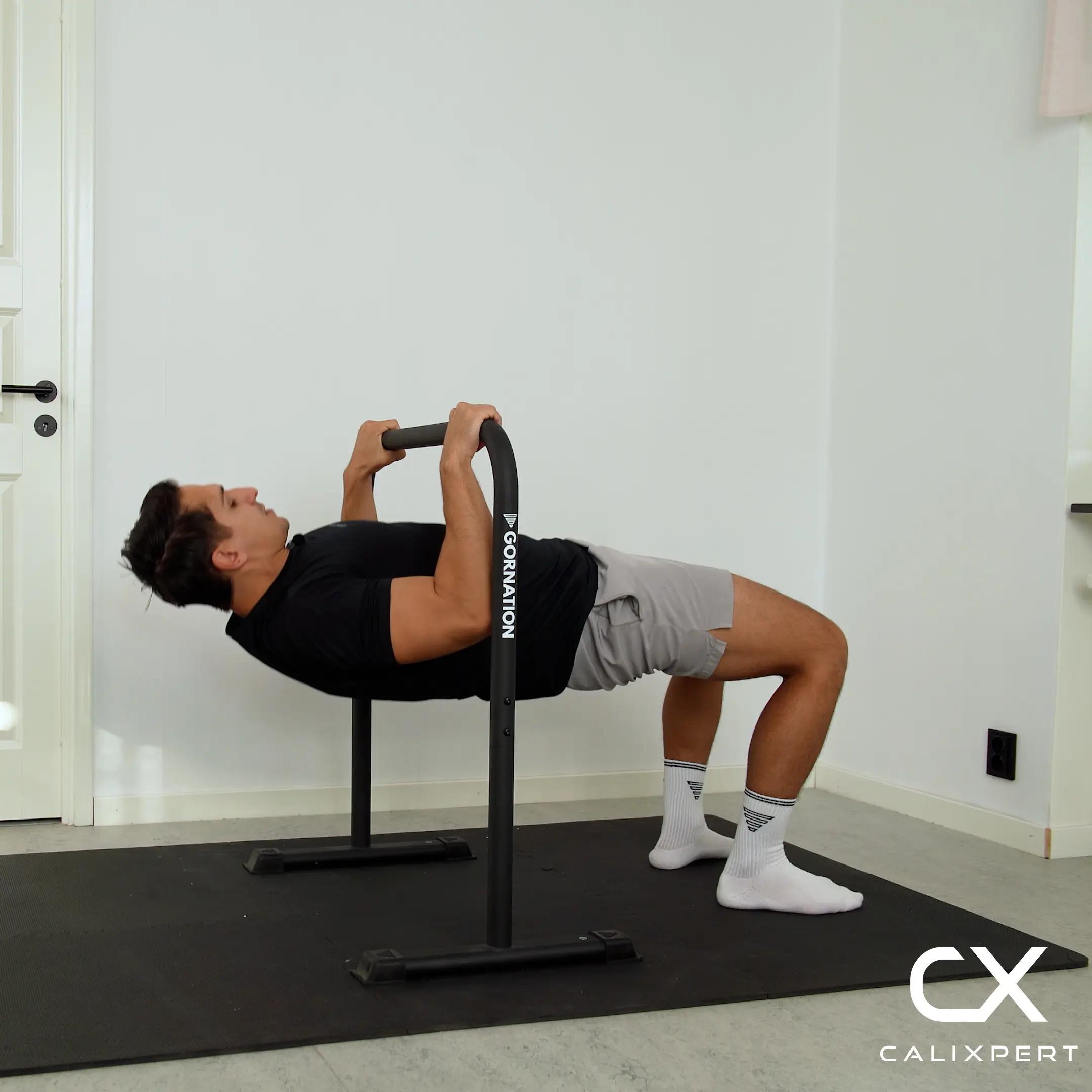
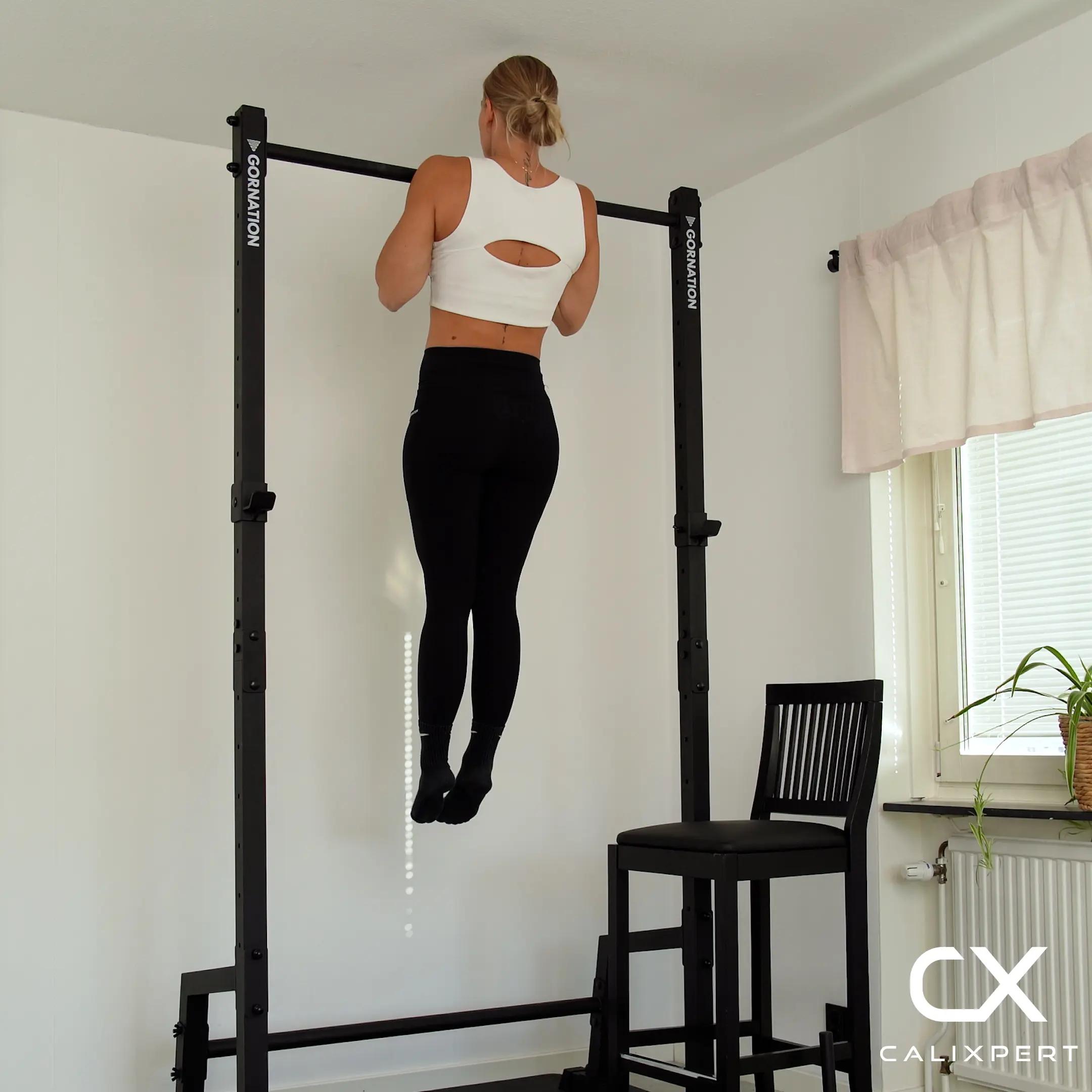
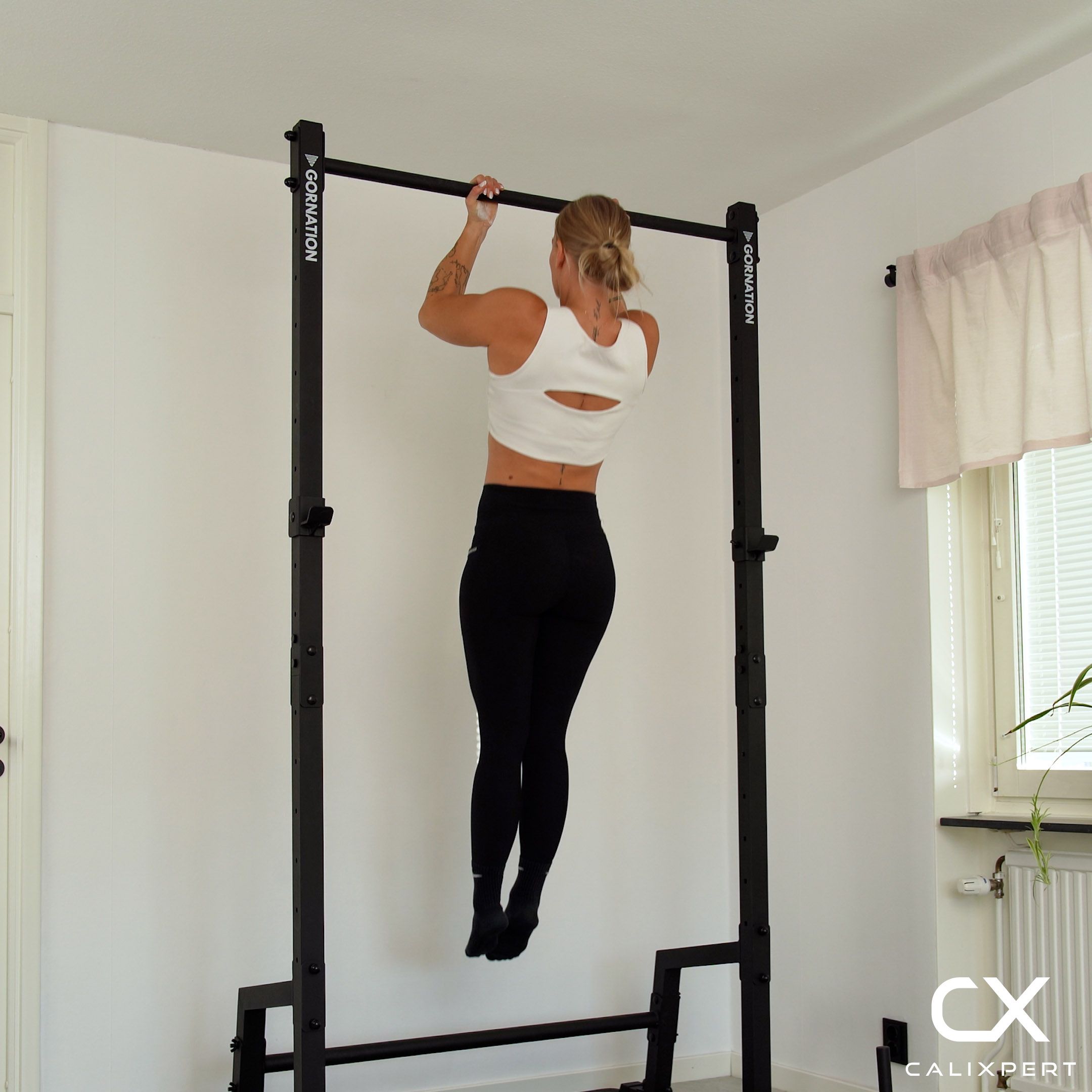
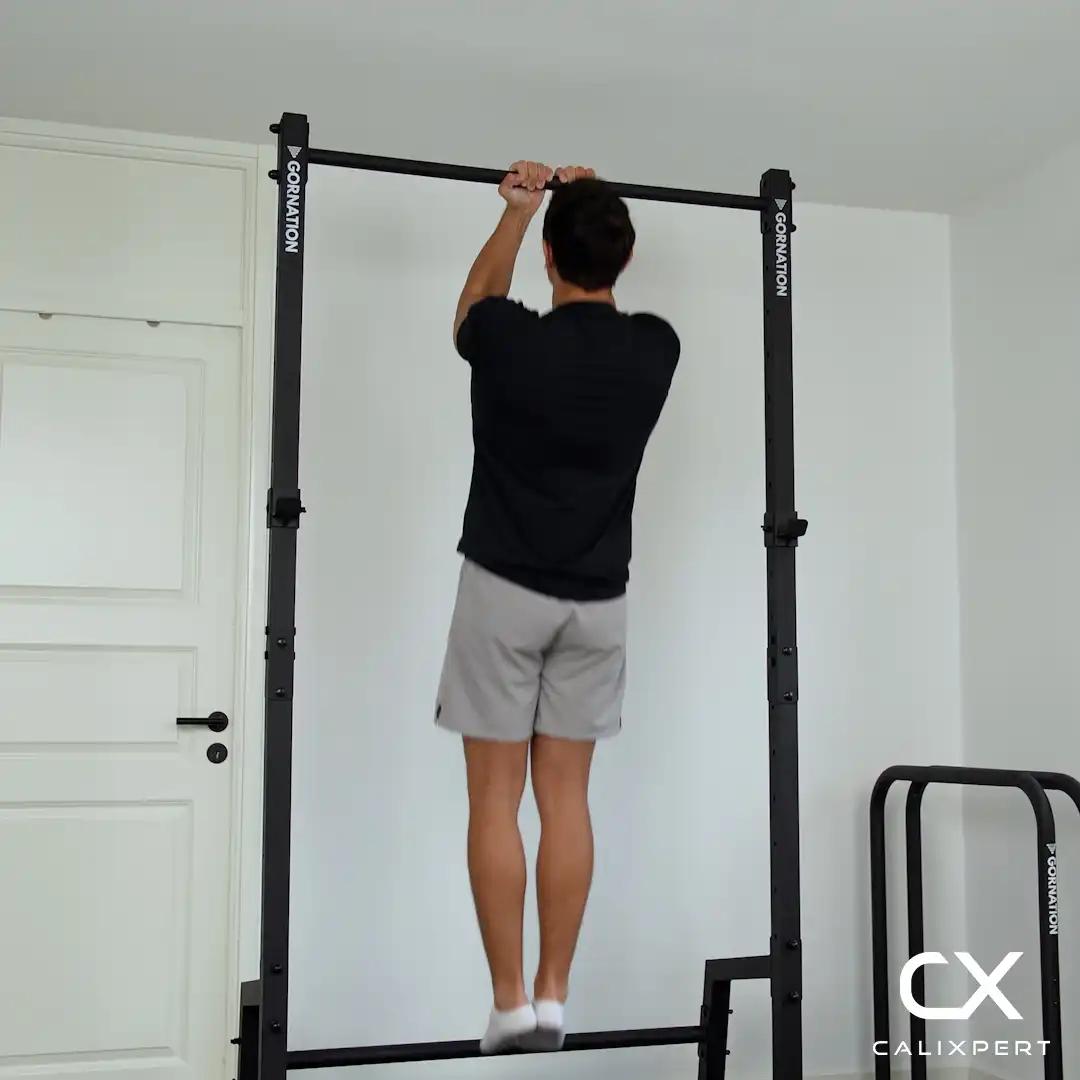
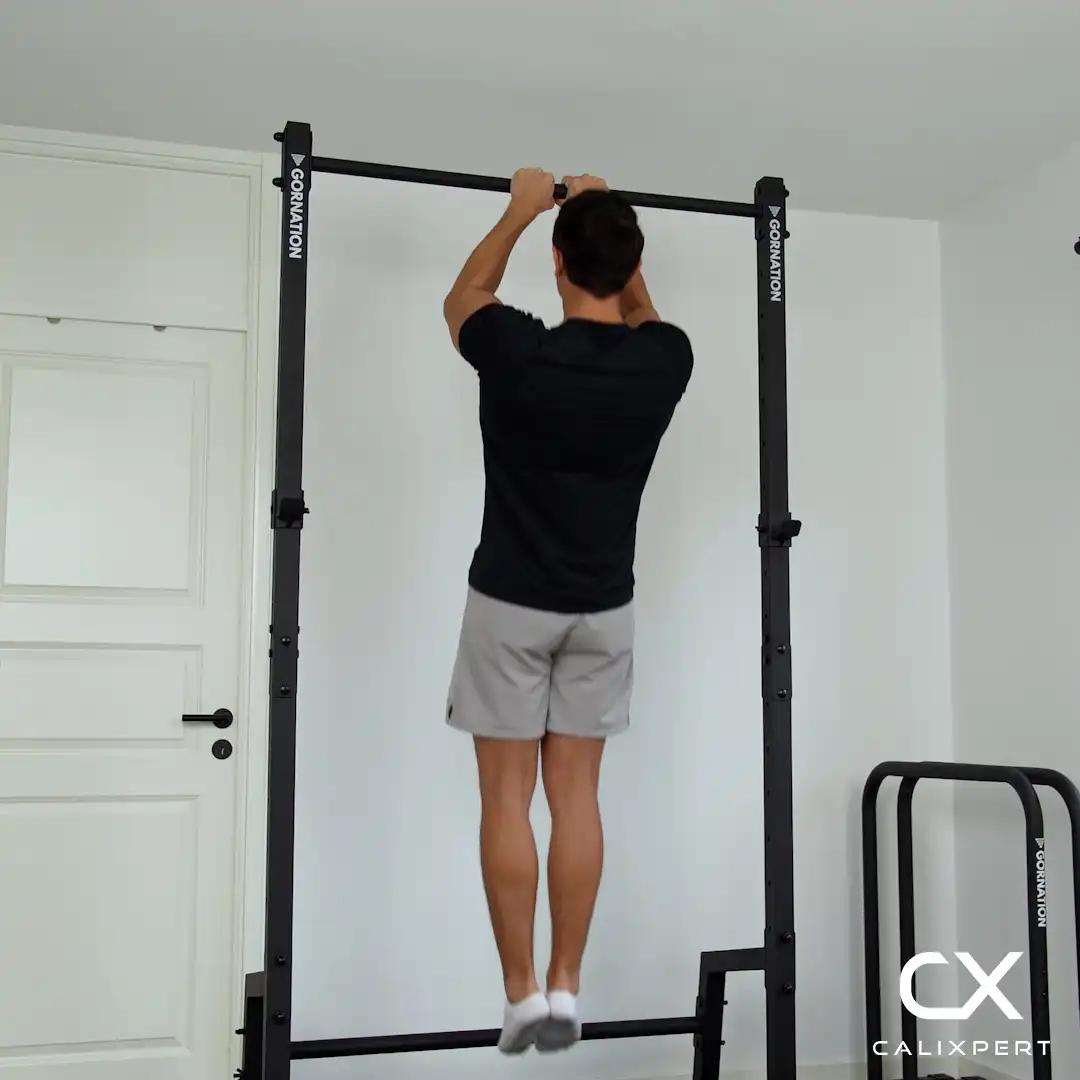
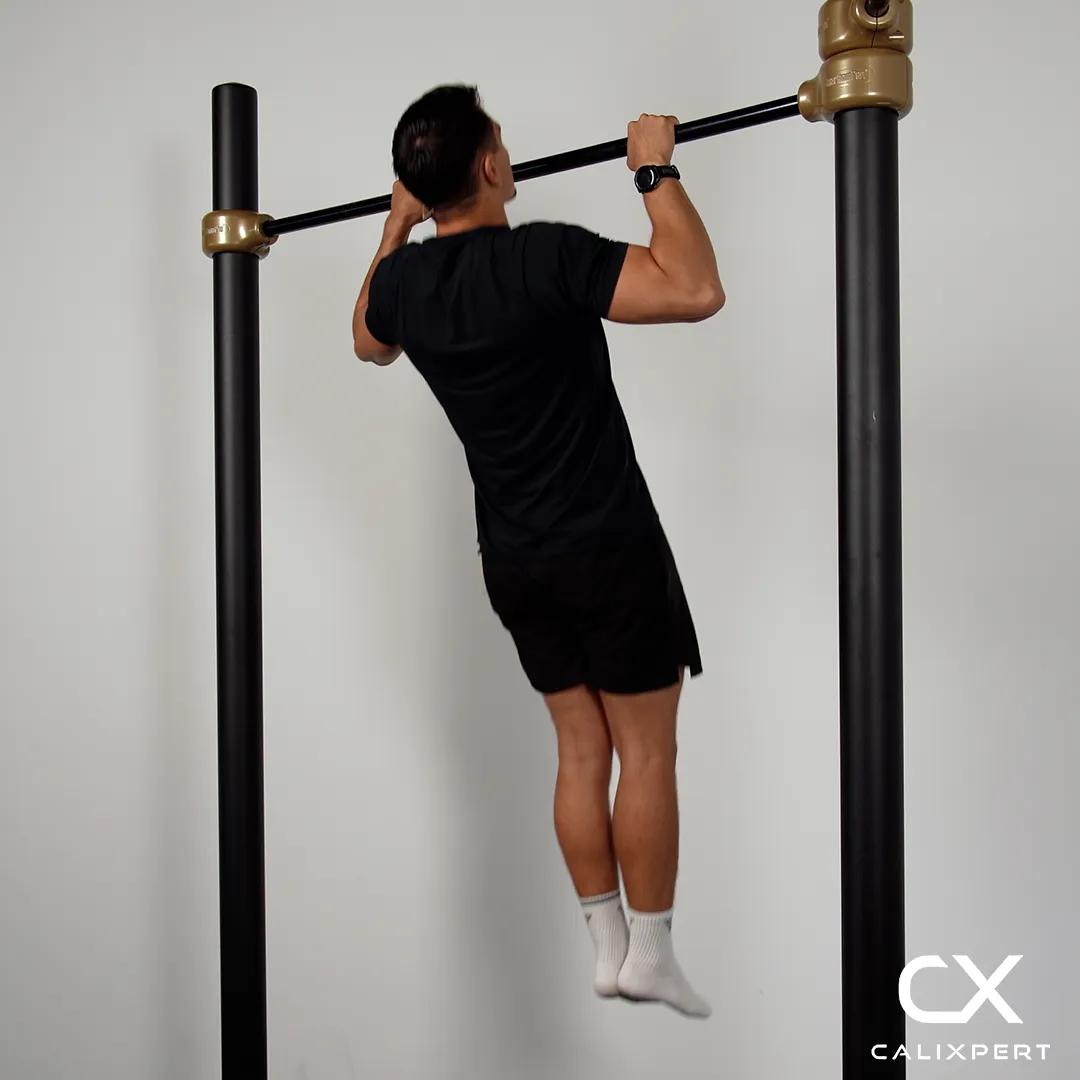
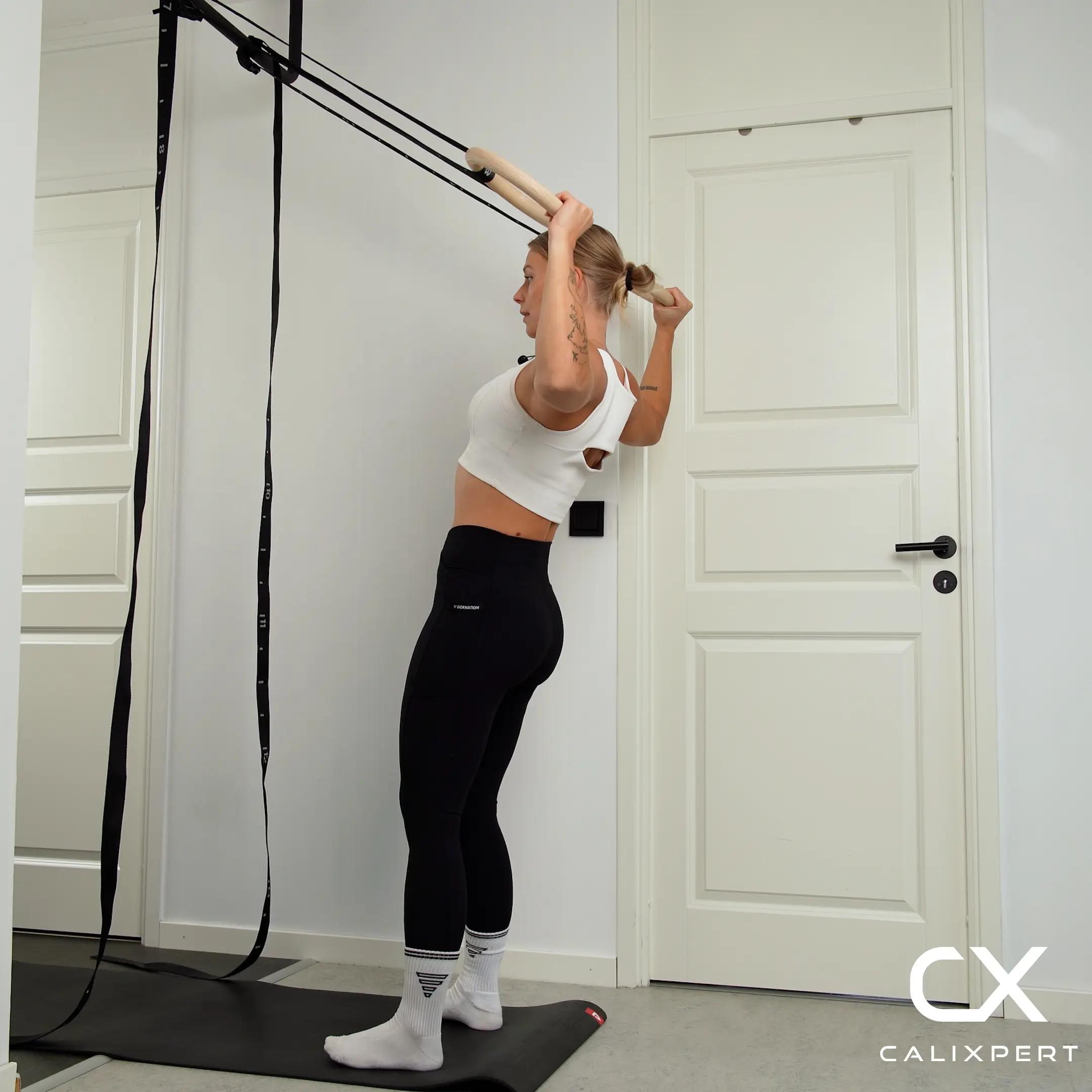
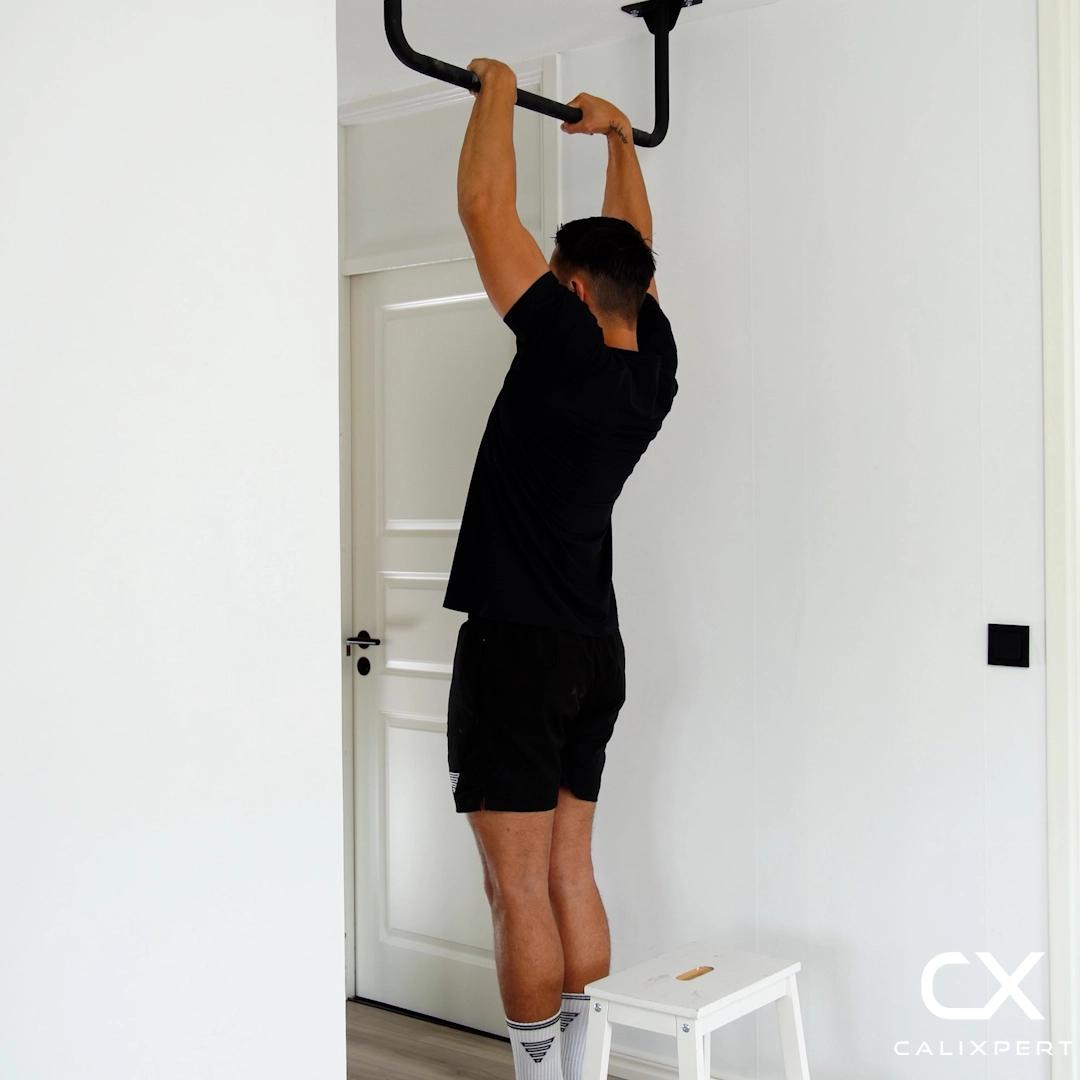
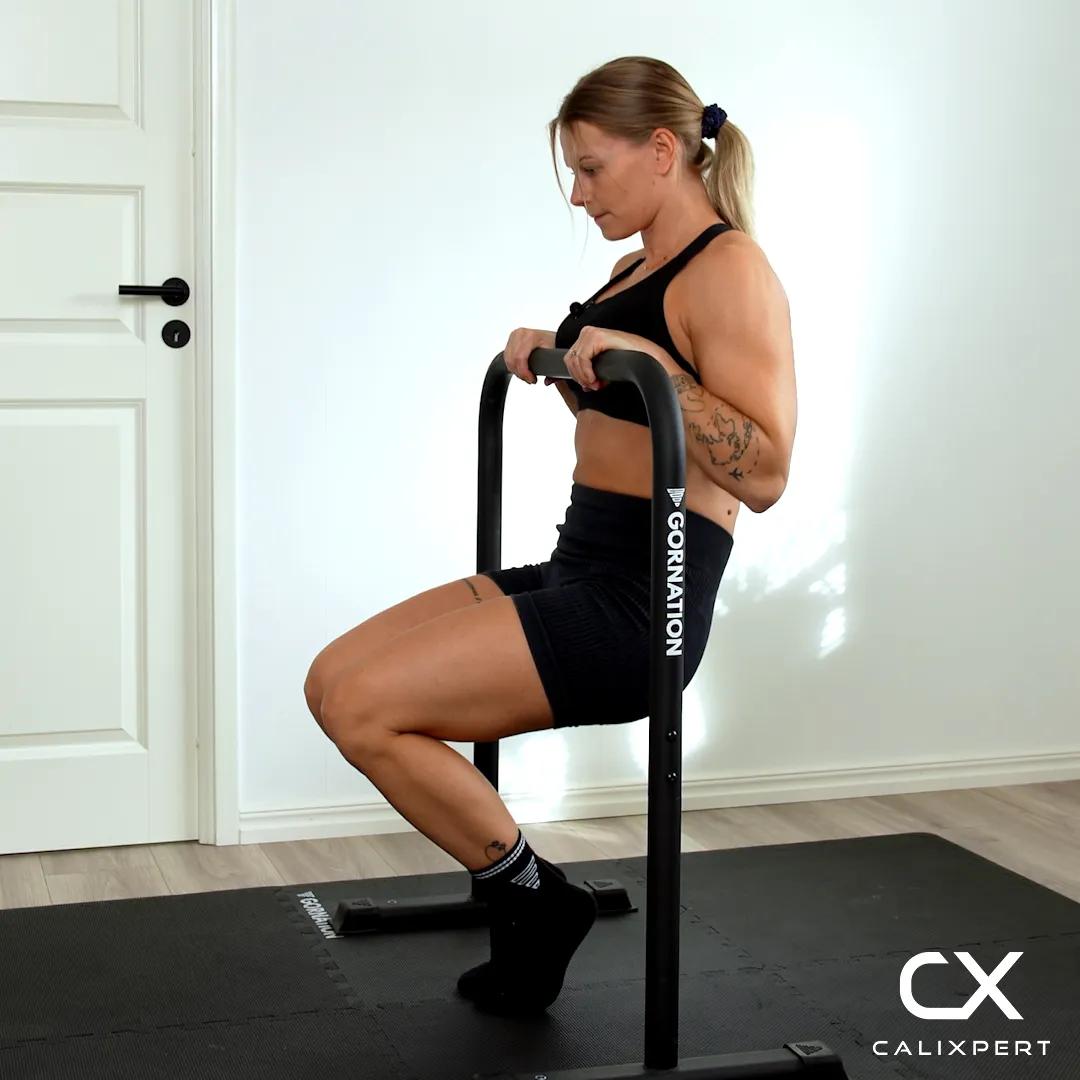
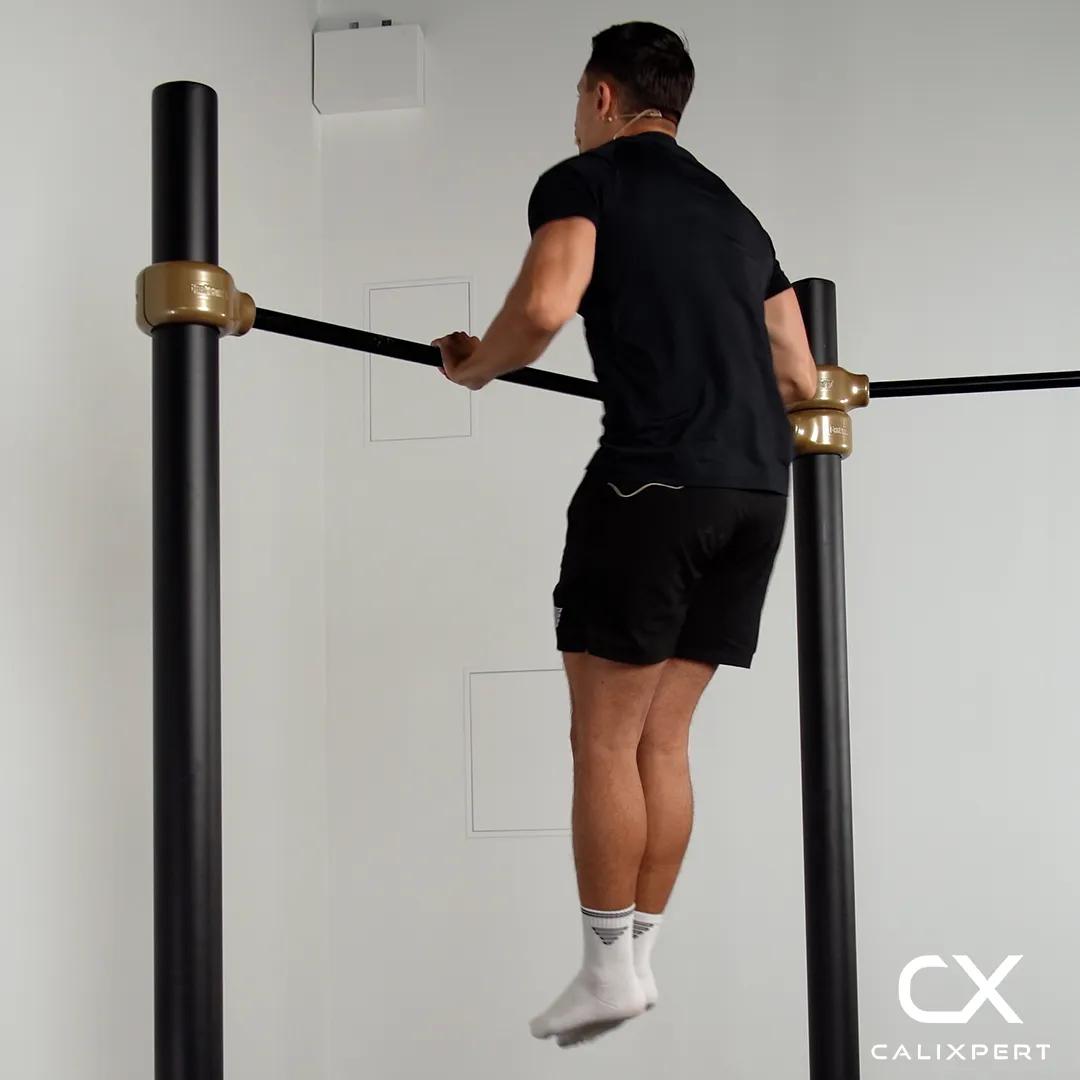
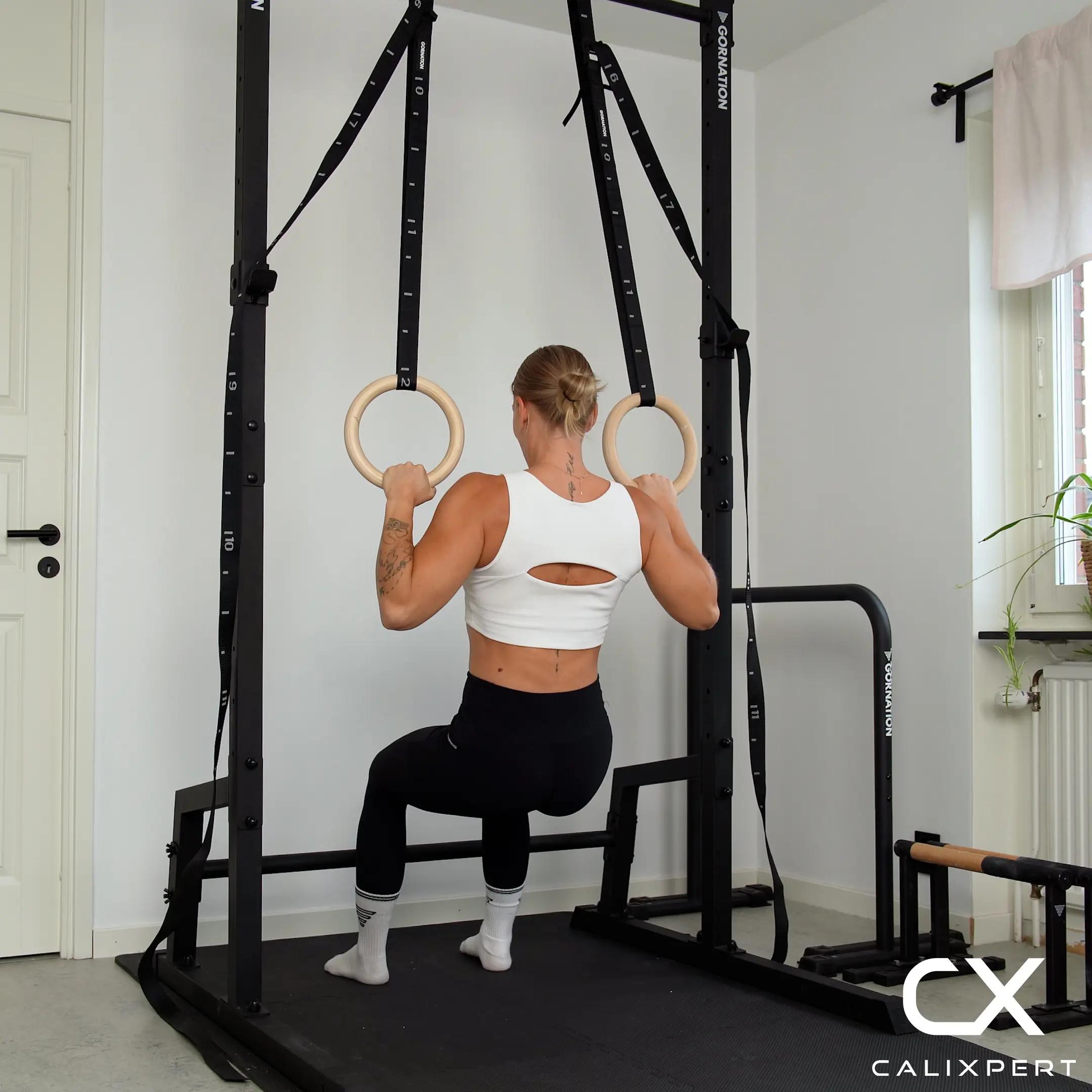
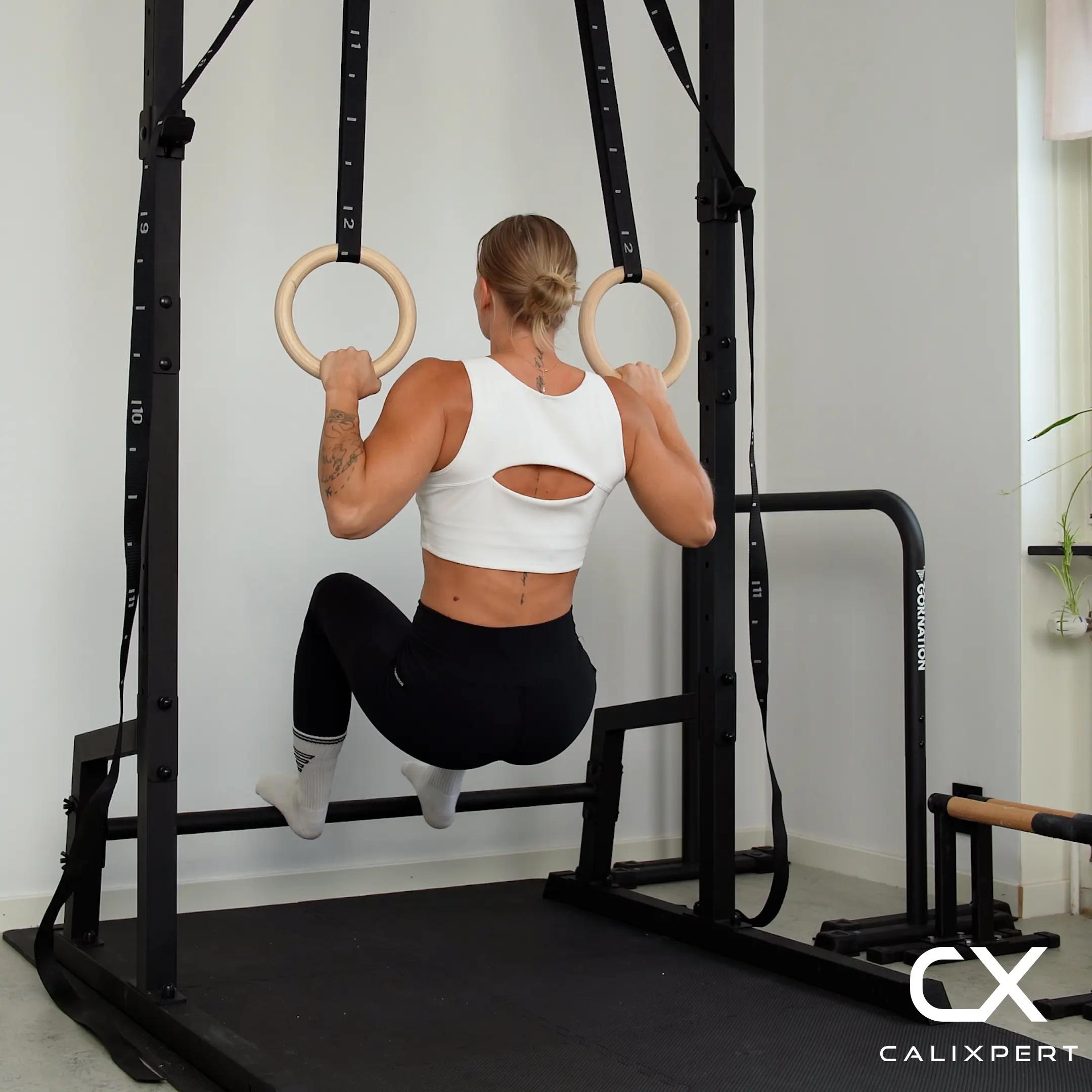
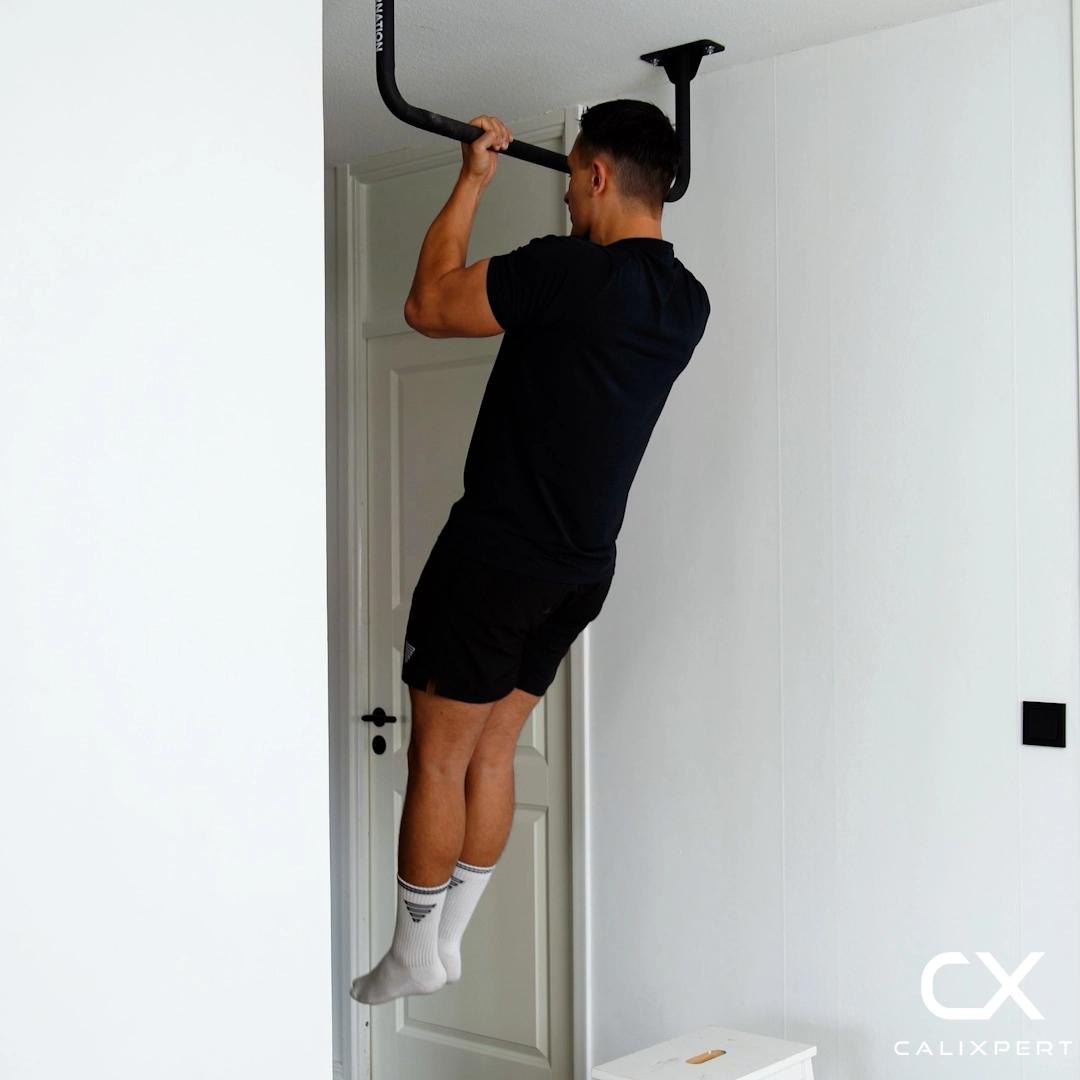
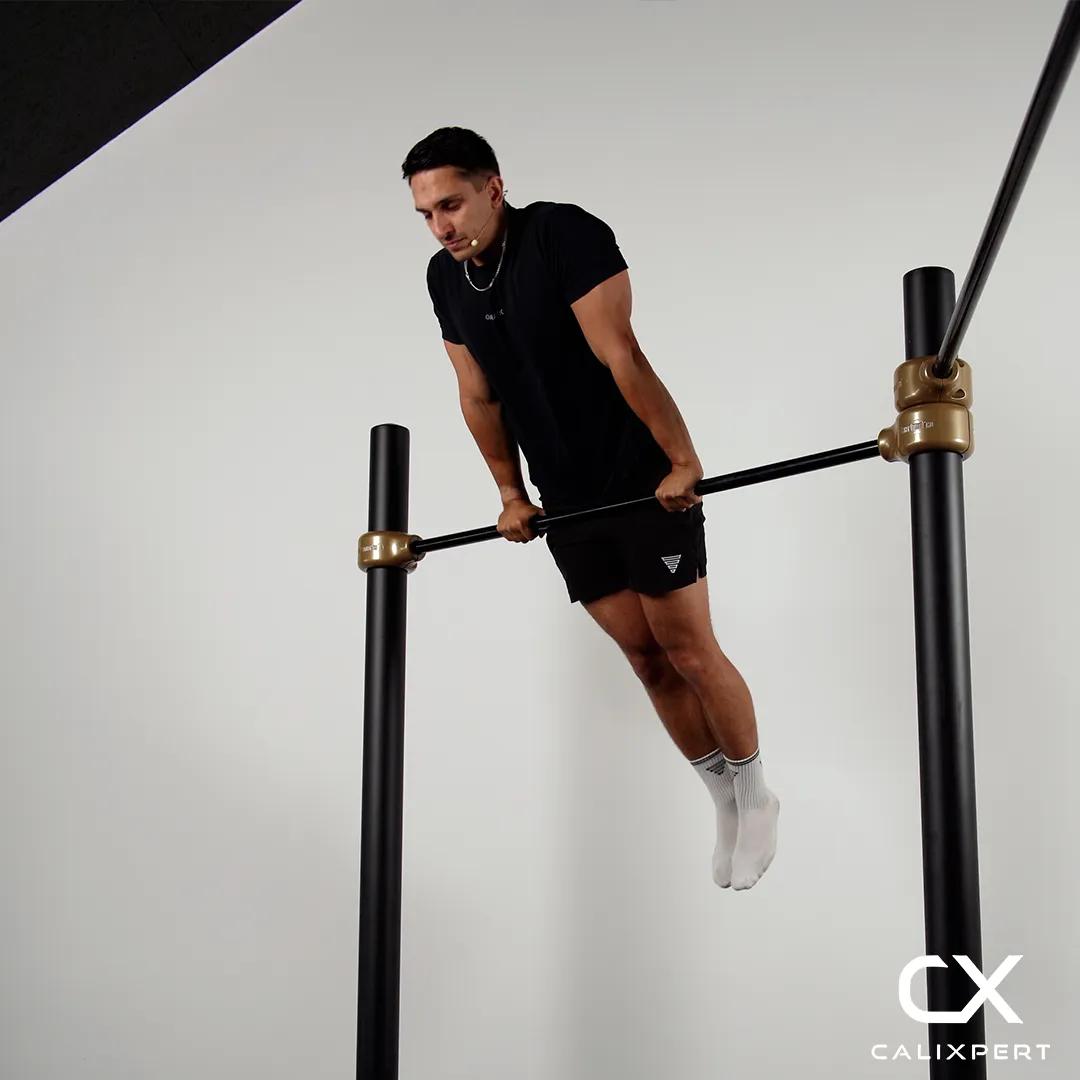
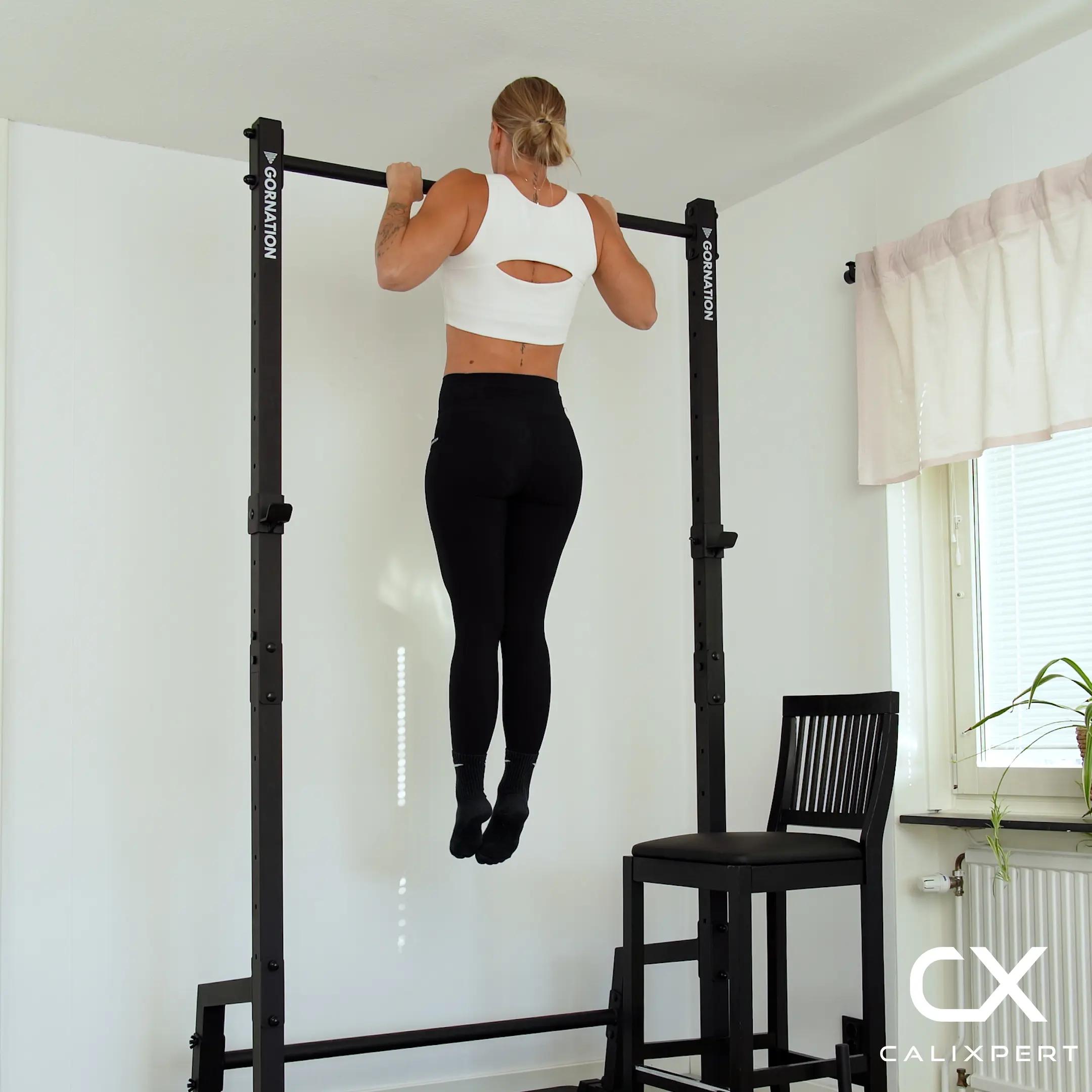
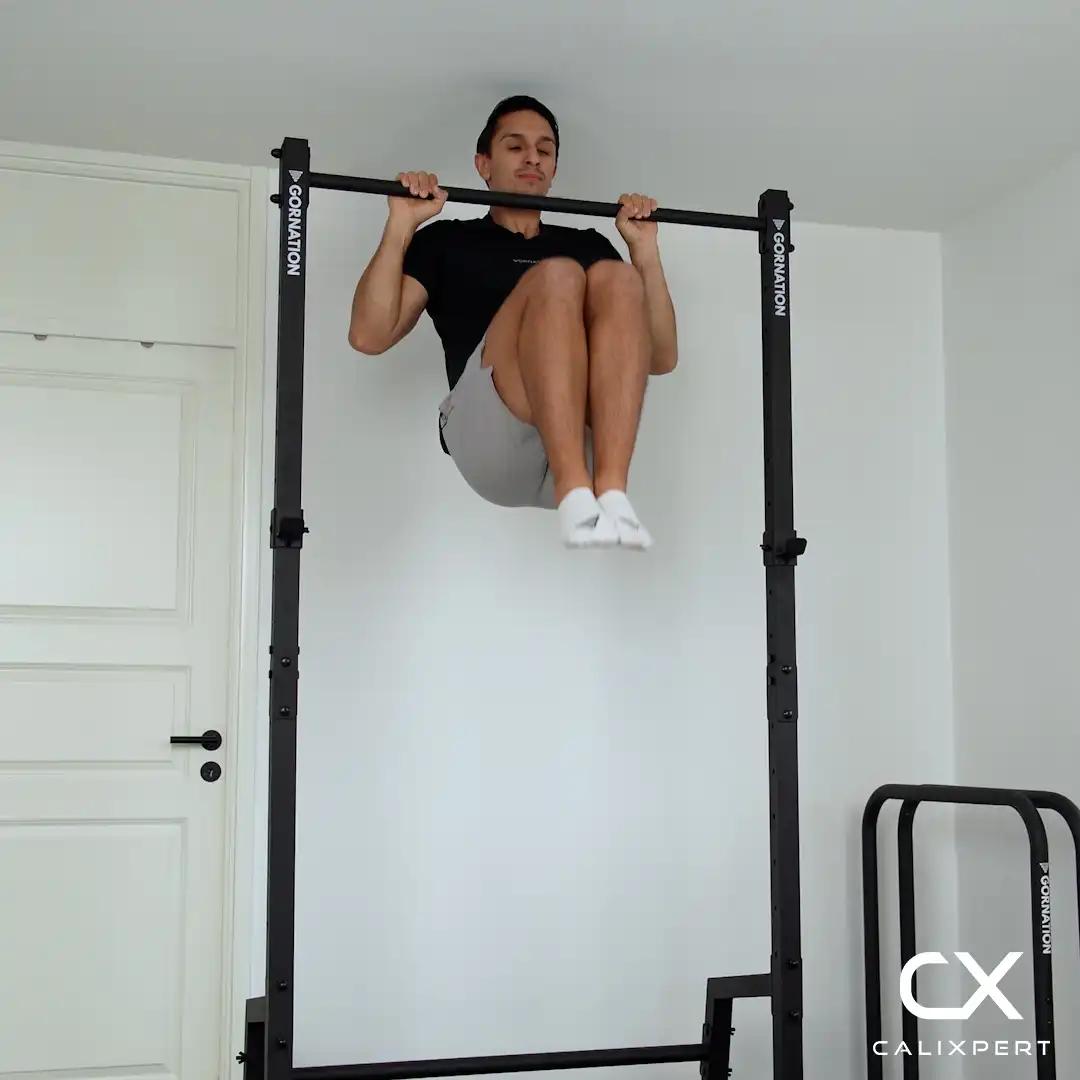
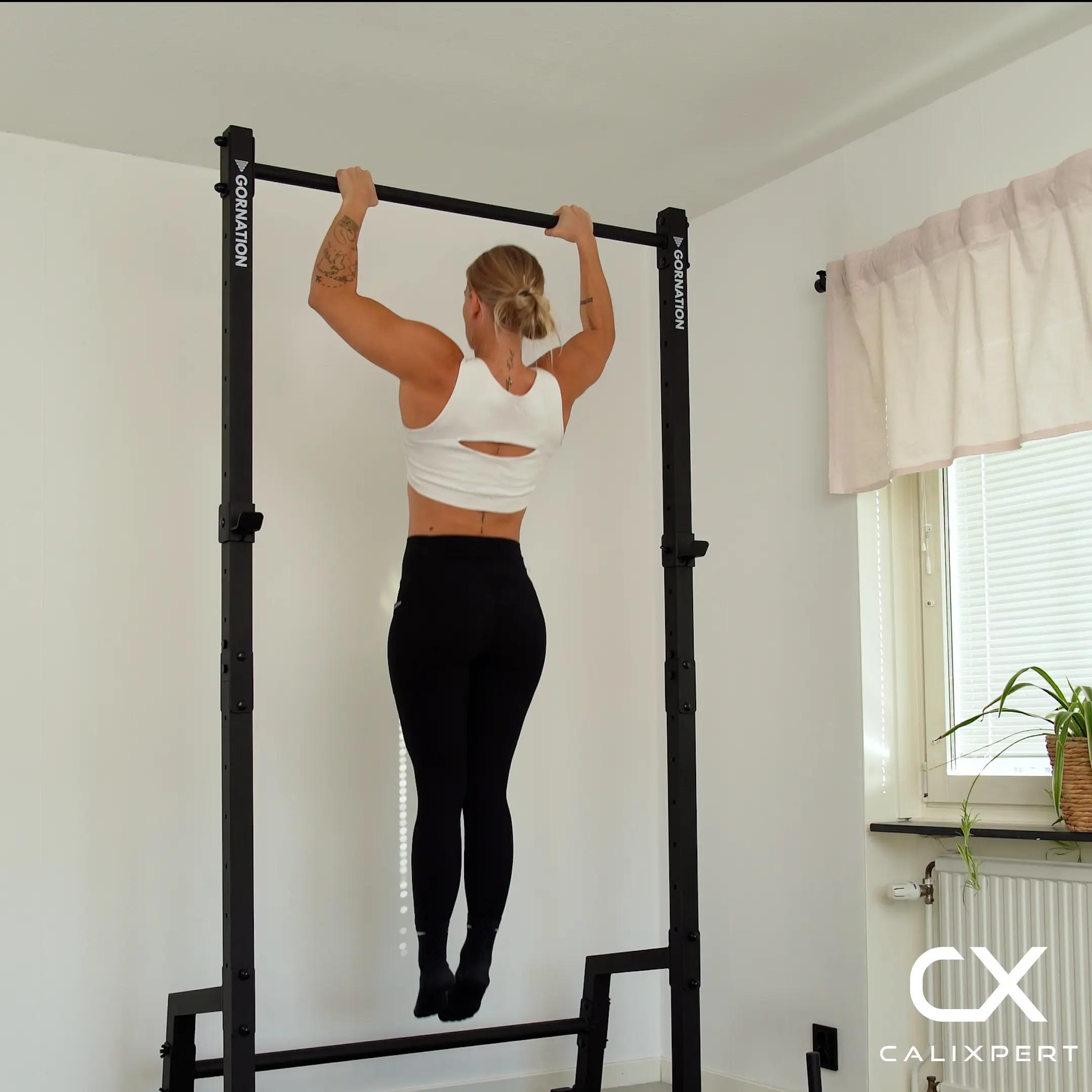
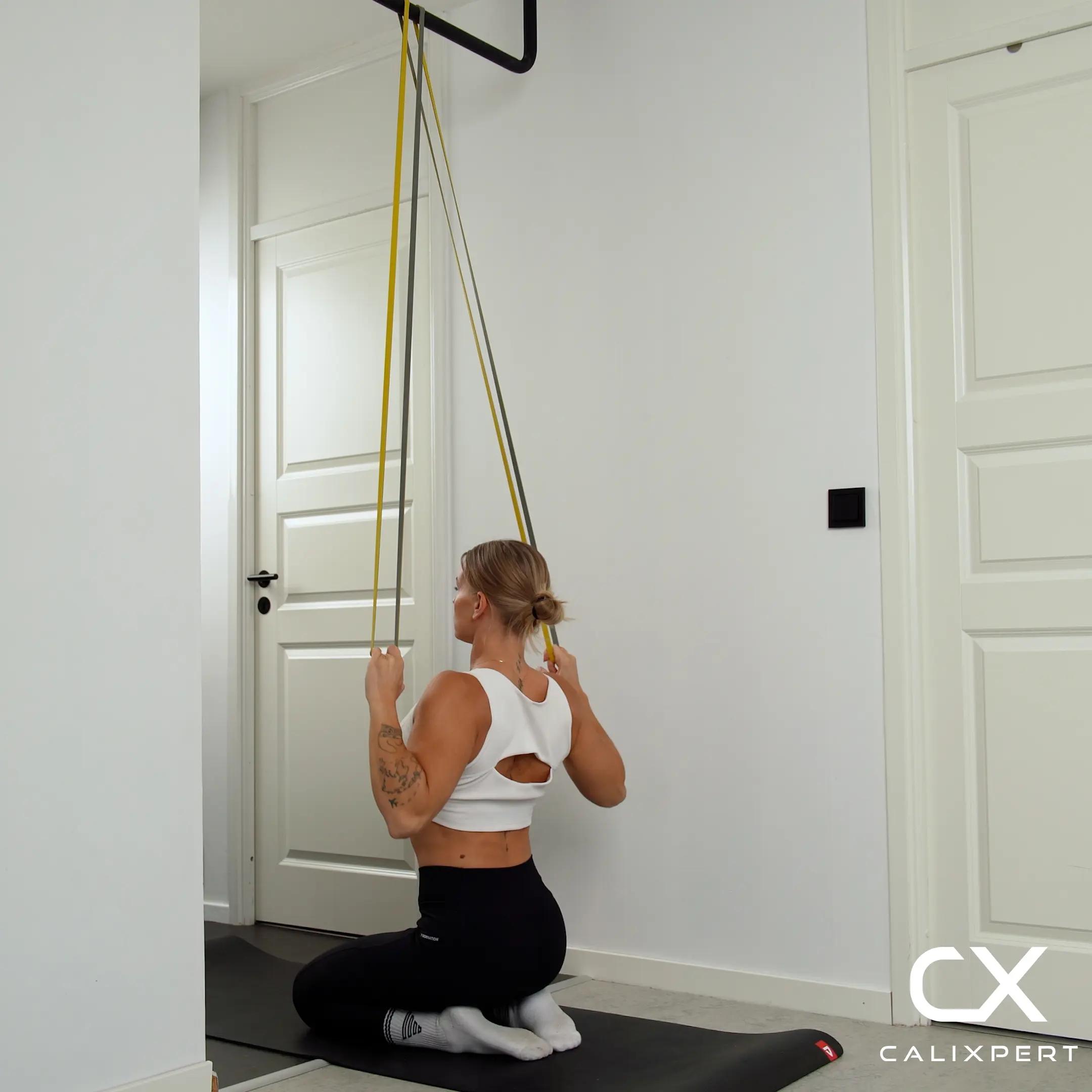
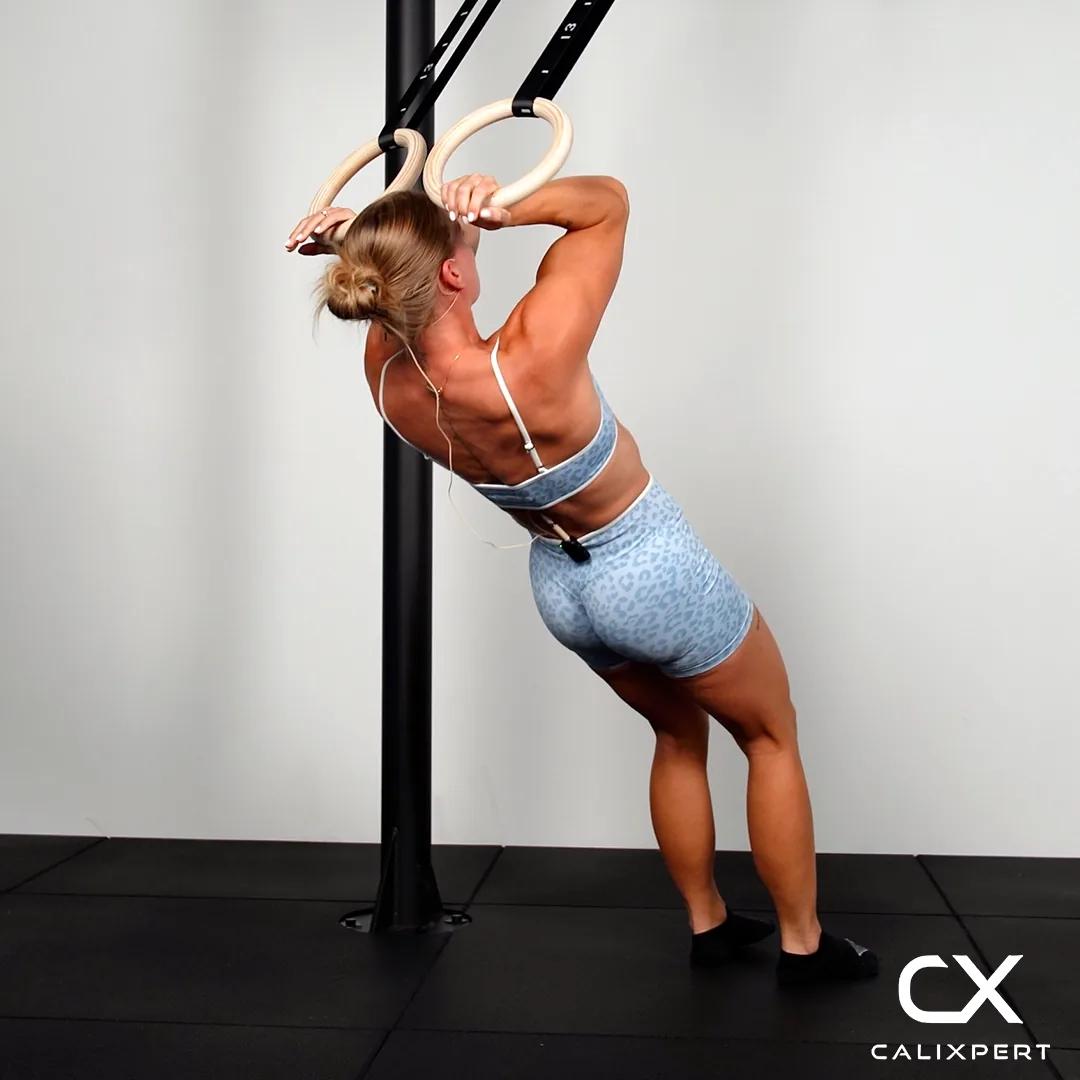
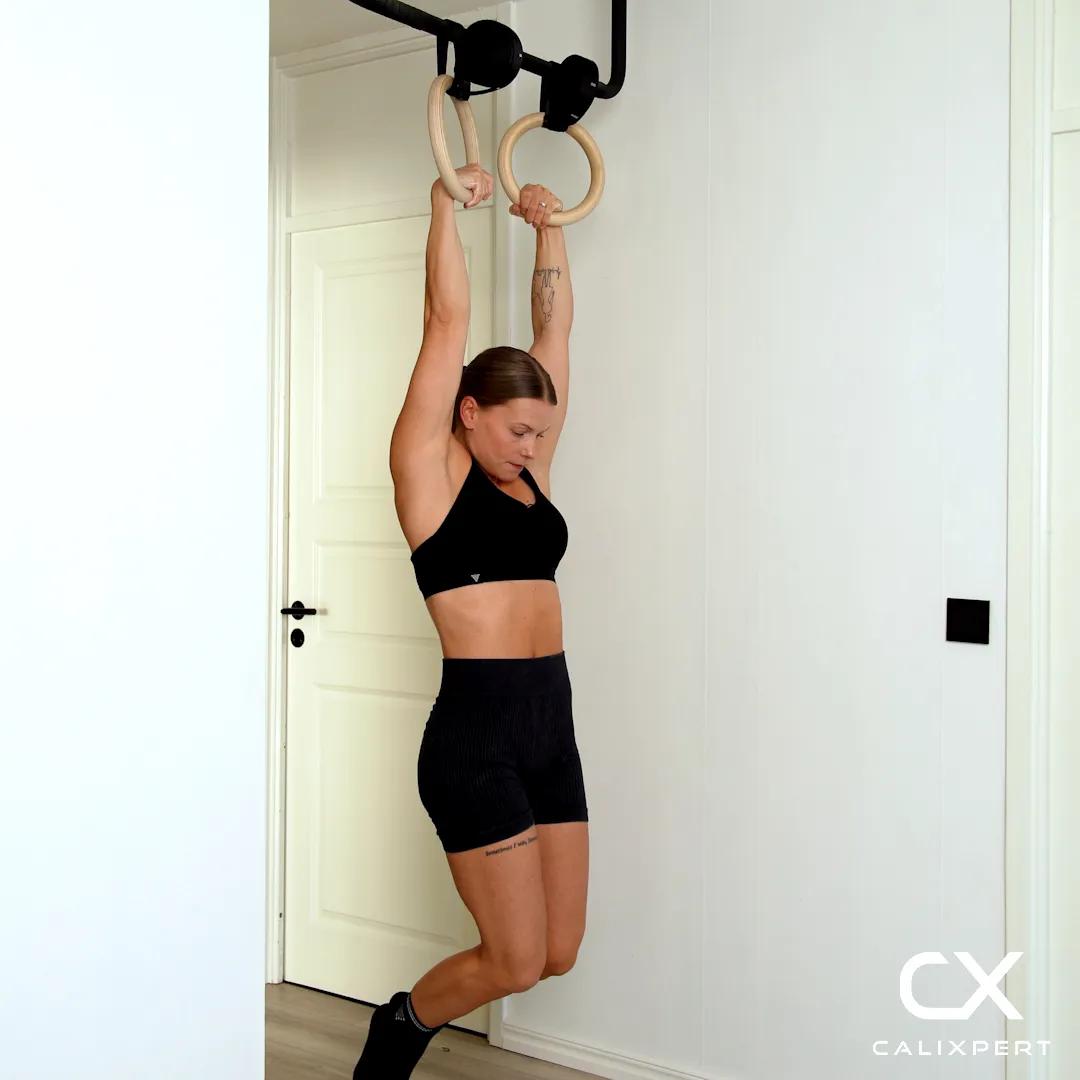
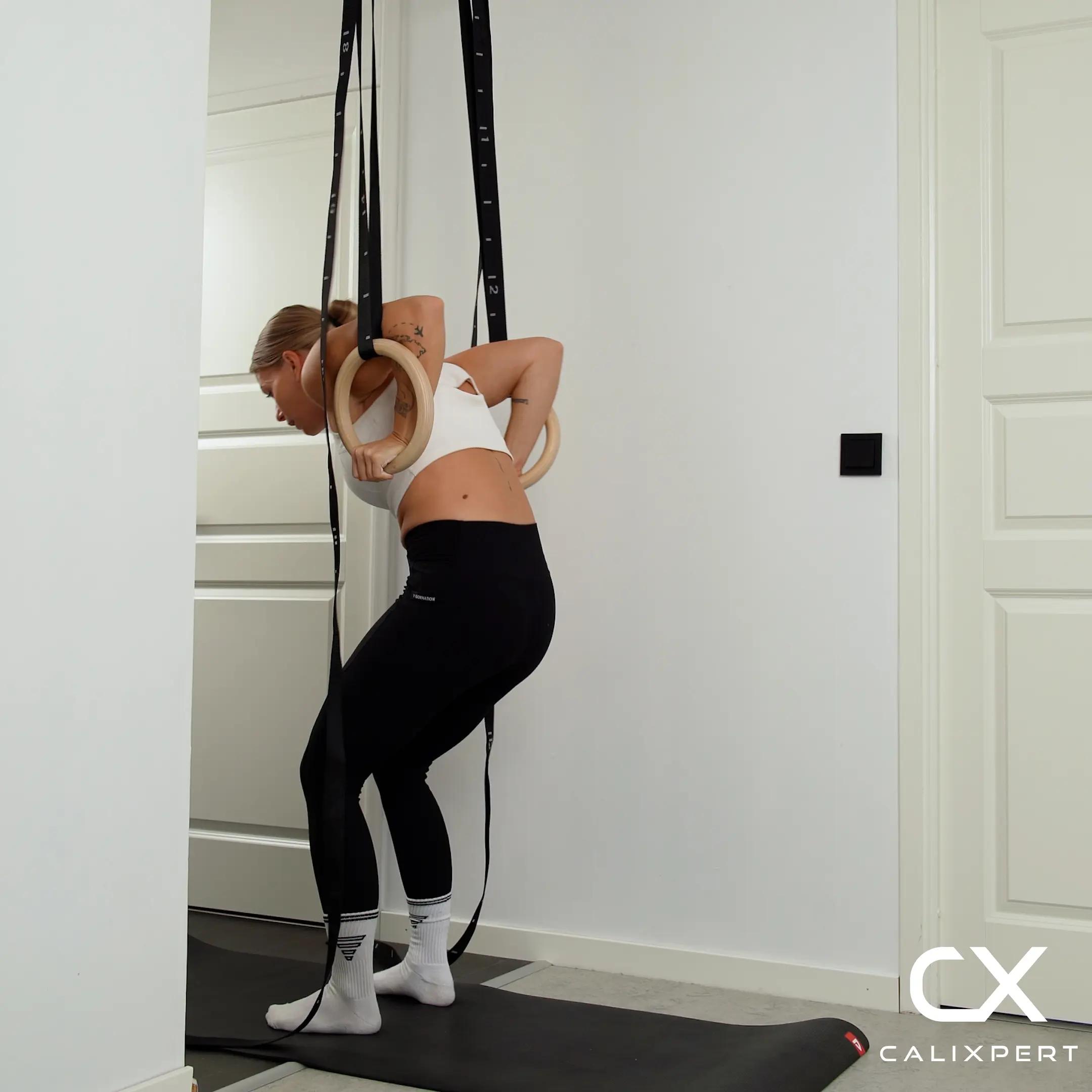
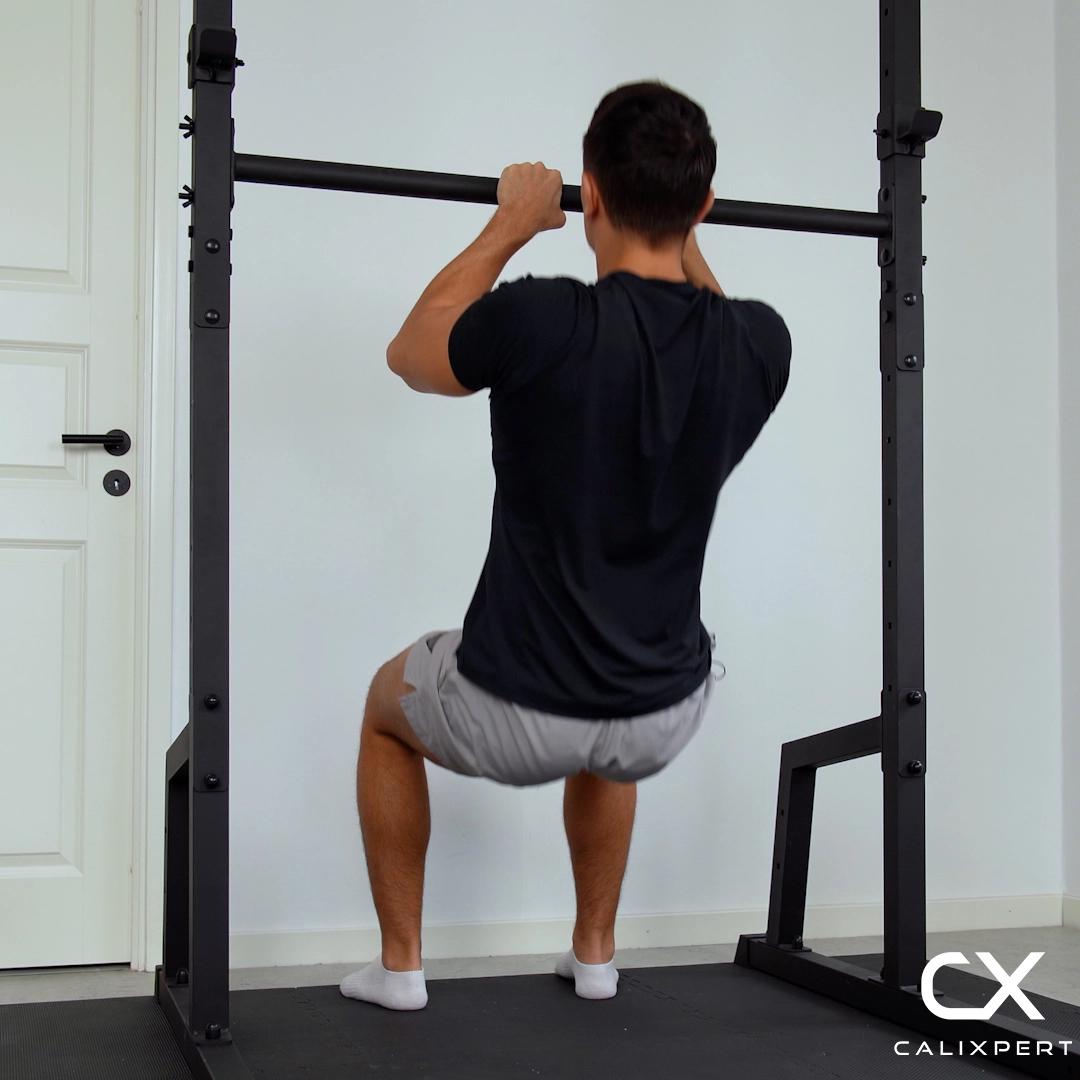
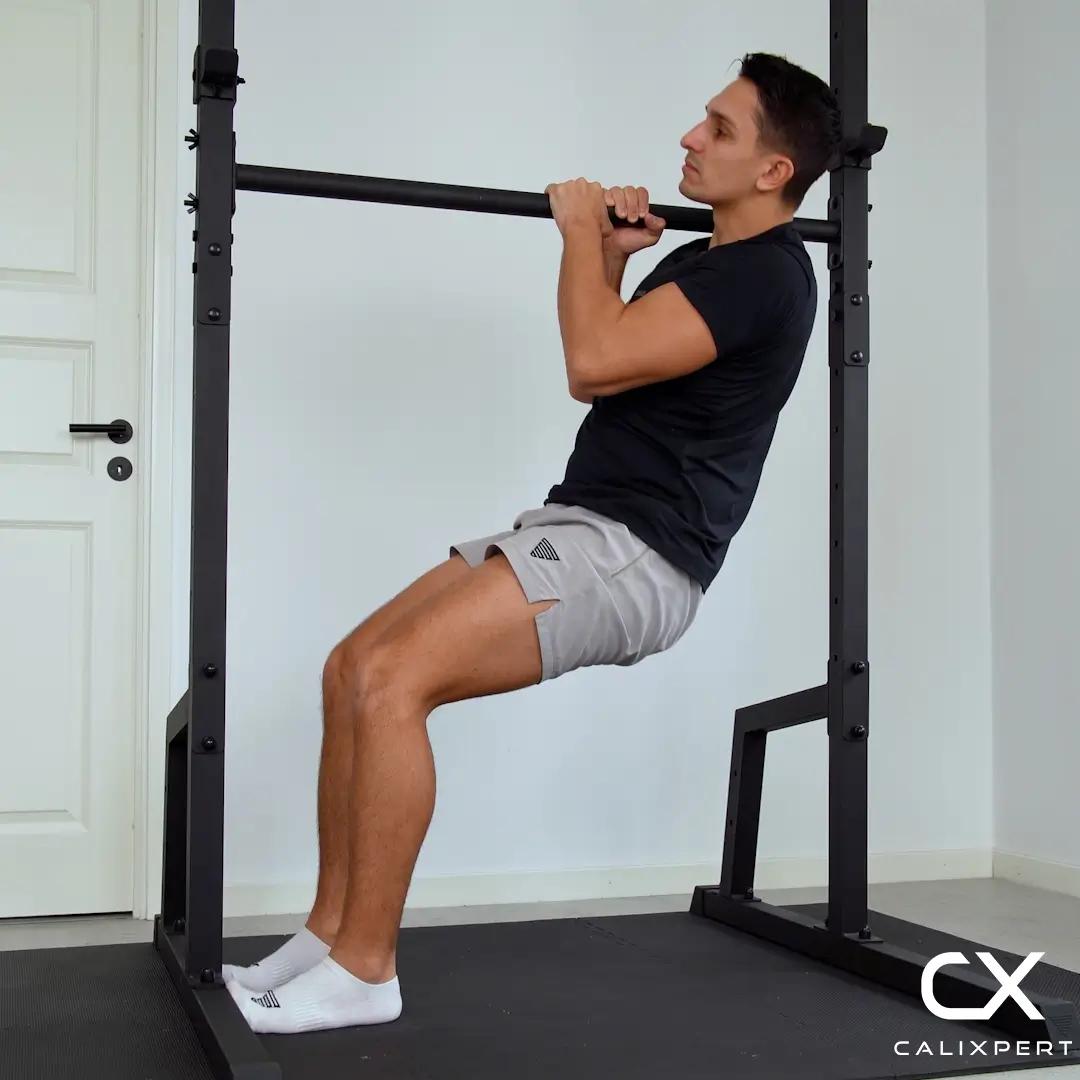
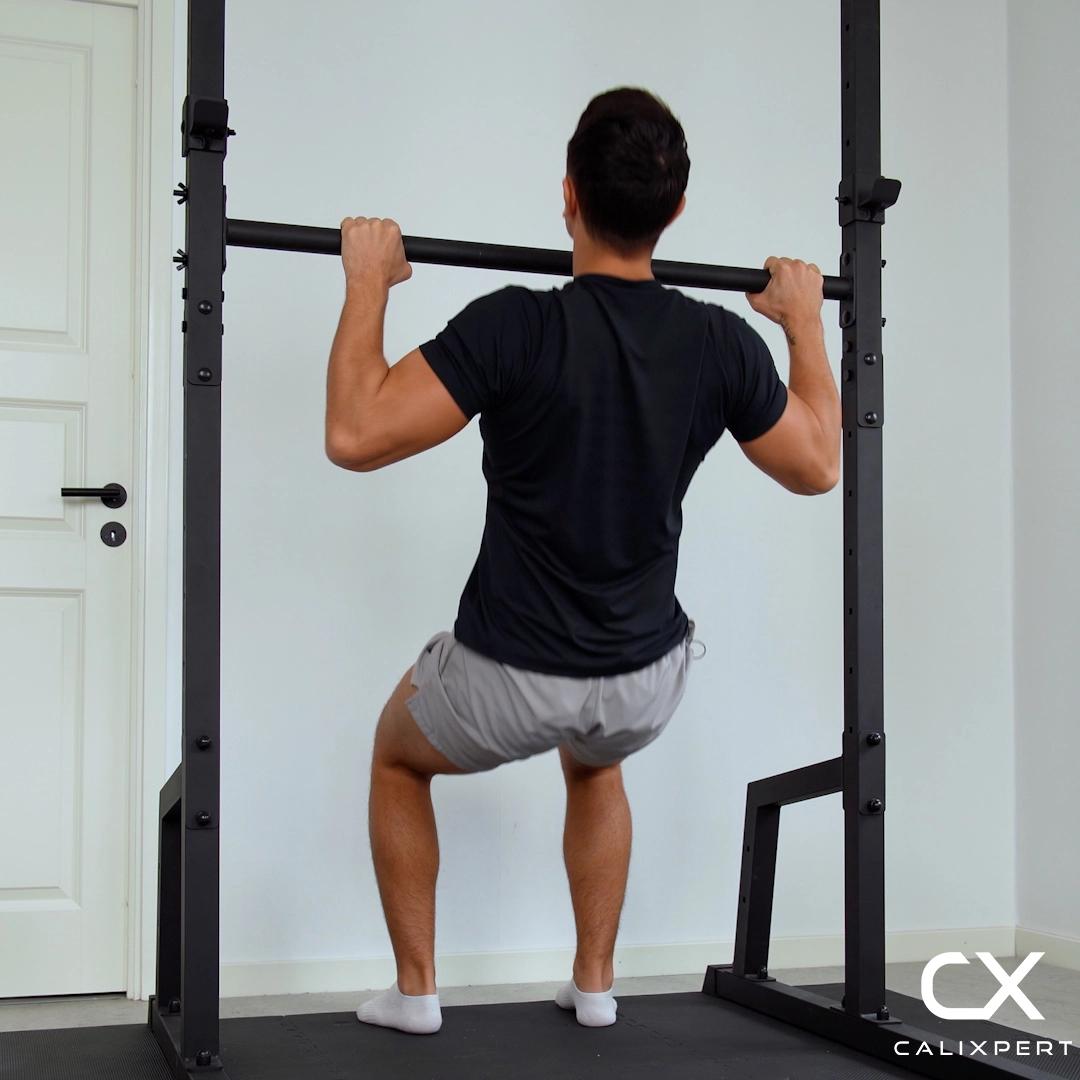
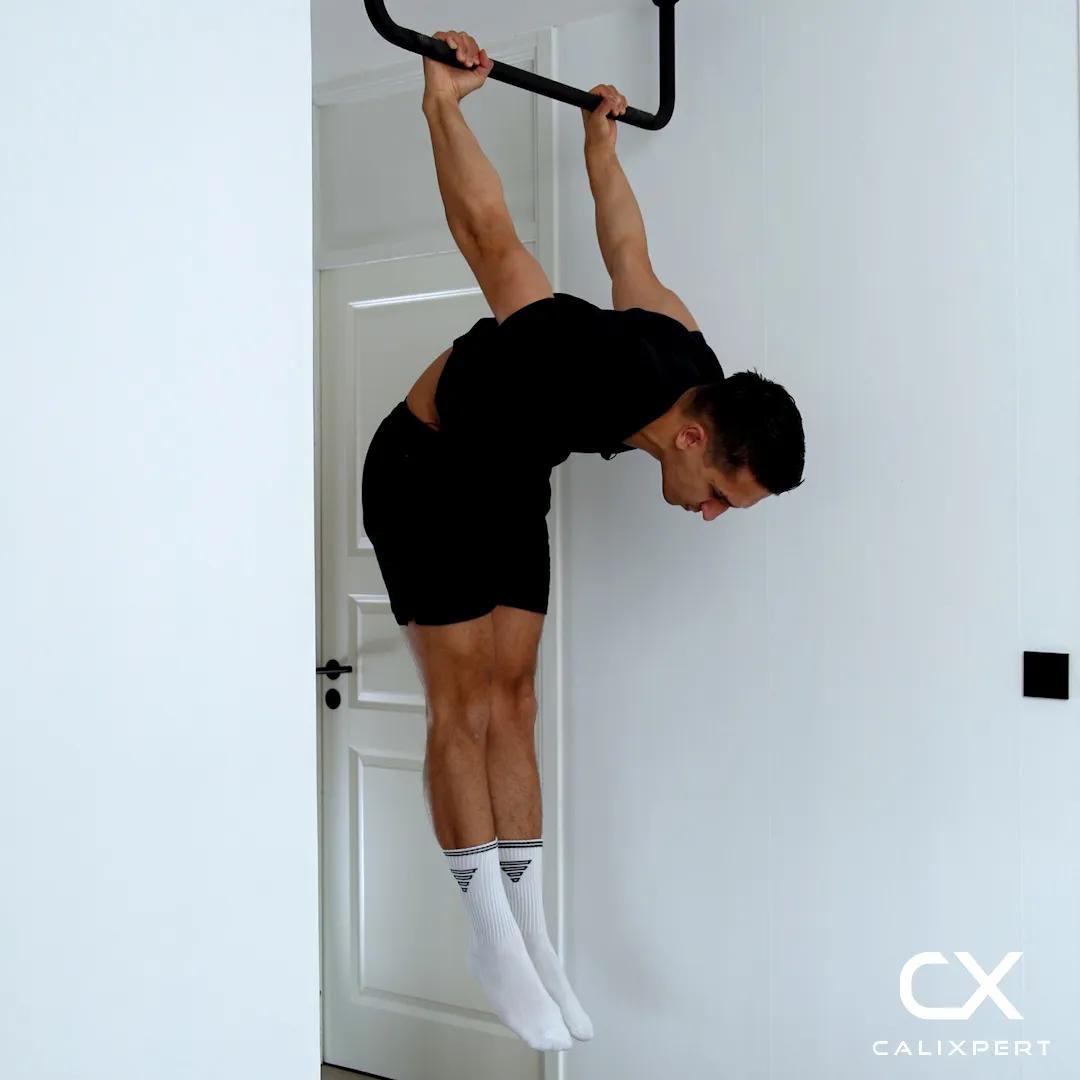
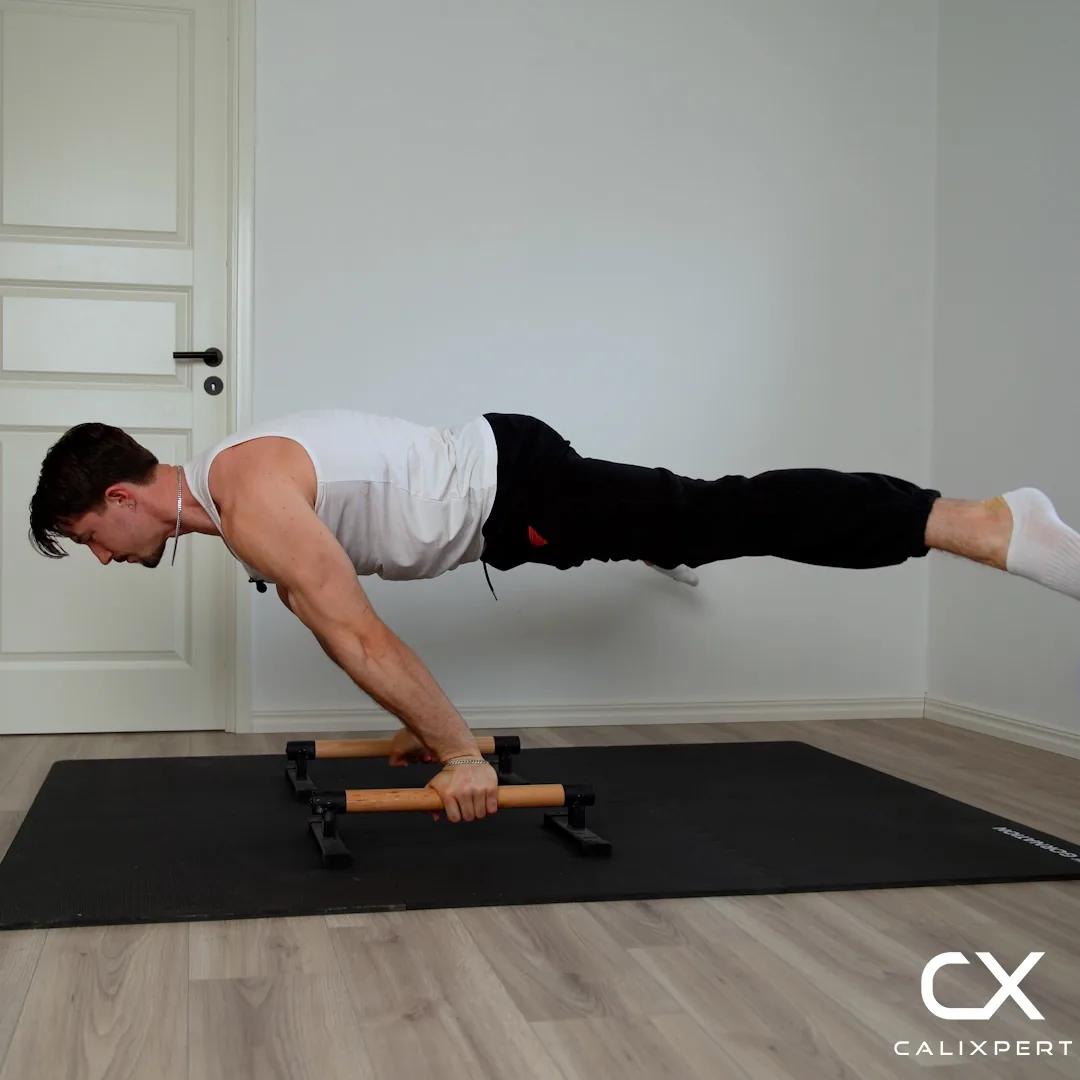
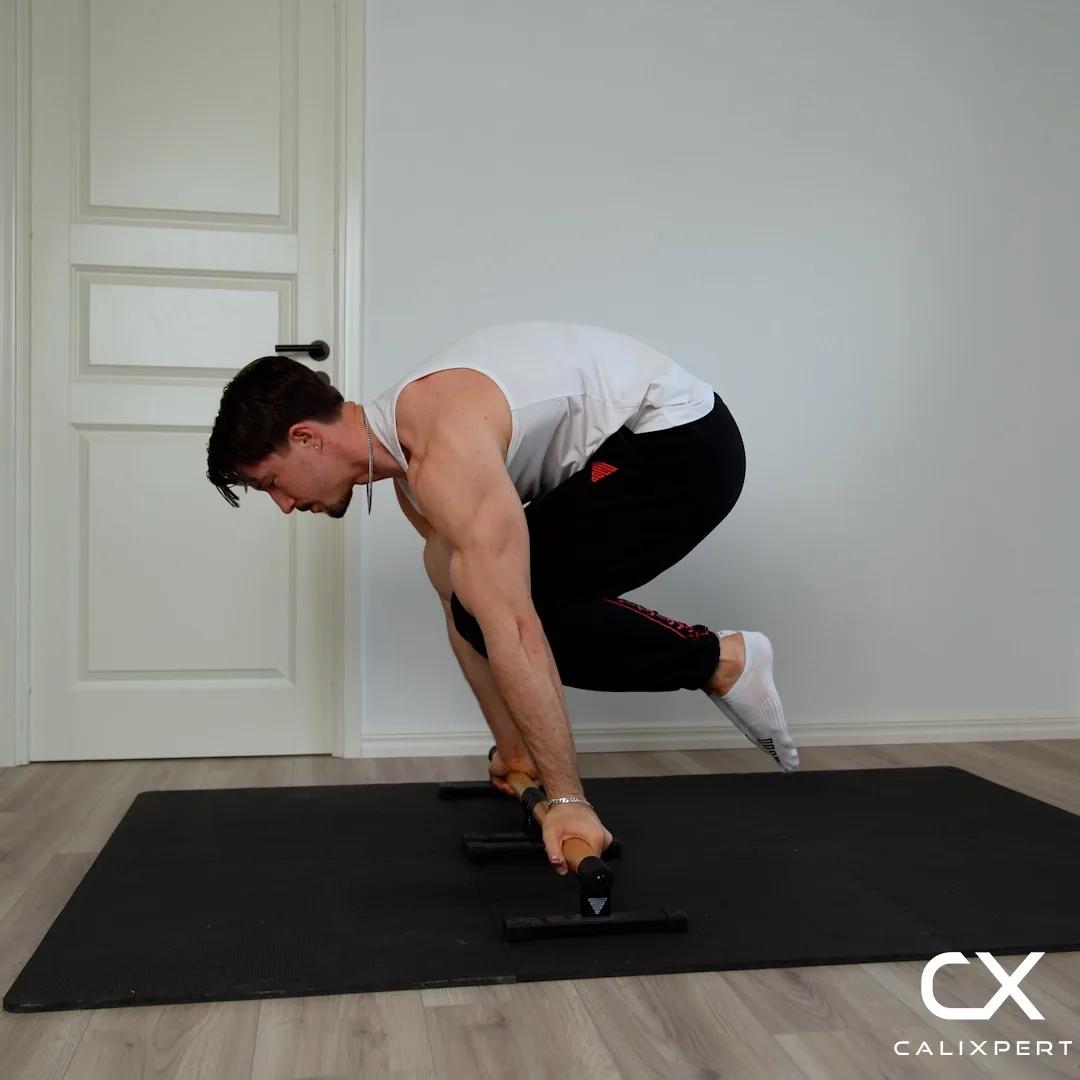
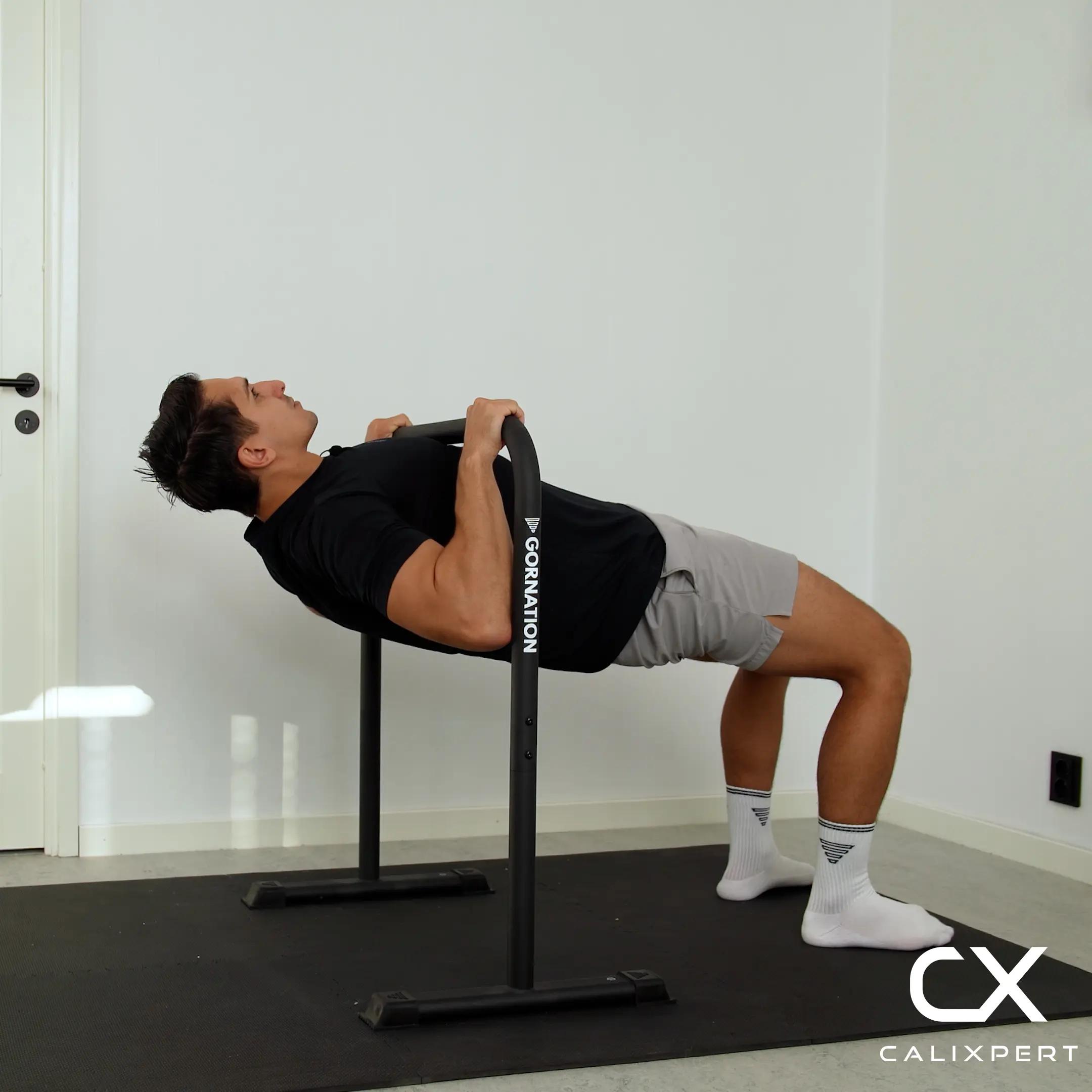
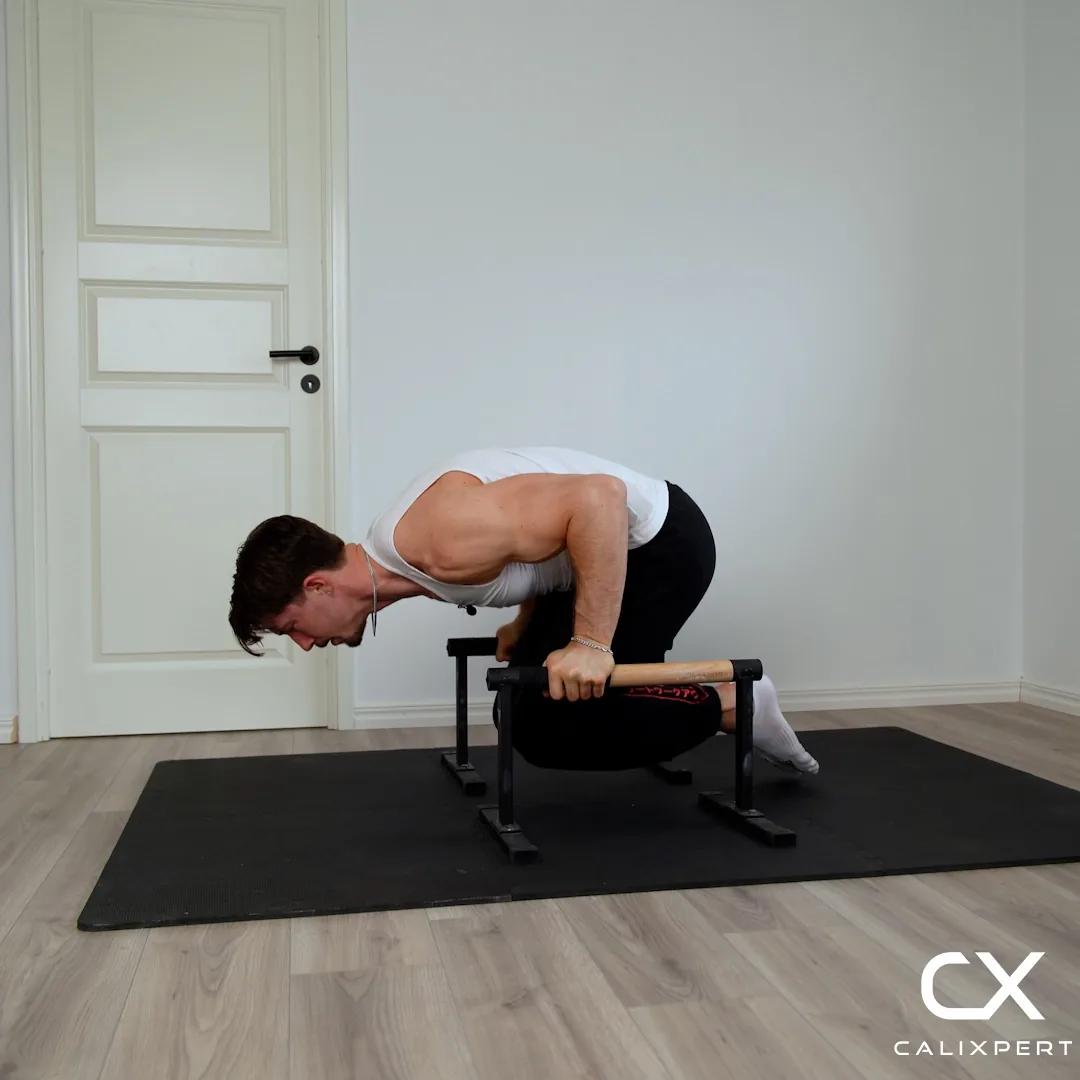
About the Biceps
The biceps brachii is a two-headed muscle on the front of your upper arm. It crosses both the shoulder and the elbow, which makes it active in far more movements than most people realize.
Its two functions are elbow flexion and forearm supination — curling your arm and rotating your palm upward. In calisthenics, pulling movements are its primary loading environment. Every row, pull-up, and muscle-up requires the biceps to both pull and stabilize the arm position.
A weak biceps limits your pulling capacity before your back muscles ever reach their limit. Building dedicated biceps strength through a full range of motion directly improves pull-up numbers and muscle-up development.
How to Train Your Biceps
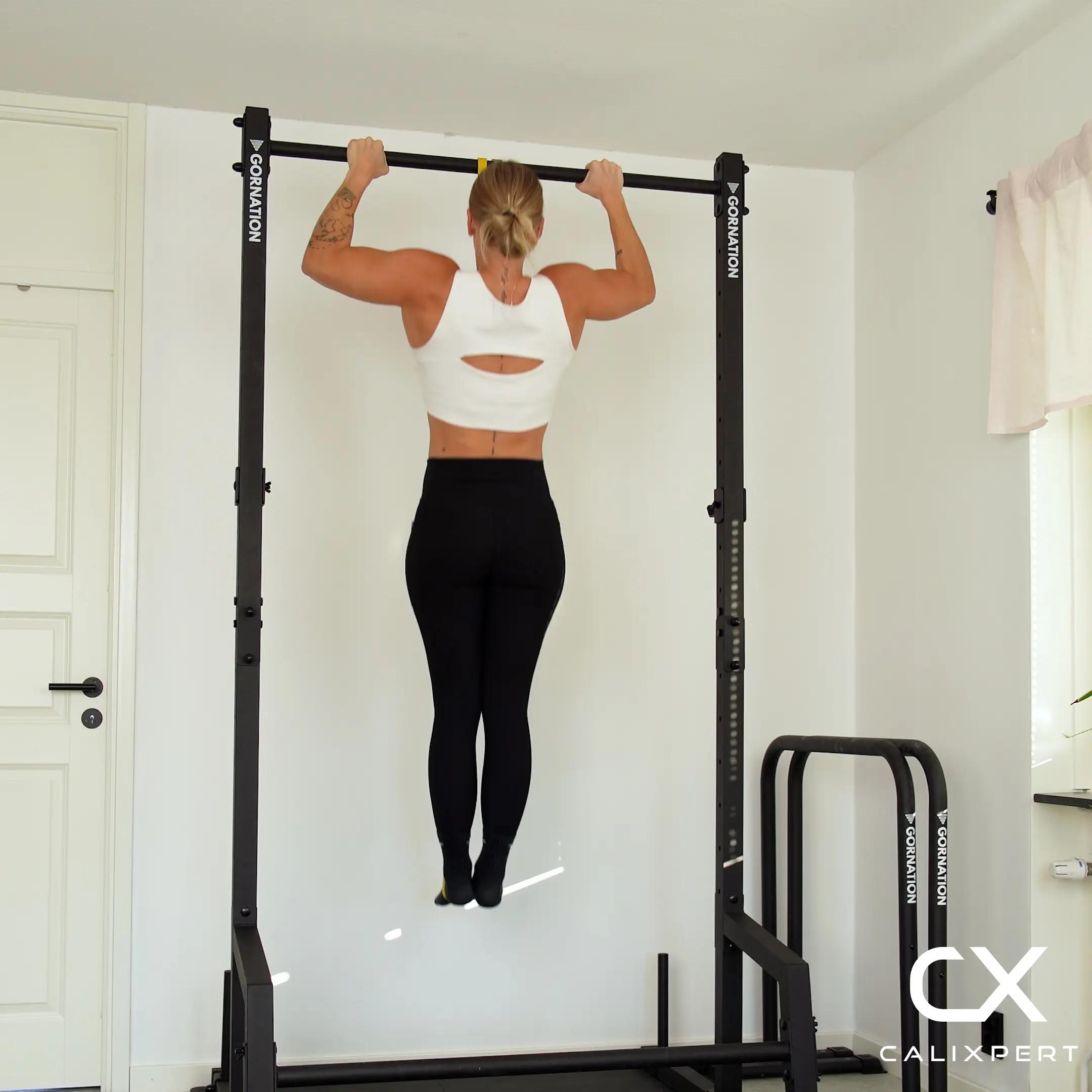
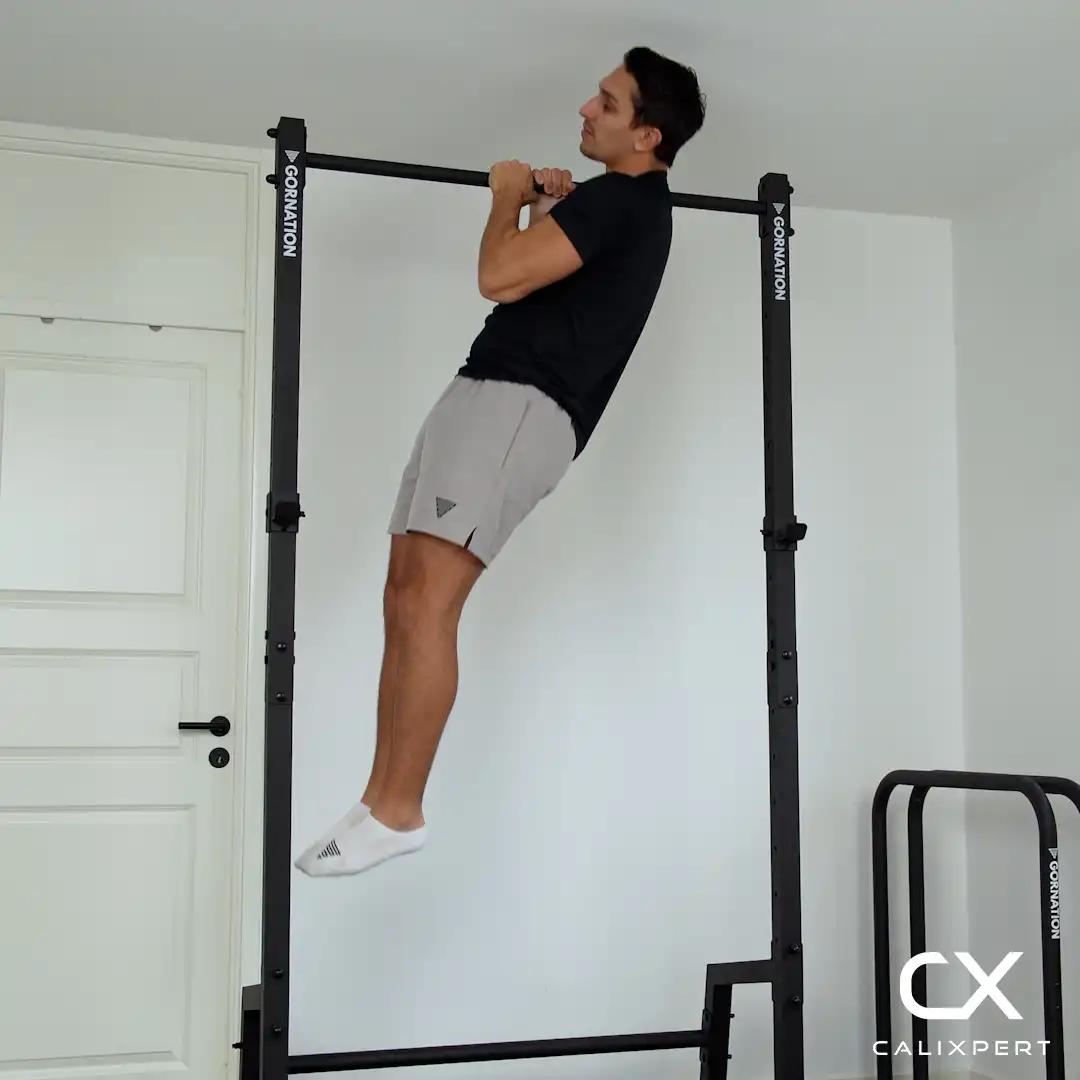
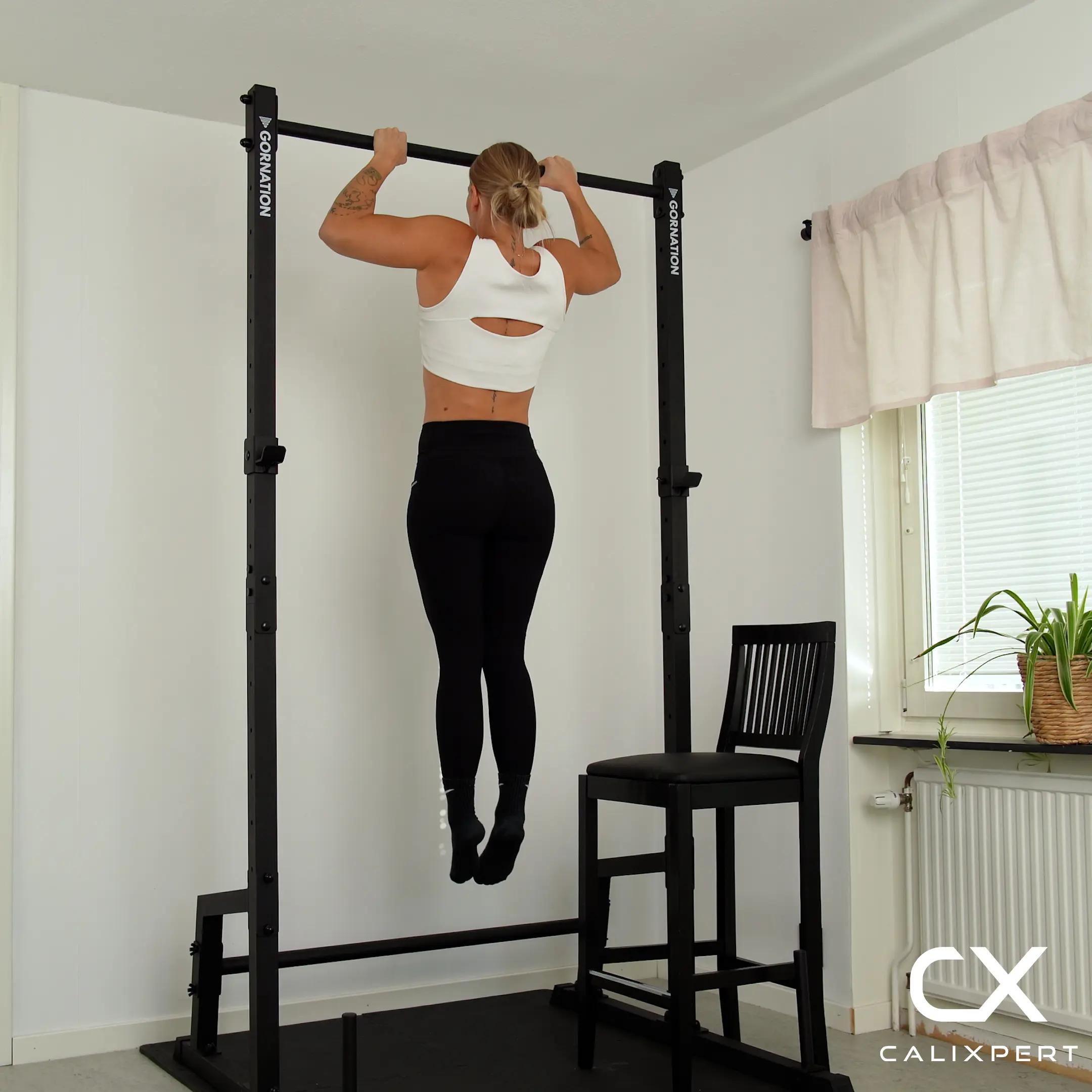
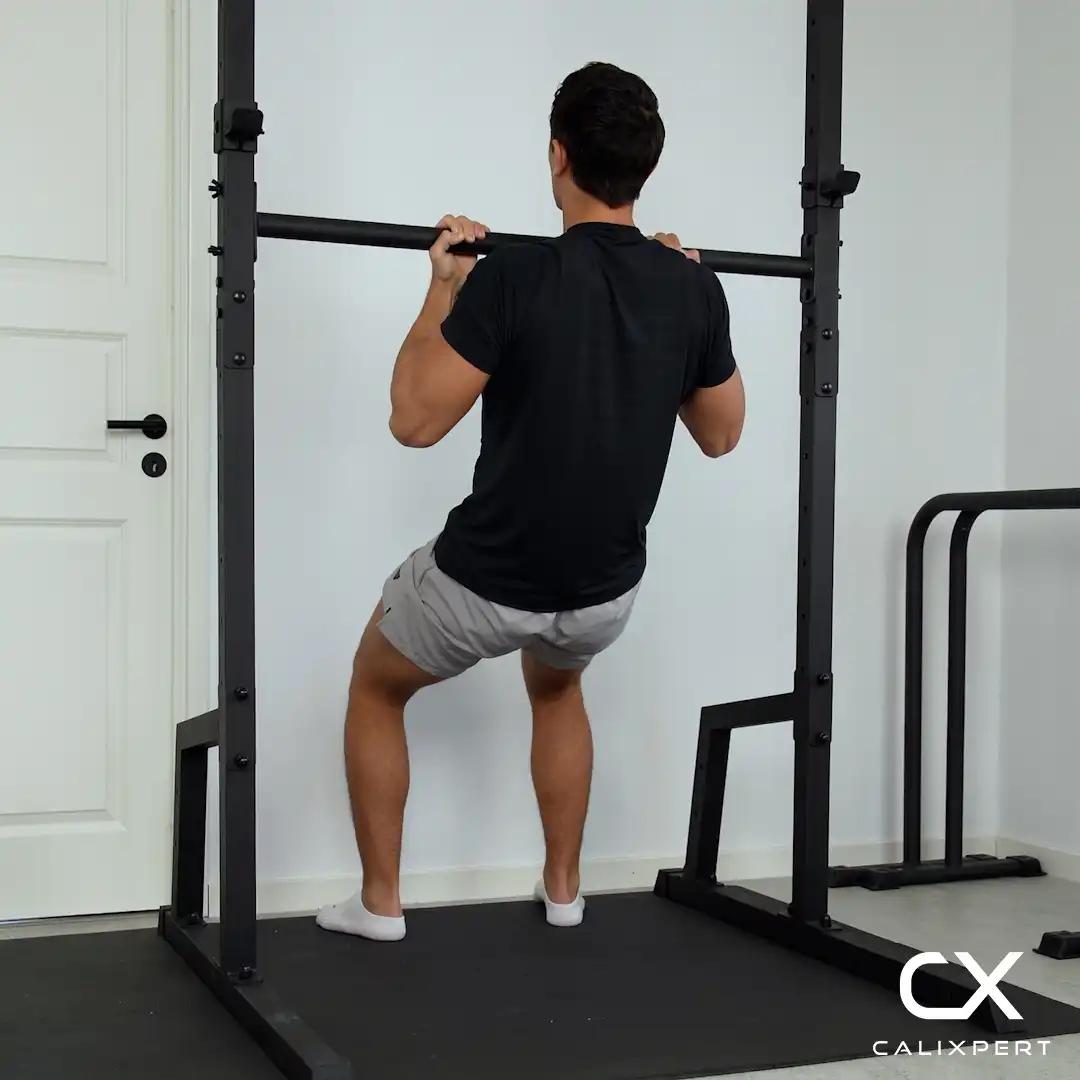
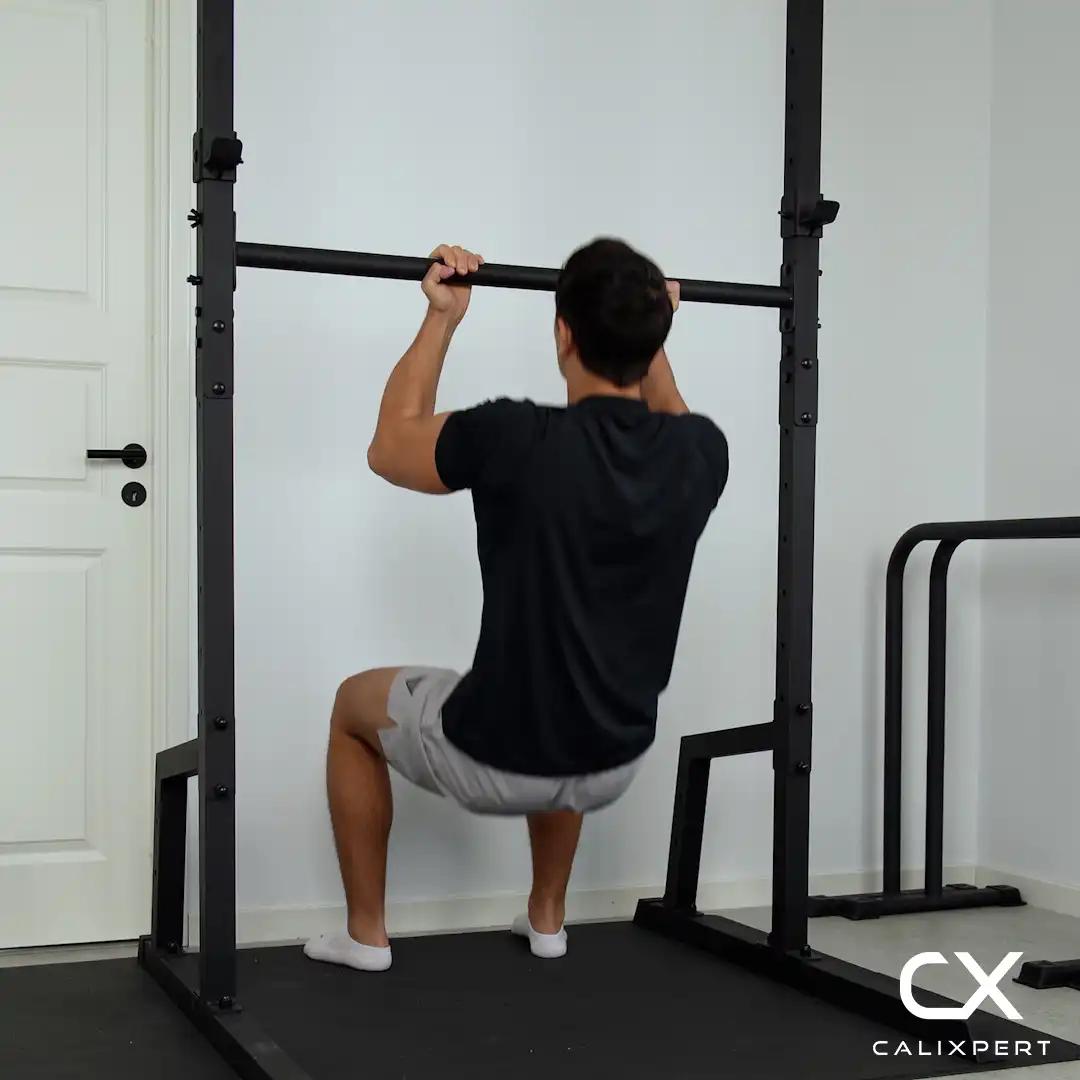
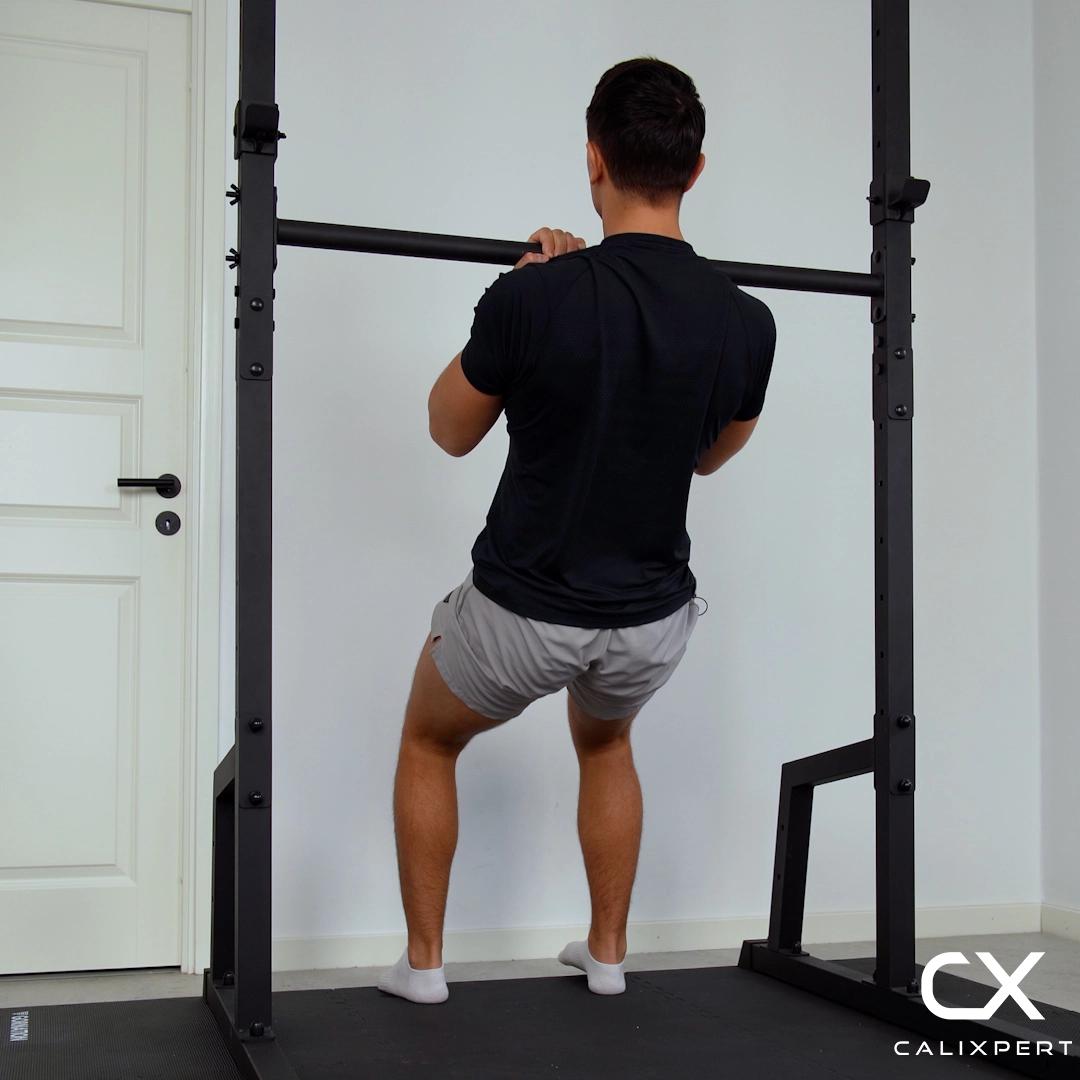
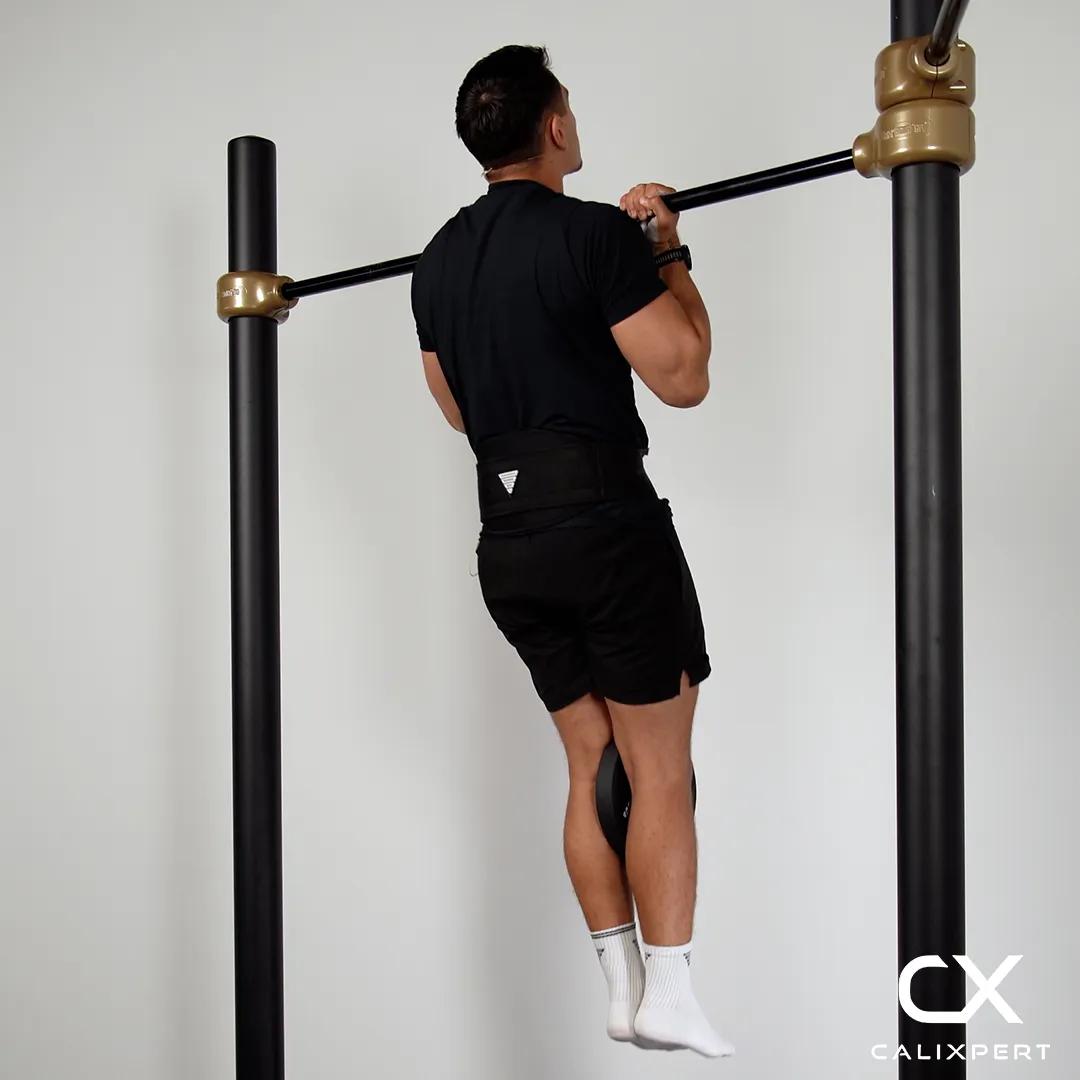
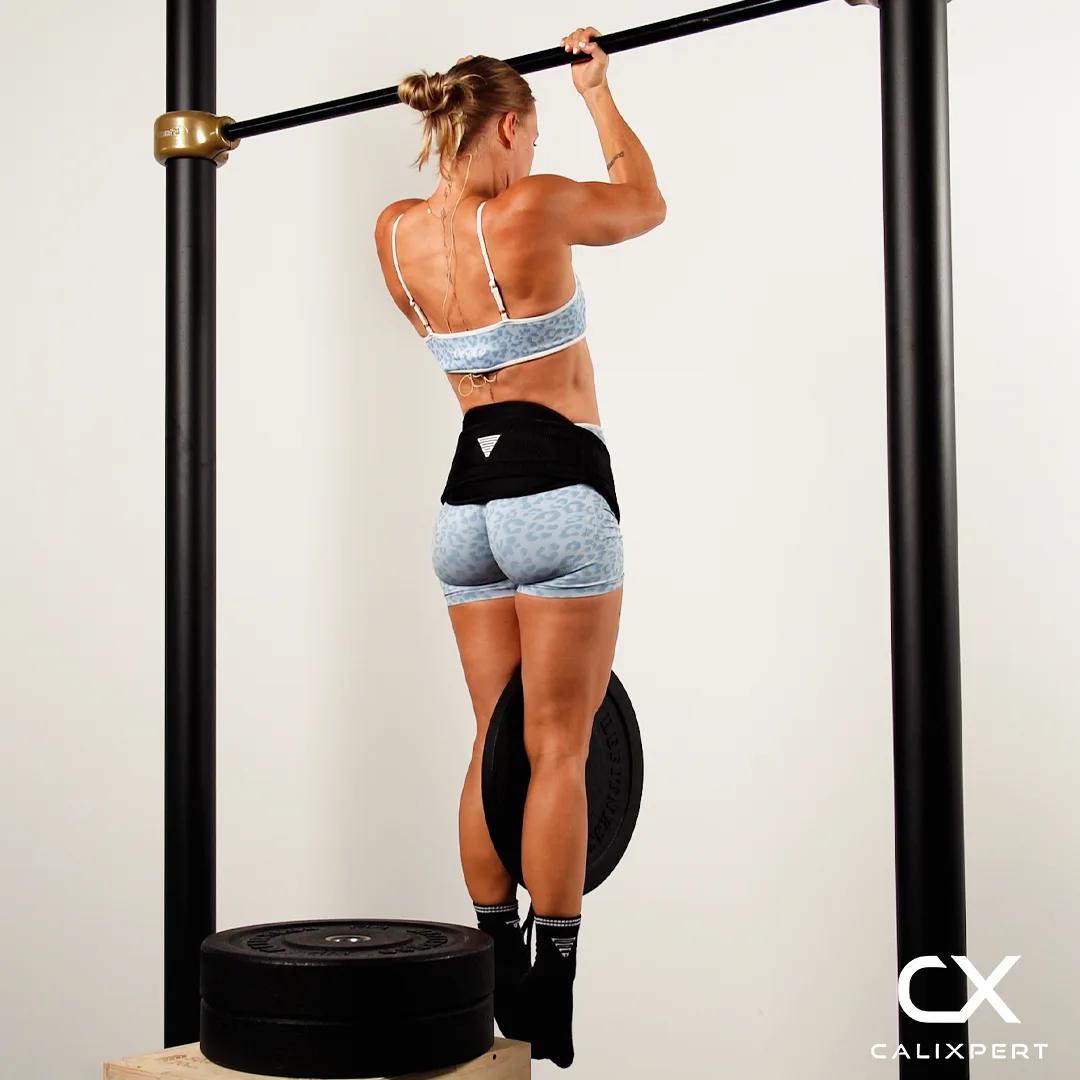
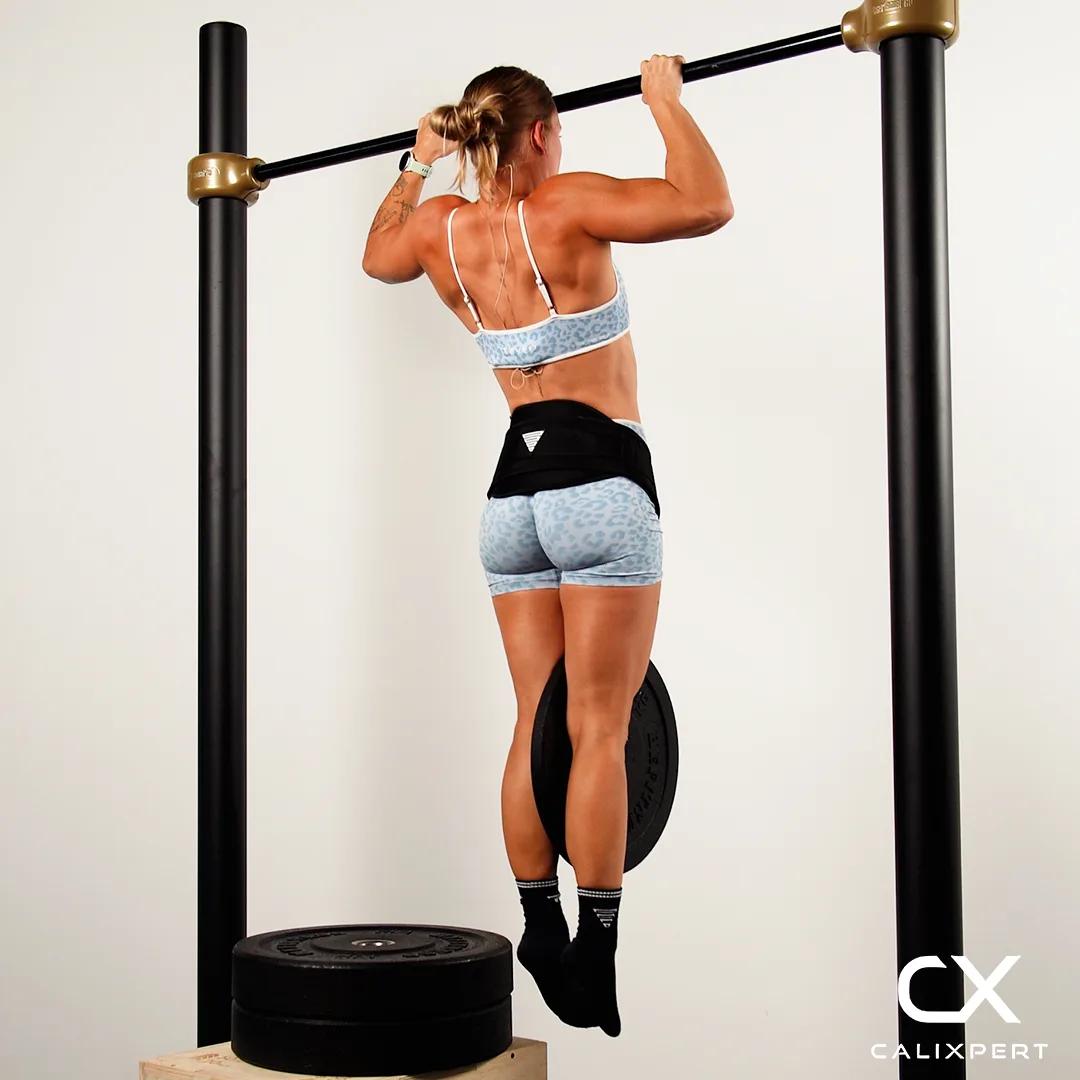
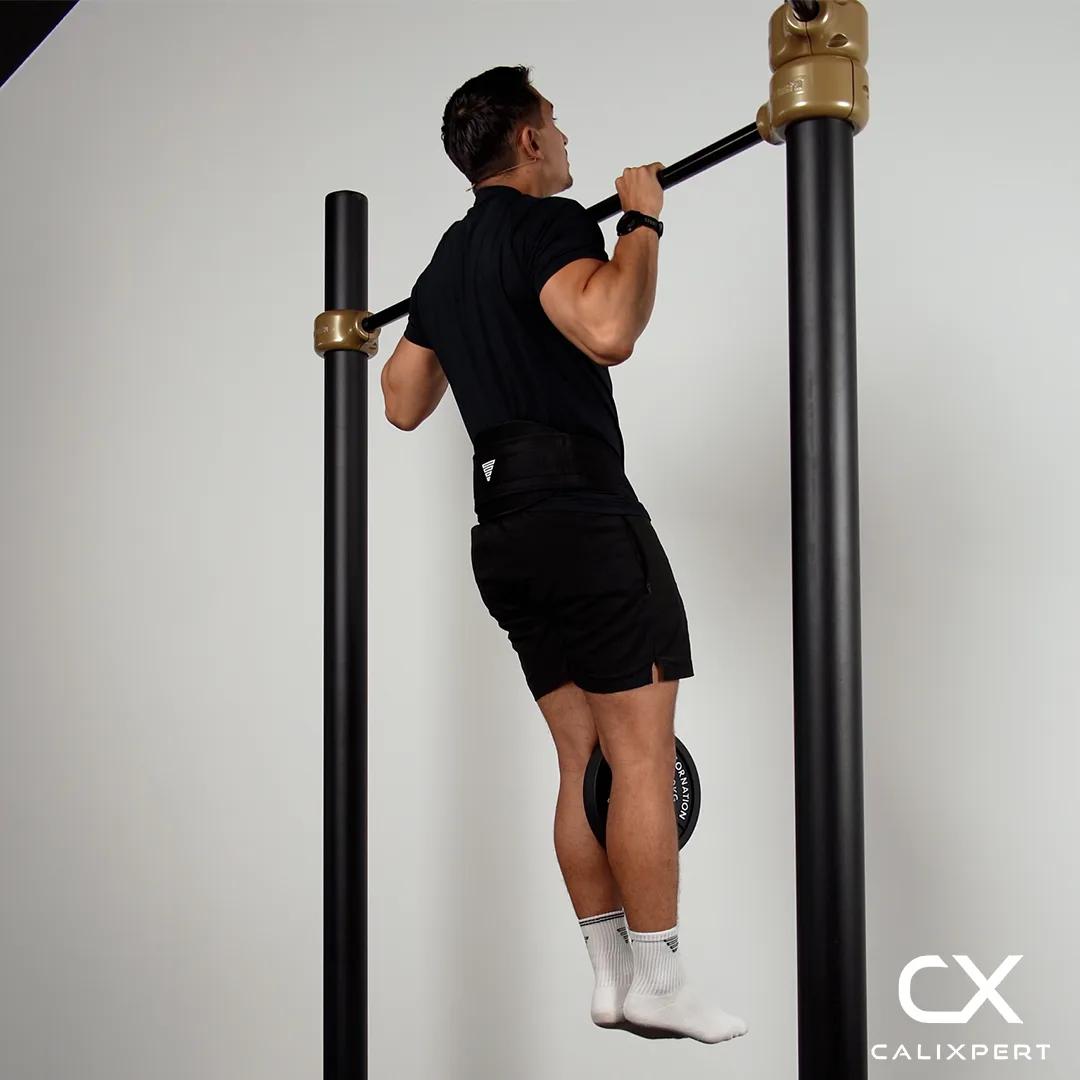
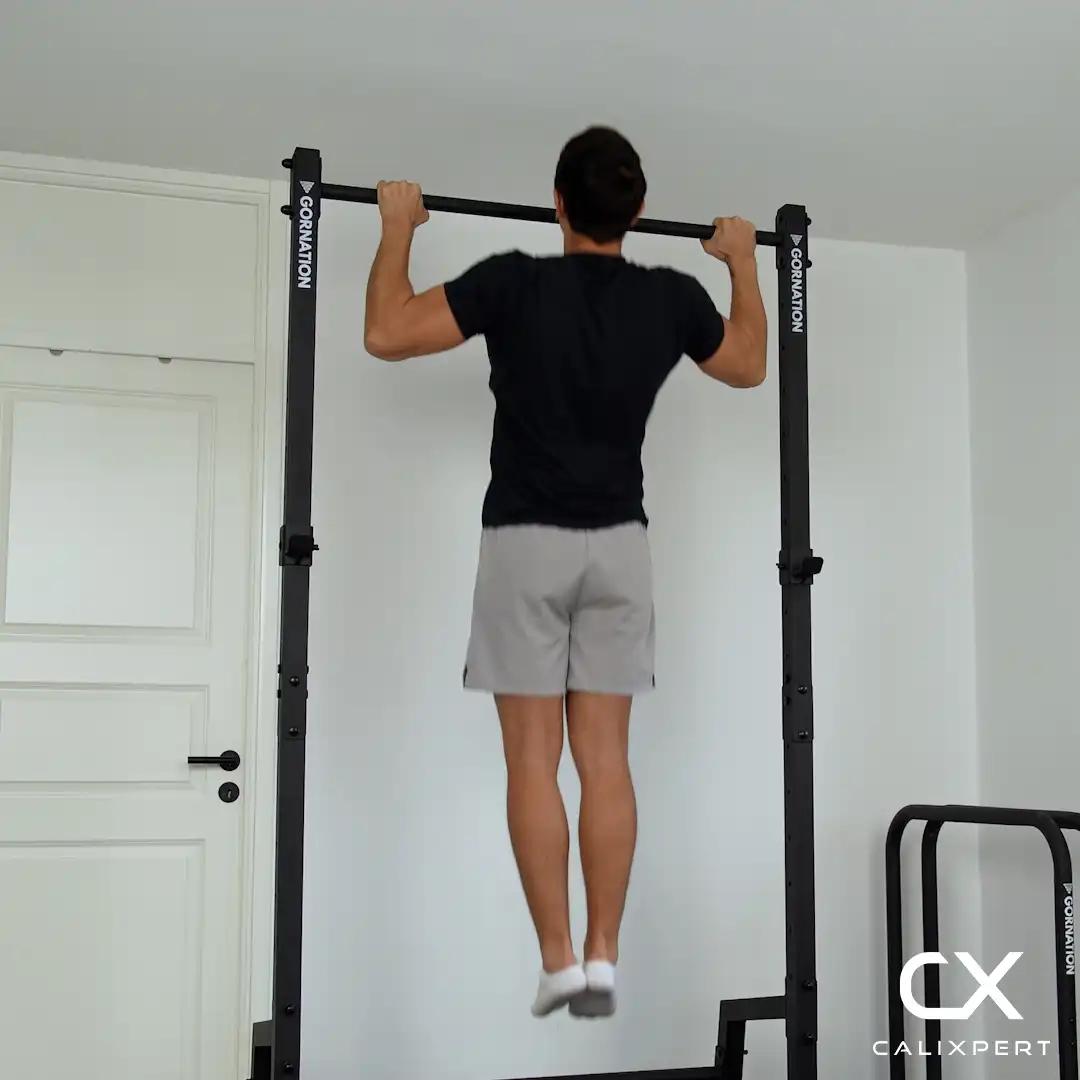
Pull-ups with a supinated grip — palms facing you — are the most direct biceps exercise in calisthenics. The supinated position puts the biceps in its strongest line of pull. Most athletes notice significantly more bicep fatigue on chin-ups than standard pull-ups for this reason.
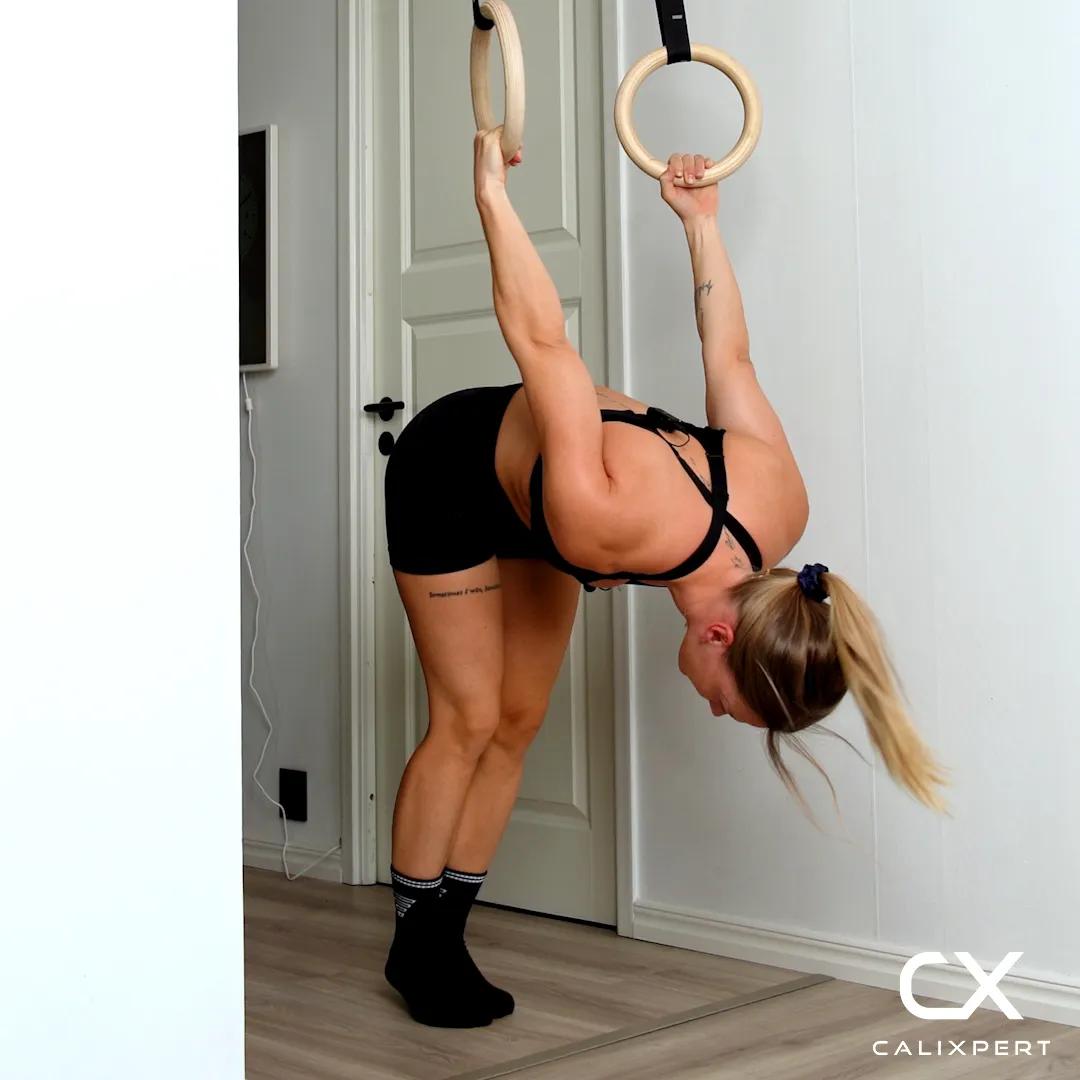
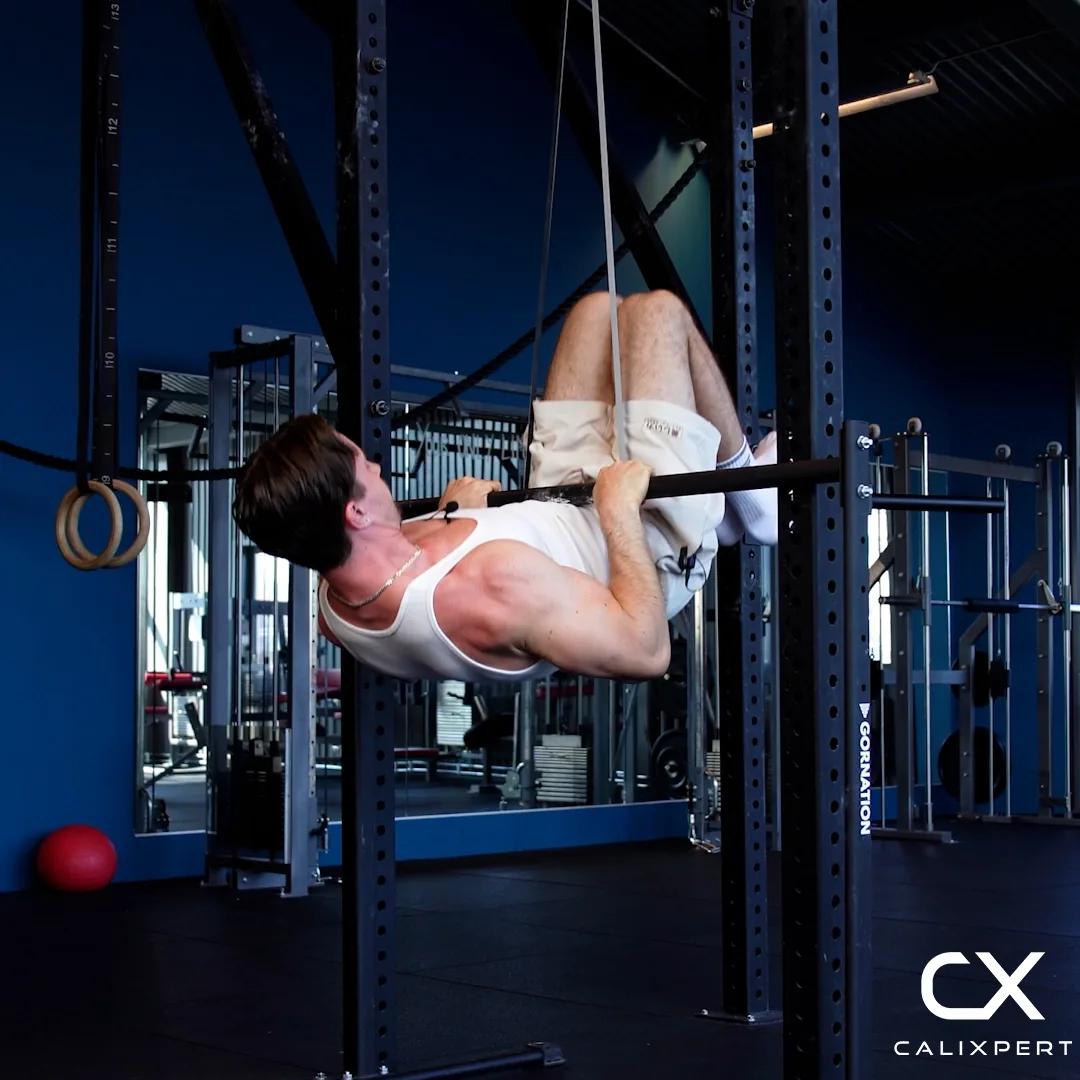
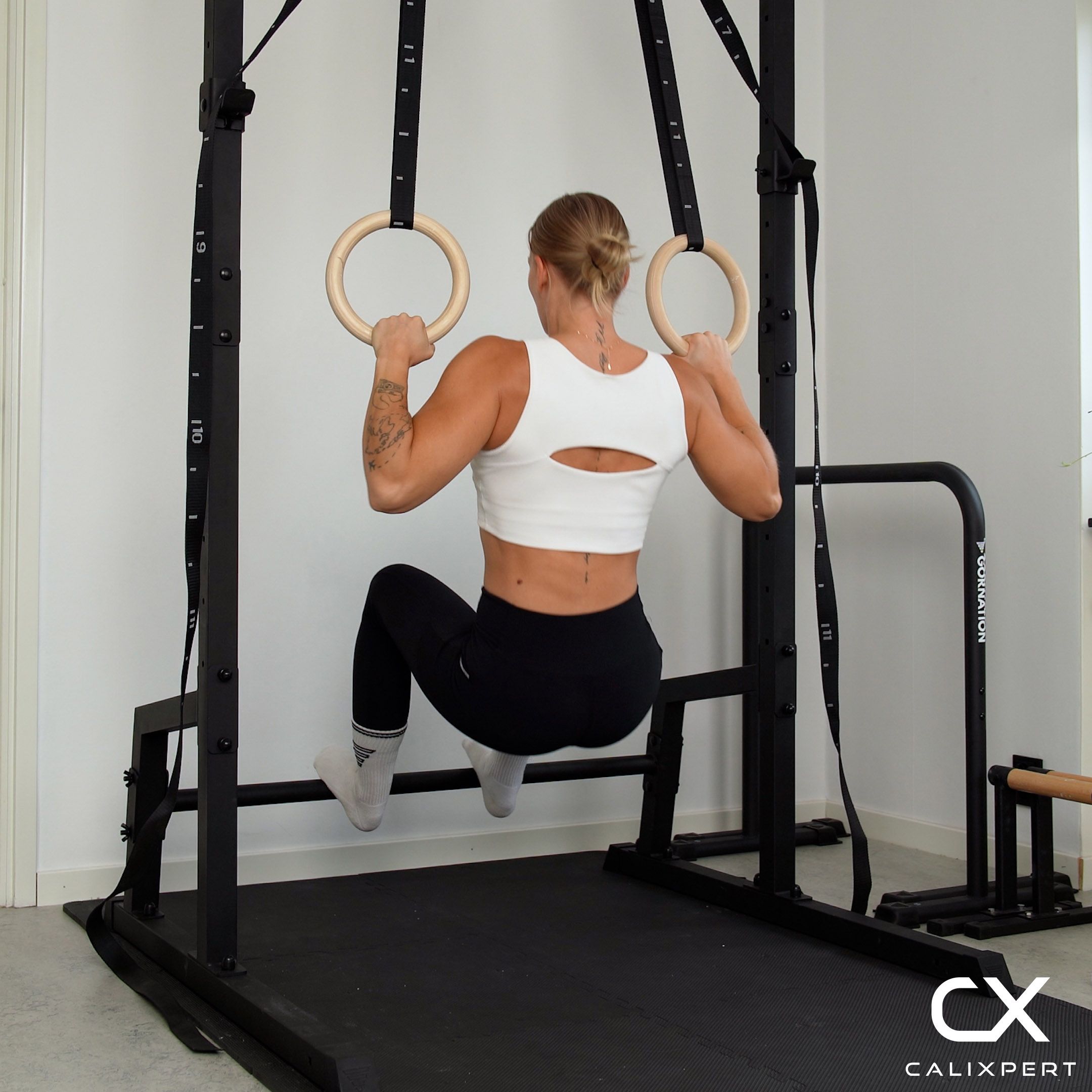
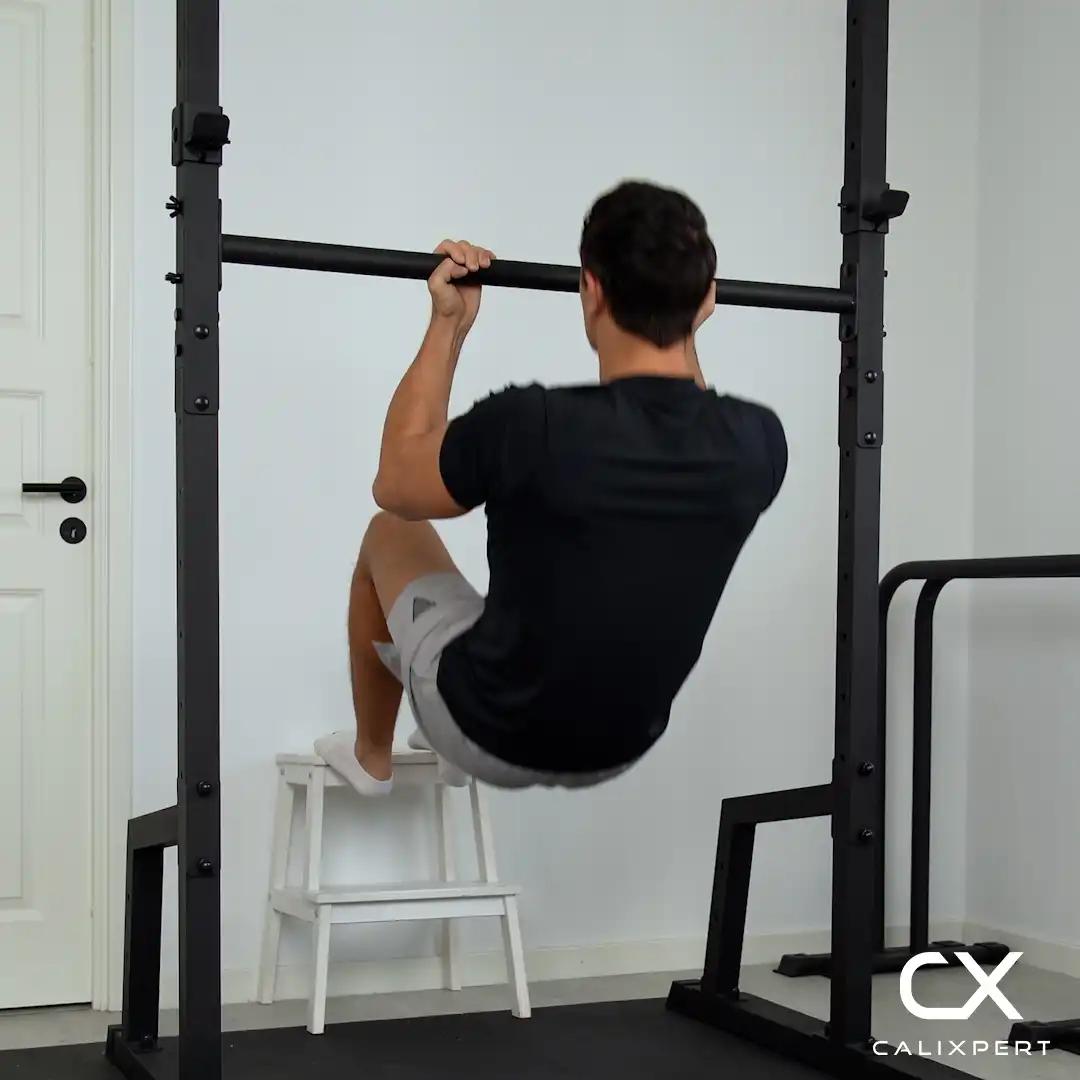
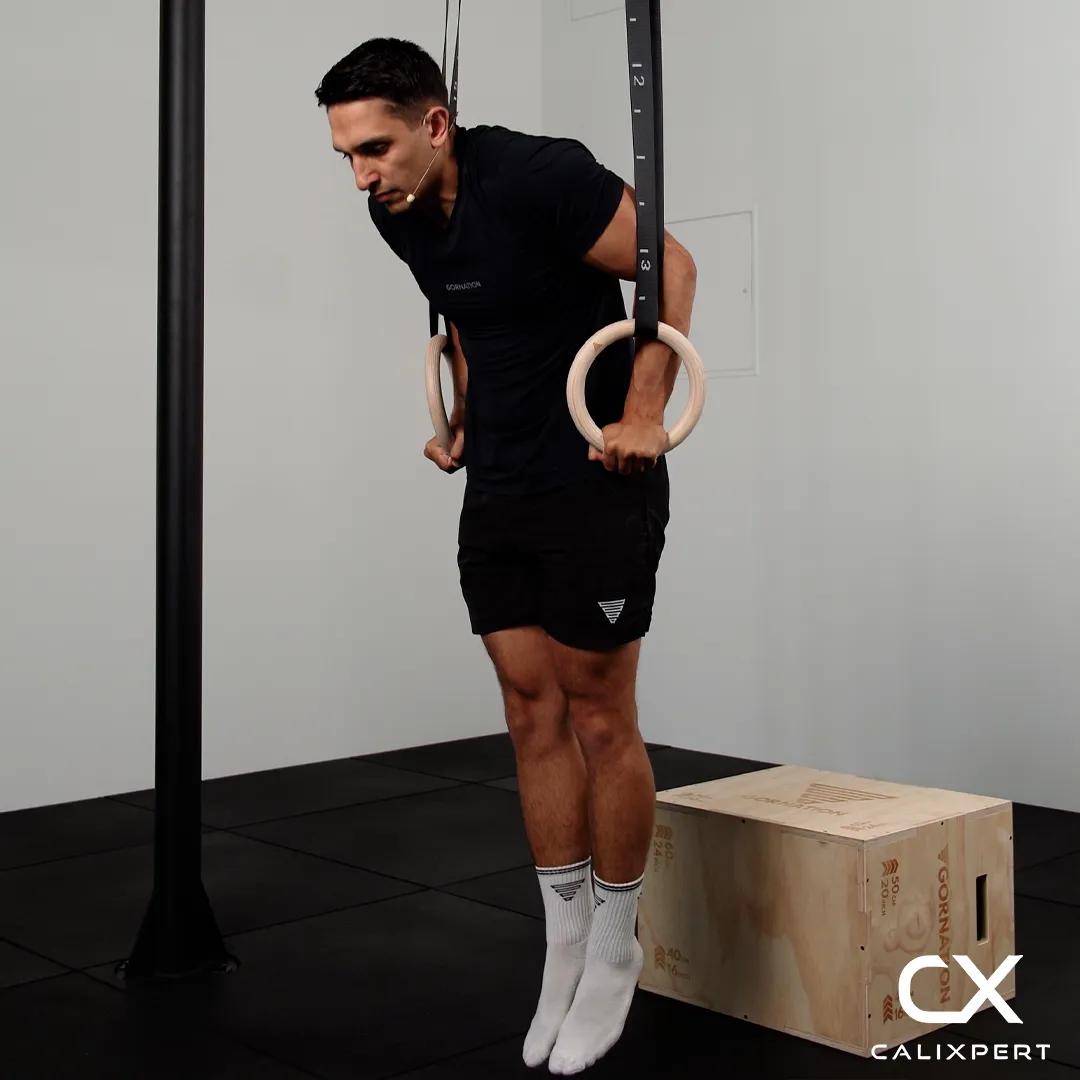
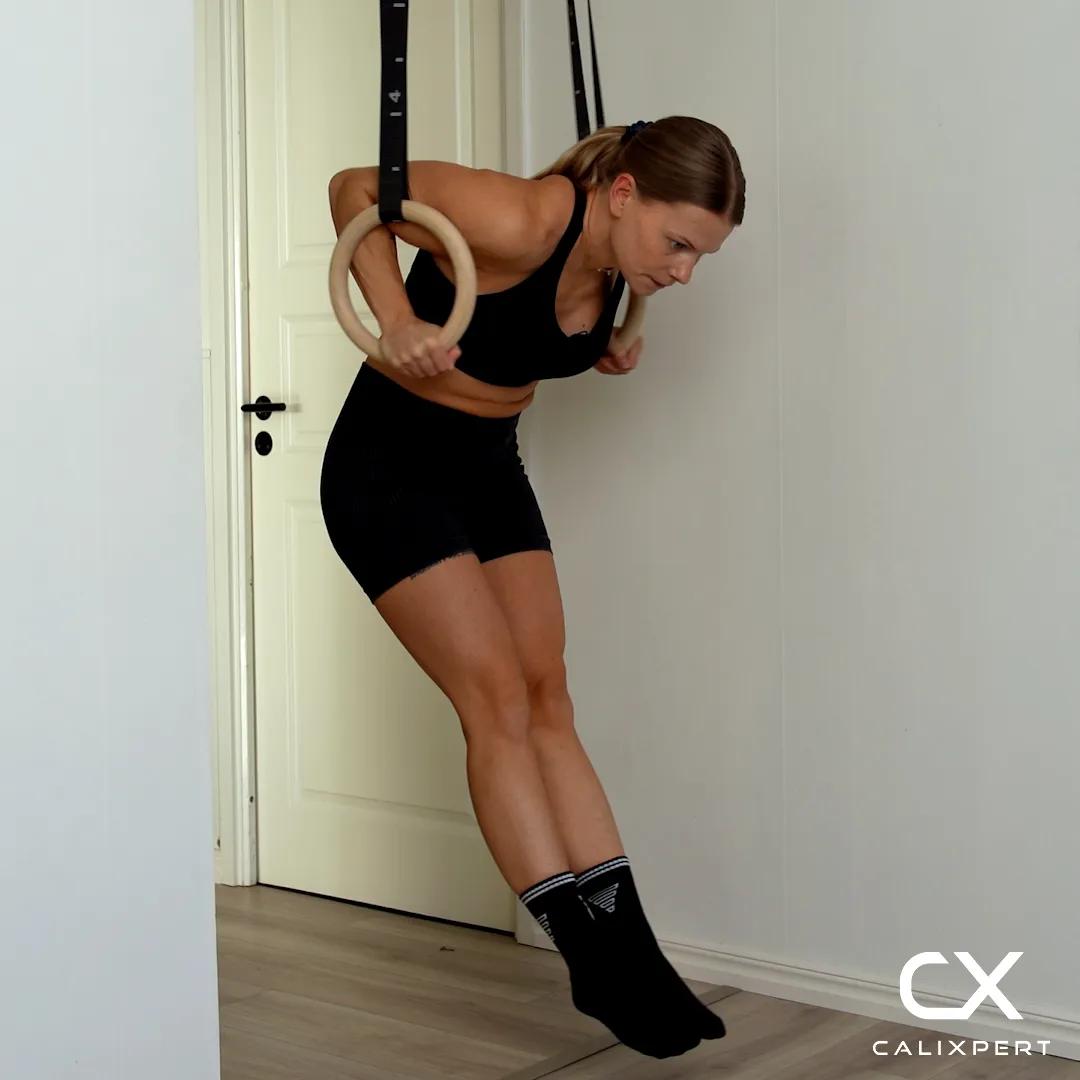
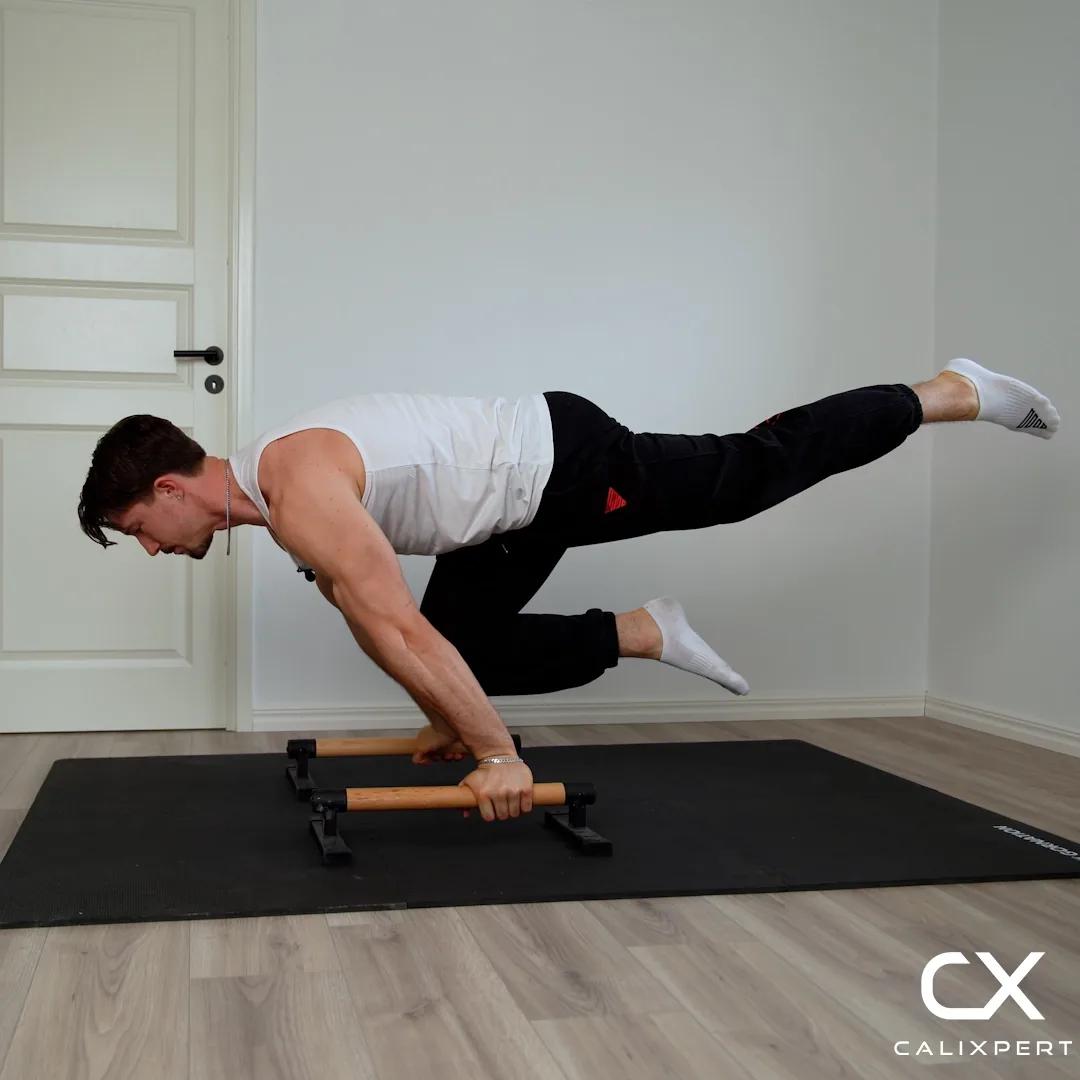
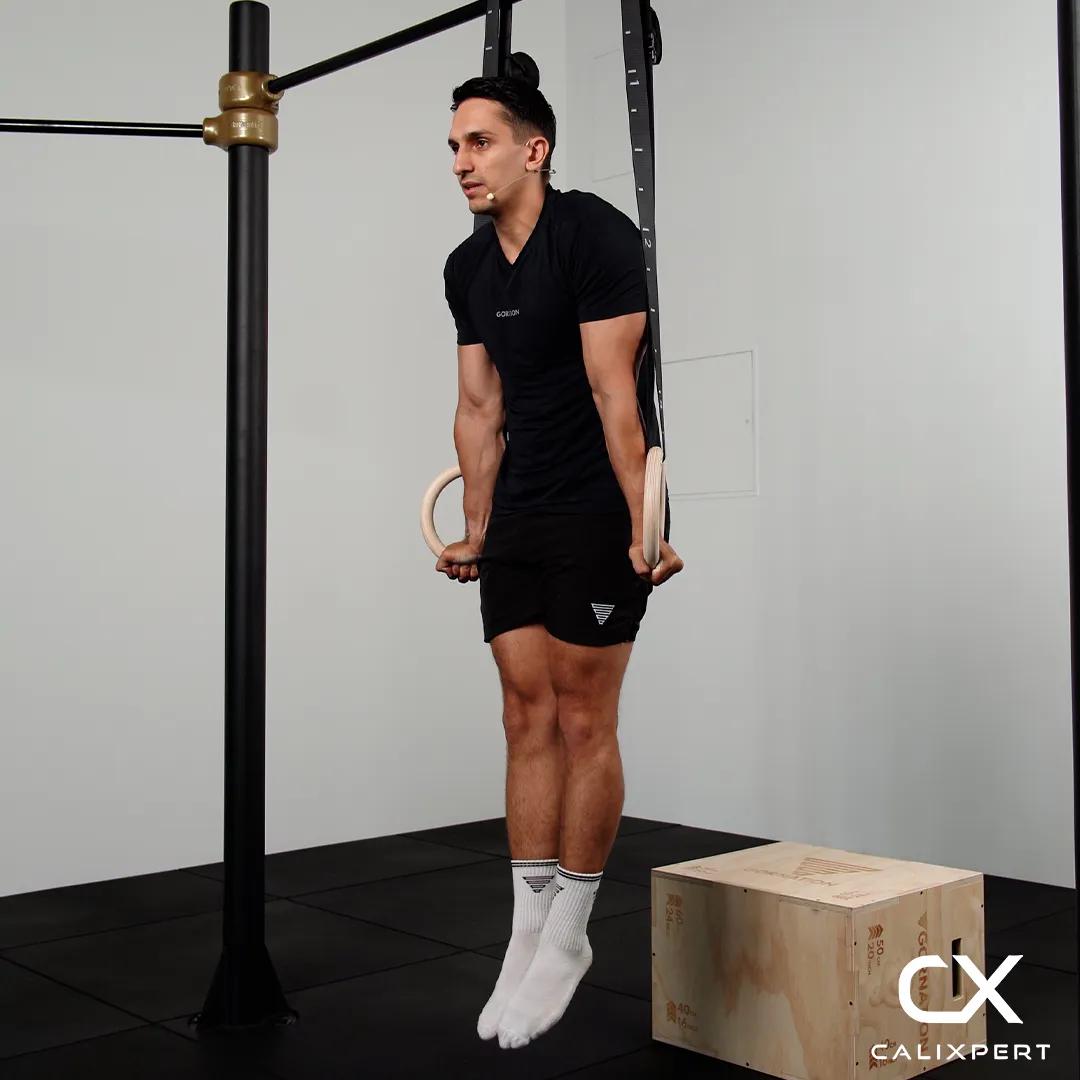
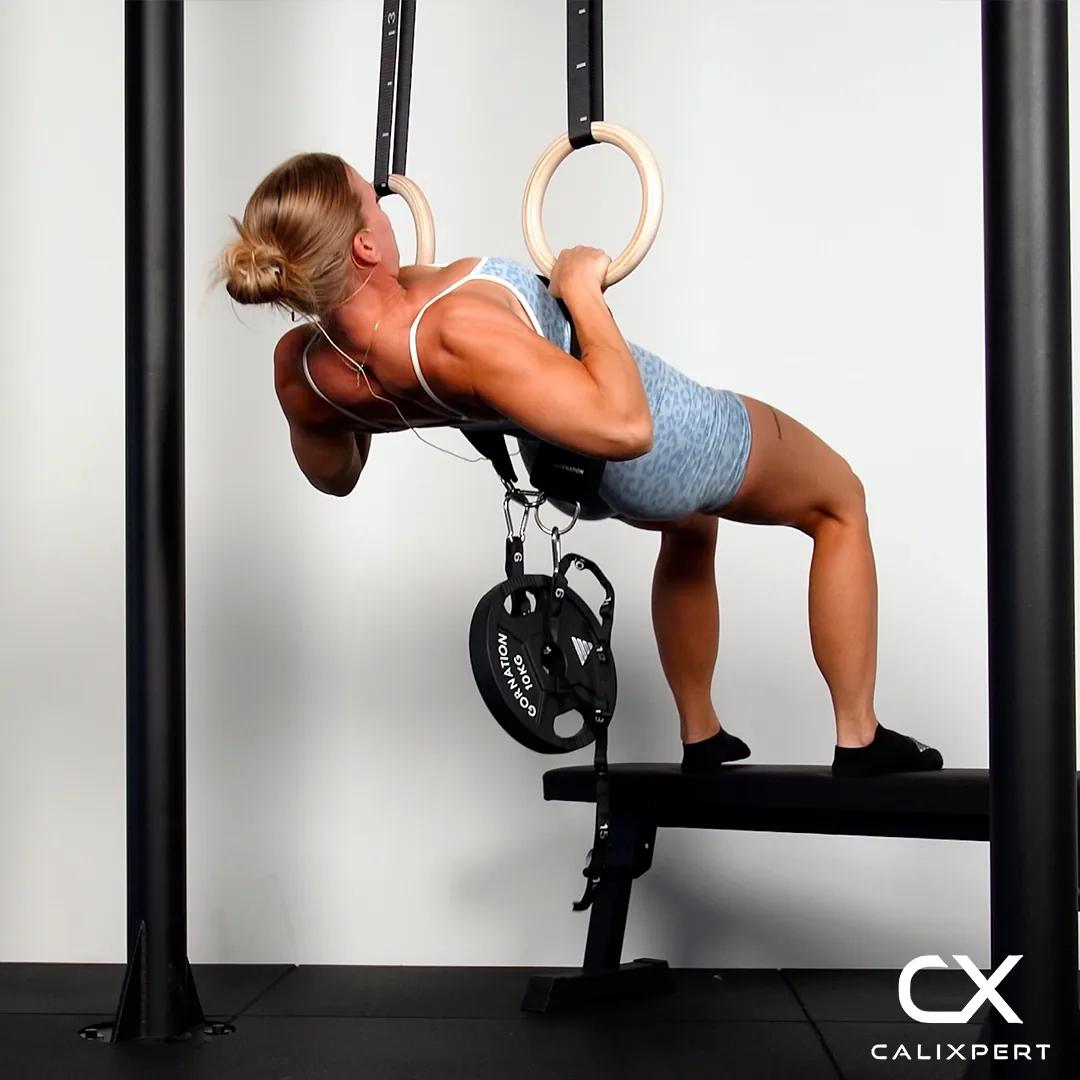
Archer rows and bodyweight curls on rings or a low bar add direct isolation work when pull-up volume alone is not enough. Ring curls in particular allow a full range of motion that standard pull-ups do not replicate.
Train biceps two to three times per week. They recover quickly but are prone to distal tendon issues when loaded eccentrically under high volume. Increase training load gradually.
Biceps FAQ
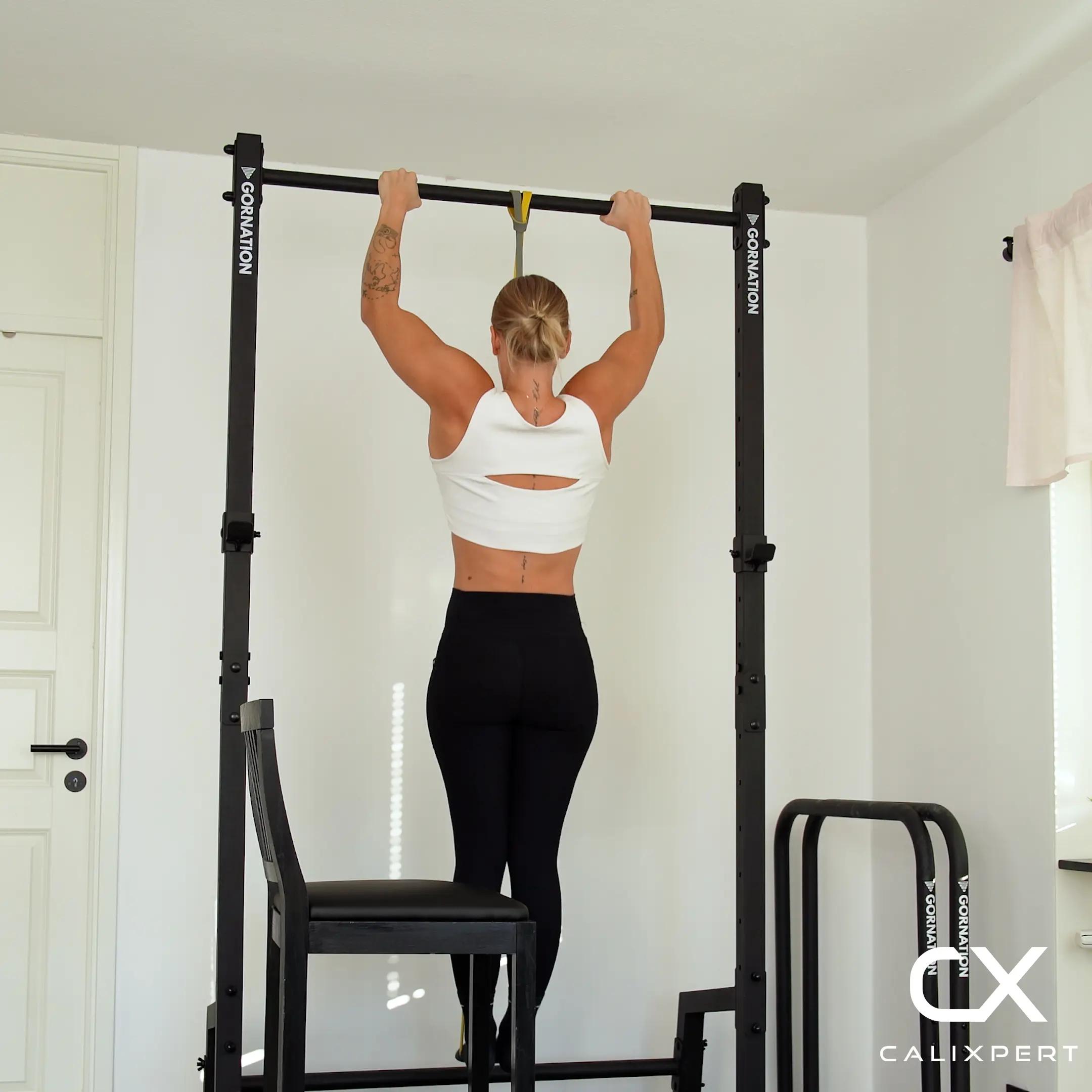
Pull-ups build the biceps but not through their full range. Adding chin-ups, ring rows, and ring curls ensures you are loading the muscle at different lengths and through different degrees of supination.
Elbow pain during pulling is usually a biceps tendon issue, most commonly from increasing volume too fast or from training with excessive tension in the upper body. Reduce volume, check your technique, and add slow controlled eccentrics.
Yes. The transition phase of a muscle-up demands explosive bicep contraction. Athletes who stall at the transition often have a pulling strength deficit, not just a technique problem.