Bodyweight Rows / Australian Rows
Bodyweight rows, also called Australian rows or inverted rows, are a horizontal pulling exercise performed underneath a low bar that targets the upper back, lats, biceps, and rear deltoids through a full range of motion. The key to an effective bodyweight row is maintaining a rigid body line with hips pushed up and pulling to the lower chest with elbows at roughly 45 degrees from the torso. Mastered with clean technique, bodyweight rows build the horizontal pulling strength and scapular control that directly prepare you for pull-ups and more advanced calisthenics skills.
Bodyweight rows, also called Australian rows or inverted rows, are a horizontal pulling exercise performed underneath a low bar that targets the upper back, lats, biceps, and rear deltoids through a full range of motion. The key to an effective bodyweight row is maintaining a rigid body line with hips pushed up and pulling to the lower chest with elbows at roughly 45 degrees from the torso. Mastered with clean technique, bodyweight rows build the horizontal pulling strength and scapular control that directly prepare you for pull-ups and more advanced calisthenics skills.
How to Do Bodyweight Rows / Australian Rows
1. Set Up at the Bar
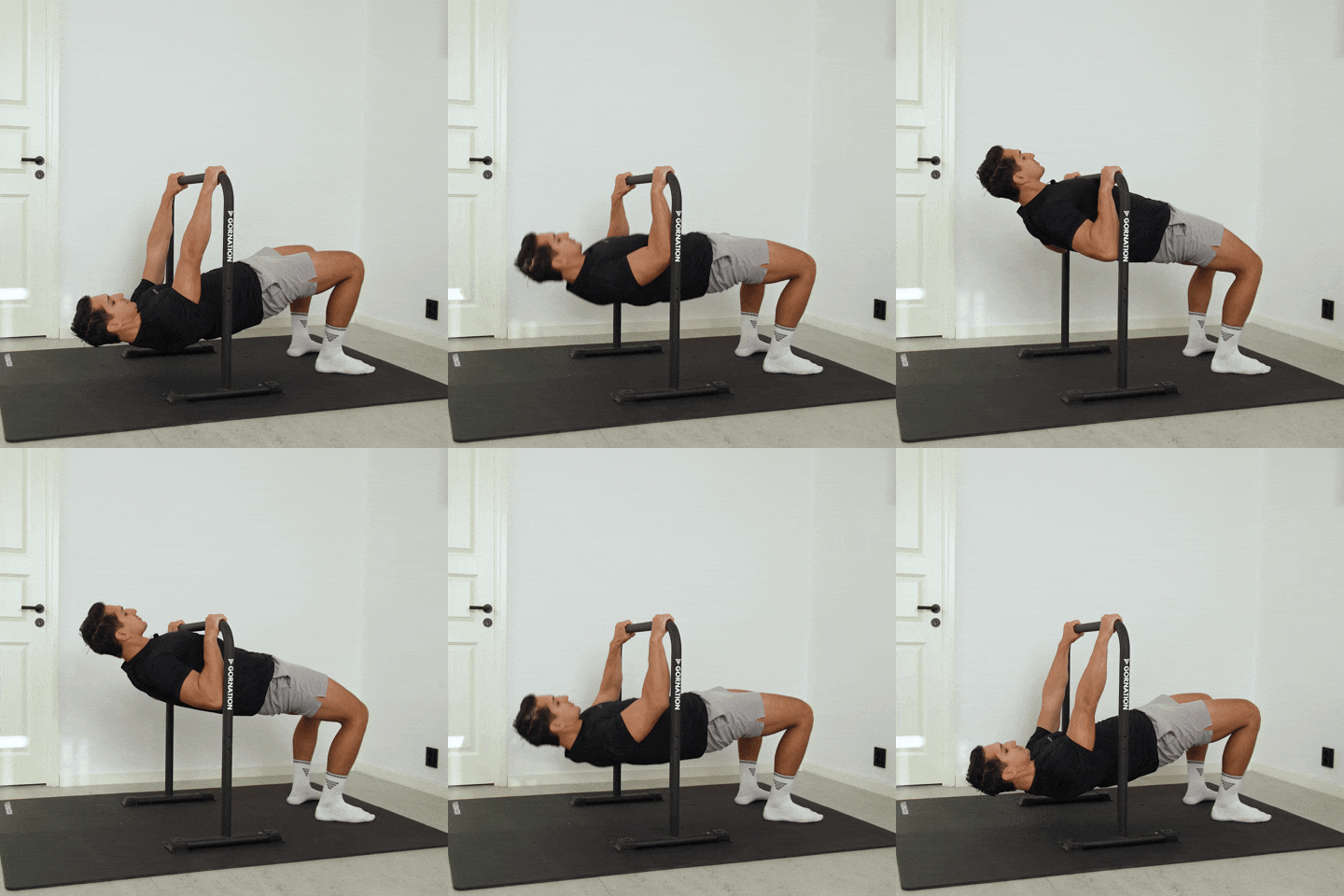
Find a straight bar or dip bar at approximately hip height. Position yourself underneath the bar so that it lines up with your lower chest when you are lying on the ground. Grab the bar with an overhand grip slightly wider than shoulder width and wrap your thumbs fully around the bar.
Thumbs around the bar, never on top
2. Establish Your Body Line
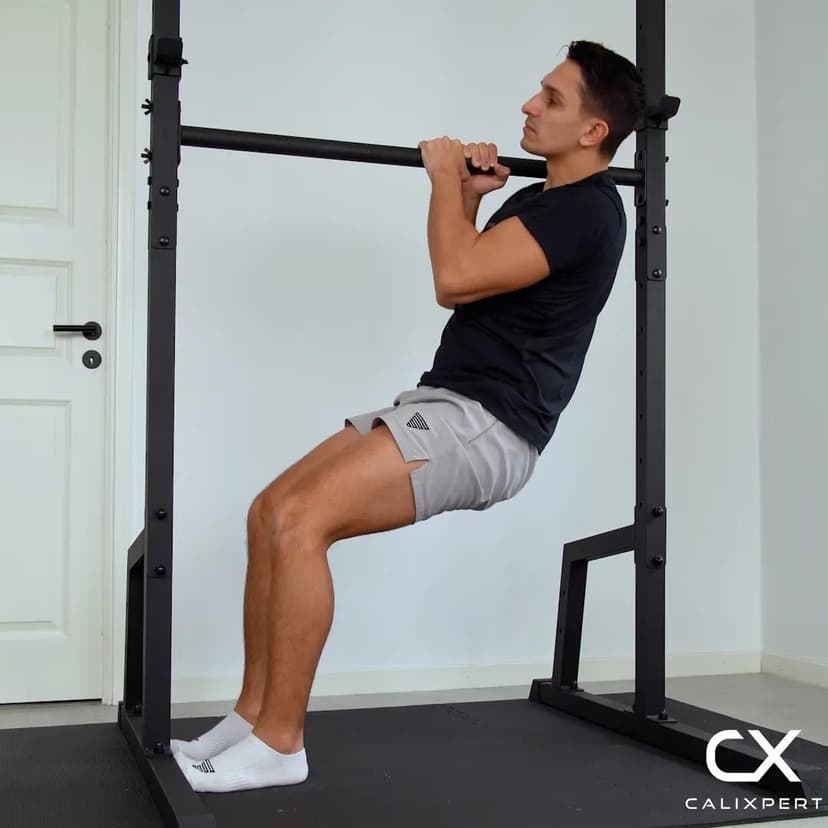
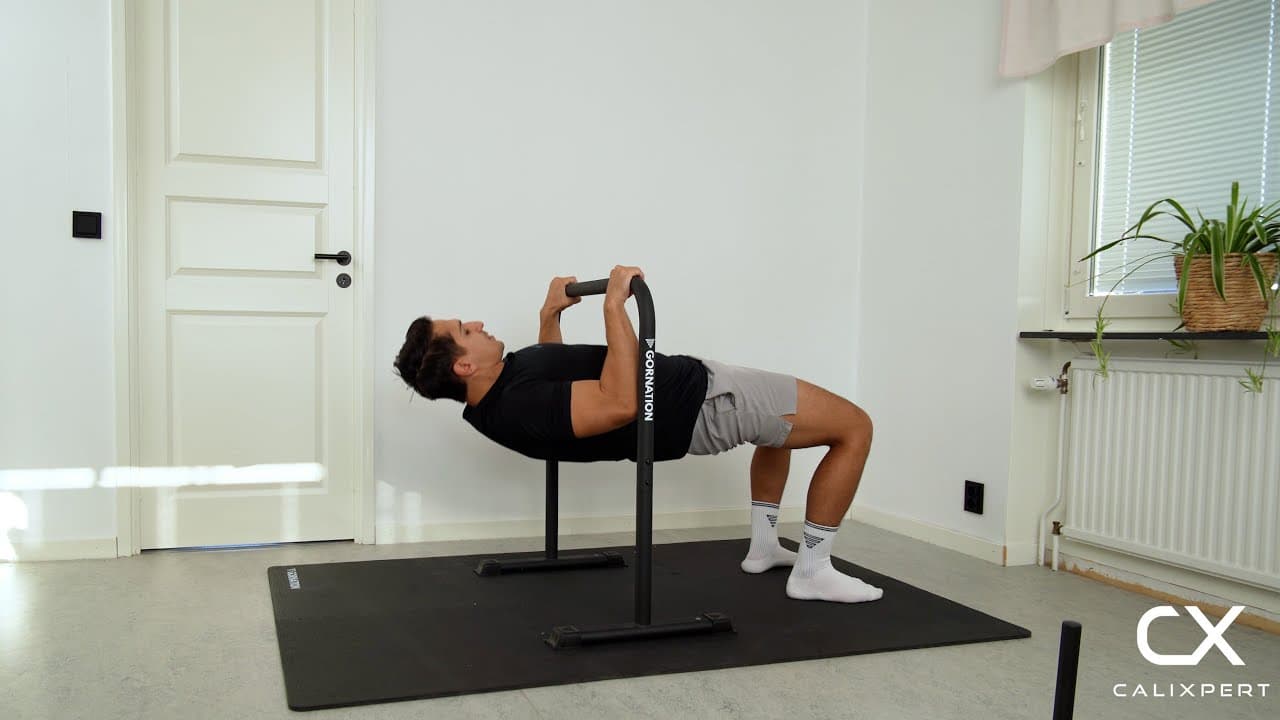
Walk your feet forward and bend your knees with your feet flat on the ground. Push your hips up so that your body forms a straight line from your knees to your shoulders. This rigid position must be maintained throughout every rep. Do not let your hips sag or drop at any point during the movement.
Hips up, straight line from knees to shoulders
3. Pull to the Lower Chest
From the bottom position with arms fully extended, pull your body toward the bar by driving your elbows at a 45-degree angle from your torso. Aim to touch the bar to the area just below your chest. This elbow angle places the upper back and lats in their strongest pulling position while keeping the shoulder joint in a comfortable, neutral path.
Elbows at 45 degrees, pull to lower chest
4. Squeeze at the Top
At the top of the pull, squeeze your shoulder blades together and hold for a brief moment. Your chest should lightly touch or come very close to the bar. Keep your hips pushed up and your body rigid in the same straight line you set at the start.
Squeeze shoulder blades, chest to bar
5. Lower Under Control
Slowly extend your arms to lower yourself back to the starting position, resisting gravity the entire way down. Keep tension in your upper back throughout the descent instead of simply dropping. Return to full arm extension at the bottom, then re-engage your shoulder blades before initiating the next rep.
Slow descent, do not just drop
Most people fail bodyweight rows because they lose their hip position halfway through the set. Before you even think about pulling, lock your hips up and create full body tension from knees to shoulders. If you treat this like a moving plank instead of just an arm exercise, your upper back will fire completely differently and your reps will clean up immediately.
Muscles Worked During Bodyweight Rows / Australian Rows
Primary Muscles:
Secondary Muscles:
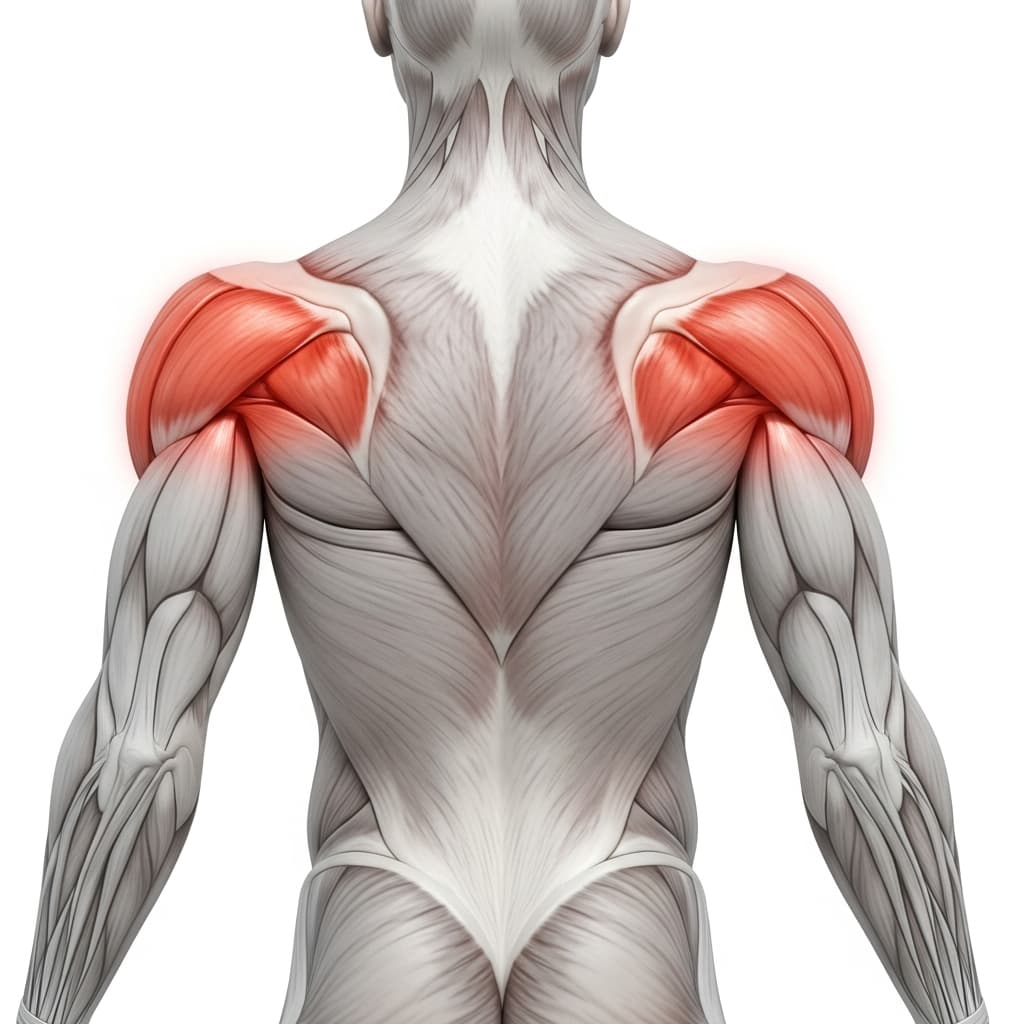
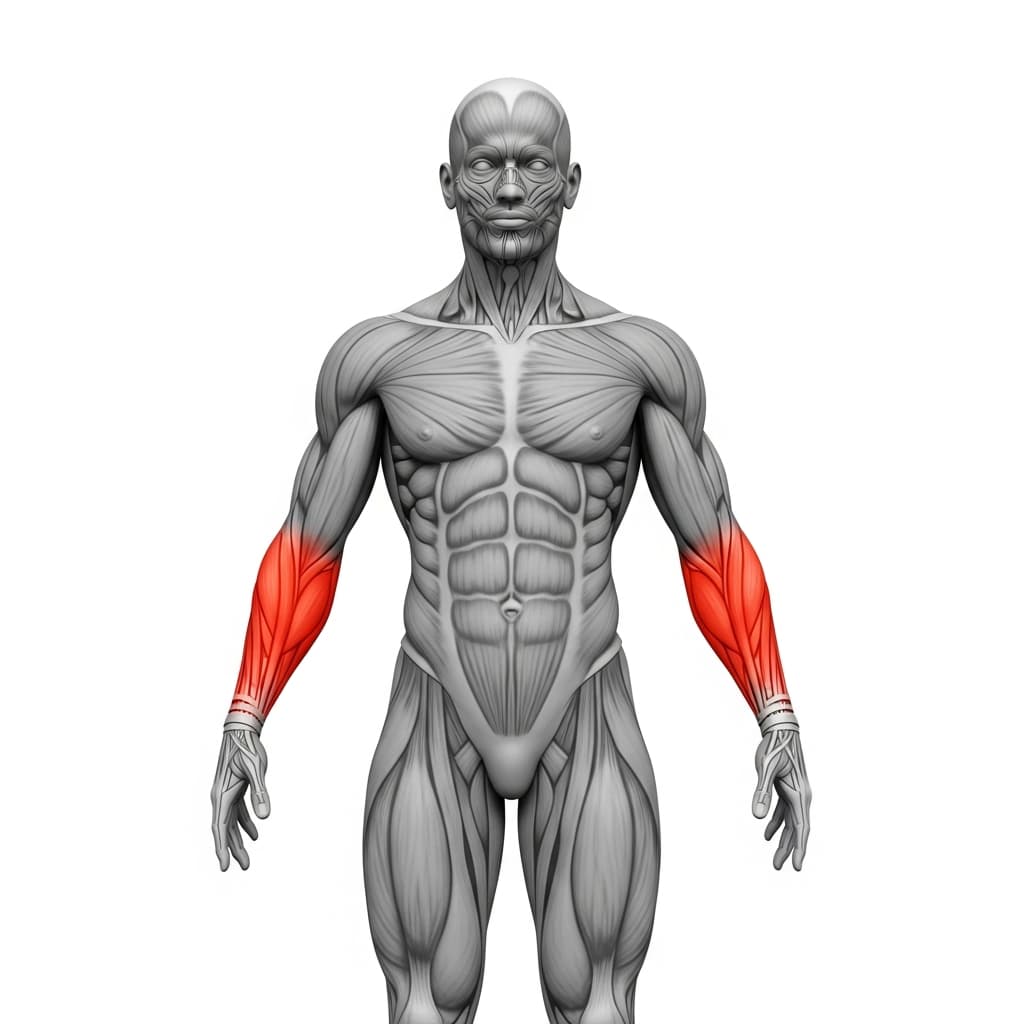
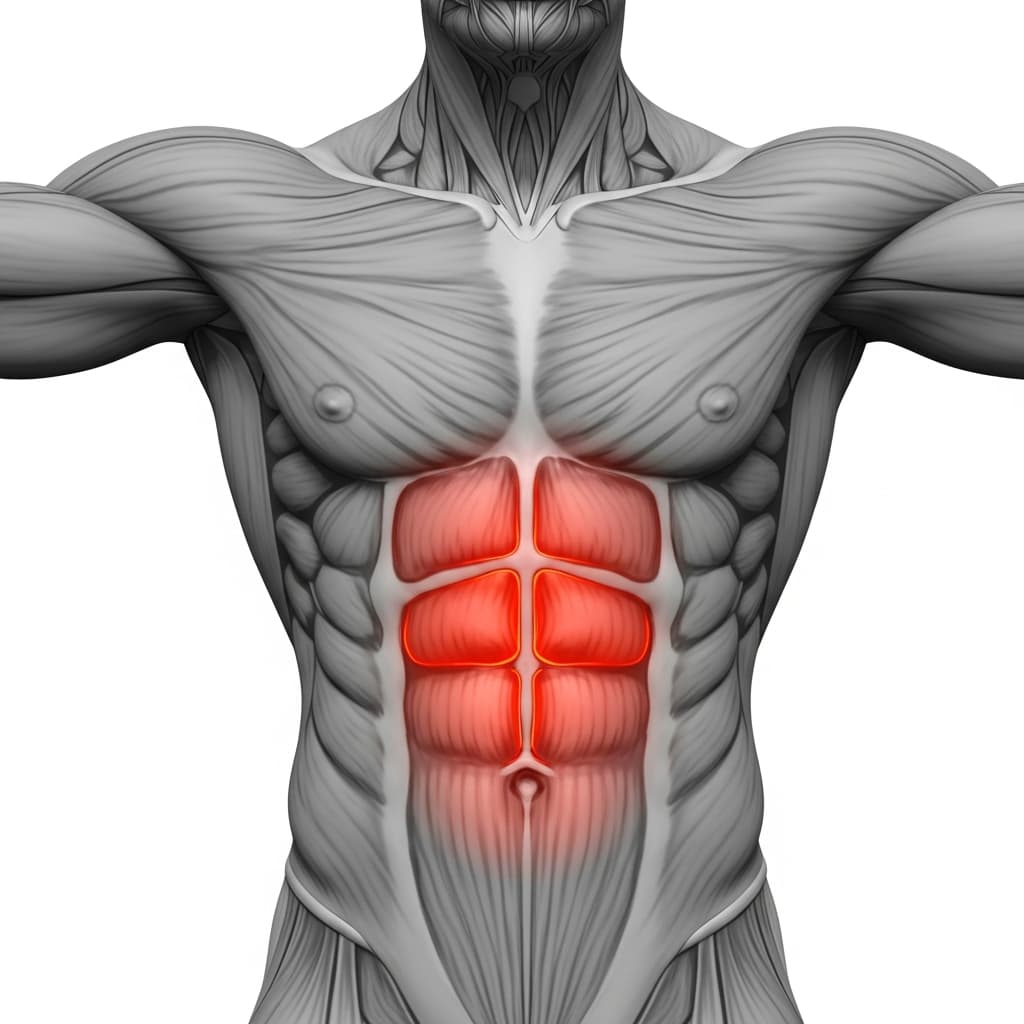
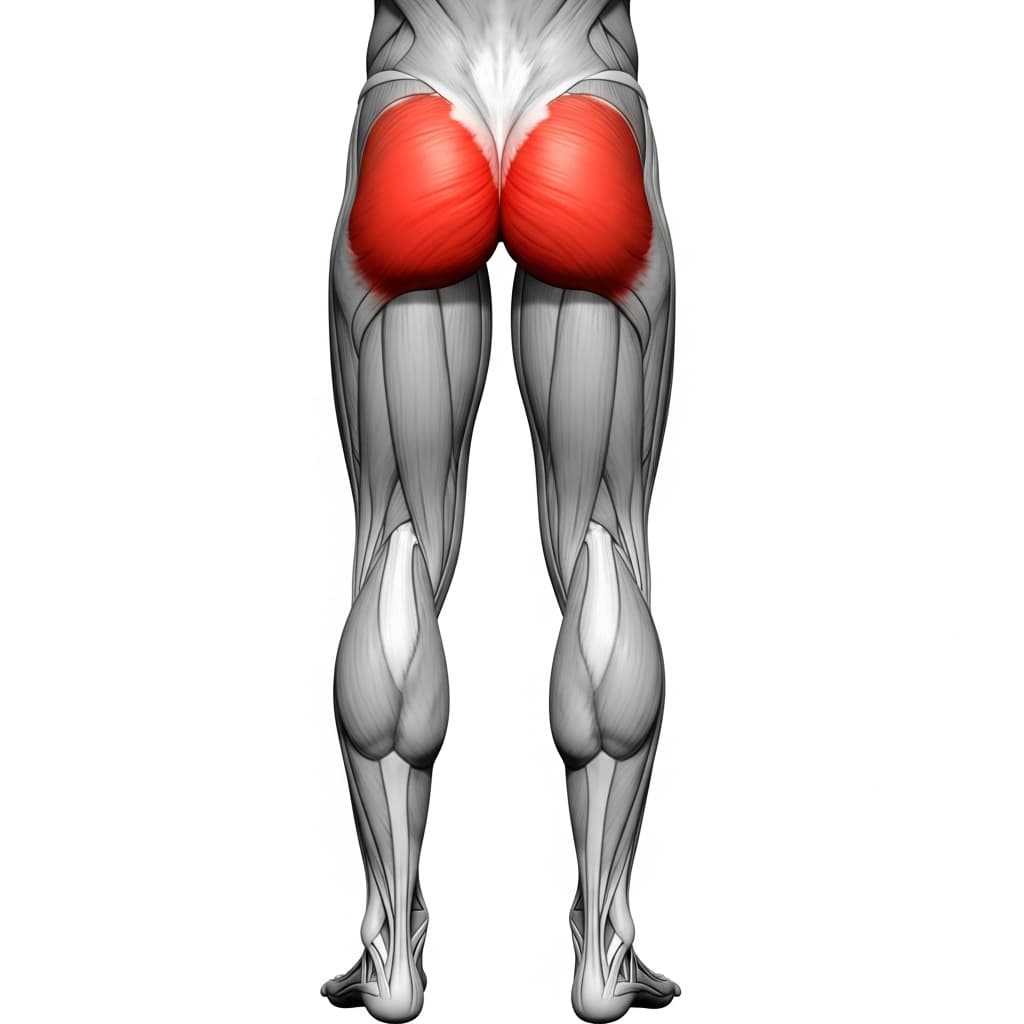
Primary Muscles
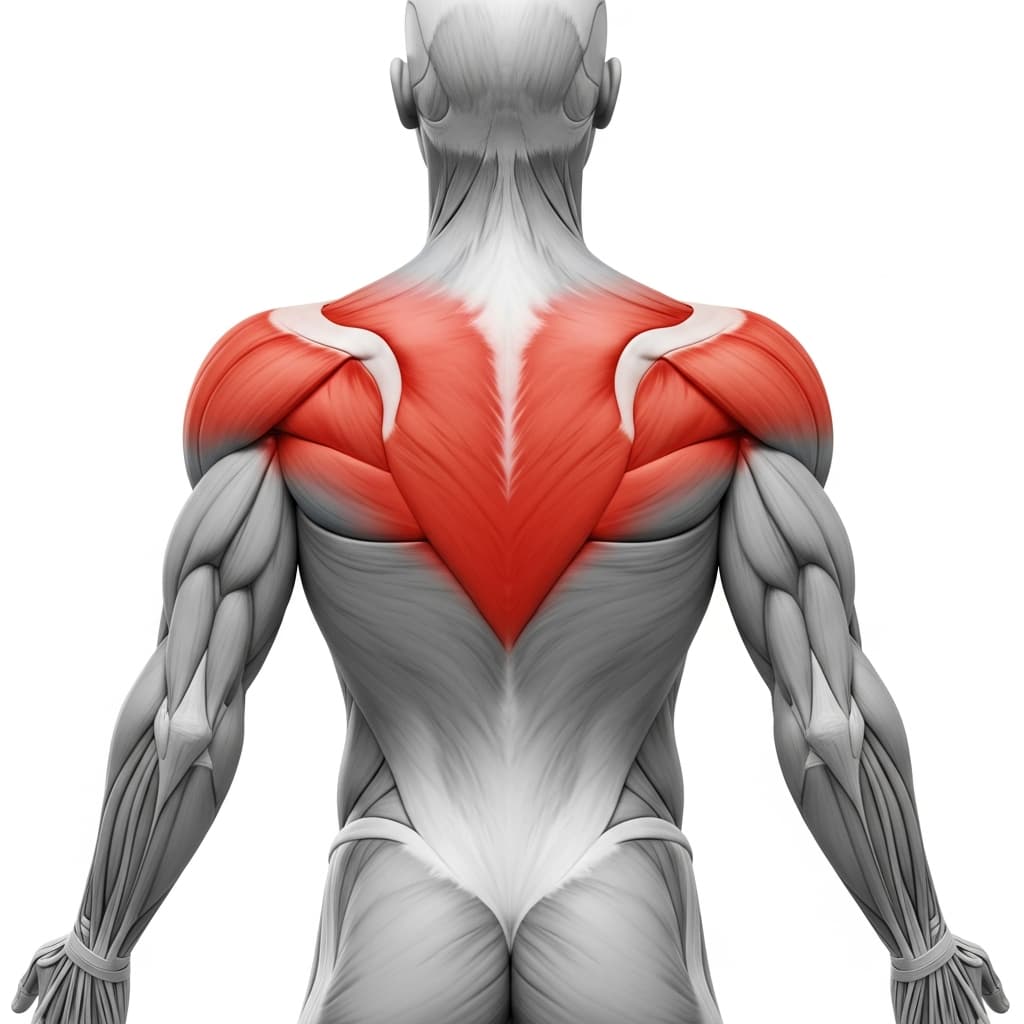
Rhomboids & Upper Trapezius (Upper Back) - The rhomboids and mid-traps retract the shoulder blades as you pull your chest to the bar, producing the primary squeezing action at the top of each rep.
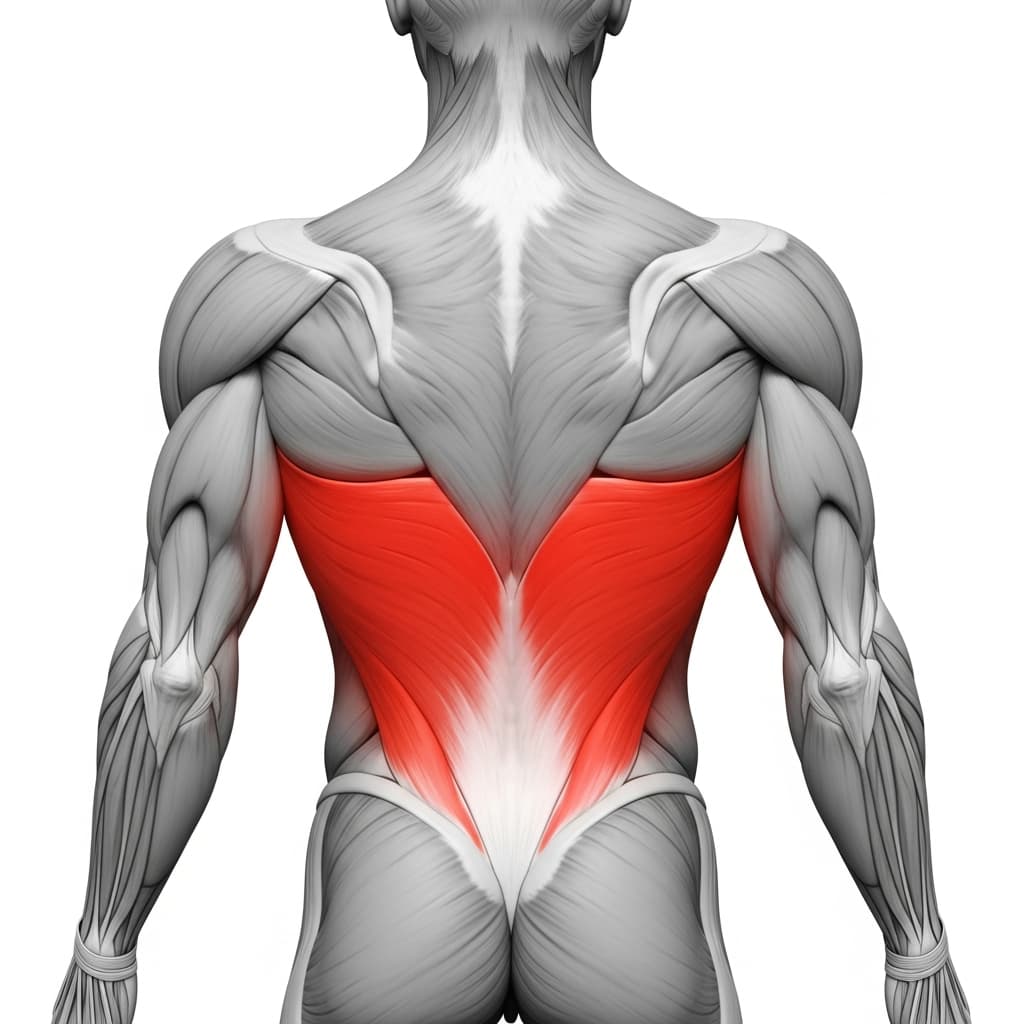
Latissimus Dorsi (Lats) - The latissimus dorsi drives shoulder extension and adduction during the pull, providing the main force that moves your body toward the bar.
Secondary Muscles
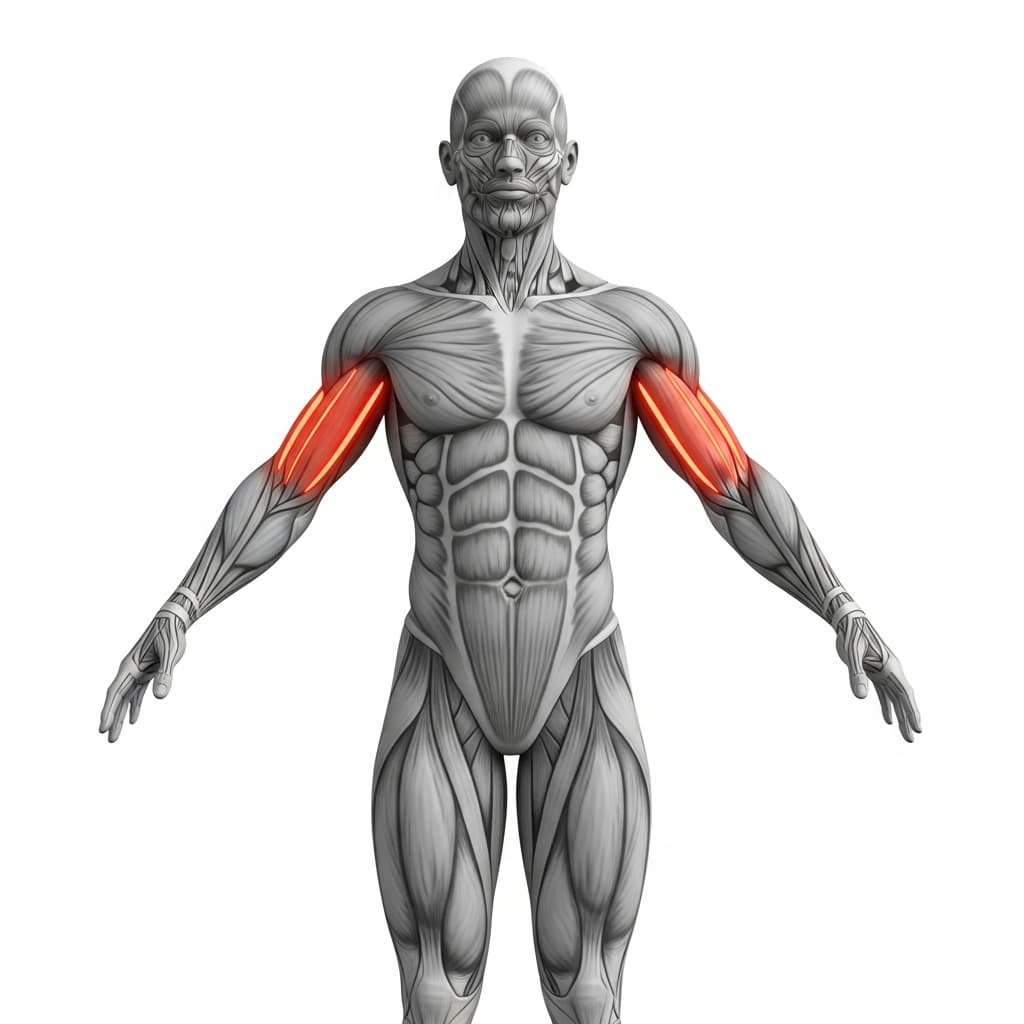
Biceps Brachii (Biceps) - The biceps flex the elbow throughout the pulling phase, working as the primary arm muscle assisting the back during the row.
Posterior Deltoid (Rear Deltoid) - The rear deltoids assist in horizontal shoulder extension, helping pull the upper arm backward as you row to the bar.
Forearm Flexors & Extensors (Forearms) - The forearm flexors maintain grip on the bar throughout every rep, sustaining the connection between your body and the pulling surface.
Rectus Abdominis (Abs) - The abdominals brace isometrically to prevent the torso from sagging and maintain the rigid body line from knees to shoulders.
Gluteus Maximus (Glutes) - The glutes contract to push the hips up and hold them in line with the torso, preventing hip drop throughout the entire set.
Benefits of Bodyweight Rows / Australian Rows
- Builds thickness in the rhomboids, traps, and rear deltoids, which are the primary muscles responsible for healthy posture and scapular stability
- Develops horizontal pulling strength that directly transfers to pull-up progression and front lever training
- Strengthens the scapular retractors under load, which protects the shoulder joint during pressing and overhead movements
- Trains the core and glutes isometrically through the rigid body line hold, reinforcing total body tension used in advanced calisthenics skills
- Easily scalable by adjusting bar height or leg position, making it one of the most accessible pulling exercises for any fitness level
Who Is This Exercise For?
You should be able to hold a plank for at least 30 seconds with a straight body line and perform a dead hang from a bar for 10 seconds before attempting bodyweight rows. If maintaining hip extension while lying under a bar is difficult, focus on plank holds and glute bridges to build the core and hip stability required. Anyone who cannot keep their hips from sagging during the movement is not ready for full bodyweight rows and should start with incline rows at a steeper angle.
Common Mistakes to Avoid
Letting hips sag or drop: Push your hips up before every set and maintain a straight line from knees to shoulders throughout the entire movement. If your hips drop, the lower back absorbs the load and the upper back disengages completely.
Pulling elbows too wide or too tight: Keep your elbows at roughly 45 degrees from your body throughout the pull. Flaring them straight out to the sides stresses the shoulder joint, while tucking them tight to the ribs shifts too much work to the biceps.
Pulling to the neck or chin instead of the chest: Aim to bring the bar to your lower chest on every rep. Pulling too high shifts the load to the neck and front of the shoulders, which reduces upper back engagement and increases injury risk.
Using momentum to start the pull: Begin each rep from a full dead hang with no swing or hip thrust. If you need momentum to reach the top, raise the bar height or bend your knees more to reduce the difficulty.
Variations & Progressions
Incline Rows (Higher Bar)
Raise the bar to chest height or higher so your body is at a steeper incline. This reduces the percentage of bodyweight you are pulling, making the movement accessible for complete beginners.
Straight-Leg Bodyweight Rows
Extend your legs fully with only your heels on the ground instead of bending the knees. This increases the load on the pulling muscles and demands significantly more core stability to maintain the body line.
Feet-Elevated Bodyweight Rows
Place your feet on a box or bench at the same height as the bar. This makes the body nearly horizontal and increases the pulling resistance to near full bodyweight.