

Forearms Exercises
Forearm Flexors and Extensors
All Forearms Exercises (139)
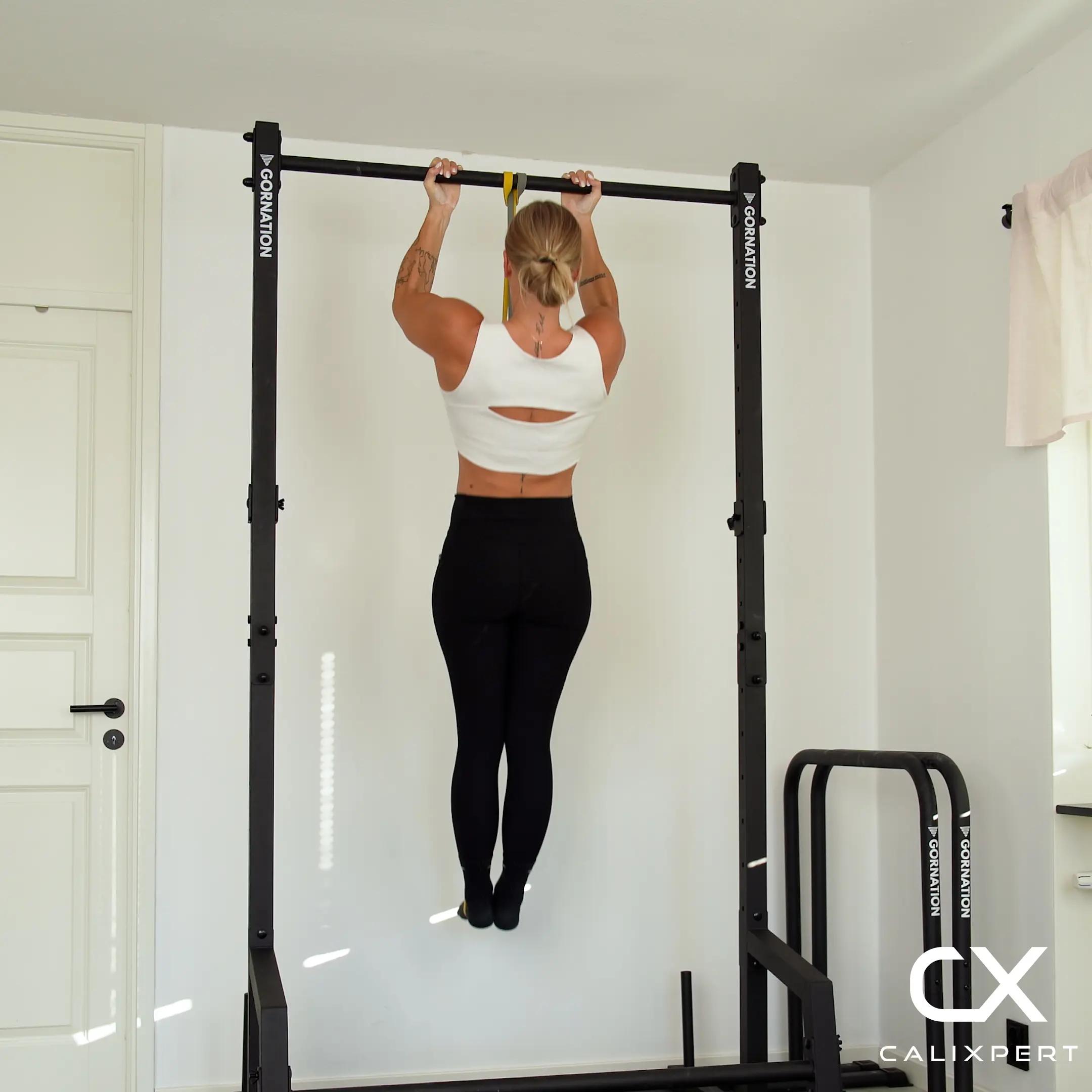
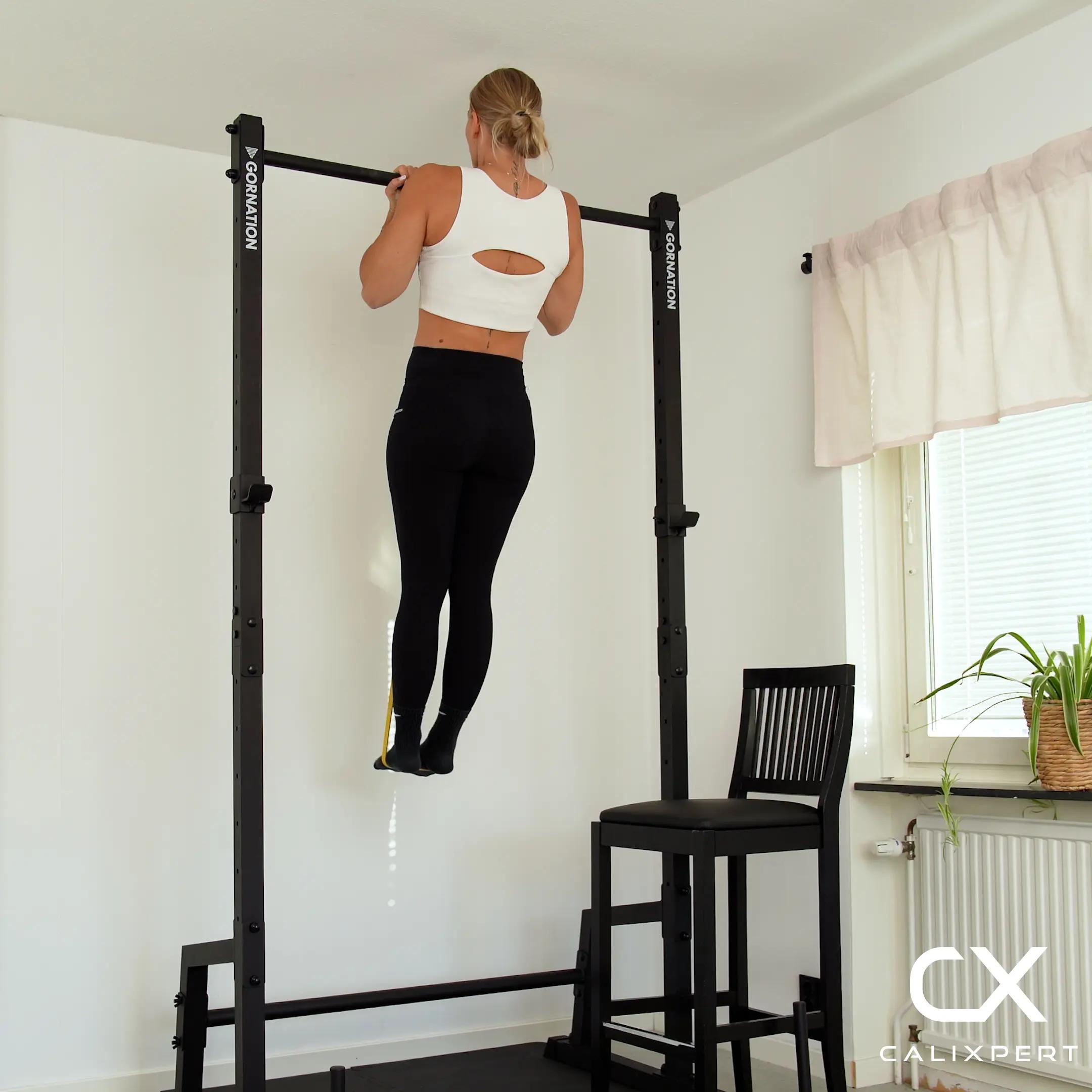

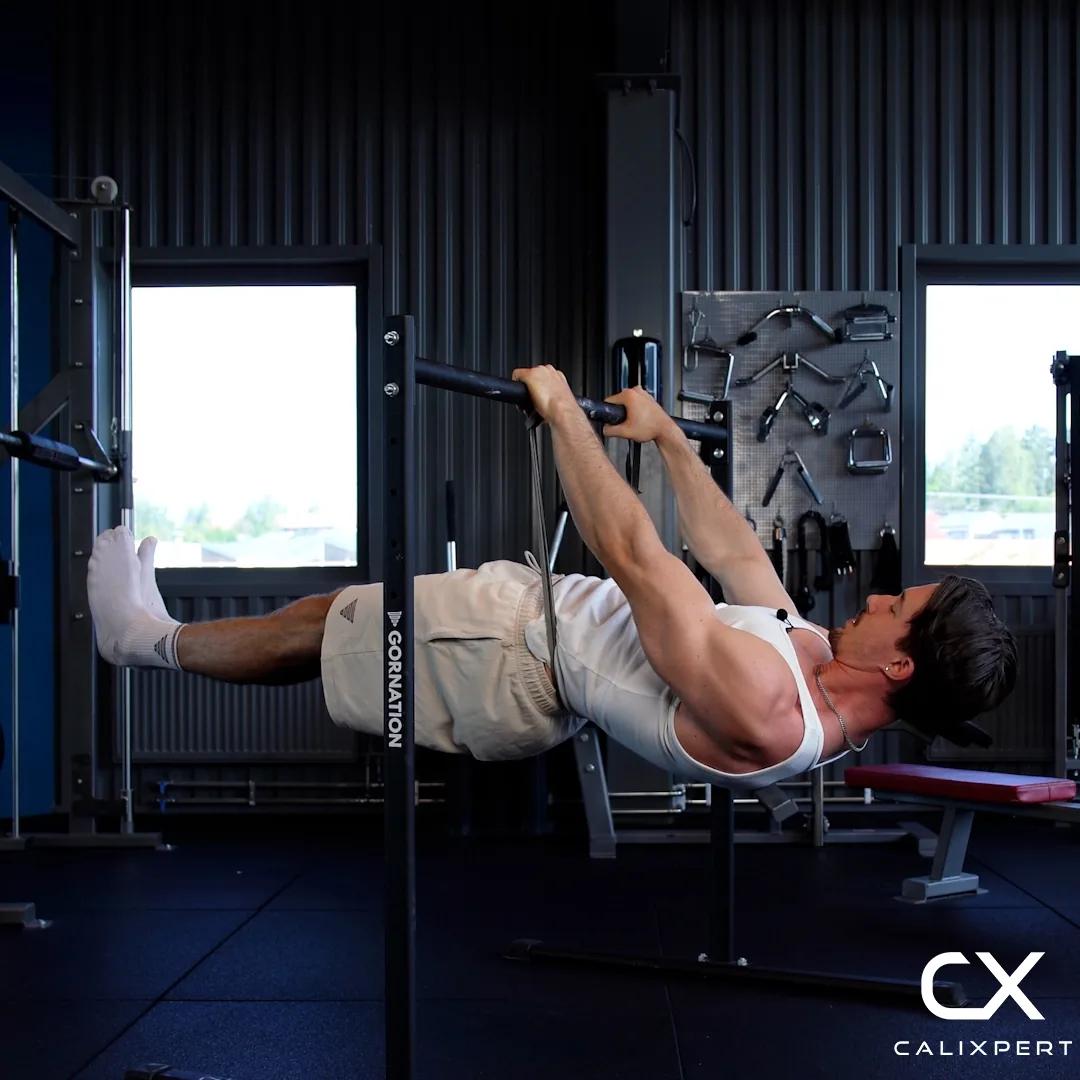
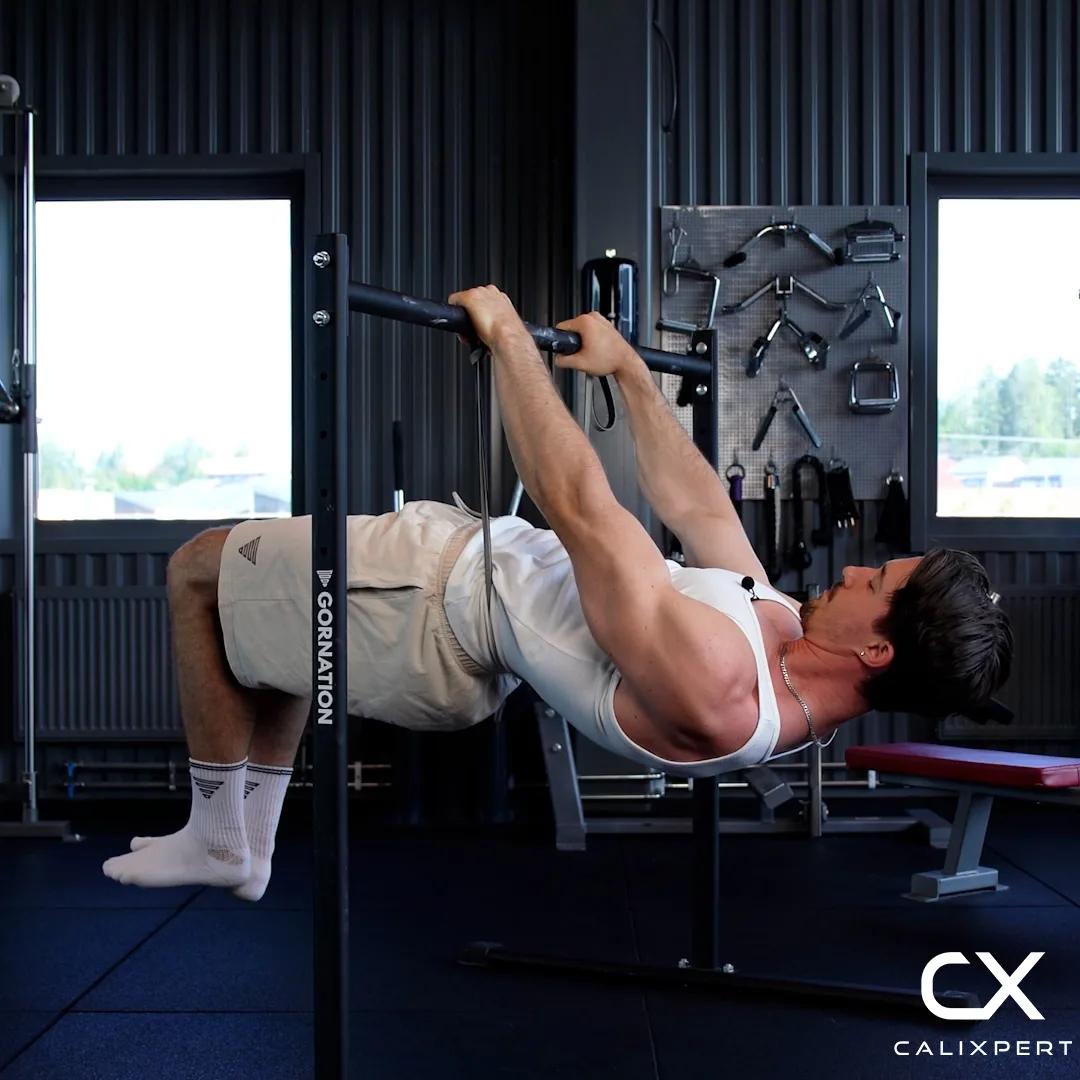
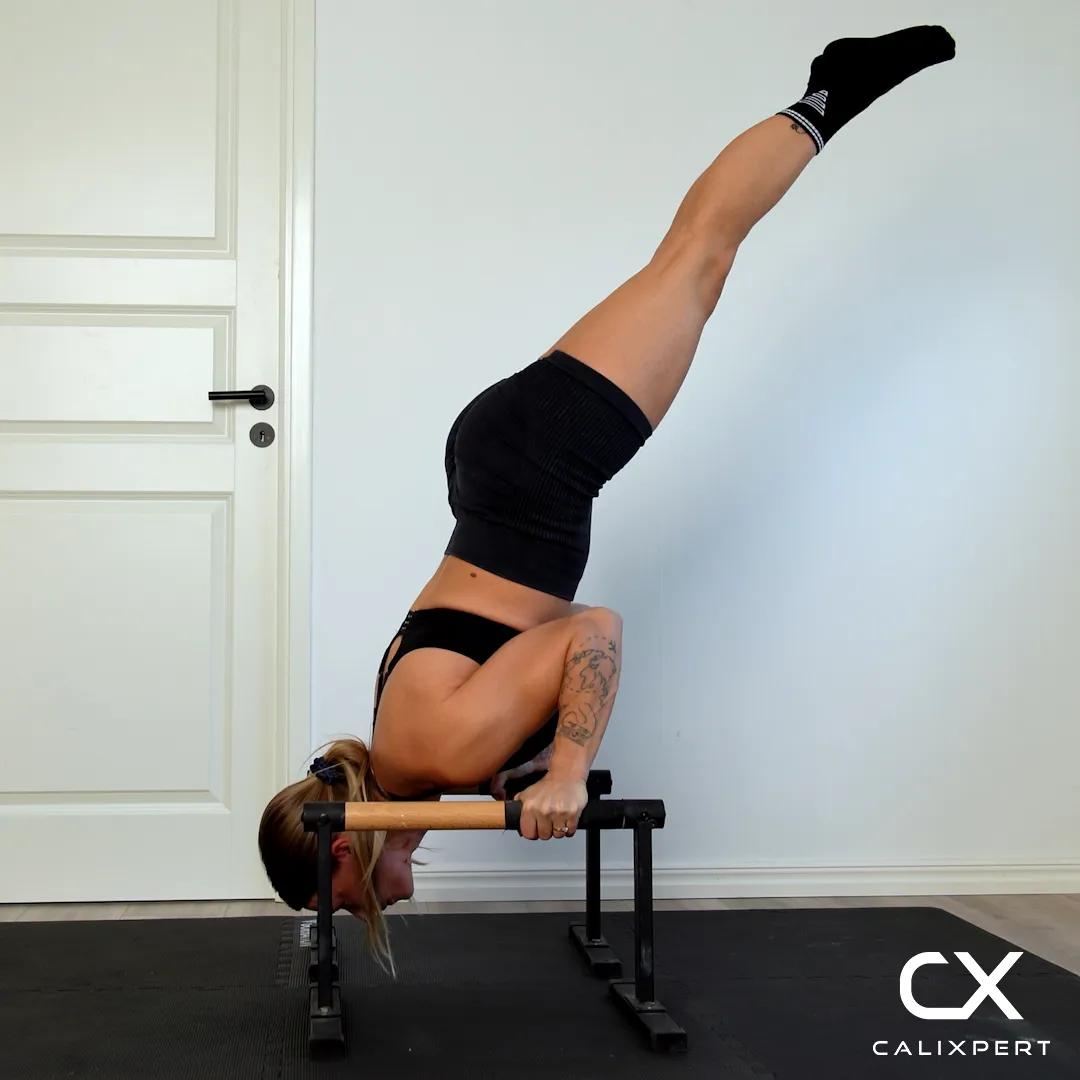
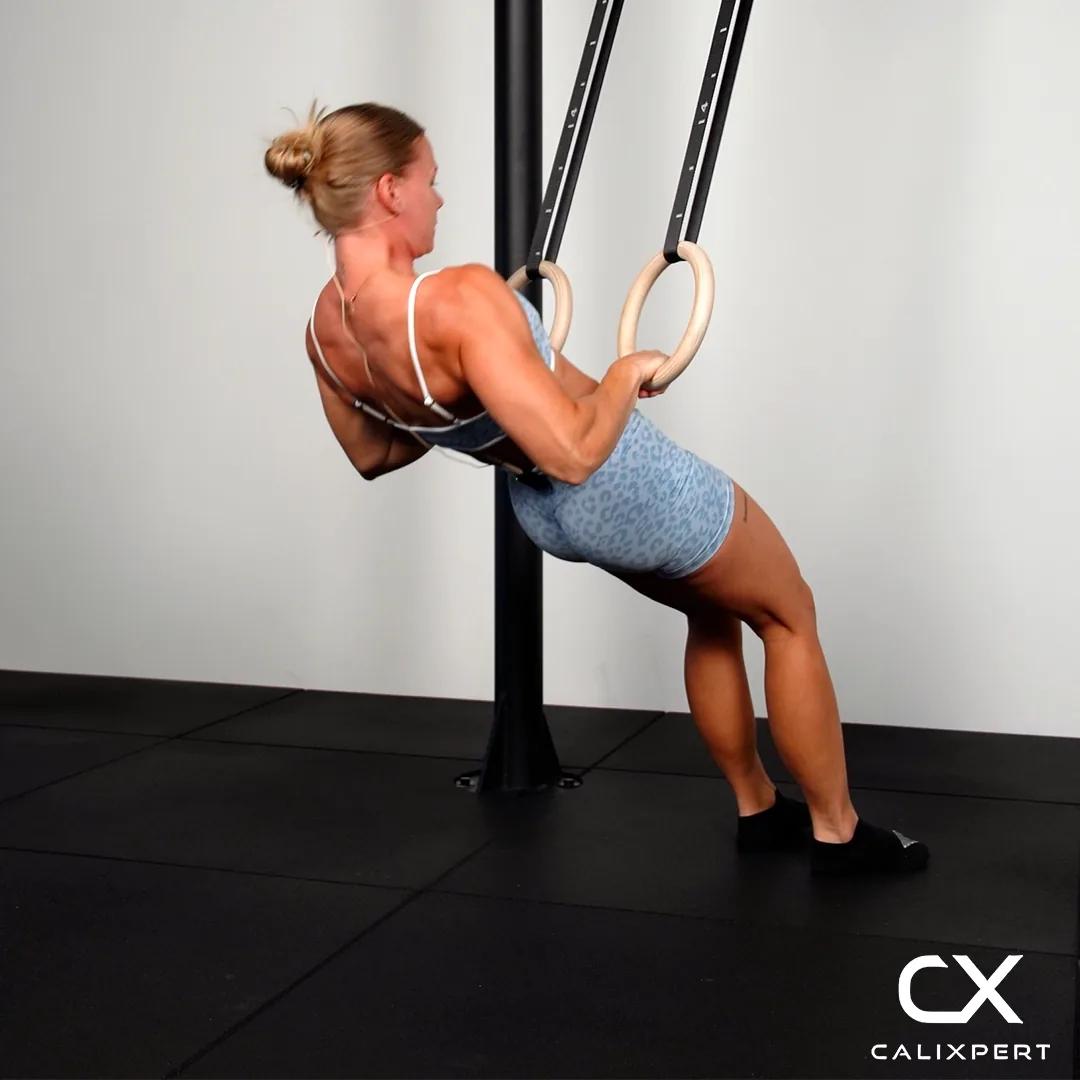
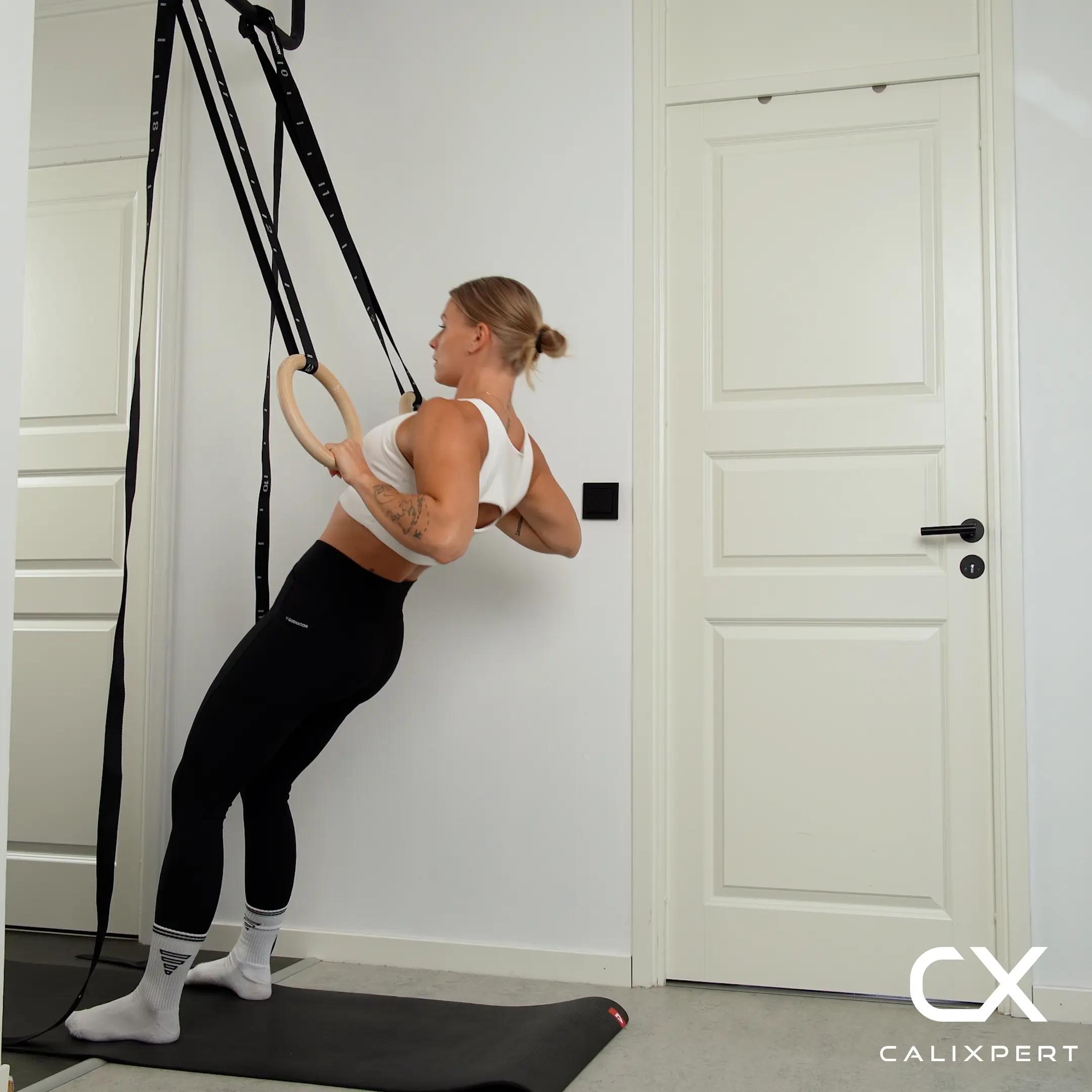
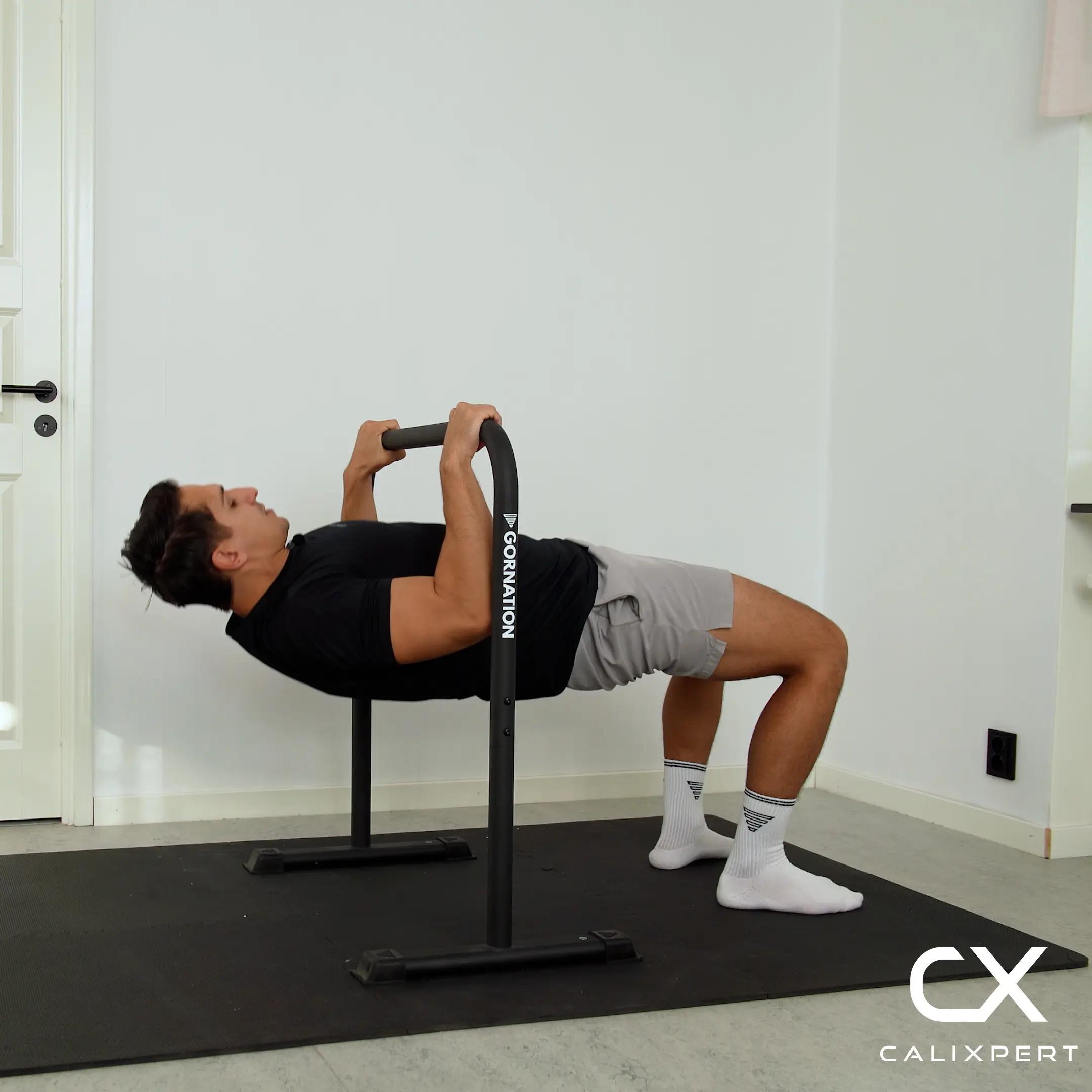
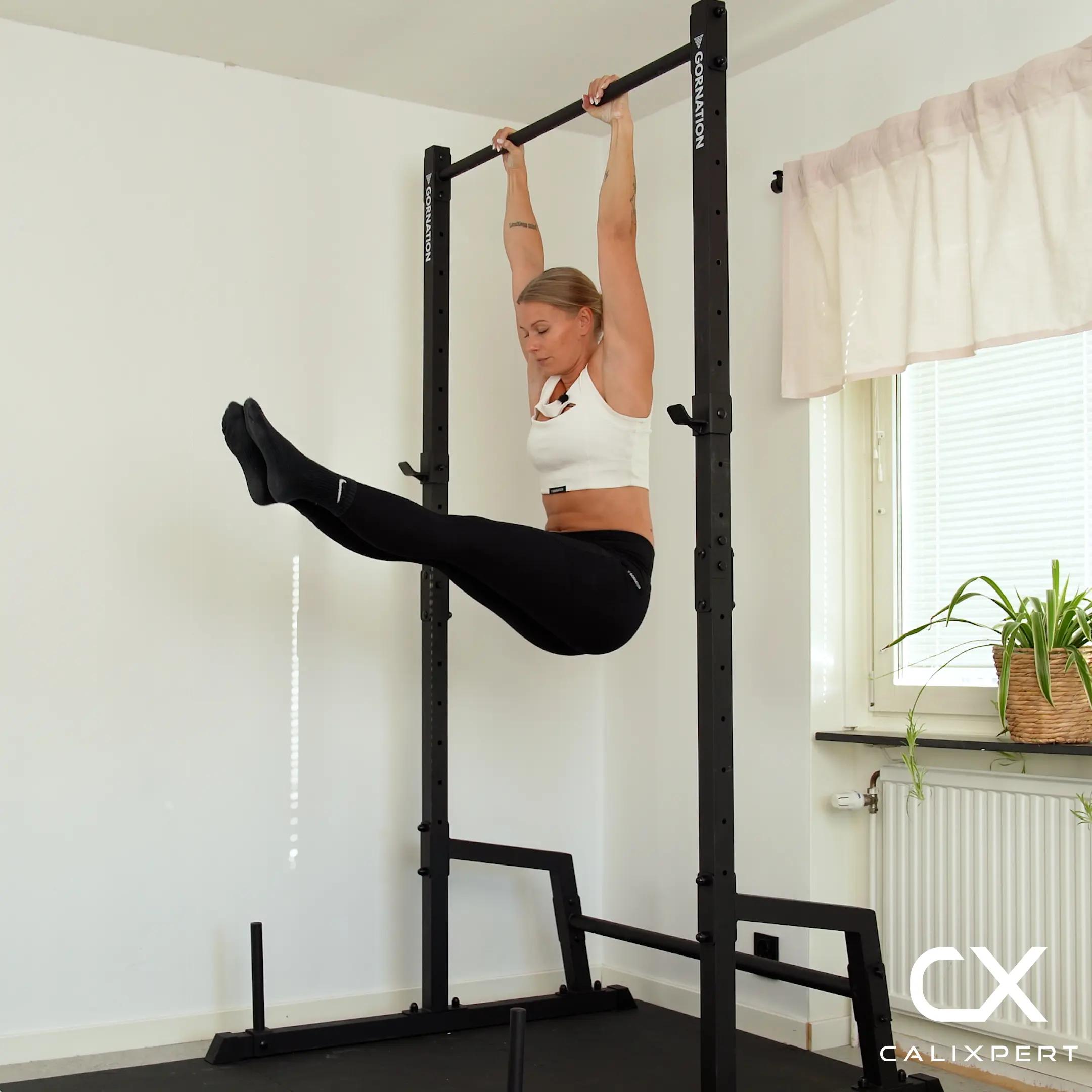
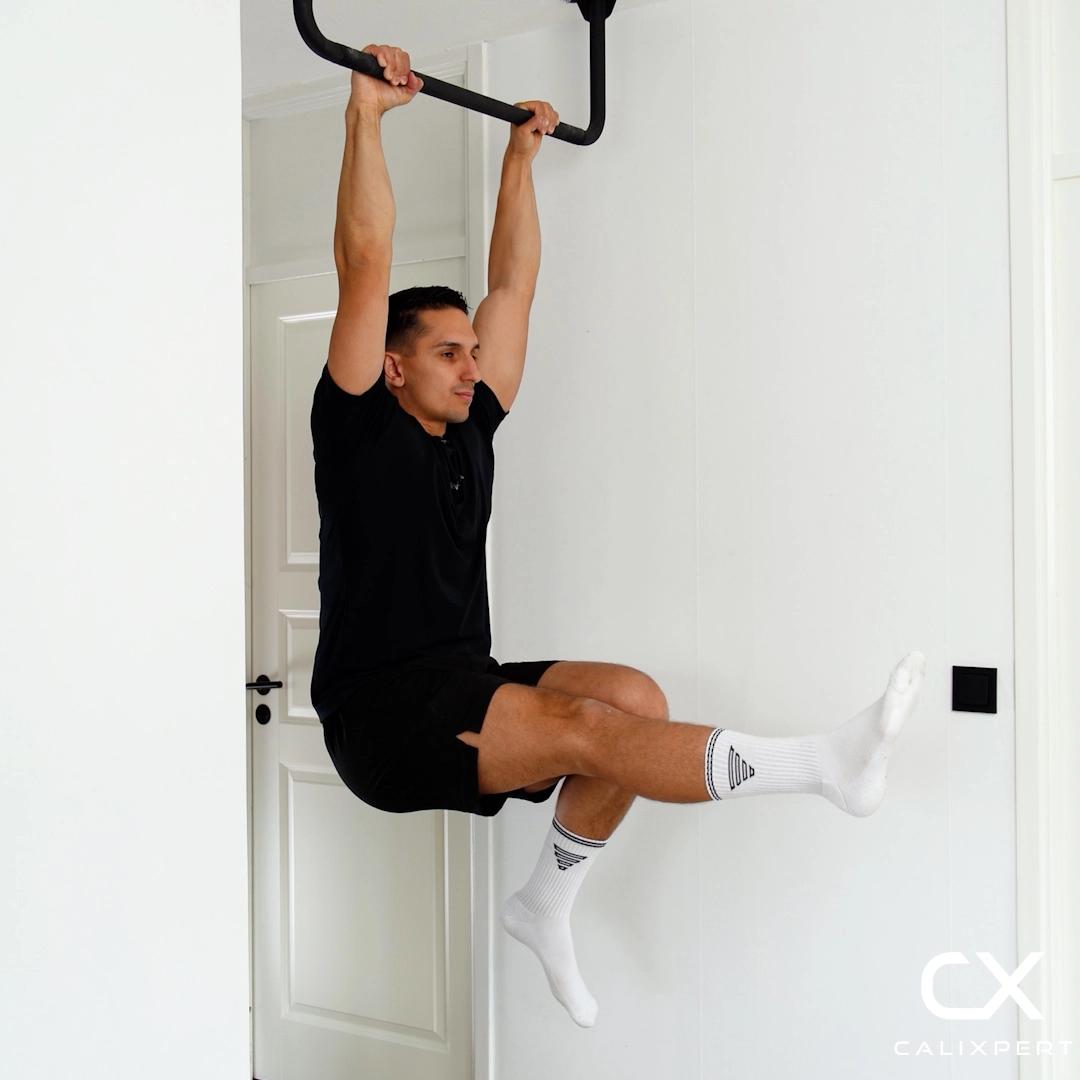
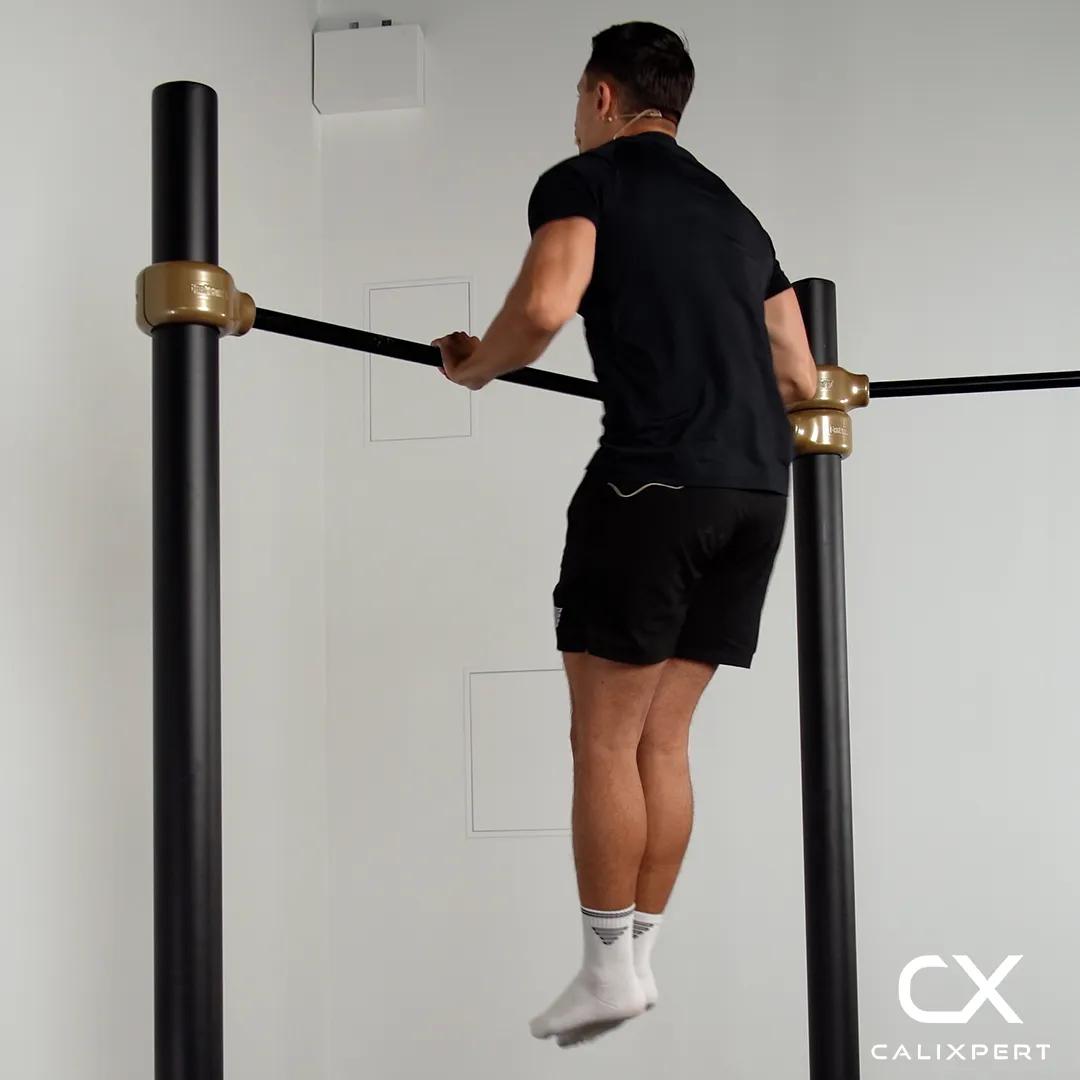
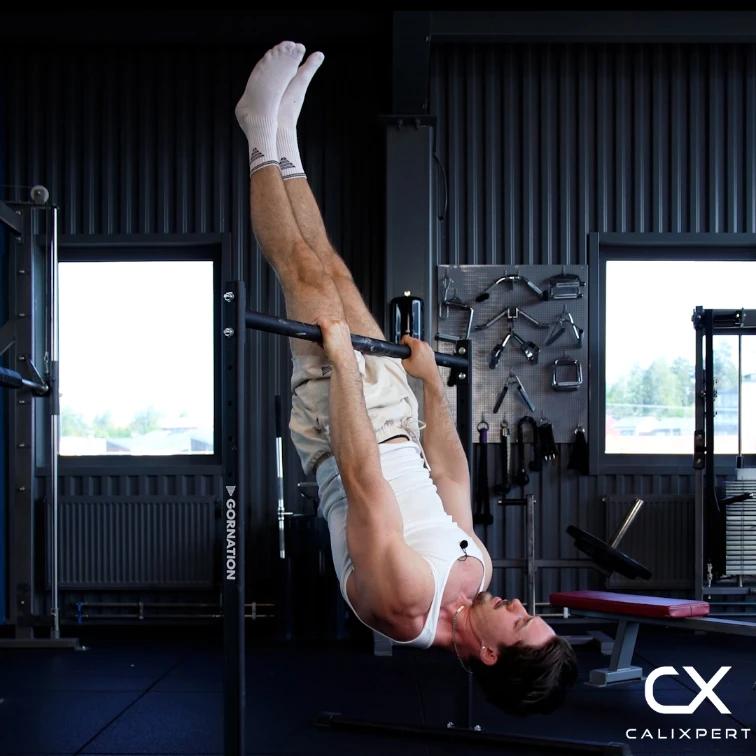
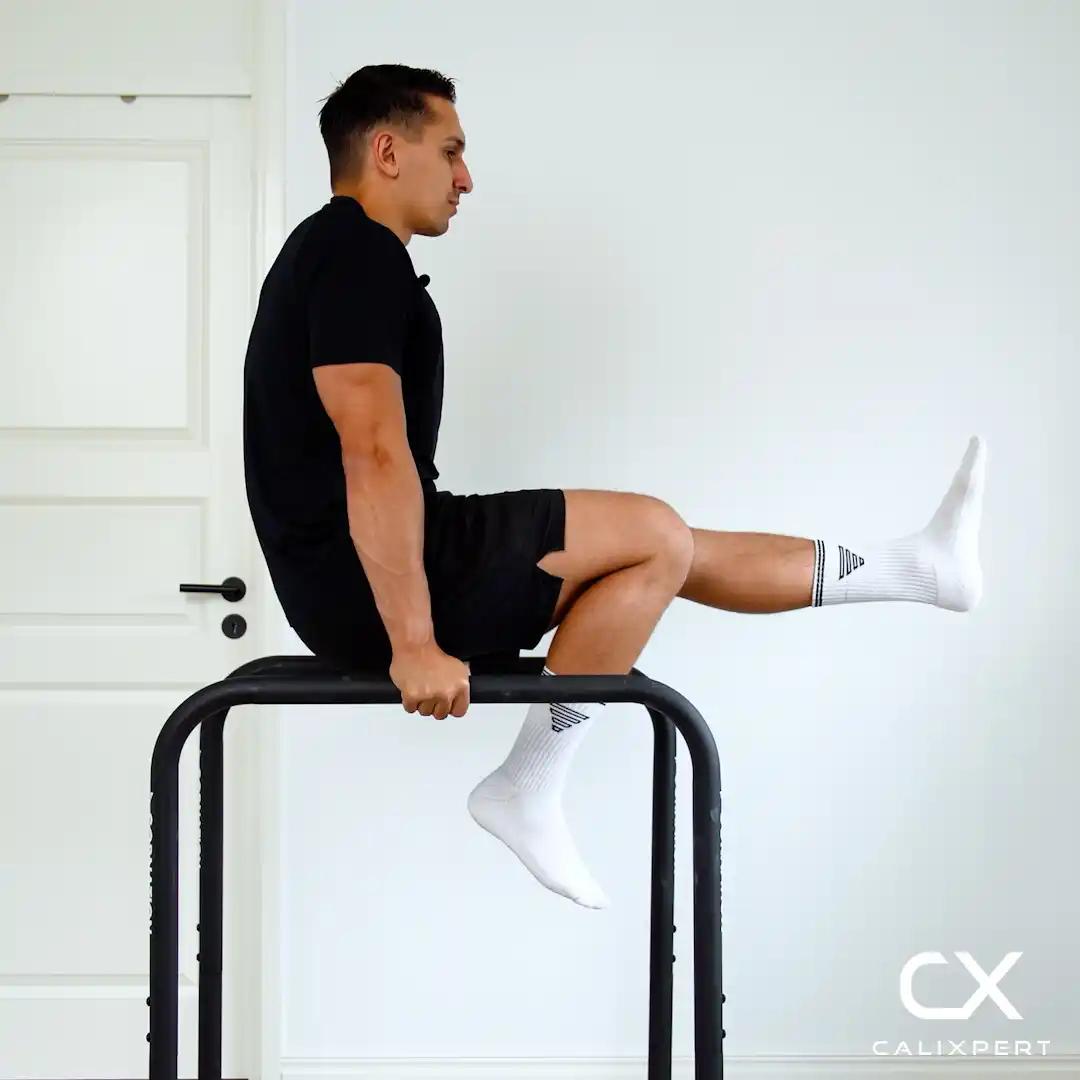
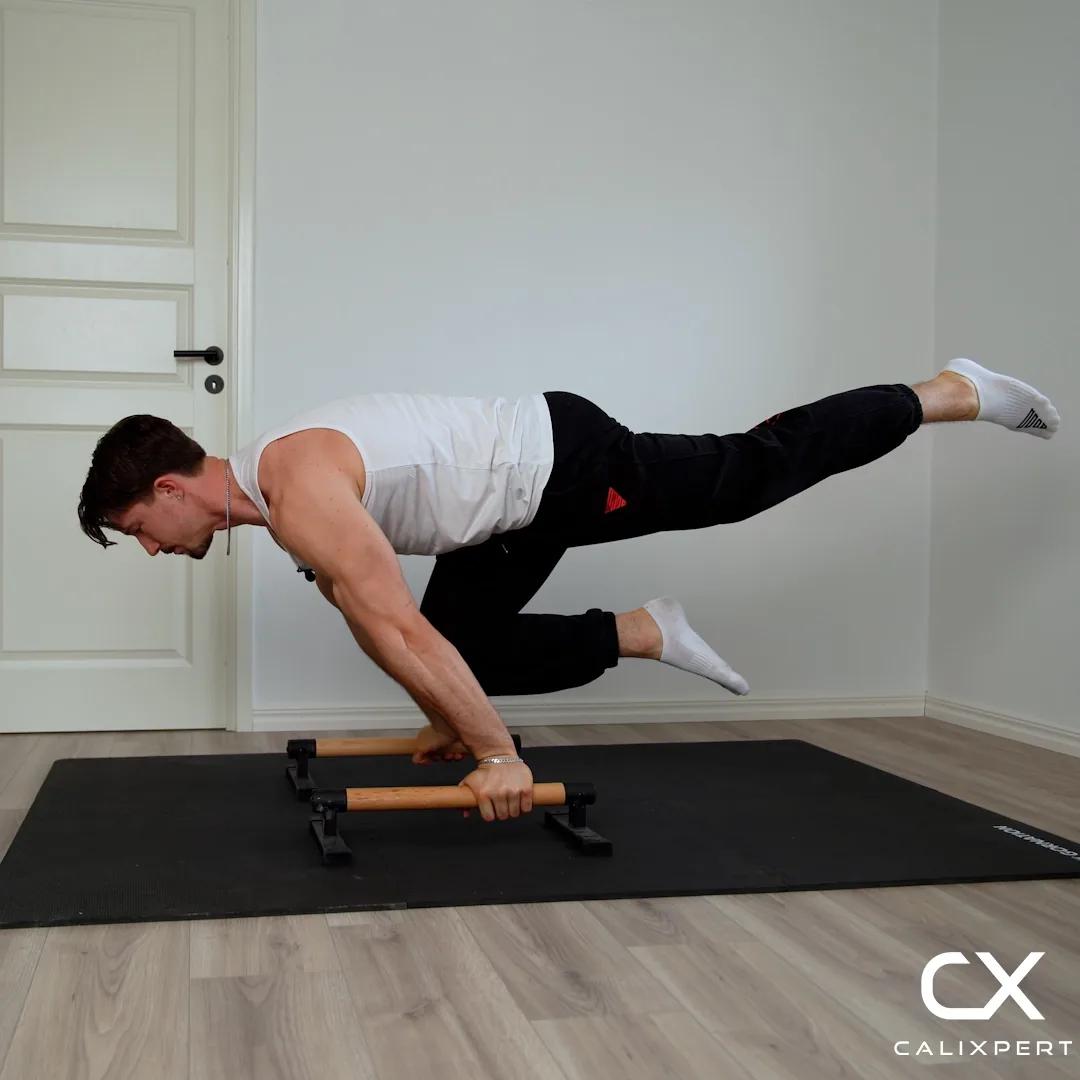
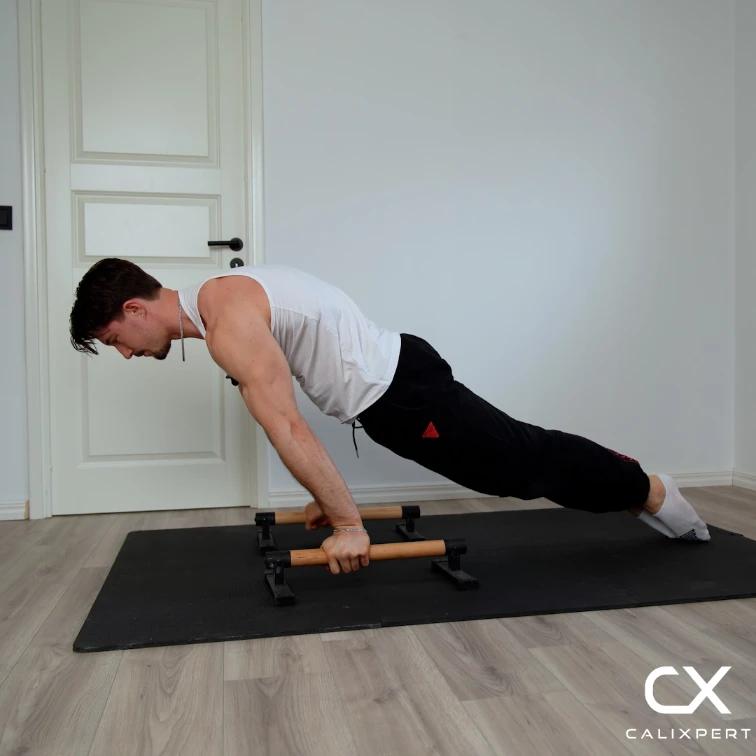
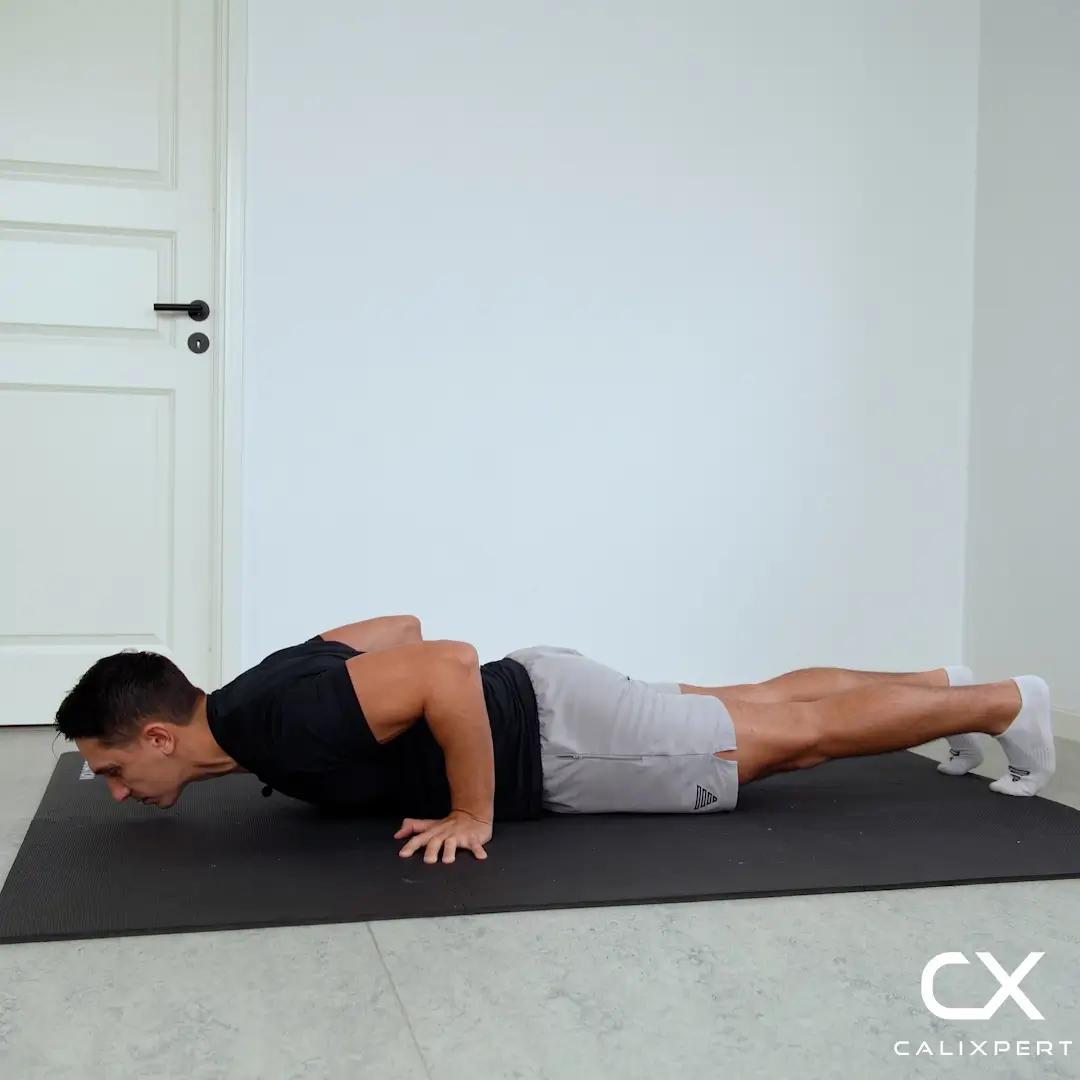
About the Forearms
The forearm muscles include the flexors on the inner forearm and the extensors on the outer forearm. Together they control grip strength, wrist stability, and the transfer of force from your hands to your arms.
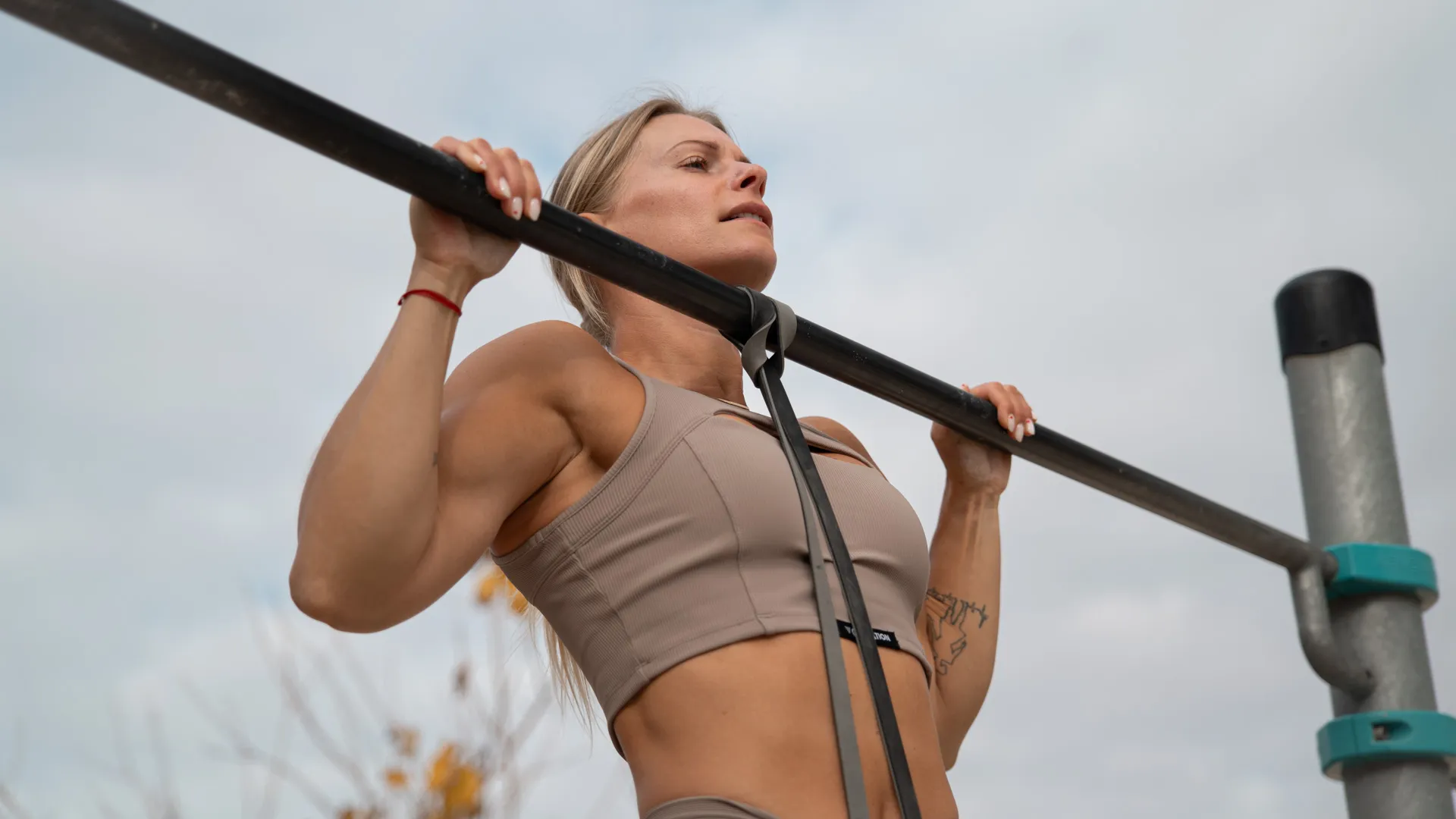
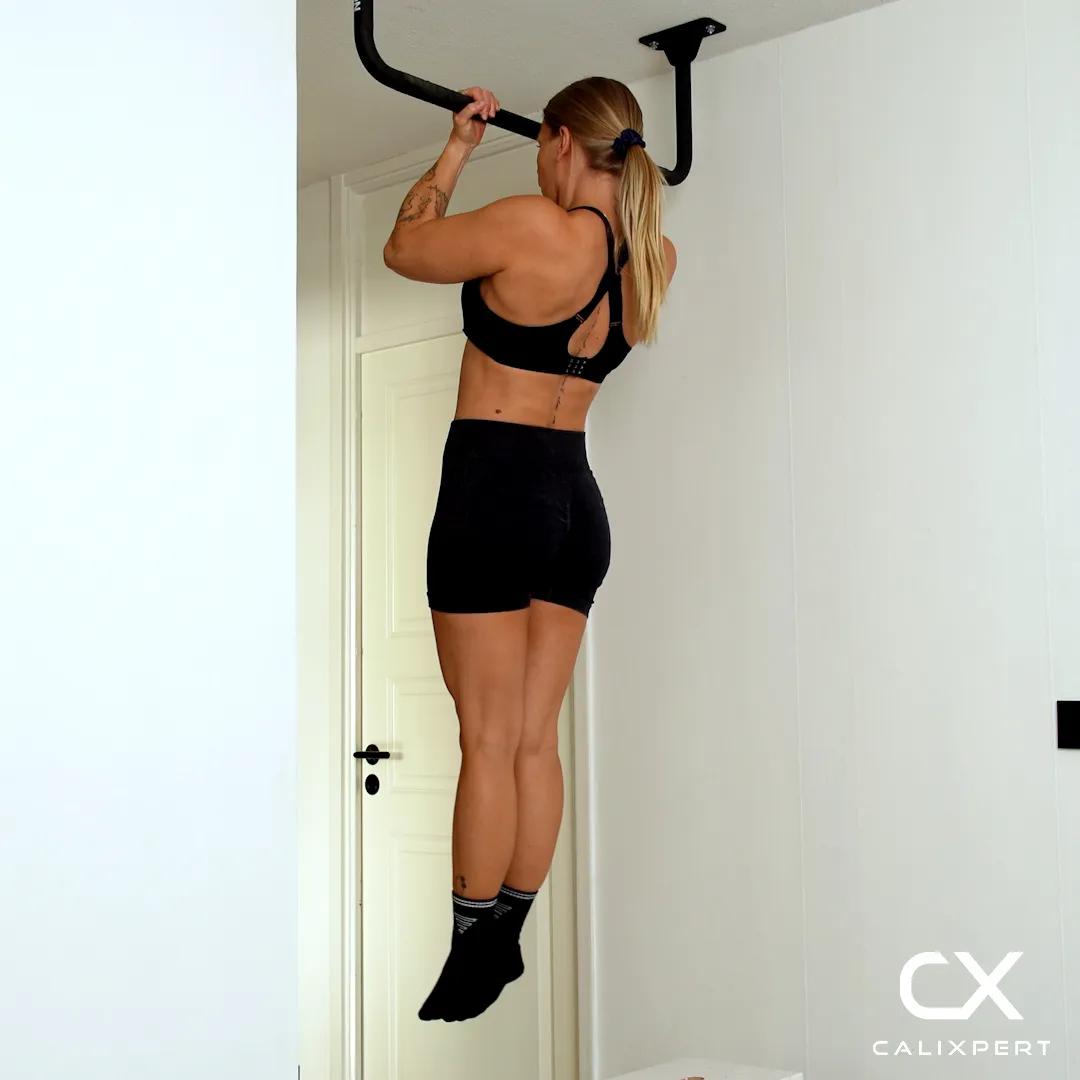
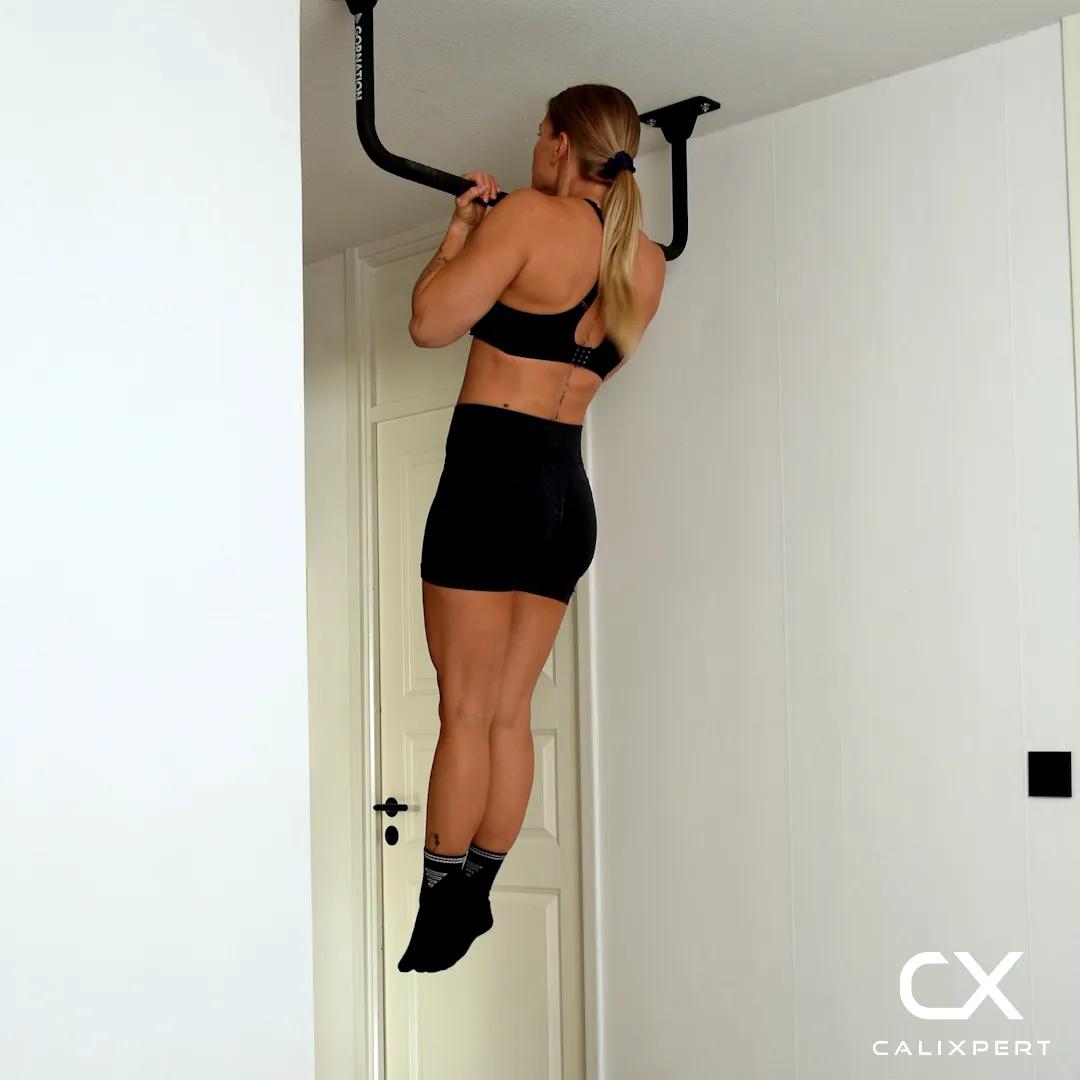
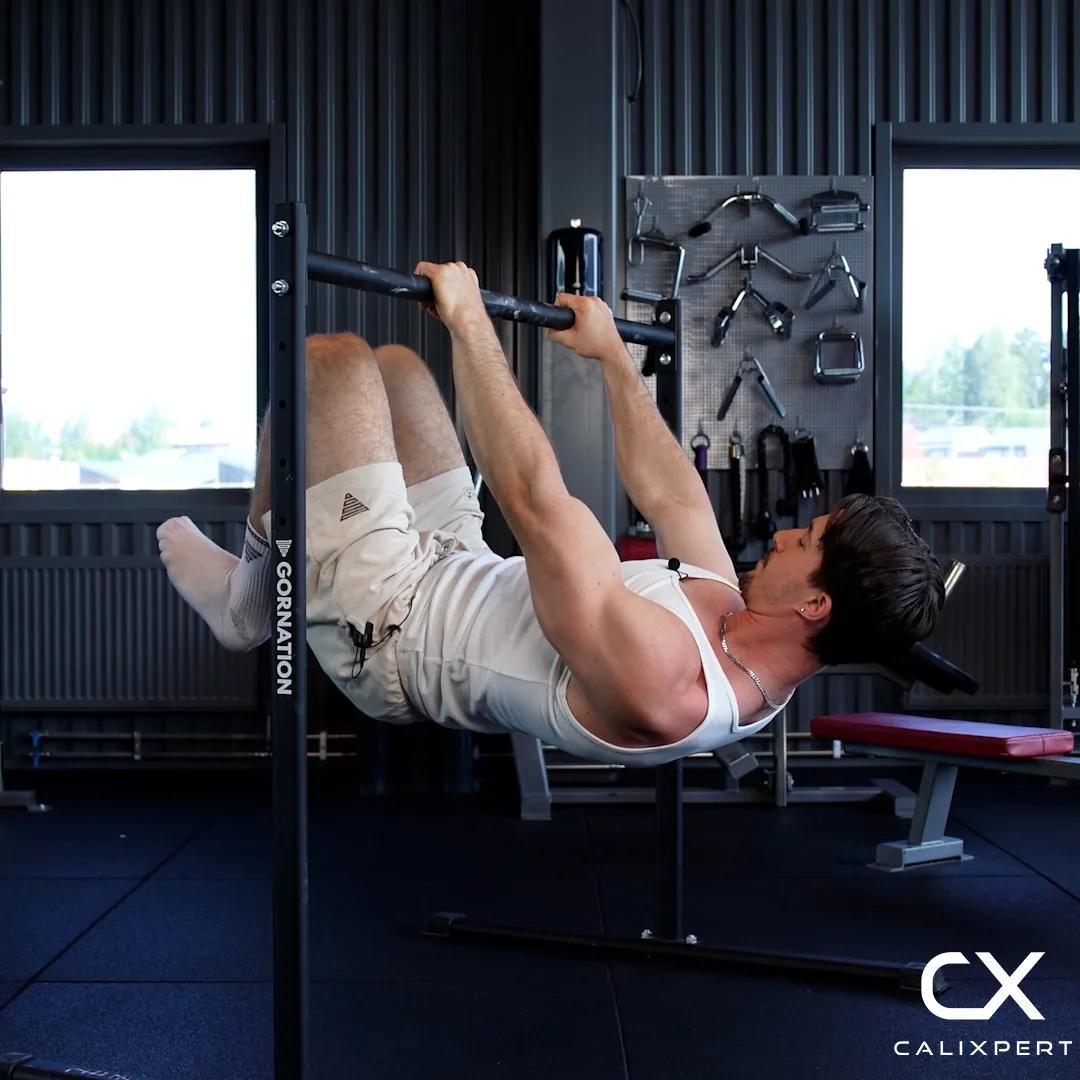
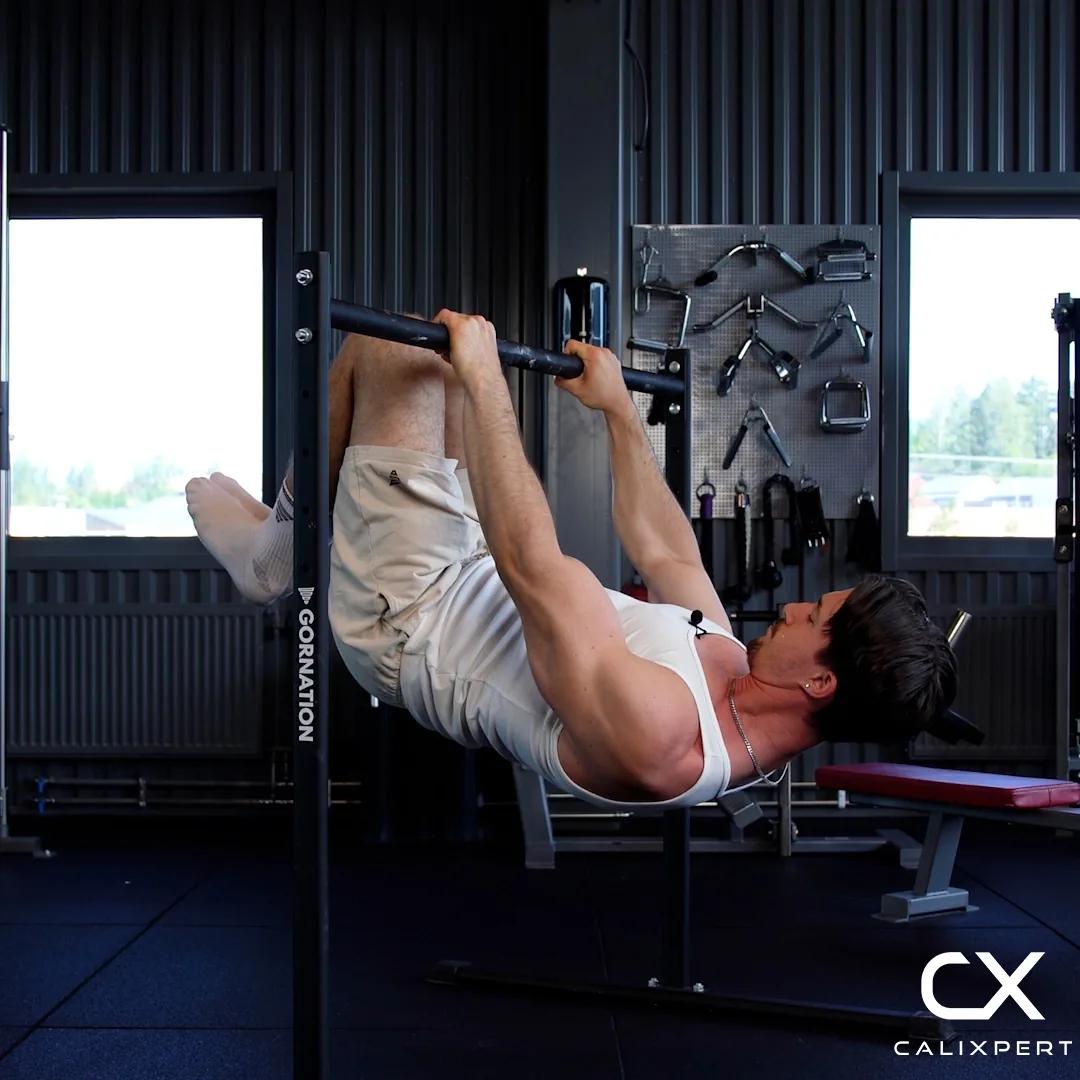
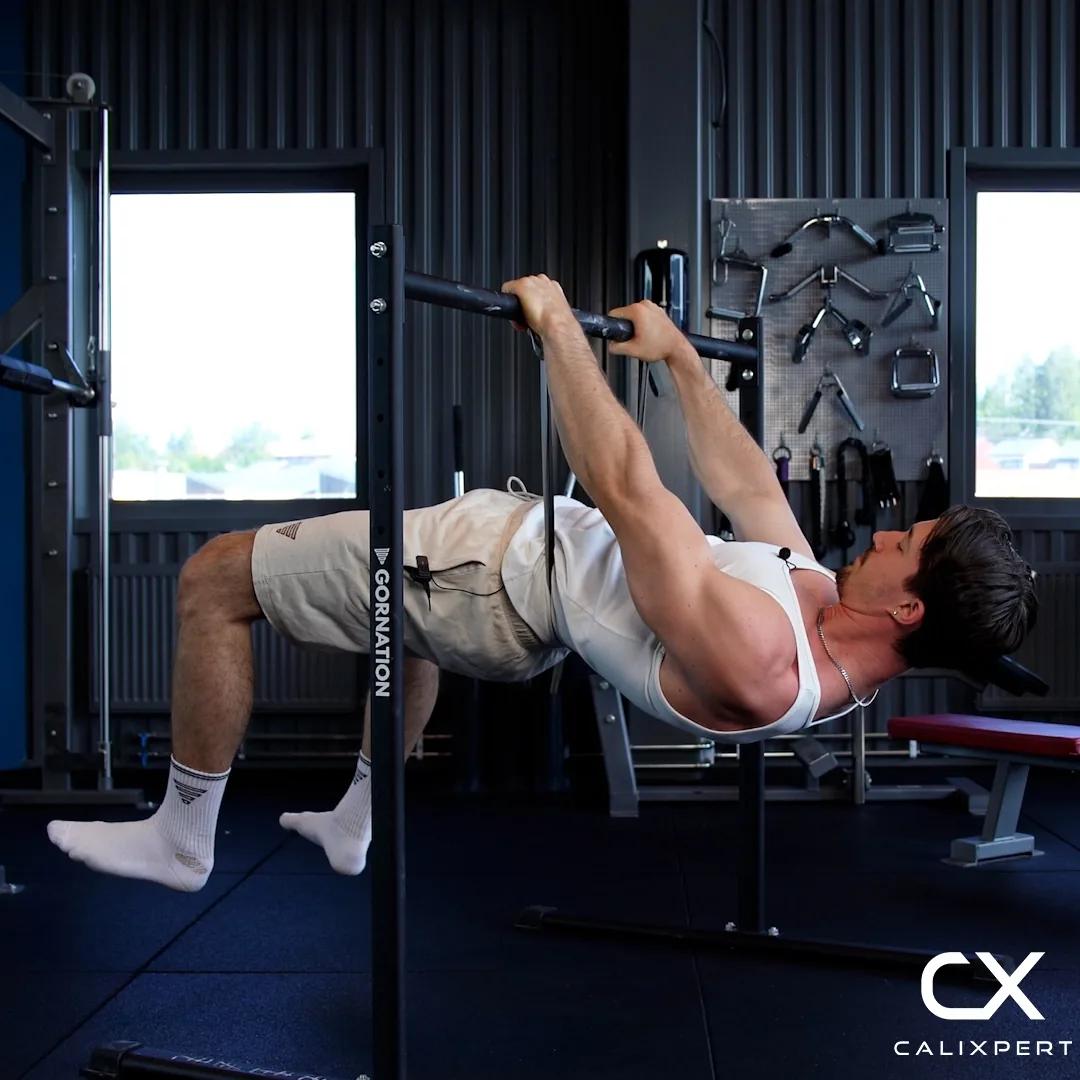
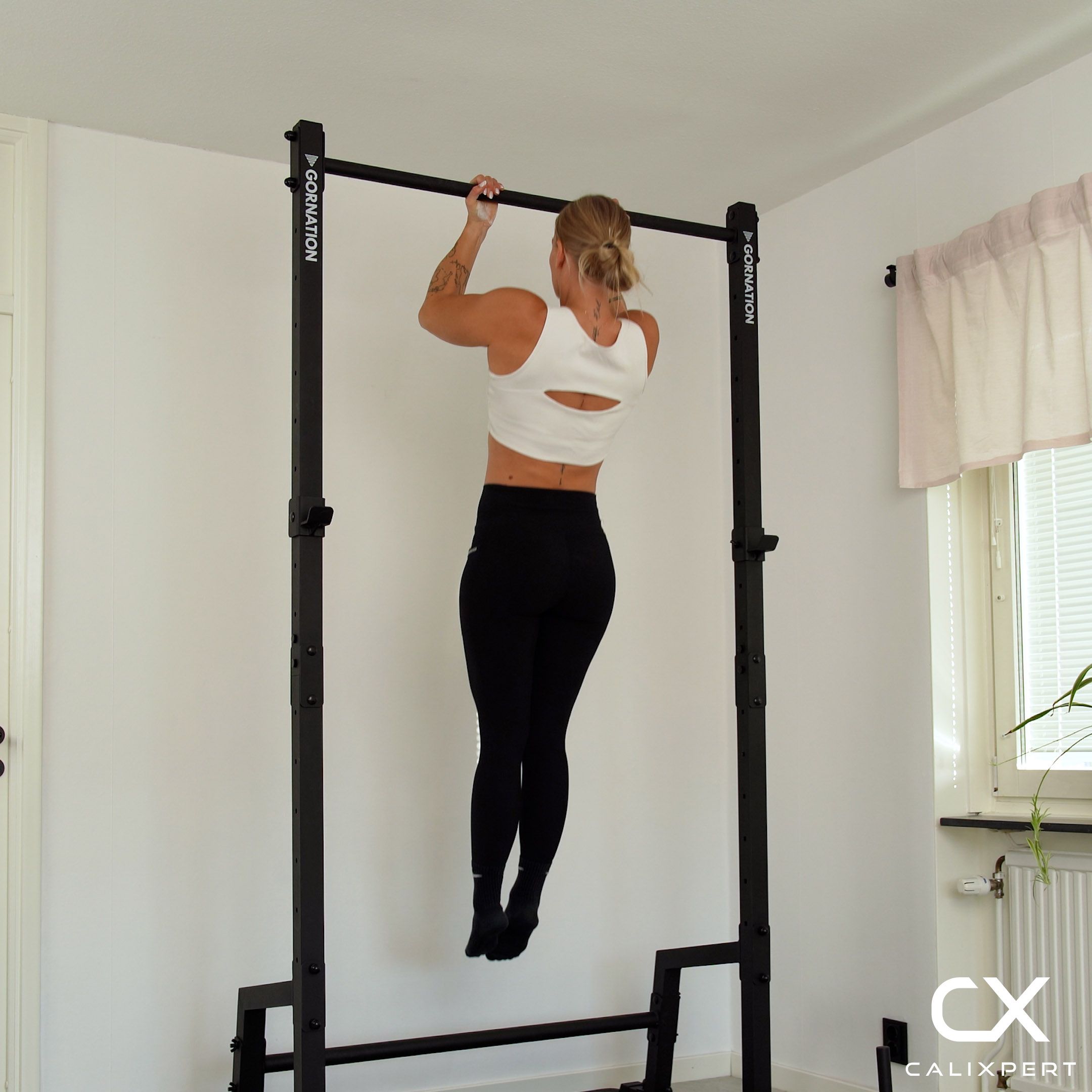
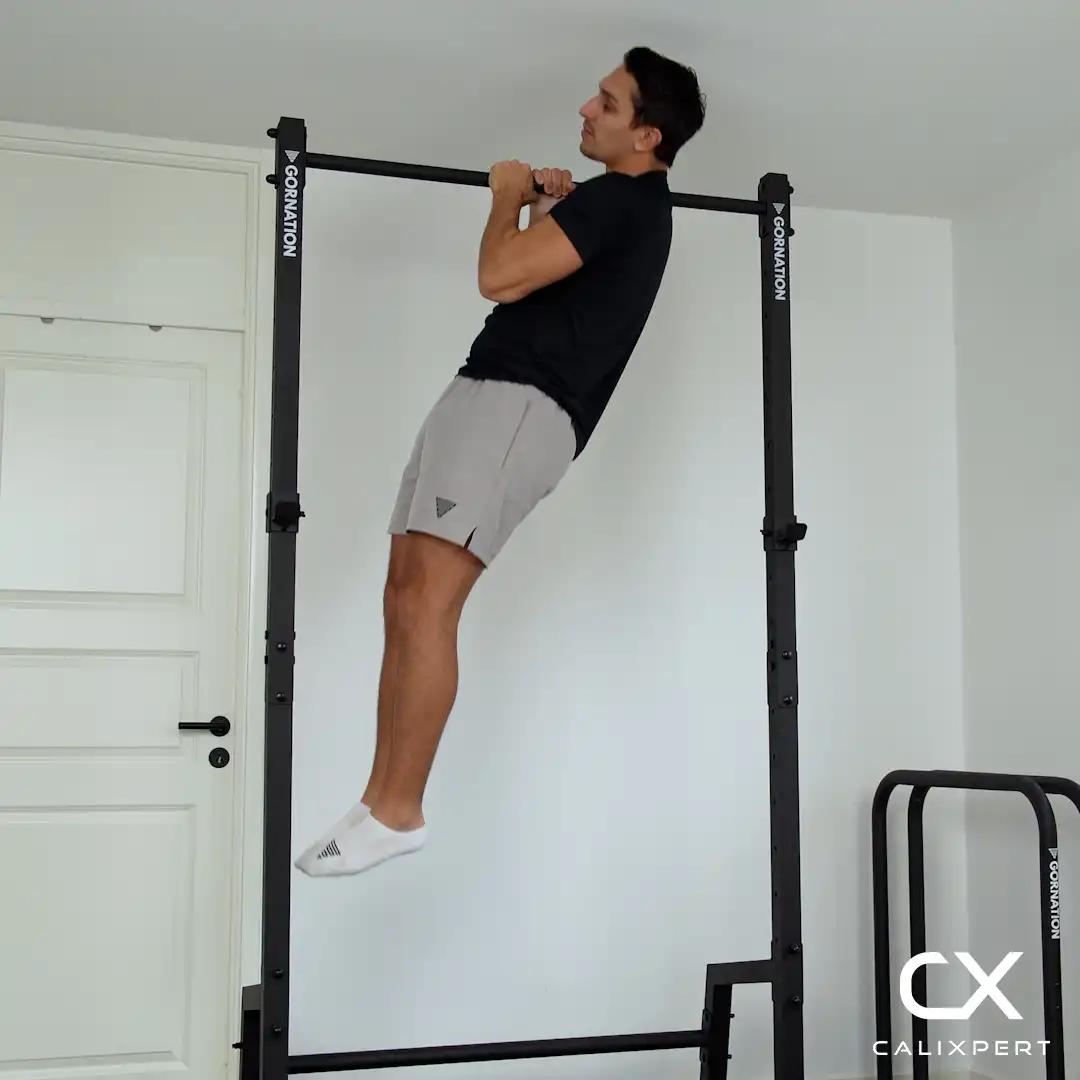
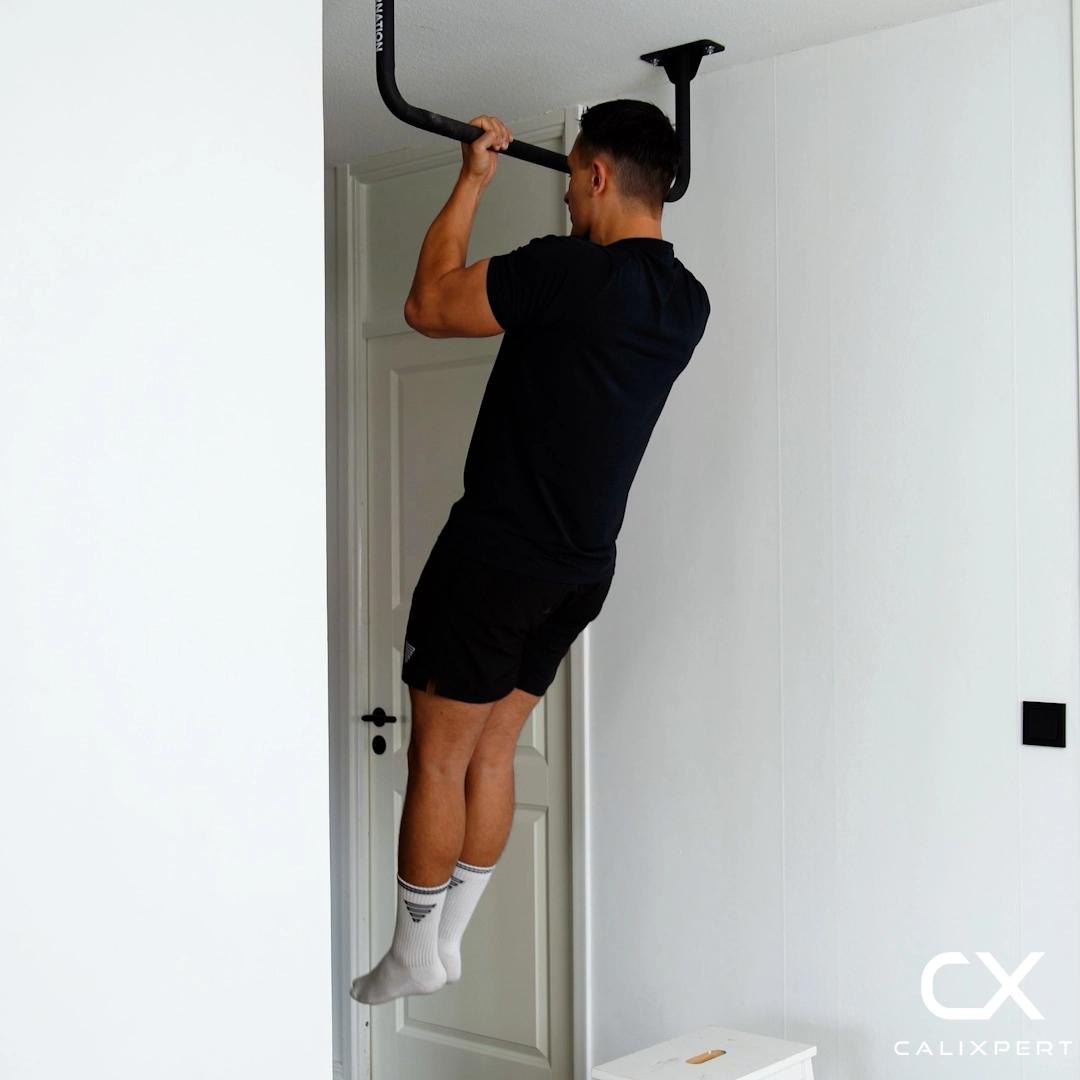
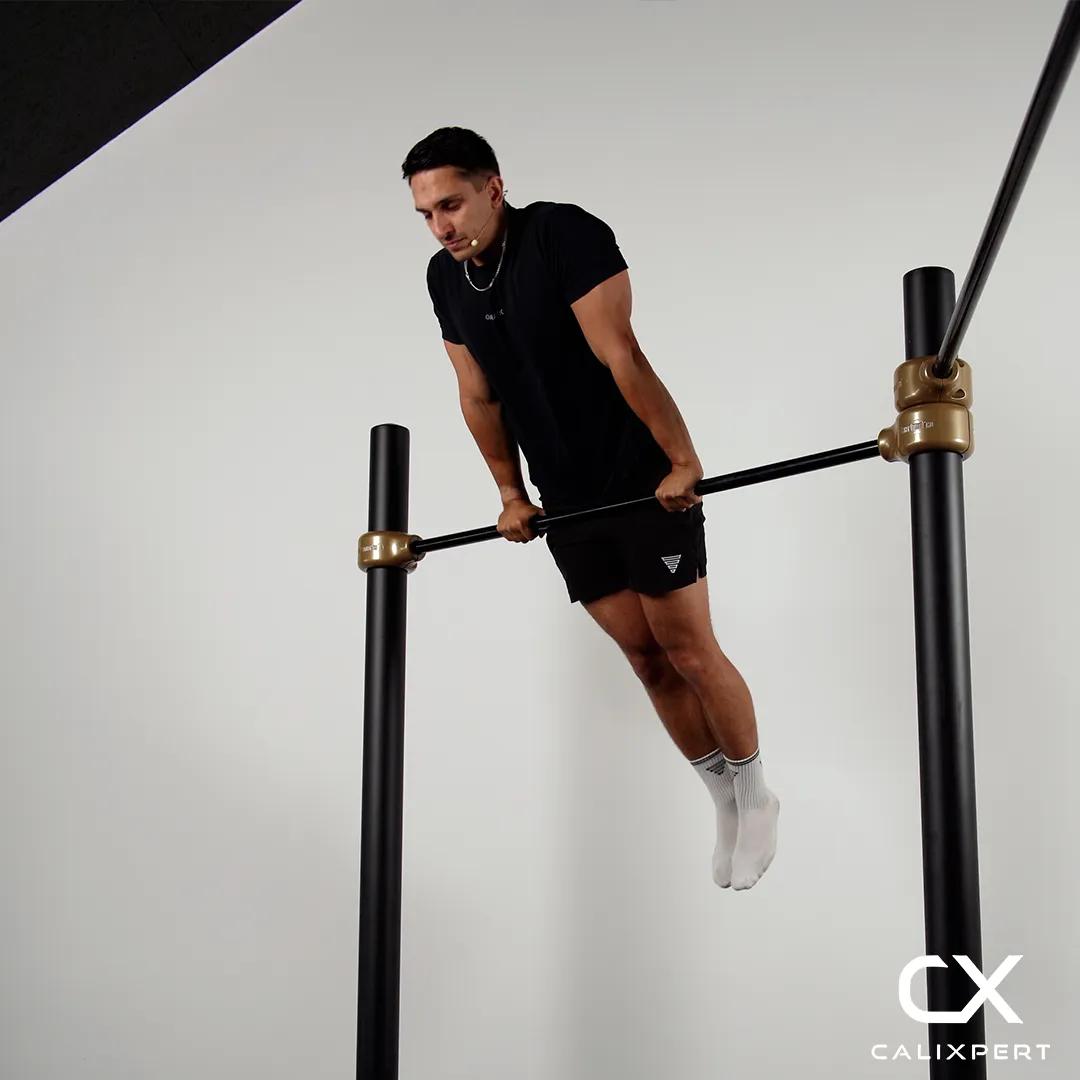
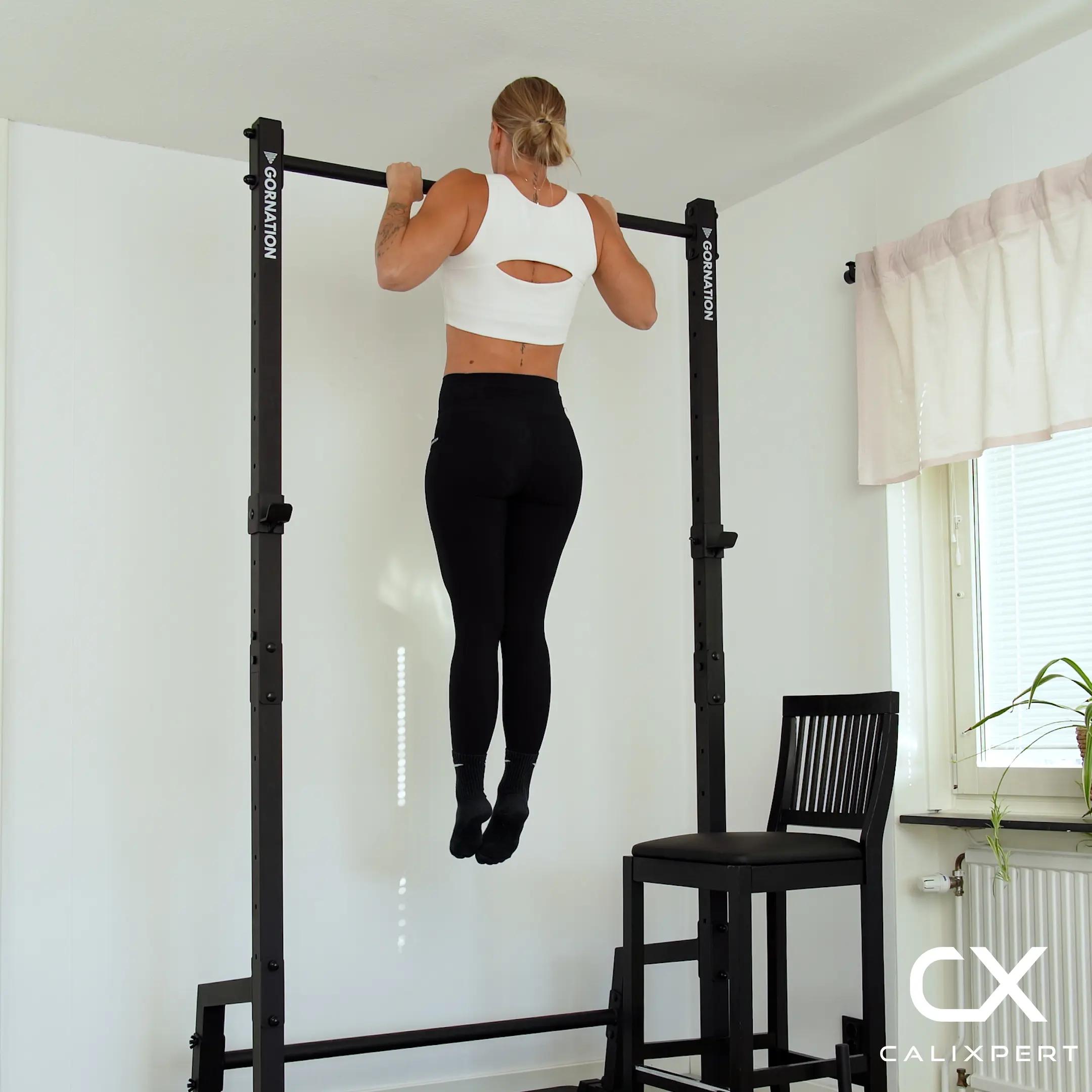
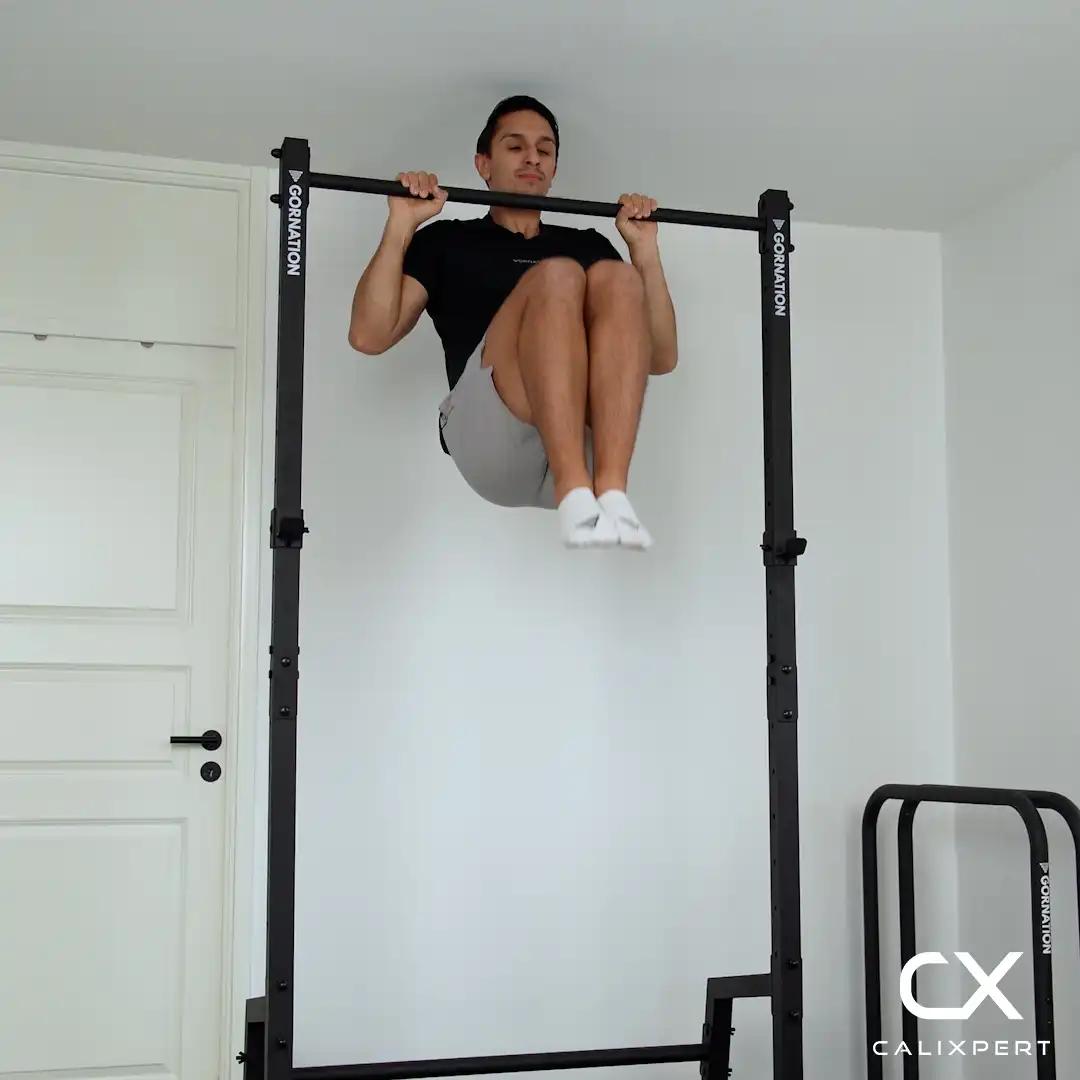
In calisthenics, the forearms are under constant load during every pulling exercise. Your grip is the first point of contact with the bar, and its strength determines how long you can hold on before the rest of your body gives up.
Weak forearms are a hard ceiling on pulling performance. Athletes who cannot finish a set of pull-ups due to grip failure are not limited by their back or biceps. Direct forearm training removes that ceiling faster than more pull-up volume.
How to Train Your Forearms
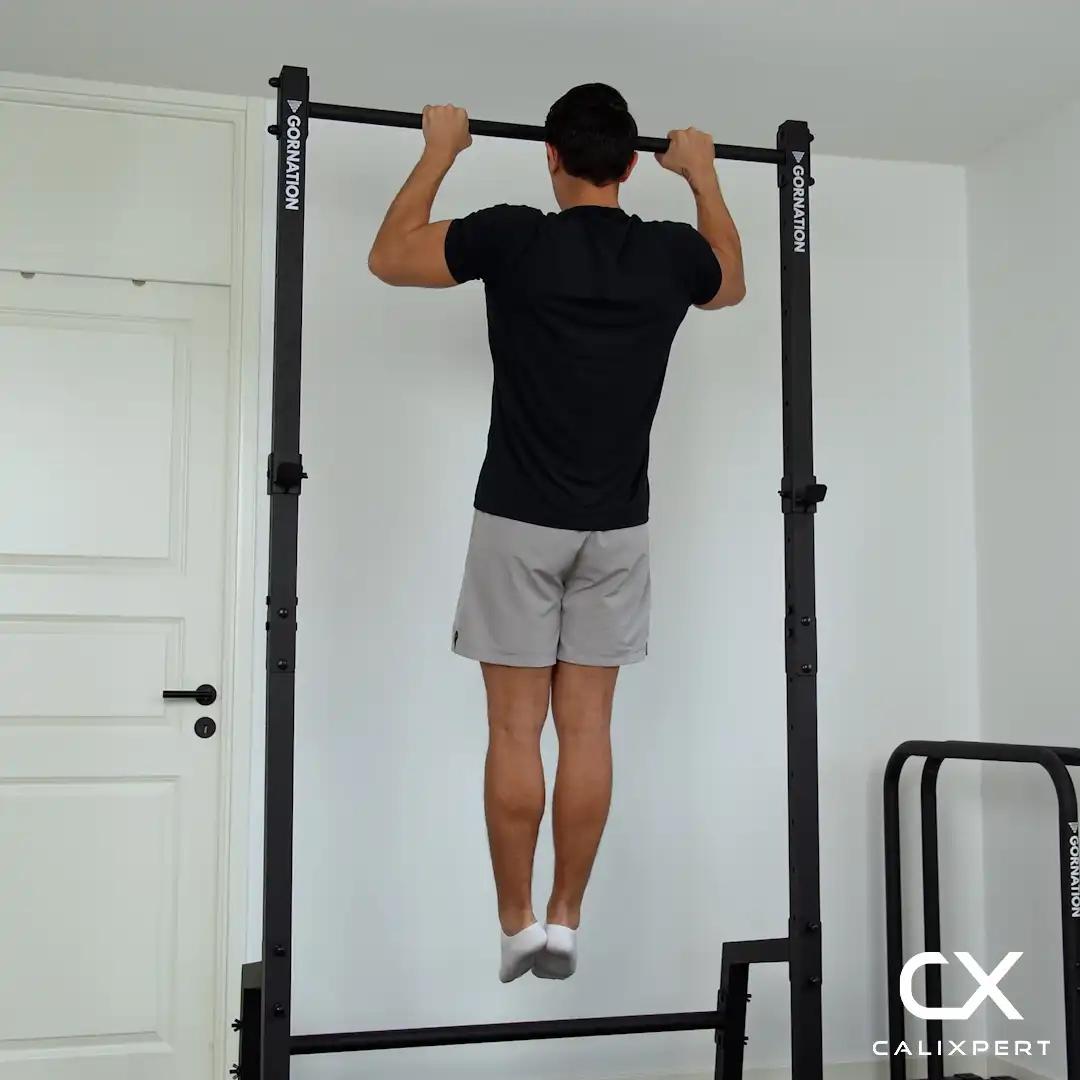
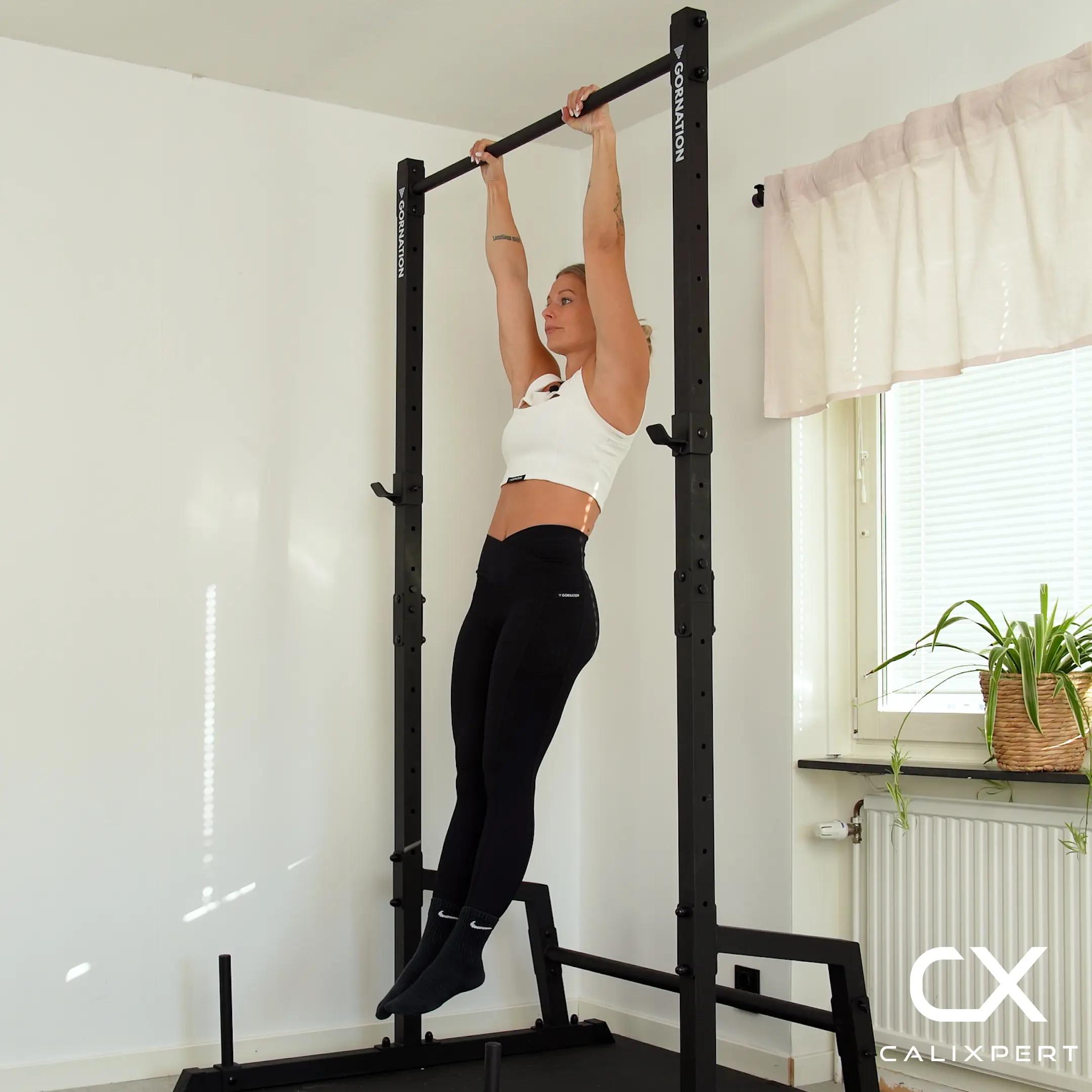
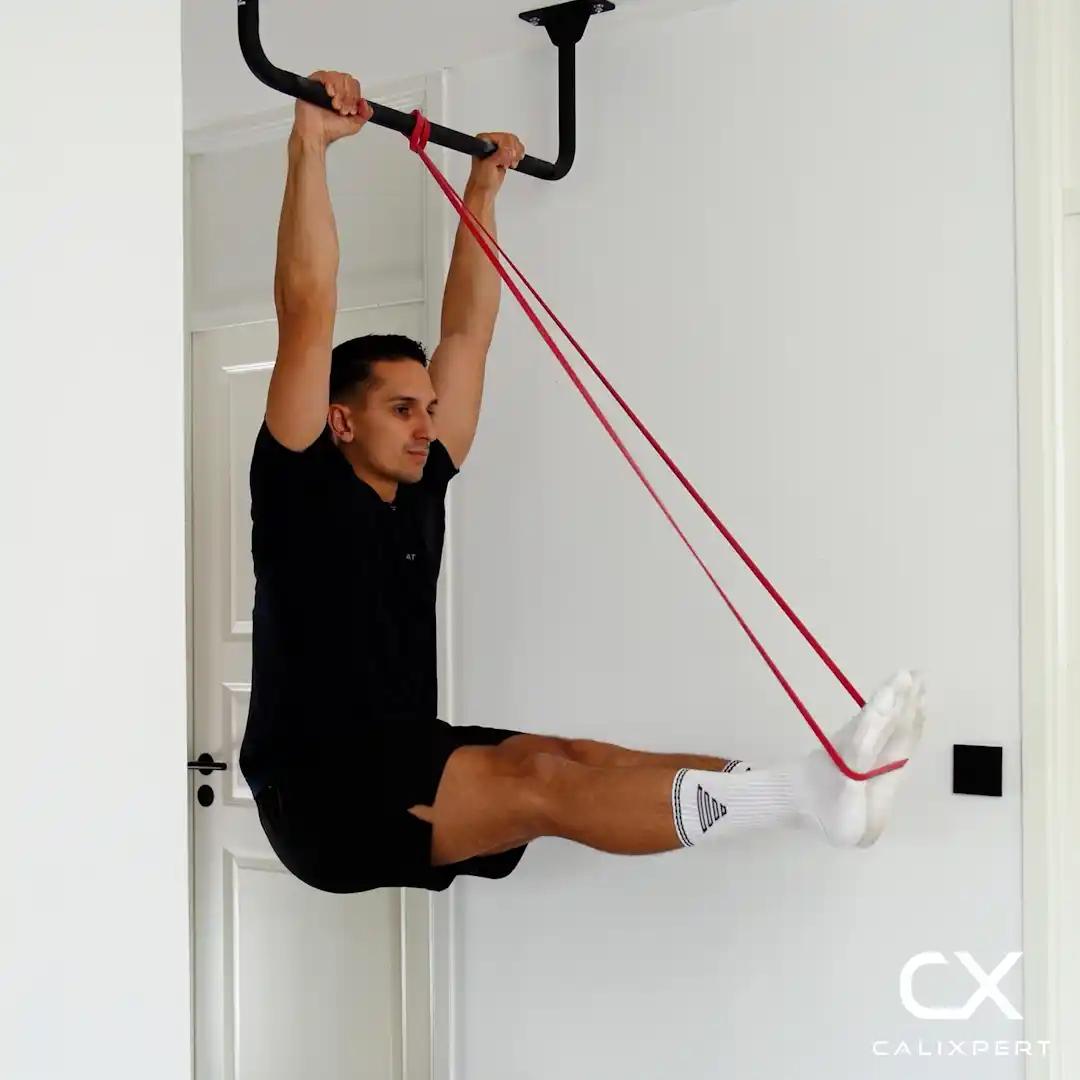
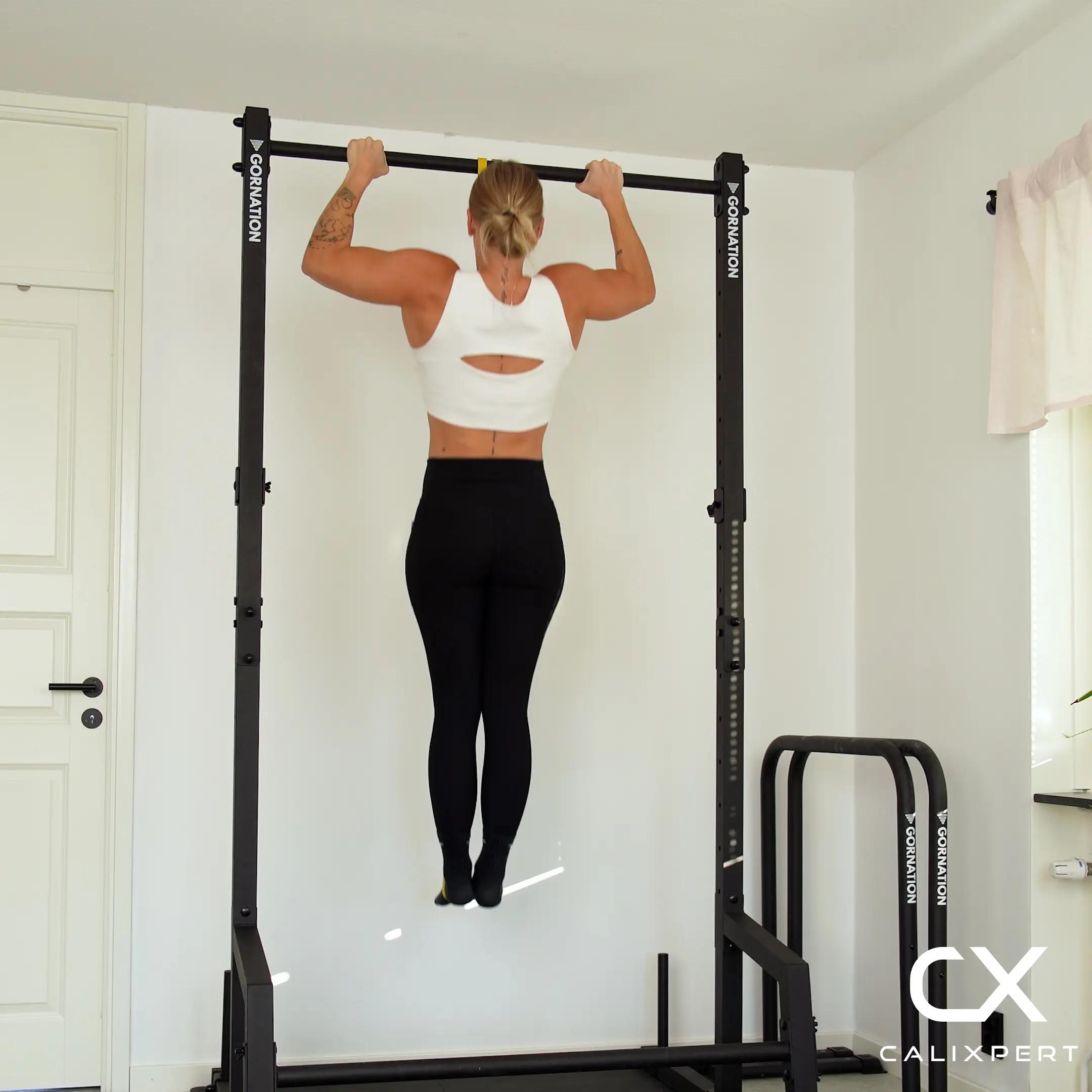
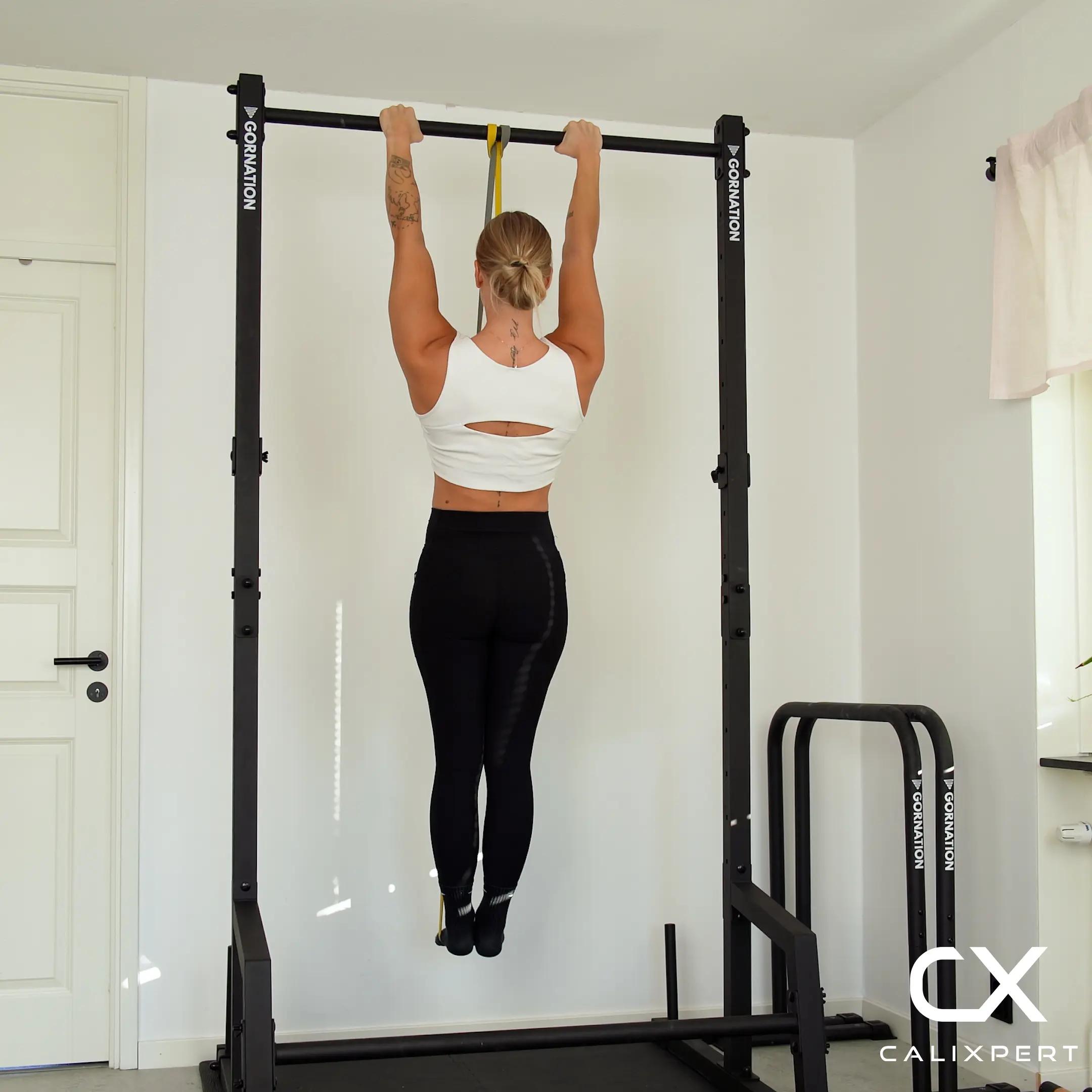
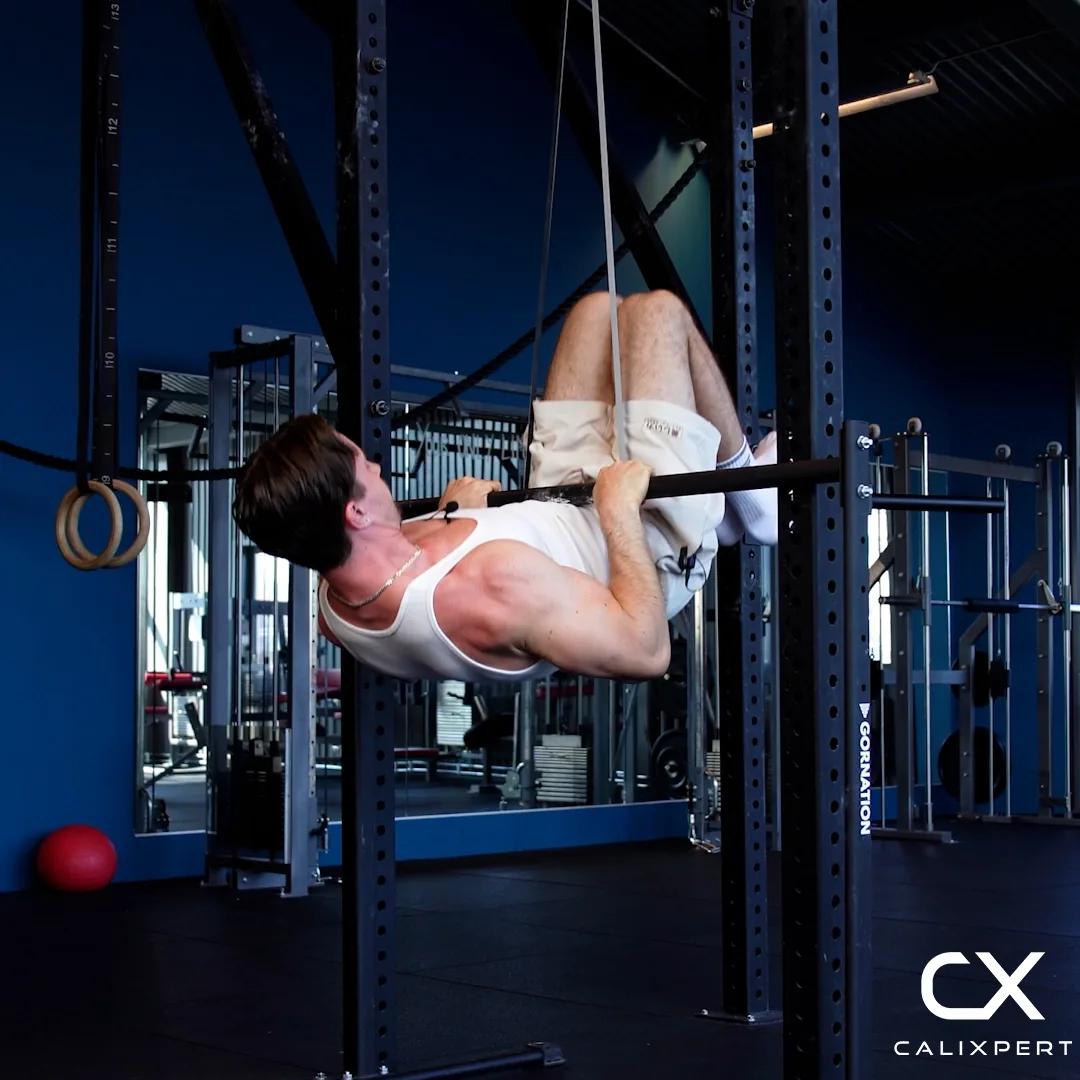
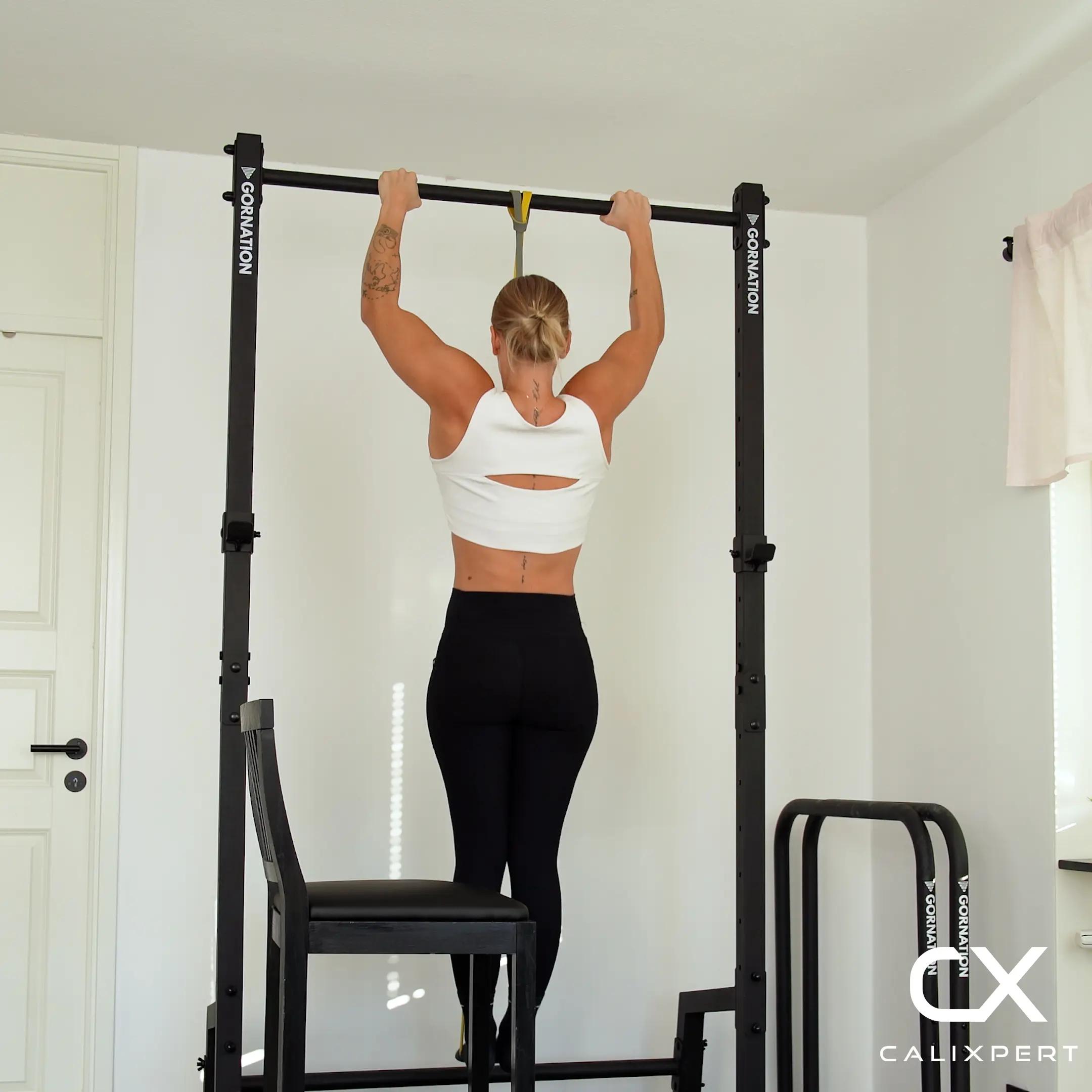
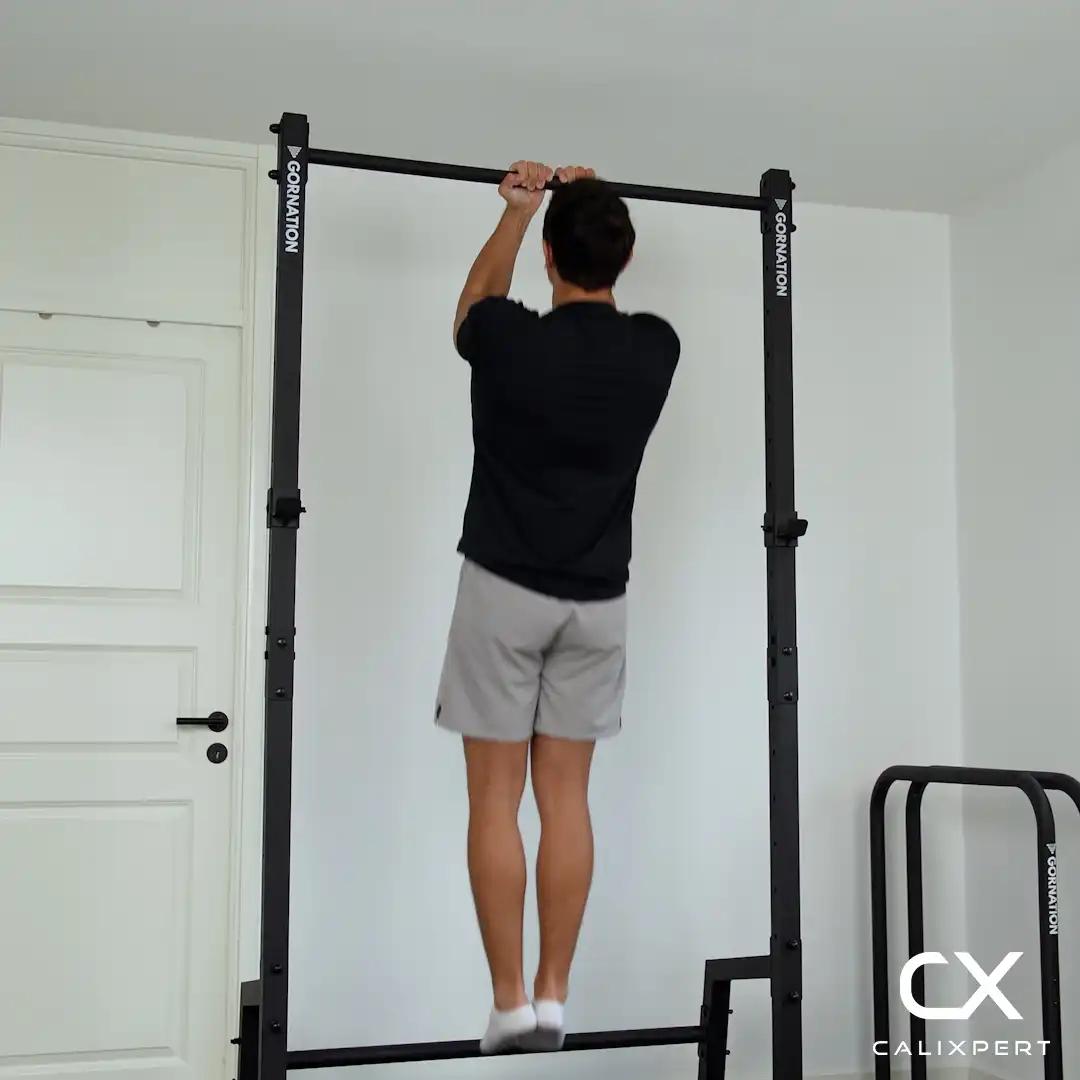
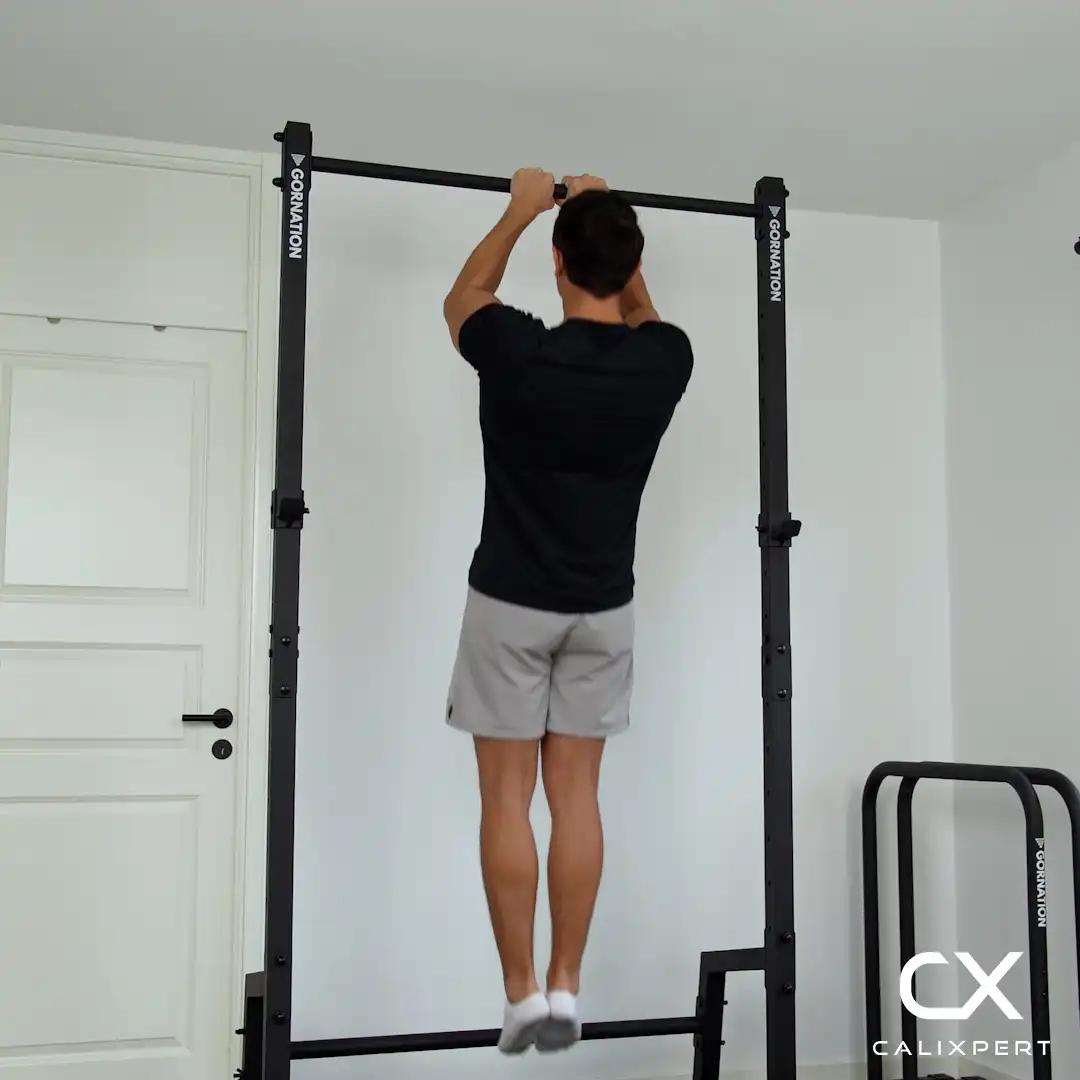
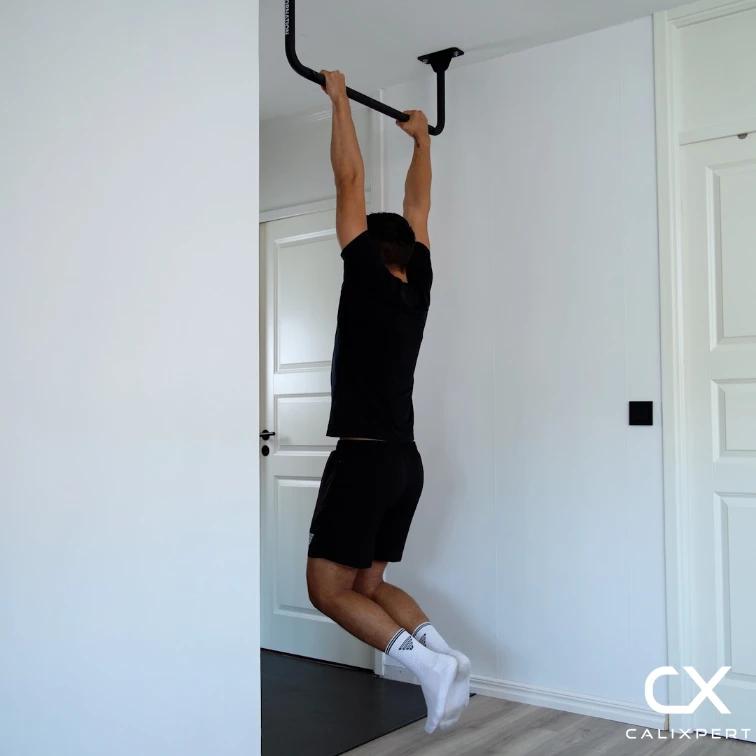
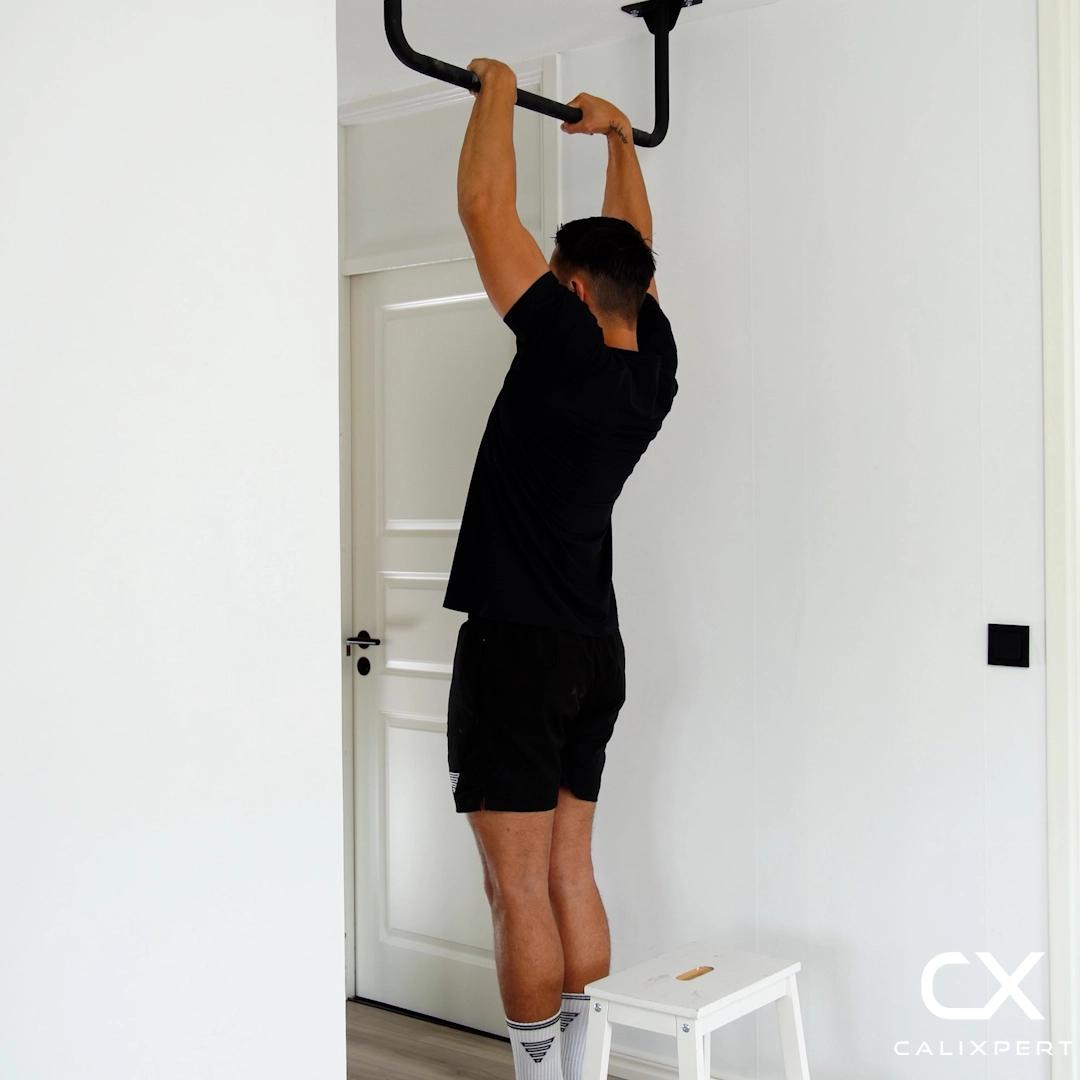
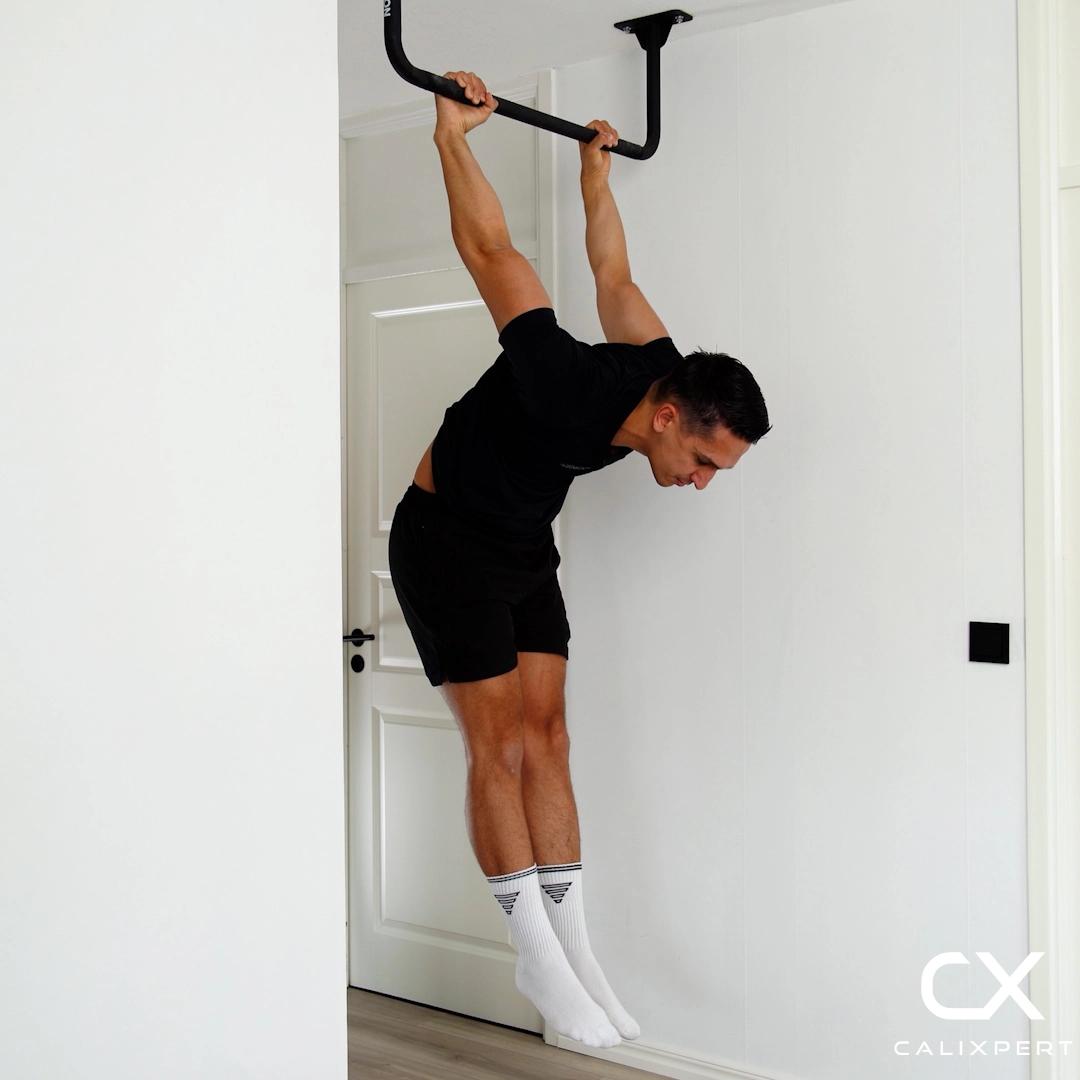
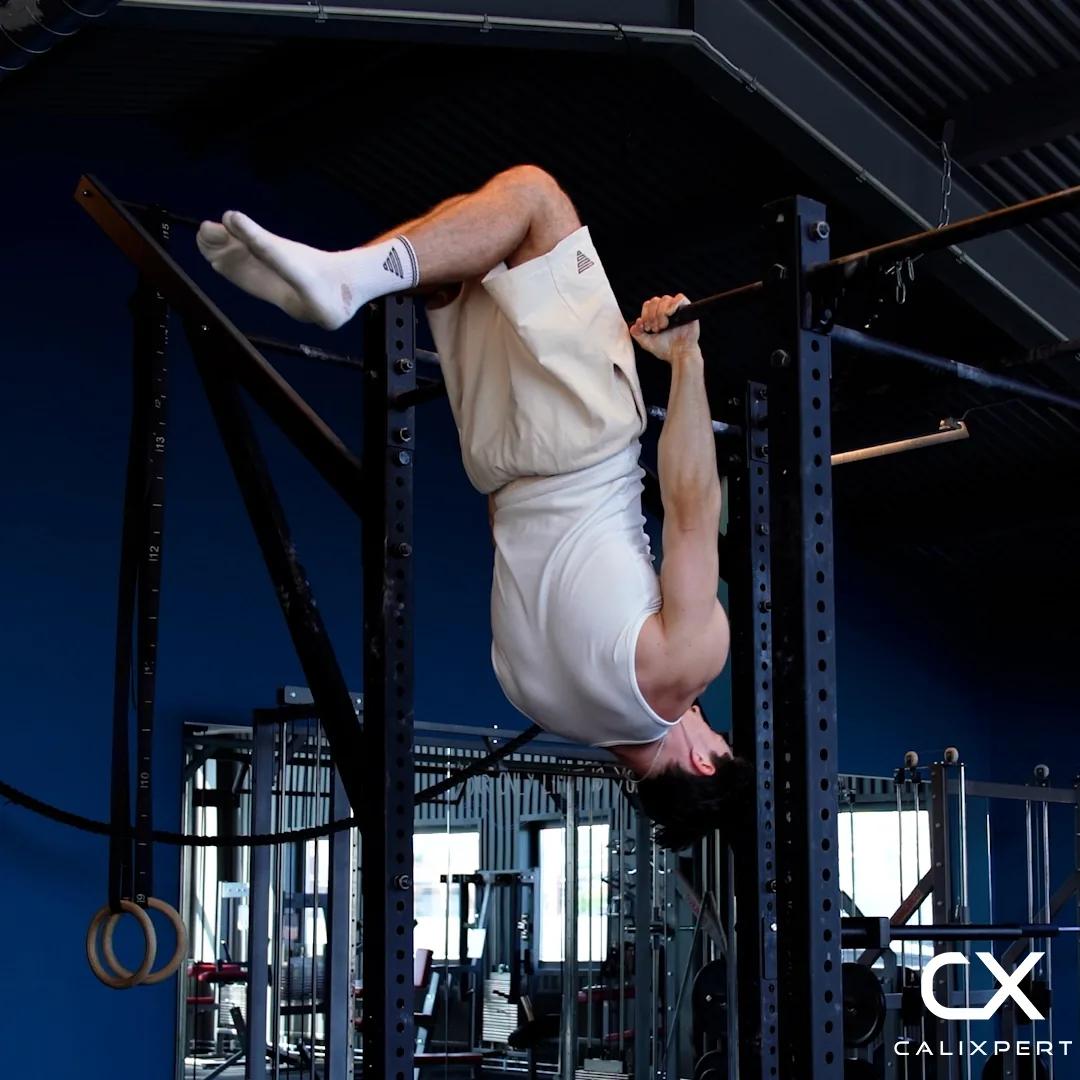
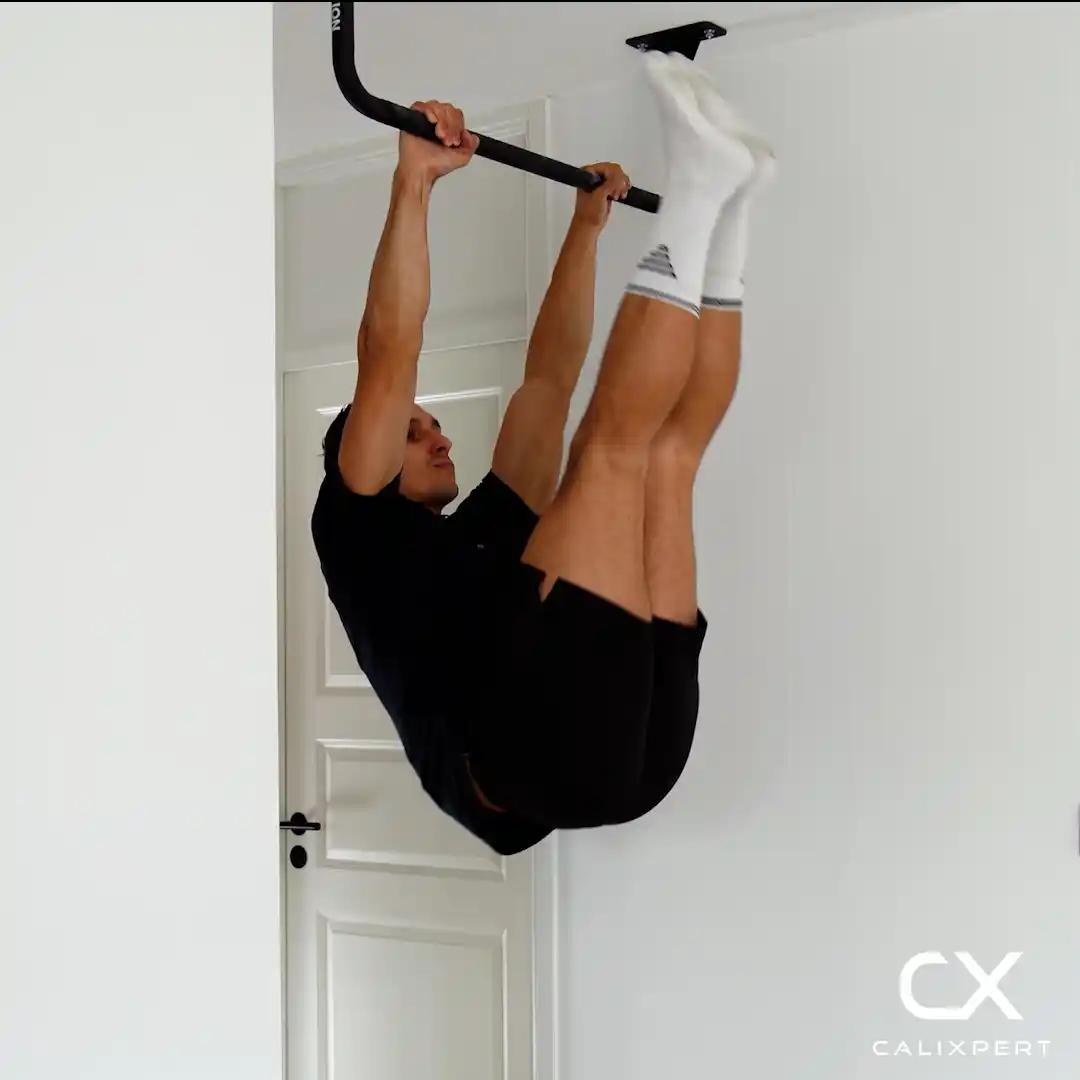
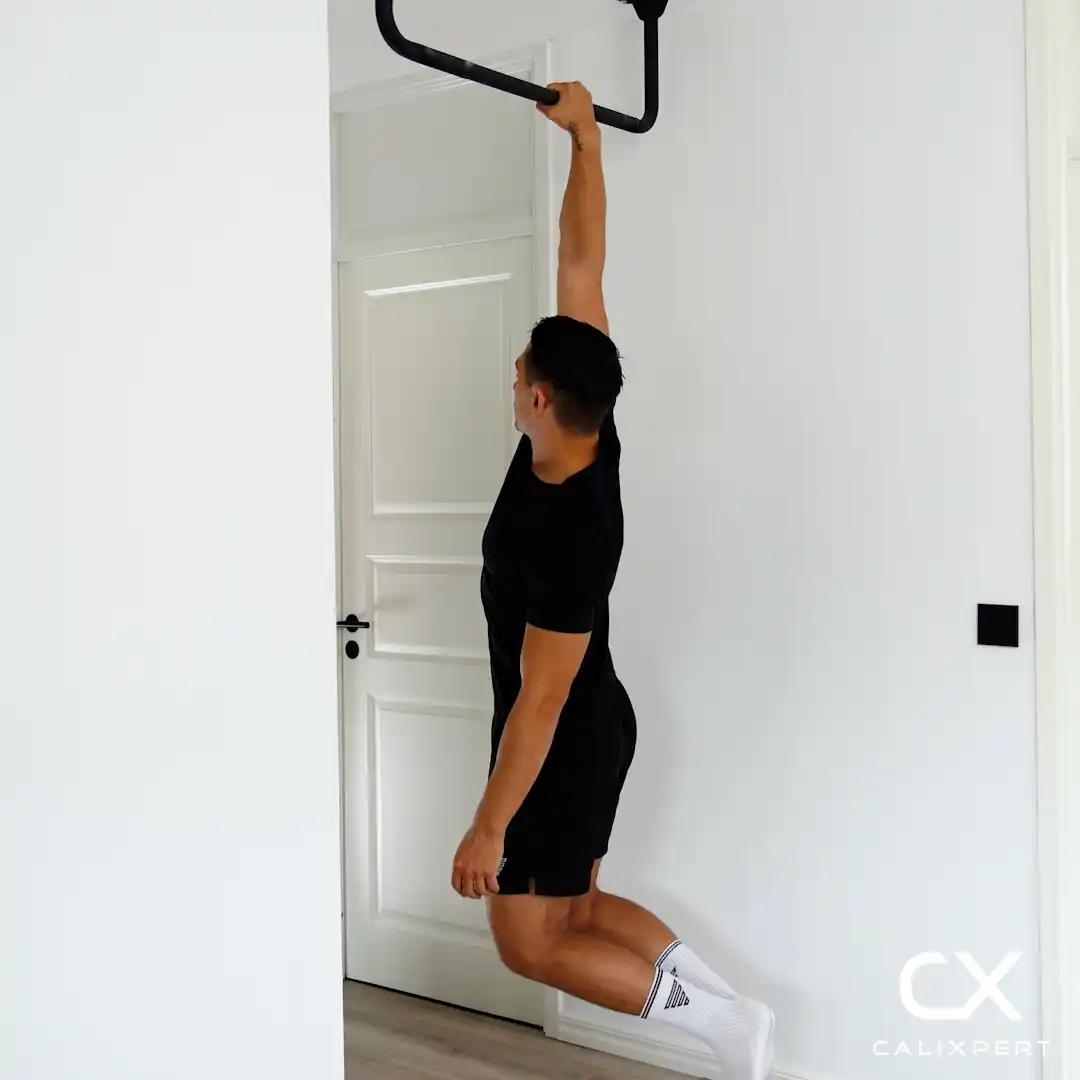
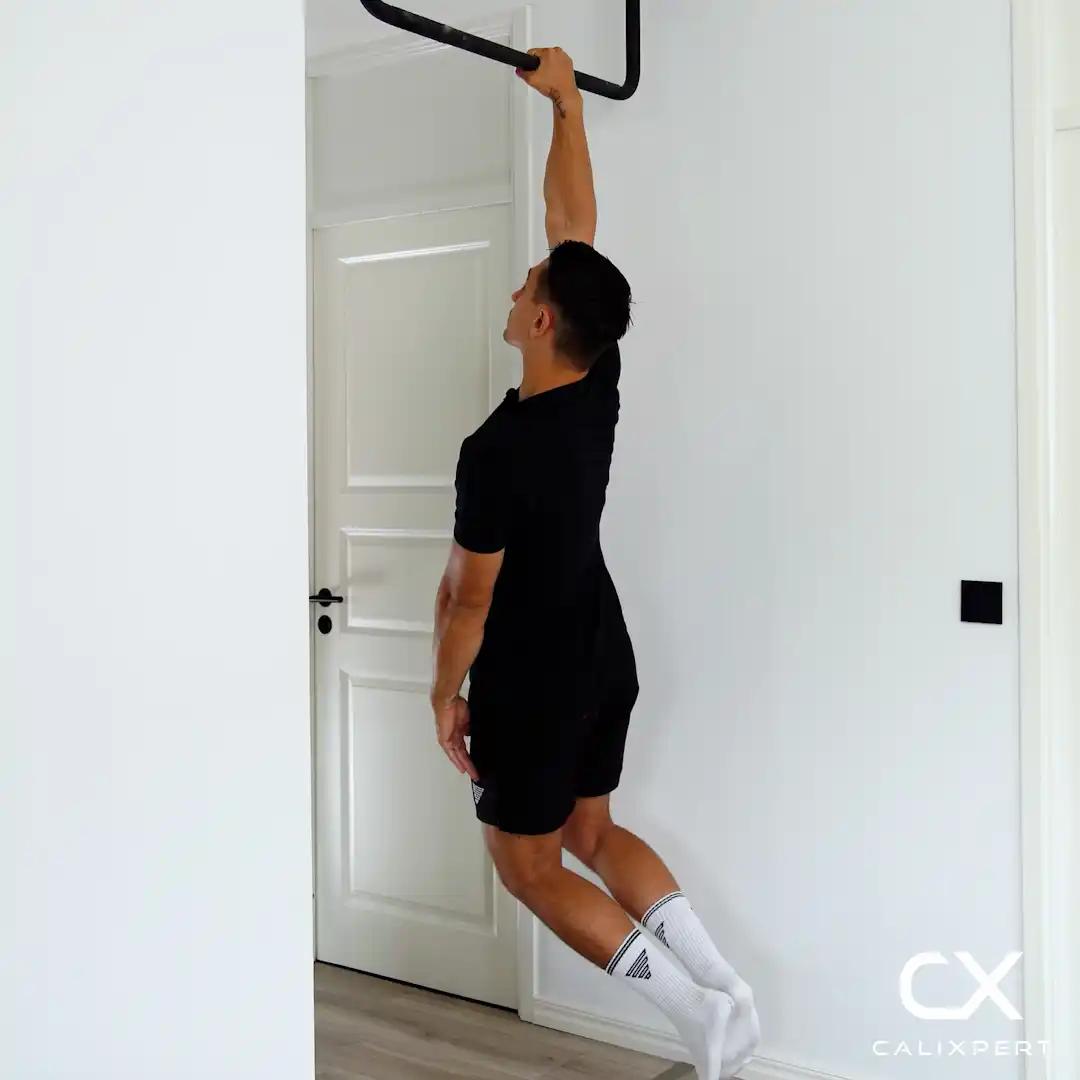
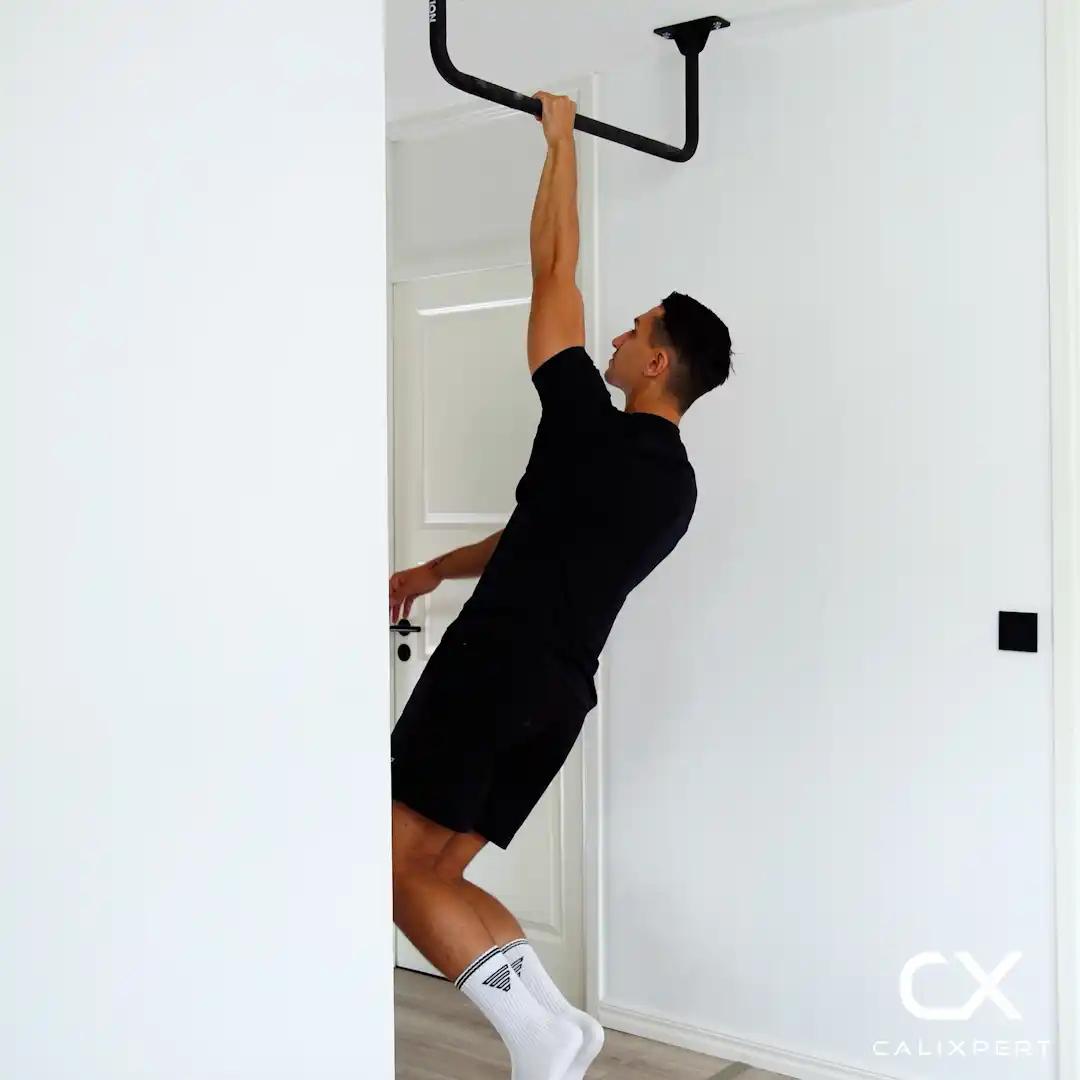
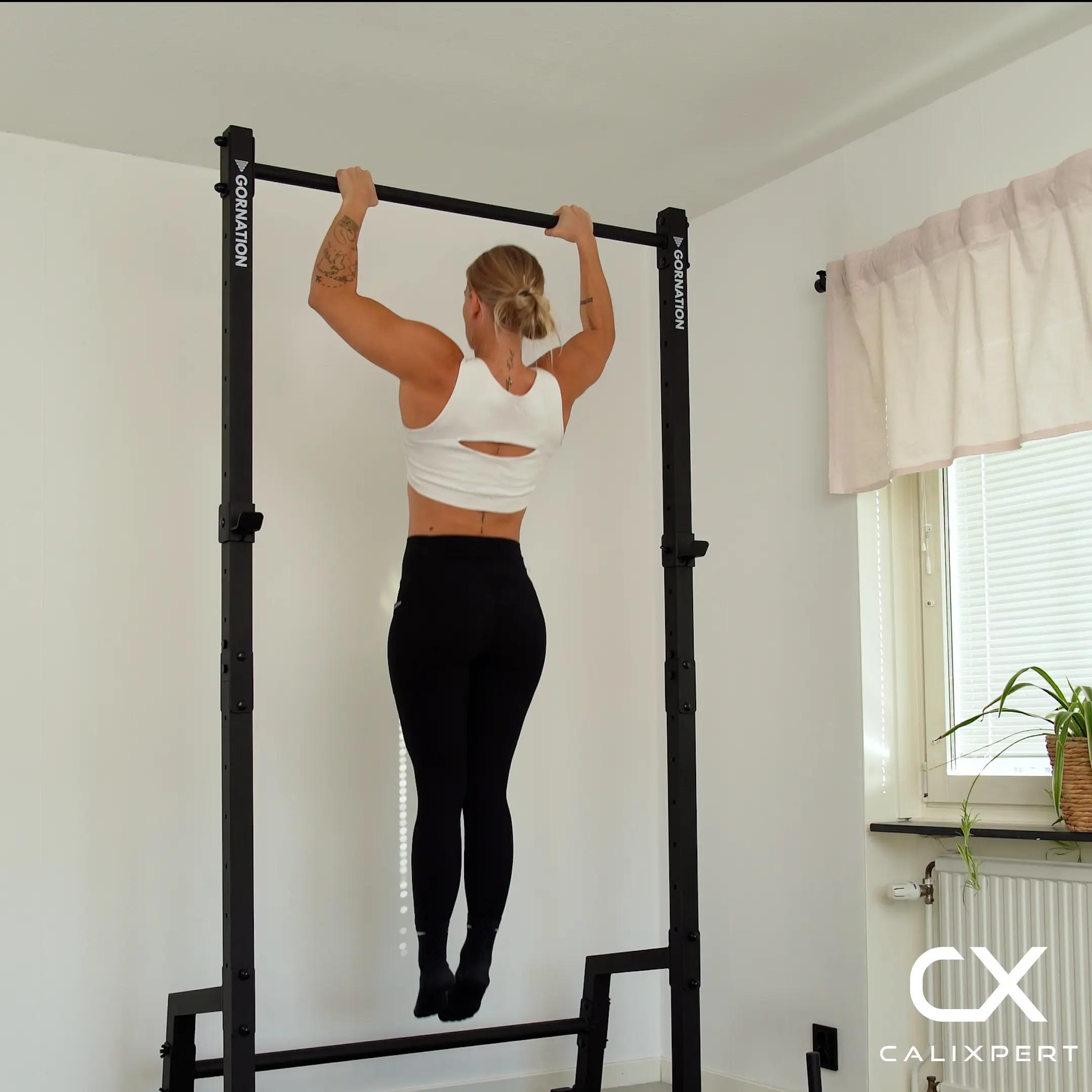
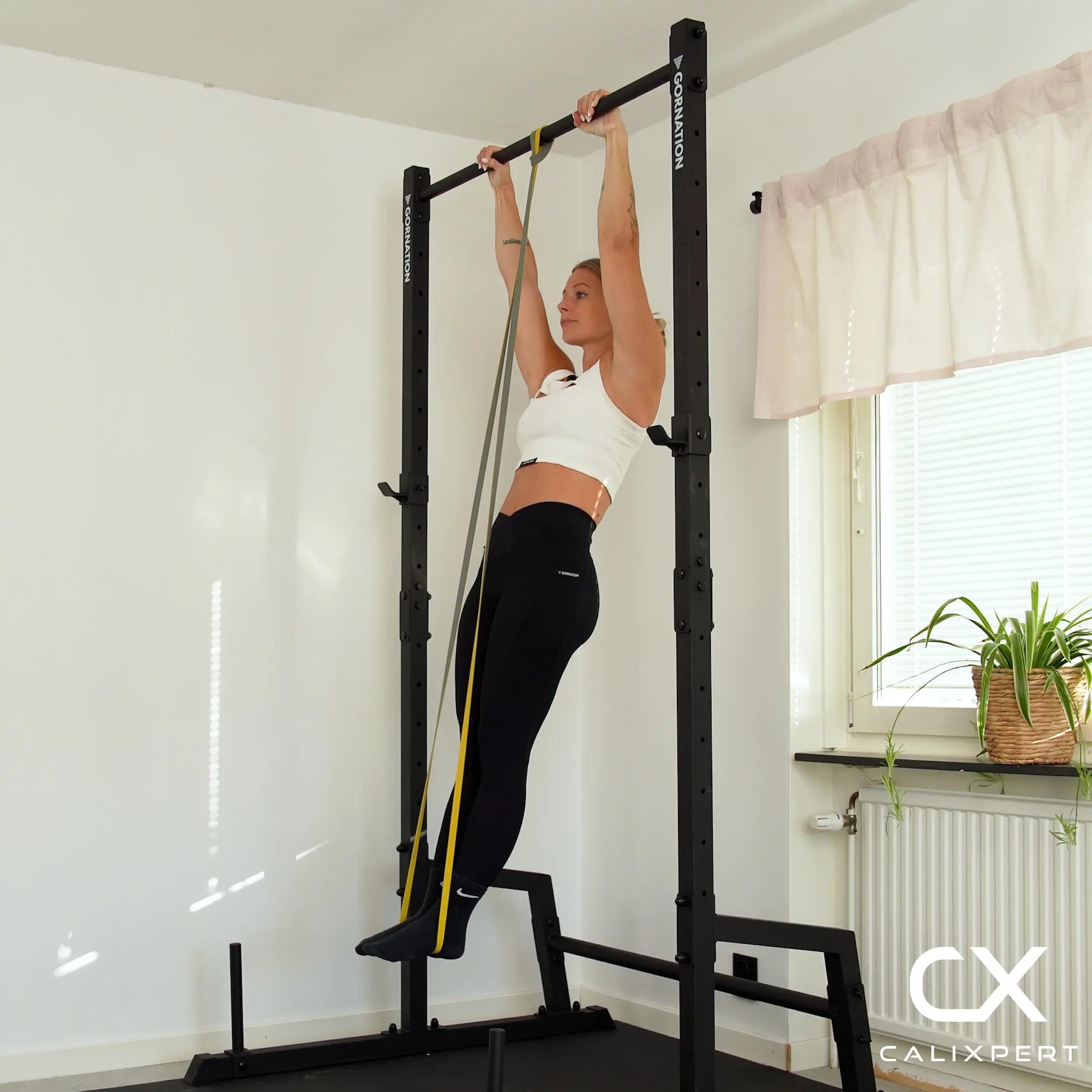
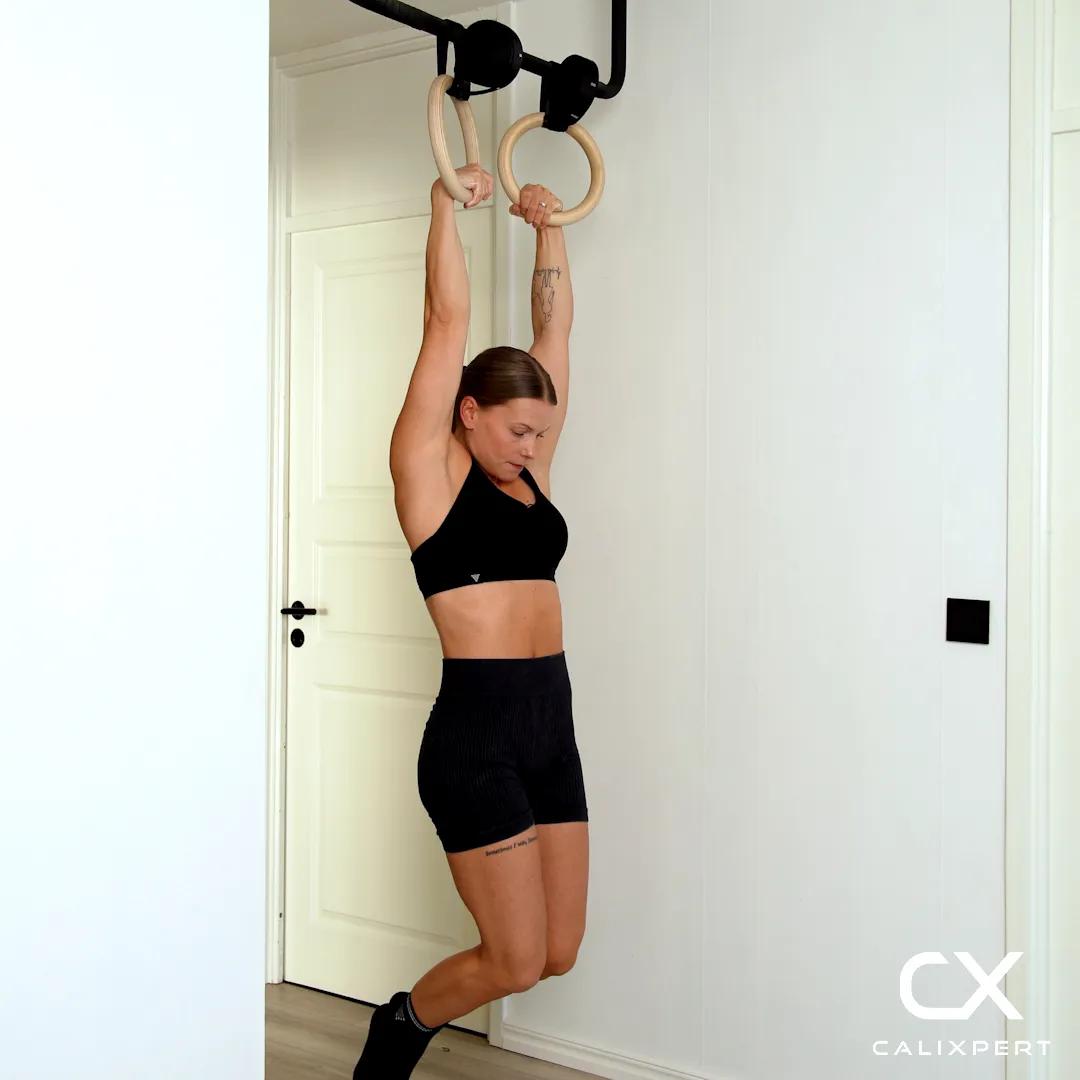
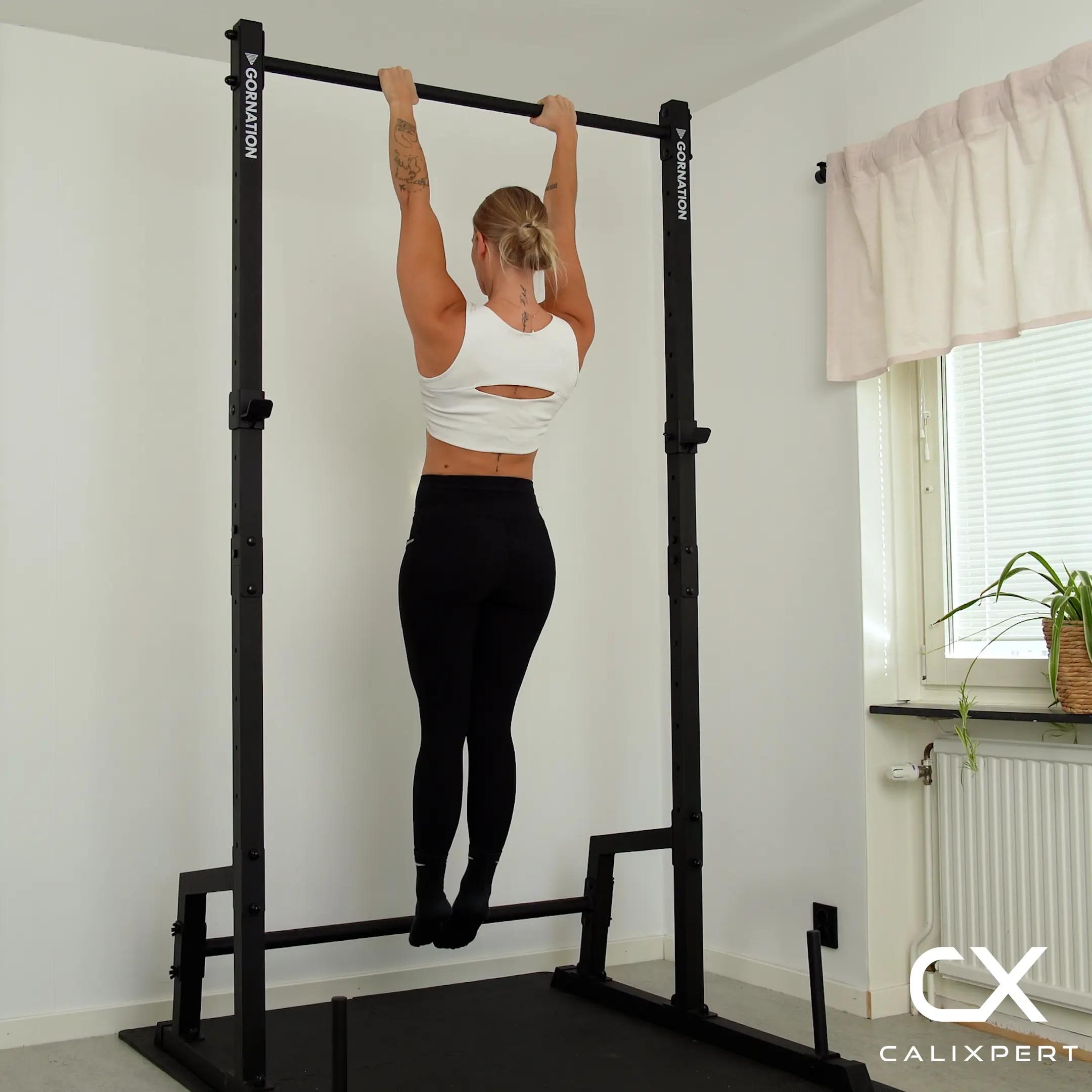
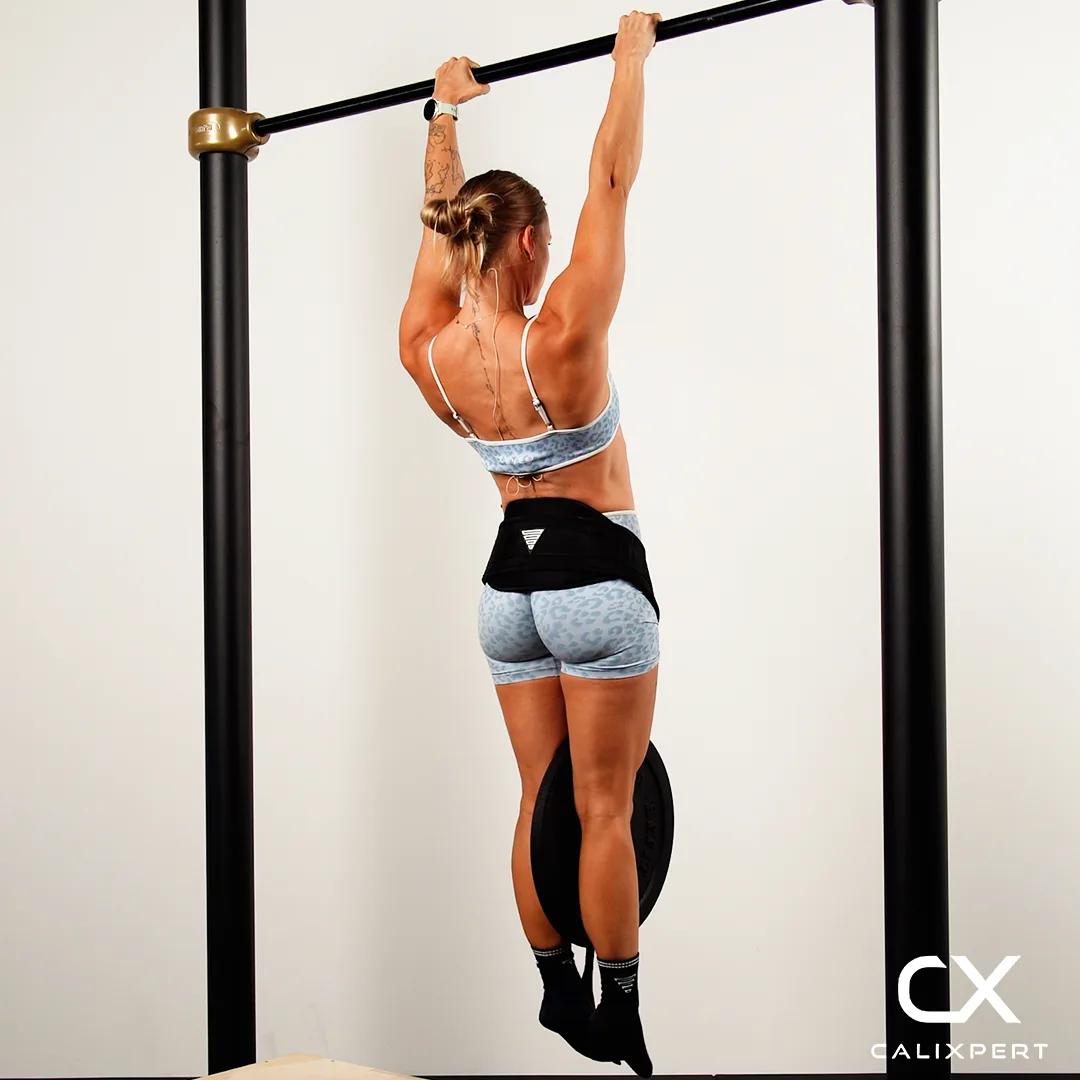
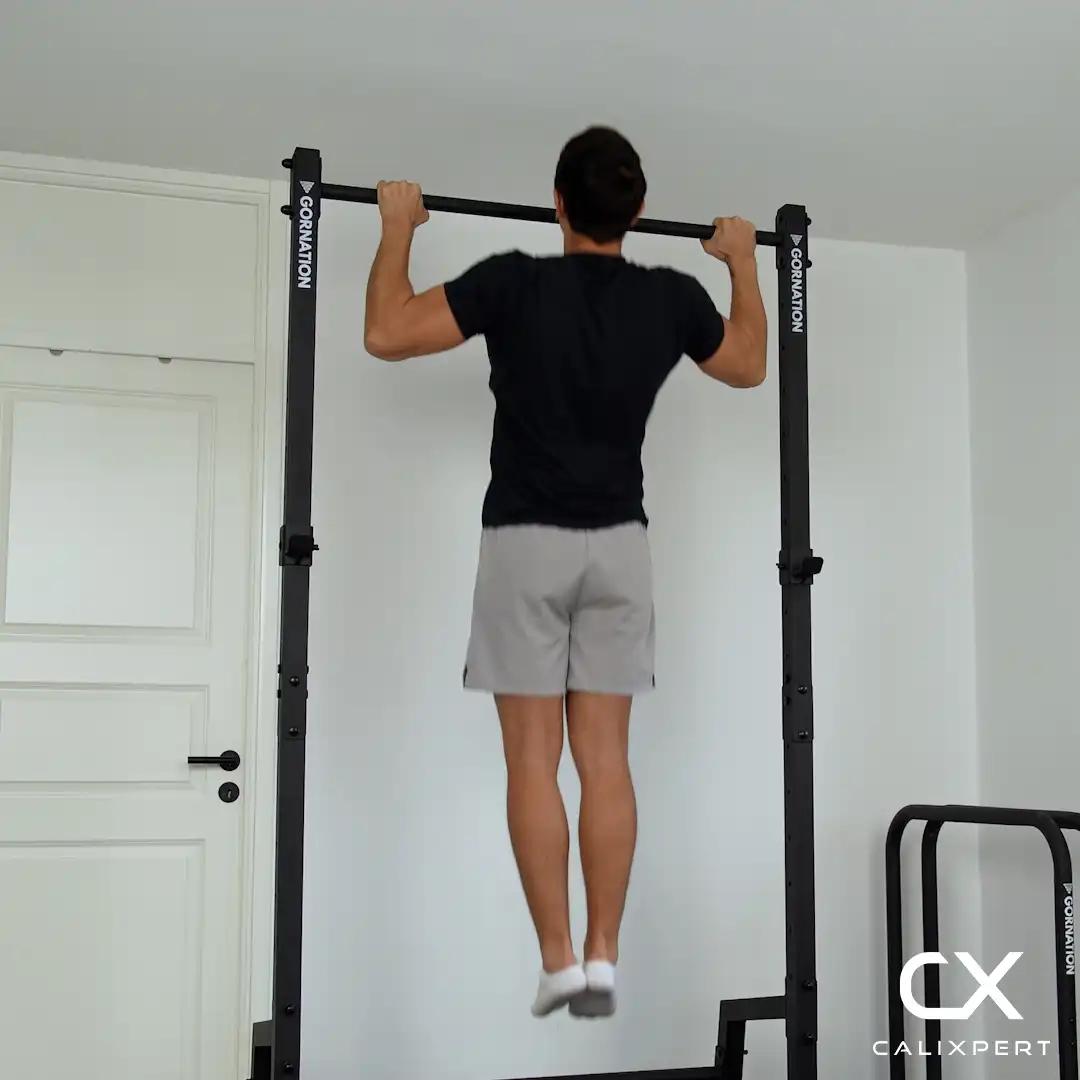
Dead hangs are the most underrated forearm exercise in calisthenics. Hanging from a bar or rings for 30 to 60 second holds builds both flexor endurance and connective tissue strength in the wrist and elbow.
Thick bar or towel pull-ups add grip difficulty to standard pulling work. If you do not have thick grip attachments, wrapping a towel around a pull-up bar achieves the same effect.
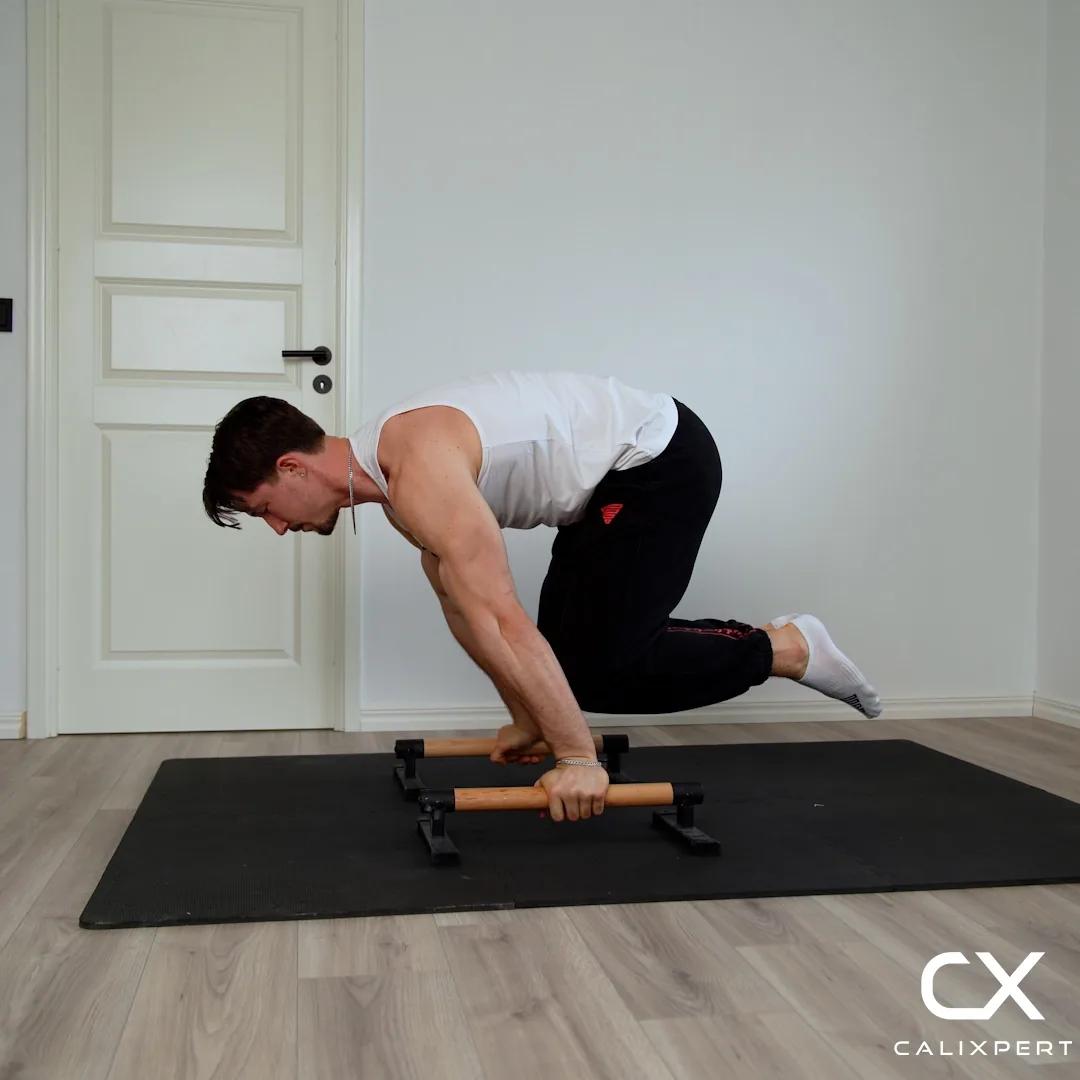
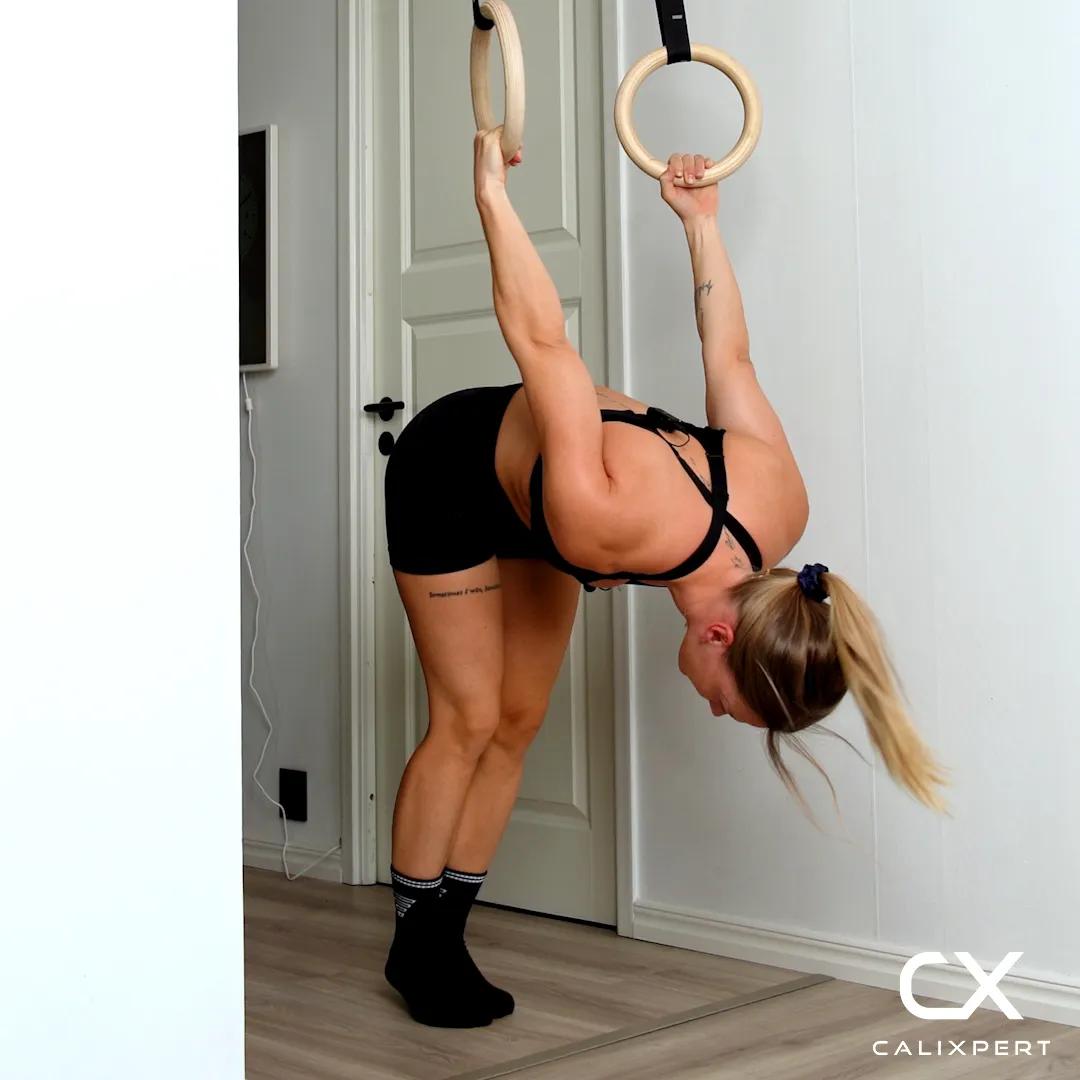
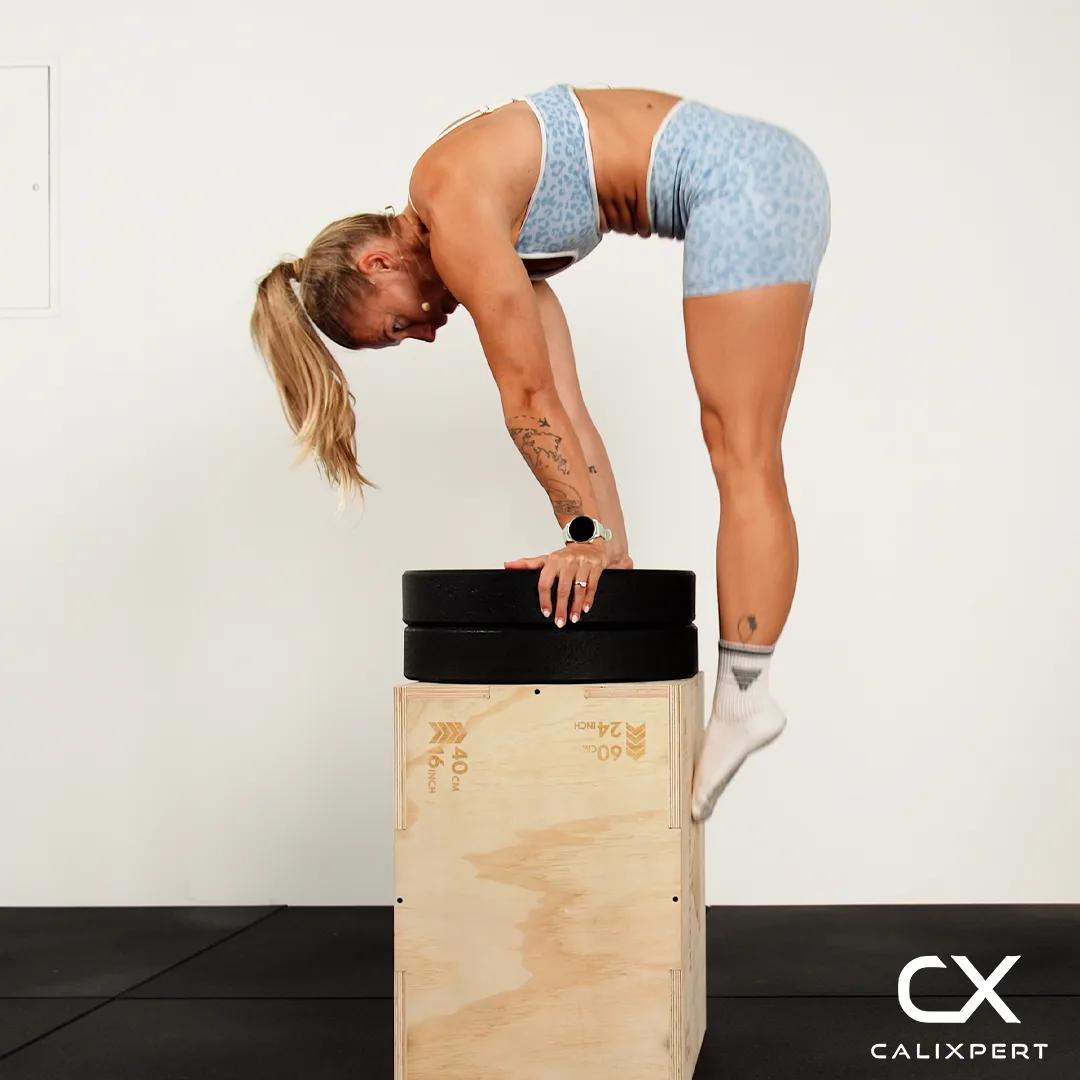
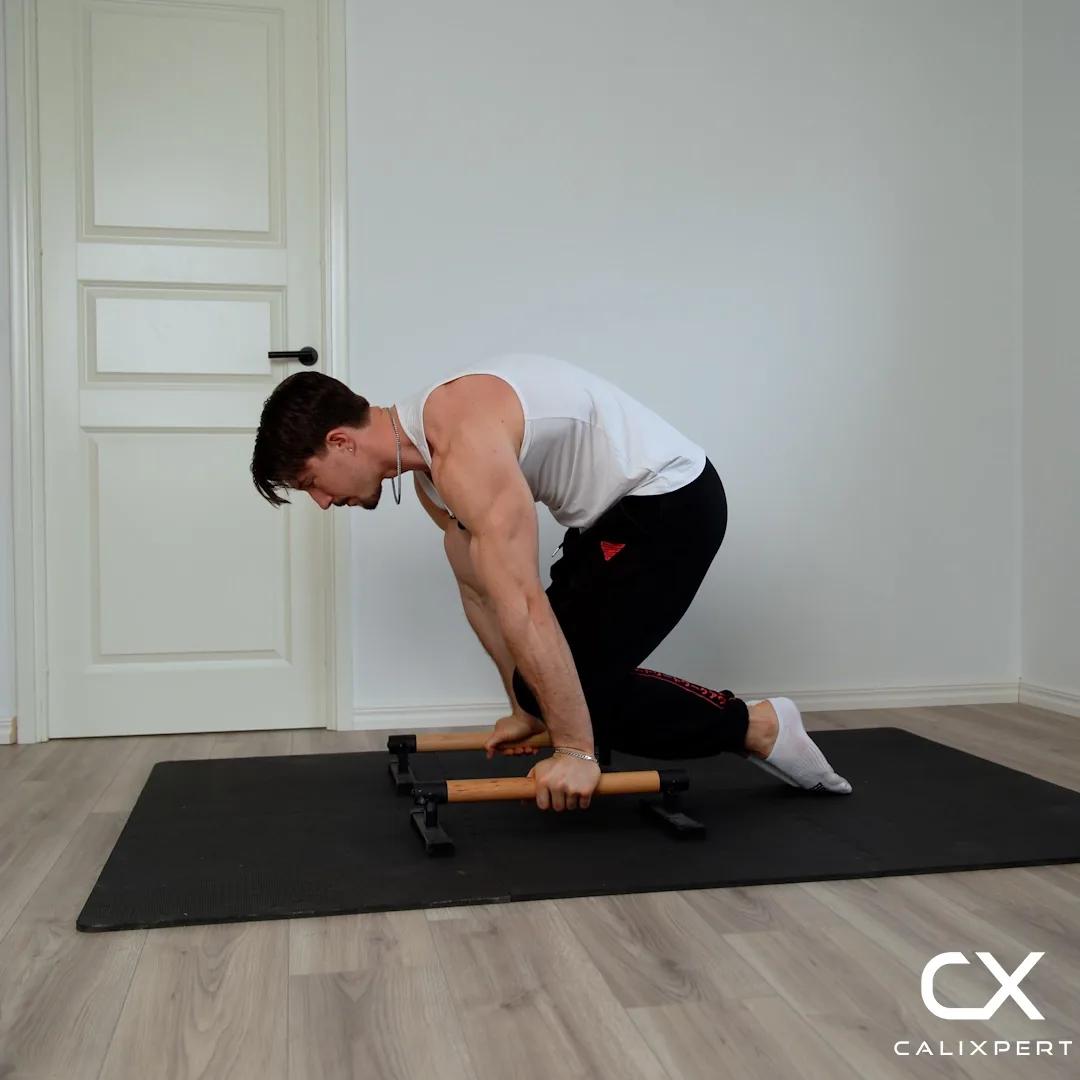
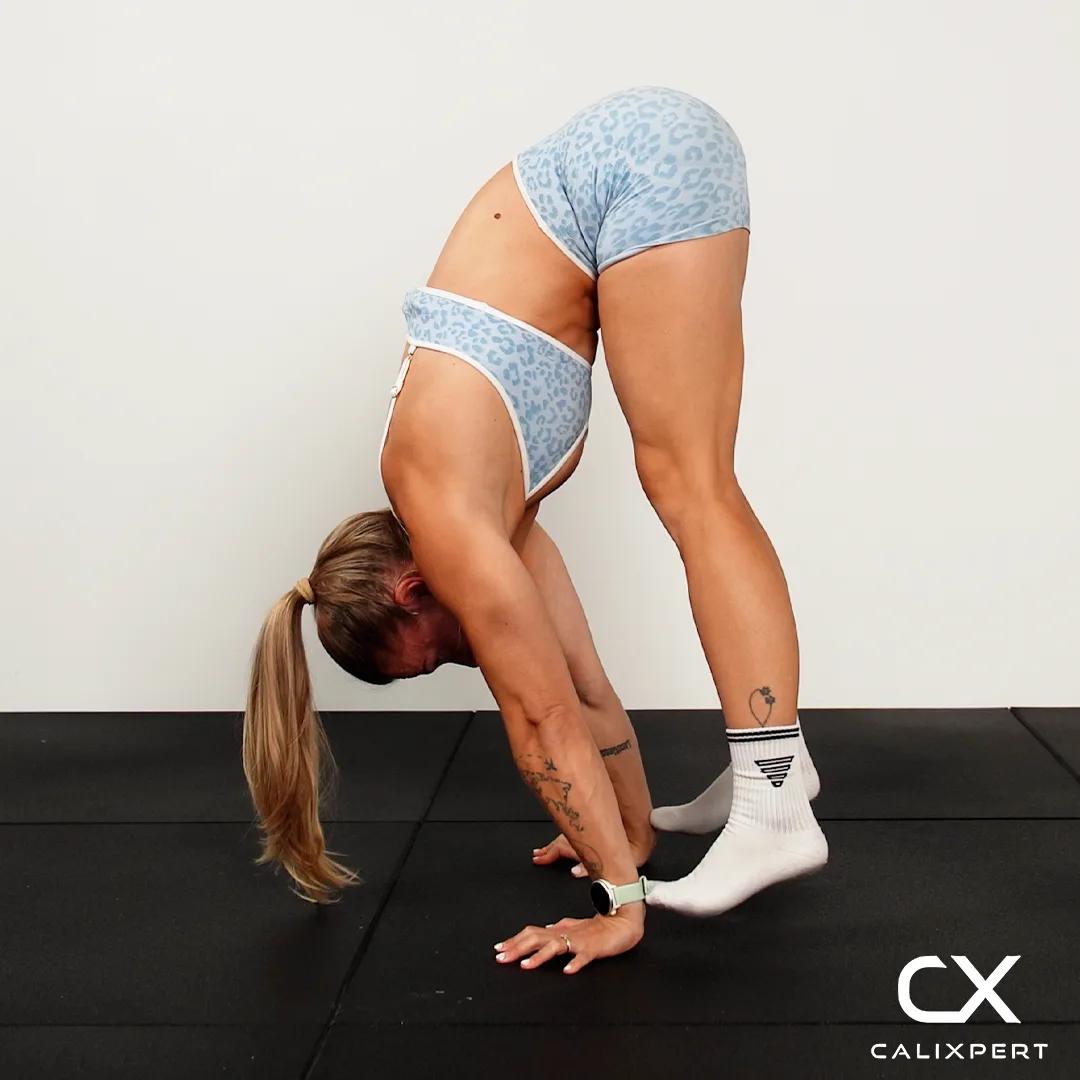
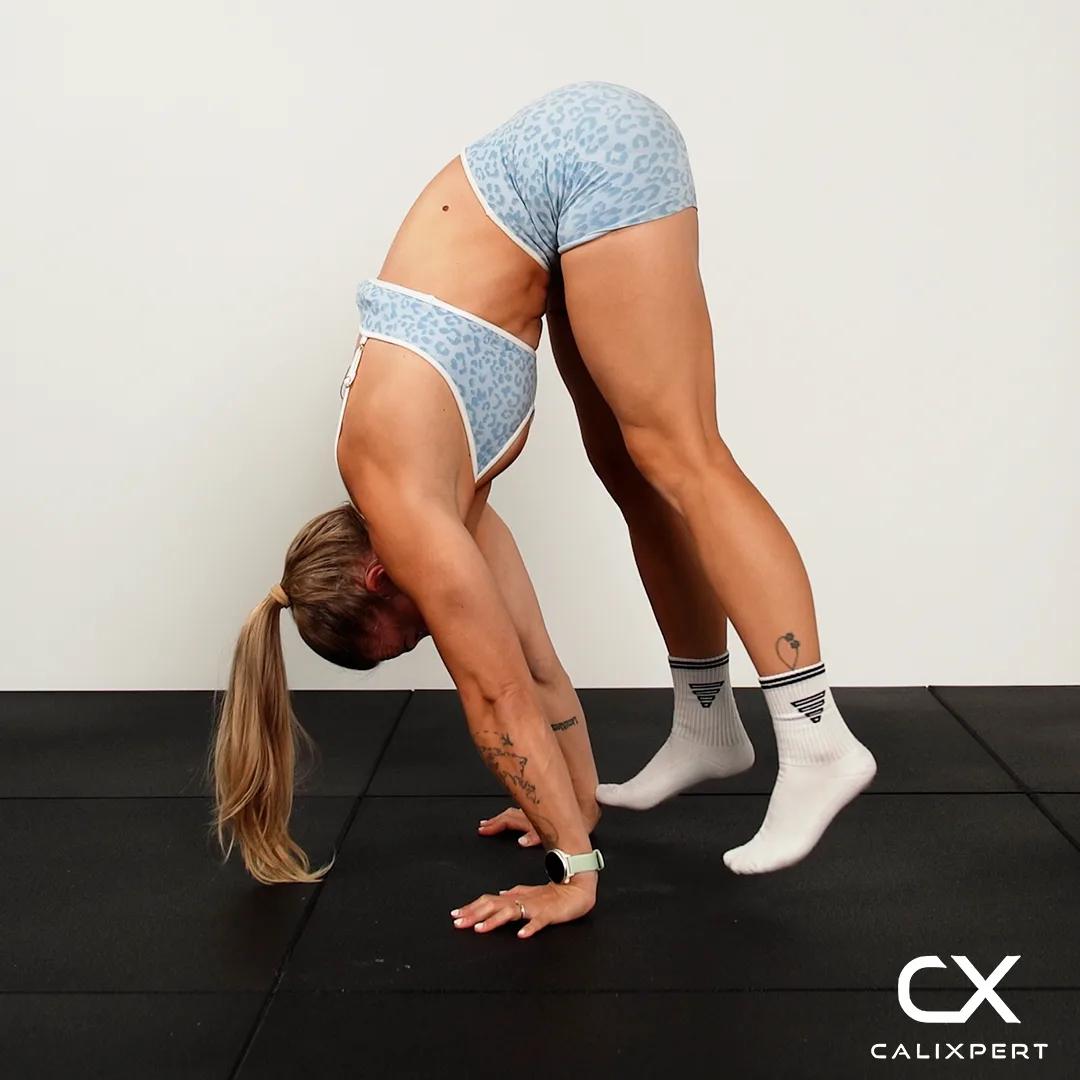
Wrist circles and pronation-supination work should be included as prehab. The wrist extensors are chronically undertrained in most athletes and are often the first structure to develop tendon issues under heavy pressing load.
Forearms FAQ
Add dedicated dead hang work. Hang from a bar for maximum time holds two to three times per week. Your grip endurance will catch up to your back strength within a few weeks of consistent training.
Chalk is appropriate for competition or max effort work. Straps remove grip from the equation entirely and should be used sparingly. For most training, building grip strength directly is more beneficial than bypassing it.
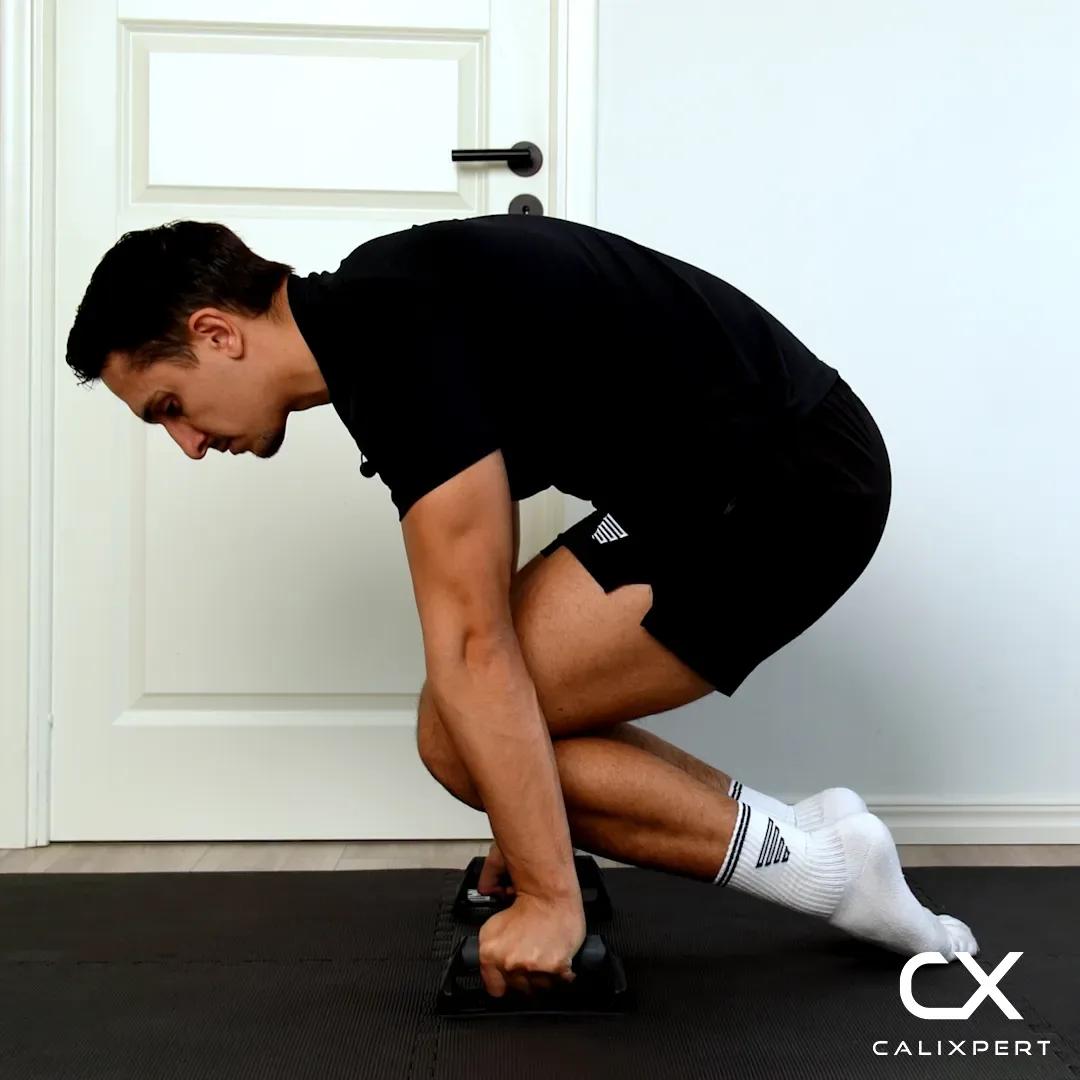
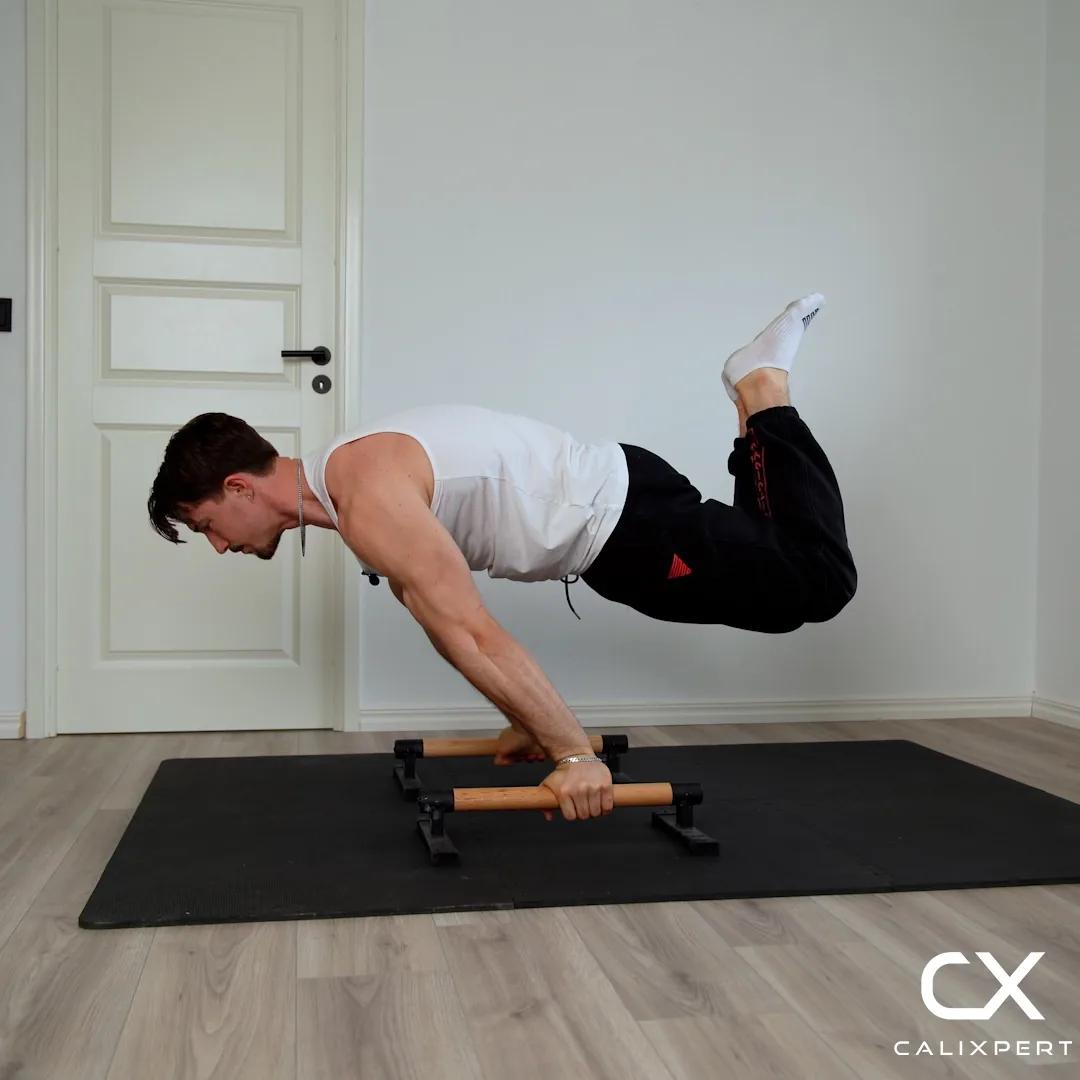
Wrist pain during push-ups usually indicates weak wrist extensors or insufficient wrist mobility. Push-up handles reduce the wrist angle and eliminate pain for most people while you build the mobility and strength needed for flat-hand training.