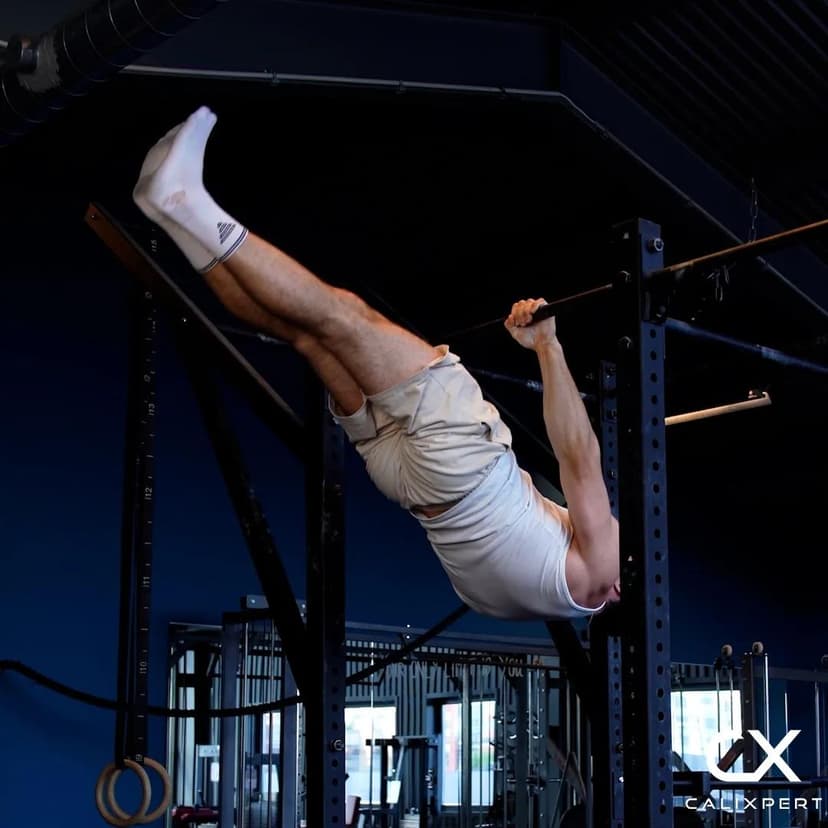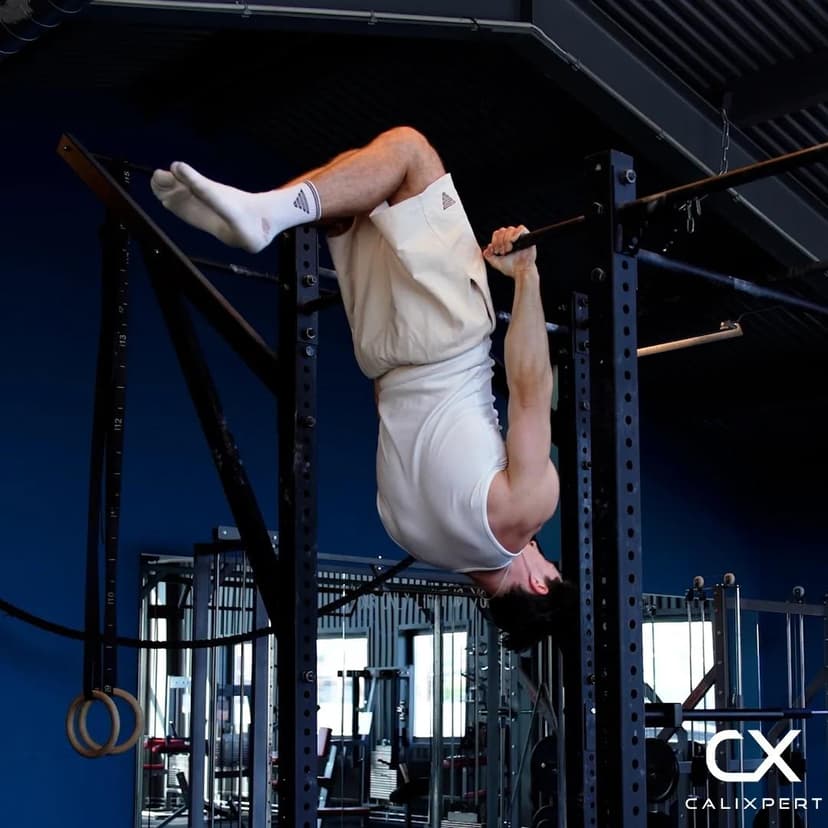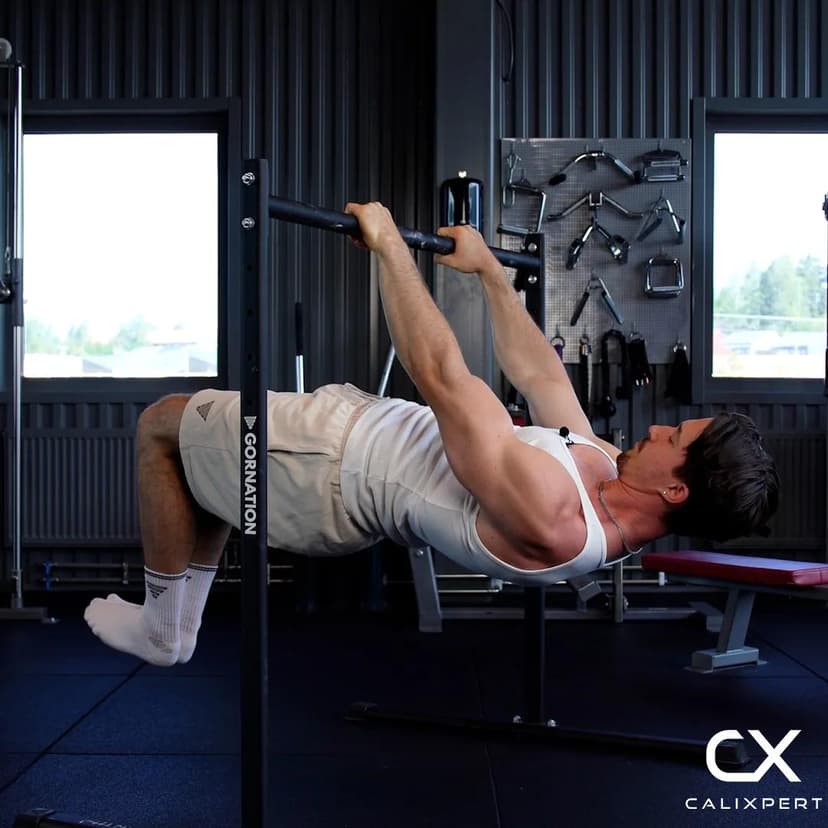
Negative Handstand Press To Stalder
The Negative Handstand Press To Stalder is a controlled eccentric drill where you lower from a straddle handstand into a full stalder position using only pressing strength and core compression. It targets the front deltoids, hip flexors, abs, and serratus through a slow, gravity-resisting descent that demands both strength and balance. This movement is one of the most effective ways to build the specific pressing and compression control needed for full press handstands and advanced gymnastics transitions.
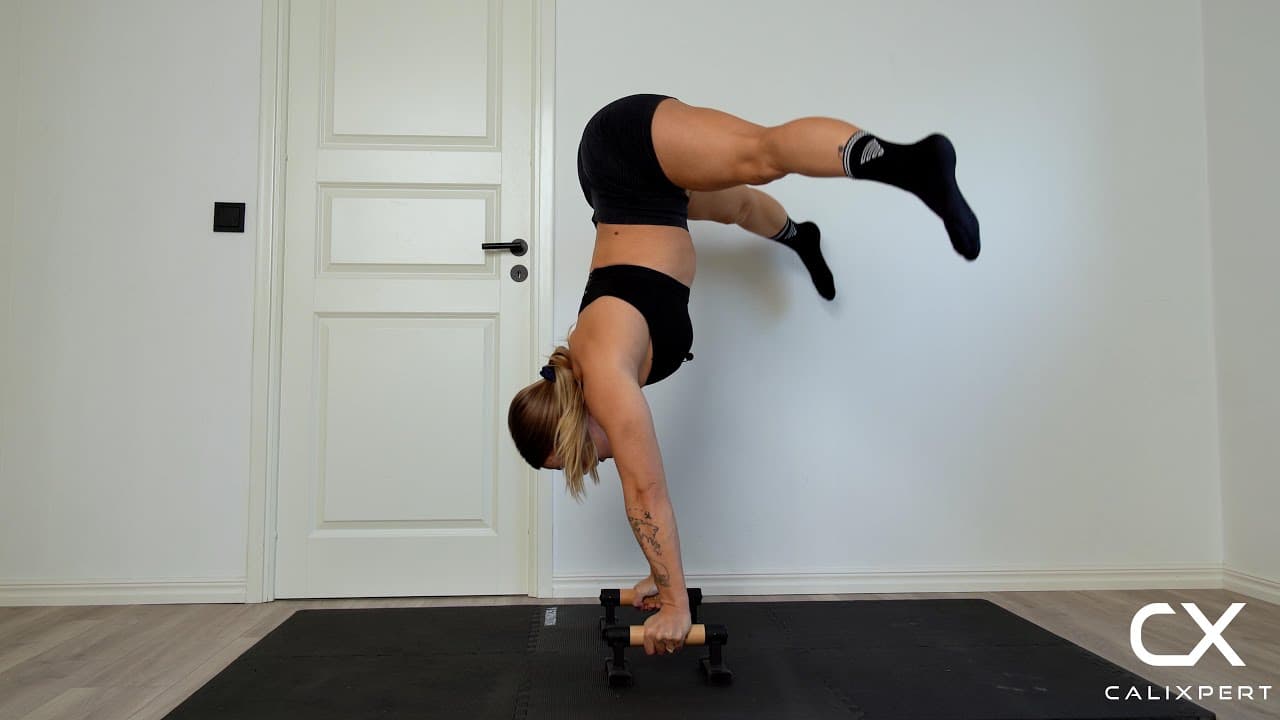
The Negative Handstand Press To Stalder is a controlled eccentric drill where you lower from a straddle handstand into a full stalder position using only pressing strength and core compression. It targets the front deltoids, hip flexors, abs, and serratus through a slow, gravity-resisting descent that demands both strength and balance. This movement is one of the most effective ways to build the specific pressing and compression control needed for full press handstands and advanced gymnastics transitions.
How to Do Negative Handstand Press To Stalder
1. Set Up in Straddle Handstand
Kick or press up into a straddle handstand with your legs split wide and toes pointed. Lock your elbows fully and push the floor away through your palms to elevate the shoulders. Your wrists, shoulders, and hips should be stacked in a straight vertical line before you begin the descent.
Lock the arms, push the floor away
2. Begin the Forward Lean
Shift your weight forward by leaning your shoulders slightly past your wrists. This forward lean is what allows you to lower without falling backward. Keep the lean gradual and controlled, increasing it as your legs descend.
Shoulders move forward past the wrists
3. Compress the Core and Suck In
As you start descending, actively compress your core by drawing your belly in as hard as possible. Pull your hips and glutes over your upper back by tightening the hip flexors and abs. This compression is the engine of the movement, and without it your legs will fall away from you.
Suck the belly in, hips over the back
4. Lower the Legs Slowly
Allow your straddle legs to descend toward the stalder position while resisting gravity the entire way. The wider you split your legs, the easier the balance because less weight pulls you backward. Keep the descent as slow as possible, aiming for at least 5 seconds from top to bottom. Maintain straight arms and active shoulder elevation throughout.
Resist gravity, never let the legs drop
5. Arrive in the Stalder Position
Continue lowering until your legs pass through and arrive in a full stalder with hips deeply flexed and legs wide alongside your arms. Keep your shoulders actively pushing the floor and your arms locked straight. Hold the stalder briefly at the bottom to reinforce control before exiting the movement safely.
Hold the stalder, do not collapse
Most people fail this movement because they try to lower straight down instead of leaning forward. The forward lean is not optional, it is the counterbalance that makes the entire descent possible. Focus on shifting your shoulders past your wrists as the legs come down, and actively suck your belly in like you are trying to touch your spine. When you get the lean and compression working together, the movement goes from impossible to controlled in a matter of weeks.
Muscles Worked During Negative Handstand Press To Stalder
Primary Muscles:
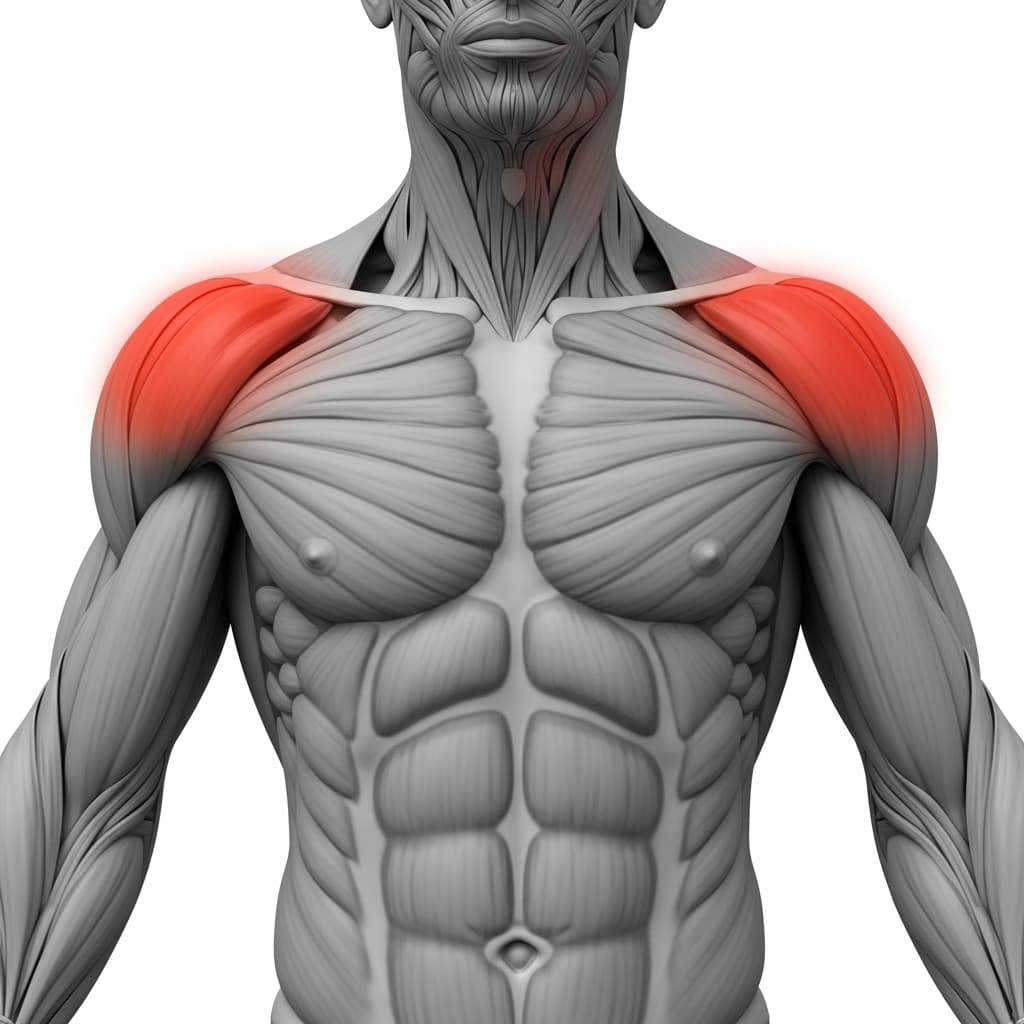
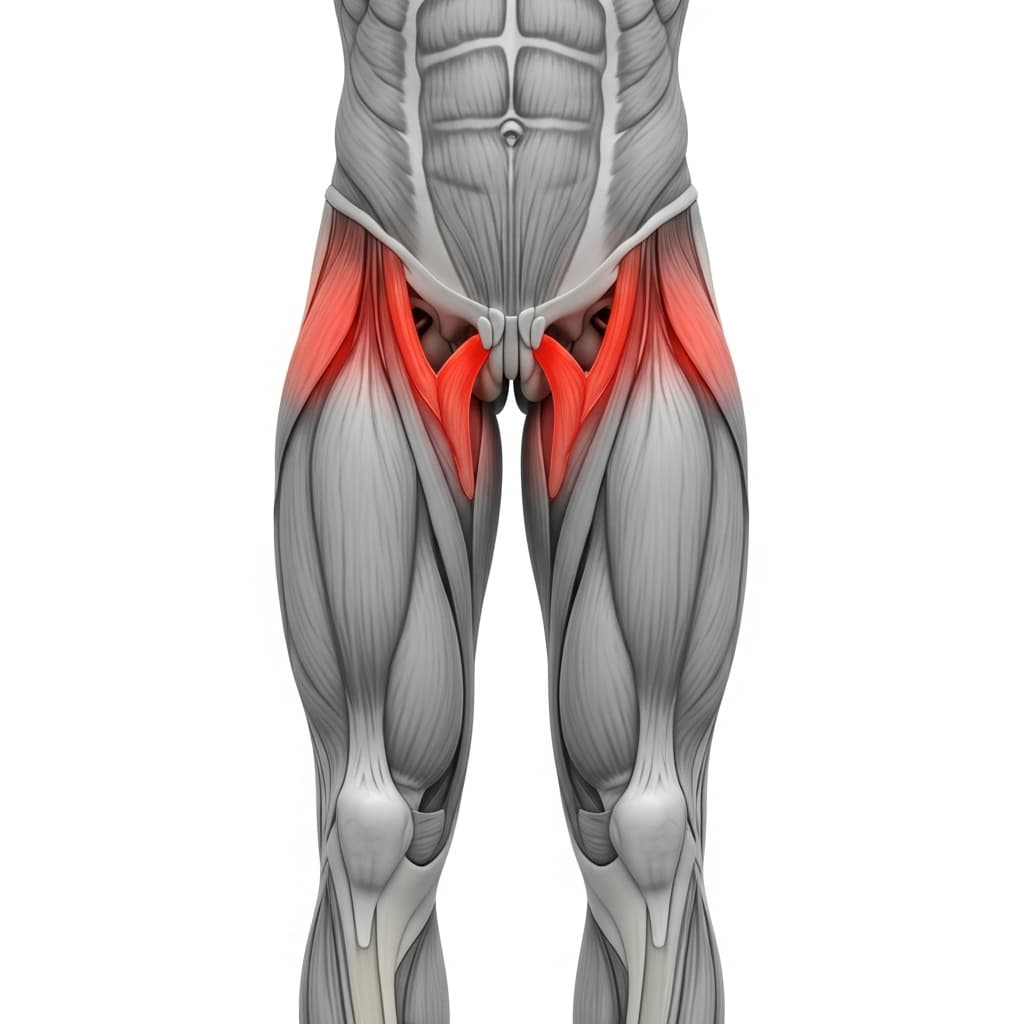
Secondary Muscles:
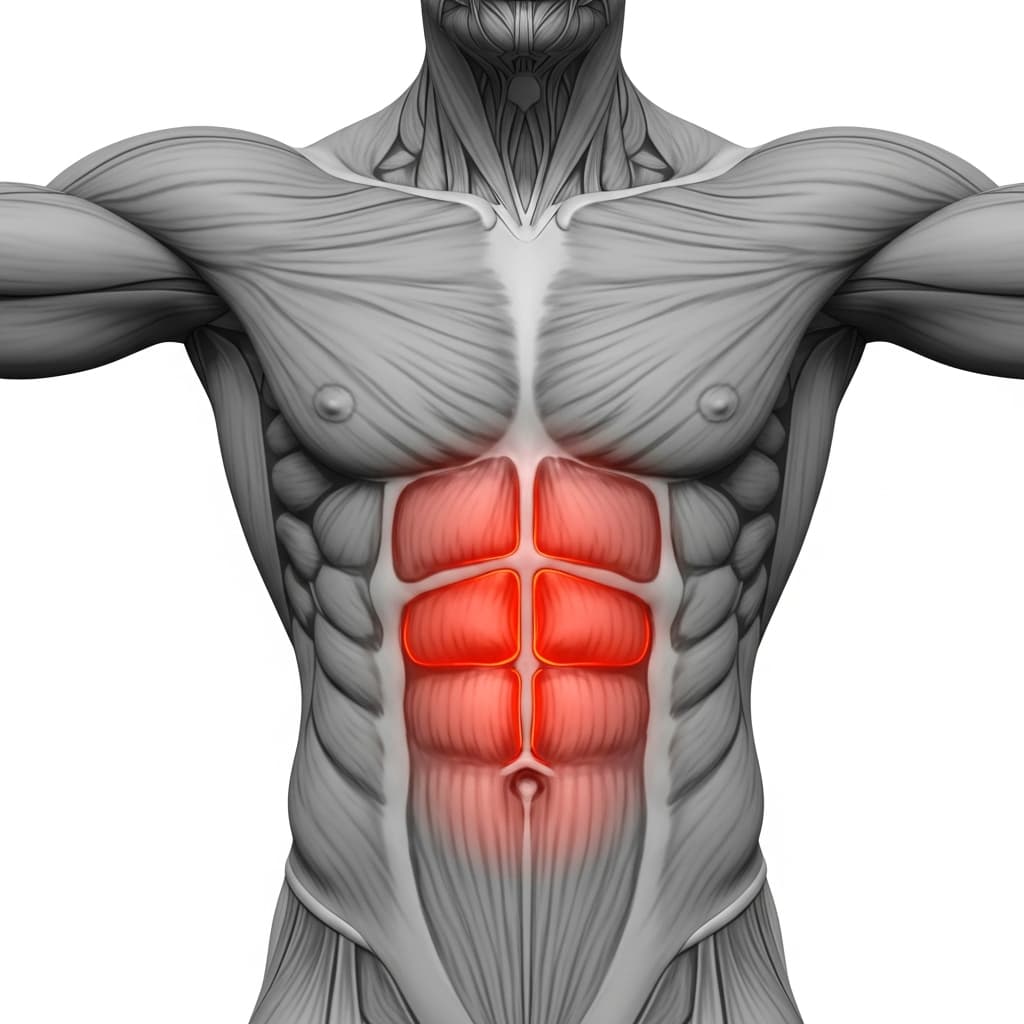
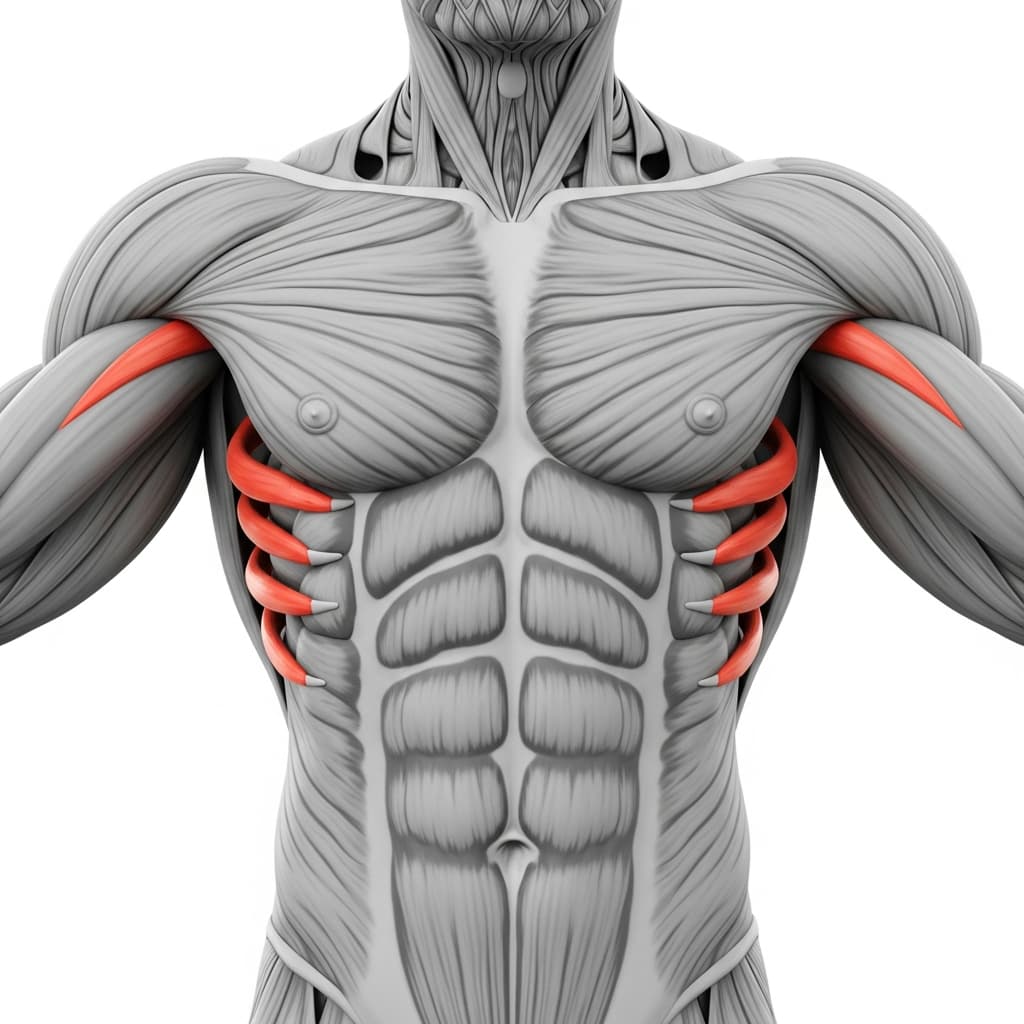
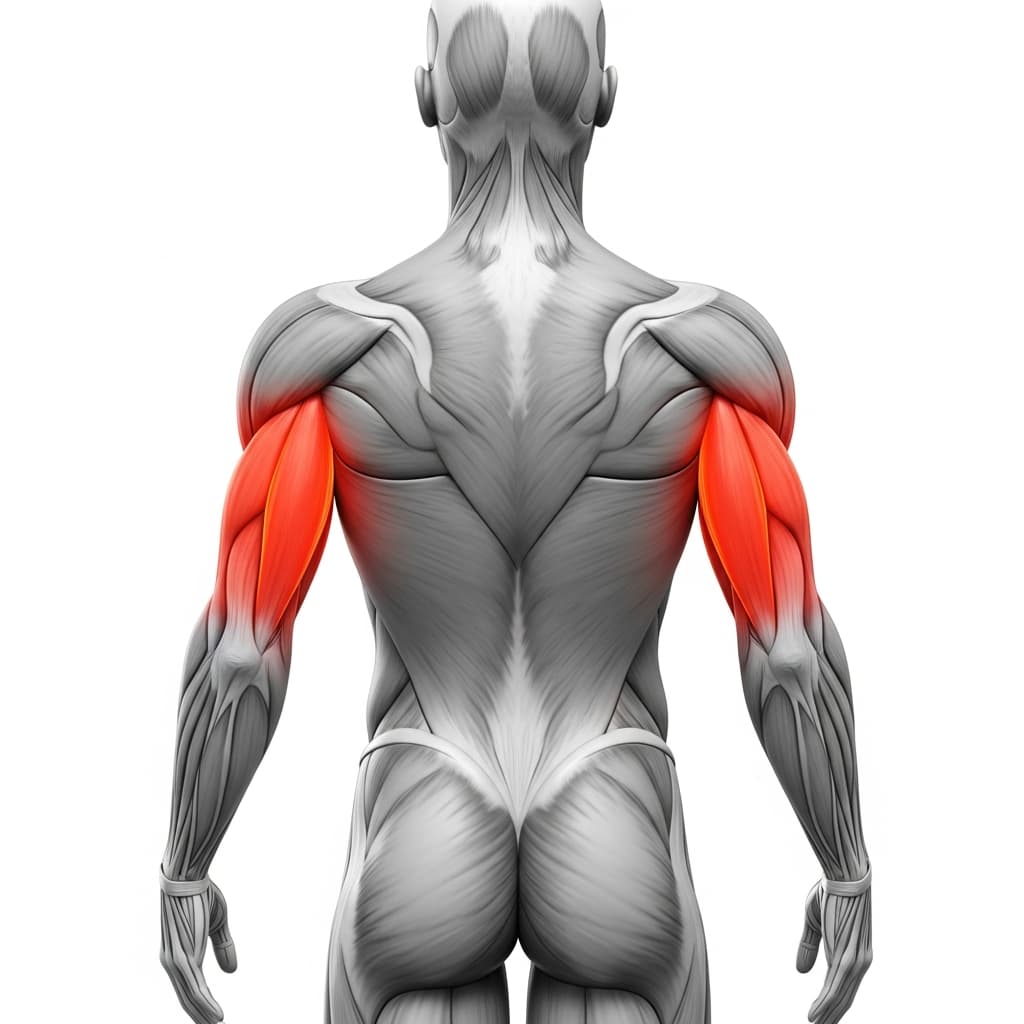
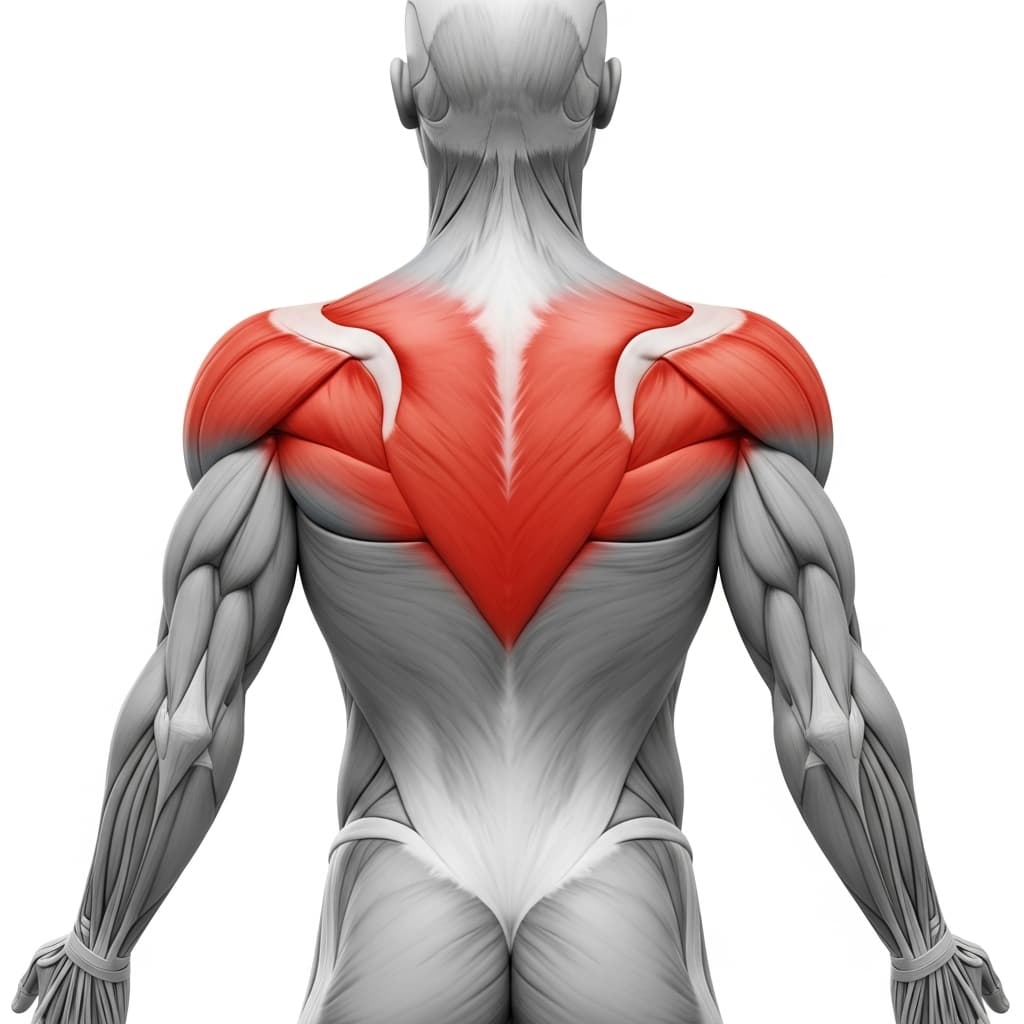
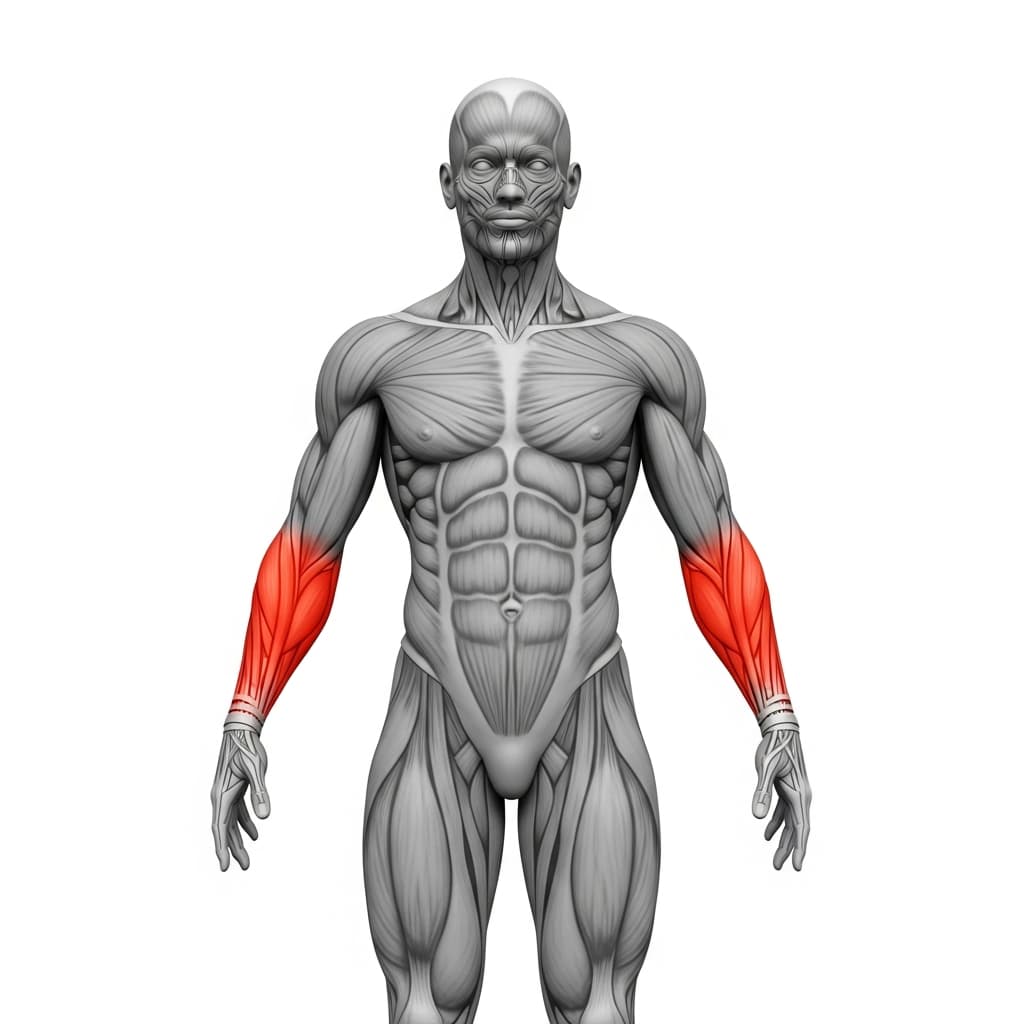
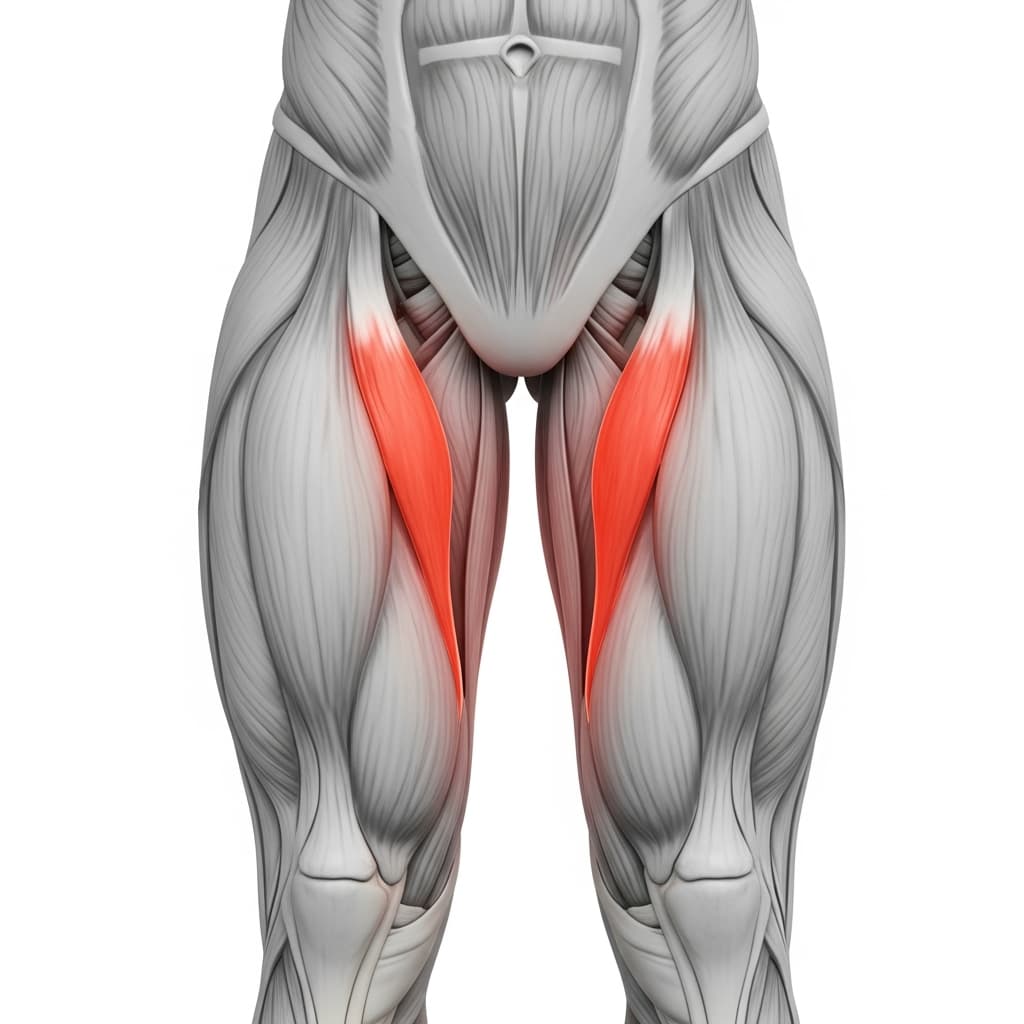
Primary Muscles
Anterior Deltoid (Front Deltoid) - The front deltoids bear your full bodyweight throughout the descent and work eccentrically to control the lowering speed from handstand to stalder.
Iliopsoas (Hip Flexors) - The hip flexors contract maximally to compress the torso and pull the legs into the deep stalder fold as you descend.
Secondary Muscles
Rectus Abdominis (Abs) - The abdominals maintain trunk compression and prevent the torso from extending as the legs lower through the straddle.
Serratus Anterior (Serratus Anterior) - The serratus anterior protracts and stabilizes the scapulae against the ribcage, maintaining shoulder elevation throughout the inverted hold.
Triceps Brachii (Triceps) - The triceps lock the elbows in full extension, preventing arm collapse under bodyweight during the entire lowering phase.
Rhomboids & Upper Trapezius (Upper Back) - The upper back muscles stabilize the shoulder girdle and resist forward shearing forces created by the shoulder lean.
Forearm Flexors & Extensors (Forearms) - The forearms maintain wrist stability and grip against the floor, balancing the shifting load as the body transitions from vertical to compressed.
Hip Adductors (Adductors) - The adductors control the straddle width and work isometrically to hold the legs in position as they lower past the arms into stalder.
Benefits of Negative Handstand Press To Stalder
- Builds eccentric shoulder pressing strength specific to handstand press movements, which transfers directly to full press handstand ability
- Develops deep hip flexor compression that is required for stalder presses, L-sits, and manna progressions
- Trains forward lean balance control in the handstand, the exact skill that limits most athletes from progressing to freestanding press work
- Strengthens the serratus anterior and scapular stabilizers through sustained overhead loading, protecting the shoulders during all inverted training
Who Is This Exercise For?
You should be able to hold a freestanding straddle handstand for at least 10 seconds and perform a controlled stalder hold with your legs off the floor before attempting this drill. If your handstand requires a wall or your stalder compression is weak, work on straddle handstand holds and seated pike or straddle compression drills first. This is not a beginner exercise, and attempting it without the prerequisite balance and compression will result in collapsing out of the movement.
Common Mistakes to Avoid
Bending the arms during the descent: Lock your elbows completely before you start and keep them locked throughout the entire lowering phase. If your arms bend, the load shifts off the shoulders and you lose the pressing strength benefit of the drill.
Dropping too fast instead of controlling the negative: Aim for a minimum 5-second descent from handstand to stalder. If you cannot control the speed, reduce the range by lowering only halfway and pressing back up until your eccentric strength improves.
Not leaning forward enough: The forward shoulder lean is what counterbalances the weight of your legs as they descend. Without it, you will fall backward out of the handstand. Shift the shoulders past the wrists progressively as the legs come down.
Losing core compression mid-descent: Actively pull your belly in and drive the hips over your back throughout the entire lowering phase. If your core relaxes, the legs separate from the body and the movement turns into an uncontrolled fall.
Variations & Progressions
Wall-Assisted Negative Handstand Press To Stalder
Perform the same movement with your back or chest lightly touching a wall for balance support. This removes the balance demand so you can focus entirely on building the pressing and compression strength needed for the freestanding version.
Negative Handstand Press To Stalder With Legs Together
Perform the negative from a pike handstand with legs together instead of straddled. This increases the lever length and makes the balance and compression demands significantly harder because more weight pulls you backward.