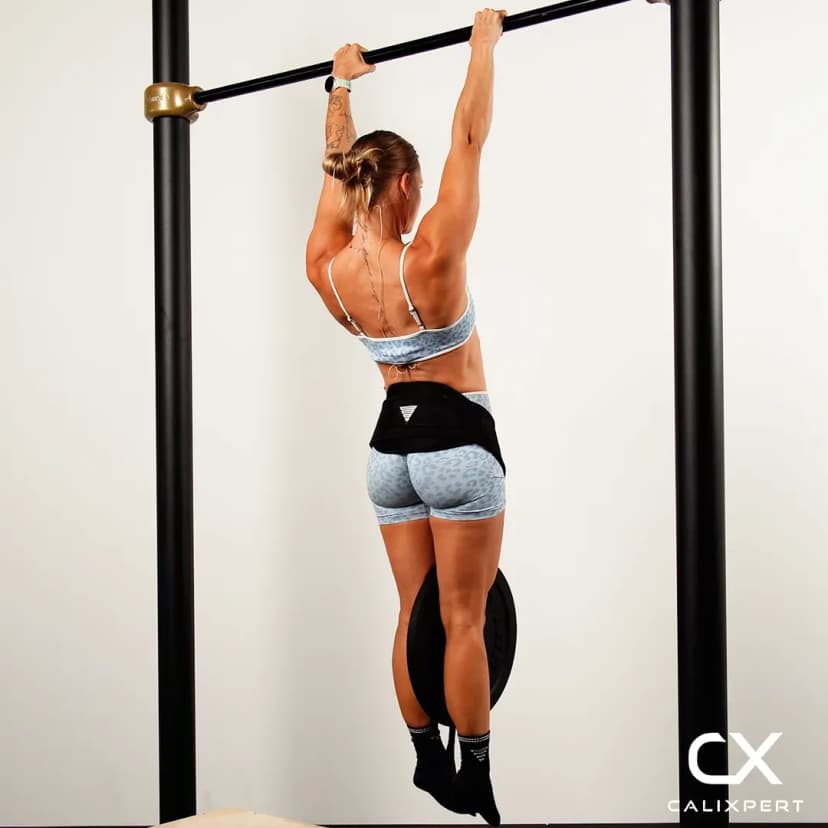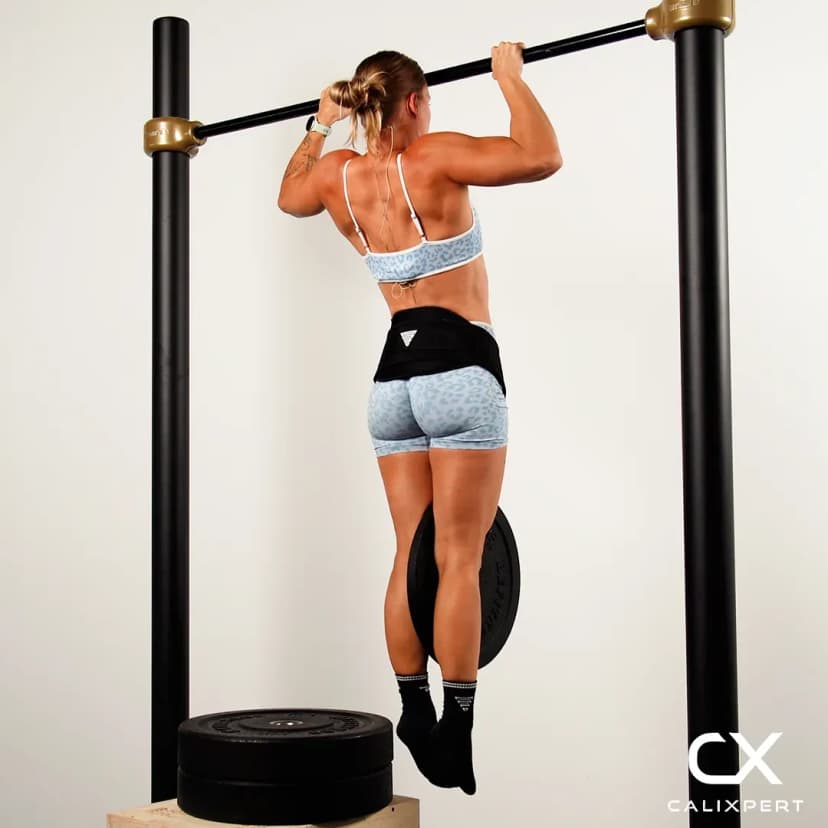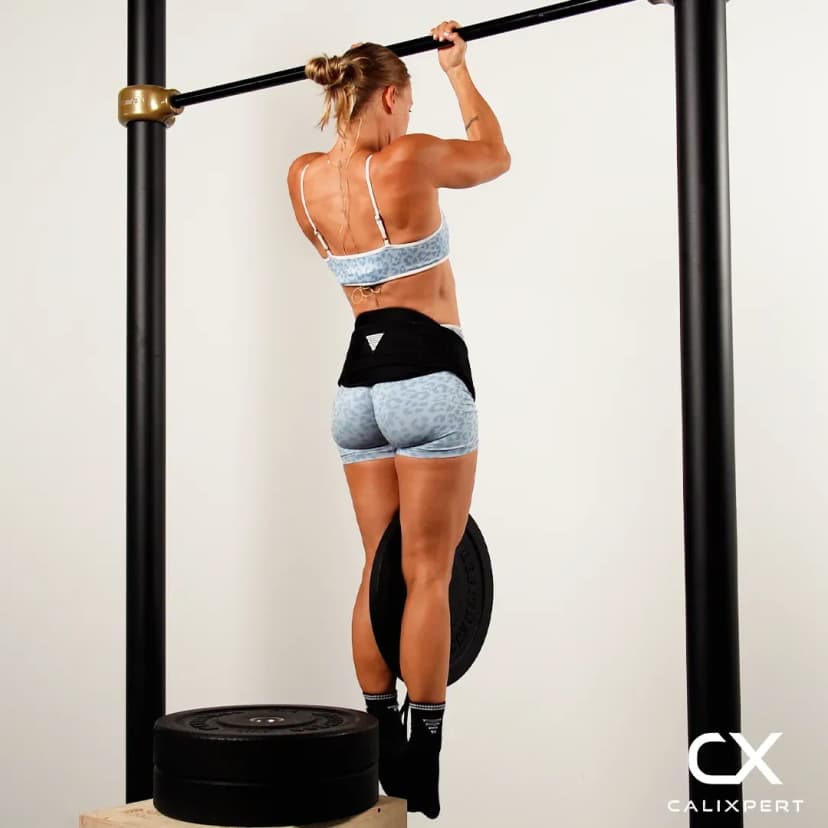
Toes To bar
Toes to bar is an advanced hanging core exercise that targets the abs, hip flexors, obliques, and forearms through a full range of motion under bodyweight load. The key to an effective toes to bar is driving the legs upward with core strength rather than leaning back and pulling with the lats, which turns it into a completely different movement. Done with strict form, toes to bar builds the deep core compression strength that transfers directly into L-sits, front levers, and every skill that requires active hip flexion while hanging.
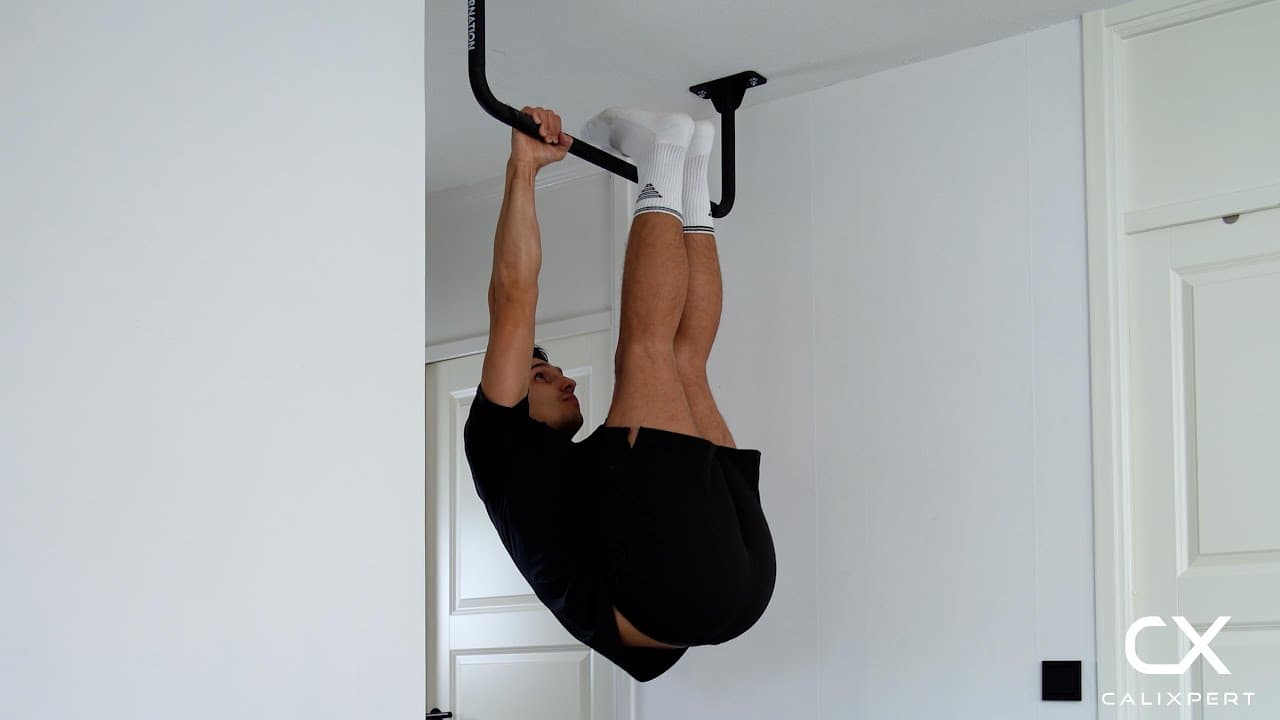
Toes to bar is an advanced hanging core exercise that targets the abs, hip flexors, obliques, and forearms through a full range of motion under bodyweight load. The key to an effective toes to bar is driving the legs upward with core strength rather than leaning back and pulling with the lats, which turns it into a completely different movement. Done with strict form, toes to bar builds the deep core compression strength that transfers directly into L-sits, front levers, and every skill that requires active hip flexion while hanging.
How to Do Toes To bar
1. Grip the Bar Wide
Grab a straight bar with a grip slightly wider than shoulder width. Wrap your thumbs fully around the bar for a secure hold. A wider grip gives your legs more clearance to reach the bar without your knees hitting your arms on the way up.
Thumbs around, slightly wider than shoulders
2. Establish an Active Hang
Hang with your arms fully extended and pull your shoulders down away from your ears. Engage your scapula so that you are hanging from active muscle tension, not just passive joint structures. Keep your legs together and your body still before initiating the lift.
Shoulders down, body still, no swing
3. Lift With Your Core
Initiate the movement by contracting your abs and hip flexors to raise your legs in front of you. Keep your torso as vertical as possible and resist the urge to lean your upper body backward. Leaning back shifts the work to your lats and turns this into a lat-dominant swing rather than a core exercise.
Core drives the lift, torso stays upright
4. Keep Your Legs Straight
Drive your legs upward with your knees as straight as possible throughout the entire range of motion. A slight bend is acceptable while you build flexibility, but bending the knees significantly reduces the lever arm and makes the exercise easier. Straight legs force the abs and hip flexors to do the full work.
Straighten the legs, do not cheat the lever
5. Touch Toes to the Bar
Continue lifting until both feet make contact with the bar between your hands. At the top, your hips should be at or near bar height with your core fully compressed. Do not jut your head forward or yank your torso backward to close the last few inches.
Toes touch the bar, not close to it
6. Lower Under Control
Slowly lower your legs back to the dead hang position, resisting gravity throughout the descent. Do not let your legs drop freely, as the eccentric phase builds significant core strength and protects your lower back. Re-establish the active hang before starting the next rep.
Control the descent, never just drop
The biggest mistake people make with toes to bar is treating it as an upper body exercise. They lean back, grip harder, and pull with their lats to get the feet up. The moment you catch yourself leaning back, stop the set. It is better to bend your knees slightly and keep your torso upright than to do full-range reps powered by lat momentum, because the whole point of this exercise is core compression, and leaning back removes it.
Muscles Worked During Toes To bar
Primary Muscles:
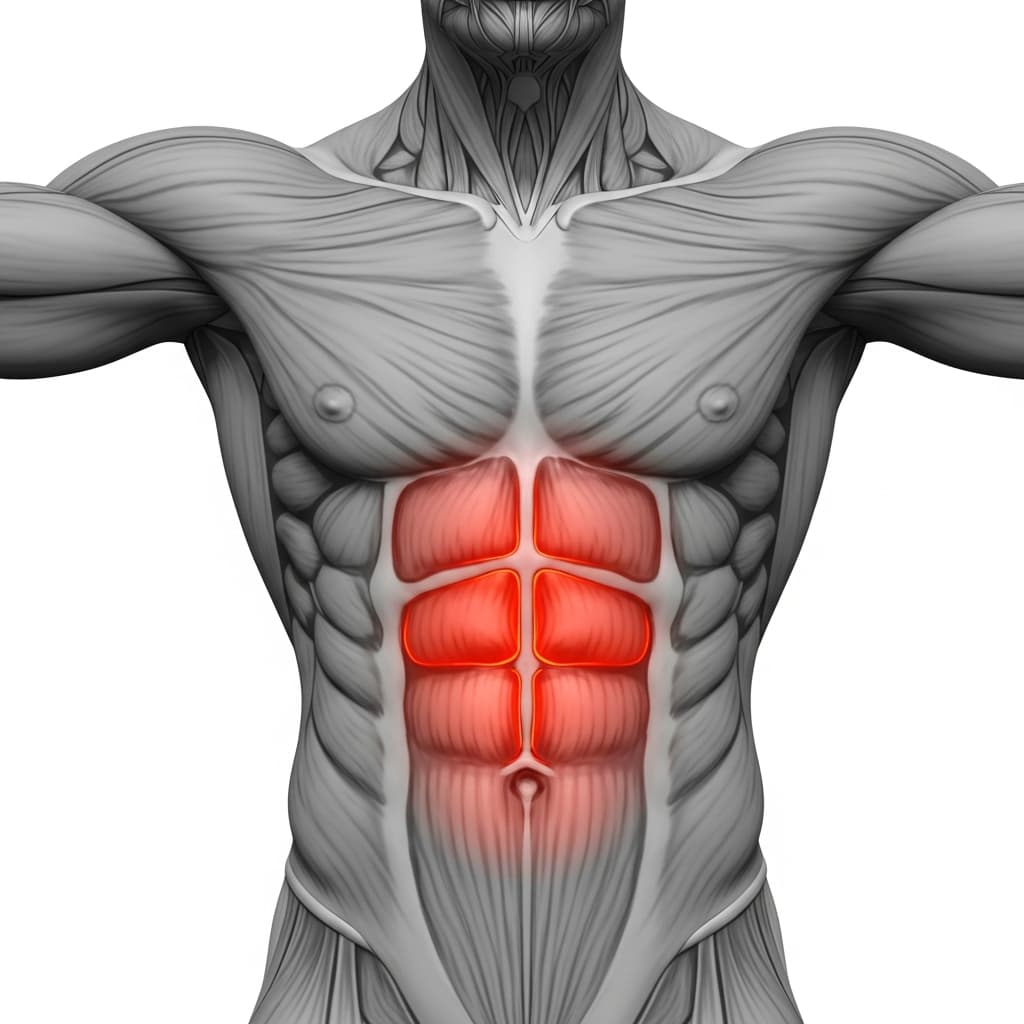
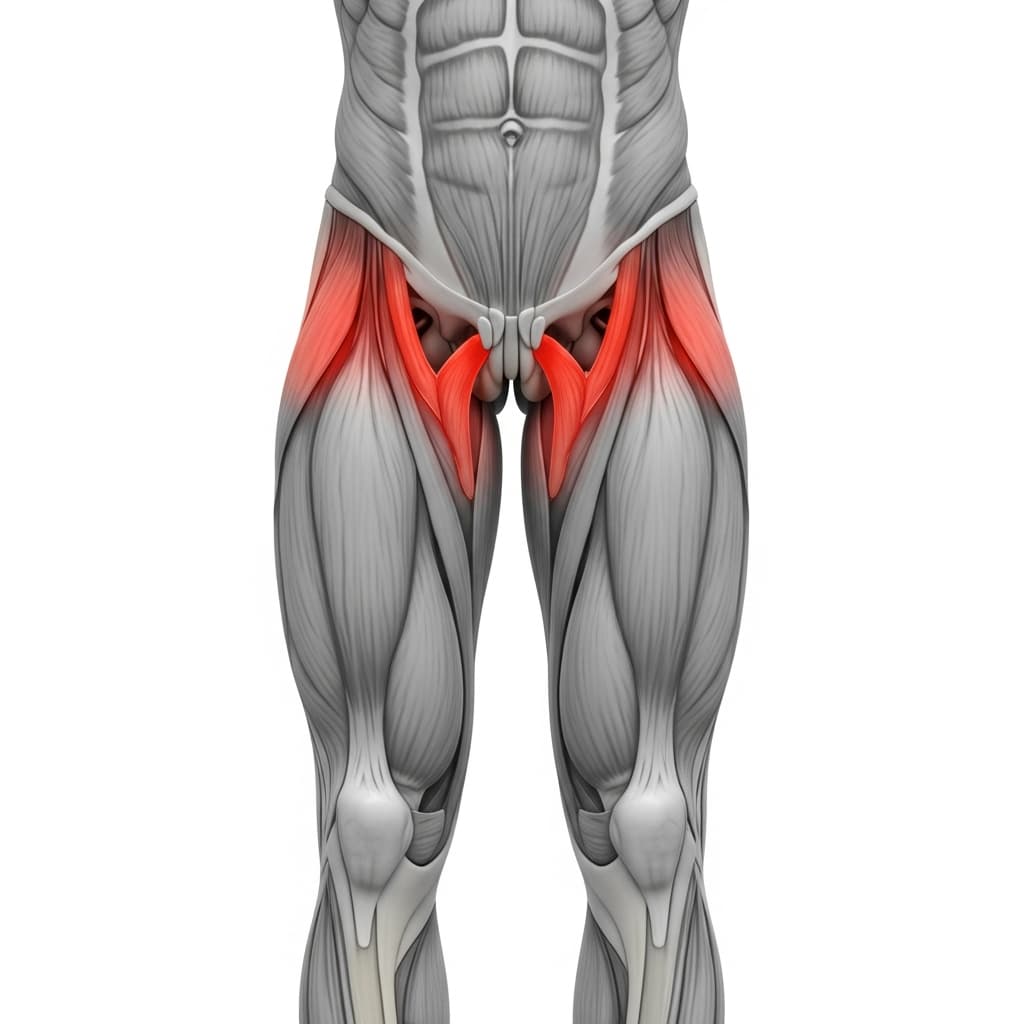
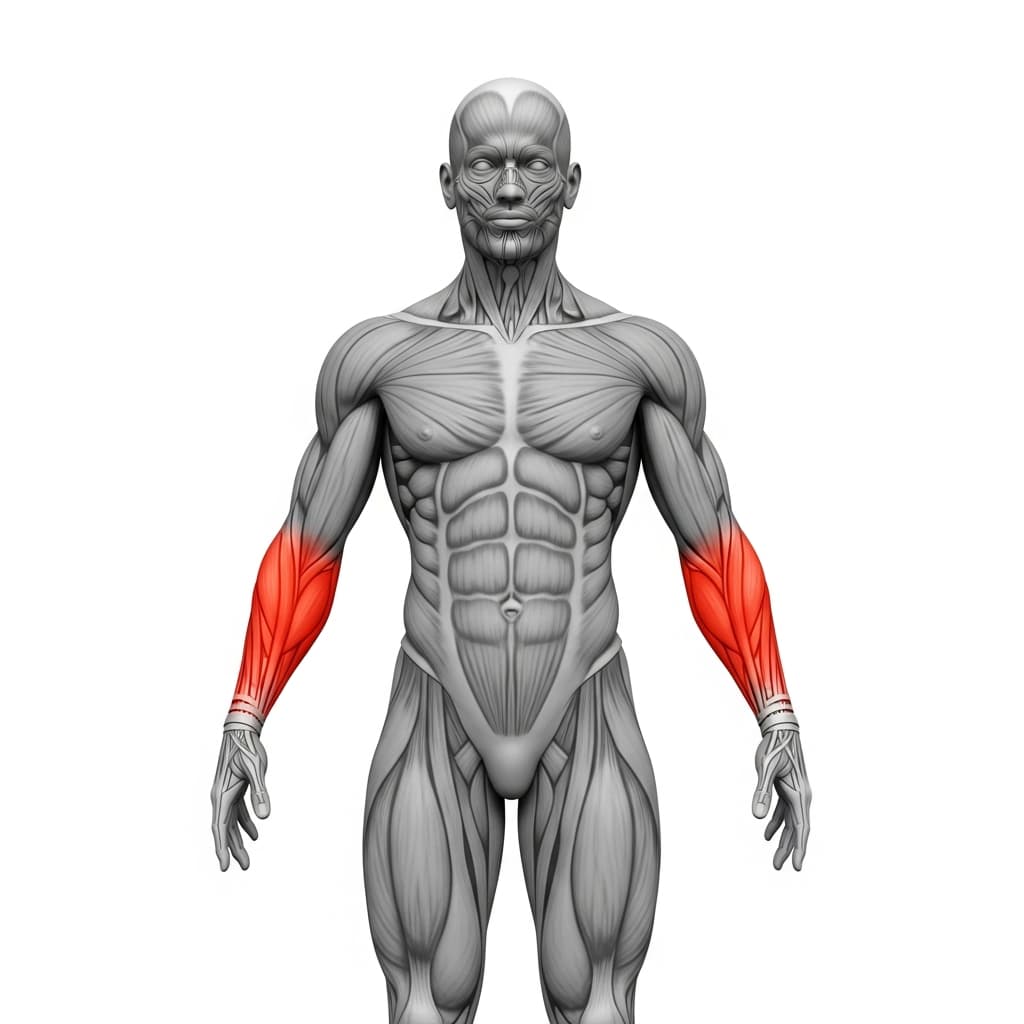
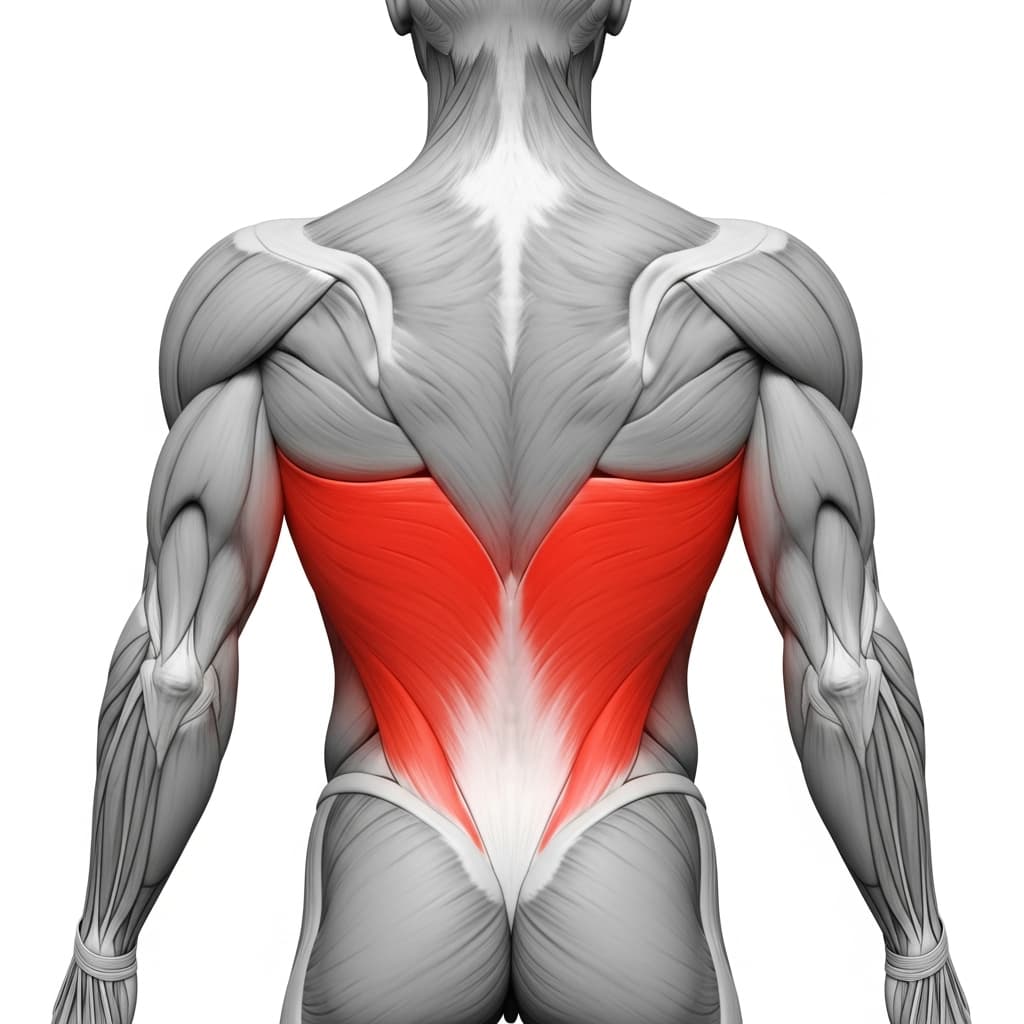
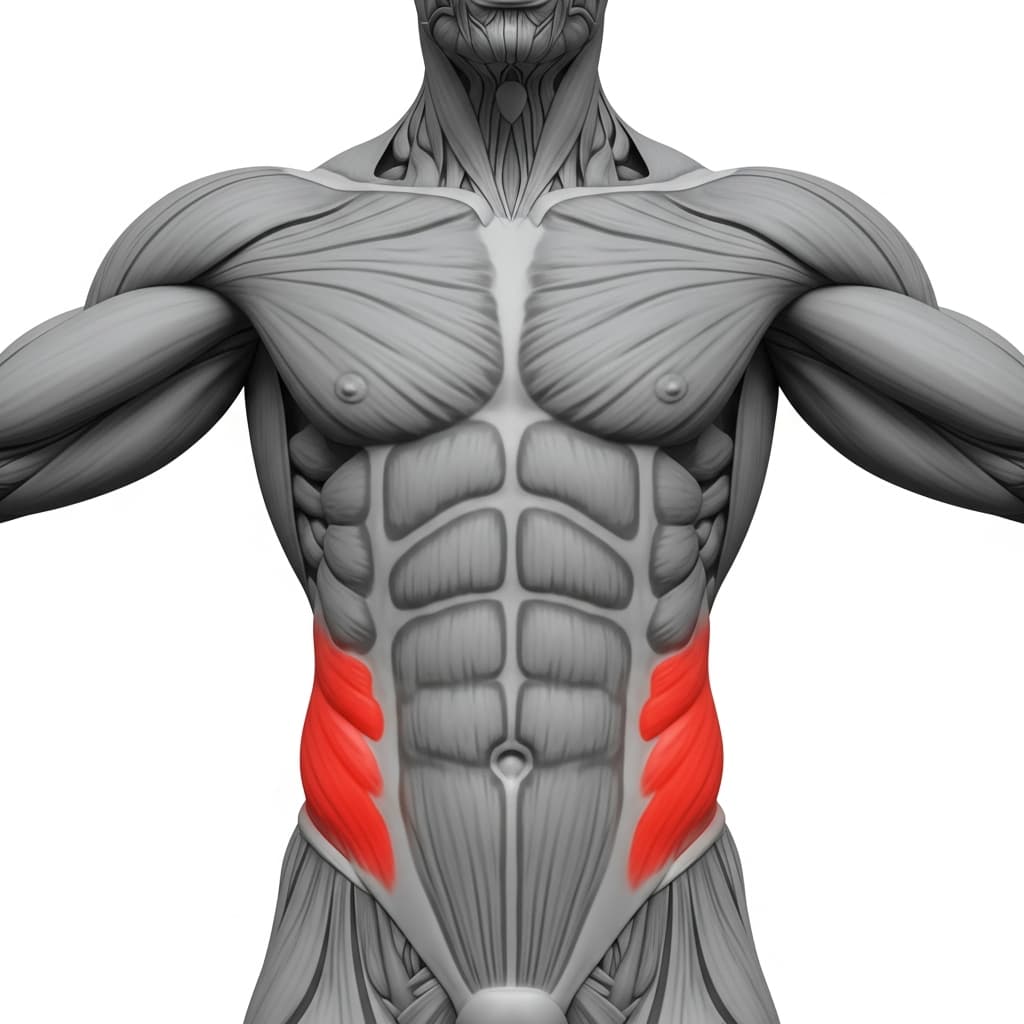
Primary Muscles
Rectus Abdominis (Abs) - The rectus abdominis contracts forcefully to flex the trunk and compress the torso as the legs travel from a dead hang to the bar, working through a fully lengthened range of motion.
Iliopsoas (Hip Flexors) - The hip flexors, primarily the iliopsoas, drive the legs upward against gravity through the entire arc of motion from full extension to maximum hip flexion at the bar.
Secondary Muscles
Forearm Flexors & Extensors (Forearms) - The forearm flexors maintain grip on the bar throughout each rep, working under increasing load as the body swings and the core generates force against the hang.
Latissimus Dorsi (Lats) - The latissimus dorsi stabilizes the shoulder joint and resists the torso from swinging backward as the legs rise, acting as an anchor rather than a primary mover.
Obliques (Obliques) - The obliques co-contract with the rectus abdominis to prevent lateral rotation and keep the pelvis aligned as both legs travel to the bar in a straight path.
Benefits of Toes To bar
- Builds deep core compression strength that transfers directly into L-sits, front levers, and every calisthenics skill requiring active hip flexion
- Develops grip endurance and forearm strength through sustained loaded hanging across multiple reps
- Strengthens the hip flexors through a full range of motion under load, improving active flexibility and kick height
- Trains the abs through both concentric and eccentric phases in a fully lengthened position, which builds functional trunk strength that floor exercises cannot replicate
- Improves shoulder stability and scapular control during dynamic hanging movements
Who Is This Exercise For?
You should be able to hold a dead hang for at least 30 seconds and perform 10 controlled hanging knee raises before attempting toes to bar. If you cannot bring your knees above hip level without swinging or losing shoulder stability, focus on building that range first with knee raise progressions. Active shoulder engagement in the hang is non-negotiable, so practice scapular pulls as part of your warm-up until they feel automatic.
Common Mistakes to Avoid
Leaning the torso too far back: Keep your chest facing forward and drive the movement from your abs, not your lats. If you find yourself swinging into a horizontal position on every rep, the exercise has become lat-dominant and your core is not doing the work.
Using excessive momentum and kipping: Start each rep from a controlled dead hang with zero swing. Strict toes to bar builds the core strength that actually transfers to skills. Kipping may get your feet to the bar, but it trains timing and coordination, not compression strength.
Bending the knees excessively: Keep your legs as straight as you can manage throughout the entire rep. If you must bend slightly due to hamstring flexibility, that is acceptable, but tucking the knees to your chest turns this into a different and much easier exercise.
Dropping the legs on the descent: Lower your legs with a controlled 2 to 3 second eccentric on every rep. Letting gravity do the work wastes half the exercise and puts unnecessary stress on the shoulder joint at the bottom of the swing.
Variations & Progressions
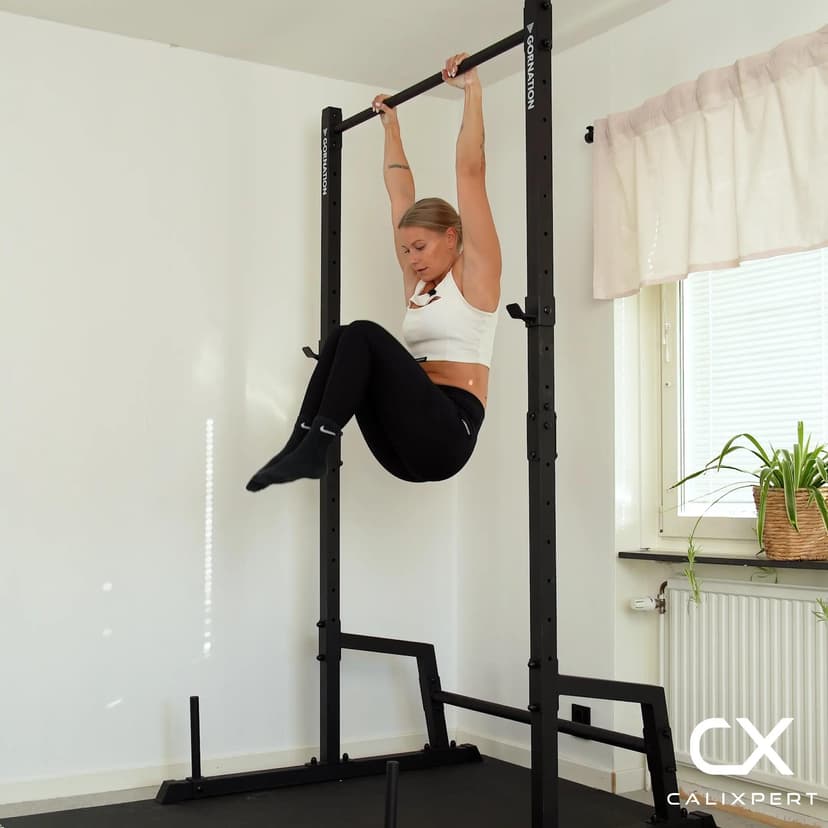
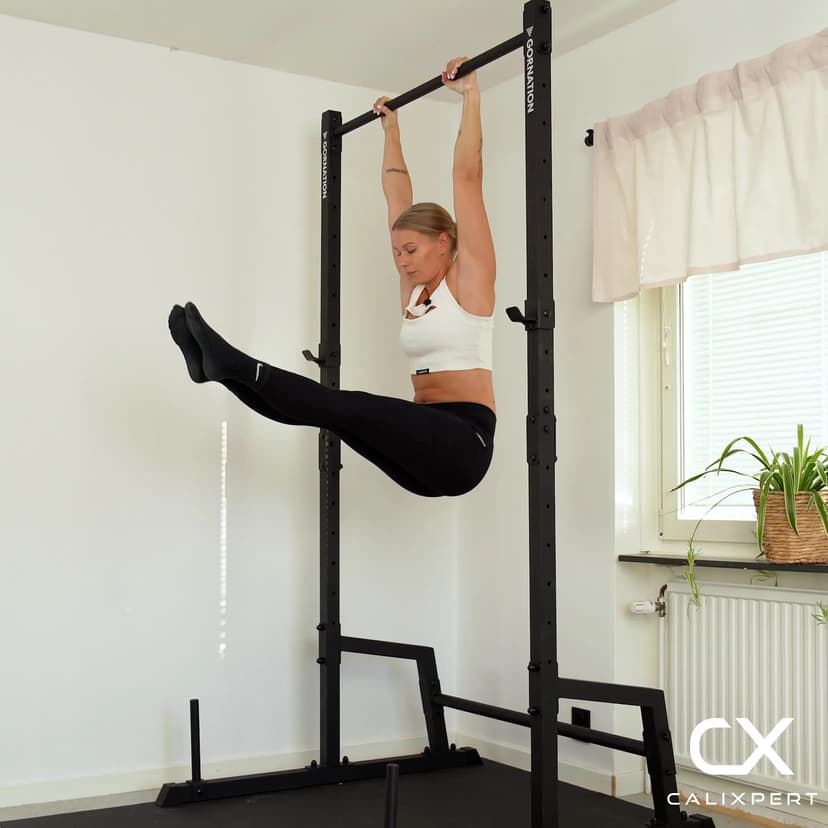
Slow Toes to Bar
Perform the full movement with a 3-second ascent and a 3-second descent, eliminating all momentum. This strict tempo dramatically increases time under tension on the abs and hip flexors and exposes any reliance on swing.