Knee Scapula Push Up
Knee scapula push-ups are an isolation exercise for the serratus anterior that trains scapular protraction and retraction from a kneeling plank position with completely straight arms. The movement targets the muscles responsible for stabilizing and moving the shoulder blades, which are critical for safe and effective pushing in calisthenics. Building control over scapular movement in this position directly prepares you for full push-ups, dips, and planche progressions where shoulder blade stability determines performance.
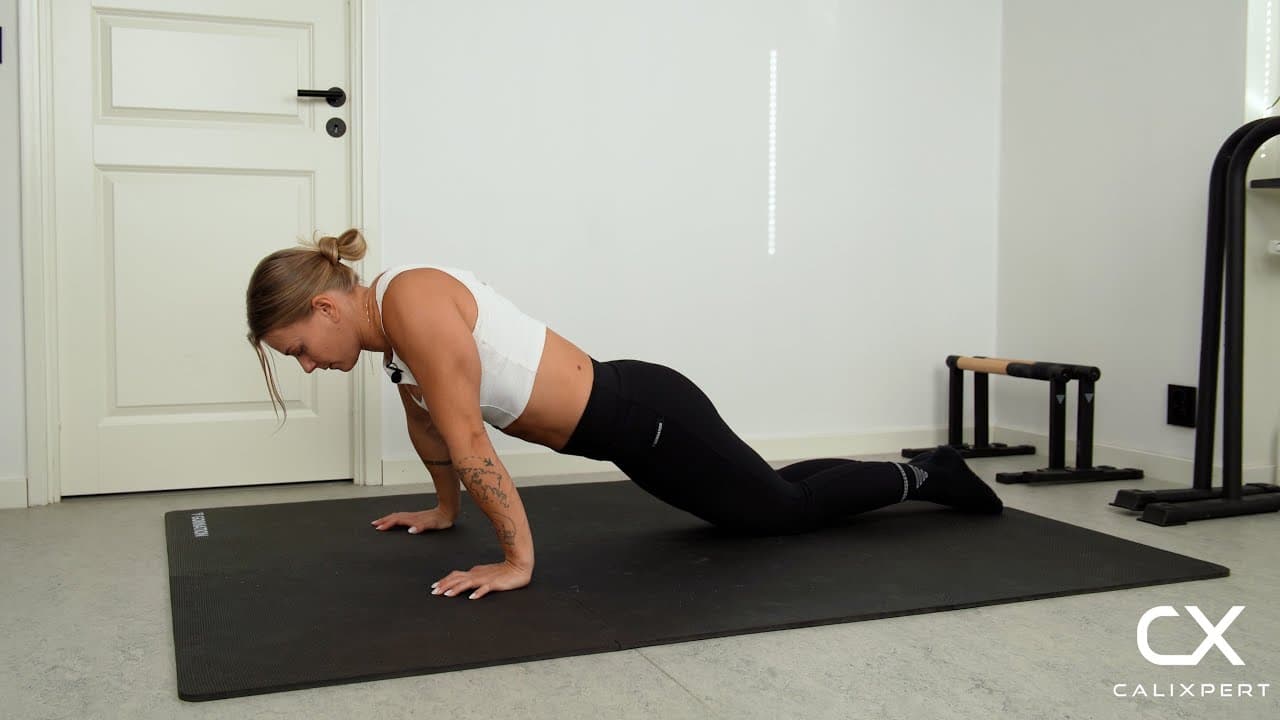
Knee scapula push-ups are an isolation exercise for the serratus anterior that trains scapular protraction and retraction from a kneeling plank position with completely straight arms. The movement targets the muscles responsible for stabilizing and moving the shoulder blades, which are critical for safe and effective pushing in calisthenics. Building control over scapular movement in this position directly prepares you for full push-ups, dips, and planche progressions where shoulder blade stability determines performance.
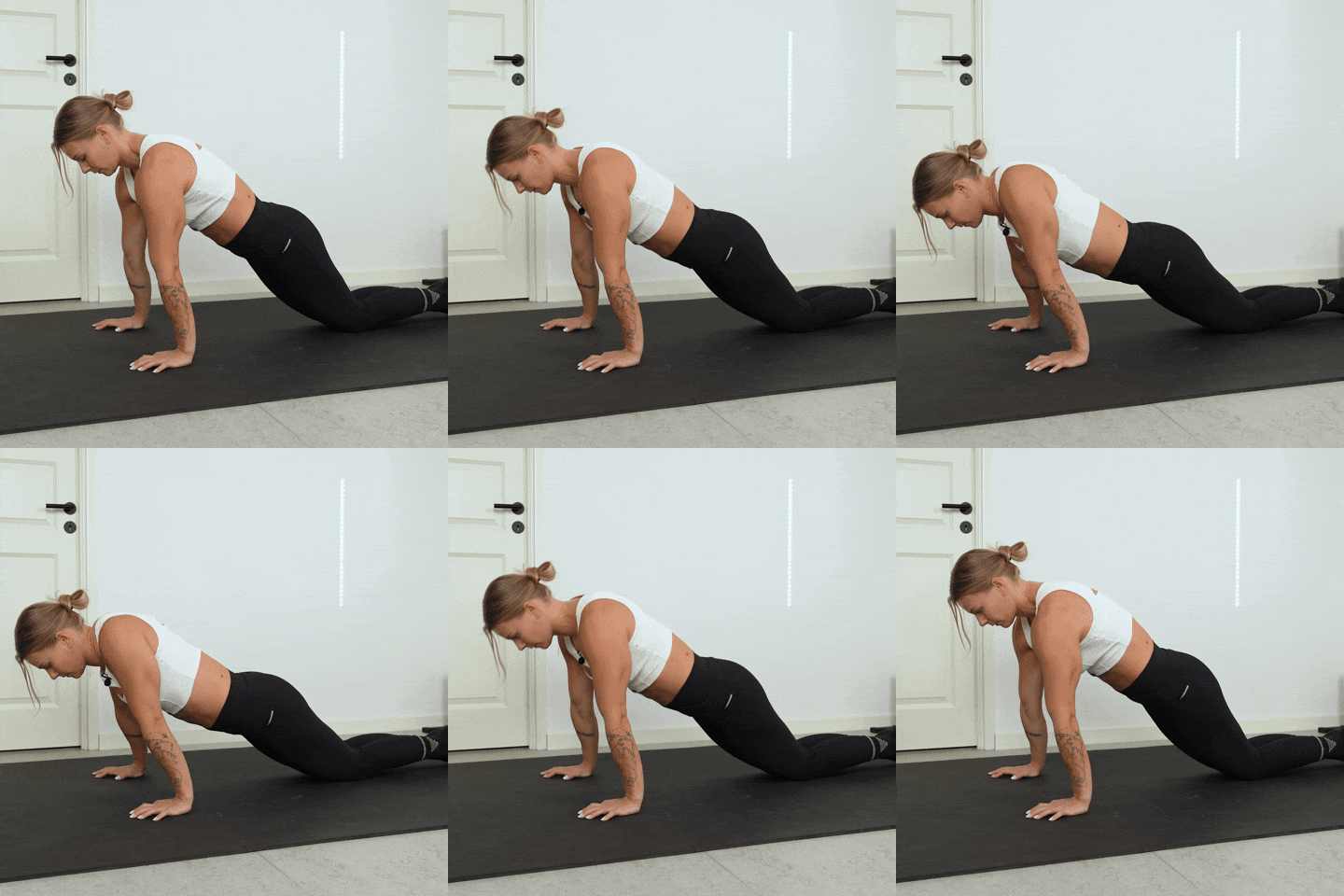
How to Do Knee Scapula Push Up
1. Set Up the Kneeling Plank
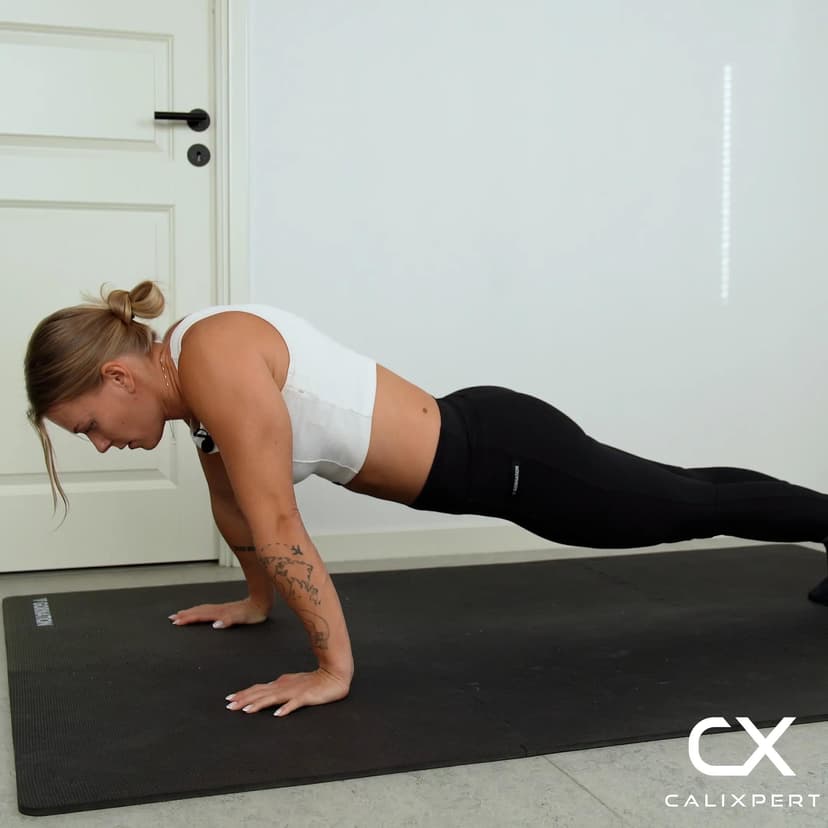
Place your hands on the floor slightly wider than shoulder width with your fingers spread. Position your knees on the ground behind your hips so your body forms a straight line from head to knees. Lock your elbows completely straight and keep them locked for the entire exercise. Engage your glutes and abs to prevent your hips from sagging.
Straight line from head to knees
2. Retract the Shoulder Blades
Without bending your arms, let your chest sink toward the floor by squeezing your shoulder blades together. Your elbows stay fully locked while your upper body lowers between your arms. You should feel a distinct pinch between the shoulder blades at the bottom of this movement.
Squeeze the blades together, arms stay straight
3. Protract and Push to the Ceiling
Reverse the movement by spreading the shoulder blades apart and pushing your upper back toward the ceiling. Drive through your palms and round the upper back slightly at the top. This protraction is the primary training stimulus for the serratus anterior.
Push the upper back to the ceiling
4. Hold the Top Position Briefly
Pause for one second at the top with your shoulder blades fully protracted and your upper back rounded. Feel the serratus engage on both sides of your ribcage. This brief hold reinforces the end-range position where most people lose control.
One-second hold at the top
5. Repeat With a Controlled Tempo
Move smoothly between retraction and protraction without rushing. Each rep should take roughly 3 to 4 seconds total. Keep your core tight throughout and do not let your lower back arch as you sink into retraction.
Slow and controlled, no momentum
Most people rush through scapula push-ups and barely move their shoulder blades. Slow down, exaggerate the range, and actually feel the stretch between the blades at the bottom and the squeeze on the sides of your ribs at the top. If you cannot feel your serratus working, you are probably bending your elbows or moving through your spine instead of your shoulder blades.
Muscles Worked During Knee Scapula Push Up
Primary Muscles:
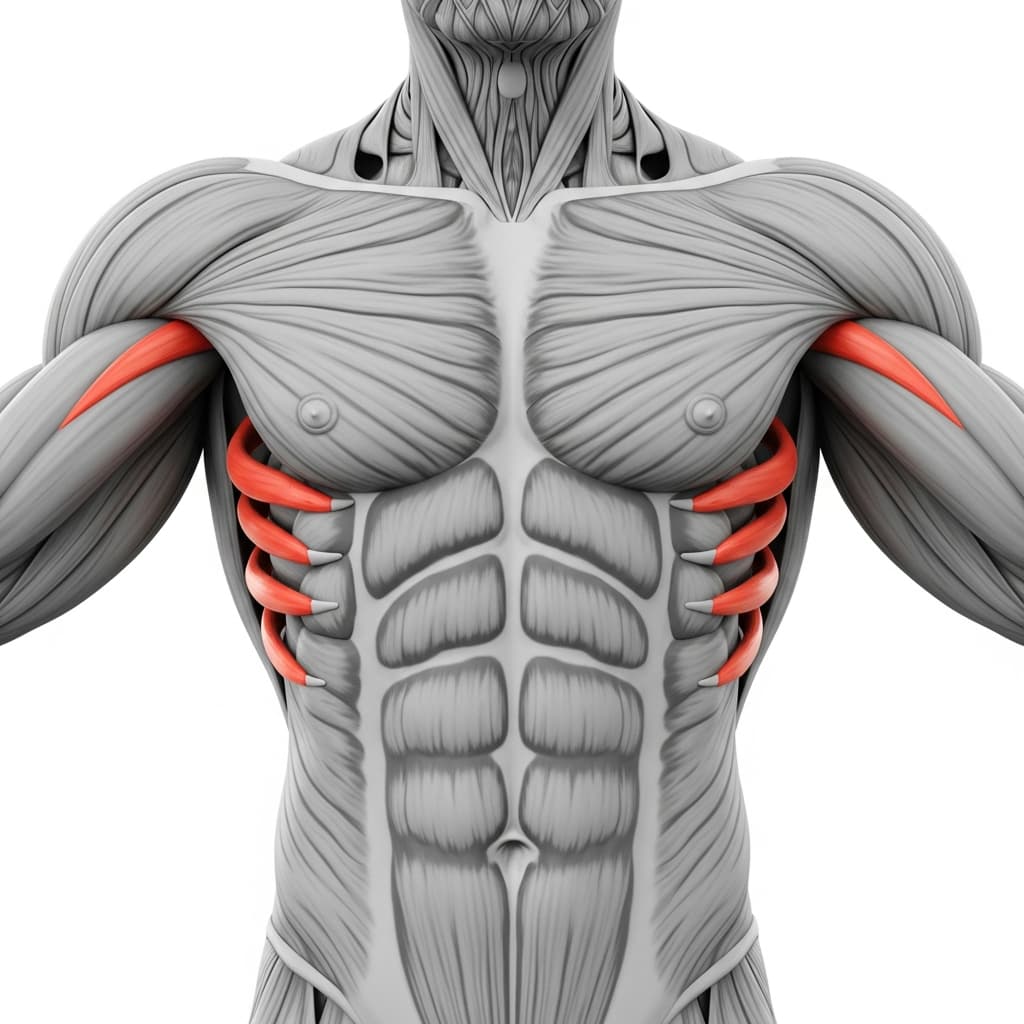
Secondary Muscles:
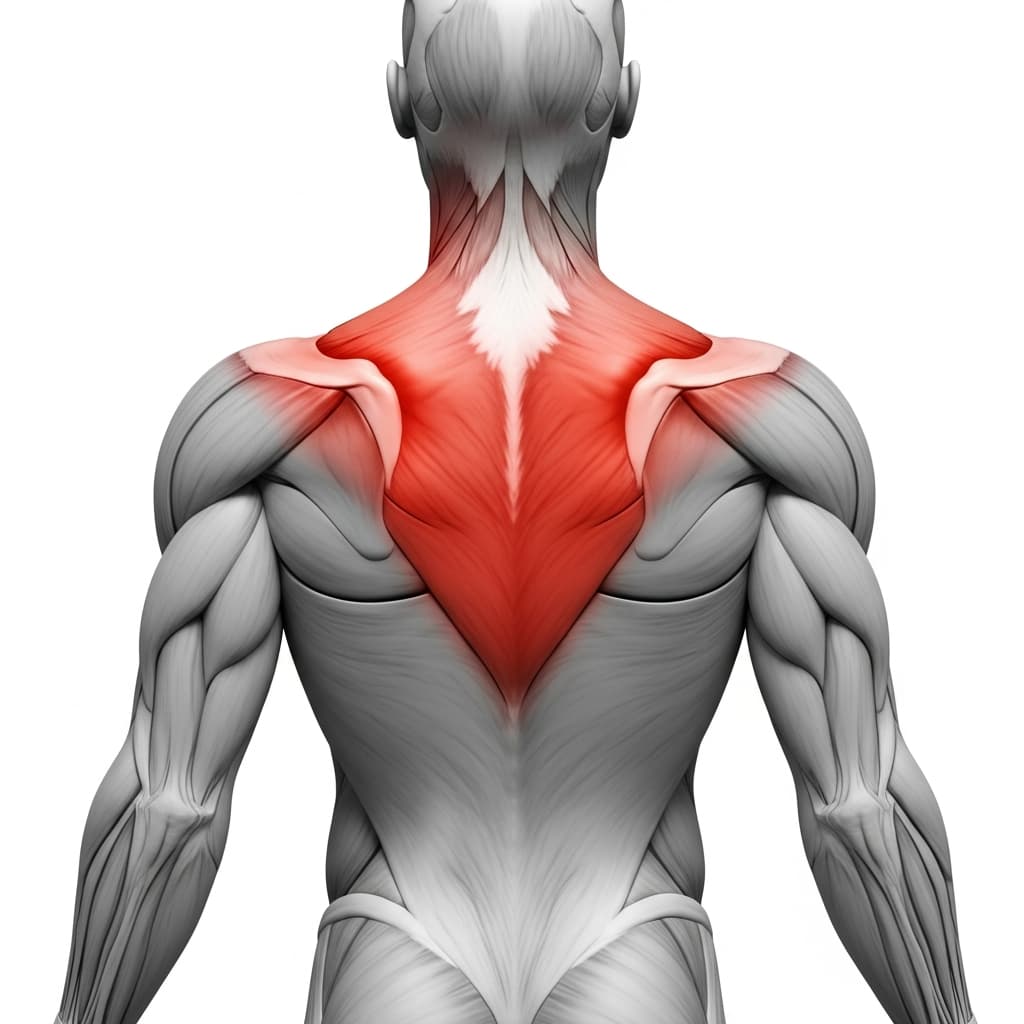
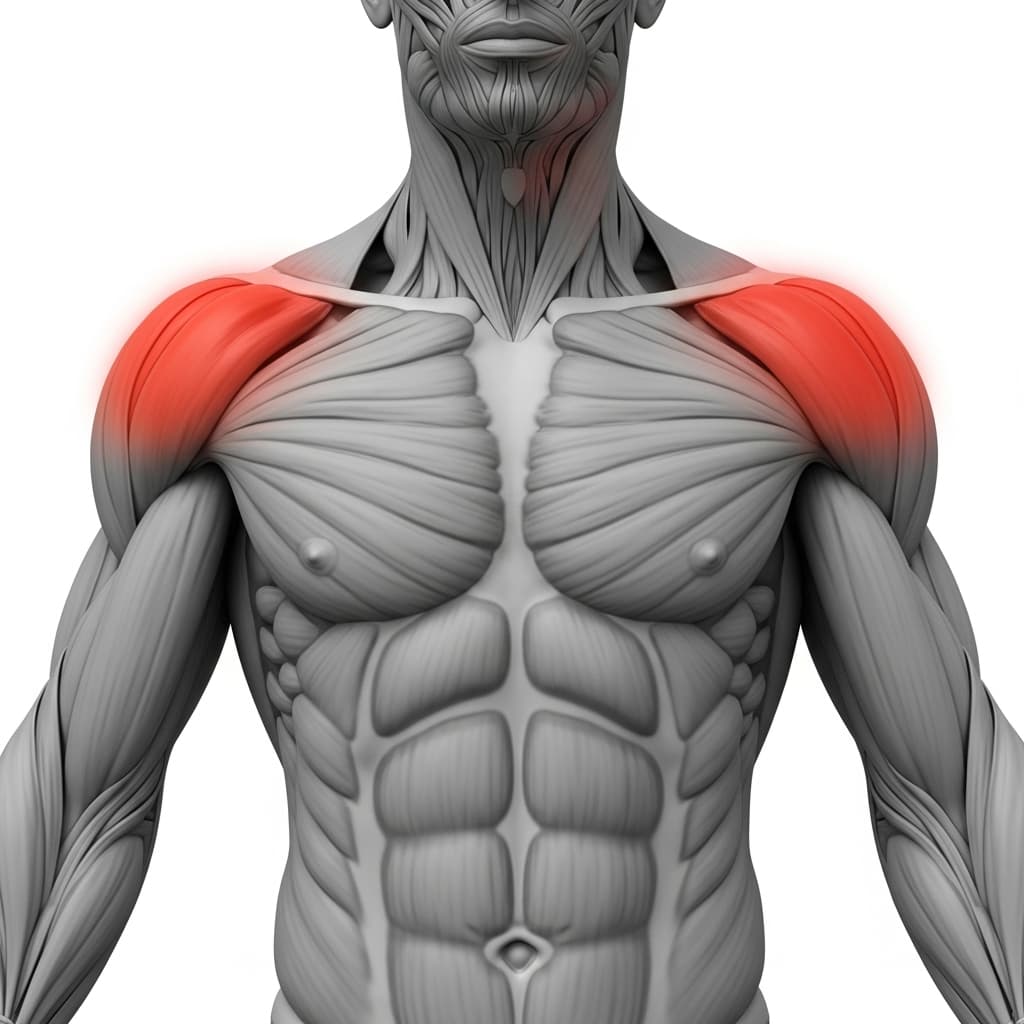
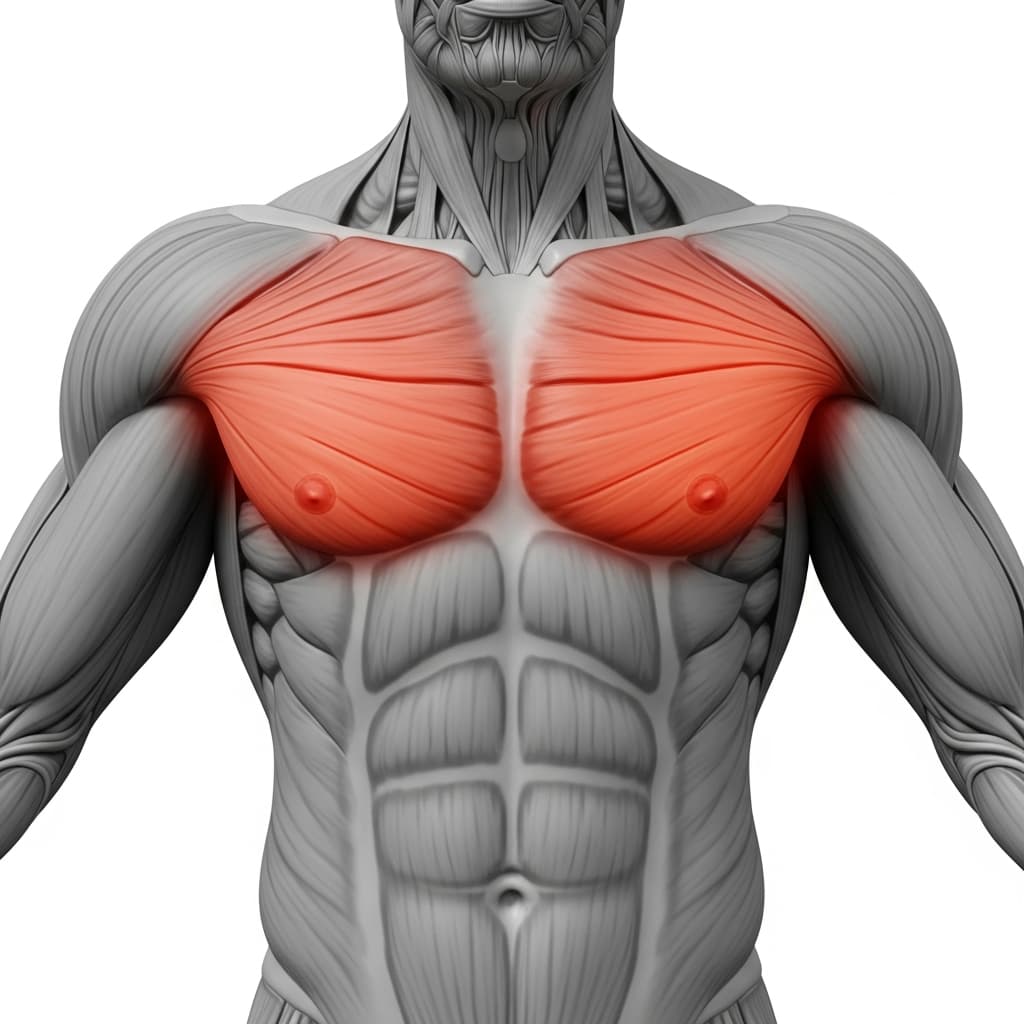
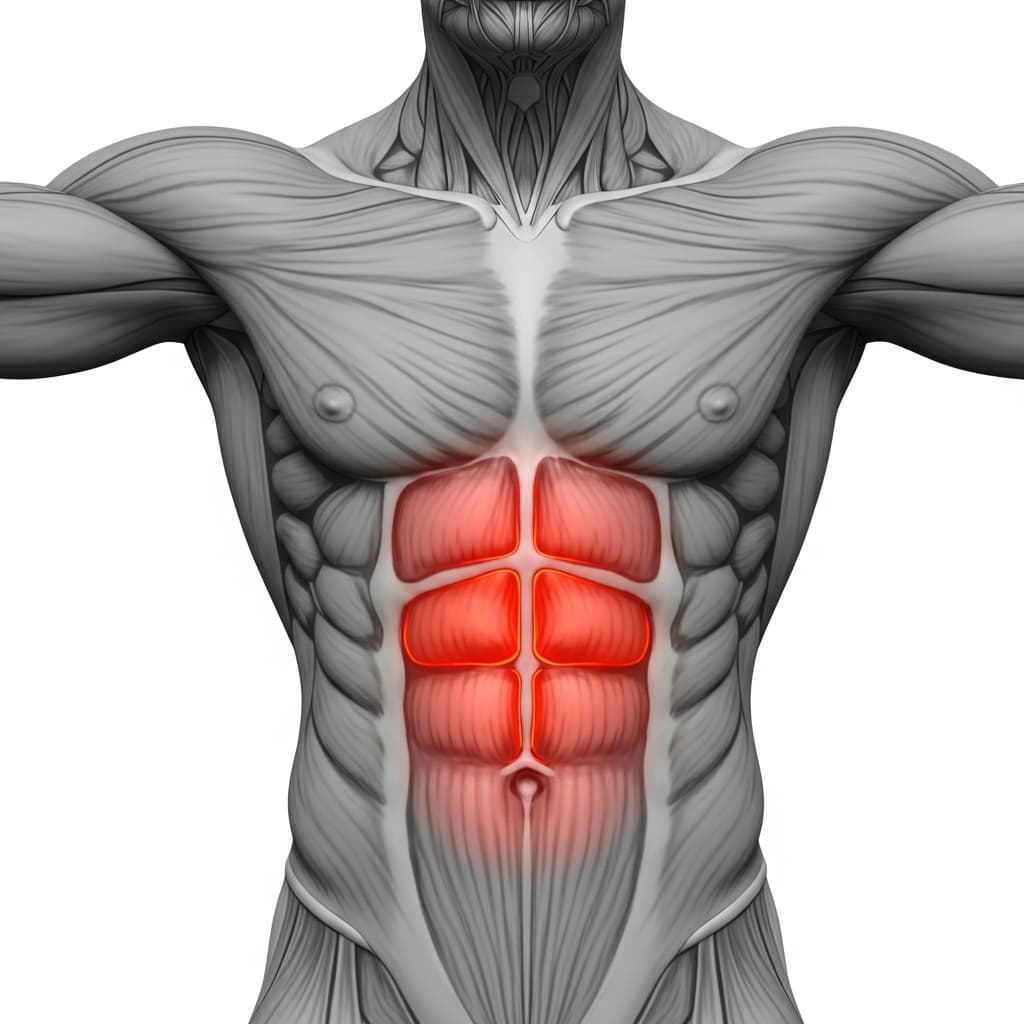
Primary Muscles
Serratus Anterior (Serratus Anterior) - The serratus anterior protracts the shoulder blades away from the spine during the pushing phase, which is the primary movement pattern trained in this exercise.
Secondary Muscles
Trapezius (Trapezius) - The middle and lower trapezius fibers retract the shoulder blades together during the lowering phase, controlling the descent between the arms.
Anterior Deltoid (Front Deltoid) - The anterior deltoid stabilizes the shoulder joint isometrically while the arms remain locked straight throughout the movement.
Pectoralis Major (Chest) - The pectoralis minor assists the serratus anterior in protracting the shoulder blades during the push to the ceiling.
Rectus Abdominis (Abs) - The rectus abdominis and deep core muscles hold the torso rigid in a straight line, preventing the lower back from arching during scapular retraction.
Benefits of Knee Scapula Push Up
- Isolates the serratus anterior through its full range of motion, building the scapular control required for push-ups, dips, and planche progressions
- Teaches the difference between scapular retraction and protraction, which most beginners lack and which limits their pressing mechanics
- Strengthens the muscles that stabilize the shoulder blades against the ribcage, reducing the risk of winging scapula and shoulder impingement during pushing exercises
- Requires no equipment and minimal baseline strength, making it one of the most accessible ways to build foundational shoulder stability
Who Is This Exercise For?
You should be able to hold a kneeling plank position with a straight body line for at least 20 seconds before attempting this exercise. If your wrists fatigue or your core collapses in a basic knee plank, work on wrist conditioning and front plank holds first. No pulling or pressing strength is required since the arms stay locked throughout.
Common Mistakes to Avoid
Bending the elbows during the movement: Lock your elbows completely straight before you begin and keep them locked throughout every rep. If your elbows bend, you are turning this into a push-up and bypassing the scapular muscles entirely.
Arching the lower back on retraction: Squeeze your glutes and brace your abs before sinking into the retraction phase. The movement should come only from the shoulder blades, not from your spine extending.
Rushing through the range of motion: Slow down each phase to at least 2 seconds. Fast reps remove the time under tension that makes this exercise effective and usually indicate you are compensating with momentum instead of scapular control.
Not reaching full protraction at the top: Push until your upper back visibly rounds and your shoulder blades are as far apart as possible. Stopping short leaves the serratus undertrained in the range where it matters most.