Pike Push Ups With Shoulder Taps
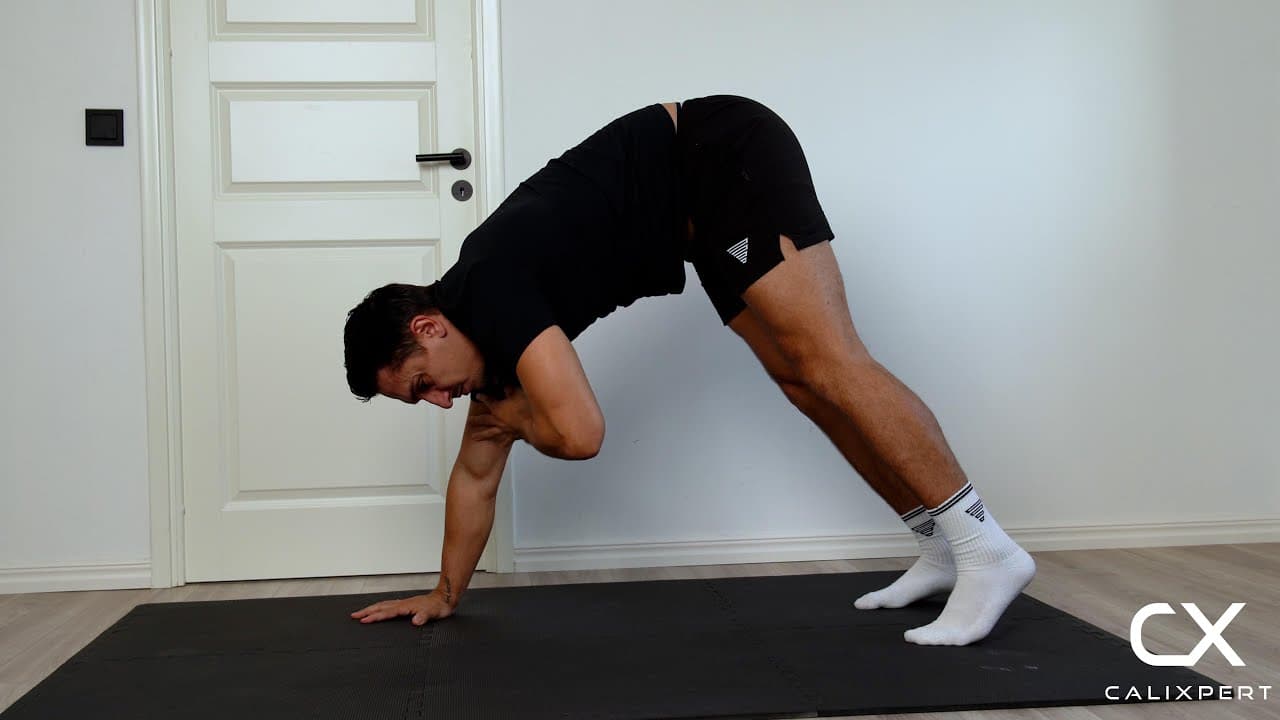
Pike push-ups with shoulder taps are a bodyweight overhead pressing exercise that targets the front deltoids, triceps, and core through a combined pressing and anti-rotation pattern. The pike position shifts your center of gravity forward over the hands, loading the shoulders in a way that mimics vertical pressing without requiring a wall or handstand. Adding shoulder taps at the top forces the core to resist rotation under load, building the stability and single-arm control needed for handstand work and more advanced pressing variations.
Pike push-ups with shoulder taps are a bodyweight overhead pressing exercise that targets the front deltoids, triceps, and core through a combined pressing and anti-rotation pattern. The pike position shifts your center of gravity forward over the hands, loading the shoulders in a way that mimics vertical pressing without requiring a wall or handstand. Adding shoulder taps at the top forces the core to resist rotation under load, building the stability and single-arm control needed for handstand work and more advanced pressing variations.
How to Do Pike Push Ups With Shoulder Taps
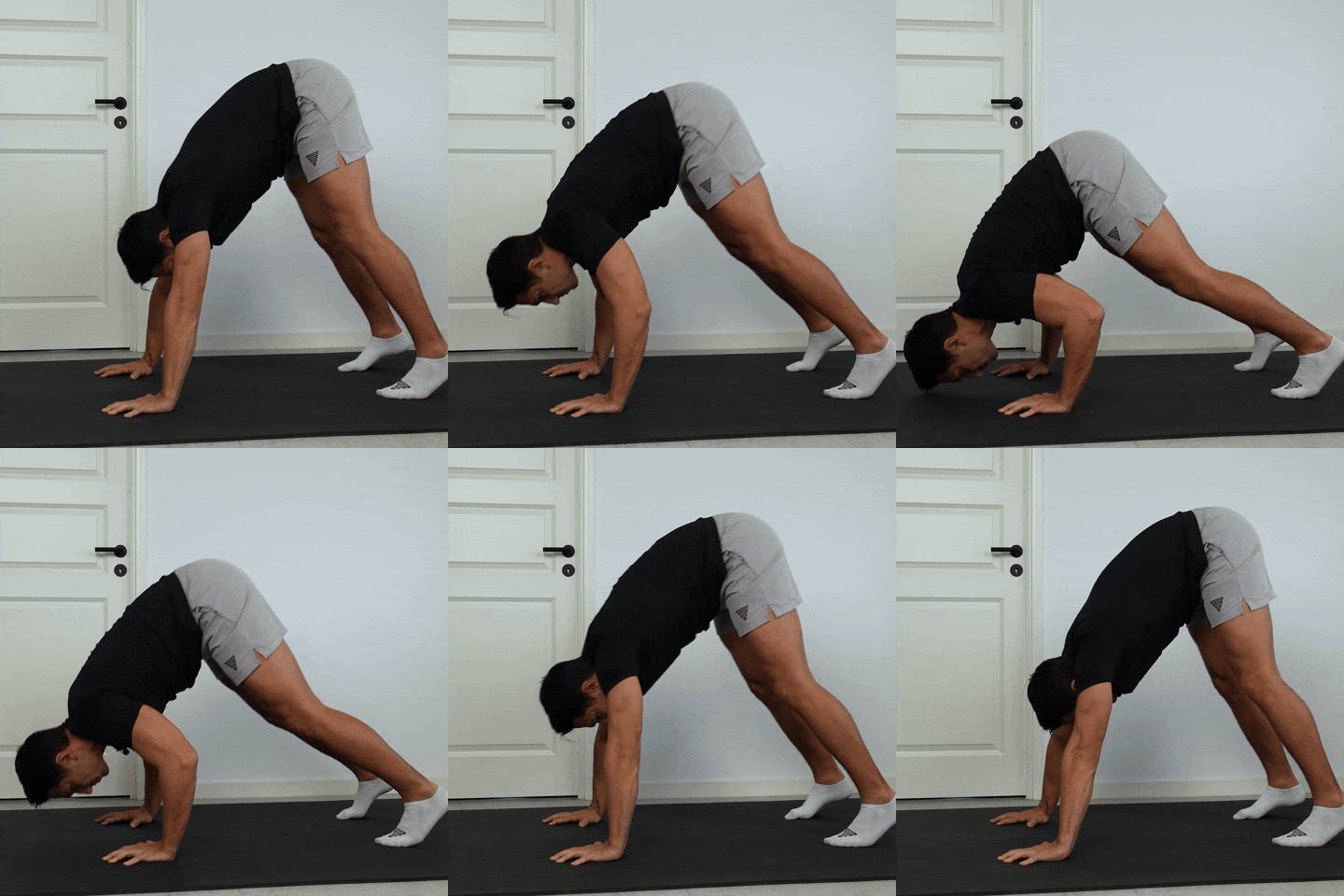
1. Set Up the Pike Position
Place your hands on the floor slightly wider than shoulder width with fingers spread for stability. Walk your feet in toward your hands until your hips are stacked high, forming an inverted V shape. Keep your legs as close together as possible, though shoulder-width apart is acceptable for balance. Your head should hang naturally between your arms with eyes looking back toward your feet.
Hips high, weight over your hands
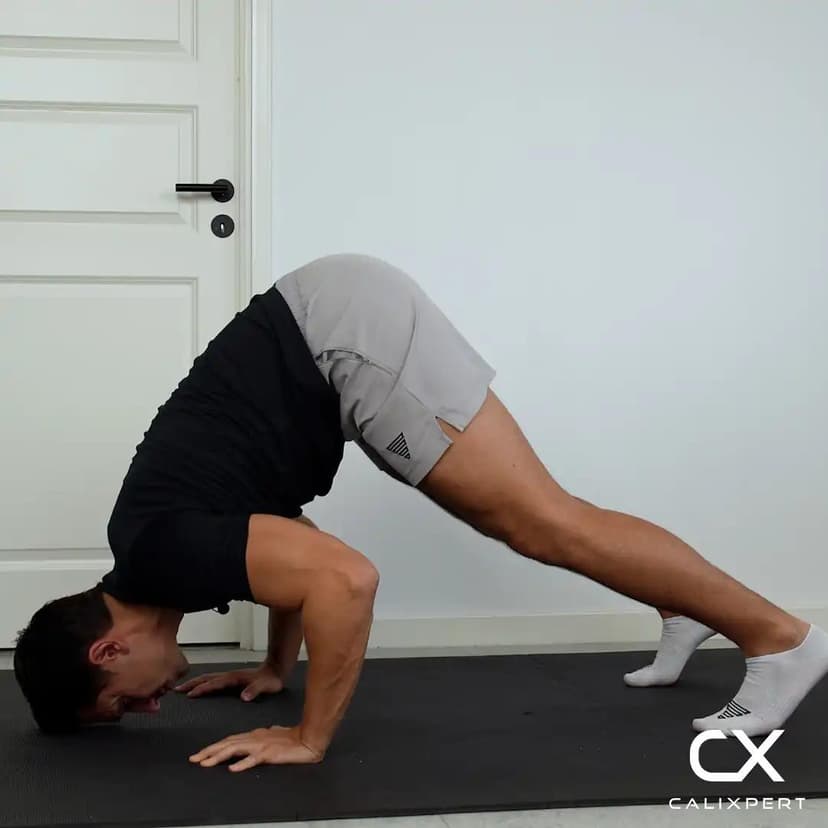
2. Lower to Ninety Degrees
Bend your elbows and lower your head toward the floor in a controlled descent. You do not need to touch your head to the ground. Stop when your elbows reach approximately 90 degrees of bend, which keeps tension on the deltoids without overstressing the shoulder joint at the bottom.
Stop at ninety, no need to touch the floor
3. Press Back Up Strongly
Drive through your palms and extend your arms fully to return to the top of the pike position. Focus on pushing the floor away rather than lifting your body, which keeps the shoulders engaged through the entire pressing phase. Exhale as you press and lock out completely at the top before moving to the taps.
Push the floor away, lock out fully
4. Depress Shoulders at the Top
Once your arms are fully locked out, actively push your shoulders down away from your ears. This depression engages the lower traps and serratus, creating a stable platform for the single-arm support phase. Do not skip this step, as elevated shoulders make the tap phase unstable and less effective.
Push shoulders down before you tap
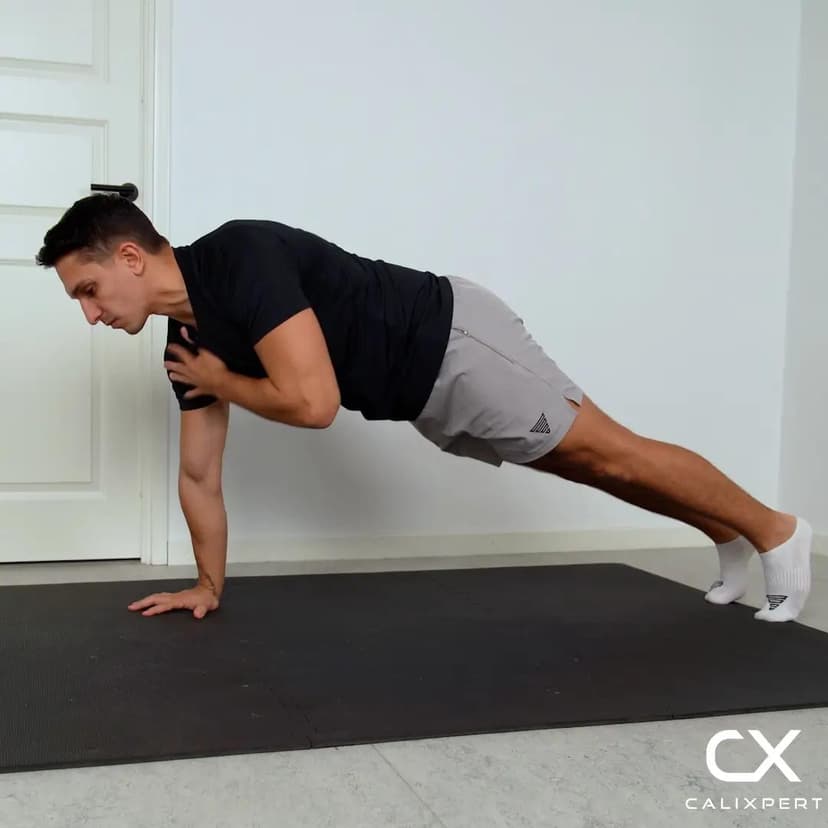
5. Tap Each Shoulder With Control
Shift your weight slightly onto one hand, lift the opposite hand, and tap your shoulder. Replace that hand, then repeat on the other side. Keep your hips and torso as still as possible throughout both taps, resisting the urge to rotate or shift laterally. The slower you perform the taps, the more anti-rotation benefit you gain.
Still hips, slow taps, no rocking
6. Reset and Repeat
After both shoulder taps are complete, re-establish your pike position with both hands firmly planted and shoulders depressed. Begin the next rep from this stable position. Each full rep consists of one pike push-up followed by one tap on each side.
Both hands down, reset, then press again
Most people rush through the taps like they are just a formality. The tap is not the easy part, it is the part that builds real shoulder stability. Push your shoulders down hard at the top, shift your weight deliberately, and hold for a full second before you touch. If your hips are swinging side to side, you are going too fast and getting nothing from the variation.
Muscles Worked During Pike Push Ups With Shoulder Taps
Primary Muscles:
Secondary Muscles:
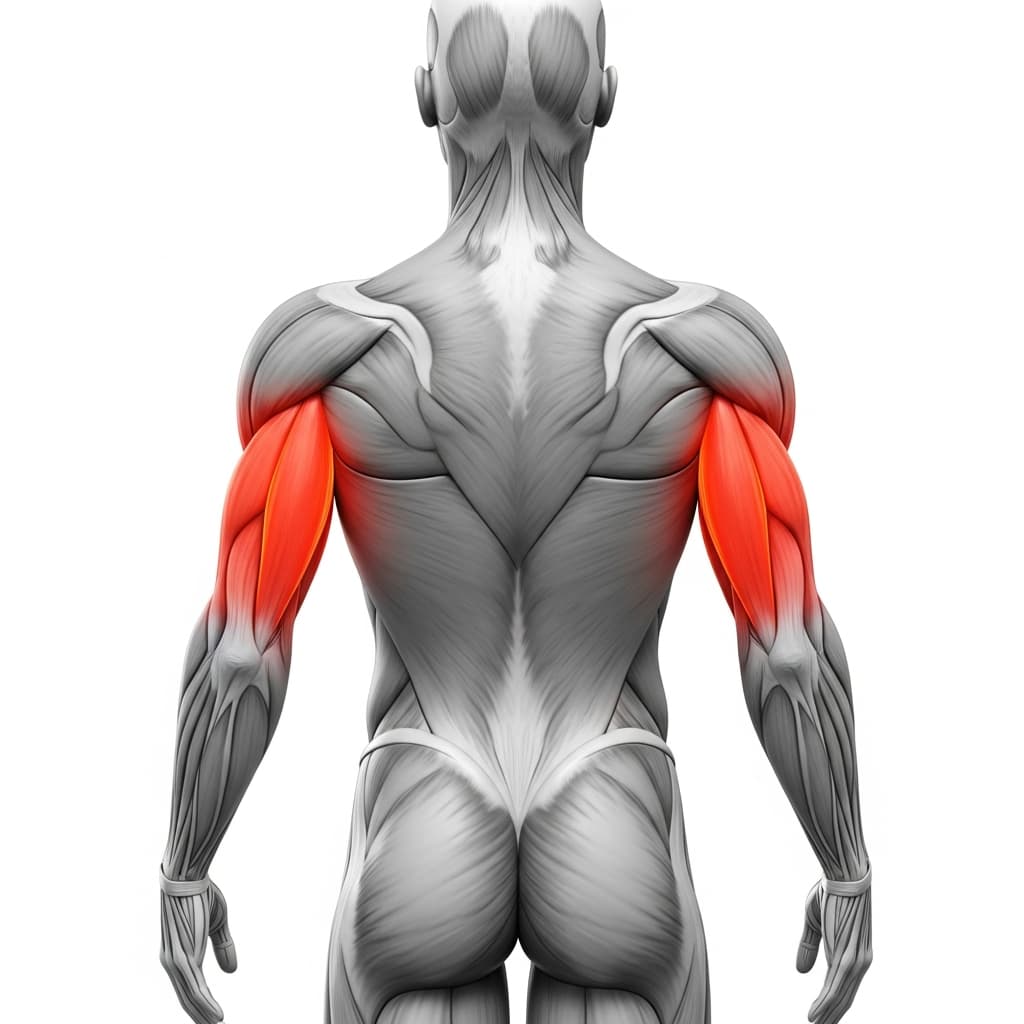
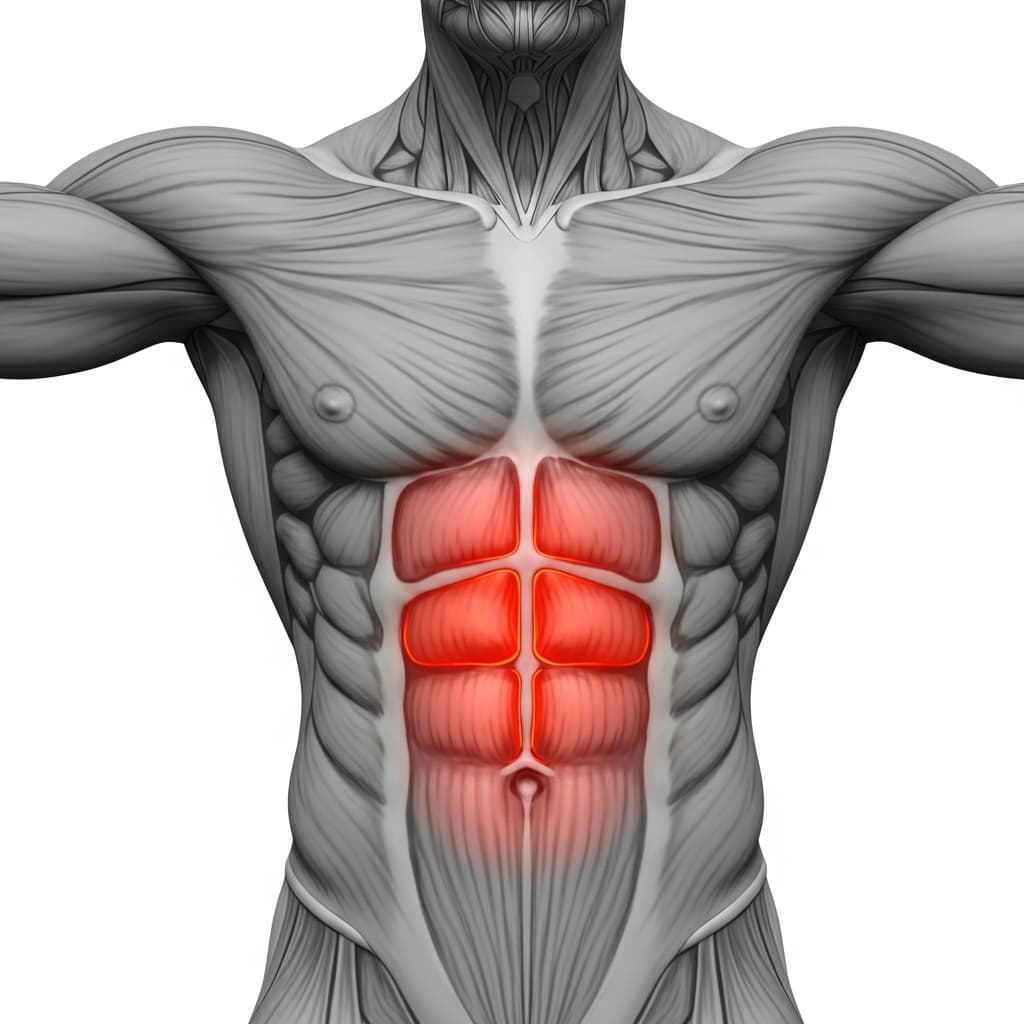
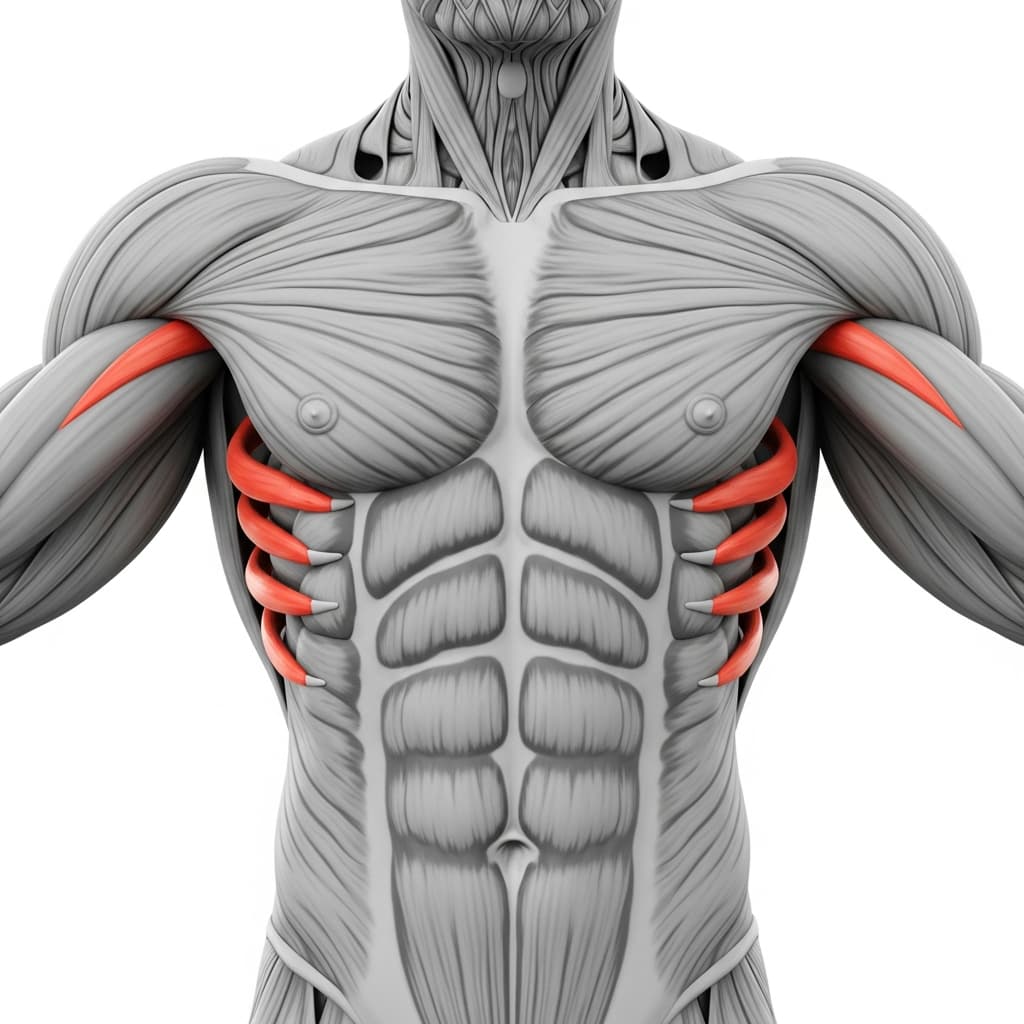
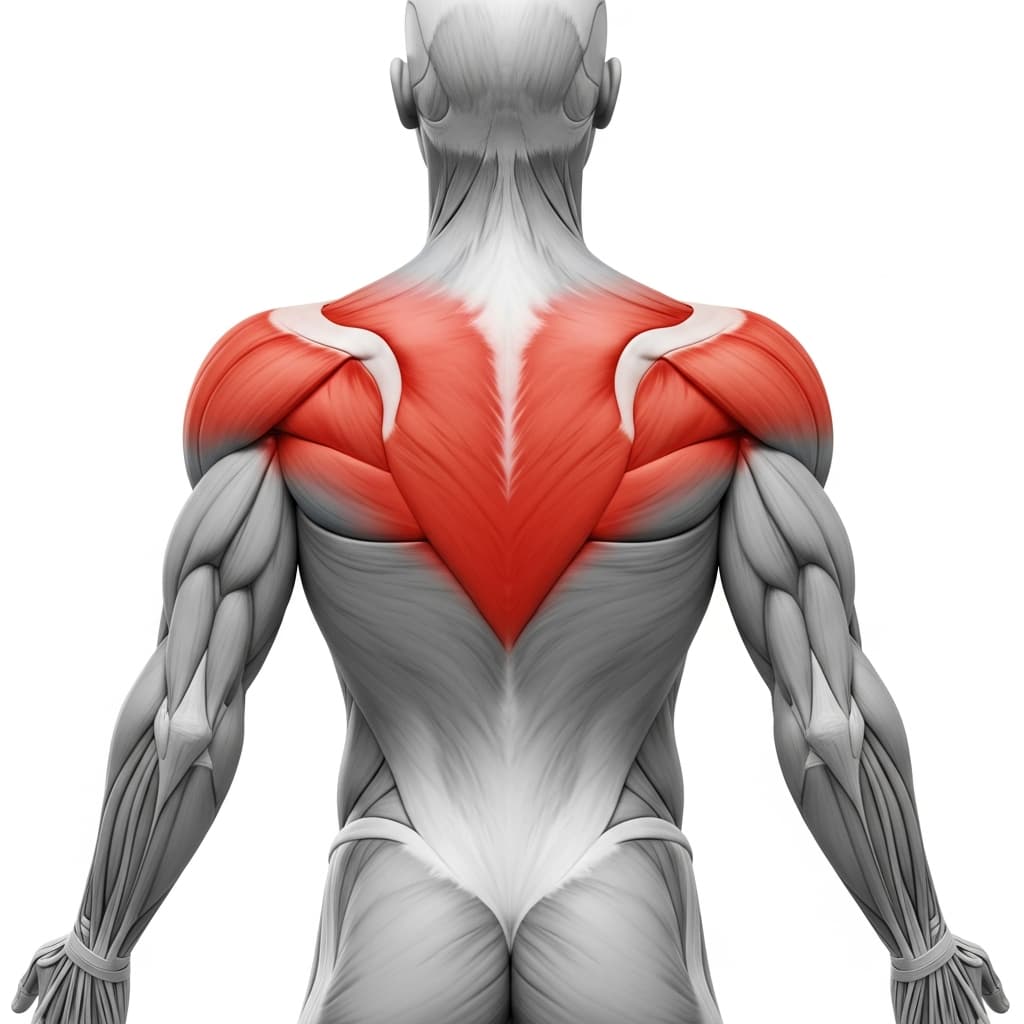
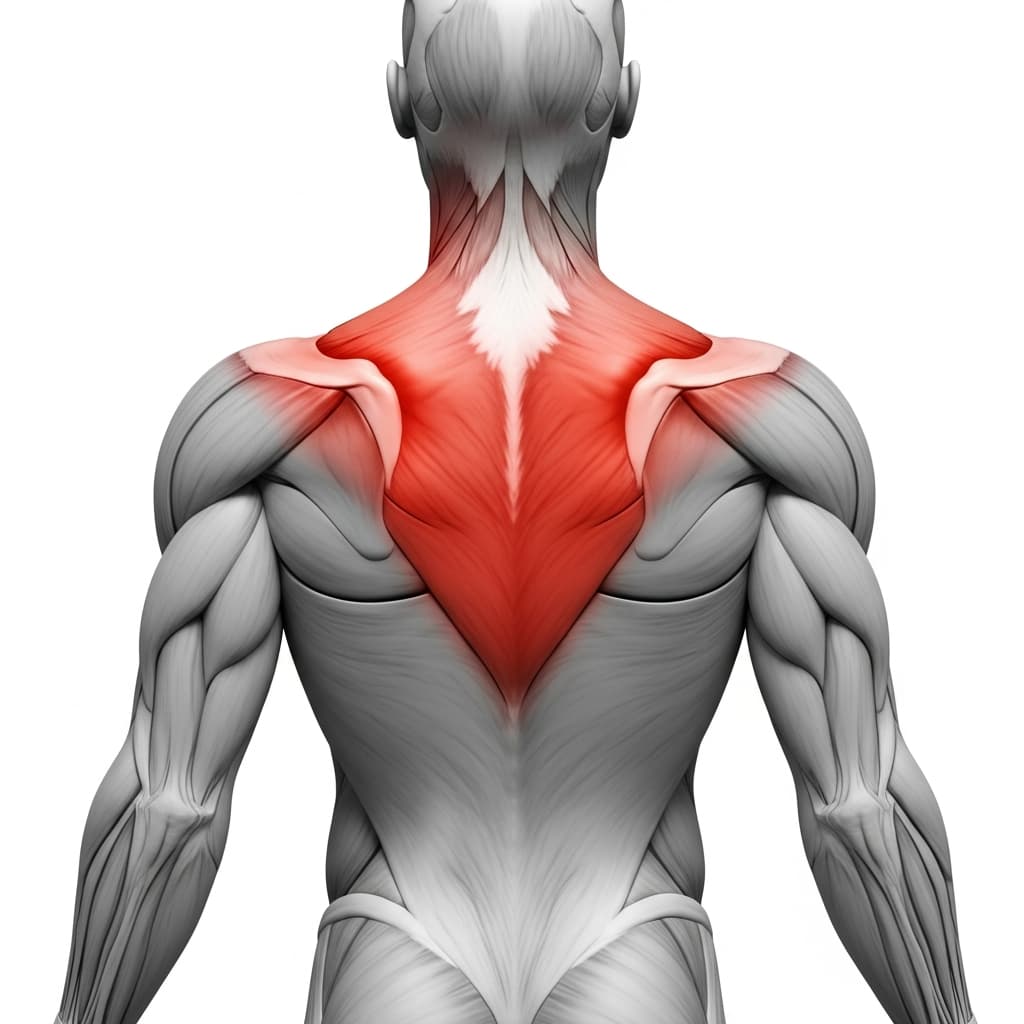
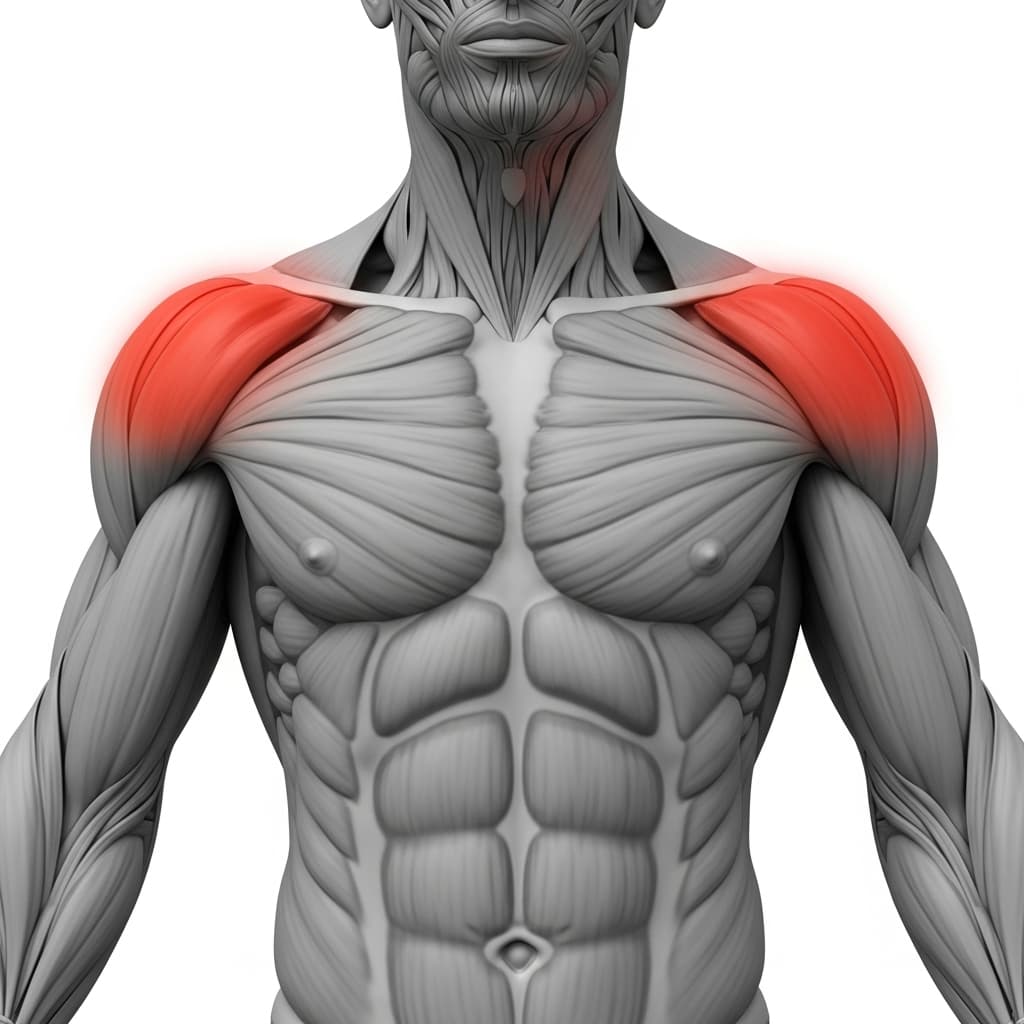
Primary Muscles
Anterior Deltoid (Front Deltoid) - The front deltoid drives the overhead pressing motion throughout the entire pike push-up, flexing the shoulder to push the body away from the floor at a near-vertical angle.
Secondary Muscles
Triceps Brachii (Triceps) - The triceps extend the elbow during the pressing phase, working alongside the front deltoid to lock out the arms at the top of each rep.
Rectus Abdominis (Abs) - The rectus abdominis maintains the rigid pike position and resists spinal extension, preventing the hips from sagging during both the press and the single-arm tap phase.
Serratus Anterior (Serratus Anterior) - The serratus anterior protracts and depresses the scapulae at the top of the movement, stabilizing the shoulder blade against the ribcage during the lockout and tap phase.
Rhomboids & Upper Trapezius (Upper Back) - The upper back musculature controls scapular position during the lowering phase and provides a stable base for force transfer between the pressing arm and the torso during shoulder taps.
Trapezius (Trapezius) - The lower and middle trapezius fibers work to depress and stabilize the scapulae at the top position, counteracting the tendency for the shoulders to shrug up toward the ears under load.
Benefits of Pike Push Ups With Shoulder Taps
- Builds front deltoid pressing strength in a vertical pattern that transfers directly to handstand push-ups and overhead skills
- Develops anti-rotation core stability through the single-arm support phase, training the obliques and deep stabilizers under real load
- Improves single-arm shoulder control and weight-shifting ability, which is a prerequisite for handstand balance and one-arm pressing progressions
- Strengthens the serratus anterior through active shoulder depression at the top, improving scapular health and overhead stability
Who Is This Exercise For?
You should be able to perform at least 8 clean pike push-ups without shoulder taps before adding the tap component, since the single-arm support phase demands significantly more shoulder stability. If holding a high plank on one arm for 5 seconds causes excessive shifting or hip drop, work on plank shoulder taps and standard pike push-ups separately first.
Common Mistakes to Avoid
Letting the hips drop during taps: Keep your hips stacked directly above your shoulders throughout the shoulder tap phase. If your hips sag, you lose the overhead pressing angle and turn the movement into a push-up with extra steps.
Rushing the shoulder taps: Perform each tap with a deliberate one-second hold at the shoulder before returning the hand to the floor. Fast taps use momentum instead of stability, which defeats the purpose of the variation.
Flaring elbows wide during the press: Keep your elbows angled slightly back at roughly 45 degrees from your torso during the lowering and pressing phase. Wide elbows place excessive stress on the shoulder joint and reduce pressing power.
Going too deep on the press: Stop at 90 degrees of elbow bend rather than touching your head to the floor. Going deeper without the mobility to support it rounds the upper back and shifts load off the deltoids.