Wall Angels
Wall angels are a shoulder mobility and postural activation exercise that targets the rotator cuff, upper back, and scapular stabilizers through a controlled overhead sliding pattern against a wall. The movement demands active external rotation and scapular retraction while your arms travel through their full available range, exposing and correcting mobility restrictions that limit overhead performance. Practiced consistently, wall angels restore thoracic extension and shoulder function that directly carry over to handstands, overhead pressing, and every pulling movement in calisthenics.
Wall angels are a shoulder mobility and postural activation exercise that targets the rotator cuff, upper back, and scapular stabilizers through a controlled overhead sliding pattern against a wall. The movement demands active external rotation and scapular retraction while your arms travel through their full available range, exposing and correcting mobility restrictions that limit overhead performance. Practiced consistently, wall angels restore thoracic extension and shoulder function that directly carry over to handstands, overhead pressing, and every pulling movement in calisthenics.
How to Do Wall Angels
1. Set Your Back Against the Wall
Stand with your feet about 15 centimeters away from the wall and lean your entire back into it. Your head, upper back, and lower back should all be in contact with the wall. Draw your belly button toward your spine to eliminate the gap between your lower back and the wall surface.
Flatten the lower back into the wall
2. Position Your Arms in a Goalpost
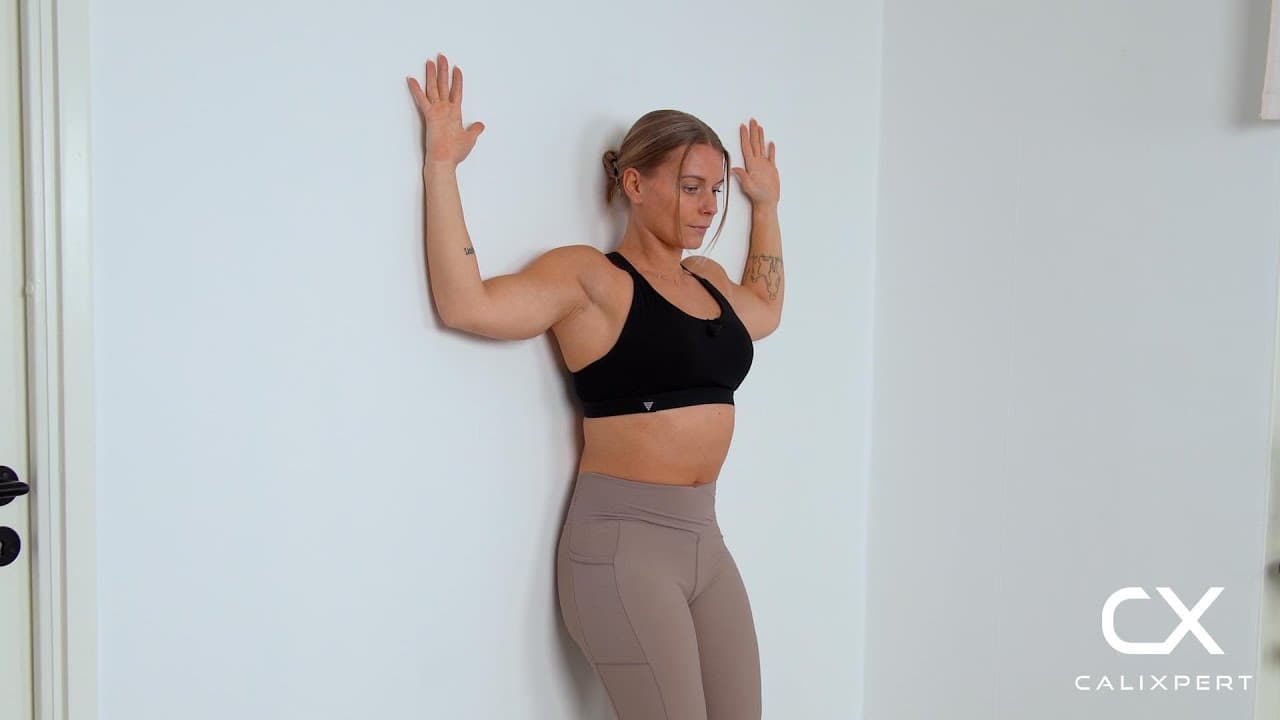
Raise your arms to shoulder height and bend your elbows to 90 degrees, forming a goalpost shape. Press the backs of your hands, your forearms, and your elbows firmly into the wall. All five contact points, head, upper back, lower back, elbows, and hands, must stay against the wall throughout the entire movement.
Elbows, forearms, and hands all touch the wall
3. Slide Arms Overhead Slowly
Slowly extend your arms upward along the wall, straightening through the elbows while keeping every contact point pressed into the surface. Move only as far as you can without your lower back peeling away from the wall or your hands losing contact. The range will be limited at first, and that is the point of the exercise.
Only go as high as full wall contact allows
4. Squeeze and Hold at the Top
At your highest point, pause for one second and actively squeeze your shoulder blades together. Focus on pressing the backs of your hands harder into the wall during this pause. This isometric hold at end range is where the most significant mobility and activation gains happen.
Press hands into the wall and hold
5. Slide Back Down With Control
Reverse the movement by slowly sliding your arms back down to the starting goalpost position. Keep the descent just as controlled as the ascent, maintaining all contact points the entire way. Pull your elbows down and slightly inward as you return, squeezing the lower traps at the bottom.
Slow descent, squeeze at the bottom
Most people try to slide their arms as high as possible and lose every contact point in the process. That defeats the purpose. Drop the ego, cut your range in half, and focus on pressing every part of your arm into the wall the entire time. When you can reach full overhead with zero gaps, your shoulders are actually mobile, not just flexible.
Muscles Worked During Wall Angels
Primary Muscles:
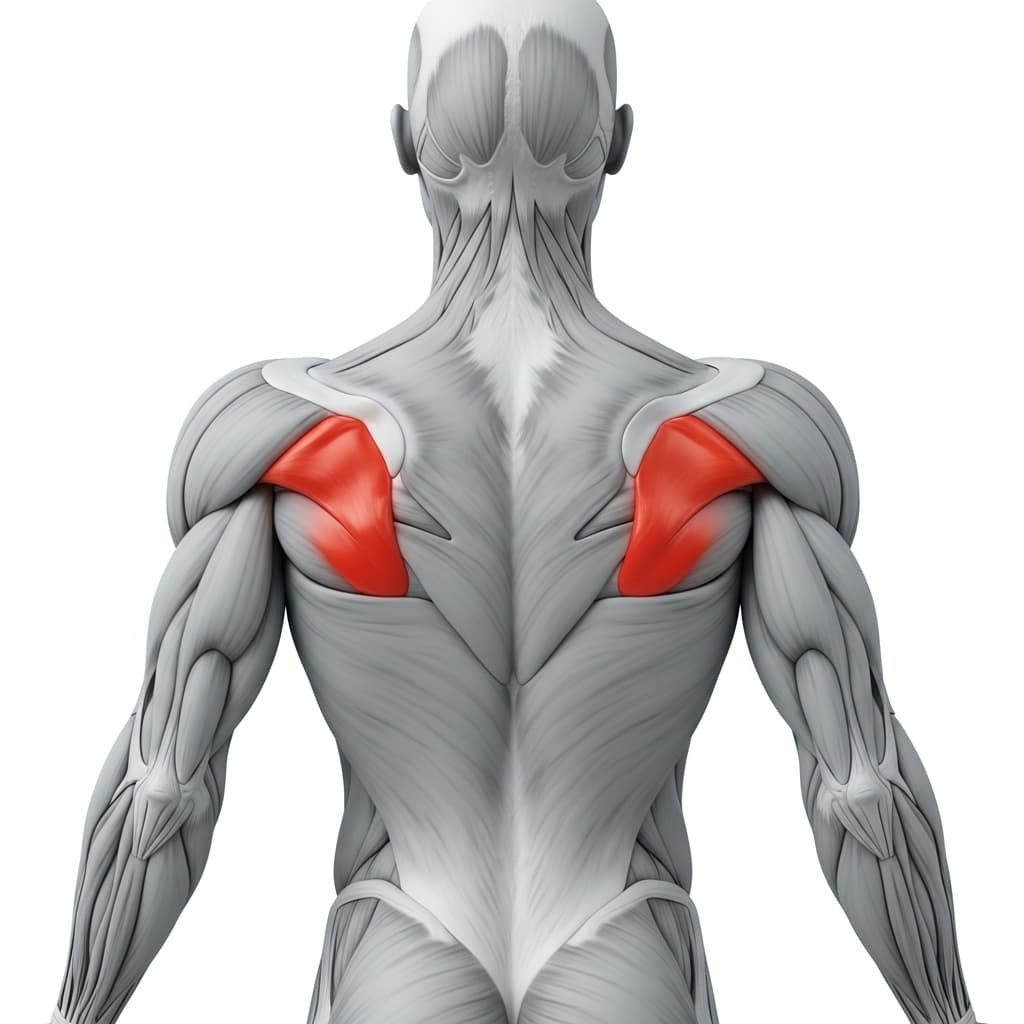
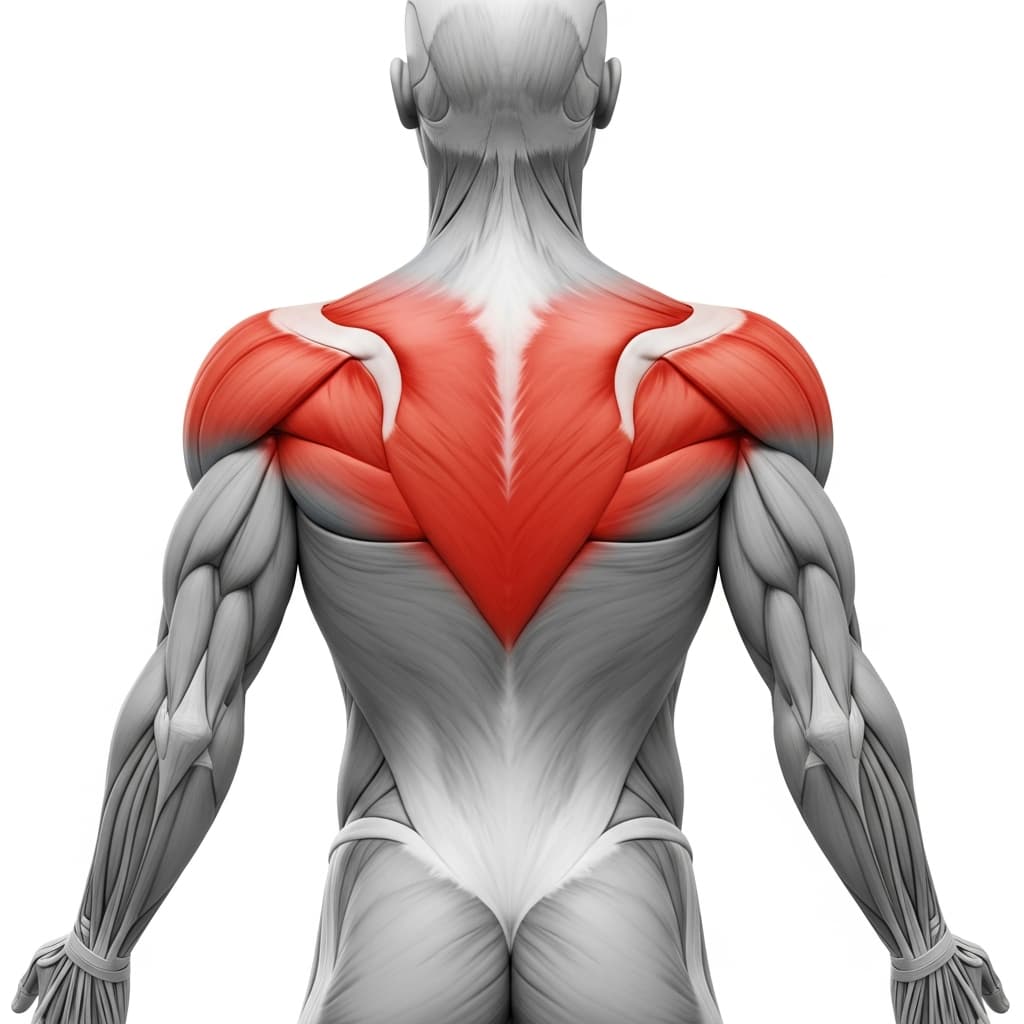
Secondary Muscles:
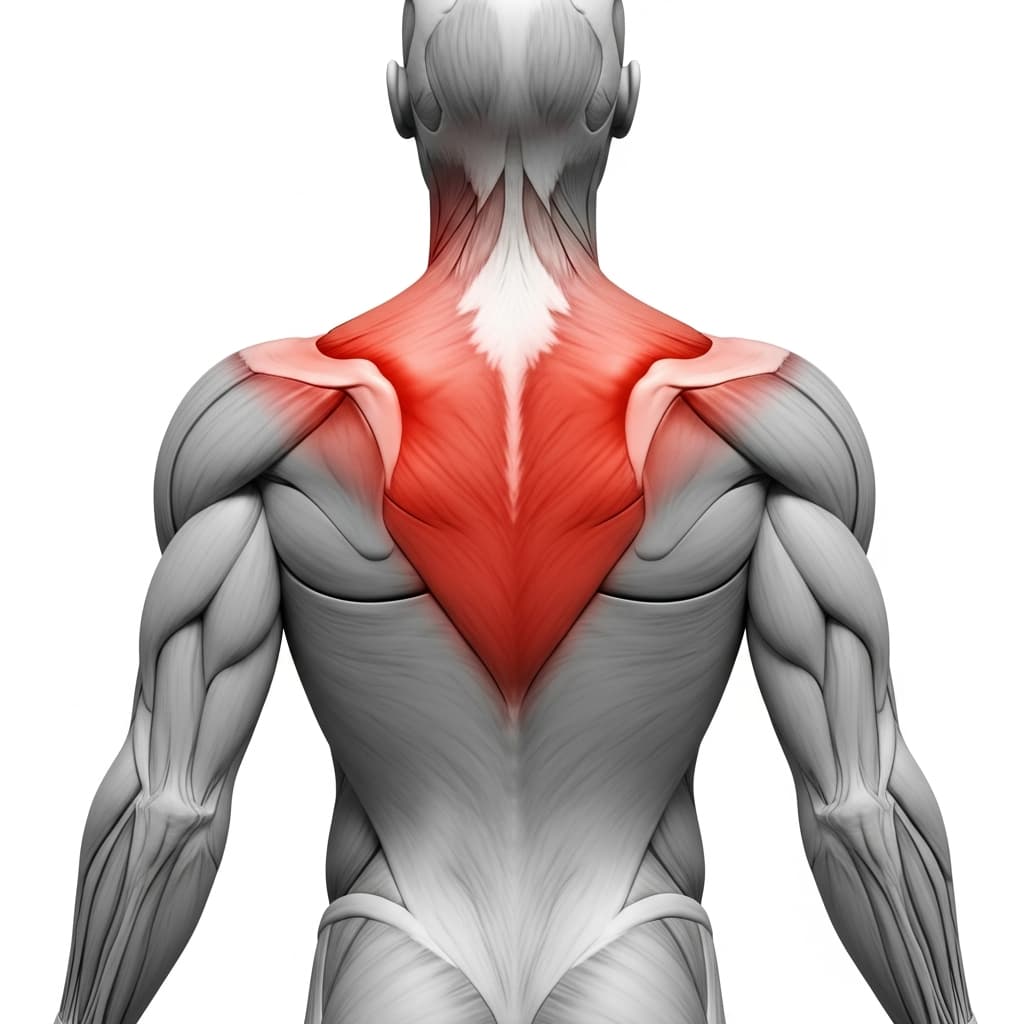
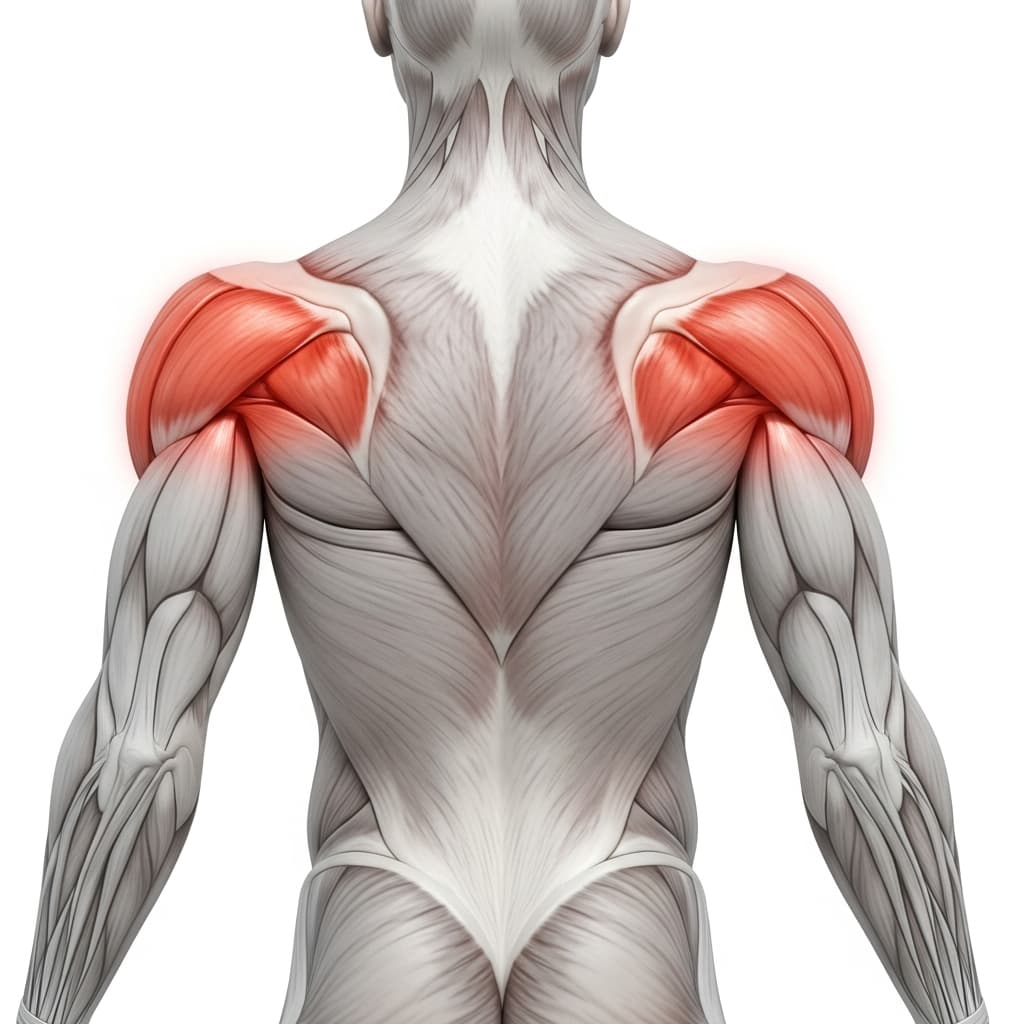
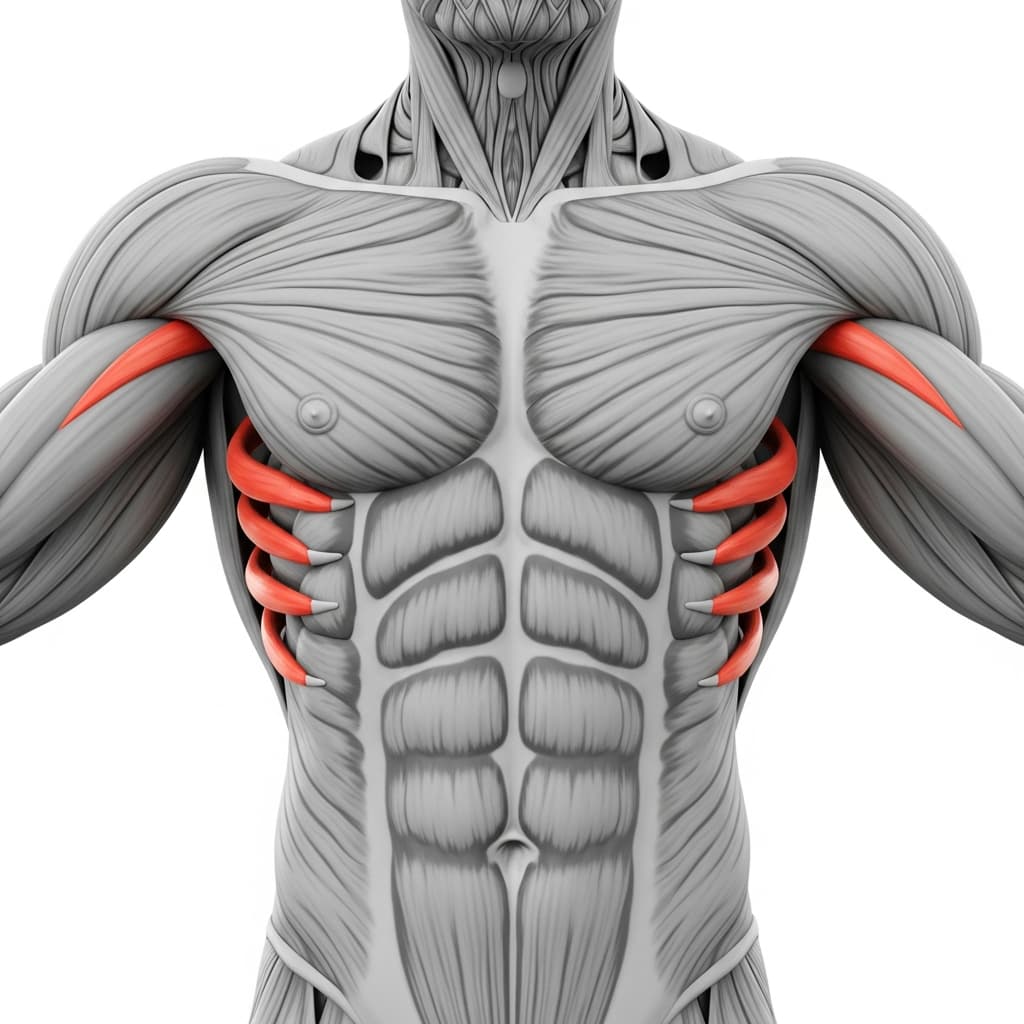
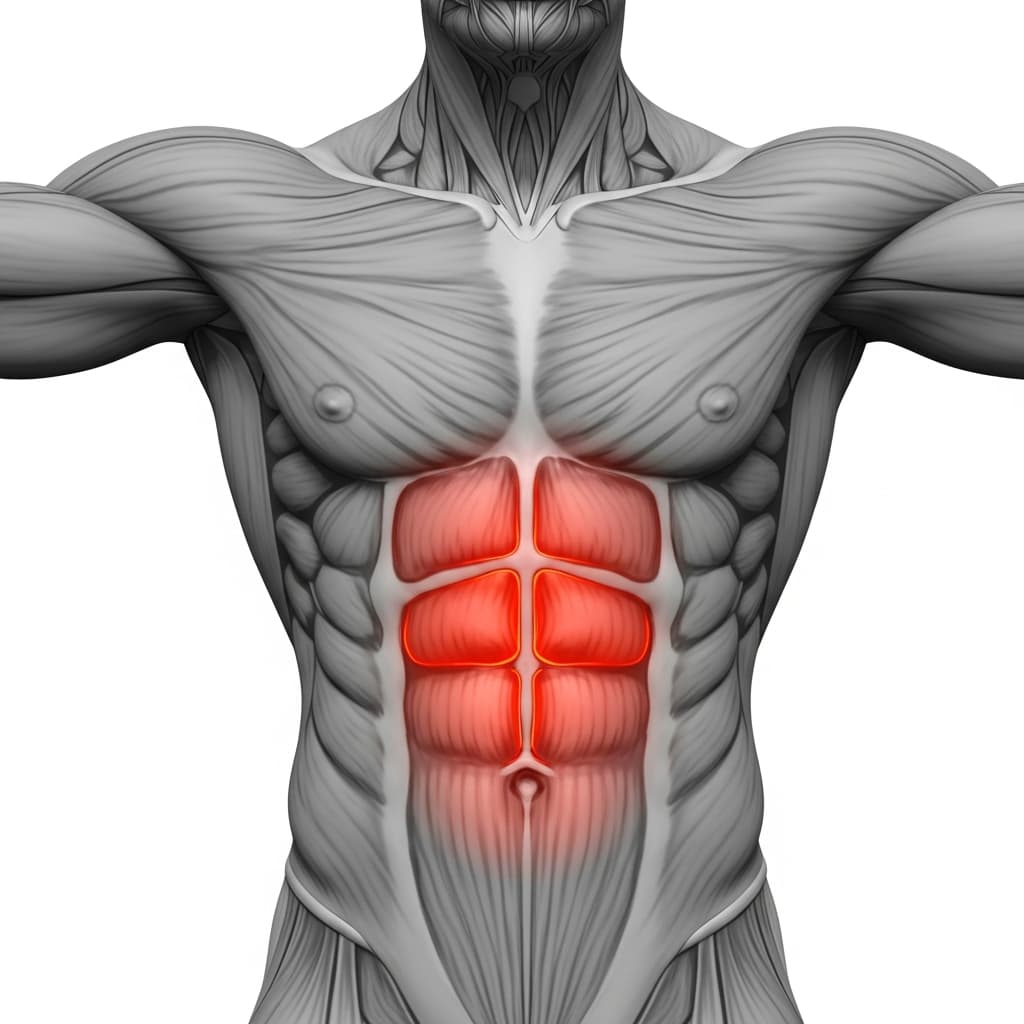
Primary Muscles
Rotator Cuff (SITS) (Rotator Cuff) - The rotator cuff muscles maintain active external rotation of the shoulder and stabilize the humeral head in the socket as the arms slide overhead against the wall.
Rhomboids & Upper Trapezius (Upper Back) - The rhomboids and mid-trapezius fibers retract the shoulder blades and press them flat against the wall throughout the full sliding range.
Secondary Muscles
Trapezius (Trapezius) - The lower trapezius depresses and upwardly rotates the scapulae during the overhead phase, controlling the shoulder blade path as the arms extend upward.
Posterior Deltoid (Rear Deltoid) - The rear deltoids assist in keeping the elbows pressed back against the wall and support horizontal abduction during the goalpost position.
Serratus Anterior (Serratus Anterior) - The serratus anterior works with the lower traps to upwardly rotate the scapula as the arms slide overhead, preventing the shoulder blades from winging off the wall.
Rectus Abdominis (Abs) - The abdominal muscles brace the core and posteriorly tilt the pelvis to keep the lower back flat against the wall surface throughout each rep.
Benefits of Wall Angels
- Restores full overhead shoulder range of motion by actively training external rotation and scapular upward rotation against a fixed reference surface
- Corrects rounded shoulder posture by strengthening the mid and lower traps, rhomboids, and rear deltoids in a lengthened position
- Serves as a diagnostic tool that immediately reveals mobility restrictions in the thoracic spine, shoulders, and chest so you know exactly where your limitations are
- Builds the scapular control and thoracic extension required for handstands, overhead pressing, and back lever progressions in calisthenics
Who Is This Exercise For?
Wall angels require no baseline strength, but you need to be able to stand with your entire back flat against a wall without significant discomfort. If you cannot press your lower back into the wall while maintaining contact with your head and upper back, start with supine floor angels until your thoracic mobility improves enough to hold the wall position.
Common Mistakes to Avoid
Lower back arching off the wall: Engage your core by pulling your belly button toward your spine before you start the movement. If your lower back lifts, your range of motion is too large. Reduce how high you slide your arms until you can maintain full back contact.
Hands or elbows losing wall contact: Prioritize keeping the backs of your hands and elbows pressed into the wall over reaching higher. A smaller range of motion with full contact is far more effective than a larger range with gaps.
Moving too fast through the reps: Each rep should take 4 to 6 seconds in each direction. Rushing through wall angels turns a precision mobility drill into a meaningless arm wave. Slow, controlled movement is the entire point.
Craning the neck forward: Keep the back of your head against the wall with a neutral chin position throughout the set. If you cannot maintain head contact, it signals tight chest and anterior neck muscles that need separate attention.
Variations & Progressions
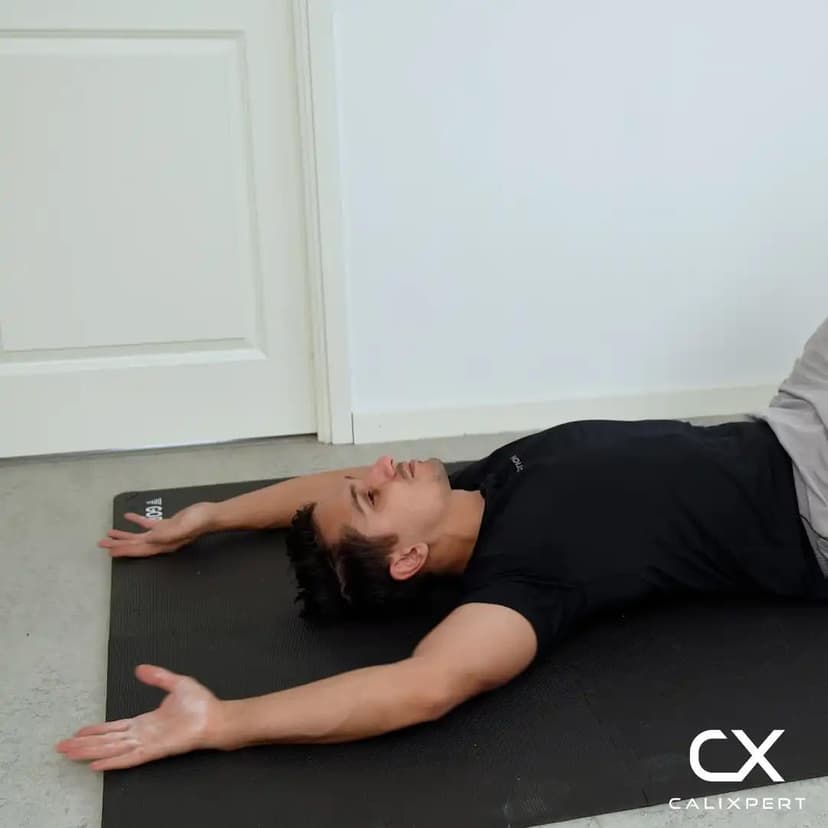
Banded Wall Angels
Loop a light resistance band around your wrists and perform wall angels against the band tension. The added resistance forces the rotator cuff and scapular stabilizers to work harder through the entire range, accelerating strength and mobility gains.