

Rotator Cuff Exercises
Supraspinatus, Infraspinatus, Teres Minor, Subscapularis
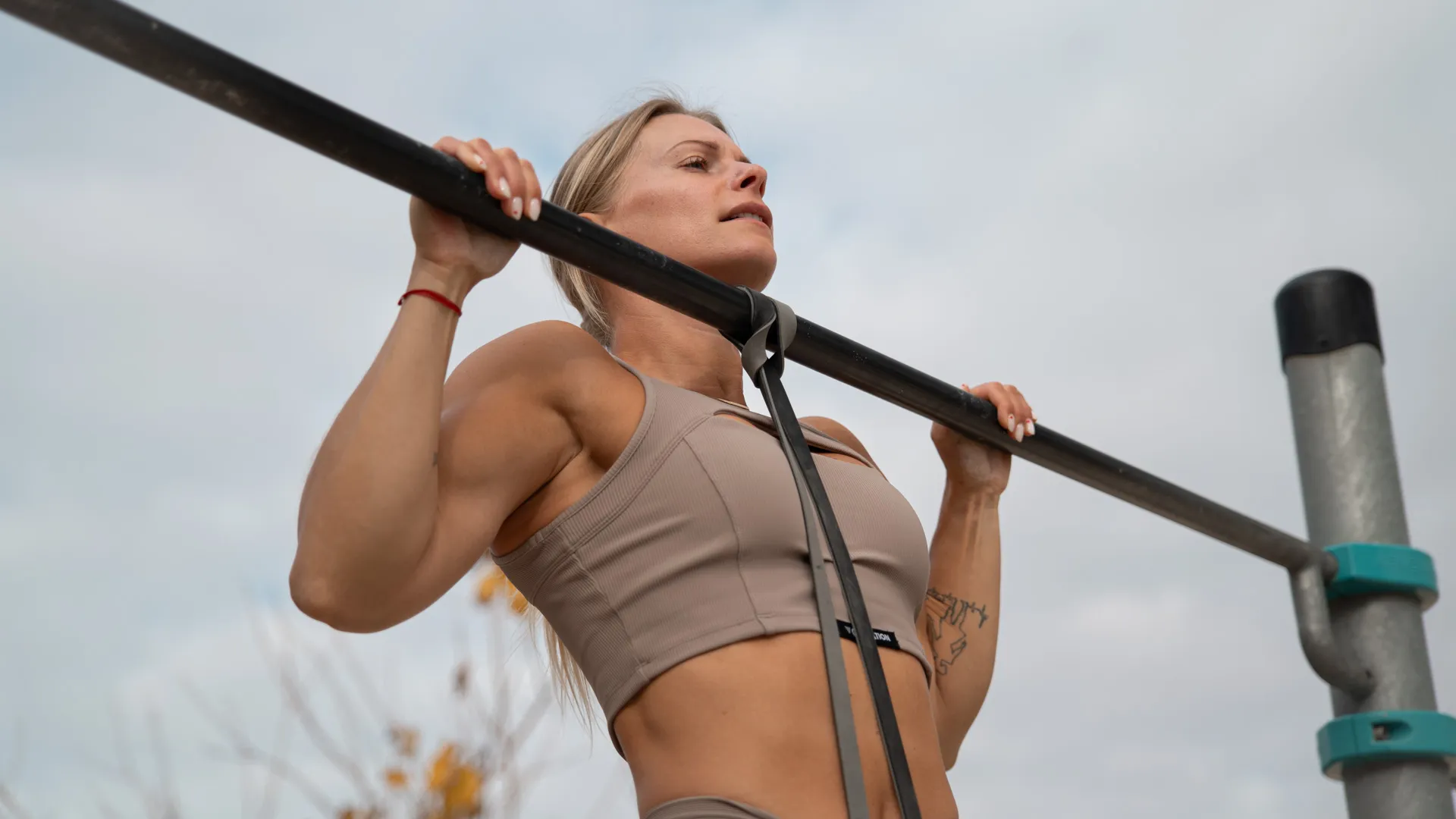
All Rotator Cuff Exercises (18)
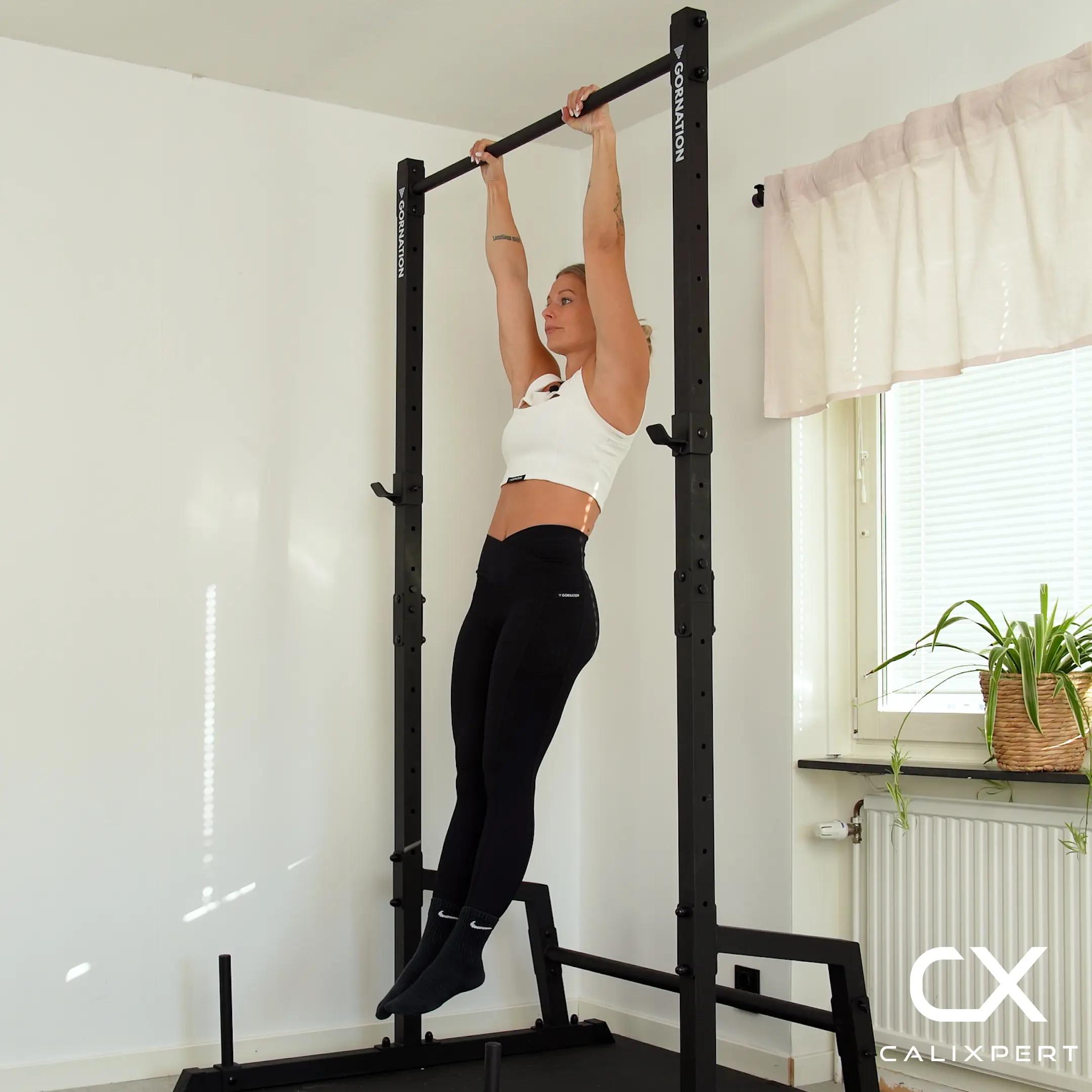
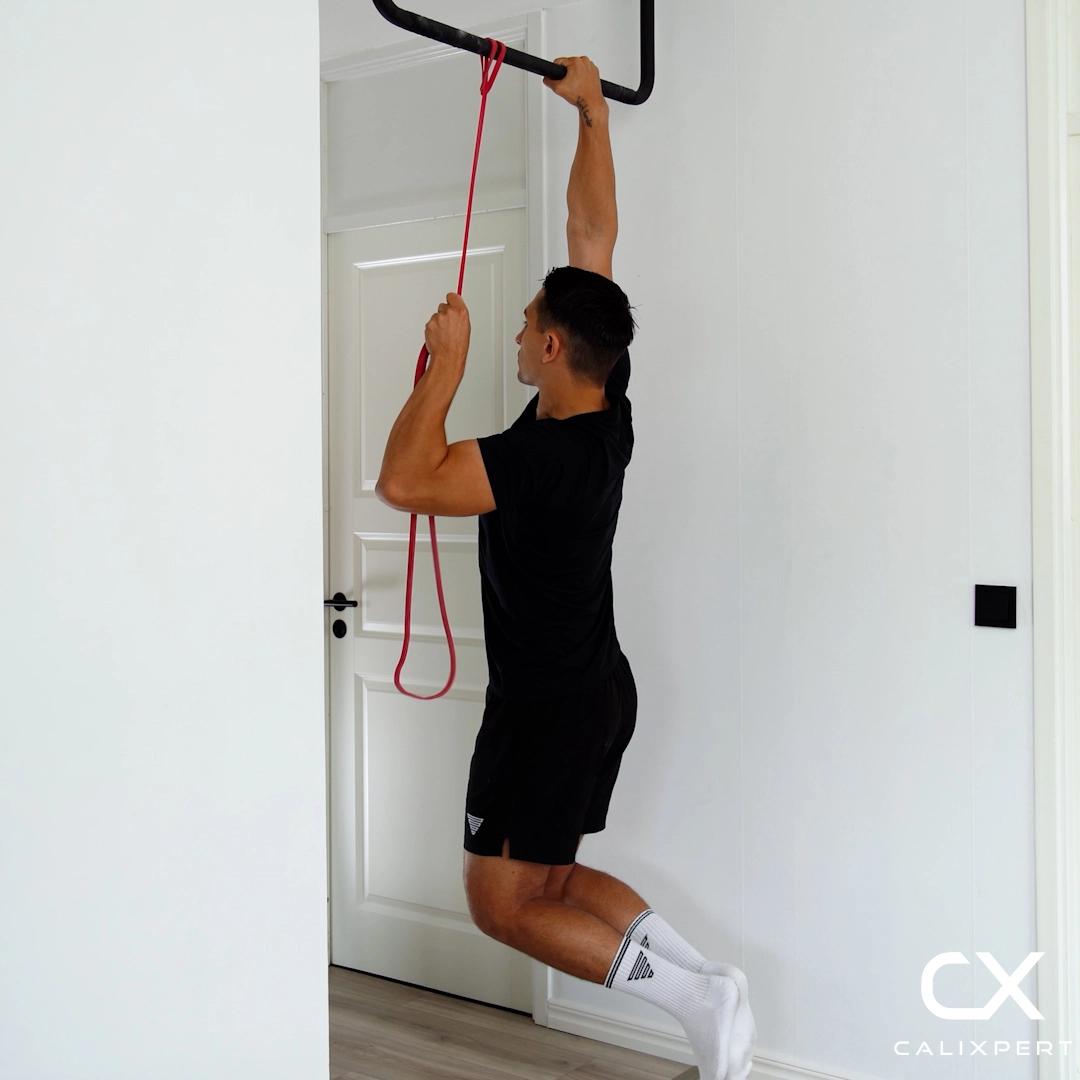
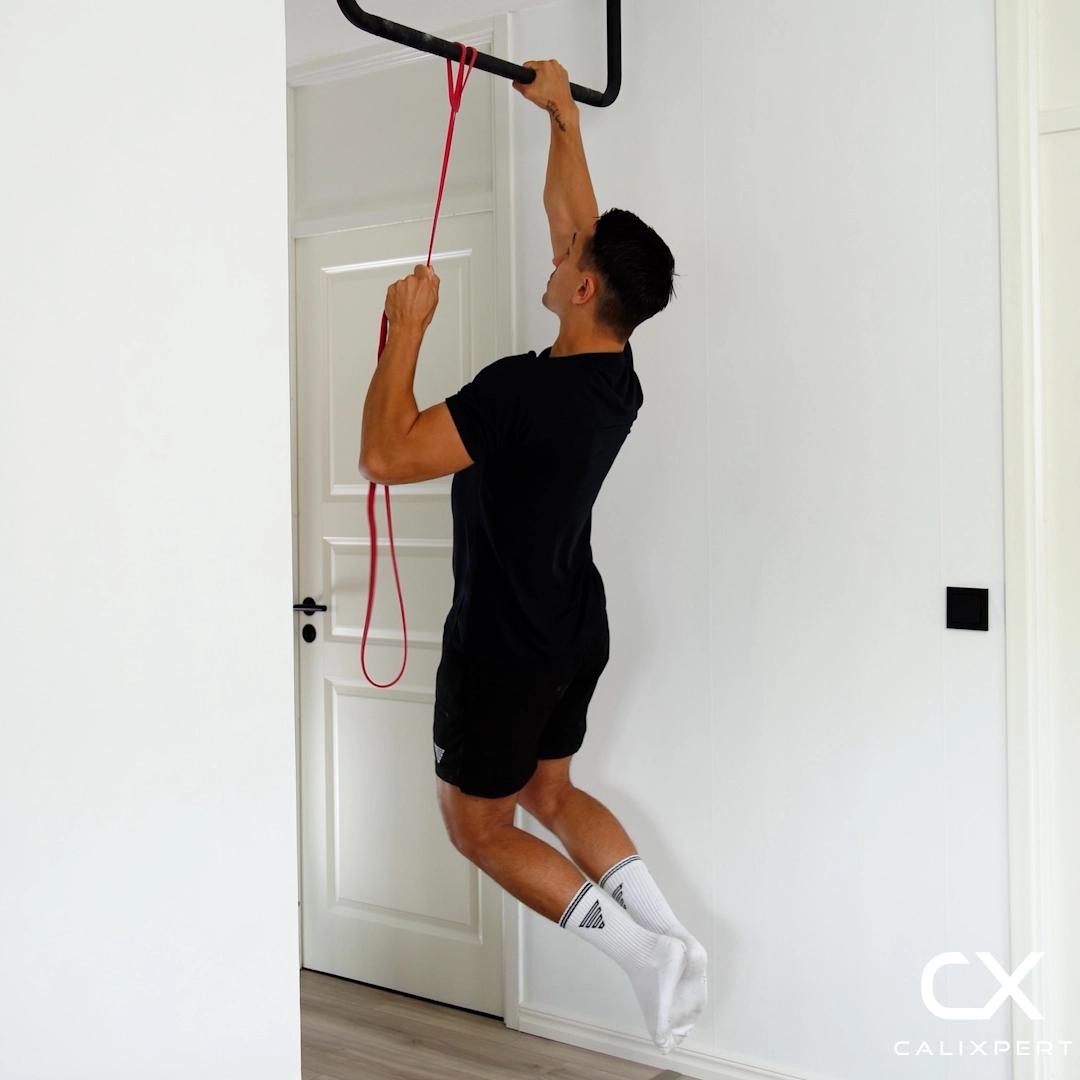
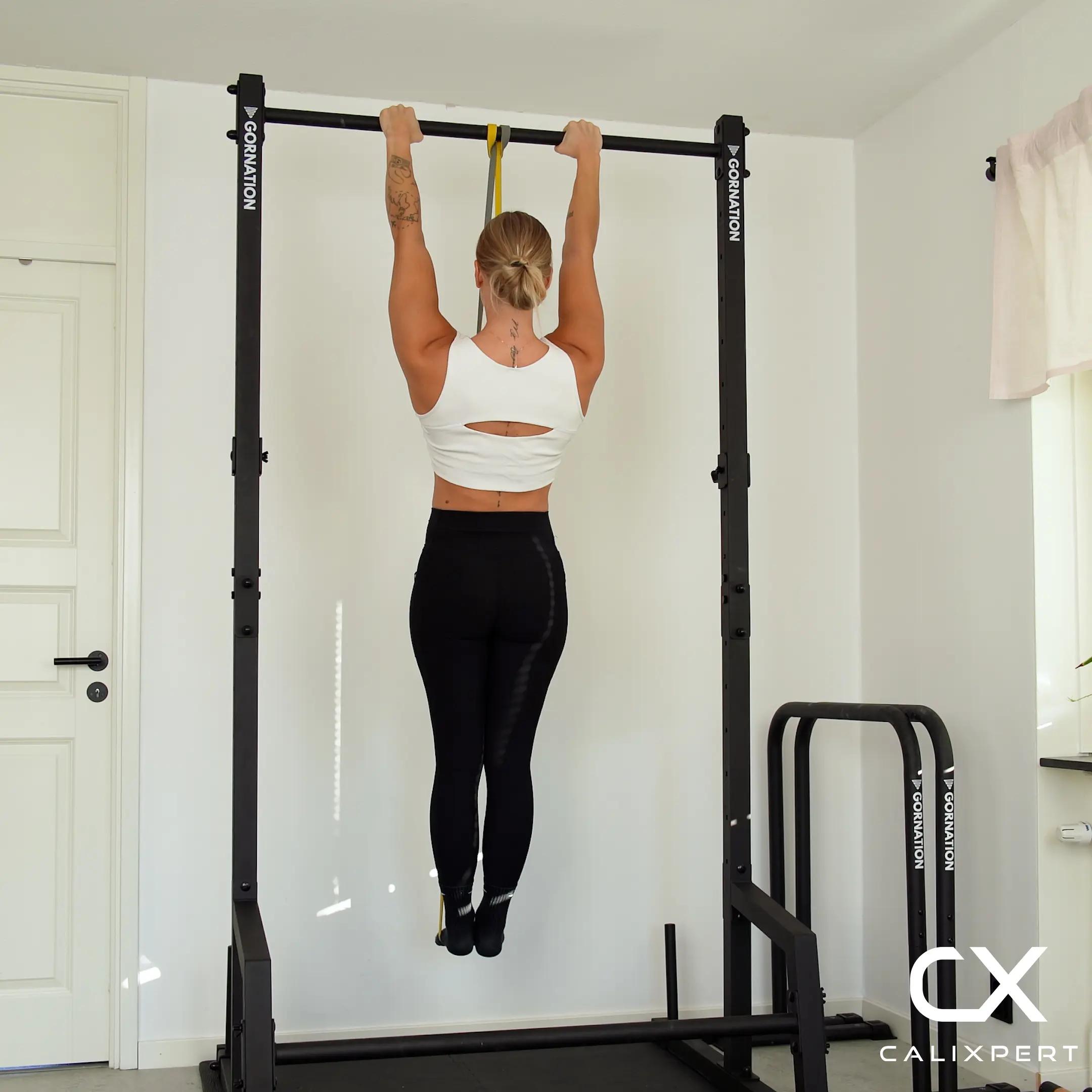
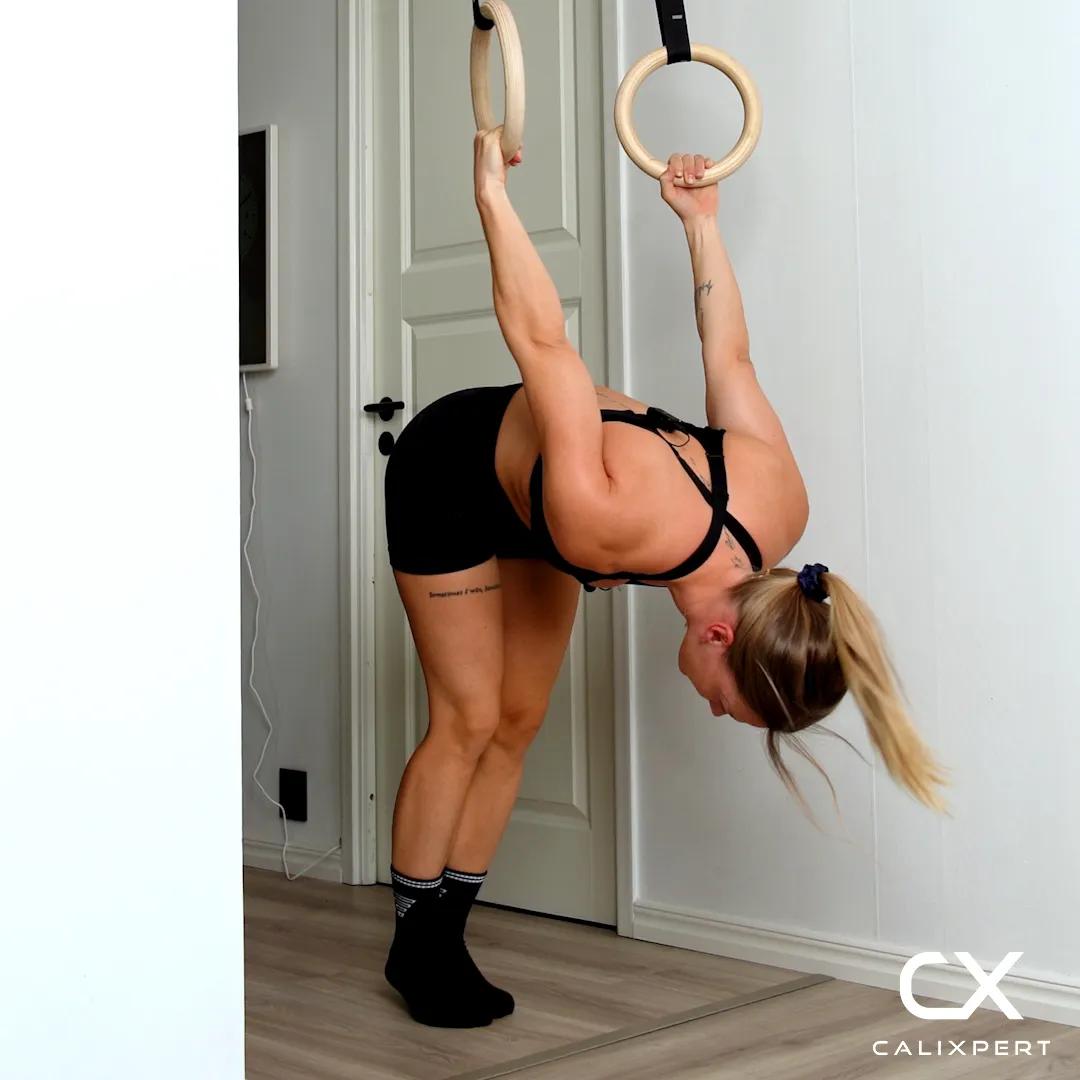
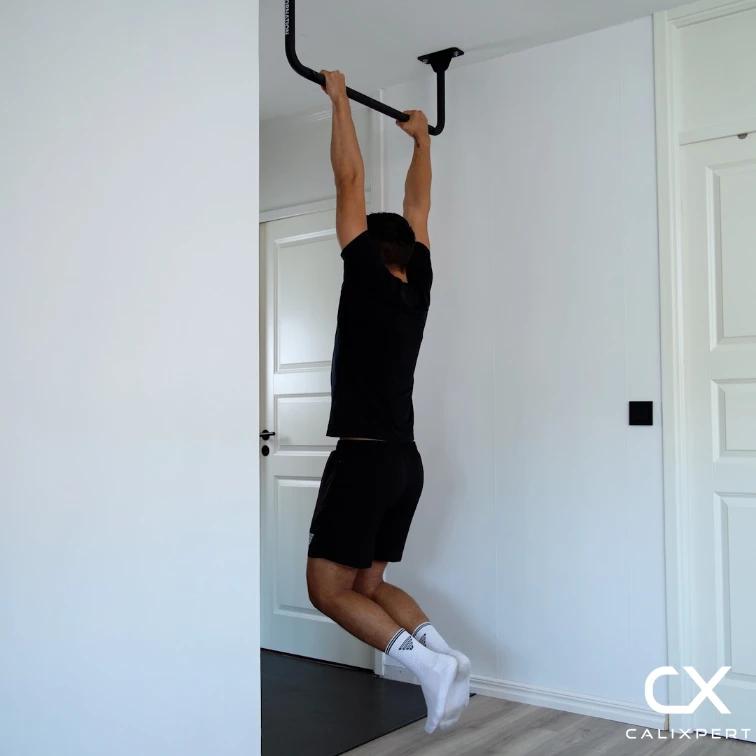
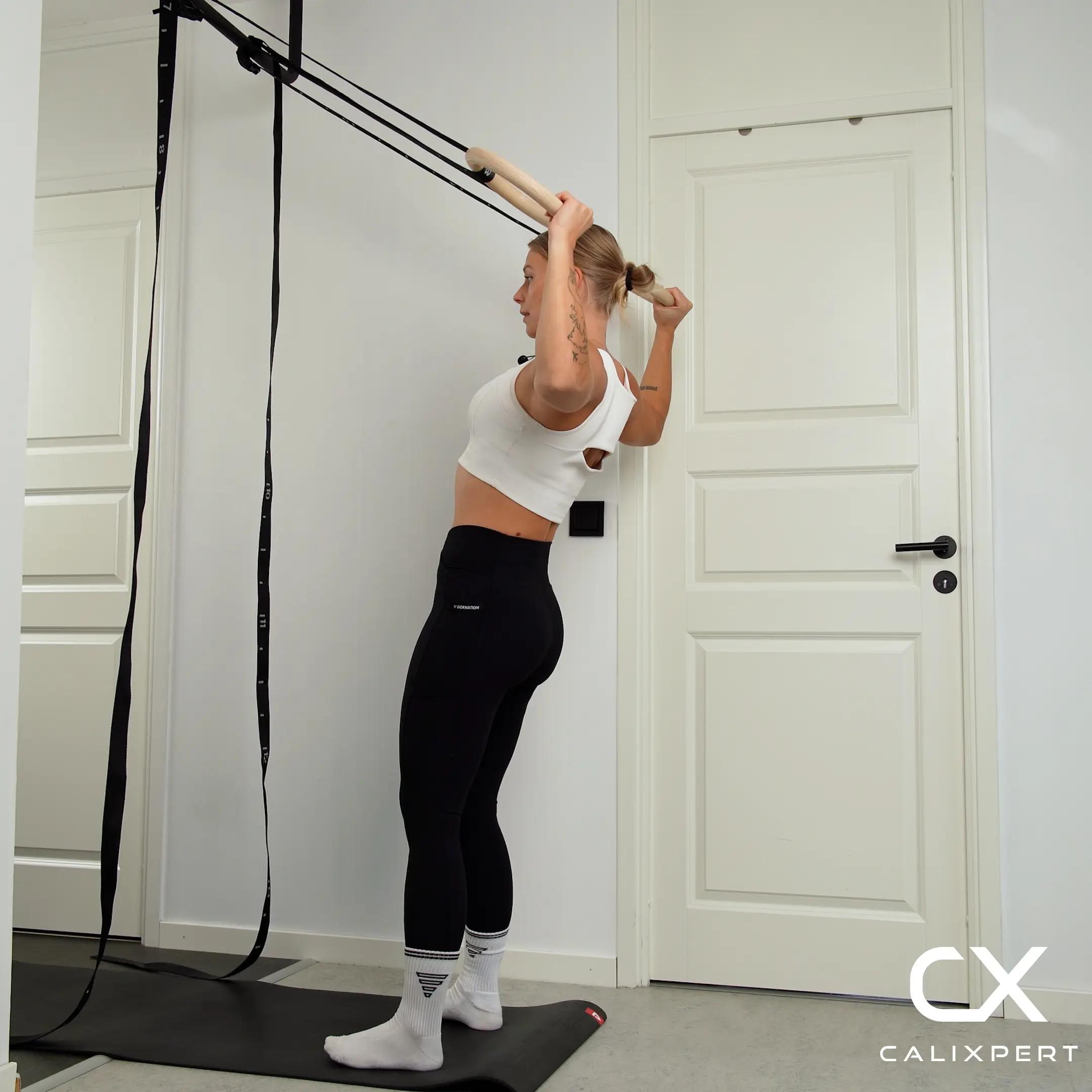
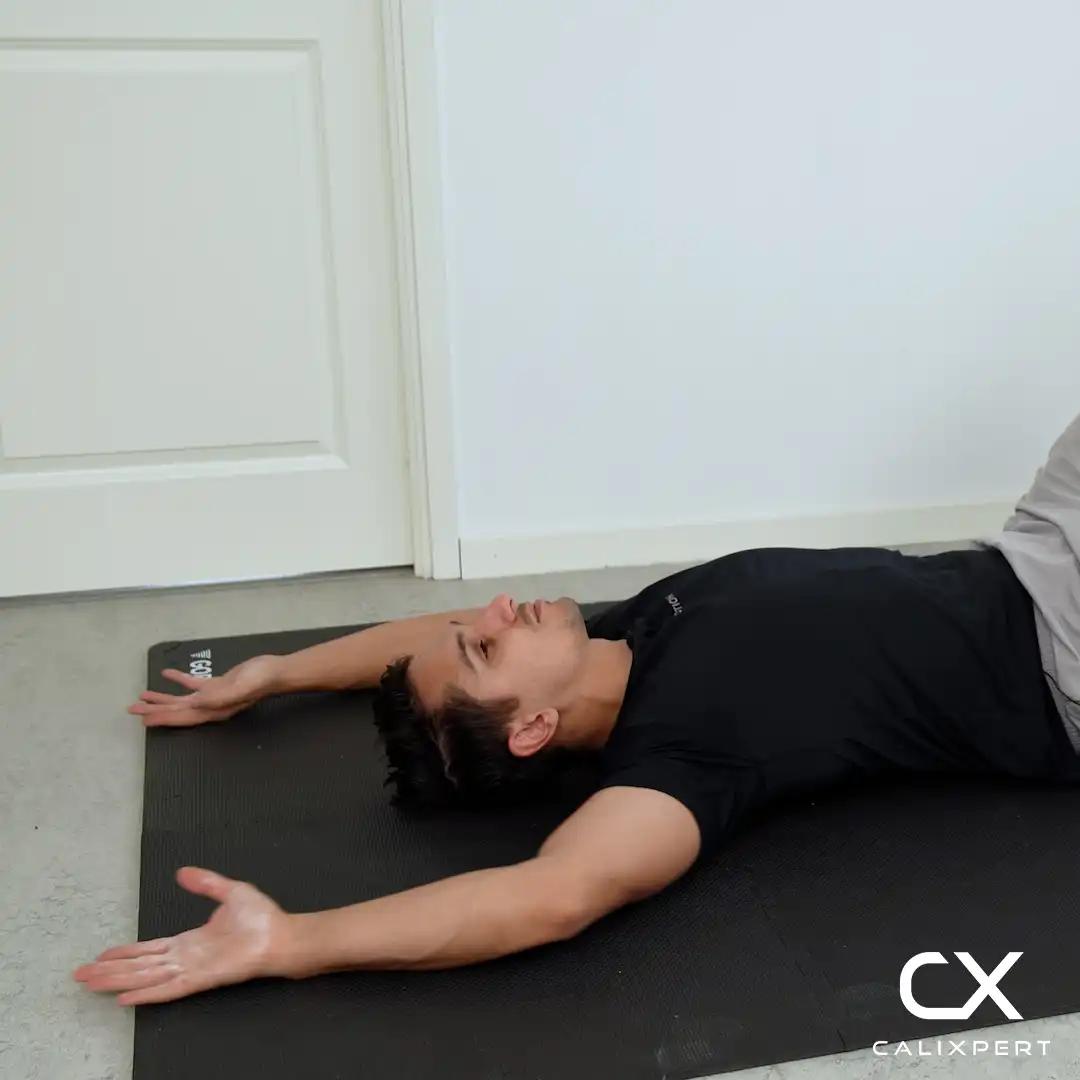
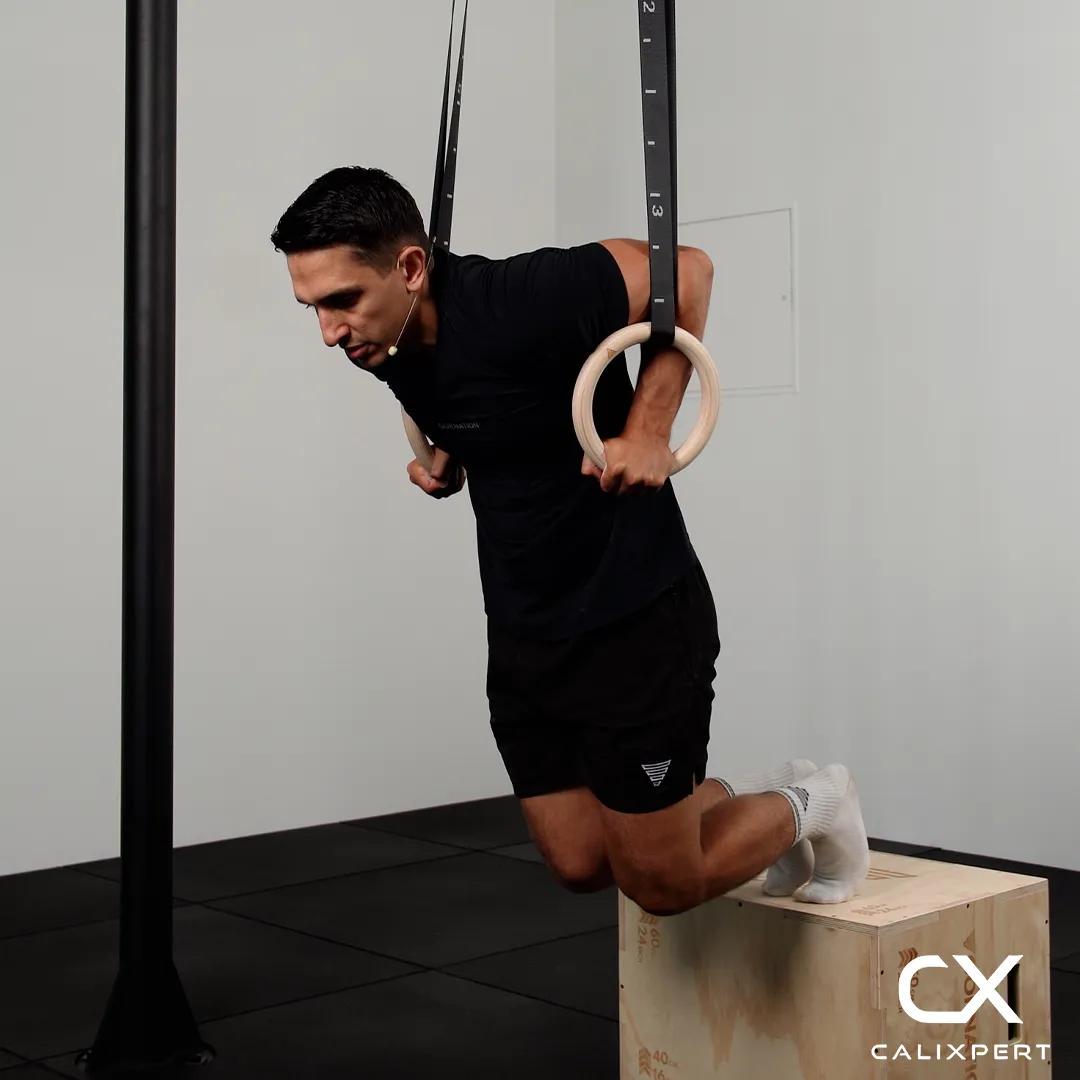
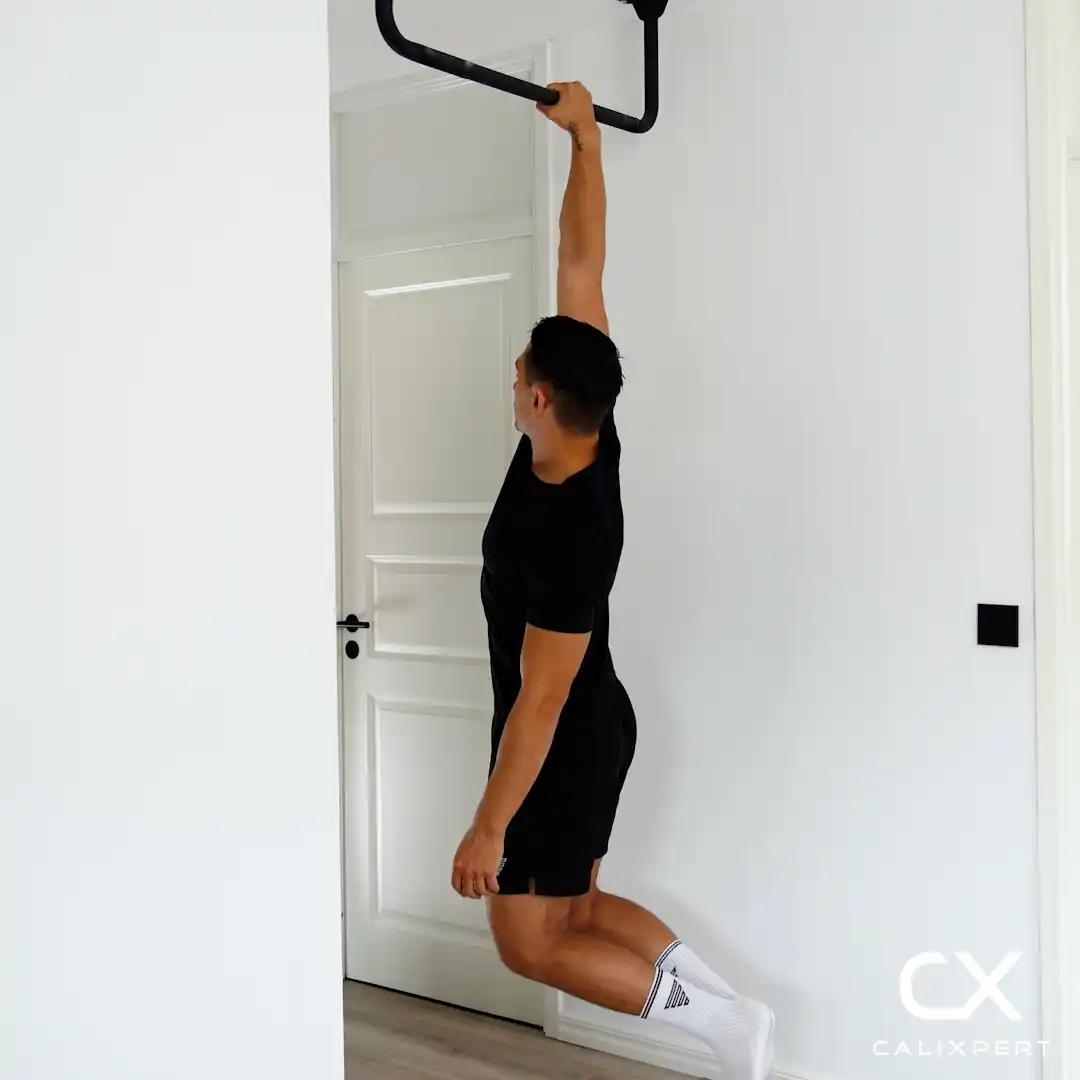
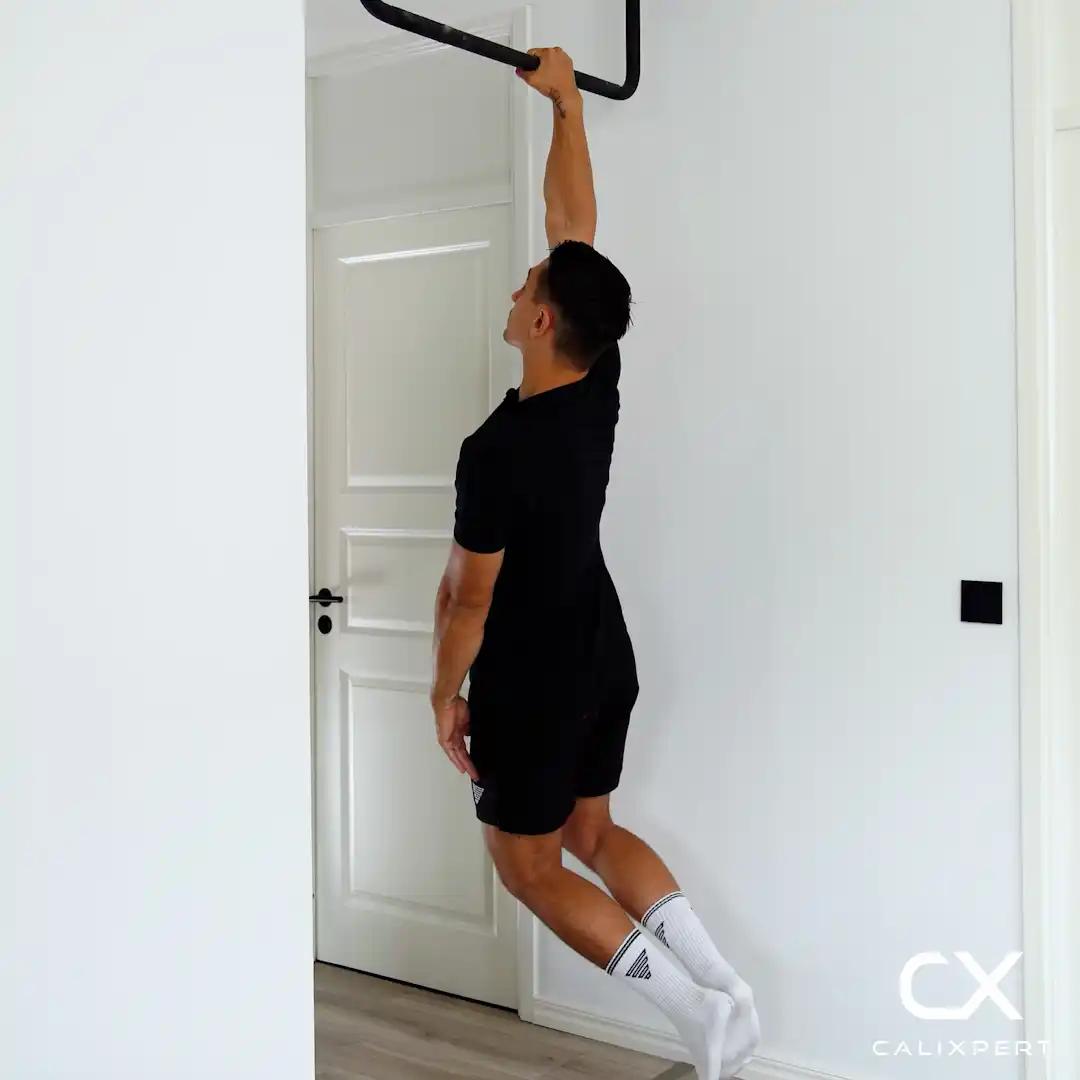
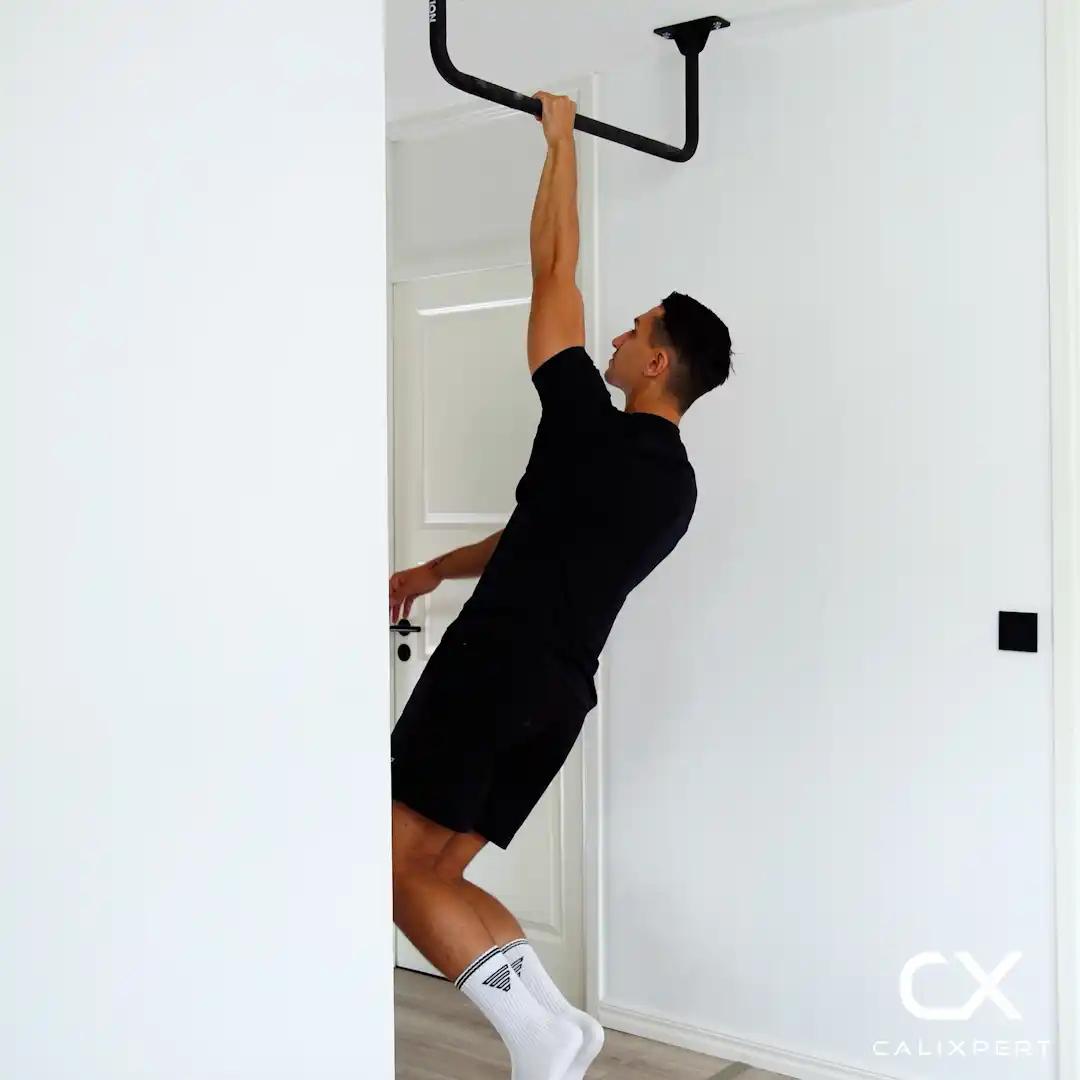
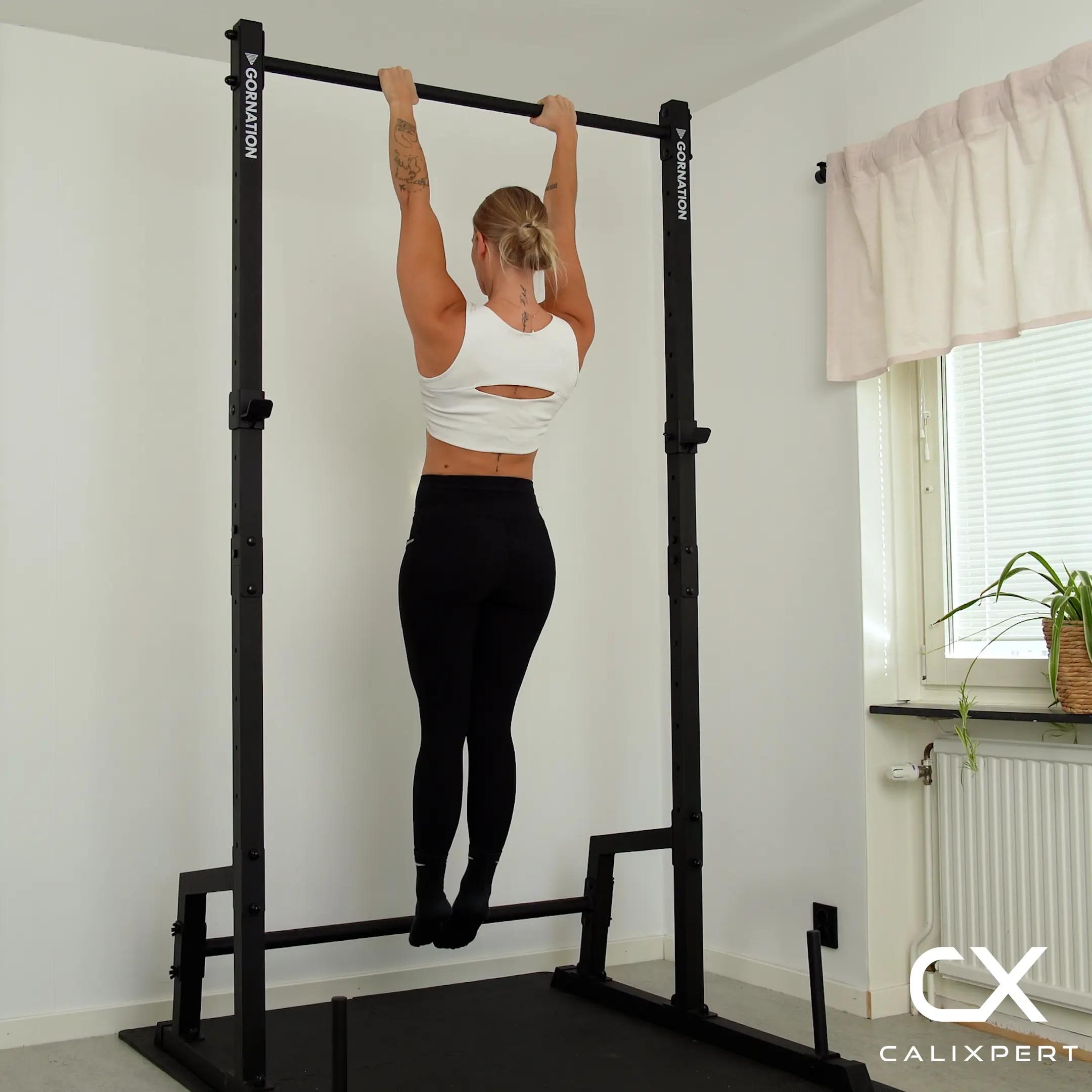
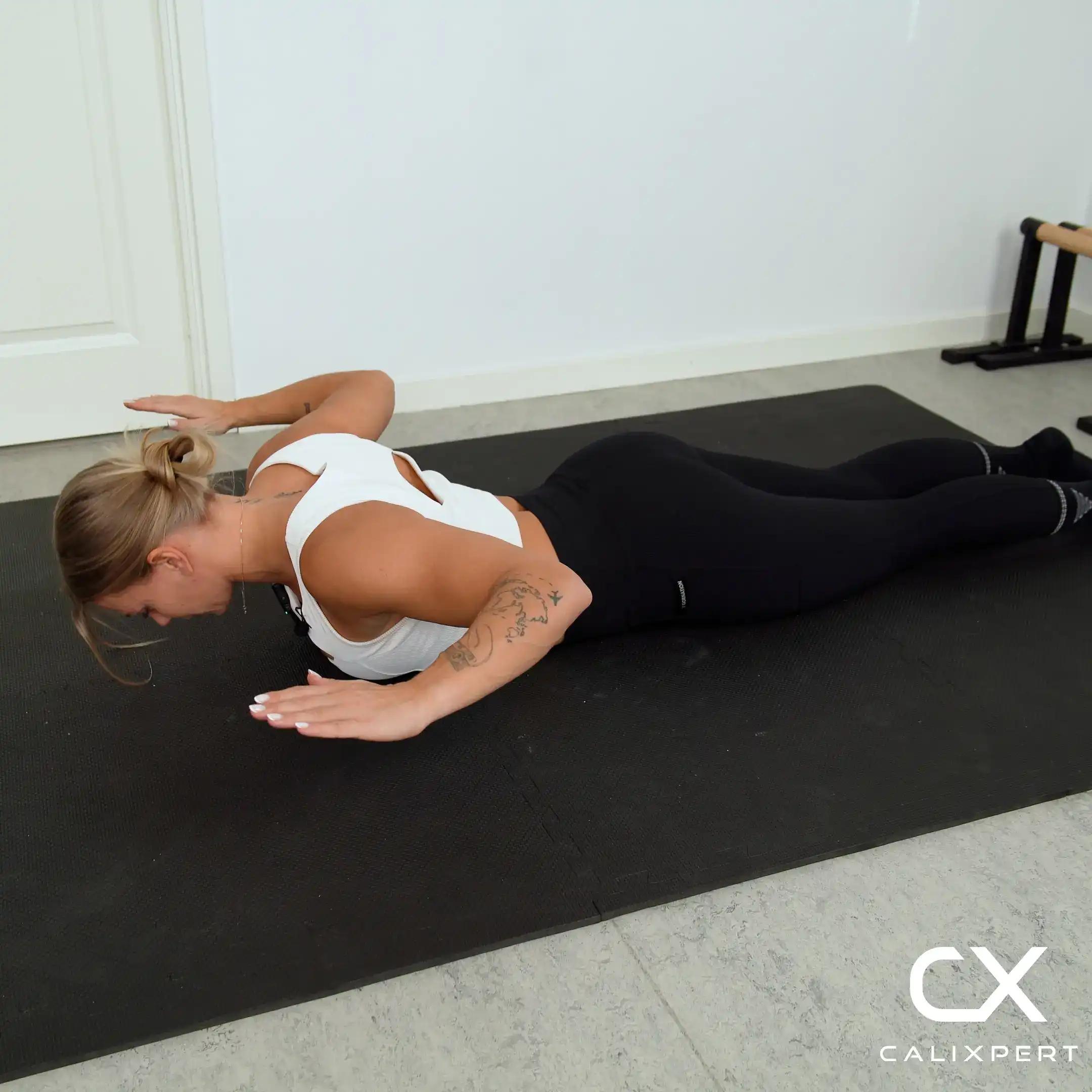
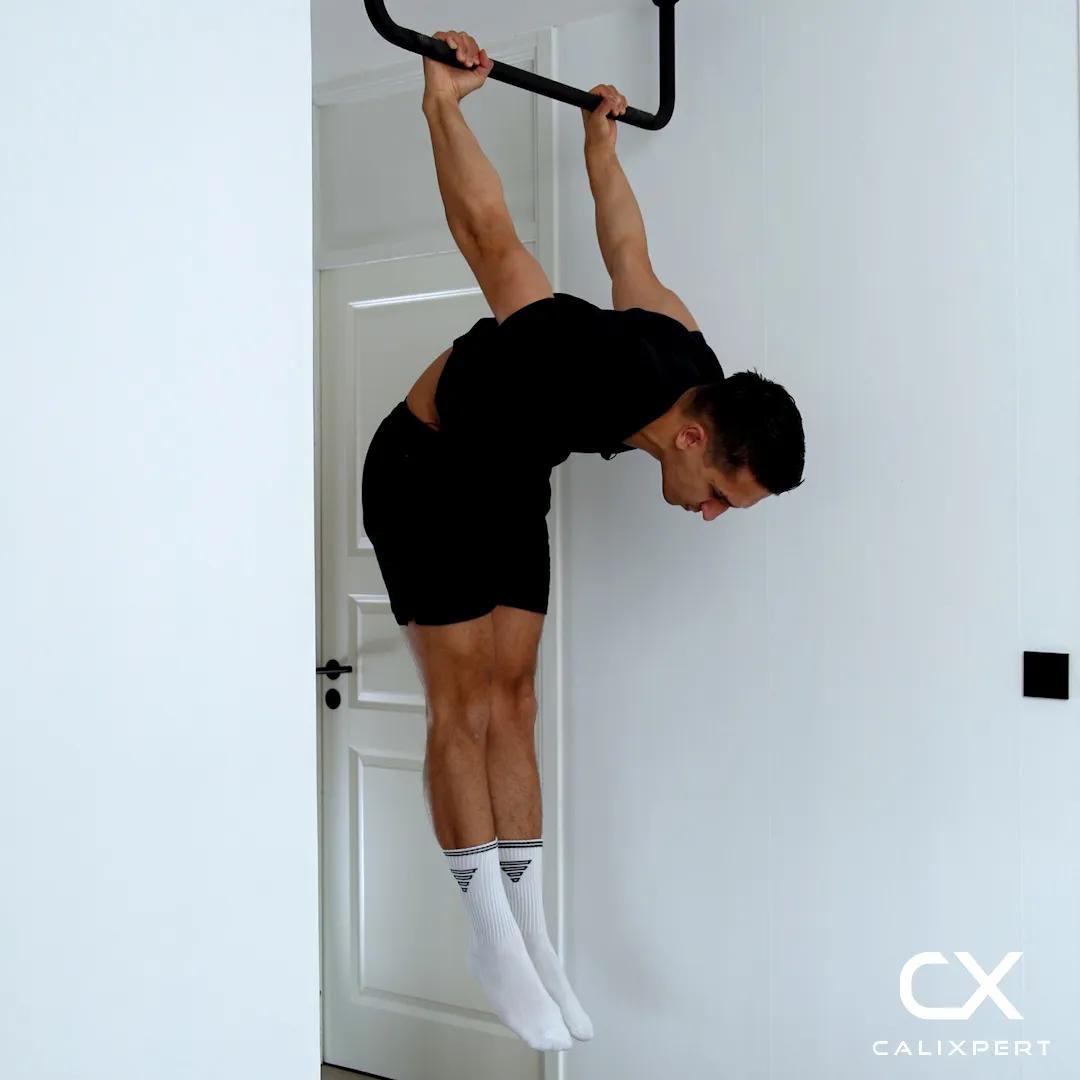
About the Rotator Cuff
The rotator cuff is a group of four muscles — supraspinatus, infraspinatus, teres minor, and subscapularis — that wrap around the shoulder joint and hold the humeral head in the socket during movement.
In calisthenics, the rotator cuff is under significant load in every shoulder movement. It is the primary stabilizer of the shoulder joint during pushing, pulling, and overhead work. Its job is to prevent the ball of the shoulder joint from moving excessively in any direction as force is applied.
A weak rotator cuff is the underlying cause of most shoulder injuries in calisthenics. Athletes who progress pushing and pulling strength without developing rotator cuff stability eventually expose the shoulder to forces it cannot control. The injury that follows is typically impingement, labrum irritation, or tendinopathy.
How to Train Your Rotator Cuff
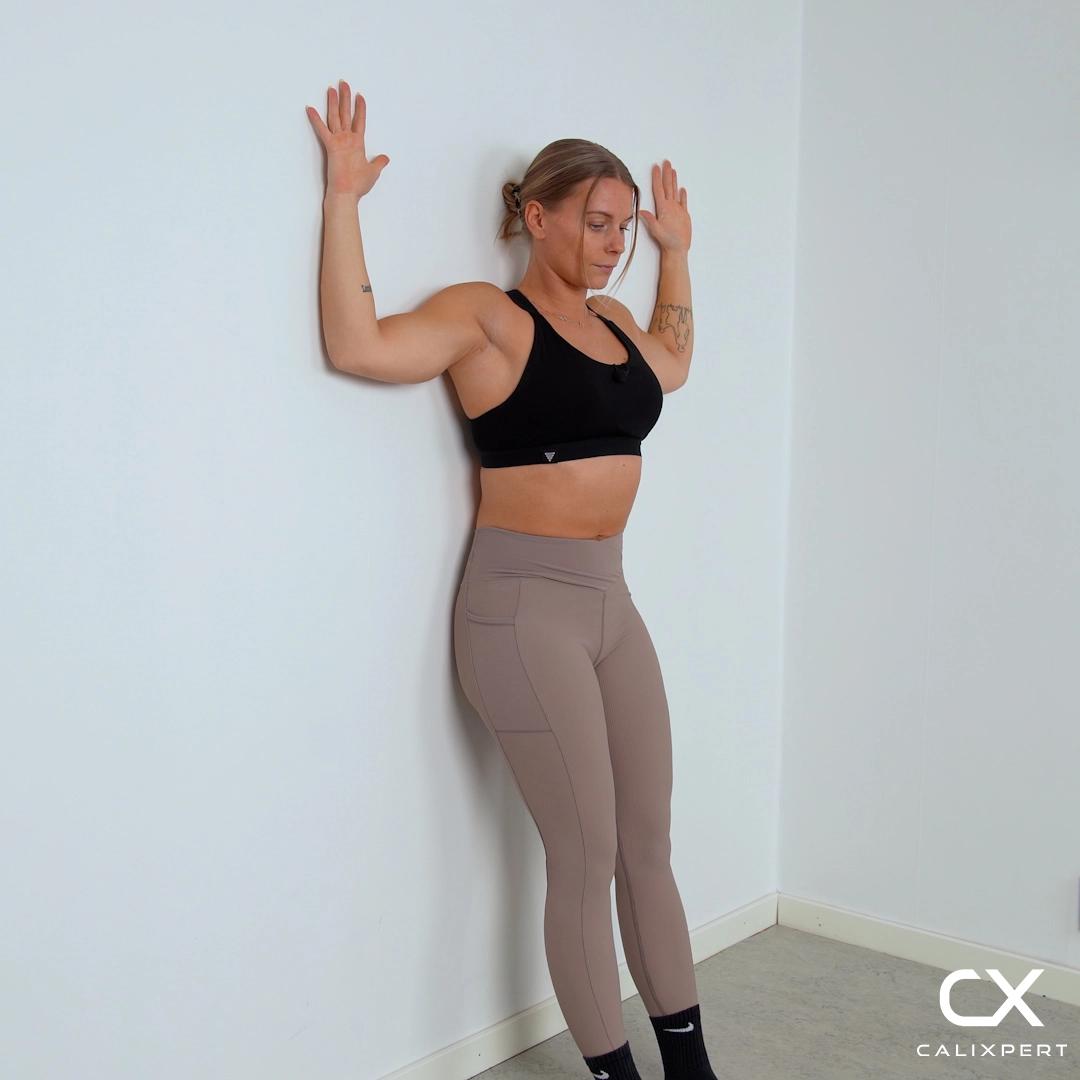
External rotation exercises are the most important rotator cuff movements for calisthenics athletes. Side-lying dumbbell rotations, band external rotations, and face pulls all target the infraspinatus and teres minor — the muscles that most commonly fall behind in balanced shoulder development.
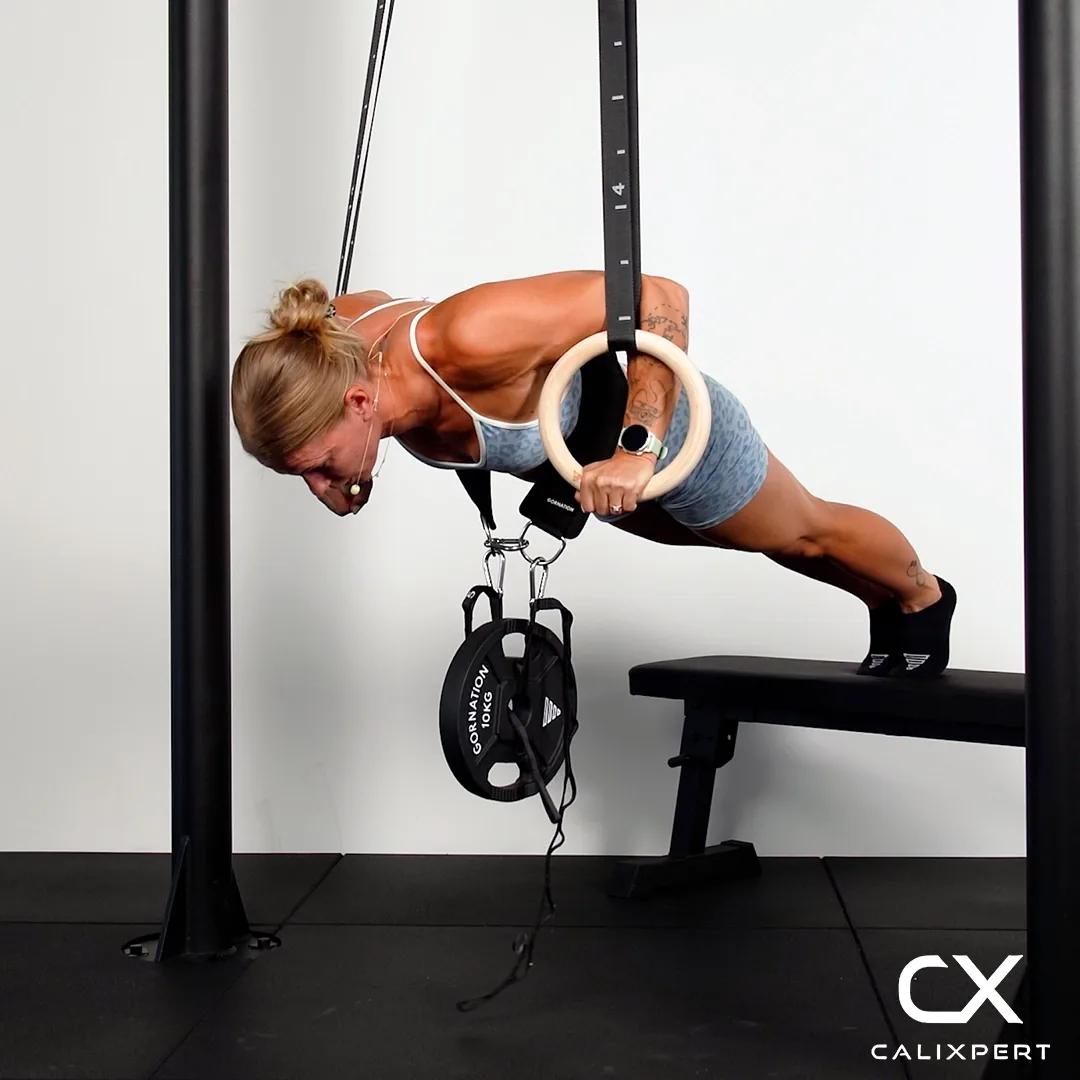
In calisthenics, ring support holds with active external rotation, L-fly variations, and Cuban press progressions develop rotator cuff function under load. The ring support position in particular demands constant infraspinatus engagement to prevent internal rotation.
Train rotator cuff work as part of every shoulder session warm-up and cool-down. Fifteen minutes per session of dedicated cuff work significantly reduces injury risk over the long term. Do not wait until pain appears to start training it.
Rotator Cuff FAQ
Common signs include clicking or grinding at the shoulder during pressing movements, pain at the front or side of the shoulder during overhead work, and difficulty holding the shoulder in external rotation during ring dips or ring support. These are all rotator cuff stability deficits.
No. Rotator cuff irritation that is not addressed deteriorates under continued loading. Reduce volume, eliminate the aggravating movement pattern, and add direct rotator cuff strengthening. Return to loading only when pain-free range of motion is fully restored.
Six to twelve weeks of consistent specific training produces measurable improvement. This does not mean six weeks and you are done. Rotator cuff maintenance is an ongoing part of every calisthenics training program.