Assisted Scapula Pull Up
Assisted scapula pull-ups are a band-supported scapular depression drill that isolates the lower traps and lats without requiring any elbow bend. The resistance band reduces bodyweight load, allowing beginners to focus entirely on pulling the shoulder blades down and lifting the chest while hanging from a bar. This exercise is the most effective entry point for learning the scapular activation pattern that every pull-up, muscle-up, and front lever depends on.
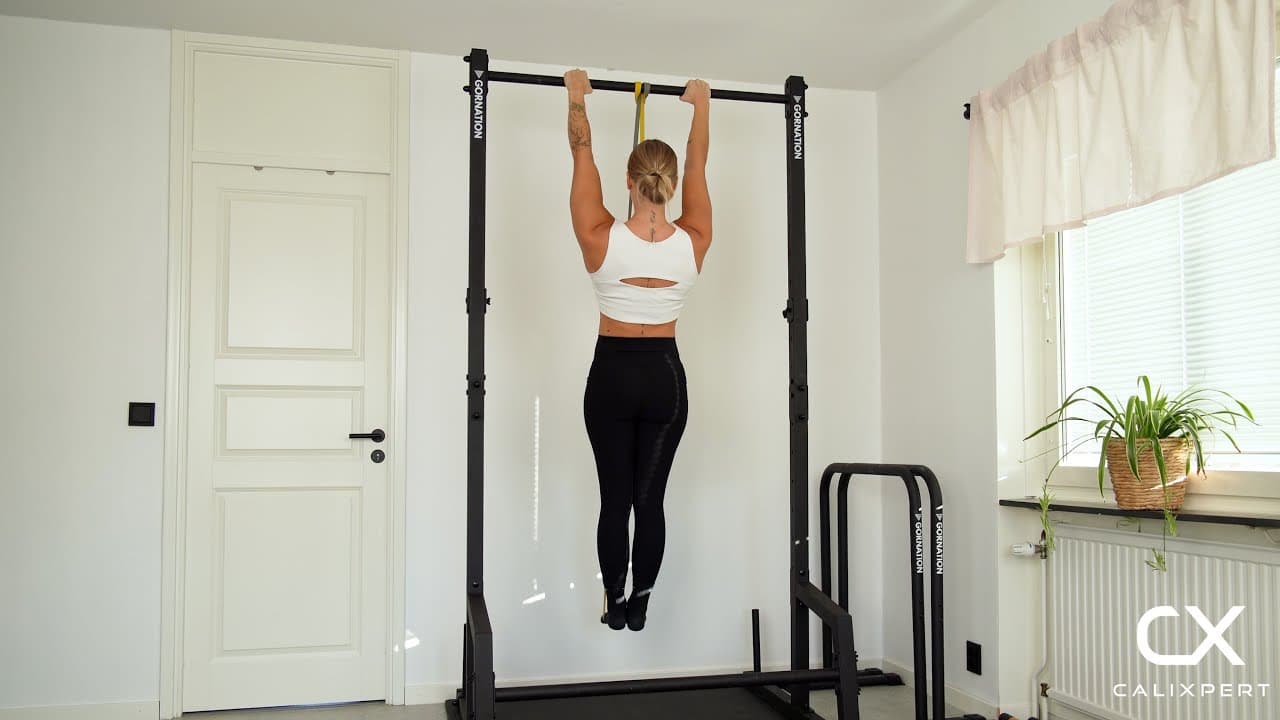
Assisted scapula pull-ups are a band-supported scapular depression drill that isolates the lower traps and lats without requiring any elbow bend. The resistance band reduces bodyweight load, allowing beginners to focus entirely on pulling the shoulder blades down and lifting the chest while hanging from a bar. This exercise is the most effective entry point for learning the scapular activation pattern that every pull-up, muscle-up, and front lever depends on.
How to Do Assisted Scapula Pull Up
1. Attach the Resistance Band
Loop a resistance band over the pull-up bar so both ends hang evenly. Choose a band thickness that removes enough bodyweight for you to perform the scapular movement with control. A thicker band provides more assistance, so start heavier if you are new to hanging exercises.
Band centered on the bar
2. Step Into the Band
Place both feet into the bottom of the resistance band loop. Make sure both feet are secure and evenly positioned so the band provides symmetrical support. Stand tall before reaching up to grab the bar.
Both feet secure in the band
3. Set Your Grip
Grab the bar with an overhand grip roughly shoulder-width apart. Wrap your thumbs fully around the bar so your knuckles sit slightly above it. This grip keeps your wrists stable and prevents your hands from slipping during the movement.
Thumbs around, knuckles on top
4. Hang With Full Body Tension
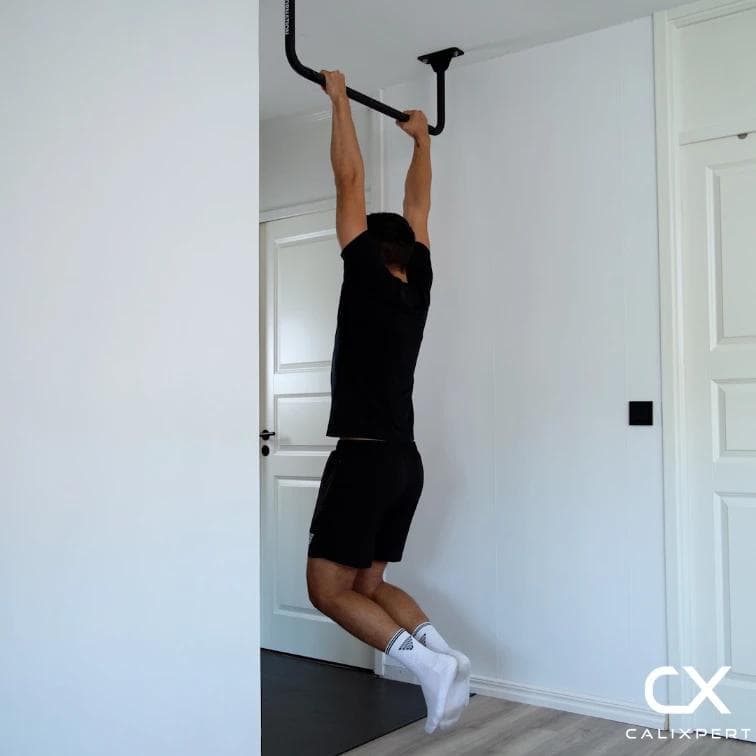
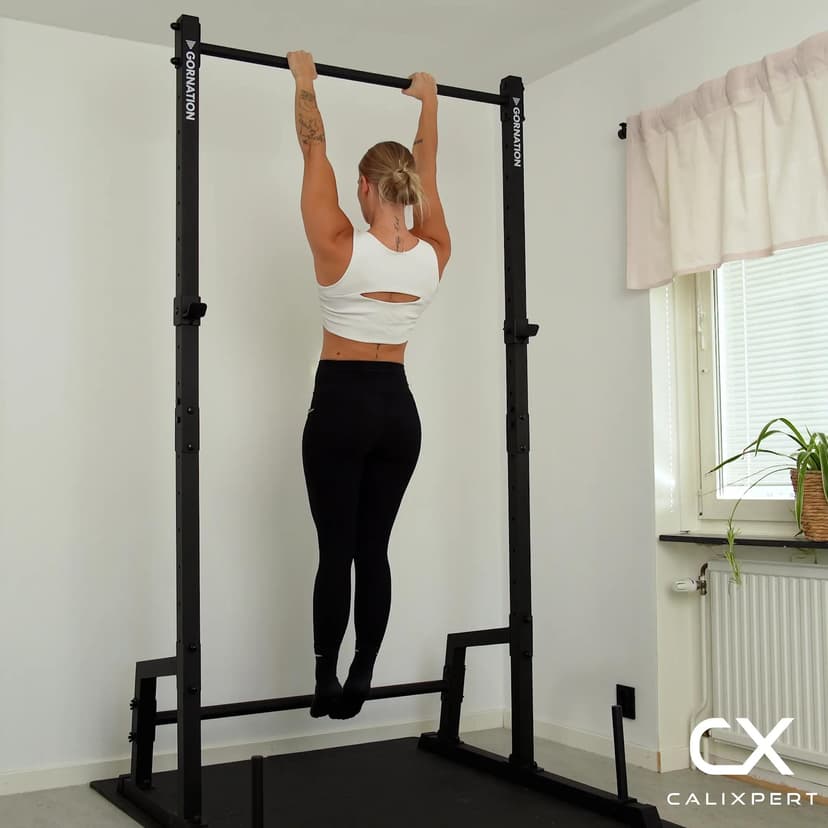
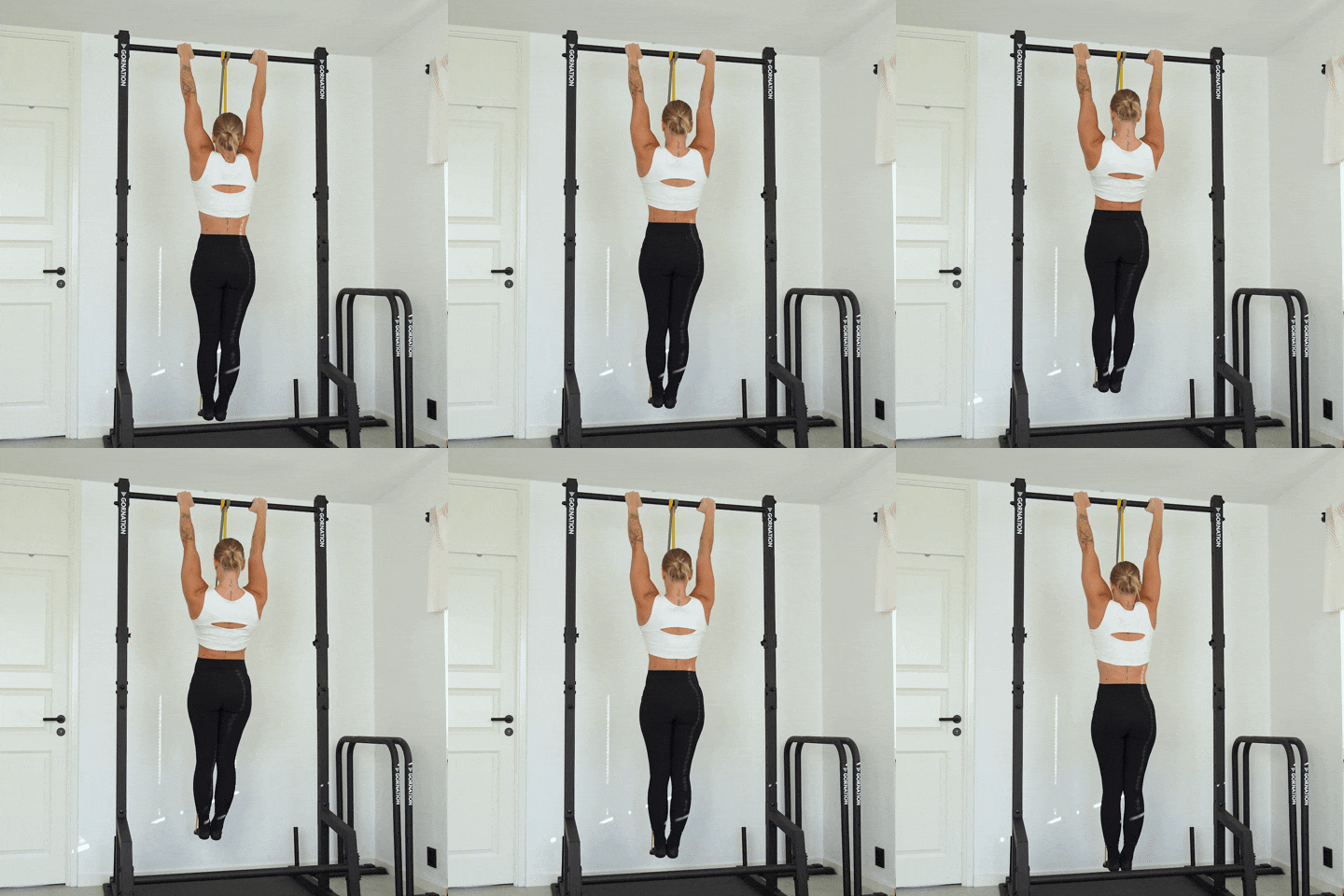
Let yourself hang with arms fully extended and shoulders relaxed up toward your ears. Squeeze your legs together and engage your core to create a tight, stable body position. This full-body tension prevents swinging and ensures the scapular movement stays isolated.
Core tight, legs squeezed together
5. Pull Shoulder Blades Down
Without bending your elbows, pull your shoulder blades down and back. Your chest should rise slightly toward the bar and your shoulders should visibly drop away from your ears. Keep your arms completely straight throughout this movement. Focus on driving the depression from your lower traps and lats.
Shoulders down, chest up
6. Return to Dead Hang
Slowly relax the scapular contraction and allow your shoulders to rise back toward your ears in a controlled manner. Do not simply drop back into the hang. Each rep should have a clear distinction between the depressed position and the fully relaxed starting position.
Slow release, do not drop
Most beginners rush past scapula pull-ups because they look too simple, but this is where your pull-up foundation actually gets built. Spend time here and really feel the difference between hanging passively and actively pulling your shoulder blades down. When you can do 3 sets of 10 with a slow, controlled tempo and a clear hold at the bottom of each rep, you are ready to drop the band.
Muscles Worked During Assisted Scapula Pull Up
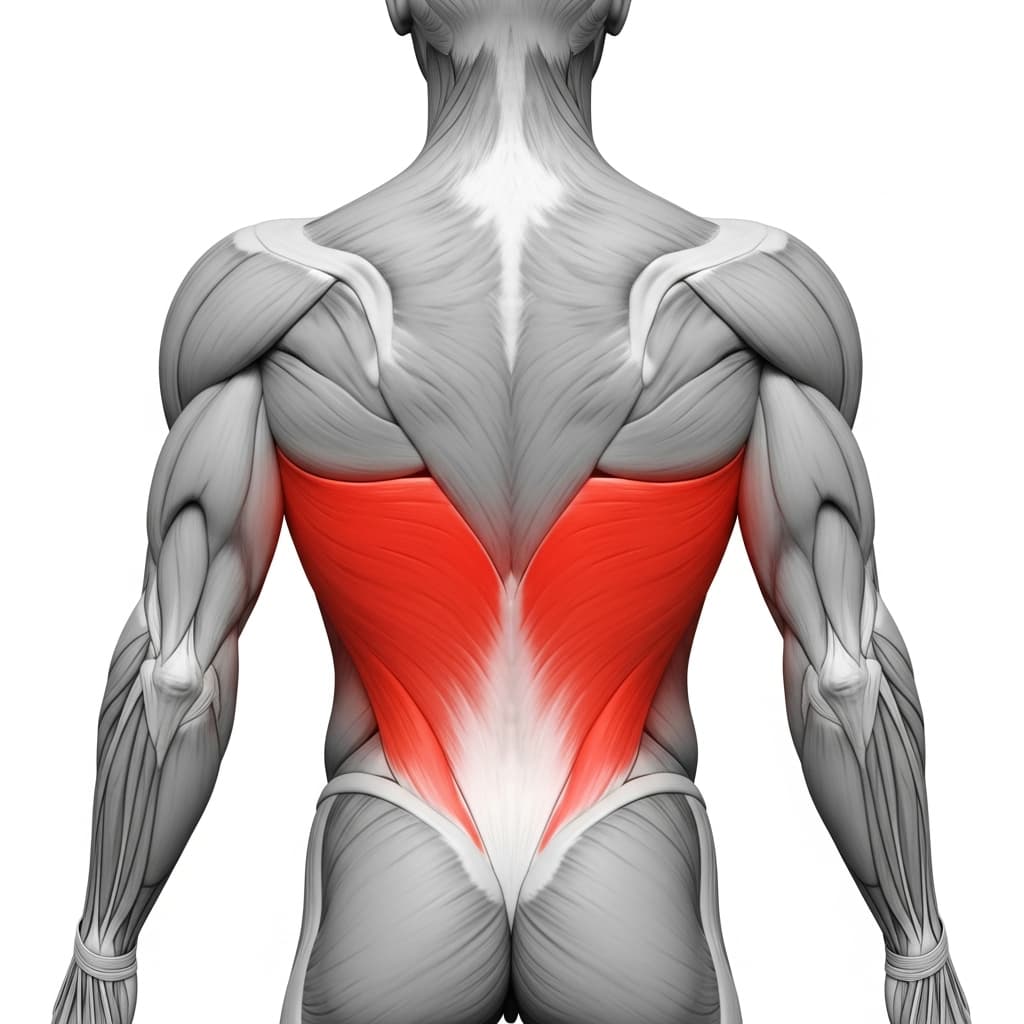
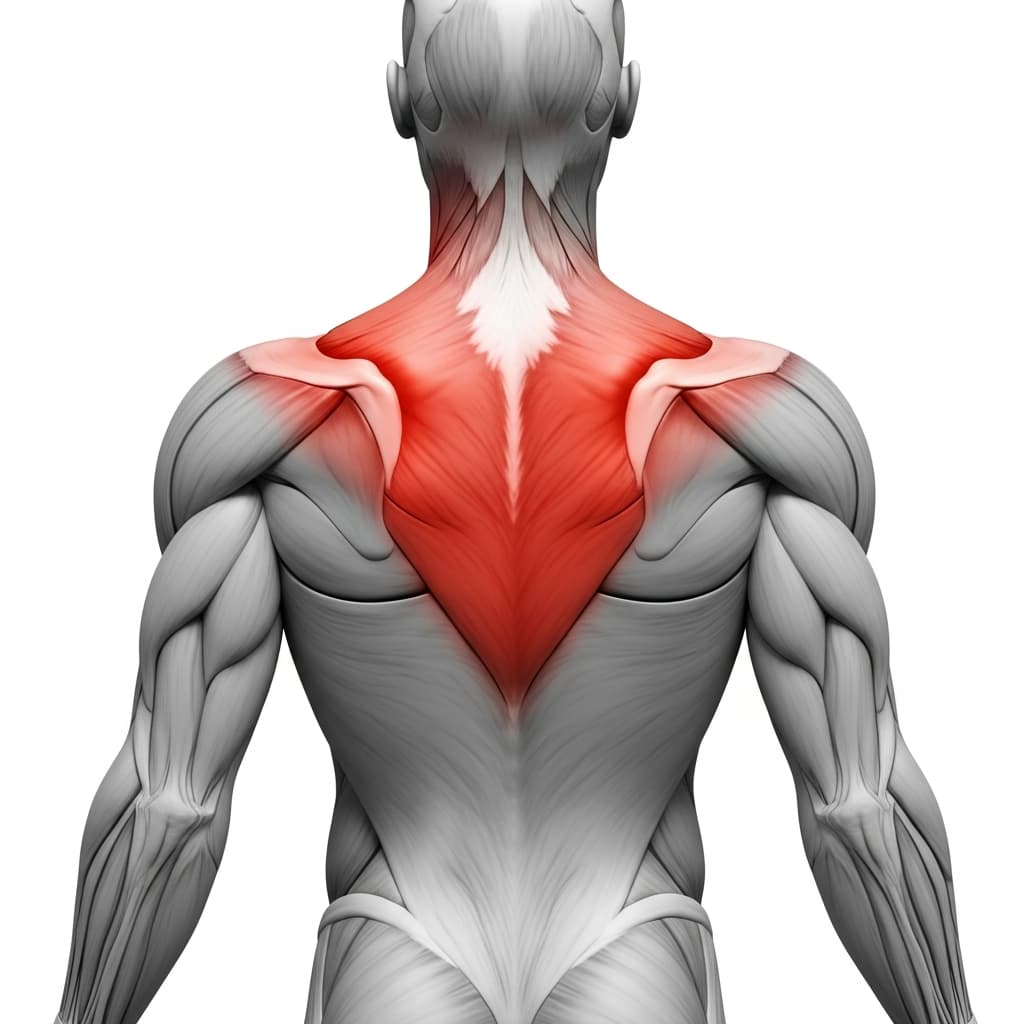
Secondary Muscles:
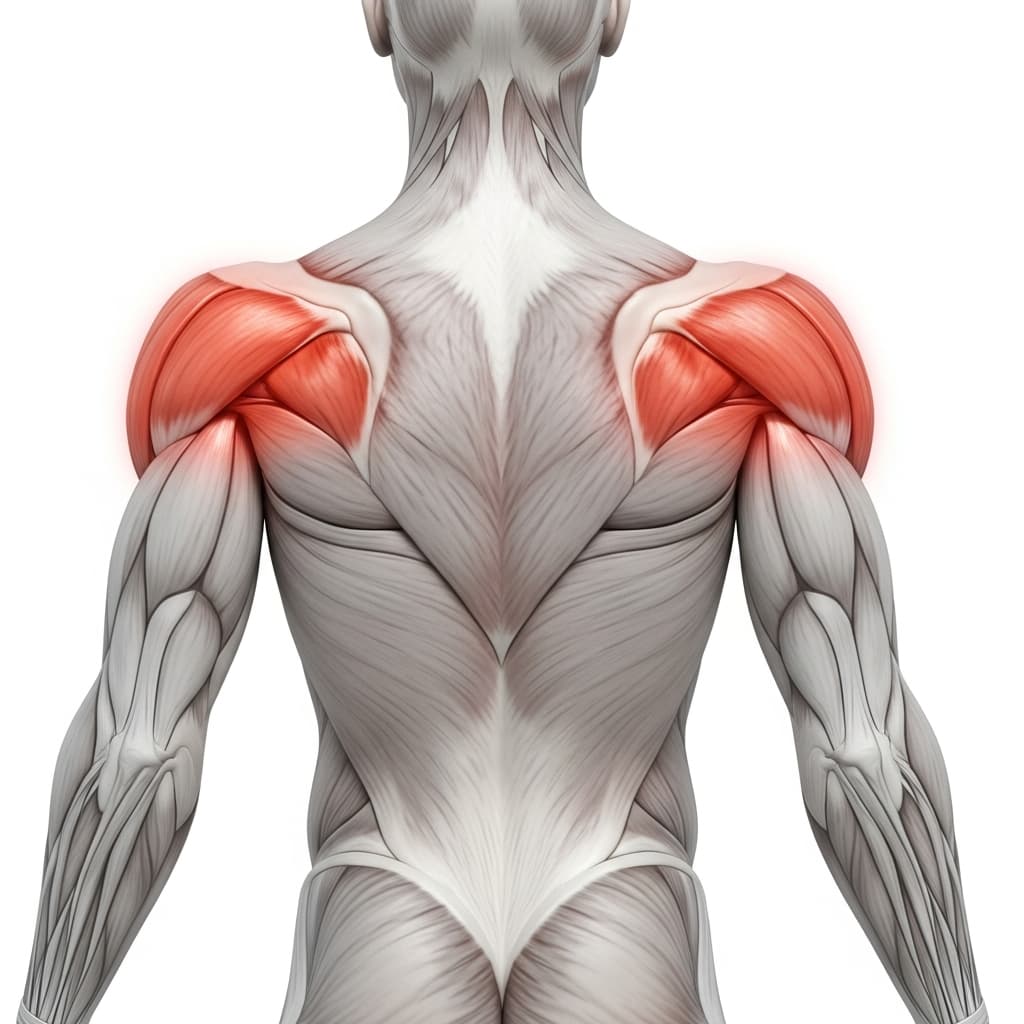
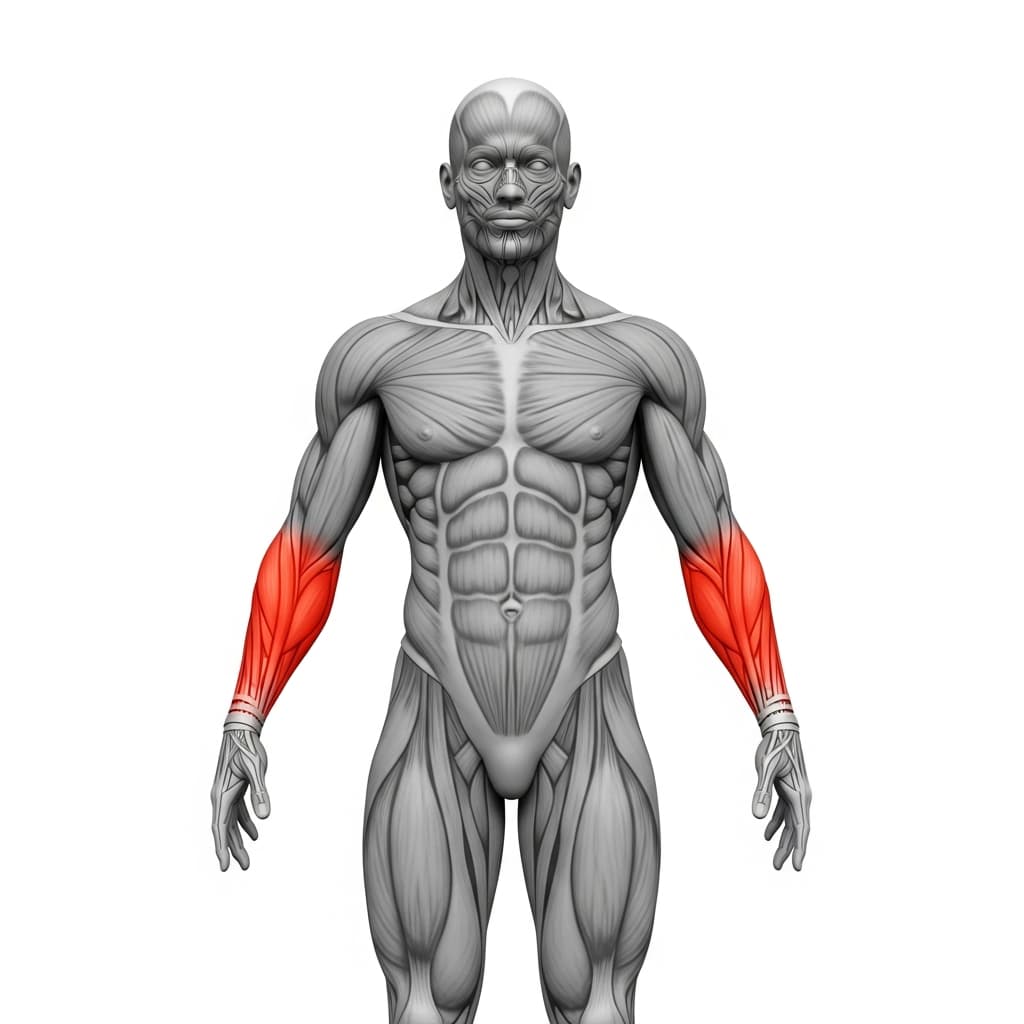
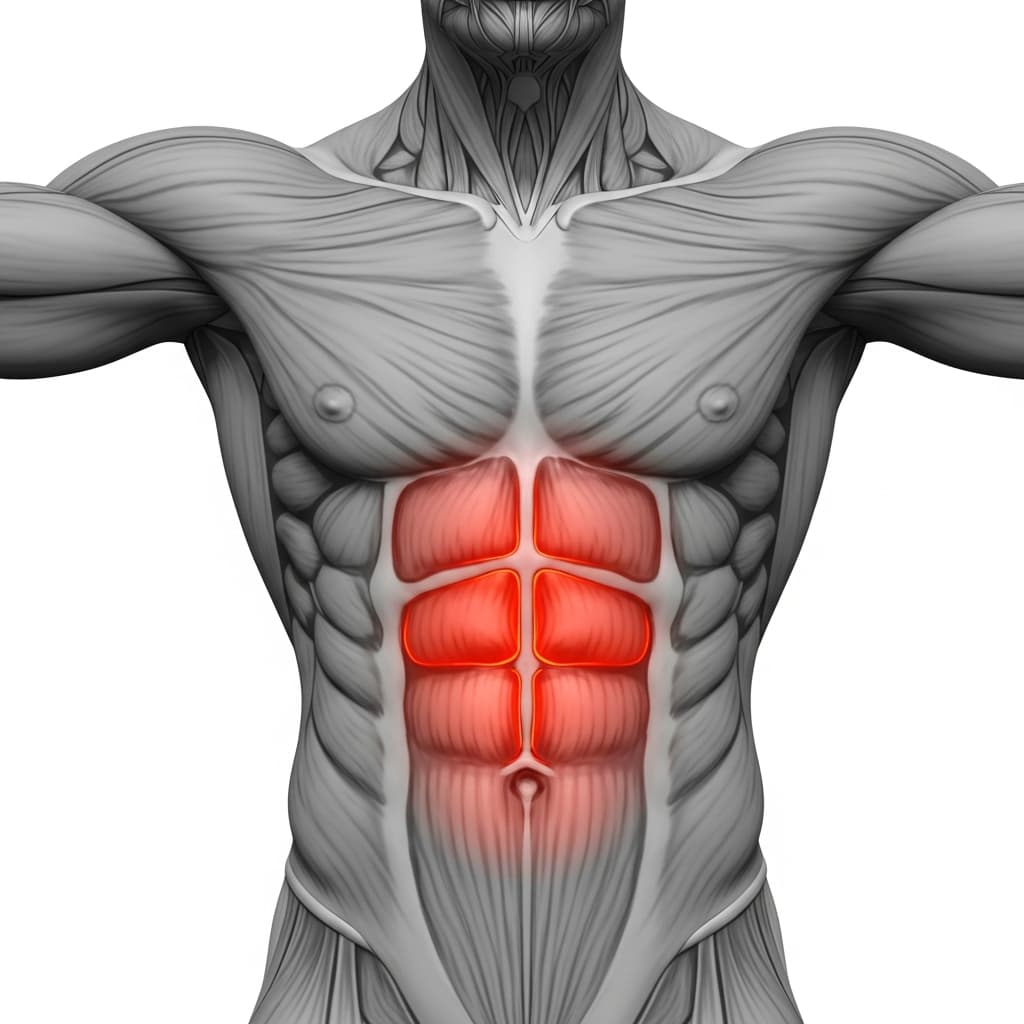
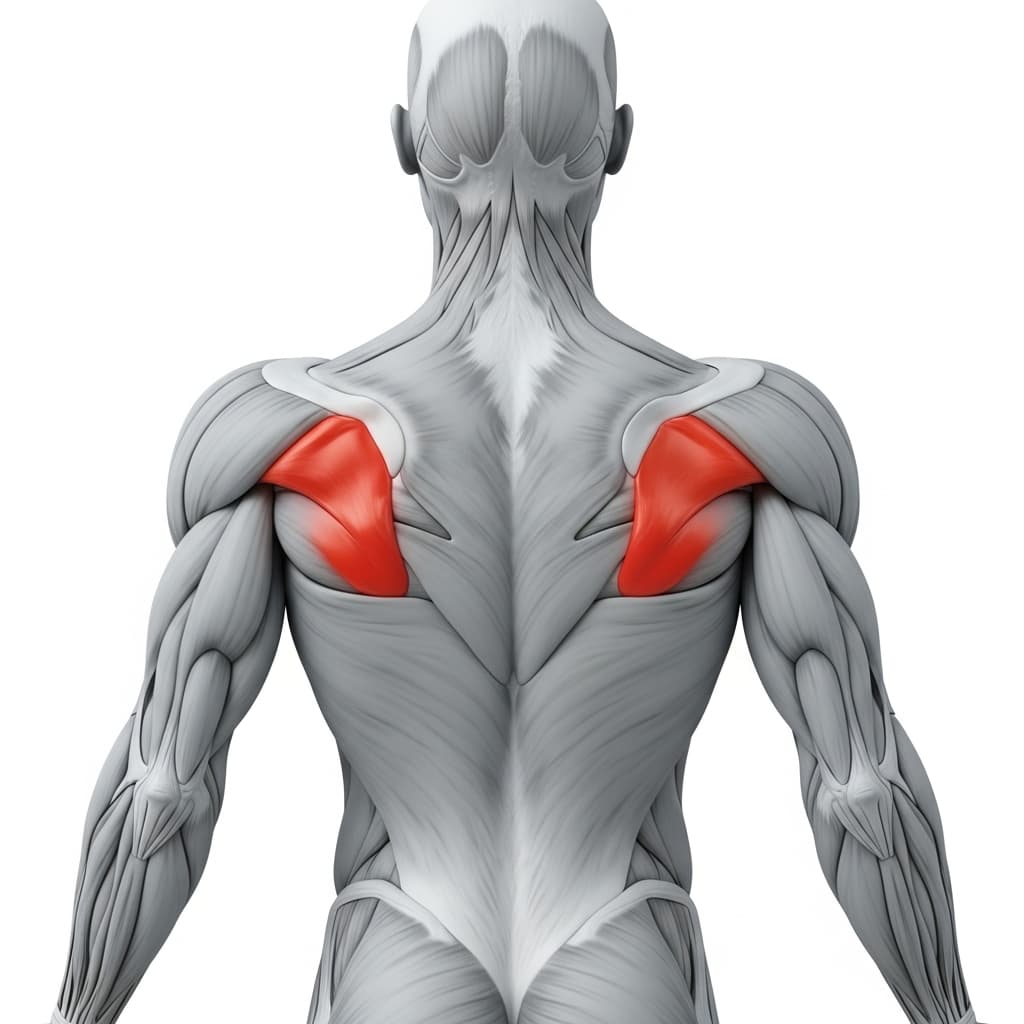
Primary Muscles
Latissimus Dorsi (Lats) - The lats drive scapular depression, pulling the shoulder blades downward away from the ears against bodyweight resistance.
Trapezius (Trapezius) - The lower fibers of the traps work to depress and retract the scapulae, controlling the downward pull of the shoulder blades during each rep.
Secondary Muscles
Posterior Deltoid (Rear Deltoid) - The rear deltoids assist in stabilizing the shoulder joint and contribute to slight scapular retraction at the bottom of each rep.
Forearm Flexors & Extensors (Forearms) - The forearm flexors maintain grip on the bar throughout the hanging position, sustaining bodyweight load for the duration of each set.
Rectus Abdominis (Abs) - The abdominals brace the torso and maintain full-body tension, preventing swinging and keeping the body stable during scapular movement.
Rotator Cuff (SITS) (Rotator Cuff) - The rotator cuff muscles stabilize the head of the humerus in the shoulder socket throughout the hanging and scapular depression phases.
Benefits of Assisted Scapula Pull Up
- Teaches the scapular depression pattern that initiates every pull-up, making it the most important foundational drill for beginners learning to pull
- Strengthens the lower traps and lats in isolation, building the specific muscle activation needed before adding elbow flexion in pulling movements
- Reduces shoulder injury risk by training proper scapular mechanics under a manageable load before progressing to full bodyweight hanging exercises
- Builds grip endurance and overhead shoulder tolerance gradually through band-assisted hanging time
Who Is This Exercise For?
You should be able to hold a dead hang from a pull-up bar for at least 10 seconds with relaxed shoulders before attempting assisted scapula pull-ups. If you cannot maintain a comfortable grip on the bar for that duration, work on passive dead hangs with a resistance band until your grip and shoulder tolerance improve. This exercise is designed for true beginners who are not yet ready for unassisted scapula pull-ups or full pull-ups.
Common Mistakes to Avoid
Bending the elbows during the pull: Keep your arms completely straight throughout every rep. The moment your elbows bend, the biceps take over and the scapular muscles stop doing the work they need to learn.
Shrugging the shoulders instead of depressing them: Think about pulling your shoulder blades into your back pockets, not up toward your ears. If your shoulders rise during the movement, you are reversing the intended muscle action.
Using momentum or swinging: Squeeze your core and legs together before initiating each rep. If your body swings, the movement becomes uncontrolled and you lose the isolated scapular activation that makes this exercise valuable.
Choosing a band that is too thin: Start with a thicker band that removes enough weight for you to perform 8 to 10 controlled reps. If you struggle to hold the depressed position for even a second, the band is not providing enough assistance.