Scapula Rows
Scapula rows are a scapular isolation exercise performed in an inverted row position with the arms kept completely straight throughout the movement. They target the rhomboids, mid and lower trapezius, and rear deltoids by training scapular retraction and depression under bodyweight load. Mastering this movement builds the shoulder blade control that directly transfers to stronger rows, cleaner pull-ups, and healthier shoulders in every overhead and pulling skill.
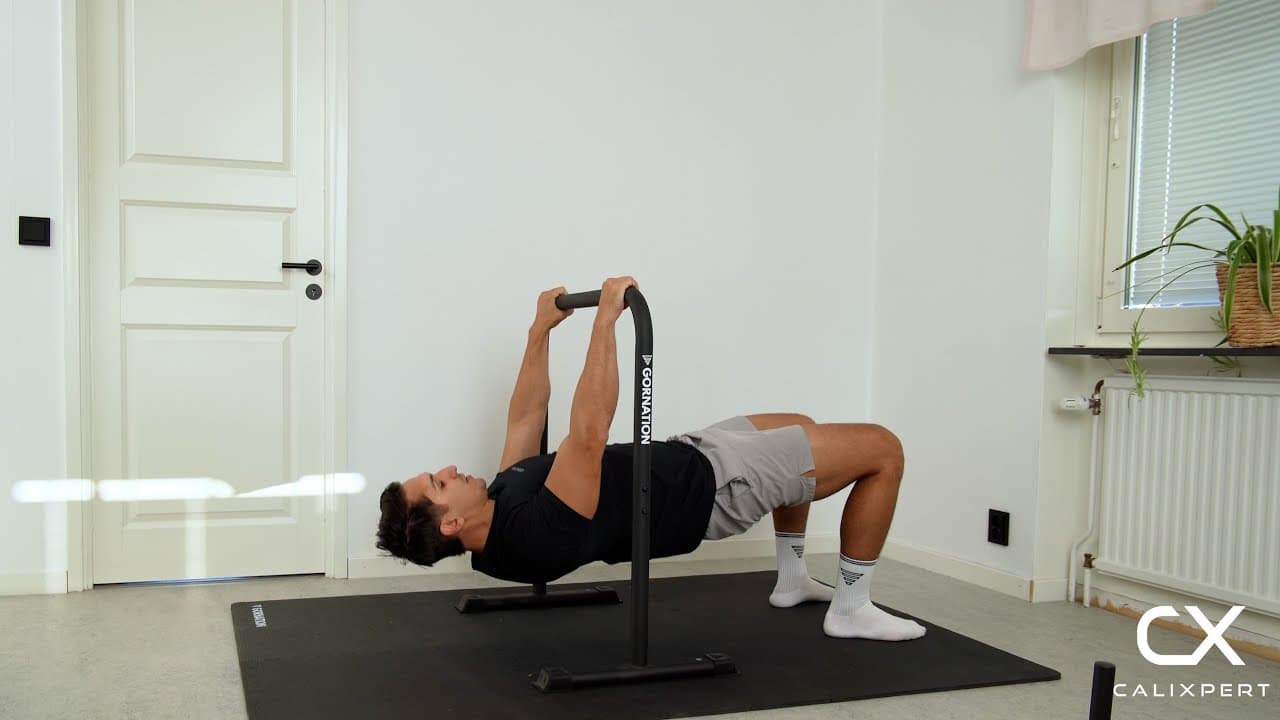
Scapula rows are a scapular isolation exercise performed in an inverted row position with the arms kept completely straight throughout the movement. They target the rhomboids, mid and lower trapezius, and rear deltoids by training scapular retraction and depression under bodyweight load. Mastering this movement builds the shoulder blade control that directly transfers to stronger rows, cleaner pull-ups, and healthier shoulders in every overhead and pulling skill.
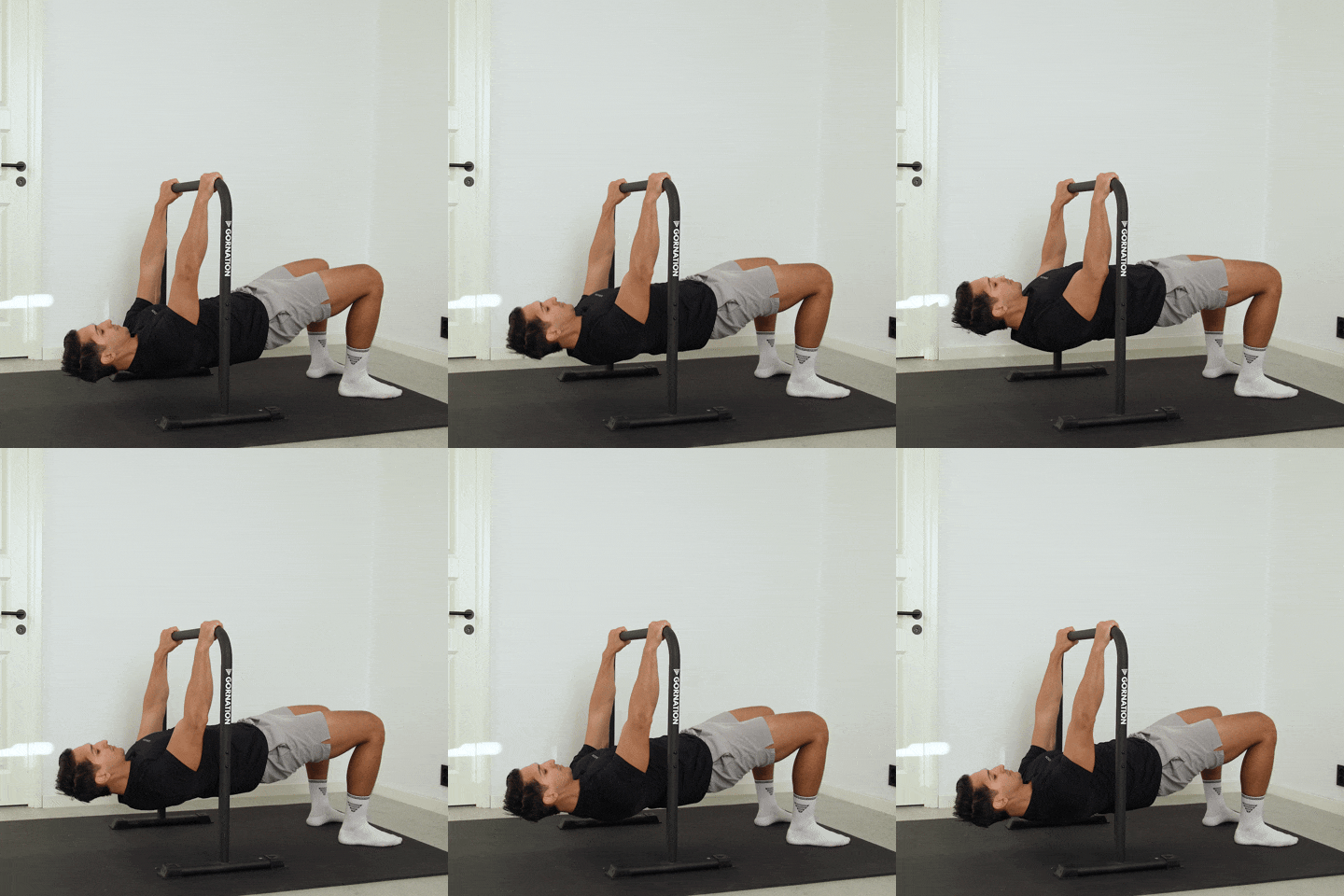
How to Do Scapula Rows
1. Set Your Grip on the Bar
Find a straight bar or dip bar set at roughly hip height. Grab the bar with your thumbs wrapped fully around it and your hands slightly wider than shoulder width. A full thumb grip keeps the wrists stable and prevents your hands from slipping during the movement.
Thumbs around, slightly wider than shoulders
2. Walk Forward and Set Body Position
Walk your feet forward under and past the bar so your body hangs at an angle. Bend your knees but keep your hips pushed up and your torso in a straight line from shoulders to hips. Do not let your hips sag or pike upward. This body position stays locked for the entire set.
Hips up, straight line from shoulders to hips
3. Relax and Protract the Shoulder Blades
With your arms fully extended and straight, let your shoulder blades spread apart and your chest sink slightly away from the bar. This protracted position is your starting point for every rep. Your arms should have zero bend at the elbows.
Let the shoulder blades spread wide
4. Retract and Depress the Shoulder Blades
Squeeze your shoulder blades together while actively pulling your shoulders down away from your ears. Keep your arms completely straight throughout this movement. Your chest will rise slightly toward the bar as a result of the scapular retraction, not from bending the elbows. Focus on driving the shoulder blades together and down simultaneously.
Squeeze together and pull shoulders down
5. Hold and Return Under Control
Hold the fully retracted and depressed position for a brief pause to reinforce the muscle activation. Then slowly release, allowing your shoulder blades to spread back apart to the starting protracted position. Control the descent rather than dropping back into the hang. Reset fully before beginning the next rep.
Slow release, full reset between reps
Most people rush through scapula rows and never actually feel the right muscles working. Slow each rep down to a 2-second squeeze and a 2-second release, and focus on pulling the shoulders away from your ears while you retract. When you feel a deep contraction between your shoulder blades and not in your arms, you know you are doing it right.
Muscles Worked During Scapula Rows
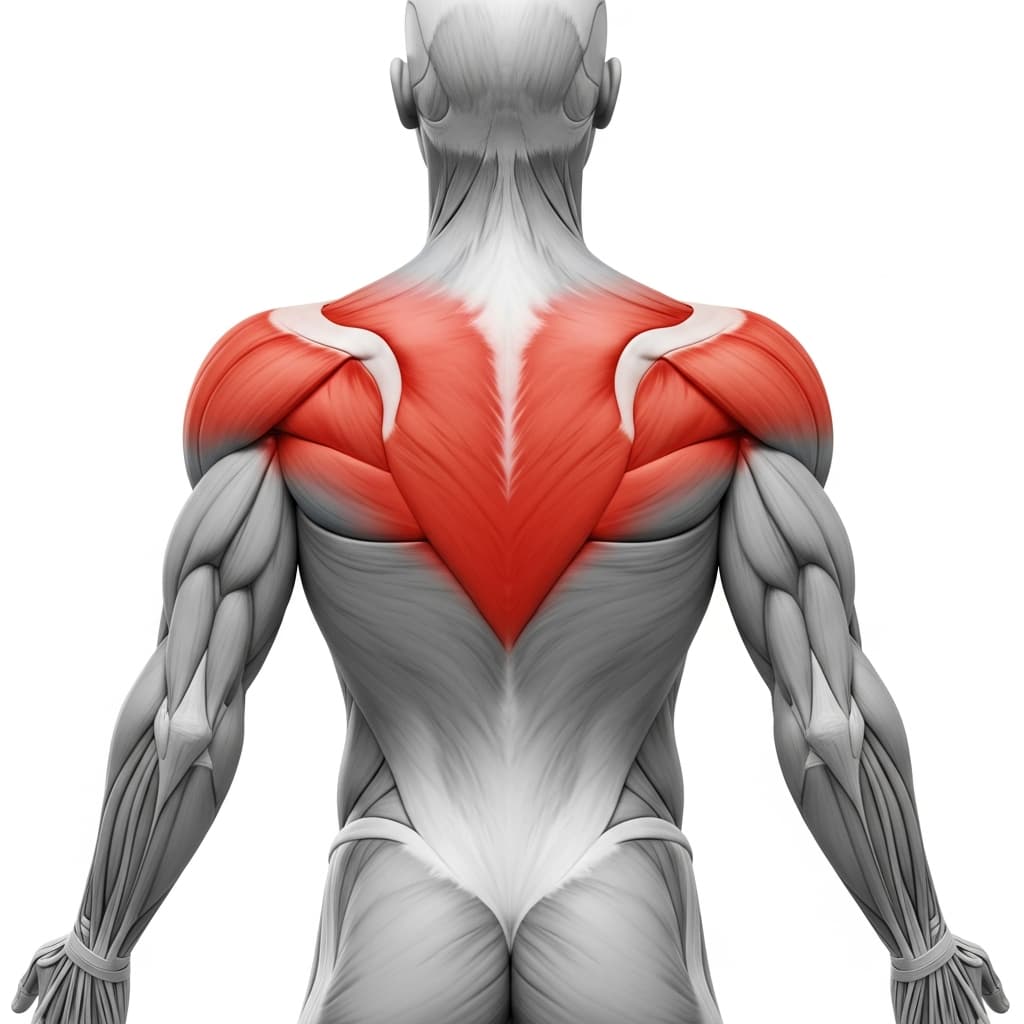
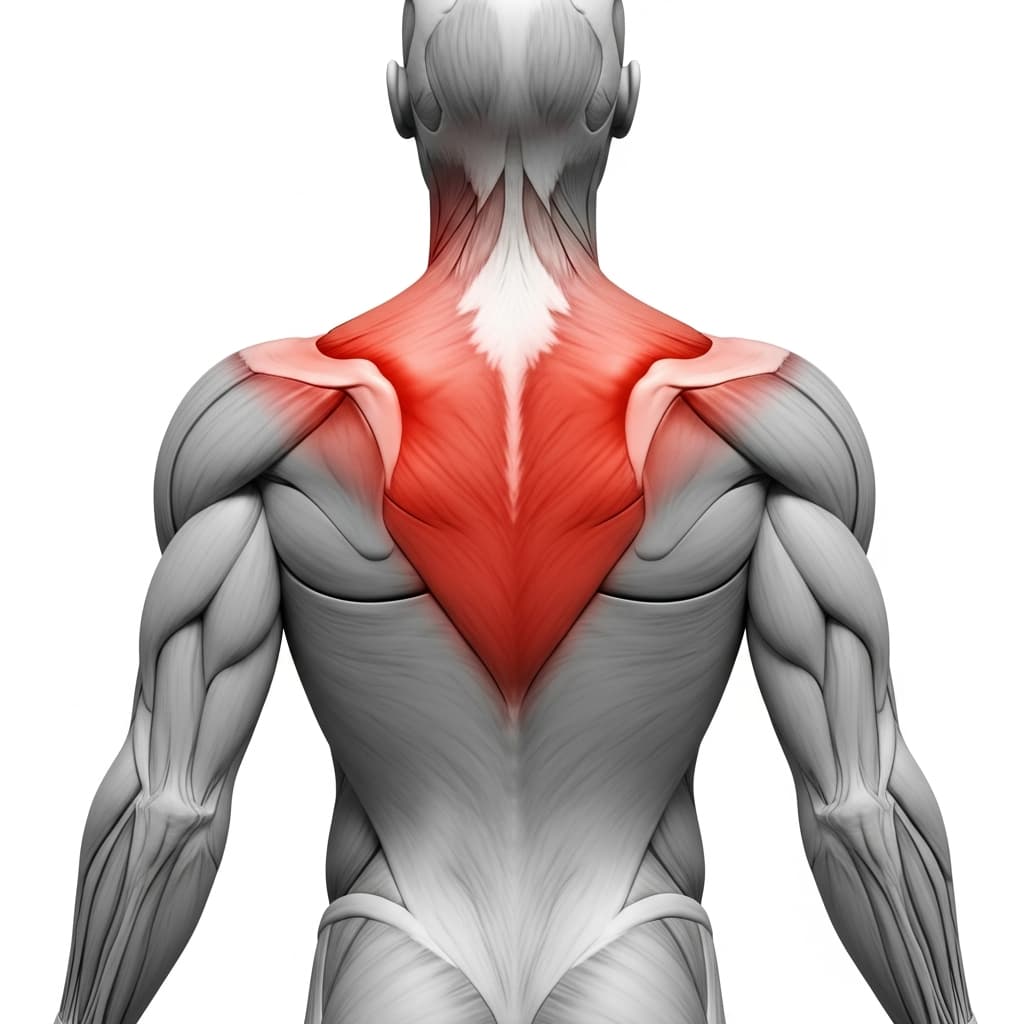
Primary Muscles:
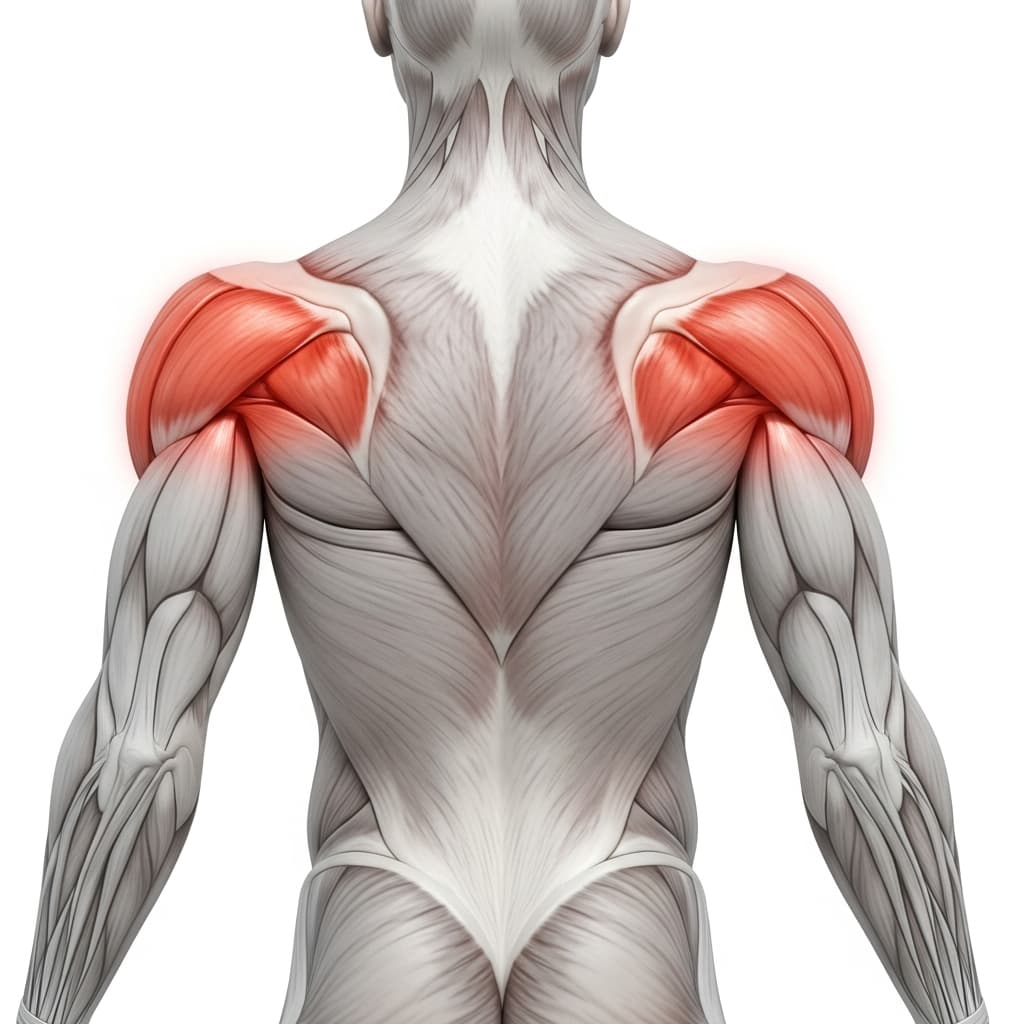
Secondary Muscles:
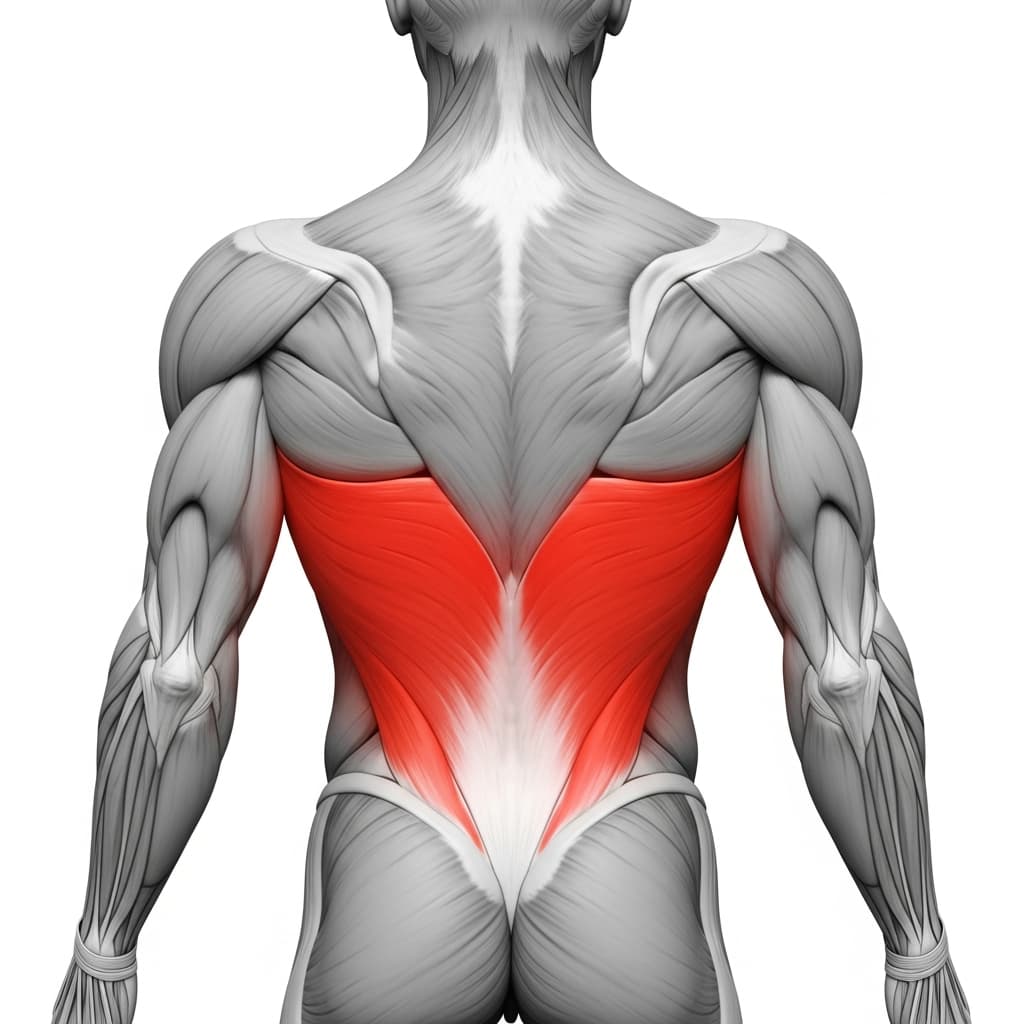
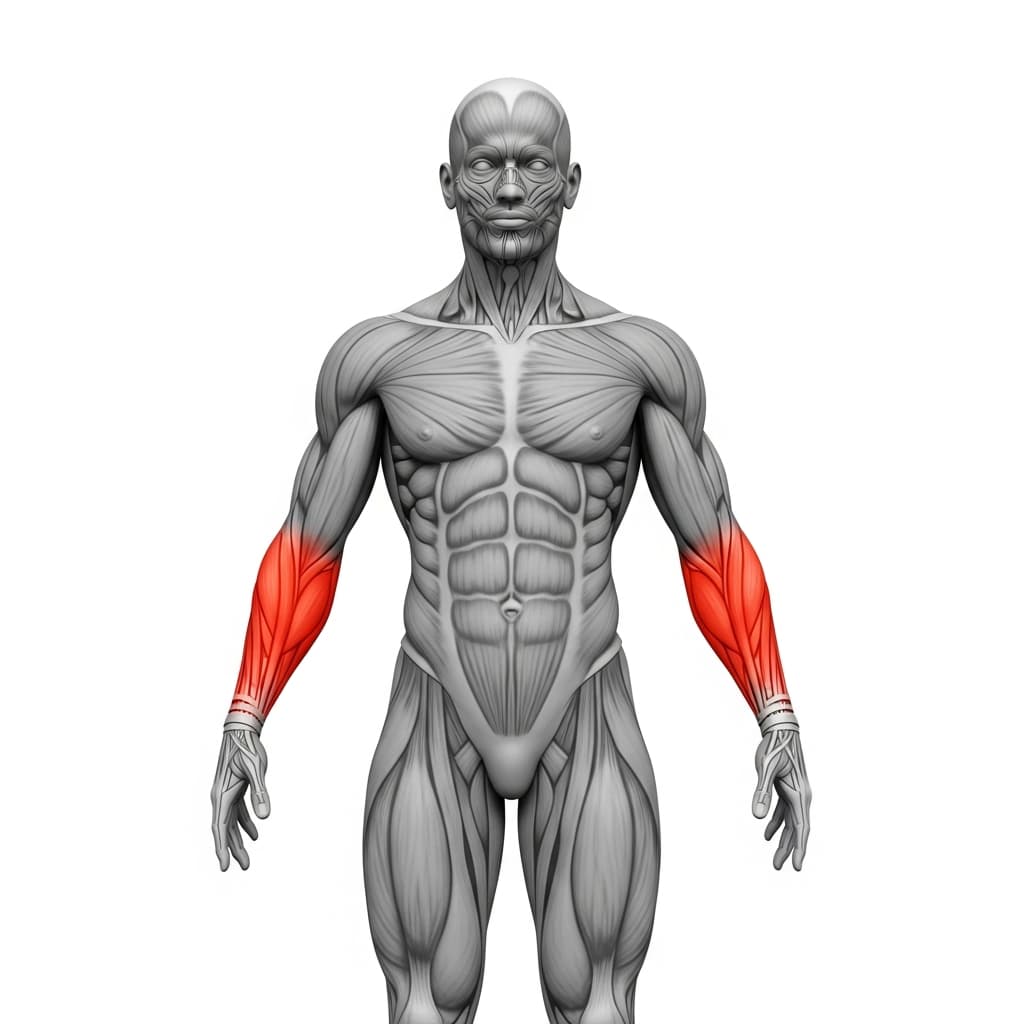
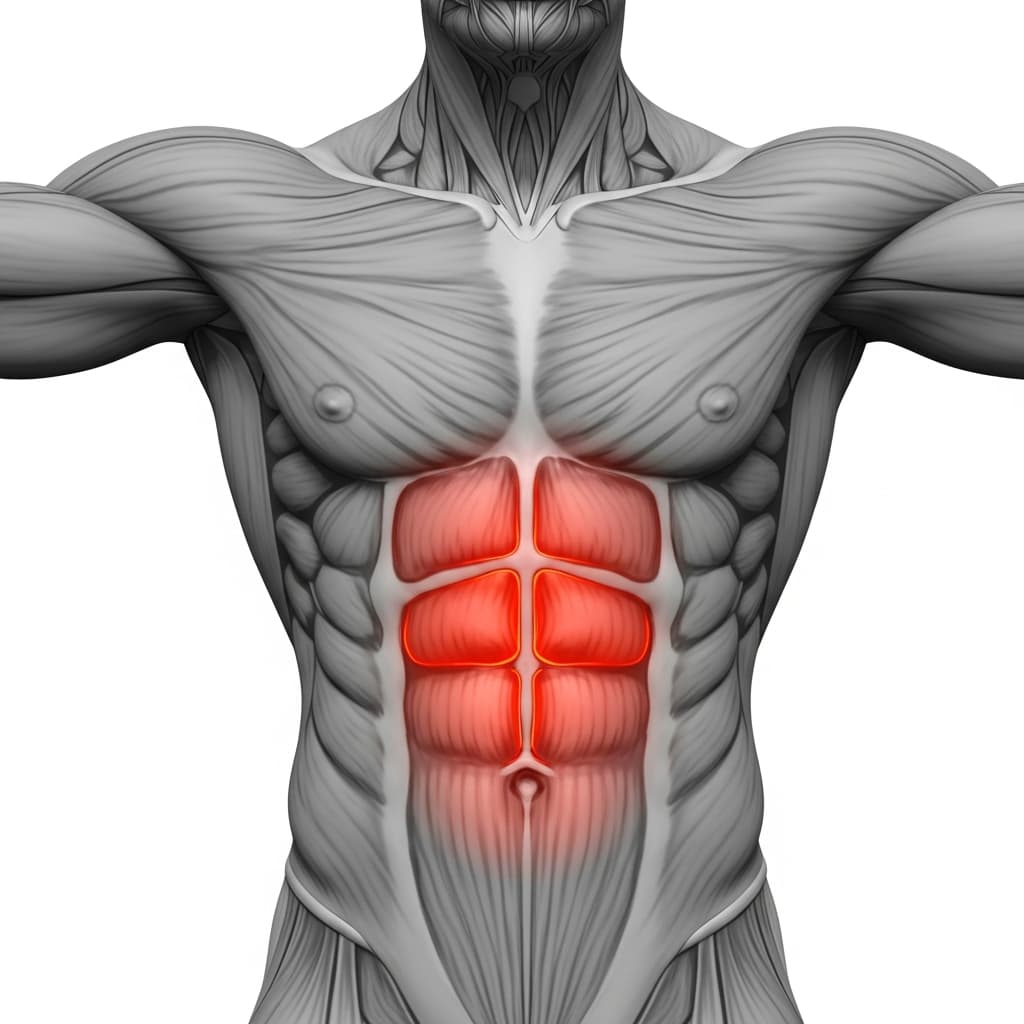
Primary Muscles
Rhomboids & Upper Trapezius (Upper Back) - The rhomboids drive scapular retraction, pulling the shoulder blades together toward the spine during each rep.
Trapezius (Trapezius) - The mid and lower trapezius assist scapular retraction and perform scapular depression, pulling the shoulders down away from the ears.
Secondary Muscles
Posterior Deltoid (Rear Deltoid) - The rear deltoids assist the retraction effort by helping pull the shoulder joint backward as the blades squeeze together.
Latissimus Dorsi (Lats) - The lats contribute to scapular depression, working with the lower traps to keep the shoulders pulled down during the movement.
Forearm Flexors & Extensors (Forearms) - The forearm flexors maintain grip on the bar throughout the set, sustaining the hang position under bodyweight load.
Rectus Abdominis (Abs) - The abdominals brace the torso to maintain a straight body line, preventing the hips from sagging during each rep.
Benefits of Scapula Rows
- Strengthens the rhomboids and mid-lower trapezius in isolation, building the scapular control that is the foundation of every pulling movement in calisthenics
- Improves shoulder blade retraction and depression mechanics, which directly transfers to stronger and safer pull-ups, rows, and muscle-ups
- Corrects rounded shoulder posture by training the muscles responsible for pulling the shoulder blades back and down against resistance
- Builds shoulder joint stability by reinforcing proper scapular positioning under load, reducing injury risk during heavy pulling and pressing
Who Is This Exercise For?
You should be able to hold an inverted row position under a bar with a straight body line for at least 15 seconds before adding scapular movement. If maintaining straight hips while hanging at an angle is difficult, start with a more upright body angle until you build the necessary core stability and grip endurance.
Common Mistakes to Avoid
Bending the elbows during the pull: Keep your arms locked straight for the entire movement. If you bend the elbows, the biceps and lats take over and the scapular muscles lose their targeted training stimulus. Think of your arms as rigid hooks connecting you to the bar.
Shrugging the shoulders up during retraction: Actively depress your shoulders as you squeeze the blades together. Shrugging shifts the load into the upper traps and neck instead of the mid and lower traps that this exercise is designed to strengthen.
Letting the hips sag or pike: Push your hips up and keep a straight line from your shoulders to your hips throughout the set. A sagging body position changes the pulling angle and reduces the load on the scapular muscles.
Using momentum instead of controlled reps: Each rep should be a deliberate squeeze and release with a brief pause at the top. Bouncing through the movement bypasses the isometric hold that builds real scapular control.
Variations & Progressions
Upright Scapula Rows
Set the bar higher or walk your feet back so your body is more upright. This reduces the amount of bodyweight you are pulling against, making scapular retraction easier to control while you build strength.
Feet-Elevated Scapula Rows
Place your feet on a bench or box so your body is closer to horizontal. This increases the load on the scapular muscles and demands more core stability to maintain a straight body line.