Resistance Band Lat Pull Down
The resistance band lat pull down is a vertical pulling exercise that targets the lats, biceps, and upper back using a resistance band looped over a high anchor point. The movement replicates the mechanics of a cable lat pull down, making it one of the most accessible ways to train the pulling pattern at home or while traveling. When performed with proper scapular engagement and a controlled tempo, it builds the foundational back strength needed for pull-ups and other advanced calisthenics pulling movements.
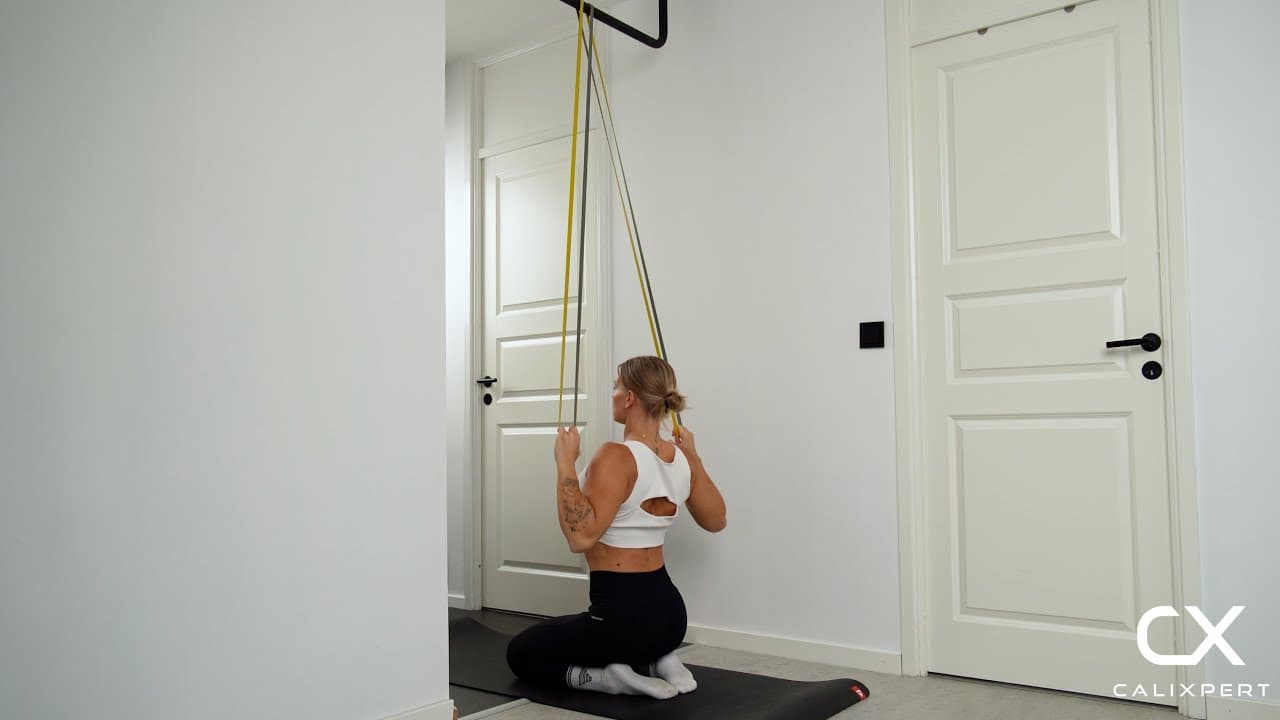
The resistance band lat pull down is a vertical pulling exercise that targets the lats, biceps, and upper back using a resistance band looped over a high anchor point. The movement replicates the mechanics of a cable lat pull down, making it one of the most accessible ways to train the pulling pattern at home or while traveling. When performed with proper scapular engagement and a controlled tempo, it builds the foundational back strength needed for pull-ups and other advanced calisthenics pulling movements.
How to Do Resistance Band Lat Pull Down
1. Anchor the Band Overhead
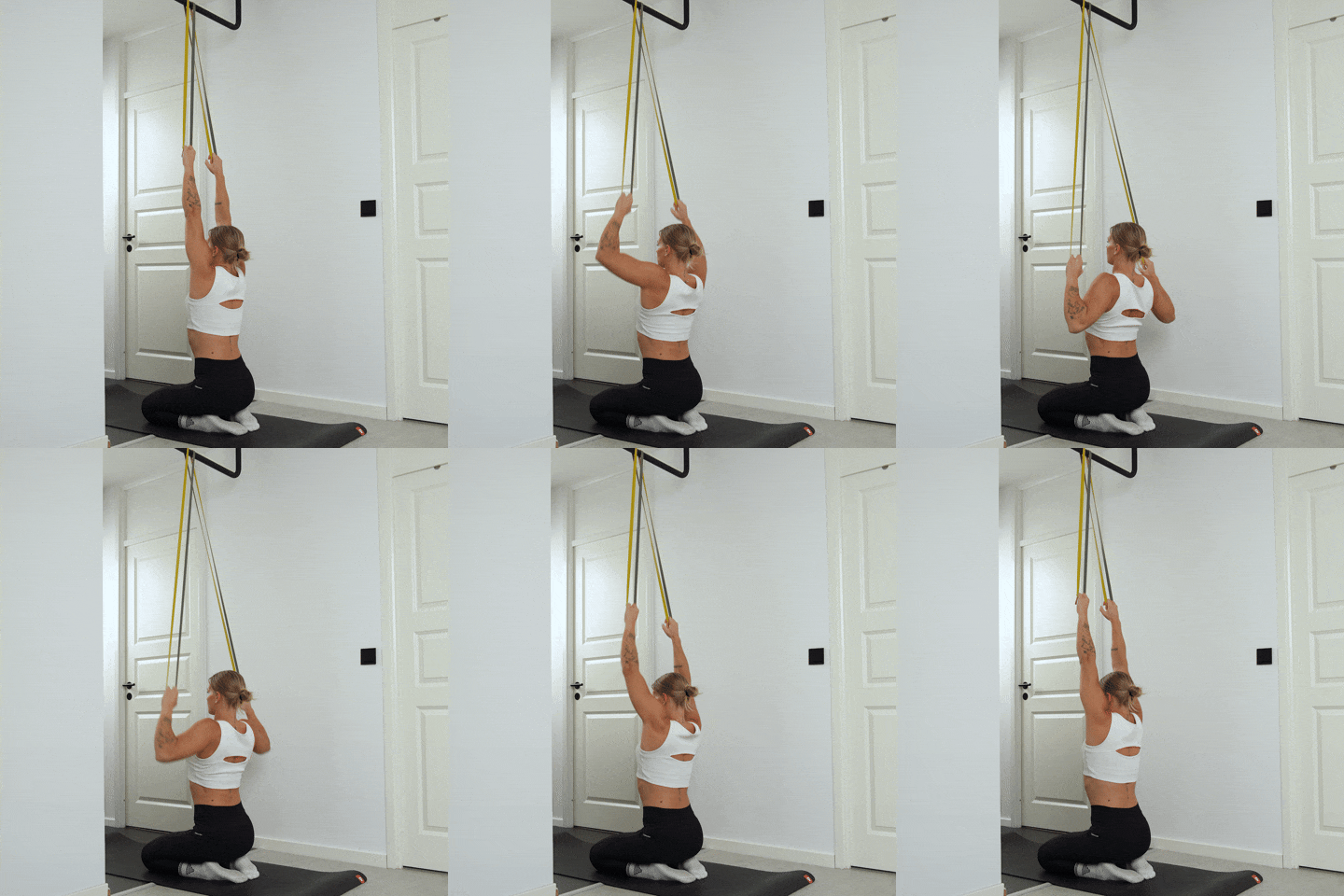
Loop a resistance band over a pull-up bar, sturdy door anchor, or any secure overhead point. Pull both ends down evenly so the band hangs symmetrically. The anchor must be high enough that your arms can fully extend overhead without slack in the band.
Band centered, both sides even
2. Kneel and Grip the Band
Kneel directly under the anchor point and grab one end of the band in each hand. Your grip should be roughly shoulder width apart with palms facing forward. Extend your arms fully overhead so you feel light tension in the band at the starting position.
Arms straight, tension from the start
3. Set the Scapula Before Pulling
Before bending your elbows, depress your shoulder blades by pulling them down and slightly back. This scapular set activates the lats and upper back stabilizers before the arms do any work. Keep your chest up and maintain a tall kneeling posture throughout.
Shoulders down and back first
4. Pull Elbows Wide to Shoulder Height
Drive your elbows outward and down toward your sides, pulling the band ends to roughly shoulder height. Keep your elbows flared to the sides rather than tucking them close to the body. This wide elbow path puts the lats in their strongest mechanical position and prevents the biceps from dominating the movement.
Elbows wide, hands beside shoulders
5. Squeeze at the Bottom
At the bottom of the pull, squeeze your shoulder blades together and hold for one second. Your hands should be at or just below shoulder height with your chest lifted. This end-range contraction ensures the lats and mid-back complete the full range of motion.
Squeeze the shoulder blades together
6. Return Under Control
Slowly extend your arms back to the starting position, resisting the band tension the entire way up. Do not let the band snap your arms overhead. Maintain the tall kneeling posture and re-set your scapula before beginning the next rep.
3-second return, resist the band
Most people rush through band pull downs because the resistance feels light at the top. The trick is to slow the entire rep down and focus on pulling from the elbows, not the hands. Set your scapula, drive the elbows wide and down, then squeeze at the bottom for a full second. You will feel your lats working in a way that fast reps never produce.
Muscles Worked During Resistance Band Lat Pull Down
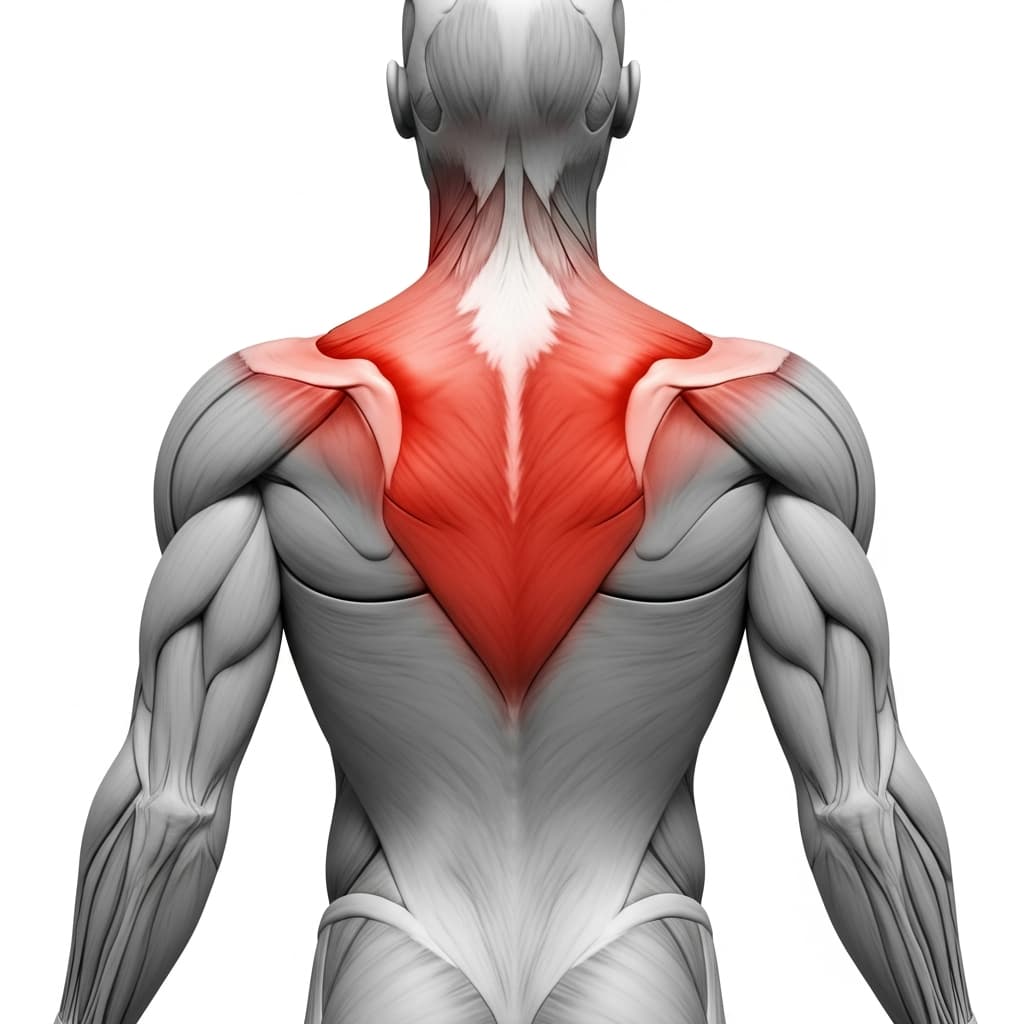
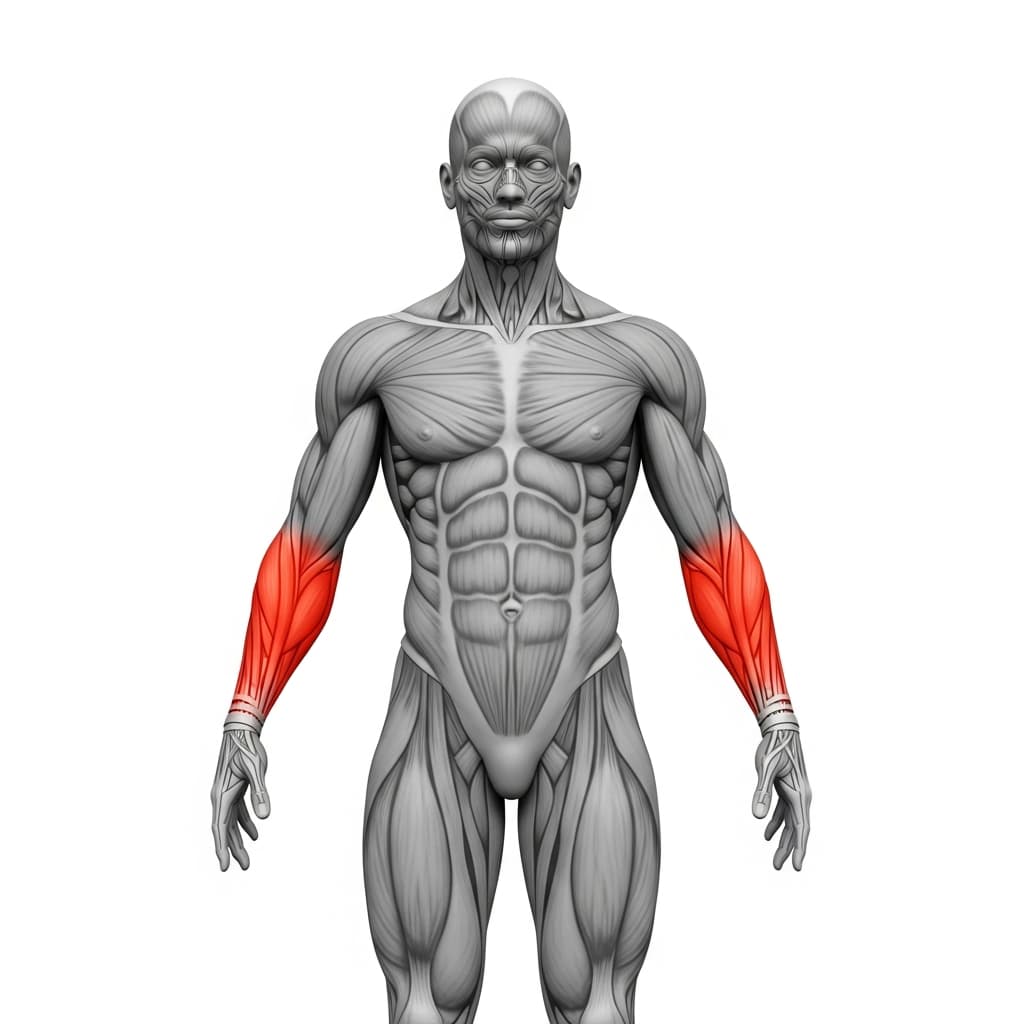

Primary Muscles
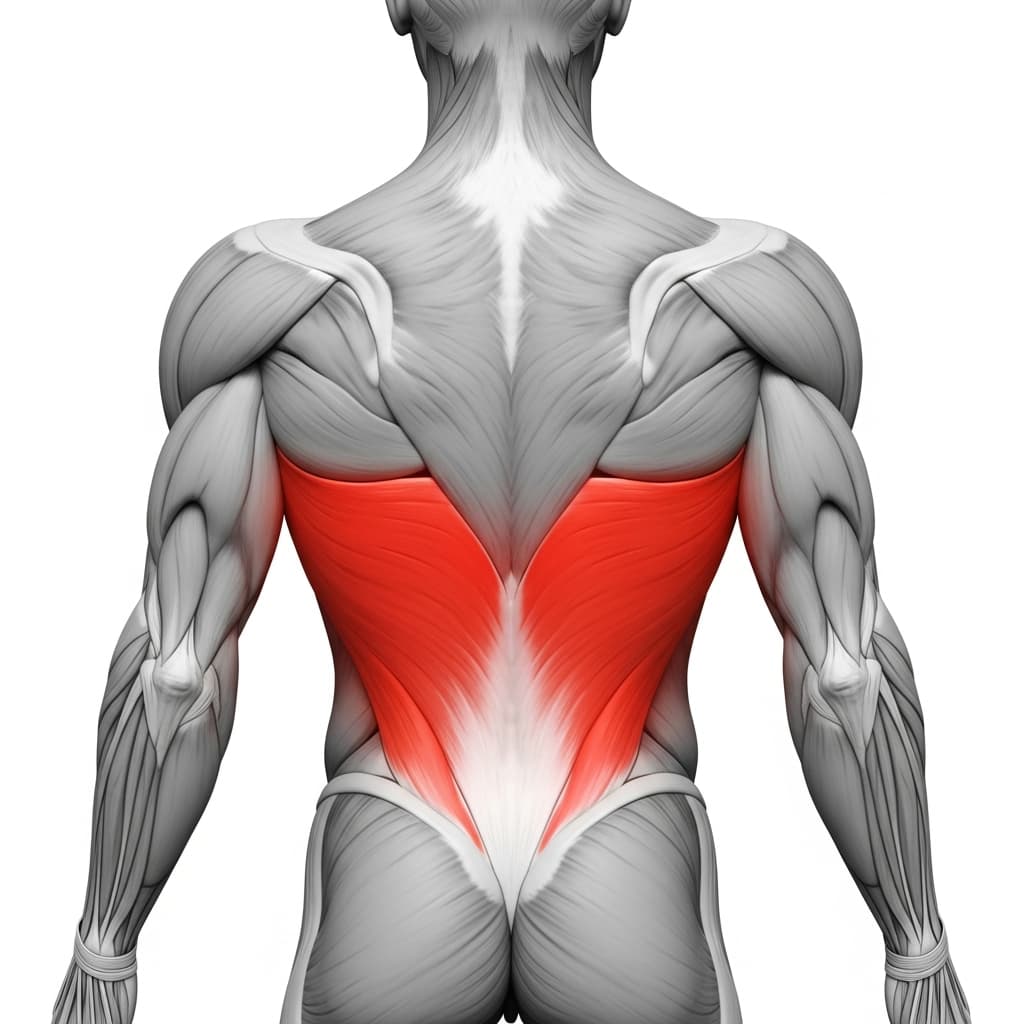
Latissimus Dorsi (Lats) - The lats perform shoulder adduction and extension as you pull the band from overhead down to shoulder height, driving the primary pulling force throughout the entire range of motion.
Secondary Muscles
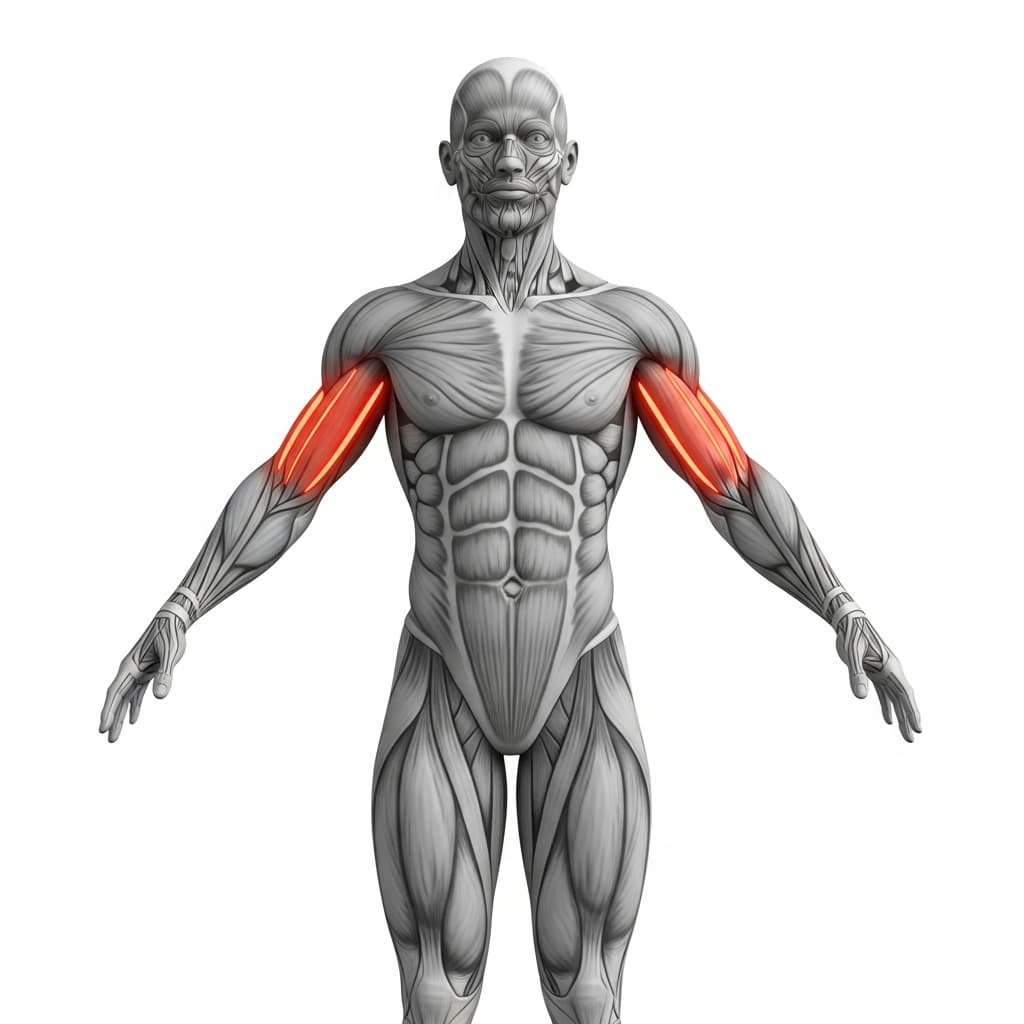
Biceps Brachii (Biceps) - The biceps assist by flexing the elbow during the pulling phase, working as secondary movers behind the lats.
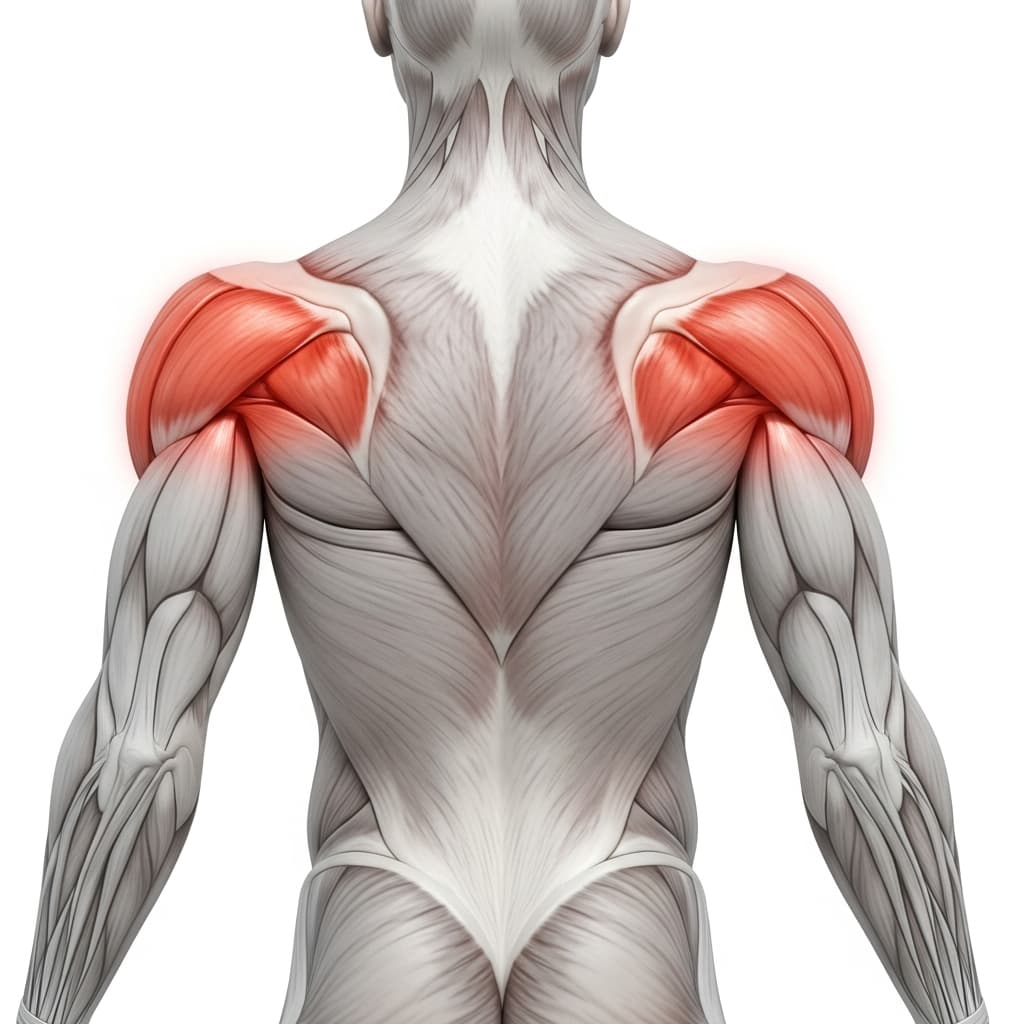
Posterior Deltoid (Rear Deltoid) - The rear deltoids contract to pull the upper arms backward during the bottom portion of the movement, supporting the horizontal component of the pull.
Trapezius (Trapezius) - The lower and middle traps depress and retract the scapula throughout the pull, stabilizing the shoulder blades and completing the end-range squeeze.
Forearm Flexors & Extensors (Forearms) - The forearm flexors maintain grip on the resistance band under increasing tension as the band stretches through the pulling range.
Rectus Abdominis (Abs) - The abdominals brace the torso in an upright kneeling position, preventing excessive lean-back and maintaining a stable base for the lats to pull from.
Benefits of Resistance Band Lat Pull Down
- Develops lat width and upper back thickness without requiring a cable machine or gym access
- Builds the scapular control and pulling strength needed to progress toward unassisted pull-ups
- Strengthens the rear deltoids and mid-back muscles that counteract the forward shoulder posture caused by desk work and phone use
- Provides variable resistance that increases as the band stretches, matching the natural strength curve of the pulling motion
Who Is This Exercise For?
You should be comfortable holding your arms overhead for at least 15 seconds and be able to perform scapular depressions with control before adding resistance. If you struggle to keep your shoulders stable when reaching overhead, work on shoulder mobility and dead hangs first. This exercise is appropriate for complete beginners as long as the band resistance is light enough to maintain proper form throughout the full range of motion.
Common Mistakes to Avoid
Skipping the scapular depression: Set your shoulder blades down and back before every single rep. Without this step, the biceps take over and the lats barely activate. Practice isolated scapular depressions as a warm-up to build this habit.
Pulling elbows too close to the body: Drive your elbows outward and to the sides, not straight down toward your hips. A wide elbow path keeps the lats as the primary mover instead of shifting the load to the biceps and forearms.
Leaning too far back: Maintain an upright torso with only a slight natural lean. Excessive leaning turns the exercise into a row variation and reduces the vertical pulling stimulus the lats need.
Letting the band snap back on the return: Control the eccentric phase for a full 2-3 seconds on every rep. The slow return builds strength through the full range and keeps tension on the lats instead of wasting the most valuable part of the rep.
Variations & Progressions
Single-arm resistance band lat pull down
Perform the pull down one arm at a time, which increases the load per side and adds an anti-rotation demand on the core. This variation exposes and corrects strength imbalances between left and right.
Seated resistance band lat pull down
Sit on the floor with legs extended in front of you instead of kneeling. The seated position lowers the anchor angle slightly and provides more stability, making it easier to focus on form with less core demand.
Slow tempo resistance band lat pull down
Use a 4-second pull and 4-second return on every rep to maximize time under tension. The extended tempo makes a lighter band feel significantly heavier and forces strict control through the entire range of motion.