

Traps Exercises
Trapezius
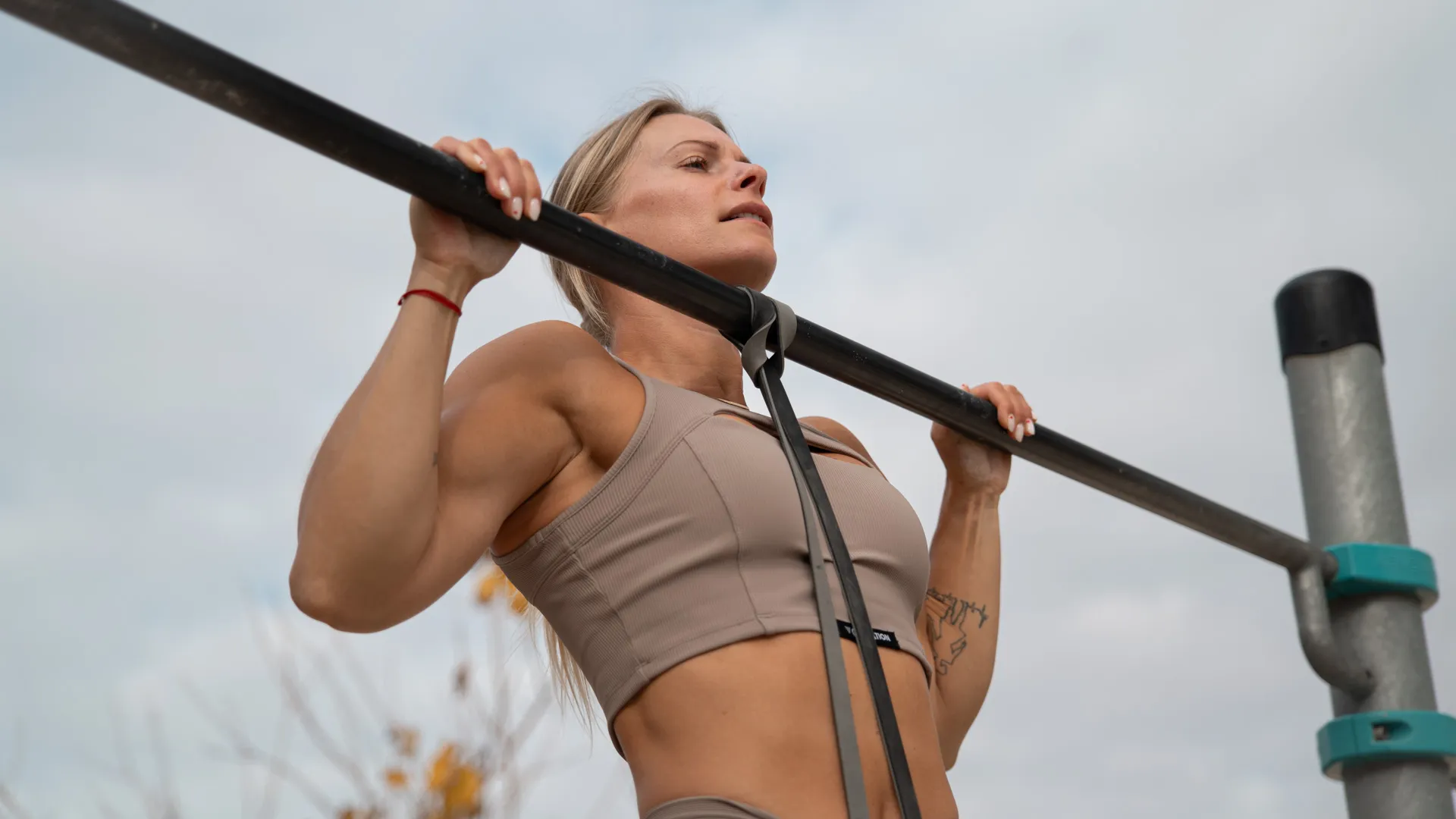
All Traps Exercises (82)
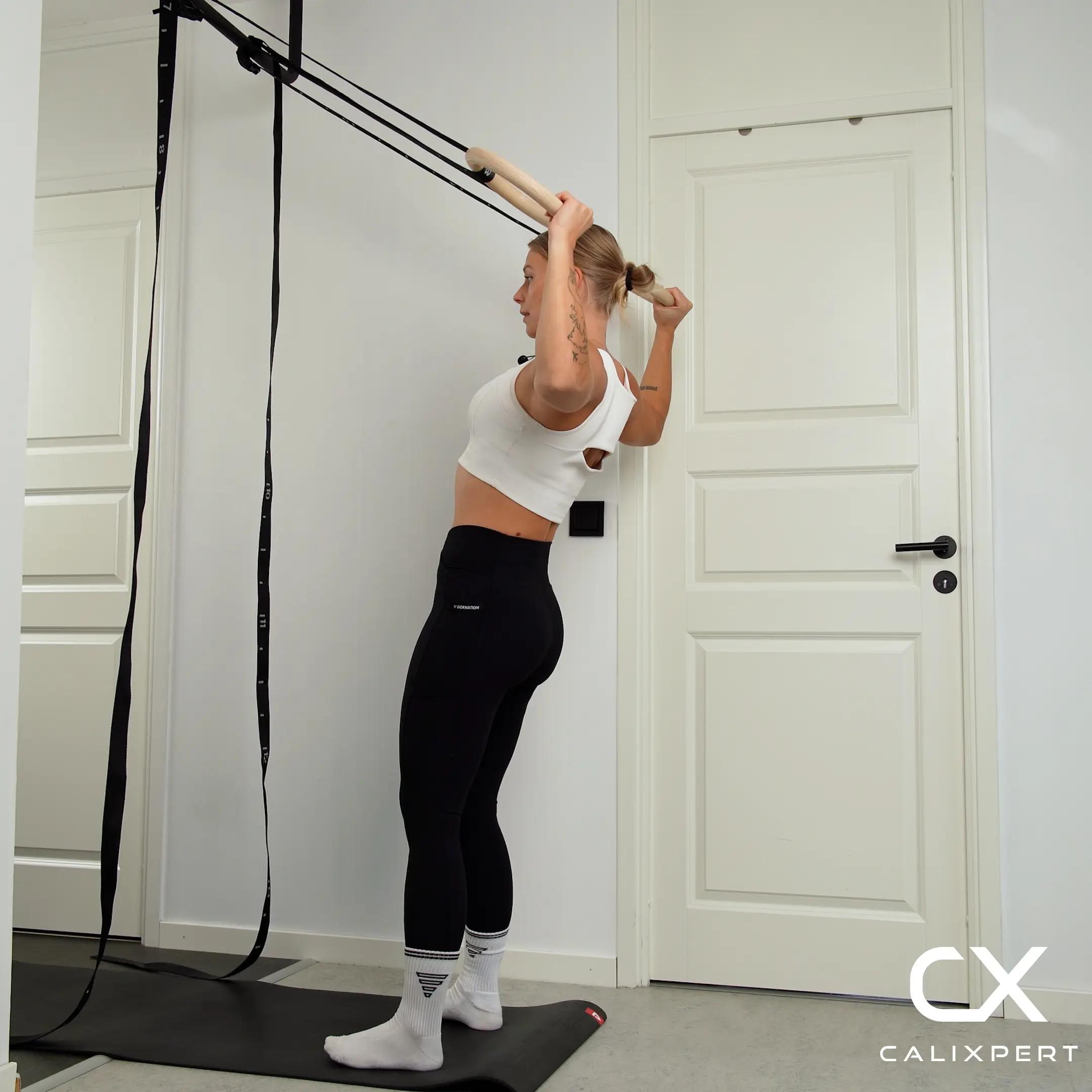
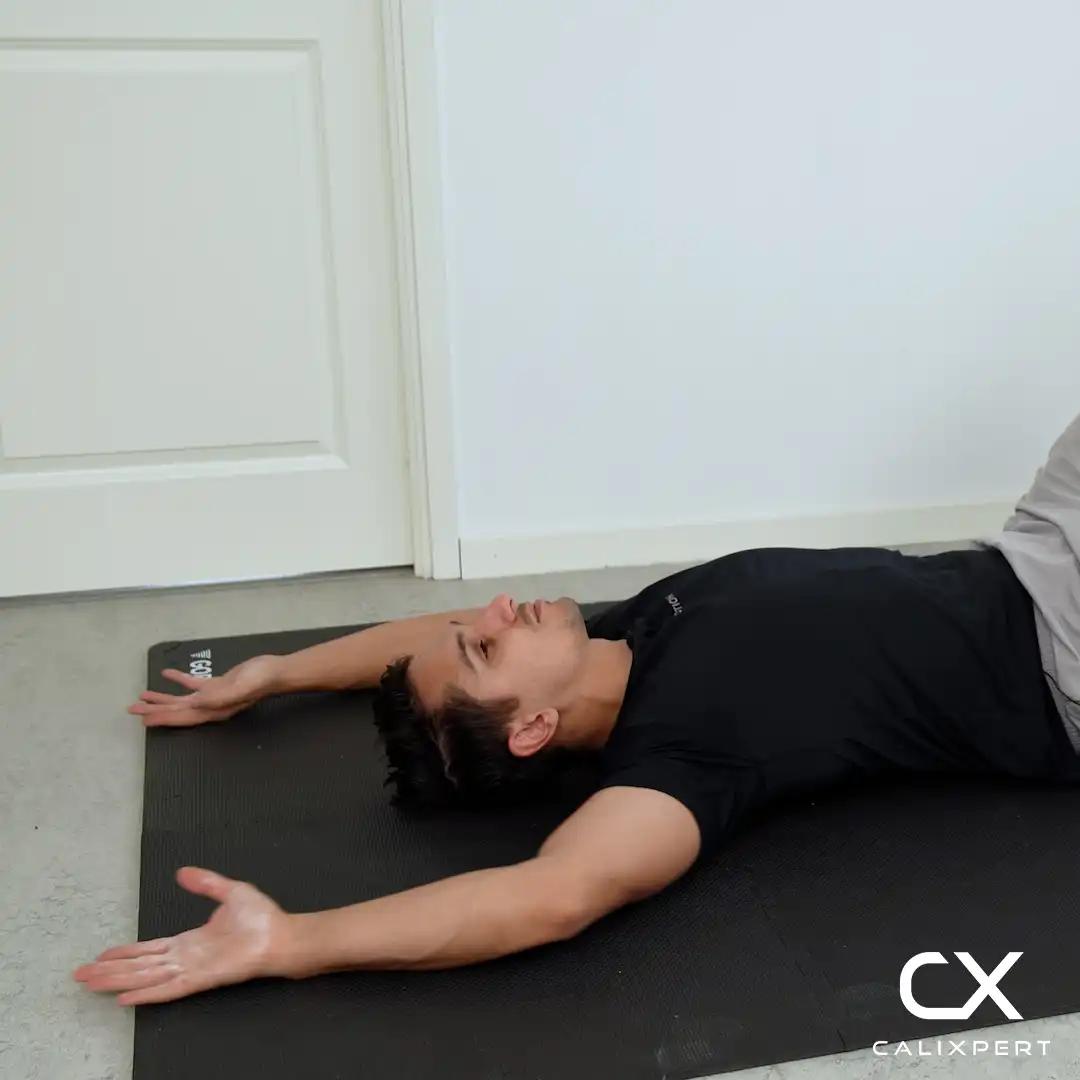
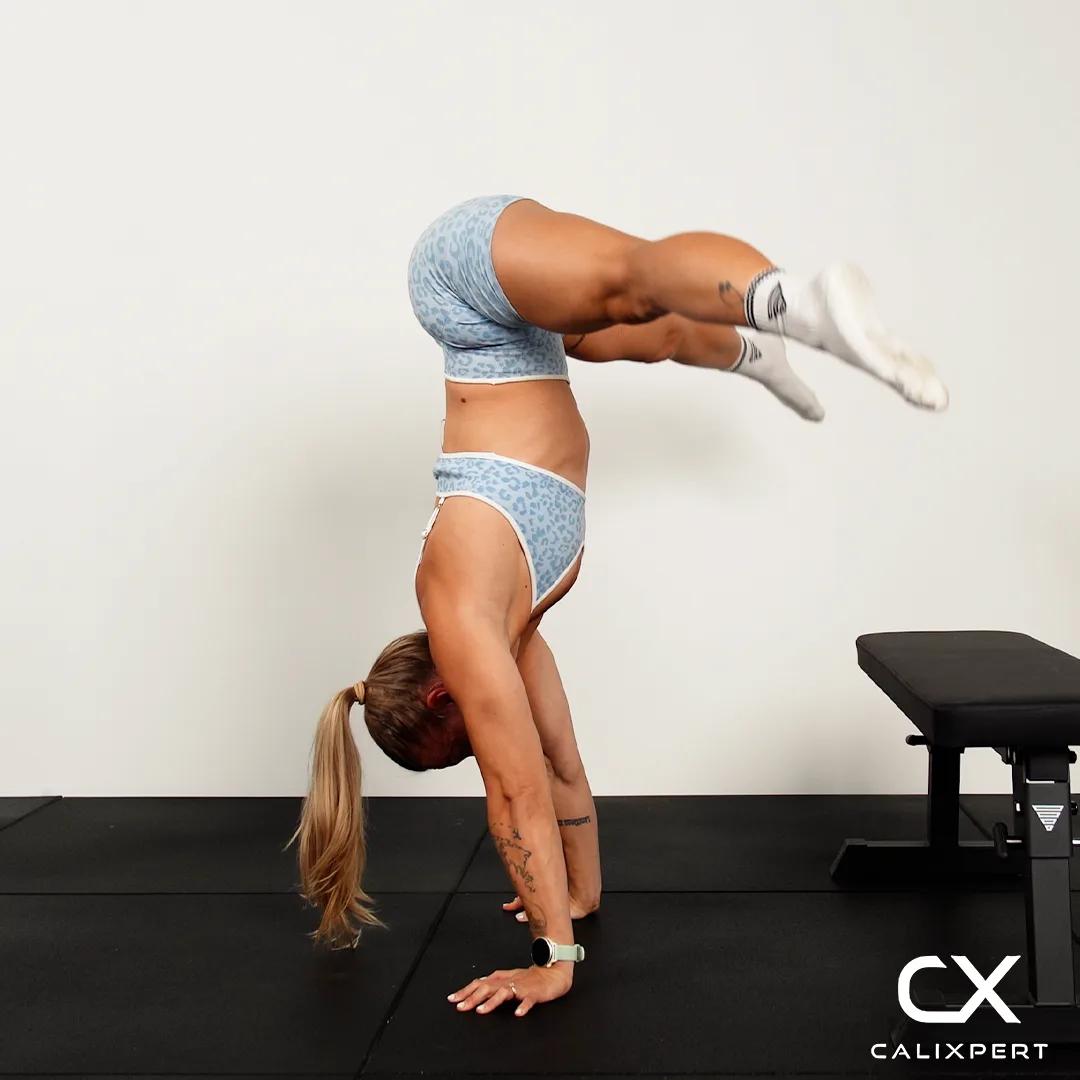
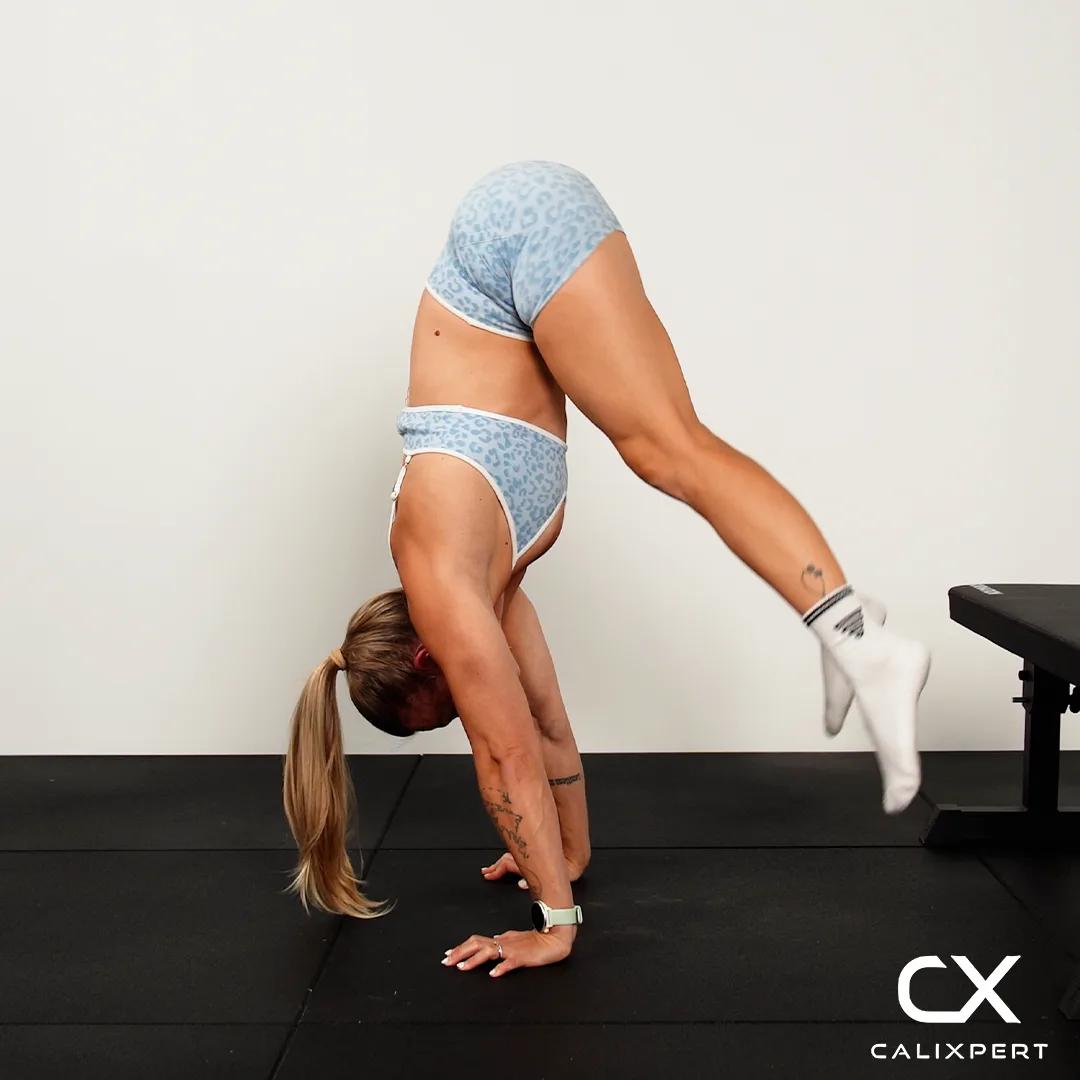
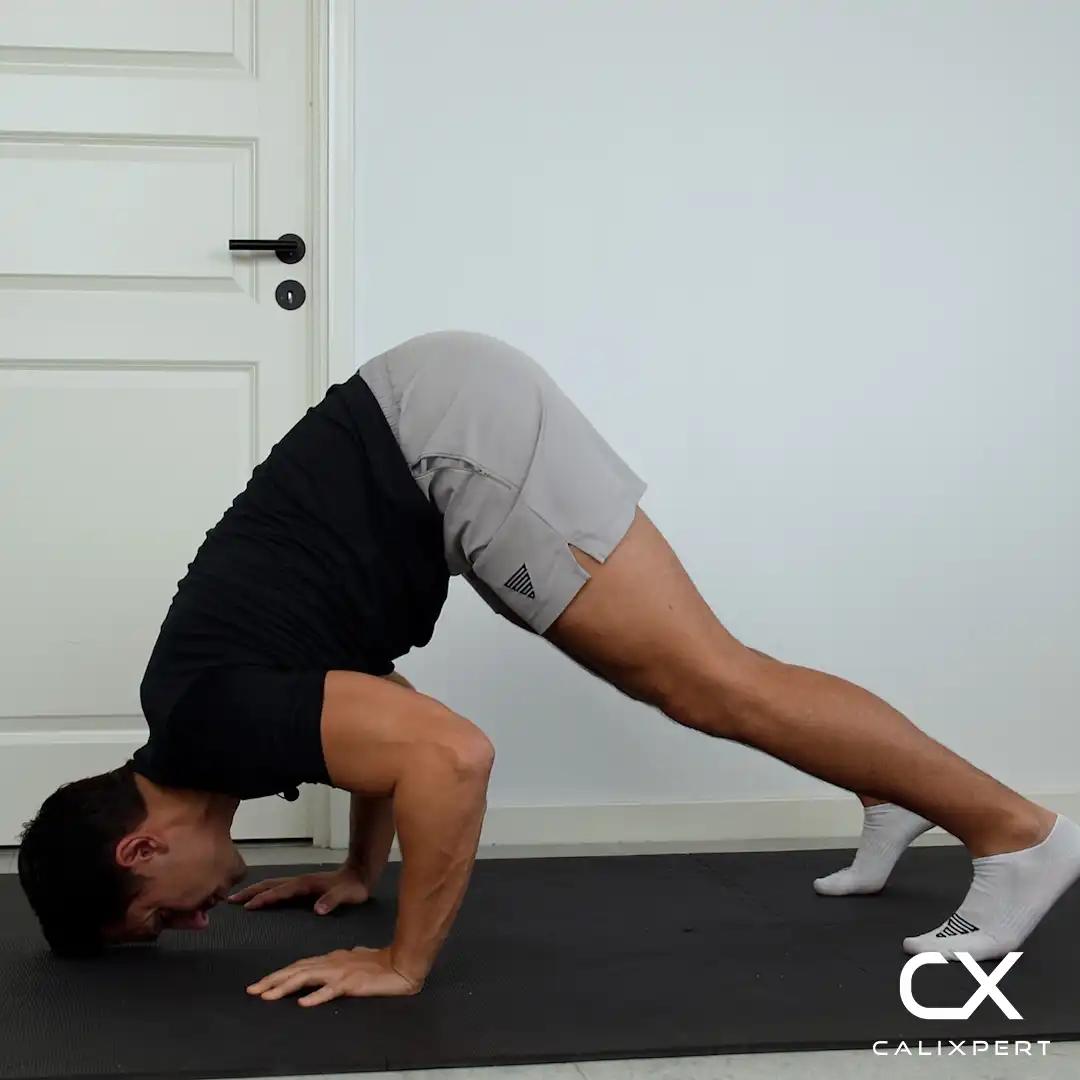
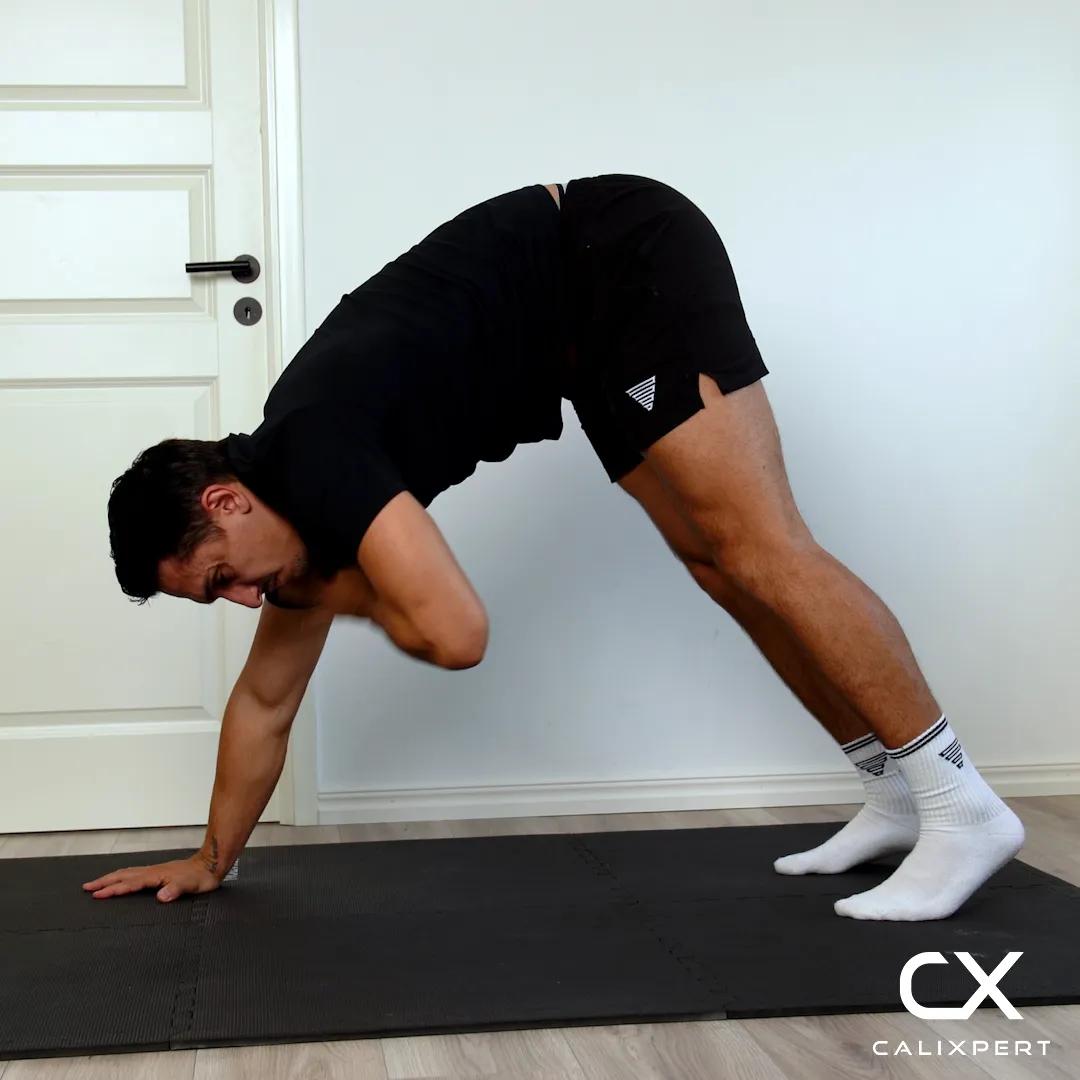
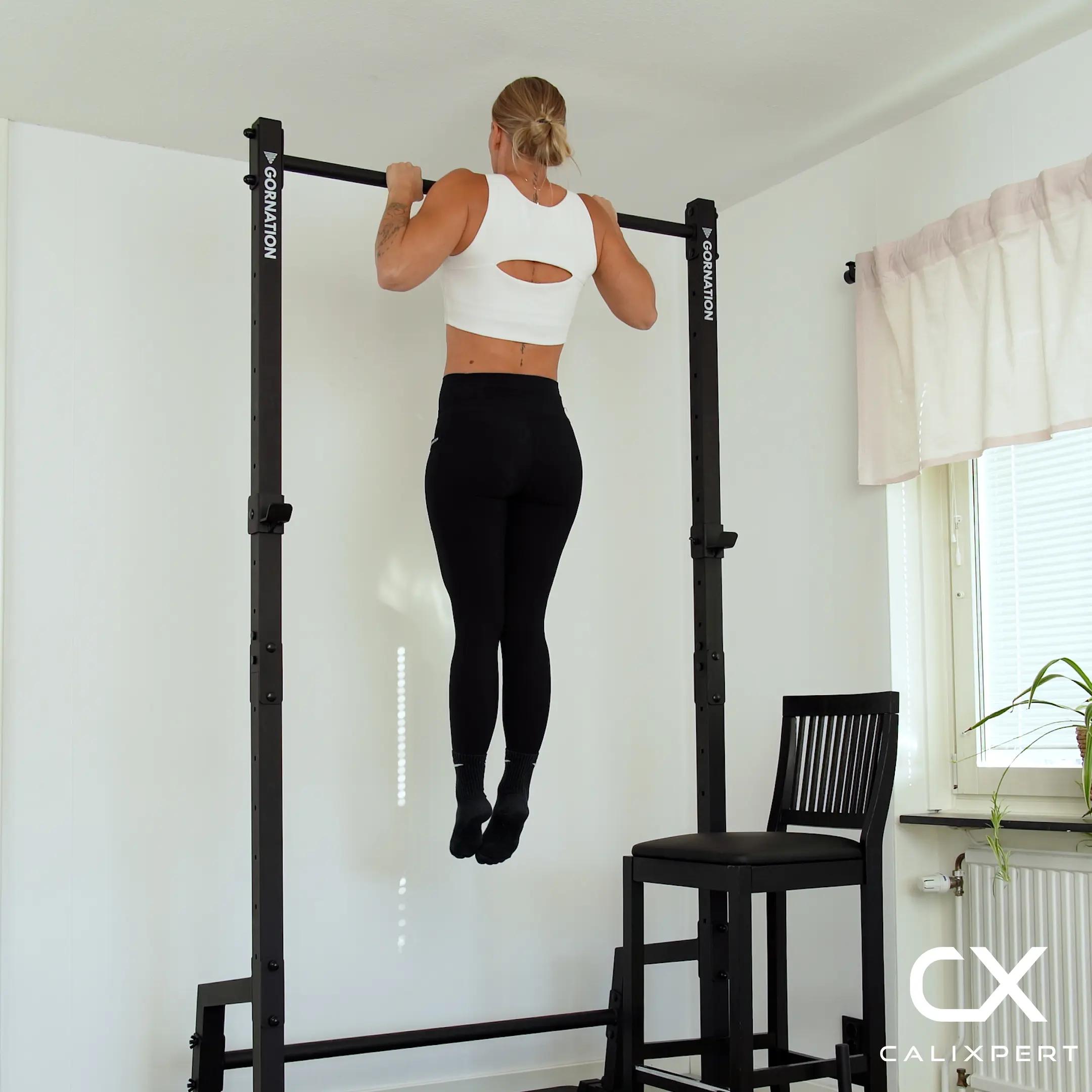
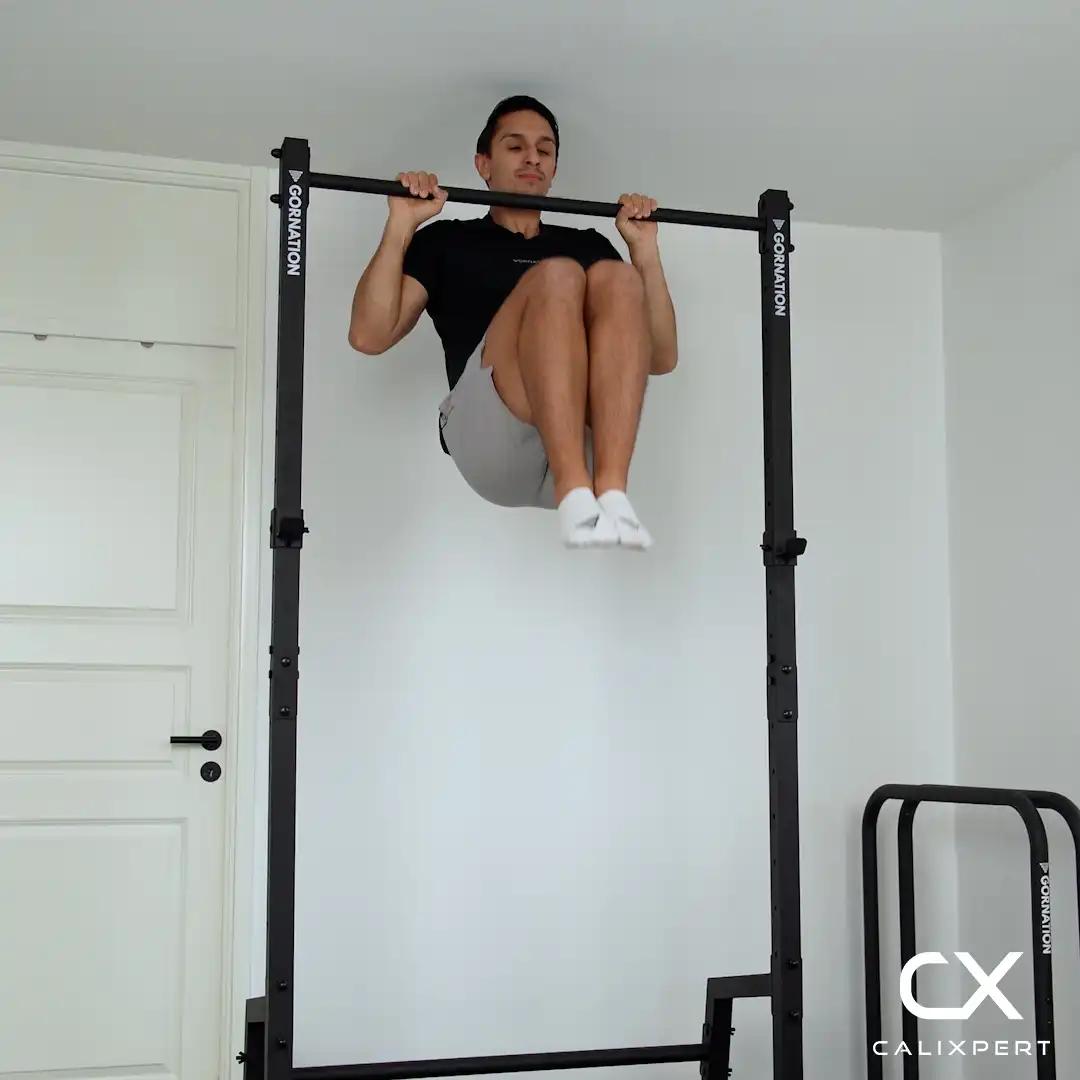
About the Traps
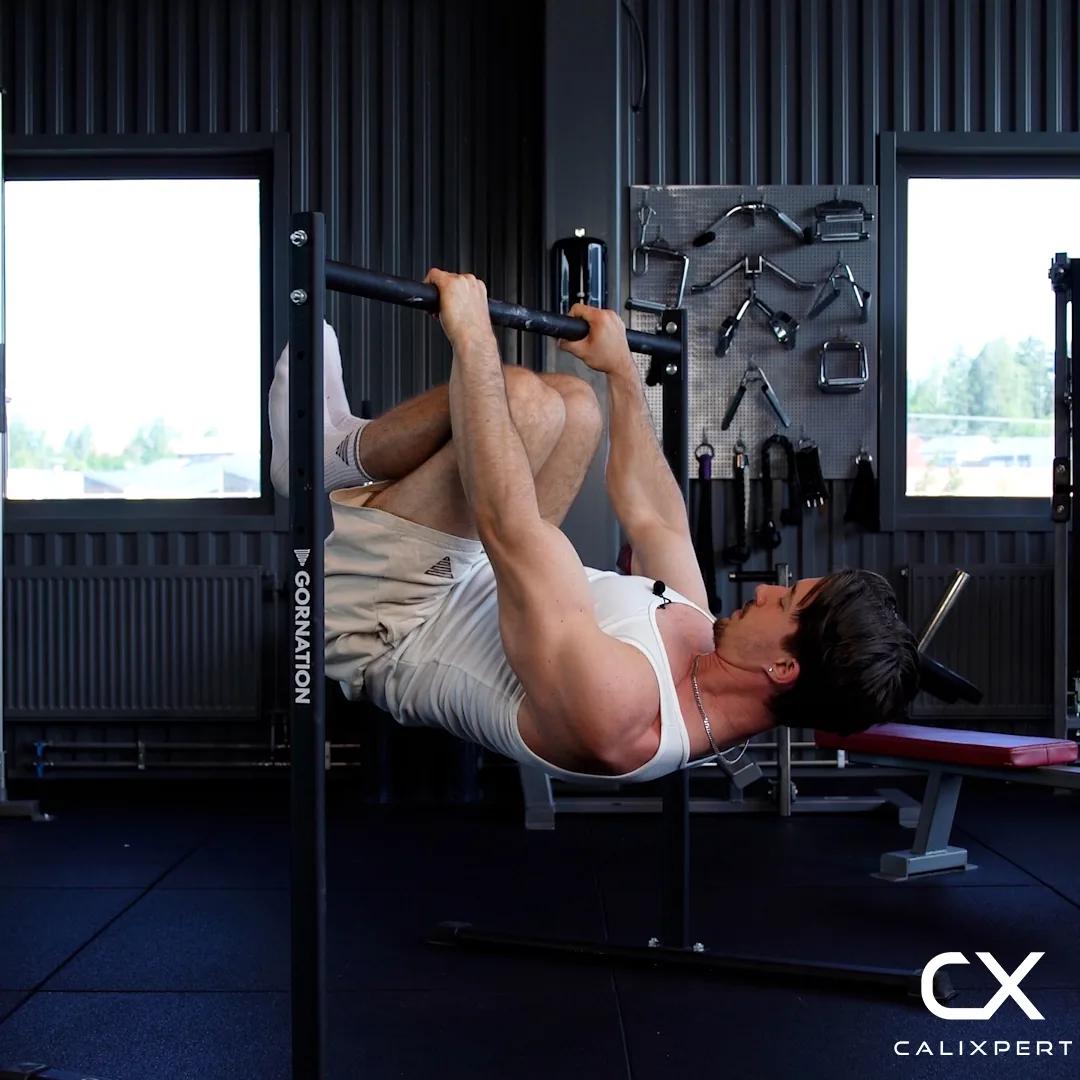
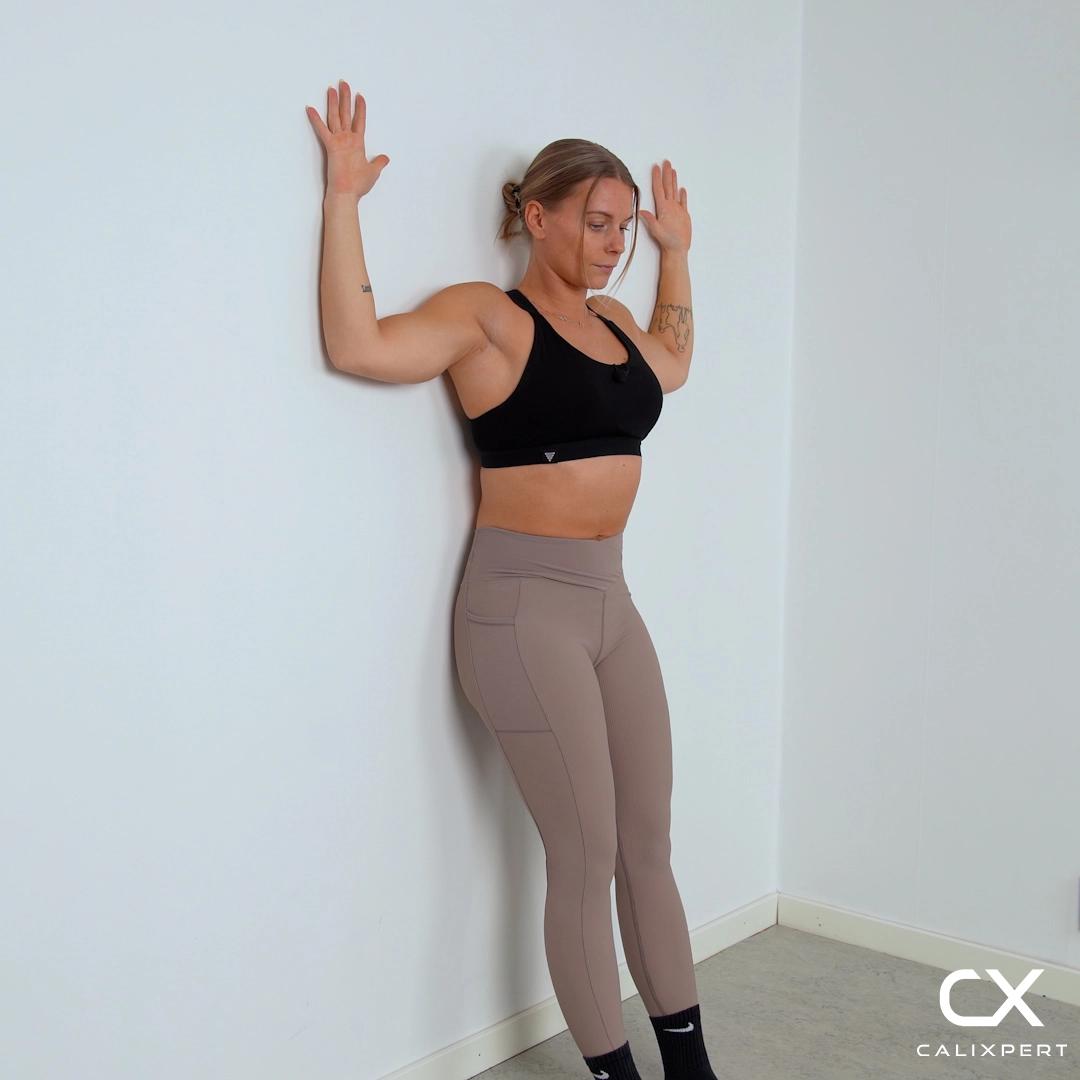
The trapezius is a large diamond-shaped muscle covering most of your upper back. It has three distinct portions: the upper traps that elevate your shoulder blades, the middle traps that retract them, and the lower traps that depress and rotate them upward.
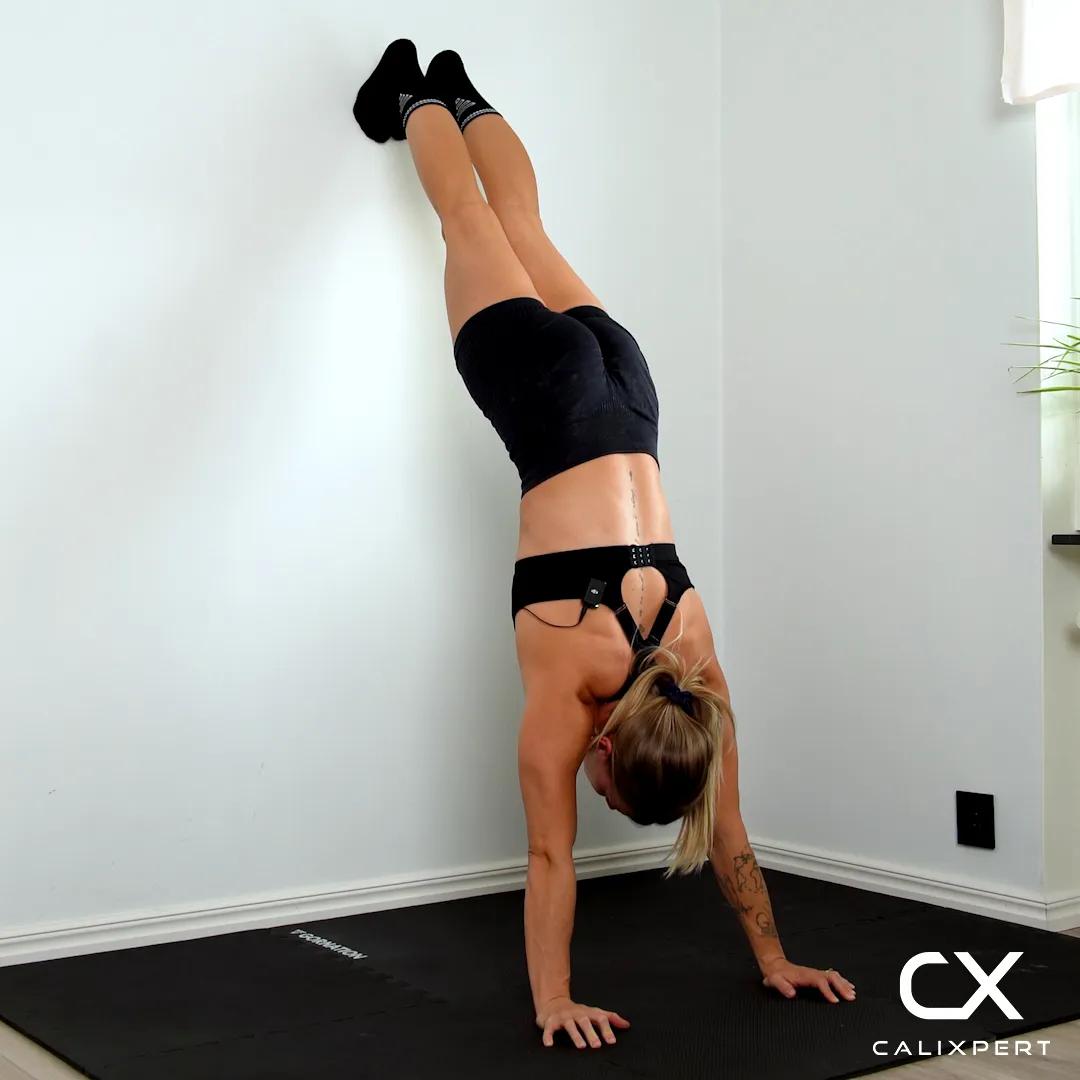
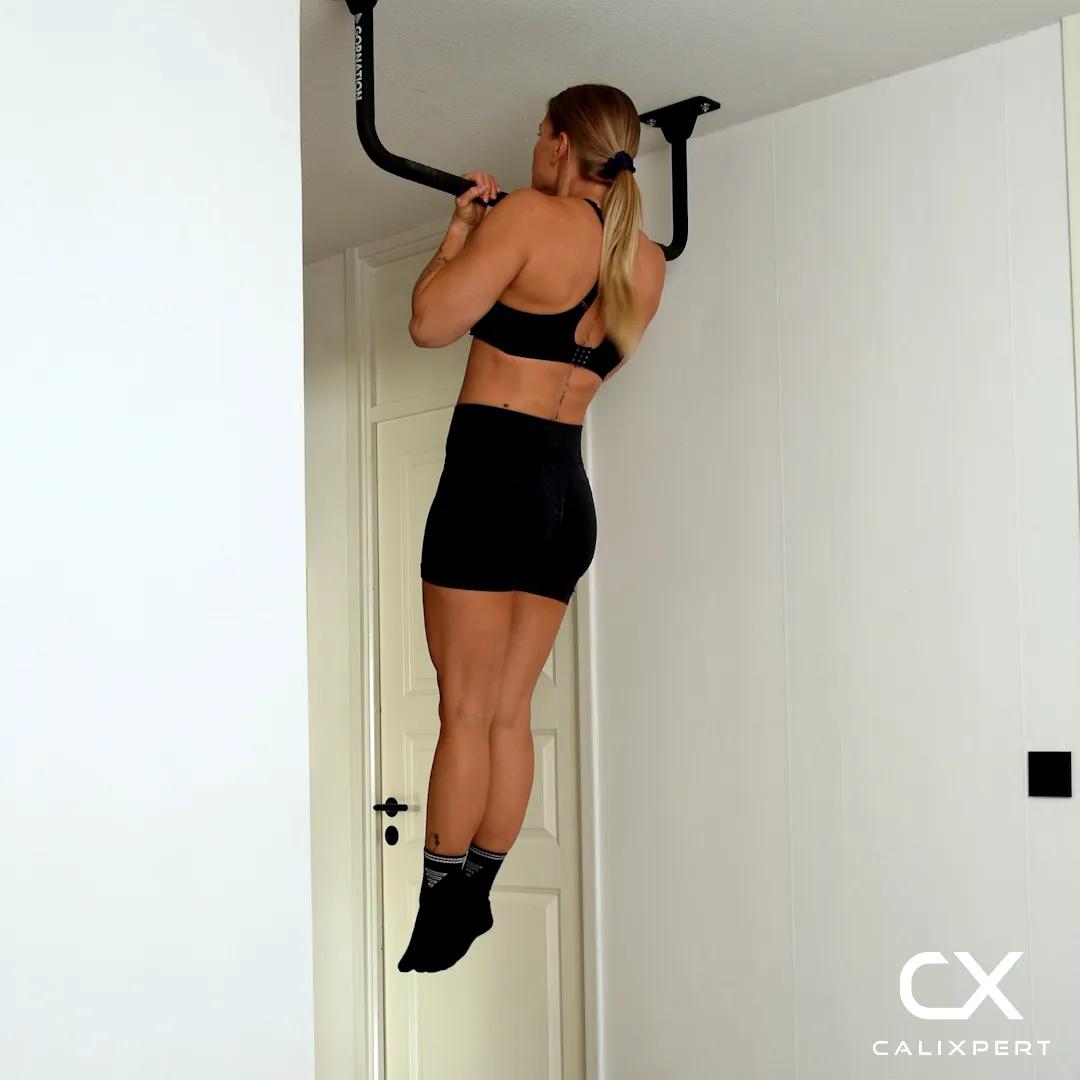
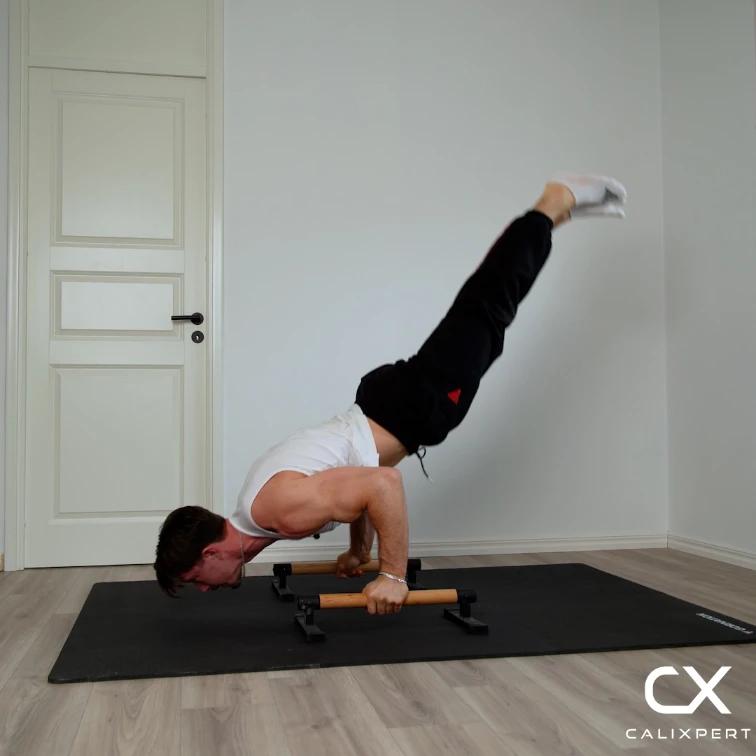
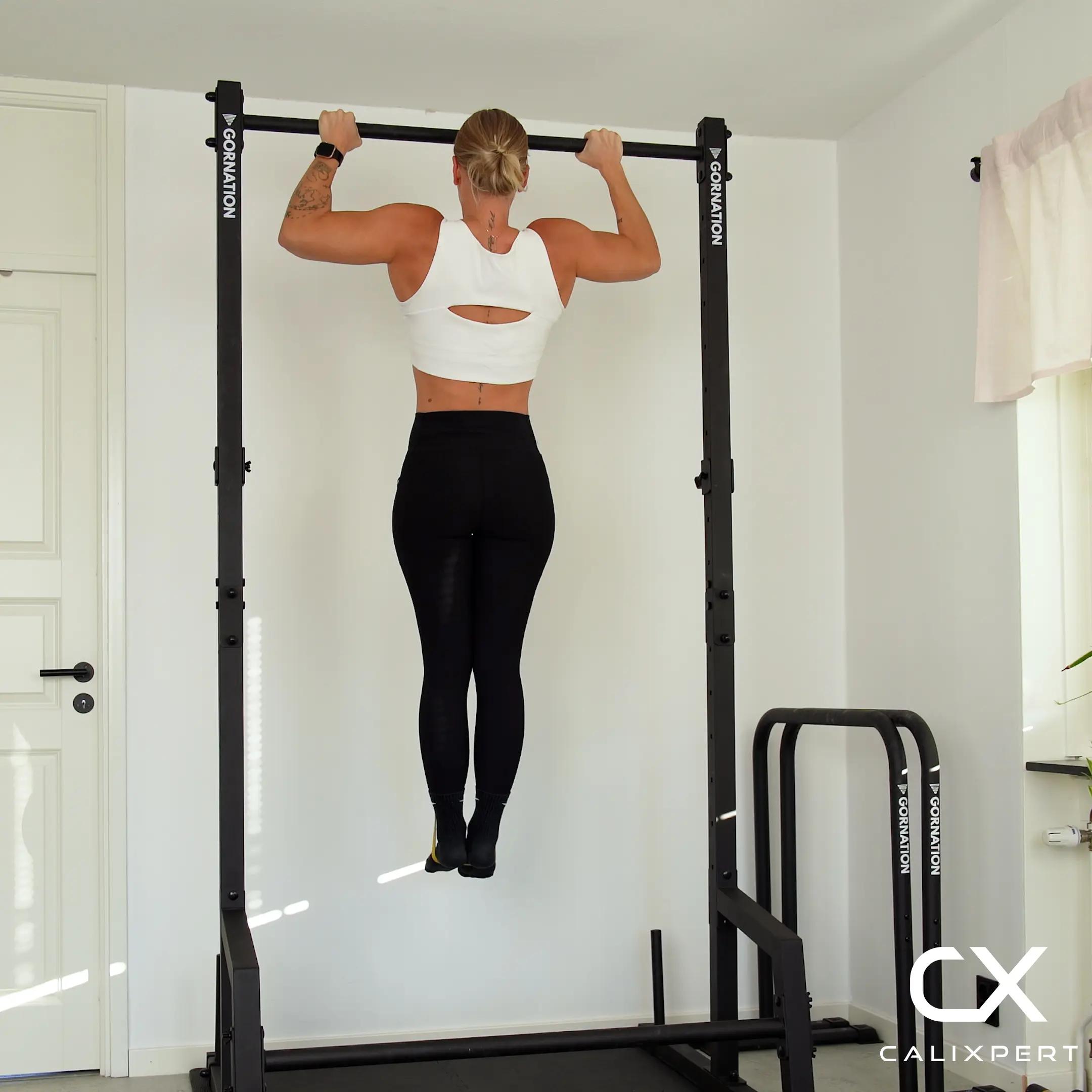
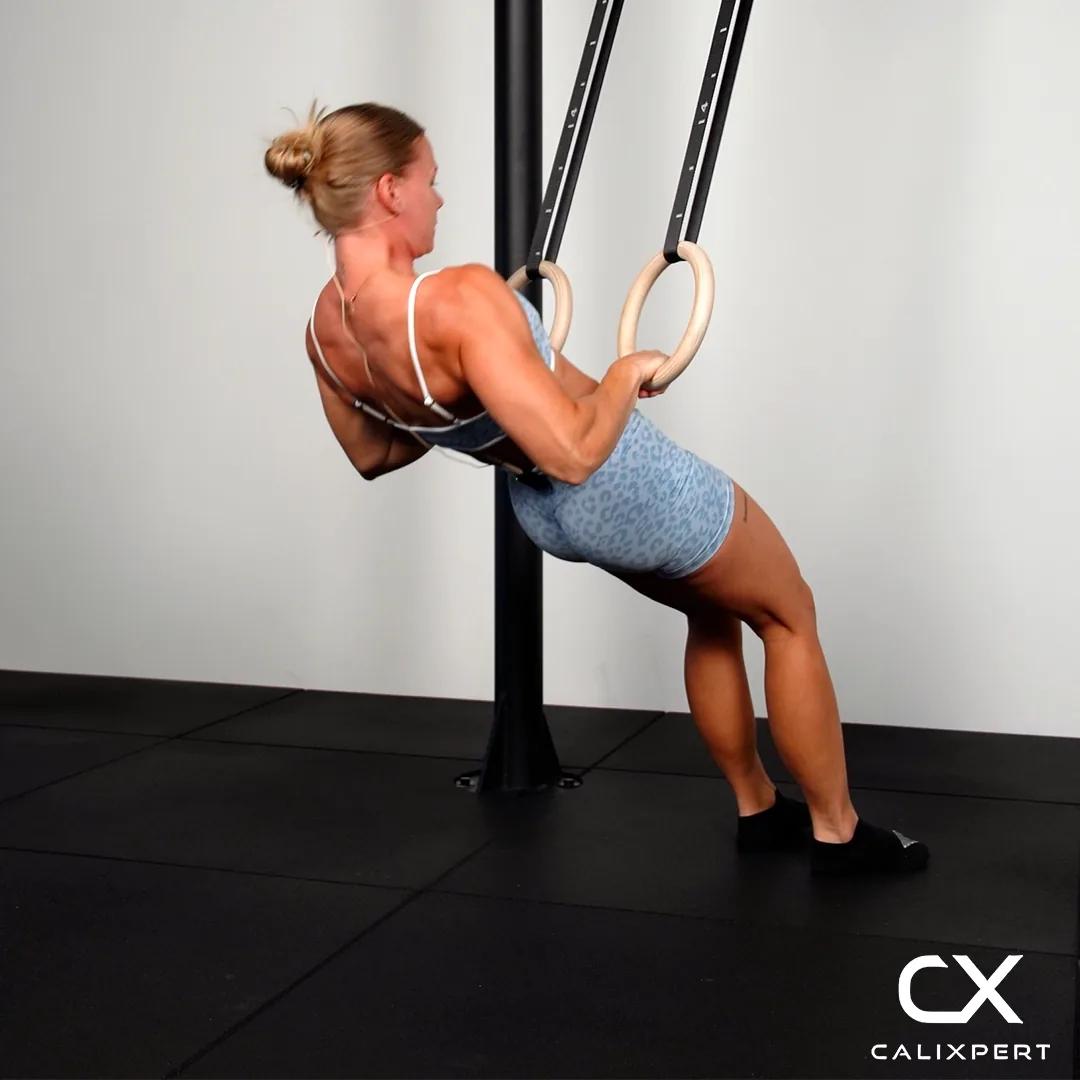
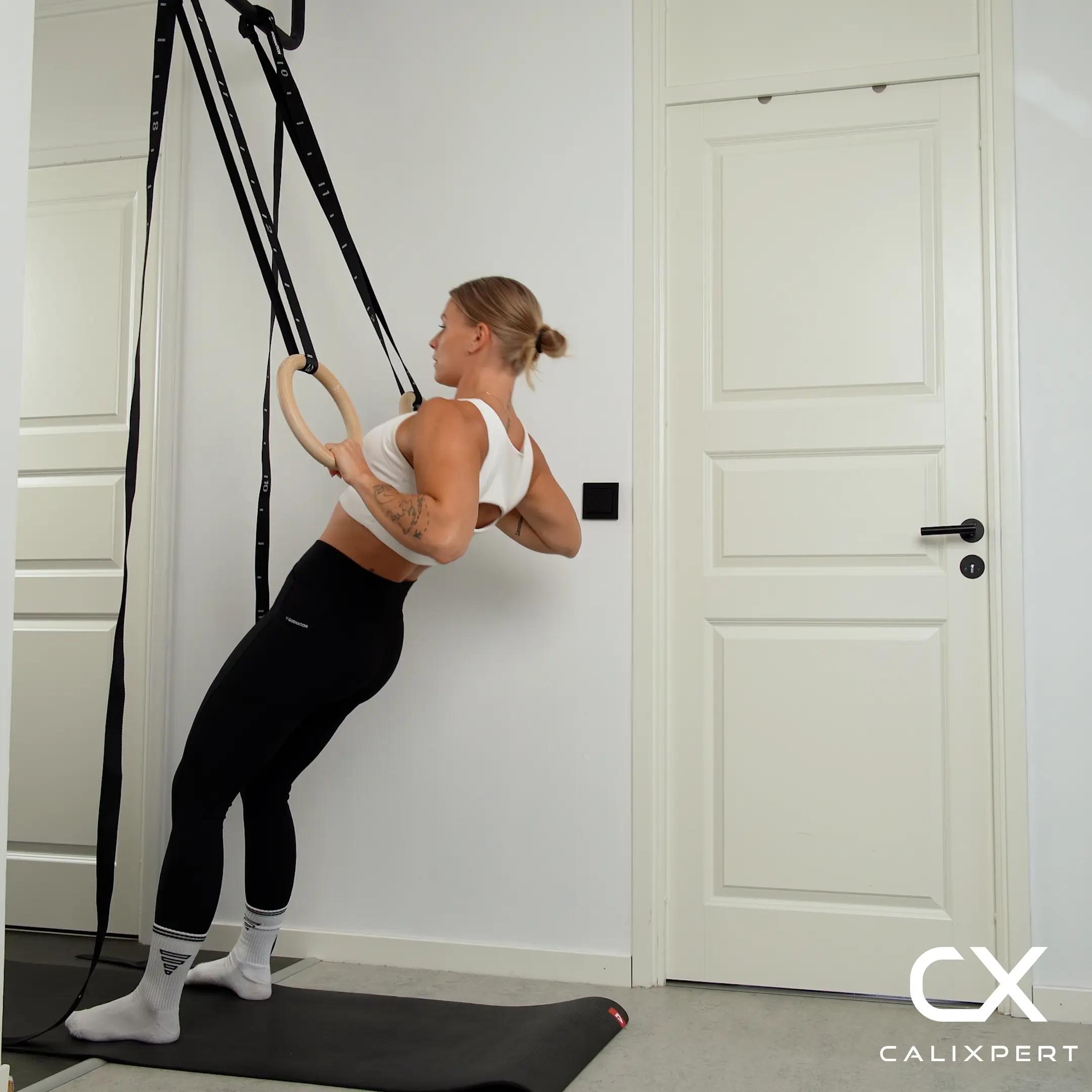
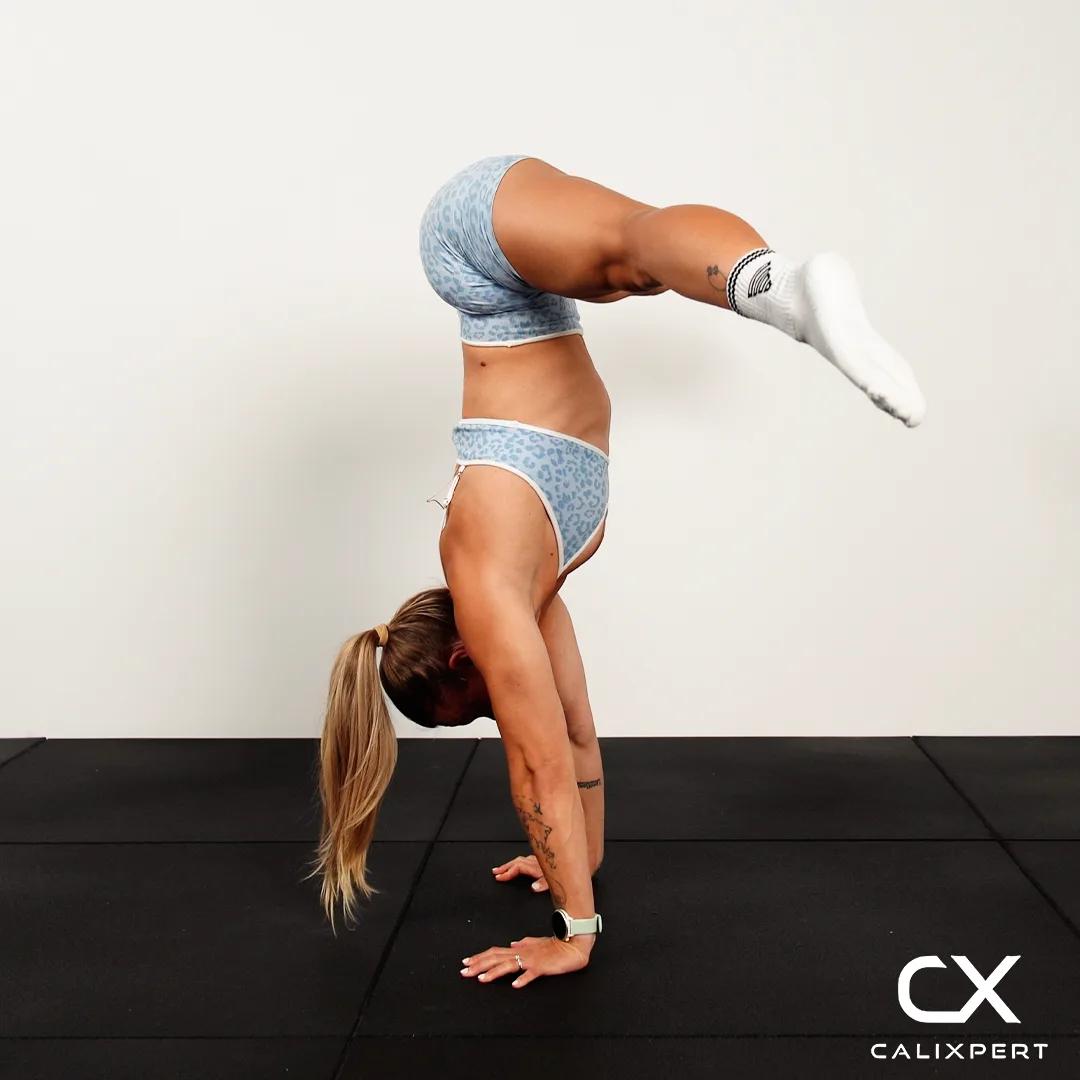
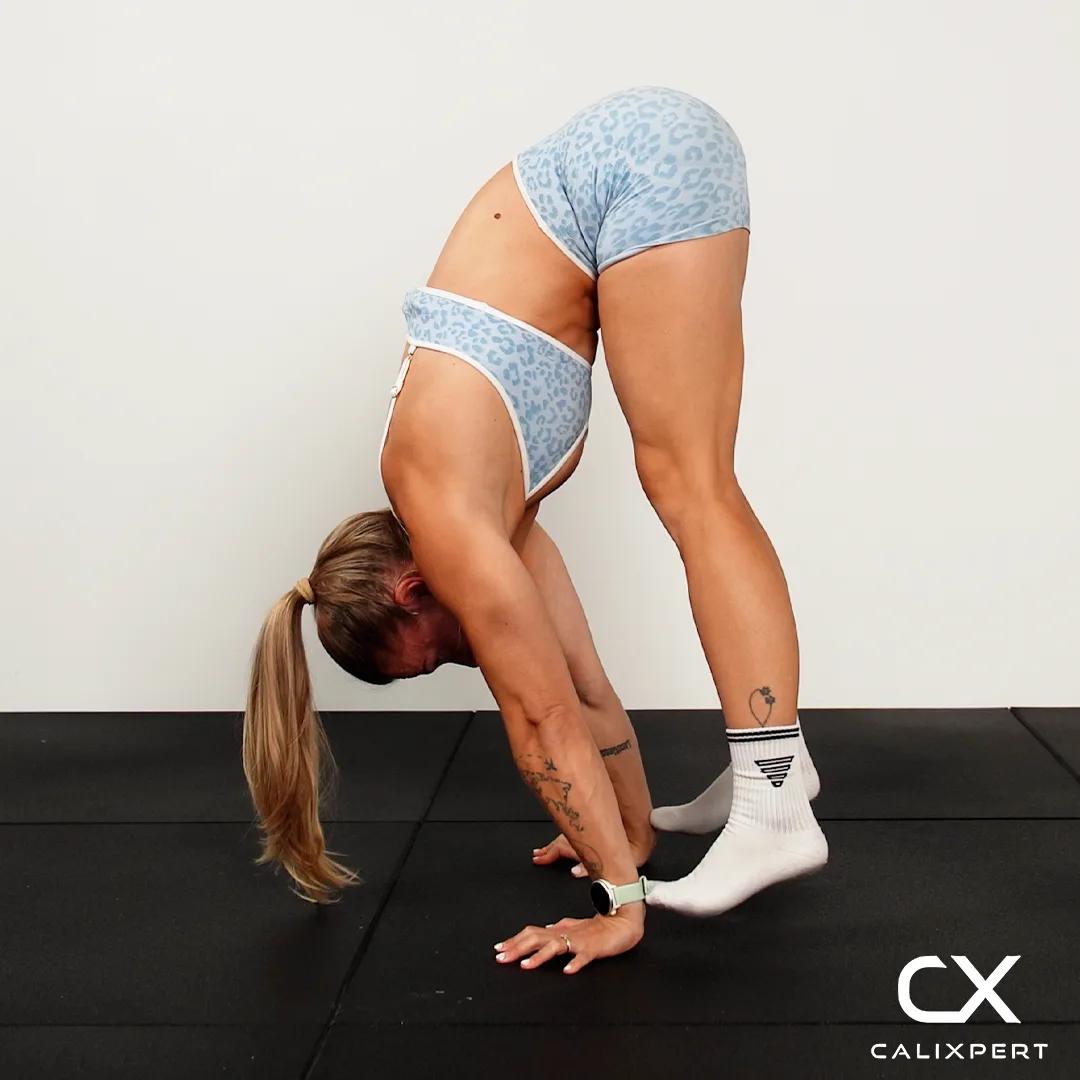
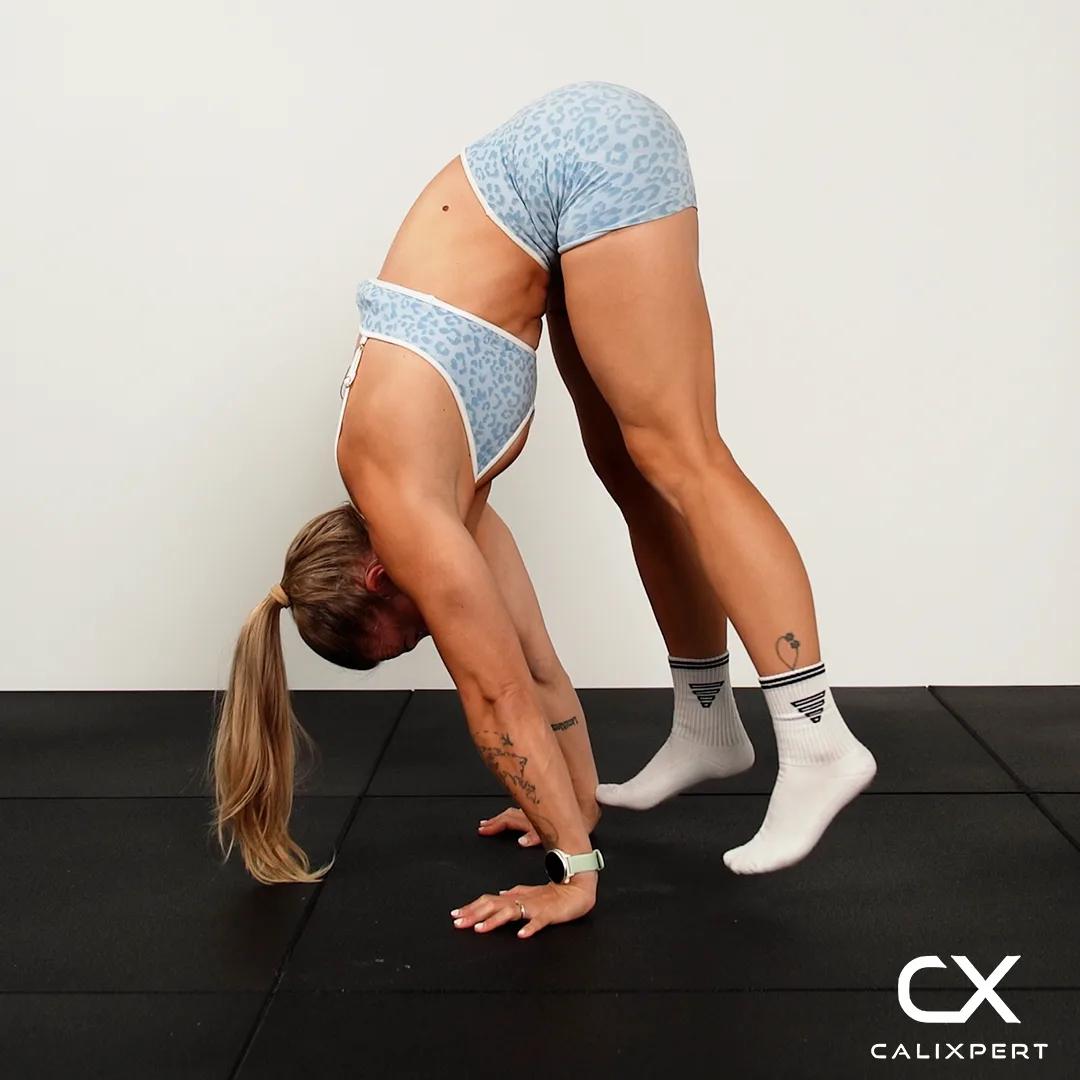
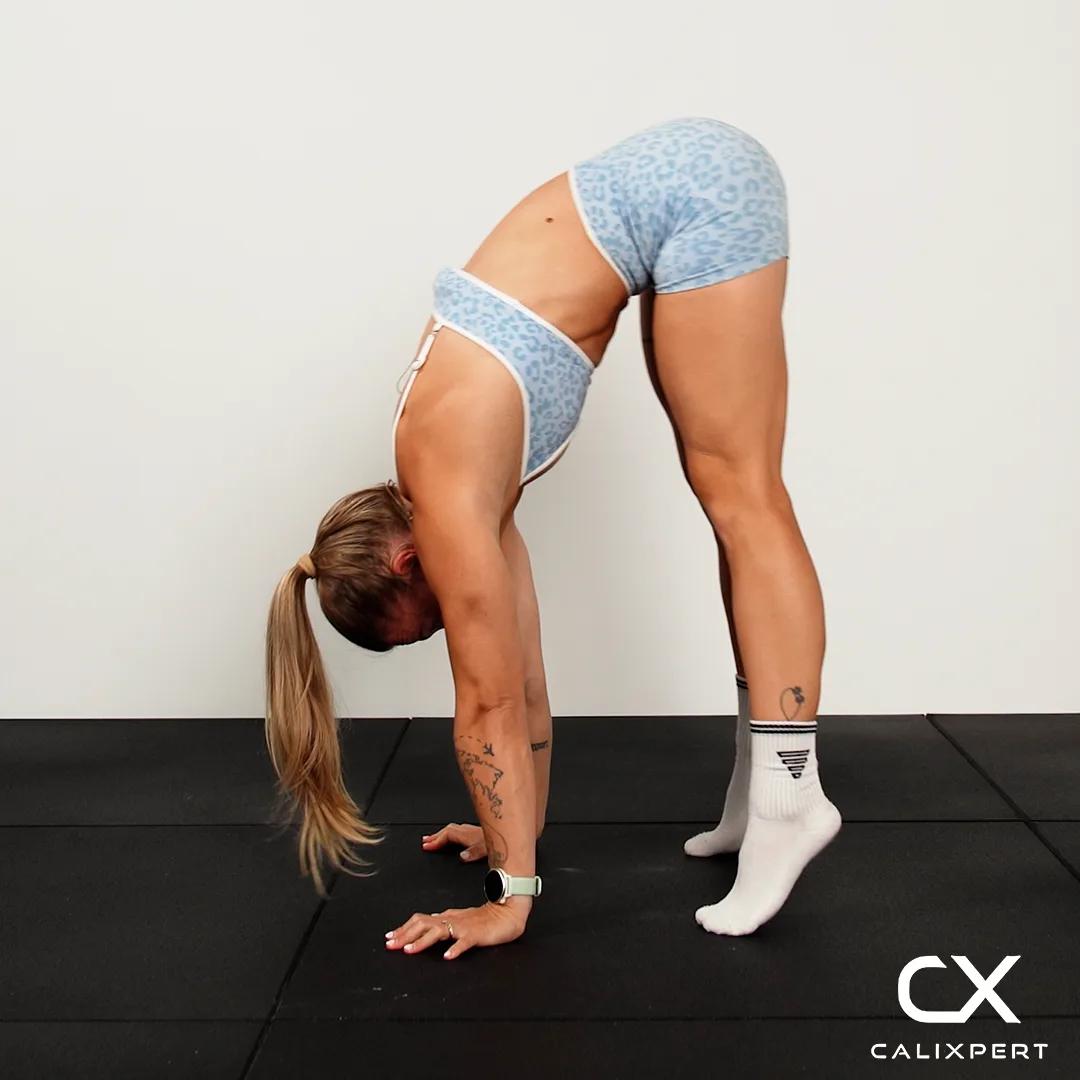
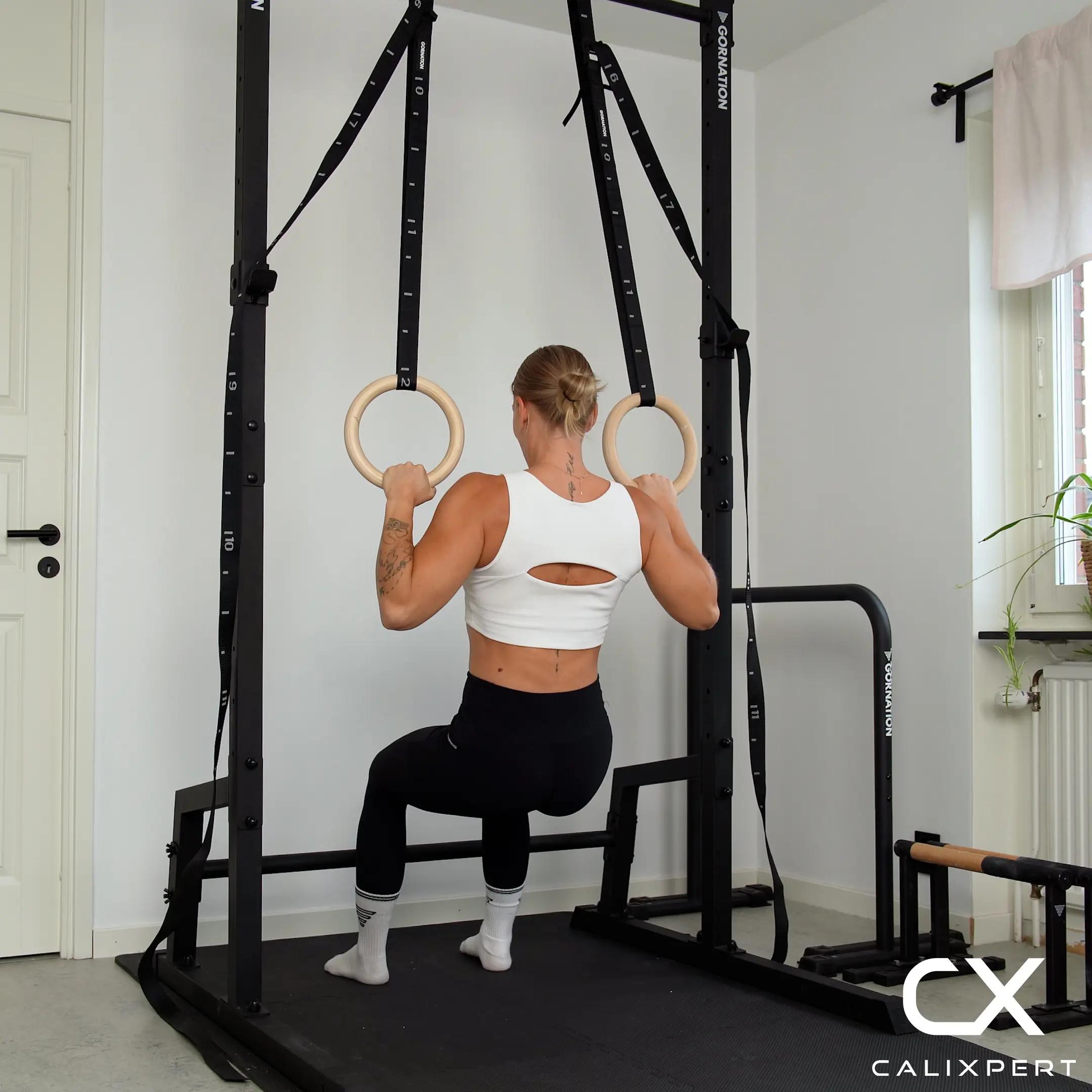
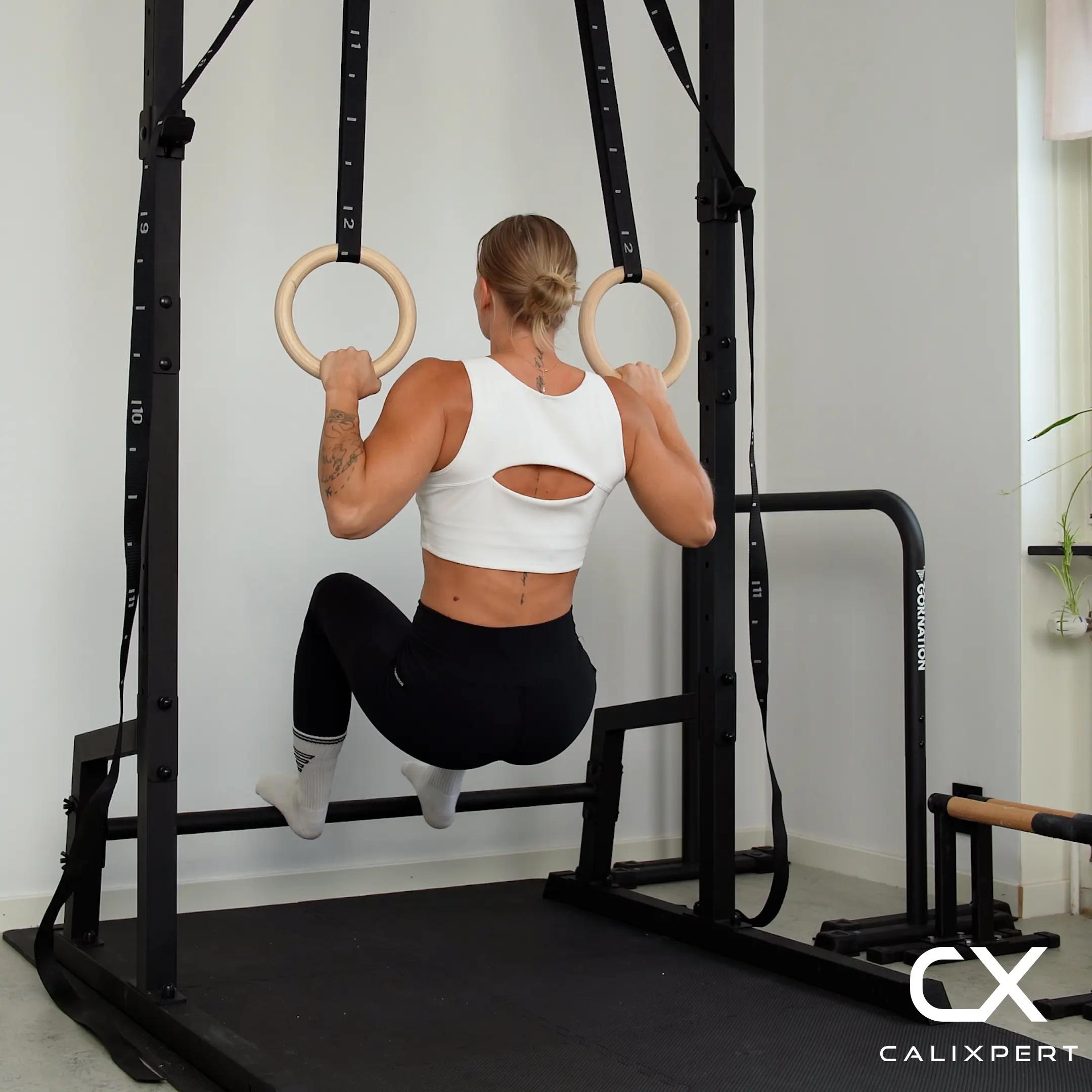
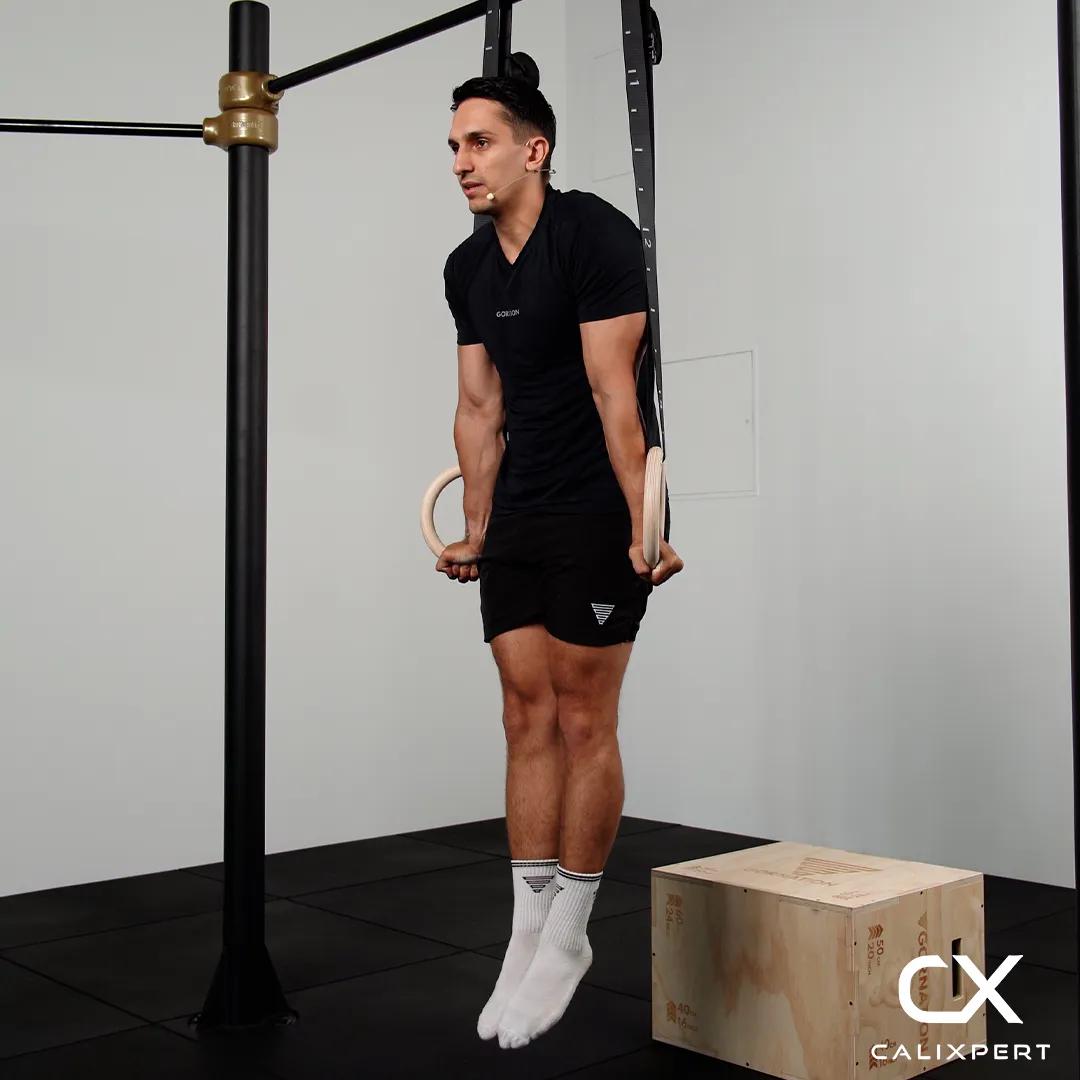
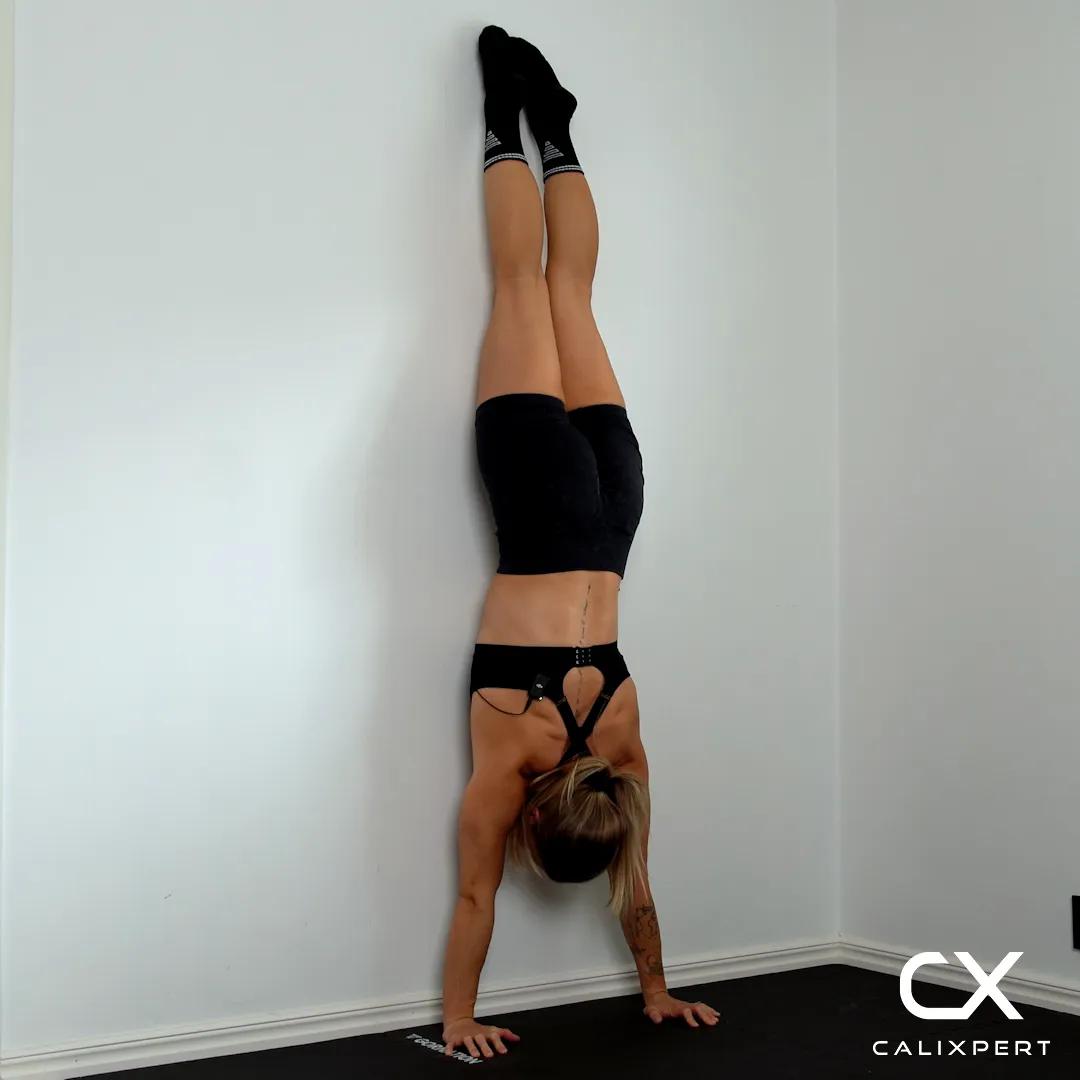
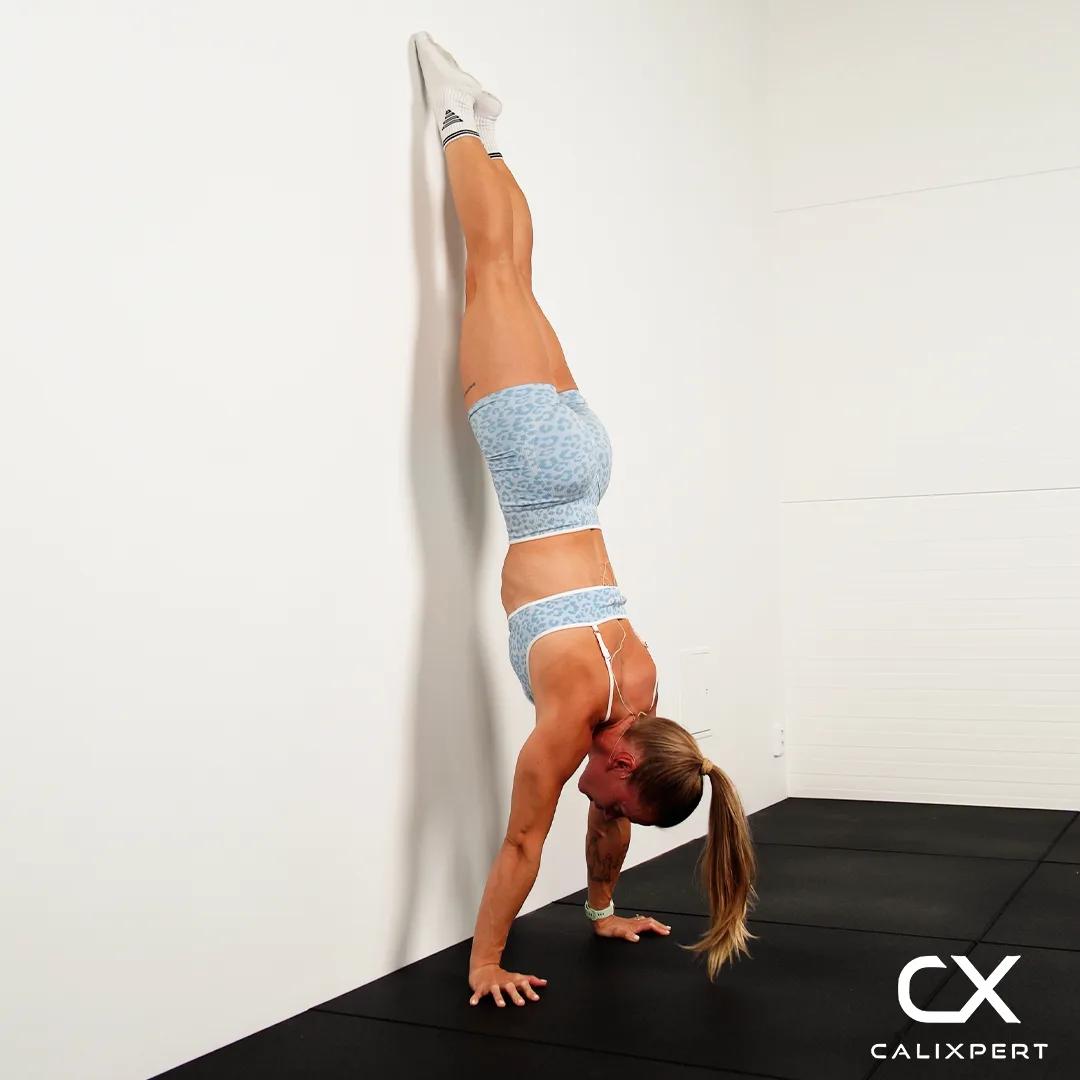
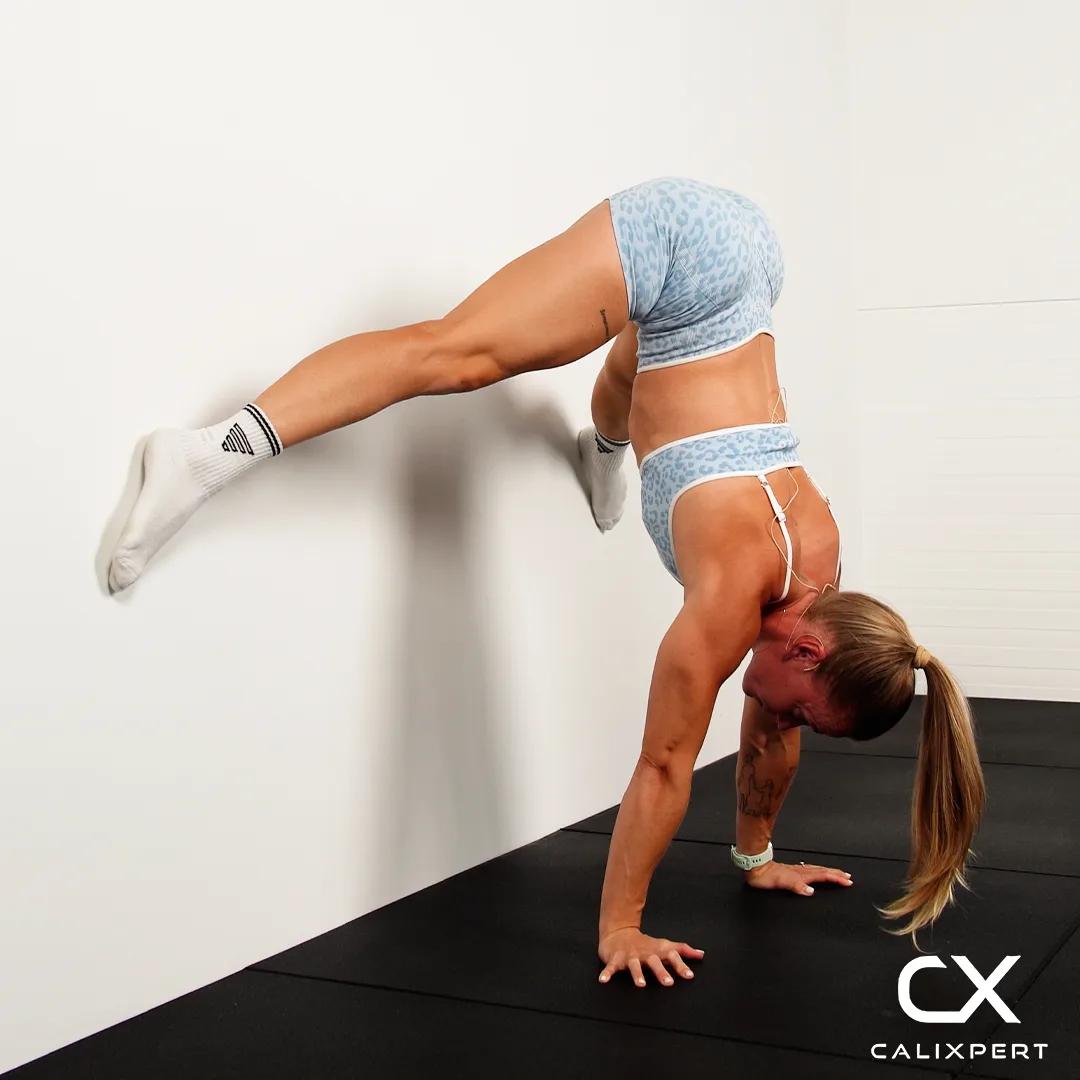
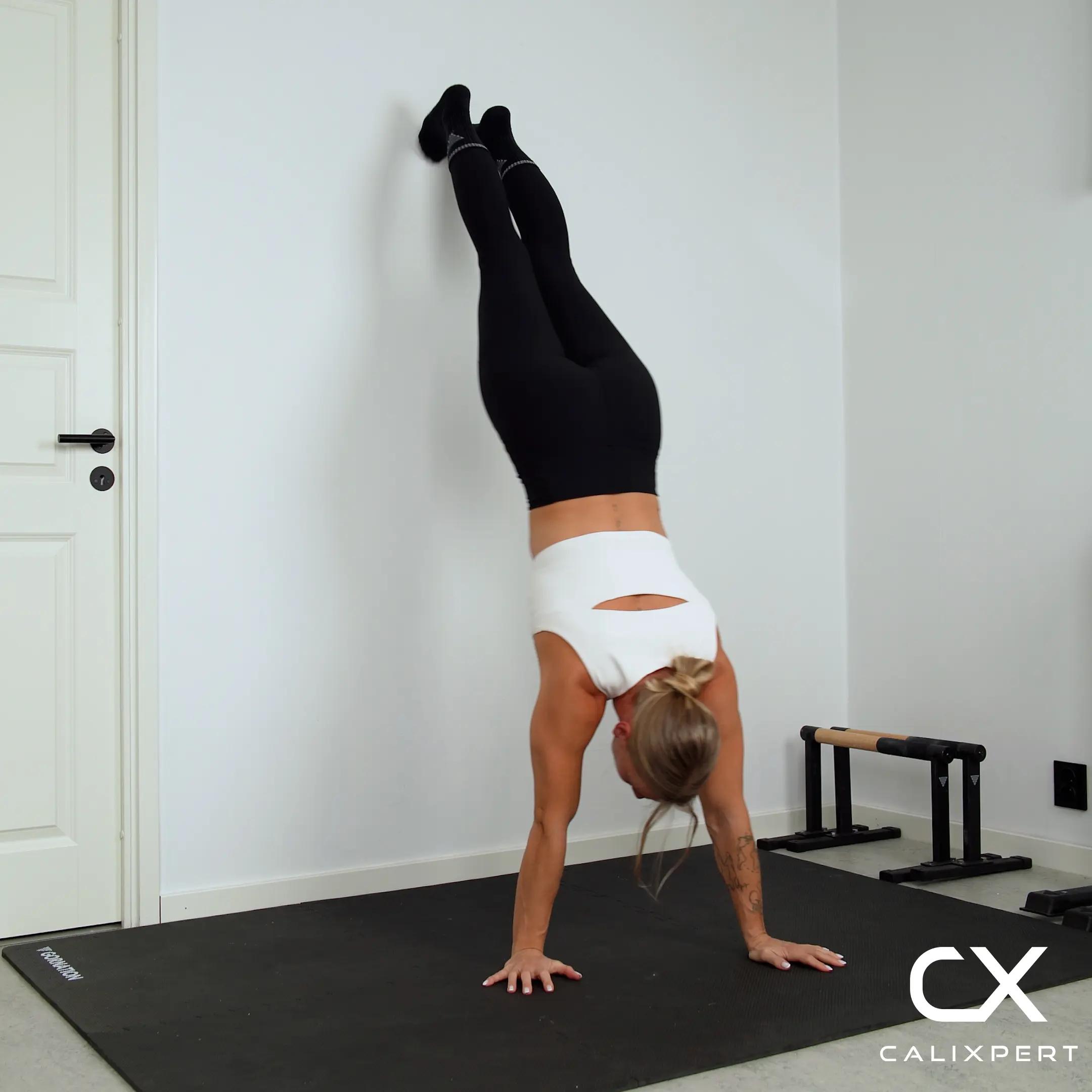
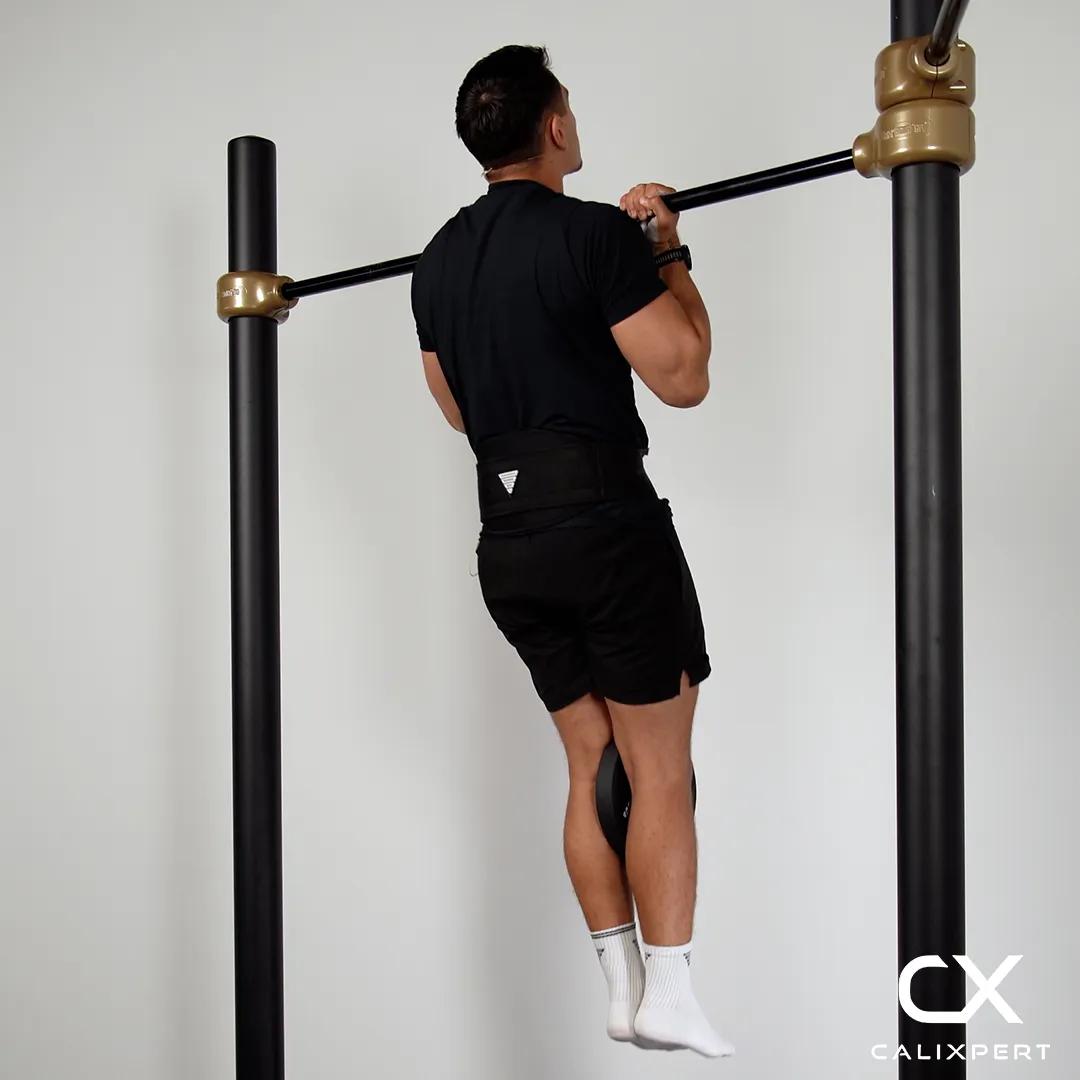
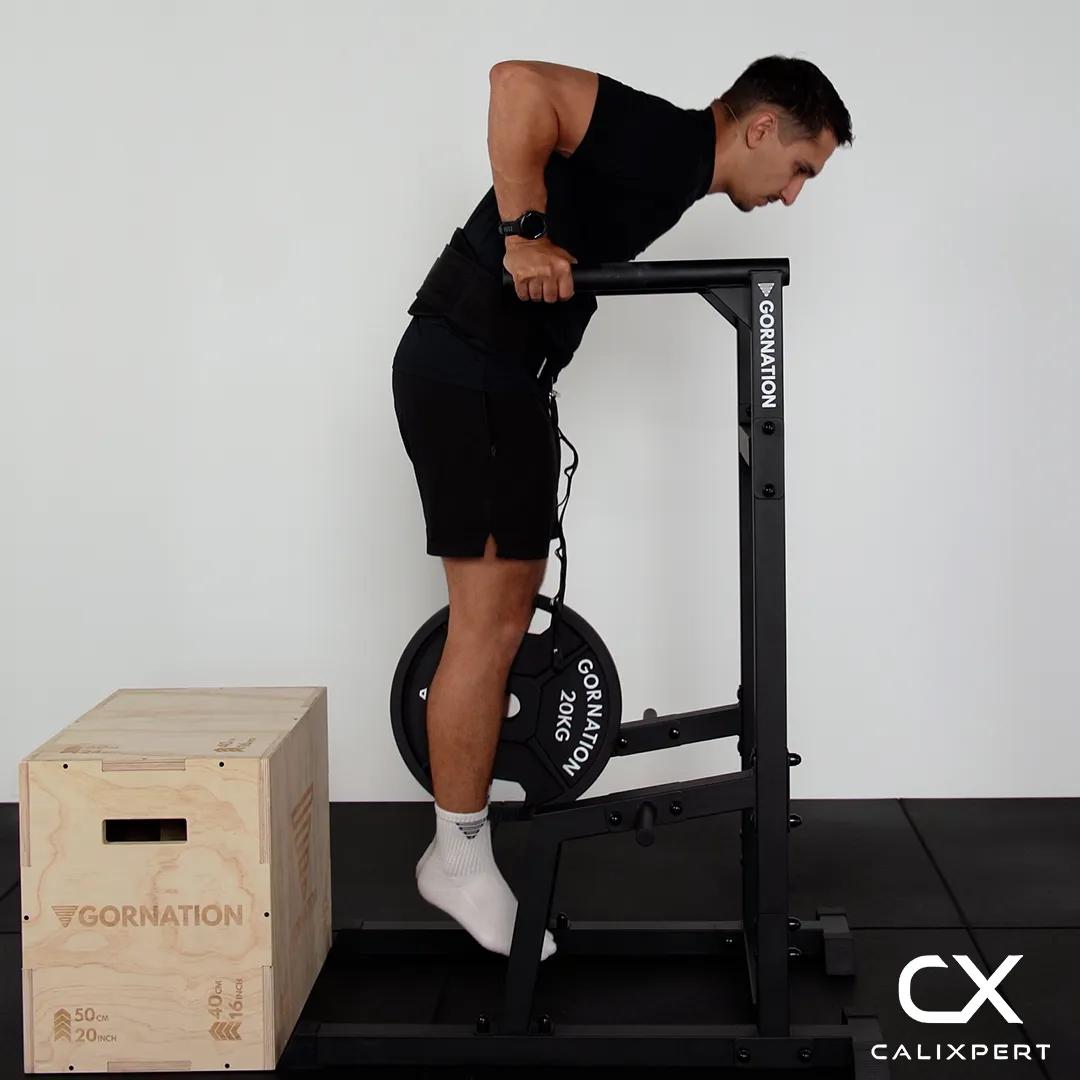
In calisthenics, the lower and middle trapezius are critical for scapular control during pulling and pressing movements. Handstands, pull-ups, and ring work all require the trapezius to actively stabilize and position the shoulder blades throughout the movement.
Most athletes overdevelop the upper traps through shrugging patterns while neglecting the lower and middle portions. This imbalance leads to shoulder impingement, limited overhead range of motion, and poor handstand alignment.
How to Train Your Traps
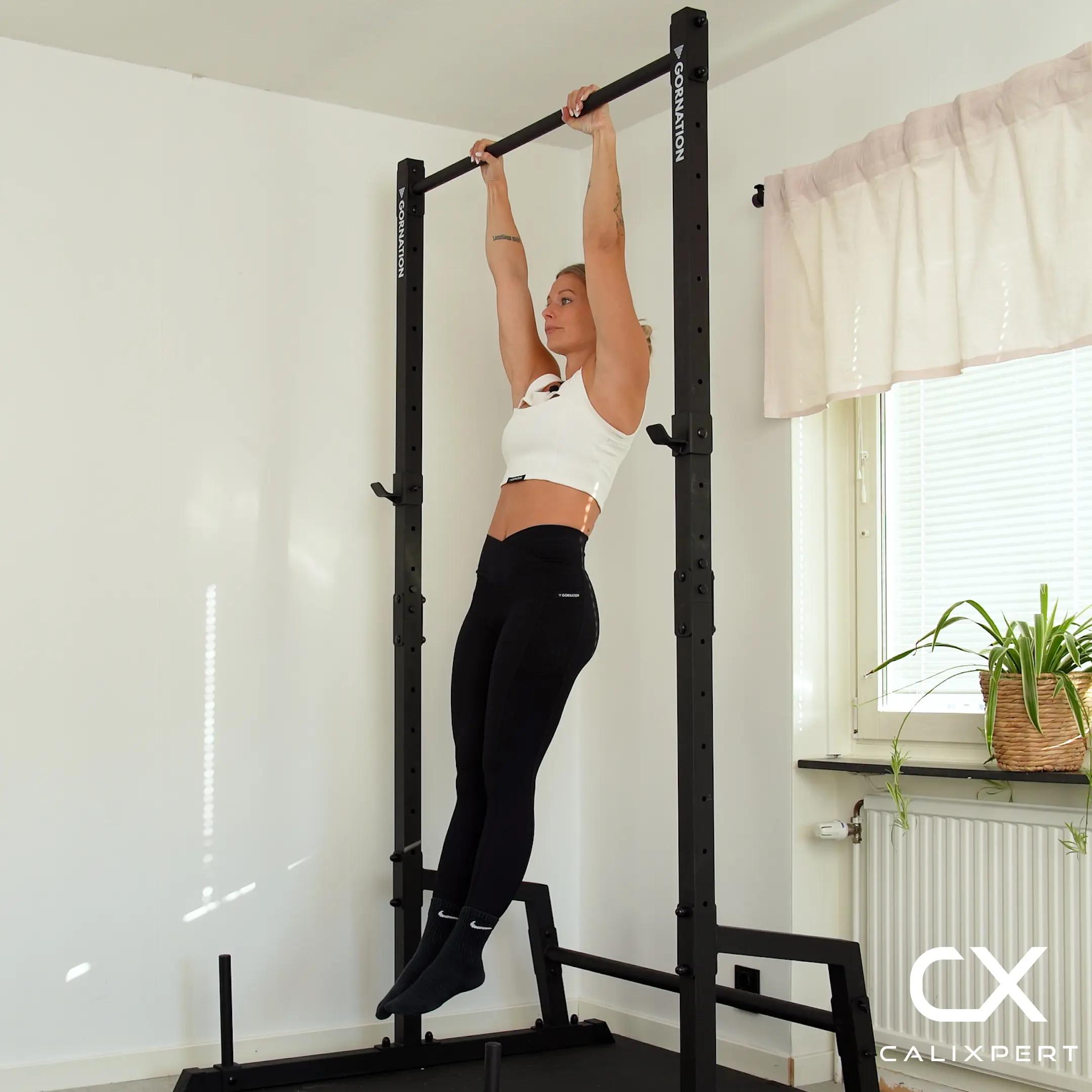
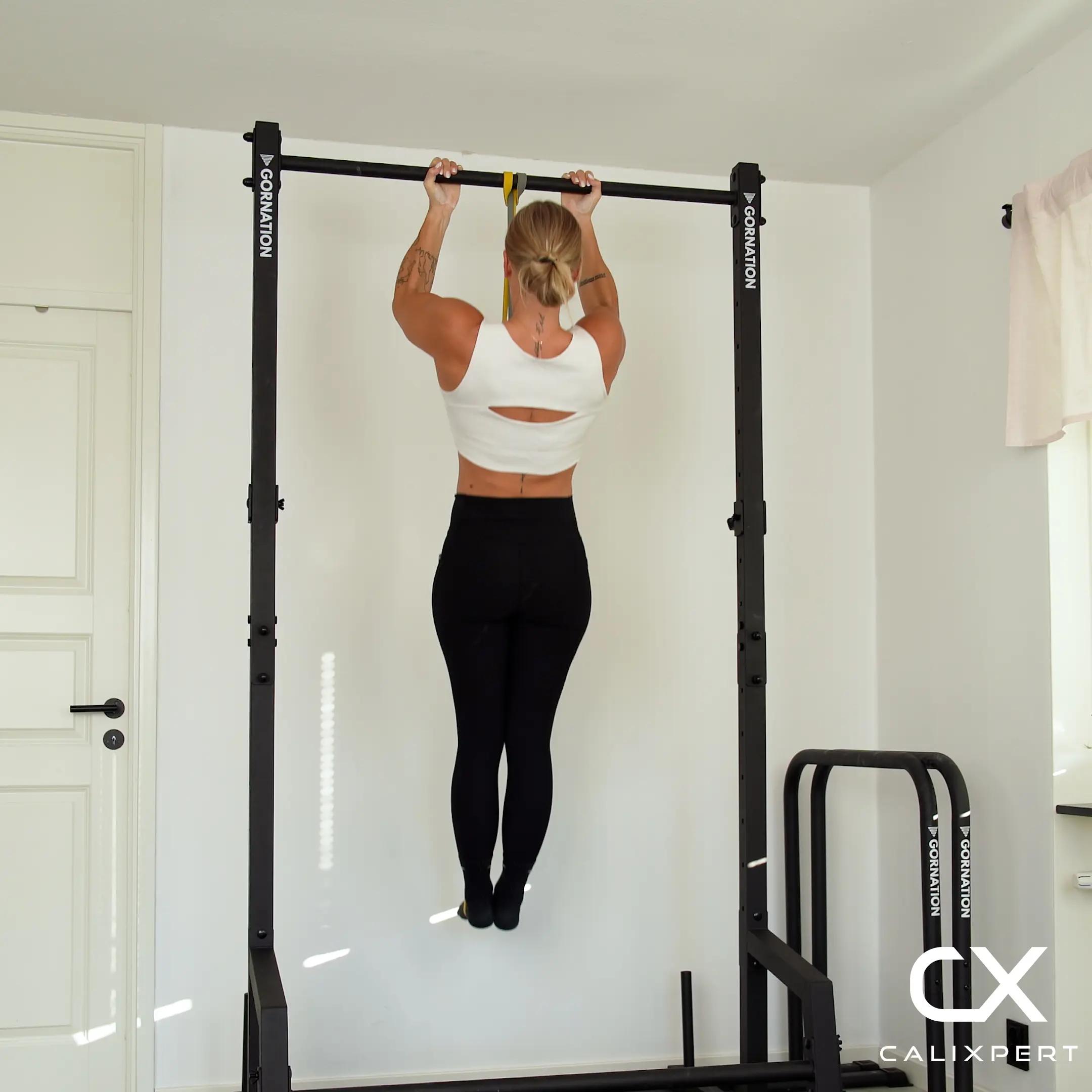
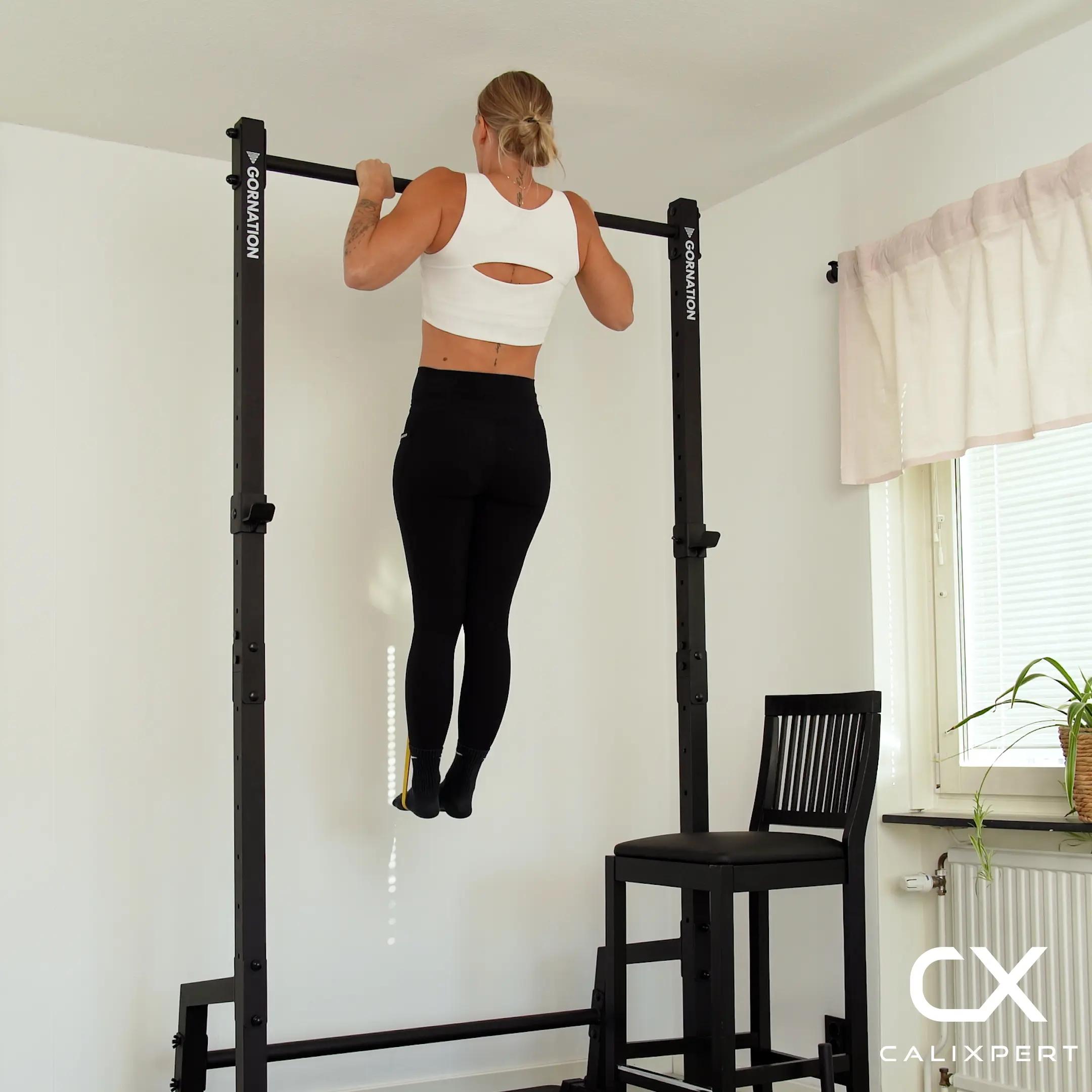
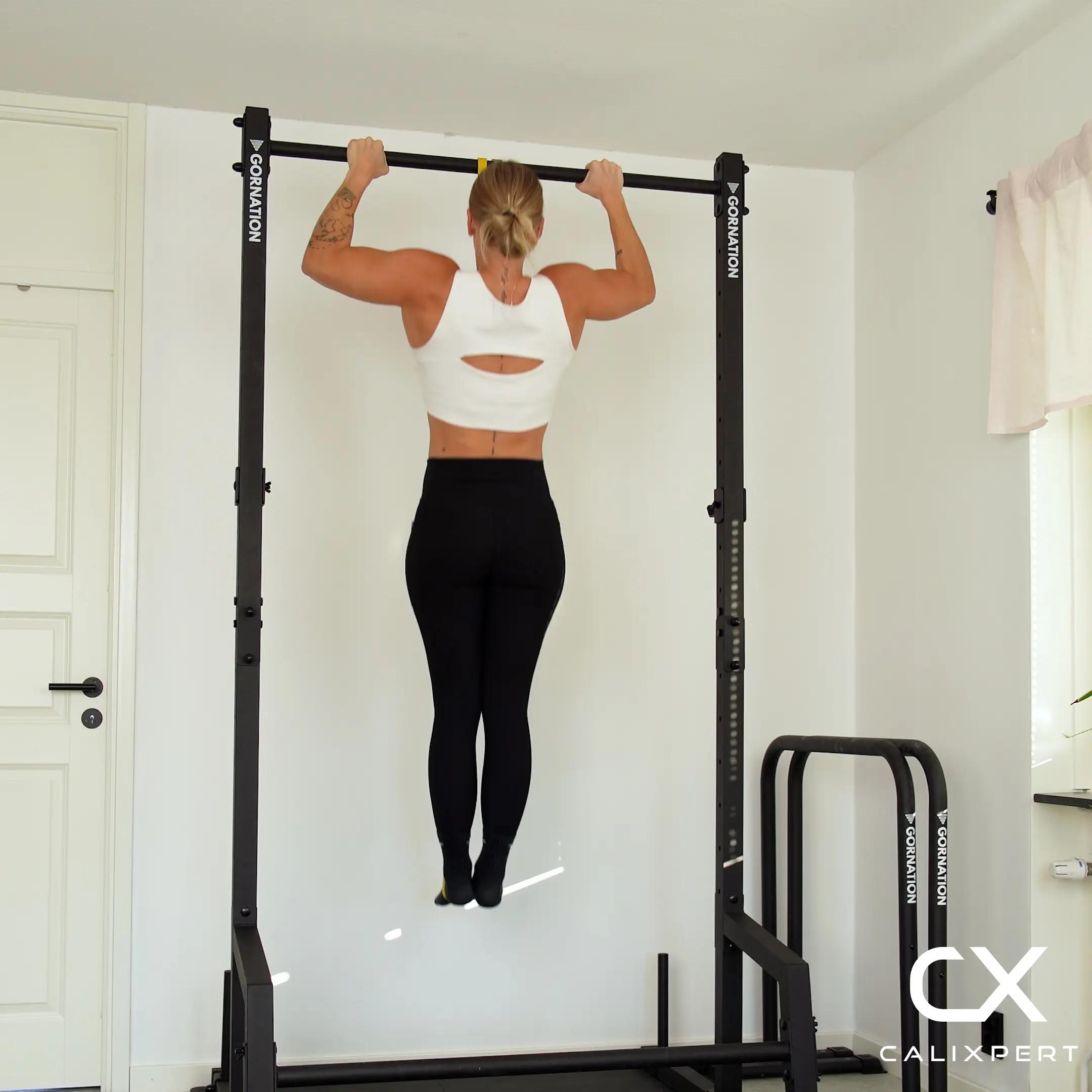
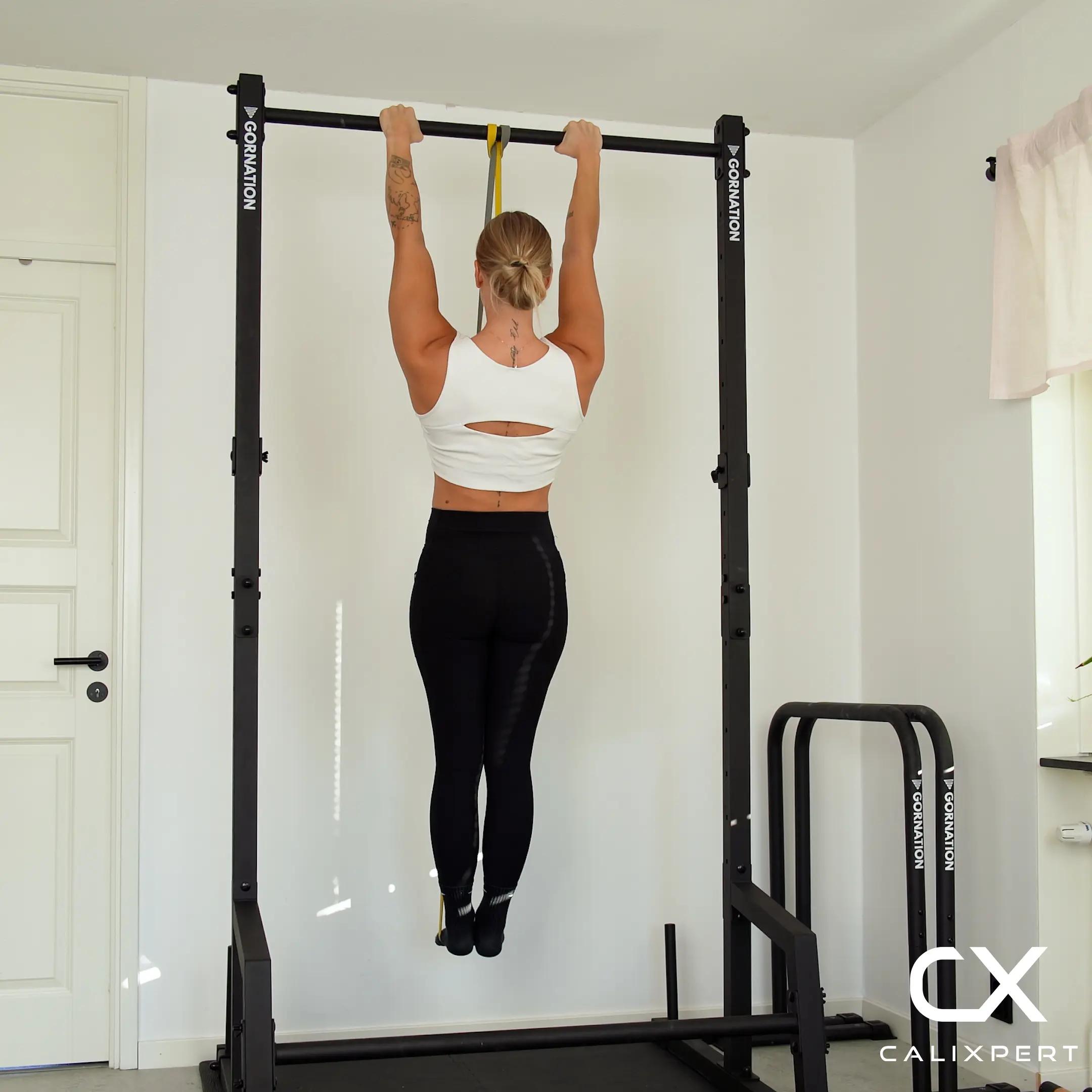
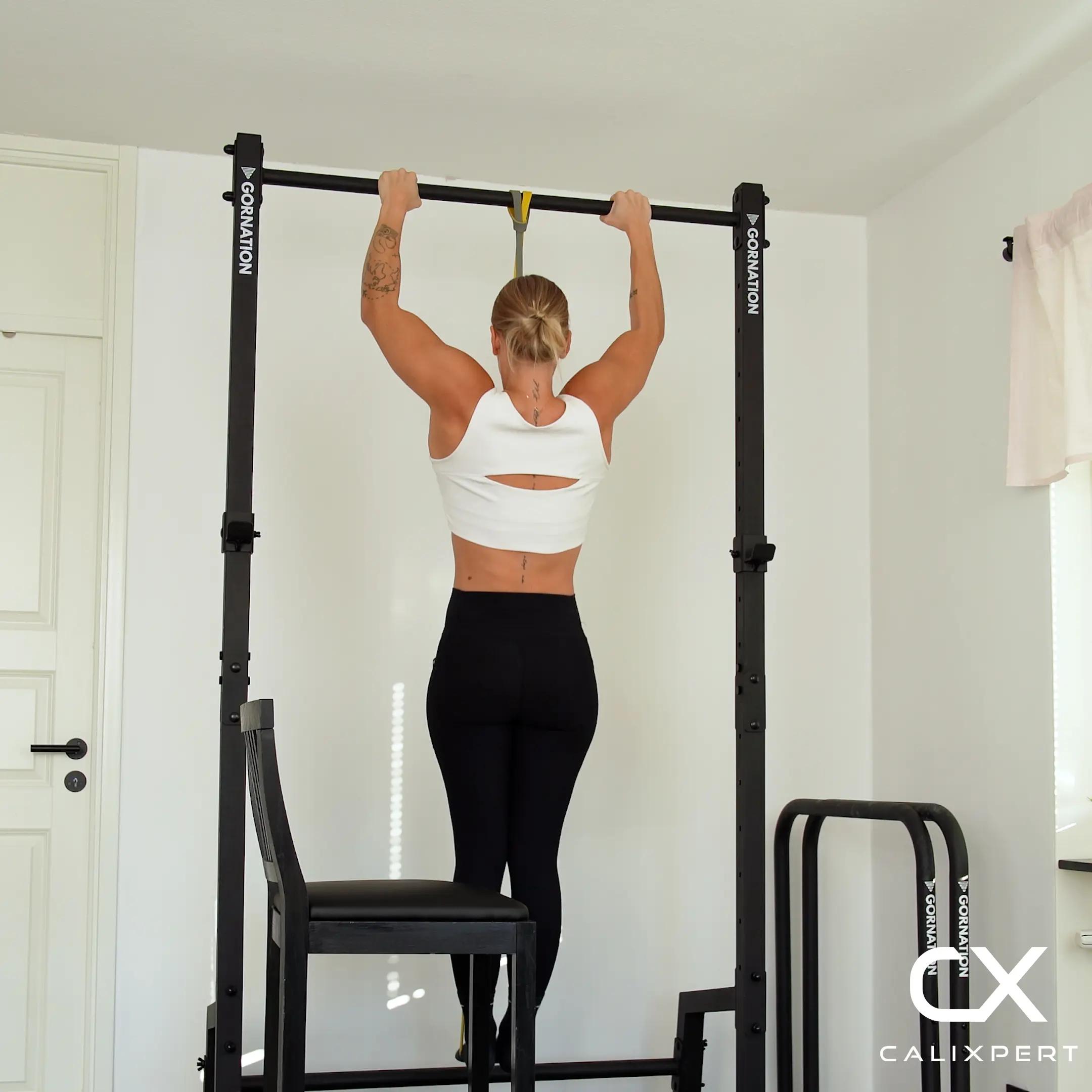
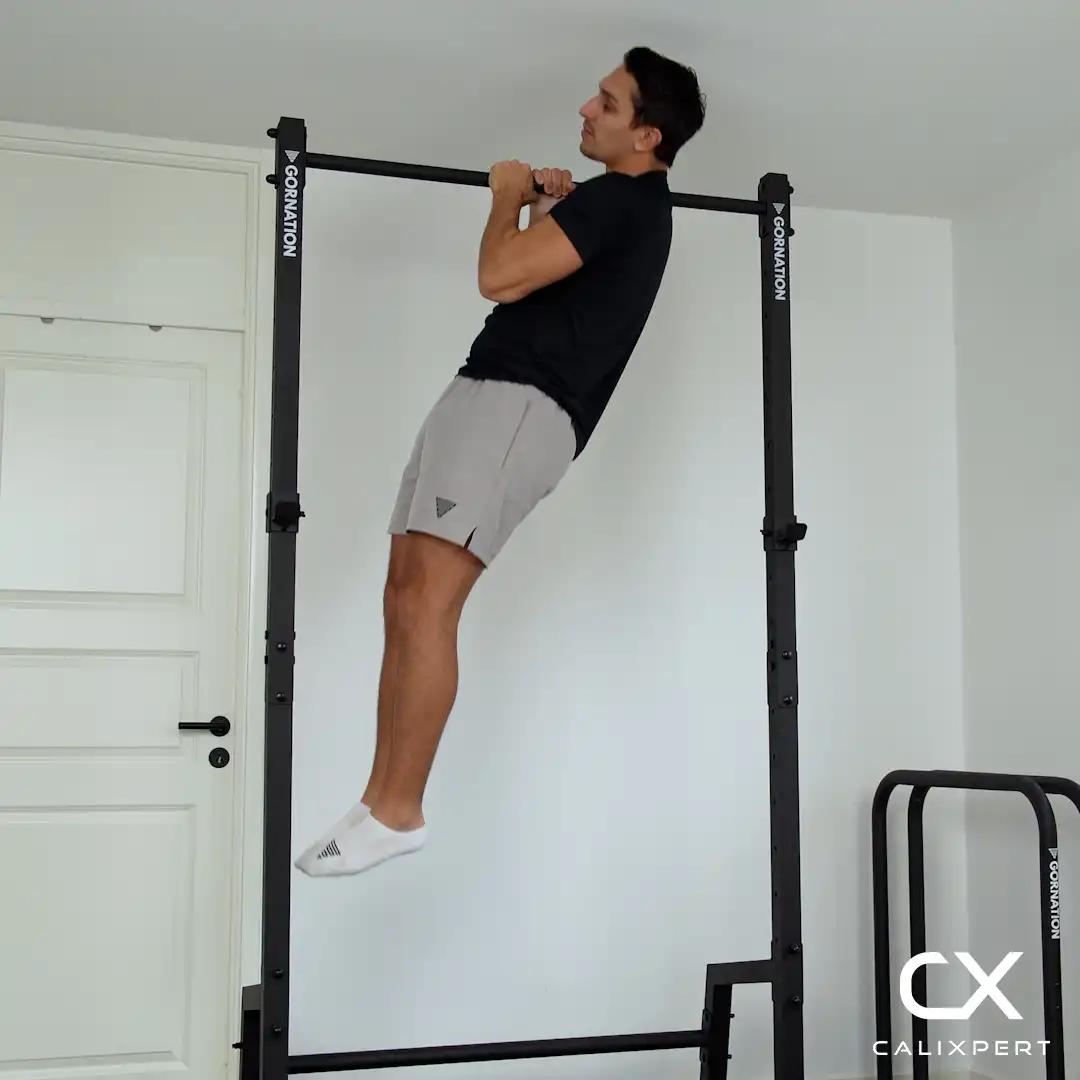
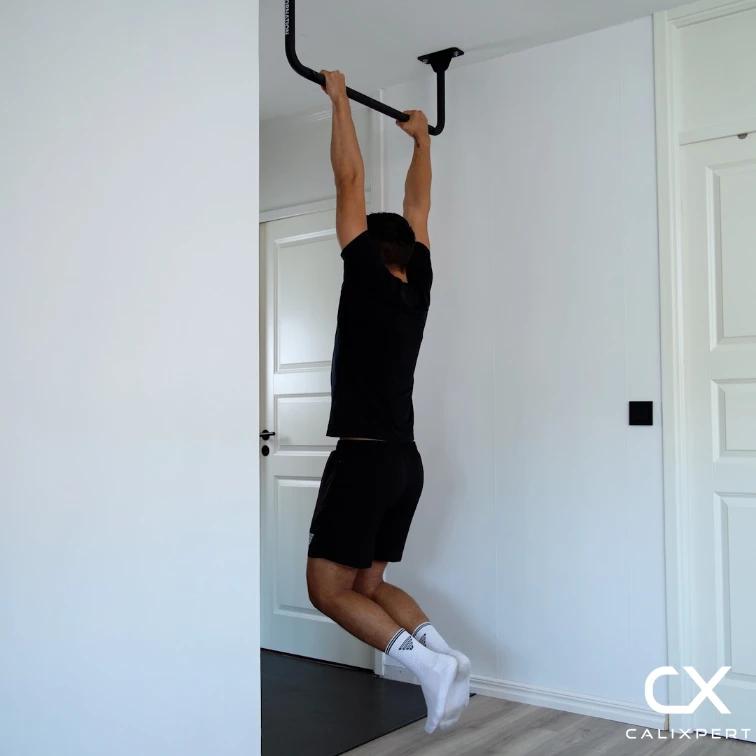
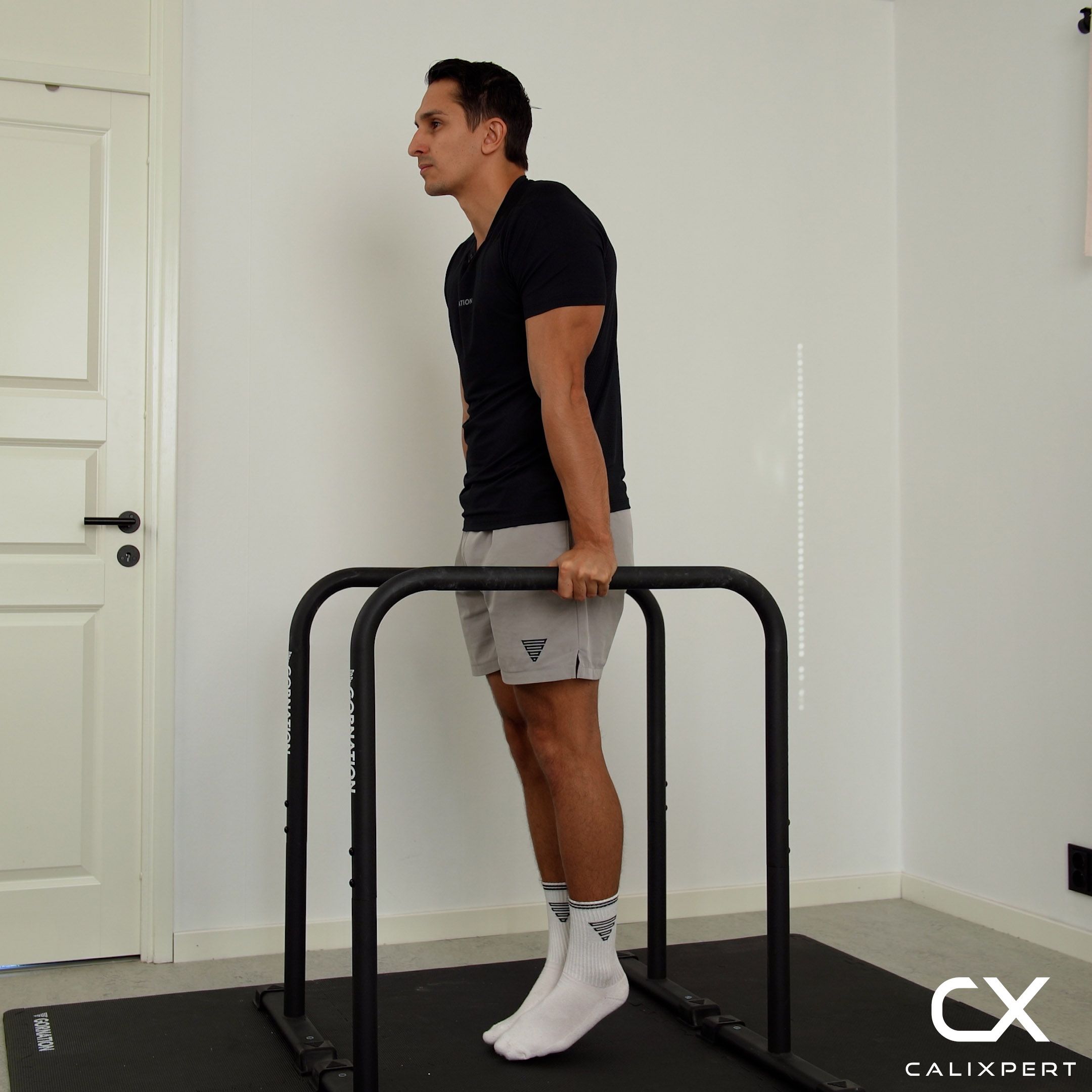
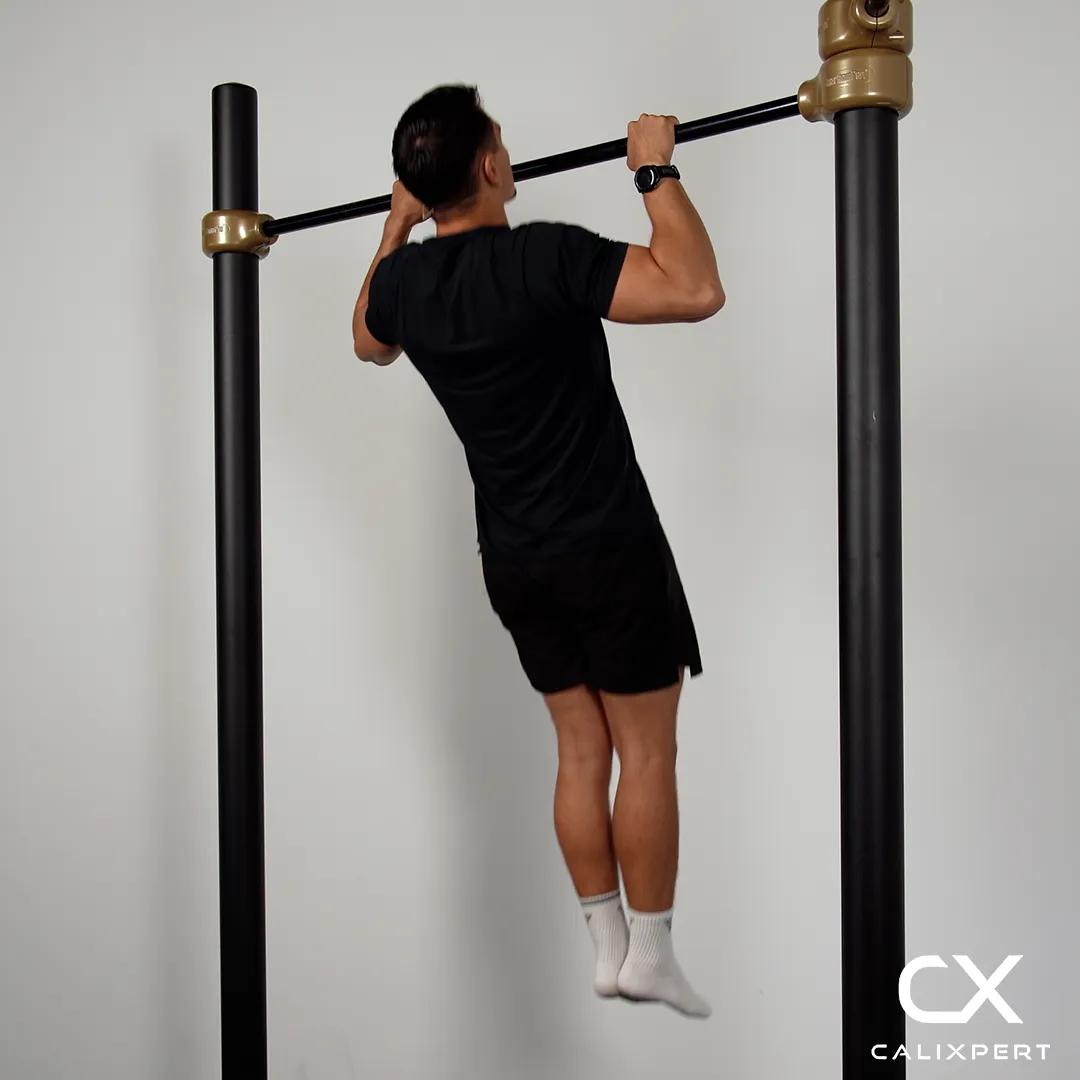
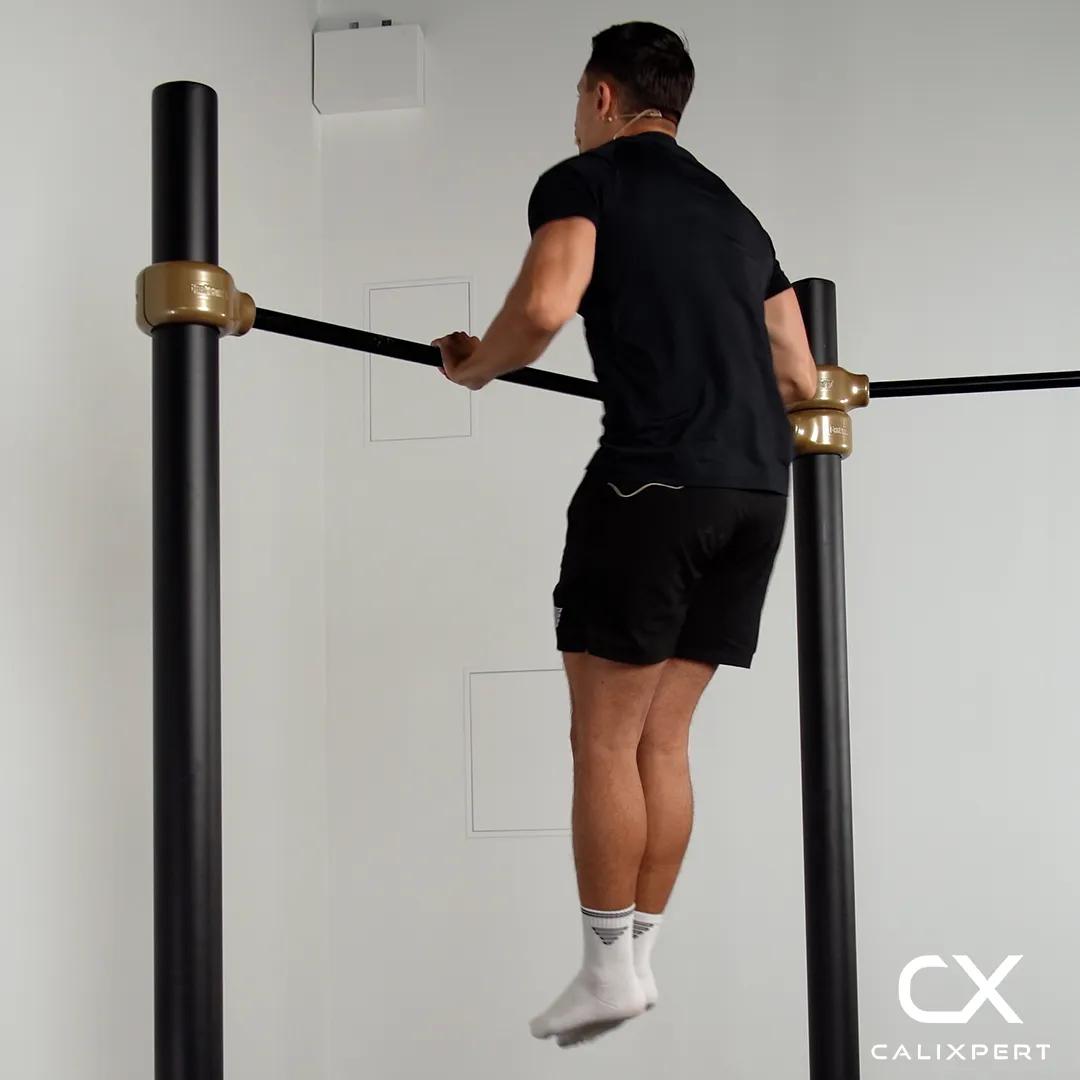
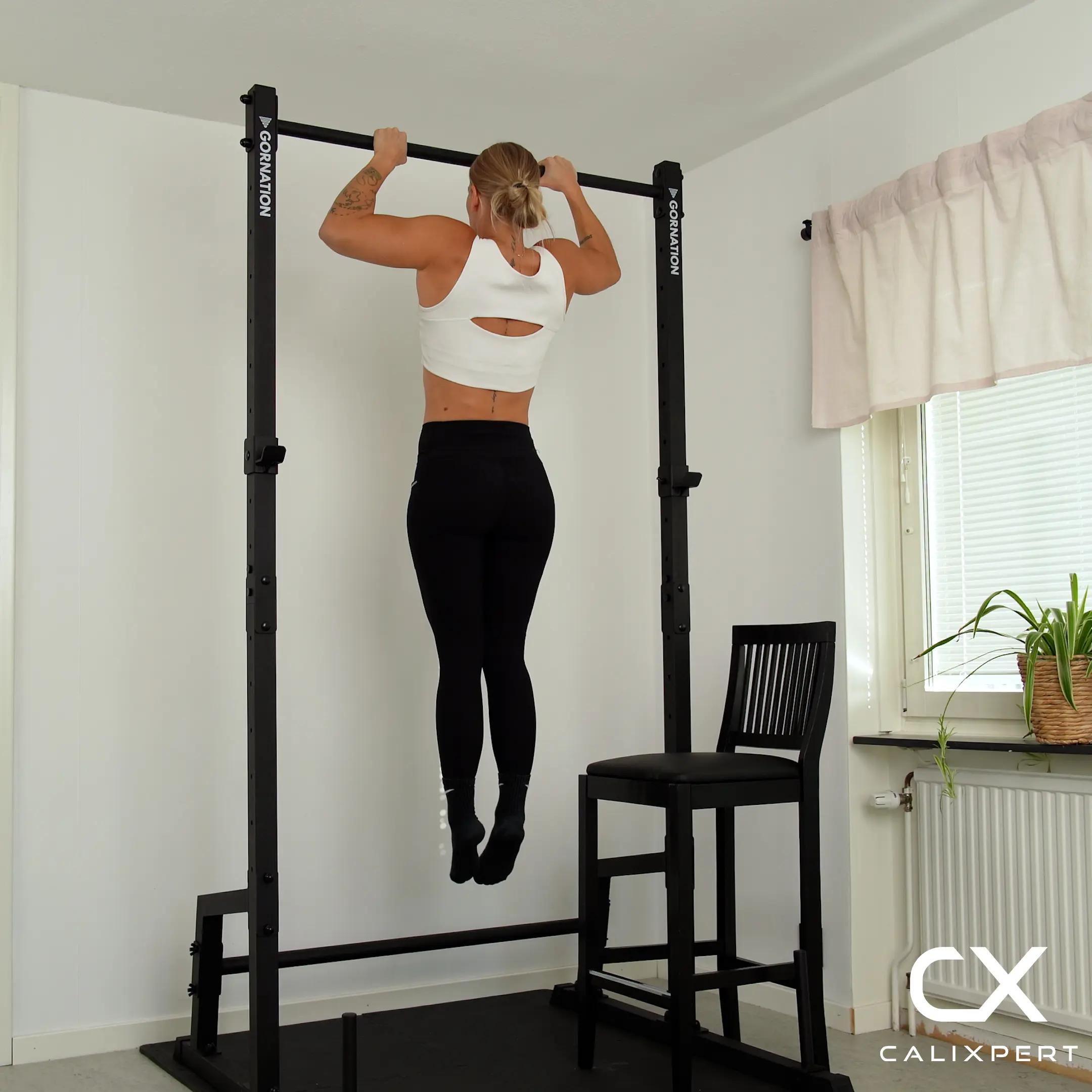
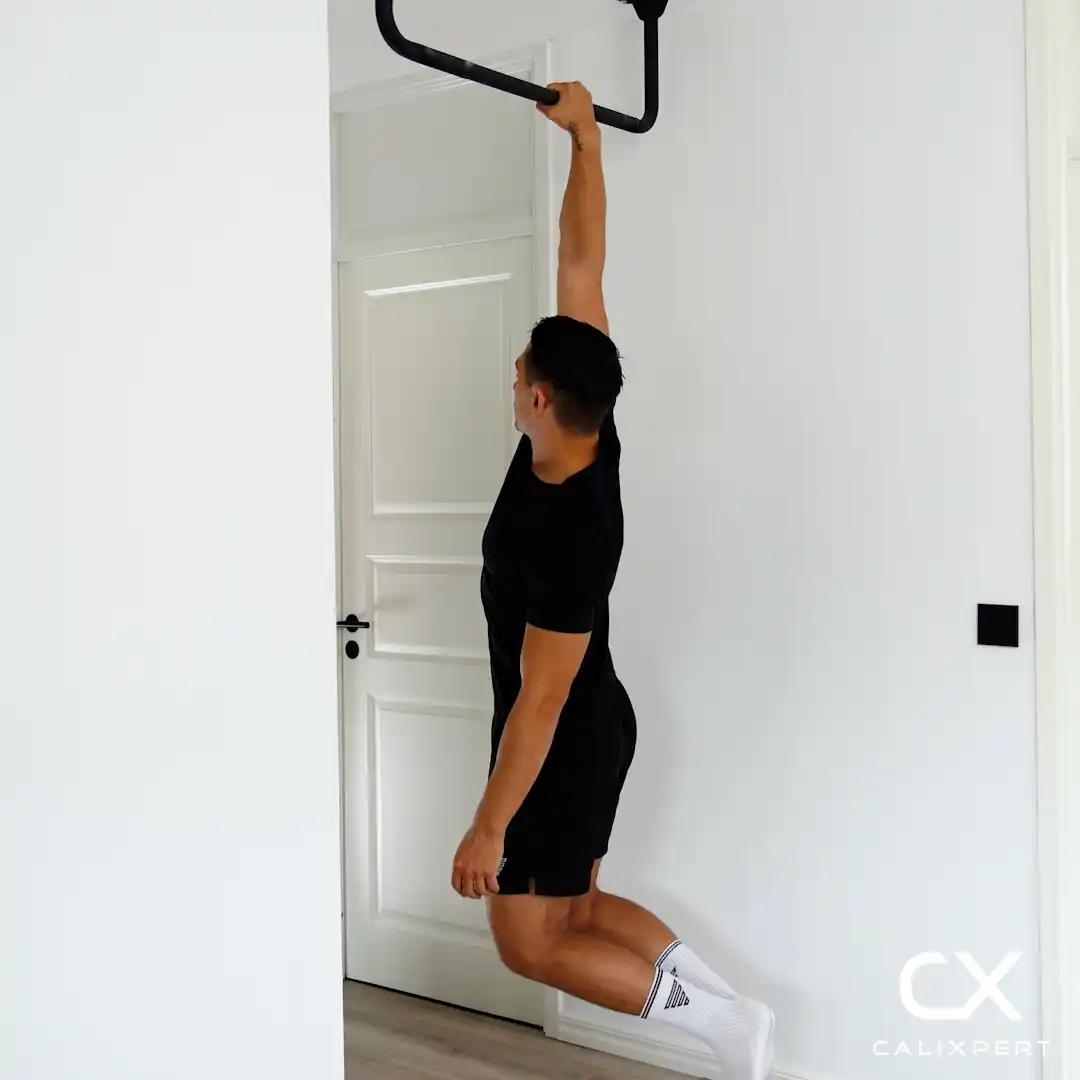
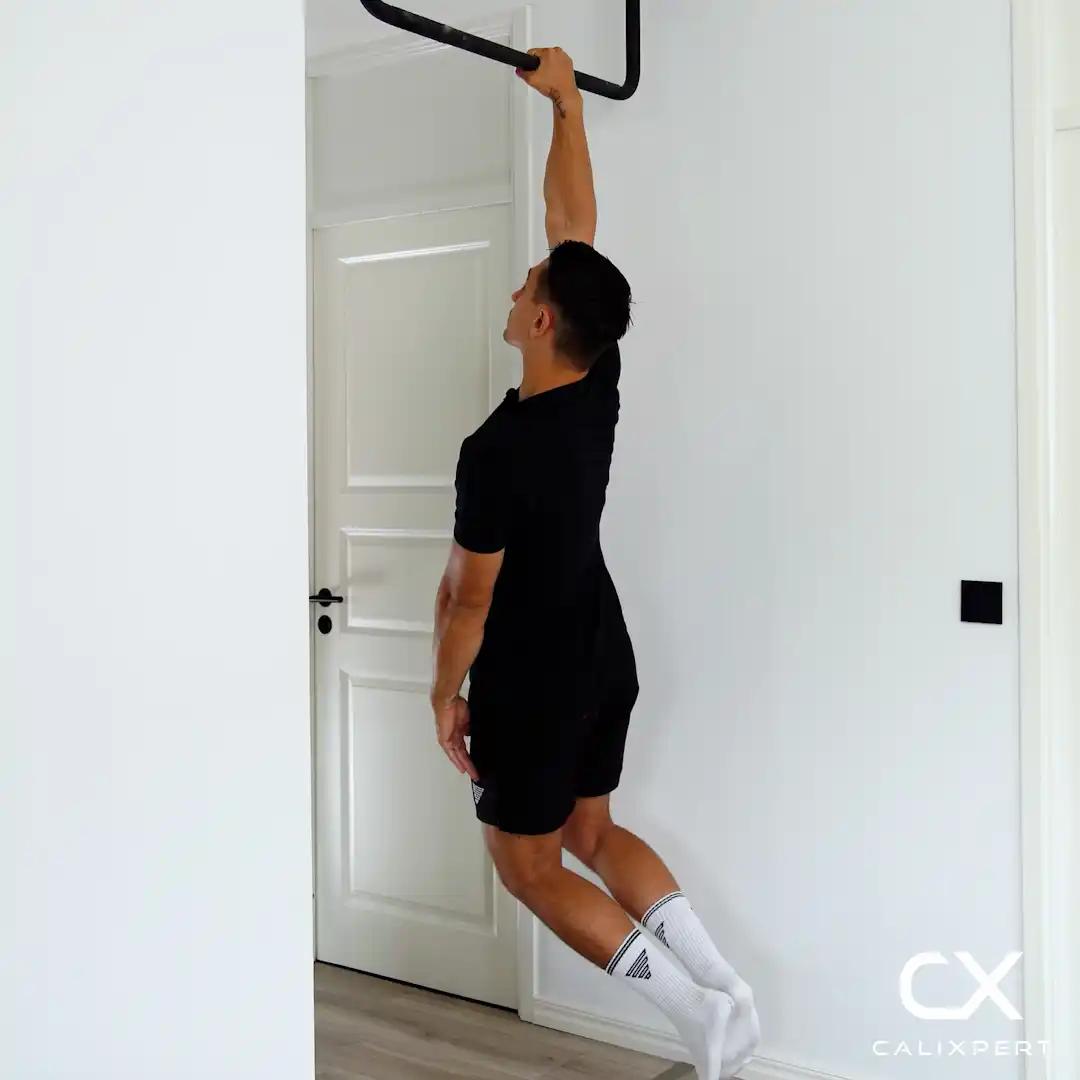
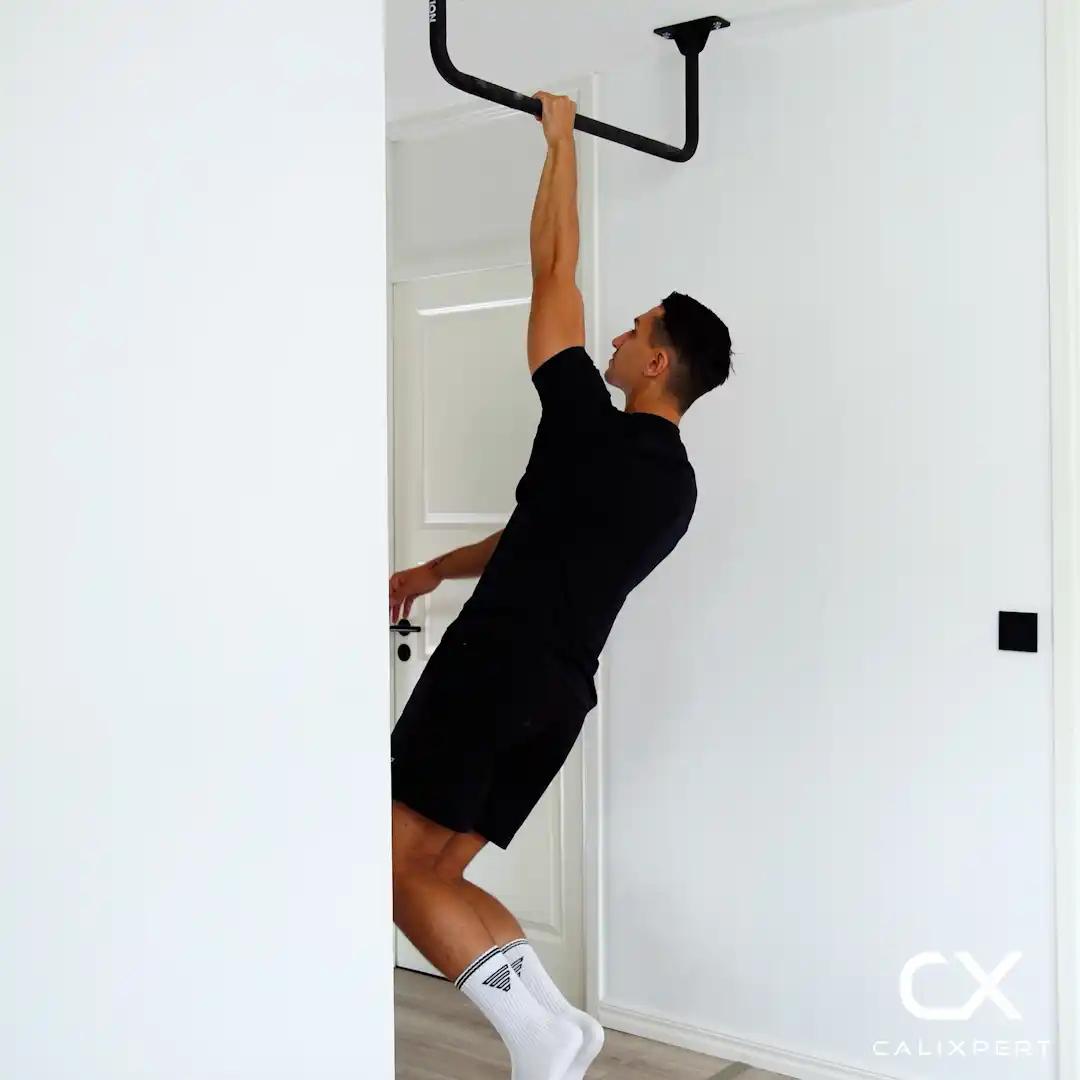
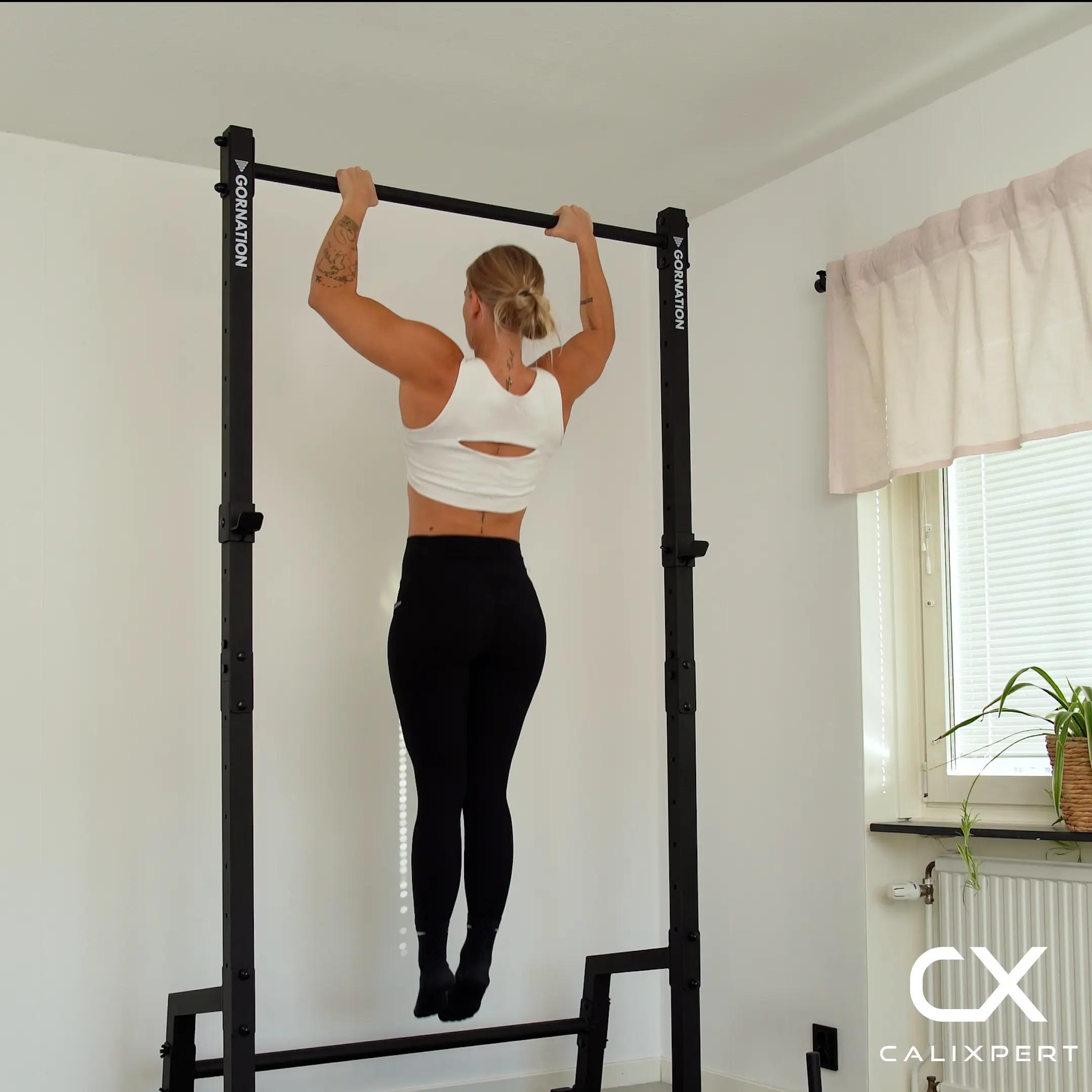
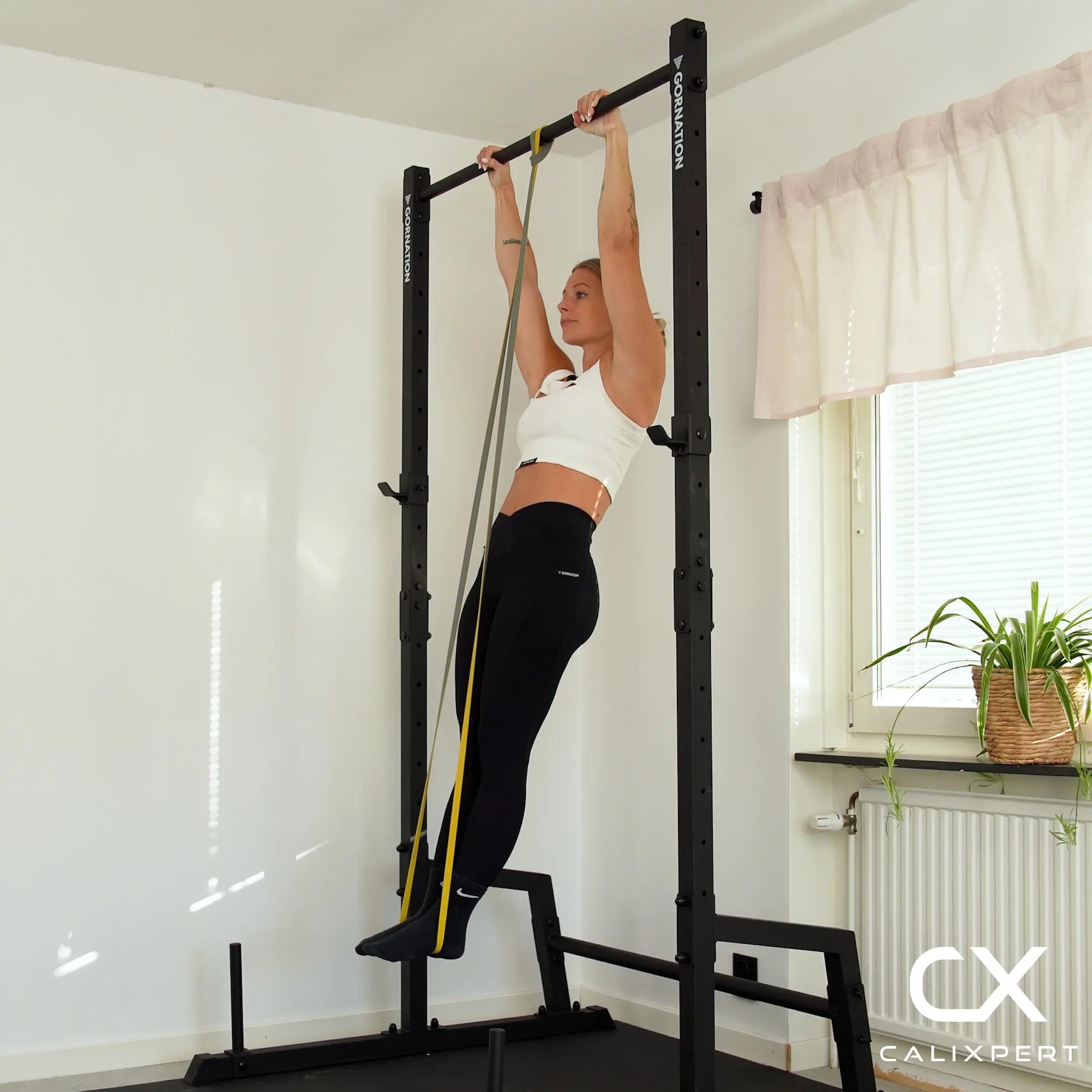
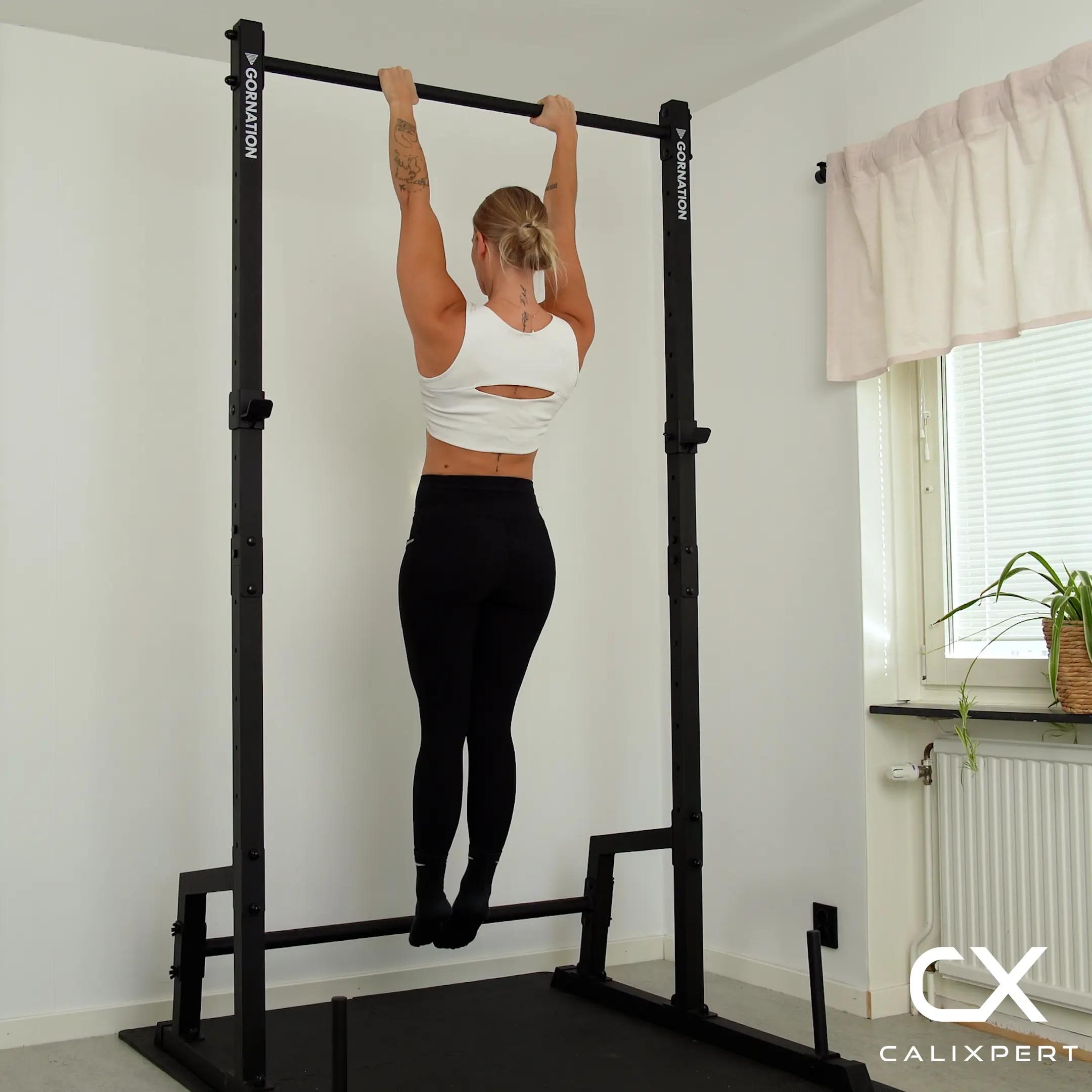
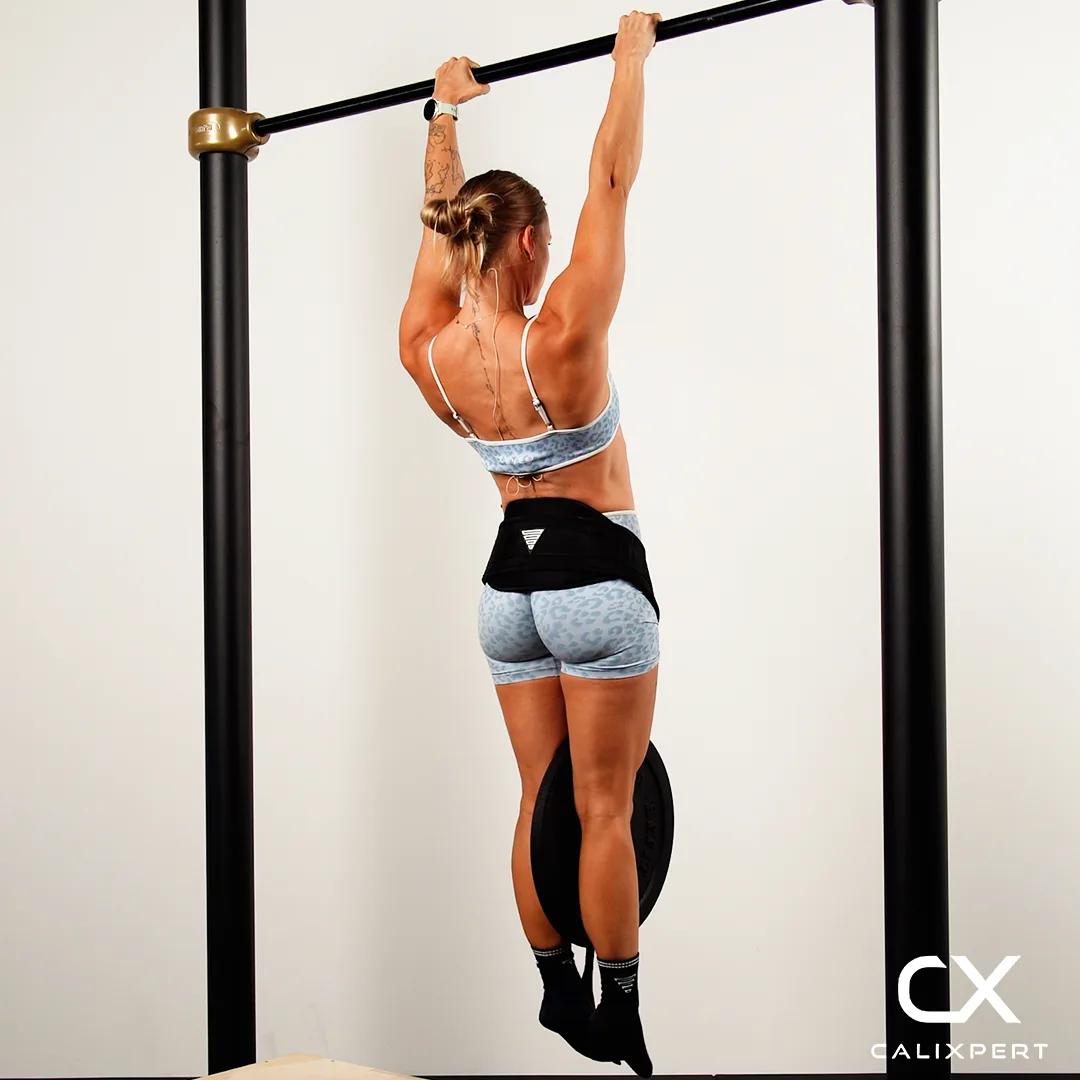
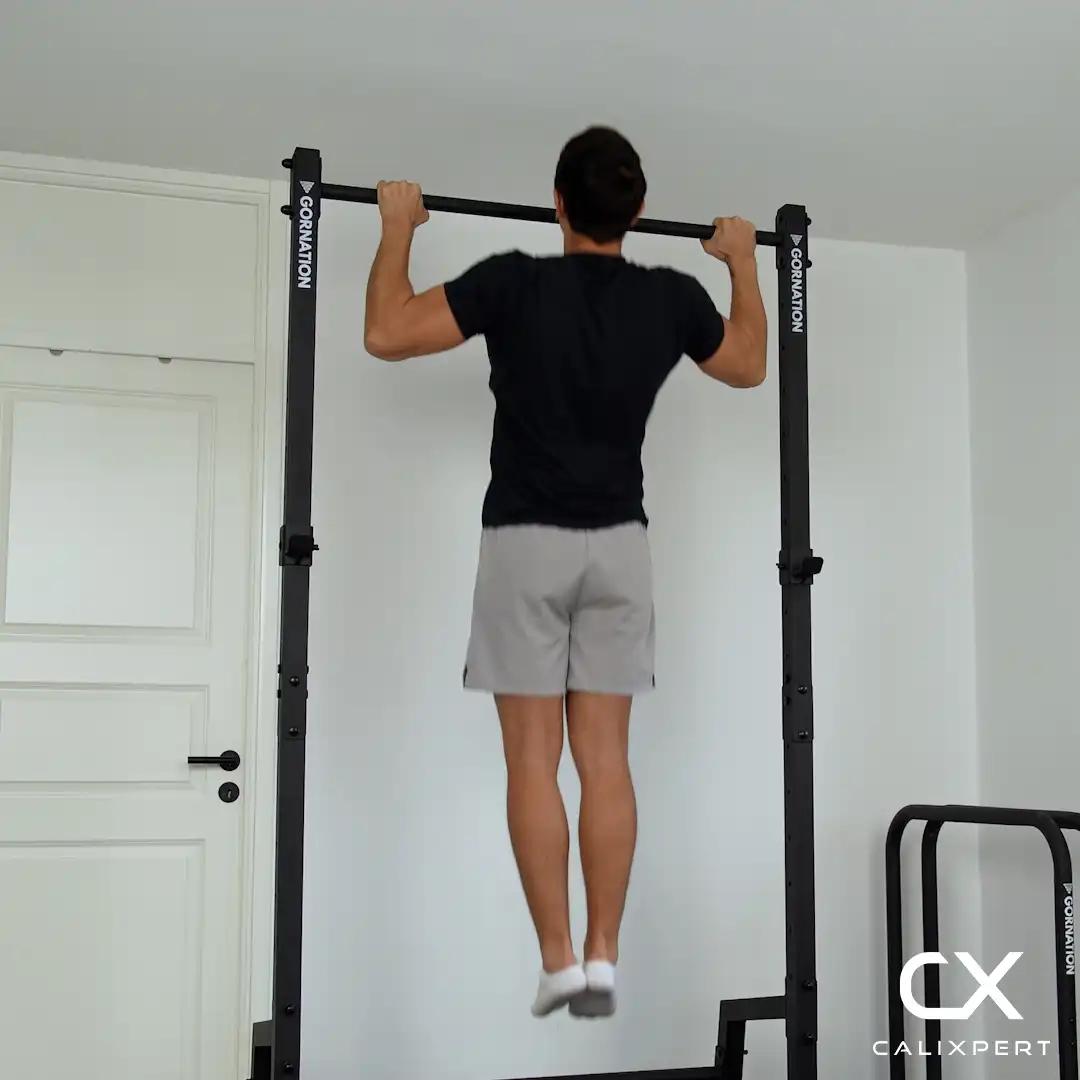
Scapular pull-ups train the lower and middle trapezius directly. Hang from a bar with straight arms and depress your shoulder blades without bending your elbows. This isolated movement builds the foundational scapular strength needed for all pulling progressions.
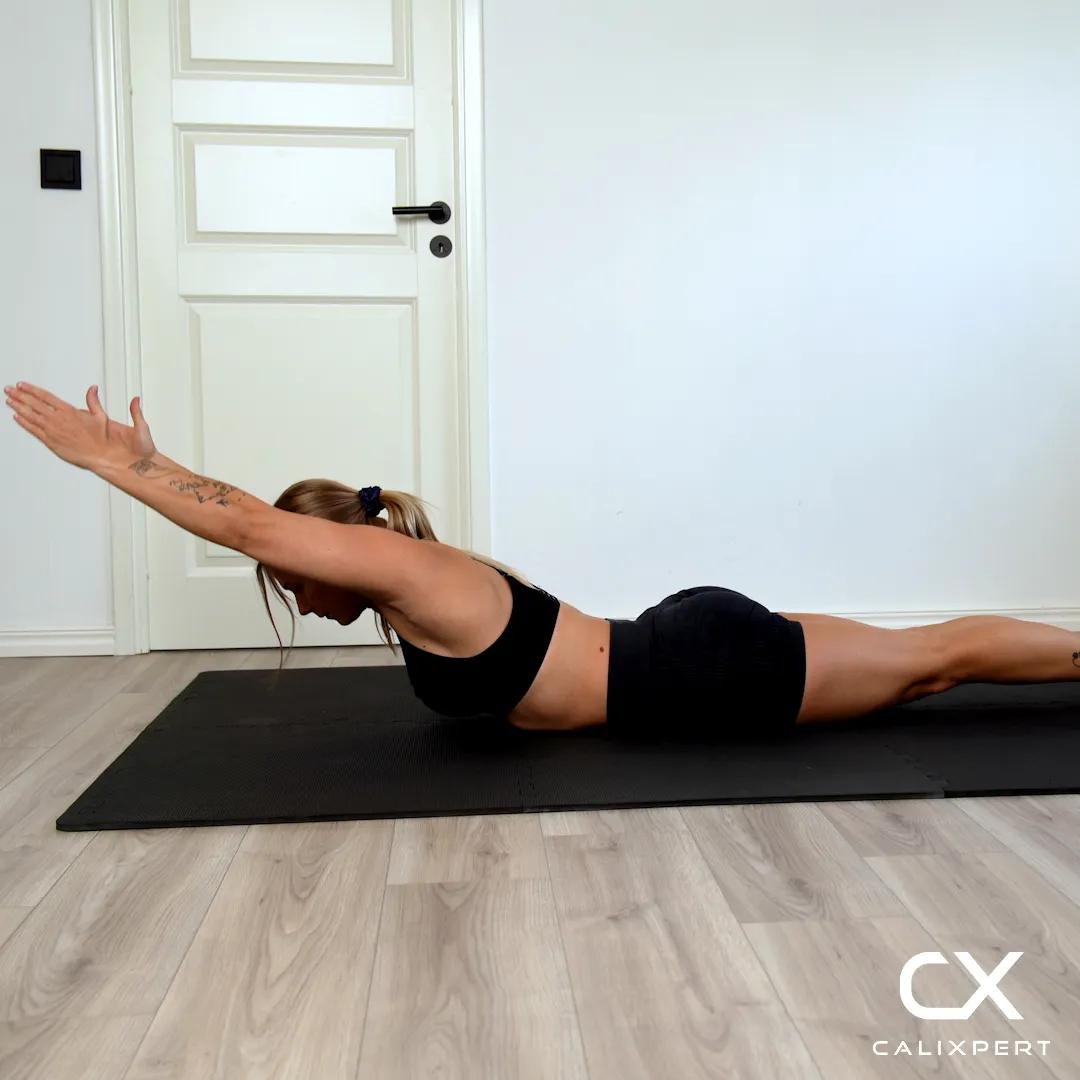
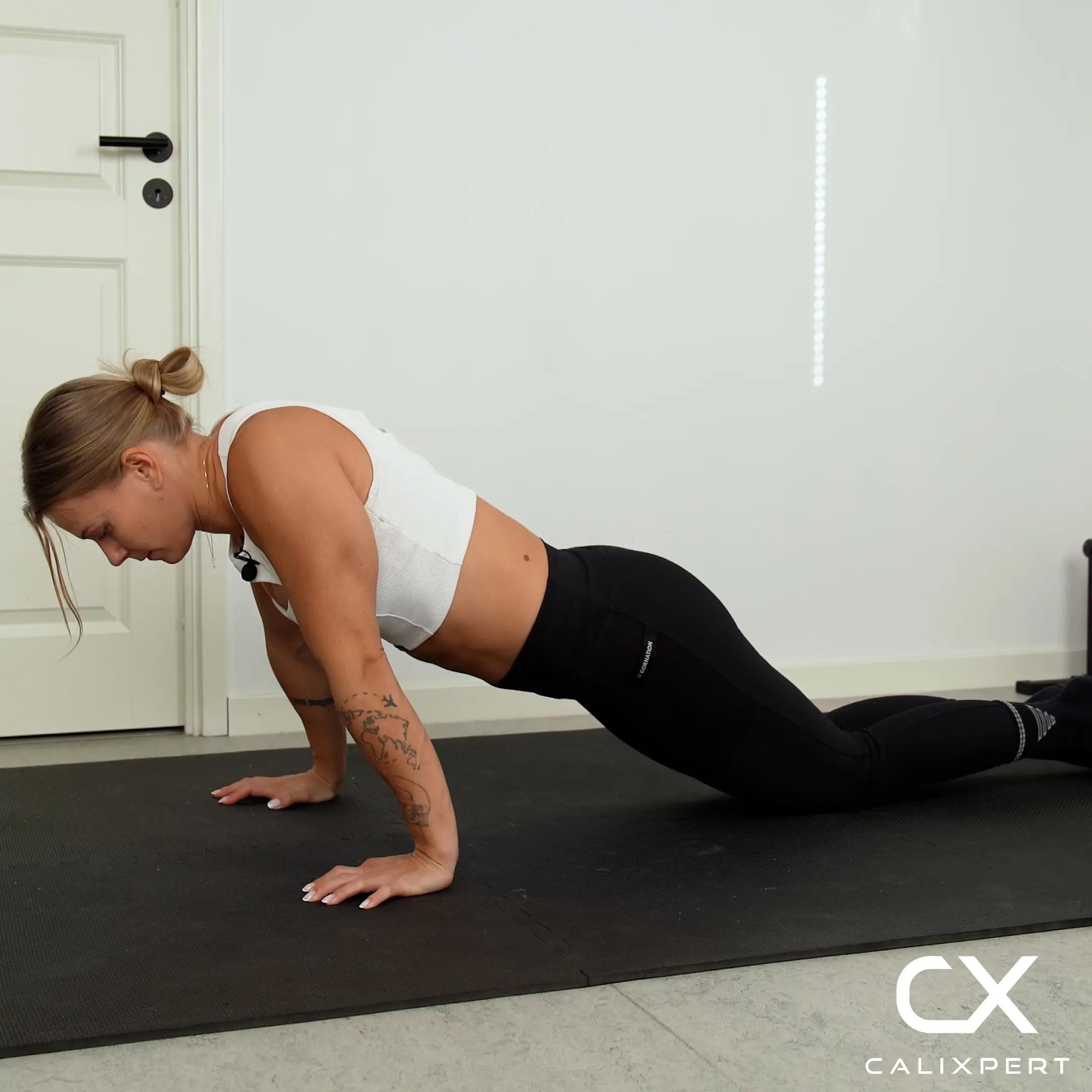
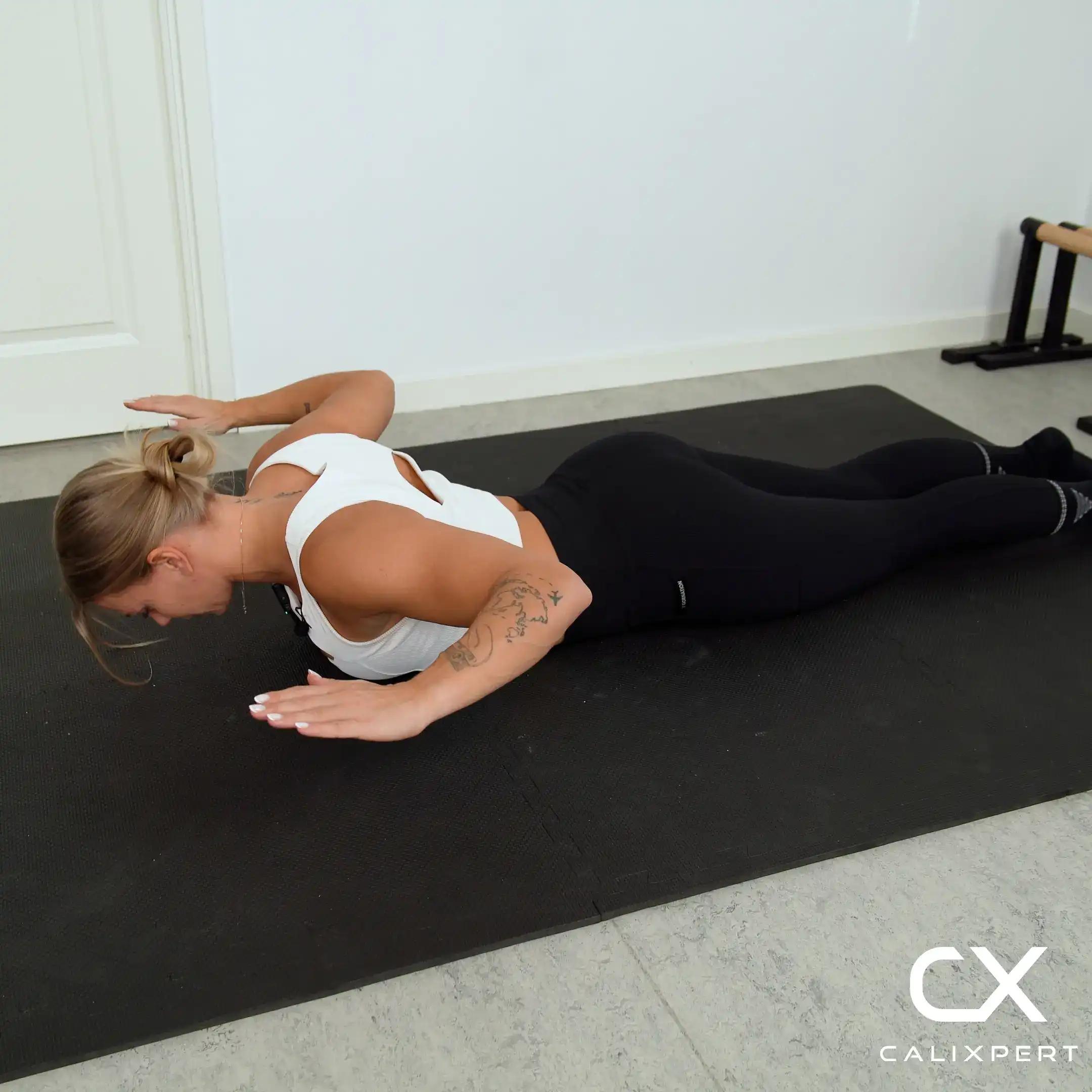
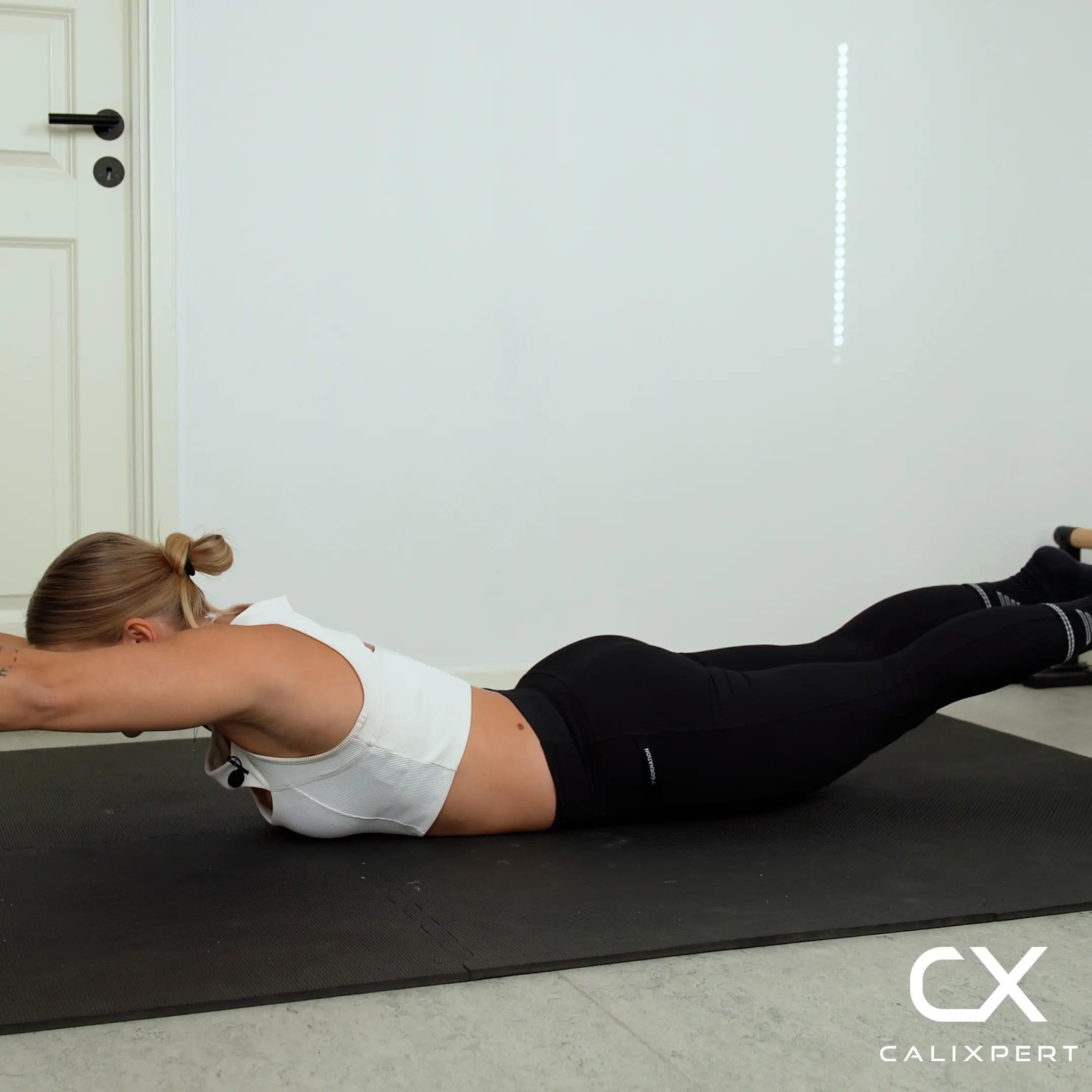
Prone Y-raises with your arms overhead and thumbs pointing up are one of the most effective lower trap exercises available with minimal equipment. These can be done on the floor or on a slight incline.
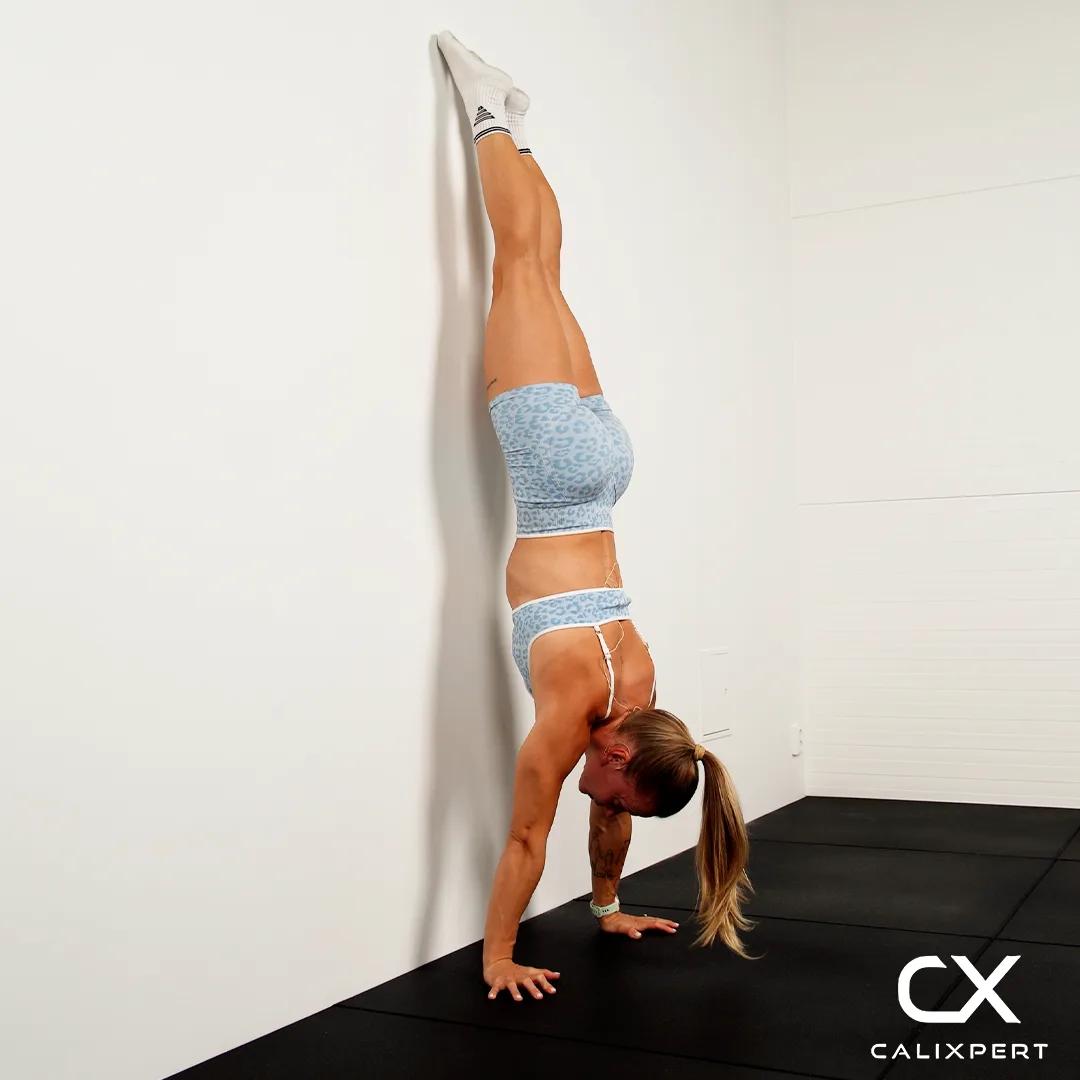
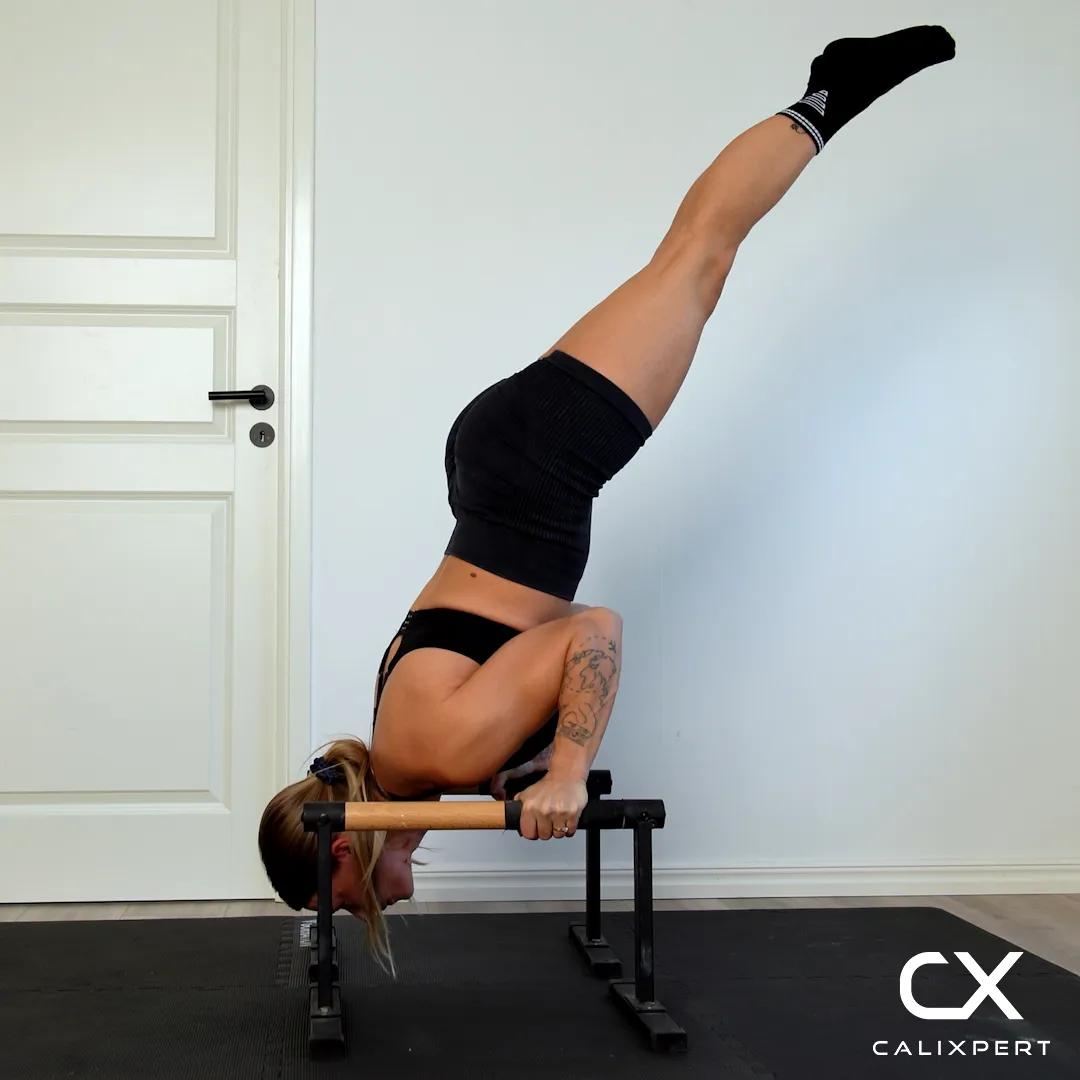
In handstand training, active shoulder elevation with upper traps is a beginner error. The correct position requires lower trap engagement to keep the shoulders away from the ears while pressing. This is both a strength and motor control issue.
Traps FAQ
Upper trap dominance is extremely common in beginners. It is usually a motor control issue reinforced by a strength imbalance. Add isolated scapular depression work and consciously cue shoulders down during every pulling set.
Enormously. Improper trapezius engagement creates a shrugged, unstable handstand with the ears between the arms rather than behind them. The lower trapezius must actively depress and upwardly rotate the scapula for a clean straight line from wrist to hip.
Both. It originates on the spine and inserts on the shoulder blade and collarbone. Functionally, it bridges the two and is responsible for most of the scapular movement that makes both back and shoulder exercises possible.