L-sit Shrugs To One Leg Lifts
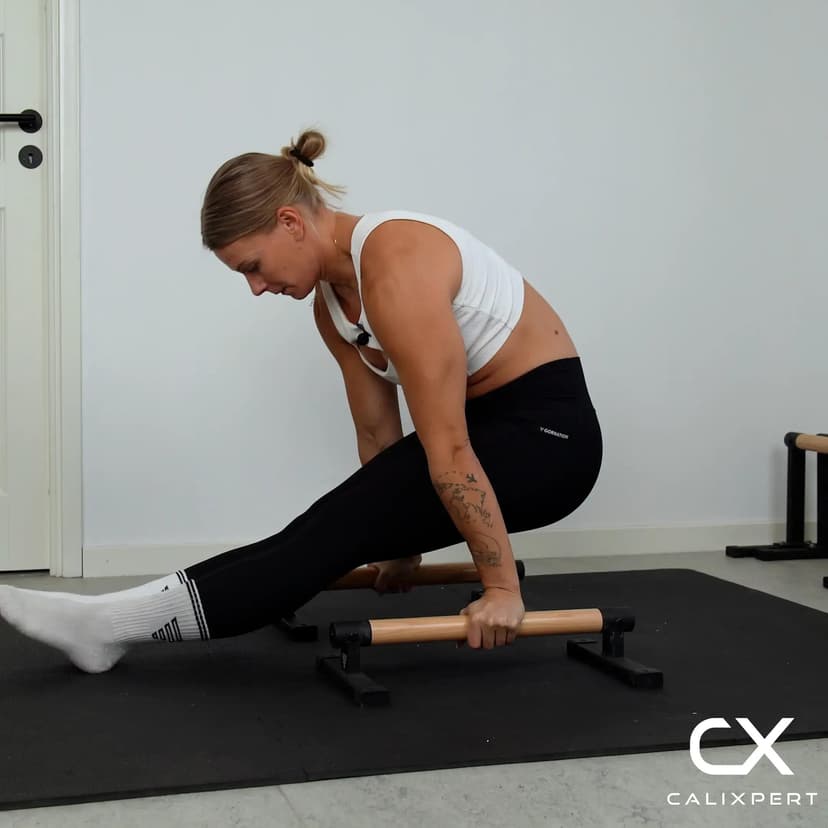
L-sit shrugs to one leg lifts is a combination exercise that merges scapular depression work with single-leg hip flexor engagement from an L-sit support hold on parallettes. It primarily targets the abs, hip flexors, and serratus anterior while demanding constant tricep and shoulder stabilization throughout. This exercise builds the core compression and shoulder control needed for full L-sits, V-sits, and more advanced static holds in calisthenics.
L-sit shrugs to one leg lifts is a combination exercise that merges scapular depression work with single-leg hip flexor engagement from an L-sit support hold on parallettes. It primarily targets the abs, hip flexors, and serratus anterior while demanding constant tricep and shoulder stabilization throughout. This exercise builds the core compression and shoulder control needed for full L-sits, V-sits, and more advanced static holds in calisthenics.
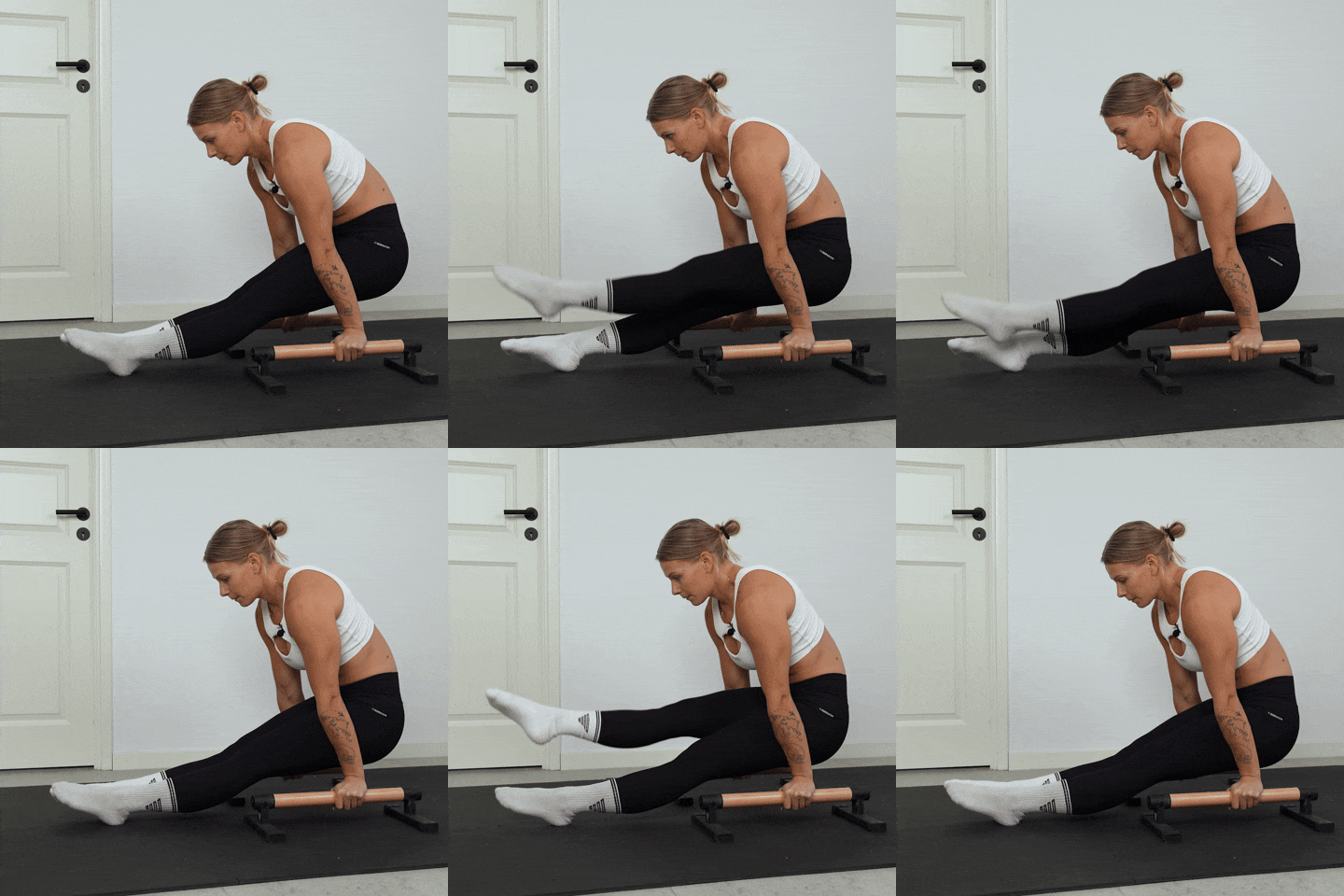
How to Do L-sit Shrugs To One Leg Lifts
1. Set Up on Parallettes
Place two parallettes on the floor at hip width apart. Sit between them with your legs extended straight in front of you. Grab the parallettes with a full grip at hip height, fingers wrapped firmly around the bars. Position your hands directly beside your hips, not in front or behind.
Hands at hip height, full grip
2. Establish the Support Hold
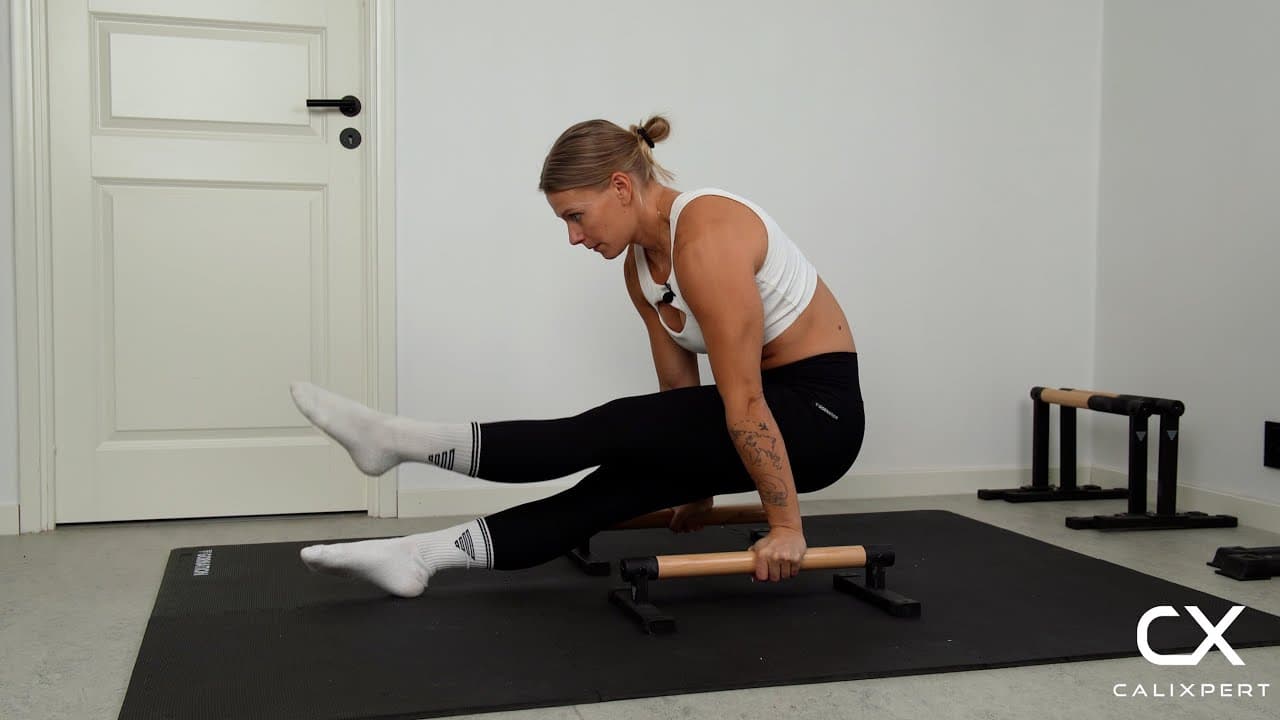
Push through the parallettes to lift your entire body off the ground. Lock your elbows fully and depress your shoulders by actively pushing them down away from your ears. Keep your legs together and extended in front of you. This is your L-sit support hold starting position.
Arms locked, shoulders pushed down
3. Execute the Scapular Shrug
From the support hold, drive your hips backward and upward as high as you can by pressing even harder through the parallettes. Simultaneously draw your belly in toward your spine to maximize core engagement. This upward shrug further depresses the scapulae and elevates the hips, loading the serratus and lower traps under full tension.
Hips up, belly sucked in
4. Lift One Leg at a Time
While maintaining the elevated shrug position, lift one leg upward with a controlled, deliberate motion. Keep the opposite leg steady and extended. Lower the first leg with control, then repeat on the other side. Both legs completing one lift each counts as one full cycle of the leg lift portion.
One leg up, other leg steady
5. Reset the Shrug and Repeat
After both legs have lifted and returned, briefly relax the shoulders to release the shrug. Immediately push back up into full scapular depression and repeat the entire sequence. Each cycle is one shrug into alternating single-leg lifts followed by a reset. Maintain arm lockout throughout every phase.
Relax, re-shrug, repeat the cycle
Most people rush through the shrug and treat the leg lifts as the main event, but the shrug is where the real value lives. Push the shoulders down as hard as you can and hold that depression while you lift each leg. If your shoulders creep up during the leg lifts, you have found your weak link, and that is exactly what this exercise is designed to fix.
Muscles Worked During L-sit Shrugs To One Leg Lifts
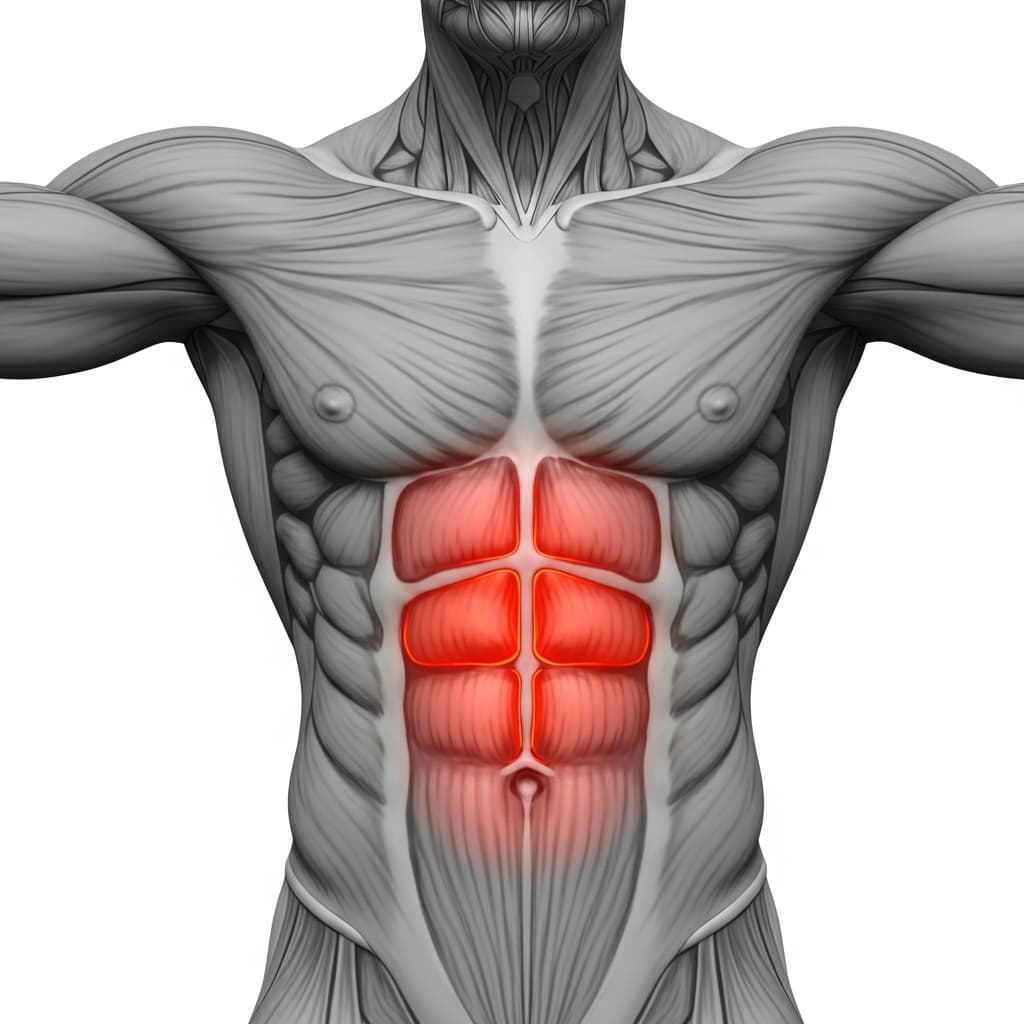
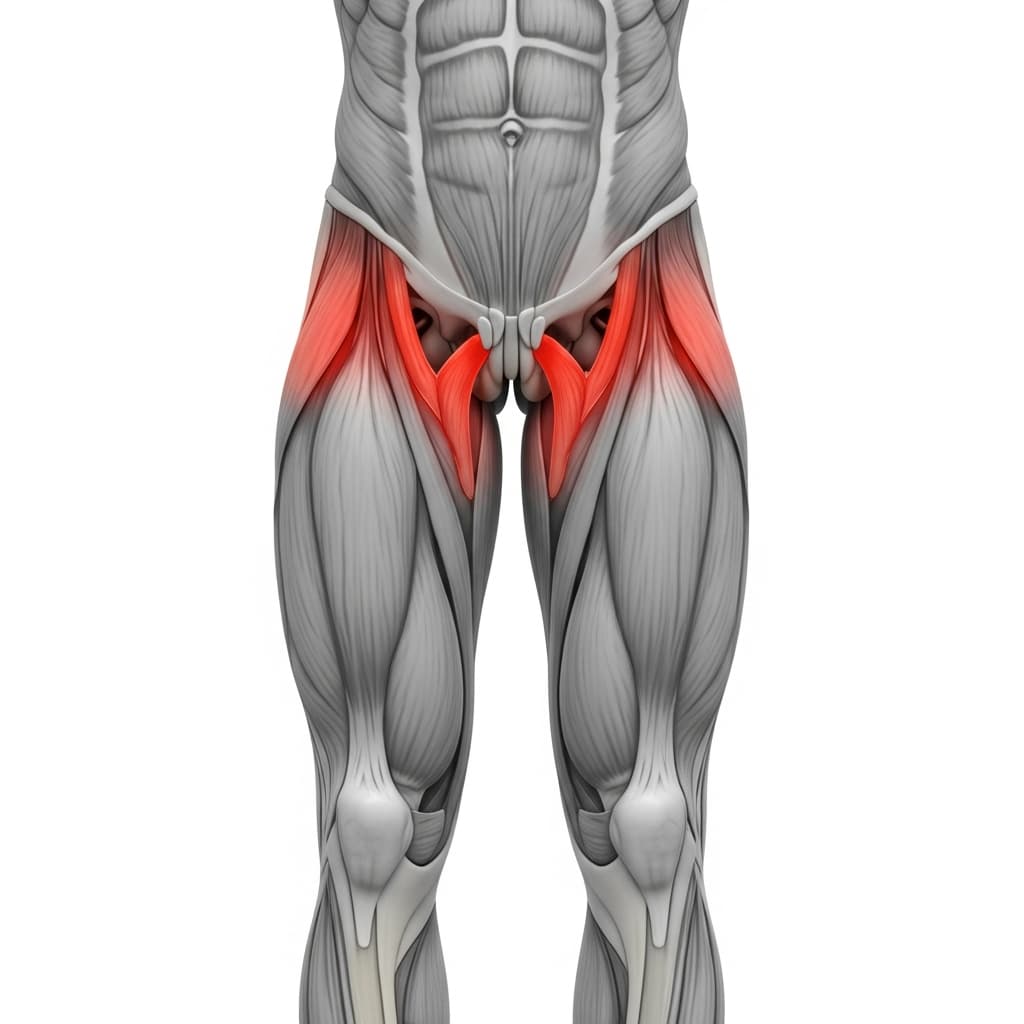
Primary Muscles:
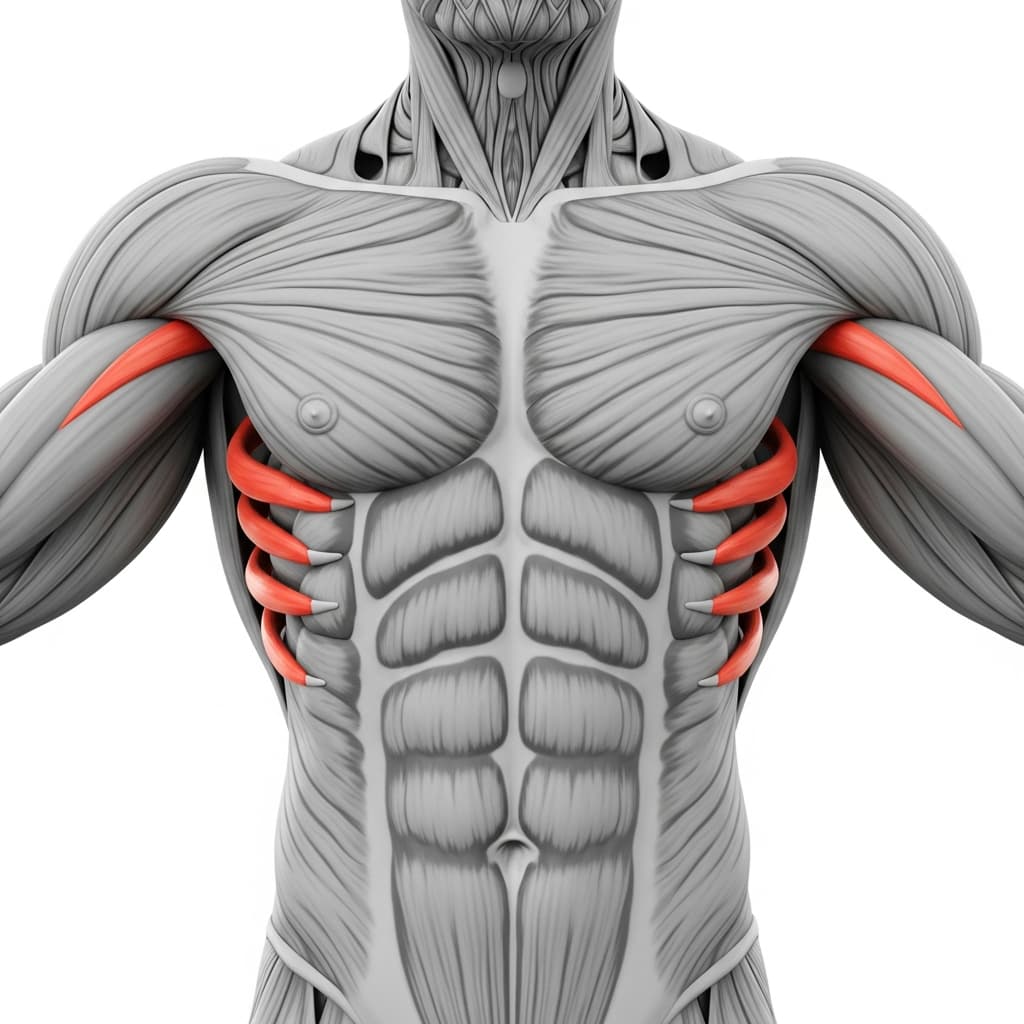
Secondary Muscles:
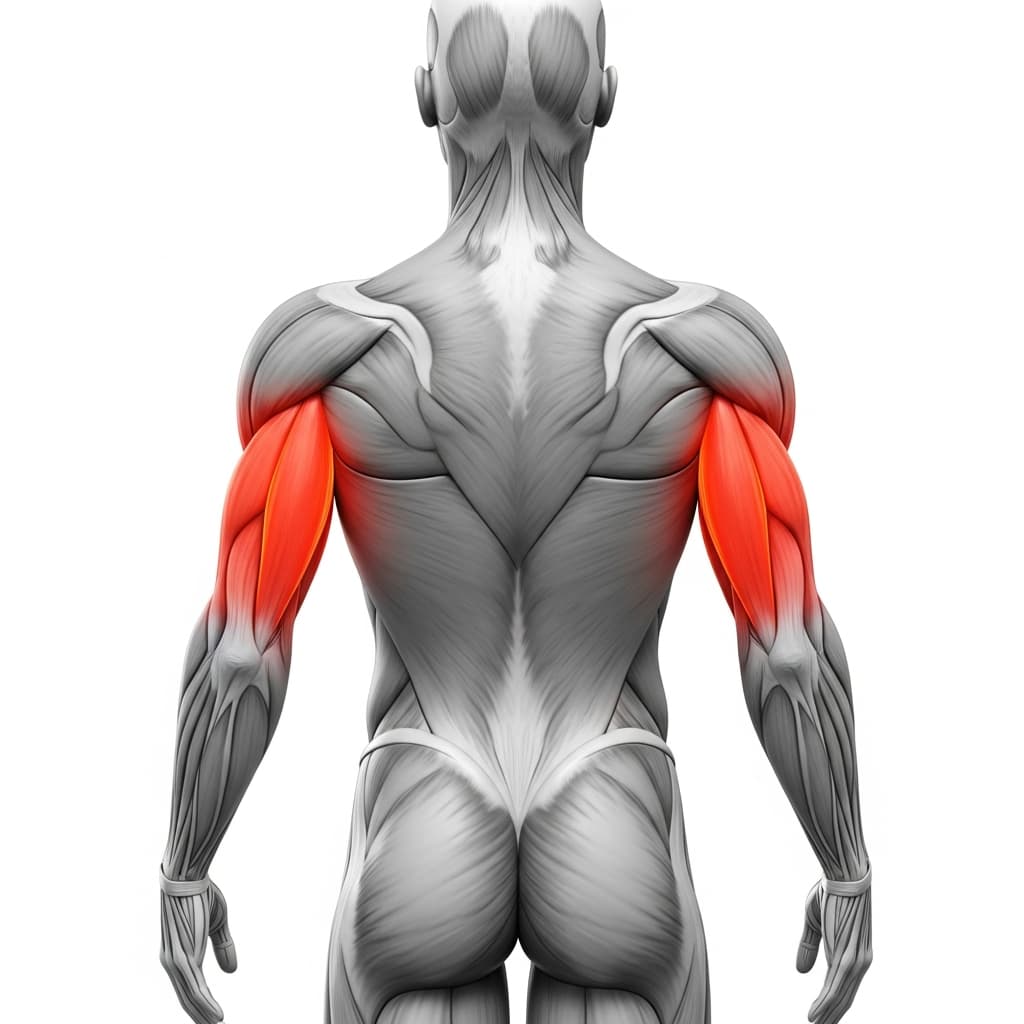
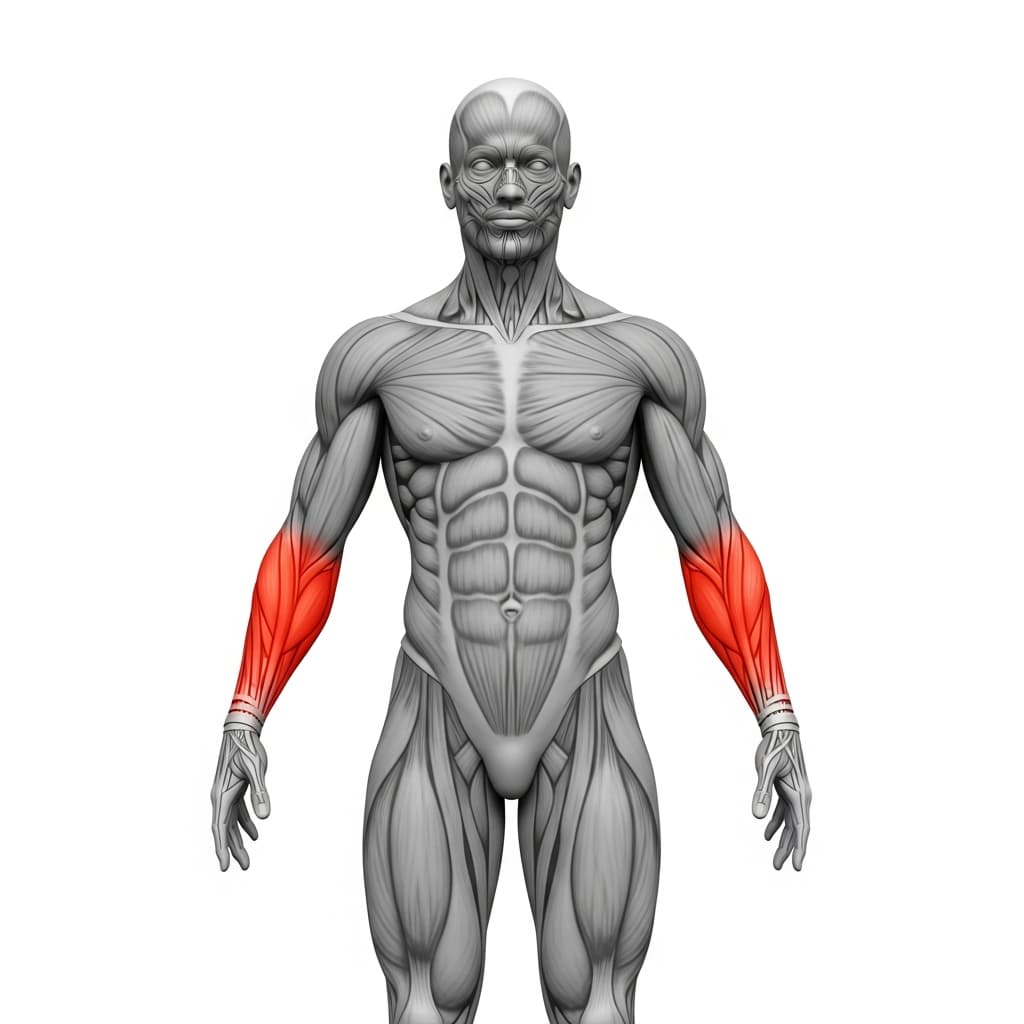
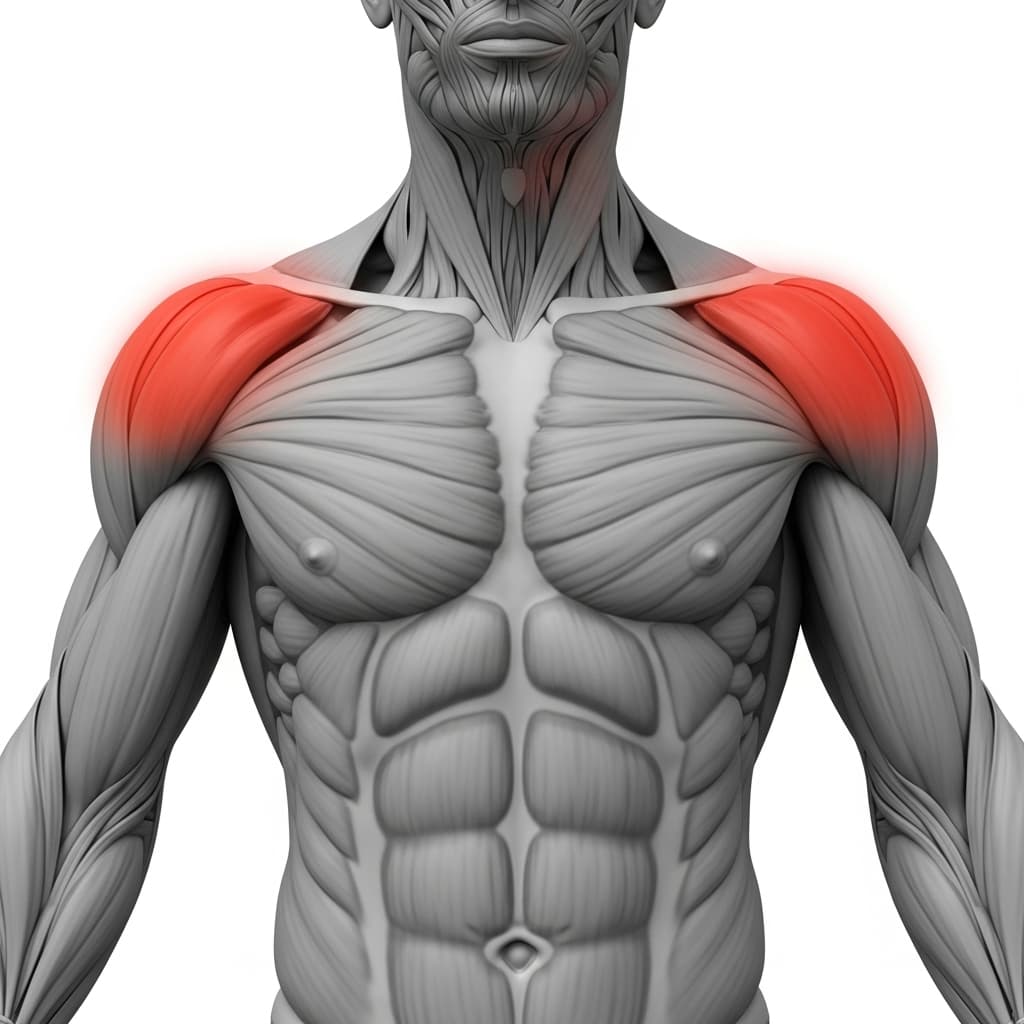
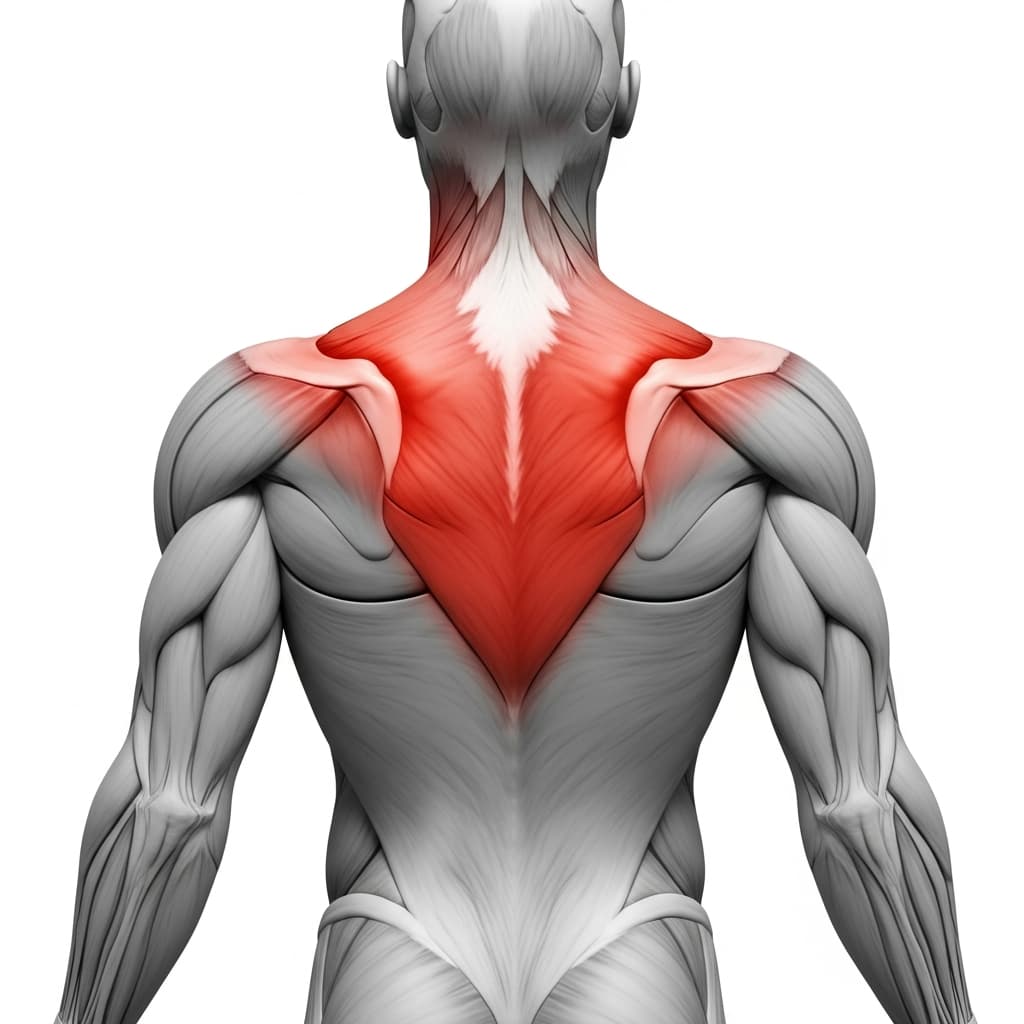
Primary Muscles
Rectus Abdominis (Abs) - The abs maintain a constant isometric contraction to stabilize the pelvis and spine during the shrug and resist hip drop during each single-leg lift.
Iliopsoas (Hip Flexors) - The hip flexors concentrically contract to lift each leg individually from the L-sit position and control the lowering phase on the way back down.
Secondary Muscles
Serratus Anterior (Serratus Anterior) - The serratus anterior drives scapular depression during the shrug phase, pushing the shoulders down and the body upward on the parallettes.
Triceps Brachii (Triceps) - The triceps maintain full elbow lockout throughout the hold, supporting the entire body weight on the parallettes.
Forearm Flexors & Extensors (Forearms) - The forearms provide sustained grip strength on the parallettes to keep the hands locked in position under bodyweight load.
Anterior Deltoid (Front Deltoid) - The front deltoids stabilize the shoulder joint in the support position and resist forward collapse as the legs lift and shift the center of gravity.
Trapezius (Trapezius) - The lower fibers of the traps assist the serratus in scapular depression, keeping the shoulders pinned down during the shrug hold.
Benefits of L-sit Shrugs To One Leg Lifts
- Develops scapular depression strength, the exact shoulder position required for L-sits, planche leans, and support holds on rings
- Builds single-leg hip flexor strength and active compression, which directly transfers to V-sit and manna progressions
- Trains core stability under shifting load as each leg lift changes the center of gravity and forces the abs to compensate
- Strengthens the serratus anterior through loaded depression, improving overhead pressing mechanics and shoulder health
Who Is This Exercise For?
You should be able to hold an L-sit support position on parallettes for at least 10 seconds with locked arms and depressed shoulders before attempting this exercise. Comfortable scapular shrugs in a support hold and single-leg L-sit holds are the two building blocks to master first. If maintaining a basic support hold with extended arms is still difficult, you are not ready for this combination.
Common Mistakes to Avoid
Bending the elbows during the hold: Keep your arms fully locked throughout the entire exercise. Bent elbows shift the load to the biceps and remove the scapular training stimulus that makes this exercise effective.
Shrugging shoulders up instead of depressing them: The shrug in this exercise means pushing the shoulders down, not pulling them toward your ears. Think about making your neck as long as possible by driving the shoulders away from your head.
Losing core tension between leg lifts: Keep your belly drawn toward your spine throughout the leg lift phase. Releasing core tension causes the hips to drop and turns the exercise into an arm-dominant hold with no training value for the abs.
Swinging legs instead of lifting with control: Each leg lift should be slow and deliberate with a brief pause at the top. If you need to swing the leg to get it up, reduce the range of motion until you build enough hip flexor strength for controlled lifts.
Variations & Progressions
L-sit shrugs to both legs lifted
Instead of lifting one leg at a time, lift both legs together into a higher L-sit or V-sit position after each shrug. This doubles the hip flexor and core demand and requires significantly more compression strength.