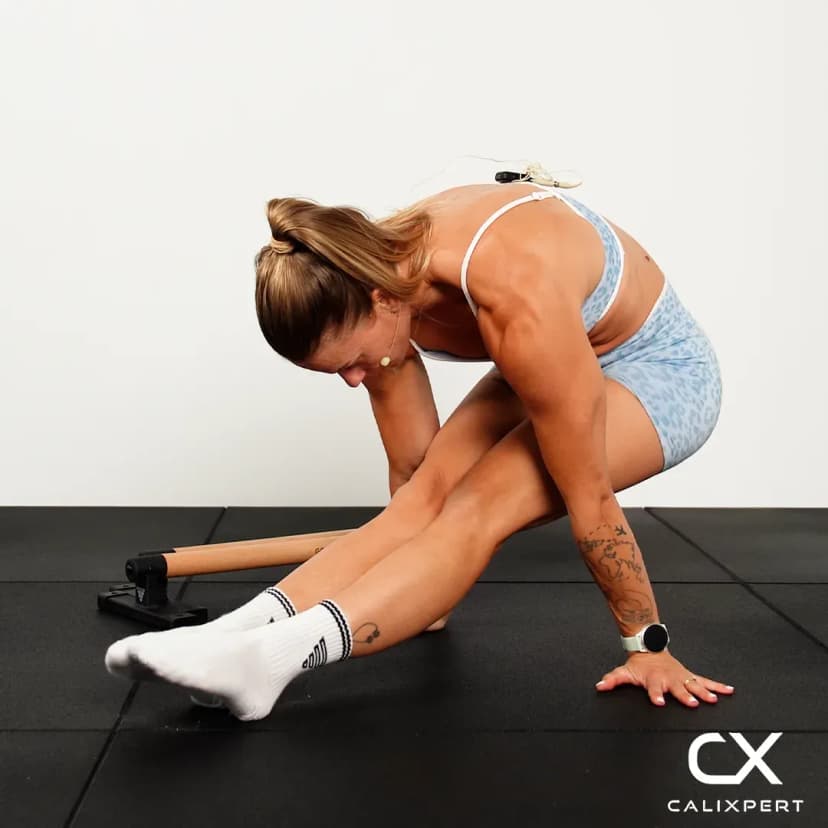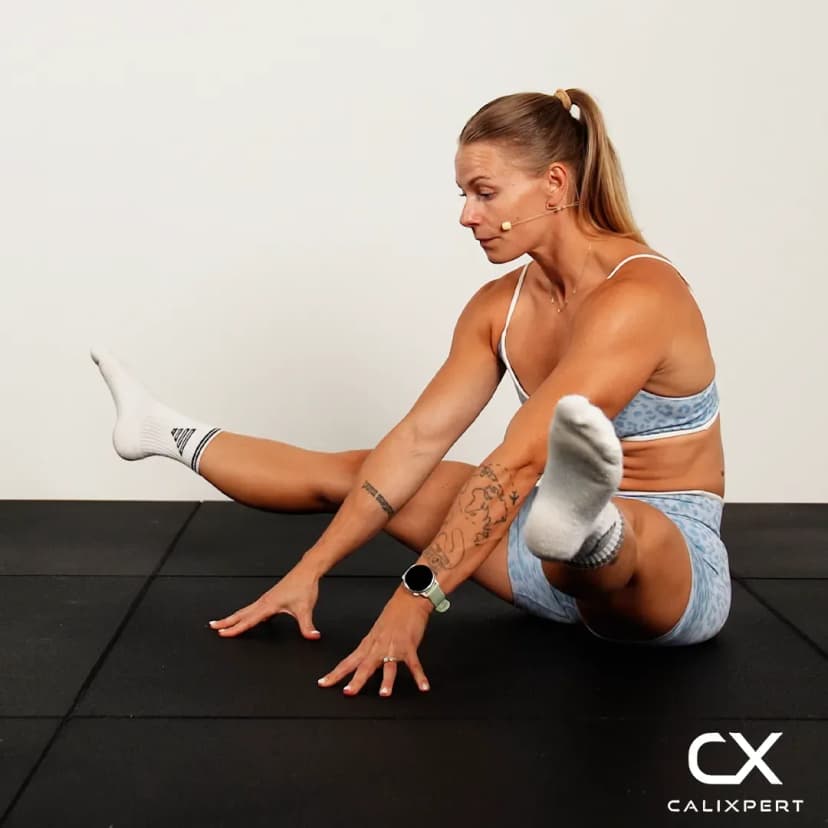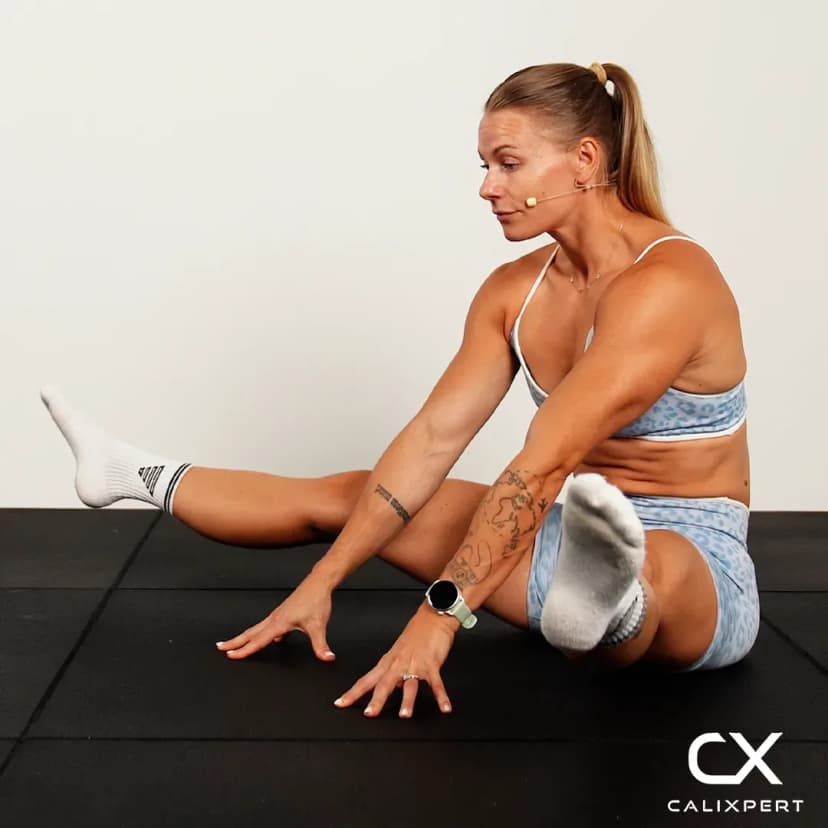
Straight Arm Pull down
The straight arm pulldown is a lat isolation exercise that trains the latissimus dorsi through a full arc of shoulder extension while removing bicep involvement entirely. By keeping the arms straight throughout the movement, you force the lats to do all the pulling work without the biceps compensating. This makes it one of the best exercises for developing a strong mind-muscle connection with the lats, which directly improves performance in pull-ups, muscle-ups, and front lever progressions.
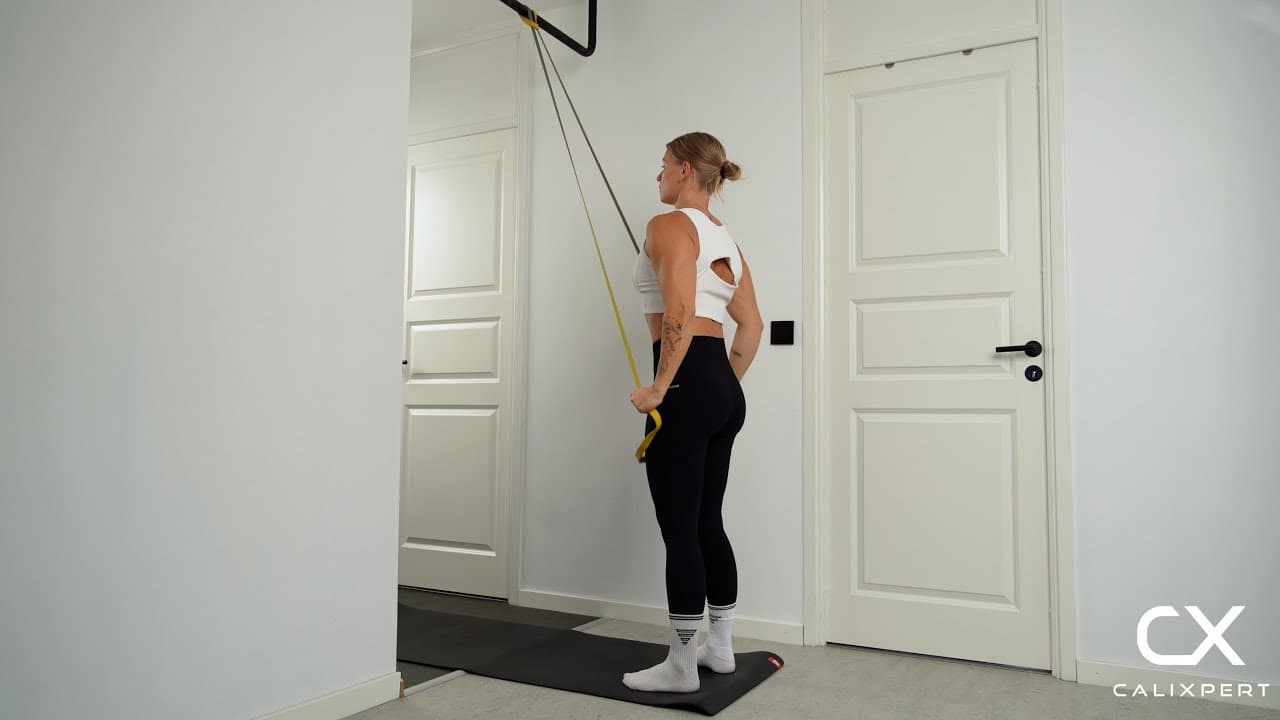
The straight arm pulldown is a lat isolation exercise that trains the latissimus dorsi through a full arc of shoulder extension while removing bicep involvement entirely. By keeping the arms straight throughout the movement, you force the lats to do all the pulling work without the biceps compensating. This makes it one of the best exercises for developing a strong mind-muscle connection with the lats, which directly improves performance in pull-ups, muscle-ups, and front lever progressions.
How to Do Straight Arm Pull down
1. Anchor the Band or Cable
Attach a resistance band to a secure anchor point above head height, or set a cable machine pulley to the highest position. If using a band, create a loop that hangs at roughly face level when slack. Start with a thinner band or light weight so you can focus entirely on feeling the lats work before progressing the resistance.
Light weight first, connection before load
2. Set Your Stance and Grip
Step back one pace from the anchor point to create slight tension at the top. Grab the band or bar with both hands at shoulder width, using an overhand grip. Stand with feet hip-width apart and a slight forward lean from the hips, keeping your chest up. This angled position puts the lats on a stretch and gives them a longer range of motion to work through.
One step back, slight lean forward
3. Brace Your Core and Lock Your Arms
Tighten your abs and flatten your lower back so there is no arch. Lock a very slight bend in your elbows and keep that exact elbow angle fixed for the entire set. This is not a tricep pushdown. The arms act as rigid levers so all the force comes from the shoulder joint and the lats.
Lock the elbows, brace the core
4. Pull Hands Down to Your Sides
Drive both hands downward in a smooth arc until they reach the sides of your thighs. Think about pulling with your armpits, not your hands. You should feel the lats contract hard as your arms pass below chest height. Keep your torso stable throughout and resist any urge to rock your body for momentum.
Pull from the armpits, not the hands
5. Squeeze at the Bottom
At the bottom position, hold for one second and squeeze your lats as hard as you can. Your hands should be slightly behind the line of your hips with your shoulder blades pulled down. This brief pause eliminates momentum and confirms you are using the right muscles.
One-second squeeze, feel the lats
6. Return Under Control
Slowly let your arms travel back up to the starting position over two to three seconds. Maintain tension in the lats the entire way and do not let the band or cable yank your arms up. Reset your core brace at the top before starting the next rep.
Resist on the way up, never let it snap back
Most people turn this into a tricep exercise without realizing it. The fix is simple: stop thinking about pushing the bar down and start thinking about driving your elbows back behind you. If you set up with a slight forward lean and focus on pulling from the armpits, your lats will fire immediately and the exercise will feel completely different.
Muscles Worked During Straight Arm Pull down
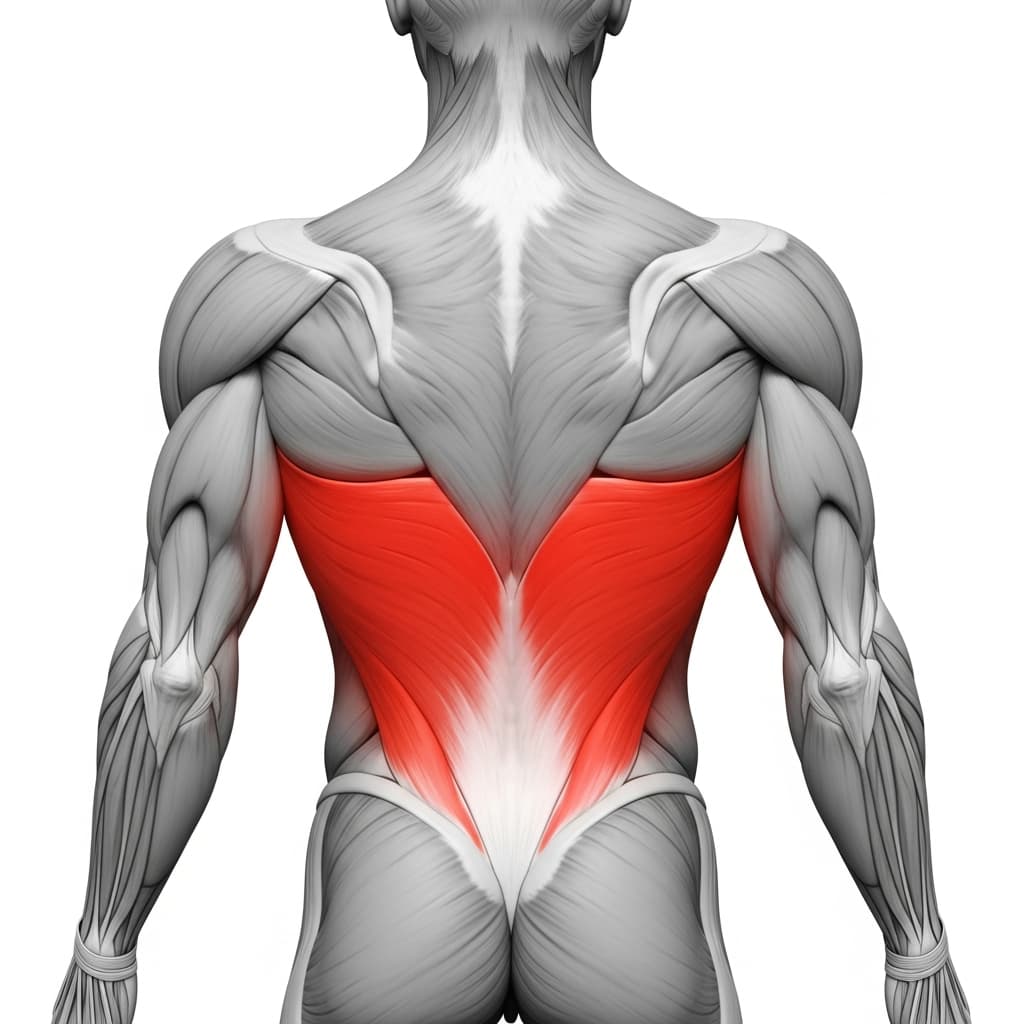
Primary Muscles:
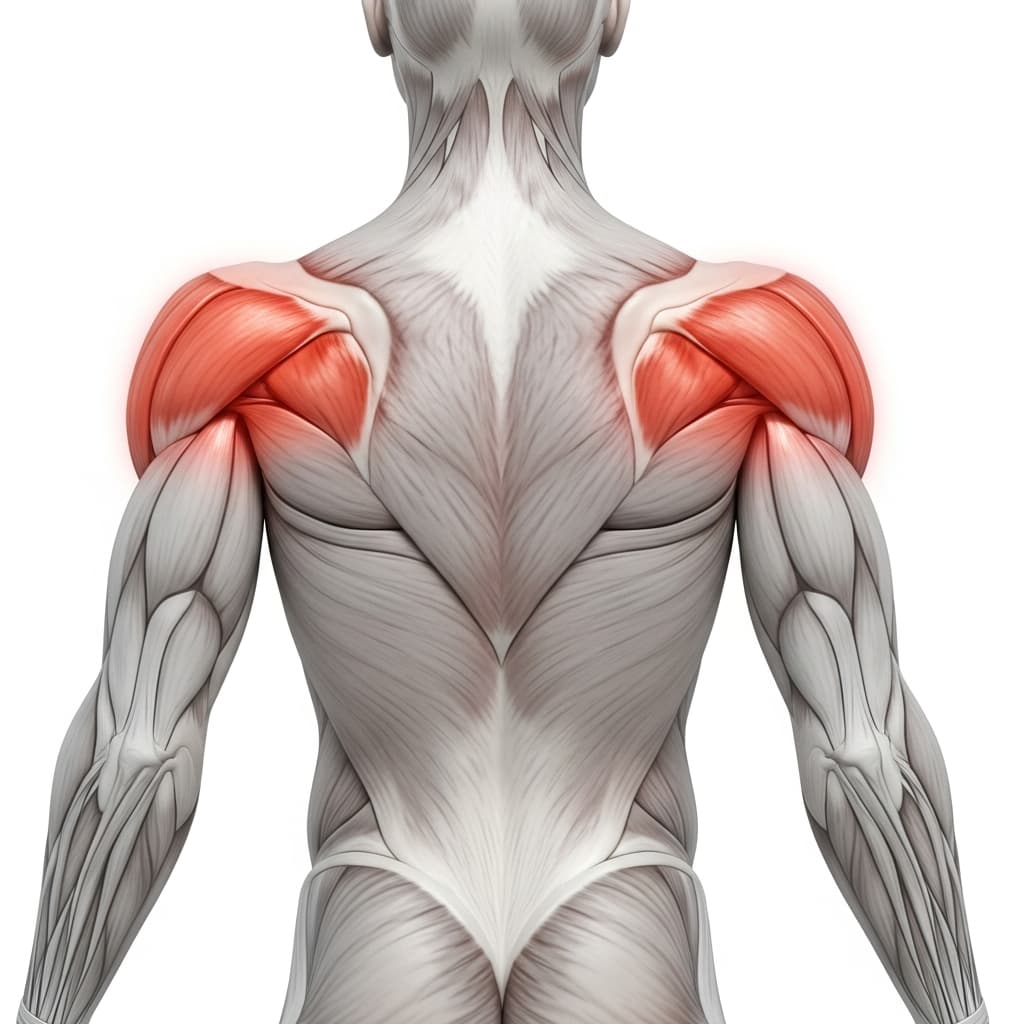
Secondary Muscles:
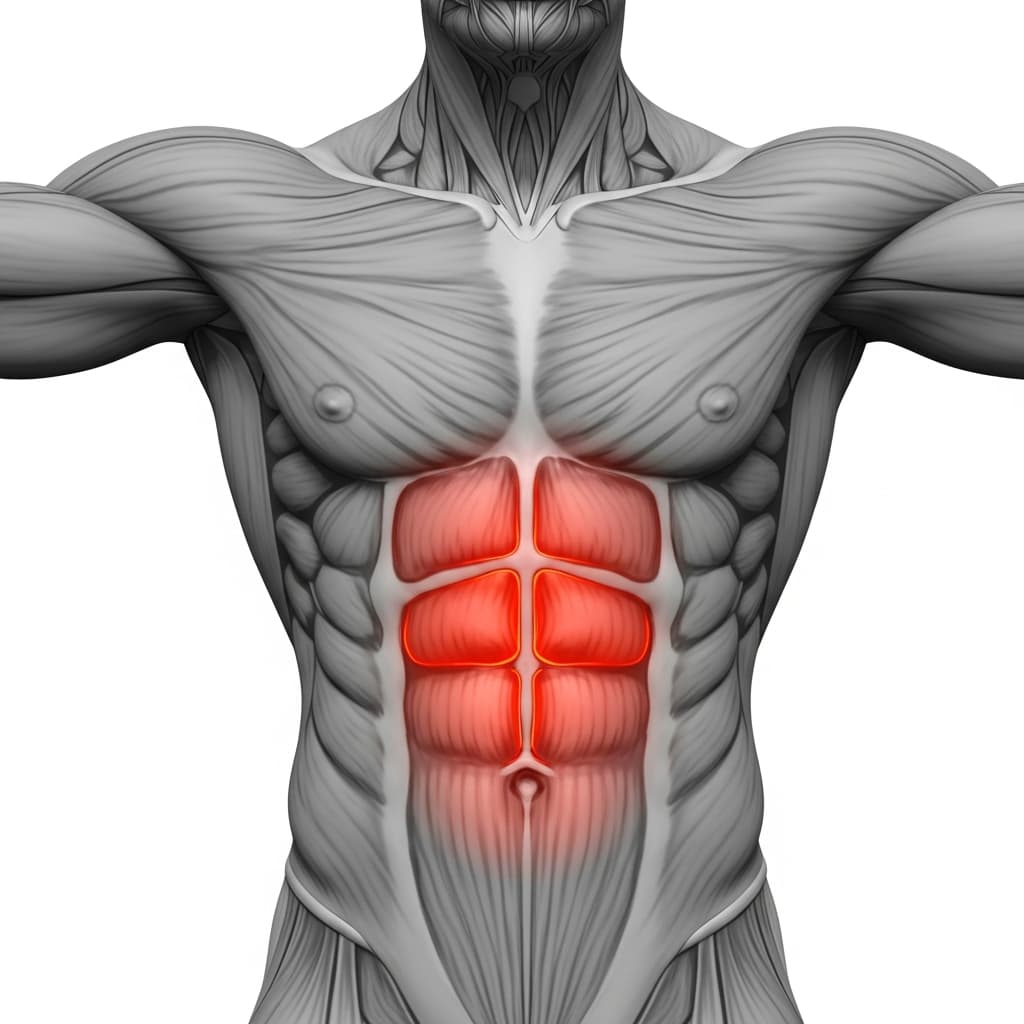
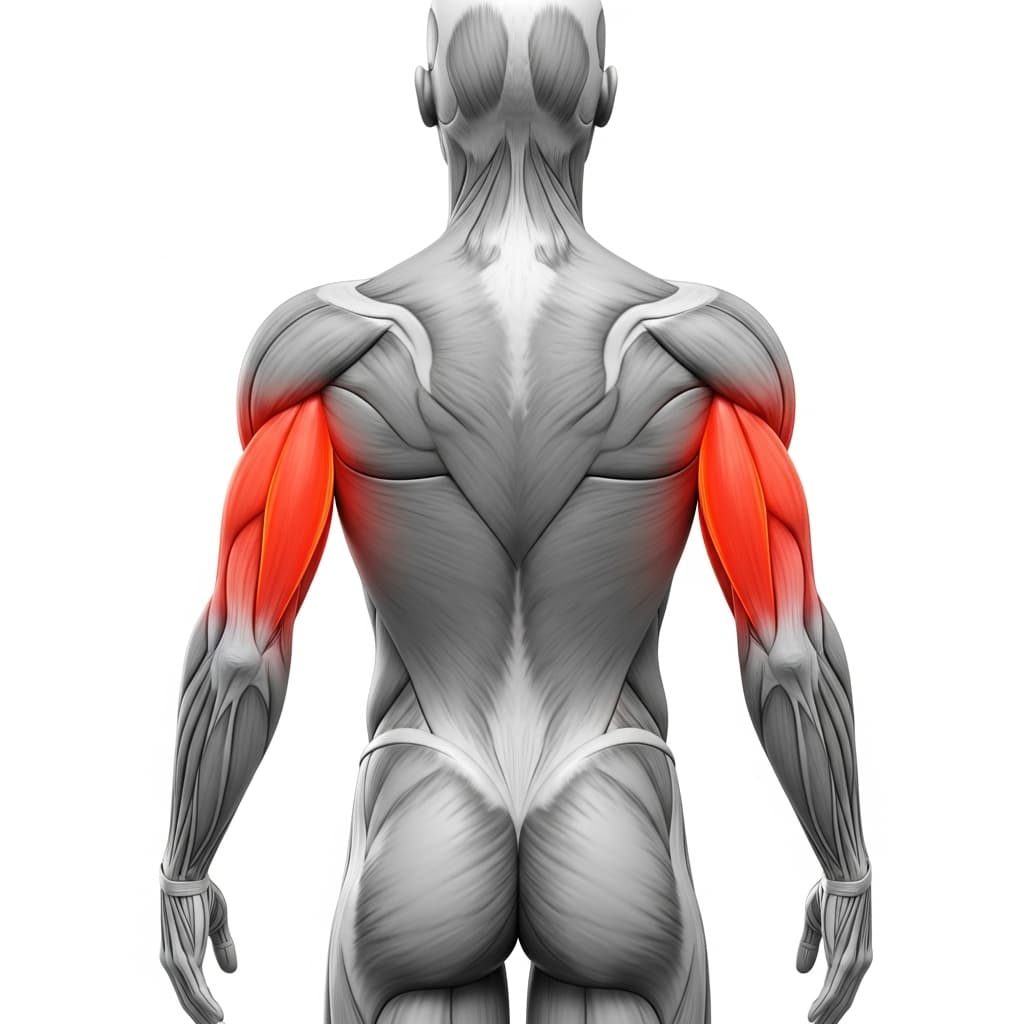
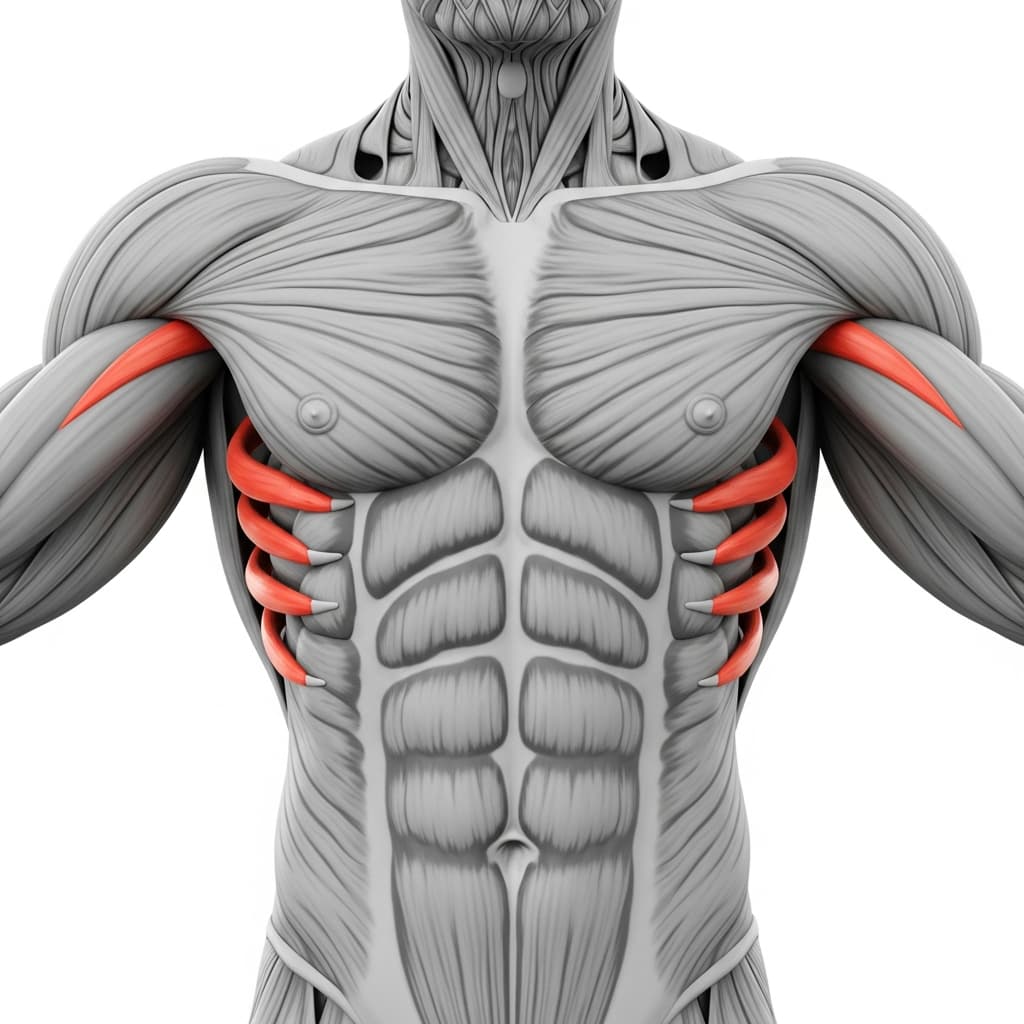
Primary Muscles
Latissimus Dorsi (Lats) - The lats perform shoulder extension against resistance, pulling the arms from an overhead position down to the sides of the body through a full arc.
Secondary Muscles
Posterior Deltoid (Rear Deltoid) - The rear deltoids assist with shoulder extension and help stabilize the shoulder joint as the arms move through the pulling arc.
Rectus Abdominis (Abs) - The abs brace the torso to prevent the lower back from arching under load, keeping the spine neutral throughout the movement.
Triceps Brachii (Triceps) - The long head of the triceps assists with shoulder extension, contributing to the downward pulling force when the arms are locked straight.
Serratus Anterior (Serratus Anterior) - The serratus anterior stabilizes the scapula against the ribcage and assists with scapular depression during the bottom portion of the pull.
Benefits of Straight Arm Pull down
- Isolates the lats without bicep involvement, making it one of the most effective exercises for building a strong mind-muscle connection with the back
- Directly strengthens the shoulder extension pattern used in front levers, muscle-ups, and planche leans
- Improves scapular depression strength, which protects the shoulder joint during all overhead and hanging movements
- Builds lat endurance and work capacity that transfers to higher-volume pull-up training
Who Is This Exercise For?
You should be able to hold a dead hang for at least 15 seconds and have enough shoulder mobility to reach your arms fully overhead without arching your lower back. If you cannot maintain a neutral spine with arms extended above you, work on thoracic spine mobility and shoulder flexion first. This exercise is appropriate for all levels, but beginners should start with the lightest resistance band or cable weight to establish the correct lat engagement pattern before adding load.
Common Mistakes to Avoid
Bending the elbows during the pull: Lock a slight bend in your elbows before the first rep and keep that angle frozen for the entire set. The moment your elbows bend further, the triceps and biceps take over and the lats lose tension.
Arching the lower back: Brace your abs before every rep and maintain a flat or slightly posteriorly tilted pelvis. If you find yourself arching, the weight is too heavy. Drop the resistance until you can keep your core locked.
Using body momentum to swing the weight: Plant your feet and keep your torso completely still. If you need to rock your body to move the band or cable, reduce the resistance. Every rep should be driven purely by the lats.
Cutting the range of motion short: Pull all the way down until your hands reach the sides of your thighs and return all the way up until your arms are fully extended overhead. Partial reps leave the strongest part of the lat contraction on the table.
Variations & Progressions
Resistance band straight arm pulldown
Using a thin resistance band instead of a cable provides accommodating resistance that is lightest at the top where you are weakest. This makes it easier to learn the movement pattern and build the lat connection before progressing to cables.
Single arm cable straight arm pulldown
Performing the movement one arm at a time doubles the stability demand on the core and eliminates the ability for a stronger side to compensate. This variation is excellent for fixing lat imbalances and increasing time under tension per side.