Step back Lunges
Step back lunges are a unilateral lower body exercise that targets the quads, glutes, and hamstrings through a controlled stepping and lowering pattern. Unlike forward lunges, the backward step reduces shear force on the front knee and demands greater balance and hip stability throughout the movement. When performed with proper depth and control, step back lunges build single-leg strength and correct left-to-right imbalances that bilateral exercises like squats cannot address.
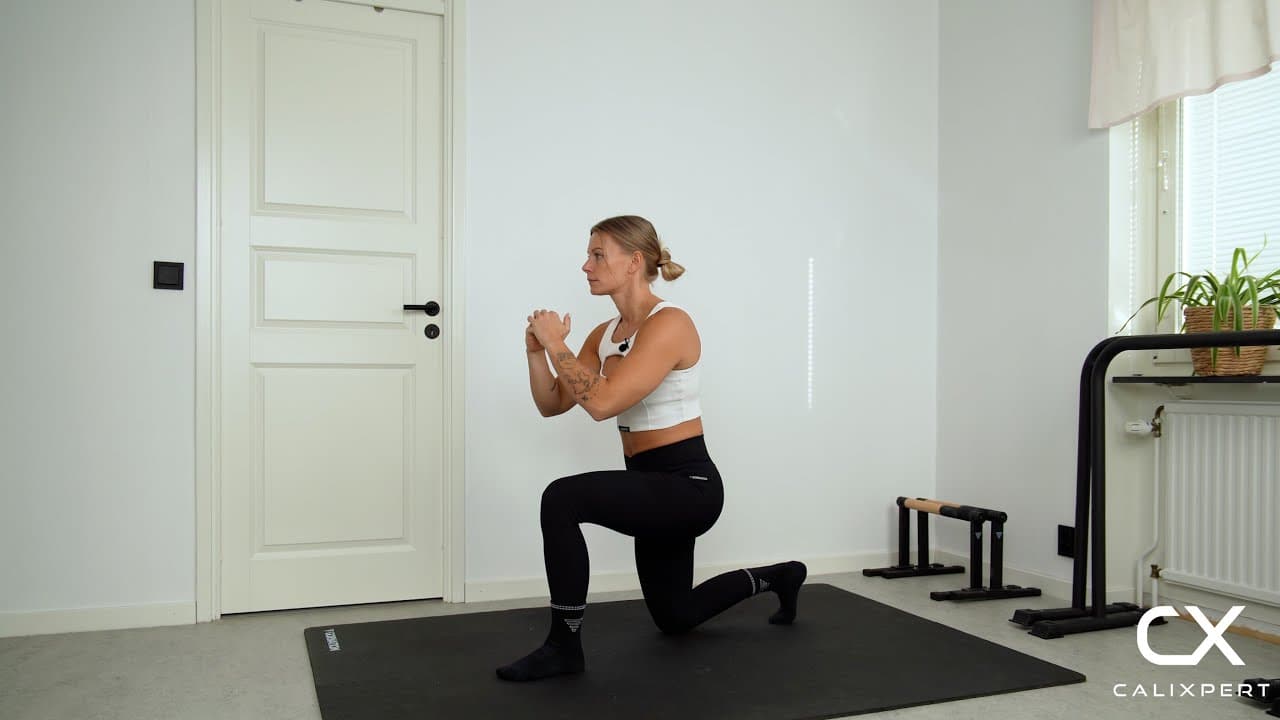
Step back lunges are a unilateral lower body exercise that targets the quads, glutes, and hamstrings through a controlled stepping and lowering pattern. Unlike forward lunges, the backward step reduces shear force on the front knee and demands greater balance and hip stability throughout the movement. When performed with proper depth and control, step back lunges build single-leg strength and correct left-to-right imbalances that bilateral exercises like squats cannot address.
How to Do Step back Lunges
1. Stand With Feet Hip-Width Apart
Stand upright with your feet directly under your hips and your weight evenly distributed across both feet. Keep your hands on your hips or at your sides for balance. Brace your core lightly and pull your shoulders back so your torso is tall and stable before you move.
Tall spine, core tight
2. Step One Leg Back
Take a large step straight back with one foot, landing on the ball of your back foot. The step should be long enough that both knees can bend to roughly 90 degrees at the bottom. Keep your hips square and facing forward throughout the step. A short step will push the front knee too far forward and overload the joint.
Big step back, stay square
3. Lower Until Back Knee Touches
Bend both knees and lower your body straight down until your back knee lightly touches the floor or hovers just above it. Your front shin should stay close to vertical with the knee tracking directly over your toes. Keep your torso upright and avoid leaning forward. The descent should take about 2 seconds.
Straight down, not forward
4. Drive Through the Front Heel
Press firmly through the heel of your front foot to push yourself back up to the starting position. The front leg does the majority of the work during this phase. Avoid pushing off with the back foot, which turns the exercise into a calf push rather than a quad and glute drive.
All the force through the front heel
5. Return to Standing and Repeat
Bring your back foot forward to meet the front foot and stand fully upright before beginning the next rep. Reset your balance and posture between every rep. Complete all reps on one side before switching, or alternate legs each rep depending on your programming preference.
Full reset between every rep
Most people rush step back lunges and turn them into a bouncing exercise. Slow the descent to a full 2-second count, touch the back knee to the floor, pause for a beat, and then drive up through the front heel. That pause at the bottom removes all momentum and forces the quads and glutes to do honest work on every single rep.
Muscles Worked During Step back Lunges
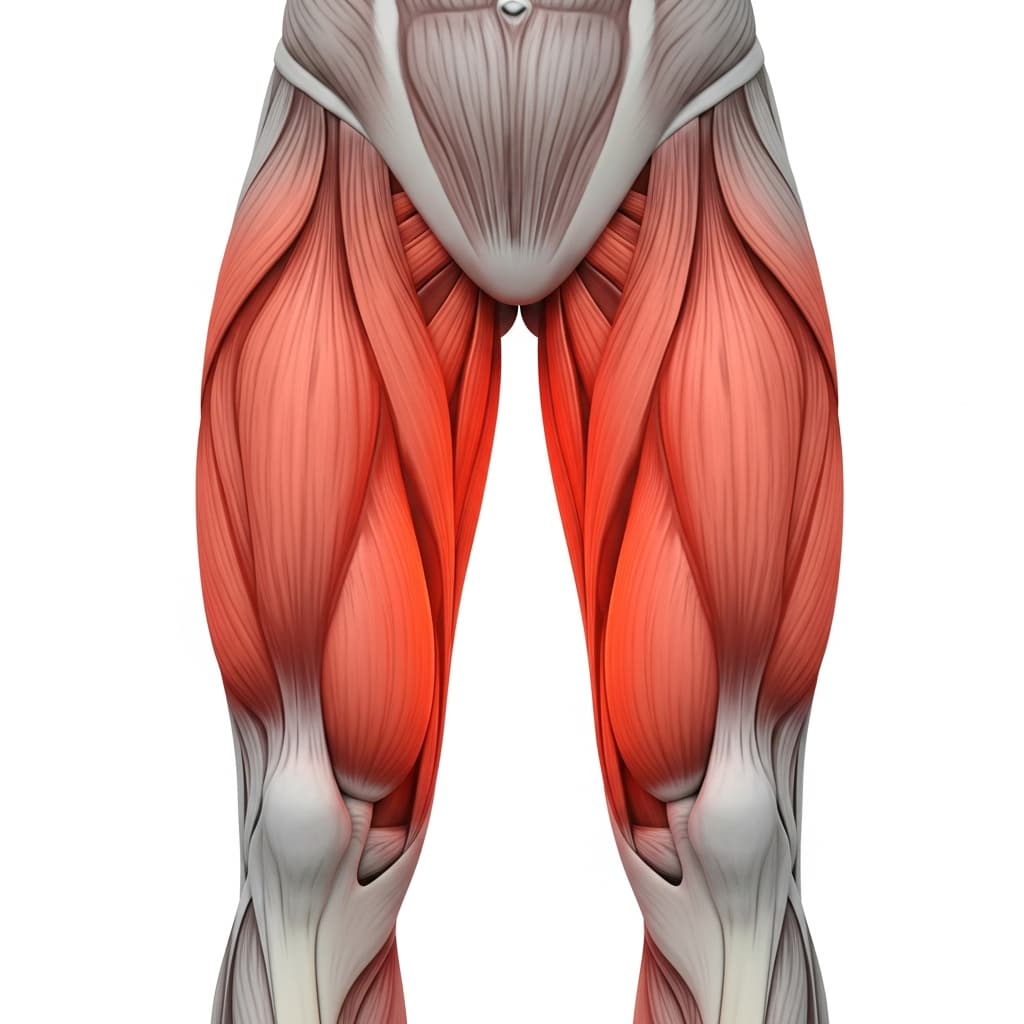
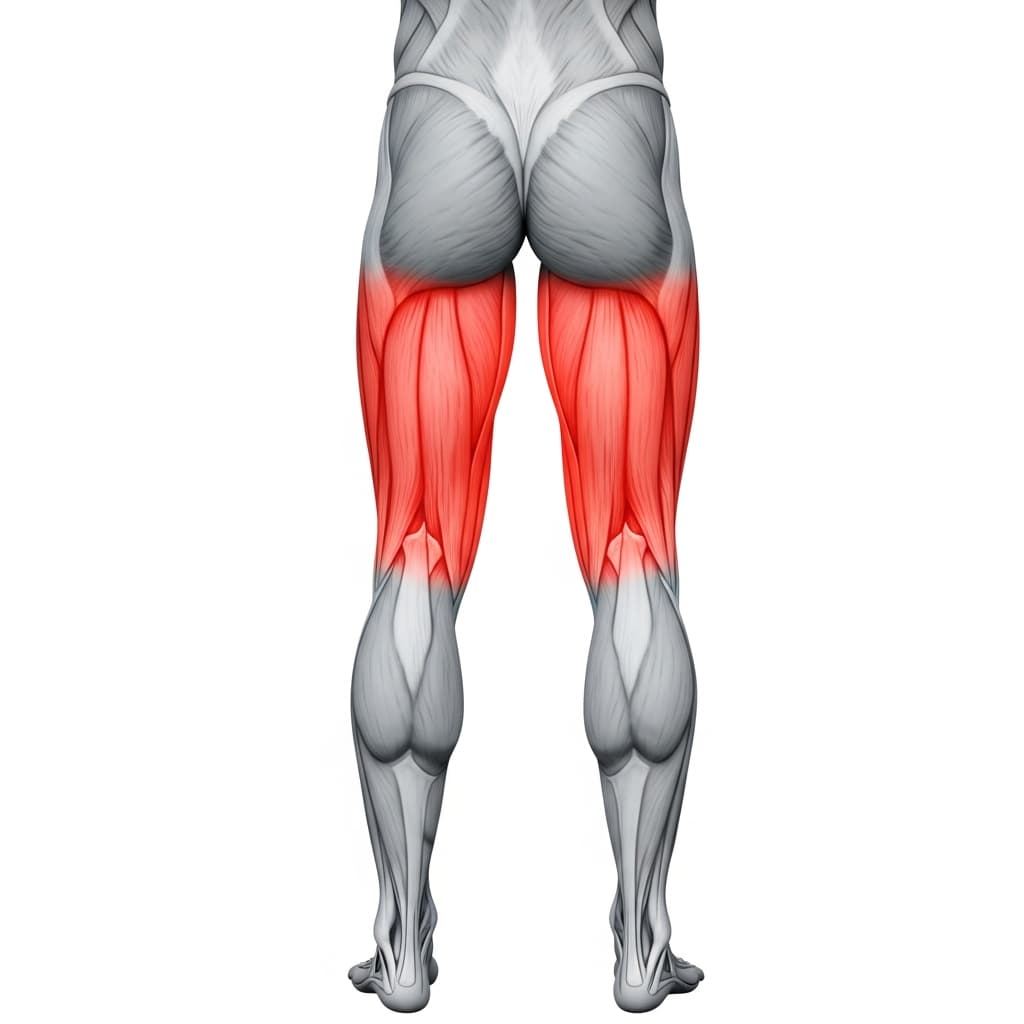
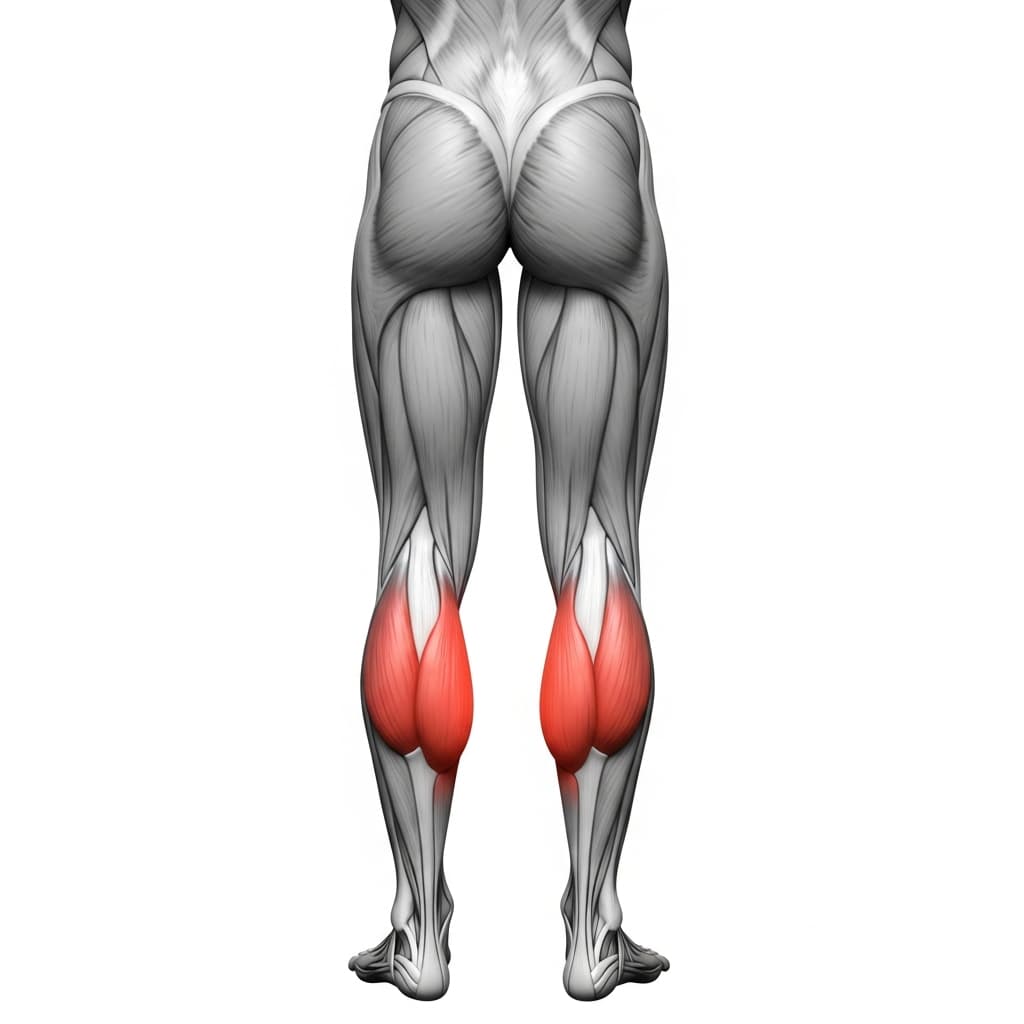
Secondary Muscles:
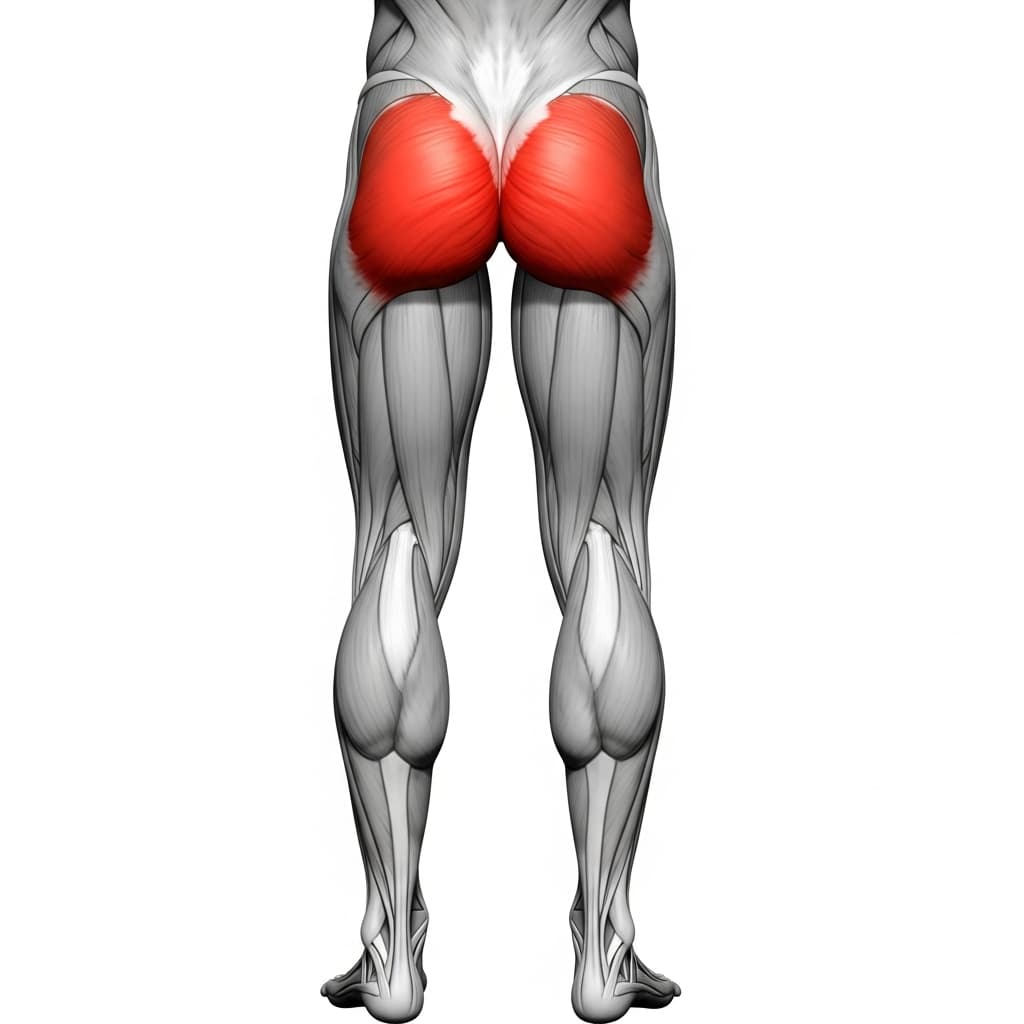
Primary Muscles
Quadriceps (Quads) - The quadriceps extend the front knee during the upward drive, producing the majority of the force needed to return to standing.
Gluteus Maximus (Glutes) - The glutes extend the hip of the front leg as you push out of the bottom position, controlling both depth and power output.
Secondary Muscles
Hamstring Group (Hamstrings) - The hamstrings assist the glutes in hip extension and work eccentrically to control the descent into the lunge.
Gastrocnemius & Soleus (Calves) - The calves stabilize the ankle joint on both legs and assist with balance during the single-leg stance phase.
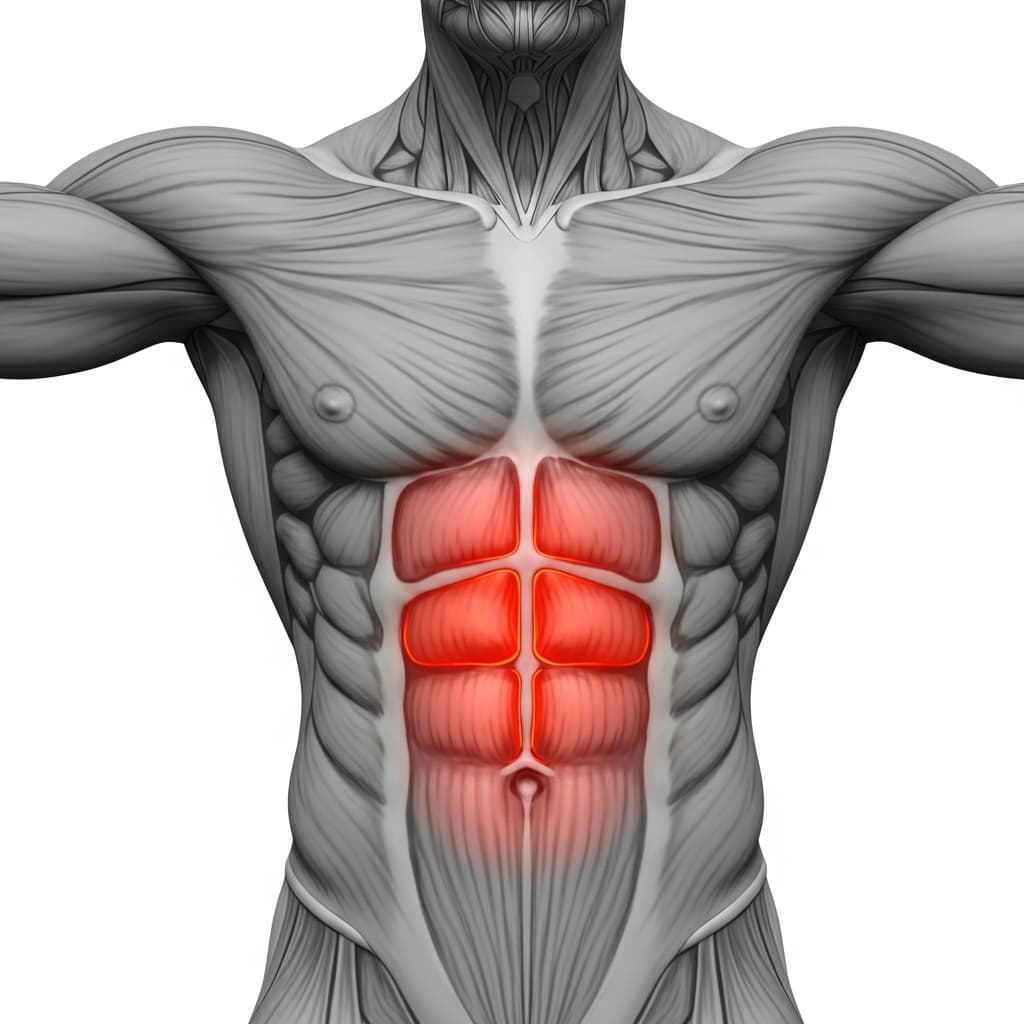
Rectus Abdominis (Abs) - The abdominals brace the torso to keep it upright and prevent forward lean throughout the stepping and lowering phases.
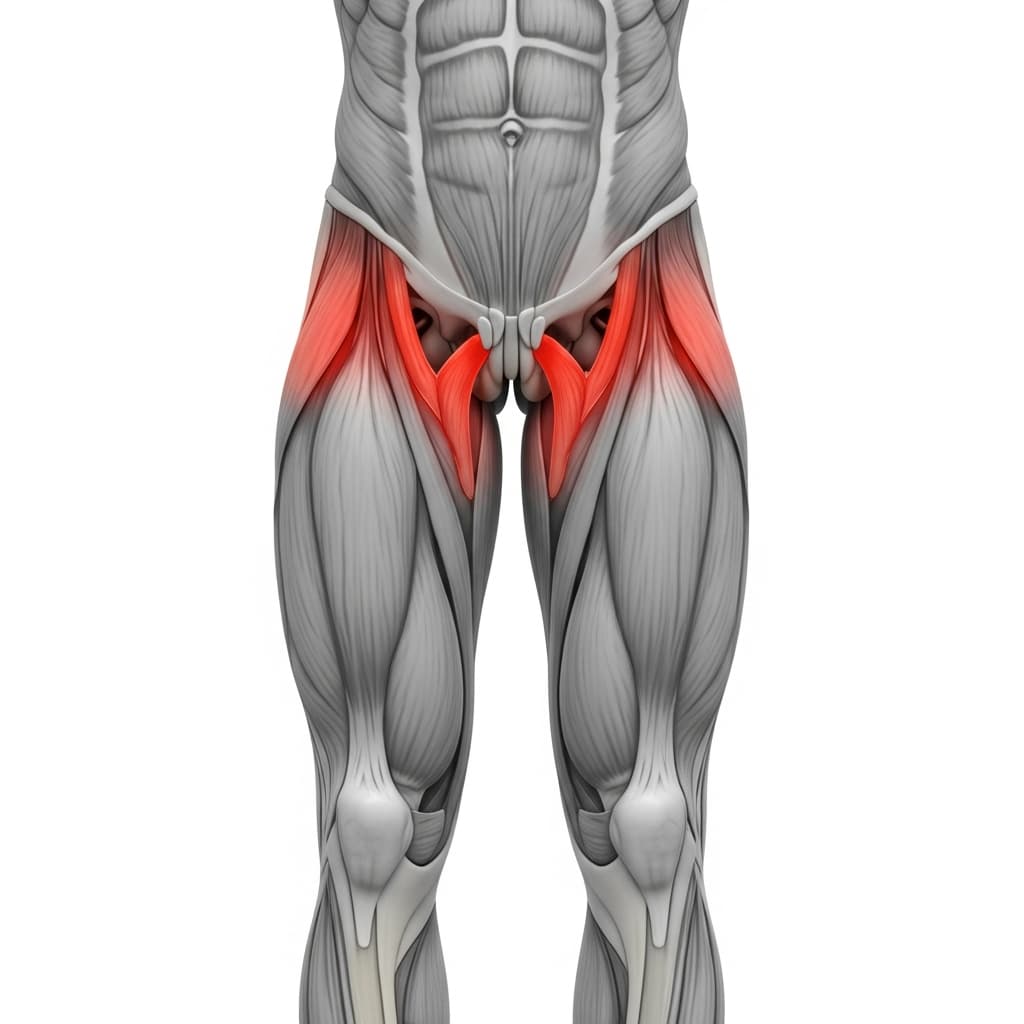
Iliopsoas (Hip Flexors) - The hip flexors of the back leg lengthen under load at the bottom of the lunge and work to bring the back leg forward on the return.
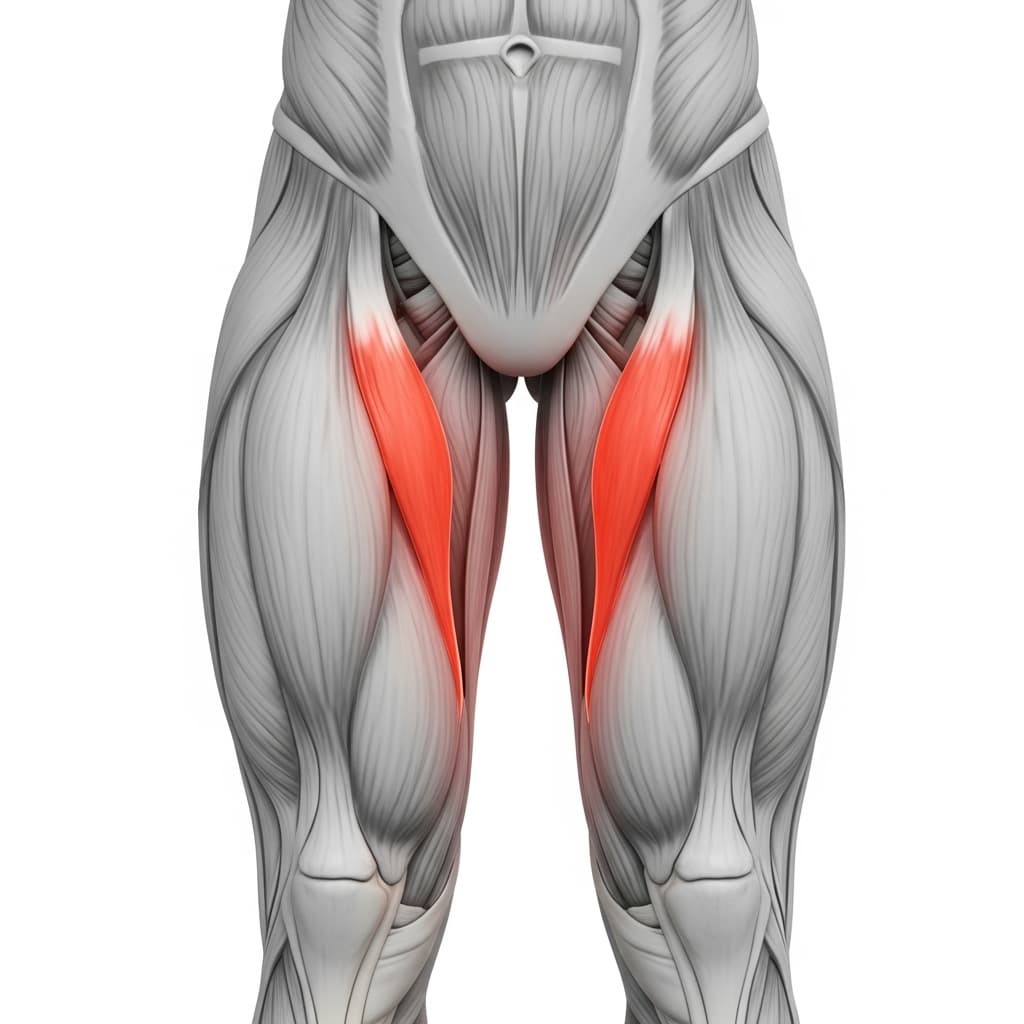
Hip Adductors (Adductors) - The adductors stabilize the front leg laterally, preventing the knee from collapsing inward during the descent and drive.
Benefits of Step back Lunges
- Builds single-leg quad and glute strength, directly correcting left-to-right imbalances that bilateral squats mask
- Reduces anterior knee stress compared to forward lunges, making it a safer lunge variation for athletes with knee sensitivity
- Develops balance and proprioception through the controlled single-leg stance phase of every rep
- Strengthens the hip stabilizers and adductors, which protects the knee and ankle joints during running, jumping, and lateral movement
Who Is This Exercise For?
You should be able to hold a bodyweight squat with your thighs parallel to the floor for at least 5 controlled reps before attempting step back lunges. If you struggle to balance on one leg for 10 seconds or lack the ankle and hip mobility to squat to parallel, work on single-leg stands and assisted squats first.
Common Mistakes to Avoid
Stepping back too short: Take a longer step so that both knees can reach 90 degrees at the bottom. A short step forces the front knee past the toes and shifts load away from the glutes onto the knee joint.
Leaning the torso forward: Keep your chest up and your torso vertical throughout the entire movement. Leaning forward shifts the load onto the lower back and reduces glute activation.
Pushing off with the back foot: The back leg should only provide light balance support. Drive all your force through the heel of the front foot to ensure the quads and glutes do the work.
Letting the front knee collapse inward: Actively push your front knee outward so it tracks over your second or third toe. Knee collapse signals weak hip stabilizers and increases injury risk under load.
Variations & Progressions
Assisted step back lunges
Hold onto a wall, chair, or TRX strap for balance support while performing the lunge. This removes the balance demand so you can focus entirely on building strength and depth.
Deficit step back lunges
Stand on a low platform or step so your back foot drops below the level of your front foot at the bottom. The added range of motion increases glute and hip flexor stretch, making the exercise significantly more demanding.
Weighted step back lunges
Hold dumbbells at your sides or a barbell across your upper back while performing the movement. The added load increases strength demands on the quads, glutes, and core stabilizers.