

Hip Flexors Exercises
Iliopsoas
All Hip Flexors Exercises (94)
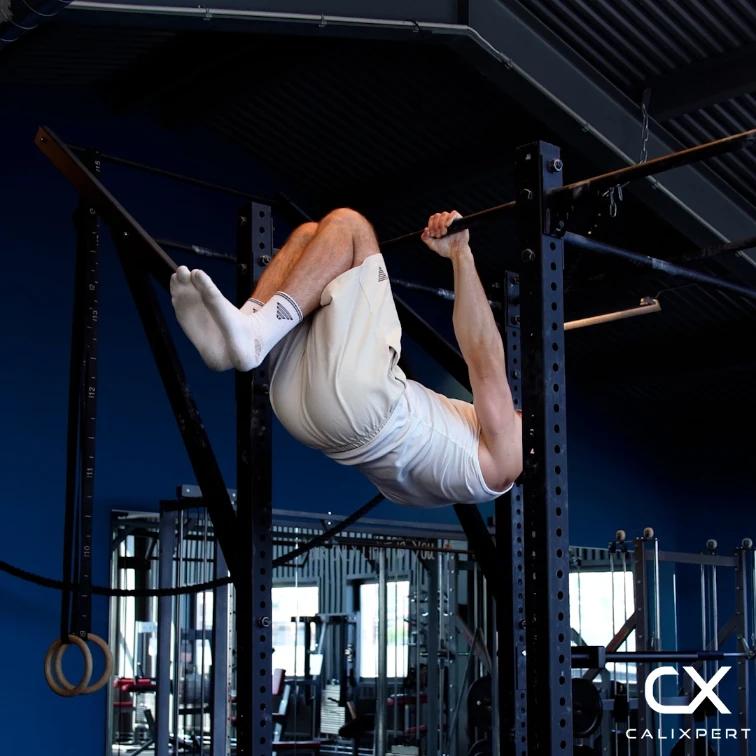
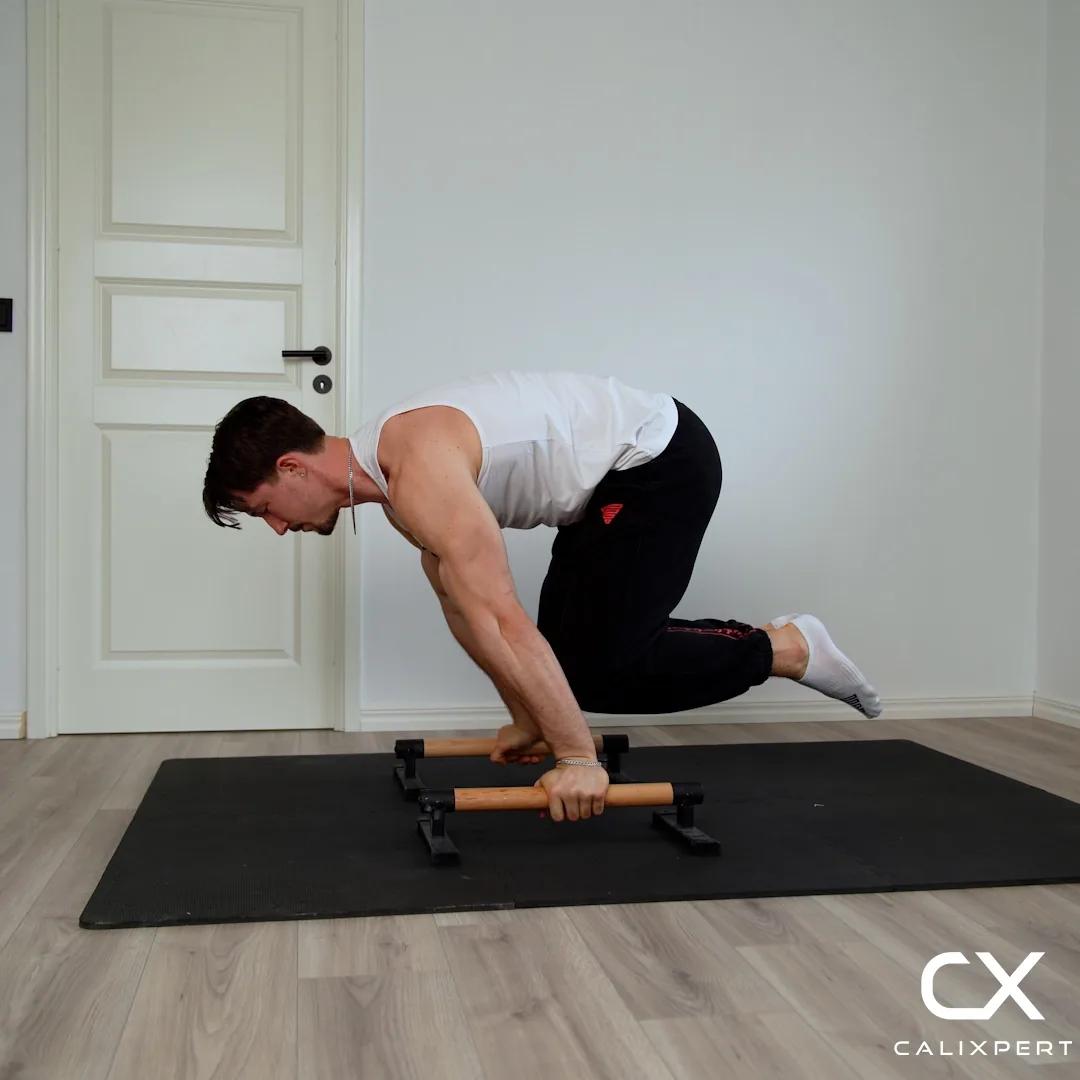
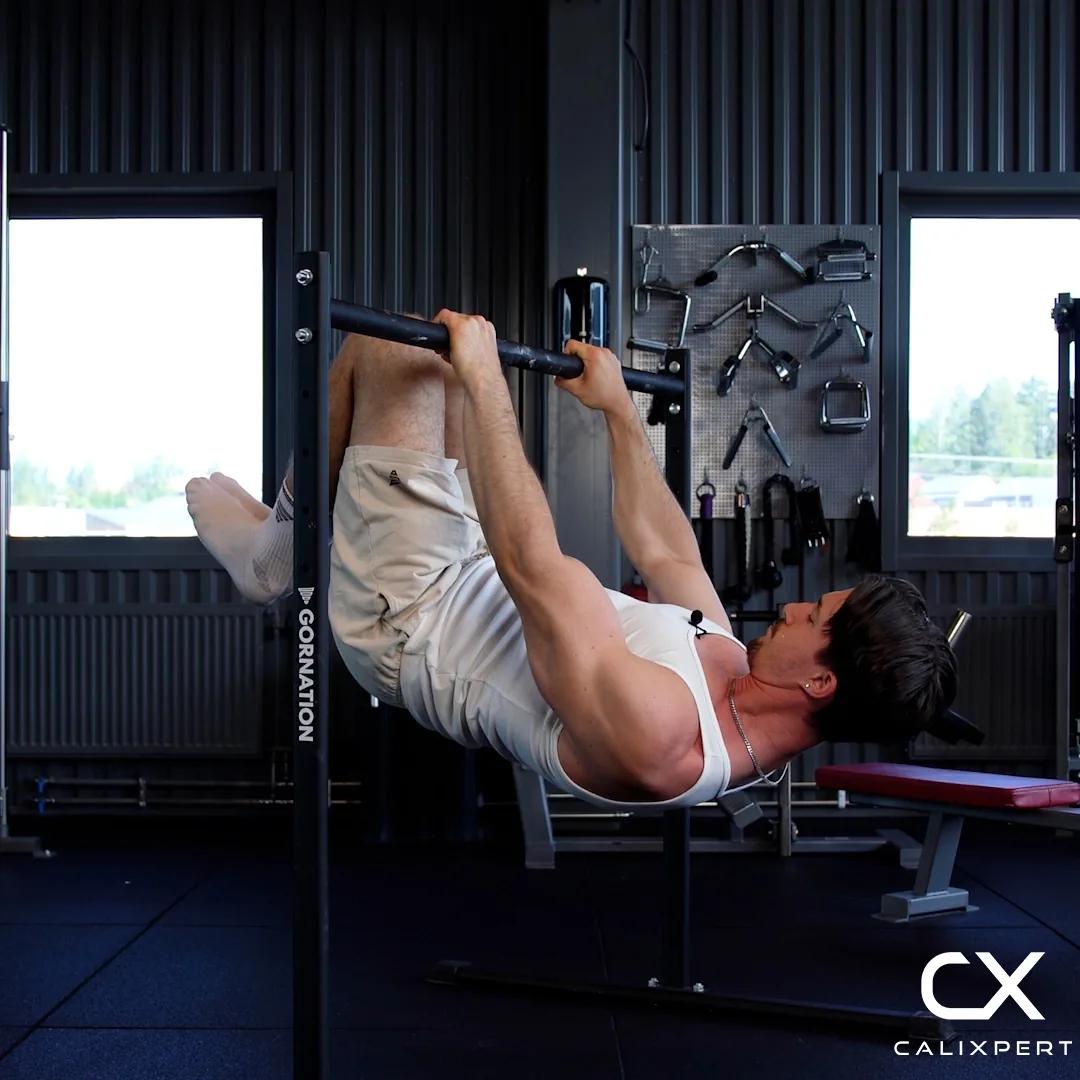
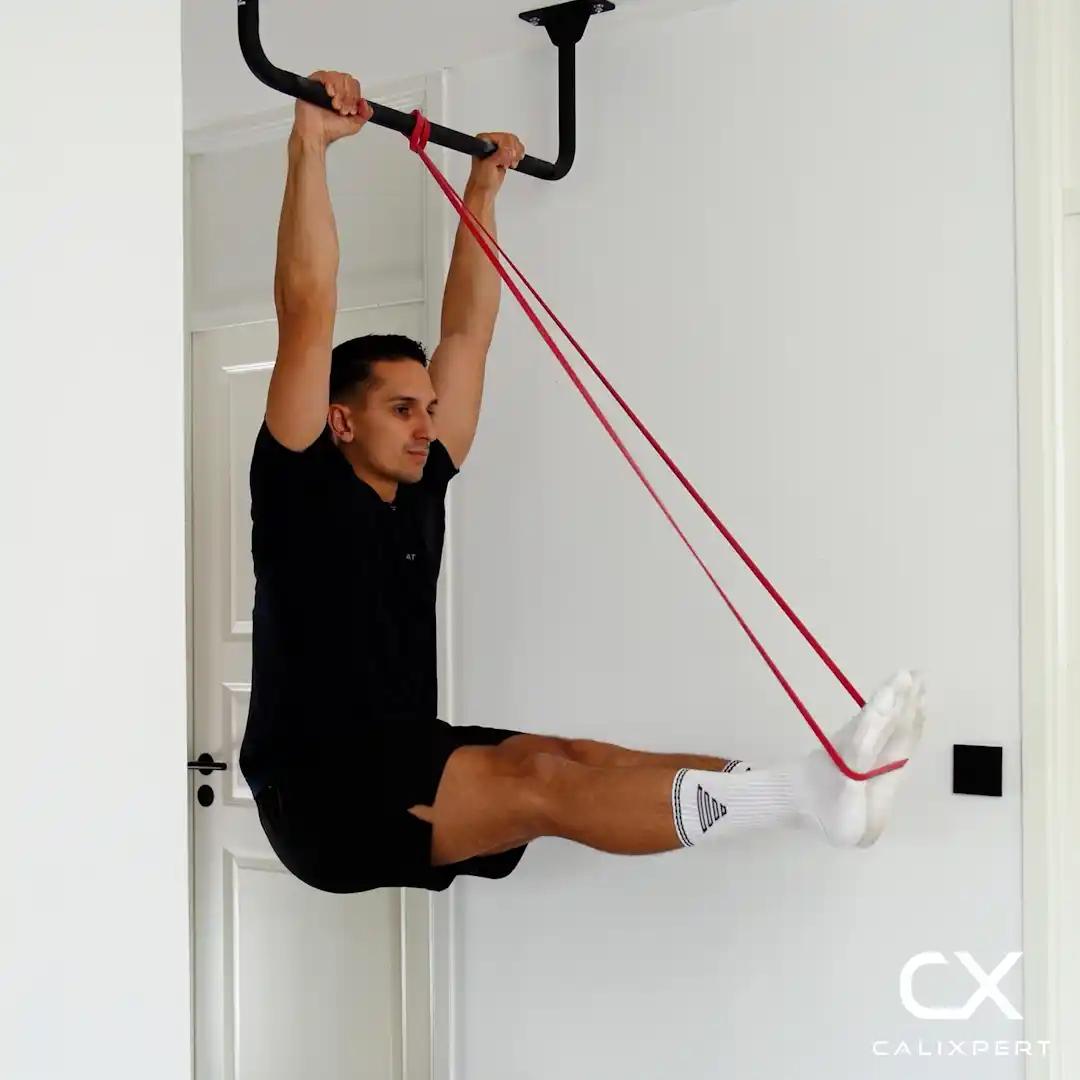
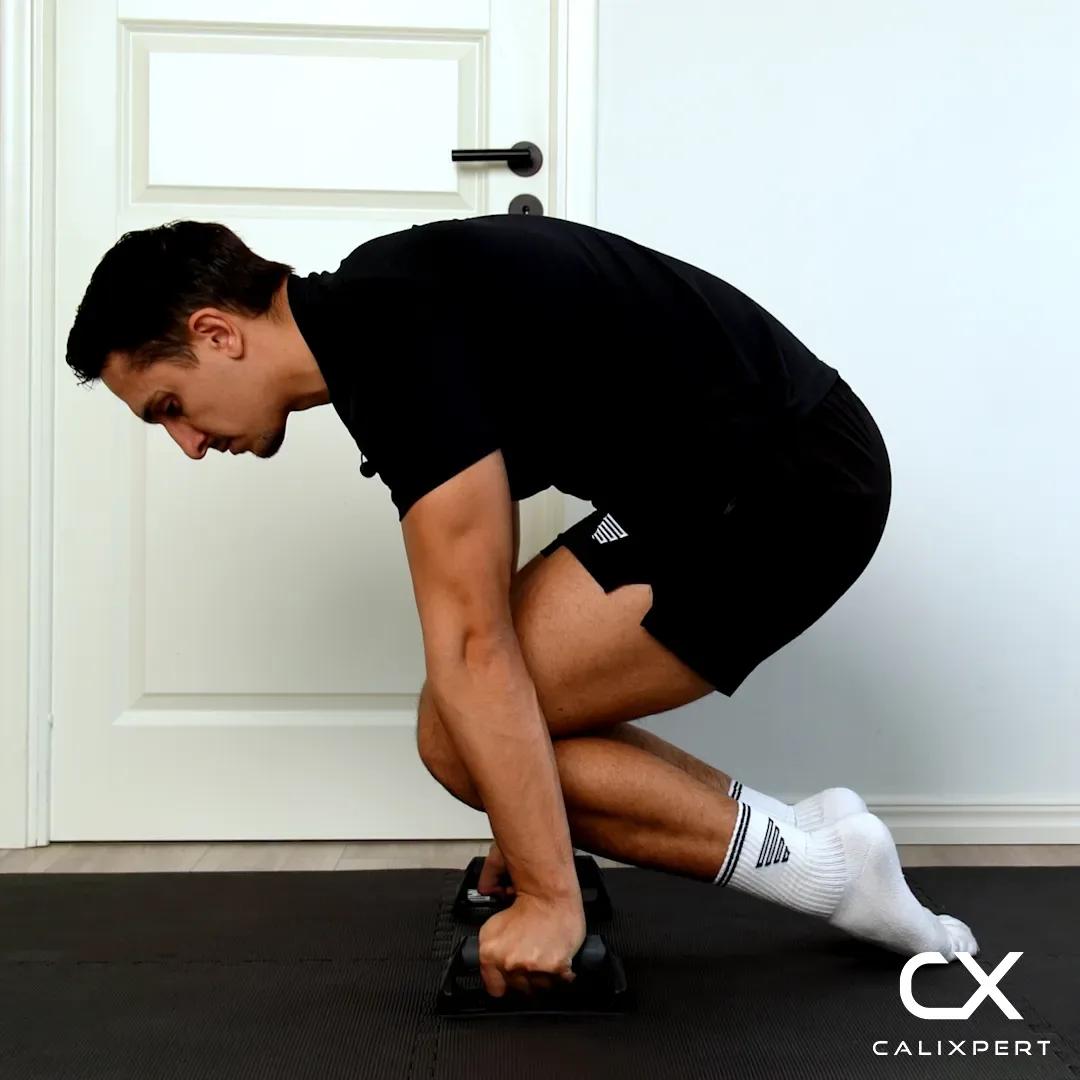
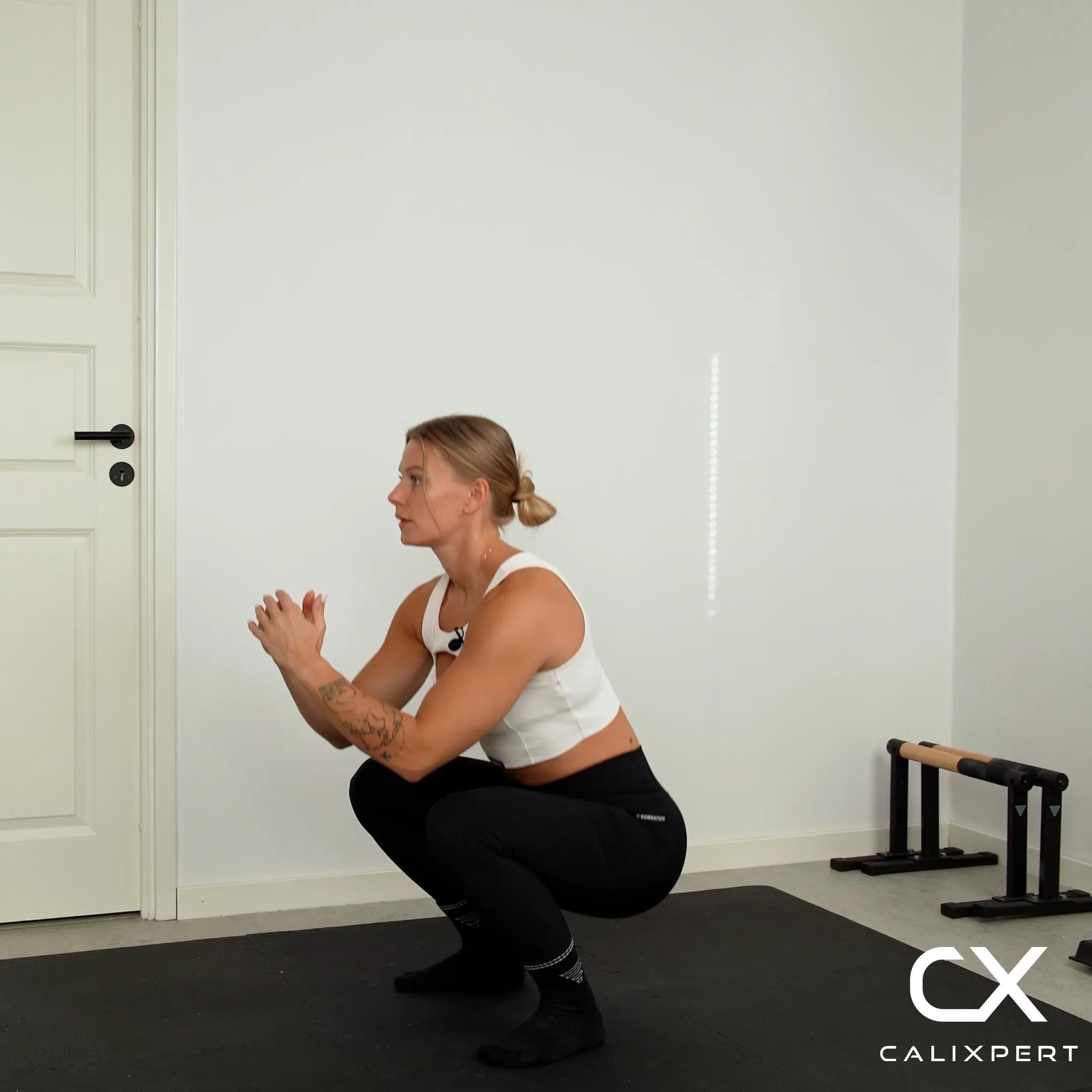
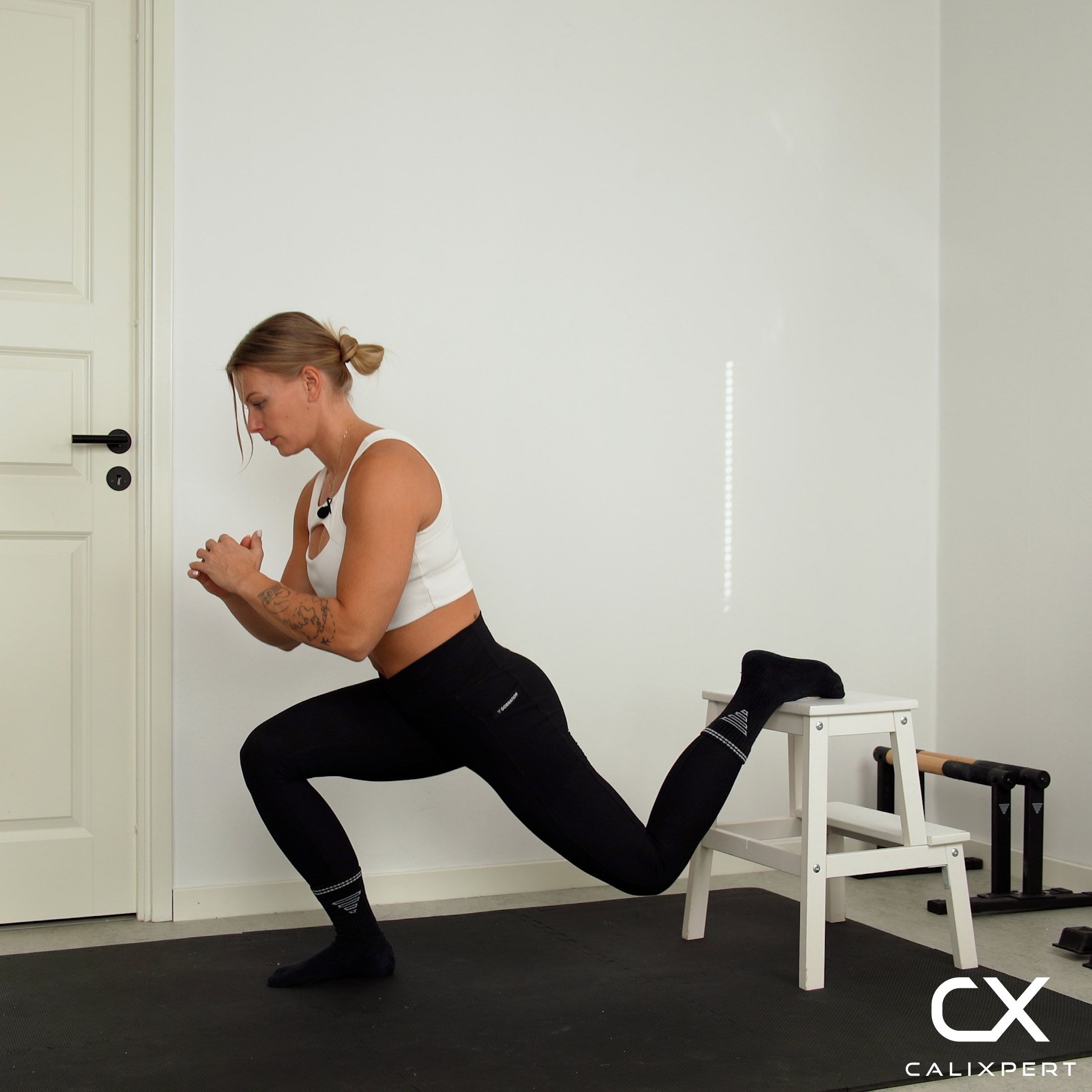
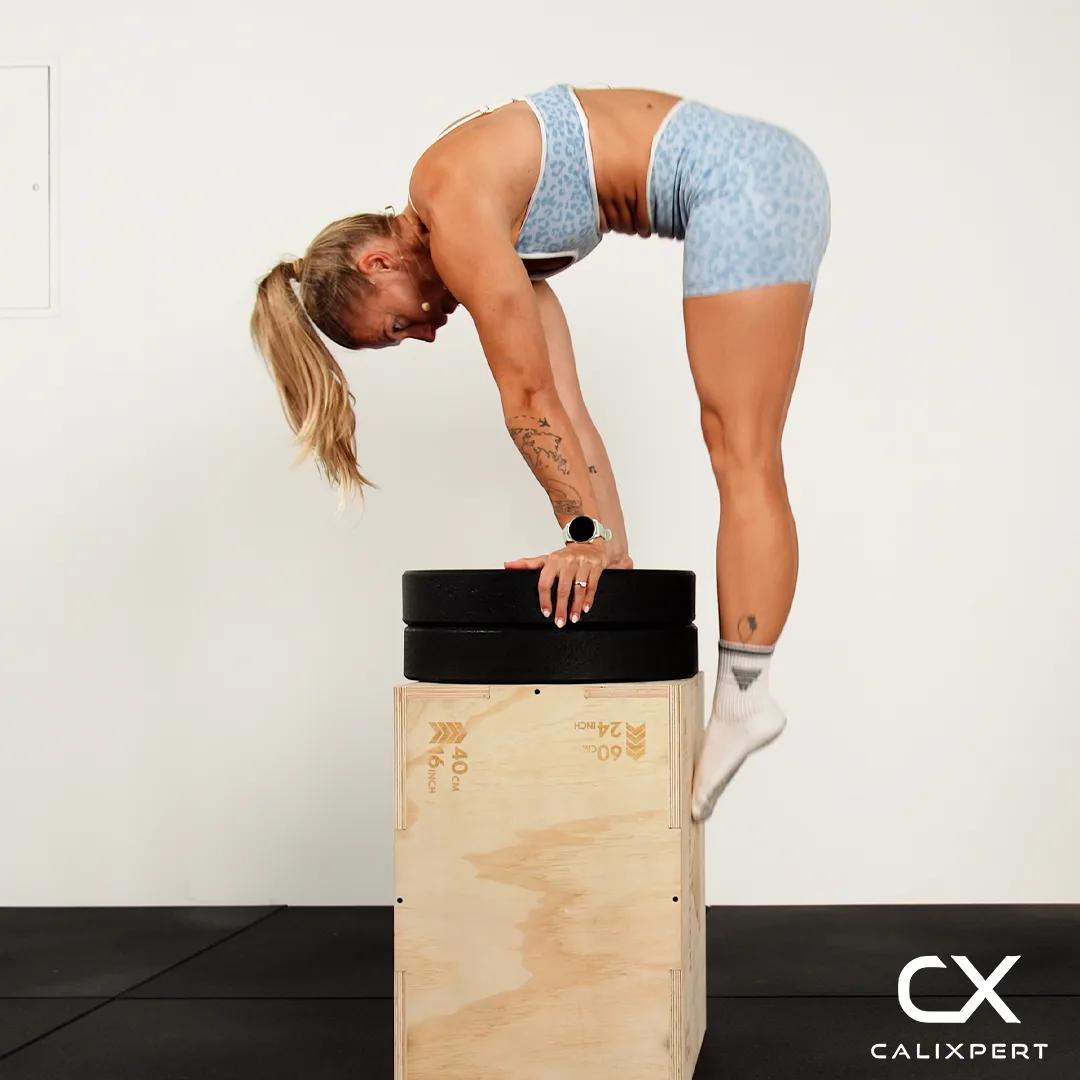
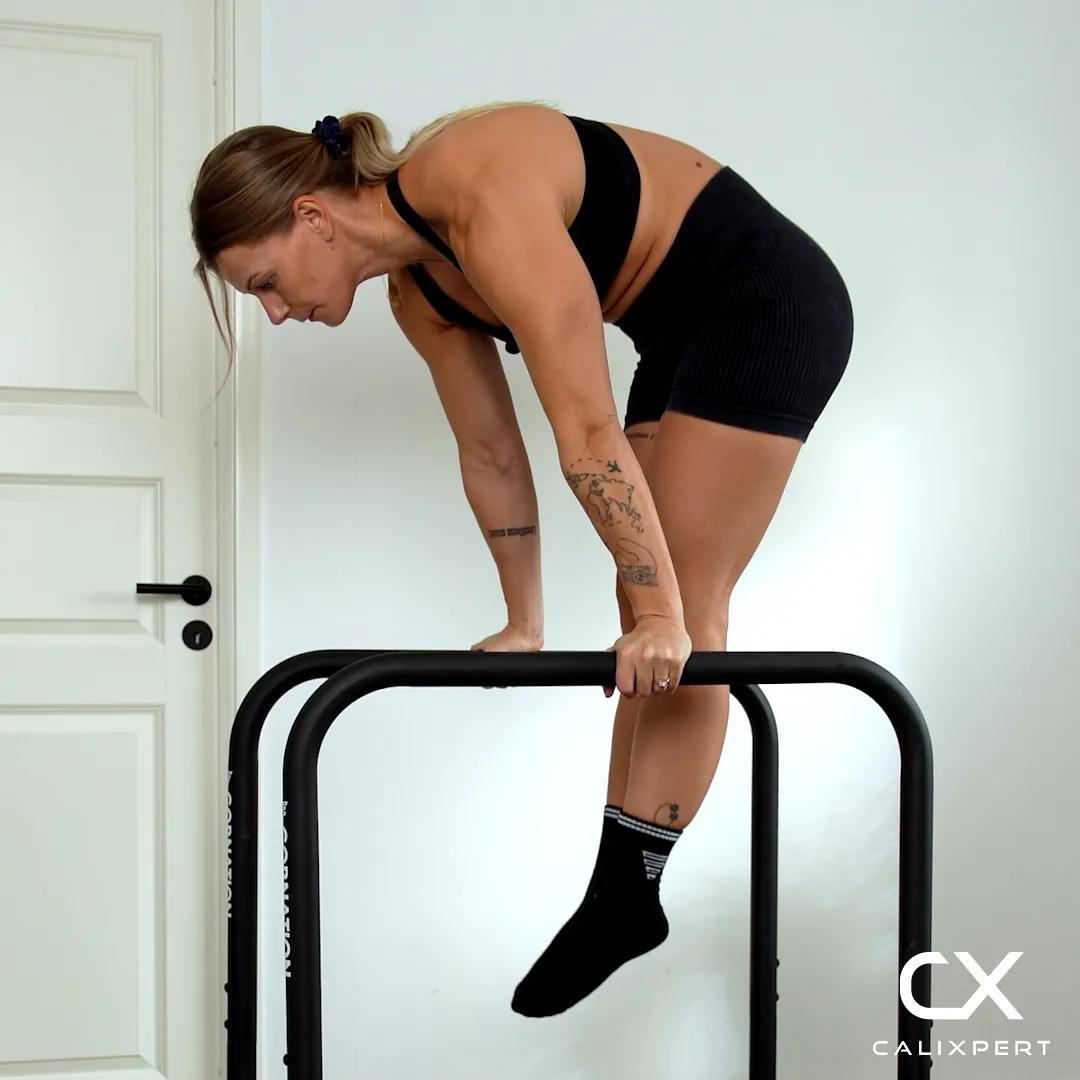
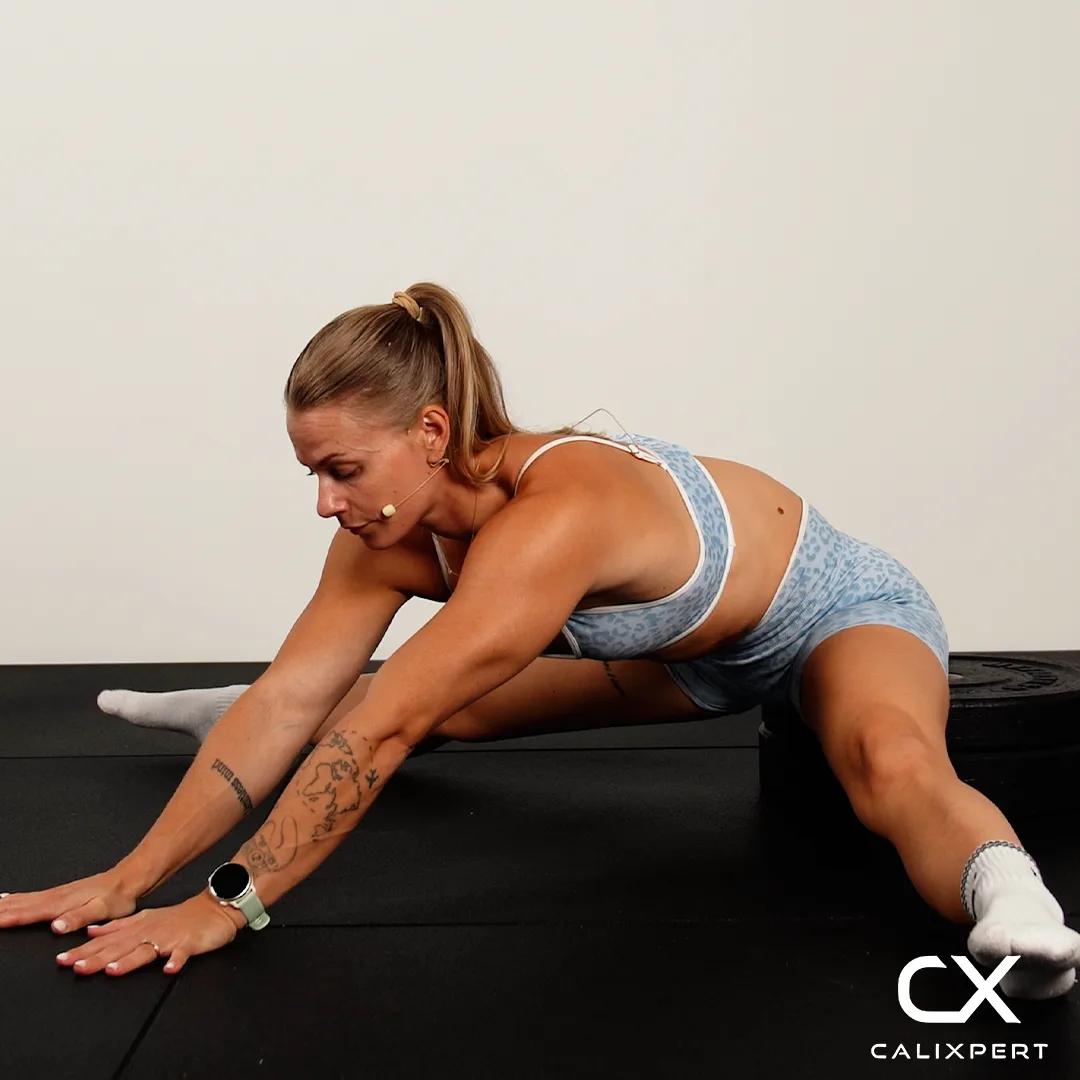
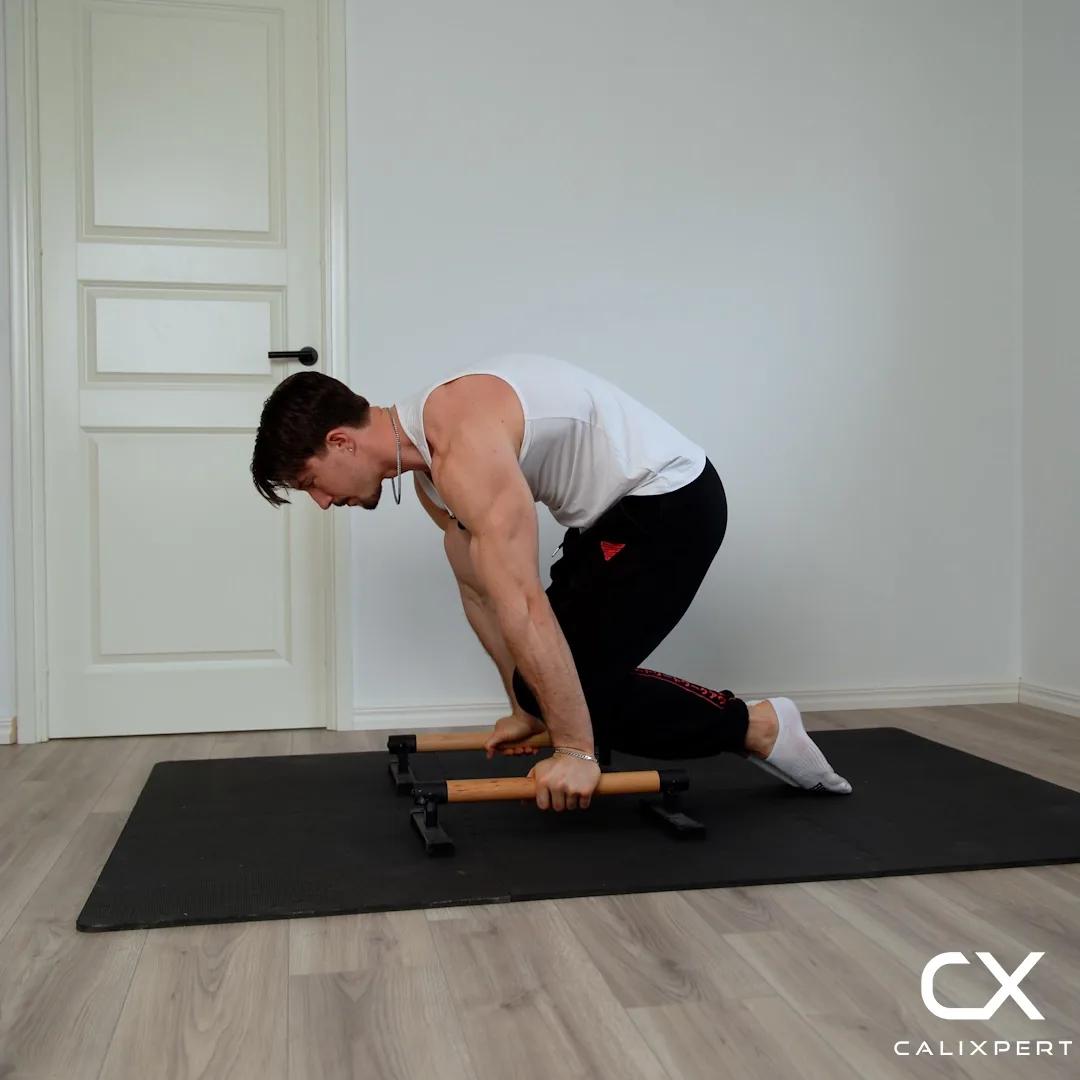
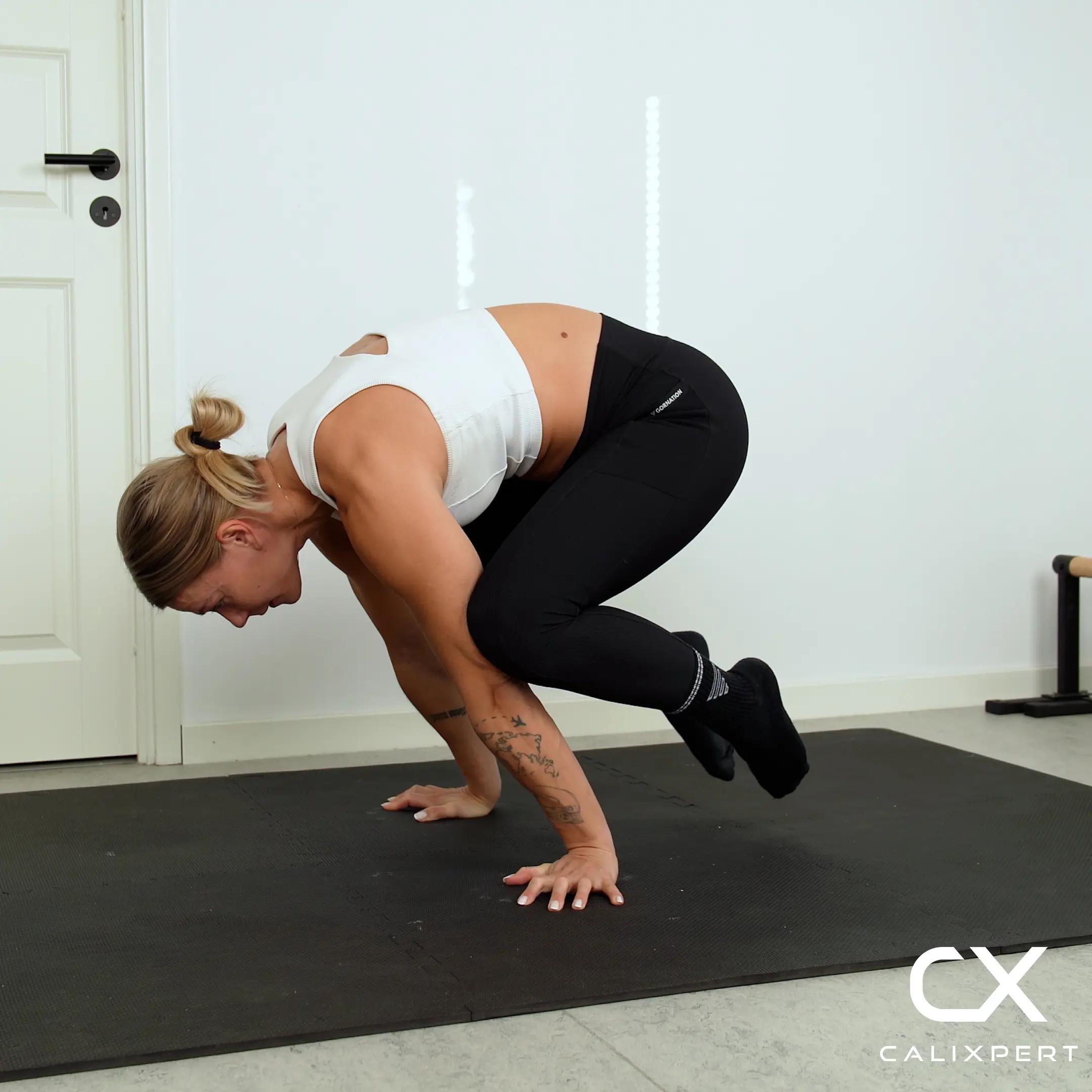
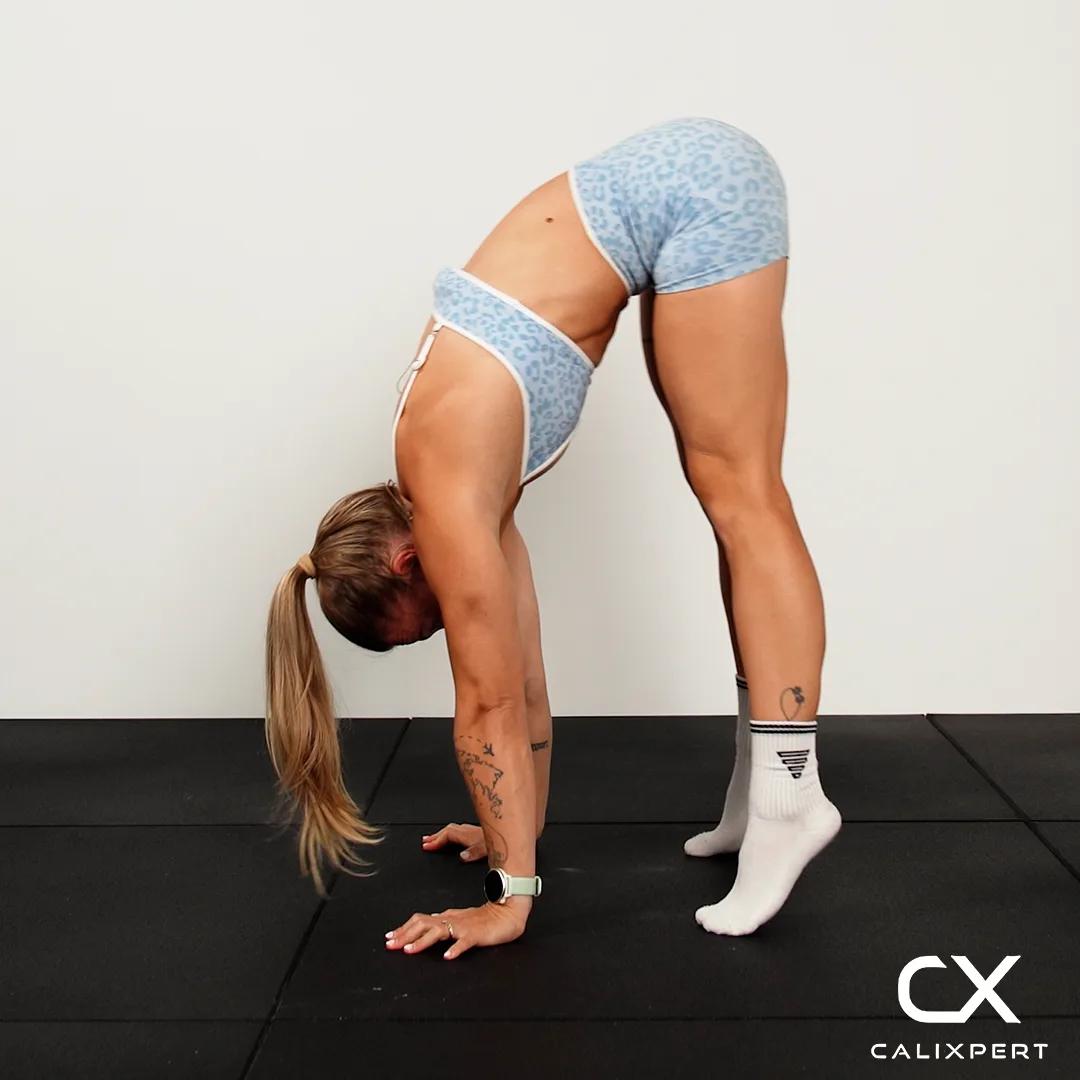
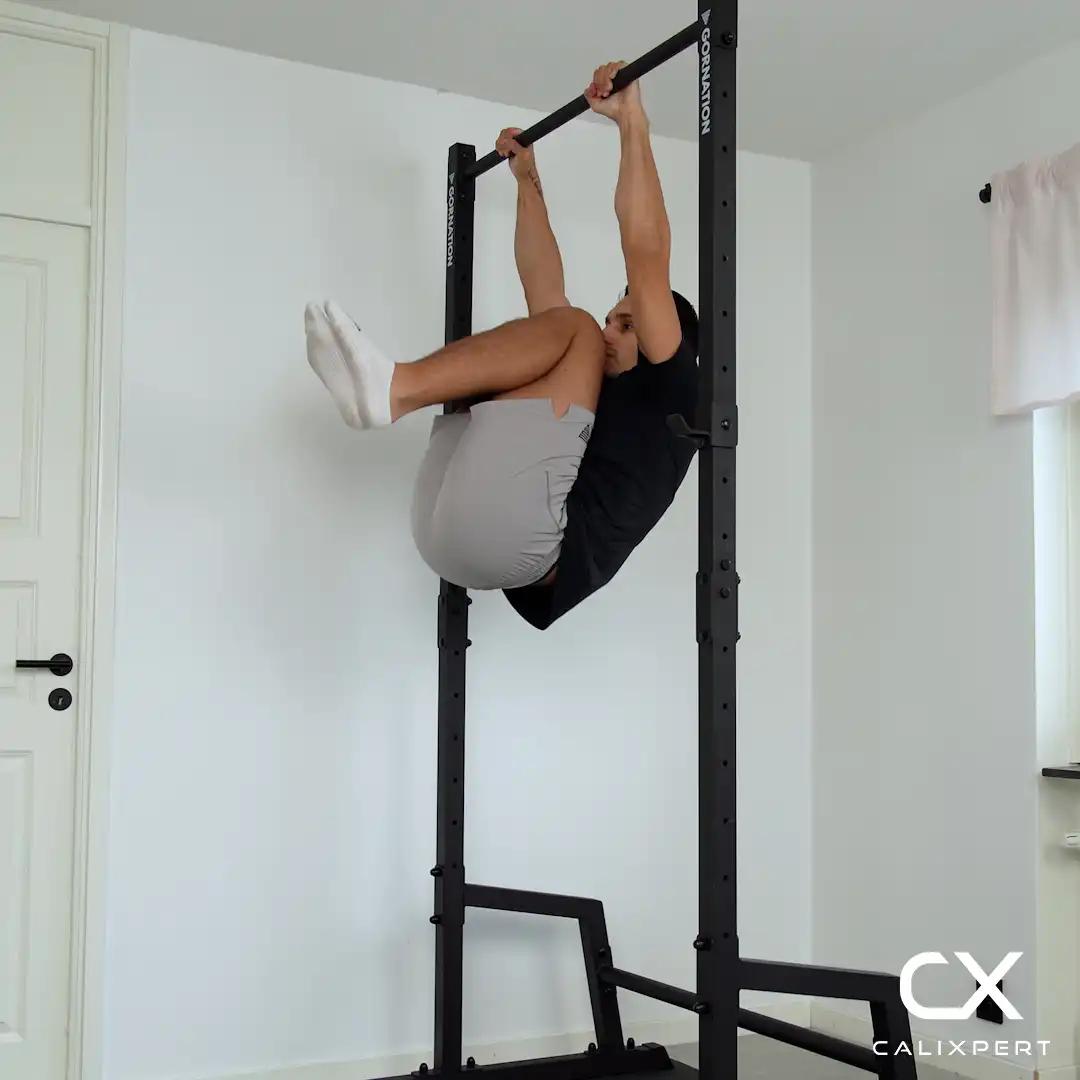
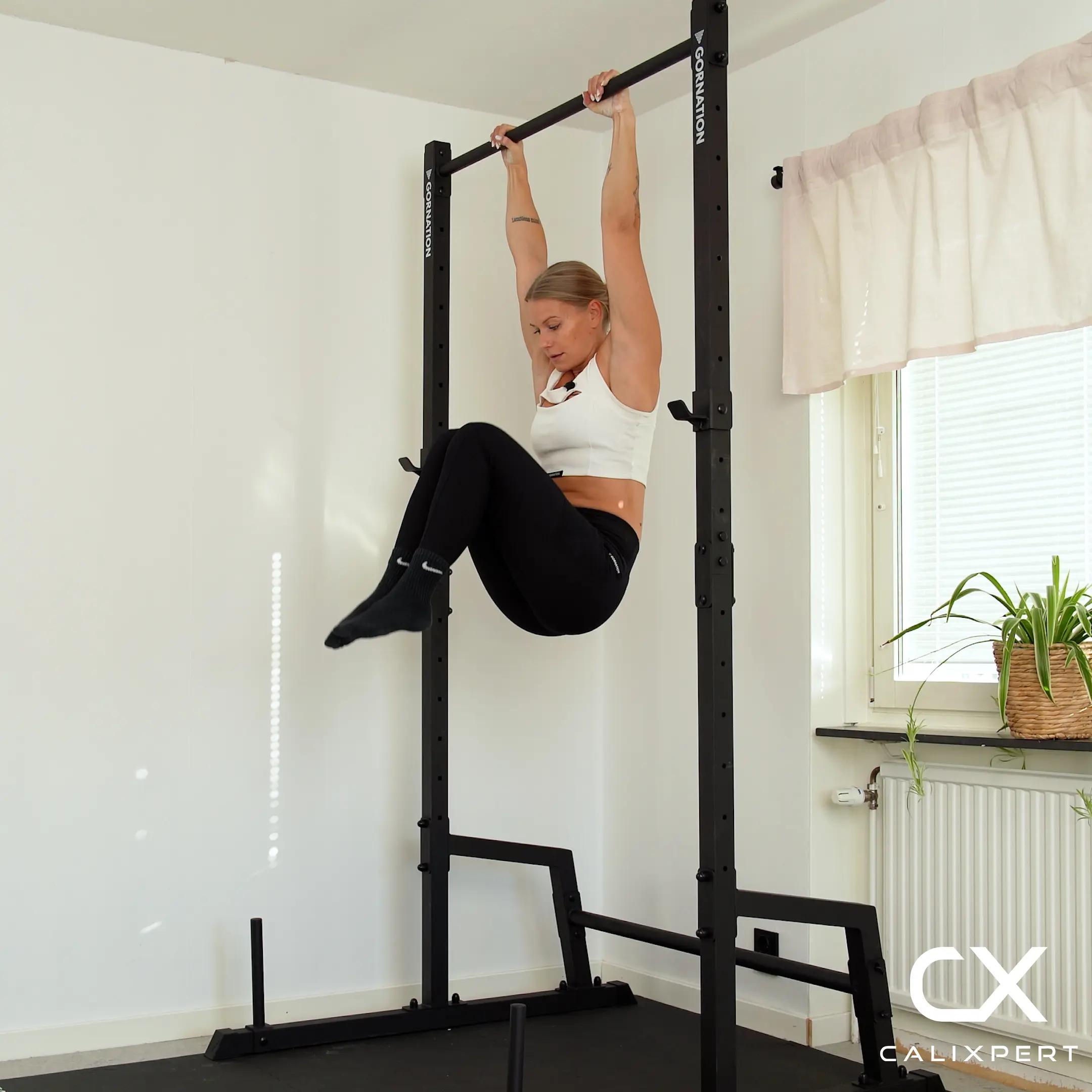
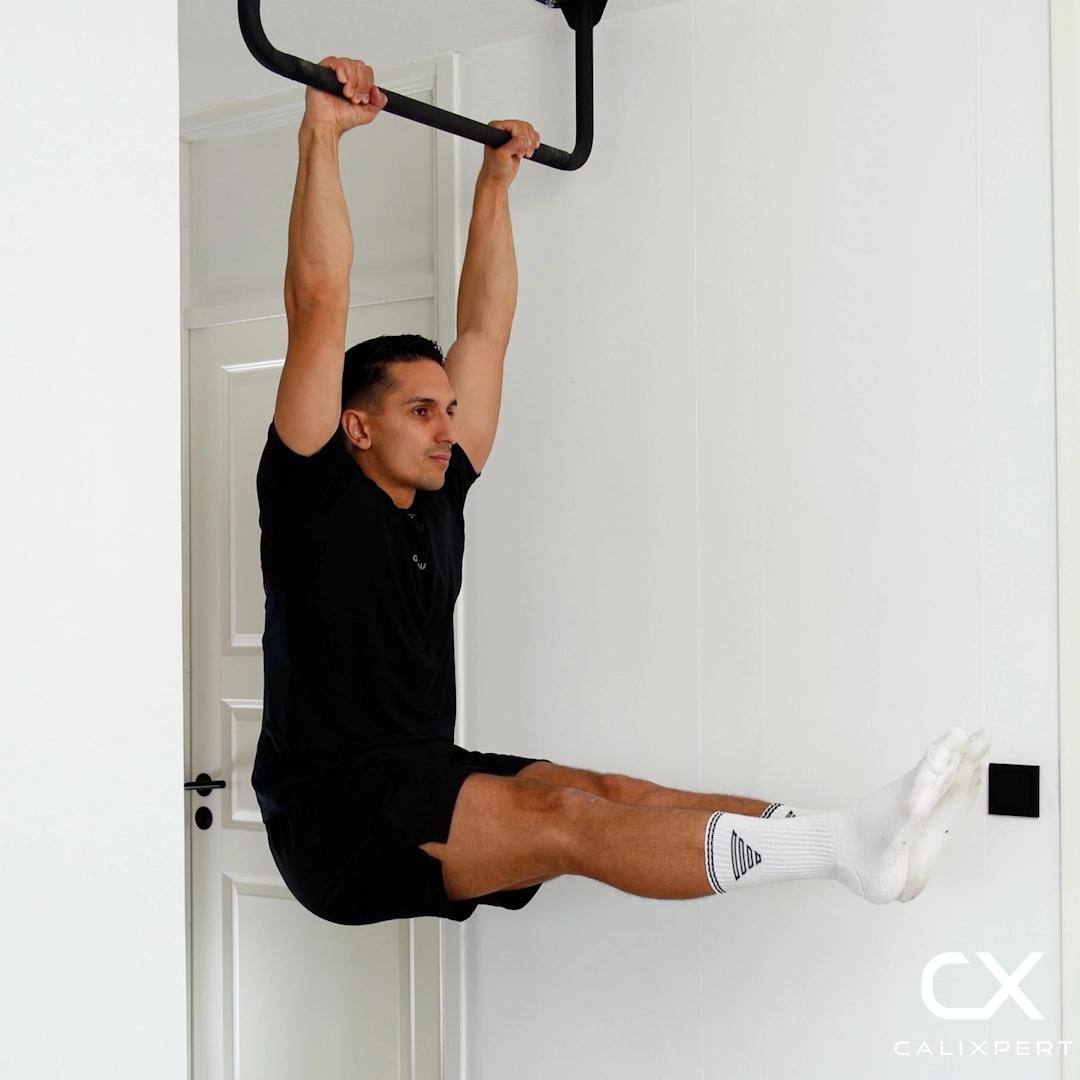
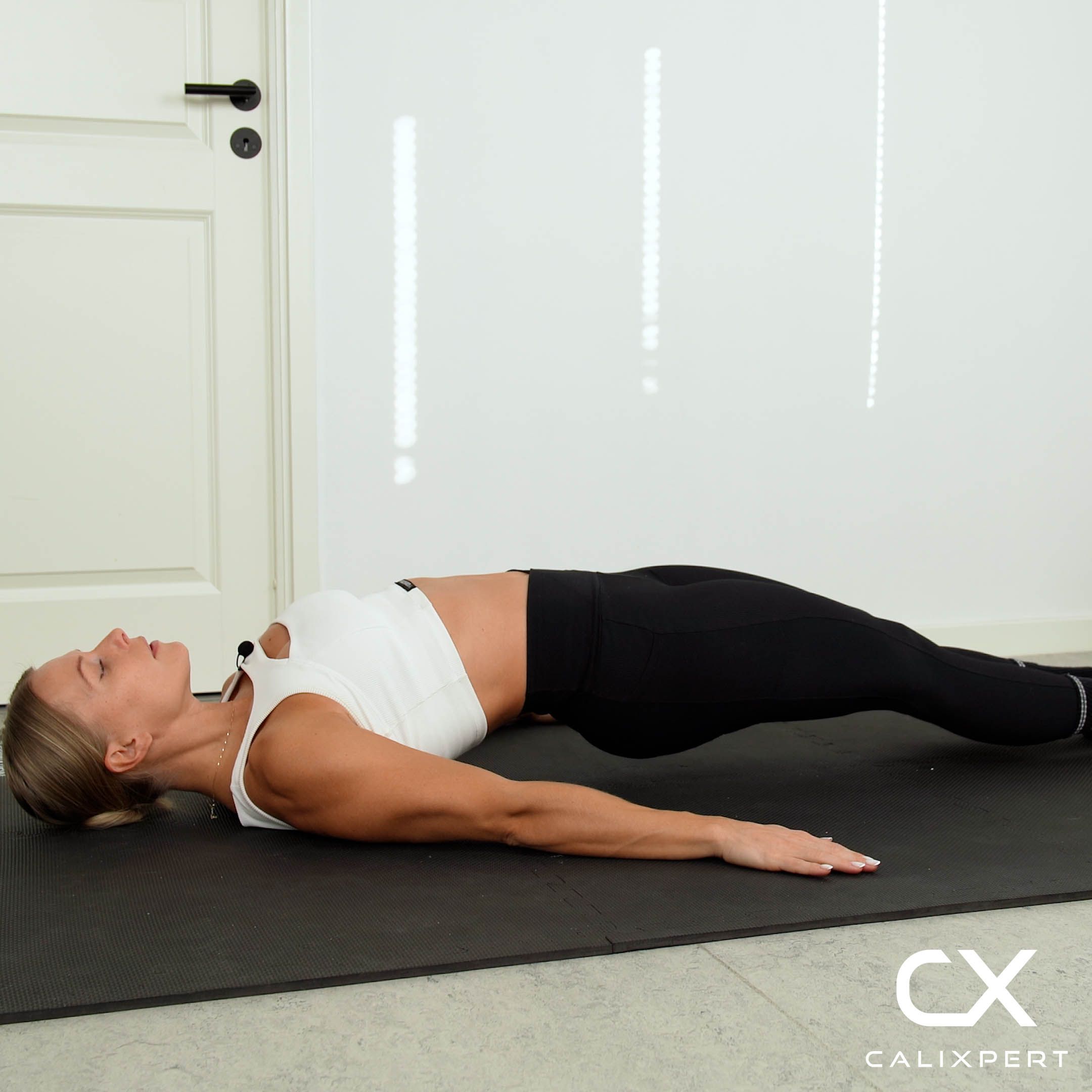
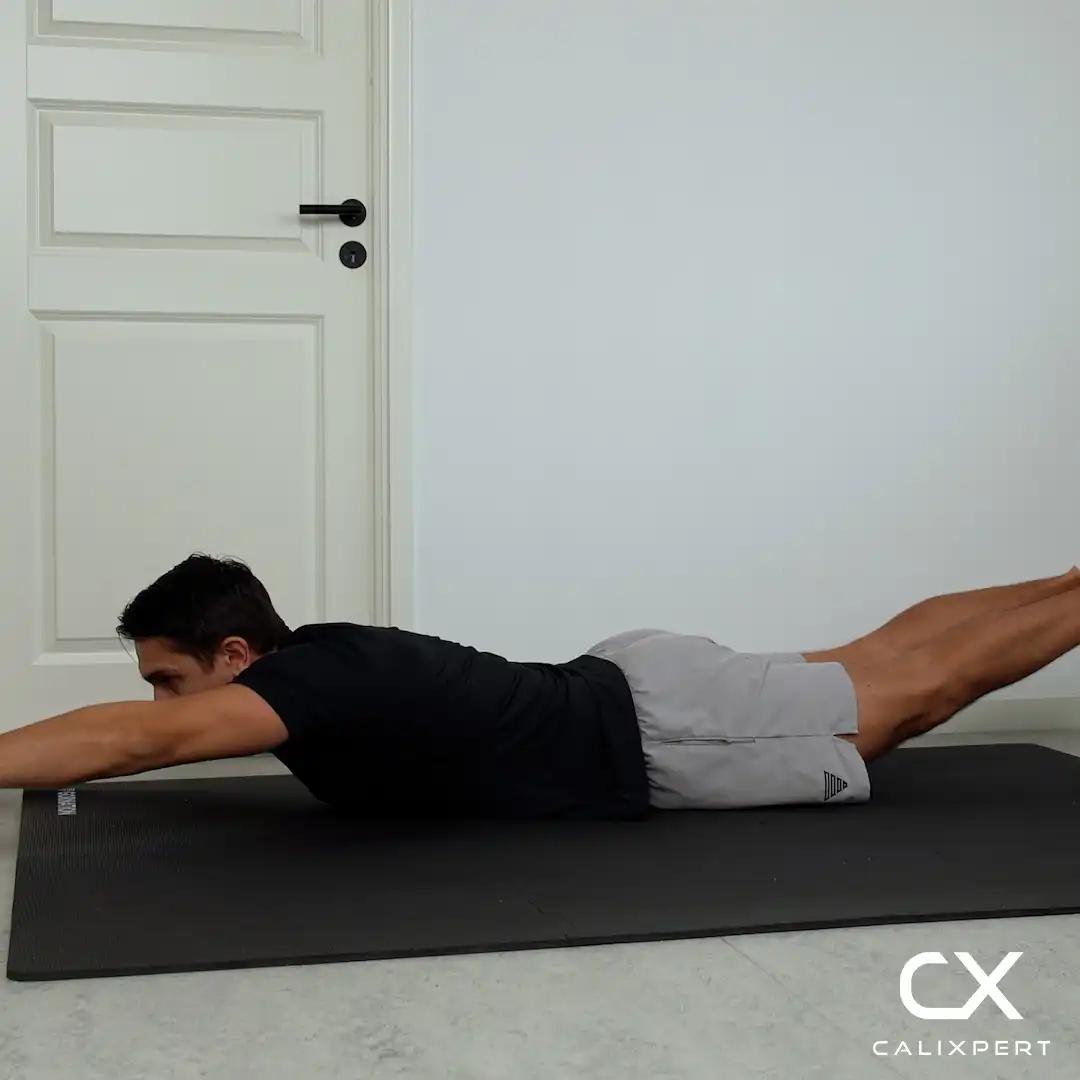
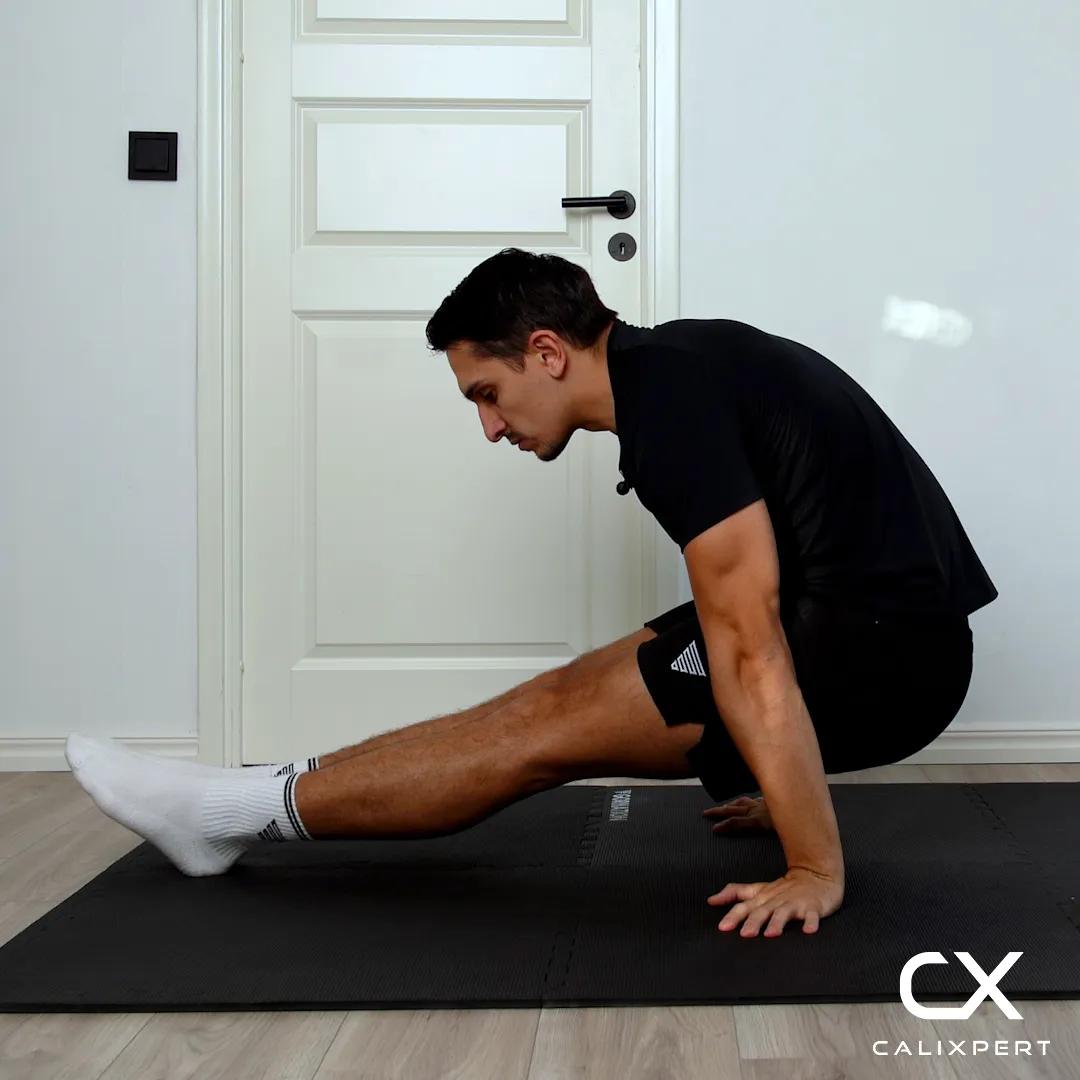
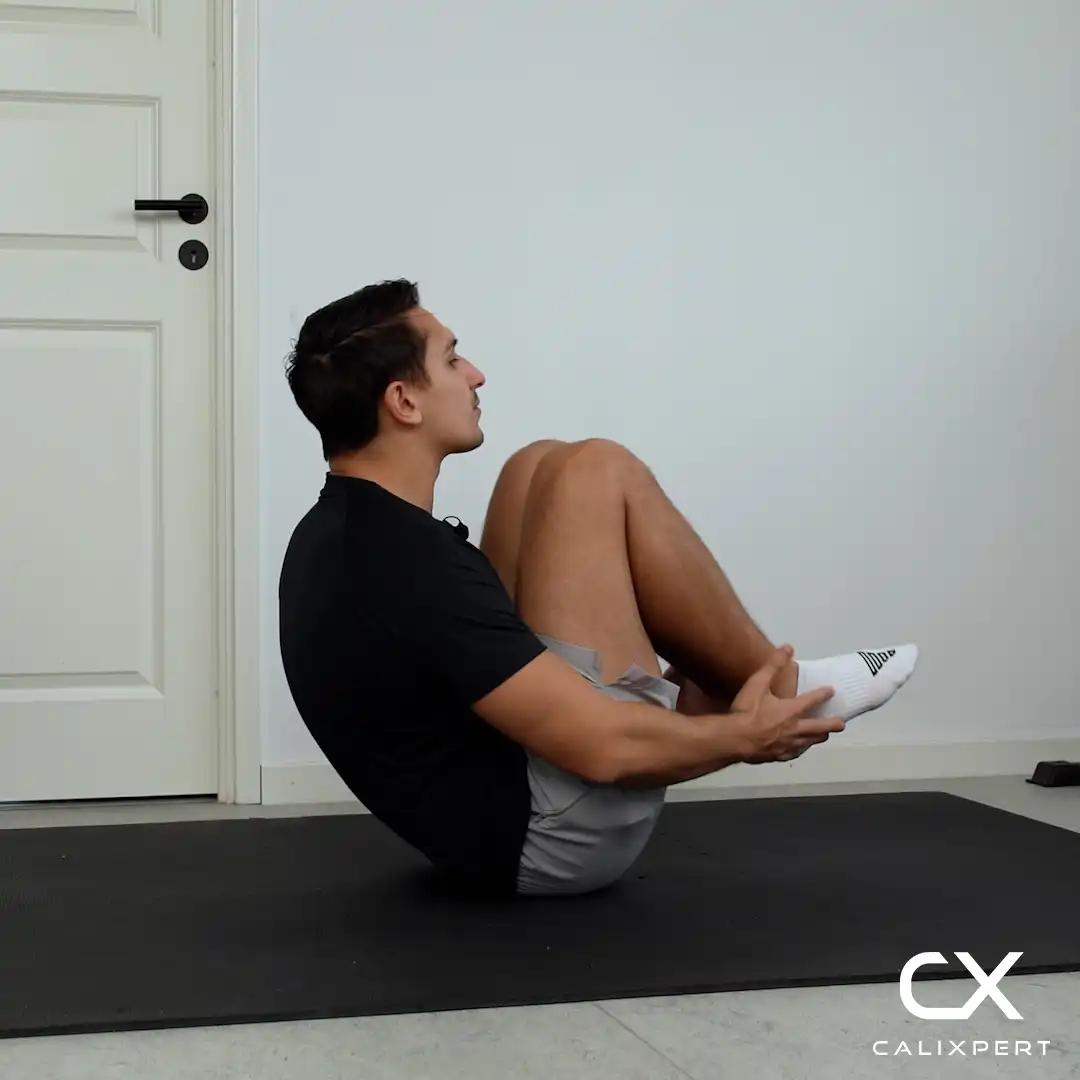
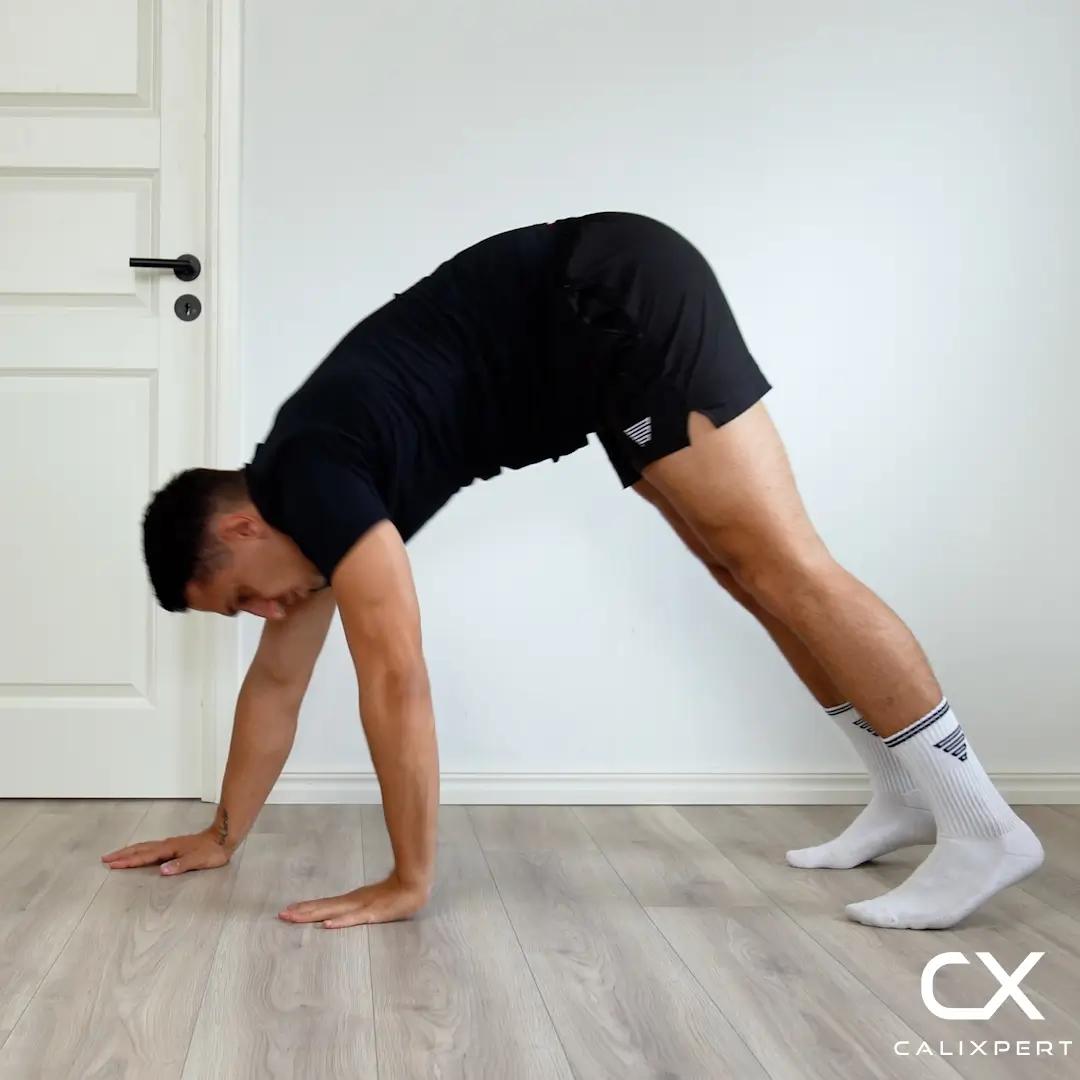
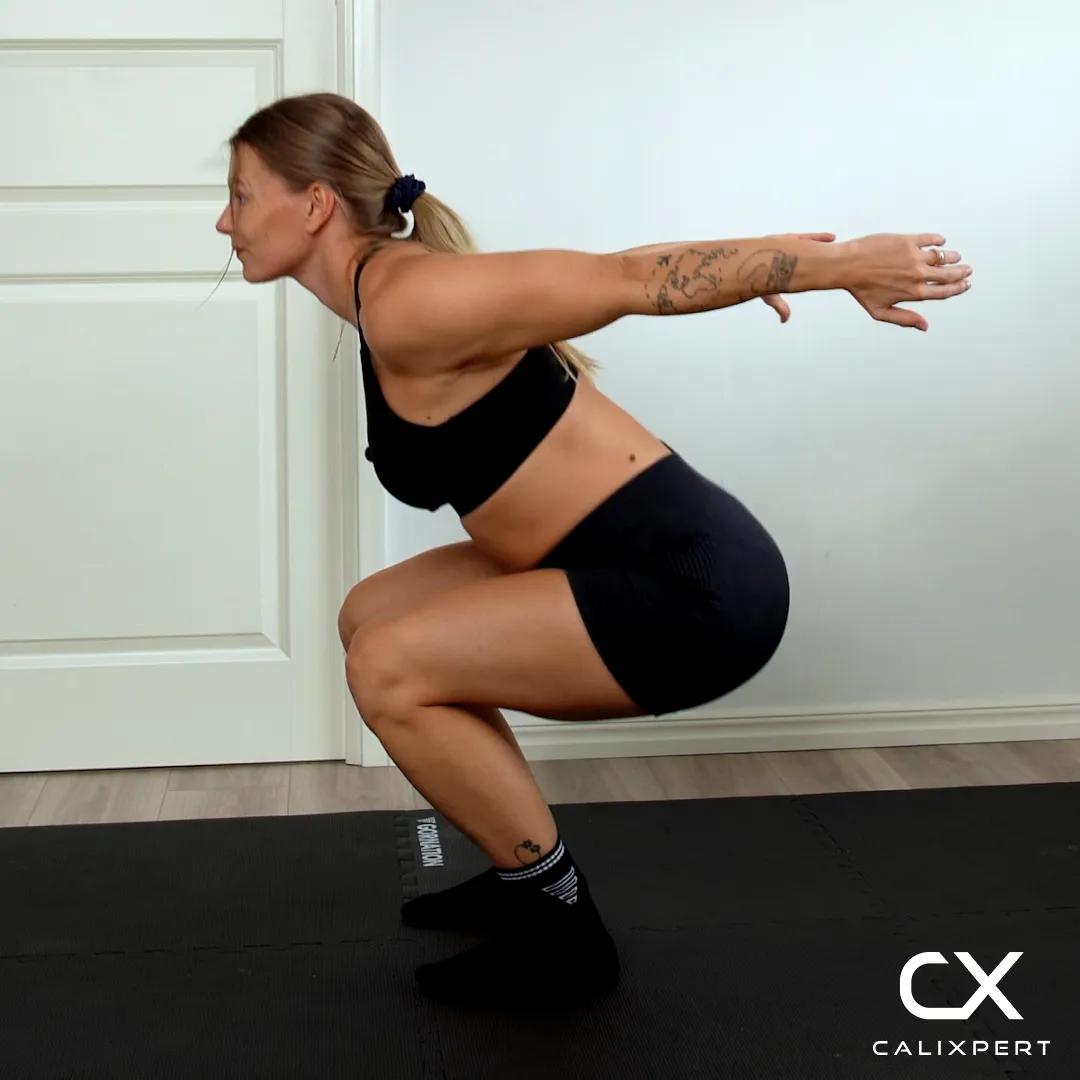
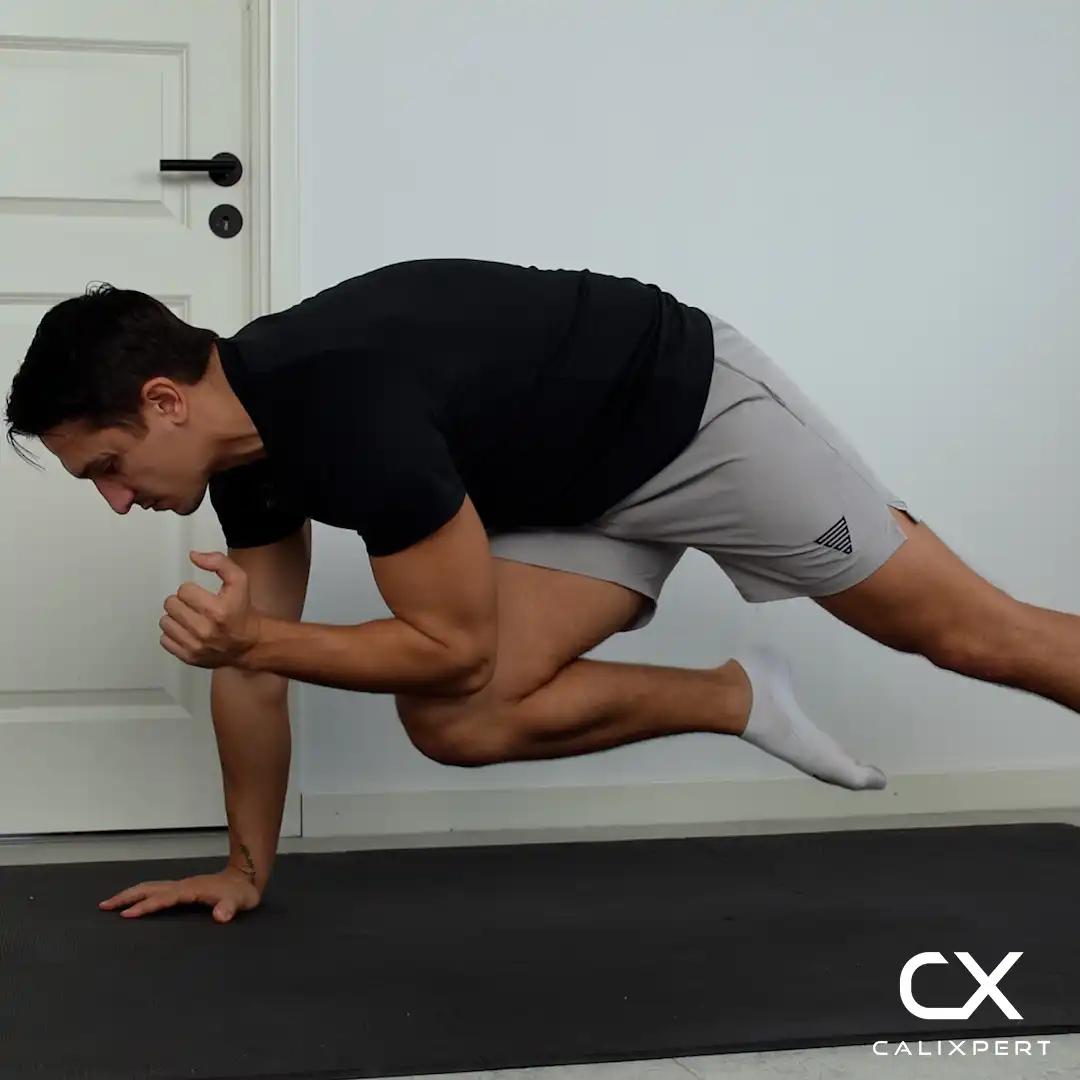
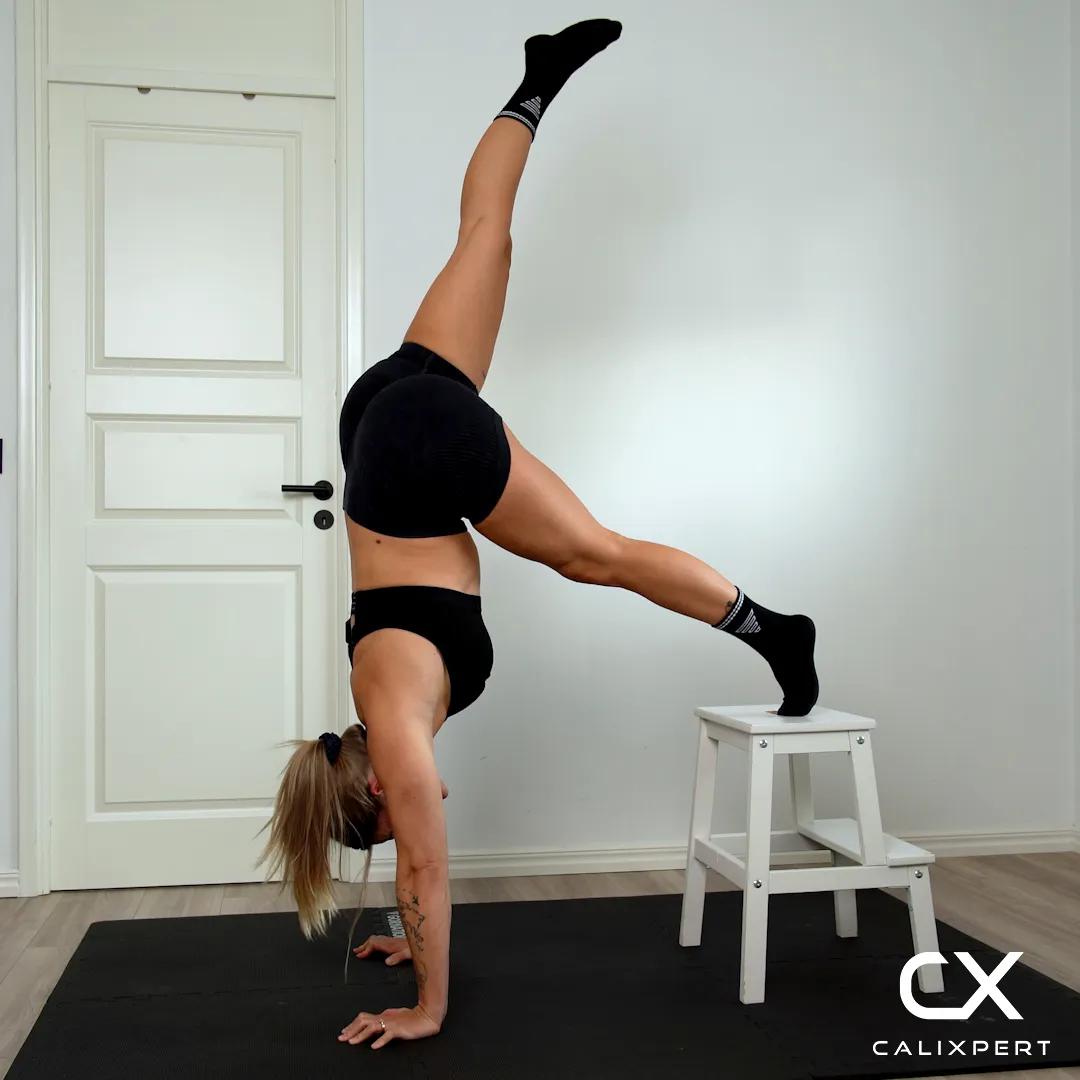
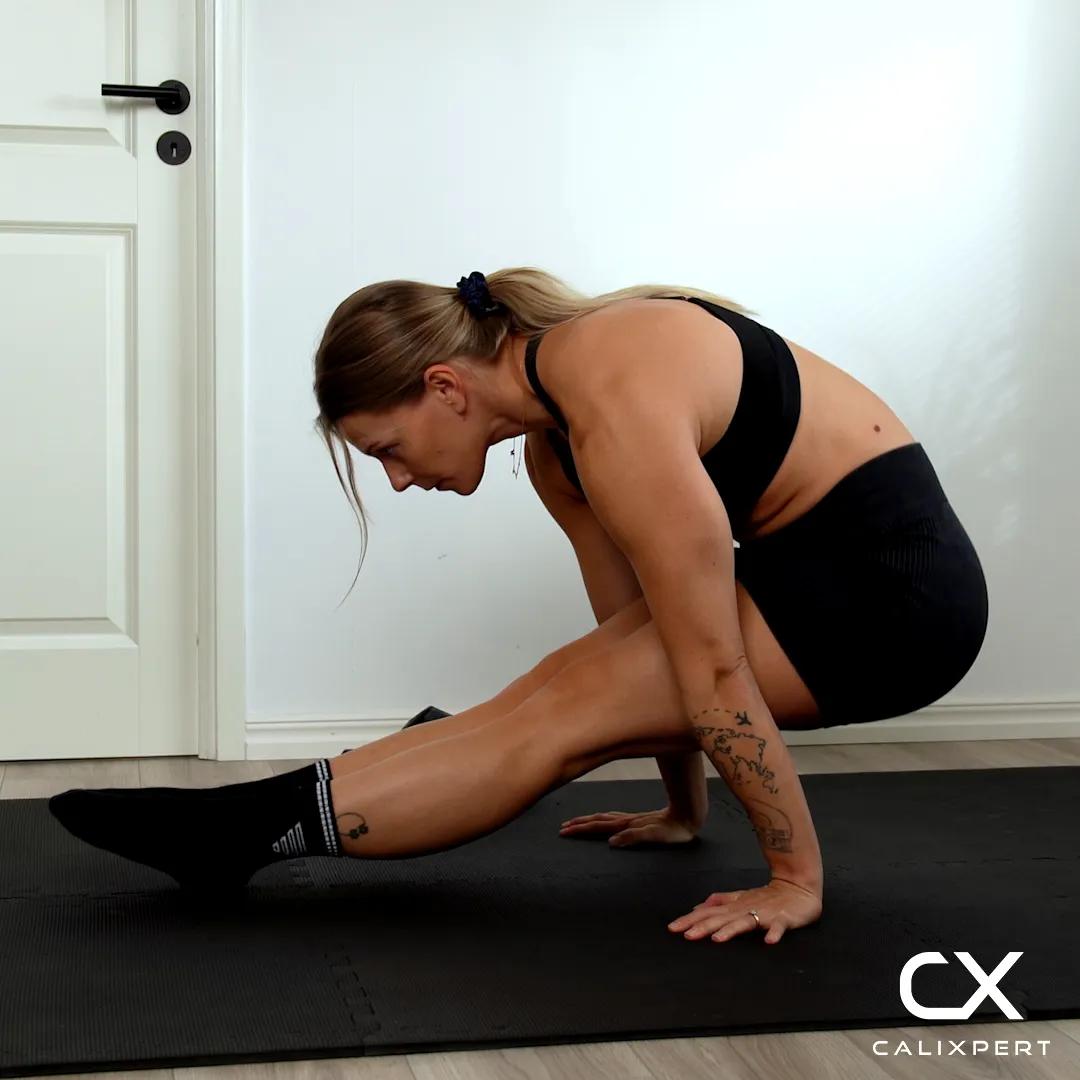
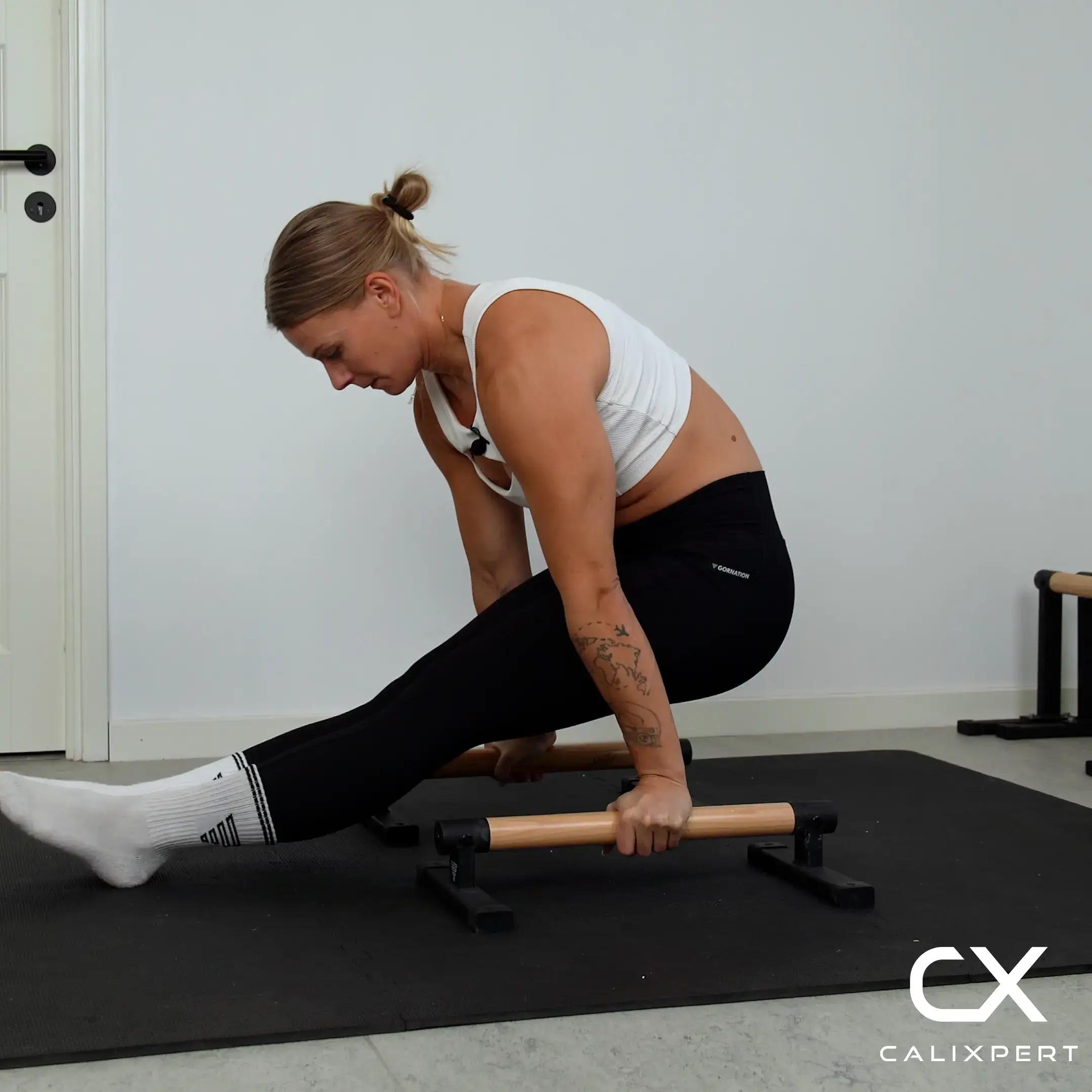
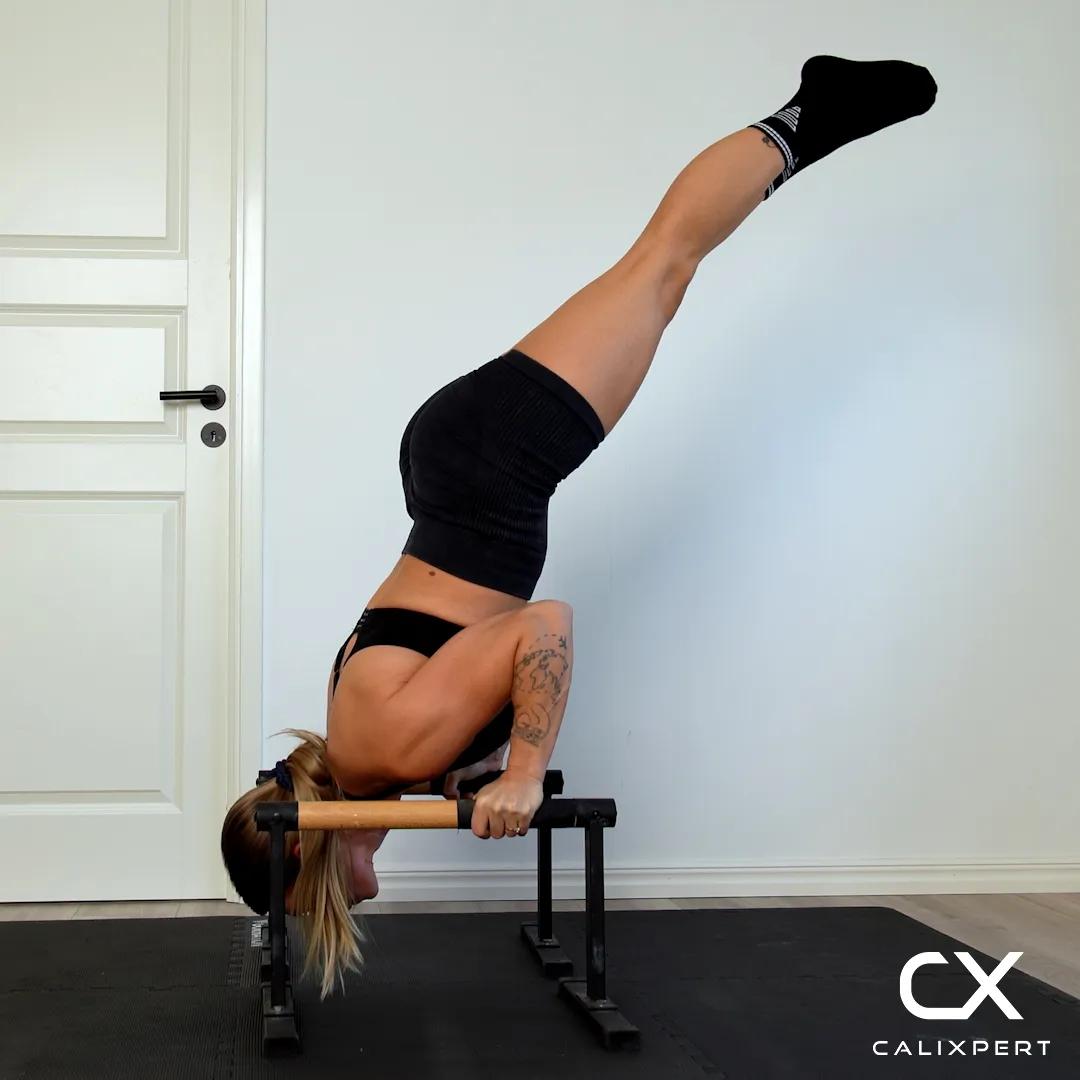
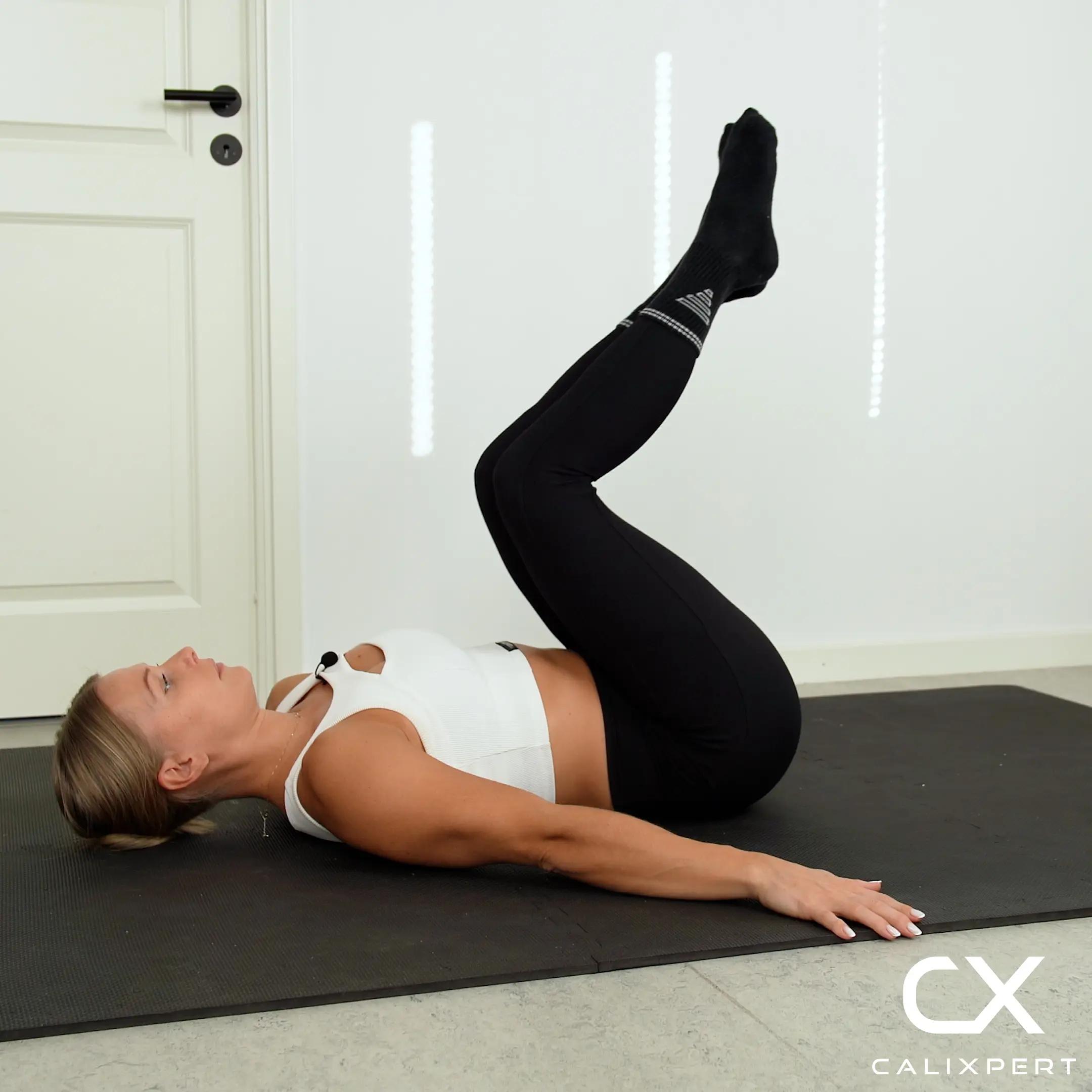
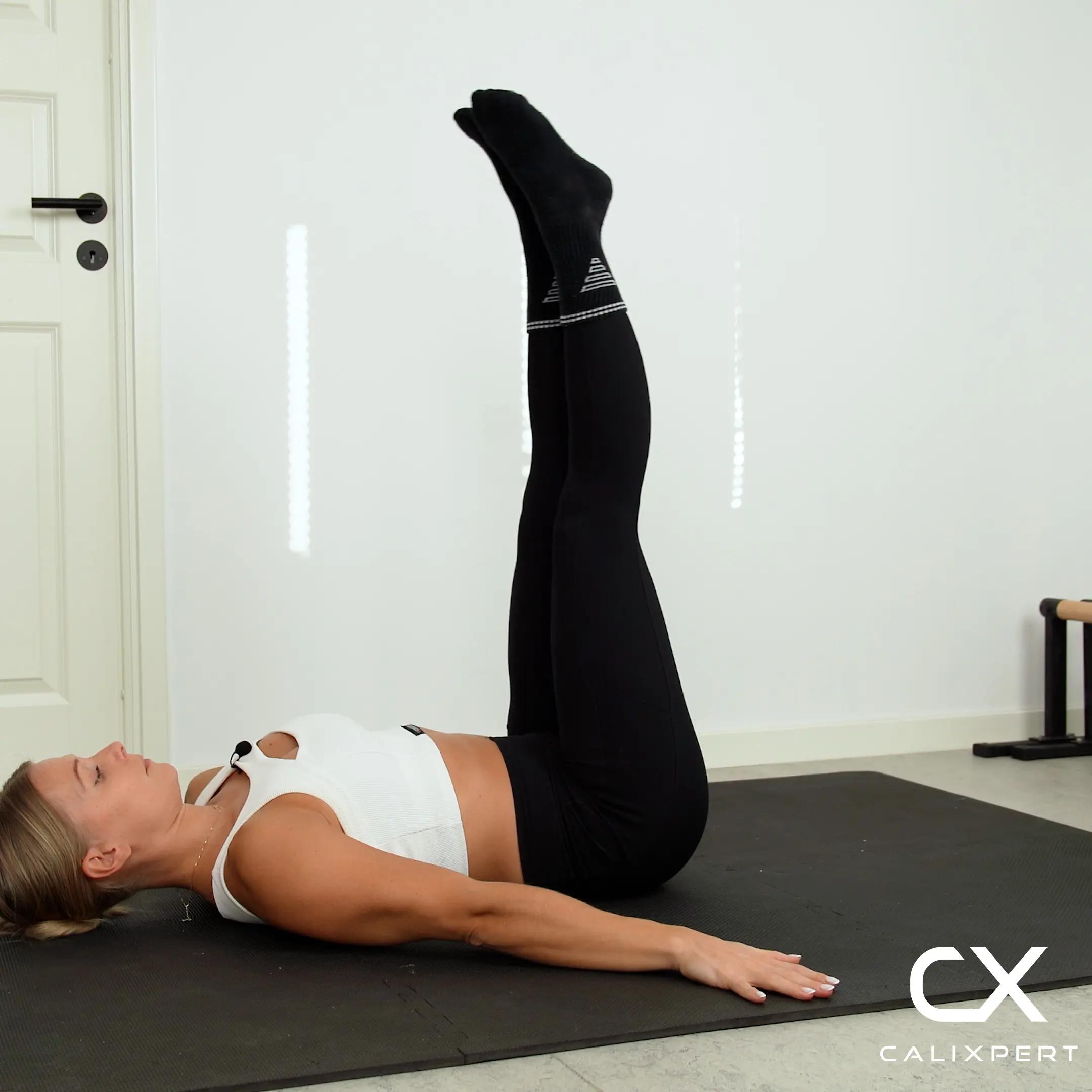
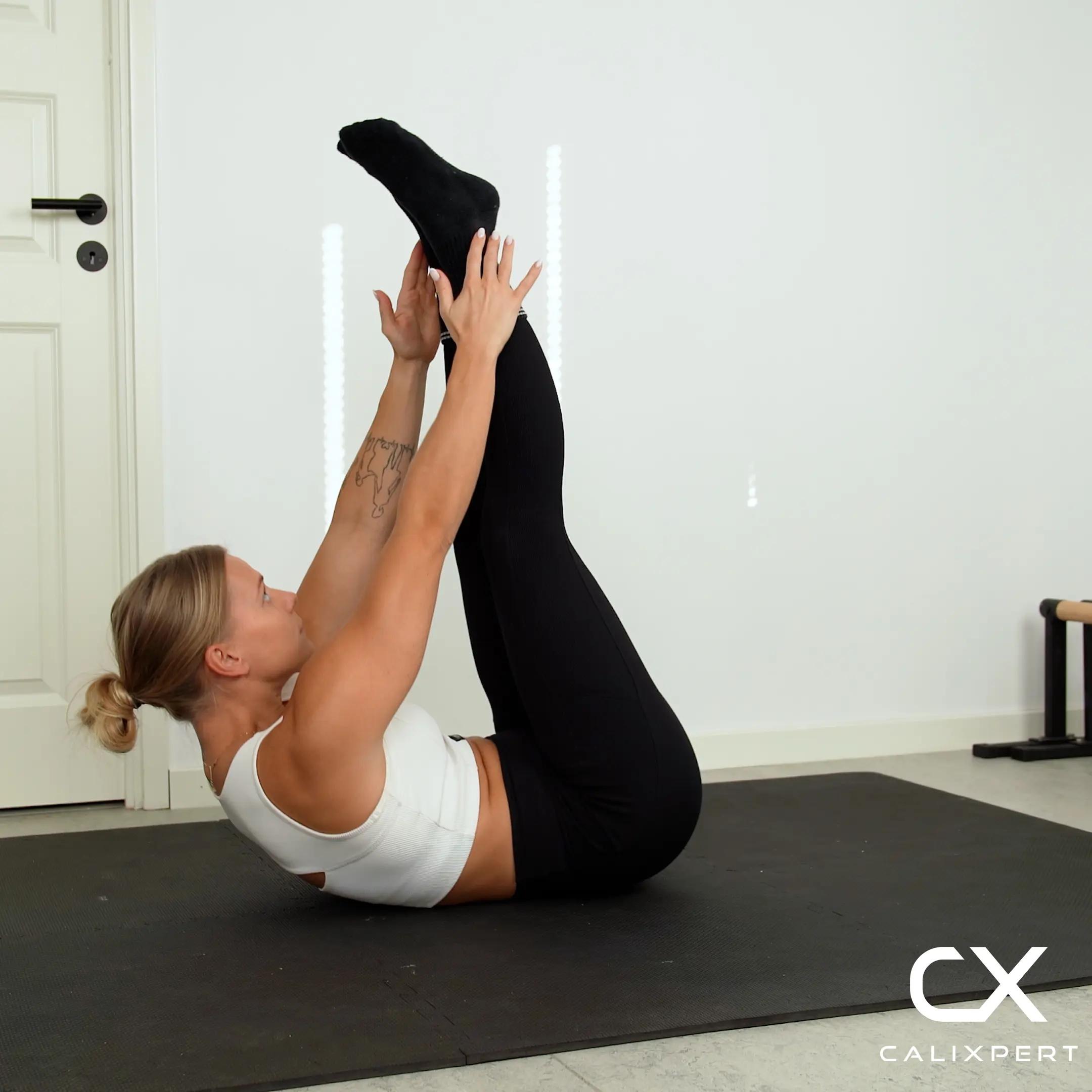
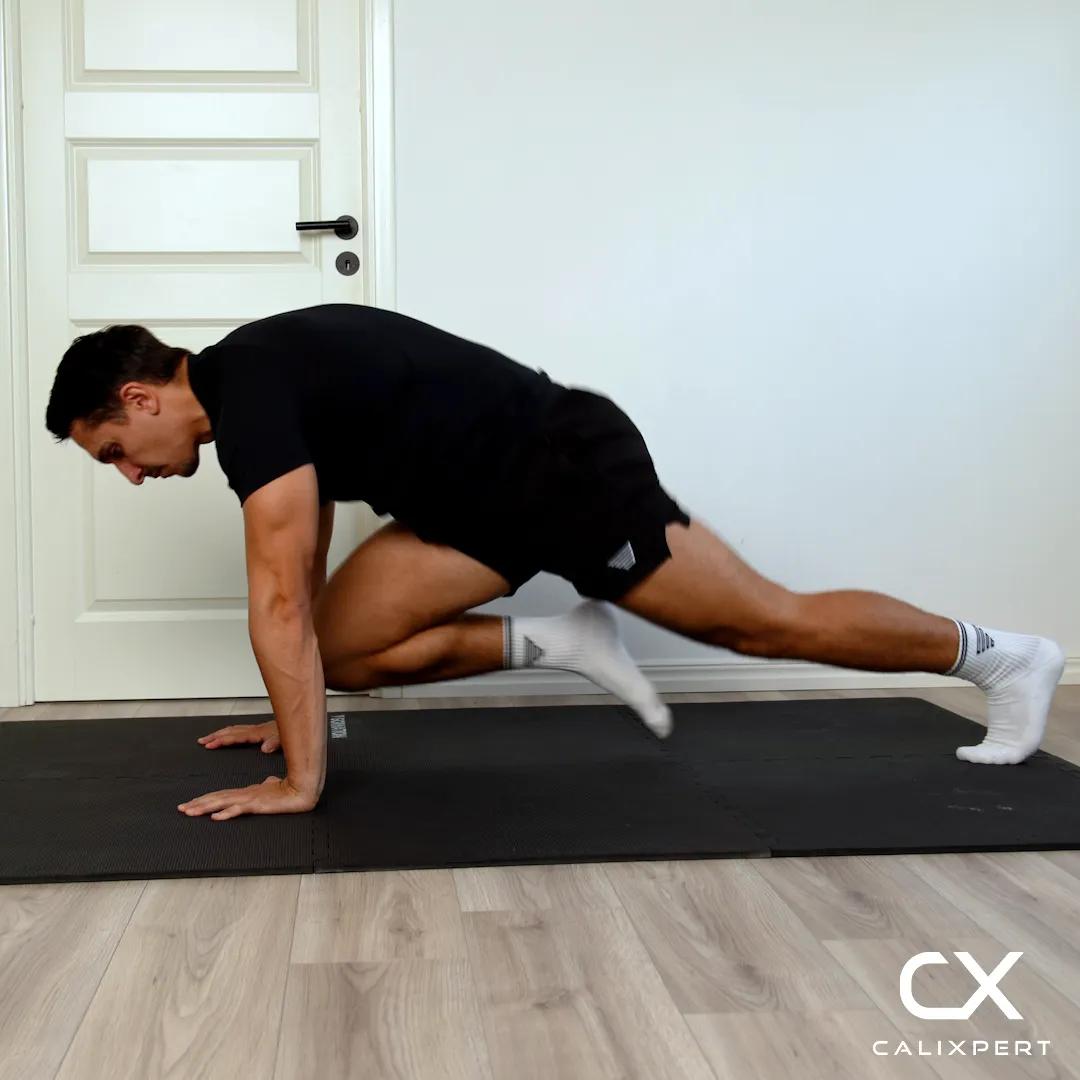
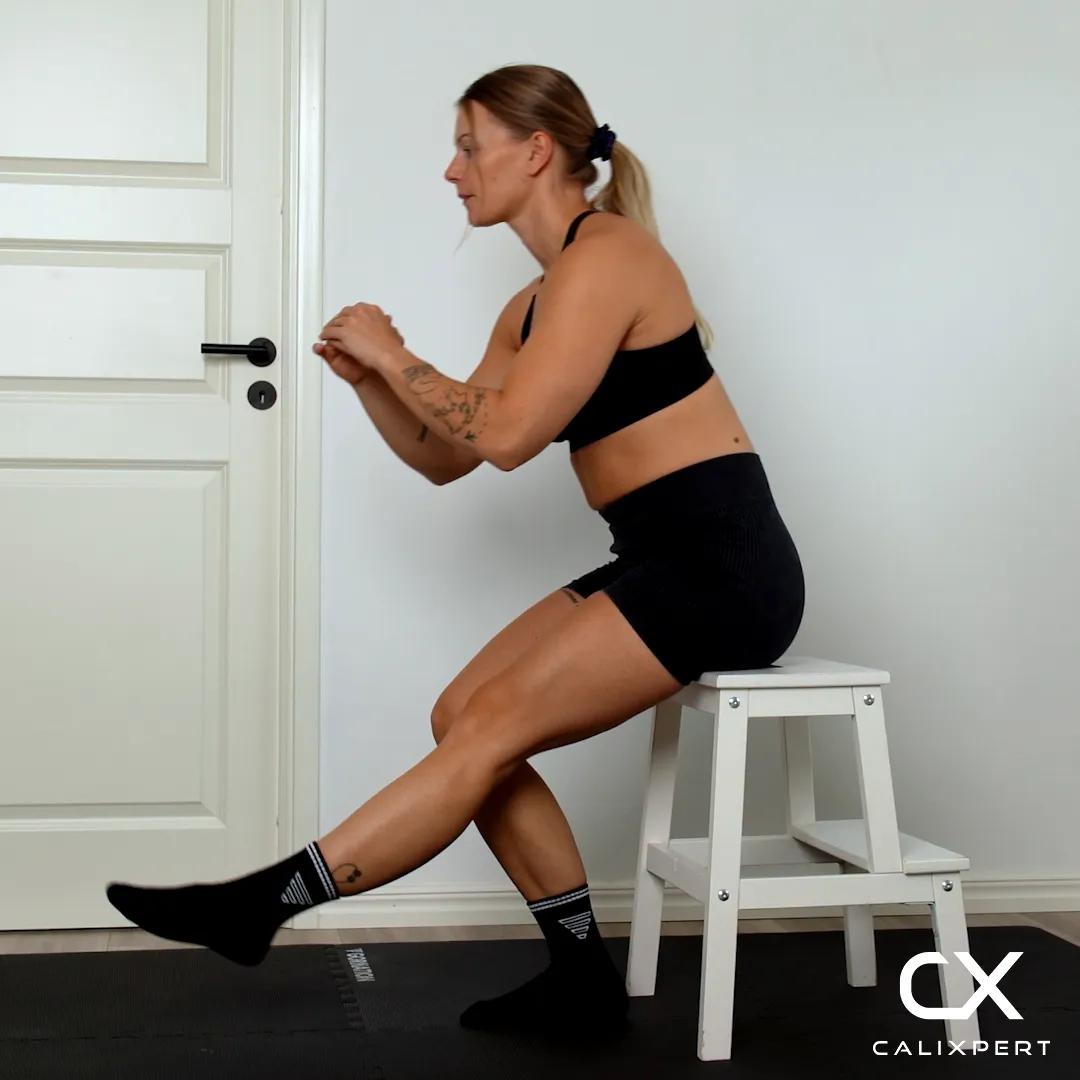
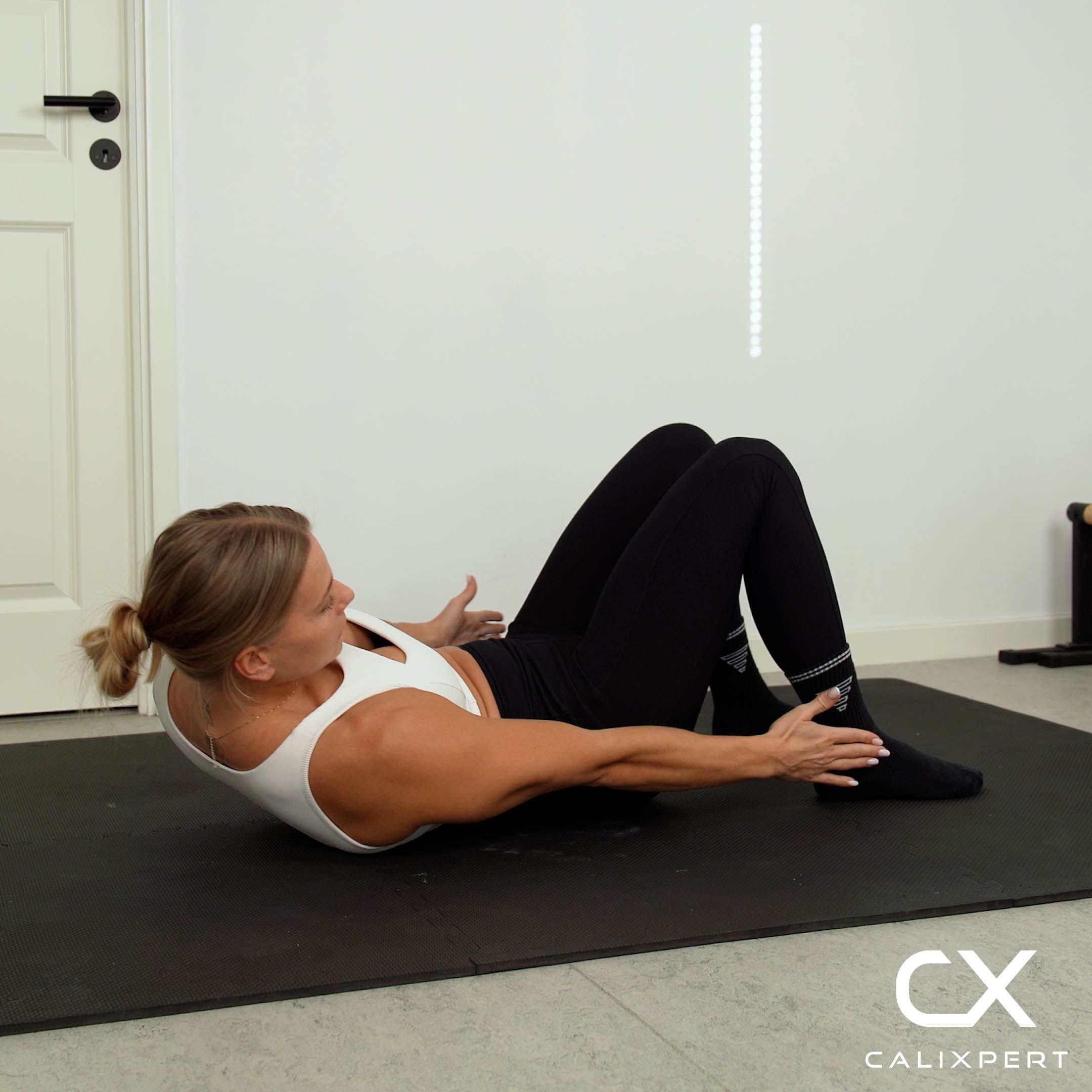
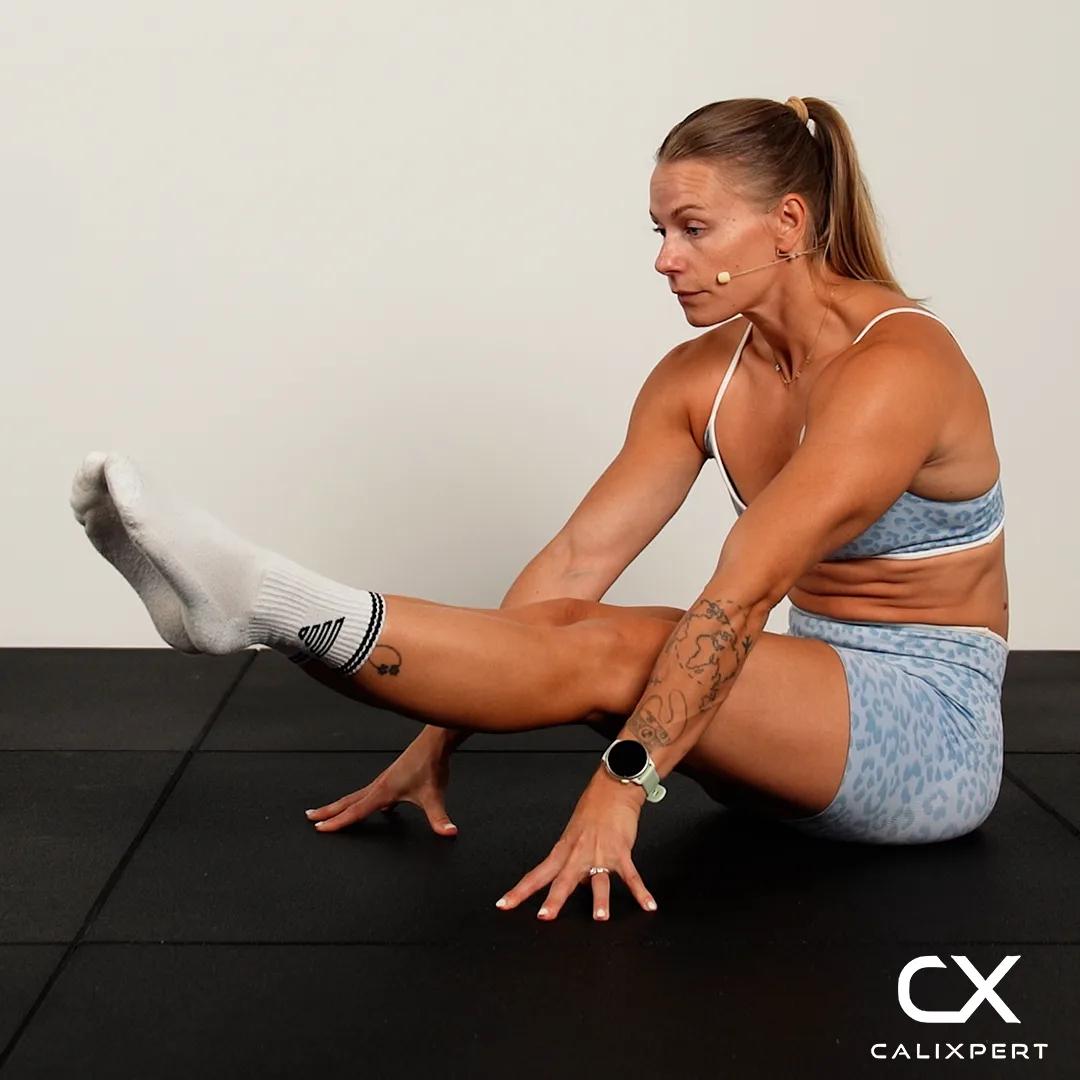
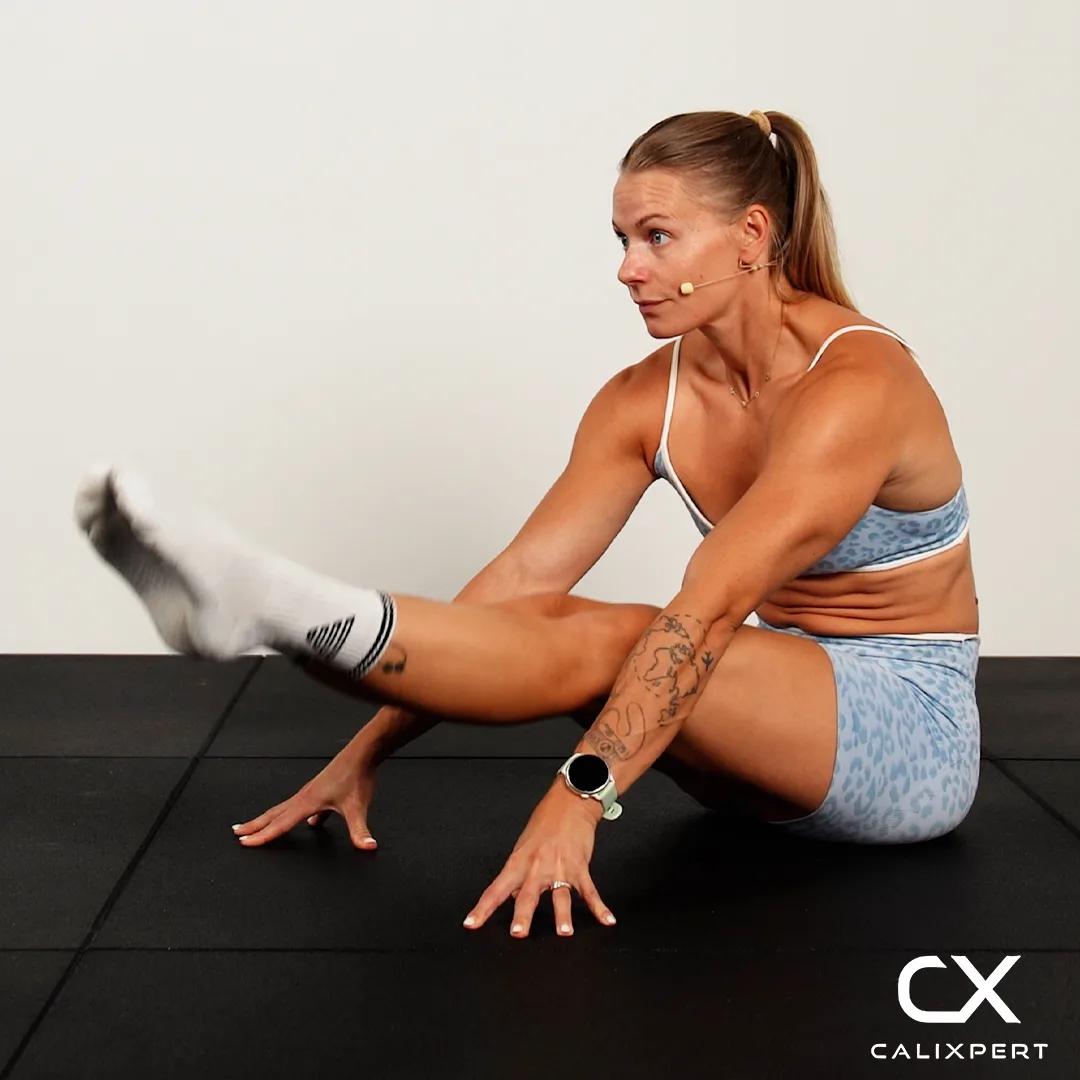
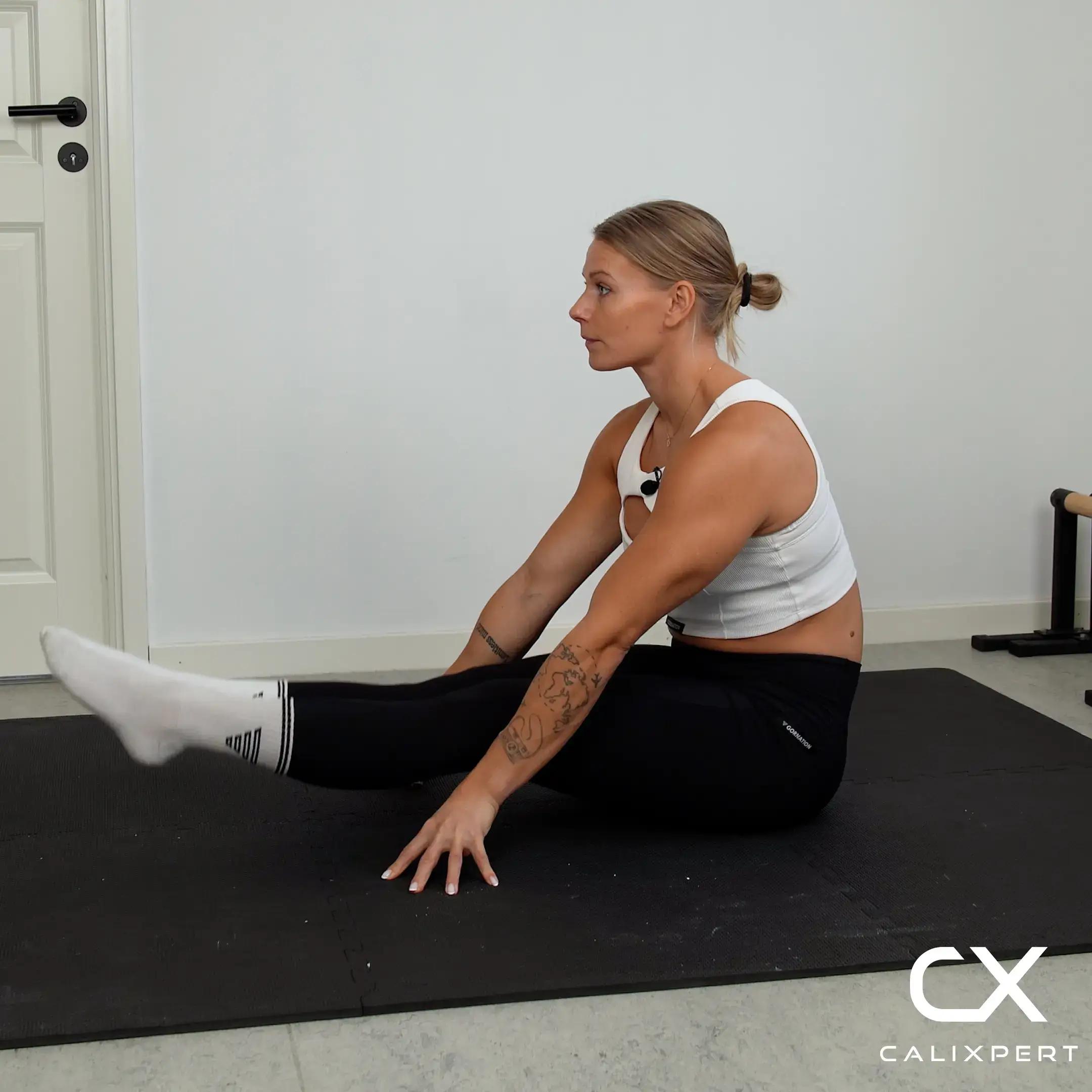
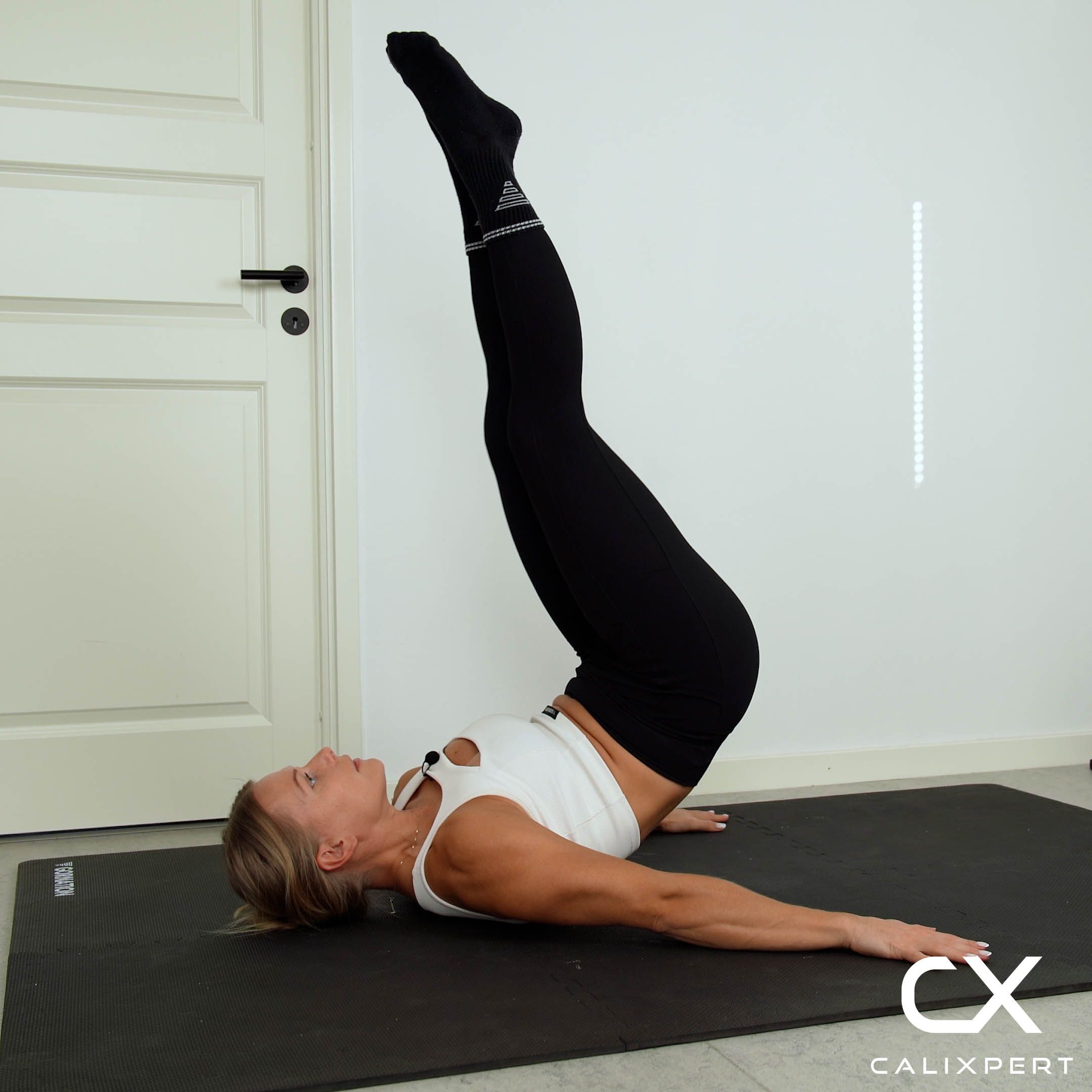
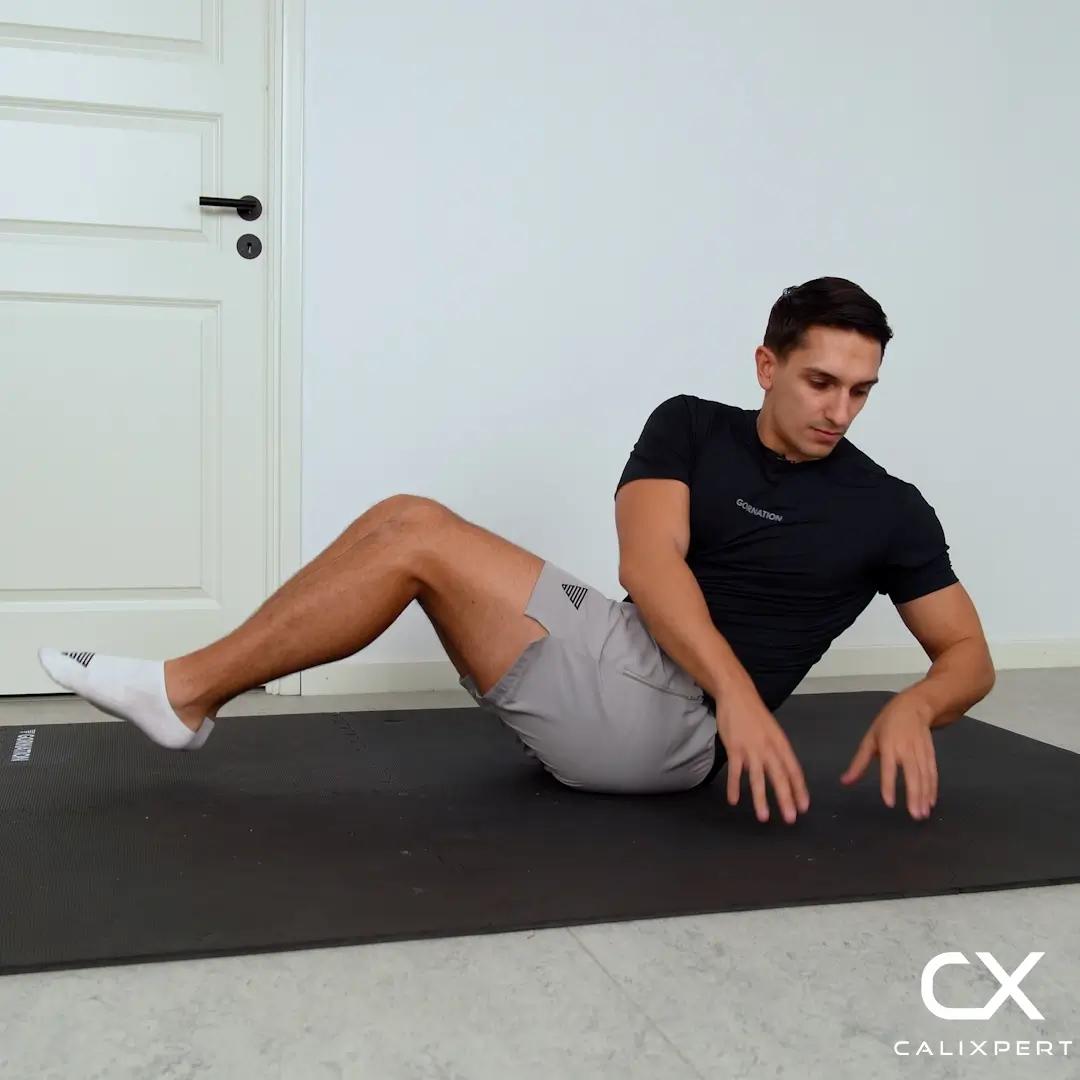
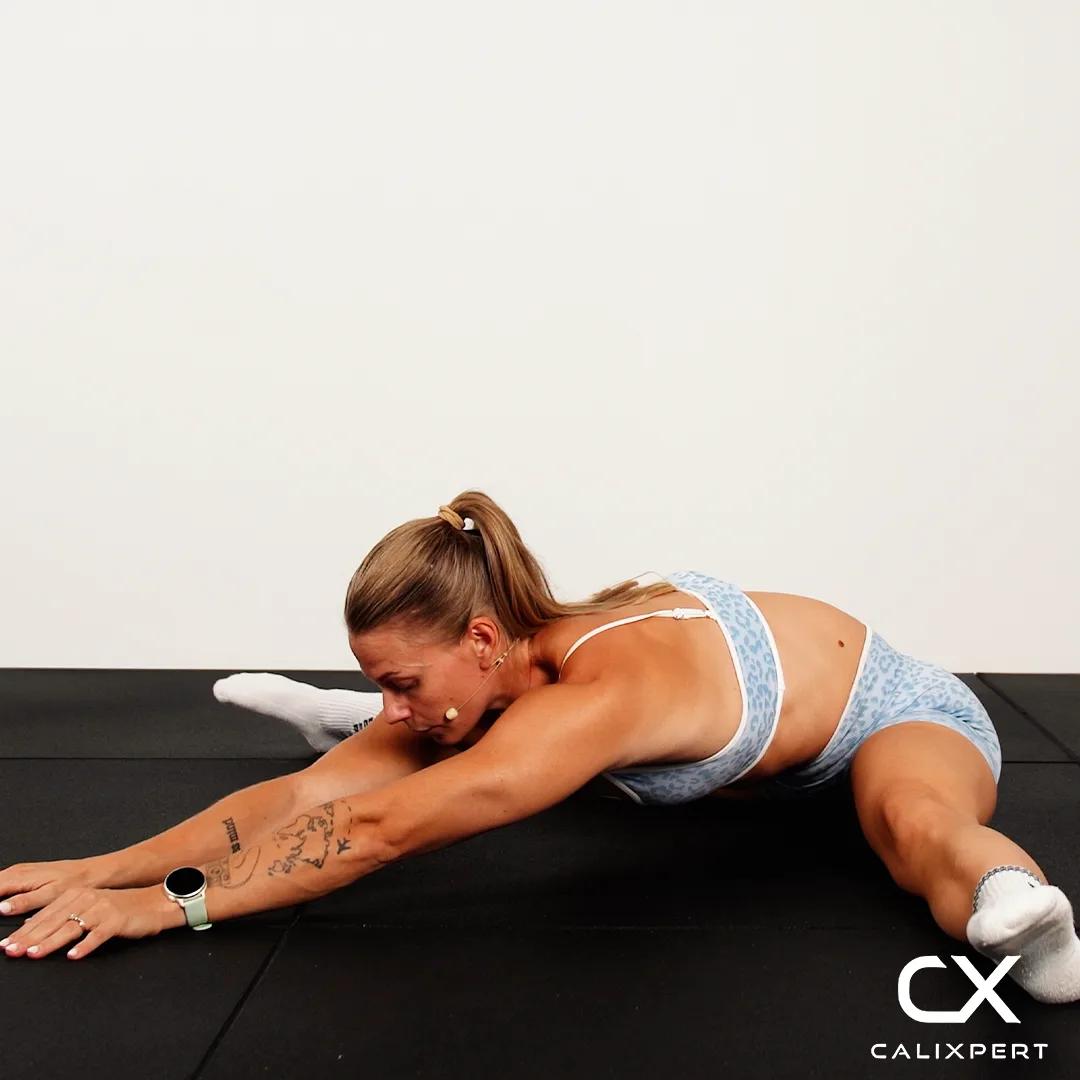
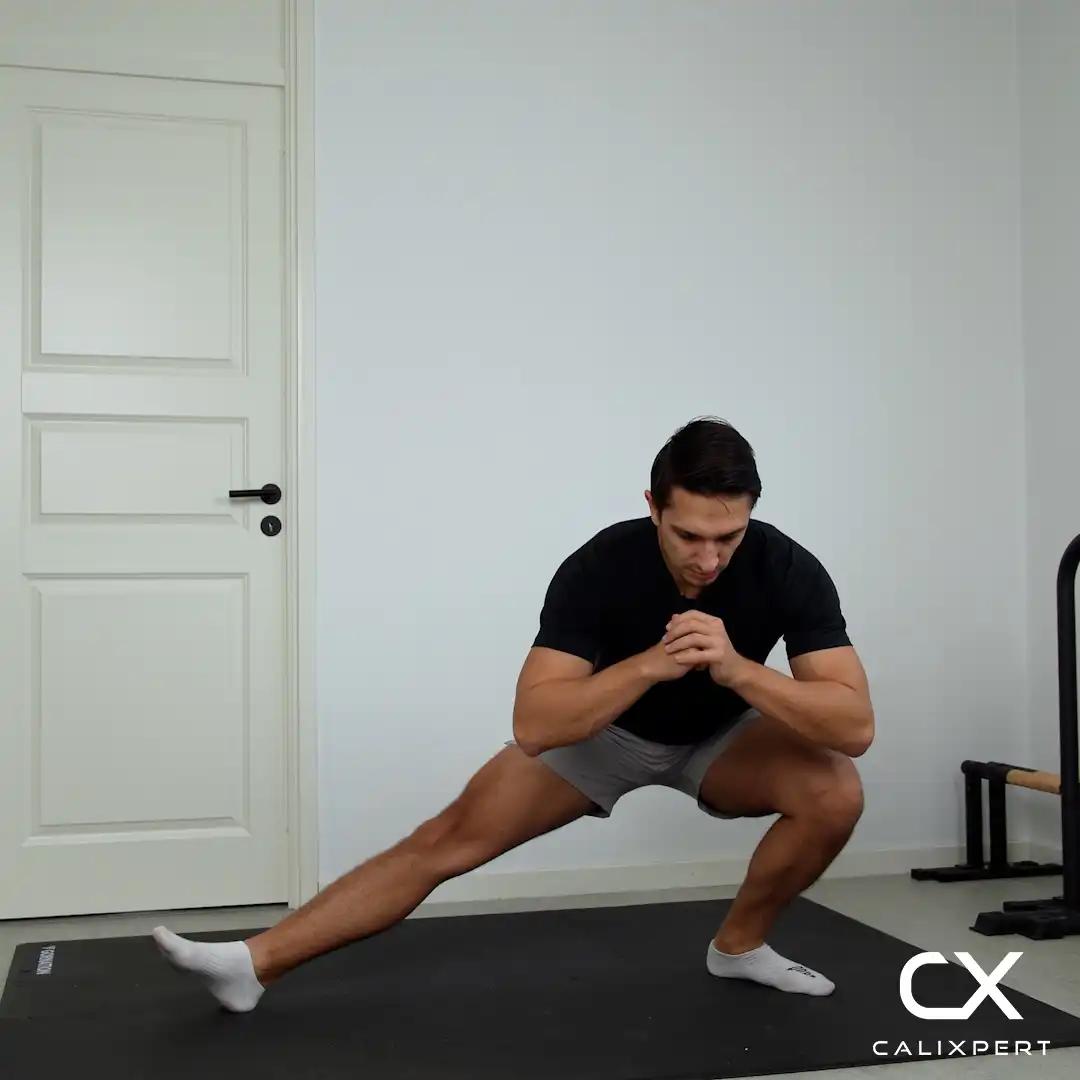
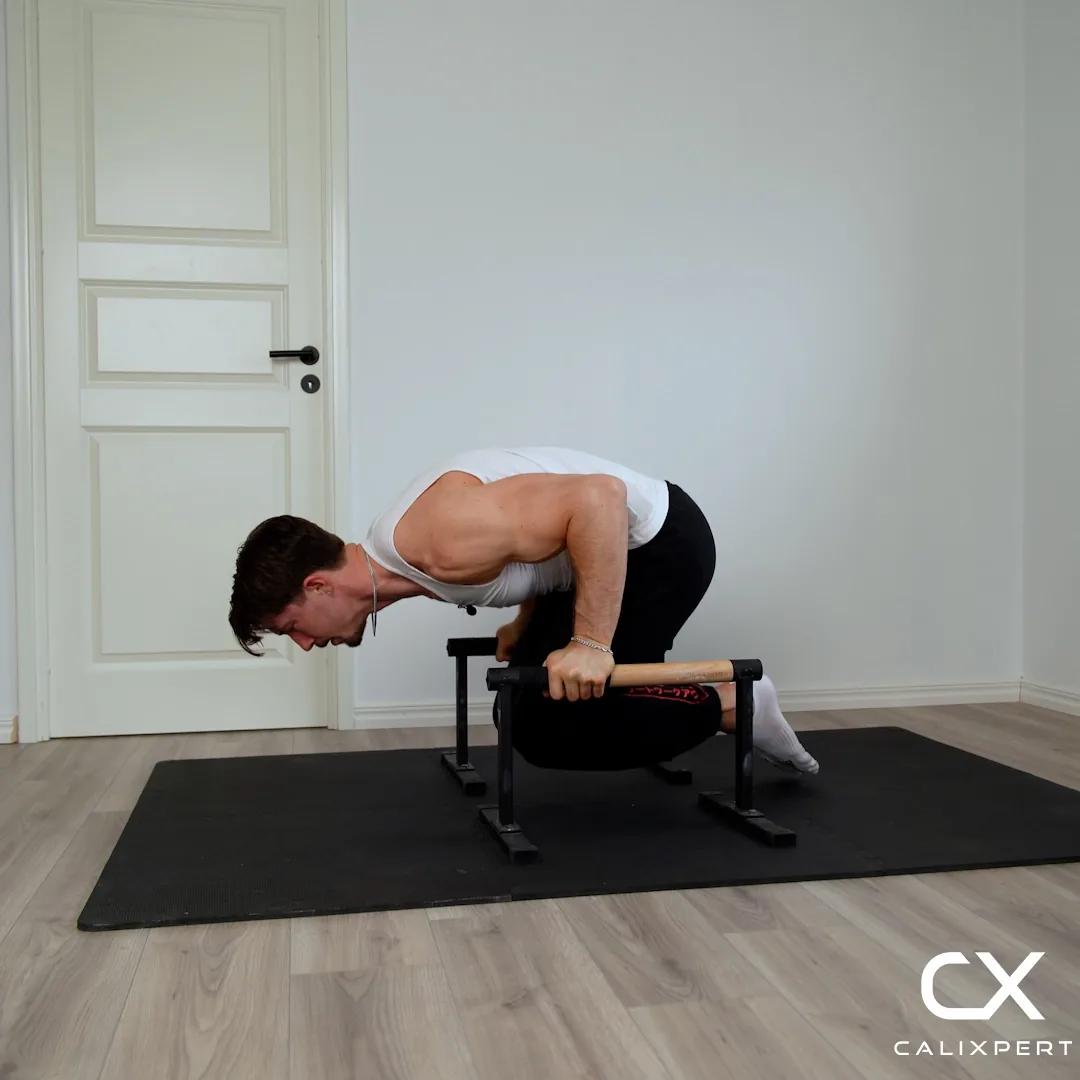
About the Hip Flexors
The iliopsoas is the primary hip flexor, formed by the iliacus and psoas major muscles. It connects your lumbar spine and pelvis to your femur, drawing your knee toward your chest.
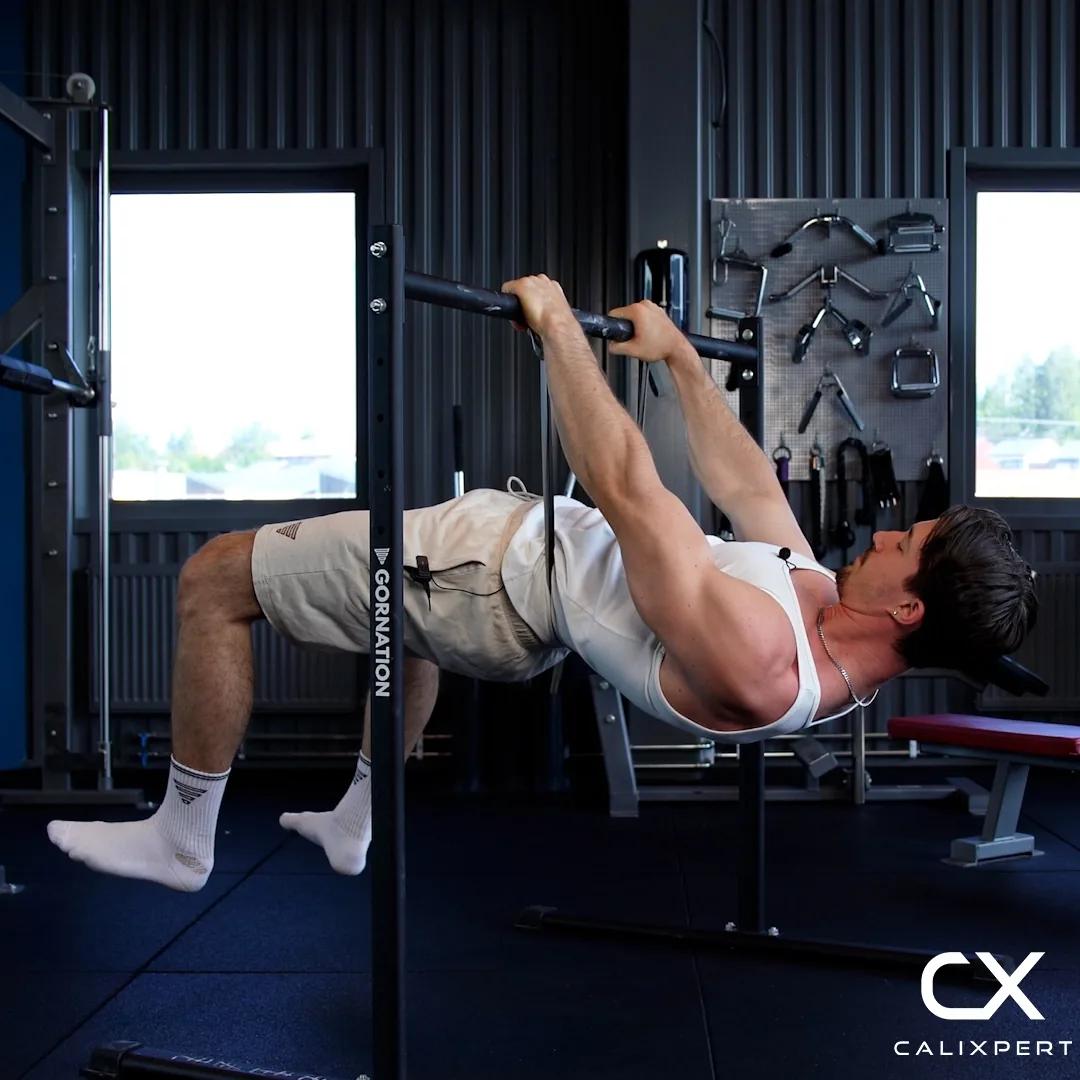
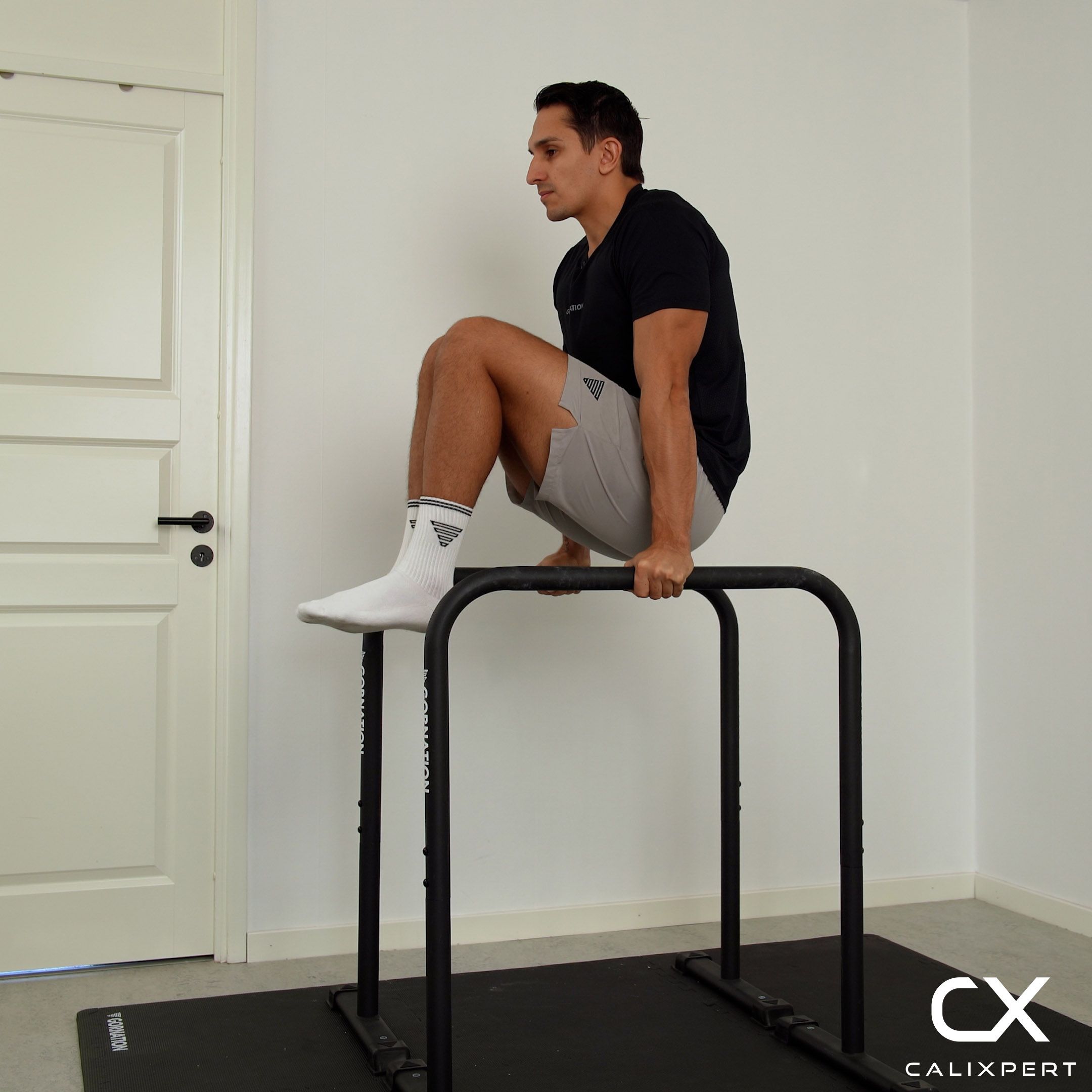
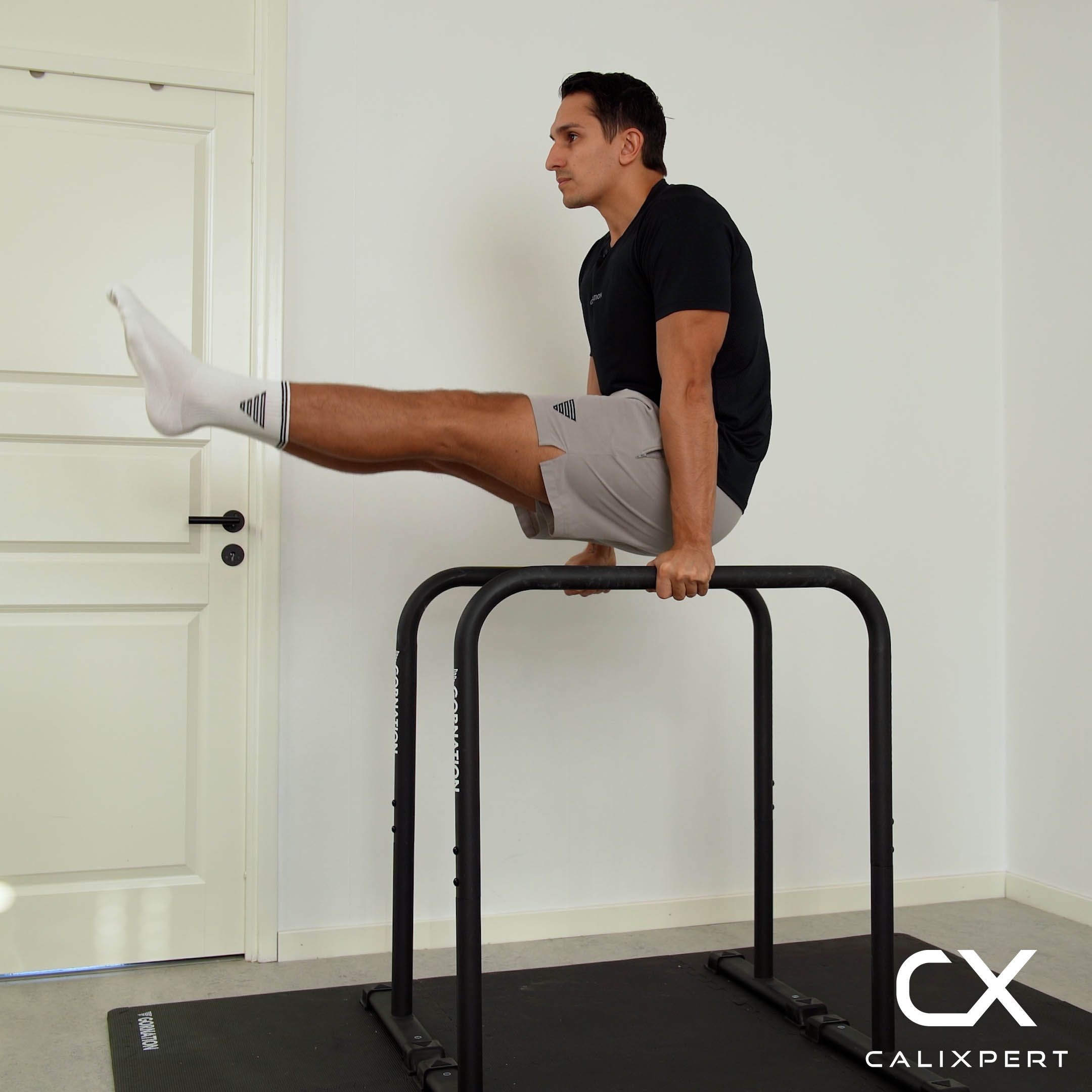
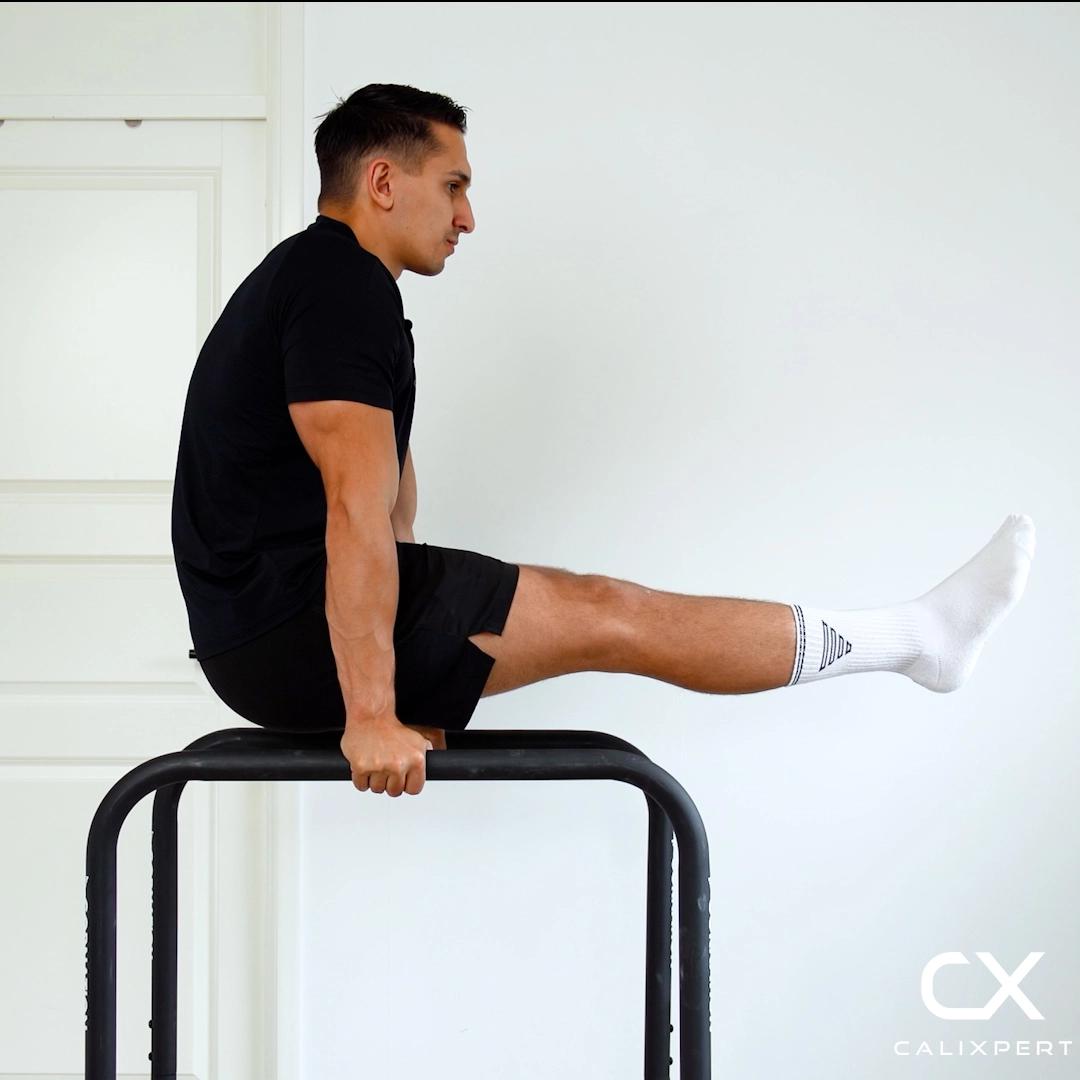
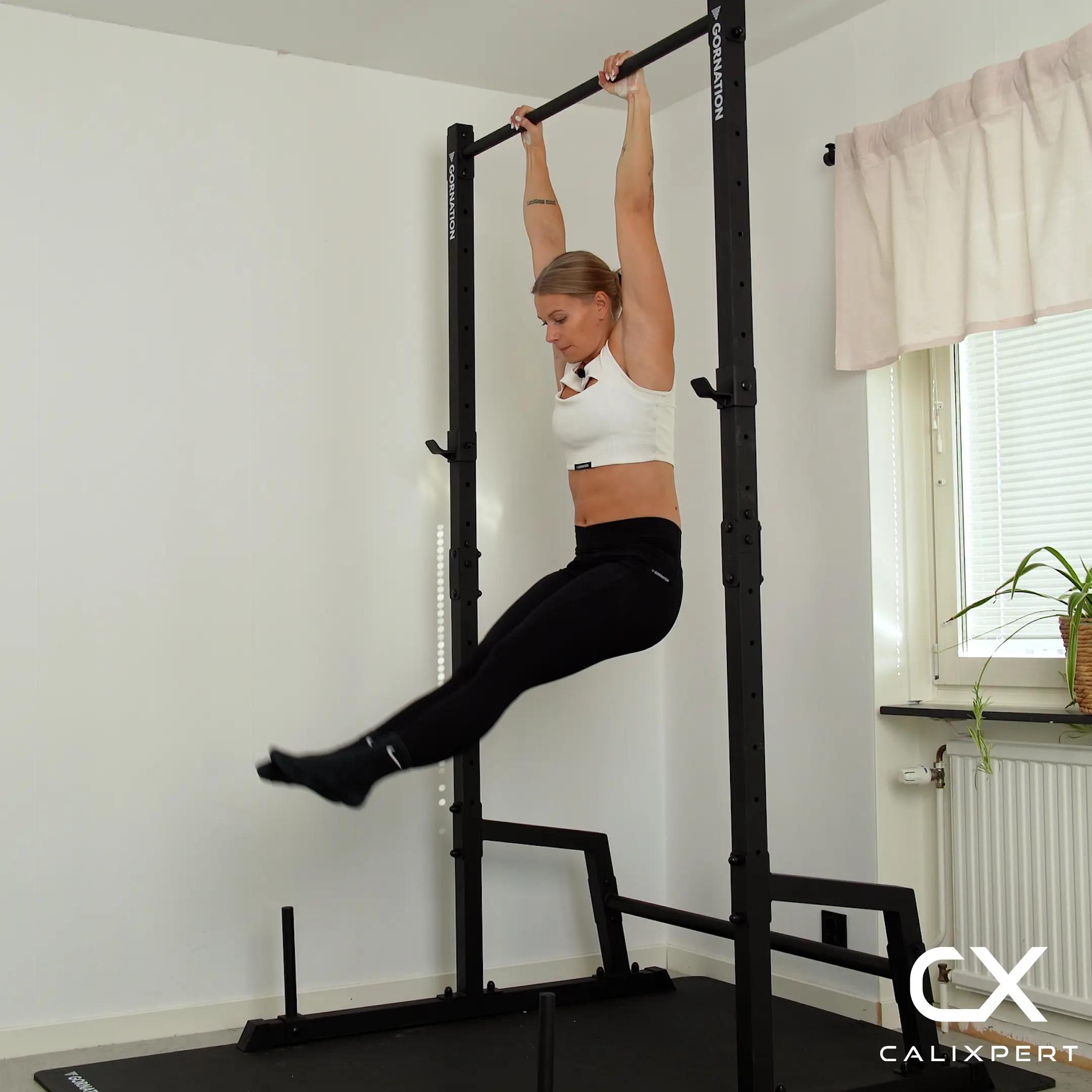
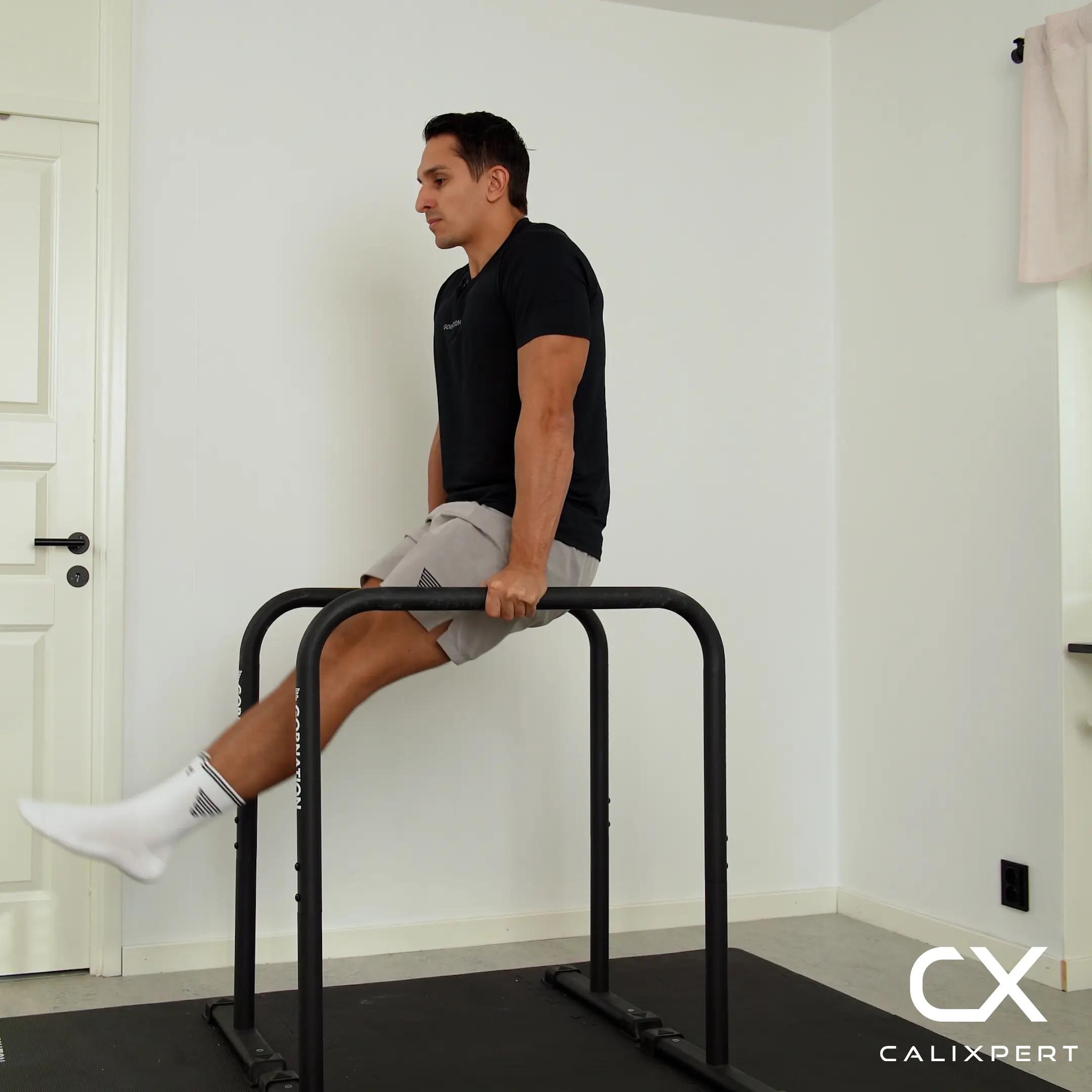
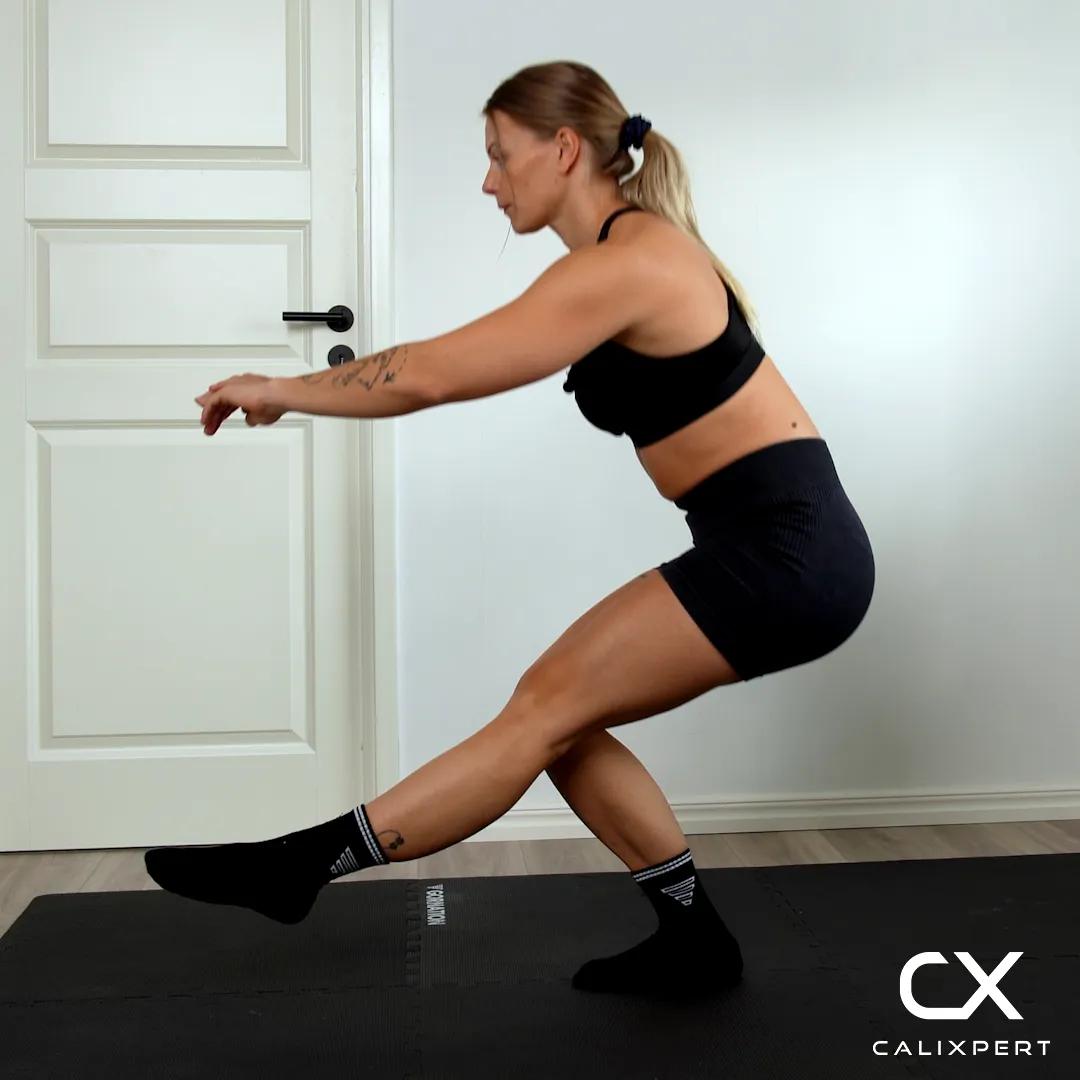
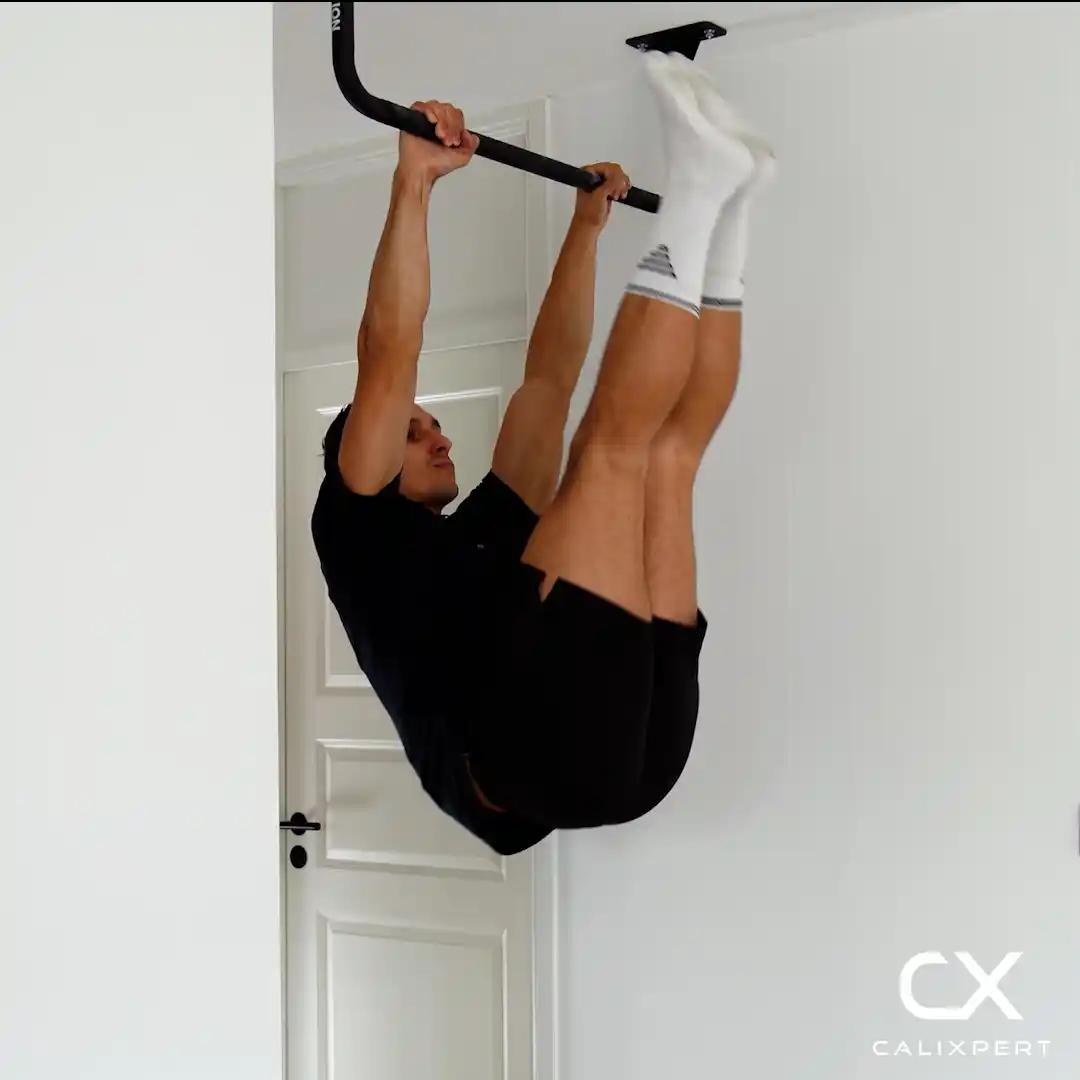
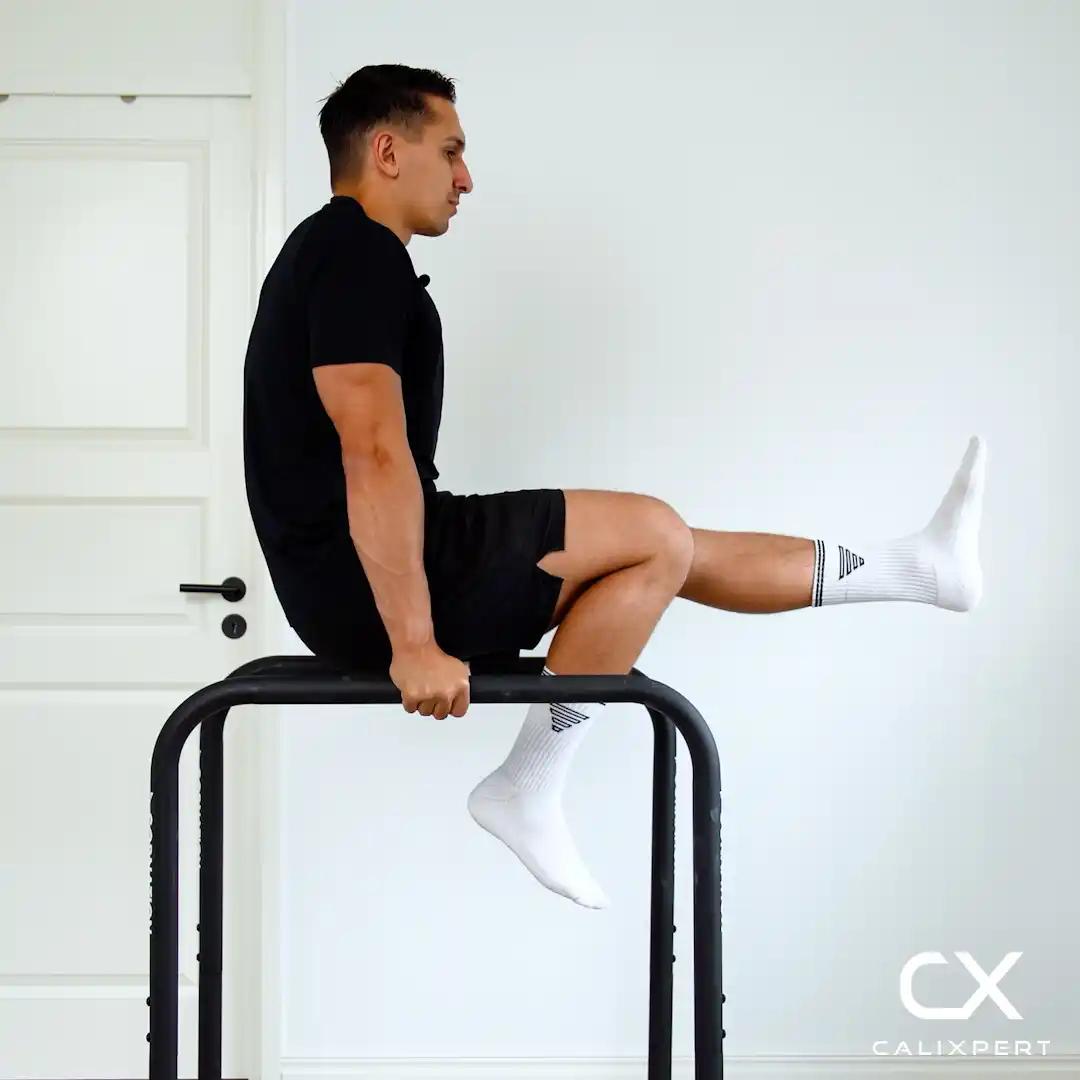
In calisthenics, hip flexor strength is a limiting factor in more skills than most athletes expect. The L-sit, hanging leg raises, V-sits, and front lever progressions all require sustained hip flexor engagement under compression.
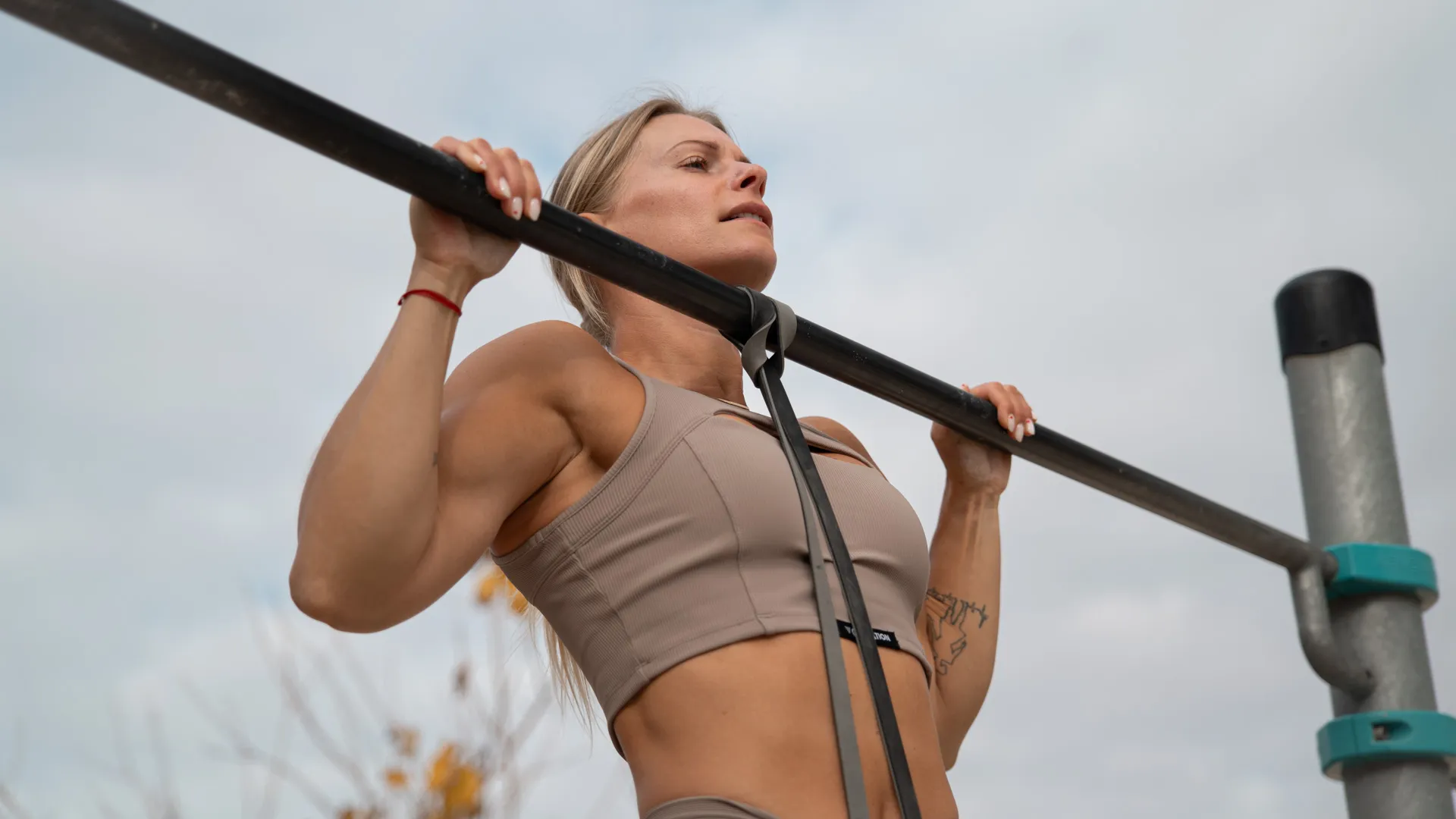
Tight and weak hip flexors also affect your posture on the bar. Athletes with underdeveloped iliopsoas cannot maintain hollow body position during pull-up sets and lose core tension at the bottom of the movement.
How to Train Your Hip Flexors
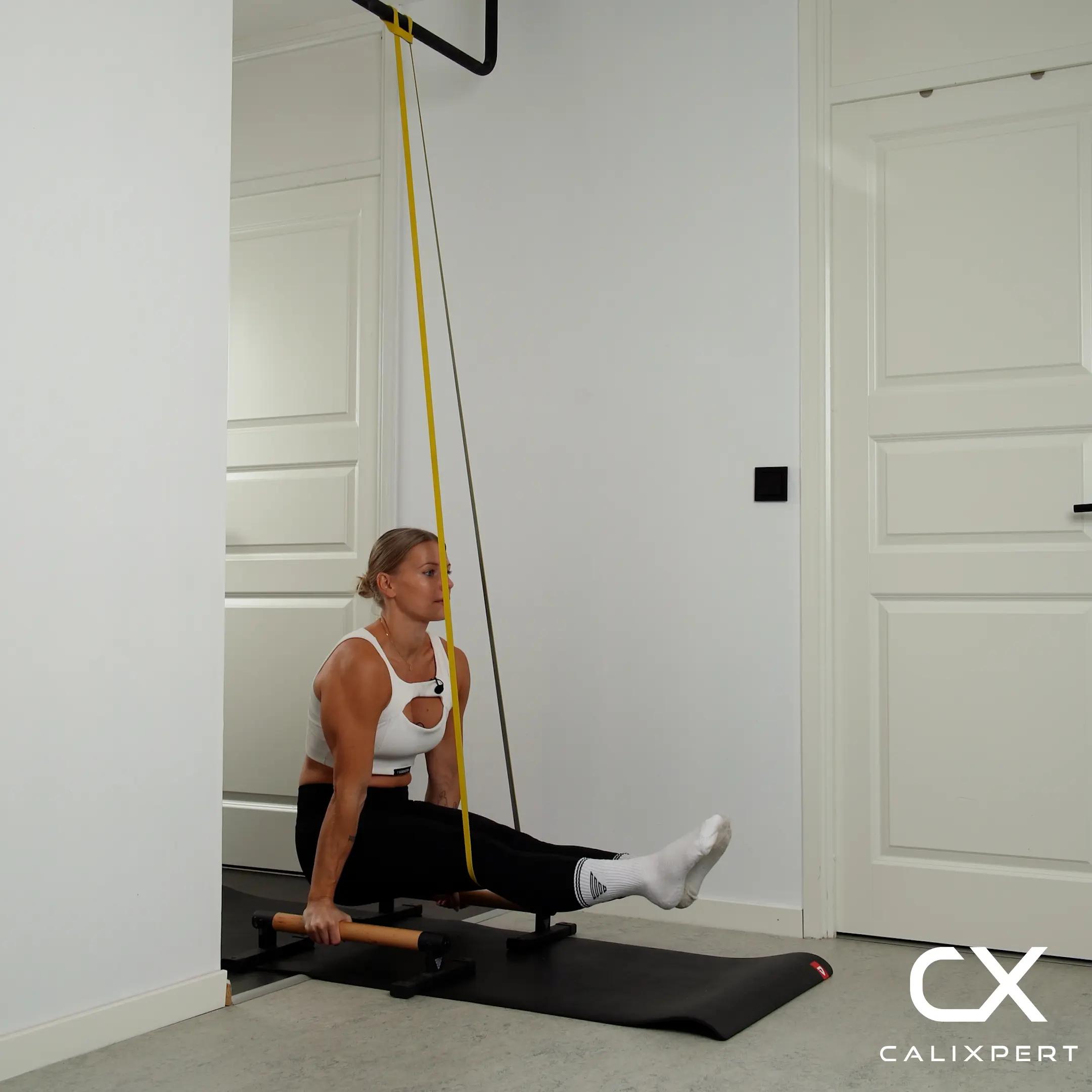
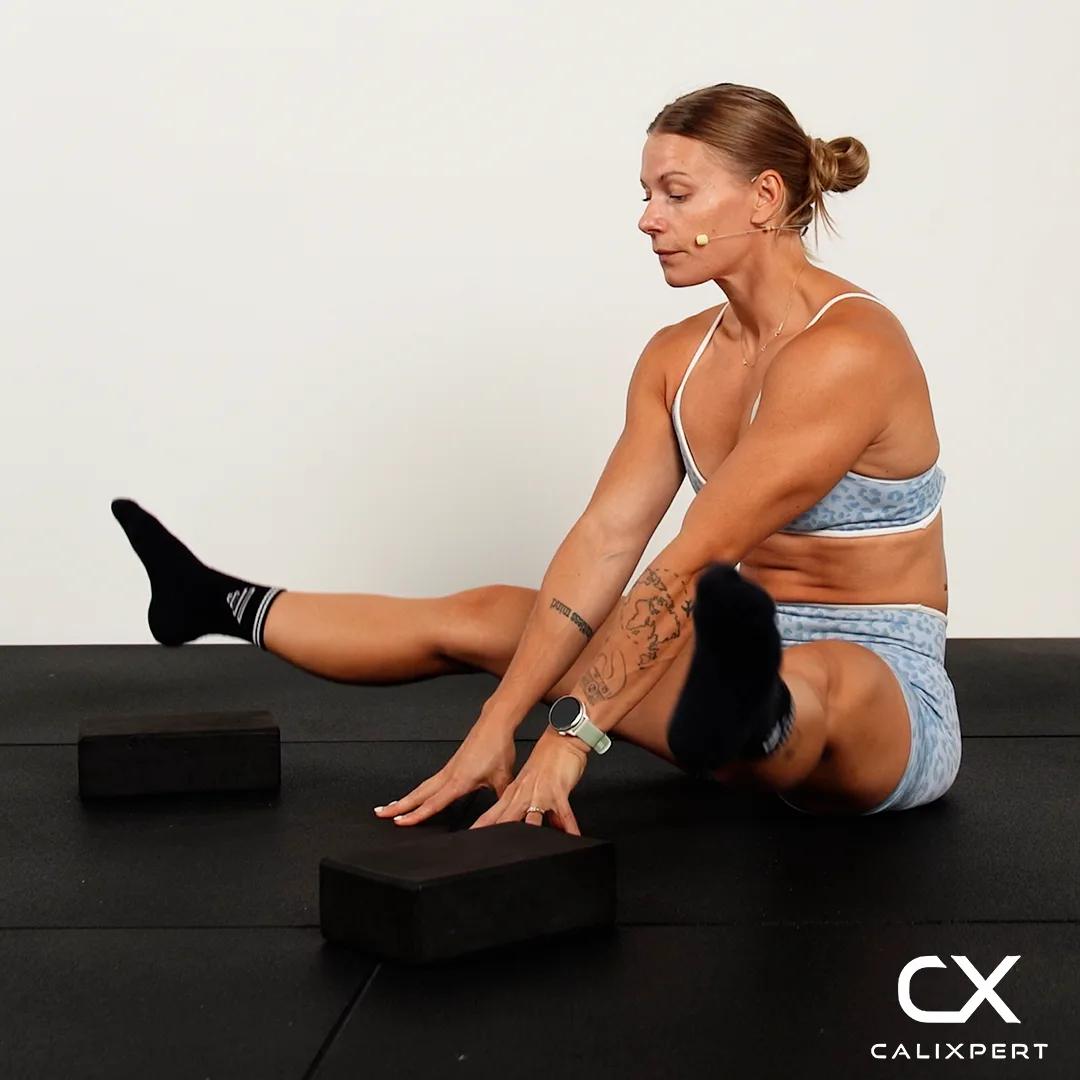
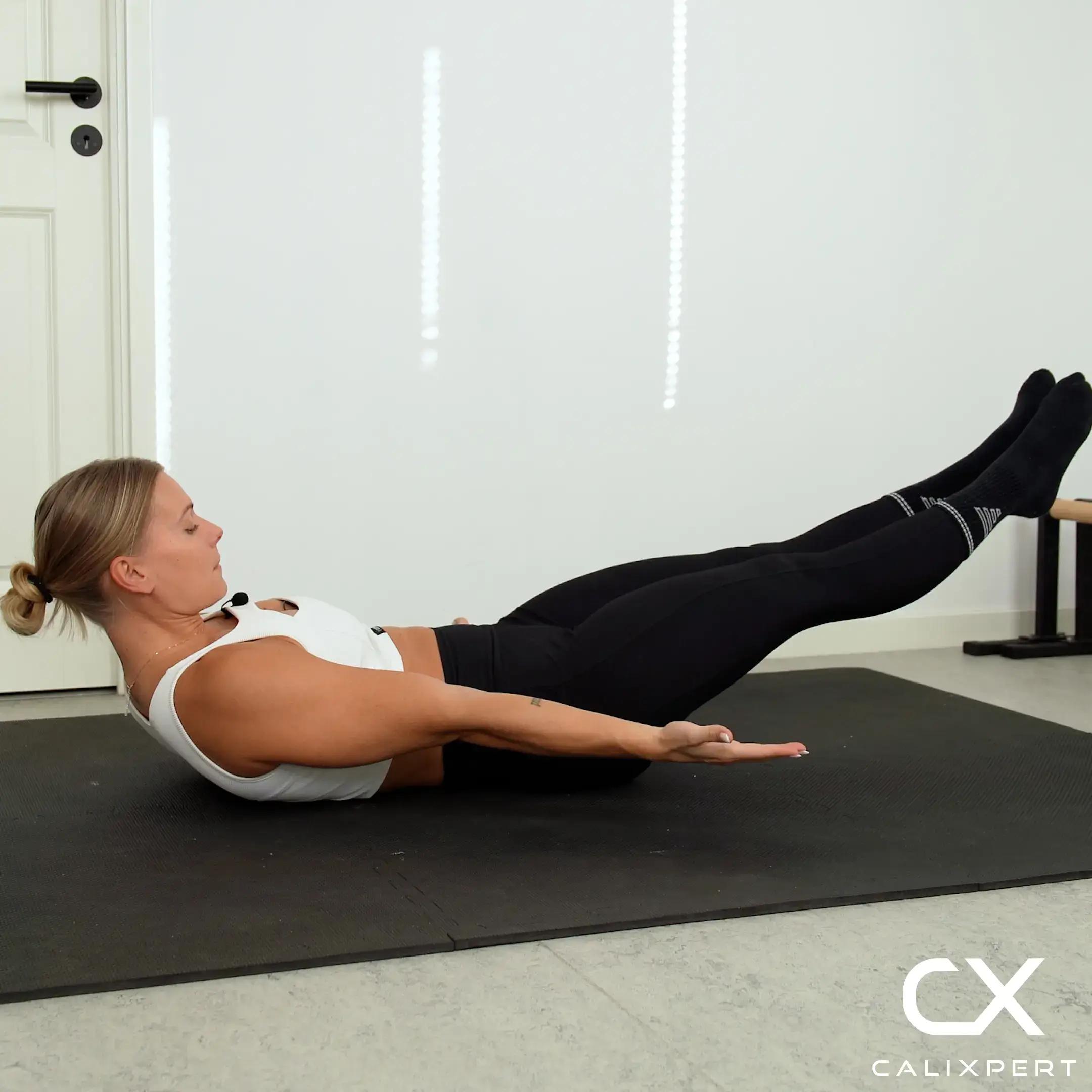
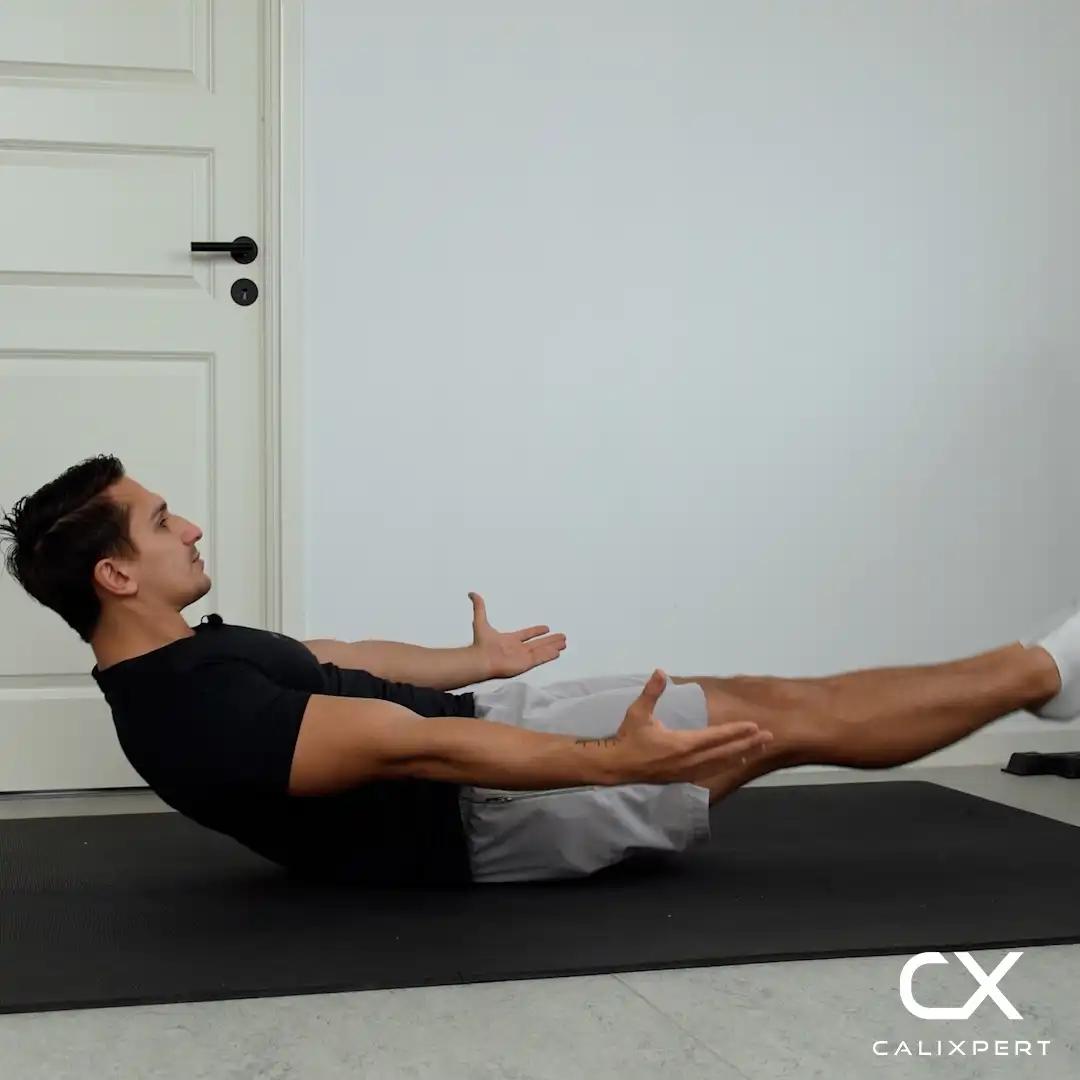
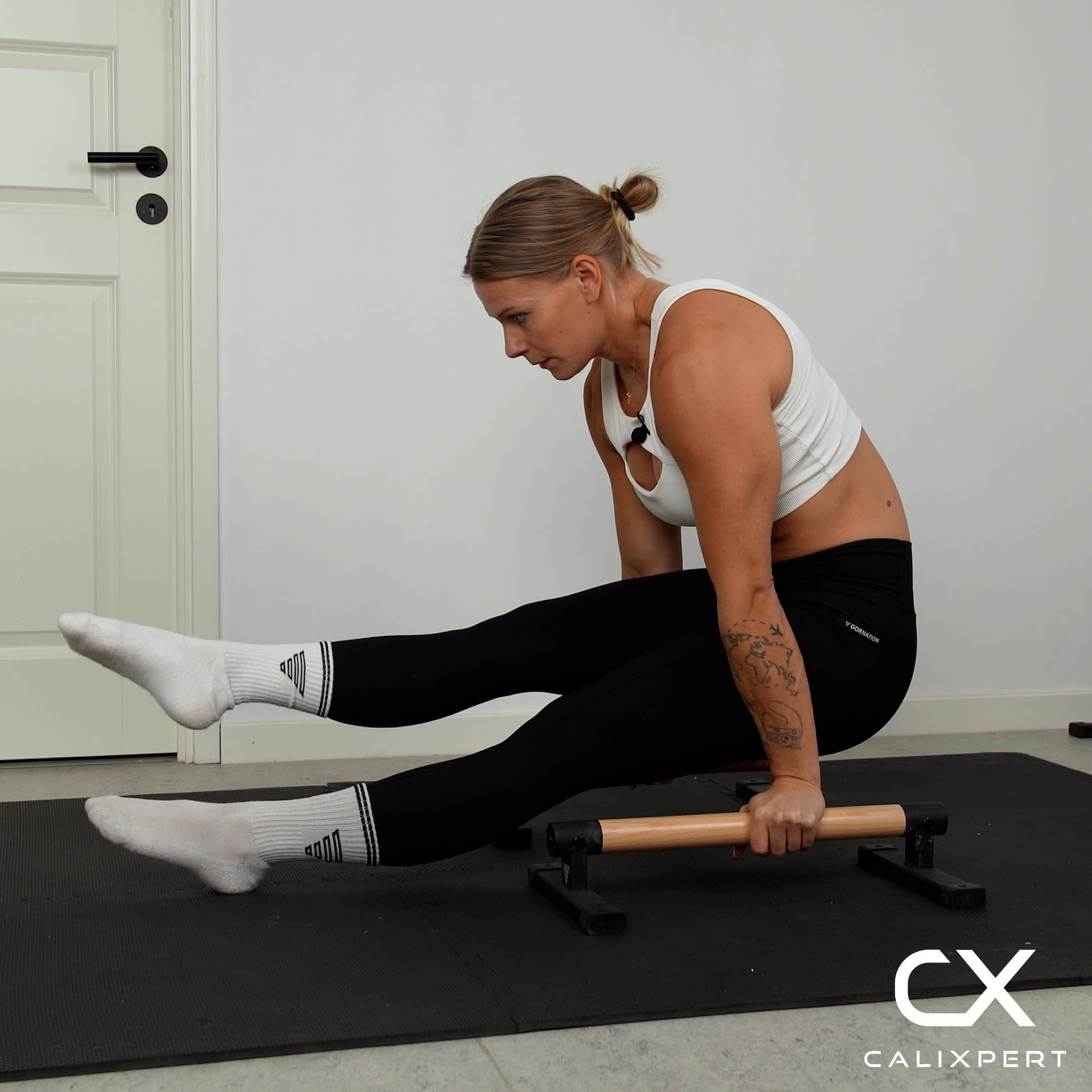
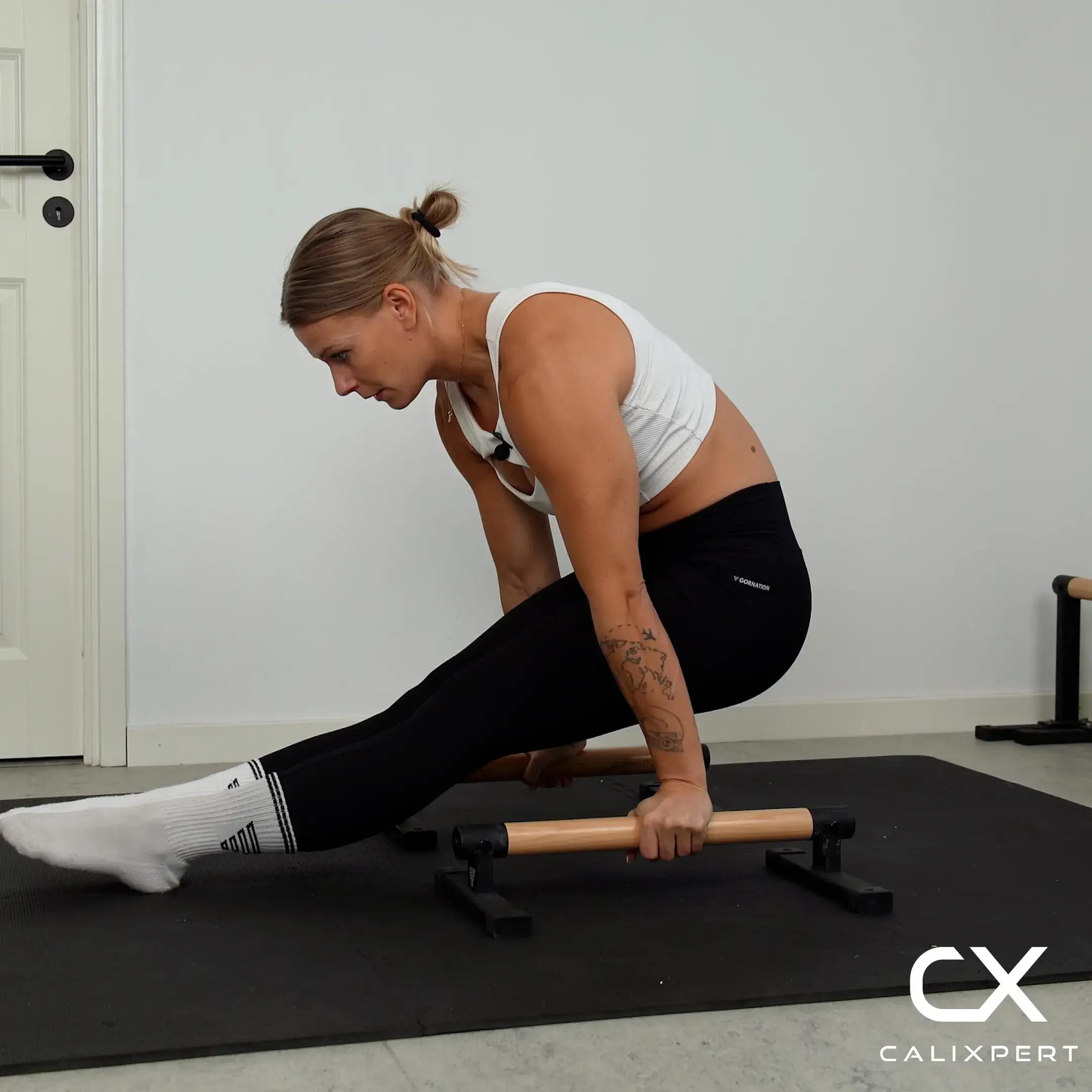
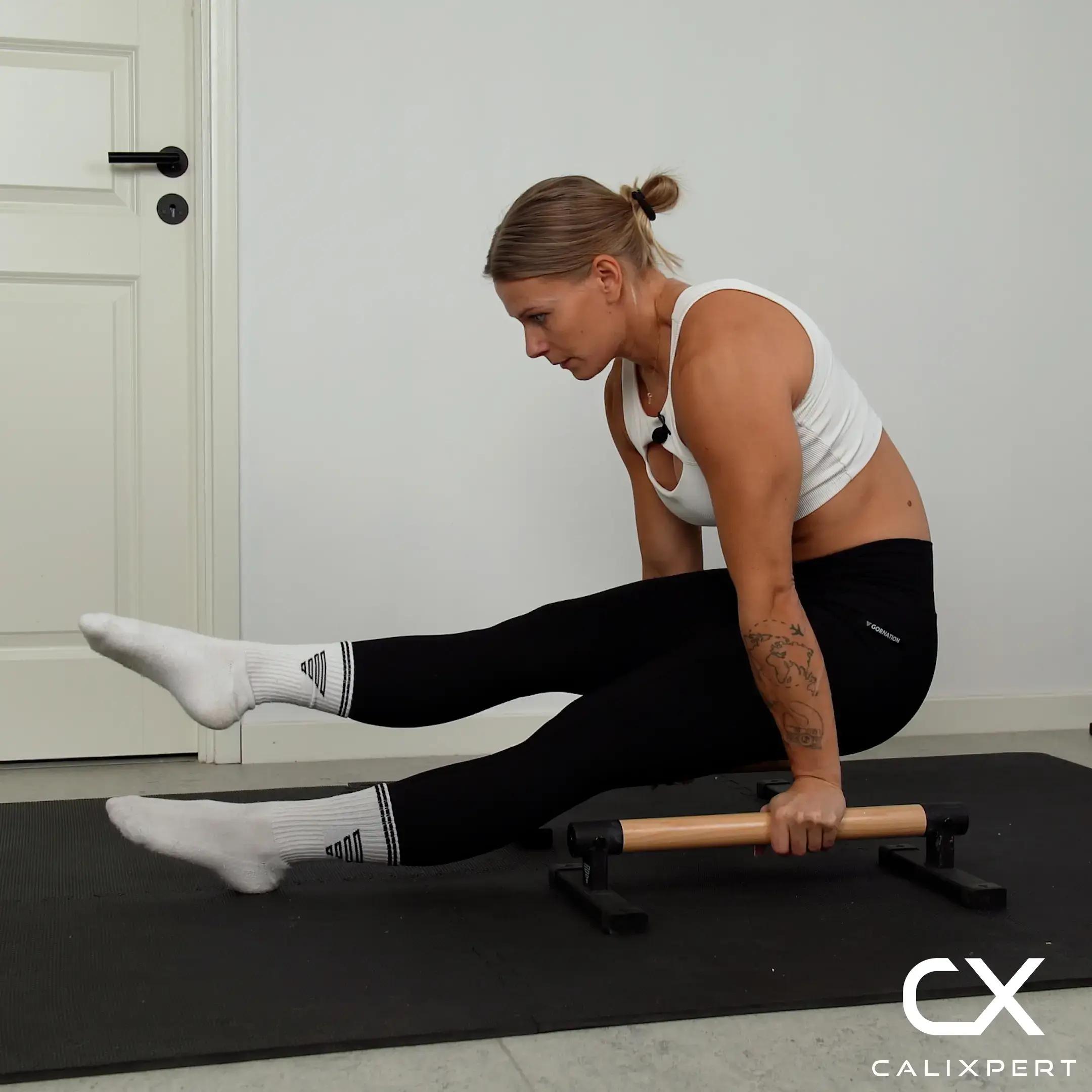
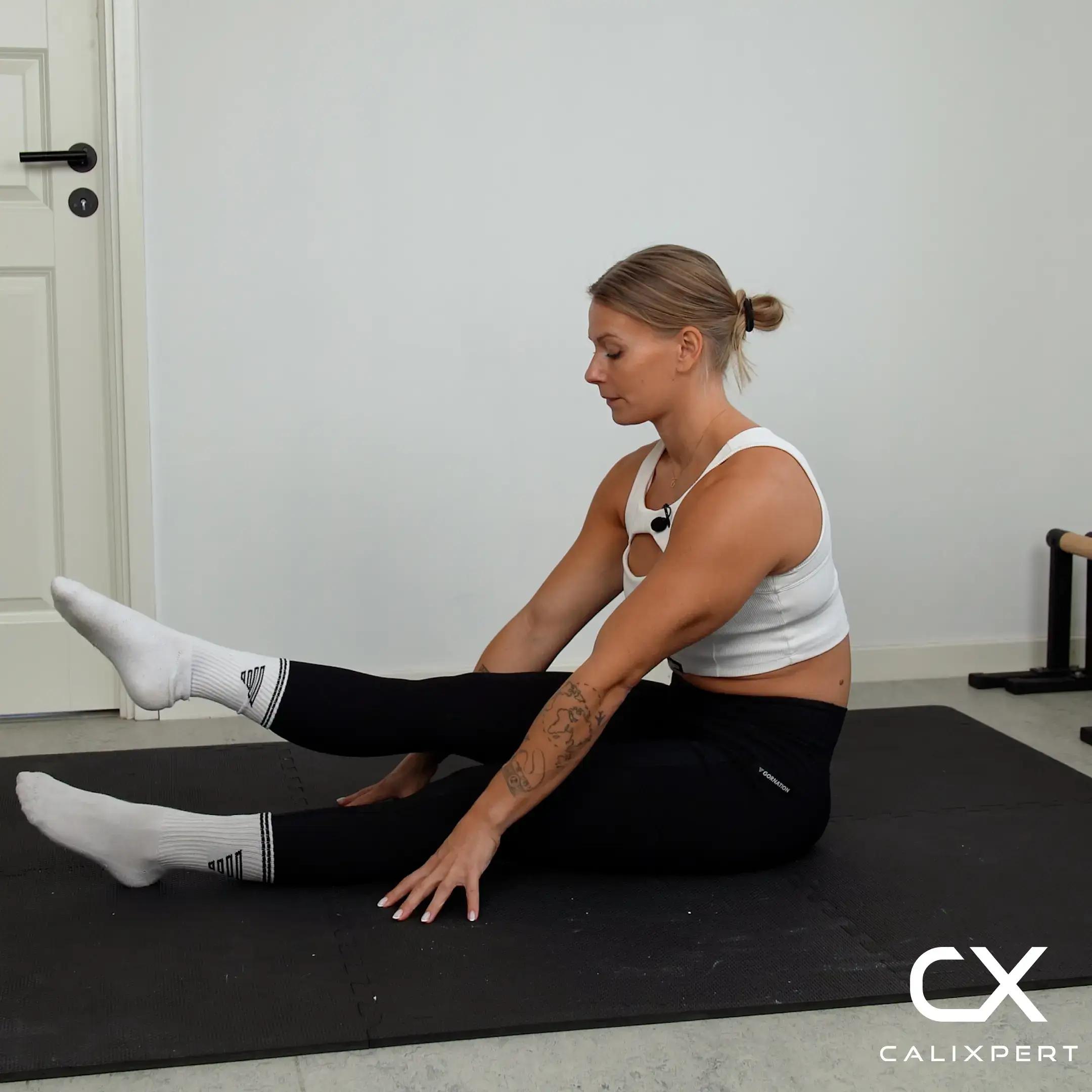
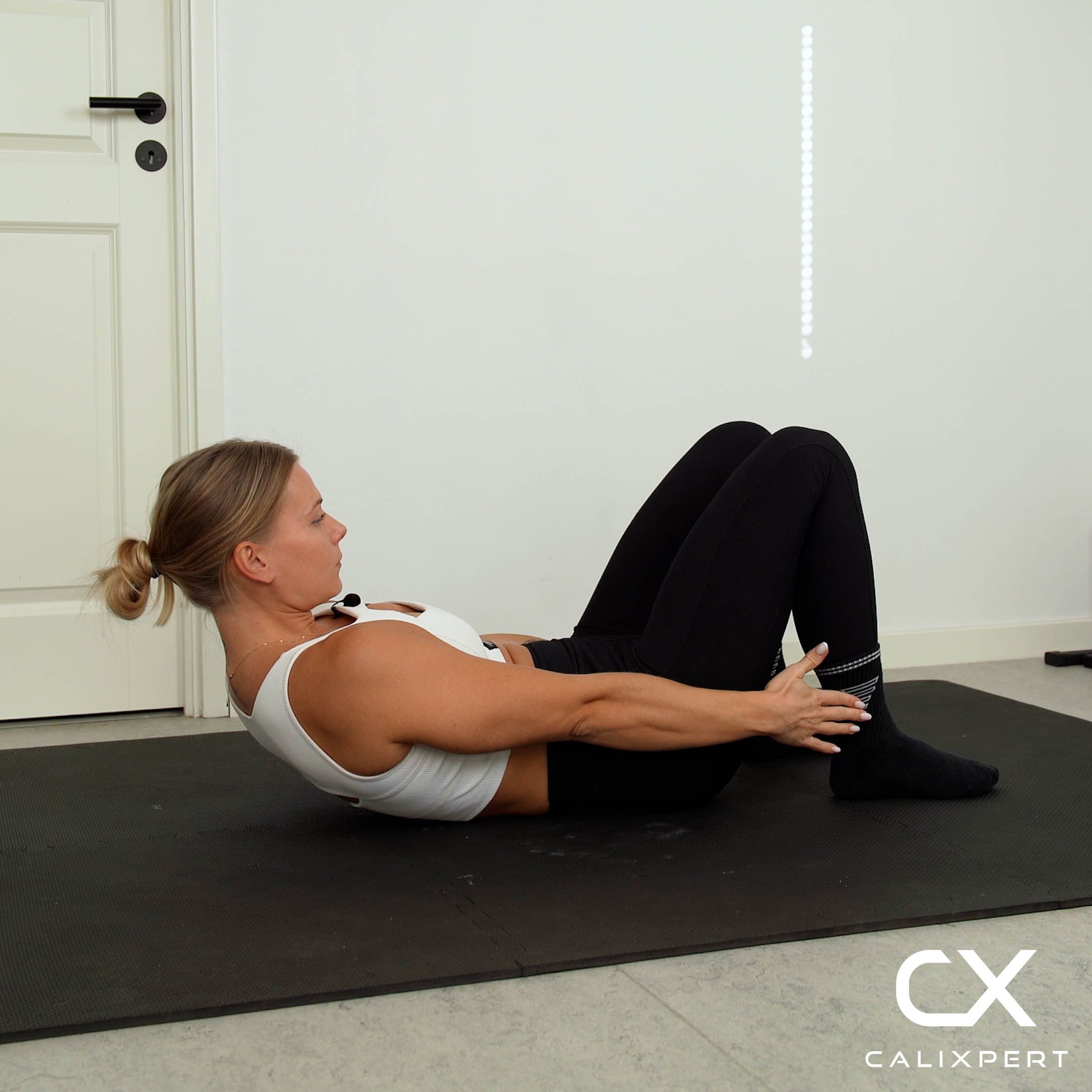
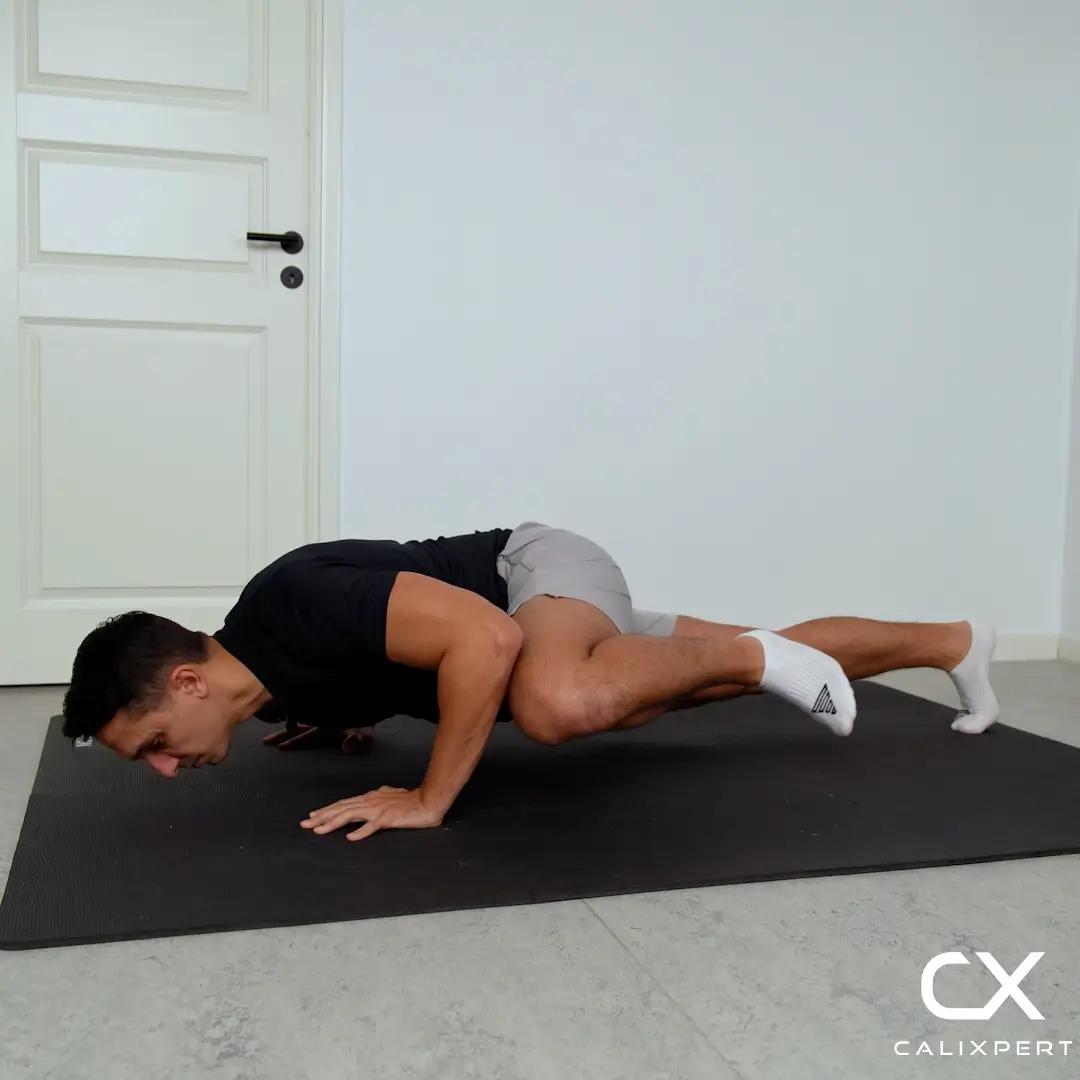
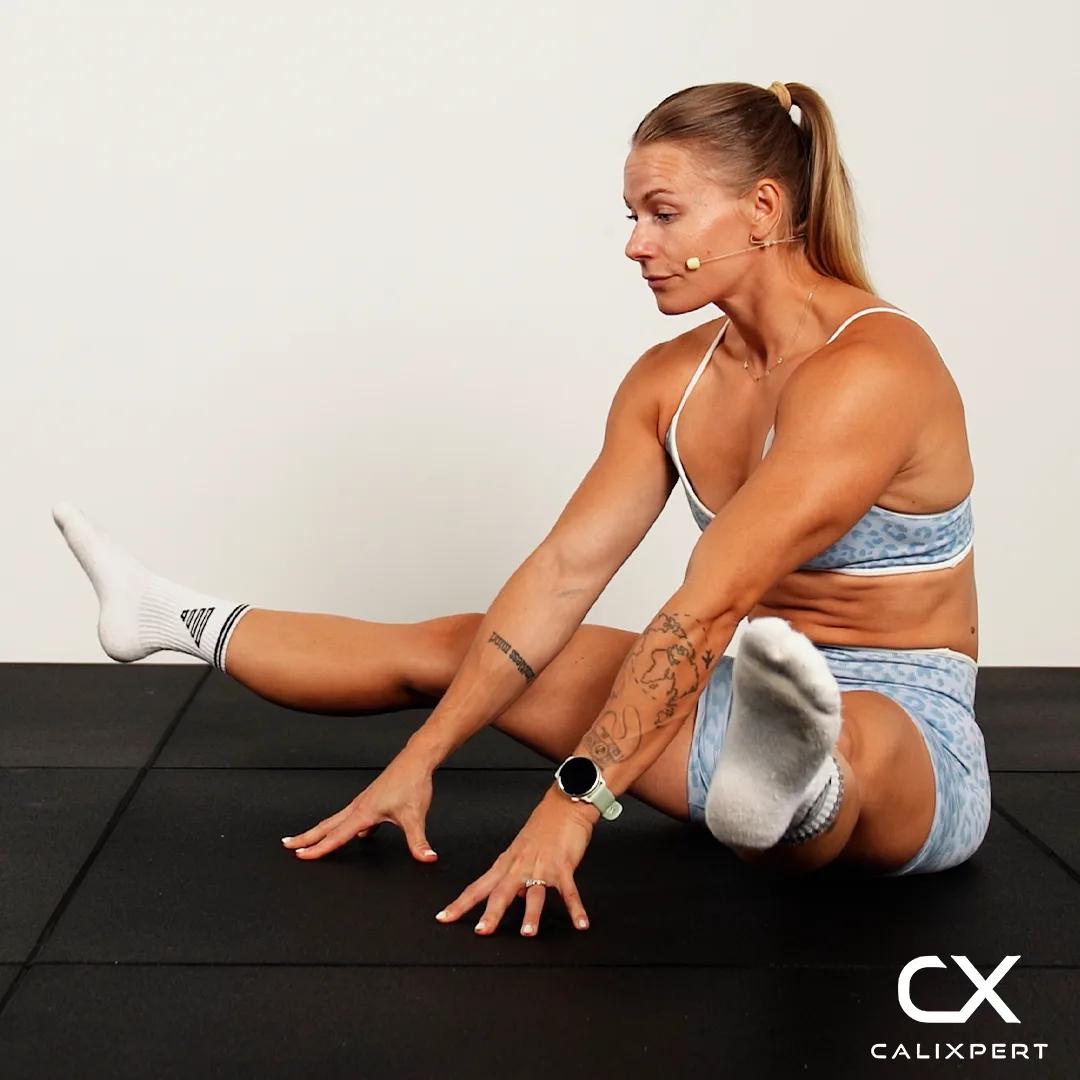
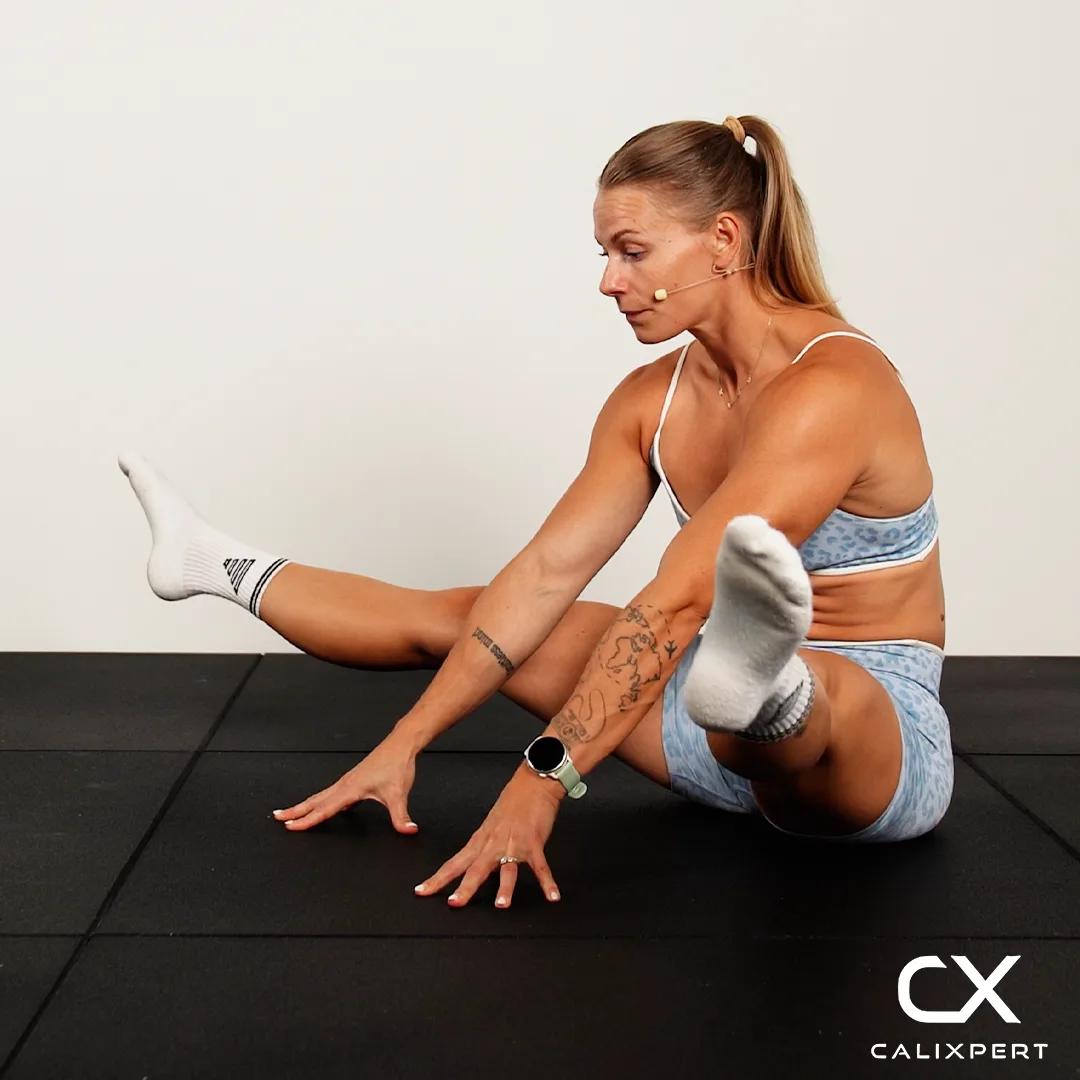
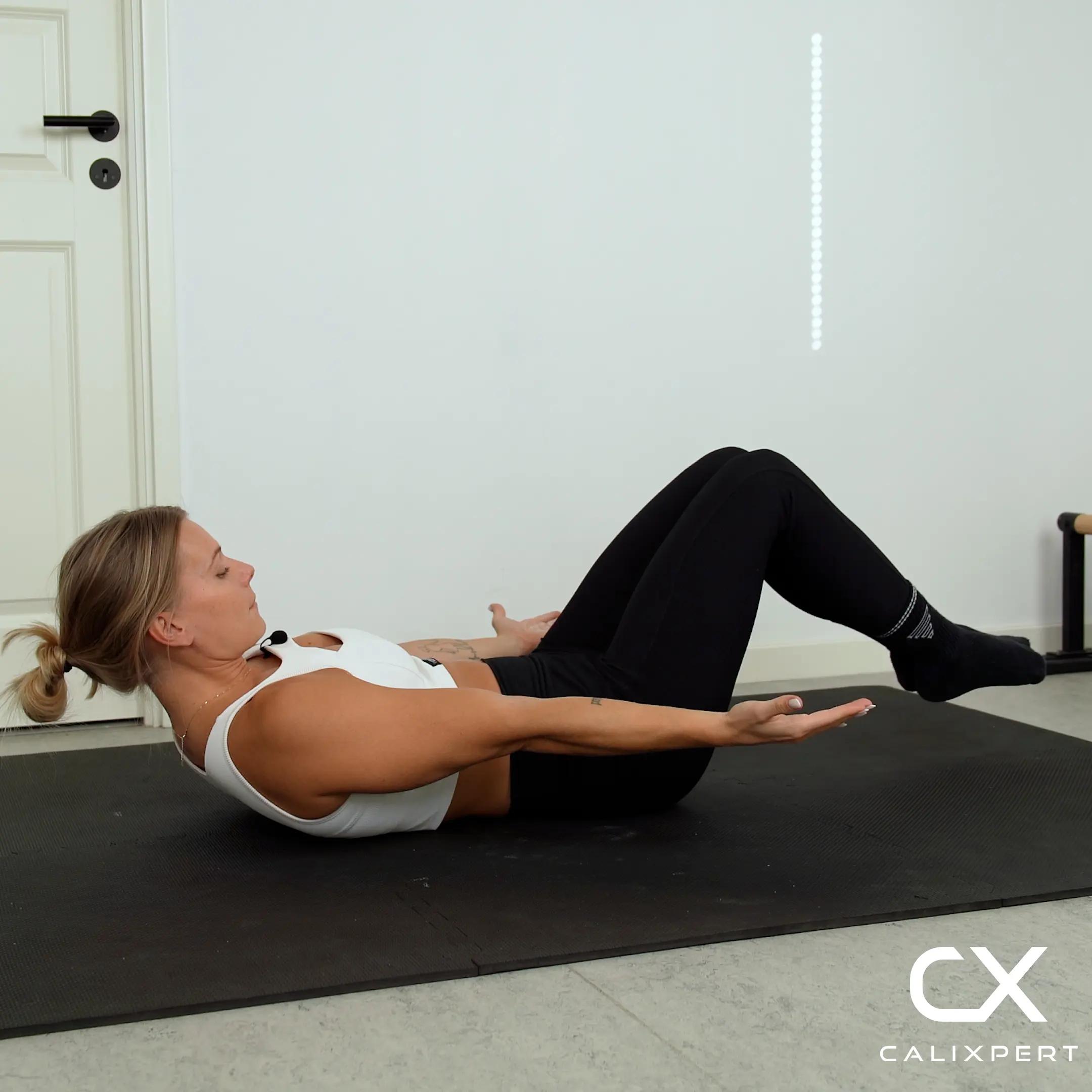
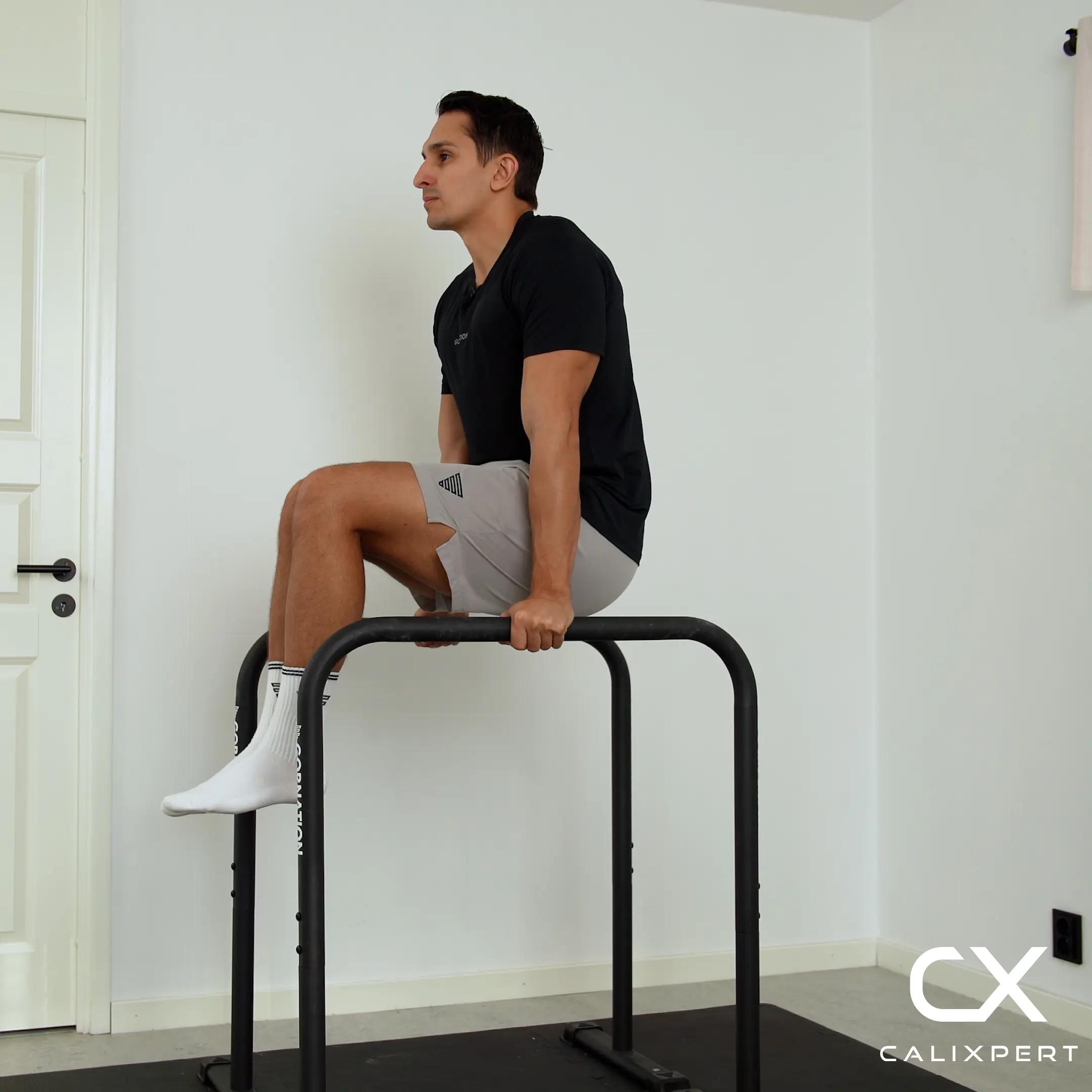
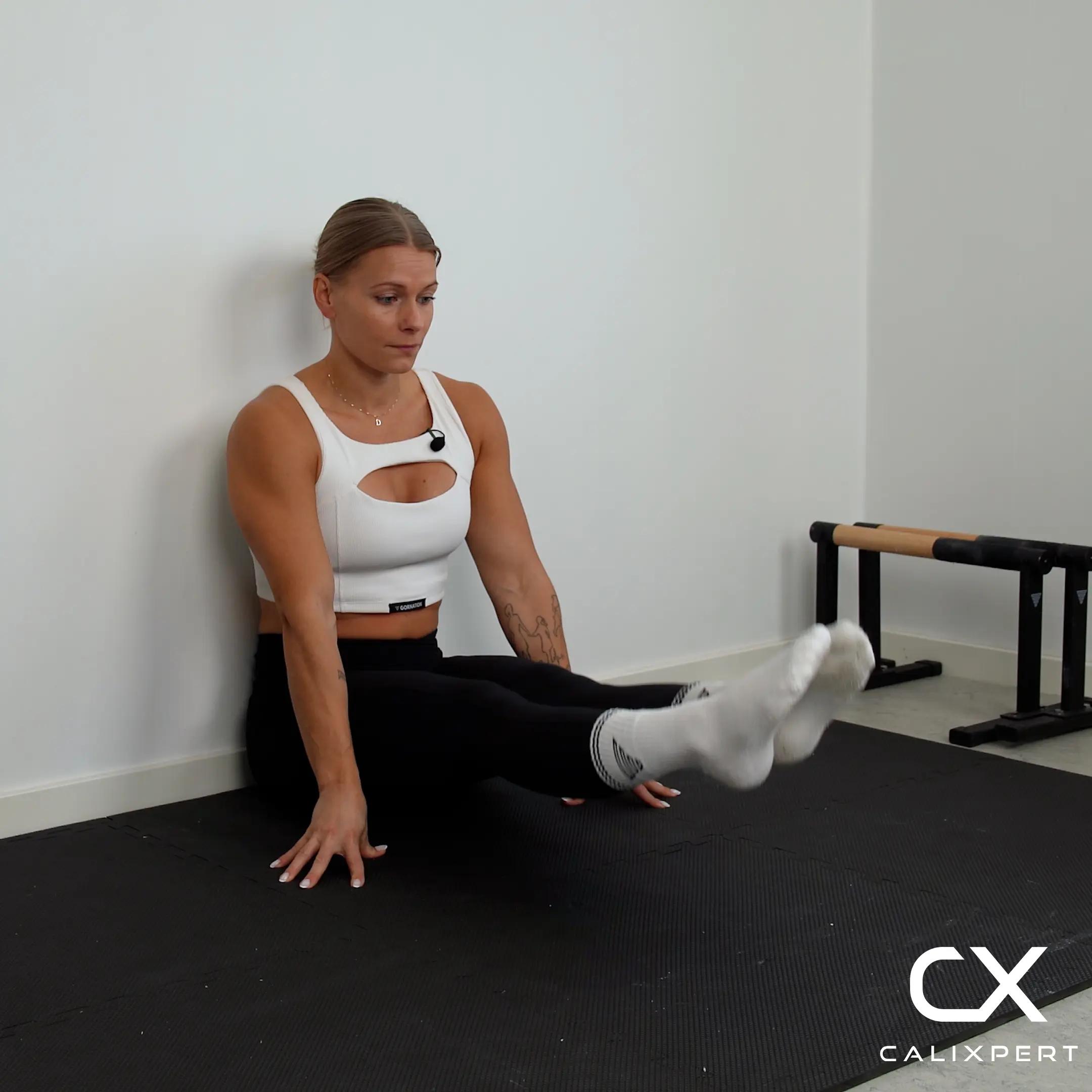
Compression training is the most effective hip flexor work for calisthenics. Seated L-sit holds with hands on the floor require active hip flexion against gravity. The goal is to lift the legs as high as possible and hold. This builds the strength needed for L-sits and hanging skill work.
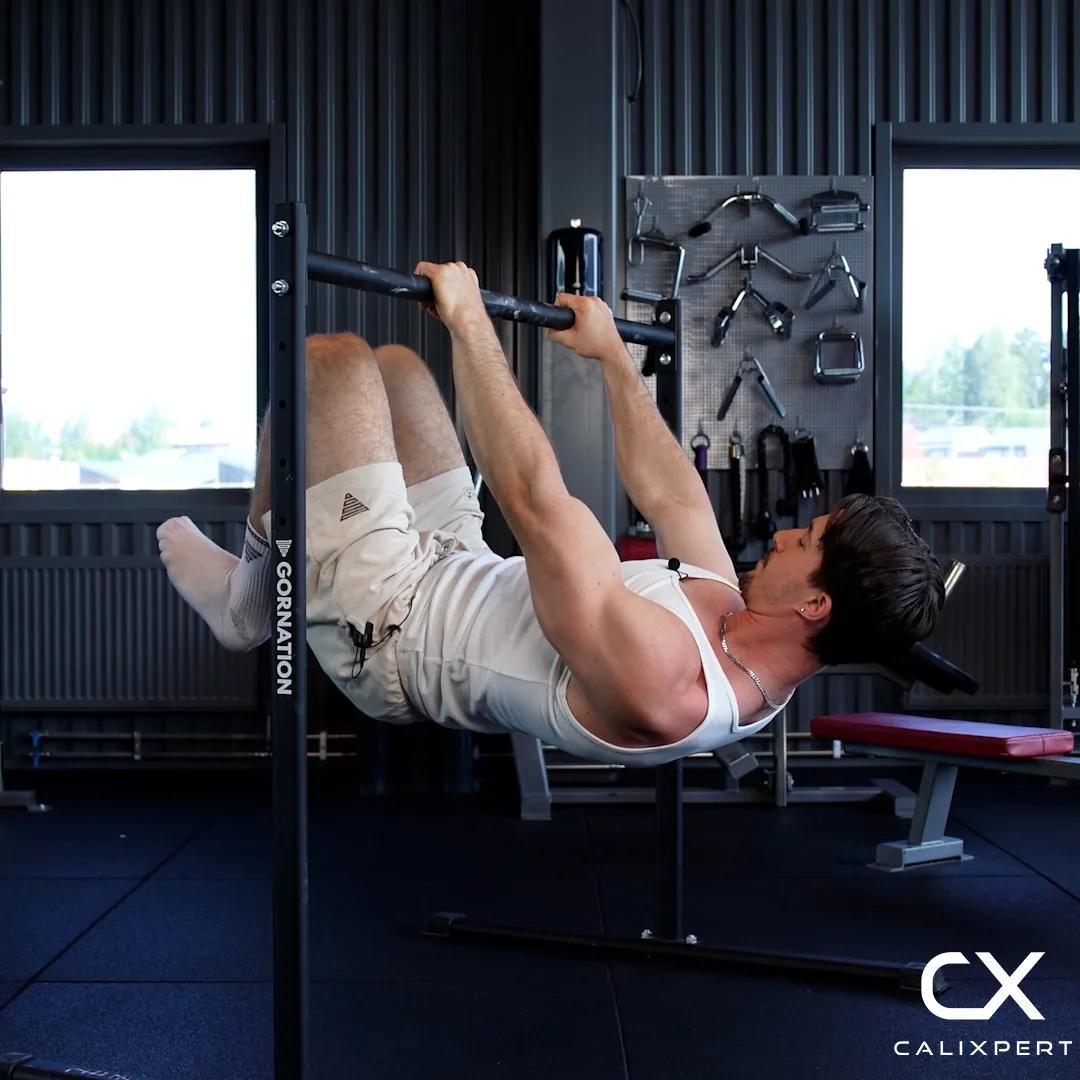
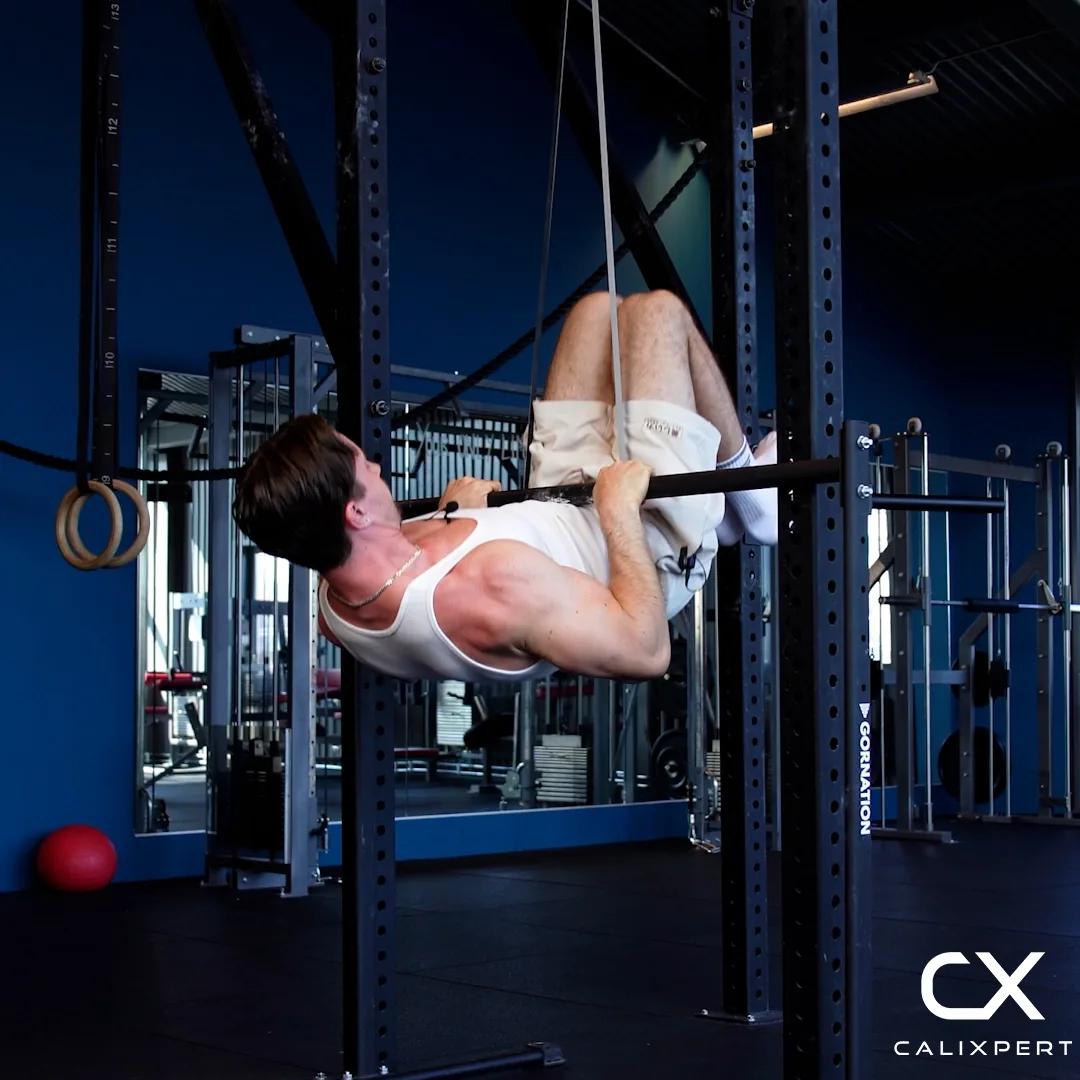
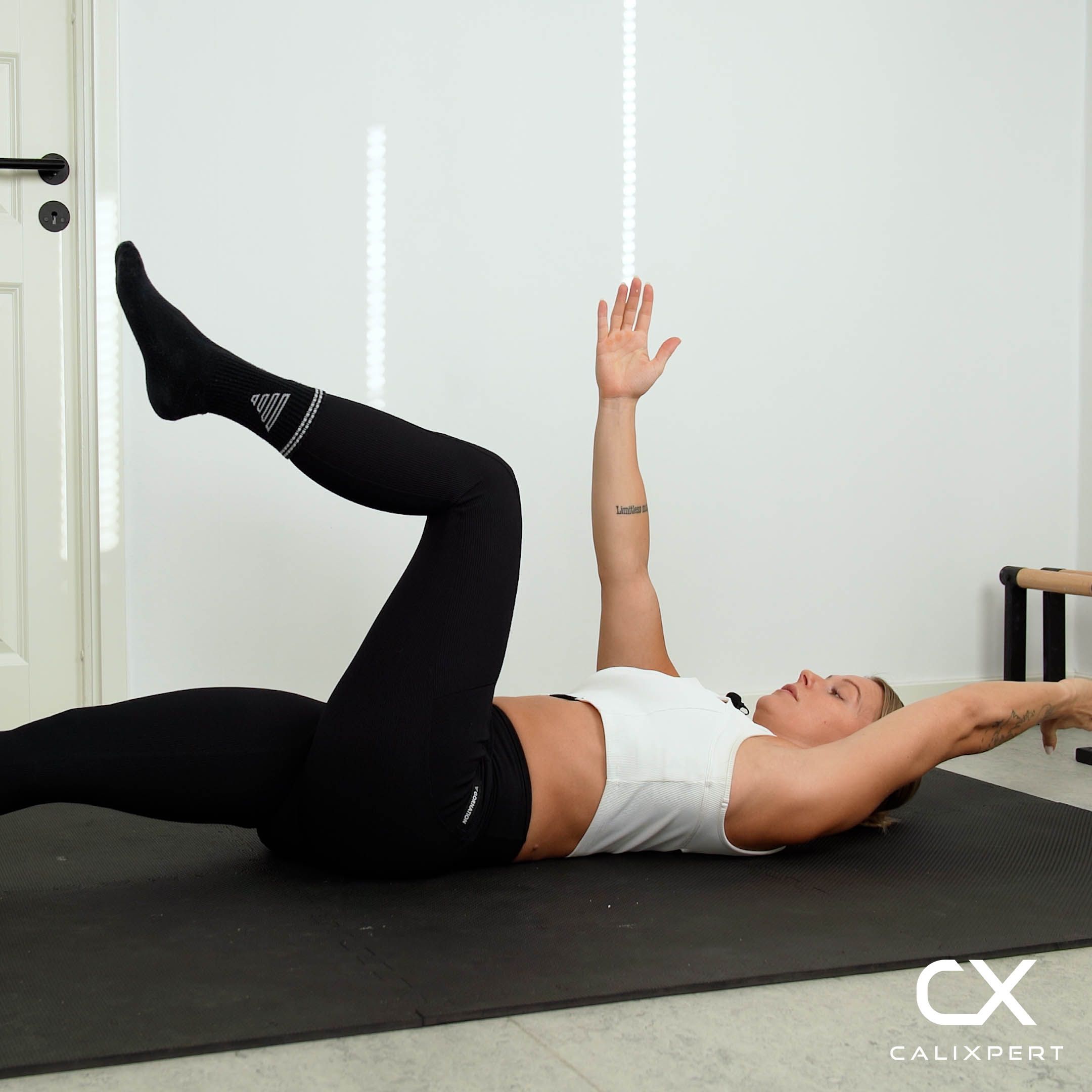
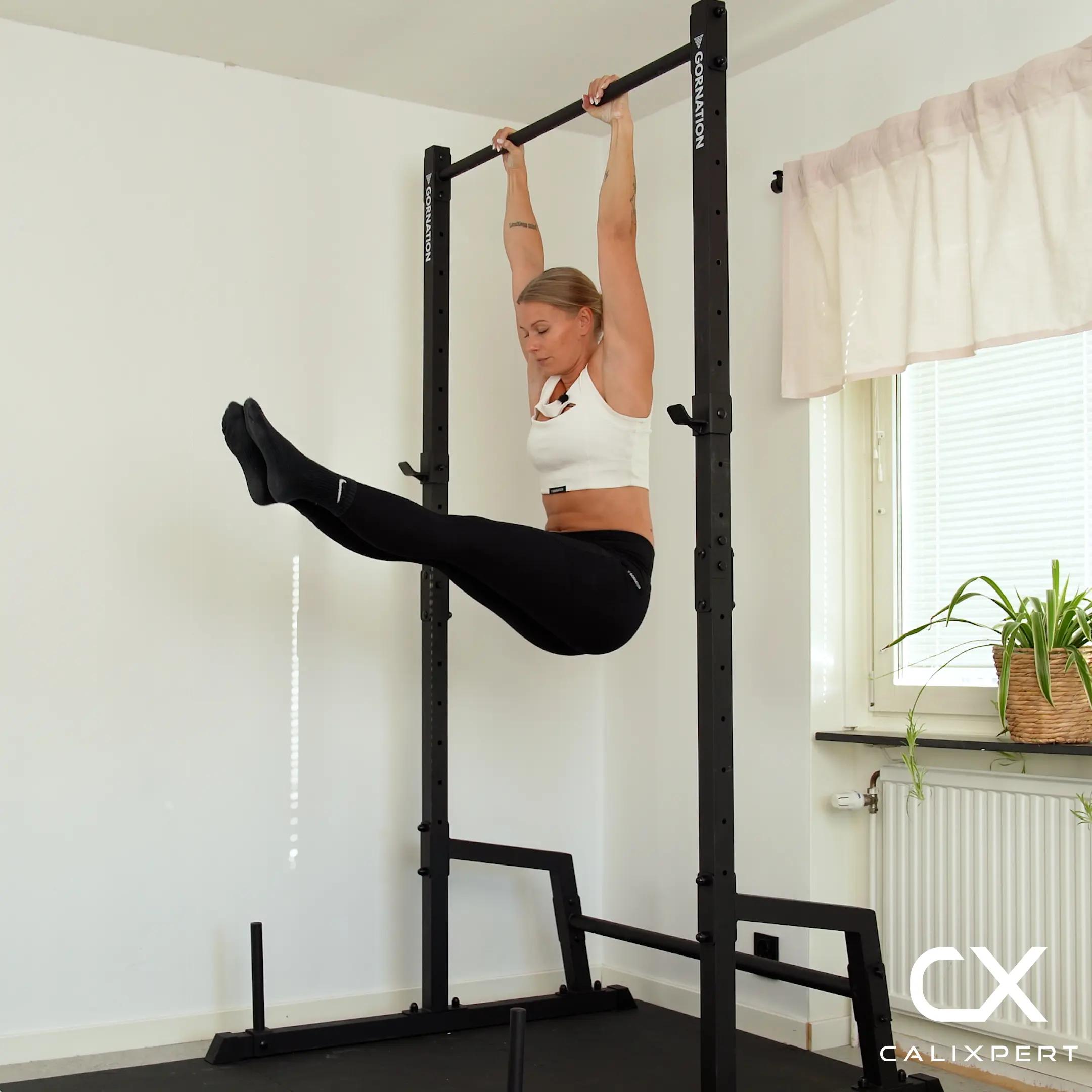
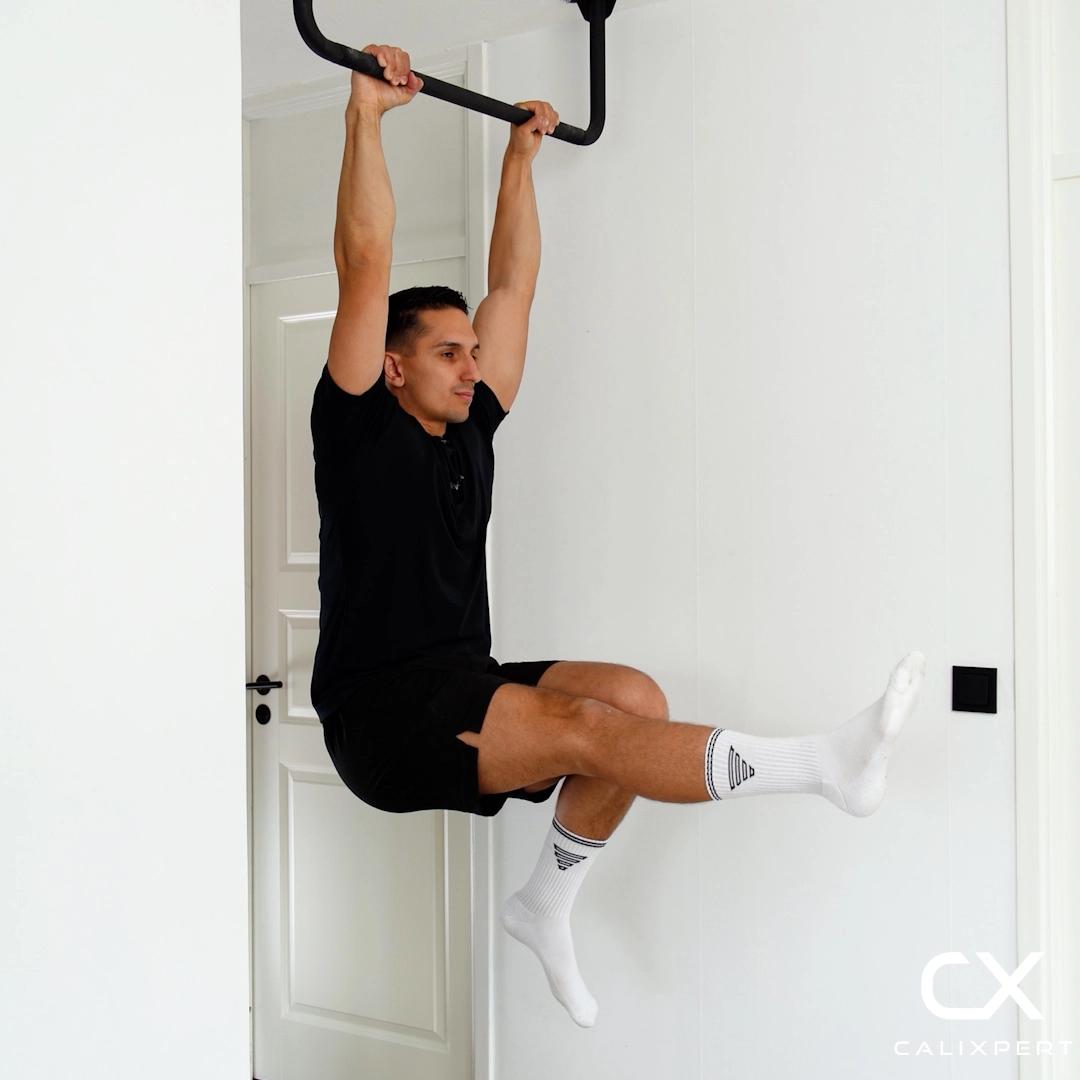
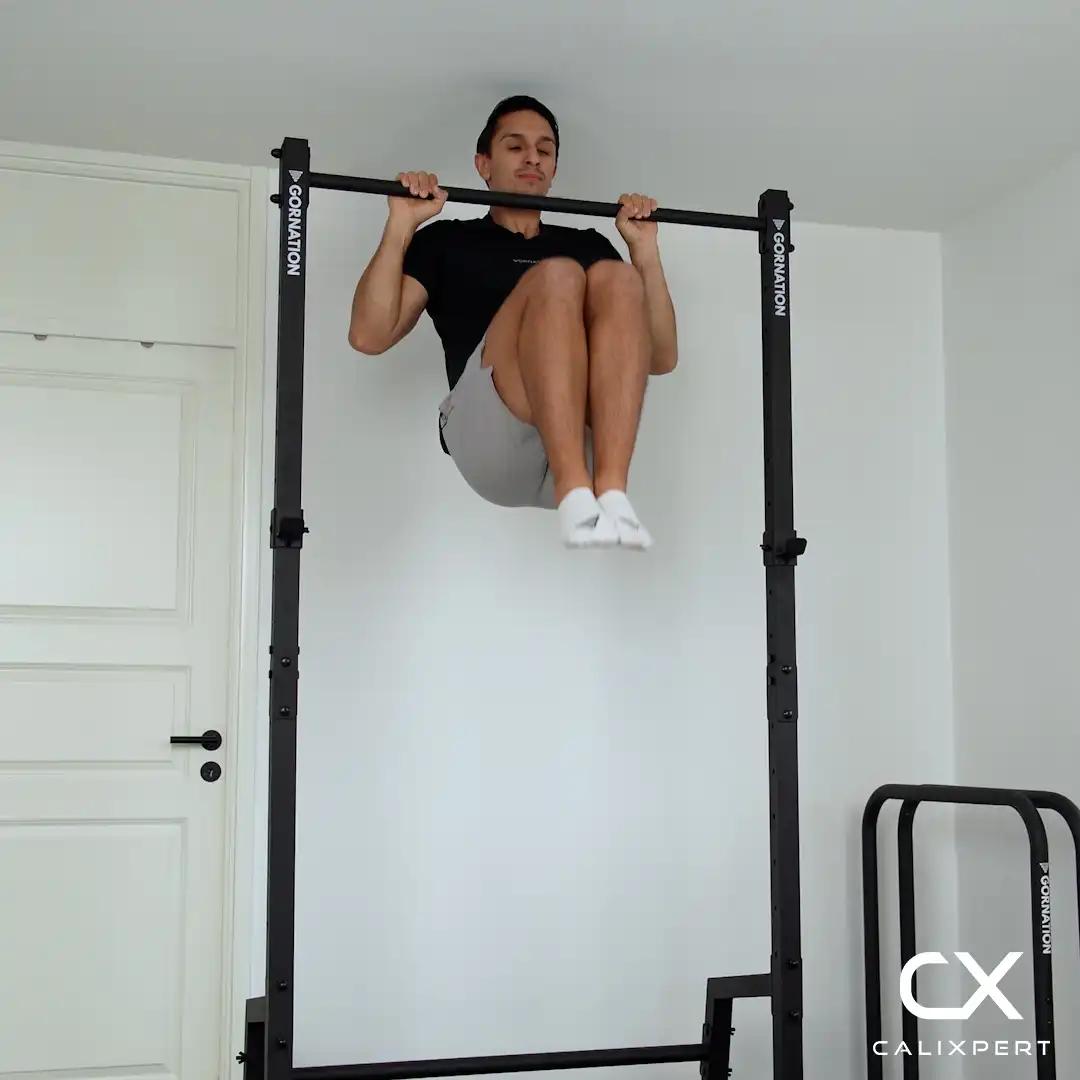
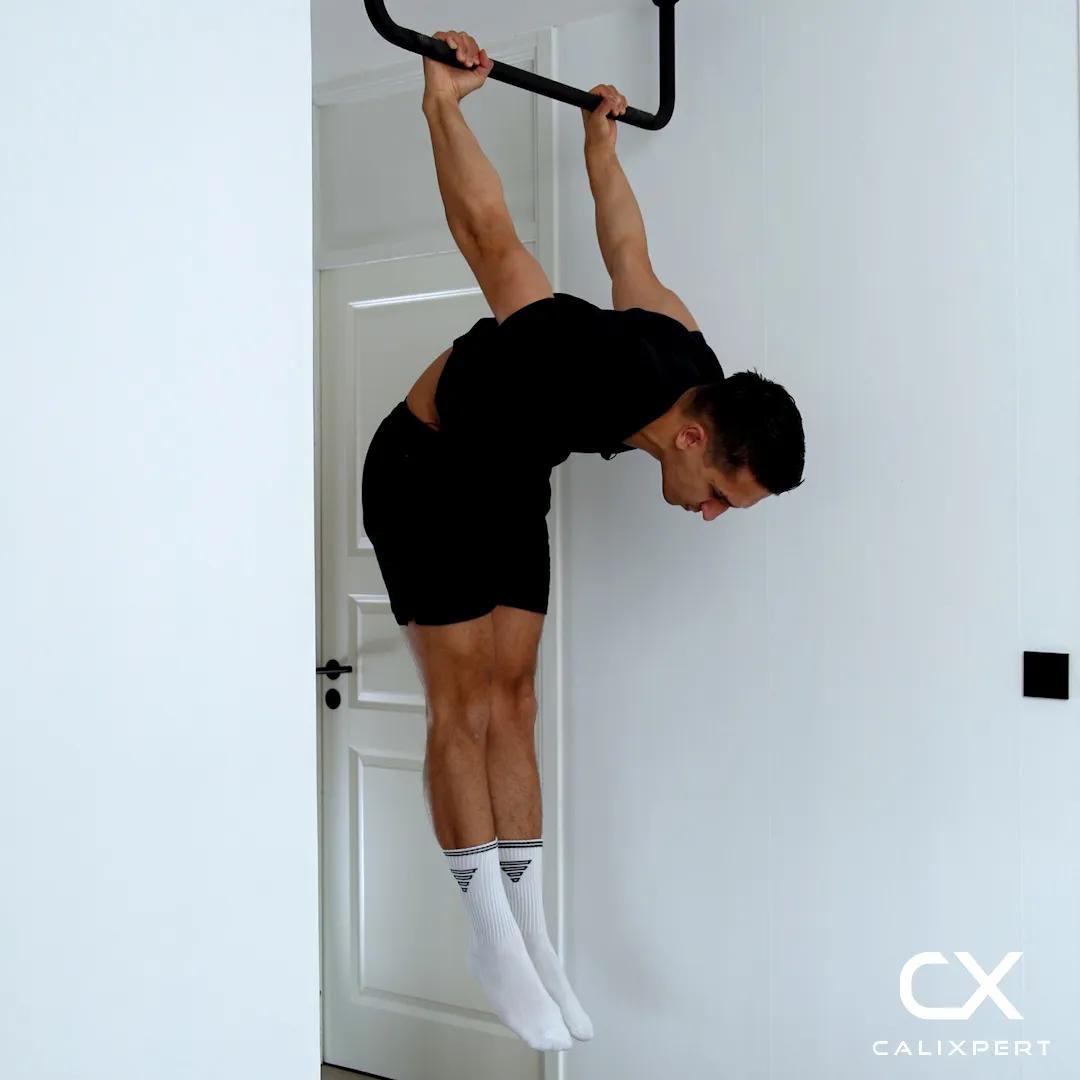
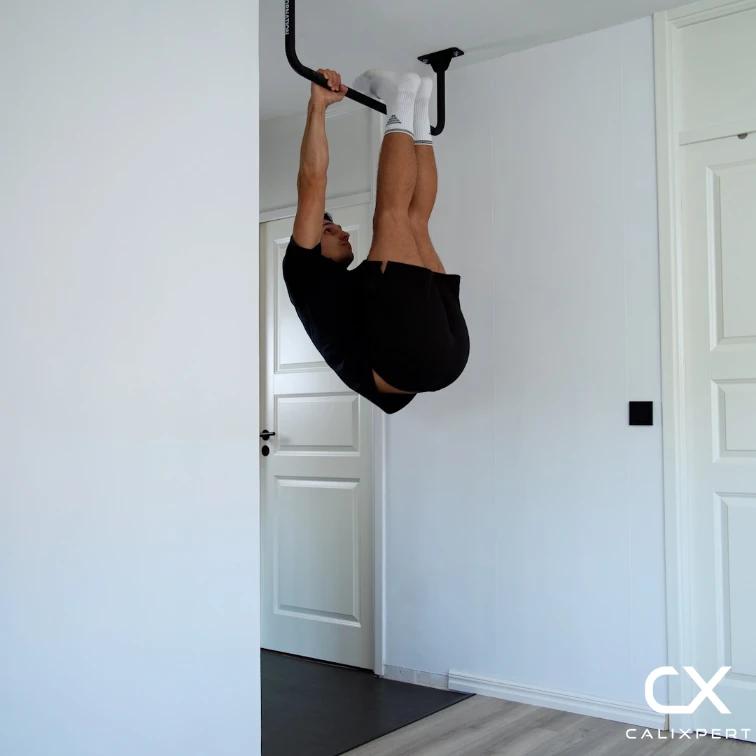
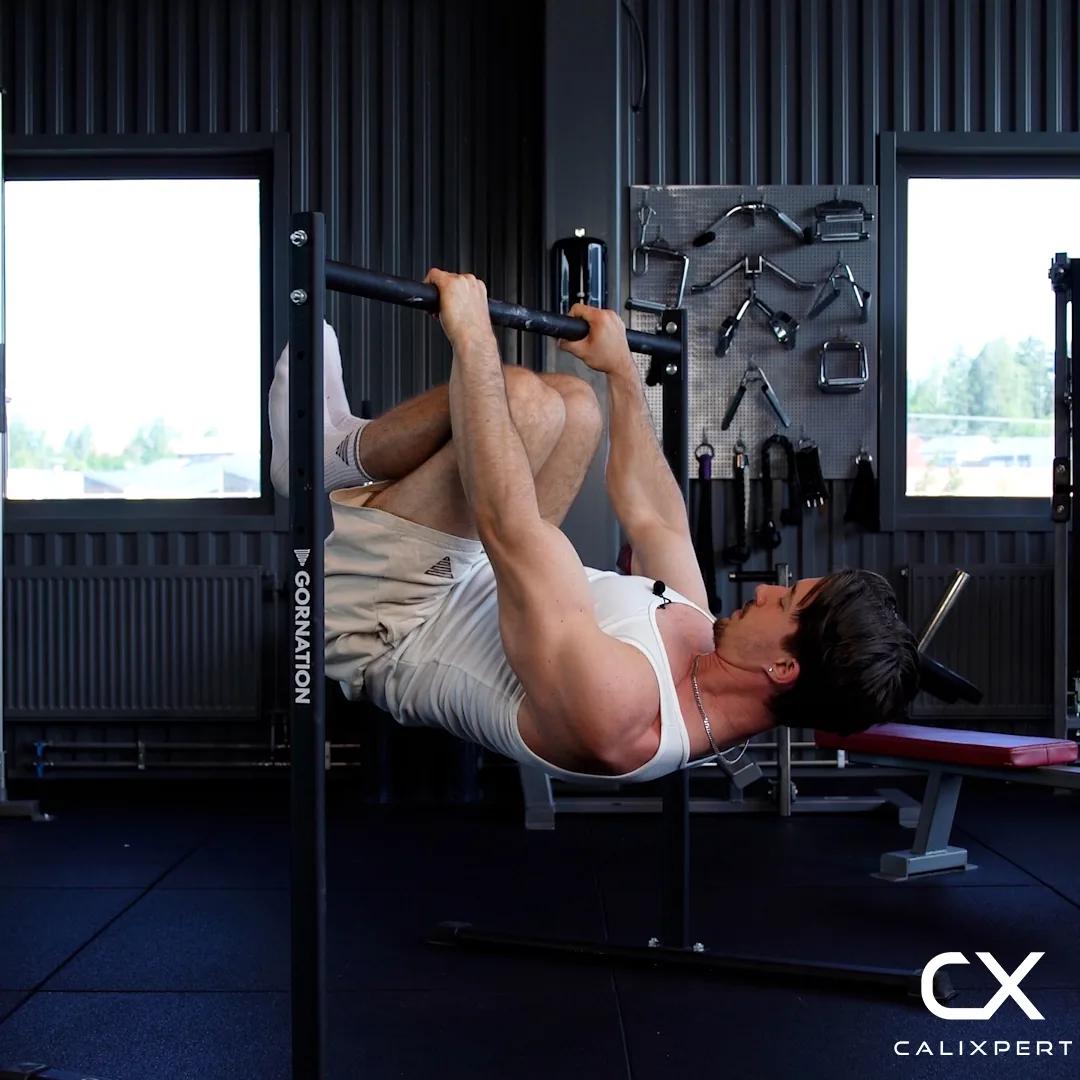
Hanging knee raises and hanging leg raises progress hip flexor endurance under traction. The stretch at the bottom of a full hanging leg raise loads the iliopsoas in its lengthened position, which builds both flexibility and strength.
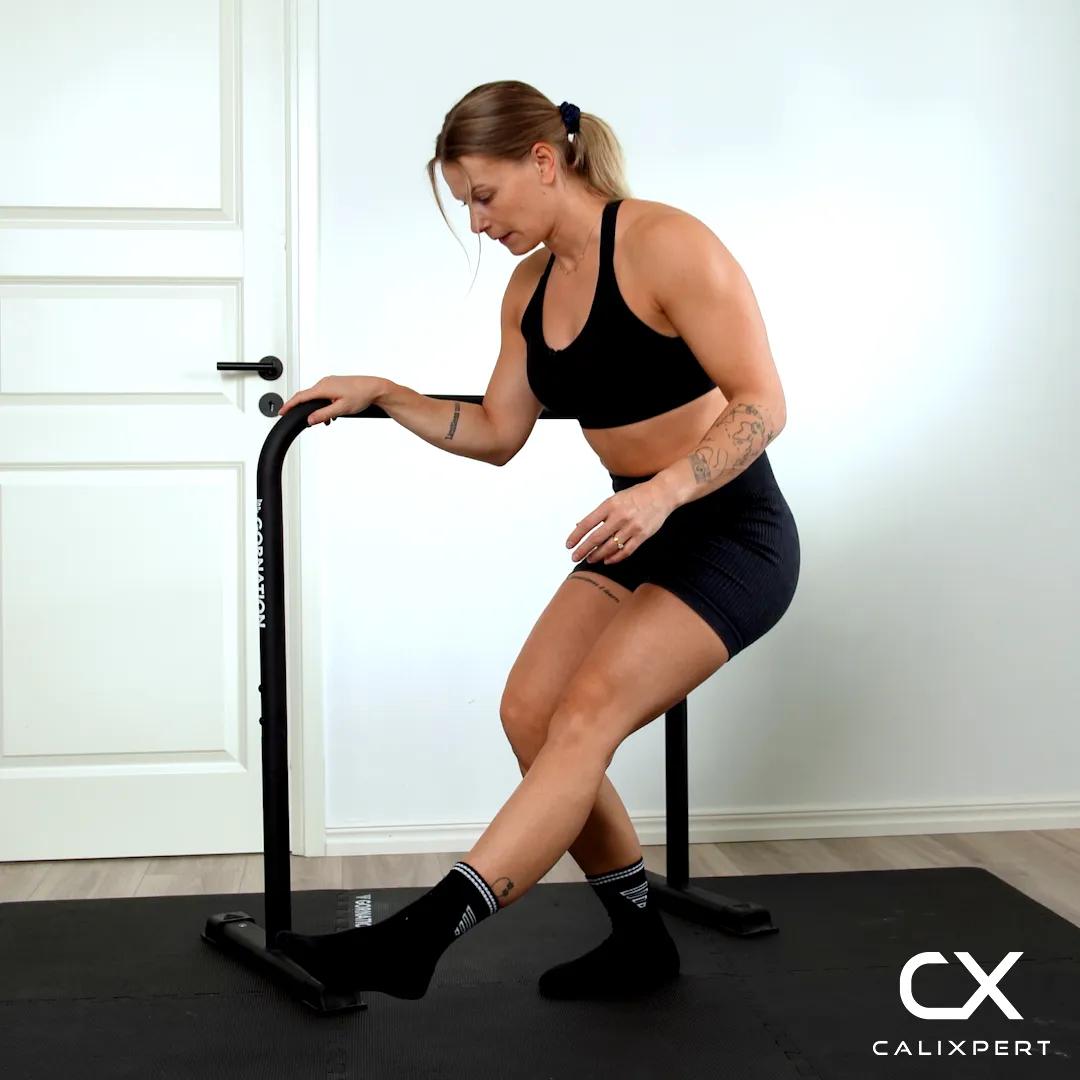
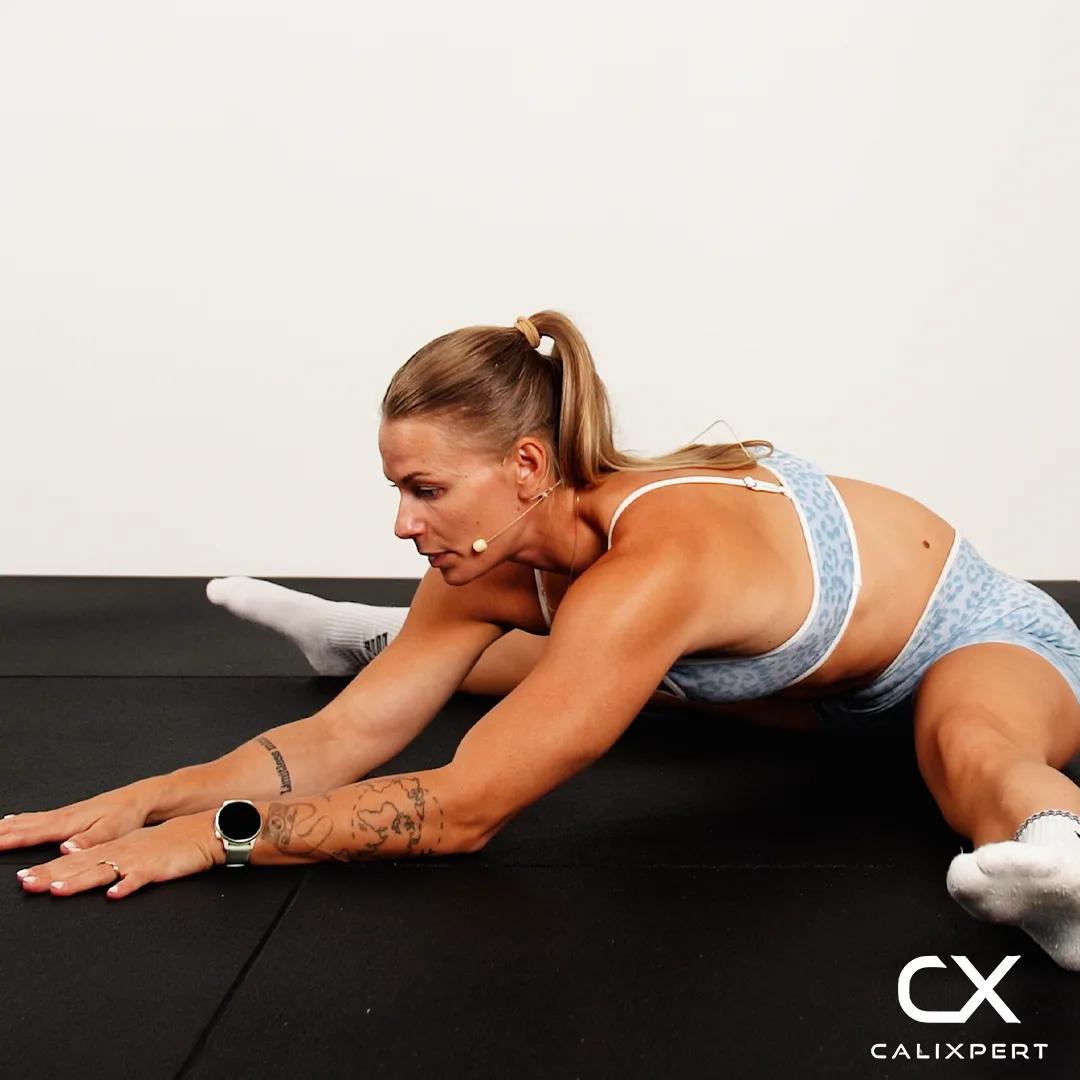
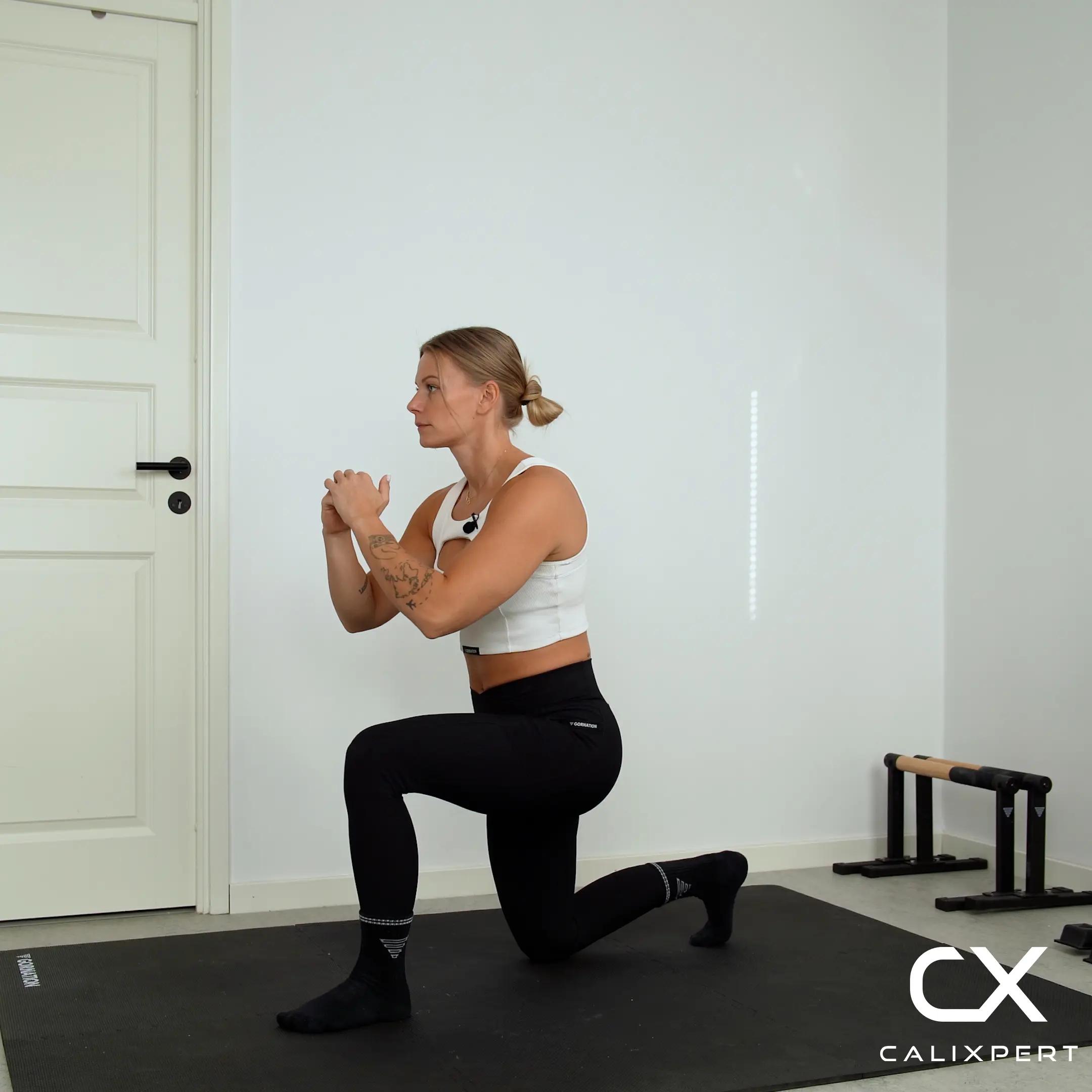
Add hip flexor stretching after training. The iliopsoas shortens under chronic compression load. Stretching it in extension after sessions keeps range of motion accessible and prevents the tightness that accumulates with volume.
Hip Flexors FAQ
Cramping during L-sit holds is normal for underdeveloped hip flexors. It is a sign you are at or near your current strength limit. Reduce hold time, add more frequent short holds, and the cramping will disappear as strength builds.
You need both strength and flexibility. A tight hip flexor limits the range of motion in leg raises and L-sit height. A weak hip flexor cannot sustain the compression demands of skill work. Train both qualities.
With consistent hip flexor compression training, most athletes achieve a 5-second L-sit within 4 to 8 weeks. A 10-second hold takes longer, typically 8 to 16 weeks depending on starting strength.