Assisted Negative Pistol Squat
The assisted negative pistol squat is an eccentric single-leg squat where you hold onto a support and lower yourself on one leg as slowly as possible through the full range of motion. It targets the quads and glutes as primary movers while demanding serious ankle stability, hip flexor endurance, and core control to keep the non-working leg extended. This exercise is one of the most effective progressions toward the full pistol squat because it builds the exact strength and motor control needed at the bottom of the movement, which is where most people fail.
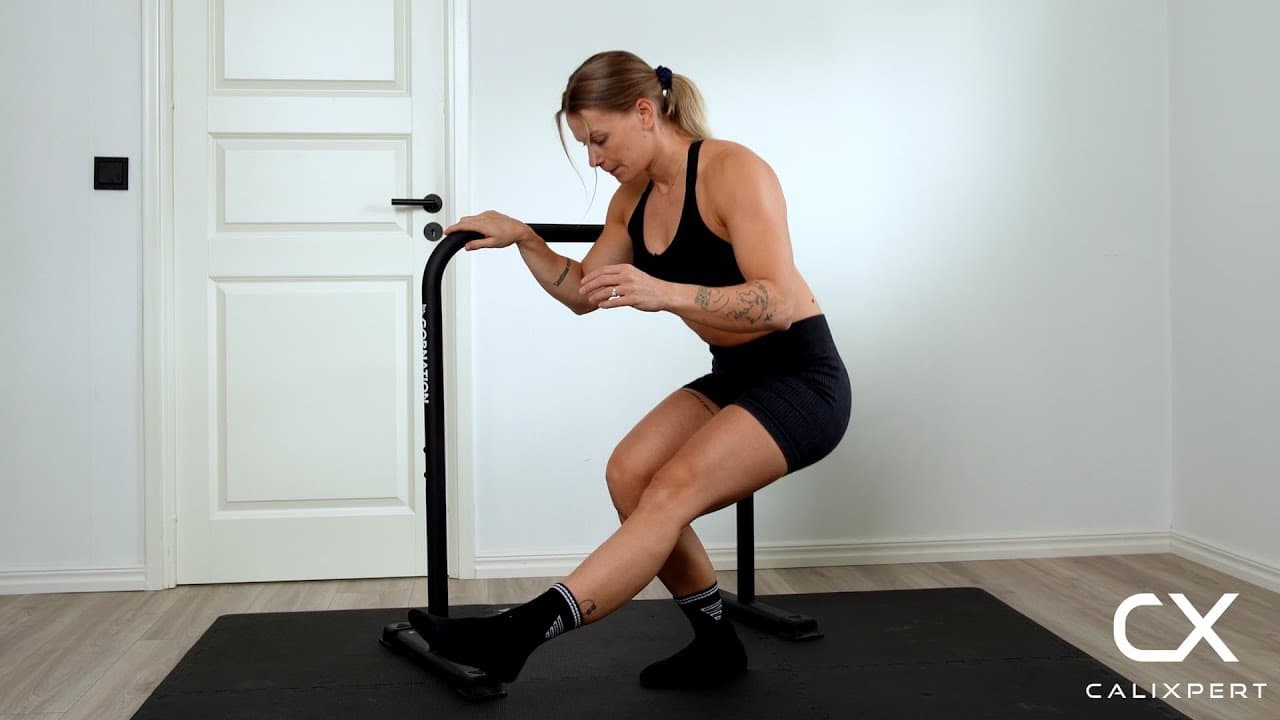
The assisted negative pistol squat is an eccentric single-leg squat where you hold onto a support and lower yourself on one leg as slowly as possible through the full range of motion. It targets the quads and glutes as primary movers while demanding serious ankle stability, hip flexor endurance, and core control to keep the non-working leg extended. This exercise is one of the most effective progressions toward the full pistol squat because it builds the exact strength and motor control needed at the bottom of the movement, which is where most people fail.
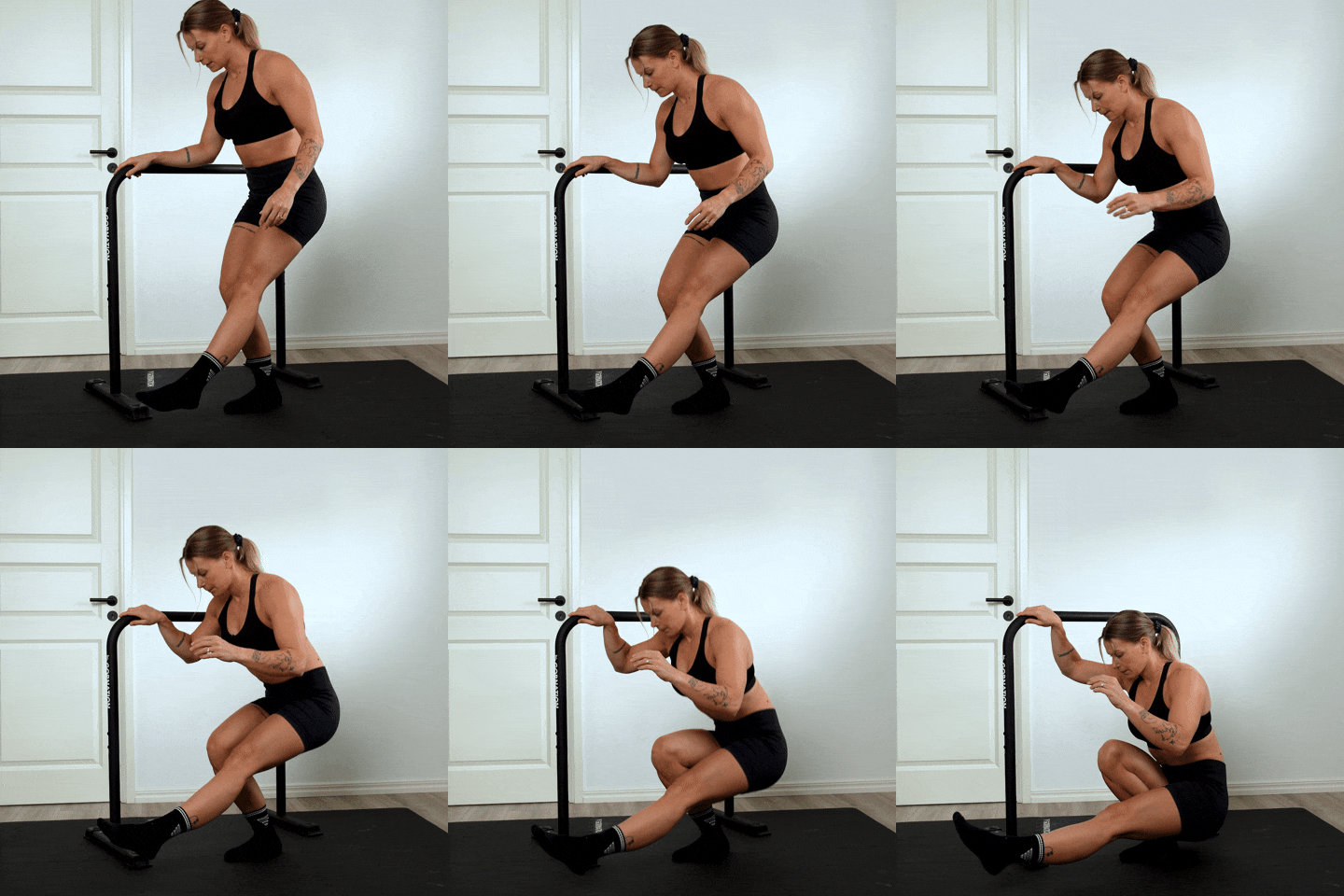
How to Do Assisted Negative Pistol Squat
1. Set Up Your Support
Stand next to a sturdy object you can hold onto, such as a pole, doorframe, gymnastics rings, or TRX straps. Grip the support with one or both hands at roughly chest height. The support is there to offload some bodyweight, not to pull yourself through the movement. Choose something stable enough that it will not shift or wobble during the descent.
Light grip, not a death grip
2. Establish Your Single-Leg Stance
Lift one foot off the ground and extend that leg out in front of you as straight as possible. Keep the standing foot fully planted with the heel pressed firmly into the floor. Brace your core and set your balance before you begin lowering.
Straight leg, heel down, core tight
3. Begin the Controlled Descent
Bend the knee of your standing leg and start lowering your body toward the ground as slowly as you can. It is fine to lean your torso forward over the standing leg as you descend. This forward lean is a natural part of the pistol squat pattern and helps you maintain balance. Use the support lightly to control speed, but let the working leg do as much of the work as possible.
Lean forward, lower as slow as possible
4. Maintain Heel Contact Throughout
As you descend deeper, focus on keeping the heel of the standing foot in full contact with the floor at all times. The moment your heel lifts, you lose the strongest position for your quads and glutes to work through. If your heel lifts early, reduce the depth until your ankle mobility improves.
Heel stays glued to the floor
5. Sink to the Bottom Position
Continue lowering until your hamstring contacts your calf or you reach the deepest point you can control. Keep the non-working leg extended in front of you and avoid letting it drop toward the ground. The bottom position is where the most strength is built, so do not rush through it.
Own the bottom, do not collapse into it
6. Return to Standing
Use your support to help yourself stand back up, or place the non-working foot on the floor to reset. This is a negative-focused exercise, so the concentric phase is not the priority. Get back to the top with whatever assistance you need and reset your balance fully before starting the next rep.
Reset completely between reps
Most people fail the pistol squat at the bottom because they have never spent time there under control. The assisted negative forces you to own that bottom position instead of crashing into it. Focus on making each rep slower rather than adding more reps, and you will build the specific strength that actually unlocks the full pistol squat.
Muscles Worked During Assisted Negative Pistol Squat
Secondary Muscles:
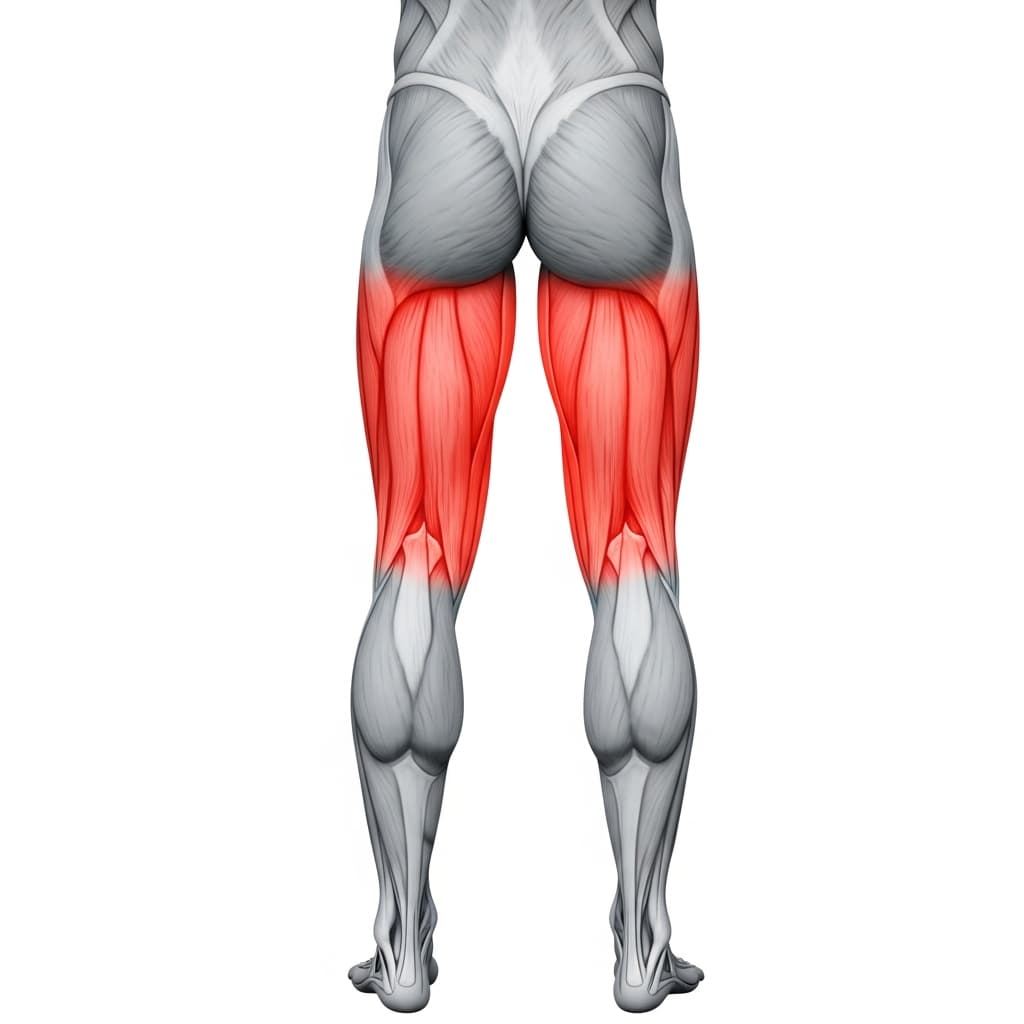
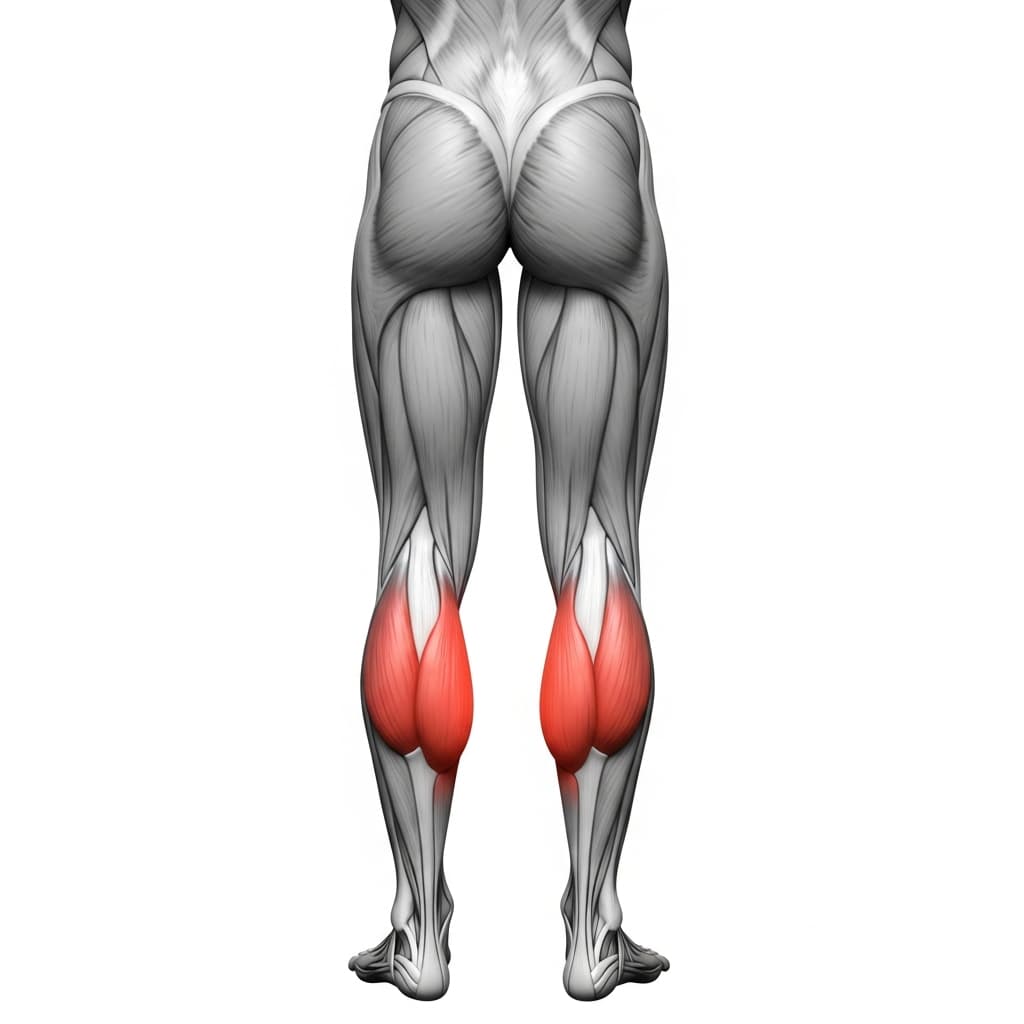
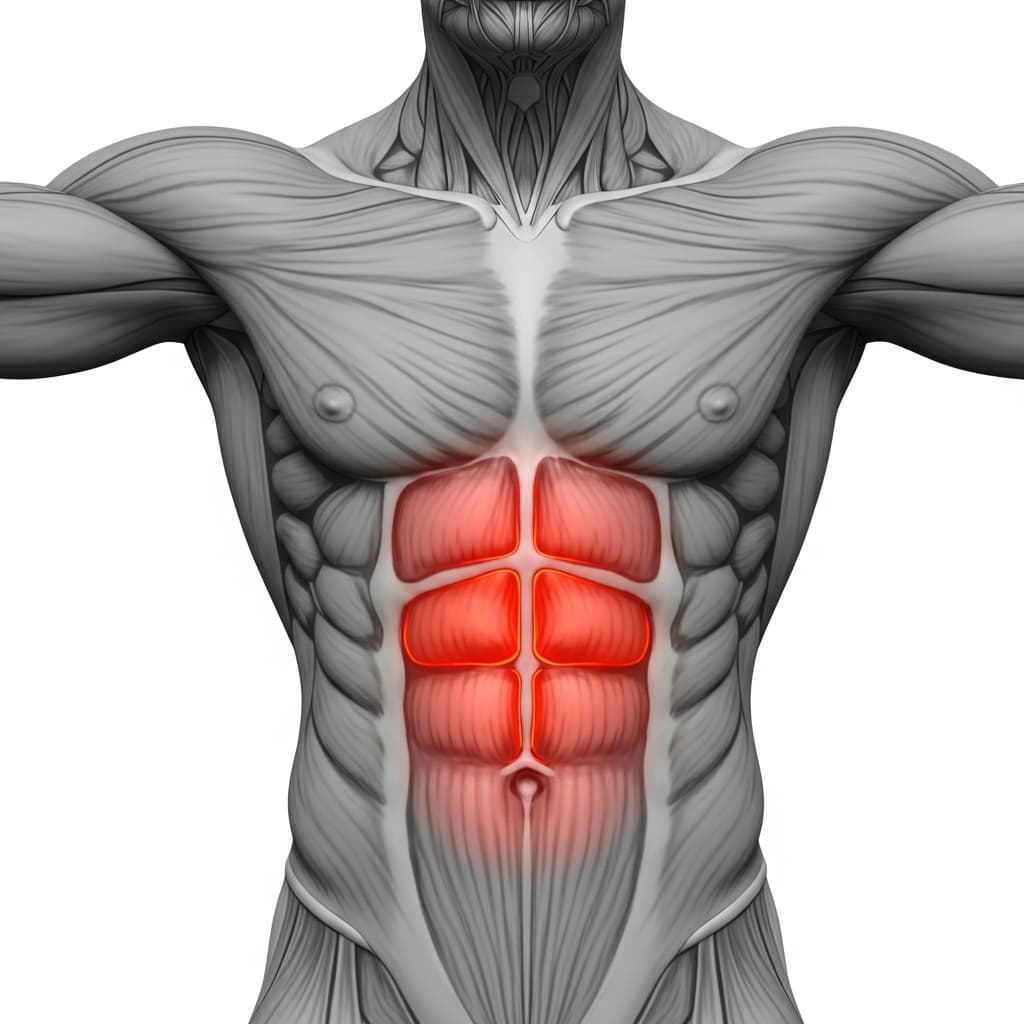
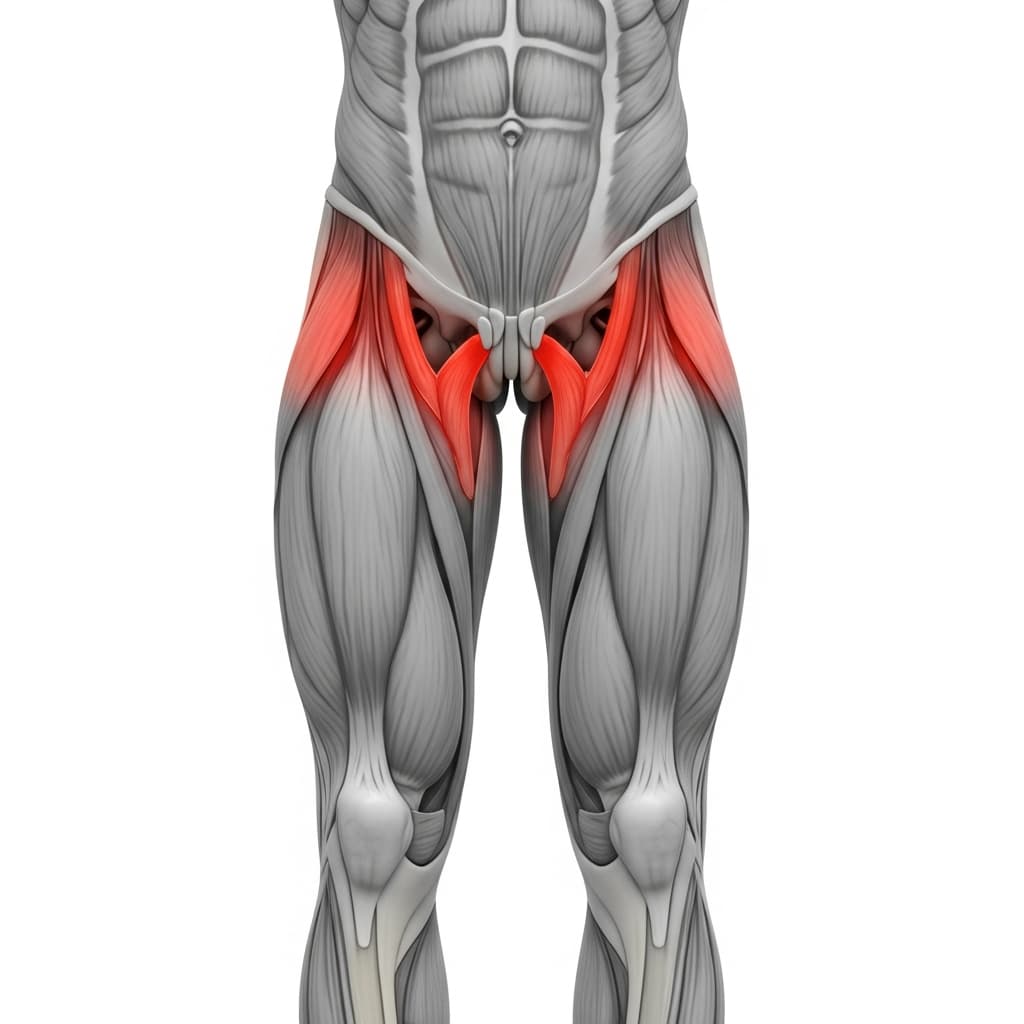
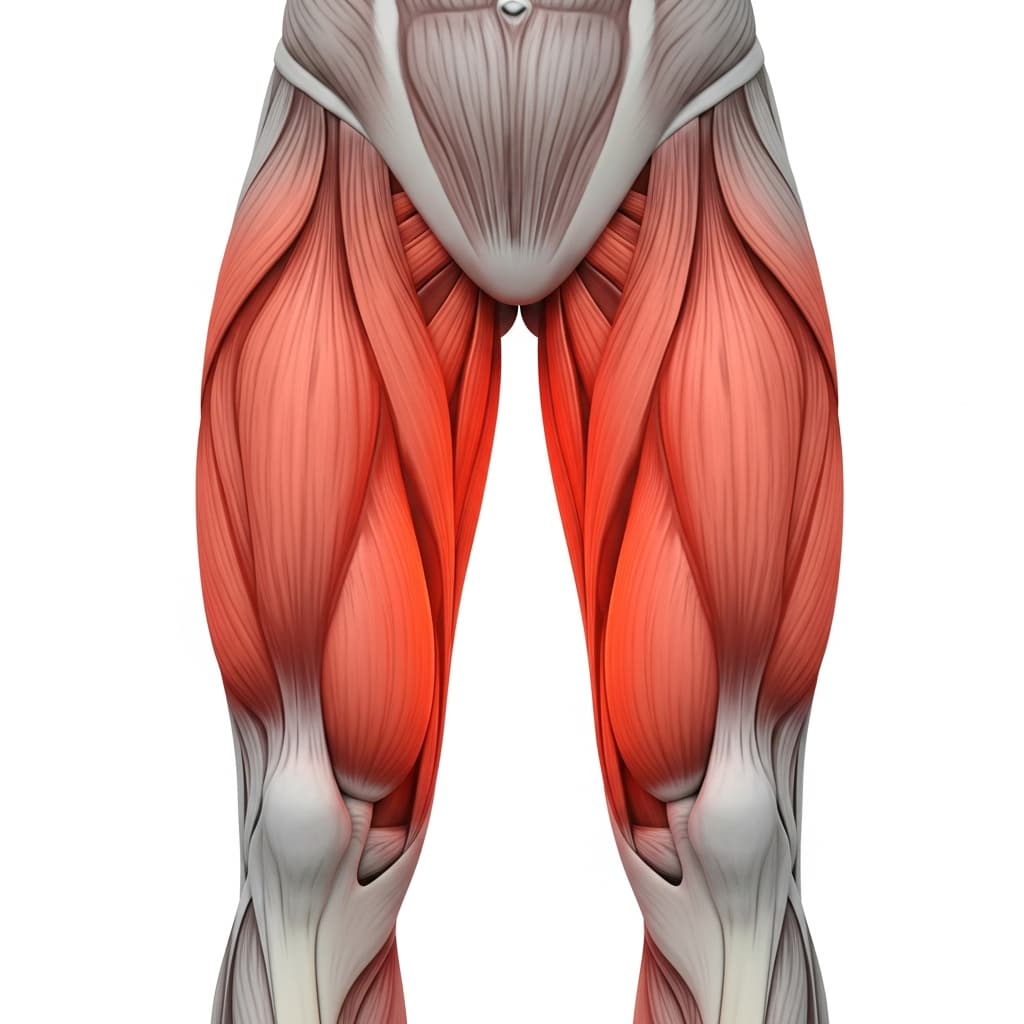
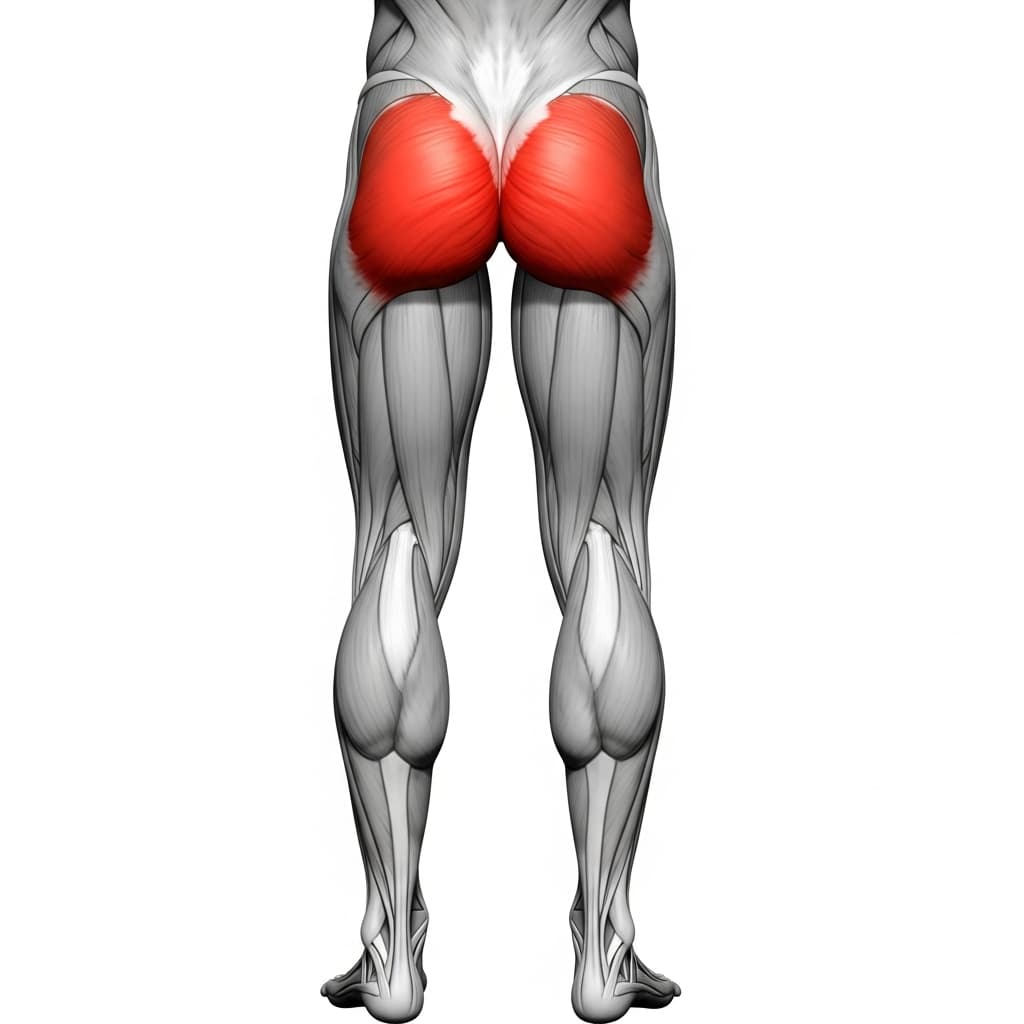
Primary Muscles
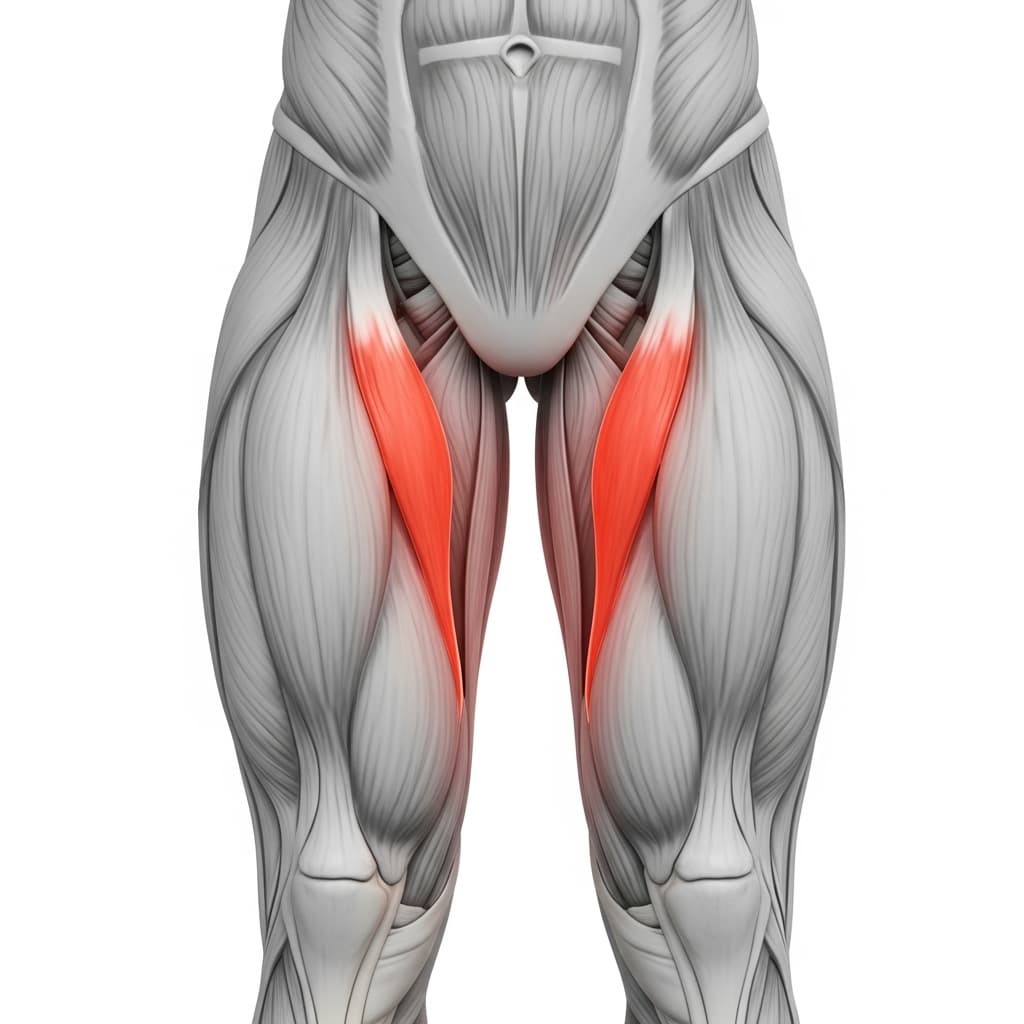
Quadriceps (Quads) - The quadriceps control the rate of knee flexion during the entire descent, resisting gravity eccentrically as you lower on one leg through full depth.
Gluteus Maximus (Glutes) - The glutes control hip flexion eccentrically and stabilize the pelvis laterally, preventing the hip from dropping or shifting during the single-leg descent.
Secondary Muscles
Hamstring Group (Hamstrings) - The hamstrings assist the glutes in controlling hip flexion and provide stability at the back of the knee joint as it bends under single-leg load.
Gastrocnemius & Soleus (Calves) - The calves stabilize the ankle joint and control forward shin angle, which is critical for keeping the heel planted throughout the lowering phase.
Rectus Abdominis (Abs) - The abdominals brace the torso and transfer force between the upper and lower body, preventing excessive forward collapse during the descent.
Iliopsoas (Hip Flexors) - The hip flexors hold the non-working leg elevated and extended in front of the body throughout the entire movement, working isometrically under sustained tension.
Hip Adductors (Adductors) - The adductors stabilize the standing leg from the inner thigh, preventing the knee from caving inward as load increases through the deeper portions of the squat.
Benefits of Assisted Negative Pistol Squat
- Builds the eccentric quad and glute strength needed at the deepest point of a pistol squat, which is the exact range where most people stall in their progression
- Develops single-leg balance and ankle stability under load, transferring directly to unilateral movements like lunges, step-ups, and running
- Trains hip flexor endurance by holding the non-working leg extended, which is a commonly overlooked requirement for pistol squat performance
- Improves active ankle dorsiflexion through loaded end-range positioning, reducing the need for elevated heel workarounds over time
- Allows progressive overload of the pistol squat pattern without needing the full concentric strength to push back up
Who Is This Exercise For?
You should be able to perform 8 to 10 deep bodyweight squats with your heels flat on the floor and hold a single-leg balance for at least 15 seconds before attempting this exercise. If your heels lift during a regular deep squat, work on ankle mobility and goblet squats to full depth first. Basic single-leg box squats to a bench height are also a useful prerequisite to confirm you have enough unilateral strength to control the descent.
Common Mistakes to Avoid
Dropping too fast on the descent: The entire value of this exercise is in the slow, controlled lowering phase. Aim for a 4 to 6 second descent on every rep. If you cannot control the speed, use more assistance from the support until you build the eccentric strength.
Letting the heel lift off the floor: Keep the full foot planted throughout the movement. If your heel rises, it usually means limited ankle dorsiflexion. Reduce the depth of each rep and work on ankle mobility separately until you can maintain heel contact through the full range.
Pulling too hard on the support: The support is for balance and light offloading, not for hauling yourself through the movement. If you are gripping hard and pulling with your arms, your legs are not doing enough work. Use the minimum amount of assistance that lets you control the descent.
Letting the non-working leg drop: Keep the extended leg as straight and elevated as you can throughout the descent. A drooping leg shifts your center of gravity and reduces the demand on your hip flexors, which need to develop for the full pistol squat.
Trying to stay too upright: A slight forward lean over the standing leg is normal and mechanically necessary during single-leg squats. Forcing a completely vertical torso shifts the load away from the glutes and makes balance much harder.
Variations & Progressions
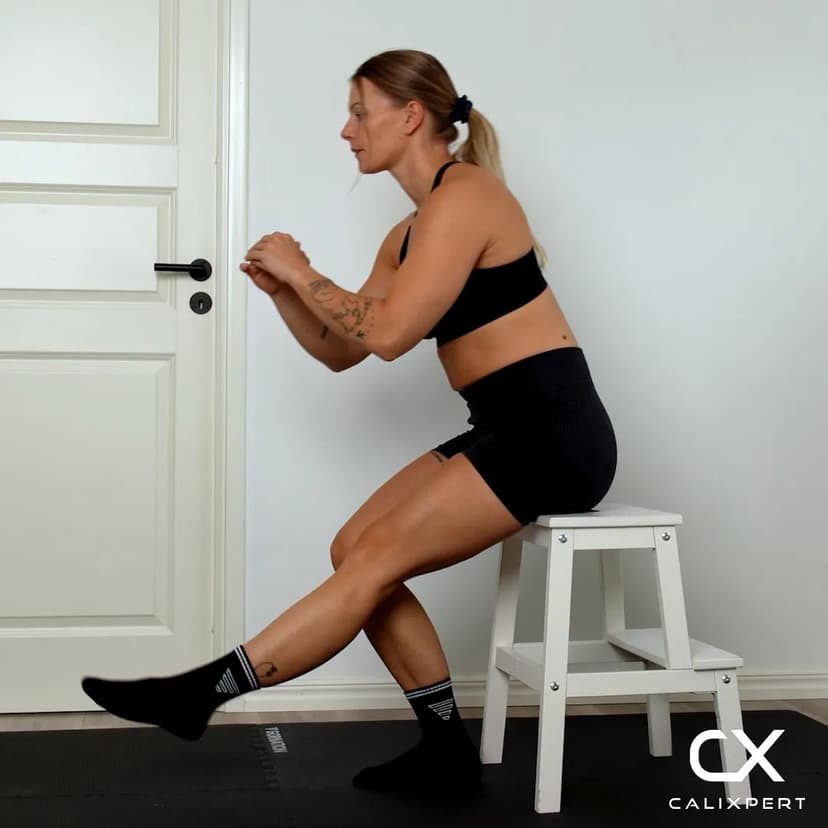
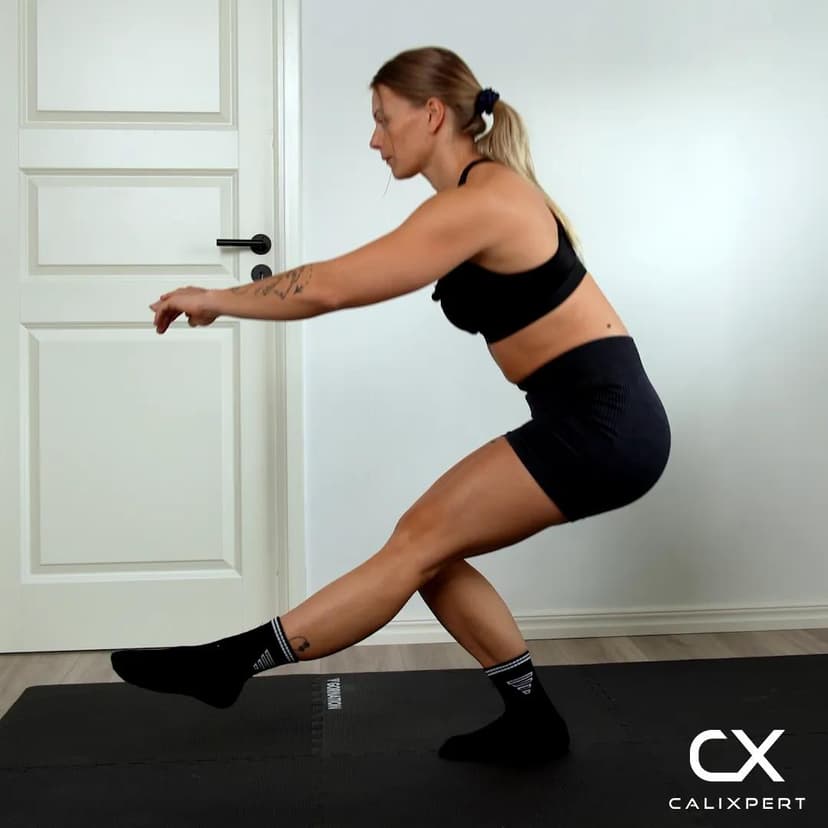
Full Assisted Pistol Squat
Add the concentric phase by pulling yourself back up on one leg with light assistance. This progresses the exercise from eccentric-only to a full rep and demands much more quad strength at the bottom.