Long Plank
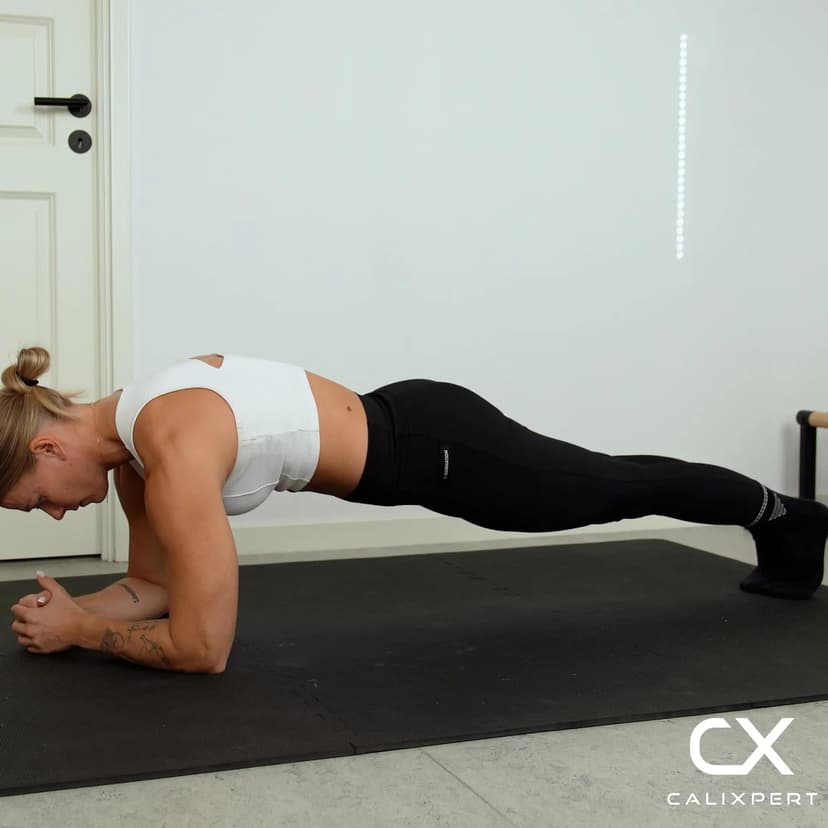
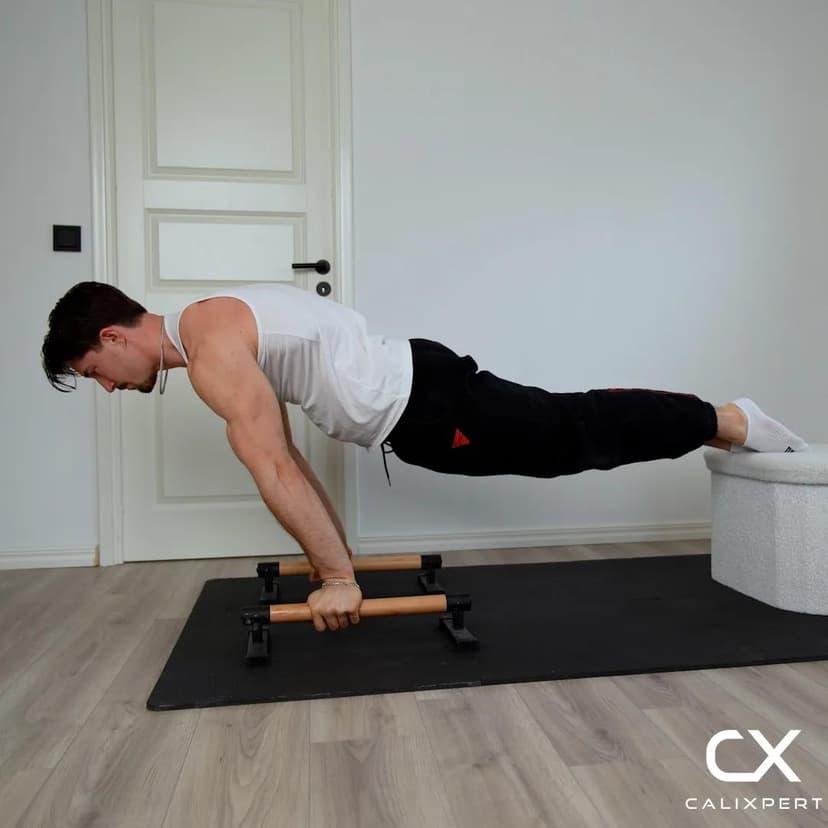
The long plank is an extended-lever core hold where the hands are placed further forward than in a standard plank, increasing the demand on the abs, shoulders, and full-body tension. This forward hand position lengthens the lever arm and forces the core to work significantly harder to prevent the hips from sagging. When performed with proper form, the long plank builds the kind of deep core stability and shoulder endurance that transfers directly to hollow body holds, handstands, and advanced calisthenics skills.
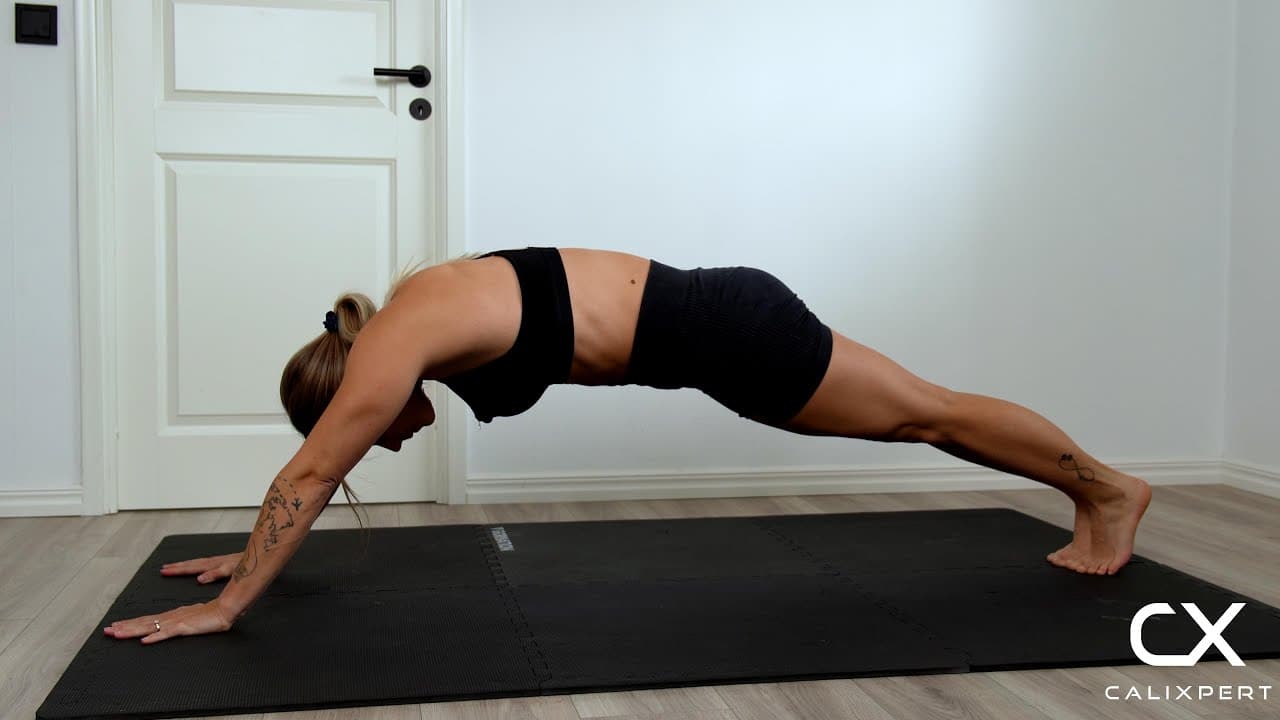
The long plank is an extended-lever core hold where the hands are placed further forward than in a standard plank, increasing the demand on the abs, shoulders, and full-body tension. This forward hand position lengthens the lever arm and forces the core to work significantly harder to prevent the hips from sagging. When performed with proper form, the long plank builds the kind of deep core stability and shoulder endurance that transfers directly to hollow body holds, handstands, and advanced calisthenics skills.
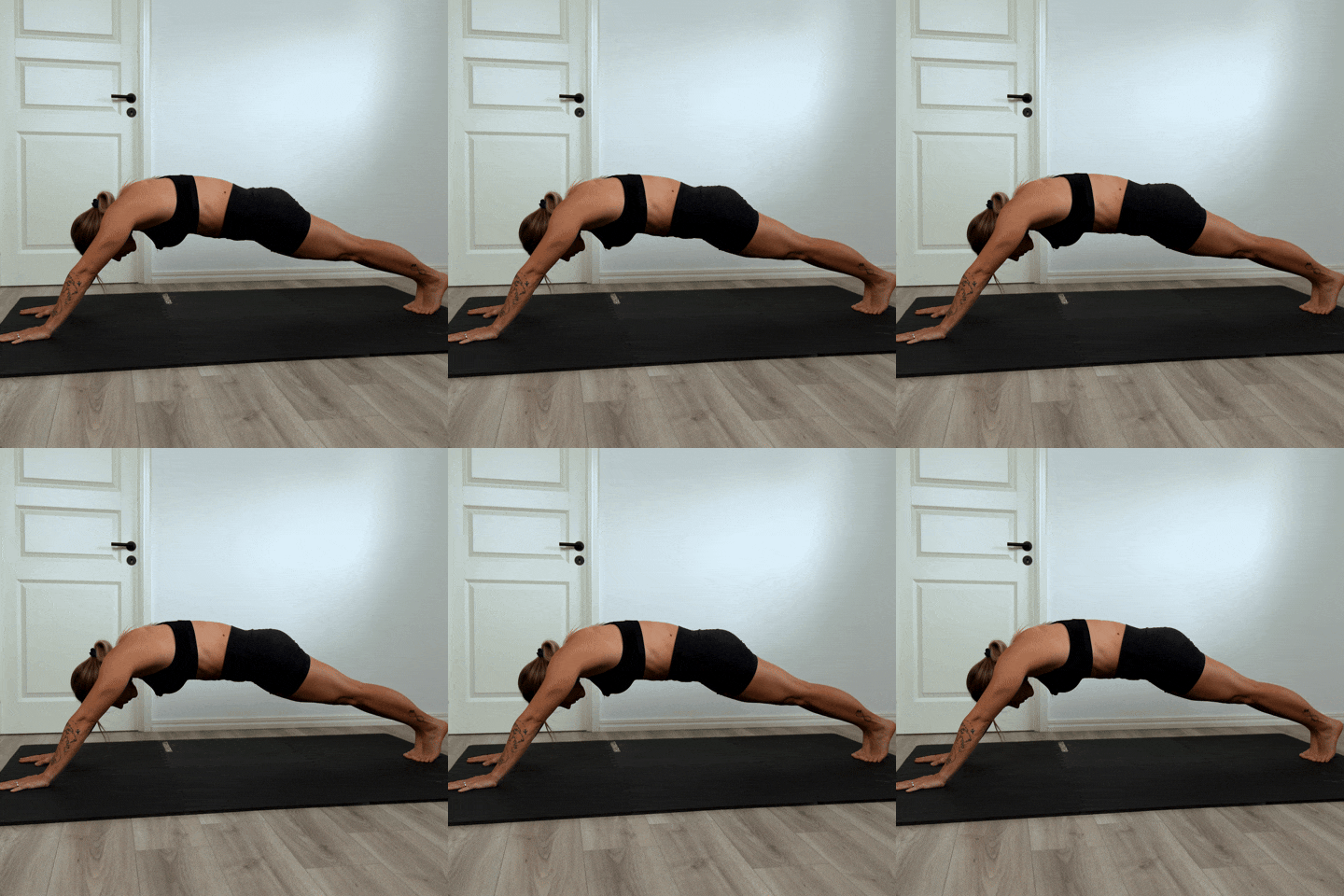
How to Do Long Plank
1. Start in a High Plank
Place your hands directly under your shoulders with arms fully extended and palms flat on the floor. Extend your legs behind you with toes on the ground and your body forming a straight line from head to heels. Squeeze your glutes and brace your core before moving into the extended position.
Straight line from head to heels
2. Walk Your Hands Forward
From the high plank, walk your hands forward one at a time, moving them further ahead of your shoulders. Go as far forward as you can while still maintaining a flat back and engaged core. Stop the moment you feel your form start to break down. The further forward your hands are, the longer the lever and the harder the hold becomes.
Only go as far as your form allows
3. Tuck the Belly and Brace
Once your hands are in position, tuck your belly in by pulling your navel toward your spine and slightly tilting your pelvis under you. This posterior pelvic tilt prevents the lower back from arching and keeps the load in the abs where it belongs. Breathe steadily through the hold without releasing this tension.
Tuck the belly, flatten the back
4. Push the Floor Away
Actively press your palms into the ground and push your body slightly backward. This engages the serratus anterior and keeps the shoulders stable and elevated rather than sinking between the shoulder blades. Think about creating distance between your chest and the floor.
Push yourself away from the floor
5. Keep Legs Straight and Engaged
Lock your knees and squeeze your quads to keep your legs completely straight. Engage your glutes to support the hips and prevent them from dropping. A soft or bent leg shifts tension out of the core and makes the hold less effective.
Squeeze the legs, lock the knees
6. Hold and Exit Safely
Maintain the position for the prescribed time while breathing steadily. When you can no longer hold a straight body line with proper tension, lower your knees to the floor to end the set. Never let your hips sag just to hold the position longer.
End the set before form breaks
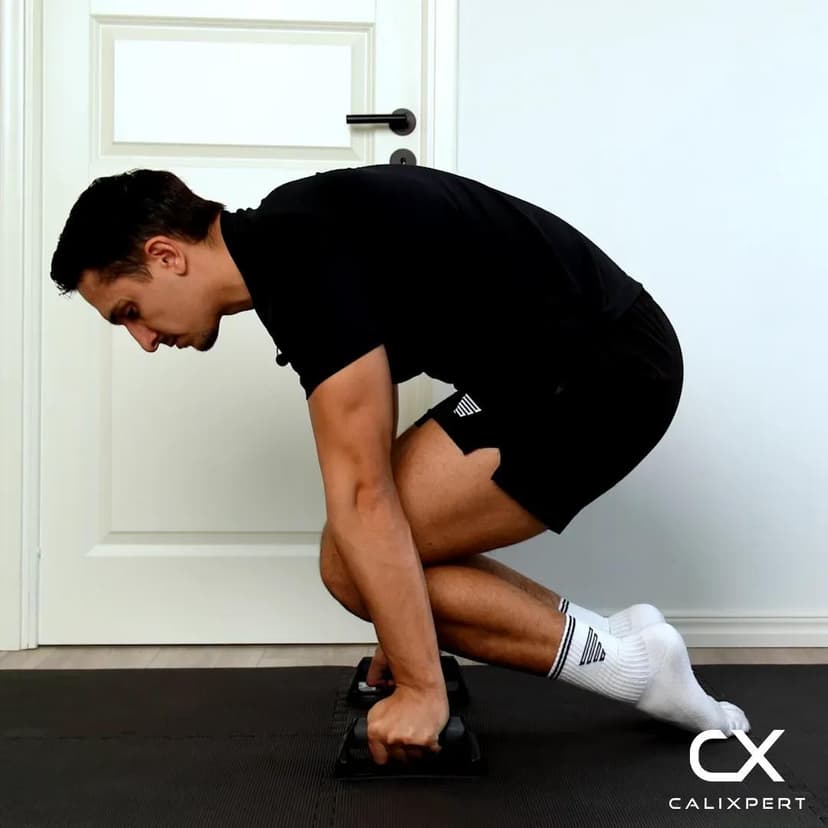
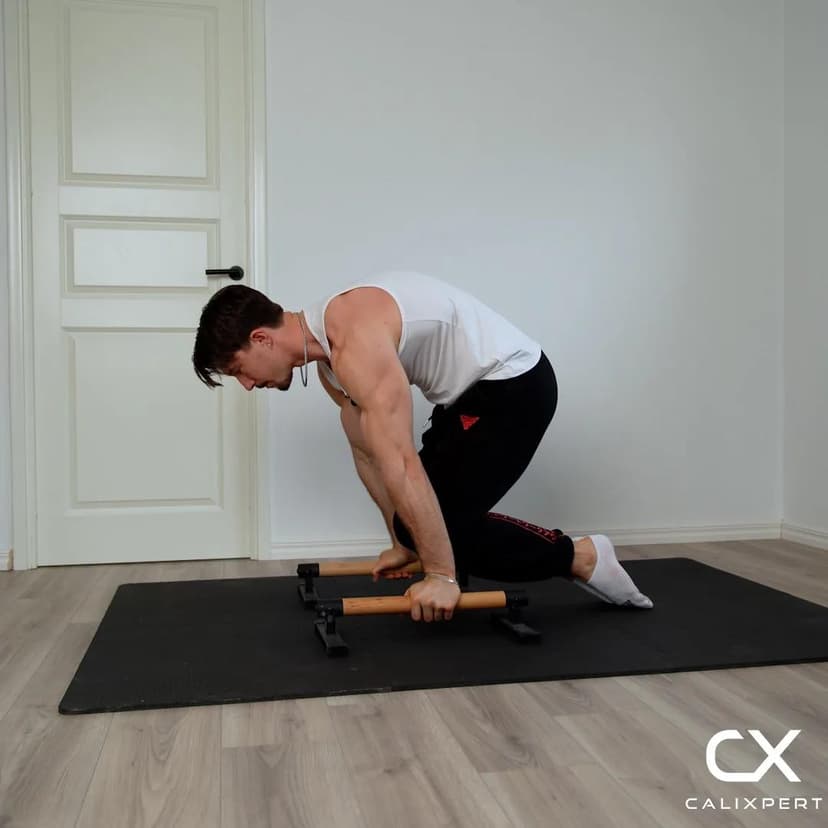
Most people lose the long plank at the hips, not the arms. The fix is simple: before you even walk your hands forward, squeeze the glutes and tuck the pelvis like you are trying to flatten your lower back against an imaginary wall. Once you have that position locked in, then walk forward. You will notice you cannot go as far, but the hold is ten times more effective.
Muscles Worked During Long Plank
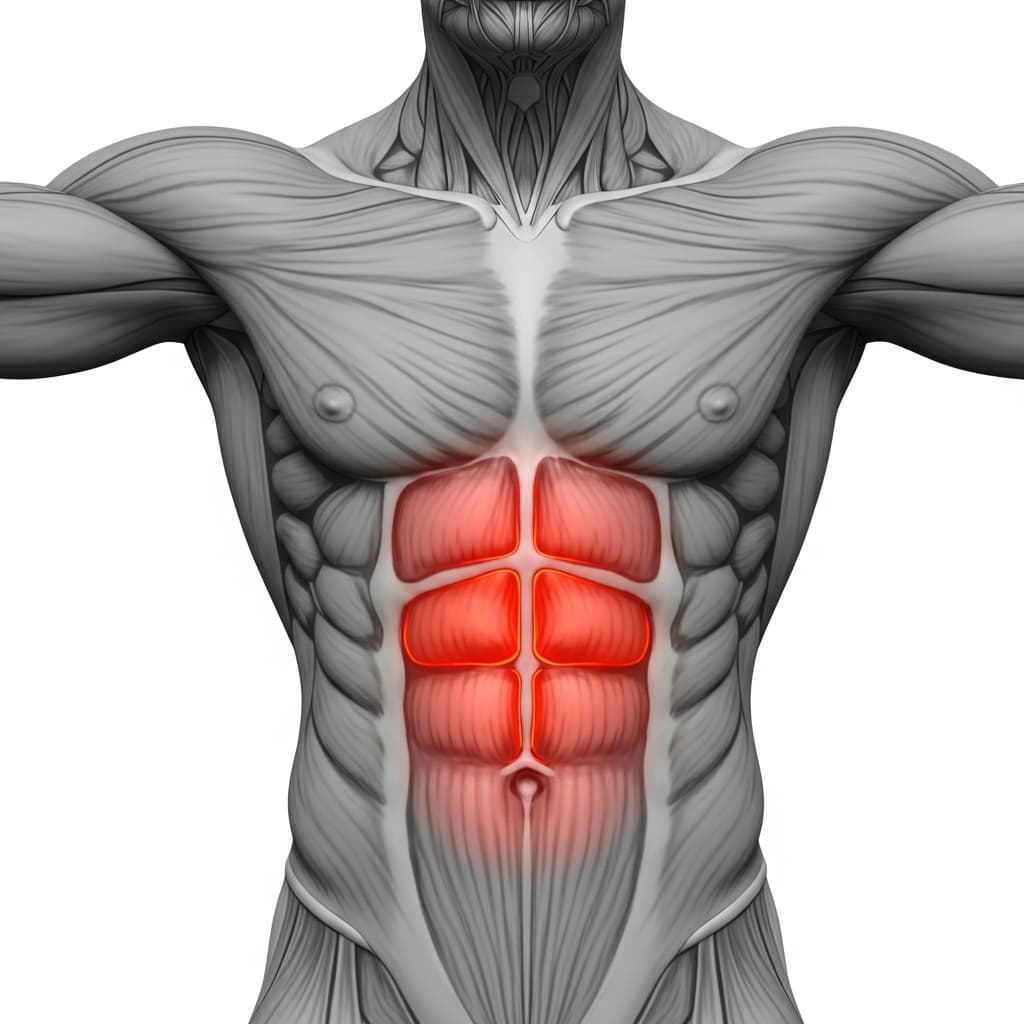
Primary Muscles:
Secondary Muscles:
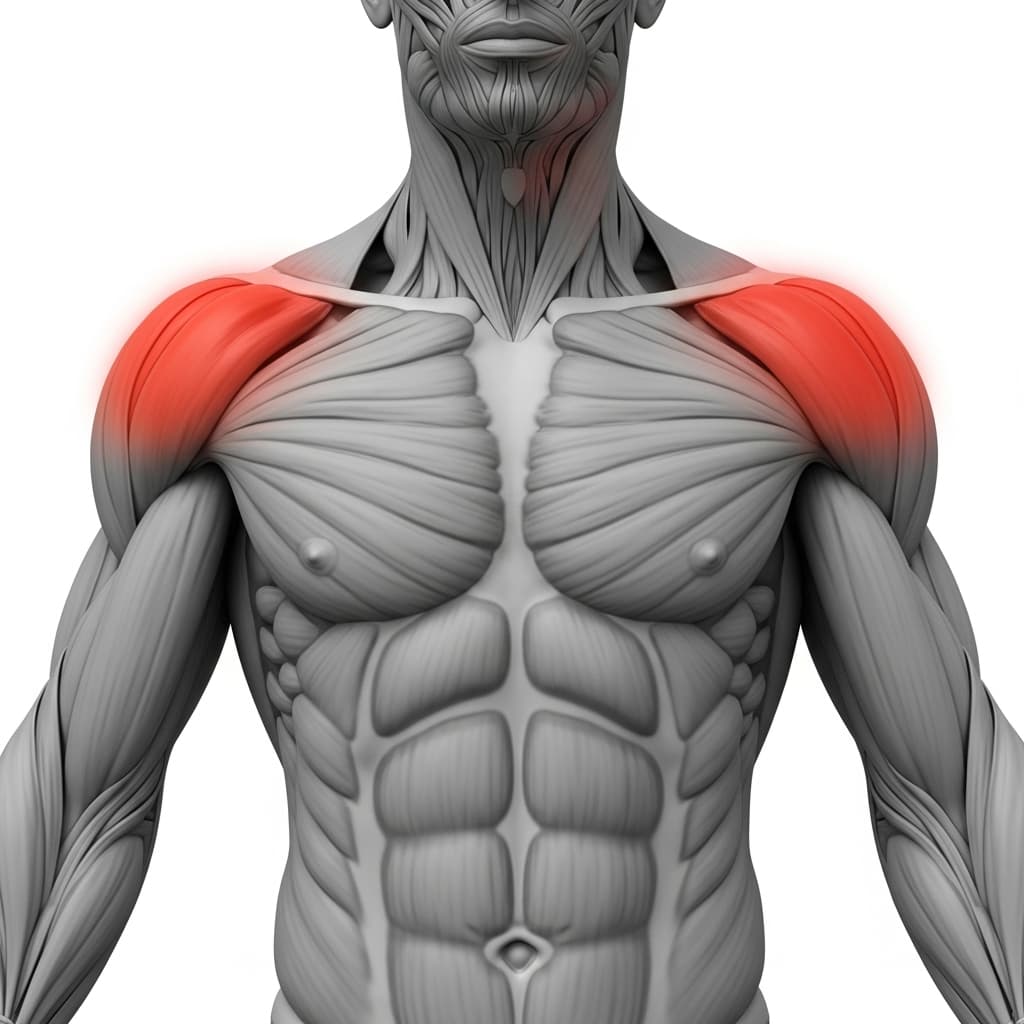
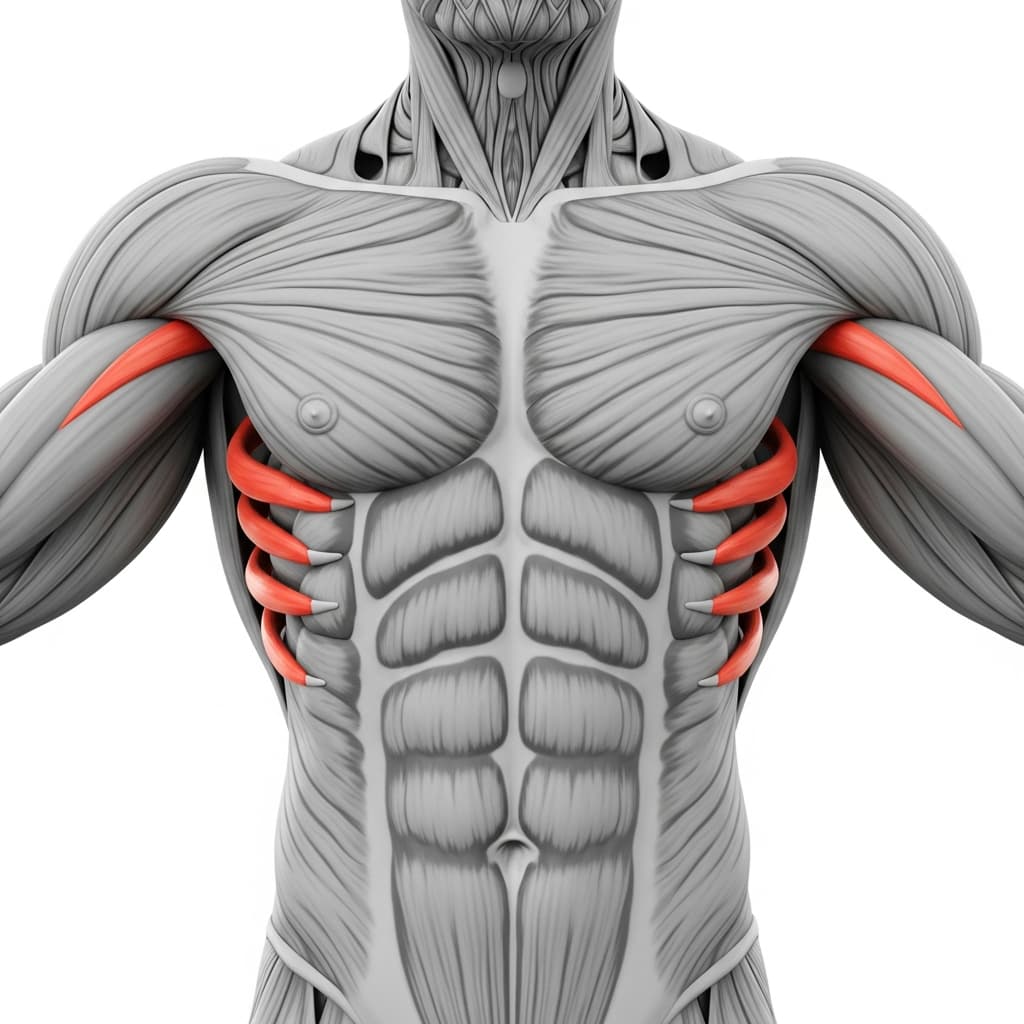
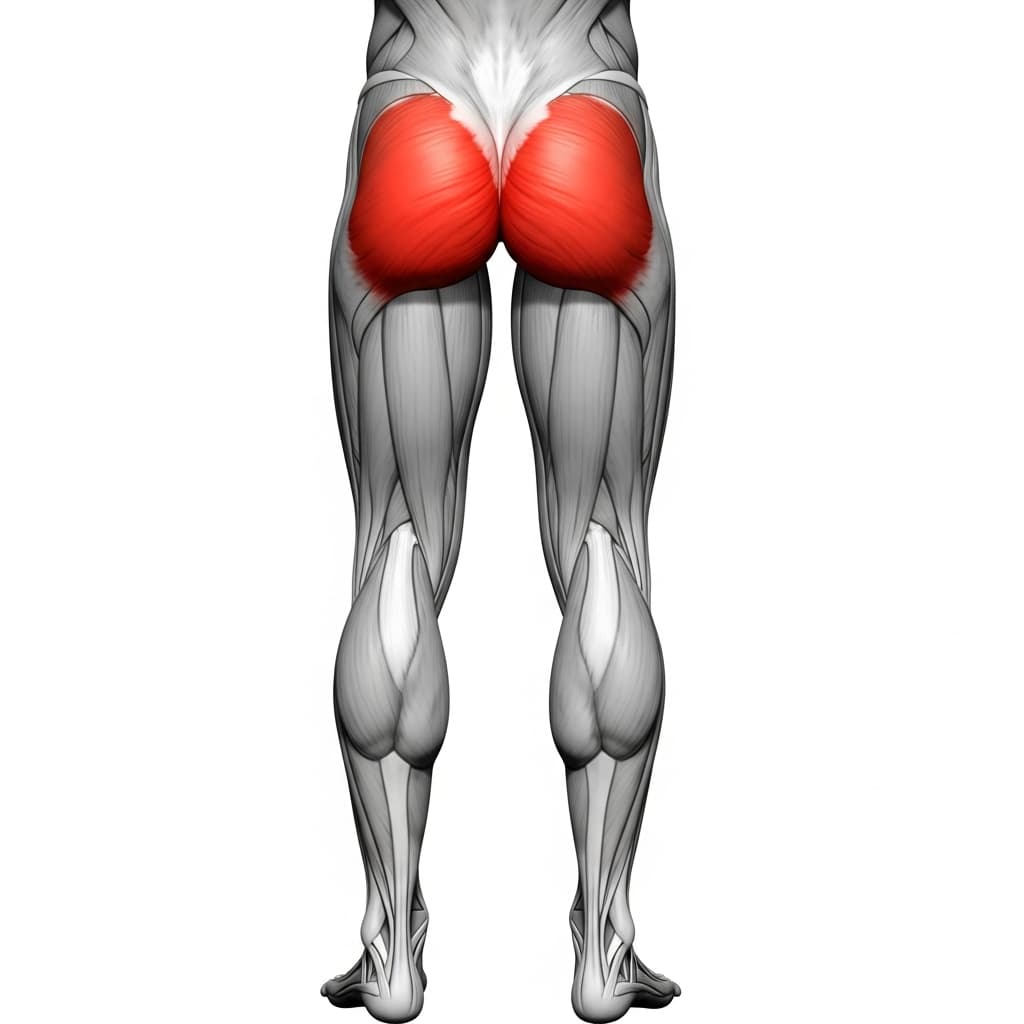
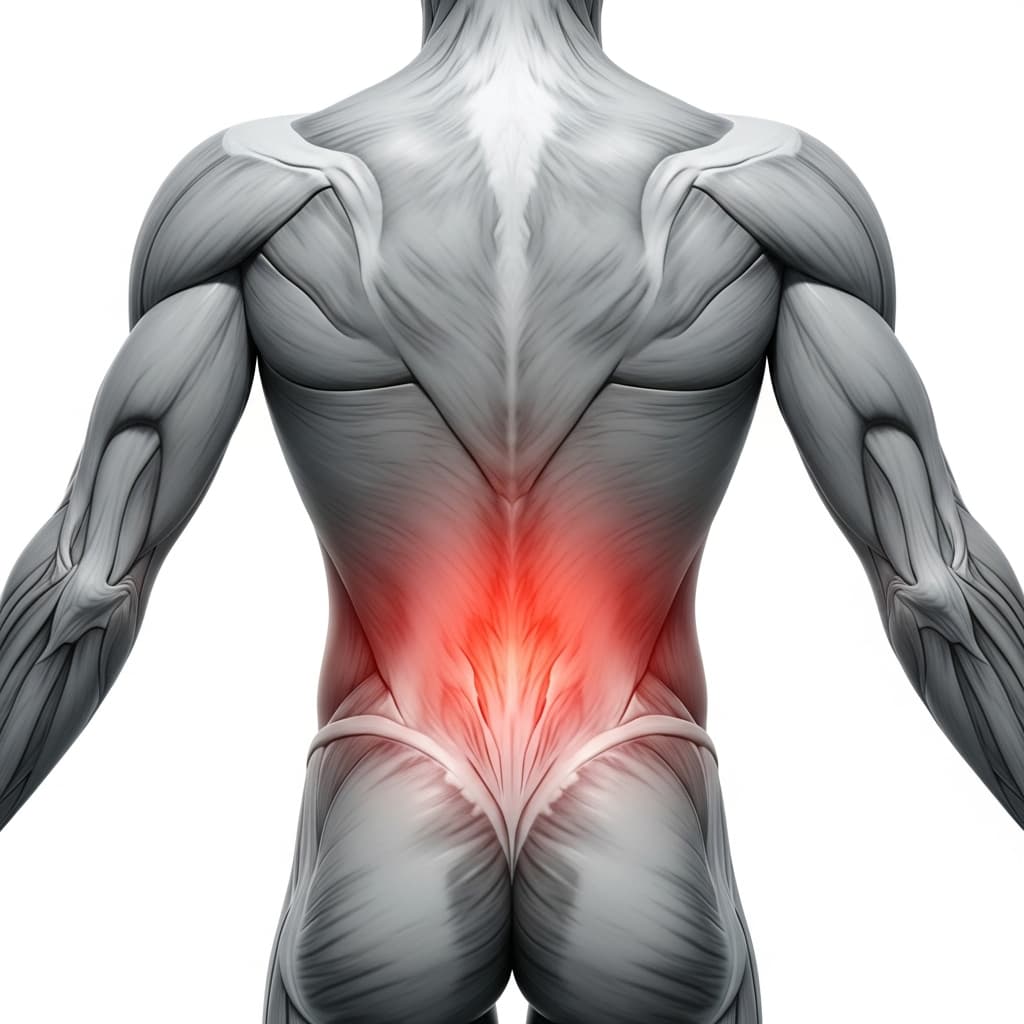
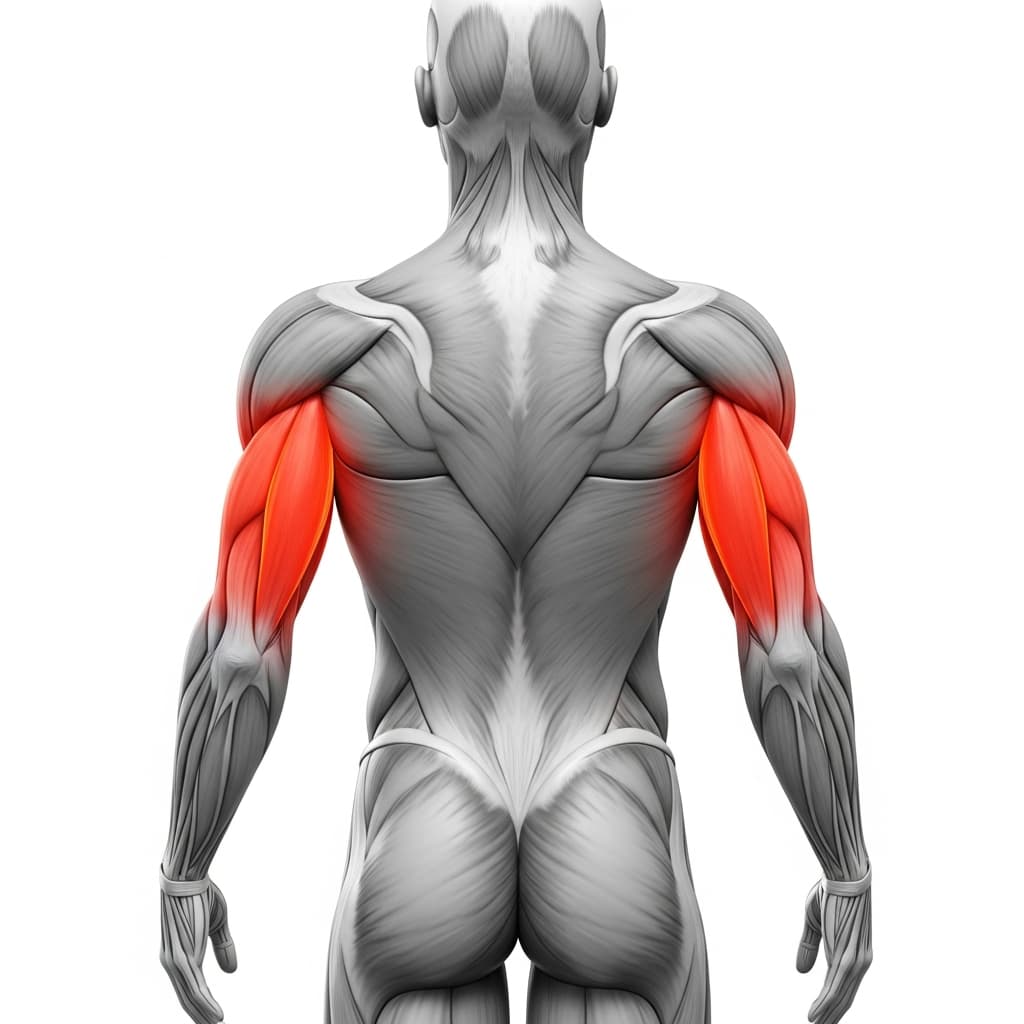
Primary Muscles
Rectus Abdominis (Abs) - The rectus abdominis and deep core muscles work isometrically to resist spinal extension and keep the torso in a straight line against the increased leverage of the extended hand position.
Secondary Muscles
Anterior Deltoid (Front Deltoid) - The anterior deltoids stabilize the shoulder joint and support the body's weight in the extended arm position throughout the hold.
Serratus Anterior (Serratus Anterior) - The serratus anterior protracts the shoulder blades and pushes the torso away from the floor, preventing the chest from sinking between the arms.
Gluteus Maximus (Glutes) - The glutes extend and stabilize the hips, preventing them from sagging and maintaining the straight body line from shoulders to heels.
Erector Spinae (Lower Back) - The spinal erectors co-contract with the abs to maintain a neutral lumbar spine under the extended lever load.
Triceps Brachii (Triceps) - The triceps keep the elbows locked and arms fully extended, supporting the body's weight through the straight-arm position.
Benefits of Long Plank
- Builds deep core stability under an extended lever, training the abs to resist spinal extension far more than a standard plank
- Develops shoulder endurance and scapular stability in a protracted position, which carries over directly to planche and handstand training
- Strengthens the lower back and glutes isometrically, reinforcing the posterior chain's ability to maintain a neutral spine under load
- Teaches full-body tension and breathing under sustained effort, a skill that underpins every advanced calisthenics hold
Who Is This Exercise For?
You should be able to hold a standard high plank for at least 30 seconds with a flat back and engaged core before attempting the long plank. If your hips sag or your lower back arches during a regular plank, master that position first. Jumping straight to the long plank without baseline plank strength puts unnecessary stress on the shoulders and lower back.
Common Mistakes to Avoid
Sagging hips and arched lower back: Tuck your pelvis under and pull your navel toward your spine throughout the entire hold. If your hips drop, the lower back takes the load instead of the abs.
Hands too far forward too soon: Walk forward only as far as you can maintain a perfectly flat back. Going beyond your current strength level turns the exercise into a lower back strain rather than a core hold.
Sinking between the shoulder blades: Actively push the floor away with your palms to keep the shoulders elevated and protracted. Sinking down disengages the serratus and places stress on the shoulder joint.
Holding breath during the set: Breathe in through the nose and out through the mouth in a controlled rhythm. Holding your breath spikes blood pressure and causes you to fatigue much faster than necessary.