Belly Back Raises
Belly back raises are a prone spinal extension exercise that targets the spinal erectors, glutes, and upper back through a controlled lifting and lowering of the torso. The movement is performed entirely on the floor with the lower body pinned down, which isolates the posterior chain without loading the spine under compression. When performed with strict form and no momentum, belly back raises build the foundational back strength and body awareness required for harder calisthenics progressions like back levers and strict handstand work.
Belly back raises are a prone spinal extension exercise that targets the spinal erectors, glutes, and upper back through a controlled lifting and lowering of the torso. The movement is performed entirely on the floor with the lower body pinned down, which isolates the posterior chain without loading the spine under compression. When performed with strict form and no momentum, belly back raises build the foundational back strength and body awareness required for harder calisthenics progressions like back levers and strict handstand work.
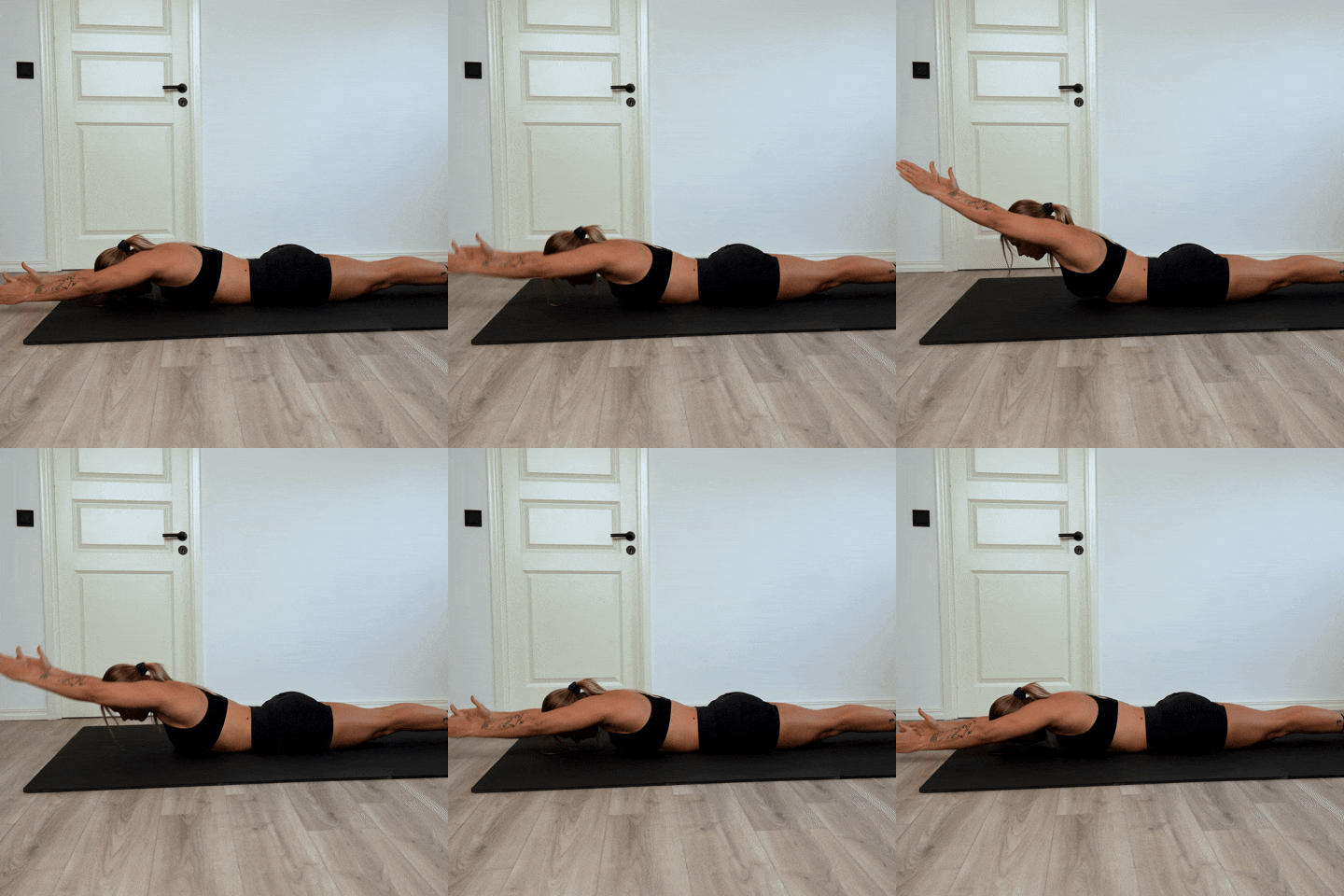
How to Do Belly Back Raises
1. Lie Prone With Legs Together
Lie face down on the floor with your legs fully extended and pressed together. Point your toes and squeeze your glutes so your entire lower body is locked in place. Your lower body must remain in full contact with the floor throughout every rep.
Legs together, glutes squeezed, feet touching
2. Set Head and Hand Position
Place your forehead on the floor to establish a neutral head and neck position. Bring your hands up beside your ears with your elbows flared out to the sides. Do not interlace your fingers behind your head, as this encourages pulling on the neck during the lift.
Forehead down, hands by ears
3. Lift the Upper Body Only
Contract your spinal erectors and lift your chest and upper torso off the floor in a controlled motion. Keep the lift moderate, there is no need to hyperextend. Your hips and legs stay pressed into the ground the entire time. Exhale as you rise.
Lift the chest, not the legs
4. Squeeze at the Top
At the top of the movement, hold for a brief pause and actively squeeze your upper back and glutes. Your neck should remain neutral with your gaze directed at the floor just ahead of you. This pause eliminates momentum and forces the spinal erectors to do the full work.
Pause and squeeze at the top
5. Lower Under Control
Slowly lower your upper body back toward the floor, resisting gravity on the way down. Do not let your chest drop or relax completely at the bottom. Maintain light tension in your back and glutes so you are ready to initiate the next rep without resetting from zero.
Slow descent, never just drop
Most people treat this exercise like a speed drill and wonder why their lower back never gets stronger. Slow down, squeeze the glutes before you even lift, and think about peeling your chest off the floor one vertebra at a time. When you control the descent just as much as the ascent, you will feel the spinal erectors working in a way that fast reps never deliver.
Muscles Worked During Belly Back Raises
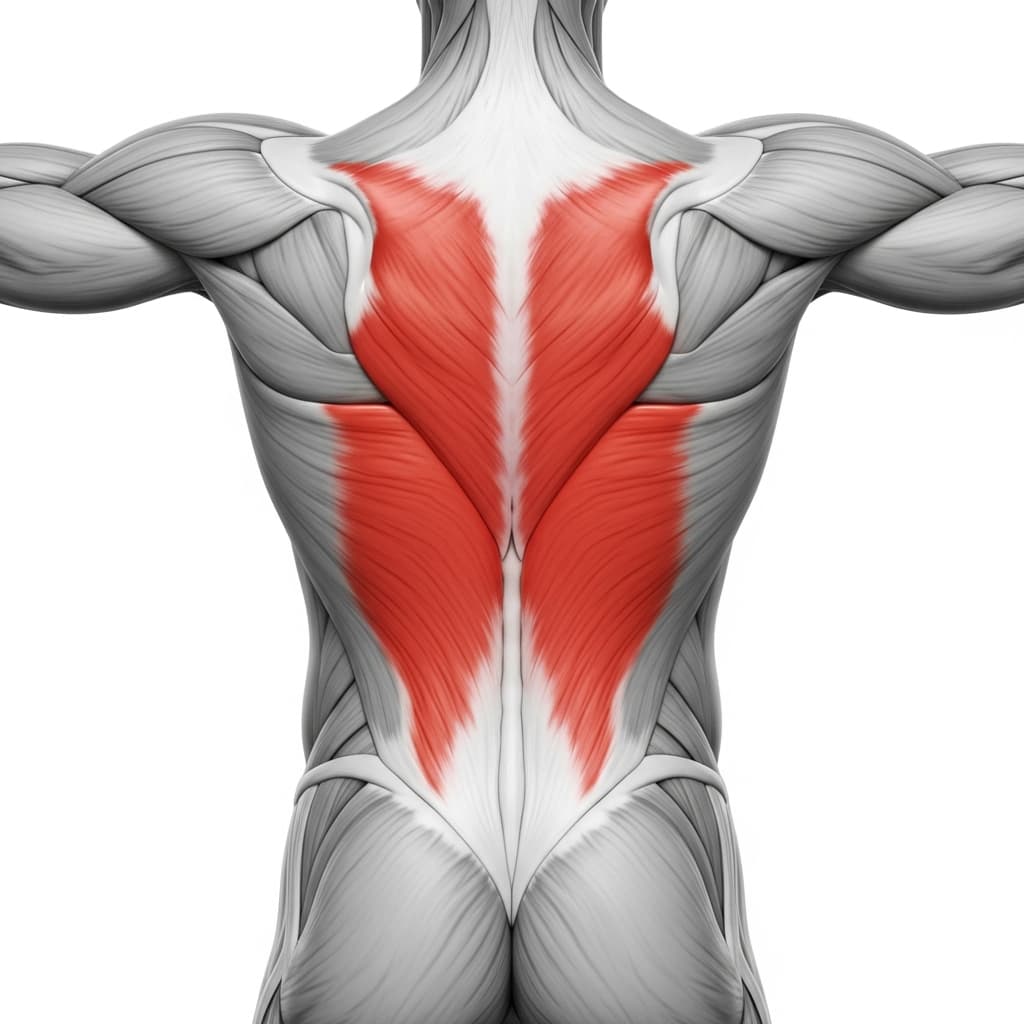
Primary Muscles:
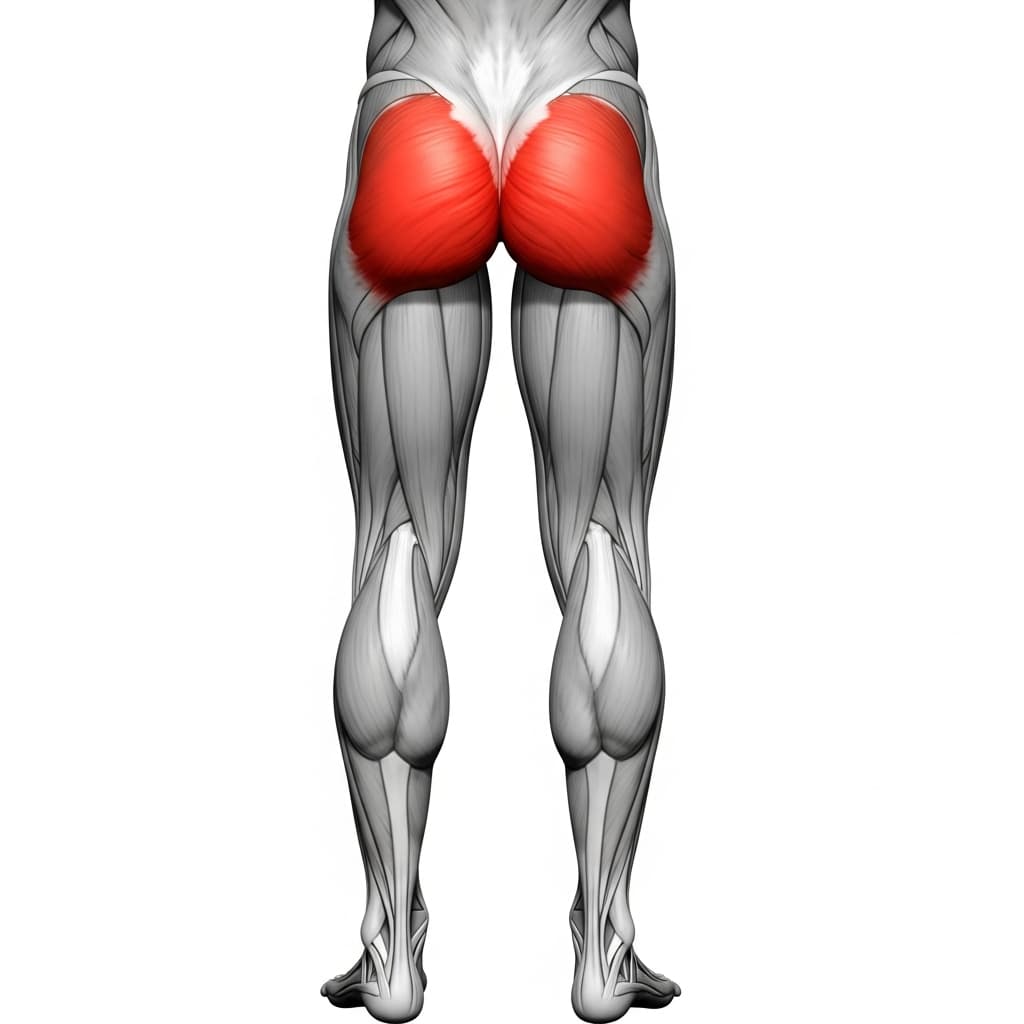
Secondary Muscles:
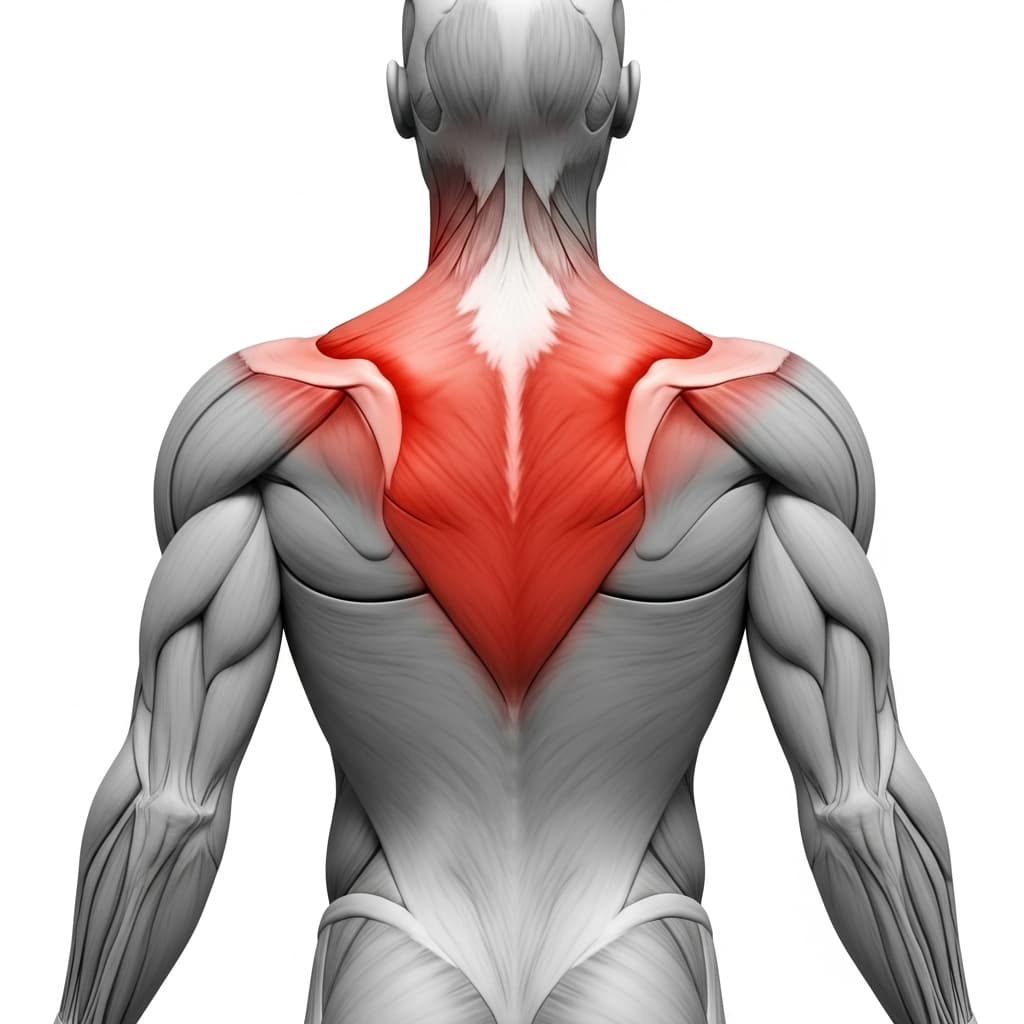
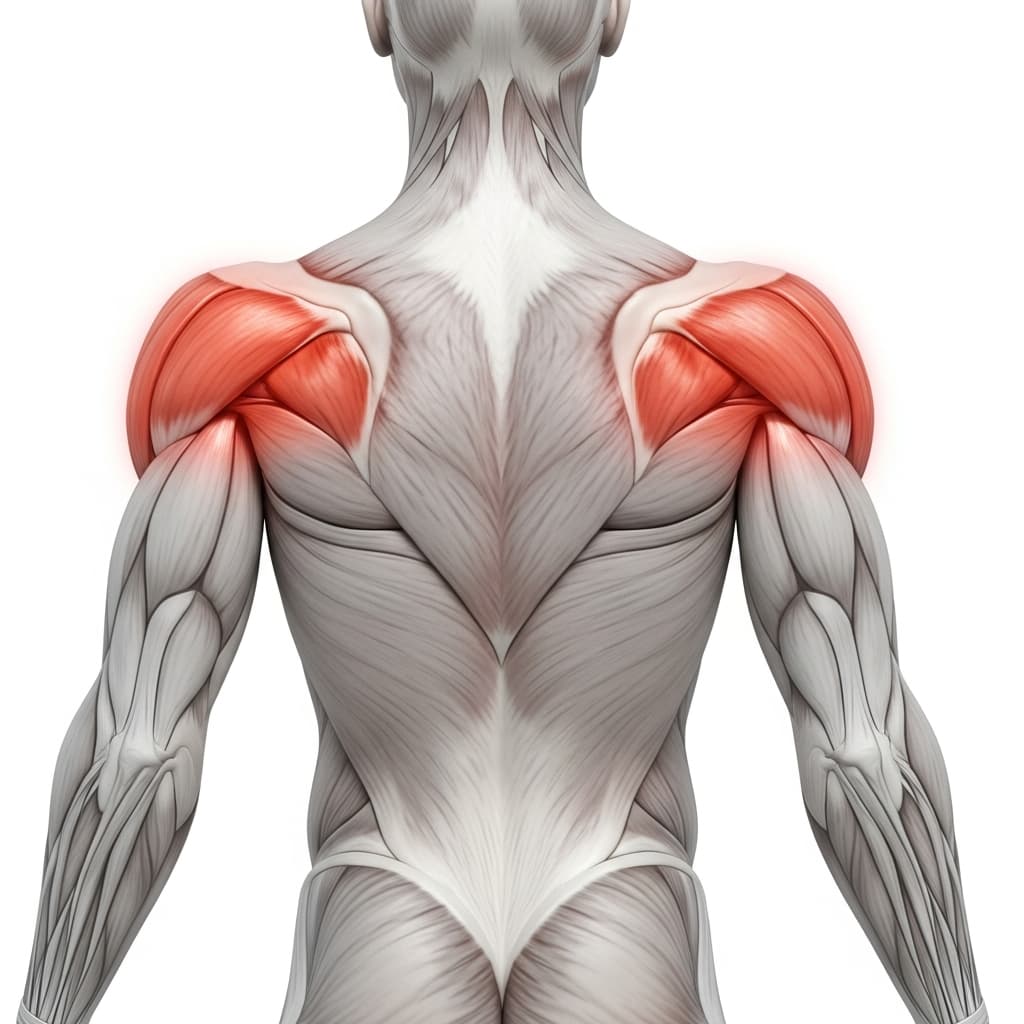
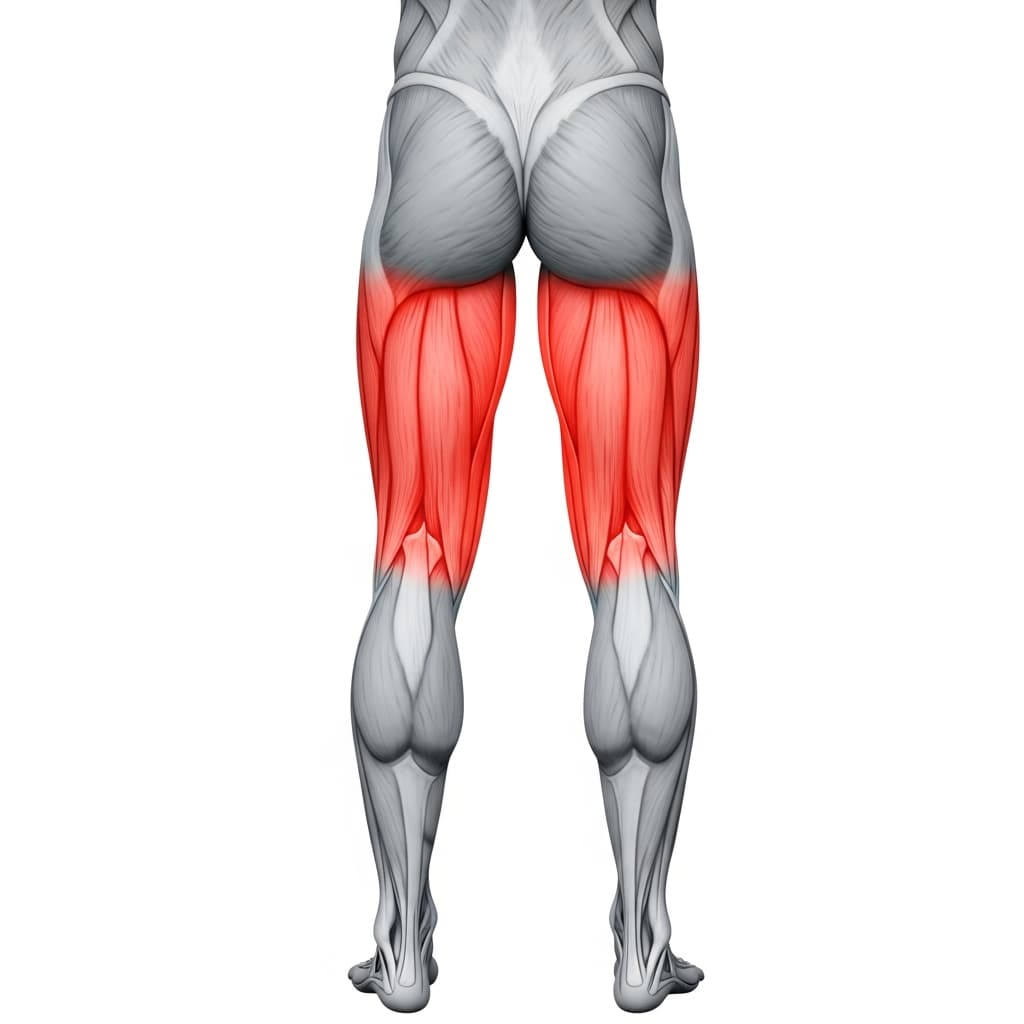
Primary Muscles
Erector Spinae (Spinal Erectors) - The spinal erectors contract concentrically to extend the thoracic and lumbar spine, lifting the upper body off the floor against gravity.
Secondary Muscles
Gluteus Maximus (Glutes) - The glutes contract isometrically throughout the movement to anchor the pelvis and prevent the hips and legs from lifting off the floor.
Trapezius (Trapezius) - The middle and lower traps engage at the top of each rep to retract the shoulder blades and stabilize the upper back in the extended position.
Posterior Deltoid (Rear Deltoid) - The rear deltoids assist in holding the arms in position beside the ears and contribute to shoulder stability during the upper body lift.
Hamstring Group (Hamstrings) - The hamstrings co-contract with the glutes to help stabilize the pelvis and keep the lower body pressed firmly into the floor.
Benefits of Belly Back Raises
- Strengthens the spinal erectors through their full contractile range without any compressive spinal loading, making it one of the safest ways to build lower back endurance
- Develops the glute and hamstring co-contraction pattern needed to stabilize the pelvis during handstands, back levers, and other skill-based calisthenics movements
- Improves thoracic extension and upper back engagement, which directly transfers to better posture and stronger pulling mechanics in rows and pull-ups
- Builds posterior chain awareness and control that reduces injury risk during heavy or explosive movements like muscle-ups and weighted squats
Who Is This Exercise For?
You should be able to hold a prone position on the floor with your glutes actively squeezed and your lower body completely still before adding the upper body lift. If you cannot maintain a neutral neck position or feel sharp pinching in the lower back when lifting even slightly, start with isometric prone holds to build baseline endurance in the spinal erectors. This exercise has a low barrier to entry, but rushing into high-rep sets without the ability to control the descent will limit its effectiveness, so make sure to take it easy.
Common Mistakes to Avoid
Lifting the legs off the floor: Your entire lower body must stay pinned to the ground throughout every rep. If your legs lift, you are converting the exercise into a superman and losing the isolated spinal extension that makes belly back raises effective. Squeeze your glutes harder to anchor the hips.
Cranking the neck upward: Keep your gaze directed at the floor and your neck in a neutral position throughout the movement. Looking up or forward shifts stress onto the cervical spine and takes tension off the muscles you are trying to train.
Hyperextending the lower back: Lift only until your chest clears the floor and your upper back engages. Going higher does not increase muscle activation but does increase compression on the lumbar spine. A controlled, moderate range of motion is more effective than maximal height.
Rushing through reps: Each rep should have a deliberate lift, a brief hold at the top, and a controlled descent lasting at least two seconds. Fast, bouncy reps use momentum instead of muscle contraction and reduce the training effect significantly.
Variations & Progressions
Arms-at-sides belly back raises
Place your arms along your sides instead of by your ears. This shortens the lever arm and reduces the load on the spinal erectors, making the lift more manageable for beginners building their first reps.
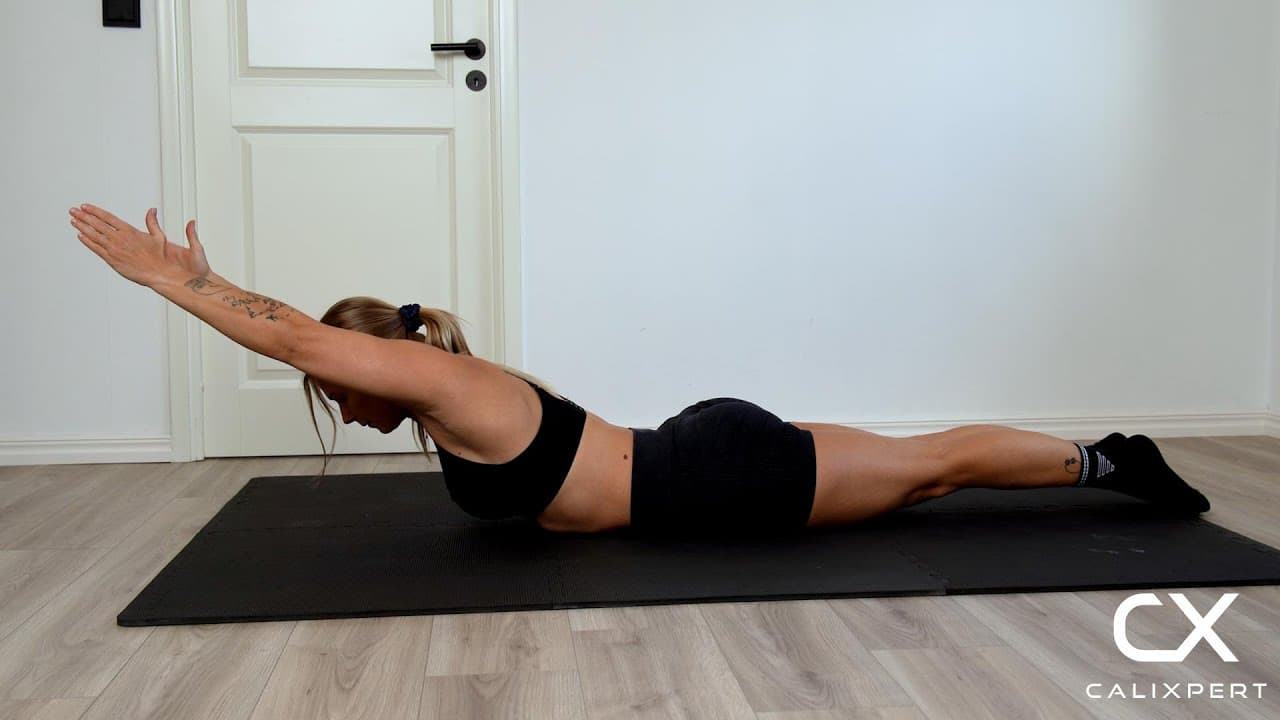
Arms-extended belly back raises
Extend both arms straight overhead so your biceps are beside your ears. This longer lever arm significantly increases the demand on the spinal erectors and upper back, and is the direct progression once the standard version feels easy for sets of 15.