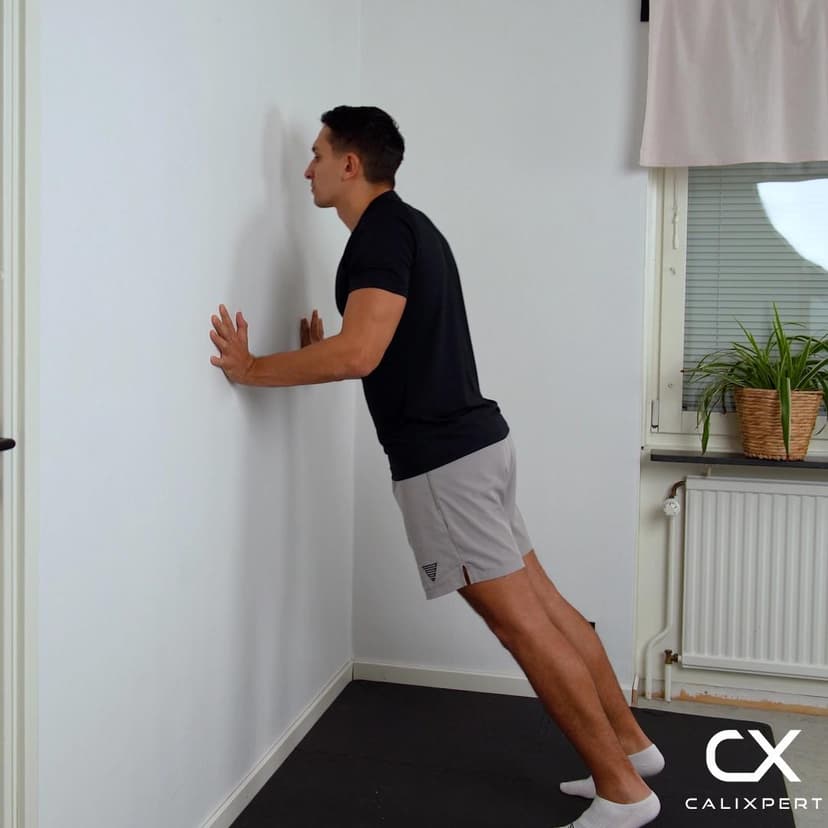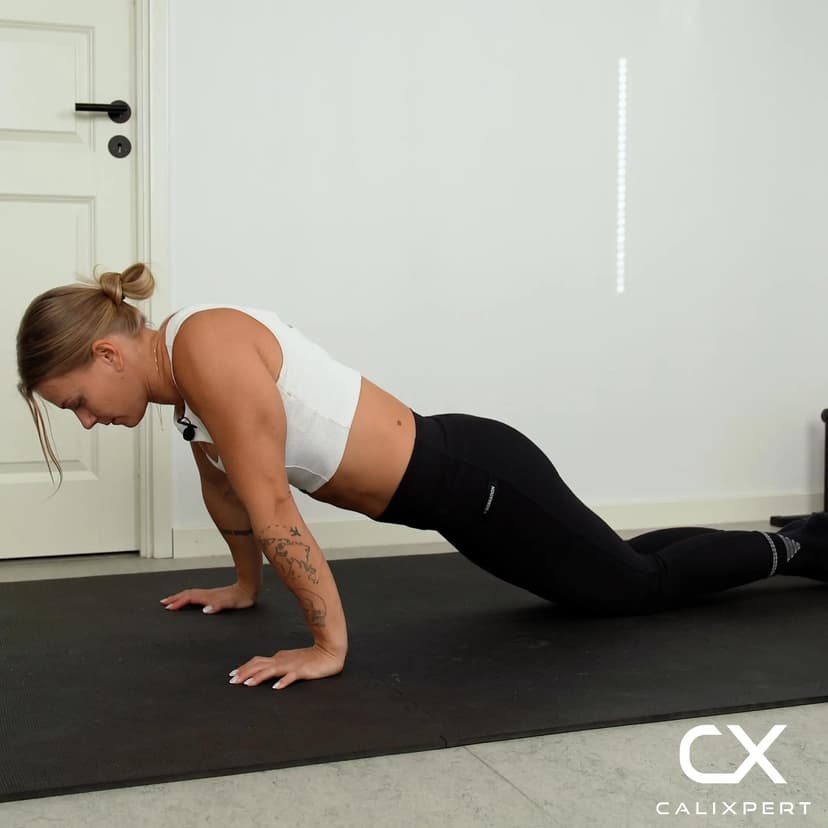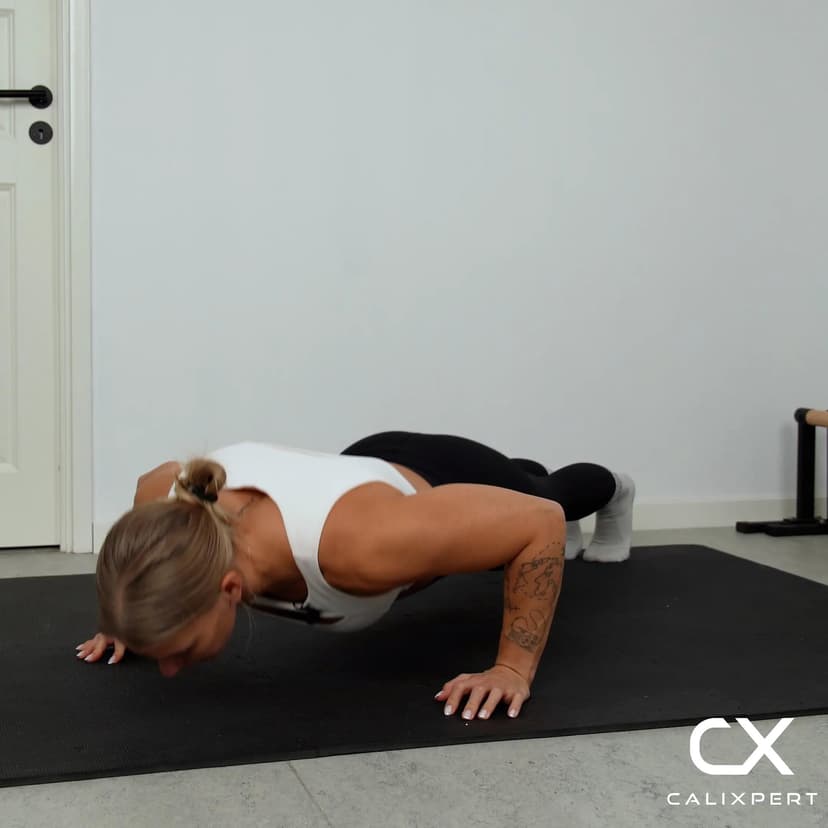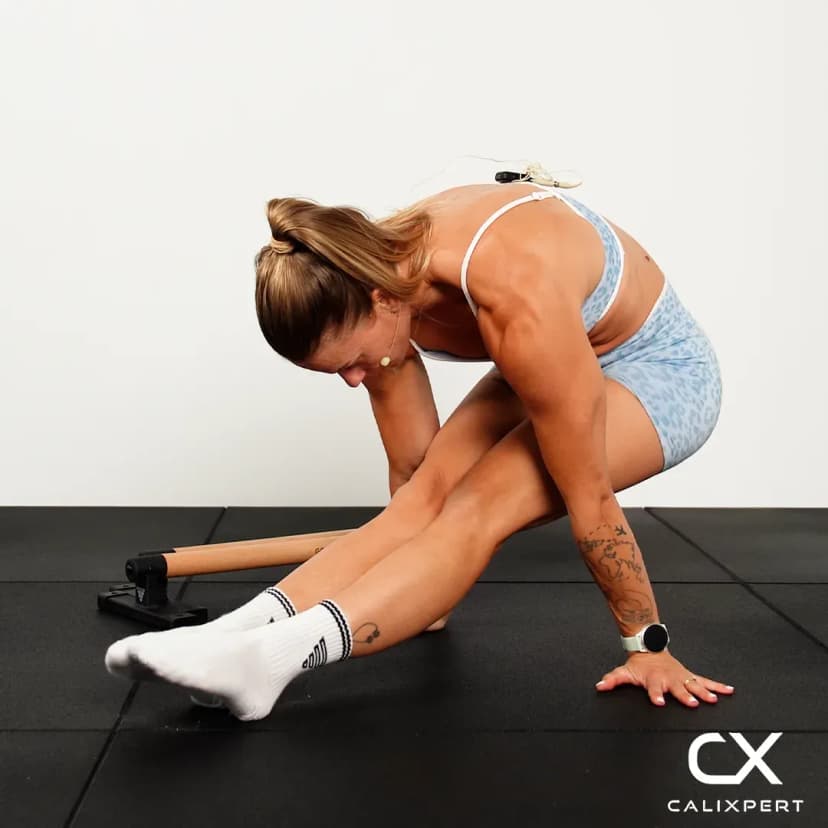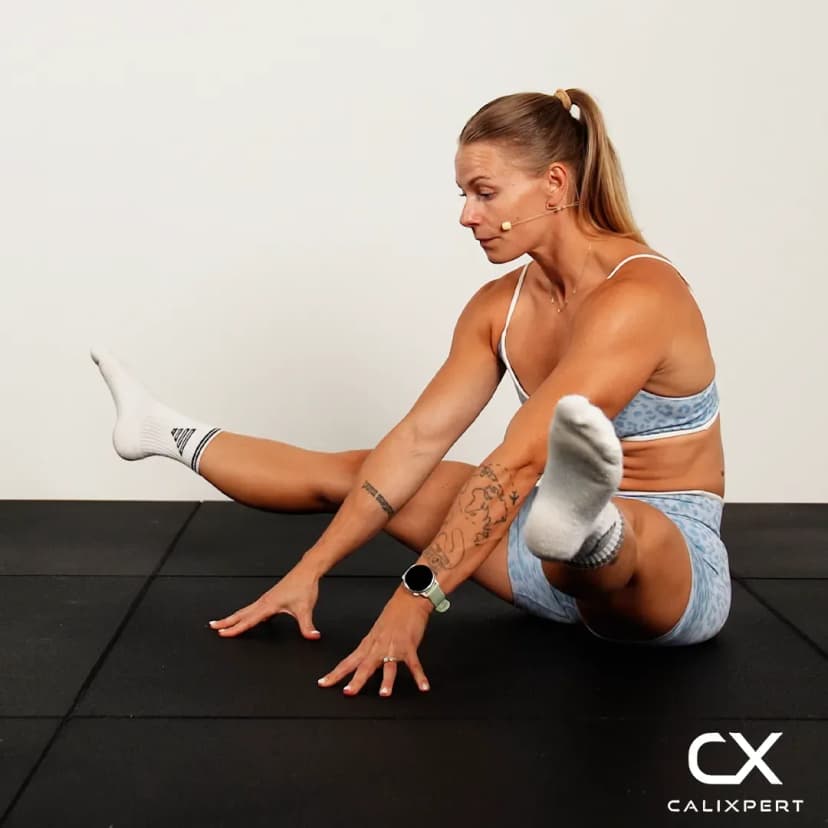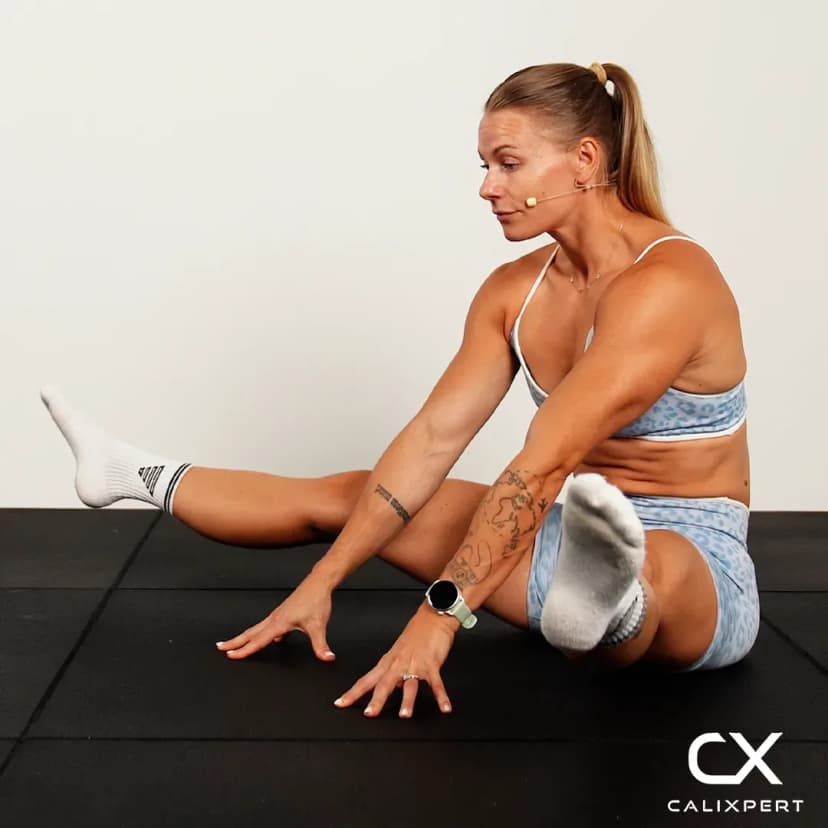
Scapula Push up
Scapula push-ups are an isolation exercise that trains the serratus anterior through controlled scapular protraction and retraction while holding a plank position with straight arms. The movement targets the muscles responsible for stabilizing and moving the shoulder blades, with secondary activation of the traps, core, and front deltoids. Building strong scapular control through this exercise is essential for shoulder health, pressing strength, and progression into advanced calisthenics skills like the planche and handstand.
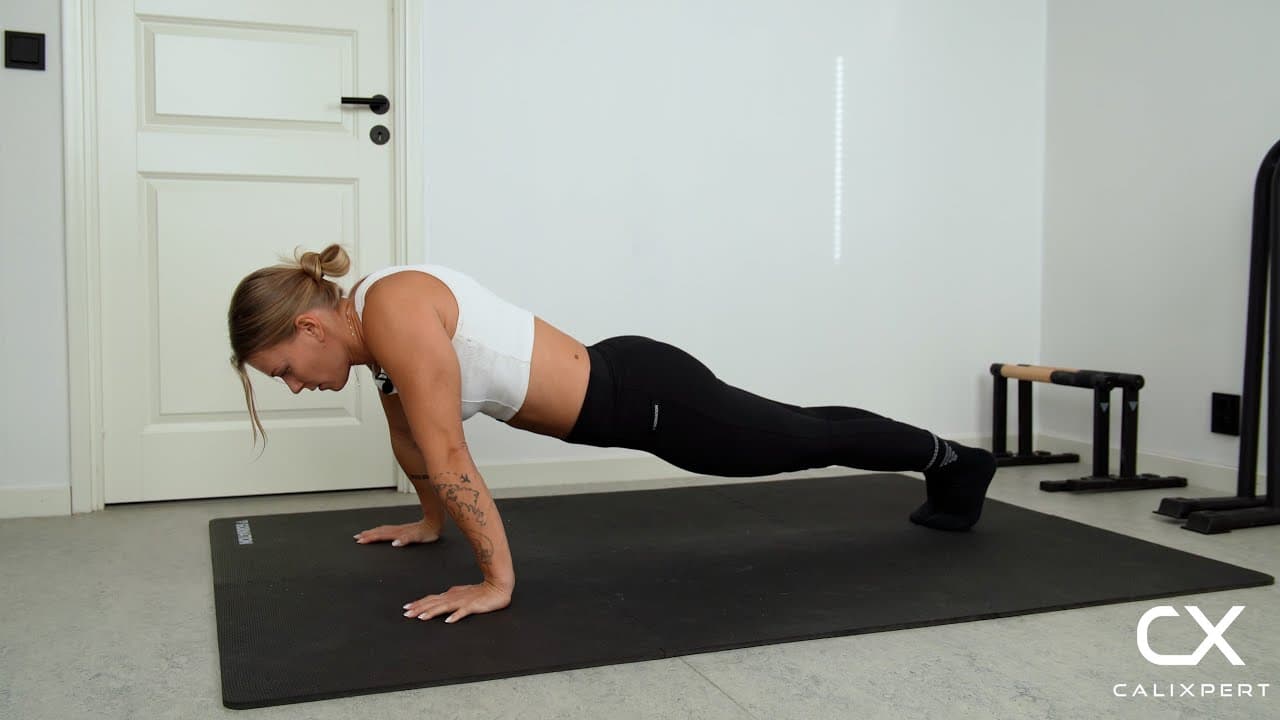
Scapula push-ups are an isolation exercise that trains the serratus anterior through controlled scapular protraction and retraction while holding a plank position with straight arms. The movement targets the muscles responsible for stabilizing and moving the shoulder blades, with secondary activation of the traps, core, and front deltoids. Building strong scapular control through this exercise is essential for shoulder health, pressing strength, and progression into advanced calisthenics skills like the planche and handstand.
How to Do Scapula Push up
1. Set Up the High Plank
Place your hands on the floor slightly wider than shoulder width apart with your shoulders stacked directly above your wrists. Extend your legs fully and balance on your toes. Lock your elbows completely straight and keep them locked for the entire exercise. Your body should form one straight line from head to heels.
Locked arms, shoulders over wrists
2. Engage Full Body Tension
Squeeze your glutes and quads to lock your lower body in place. Brace your core as if someone were about to push you sideways. This full-body tension prevents your hips from sagging or rising during the scapular movement. Nothing below the shoulders should move at any point during the exercise.
Squeeze glutes, brace core, stay rigid
3. Drop Into Scapular Retraction
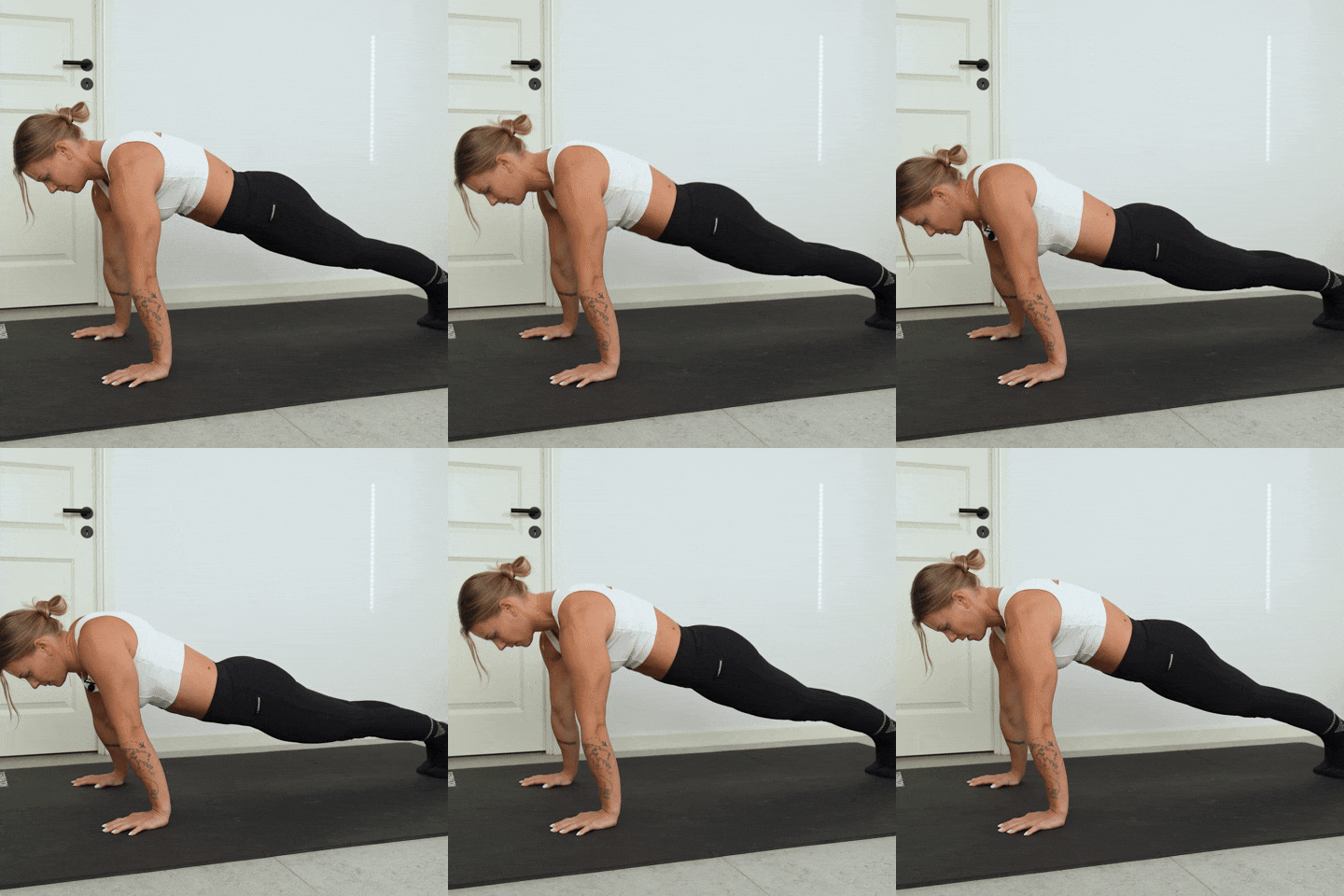
Without bending your elbows, let your chest sink toward the floor by squeezing your shoulder blades together. Your upper back will dip down as the scapulae retract and pinch toward each other. The movement is small, only a few inches of vertical travel. Keep your head neutral and your gaze slightly ahead of your hands.
Squeeze the shoulder blades together
4. Push Into Full Protraction
Reverse the movement by pushing your upper back toward the ceiling and spreading your shoulder blades as far apart as possible. Think about pushing the floor away from you while rounding the upper back slightly at the top. This protraction is the most important part of the exercise because it loads the serratus anterior through its full range.
Push the floor away, spread the blades
5. Control the Tempo and Repeat
Move slowly between retraction and protraction with a 2-second pause at each end position. Each rep should take roughly 4 to 5 seconds total. Rushing through the movement removes the muscle activation that makes this exercise effective. Reset your body tension between reps if you feel your hips starting to drift.
Slow and controlled, pause at each end
Most people think they are doing scapula push-ups correctly, but they are actually just rounding and flattening their spine. The real movement is smaller than you expect. Focus on feeling the shoulder blades slide apart on the protraction and pinch together on the retraction while your spine stays completely still. If you can hold a coin between your lower back and a wall during the movement, you are doing it right.
Muscles Worked During Scapula Push up
Primary Muscles:
Secondary Muscles:
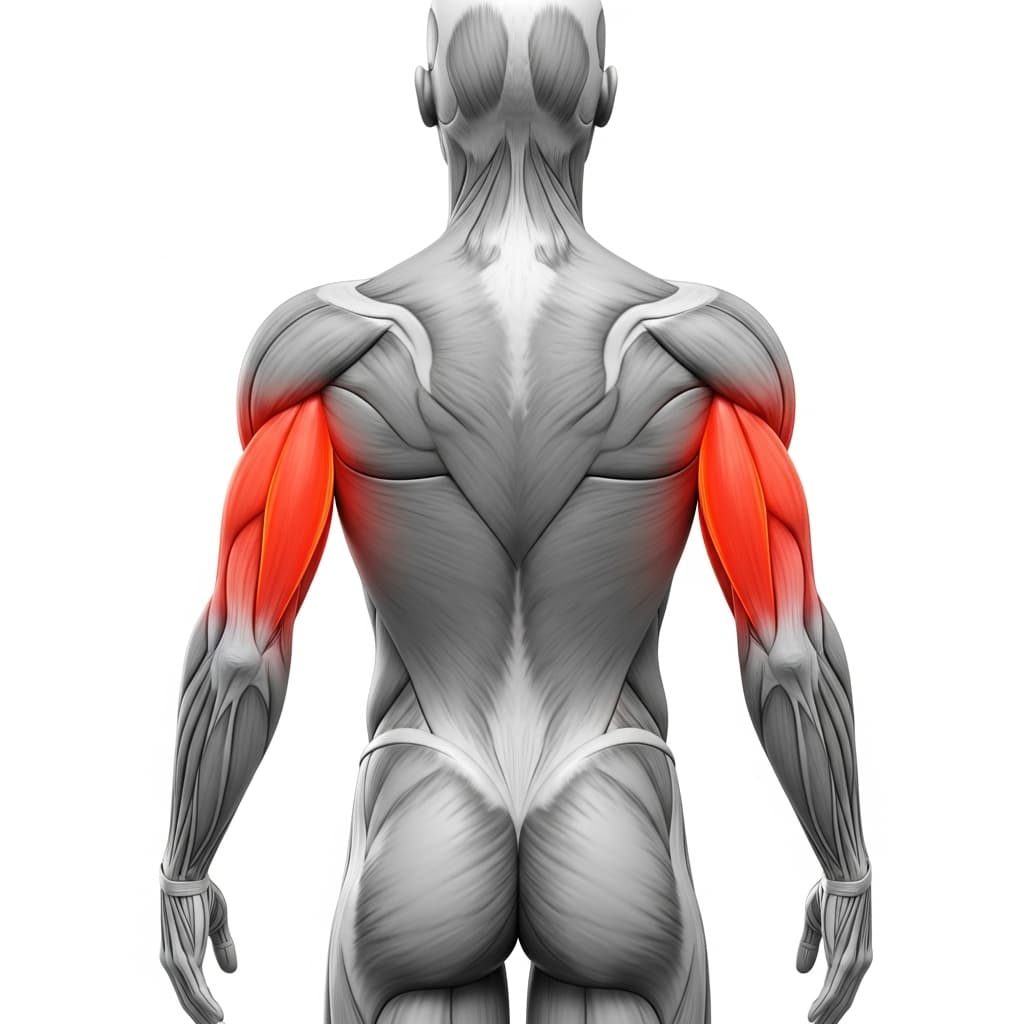
Primary Muscles
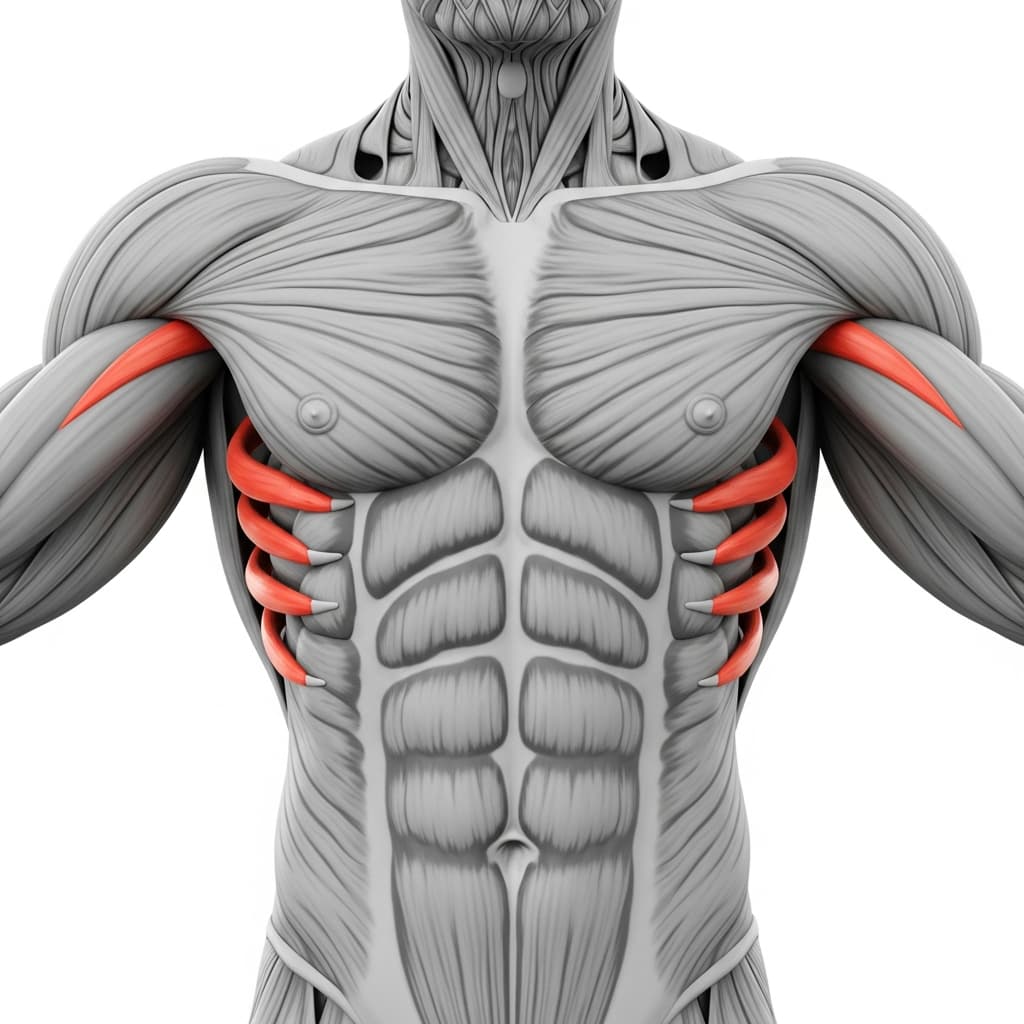
Serratus Anterior (Serratus Anterior) - The serratus anterior protracts the scapulae during the pushing phase, pulling the shoulder blades forward and apart around the ribcage against bodyweight resistance.
Secondary Muscles
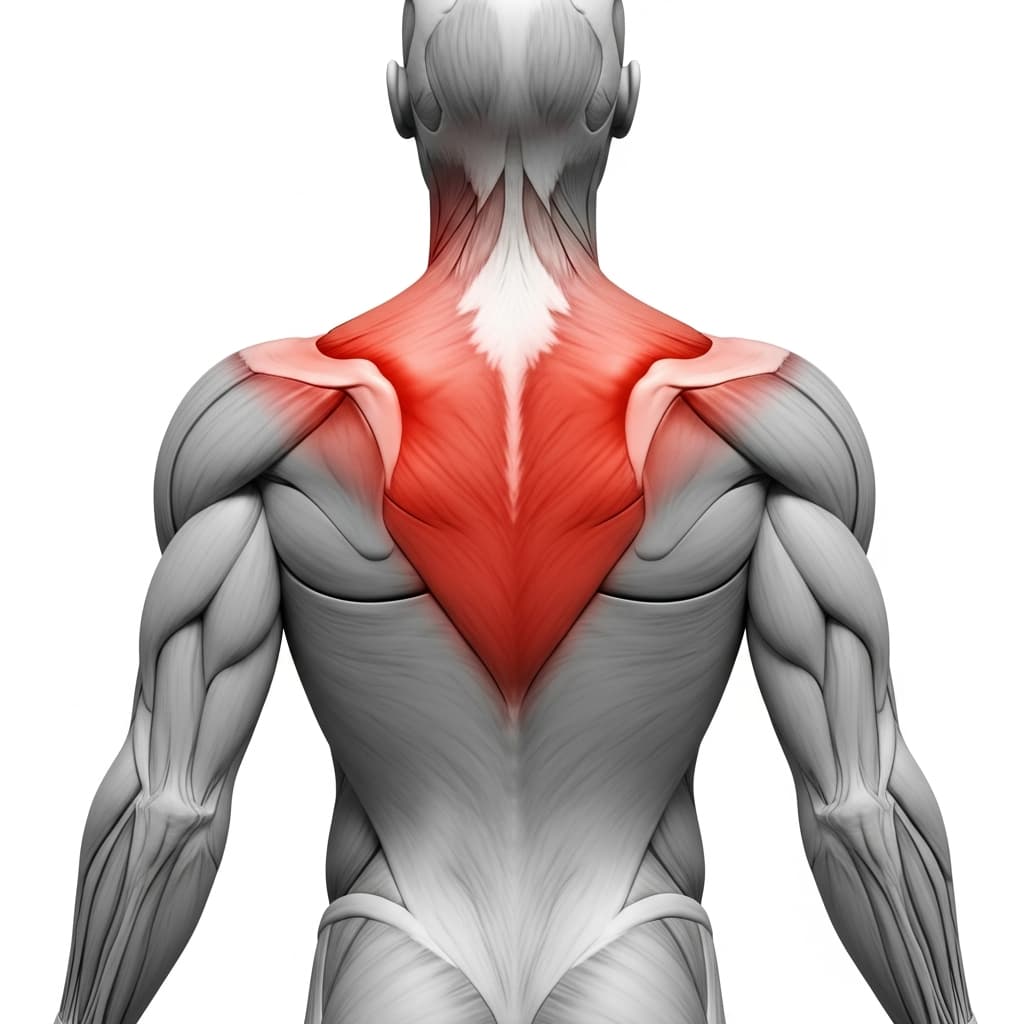
Trapezius (Trapezius) - The middle and lower trapezius fibers retract and stabilize the scapulae during the lowering phase, controlling the shoulder blades as they squeeze together.
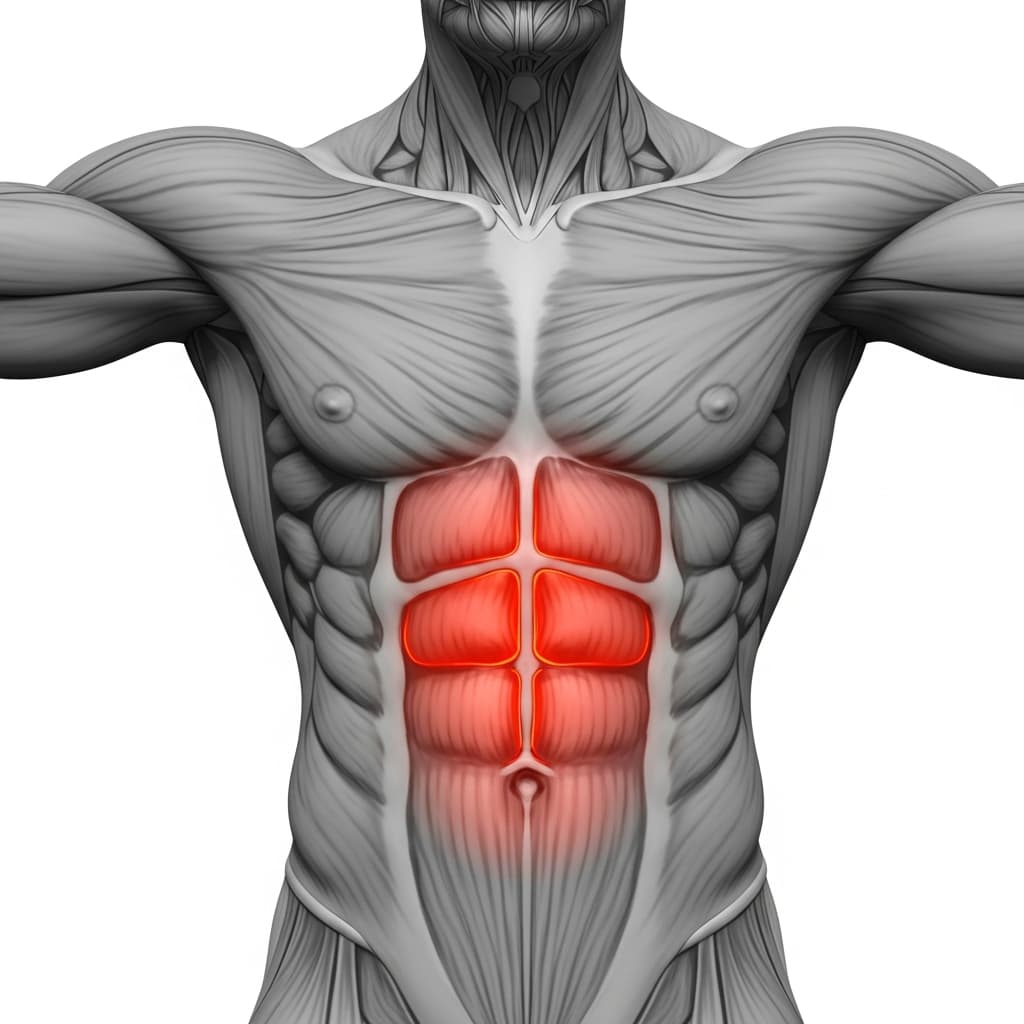
Rectus Abdominis (Abs) - The abdominals brace isometrically to maintain a rigid plank position, preventing the lower back from sagging under gravity throughout each rep.
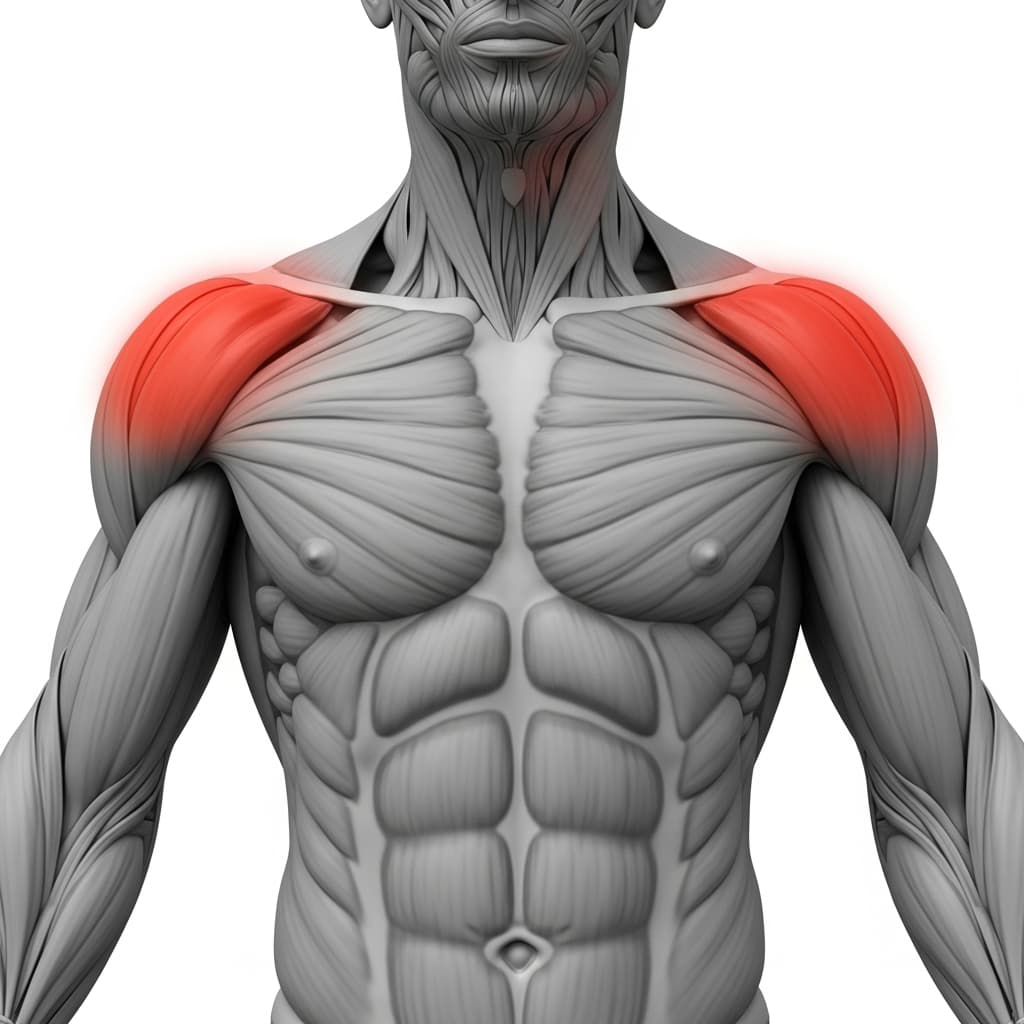
Anterior Deltoid (Front Deltoid) - The front deltoids stabilize the shoulder joint isometrically, keeping the arms locked in position while the scapulae move independently on the ribcage.
Triceps Brachii (Triceps) - The triceps hold the elbows in full lockout throughout the exercise, maintaining the straight-arm position that isolates the scapular movement.
Benefits of Scapula Push up
- Strengthens the serratus anterior, the primary muscle responsible for preventing scapular winging and maintaining proper shoulder blade position during all pressing and overhead movements
- Builds the scapular protraction strength required for planche progressions, handstand stability, and advanced calisthenics pushing skills
- Improves shoulder health by training the stabilizers that keep the scapulae tracking correctly on the ribcage, reducing the risk of impingement and rotator cuff issues
- Develops the mind-muscle connection for isolating shoulder blade movement, which transfers directly into cleaner push-up, dip, and handstand push-up technique
Who Is This Exercise For?
You should be able to hold a high plank with locked arms and a neutral spine for at least 20 seconds before adding scapular movement. If maintaining a stable plank is still a challenge, focus on plank endurance and core engagement first. No prior pushing strength is required since the elbows never bend, but you need enough body awareness to isolate shoulder blade movement without compensating through the spine.
Common Mistakes to Avoid
Bending the elbows: Lock your elbows completely straight before you begin and keep them locked throughout every rep. Any elbow bend turns this into a partial push-up and removes the scapular isolation entirely.
Letting the hips sag or pike up: Squeeze your glutes and brace your core to maintain a rigid plank. If your hips move, the force transfers away from the shoulder blades and the exercise loses its purpose.
Moving through the spine instead of the scapulae: The movement should come exclusively from the shoulder blades sliding on the ribcage, not from flexing or extending the thoracic spine. If your whole torso rounds and flattens, you are using spinal movement to fake the range of motion.
Rushing through reps: Use a slow, deliberate tempo with a brief hold at both the retracted and protracted positions. Fast reps rely on momentum and reduce the time under tension that the serratus anterior needs to develop.