

Front Deltoid Exercises
Anterior Deltoid
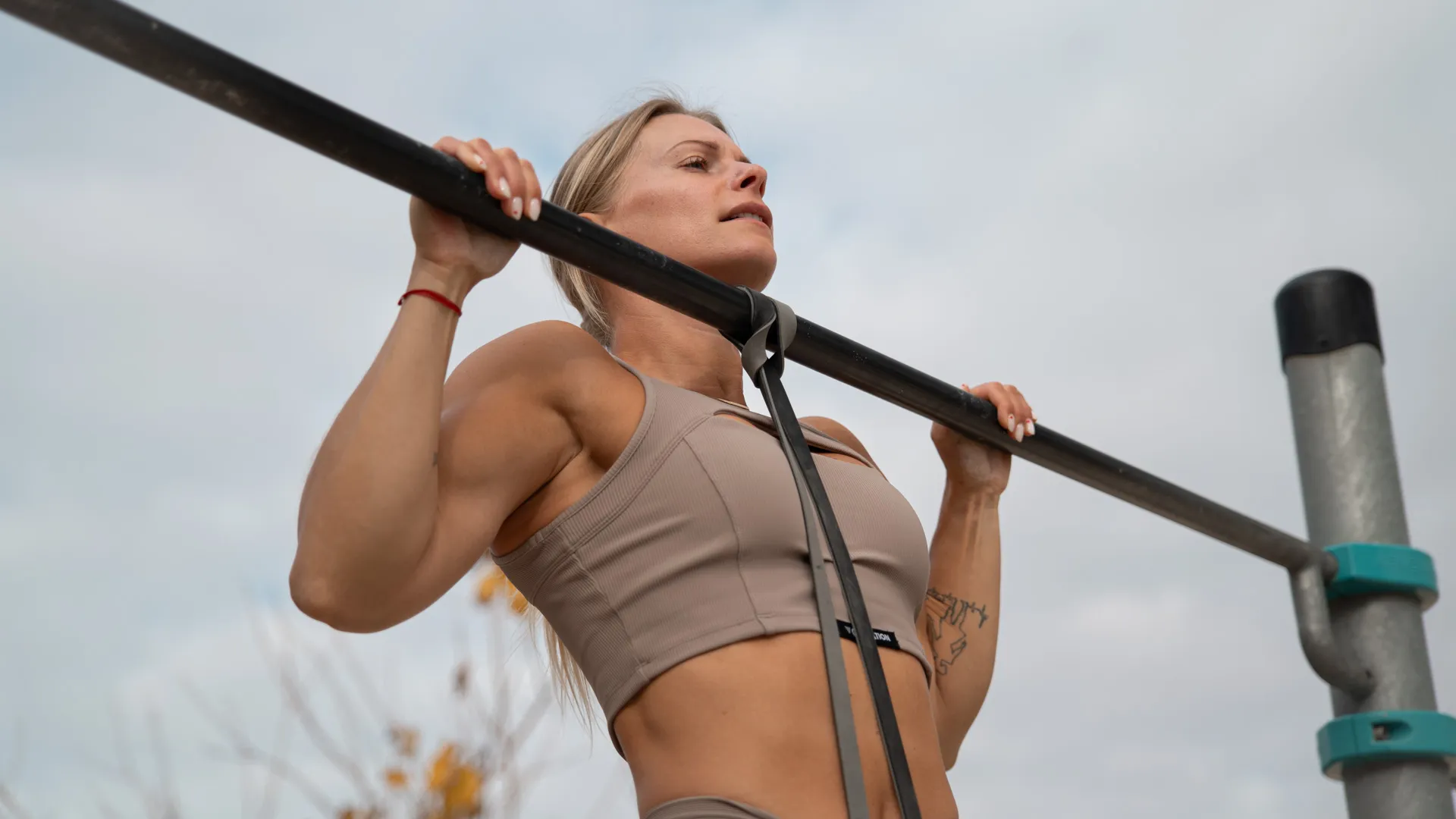
All Front Deltoid Exercises (124)
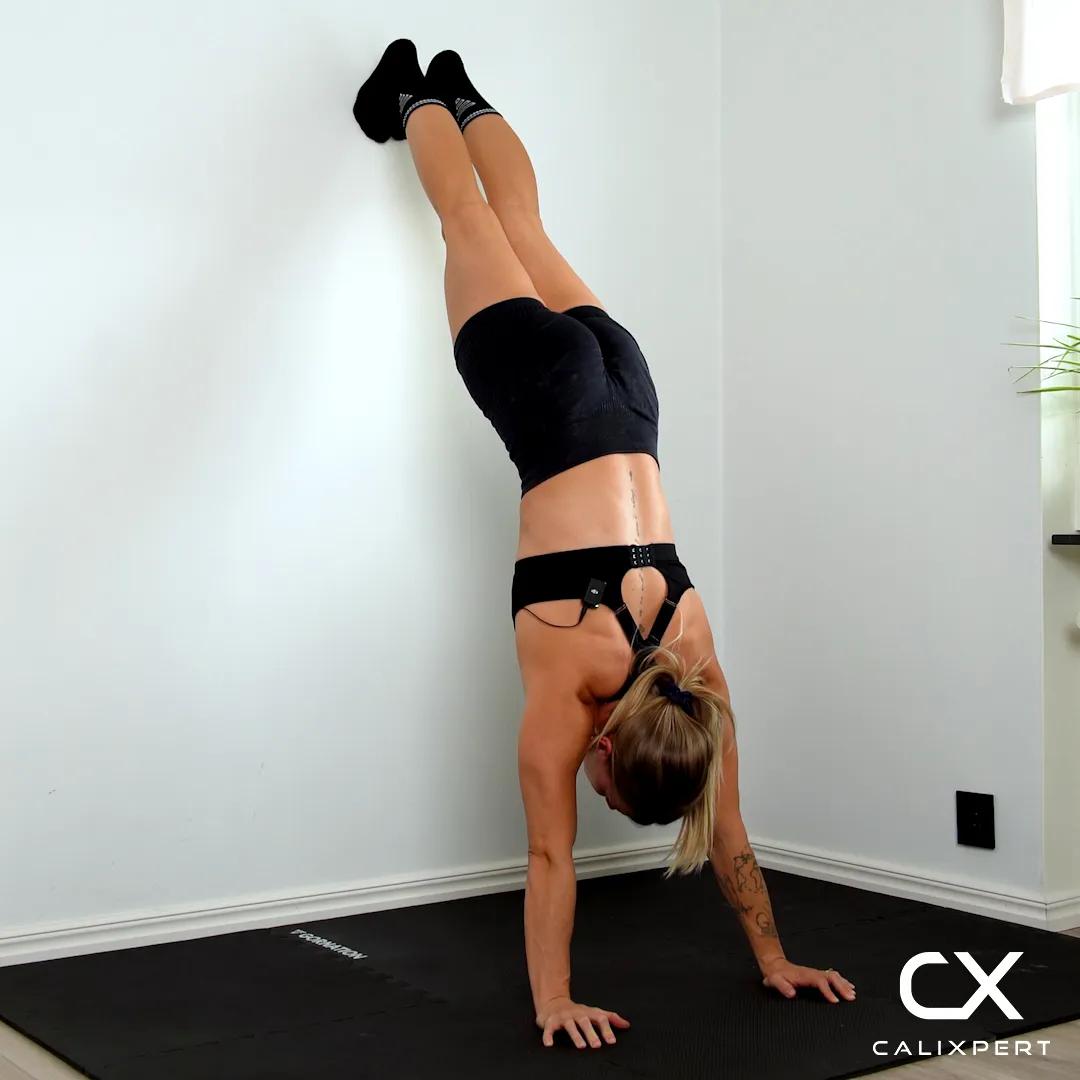
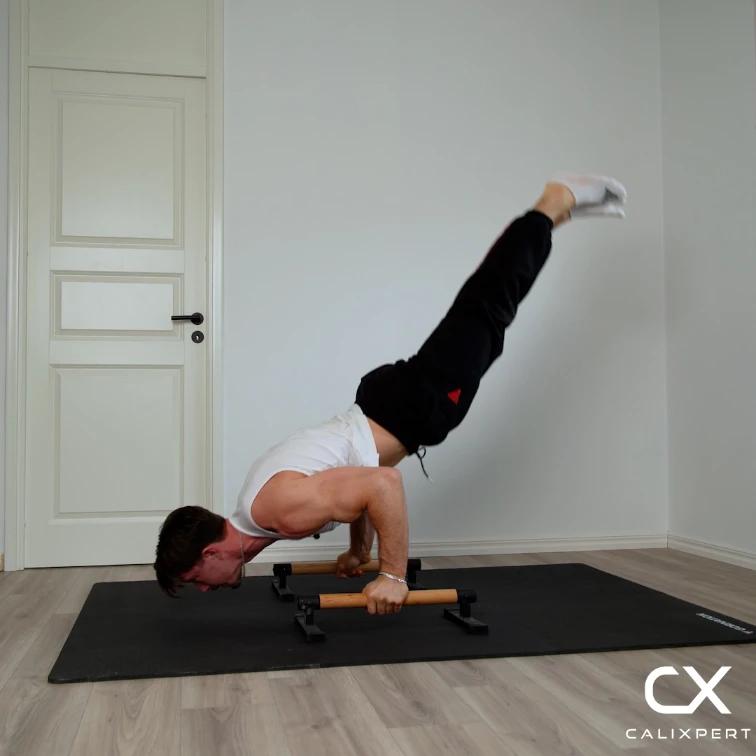
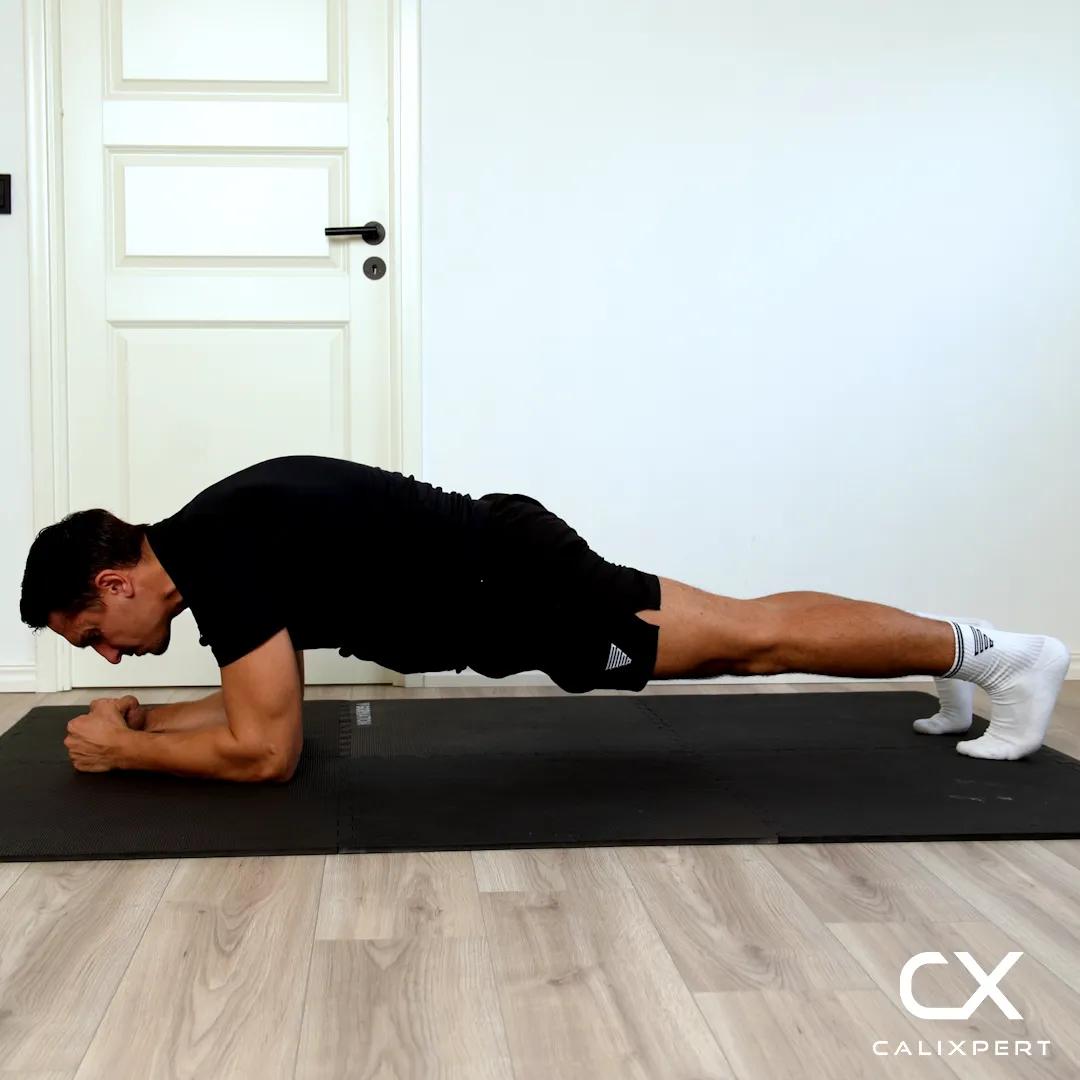
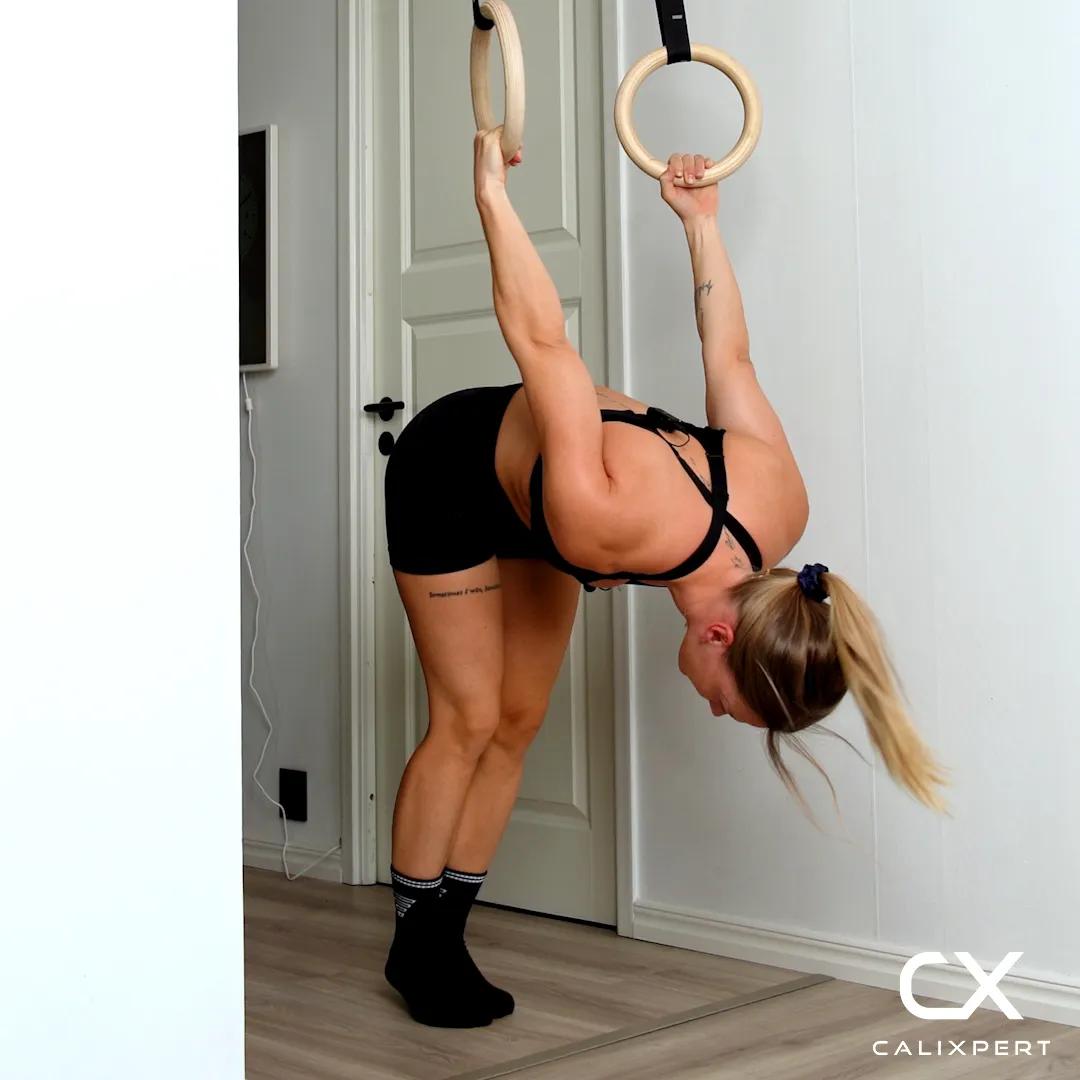
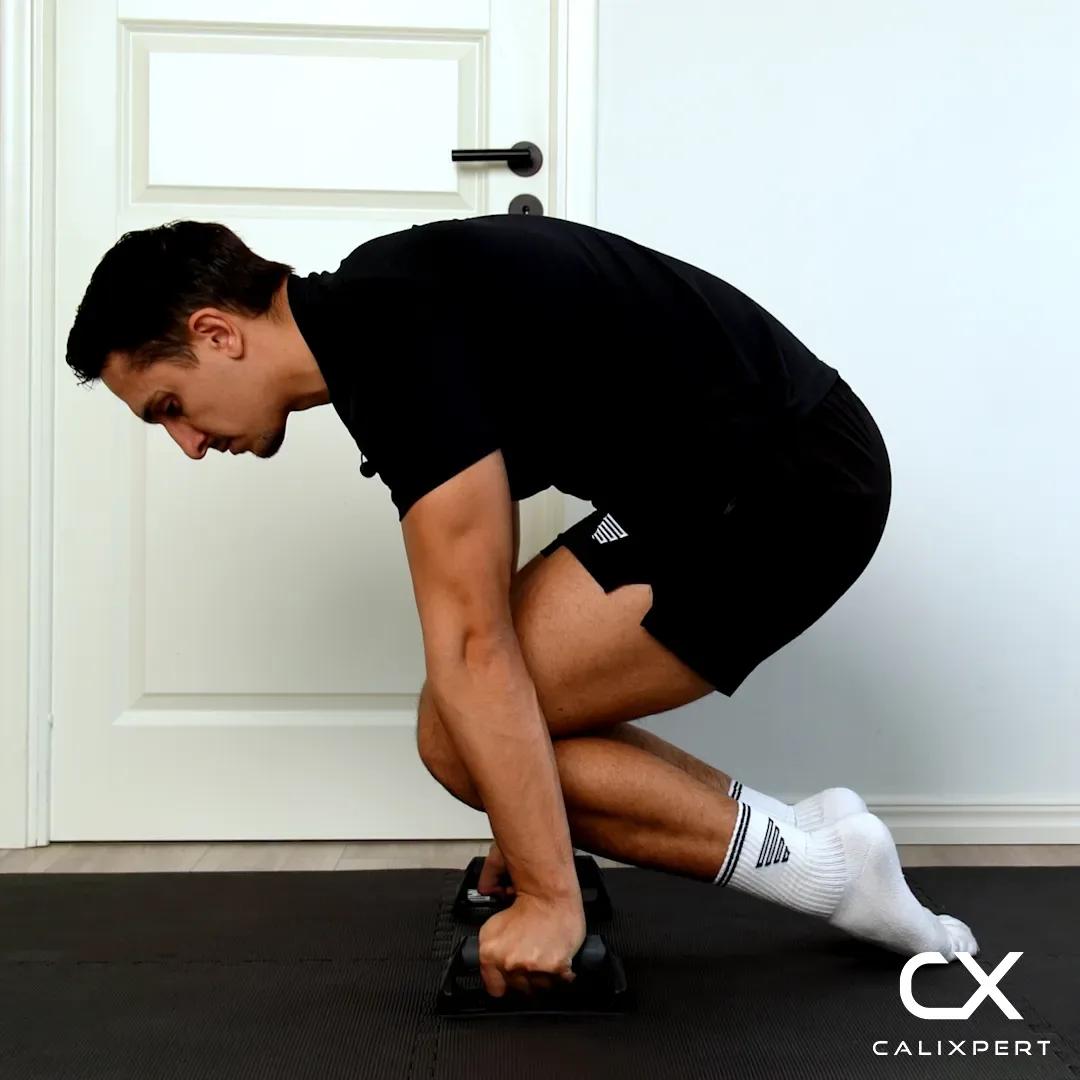
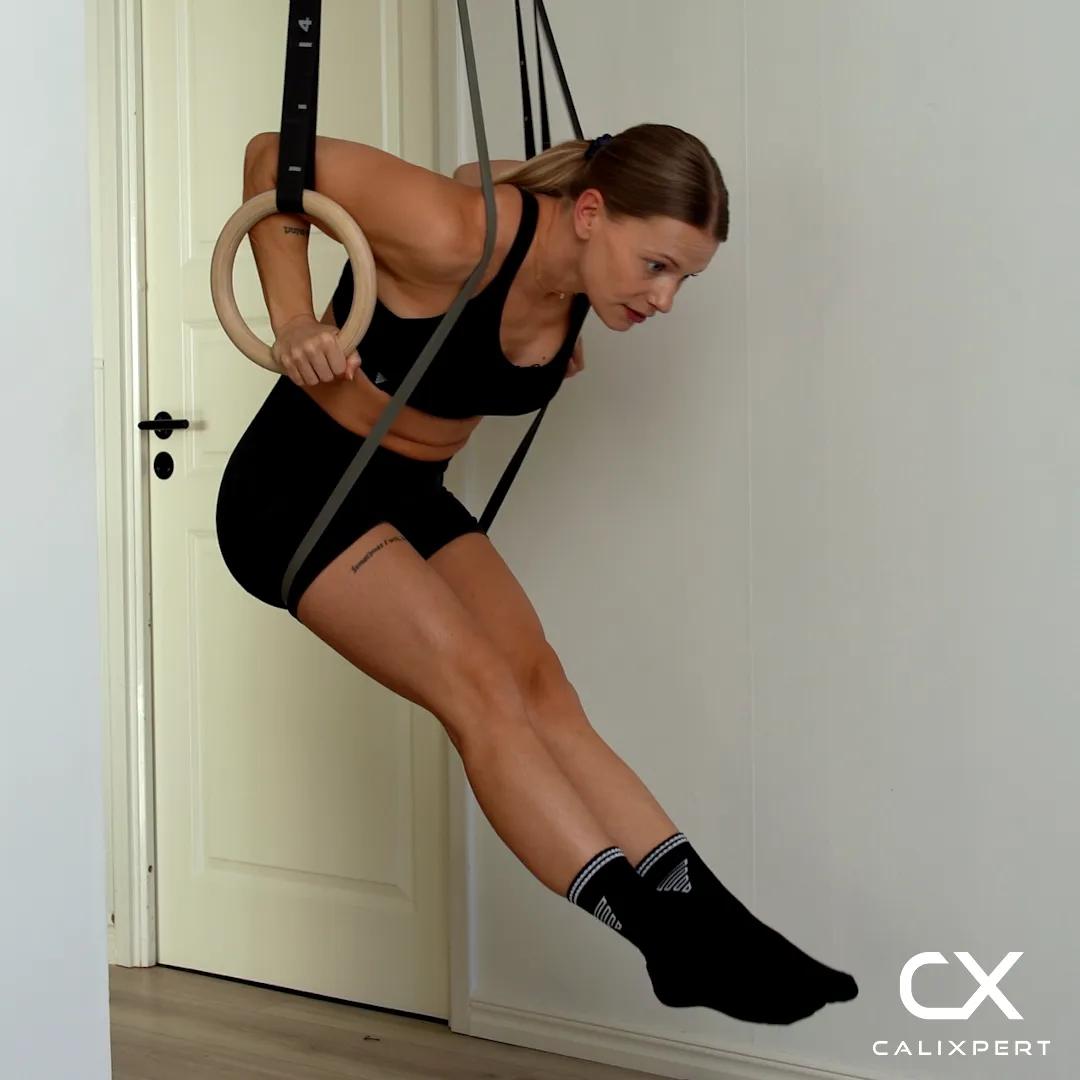
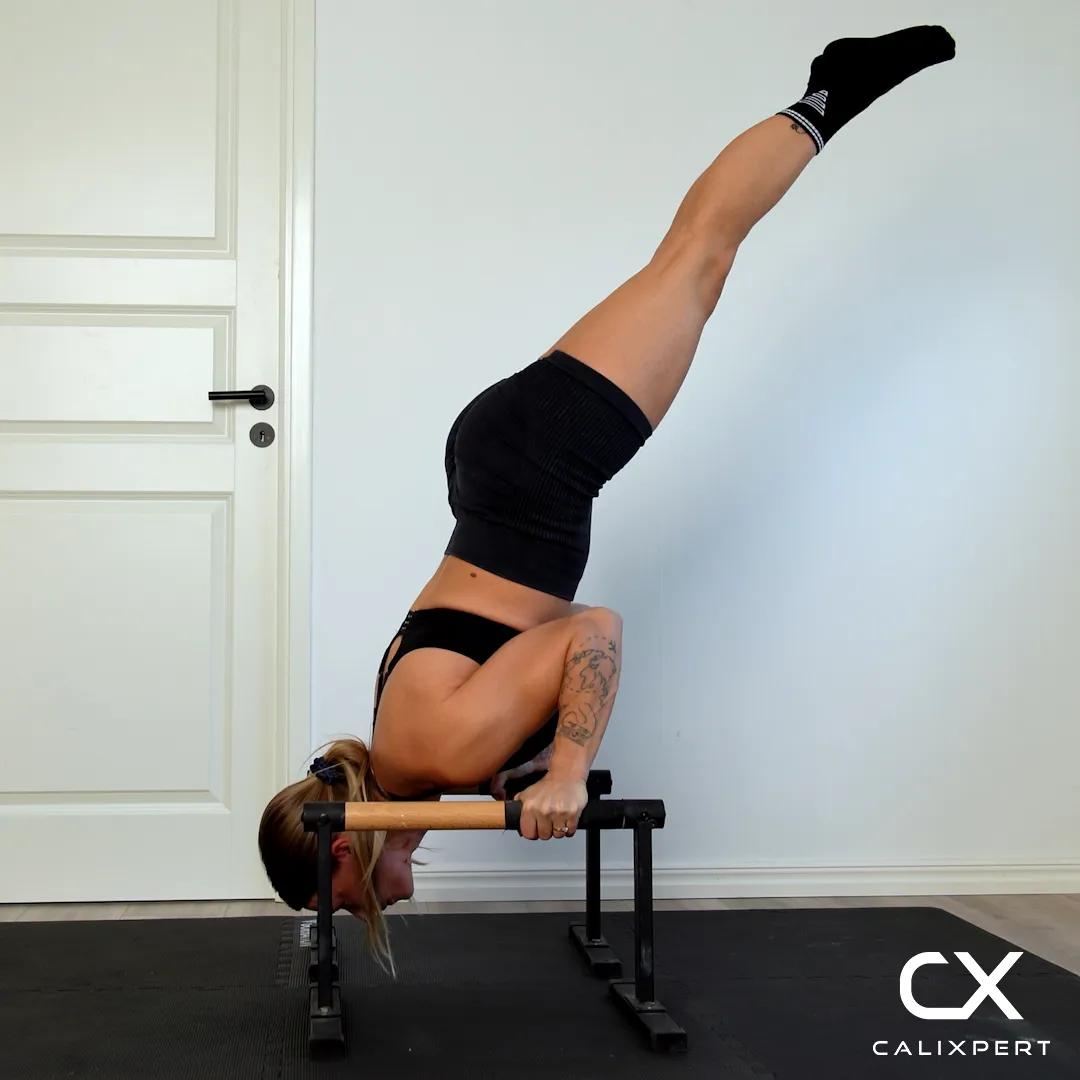
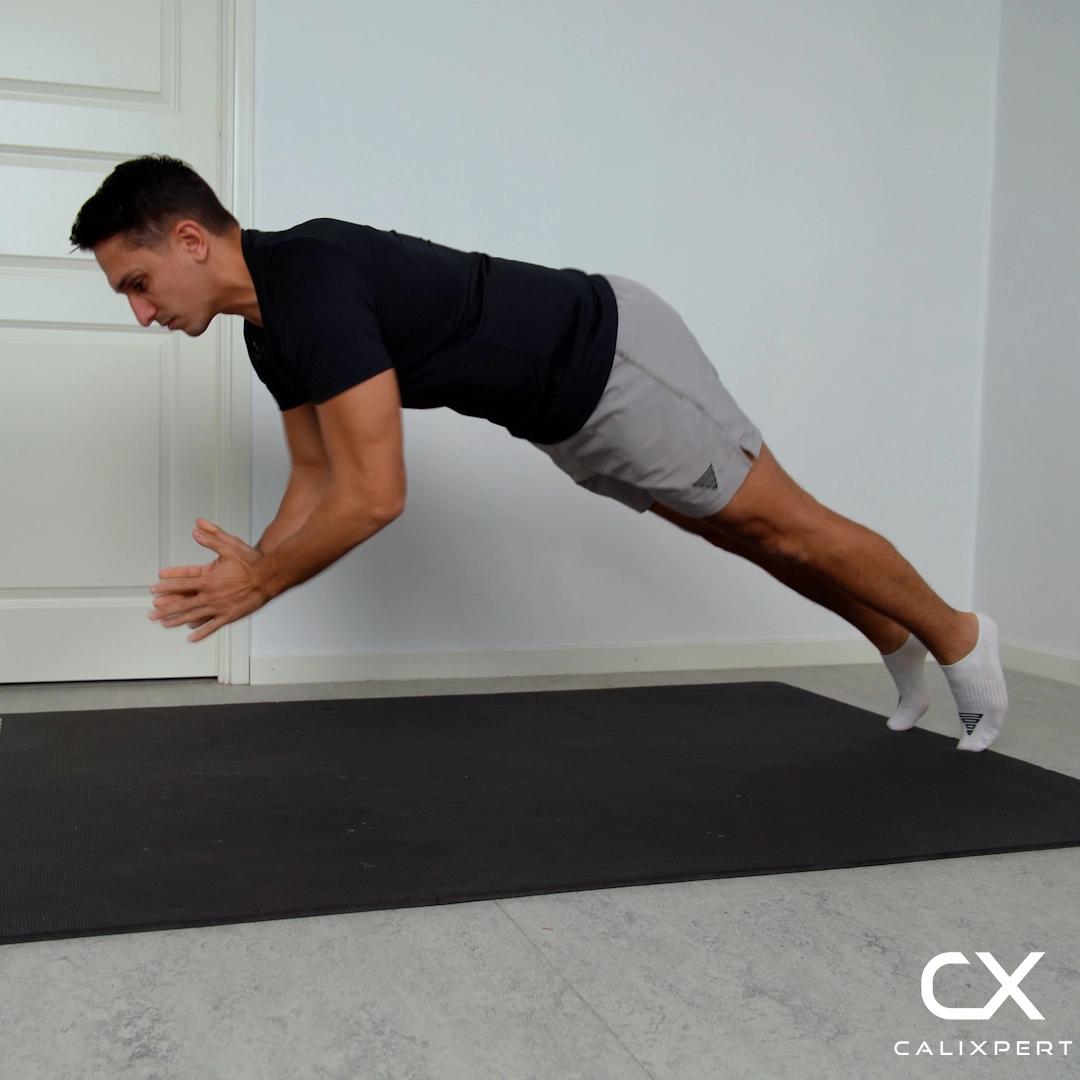
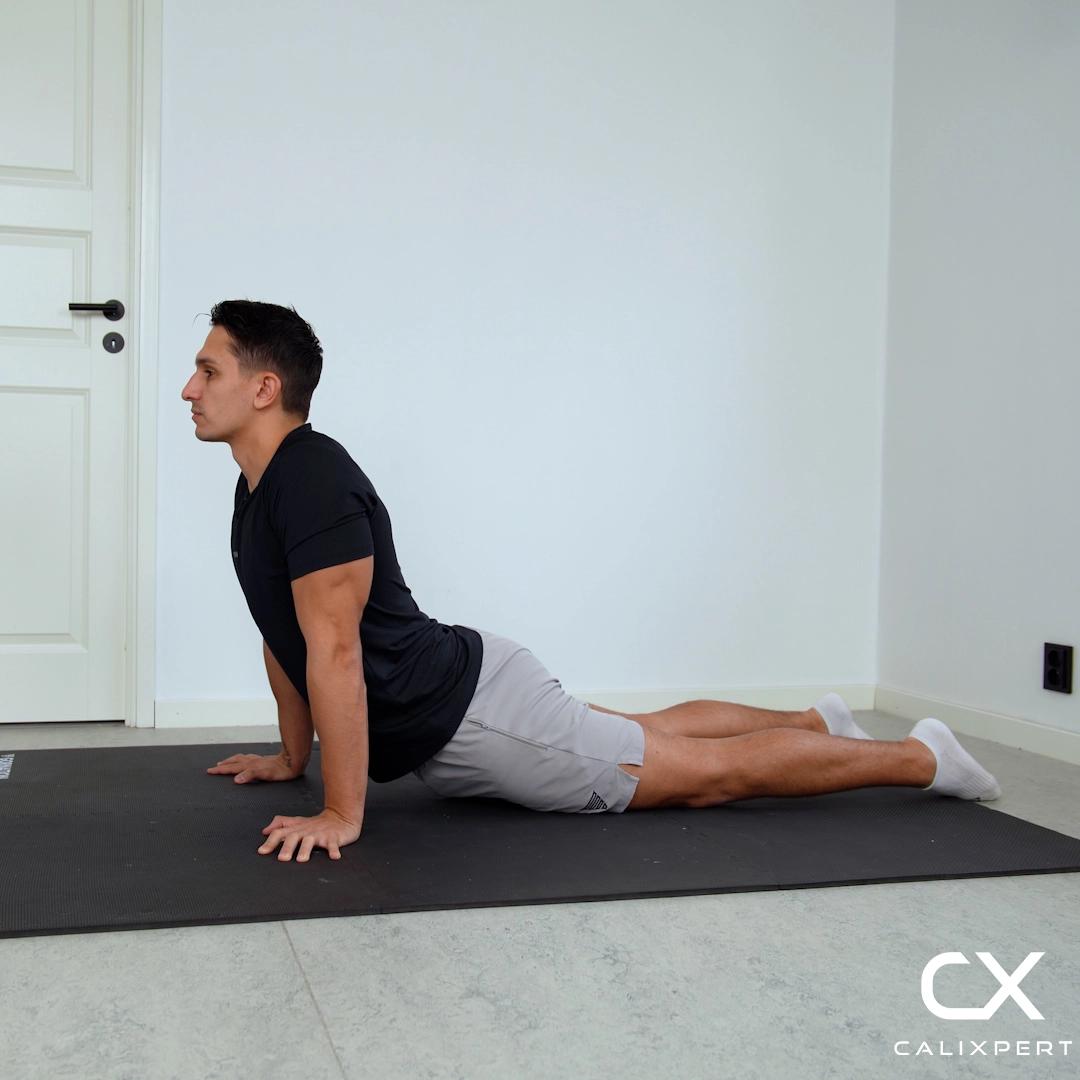
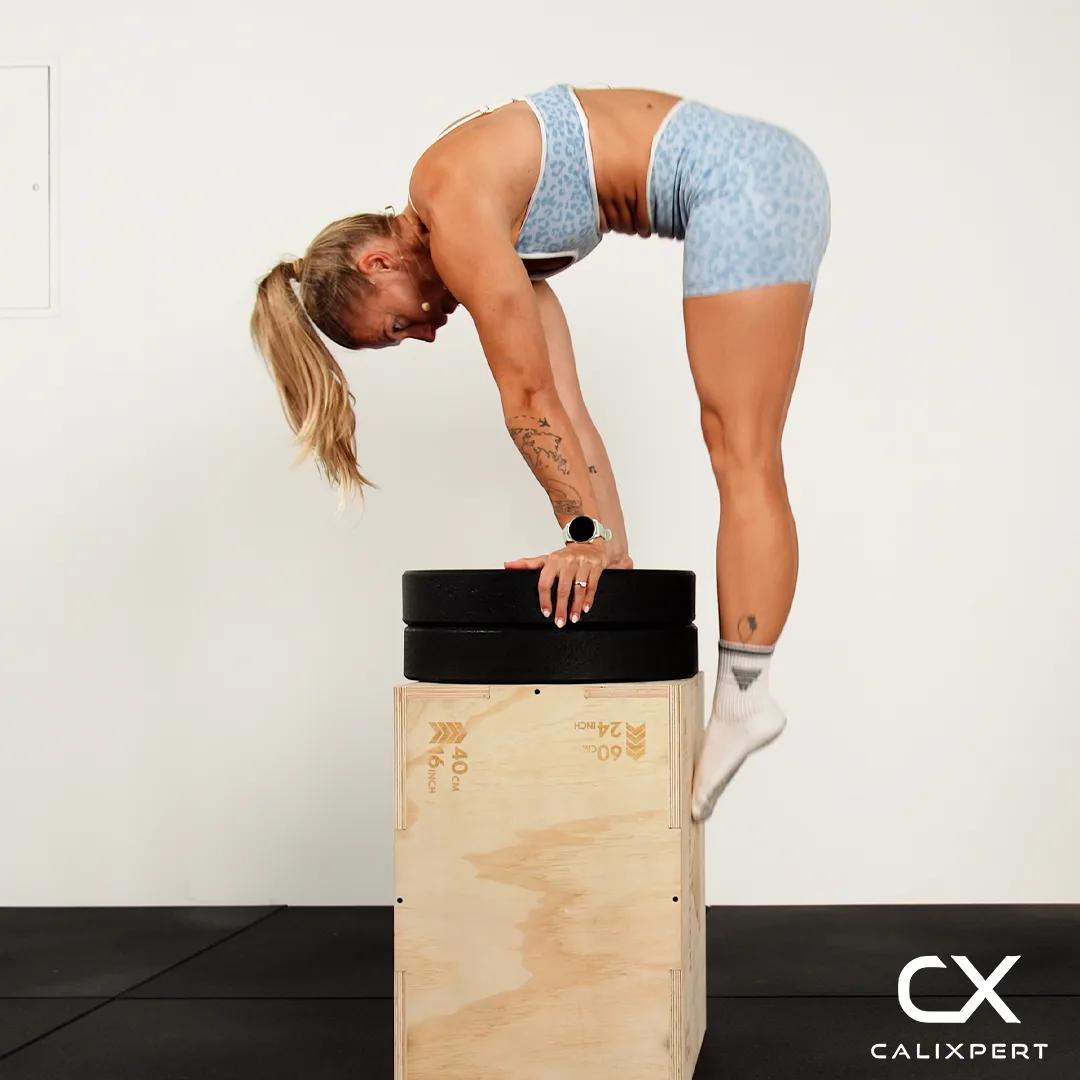
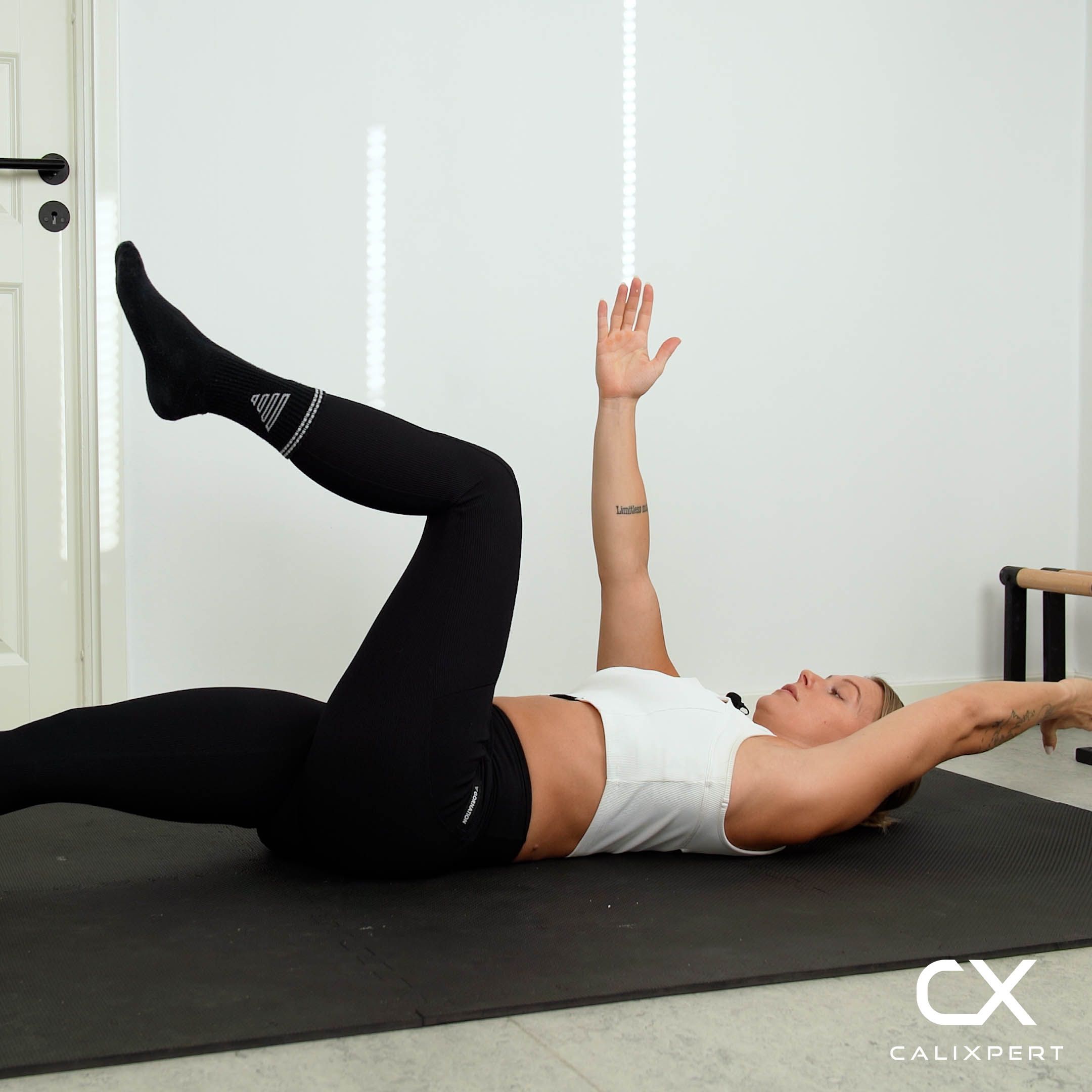
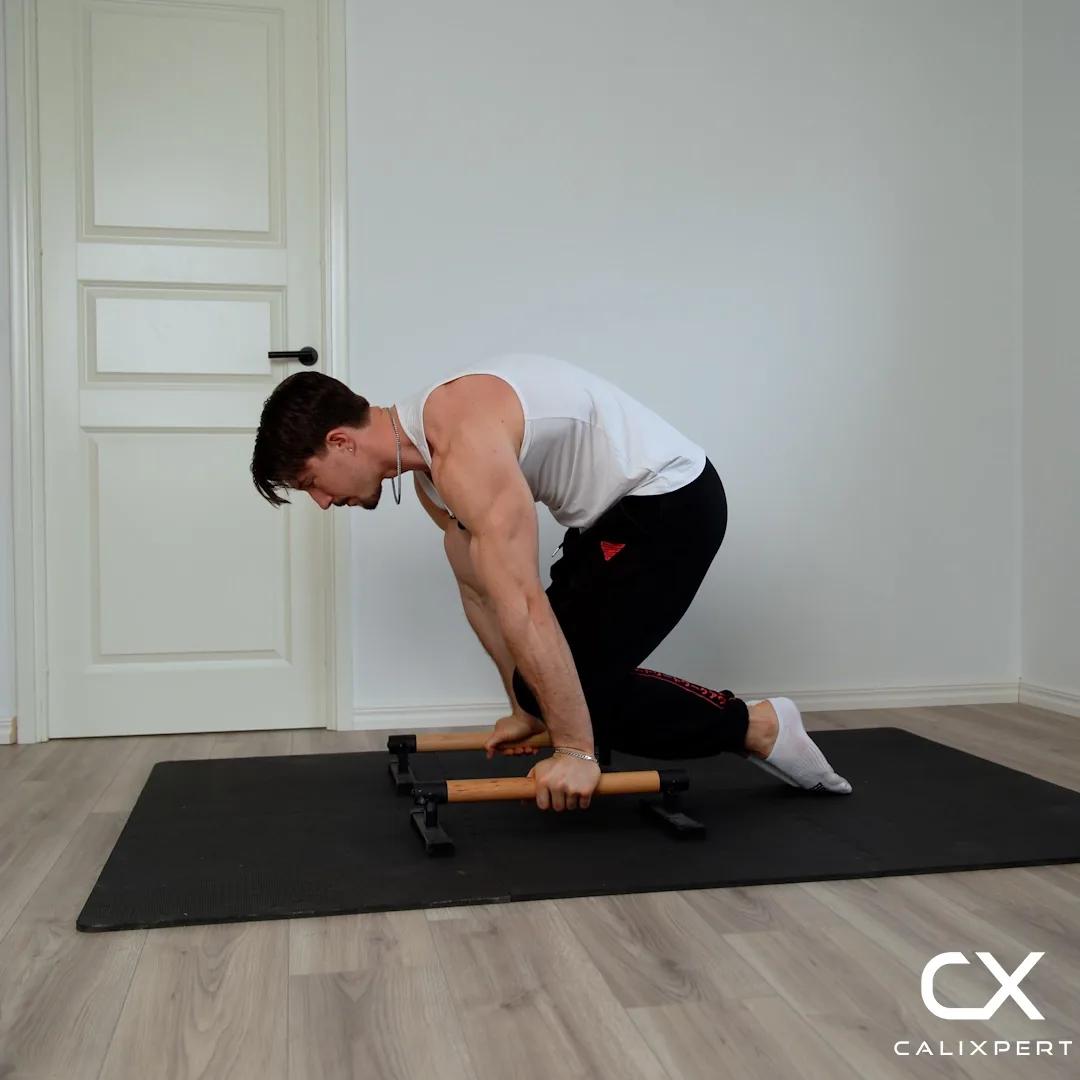
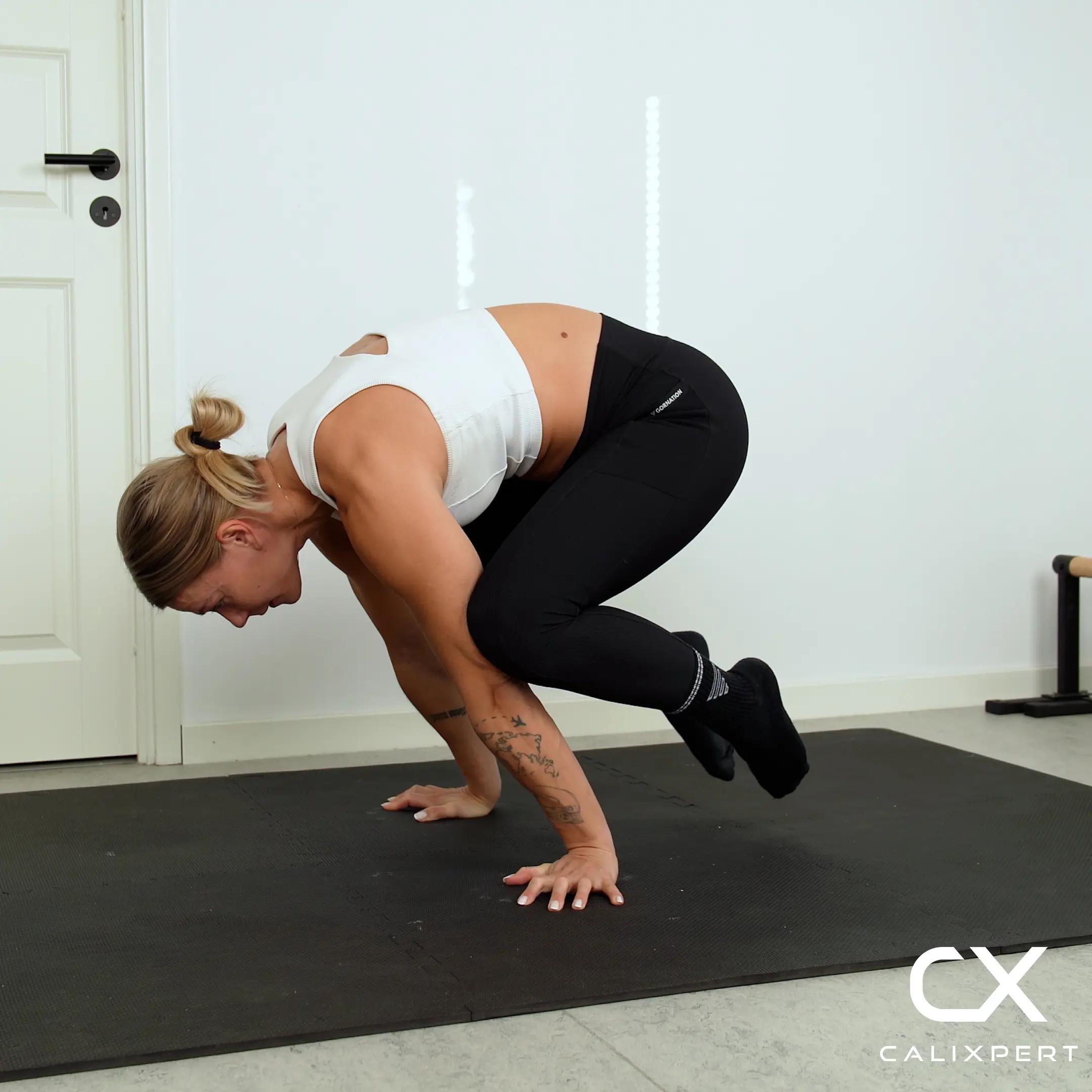
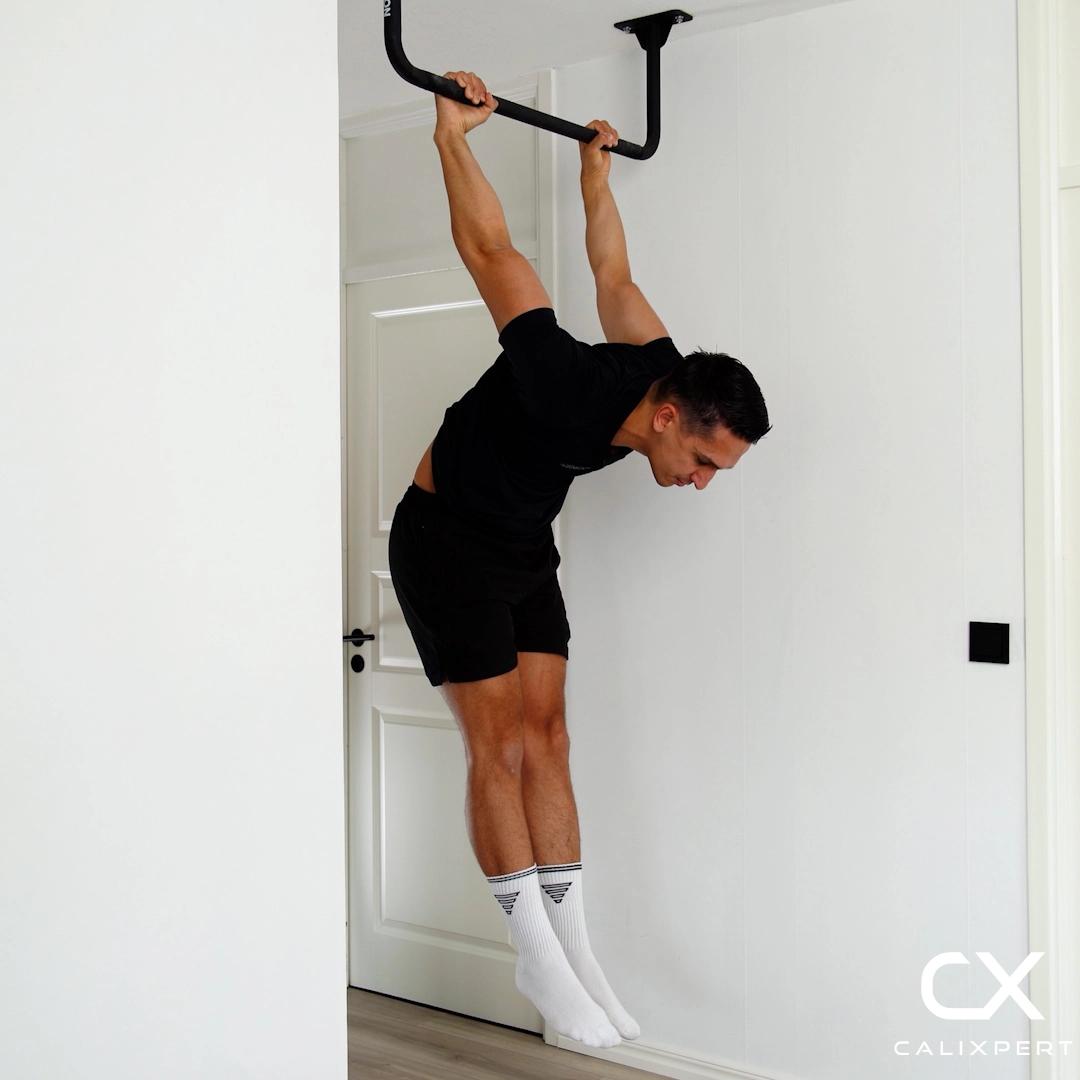
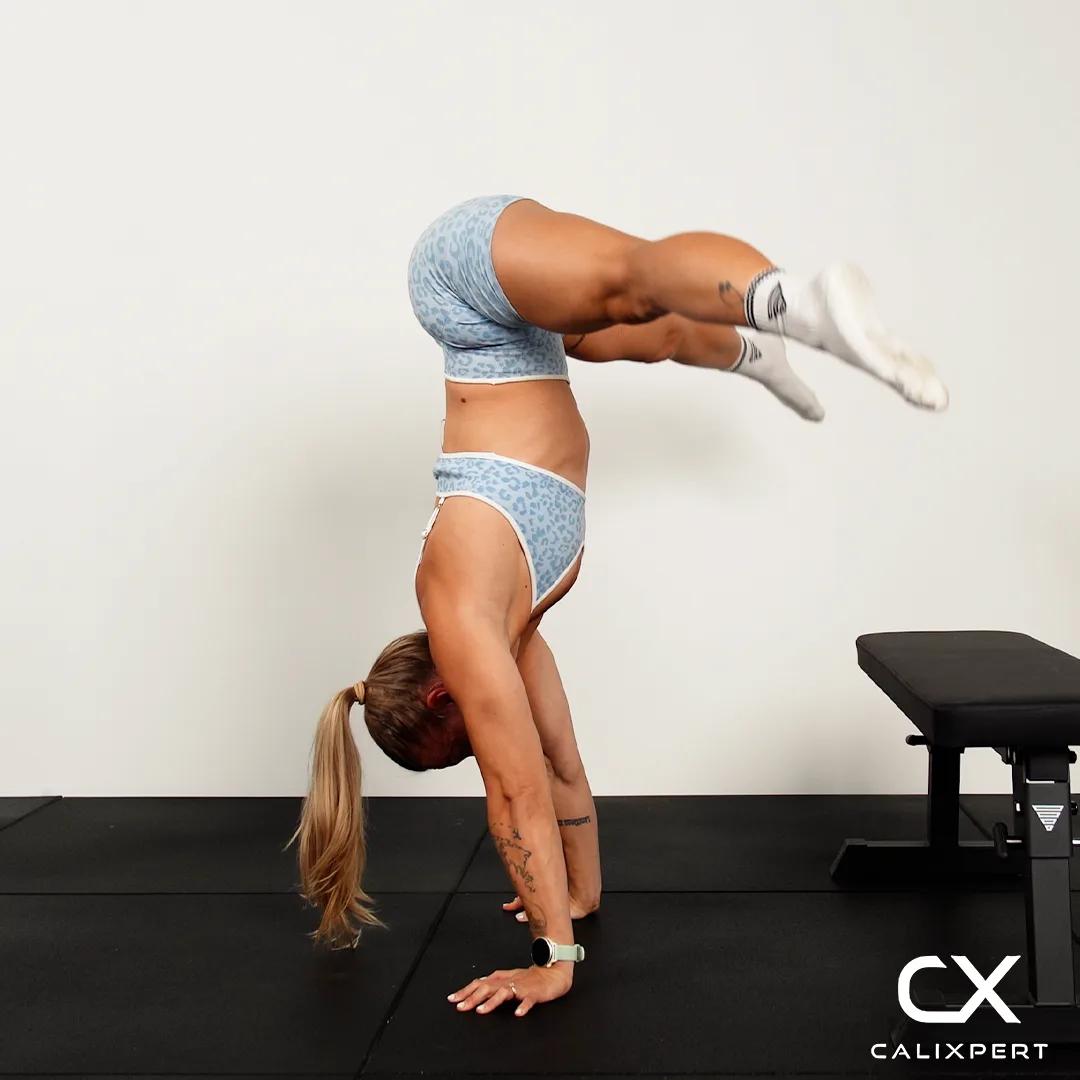
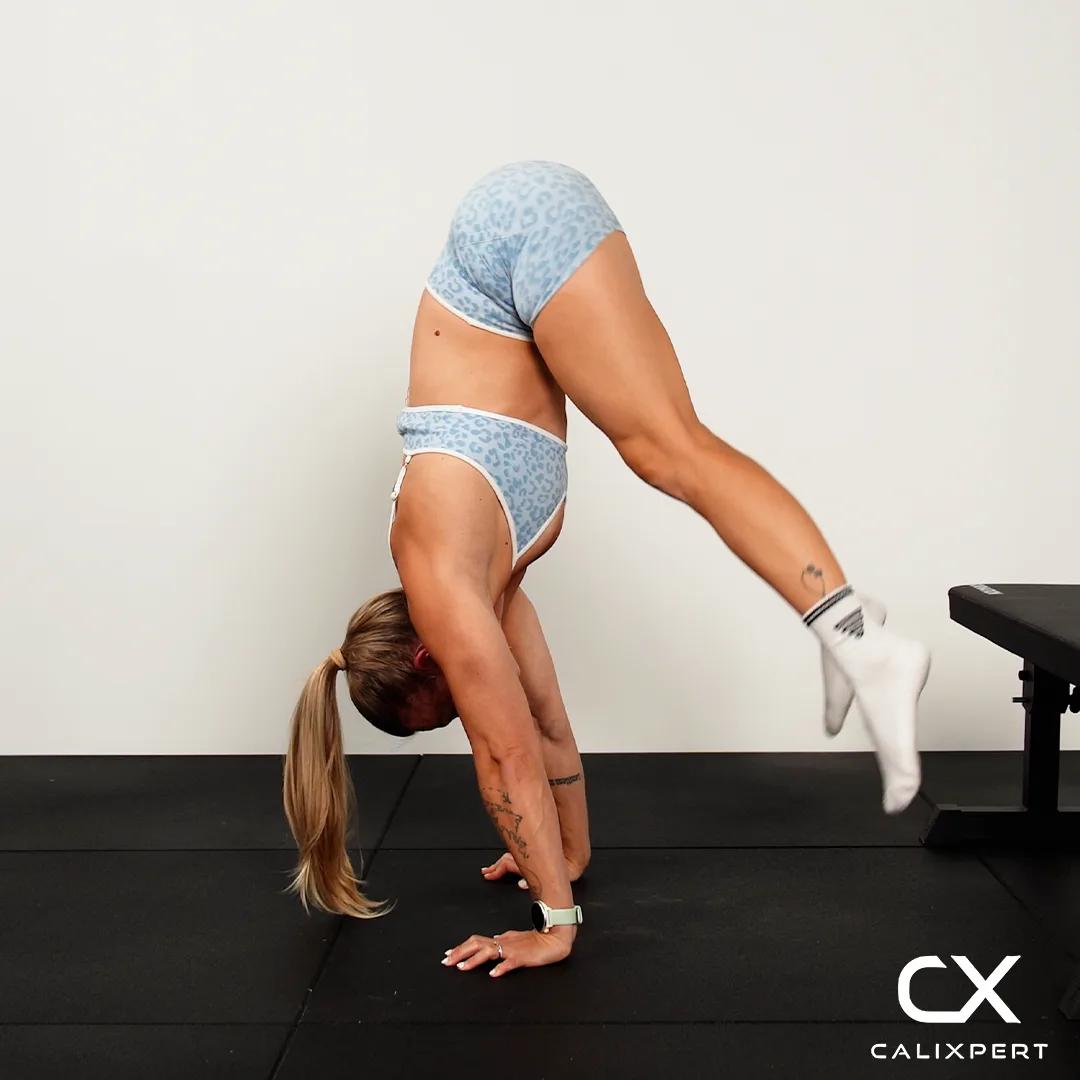
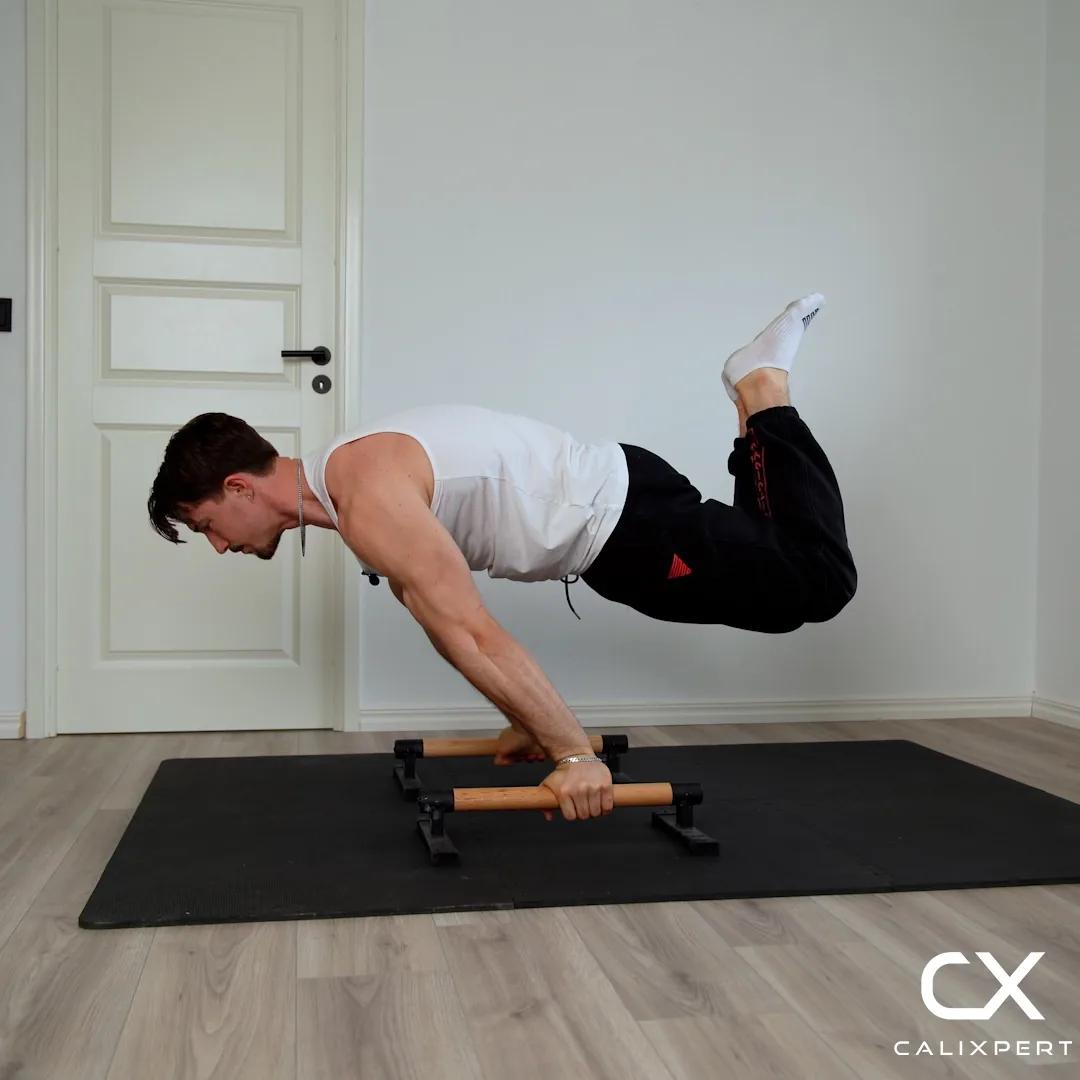
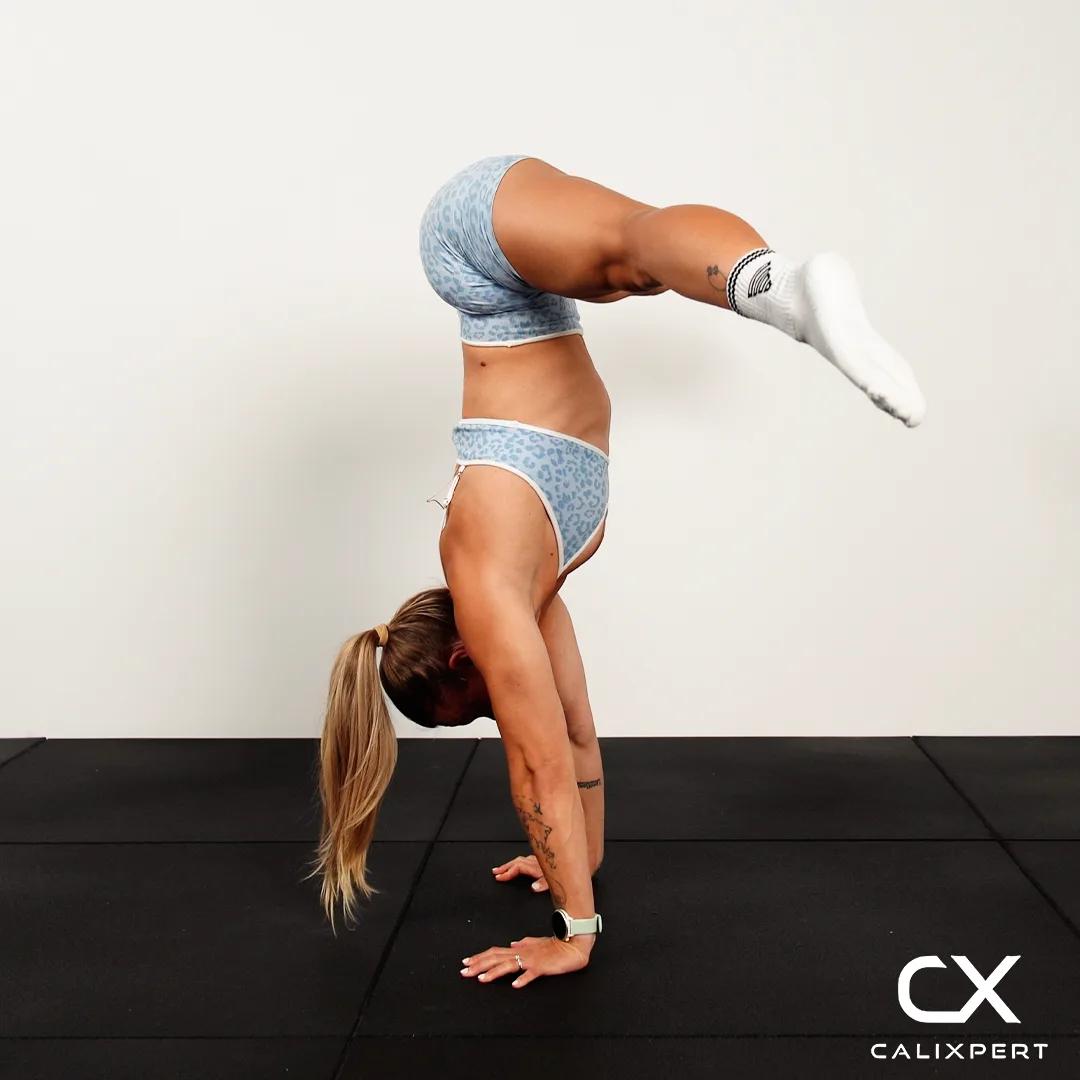
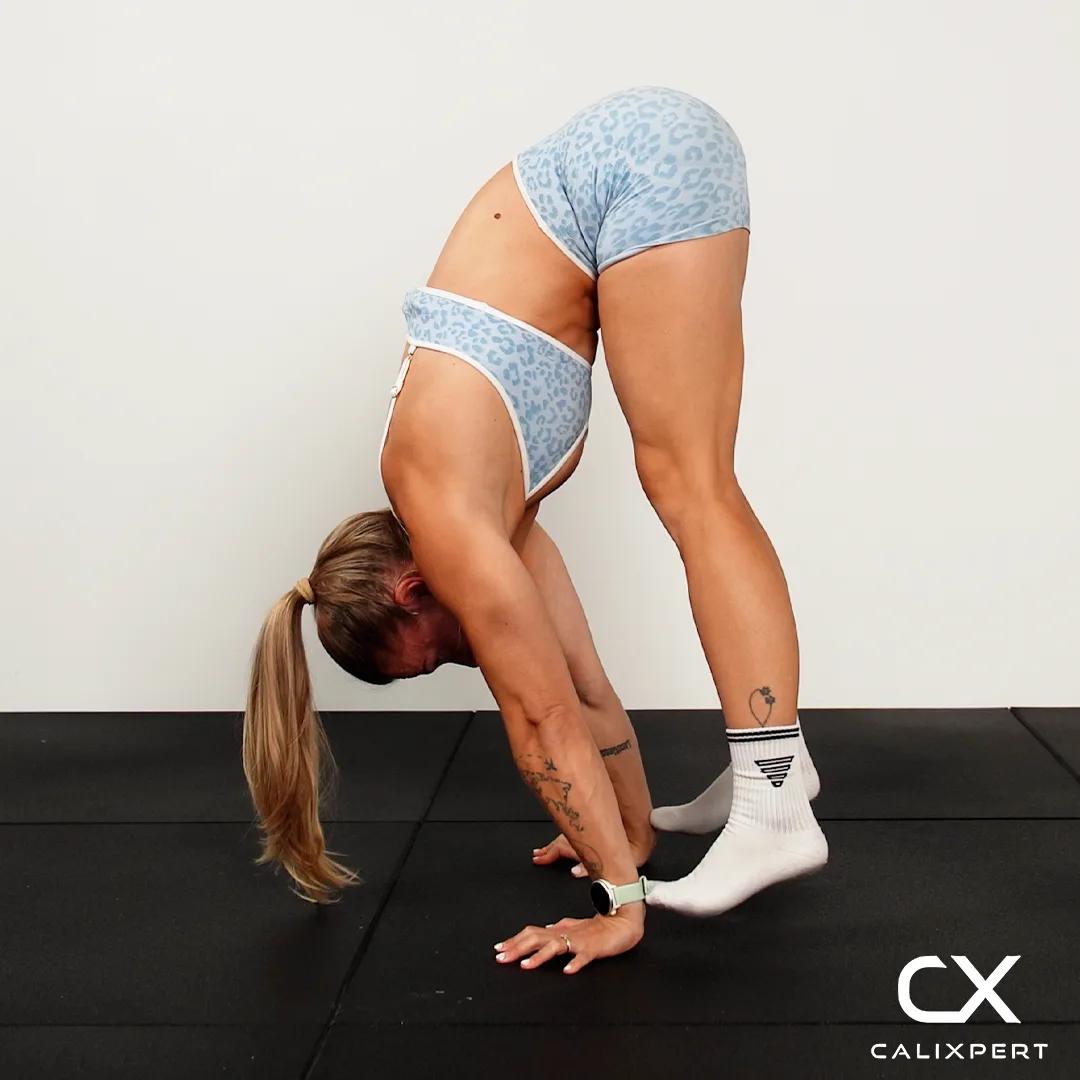
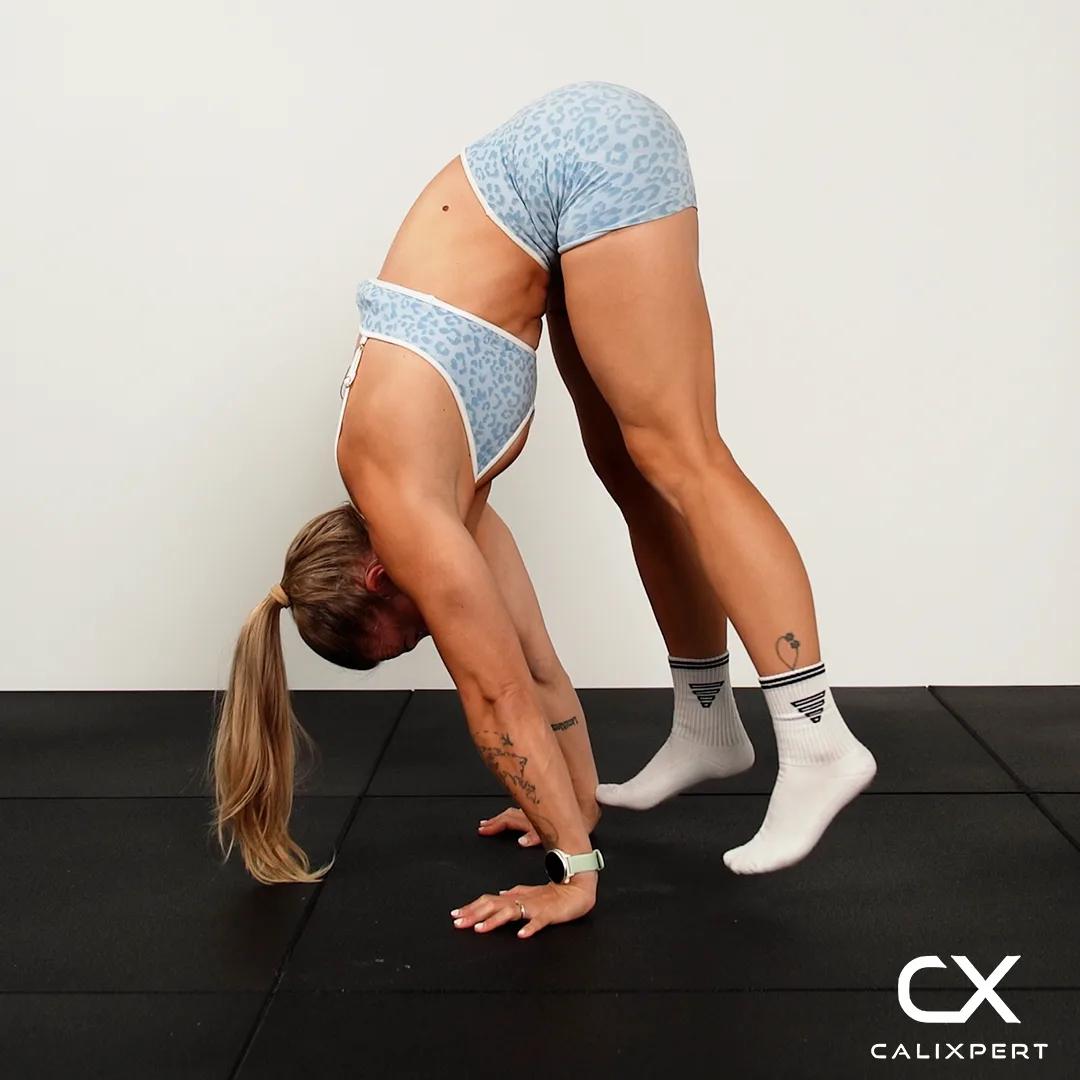
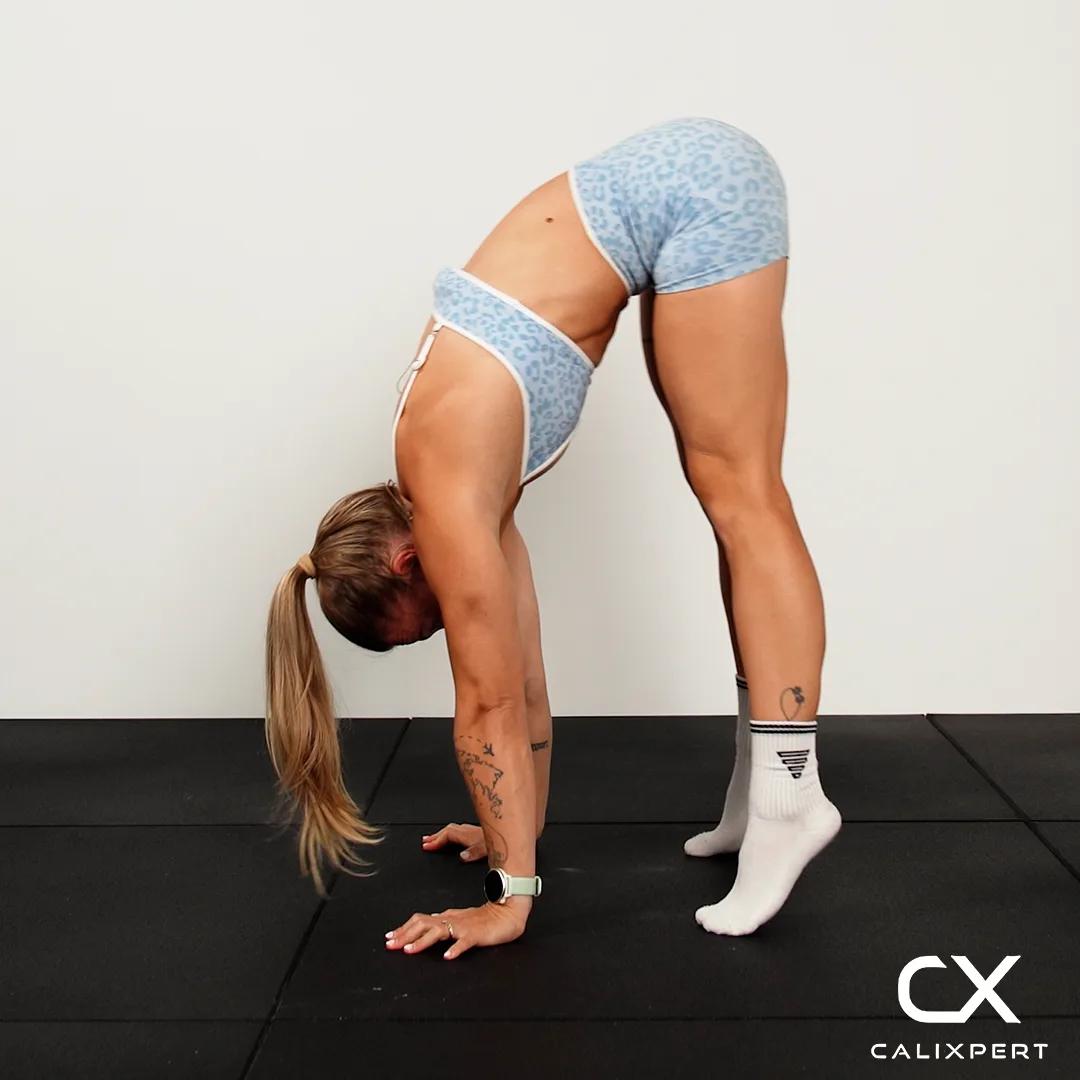
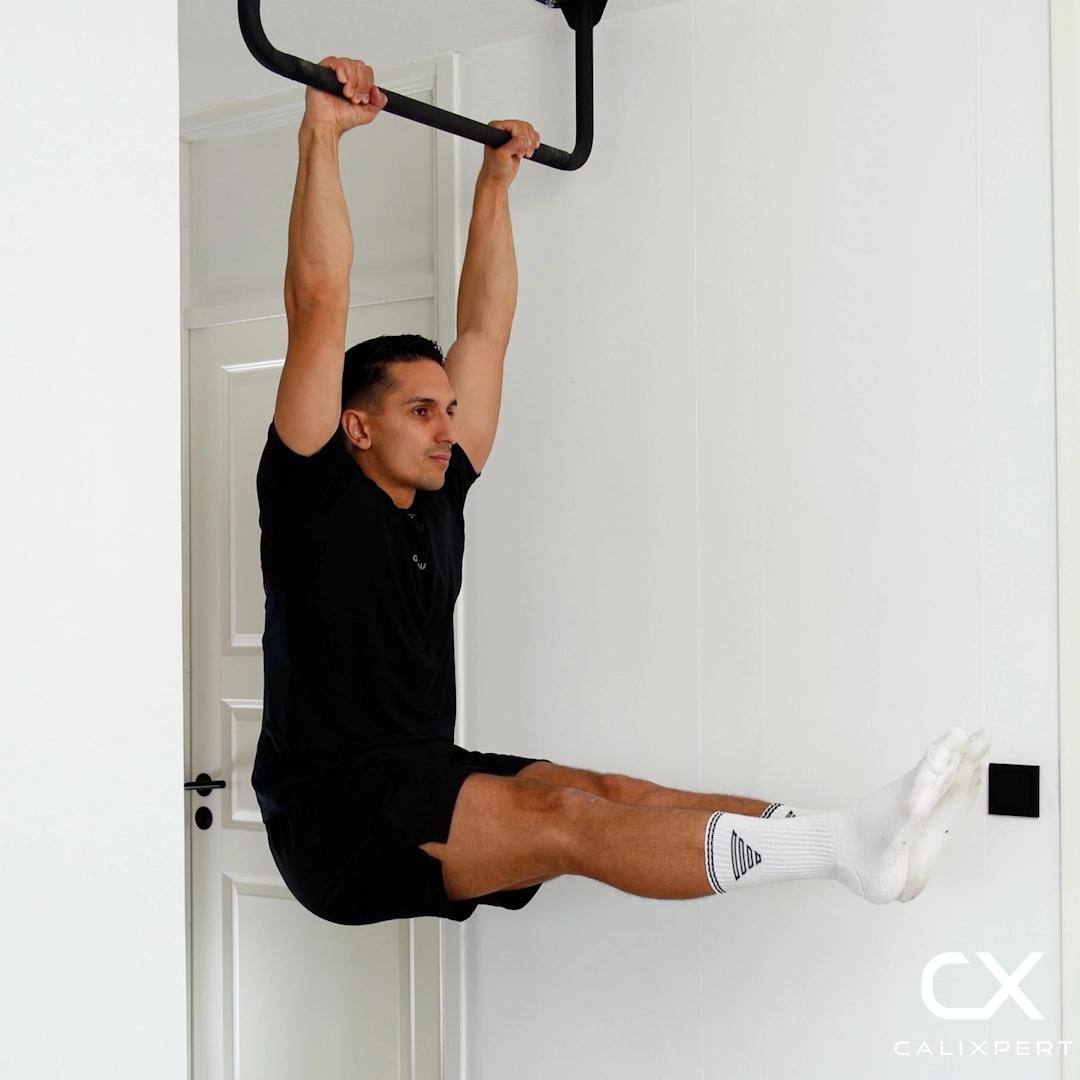
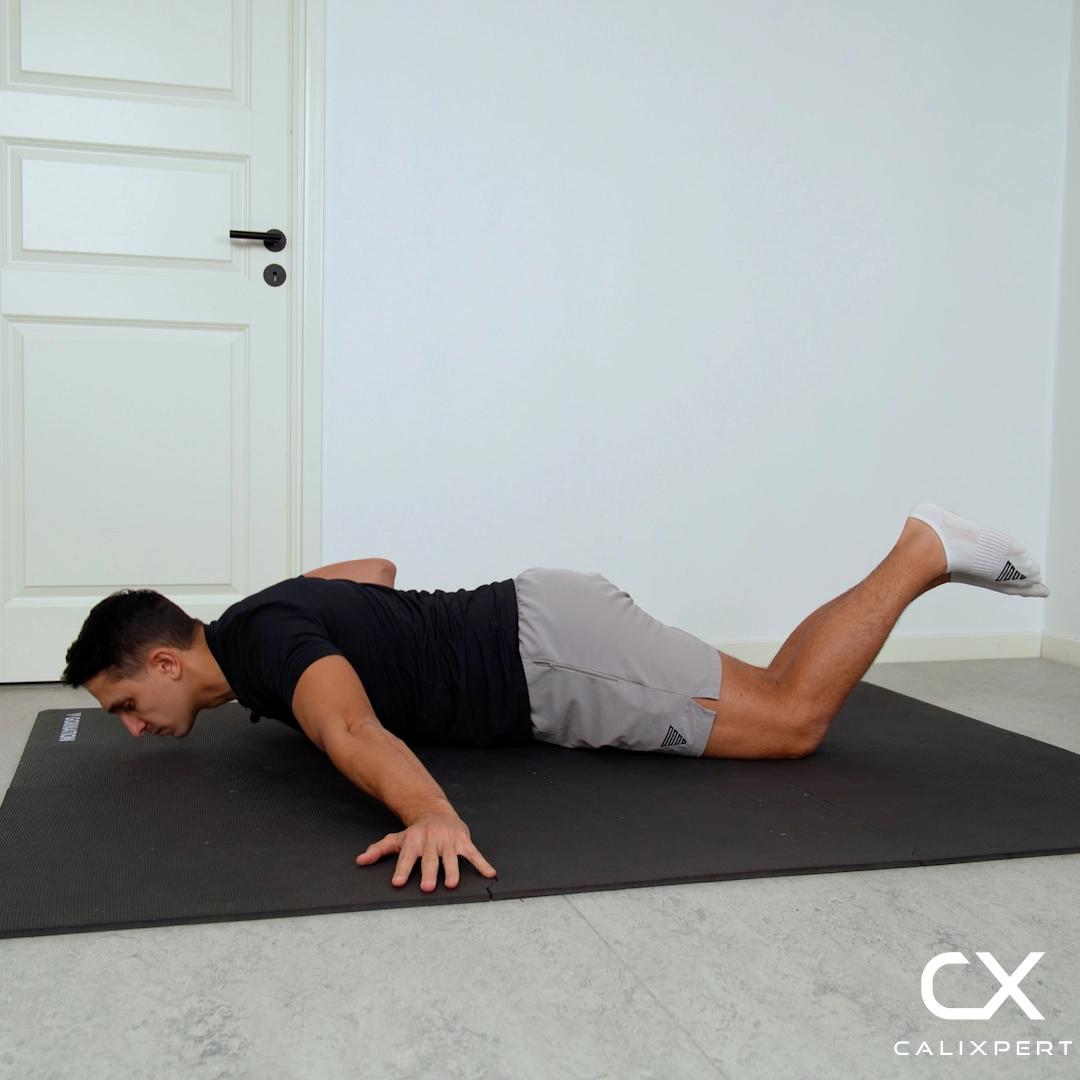
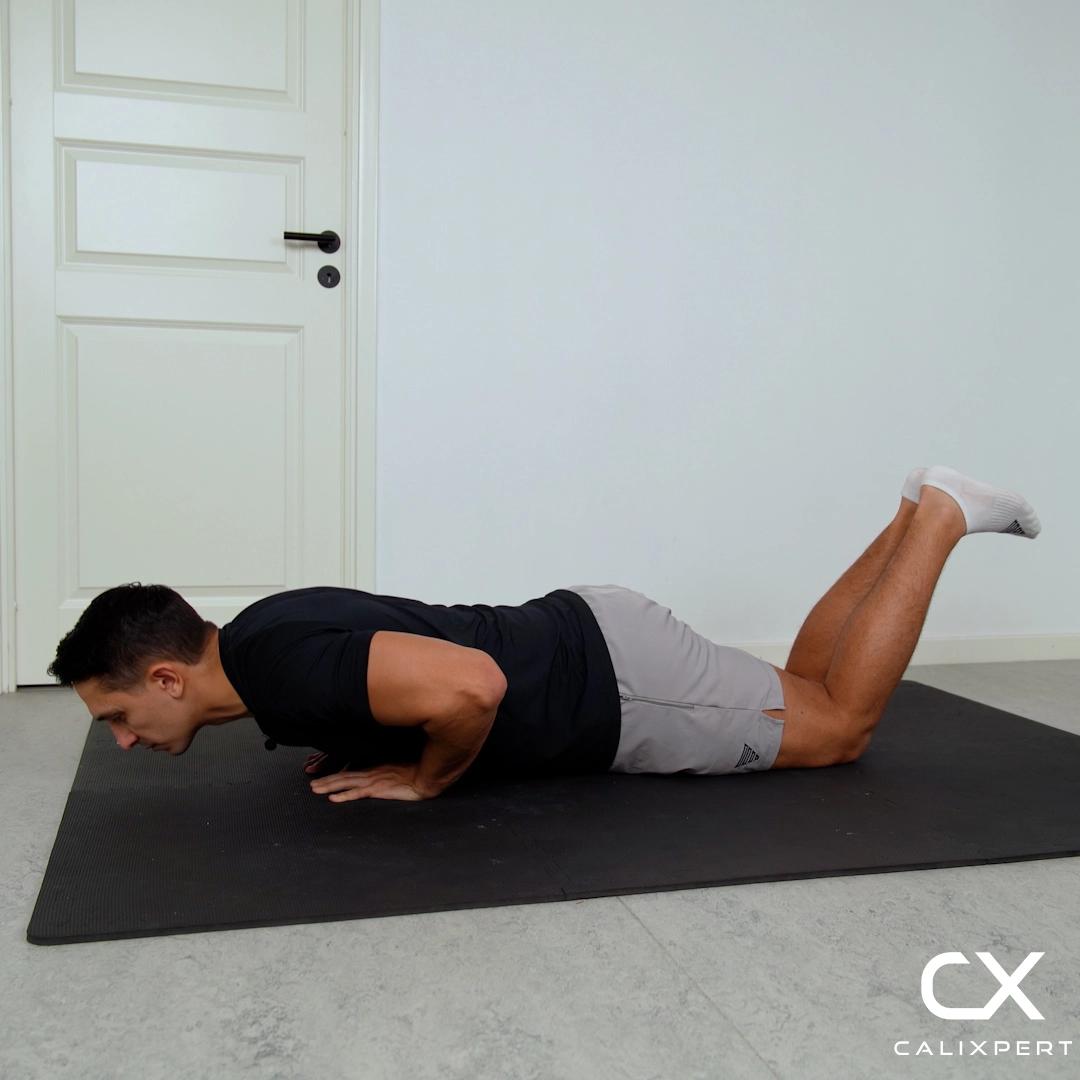
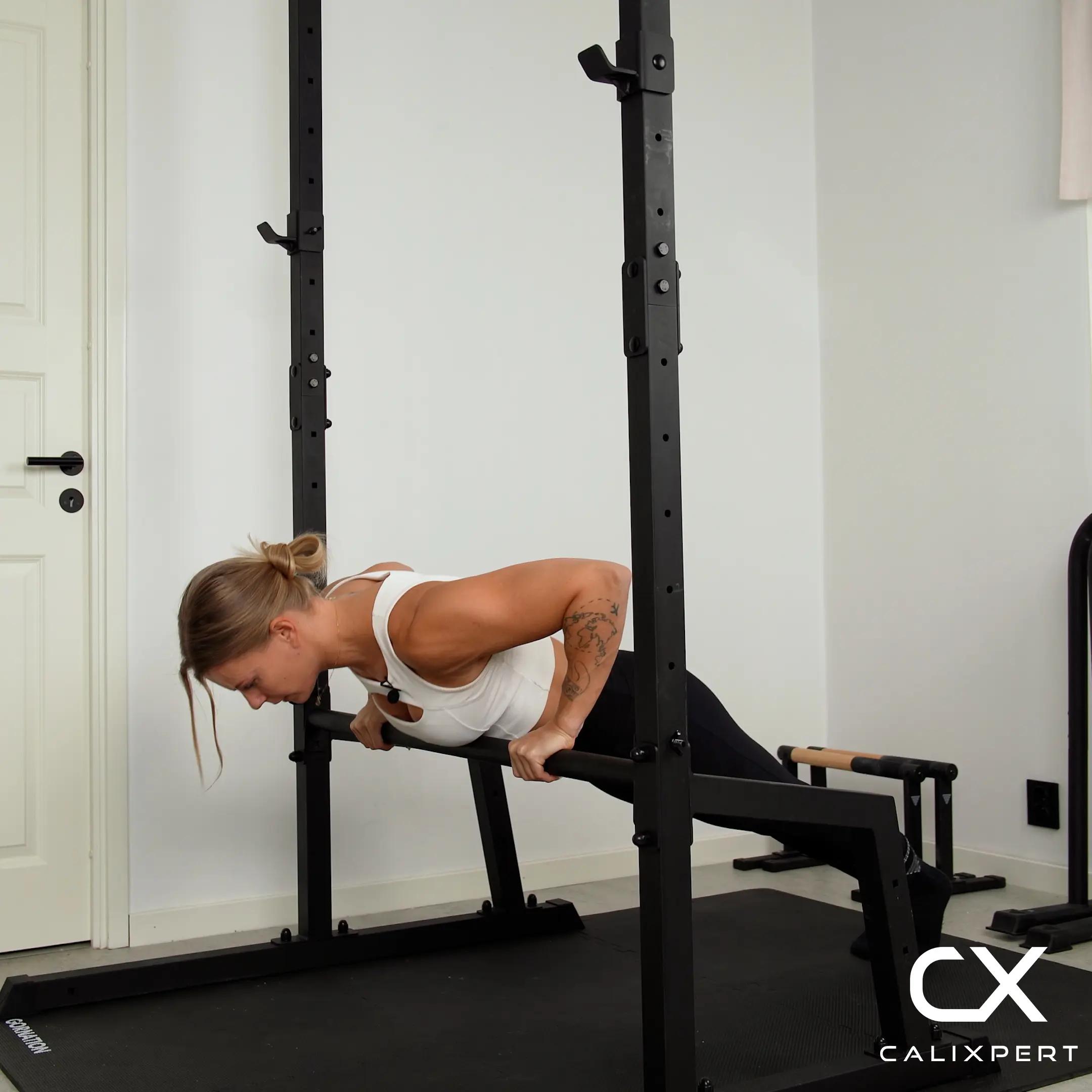
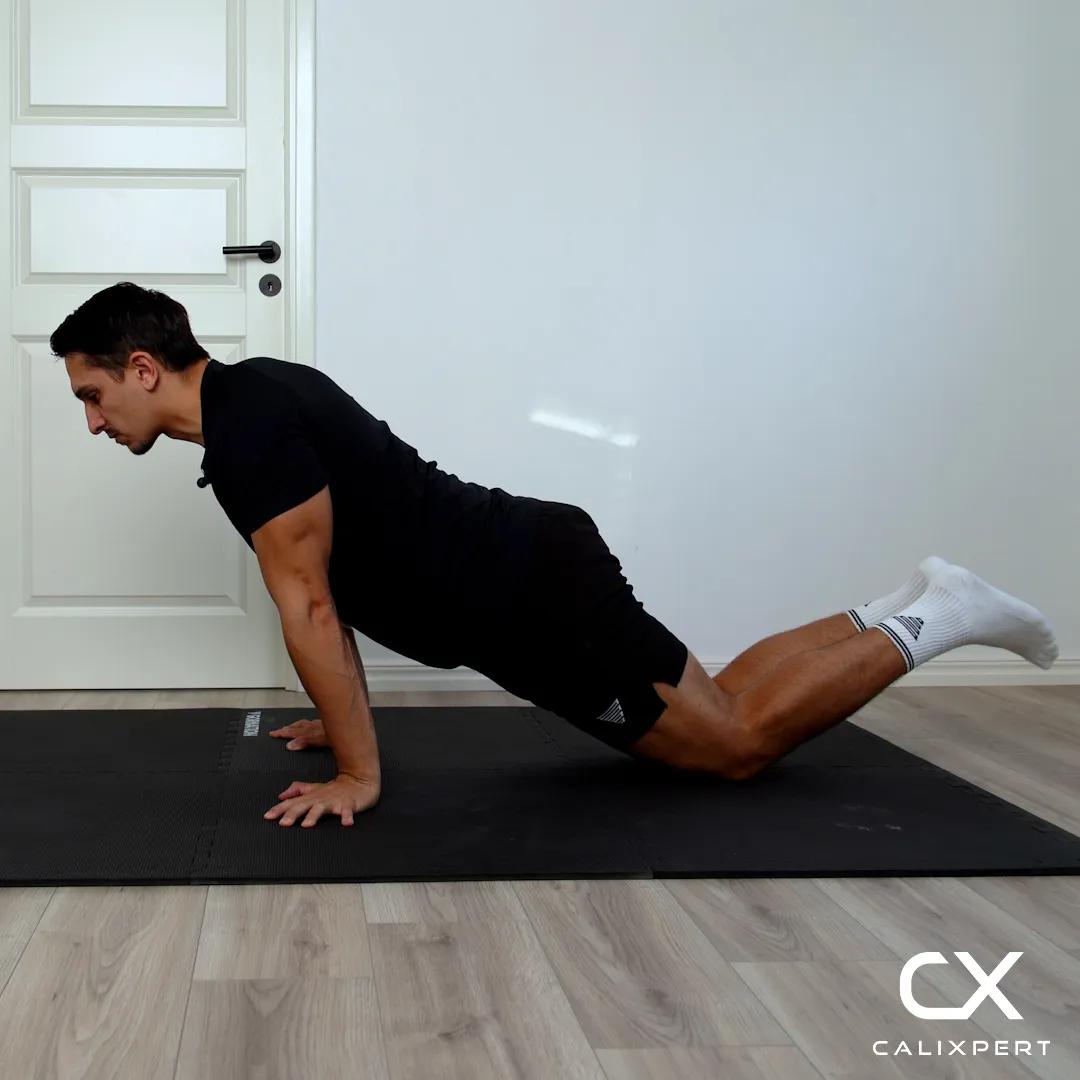
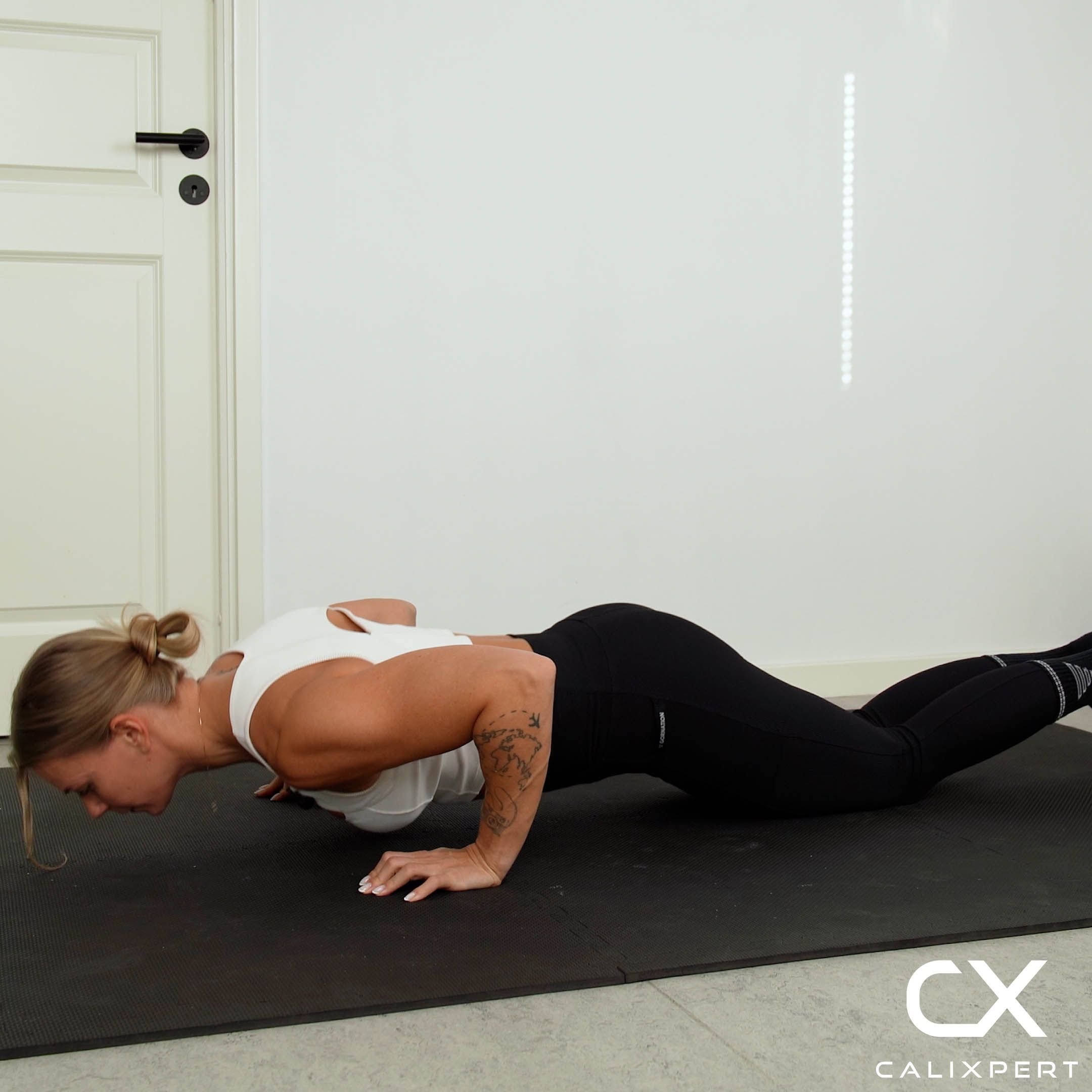
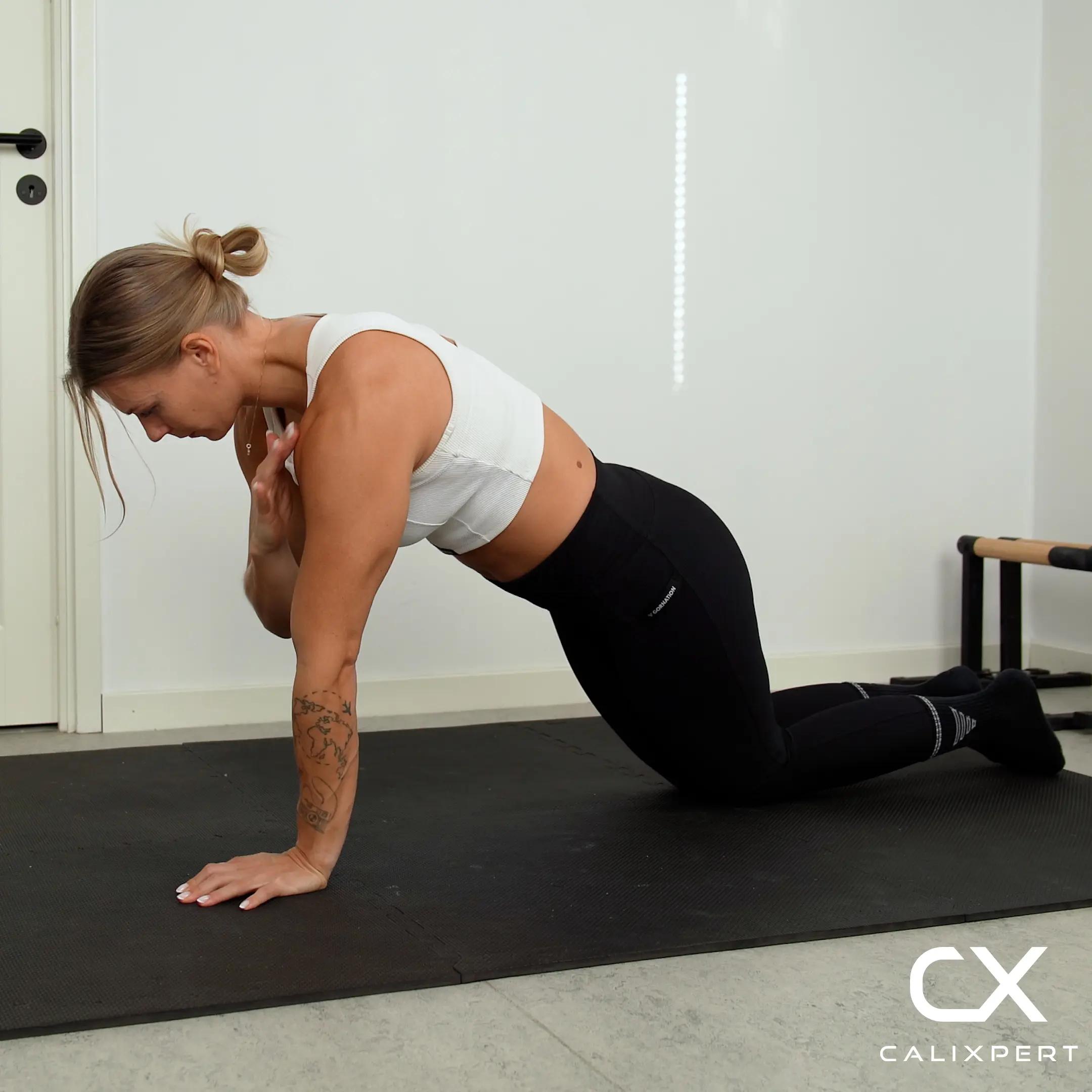
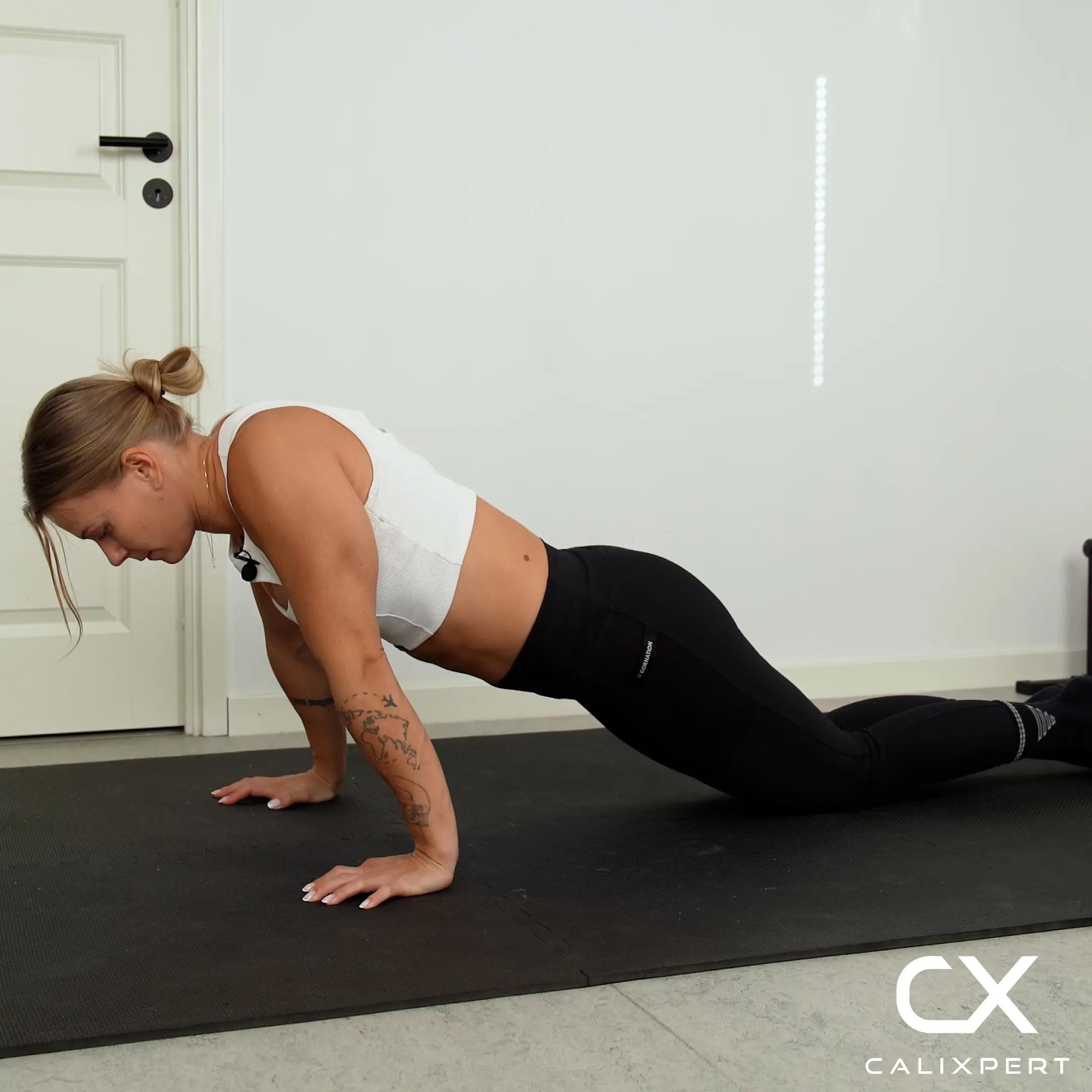
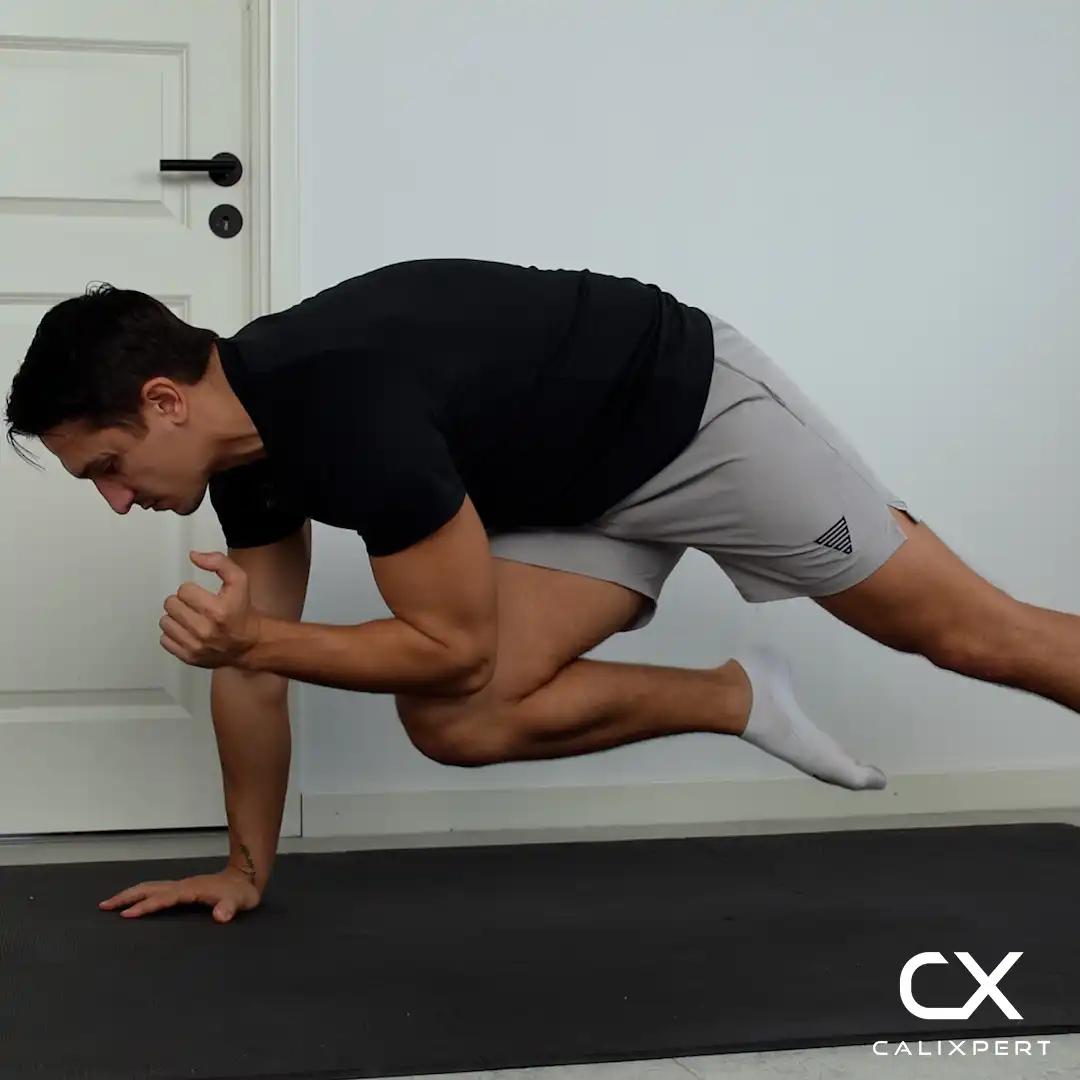
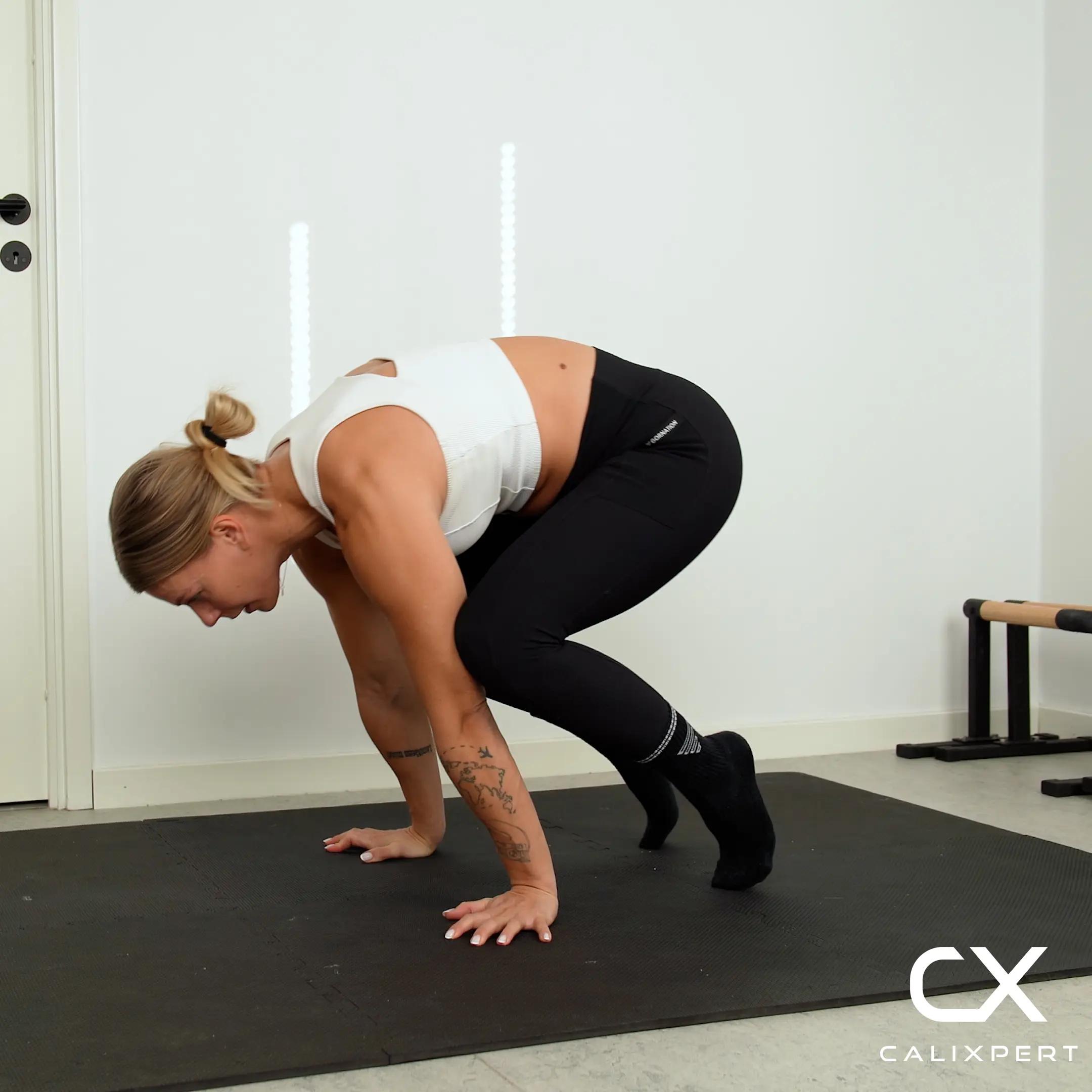
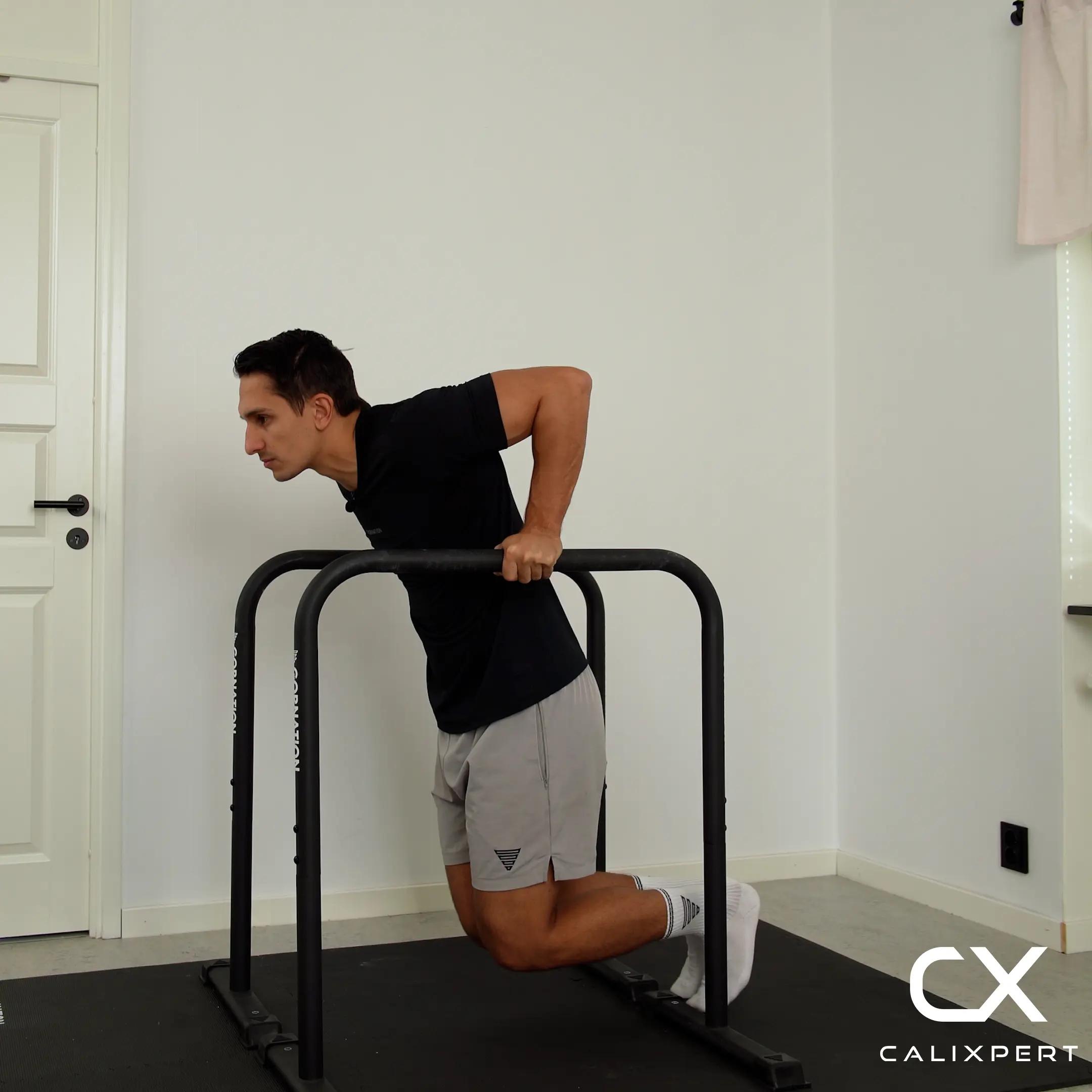
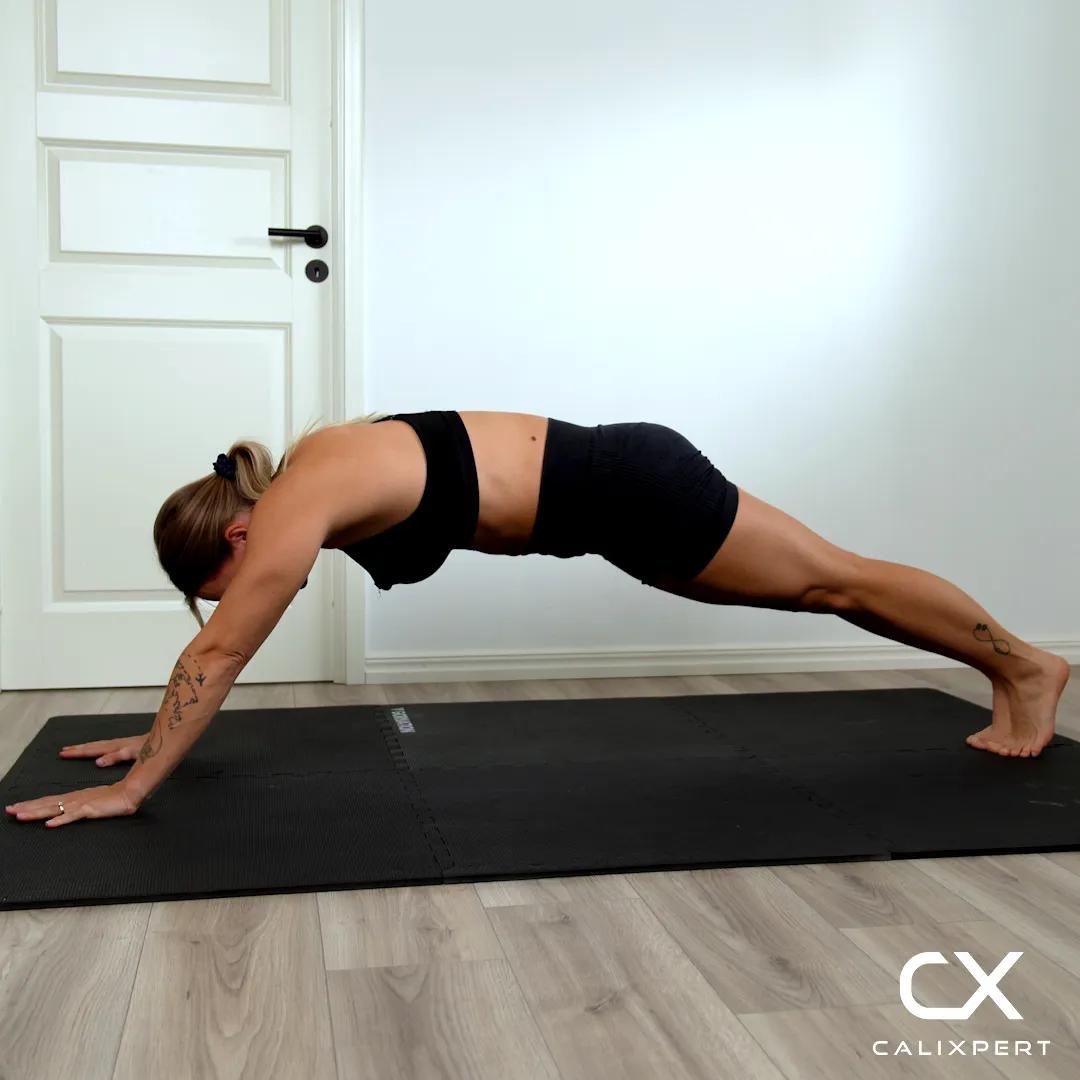
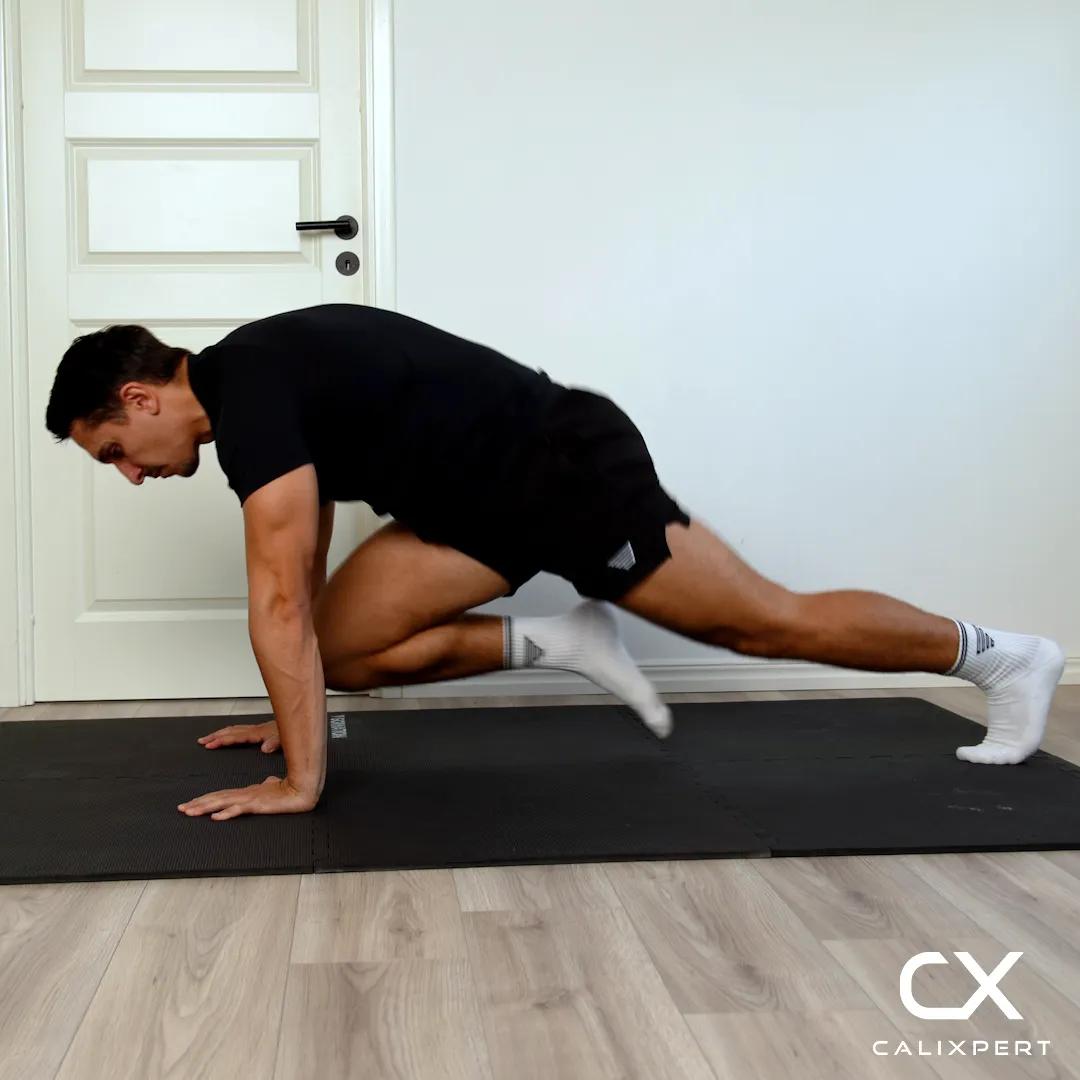
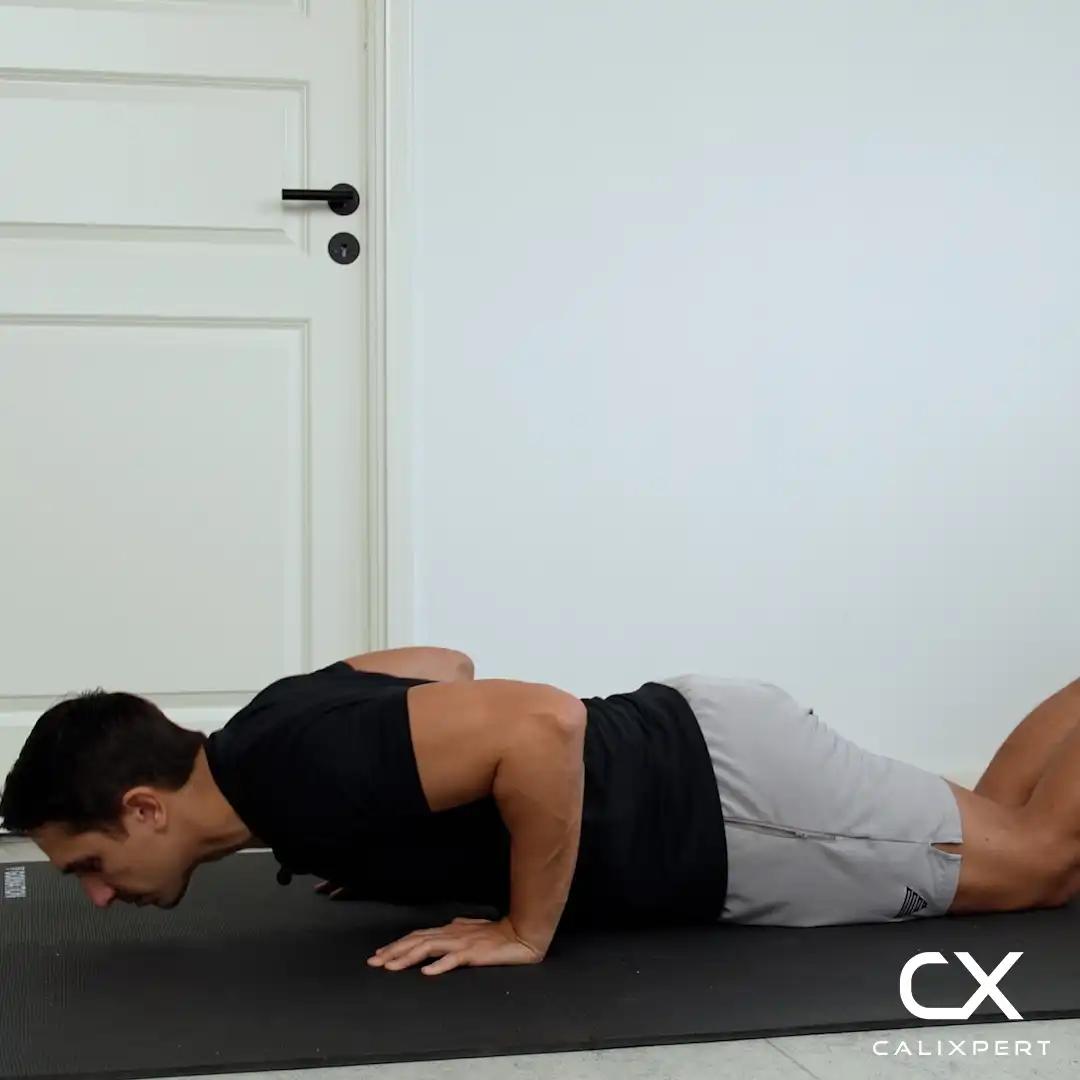
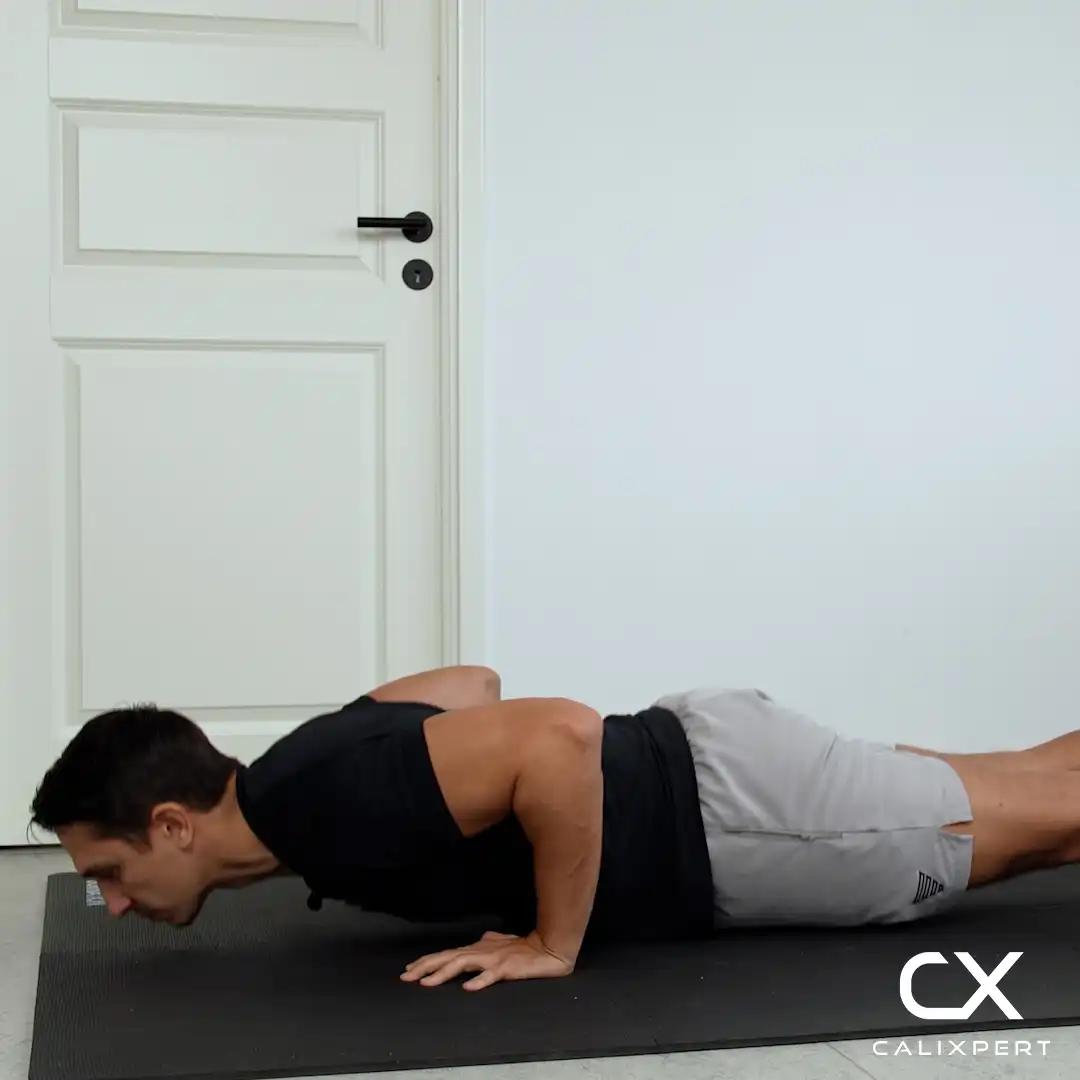
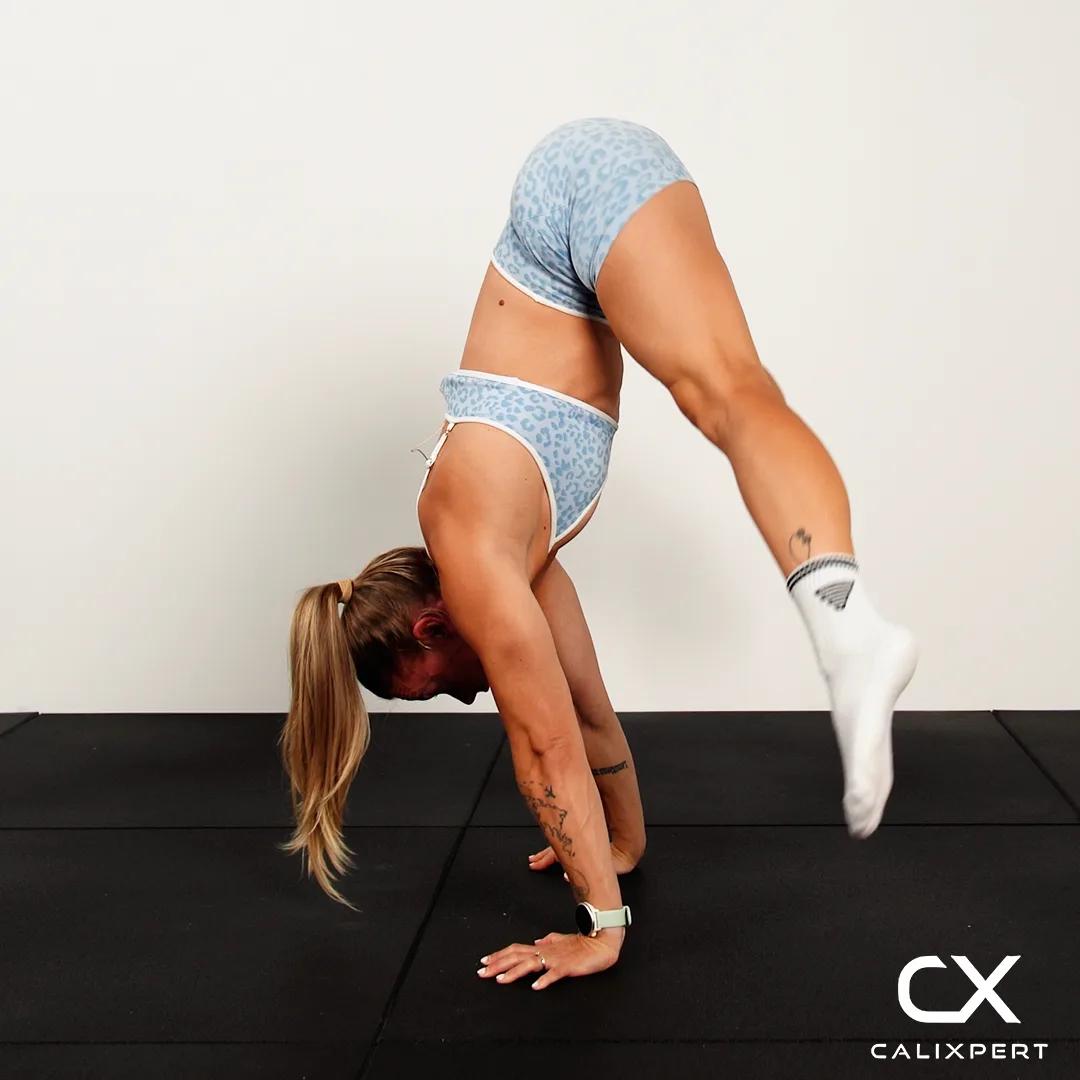
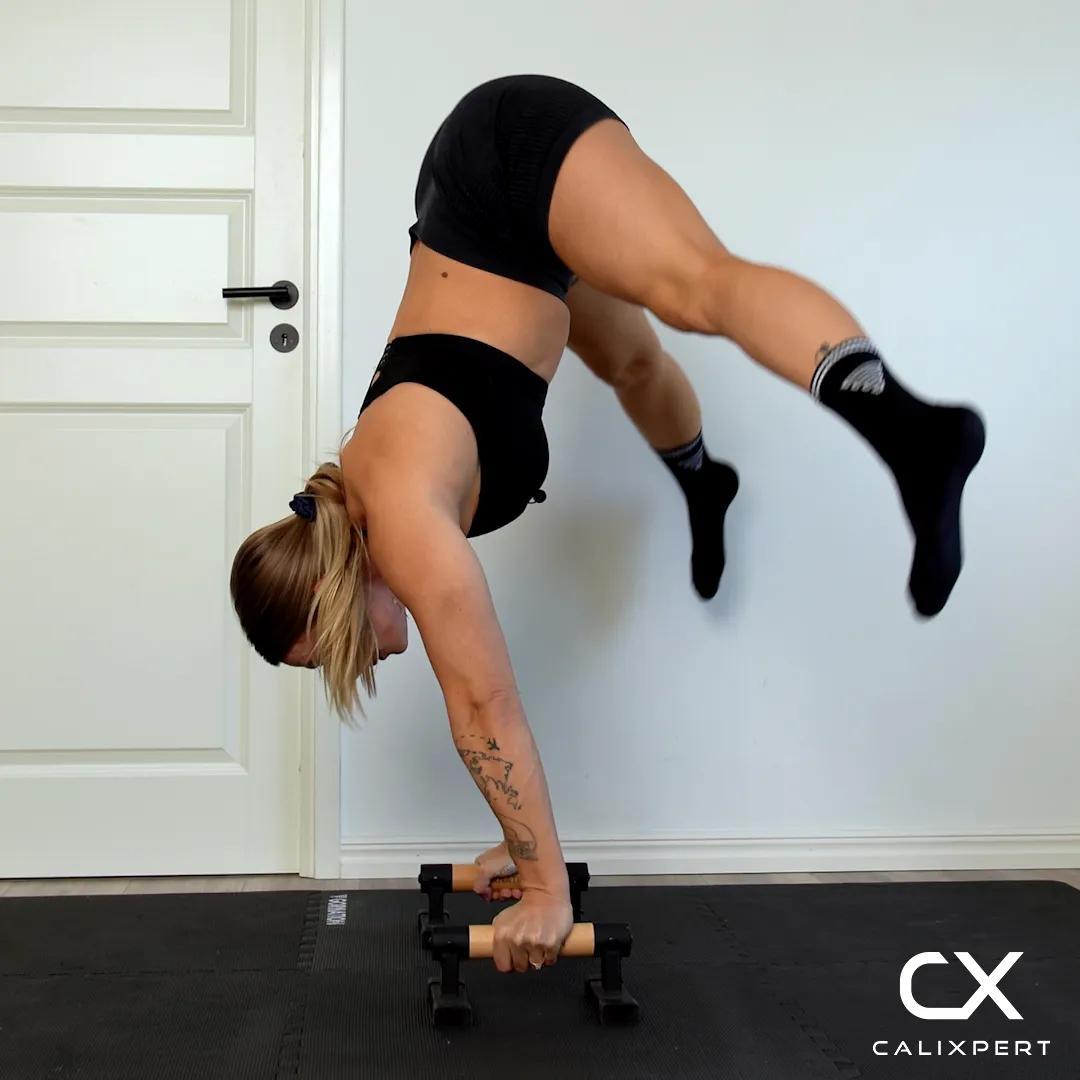
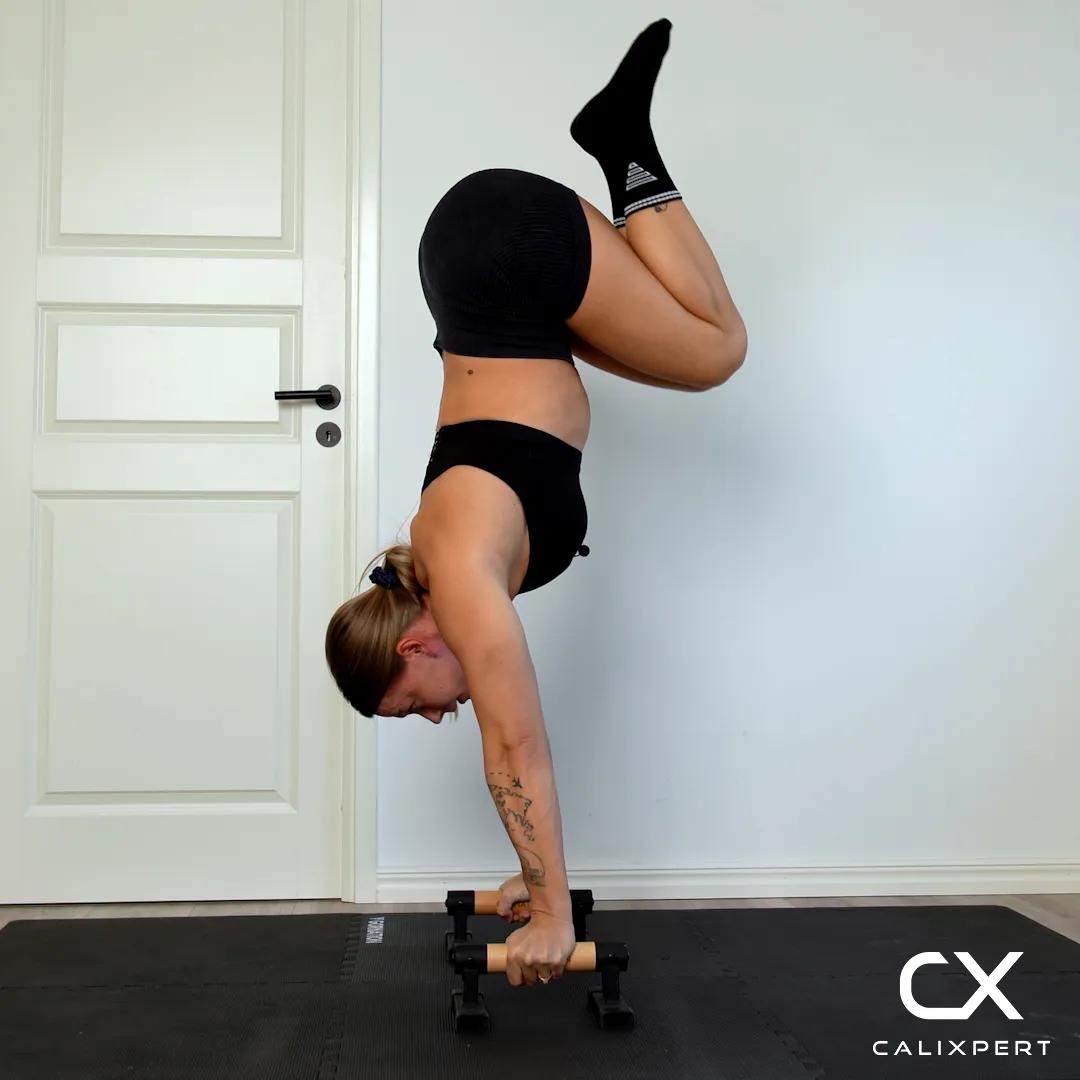
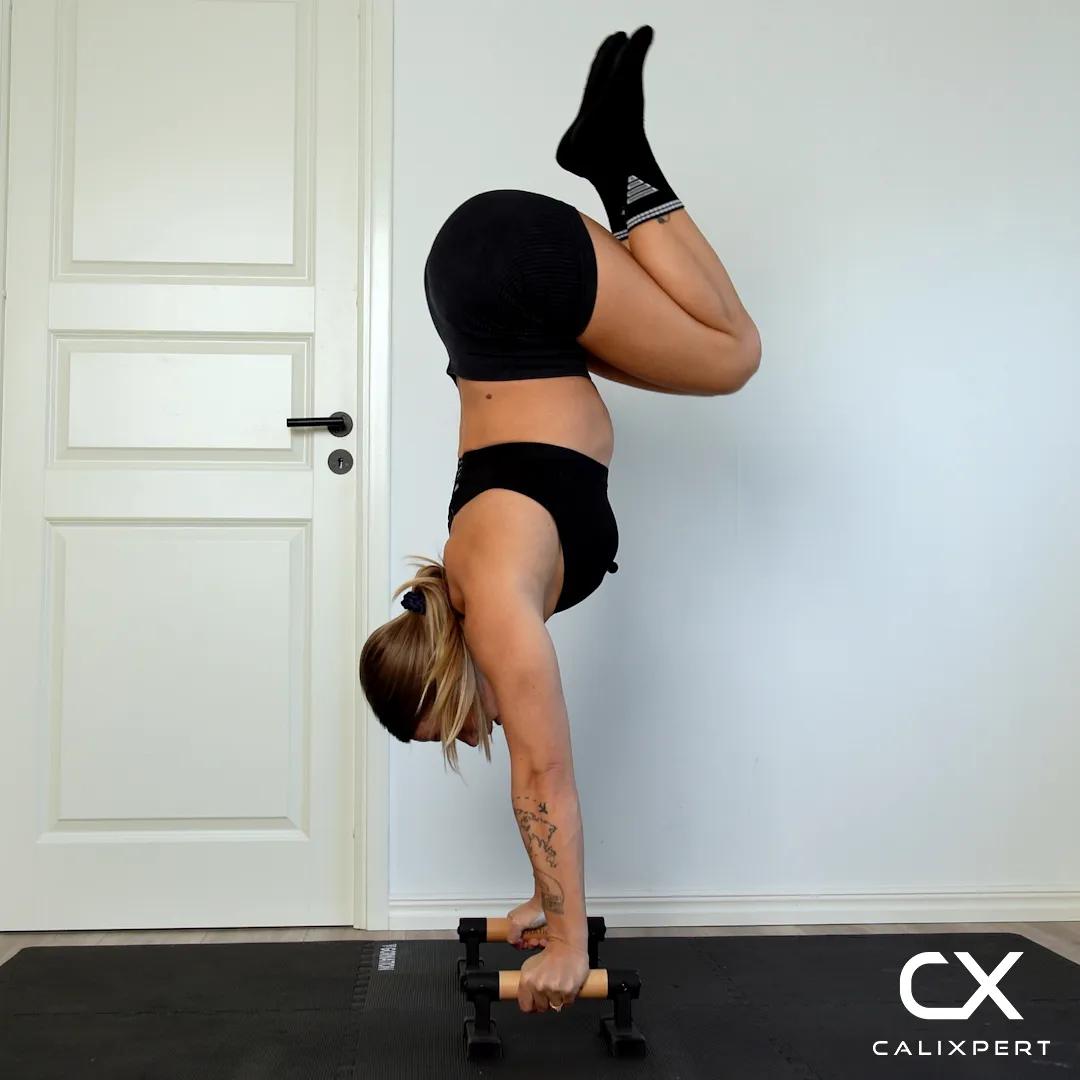
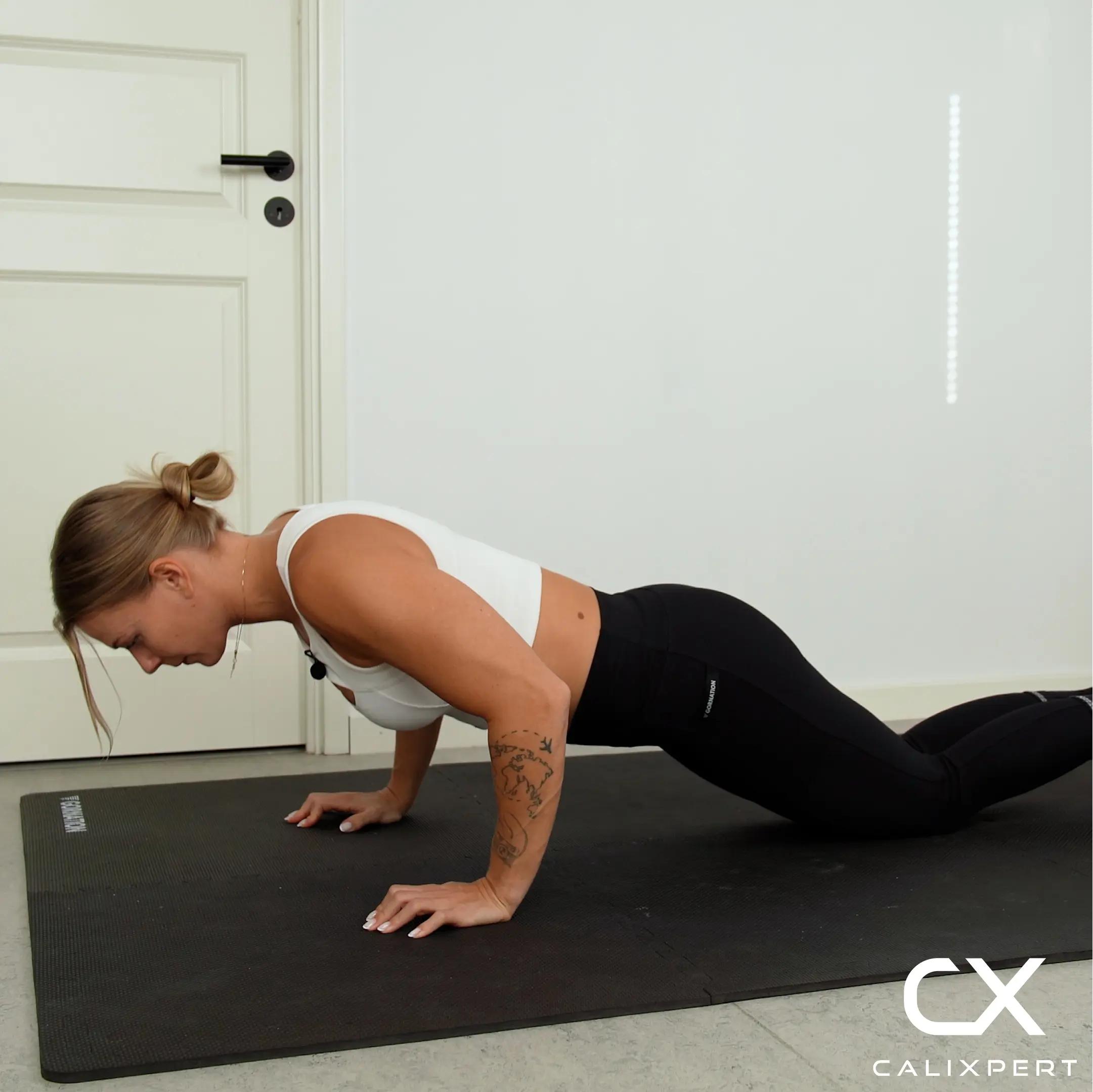
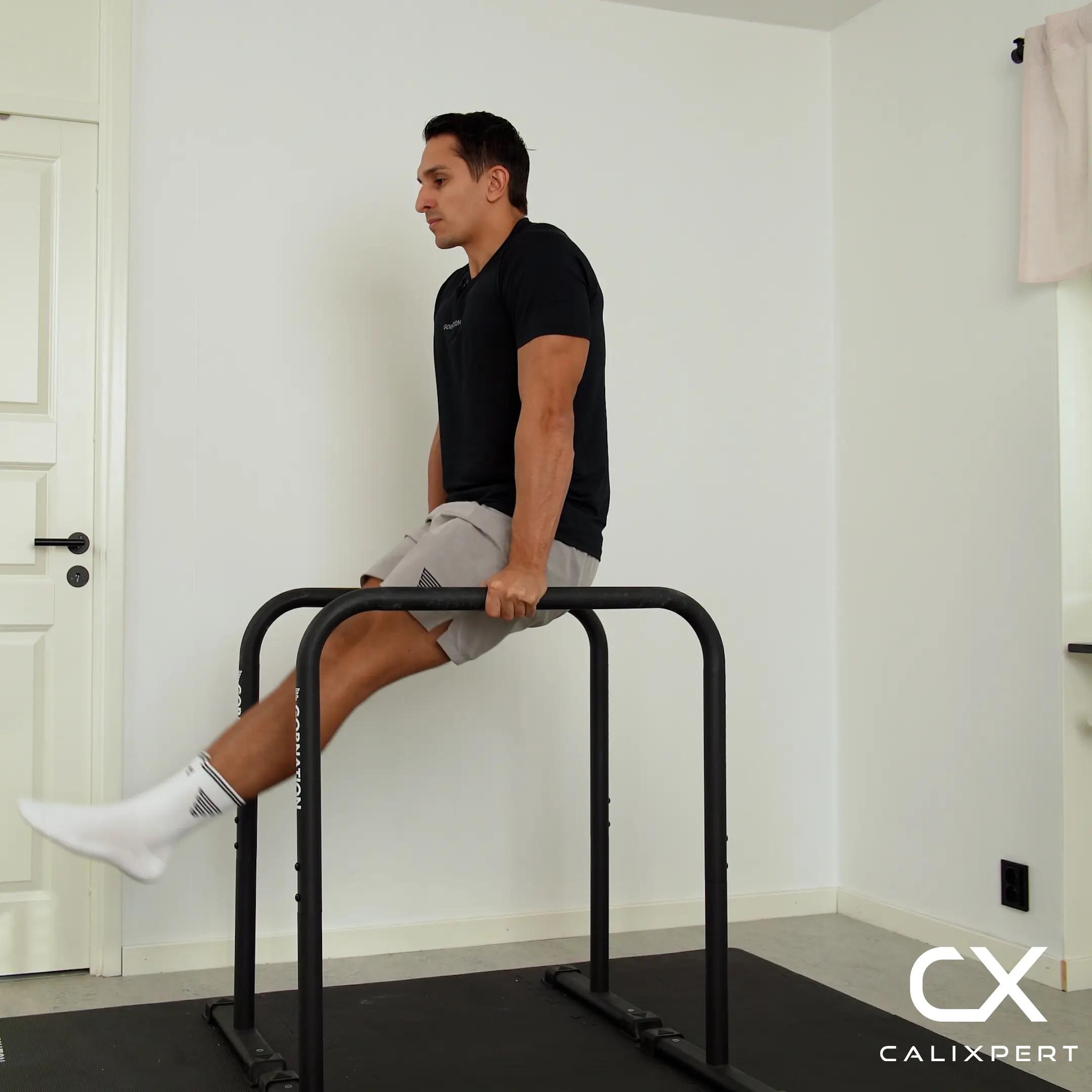
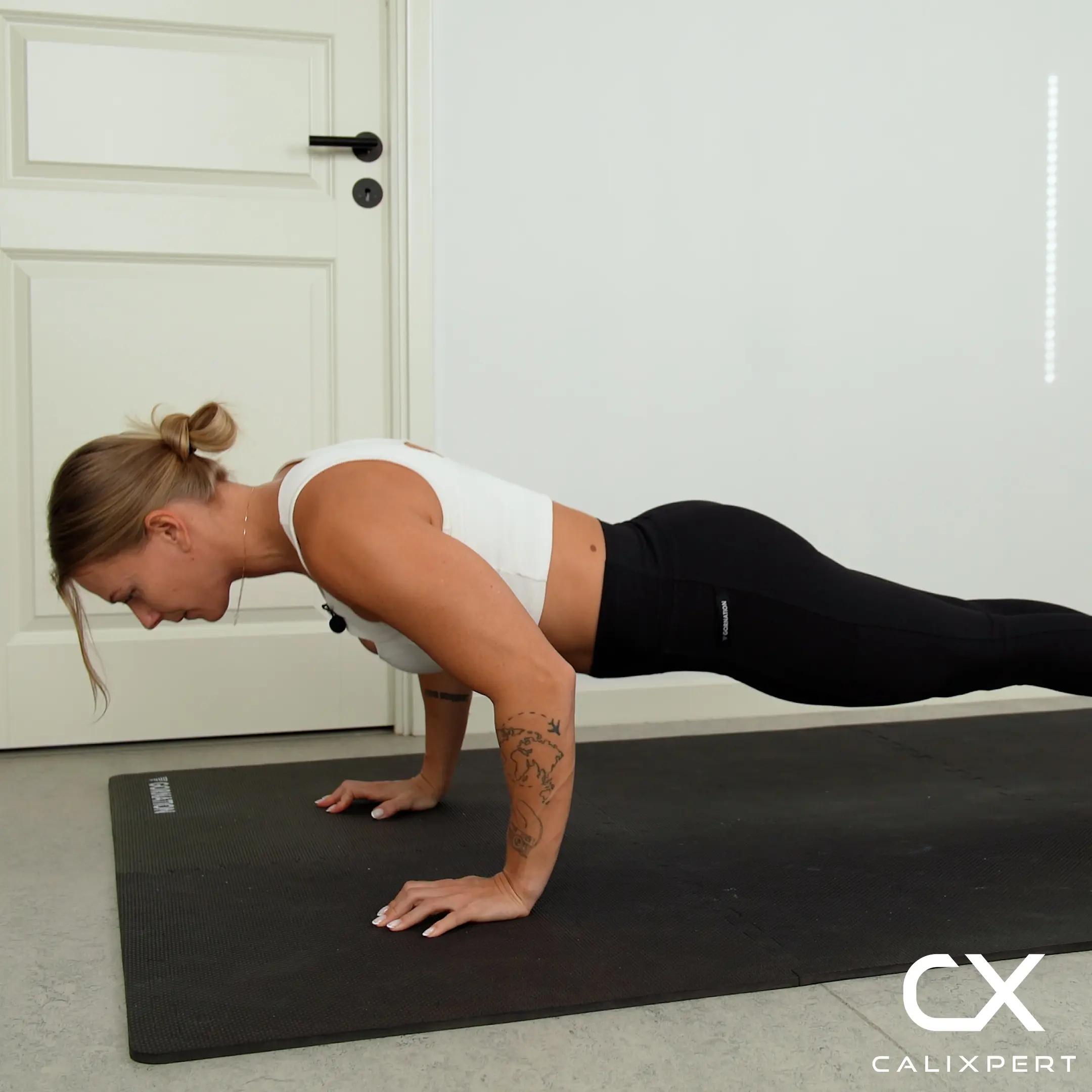
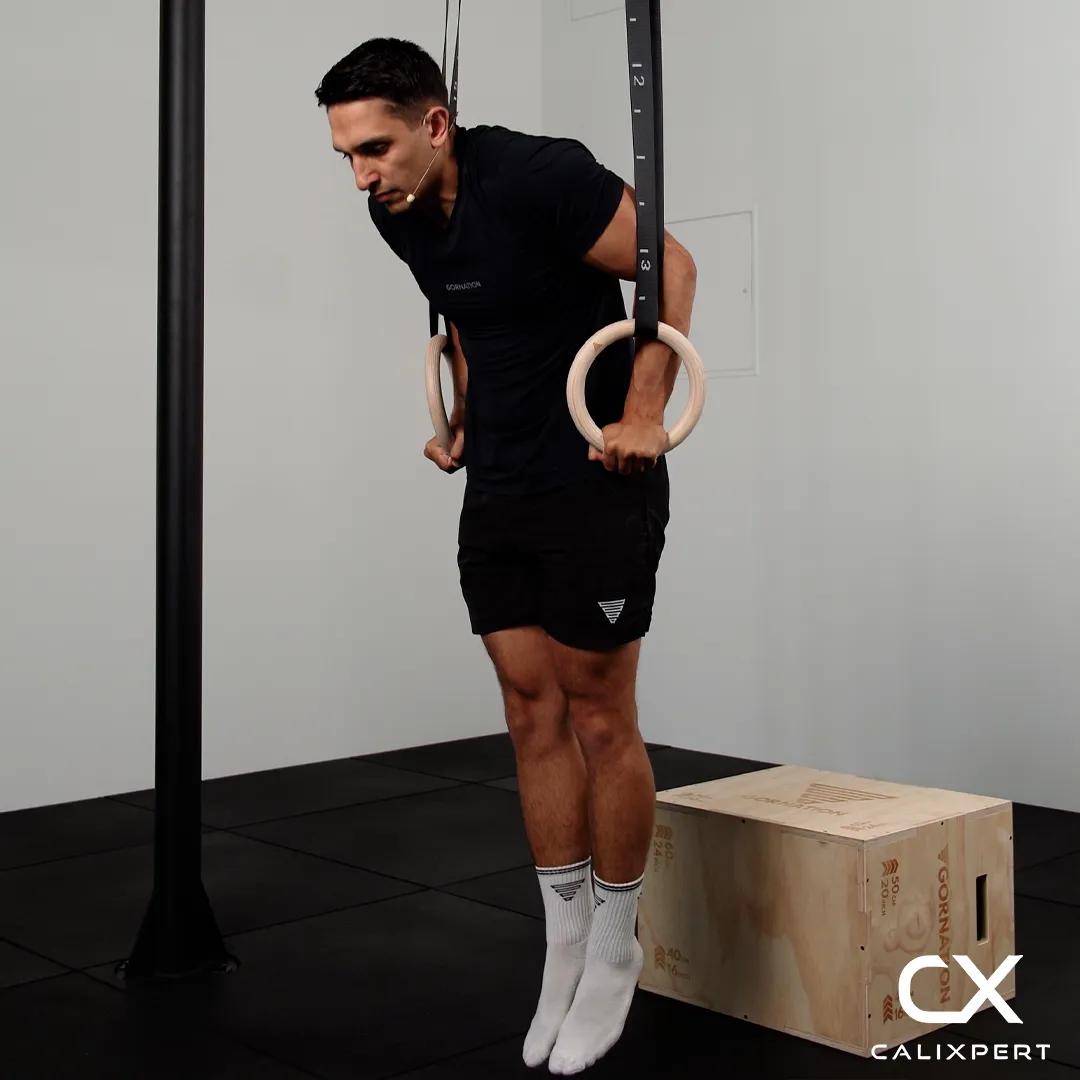
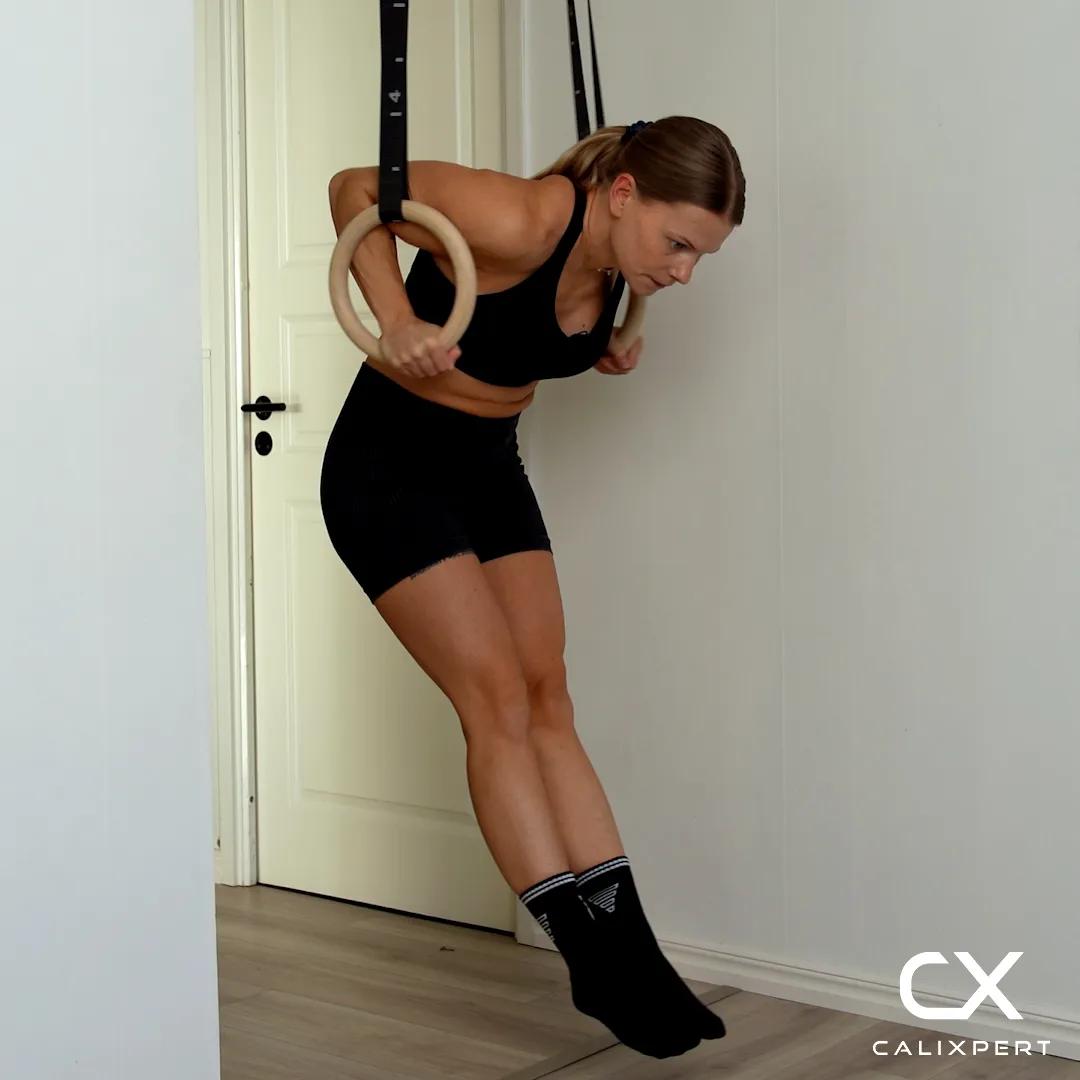
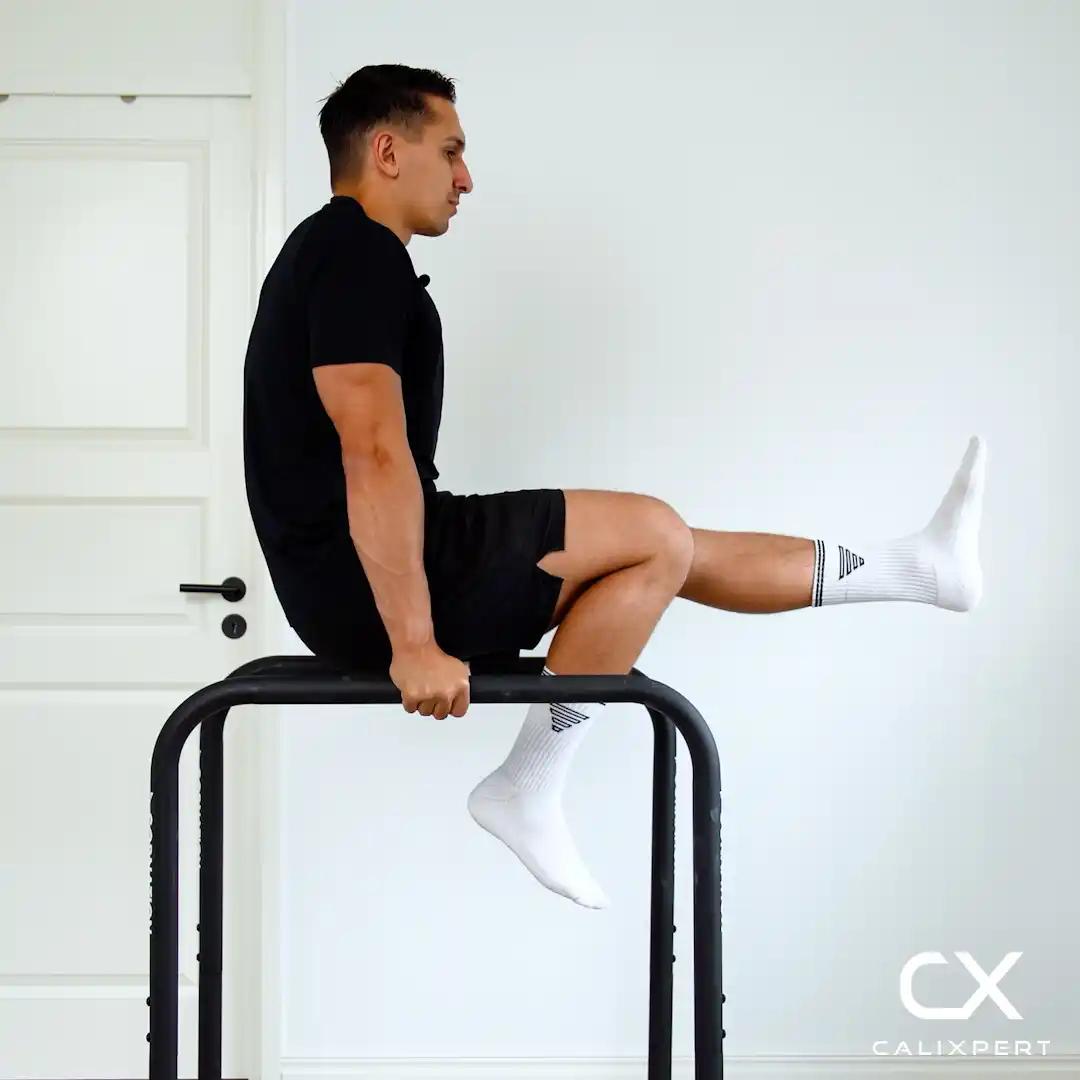
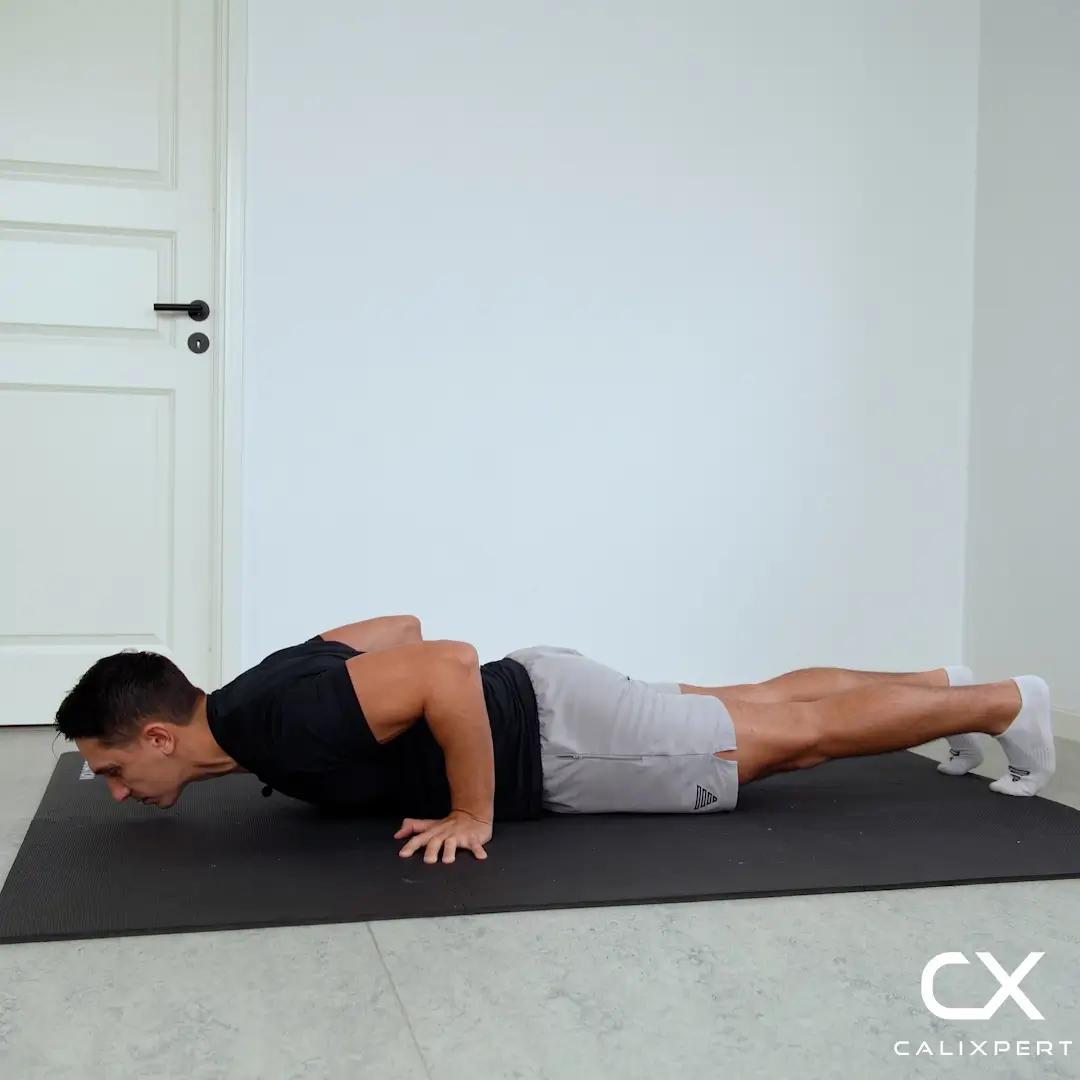
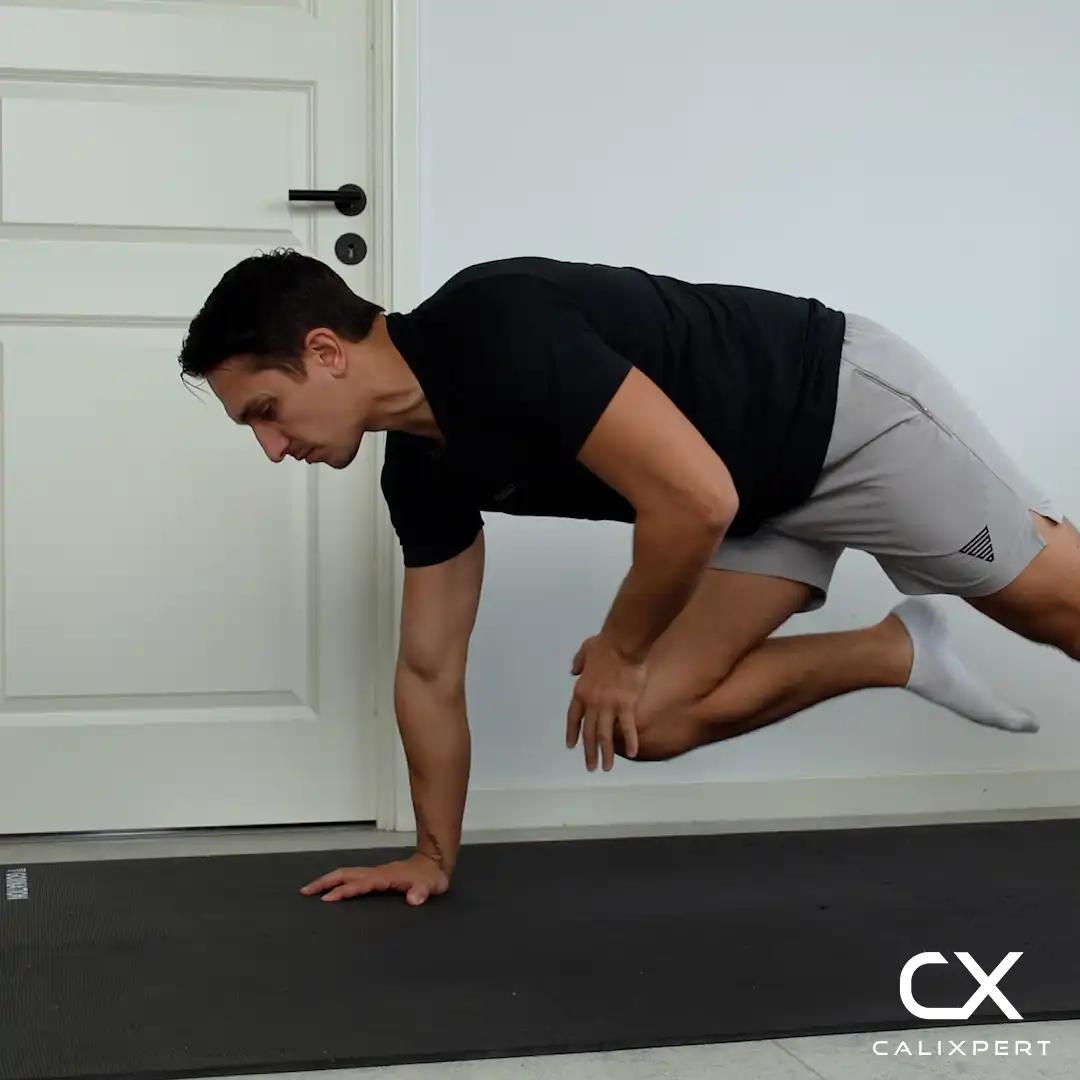
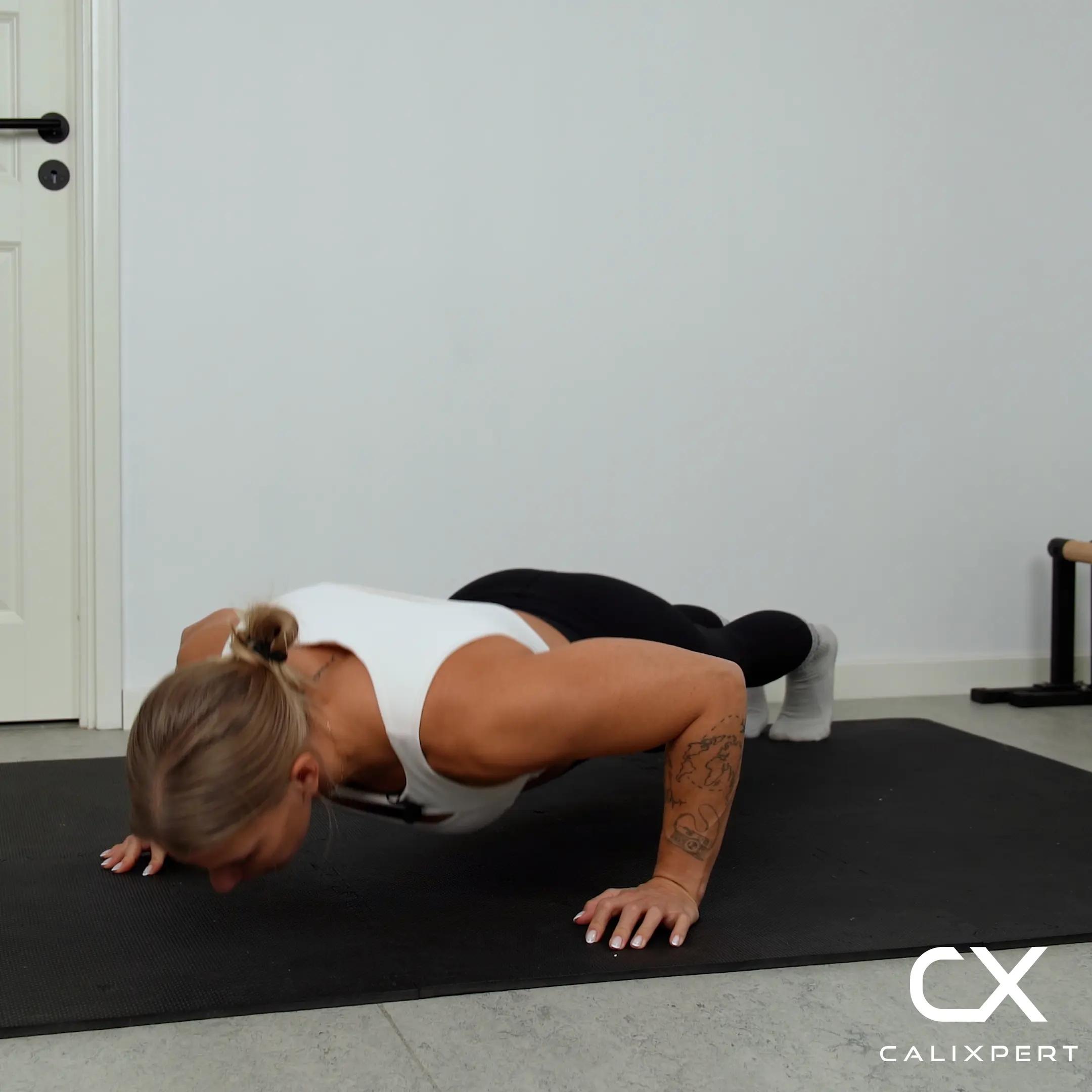
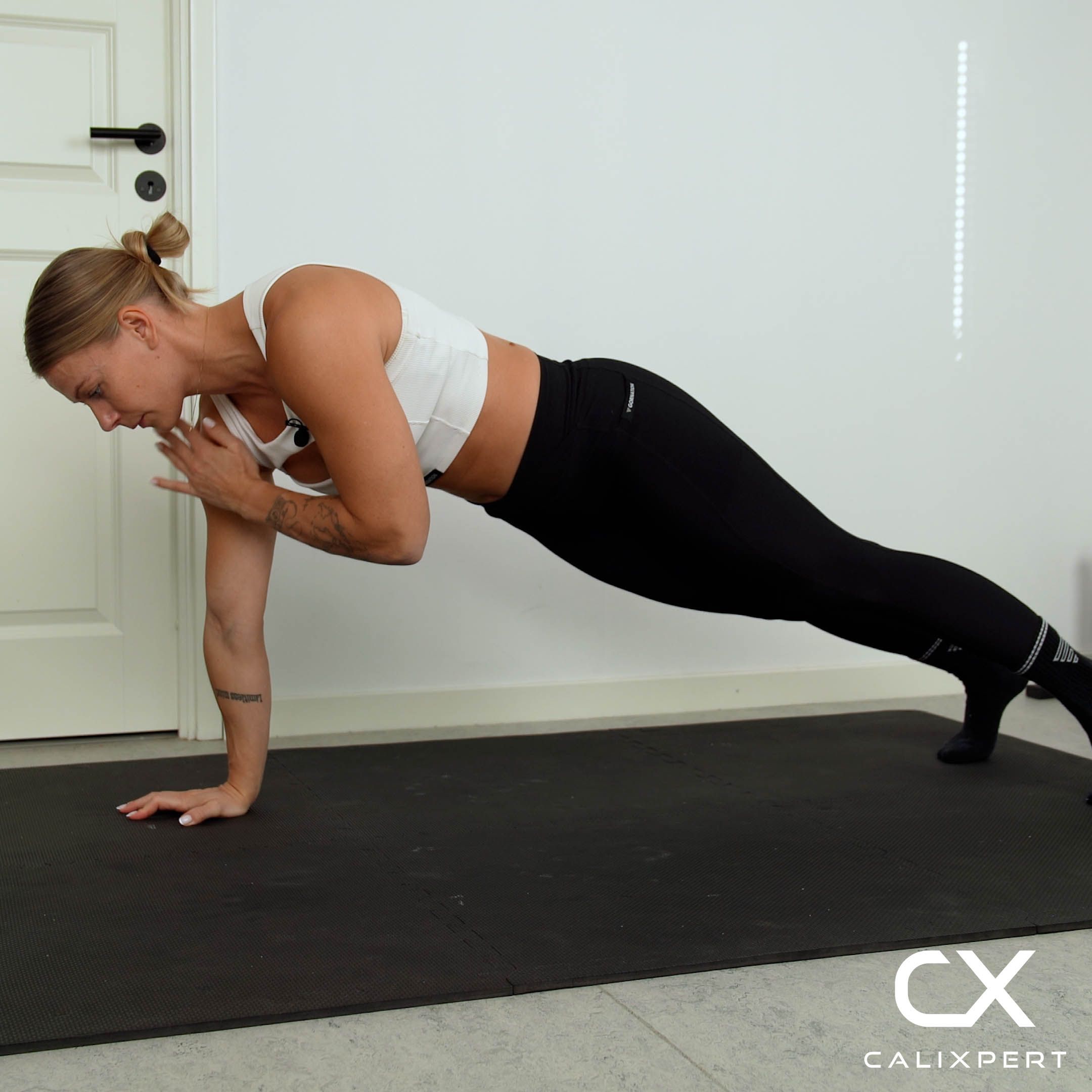
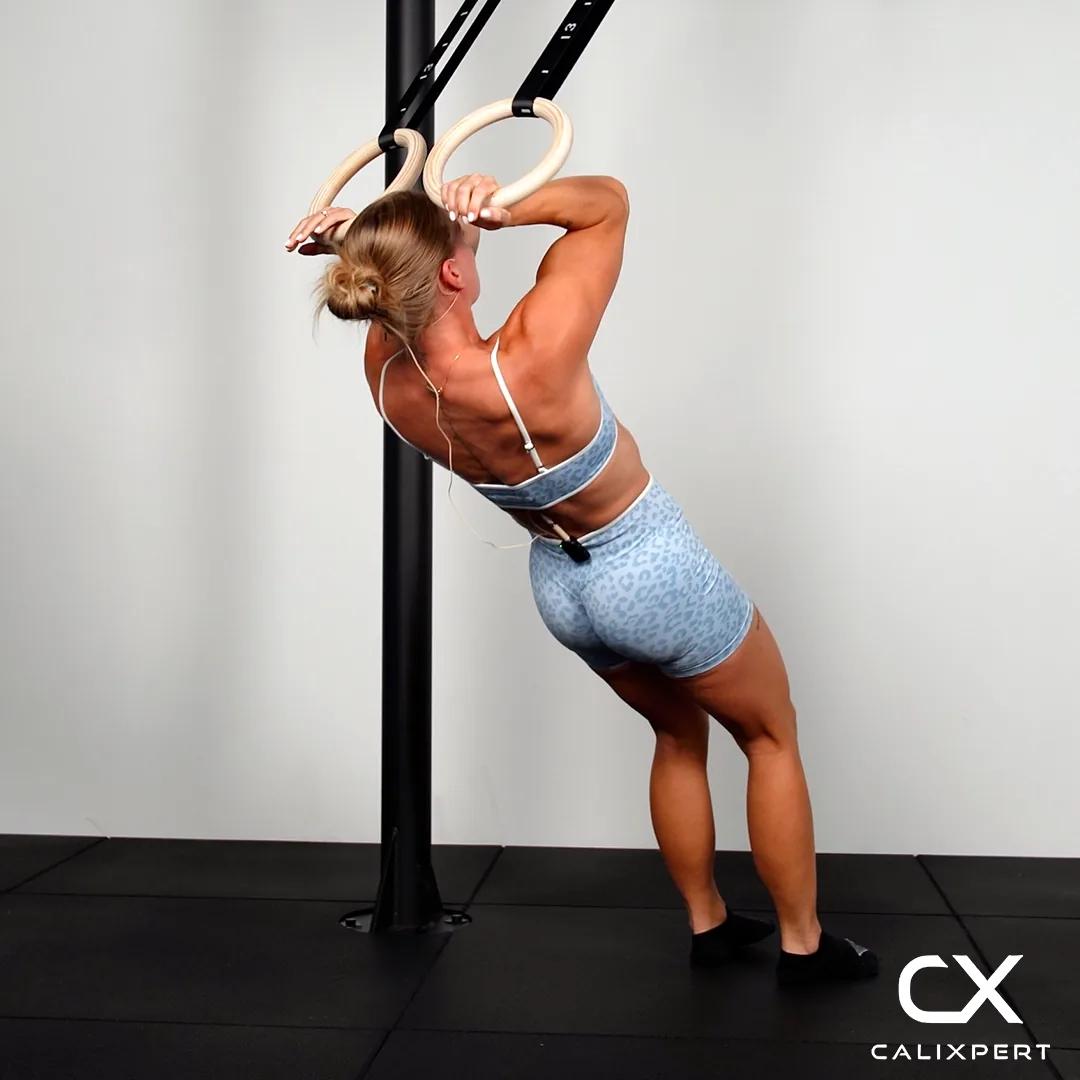
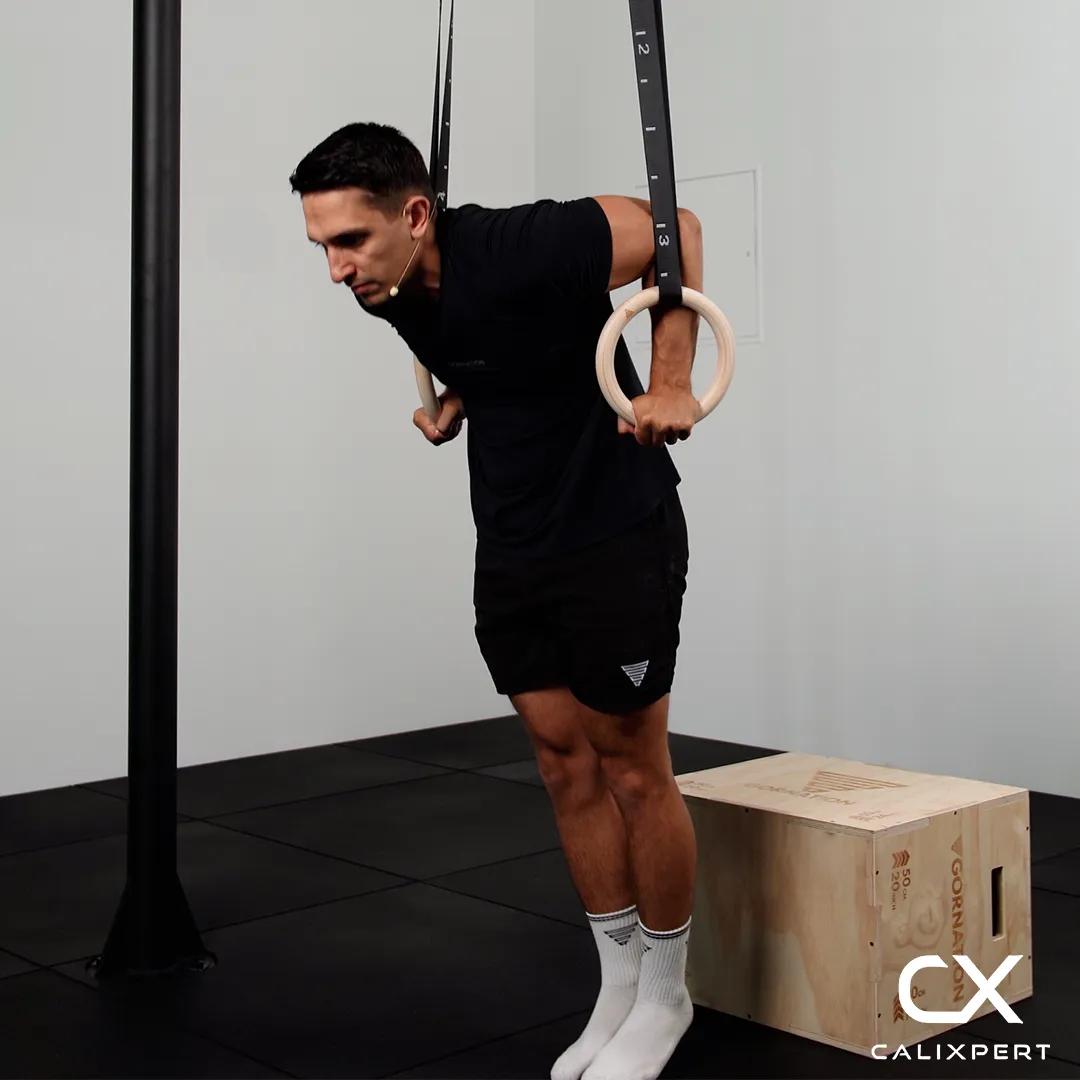
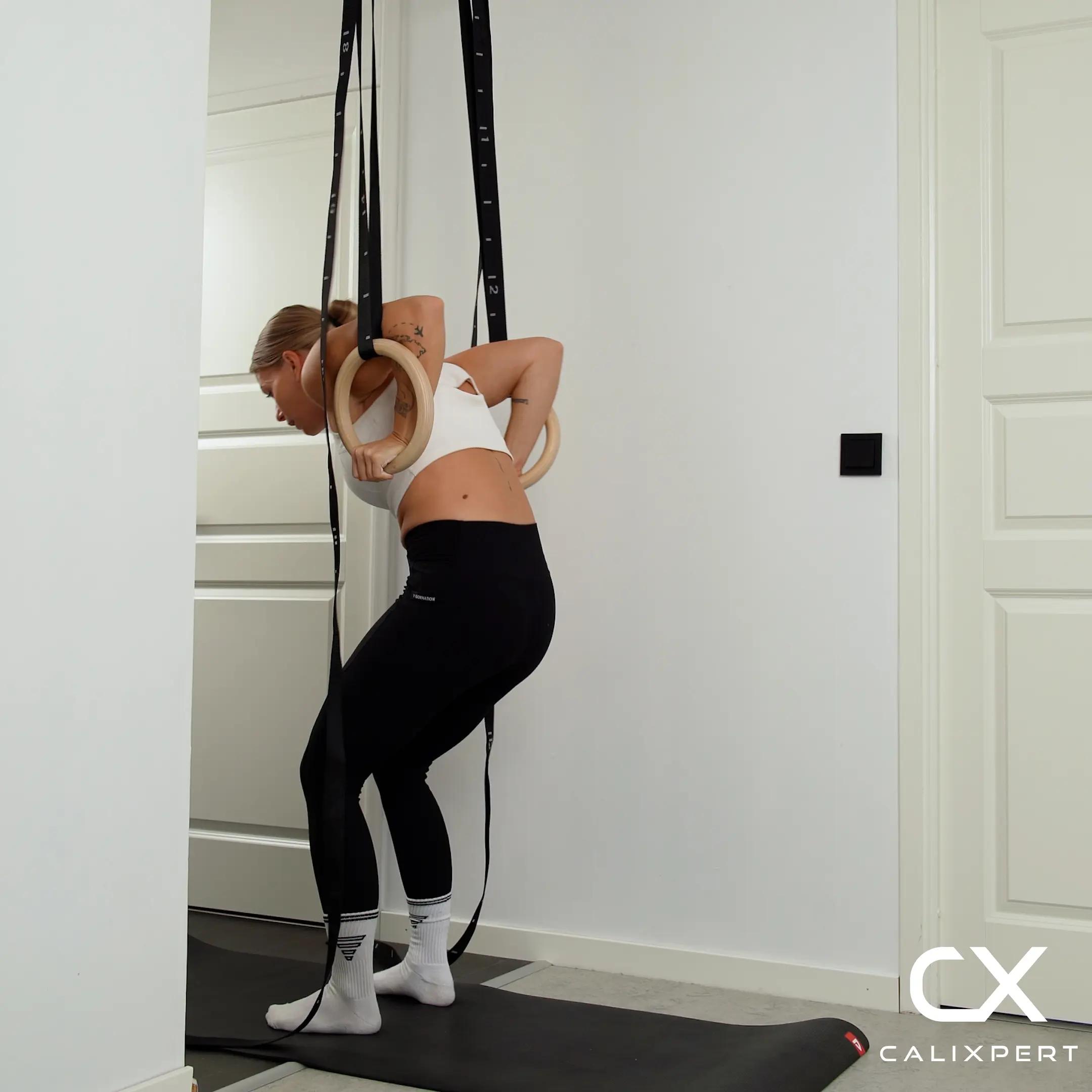
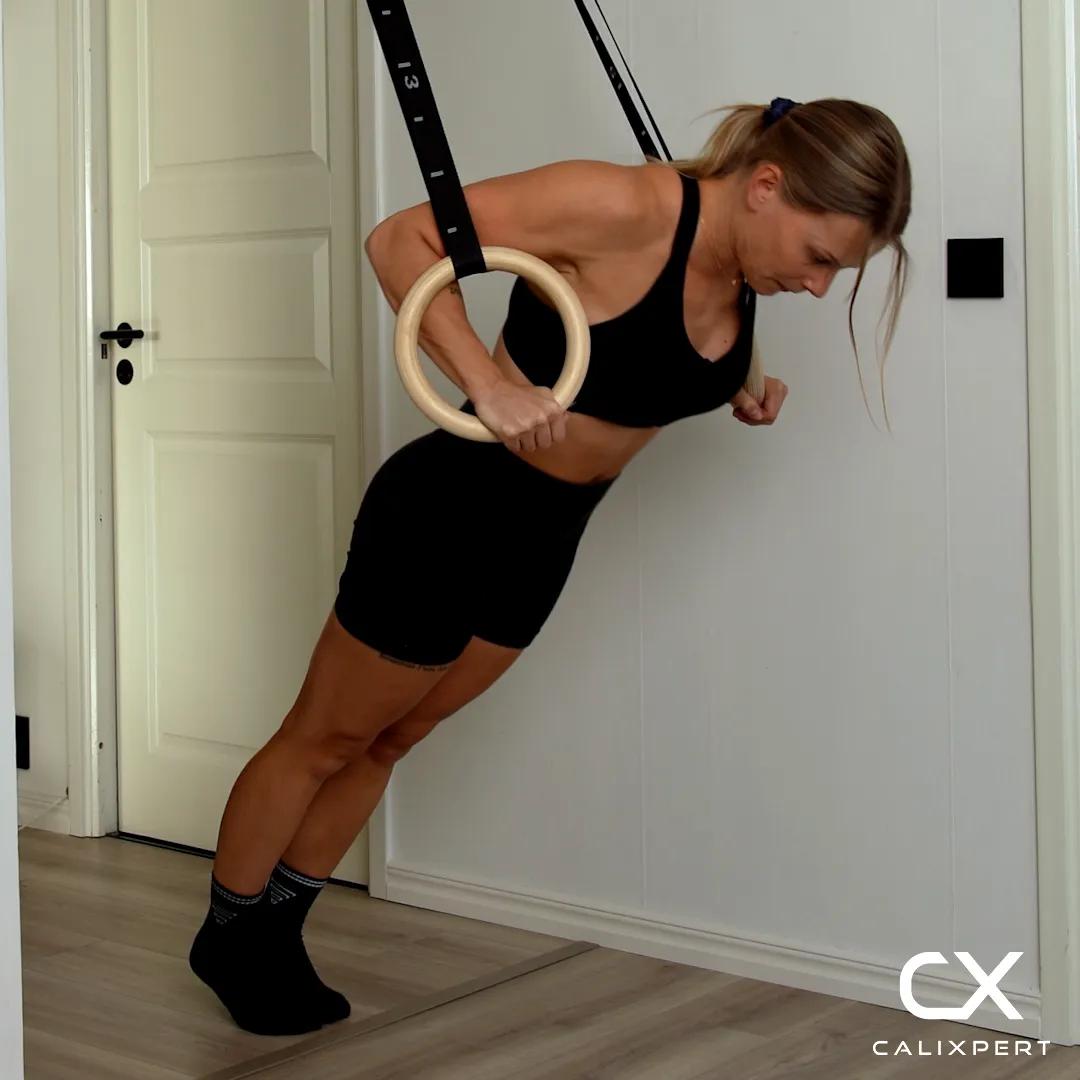
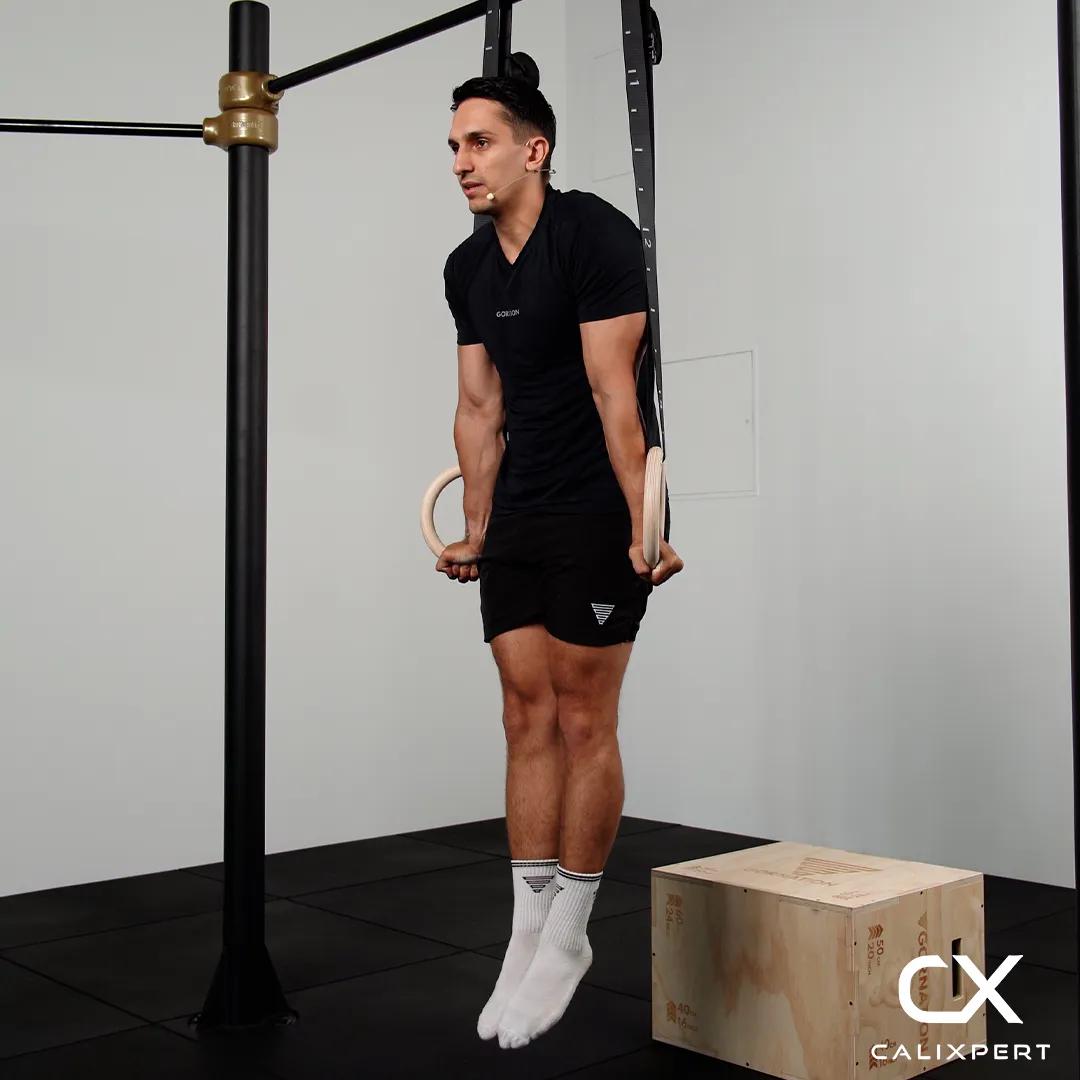
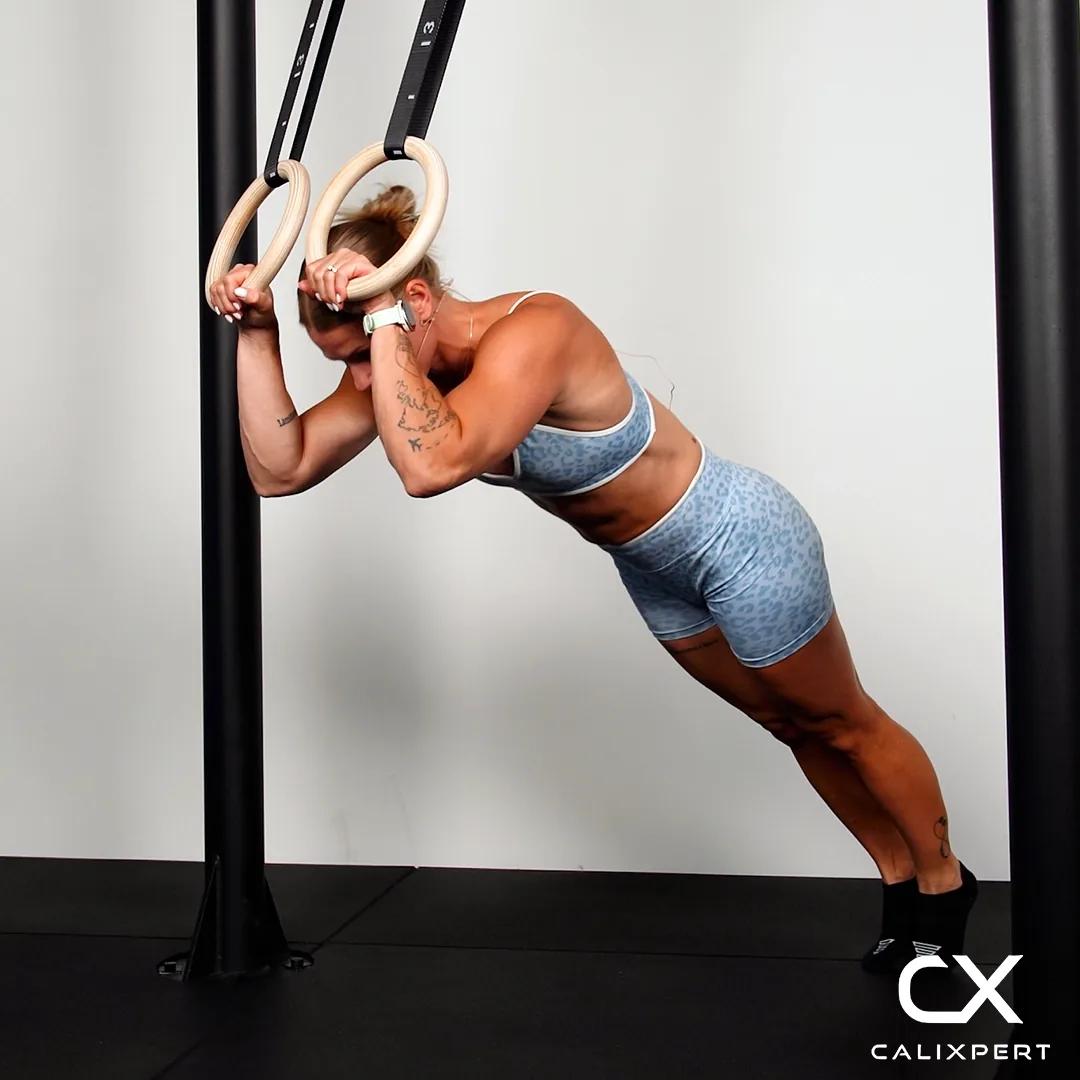
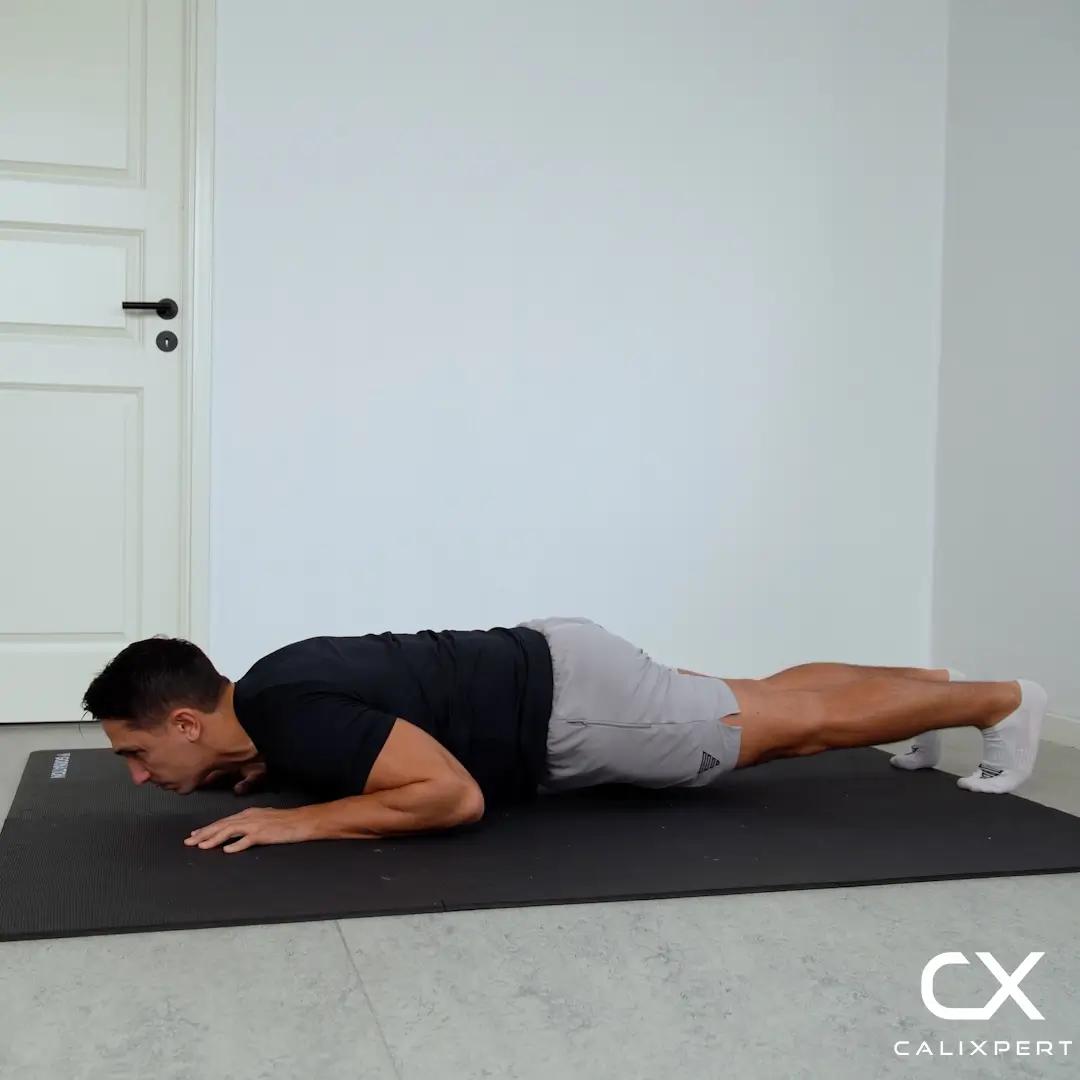
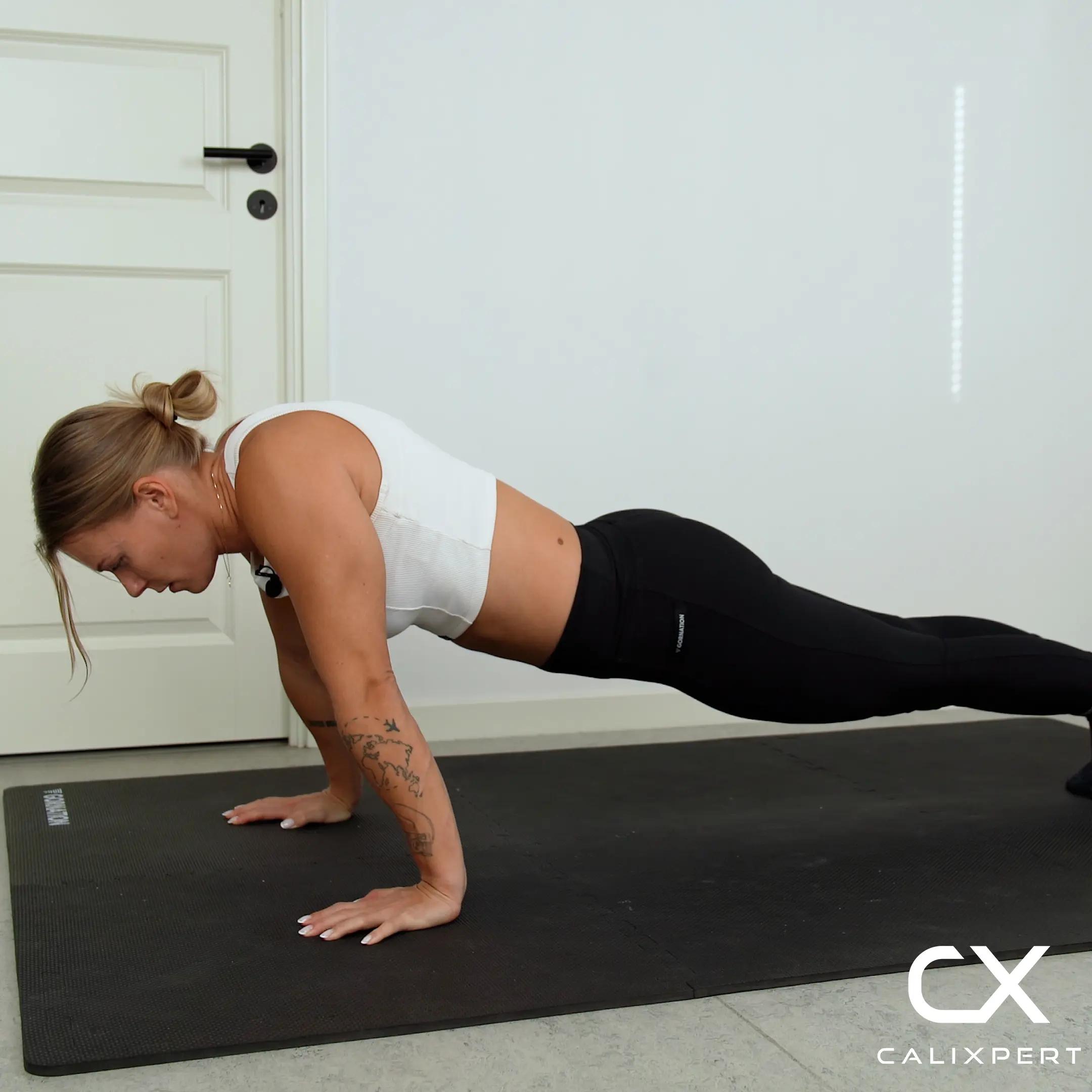
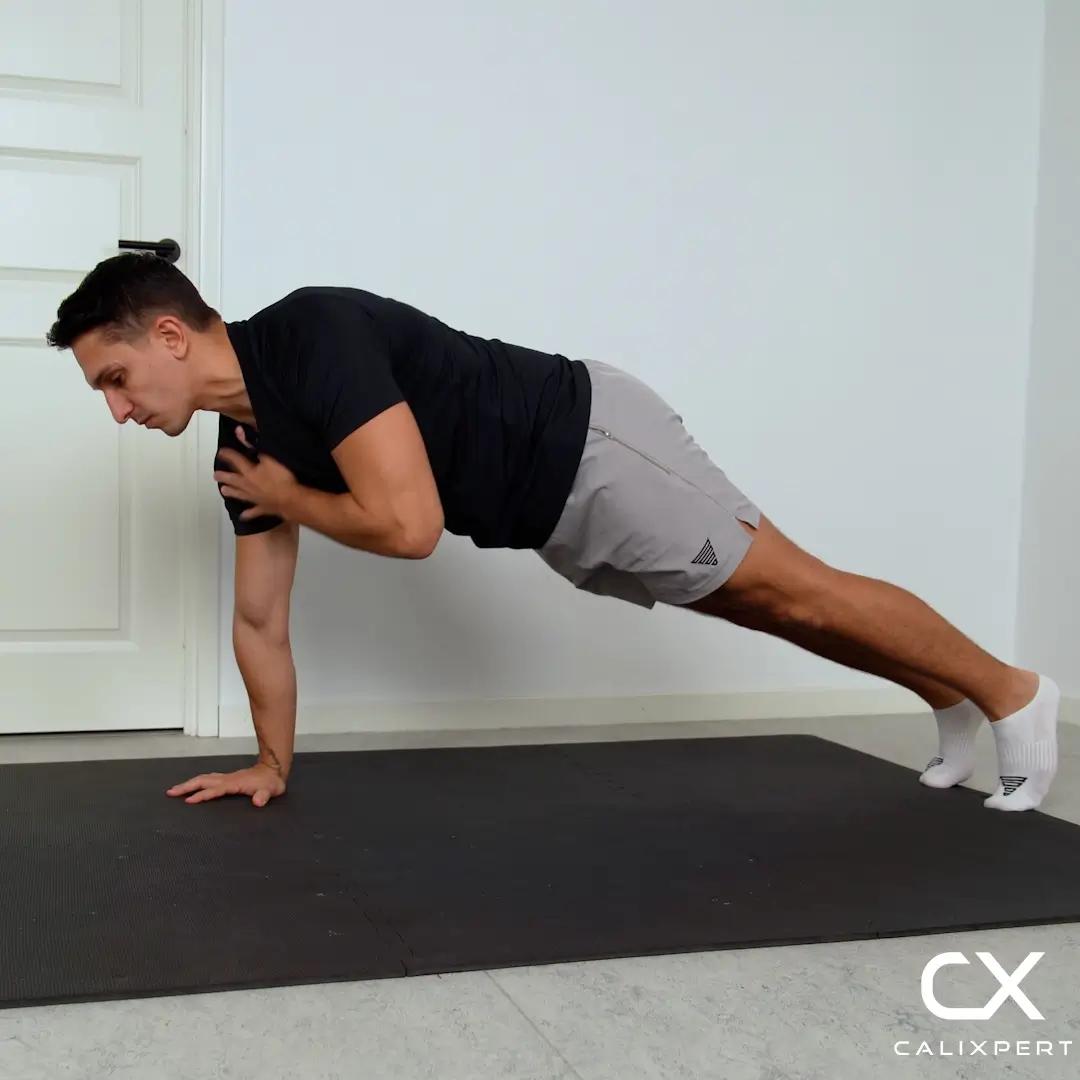
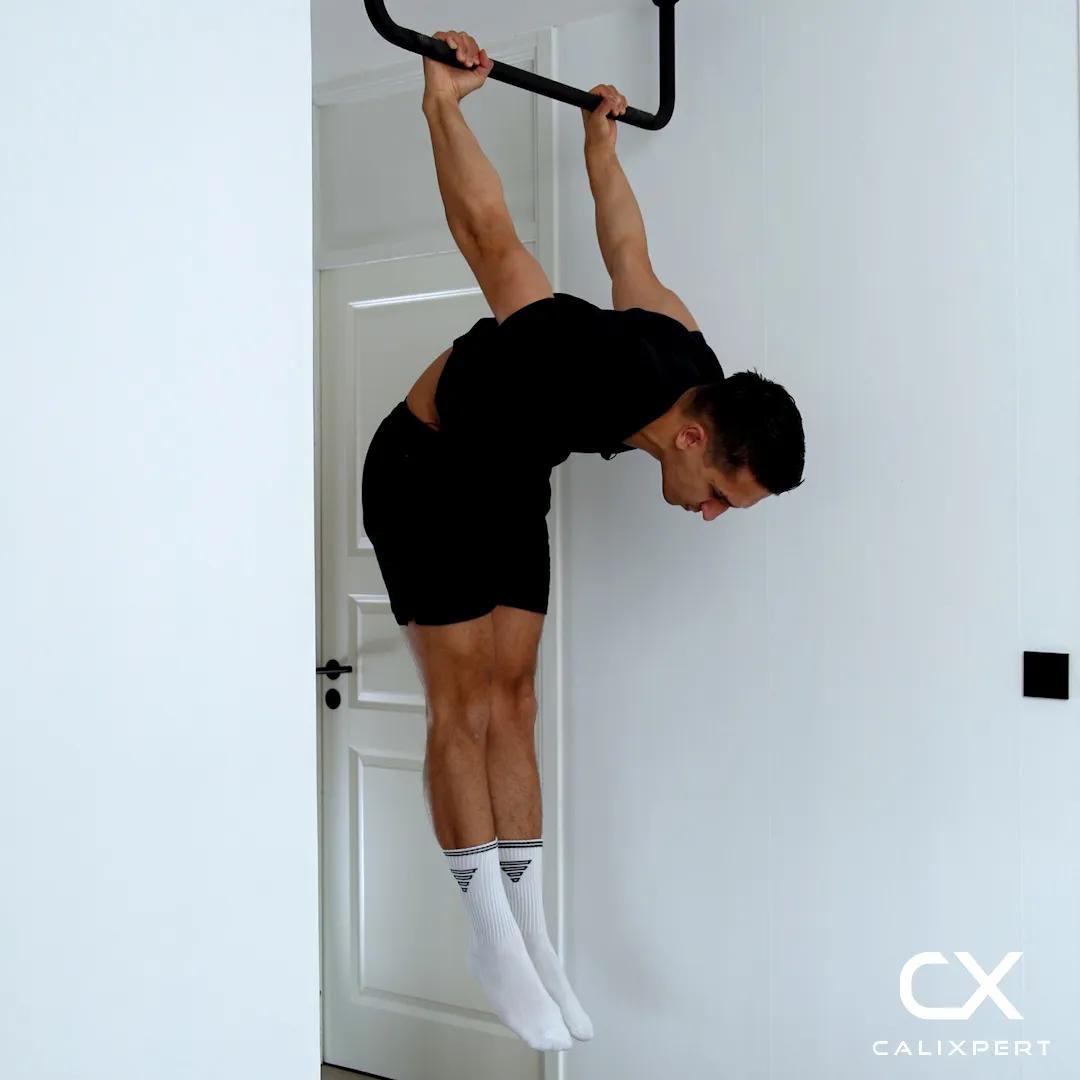
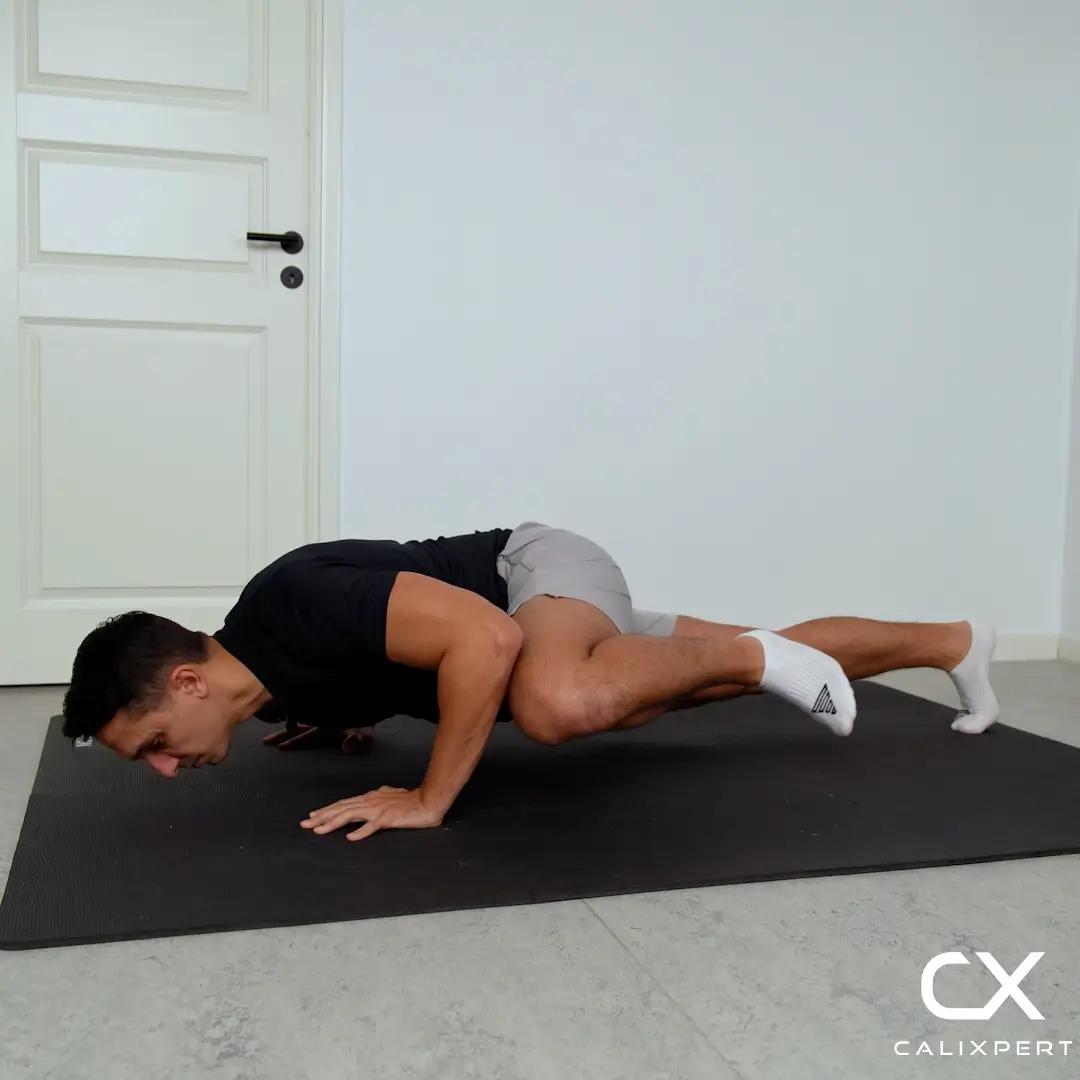
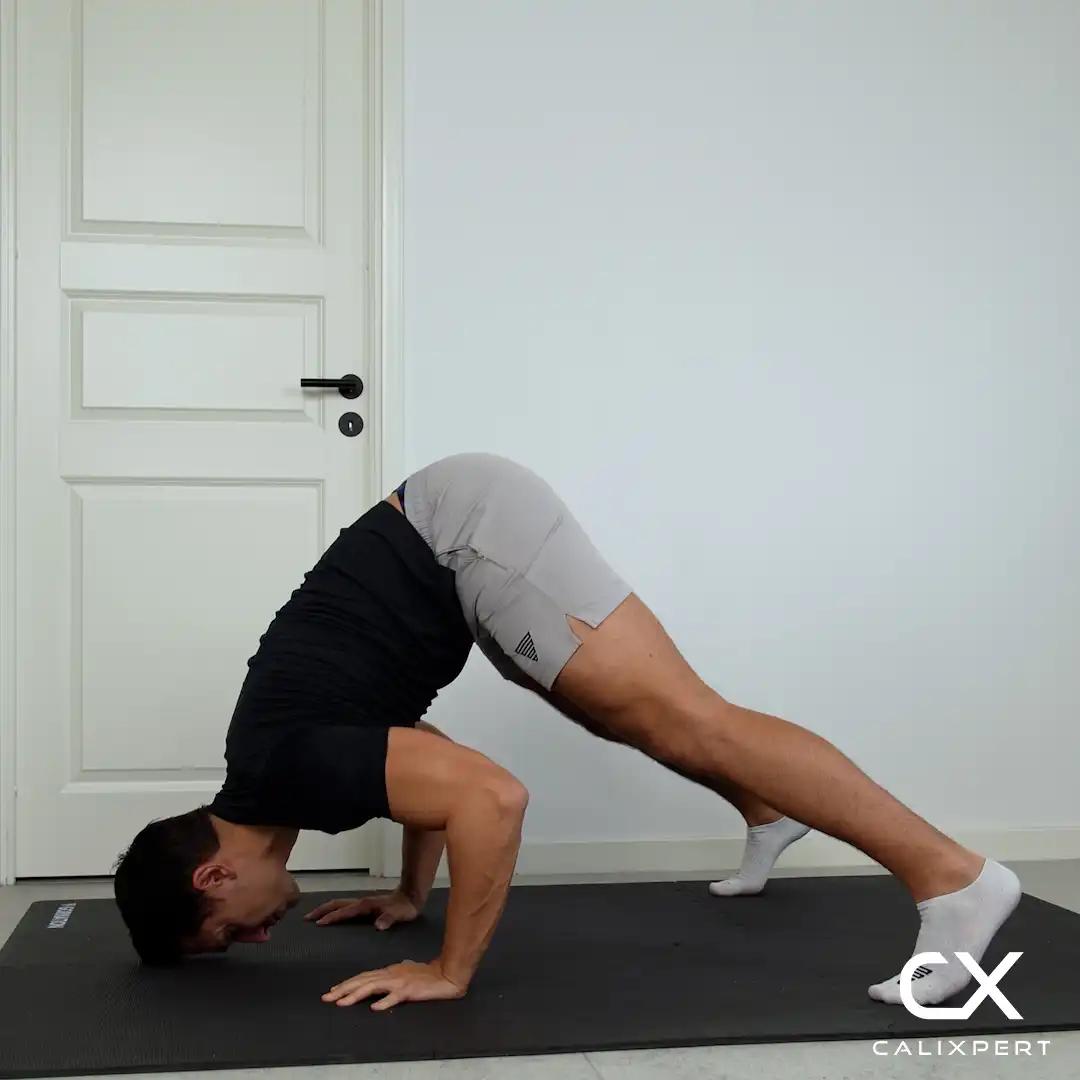
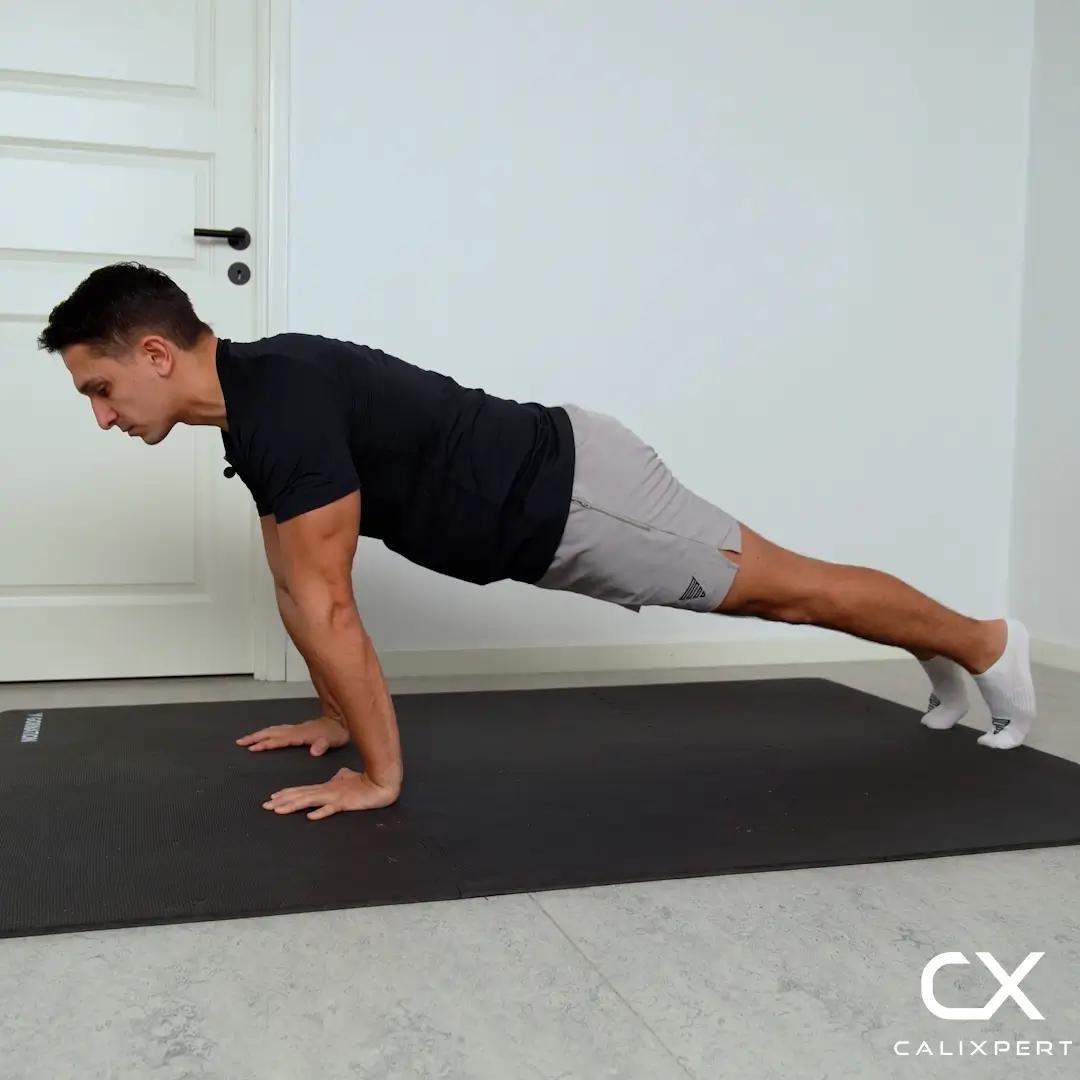
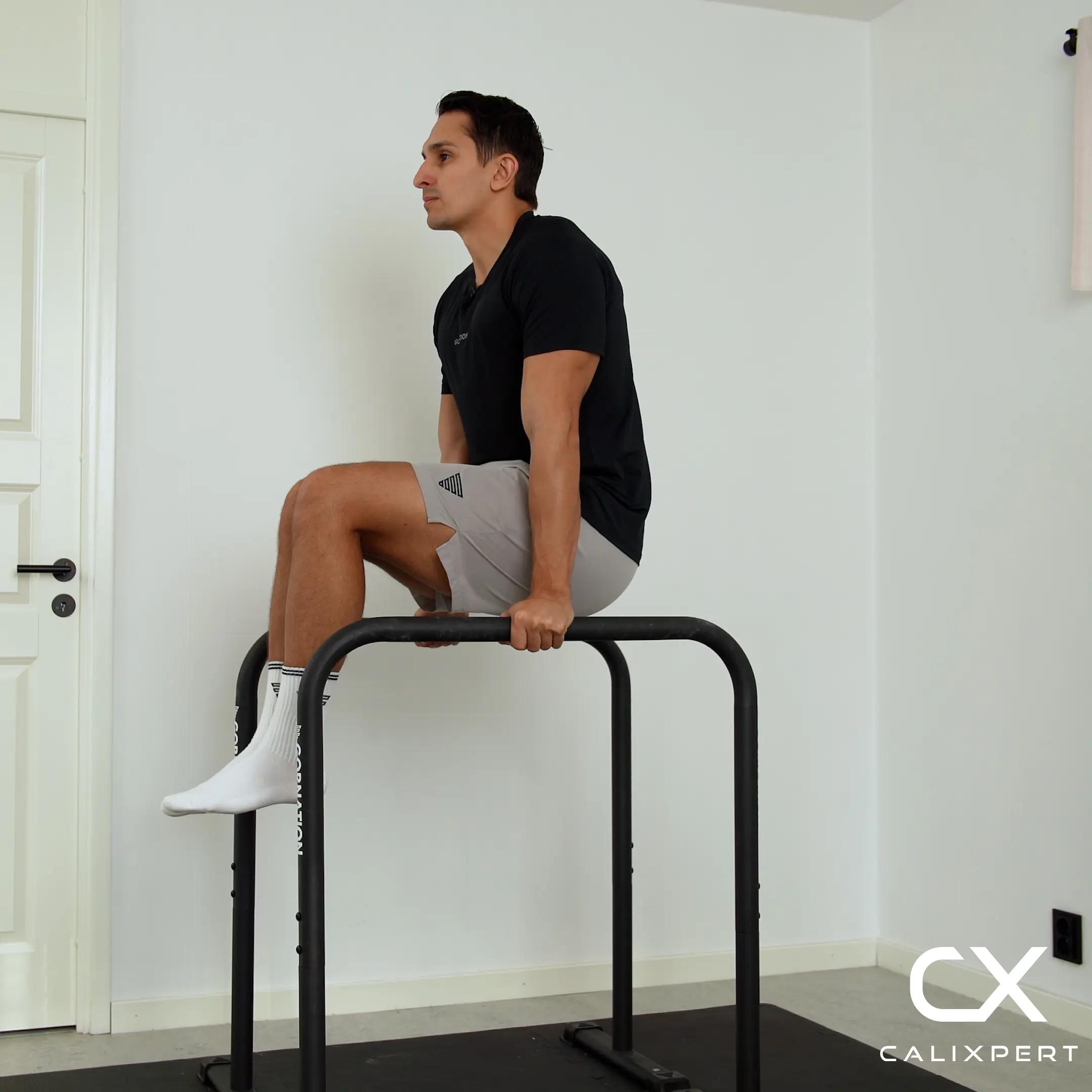
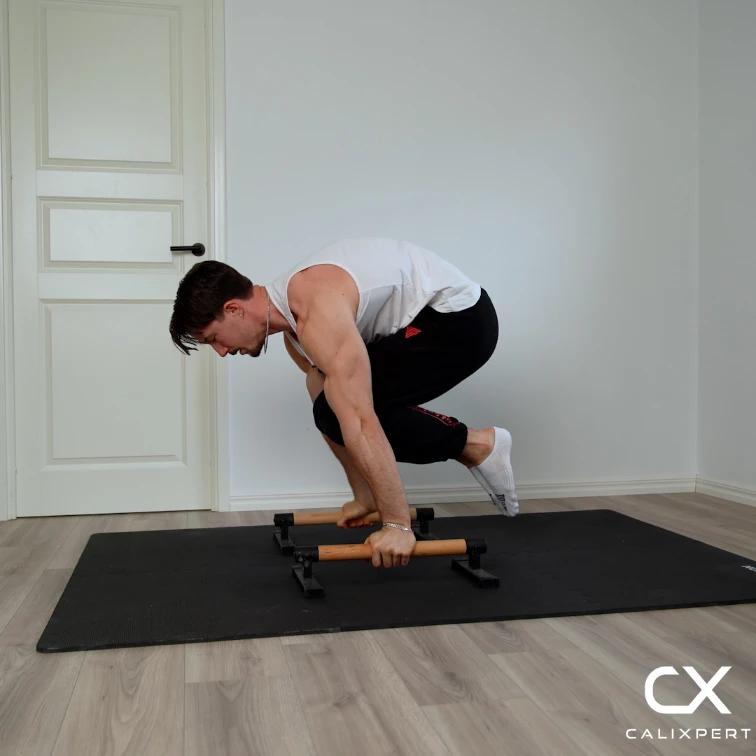
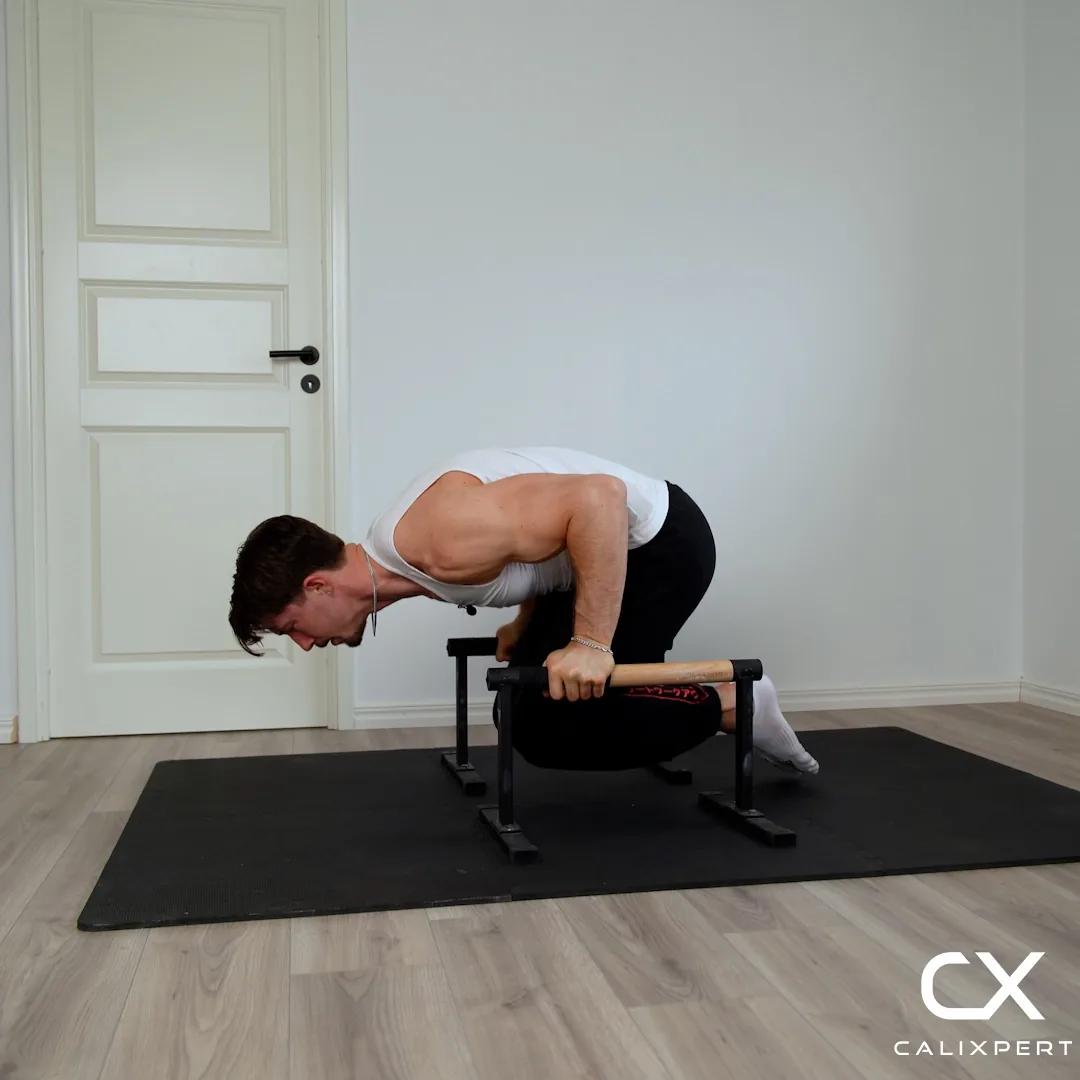
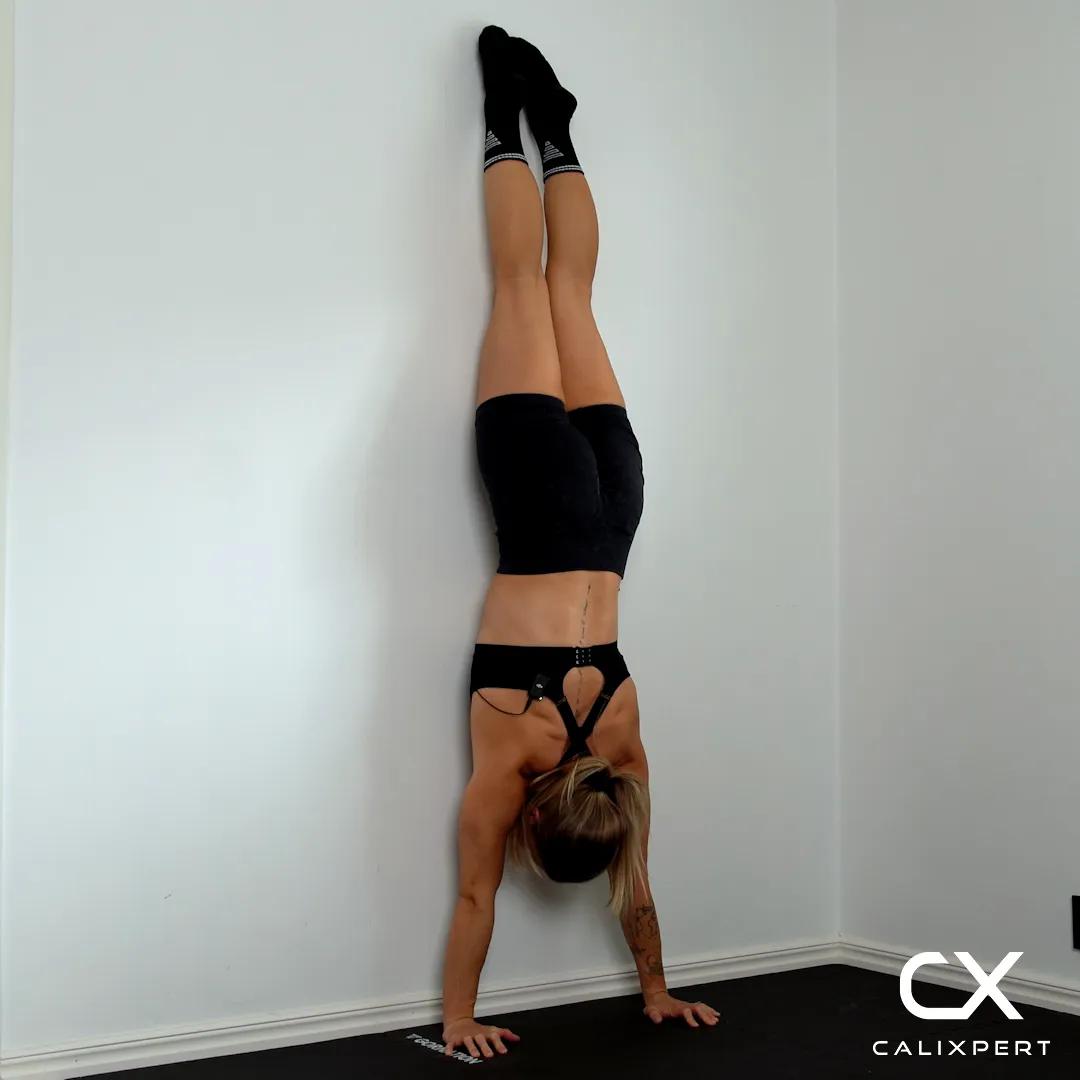
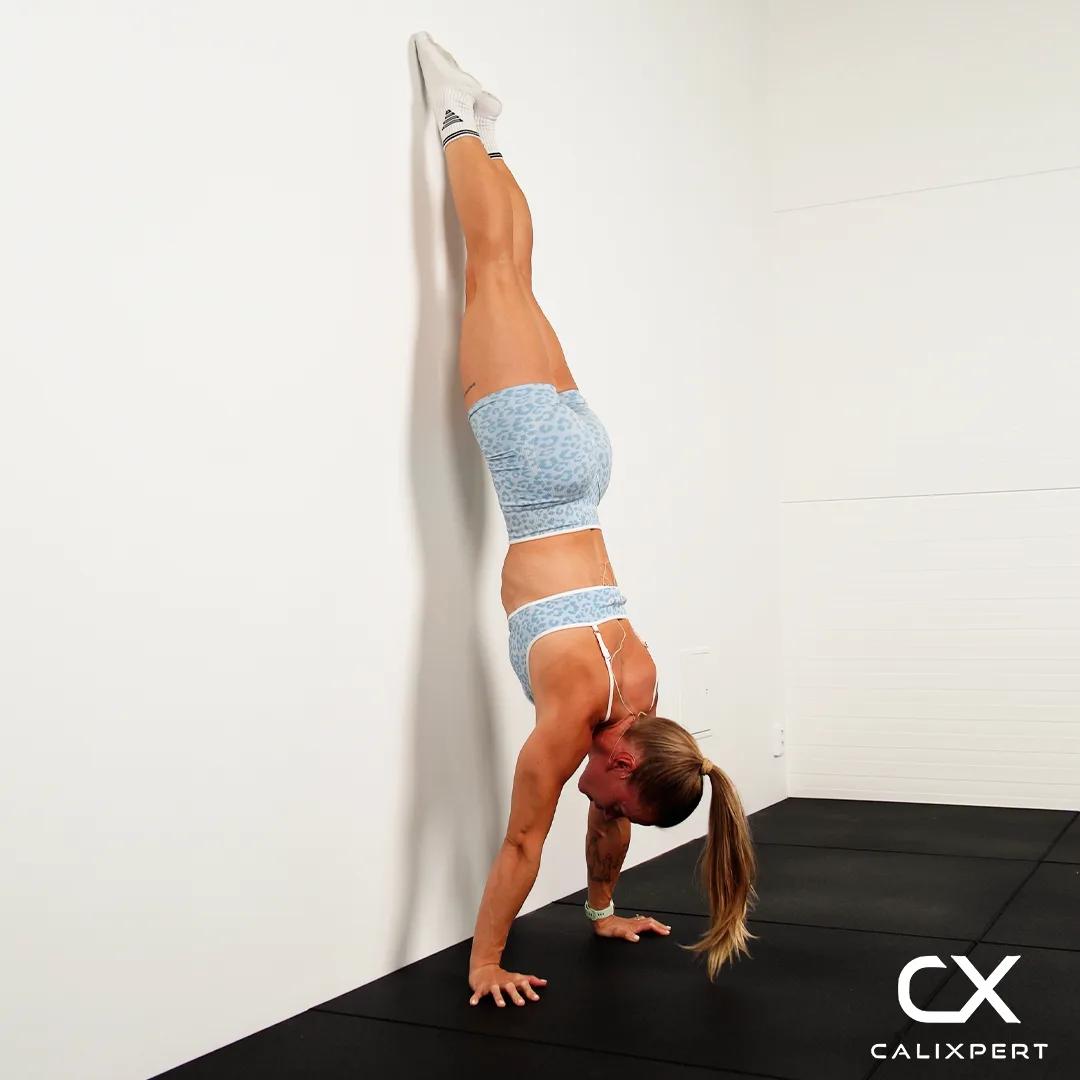
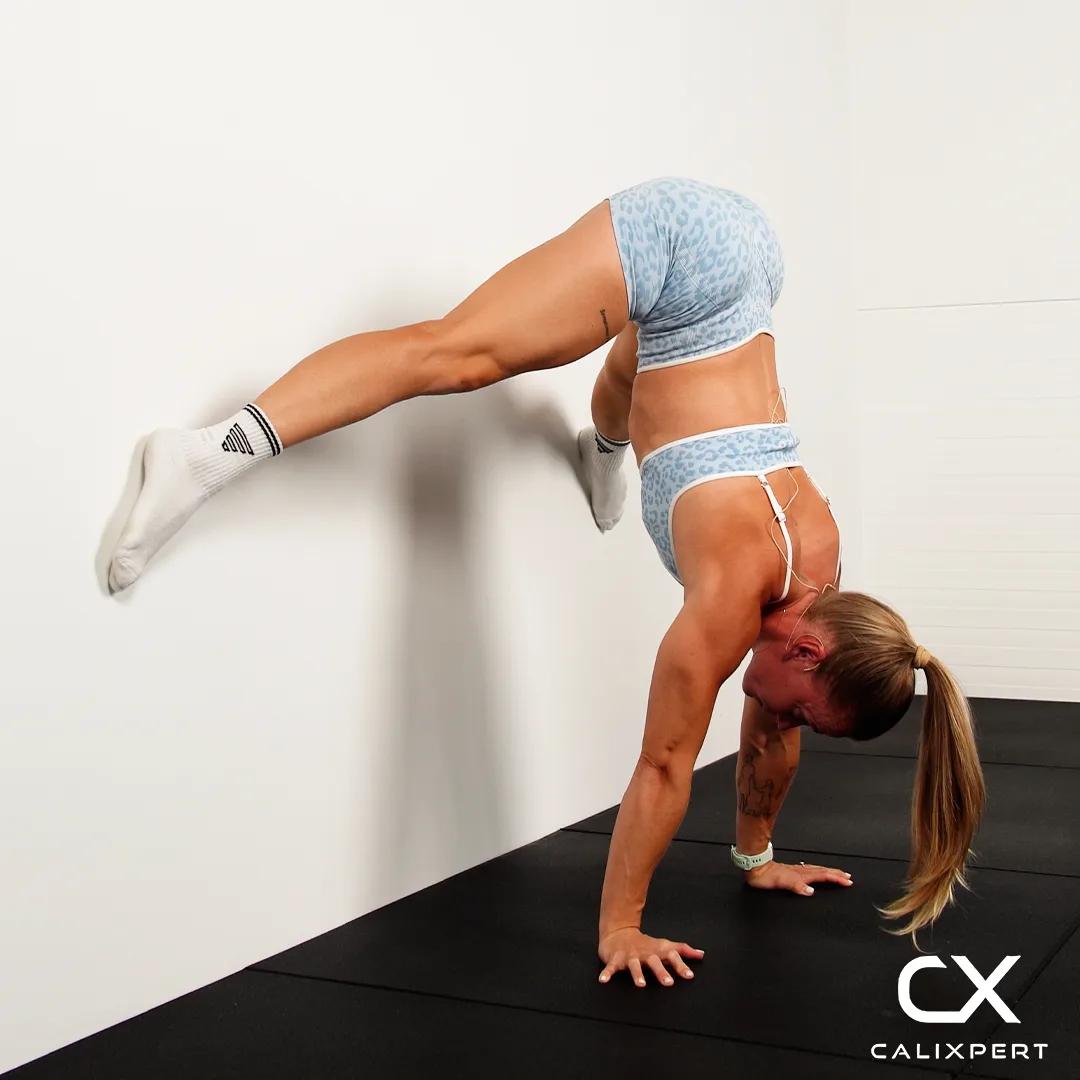
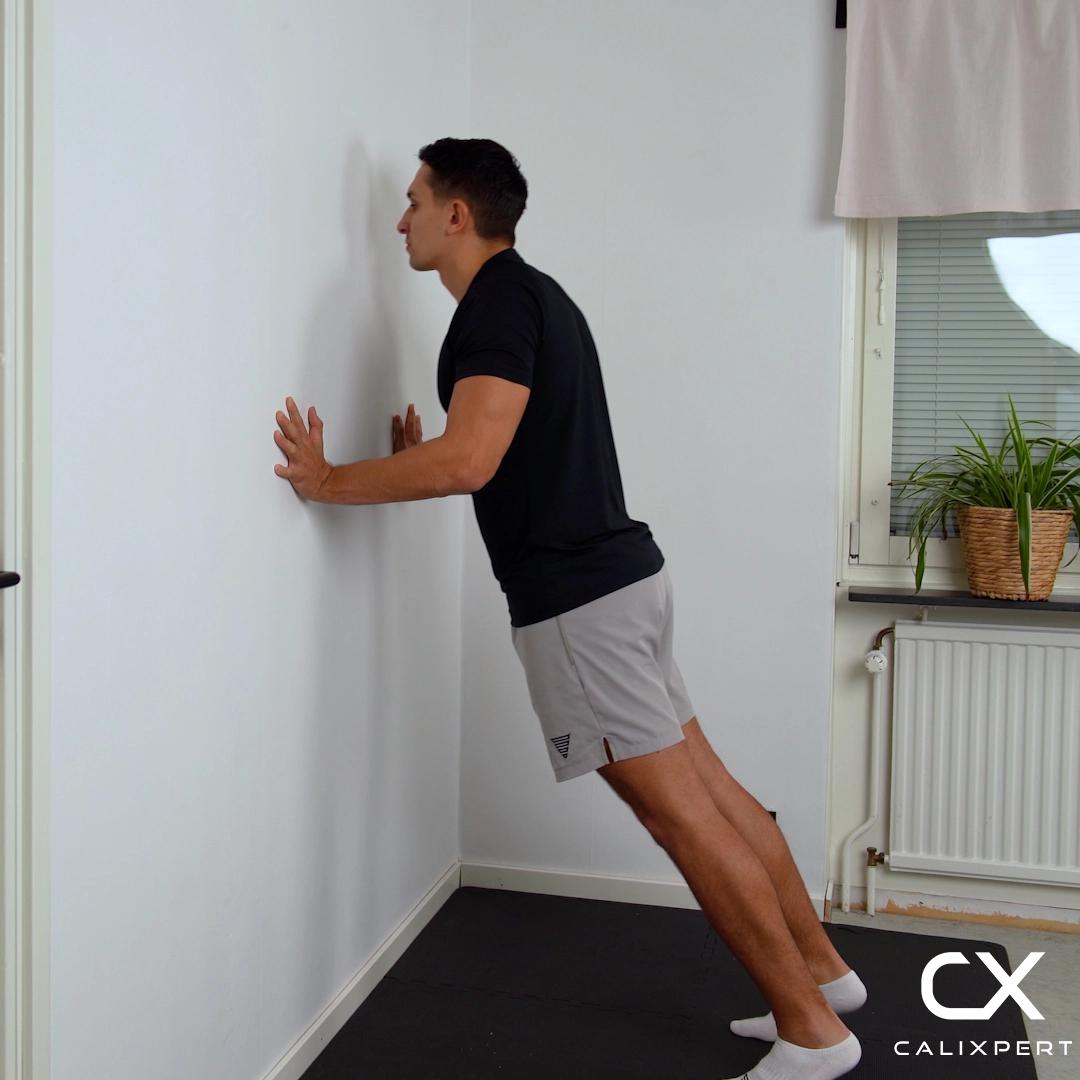
About the Front Deltoid
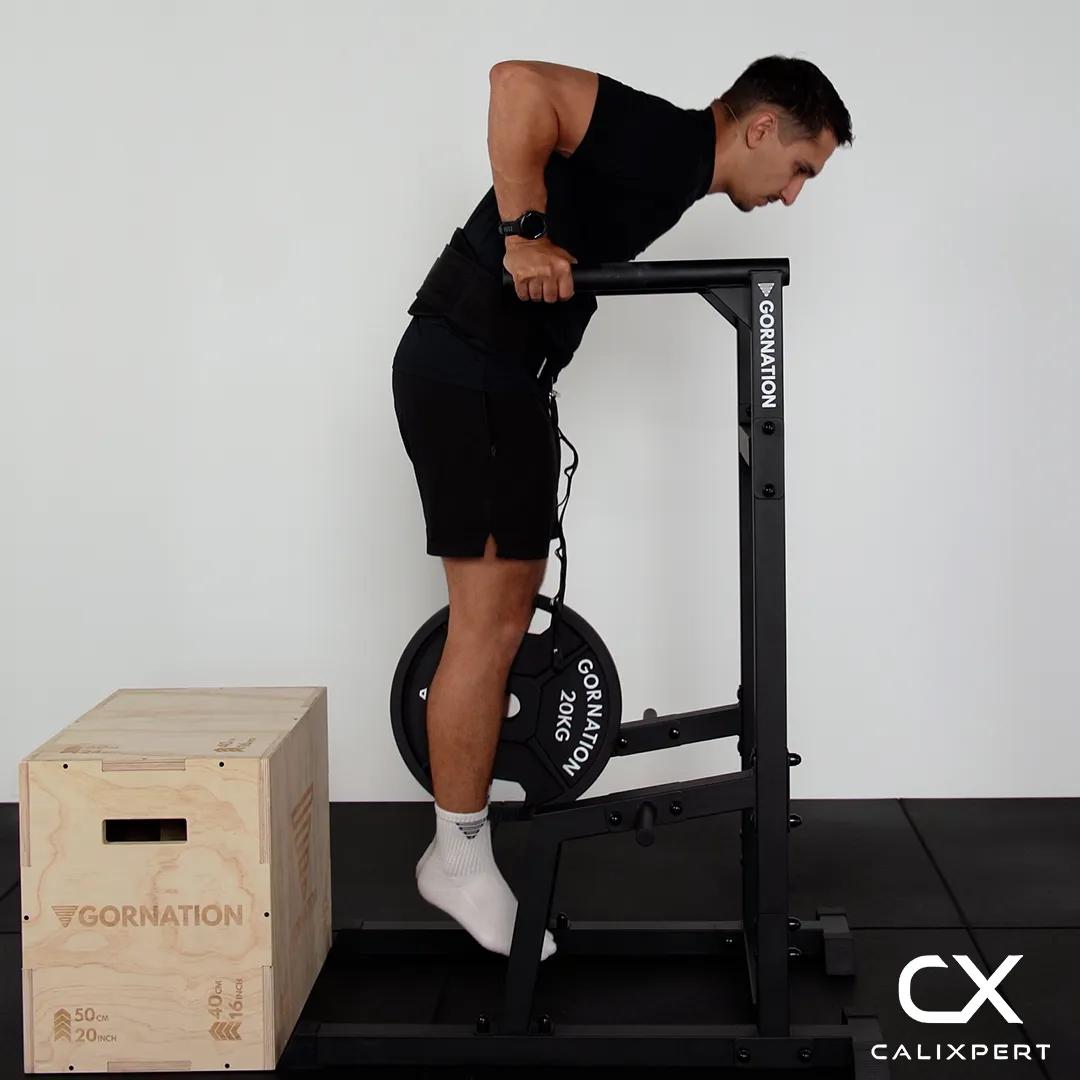
The anterior deltoid is the front portion of your shoulder muscle. It sits at the point where your arm meets your torso at the front. Its primary role is shoulder flexion — raising your arm forward and pressing overhead.
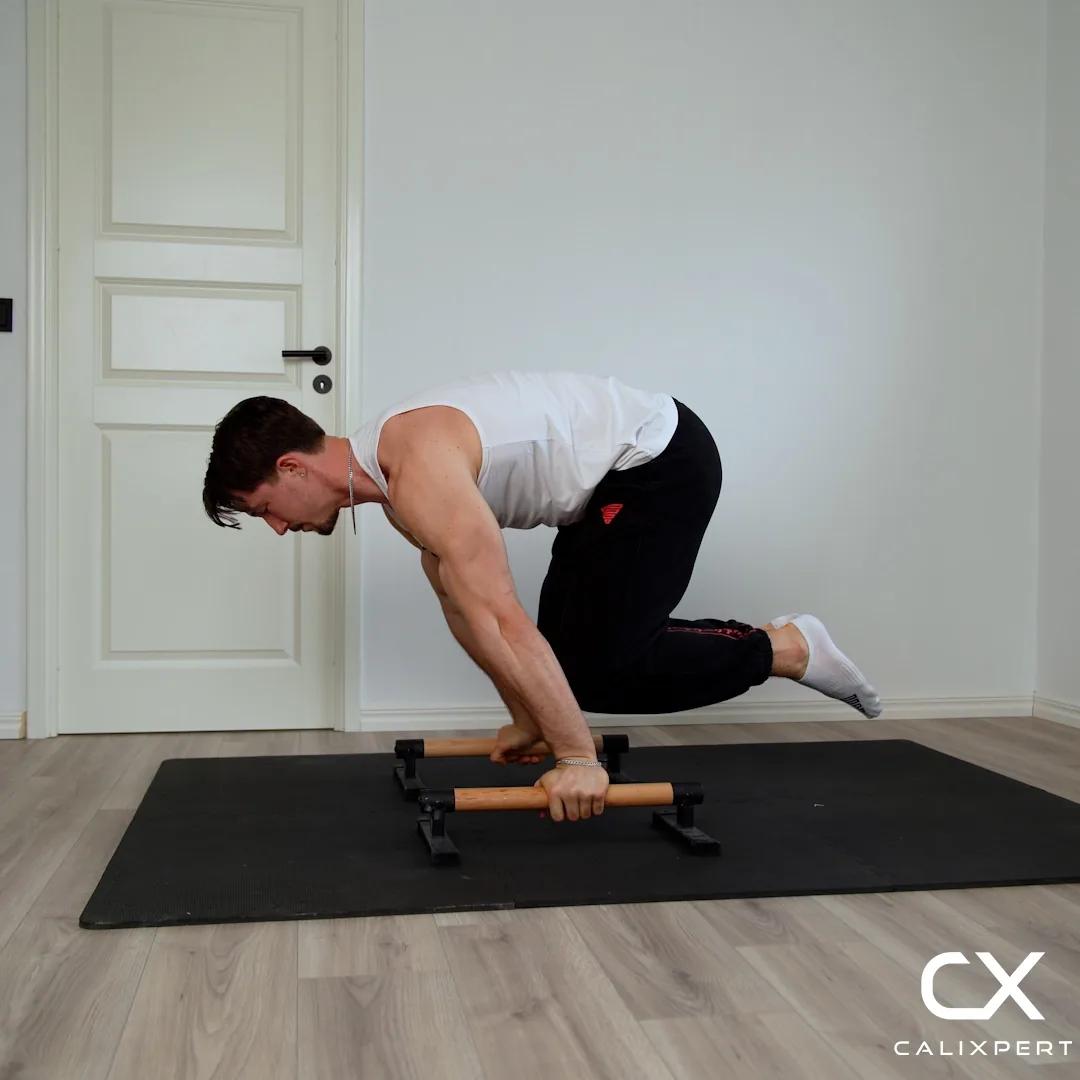
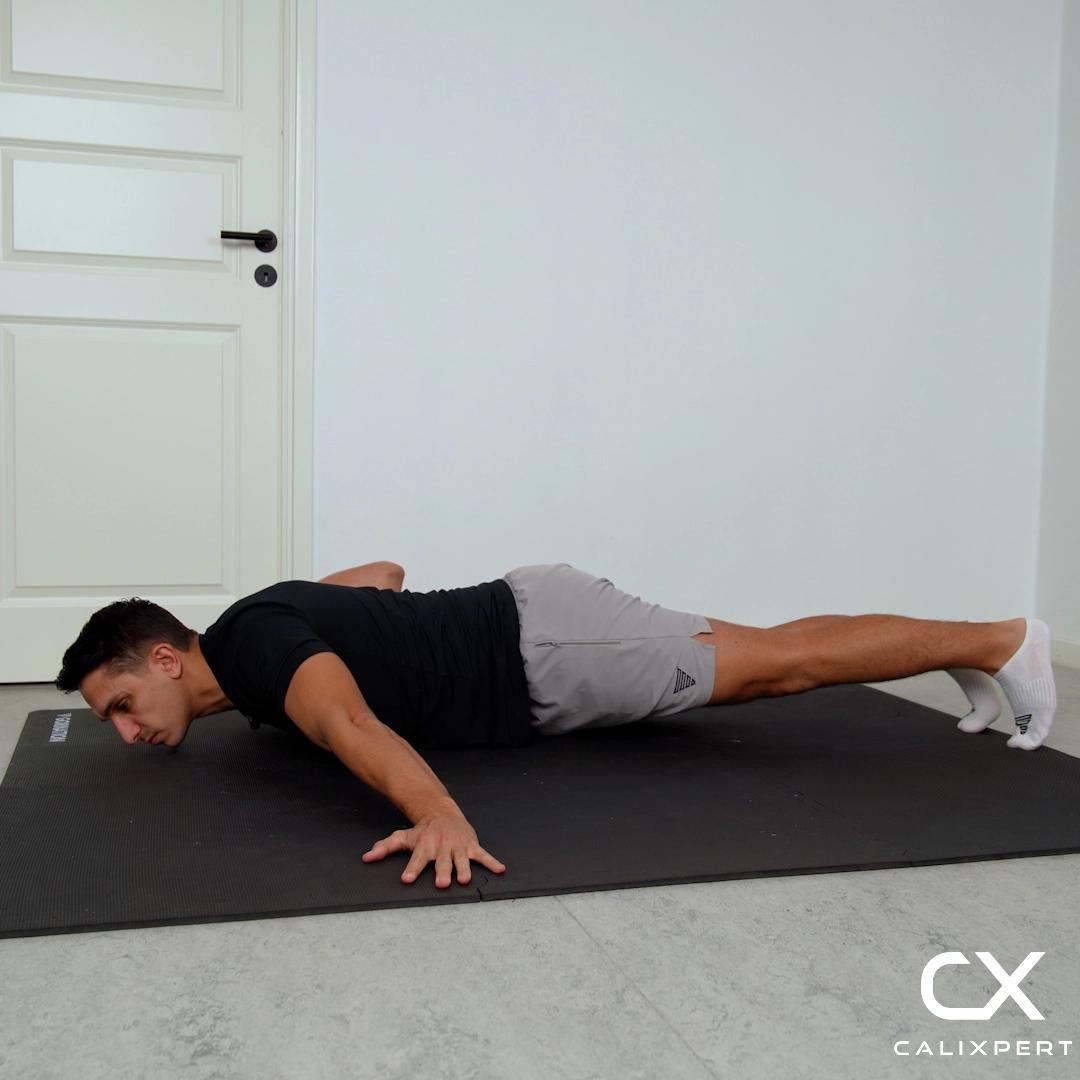
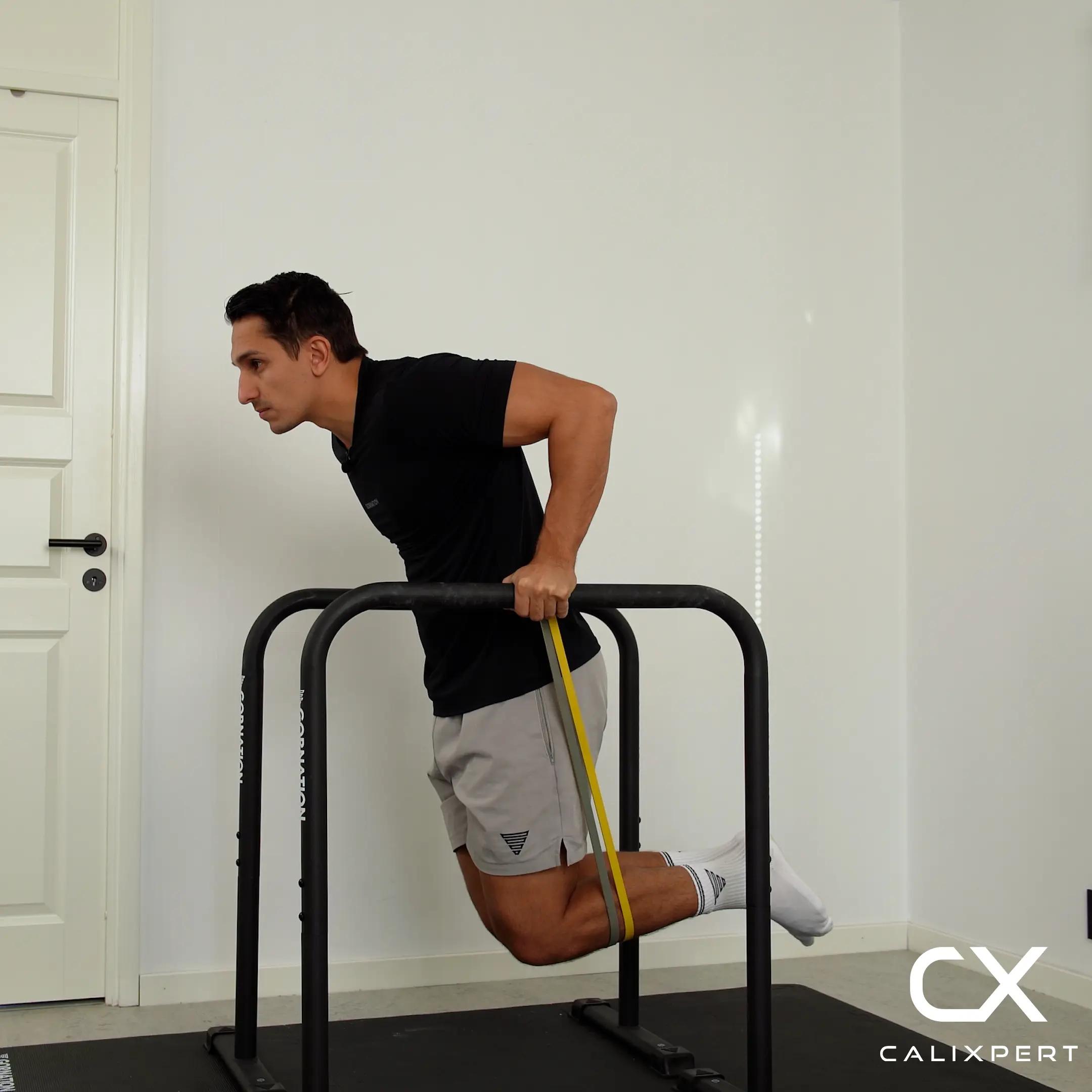
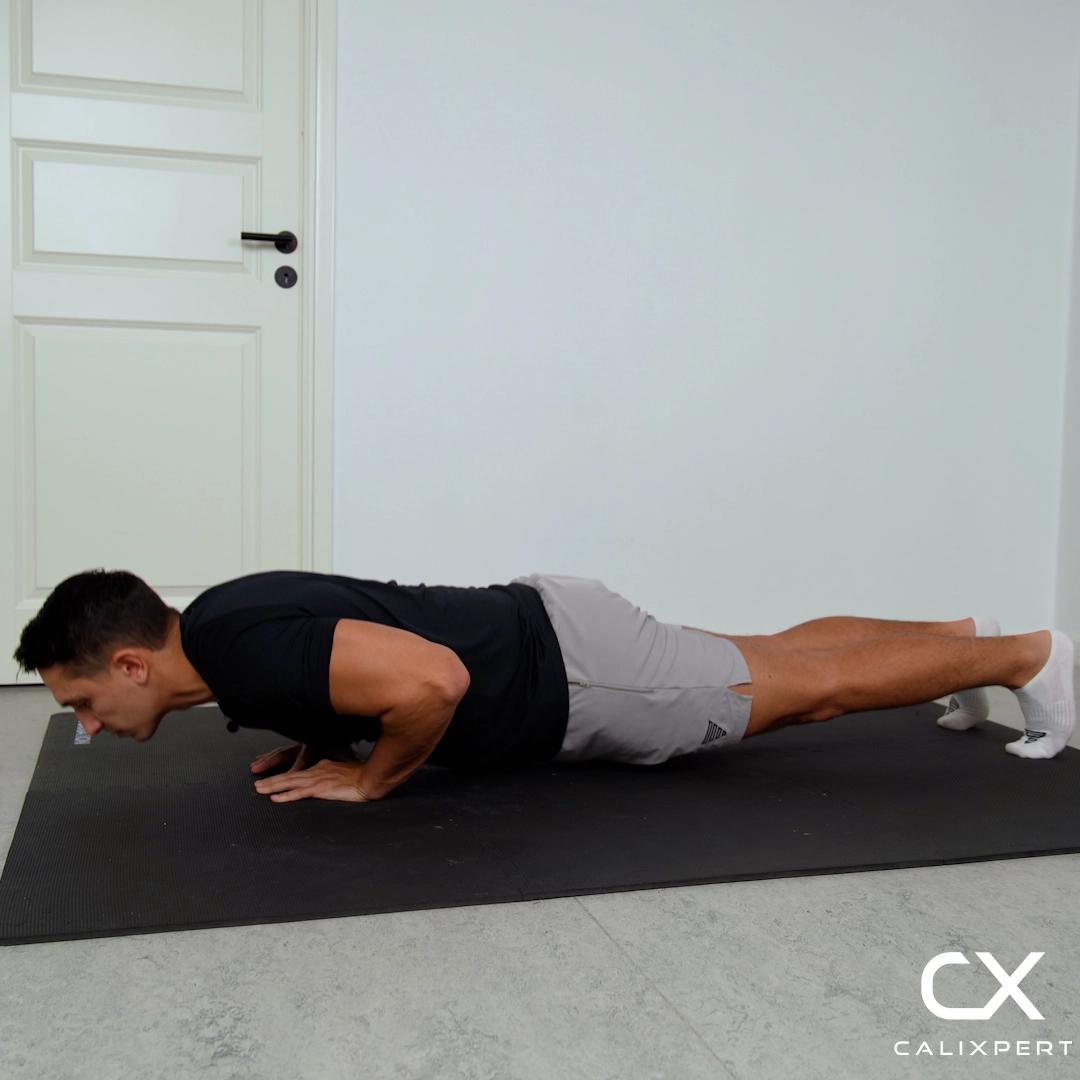
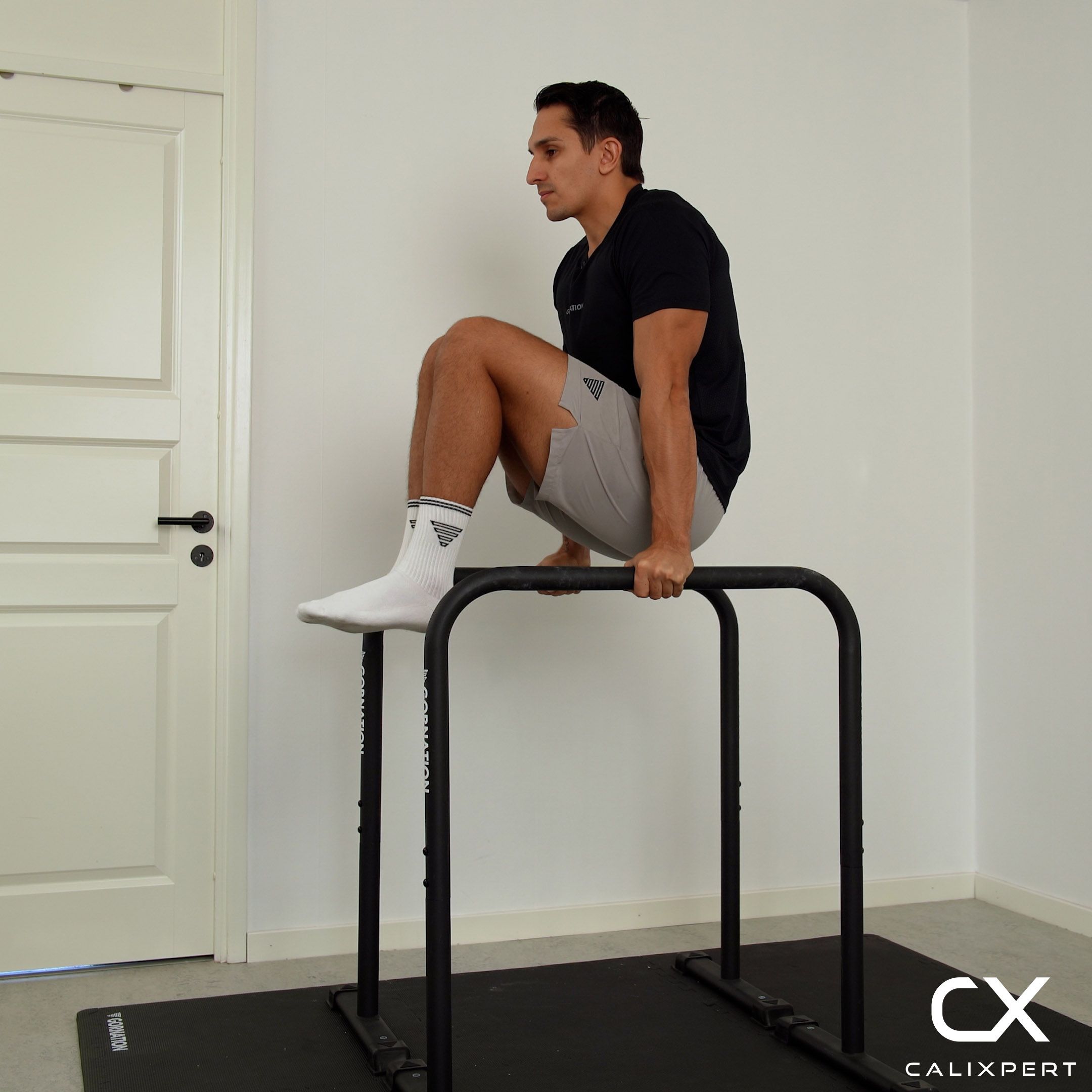
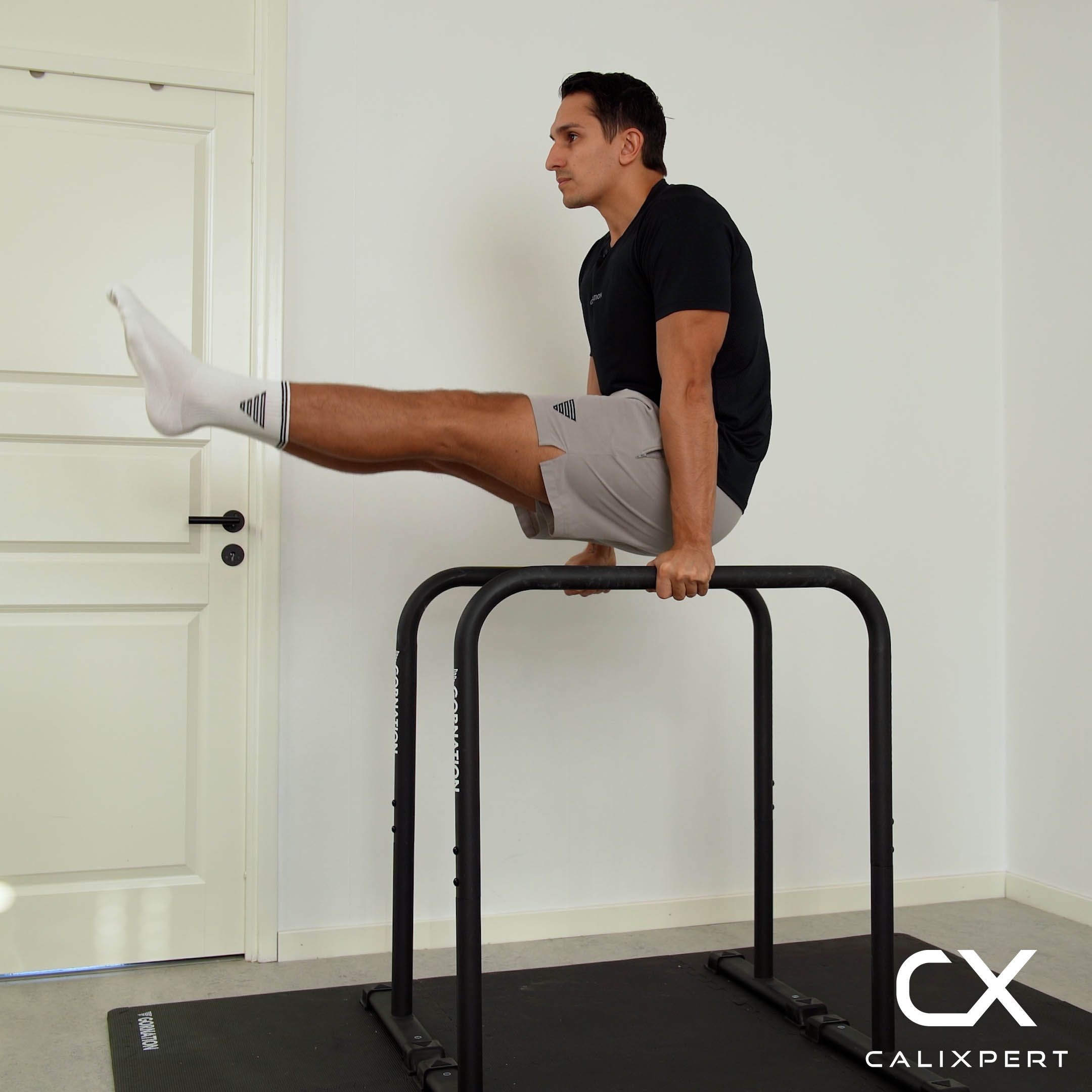
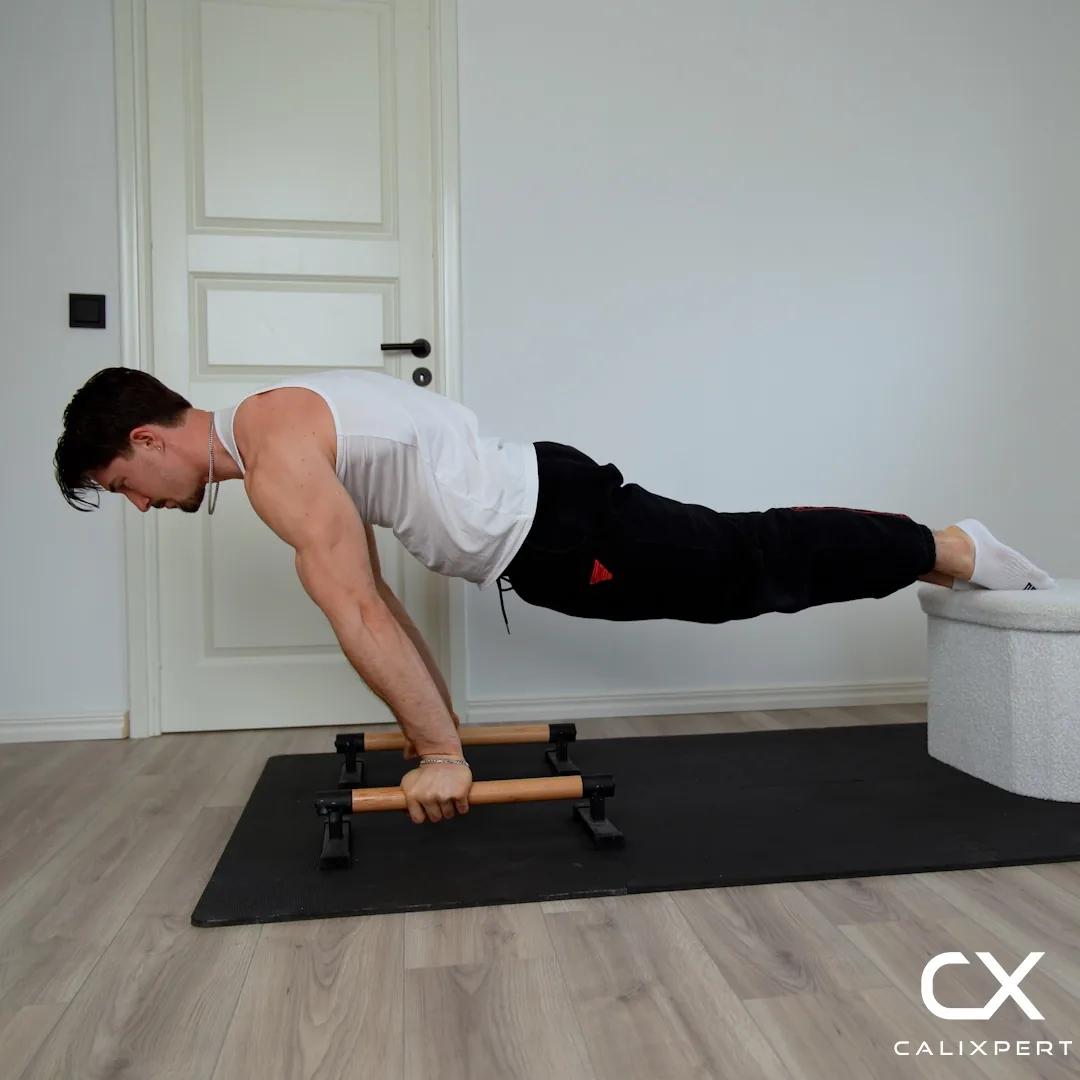
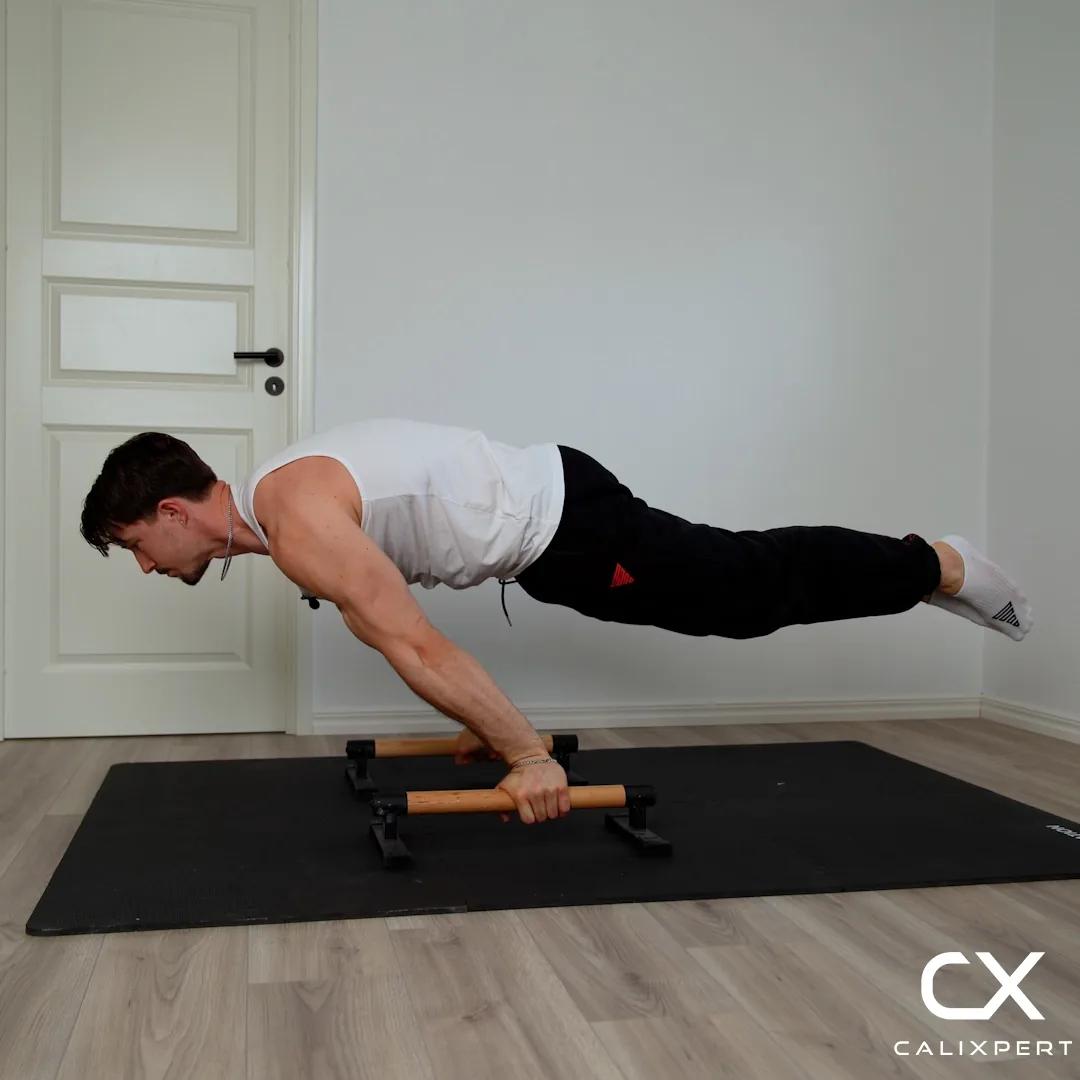
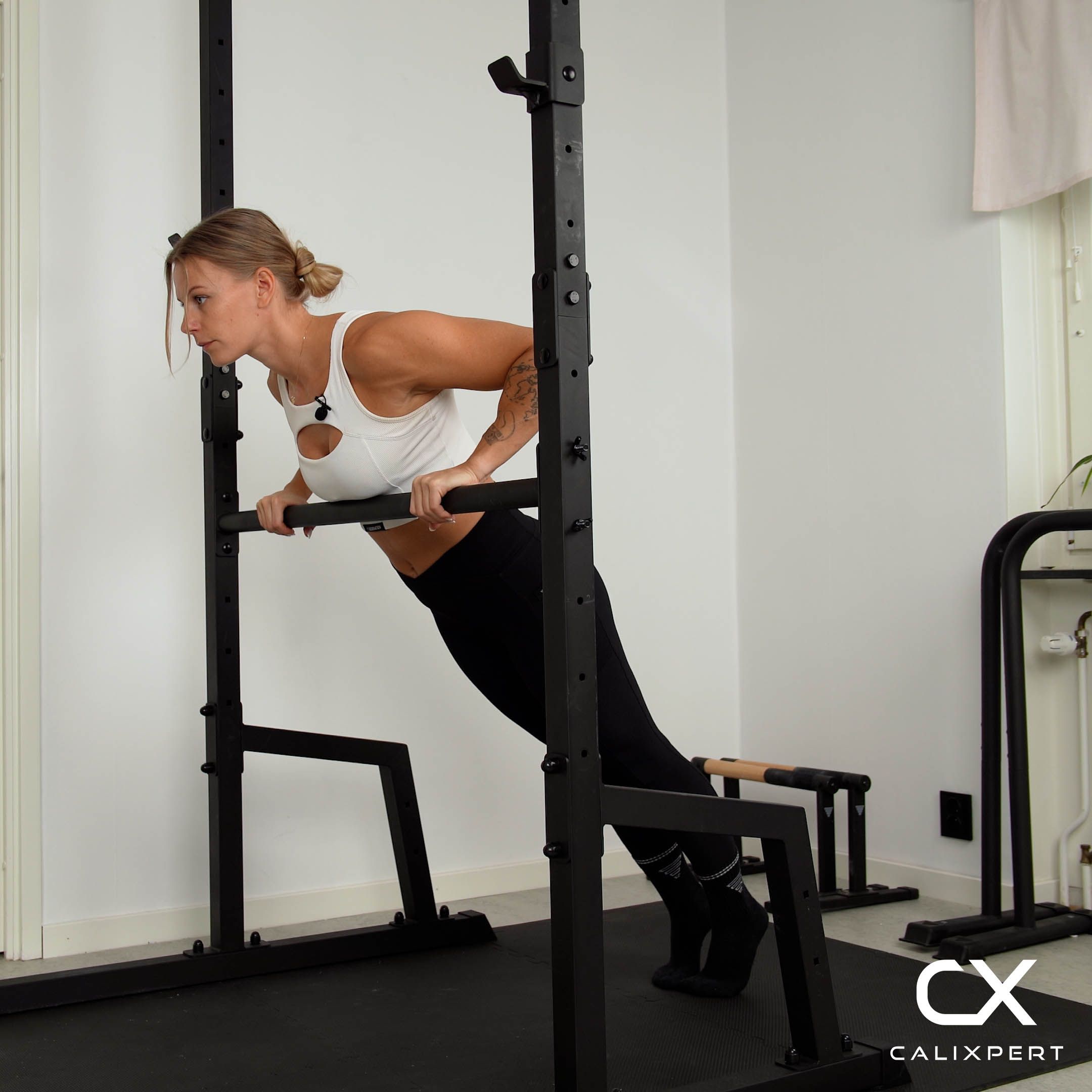
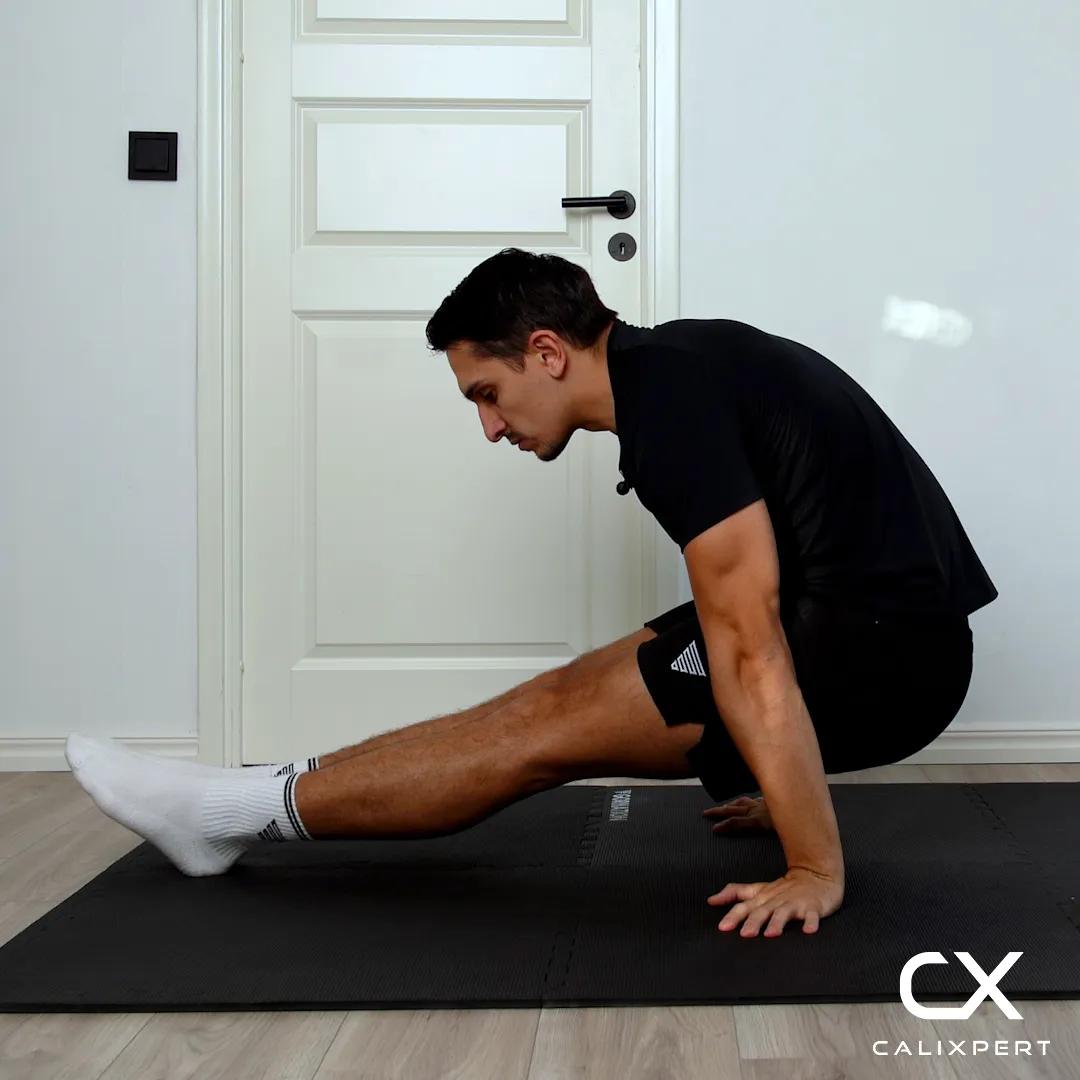
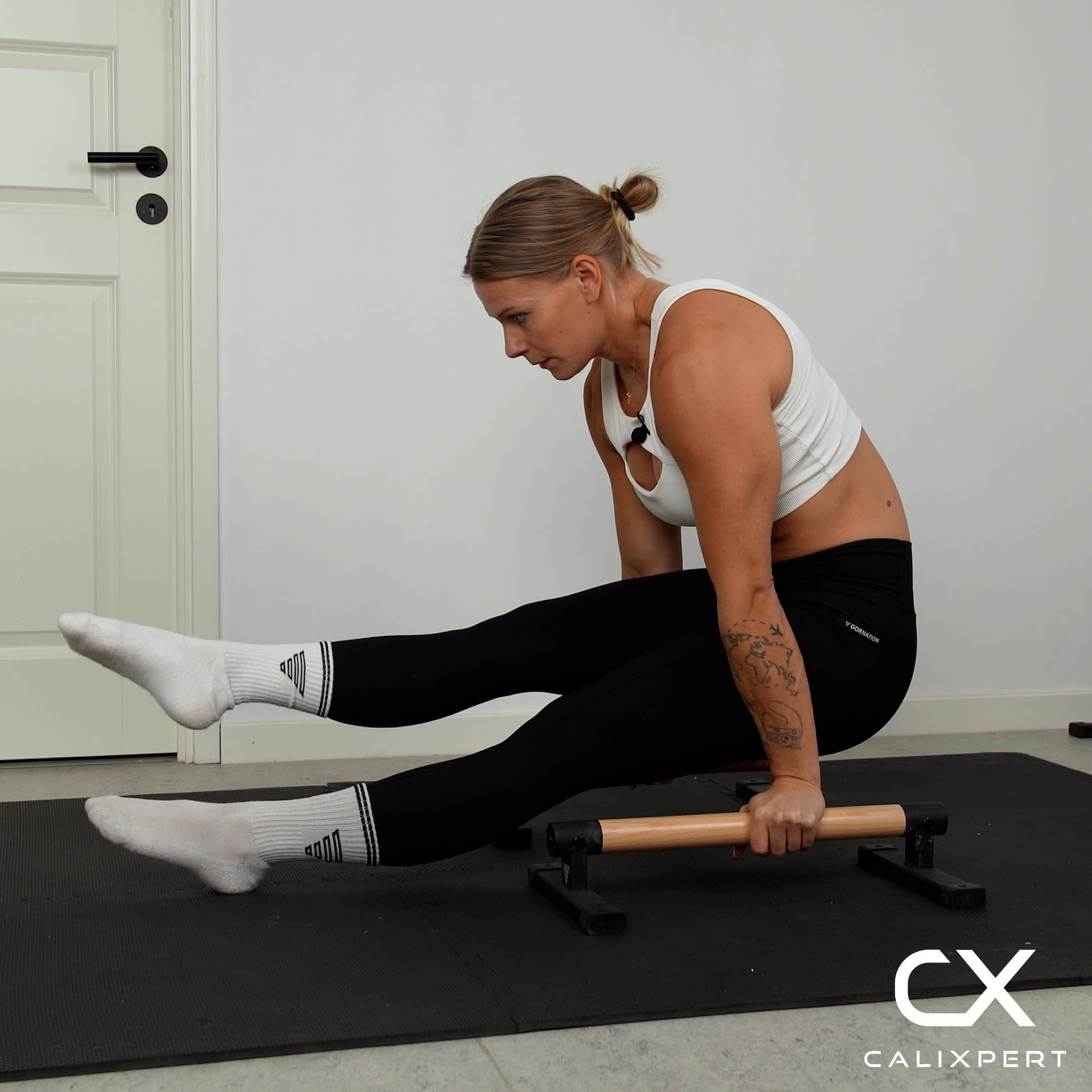
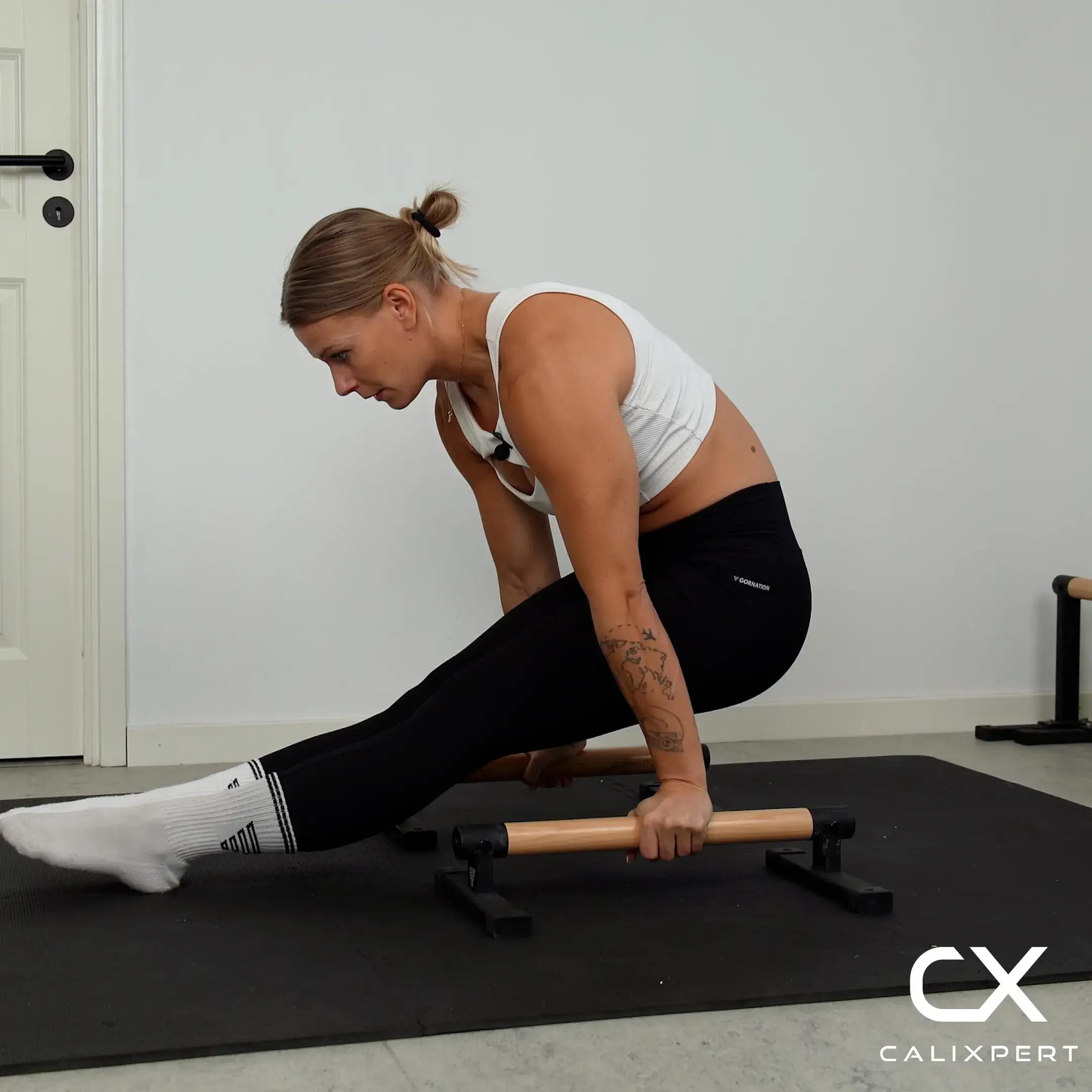
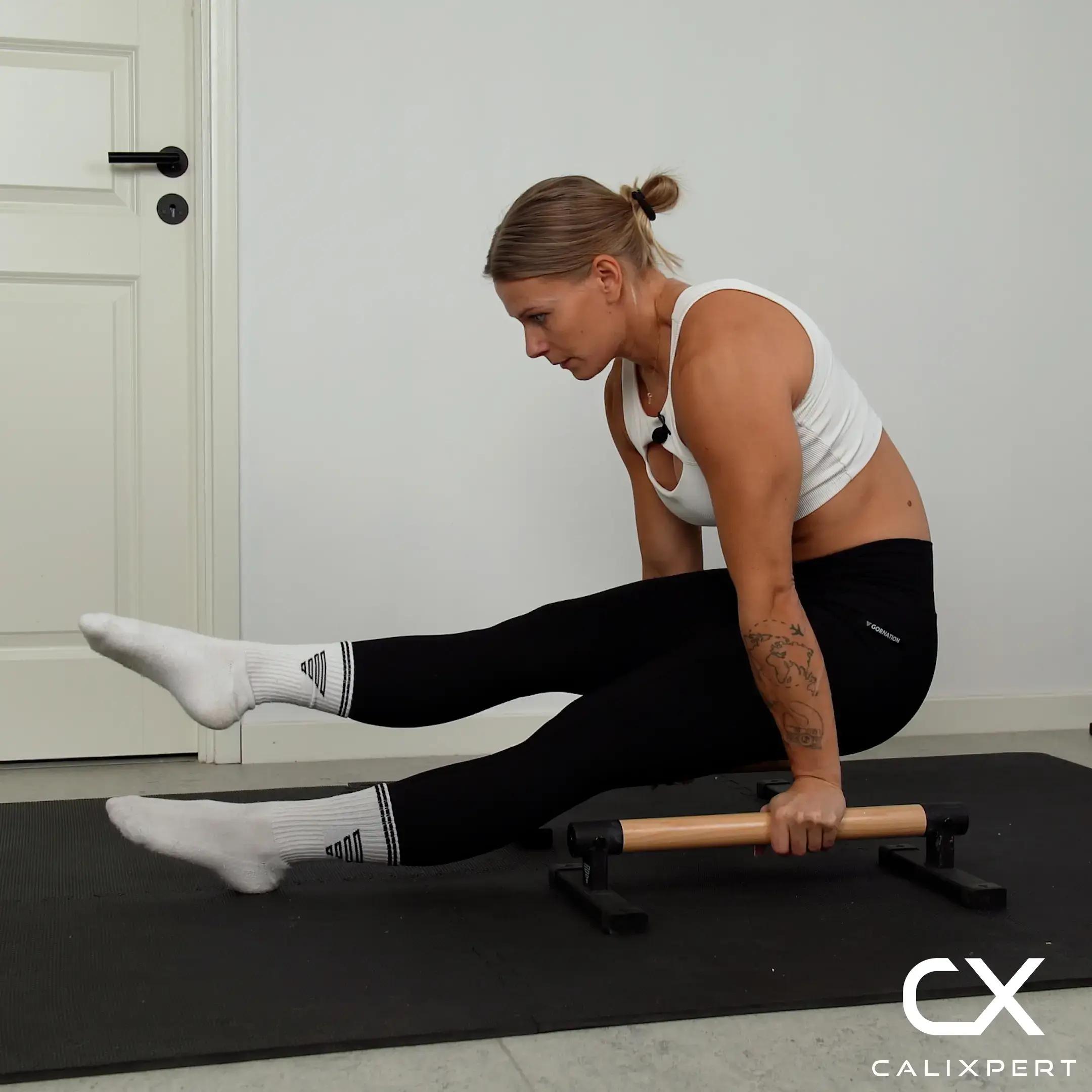
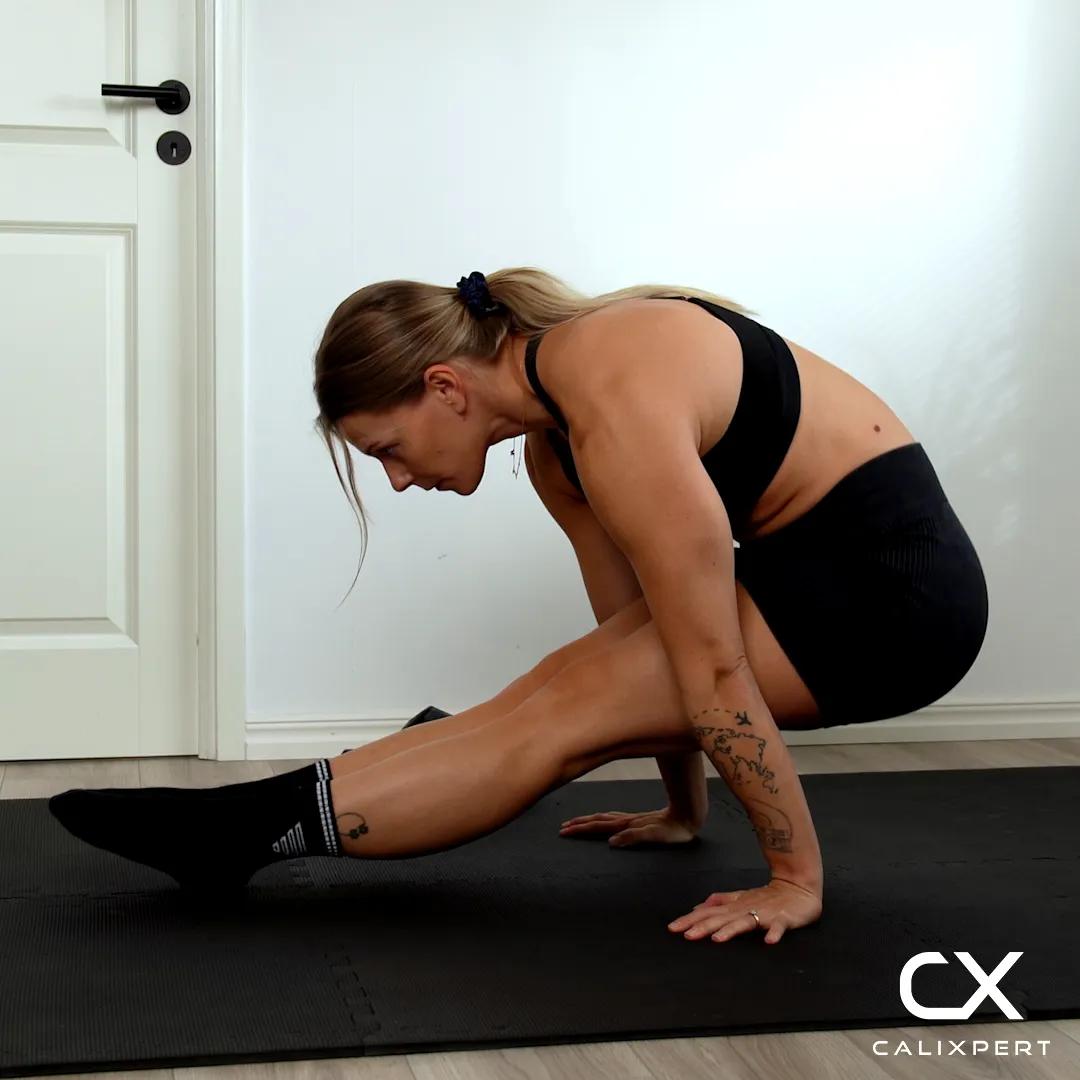
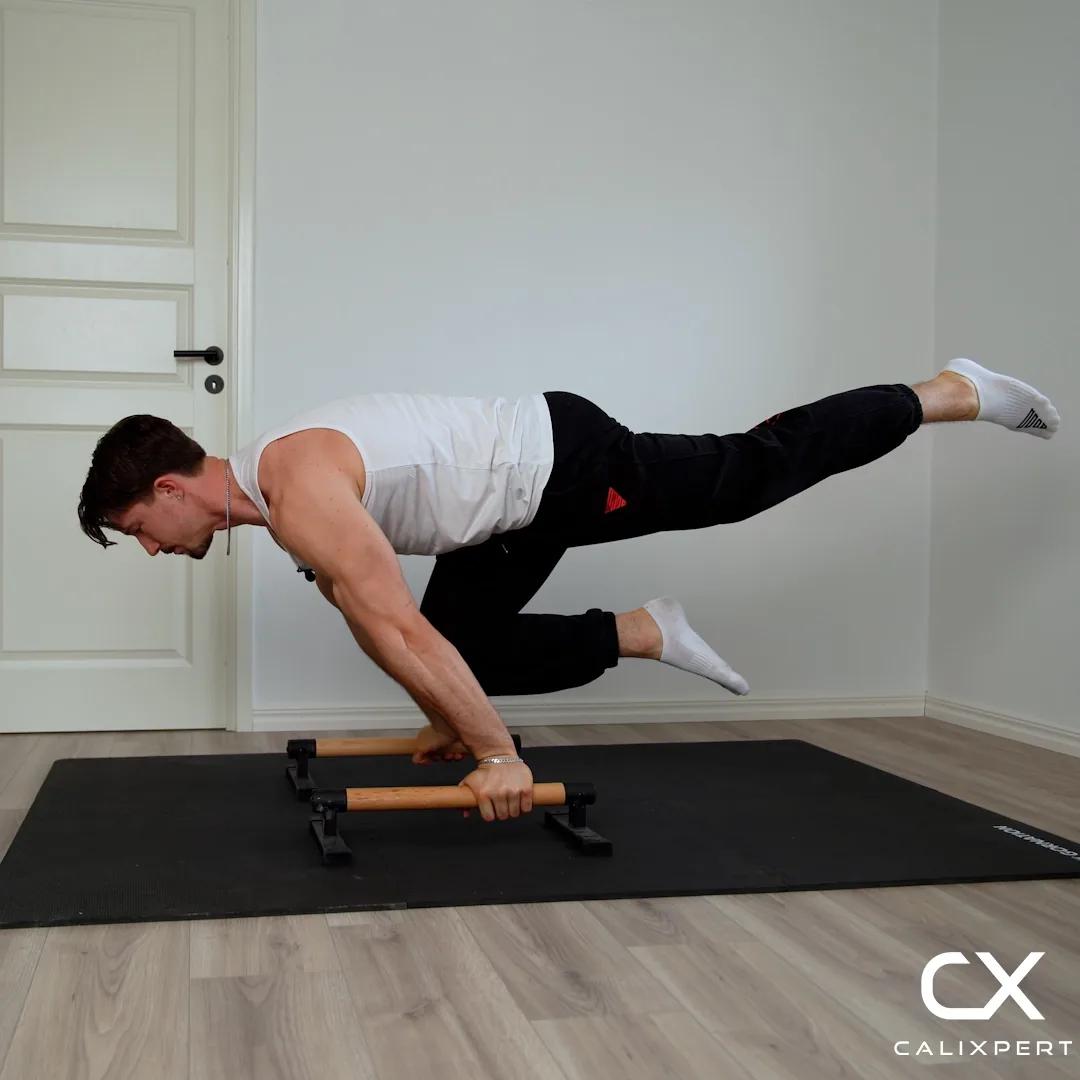
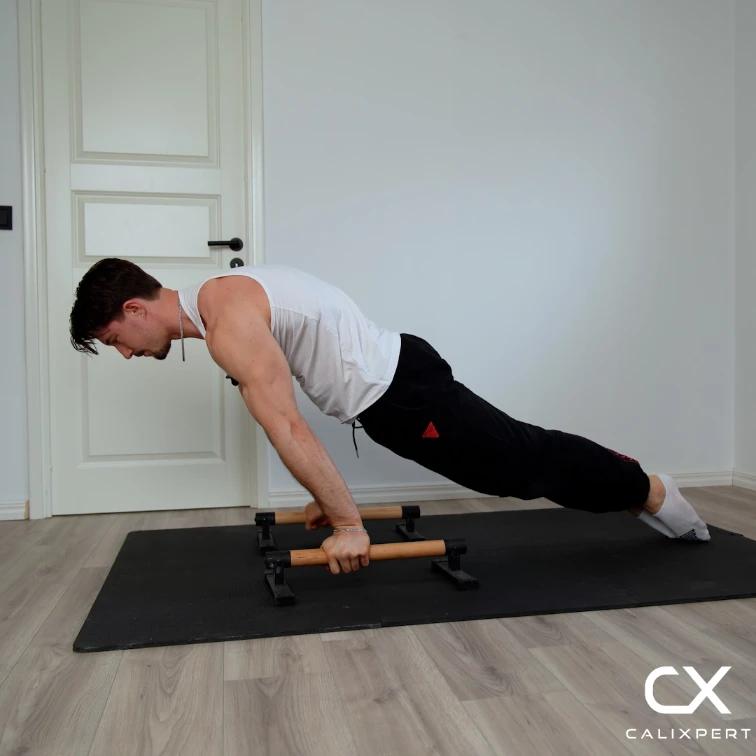
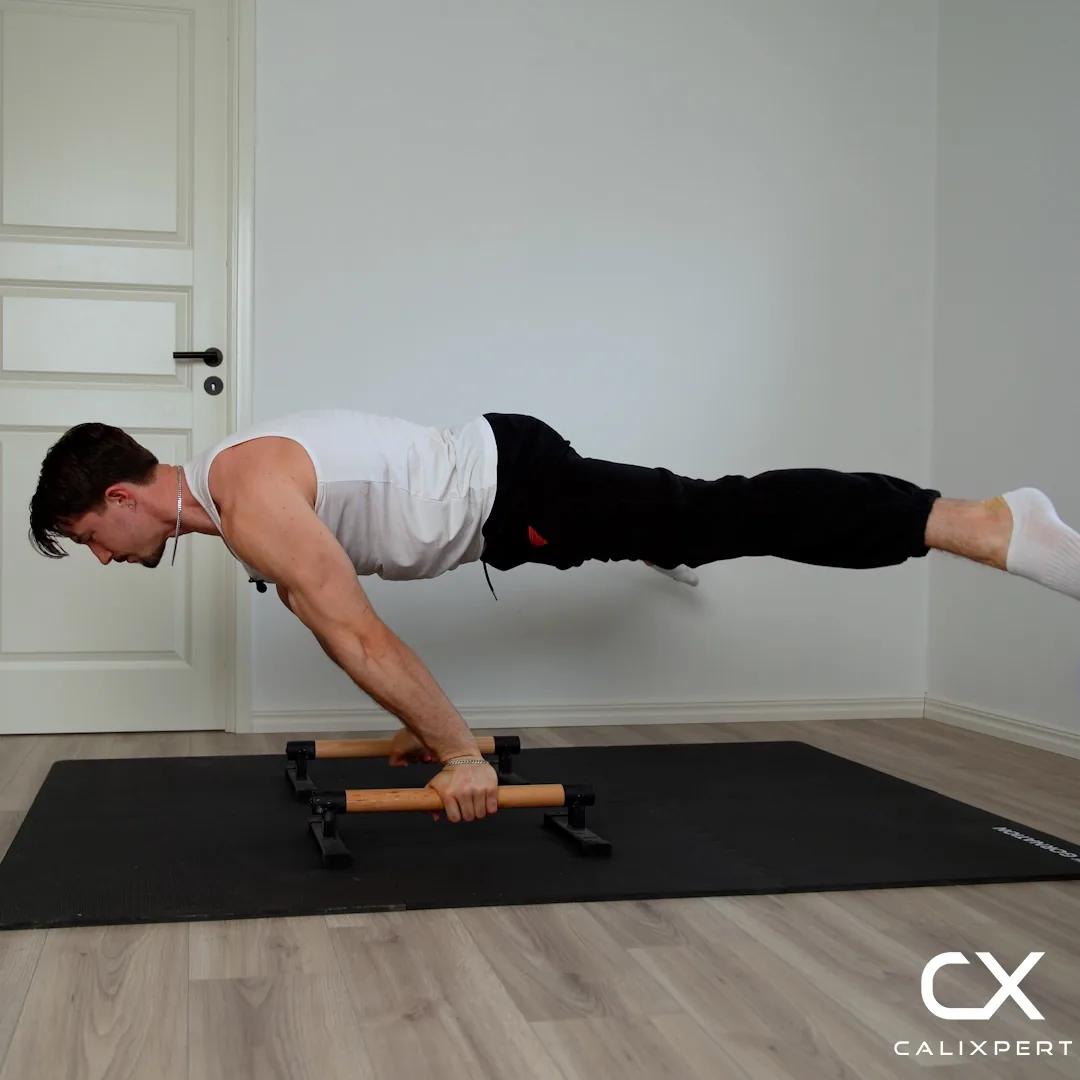
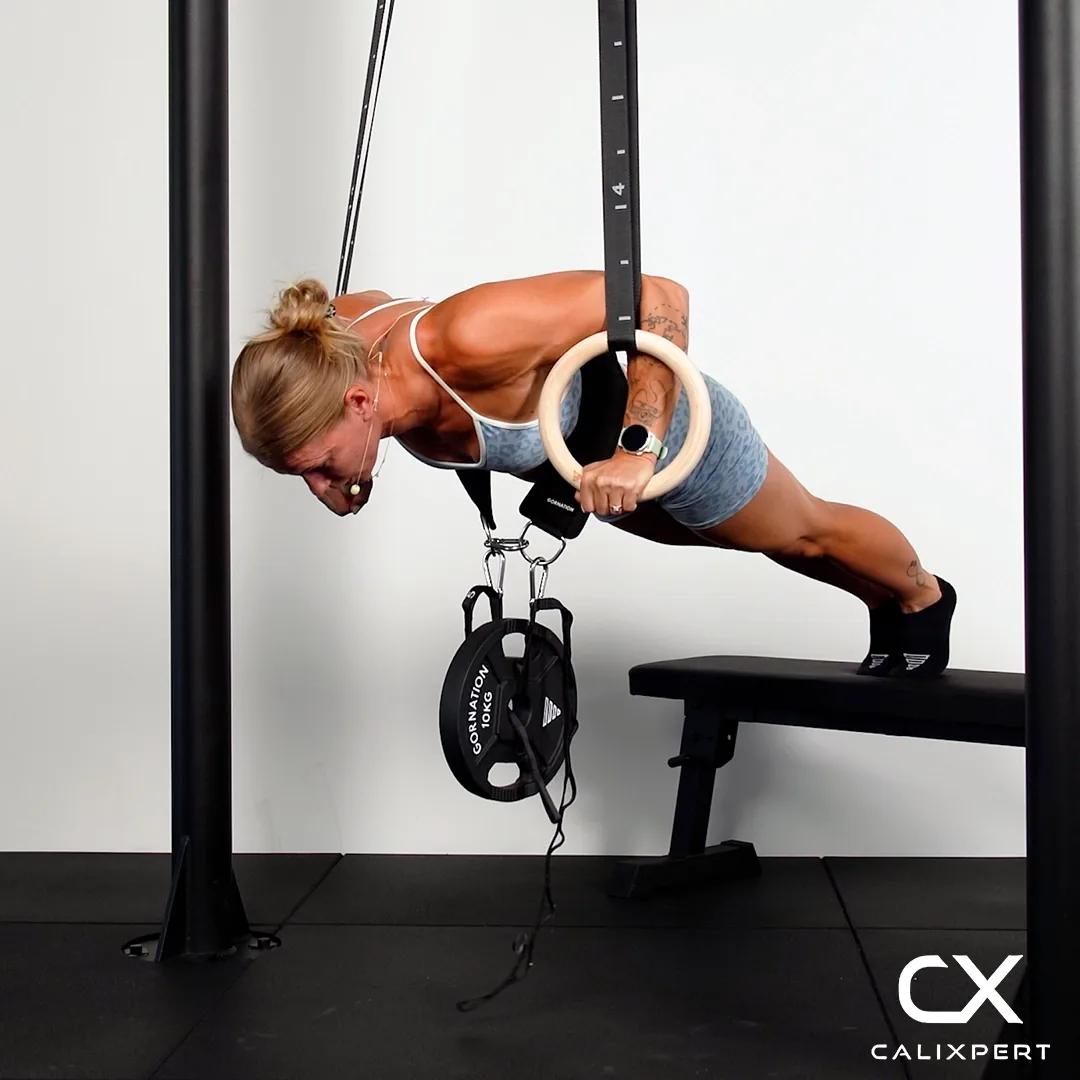
In calisthenics, the anterior deltoid is one of the most heavily loaded muscles. Every pushing exercise taxes it. The planche loads it to an extreme degree because your entire body weight is held in front of your support point, creating a massive moment arm at the shoulder.
Neglecting shoulder strength while training pushing skills accelerates injury. The anterior deltoid is often strong enough to initiate movements but not strong enough to control the positions that advanced skills require.
How to Train Your Front Deltoid
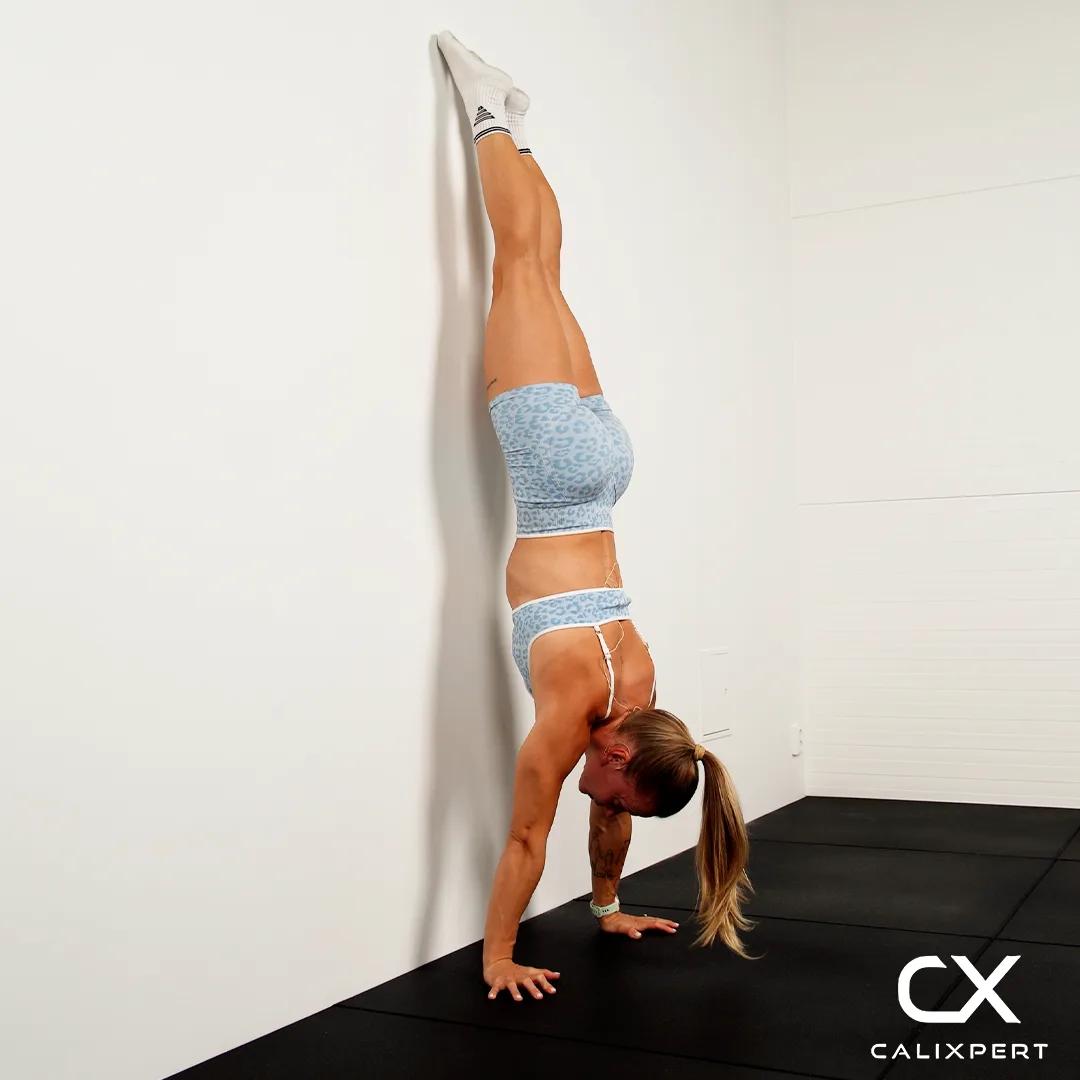
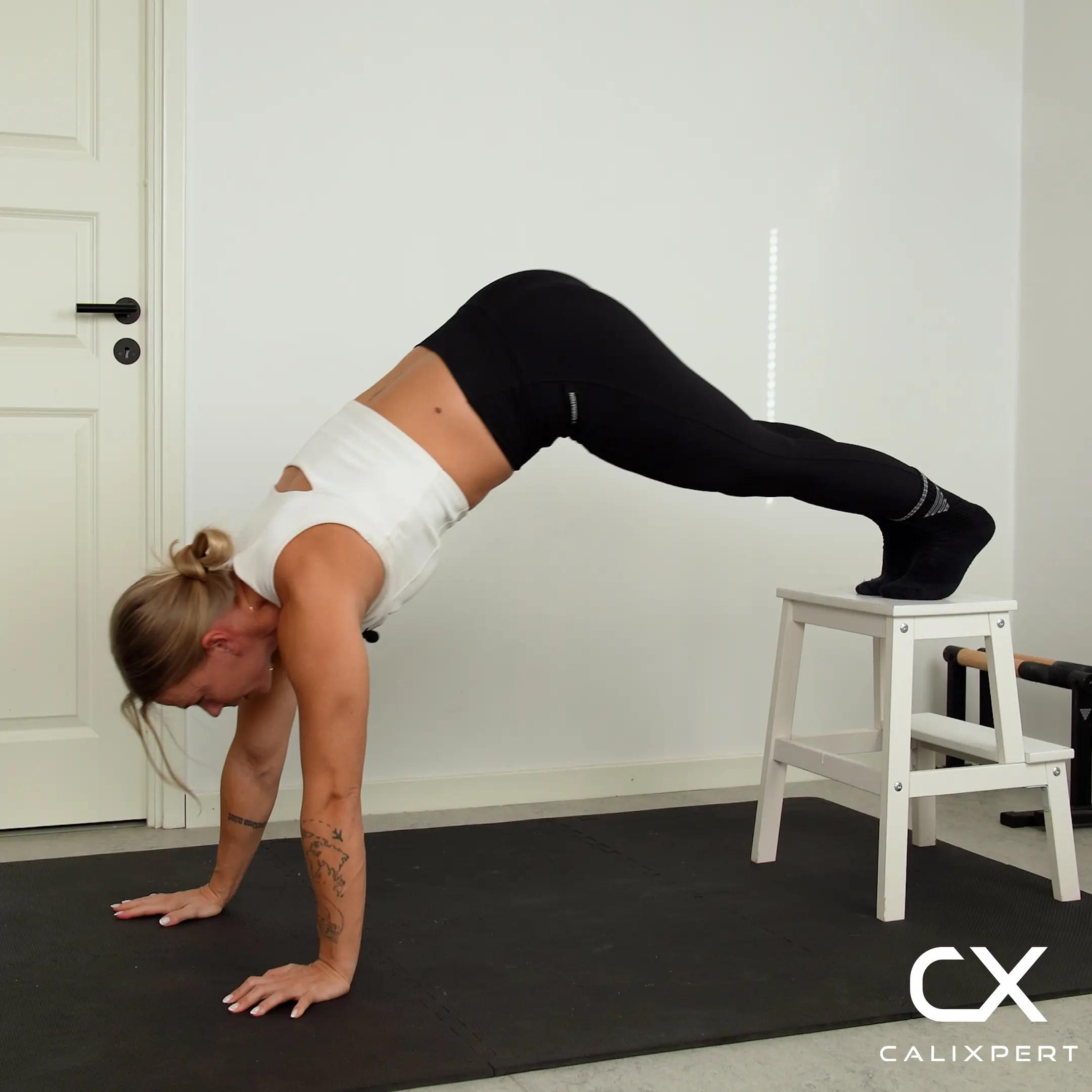
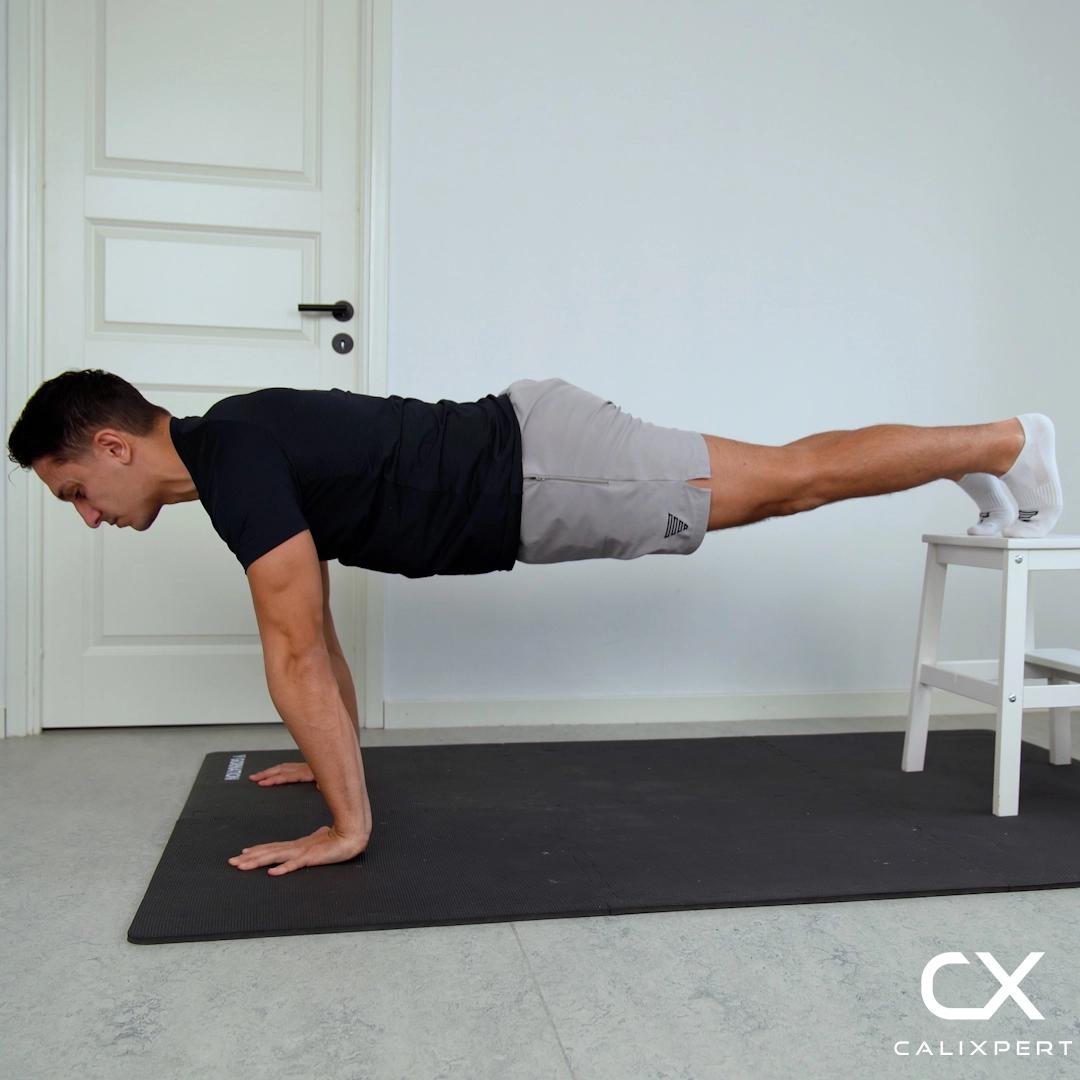
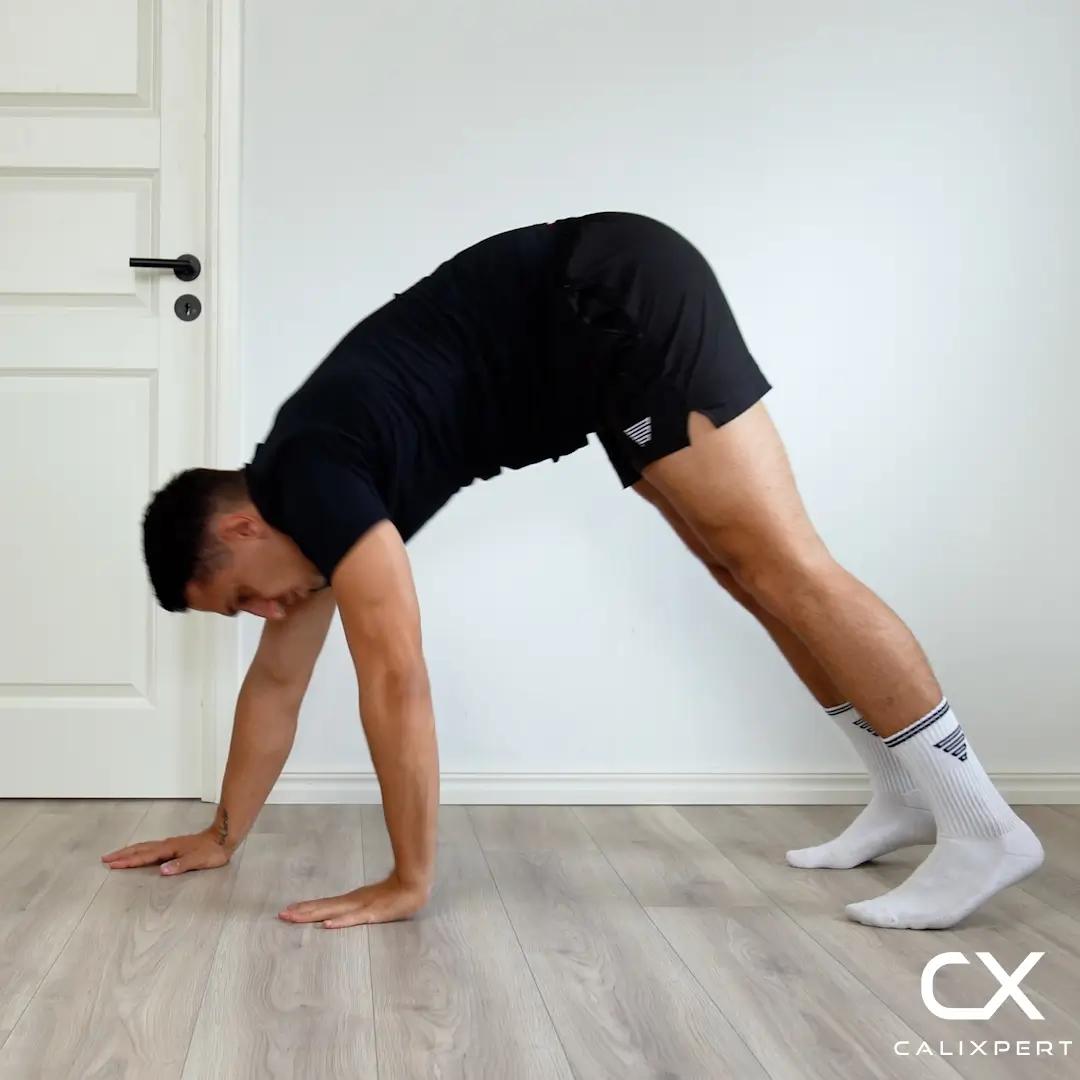
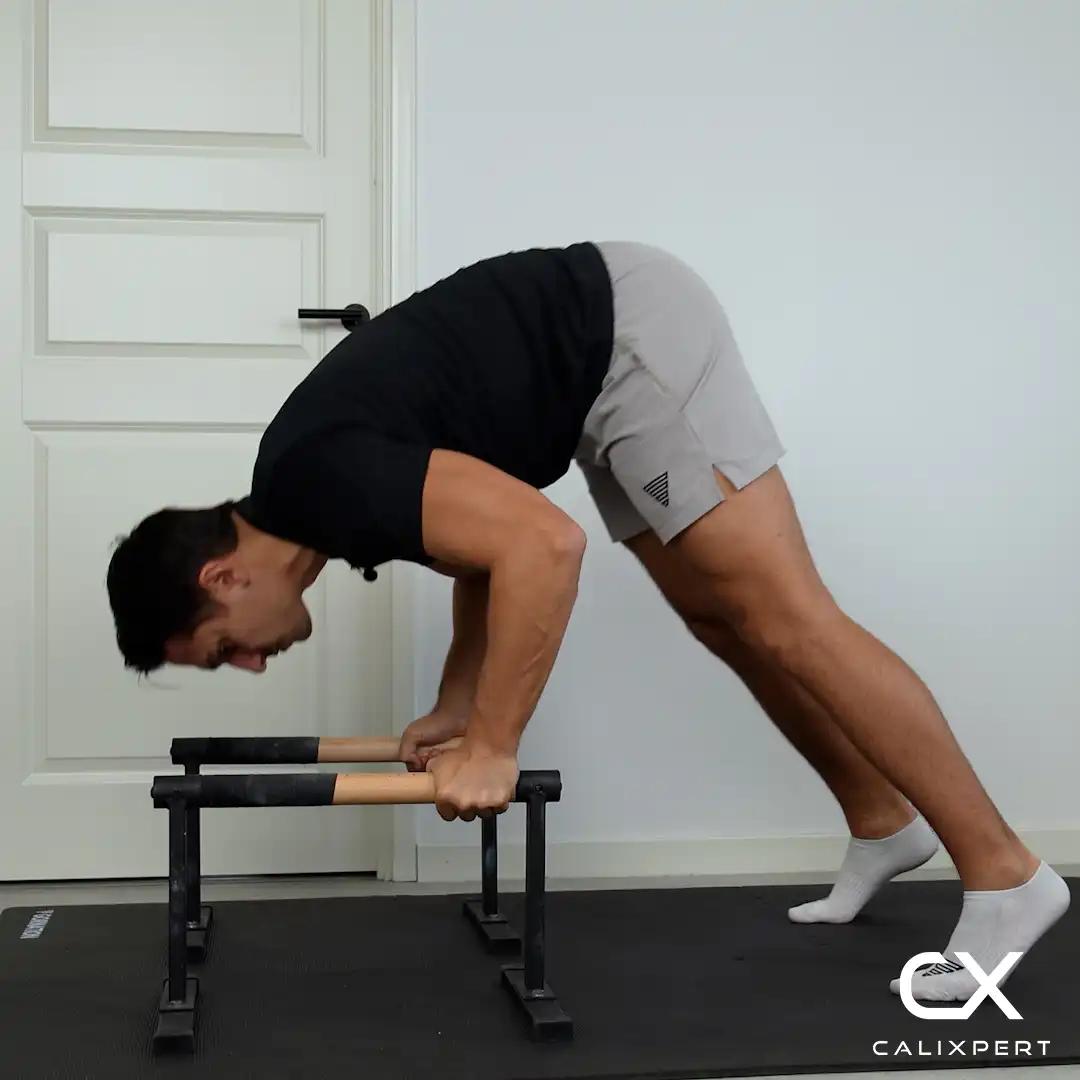
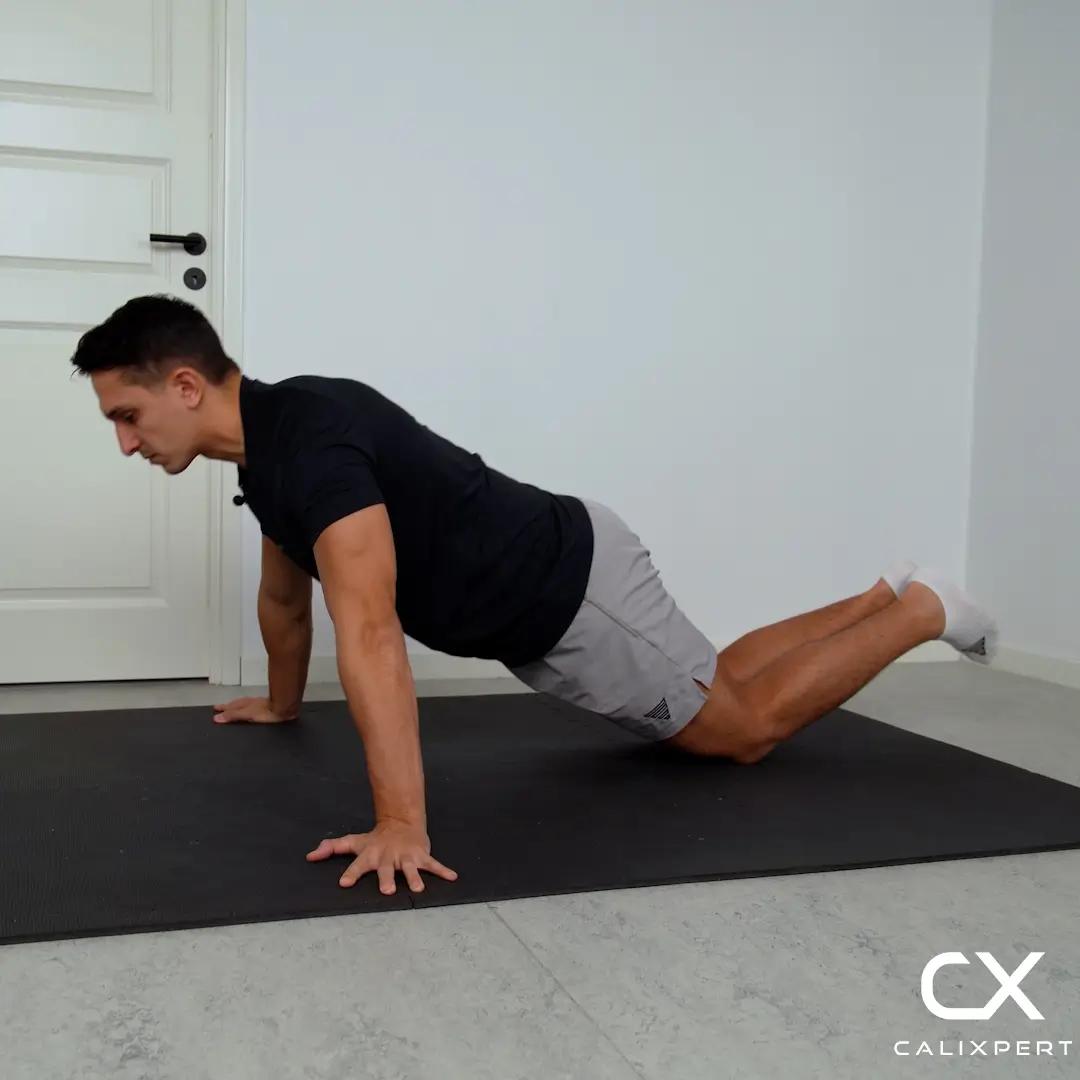
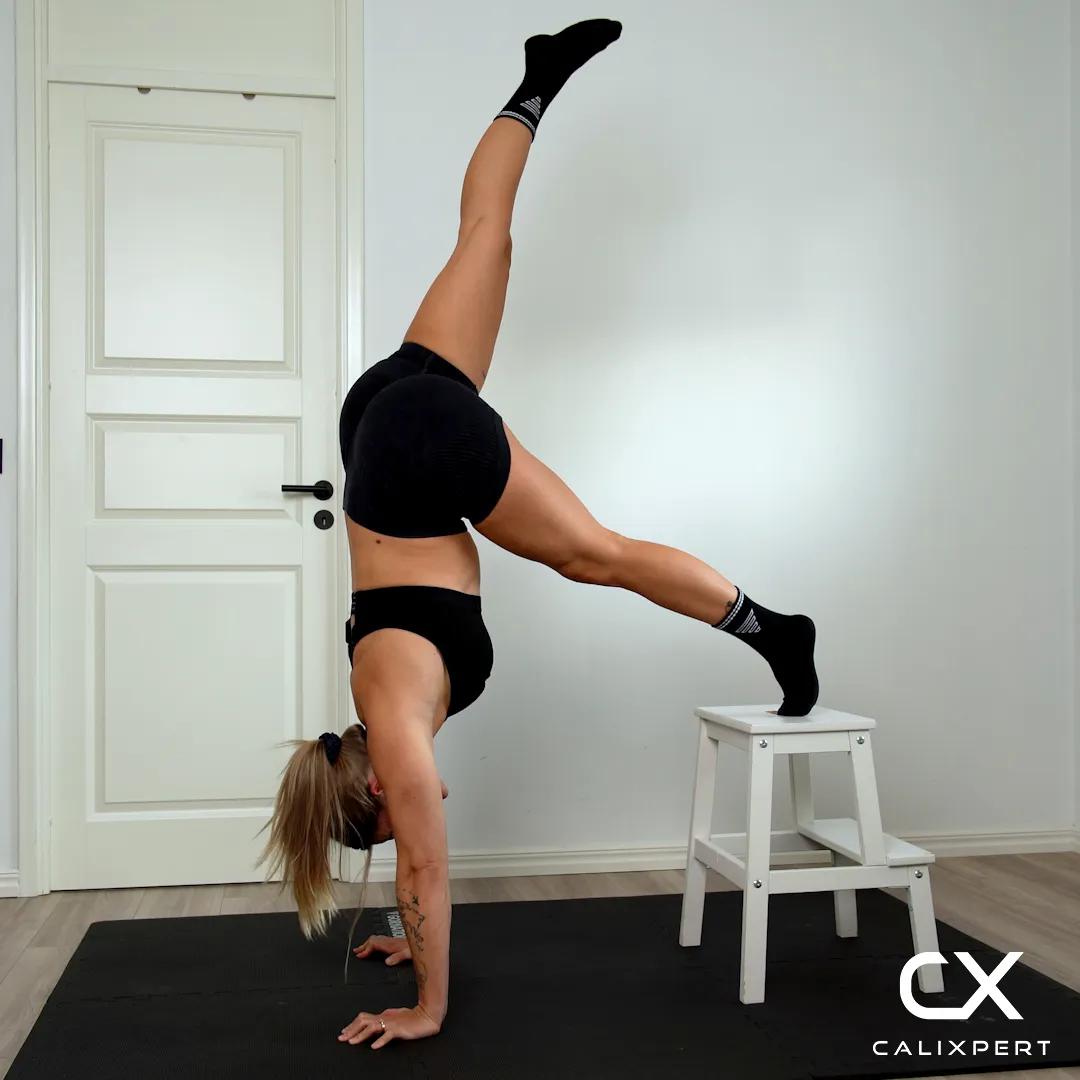
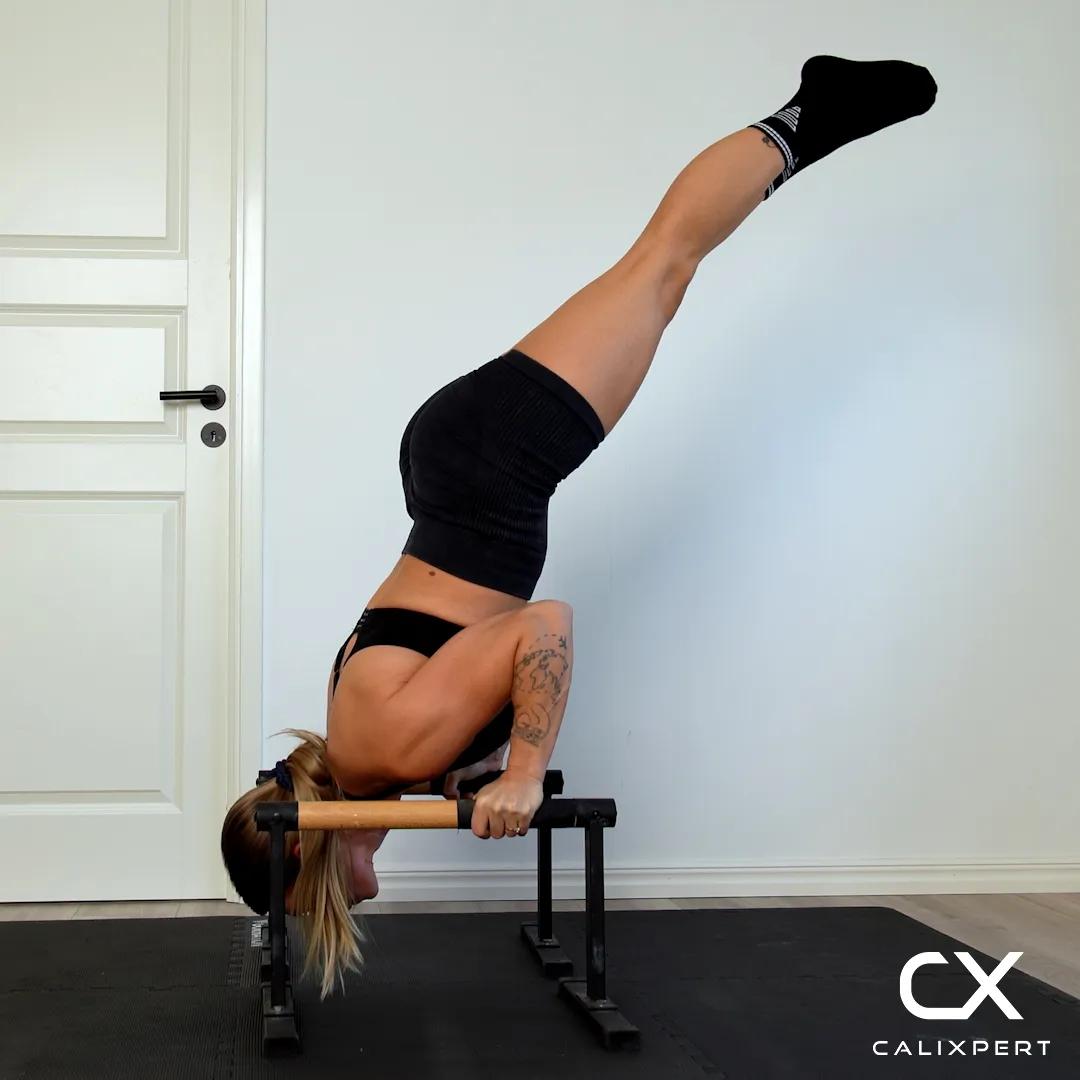
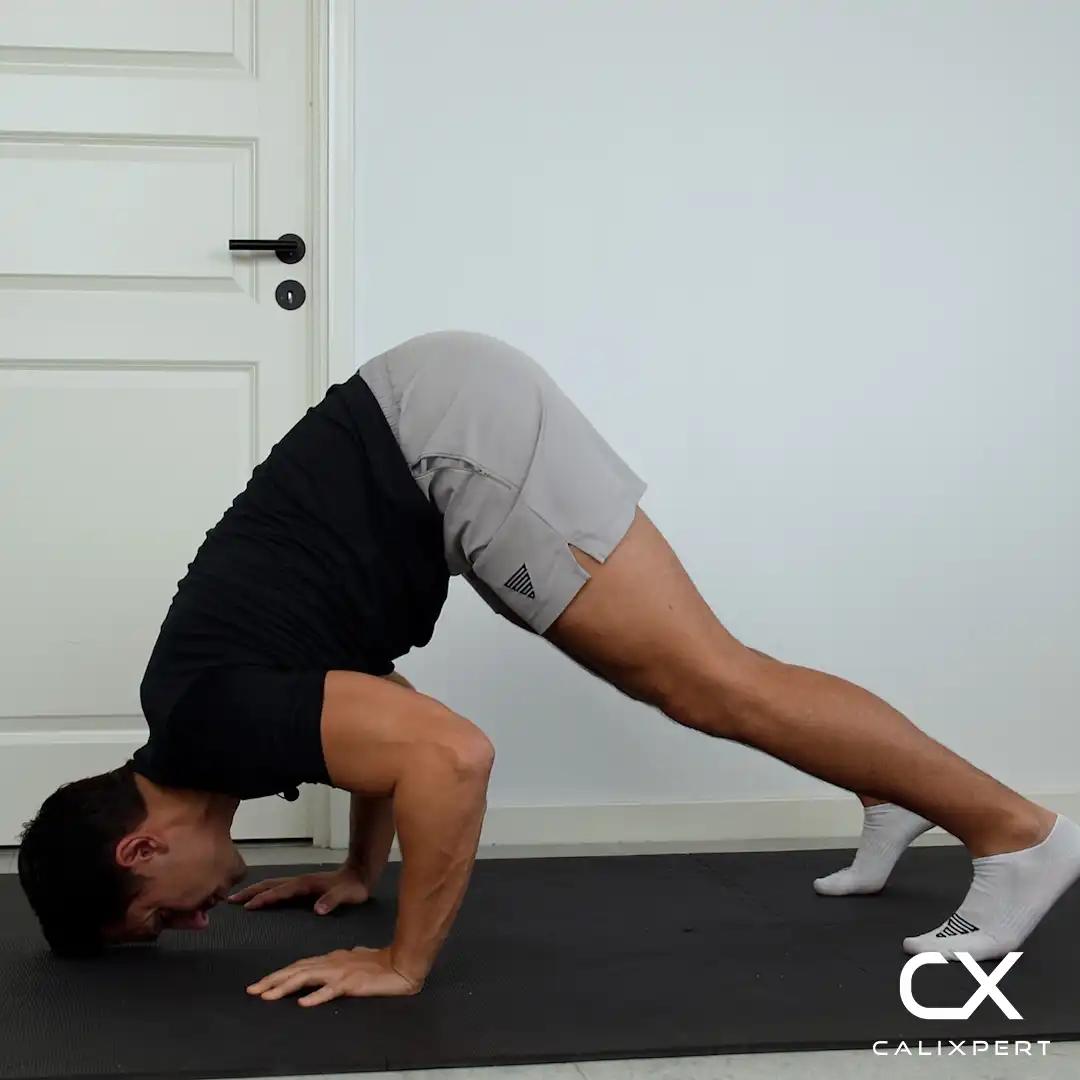
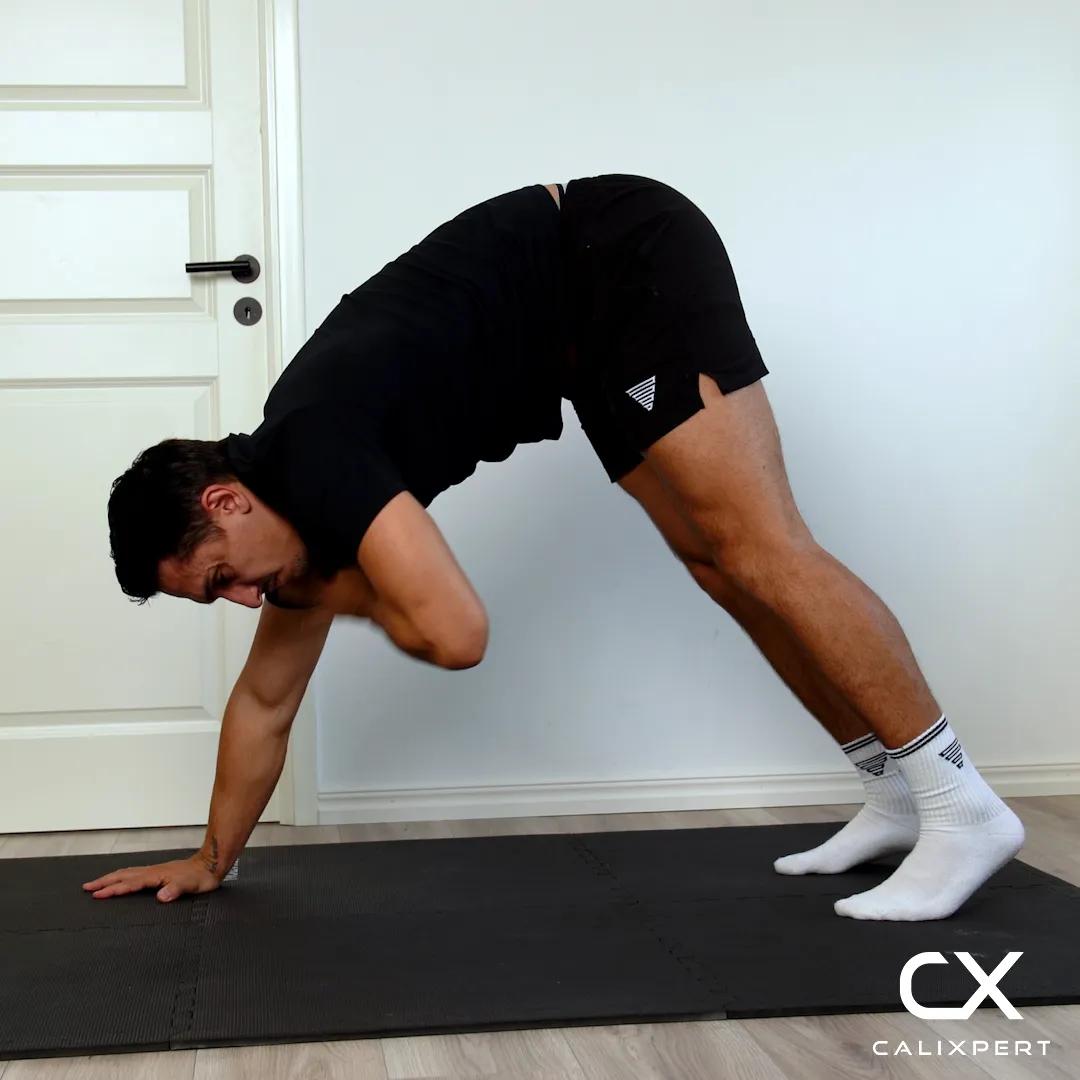
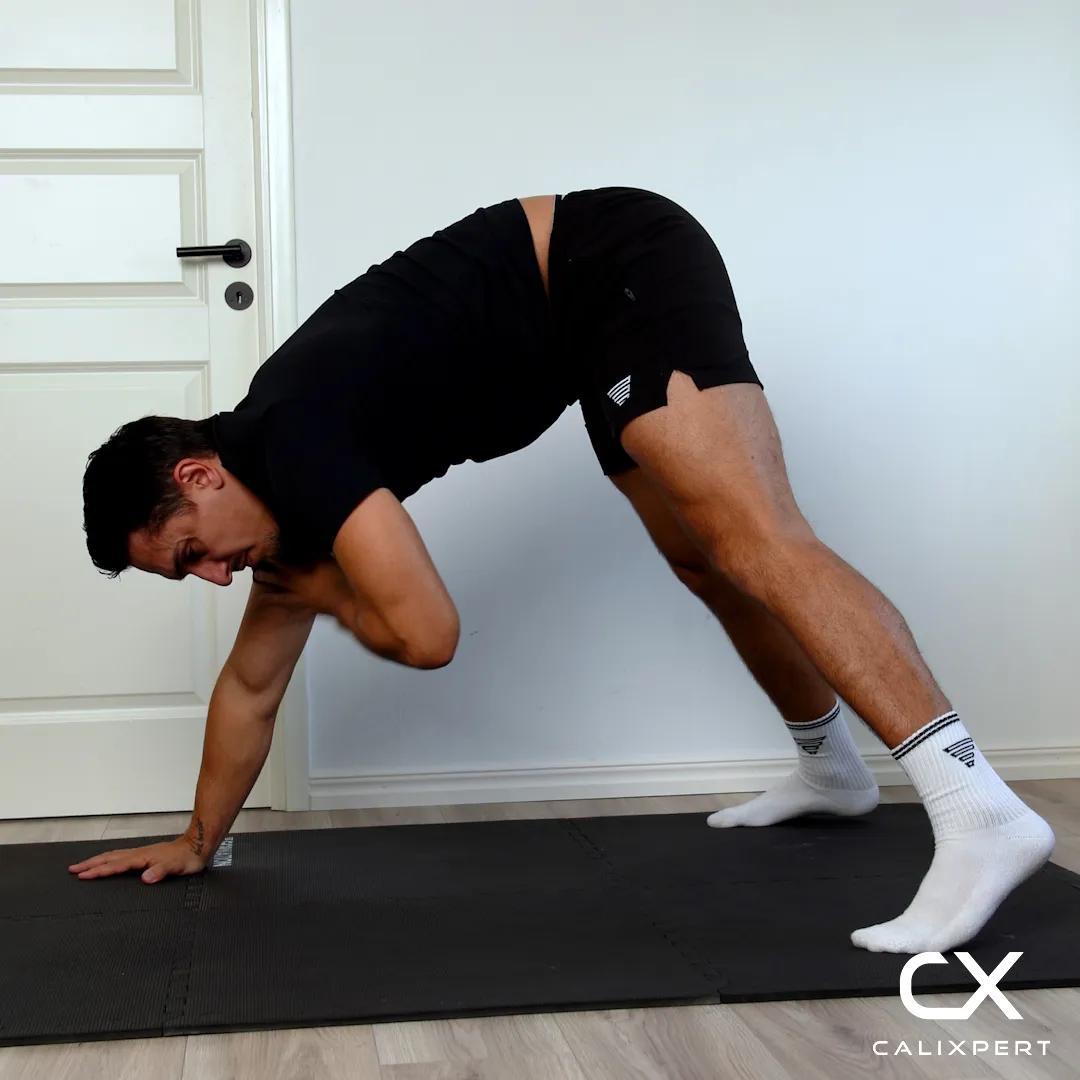
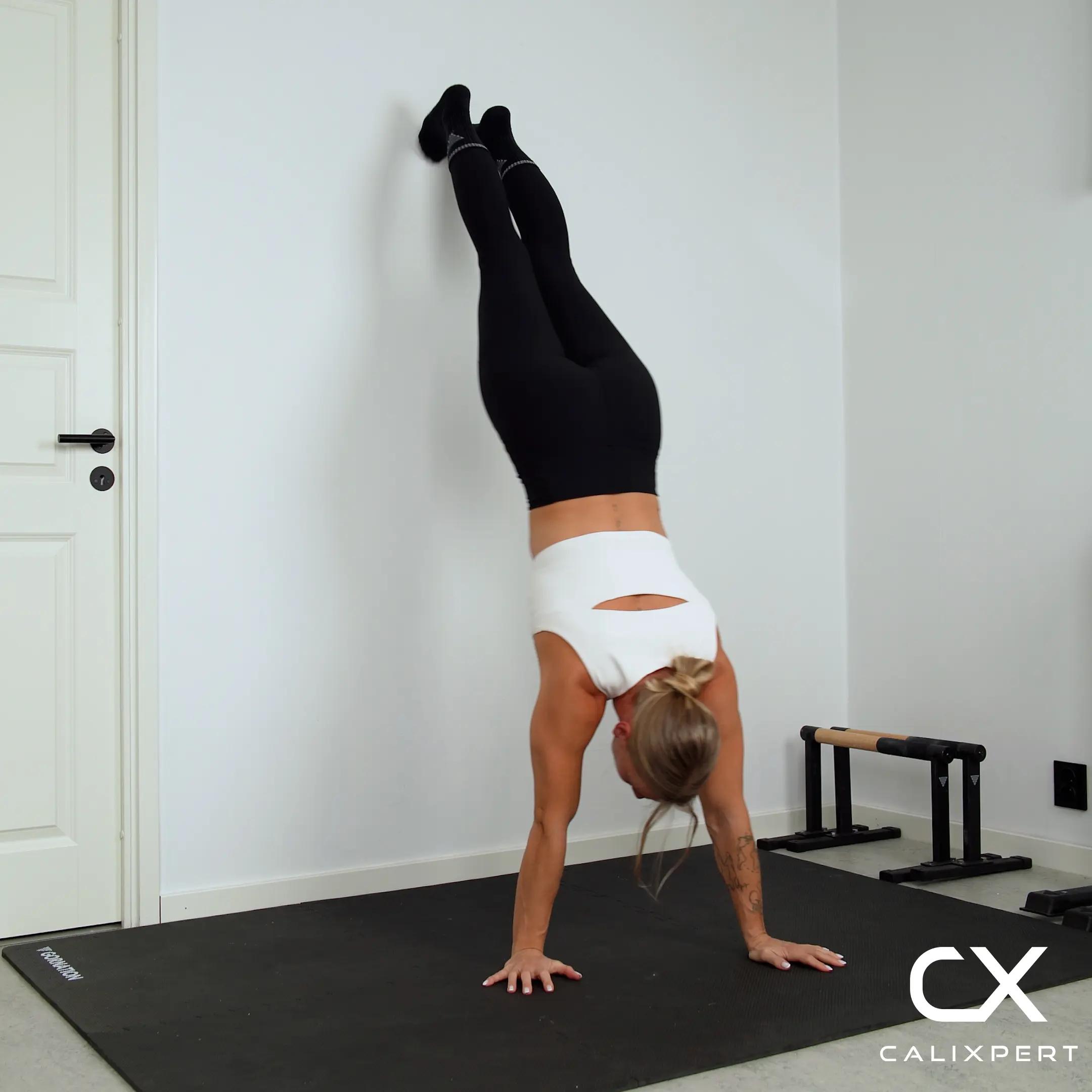
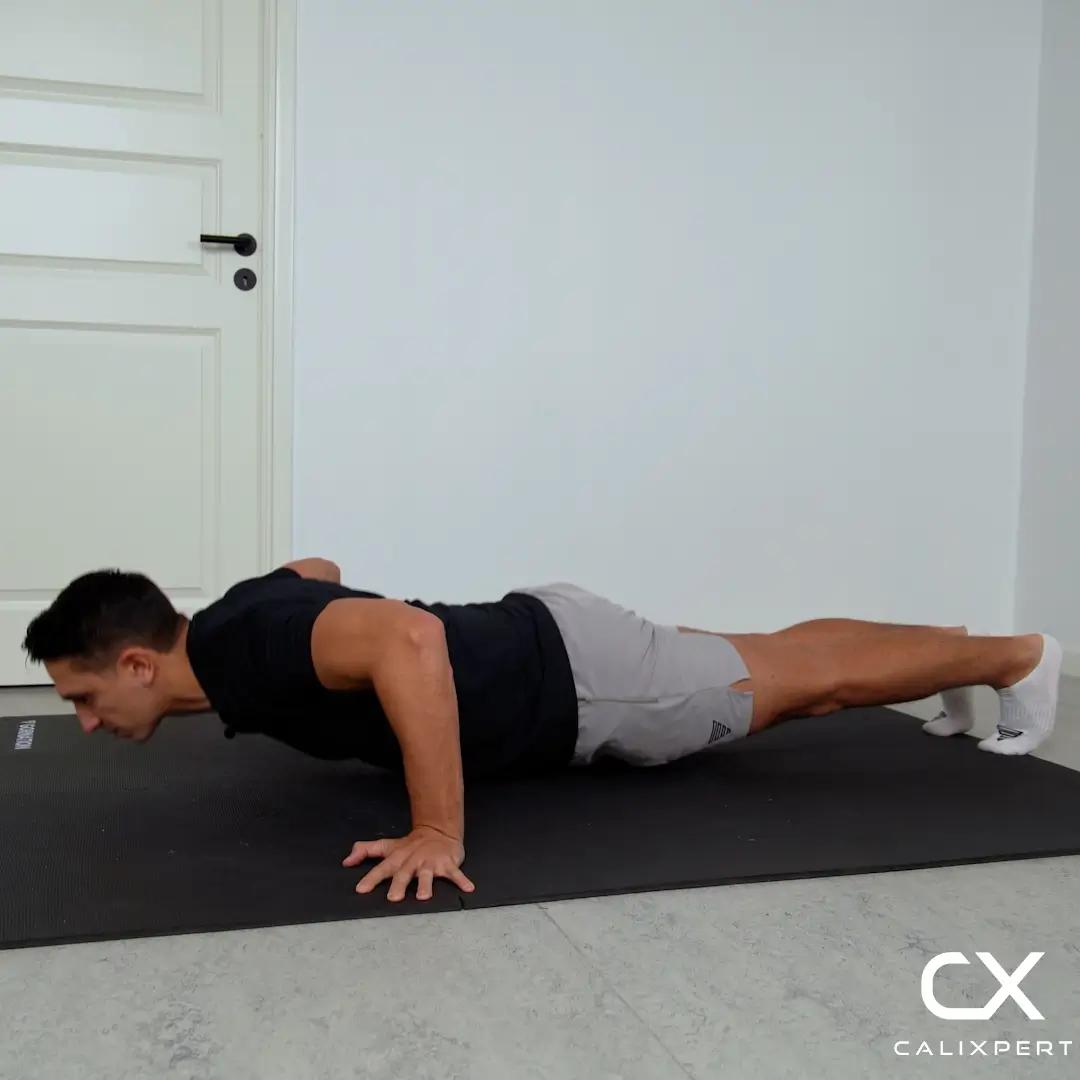
Pike push-ups and handstand push-ups are the primary anterior deltoid developers in calisthenics. Both require overhead pressing with your full body weight as resistance.
Start with pike push-ups on the floor. Progress to elevated pike push-ups, then wall handstand push-ups. Each step increases the vertical loading and the demand on the anterior deltoid.
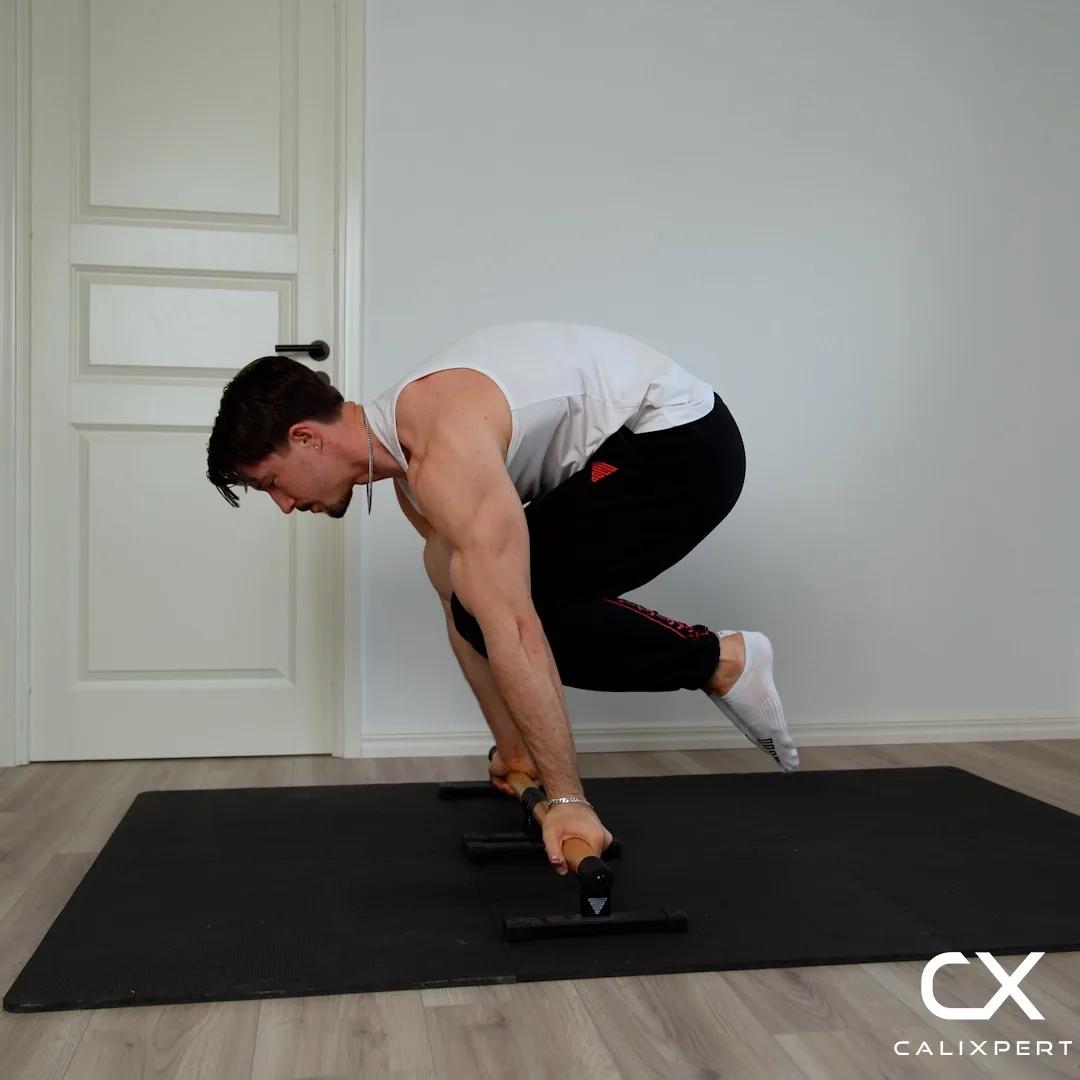
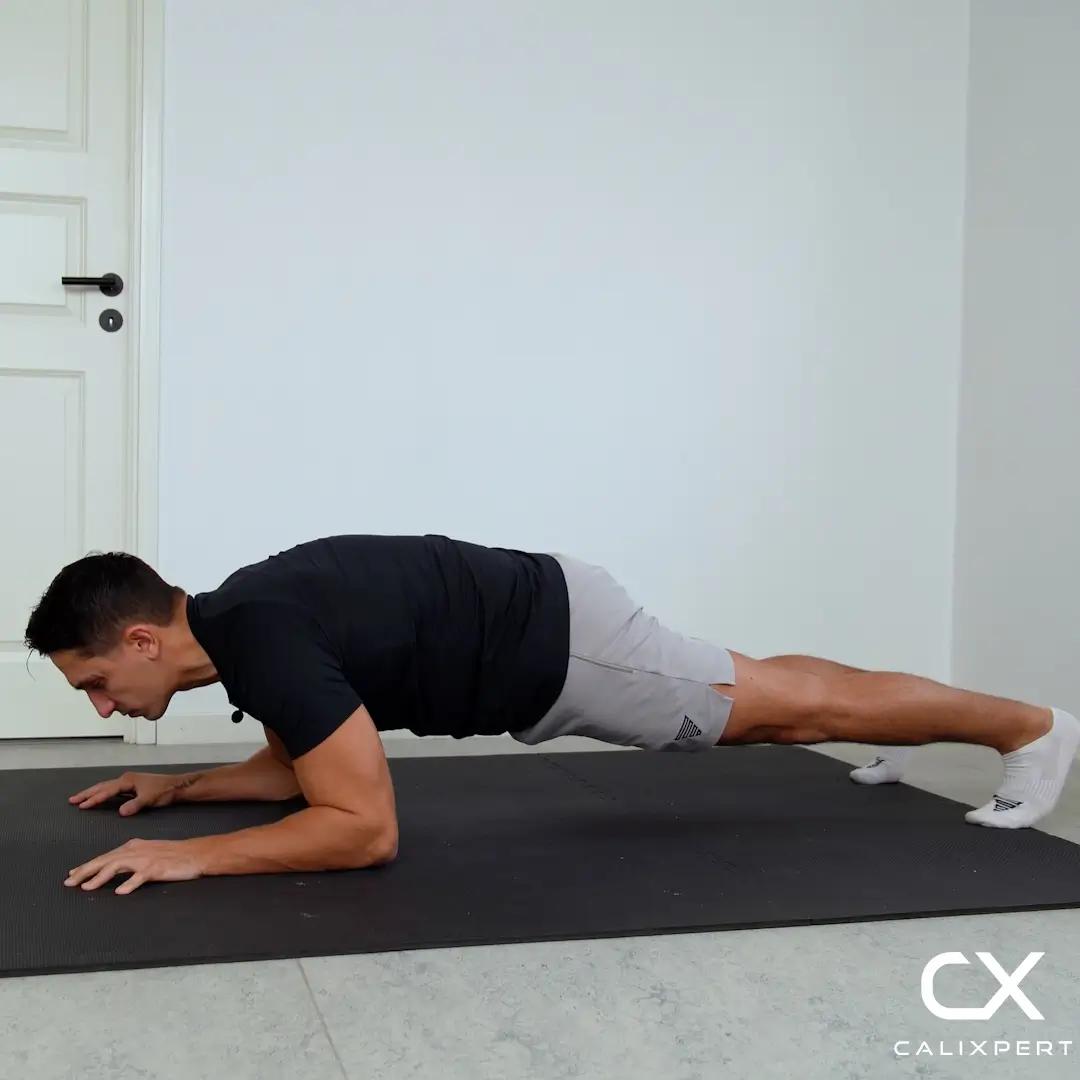
Planche work also loads the anterior deltoid heavily, particularly in the lean phase. If you are training for handstands or planche, your shoulder work must match that goal directly.
Front Deltoid FAQ
The anterior deltoid is a smaller muscle than the chest or triceps. It fatigues before the larger movers in most people because it is either undertrained or being overloaded by poor technique. Dedicated overhead pressing work addresses both causes.
Not strictly necessary, but they are the most direct path to overhead pressing strength in calisthenics. Pike push-ups and their progressions develop the same pattern with less skill requirement.
Balance your pushing volume with pulling volume. For every push session, include a pull session of equal intensity. An imbalance between anterior and posterior shoulder strength is the most common driver of calisthenics shoulder injuries.