Chair Dips With Bent Knees
Chair dips with bent knees are a beginner-friendly pushing exercise that targets the triceps, front deltoids, and chest using nothing more than a sturdy chair, bench, or stool at roughly knee height. The bent-knee position shortens the lever arm compared to straight-leg dips, making this variation accessible to anyone who lacks the pressing strength for full dips. Performed with proper elbow tracking and controlled depth, chair dips with bent knees build the foundational pushing strength needed to progress toward parallel bar dips and other advanced calisthenics pressing movements.
Chair dips with bent knees are a beginner-friendly pushing exercise that targets the triceps, front deltoids, and chest using nothing more than a sturdy chair, bench, or stool at roughly knee height. The bent-knee position shortens the lever arm compared to straight-leg dips, making this variation accessible to anyone who lacks the pressing strength for full dips. Performed with proper elbow tracking and controlled depth, chair dips with bent knees build the foundational pushing strength needed to progress toward parallel bar dips and other advanced calisthenics pressing movements.
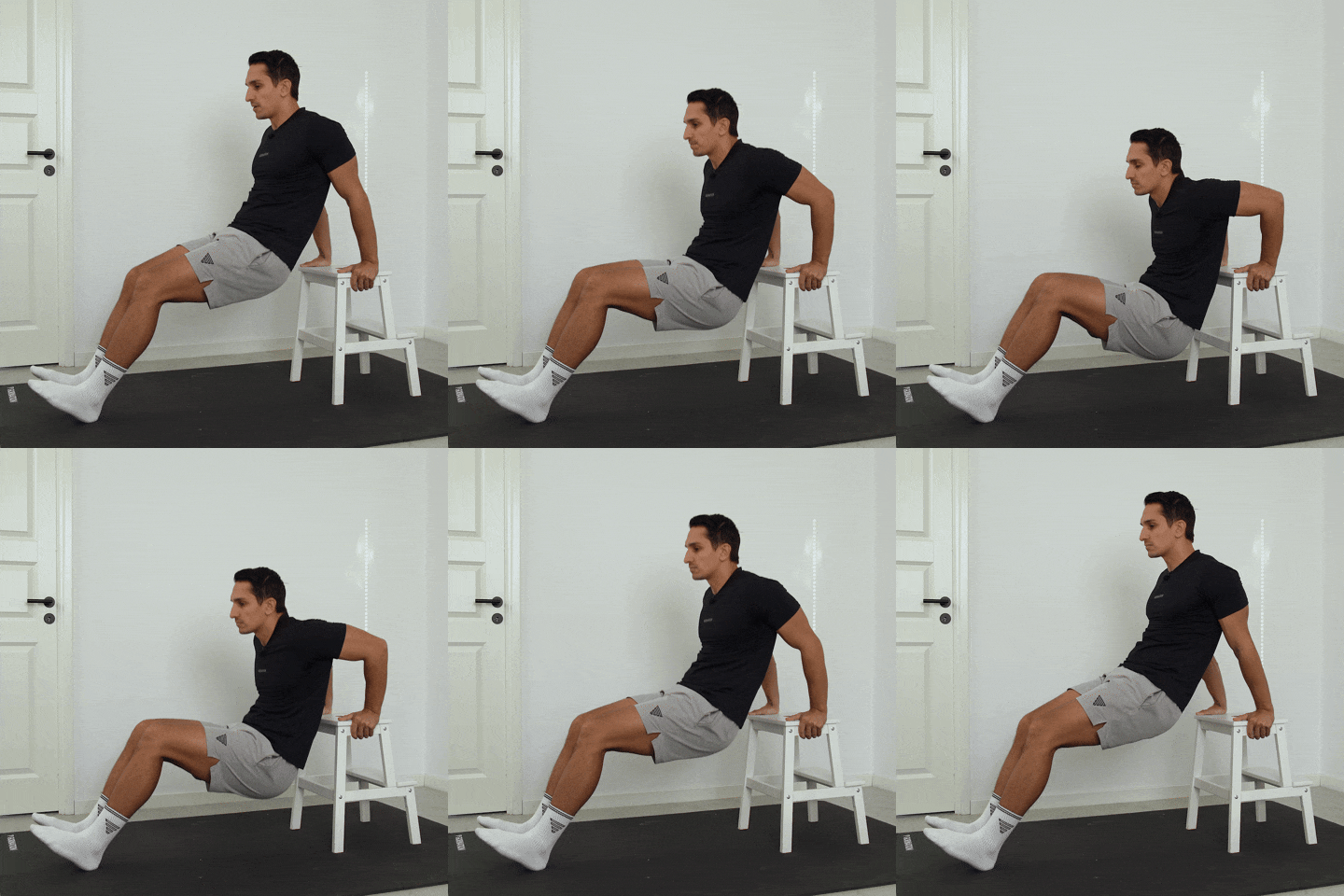
How to Do Chair Dips With Bent Knees
1. Choose and Secure Your Surface
Select a sturdy chair, bench, or stool that sits at roughly knee height. Place it against a wall or on a non-slip surface so it cannot slide backward during the movement. The surface must be completely stable before you load your bodyweight onto it.
Lock the chair against the wall
2. Set Your Hand Position
Sit on the edge of the chair and place your hands on either side of your hips. You can grip the sides of the seat or place your palms flat on the surface with fingers wrapping over the front edge. Keep your wrists stacked directly under your shoulders so the joint stays in a neutral, loaded position.
Hands right next to your hips
3. Walk Your Feet Forward
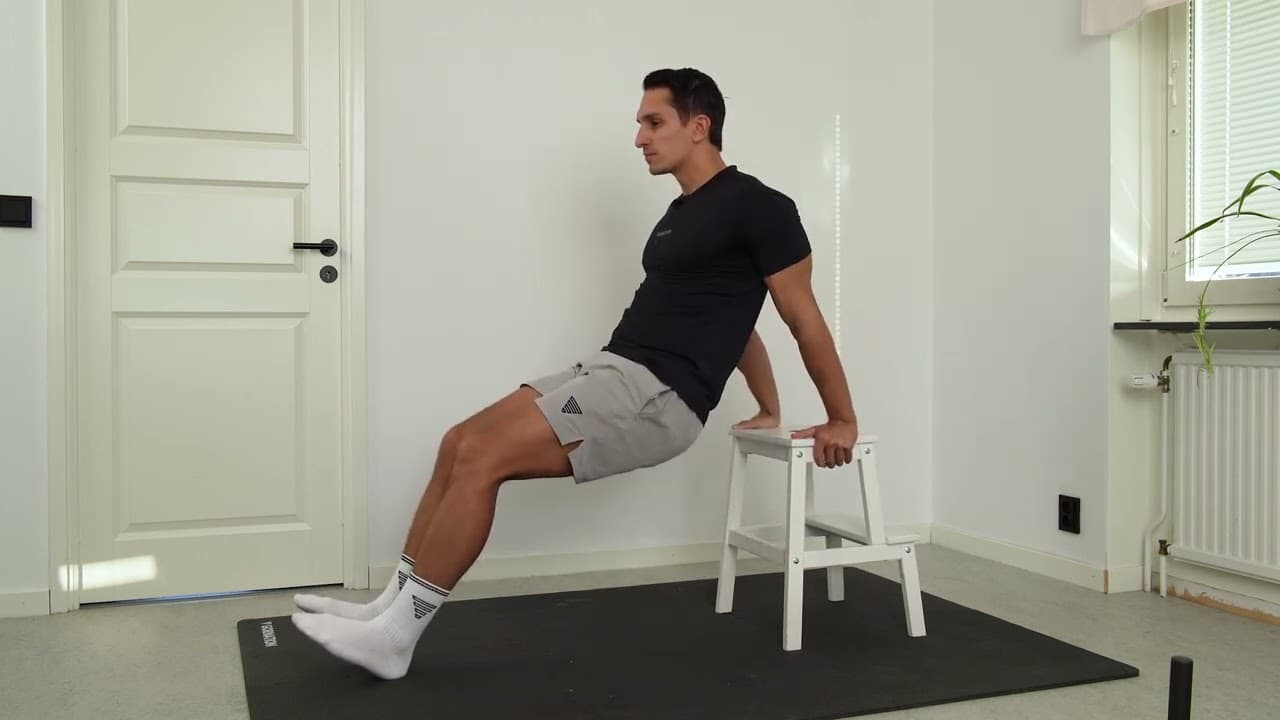
Slide your hips off the edge of the chair and walk your feet slightly forward so your knees stay bent at roughly 90 degrees. Keep your feet flat on the floor, about hip-width apart. Your back should stay close to the edge of the chair throughout the entire movement. Avoid placing your feet too far forward, as this stretches the chest and increases shoulder stress for beginners.
Hips just off the edge, knees bent
4. Lower With Elbows Tight
Bend your elbows and lower your body straight down until your upper arms reach roughly parallel to the floor, creating a 90-degree bend at the elbow. Keep your elbows pointed directly behind you, not flaring outward. Your back should travel close to the chair face throughout the descent. Inhale on the way down and maintain a controlled tempo.
Elbows straight back, not out
5. Press Up to Full Extension
Drive through your palms and extend your arms to push your body back to the starting position. Focus on squeezing the triceps at the top without locking the elbows aggressively. Exhale as you press up. Your hips should not touch the chair at any point during the rep.
Push through the palms, squeeze triceps
6. Reset and Repeat
At the top, confirm your shoulders are pulled down and away from your ears before beginning the next rep. Re-check that your back is close to the chair and your elbows have not started to drift outward. Each rep should start from a fully controlled top position, not from momentum.
Shoulders down before each rep
Most beginners place their feet too far forward and end up feeling this more in the front of the shoulder than in the triceps. Pull your feet back so your knees sit at about 90 degrees and keep your back brushing the edge of the chair the entire time. When you nail that position, you will feel the triceps doing all the work from the very first rep.
Muscles Worked During Chair Dips With Bent Knees
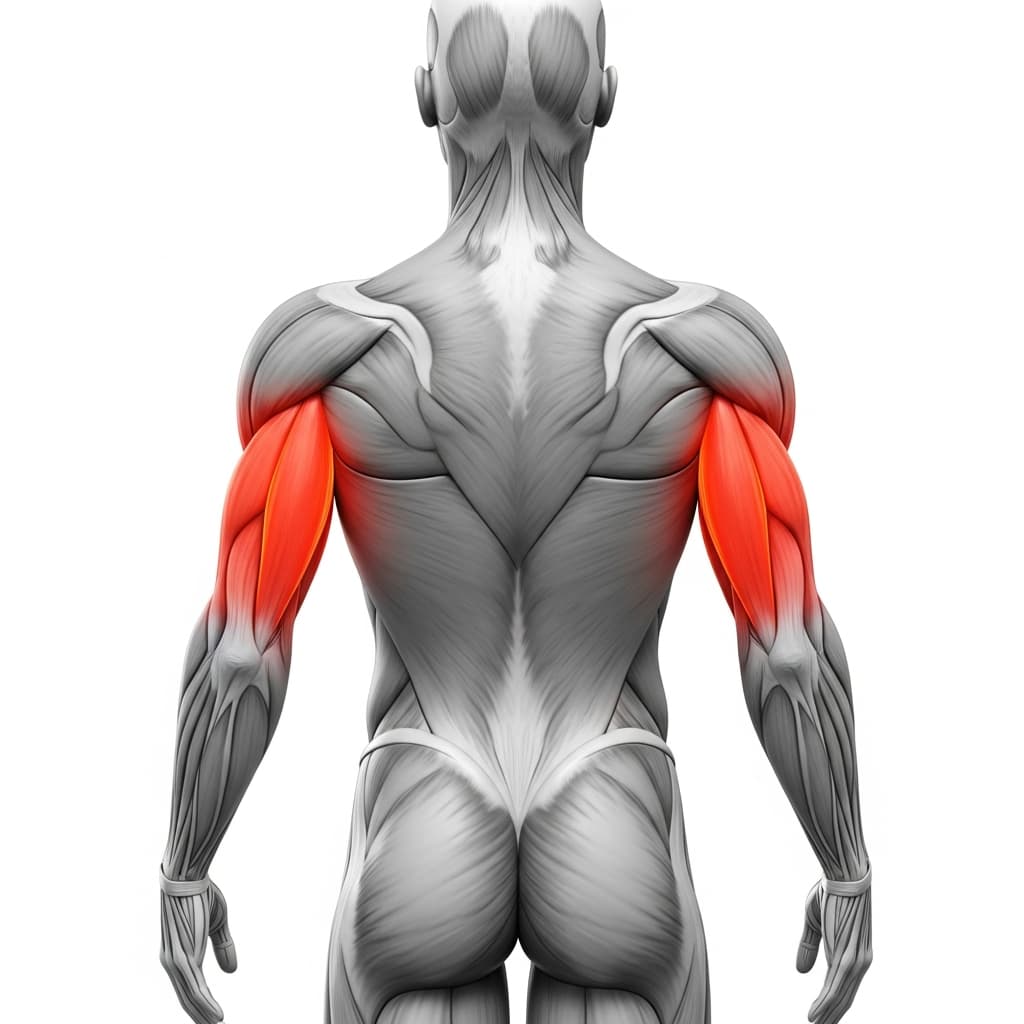
Primary Muscles:
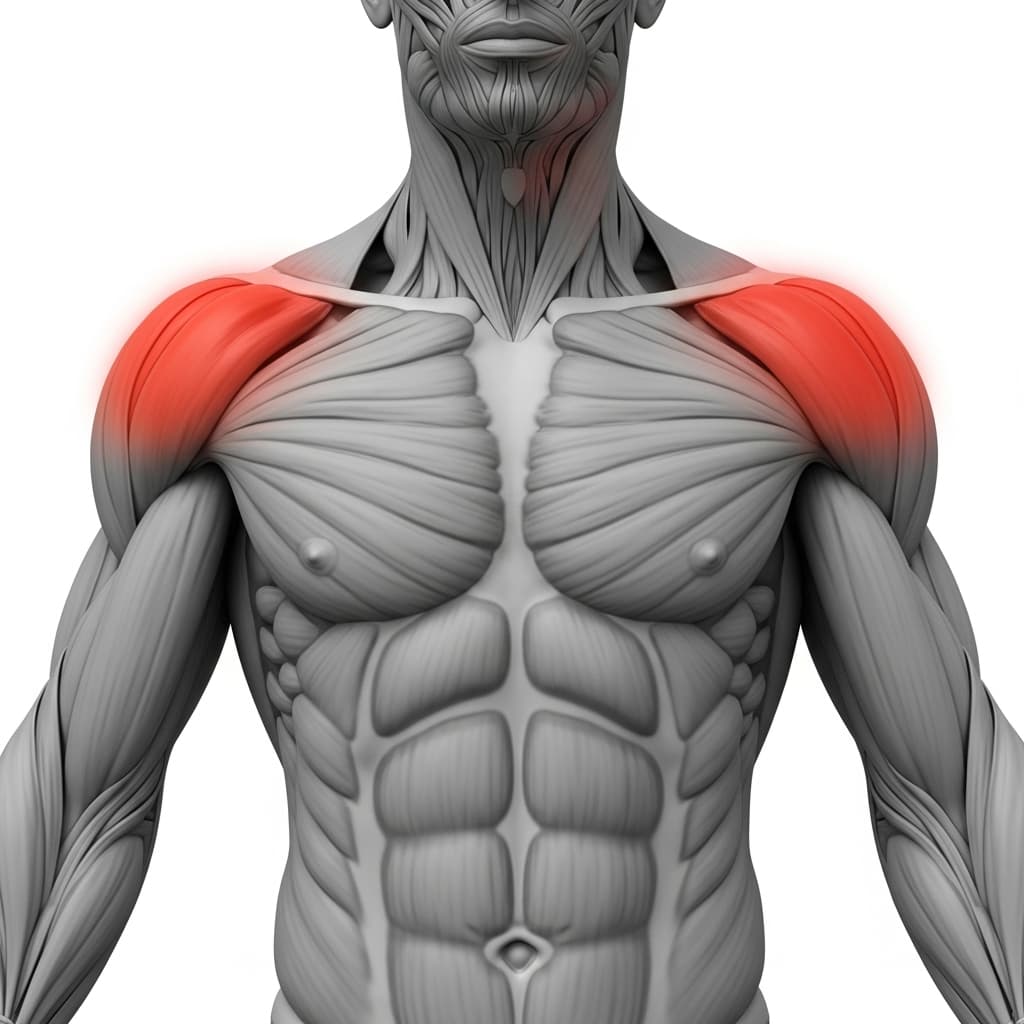
Secondary Muscles:
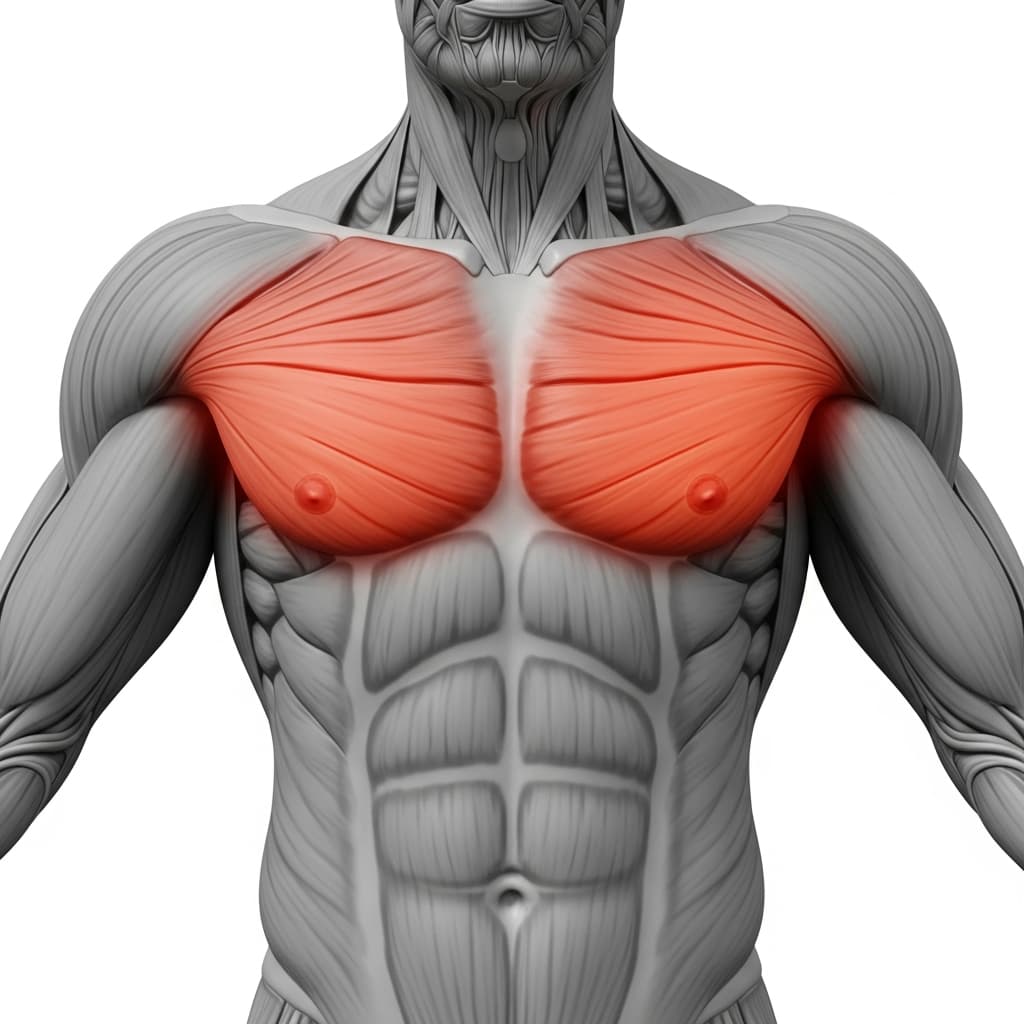
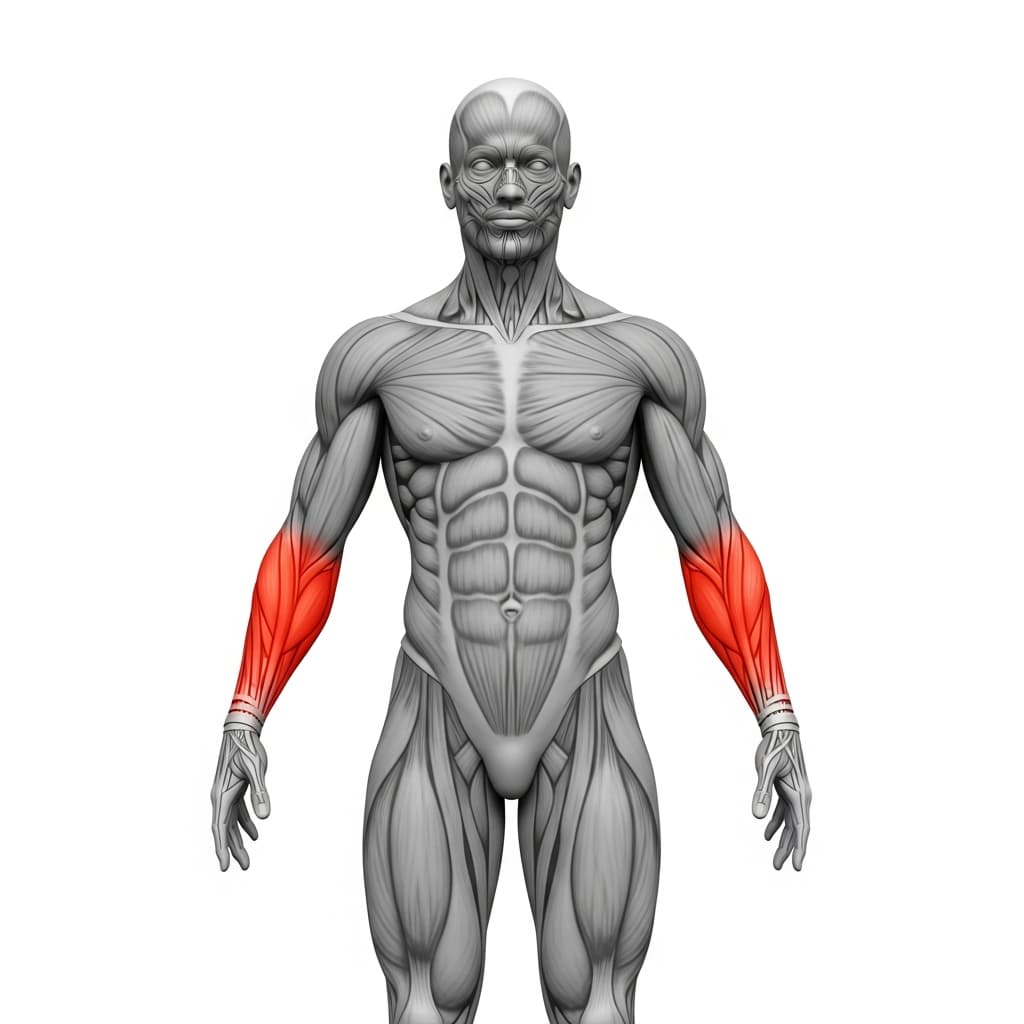
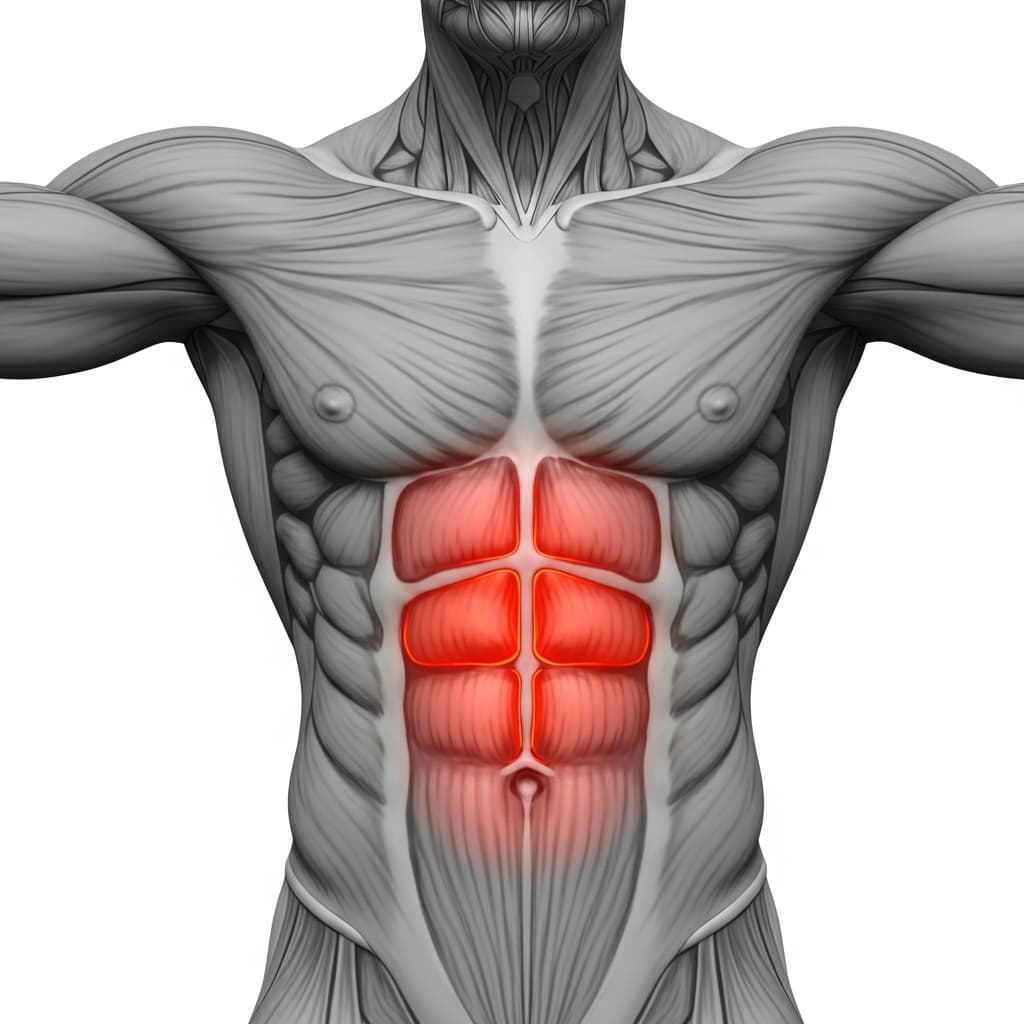
Primary Muscles
Triceps Brachii (Triceps) - The triceps extend the elbow against your bodyweight during the pressing phase, making them the primary mover throughout the entire range of motion.
Secondary Muscles
Anterior Deltoid (Front Deltoid) - The front deltoids stabilize the shoulder joint and assist in pressing the body upward, especially as the upper arm moves from the bottom position back to full extension.
Pectoralis Major (Chest) - The chest contributes to shoulder flexion during the press, particularly when the feet are positioned further forward and the torso is angled slightly back.
Forearm Flexors & Extensors (Forearms) - The forearms maintain a firm grip on the chair edge and stabilize the wrist joint under load throughout each rep.
Rectus Abdominis (Abs) - The abdominals brace the torso to prevent the hips from swinging forward or sagging, keeping the body stable and close to the chair.
Benefits of Chair Dips With Bent Knees
- Builds triceps pressing strength that directly transfers to push-ups, parallel bar dips, and handstand push-up progressions
- Requires no specialized equipment, making it one of the most accessible upper body pushing exercises for home training
- Strengthens the front deltoids under a controlled load, preparing the shoulder joint for more demanding pressing movements
- Develops body awareness and elbow tracking habits that carry over to every dip and pressing variation in calisthenics
Who Is This Exercise For?
You should be able to hold yourself with straight arms on the edge of a chair for at least 10 seconds without shoulder discomfort before attempting this exercise. If supporting your bodyweight in that top position feels unstable, work on wall push-ups and static arm supports first to build baseline shoulder stability and triceps endurance. Anyone with existing shoulder impingement or pain at the front of the shoulder during pressing movements should consult a professional before adding this exercise.
Common Mistakes to Avoid
Flaring elbows outward: Keep your elbows pointed directly behind you throughout the entire dip. When they flare out, the load shifts from the triceps to the shoulder joint in a compromised position.
Lowering too deep past 90 degrees: Stop the descent when your upper arms reach parallel to the floor. Going deeper places excessive strain on the front of the shoulder capsule, especially for beginners who lack the mobility and strength to control that range.
Letting hips drift forward away from the chair: Keep your back grazing the edge of the chair as you lower and press. When the hips drift forward, the shoulders take on more load and the triceps disengage.
Shrugging shoulders toward the ears: Actively depress your shoulders before each rep and maintain that position throughout the movement. Shrugging compresses the shoulder joint and reduces the effective range of motion for the triceps.
Using momentum or bouncing at the bottom: Lower for a full 2-second count and pause briefly at the bottom before pressing up. Bouncing removes tension from the triceps and increases impact stress on the shoulder.
Variations & Progressions
Chair dips with feet close to the chair
Place your feet directly beneath your knees instead of slightly forward. This shifts more of your bodyweight onto your legs, reducing the load your arms have to press.
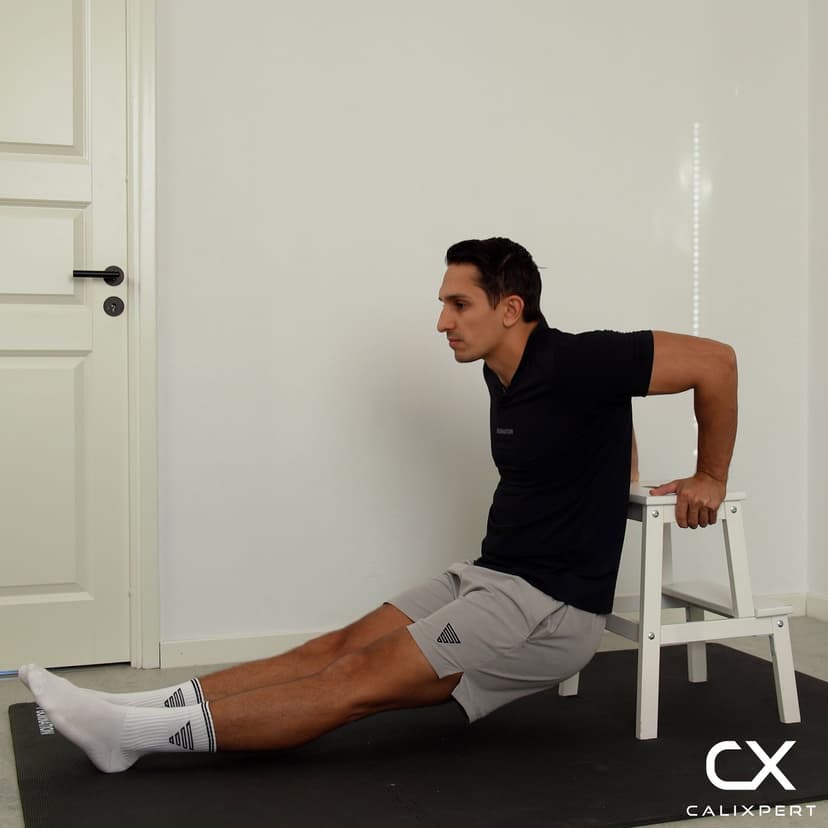
Chair dips with elevated feet
Place your heels on a second chair or elevated surface so your legs are roughly level with your hands. This removes almost all leg assistance and loads the triceps and shoulders with a significantly greater portion of your bodyweight.