Chair Dips With Straight Legs
Chair dips with straight legs are a bodyweight pushing exercise that targets the triceps, front deltoids, and chest using nothing more than a sturdy chair, bench, or stool at roughly knee height. Extending the legs fully straight increases the load on the arms compared to the bent-knee version, making this a meaningful progression for building pushing strength at home. When performed with proper elbow tracking and controlled tempo, this exercise develops the tricep strength and shoulder stability needed for full parallel bar dips and other advanced pressing movements.
Chair dips with straight legs are a bodyweight pushing exercise that targets the triceps, front deltoids, and chest using nothing more than a sturdy chair, bench, or stool at roughly knee height. Extending the legs fully straight increases the load on the arms compared to the bent-knee version, making this a meaningful progression for building pushing strength at home. When performed with proper elbow tracking and controlled tempo, this exercise develops the tricep strength and shoulder stability needed for full parallel bar dips and other advanced pressing movements.
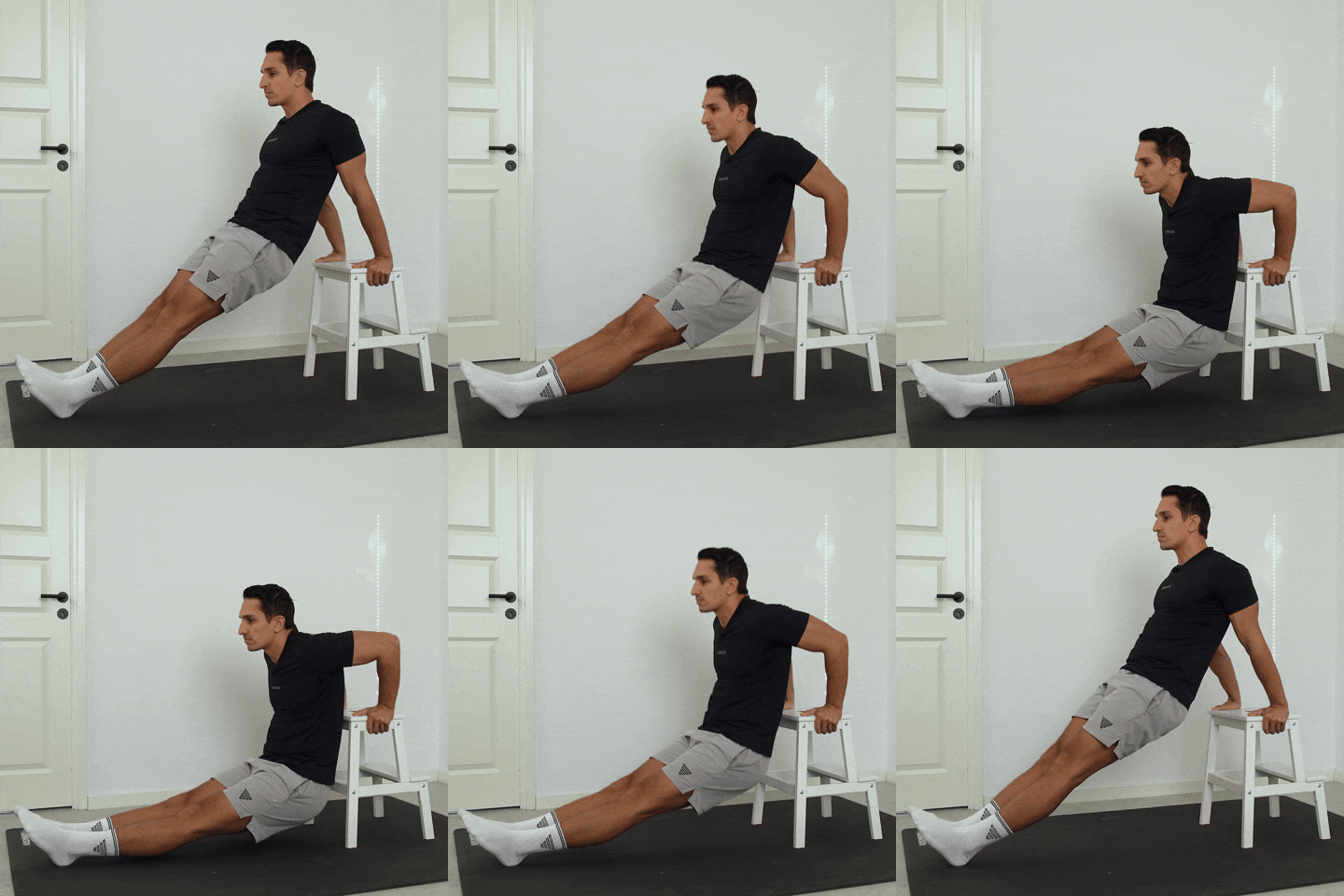
How to Do Chair Dips With Straight Legs
1. Choose and Secure Your Surface
Select a sturdy chair, bench, or stool that is approximately knee height and will not slide on the floor. Place it against a wall if needed to prevent it from tipping backward during the movement. The surface must be completely stable before you load your bodyweight onto it.
Stable surface, no wobble
2. Set Your Hand Position
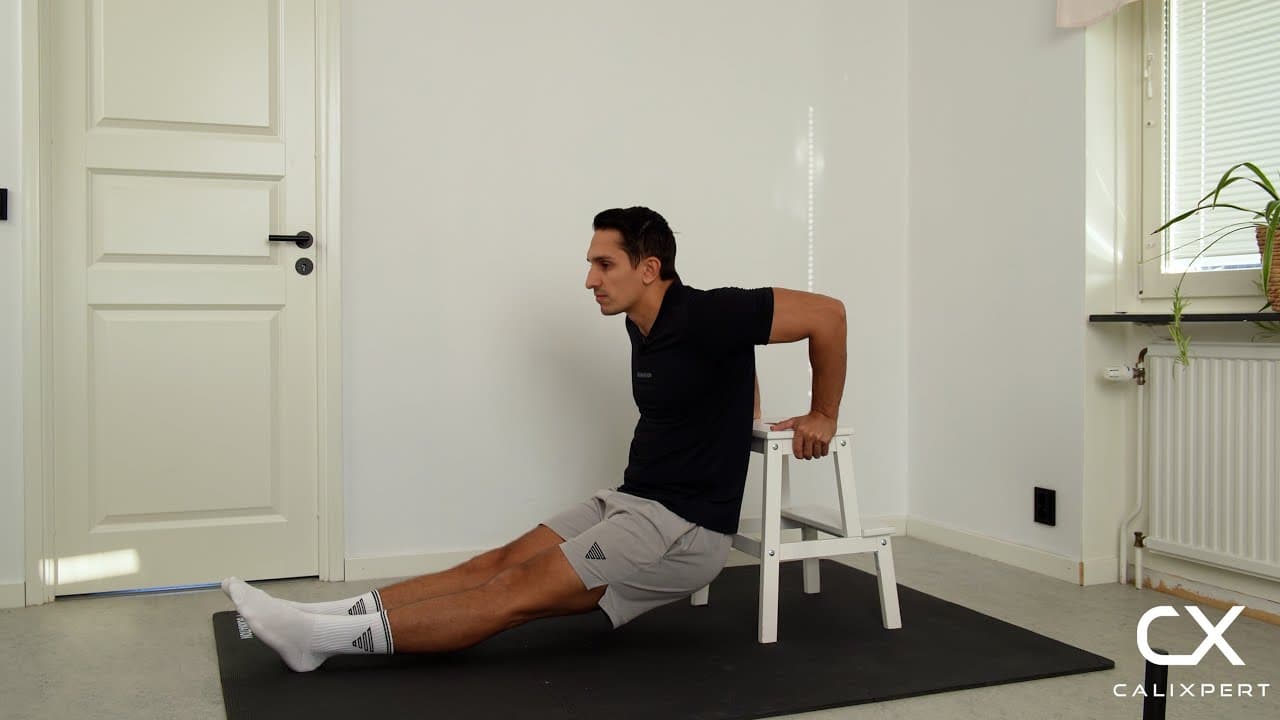
Sit on the edge of the chair and place your hands on either side of your hips, gripping the front edge of the seat. You can wrap your fingers over the edge or place your palms flat with fingers pointing forward, whichever feels more secure on your wrists. Keep your hands roughly shoulder-width apart so the load distributes evenly through both arms.
Hands beside hips, grip tight
3. Extend Legs and Lift Off
Walk your feet forward and straighten your legs completely, keeping your heels on the ground and toes pointed slightly upward. Slide your hips off the front edge of the chair so your bodyweight is supported entirely by your arms. Keep your back close to the chair throughout the movement to maintain the correct line of force through the triceps.
Hips off the edge, legs locked straight
4. Lower to 90 Degrees
Bend your elbows and lower your body in a controlled descent until your upper arms reach roughly parallel to the floor, creating a 90-degree angle at the elbow. Keep your elbows pointing straight back behind you throughout the entire descent, not flaring outward. Your torso should travel close to the chair, almost brushing the front edge as you descend.
Elbows back, not out
5. Press Back Up
Drive through your palms and extend your arms to push your body back to the starting position. Focus on squeezing the triceps at the top of the movement without locking the elbows aggressively. Maintain the straight-leg position and keep your core engaged so your hips do not sag or drift away from the chair.
Push through the palms, squeeze triceps
6. Reset and Repeat
At the top position, confirm your shoulders are pulled down away from your ears and your chest is open before initiating the next rep. Each rep should start from this stable, controlled position rather than bouncing out of the bottom. Aim for a 2-second descent on every repetition to build strength through the full range of motion.
Shoulders down, then go again
Most people rush through the bottom of a chair dip and lose all the tension that builds real tricep strength. Slow the descent down to a full 2 seconds and pause briefly at the 90-degree position before pressing up. That pause eliminates the stretch reflex and forces the triceps to do the work honestly, which is where the real strength gains happen.
Muscles Worked During Chair Dips With Straight Legs
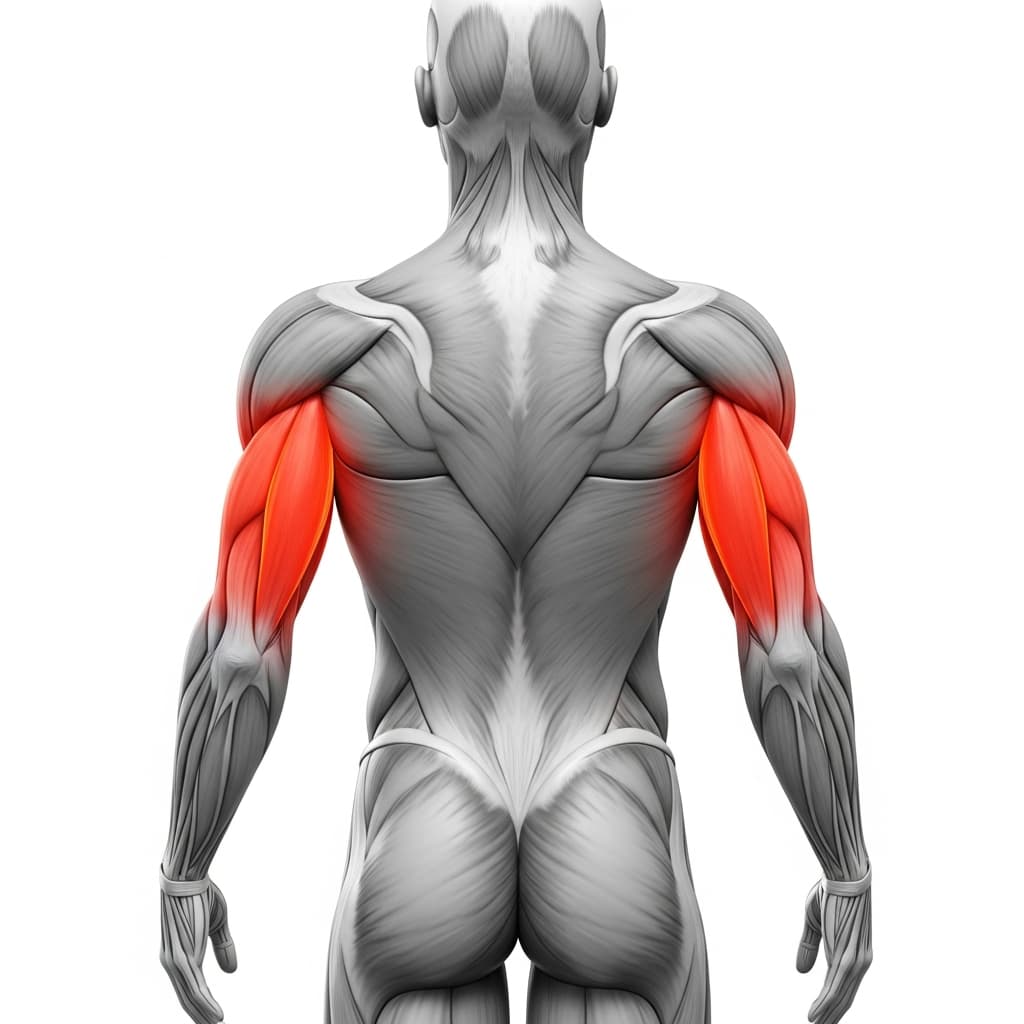
Primary Muscles:
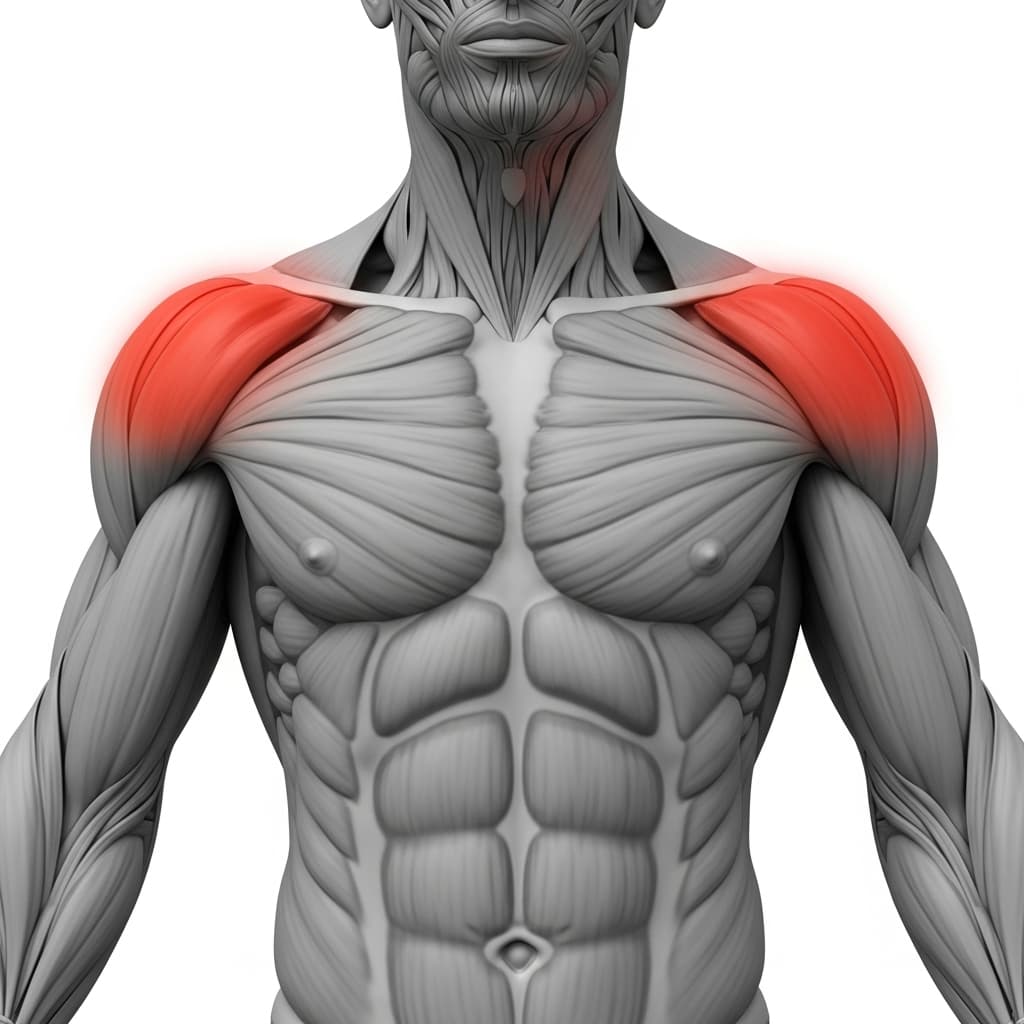
Secondary Muscles:
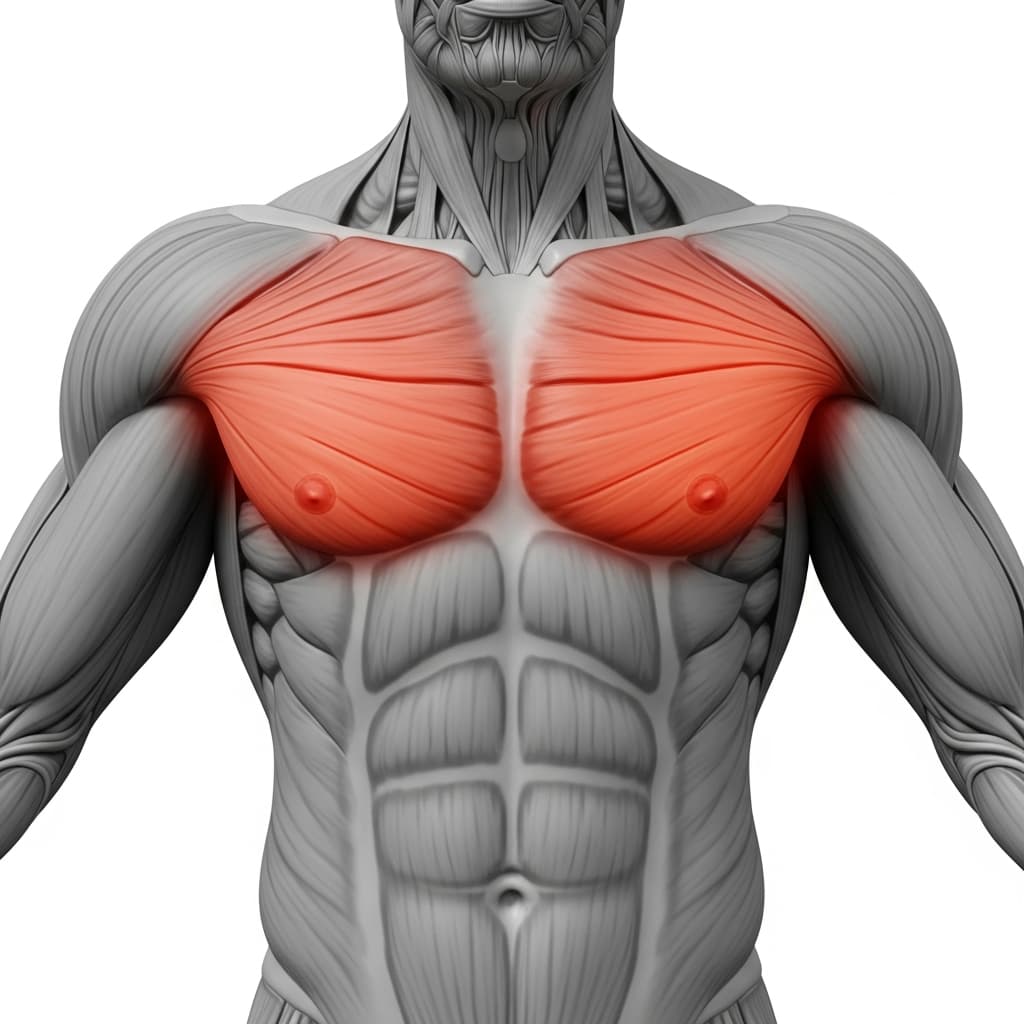
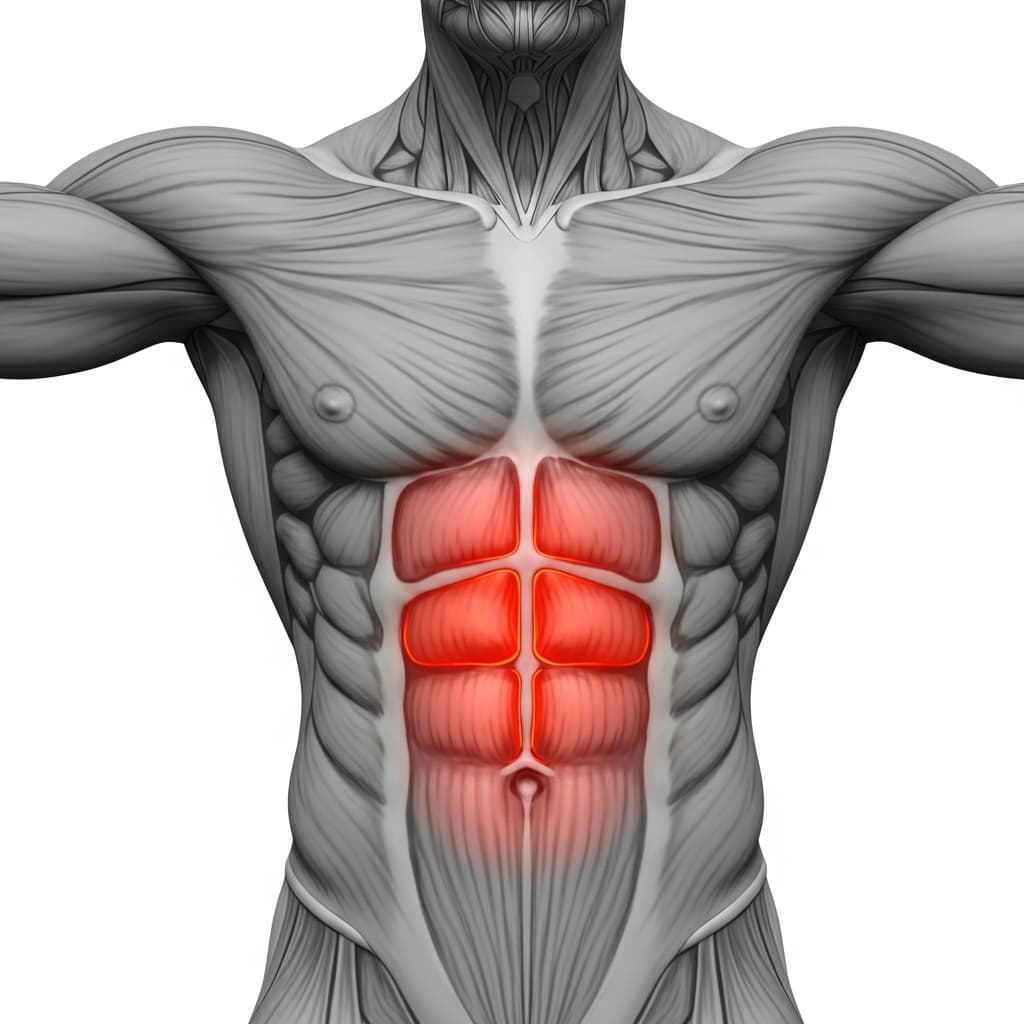
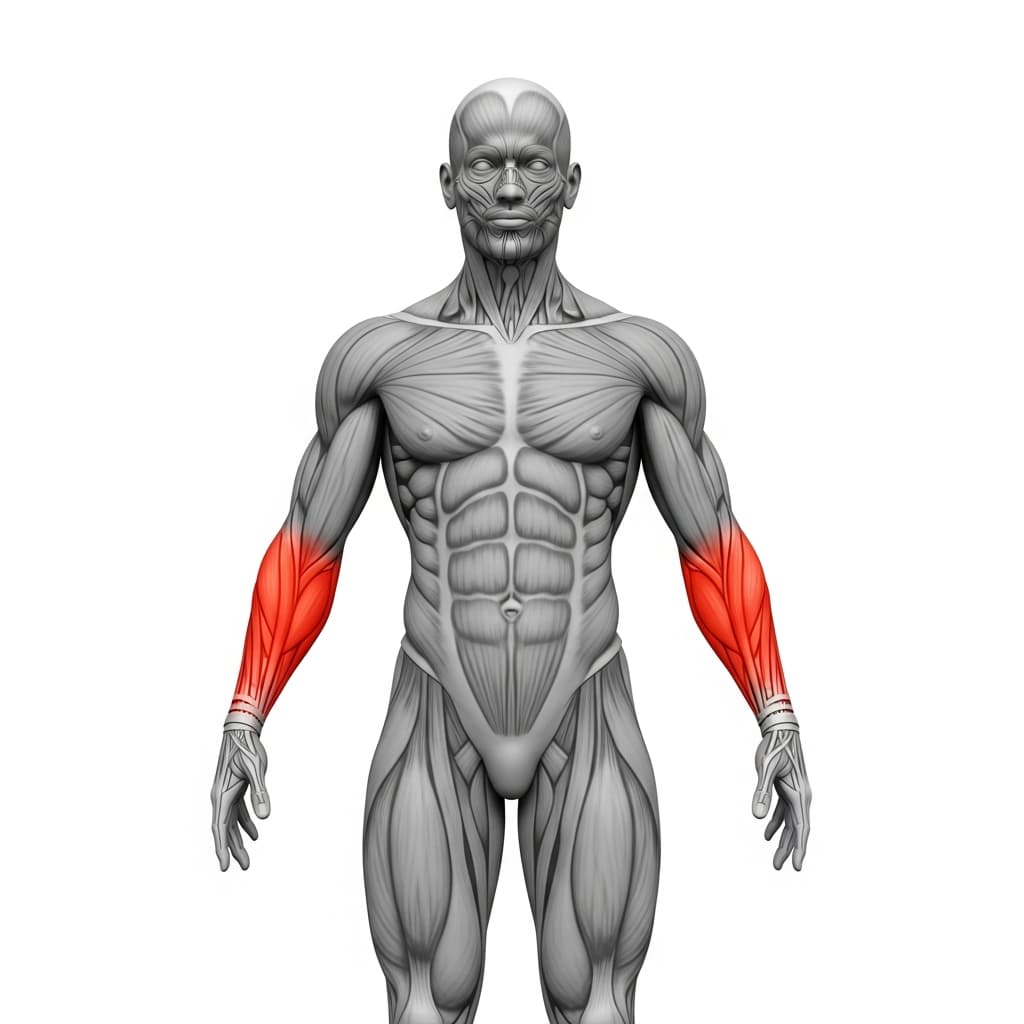
Primary Muscles
Triceps Brachii (Triceps) - The triceps extend the elbow joint against your bodyweight on every rep, serving as the primary mover that drives you from the bottom 90-degree position back to full arm extension.
Secondary Muscles
Anterior Deltoid (Front Deltoid) - The front deltoids stabilize and assist at the shoulder joint during the pressing phase, especially at the deepest point of the dip where the shoulder is under the most load.
Pectoralis Major (Chest) - The lower fibers of the chest assist in shoulder extension as you press out of the bottom position, contributing to the initial drive upward.
Rectus Abdominis (Abs) - The abdominals brace the torso and prevent the hips from sagging forward, maintaining a stable body line throughout the straight-leg position.
Forearm Flexors & Extensors (Forearms) - The forearms maintain a firm grip on the chair edge and stabilize the wrist joint under load throughout the entire pressing and lowering phases.
Benefits of Chair Dips With Straight Legs
- Builds tricep strength and size through a loaded range of motion that directly transfers to parallel bar dips and push-up variations
- Requires zero equipment beyond a household chair, making it one of the most accessible upper body pressing exercises for home training
- Strengthens the front deltoids and shoulder stabilizers in the dip pattern, preparing the joint for heavier pressing loads in more advanced calisthenics skills
- Develops core stability through the straight-leg position, which forces the abs to brace and prevent hip sag throughout every rep
Who Is This Exercise For?
You should be able to perform at least 10 chair dips with bent knees using a controlled 2-second descent before progressing to the straight-leg version. If your shoulders feel pinched or unstable at the bottom of a bent-knee dip, work on shoulder mobility and scapular depression holds first. Anyone with existing shoulder impingement or pain during the dipping motion is not ready for this variation.
Common Mistakes to Avoid
Flaring elbows outward: Keep your elbows pointing straight behind you throughout the entire movement. When elbows flare sideways, the load shifts off the triceps and places unnecessary stress on the shoulder joint.
Dropping too low past 90 degrees: Lower only until your upper arms are parallel to the floor. Going deeper puts the shoulder in an internally rotated and loaded position that increases injury risk without adding meaningful tricep activation.
Letting hips drift forward away from the chair: Keep your back brushing close to the front edge of the chair on every rep. When the hips drift forward, the angle changes and the shoulders absorb load they are not positioned to handle safely.
Shrugging shoulders toward the ears: Actively depress your shoulders by pulling your shoulder blades down before each rep. Shrugging compresses the space in the shoulder joint and leads to impingement over time.
Using leg push to assist the press: Keep your legs straight and passive with heels planted on the ground. If you need to bend your knees and push off with your feet, regress to bent-knee chair dips until you build enough tricep strength.
Variations & Progressions
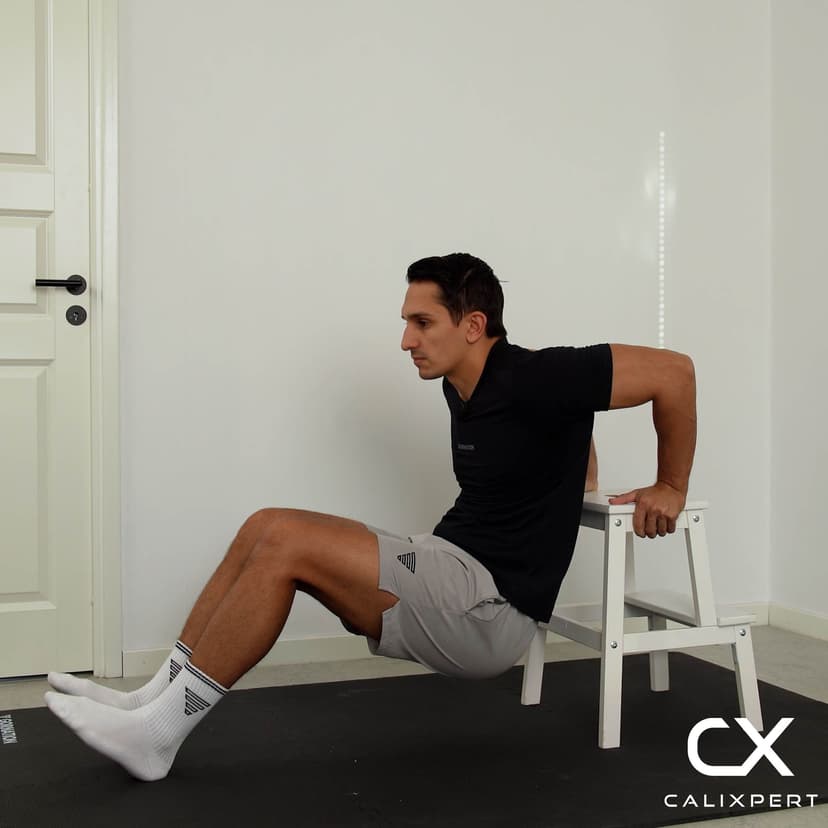
Feet-Elevated Chair Dips
Place your heels on a second chair or raised surface at the same height as the one behind you. Elevating the feet increases the percentage of bodyweight your arms must press, significantly loading the triceps and front deltoids.