Knee Archer Push Ups
Knee archer push-ups are a unilateral pushing exercise performed from the knees, where you lower your chest toward one hand while the opposite arm stays straight, then push back up and alternate sides. This movement primarily targets the chest and triceps of the working arm, with significant involvement from the front deltoids, serratus, and core. Knee archer push-ups are one of the most effective progressions toward full archer push-ups and eventually one-arm push-up variations, because they train each side independently while reducing the load enough to build quality technique.
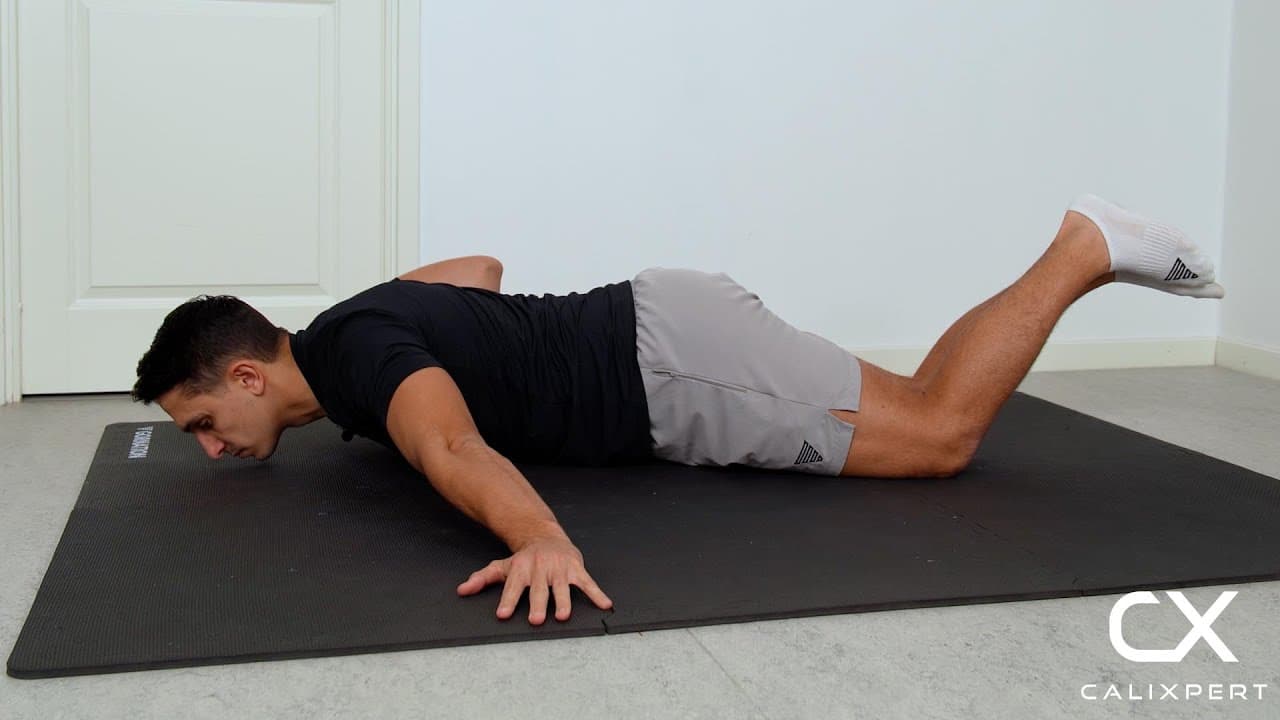
Knee archer push-ups are a unilateral pushing exercise performed from the knees, where you lower your chest toward one hand while the opposite arm stays straight, then push back up and alternate sides. This movement primarily targets the chest and triceps of the working arm, with significant involvement from the front deltoids, serratus, and core. Knee archer push-ups are one of the most effective progressions toward full archer push-ups and eventually one-arm push-up variations, because they train each side independently while reducing the load enough to build quality technique.
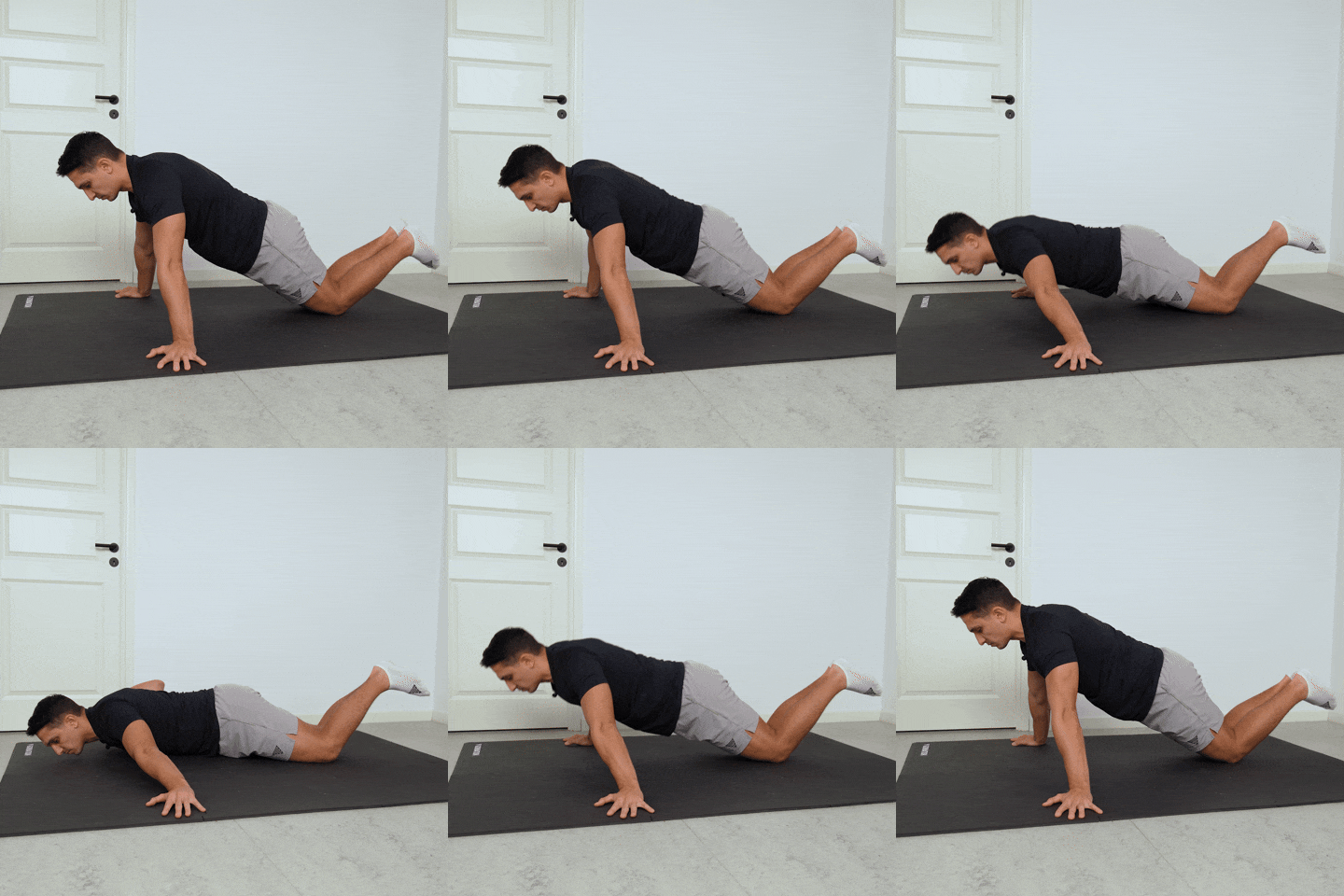
How to Do Knee Archer Push Ups
1. Set Your Hand Position Wide
Place your hands on the floor significantly wider than shoulder width, roughly 1.5 to 2 times your shoulder span. Rotate your fingers outward at about a 45-degree angle. This wide, externally rotated grip allows your body to shift laterally toward one arm without jamming the wrist or elbow.
Fingers turned out, hands extra wide
2. Set Up on Your Knees
Drop to your knees and position them hip-width apart. Your body should form a straight line from your knees through your hips to your head. Engage your core and squeeze your glutes slightly to lock this alignment in place before you begin the first rep.
Straight line from knees to head
3. Lower Toward One Arm
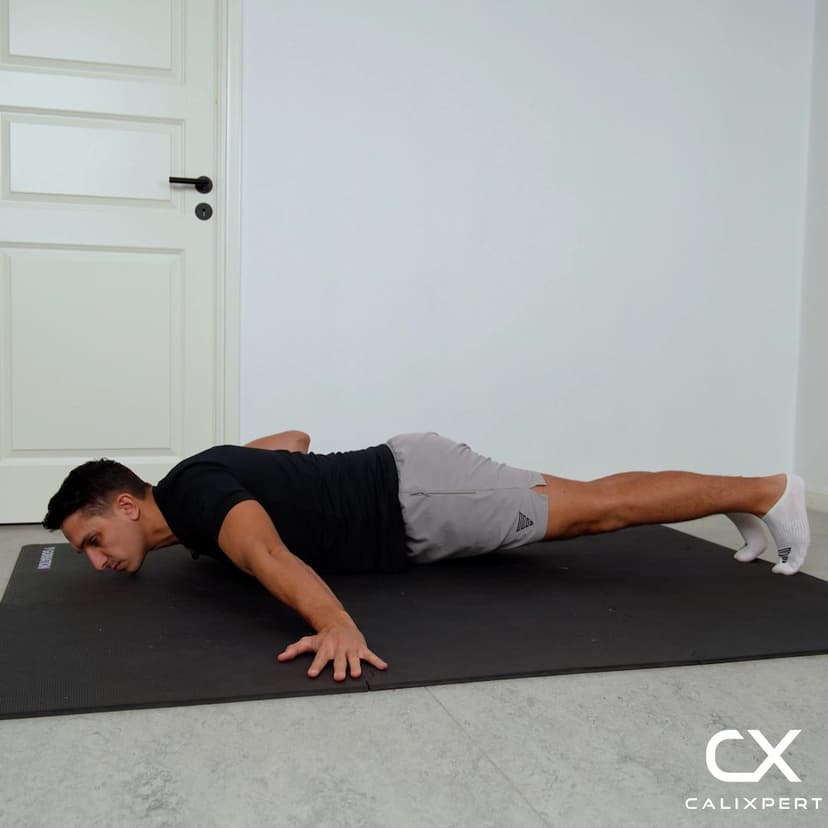
Shift your weight to one side and bend that elbow, lowering your chest toward the bending arm. The opposite arm stays completely straight as your body moves away from it. Lower until your chest is close to the floor on the working side, keeping your chest facing the ground throughout the descent.
Bend one arm, keep the other locked straight
4. Keep Your Chest and Hips Square
As you lower, resist the urge to rotate your torso or hips to make the movement easier. Your chest should remain parallel to the floor at all times. Rotating shifts the load away from the target muscles and turns the exercise into a twisting movement instead of a unilateral press.
Chest stays facing the floor, no rotation
5. Push Back to Center
Drive through the palm of the bent arm to push yourself back to the starting position. Focus on pressing with the chest and triceps of the working side rather than pulling with the straight arm. Return to the centered position with both arms extended before starting the next rep.
Push from the bent arm, not the straight one
6. Alternate to the Other Side
Shift your weight to the opposite arm and repeat the same lowering and pressing pattern. Alternate sides each rep to ensure even development. Count one rep as a single side, not a pair, so you can track volume accurately per arm.
Same form, other side, every rep
Most people rush through knee archer push-ups just to say they did them, but the real value is in the control. Slow your descent to about 2 to 3 seconds per side and focus on feeling the chest of the working arm stretch at the bottom. When you can do 8 clean reps per side without any chest rotation, you are genuinely ready to move to the full version from your toes.
Muscles Worked During Knee Archer Push Ups
Secondary Muscles:
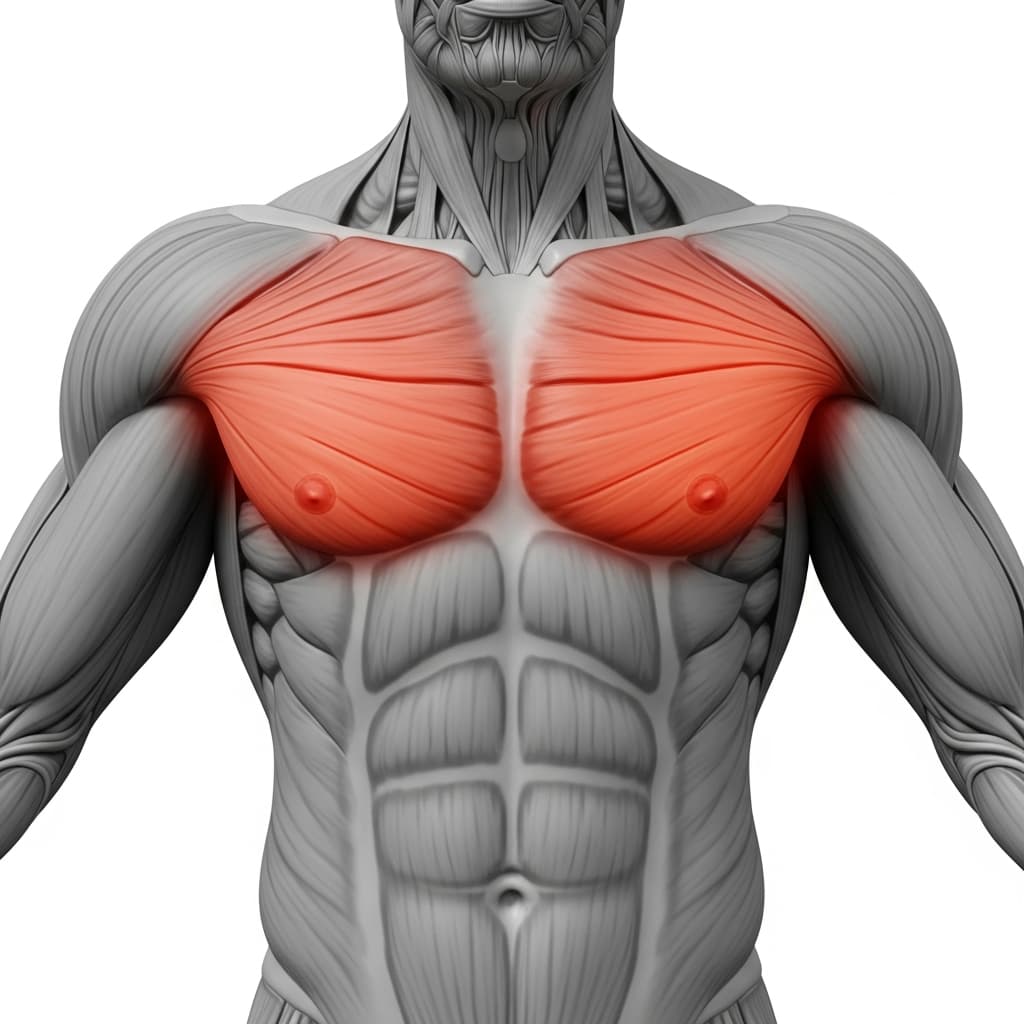
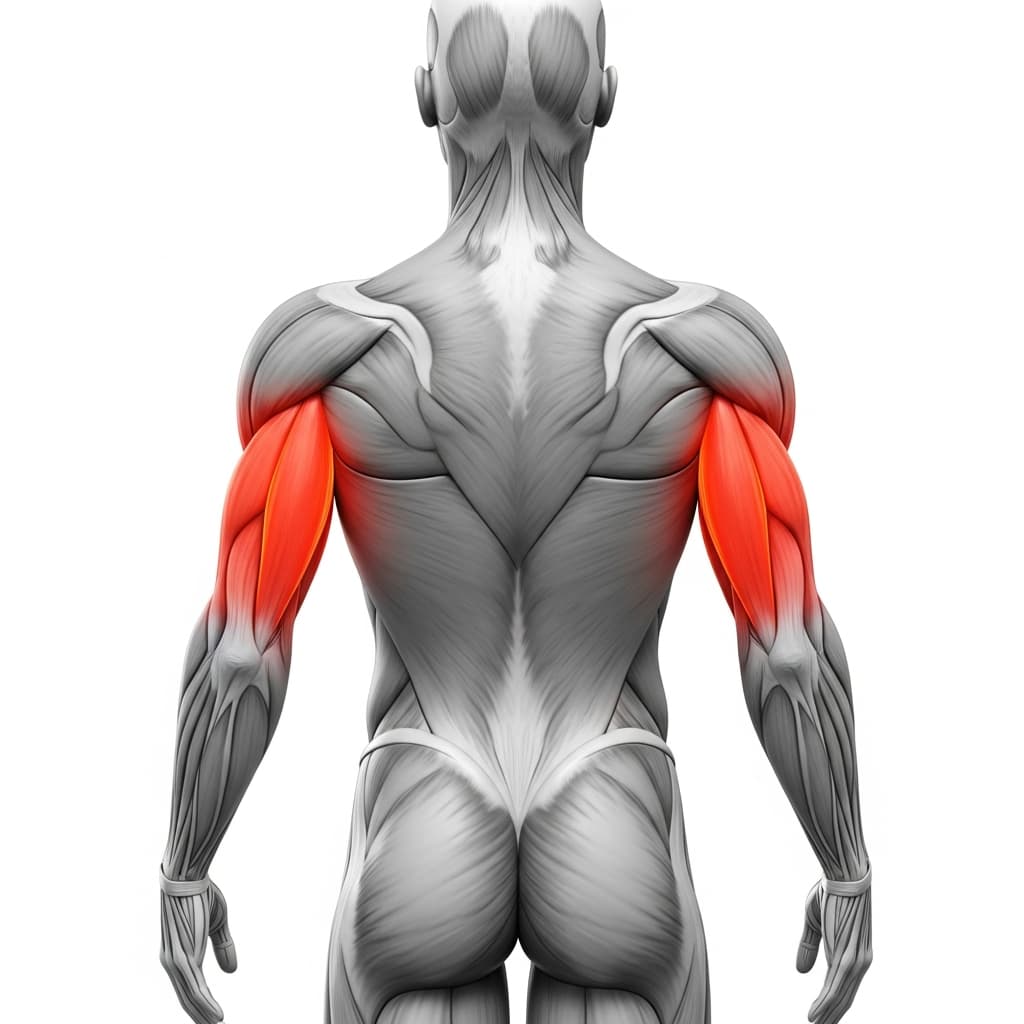
Primary Muscles
Pectoralis Major (Chest) - The chest of the working arm performs the primary pressing action, contracting to push the body away from the floor and back to center during each rep.
Triceps Brachii (Triceps) - The triceps of the bent arm extend the elbow during the push-up phase, working as the secondary pressing muscle alongside the chest.
Secondary Muscles
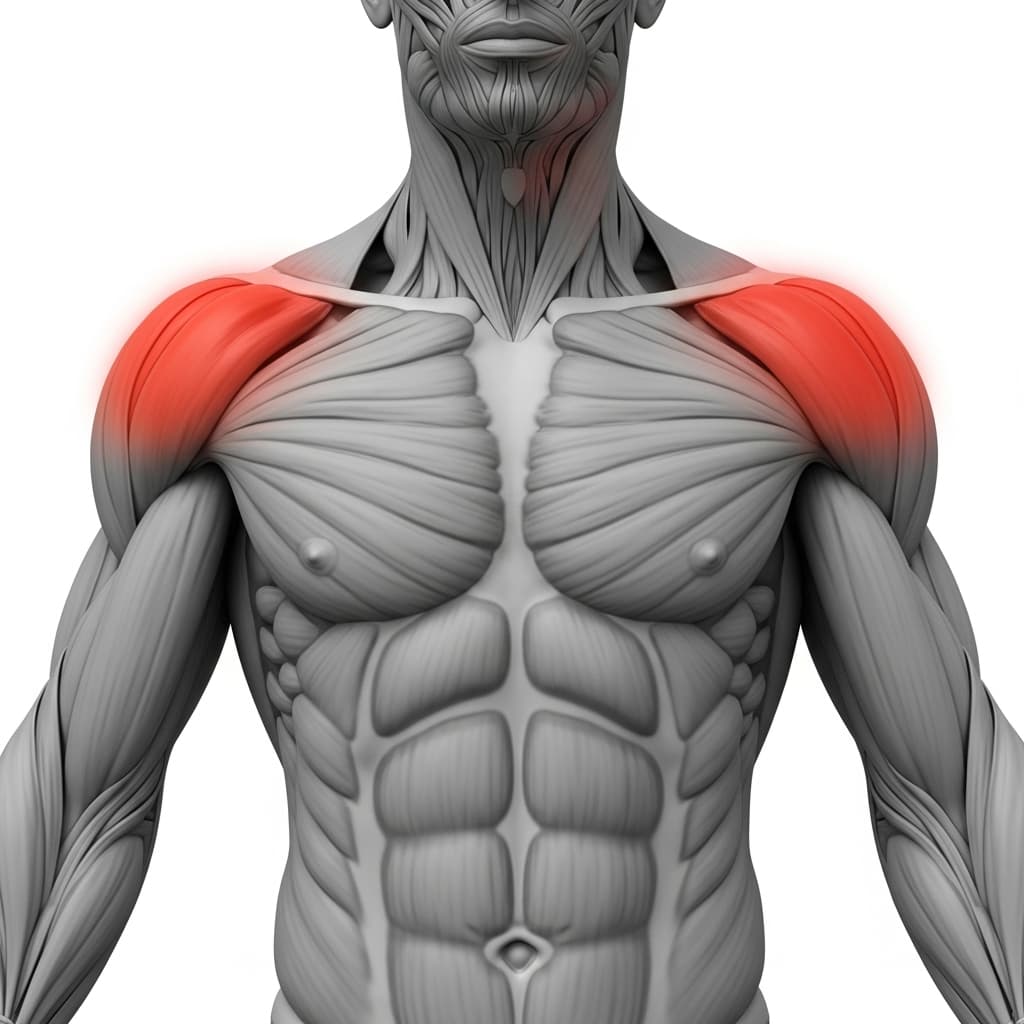
Anterior Deltoid (Front Deltoid) - The front deltoids assist the pressing motion by stabilizing the shoulder joint and contributing to the upward push, especially at the bottom of the range of motion.
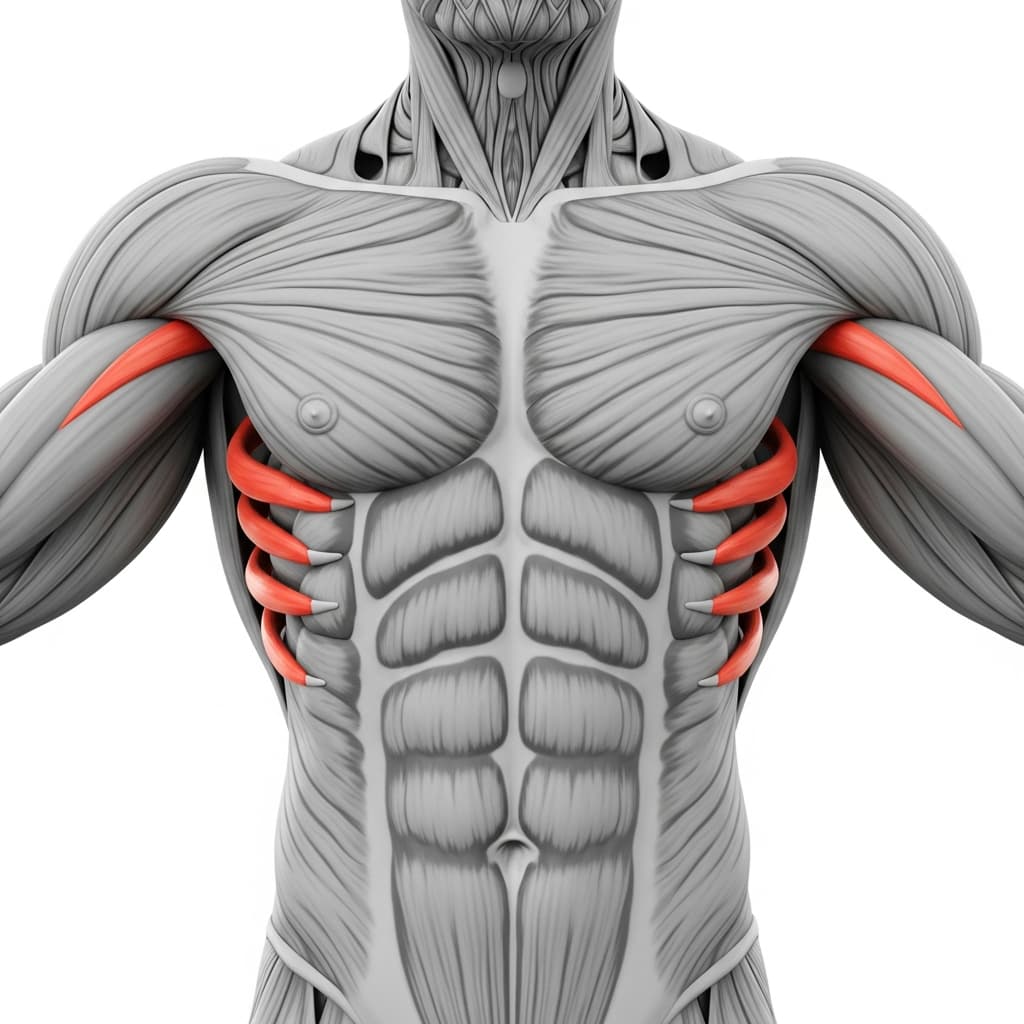
Serratus Anterior (Serratus Anterior) - The serratus anterior protracts the scapula of the working arm during the press, keeping the shoulder blade stable against the ribcage throughout the movement.
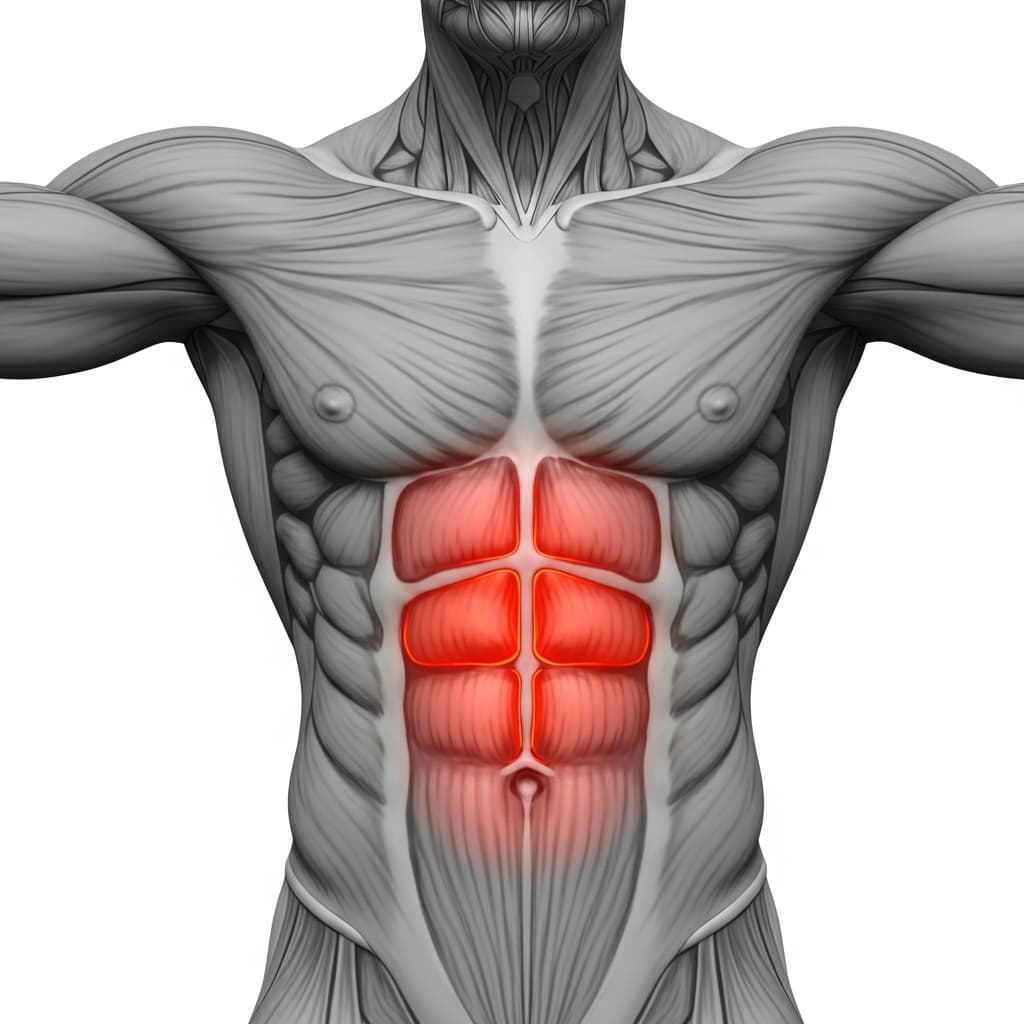
Rectus Abdominis (Abs) - The abdominals maintain a rigid trunk and resist rotation caused by the uneven loading, keeping the torso square to the floor on every rep.
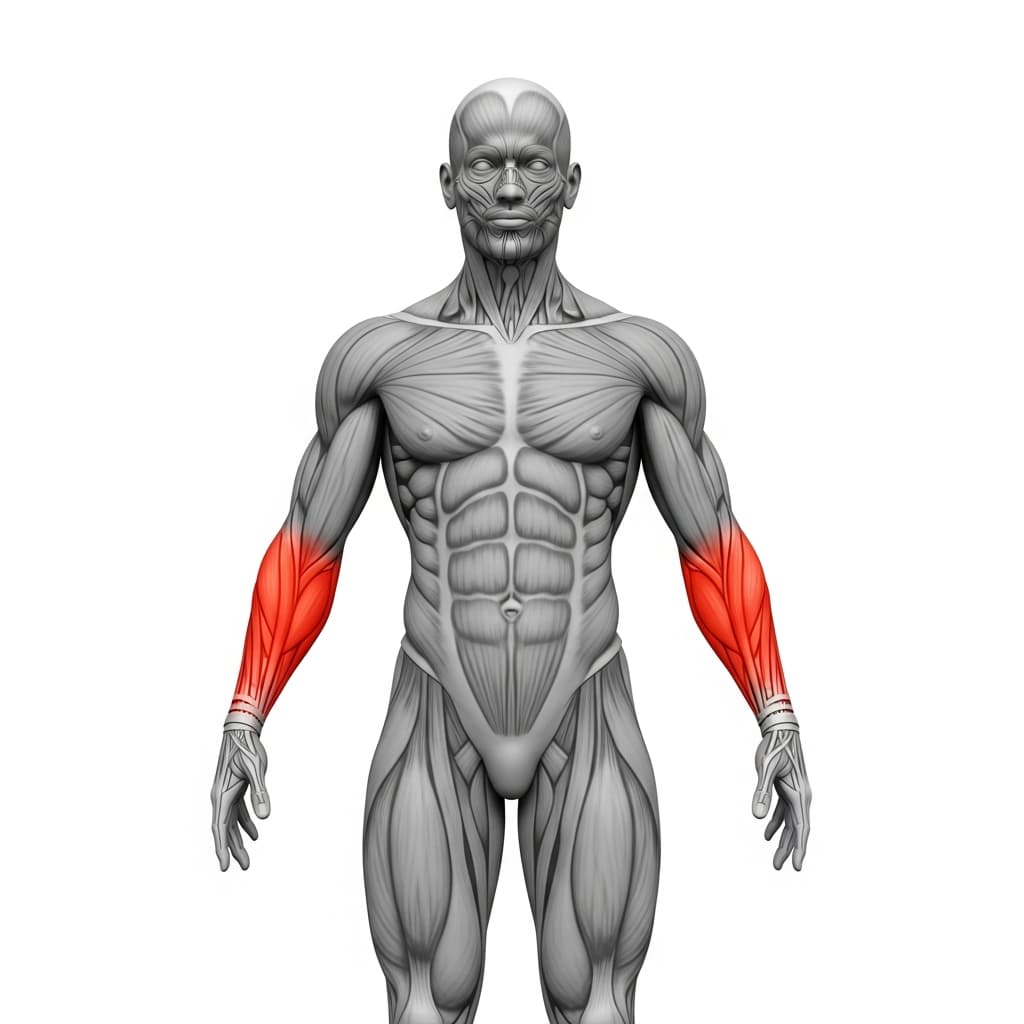
Forearm Flexors & Extensors (Forearms) - The forearms stabilize the wrist and maintain grip on the floor under the wide, externally rotated hand position required for the exercise.
Benefits of Knee Archer Push Ups
- Builds unilateral chest and triceps strength by loading one arm at a time, which exposes and corrects left-right imbalances that standard push-ups hide
- Serves as a direct progression toward full archer push-ups and one-arm push-up variations by training the lateral weight shift pattern at a manageable load
- Develops anti-rotation core strength because the offset loading forces the abs and obliques to resist twisting throughout every rep
- Increases effective range of motion compared to standard push-ups, since the working arm travels deeper as the body shifts to one side
Who Is This Exercise For?
You should be able to perform at least 10 clean standard knee push-ups with full range of motion and a stable core before attempting knee archer push-ups. If your hips sag or your chest rotates during regular push-ups, fix those habits first because they will be amplified in the archer position. Comfortable wide-grip push-ups on your knees are also a good prerequisite, since the hand placement for archer push-ups is noticeably wider than a standard push-up.
Common Mistakes to Avoid
Rotating the chest or hips during the descent: Keep your chest facing the floor throughout the entire movement. If you find yourself twisting, reduce depth until you can maintain a flat, square torso on every rep.
Placing hands too narrow: Your hands need to be wide enough that one arm can fully straighten while the other bends to at least 90 degrees. If your straight arm still has a bend at the bottom, move your hands wider.
Letting the hips sag or pike up: Squeeze your core and glutes before each rep to lock your body into a straight line from knees to head. If your hips drop, the lower back absorbs load that should go to the chest and arms.
Pulling with the straight arm instead of pushing with the bent arm: The straight arm is a support, not a pulling mechanism. Focus all your pressing effort through the palm of the bending arm to ensure the working side does the actual work.