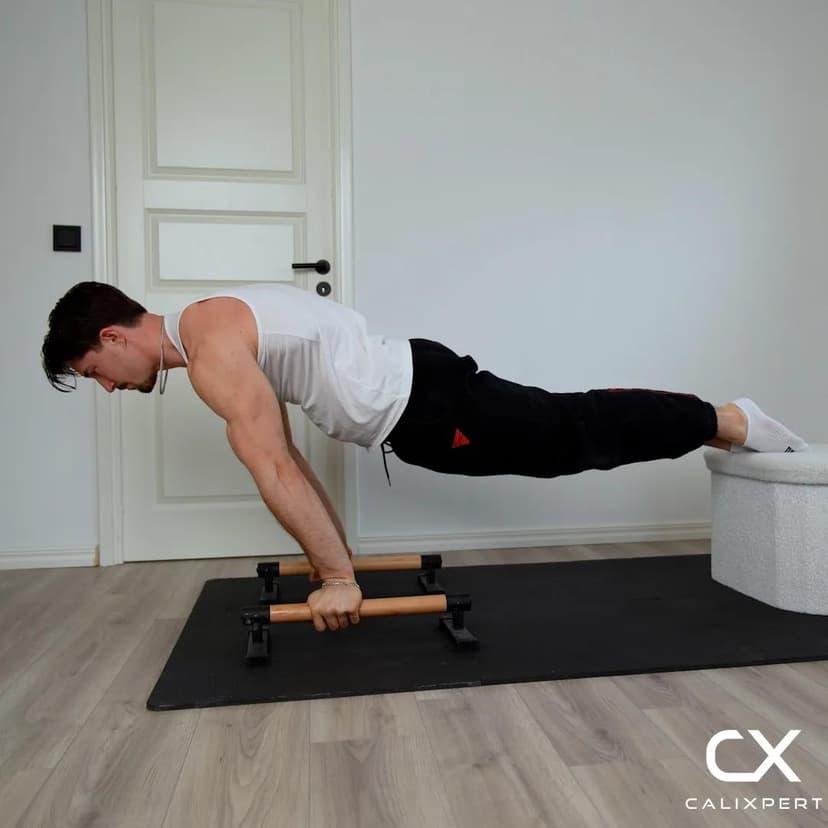
Assisted One Arm Scapula Pull Ups
Assisted one arm scapula pull-ups are a unilateral scapular control exercise that isolates the lats, traps, and rotator cuff through single-arm hanging and scapular depression. The movement uses a resistance band for assistance while you practice pulling the shoulder blade down and back without bending the elbow, building the exact motor pattern needed for one arm pulling strength. This exercise bridges the gap between bilateral scapula pull-ups and full one arm hang work, developing the shoulder stability and lat activation that protects the joint under heavy unilateral loads.
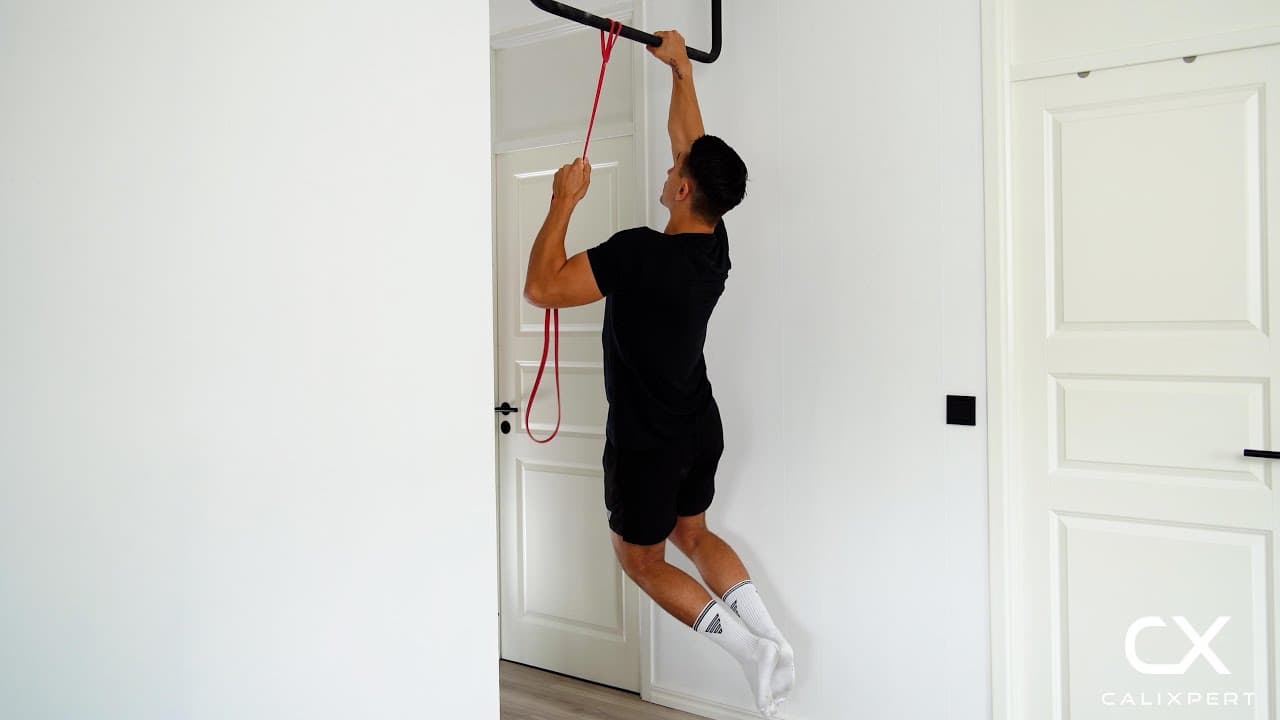
Assisted one arm scapula pull-ups are a unilateral scapular control exercise that isolates the lats, traps, and rotator cuff through single-arm hanging and scapular depression. The movement uses a resistance band for assistance while you practice pulling the shoulder blade down and back without bending the elbow, building the exact motor pattern needed for one arm pulling strength. This exercise bridges the gap between bilateral scapula pull-ups and full one arm hang work, developing the shoulder stability and lat activation that protects the joint under heavy unilateral loads.
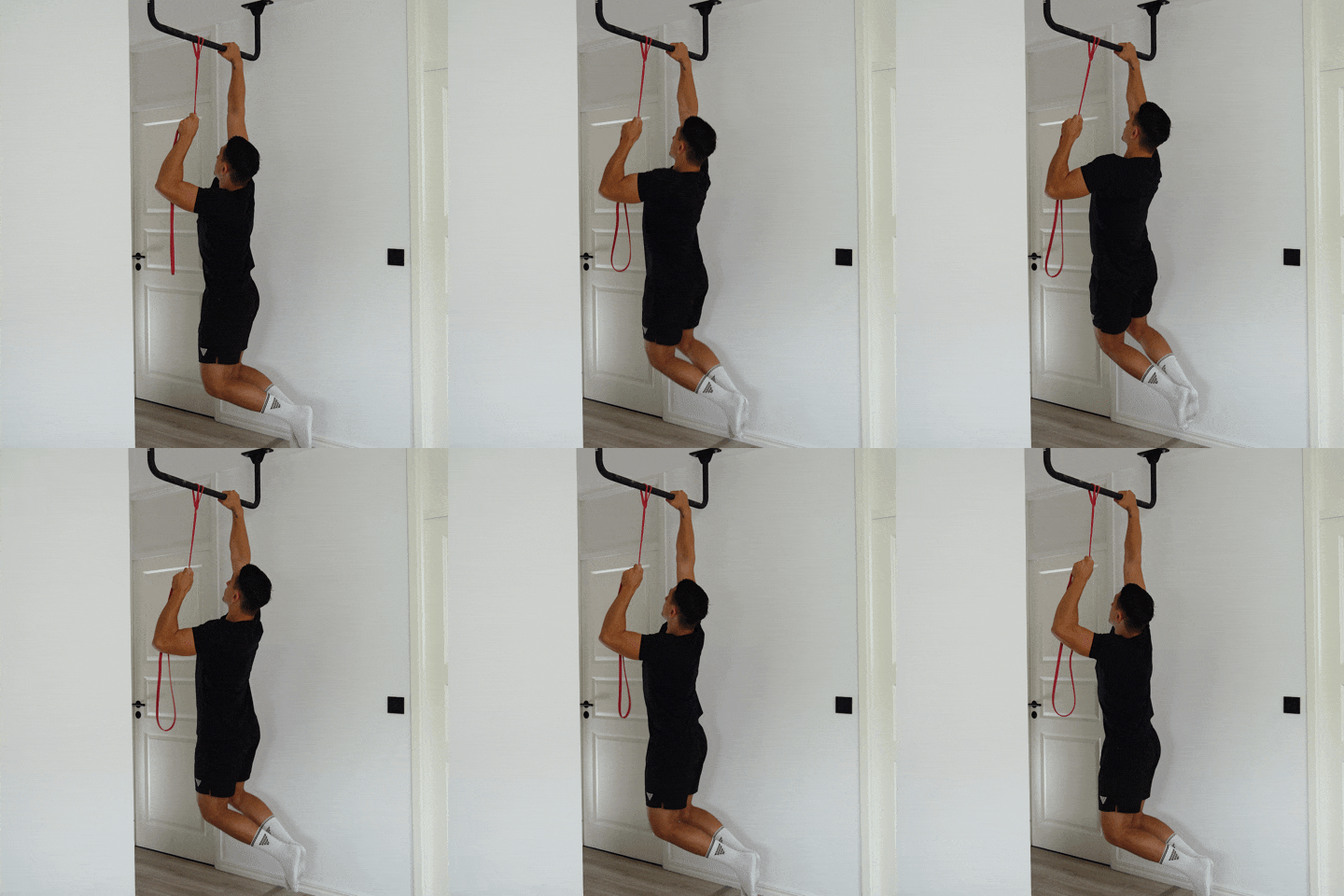
How to Do Assisted One Arm Scapula Pull Ups
1. Attach the Resistance Band
Loop a resistance band over a high straight bar so it hangs down within easy reach. Thread one end through the other and pull it tight to create a secure loop that will not slip during the set. Choose a band tension that removes enough load to let you complete controlled reps, but not so much that the movement feels effortless.
Band tight, no slack at the top
2. Set Your Working Hand Grip
Grab the bar with a slightly overhand grip, not a neutral grip. A neutral grip makes it difficult to connect your forearm to your back muscles and reduces lat engagement. Wrap your thumb fully around the bar and position your hand roughly shoulder width from center. Your grip should feel secure enough to hold a dead hang without slipping.
Overhand grip, thumb wrapped around
3. Grab the Band With Your Free Hand
With your non-working hand, grab the resistance band at a height that provides the right level of assistance. The higher you grip the band, the easier the exercise becomes. The lower you grip, the harder. Start with a higher grip position and work your way down as you build strength over weeks.
Higher is easier, lower is harder
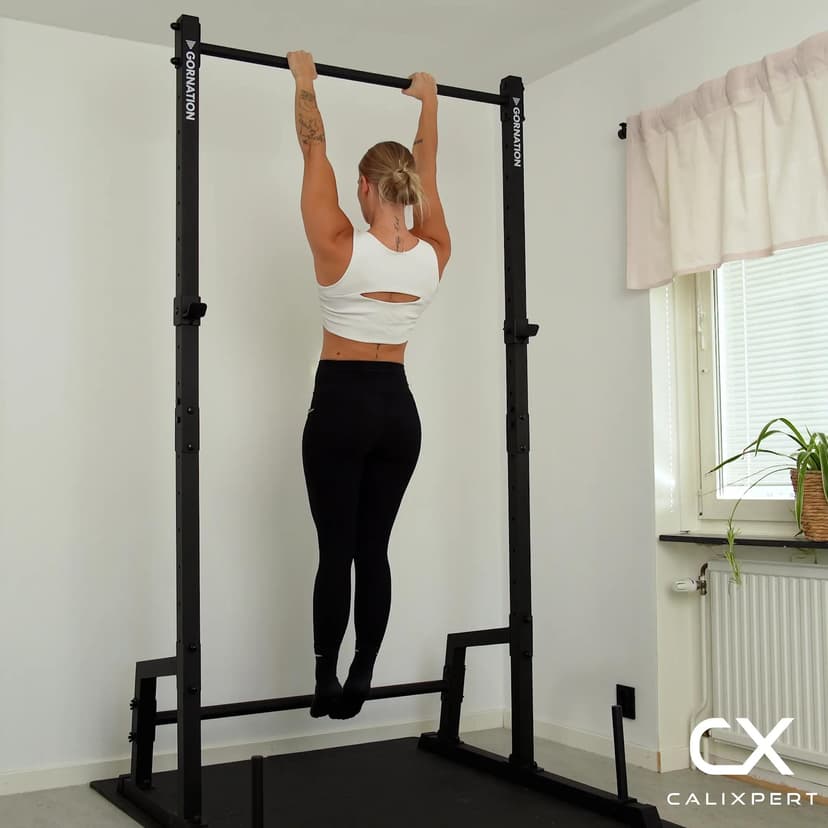
4. Start From a Full Dead Hang
Let your working arm extend fully so your shoulder rises toward your ear and your body hangs completely relaxed. This is the dead hang position. Your elbow stays locked straight throughout the entire exercise. Keep your legs still and your core lightly braced to prevent swinging.
Arm straight, shoulder fully relaxed
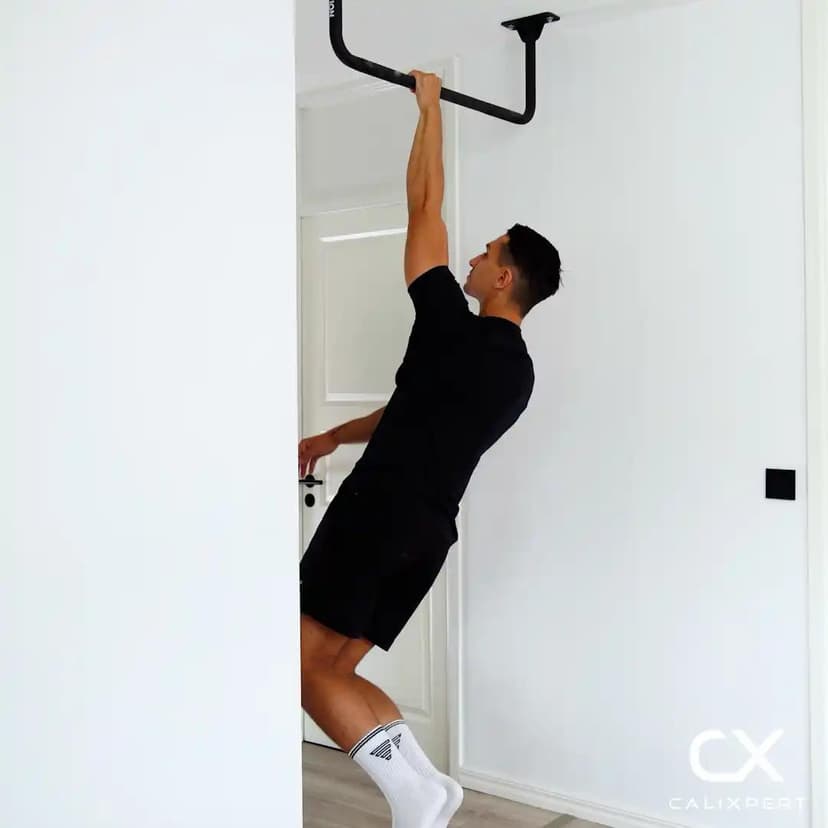
5. Depress the Scapula
Without bending your elbow, pull your shoulder blade down and back as far as you can. Your body will rise slightly as the scapula engages, but this is a small, controlled movement, not a large pull. Focus on driving the shoulder away from your ear using only the muscles around the shoulder blade. Keep your arm completely straight throughout.
Shoulder down, elbow stays locked
6. Lower Back to Dead Hang
Slowly relax the scapula and let your shoulder rise back to the starting dead hang position. Control the descent for at least two seconds, resisting the urge to drop suddenly. Reset fully at the bottom before initiating the next rep to ensure each repetition starts from a true dead hang.
Slow return, full reset every rep
Most people rush through scapula pull-ups because the range of motion is small and it does not feel like a real exercise. That is a mistake. The quality of each rep matters far more than the quantity. Focus on pulling the shoulder blade as far down as possible, holding for a full second at the top, and lowering for two seconds on every single rep. That is where the real strength and control develop.
Muscles Worked During Assisted One Arm Scapula Pull Ups
Primary Muscles:
Secondary Muscles:
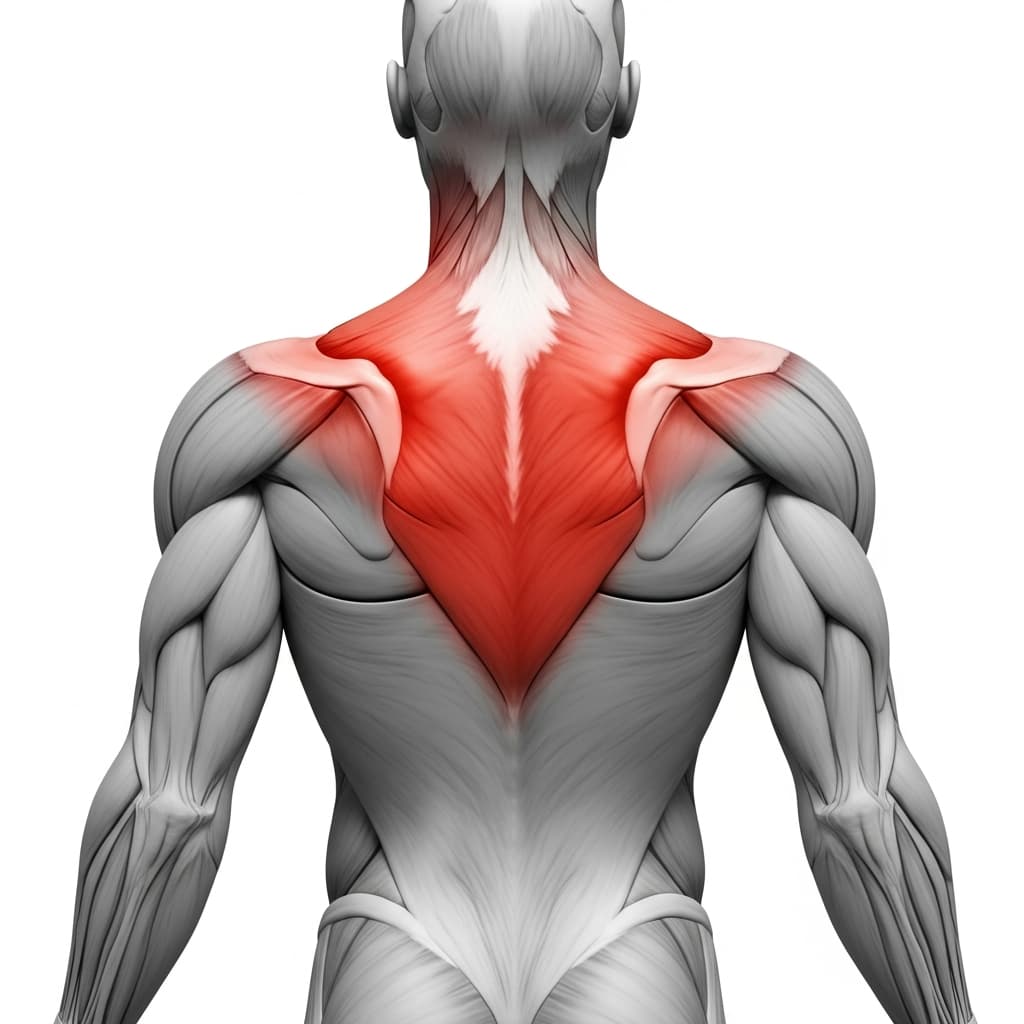
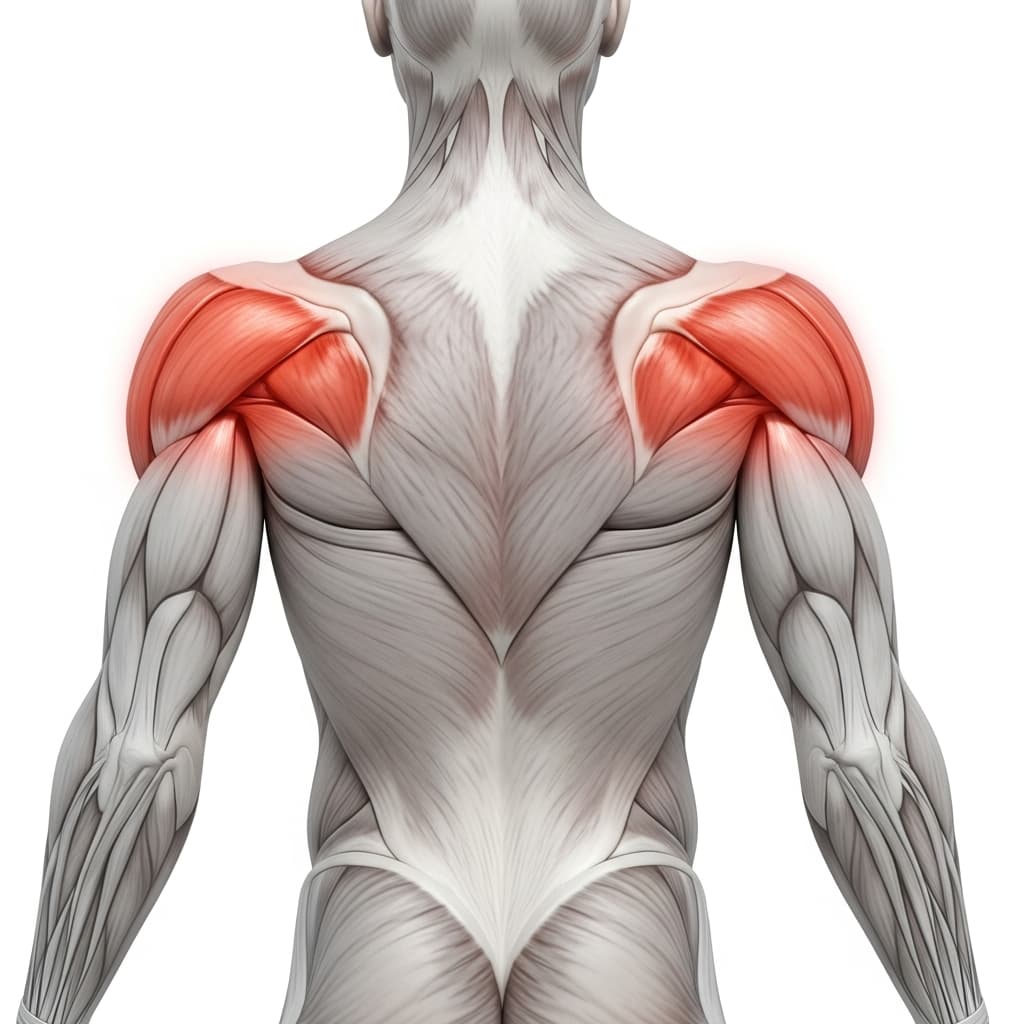
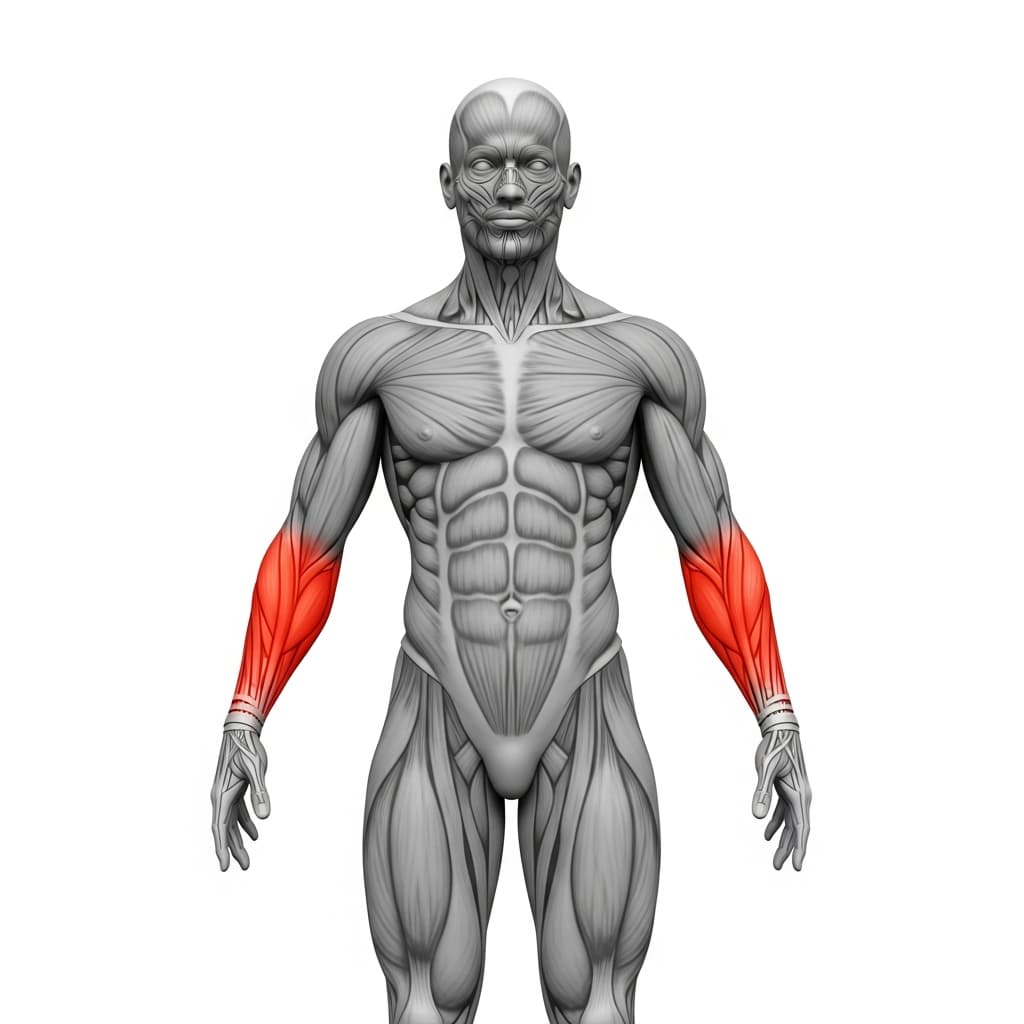
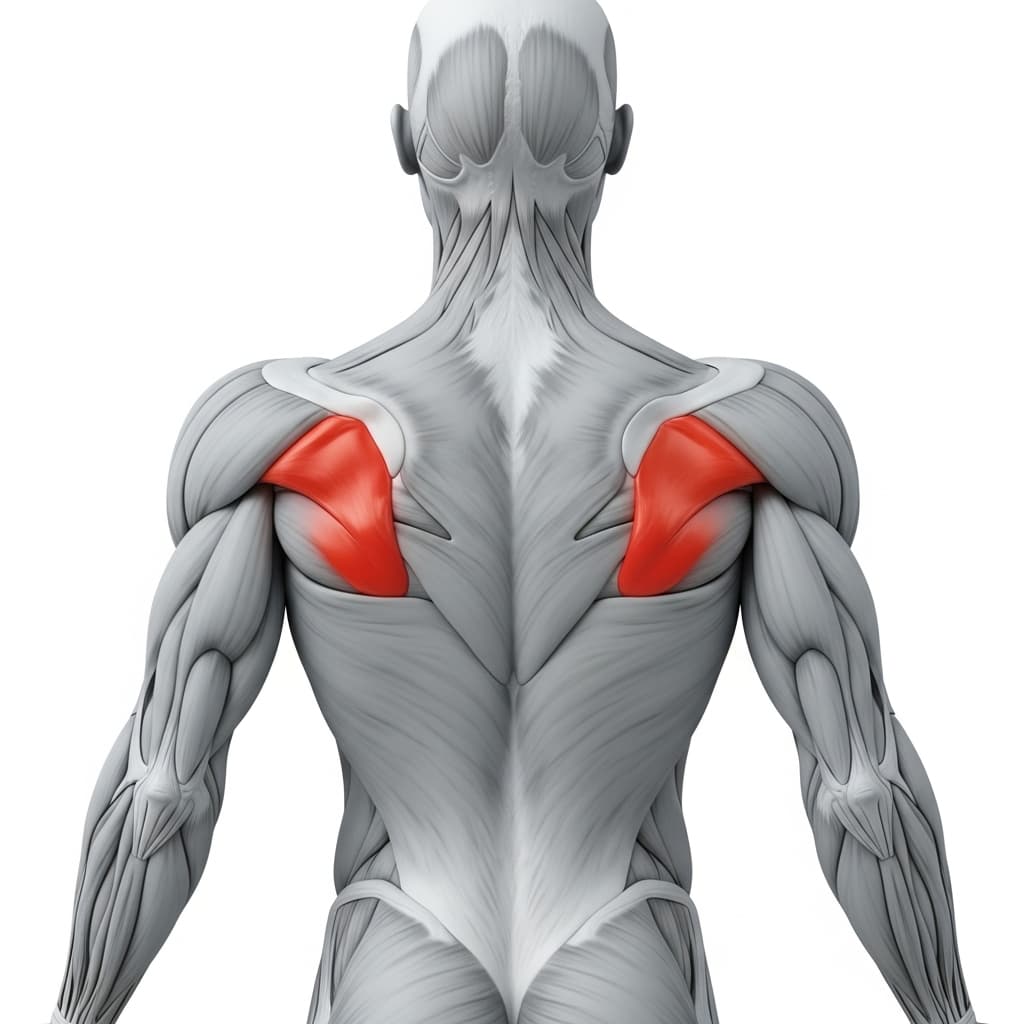
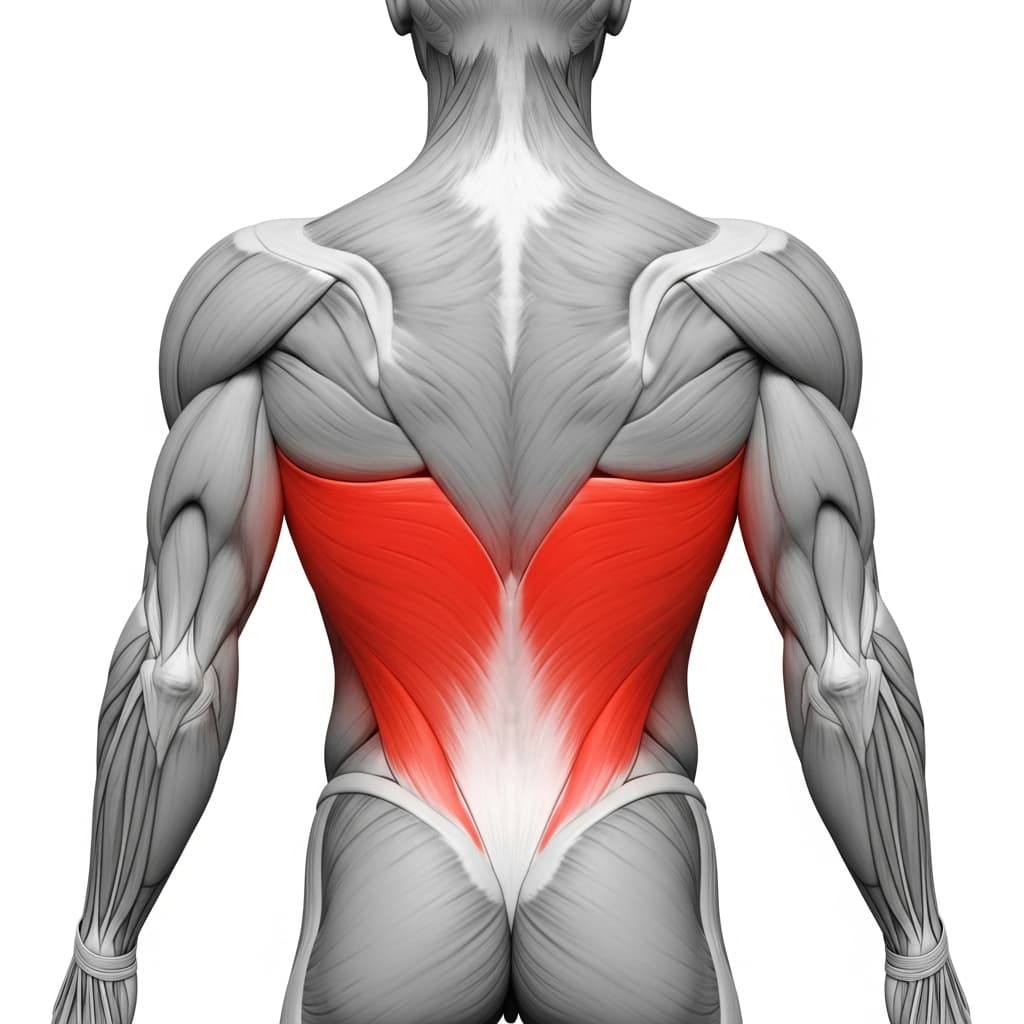
Primary Muscles
Latissimus Dorsi (Lats) - The lats drive scapular depression, pulling the shoulder blade down and back against bodyweight during each rep.
Secondary Muscles
Trapezius (Trapezius) - The lower and middle traps assist with scapular depression and retraction, stabilizing the shoulder blade throughout the movement.
Posterior Deltoid (Rear Deltoid) - The rear deltoid assists in stabilizing the shoulder joint and contributes to scapular retraction at the top of the movement.
Forearm Flexors & Extensors (Forearms) - The forearms maintain single-arm grip on the bar under full bodyweight for the duration of each set.
Rotator Cuff (SITS) (Rotator Cuff) - The rotator cuff muscles stabilize the humeral head in the shoulder socket during the single-arm hang and scapular depression.
Benefits of Assisted One Arm Scapula Pull Ups
- Develops unilateral scapular control that directly transfers to one arm hangs, one arm pull-ups, and advanced single-arm calisthenics skills
- Exposes and corrects strength imbalances between left and right sides that bilateral pulling exercises mask
- Builds rotator cuff and shoulder stabilizer resilience under single-arm loading, reducing injury risk during heavy unilateral work
- Strengthens grip endurance in a single hand under bodyweight, which is a prerequisite for every one arm hanging skill
Who Is This Exercise For?
You should be able to perform 8 to 10 clean two-arm scapula pull-ups and hold a two-arm dead hang for at least 30 seconds before attempting the one arm variation. If your grip fails before your scapula fatigues during regular scapula pull-ups, prioritize grip endurance and passive hang work first. Solid bilateral scapular control is non-negotiable here, because adding band assistance does not fix a weak foundation.
Common Mistakes to Avoid
Bending the elbow during the pull: Keep the elbow locked straight for the entire set. The moment you bend the elbow, the biceps take over and the scapula stops doing the work it needs to develop. If you cannot pull without bending, increase band assistance.
Using a neutral grip instead of overhand: Rotate your hand to a slightly overhand position with the palm facing away from you. A neutral grip breaks the connection between the forearm and the back muscles, reducing the lat activation that makes this exercise effective.
Swinging or using momentum: Start each rep from a dead stop with no swing. If your body is swaying, pause and let the movement settle completely before pulling. Momentum removes the load from the scapula and defeats the purpose of the exercise.
Relying too heavily on the band: Grip the band low enough that your working side handles the majority of the load. If the band does most of the work, you are training your assisting arm more than your scapula. Reduce assistance progressively over time.