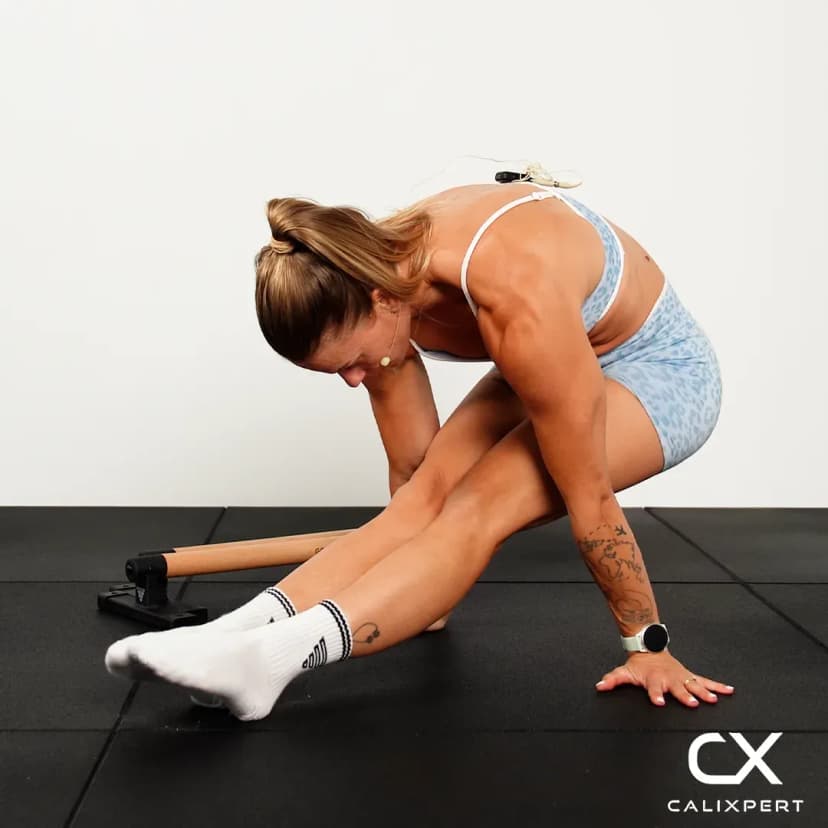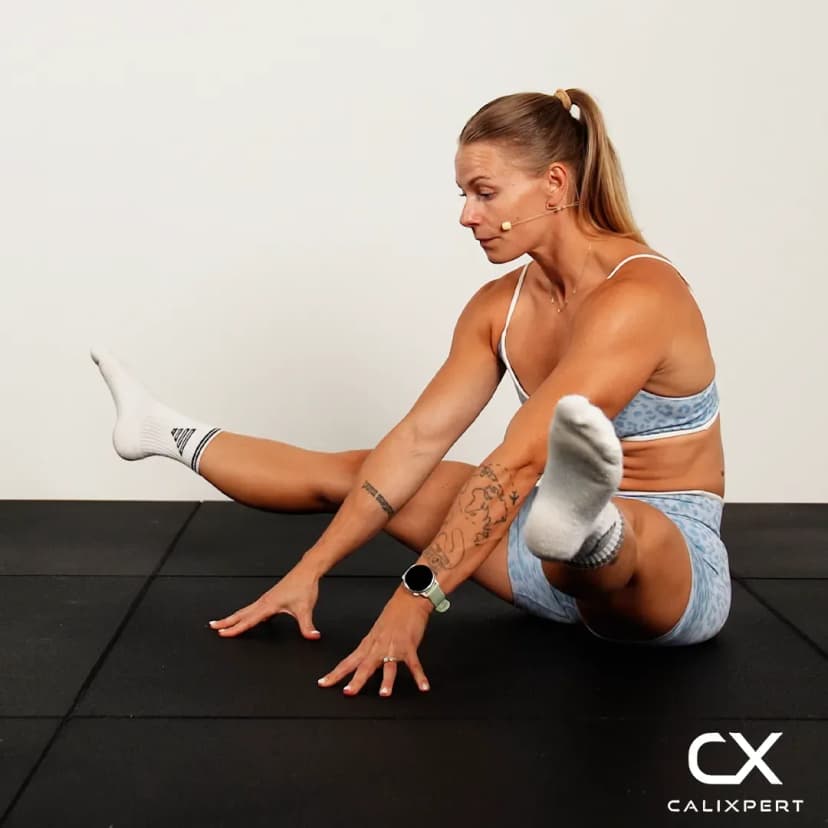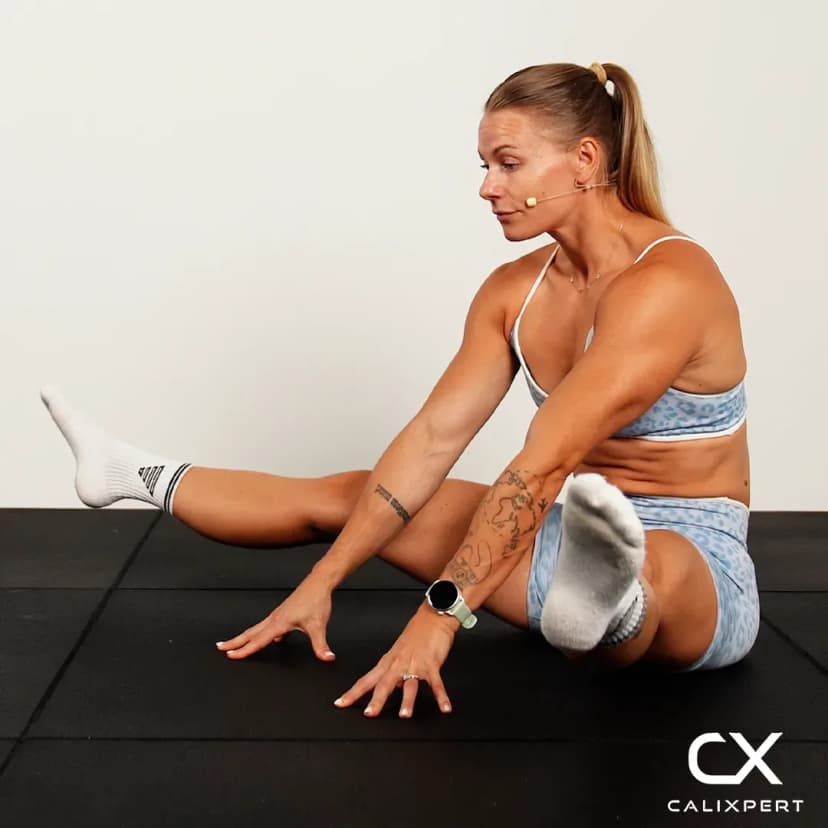
Side Lunges
Side lunges are a lateral lower body exercise that targets the adductors, glutes, and quads through a wide-stance shifting movement. Unlike forward or reverse lunges, the lateral direction loads the inner thigh muscles heavily while building hip mobility that most vertical-plane exercises miss entirely. Training side lunges consistently develops the lateral strength and stability that carries over directly to athletic movement and injury prevention.
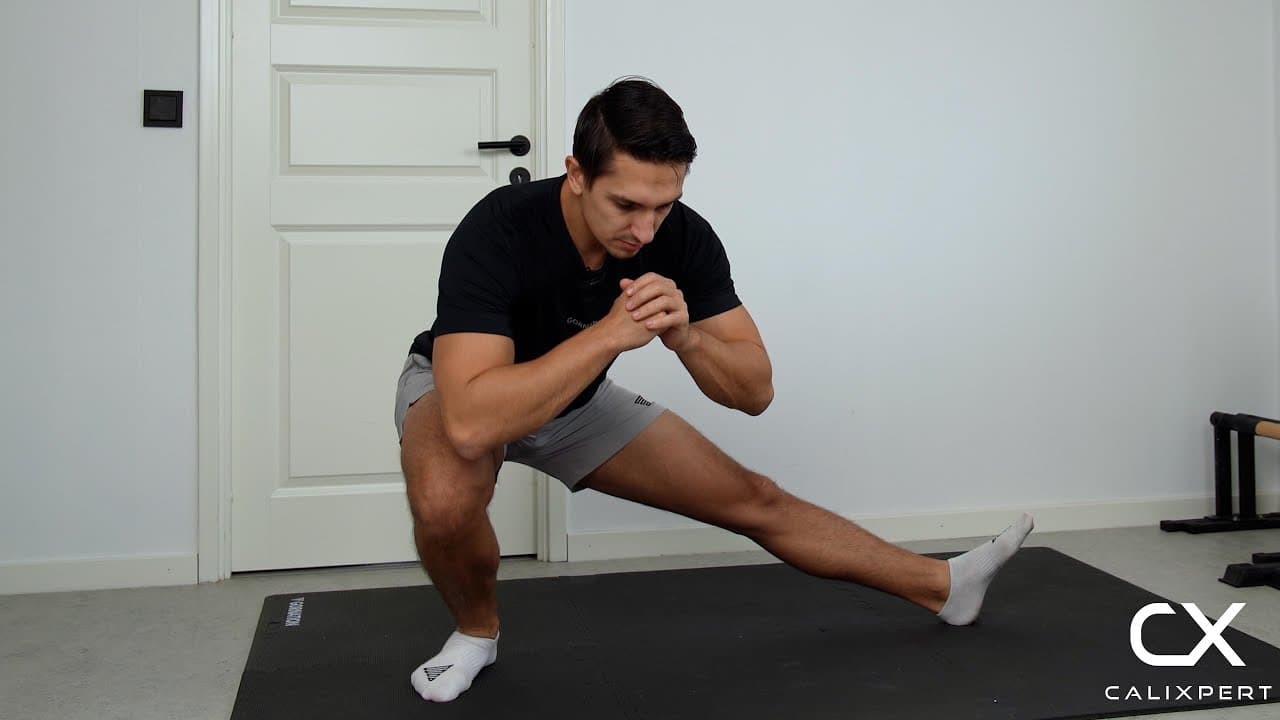
Side lunges are a lateral lower body exercise that targets the adductors, glutes, and quads through a wide-stance shifting movement. Unlike forward or reverse lunges, the lateral direction loads the inner thigh muscles heavily while building hip mobility that most vertical-plane exercises miss entirely. Training side lunges consistently develops the lateral strength and stability that carries over directly to athletic movement and injury prevention.
How to Do Side Lunges
1. Set a Wide Starting Stance
Stand with your feet roughly double shoulder width apart, toes pointing slightly outward. Keep your weight evenly distributed across both feet and your core engaged. This wide base is your home position for the entire set.
Feet wide, weight centered
2. Choose Your Hand Position
Place your hands together in front of your chest, behind your head, or on your hips. The hand position does not change the movement pattern, so pick whatever helps you balance best. Keeping the hands in front of your chest is the easiest option for maintaining an upright torso.
Hands where balance feels strongest
3. Shift Weight to One Side
Lean your body laterally and bend the working knee, pushing your hips back toward that side. Lower until the working thigh reaches roughly 90 degrees at the knee. As you descend, the toes of the straight leg will naturally lift slightly off the ground as the weight shifts fully to the working leg.
Sink into one hip, bend to ninety
4. Keep Your Torso Upright
Maintain a straight, tall upper body throughout the descent. A slight forward lean is acceptable for counterbalance, but do not round your back or collapse your chest. Think about keeping your sternum lifted and your shoulders pulled back.
Chest up, back flat
5. Push Back to Center
Drive through the heel of the working leg to push yourself back to the wide starting position. Engage your glutes and adductors as you rise, controlling the movement rather than bouncing out of the bottom. Reset your balance fully before moving to the other side.
Drive through the heel, return to center
6. Repeat on the Other Side
From the starting position, shift your weight to the opposite leg and perform the same movement. Alternate sides for each rep, ensuring both legs receive equal work. Maintain the same depth and control on both sides throughout the set.
Same depth, same control, both sides
Most people rush through side lunges and never actually load the adductors properly. Slow down the descent, sit into the hip, and pause for a full second at the bottom. You should feel a strong stretch along the inner thigh of the straight leg and real tension in the glute and quad of the working leg. If you do not feel both, you are not going deep enough or you are shifting your weight too far forward.
Muscles Worked During Side Lunges
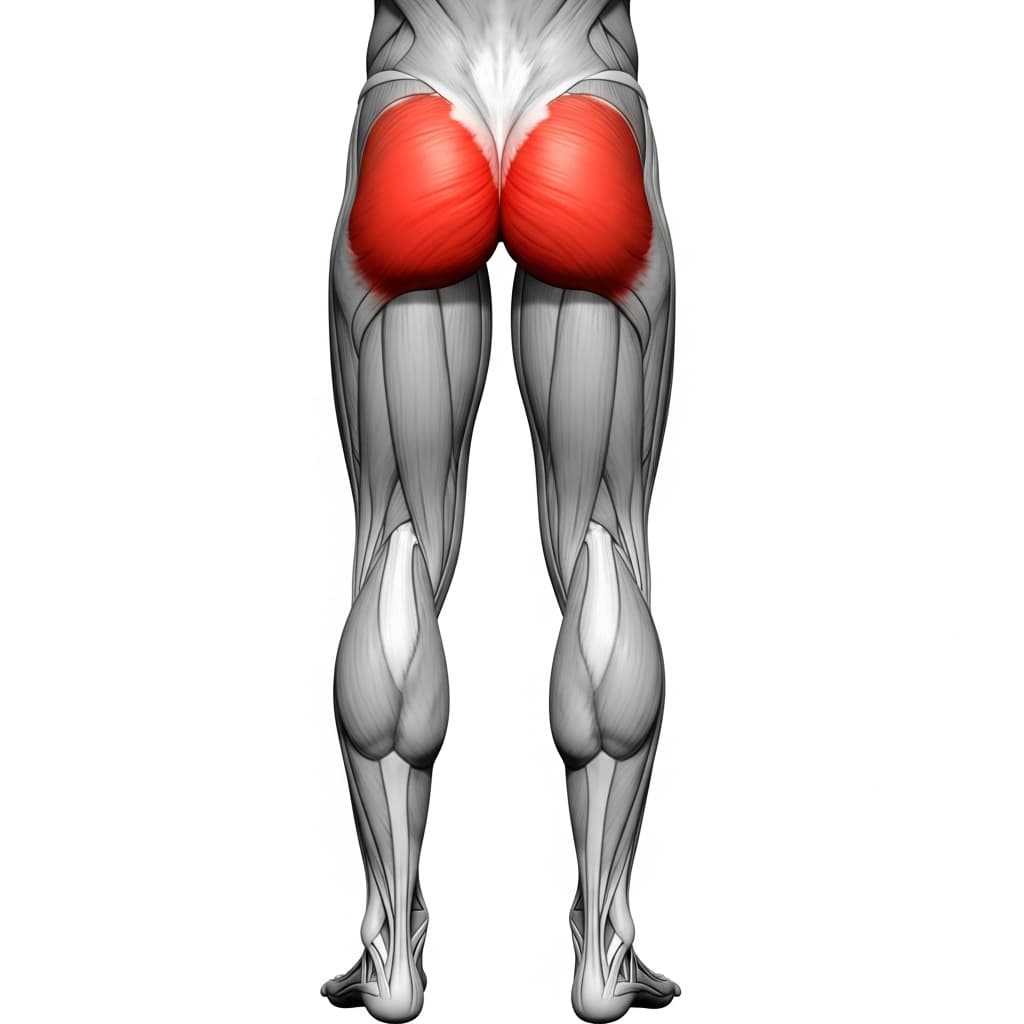
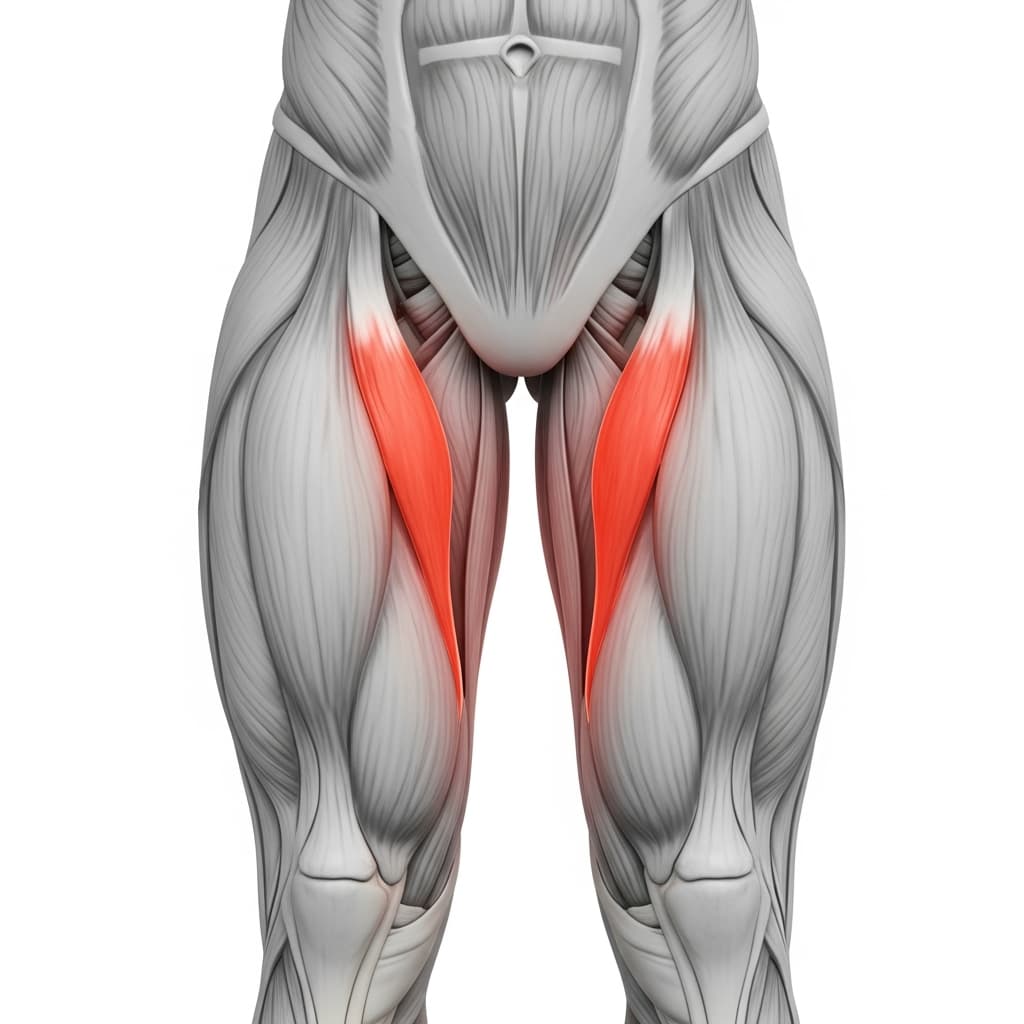
Secondary Muscles:
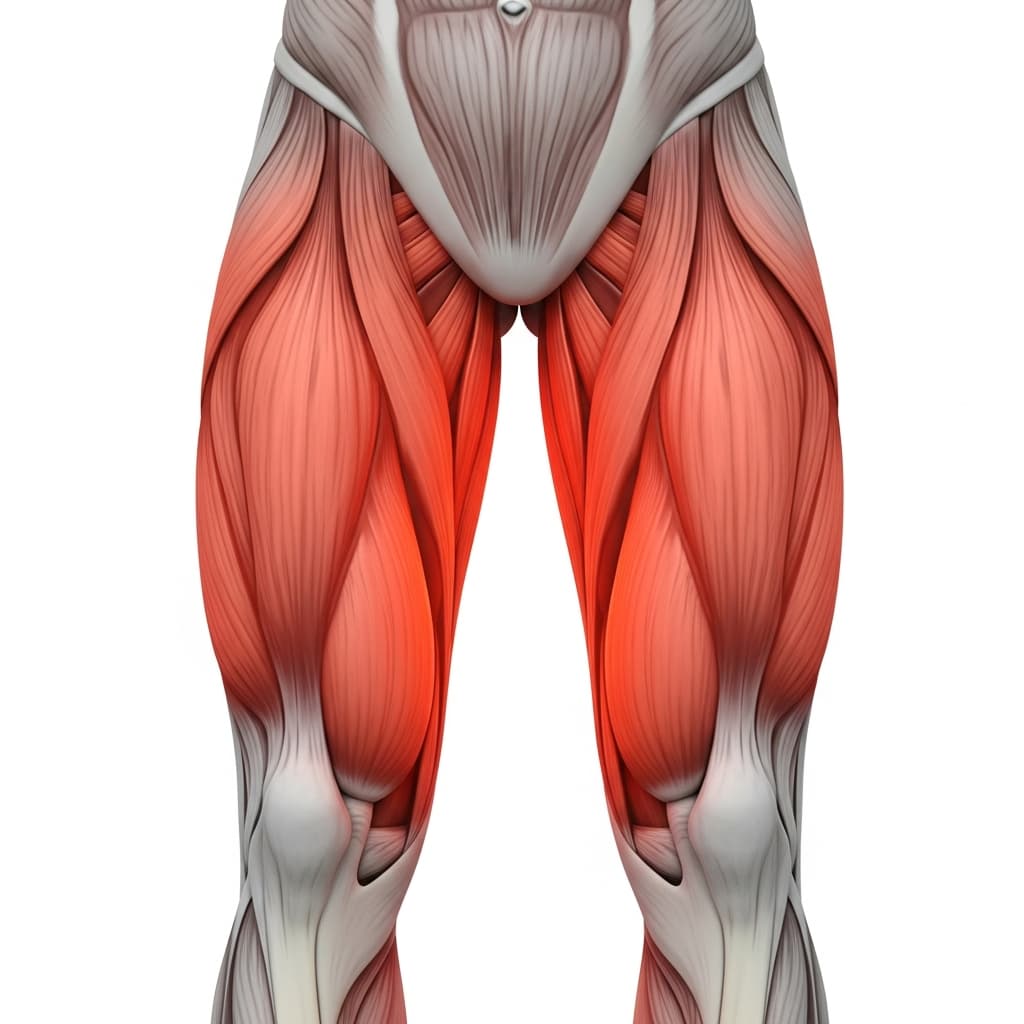
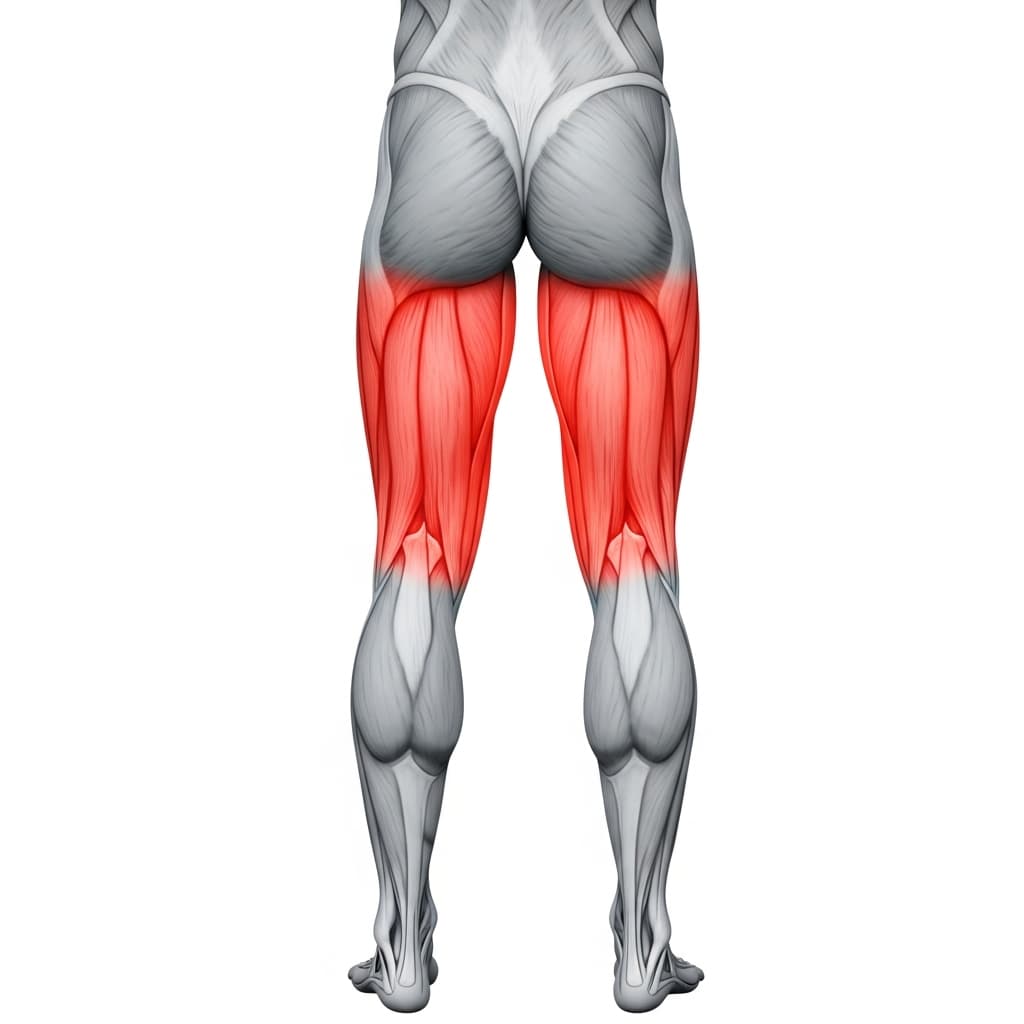
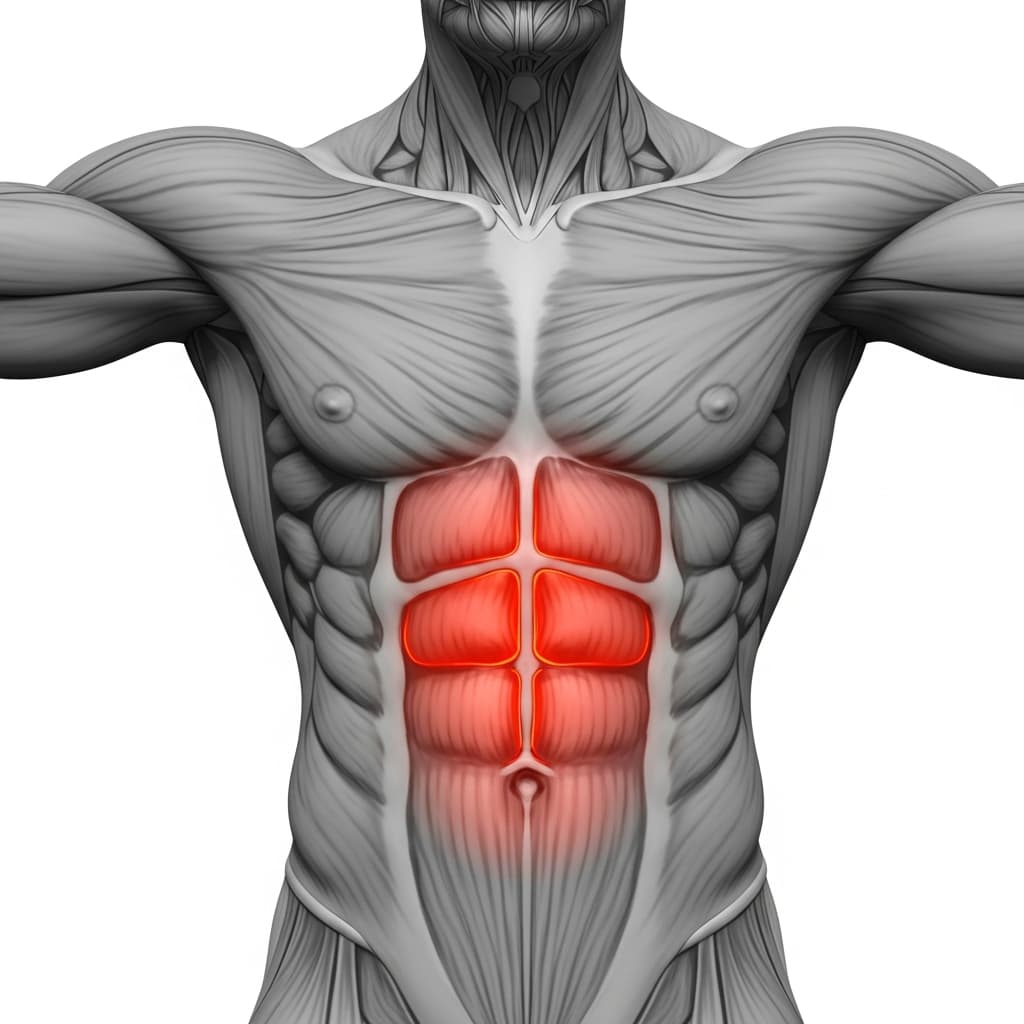
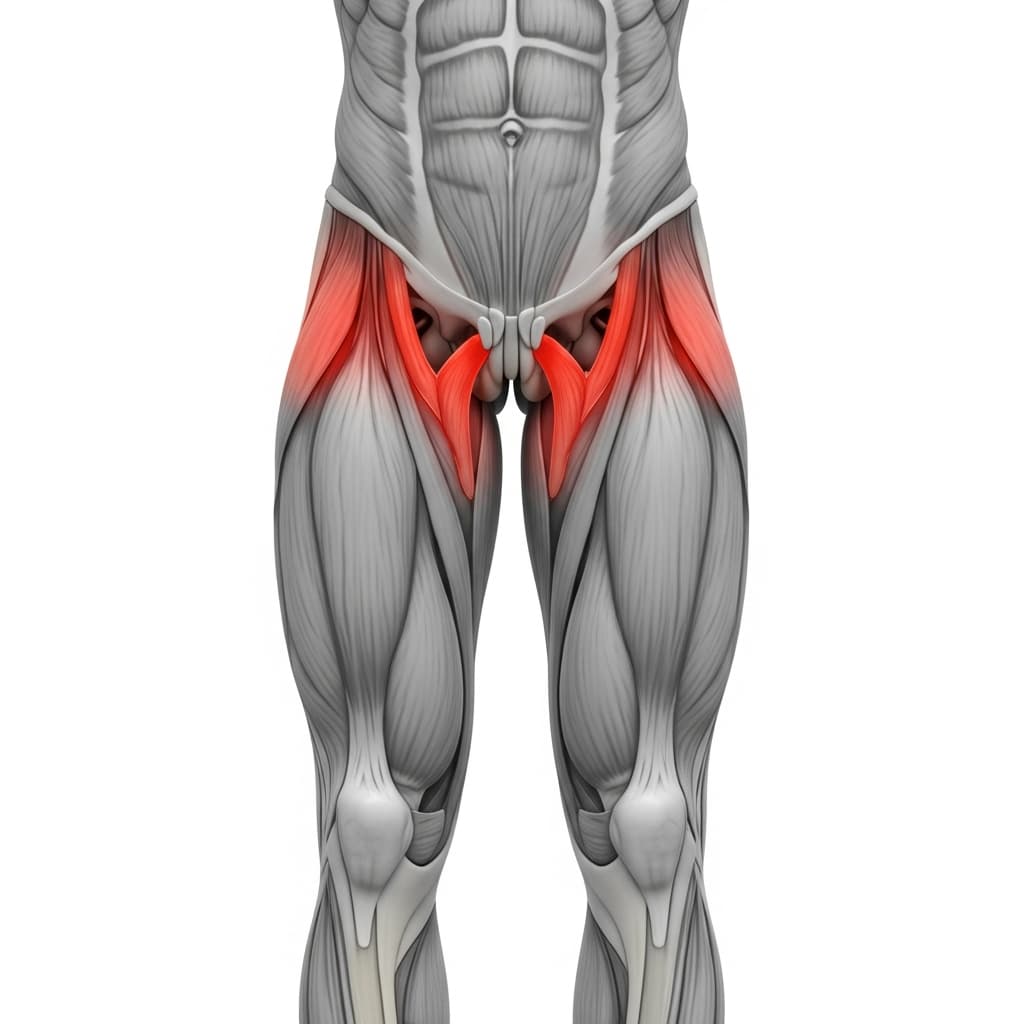
Primary Muscles
Gluteus Maximus (Glutes) - The glutes extend the hip on the working side during the push back to center and stabilize the pelvis throughout the lateral weight shift.
Hip Adductors (Adductors) - The adductors of both legs control the lateral descent and pull the body back to the starting position, making them the defining muscle group in this exercise.
Secondary Muscles
Quadriceps (Quads) - The quadriceps extend the working knee during the ascent phase, supporting the glutes in driving the body back to the upright starting position.
Hamstring Group (Hamstrings) - The hamstrings assist with hip extension on the working leg and help decelerate the body during the controlled descent.
Rectus Abdominis (Abs) - The abdominals brace the torso to prevent excessive forward lean and maintain spinal neutrality throughout the lateral movement.
Iliopsoas (Hip Flexors) - The hip flexors stabilize the pelvis during the weight shift and assist in controlling the transition between sides.
Benefits of Side Lunges
- Strengthens the adductors and inner thigh muscles, which are underdeveloped by most forward-and-backward lower body exercises
- Builds lateral hip stability that directly reduces injury risk during athletic movements, direction changes, and uneven terrain
- Improves hip mobility and adductor flexibility through a loaded stretch at the bottom of each rep
- Develops single-leg strength and balance without requiring any equipment or advanced coordination
Who Is This Exercise For?
You should be able to perform 10 bodyweight squats with controlled form and a stable torso before adding side lunges to your training. Basic hip mobility is also important, so if you cannot comfortably hold a wide stance with your feet flat, work on hip flexor and adductor stretches first. If you experience knee pain during basic squats, address that before loading the joint in a lateral plane.
Common Mistakes to Avoid
Rounding the upper back: Keep your chest lifted and shoulders pulled back throughout the entire movement. A slight forward lean at the hips is fine for balance, but your spine should stay neutral from start to finish.
Letting the knee cave inward: Track the working knee directly over the toes on the same side. If your knee drifts inward, reduce the depth until you build enough adductor and glute strength to maintain alignment.
Not going deep enough: Aim for a 90-degree bend at the working knee on every rep. Shallow side lunges reduce the load on the adductors and glutes, which are the primary target muscles in this exercise.
Rushing through the reps: Control both the descent and the push back to center. Bouncing out of the bottom position reduces time under tension and increases the risk of straining the inner thigh.
Variations & Progressions
Half-Depth Side Lunge
Perform the same lateral shift but only bend the working knee to about 45 degrees instead of 90. This reduces the demand on the adductors and hip mobility, making it a good entry point for beginners.
Cossack Squat
Lower all the way down until the working hip sits near the ankle, with the straight leg fully extended and toes pointing up. This full-depth version demands significantly more hip mobility, adductor flexibility, and single-leg strength.