

Quads Exercises
Quadriceps Femoris

All Quads Exercises (45)















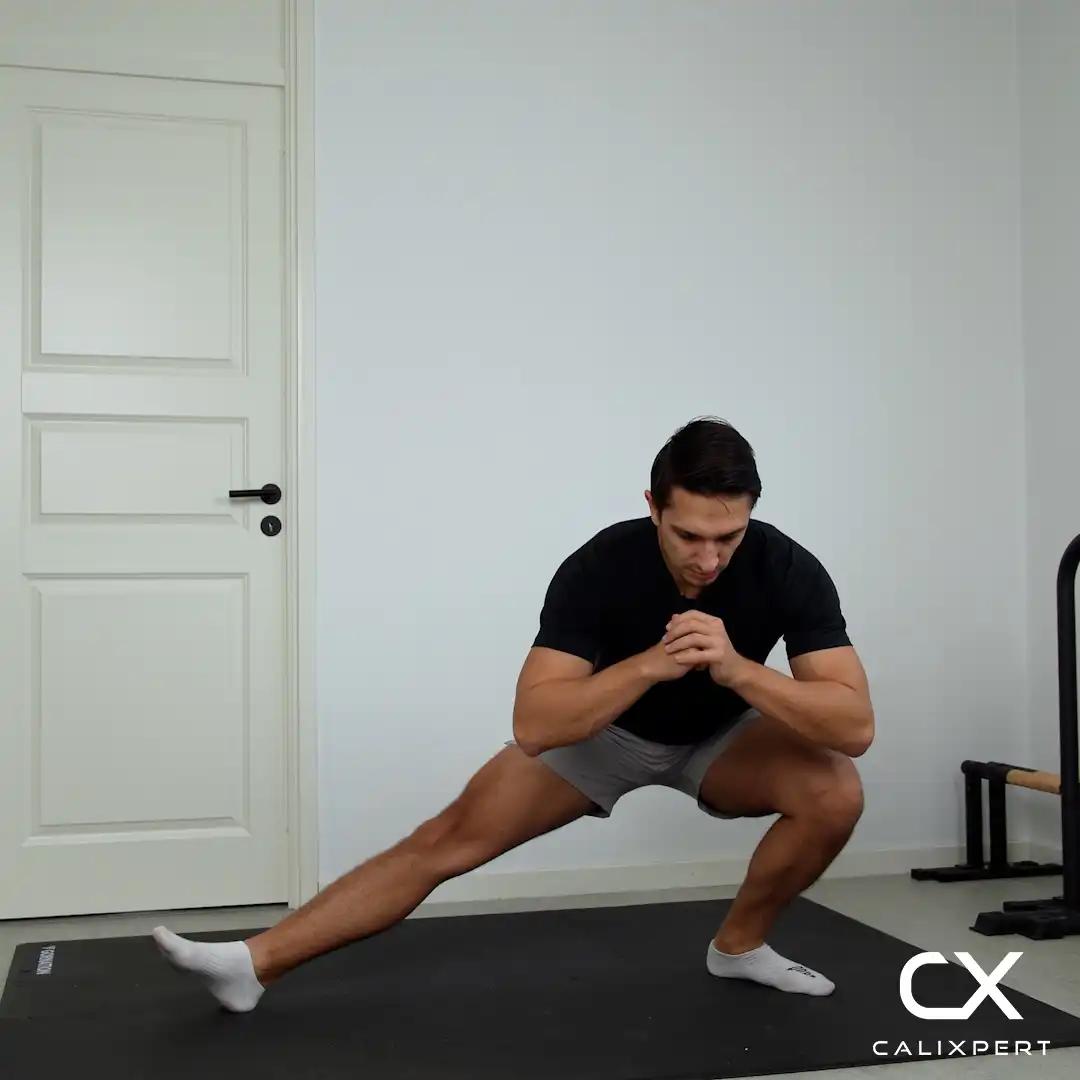
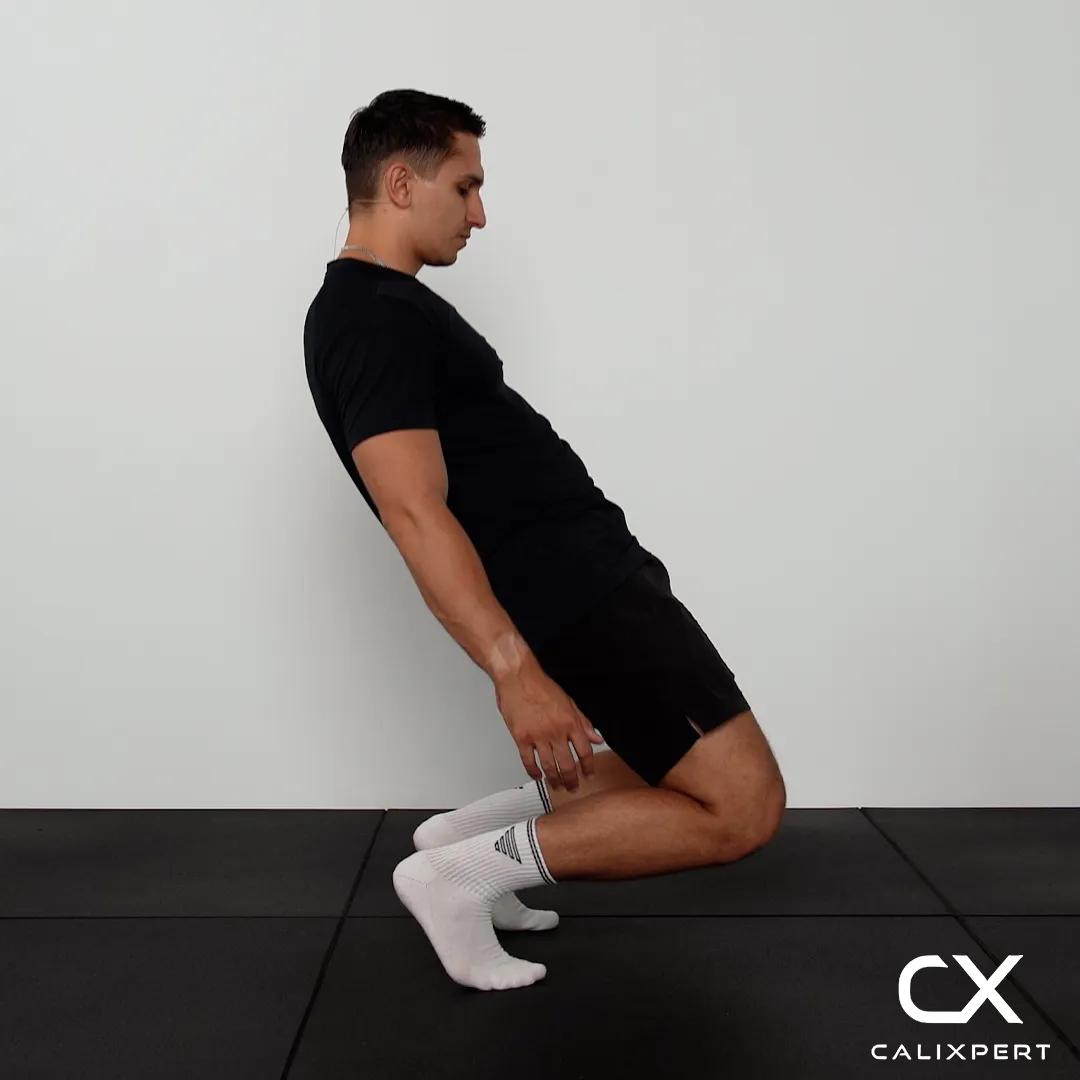
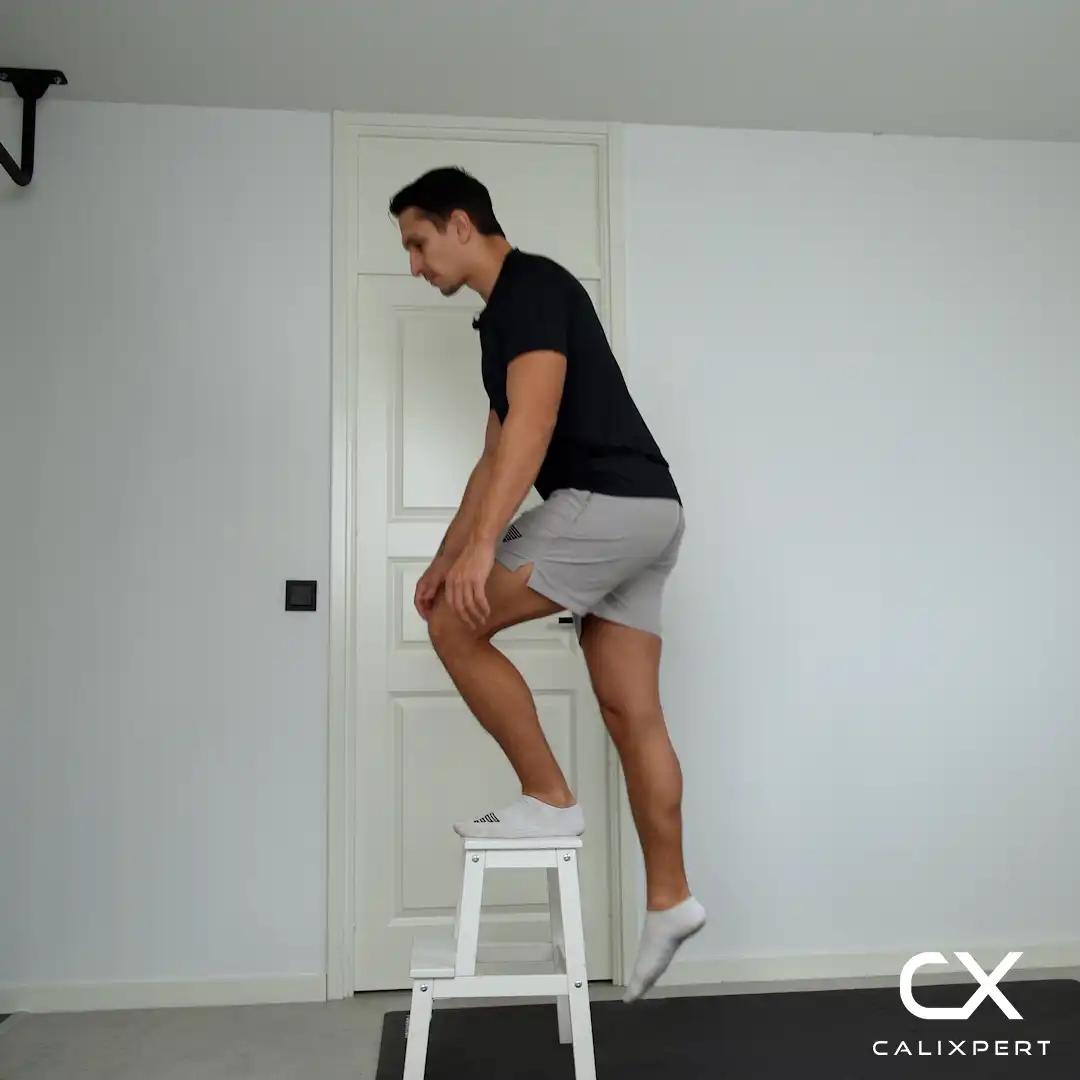
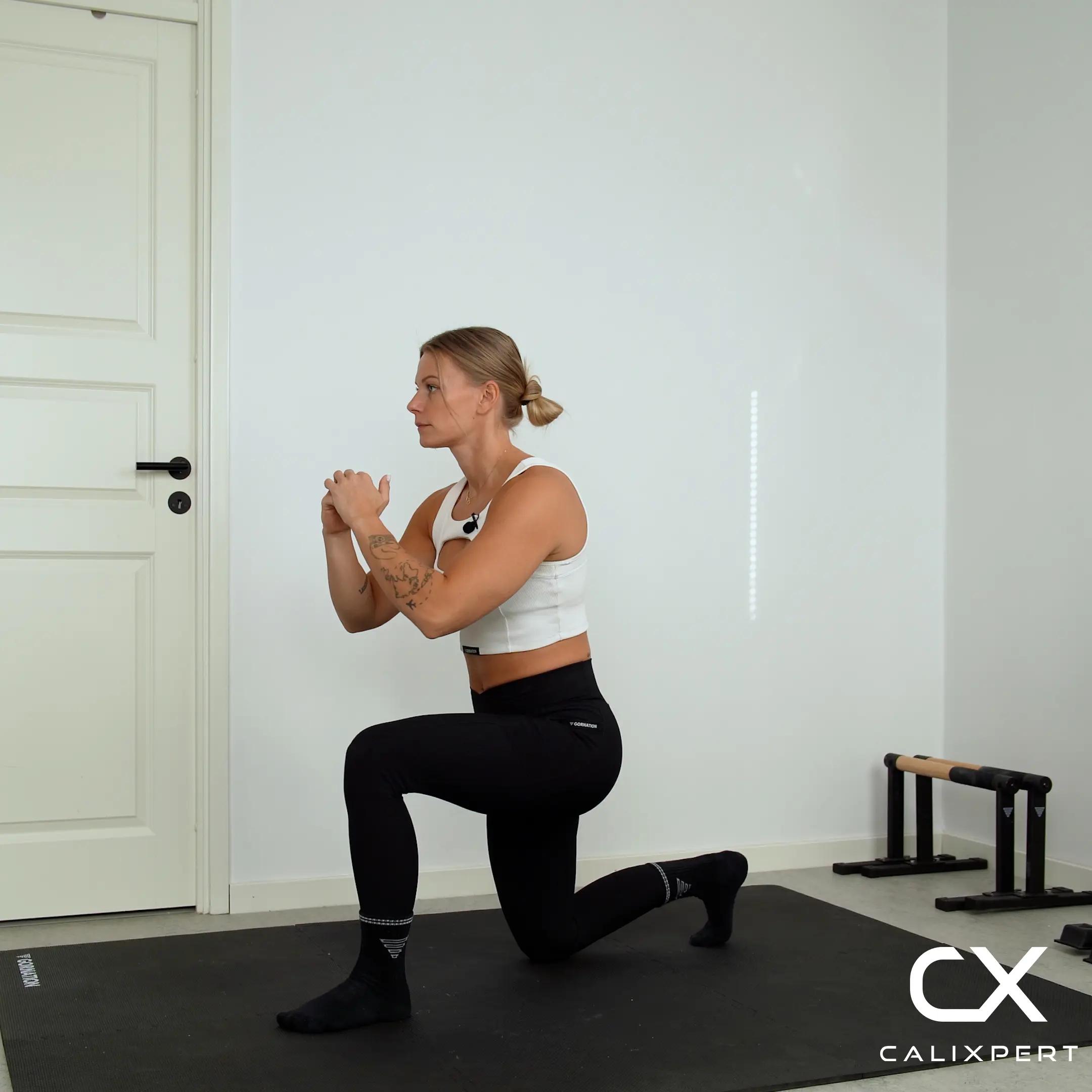



About the Quads
The quadriceps femoris is a group of four muscles on the front of your thigh. They extend the knee and, through the rectus femoris, also contribute to hip flexion.
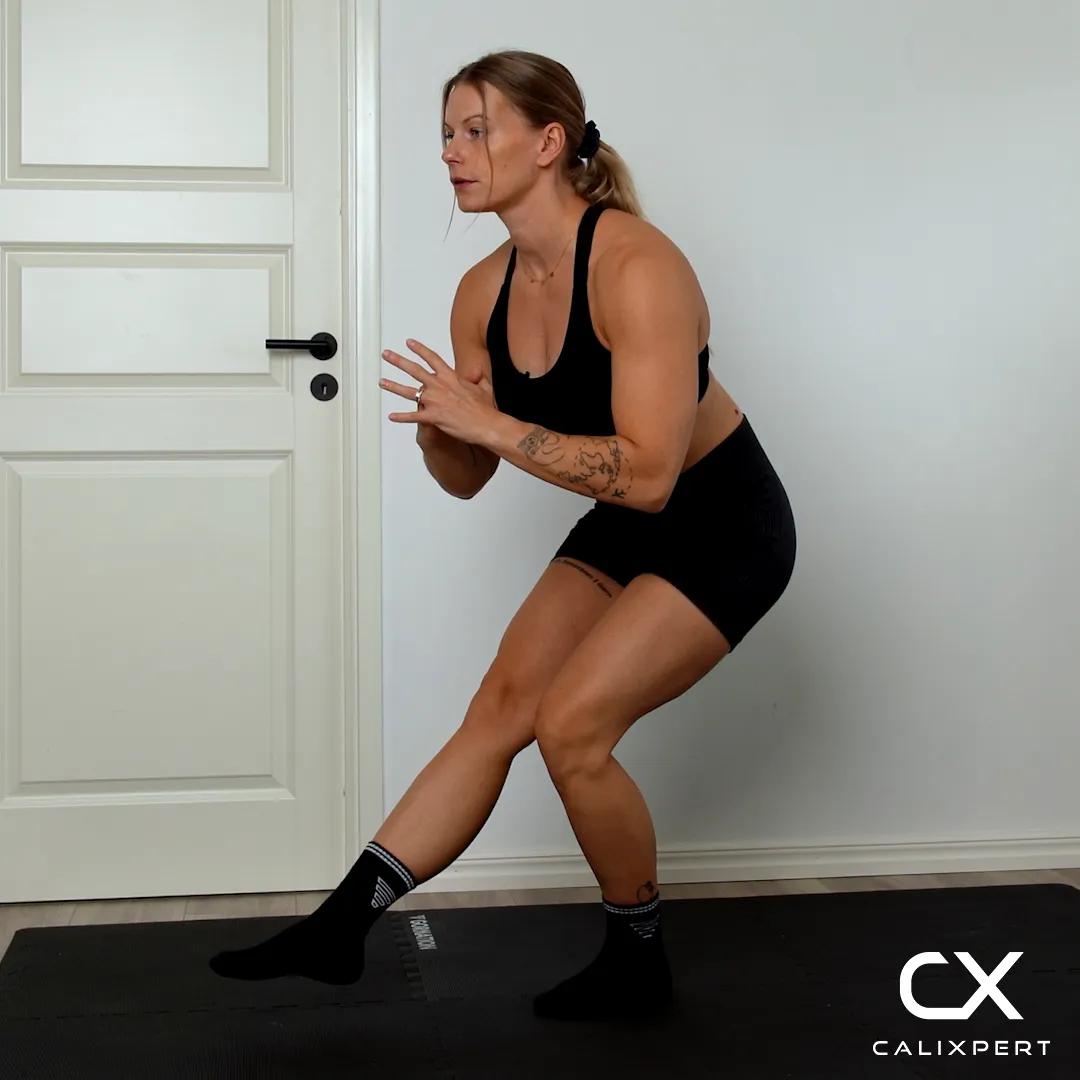
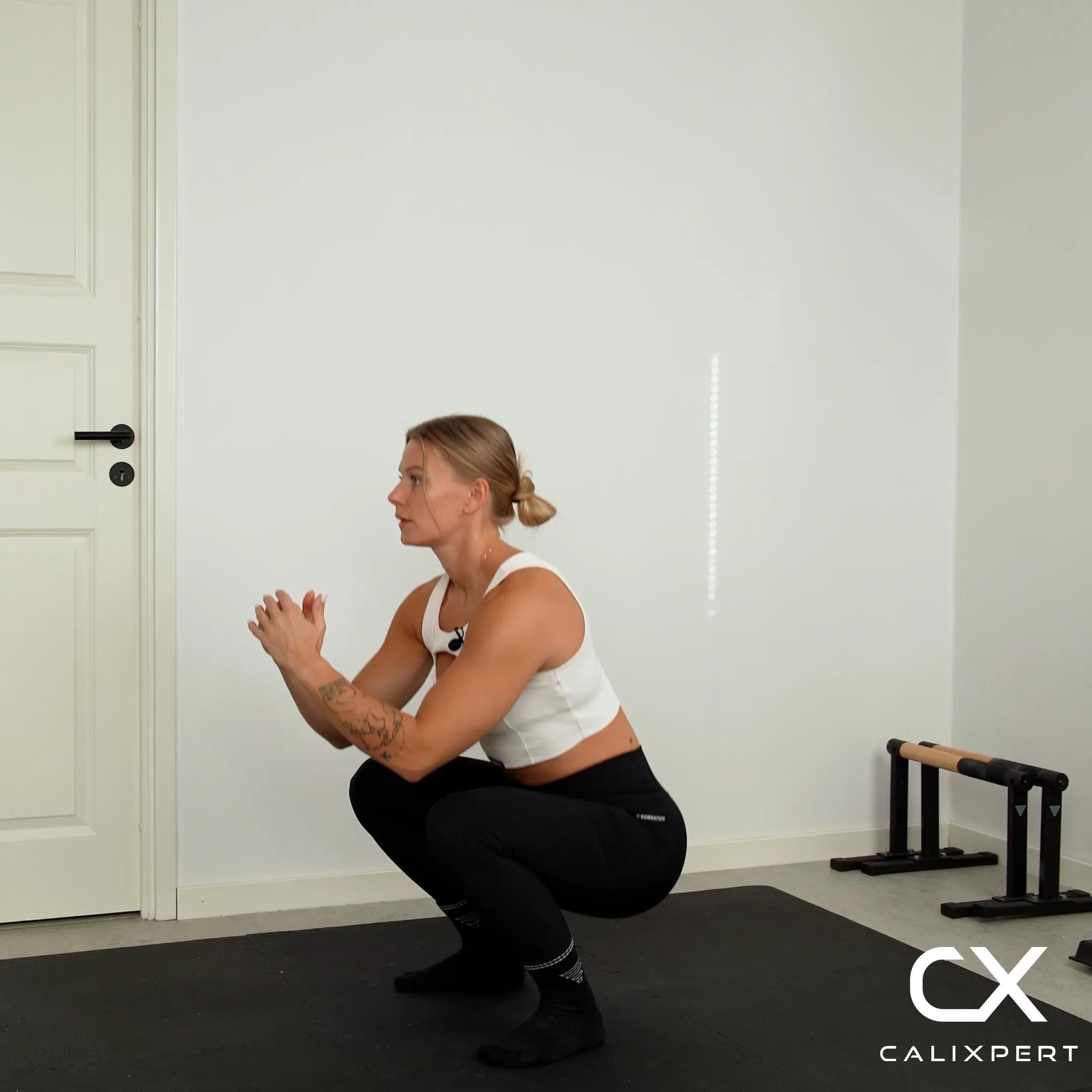
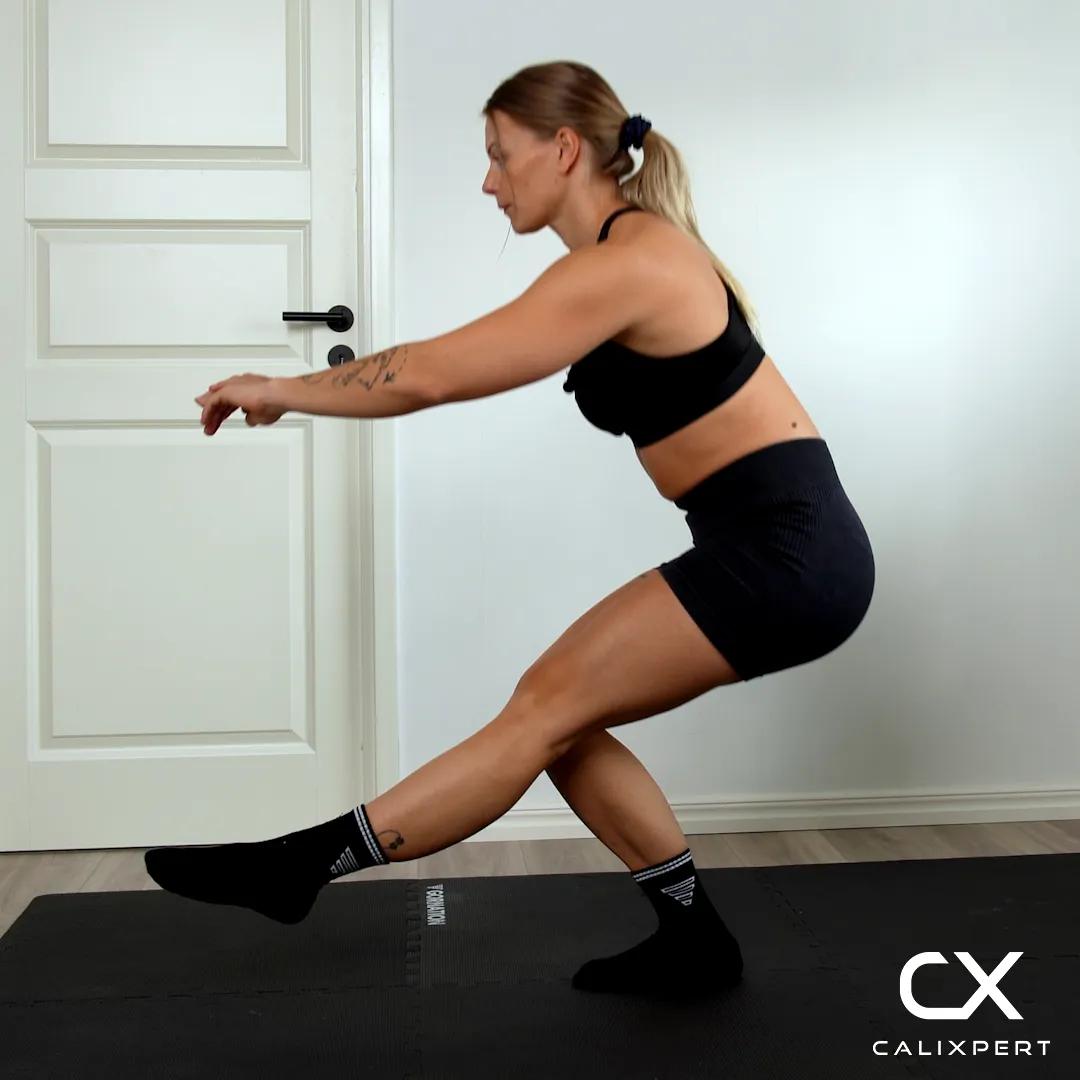
In calisthenics, the quads are the primary leg muscles for all squat-based movements. Pistol squats, shrimp squats, and single-leg squat variations demand significant quad strength and control through a deep range of motion.
Calisthenics leg training without heavy external load forces quad development through range of motion, which builds functional strength and joint health simultaneously. Weak quads limit the depth, control, and progression of all lower body skills.
How to Train Your Quads
Pistol squats are the benchmark single-leg quad exercise in calisthenics. They require quad strength, balance, and mobility. Work toward them with assisted pistol squats using a pole or TRX, gradually reducing assistance.
Bulgarian split squats and shrimp squats are strong quad developers before the pistol squat is achievable. Both load the front leg unilaterally with a large range of motion.
Do not skip the eccentric. Lowering slowly under control builds more quad strength than bouncing in and out of the bottom position. A 3-second descent is a minimum standard for effective quad development through calisthenics squats.
Quads FAQ
Yes, but it requires progressive overload through range of motion increases, tempo manipulation, and single-leg loading. Bilateral bodyweight squats eventually become too easy. Single-leg progressions are where quad development continues.
Knee pain during pistol squats usually indicates insufficient quad strength to control the descent, or insufficient ankle mobility forcing the knee to compensate. Address both before loading the movement further.
Five controlled pistol squats per leg is a solid strength indicator. Beyond that, adding a light weighted vest or progressing to more complex single-leg variations is more beneficial than adding repetitions.