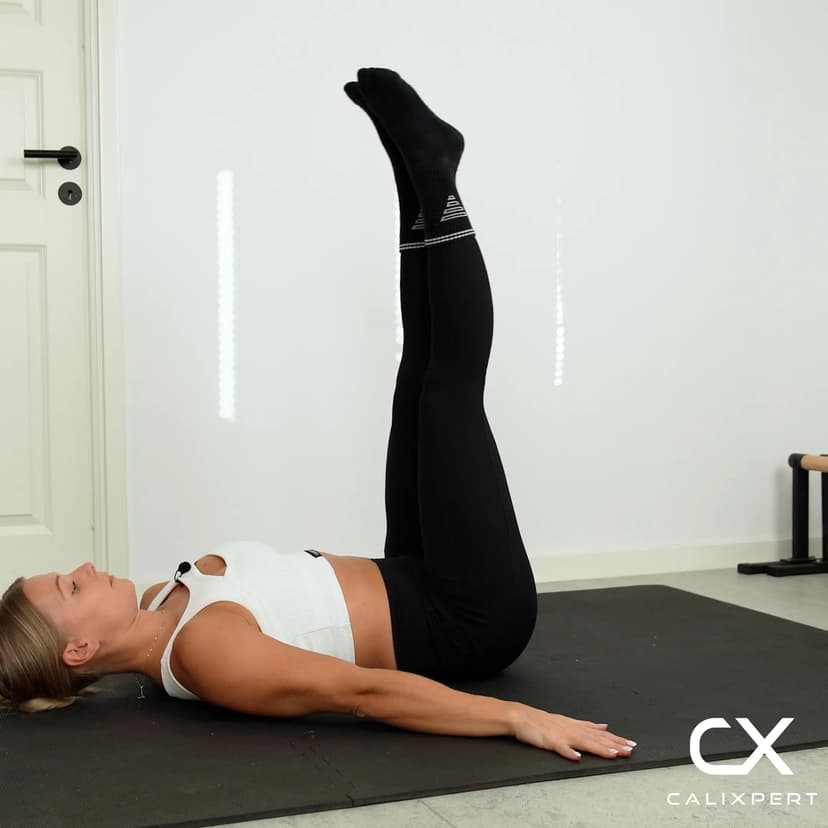
Laying Bent Leg Raises
Laying bent leg raises are a foundational core exercise in calisthenics that targets the lower abdominals and hip flexors through a controlled leg-lifting pattern. The bent-knee position shortens the lever arm compared to straight leg raises, making this an accessible entry point for building lower abdominal strength. Performed with strict form, this exercise teaches the critical skill of maintaining lower back contact with the floor, which carries over directly to every other core exercise in your training.
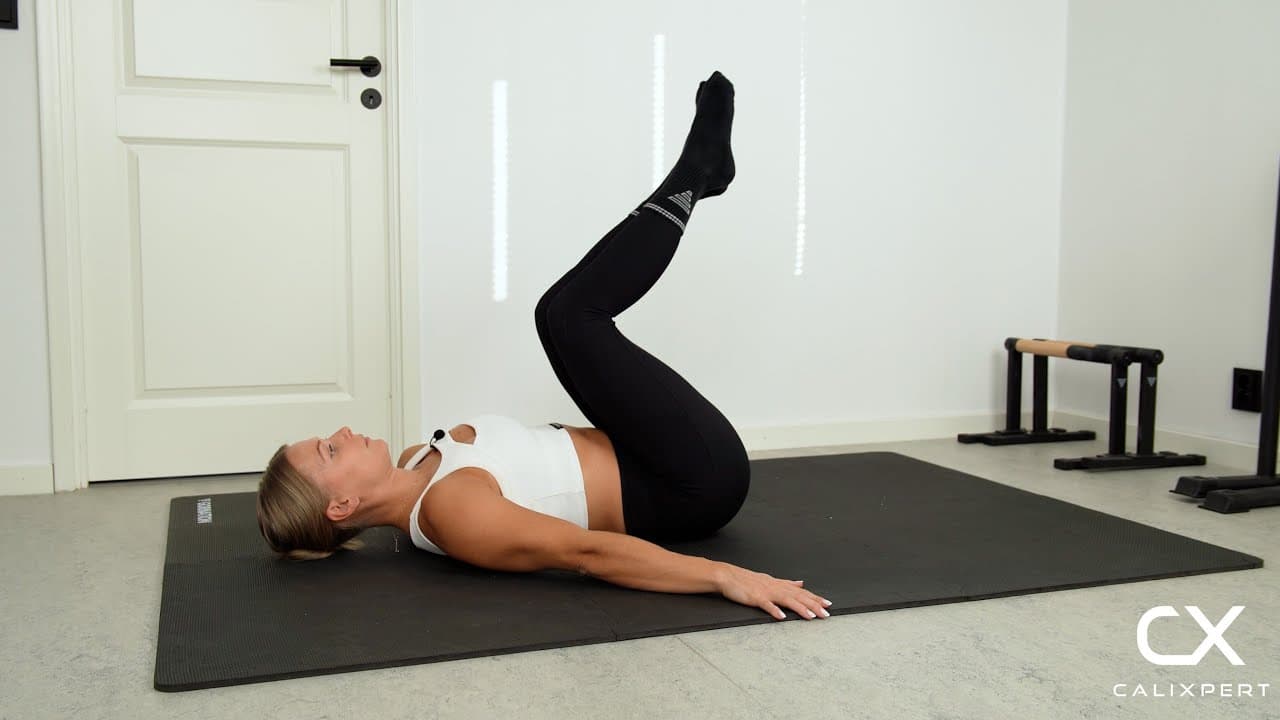
Laying bent leg raises are a foundational core exercise in calisthenics that targets the lower abdominals and hip flexors through a controlled leg-lifting pattern. The bent-knee position shortens the lever arm compared to straight leg raises, making this an accessible entry point for building lower abdominal strength. Performed with strict form, this exercise teaches the critical skill of maintaining lower back contact with the floor, which carries over directly to every other core exercise in your training.
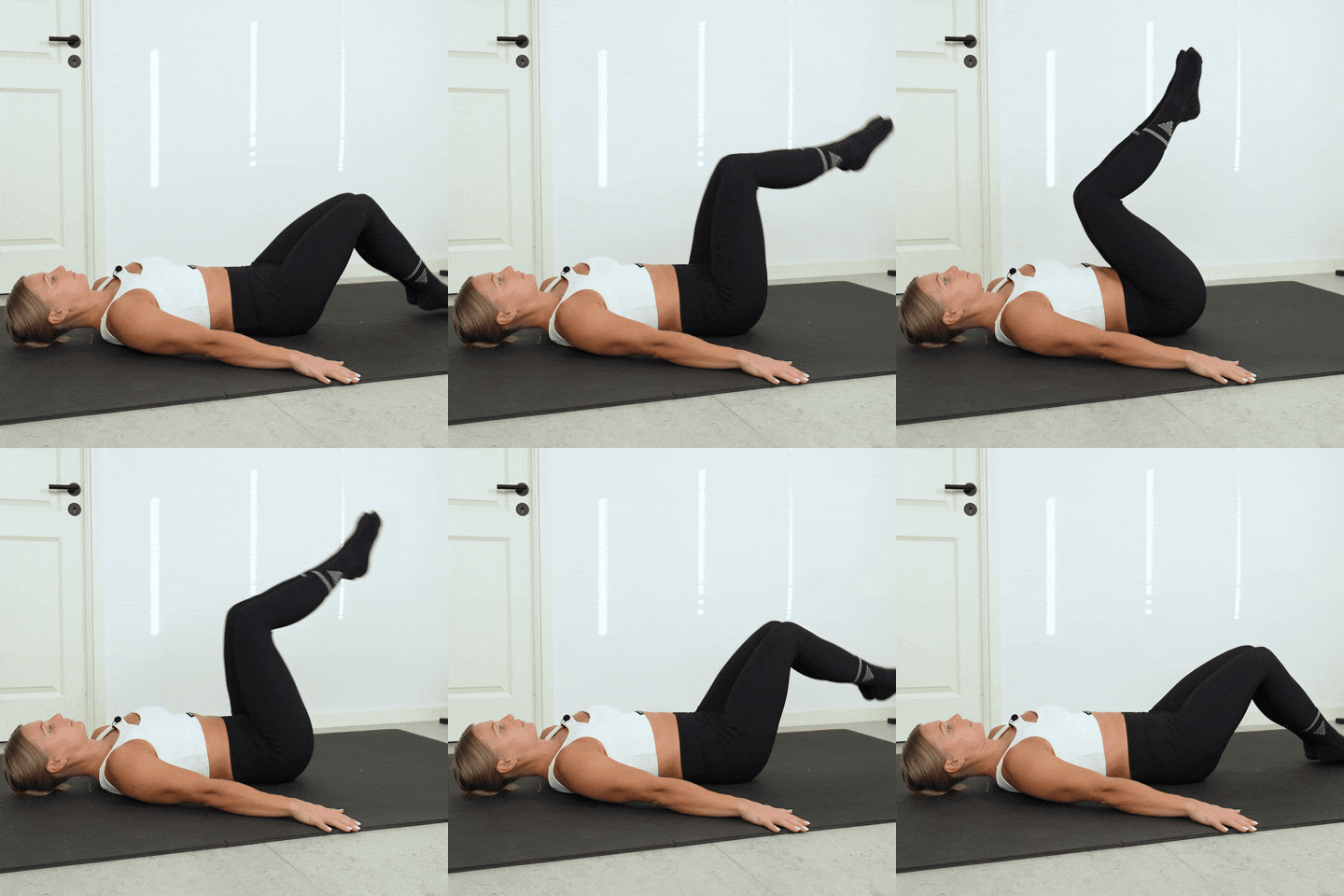
How to Do Laying Bent Leg Raises
1. Lie Flat and Set Position
Lie flat on your back on a mat with your head down and your arms placed at your sides, palms pressing into the floor. Bend your knees to roughly 90 degrees with your feet flat on the ground. Press your lower back firmly into the mat by tilting your pelvis slightly upward. This posterior pelvic tilt is your base position for the entire exercise.
Lower back glued to the floor
2. Brace Your Core
Before moving your legs, draw your belly button in toward your spine and brace your abdominals as if someone were about to press on your stomach. This engagement locks your pelvis in position and prevents your lower back from arching during the movement. Keep this brace active throughout every rep.
Suck the belly in toward the spine
3. Lift Knees Toward Chest
With your core braced, slowly lift your bent knees upward toward your chest. Drive the movement from your lower abdominals, not from momentum or a hip snap. Continue until your thighs are roughly vertical or your knees are directly above your hips. Keep the bend in your knees consistent throughout the lift.
Abs pull the knees up, not momentum
4. Lower Legs With Control
Slowly lower your legs back down, keeping your knees bent at the same angle. Lower your feet toward the mat until your heels or toes lightly touch the floor. The critical rule here is that your lower back must stay in contact with the mat the entire time. If you feel your lower back start to peel off the floor, stop the descent at that point and reverse the movement.
Stop before the lower back lifts
5. Reset and Repeat
Once your feet lightly touch the floor or you reach the lowest point where your back stays flat, immediately begin the next rep by lifting your knees again. Do not rest your legs on the floor between reps or release the tension in your core. Each rep should flow directly into the next with constant abdominal engagement.
No rest at the bottom, stay braced
The entire point of bent leg raises is keeping that lower back pinned to the floor. If you chase range of motion and let your back arch, you are training your hip flexors and straining your spine instead of building your abs. Shorten the range, slow the tempo, and feel the lower abs burn. That is the rep actually working.
Muscles Worked During Laying Bent Leg Raises
Primary Muscles:

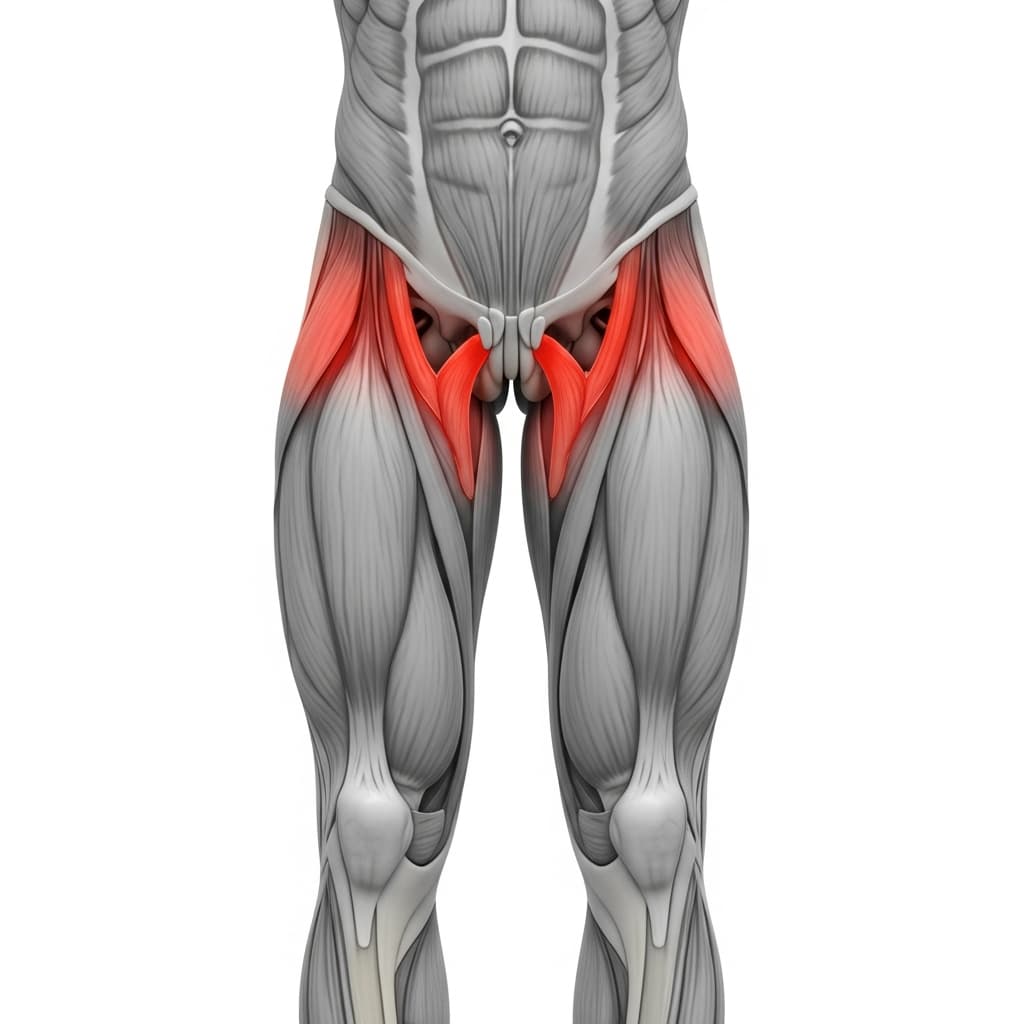
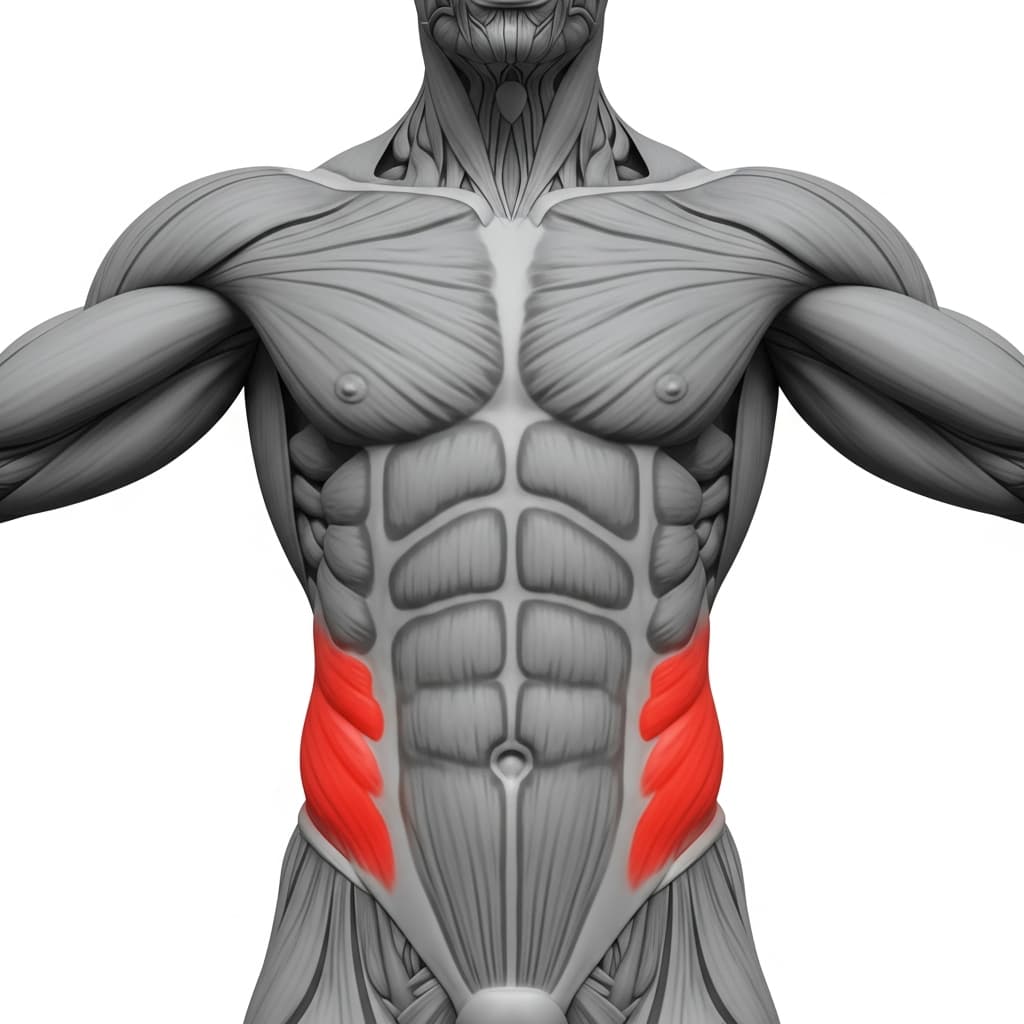
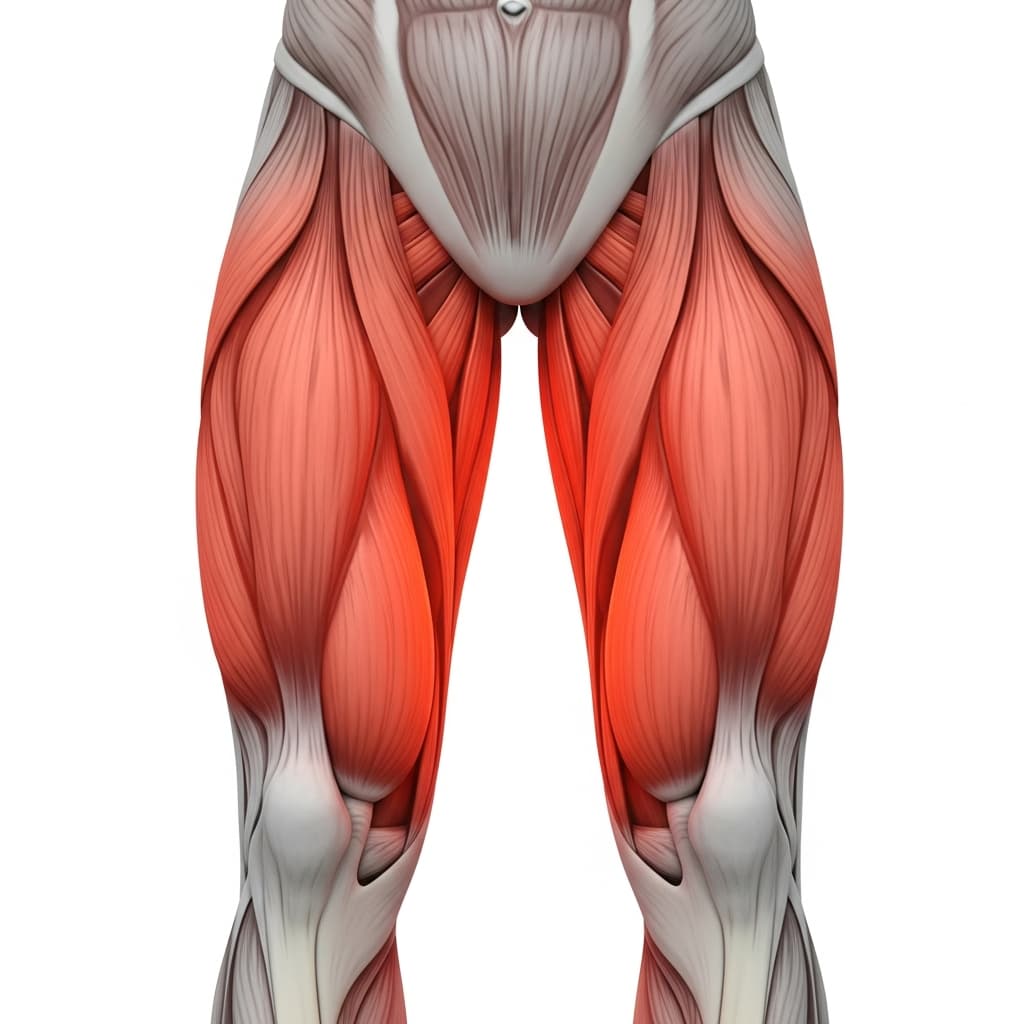
Primary Muscles
Rectus Abdominis (Abs) - The rectus abdominis contracts to tilt the pelvis posteriorly and maintain lower back contact with the floor as the legs move through the raising and lowering phases.
Iliopsoas (Hip Flexors) - The iliopsoas and rectus femoris flex the hips to lift the bent knees toward the chest against gravity during each rep.
Secondary Muscles
Obliques (Obliques) - The internal and external obliques co-contract to stabilize the pelvis and prevent lateral rotation or shifting as the legs move.
Quadriceps (Quads) - The quadriceps maintain the fixed knee bend angle throughout the movement, preventing the legs from straightening under load.
Benefits of Laying Bent Leg Raises
- Strengthens the lower abdominals through a full range of motion, building the specific core strength needed for L-sits, hanging leg raises, and front lever progressions
- Teaches lower back awareness and pelvic control, which protects the lumbar spine during every loaded core exercise in calisthenics
- Develops hip flexor endurance under controlled conditions, improving performance in movements like knee raises, tuck holds, and compression work
- Requires zero equipment and minimal space, making it one of the most accessible core exercises for any training environment
Who Is This Exercise For?
You should be able to hold a hollow body position on the floor for at least 10 seconds with your lower back pressed firmly into the ground before attempting laying bent leg raises. If your lower back lifts off the floor during basic core holds, work on dead bugs and pelvic tilts first to develop the abdominal control this exercise demands.
Common Mistakes to Avoid
Lower back arching off the floor: This is the most common and most dangerous mistake. If your lower back lifts during the lowering phase, you are going too low for your current strength. Shorten your range of motion and stop the descent at the exact point where your back begins to lift.
Using momentum to swing the legs: Swinging the legs removes the load from the abdominals and places stress on the hip flexors and lower back. Slow the movement down to a 2-second lift and 3-second lower, and pause briefly at both the top and bottom.
Straightening the legs during the movement: Letting the knees extend turns this into a straight leg raise, which dramatically increases the lever arm and the demand on the lower back. Maintain a consistent knee bend throughout the entire set.
Holding breath throughout the rep: Exhale as you lift the knees toward your chest and inhale as you lower. Holding your breath increases intra-abdominal pressure in an uncontrolled way and limits how many quality reps you can complete.
Variations & Progressions
Single Leg Bent Leg Raise
Perform the movement with one leg at a time while the other foot stays flat on the floor. This halves the load on the abdominals and makes it much easier to keep the lower back pressed into the mat.