Bird Dog
The bird dog is a foundational core stability exercise in calisthenics that targets the abs, lower back, glutes, and shoulders through controlled contralateral limb extension. The key to an effective bird dog is maintaining a braced, neutral spine while resisting the rotational and extension forces created by moving opposite-side limbs simultaneously. Mastered with proper form, the bird dog builds deep spinal stability and motor control that directly supports every loaded movement and skill in calisthenics.
The bird dog is a foundational core stability exercise in calisthenics that targets the abs, lower back, glutes, and shoulders through controlled contralateral limb extension. The key to an effective bird dog is maintaining a braced, neutral spine while resisting the rotational and extension forces created by moving opposite-side limbs simultaneously. Mastered with proper form, the bird dog builds deep spinal stability and motor control that directly supports every loaded movement and skill in calisthenics.
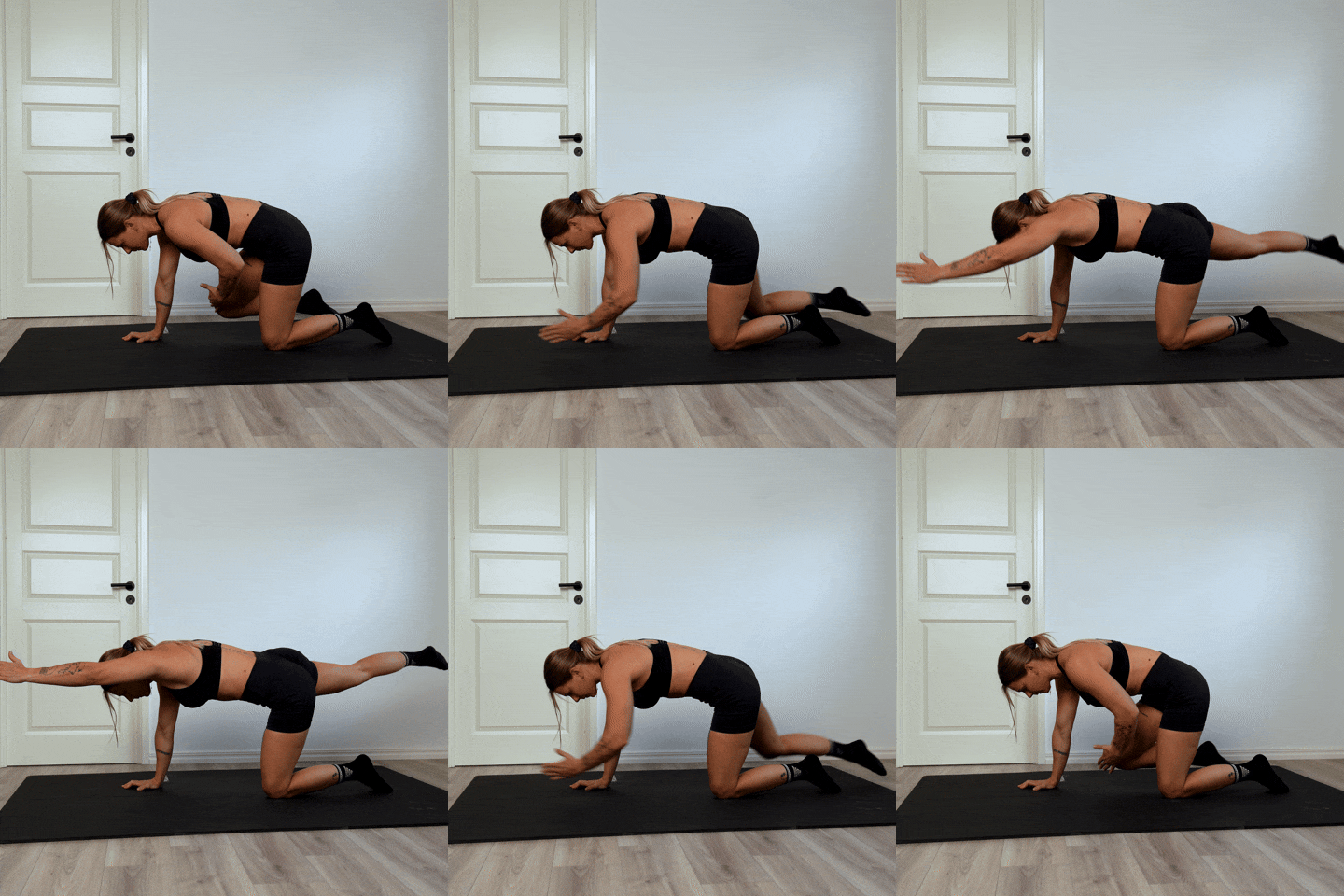
How to Do Bird Dog
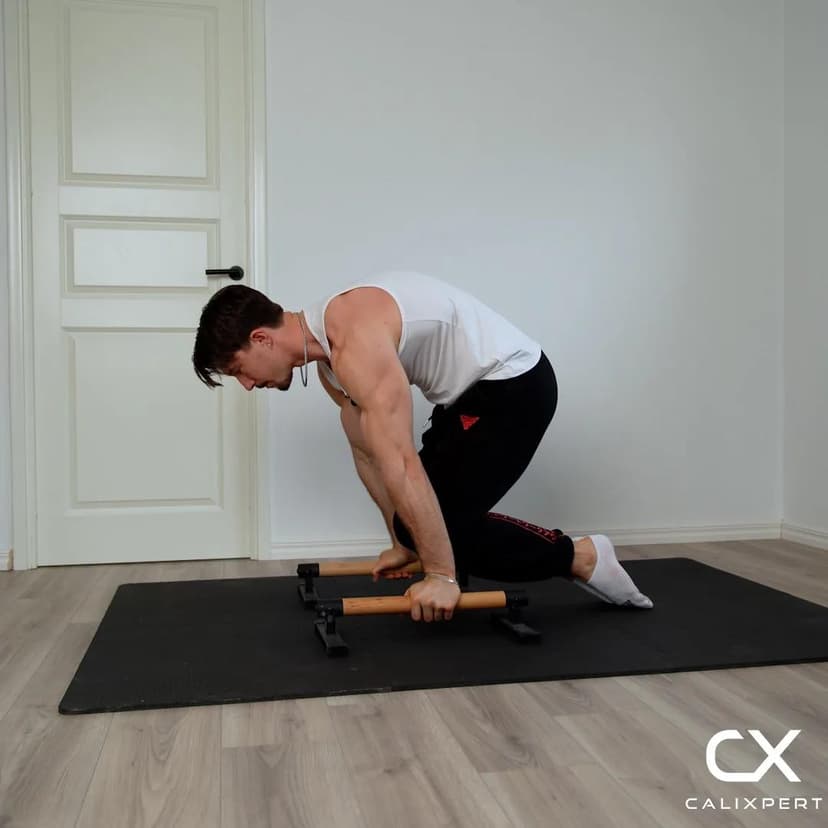
1. Set Up on All Fours
Place your hands directly under your shoulders and your knees directly under your hips. Spread your fingers wide and press evenly through the entire palm to create a stable base. Keep your head in line with your spine and your eyes looking straight down at the floor.
Hands under shoulders, knees under hips
2. Brace the Core Into Hollow
Before moving any limb, compress your core by drawing your ribs down toward your pelvis and creating a slight hollow body position. This brace locks the spine into a neutral position and prevents the lower back from sagging under load. Maintain this core tension throughout every rep without holding your breath.
Compress the ribs down, brace tight
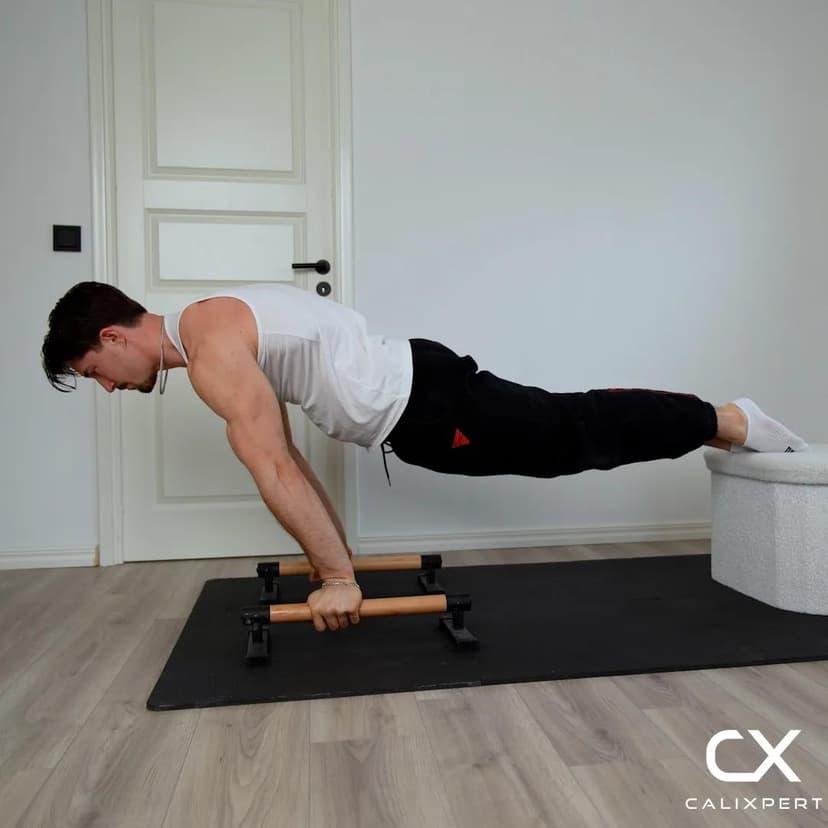
3. Extend Opposite Arm and Leg
Slowly lift your right arm straight forward and your left leg straight back at the same time. Reach the arm to full extension in line with your ear while driving the leg back and slightly up until it is parallel with your torso. Keep both limbs straight and avoid rotating your hips or shoulders during the extension.
Reach long, leg back and up
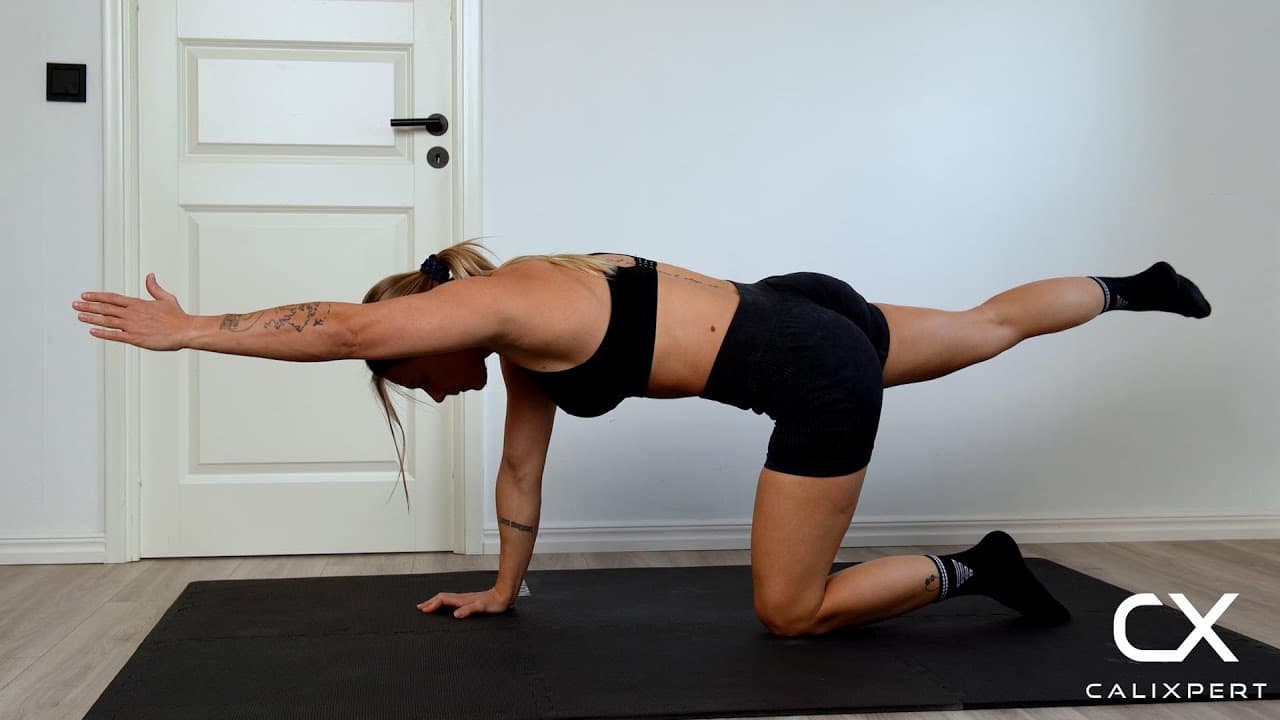
4. Pause and Hold the Position
Hold the top position for a brief pause with your arm, spine, and leg forming one straight line. Focus on keeping your hips square to the floor and your core braced against the rotational pull. Breathe steadily and resist any urge to shift your weight to one side.
Hips square, hold the line
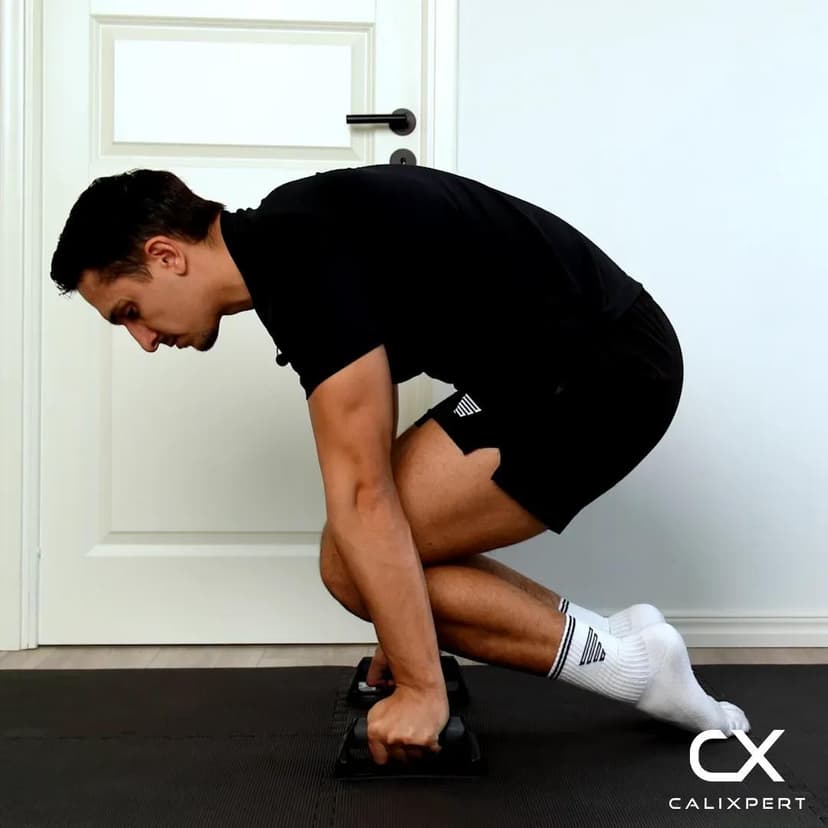
5. Touch Knee to Elbow Underneath
Lower your arm and leg simultaneously and draw your elbow and knee together underneath your body. Make light contact between your hand and knee before extending back out to the full position. This return phase increases core engagement and reinforces the coordination between opposite-side limbs.
Knee meets elbow, then extend again
6. Complete Reps Then Switch Sides
Finish all prescribed reps on the same side before switching to the opposite arm and leg. Completing a full set on one side before switching forces the core to stabilize under sustained asymmetric load. Reset your all-fours position and re-brace the core before beginning the second side.
Finish one side fully, then switch
Most people treat the bird dog as a warm-up they can rush through, and they get almost nothing out of it. The exercise only works when you brace the core hard enough that your torso does not move at all while your limbs extend. Think about keeping your hips completely still and reaching as far as you can in both directions, and you will feel the core light up in a way that no crunch or sit-up can match.
Muscles Worked During Bird Dog
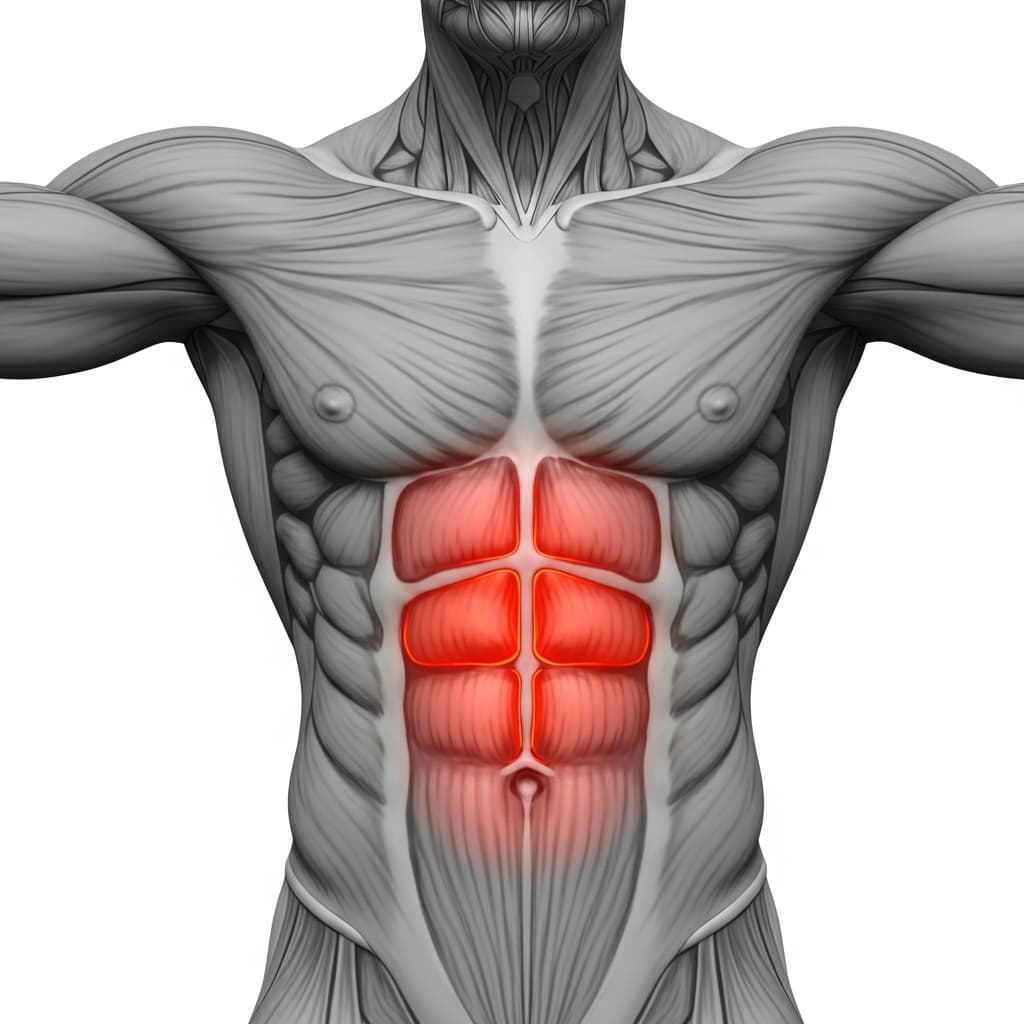
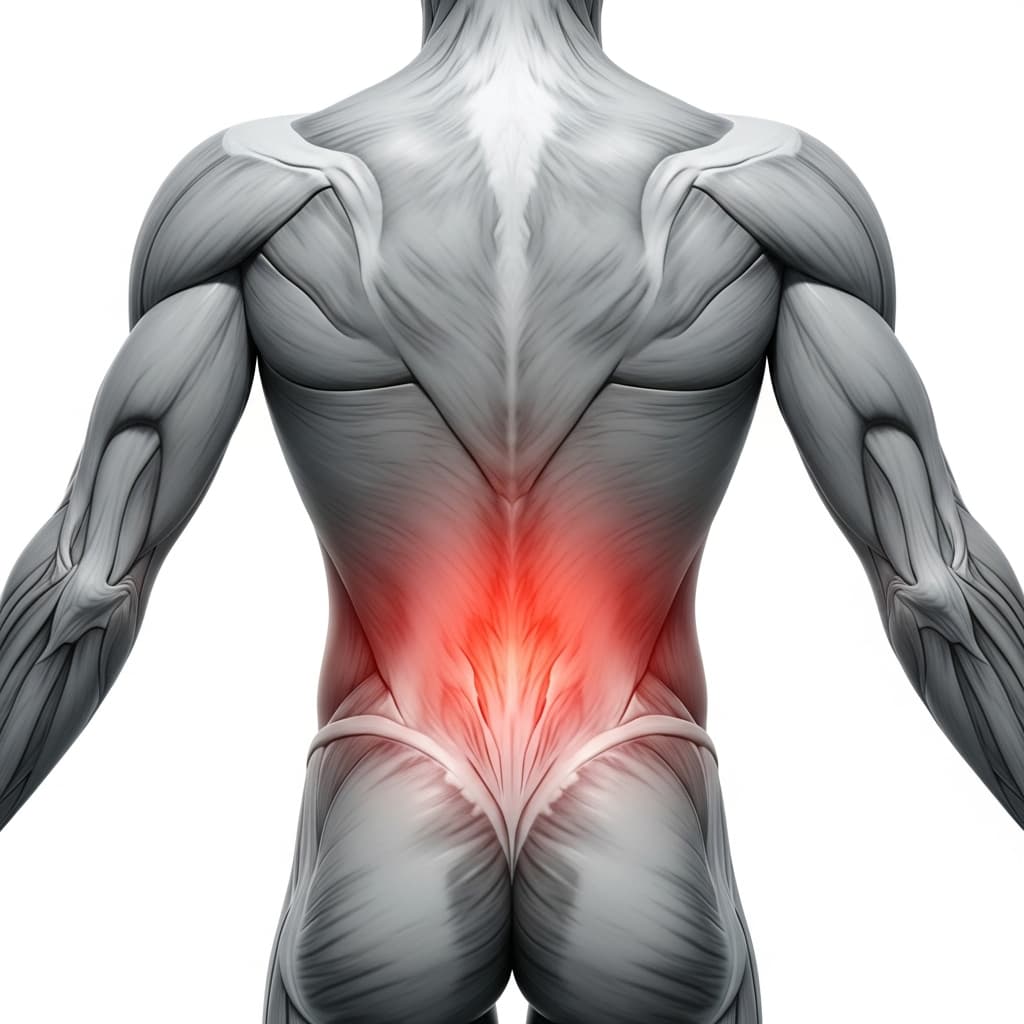
Primary Muscles:
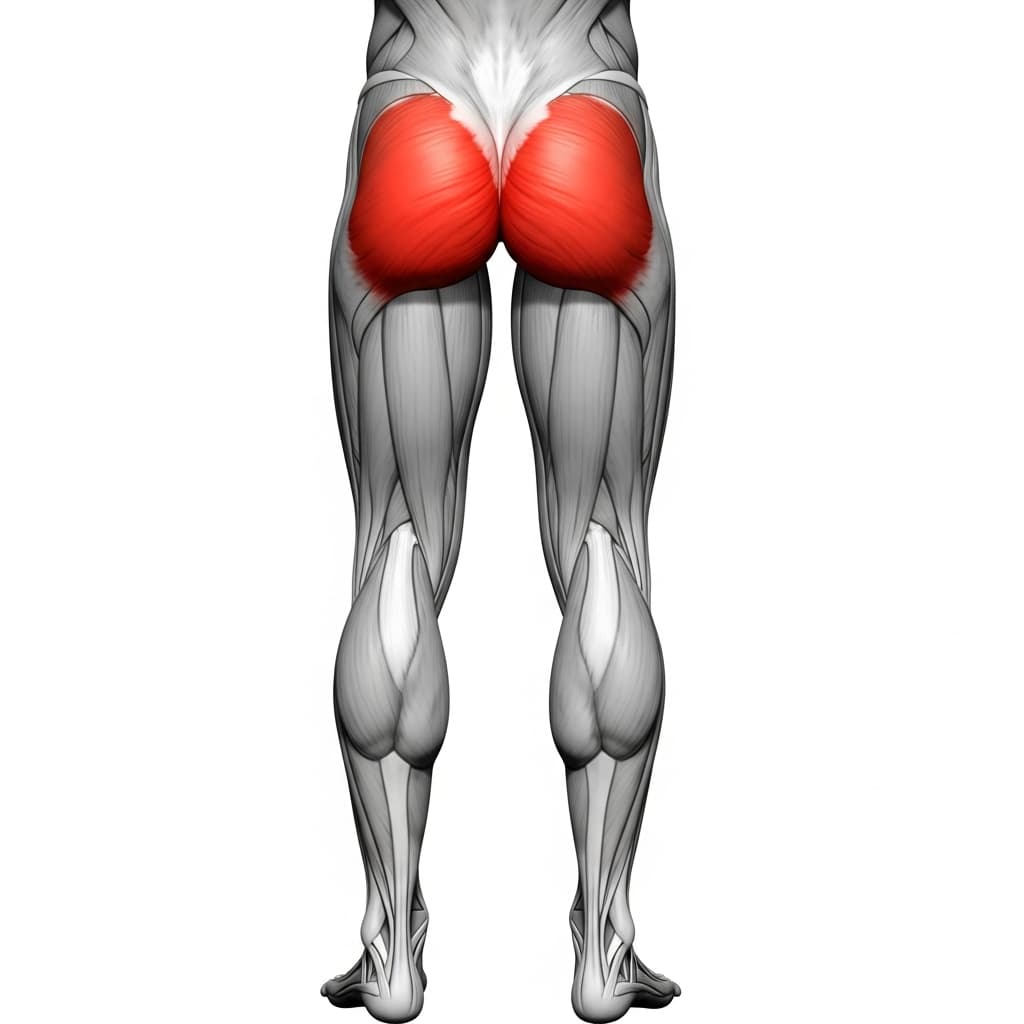
Secondary Muscles:
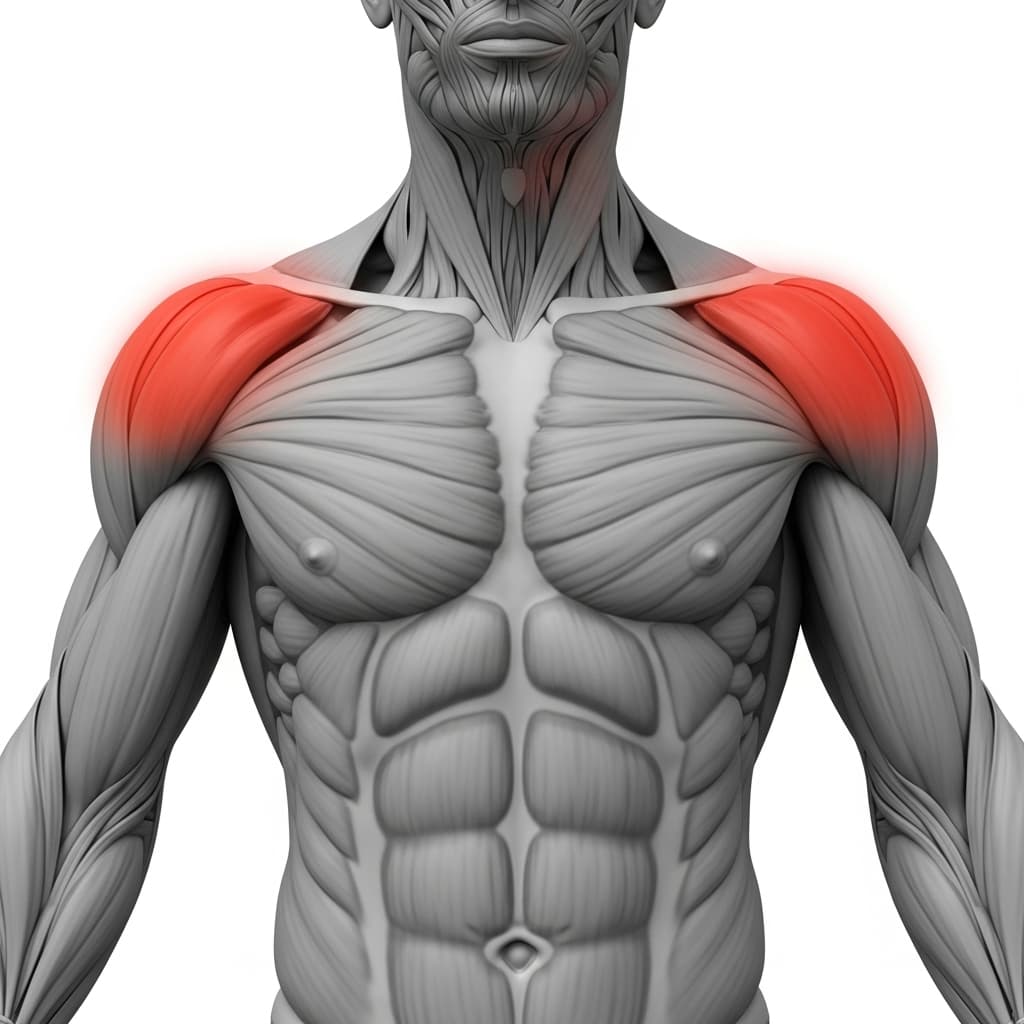
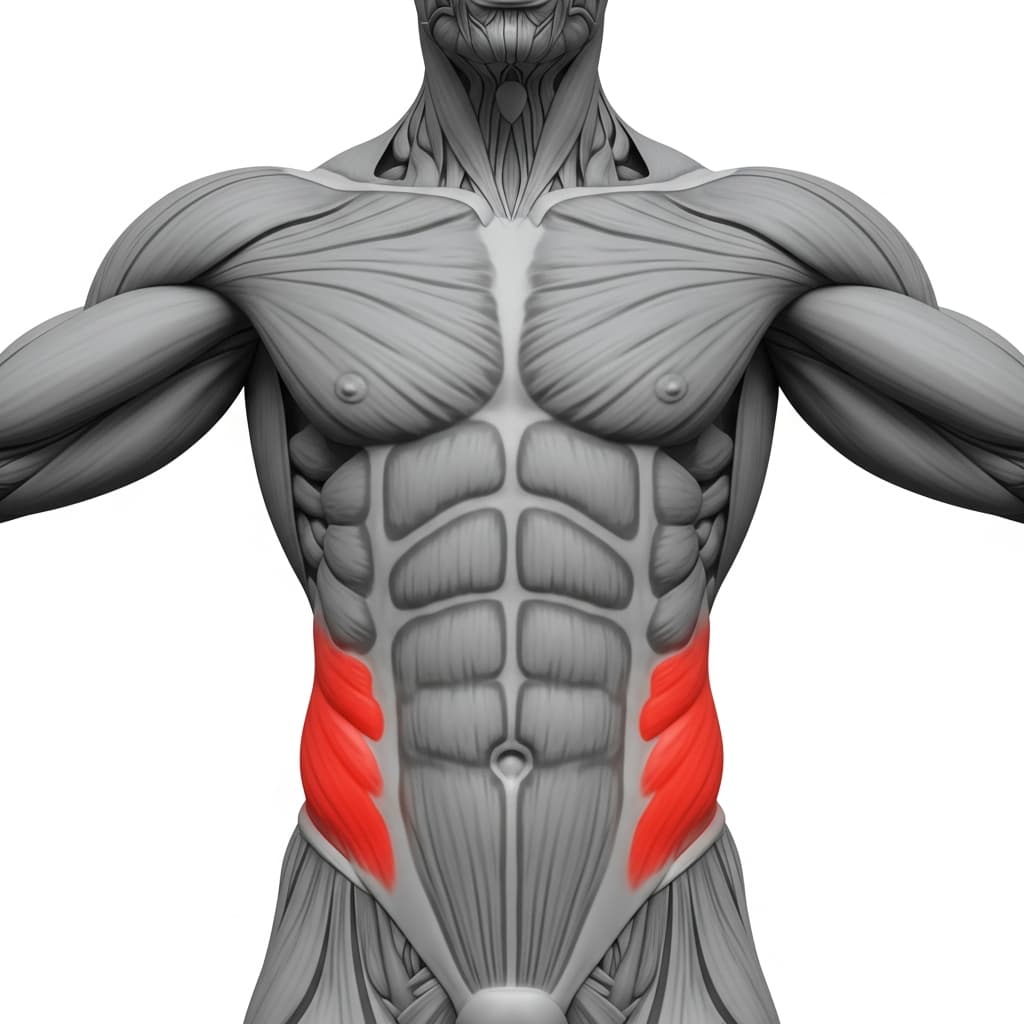
Primary Muscles
Rectus Abdominis (Abs) - Maintains spinal neutrality by resisting extension forces as the opposite arm and leg extend away from the body.
Erector Spinae (Lower Back) - Works isometrically to stabilize the lumbar spine and prevent excessive arching during each limb extension.
Secondary Muscles
Gluteus Maximus (Glutes) - Extends the hip to drive the leg straight back and upward while keeping the pelvis level and square to the floor.
Anterior Deltoid (Front Deltoid) - Raises and stabilizes the arm in the forward overhead position during the reaching phase of the movement.
Obliques (Obliques) - Resist the rotational forces created by the asymmetric loading of extending opposite-side limbs simultaneously.
Benefits of Bird Dog
- Builds anti-rotation and anti-extension core strength, the two stability patterns most critical for protecting the spine during loaded calisthenics movements
- Strengthens the lower back muscles isometrically, which directly reduces the risk of lumbar injuries during heavy pulling and pressing exercises
- Develops coordination between opposite-side limbs, improving overall motor control and body awareness for complex calisthenics skills
- Activates the glutes in a hip extension pattern that reinforces proper posterior chain engagement for movements like squats and handstands
Who Is This Exercise For?
You should be able to hold a stable all-fours position with a neutral spine for at least 30 seconds without your lower back sagging or rounding. If maintaining a solid tabletop position is a challenge, practice front planks and dead bugs first to build baseline core control and body awareness.
Common Mistakes to Avoid
Letting the lower back sag or arch: Brace your core into a slight hollow body position before extending any limb and maintain that tension throughout the entire set. If your lower back drops toward the floor, reduce your range of motion until your core can hold the neutral position.
Rotating the hips during leg extension: Keep both hip bones pointing straight down at the floor throughout every rep. Placing a water bottle on your lower back is an effective self-check, as it will fall off immediately if you rotate.
Rushing through the movement: Slow each rep down to a 2-second extension and 2-second return. The bird dog builds stability through controlled time under tension, not speed, and rushing removes the core demand entirely.
Lifting the leg too high above the torso: Extend the leg only until it reaches the level of your spine, not higher. Kicking the leg above hip height forces the lower back into hyperextension and shifts load away from the core.
Variations & Progressions
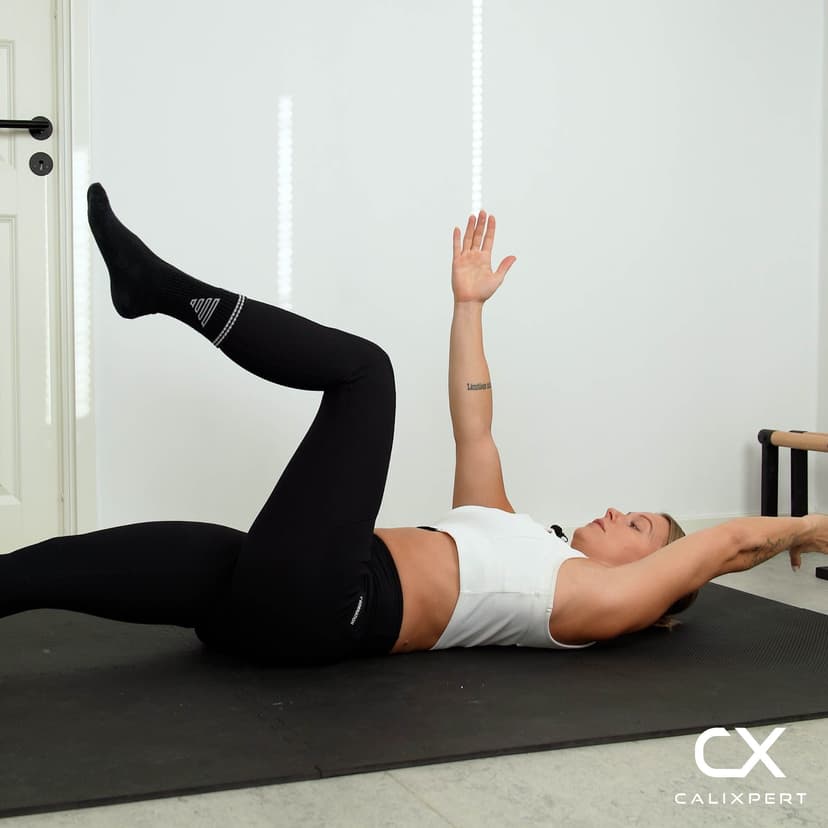
Bird Dog With Pause Hold
Hold the extended position for 5 to 10 seconds on each rep instead of a brief pause. The longer hold significantly increases the anti-rotation and anti-extension demand on the core.
Bird Dog With Resistance Band
Loop a light resistance band around the extending foot and the opposite hand, adding external load to both the reaching and stabilizing phases. This variation forces the core to work harder to maintain a neutral spine against the band's pull.