Superman Diagonals
Superman Diagonals are an anti-rotation core exercise performed from a high plank position, where you lift the opposite arm and leg while maintaining a rigid torso. The movement targets the abs, glutes, obliques, and spinal erectors through sustained isometric bracing combined with contralateral limb extension. Because the reduced base of support forces the core to resist both rotation and extension simultaneously, Superman Diagonals develop the kind of functional midline stability that transfers directly to handstands, levers, and every other skill in calisthenics.
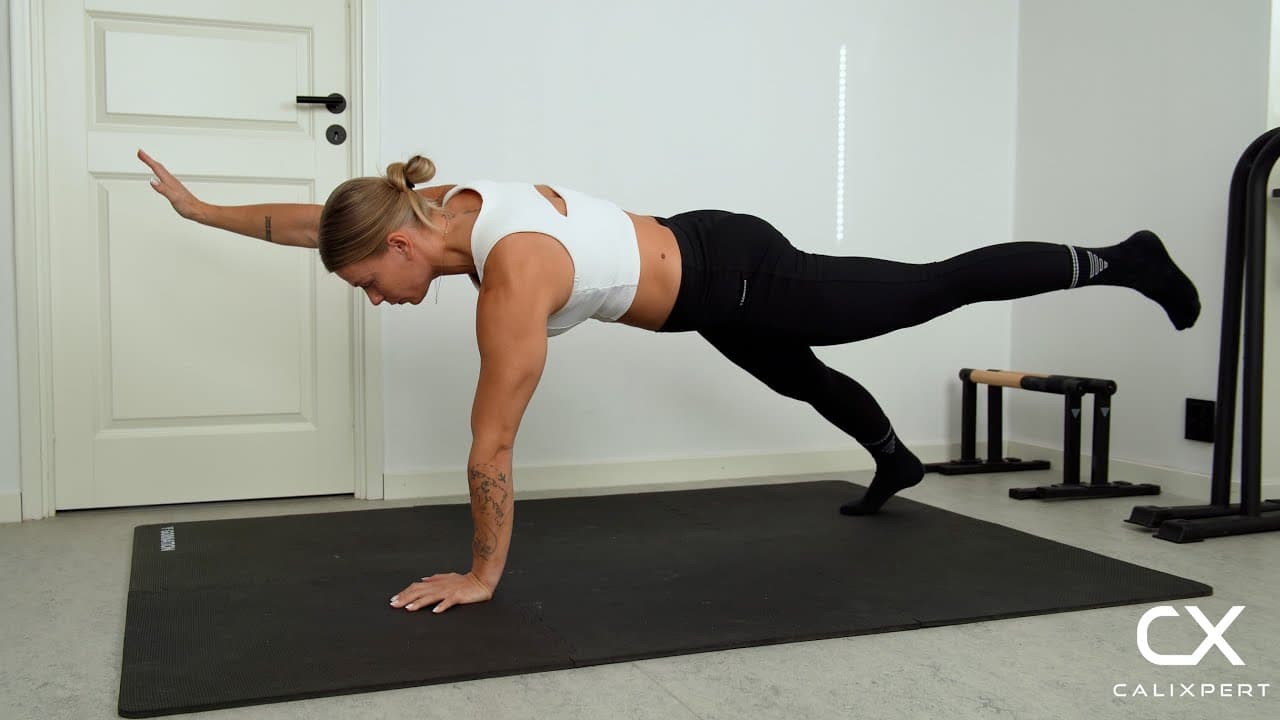
Superman Diagonals are an anti-rotation core exercise performed from a high plank position, where you lift the opposite arm and leg while maintaining a rigid torso. The movement targets the abs, glutes, obliques, and spinal erectors through sustained isometric bracing combined with contralateral limb extension. Because the reduced base of support forces the core to resist both rotation and extension simultaneously, Superman Diagonals develop the kind of functional midline stability that transfers directly to handstands, levers, and every other skill in calisthenics.
How to Do Superman Diagonals
1. Set Up in High Plank
Start in a push-up position with your hands directly under your shoulders and your feet separated to roughly hip width apart. Lock your elbows and set your spine in a neutral line from head to heels. Brace your core as if someone were about to push you sideways.
Flat back, ribs pulled in
2. Shift Weight to the Support Diagonal
Before lifting, subtly shift your weight into the hand and foot that will stay on the ground. For example, if you are lifting your right arm and left leg, press firmly through your left hand and right foot. This diagonal loading pattern creates the stable base you need to lift without collapsing.
Load the support hand and opposite foot
3. Lift the Opposite Arm and Leg
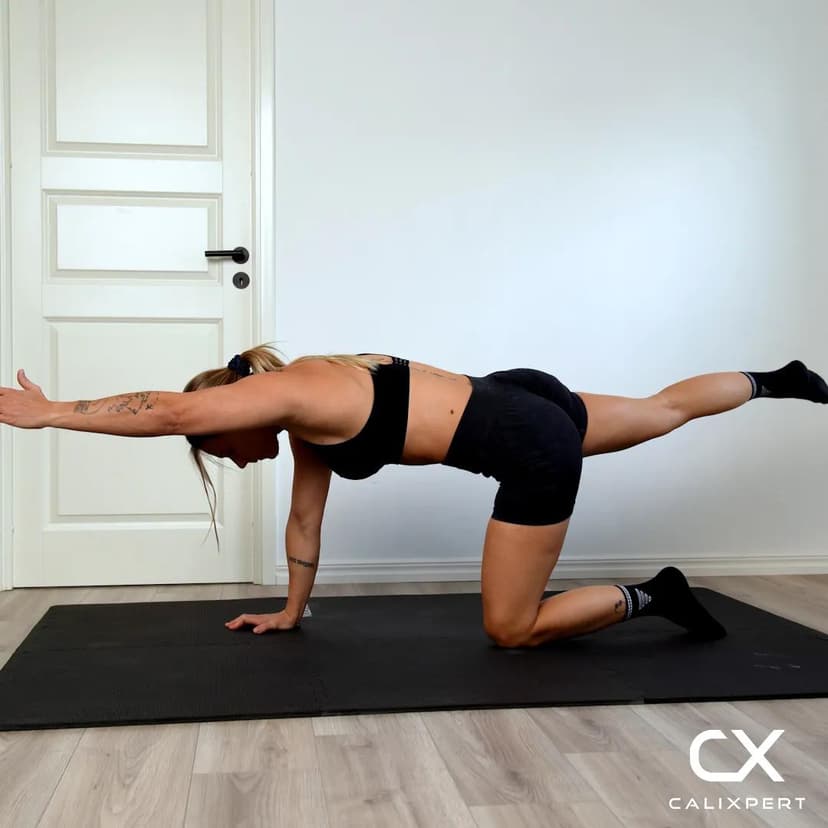
Raise your right arm forward and your left leg backward at the same time, keeping both limbs straight. Lift only until your arm and leg are in line with your torso. Do not reach higher than your back, because overextending will pull you into a lumbar arch and defeat the purpose of the exercise.
Straight line from fingertips to toes
4. Hold and Resist Rotation
Pause at the top for one to two seconds with your hips and shoulders square to the ground. Your hips should not twist, drop, or hike to one side. If you feel your torso rotating, reduce the range of motion until you can hold a clean position.
Hips level, no twisting
5. Lower With Control and Switch Sides
Slowly return your hand and foot to the floor, re-establish a solid high plank, and repeat on the opposite diagonal. Each rep should take roughly three seconds up and three seconds down. Rushing the descent removes the anti-rotation demand that makes this exercise effective.
Controlled down, reset, then switch
Most people treat Superman Diagonals like a speed drill and wonder why they never feel their core working. The real training effect comes from the pause at the top, not the lift itself. Slow the movement down, hold each rep for two full seconds with your hips perfectly level, and you will feel your entire midsection light up in a way that crunches never deliver.
Muscles Worked During Superman Diagonals
Secondary Muscles:
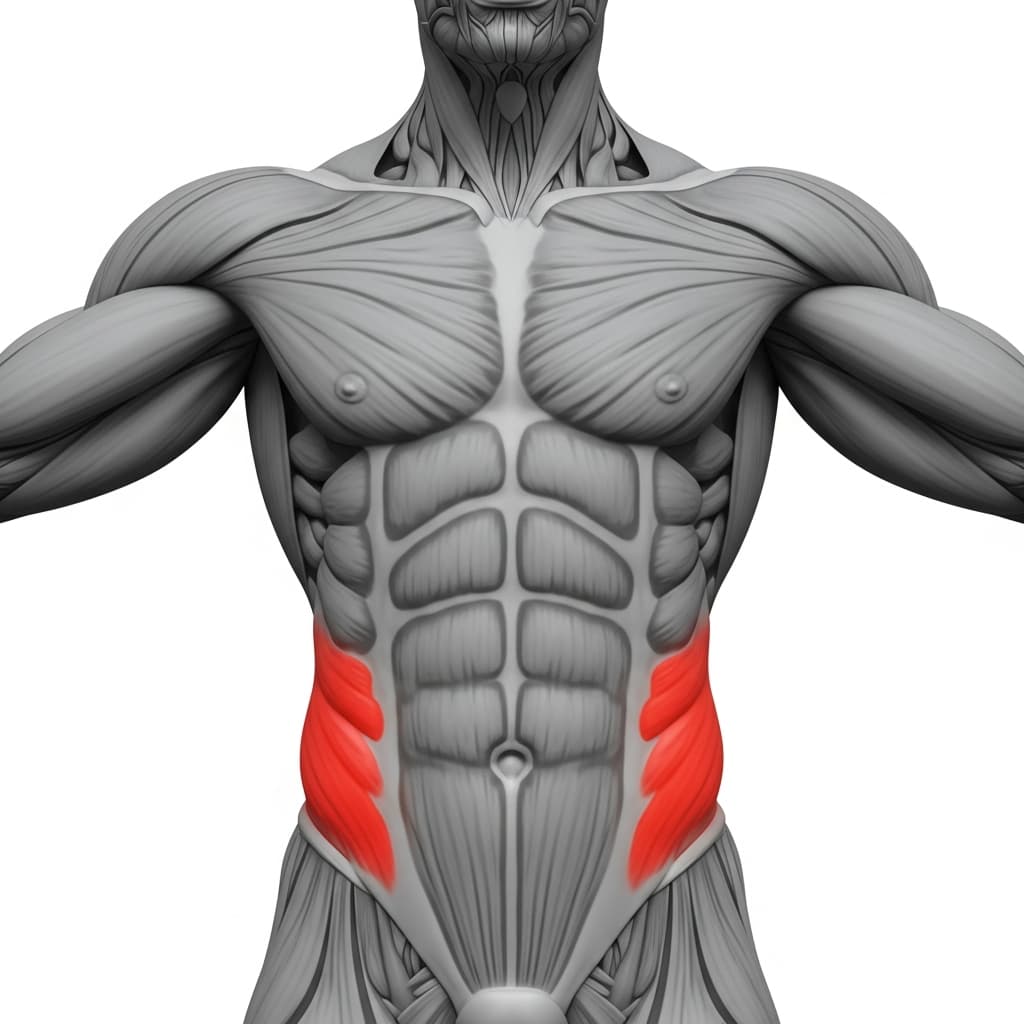
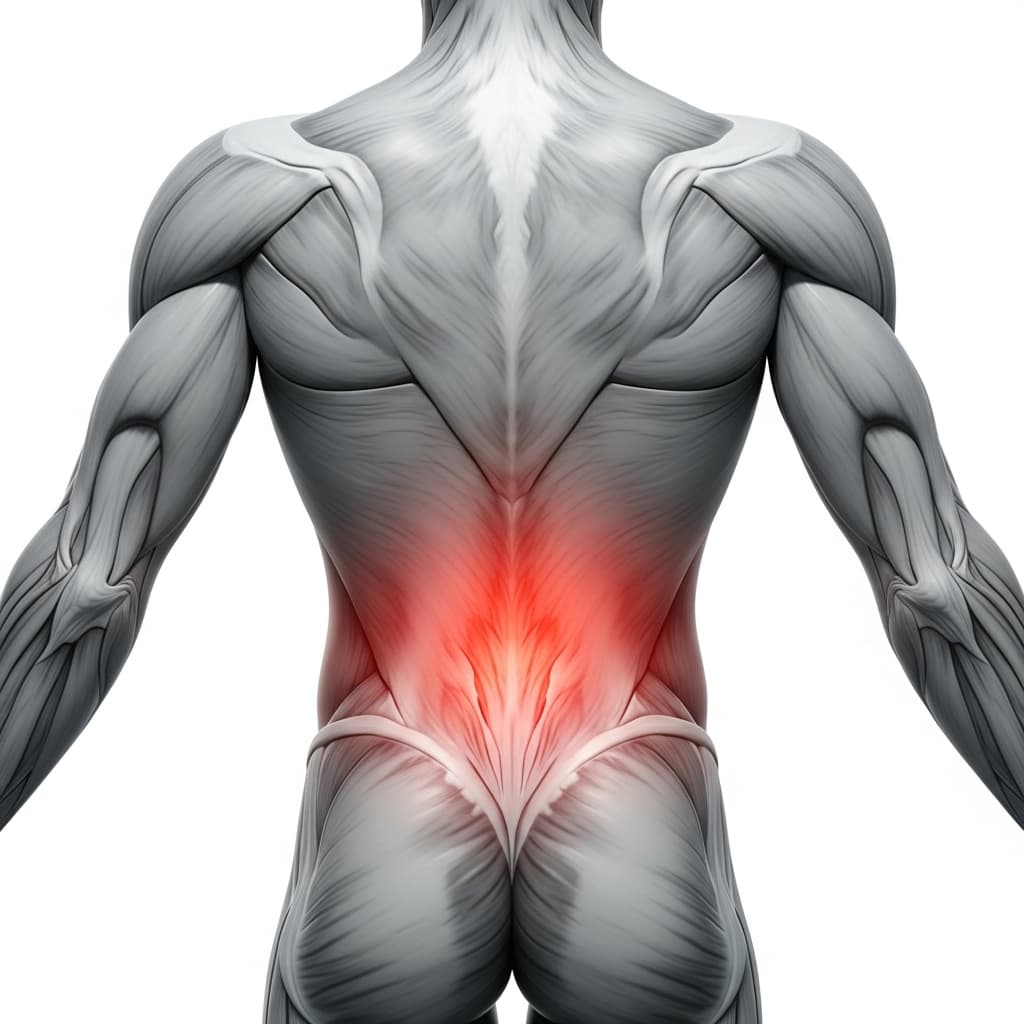
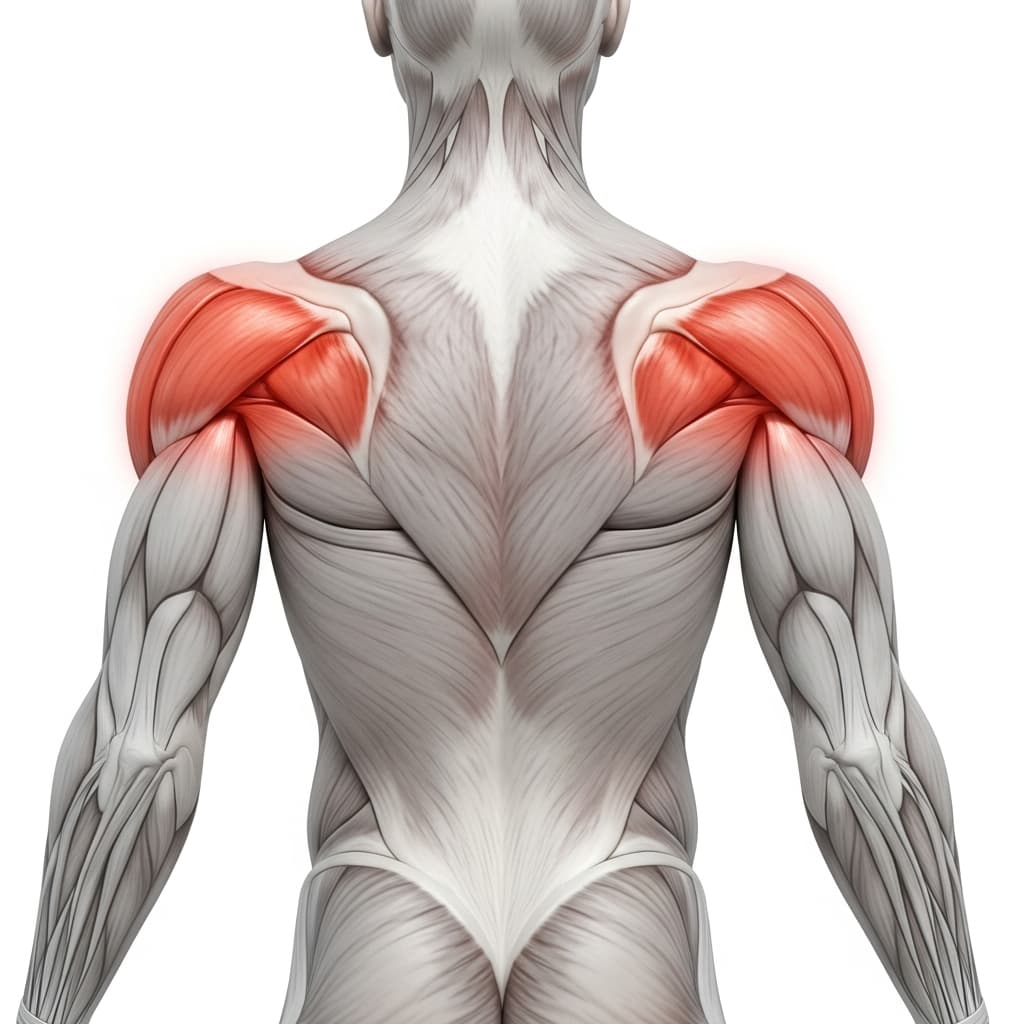
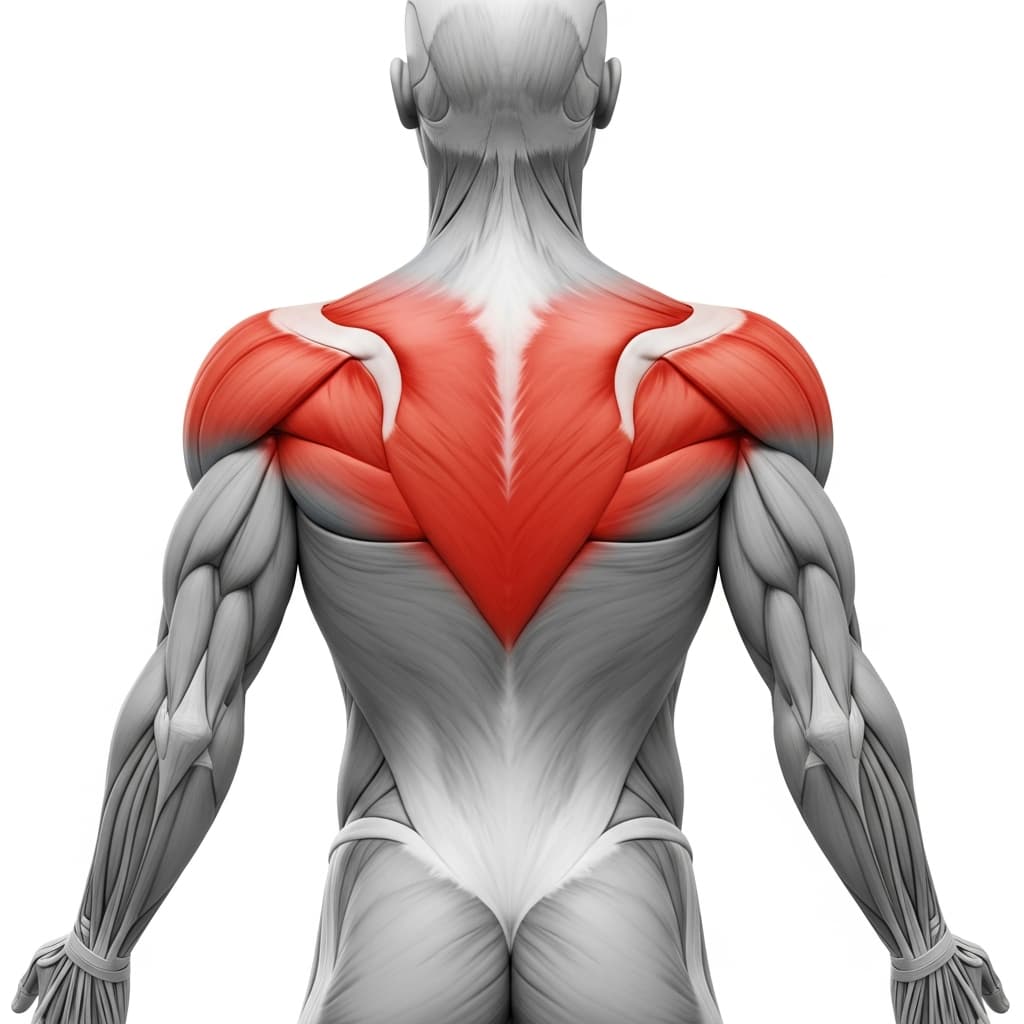
Primary Muscles
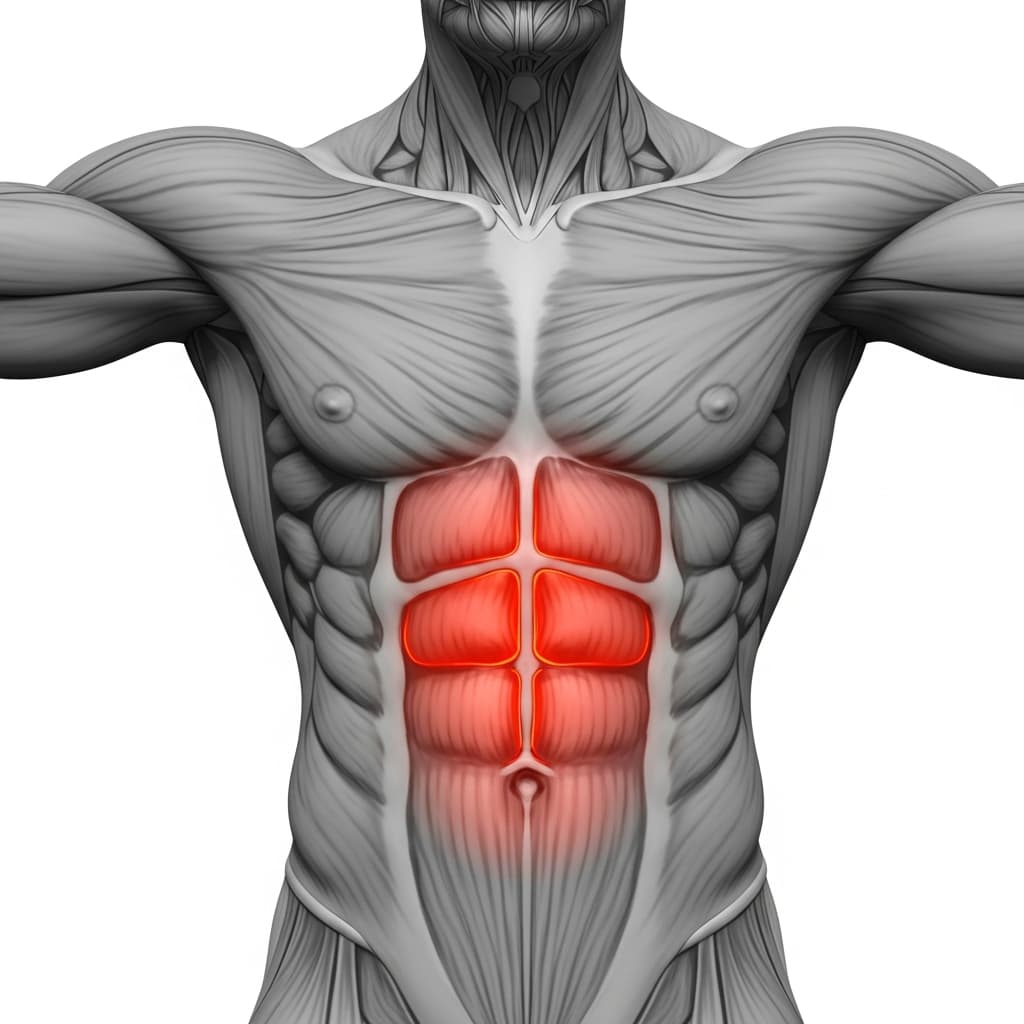
Rectus Abdominis (Abs) - The rectus abdominis and deep core muscles work isometrically to resist spinal extension and maintain a flat back position while the opposite arm and leg create a rotational pull on the torso.
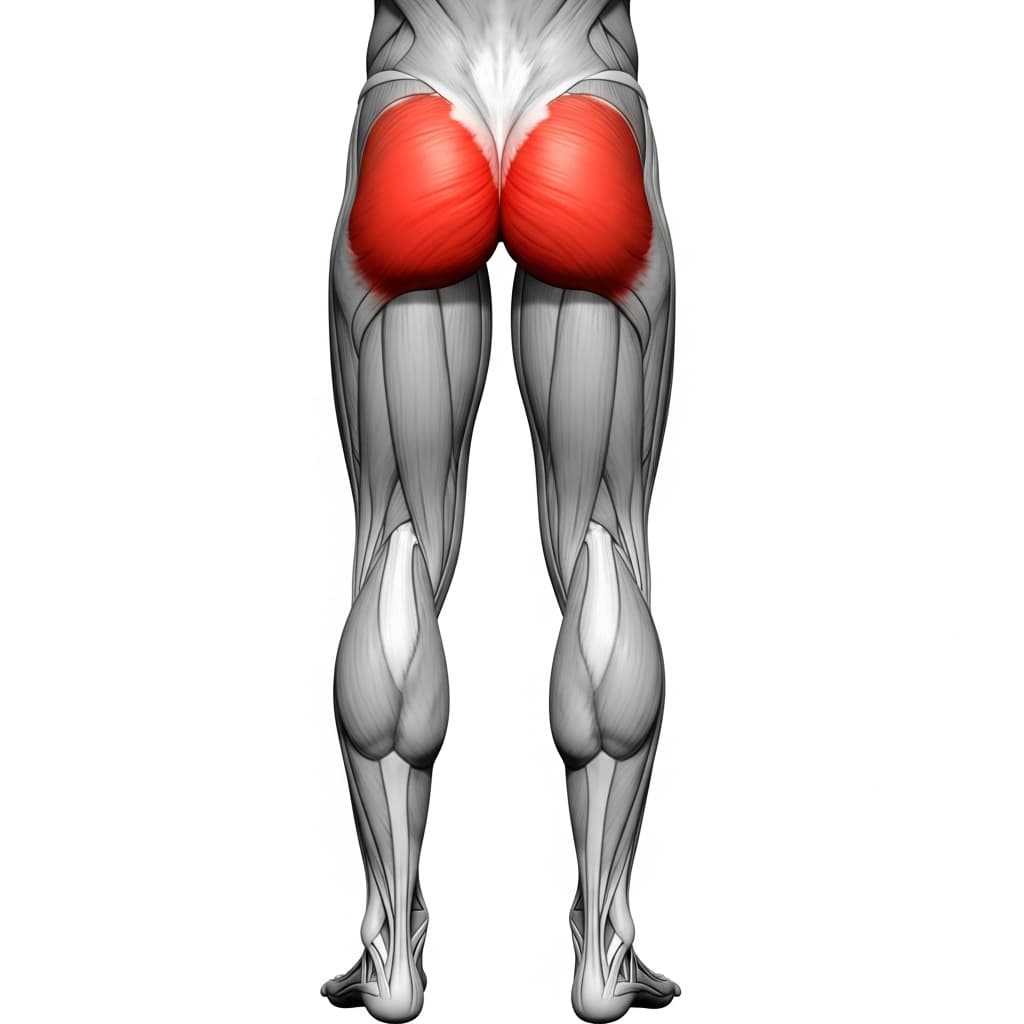
Gluteus Maximus (Glutes) - The gluteus maximus on the lifting side contracts to extend the hip and raise the leg in line with the torso, driving the posterior half of the diagonal pattern.
Secondary Muscles
Obliques (Obliques) - The internal and external obliques fire hard to prevent the torso from rotating toward the unsupported side, providing the anti-rotation stability that defines this exercise.
Erector Spinae (Lower Back) - The erector spinae muscles co-contract with the abs to stabilize the lumbar spine and maintain a neutral pelvic position throughout each rep.
Posterior Deltoid (Rear Deltoid) - The posterior deltoid on the lifting side contracts to raise the arm forward and hold it in line with the torso during the top position.
Rhomboids & Upper Trapezius (Upper Back) - The rhomboids and mid-traps stabilize the scapula of the support arm under full bodyweight load while the opposite arm lifts away from the ground.
Benefits of Superman Diagonals
- Develops anti-rotation core strength by forcing the abs and obliques to resist twisting under an asymmetric load, which directly transfers to L-sits, levers, and handstand balance
- Strengthens the glutes and posterior chain in a hip extension pattern that reinforces the straight body position needed for planche and front lever progressions
- Builds shoulder stability in the support arm under full bodyweight, training the same overhead and pressing stabilizers used in handstands and planche holds
- Improves contralateral coordination between opposite-side limbs, a motor pattern that carries over to locomotion, climbing, and dynamic calisthenics movements
Who Is This Exercise For?
You should be able to hold a high plank for at least 30 seconds with a flat back and no hip sag before attempting Superman Diagonals. If maintaining a solid plank is still a challenge, focus on building that baseline stability first, because the reduced base of support in this exercise makes every form breakdown worse.
Common Mistakes to Avoid
Arching the lower back on the lift: Keep your ribs pulled in and your pelvis slightly tucked throughout the movement. If your lower back arches when you lift, you are reaching too high. Reduce the range of motion and focus on maintaining a flat spine.
Letting the hips rotate or drop: The hips should stay perfectly square to the floor the entire time. If one hip drops or twists toward the lifting side, widen your base foot slightly and reduce the lift height until you build enough oblique strength to stay level.
Rushing through reps: Speed eliminates the stability demand that makes this exercise valuable. Use a deliberate three-second lift and three-second lower on every rep. If you cannot control the tempo, reduce the total rep count rather than speeding up.
Holding breath during the hold: Breathe steadily throughout the movement. Exhale as you lift the arm and leg, and continue breathing normally during the hold. Holding your breath causes your torso to shift and makes balance harder to maintain.