

Lower Back Exercises
Erector Spinae (Lower)
All Lower Back Exercises (20)
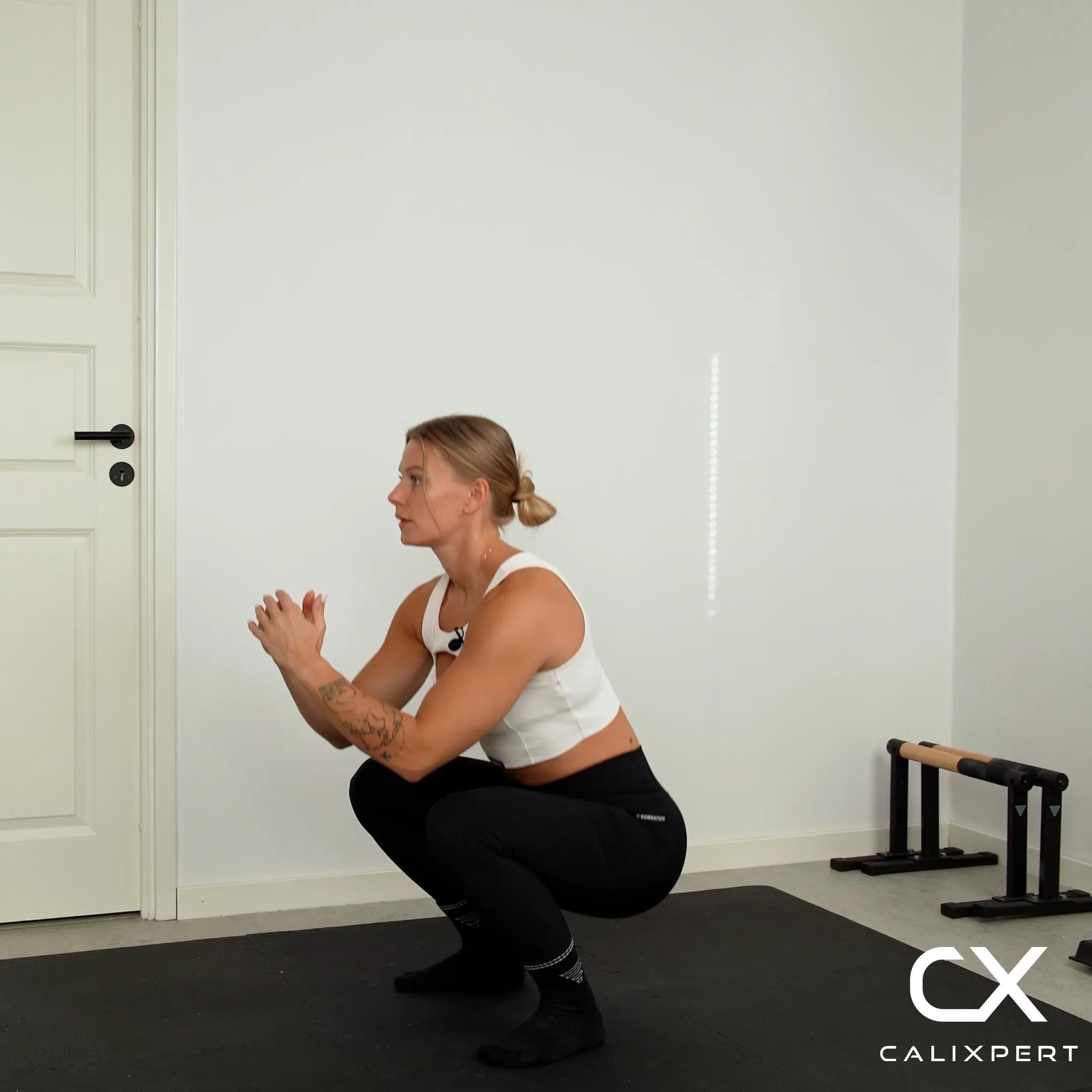
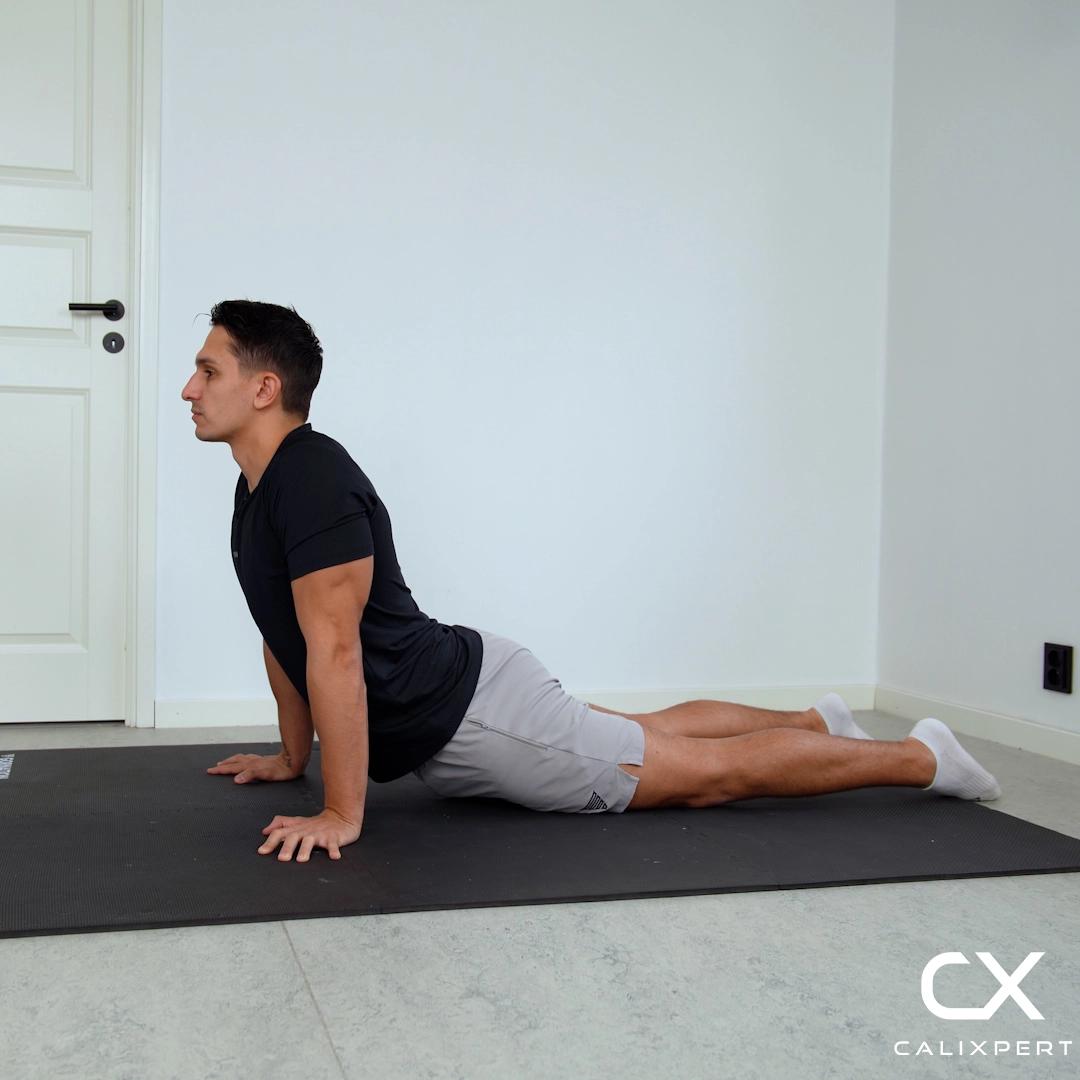
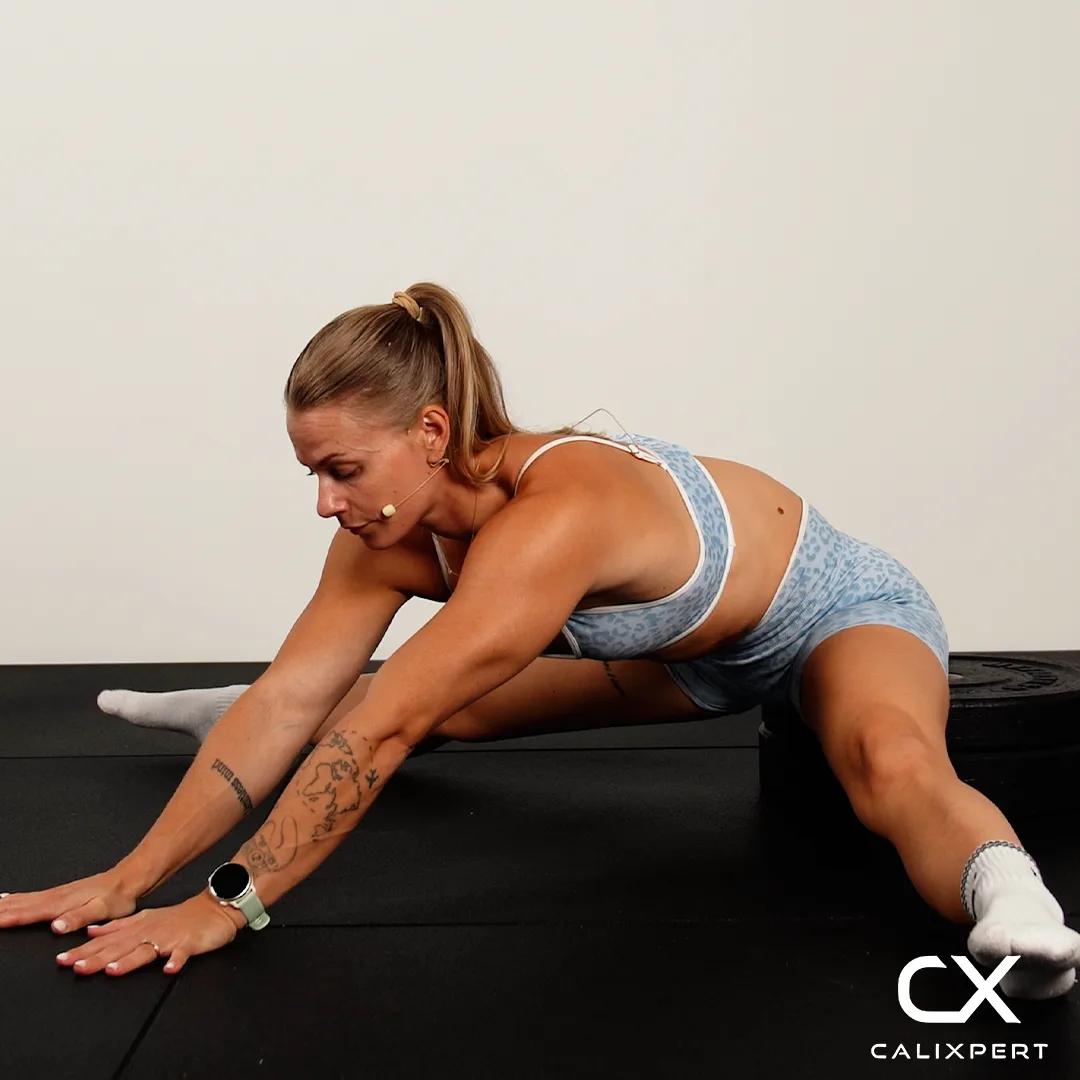
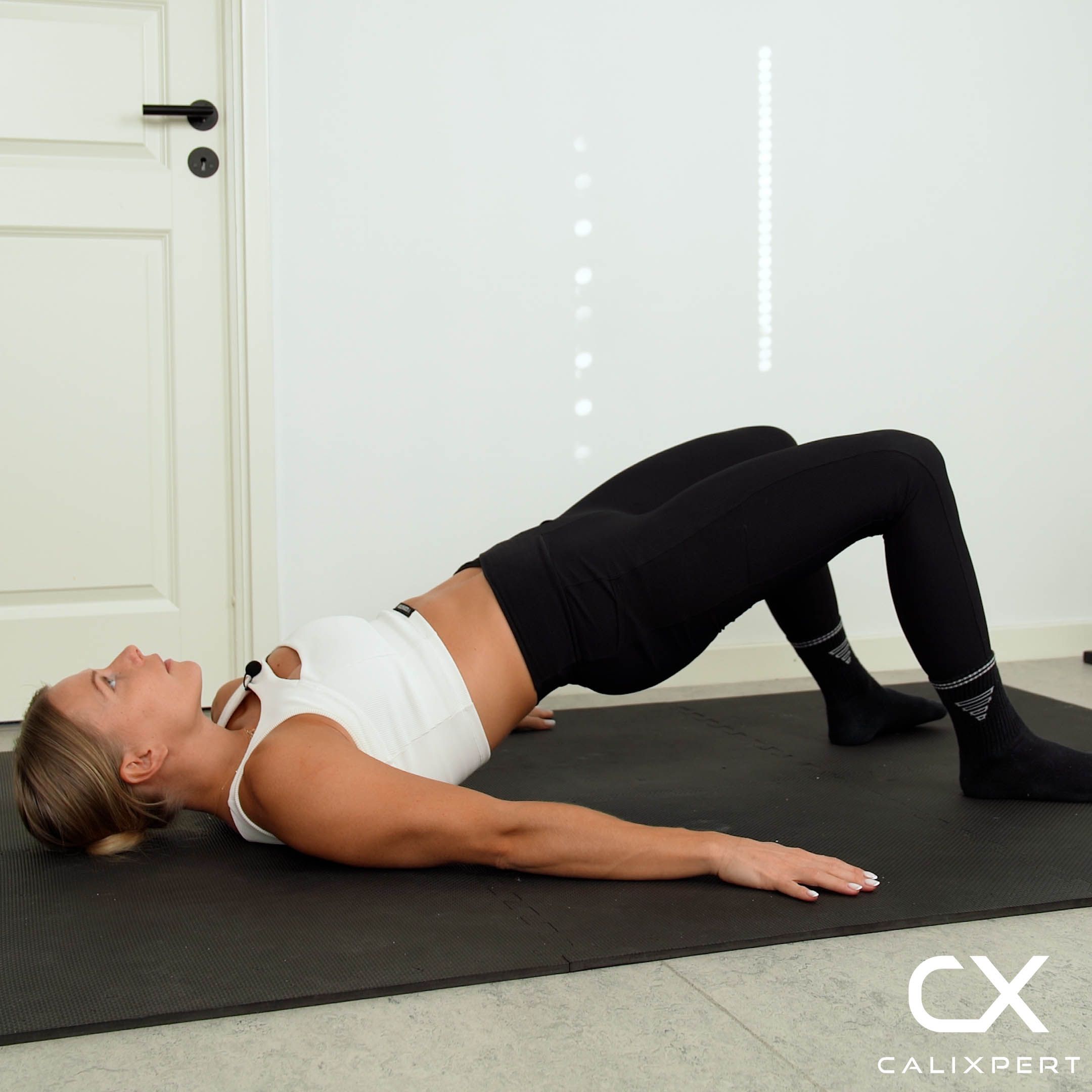
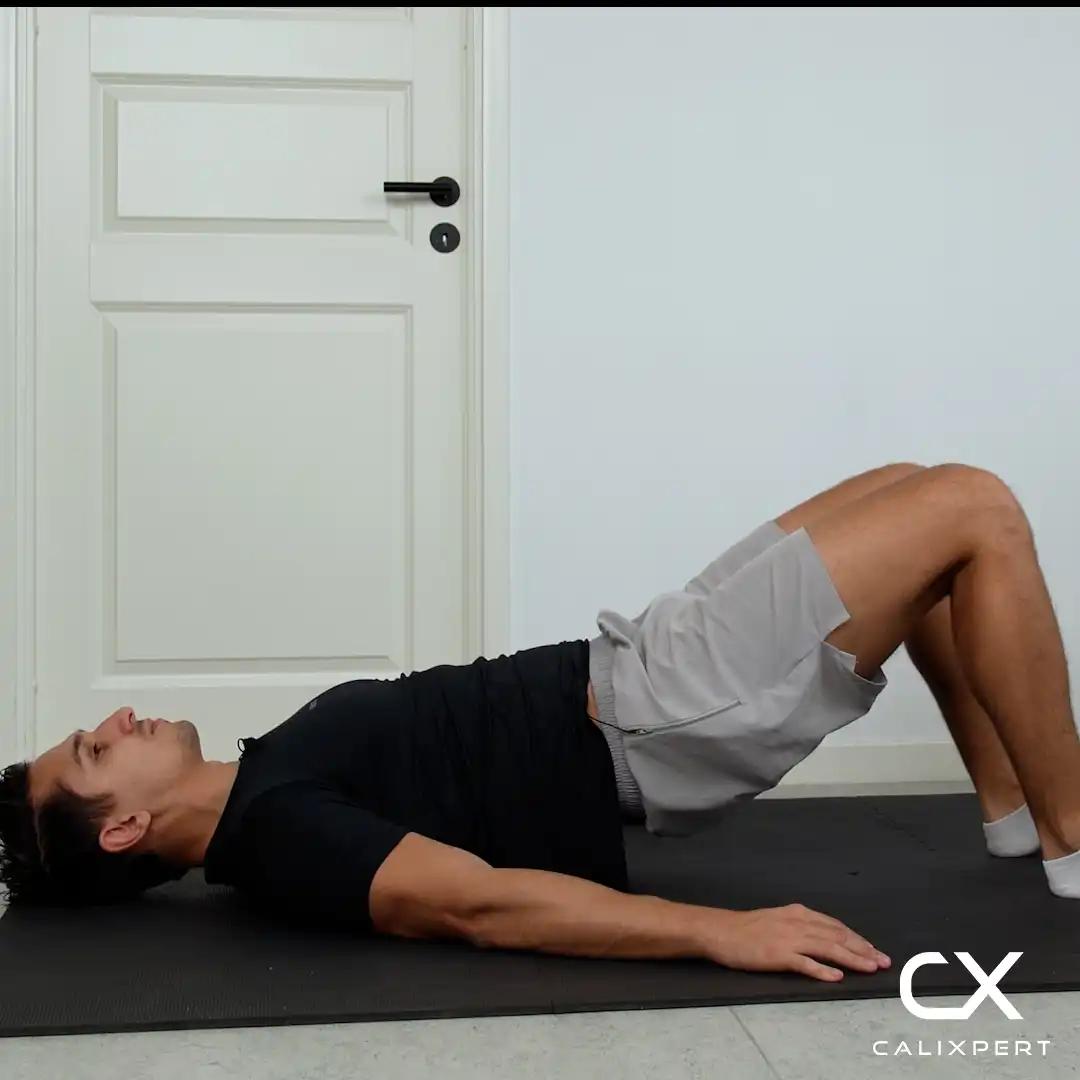
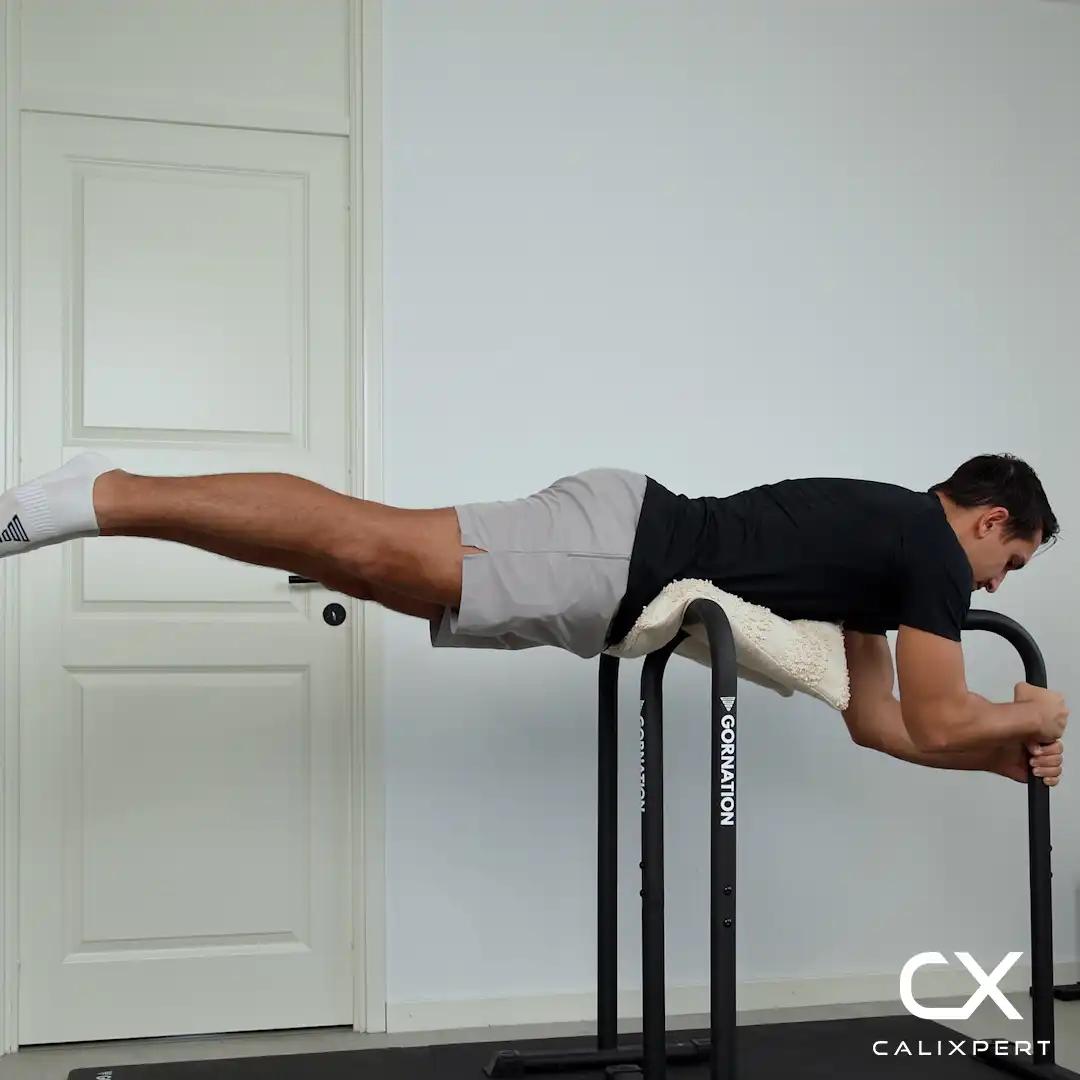
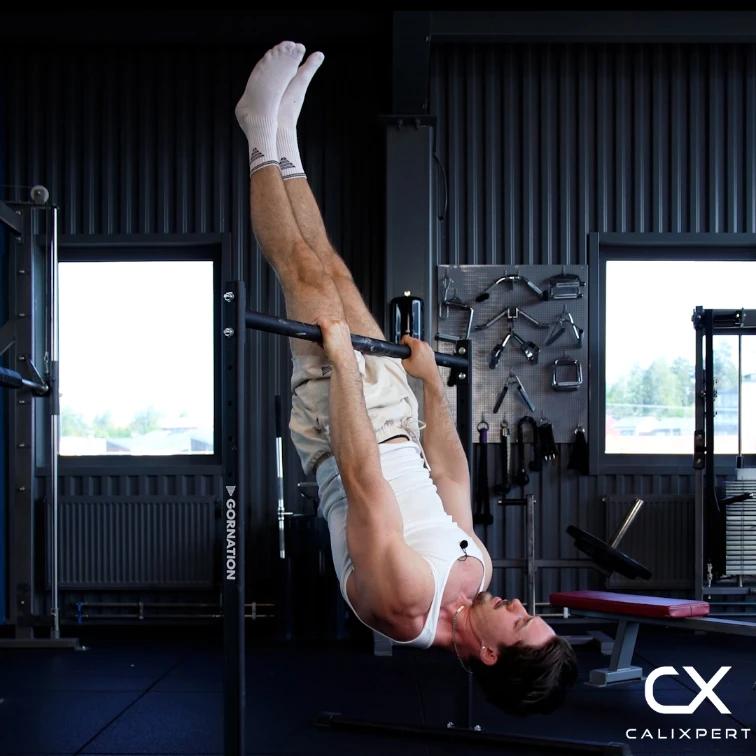
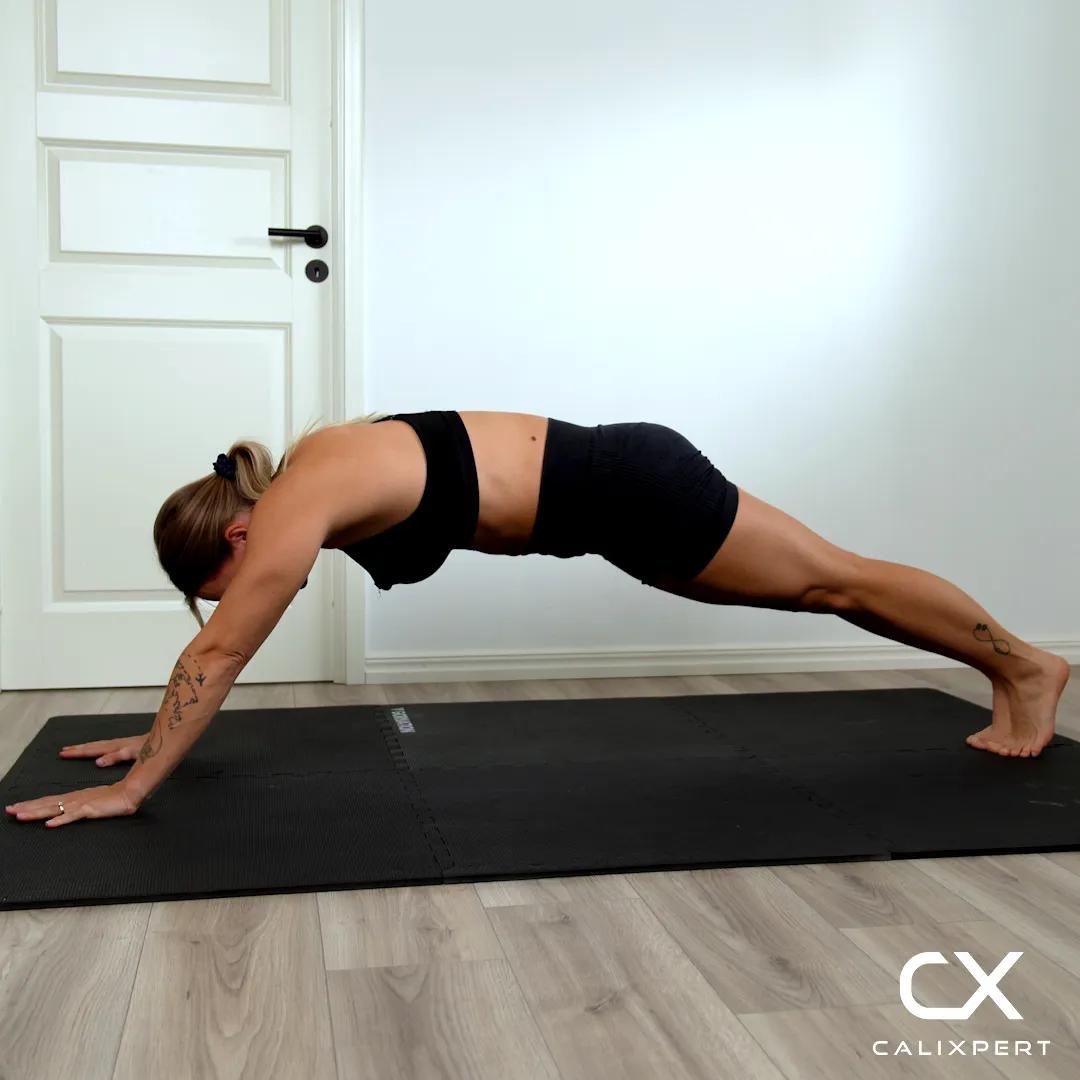
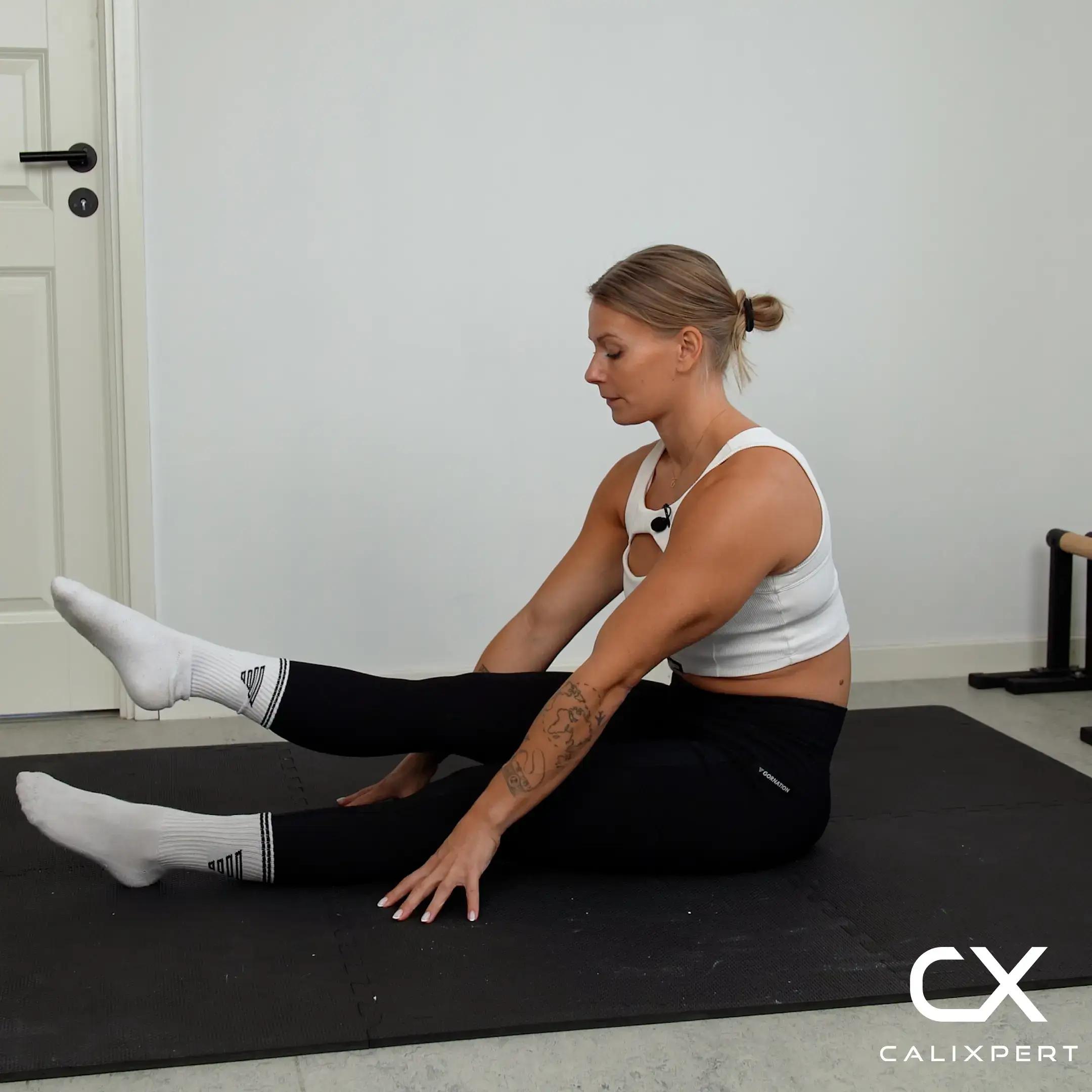
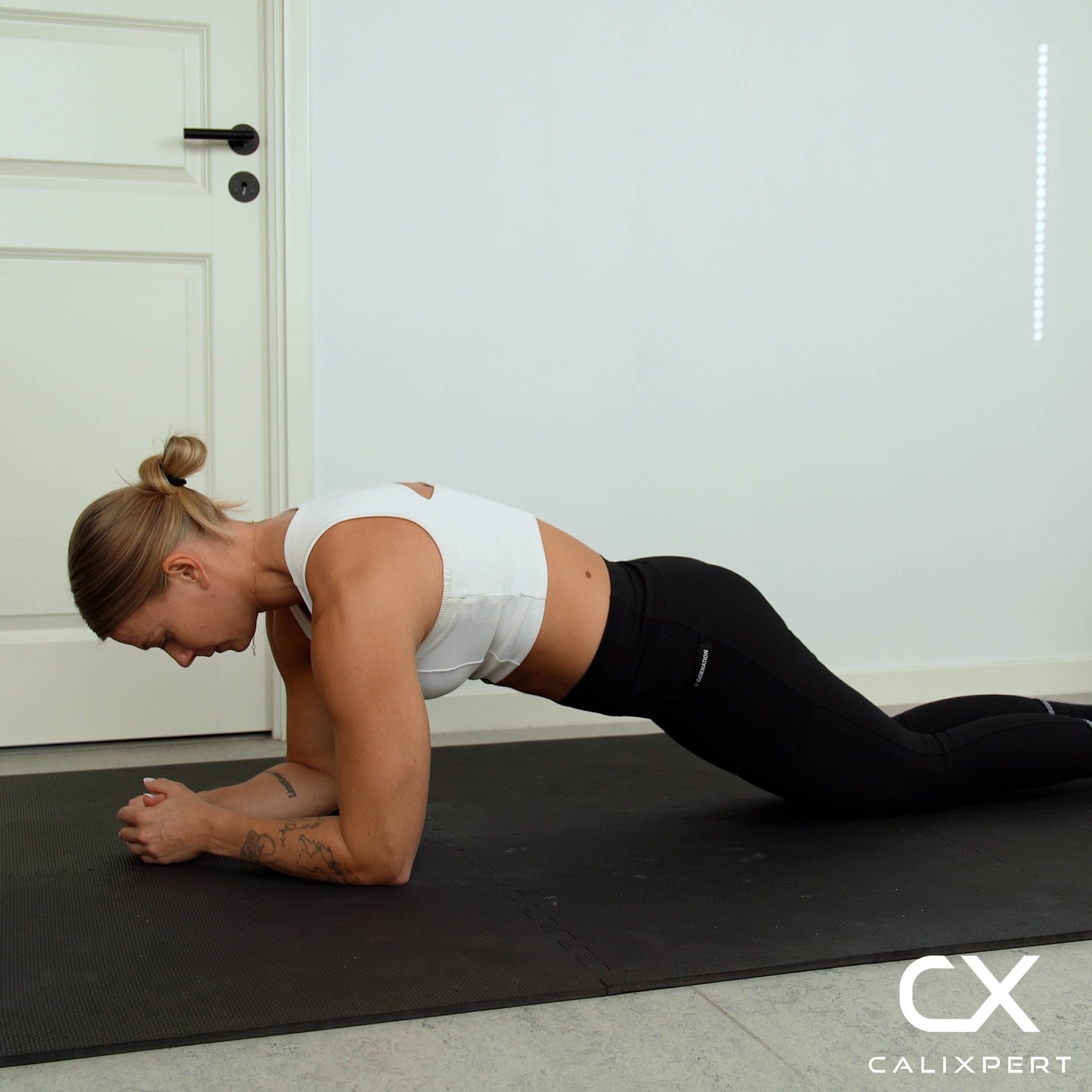
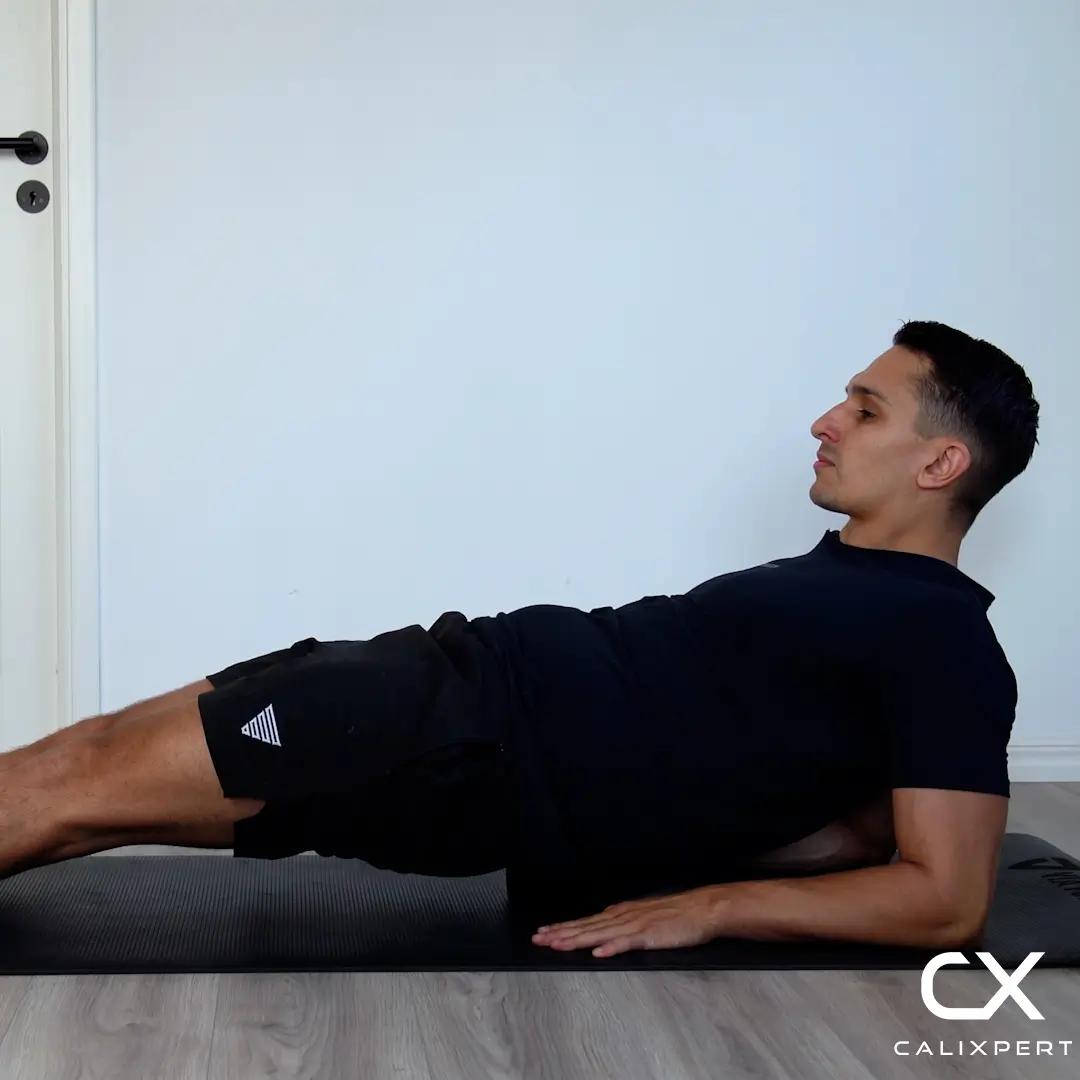
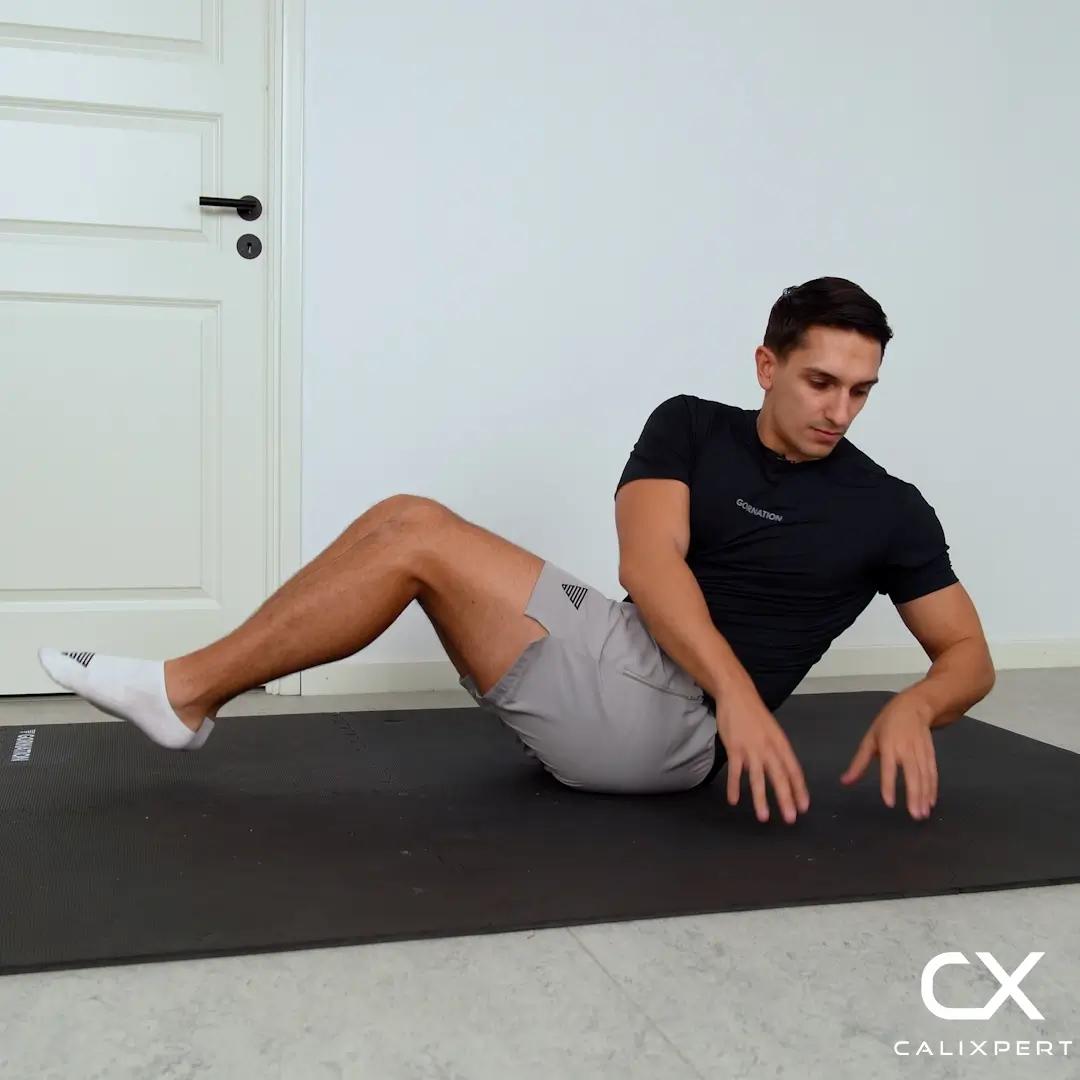

About the Lower Back
The lower portion of the erector spinae runs along the lumbar spine, extending from the sacrum to the lower thoracic vertebrae. It extends and stabilizes the lumbar spine against flexion forces.
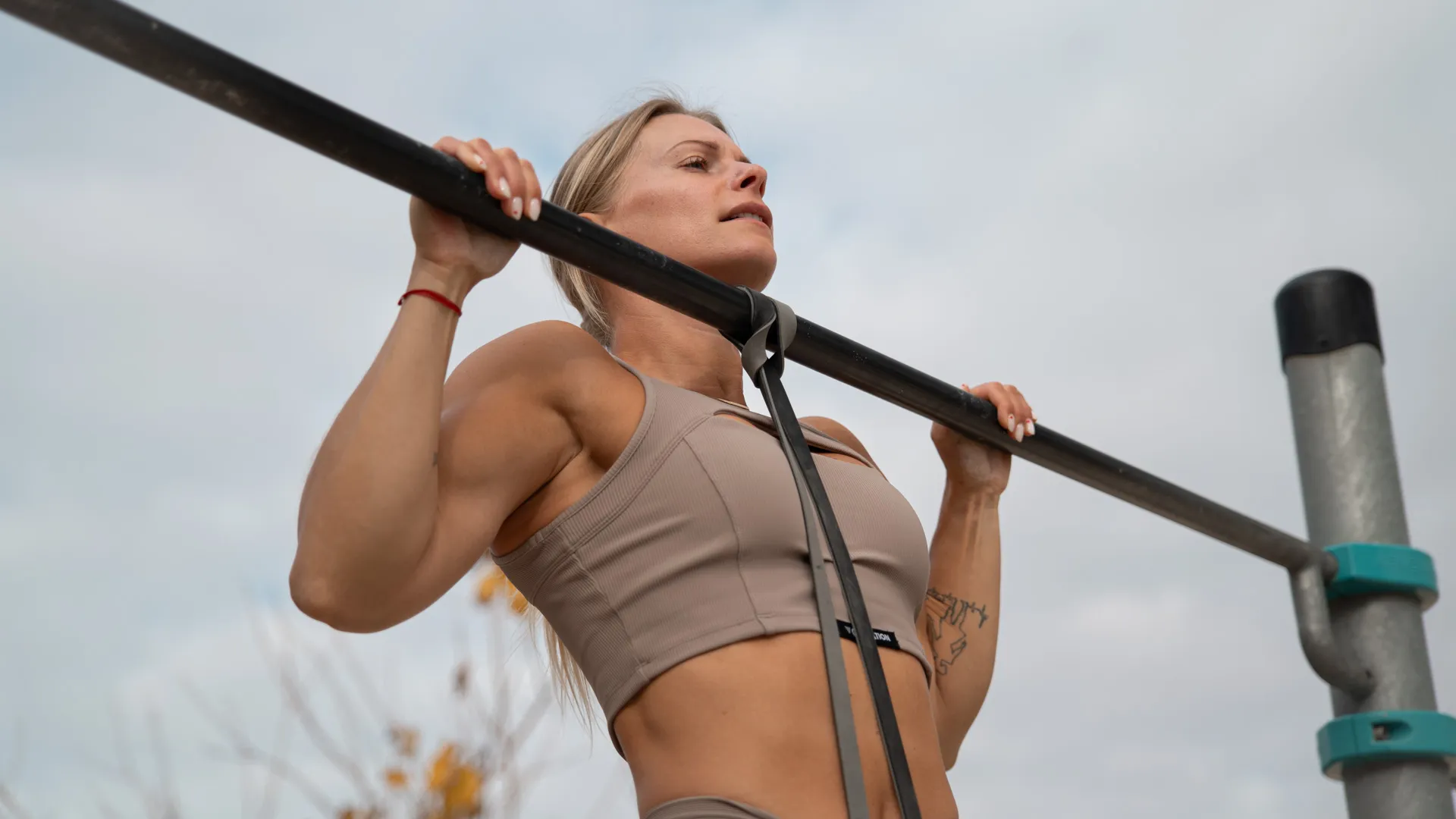
In calisthenics, the lower back works constantly as a stabilizer. Every hollow body position, plank, and pulling movement requires the erector spinae to maintain spinal position against the anterior core. Without adequate lower back strength, the lumbar spine cannot hold neutral under load.
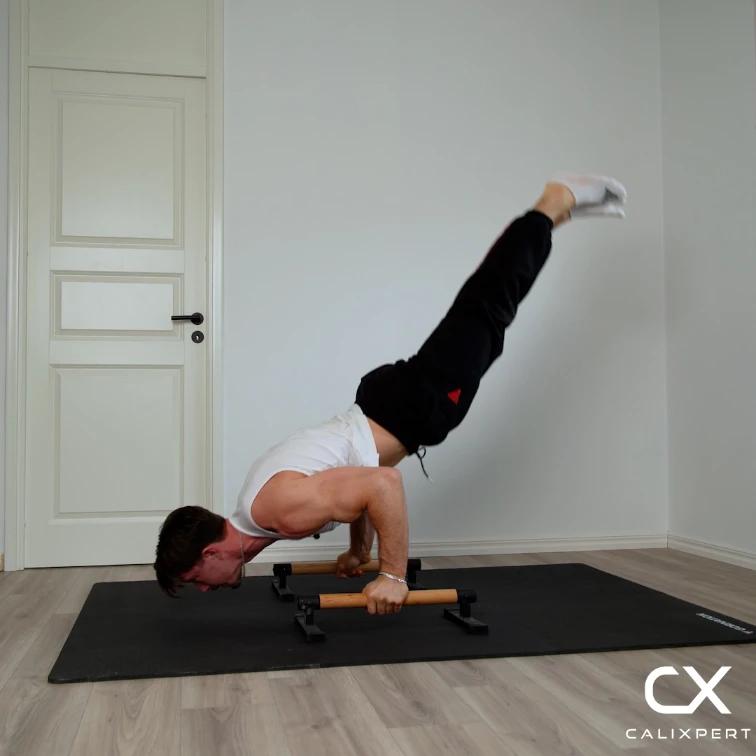
Lower back weakness is one of the primary causes of movement compensation in calisthenics. Athletes collapse into lumbar flexion during pull-up sets, lose body position during L-sit work, and arch excessively in handstands when lower back and anterior core balance is poor.
How to Train Your Lower Back
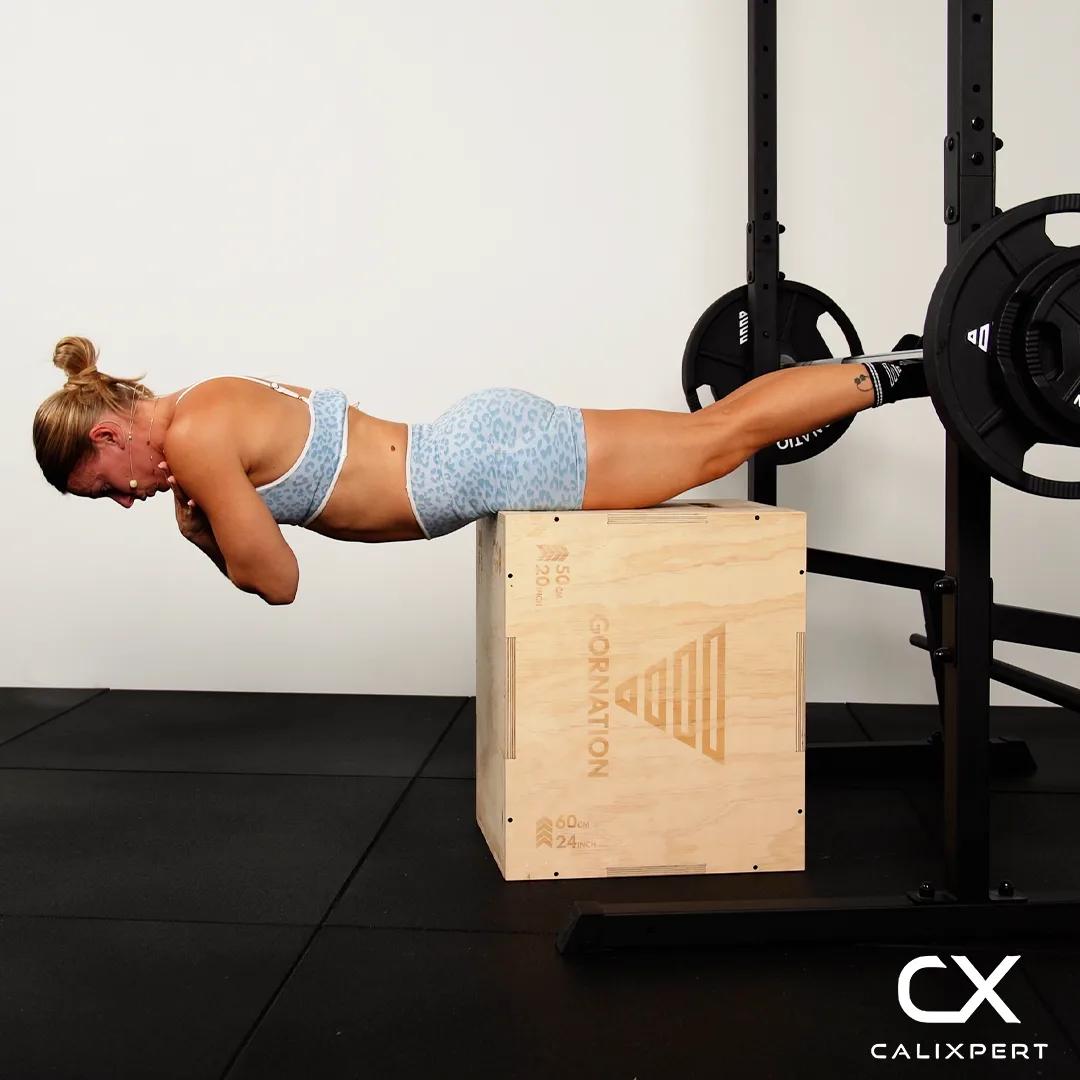
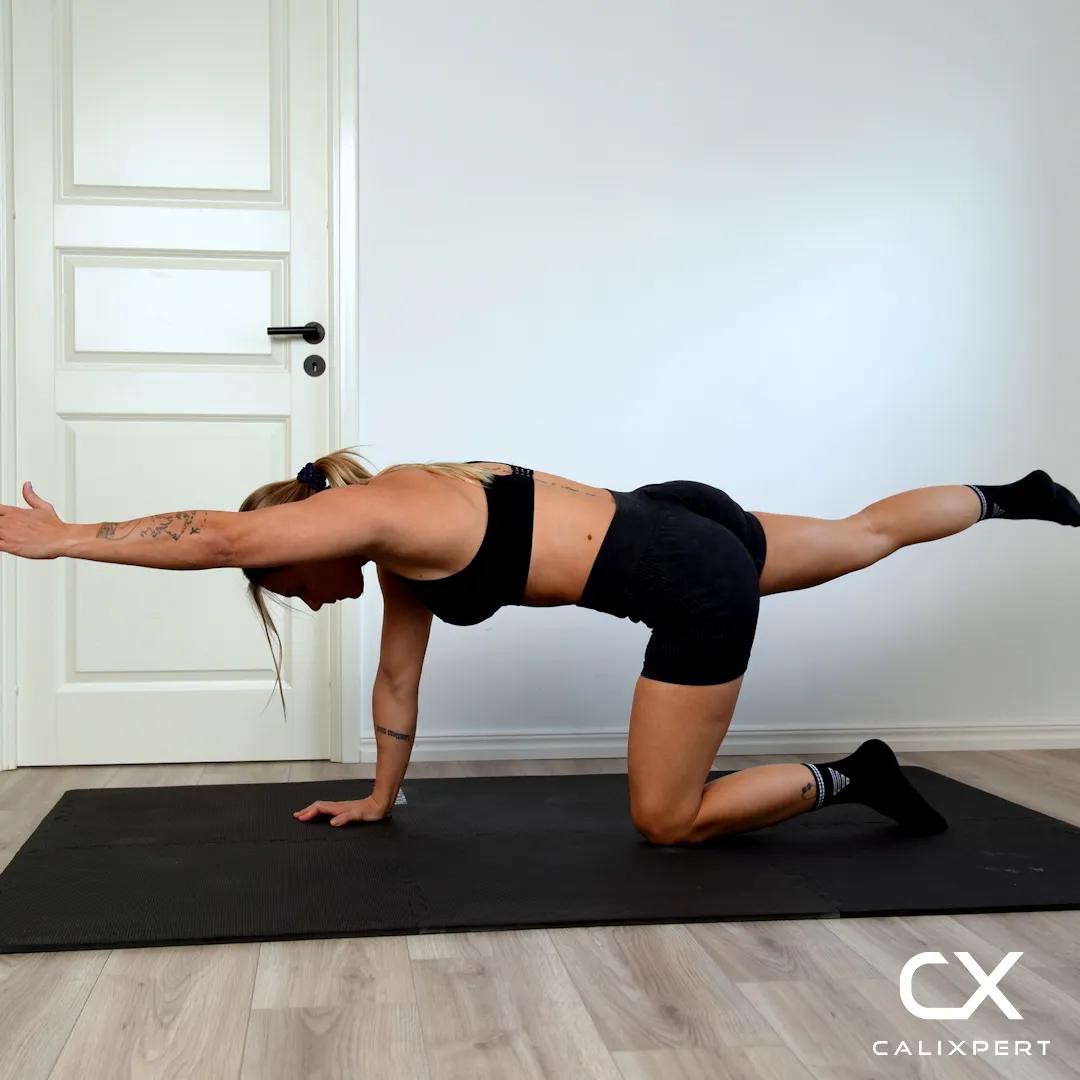
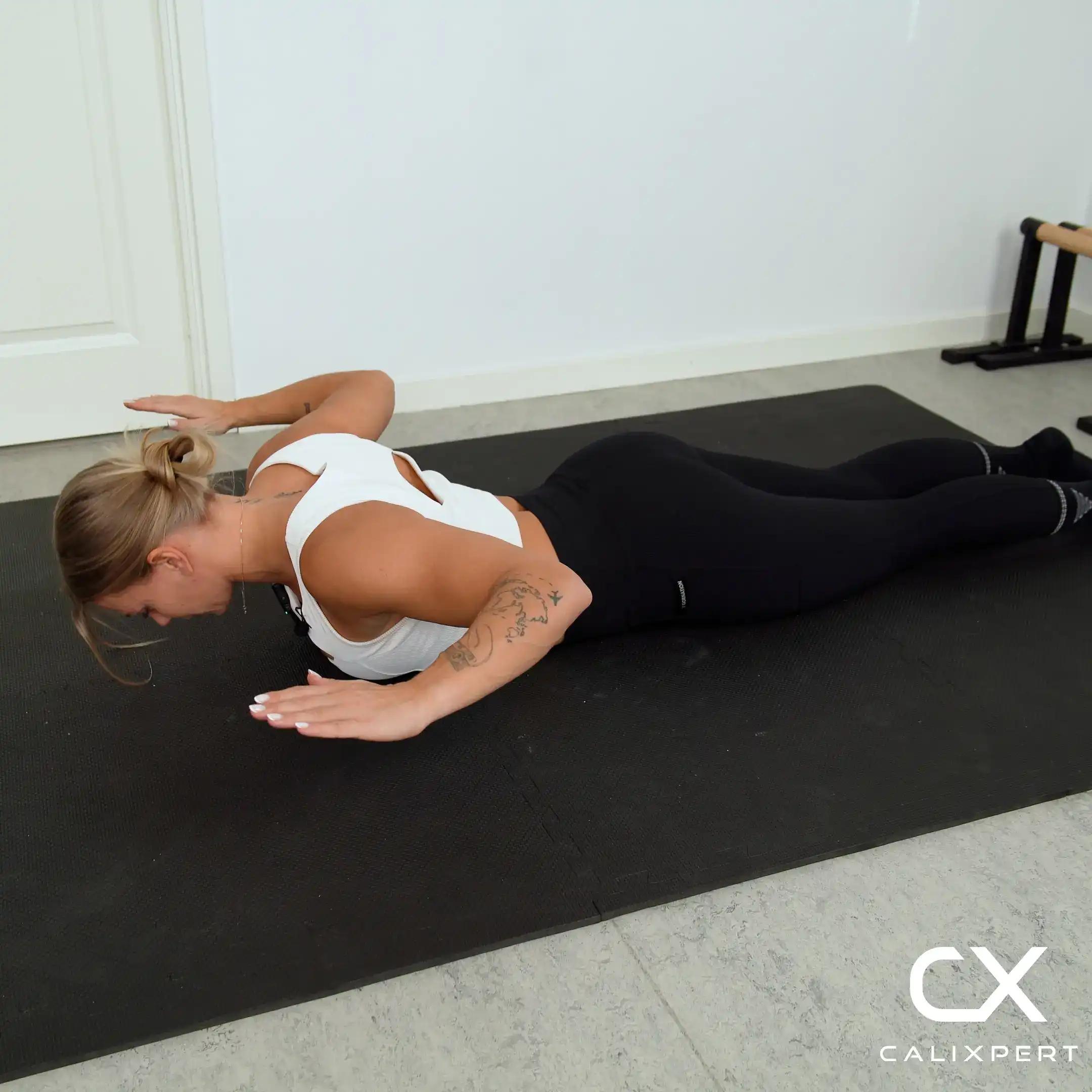
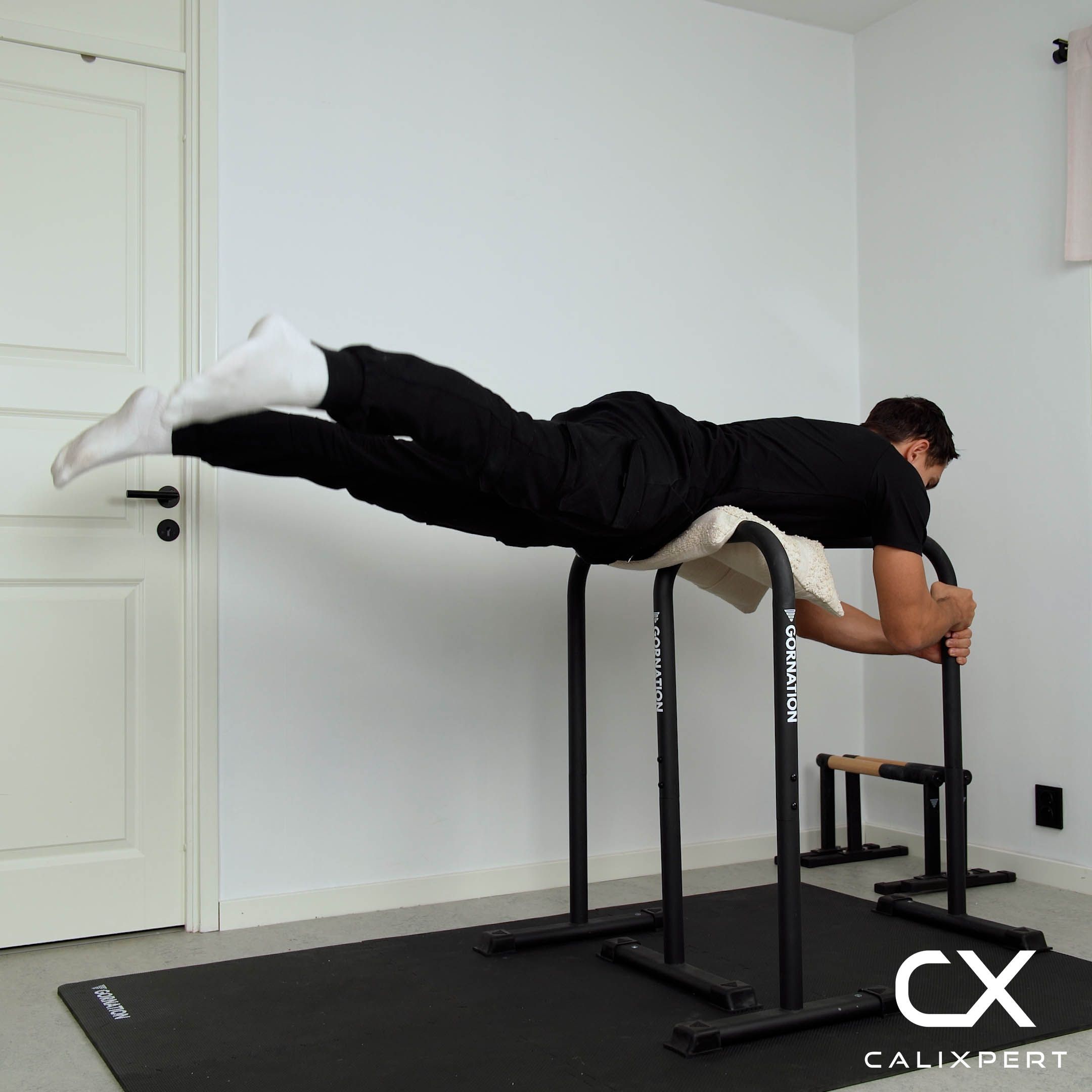
Superman holds and back extensions on the floor directly train the erectors. Start with prone extensions and progress to full back extensions on a GHD or Roman chair as strength builds.
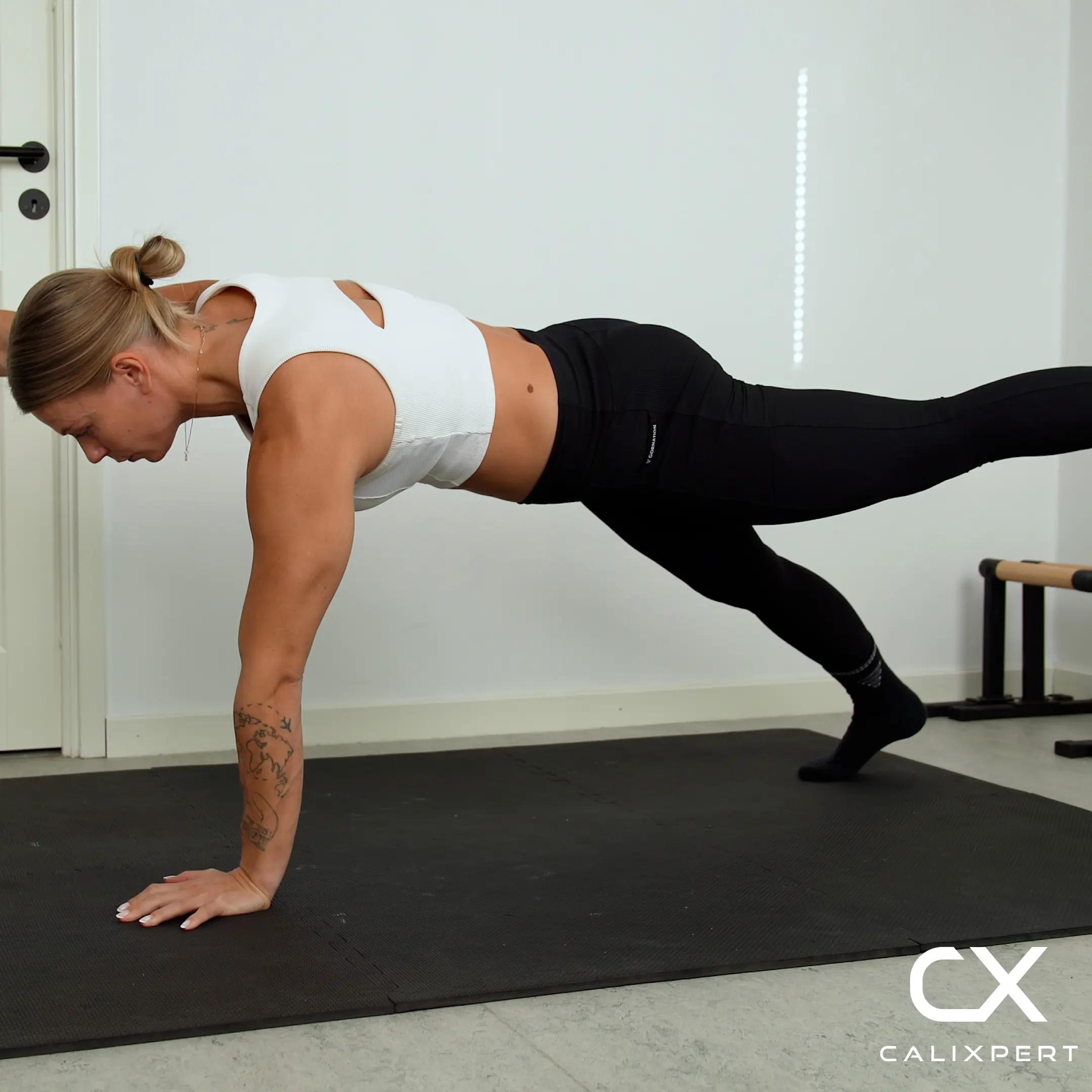
Single-leg deadlifts with bodyweight and good morning movements train the lower back through hip hinge patterns. In a calisthenics-only context, these serve the same purpose as barbell work with adequate progression.
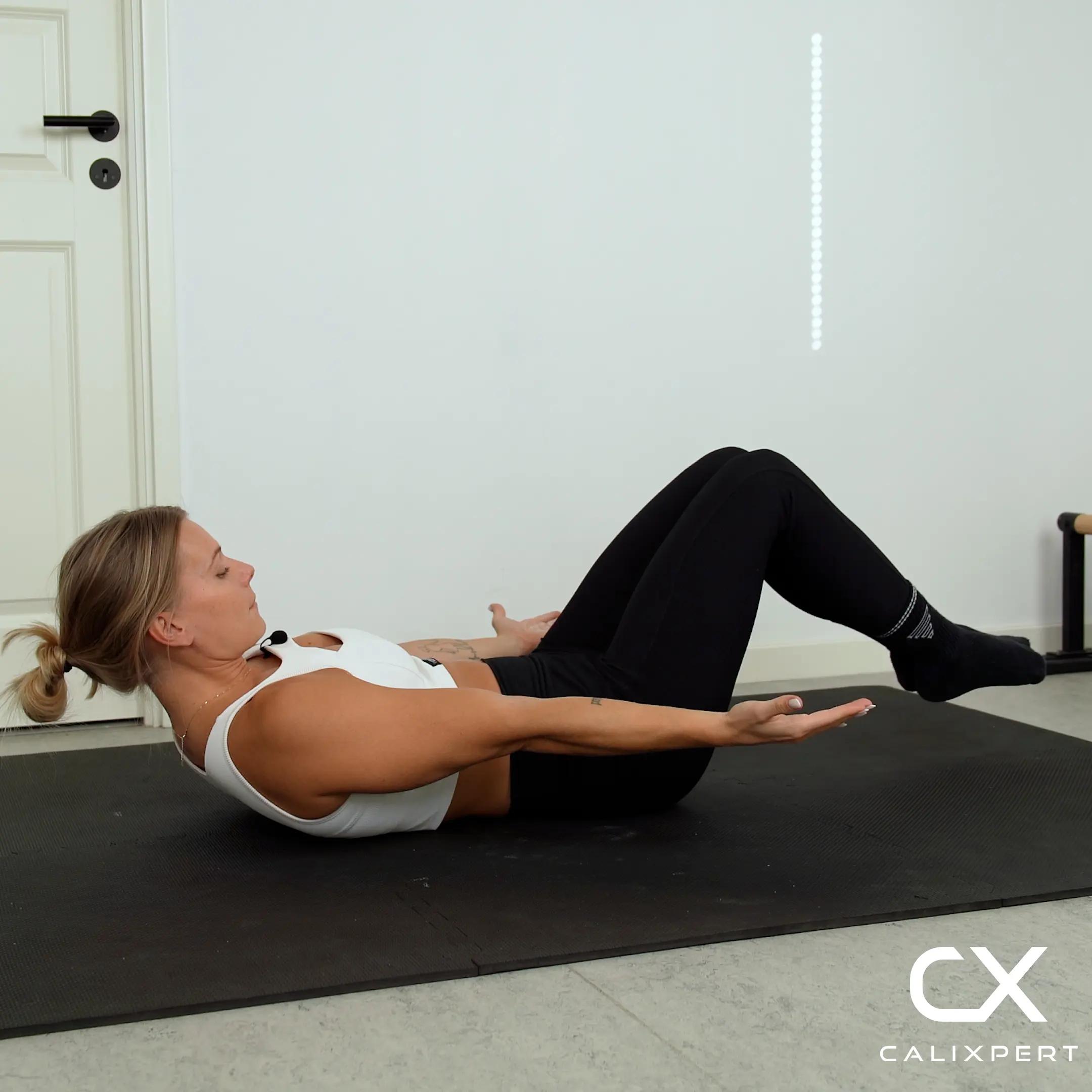
Never train lower back in isolation from anterior core. The erectors and abs work as an opposing pair. Strengthening one without the other creates imbalance. Pair every back extension session with hollow body hold work.
Lower Back FAQ
Yes, particularly in athletes training L-sits and front lever progressions without adequate posterior chain strength. The hip flexors and anterior core create significant spinal flexion forces. The erectors must counterbalance them.
Lower back arching in a handstand is almost always a combination of insufficient anterior core tension and hip flexor tightness. Strengthen your hollow body position and stretch your hip flexors to address both causes.
Two to three times per week with adequate recovery. The lower back is involved in almost every movement and is vulnerable to overuse when pushing and pulling volume is high. Monitor fatigue carefully.