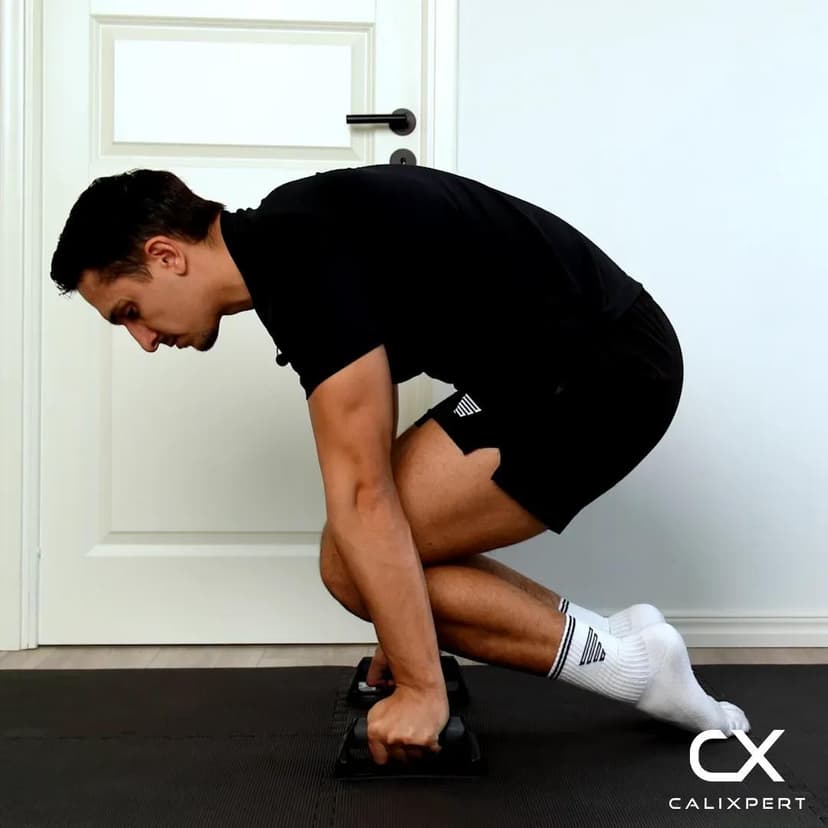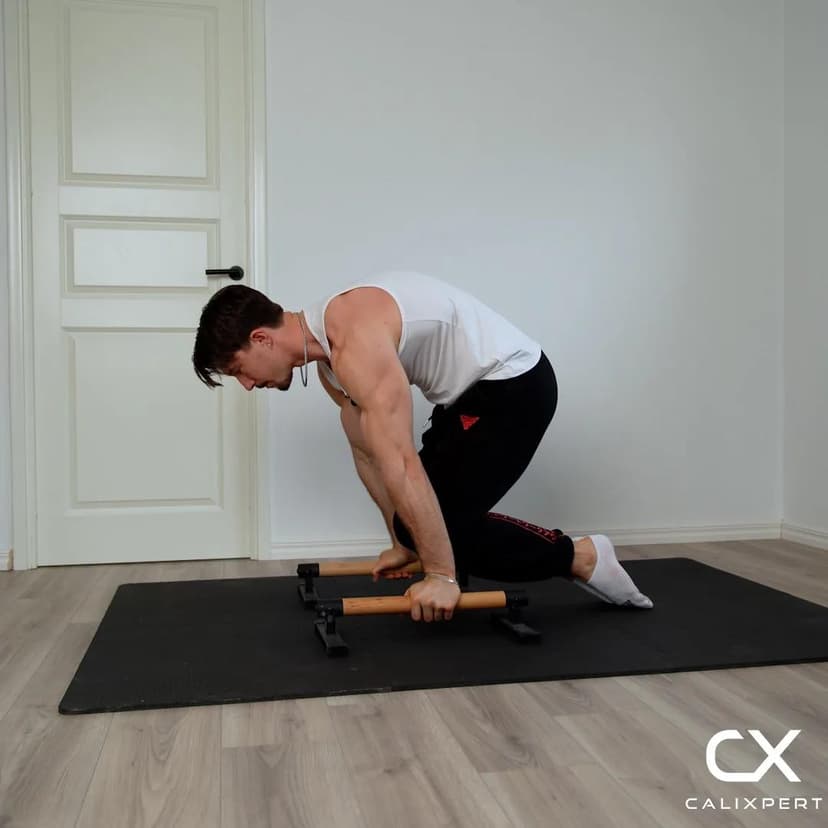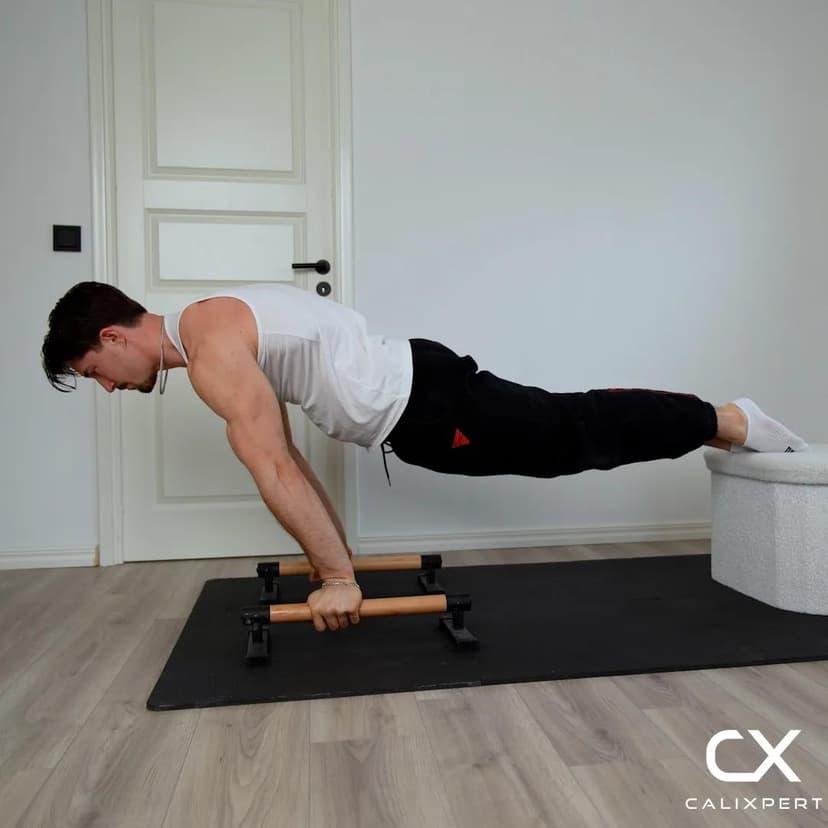
Hamstring Walkouts
Hamstring walkouts are a bodyweight posterior chain exercise that targets the hamstrings, glutes, and core through a controlled walking pattern performed from a glute bridge position. The movement challenges the hamstrings through their full lengthened range by slowly extending the legs while maintaining hip elevation, which builds both strength and stability under tension. This makes hamstring walkouts one of the most effective floor-based exercises for developing hamstring endurance and reducing injury risk without any equipment.
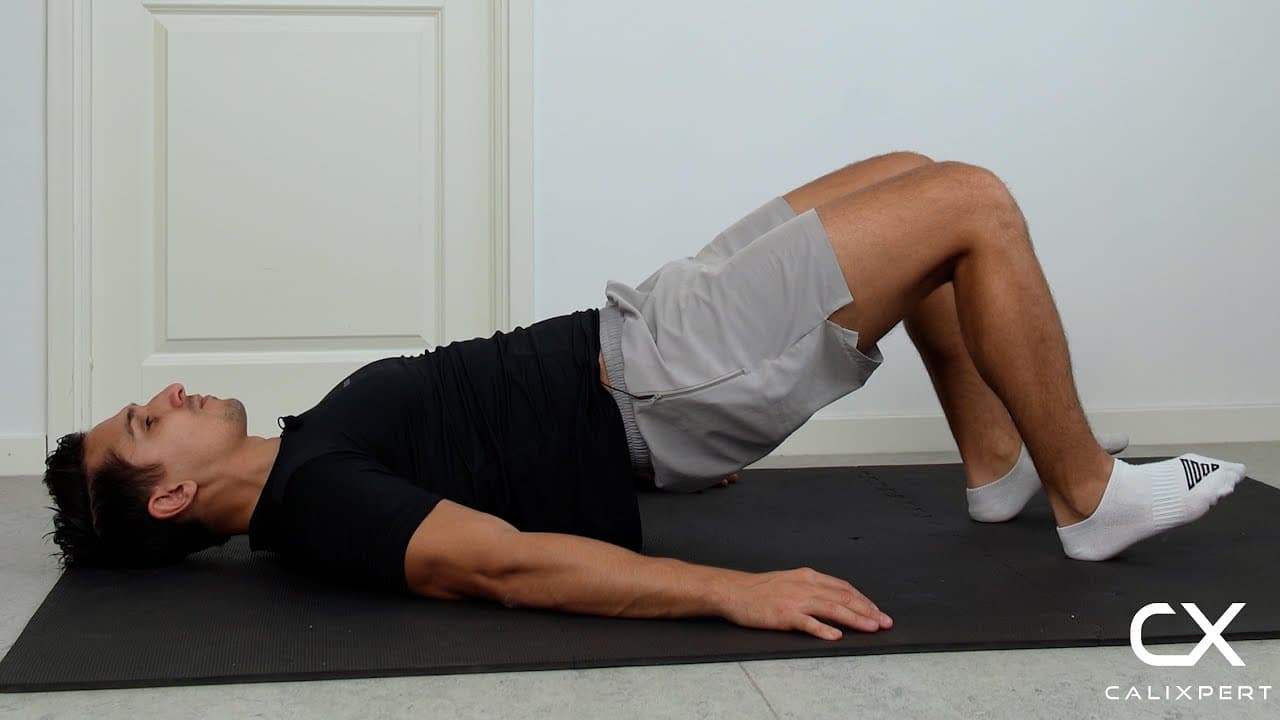
Hamstring walkouts are a bodyweight posterior chain exercise that targets the hamstrings, glutes, and core through a controlled walking pattern performed from a glute bridge position. The movement challenges the hamstrings through their full lengthened range by slowly extending the legs while maintaining hip elevation, which builds both strength and stability under tension. This makes hamstring walkouts one of the most effective floor-based exercises for developing hamstring endurance and reducing injury risk without any equipment.
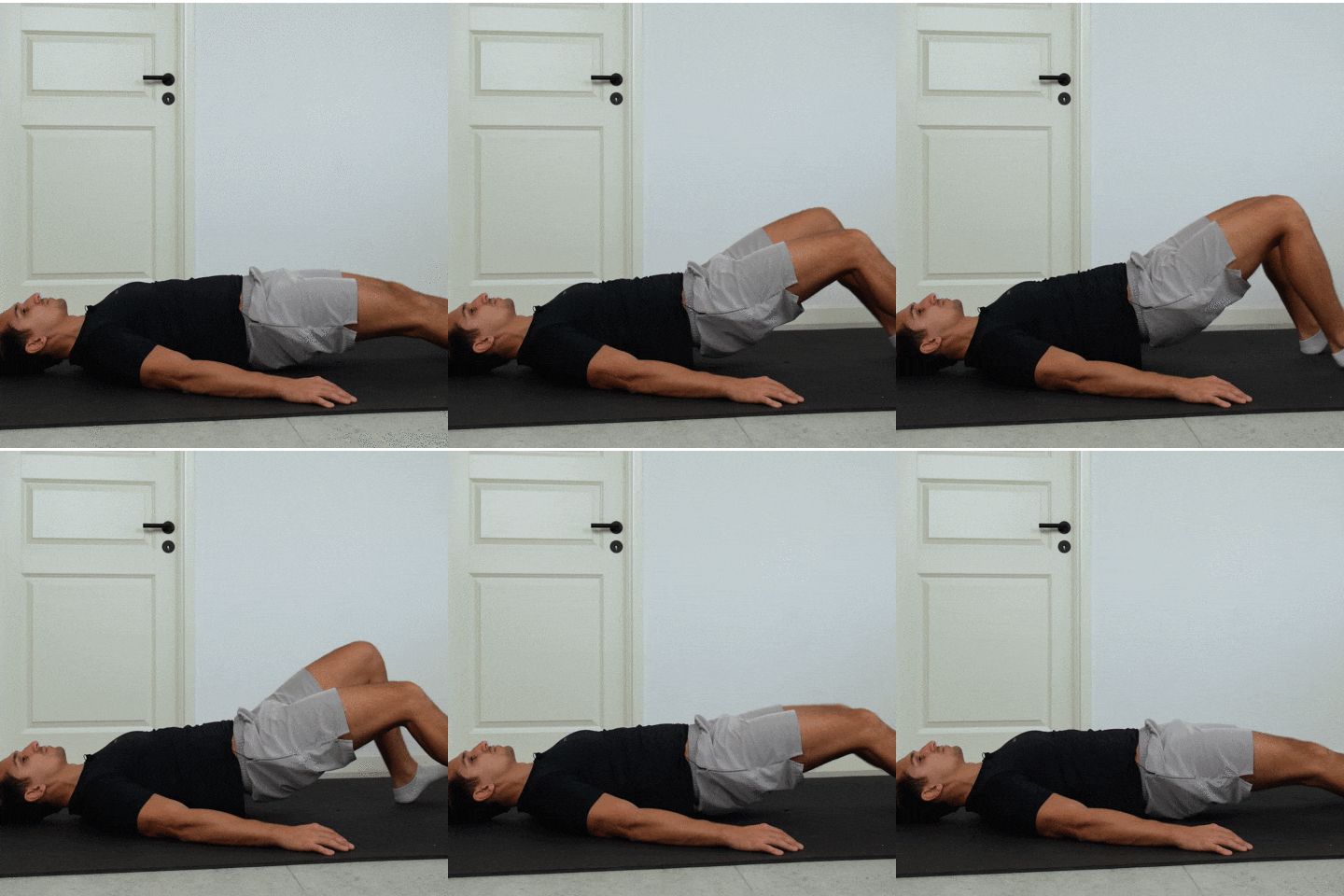
How to Do Hamstring Walkouts
1. Lie Down and Set Up
Lie flat on your back with your knees bent and feet flat on the floor, roughly hip-width apart. Place your arms straight at your sides with palms pressing into the ground. Your heels should be close enough to your glutes that you can press through them firmly.
Palms flat, heels close to glutes
2. Press Into a Bridge
Drive through your heels and lift your hips off the ground until your body forms a straight line from your shoulders to your knees. Squeeze your glutes hard at the top and brace your core. This elevated bridge is your starting position for every rep, and your hips must stay up for the entire movement.
Squeeze glutes, hips stay up
3. Walk Out With Small Steps
Begin walking your feet away from your body by taking small, controlled steps on your heels. Each step should move only a few inches forward. Keep your toes pulled up toward your shins so that only your heels contact the ground. Continue walking out until your legs are nearly fully extended.
Small steps, heels only
4. Maintain Hip Elevation Throughout
As your legs extend further from your body, actively push your hips toward the ceiling to prevent them from sagging. The further out you walk, the harder your hamstrings and glutes must work to keep the hips elevated. If your hips start to drop, you have reached your current range limit.
Push hips up with every step
5. Walk Back In Under Control
Reverse the movement by walking your heels back toward your glutes using the same small, controlled steps. Keep your hips elevated the entire way back to the starting bridge position. Do not rush the return, the hamstrings are still under load during this phase. Once your feet are back in the starting position, that completes one full rep.
Same small steps back, no rushing
Most people try to walk out too far too fast and their hips collapse halfway through. Shorten your range and focus on keeping the hips locked at the top for every single step. When you can walk all the way out and back with your hips perfectly level, that is when you are actually getting strong. The small steps are what make this exercise work, not the distance.
Muscles Worked During Hamstring Walkouts
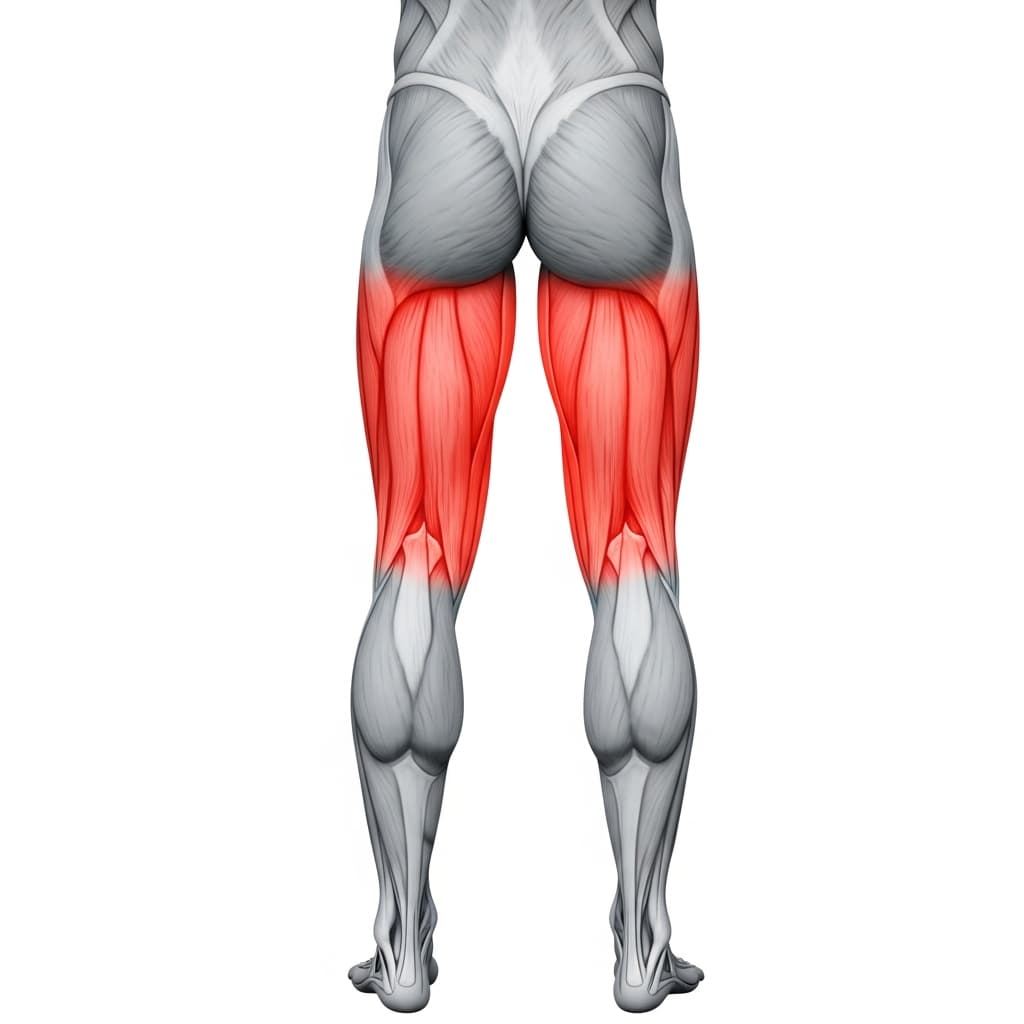
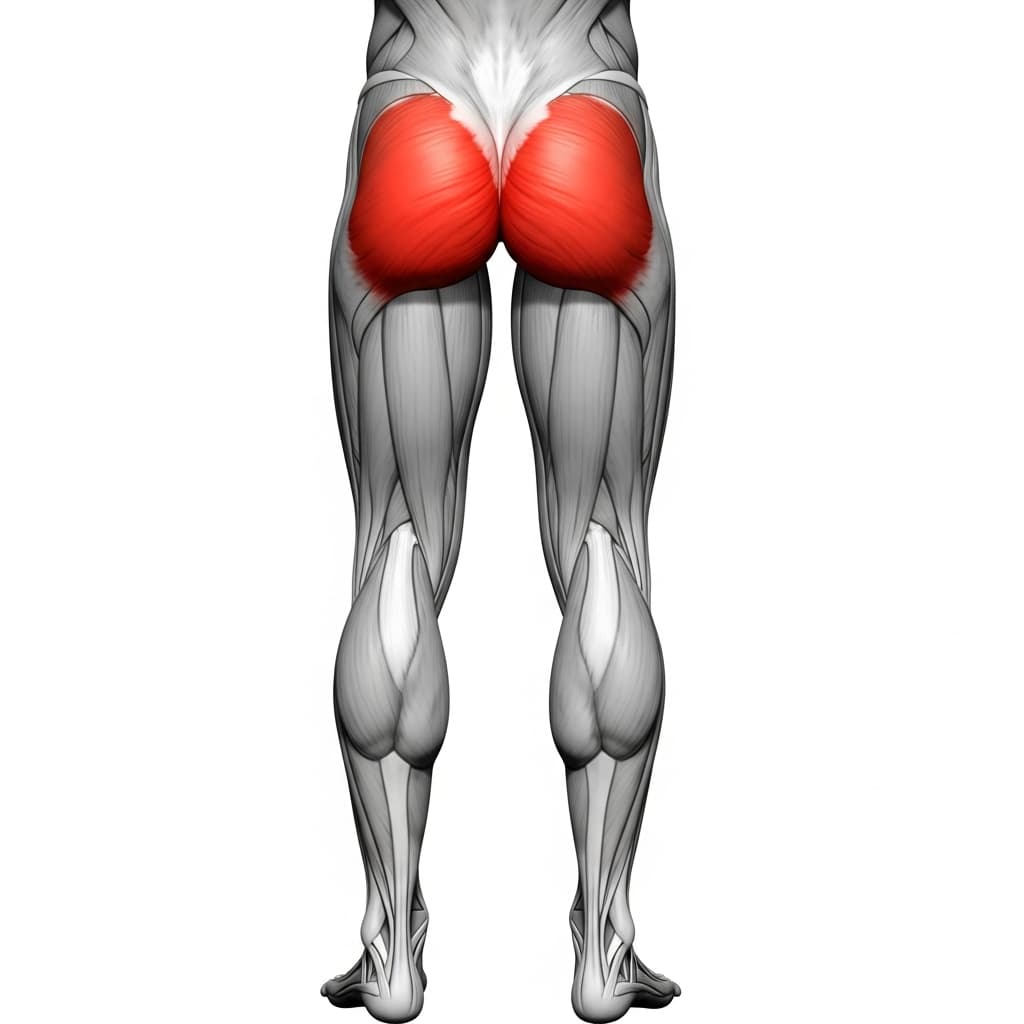
Primary Muscles:
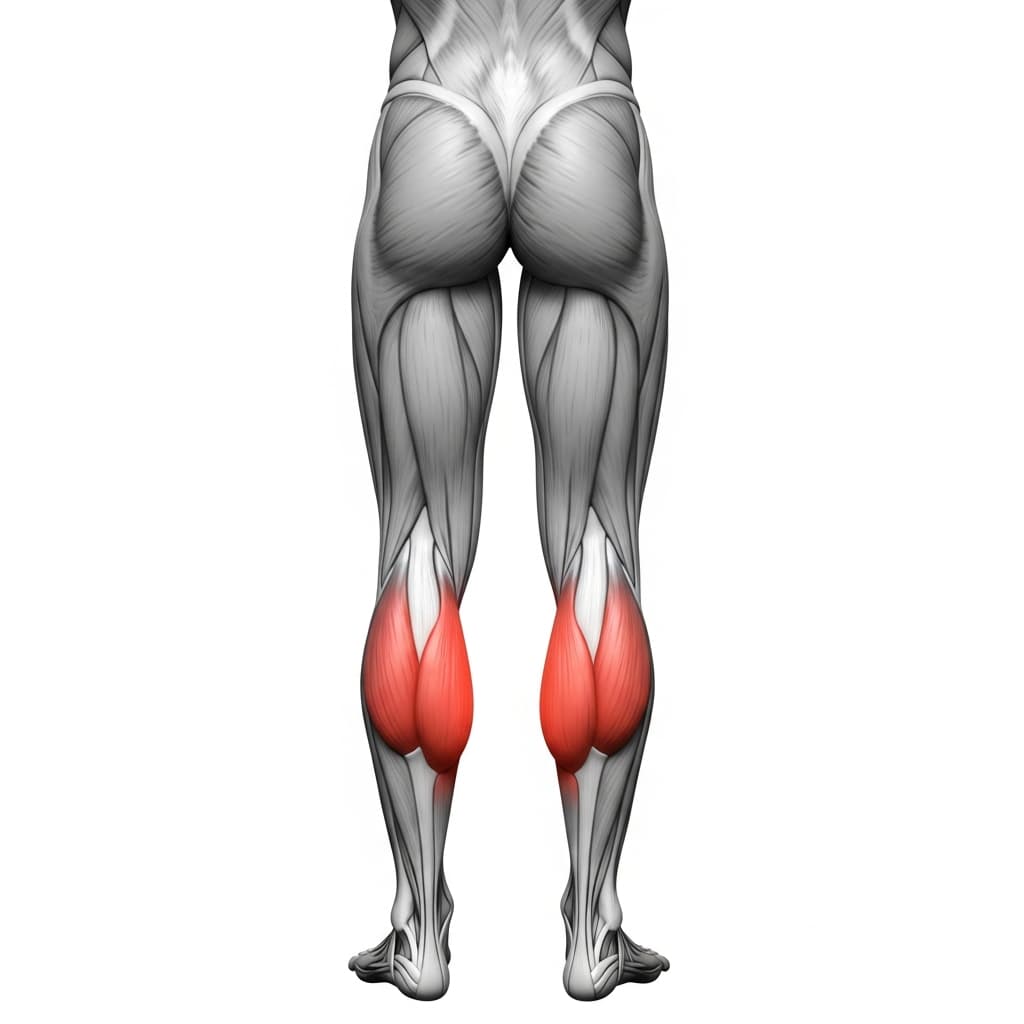
Secondary Muscles:
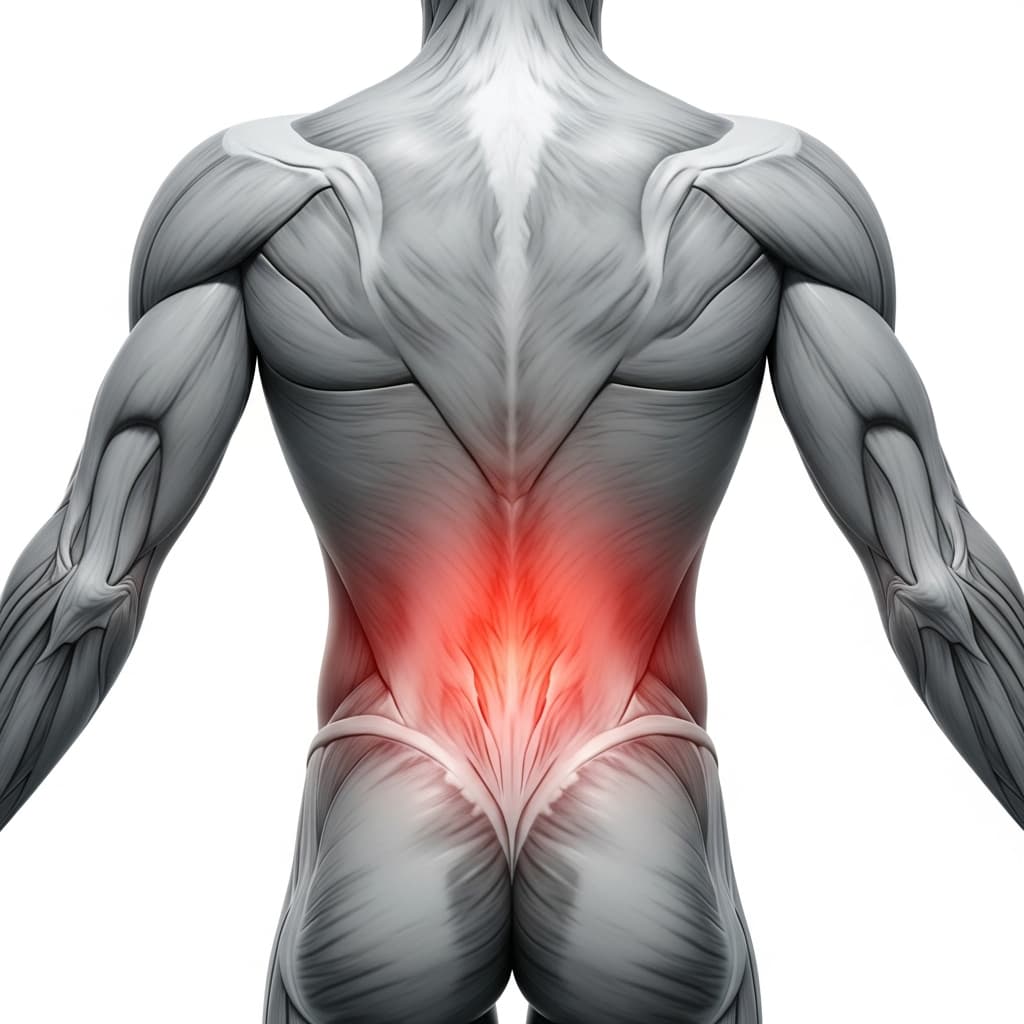
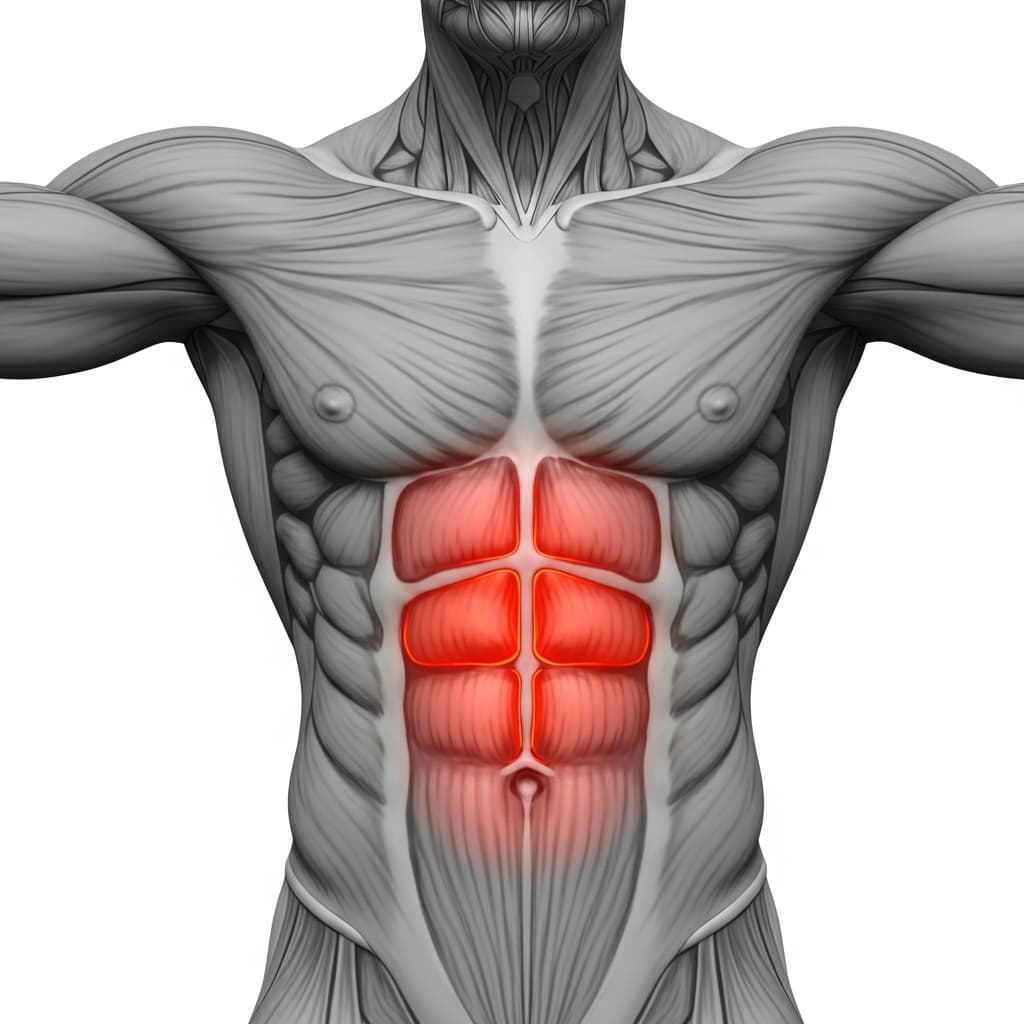
Primary Muscles
Hamstring Group (Hamstrings) - The hamstrings eccentrically control the walkout phase as the legs extend and concentrically pull the heels back during the return, bearing the primary load throughout the entire movement.
Gluteus Maximus (Glutes) - The glutes maintain hip extension throughout every step, working isometrically to keep the hips elevated against gravity as the lever arm increases with each step forward.
Secondary Muscles
Gastrocnemius & Soleus (Calves) - The calves stabilize the ankle joint and assist in controlling each small heel step during both the walkout and return phases.
Erector Spinae (Lower Back) - The lower back muscles work isometrically to maintain spinal alignment and prevent the pelvis from tilting as the legs extend away from the body.
Rectus Abdominis (Abs) - The abdominals brace the trunk and prevent excessive lumbar extension, keeping the core stable so the hamstrings and glutes can produce force effectively.
Benefits of Hamstring Walkouts
- Strengthens the hamstrings through their full lengthened range, which directly reduces the risk of hamstring strains during sprinting and explosive movements
- Builds glute endurance under sustained isometric contraction, improving hip extension strength for bridges, squats, and running
- Develops posterior chain stability without any equipment, making it one of the most accessible hamstring exercises for home training
- Trains eccentric hamstring control, which is the specific type of strength most associated with hamstring injury prevention
Who Is This Exercise For?
You should be able to hold a standard glute bridge for at least 20 seconds with your hips level and glutes fully engaged before attempting hamstring walkouts. If your hips drop or your lower back cramps during a basic bridge hold, focus on glute bridge holds and single-leg glute bridges first. This exercise also requires enough hamstring flexibility to extend the legs without losing the bridge position.
Common Mistakes to Avoid
Letting the hips drop during the walkout: Actively drive your hips toward the ceiling with every step. If your hips sag, shorten the distance you walk out until you build enough hamstring and glute strength to maintain elevation through the full range.
Taking steps that are too large: Use small, deliberate steps of only a few inches each. Large steps reduce time under tension, make it harder to control your hip position, and shift the load away from the hamstrings.
Walking on the full foot instead of the heels: Pull your toes up toward your shins and walk exclusively on your heels. This keeps the load on the hamstrings and glutes rather than allowing the calves and quads to take over.
Rushing through the reps: Move slowly and deliberately in both directions. The eccentric walkout and the concentric walk back should each take several seconds. Speed removes the muscle tension that makes this exercise effective.
Variations & Progressions
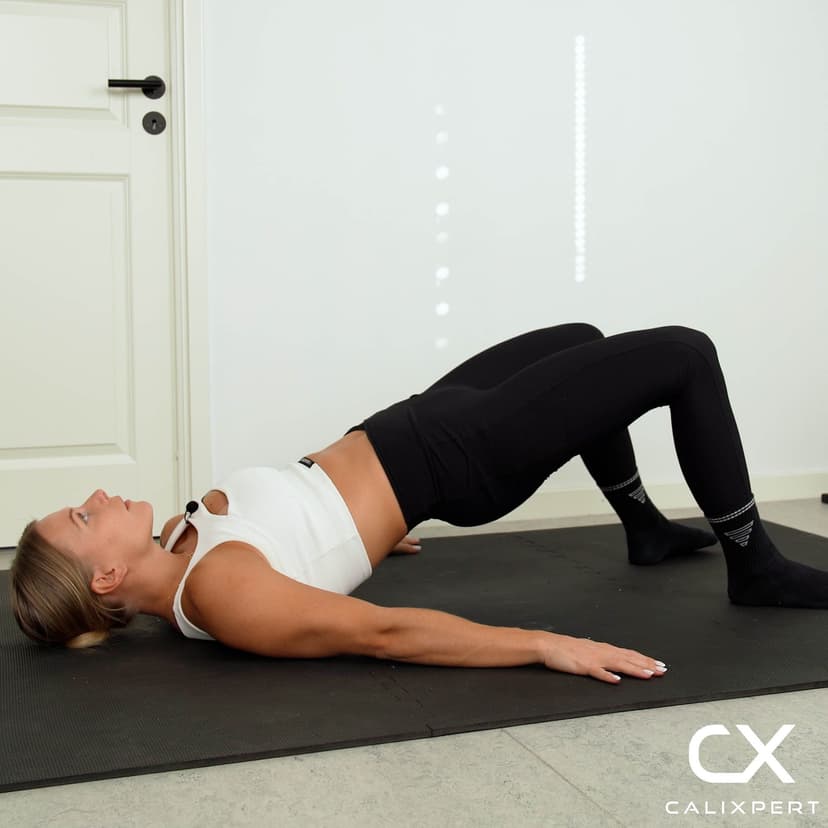
Single-Leg Hamstring Walkout
Perform the entire walkout with one leg while the other leg is held straight in the air. This doubles the load on the working hamstring and adds a significant stability challenge to the hips and core.