Negative Box Assisted Pistol Squat
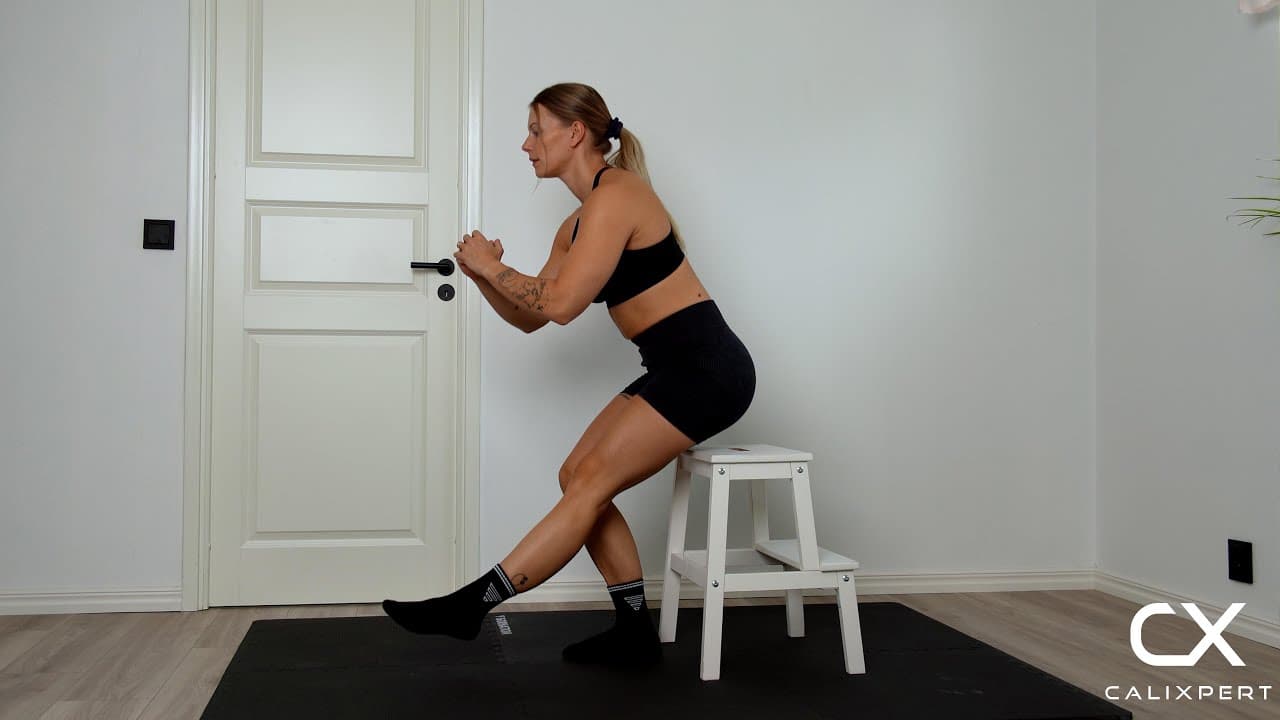
The negative box assisted pistol squat is a single-leg squat regression that isolates the eccentric (lowering) phase to build the control and strength needed for a full pistol squat. It targets the quads, glutes, and hip stabilizers while using a box at knee height as a depth target and safety net. By slowing down the descent and removing the need to stand back up on one leg, this variation lets you train the hardest part of the pistol squat at a manageable difficulty level.
The negative box assisted pistol squat is a single-leg squat regression that isolates the eccentric (lowering) phase to build the control and strength needed for a full pistol squat. It targets the quads, glutes, and hip stabilizers while using a box at knee height as a depth target and safety net. By slowing down the descent and removing the need to stand back up on one leg, this variation lets you train the hardest part of the pistol squat at a manageable difficulty level.
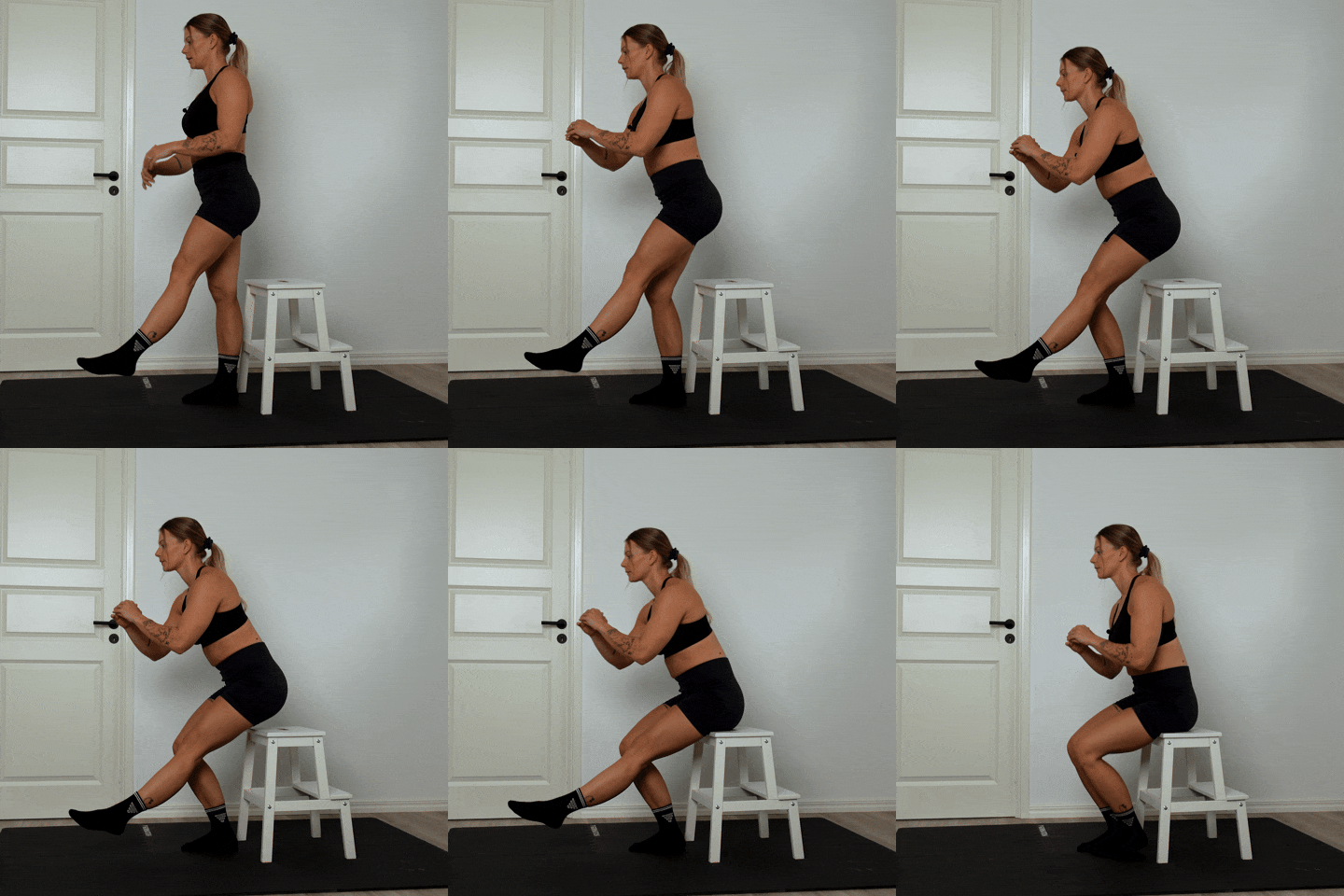
How to Do Negative Box Assisted Pistol Squat
1. Set Up the Box
Place a box, bench, or sturdy surface behind you at approximately knee height. Stand about half a foot in front of it with your feet at hip width. The box should be close enough that you can sit down onto it at the bottom of the squat without shifting your feet.
Box at knee height, feet hip width
2. Lift the Non-Working Leg
Shift your weight onto the working leg and raise the non-working leg straight out in front of you. Keep the raised leg as straight as possible with the toes pulled back toward your shin. Extend your arms forward at shoulder height to act as a counterbalance.
Straight leg forward, arms out for balance
3. Initiate the Descent Slowly
Begin bending the working knee and hinge slightly at the hips to lean your torso forward. Keep the knee tracking directly in line with the toes throughout the entire lowering phase. Engage your core tight to maintain an upright and stable torso. The goal is to move as slowly as possible on the way down.
Knee in line with toes, lean forward
4. Control the Full Eccentric
Continue lowering under full control, resisting gravity the entire way. Keep the heel of the working foot firmly pressed into the floor and avoid letting the knee drift inward. Aim for a 3 to 5 second descent from the top to the box. The slower you go, the more strength you build through the full range of motion.
3 to 5 seconds down, heel stays planted
5. Sit Lightly on the Box
Lower until your glutes make light contact with the box. Do not drop or crash onto it. The touch should be controlled enough that you could pause at the bottom without losing your balance or position.
Touch the box, do not crash onto it
6. Stand Back Up With Assistance
Place the non-working foot lightly on the ground or use both legs to stand back up to the starting position. The focus of this exercise is the lowering phase, so the stand-up does not need to be single-leg. Reset your balance fully before starting the next rep.
Use both legs to stand, then reset
Most people fail the pistol squat because they cannot control the bottom half of the descent, not because they lack overall leg strength. Use this exercise to own that bottom range by going as slow as possible on every rep. When you can take 5 full seconds to lower yourself to a knee-height box with zero wobble, you are ready to start training the full movement.
Muscles Worked During Negative Box Assisted Pistol Squat
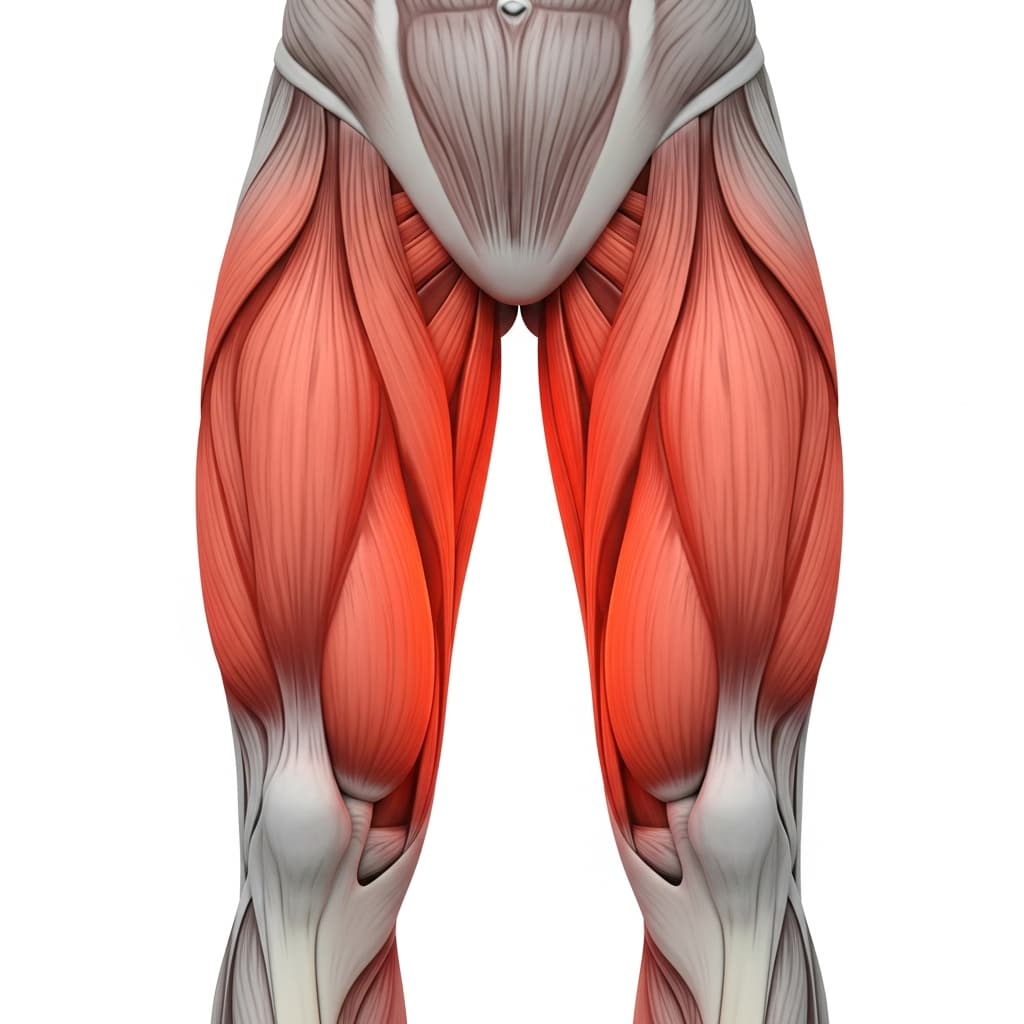
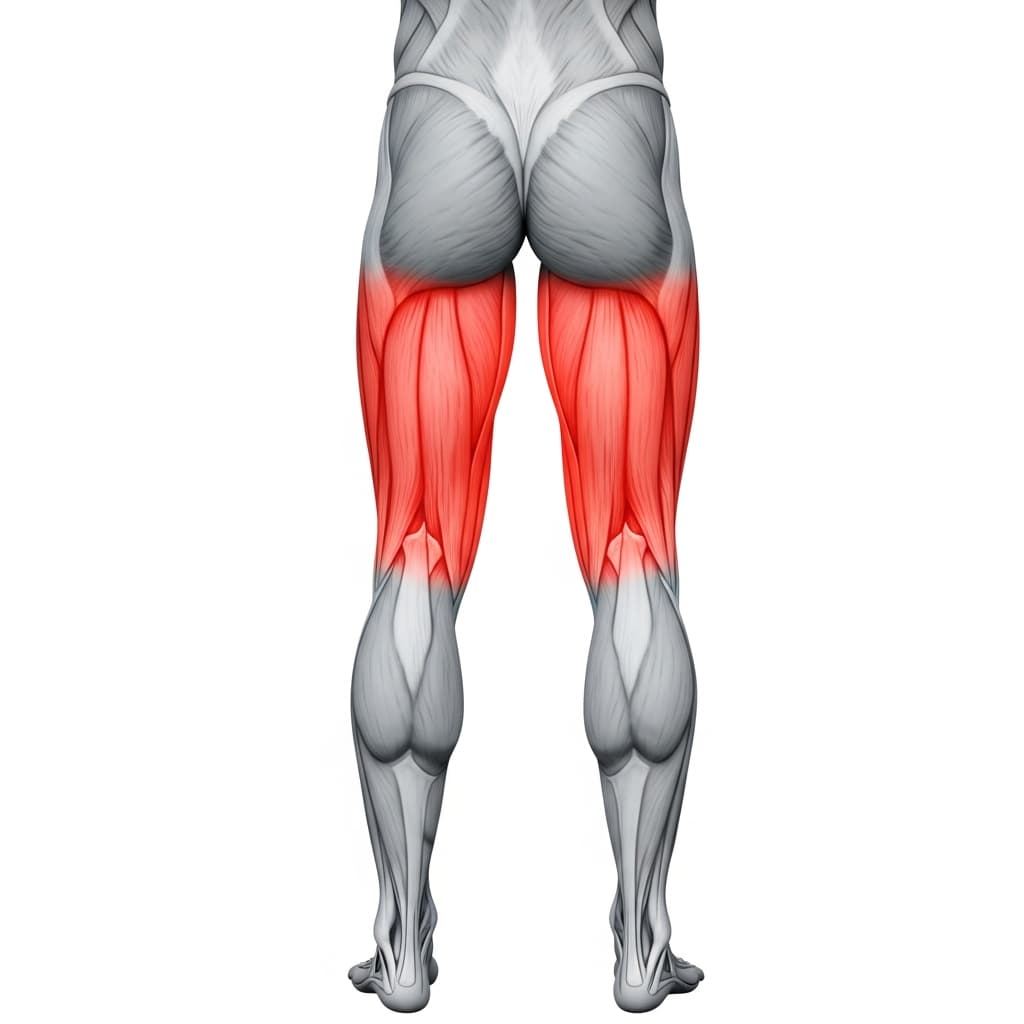
Secondary Muscles:
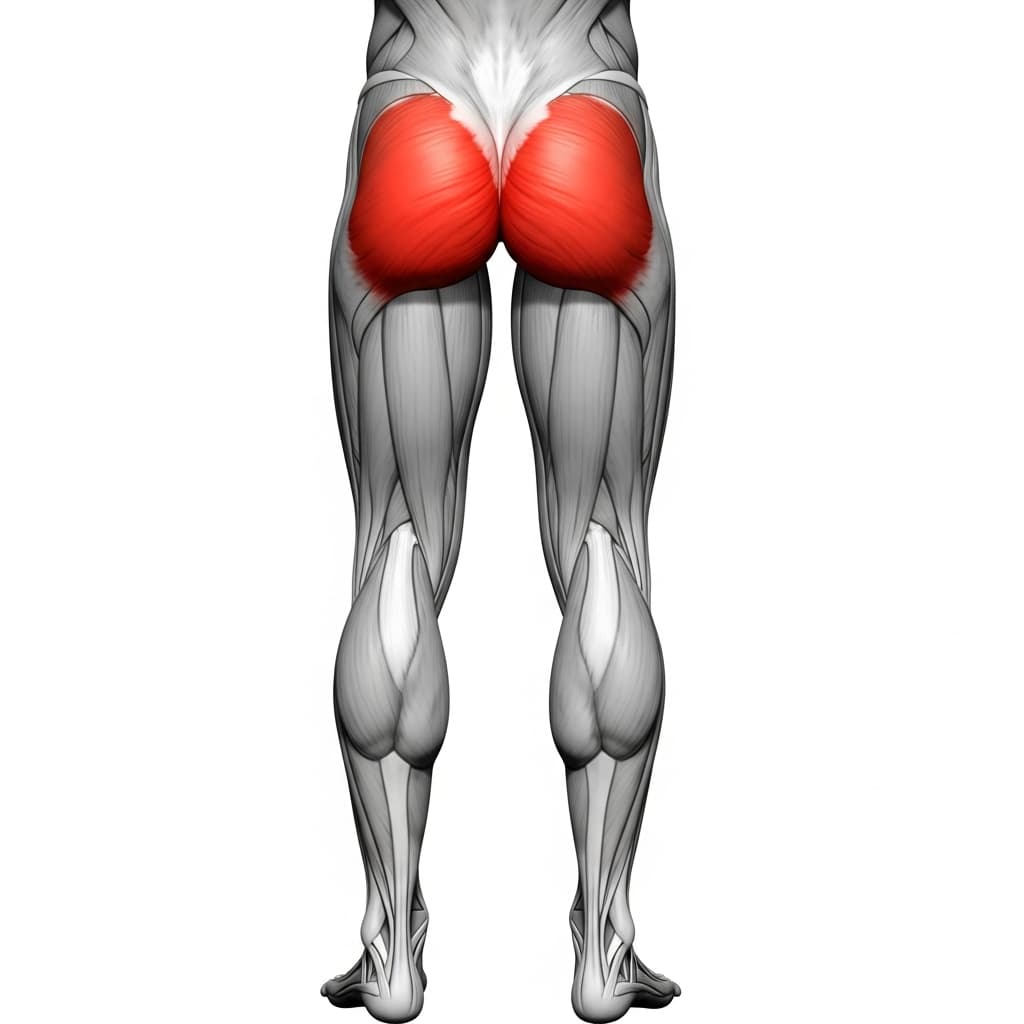
Primary Muscles
Quadriceps (Quads) - The quads control the rate of knee flexion during the entire descent, resisting gravity eccentrically to prevent you from dropping onto the box.
Gluteus Maximus (Glutes) - The glutes stabilize the hip of the working leg and control hip flexion throughout the lowering phase, preventing the pelvis from shifting or dropping to one side.
Secondary Muscles
Hamstring Group (Hamstrings) - The hamstrings assist the glutes in controlling hip flexion and help stabilize the knee joint during the deep single-leg squat descent.
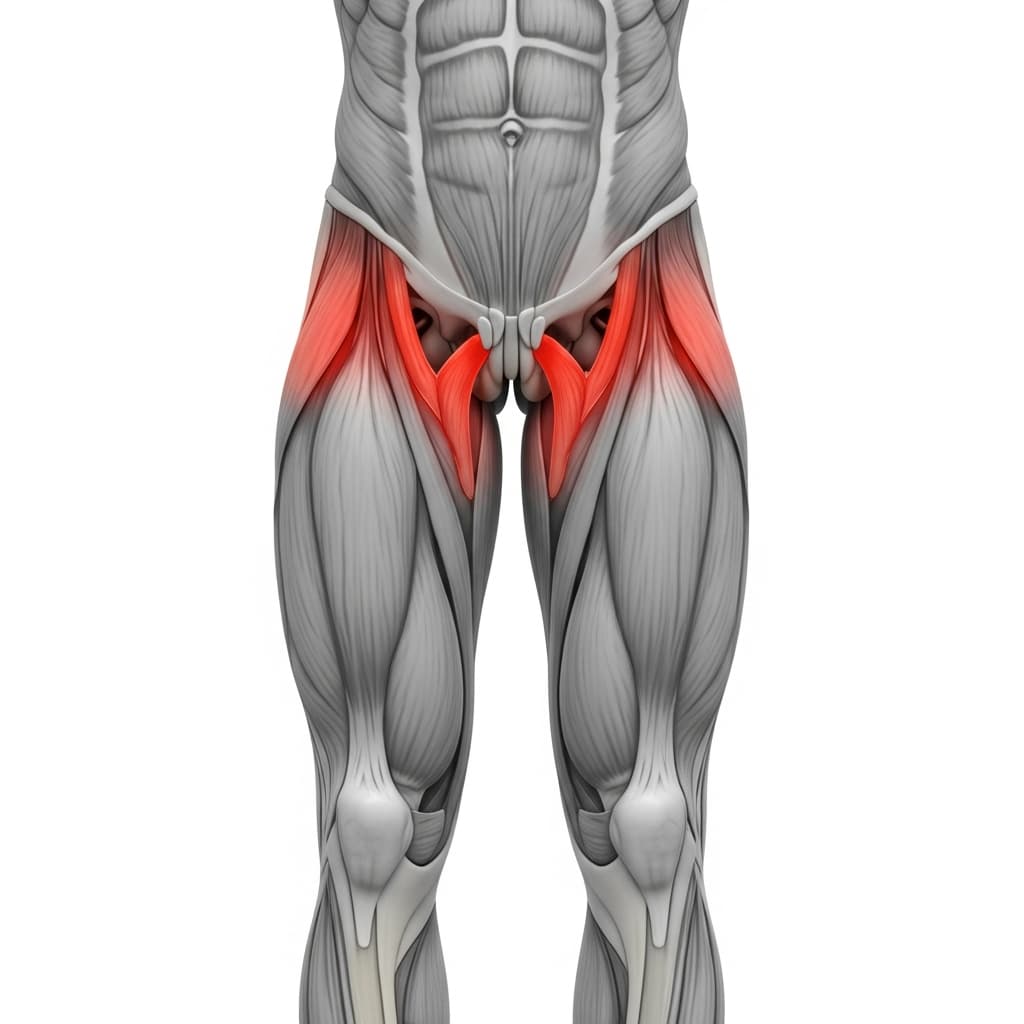
Iliopsoas (Hip Flexors) - The hip flexors of the non-working leg hold it extended straight out in front of the body throughout the entire movement, maintaining an isometric contraction under fatigue.
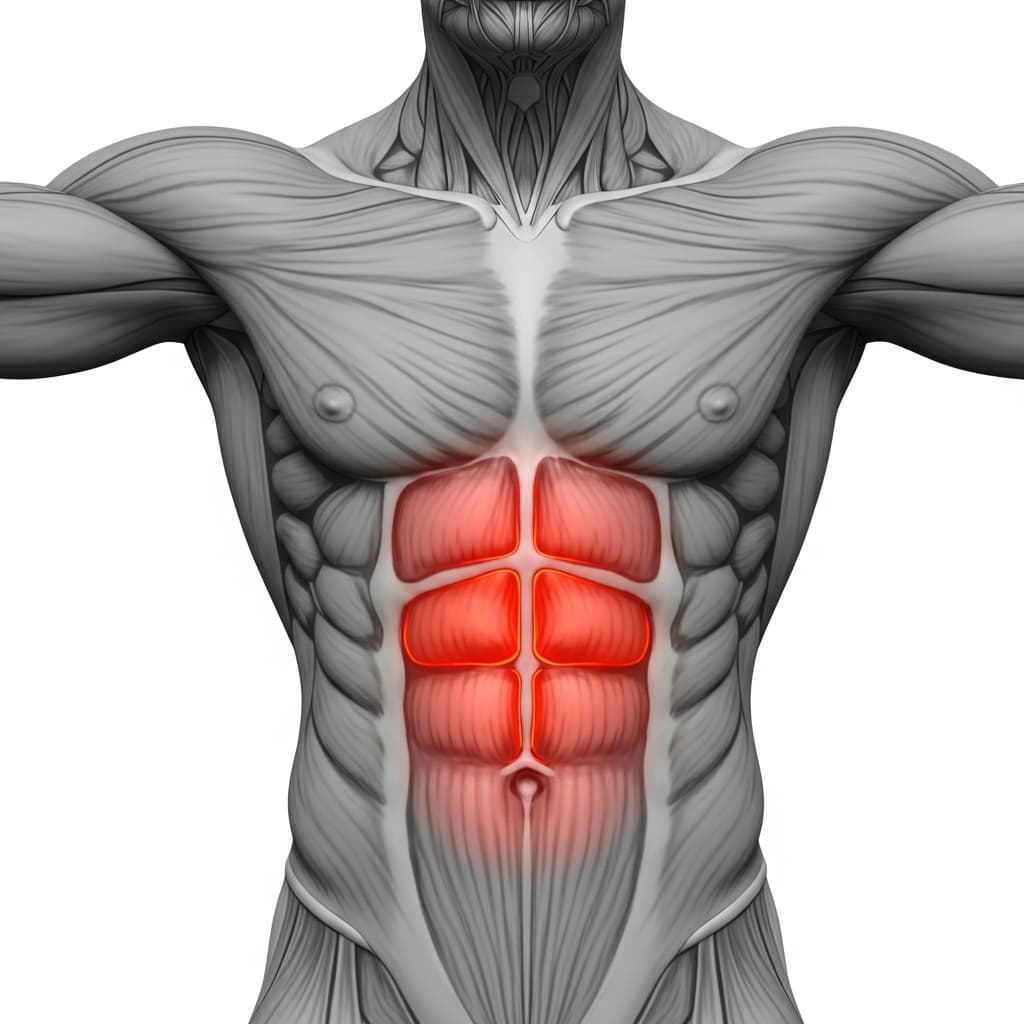
Rectus Abdominis (Abs) - The abs brace the torso and prevent the spine from rounding or rotating during the single-leg descent, keeping the upper body stable over the working foot.
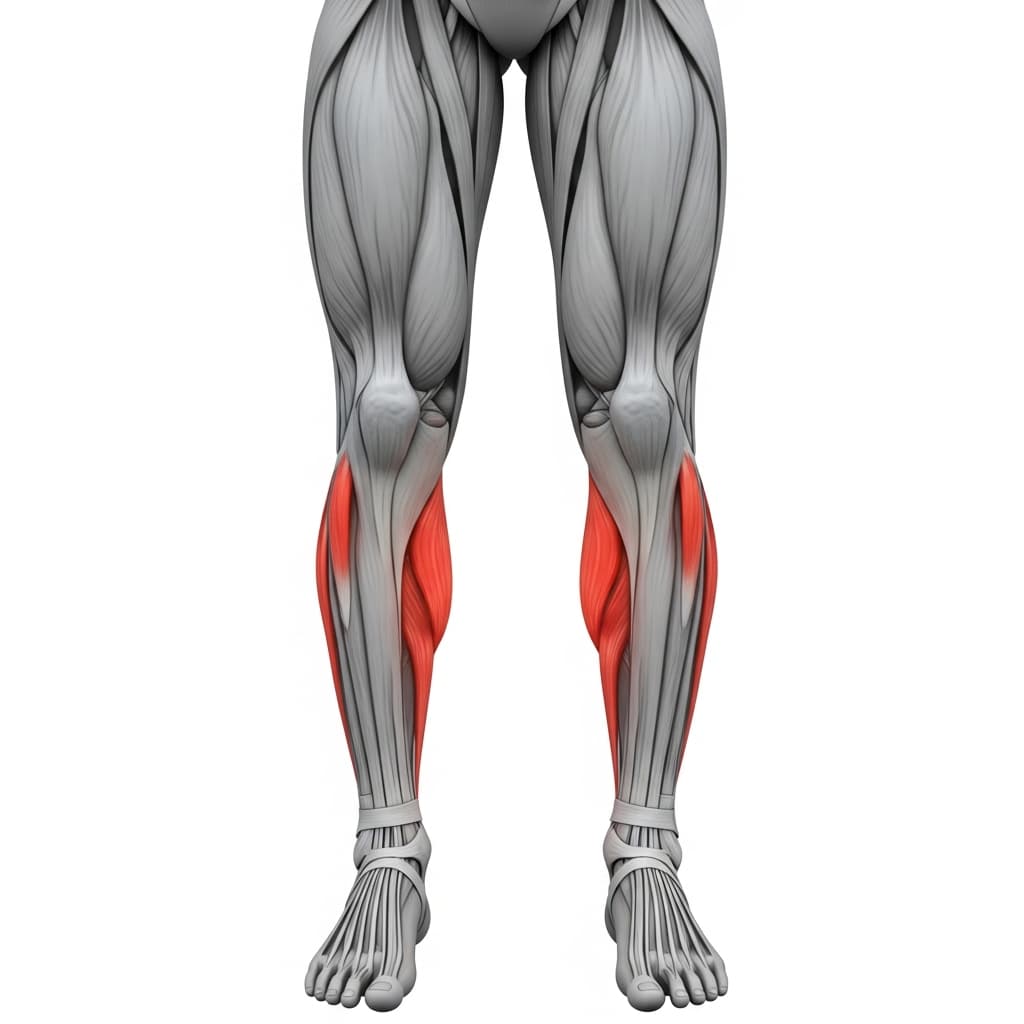
Tibialis Anterior (Calves) - The tibialis anterior controls ankle dorsiflexion as the shin tracks forward over the toes, maintaining balance and preventing the heel from rising.
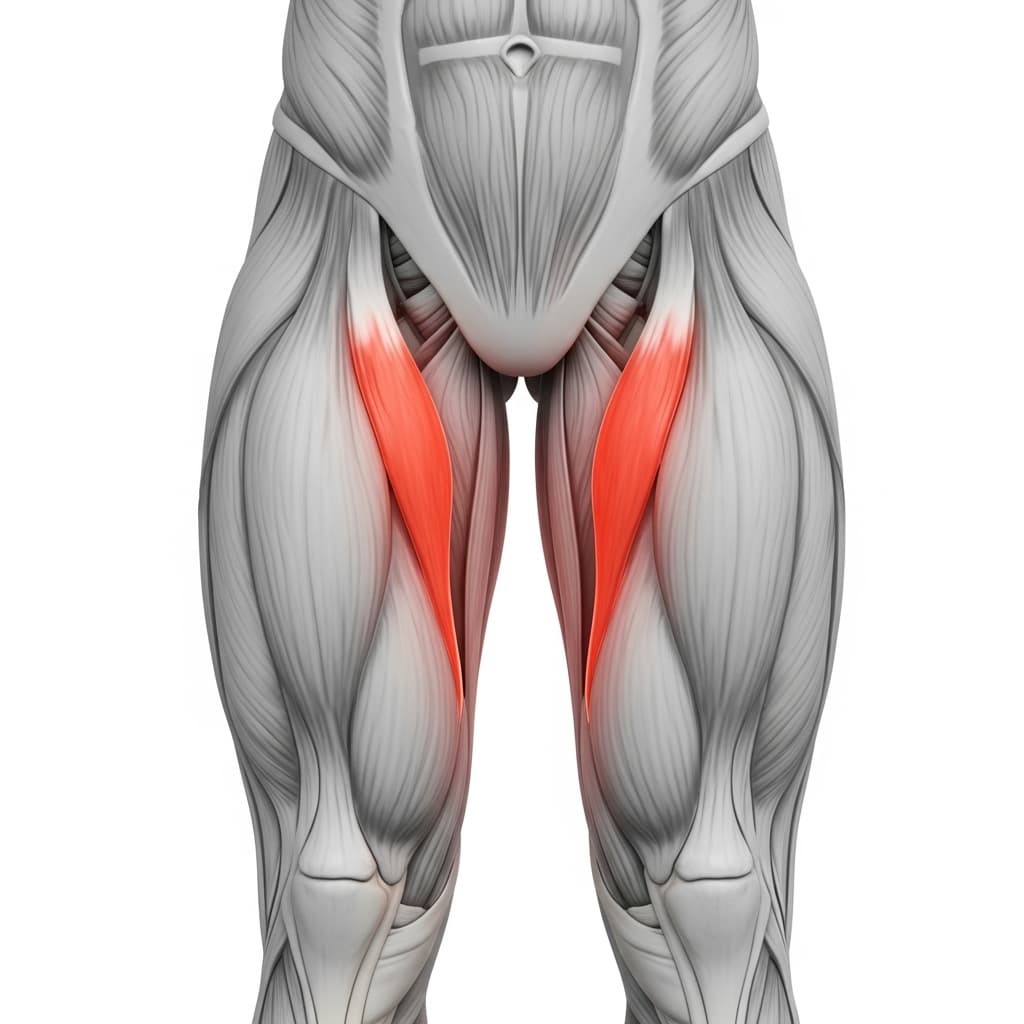
Hip Adductors (Adductors) - The adductors stabilize the inner thigh of the working leg and prevent the knee from collapsing inward during the single-leg squat descent.
Benefits of Negative Box Assisted Pistol Squat
- Builds eccentric single-leg strength through the quads and glutes, which is the limiting factor for most people working toward a full pistol squat
- Develops balance and proprioception on one leg under load, training the ankle, knee, and hip stabilizers simultaneously
- Improves active hip flexor endurance in the raised leg, which is required to keep the non-working leg extended during pistol squats
- Strengthens the knee joint through a controlled range of motion, reducing injury risk compared to uncontrolled single-leg squats
Who Is This Exercise For?
You should be able to perform 10 controlled bodyweight squats to full depth and hold a single-leg balance for at least 15 seconds before attempting this exercise. If your knee tracks inward during regular squats or you cannot keep your heel planted throughout the movement, work on ankle mobility and single-leg stability first.
Common Mistakes to Avoid
Dropping onto the box too fast: The entire value of this exercise is in the slow, controlled descent. Aim for a minimum of 3 seconds from top to bottom. If you cannot control the last few inches, use a higher box until you build enough strength through the full range.
Heel lifting off the floor: When the heel rises, the load shifts forward onto the toes and the knee takes unnecessary stress. Press the heel into the ground throughout the entire descent. If your heel lifts consistently, place a small wedge or plate under it while you work on ankle mobility.
Knee collapsing inward: The knee must track in line with the toes at all times. Actively push the knee outward during the descent by engaging the glutes and outer hip. If you cannot prevent the collapse, regress to two-leg box squats until hip stability improves.
Staying too upright through the torso: A slight forward lean is necessary to keep the center of gravity over the foot. Without it, you will fall backward before reaching the box. Lean forward enough to stay balanced while keeping your chest open and core braced.
Variations & Progressions
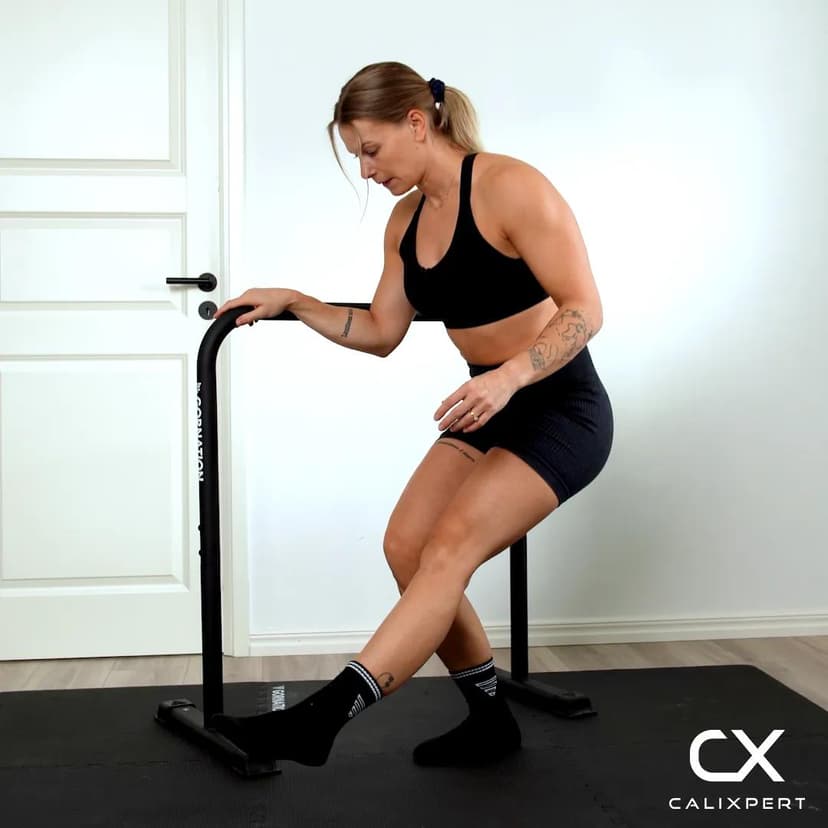
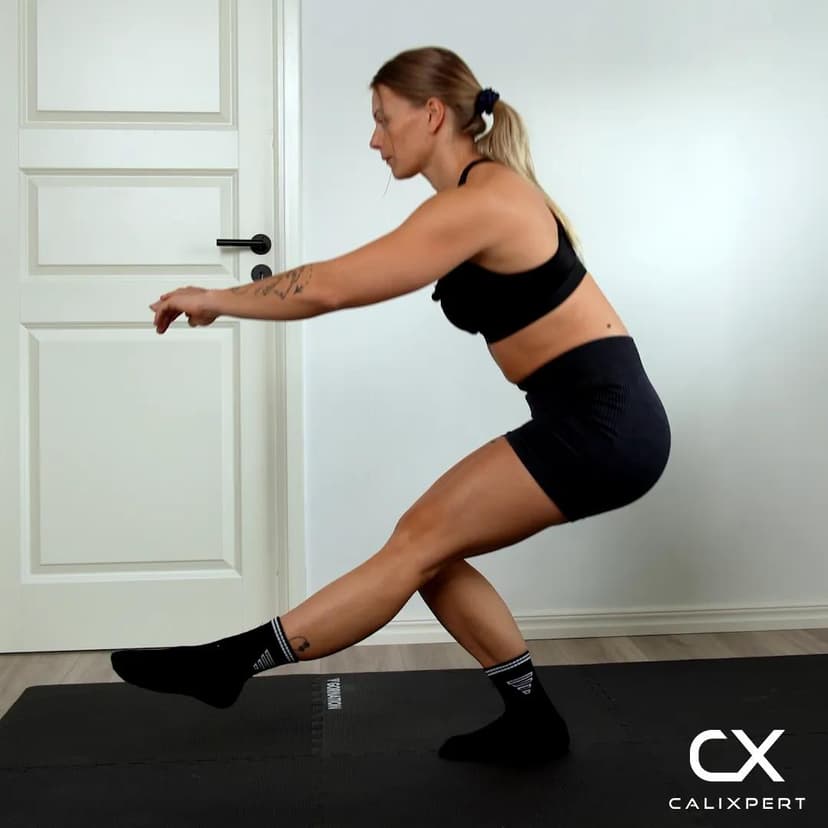
Slow tempo box pistol squat with single-leg stand
Perform the same slow descent, but stand back up using only the working leg instead of placing the other foot down. This adds the concentric phase and significantly increases the strength demand.