Hollow Body To Support L-sit
The Hollow Body To Support L-sit is a dynamic calisthenics transition that links floor core strength with straight-arm support pressing, targeting the abs, hip flexors, triceps, and shoulders through a controlled momentum-based movement. The exercise starts in a hollow body position on the floor and finishes in a supported L-sit with locked arms and legs extended, demanding both compression strength and shoulder stability in a single fluid rep. Training this transition builds the exact motor pattern and core tension needed to hold a clean L-sit and progress toward advanced compression skills.
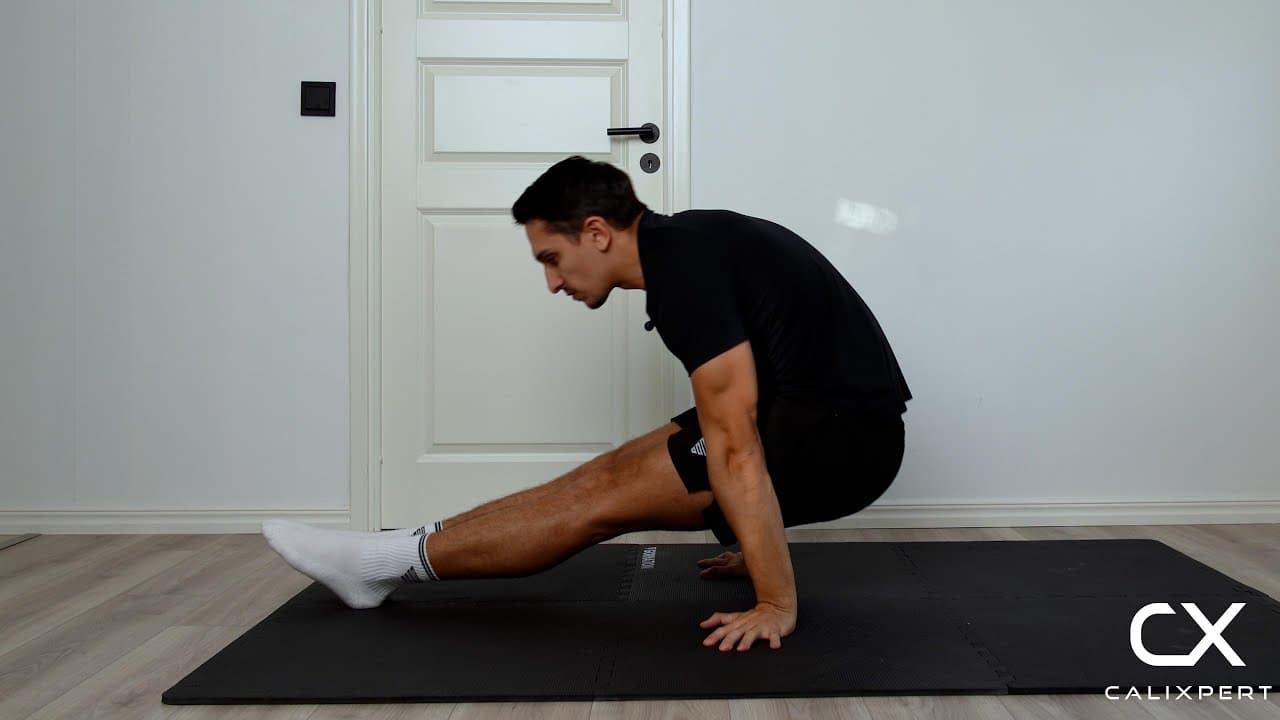
The Hollow Body To Support L-sit is a dynamic calisthenics transition that links floor core strength with straight-arm support pressing, targeting the abs, hip flexors, triceps, and shoulders through a controlled momentum-based movement. The exercise starts in a hollow body position on the floor and finishes in a supported L-sit with locked arms and legs extended, demanding both compression strength and shoulder stability in a single fluid rep. Training this transition builds the exact motor pattern and core tension needed to hold a clean L-sit and progress toward advanced compression skills.
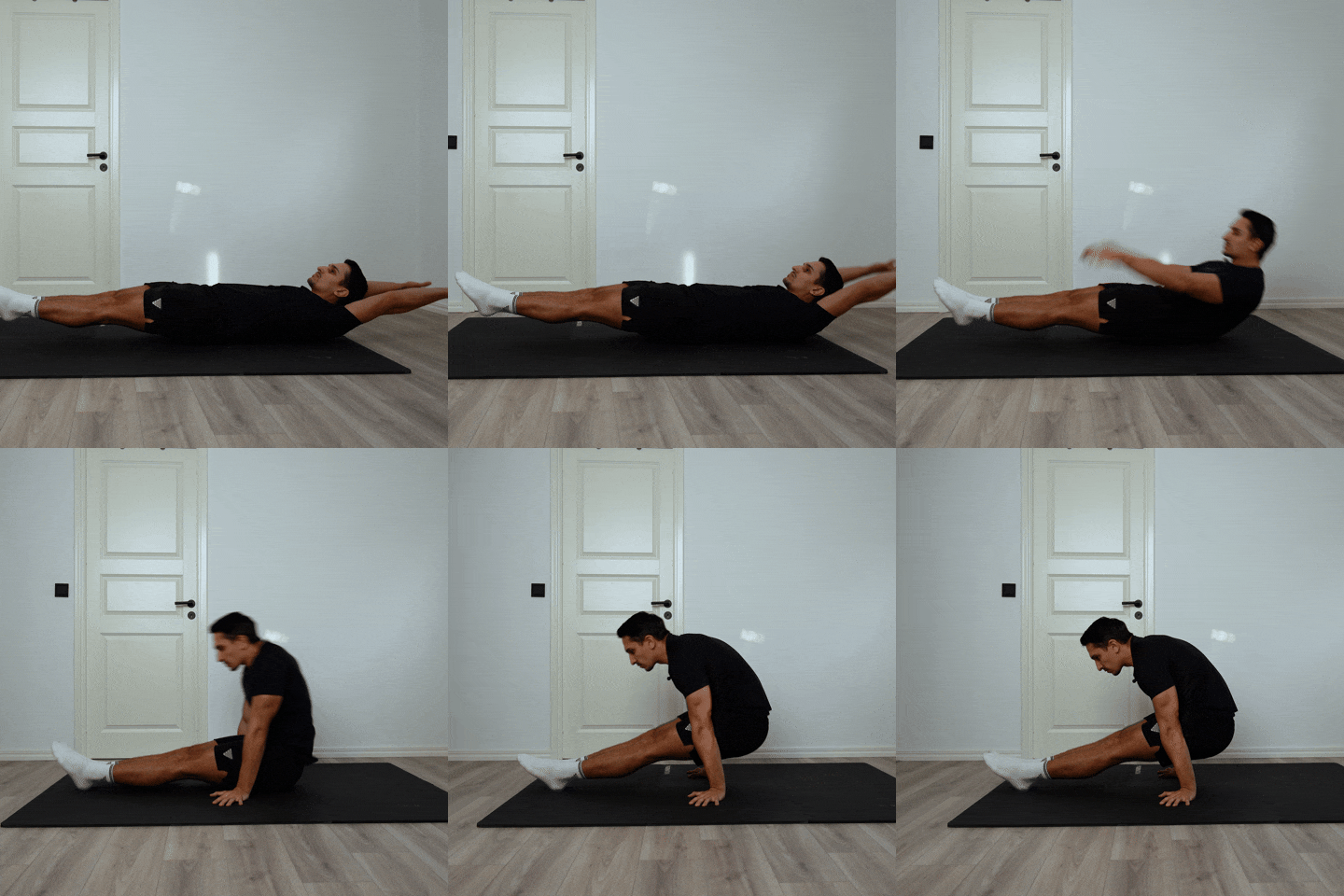
How to Do Hollow Body To Support L-sit
1. Set Up the Hollow Body
Lie flat on your back with your arms extended overhead, legs straight and together, and shoulders and feet slightly lifted off the floor. Press your lower back firmly into the ground so there is no gap between your spine and the floor. Your entire core should be braced and your body forming a slight curved shape from fingertips to toes.
Lower back glued to the floor
2. Swing Forward With Momentum
Initiate the transition by swinging your arms forward while keeping your core tight. Use a controlled amount of momentum to roll your torso upright toward a seated position. Your legs should stay straight and together as you come forward. In the early stages, using momentum is expected and necessary to complete the movement.
Arms drive forward, core stays tight
3. Place Hands and Press Up
As you arrive in the seated position, plant your hands on the floor beside your hips. Press firmly through your palms and lock your elbows completely to lift your hips off the ground. The further back you place your hands, the easier the lift will be. Your goal over time is to move your hands closer to your knees, which increases the compression demand.
Lock the elbows, push the floor away
4. Hold the L-sit Support
Once your hips are off the floor with arms locked, hold the L-sit position for a brief count of one to two seconds. Keep your shoulders depressed, chest tall, and legs extended straight in front of you. Maintain active tension through your abs and hip flexors the entire time you are in the support.
Shoulders down, legs straight, hold
5. Lower and Reset
After the brief hold, lower your hips back to the floor under control and roll back into the hollow body starting position. Reset fully before beginning the next rep. Each rep should start from a clean hollow body, not a sloppy half-position on the floor.
Full reset to hollow before every rep
Most people try to muscle through this exercise with their arms and wonder why they stall. The real driver is your core and hip flexors, not your pressing strength. Focus on keeping maximum tension in the hollow body as you swing forward, and the support position will feel lighter because your body arrives in the right shape instead of collapsing into it.
Muscles Worked During Hollow Body To Support L-sit
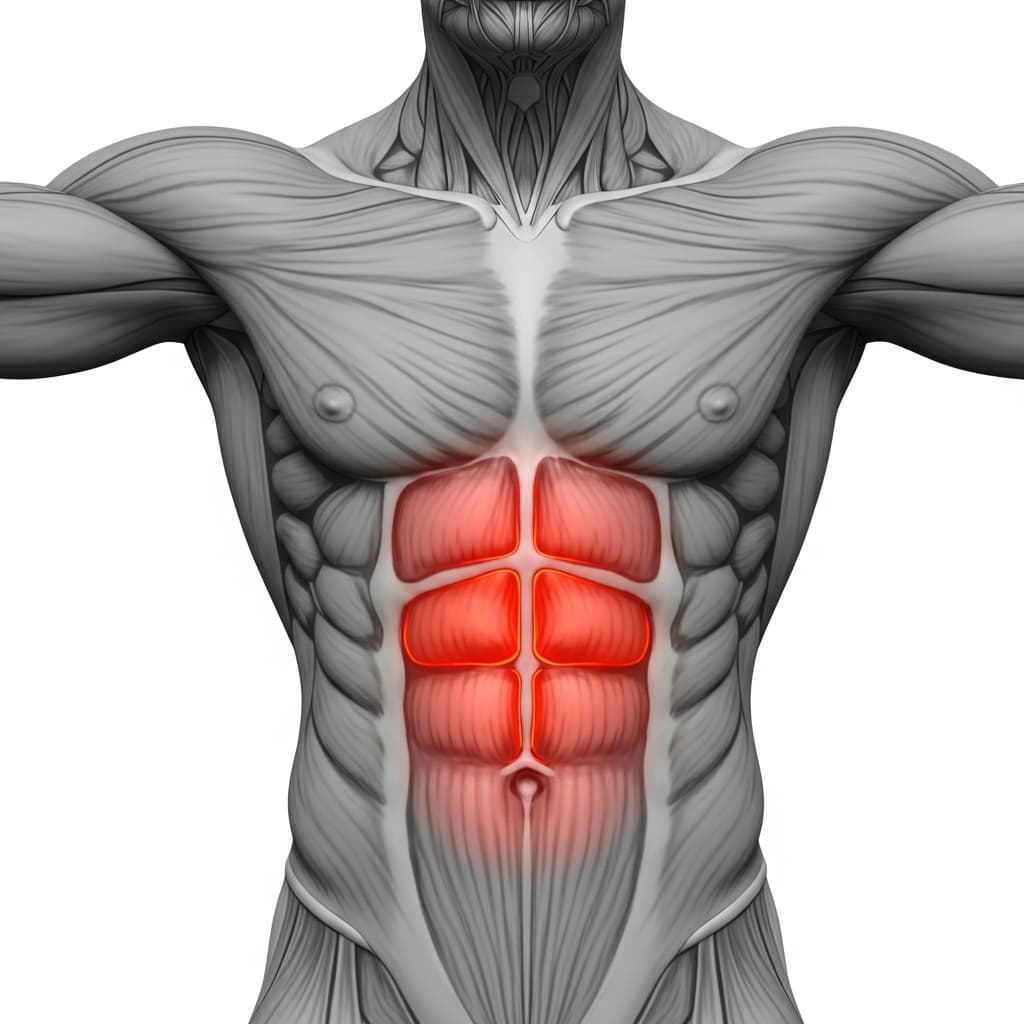
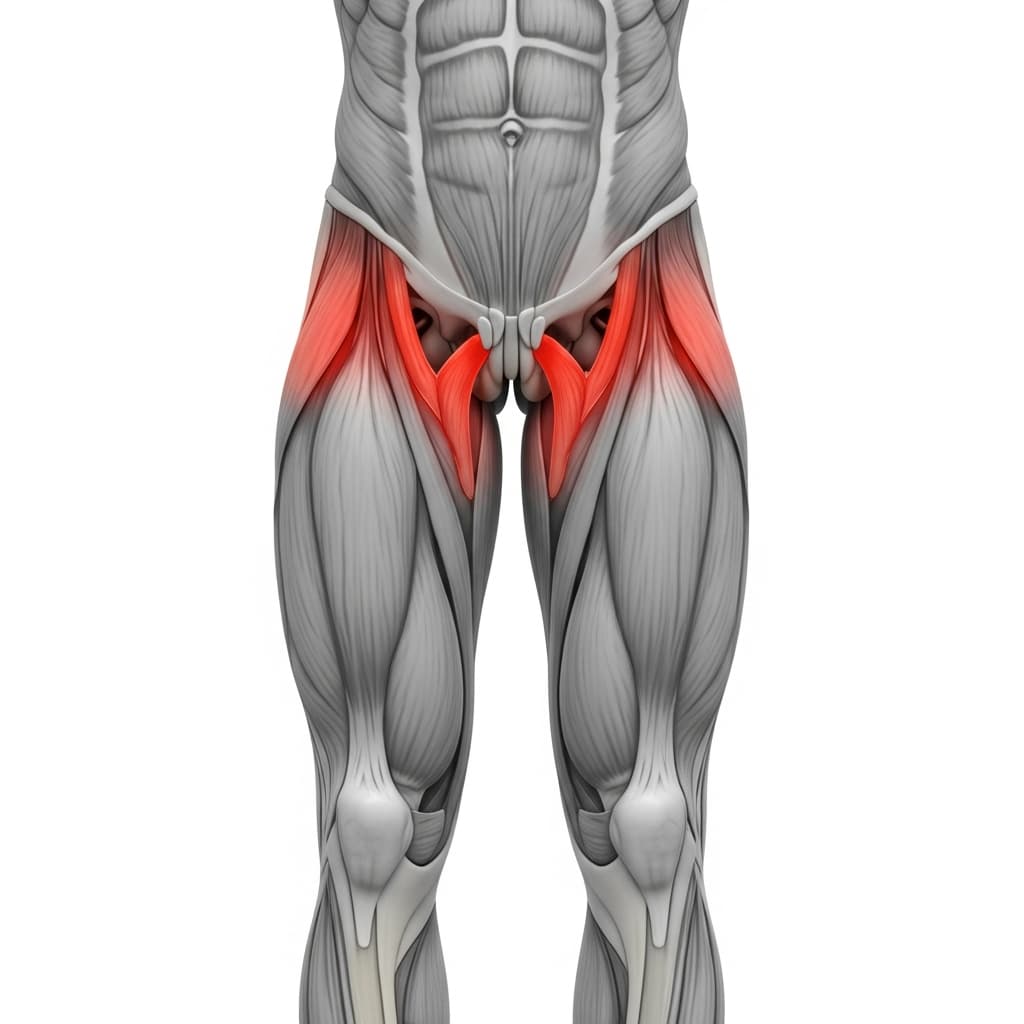
Primary Muscles:
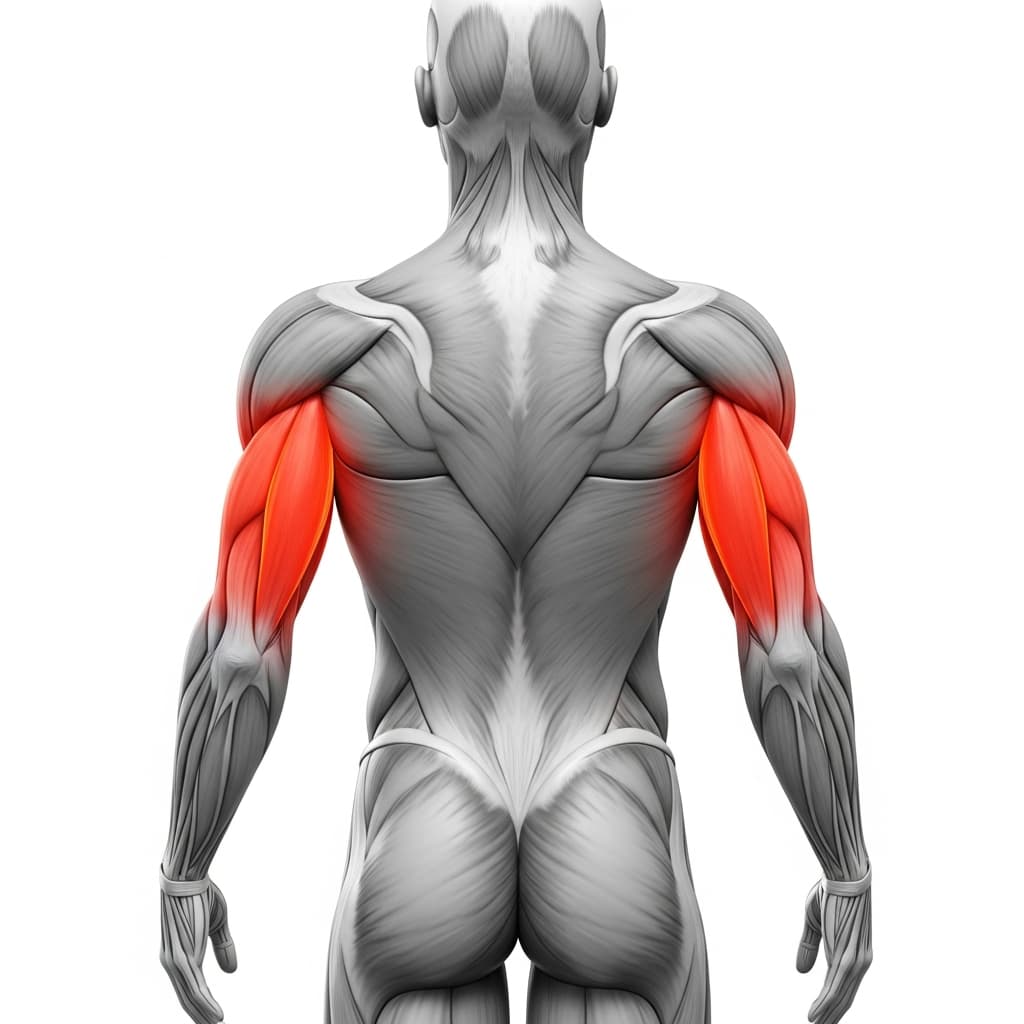
Secondary Muscles:
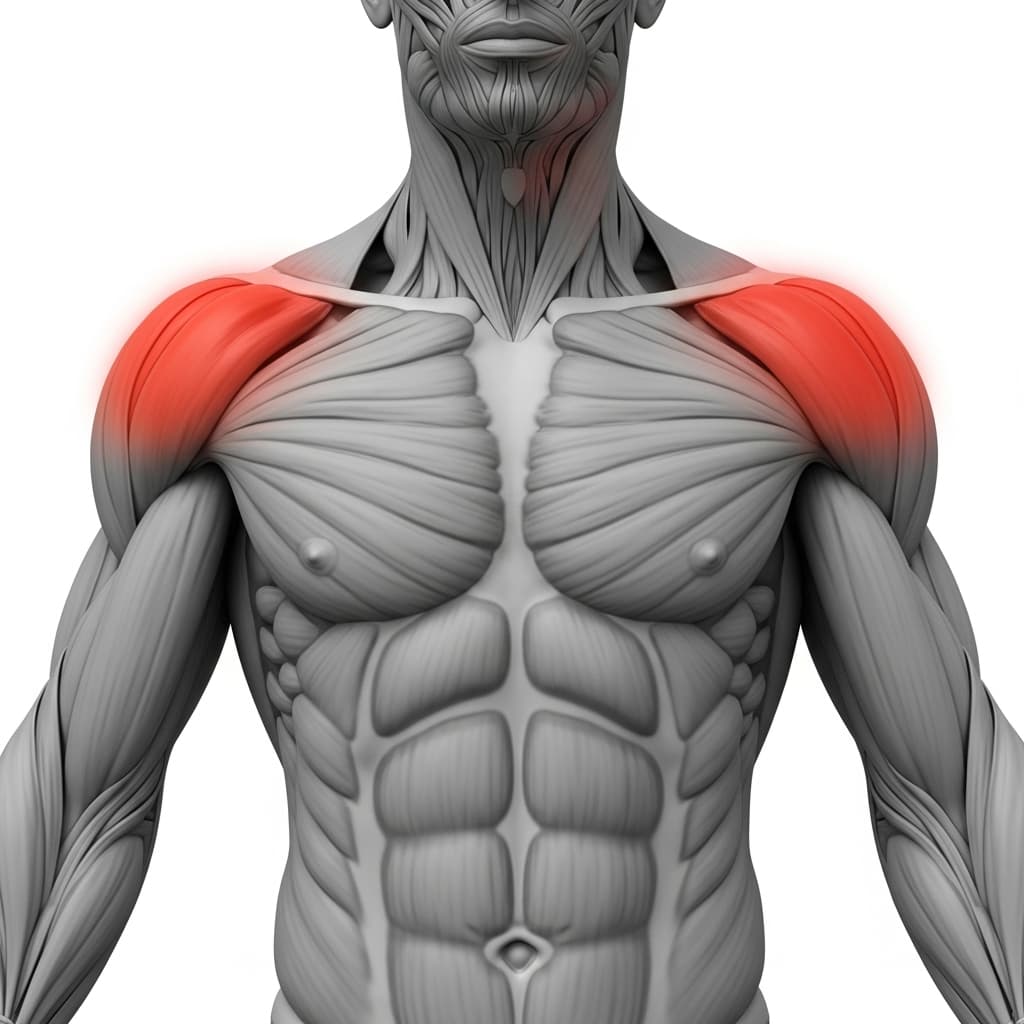
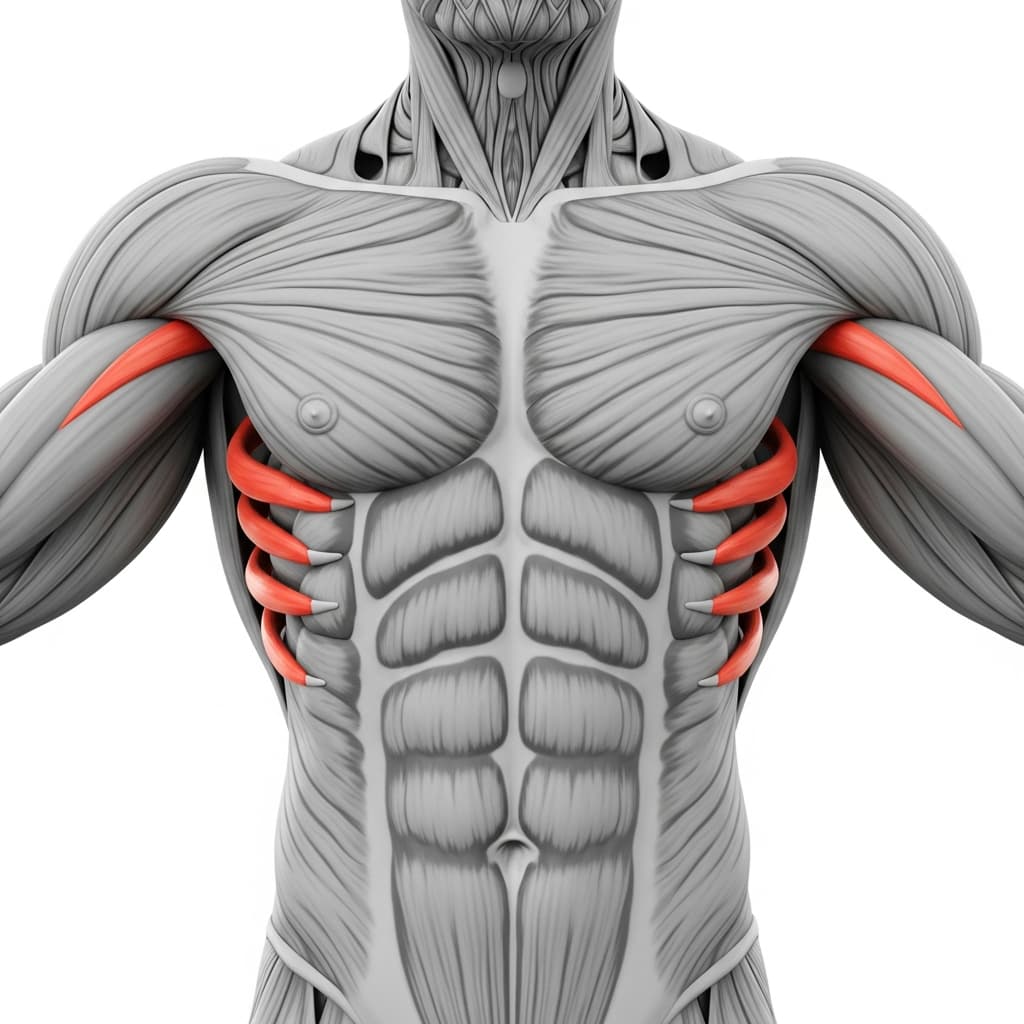
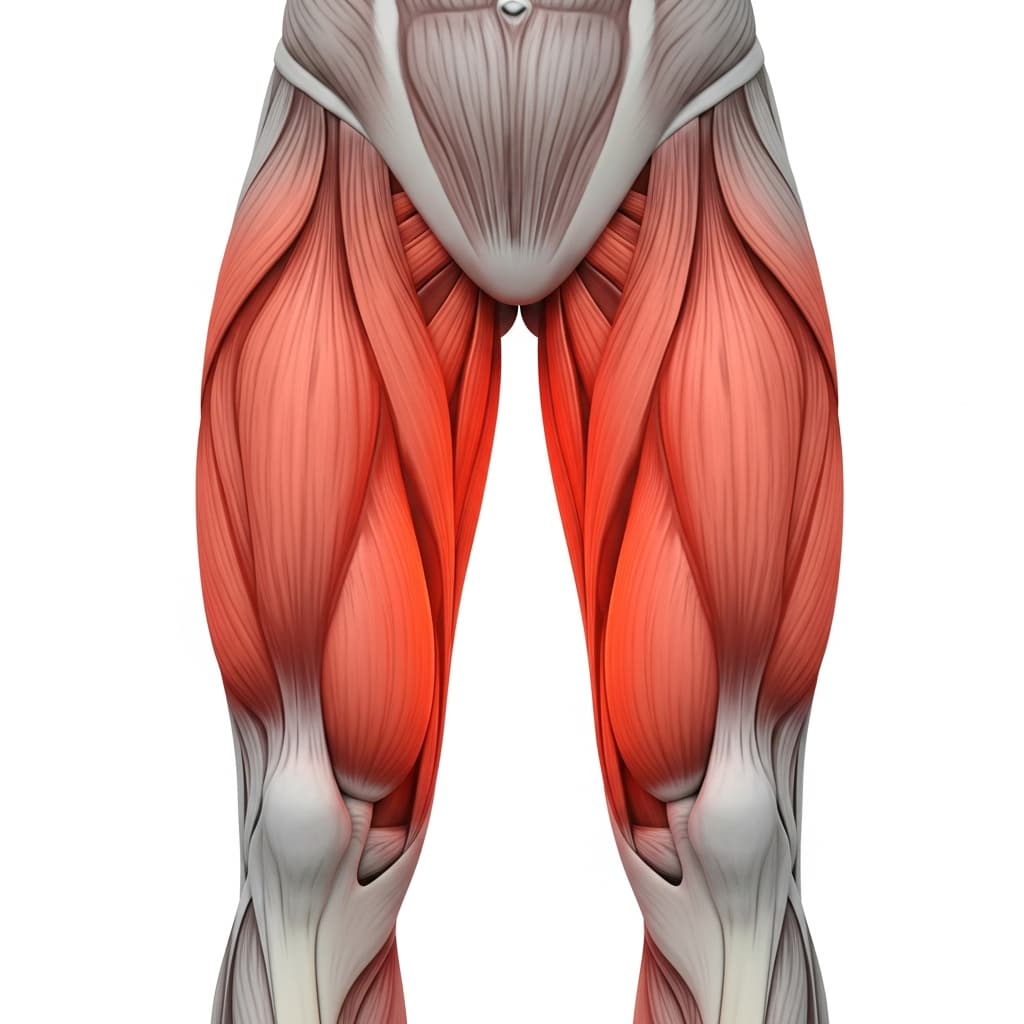
Primary Muscles
Rectus Abdominis (Abs) - The abs maintain full-body tension in the hollow body position and stabilize the torso throughout the transition from floor to support.
Iliopsoas (Hip Flexors) - The hip flexors compress the legs toward the torso and hold them elevated during the L-sit support phase, working at their shortest and most demanding range.
Secondary Muscles
Triceps Brachii (Triceps) - The triceps extend and lock the elbows during the pressing phase, supporting the full bodyweight in the L-sit hold.
Anterior Deltoid (Front Deltoid) - The front deltoids stabilize the shoulder joint under load as the arms press the body into the support position.
Serratus Anterior (Serratus Anterior) - The serratus anterior protracts the scapulae and keeps the shoulders stable and depressed during the locked-arm support.
Quadriceps (Quads) - The quadriceps keep the knees fully locked and the legs straight during both the hollow body and the L-sit support hold.
Benefits of Hollow Body To Support L-sit
- Develops the exact core tension and compression strength needed for a solid L-sit hold and its progressions
- Builds straight-arm pressing strength through the triceps and shoulders in a functional floor support position
- Trains the coordination between hollow body tension and upright support, a motor pattern that transfers directly to handstand and planche entries
- Strengthens hip flexors under load in a shortened position, which is the weakest and most undertrained range for most athletes
Who Is This Exercise For?
You should be able to hold a solid hollow body for at least 15 seconds with your lower back pressed flat and hold an L-sit support on the floor for at least 5 seconds before attempting this exercise. If you cannot maintain a tight hollow position without your lower back lifting or lock out your arms in a floor support, work on those two holds separately first.
Common Mistakes to Avoid
Losing the hollow body position at the start: If your lower back arches off the floor or your legs drop before you initiate the swing, you lose all the core tension that powers the transition. Brace hard and keep your back flat until the moment you roll forward.
Bent arms in the support position: Failing to fully lock your elbows in the L-sit support limits the strength you build and puts unnecessary strain on the shoulders. Press hard through your palms and straighten your arms completely before you begin the hold.
Rushing through the hold at the top: Skipping the one to two second hold turns this into a sloppy momentum drill instead of a strength exercise. Pause at the top every single rep, even if the hold is short.
Placing hands too far forward too soon: Placing your hands close to your knees requires significant compression strength. Start with hands further back near your hips and gradually move them forward as you get stronger.
Variations & Progressions
Hollow Body To Tuck L-sit Support
Instead of extending your legs straight in the support position, tuck your knees toward your chest. This reduces the lever arm and compression demand, making the support hold significantly more accessible while still training the transition pattern.
Hollow Body To Compressed L-sit
Place your hands as close to your knees as possible and hold the L-sit in full compression with your feet higher than hip level. This requires much greater hip flexor strength and compression ability, and removes the ability to rely on hand placement for leverage.