45 Degree Pistol Squat Hold
The 45 Degree Pistol Squat Hold is an isometric single-leg squat where you pause with your standing knee bent to roughly 45 degrees, targeting the quads, glutes, and hip stabilizers under sustained tension. This midrange hold trains the specific joint angle where most people lose control during a full pistol squat, making it one of the most effective progressions for building single-leg strength and balance. Adding this hold to your leg training develops the eccentric control and ankle stability that carry directly into deeper pistol squat variations.
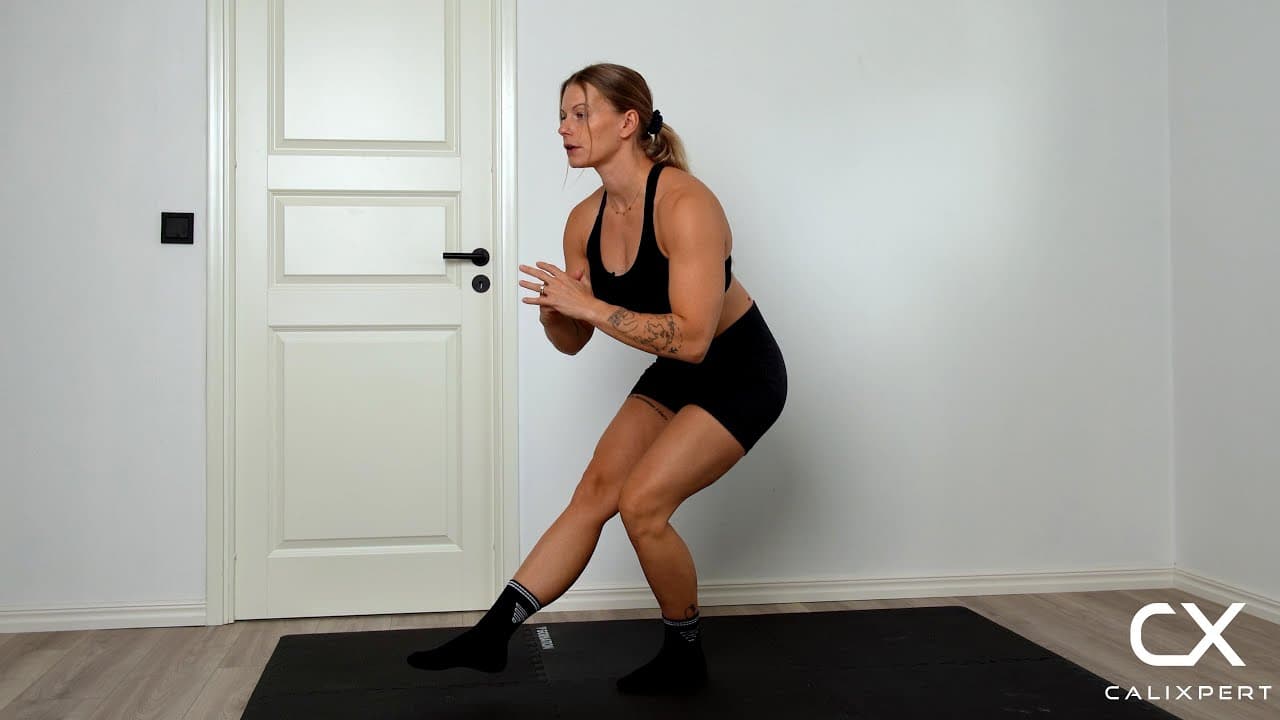
The 45 Degree Pistol Squat Hold is an isometric single-leg squat where you pause with your standing knee bent to roughly 45 degrees, targeting the quads, glutes, and hip stabilizers under sustained tension. This midrange hold trains the specific joint angle where most people lose control during a full pistol squat, making it one of the most effective progressions for building single-leg strength and balance. Adding this hold to your leg training develops the eccentric control and ankle stability that carry directly into deeper pistol squat variations.

How to Do 45 Degree Pistol Squat Hold
1. Set Up Your Standing Position
Stand tall on one leg with your foot fully flat on the ground and toes pointing slightly outward. Keep your arms extended in front of you or out to the sides for counterbalance. Your standing foot should feel grounded through the heel, ball, and toes before you begin the descent.
Whole foot glued to the floor
2. Extend the Free Leg Forward
Lift your non-standing leg and extend it as straight as possible in front of you. Keep the quad of the extended leg engaged so the leg stays elevated and does not drift downward during the hold. This leg position acts as a counterbalance and challenges your hip flexor endurance throughout the set.
Straight leg, toes pulled up
3. Lower to the 45 Degree Position
Slowly bend your standing knee and push your hips back as you descend. Stop when your standing knee reaches approximately 45 degrees of bend, roughly halfway between standing and a full pistol squat. Keep the knee tracking directly over your toes and lean your torso slightly forward to maintain balance.
Knee in line with the toes
4. Brace and Hold the Position
Once you reach the 45 degree angle, engage your core tightly and hold the position with steady tension through your entire standing leg. Breathe in a controlled rhythm and resist any wobble by pressing firmly through your standing foot. Focus on keeping your chest lifted and your hips level rather than letting one side drop.
Core tight, breathe steady
5. Return to Standing With Control
Press through the heel of your standing leg to drive yourself back up to the starting position. Straighten the knee under control without locking it aggressively at the top. Reset your balance completely before switching legs or beginning the next rep.
Drive through the heel to stand
Most people rush to the bottom of a pistol squat without owning the positions along the way. Spending time at 45 degrees teaches your nervous system to stabilize under load at the angle where control breaks down first. If you can hold this position for 30 seconds per leg without wobbling, you have the strength and balance foundation to start training full depth pistol squats with confidence.
Muscles Worked During 45 Degree Pistol Squat Hold
Secondary Muscles:
Primary Muscles
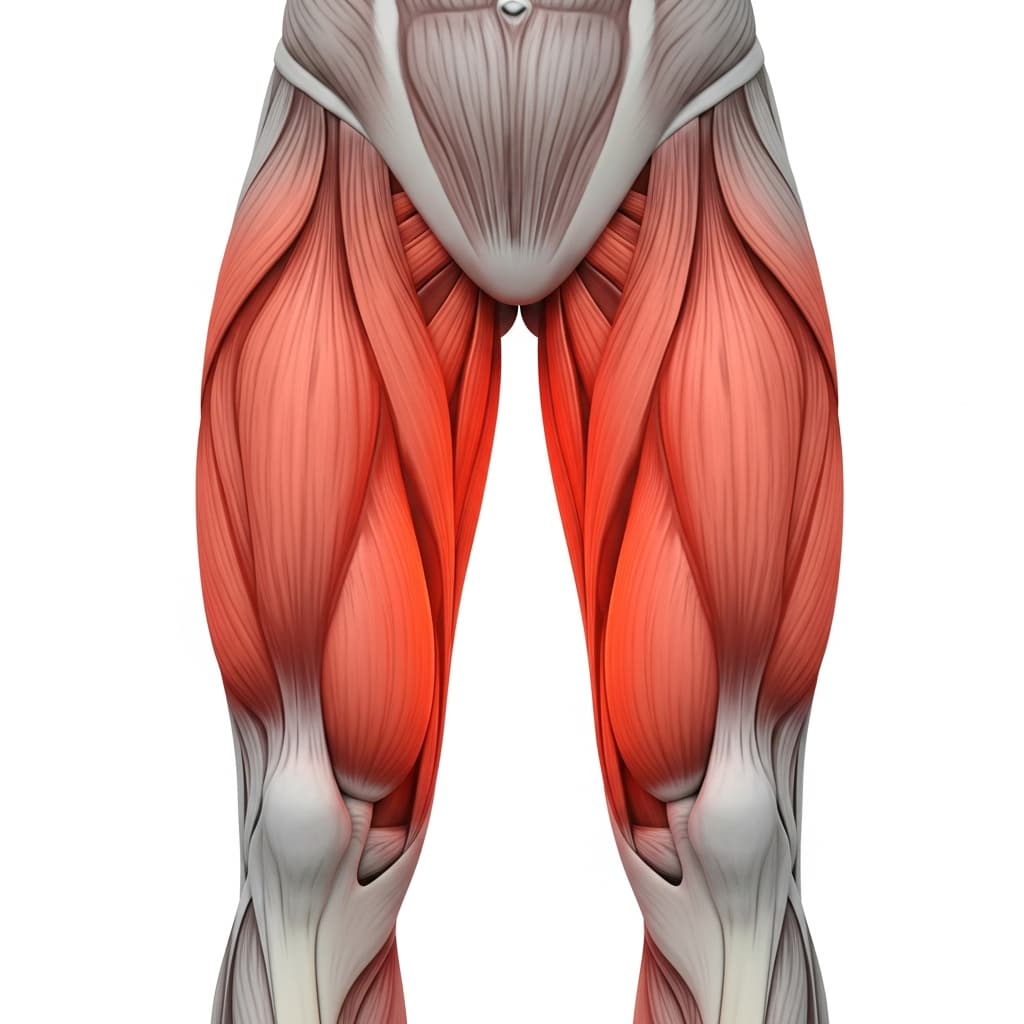
Quadriceps (Quads) - The quadriceps maintain isometric knee extension against gravity, holding the standing leg at 45 degrees of flexion throughout the entire hold.
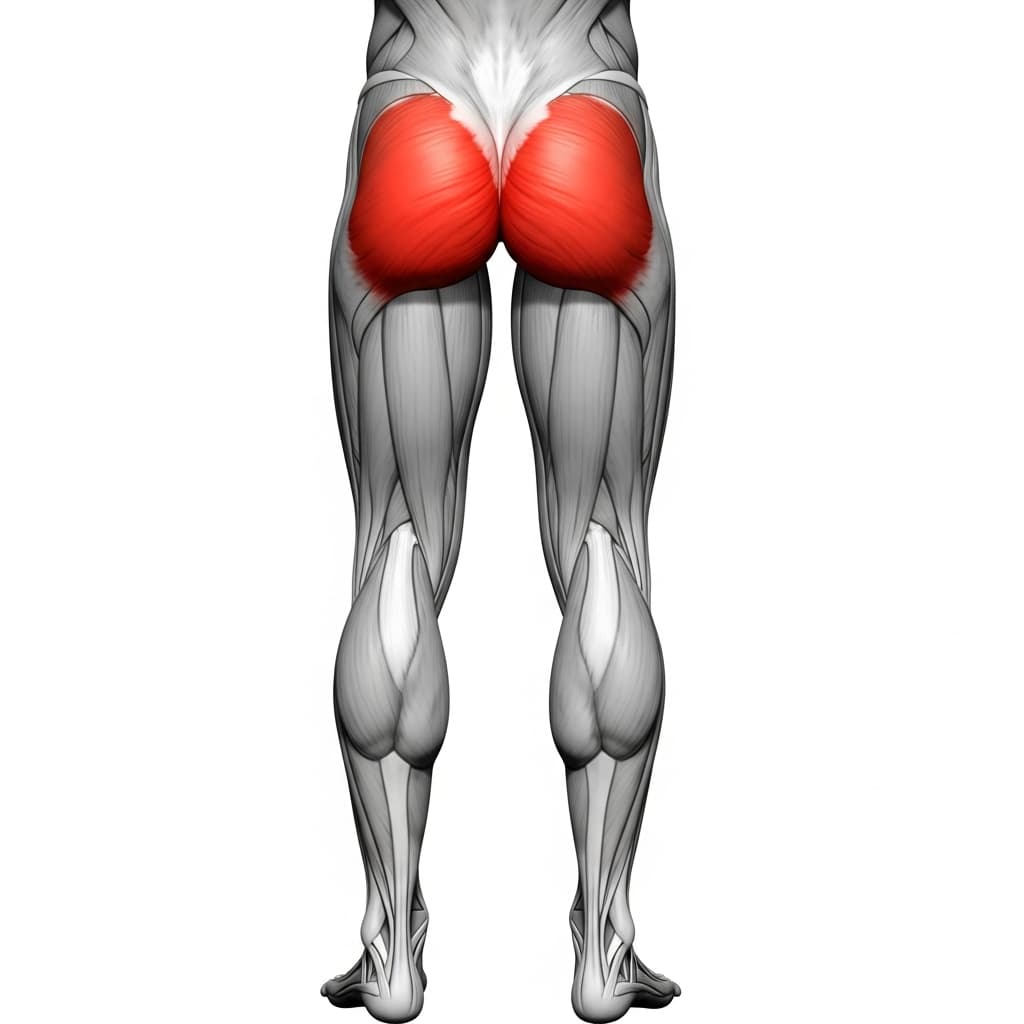
Gluteus Maximus (Glutes) - The glutes stabilize the hip of the standing leg and prevent it from dropping or rotating inward during the single-leg hold.
Secondary Muscles
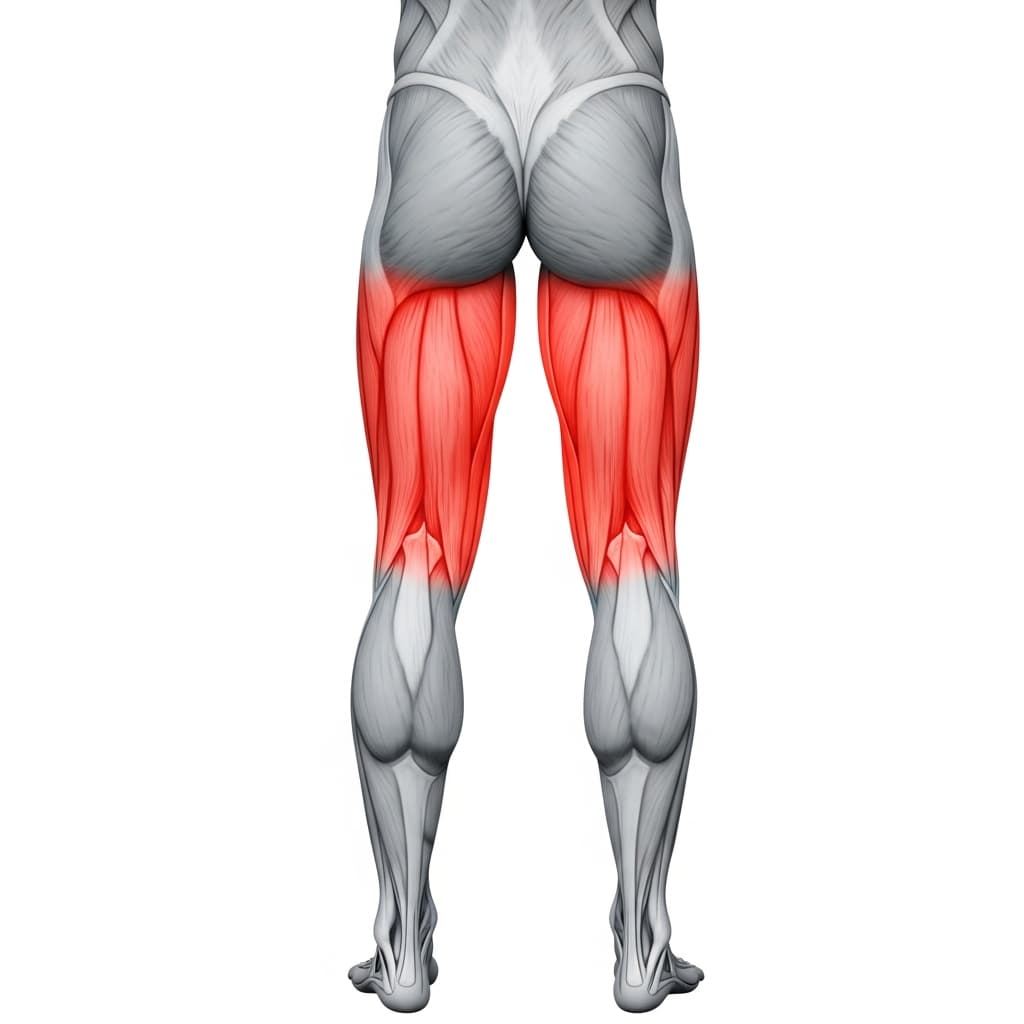
Hamstring Group (Hamstrings) - The hamstrings co-contract with the quads to stabilize the knee joint and assist with hip control during the isometric hold.
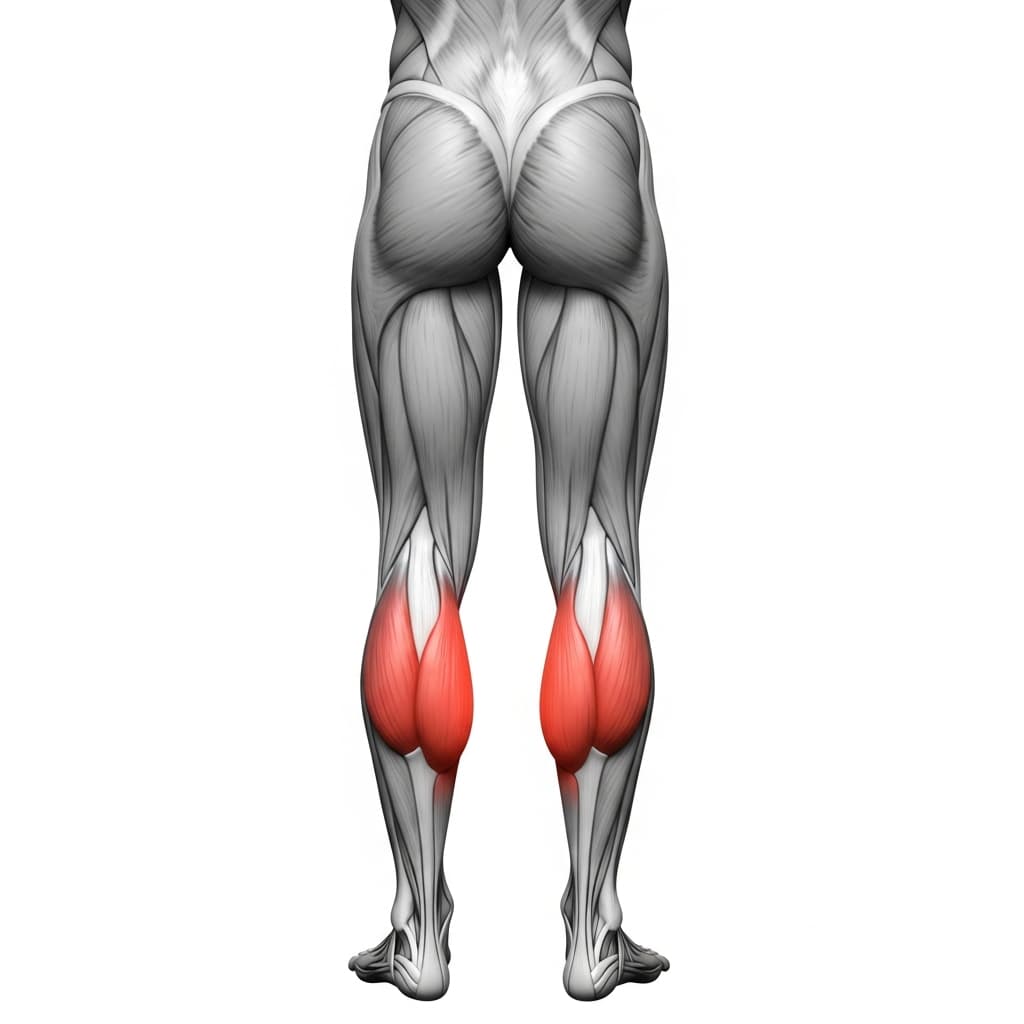
Gastrocnemius & Soleus (Calves) - The calves maintain ankle stability and keep the heel grounded while the body's weight shifts forward over the standing foot.
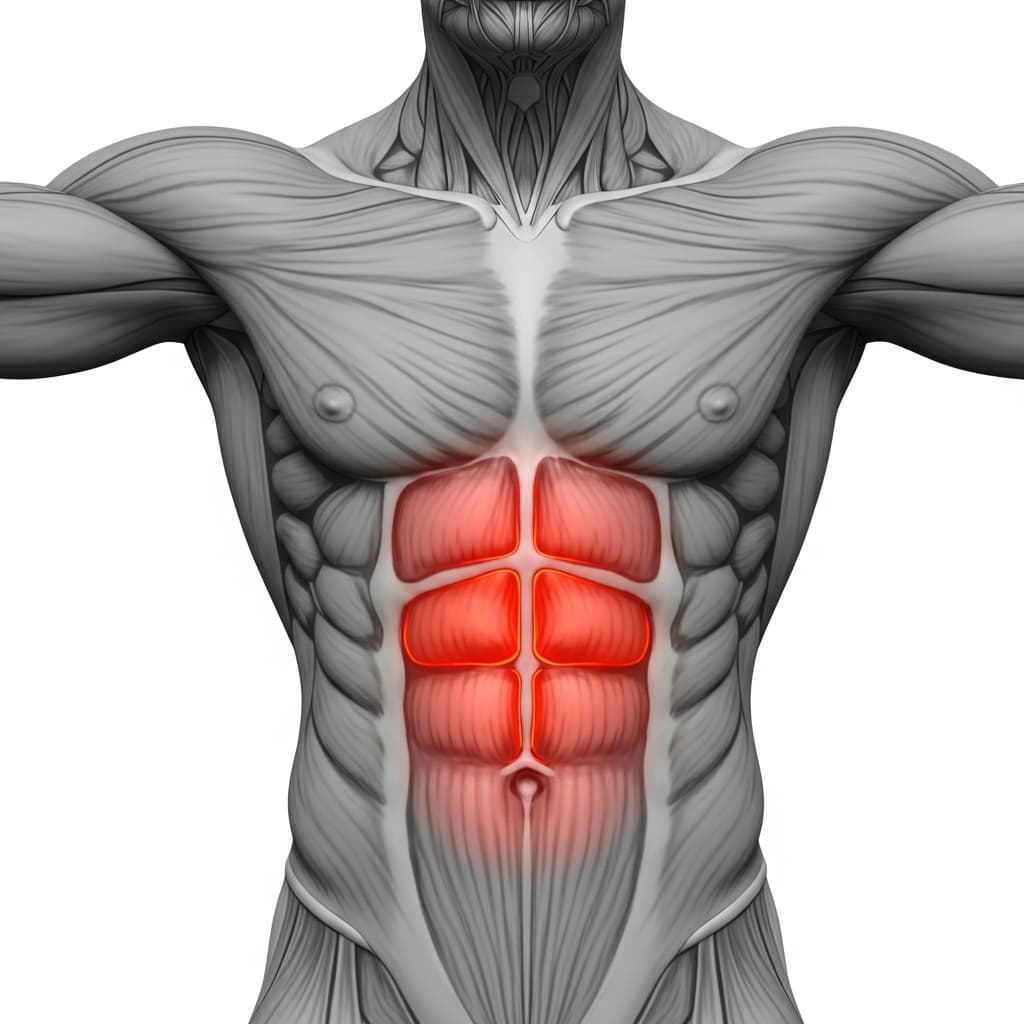
Rectus Abdominis (Abs) - The abdominals brace the trunk to prevent the torso from collapsing forward and maintain an upright posture throughout the hold.
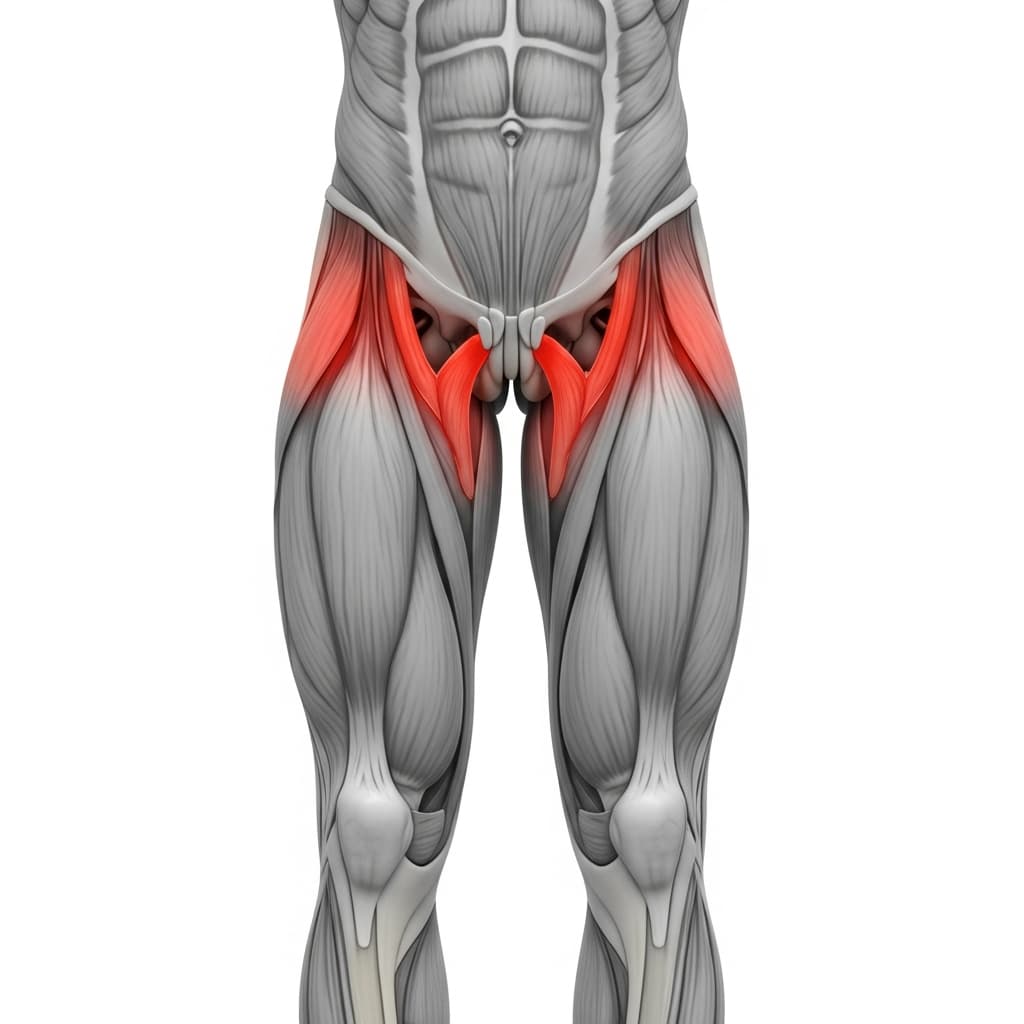
Iliopsoas (Hip Flexors) - The hip flexors of the free leg work continuously to keep the extended leg elevated in front of the body for the duration of the hold.
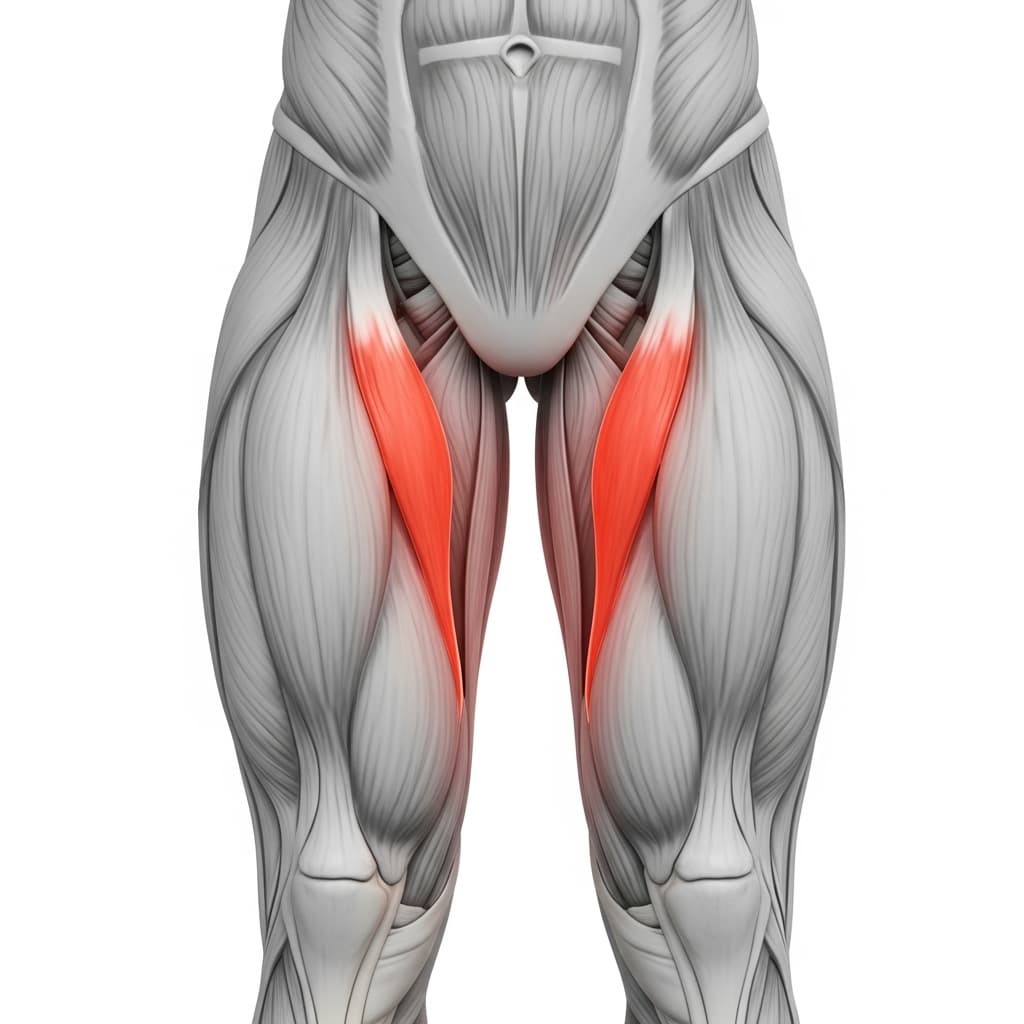
Hip Adductors (Adductors) - The adductors of the standing leg stabilize the inner thigh and prevent the knee from drifting outward or inward under single-leg load.
Benefits of 45 Degree Pistol Squat Hold
- Builds quad and glute strength at the exact midrange angle where most people fail during full pistol squats
- Develops single-leg balance and proprioception that transfers directly to all unilateral lower body movements
- Strengthens the knee stabilizers in an isometric position, which builds joint resilience without the impact of dynamic reps
- Trains hip flexor endurance through sustained elevation of the extended leg, a limiting factor in pistol squat progression
- Improves ankle stability and control under load, reducing the tendency for the heel to lift during deep single-leg squats
Who Is This Exercise For?
You should be able to perform a controlled bodyweight squat to parallel on two legs and hold a single-leg balance for at least 15 seconds before attempting this exercise. If you struggle to keep your heel planted or your knee aligned during a regular single-leg squat, work on ankle mobility and basic single-leg balance drills first. Practicing assisted pistol squats while holding a door frame or pole will build the control you need for the unsupported hold.
Common Mistakes to Avoid
Knee collapsing inward: Actively push your standing knee outward so it tracks directly over your second and third toes throughout the hold. If your knee caves inward, it shifts load off the quads and places shearing stress on the joint.
Lifting the heel off the ground: Keep your full foot in contact with the floor at all times. If your heel lifts, you lack ankle mobility, so place a small wedge or plate under your heel until you develop the range.
Holding the breath: Breathe in a steady controlled rhythm during the hold. Holding your breath spikes blood pressure and reduces your ability to sustain the position with stability.
Dropping the extended leg: Keep the quad of your free leg actively engaged so it stays elevated and parallel to the ground. A sagging leg shifts your center of gravity and makes balance significantly harder.
Variations & Progressions
Assisted 45 Degree Pistol Squat Hold
Hold a door frame, pole, or TRX strap with one or both hands while performing the hold. The external support reduces the balance demand so you can focus purely on building leg strength at the correct angle.
Full Depth Pistol Squat Hold
Lower all the way to the bottom of a full pistol squat and hold with your hamstring resting against your calf. This demands significantly more ankle mobility, hip flexor endurance, and quad strength at a much deeper knee angle.