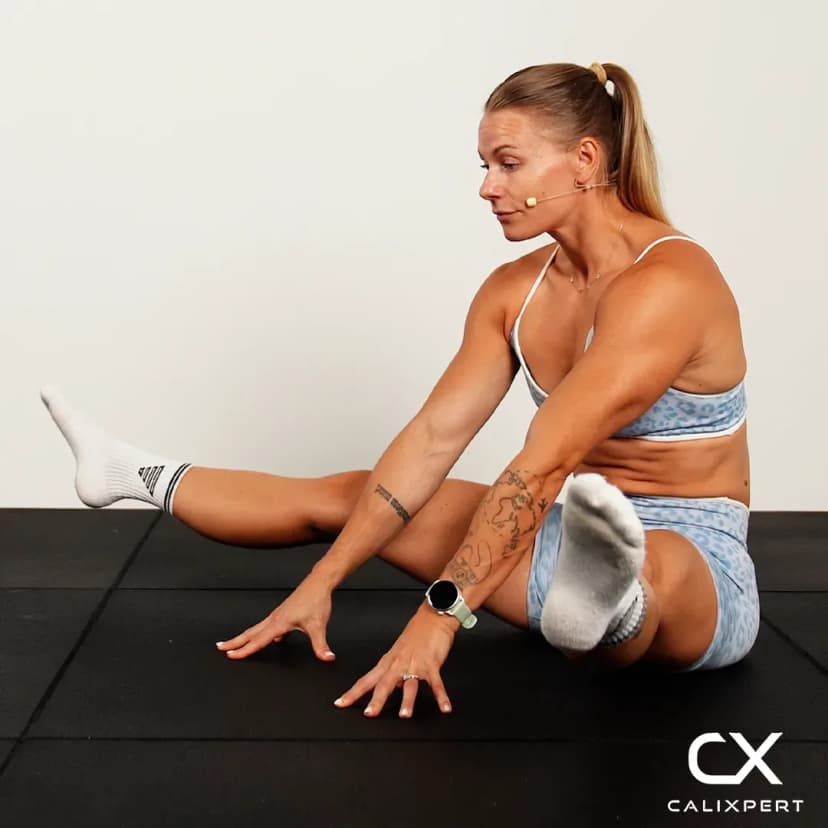
Shoulder Tap Push Ups
Shoulder tap push-ups combine a standard push-up with a unilateral shoulder tap at the top of each rep, targeting the chest, triceps, front deltoids, and core through both pressing strength and anti-rotation stability. The tap forces you to support your entire bodyweight on one arm while resisting hip rotation, which loads the obliques and deep core stabilizers far more than a regular push-up. This makes shoulder tap push-ups one of the most efficient bodyweight exercises for building pressing power and trunk control in a single movement.
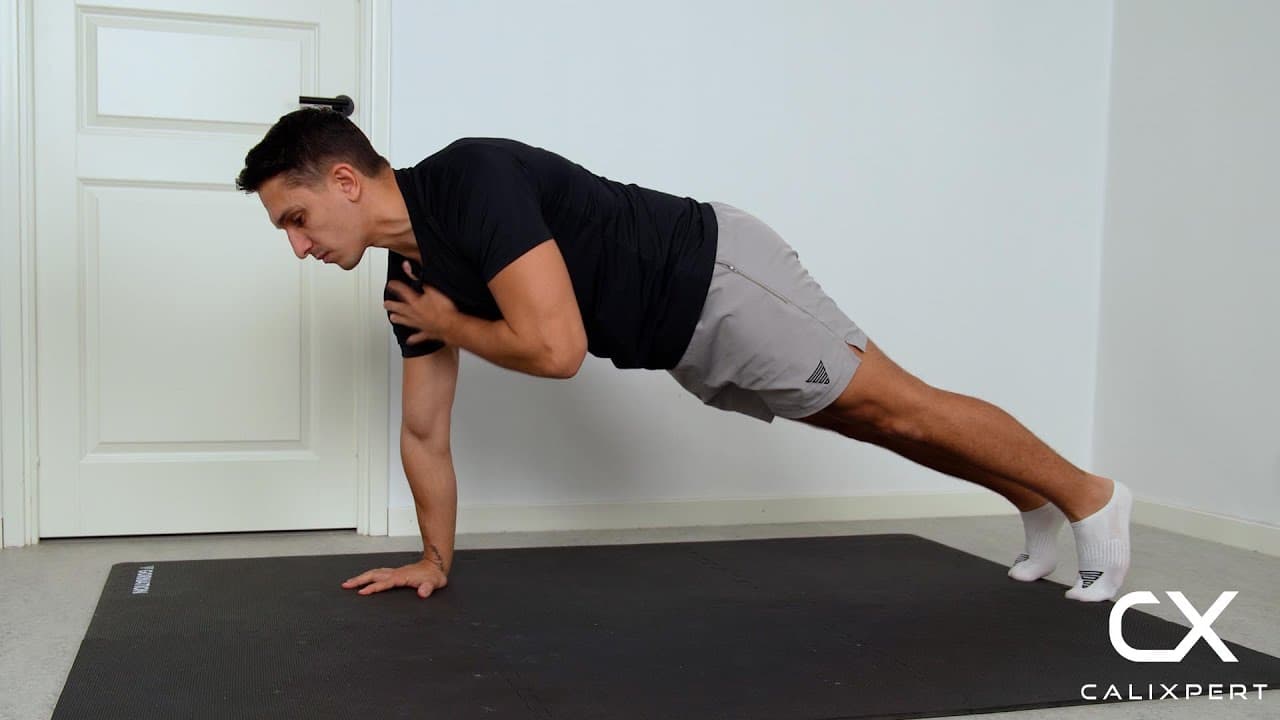
Shoulder tap push-ups combine a standard push-up with a unilateral shoulder tap at the top of each rep, targeting the chest, triceps, front deltoids, and core through both pressing strength and anti-rotation stability. The tap forces you to support your entire bodyweight on one arm while resisting hip rotation, which loads the obliques and deep core stabilizers far more than a regular push-up. This makes shoulder tap push-ups one of the most efficient bodyweight exercises for building pressing power and trunk control in a single movement.
How to Do Shoulder Tap Push Ups
1. Set Up in High Plank
Place your hands slightly wider than shoulder width on the floor with fingers spread and pointing forward. Your body should form a straight line from the crown of your head to your heels. Engage your core by bracing as if someone were about to tap your stomach. Keep your feet hip-width apart to provide a stable base for the tapping phase.
Straight line from head to heels
2. Lower Into the Push-Up
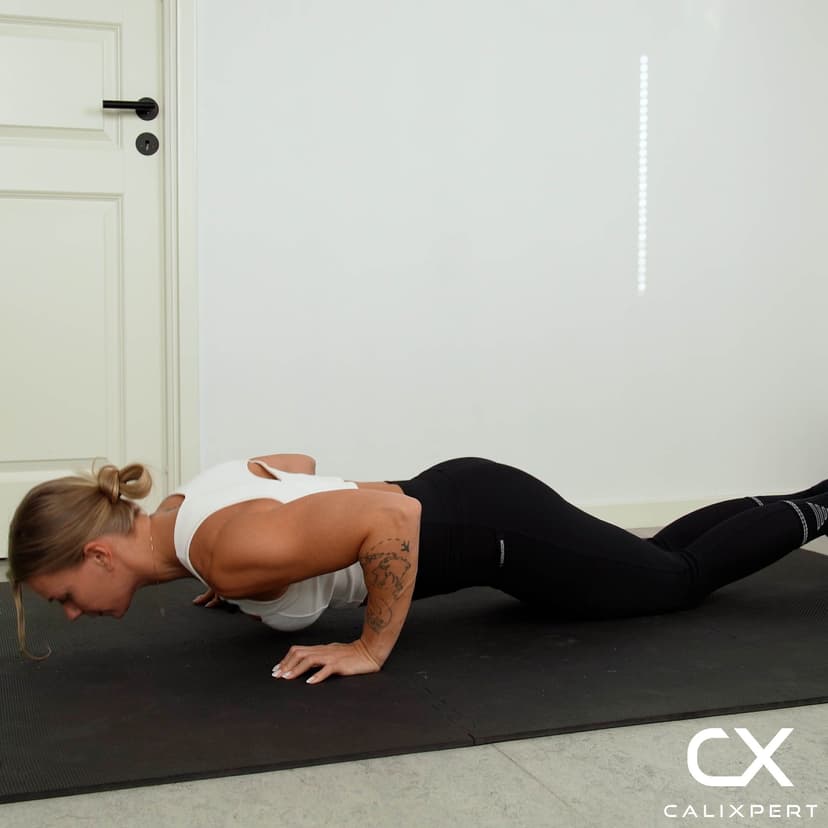
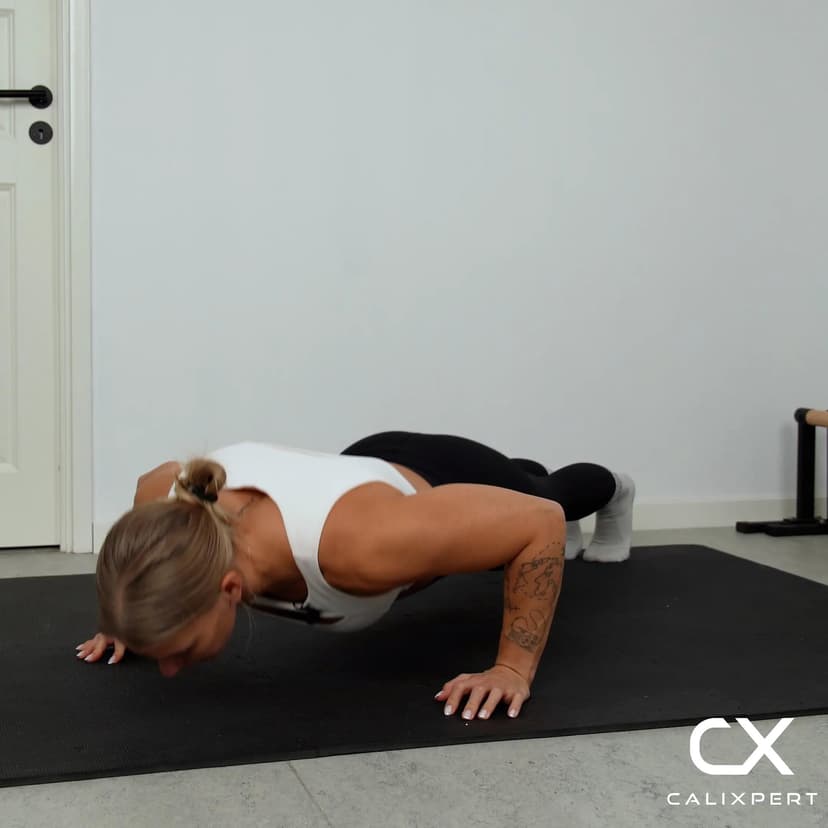
Bend your elbows to lower your chest toward the floor while keeping them at roughly a 45-degree angle from your torso. Maintain your rigid plank position throughout the descent with no hip sag or piking. Lower until your chest is just above the ground or your upper arms reach parallel with the floor.
Elbows at 45 degrees, not flared
3. Press Back to the Top
Push through your palms to drive your body back to the starting plank position. Fully extend your arms at the top and protract your shoulder blades slightly to lock out the position. Your hips should arrive at the top at the same time as your shoulders, not before or after.
Lock out before you tap
4. Shift Weight and Tap
Once you are fully locked out, shift your weight slightly toward your left hand and lift your right hand off the ground. Reach across and tap your left shoulder with your right hand, then return it to the floor. Keep your hips as square to the ground as possible throughout the tap. You will naturally lean slightly to the supporting side, and that is fine as long as your hips stay level.
Hips square, no rotation
5. Repeat on the Other Side
Perform another full push-up, then tap the opposite shoulder with the other hand. Continue alternating sides after each push-up rep. Maintain a steady rhythm and avoid rushing the tap, as speed kills the core stability benefit of this exercise.
One push-up, one tap, alternate
Most people treat the shoulder tap as a quick hand flick between push-ups, and that completely defeats the purpose. The tap is where the real training happens. Slow it down, hold your hand on your shoulder for a full count, and focus on keeping your hips perfectly still. When you can do that without any wobble, your core is doing real work.
Muscles Worked During Shoulder Tap Push Ups
Secondary Muscles:
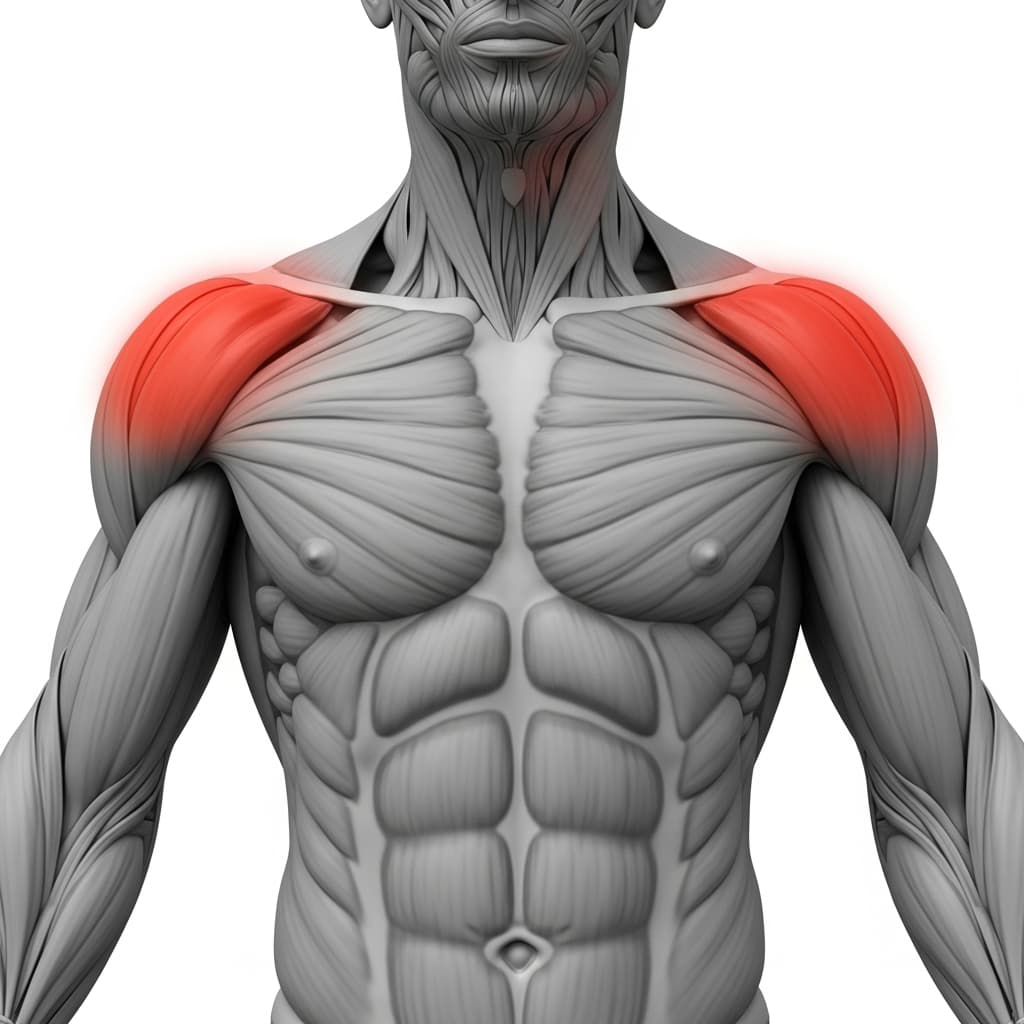
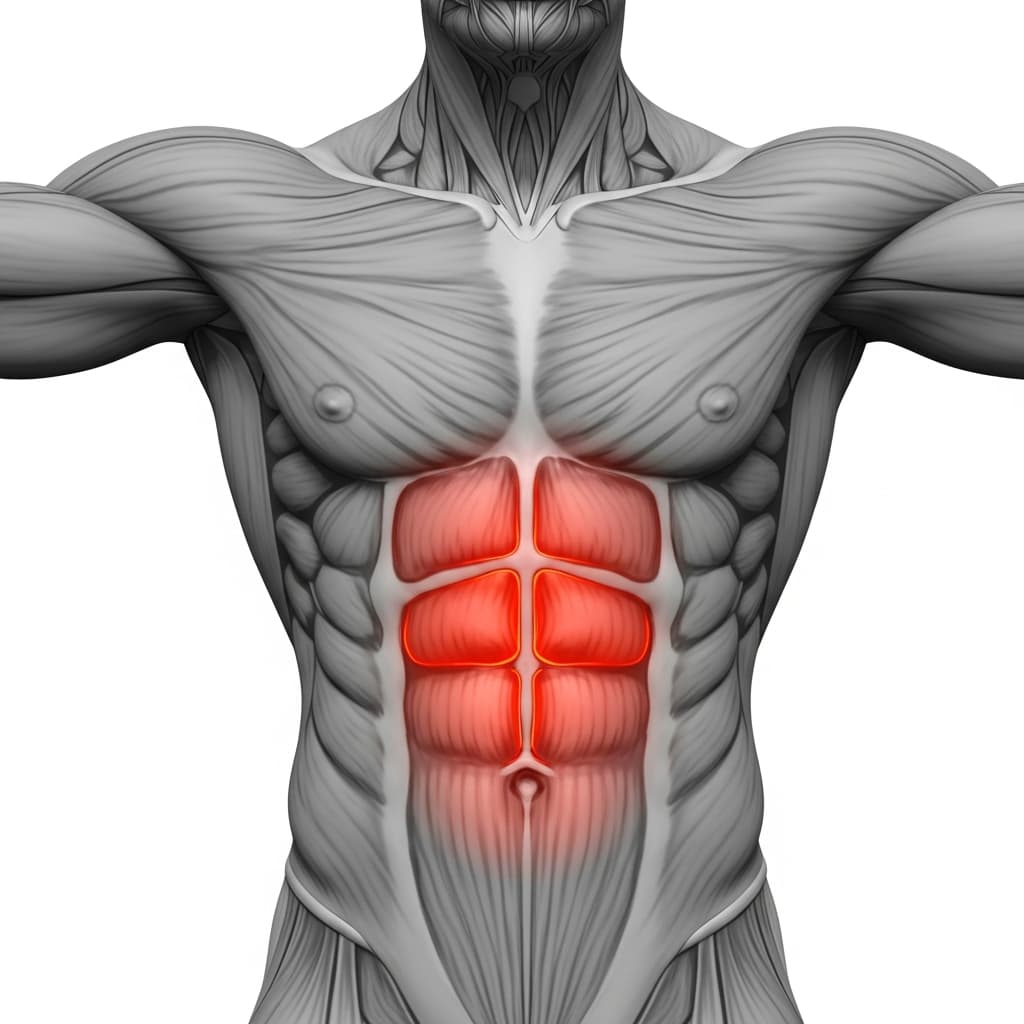
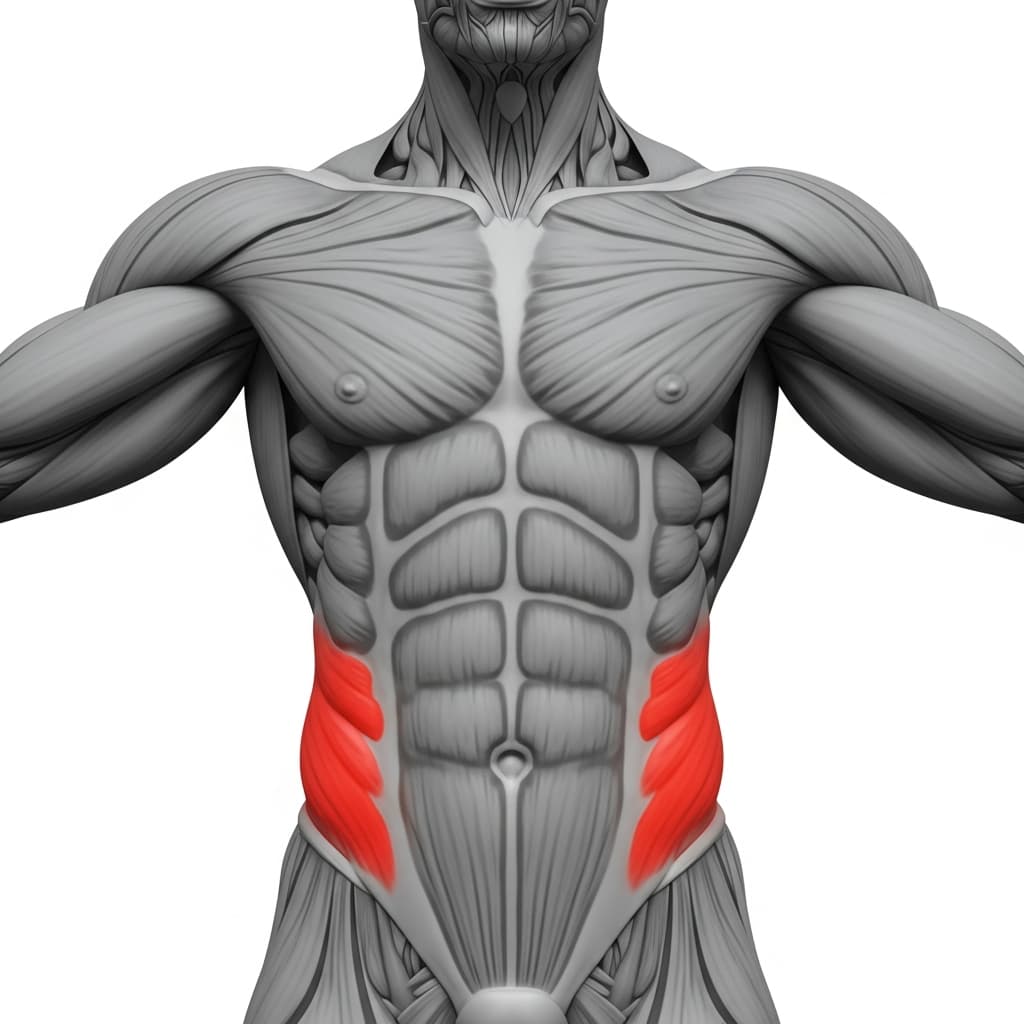
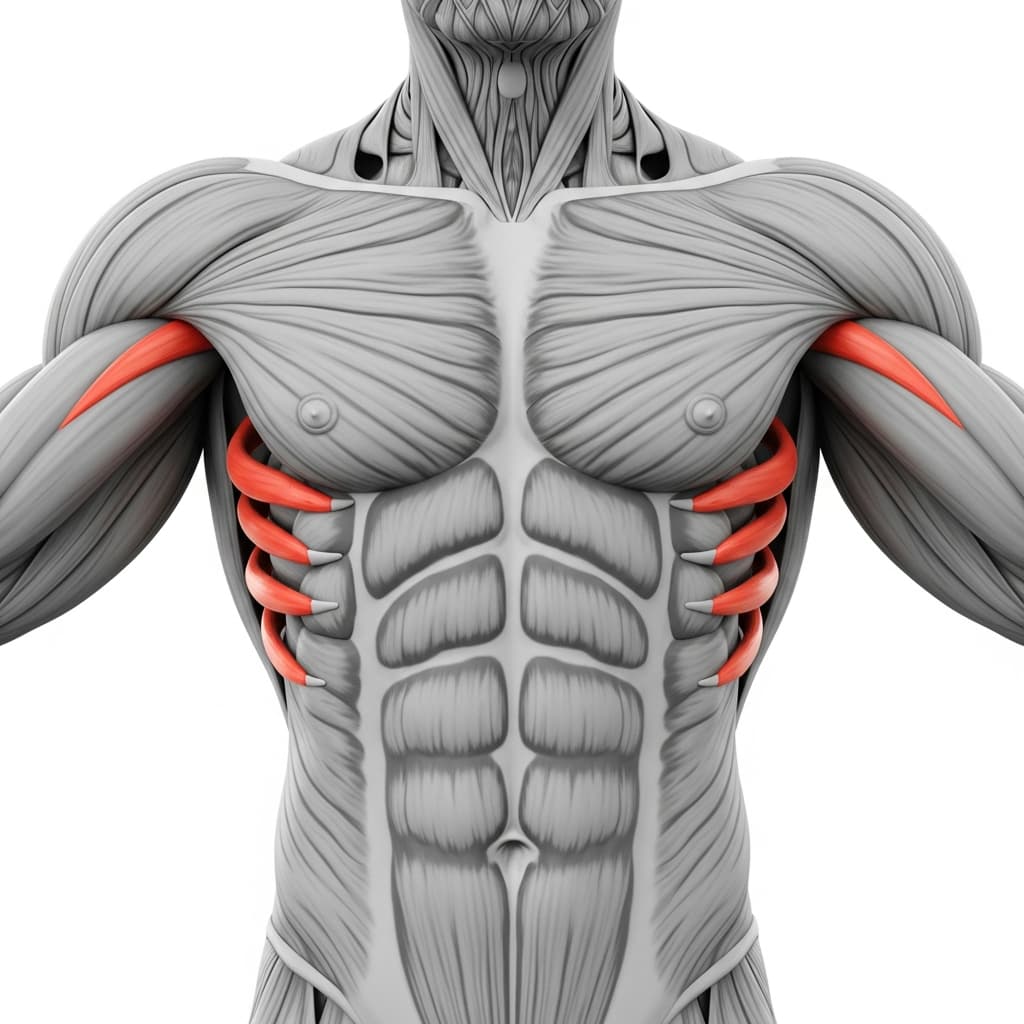
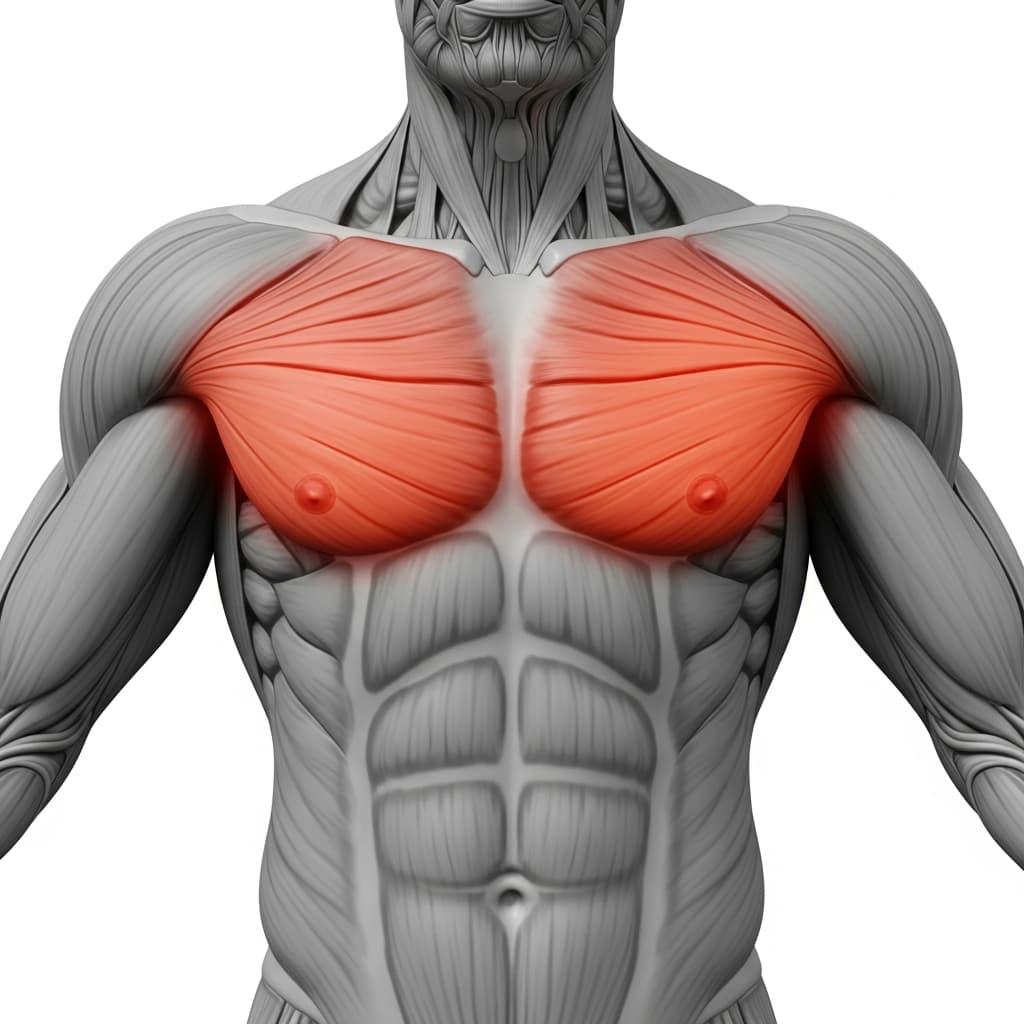
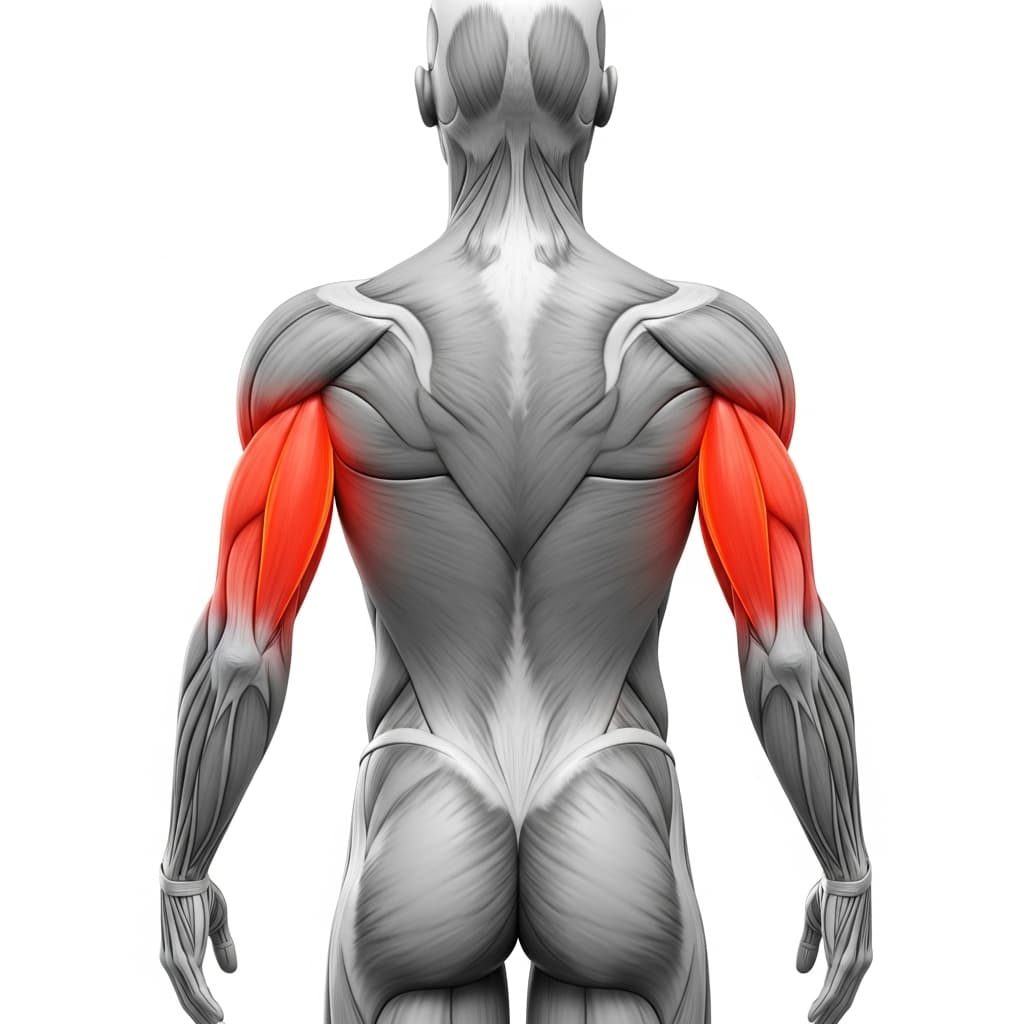
Primary Muscles
Pectoralis Major (Chest) - The pectoralis major drives the pressing phase of each rep, pushing the body away from the ground through horizontal adduction and shoulder flexion.
Triceps Brachii (Triceps) - The triceps extend the elbows during the push-up phase, completing the lockout that puts you in position for the shoulder tap.
Secondary Muscles
Anterior Deltoid (Front Deltoid) - The anterior deltoid assists the chest during the pressing phase and stabilizes the shoulder joint when supporting full bodyweight on one arm during the tap.
Rectus Abdominis (Abs) - The rectus abdominis holds the trunk rigid in a straight plank line throughout both the push-up and the single-arm tap phase, preventing hip sag.
Obliques (Obliques) - The obliques are the primary anti-rotation muscles during the tap, resisting the torso's tendency to twist open when one hand leaves the ground.
Serratus Anterior (Serratus Anterior) - The serratus anterior stabilizes the scapula against the ribcage during the single-arm support phase, preventing the shoulder blade from winging under load.
Benefits of Shoulder Tap Push Ups
- Builds anti-rotation core strength by forcing the obliques and deep stabilizers to resist hip rotation under load on every single rep
- Develops unilateral pressing stability, training each side of the chest and shoulder to support full bodyweight independently during the tap phase
- Improves scapular control and shoulder stability through repeated transitions between bilateral and single-arm support positions
- Increases time under tension compared to standard push-ups, since the tap adds a stabilization phase that extends each rep
Who Is This Exercise For?
You should be able to perform at least 10 clean standard push-ups and hold a high plank for 30 seconds with no hip sag before attempting shoulder tap push-ups. If your hips drop or rotate during a basic plank, focus on building core stability and pressing endurance first.
Common Mistakes to Avoid
Rotating the hips during the tap: The entire point of the tap is anti-rotation. If your hips twist open every time you lift a hand, widen your foot stance slightly and slow down the tap. Your hips should stay parallel to the floor throughout.
Rushing through the shoulder tap: A fast, sloppy tap removes the core stability demand that makes this exercise valuable. Pause for a full second at the top with your hand on your shoulder before returning it to the floor.
Letting the hips sag between reps: Hip sag means your core has disengaged. Actively brace your abs before every rep and think about pulling your belt buckle toward your chin to maintain a slight posterior tilt.
Feet too close together: Narrow feet make the anti-rotation challenge nearly impossible to control, leading to excessive hip rotation. Keep your feet at least hip-width apart until you can maintain a perfectly square torso throughout the tap.