Ring False Grip Hang
The ring false grip hang is a foundational gymnastics rings exercise that conditions the wrists, forearms, and grip for advanced ring skills like the muscle-up. Unlike a standard ring hang, the false grip positions the wrist over the top of the ring, placing intense demand on the wrist flexors and the deep muscles of the forearm. Building a solid false grip hang is the single most important prerequisite for strict ring muscle-ups and clean ring transitions.
The ring false grip hang is a foundational gymnastics rings exercise that conditions the wrists, forearms, and grip for advanced ring skills like the muscle-up. Unlike a standard ring hang, the false grip positions the wrist over the top of the ring, placing intense demand on the wrist flexors and the deep muscles of the forearm. Building a solid false grip hang is the single most important prerequisite for strict ring muscle-ups and clean ring transitions.
How to Do Ring False Grip Hang
1. Set the Ring Height
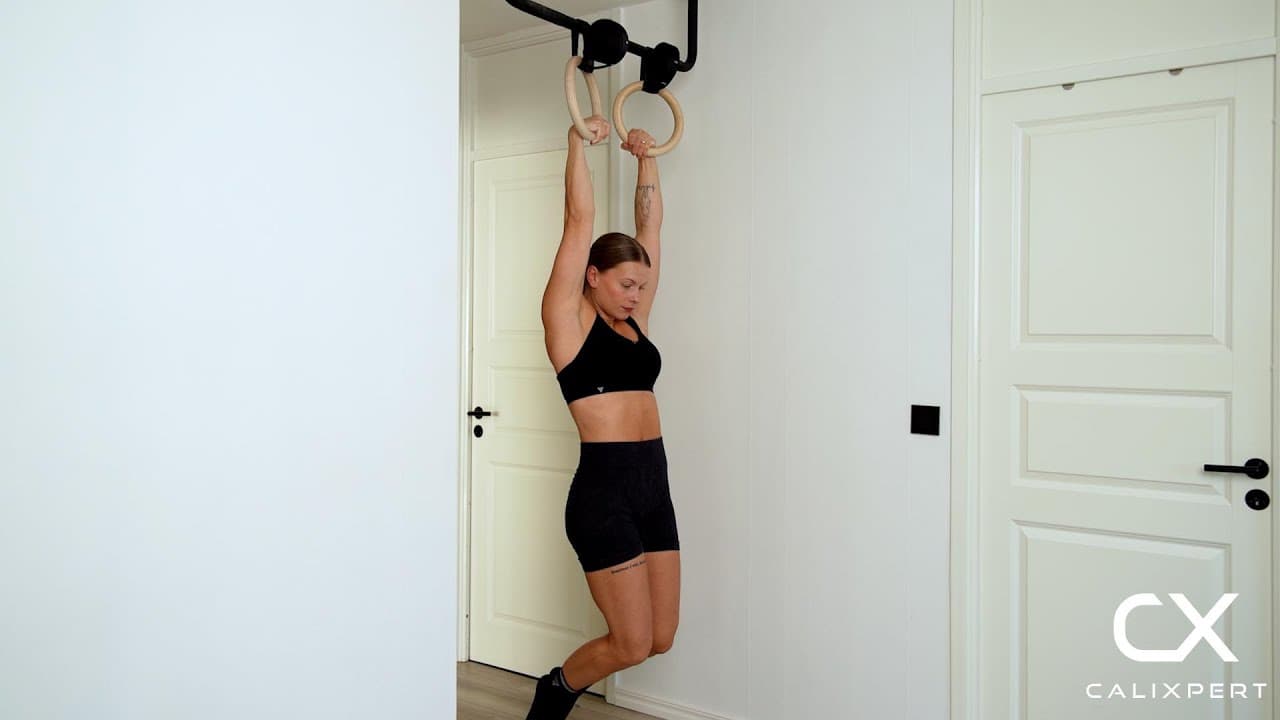
Attach the rings high enough that you can hang with your body as straight as possible and your feet off the ground. If the rings are too low, your knees will bend and reduce the load on the grip. A fully extended hanging position maximizes the conditioning effect on the wrists and forearms.
Rings high, body straight
2. Place the False Grip
Place your hand over the ring so that your knuckles go over the top and even slightly beyond. The ring should sit deep in the palm near the base of the hand, not in the fingers. Rotate your hands slightly outward so that more weight shifts onto the pinky side of each hand. This rotation is what locks the wrist into the correct false grip position.
Knuckles over the ring, weight on pinkies
3. Wrap the Thumbs and Lock In
Wrap your thumbs fully around the rings and squeeze to secure the grip. The thumb wrap prevents the ring from slipping out of position during the hold. Once your hands are set, check that the wrist is still flexed over the top of the ring before lifting off.
Thumbs around, grip locked
4. Hang and Extend the Arms
Lift your feet off the ground and try to extend your arms as much as you can. If you cannot fully lock out the elbows, start where you are and work toward straighter arms over time. Keep the shoulders actively pulled down and slightly engaged rather than sinking into a passive hang. A slight hollow body position helps maintain tension through the core.
Extend arms, shoulders active
5. Hold and Maintain Wrist Position
Hold the position for time while focusing on keeping the wrists flexed over the rings. Breathe steadily and resist the urge to let the grip slip into a normal hang as fatigue sets in. If the wrist position breaks, the set is over regardless of time remaining.
Wrist over the ring the entire hold
6. Lower and Release With Control
Place your feet back on the ground before releasing the grip. Open your hands slowly and shake out the wrists and forearms between sets. Dropping out of a false grip under fatigue can strain the wrist, so always step down rather than letting go.
Feet down first, then release
Most people lose the false grip because they try to hold it with finger strength instead of wrist position. Focus on getting the knuckles over the ring and shifting the weight toward the pinky side of the hand. Once the wrist is set correctly, the grip almost locks itself in, and you can hold it much longer without burning out your forearms.
Muscles Worked During Ring False Grip Hang
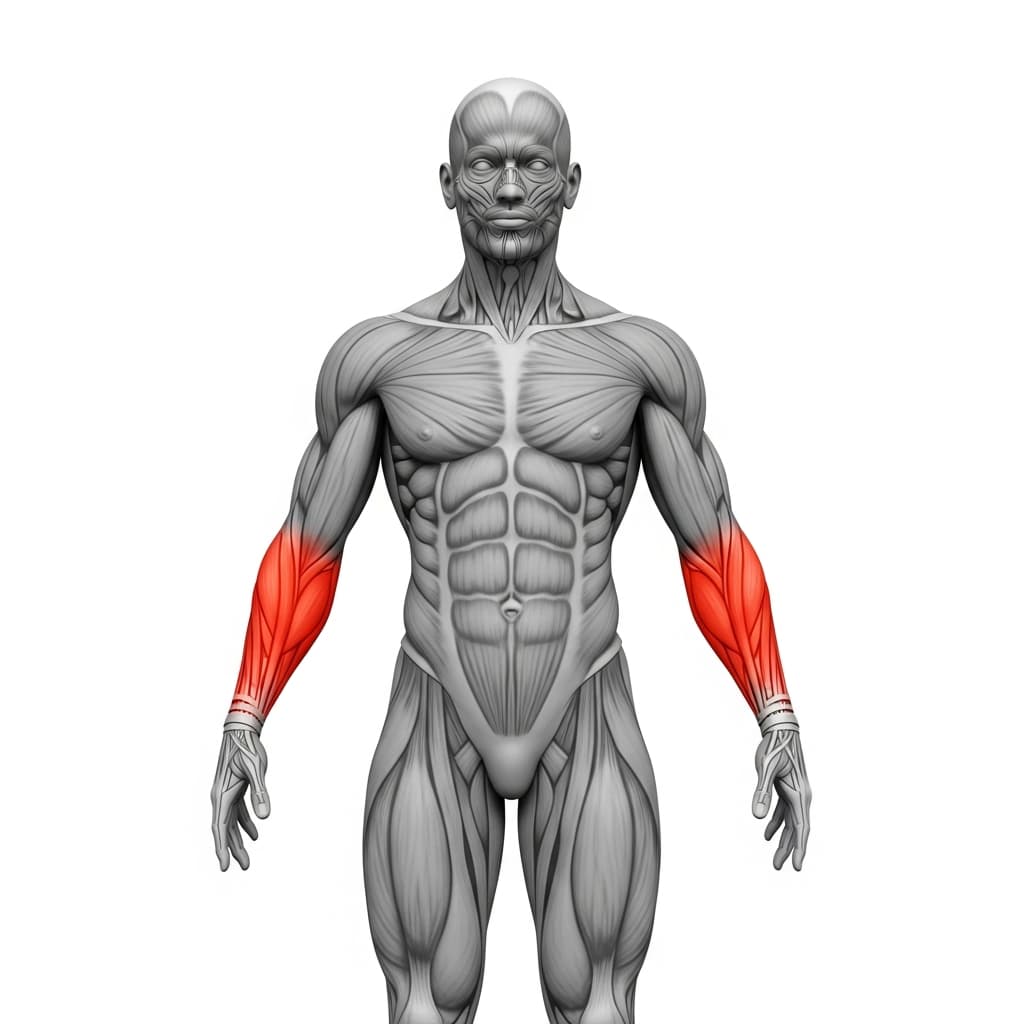
Primary Muscles:
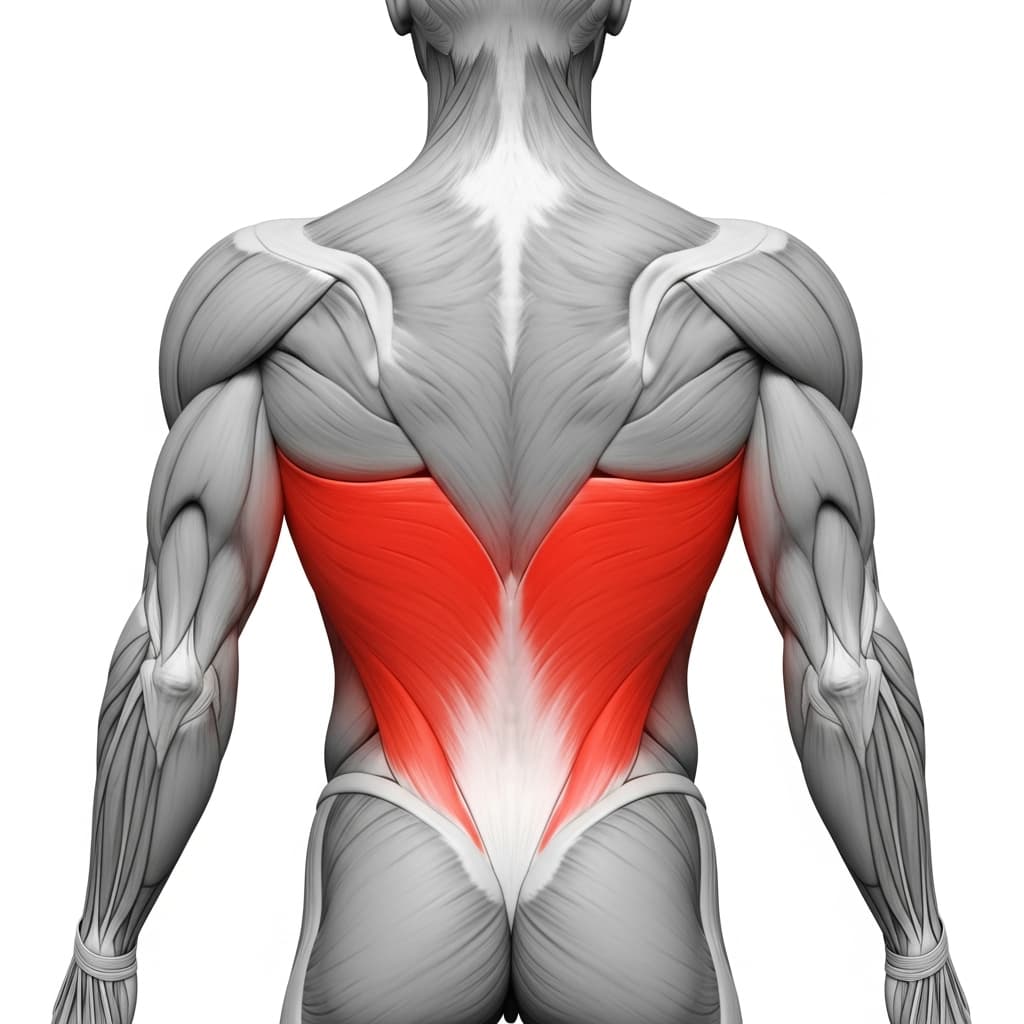
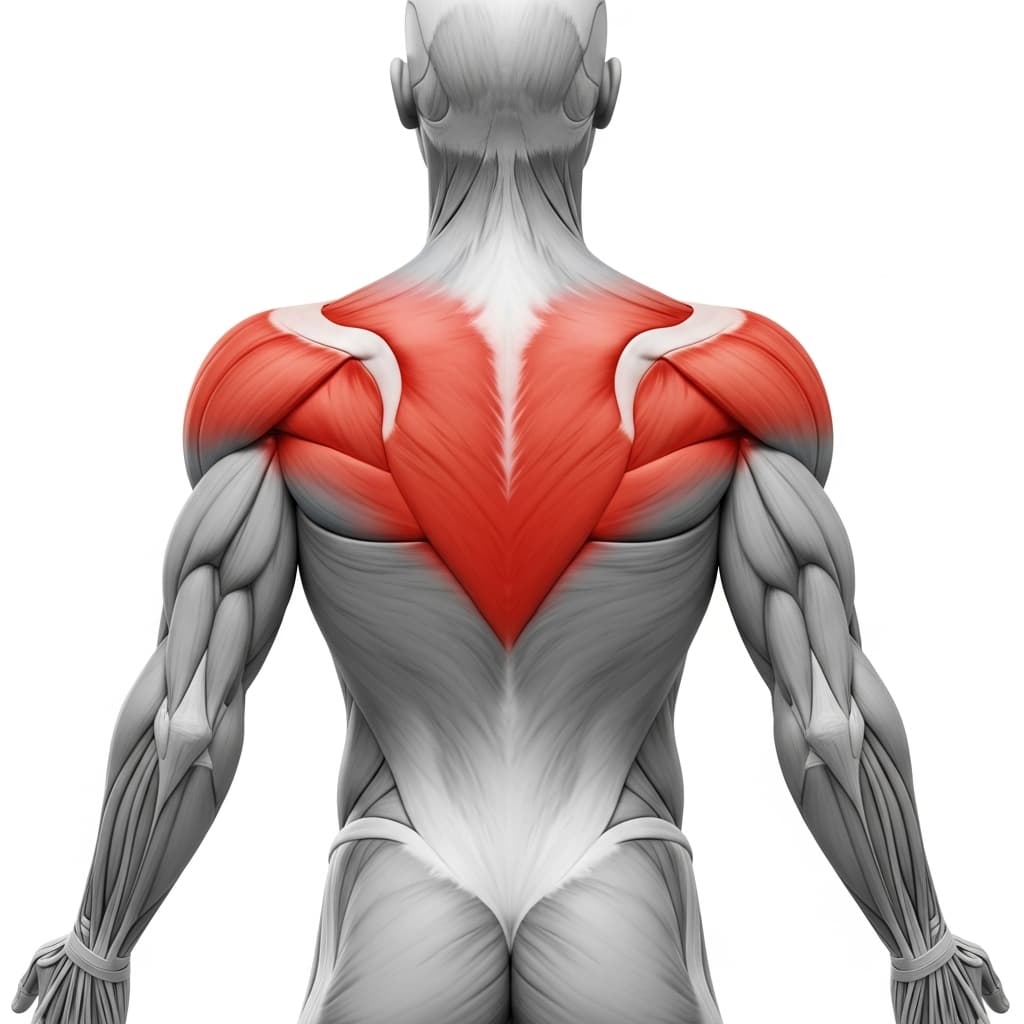
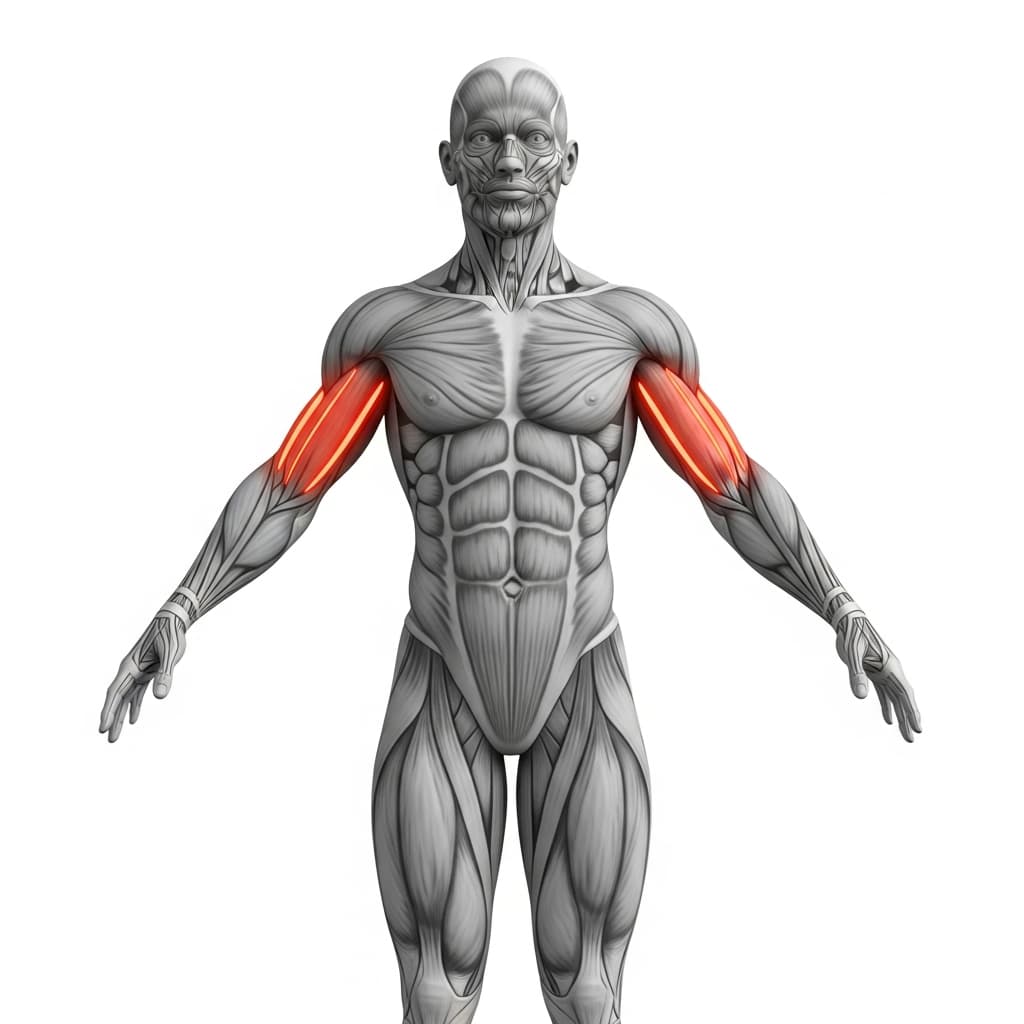
Secondary Muscles:
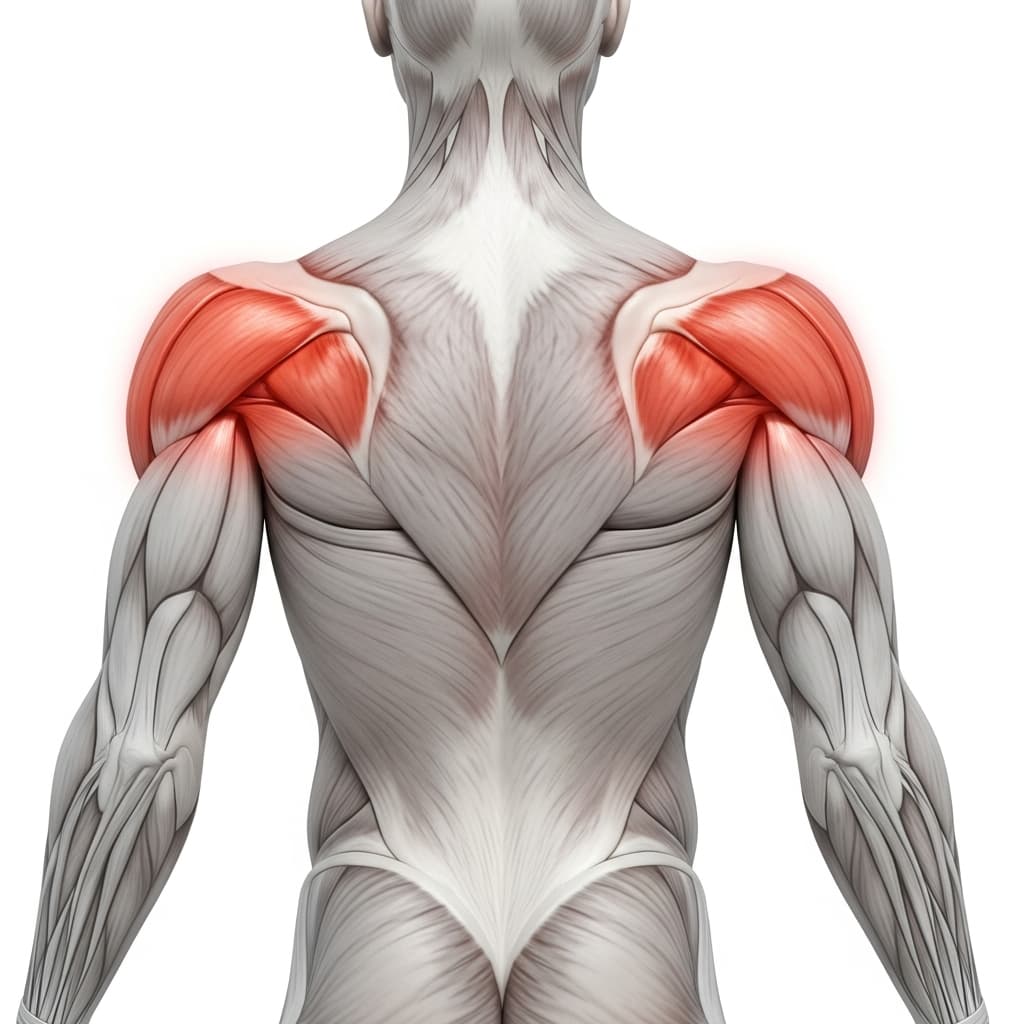
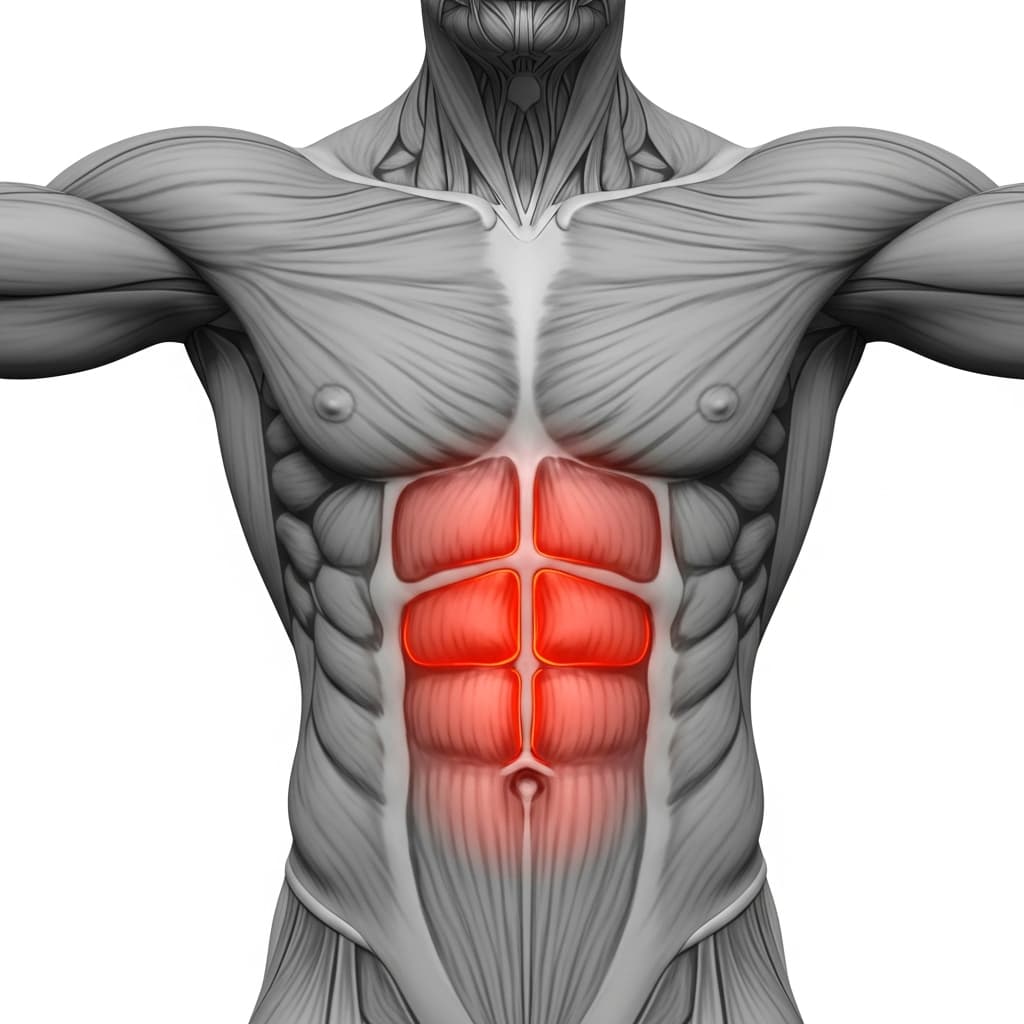
Primary Muscles
Forearm Flexors & Extensors (Forearms) - The wrist flexors and deep forearm muscles maintain the flexed wrist position over the ring, bearing the majority of the load throughout the entire hold.
Secondary Muscles
Latissimus Dorsi (Lats) - The lats work isometrically to keep the shoulders depressed and the body stable underneath the rings during the hang.
Rhomboids & Upper Trapezius (Upper Back) - The rhomboids and mid-traps hold the scapulae in a retracted and depressed position, preventing the shoulders from collapsing upward.
Biceps Brachii (Biceps) - The biceps assist in maintaining slight elbow flexion and stabilize the arm under load, especially when the arms are not fully locked out.
Posterior Deltoid (Rear Deltoid) - The rear deltoids work with the upper back to stabilize the shoulder joint in the hanging position and resist internal rotation of the arms.
Rectus Abdominis (Abs) - The abdominals maintain a slight hollow body position, preventing the torso from swinging and keeping the body aligned under the rings.
Benefits of Ring False Grip Hang
- Conditions the wrists and forearm flexors specifically for the false grip position required in ring muscle-ups and strict ring transitions
- Builds grip endurance under a wrist-flexed position that no other hanging exercise replicates
- Strengthens the shoulder stabilizers in an unstable ring environment, improving control for all ring-based movements
- Increases wrist tolerance and resilience, reducing the risk of strain when progressing to dynamic ring skills
Who Is This Exercise For?
You should be comfortable hanging from rings with a normal grip for at least 20 seconds with active shoulders before attempting the false grip hang. If a standard ring dead hang still feels unstable or your grip gives out quickly, focus on regular ring hangs and grip endurance first. Basic wrist mobility, specifically the ability to flex the wrist past 90 degrees without pain, is also necessary to hold the false grip position safely.
Common Mistakes to Avoid
Letting the ring slip into the fingers: The ring must sit deep in the palm near the base of the hand, not across the fingers. If it slides into the fingers, you lose the false grip entirely and the hold becomes a normal hang with no carryover to ring skills.
Hanging with passive shoulders: Keep the shoulders actively depressed and slightly engaged throughout the hold. Sinking into a passive hang puts unnecessary strain on the shoulder joint and reduces the stability needed for this position.
Gripping too hard with the fingers instead of the palm: The false grip is held primarily through wrist flexion and palm pressure, not finger squeeze. Over-gripping with the fingers causes rapid forearm fatigue and cramps without building the correct wrist strength.
Not extending the arms enough: Keeping the arms bent makes the hold easier but reduces the conditioning effect on the wrists. Work toward hanging with the arms as straight as possible, even if you need to shorten the hold duration to maintain the position.