Straddle Pike Push Ups With Shoulder Taps
Straddle pike push-ups with shoulder taps are a compound pressing exercise that targets the front deltoids, triceps, and core through a combination of overhead pressing and unilateral stabilization. The straddle stance widens the base of support during the pike push-up, while the shoulder tap forces each side to stabilize independently under load. This combination builds the pressing strength and shoulder control needed for handstand push-ups and freestanding balance work.
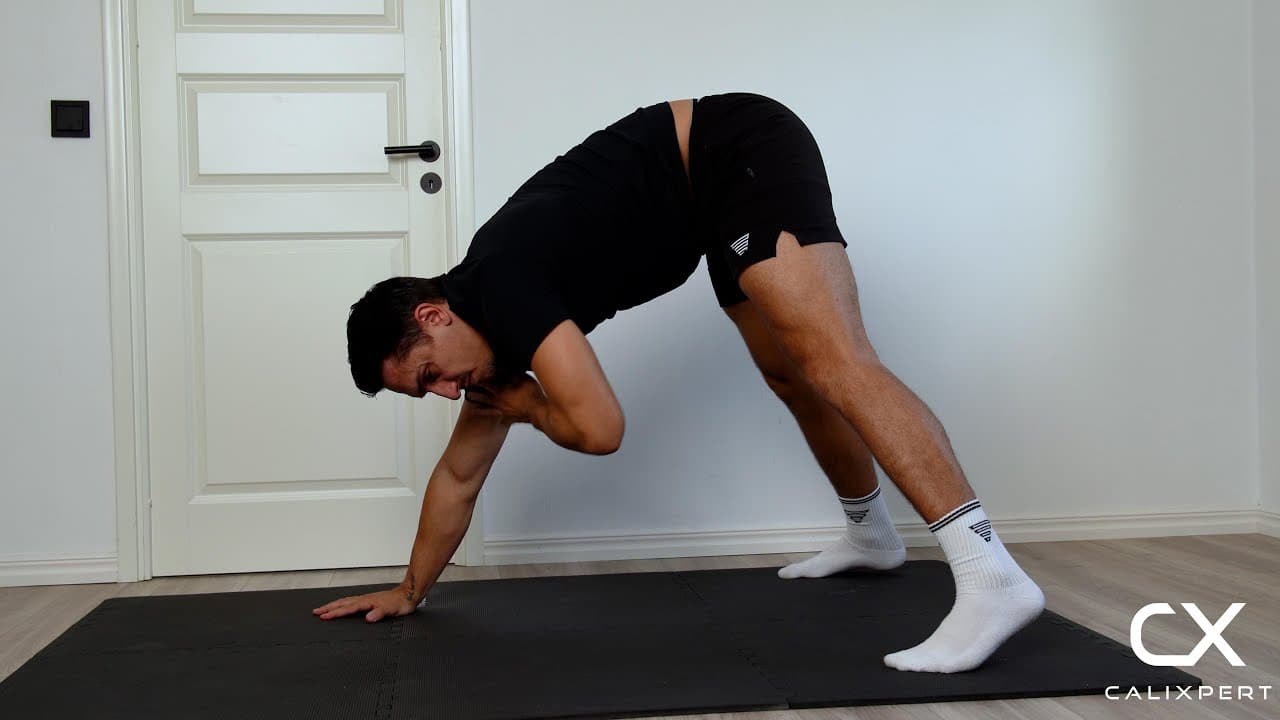
Straddle pike push-ups with shoulder taps are a compound pressing exercise that targets the front deltoids, triceps, and core through a combination of overhead pressing and unilateral stabilization. The straddle stance widens the base of support during the pike push-up, while the shoulder tap forces each side to stabilize independently under load. This combination builds the pressing strength and shoulder control needed for handstand push-ups and freestanding balance work.
How to Do Straddle Pike Push Ups With Shoulder Taps
1. Set Your Hand Position
Place your hands on the floor slightly wider than shoulder-width apart with fingers spread and pointing forward. Press your palms firmly into the ground and lock your elbows straight. This slightly wider base gives you the stability needed for the shoulder tap phase without compromising pressing mechanics.
Hands just outside the shoulders
2. Walk Into the Straddle Pike
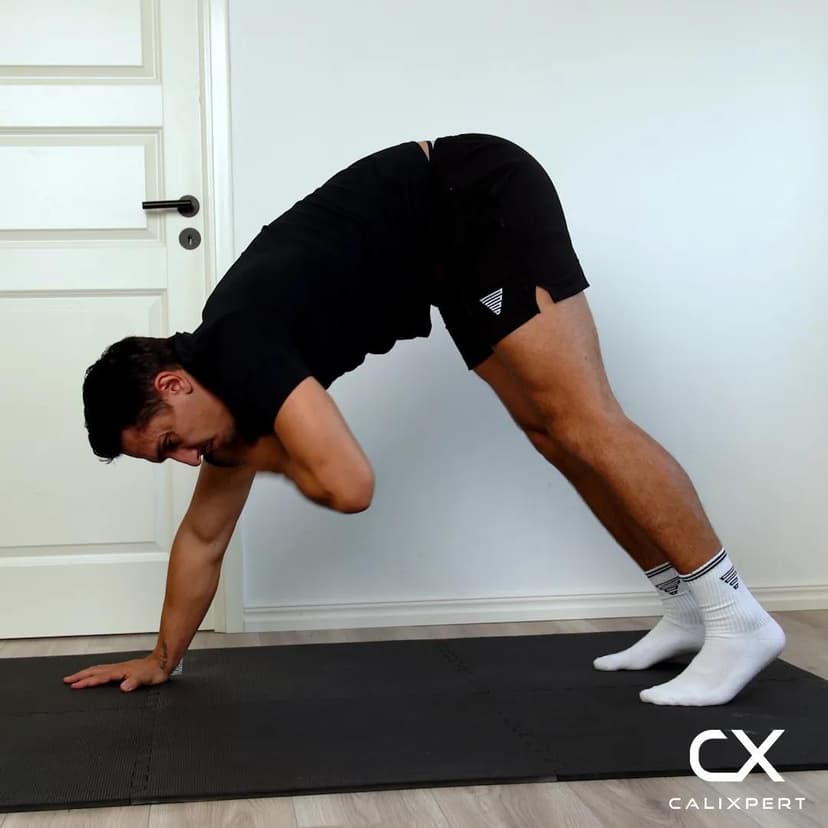
Walk your feet toward your hands and open your legs into a wide straddle, forming an inverted V shape with your hips as the highest point. Keep your legs straight and press your heels toward the floor. Your head should hang naturally between your arms with a neutral neck. The wider your straddle, the more stable your base will be during the shoulder taps.
Hips high, legs straight and wide
3. Lower Your Head Toward the Floor
Bend your elbows and lower the top of your head toward the floor between your hands. Allow the elbows to flare slightly outward at roughly 45 degrees, not straight back. Control the descent and keep your hips locked in the high pike position throughout. Lower until your head lightly touches the ground or as far as your shoulder mobility allows.
Head between the hands, hips stay high
4. Press Back Up to Full Extension
Drive through your palms and push your body back up until your arms are fully extended. Keep your core braced and resist any forward or backward shift in your hips during the press. The pressing path should be vertical, pushing your torso away from the floor rather than shifting horizontally.
Push the floor away, lock the elbows
5. Shift and Tap the Shoulder
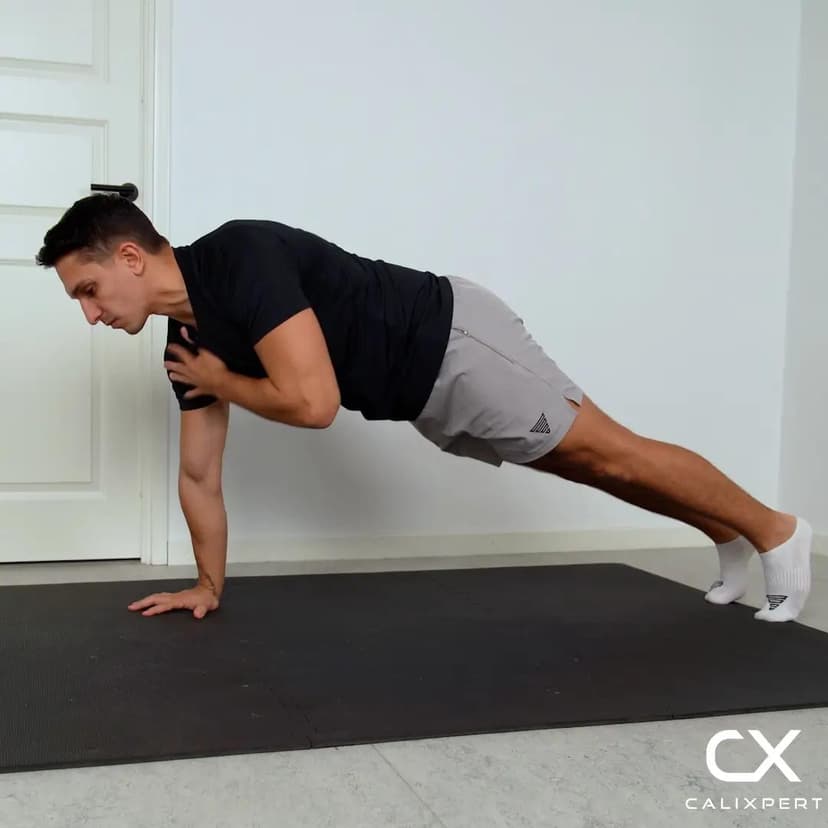
At the top of the press, shift your weight slightly to one hand and lift the opposite hand to tap your shoulder. Keep your hips square to the floor and resist any rotation through the torso. Place the hand back down with control, then perform the tap on the other side. Both taps count as part of one full rep.
Shift weight, tap, stay square
6. Reset and Repeat
After completing both shoulder taps, re-set both hands firmly on the floor and confirm your straddle pike position before starting the next rep. Check that your hips are still high and your legs are straight. Rushing from the tap directly into the next descent is the most common way form breaks down.
Reset fully before the next rep
Most people treat the shoulder tap as a quick touch and move on. The tap is the hardest part of this exercise, not the push-up. Slow the tap down, pause for a full second with your hand on your shoulder, and focus on keeping your hips completely still. That single-arm hold at the top is where all the balance and control development happens.
Muscles Worked During Straddle Pike Push Ups With Shoulder Taps
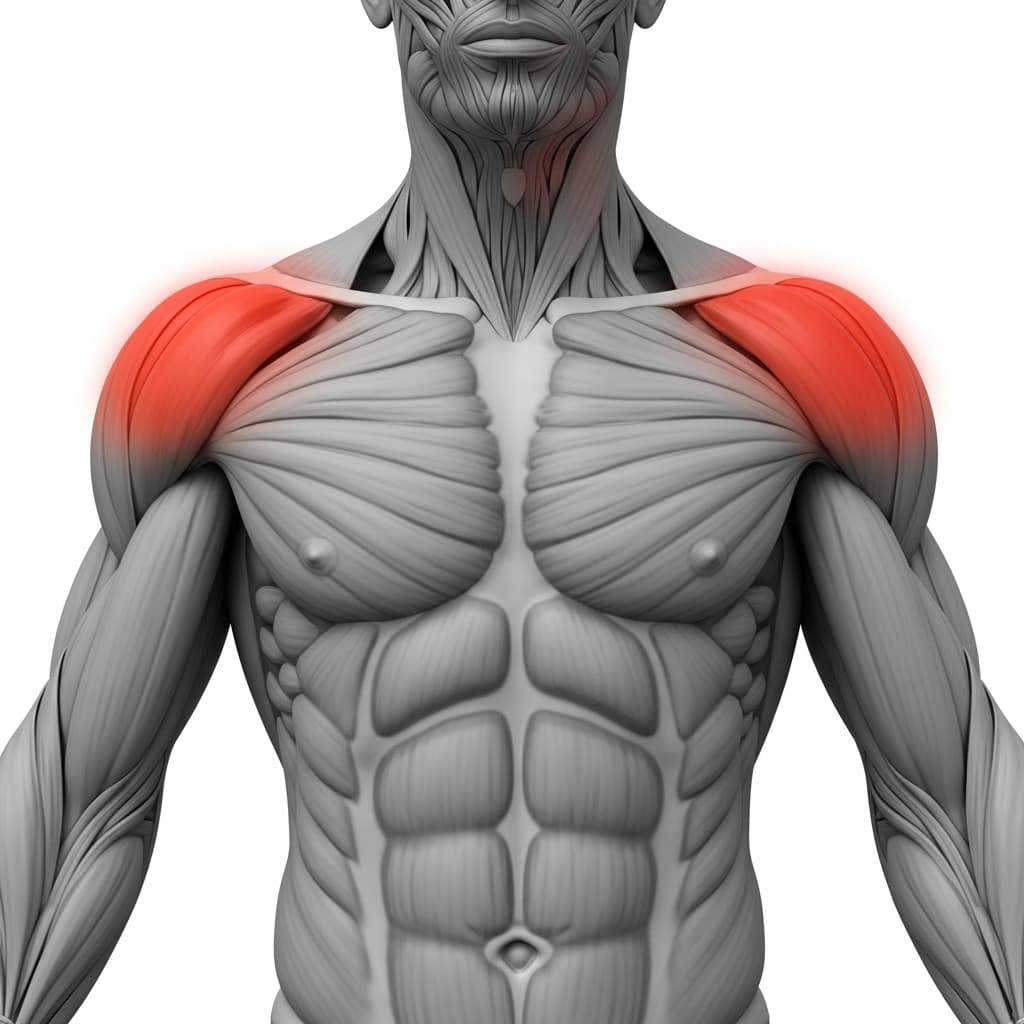
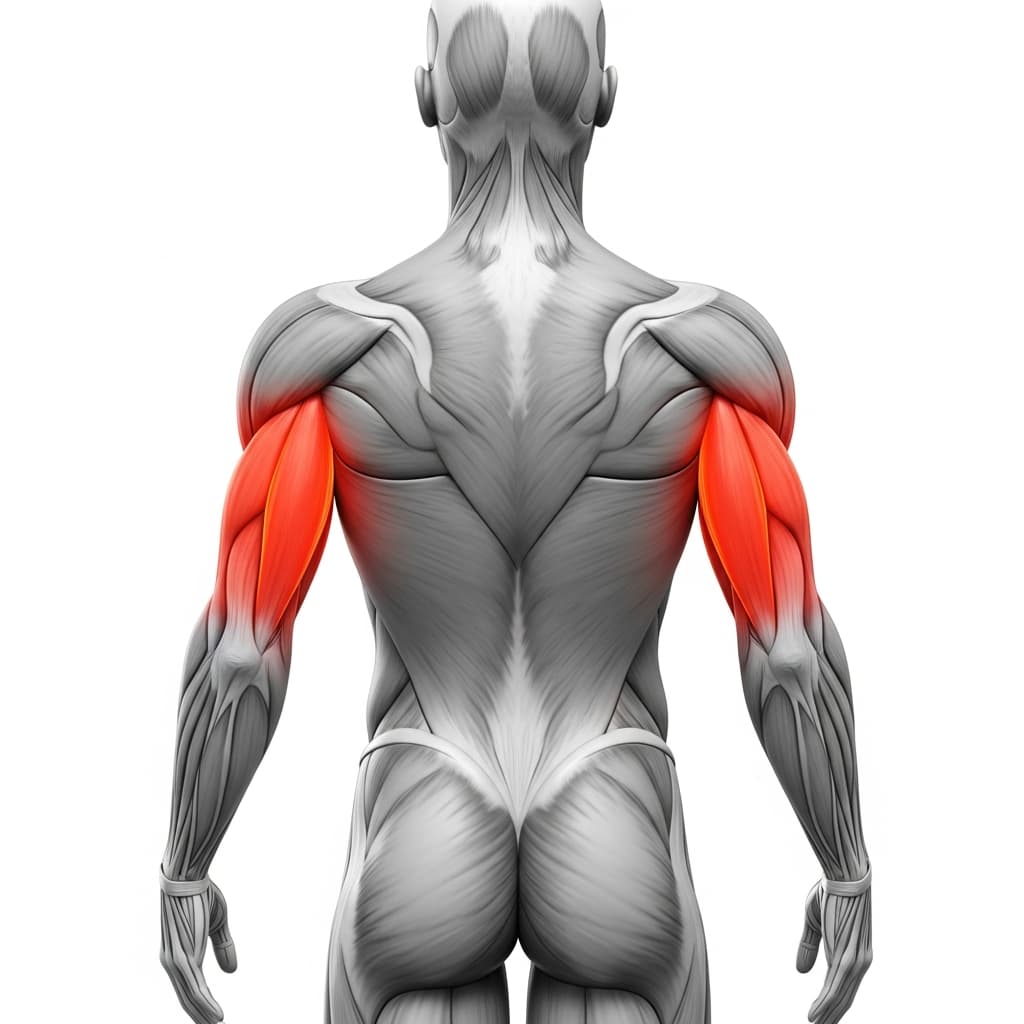
Primary Muscles:
Secondary Muscles:
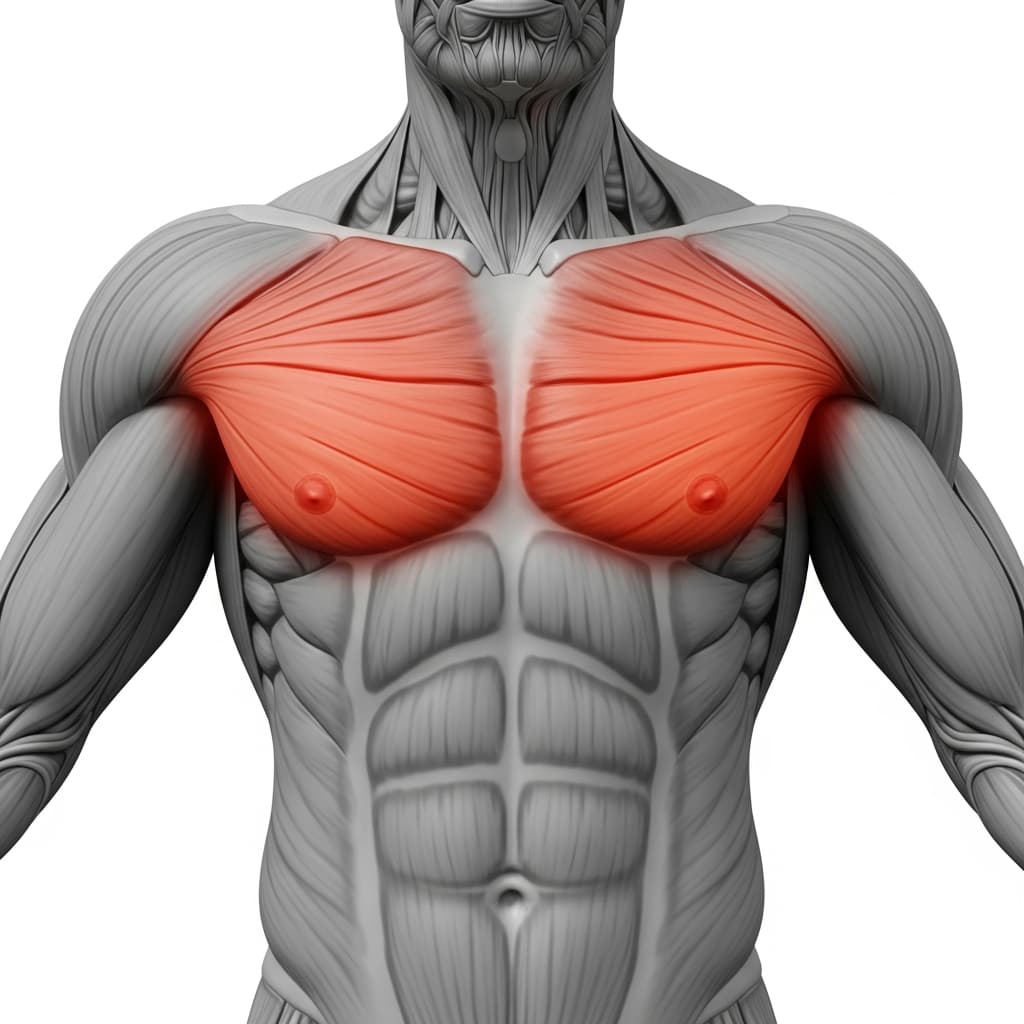
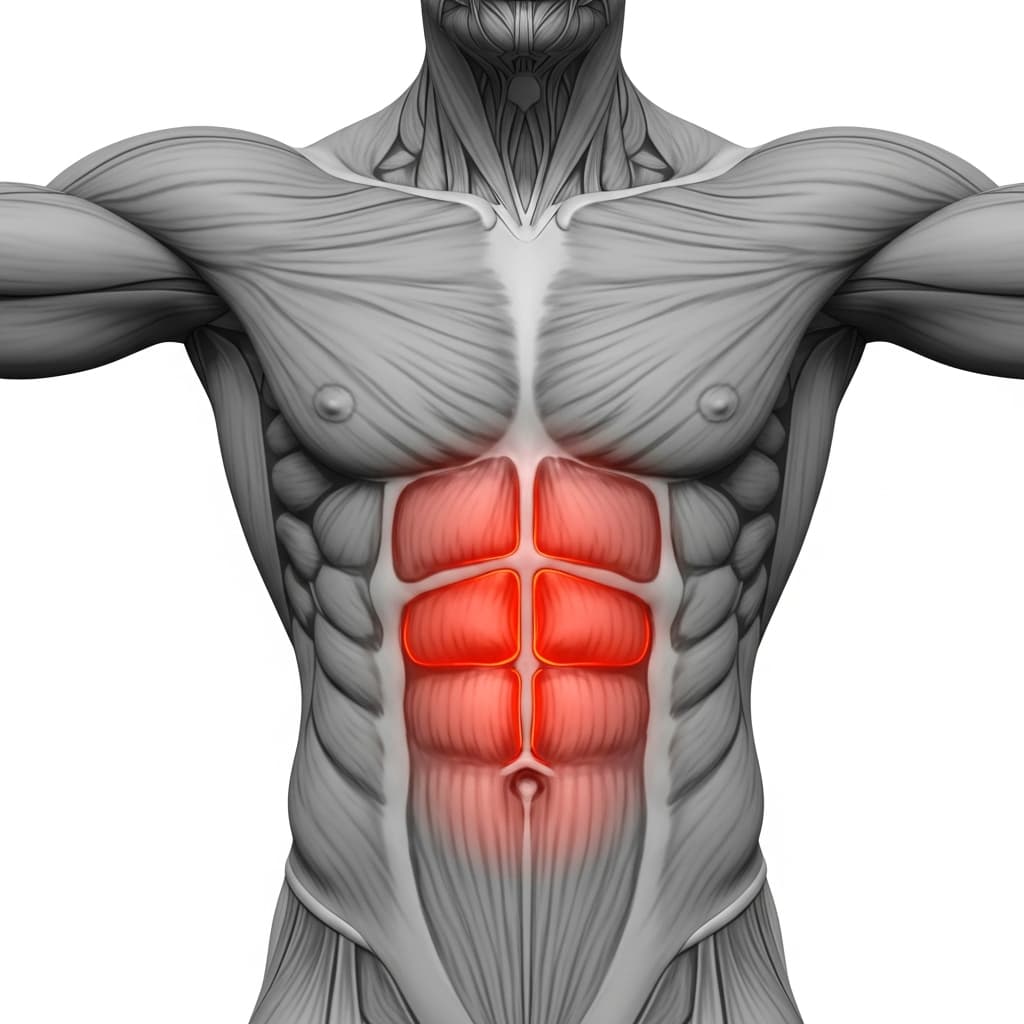
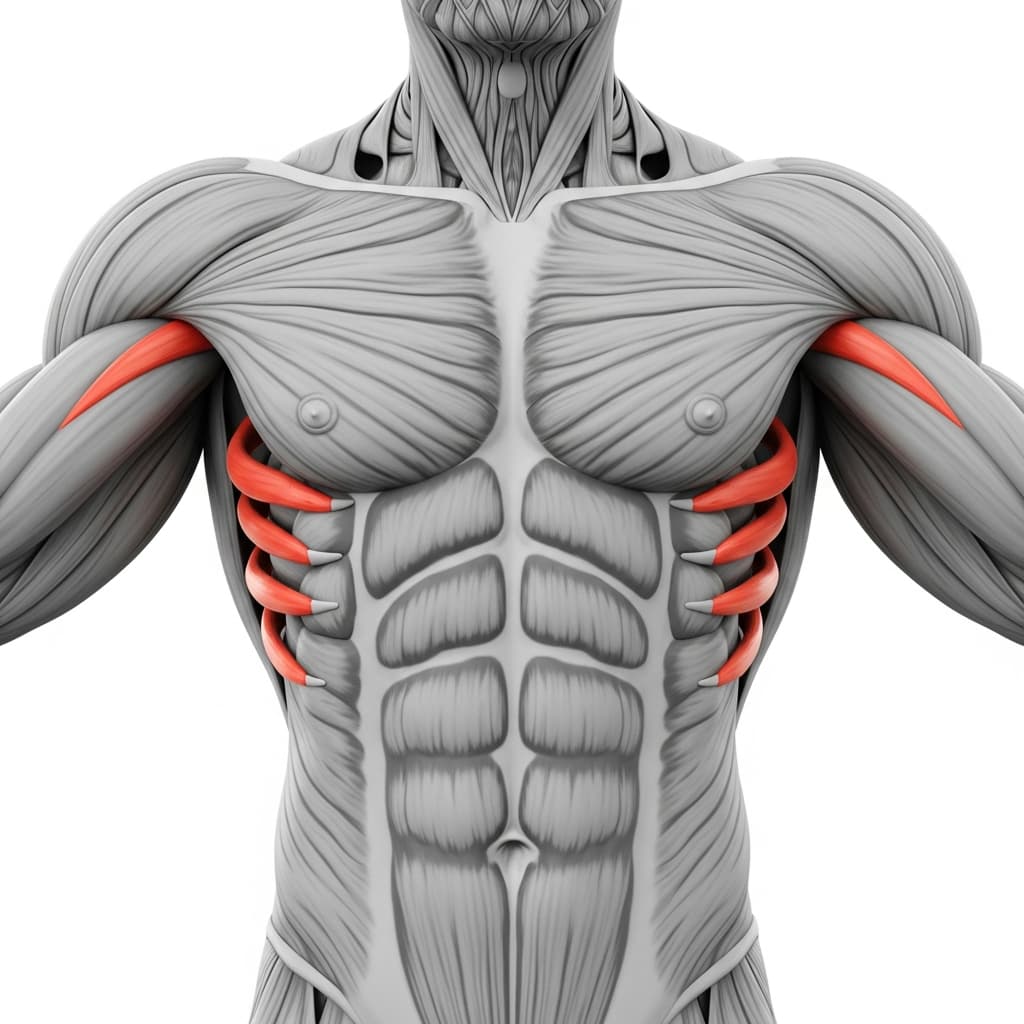
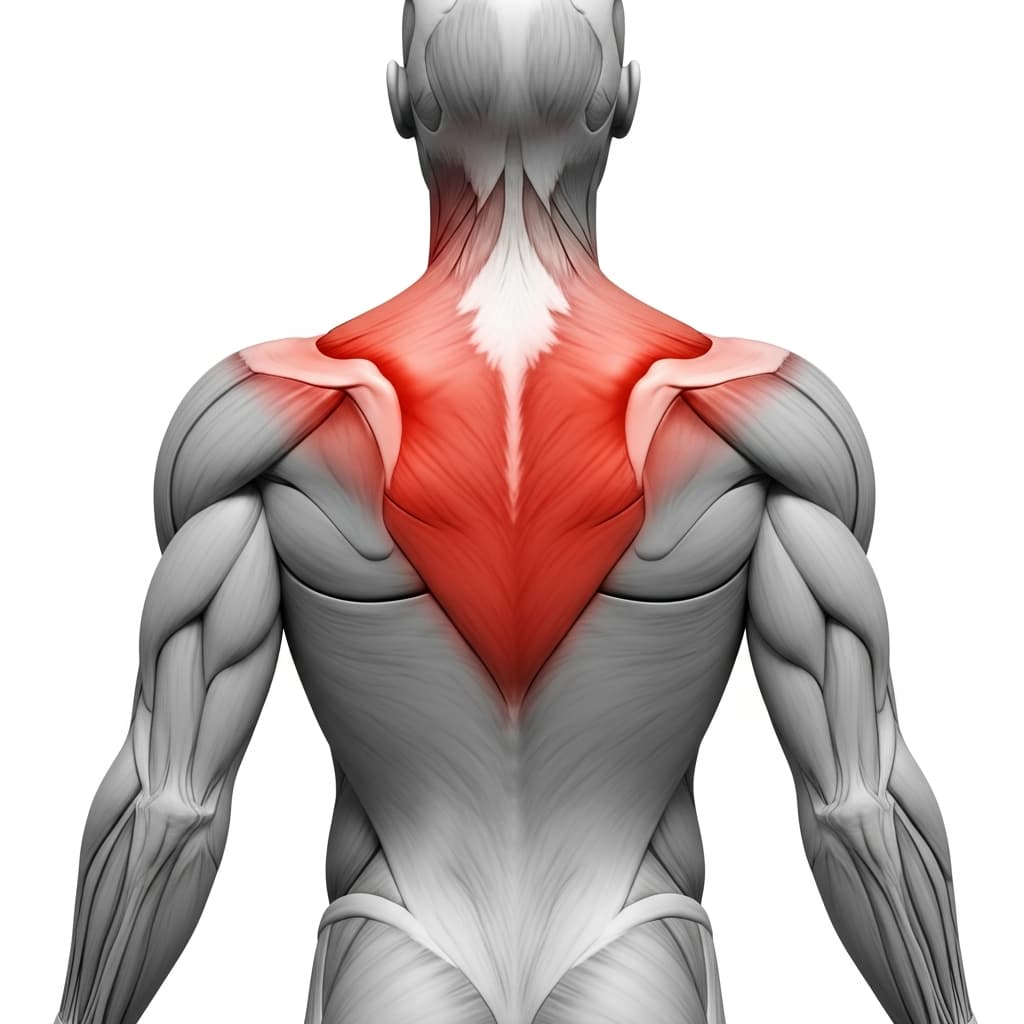
Primary Muscles
Anterior Deltoid (Front Deltoid) - The front deltoids drive the pressing phase by pushing the body away from the floor in the pike position, handling the majority of the load due to the near-vertical torso angle.
Triceps Brachii (Triceps) - The triceps extend the elbows during the pressing phase and lock out the arms at the top of each rep, working through their full range of motion under bodyweight load.
Secondary Muscles
Pectoralis Major (Chest) - The upper chest assists the front deltoids during the pressing phase, contributing more at the bottom of the range of motion where the shoulders are most stretched.
Rectus Abdominis (Abs) - The abdominals brace the torso to maintain the pike position and prevent the hips from sagging during both the press and the shoulder tap.
Serratus Anterior (Serratus Anterior) - The serratus anterior protracts and stabilizes the scapulae at the top of the press, keeping the shoulder blades locked in place during the single-arm shoulder tap.
Trapezius (Trapezius) - The upper traps support the shoulder girdle in the overhead pressing position and assist with scapular upward rotation as the arms extend fully.
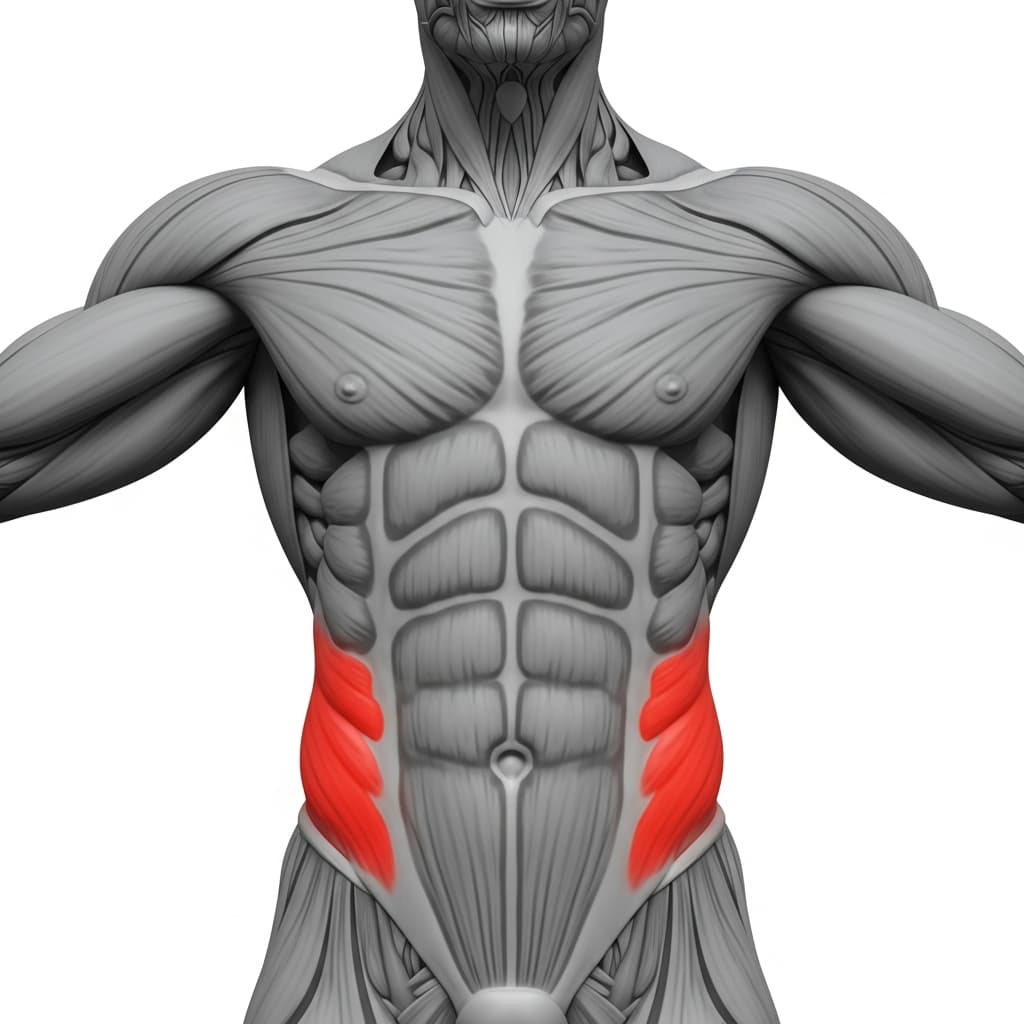
Obliques (Obliques) - The obliques resist trunk rotation during each shoulder tap, preventing the torso from twisting as one hand lifts off the floor.
Benefits of Straddle Pike Push Ups With Shoulder Taps
- Builds overhead pressing strength in the front deltoids and triceps using only bodyweight, directly preparing the shoulders for handstand push-up progressions
- Develops anti-rotation core stability through the shoulder tap, training the obliques and deep stabilizers to resist twisting under load
- Improves unilateral shoulder control and weight-shifting ability, which transfers directly to freestanding handstand balance and handstand walking
- Strengthens the serratus anterior through active scapular protraction at the top of each press, protecting the shoulder joint during overhead movements
- Increases hamstring and posterior chain flexibility through the sustained straddle pike position held throughout every rep
Who Is This Exercise For?
You should be able to perform at least 8 clean pike push-ups and hold a straddle pike position with straight legs before adding shoulder taps. If your hips collapse or your shoulders shift excessively when you lift one hand off the ground, spend more time on standard pike push-ups and plank shoulder taps separately. Shoulder taps under load require anti-rotation stability that basic push-up strength alone does not build.
Common Mistakes to Avoid
Letting the hips drop during the press: Keep your hips as the highest point throughout the entire movement. If your hips sag, the load shifts from the shoulders to the chest and lower back, turning it into an awkward push-up instead of a pike press.
Rotating the hips during shoulder taps: Widen your straddle stance to increase your base of support. The tap should be slow and deliberate, and your hips should not twist or tilt. If you cannot tap without rotating, reduce the speed or practice plank shoulder taps until you build the anti-rotation strength.
Rushing through the shoulder taps: Each tap should take a full second with a brief pause at the shoulder. Fast taps reduce the time under tension and train momentum instead of control, which defeats the purpose of the stability component.
Bending the knees in the pike position: Straight legs maintain hamstring tension and keep the hips high, which loads the shoulders properly. If you cannot keep your legs straight, elevate your hands on a low surface to reduce the hamstring demand until your flexibility improves.
Elbows flaring out to 90 degrees: Keep your elbows at roughly 45 degrees during the descent. Flaring them straight out to the sides places excessive stress on the shoulder joint and reduces pressing power.