Assisted Commando Pull Ups
Assisted commando pull-ups are a band-assisted vertical pulling variation where you grip the bar with hands stacked in a mixed grip and pull your chin to alternating sides of the bar. This exercise targets the lats, biceps, forearms, and upper back while introducing a rotational pulling demand that standard pull-ups do not train. The resistance band reduces the load so you can learn the sideways pulling pattern and build balanced strength on both sides before progressing to the unassisted version.
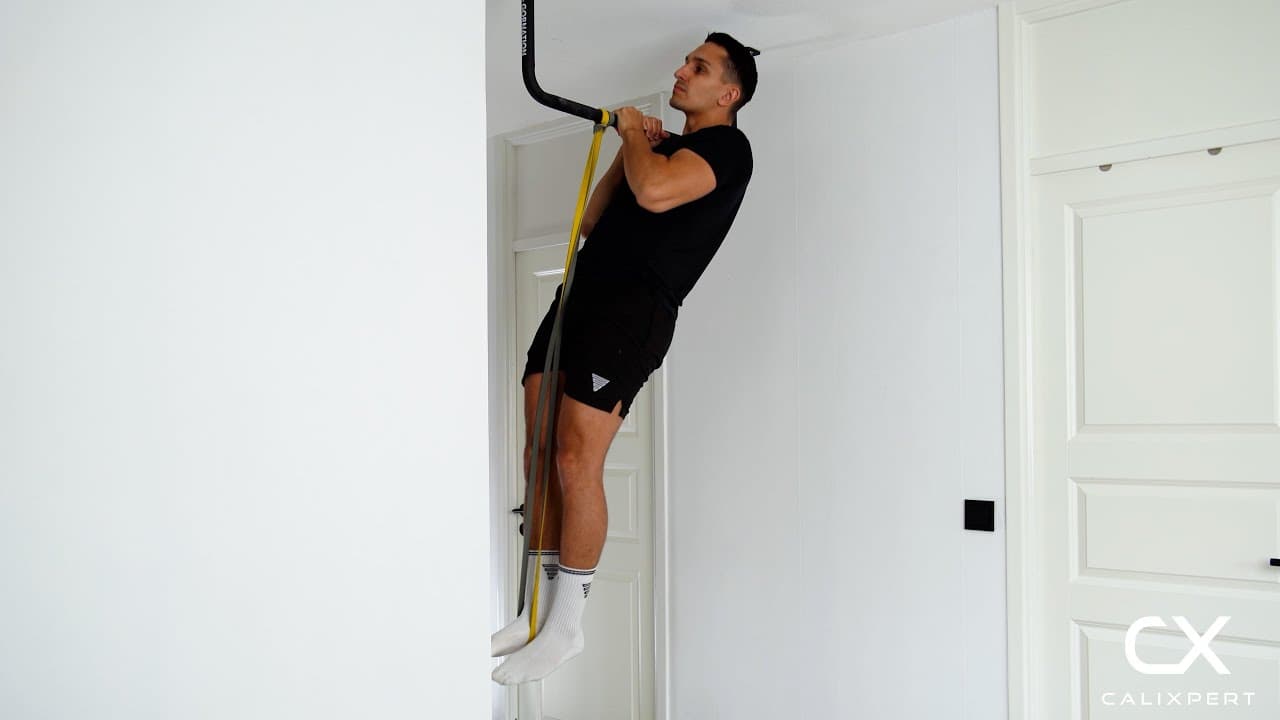
Assisted commando pull-ups are a band-assisted vertical pulling variation where you grip the bar with hands stacked in a mixed grip and pull your chin to alternating sides of the bar. This exercise targets the lats, biceps, forearms, and upper back while introducing a rotational pulling demand that standard pull-ups do not train. The resistance band reduces the load so you can learn the sideways pulling pattern and build balanced strength on both sides before progressing to the unassisted version.
How to Do Assisted Commando Pull Ups
1. Attach the Band to the Bar
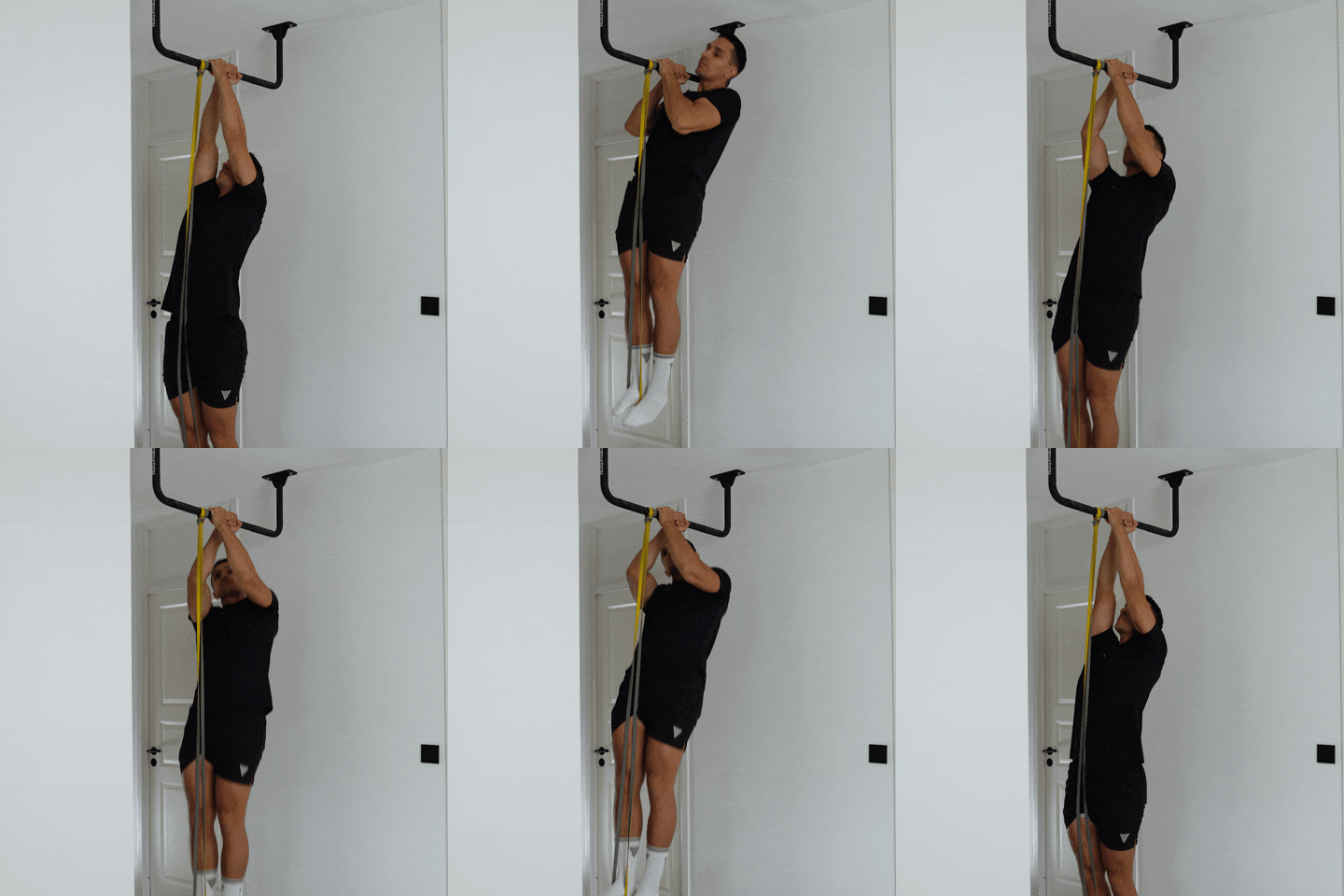
Loop a resistance band over the top of a high bar and let it hang down. Pull the band down toward the ground and step into it with one foot or both feet. The band should provide enough assistance to keep the movement smooth and controlled through the full range of motion.
Band secure before you grab the bar
2. Set Your Mixed Grip
Grab the bar with one hand facing toward you and the other facing away, palms close together. Your body will naturally turn sideways to the bar in this position. Wrap your thumbs fully around the bar for a secure hold on both hands.
One palm forward, one palm back, hands together
3. Hang and Brace Your Core
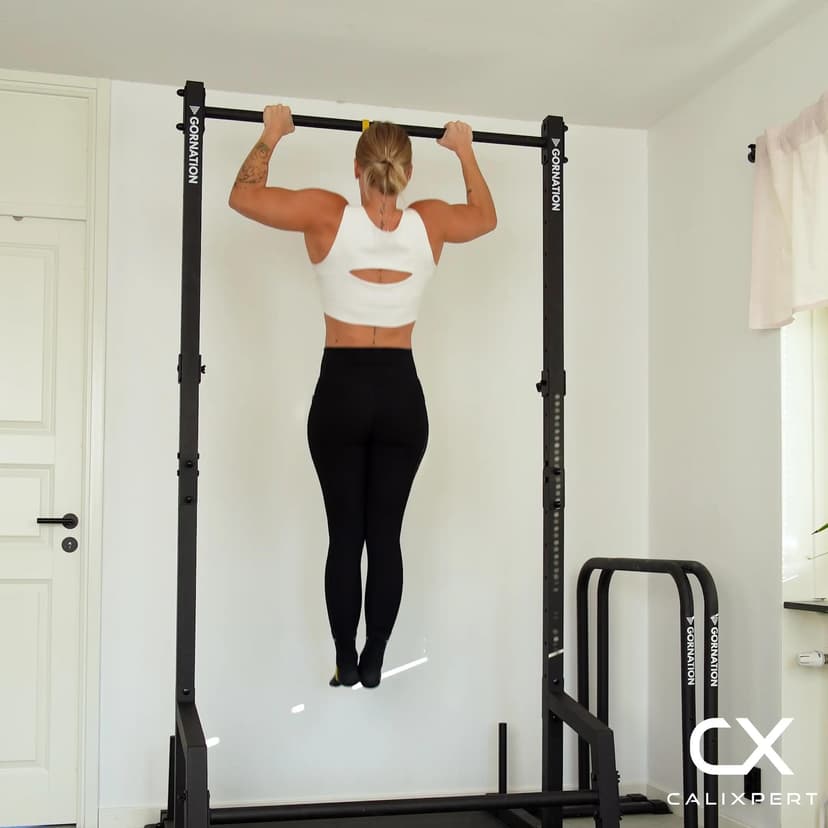
Hang with arms fully extended and shoulders actively engaged, not shrugging up toward your ears. Brace your core and keep your legs pointing straight down. Do not let your legs swing forward, as this shifts your center of gravity and makes the pull less effective.
Legs straight down, no forward swing
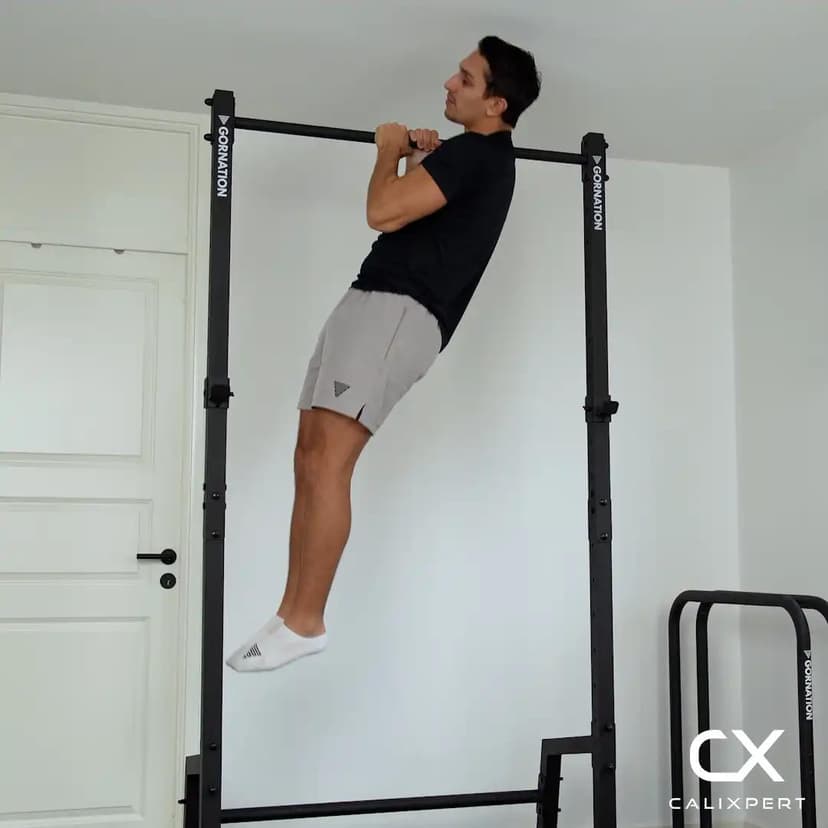
4. Pull Your Chin to One Side
Pull yourself up by driving your elbows down and back, aiming to bring your chin as close to your hands as possible on one side of the bar. The closer you get to your hands at the top, the more lat engagement you generate. Clear the bar with your chin before starting the descent.
Chin to hands, not just over the bar
5. Lower With Fully Straight Arms
Descend slowly and with control until your arms are completely straight at the bottom. Do not cut the range short by stopping with bent elbows. Re-set your shoulders and core at the bottom before initiating the next rep to the opposite side of the bar.
Full lockout at the bottom every rep
6. Switch Grip Between Sets
Pull to alternating sides within each set, keeping the same hand position throughout. Between sets, switch which hand is in front to train both sides evenly. This grip rotation prevents strength imbalances from developing between your left and right side.
Swap front hand every new set
Most people fail commando pull-ups because they stay too far away from the bar at the top. Think about pulling your chin directly to your hands, not just somewhere above the bar. When you shorten that distance, the lats engage harder and the movement stops feeling like an awkward half-rep.
Muscles Worked During Assisted Commando Pull Ups
Primary Muscles:
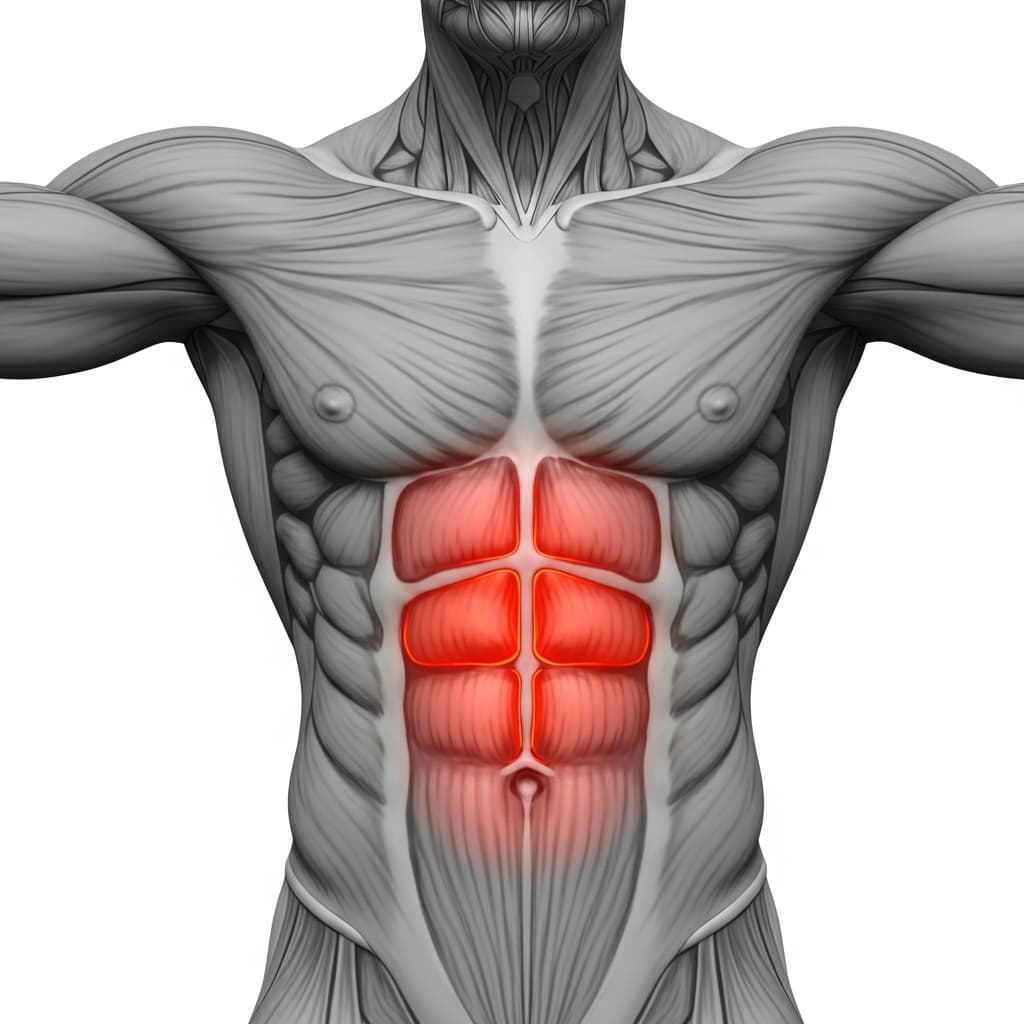
Secondary Muscles:
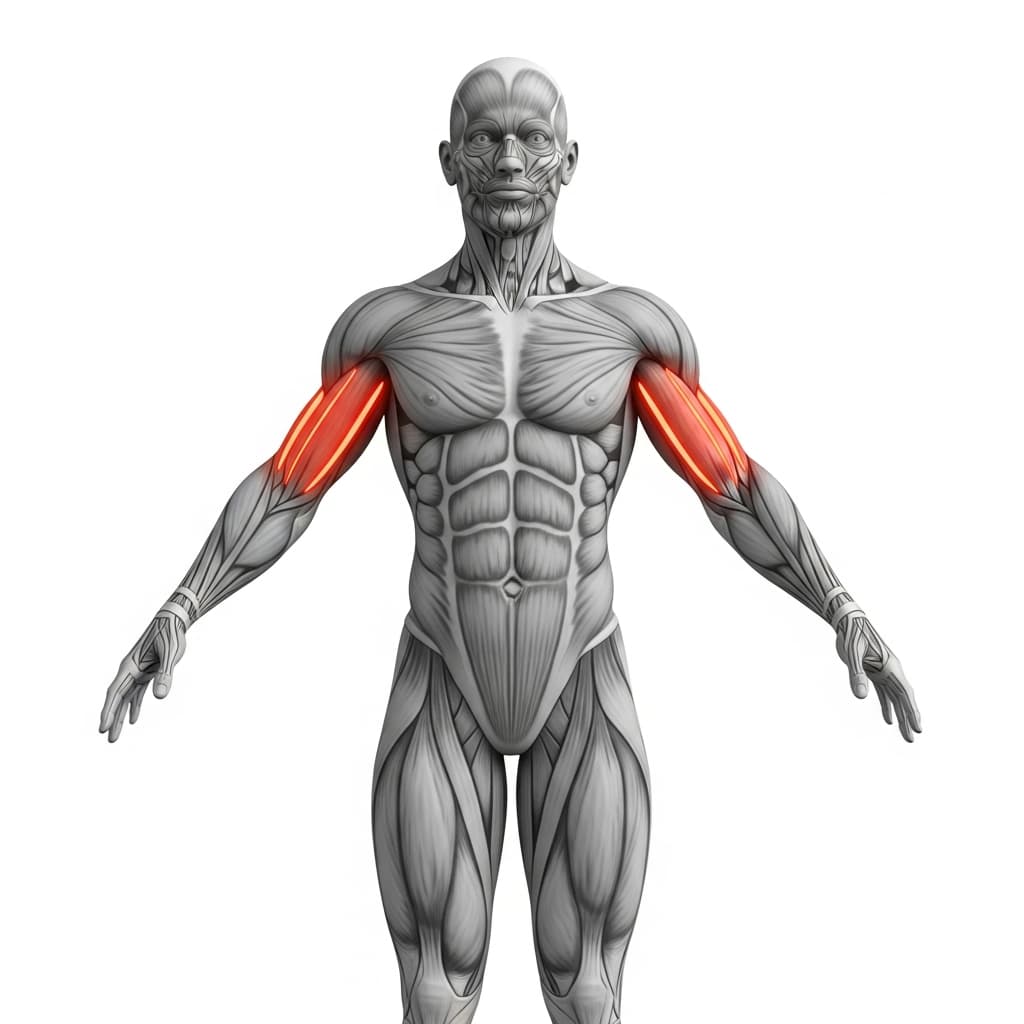
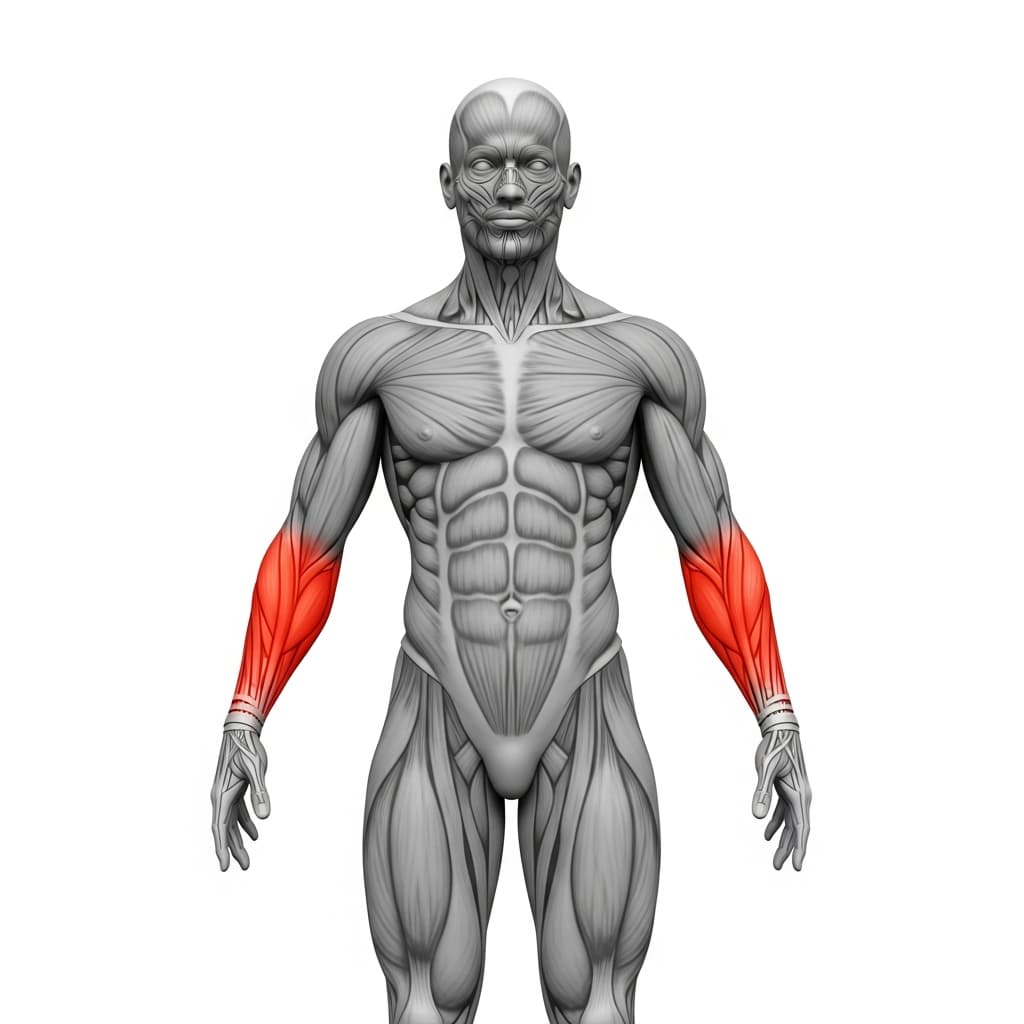
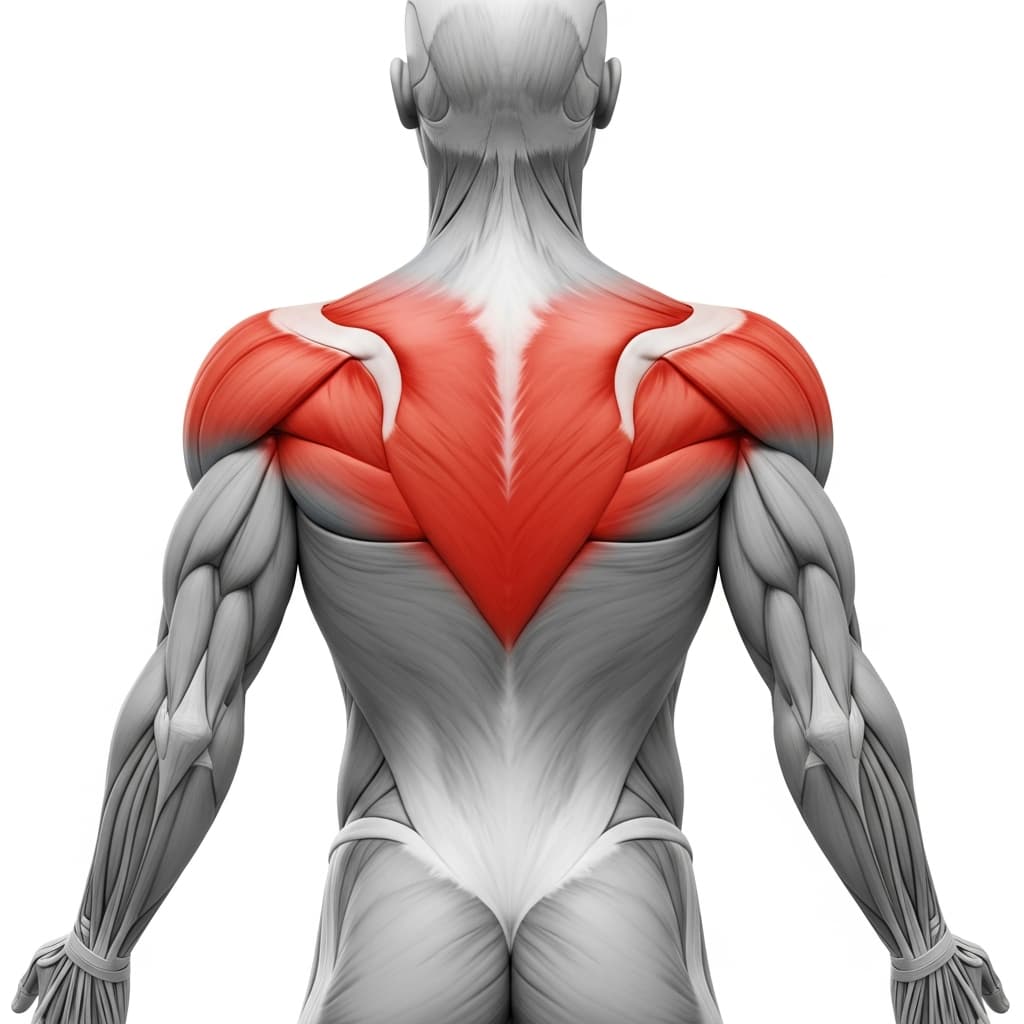
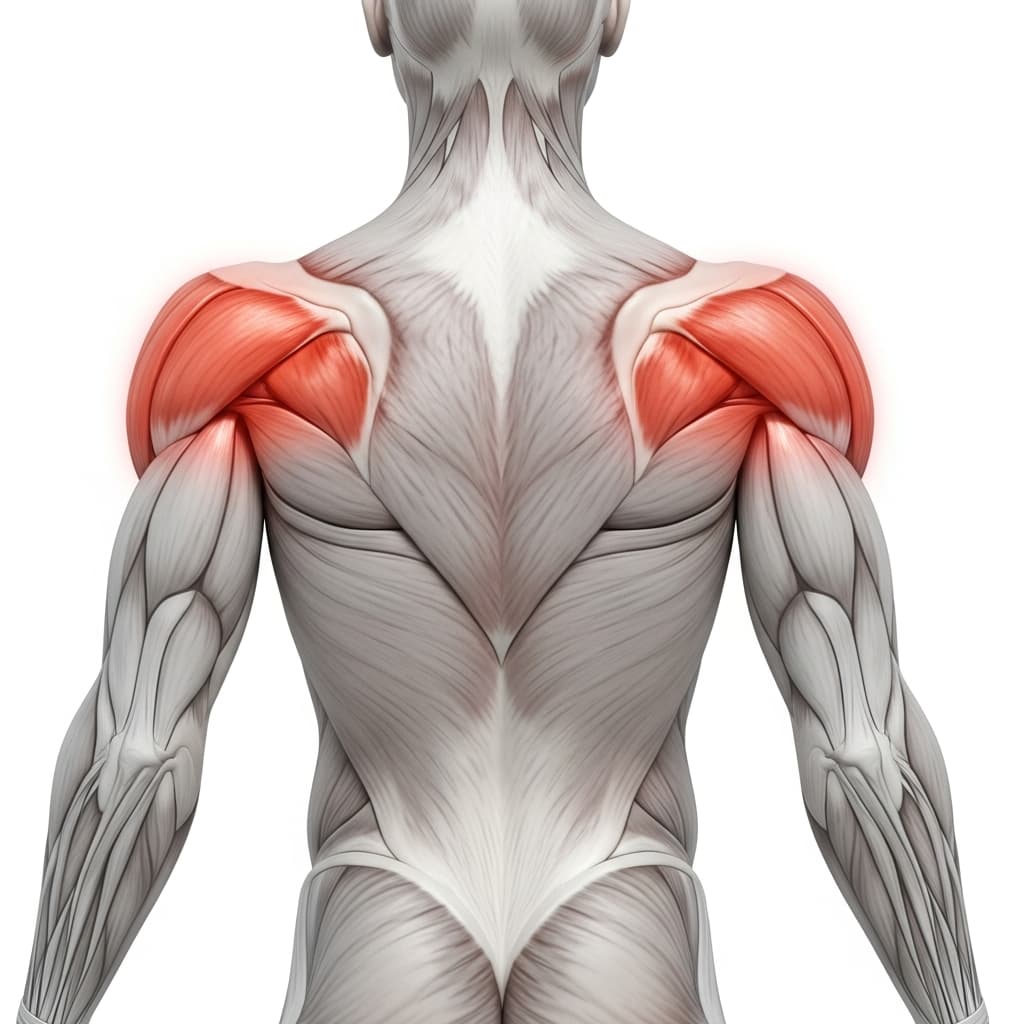
Primary Muscles
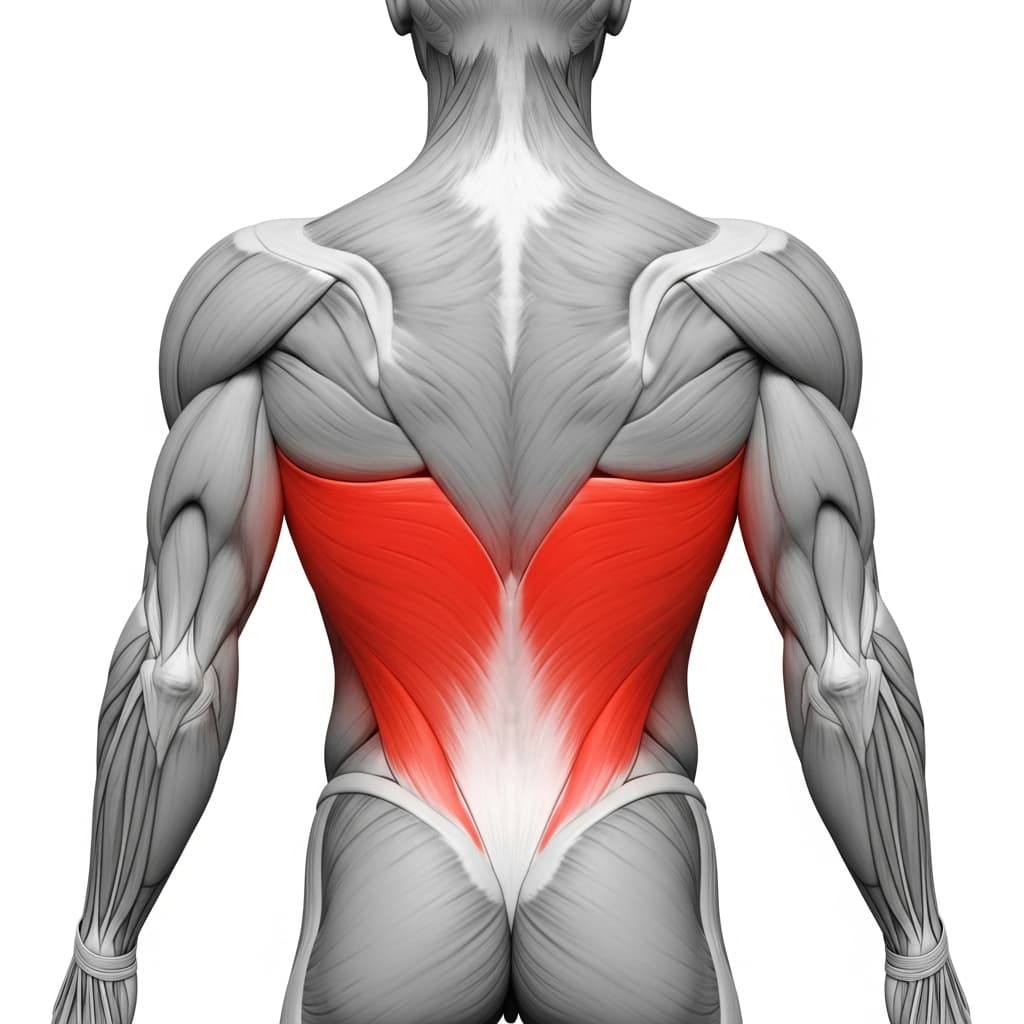
Latissimus Dorsi (Lats) - Power the primary pulling motion by extending and adducting the shoulder, drawing the body upward and toward one side of the bar on each rep.
Secondary Muscles
Biceps Brachii (Biceps) - Flex the elbows throughout the pulling phase to assist the lats, with increased demand from the mixed grip requiring each arm to pull at a slightly different angle.
Forearm Flexors & Extensors (Forearms) - Maintain grip on the bar under a mixed-grip configuration where each hand faces a different direction, demanding constant forearm engagement to prevent slipping.
Rhomboids & Upper Trapezius (Upper Back) - Retracts and depresses the scapulae at the top of each rep, completing the full range of motion and stabilizing the thoracic spine through the sideways pulling path.
Posterior Deltoid (Rear Deltoid) - Assists in pulling the shoulder back during the top portion of each rep, helping stabilize the shoulder joint as it moves through the rotational pulling pattern.
Rectus Abdominis (Abs) - Braces the torso against the rotational forces created by the asymmetric grip position, keeping the body rigid and preventing the legs from swinging forward.
Benefits of Assisted Commando Pull Ups
- Develops unilateral pulling strength by loading each side of the back through a rotational pulling path that standard pull-ups do not train
- Builds grip endurance and forearm control through the mixed grip, which challenges each hand differently under sustained load
- Prepares the shoulders and lats for advanced pulling skills like archer pull-ups and one-arm pull-up progressions
- Strengthens the core against rotational forces, since the sideways body position demands active stabilization to prevent the legs from swinging
Who Is This Exercise For?
You should be able to perform at least 5 clean band-assisted pull-ups with a standard overhand grip before attempting this variation. Comfortable dead hangs of 15 seconds and basic scapular pull-ups are also required, since the mixed grip and sideways body position place extra demand on grip and shoulder stability. If standard assisted pull-ups still feel shaky, spend more time building baseline pulling strength first.
Common Mistakes to Avoid
Letting the legs swing forward: Keep your legs pointing straight down throughout every rep. When the legs drift forward, the core disengages, the pulling path shifts, and the lats lose their mechanical advantage.
Staying too far from the bar at the top: Drive your chin as close to your hands as possible at the top of each rep. Pulling to a wide position away from the bar shortens the range of motion and reduces lat activation significantly.
Not switching grip between sets: Always alternate which hand is in front between sets. Training with only one grip pattern creates pulling strength imbalances between your left and right side that carry over into other exercises.
Dropping instead of lowering: Control the descent for 2 to 3 seconds on every rep and return to fully straight arms. Dropping quickly removes the eccentric training stimulus and places unnecessary stress on the shoulder joint.