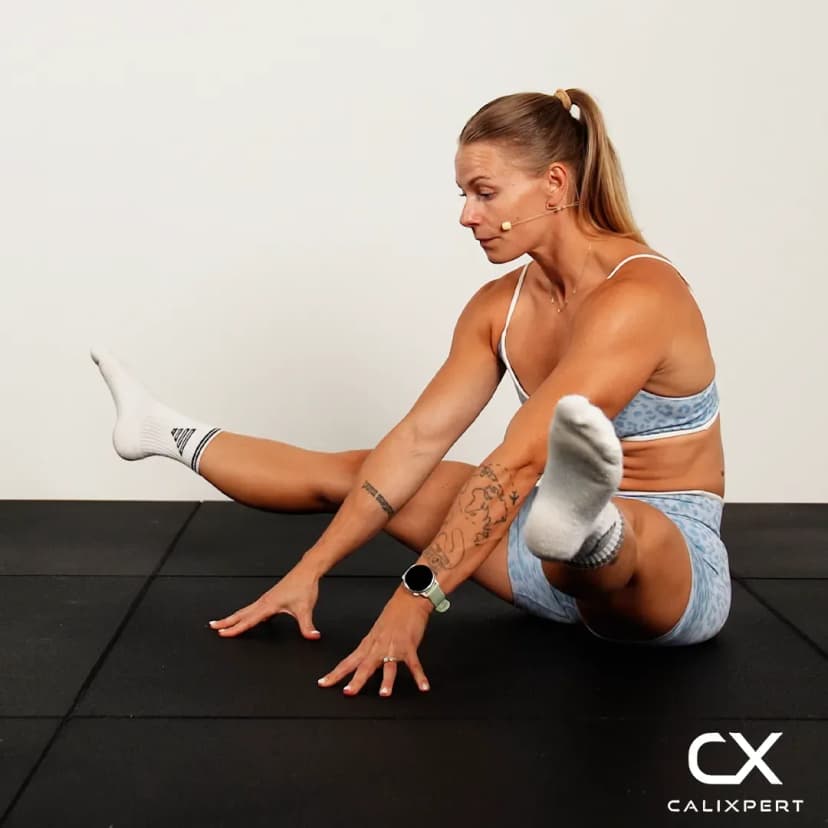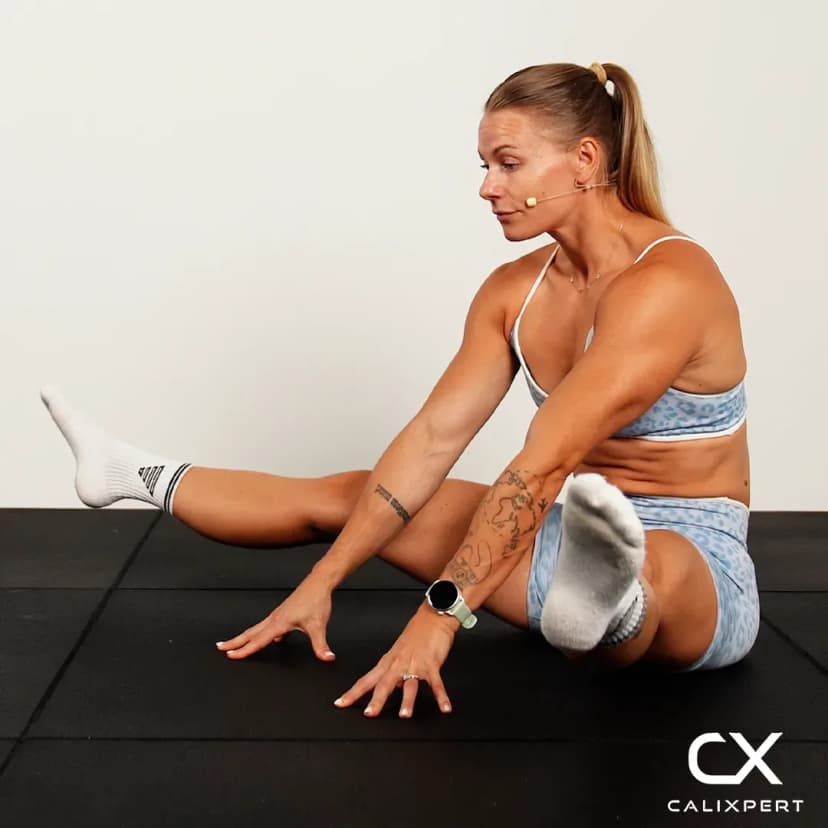
Scapula Pull-Ups
Scapula pull-ups are an isolation exercise that trains scapular depression and retraction while hanging from a bar with straight arms. They primarily target the lower traps, lats, and serratus anterior, which are the muscles responsible for controlling shoulder blade movement under load. Mastering this exercise builds the scapular control that is required for safe and effective pull-ups, muscle-ups, and every overhead calisthenics skill.
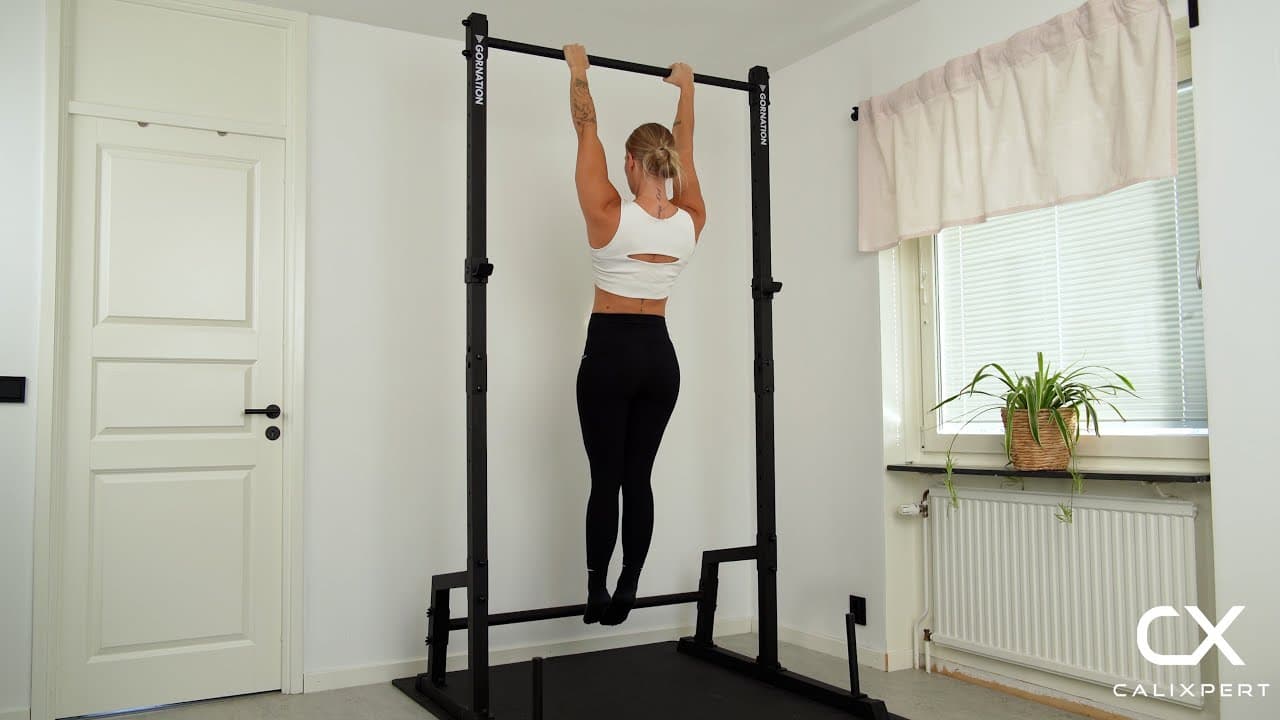
Scapula pull-ups are an isolation exercise that trains scapular depression and retraction while hanging from a bar with straight arms. They primarily target the lower traps, lats, and serratus anterior, which are the muscles responsible for controlling shoulder blade movement under load. Mastering this exercise builds the scapular control that is required for safe and effective pull-ups, muscle-ups, and every overhead calisthenics skill.
How to Do Scapula Pull-Ups
1. Grab the Bar at Shoulder Width
Reach up and grip a straight pull-up bar with hands shoulder-width apart using an overhand grip. Wrap your thumbs fully around the bar for a secure hold. Your palms should face away from you with knuckles pointing toward the ceiling.
Thumbs around the bar, never on top
2. Establish a Controlled Dead Hang
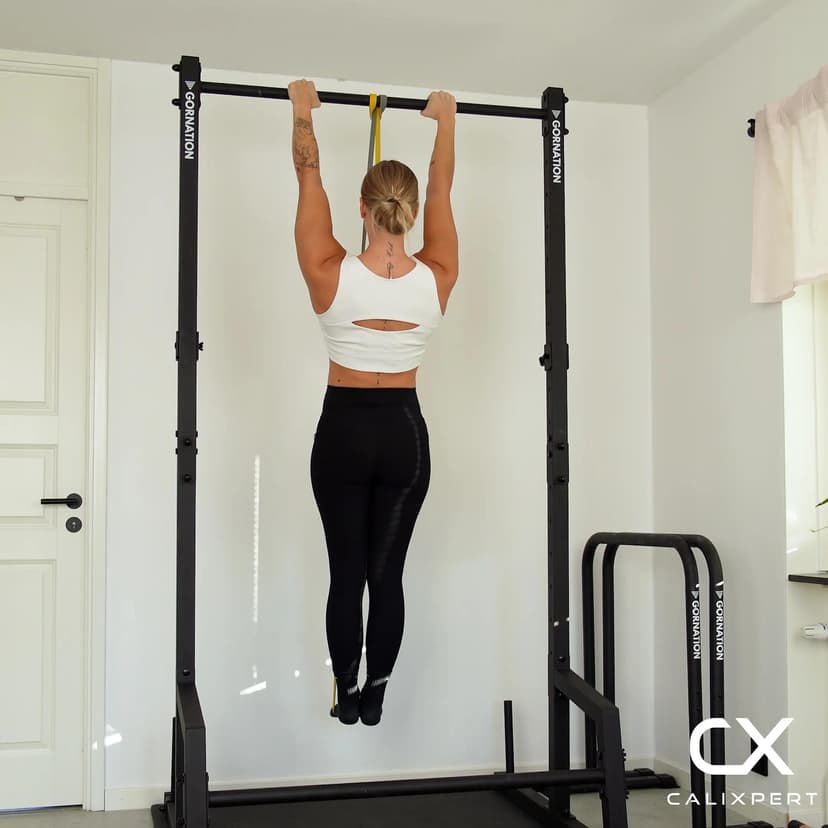
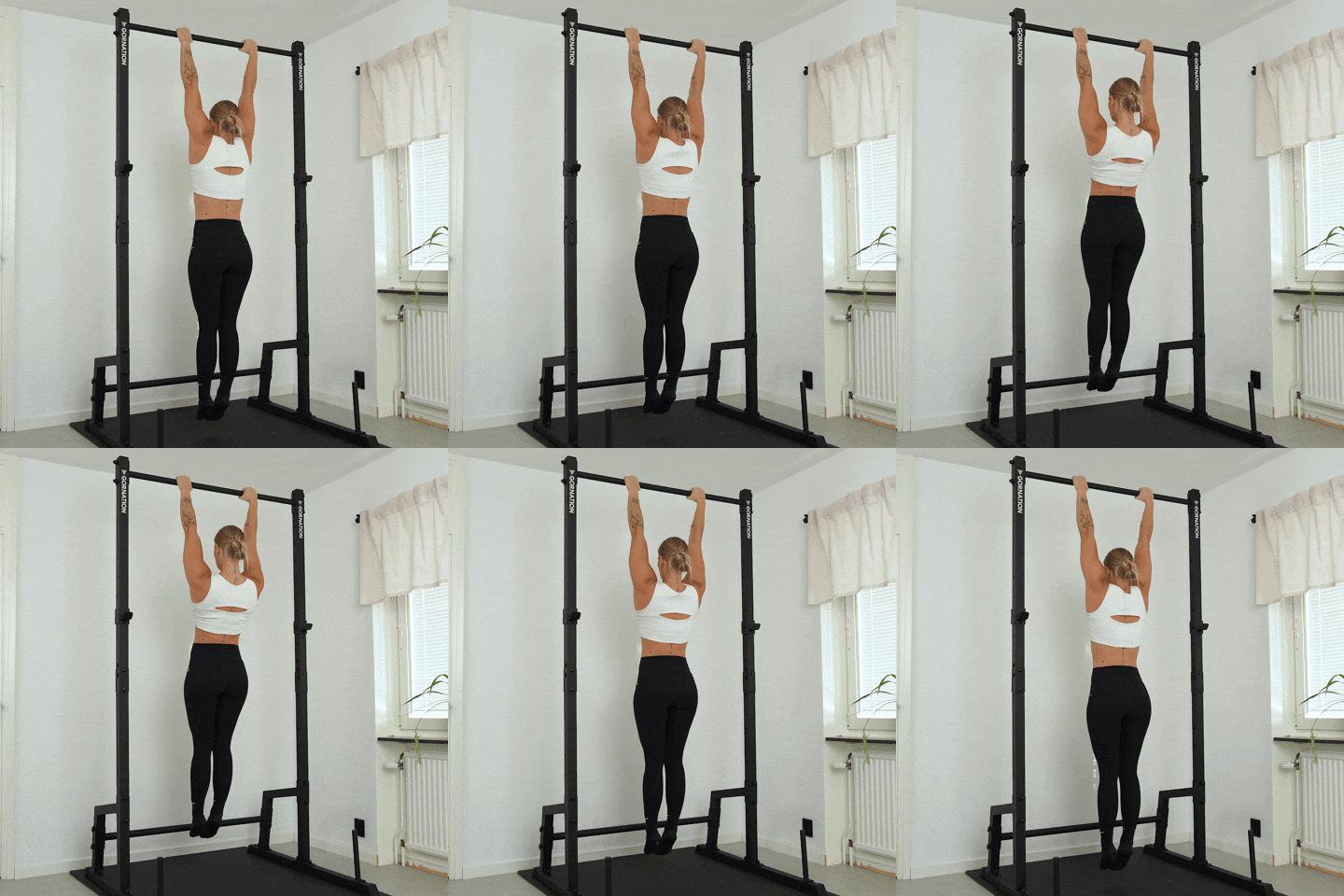
Let your body hang with arms fully extended and shoulders relaxed up toward your ears. Engage your core by bracing your abs lightly to prevent any swinging. Your body should form a straight line from hands to feet with no momentum.
Straight arms, tight core, zero swing
3. Depress the Shoulder Blades Down
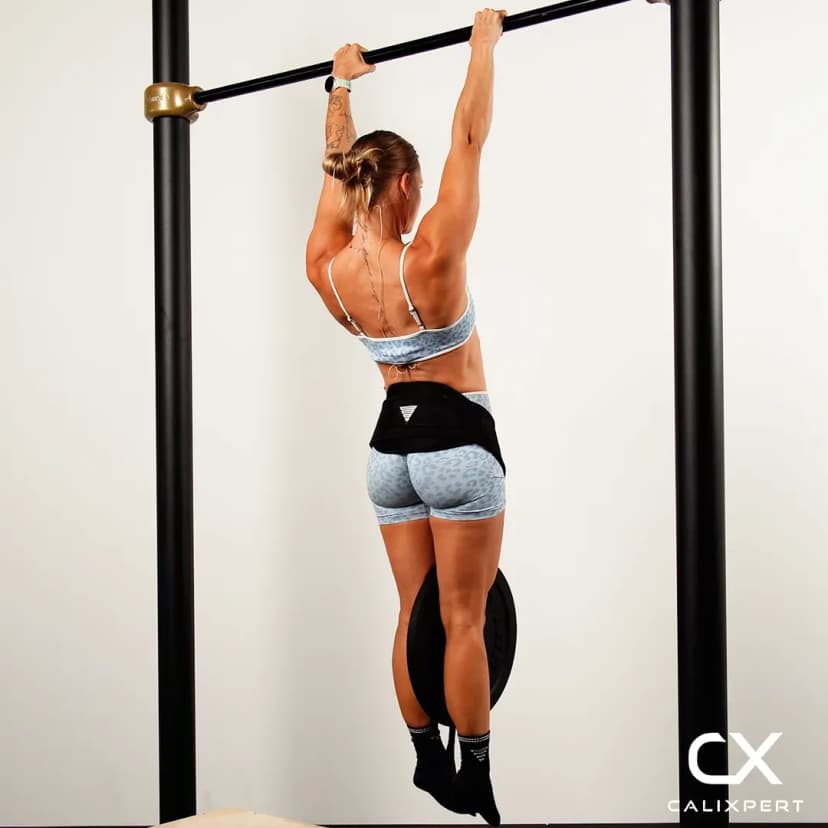
Without bending your elbows, pull your shoulder blades down and slightly together. Think about driving your shoulders as far away from your ears as possible. Your chest will rise slightly and your body will shift upward a few inches as a result of the scapular movement alone.
Pull shoulders down, chest up
4. Hold the Top Position Briefly
At the top of the movement, hold for one full second with your shoulder blades fully depressed and your chest lifted. Your arms must remain completely straight throughout this hold. You should feel strong tension across your upper back and the sides of your ribcage.
One-second squeeze at the top
5. Lower Back to a Dead Hang
Slowly release the tension and let your shoulders rise back toward your ears in a controlled manner. Do not simply drop into the bottom position. Return to a full dead hang with relaxed shoulders before starting the next rep.
Controlled release, do not drop
Most people fail at pull-ups not because their arms are weak, but because they skip the scapular set at the start of every rep. Treat scapula pull-ups as a non-negotiable warm-up before any pulling session. Once you can do 3 sets of 10 with a full pause at the top, you will notice that your pull-ups feel completely different because the lats finally fire first.
Muscles Worked During Scapula Pull-Ups
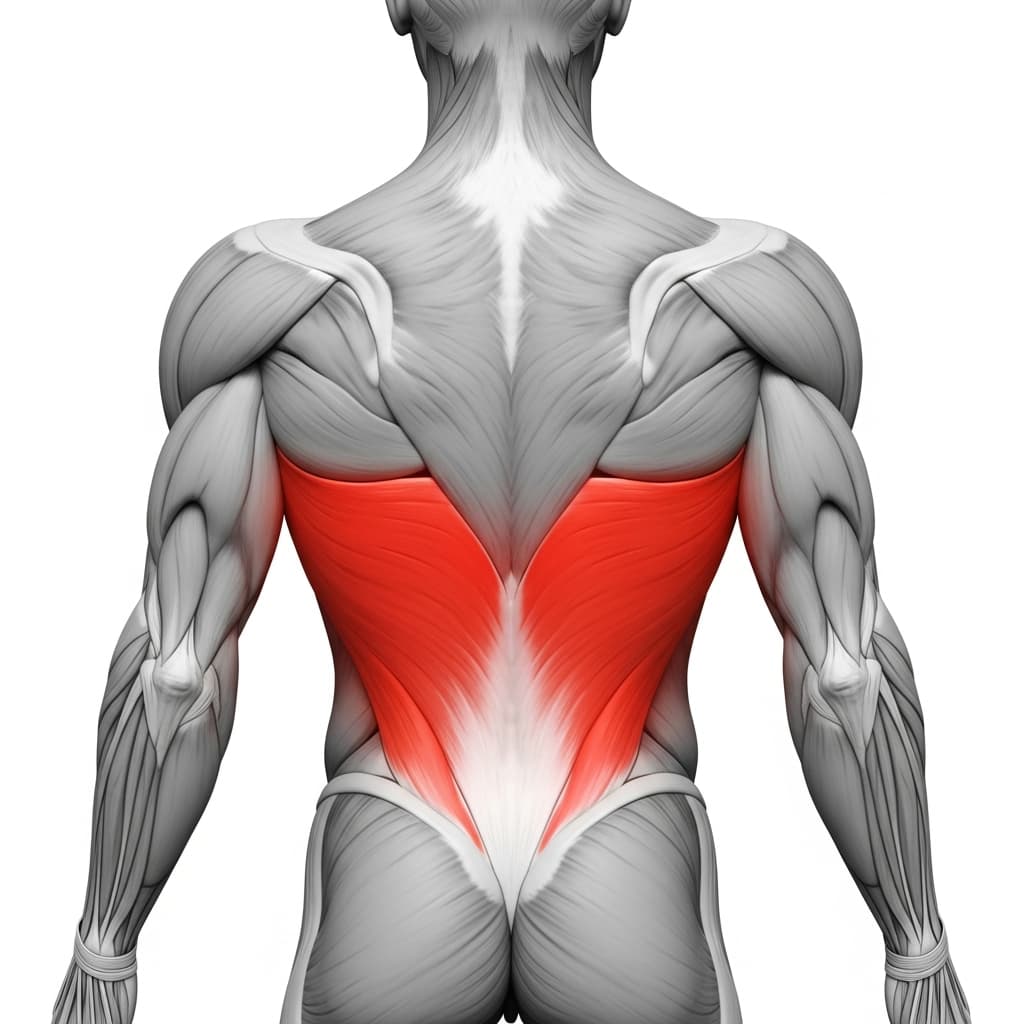
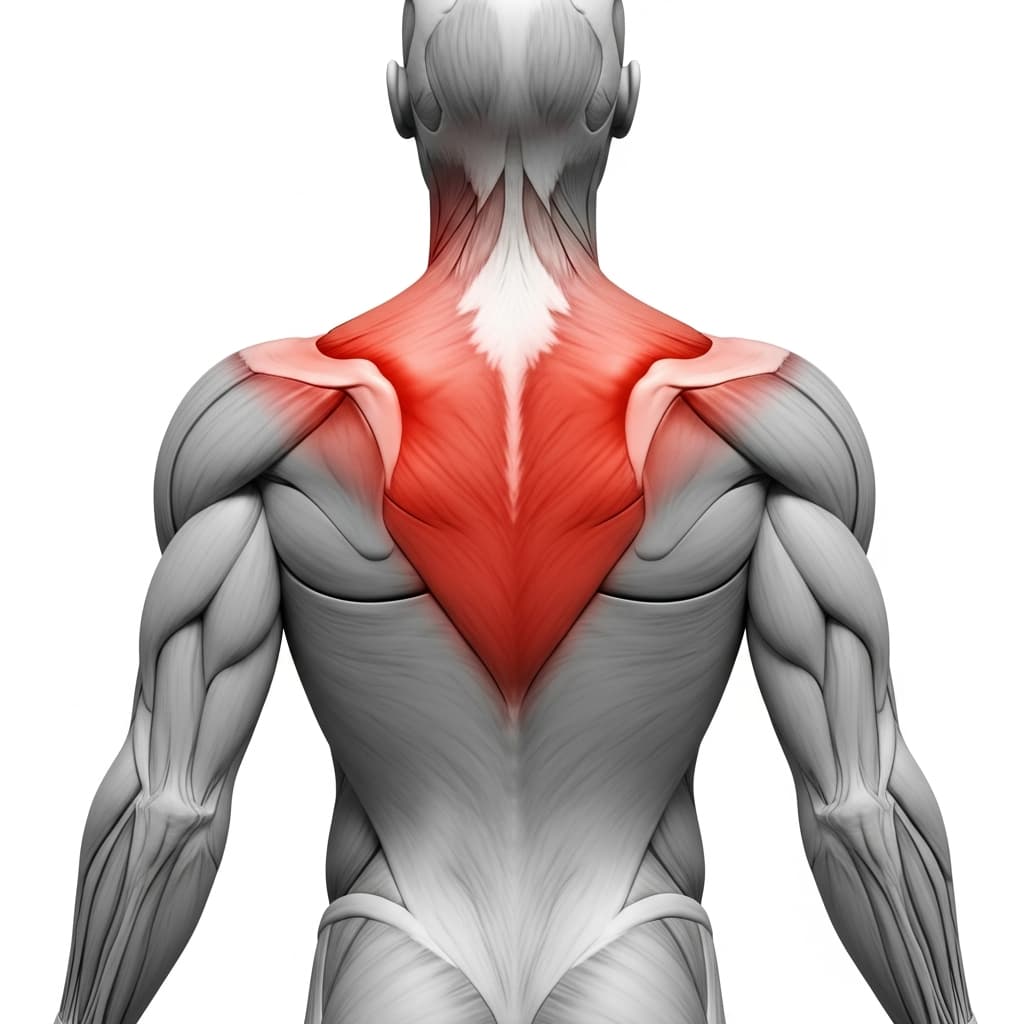
Secondary Muscles:
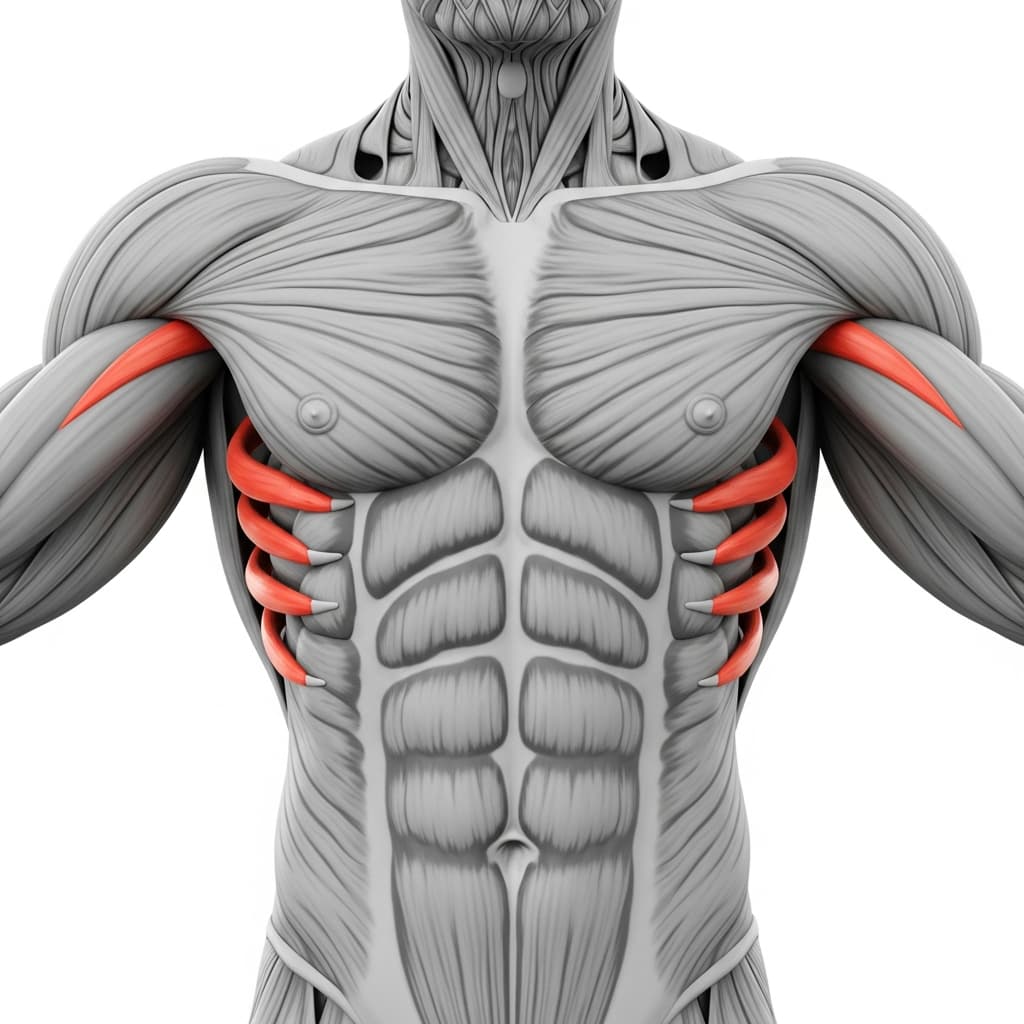
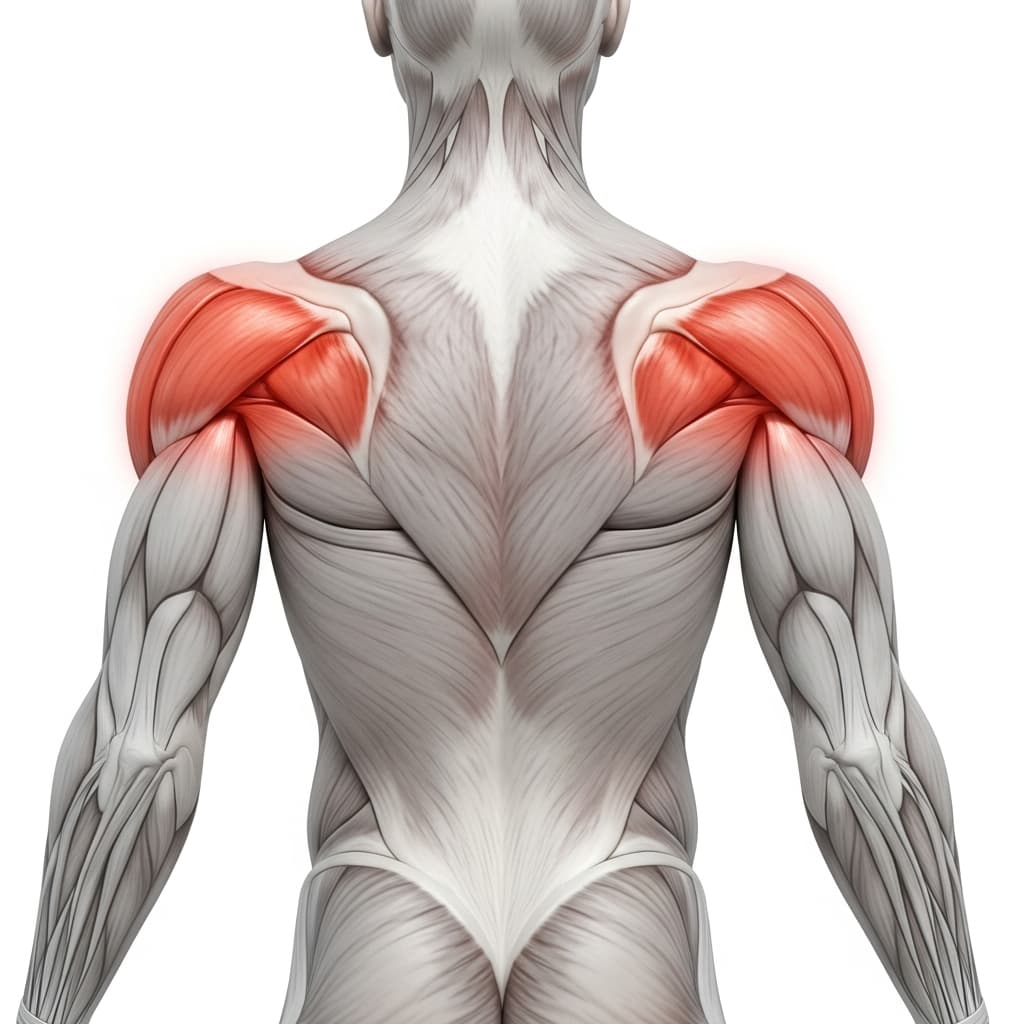
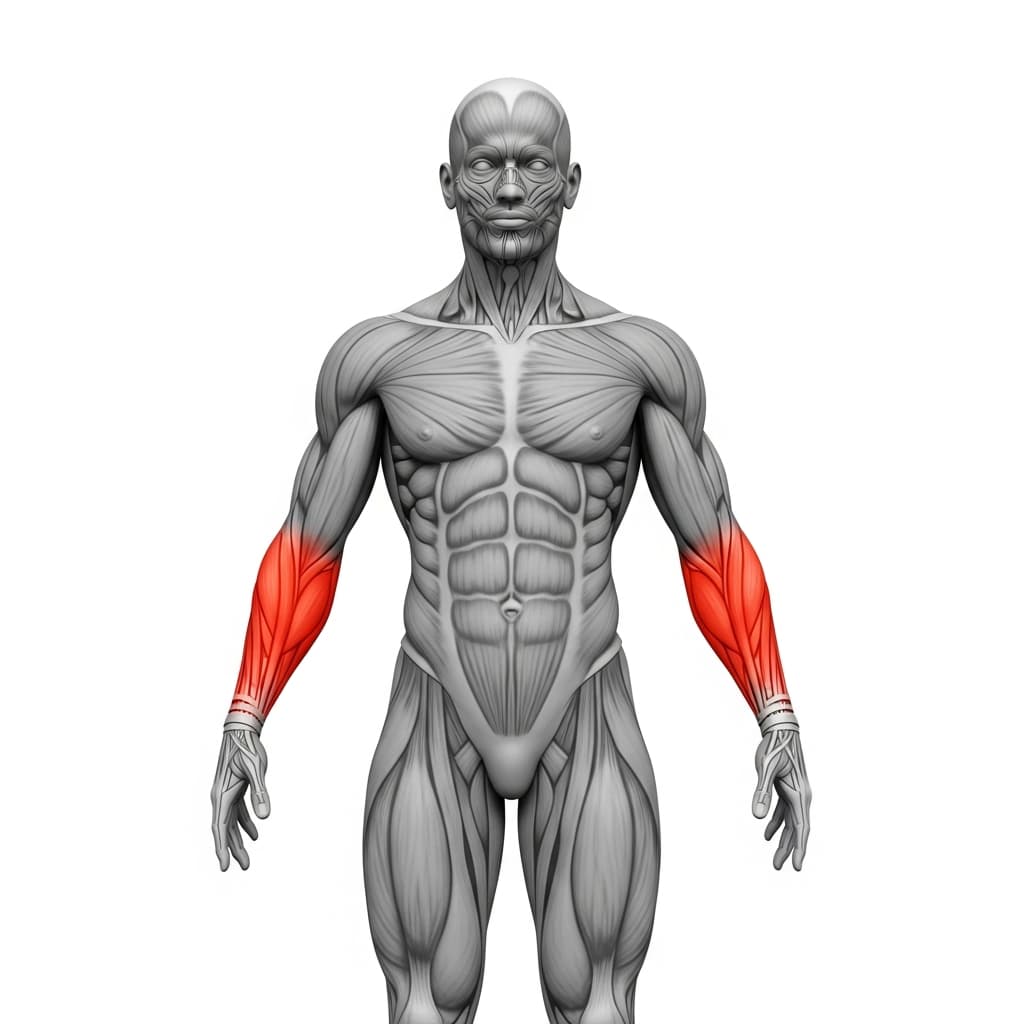
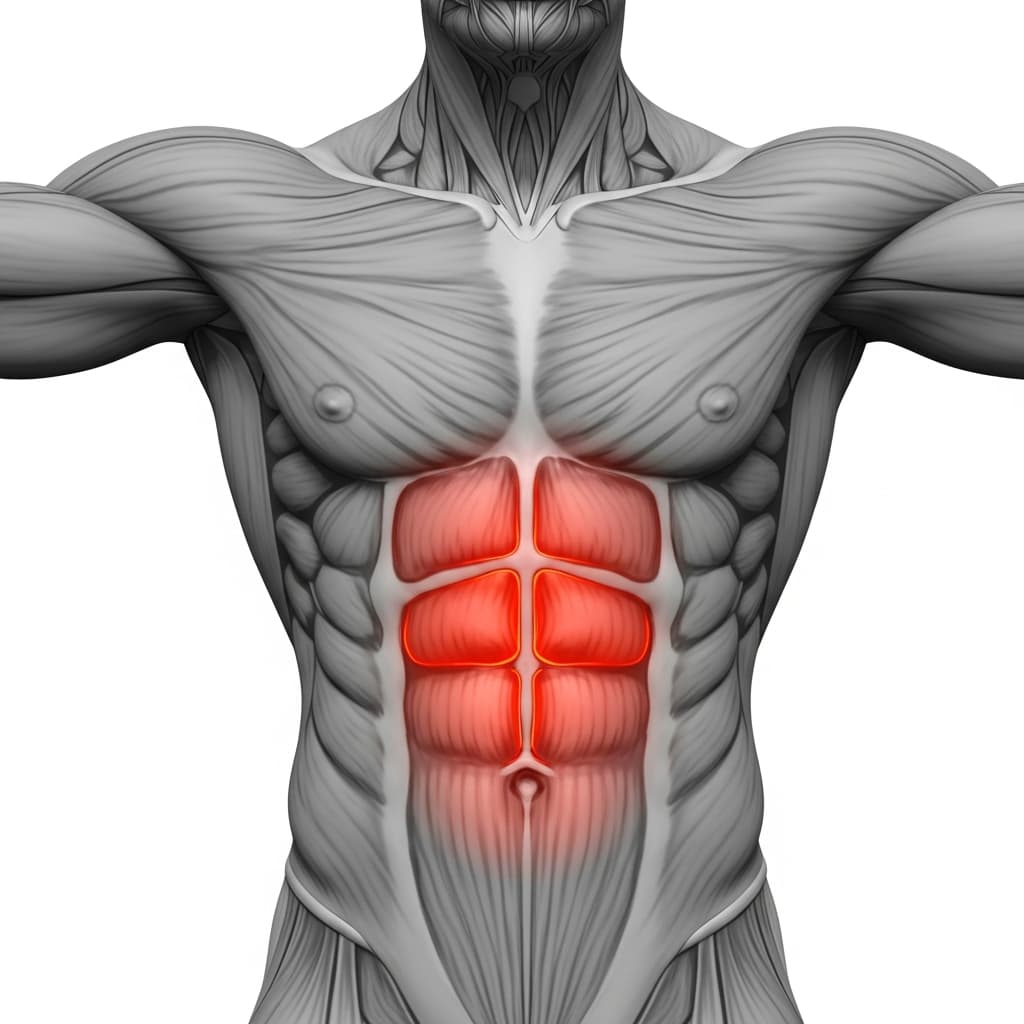
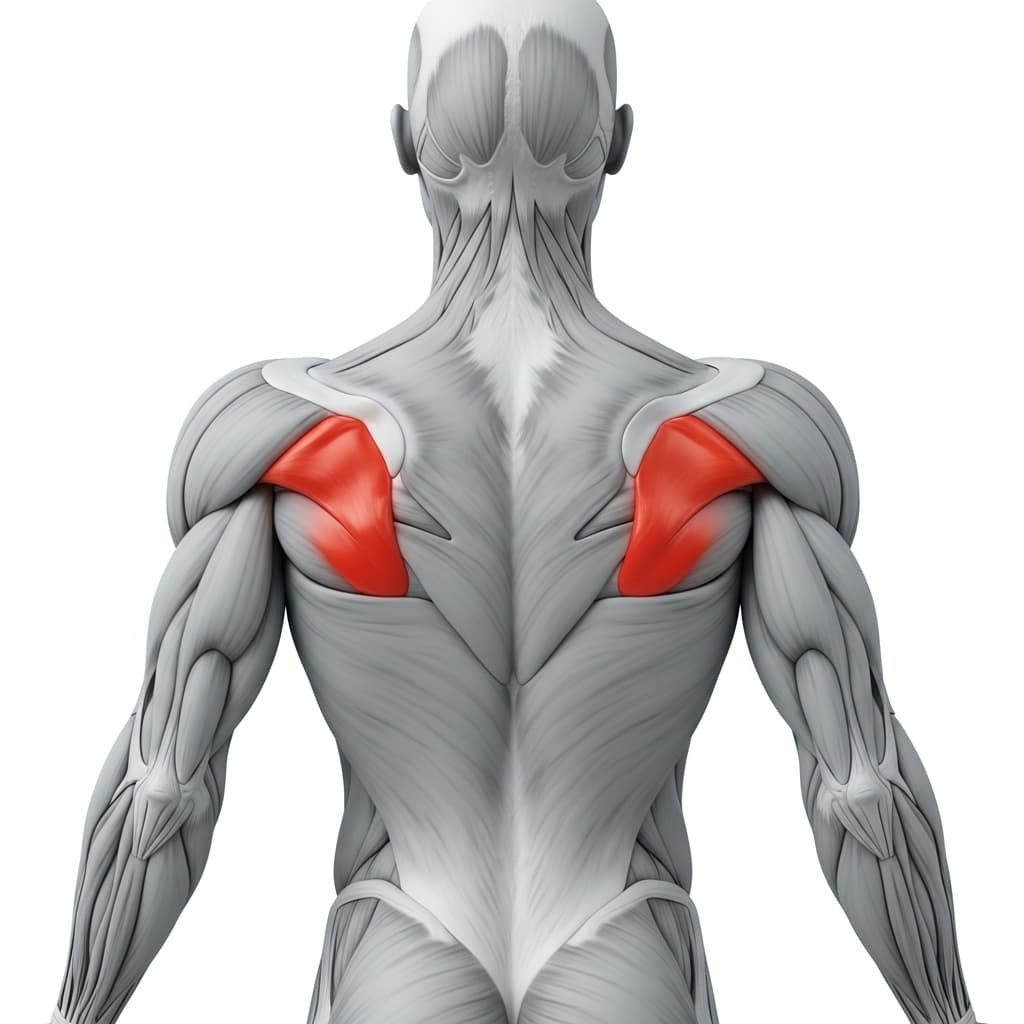
Primary Muscles
Latissimus Dorsi (Lats) - The lats are the primary driver of scapular depression, pulling the shoulder blades downward and creating the upward shift of the body during each rep.
Trapezius (Trapezius) - The lower and middle traps work to depress and retract the shoulder blades, controlling the downward pull of the scapula away from the ears.
Secondary Muscles
Serratus Anterior (Serratus Anterior) - The serratus anterior stabilizes the shoulder blade against the ribcage and assists in the controlled upward rotation during scapular movement.
Posterior Deltoid (Rear Deltoid) - The rear deltoids assist in pulling the shoulder blades together during the retraction phase at the top of each rep.
Forearm Flexors & Extensors (Forearms) - The forearm flexors maintain grip on the bar throughout the entire set, working isometrically to support your full bodyweight.
Rectus Abdominis (Abs) - The abdominals brace the torso to prevent swinging and keep the body in a stable, straight line during the hanging position.
Rotator Cuff (SITS) (Rotator Cuff) - The rotator cuff muscles stabilize the shoulder joint in the overhead hanging position, protecting it from excessive stress during each rep.
Benefits of Scapula Pull-Ups
- Builds scapular depression strength that is required for the initiation phase of every pull-up, muscle-up, and front lever progression
- Strengthens the lower traps and serratus anterior, which are the two most undertrained muscles responsible for healthy shoulder blade mechanics
- Develops the mind-muscle connection for scapular control, allowing you to properly activate the back before bending the arms in any pulling exercise
- Reduces the risk of shoulder impingement by training the shoulder blades to move through their full range under load
Who Is This Exercise For?
You should be able to hold a dead hang from a pull-up bar for at least 15 seconds with relaxed shoulders before attempting scapula pull-ups. If gripping the bar for that duration is difficult or your shoulders fatigue quickly in a passive hang, work on grip endurance and shoulder mobility first.
Common Mistakes to Avoid
Bending the elbows during the movement: Lock your elbows completely straight for every rep. If your arms bend, you are turning this into a partial pull-up and removing the scapular isolation that makes this exercise effective.
Shrugging the shoulders up instead of pulling them down: Focus on driving the shoulders away from your ears, not toward them. Think about putting your shoulder blades into your back pockets. If you feel tension in the tops of your shoulders or neck, you are shrugging.
Swinging or using momentum: Brace your core before every rep and keep your legs still. Any swing shifts the work away from the scapular muscles and makes the movement ineffective as a stability exercise.
Rushing through reps without full range of motion: Each rep should go from a completely relaxed dead hang to full scapular depression with a clear pause at the top. Cutting the range of motion short reduces the strength gains in the exact positions where you need them most.