Pull ups
Pull-ups are a fundamental vertical pulling exercise in calisthenics that trains the lats, biceps, rear deltoids, and traps through a full range of motion. The key to an effective pull-up is initiating from the scapula and driving the elbows out and back, rather than simply yanking with the arms. Mastered with clean technique, pull-ups build serious back width and pulling strength that form the direct foundation for every advanced calisthenics skill.
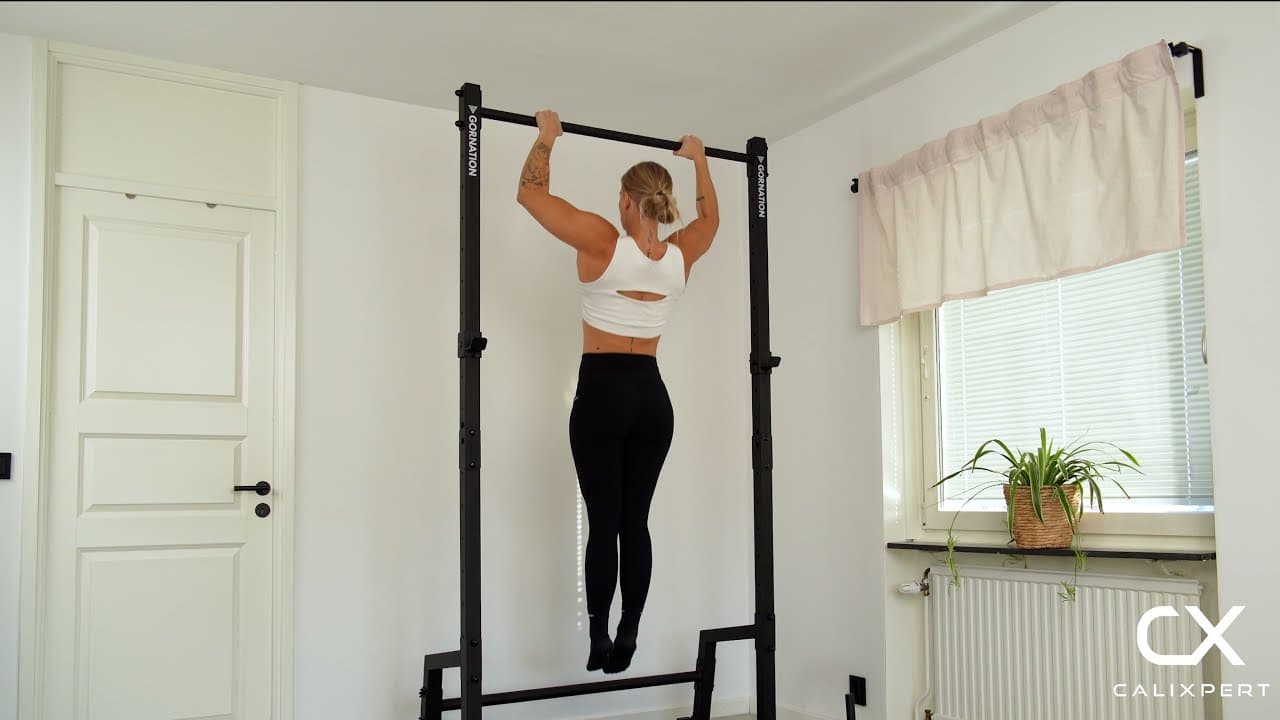
Pull-ups are a fundamental vertical pulling exercise in calisthenics that trains the lats, biceps, rear deltoids, and traps through a full range of motion. The key to an effective pull-up is initiating from the scapula and driving the elbows out and back, rather than simply yanking with the arms. Mastered with clean technique, pull-ups build serious back width and pulling strength that form the direct foundation for every advanced calisthenics skill.
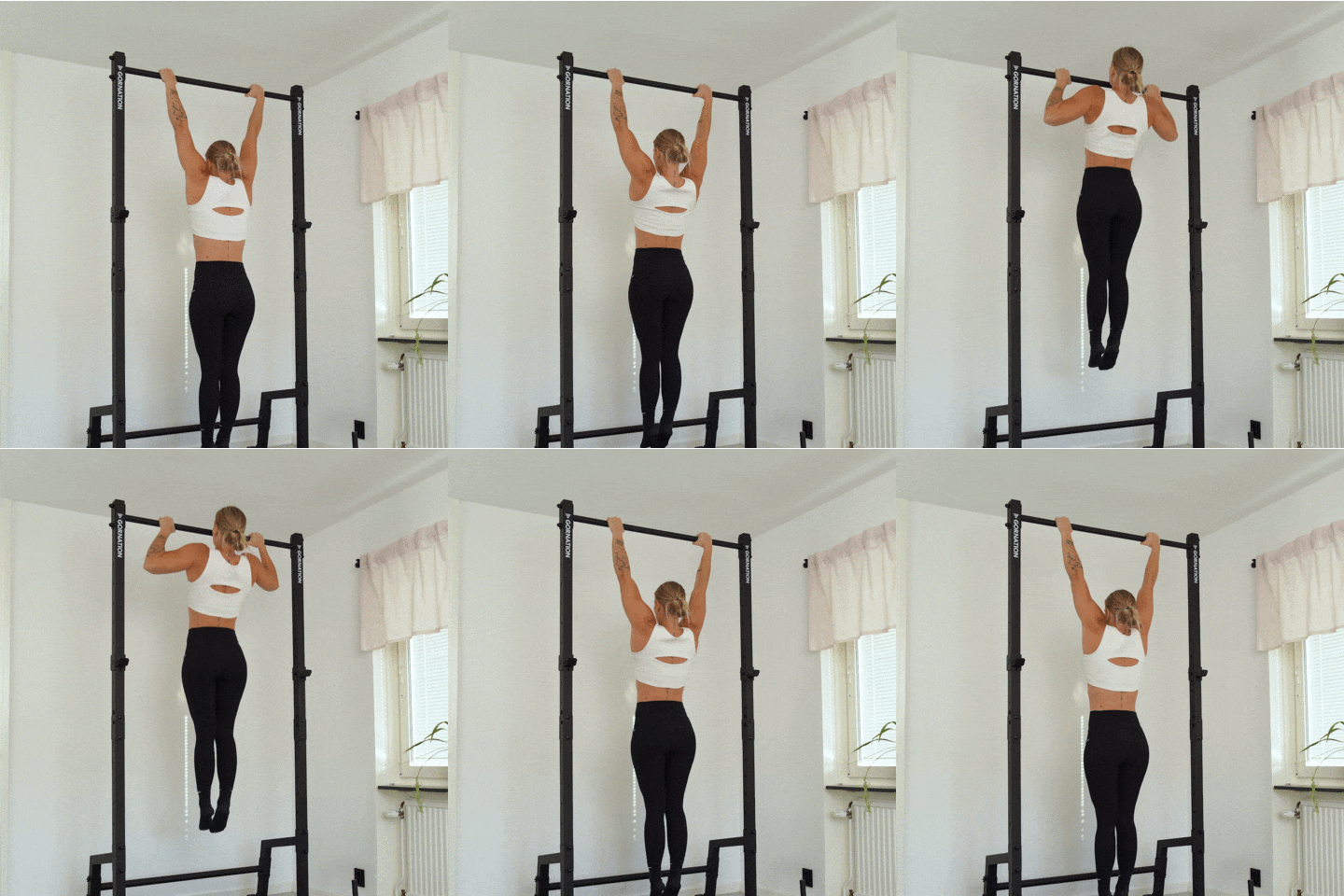
How to Do Pull ups
1. Set Up Your Grip
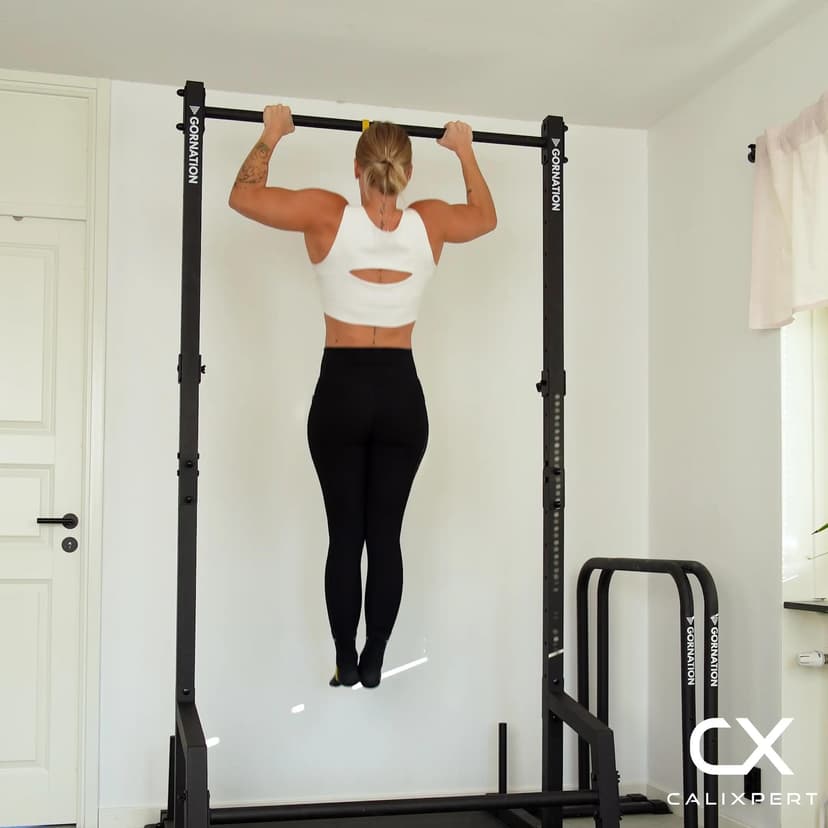
Grab a straight bar with a grip slightly wider than shoulder width. Wrap your thumbs fully around the bar and use a slight overhand grip. This hand position keeps the wrists stable and allows you to generate more pulling power throughout the movement.
Thumbs always around the bar, never resting on top
2. Initiate the Scapular Pullup
Before bending your elbows, pull your shoulders down and retract your shoulder blades. This scapular set is not optional. It activates the stabilizing muscles of the upper back and protects the shoulder joint from unnecessary stress on every rep.
Shoulders down and back before you pull
3. Drive Elbows Out and Back
Begin pulling by driving your elbows outward and backward, not straight down toward your hips. This elbow path puts the lats in the strongest mechanical position and keeps the biceps from being overloaded. Maintain a slight hollow body position through the ascent.
Elbows out and back, not straight down
4. Retract Scapula at the Top
As you reach the top of the movement, squeeze your shoulder blades together and lift your chest slightly toward the bar. This scapular retraction completes the full range of motion and ensures the upper back does its share of the work rather than letting the arms finish alone.
Squeeze the shoulder blades together at the top
5. Clear the Bar With Your Chin
Continue pulling until your chin clears above the bar. Keep your chest up and your neck neutral throughout. Your chin should clear as a result of full pulling effort, not by jutting the head forward.
Chest up, chin over the bar, not neck forward
6. Lower Under Control
Slowly extend your arms on the descent, resisting gravity the entire way down. Lower until your arms are fully extended, then re-set your scapula before the next rep. This controlled eccentric phase builds strength and keeps the shoulder joint healthy over time.
3-second descent, do not drop
A lot of people treat pull-ups as an arm exercise and wonder why their back never develops. The shift happens when you stop thinking about pulling your body up and start thinking about driving your elbows back. Set your scapula first, then pull the elbows back and out, and you will feel your lats engage in a completely different way. That is the rep that actually builds you.
Muscles Worked During Pull ups
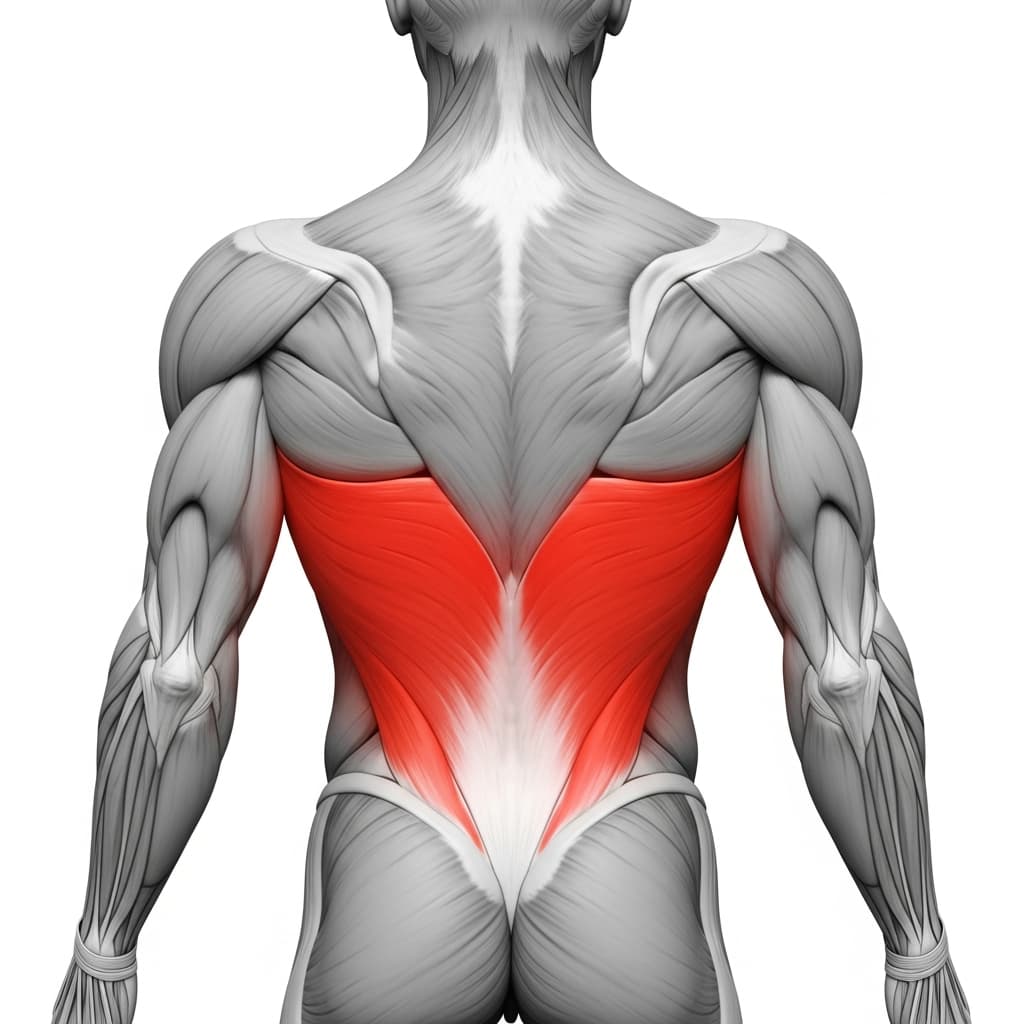
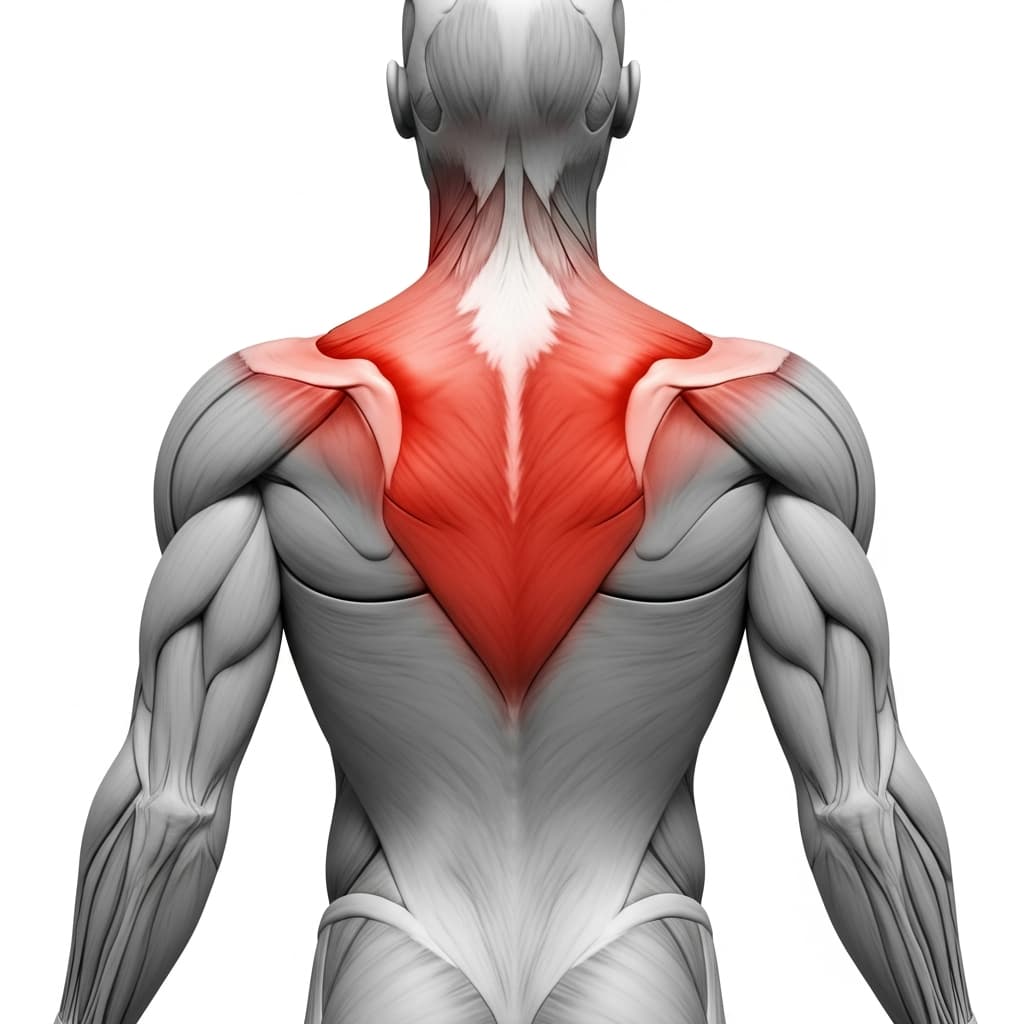
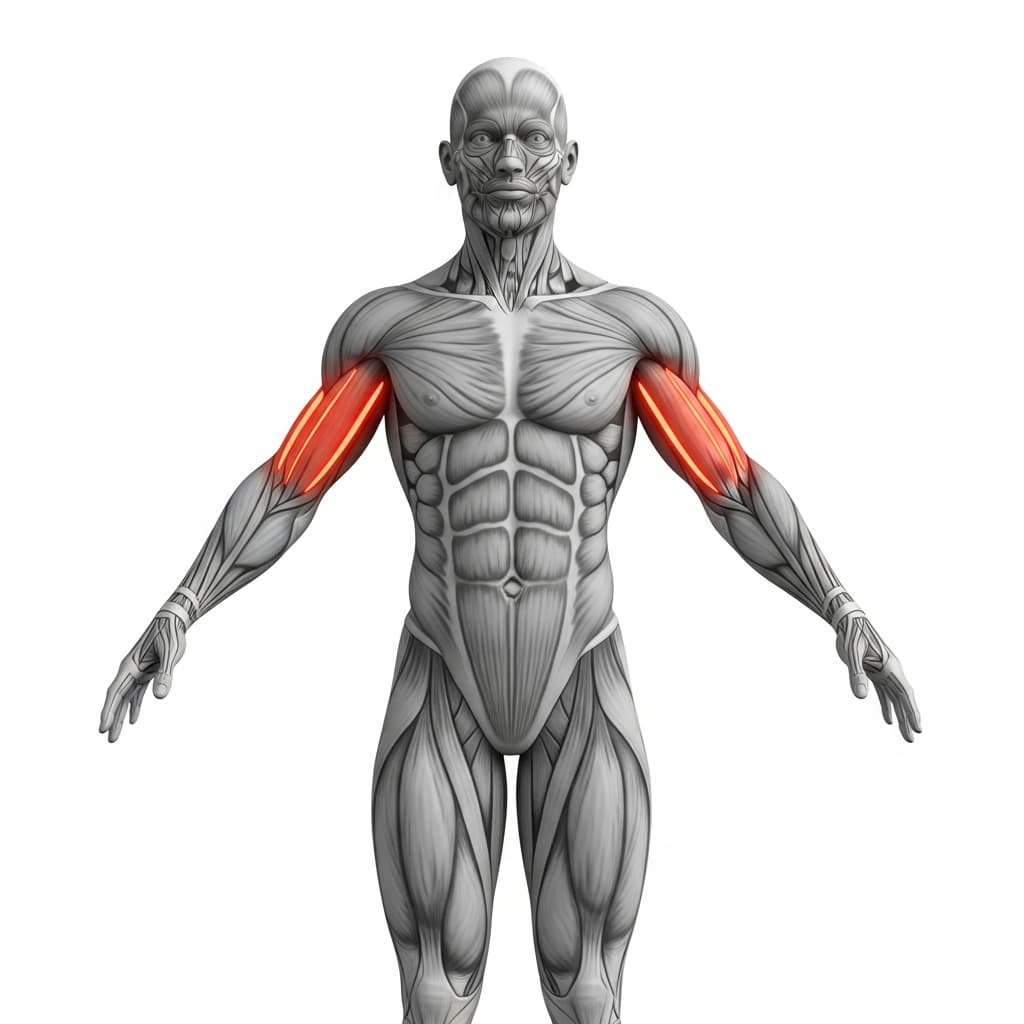
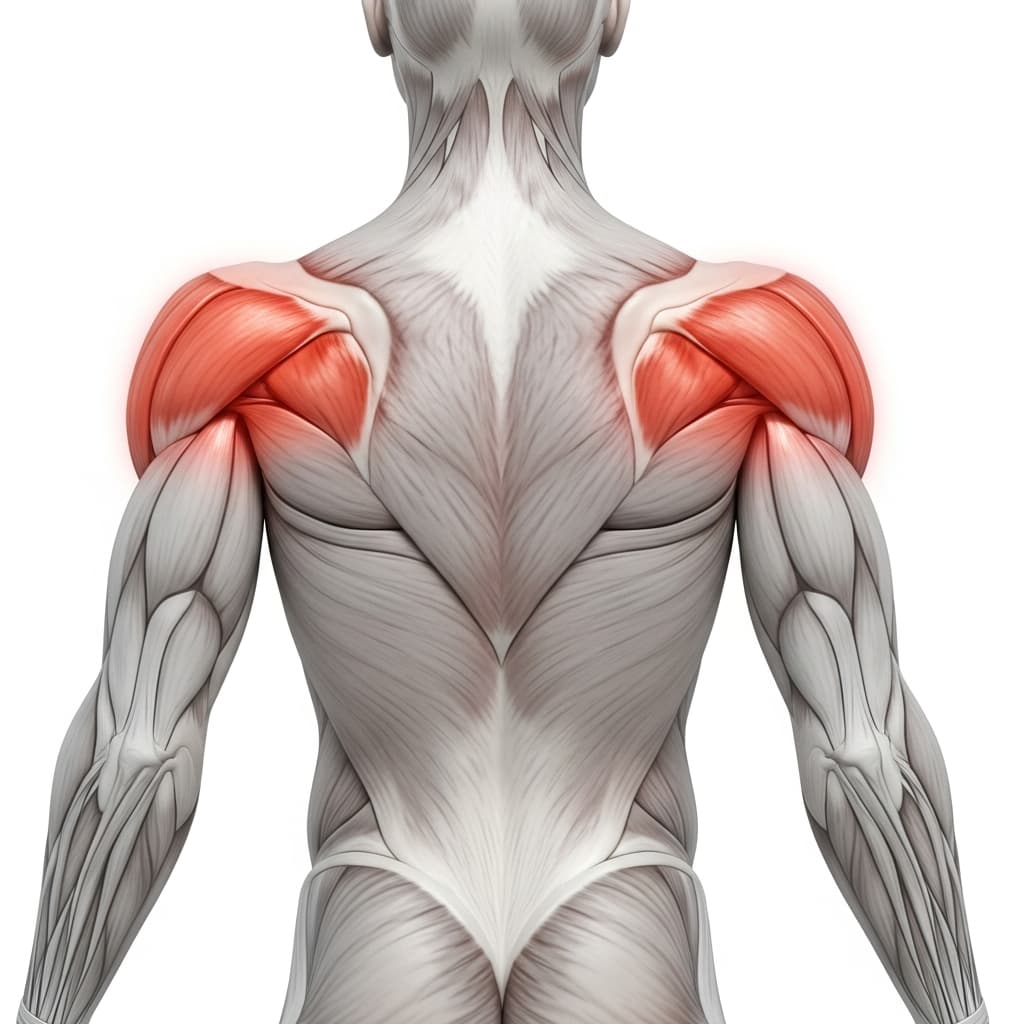
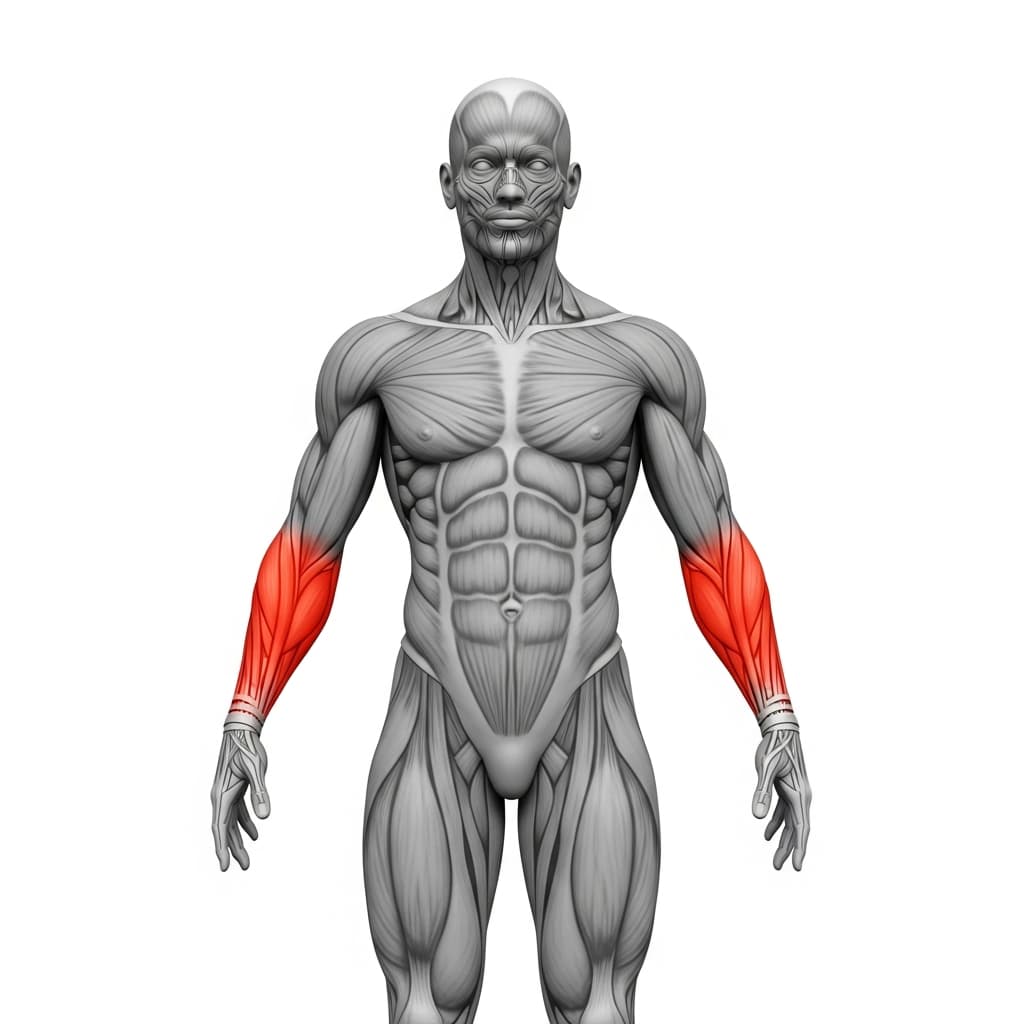
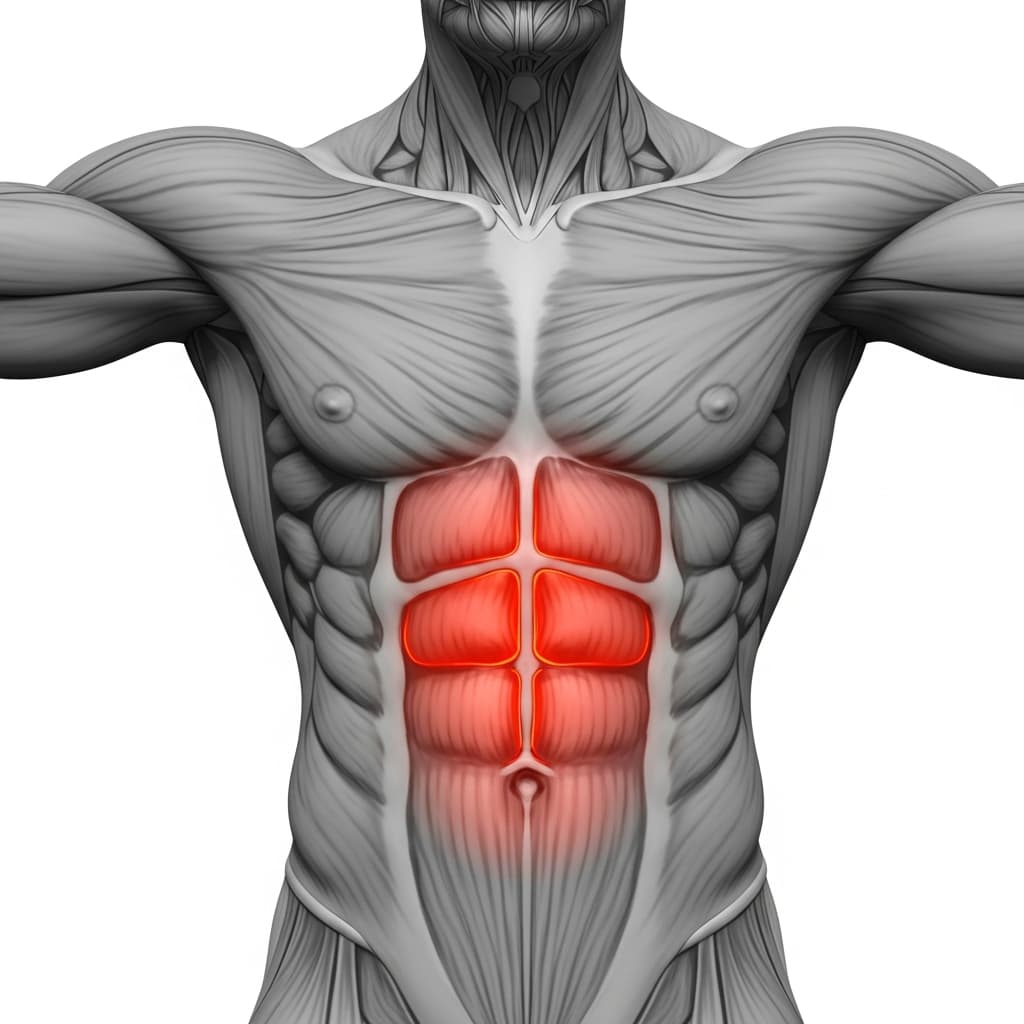
Primary Muscles
Latissimus Dorsi (Lats) - Drives scapular depression and shoulder adduction, generating the majority of the pulling force as your elbows travel toward your hips.
Trapezius (Trapezius) - Controls scapular retraction and depression throughout the movement, creating a stable shoulder platform and initiating the pull before the arms bend.
Secondary Muscles
Biceps Brachii (Biceps) - Assists at the elbow joint during flexion, contributing to the final range of motion as you pull your chin over the bar.
Posterior Deltoid (Rear Deltoid) - Supports shoulder extension and horizontal abduction, helping to stabilize the shoulder joint under load throughout the pull.
Forearm Flexors & Extensors (Forearms) - Maintain grip strength and wrist stability on the bar throughout every rep.
Rectus Abdominis (Abs) - Stabilize the trunk and prevent excessive lumbar extension, keeping the body rigid and legs from swinging.
Benefits of Pull ups
- Builds lat width and upper back thickness, the two most visible markers of pulling strength development in calisthenics
- Develops grip strength and forearm endurance through sustained hanging and loaded pulling under bodyweight
- Strengthens the scapular stabilizers, which protects the shoulder joint during all overhead and pressing movements
- Requires nothing but a bar, making it the most accessible serious back exercise in any training environment
- Forms the direct strength base for advanced calisthenics skills including the muscle-up, front lever, and one-arm pull-up
Who Is This Exercise For?
You should be able to hold a dead hang for at least 20 seconds and perform scapular pull-ups with controlled form before attempting full pull-ups. If gripping the bar for that duration is a struggle, prioritize grip endurance and shoulder stability work first.
Common Mistakes to Avoid
Skipping scapular initiation: Set your shoulder blades down and back before bending the elbows on every single rep. Practicing isolated scapular pull-ups as a warm-up builds this habit quickly and transfers directly into better full pull-up mechanics.
Pulling elbows straight down: Drive your elbows outward and backward throughout the entire pull. When elbows go straight down, the biceps take over and the lats disengage, which limits both strength output and muscle development.
No scapular retraction at the top: At the peak of each rep, actively squeeze your shoulder blades together and bring your chest toward the bar. Stopping short of this position cuts the range of motion in half and leaves significant upper back activation on the table.
Using momentum or kipping: Strict pull-ups should start from a controlled dead hang with no swing or leg kick. Kipping shifts load away from the lats and places the shoulder in a vulnerable position under speed, increasing injury risk.
Craning the neck to reach the bar: Getting your chin over the bar should come from full pulling effort, not from pushing your head forward. Keep the neck neutral and let your back and arm strength bring the bar to chin height.
Variations & Progressions
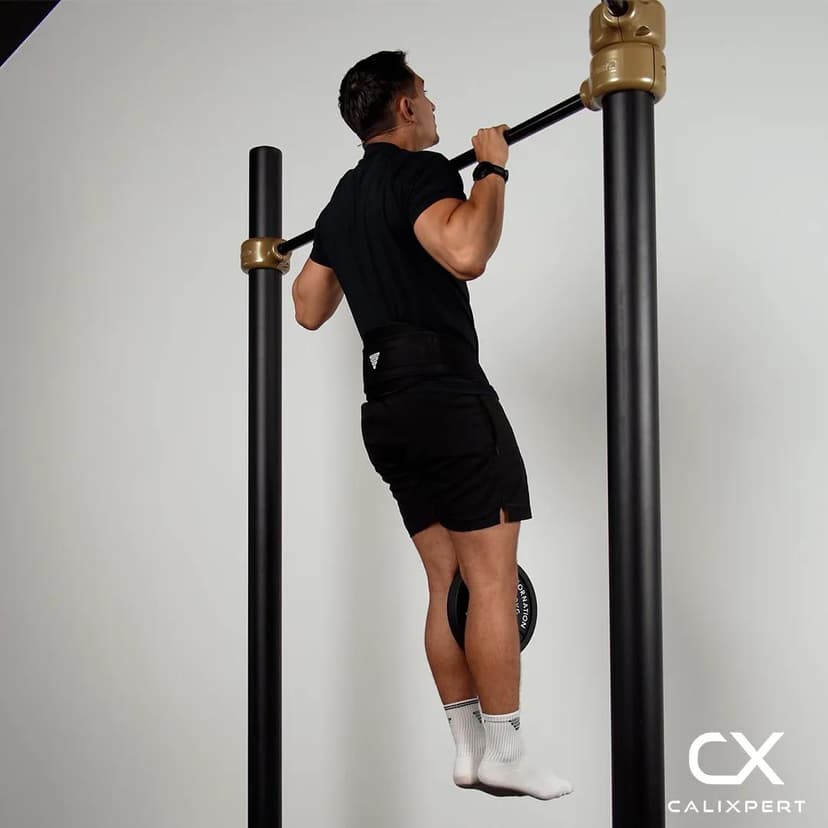
Archer Pull-Up
Use a wide grip and pull your chest toward one hand while the opposite arm stays extended and straight. This unilateral variation loads one side at a time and builds the single-arm pulling strength that leads directly to the one-arm pull-up.