Assisted Pull Ups
Assisted pull-ups are a band-supported vertical pulling exercise that trains the lats, biceps, rear deltoids, and traps through the same full range of motion as a standard pull-up. A resistance band looped over the bar and under both feet offloads a portion of your bodyweight, allowing you to practice proper scapular initiation and elbow drive with quality reps you could not yet perform unassisted. Done with strict technique, assisted pull-ups are the single most effective bridge between dead hangs and your first unassisted pull-up.
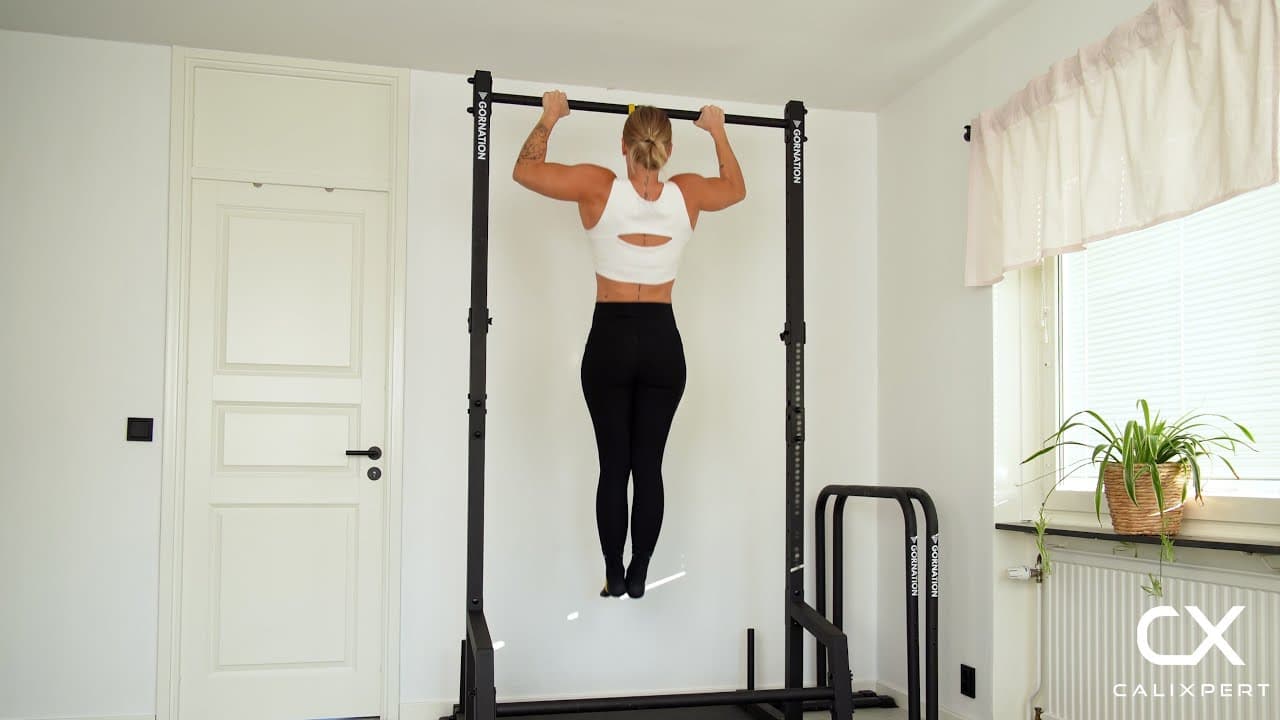
Assisted pull-ups are a band-supported vertical pulling exercise that trains the lats, biceps, rear deltoids, and traps through the same full range of motion as a standard pull-up. A resistance band looped over the bar and under both feet offloads a portion of your bodyweight, allowing you to practice proper scapular initiation and elbow drive with quality reps you could not yet perform unassisted. Done with strict technique, assisted pull-ups are the single most effective bridge between dead hangs and your first unassisted pull-up.
How to Do Assisted Pull Ups
1. Attach and Step Into the Band
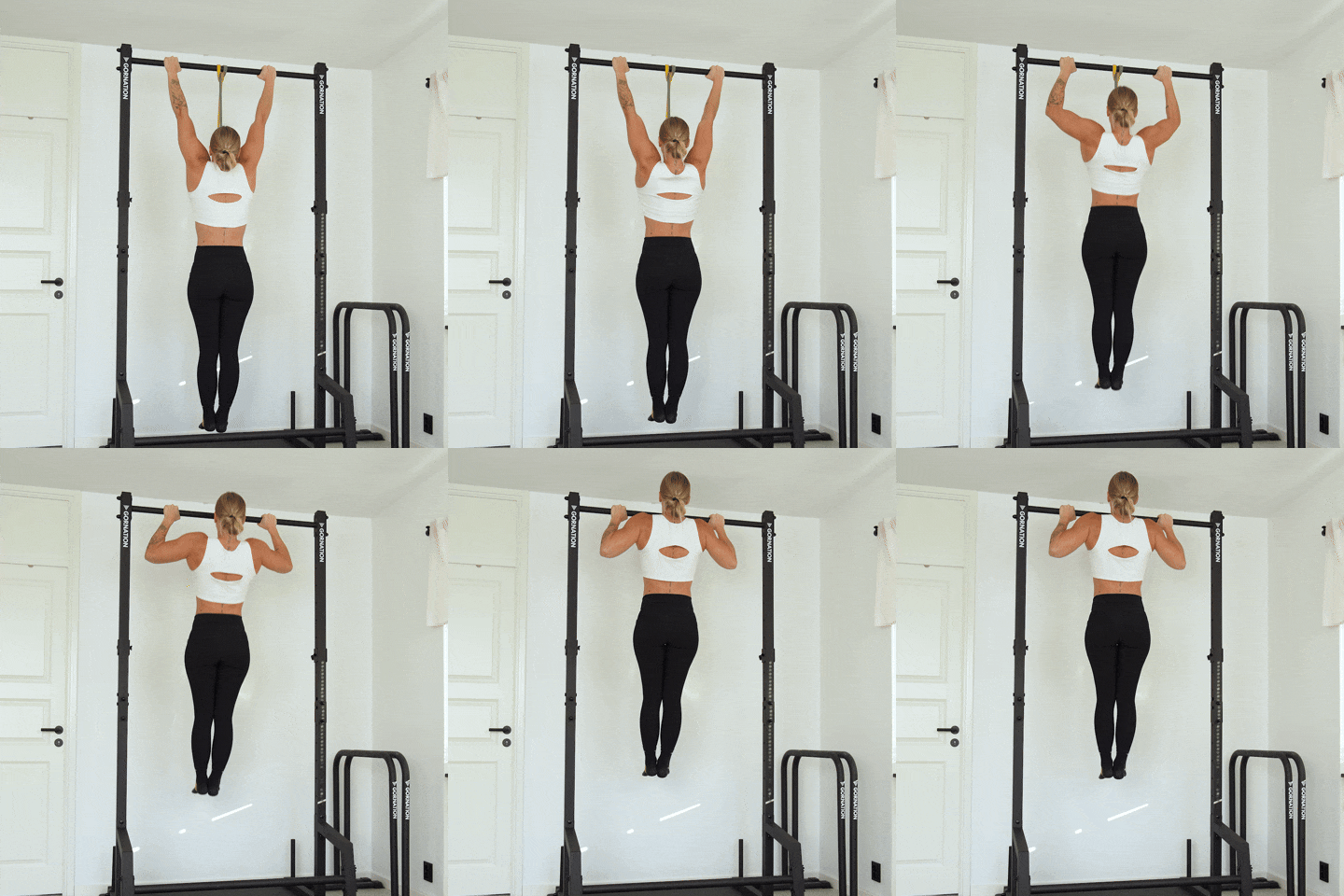
Loop a resistance band over the pull-up bar so it hangs down in a long loop. Step both feet into the bottom of the band and let it sit across the arches of your feet. Squeeze your legs together from the start, which locks the band in place and creates full-body tension from your feet through your core.
Feet together, legs squeezed tight
2. Set Your Grip on the Bar
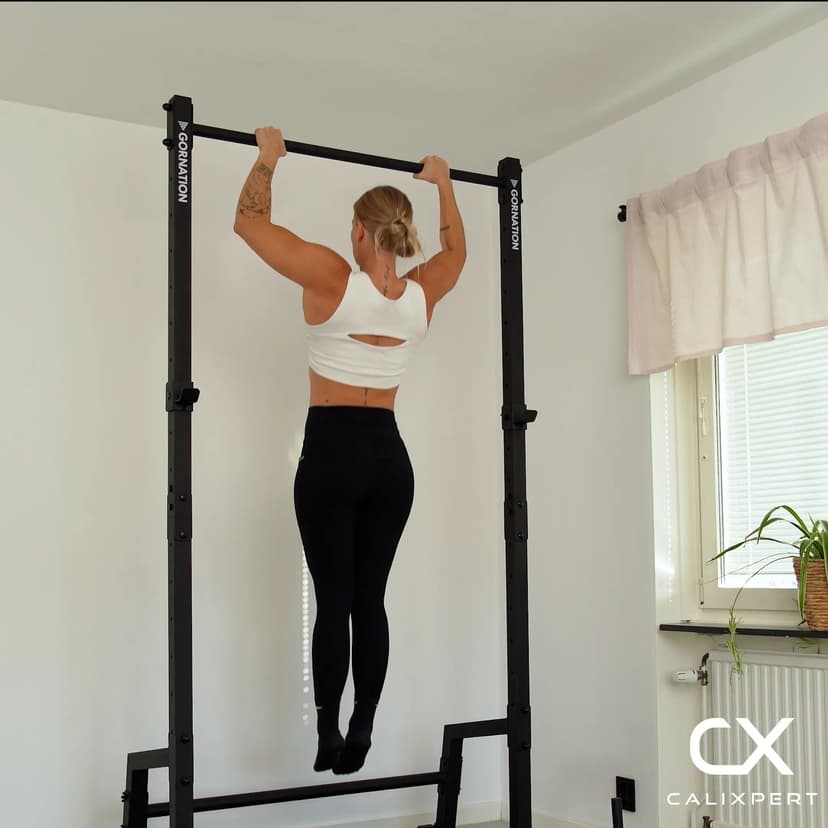
Grab the bar with an overhand grip roughly shoulder-width apart or slightly wider. Wrap your thumbs fully around the bar, never resting them on top. This full grip keeps the wrists stable and prevents the hand from slipping during the pull. Let your arms extend fully so you start from a true dead hang with the band providing support underneath.
Thumbs around the bar, arms fully straight
3. Initiate With a Scapular Pull-Up
Before bending your elbows, pull your shoulder blades down and back. This scapular set is not optional, even with band assistance. It activates the stabilizers of the upper back and protects the shoulder joint before any pulling force is applied. You should feel your body rise slightly as the scapulae depress.
Shoulders down and back first
4. Pull With Elbows Out and Back
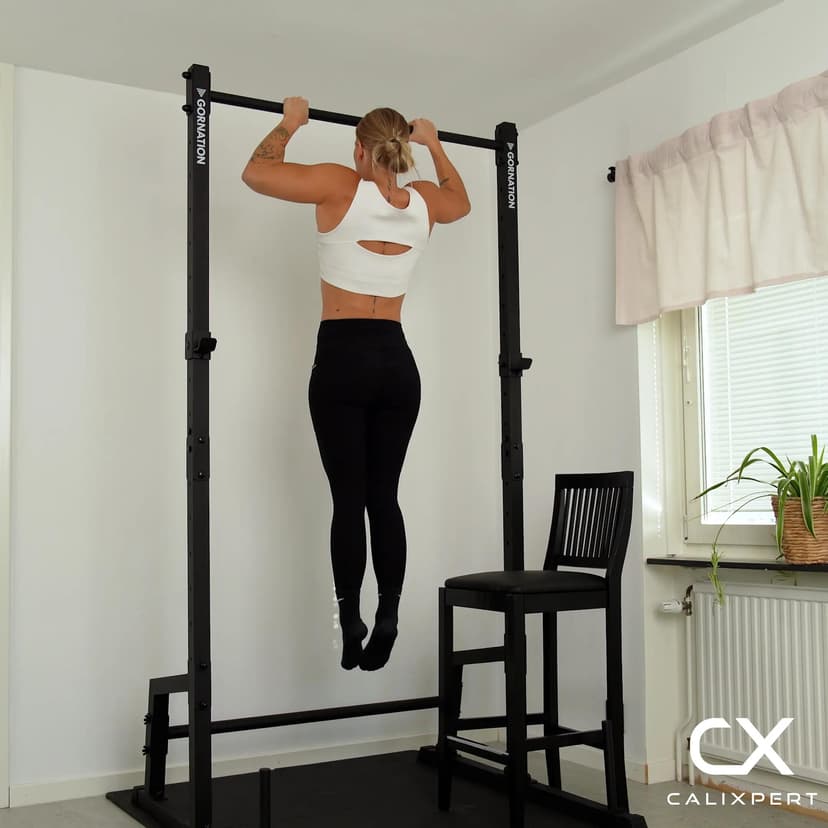
Begin the pull by driving your elbows outward and backward, not straight down toward your hips. Keep your core braced and maintain a slight hollow body position to prevent swinging. This elbow path places the lats in their strongest mechanical position and stops the biceps from doing all the work.
Drive elbows out and back
5. Retract and Clear the Bar
As you approach the top, squeeze your shoulder blades together and lift your chest slightly toward the bar. Continue pulling until your chin clears above the bar. Your chin should rise as a result of full pulling effort, not by jutting your head forward or craning your neck.
Chest up, chin over, neck neutral
6. Lower Under Control
Slowly extend your arms on the descent, resisting the pull of gravity and the band's rebound for a full 3-second count. Lower until your arms are completely straight and your shoulders settle back into a dead hang. Re-set your scapula before starting the next rep. This controlled eccentric phase builds pulling strength faster than dropping down quickly.
3-second descent, full extension
The biggest mistake people make with banded pull-ups is treating the band like a catapult. If you let it bounce you out of the bottom, you skip the hardest part of the movement and never build the strength you actually need. Start every rep from a dead stop, set your scapula, then pull. When you can do 3 clean sets of 8 on a light band with a 3-second descent, drop the band entirely.
Muscles Worked During Assisted Pull Ups
Secondary Muscles:
Primary Muscles
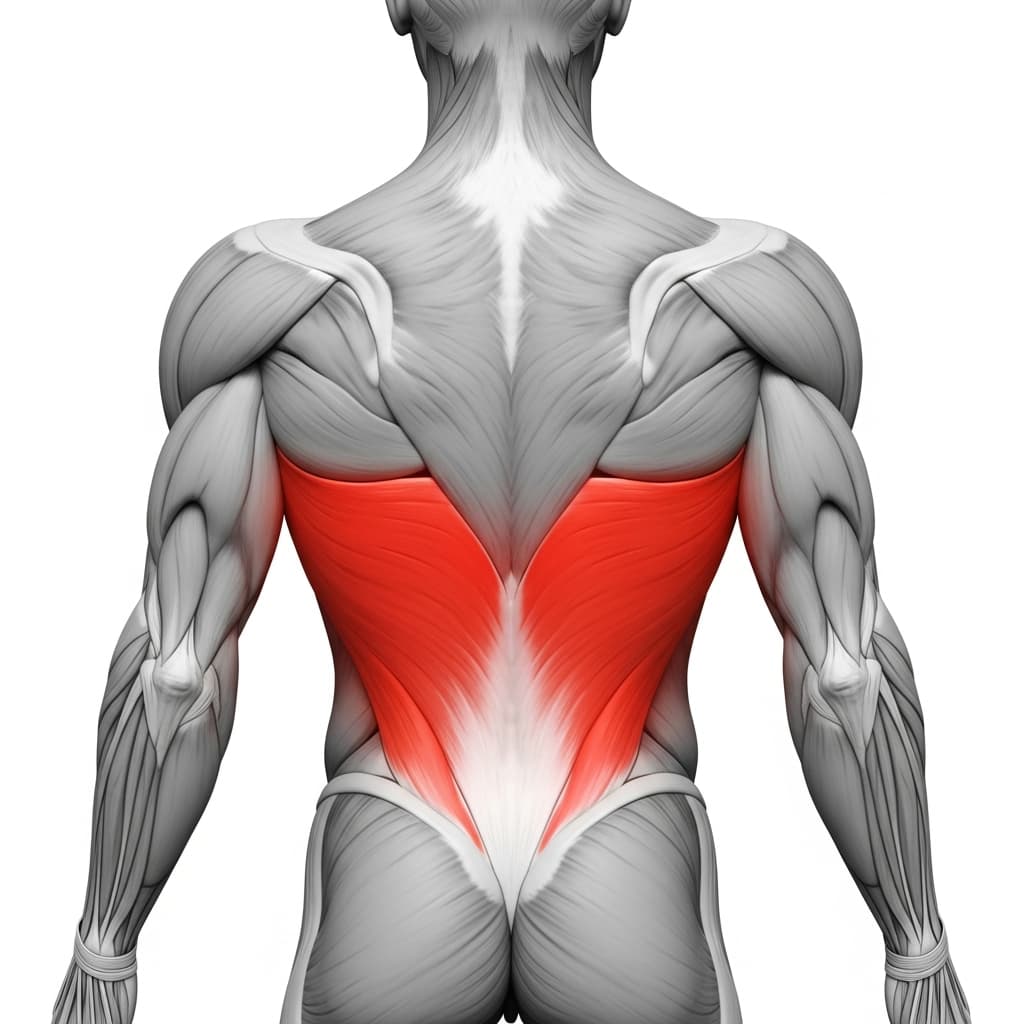
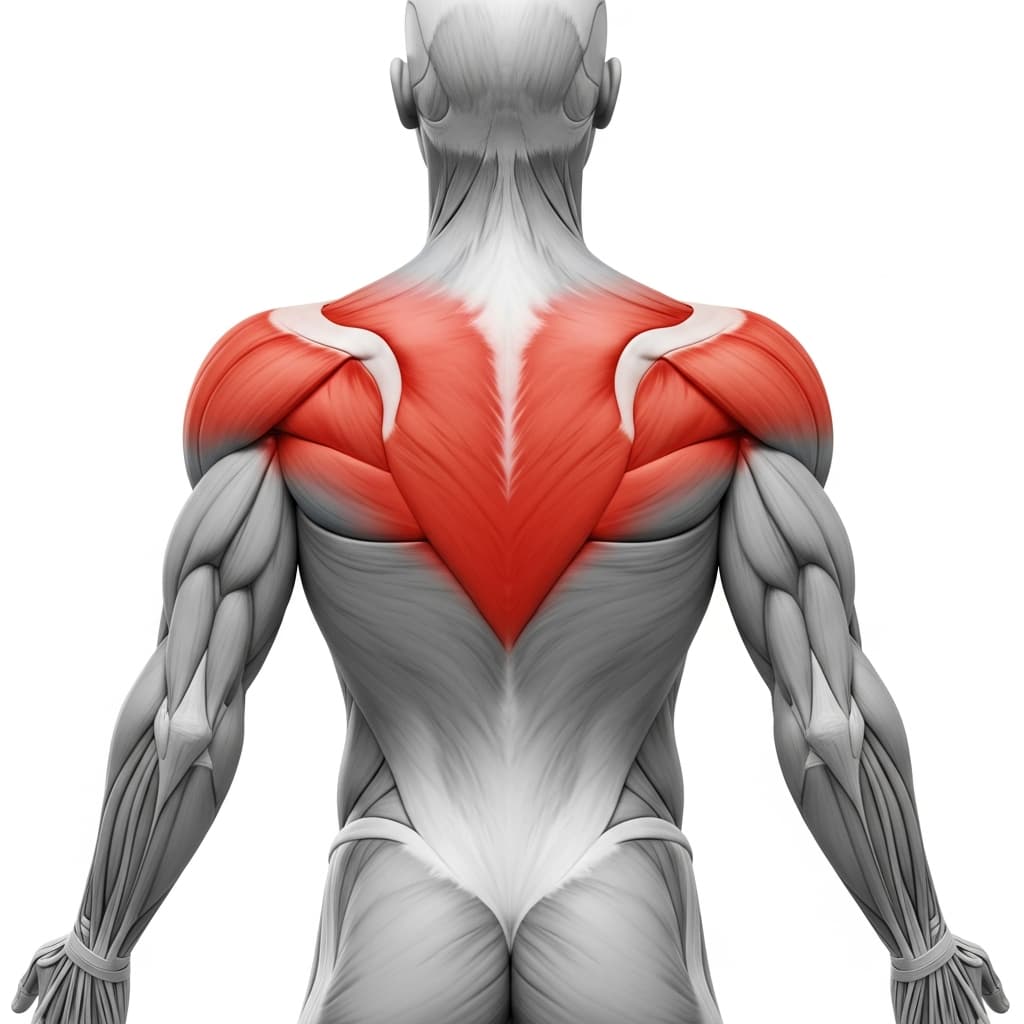
Latissimus Dorsi (Lats) - The lats act as the primary mover by pulling the upper arm downward and backward, driving the body upward toward the bar throughout the concentric phase.
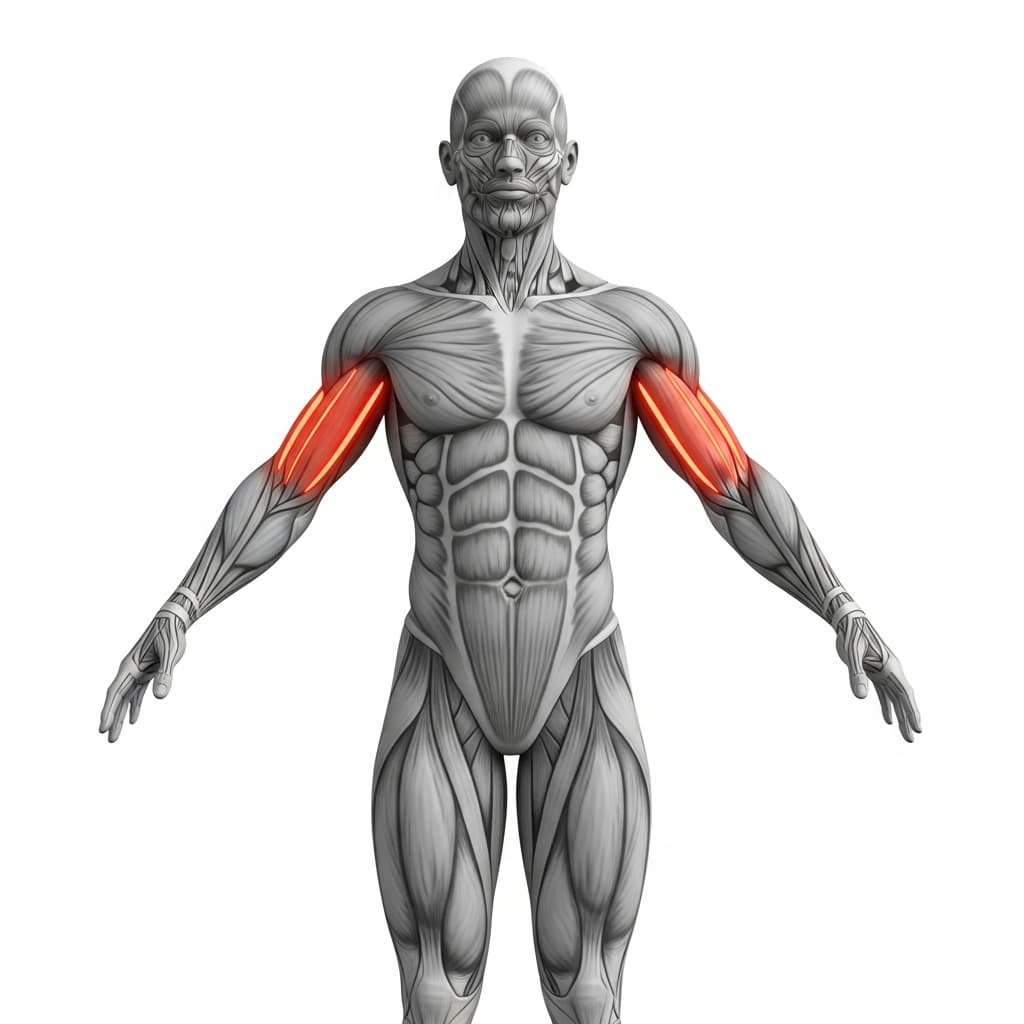
Biceps Brachii (Biceps) - The biceps flex the elbow joint during the pull, working alongside the lats to draw the body upward through the full range of motion.
Secondary Muscles
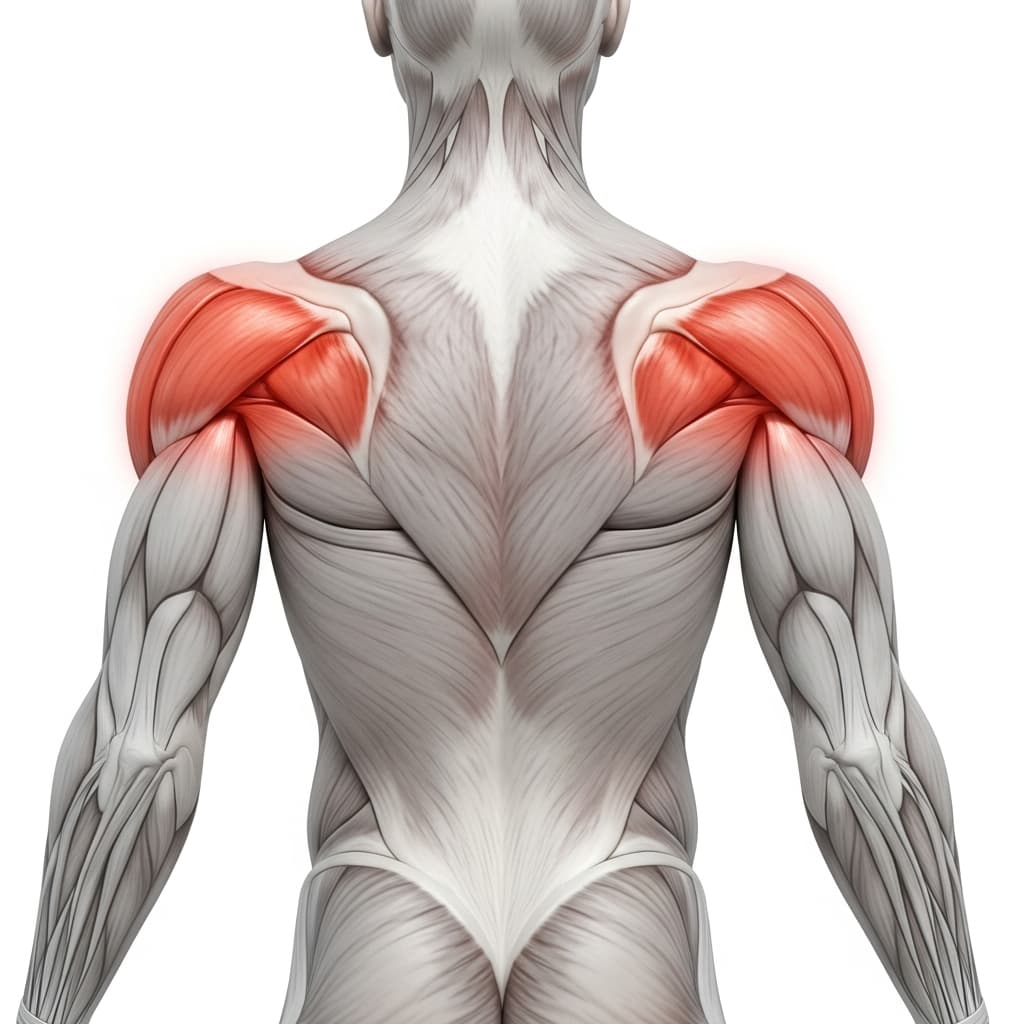
Posterior Deltoid (Rear Deltoid) - The rear deltoids assist in horizontal shoulder extension as you drive the elbows backward at the top of each rep.
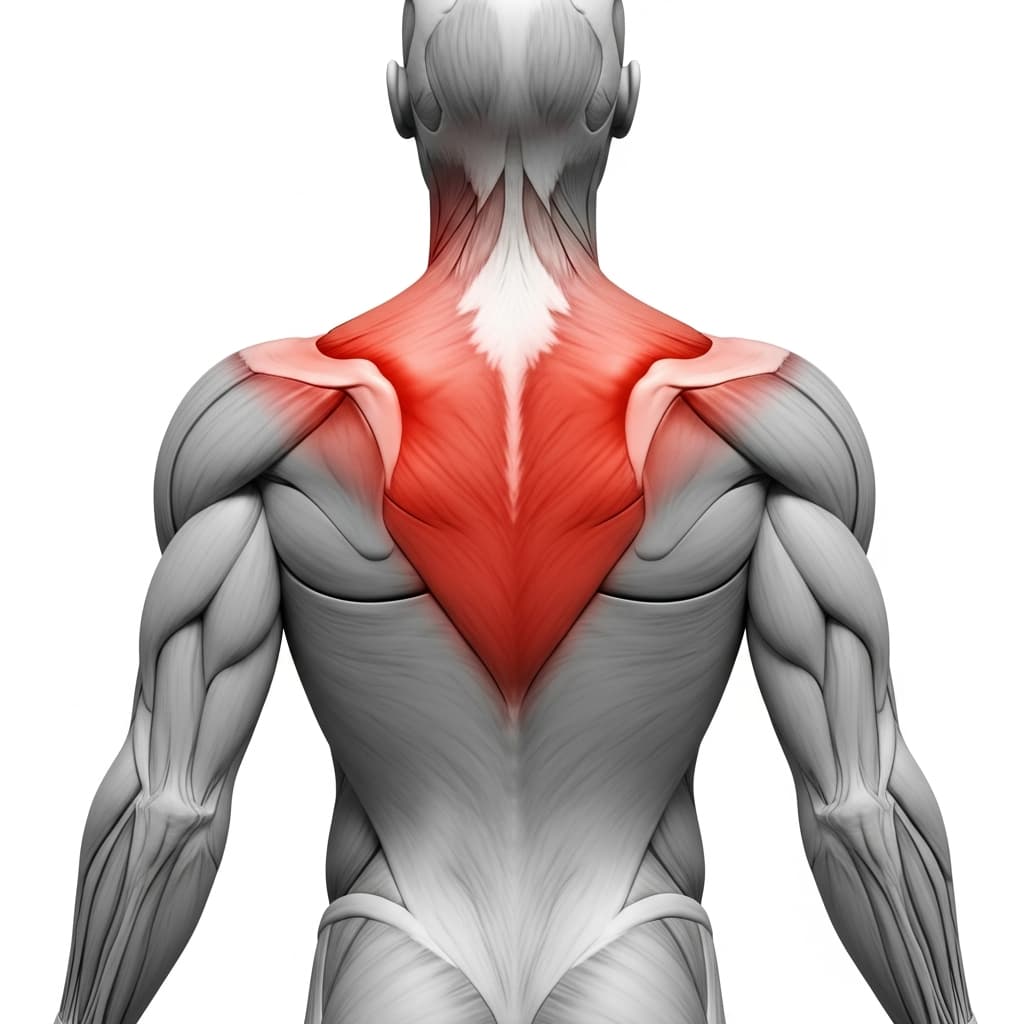
Trapezius (Trapezius) - The middle and lower traps retract and depress the scapulae during the scapular initiation and the squeeze at the top of the movement.
Rhomboids & Upper Trapezius (Upper Back) - The rhomboids and other upper back muscles work to pull the shoulder blades together during scapular retraction at the top position.
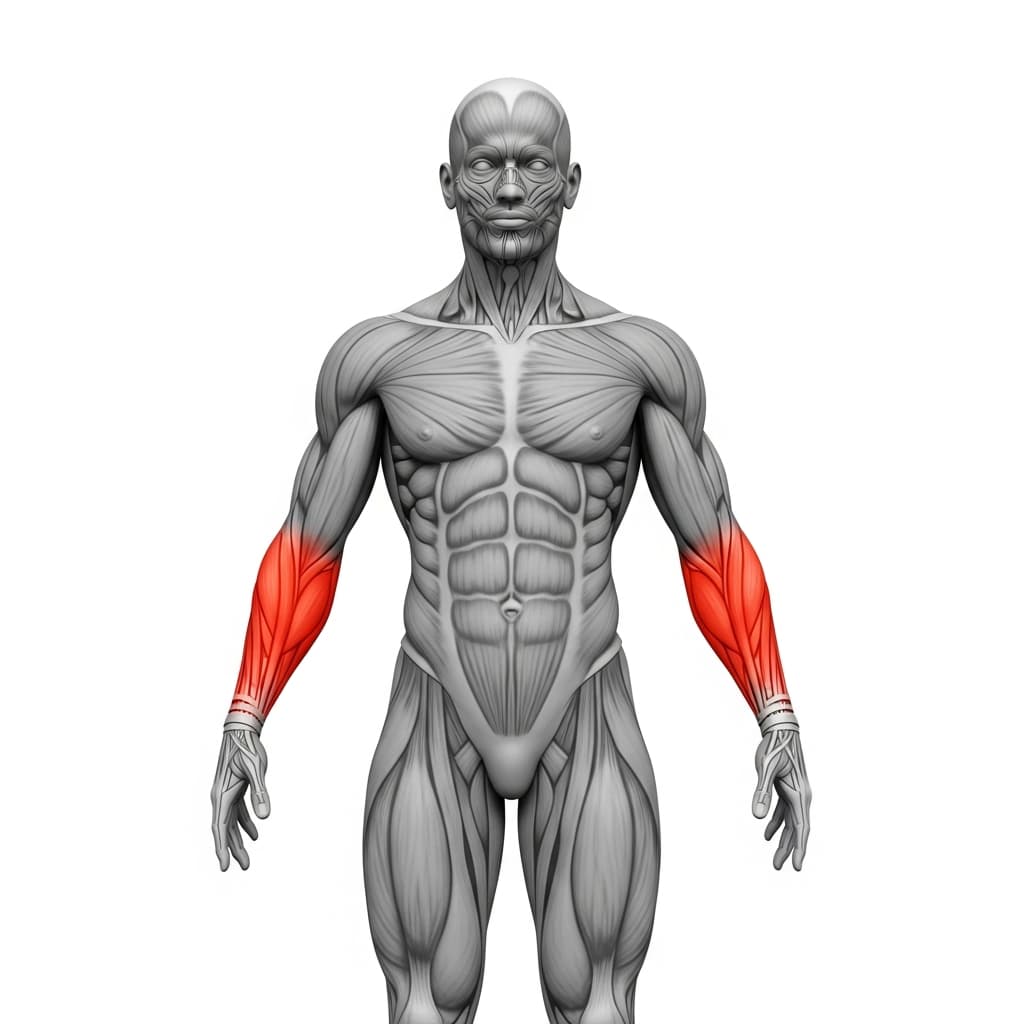
Forearm Flexors & Extensors (Forearms) - The forearm flexors maintain grip on the bar throughout every rep, sustaining isometric contraction under partial bodyweight load.
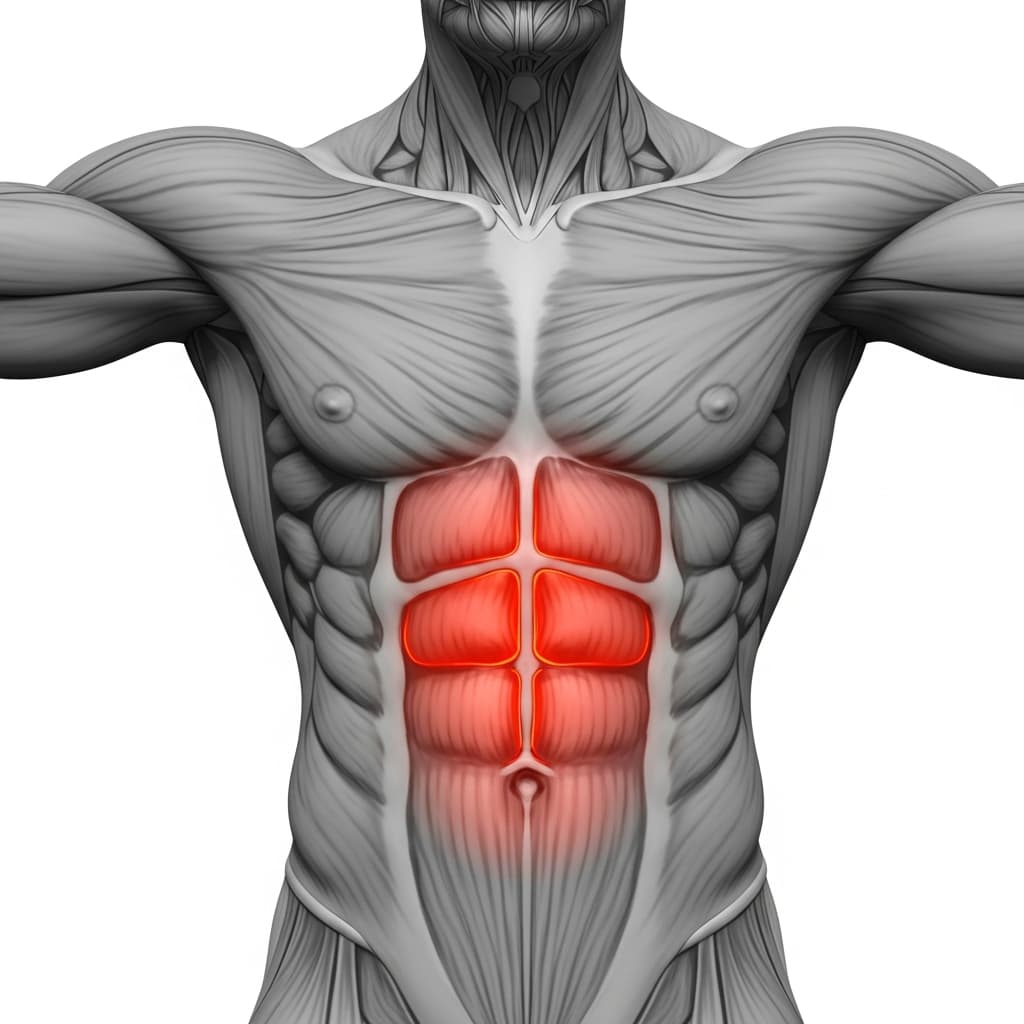
Rectus Abdominis (Abs) - The abdominals brace the torso and maintain a slight hollow body position, preventing swinging and keeping the body stable during each rep.
Benefits of Assisted Pull Ups
- Teaches correct scapular initiation and elbow drive pattern that transfers directly to unassisted pull-ups and advanced pulling skills
- Builds lat width and upper back thickness through a full range of motion while reducing joint stress with band assistance
- Develops grip strength and forearm endurance through sustained hanging under partial bodyweight load
- Strengthens scapular stabilizers, which protects the shoulder joint during overhead pressing and skill work
- Allows precise load management by swapping band thickness, making progressive overload straightforward for beginners
Who Is This Exercise For?
You should be able to hold a dead hang for at least 15 seconds with stable shoulders and perform 5 controlled scapular pull-ups before adding the band and attempting full assisted pull-ups. If you cannot maintain a firm grip on the bar or your shoulders shrug up toward your ears during a hang, focus on grip endurance and scapular depression drills first. This exercise is not yet appropriate if you lack the shoulder mobility to reach a full overhead position without pain.
Common Mistakes to Avoid
Skipping scapular initiation: Depress and retract your shoulder blades before bending the elbows on every single rep. Practicing isolated scapular pull-ups as a warm-up builds this habit and transfers directly into better full pull-up mechanics.
Placing only one foot in the band: Always step both feet into the band and squeeze your legs together. A single-foot setup causes the body to rotate and twist, making it impossible to maintain proper pulling mechanics.
Letting the band bounce you up: Start each rep from a controlled dead hang with zero momentum. If you use the elastic rebound of the band to launch into the next rep, you bypass the hardest portion of the pull and develop less strength.
Craning the neck over the bar: Keep your neck neutral and let your chin clear the bar as a result of pulling your chest up. Jutting the head forward shortchanges the range of motion and places unnecessary strain on the cervical spine.
Dropping on the descent: Control the lowering phase for at least 3 seconds on every rep. The eccentric portion builds strength and connective tissue resilience that you will need for unassisted pull-ups.